
July 29, 2026, 10:30 AM - Double Trouble - 2 Orca Pods and half a dozen Humpbacks!
With three boats departing Nanaimo this morning, our crews spread out across the Salish Sea, each taking a slightly different route into the Strait of Georgia. While every tour begins with the same goal, to search for whales, you never know exactly where the day's adventures will lead. Sometimes one vessel strikes gold while another continues searching, and other days every direction seems to hold a surprise. Today was certainly one of those days.
As our crew scanned the horizon for the telltale signs of marine life, each boat was rewarded in its own unique way. One of our open vessels came across a pair of familiar black dorsal fins slicing through the calm water not far from Nanaimo. These were the T030 siblings, travelling steadily together through the Strait. Meanwhile, another boat had found a trio of humpback whales: Vivaldi’s 2025 calf (BCX1704calf2025), Dalmatian (BCY0994), and Meqe' (BCZ0492).
T030A Sequoia ♂ (1986)
T030C Salix ♀ (2005)
Although orca and humpback whales couldn't be more different in appearance and lifestyle, both groups were exhibiting one of the most common behaviours we observe in the Salish Sea: travelling. Every whale has somewhere to be. Whether searching for prey, moving between productive feeding areas, or simply relocating through their home range, travelling is an essential part of their daily lives. Bigg's (Transient) Killer Whales may cover well over 100 kilometres in a single day while searching for seals, sea lions, or porpoises, and humpback whales regularly move between feeding hotspots as they take advantage of changing prey concentrations throughout the season.
After spending some wonderful time watching the T030 siblings make their way through the Strait, the crew began heading toward the humpback whale sighting to join the other vessel. However, nature had one more surprise waiting.
Before they could arrive, another set of tall dorsal fins suddenly surfaced nearby. A completely different family of Bigg's Killer Whales had appeared!
Our crew quickly identified the newcomers as the beloved T002Cs. Word spread quickly among the vessels, and before long, all three of our boats were sharing an unforgettable encounter with this remarkable family.
T002C Tasu ♀ (1989)
T002C1 Rocky ♂ (2002)
T002C3 Lucy ♀ (2011)
T002C5 Zippy/Guardian (2020)
T002C6 Yukon (2025)
The T002Cs have long held a special place in the hearts of our crew, not only because they are frequently seen throughout the Salish Sea, but because they tell an incredible story about the strength of family.
For many years, this family travelled alongside one of Tasu's sons, Tumbo (T002C2). Tumbo was born with severe scoliosis, causing a pronounced curve in his spine that greatly restricted his movement. Researchers believe his condition likely prevented him from participating in hunts alongside the rest of his family. Yet despite these challenges, Tumbo survived to approximately 15 years of age; something that would have been impossible without the unwavering support of his pod.
Bigg's Killer Whales are highly cooperative hunters, but their teamwork extends far beyond catching prey. Tumbo's family almost certainly shared food with him throughout his life, ensuring he received the nutrition he needed despite his inability to hunt himself effectively. His story is a powerful reminder that these whales are not simply predators; they are deeply social animals with complex family bonds built on cooperation, care, and lifelong relationships. Every encounter with the T002Cs serves as a touching example of the importance of family within orca society.
Eventually, it was time to leave the orcas and continue exploring the Salish Sea. Before long, the boat that had spent its morning with the T002Cs was rewarded with humpback whales of its own. Europa (BCX0854) and Vanta (BCX1730) were travelling together through the Strait, while Thunderbolt (BCY1517) was spotted surfacing nearby, giving guests their opportunity to appreciate these gentle giants.
Of course, whales are only part of the incredible marine ecosystem that makes the Salish Sea so special. Along the way, our guests also encountered several pinniped species. A group of Steller Sea Lions had claimed the Halibut Bank ODAS buoy as their afternoon lounging spot. These impressive animals often haul out on navigational markers and offshore structures to rest between feeding trips, and their deep guttural calls can often be heard long before they come into view.
Closer to shore, Harbour Seals rested quietly along a rocky shoreline, blending surprisingly well into the surrounding rocks. Unlike sea lions, Harbour Seals spend much of their time alone or in small groups, often hauling out to regulate their body temperature, avoid predators, and rest between foraging dives.
As the tours began making their way back toward Nanaimo, there was still one final stop to enjoy.
The towering sandstone cliffs of the Gabriola Bluffs offered a completely different perspective on the region's biodiversity. Nesting Double-crested Cormorants lined the cliff faces while colourful Pigeon Guillemots zipped back and forth from their nesting crevices carved into the sandstone. Looking down into the clear, shallow water at low tide revealed yet another hidden world. Bright orange leather stars clung to submerged rocks beside spiny sea urchins, patiently waiting for the tide to return and cover the intertidal zone once again.
From cooperative orca families and travelling humpback whales to bustling seabird colonies and fascinating tidepool life, today perfectly showcased just how diverse the Salish Sea truly is. Please enjoy all the photos taken throughout the tour by the onboard Marine Naturalists Aly Kohlman, Jordan Robinson, and Evan Hessels.
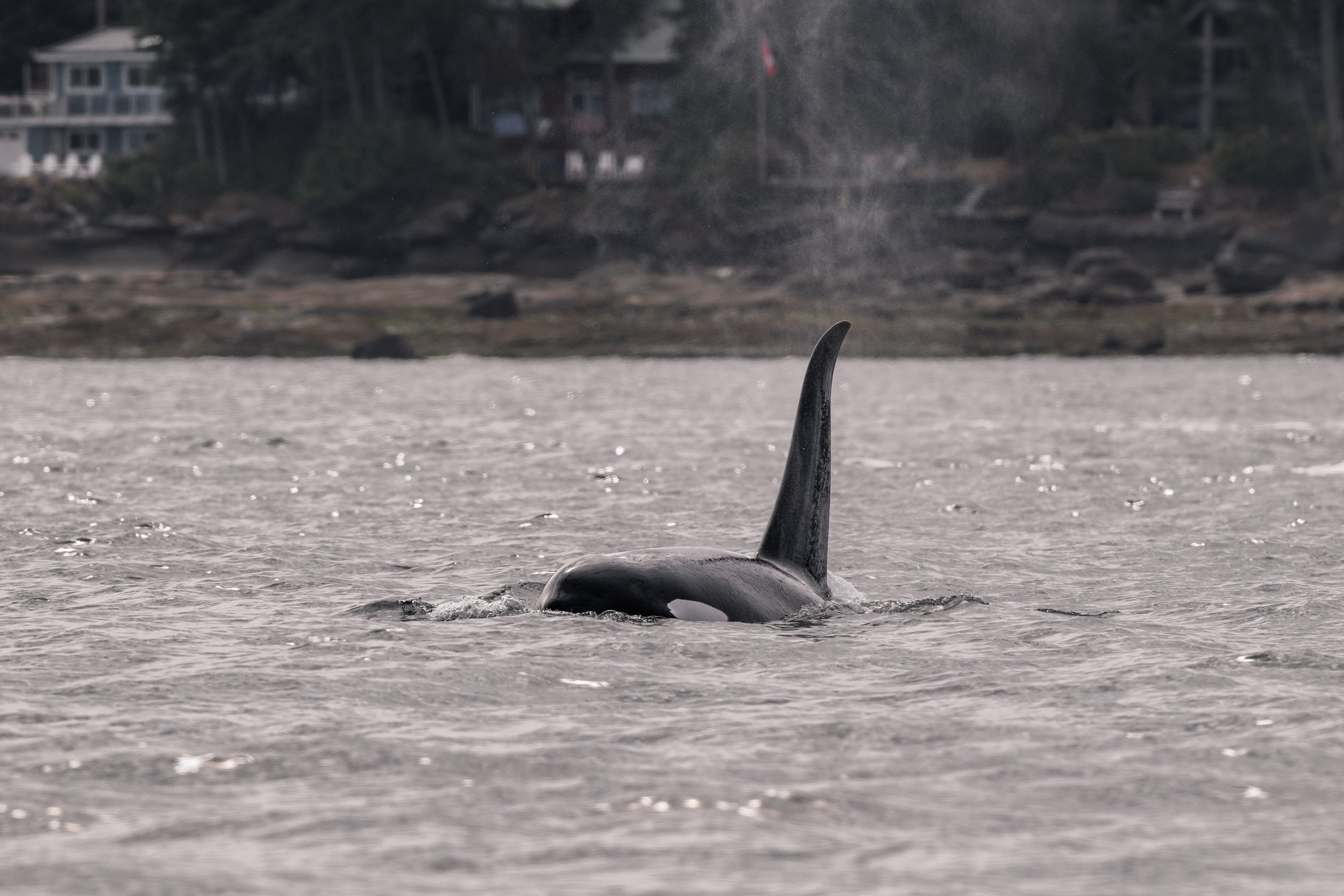
T030A Sequoia travelling. Photo by Aly Kohlman.
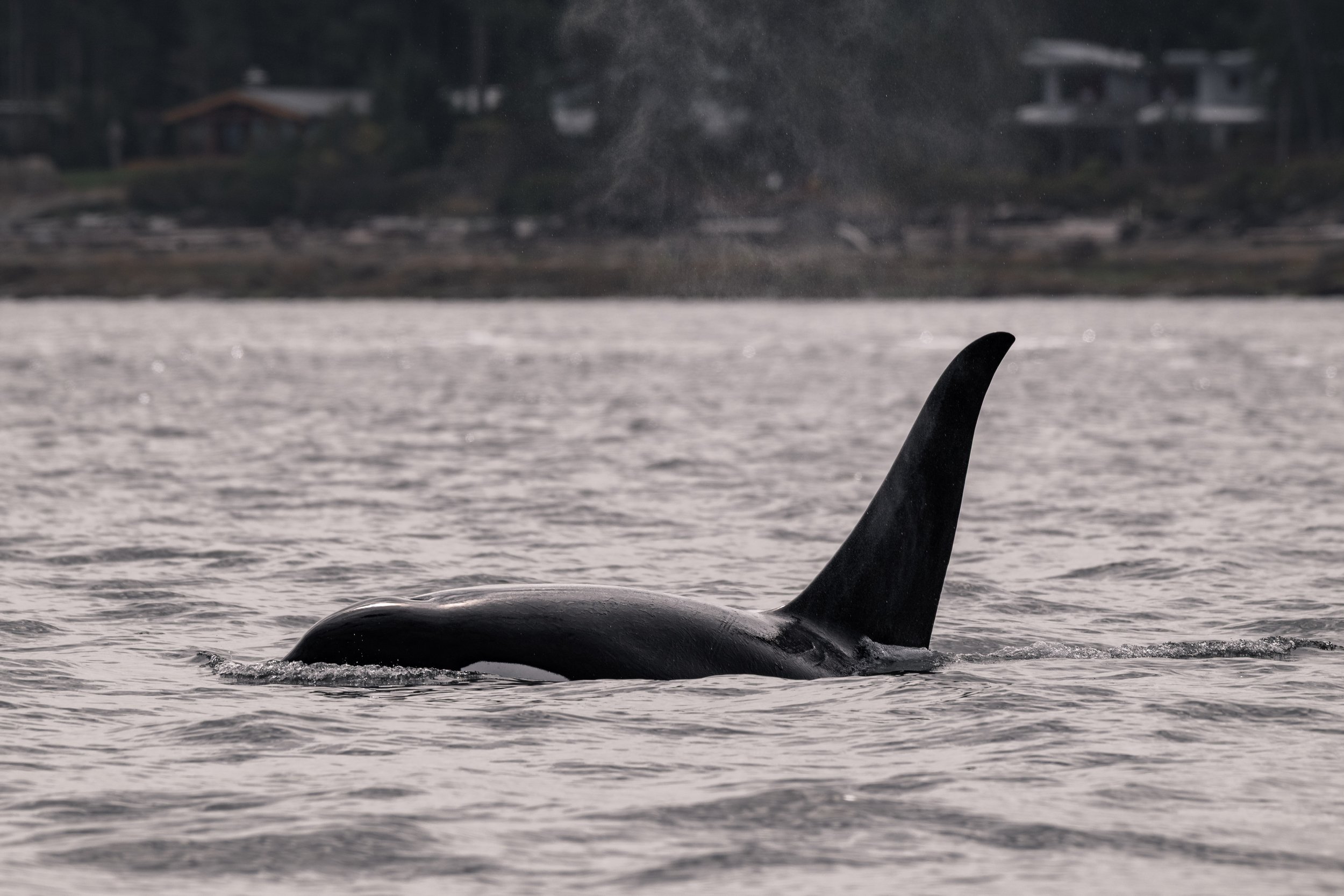
T030A Sequoia with just the very top edge of his eyepatch visible. Photo by Aly Kohlman.
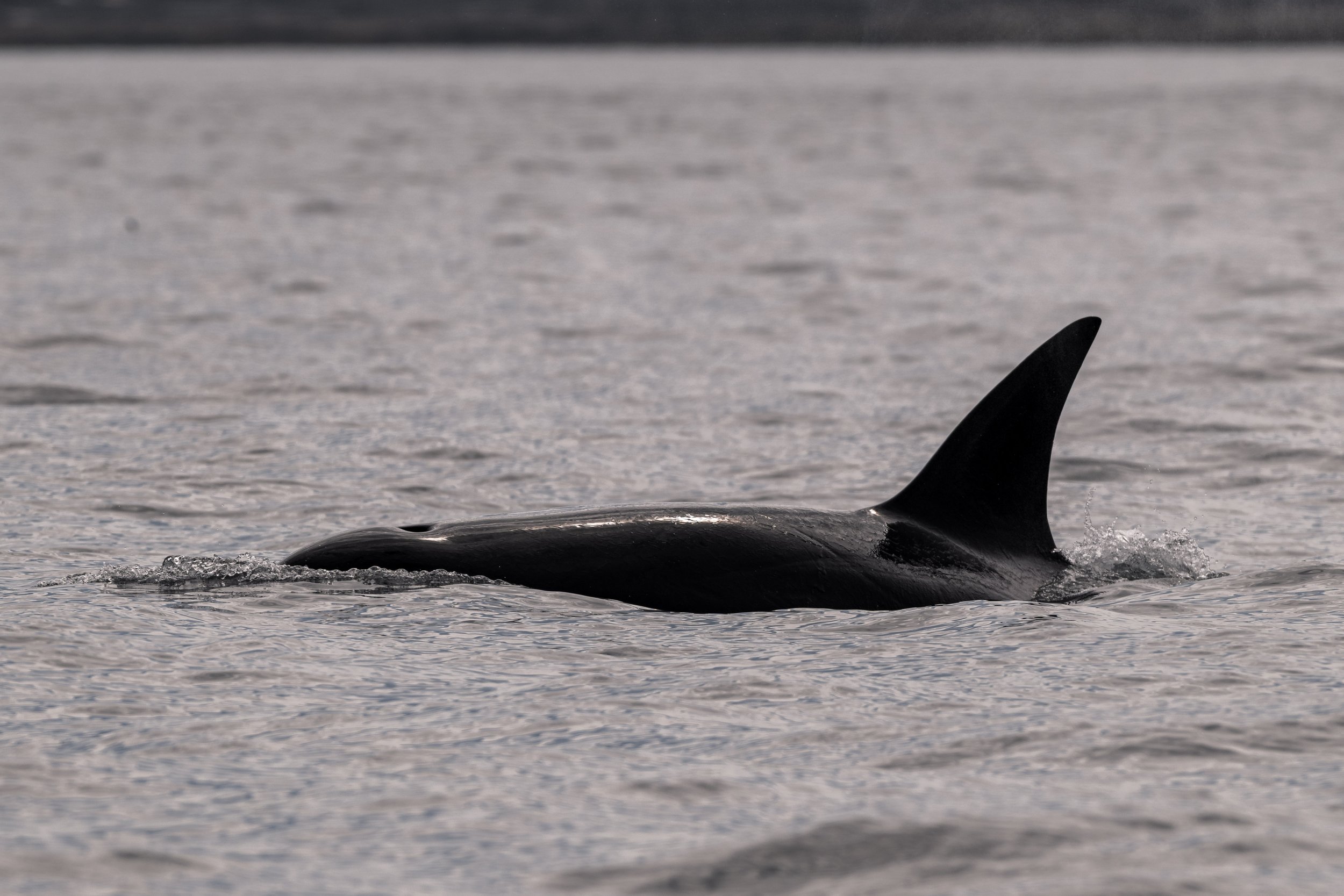
T030C Salix travelling along. Photo by Aly Kohlman.
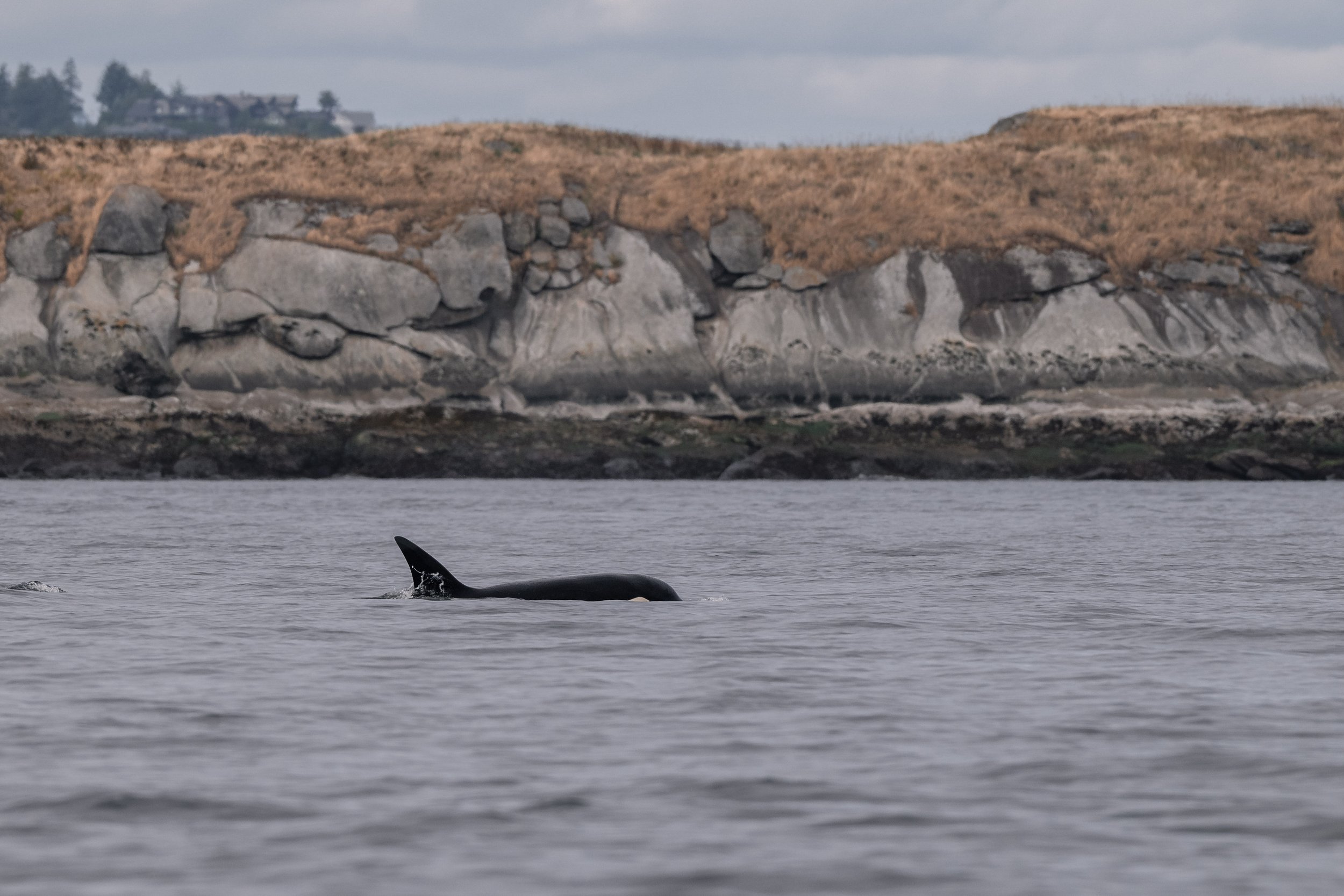
T030C Salix with Snake Island behind her. Photo by Aly Kohlman.
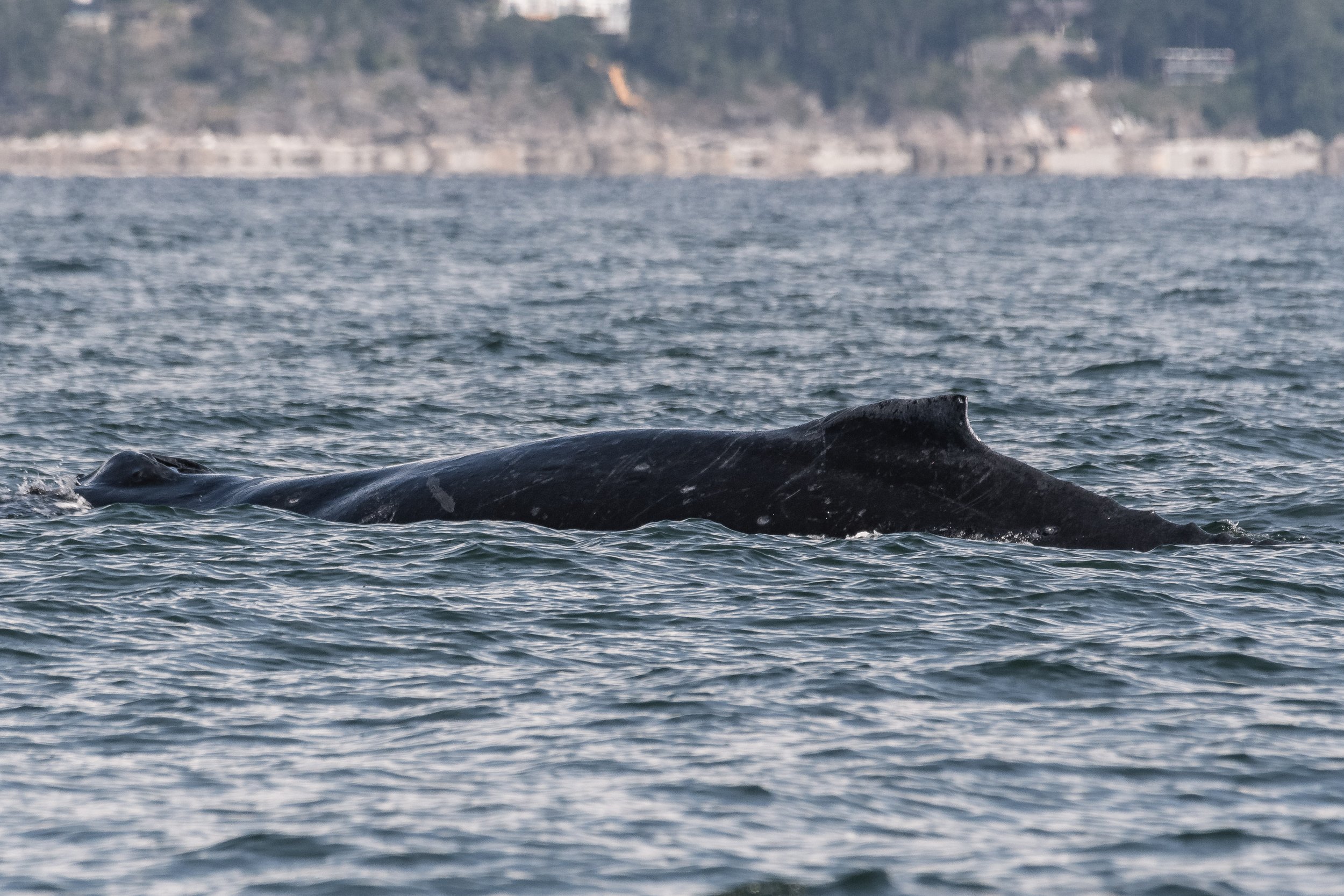
Meqe’ with their blowholes above the surface. Photo by Evan Hessels.
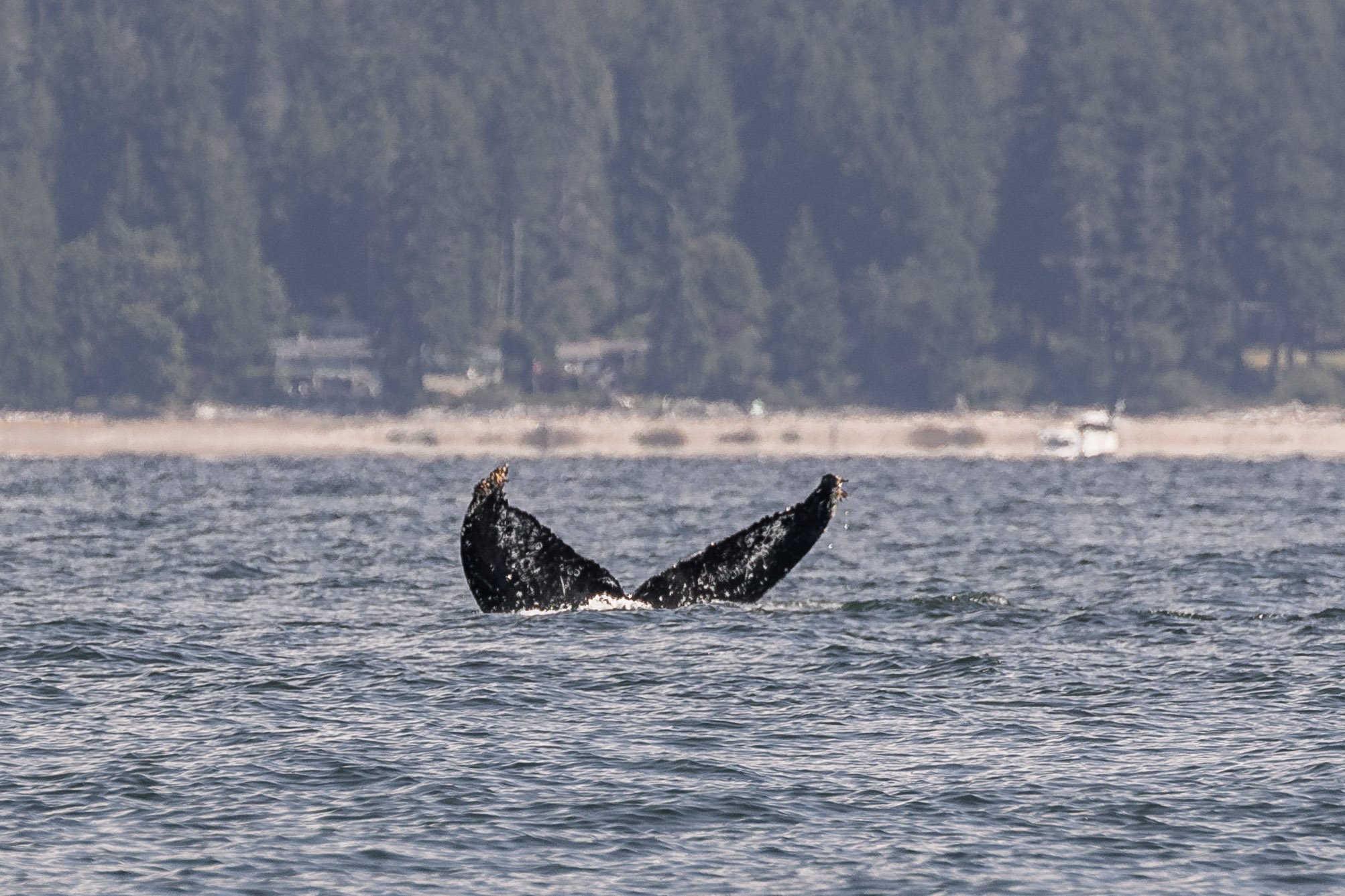
Dalmatian diving with his flukes in the air. Photo by Jordan Robinson.
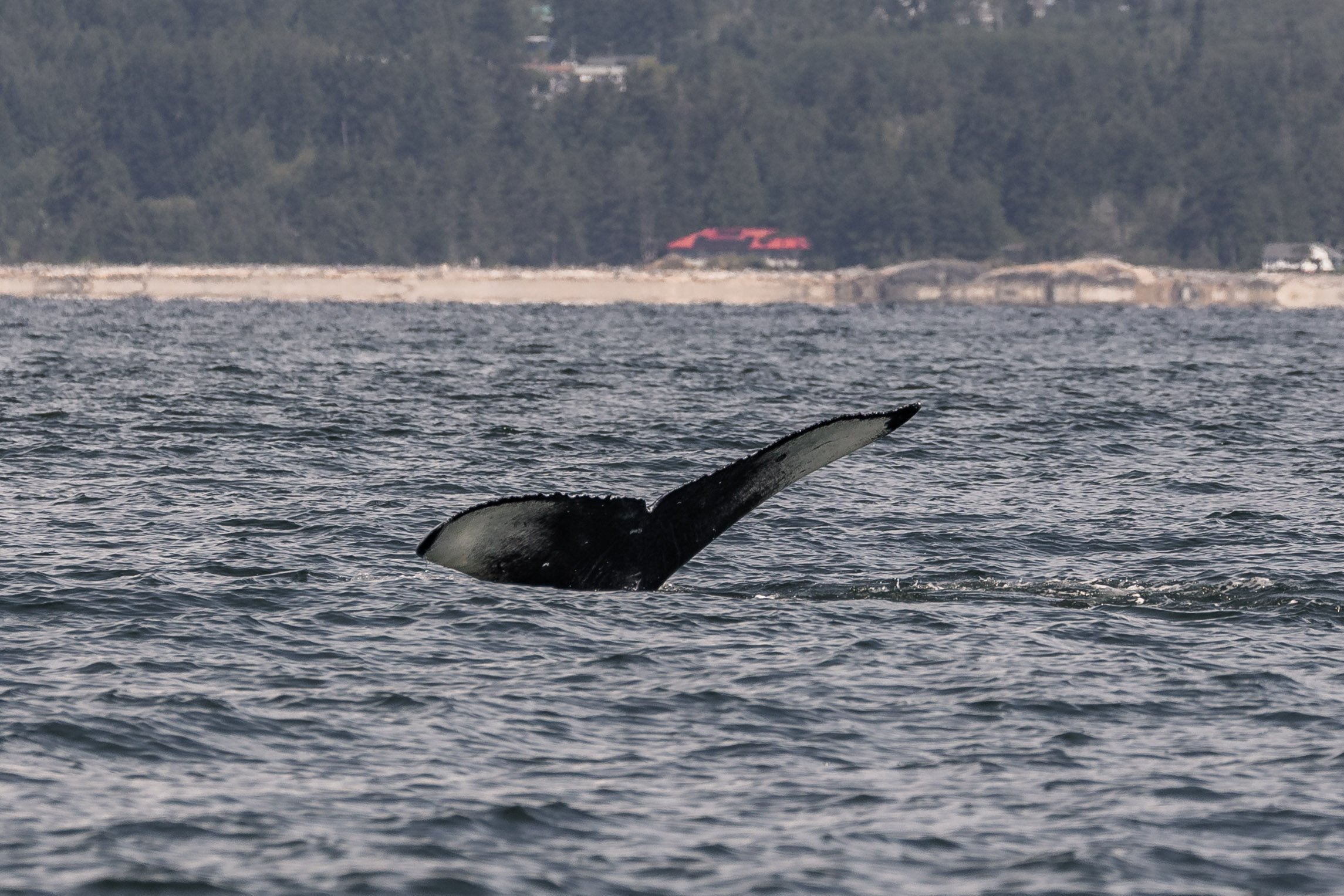
Vivaldi’s 2025 calf fluking. Photo by Jordan Robinson.
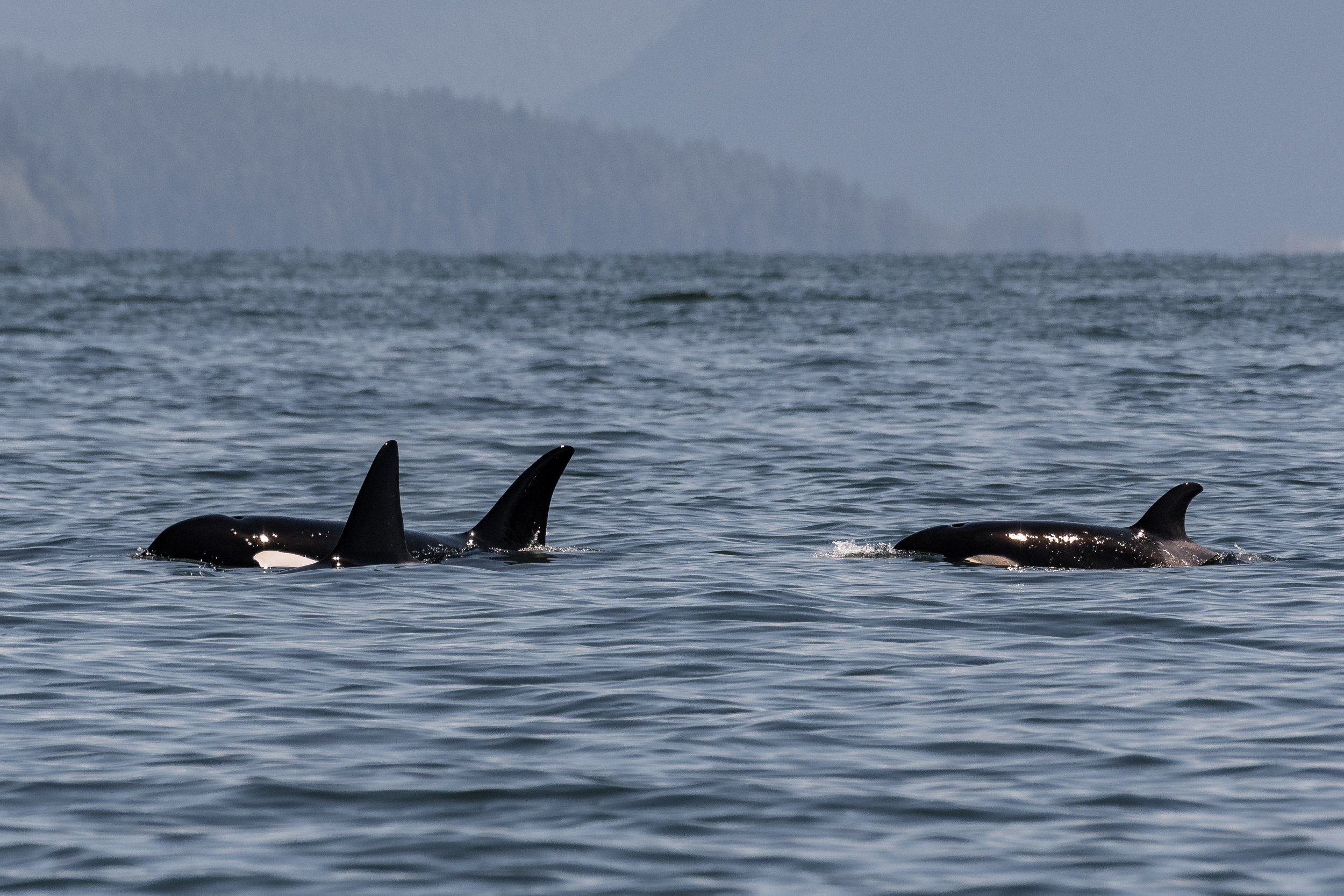
T002C3 Lucy, T002C Tasu, and T002C6 Yukon. Photo by Evan Hessels.
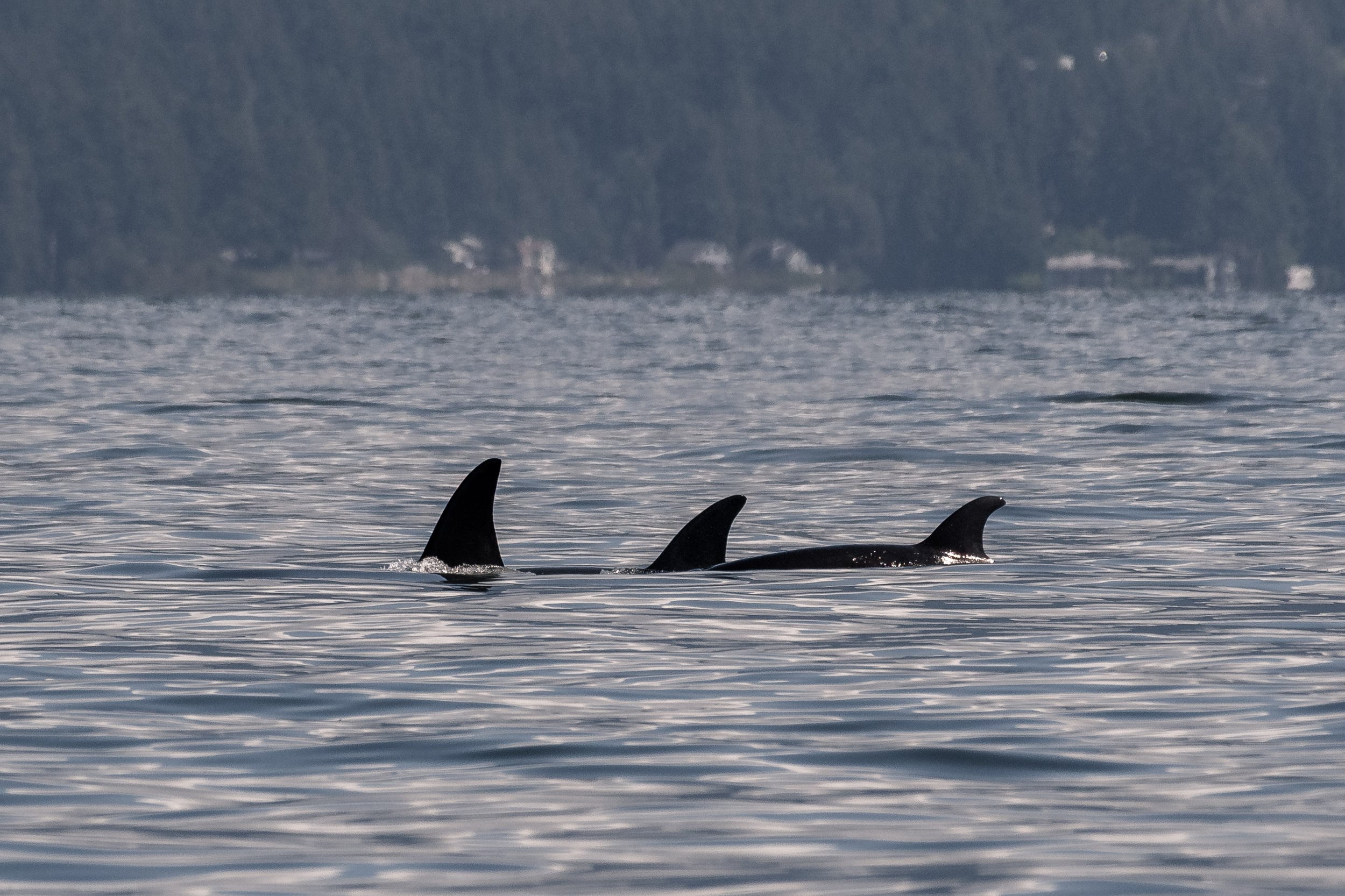
T002C Tasu, T002C5 Guardian, and T002C6 Yukon. Photo by Evan Hessels.
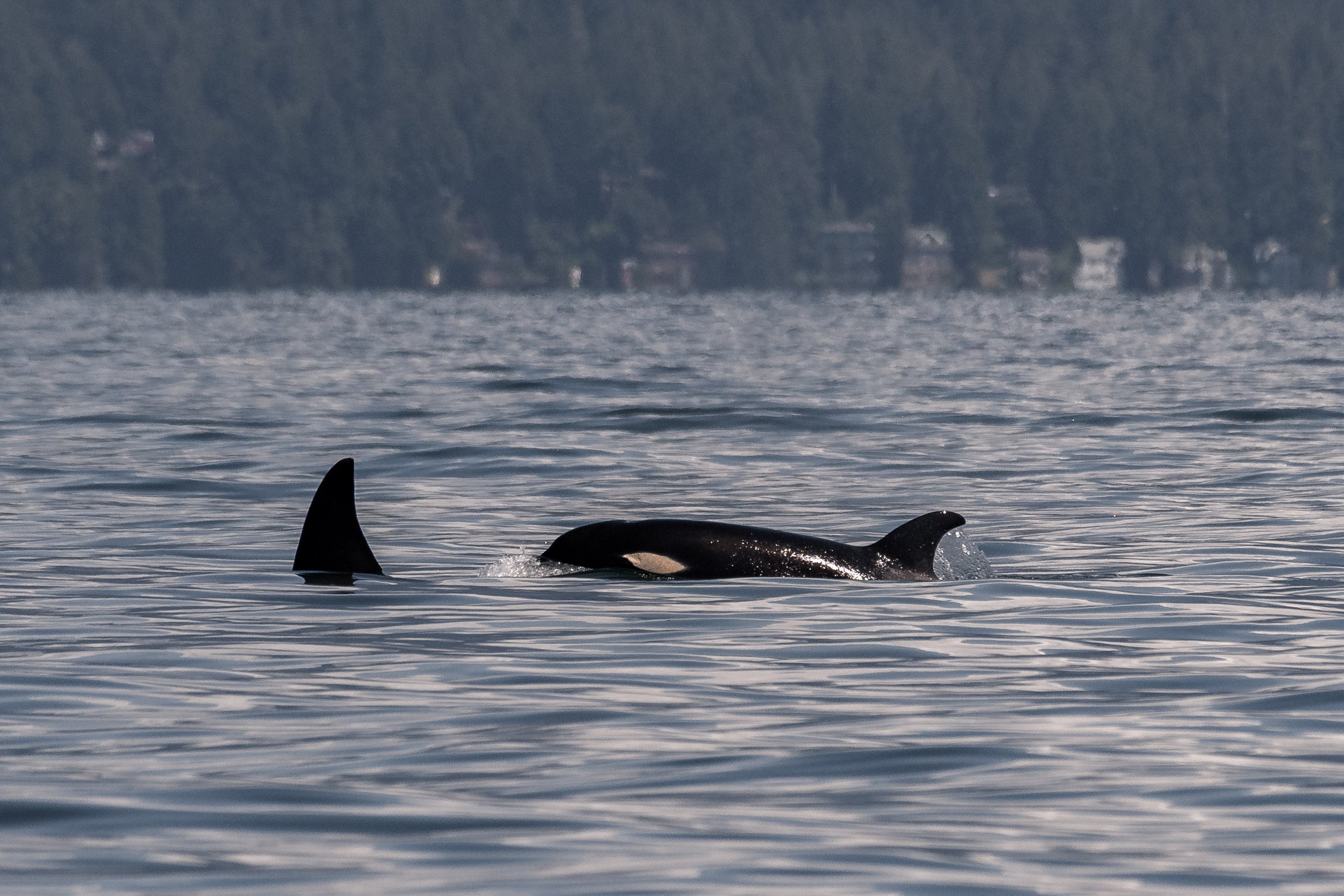
T002C Tasu with her youngest calf T002C6 Yukon. Photo by Evan Hessels.
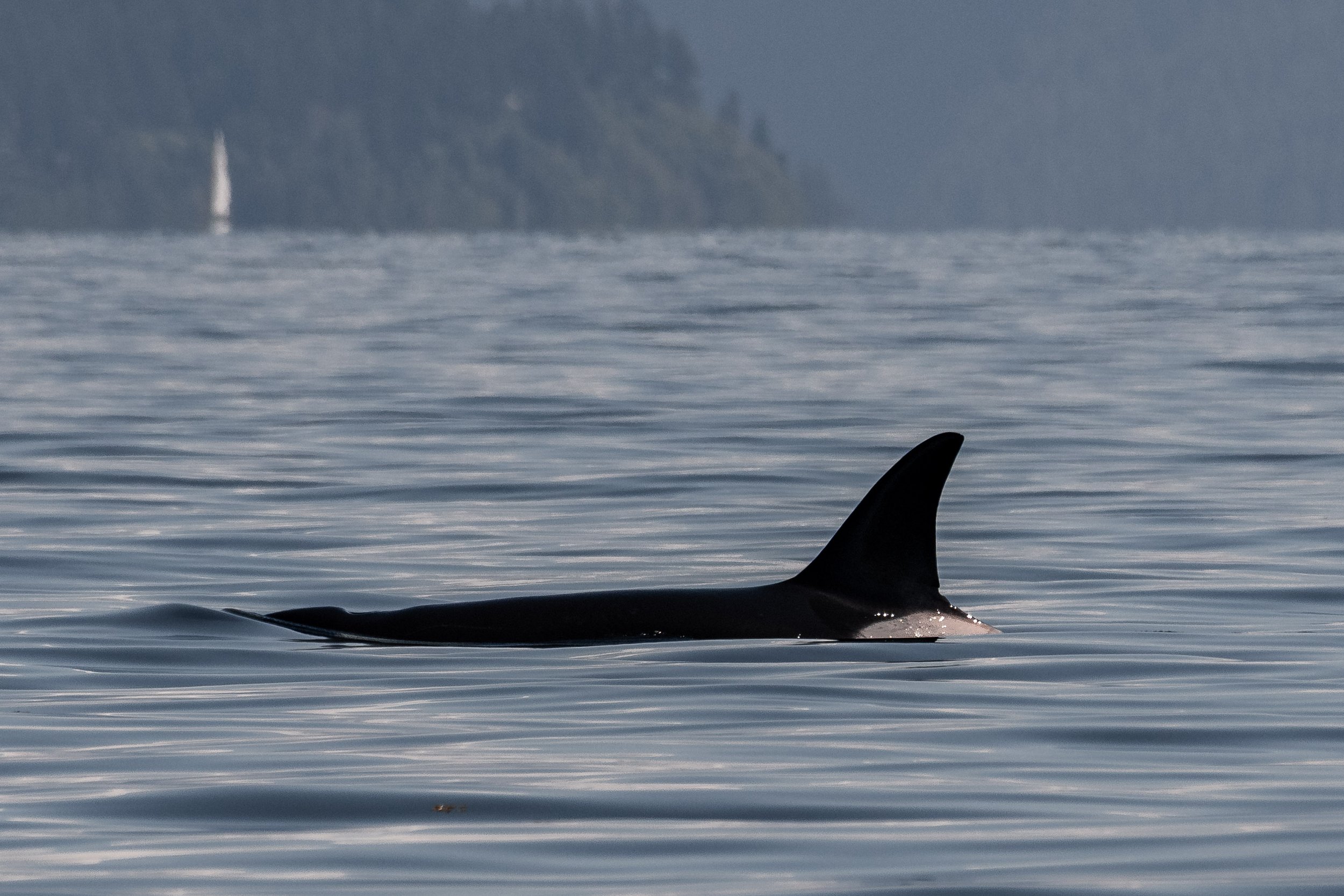
T002C Tasu travelling. Photo by Evan Hessels.
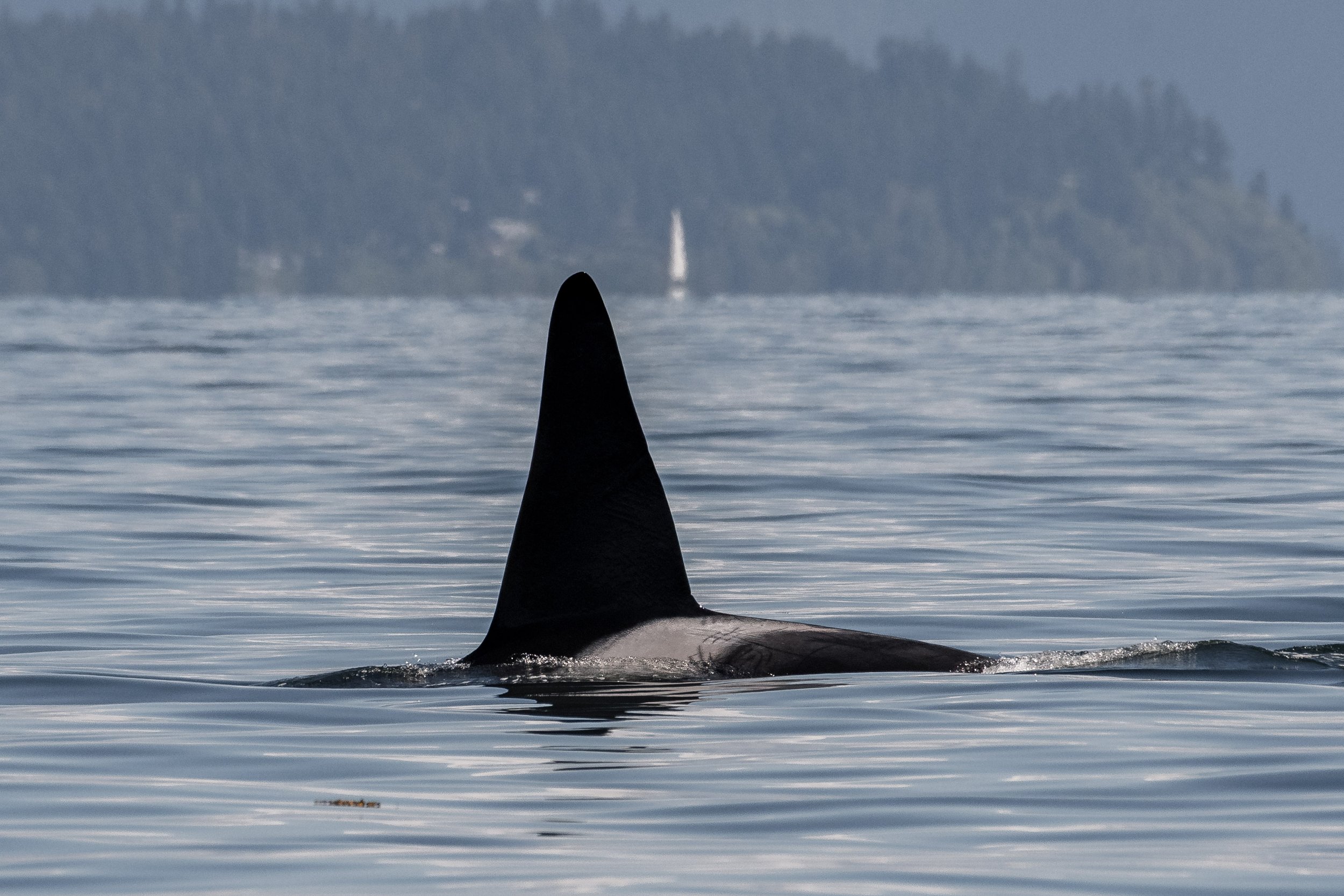
T002C1 Rocky going for a dive. Photo by Evan Hessels.
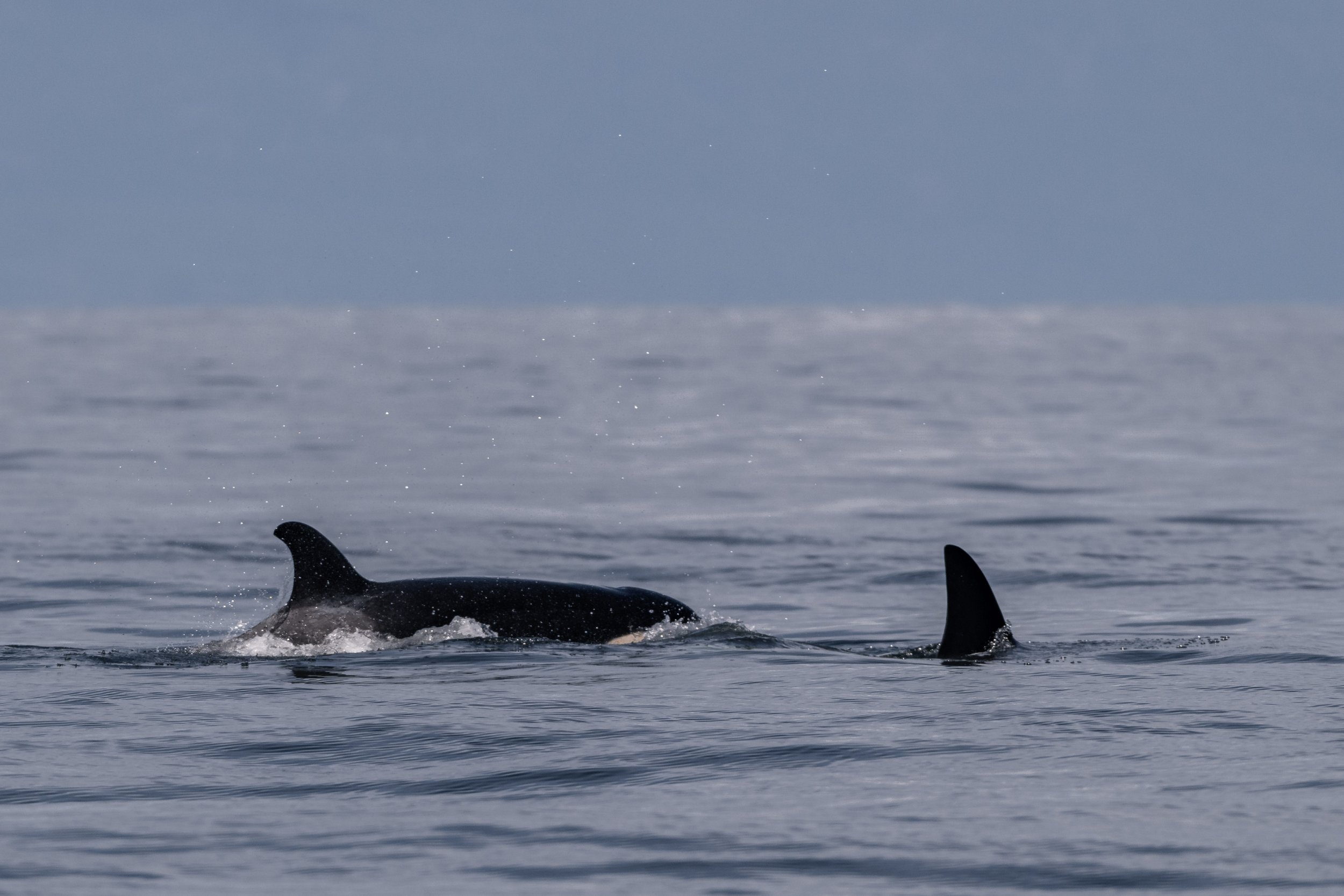
T002C6 Yukon chasing their mother T002C Tasu. Photo by Aly Kohlman.
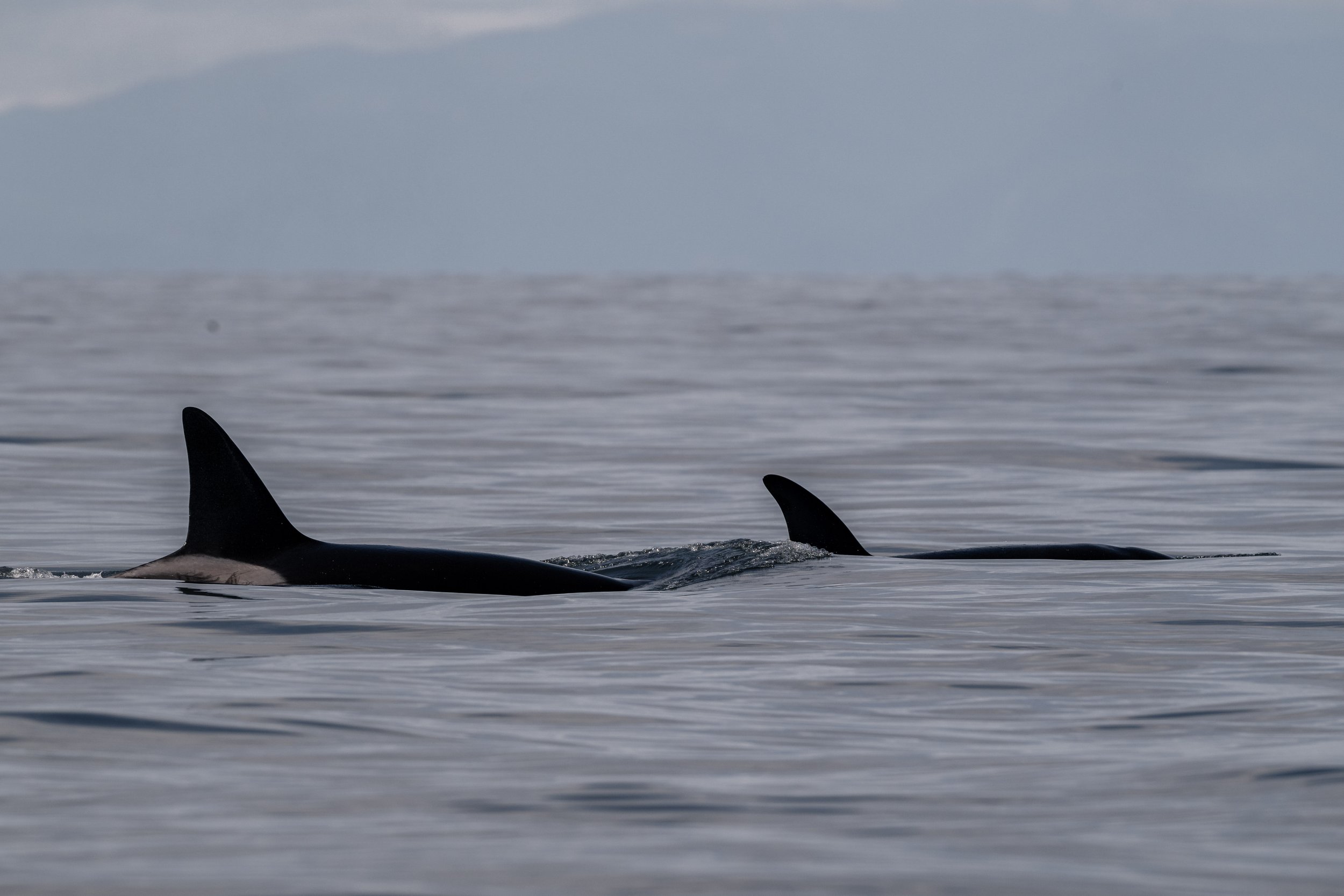
T002C3 Lucy and T002C5 Guardian. Photo by Aly Kohlman.
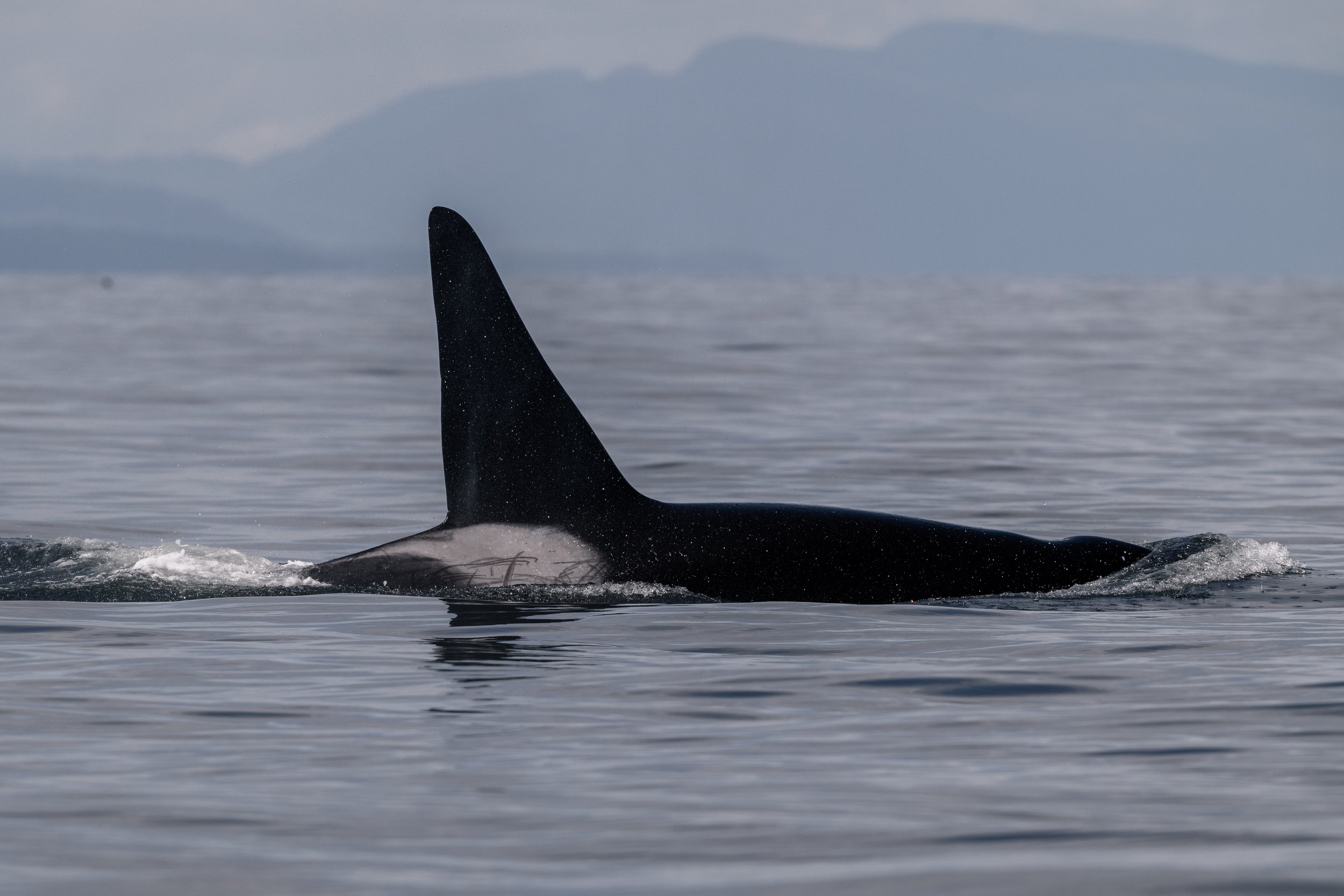
T002C1 Rocky creating a wave ahead of him. Photo by Aly Kohlman.
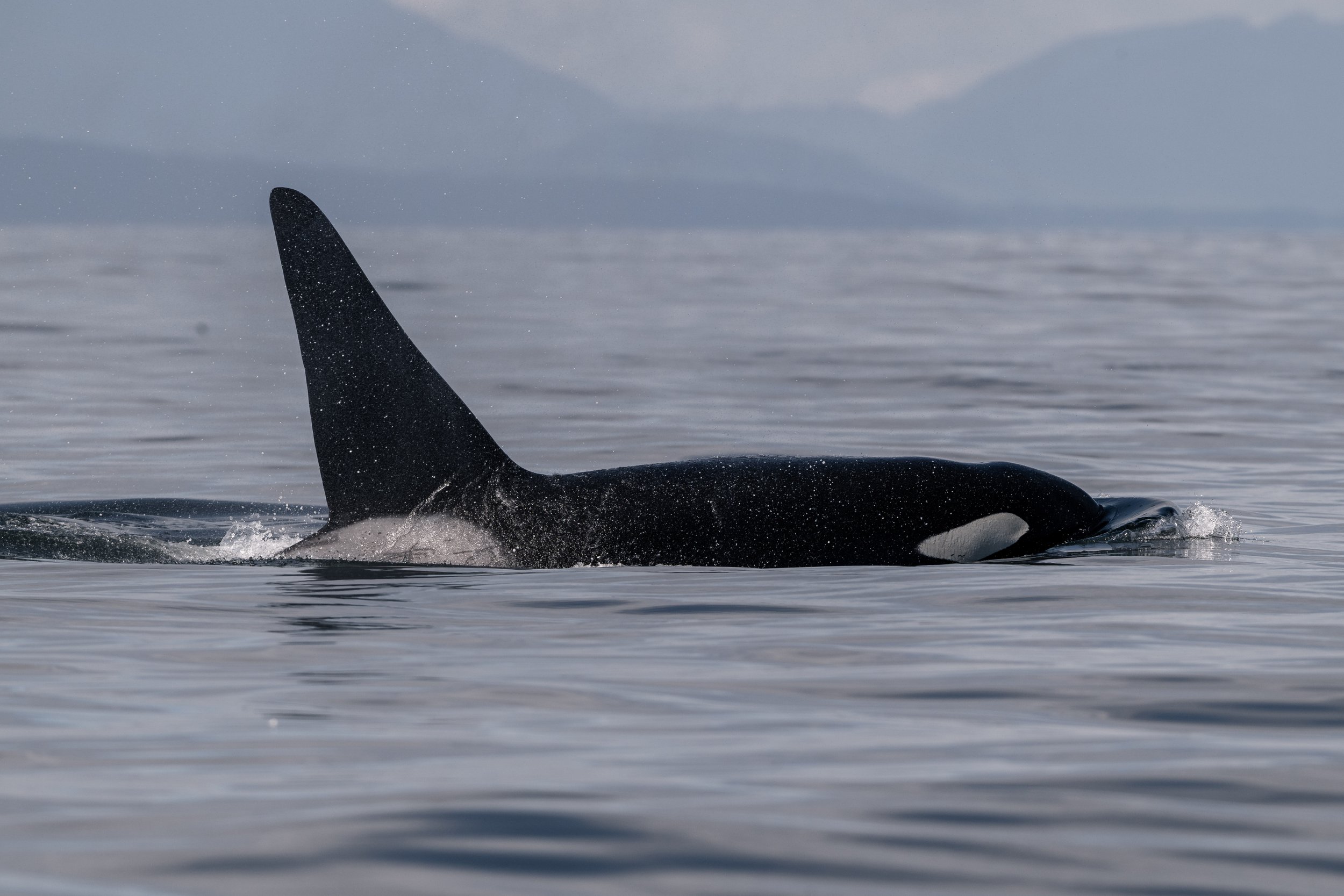
T002C1 Rocky bringing his eyepatch out of the water. Photo by Aly Kohlman.
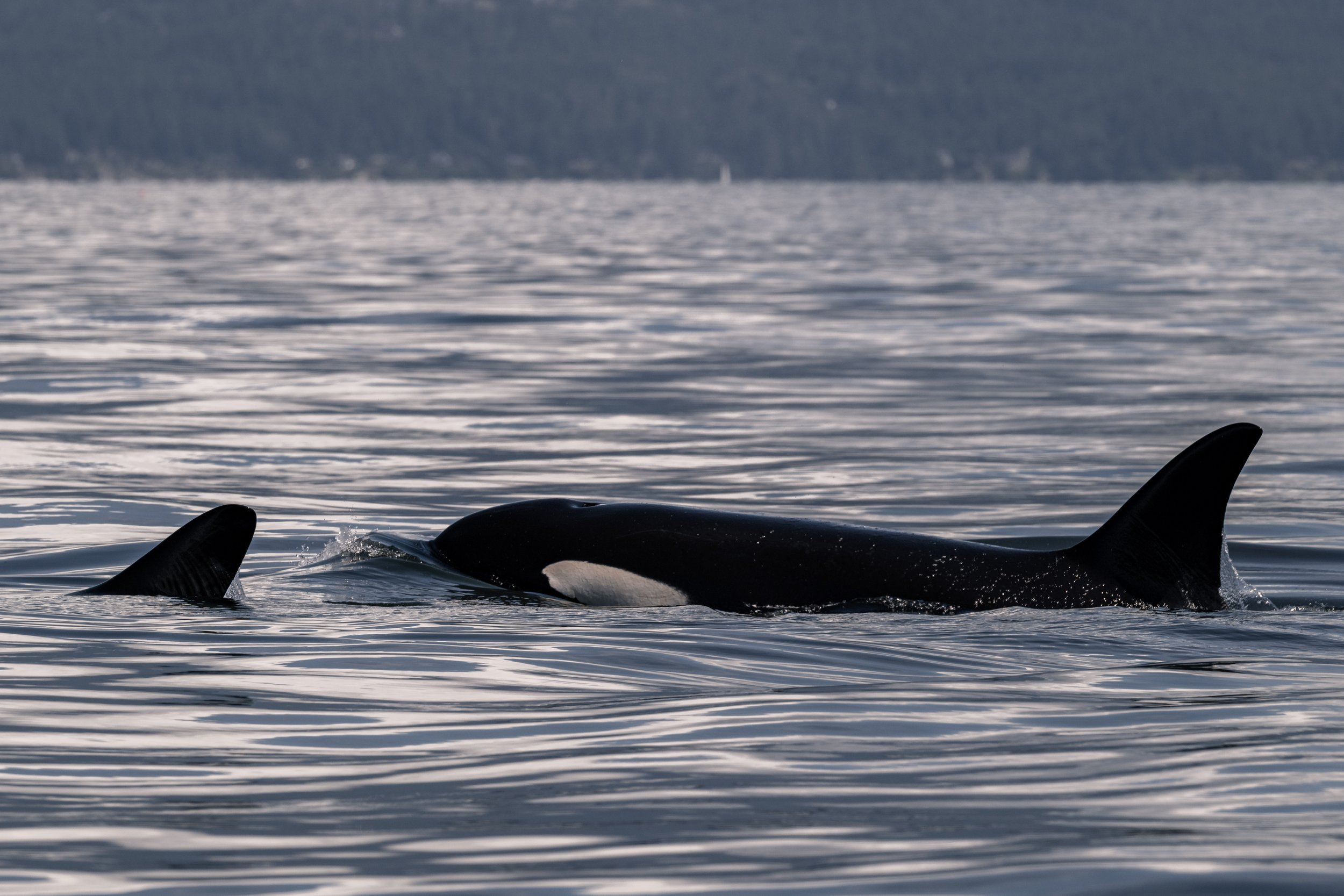
T002C1 Rocky (just out of frame) followed closely by his mother T002C Tasu. Photo by Aly Kohlman.
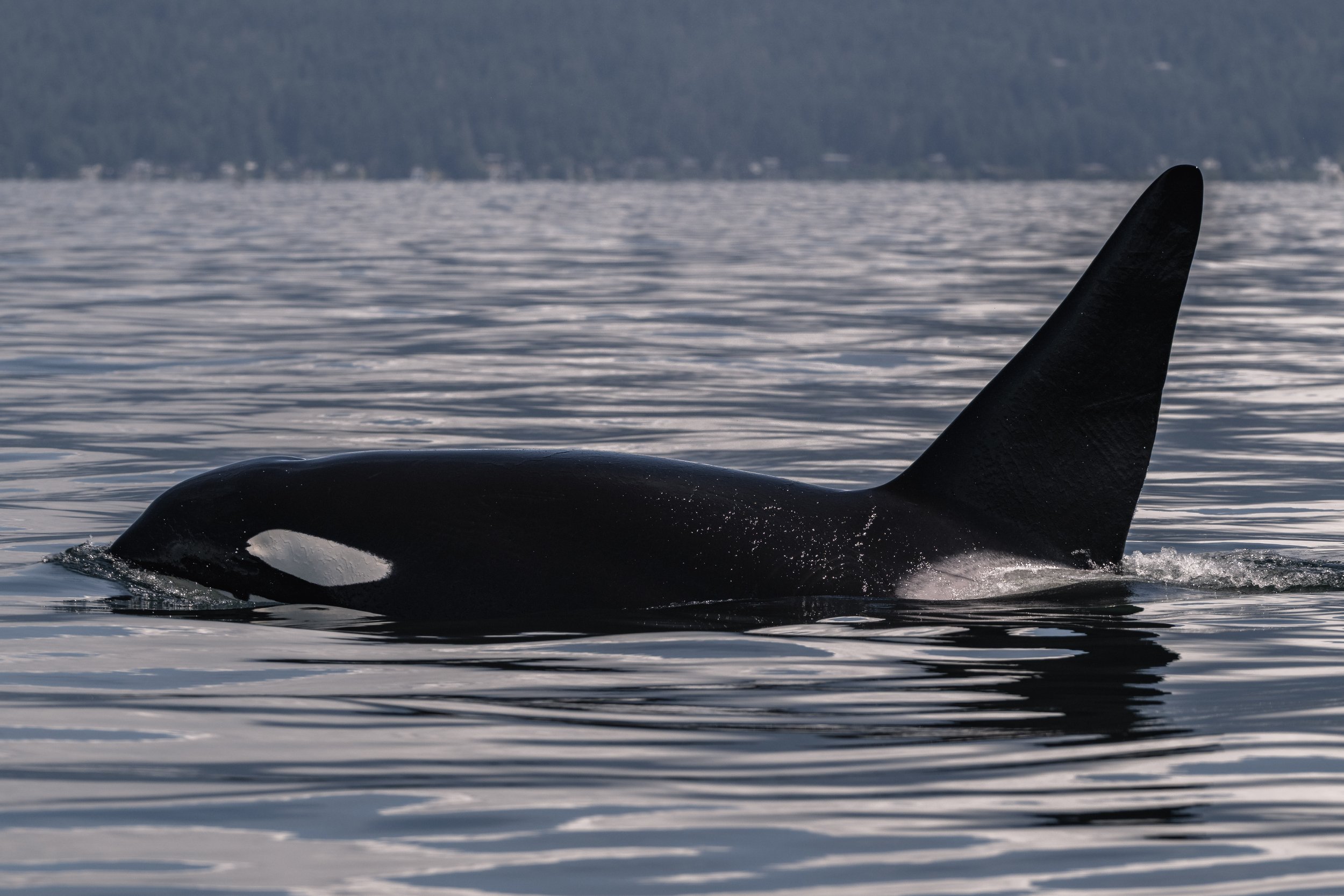
T002C1 Rocky with a nice full view of his eyepatch! Photo by Aly Kohlman.
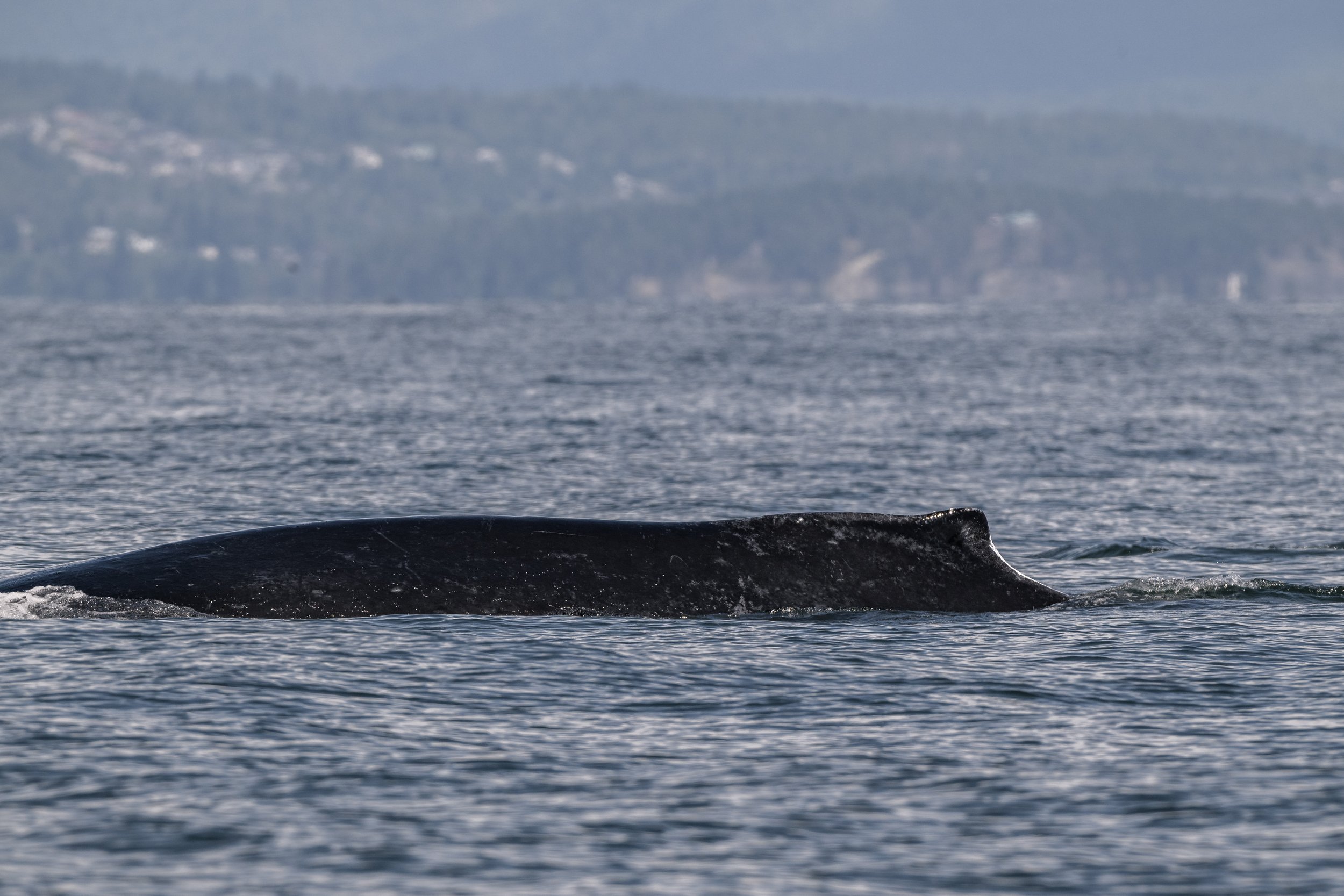
Europa’s dorsal fin as she travels by. Photo by Aly Kohlman.
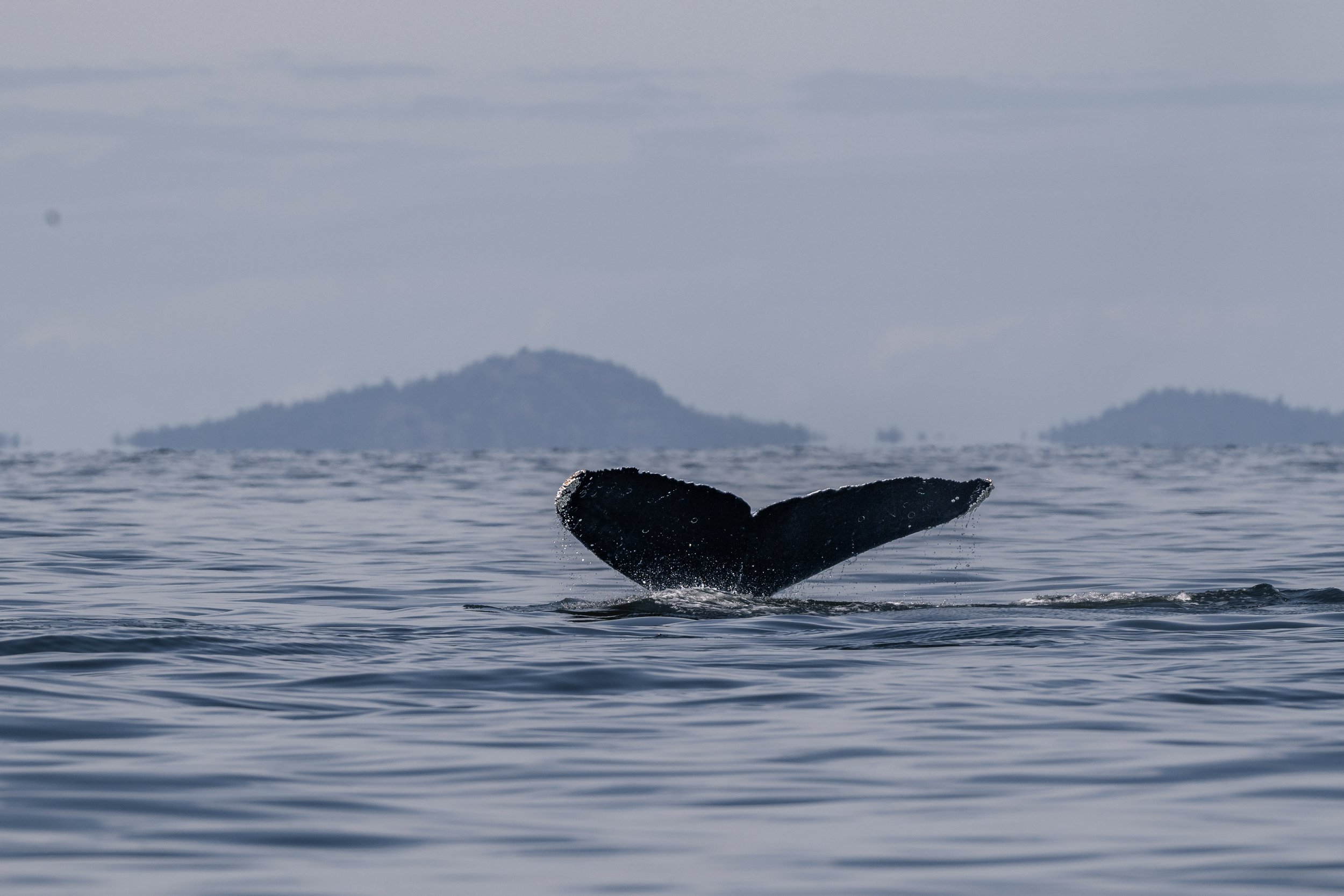
Europa diving. Photo by Aly Kohlman.
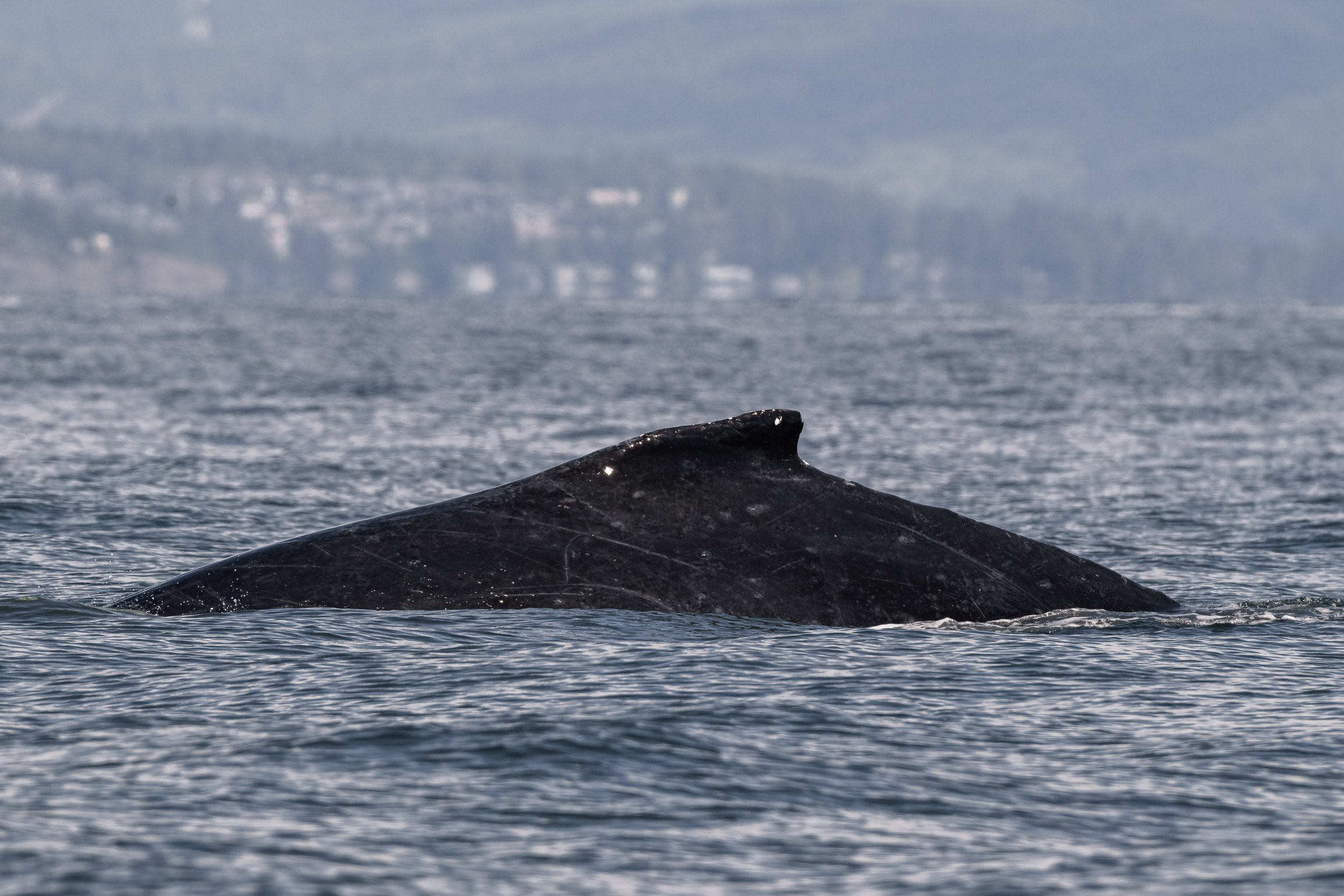
Vanta’s dorsal fin - there is some new damage so it looks different than our current catalogue photo! Photo by Aly Kohlman.
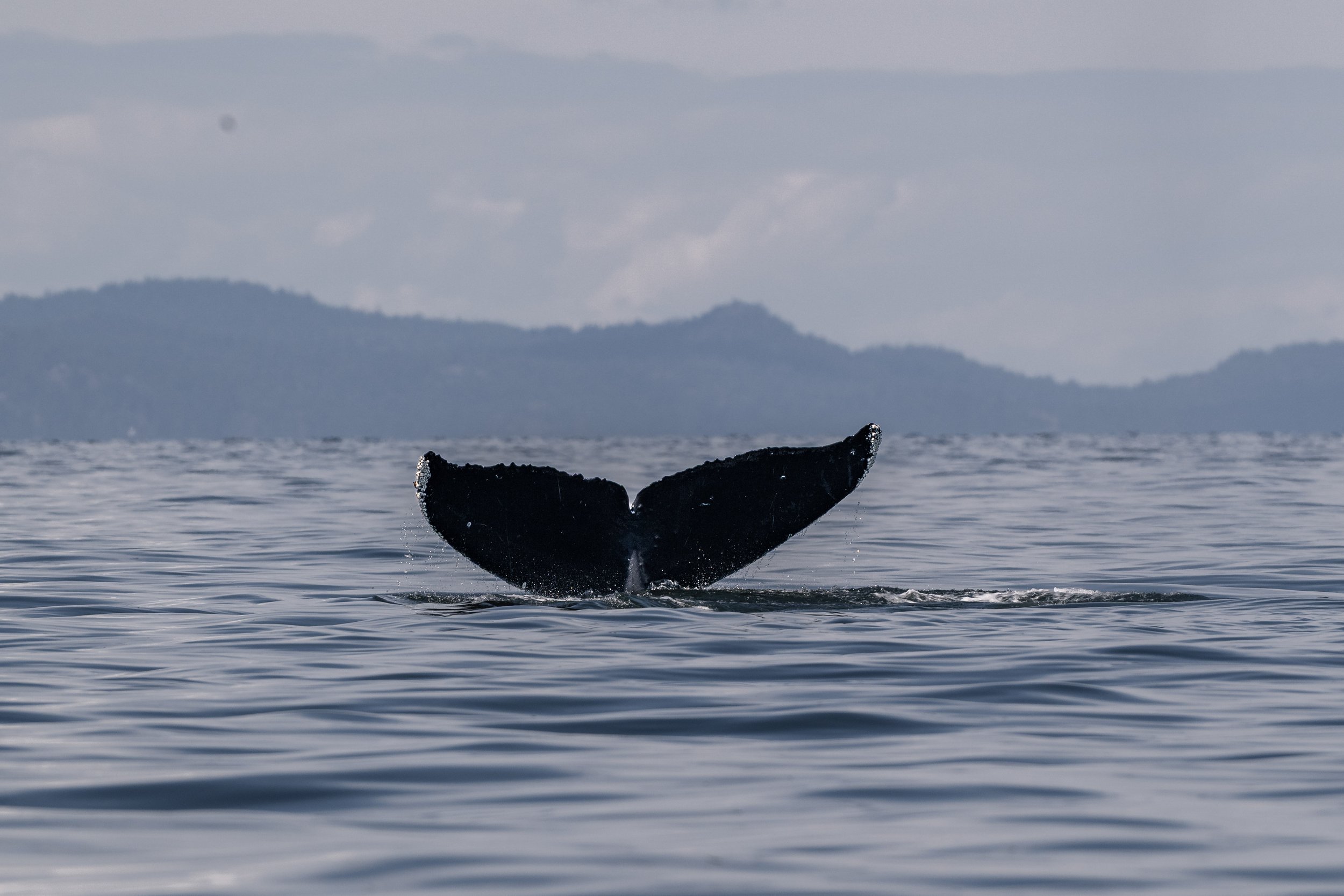
Vanta with their flukes up. Photo by Aly Kohlman.
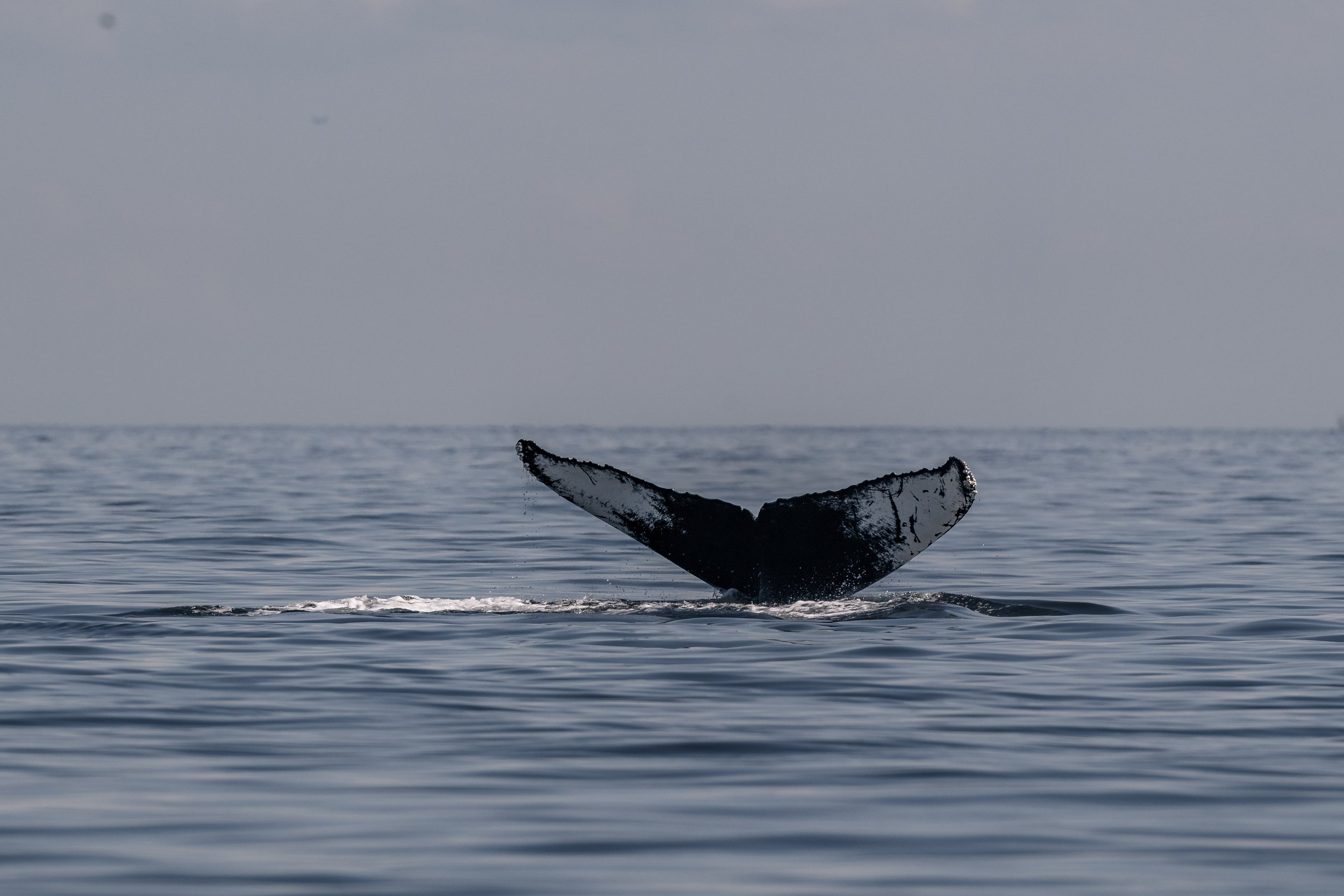
Thunderbolt diving. Photo by Aly Kohlman.
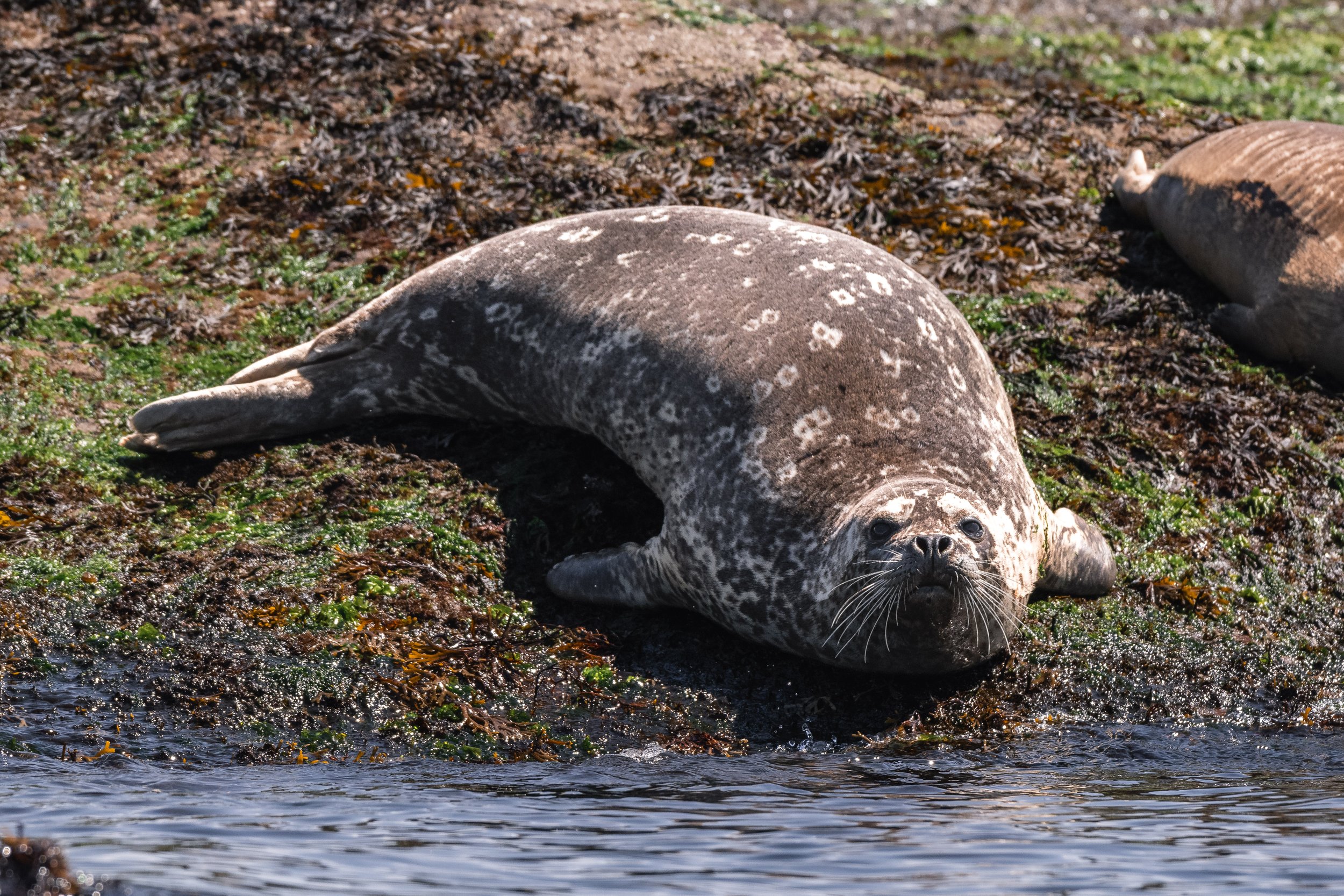
A Harbour Seal sniffing away. Photo by Aly Kohlman.
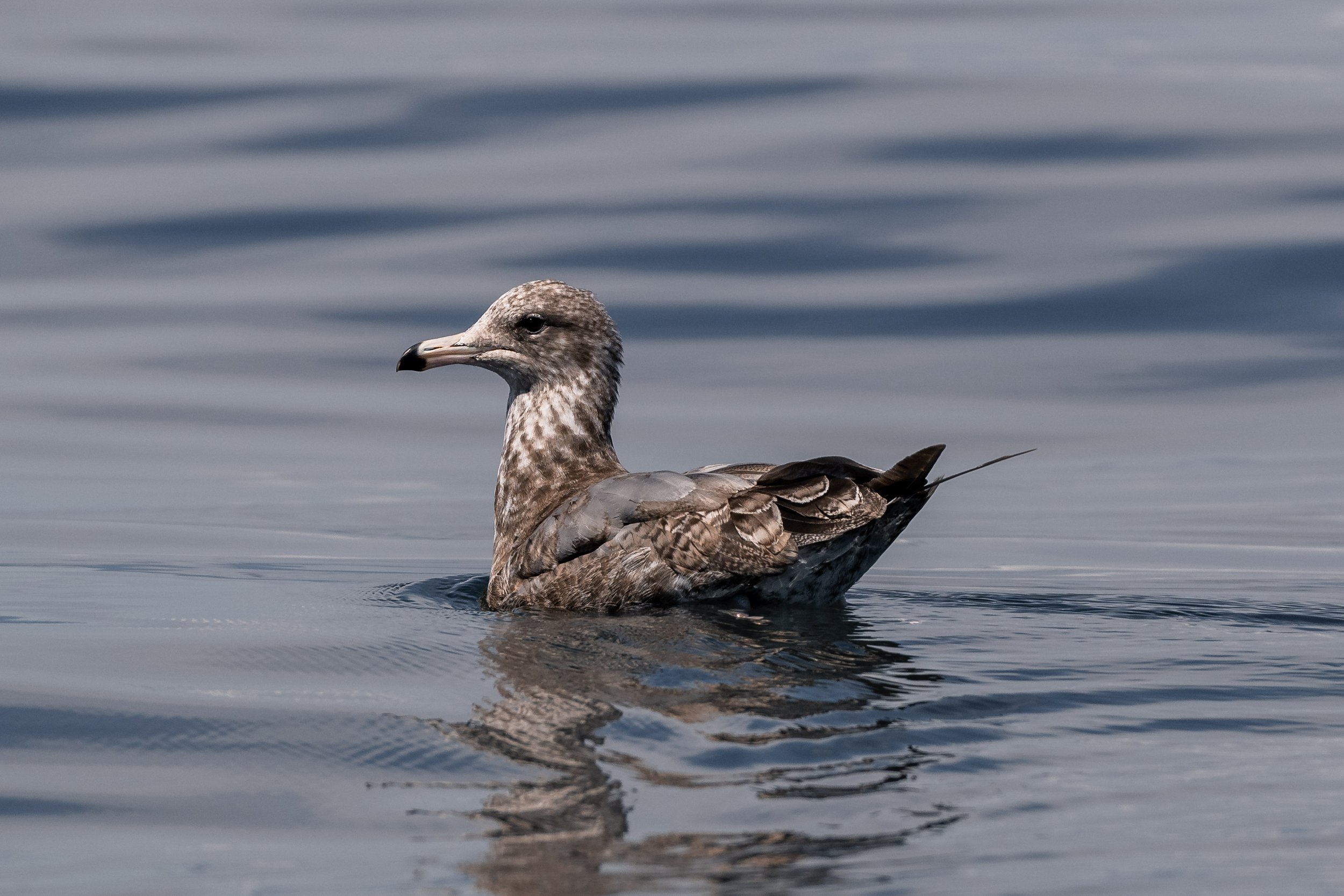
A beautiful Gull floating by. Photo by Aly Kohlman.
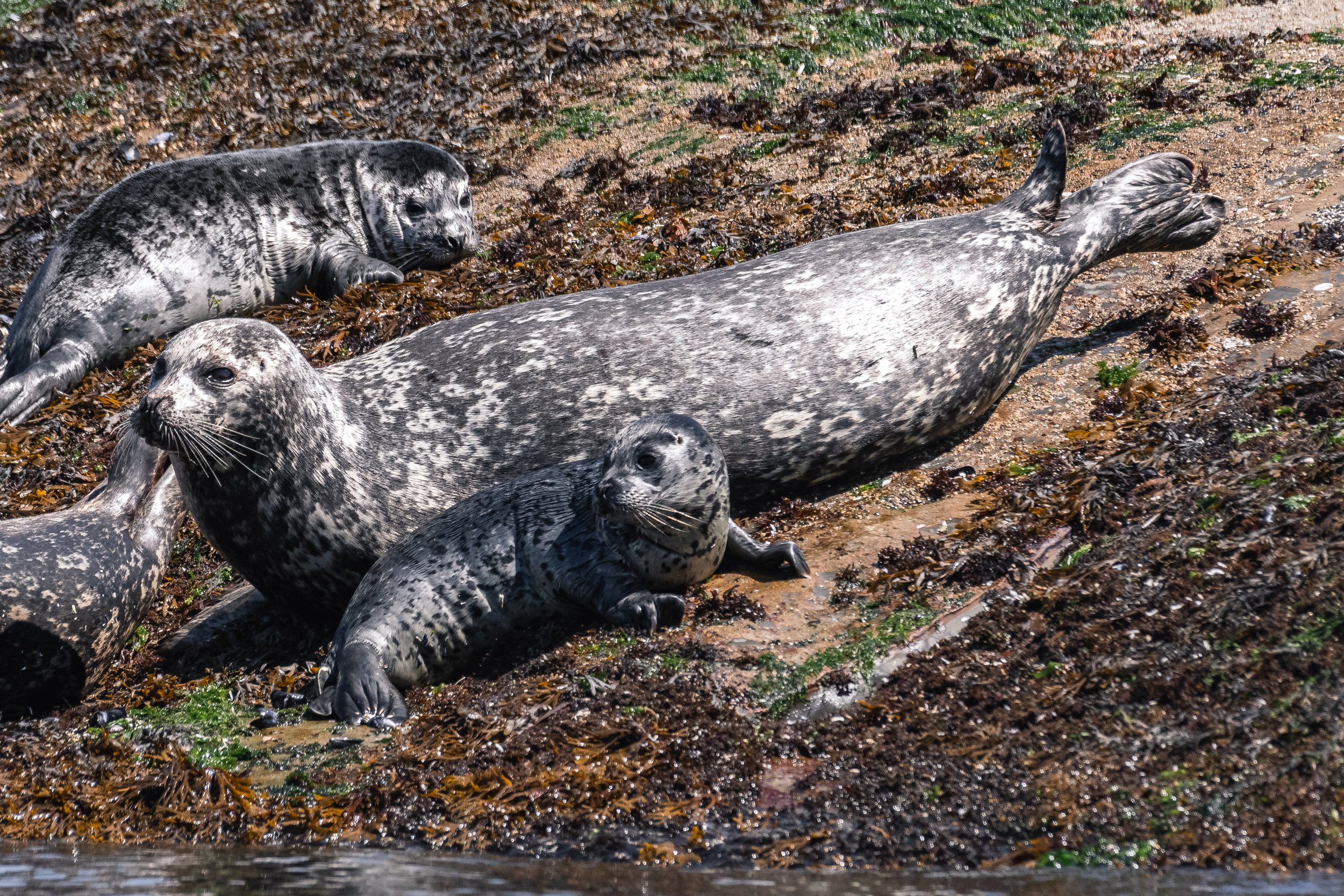
A very small and squishy Harbour Seal pup next to a larger adult seal. Photo by Evan Hessels.
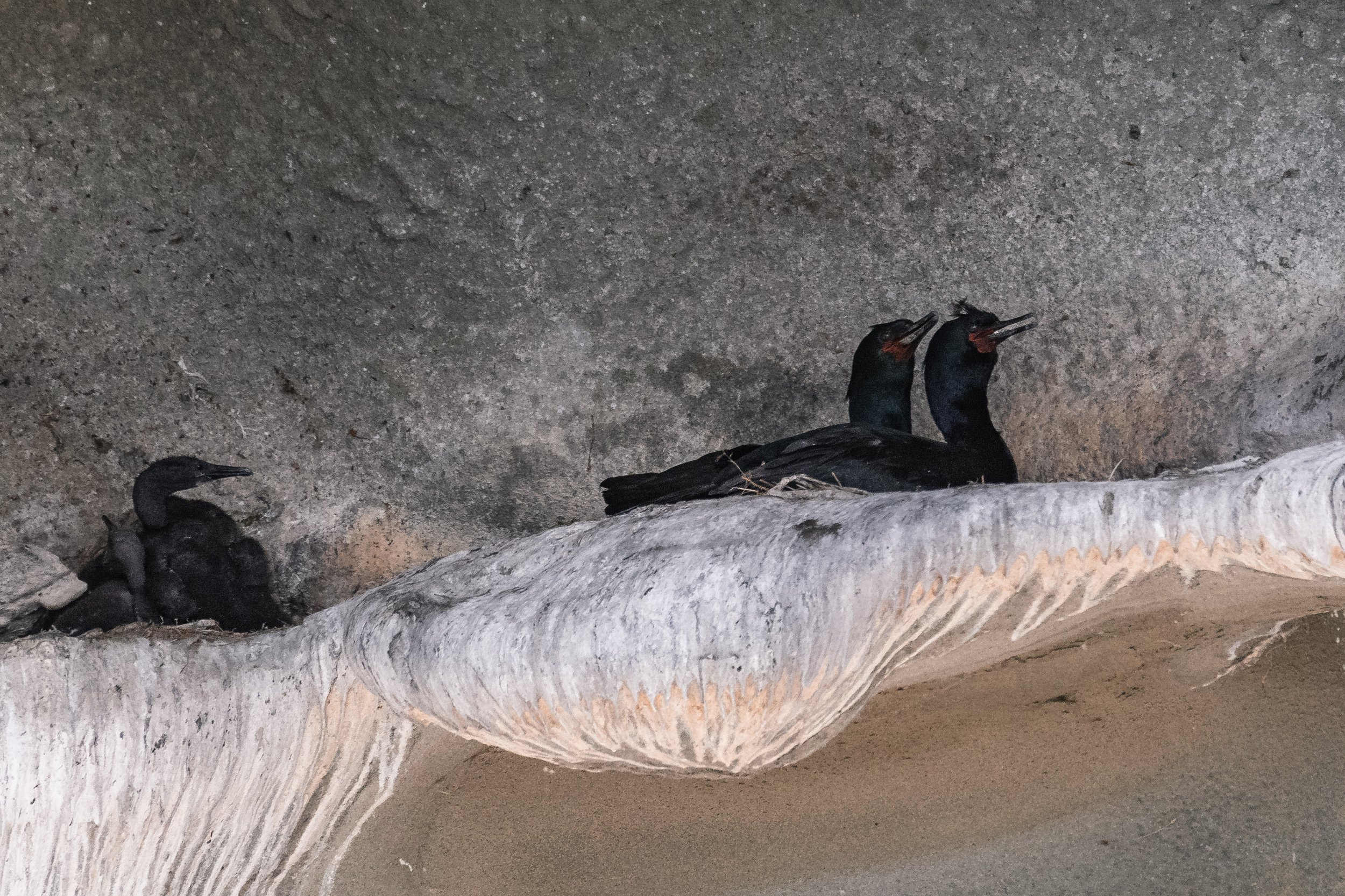
Cormorants sitting on their nests high up on the Gabriola Bluffs. Photo by Evan Hessels.
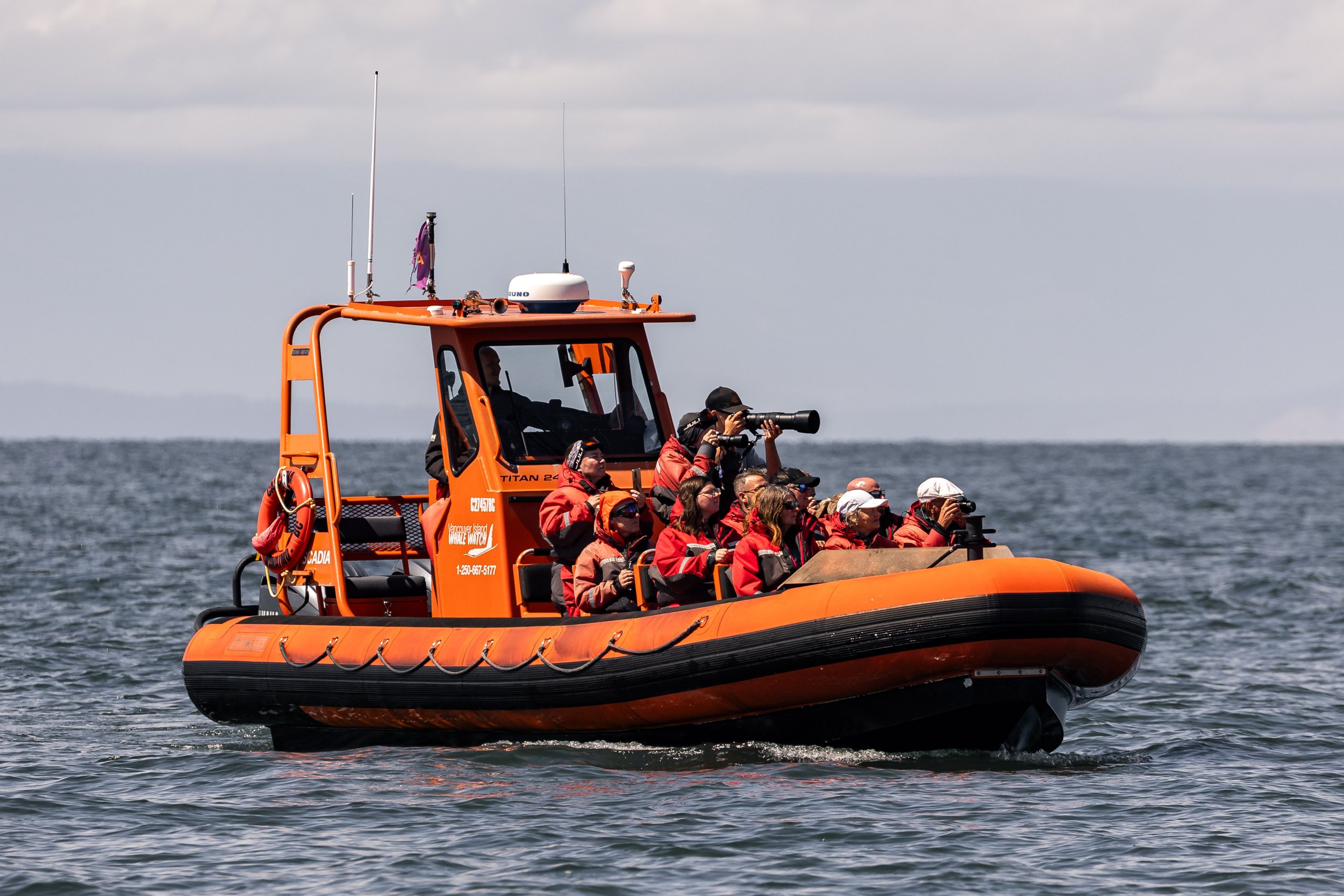
Guests aboard Cascadia watching the whales. Photo by Jordan Robinson.
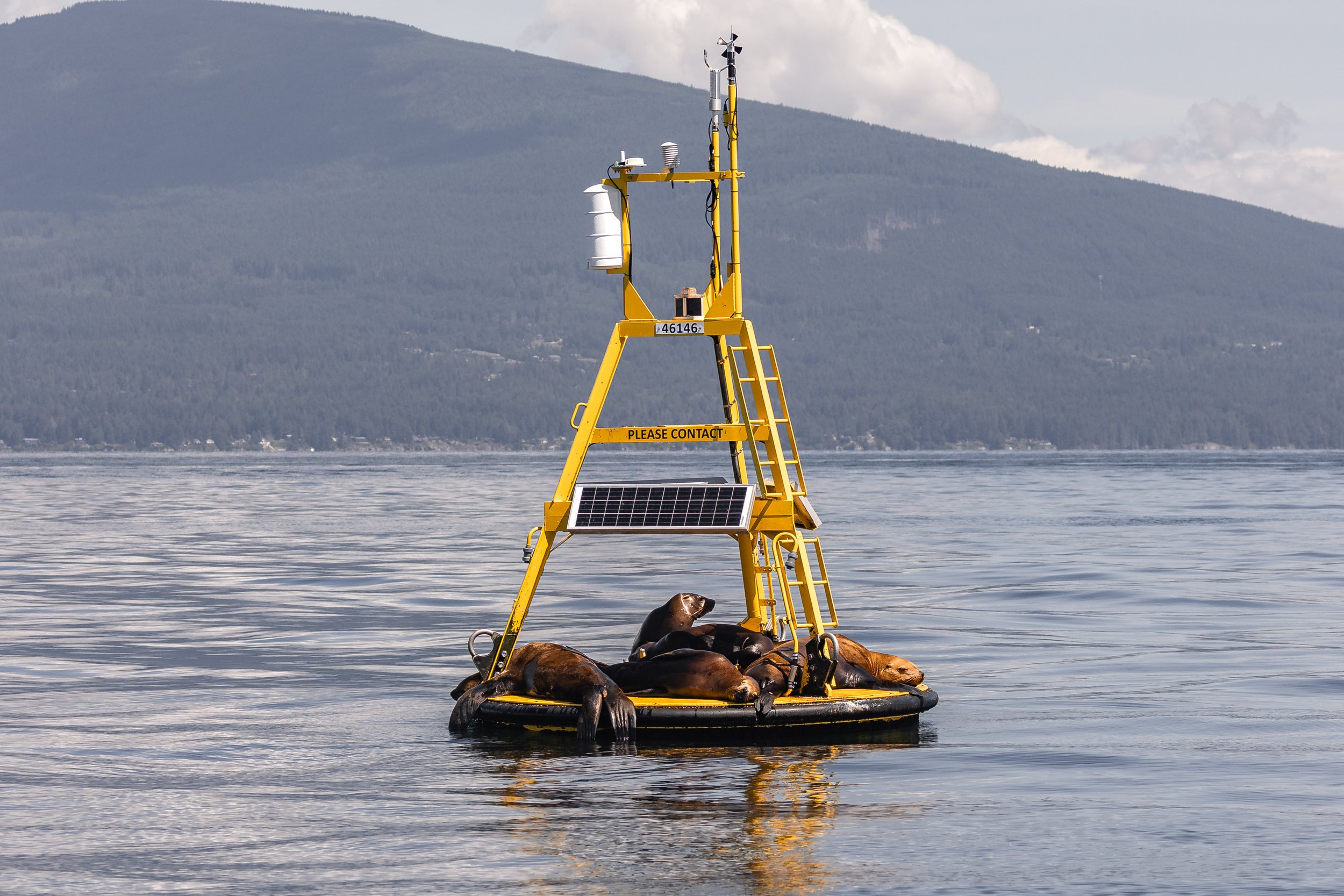
The Halibut Bank ODAS buoy with the mainland of BC visible behind it. Photo by Jordan Robinson.
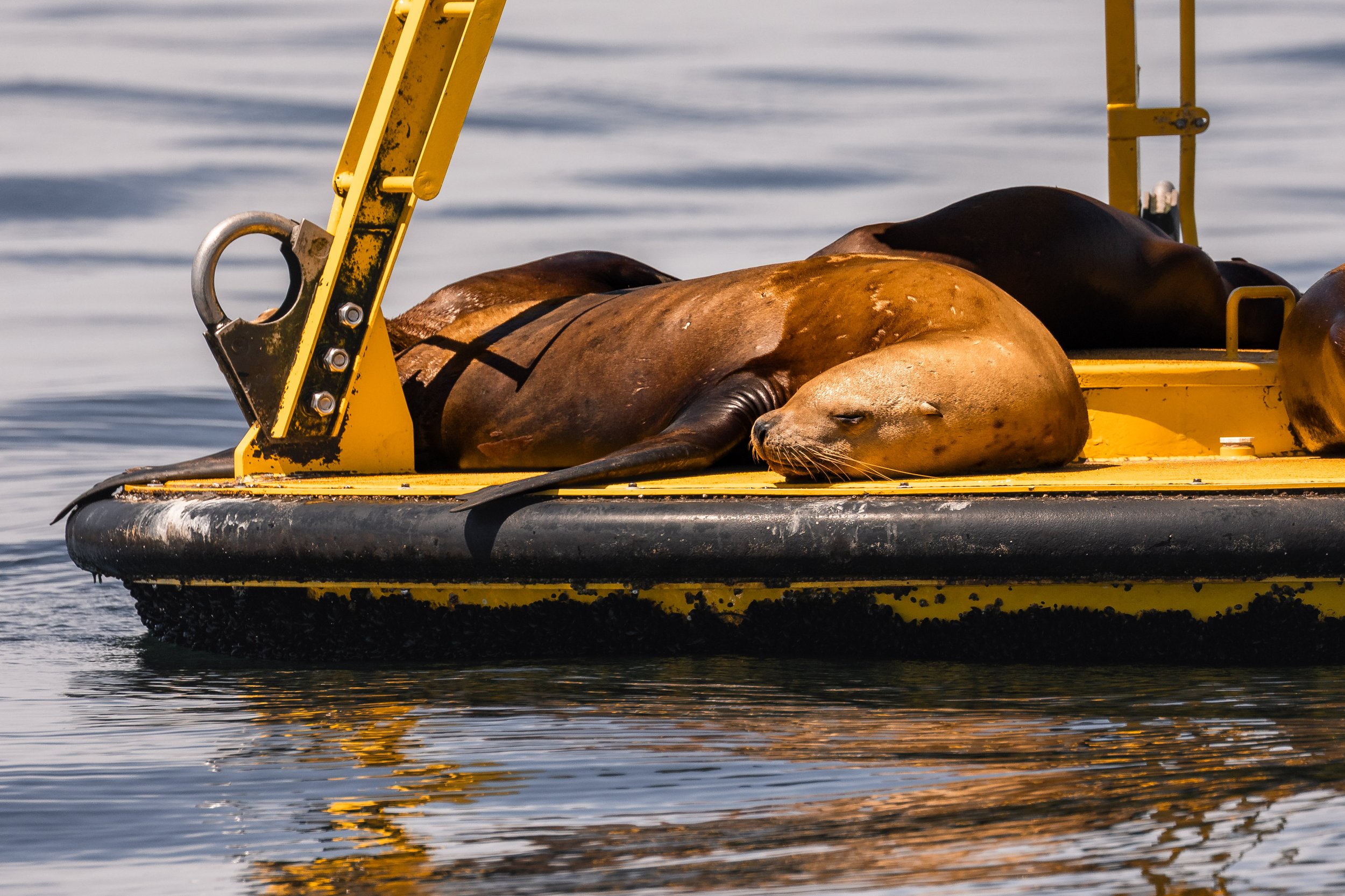
Sleepy sea lions on the ODAS buoy. Photo by Jordan Robinson.
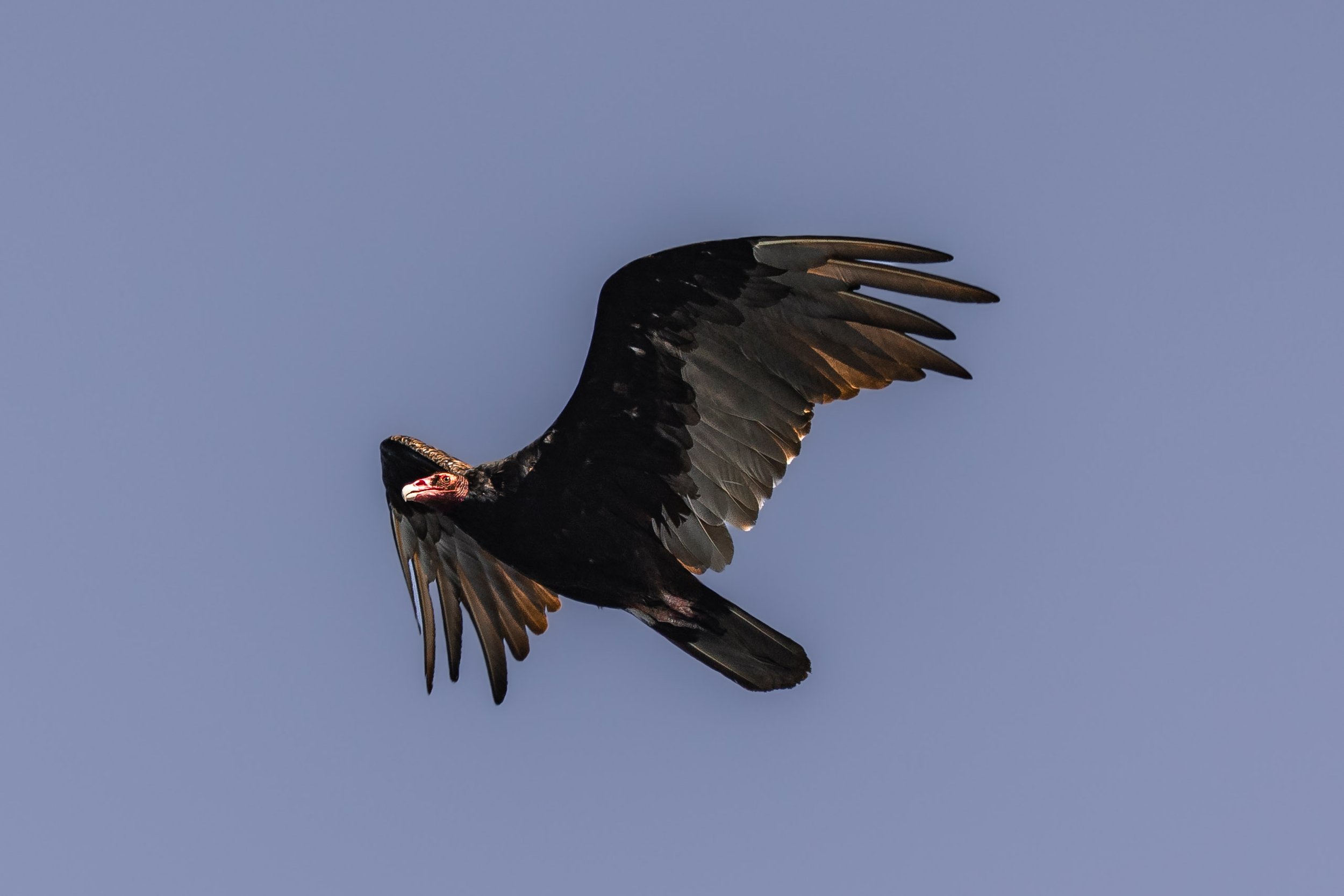
A Turkey Vulture in flight. Photo by Jordan Robinson.
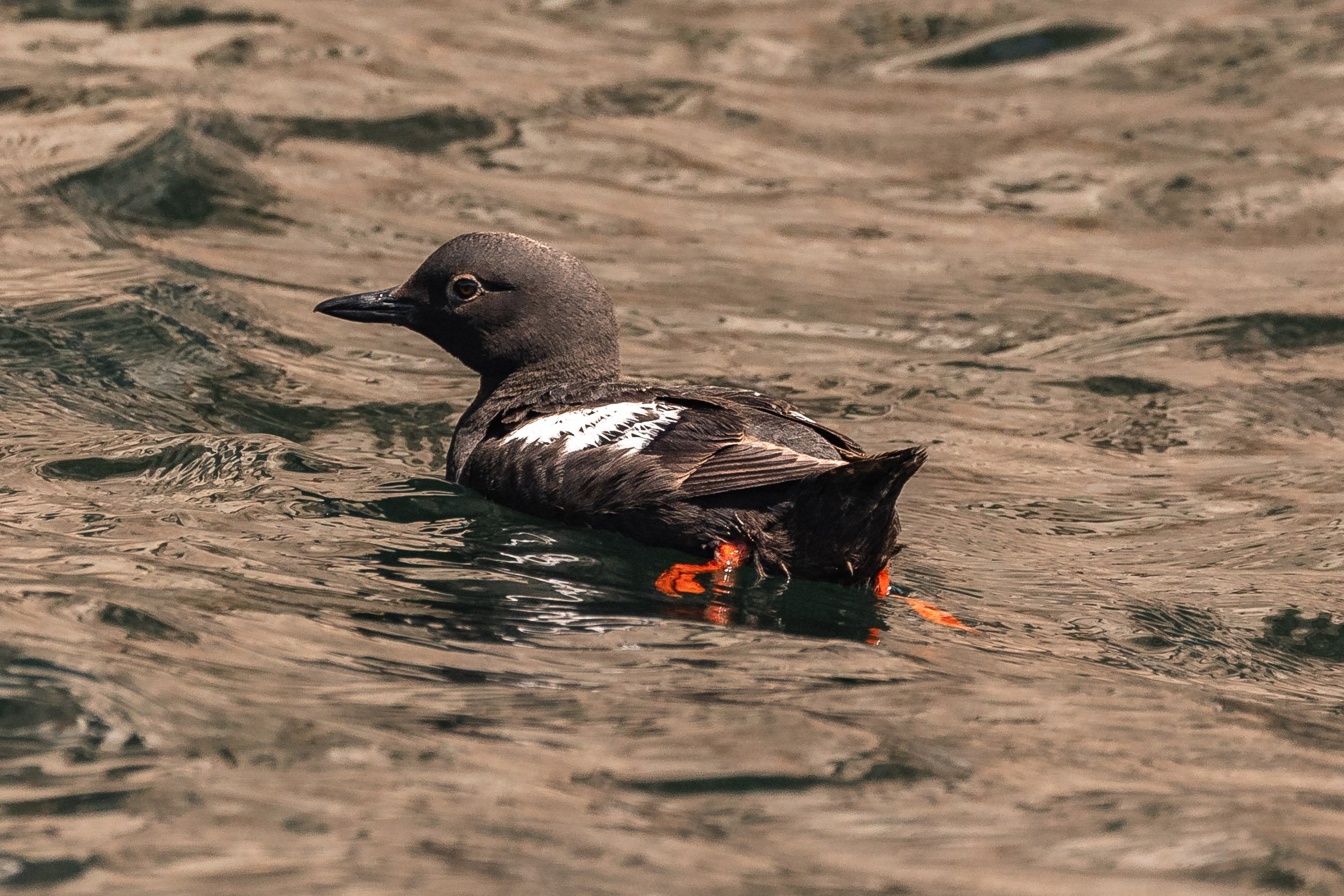
A Pigeon Guillemot paddling along. Photo by Jordan Robinson.
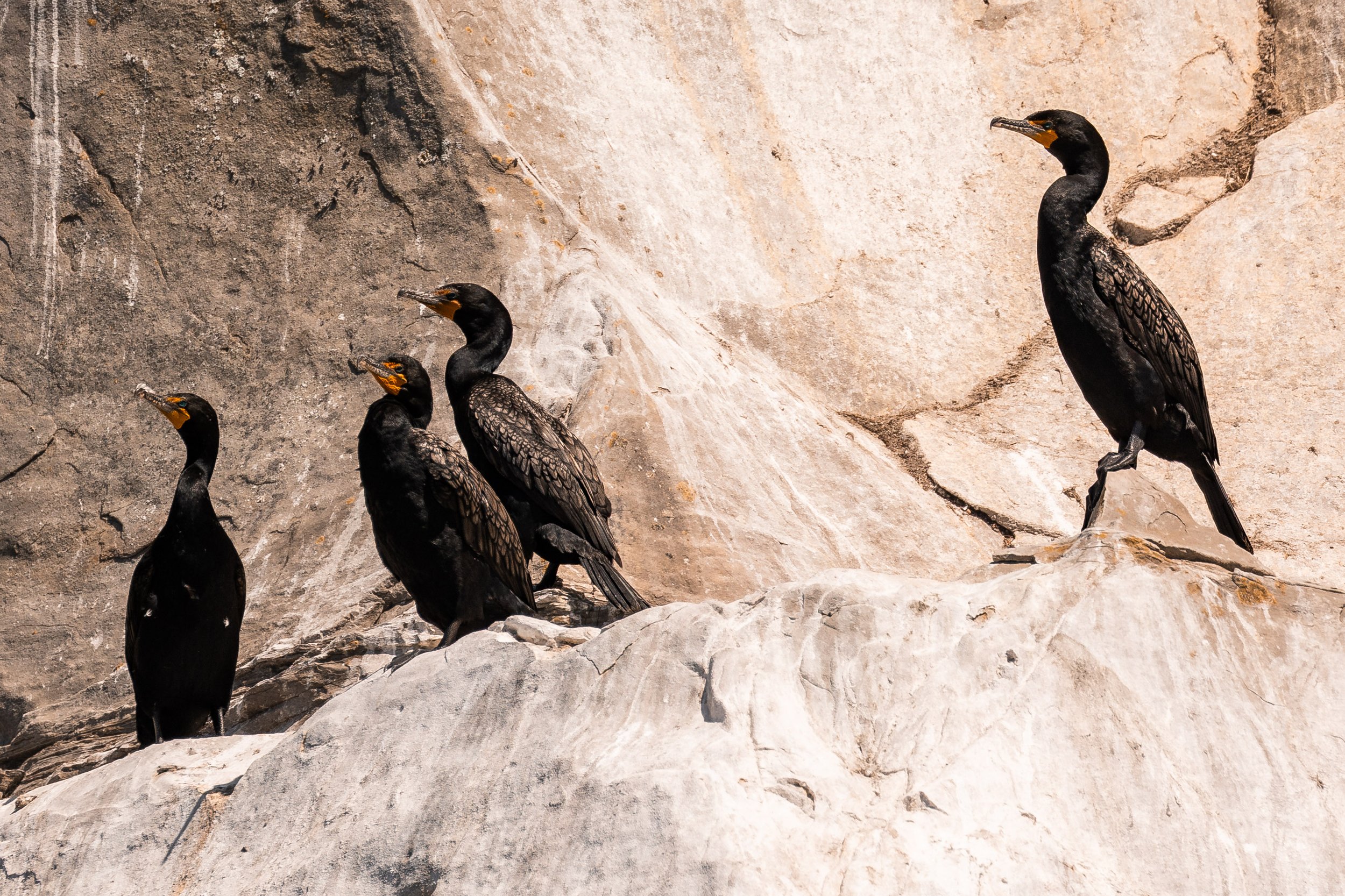
Cormorants lined up on one of the rocky ledges. Photo by Jordan Robinson.
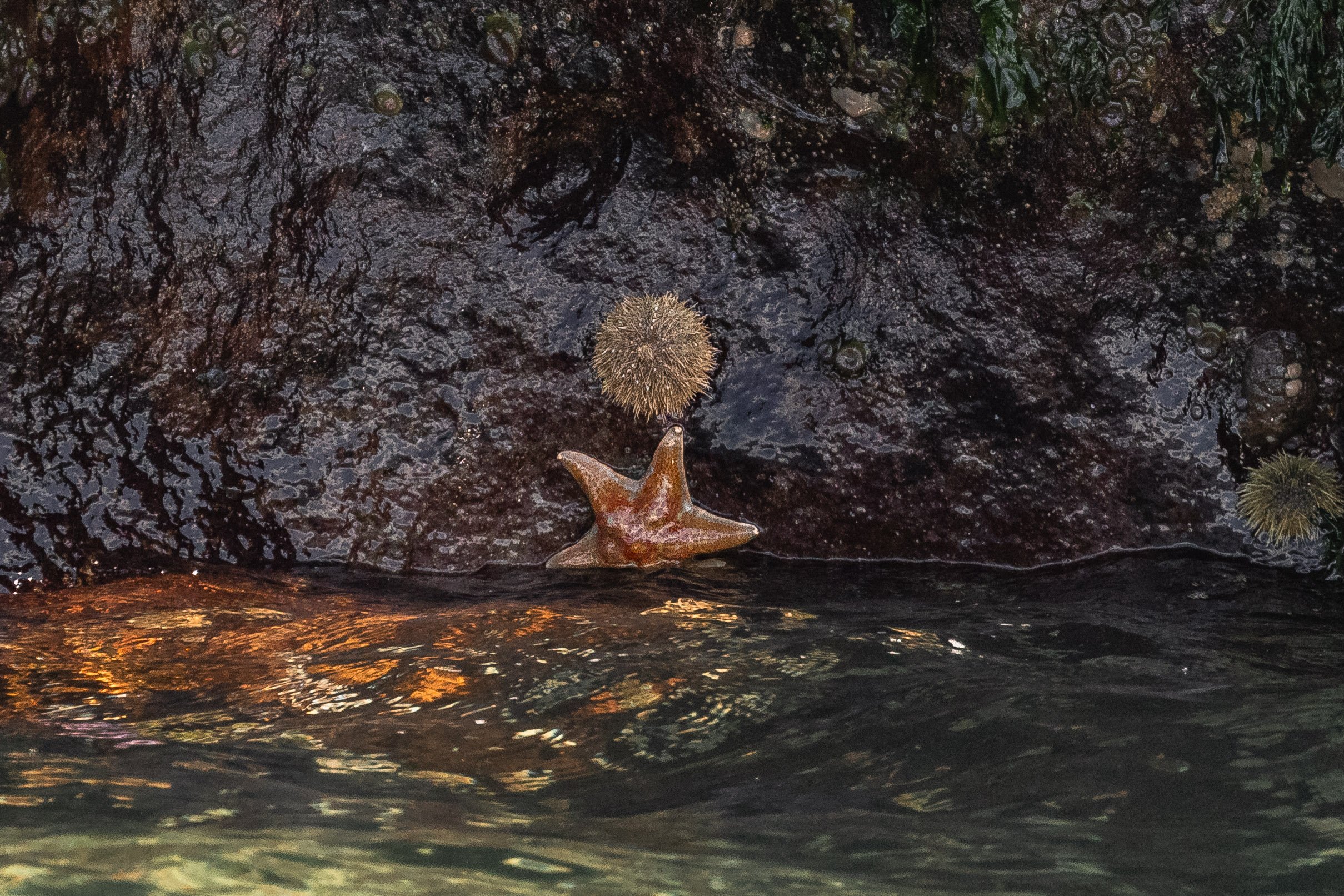
A Leather Star peeking just above the tide line, with an Urchin visible above it. Photo by Jordan Robinson.