
July 29, 2026, 3:30 PM - The T002Cs Travelling through Halfmoon Bay, plus an energetic Slice!
The conditions this afternoon couldn't have looked much better. Calm seas stretched across the Strait of Georgia beneath brilliant blue skies, and with reports of multiple whale sightings from earlier in the day, all we had to do was find them again. Of course, that's often easier said than done. Whales can travel many kilometres in just a few hours, so even with recent sightings, there are never any guarantees.
With a plan in mind, we pointed the bow toward the Sunshine Coast. The Bigg's (Transient) Killer Whales seen earlier in the day had been travelling north, and while these apex predators cover impressive distances each day, they also tend to follow familiar travel routes and productive hunting areas throughout the Salish Sea. By continuing in the same direction they had last been seen, we were hopeful our search would pay off.
It certainly did.
Thanks to a helpful update from another whale watching vessel based in Vancouver, we relocated the T002Cs near Halfmoon Bay, still making steady progress north. The glassy water provided exceptional viewing conditions, allowing every surfacing to be seen with remarkable clarity. Their tall dorsal fins reflected off the calm sea as they travelled gracefully together, demonstrating the tight family bonds that define Killer Whale society.
T002C Tasu ♀ (1989)
T002C1 Rocky ♂ (2002)
T002C3 Lucy ♀ (2011)
T002C5 Zippy/Guardian (2020)
T002C6 Yukon (2025)
The T002Cs are always a favourite encounter for our crews. Watching them today offered everything you could hope to see in an orca family: a confident matriarch leading the group, an enormous adult male whose towering dorsal fin stood high above the water, and the family's newest addition, a calf born just last year. Each member has a role to play, and seeing multiple generations travelling side by side is a wonderful reminder that these whales live in close-knit family groups that remain together for life.
Eventually it was time to leave the orcas to continue their journey and begin the next chapter of ours.
Our route brought us to the White Islets, a small protected island that supports an incredible diversity of marine life. The rocky shoreline echoed with the unmistakable calls of Steller Sea Lions hauled out along the rocks, while overhead, seabirds filled the skies. Gulls drifted on the breeze, Double-crested Cormorants perched with their wings outstretched to dry, and colourful Pigeon Guillemots darted low over the water toward their nesting sites. The White Islets are known as an important ecological area thanks to the animals that use the white-coloured rocks for nesting and resting.
Our final whale encounter of the afternoon was waiting just offshore.
Three humpback whales were feeding and travelling through the area: Slice (BCX2487), Chomper (BCX2192), and Dalmatian (BCY0994). While all three made for an impressive sight, it was Slice who quickly became the star.
Again and again, Slice lifted one enormous pectoral fin high into the air before bringing it crashing back onto the surface in a spectacular display known as pectoral slapping. The sound echoed across the water with each powerful smack, leaving everyone wondering what inspired the performance.
Like many humpback whale behaviours, the exact reason remains something of a mystery. The loud splash may help communicate with nearby whales, especially over long distances. Others suggest the behaviour could help dislodge irritating barnacles or parasites clinging to their skin. Or perhaps, as some researchers have proposed, it may simply be a form of play or excitement. Whatever the reason, watching a humpback repeatedly throw a fin the size of a small car into the air is something few people ever forget.
As the afternoon drew to a close, we left Slice and the other humpbacks to continue their travels and pointed the bow back toward Nanaimo.
Days like today are a wonderful reminder that every tour tells its own story. From following the familiar travel routes of a beloved orca family, to exploring the bustling wildlife sanctuary of the White Islets, and finishing with an energetic humpback putting on an unforgettable display, the Salish Sea once again proved why it remains one of the world's most spectacular places to experience marine wildlife. Please enjoy the photos included below, captured throughout these encounters by our onboard Marine Naturalists Aly Kohlman, Jordan Robinson, and Evan Hessels.
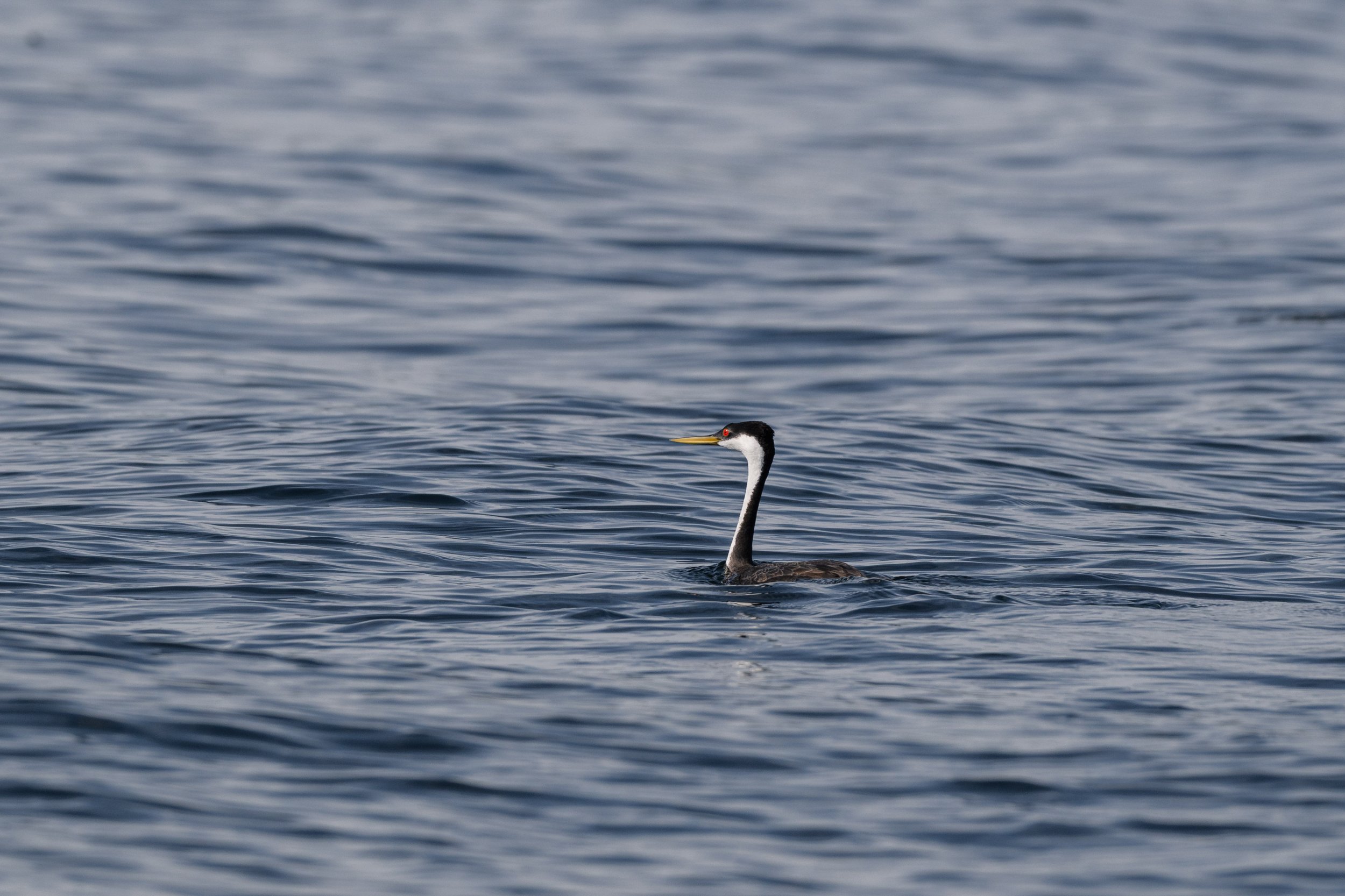
A Western Grebe floating by. Photo by Aly Kohlman.
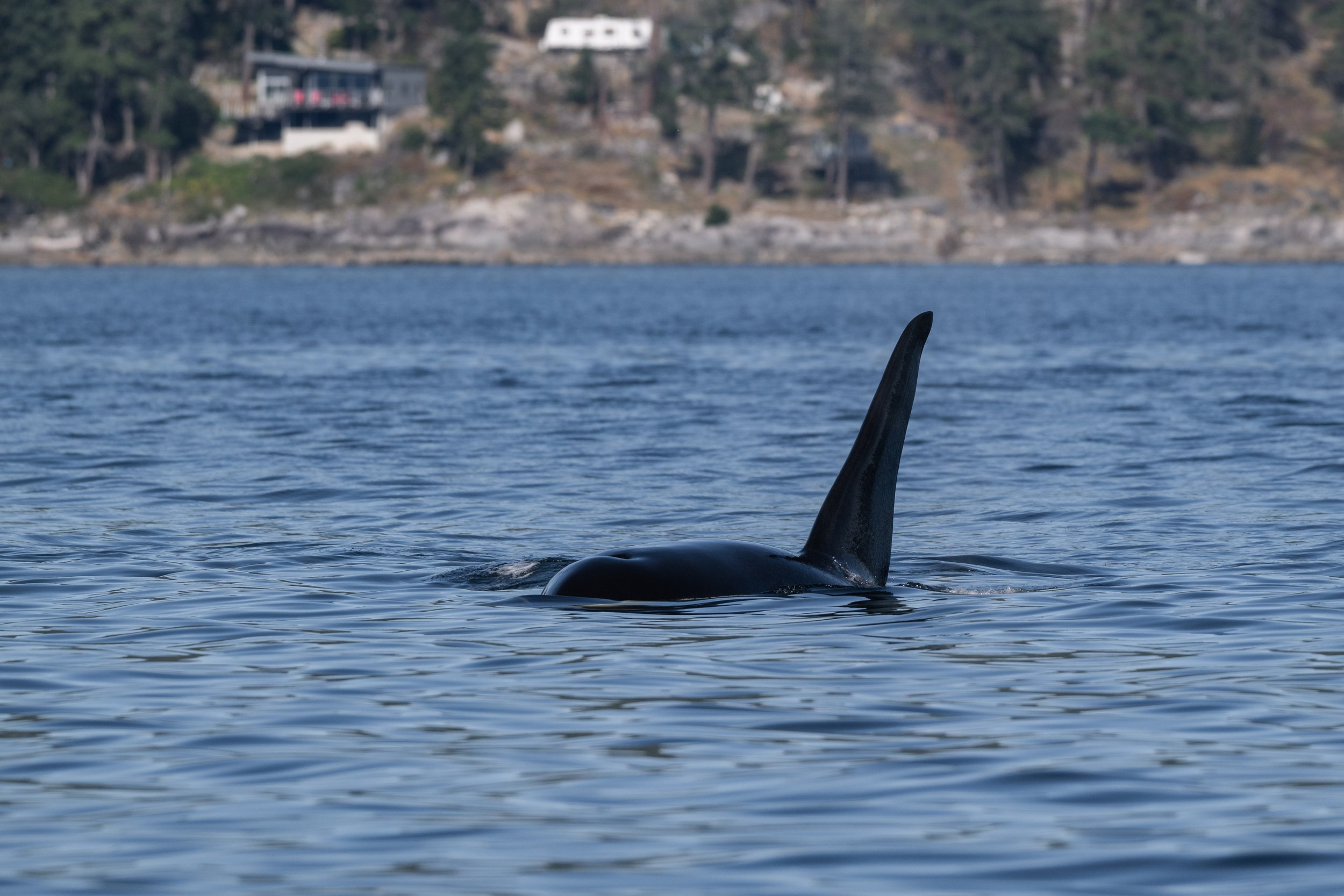
T002C1 Rocky surfacing in the calm water. Photo by Aly Kohlman.
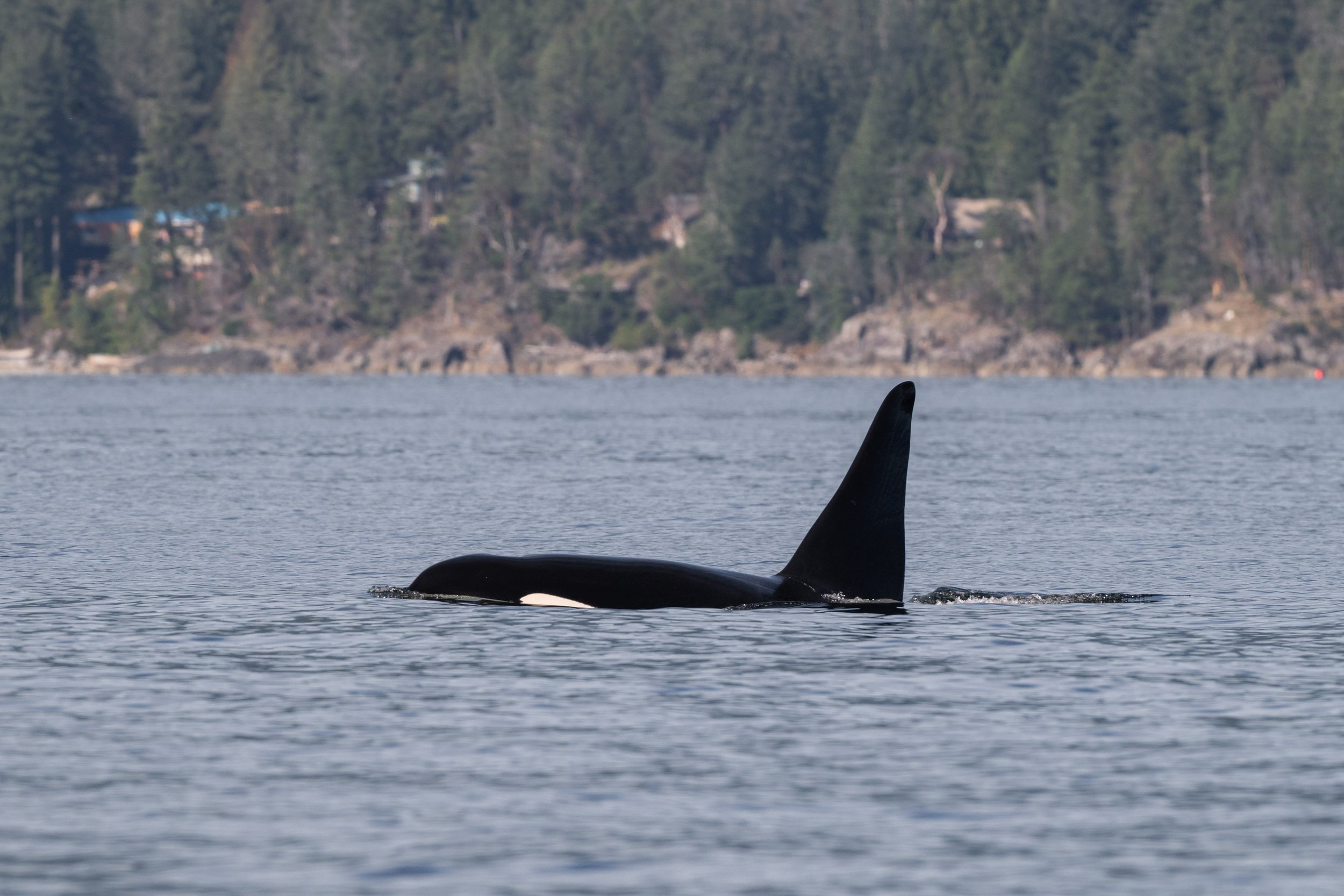
T002C1 Rocky with his eye patch just visible. Photo by Aly Kohlman.
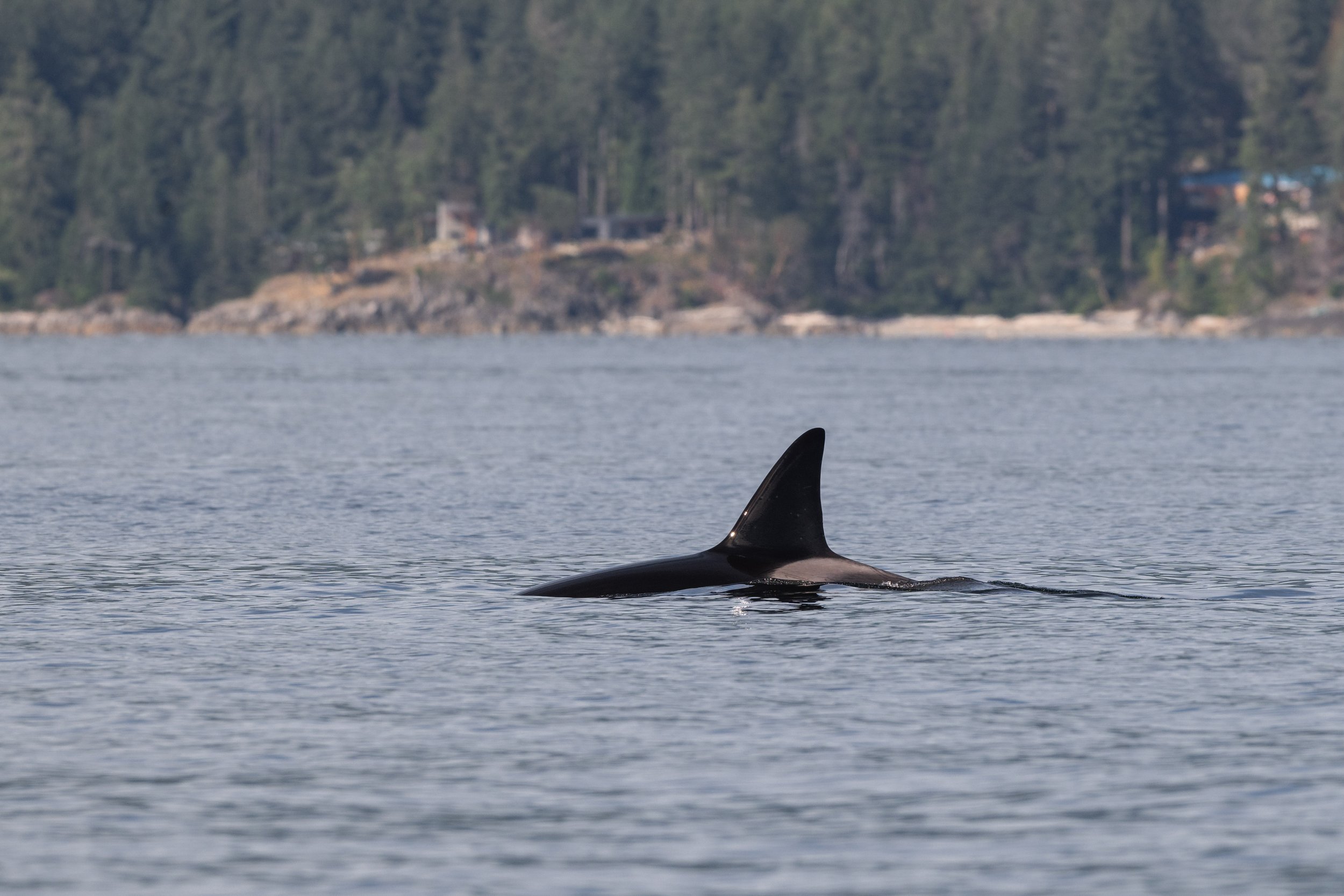
A great look at T002C3 Lucy. by Aly Kohlman.
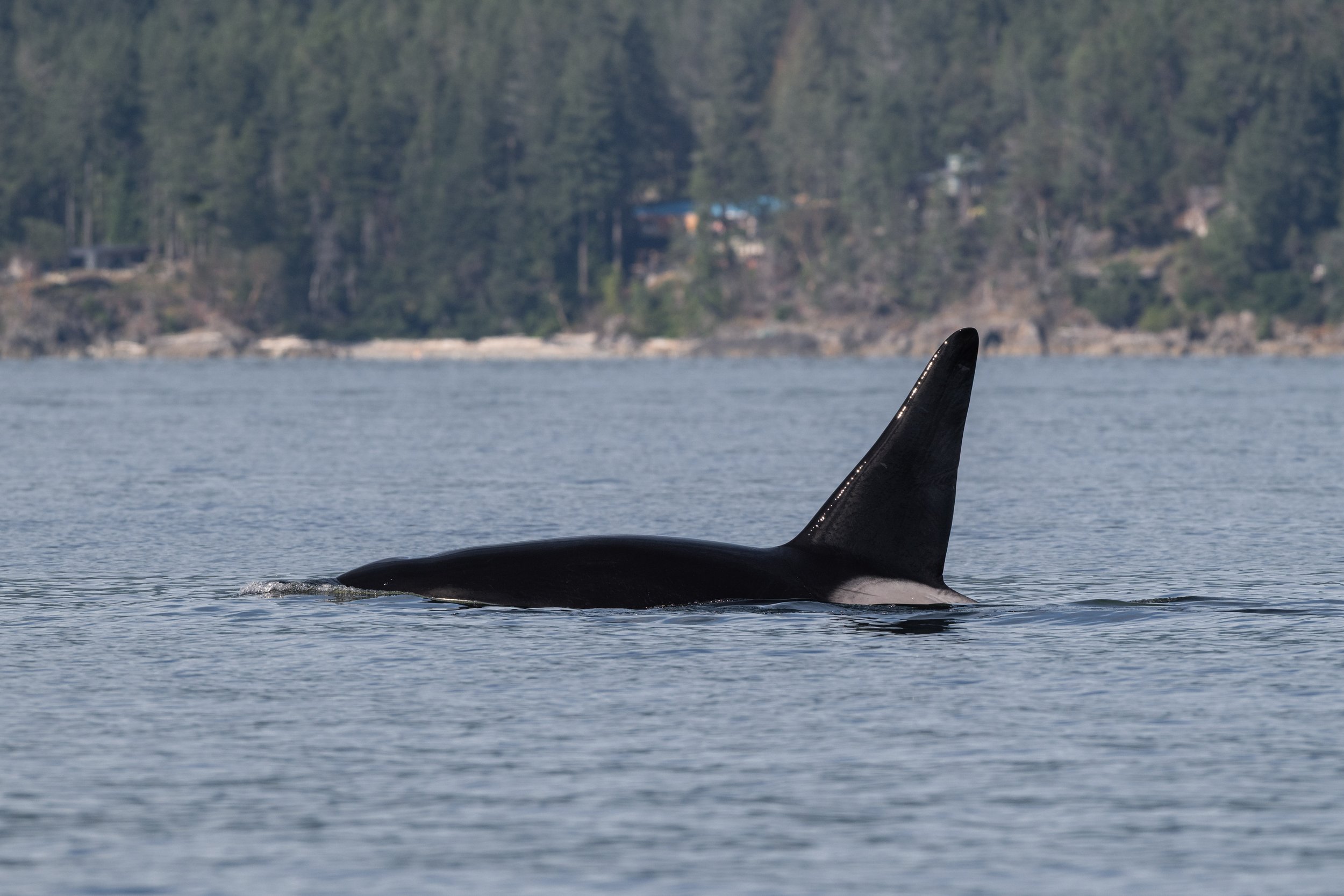
Look at those scars on T002C1 Rocky’s saddle patch! Photo by Aly Kohlman.
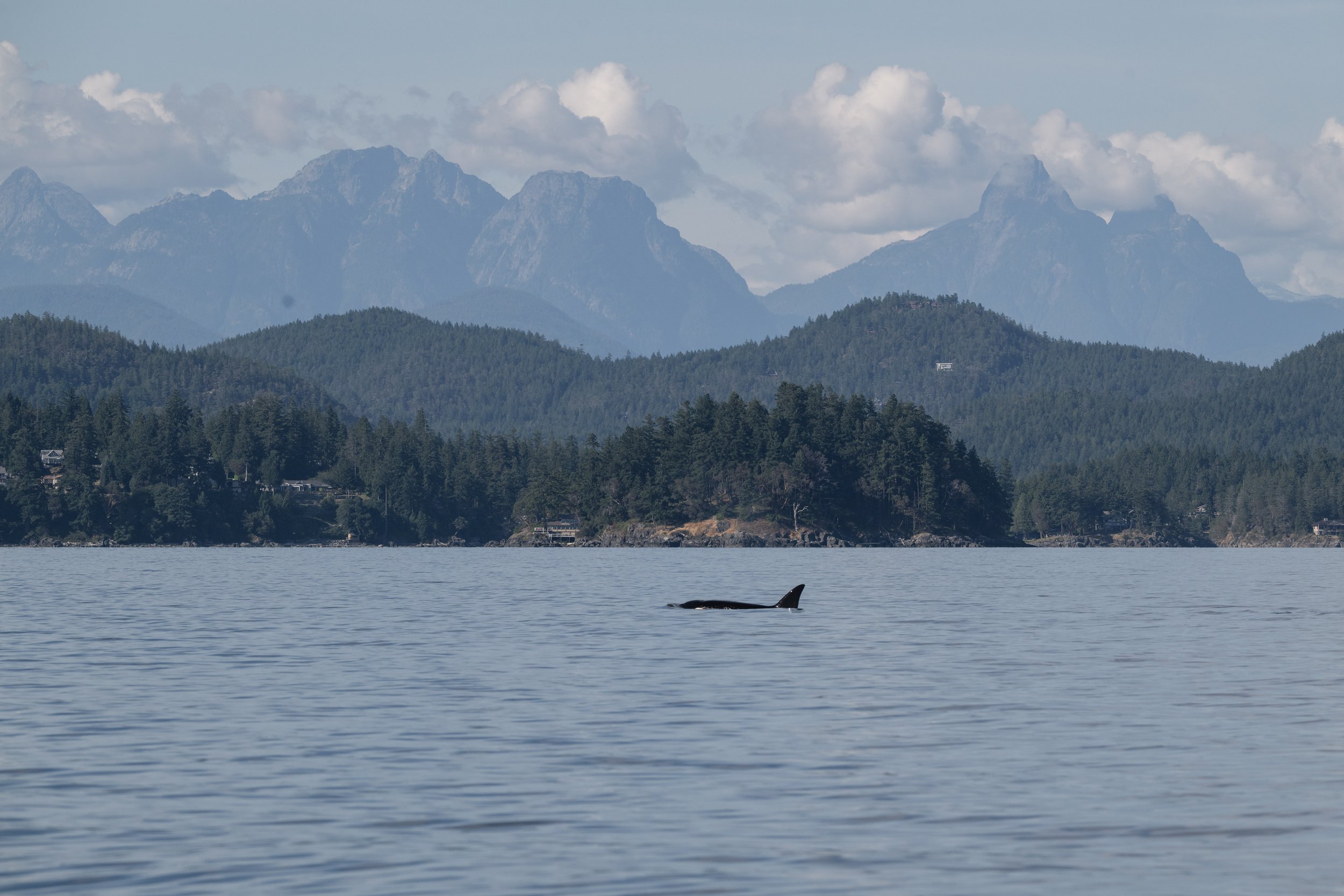
T002C3 Lucy surfacing with the coastal mountains behind her. Photo by Aly Kohlman.
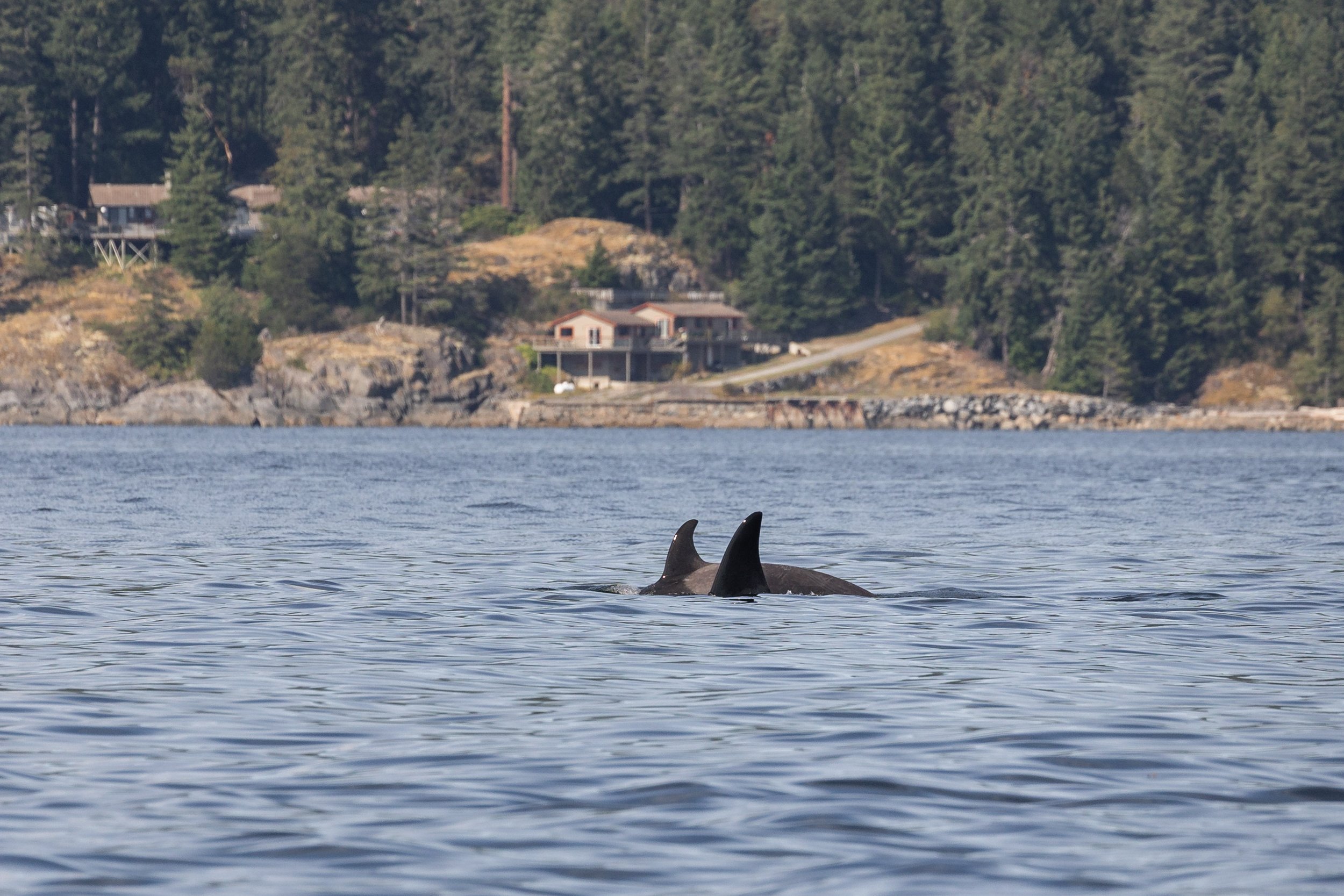
T002C6 Yukon surfacing beside mom, T002C Tasu. Photo by Jordan Robinson.
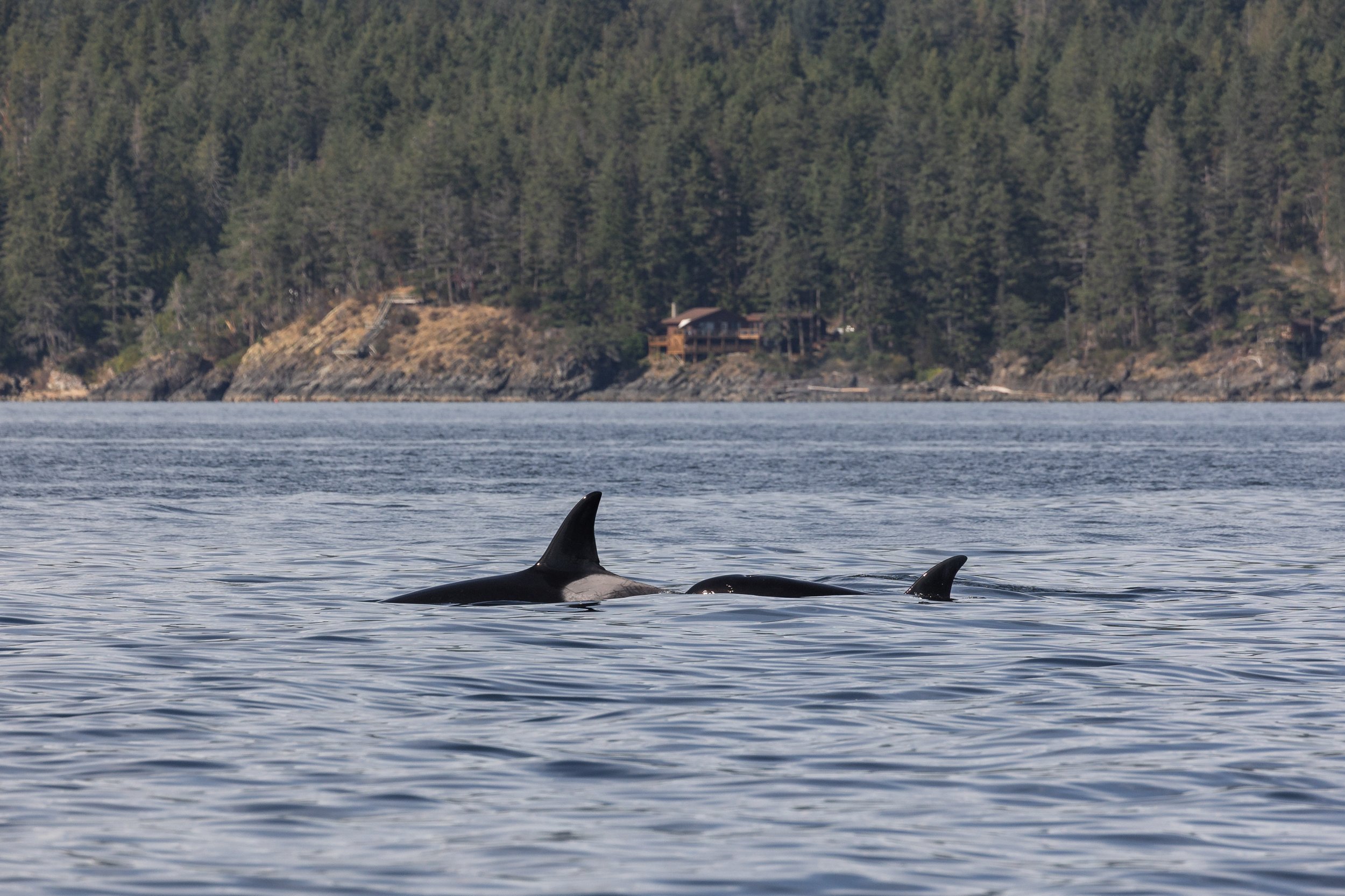
T002C Tasu and T002C4 Zippy surfacing together. Photo by Jordan Robinson.
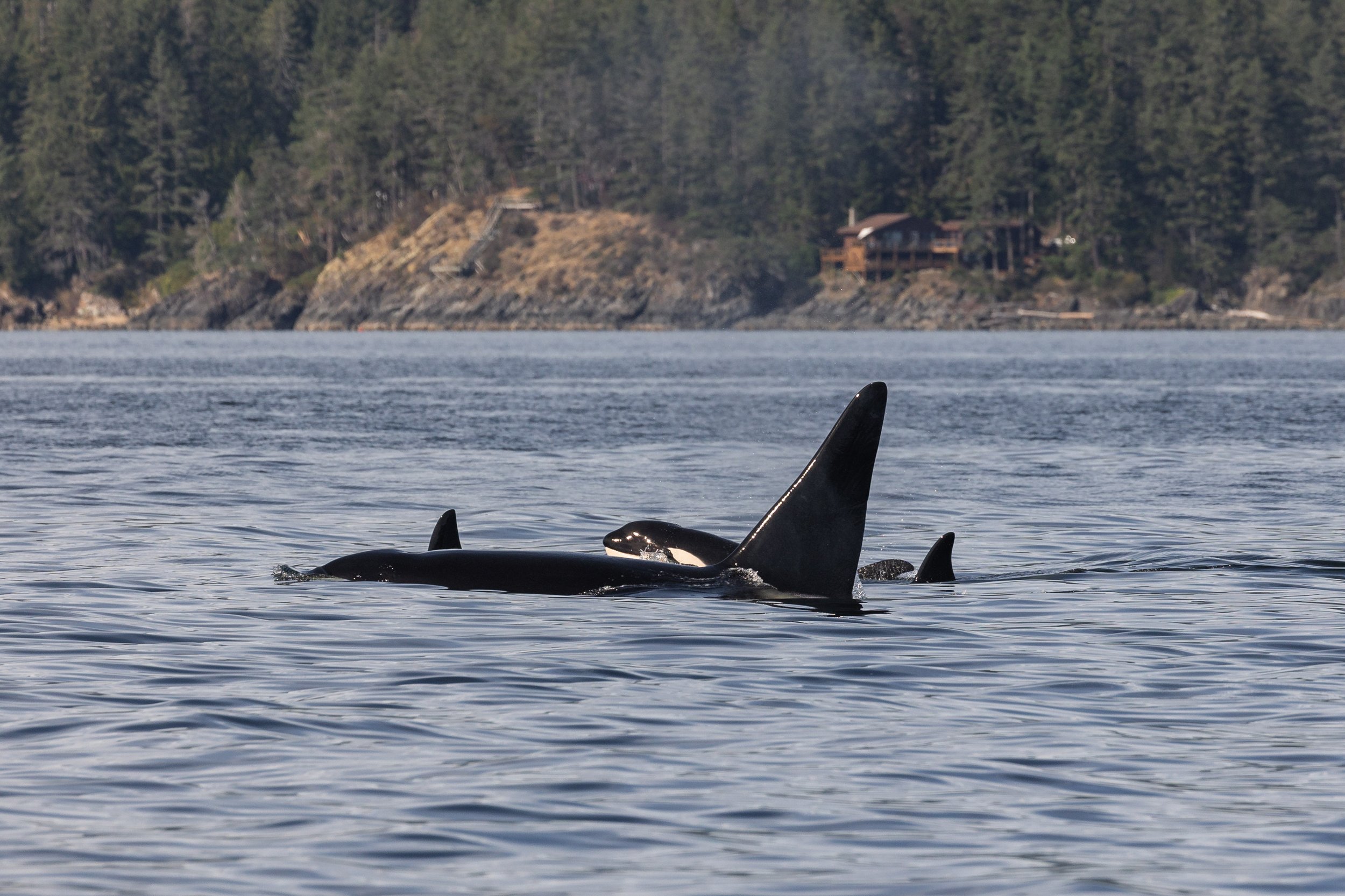
Family Photo with T002C1 Rocky, T002C Tasu, T002C6 Yukon, and T002C5 Zippy. Photo by Jordan Robinson.
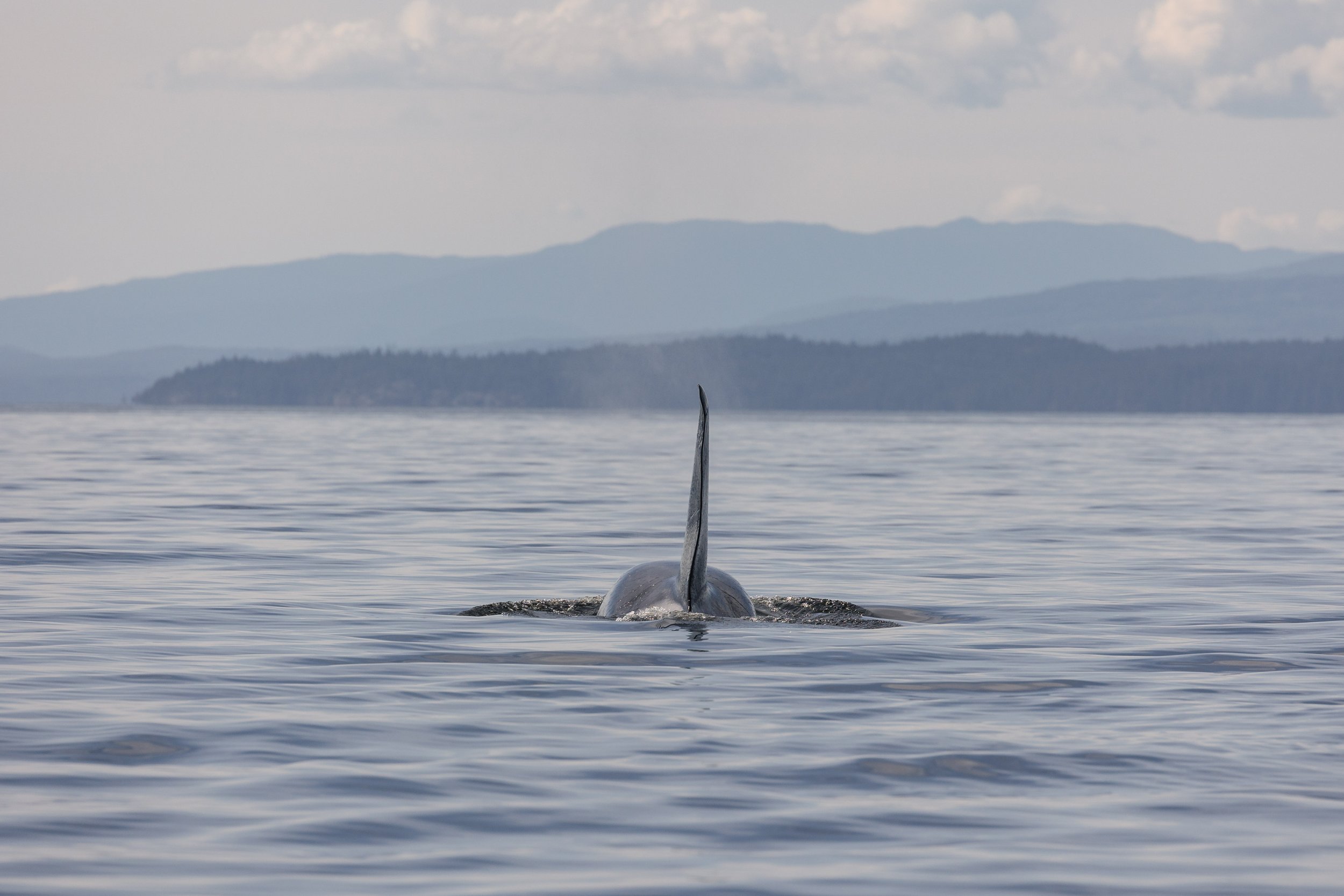
An interesting angle of T002C1 Rocky as he swims away from the camera. Photo by Jordan Robinson.
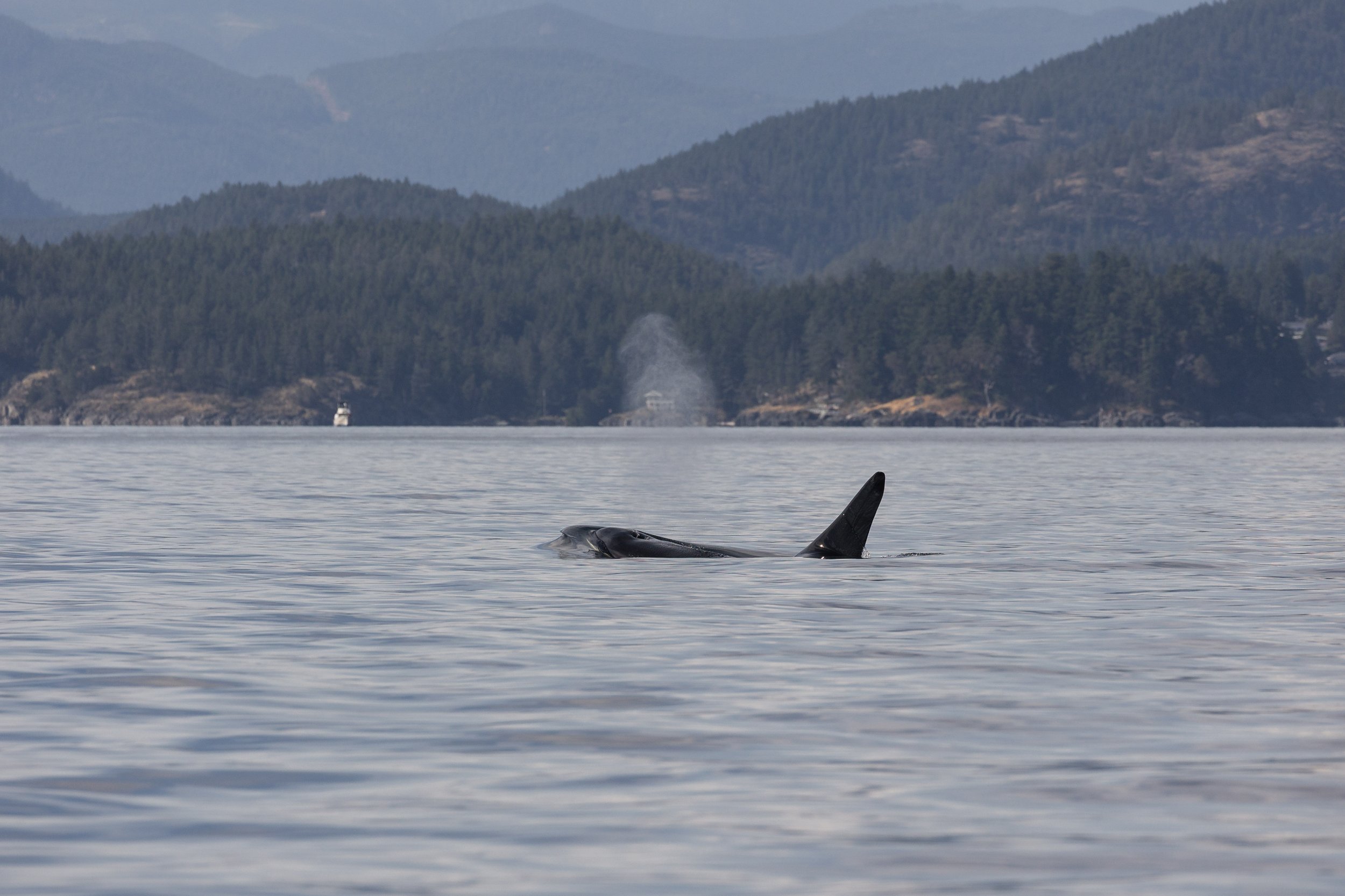
T002C1 Rocky with his blow visible. Photo by Jordan Robinson.
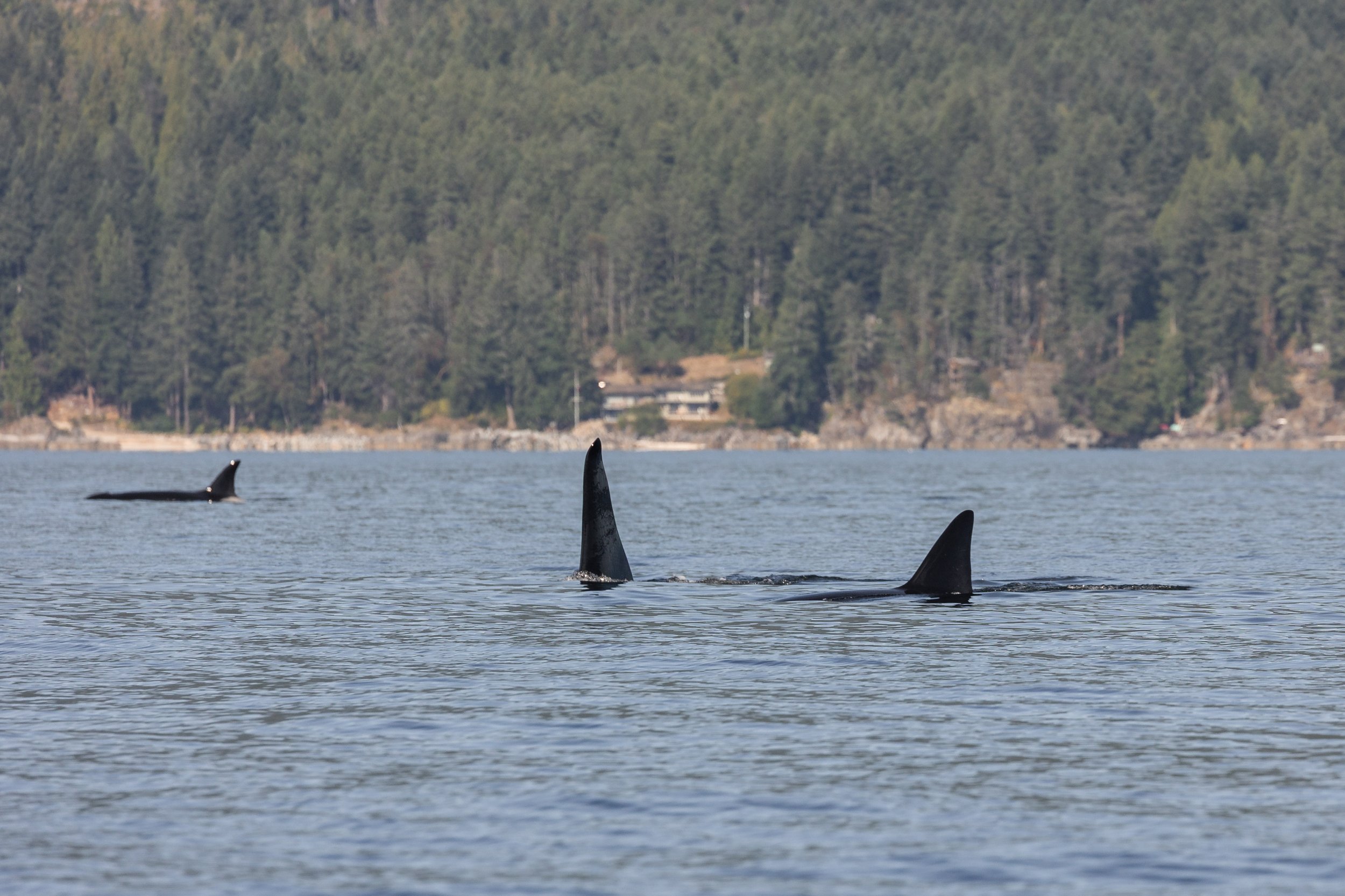
T002C1 Rocky and T002C3 Lucy surfacing together with mom, T002C Tasu in the background. Photo by Jordan Robinson.
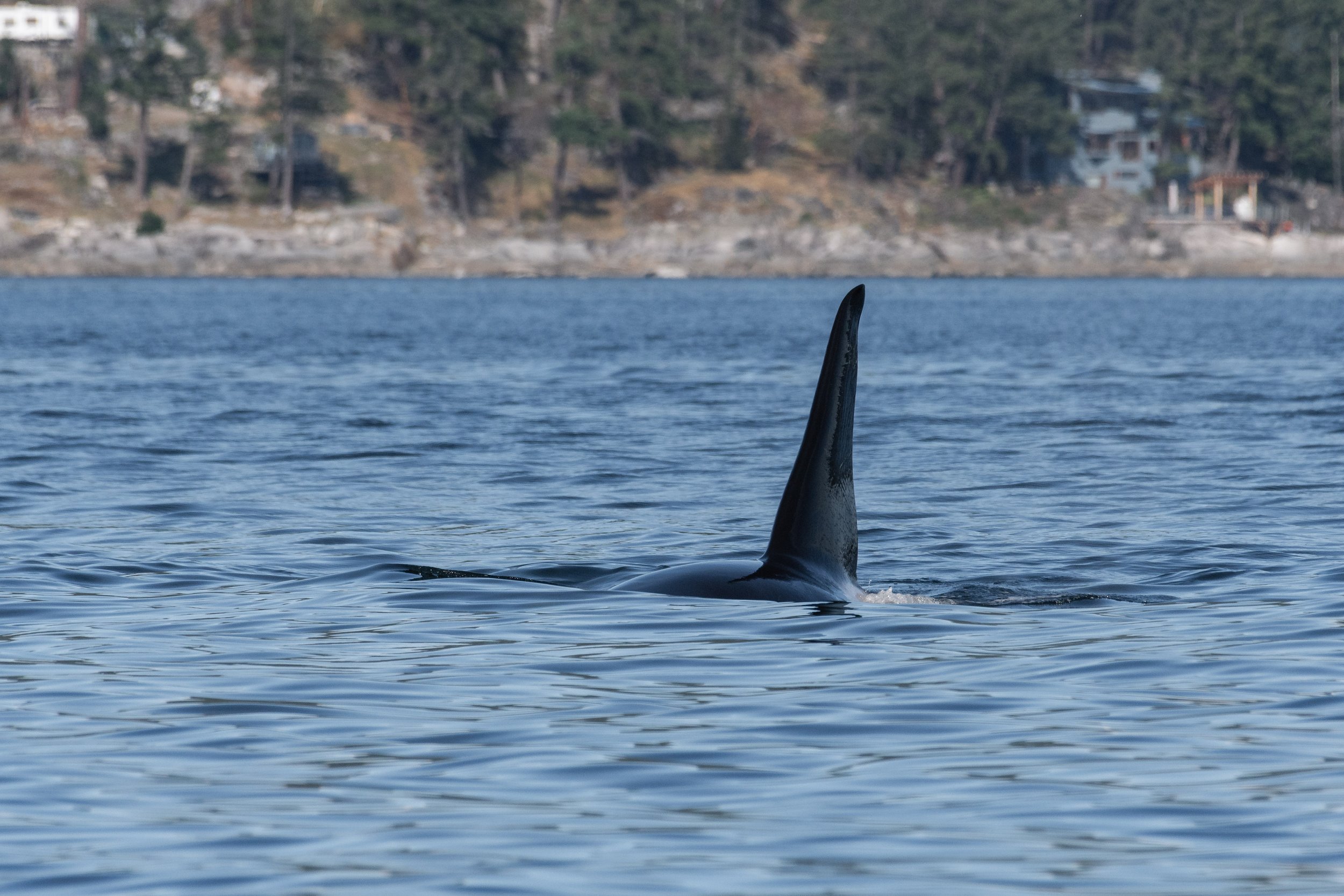
T002C1 Rocky. Photo by Evan Hessels.
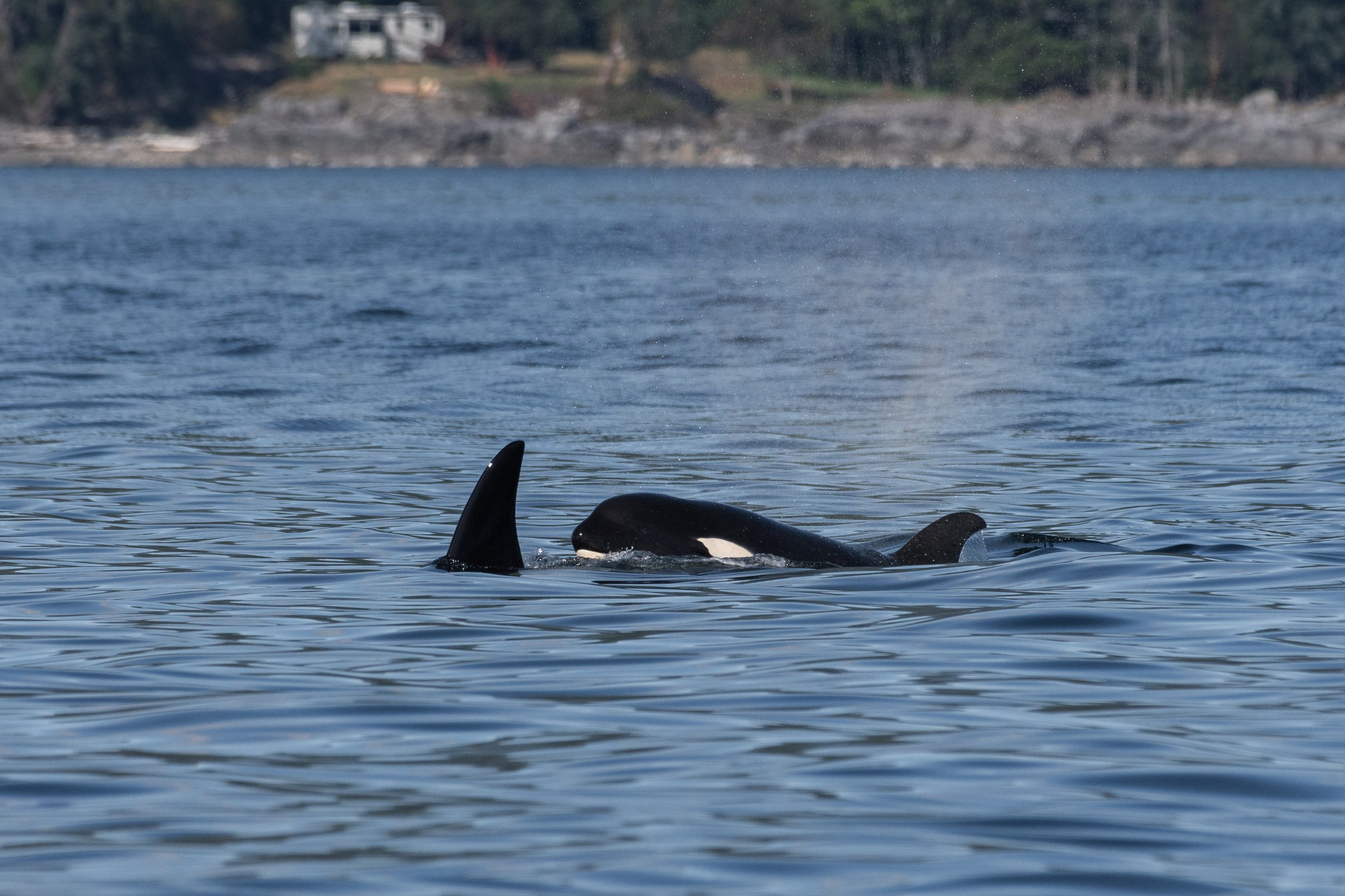
T002C6 Yukon surfacing wtih mom, T002C Tasu. Photo by Evan Hessels.
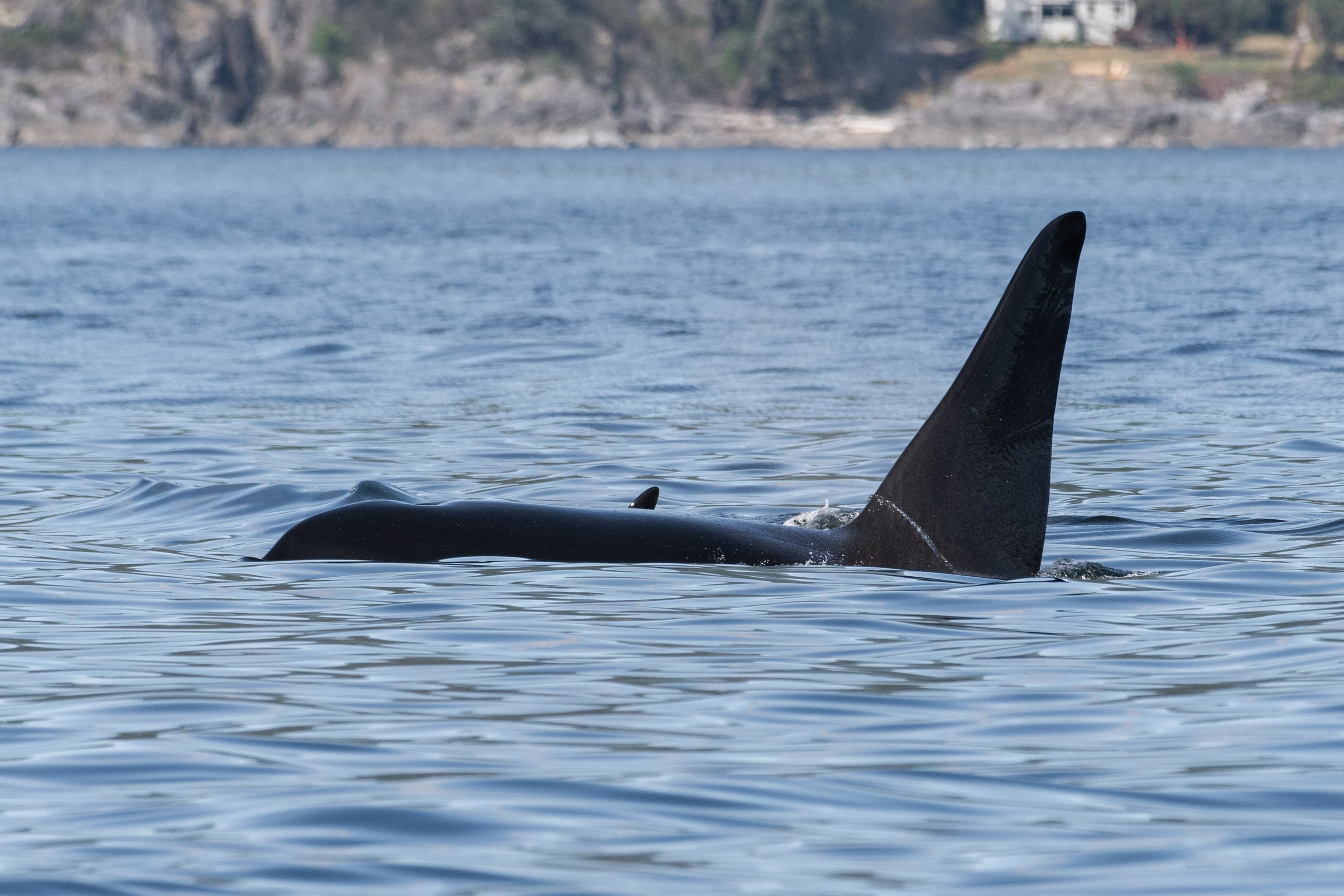
A great look at T002C1 Rocky. Photo by Evan Hessels.
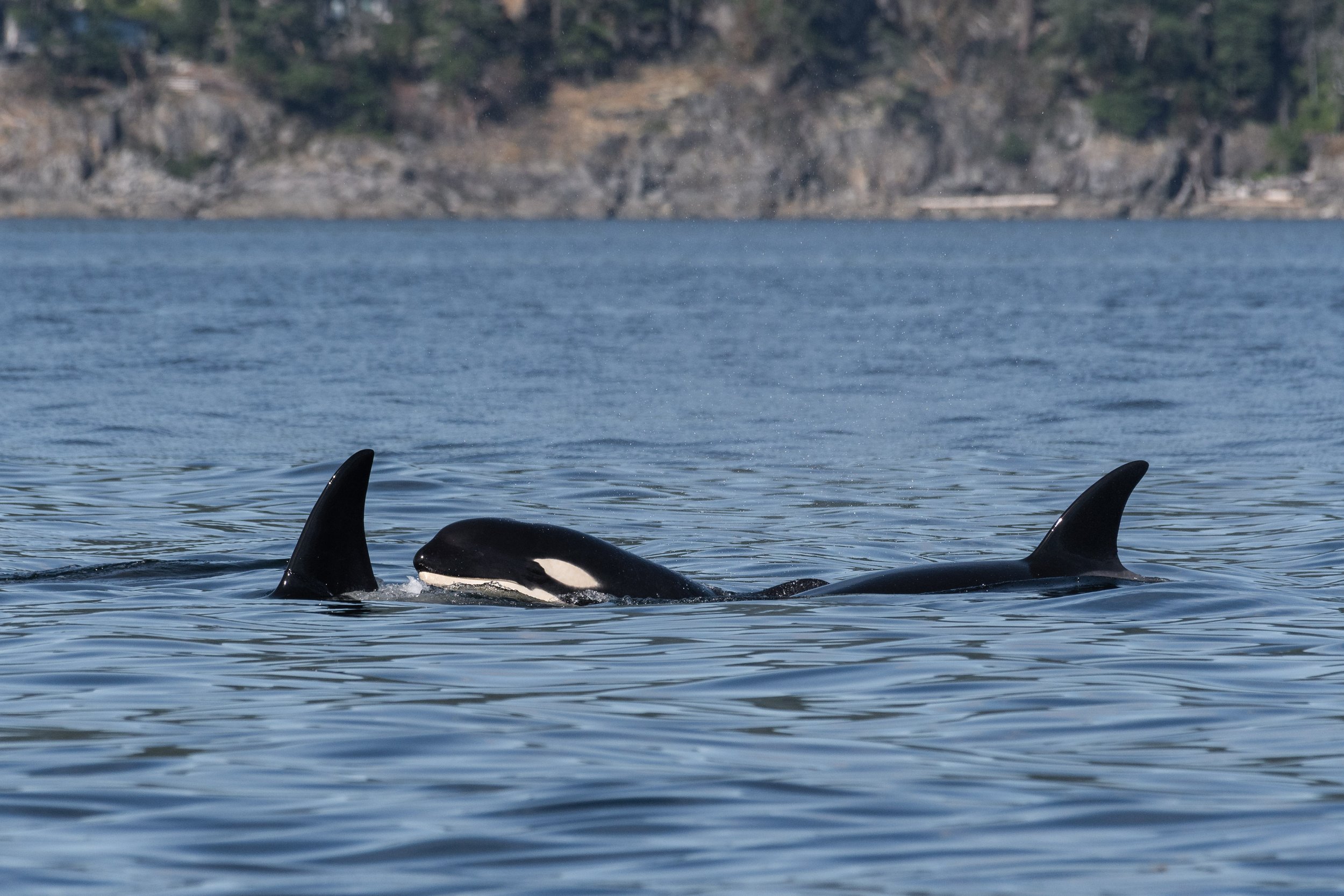
T002C Tasu with T002C6 Yukon and T002C5 Zippy. Photo by Evan Hessels.
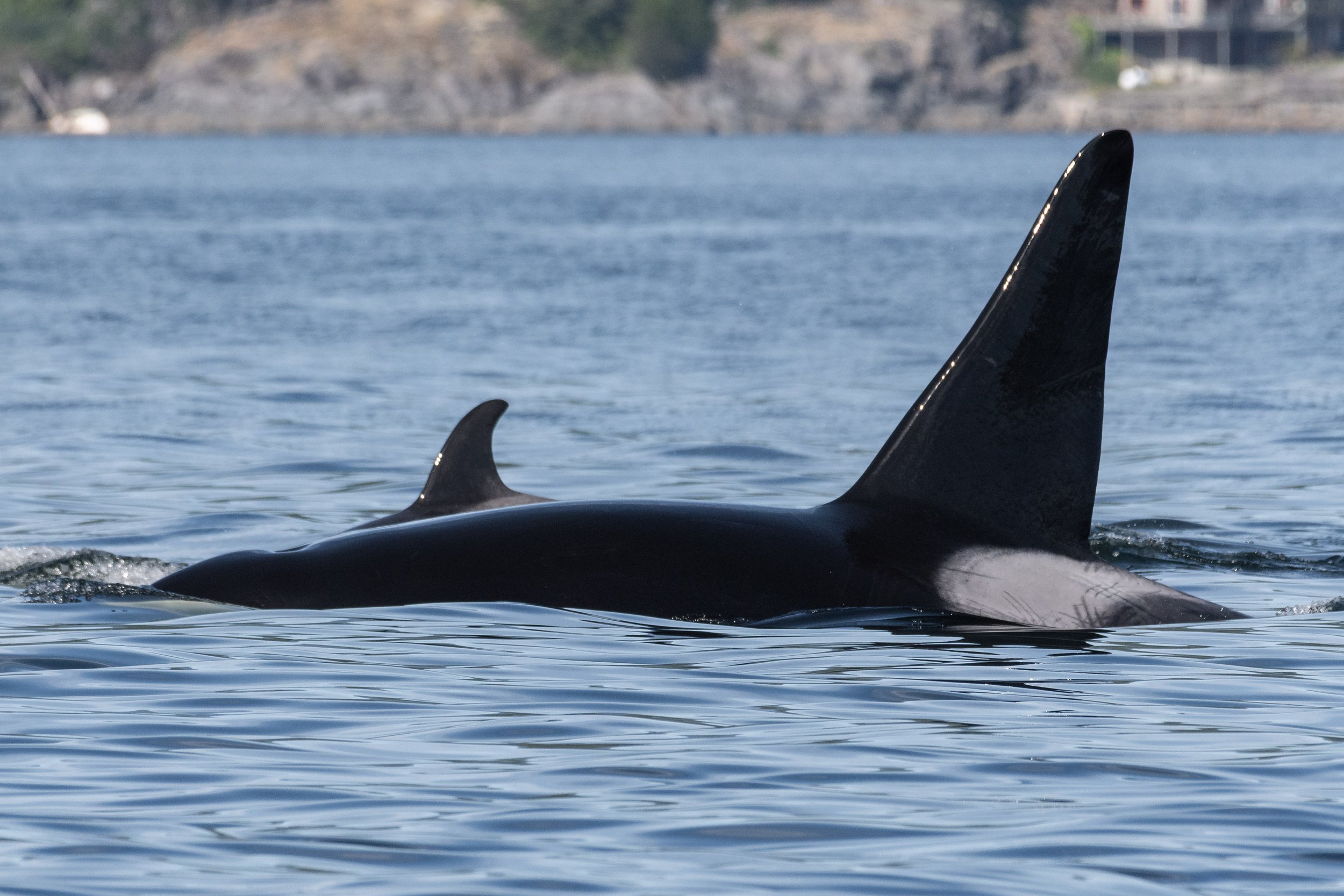
The oldest and youngest of Tasu’s kids side by side. Photo by Evan Hessels.
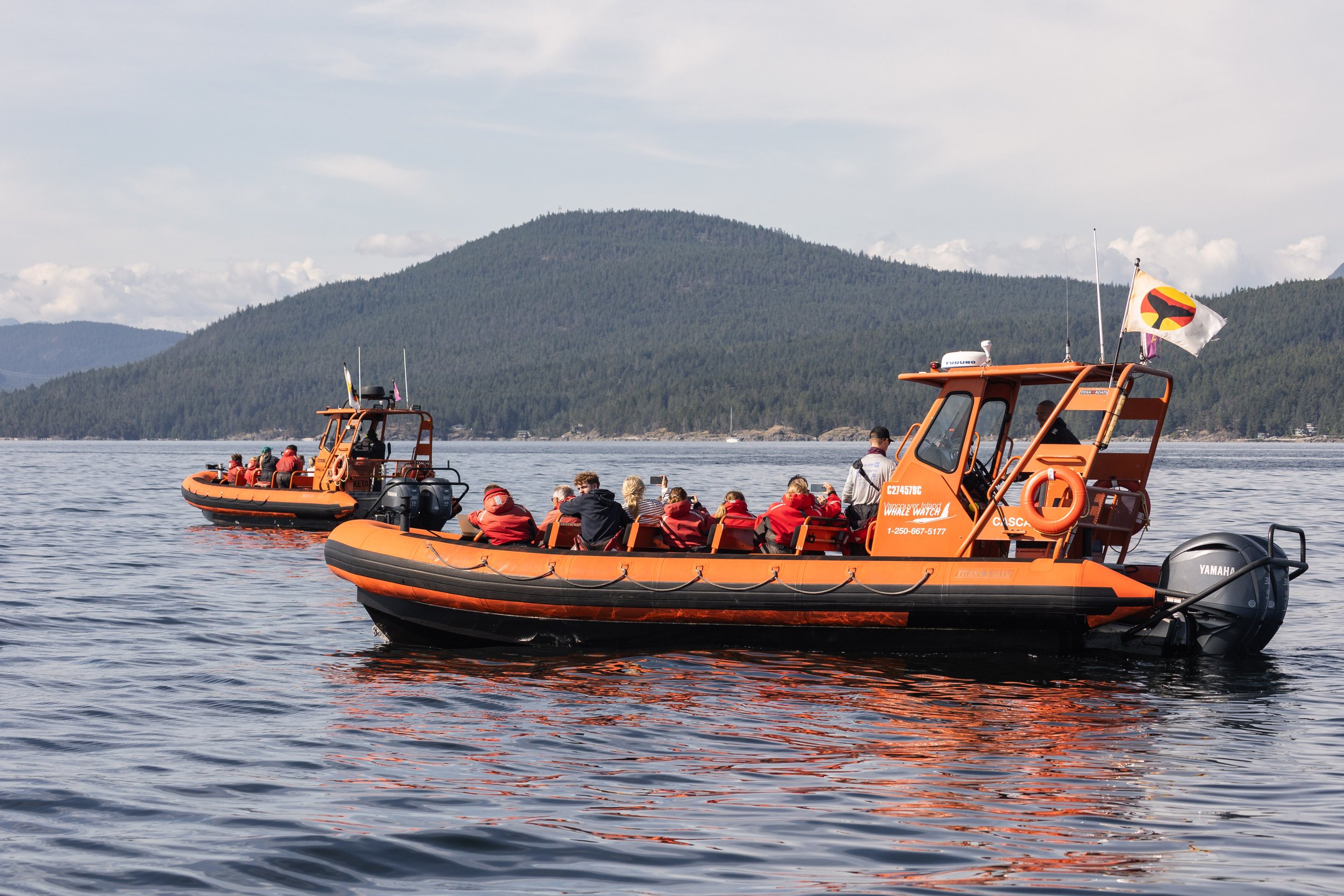
Our open boats watching the T002Cs. Photo by Jordan Robinson.
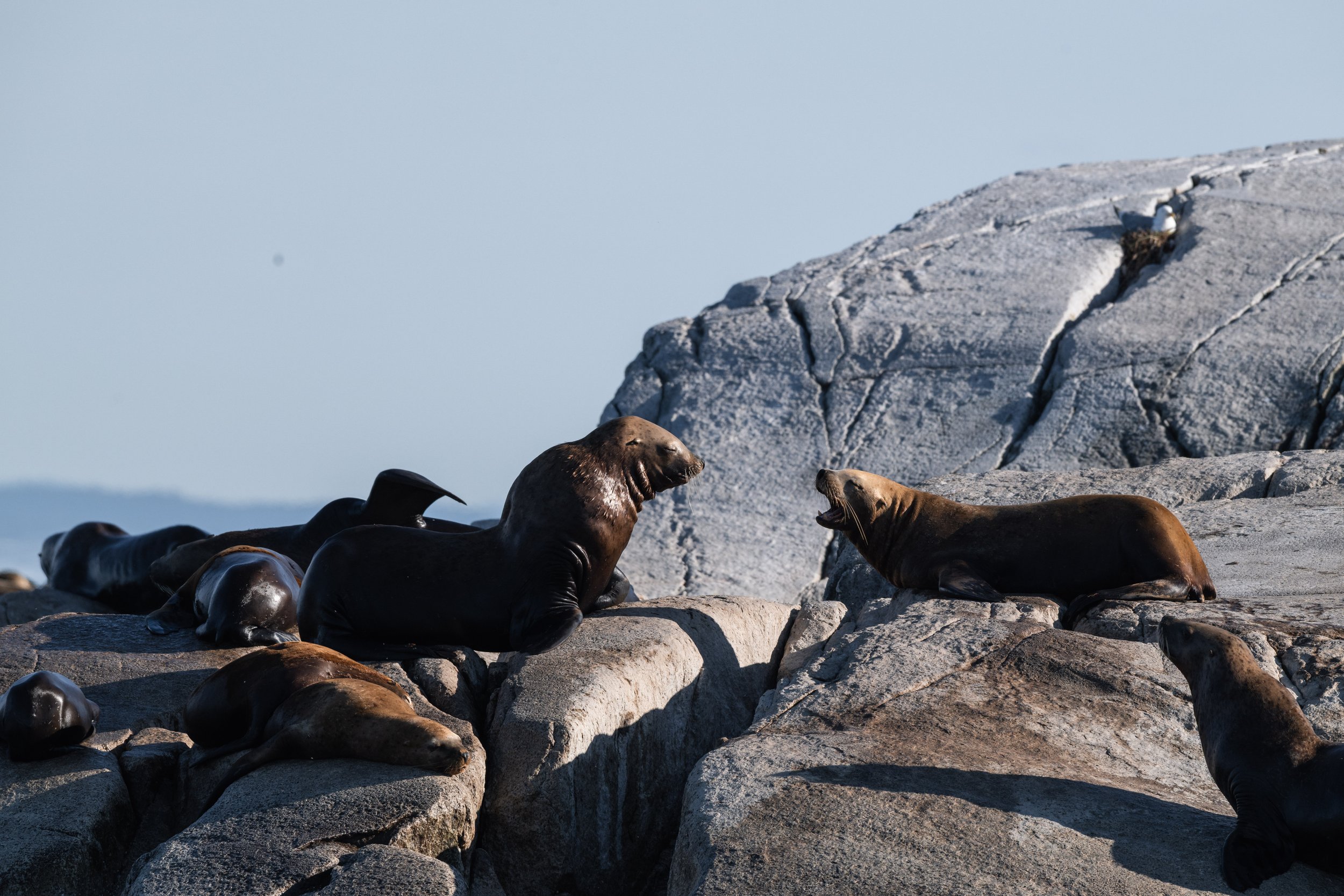
Fighting Steller Sea Lions on the White Islets. Photo by Aly Kohlman.
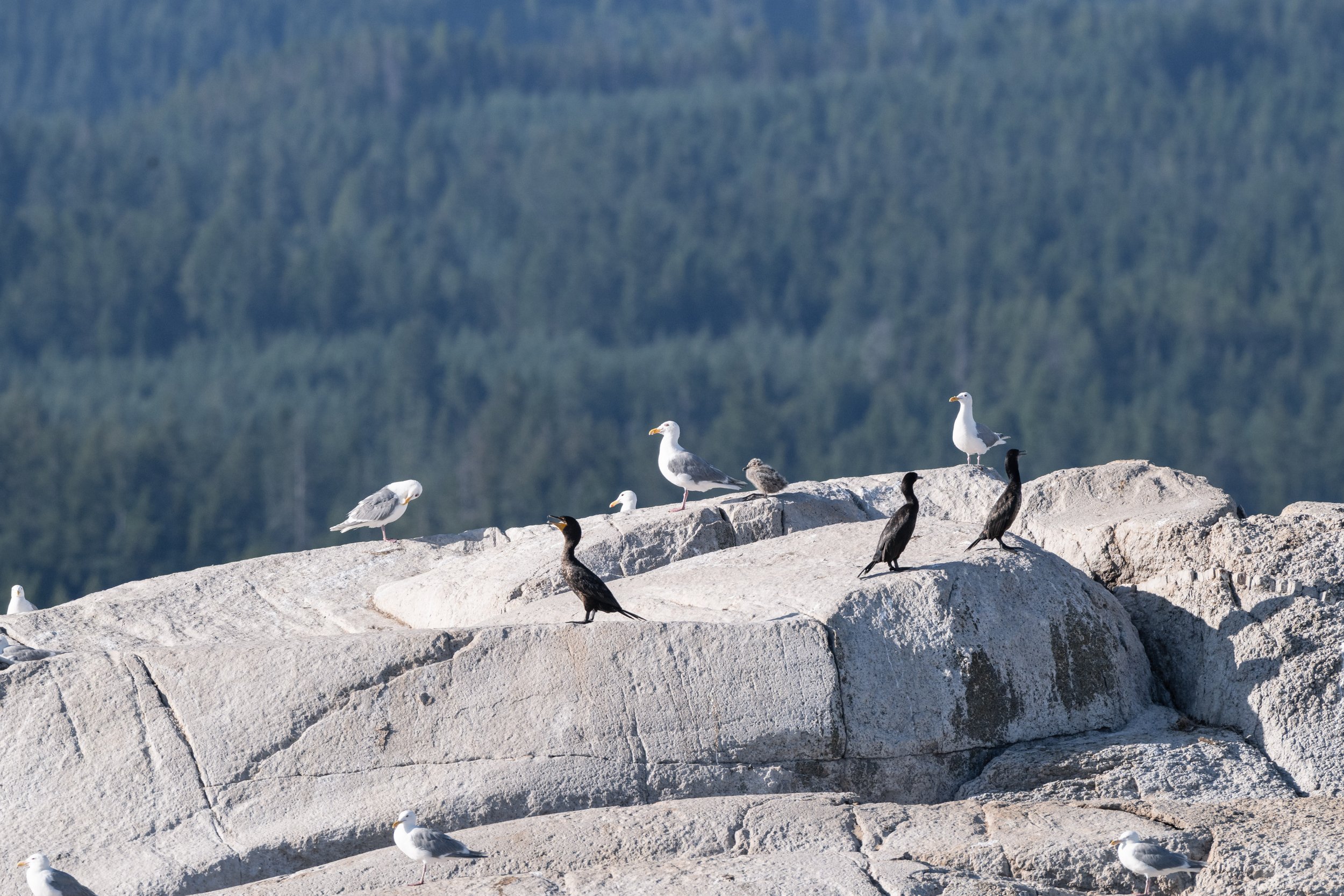
Gulls (including a baby) and cormorants resting on the White Islets. Photo by Aly Kohlman.
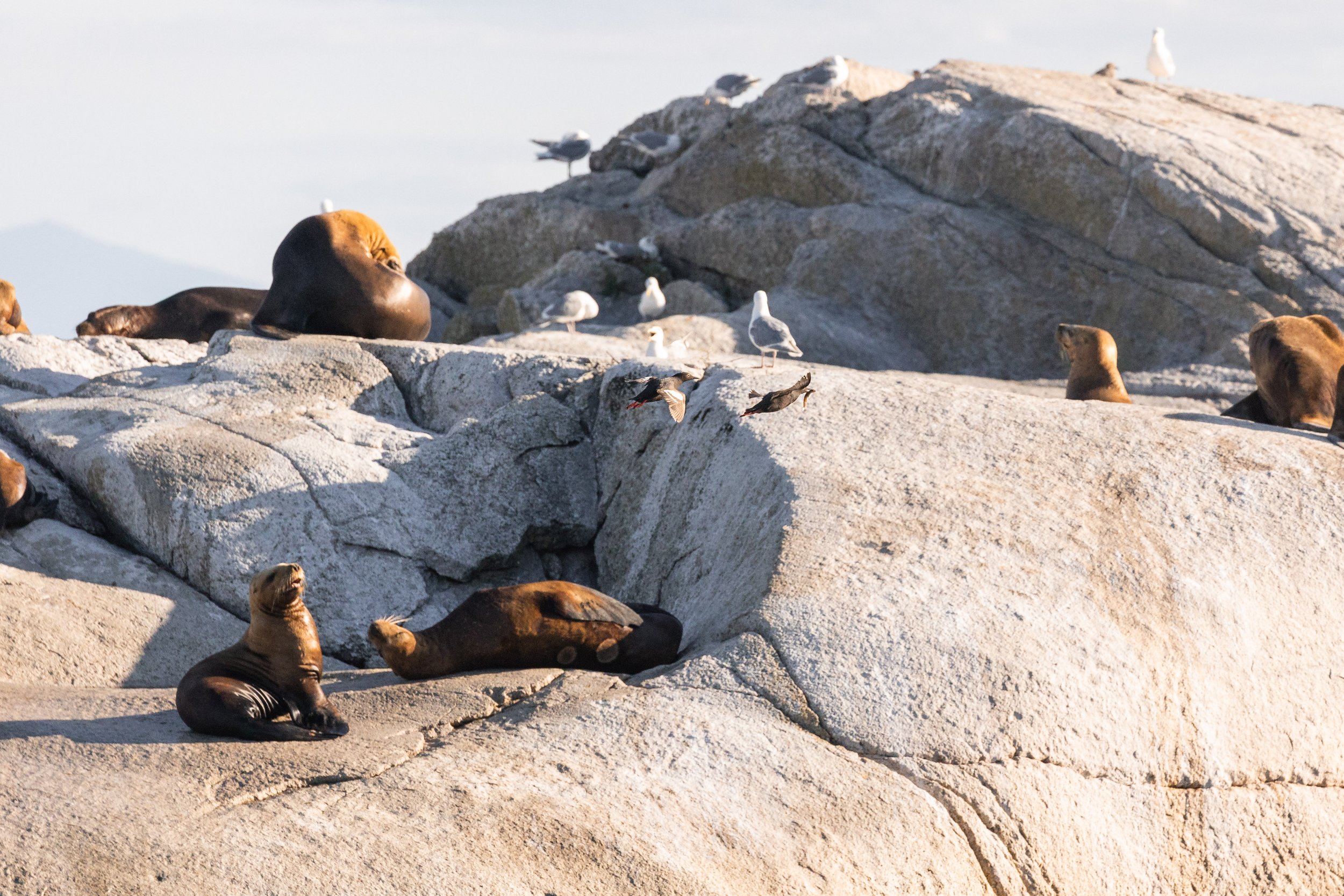
A pair of Pigeon Guillimot flying in with dinner. Photo by Jordan Robinson.
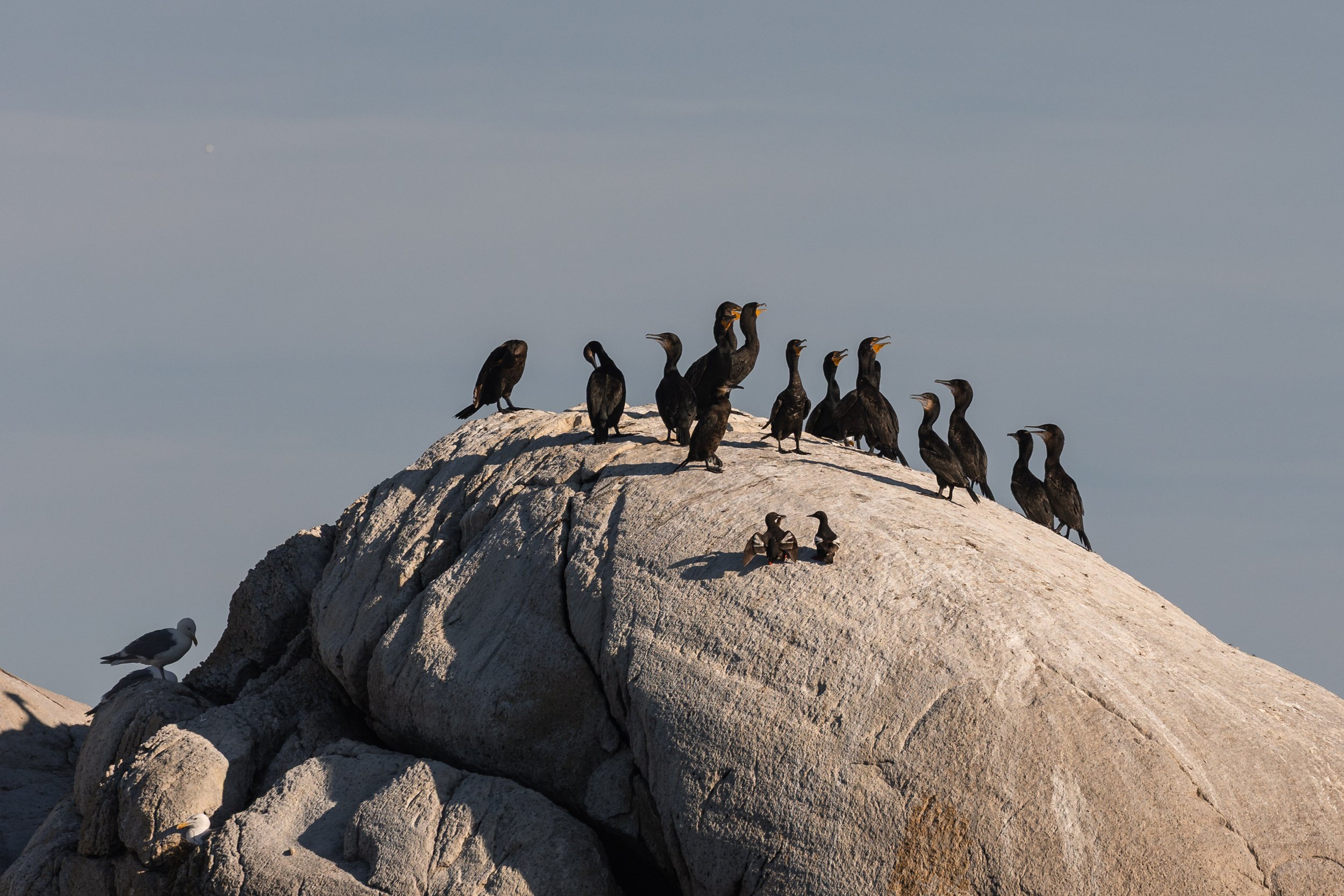
Cormorants, gulls, and Pigeon Guillimots sharing the rocks. Photo by Jordan Robinson.
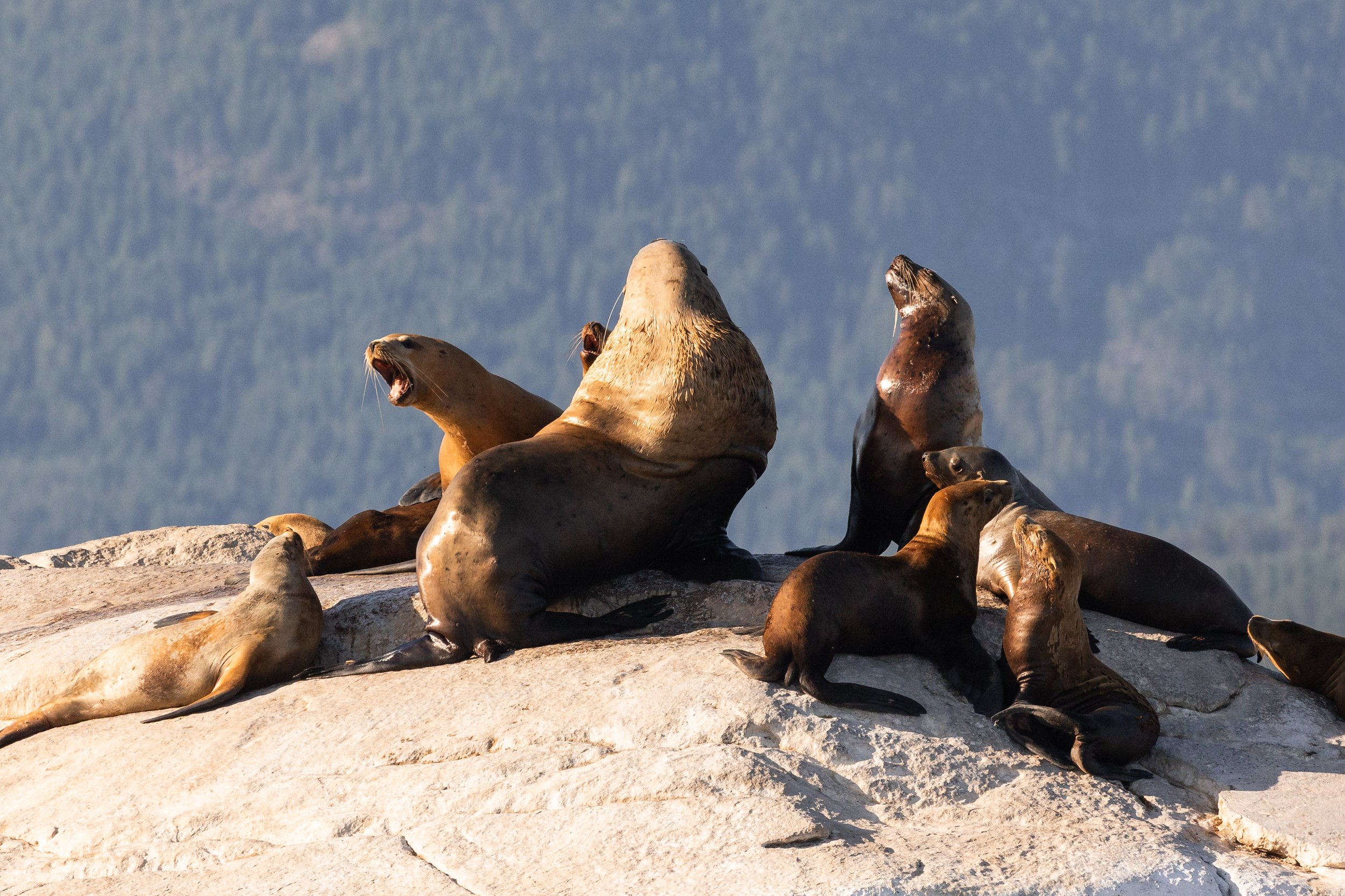
Steller Sea Lions fighting on the rocks. Photo by Jordan Robinson.
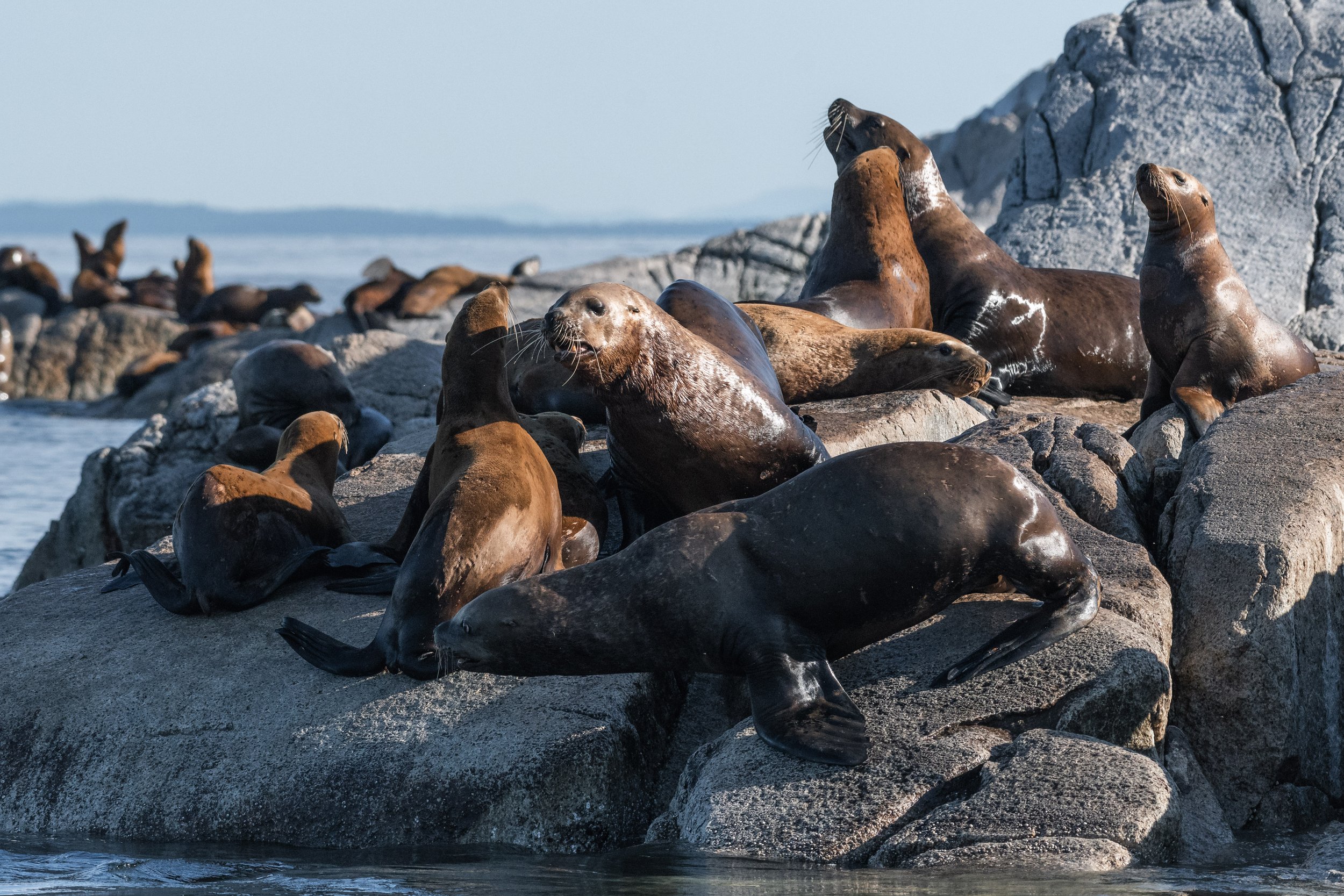
A large colony of Steller Sea Lions. Photo by Evan Hessels.
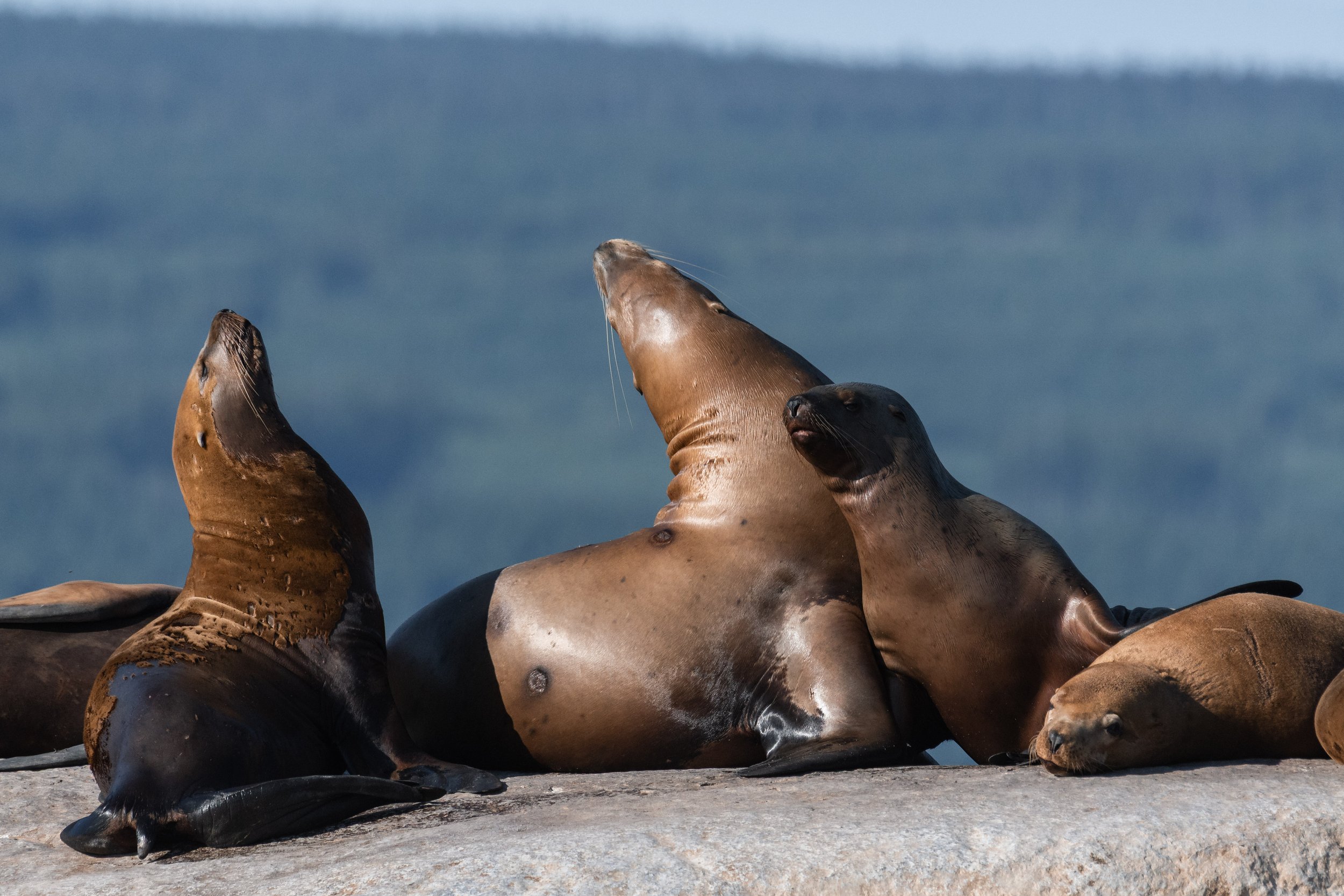
Some Steller Sea Lions striking a pose. Photo by Evan Hessels.
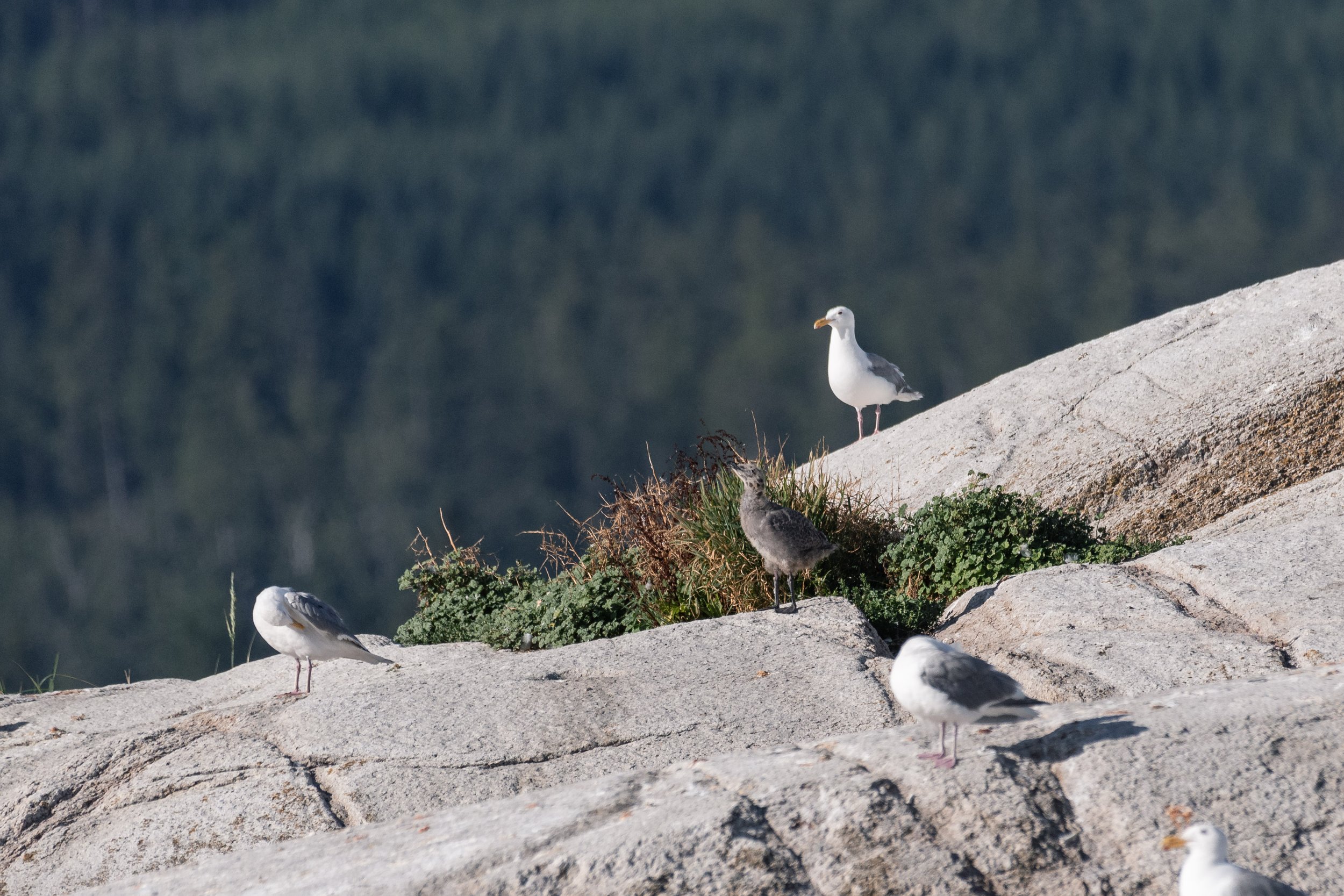
A young gull also striking a pose. Photo by Evan Hessels.
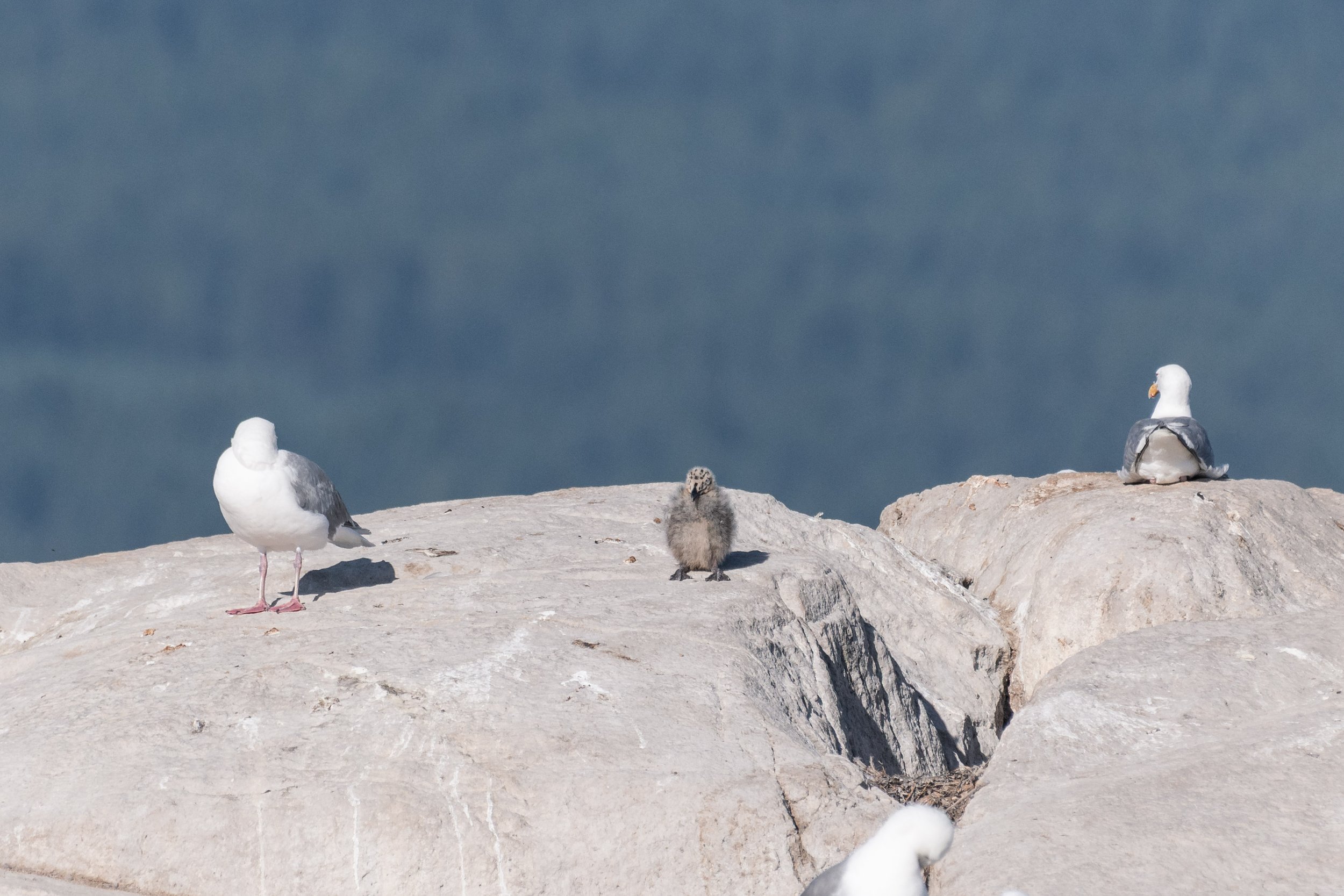
Baby gulls are so cute! Photo by Evan Hessels.
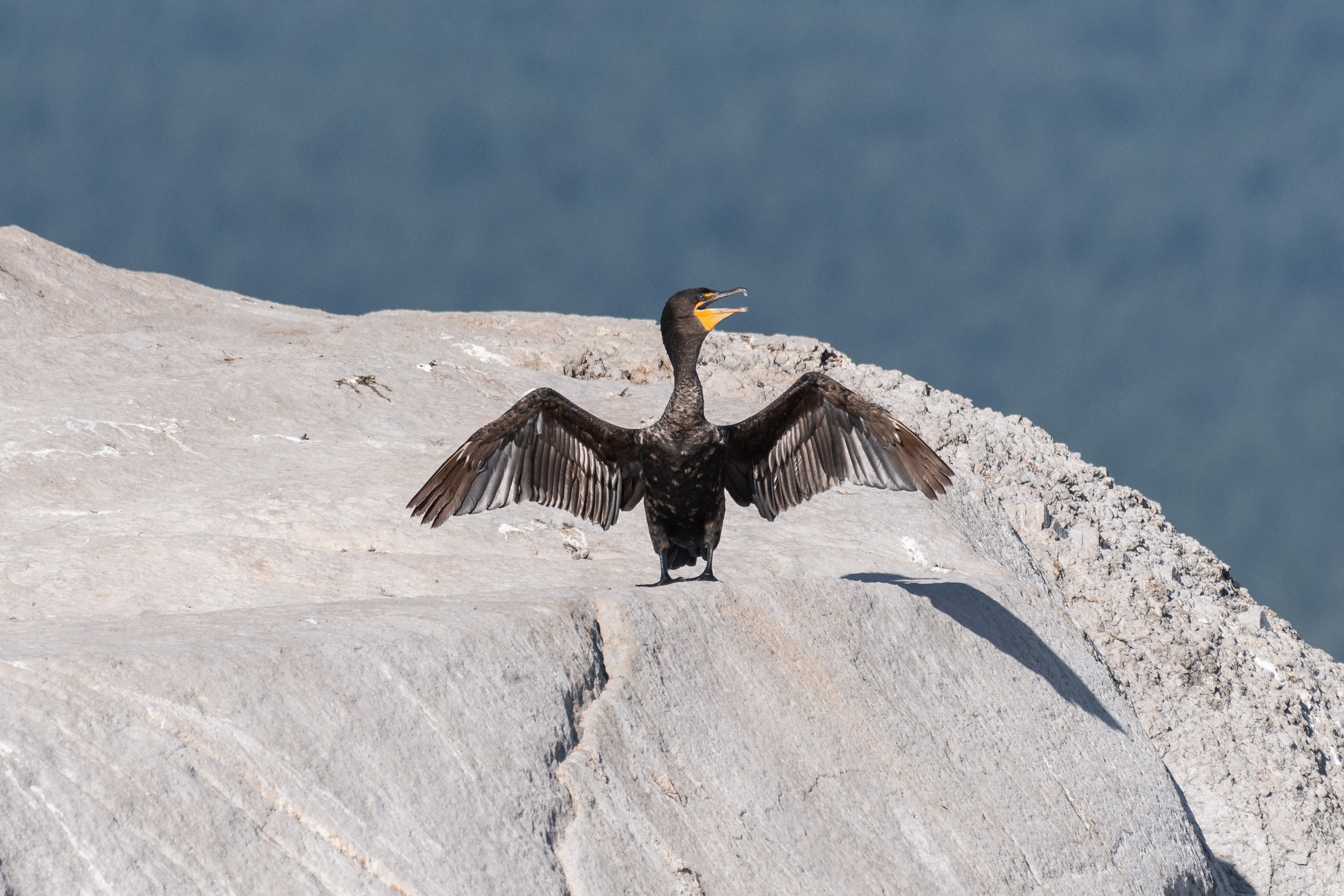
A cormorant drying itself in the sun. Photo by Evan Hessels.
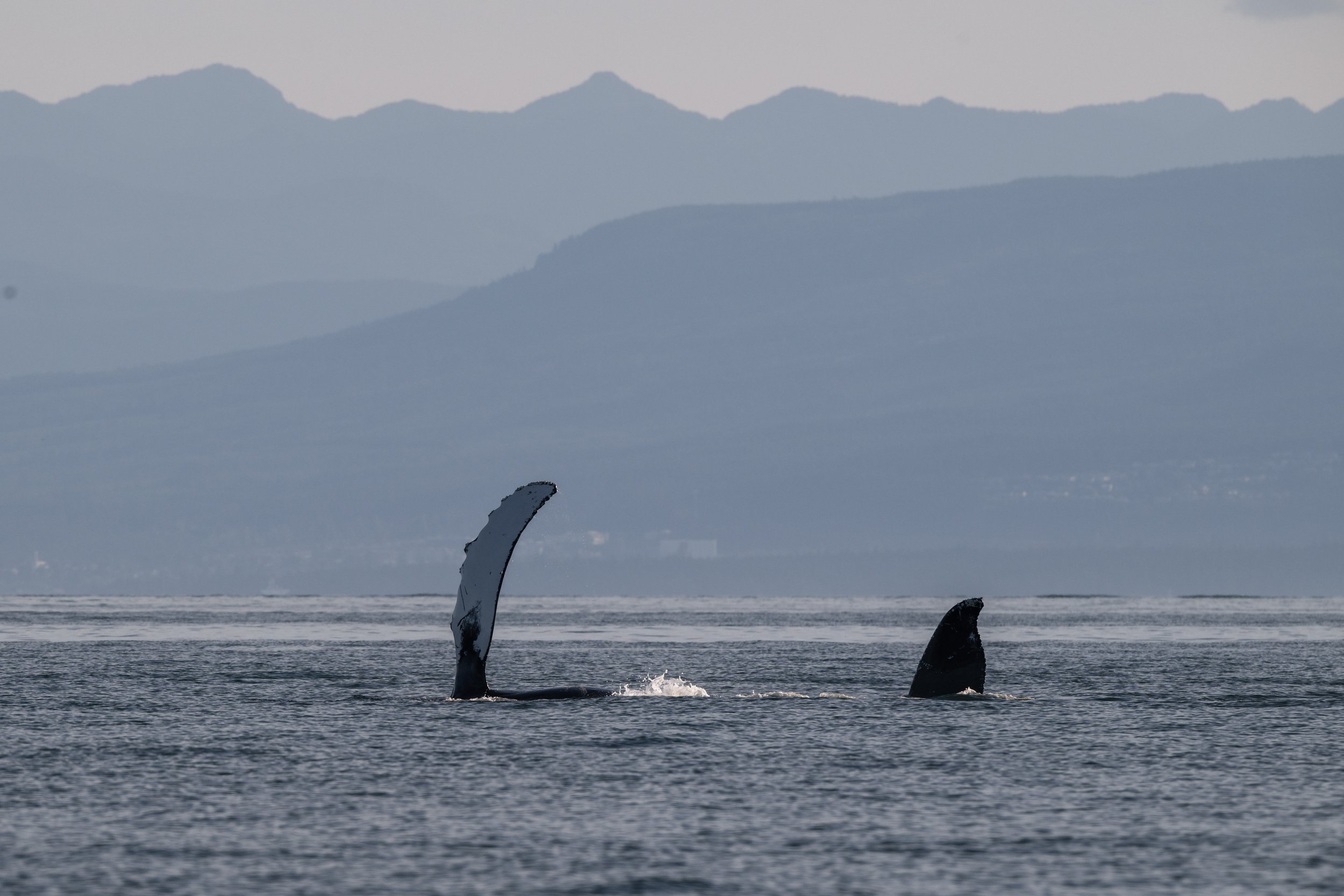
Slice swimming on his side. Photo by Aly Kohlman.
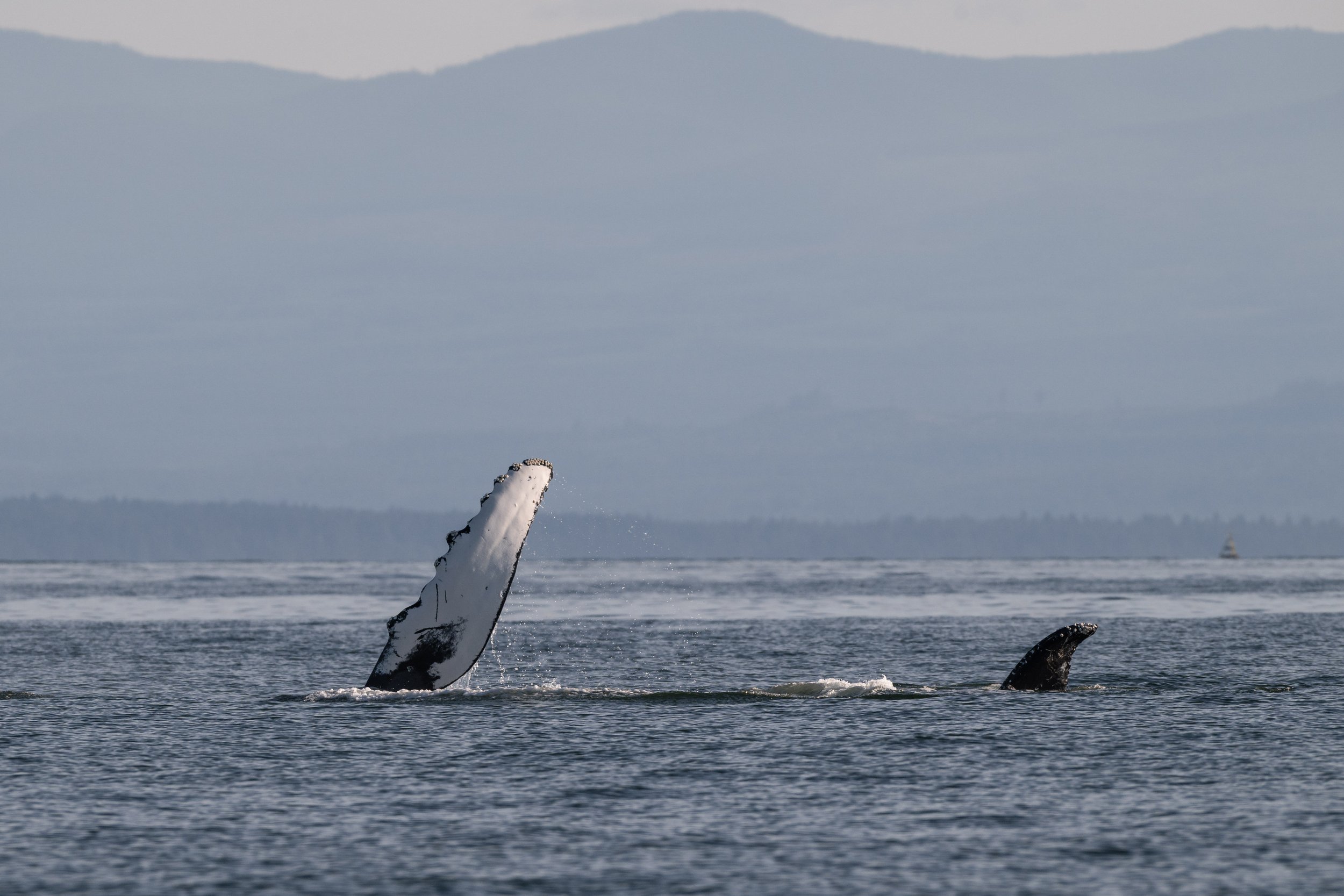
Slice’s pectoral fin will grow to be 5 meters long! Photo by Aly Kohlman.
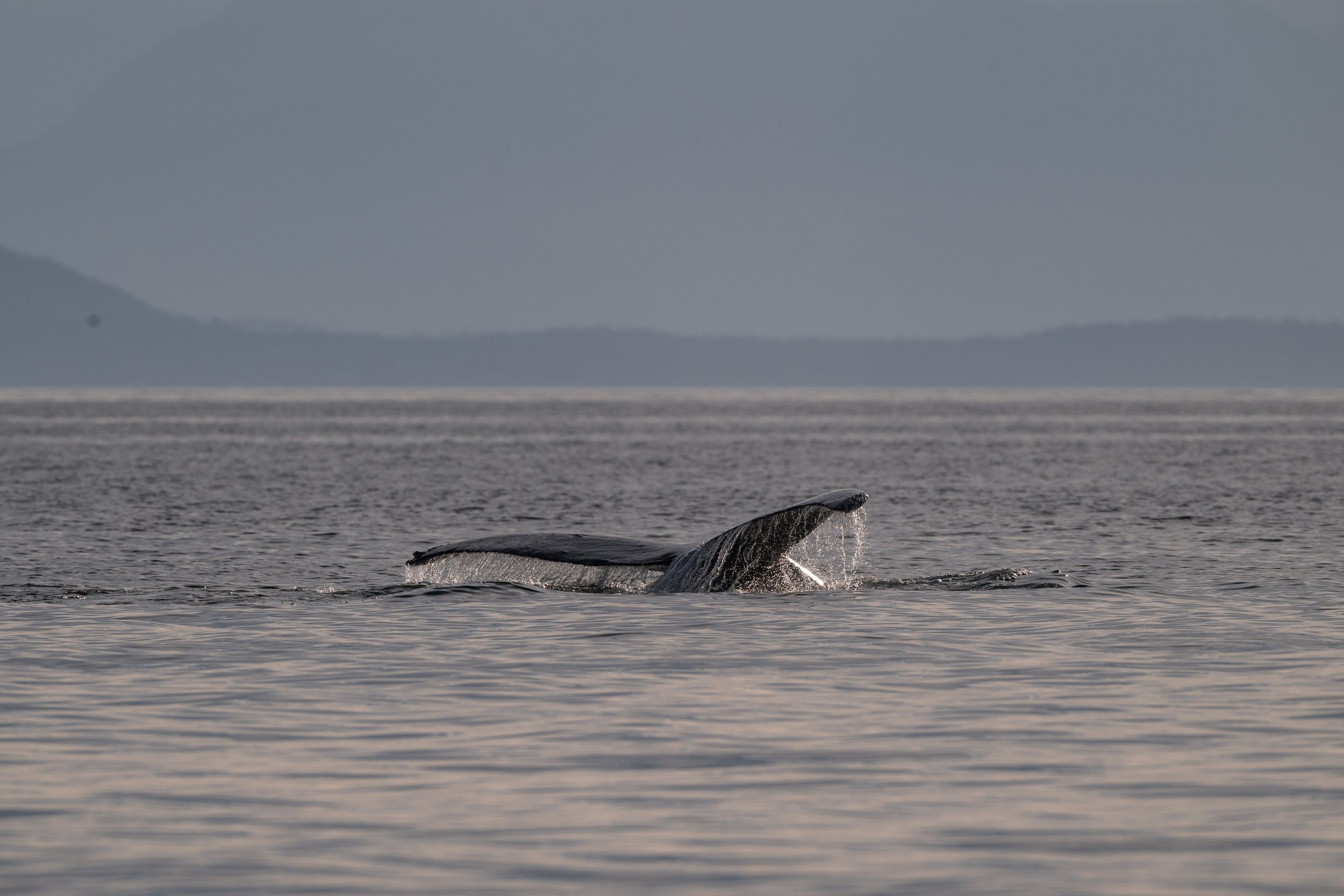
Slice going for a dive. Photo by Aly Kohlman.
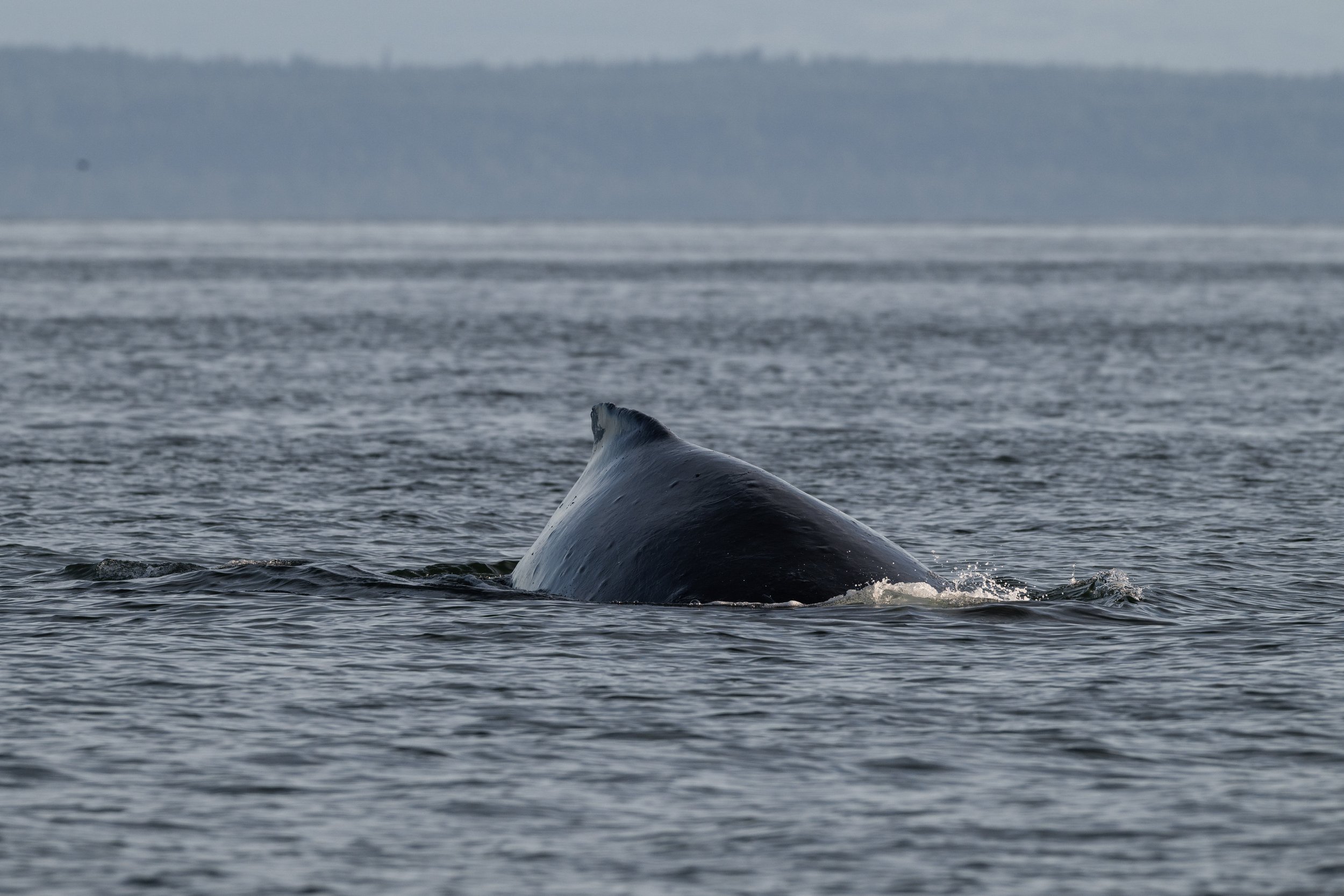
Slice arching for a dive. Photo by Aly Kohlman.
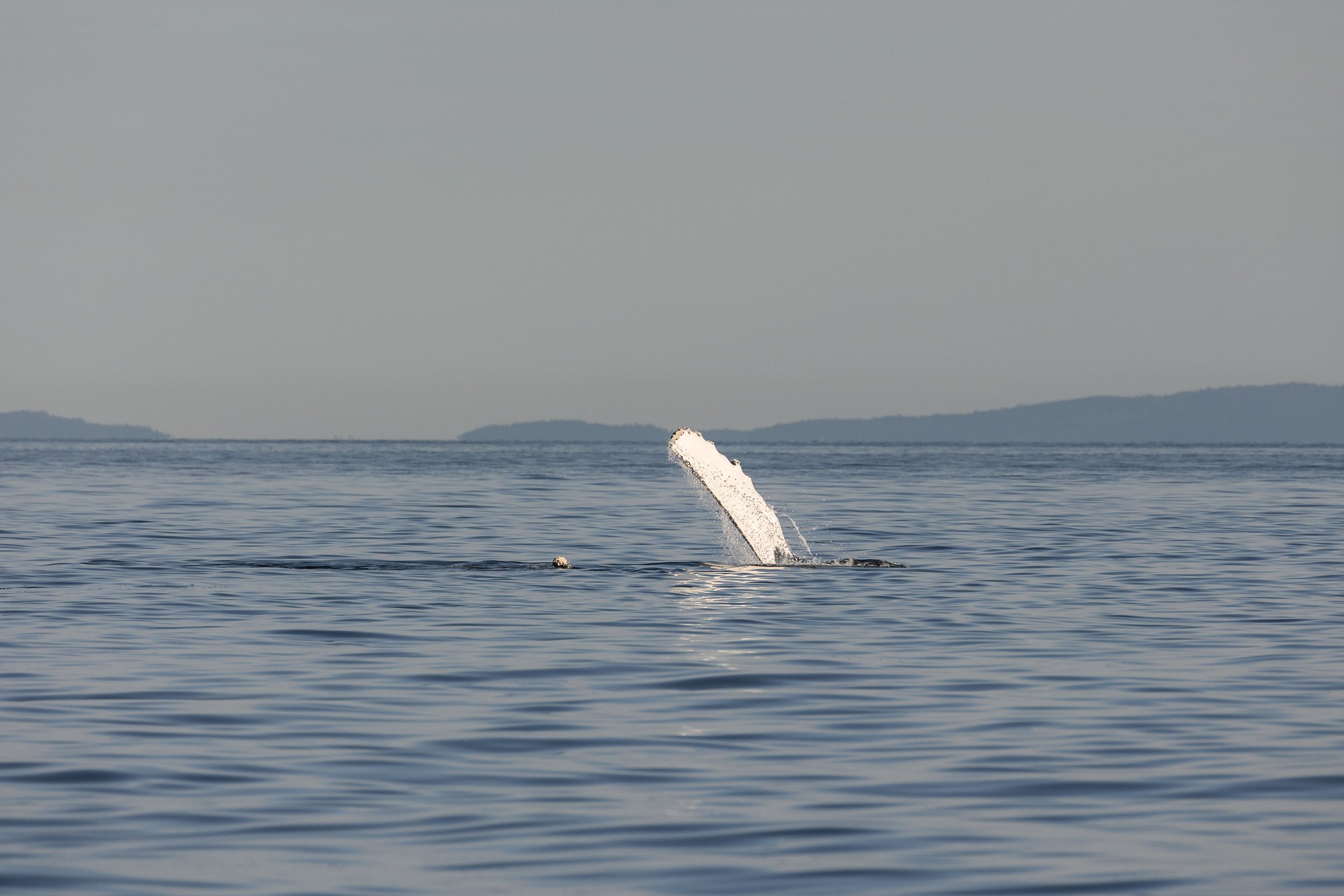
Slice swinging his pectoral fin. Photo by Jordan Robinson.
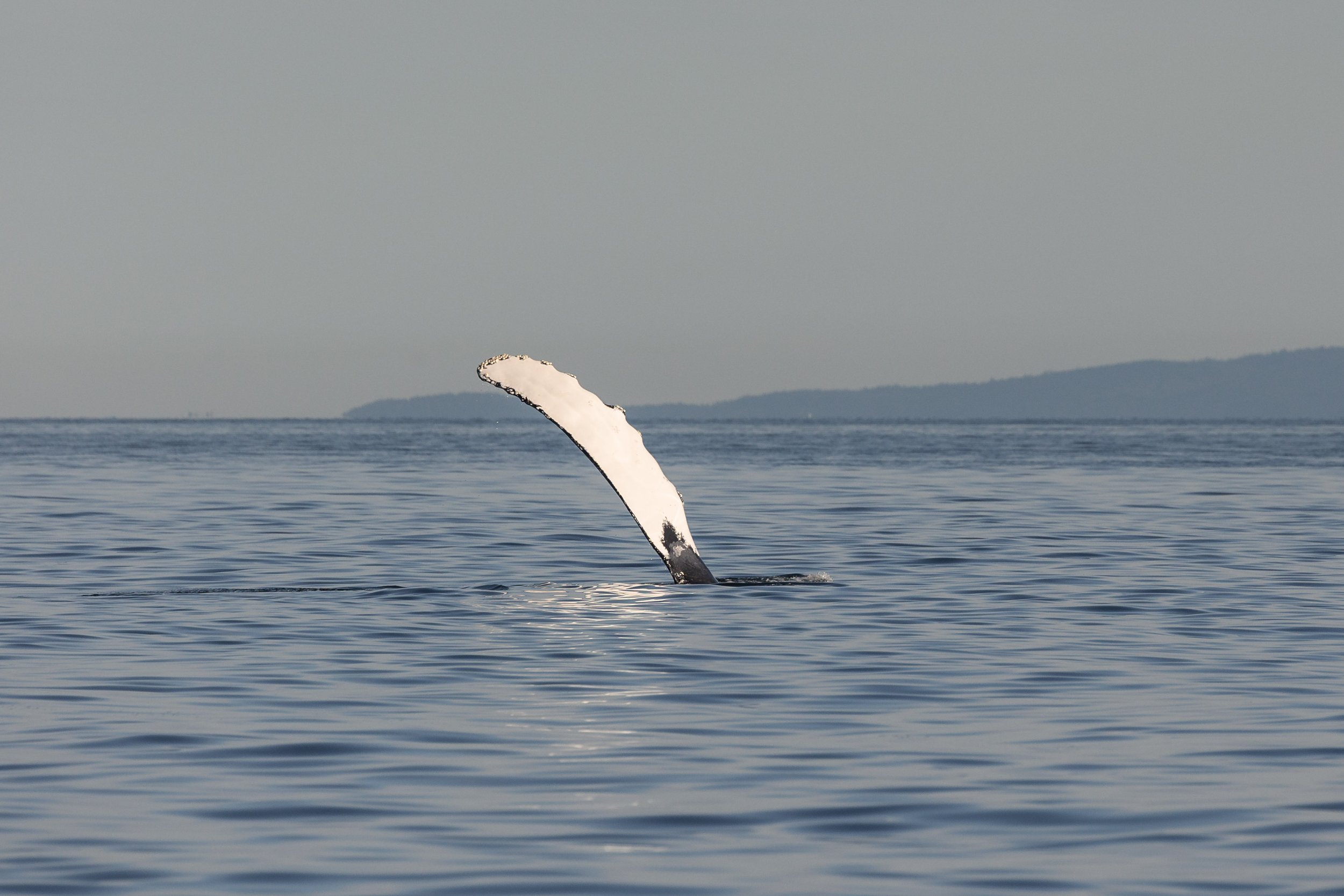
Can you spot the barnacles on the tips of Slice’s pectoral fin? Photo by Jordan Robinson.
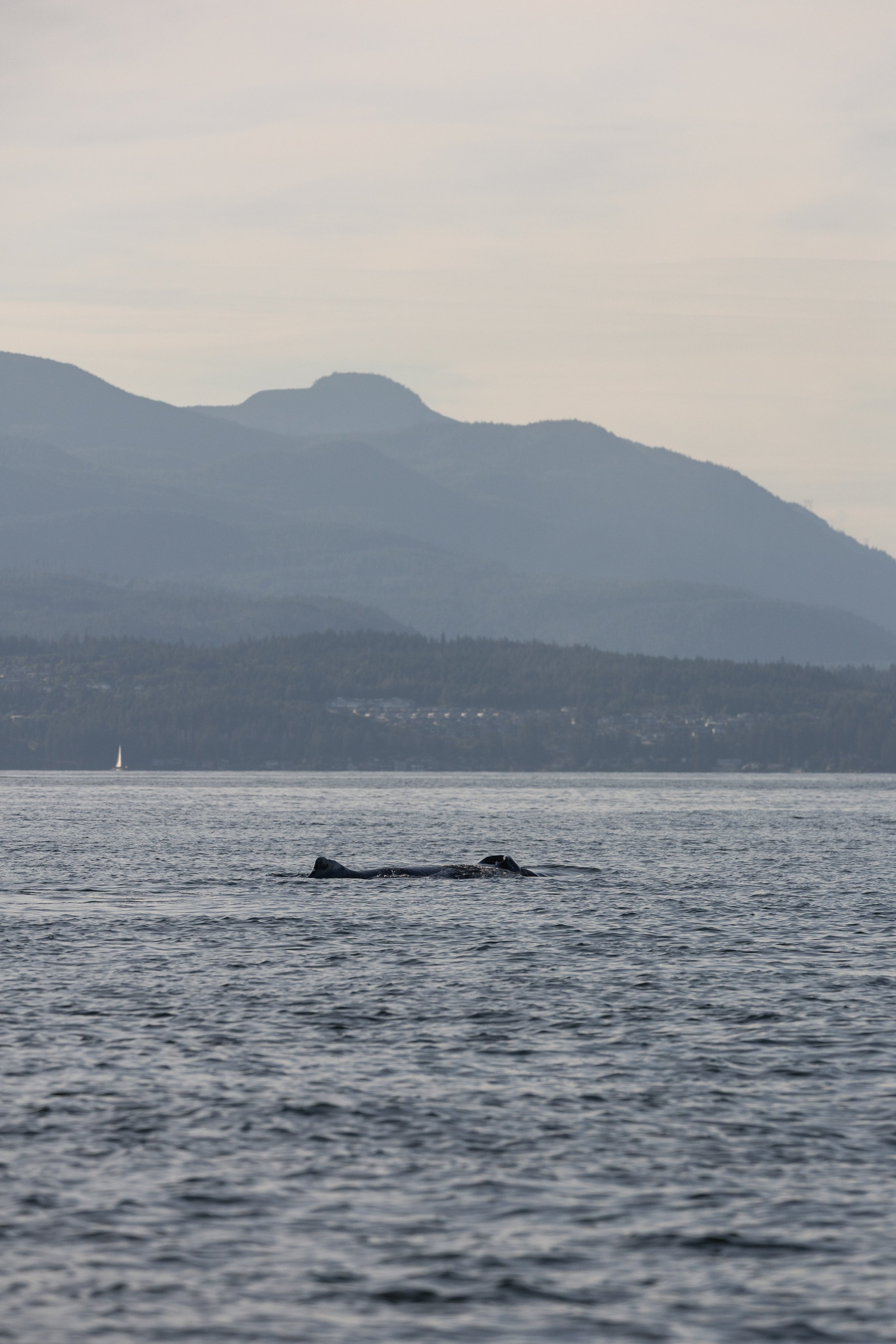
Slice taking in a big breath. Photo by Jordan Robinson.
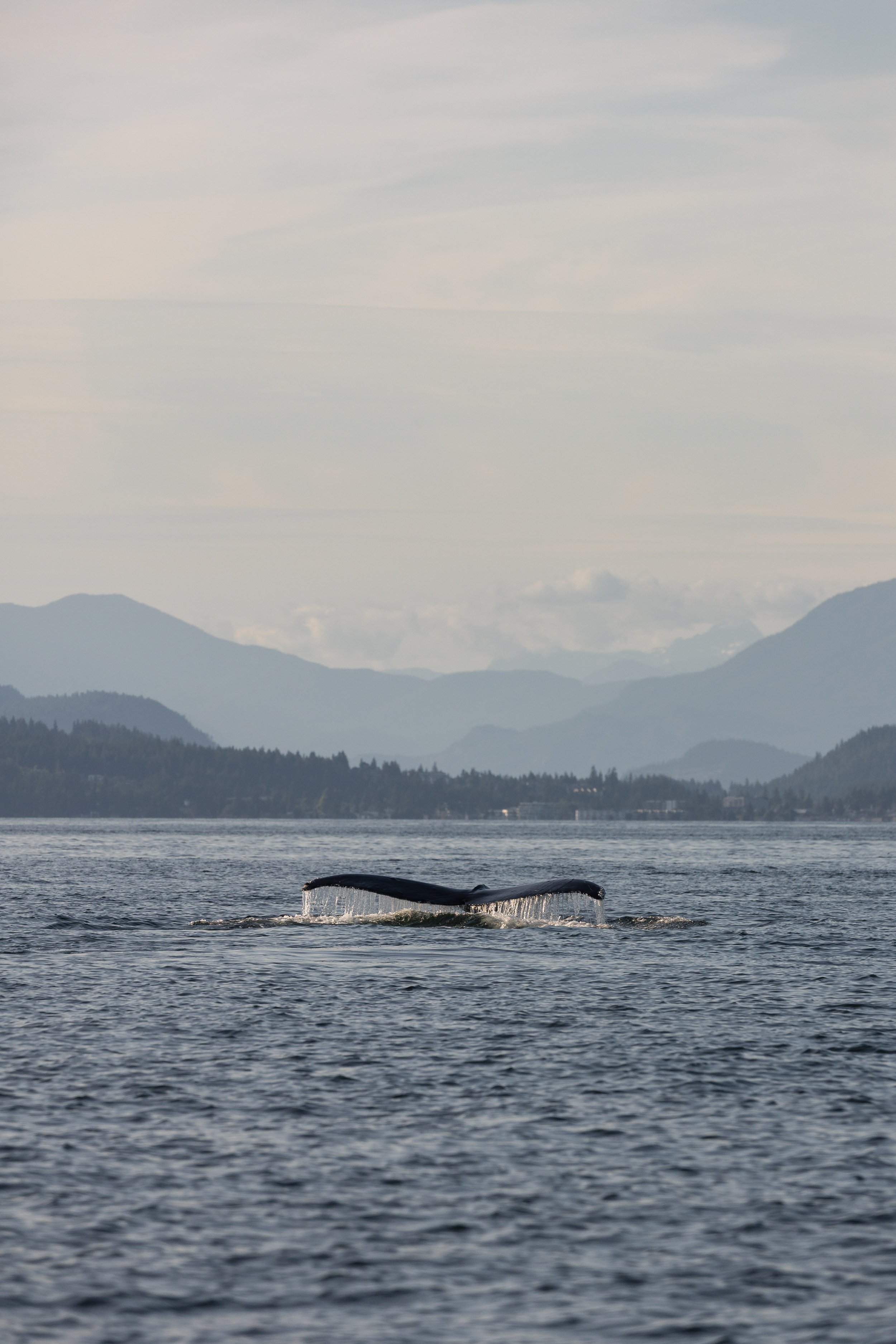
Slice creating a fluke waterfall as he dives. Photo by Jordan Robinson.
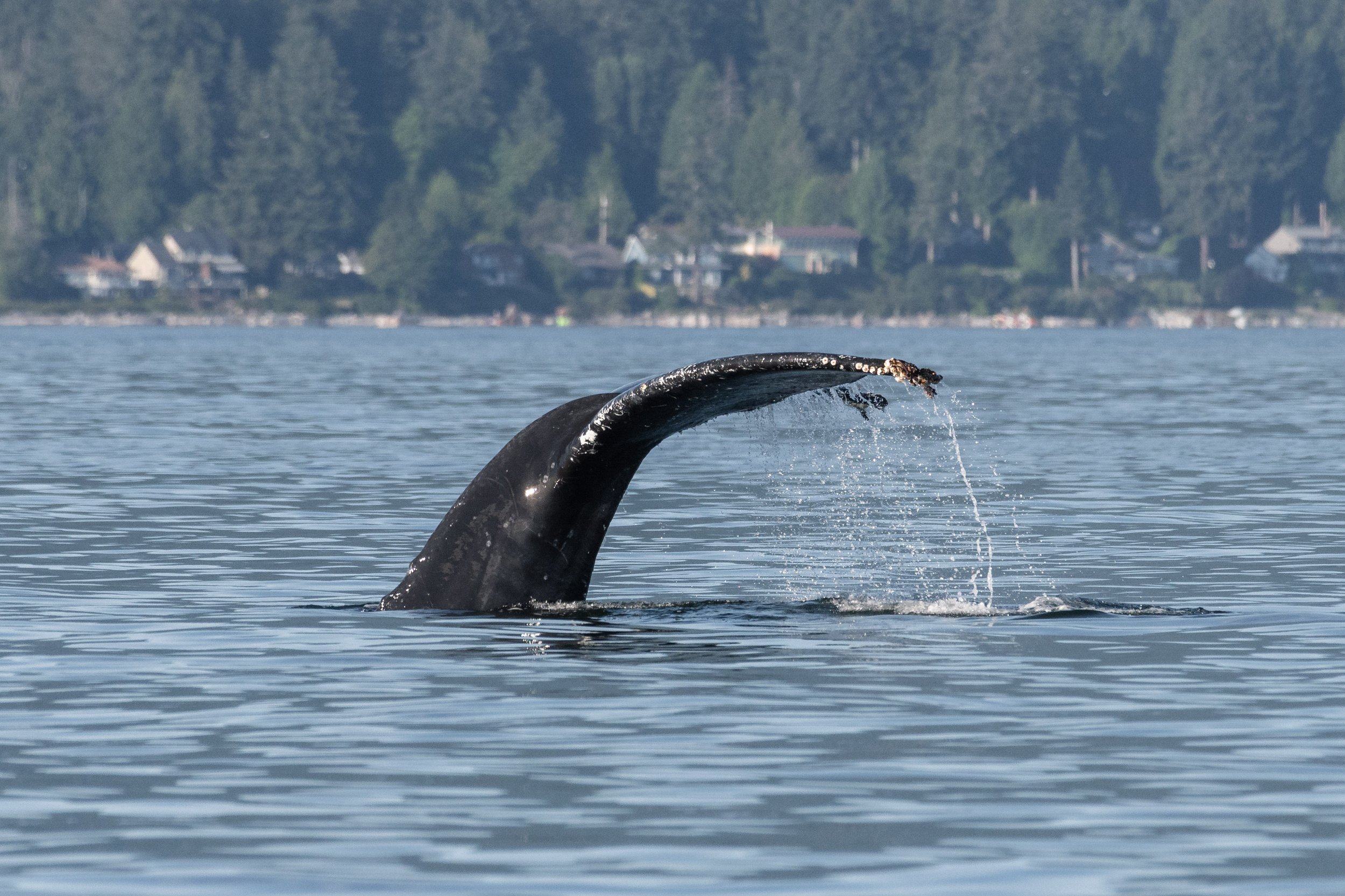
A lovely fluke from Dalmatian. Photo by Evan Hessels.
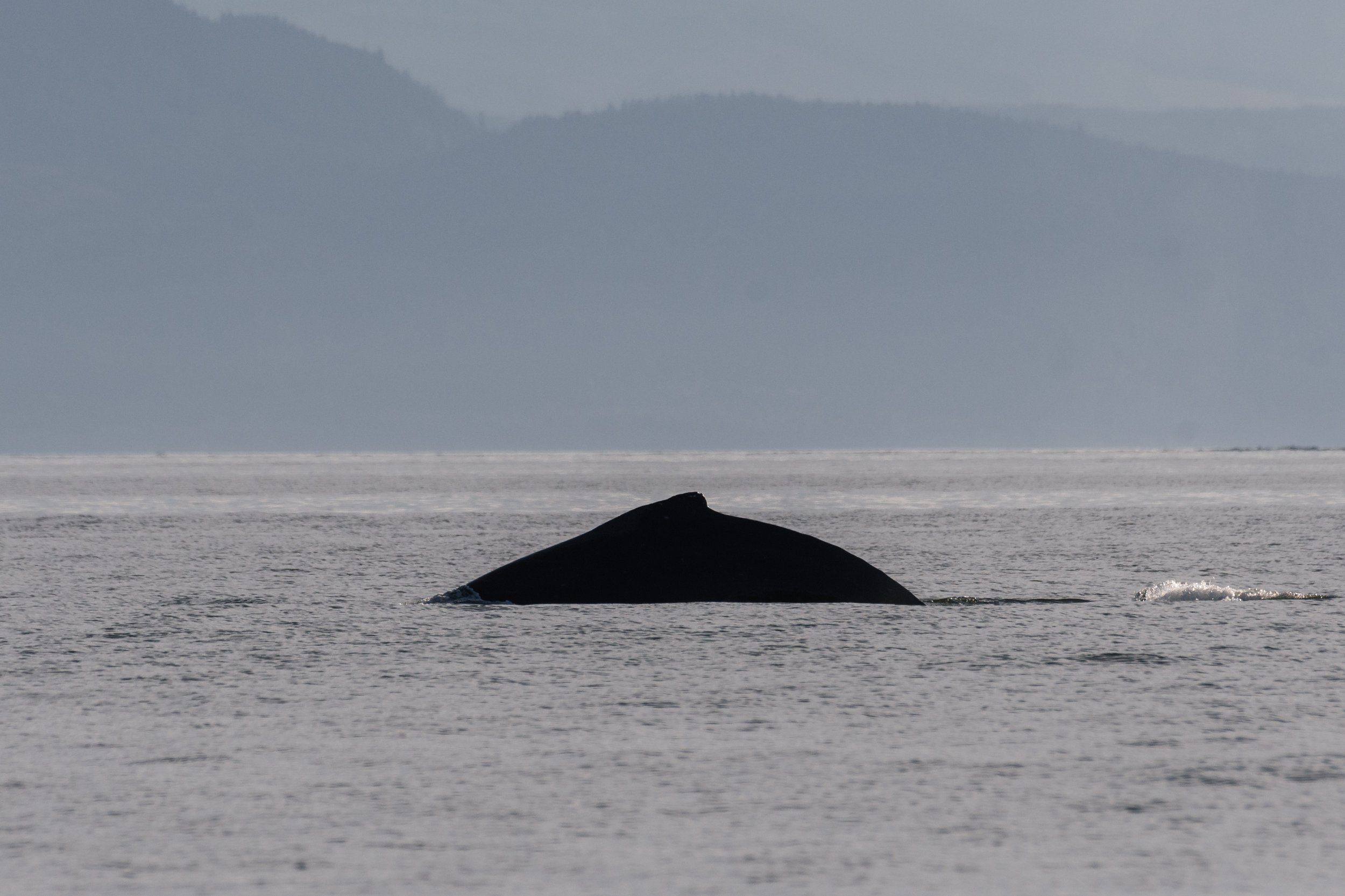
Slice’s unique dorsal fin. by Evan Hessels.
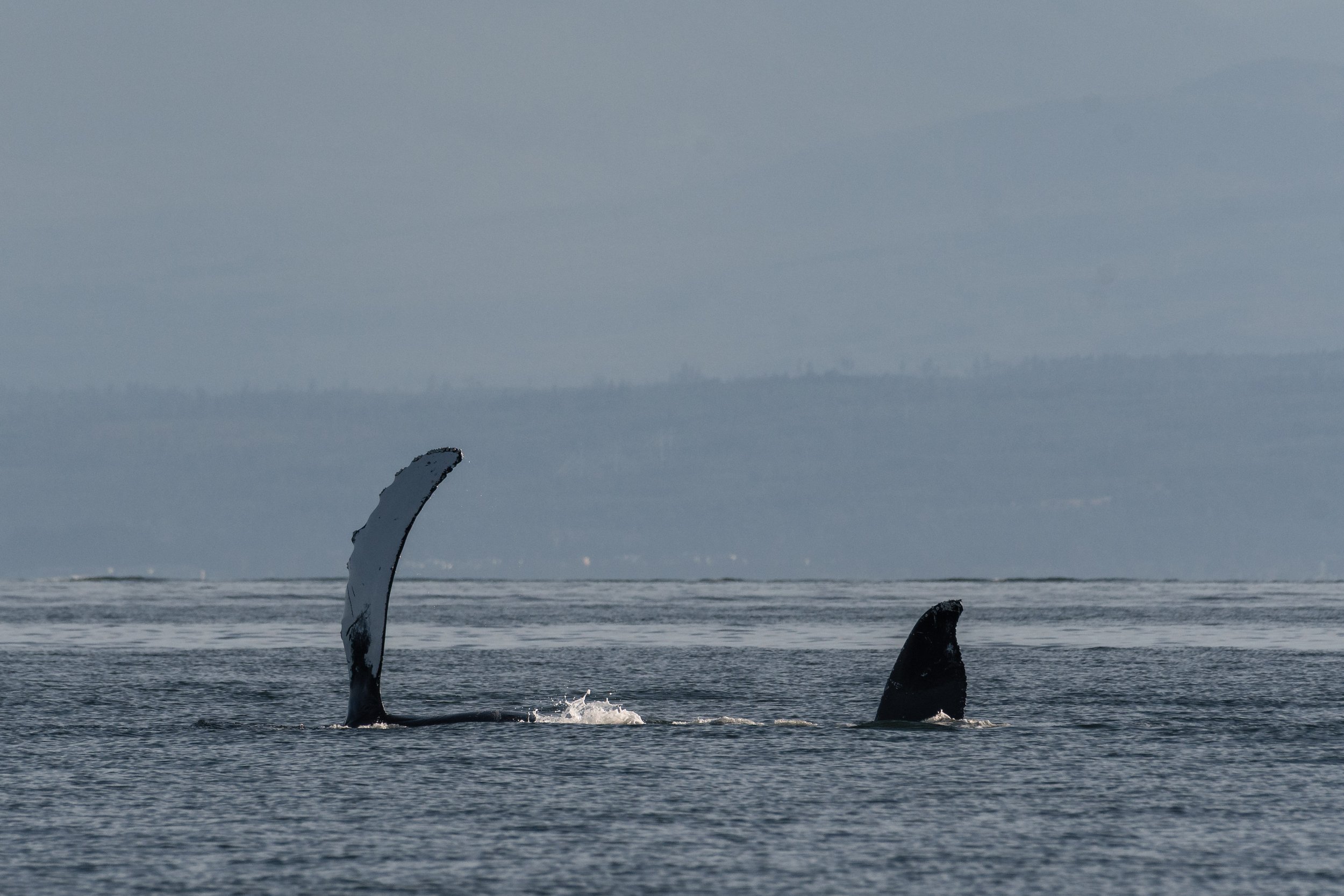
Slice swimming on his side. Photo by Evan Hessels.
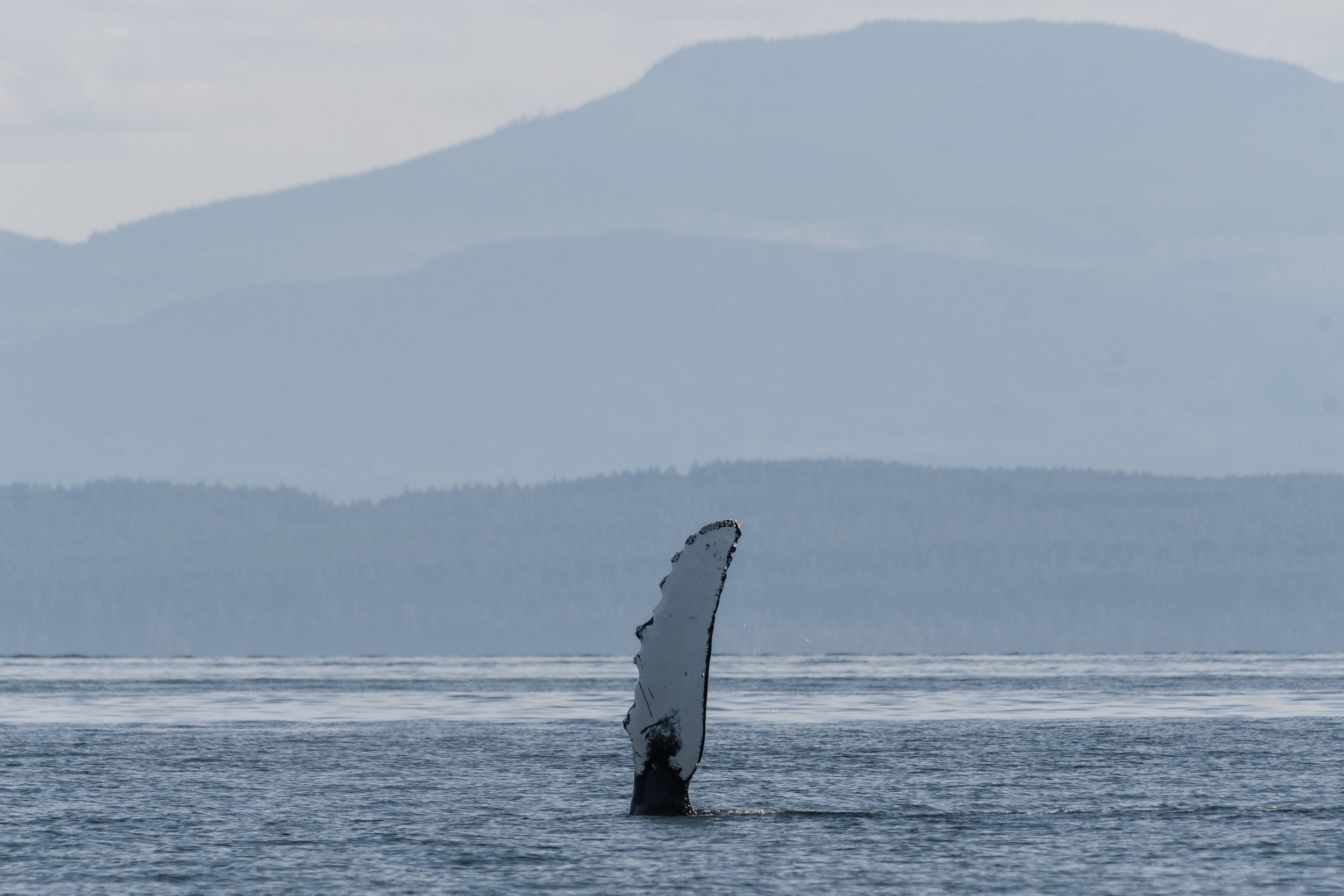
A big pectoral fin in the air! Photo by Evan Hessels.
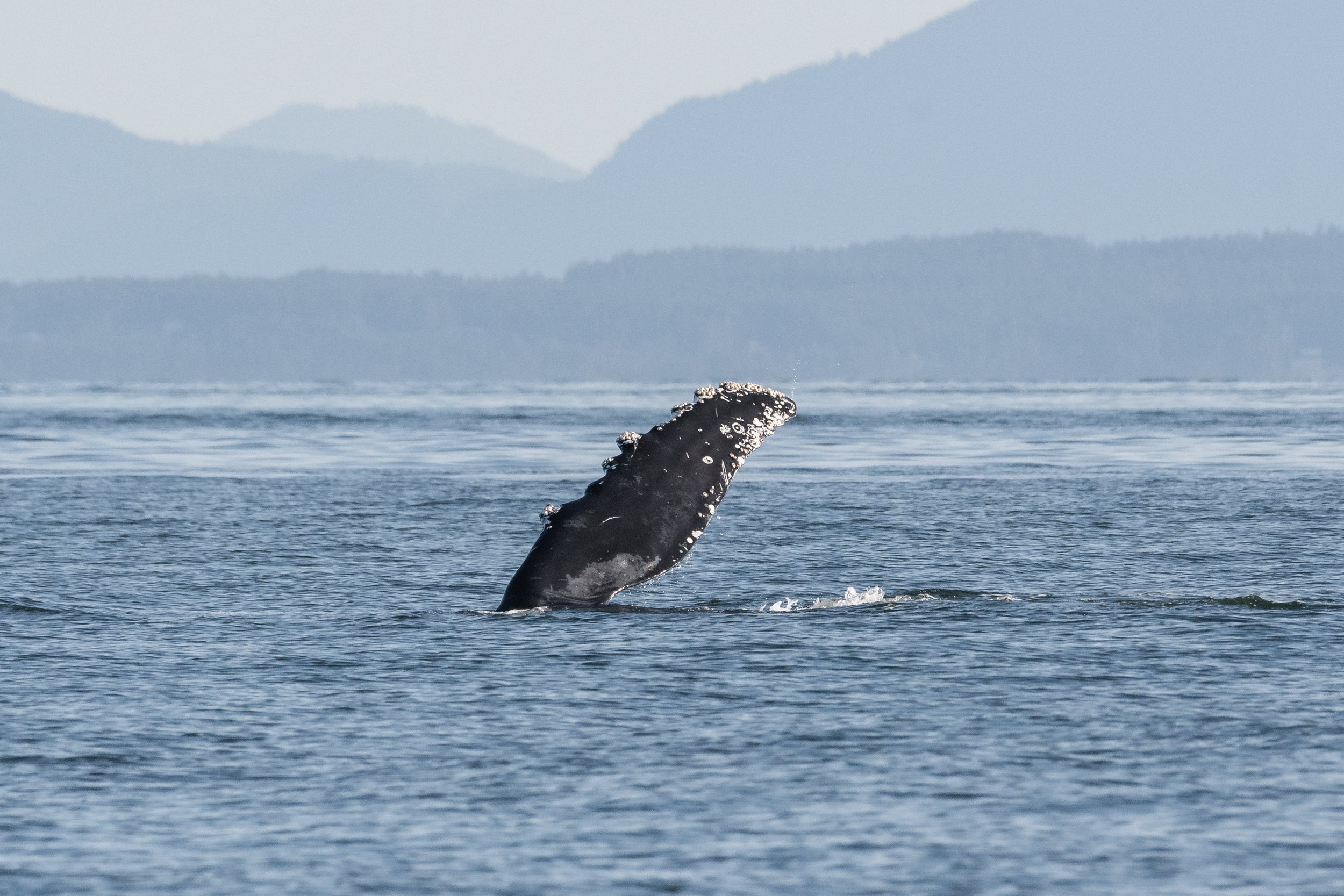
You can see even more barnacles on this side of Slice’s pectoral fin. Photo by Evan Hessels.
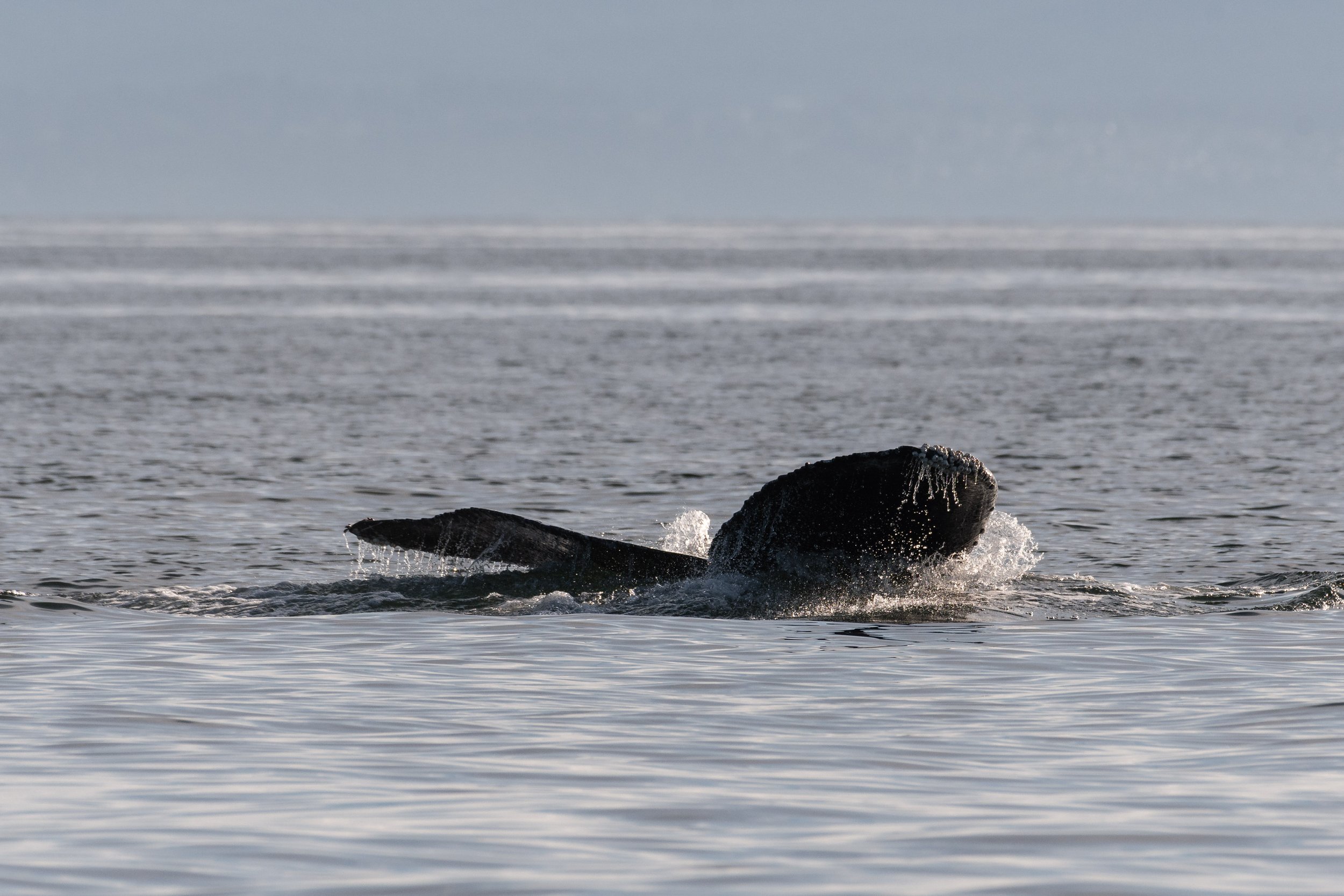
Slice going for a dive. Photo by Evan Hessels.
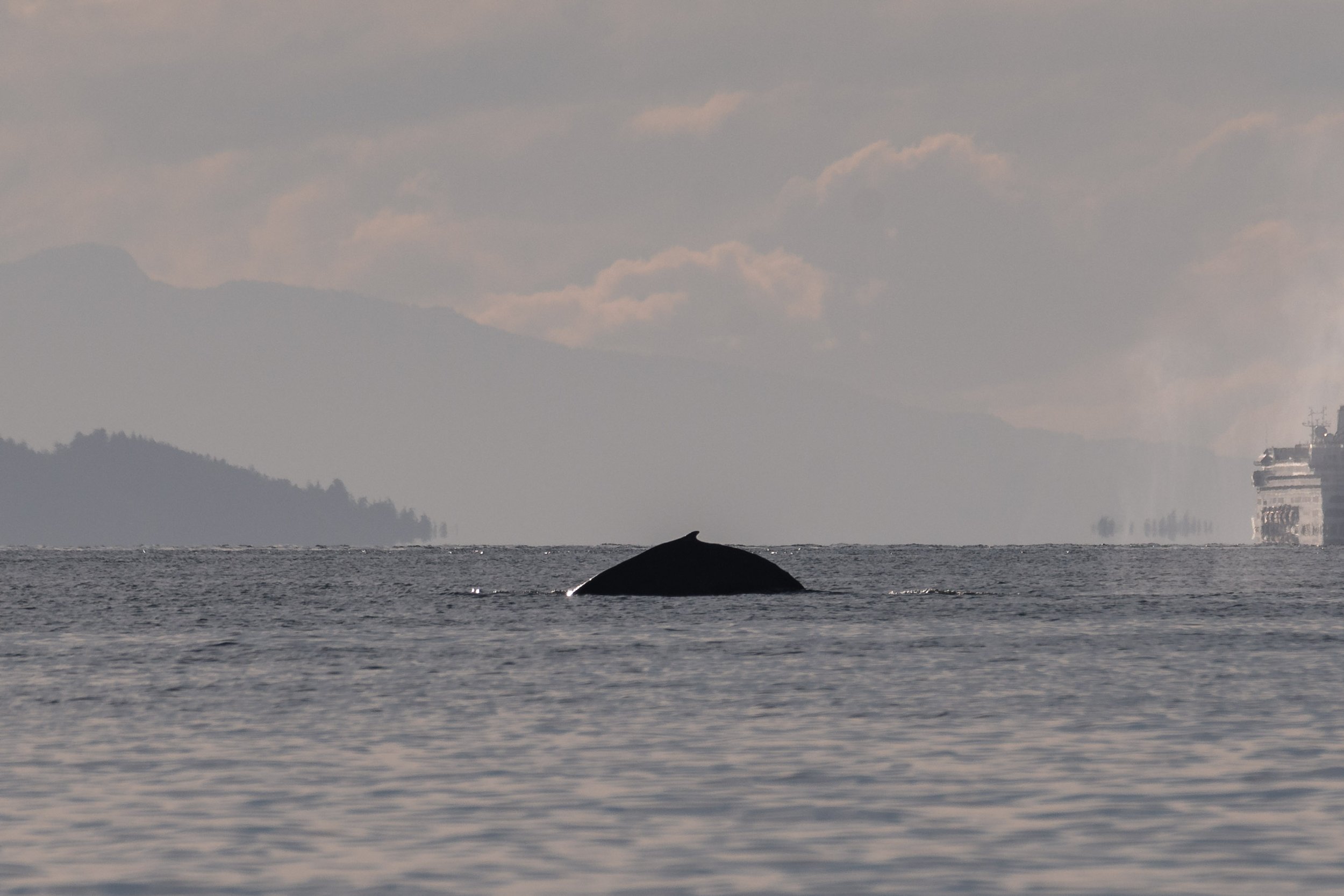
Chomper arching for a dive in the distance. Photo by Evan Hessels.
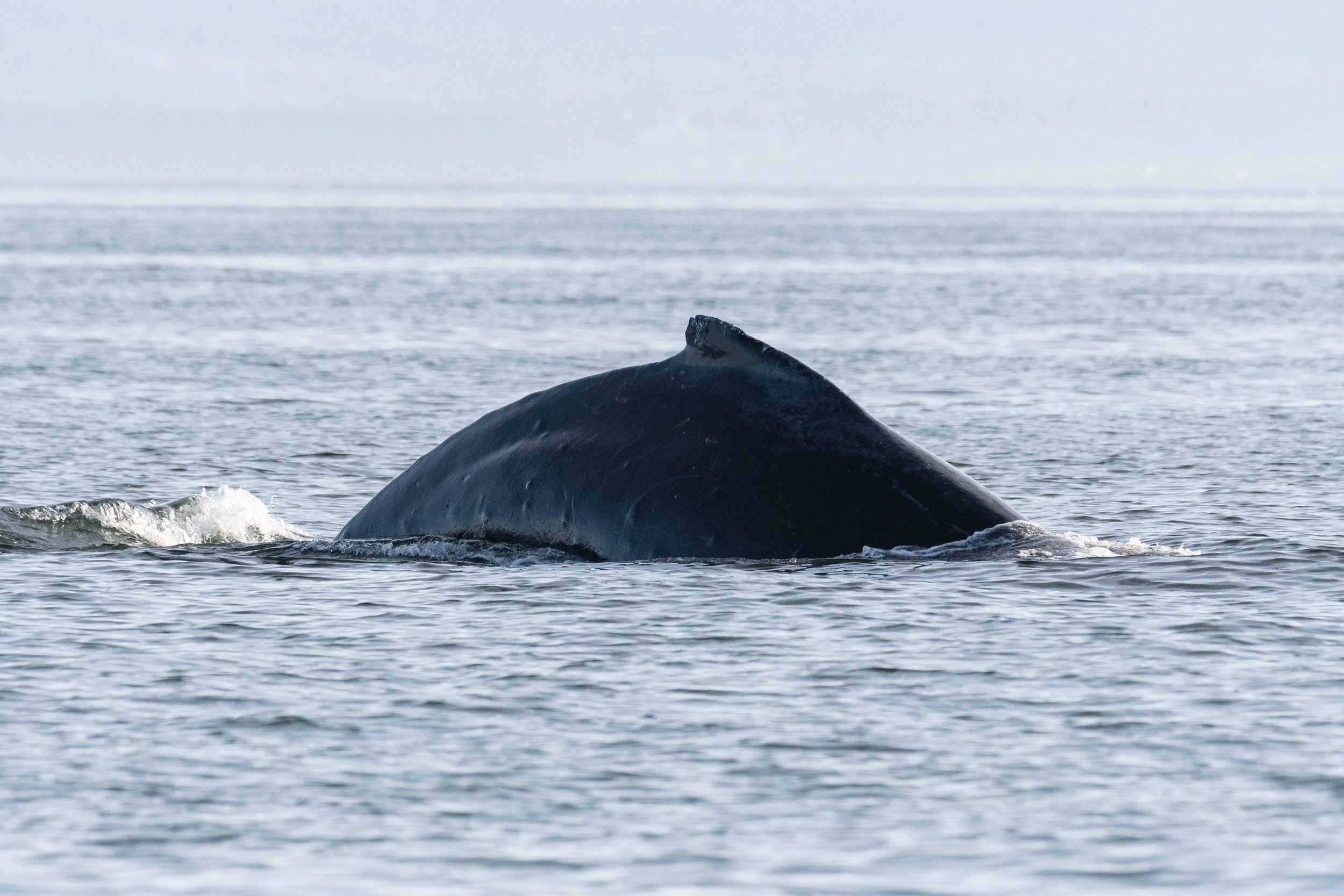
Slice preparing to dive. Photo by Evan Hessels.
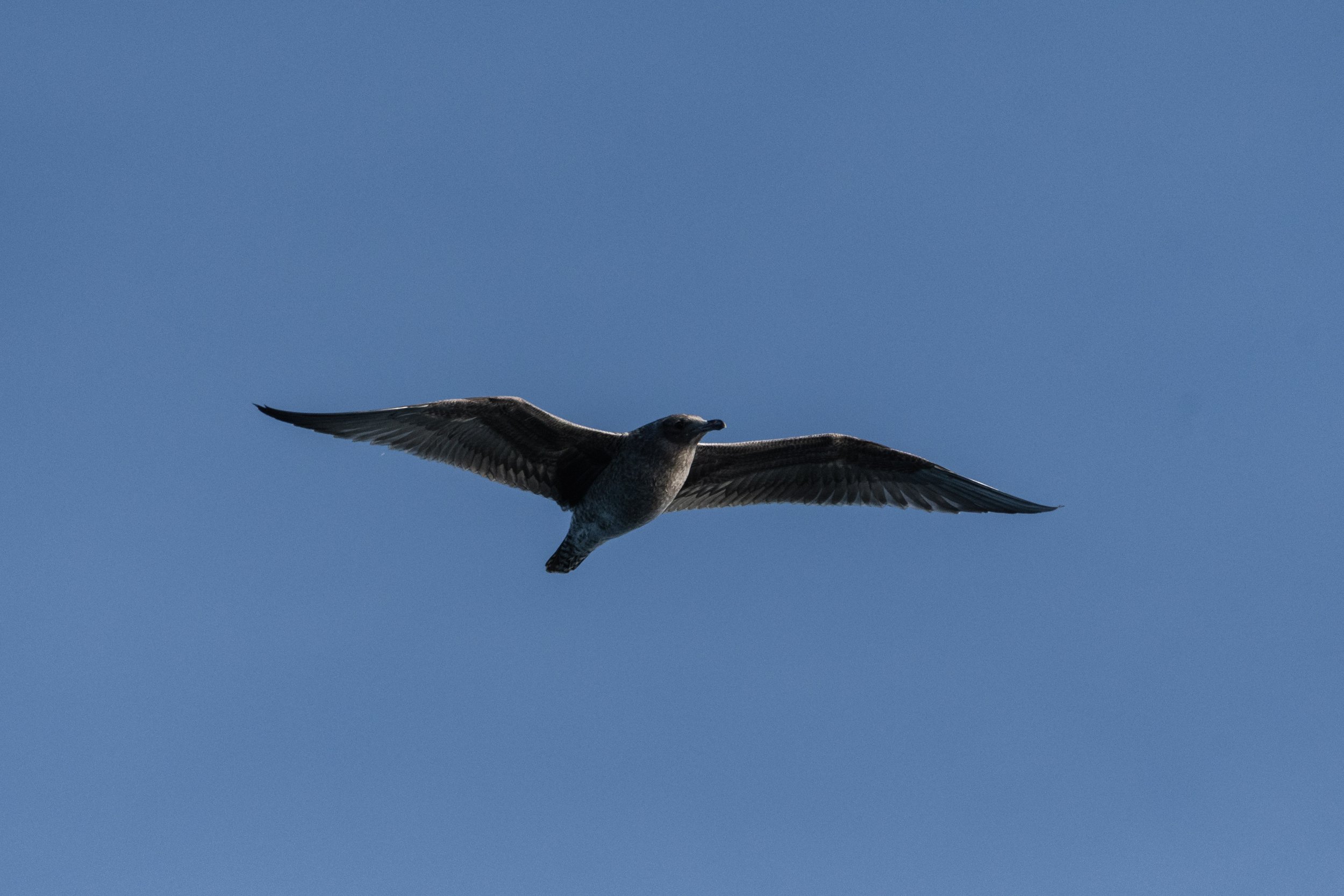
A gull flying overhead. Photo by Evan Hessels.
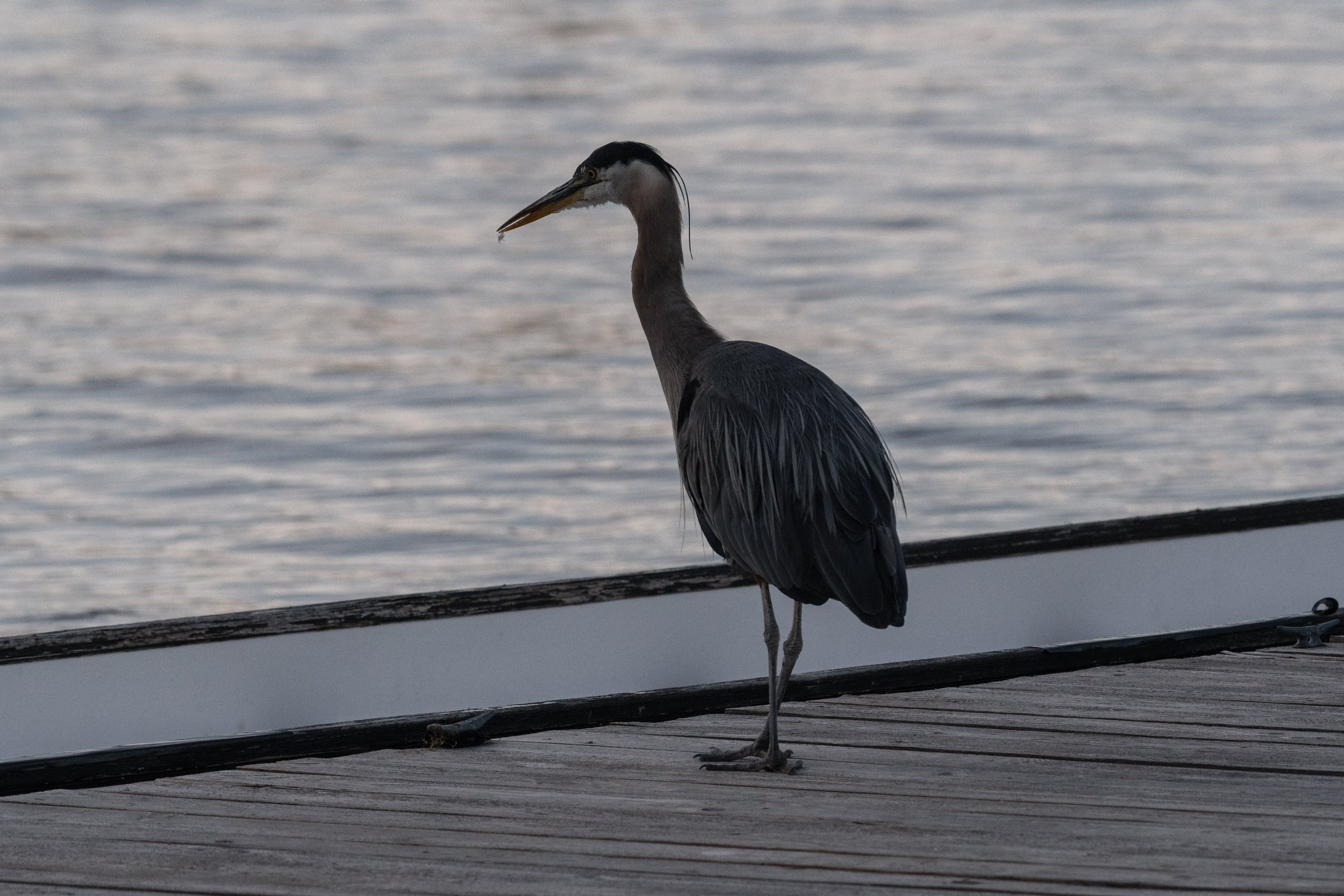
A great blue heron fishing at the docks after the tour. Photo by Evan Hessels.