
Aug 13, 2026, 10:30 AM - Happy Humpbacks in the Strait of Georgia
Another full fleet trip with Keta, Kula, and Cascadia out in the afternoon. Setting out, we fanned out and began the search. Small waves greeted us as we started travelling along, leading to some splashes as we made our way along. Heading out into the open waters of the Strait of Georgia, we peered all around us as we went.
After a bit of searching, our first whale of the day was spotted. A lone humpback was east of Thrasher Rock. They weren't spotted simply travelling along, though - they were busy waving their pectoral fins (side fins) high out of the water and slapping them on the surface as we began to get into position.
Pectoral slapping, or more simply known as pec slapping, is an interesting behaviour, as we do not truly know why humpback whales do it. It is believed to be a form of communication, as the impact creates large sound waves that cascade through the water in all directions. It could also be used to remove parasites, as the impact could help dislodge them from the skin. It may also be an expression of joy, and is simply a way for them to have fun.
Soon the splashing concluded, and the whale began travelling along once more. At this point, it fluked, and we were able to get a good photo of the underside of their tail. We compared this pattern to our ID catalogues, and learned that this whale was Fader (BCY0195).
Fader has returned to our area seasonally for multiple decades, with initial encounters dating back to 2000. After 26 years with no documented calf sightings, we assume they are male. Humpback whales show very little physical difference between males and females (also known as sexual dimorphism), making them nearly impossible to tell apart by looks alone and leading to many genders being assumed from frequent sightings over long periods of time, such as with Fader.
Fader wasn’t the only whale to be found in the Salish Sea today, though. After all three vessels had spent some time travelling with them, they departed and separated once more. Keta continued far southbound and began venturing along Galiano Island. Kula and Cascadia took to Valdes’s shoreline, and soon, two more humpback encounters occurred.
With Keta, a pair of larger humpback whales were seen travelling together. Strike (BCX1765), Vivaldi (BCX1704). Both whales are known to be females, as they were spotted with calves in previous years. Calves and moms travel very closely together during the first year of the calf's life, making it easy to identify the relationship. Males, on the other hand, aren’t involved in the rearing of calves at all. This means that humpback family groups are tracked only through the females. Unlike some other whale species that travel in family groups, humpback associations are much looser, formed by proximity and efficiency rather than family. While we were watching these two, they suddenly burst with energy and started throwing their massive bodies out of the water in multiple ways. We saw breaches, chin slaps, pectoral slaps, and more, but the energetic display stopped just as quickly as it started, and they continued on their way.
Kula and Cascadia were having another humpback sighting of their own with Orion (BCX1251). Orion is also a common whale to see in the Salish Sea and has never been spotted with a calf before. Orion was very focused on feeding while we watched him, which led to some beautiful shots of his tail as he dipped below the surface. Typically, the humpbacks in the Strait are eating krill beneath the surface, although some small schooling fish might end up on the menu as well.
After our time with the humpbacks was over, we headed over to the local Steller sea lion haul-out, where there was all sorts of activity happening. The Steller Sea Lions were grunting and groaning amongst themselves on the southern end of the island while the much quieter Harbour Seals were soaking in the sun on the north side. But what was even more exciting today was the bald eagles having their lunch along the center. It seemed that this pair was feasting on a salmon that the waterlogged one had pulled from the ocean not too long ago. Bald Eagles are fishing eagles, meaning that they will try to grab their fresh food right out of the water with their large talons. It was very cool to see the two massive birds sharing the meal, alongside the smaller crows that were also working on the fish.
From here, we headed back to Nanaimo, thrilled with all the humpback whales that we were able to spot today. Please enjoy the photos below, taken throughout the tour by Marine Naturalists Aly Kohlman, Hayleigh Hilbert, and Evan Hessels.
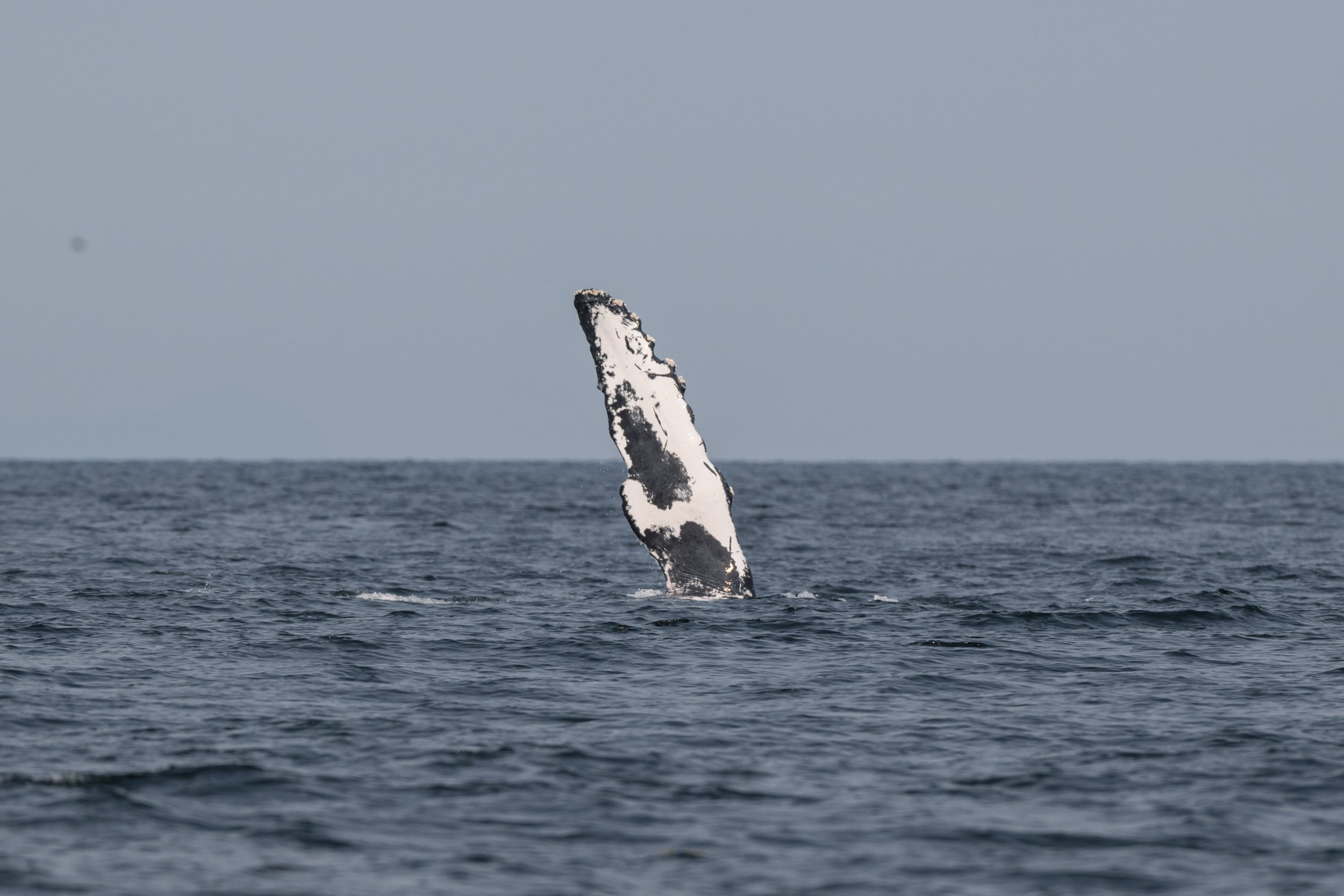
Fader waving their pectoral fin around. Photo by Aly Kohlman.
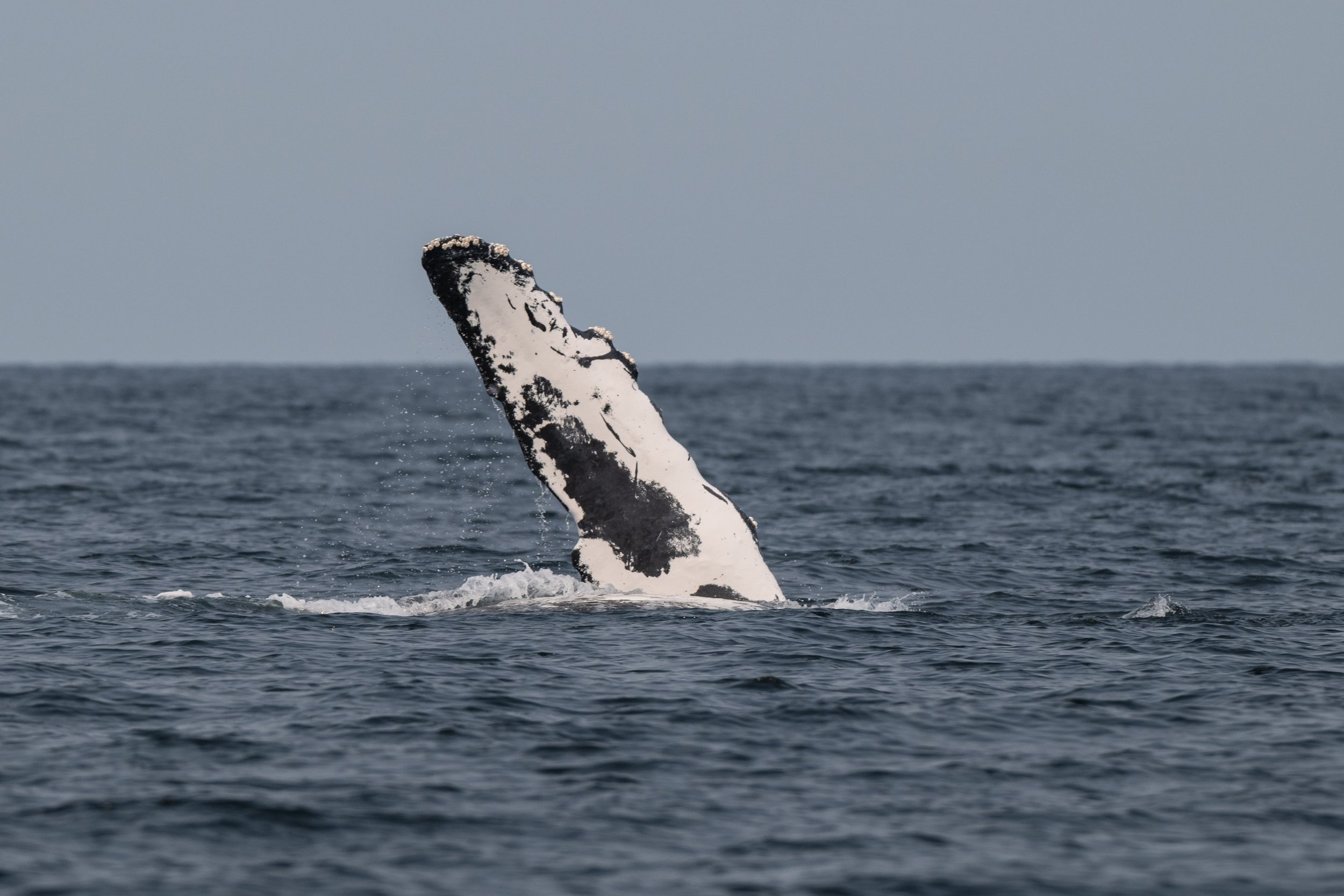
What interesting pigmentation patterns! Photo by Aly Kohlman.
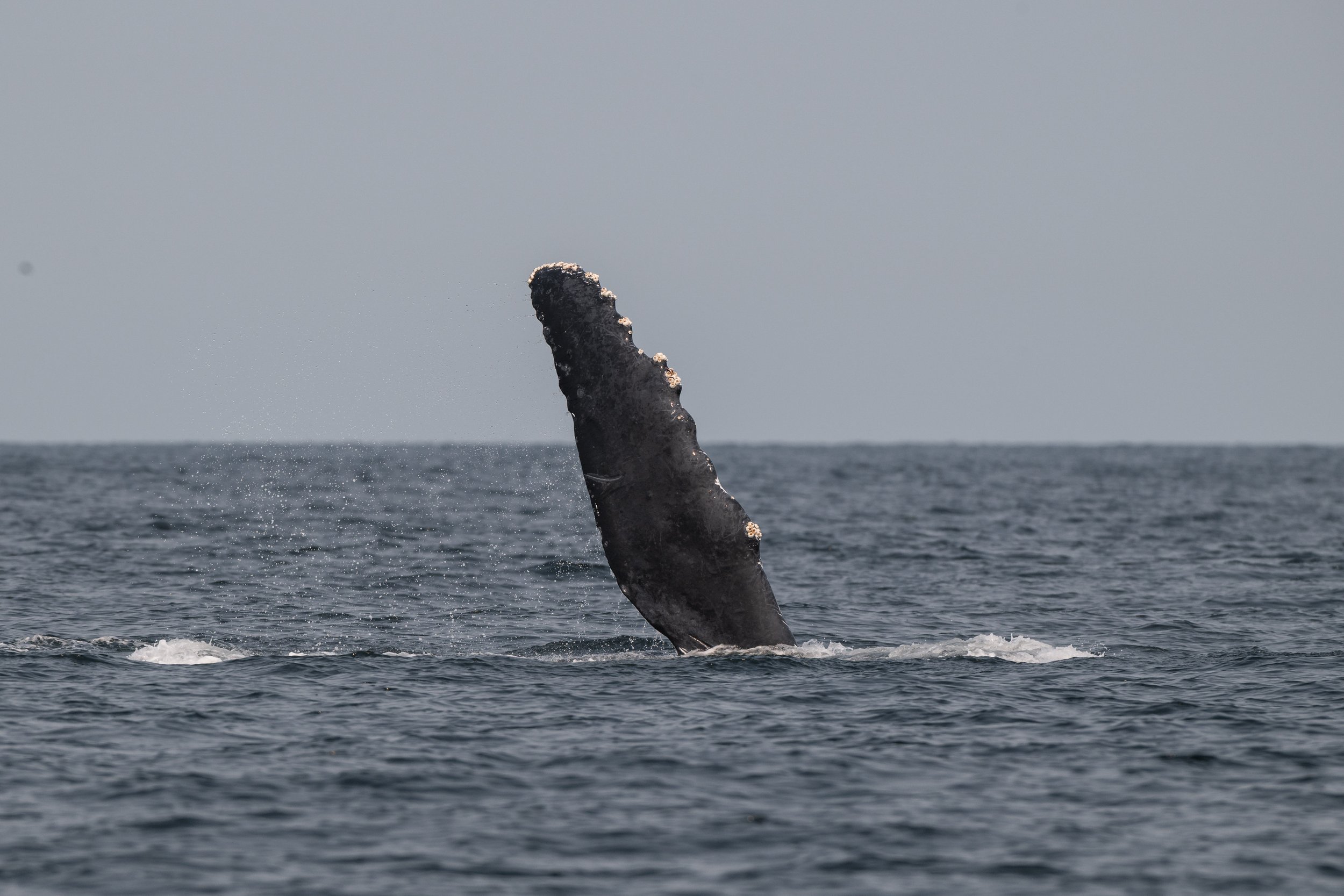
The topside of one of Fader’s pectoral fin. Photo by Aly Kohlman.
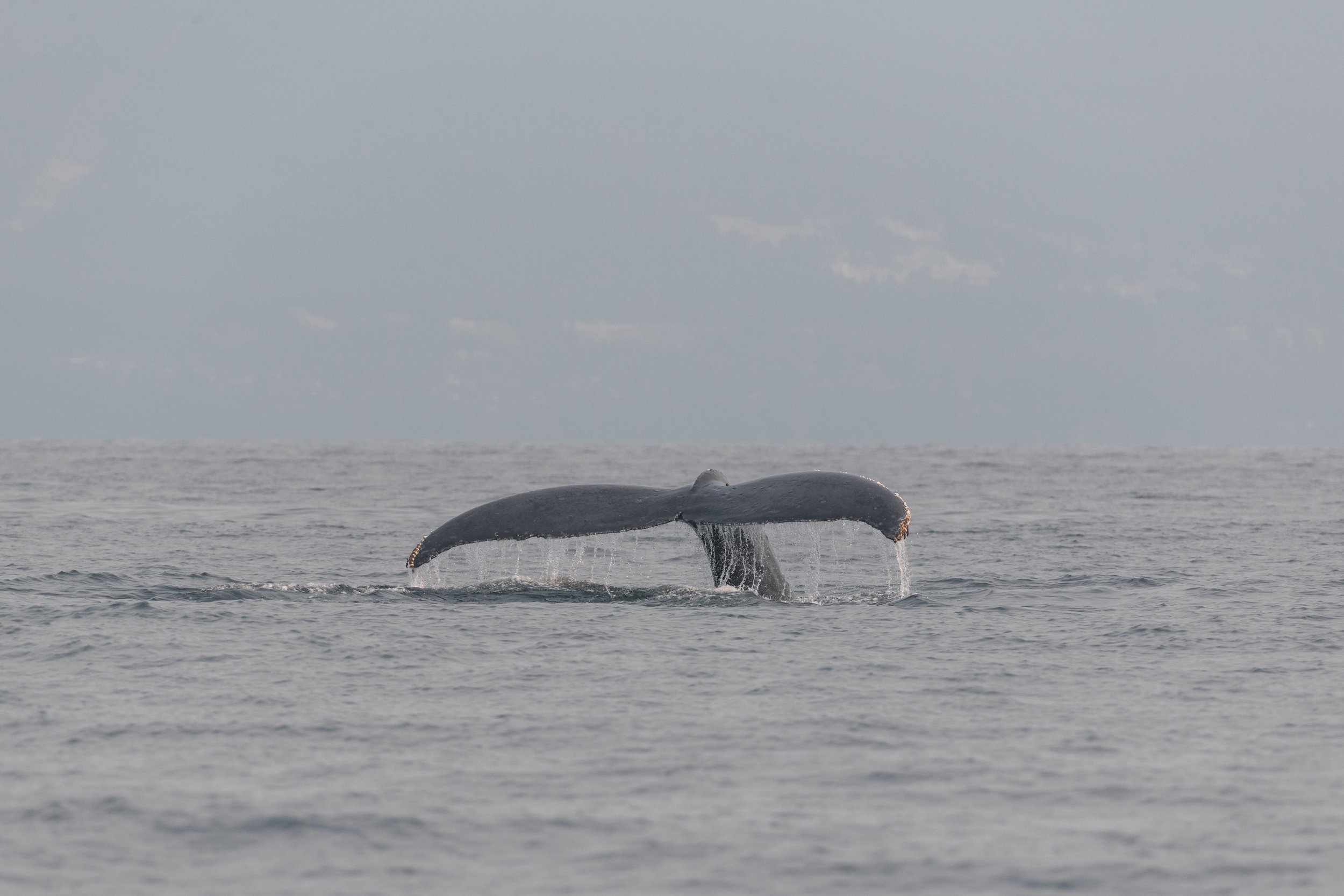
Water washing off of Fader’s fluke. Photo by Hayleigh Hilbert.
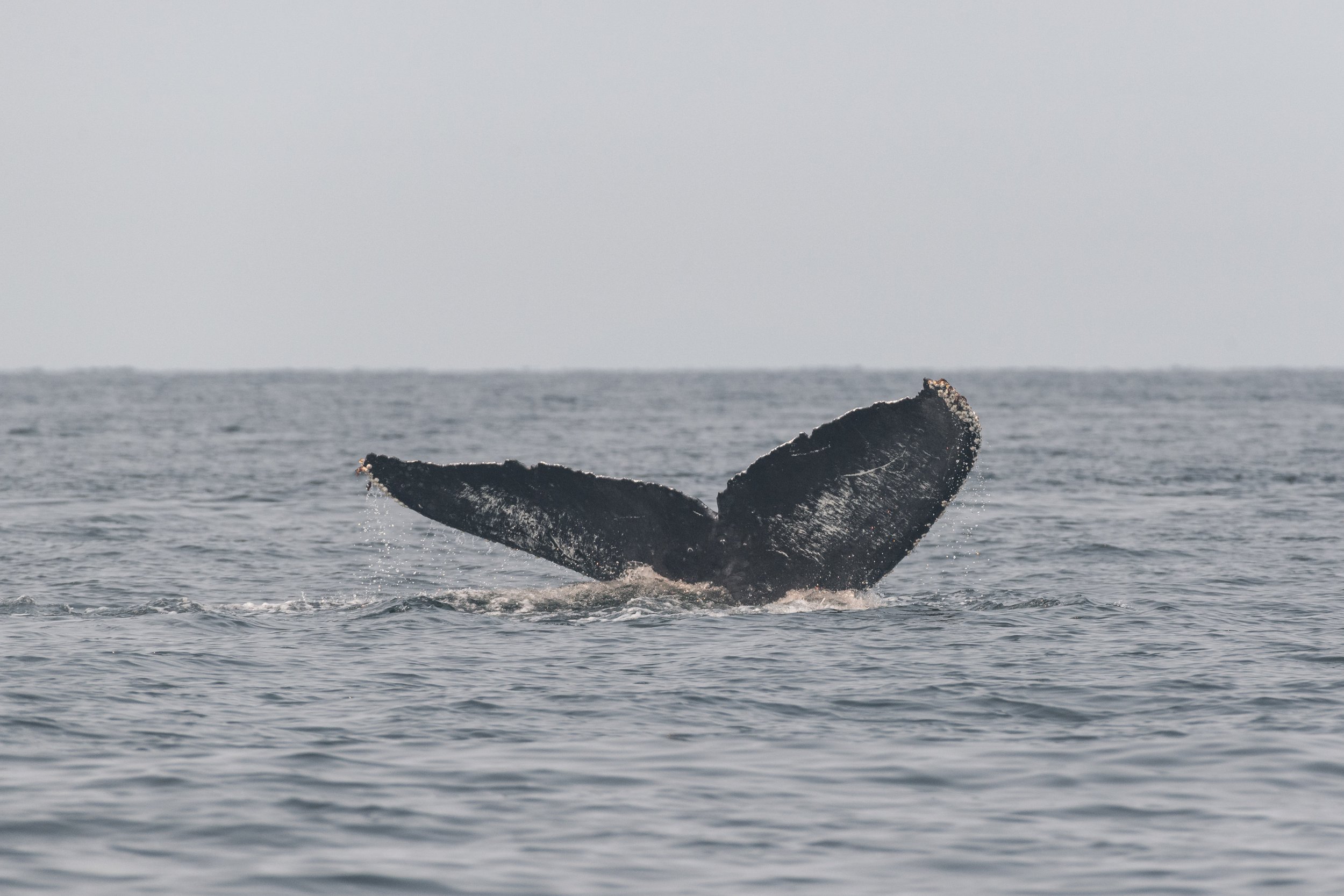
A look at Fader’s fluke pattern. Photo by Hayleigh Hilbert.
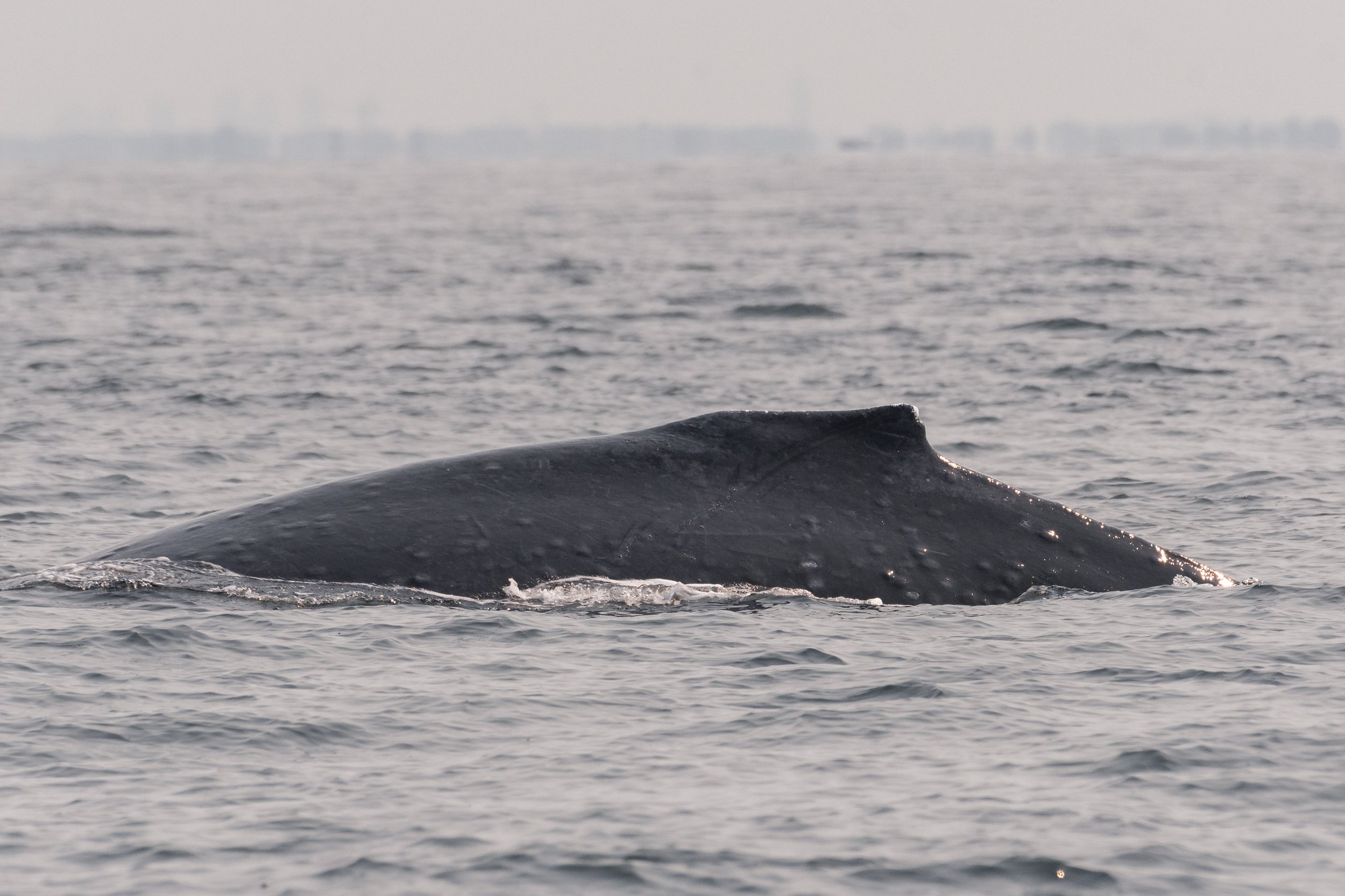
Fader can also be identified by their dorsal fin. Photo by Evan Hessels.
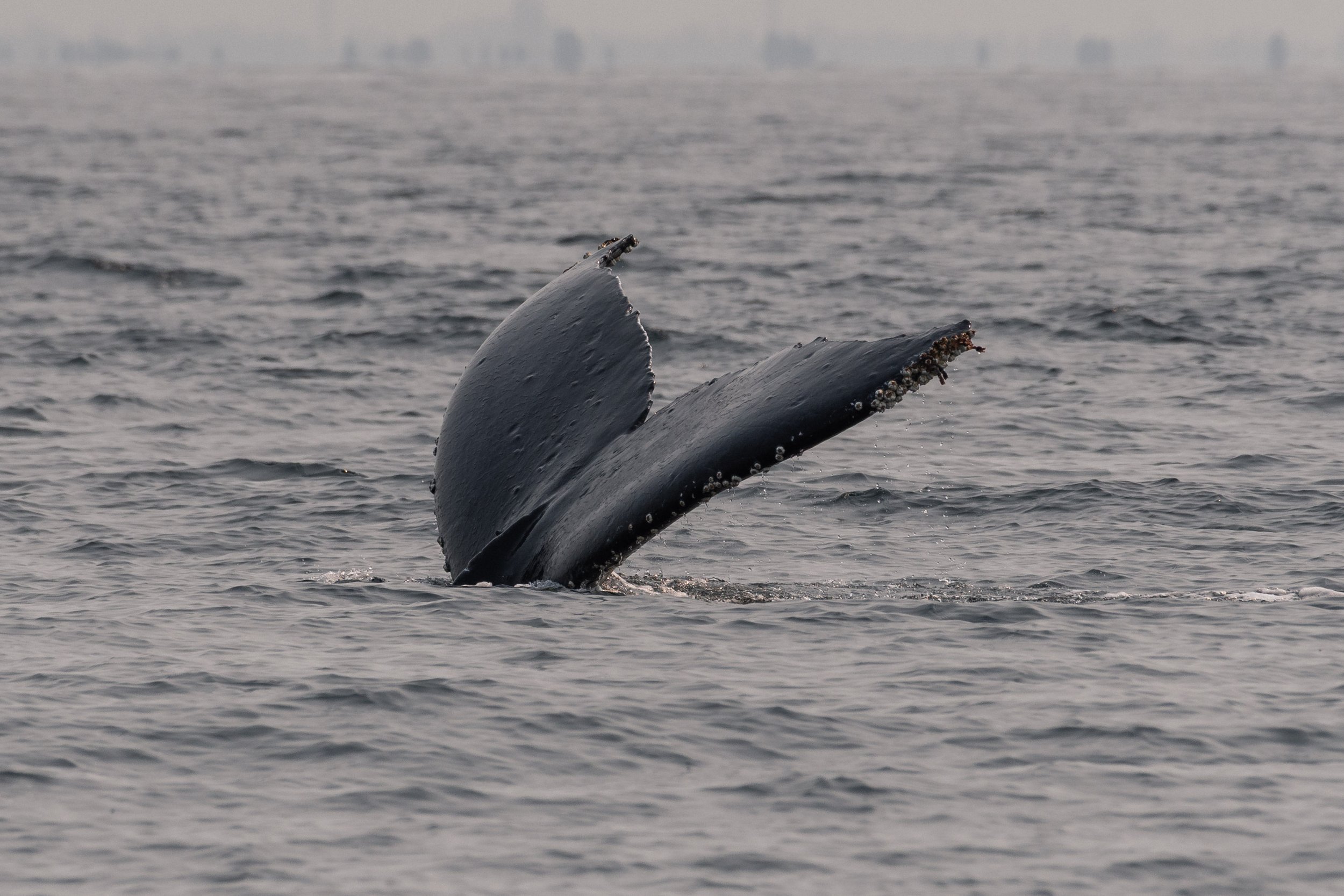
A quick view of the top of Fader’s fluke. Photo by Evan Hessels.
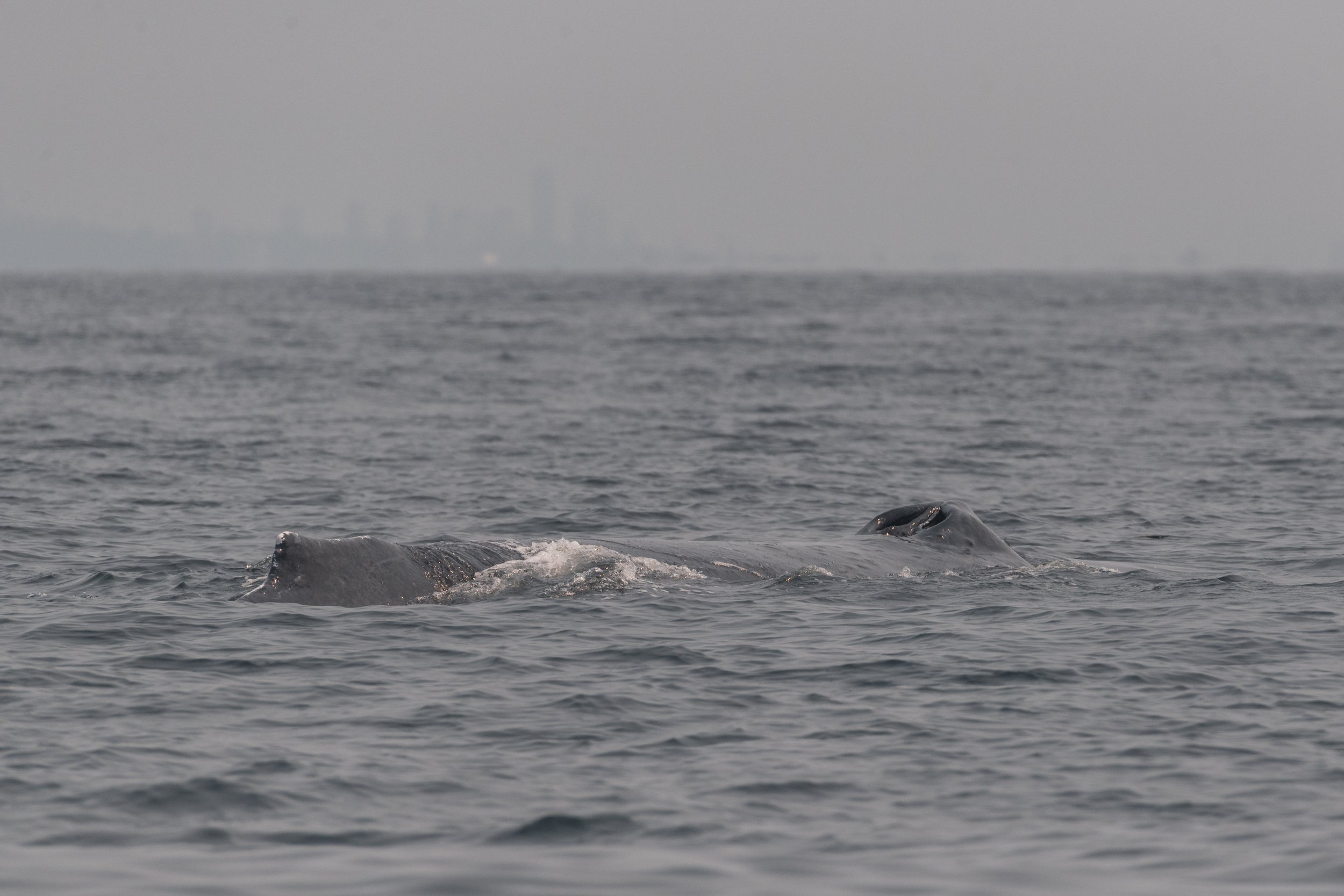
A peek at Fader’s blowholes! Photo by Hayleigh Hilbert.
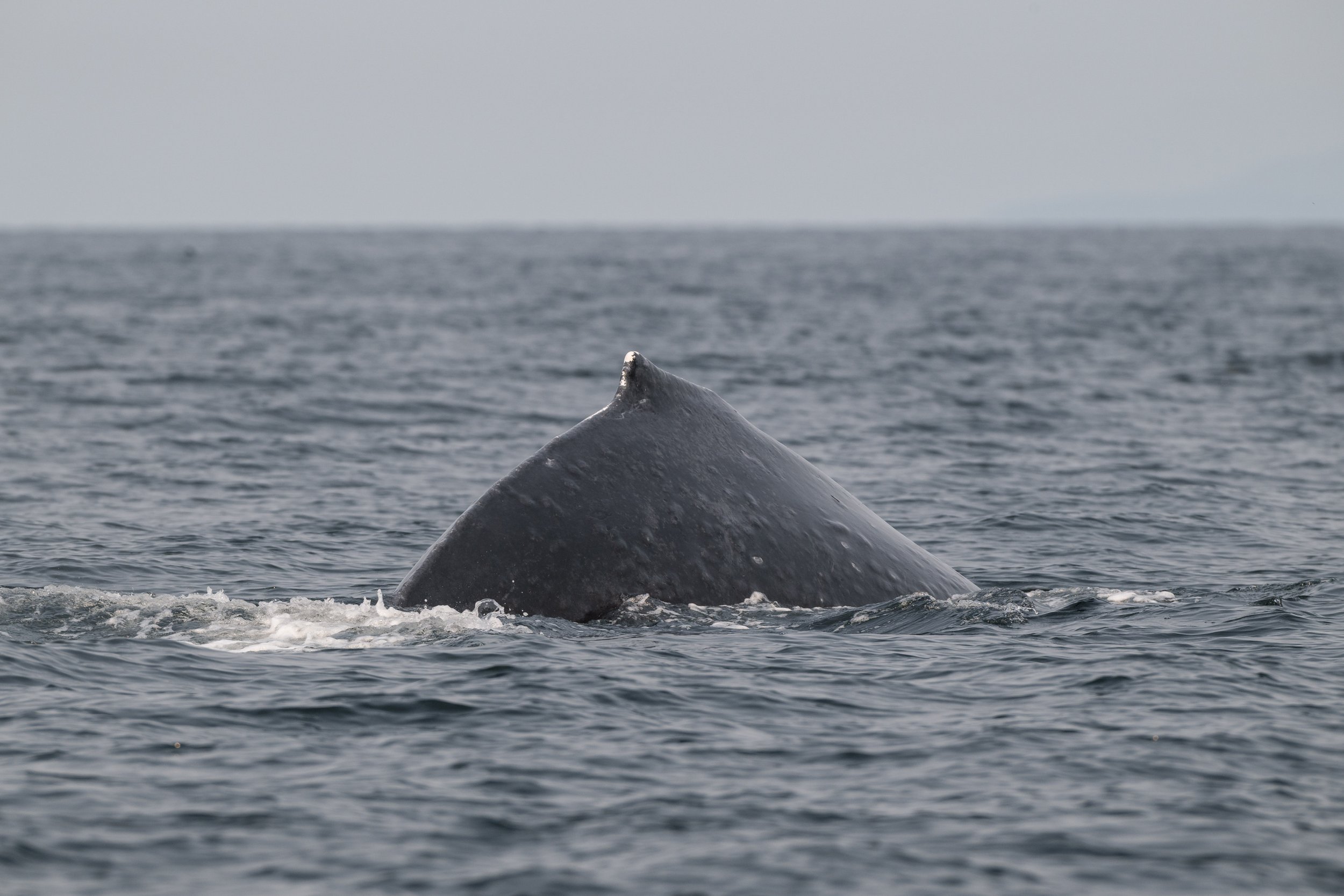
Fader preparing for a dive. Photo by Aly Kohlman.
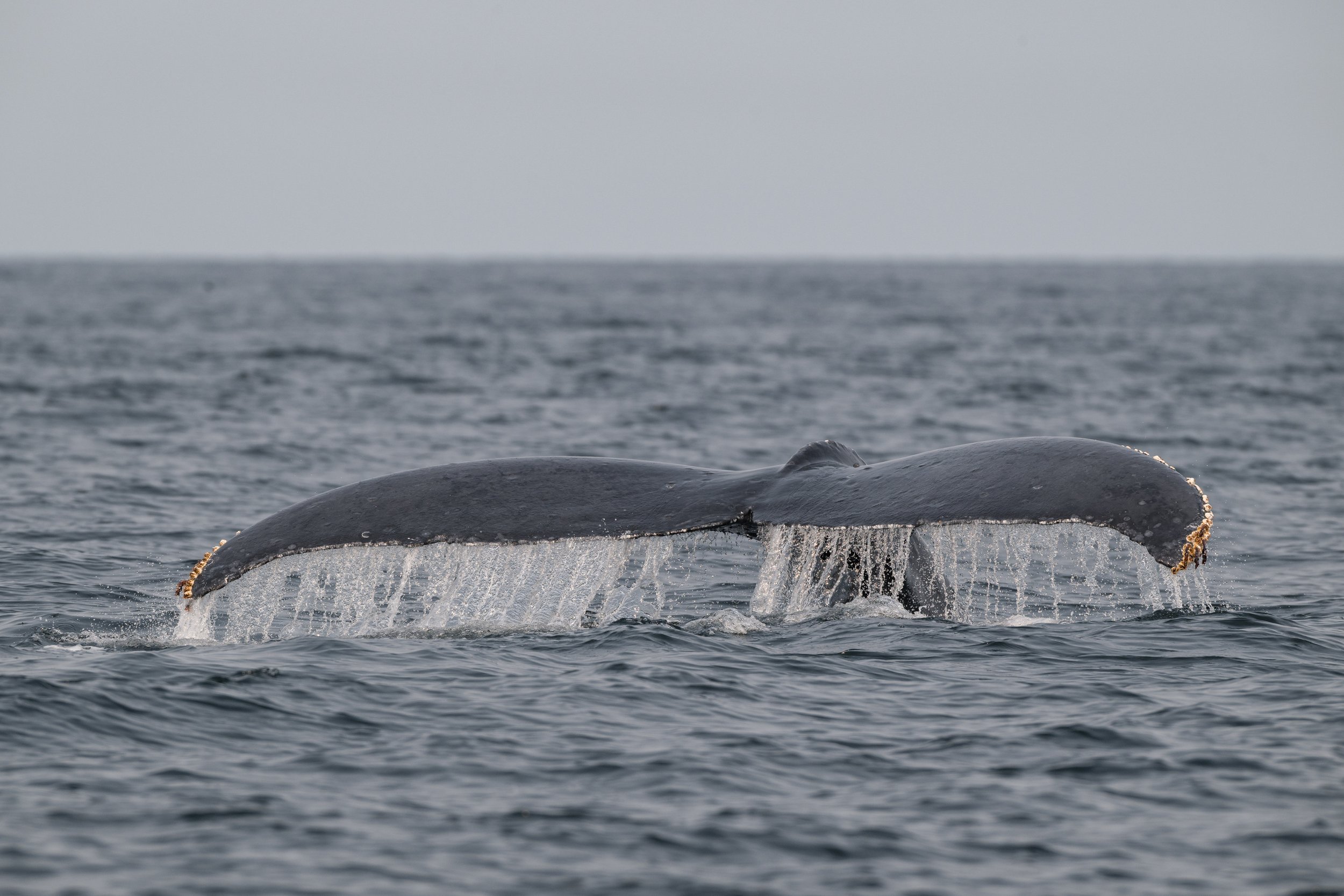
A fluke waterfall as Fader dives. Photo by Aly Kohlman.
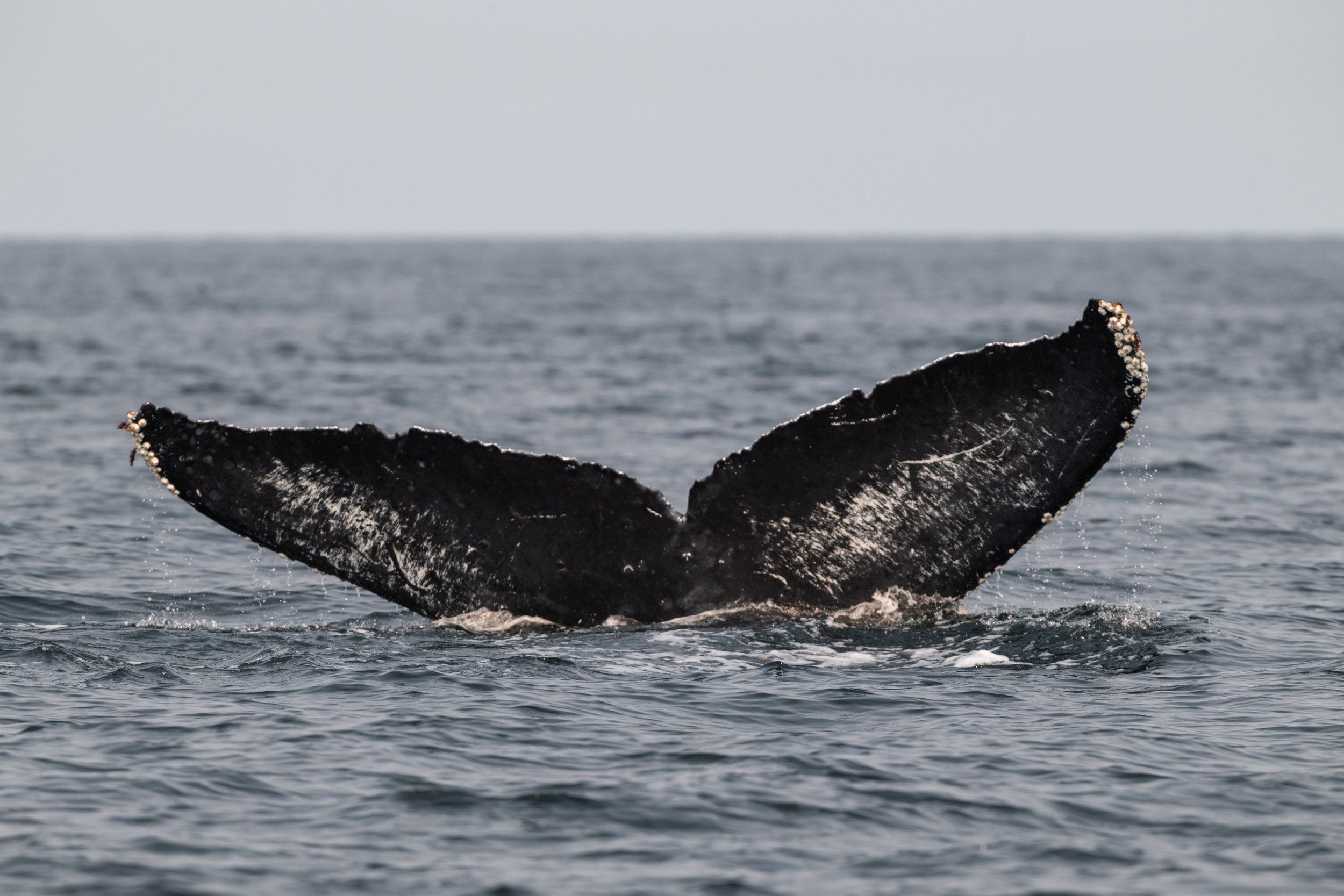
Fader not only has a uniquely coloured fluke, but they also have an interesting trailing edge too! Photo by Aly Kohlman.
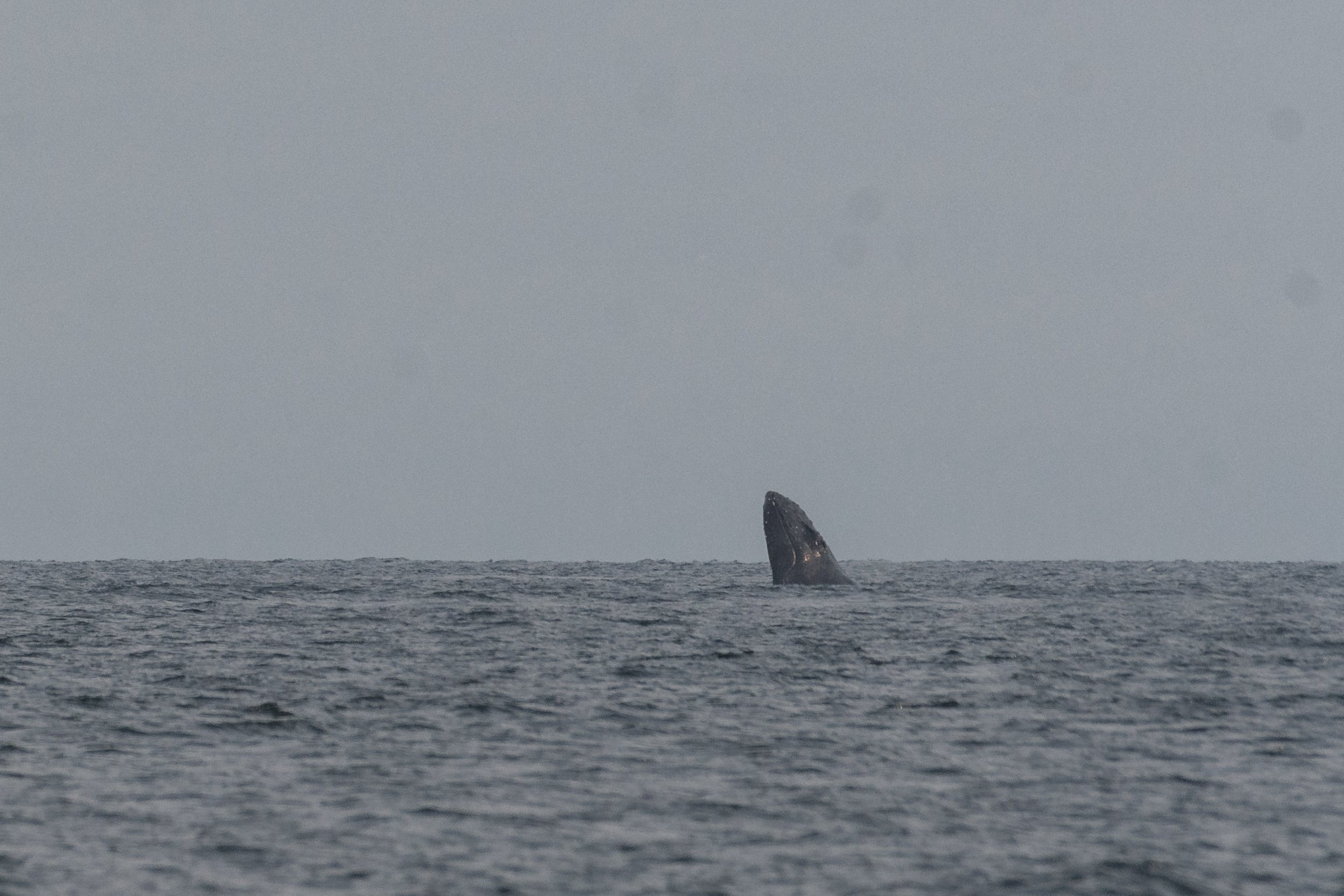
Fader chinslapping in the distance. Photo by Evan Hessels.
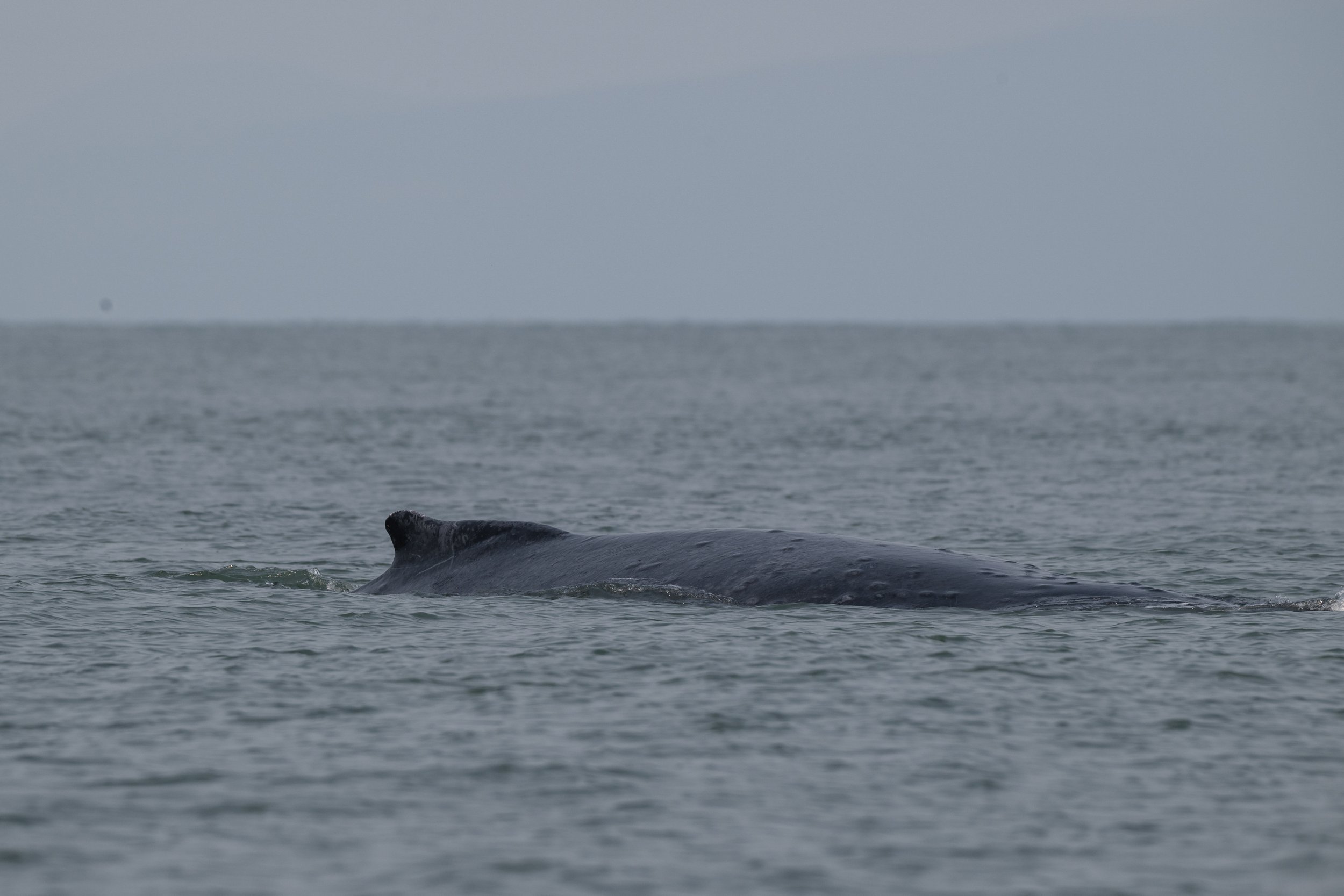
Vivaldi travelling along. Photo by Aly Kohlman.
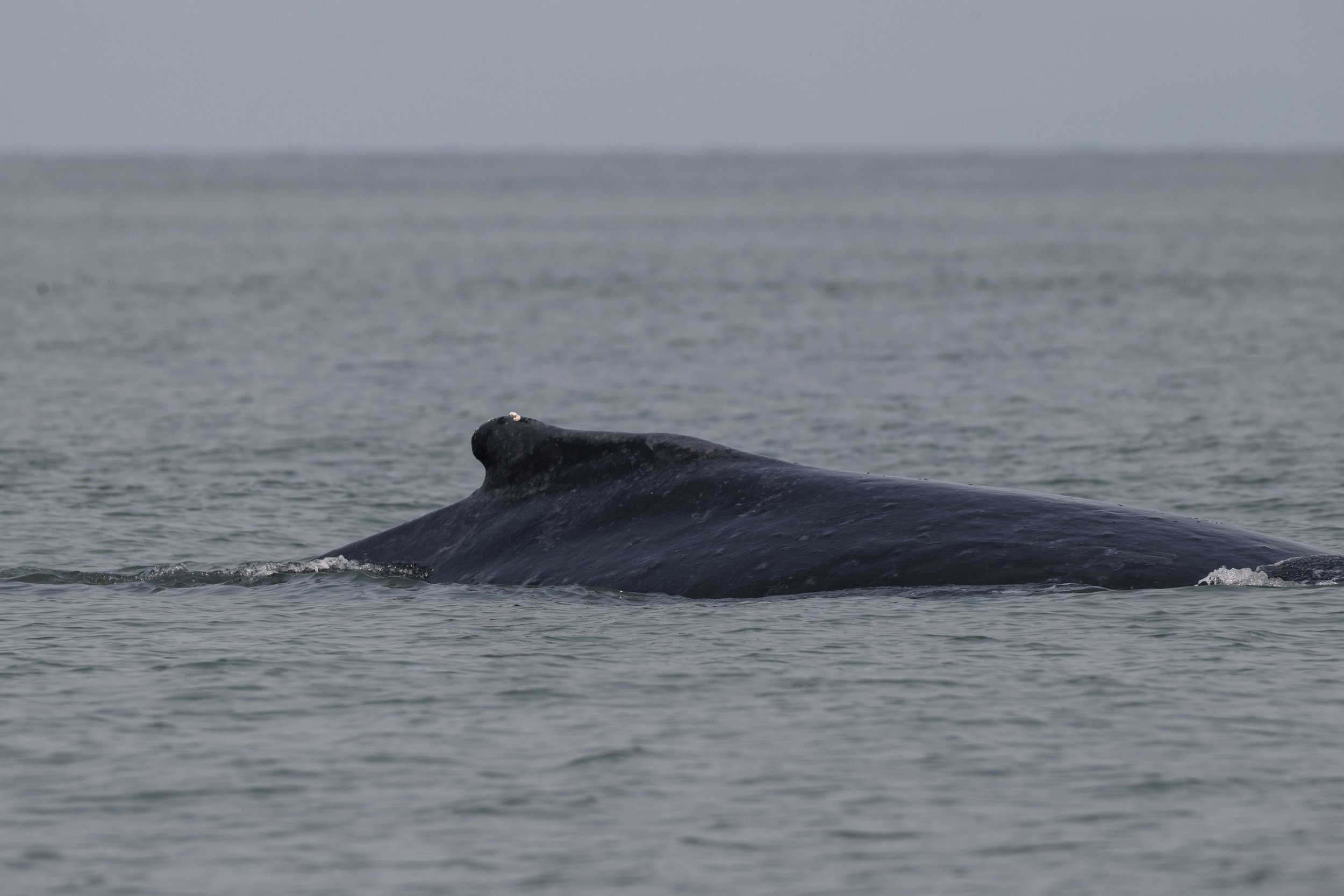
Strike underway. Photo by Aly Kohlman.
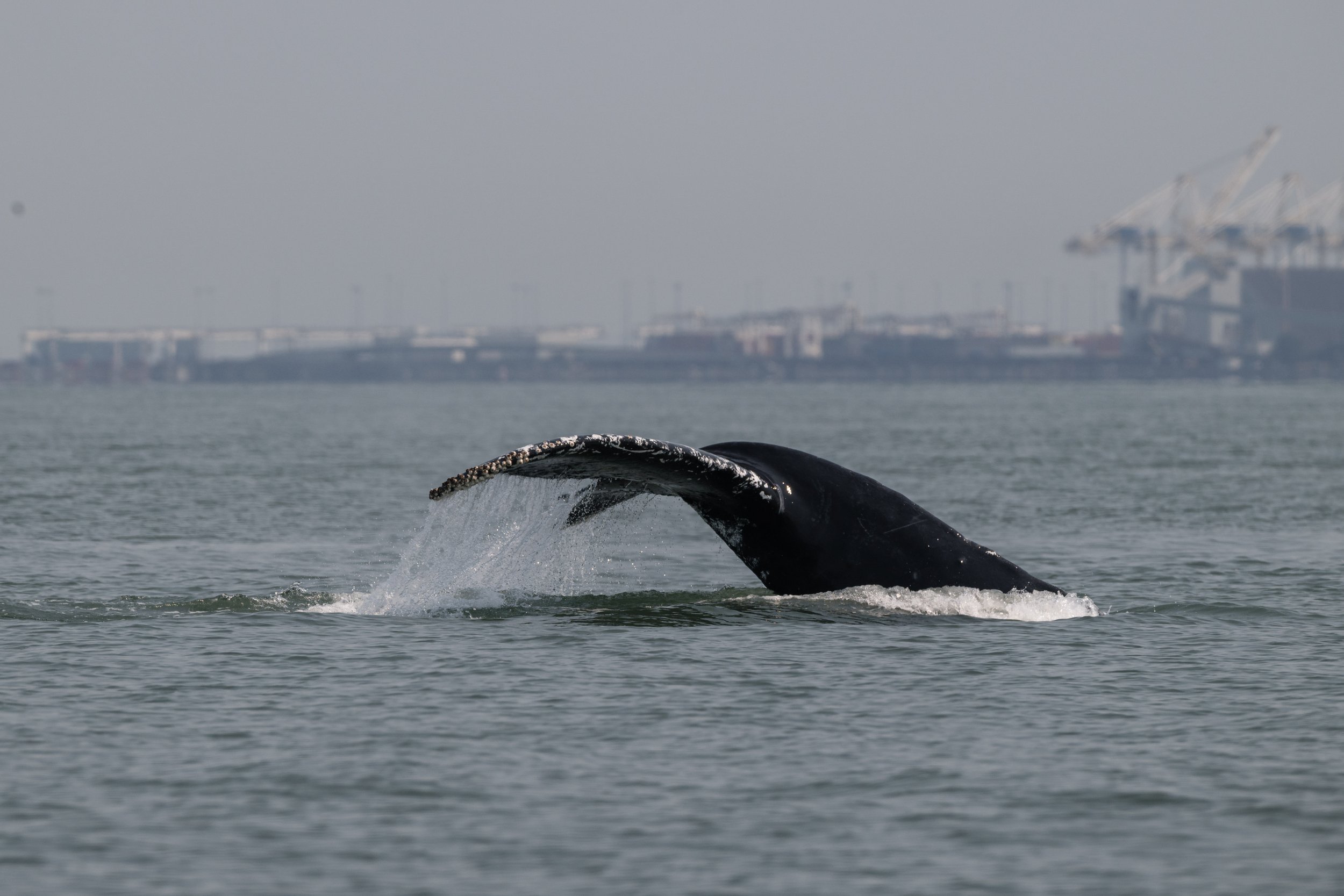
A side shot of Strike as she dives. Photo by Aly Kohlman.
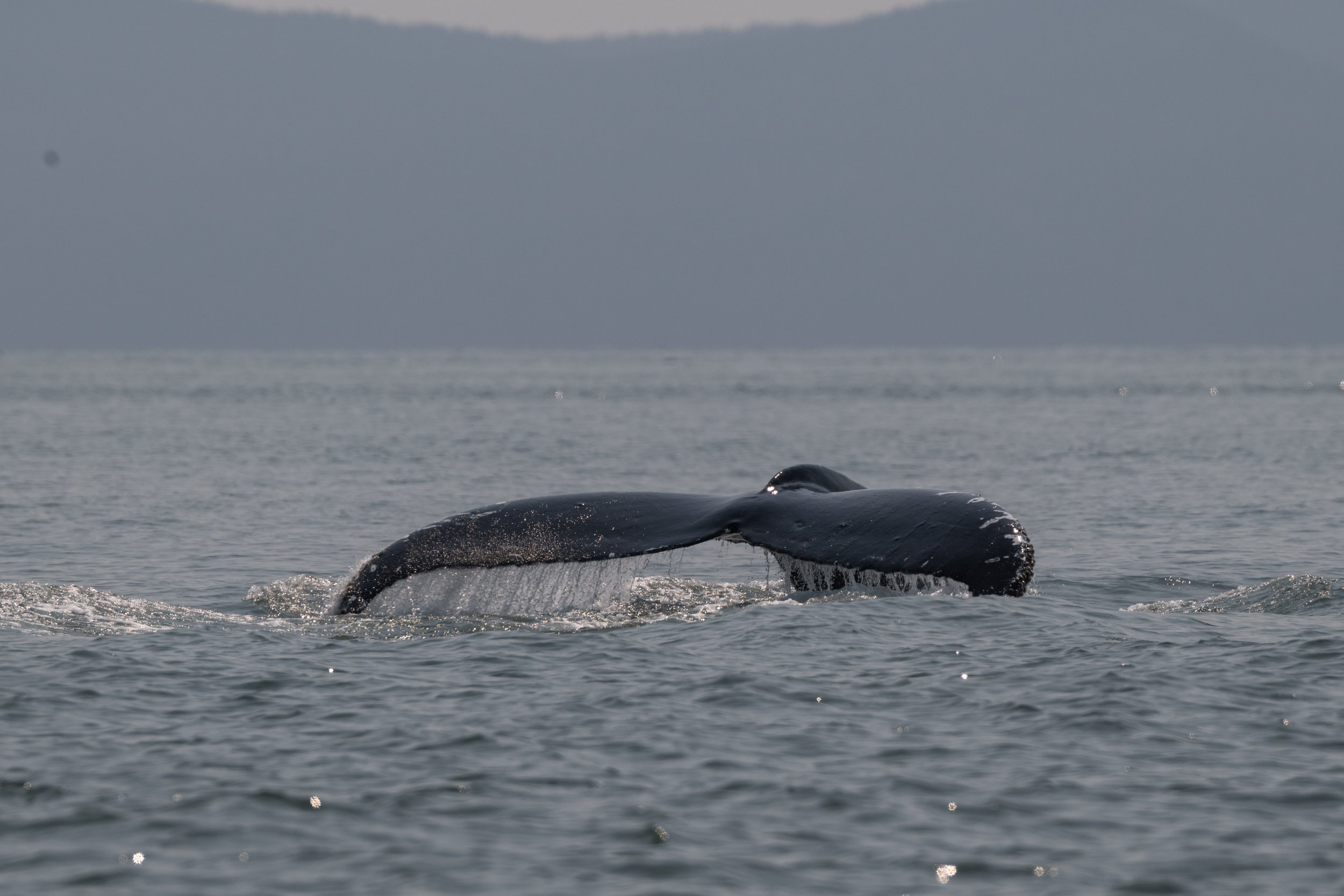
Strike has many unique markings on her top fluke too, visible here! Photo by Aly Kohlman.
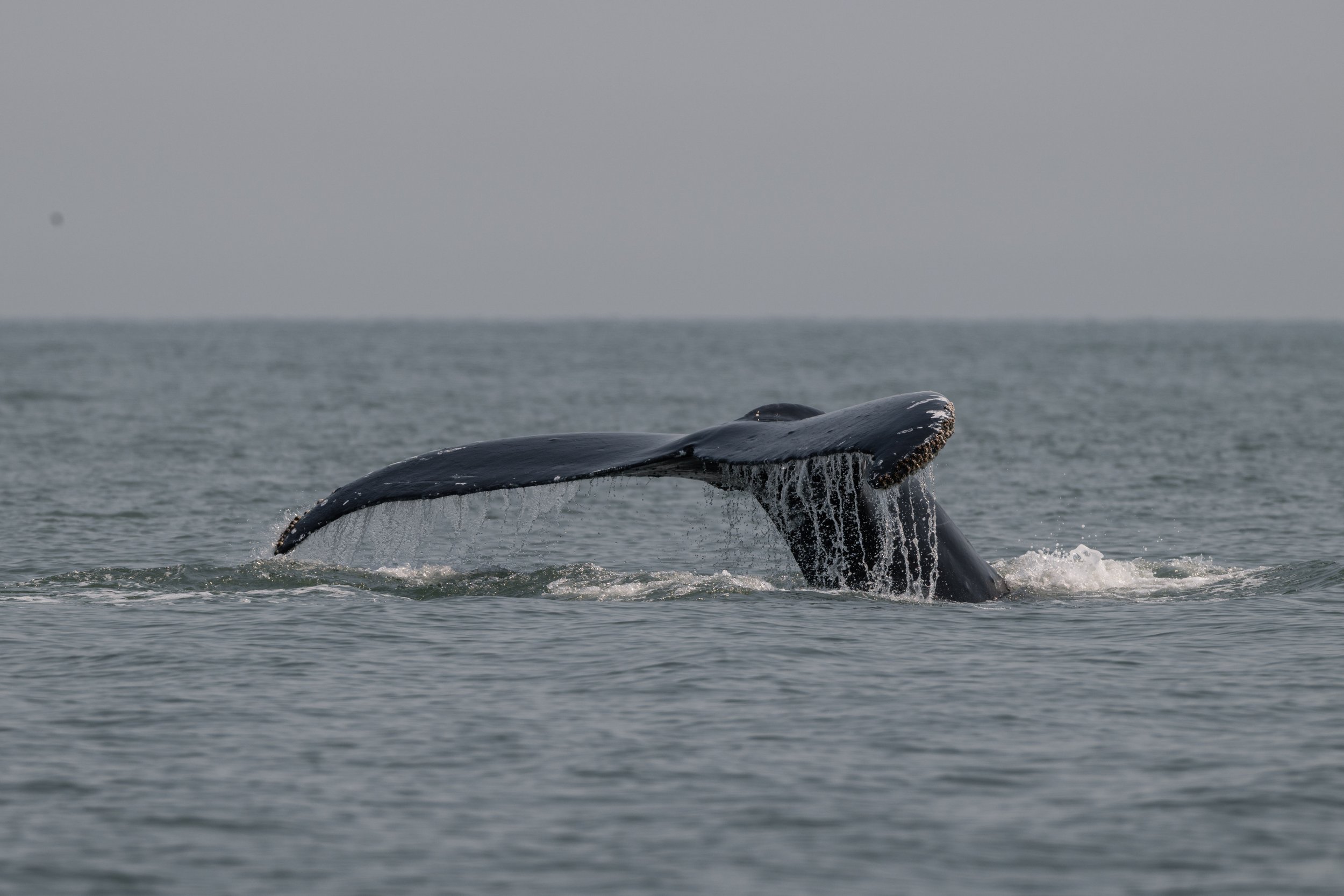
The start of the arch… Photo by Aly Kohlman.
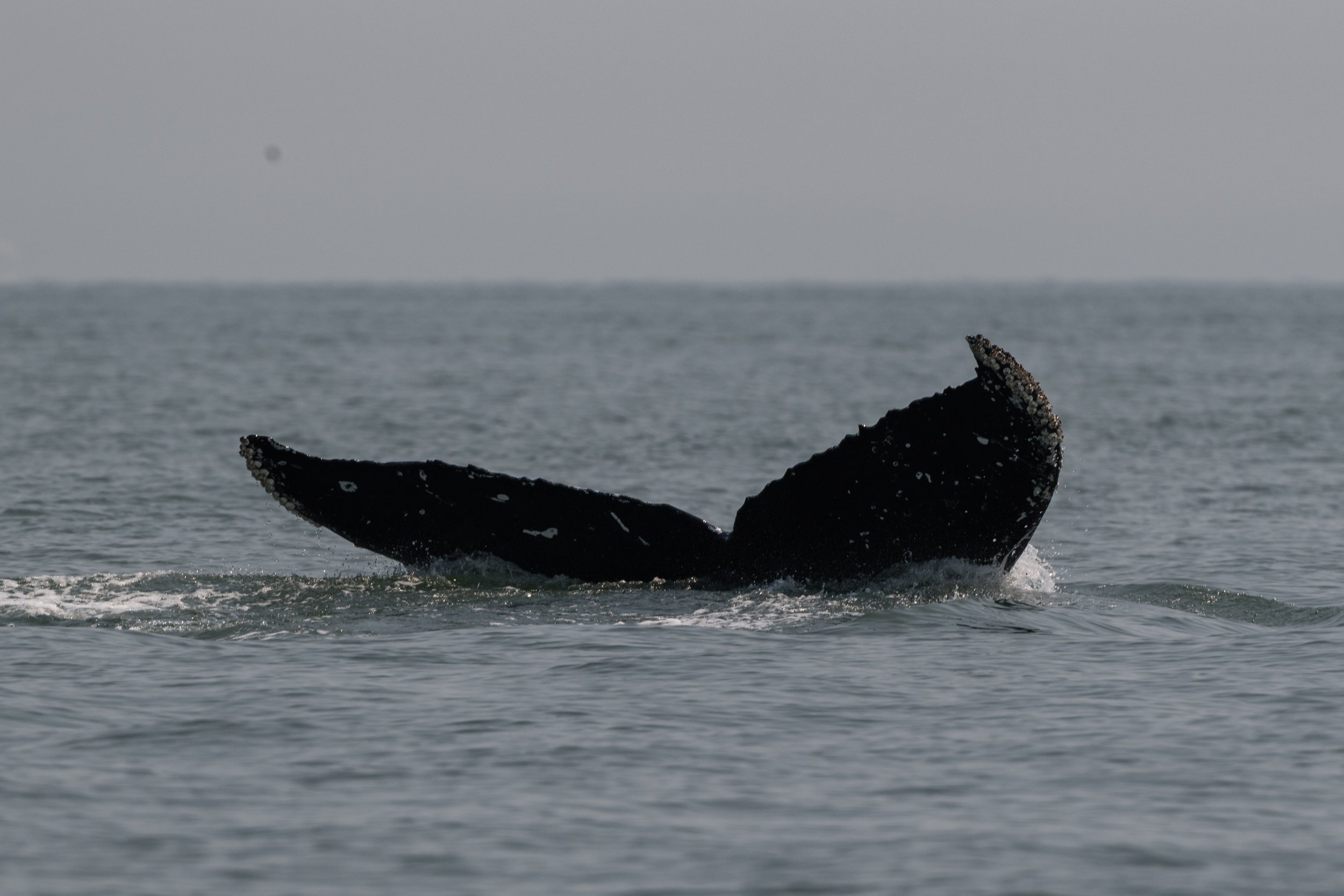
Strike fluking. Photo by Aly Kohlman.
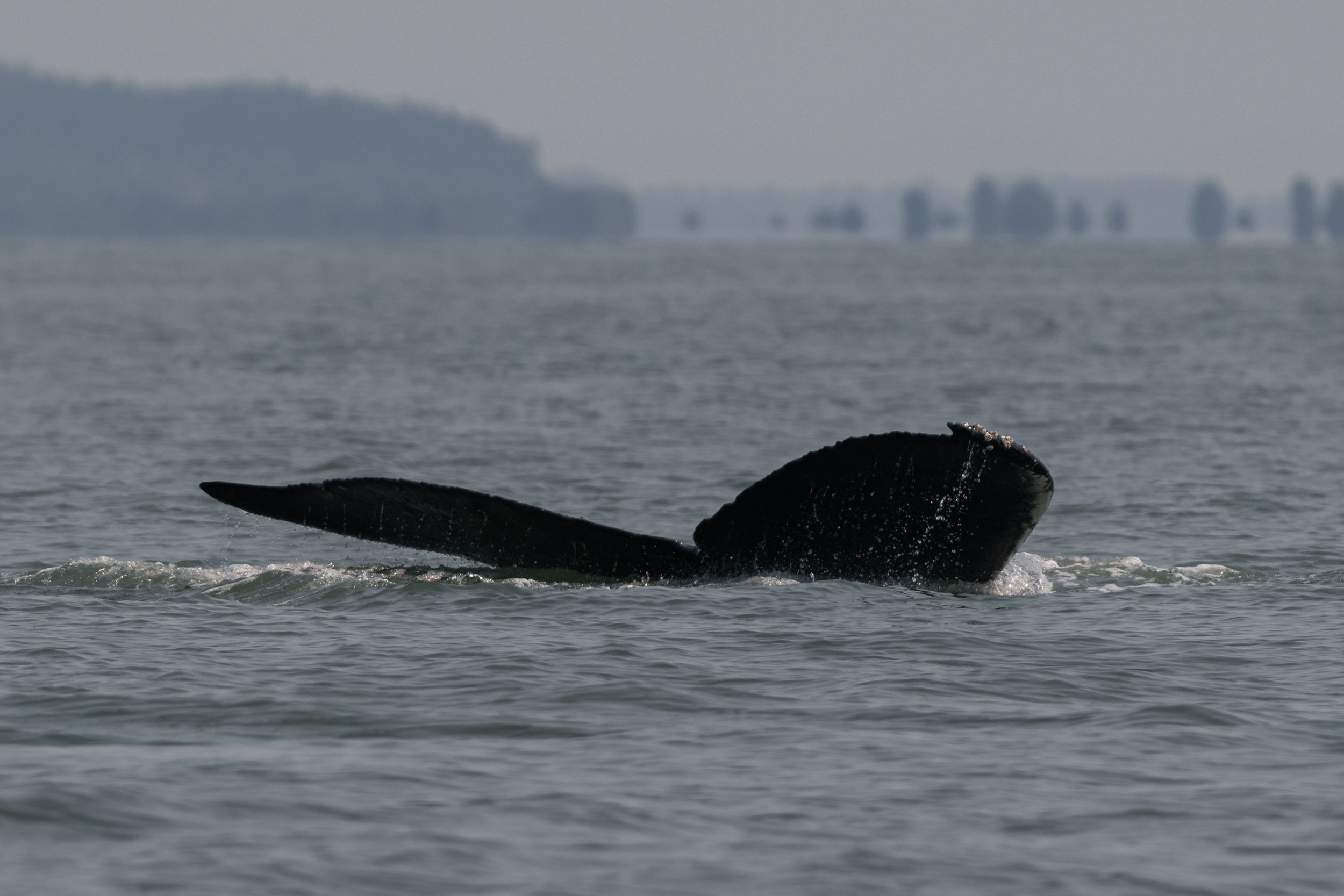
Vivaldi’s nearly pristine fluke! Photo by Aly Kohlman.
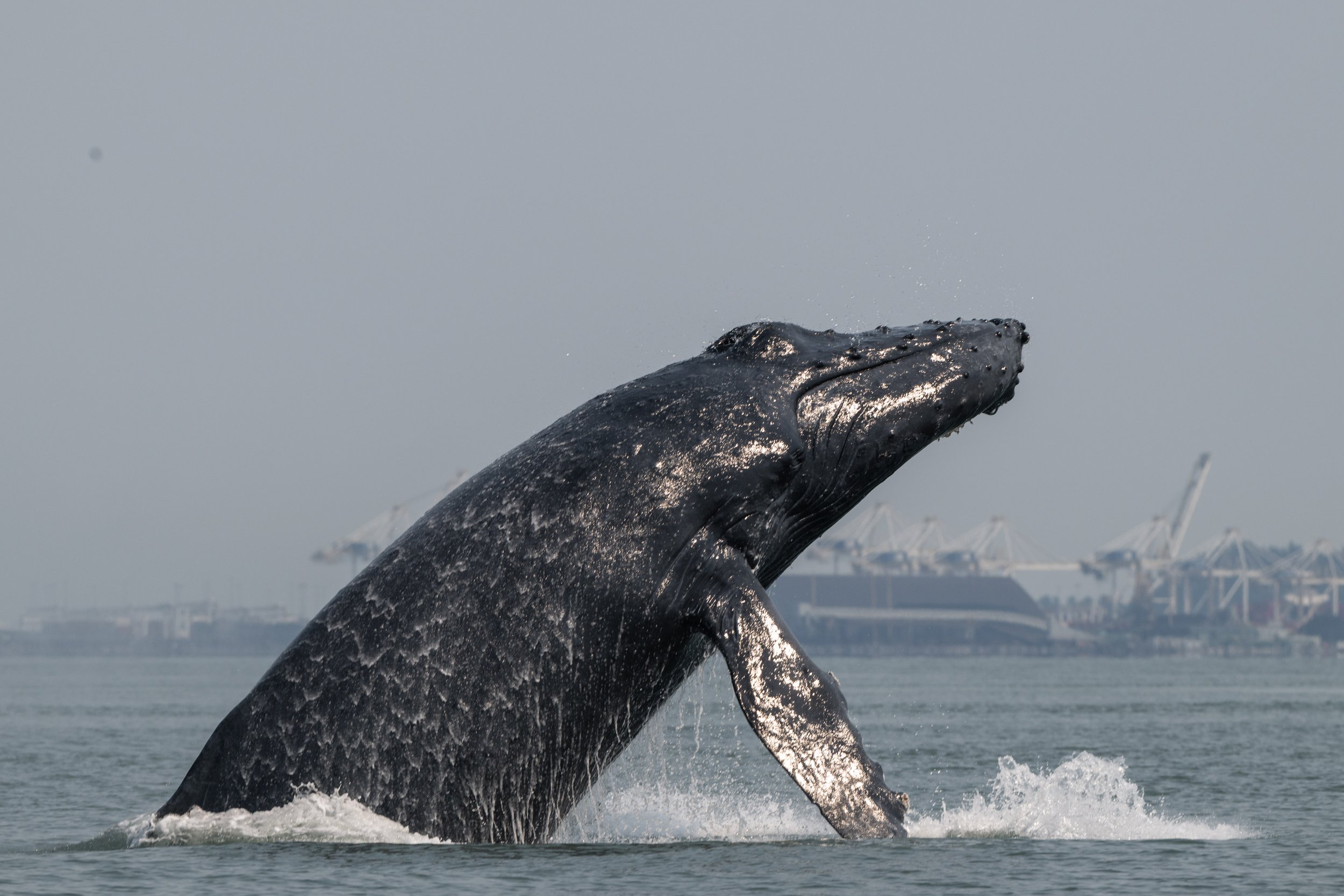
Catching some air! Photo by Aly Kohlman.
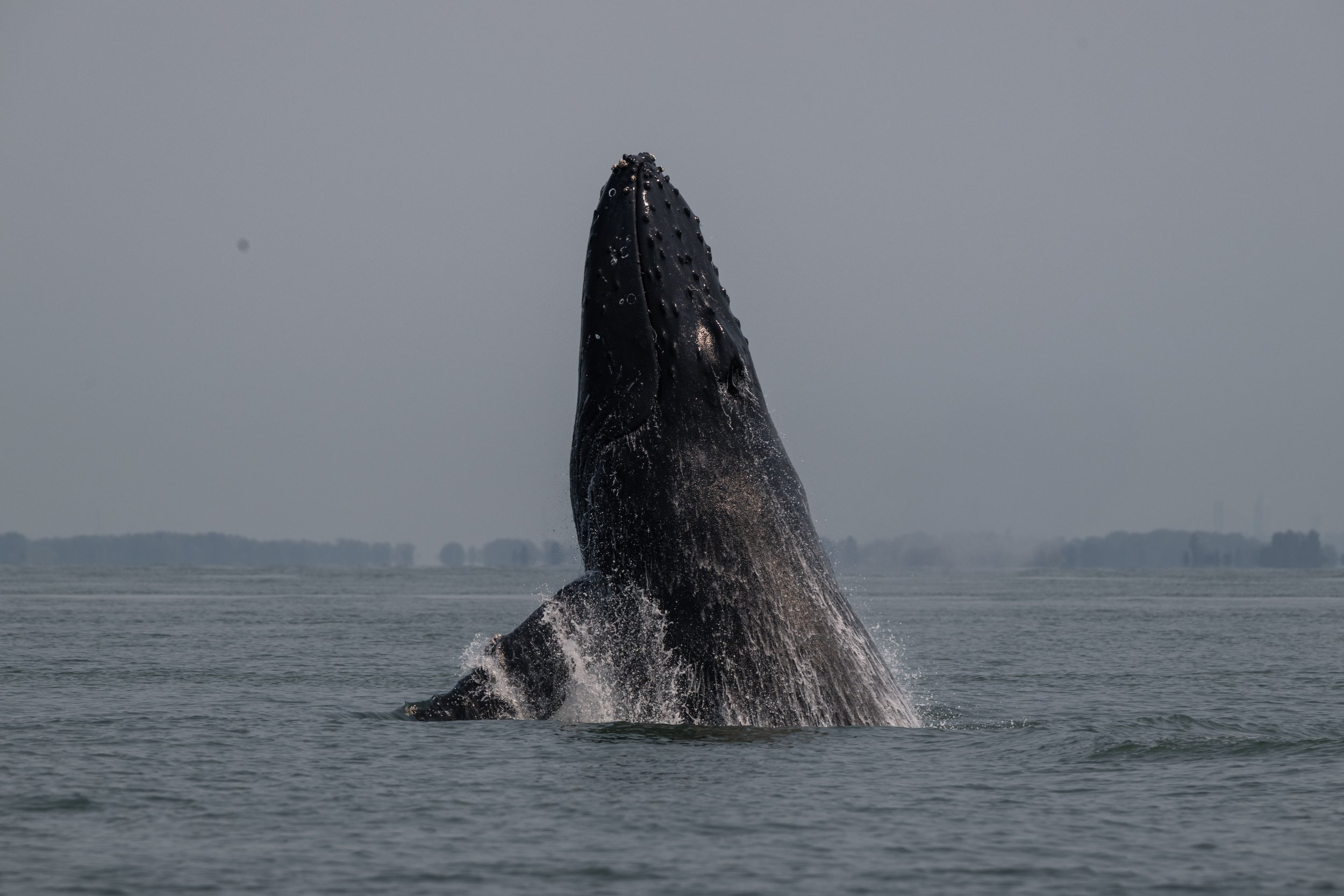
The epitome of elegance and grace. Photo by Aly Kohlman.
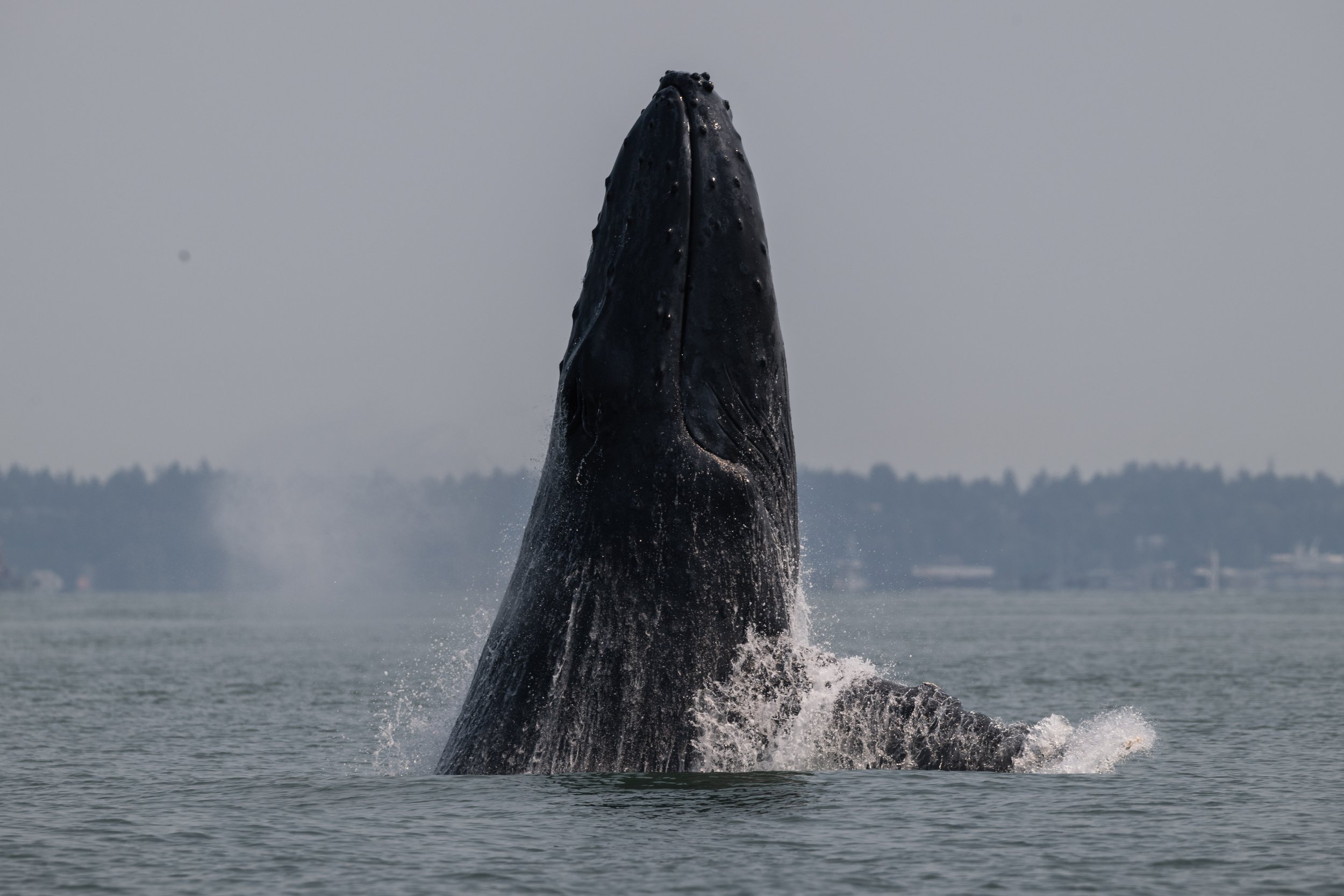
Humpback whales are surprisingly long. Photo by Aly Kohlman.
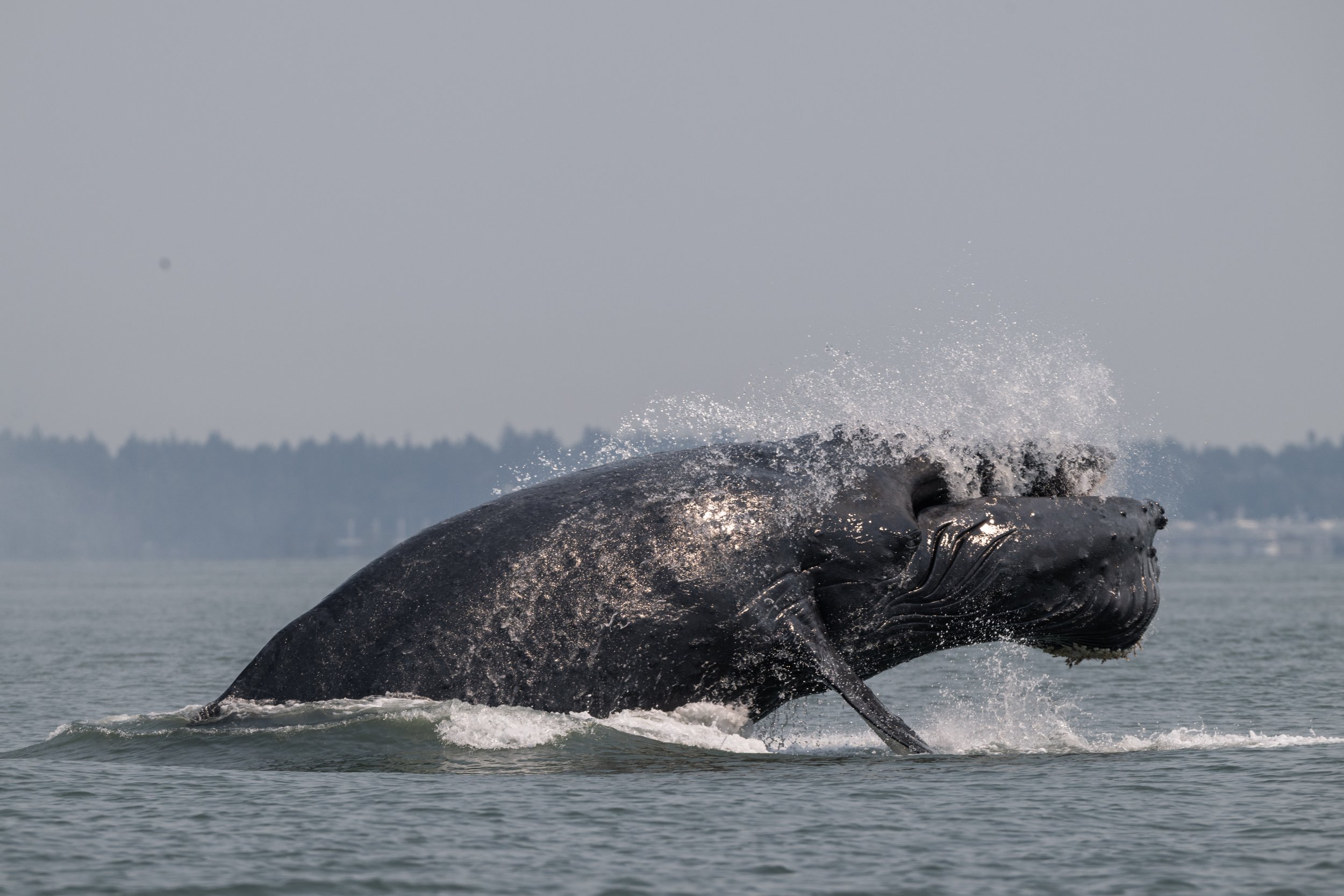
Water cascading all around them, with their jaw open, likely after a big gulp of food. Photo by Aly Kohlman.
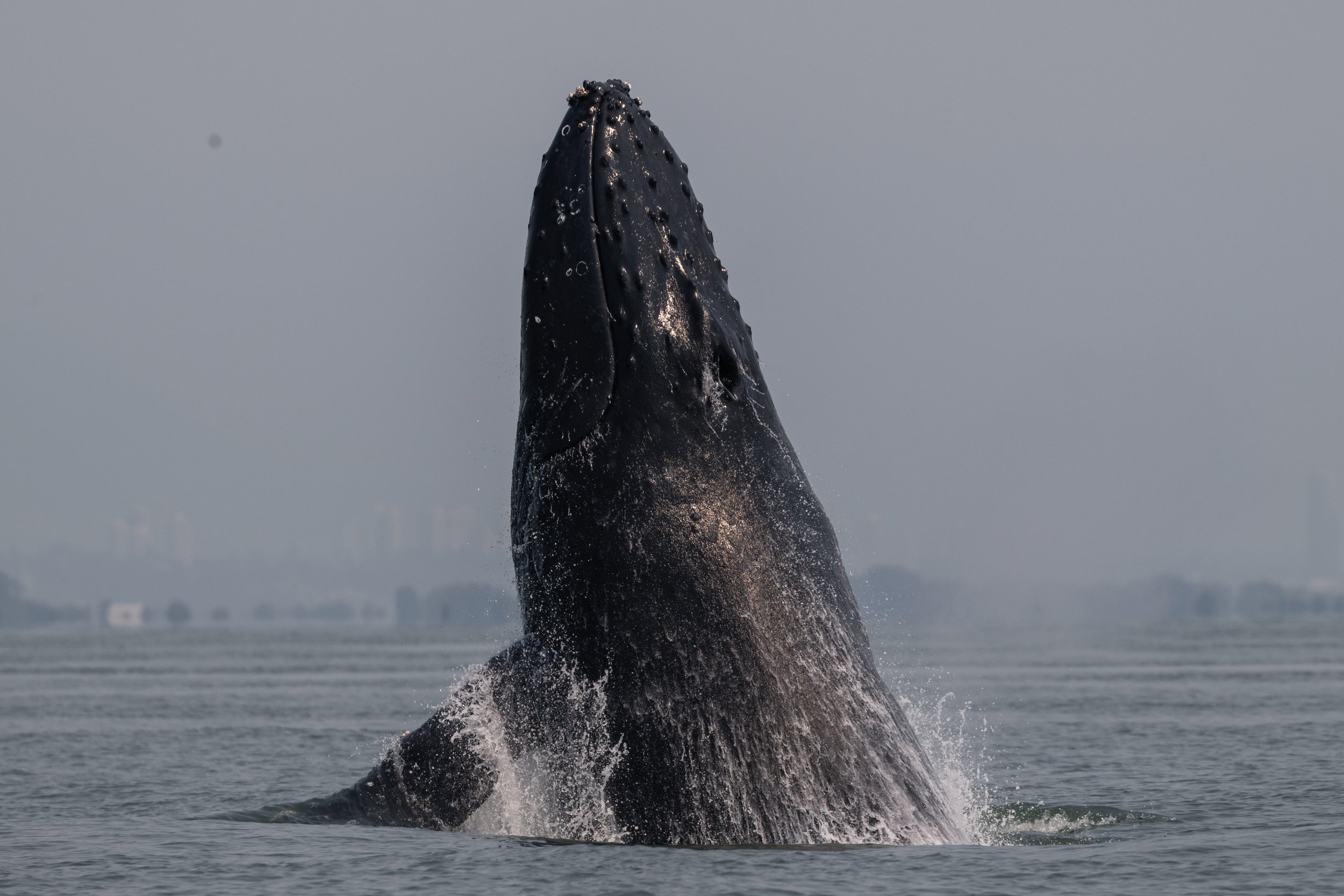
Those bumps near the front of their head are known as tubercles! Photo by Aly Kohlman.
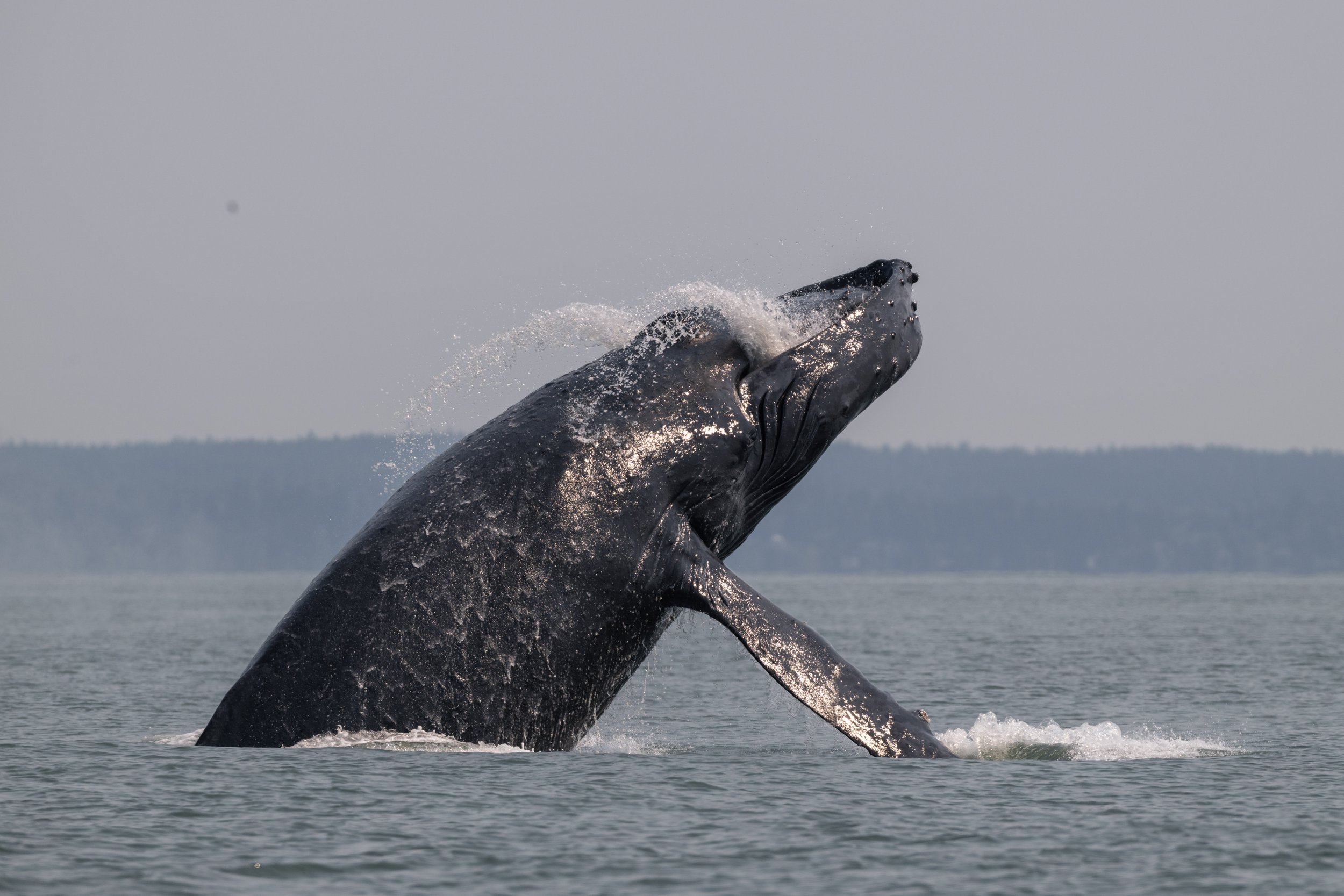
Another great angle with water raining down all around them. Photo by Aly Kohlman.
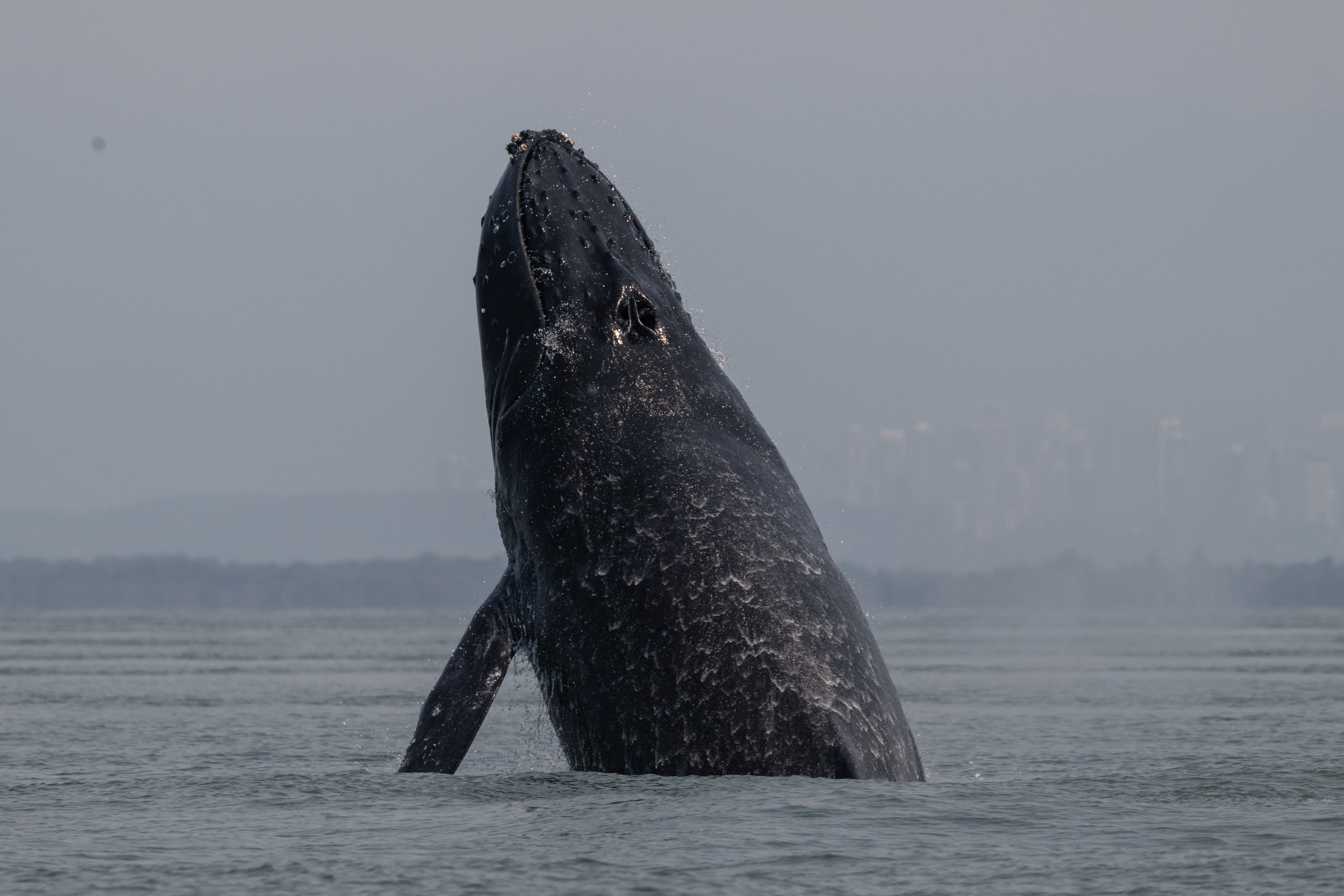
Wide open blowholes as they breach away. Photo by Aly Kohlman.
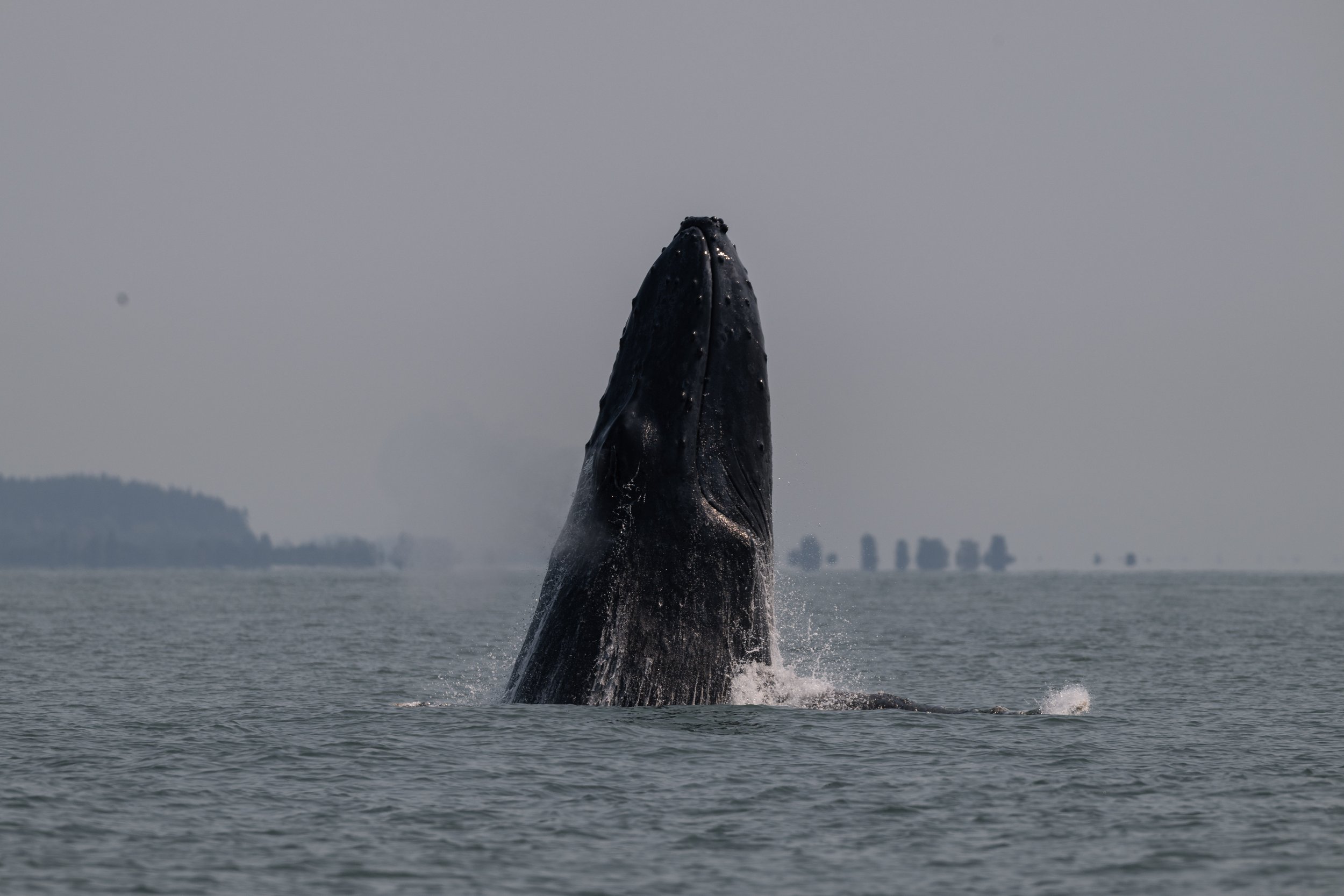
A peek at the ventral pleats that run along the underside of a humpback whale’s mouth/throat! Photo by Aly Kohlman.
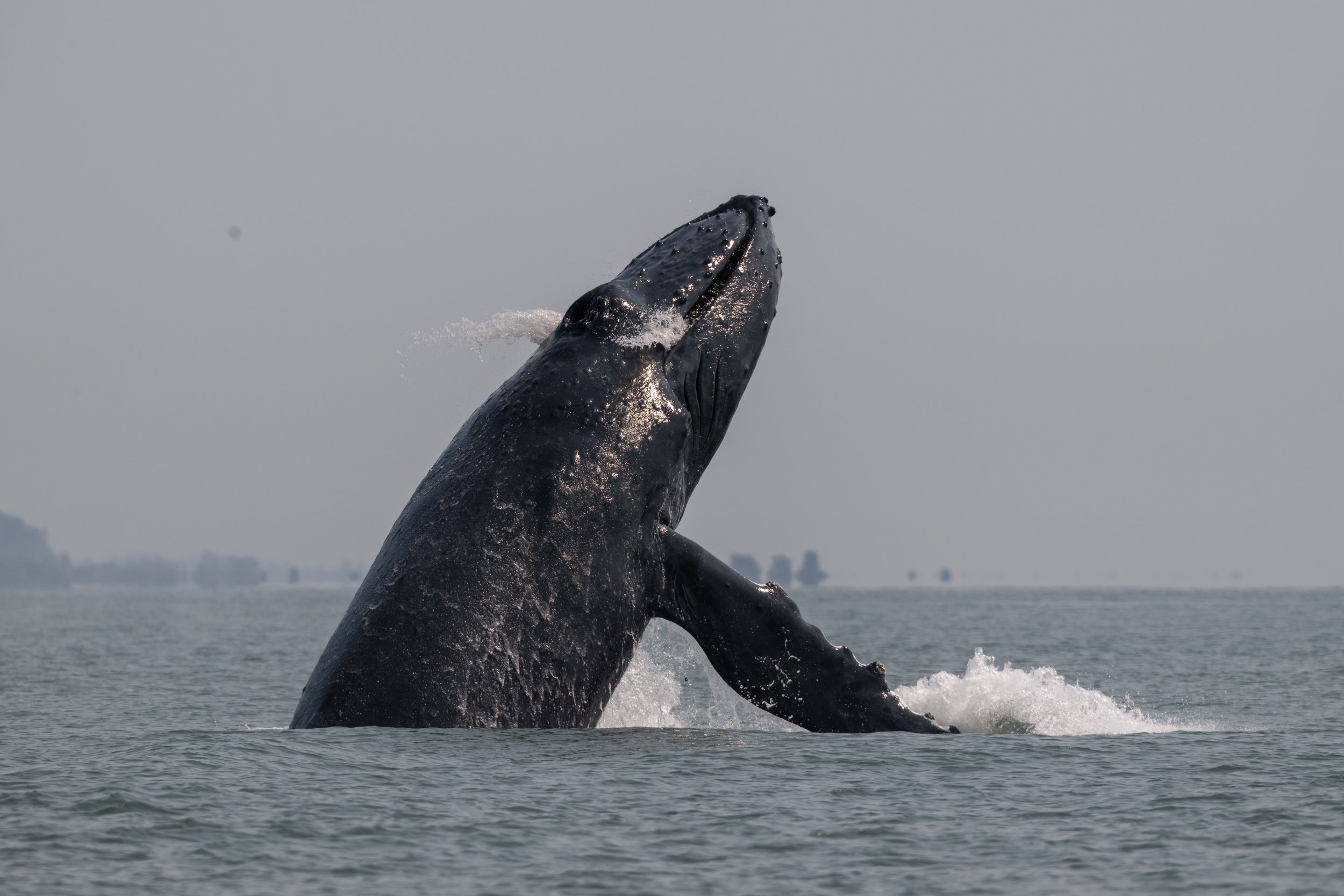
Vivaldi and Strike were very surface active today! Photo by Aly Kohlman.
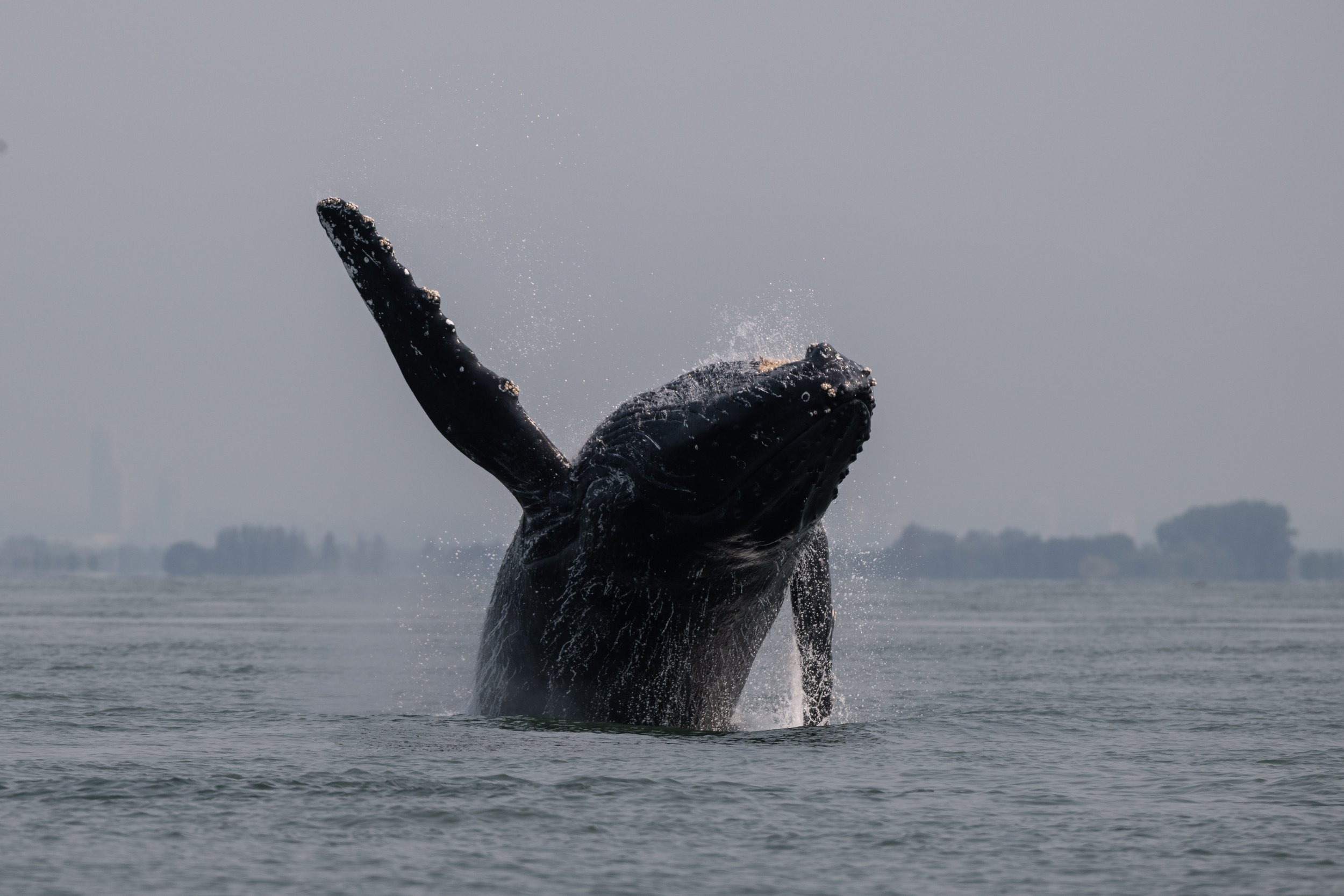
Windmilling along. Photo by Aly Kohlman.
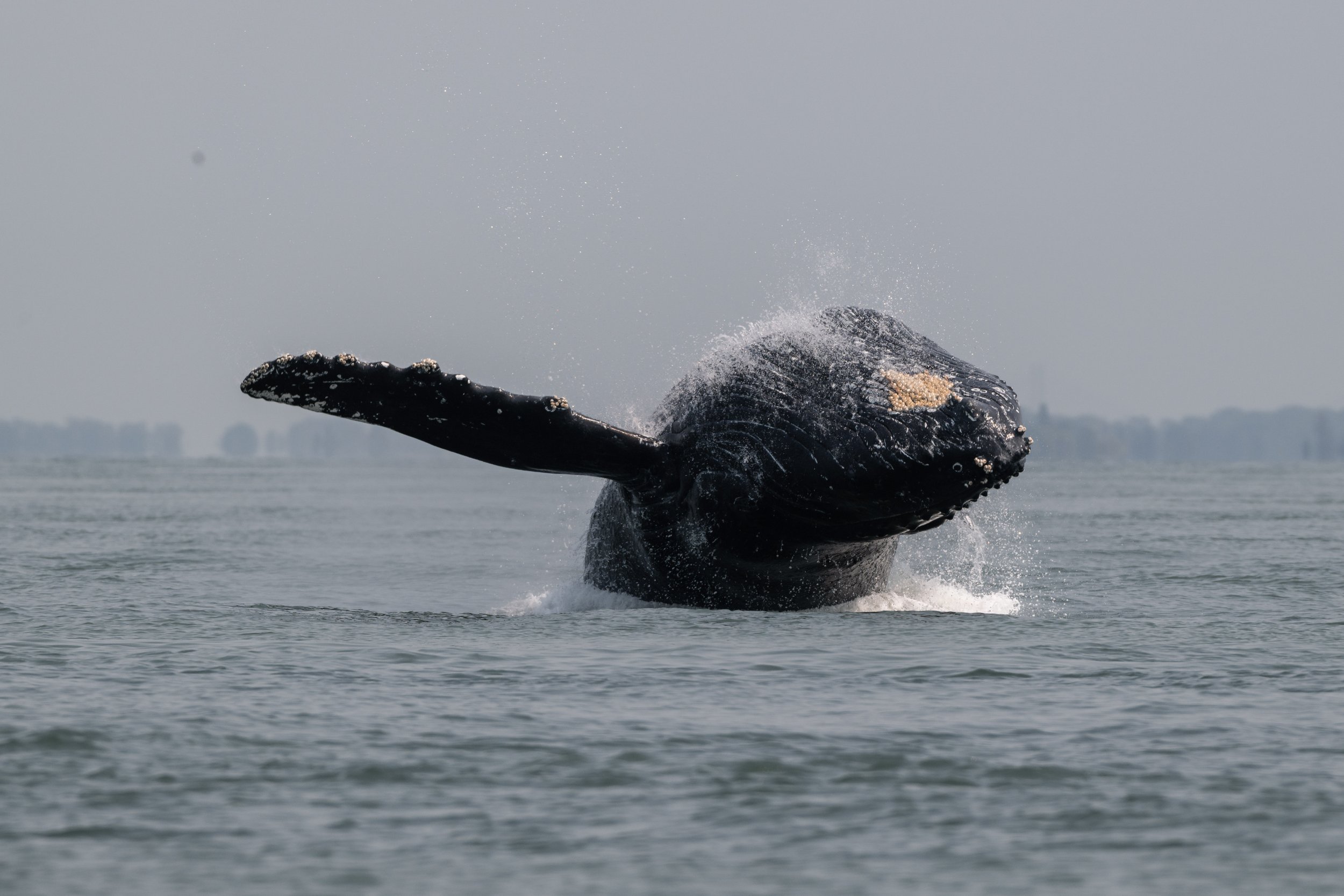
Look at all those chin barnacles! Photo by Aly Kohlman.
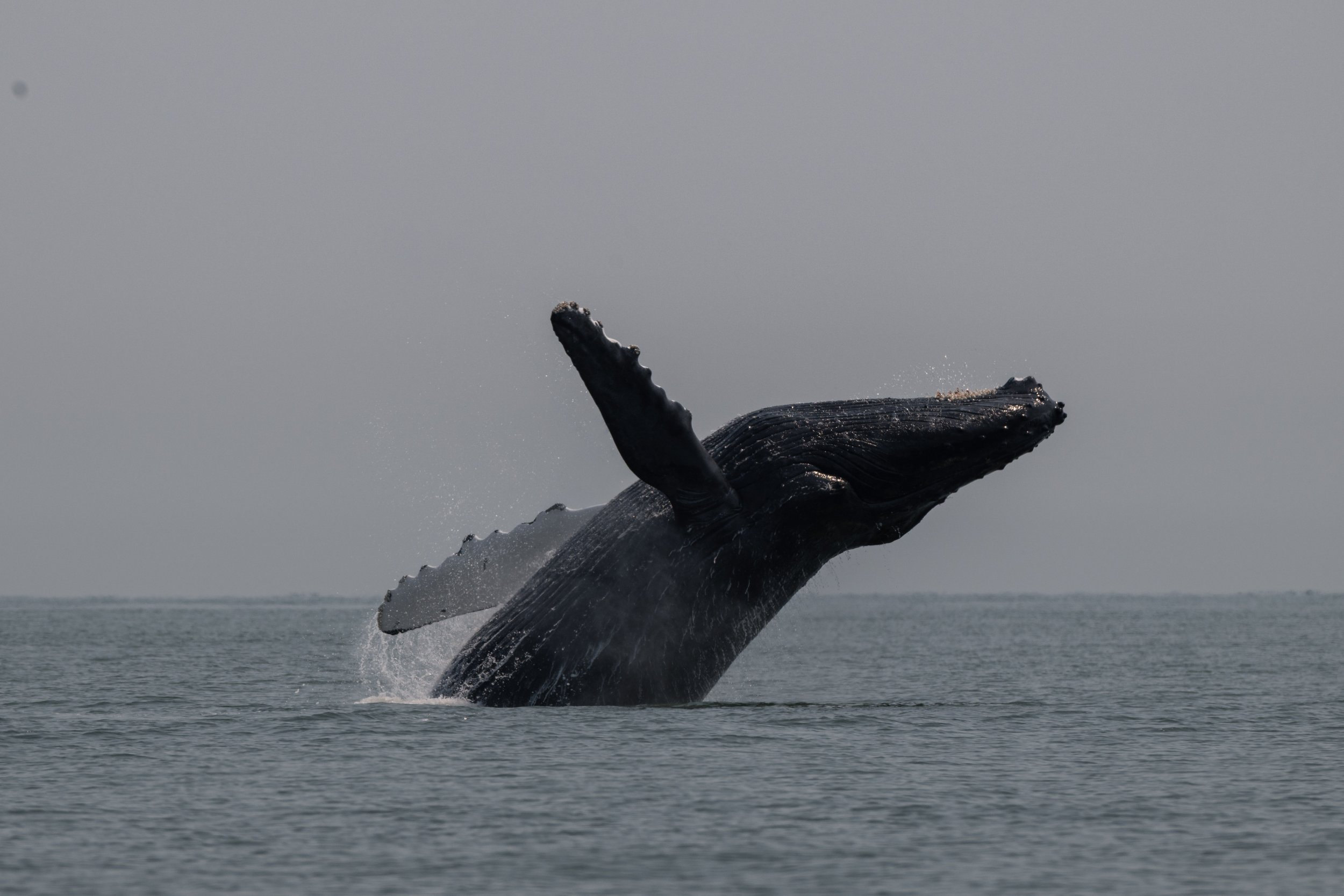
Humpbacks are considered the most acrobatic of large whale species. Photo by Aly Kohlman.
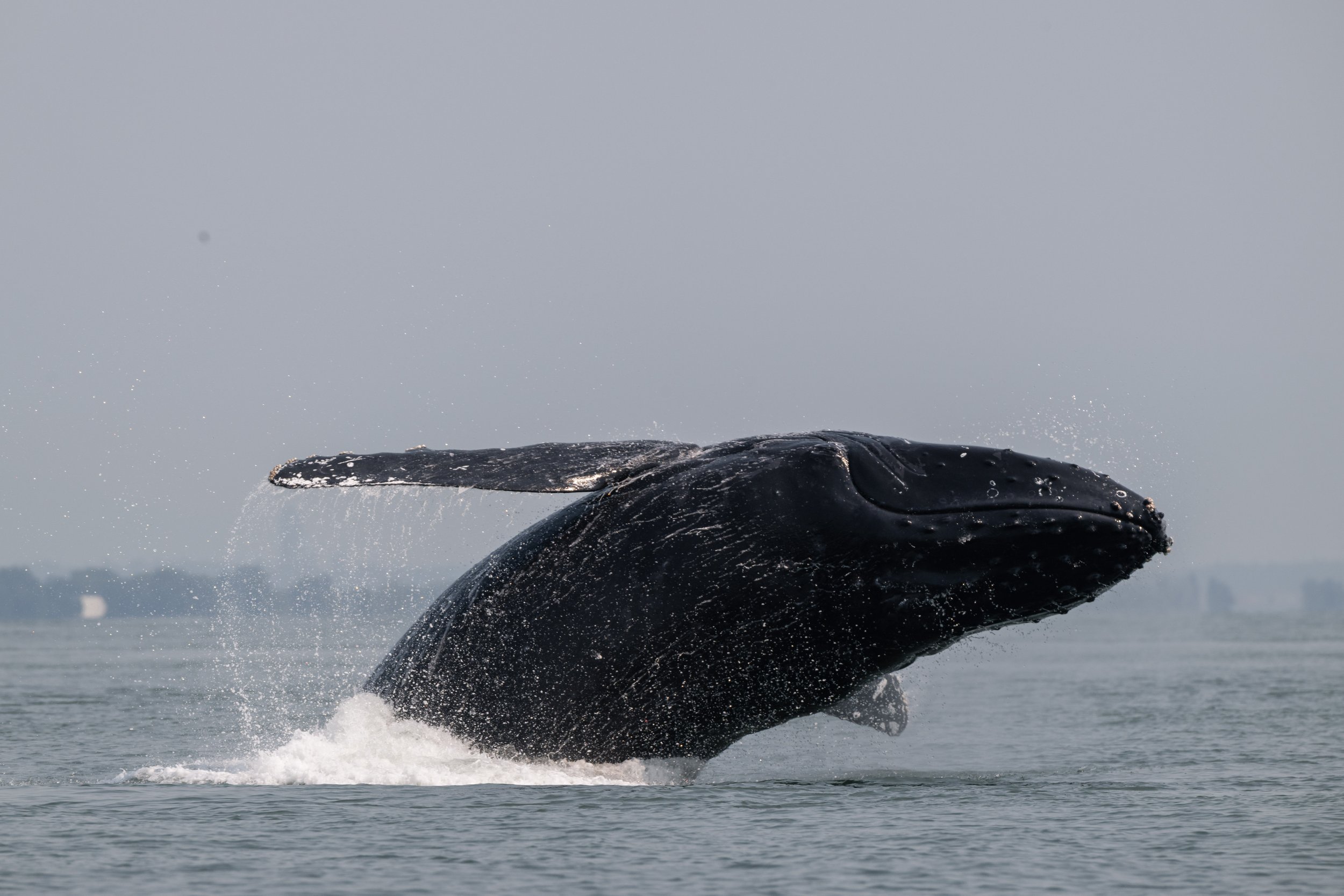
Landing on their side. Photo by Aly Kohlman.
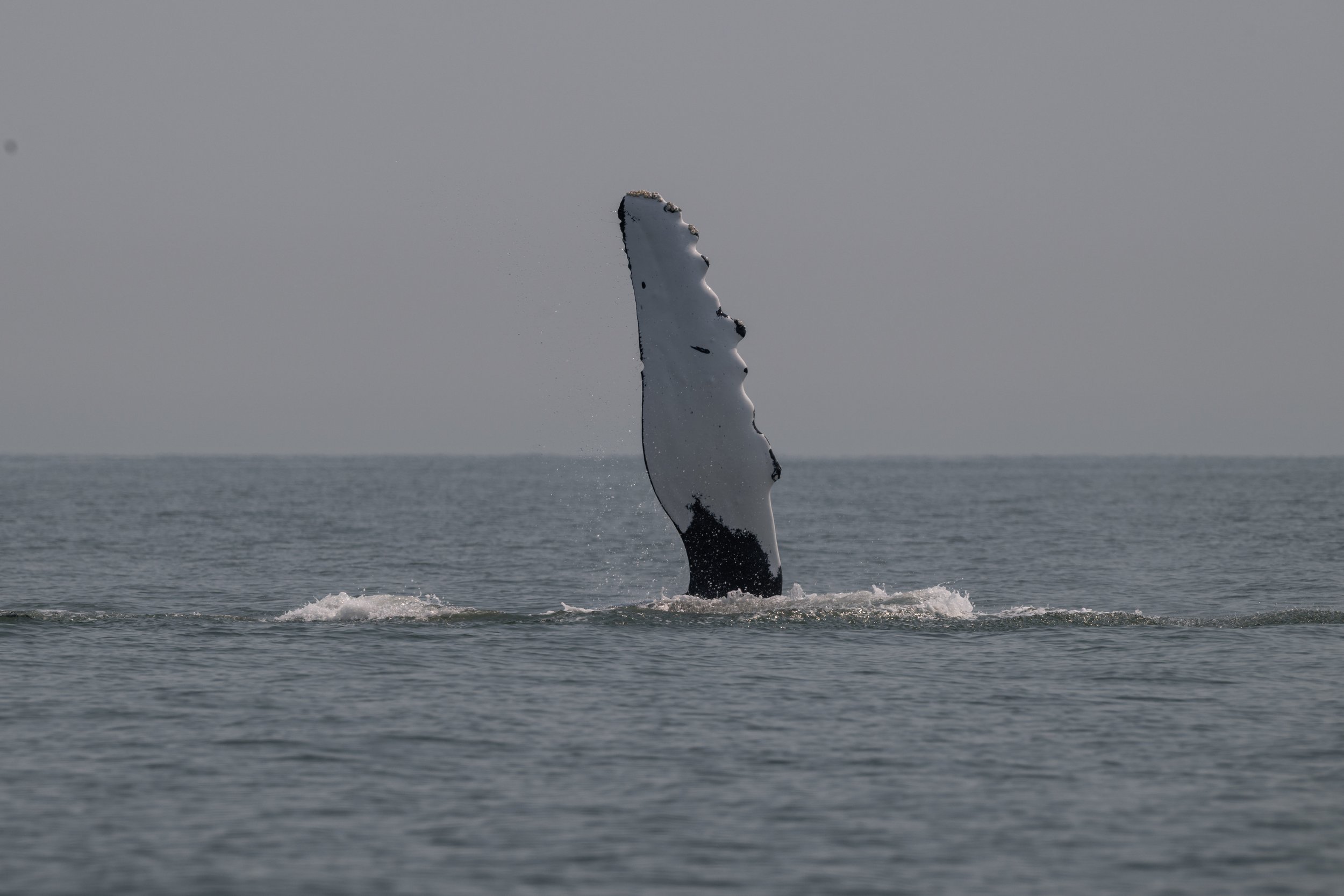
A big pectoral wave! Photo by Aly Kohlman.
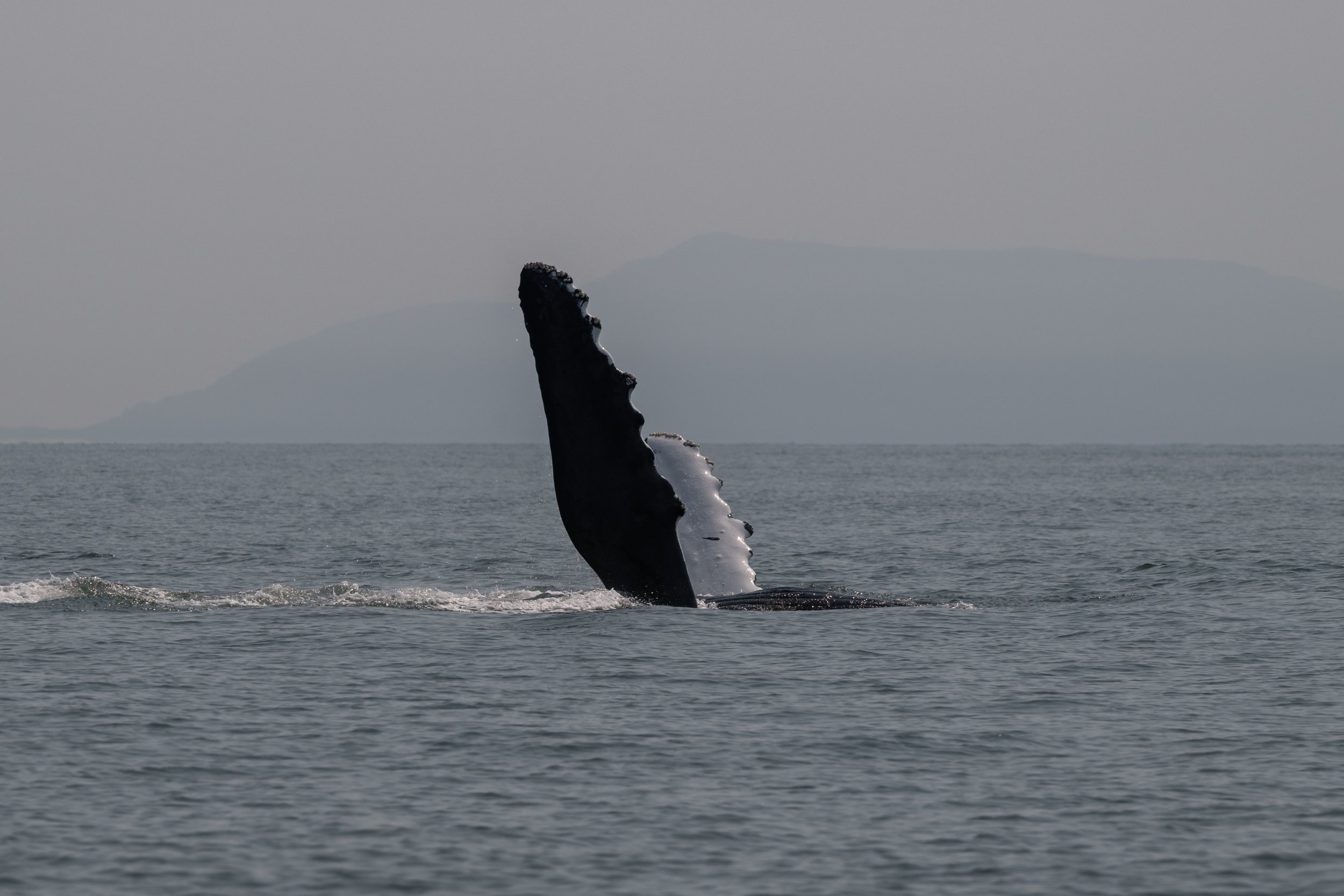
Doing the backstroke - a bit of the whale’s underside is also visible here. Photo by Aly Kohlman.
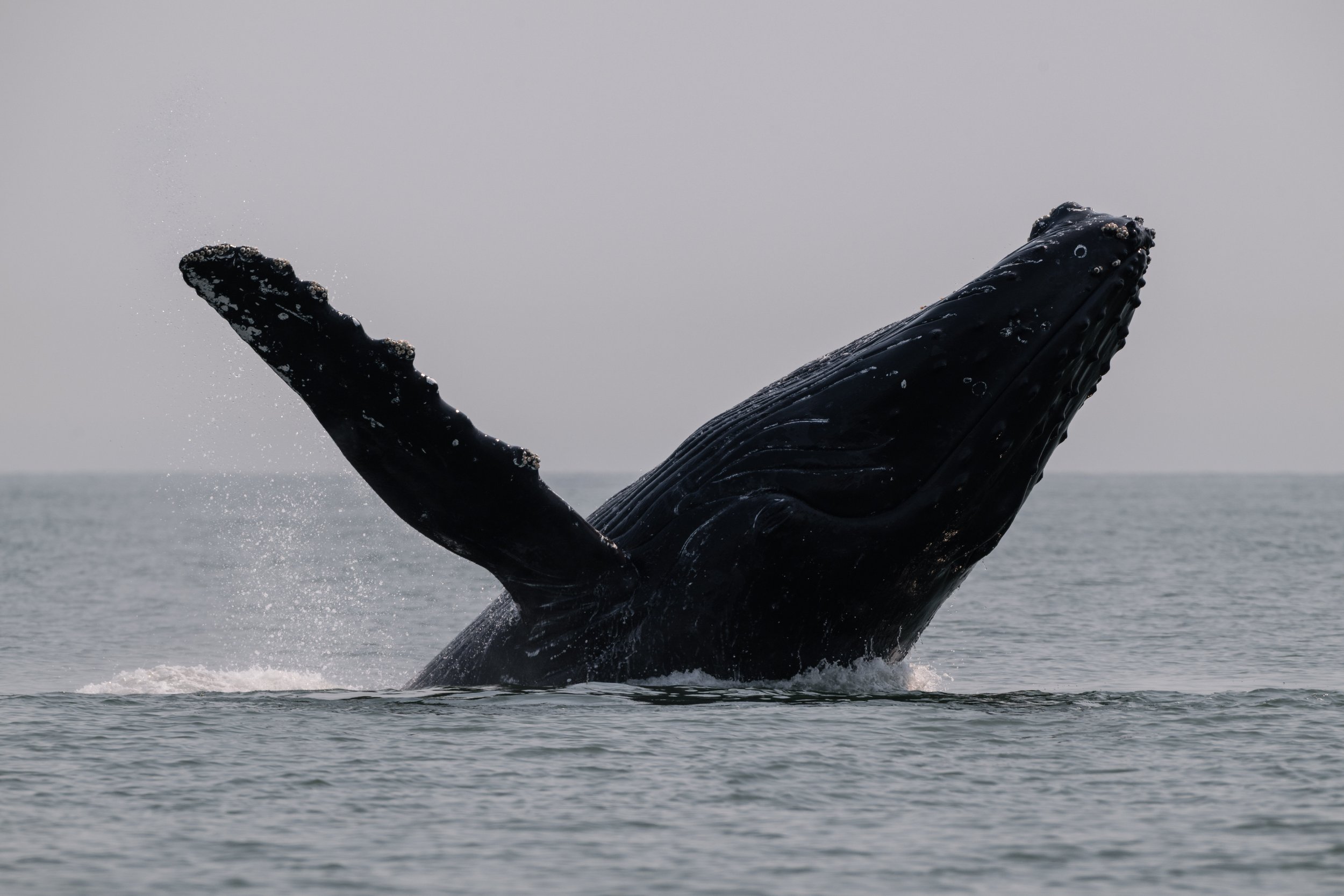
Can you spot the humpback’s eye here? Photo by Aly Kohlman.
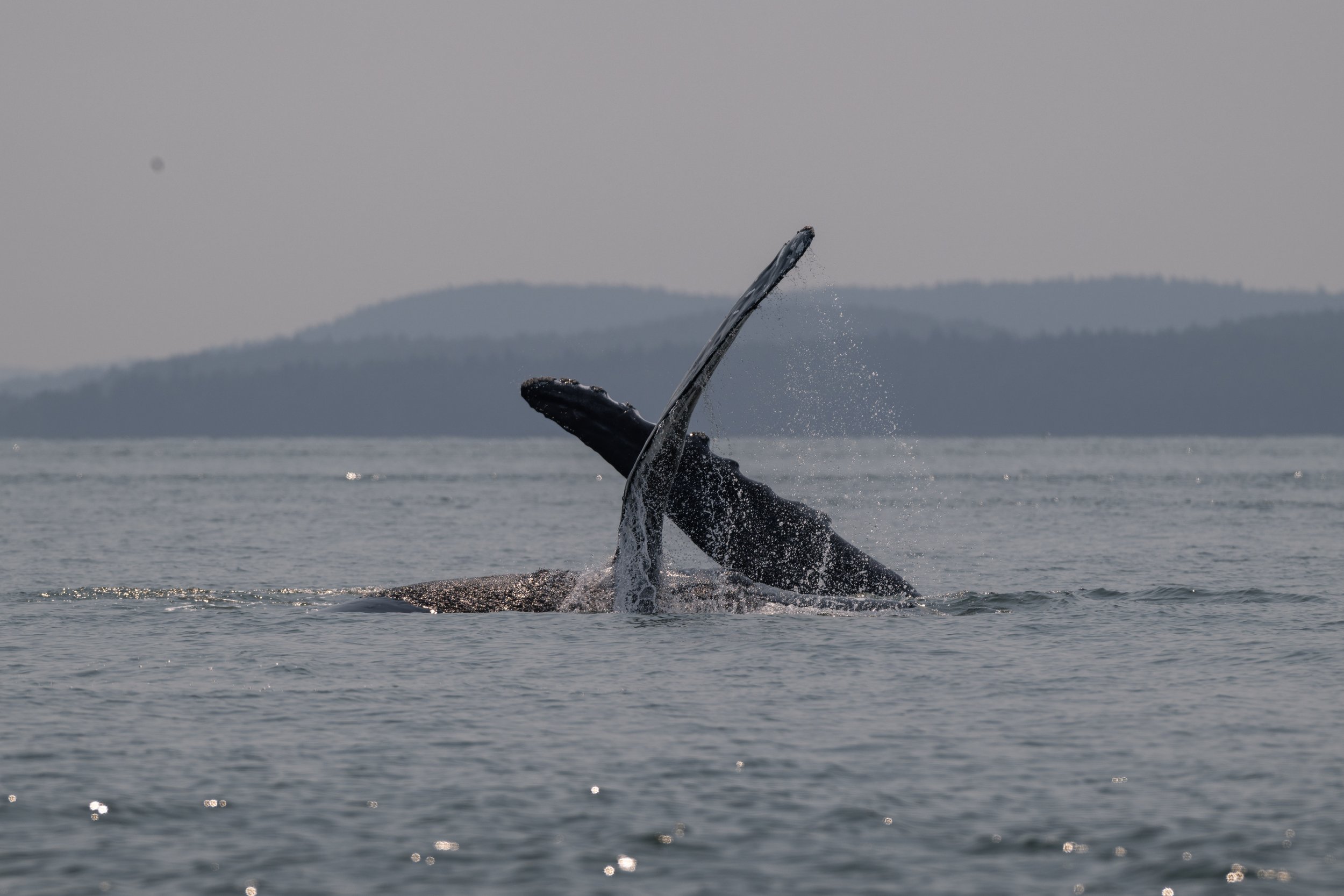
Fins up, with water splashing around them. Photo by Aly Kohlman.
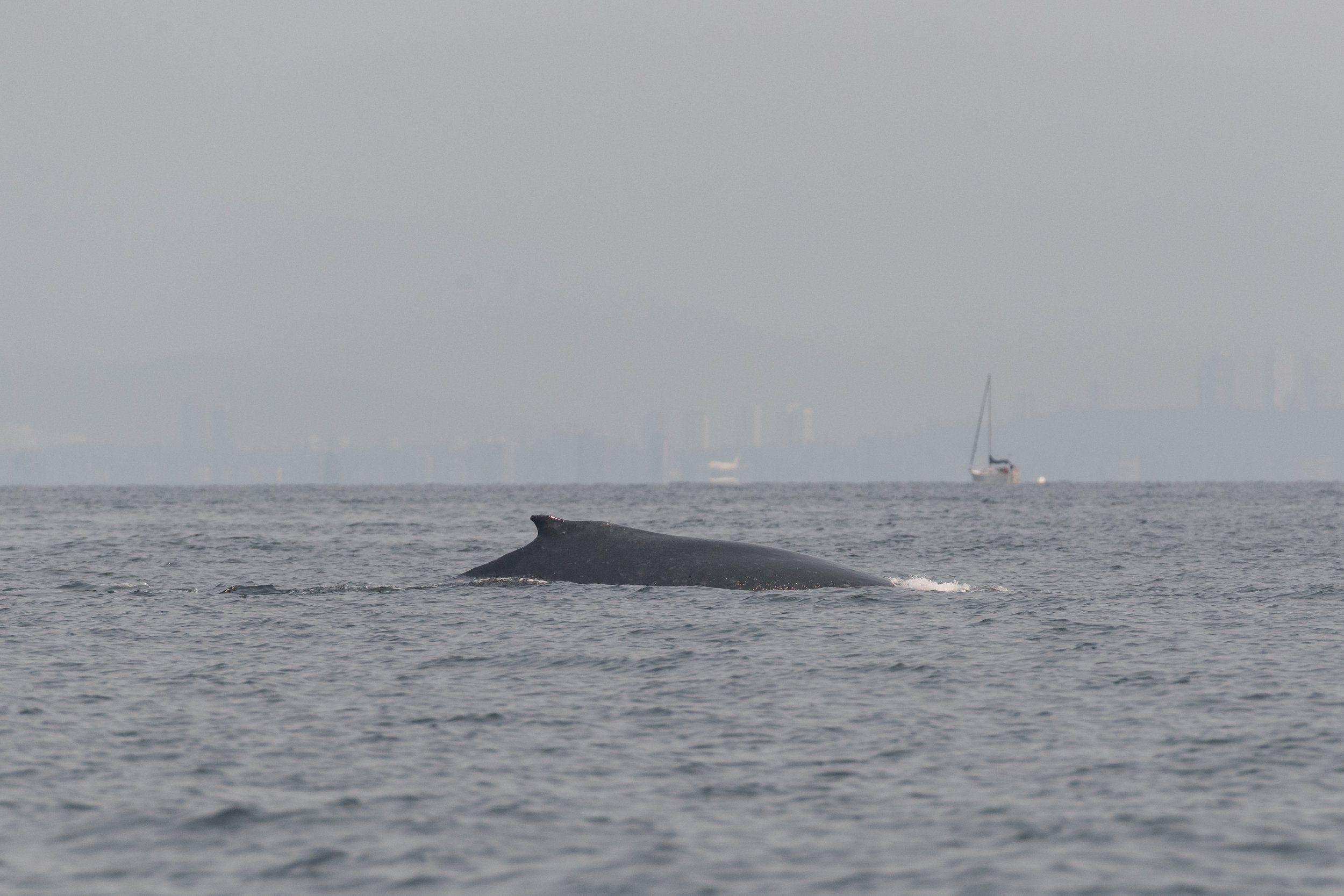
Orion travelling. Photo by Hayleigh Hilbert.
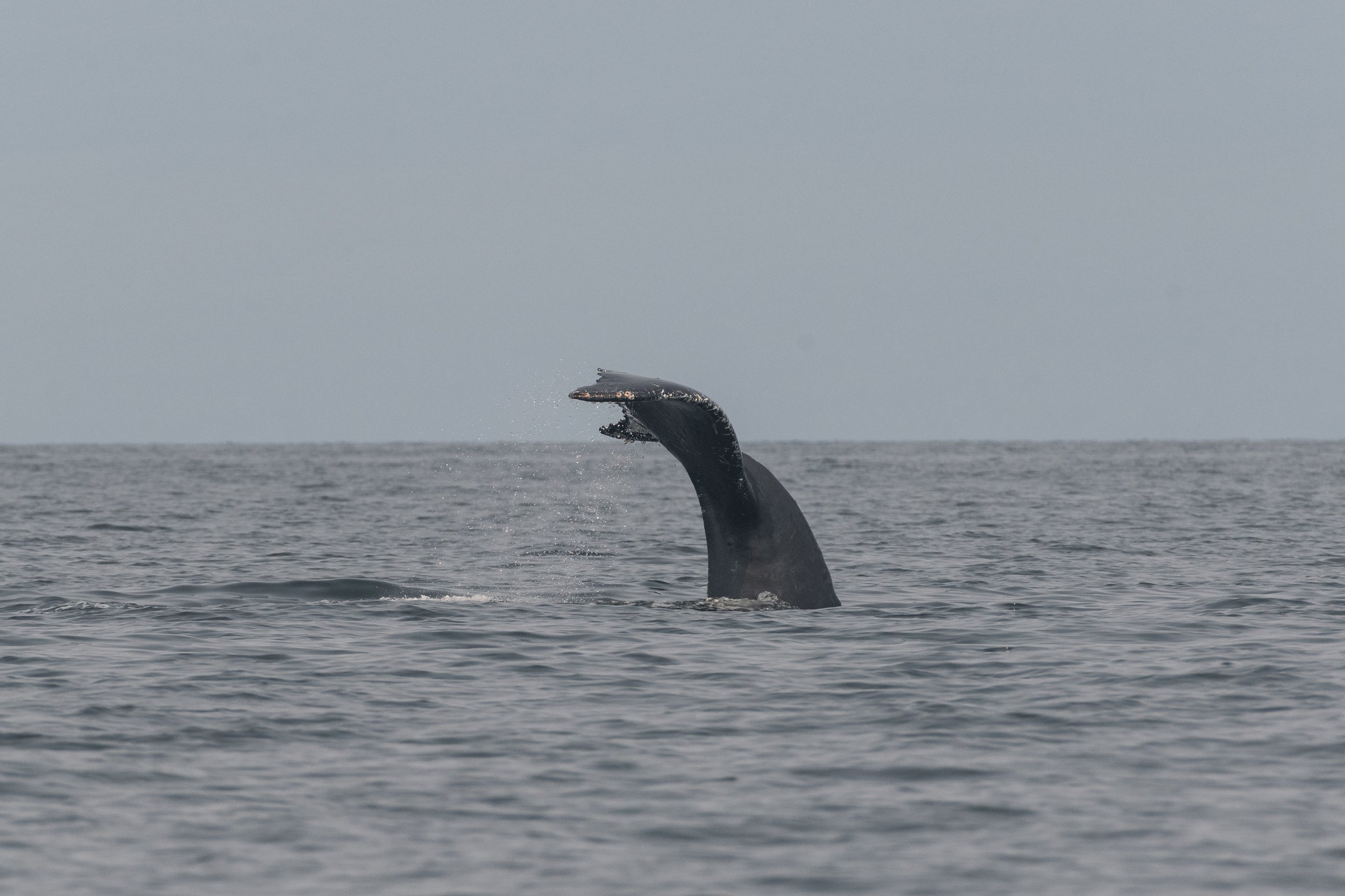
Time to dive! Photo by Hayleigh Hilbert.
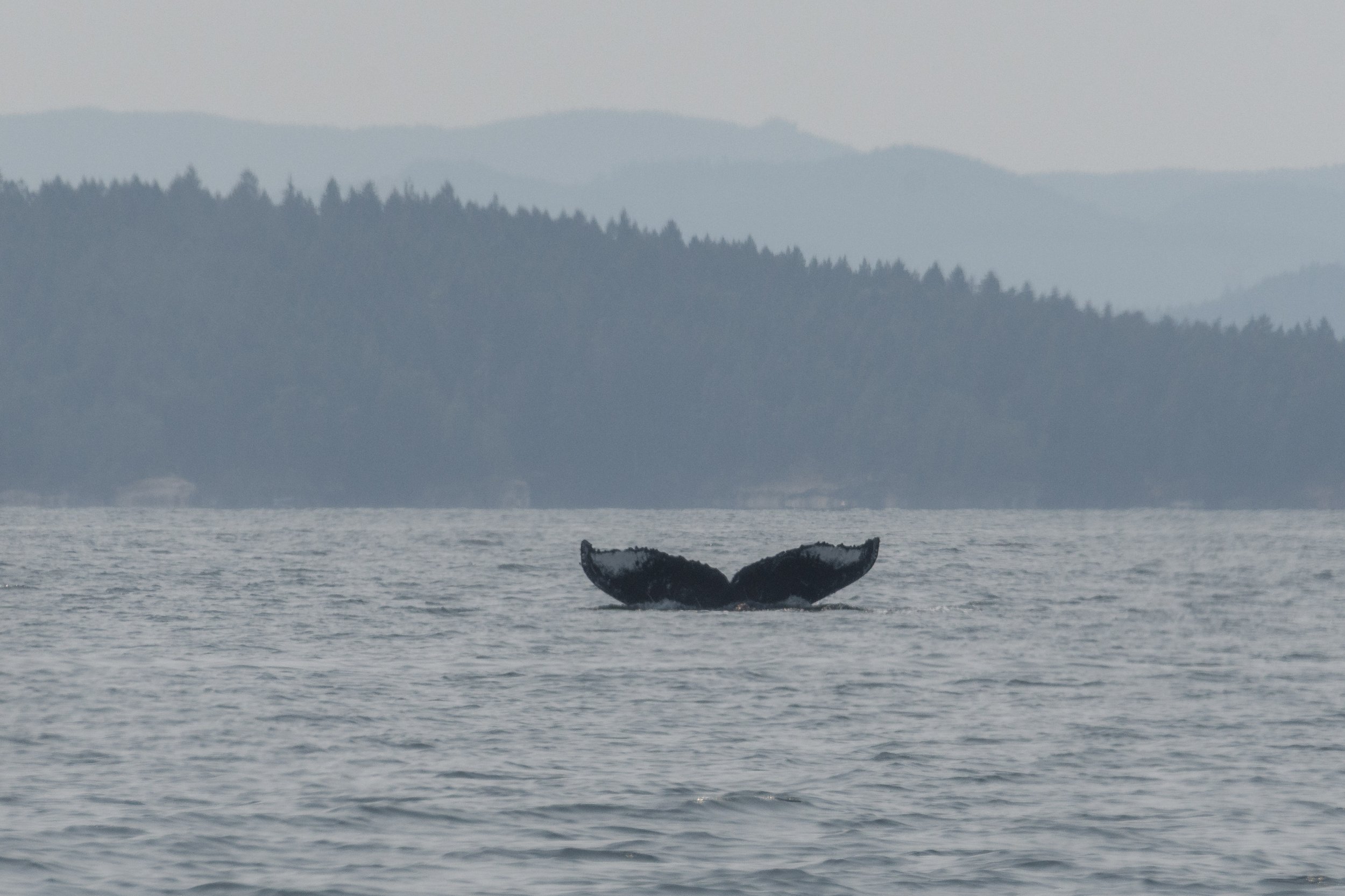
Orion fluking in the distance. Photo by Evan Hessels.
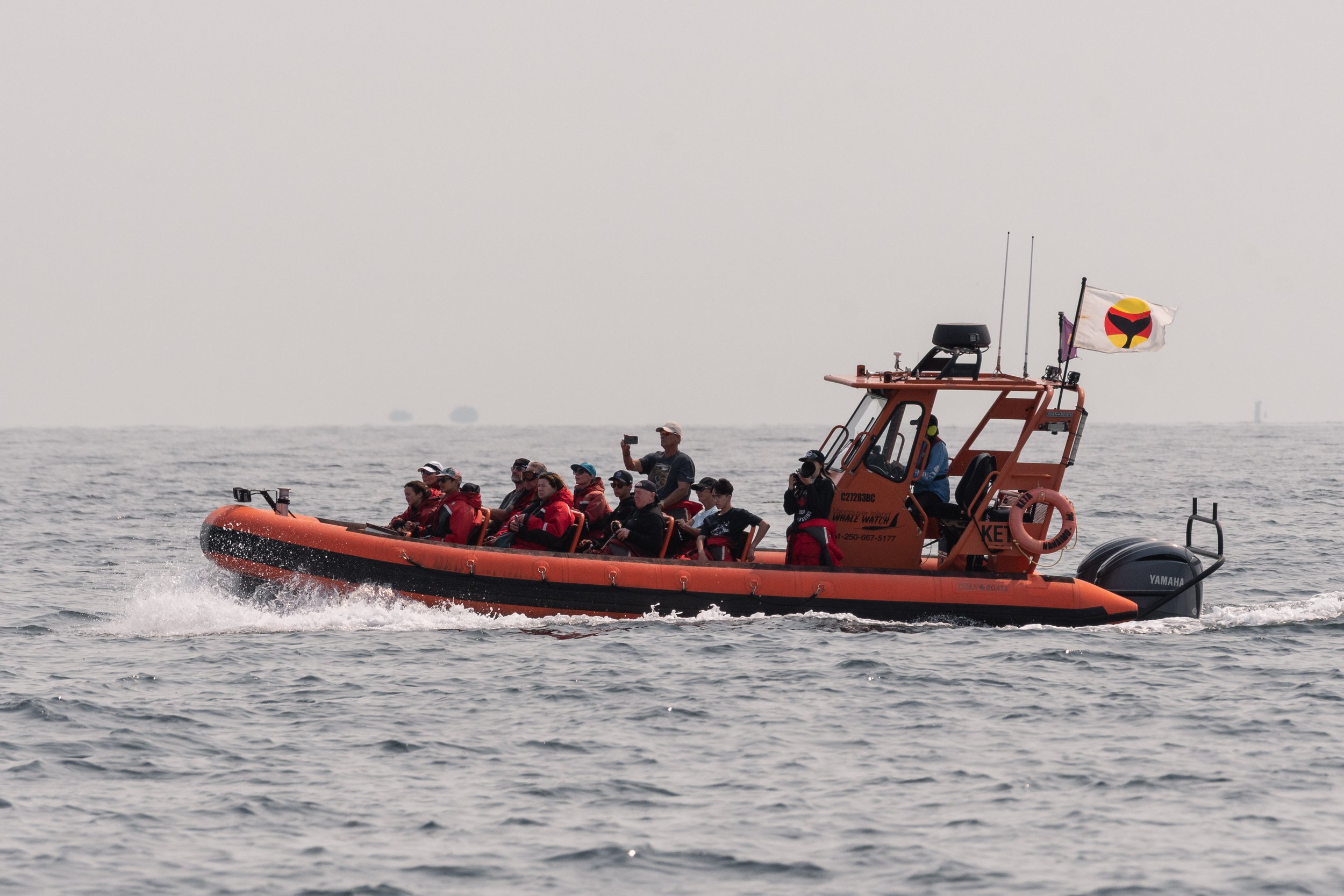
Keta on scene with the whales. Photo by Evan Hessels.
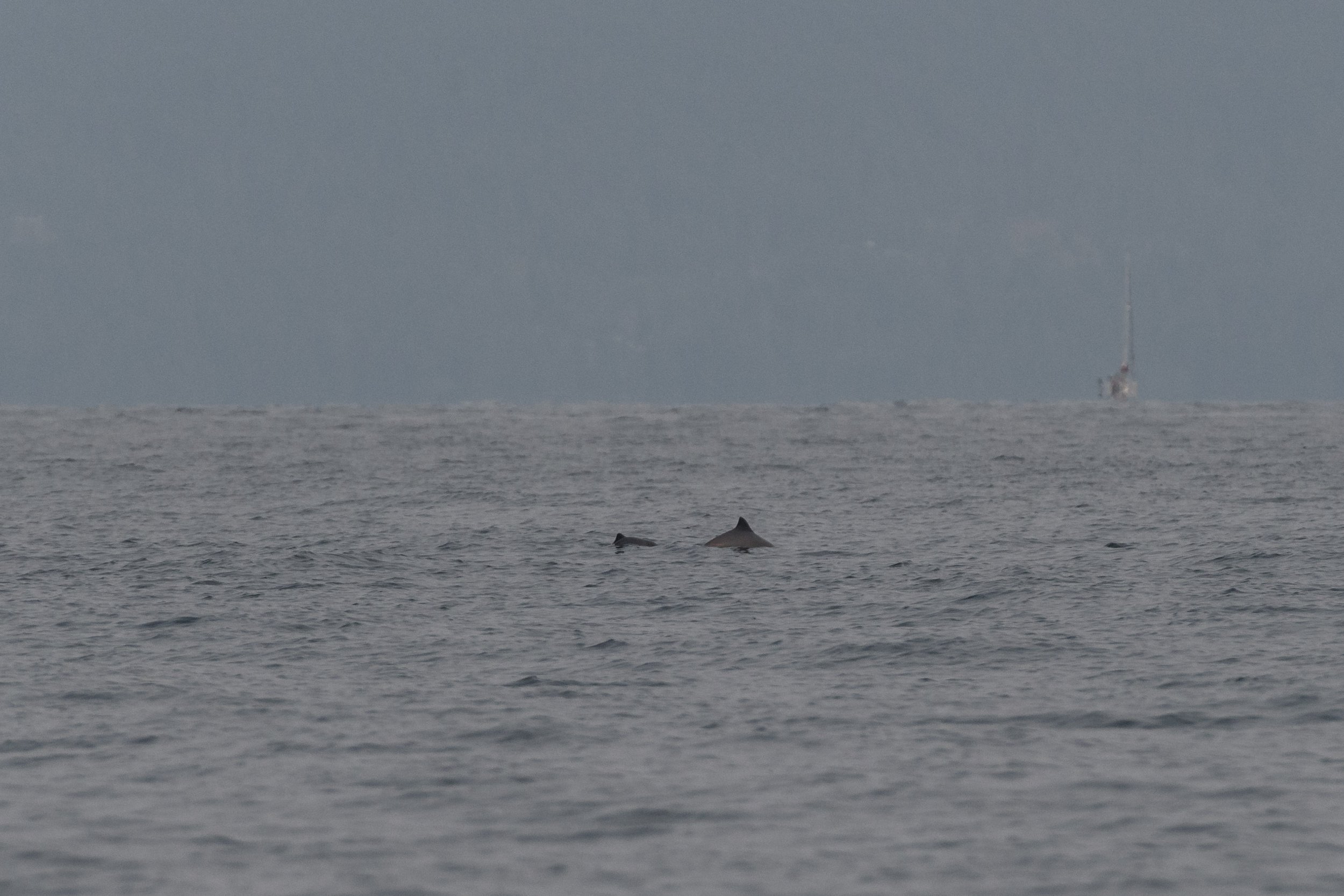
A pair of Harbour Porpoises. Photo by Hayleigh Hilbert.
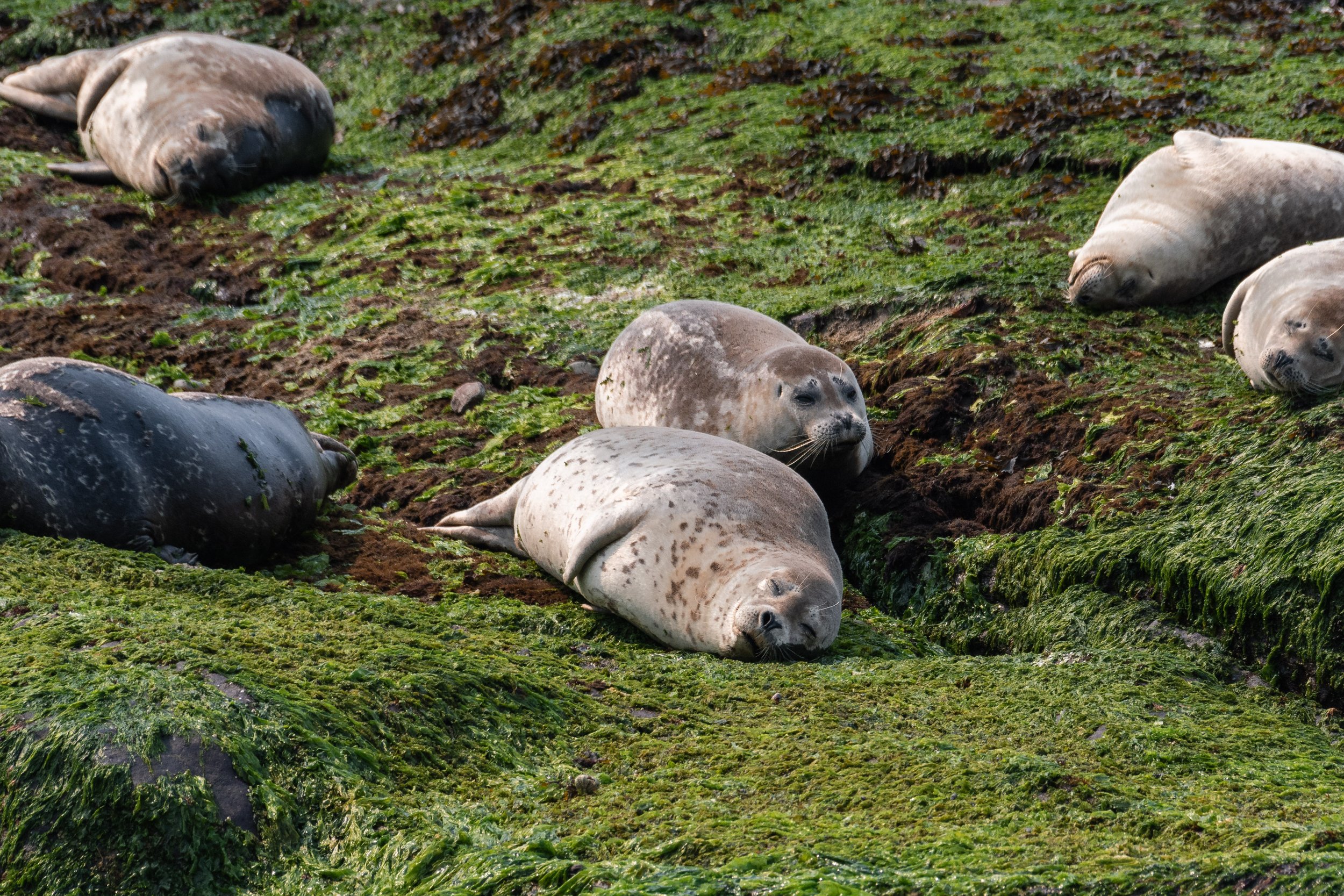
A Harbour Seal sound asleep amongst the kelp. Photo by Evan Hessels.
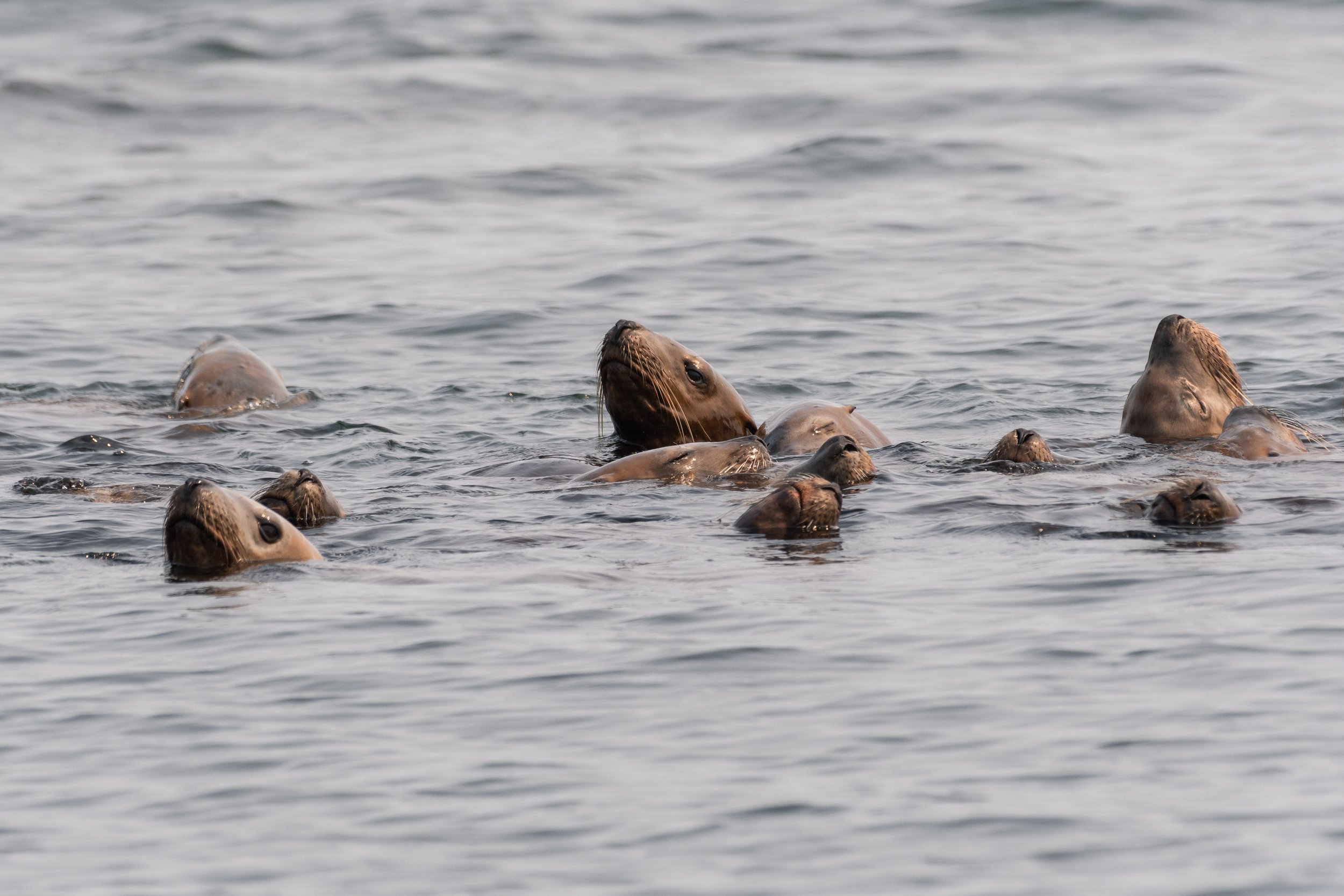
A raft of Steller Sea Lions resting in the shallows. Photo by Evan Hessels.
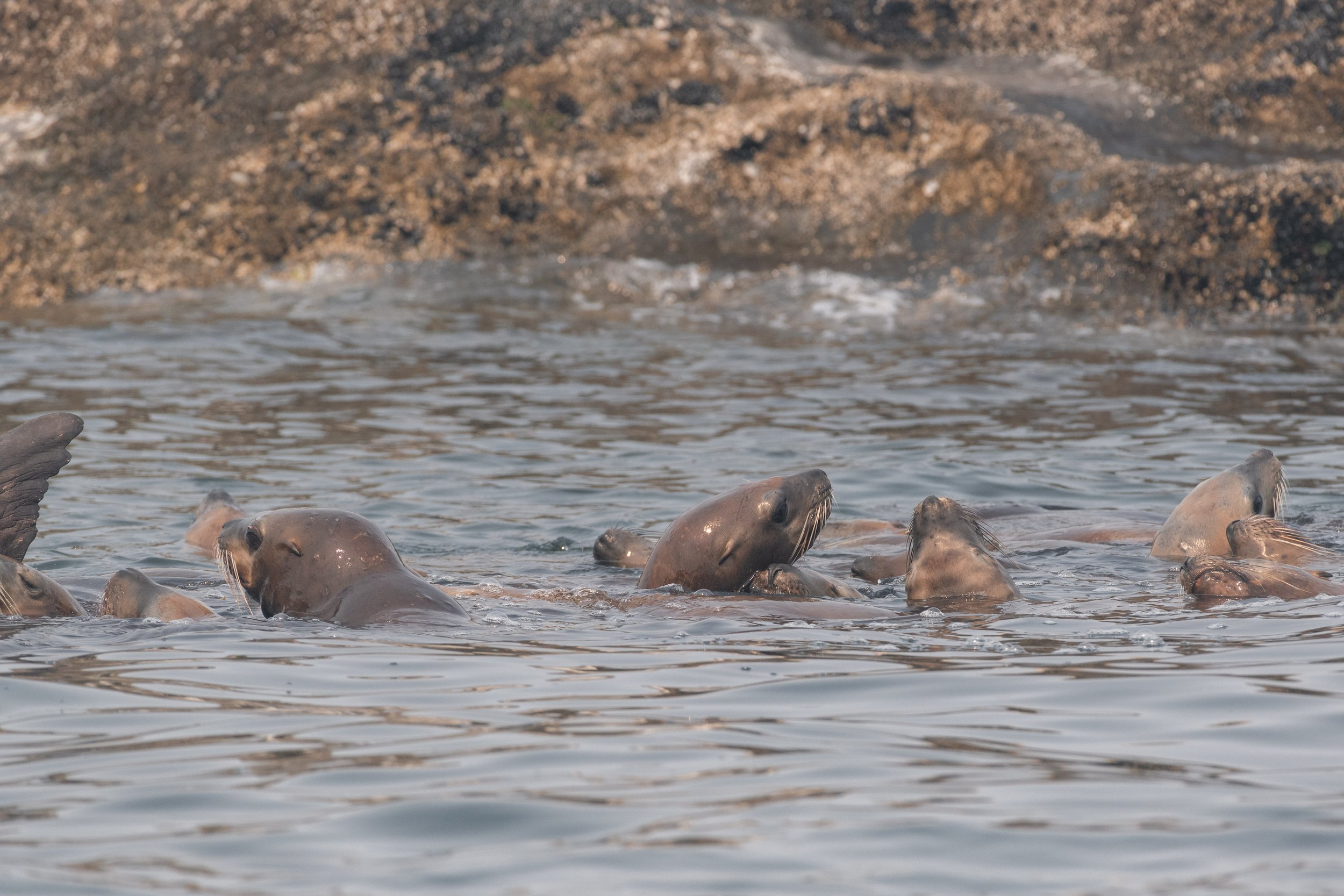
Sea lions may raft together to conserve energy and heat. Photo by Hayleigh Hilbert.
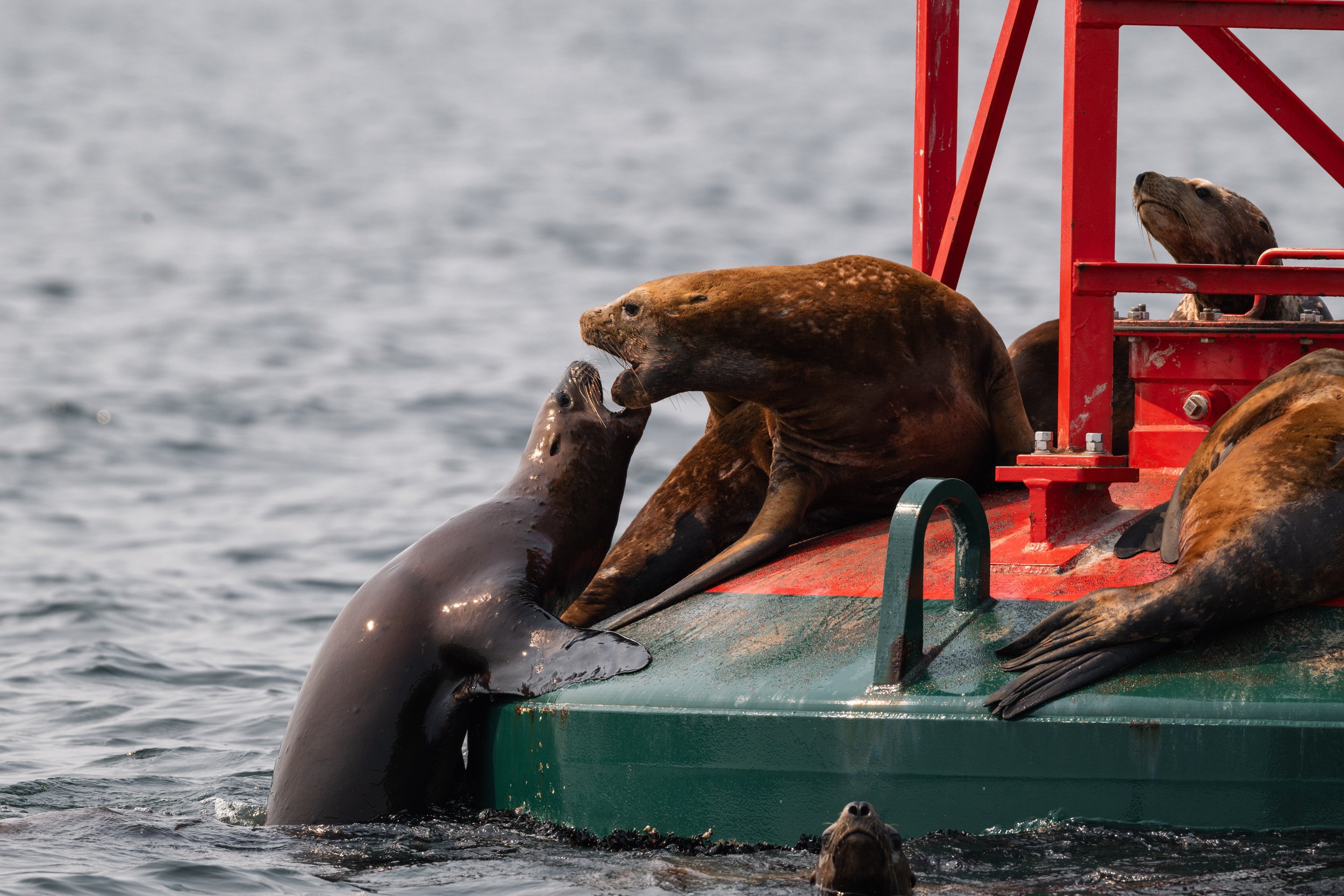
Fighting at the UM buoy for the best spots to sit. Photo by Aly Kohlman.
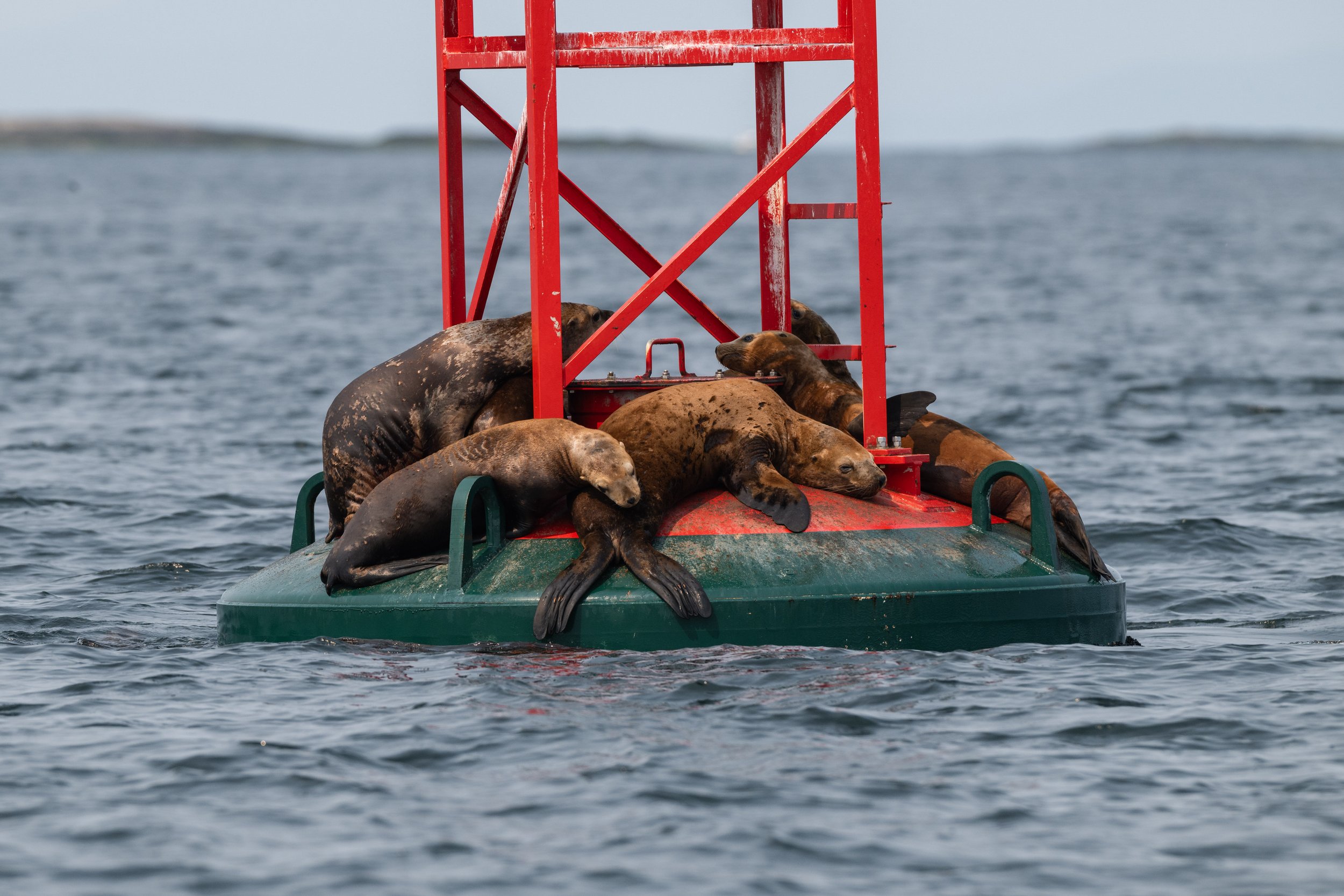
Dramatically draped over the marker. Photo by Aly Kohlman.
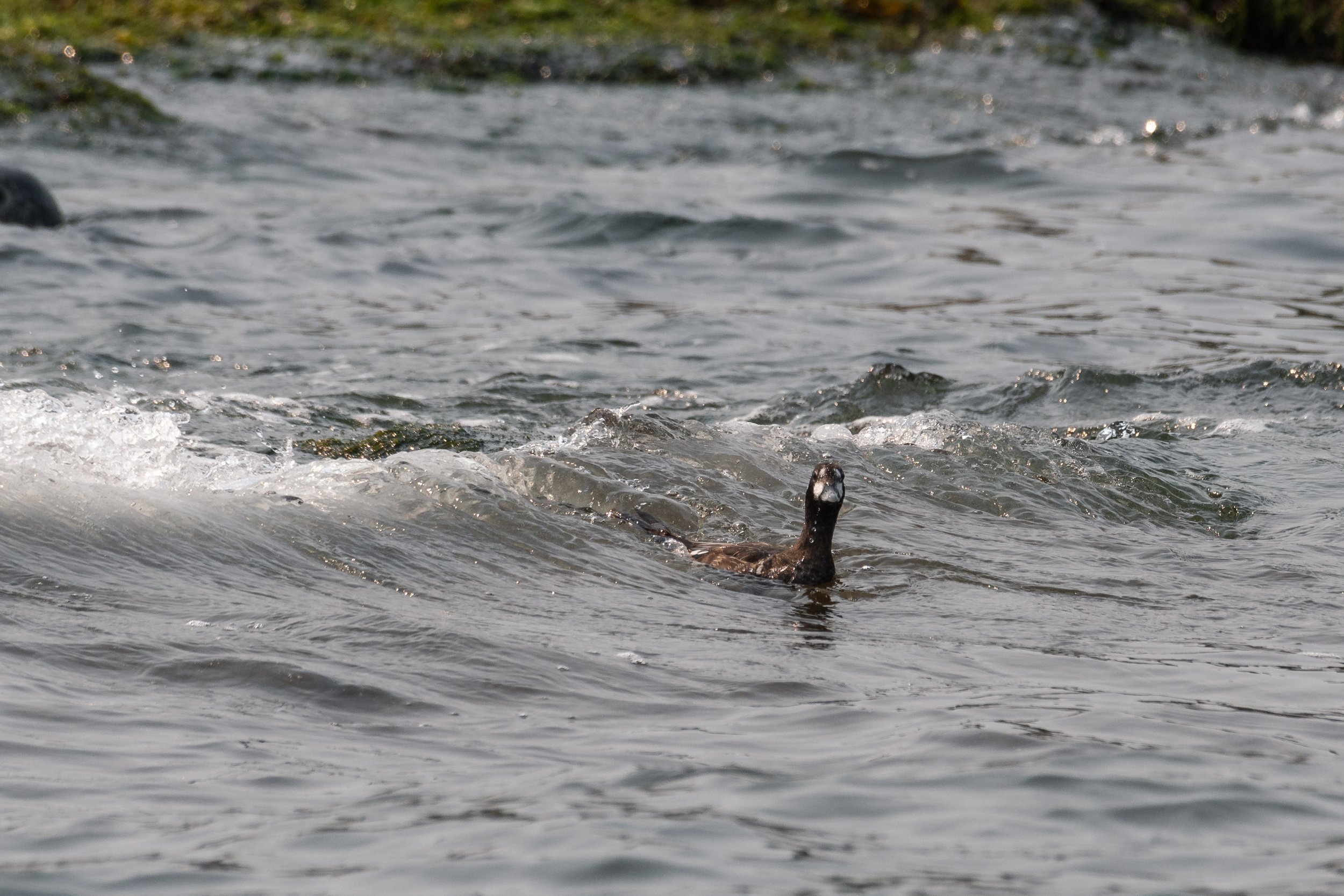
A Harlequin Duck riding a wave. Photo by Evan Hessels.
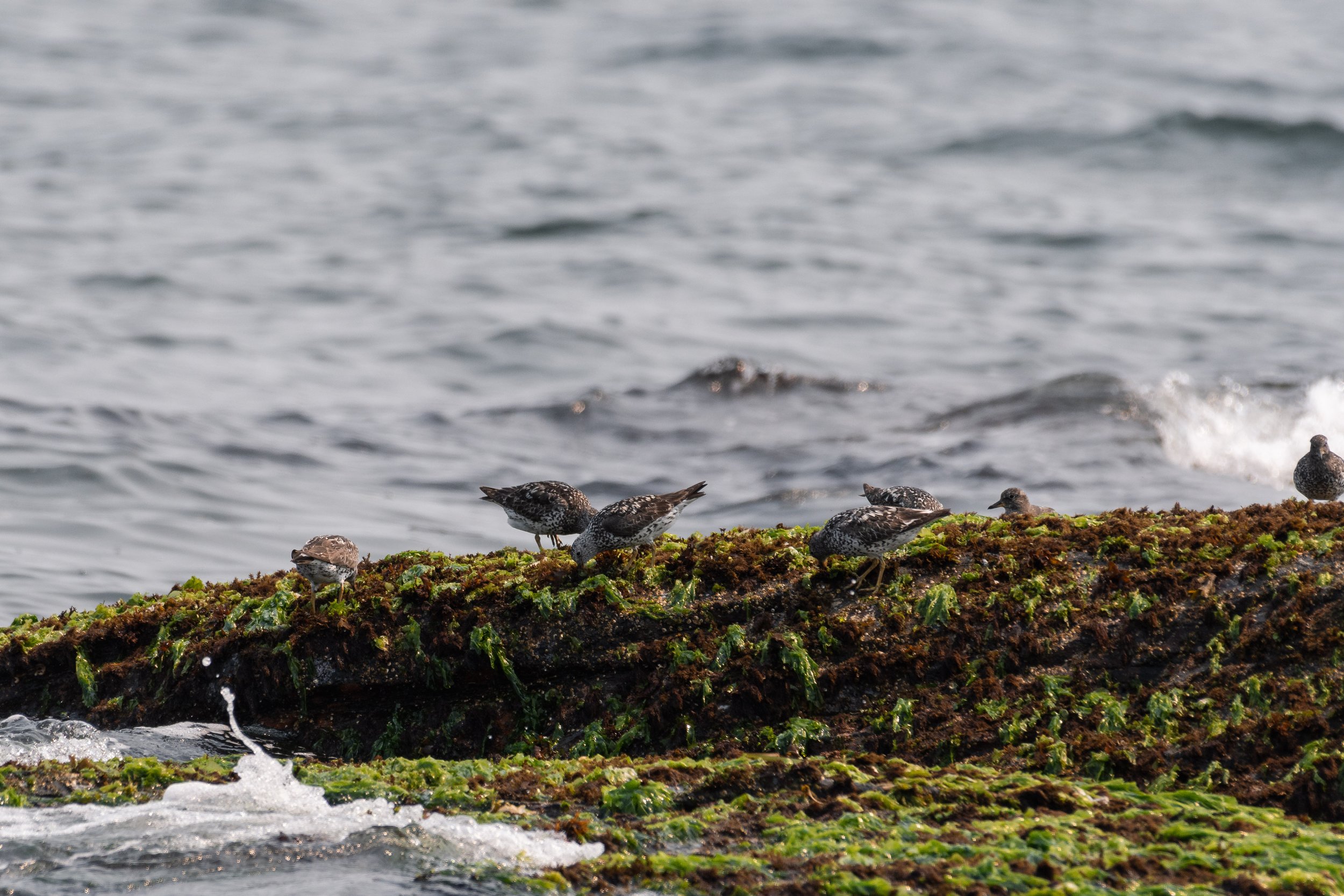
Surfbirds foraging away. Photo by Evan Hessels.
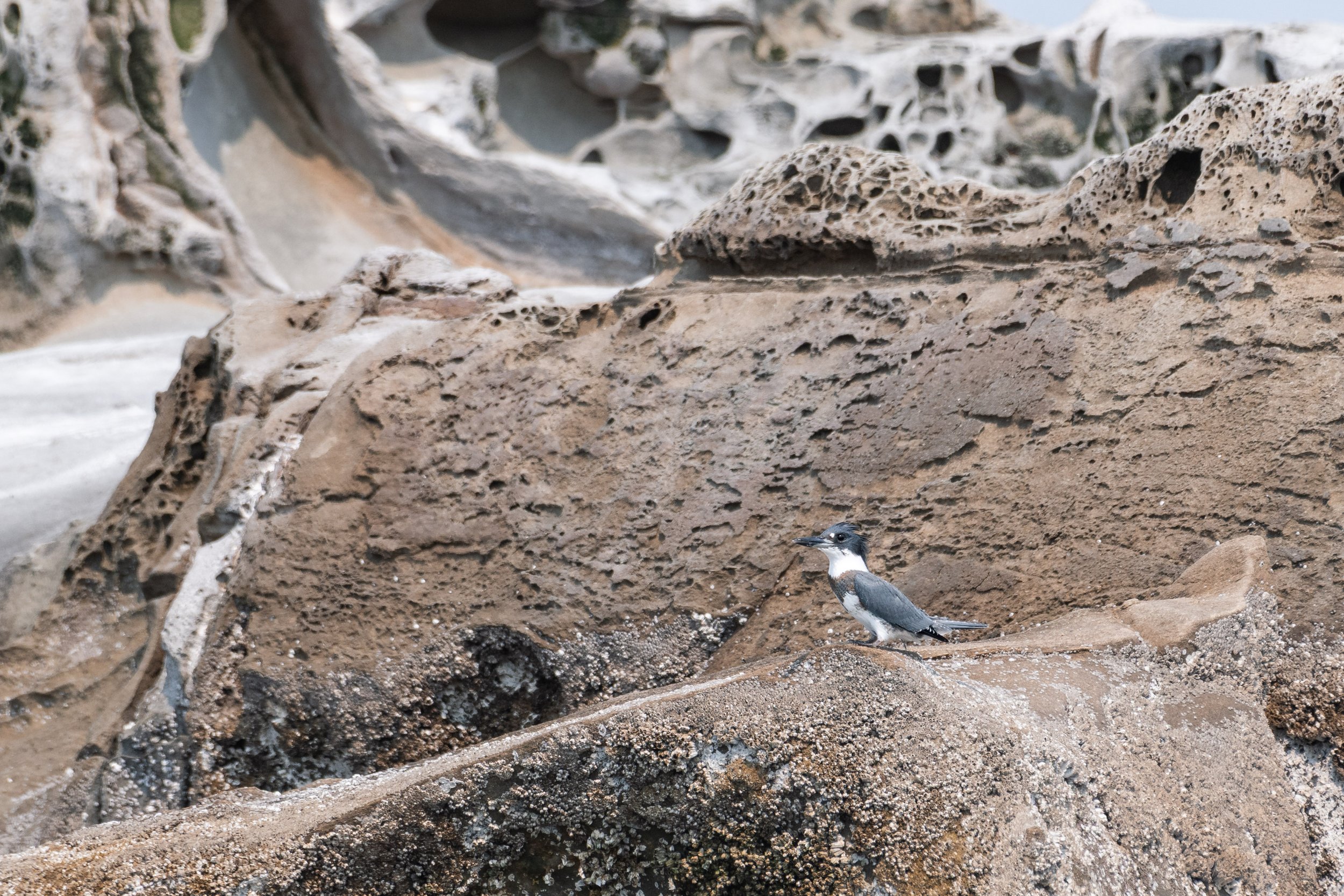
A Belted Kingfisher perched on the rocks. Photo by Evan Hessels.
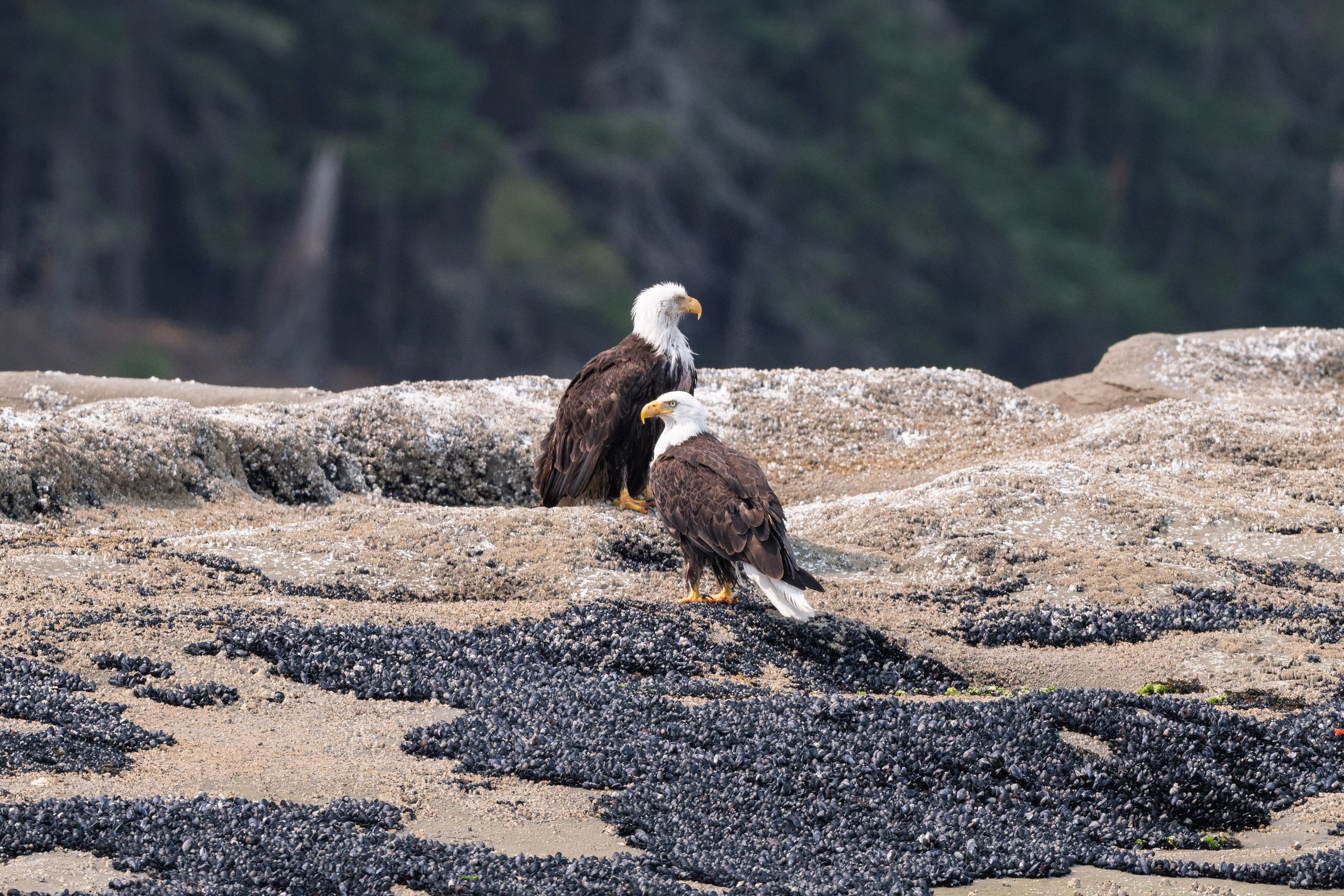
A pair of Bald Eagles at Stinky Rocks. Photo by Aly Kohlman.
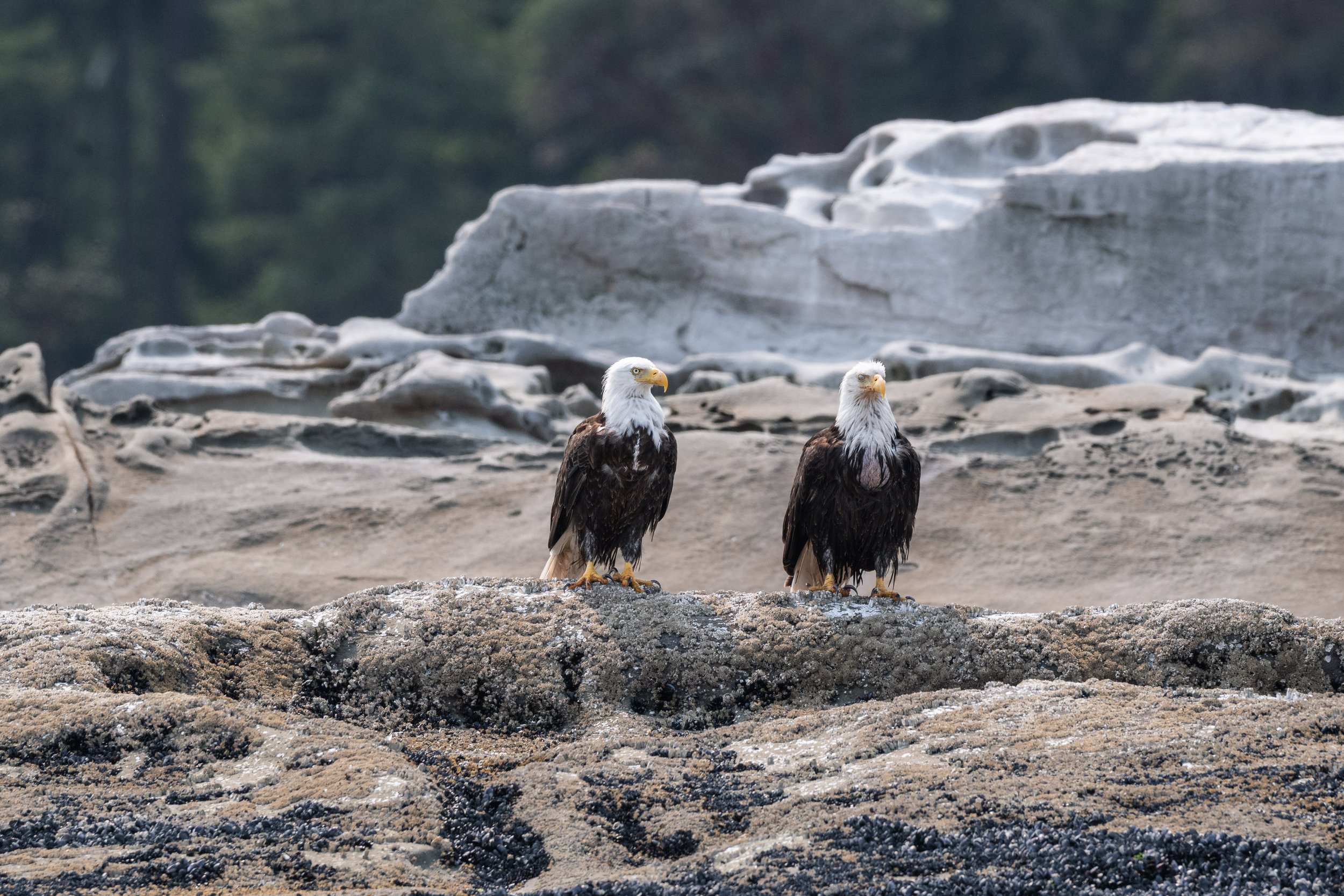
They were looking a bit soggy, with their chest and leg feathers thoroughly soaked! Photo by Aly Kohlman.
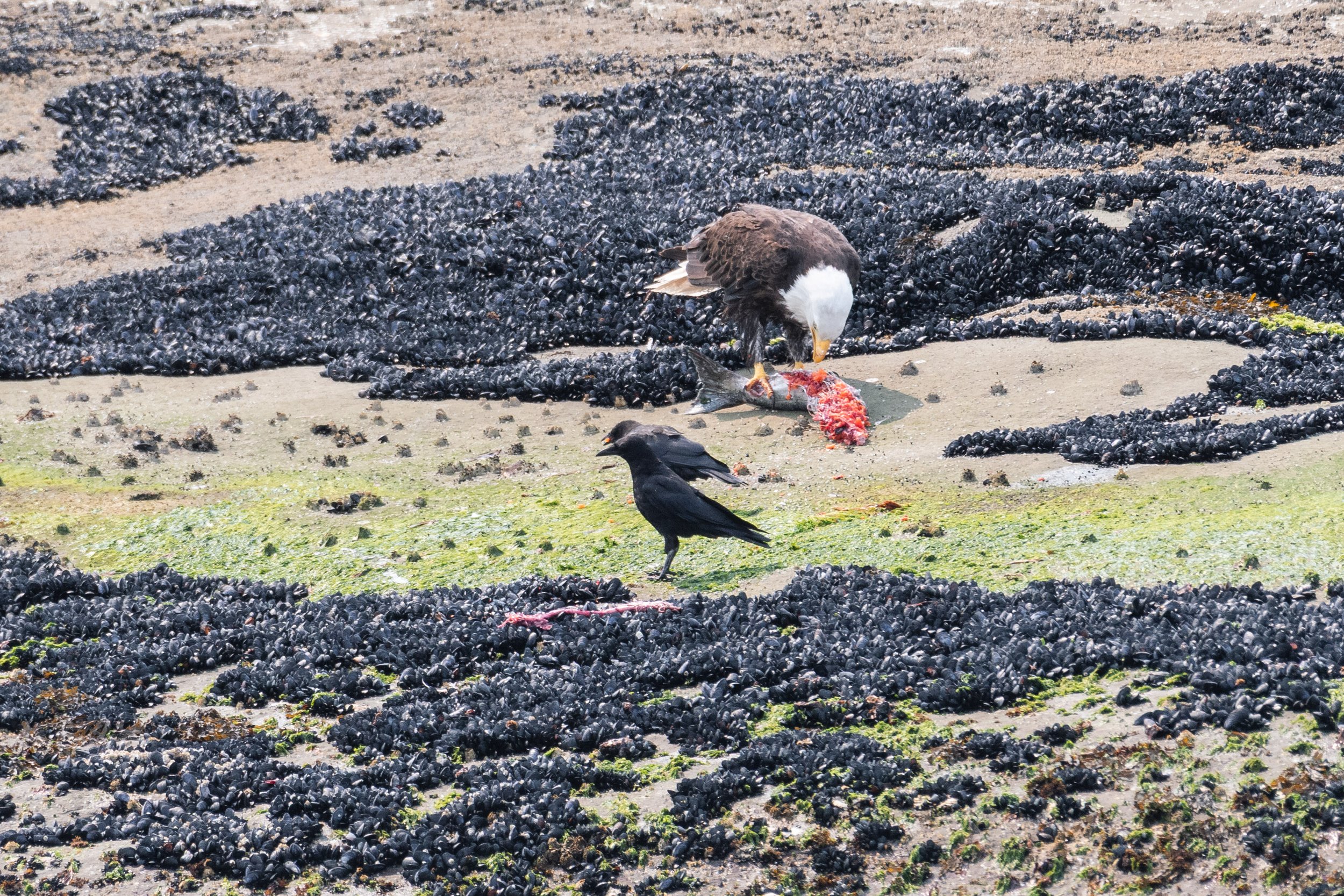
A seaside snack. Photo by Evan Hessels.
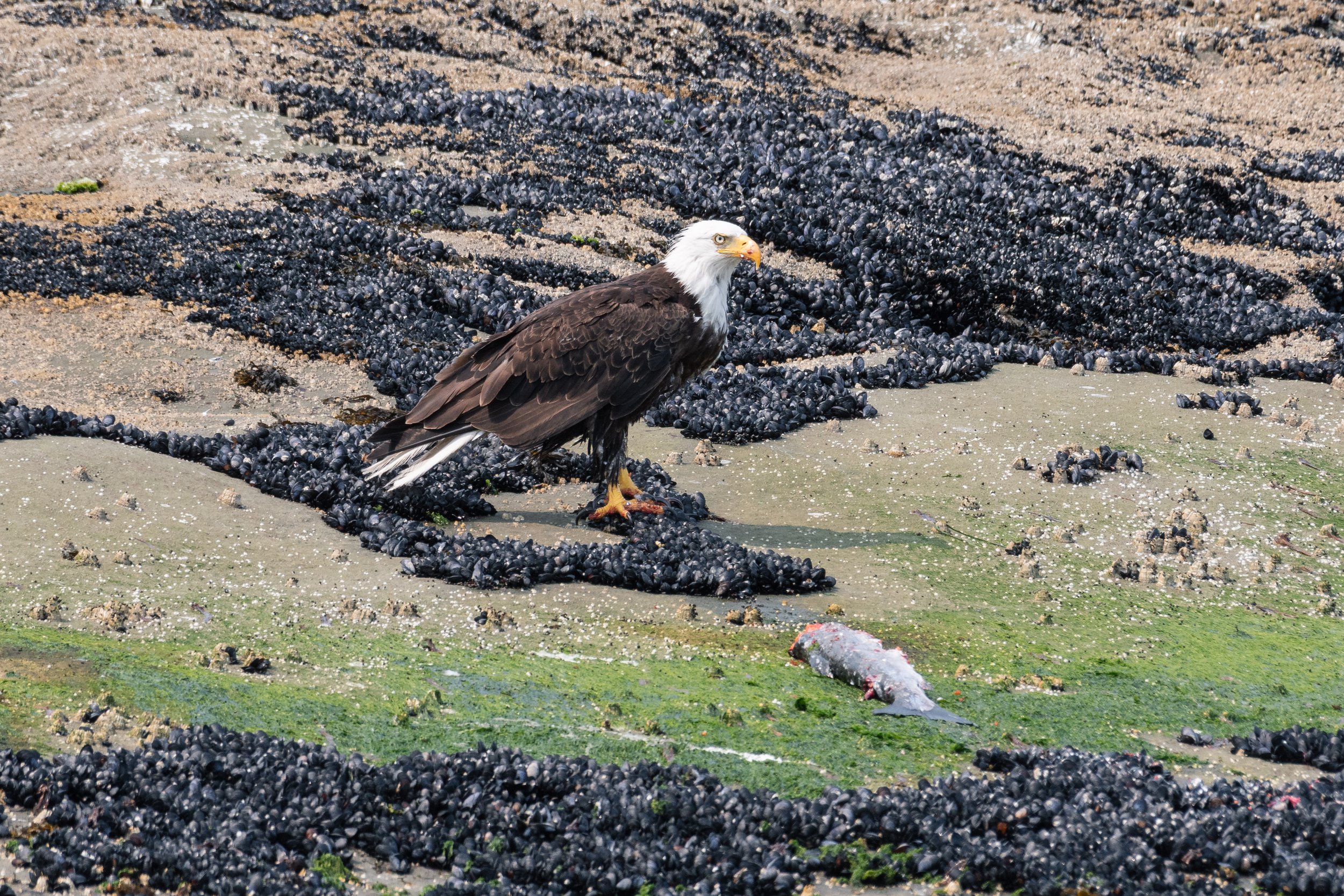
One fish can provide nutrients for many different animals. Photo by Evan Hessels.
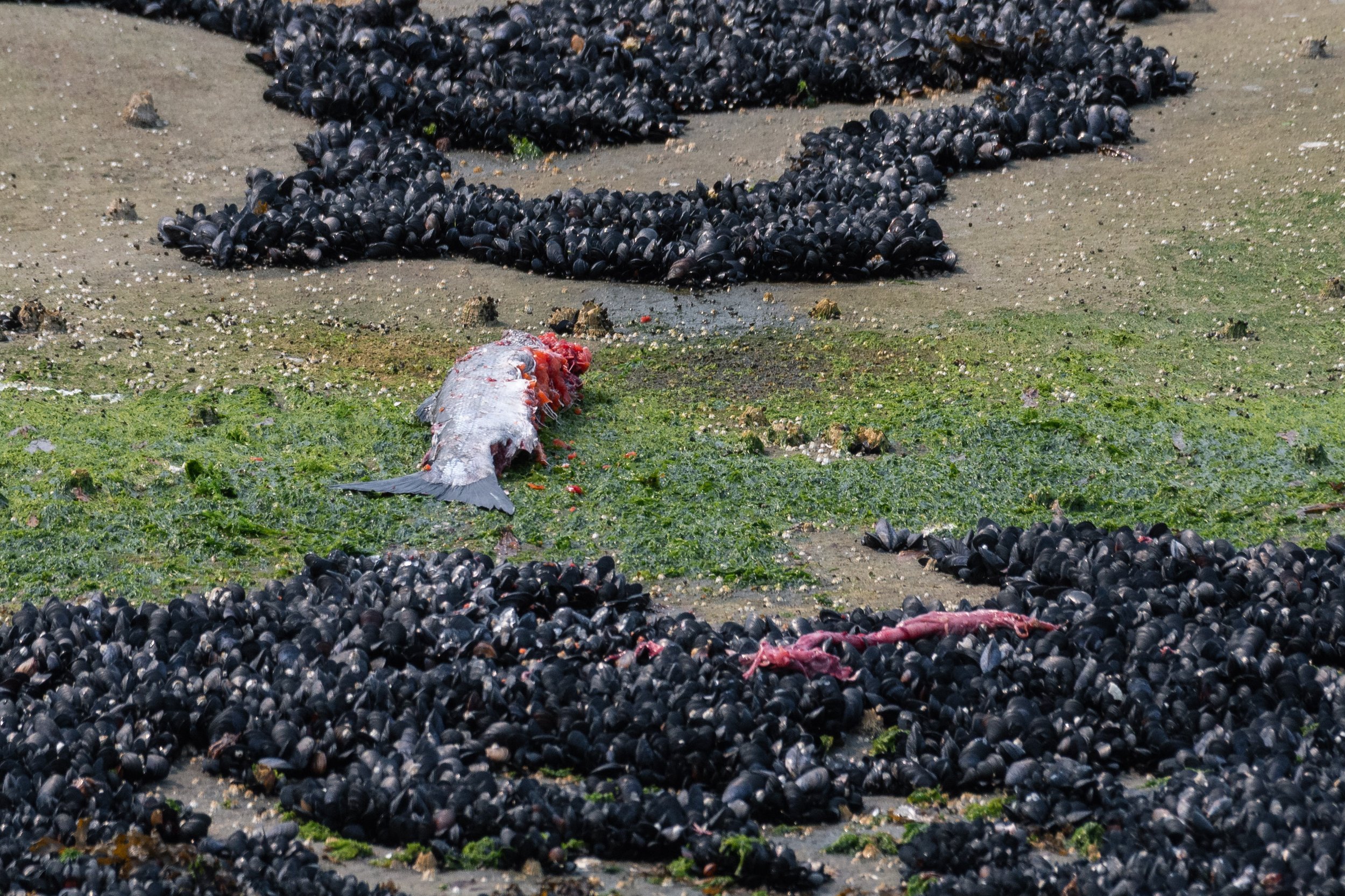
The remains of the salmon snack. Photo by Evan Hessels.