
August 12, 2026, 3:30 PM - An Afternoon with "Sea Monsters" - The T073As (plus T002B) and BCY1474 Kaju
Splashes and sun welcomed us as we set off into the Salish Sea. Boarding Cascadia and Kula, we excitedly chattered about what to expect and what we might see. Naturalists Hayleigh and Evan described the telltale signs of whales: big, bushy blows, large tails (flukes), or dorsal fins slicing through the water. The Strait of Georgia has been bustling with activity lately, so we were incredibly eager to see what could be spotted. We left the harbour, and after just a few minutes, we already had success!
Just passing through Northumberland Channel, one of the waterways that hugs Gabriola Island’s shoreline, five orca were travelling together. One large fin was in the midst of them, with a few smaller ones around them. Cameras were raised, photos were captured, and soon after, we discovered it was the T073As with T002B:
T002B Pedder ♀ (1979)
T073A Nessie/Greg ♀ (1987)
T073A1 Caddy/Paws ♂ (2005)
T073A2 Ogopogo/Trites (2010)
T073A3 Champ/Jessica (2015)
In fact, this was not our first encounter with this group today. We had spotted them earlier as well, giving us a wonderful opportunity to spend more time getting to know a family that is more commonly encountered in Alaska and along the west coast of Vancouver Island than here in the waters around Nanaimo.
The T073A family has one of the most memorable naming schemes in the Transient orca catalogue. This family is known as the "Sea Monsters," with each member named after a legendary creature. At the centre of the family is the matriarch, T073A Nessie, named after Scotland's famous Loch Ness Monster.
Her eldest son is T073A1 Caddy, short for Cadborosaurus, a legendary sea creature said to inhabit the waters of the Pacific Northwest. His younger siblings continue the theme with T073A2 Ogopogo, named after the famous creature associated with Okanagan Lake, and T073A3 Champ, named after the legendary creature said to inhabit Lake Champlain.
Of course, there is nothing particularly “monstrous” about these whales - at least, not anything more so than any other orca. Their names are simply a fun and memorable way to connect individual animals with the folklore and stories of the places where we live. For researchers and whale watchers alike, creative names can also make it easier to remember individual whales and their family relationships.
The T073As and T002B are part of the Bigg's killer whale population. Unlike Southern Resident killer whales, which primarily specialize in fish, Bigg's killer whales are marine mammal hunters. Their diet can include seals, sea lions, porpoises, or even dolphins!
After spending some time with the Sea Monsters (and Pedder), we continued our search, heading out into the Strait of Georgia in search of another species that has become a familiar sight during our summer season: Humpback whales.
It did not take long before we spotted a solo humpback whale off Valdes Island. We made our way over and settled into position as the whale continued its travels.
This was a particularly photogenic encounter. The whale repeatedly arched its back before lifting its tail high into the air, offering beautiful opportunities to photograph the underside of its fluke. For humpback researchers and naturalists, these moments are more than just beautiful photographs. The underside of a humpback's tail is one of the most important tools we have for identifying individual whales.
Every humpback has a unique fluke pattern. The combination of pigmentation, scars, markings, and other features can act almost like a fingerprint. By comparing photographs taken in the field with existing catalogues, naturalists can determine which individual whale is in front of us.
This whale's mostly white fluke, decorated with a handful of distinctive black markings, quickly confirmed their identity. A comparison confirmed that we were watching Kaju (BCY1474).
Kaju has a particularly fun name. At first glance, it may sound like a reference to the Japanese word "kaiju" (怪獣), meaning a strange or monstrous creature. In reality, Kaju comes from the Hindi word for cashew. The name was inspired by the bean-shaped marking found on the whale's fluke - see if you can spot it in the photos below!
With Kaju identified, we settled in to watch as they continued diving and surfacing. They appeared to be spending considerable time beneath the surface, likely searching for and feeding on prey deeper in the water column.
For humpback whales, this time of year is especially important. As summer progresses into autumn, the whales are entering the final stretch of their feeding season in our waters. Humpbacks migrate between breeding and feeding grounds, and the food they consume during the productive summer months helps them build the energy reserves they will rely on during migration and the breeding season.
Krill and small schooling fish can provide enormous amounts of energy when available in sufficient quantities. Humpbacks are remarkably efficient feeders, sometimes using bubble nets, coordinated movements, or other feeding strategies to concentrate their prey. Even when we cannot see what is happening beneath the surface, long dives can give us clues that a whale is actively looking for lunch below.
As Kaju continued their dives, we eventually left them to continue exploring the area.
Whales were not the only wildlife we spotted during the trip, though. Close to Valdes Island, a couple of small rocky islets greeted us. This little area, dubbed "Stinky Rocks", is a popular haulout for our pinnipeds. Rotund Harbour Seals rested just above the surf, wiggling kelp-covered whiskers as they peeked around. Further out, we heard loud belches and grumbles. The Steller Sea Lions were busy posturing on each other, wrestling for the best spots to nap. One especially chunky male stood out from the group, sitting high above the water and giving everyone on board an excellent look at just how enormous these animals can become. The rocks were also dotted with many birds, including a Ruddy Turnstone, much to the excitement of the bird fans on board!
As we made our way closer to Nanaimo, another familiar sight came into view at the Gabriola Bluffs. The dark, shimmering shapes of cormorants covered the rocks as these seabirds busily tended to their nests and chicks.
The cormorant colony is reaching an important stage in its breeding season. Young birds are growing quickly, and before long they will leave their nests and attempt their first flights. Watching these chicks develop over the course of the season is a great example of how quickly the landscape can change during the summer months.
From the Sea Monsters of Northumberland Channel to a cashew-named humpback off Valdes Island, followed by seals, sea lions, and a busy cormorant colony, the day offered a little bit of everything.
Eventually, it was time to head home. With the Gabriola Bluffs behind us and Nanaimo Harbour ahead, Cascadia and Kula made their way back to the dock, bringing another full day of exploring the Salish Sea to an end.
Photos from this tour were taken by Marine Naturalists Evan Hessels and Hayleigh Hilbert - please enjoy!
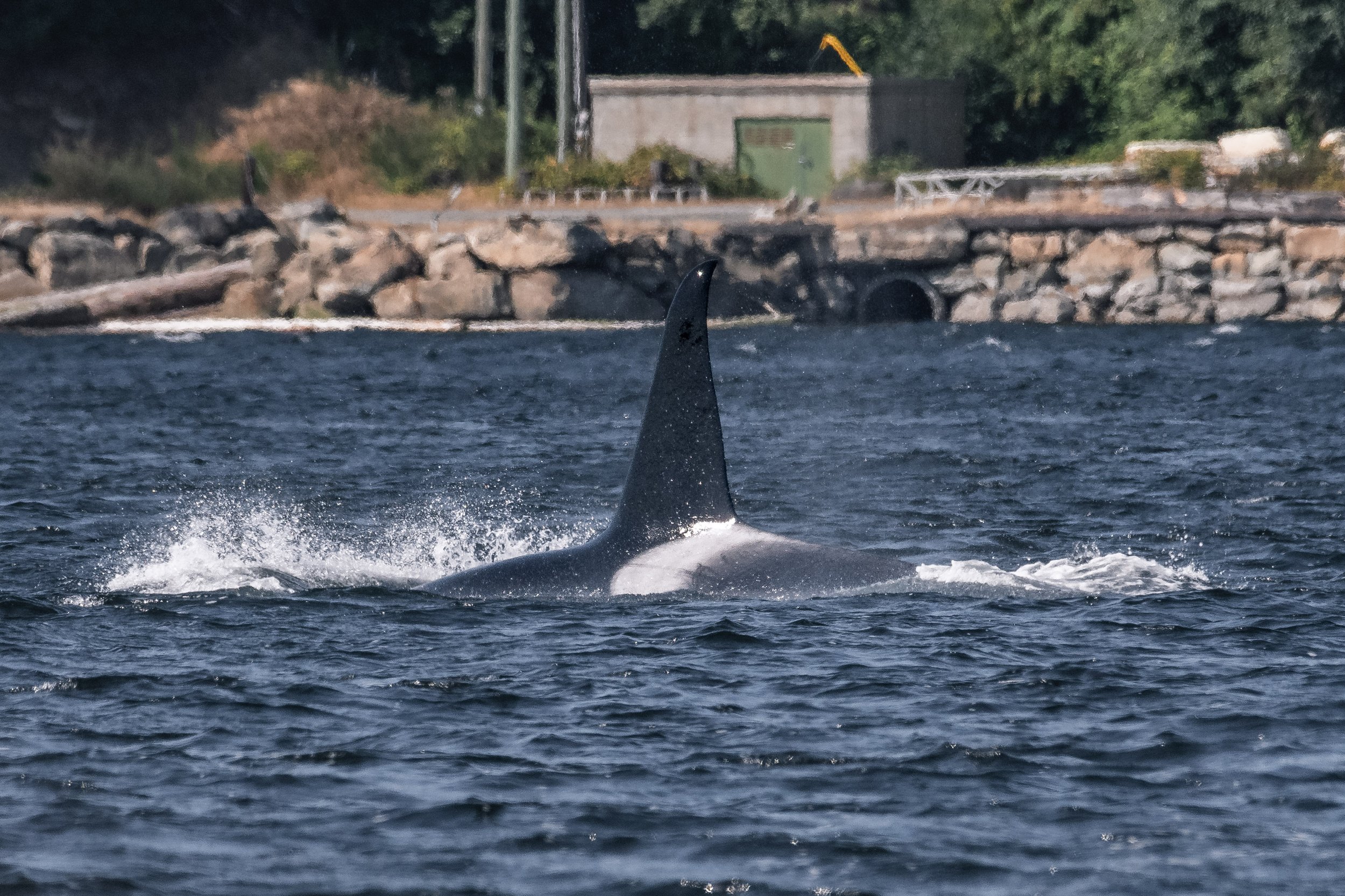
T073A1 Caddy/Paws charging through the waves. Photo by Evan Hessels.
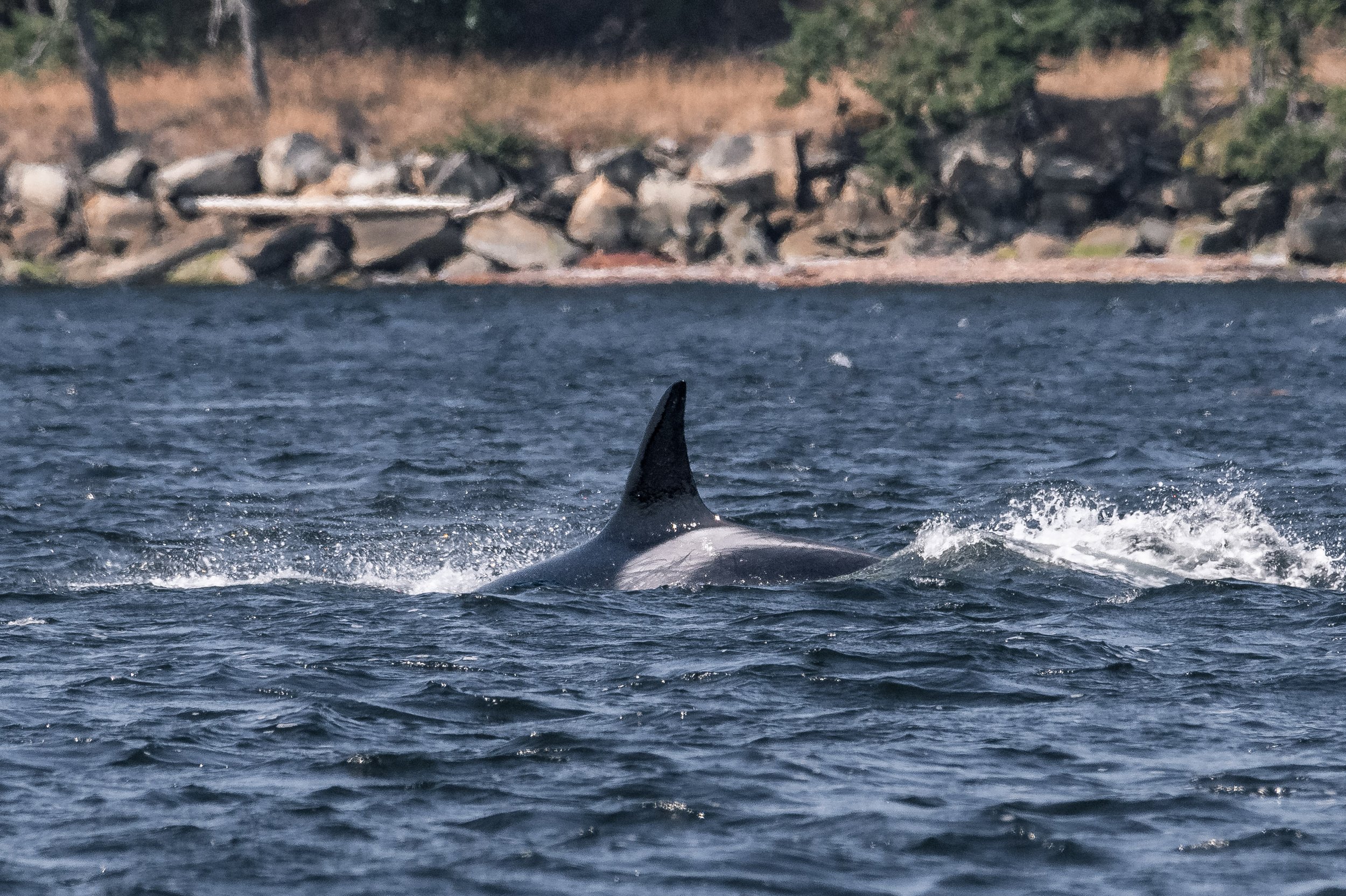
T002B Pedder keeping up with the family. Photo by Evan Hessels.
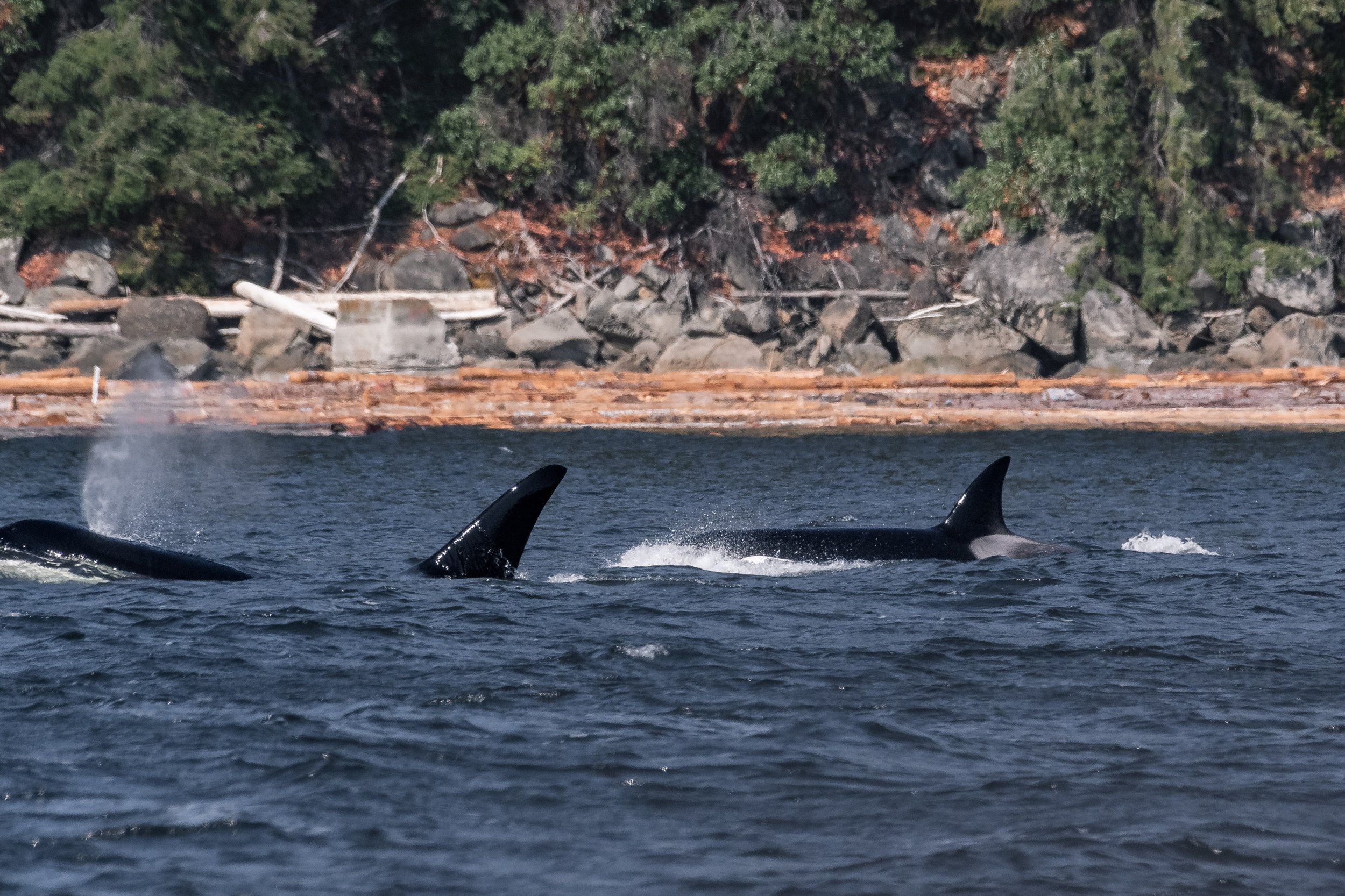
T073A1 Caddy/Paws with T002B Pedder behind him. Photo by Evan Hessels.
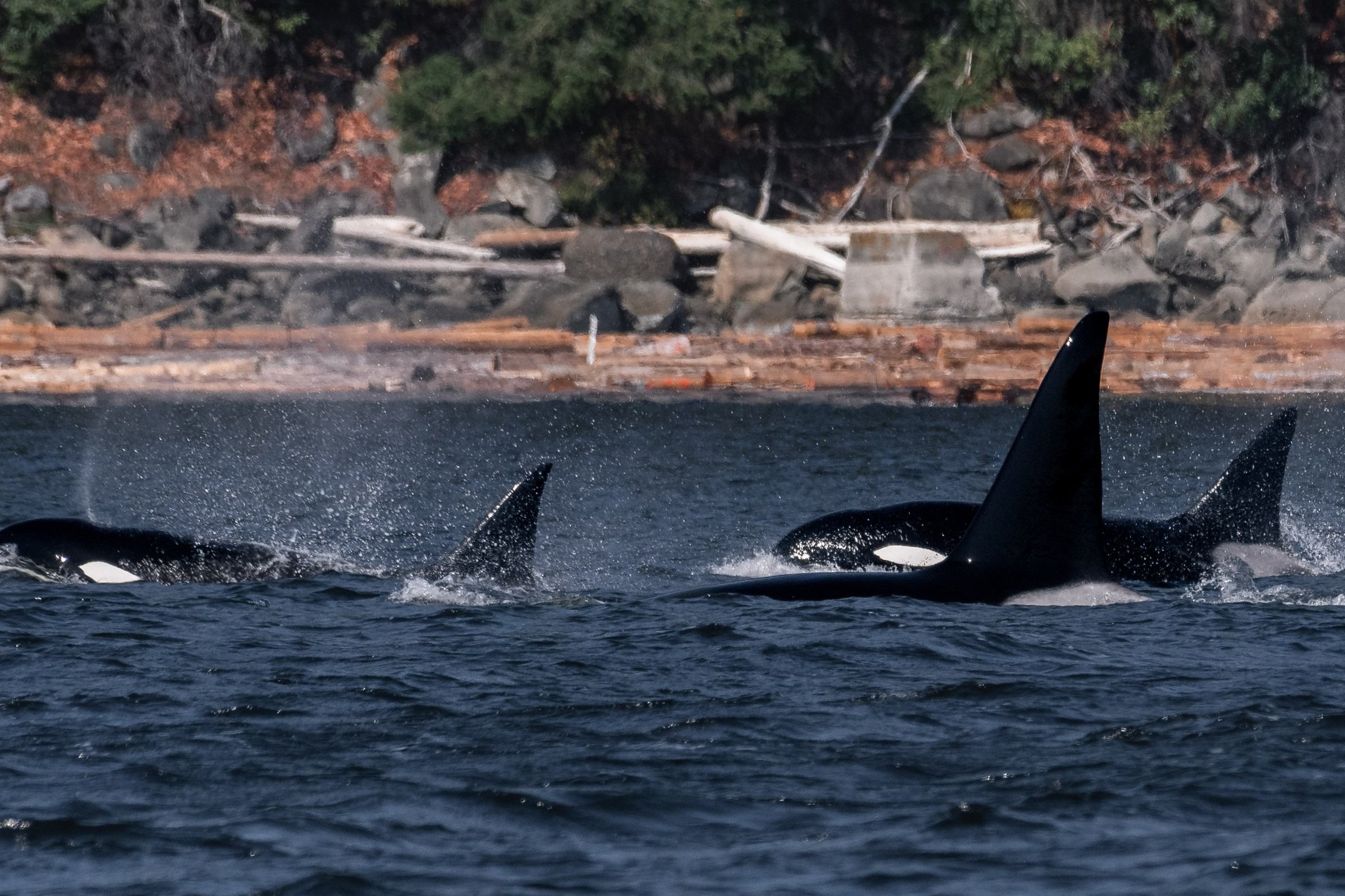
T073A1 Caddy/Paws with T073A Nessie/Greg ahead of him and T073A2 Ogopogo/Trites beside him. Photo by Evan Hessels.
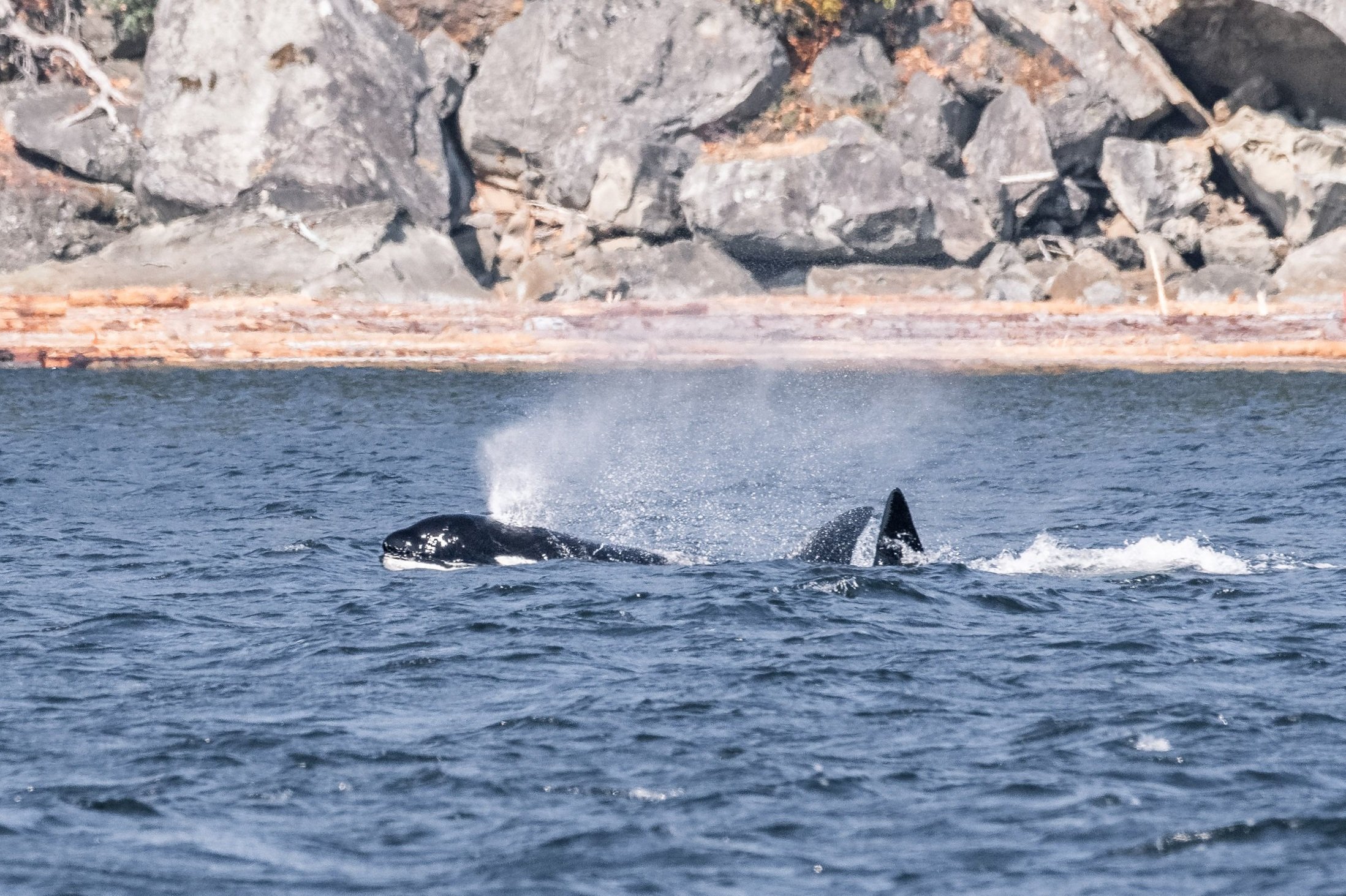
Coming up for a breath. Photo by Evan Hessels.
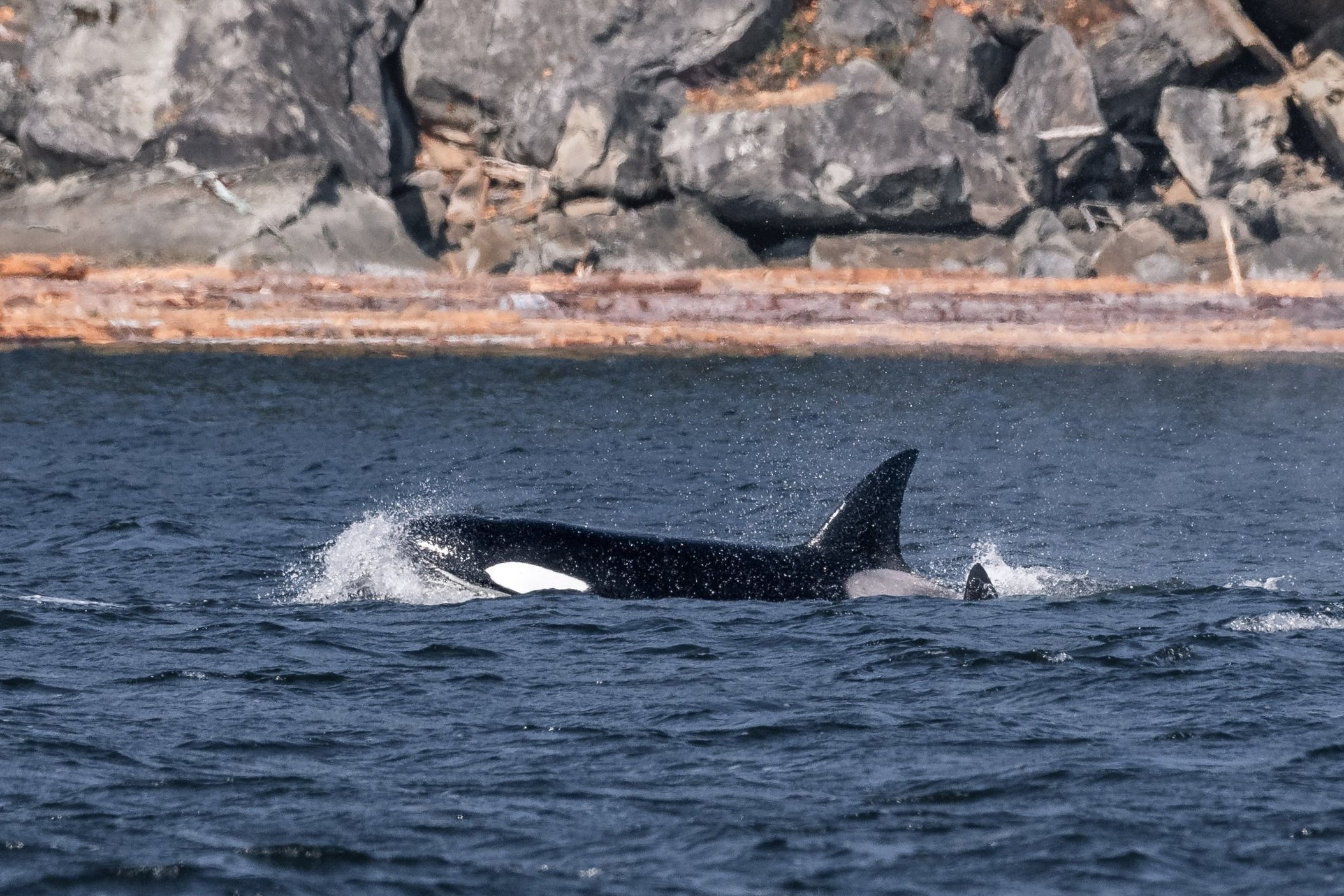
T002B Pedder peddling along. Photo by Evan Hessels.
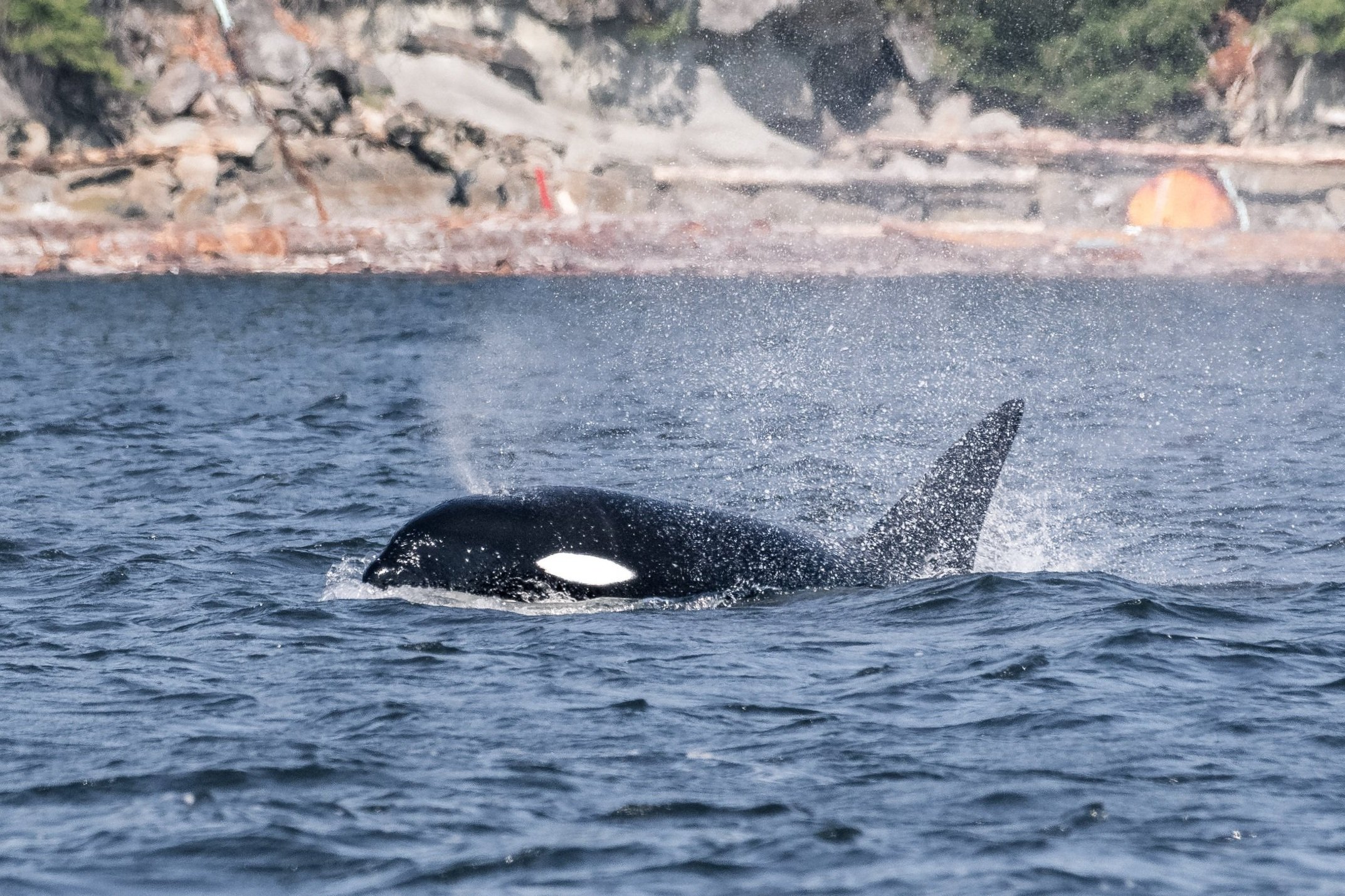
T037A2 Ogopogo/Trites with their eyepatch out of the water. Photo by Evan Hessels.
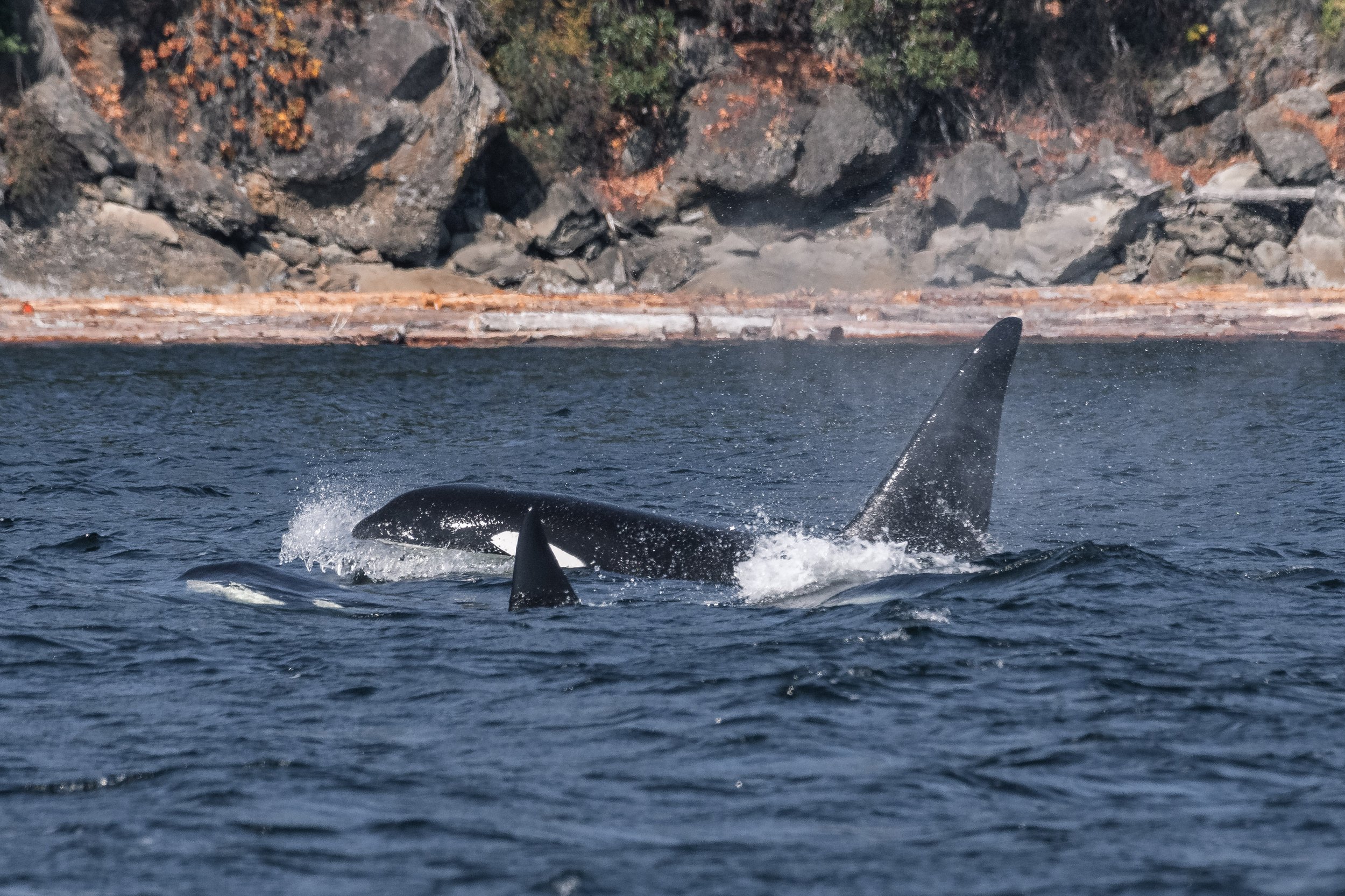
The T073A family travelling close together. Photo by Evan Hessels.
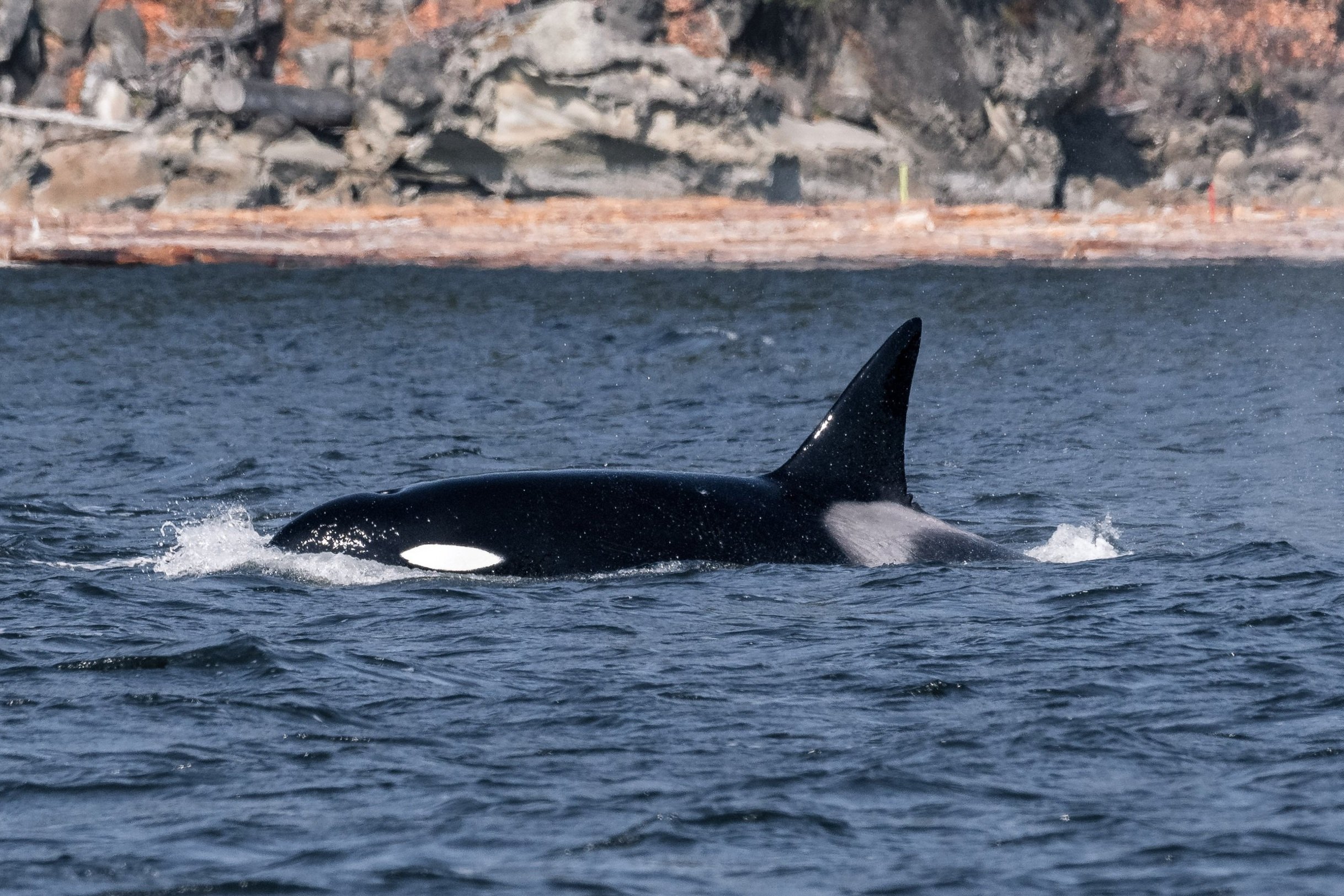
T073A2 Ogopogo/Trites has two distinct notches out of the base of their dorsal fin, as seen here. Photo by Evan Hessels.
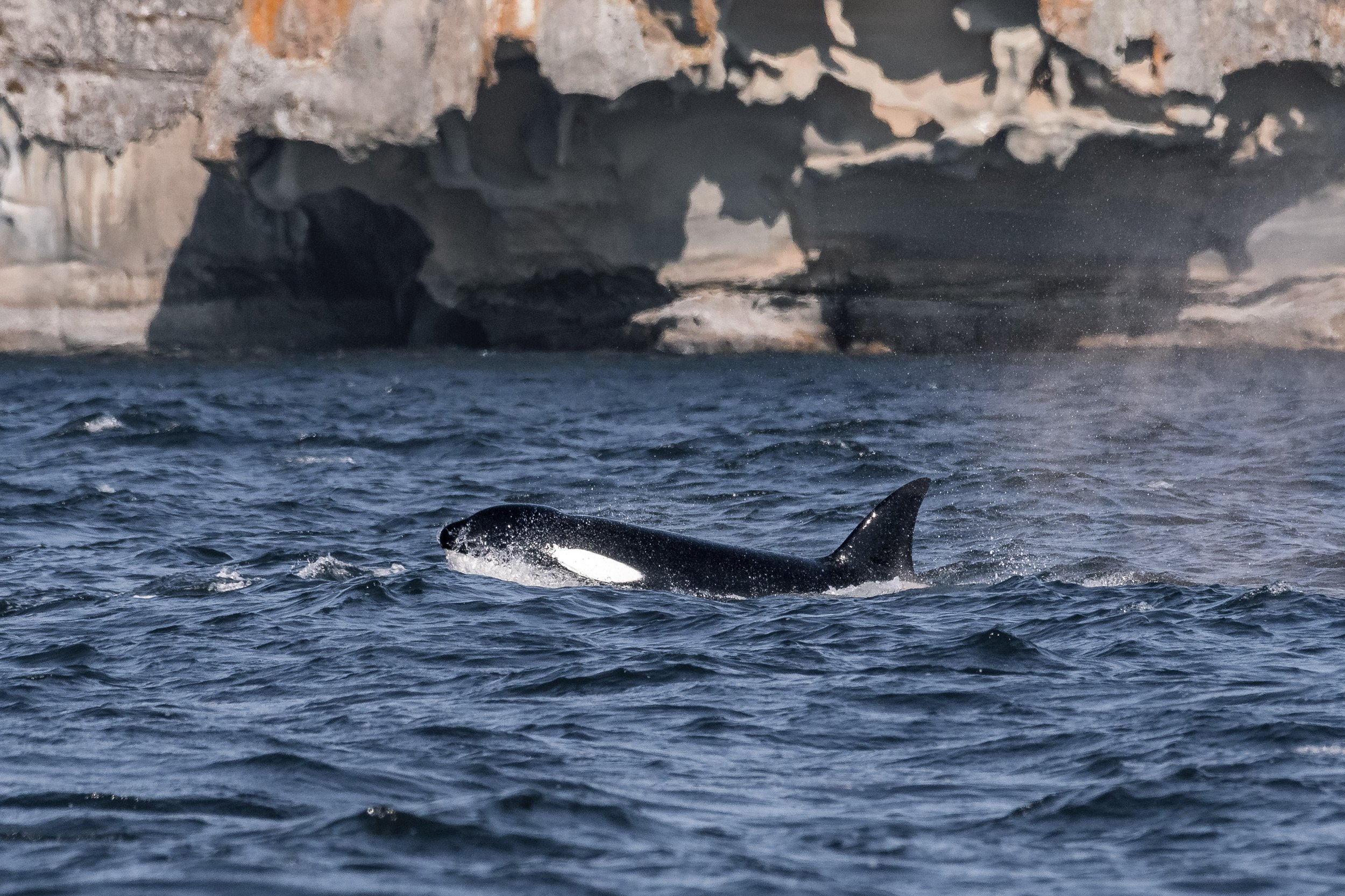
T073A3 Champ/Jessica with their face out of the water. Photo by Evan Hessels.
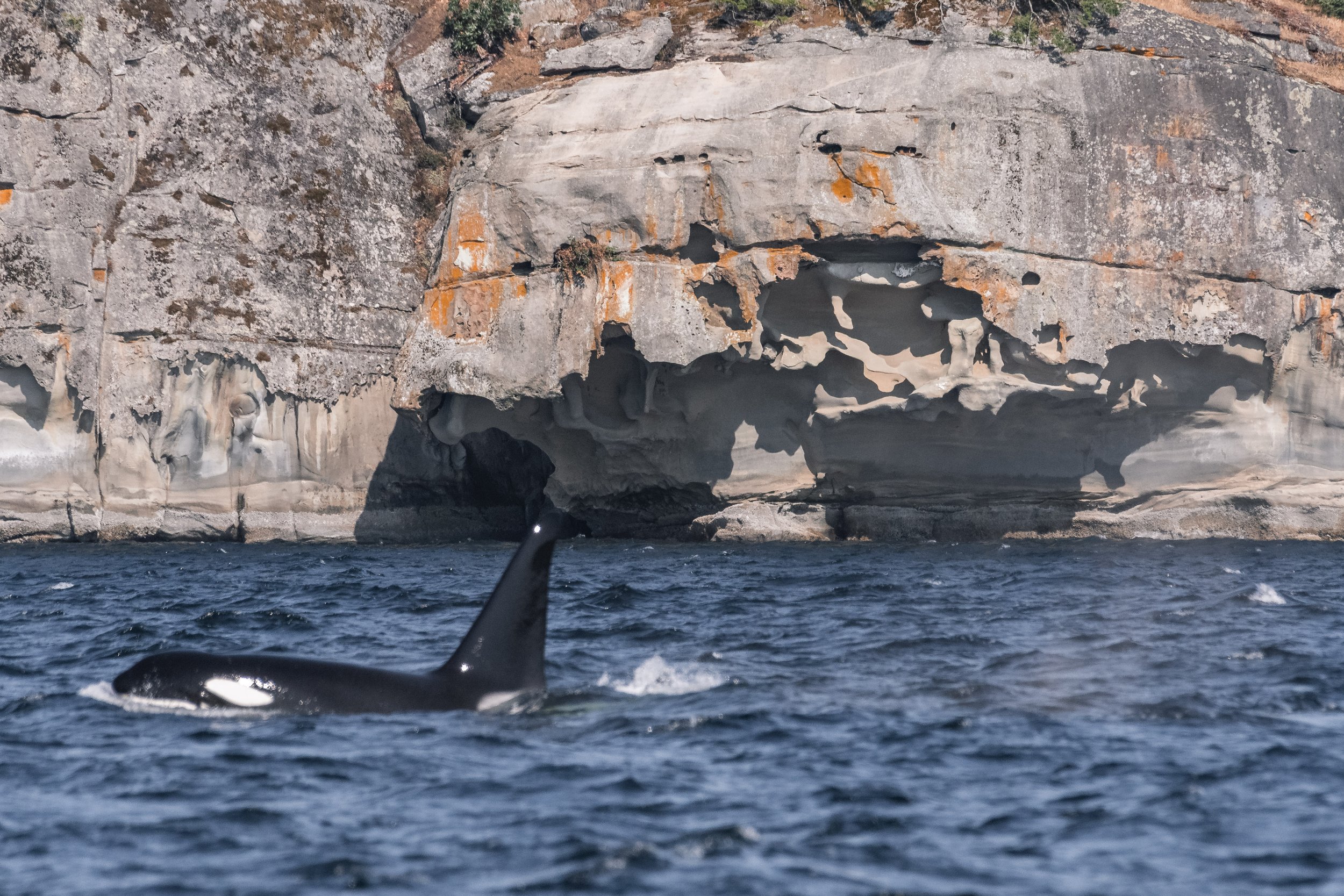
What a beautiful view of the Gabriola Bluffs. How dare T073A1 Caddy/Paws photobomb it! Photo by Evan Hessels.
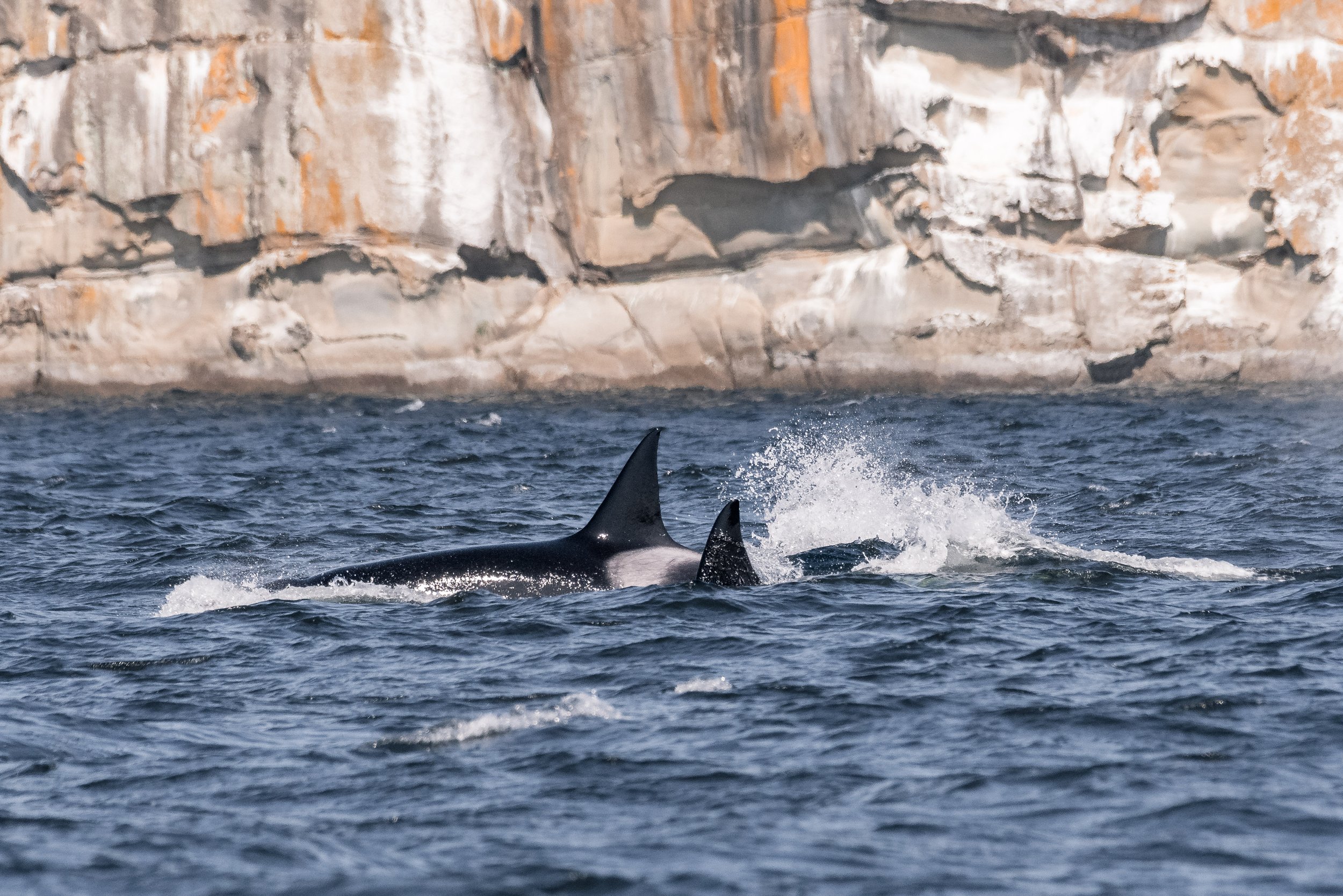
T073A Nessie/Greg splashing along. Photo by Evan Hessels.
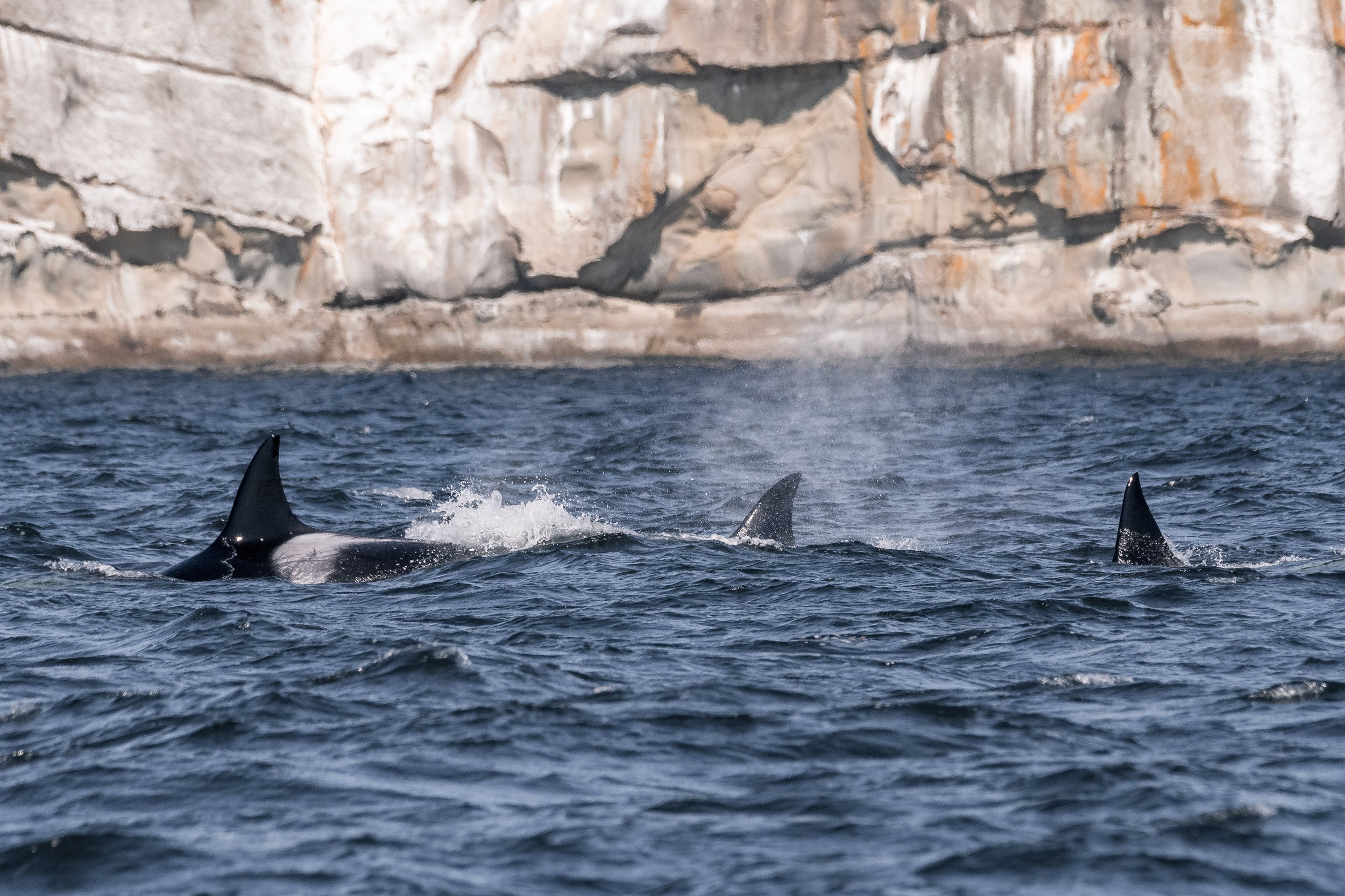
T002B Pedder with T073A3 Champ/Jessica and T073A Nessie/Greg. Photo by Evan Hessels.
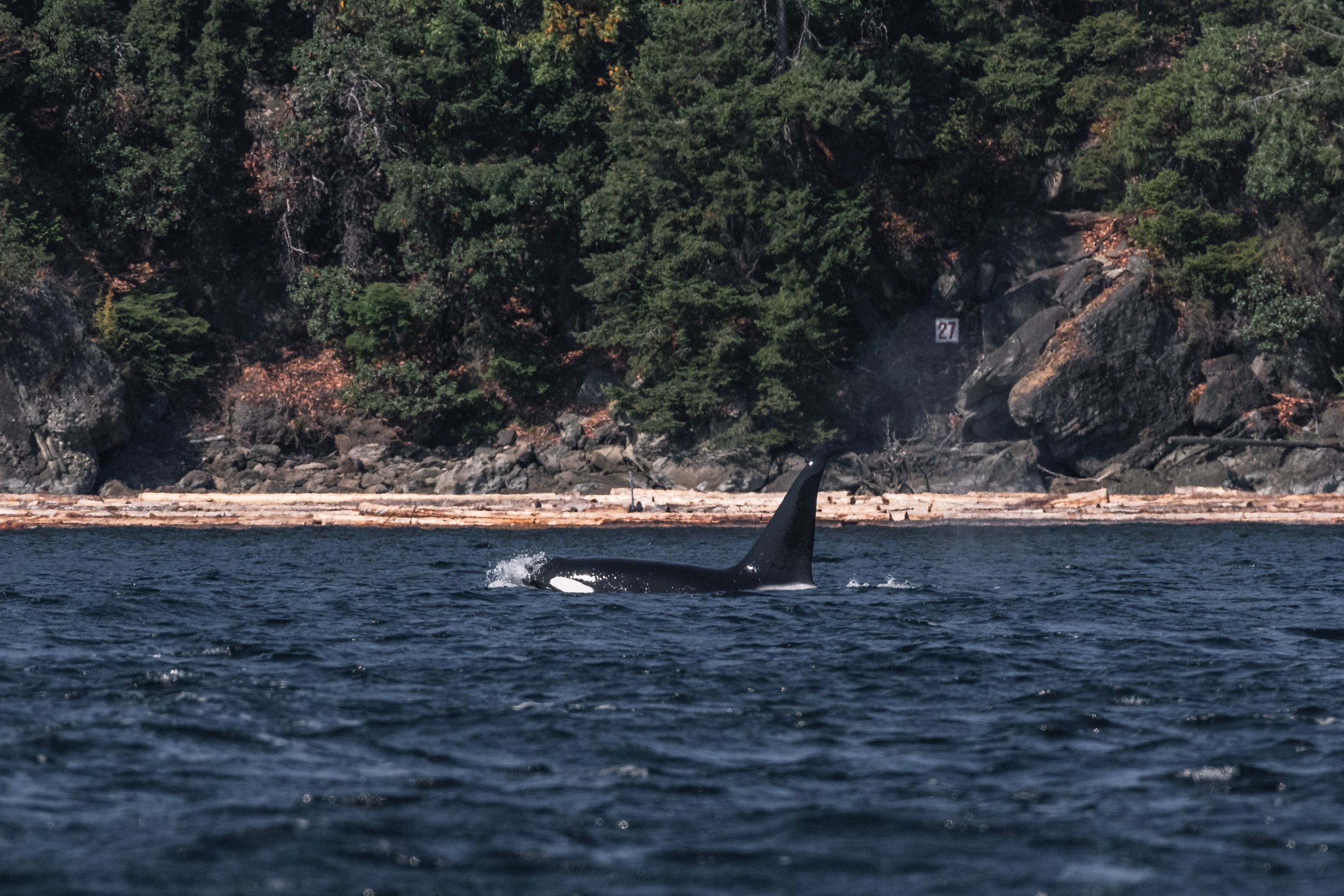
T073A1 Caddy/Paws with the log booms along Gabriola Island in the background. Photo by Hayleigh Hilbert.
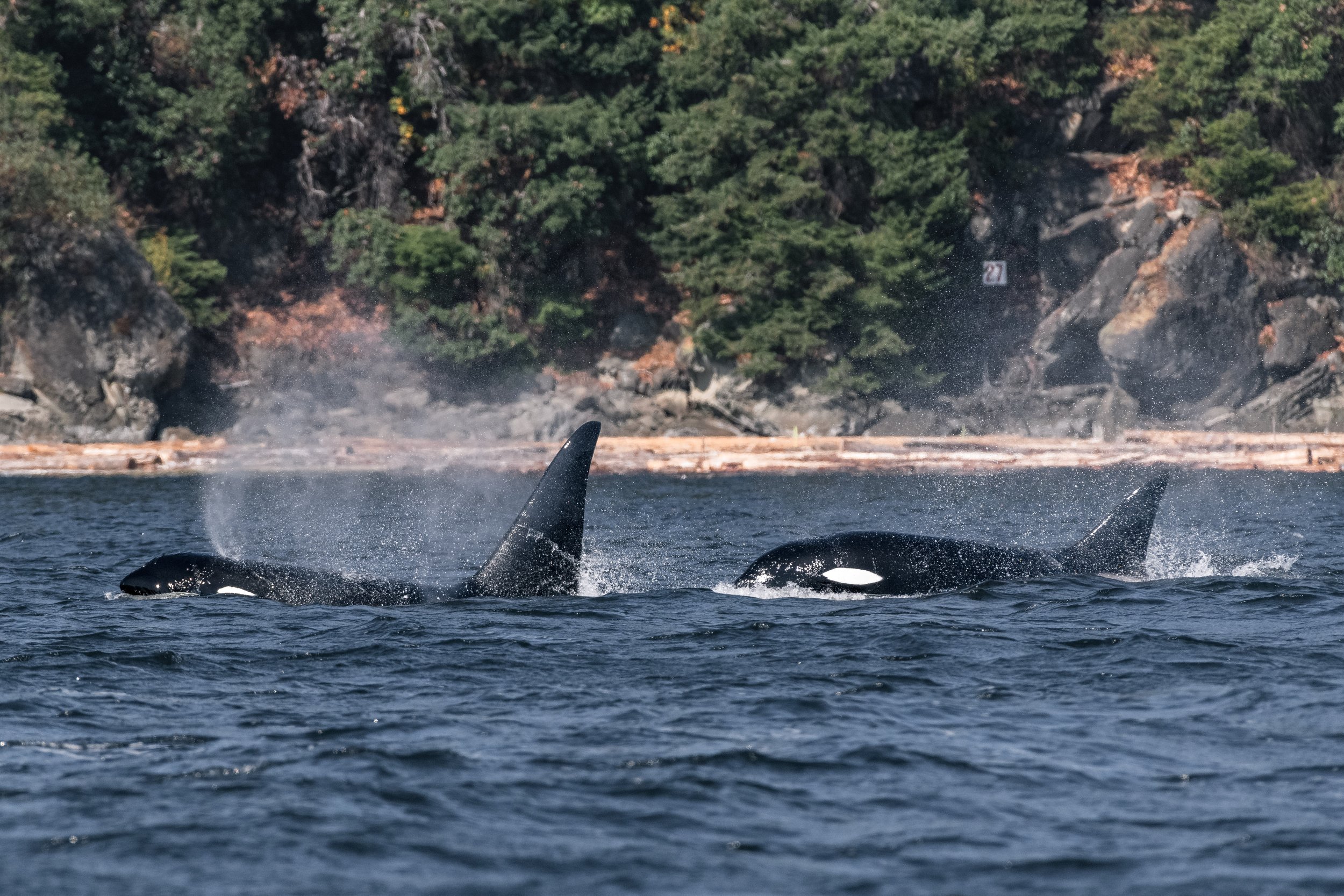
T073A1 Caddy/Paws with T073A2 Ogopogo/Trites behind him. Photo by Hayleigh Hilbert.
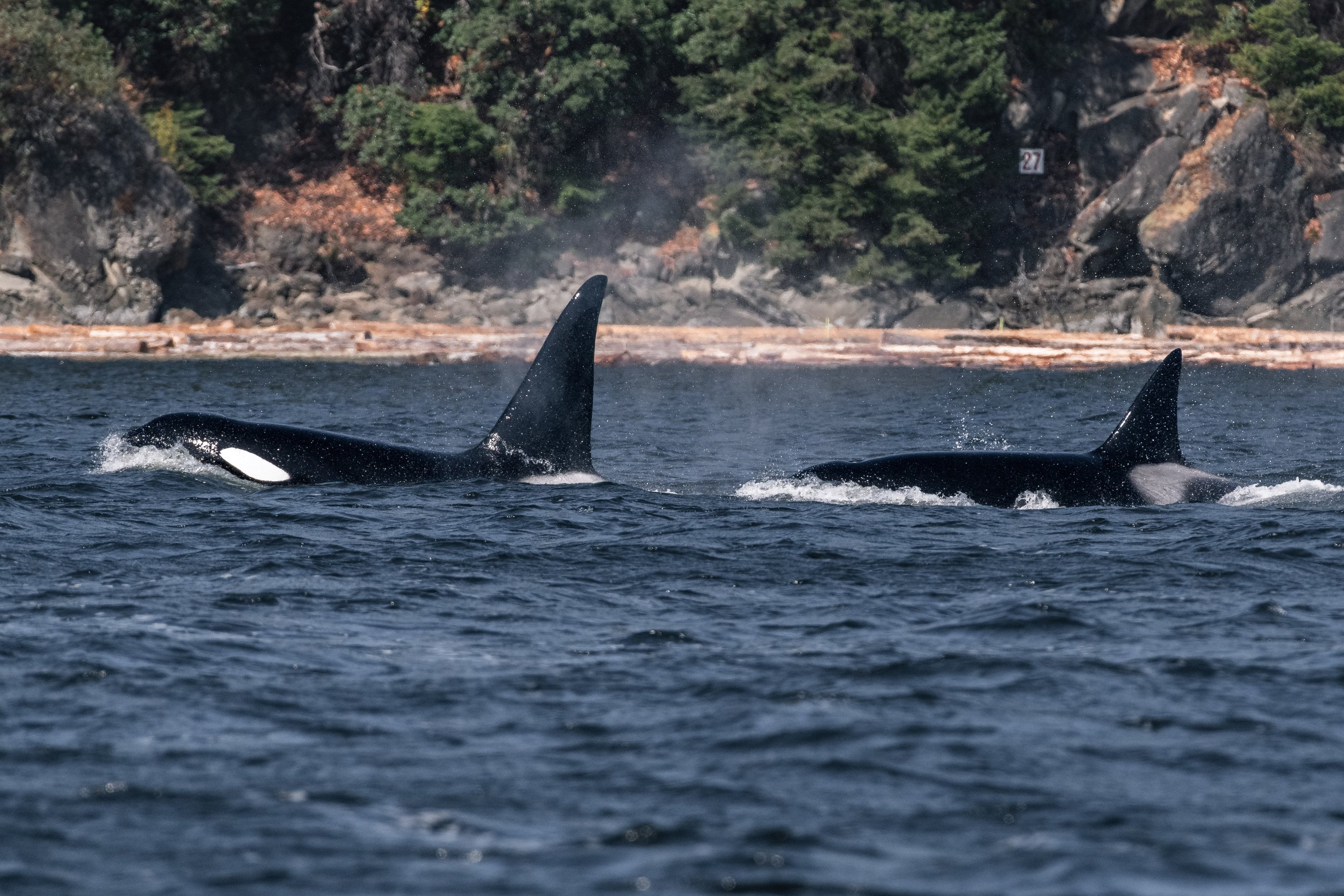
T073A1 Caddy/Paws with his eyepatch above the surface, and T073A2 Ogopogo/Trites behind him. Photo by Hayleigh Hilbert.
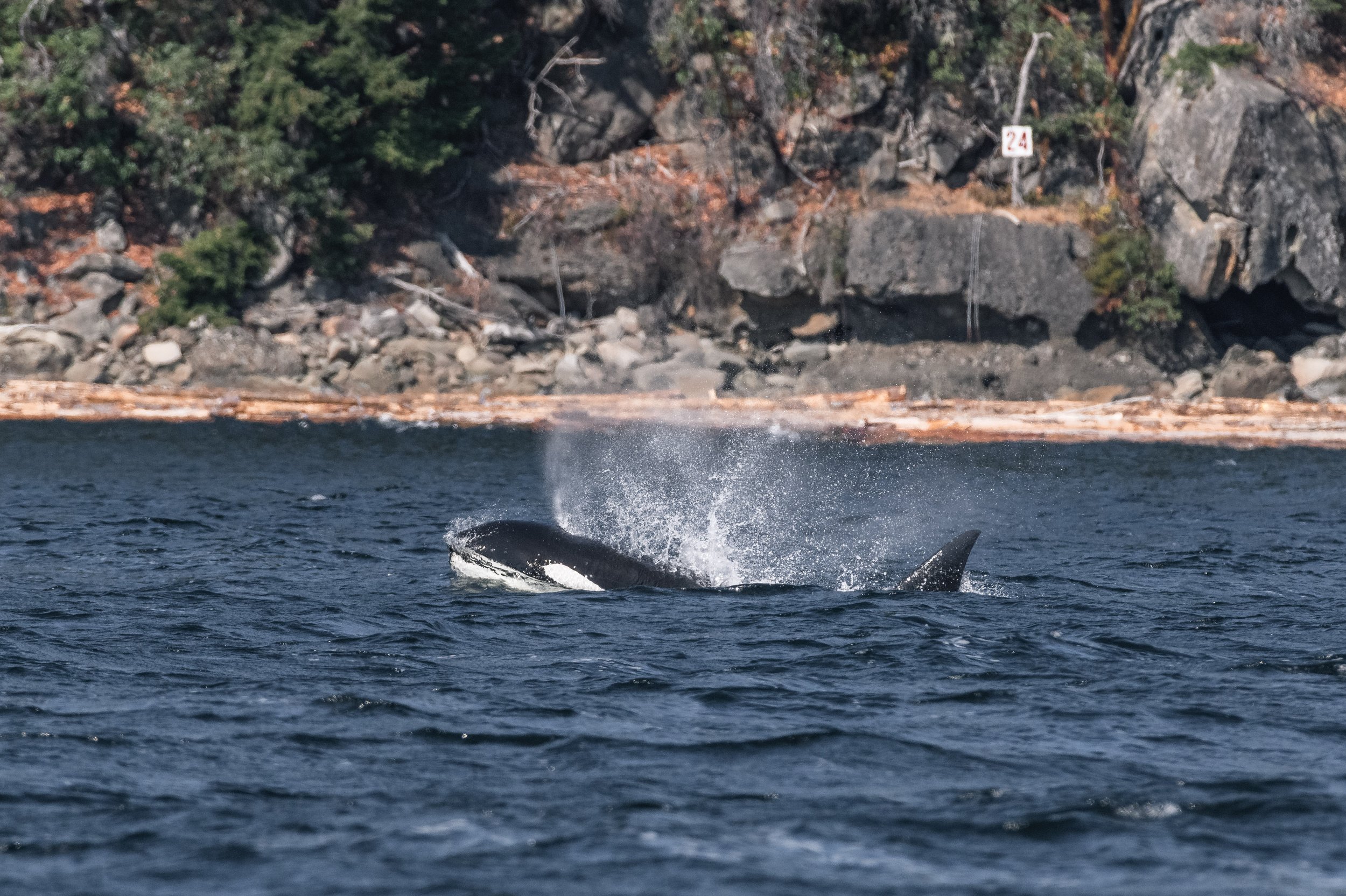
Breaking the surface. Photo by Hayleigh Hilbert.
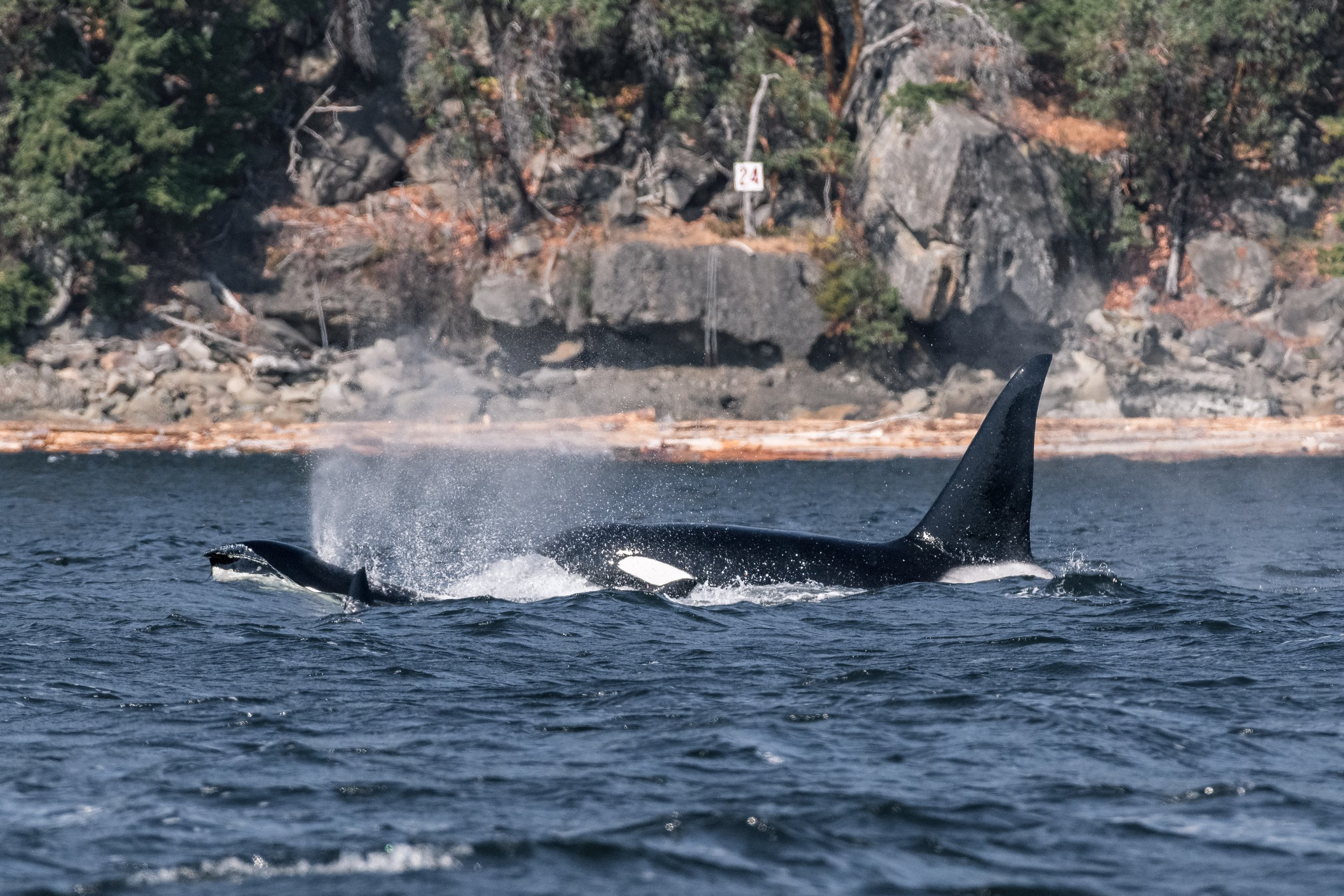
T073A1 Caddy/Paws with the other pod members around him. Photo by Hayleigh Hilbert.
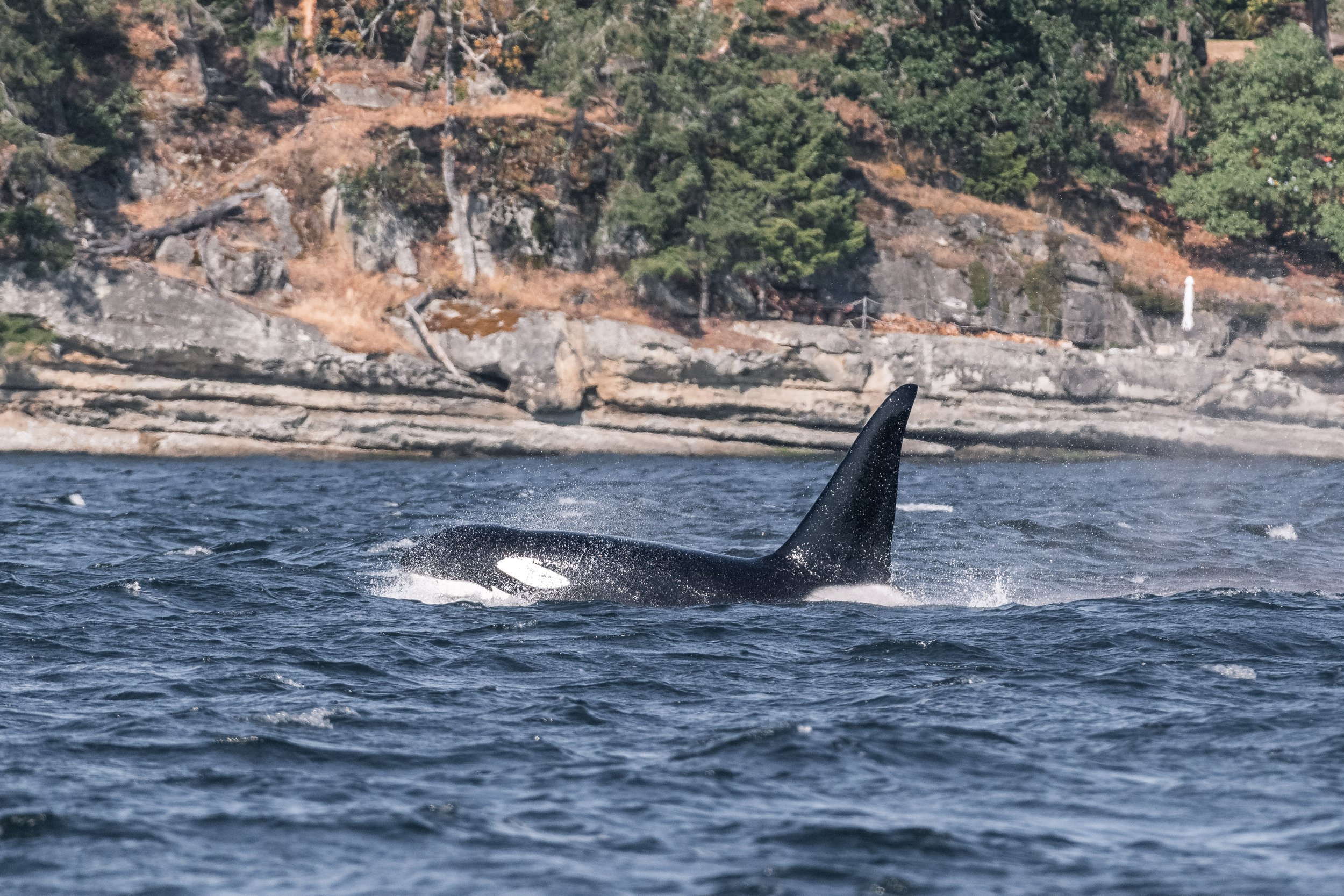
T073A1 Caddy/Paws being doused in spray. Photo by Hayleigh Hilbert.
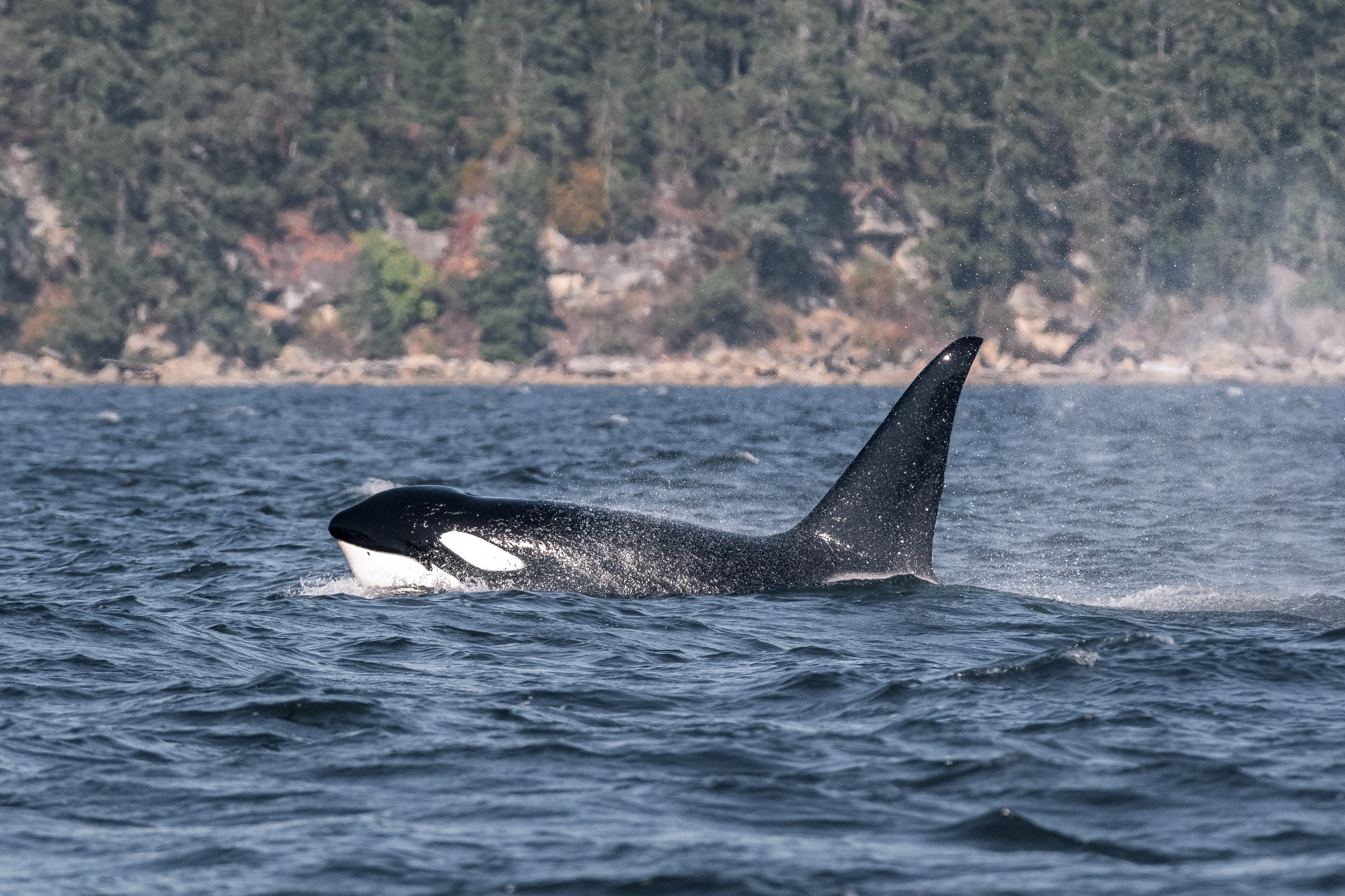
T073A1 Caddy/Paws has a little freckle along his jaw, visible here. Photo by Hayleigh Hilbert.
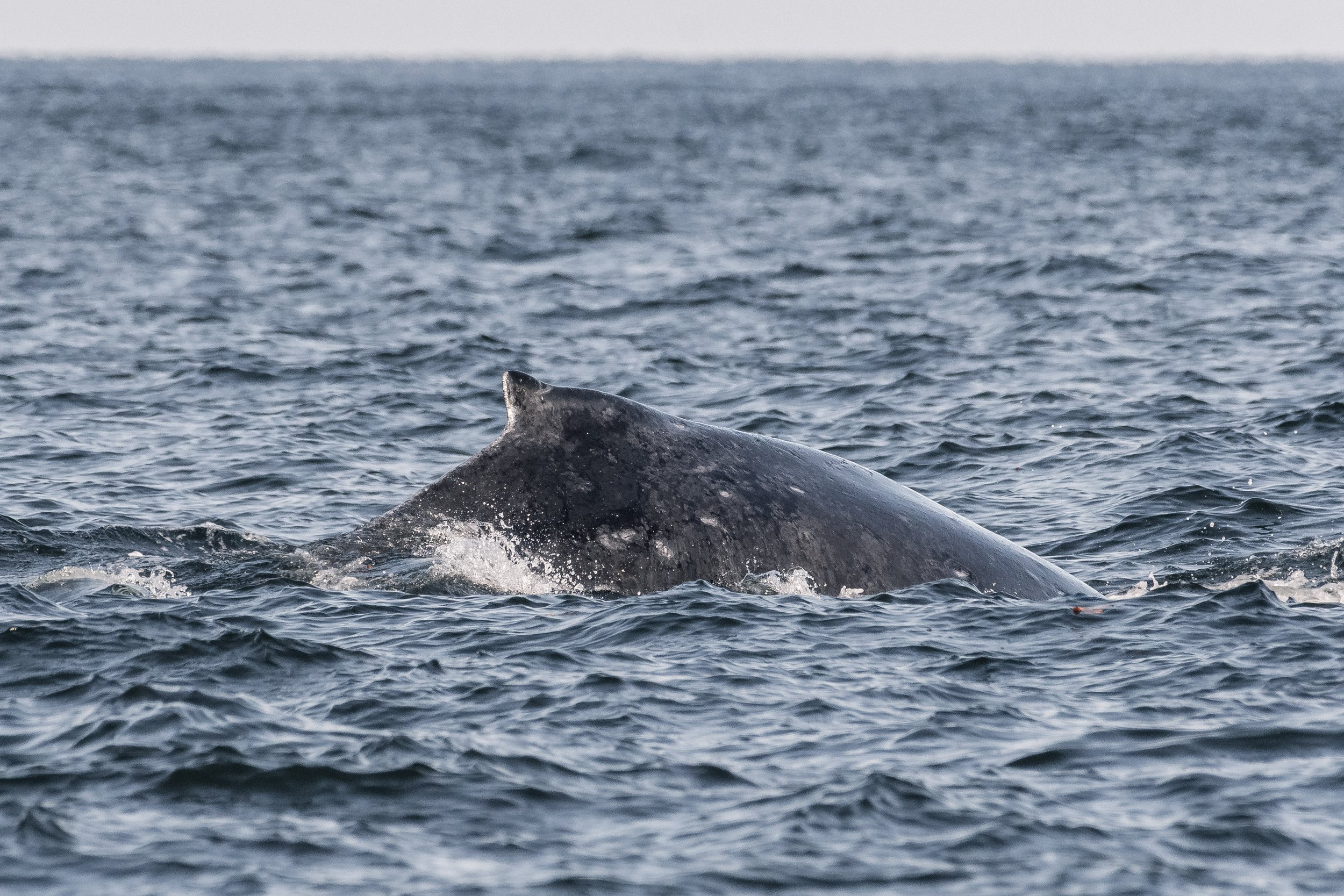
Kaju travelling. Photo by Evan Hessels.
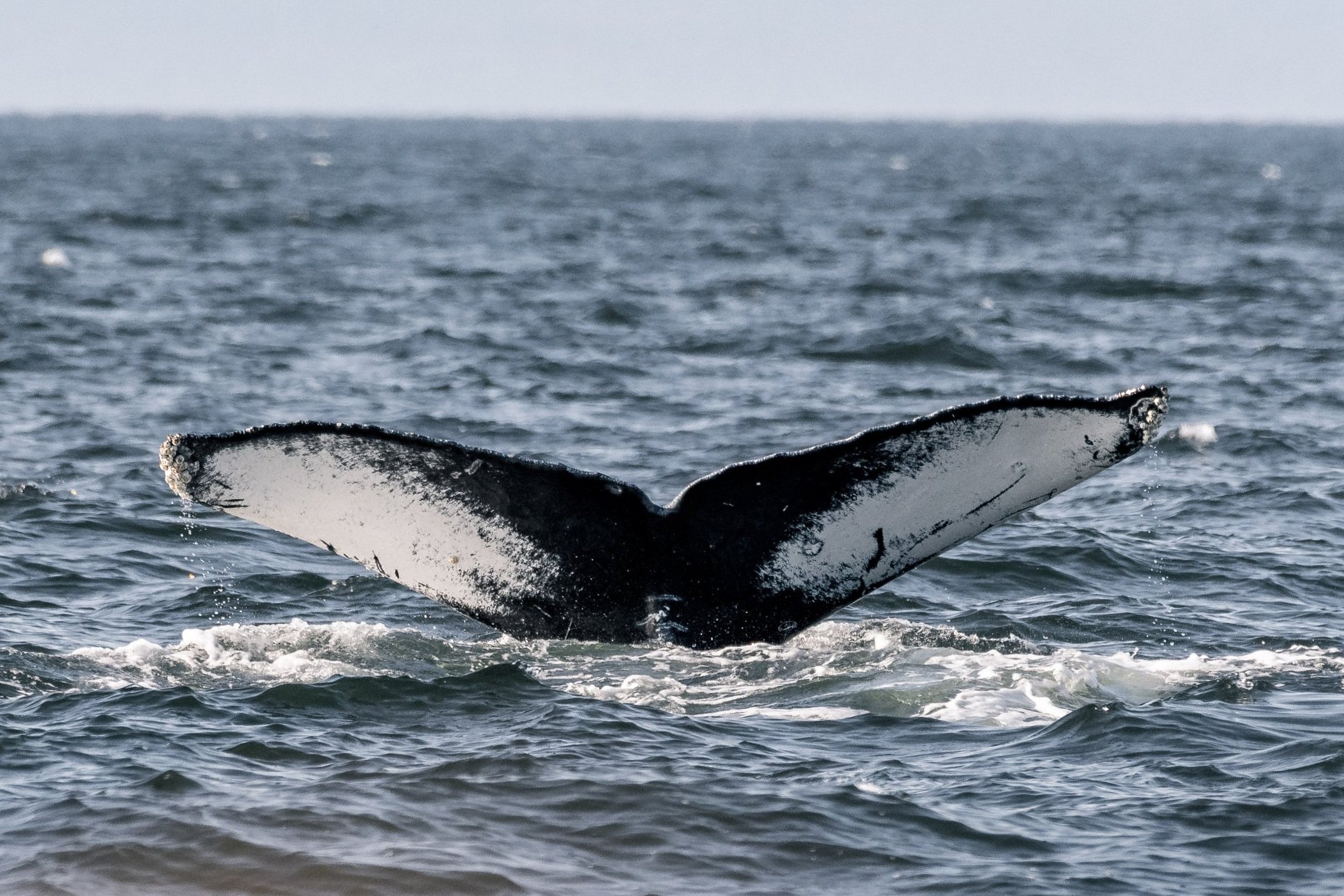
Kaju has a mostly white fluke, with a couple interesting black markings. Photo by Evan Hessels.
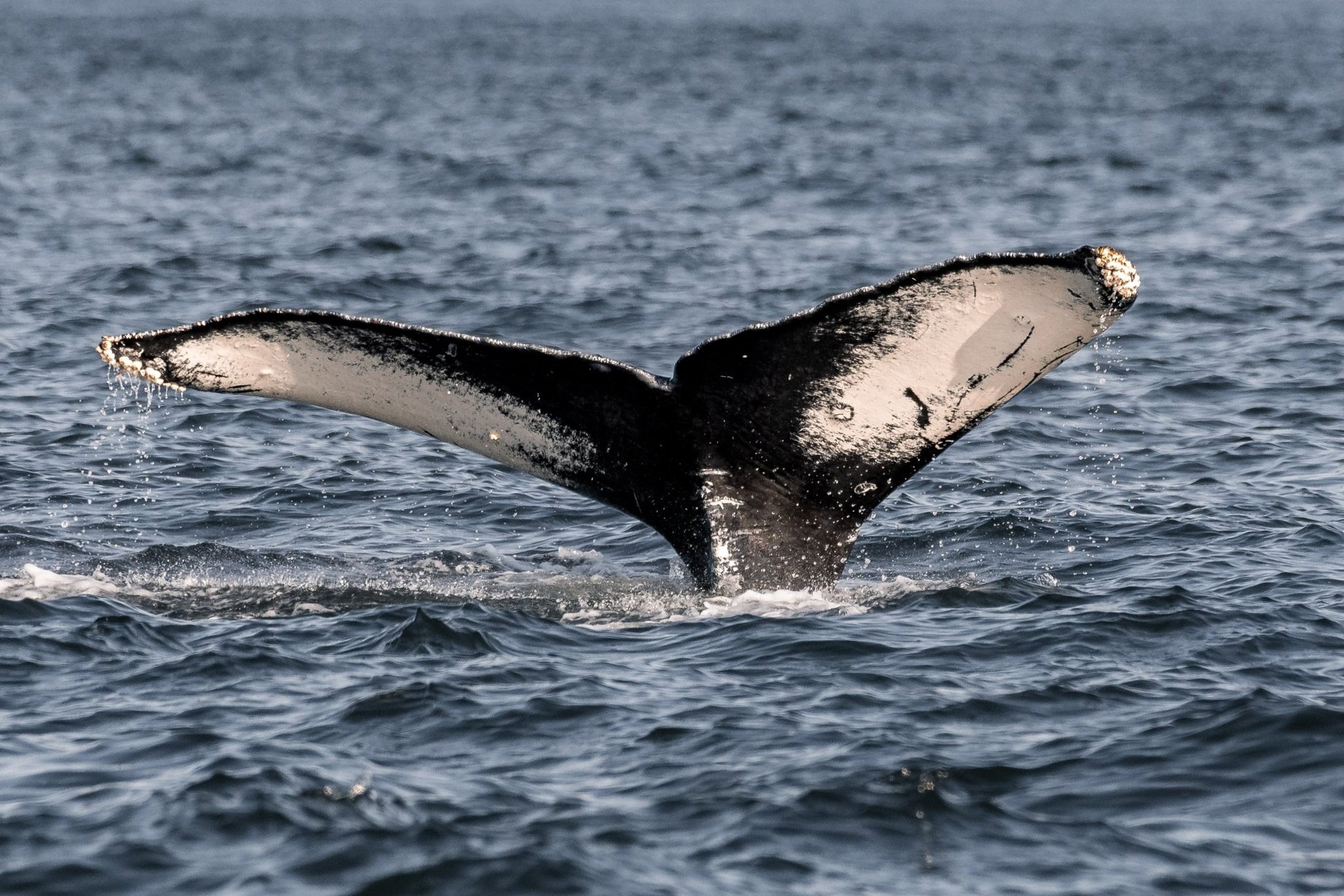
Kaju going down for a dive. Photo by Evan Hessels.
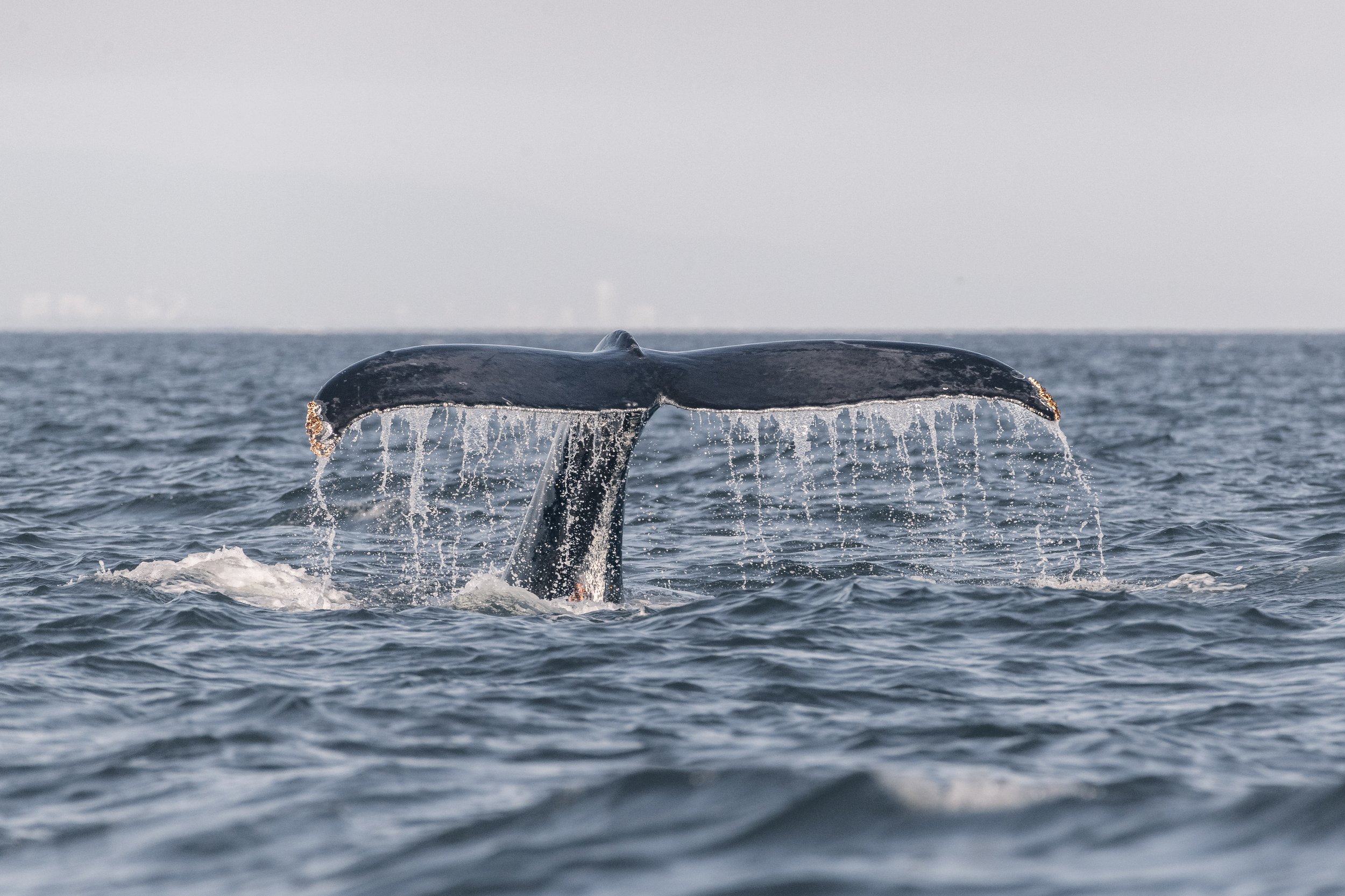
A beautiful fluke waterfall from Kaju. Photo by Hayleigh Hilbert.
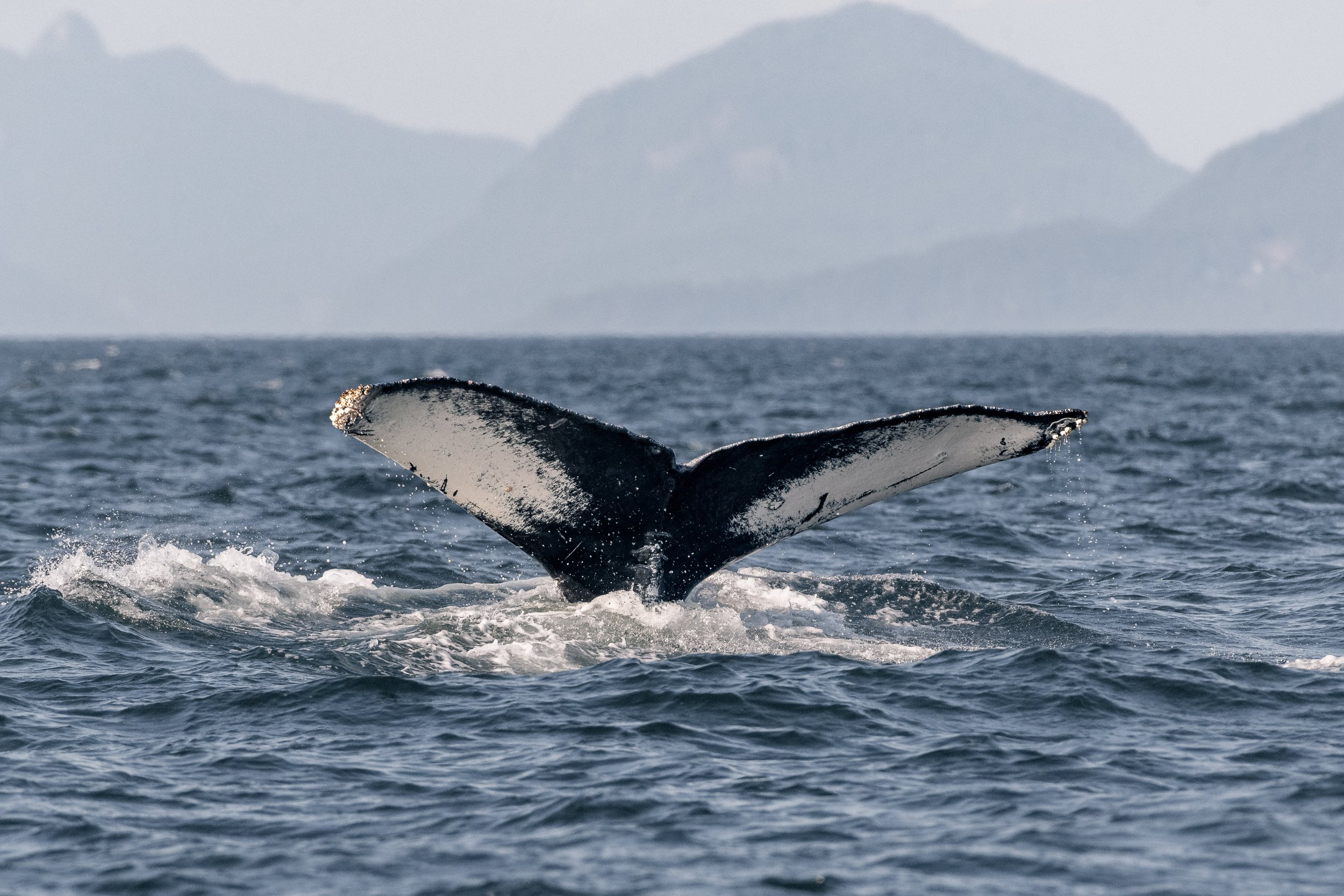
A final peek at Kaju. Photo by Hayleigh Hilbert.
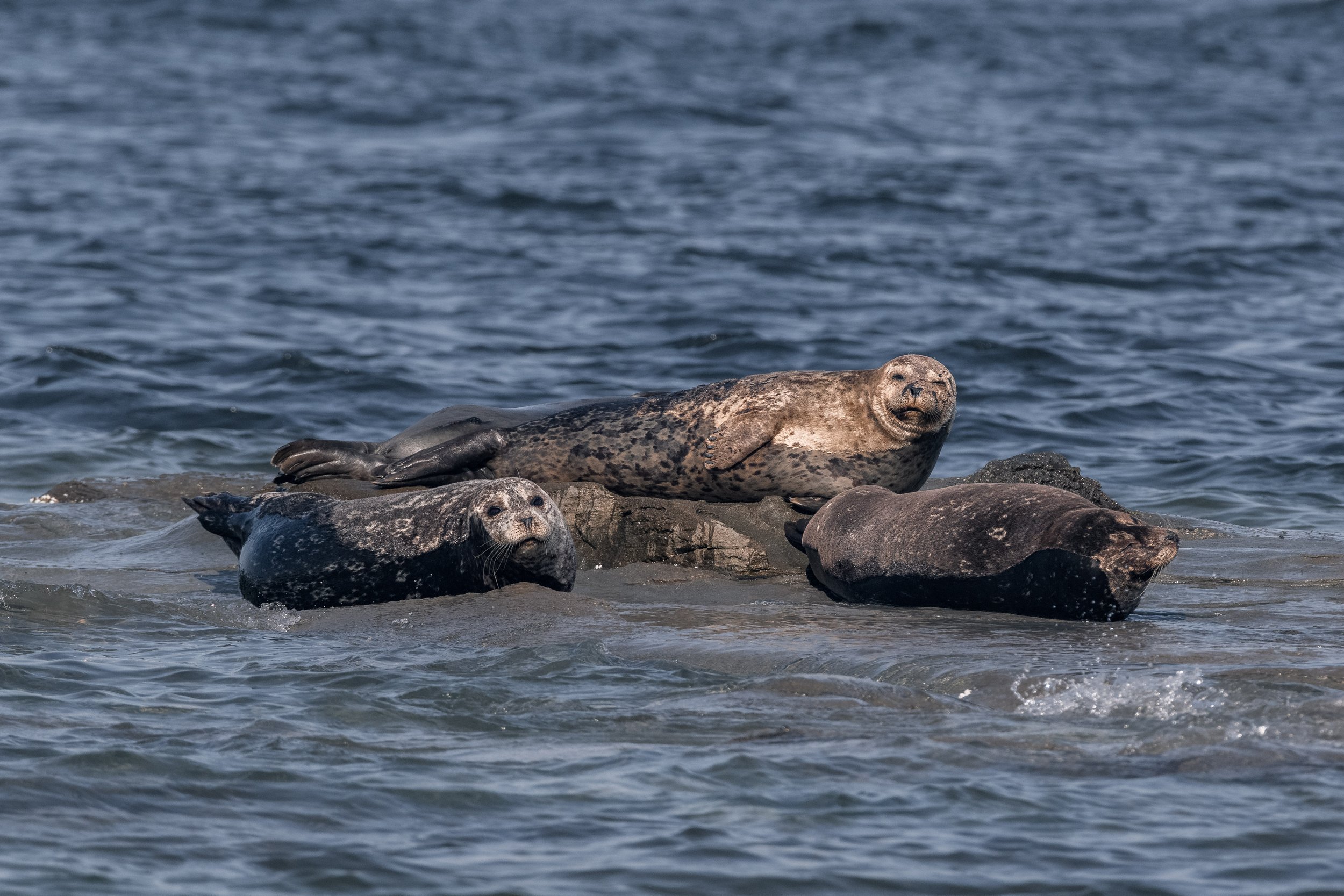
Nap time for the seals. Photo by Hayleigh Hilbert.
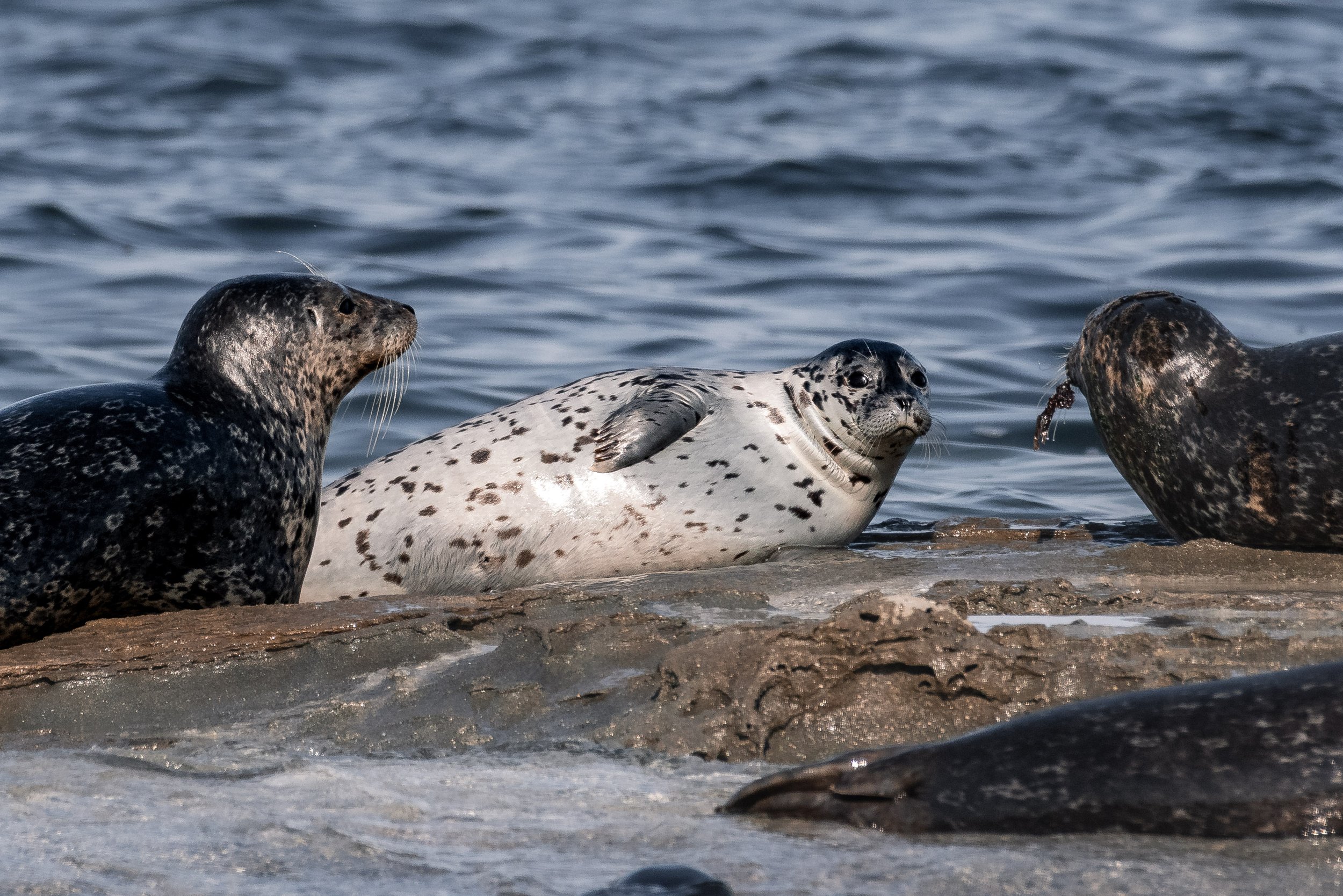
Look at the difference in those coat patterns and colours! Photo by Evan Hessels.
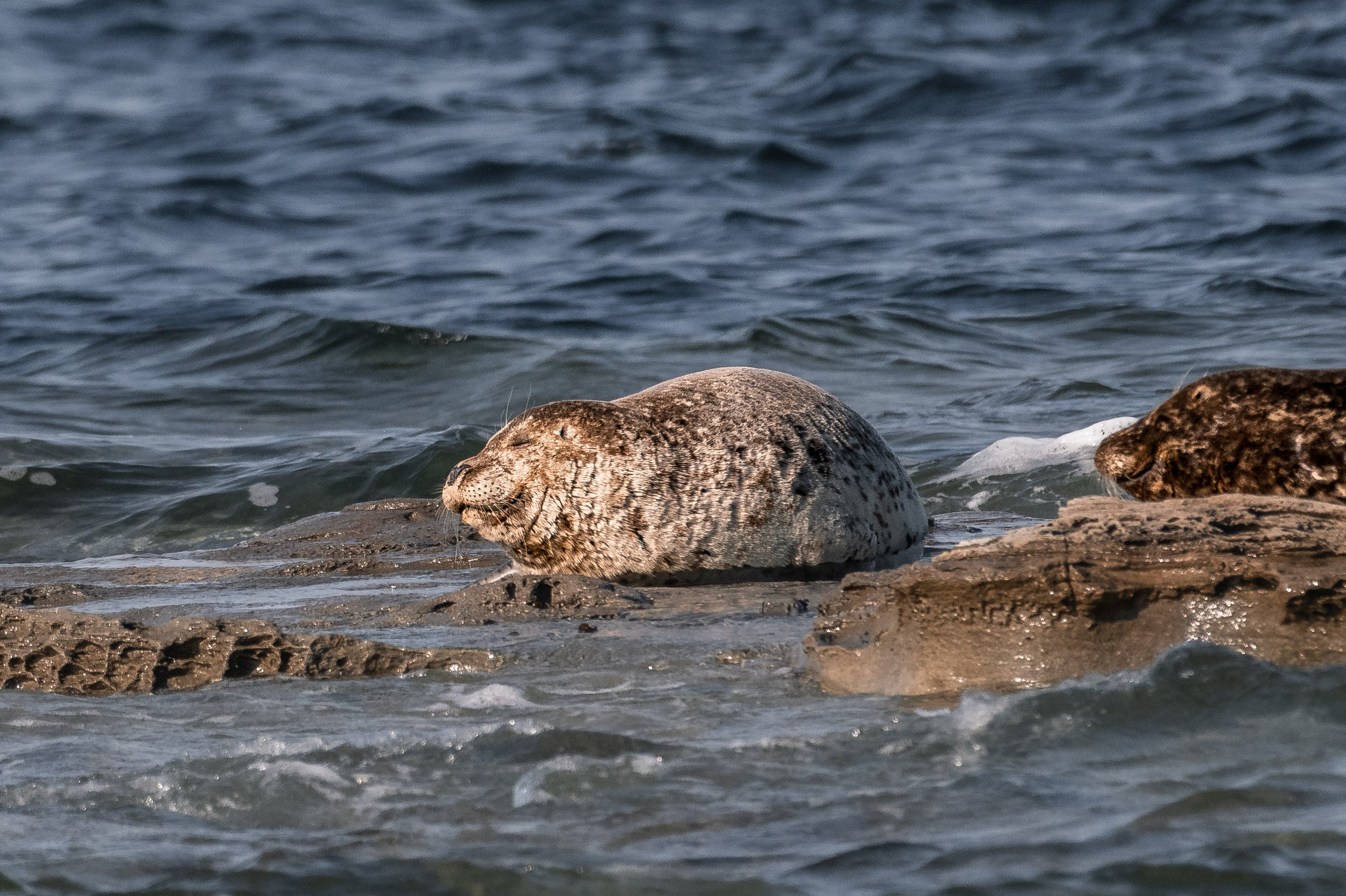
Dreaming of a tasty fish meal. Photo by Evan Hessels.
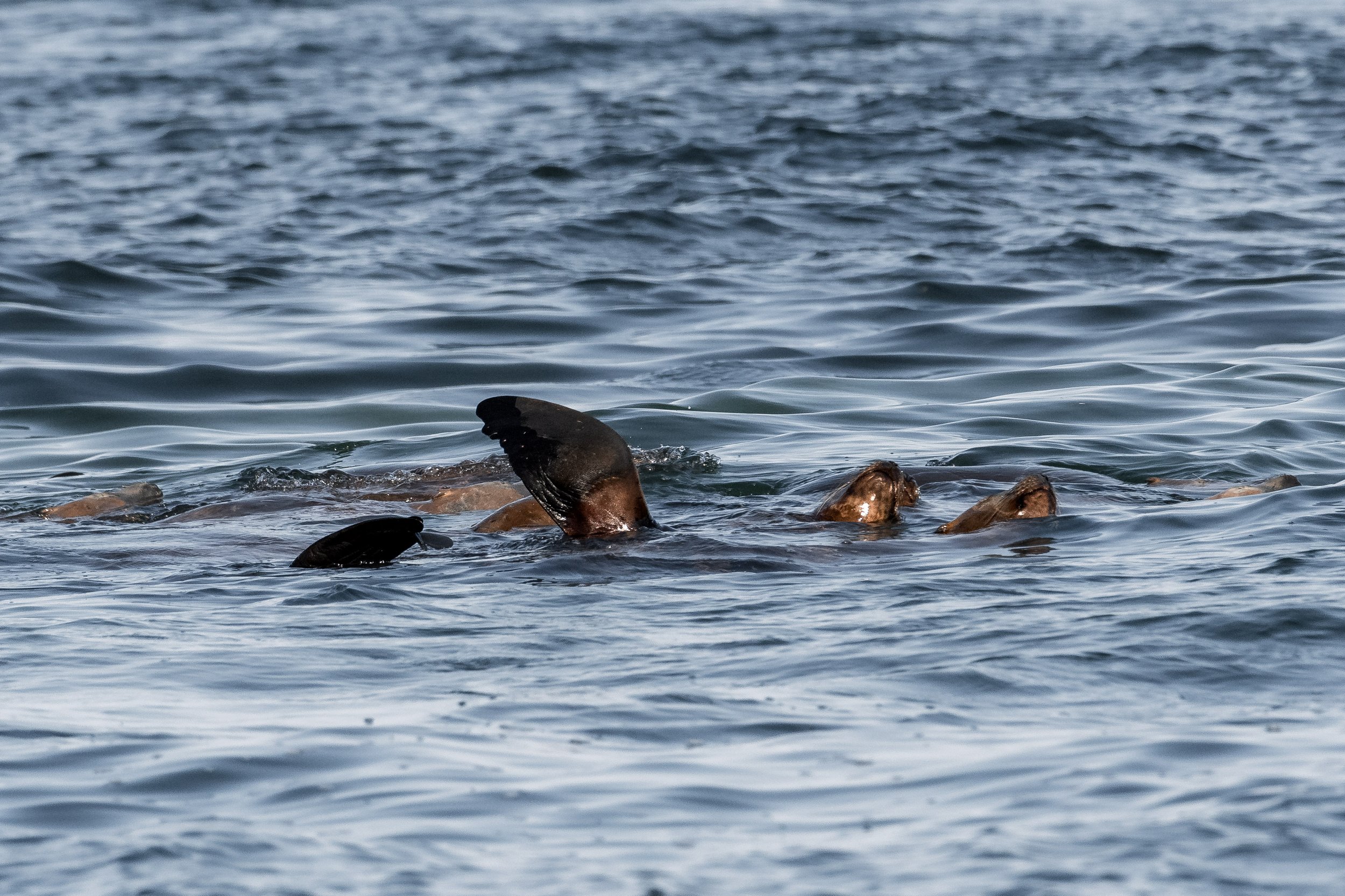
Sea lions rafting along. Photo by Evan Hessels.
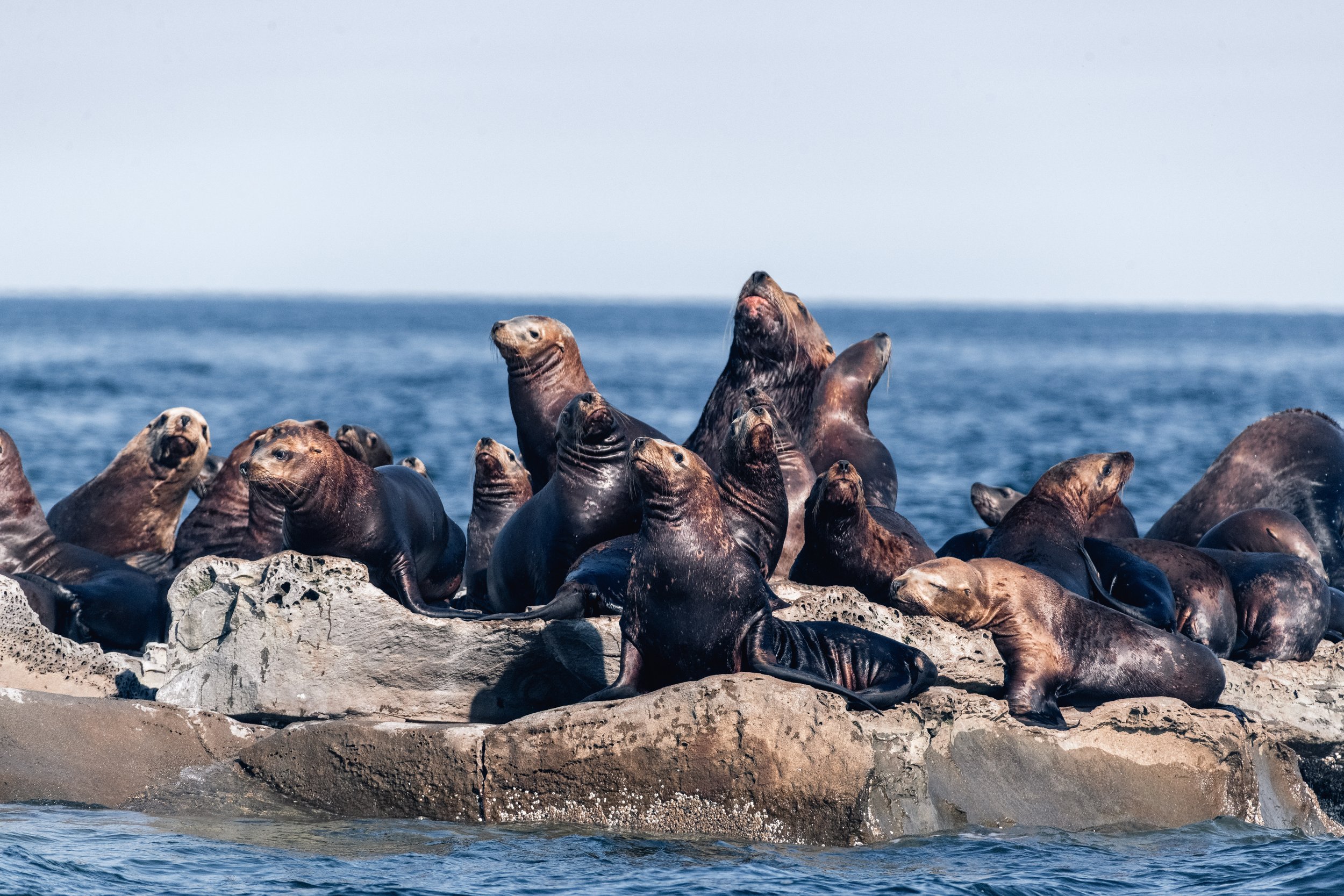
Steller Sea Lions hauled out up on Stinky Rocks. Photo by Hayleigh Hilbert.
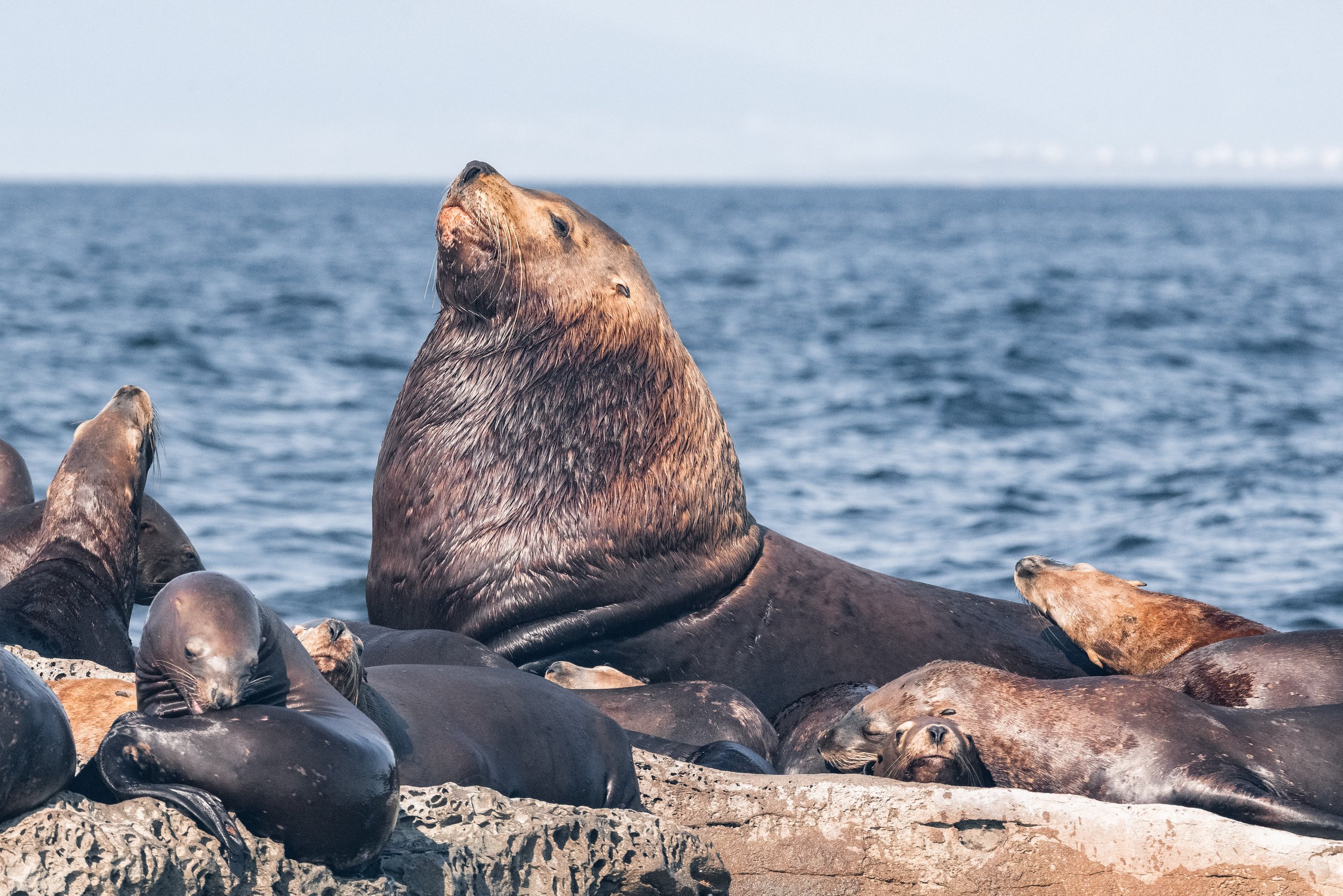
Welcome back, Stinky Steve! Photo by Hayleigh Hilbert.
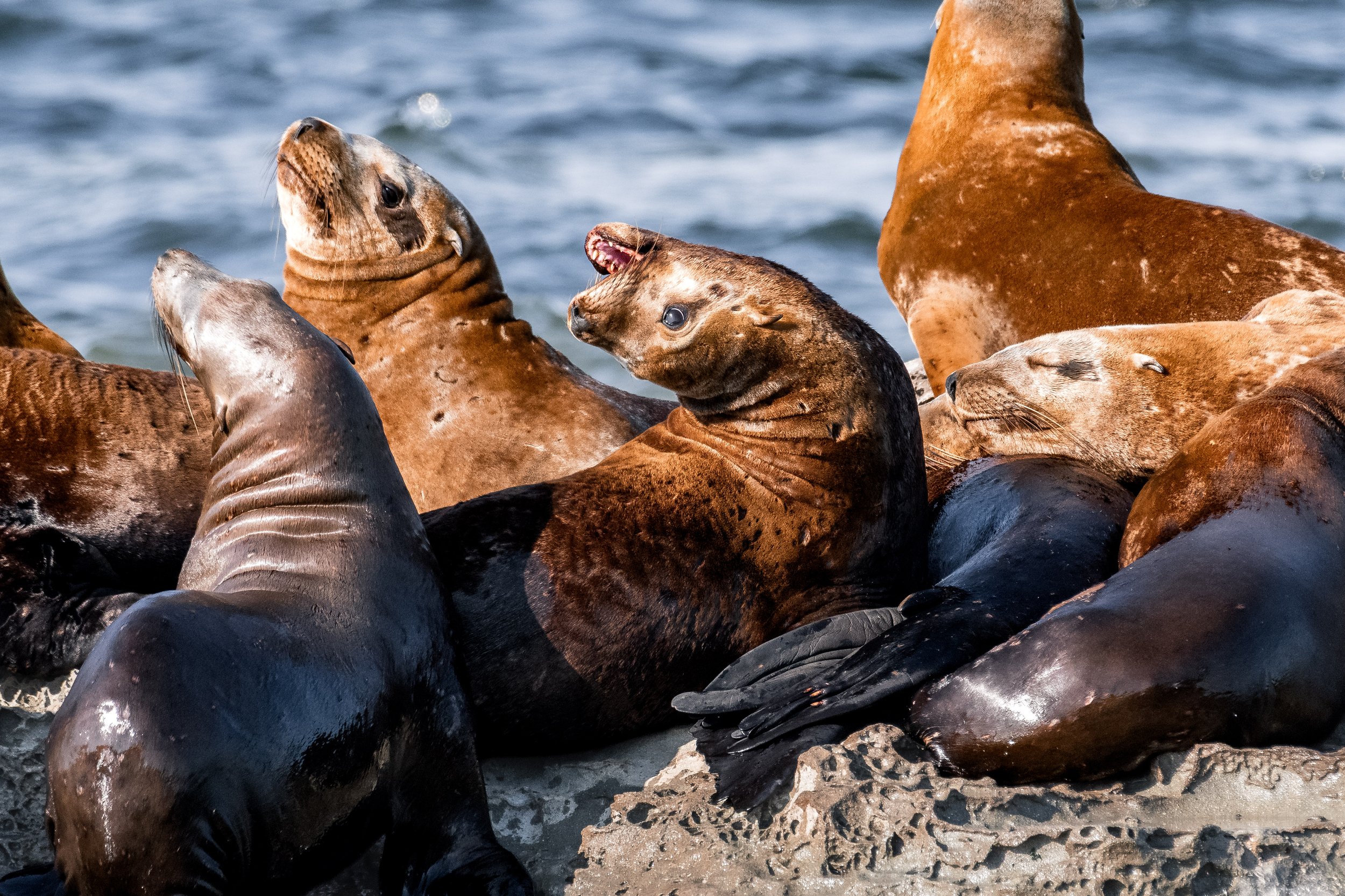
A very dramatic angle from a very dramatic sea lion. Photo by Evan Hessels.
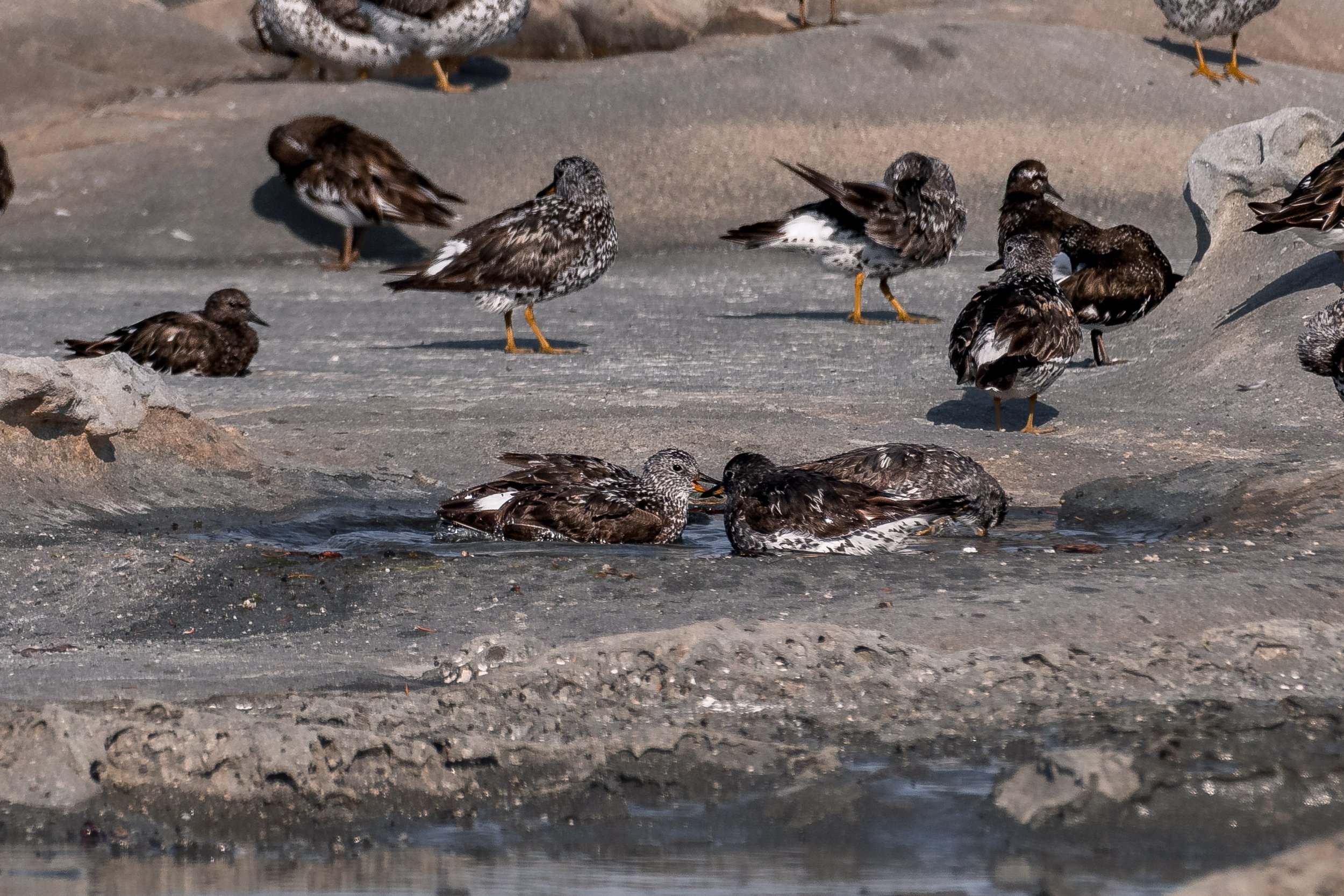
Bath time! Photo by Evan Hessels.
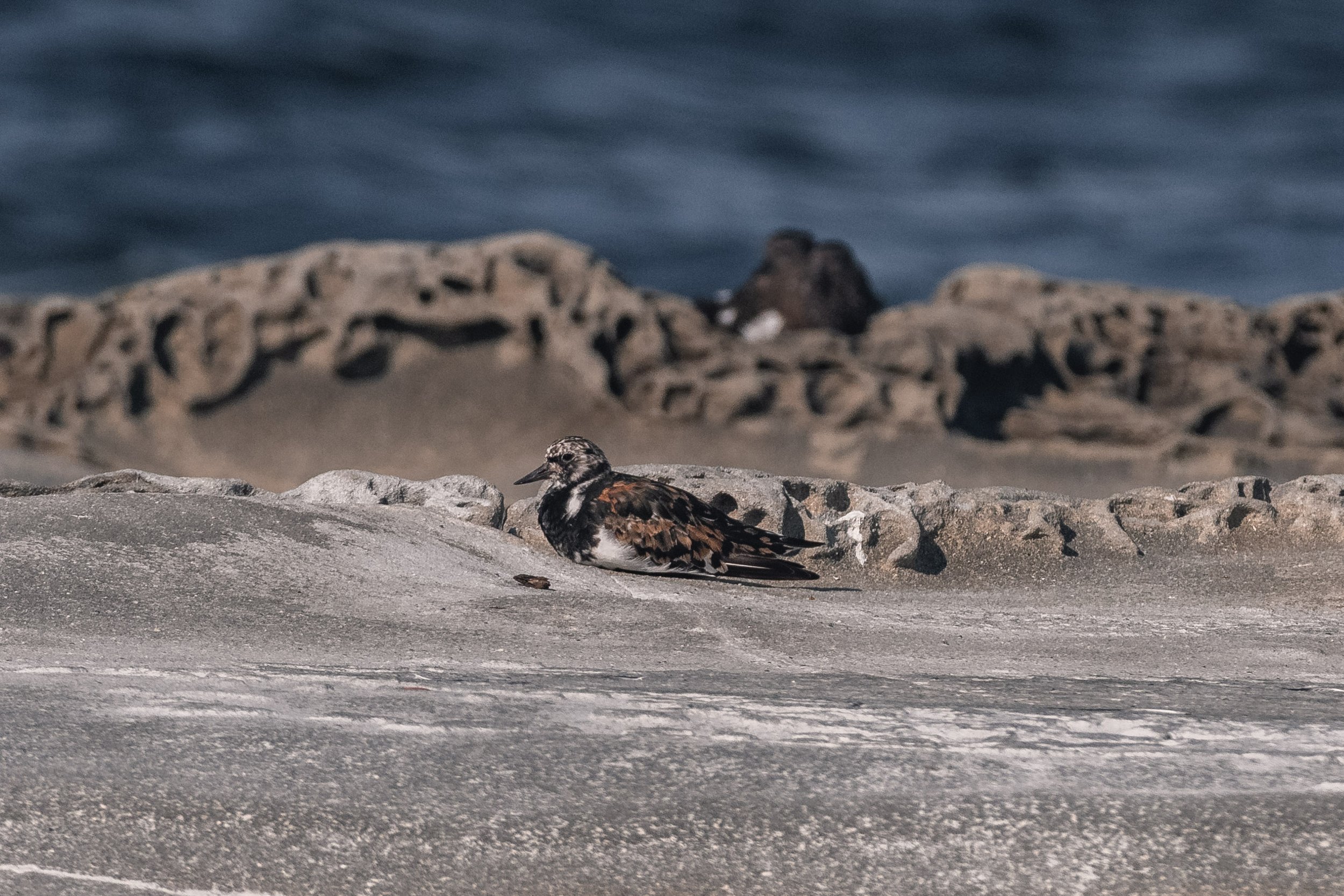
A Ruddy Turnstone - an uncommonly spotted bird on our trips. Photo by Hayleigh Hilbert.
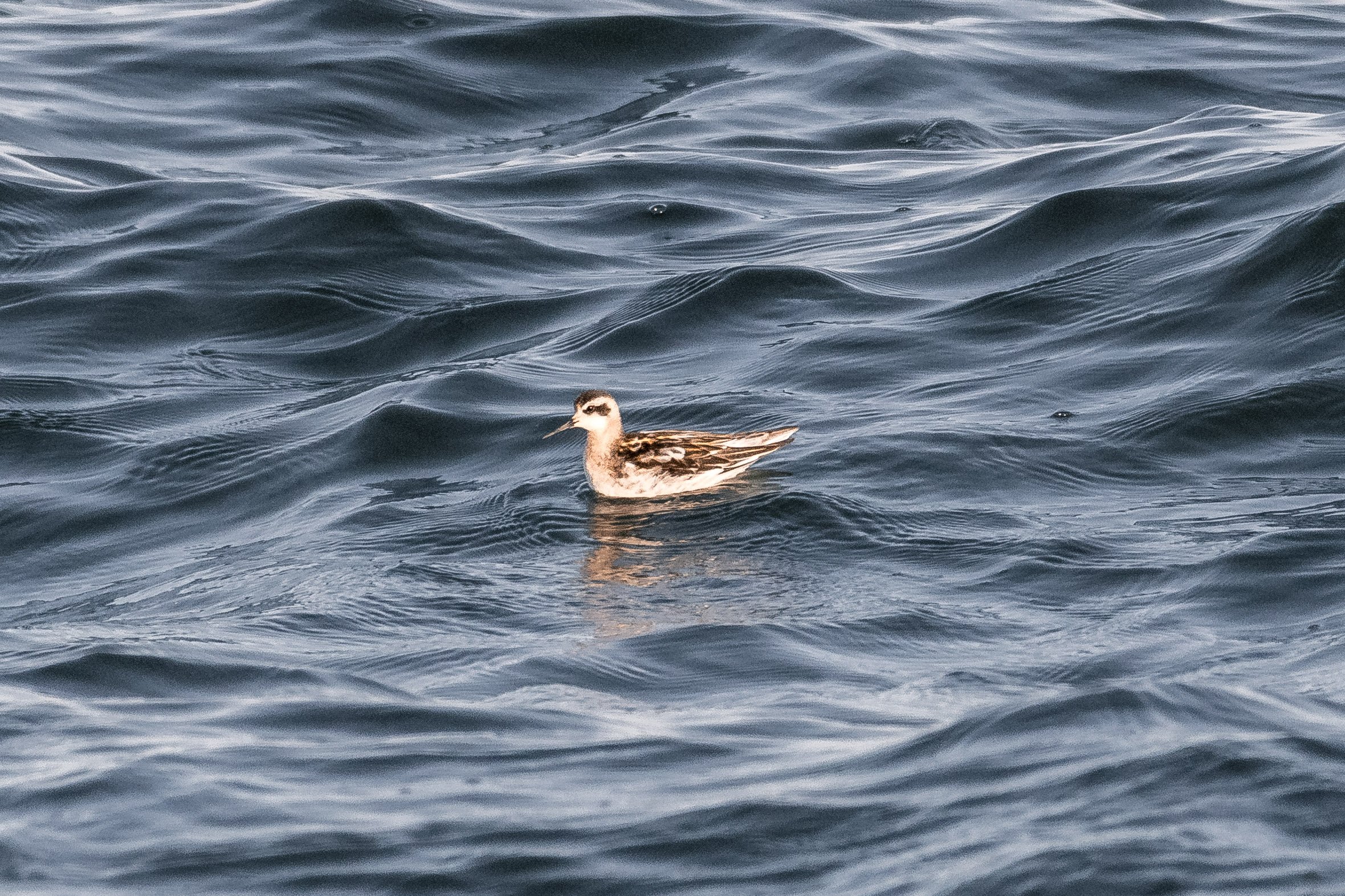
A Red-necked Phalarope floating along. Photo by Evan Hessels.
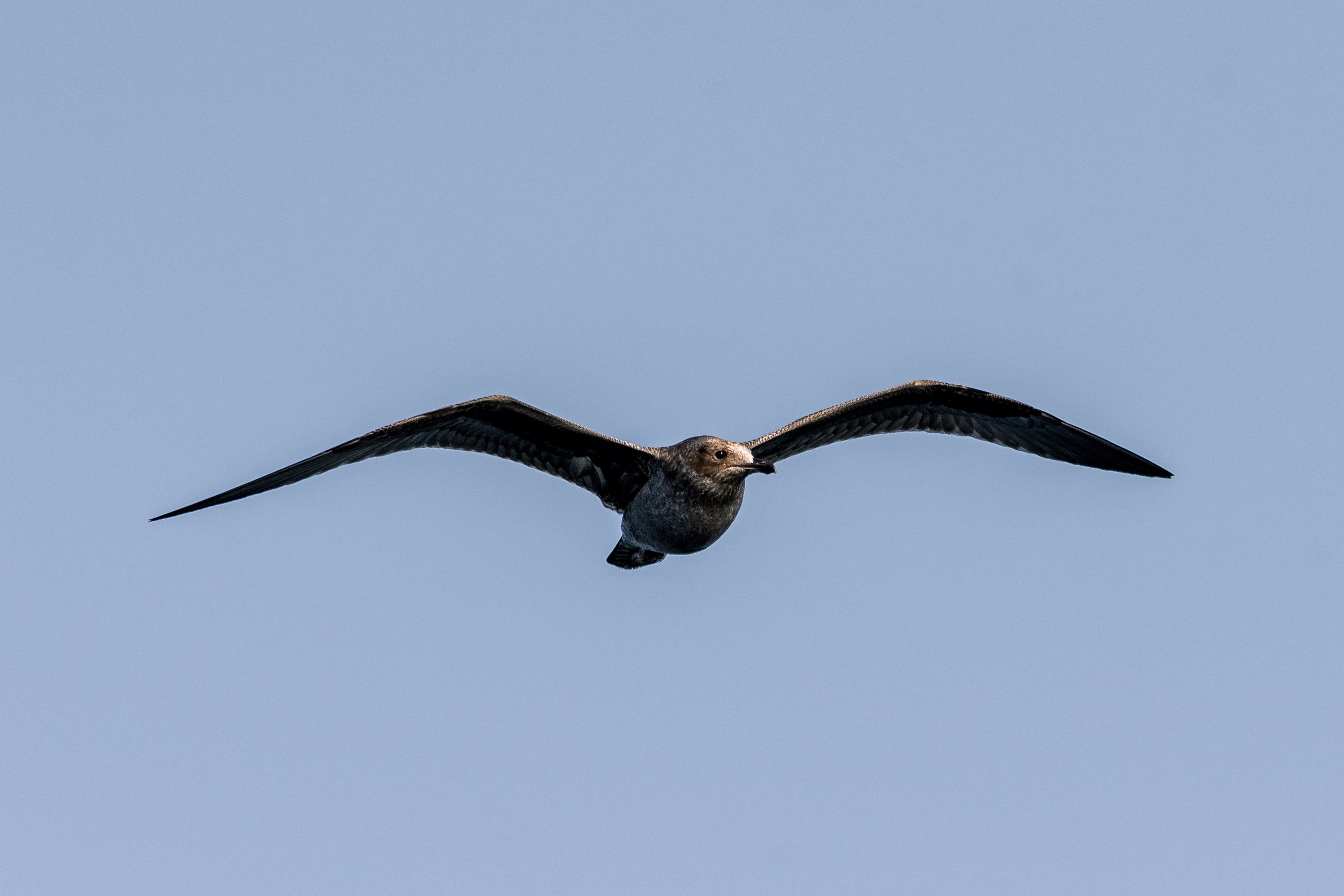
A Gull in flight. Photo by Evan Hessels.
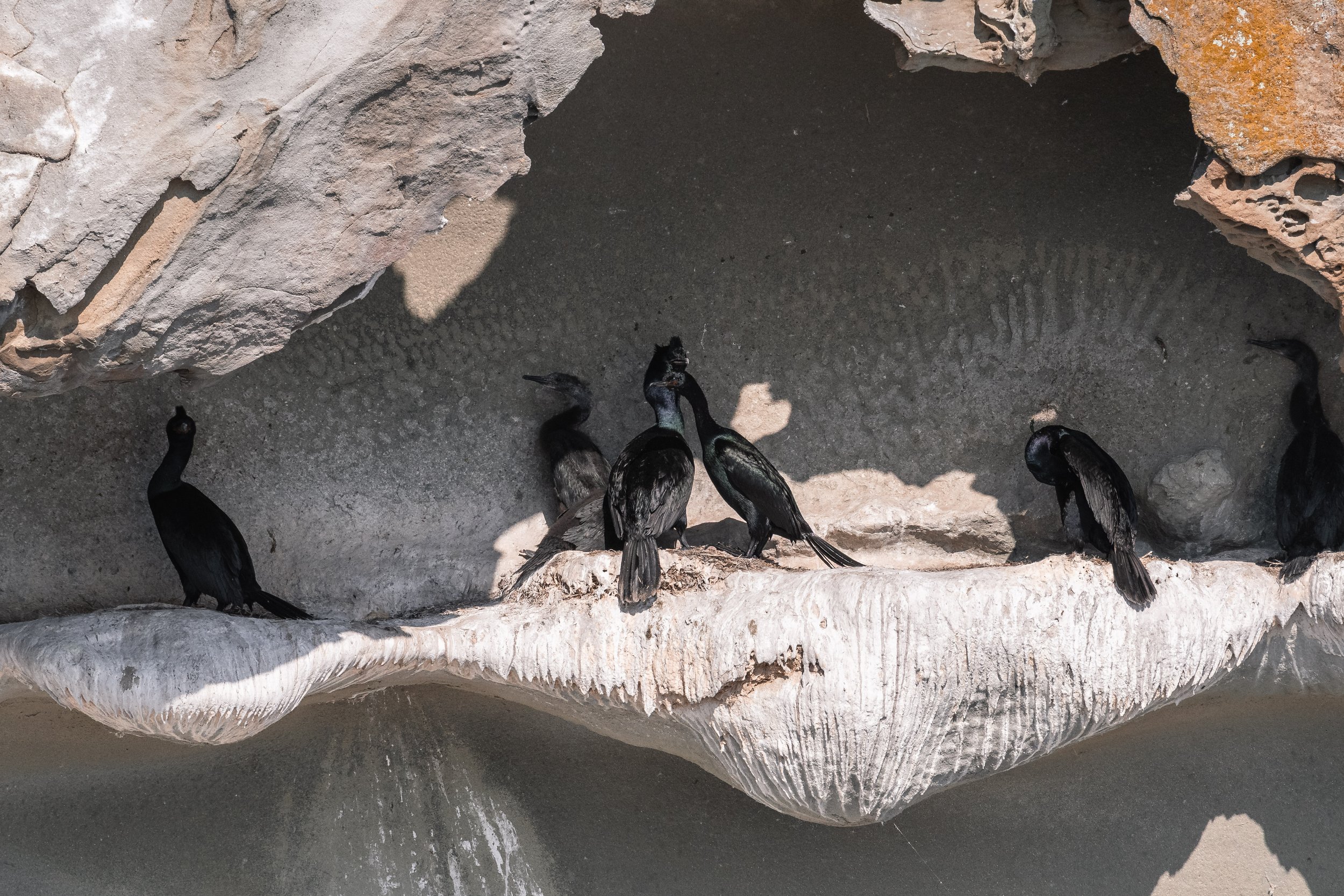
Pelagic Cormorants tucked tight against the rocks. Photo by Evan Hessels.
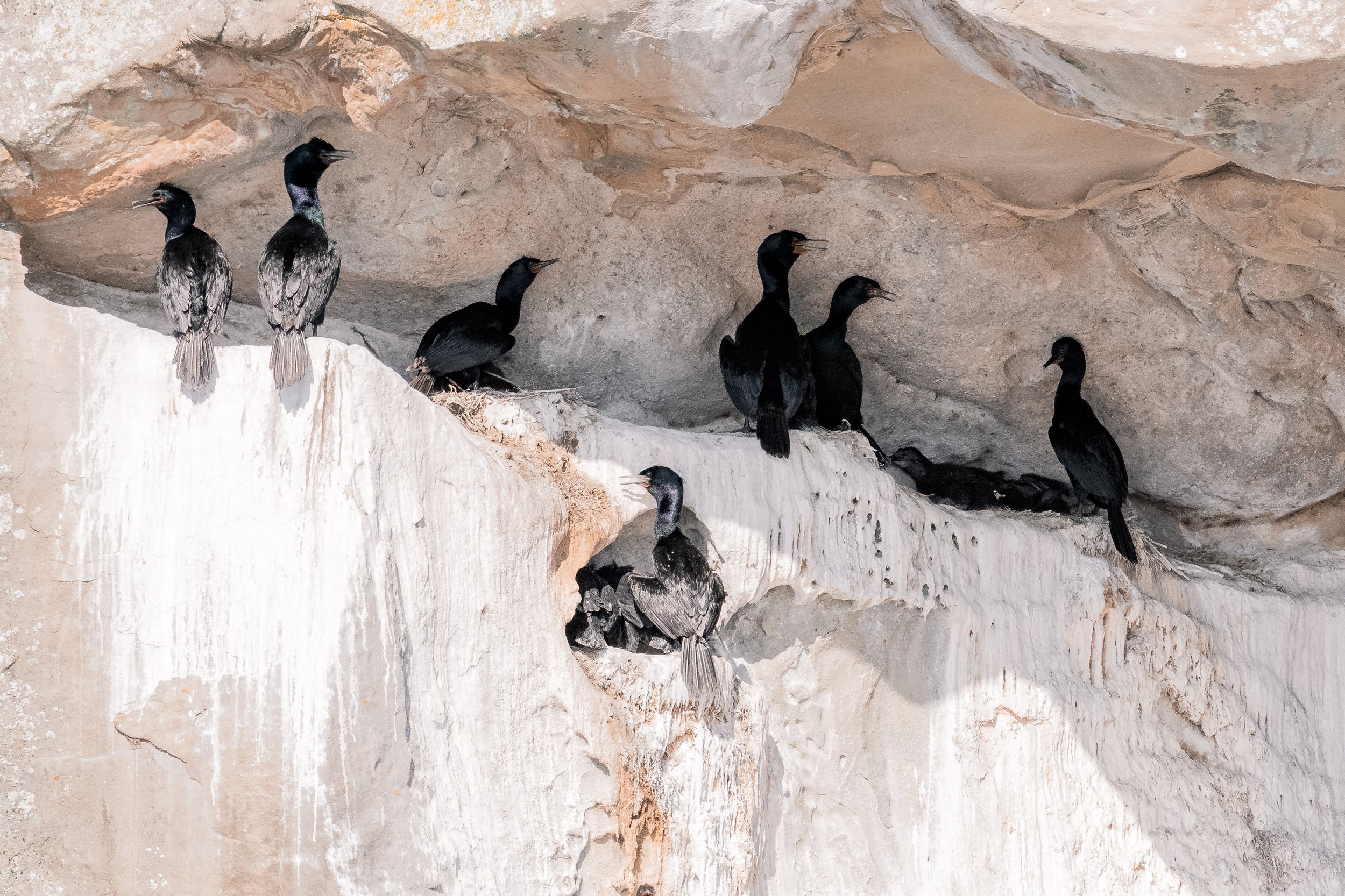
Every nook and cranny could potential be a good nesting spot! Photo by Evan Hessels.
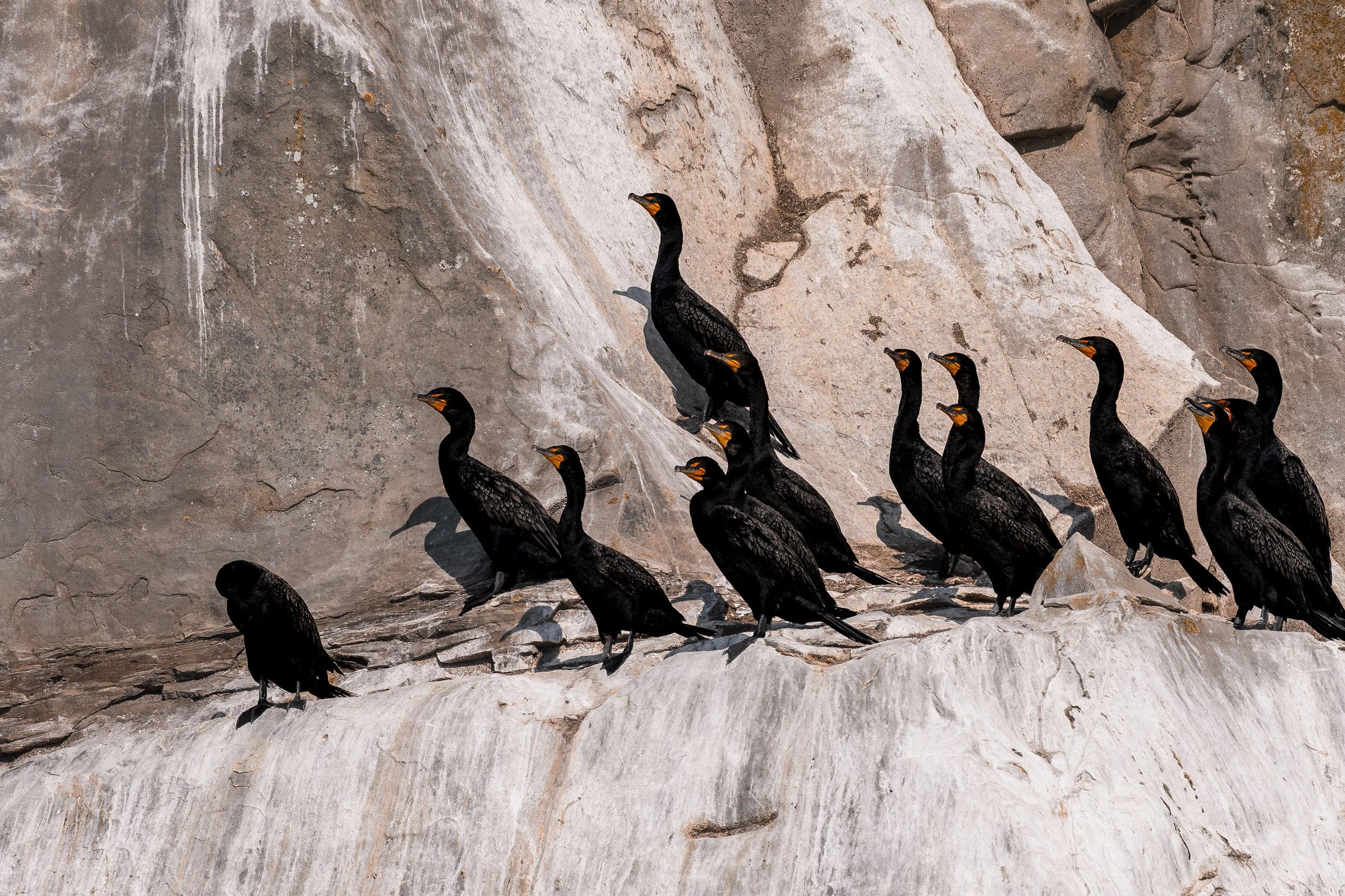
These Double-crested Cormorants seem very focused on something. Photo by Evan Hessels.
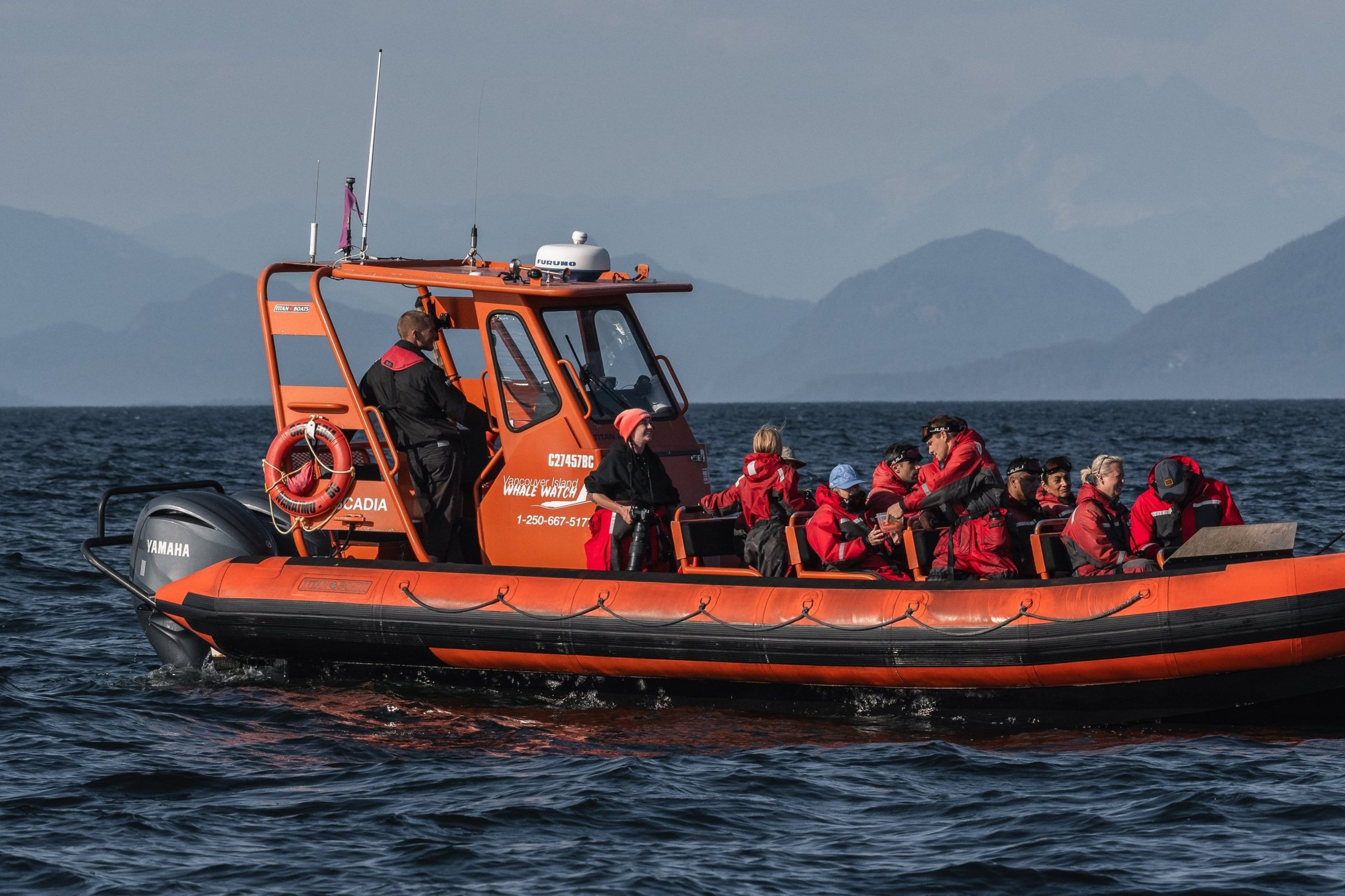
Cascadia and guests enjoying the day. Photo by Evan Hessels.