
August 12, 2026, 10:30 AM - A surprise encounter with some uncommonly spotted orca
Once more, all three of our boats were out on the water, ready to enjoy the sunny summer day. We started the trip by searching the waters around the Southern Gulf Islands. We spread out after crossing Dodd Narrows and began peeking around. There have been many whale sightings in these more sheltered waters lately. As we fanned out, we had success twofold when two different orca pods were spotted at nearly the same time!
Kula spotted a pair of orca close to Penelakut Island, travelling near the shoreline. Naturalist Jordan grabbed a few photos of them, and we discovered that these were the T101s:
T101 Reef ♀ (≤1969)
T101B Lagoon ♂ (1997)
These two have been frequently spotted in the Gulf Islands over the past week, meandering up and down the coastline. They were travelling close together in tandem as we observed, appearing to be checking the shore for an easy lunch. A full-grown orca has to eat multiple hundreds of pounds of food a day to keep their weight up, meaning this pair has to hunt a handful of seals or porpoises every single day!
Over in Trincomali Channel, Cascadia had located five more fins! Naturalist Hayleigh began photographing the whales. These dorsals didn't look familiar at first, and we thought they were one of our less commonly spotted pods. A female in the midst especially seemed extra unusual. After comparing some to our guides, it was discovered that this was the T073As with an interesting tagalong, T002B:
T002B Pedder ♀ (1979)
T073A Nessie/Greg ♀ (1987)
T073A1 Caddy/Paws ♂ (2005)
T073A2 Ogopogo/Trites (2010)
T073A3 Champ/Jessica (2015)
Both this matriline and Pedder are very uncommon orca to spot for us, with this being our first encounter with any of them this season. T073A1 Caddy/Paws was quite the sight to behold, towering over his mother and siblings. This pod is usually seen either up in Alaska or down off of Victoria, with very few sightings in the inner waters. In comparison, Pedder tends to stay around either Victoria, Tofino, or Port Hardy's shores. While we do not know why they decided to explore the inside of the islands today, we enjoyed every moment of it!
Keta soon joined, and after a few more views of the T101s, Kula made their way over as well.
These five were showing the epitome of typical orca behaviour as we positioned ourselves on scene - simply travelling along in a northerly direction. Orca can cover vast amounts of sea in a day as they search for haul-outs for seals or sea lions or browse through the water for porpoises. Our Transient orca population also have a very vast range, extending from Alaska all the way down to California. While they do not migrate in the traditional sense of leaving one area at a certain time of the year to head to another, it is always amazing to see how far they go. Just yesterday, they were documented in the Juan de Fuca Strait, off the southeastern tip of Vancouver Island!
After enjoying our time with them, we headed on out. The trip was far from over, though, and we began exploring to see what else we could find for the day.
Hauled up high on the rocks, many Harbour Seals were spotted lazily stretching and enjoying the warm summer day. Their mottled coats of a variety of shades are a great example of natural camouflage, and it is how they earned one of their nicknames - “Rock Sausages”! When they sit very still, sometimes it can be nearly impossible to spot them amongst the shoreline debris. The variation in colours, from very dark with light spots to very light with dark spots, further solidifies this evolutionary trait.
Back close to home port, we skirted along the edge of Gabriola Island, craning our necks to peek at the massive Gabriola Bluffs. A multitude of birds dotted the rockscape, shuffling along and chattering away. We are nearing the end of the nesting season for our Comorants, but a few fluffy grey chicks can still be seen amongst the adults. Chicks will fledge and take their first flight around 40 days after hatching, and many of the current chicks are nearly there. While we will be sad to see them less, we are excited to watch them take their next steps in life!
With so many different sightings throughout the day complete, it was time to head back into harbour. Nanaimo’s skyline came back into view, and a few minutes later, we were back at the dock!
Photos by Marine Naturalists Jordan Robinson, Hayleigh Hilbert, and Evan Hessels - please enjoy.
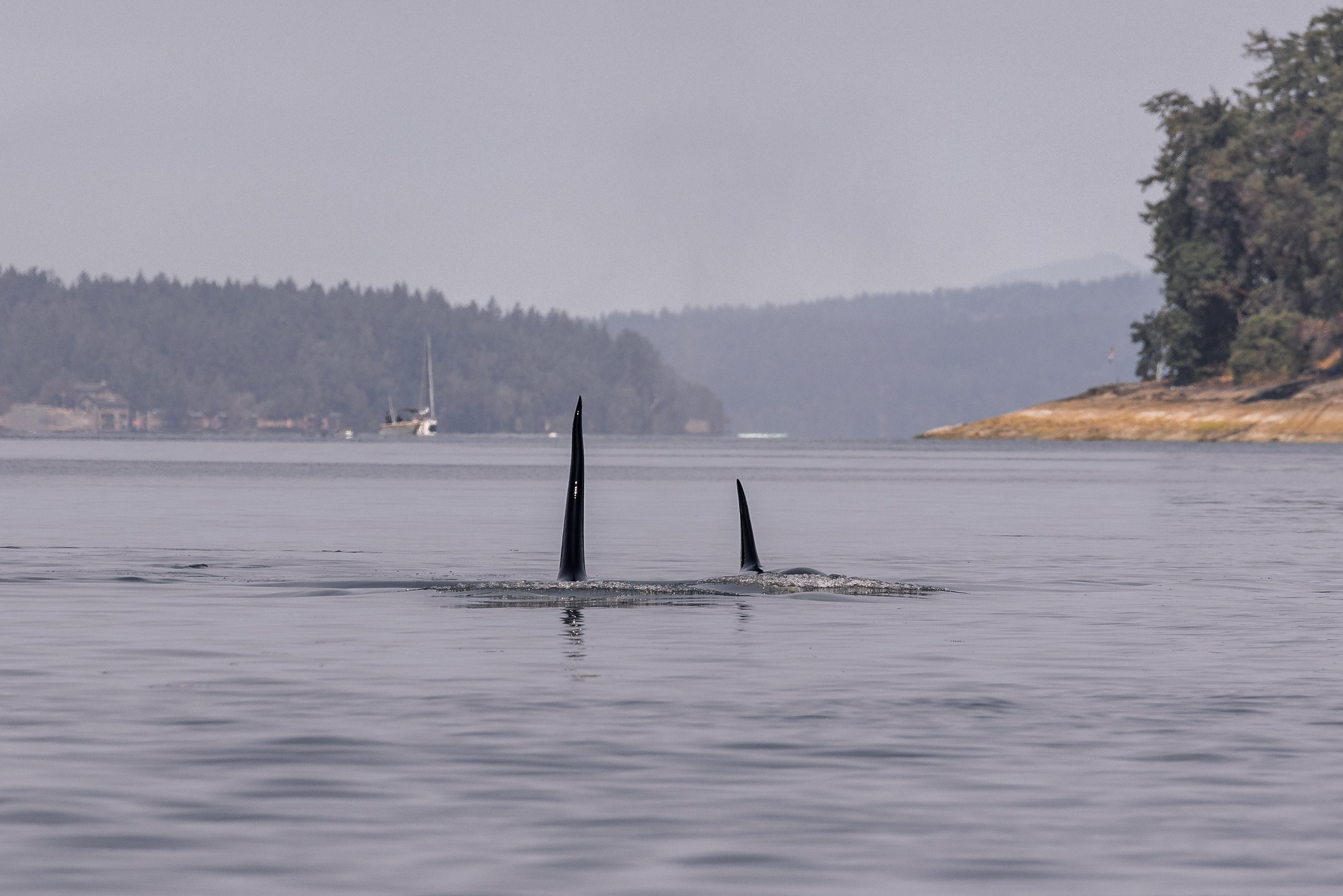
T101B Lagoon and T101 Reef travelling along. Photo by Jordan Robinson.
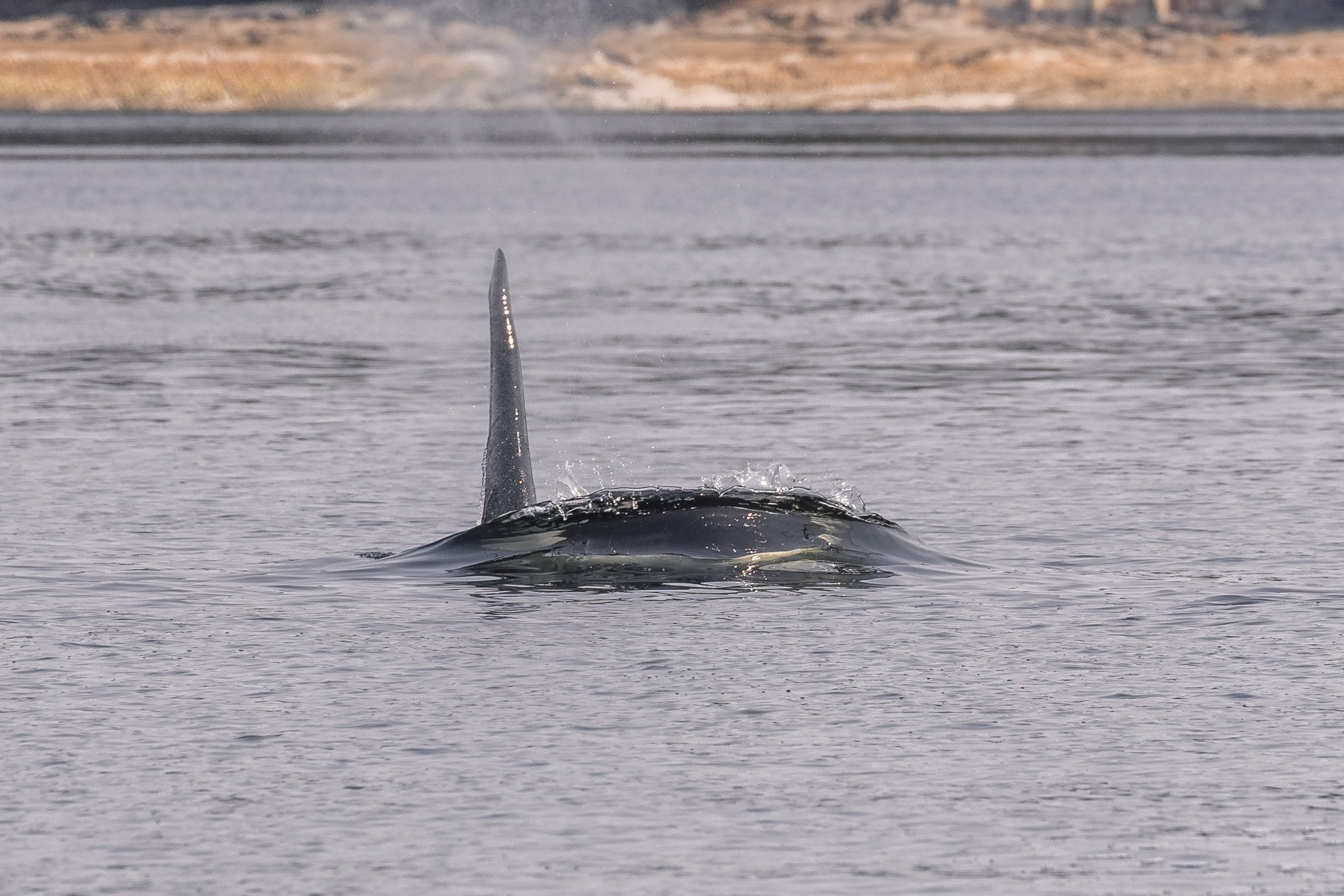
T101B Lagoon with a bit of a funky angle! Photo by Jordan Robinson.
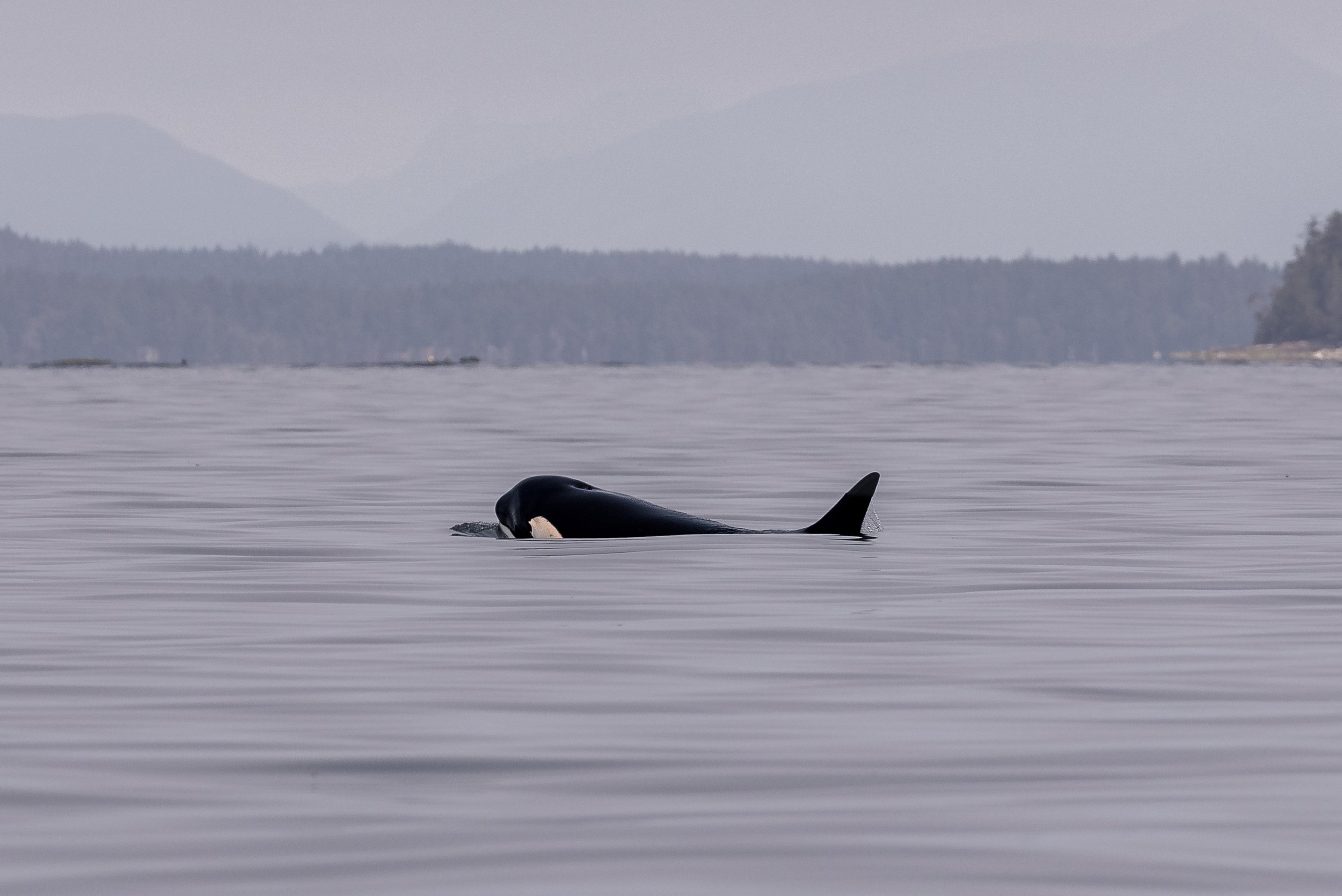
T101 Reef peeking above the water. Photo by Jordan Robinson.
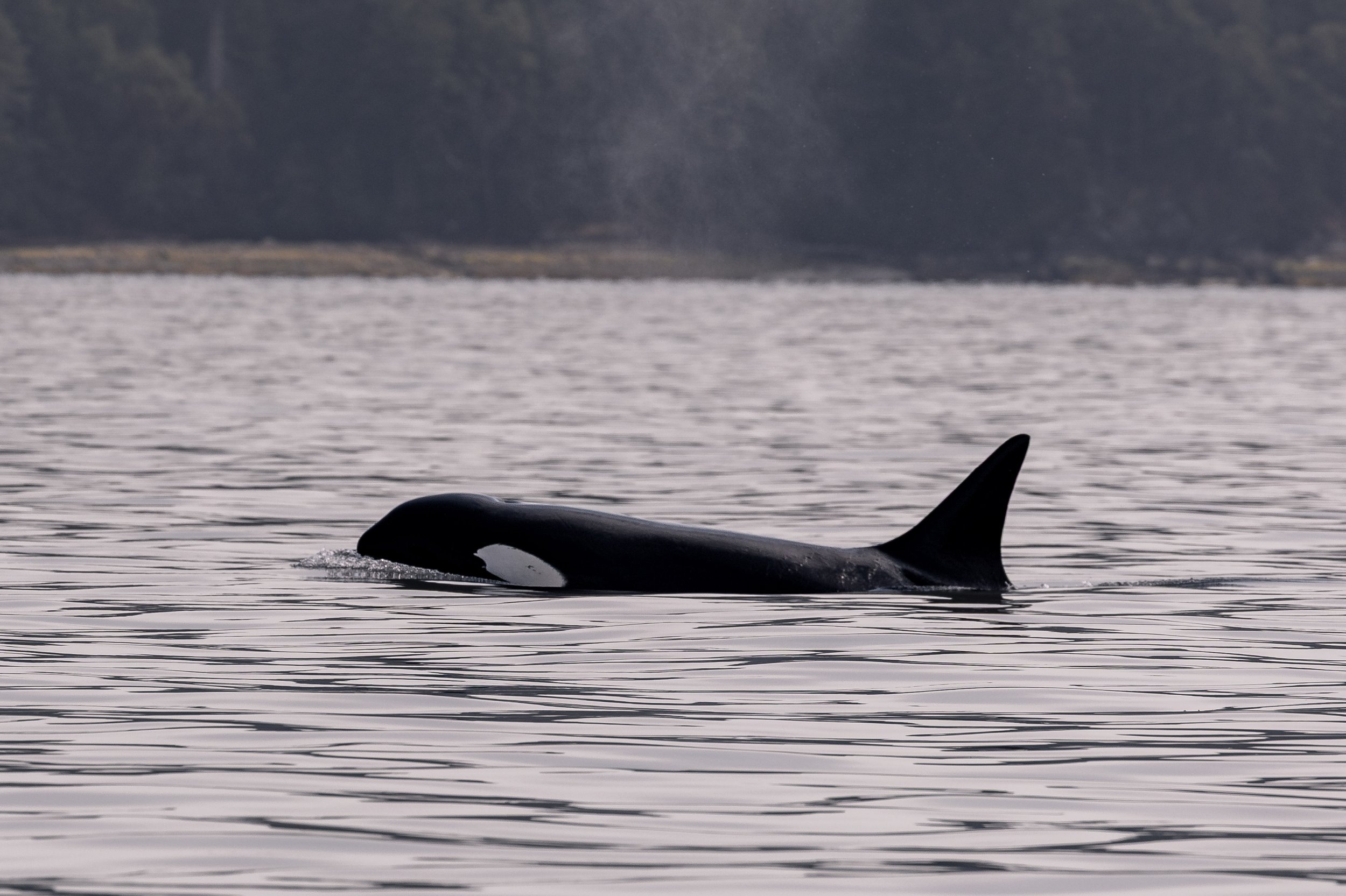
T101 Reef with her unique eyepatch visible. Photo by Jordan Robinson.
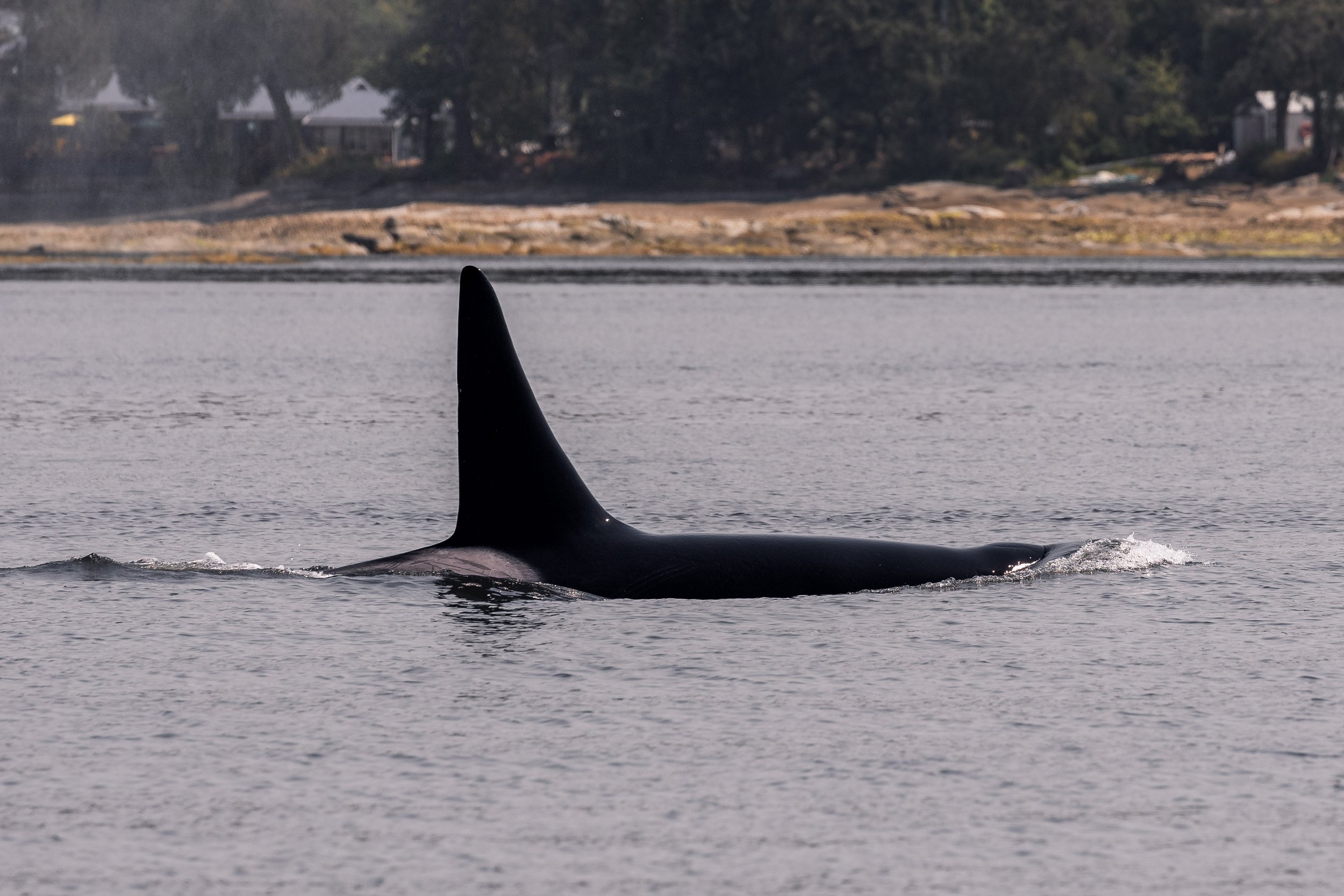
T101B Lagoon. Photo by Jordan Robinson.
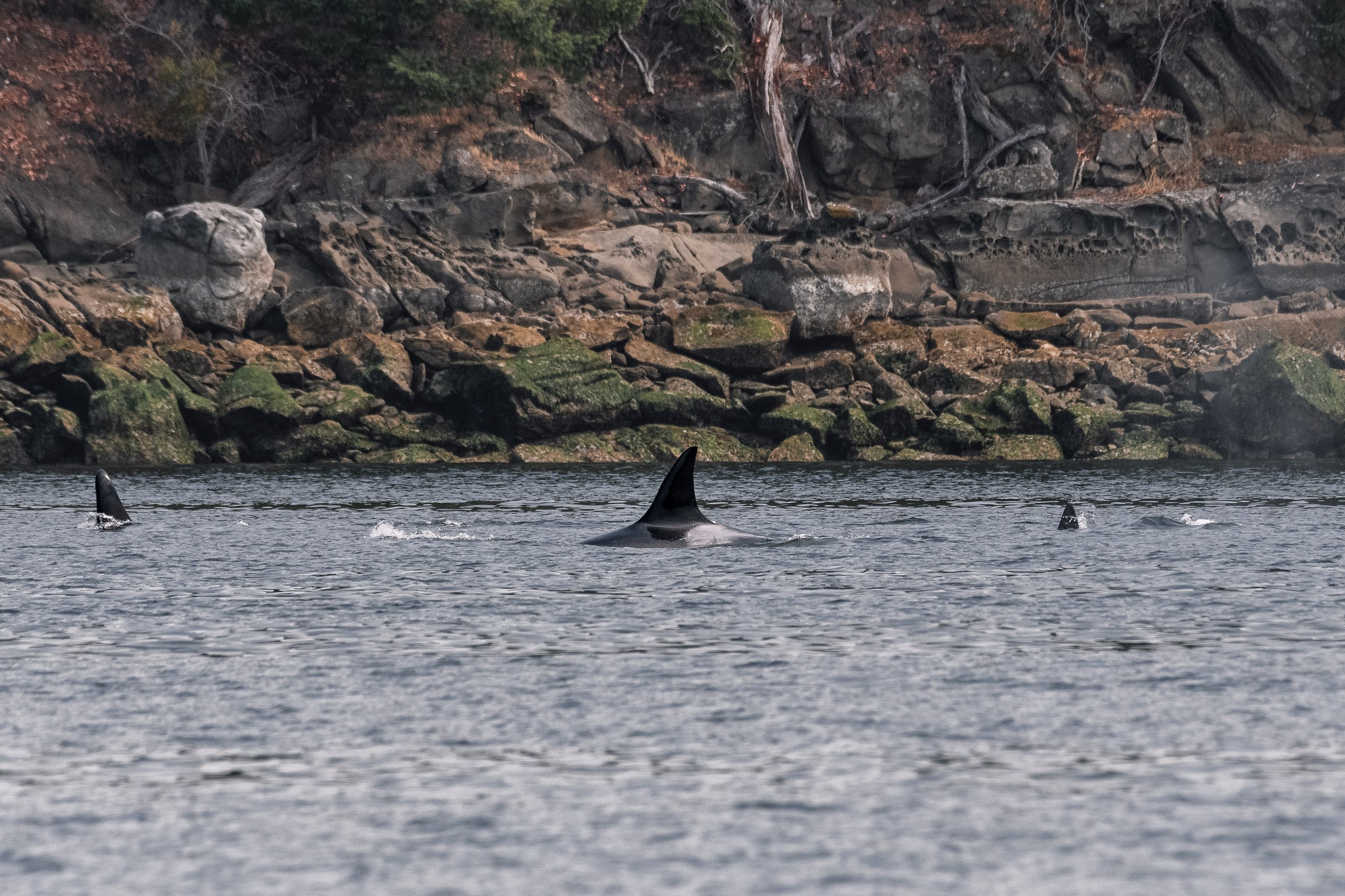
T002B Pedder amongst the T073As. Photo by Evan Hessels.
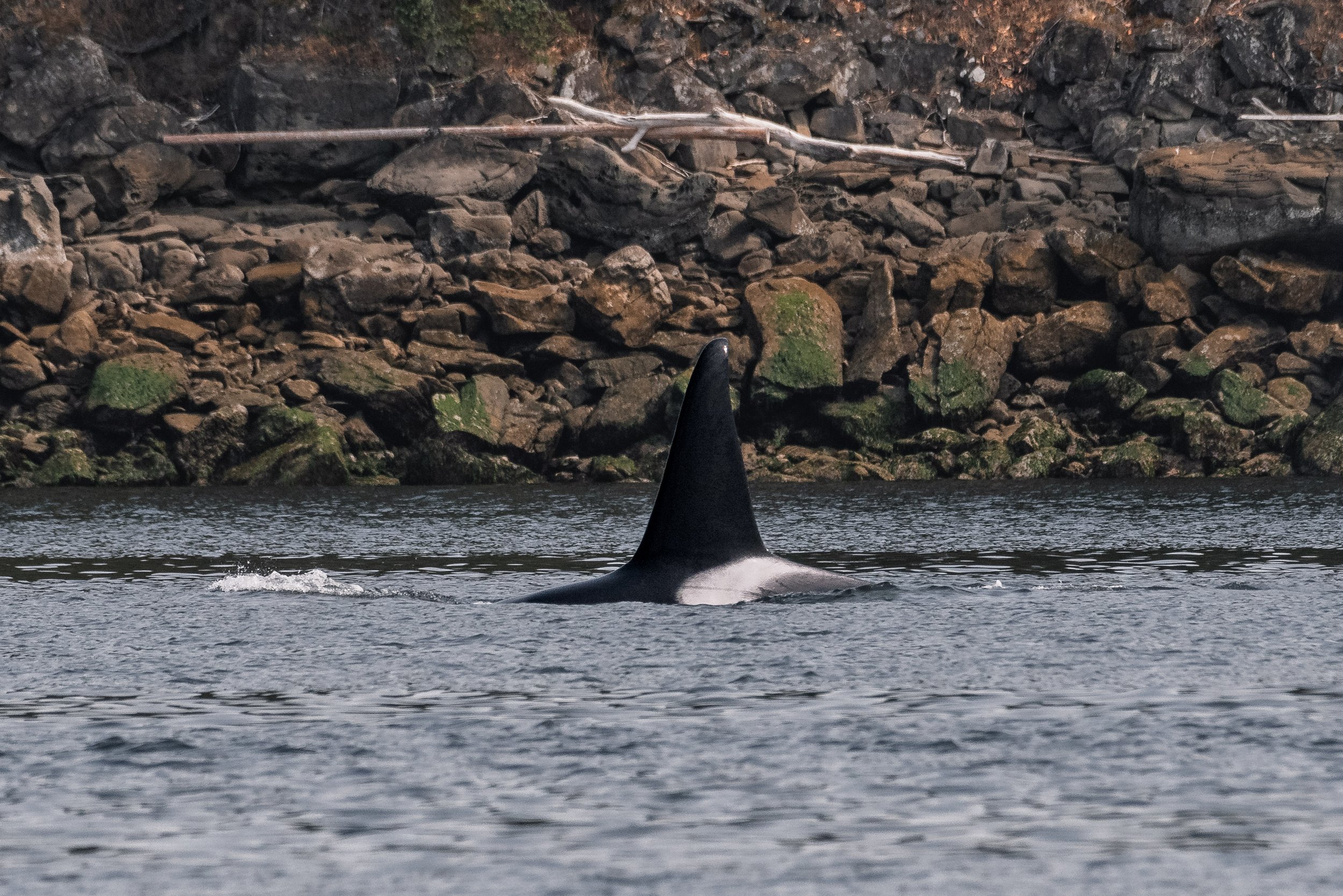
T073A1 Caddy/Paws has a uniquely scarred saddlepatch. Photo by Evan Hessels.
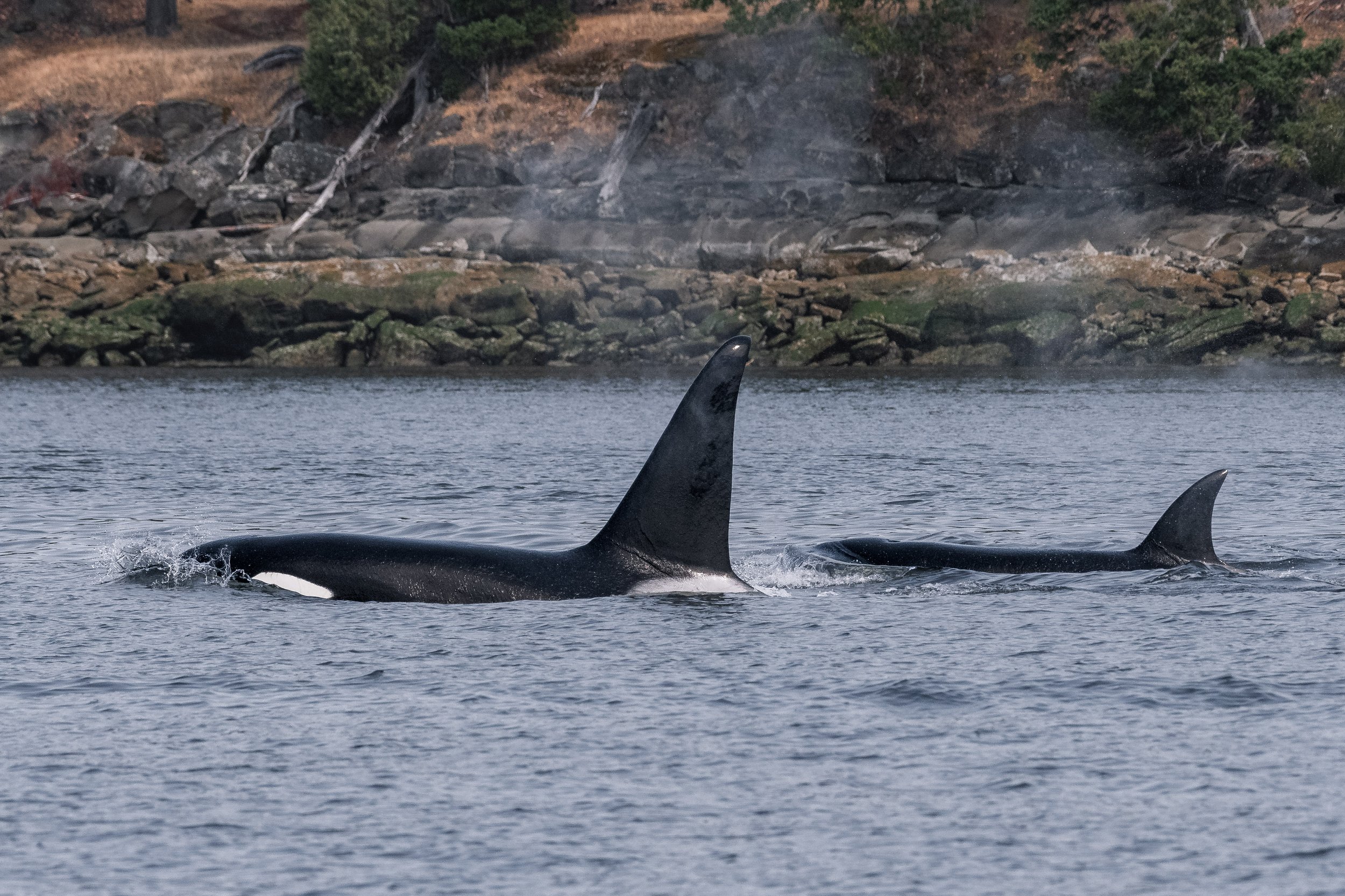
T073A1 Caddy/Paws and T073A3 Champ/Jessica. Photo by Evan Hessels.
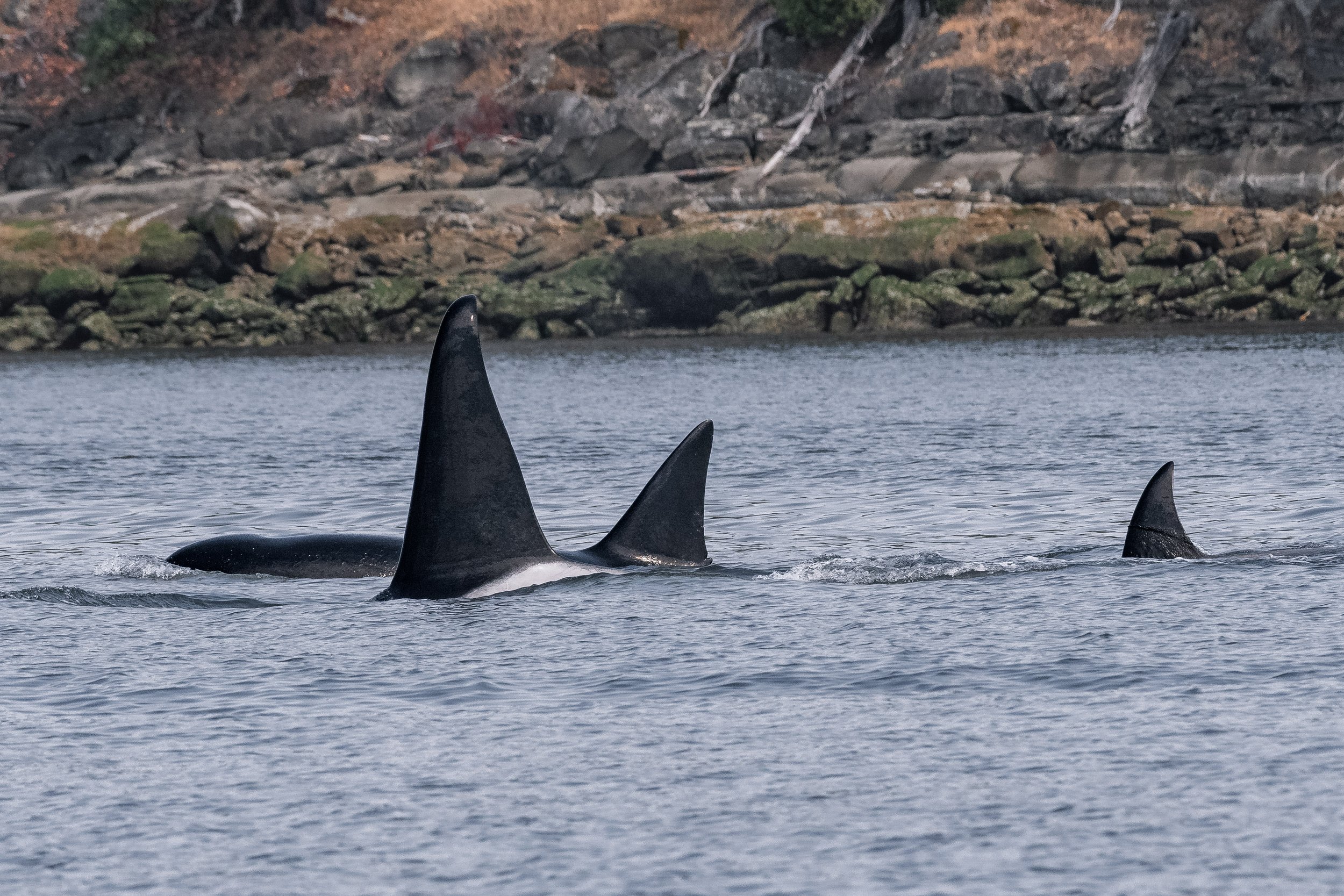
T073A1 Caddy/Paws, T073A2 Ogopogo/Trites, and T073A3 Champ/Jessica. Photo by Evan Hessels.
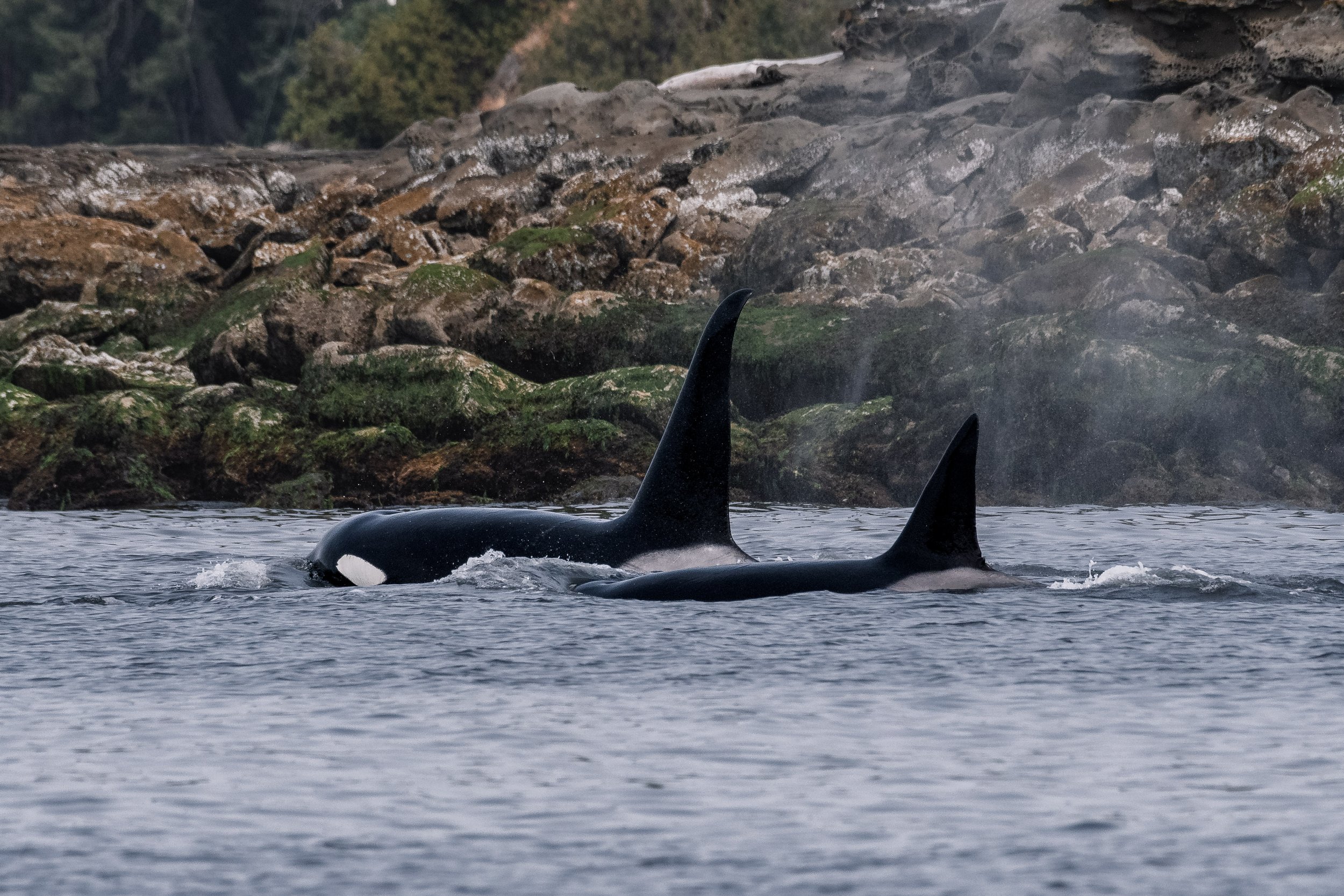
T073A1 Caddy/Paws and T073A2 Ogopogo/Trites. Photo by Evan Hessels.
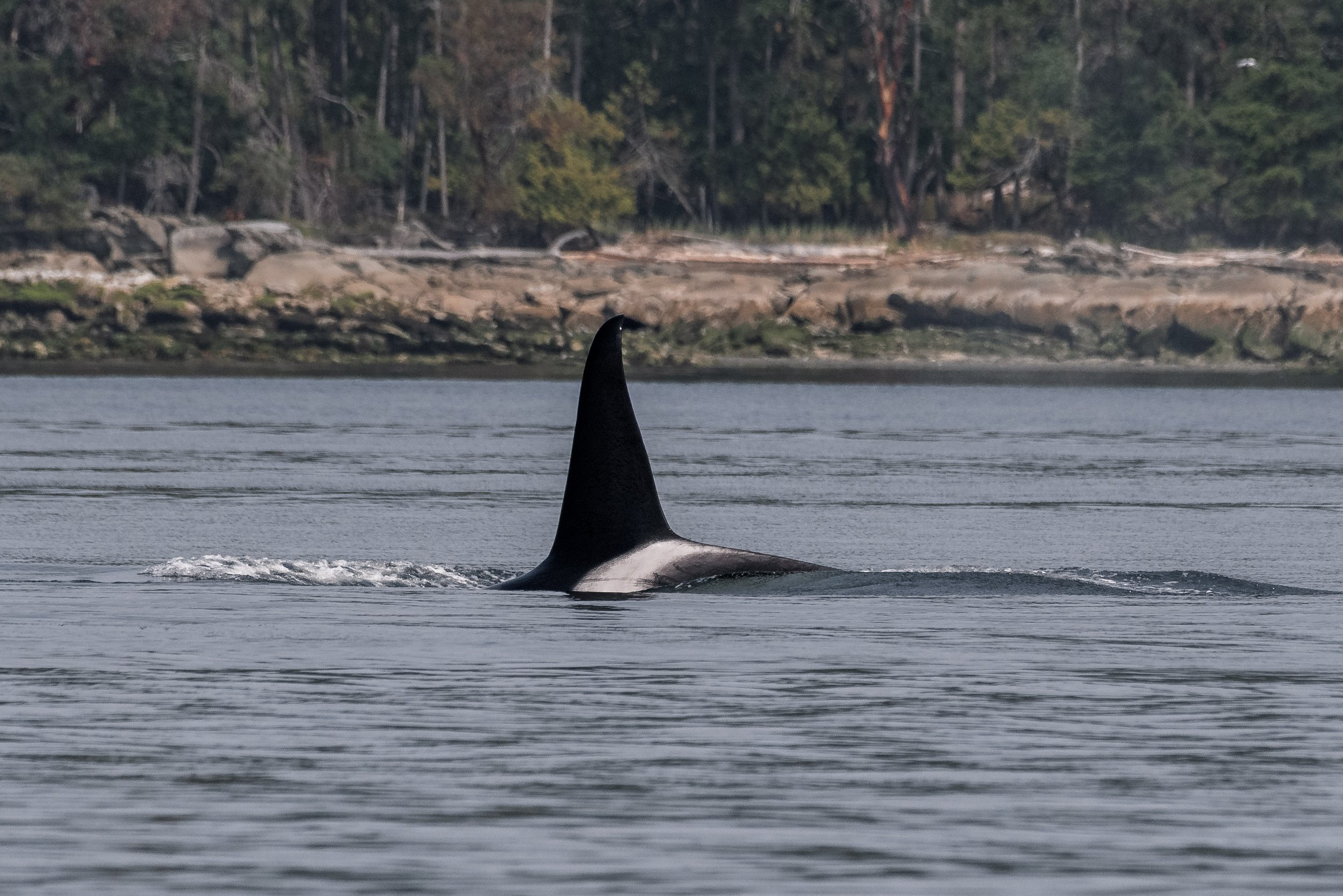
T073A1 Caddy/Paws going down for a dive. Photo by Evan Hessels.
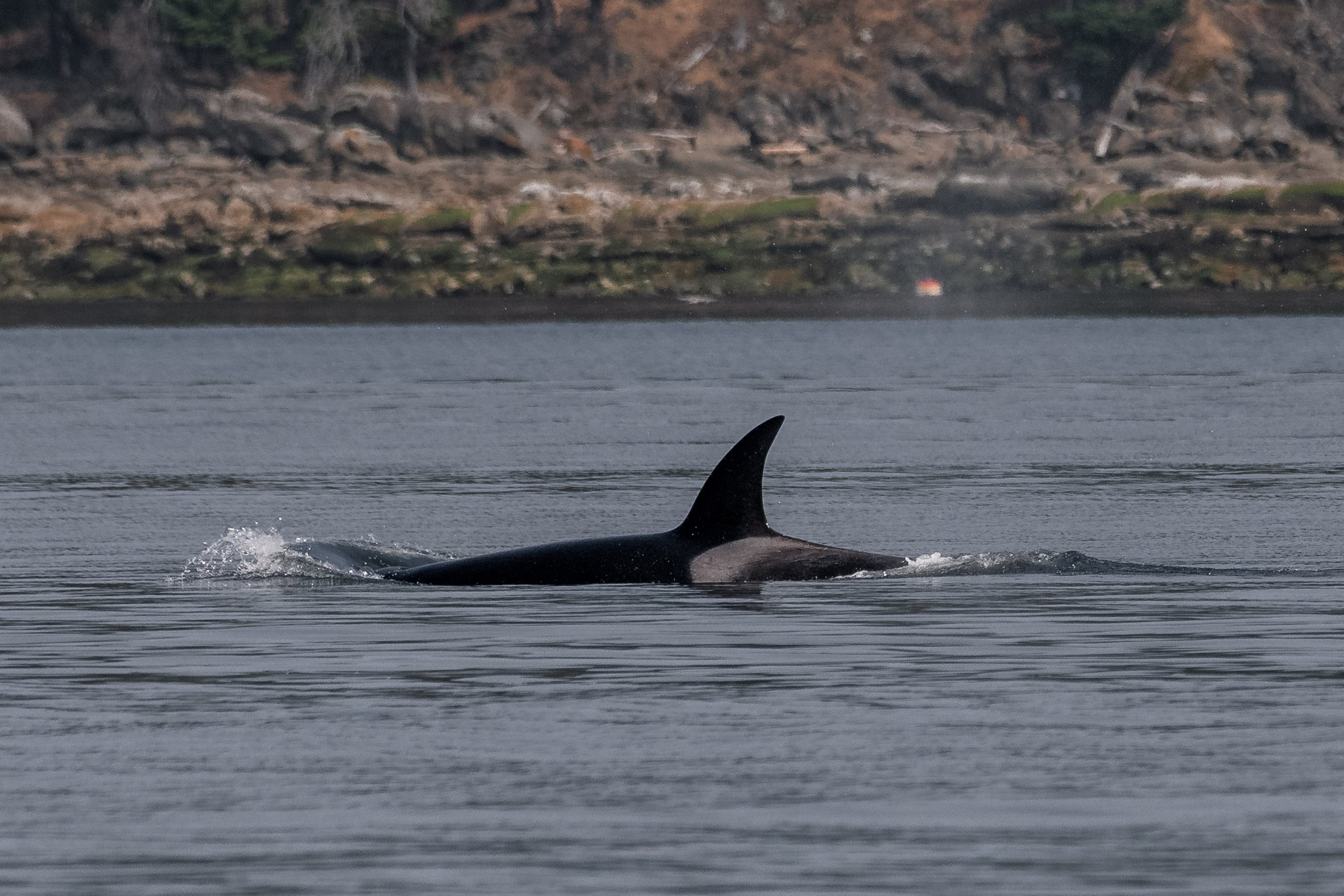
T073A3 Champ/Jessica underway. Photo by Evan Hessels.
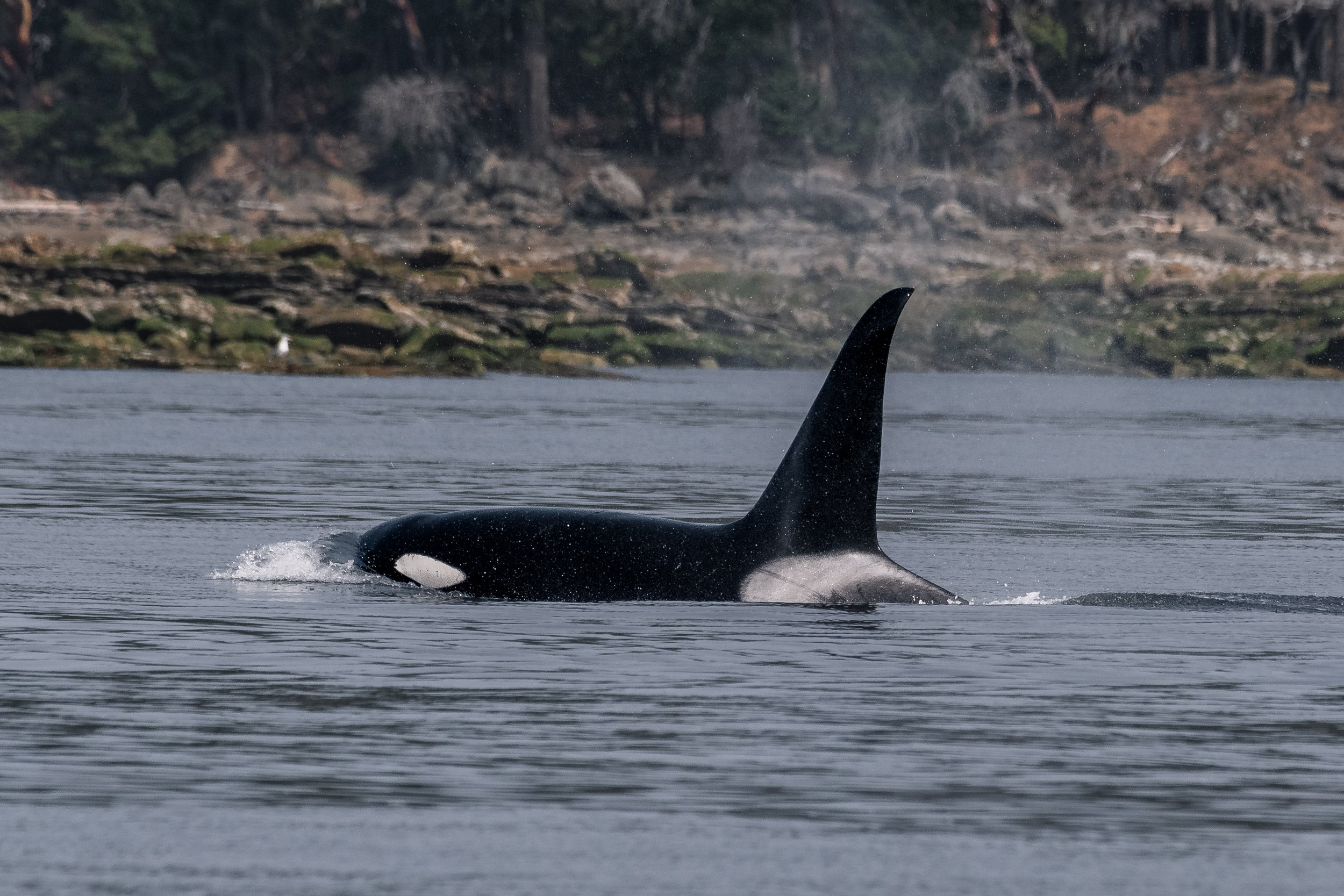
T073A1 Caddy/Paws with his eyepatch above the surface. Photo by Evan Hessels.
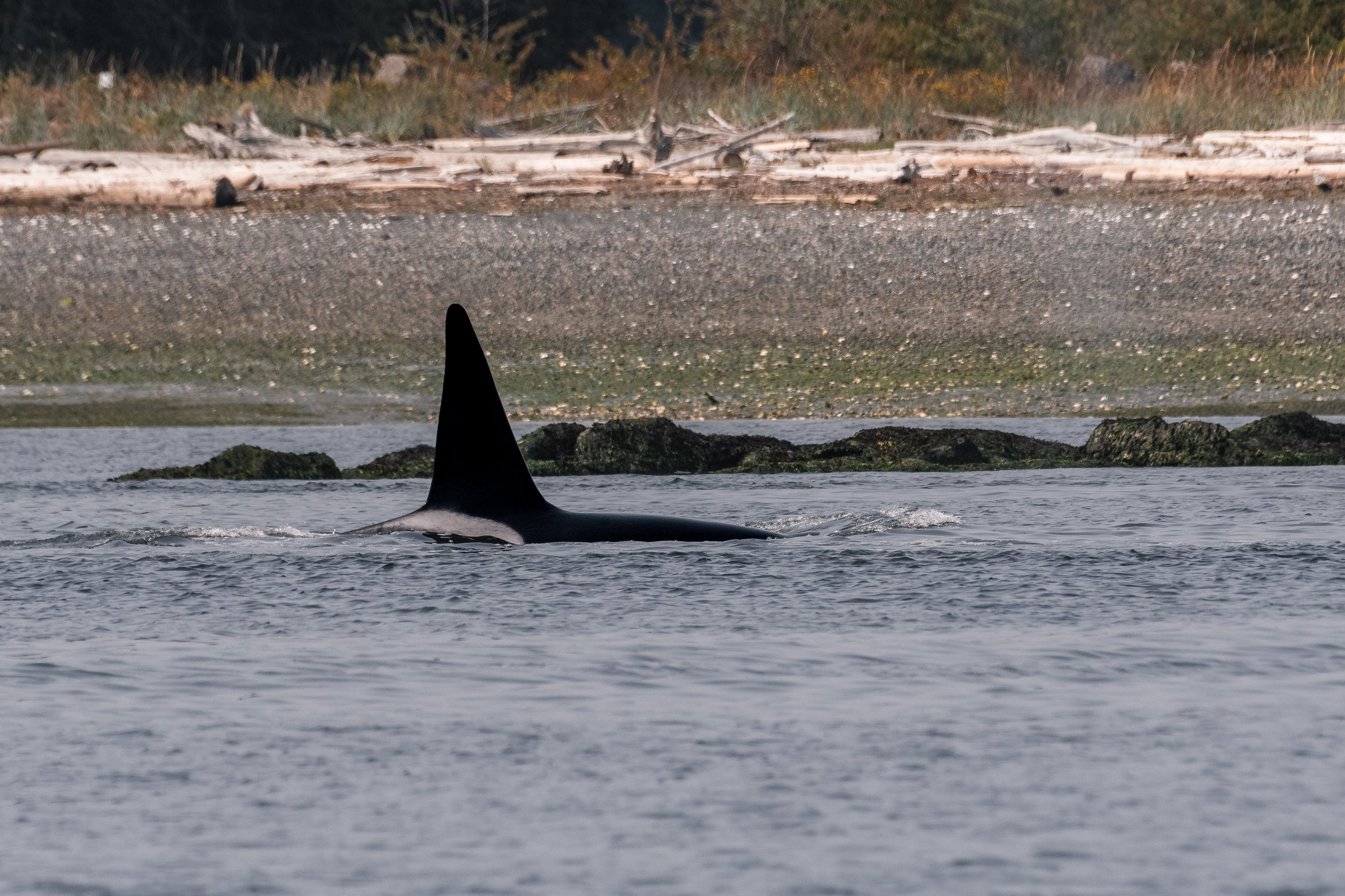
T073A1 Caddy/Paws close to shore. Photo by Evan Hessels.
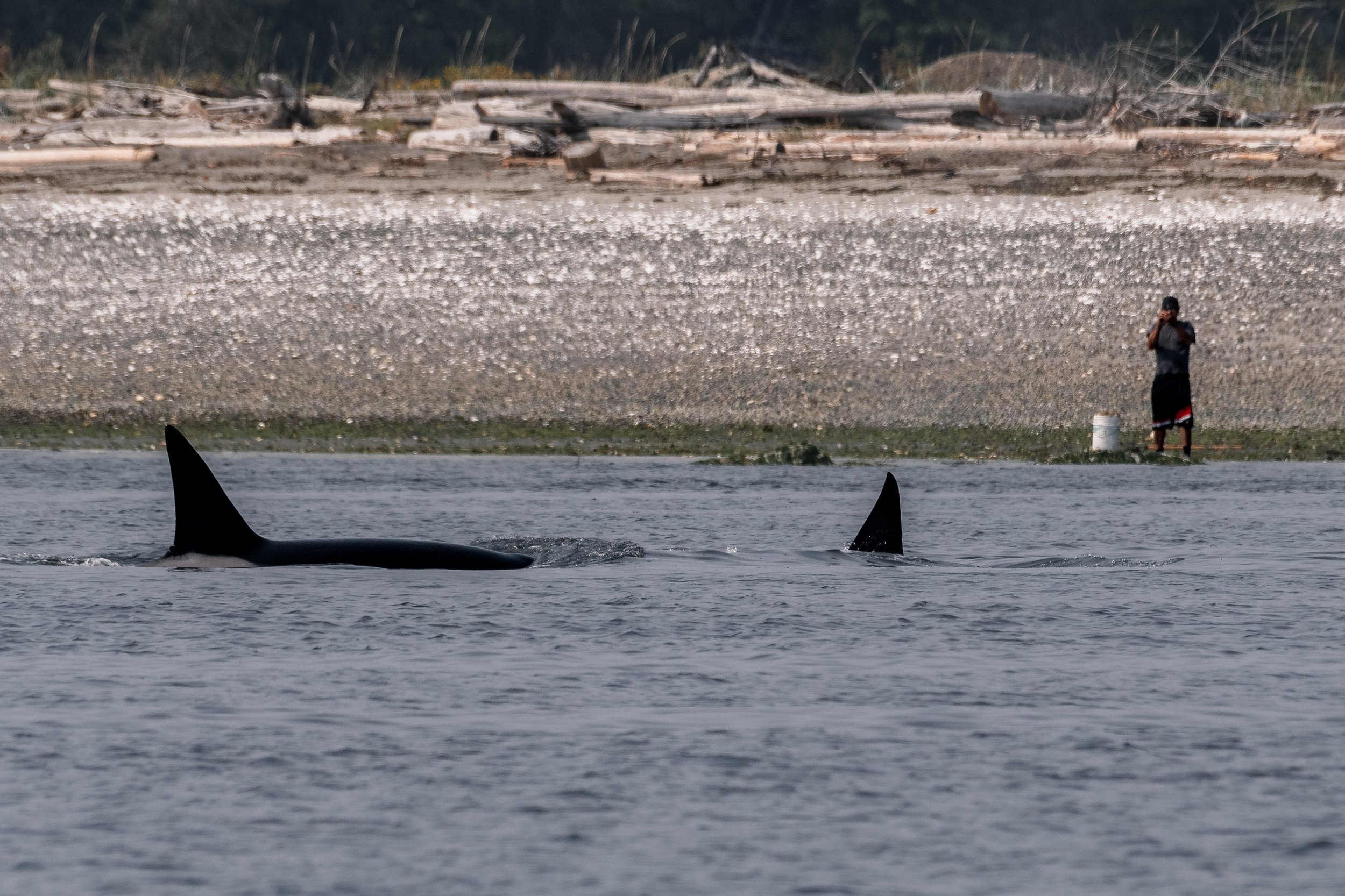
T073A1 Caddy/Paws diving, T073A2 Ogopogo/Trites behind him, and an onlooker from shore. Photo by Evan Hessels.
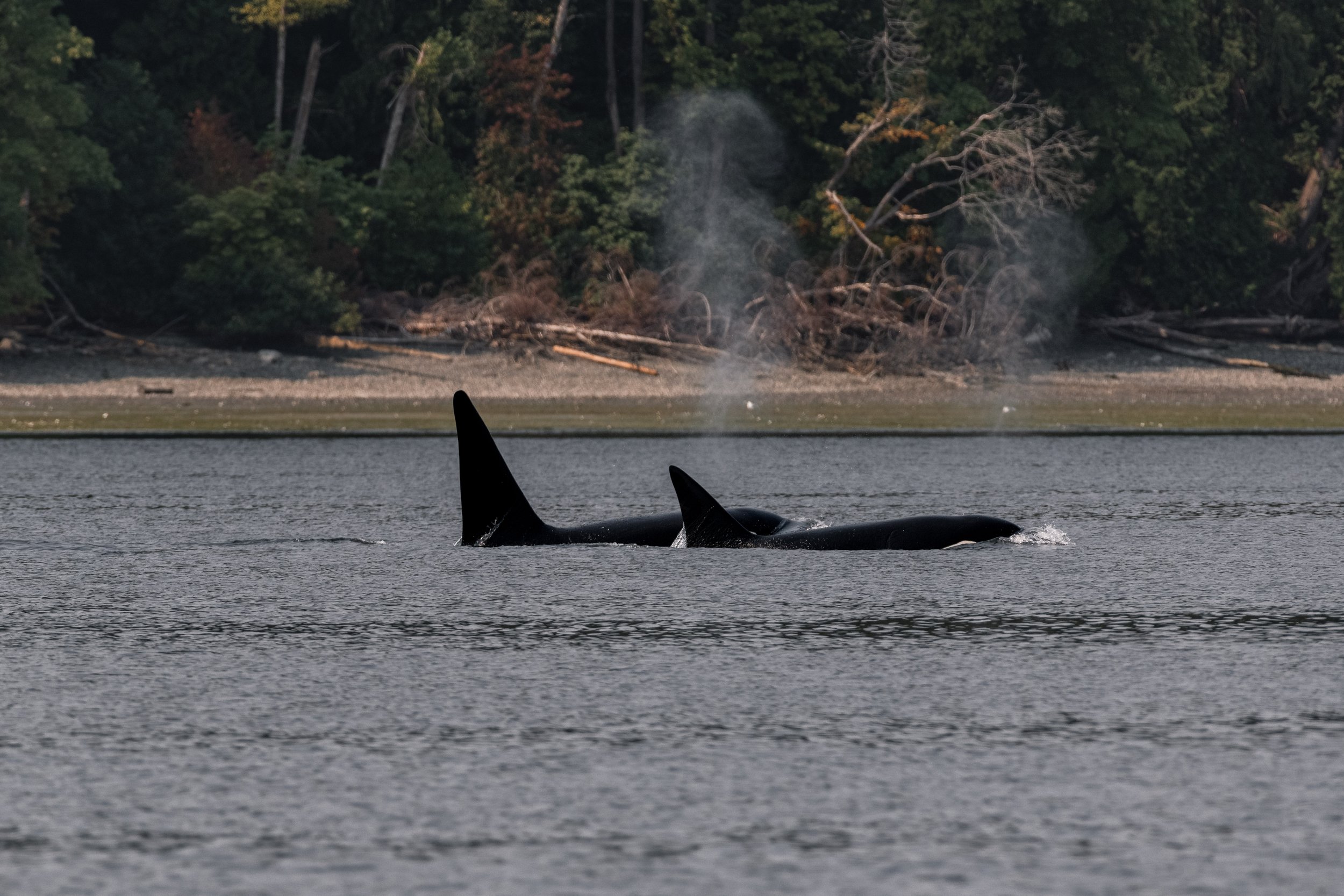
T073A1 Caddy/Paws travelling beside T073A2 Ogopogo/Trites. Photo by Evan Hessels.
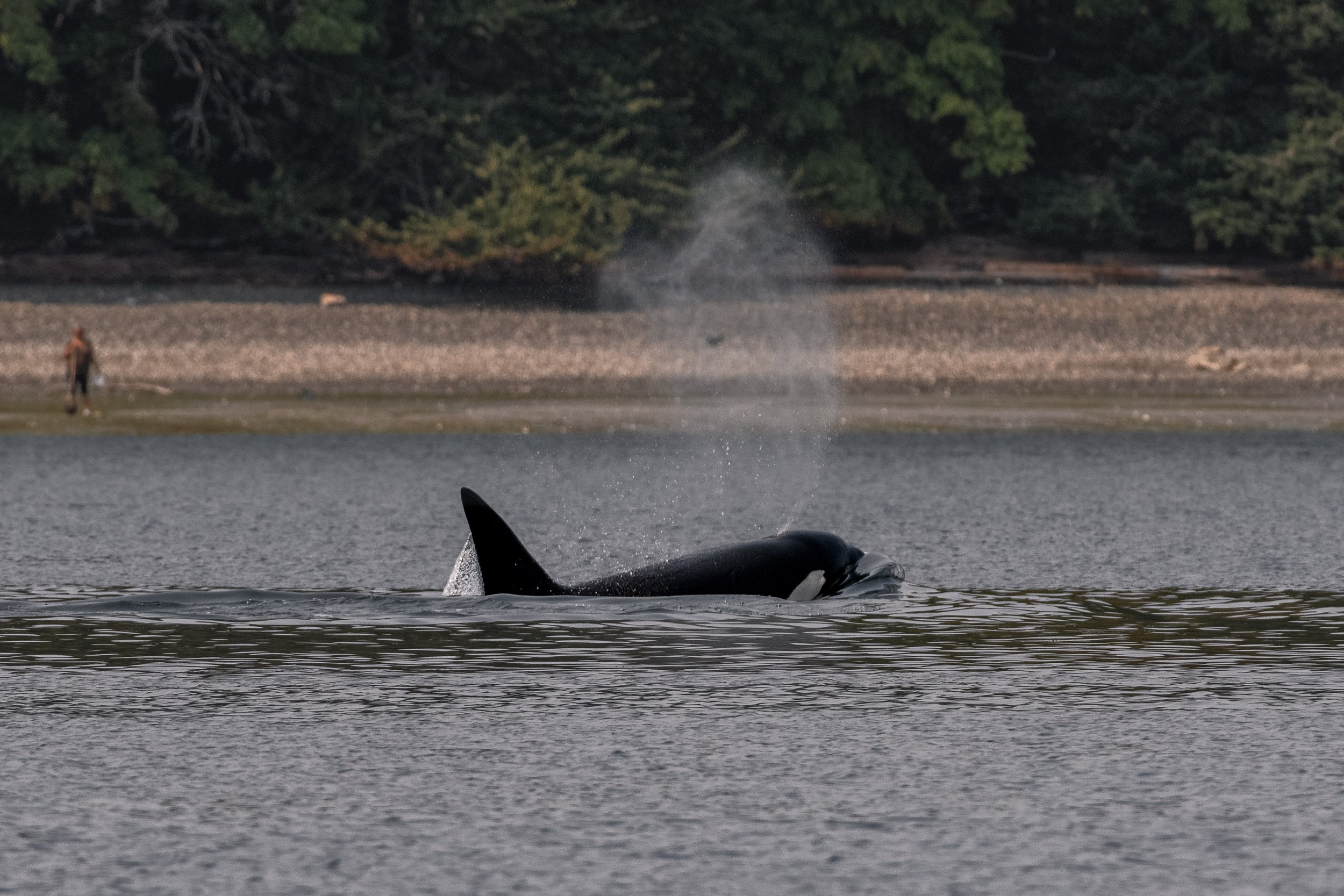
T073A2 Ogopogo/Trites coming up for a big blow. Photo by Evan Hessels.
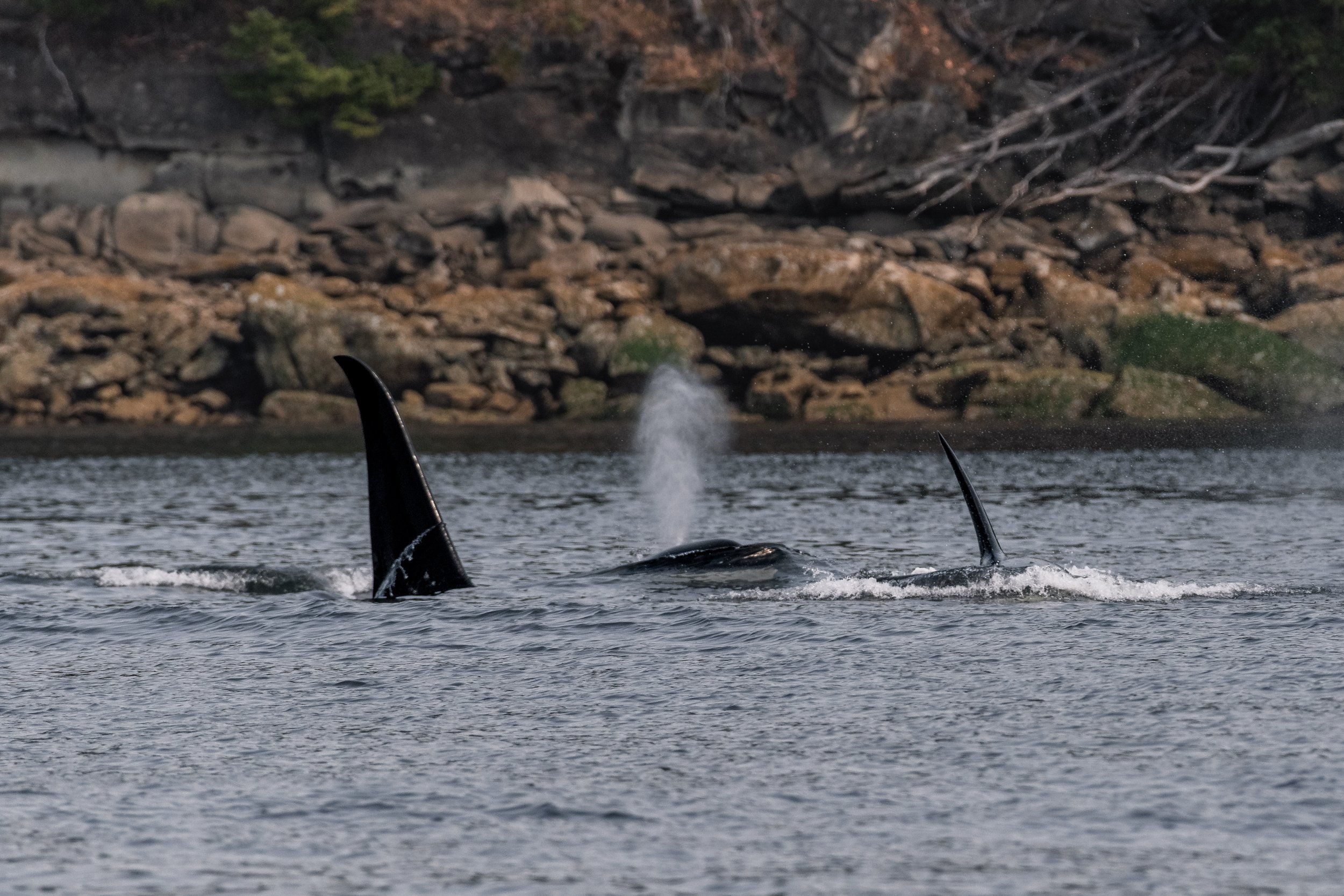
T073A1 Caddy/Paws coming up for a breath with another ahead of him. Photo by Hayleigh Hilbert.
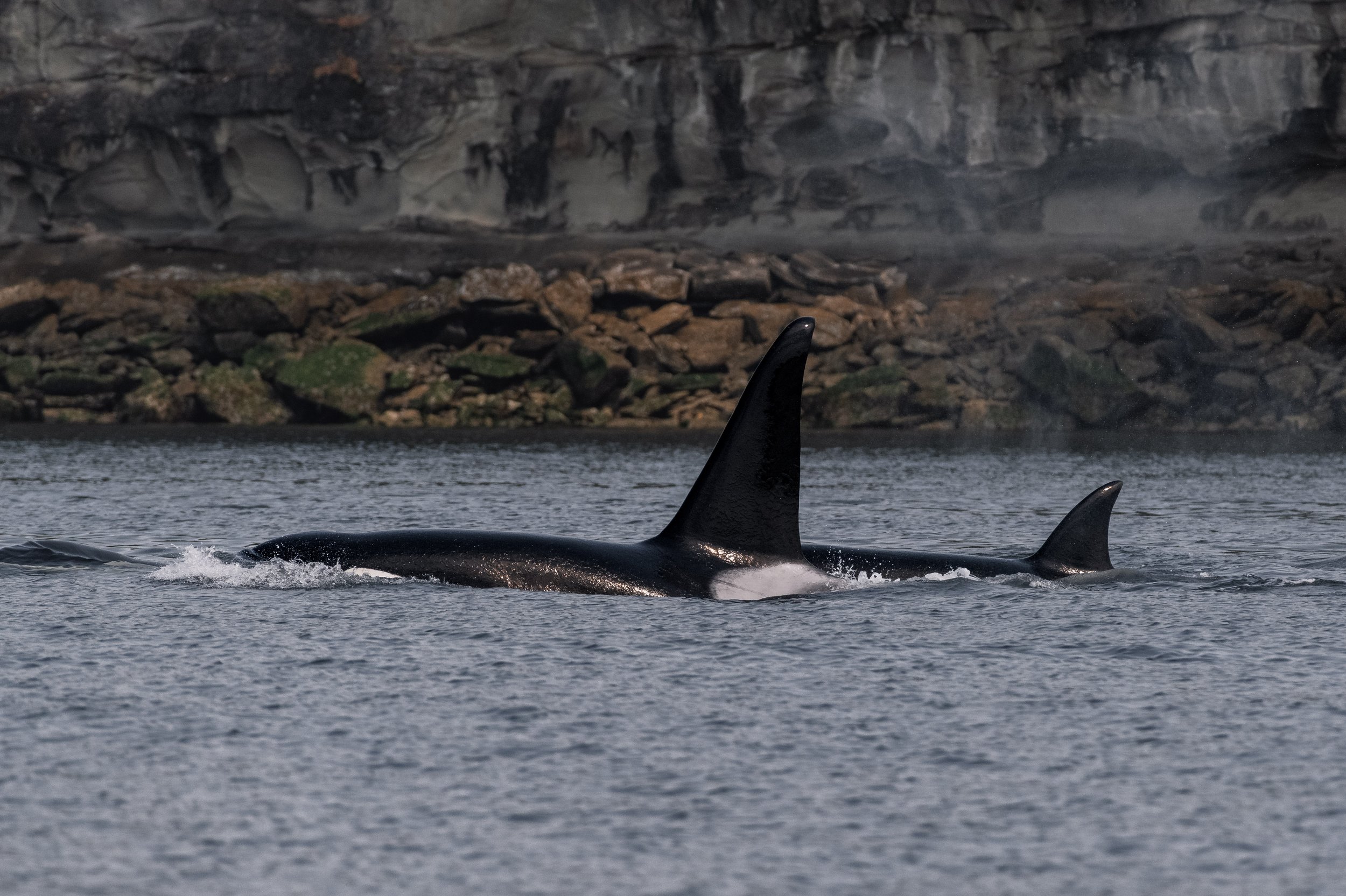
T073A1 Caddy/Paws with T073A3 Champ/Jessica close behind. Photo by Hayleigh Hilbert.
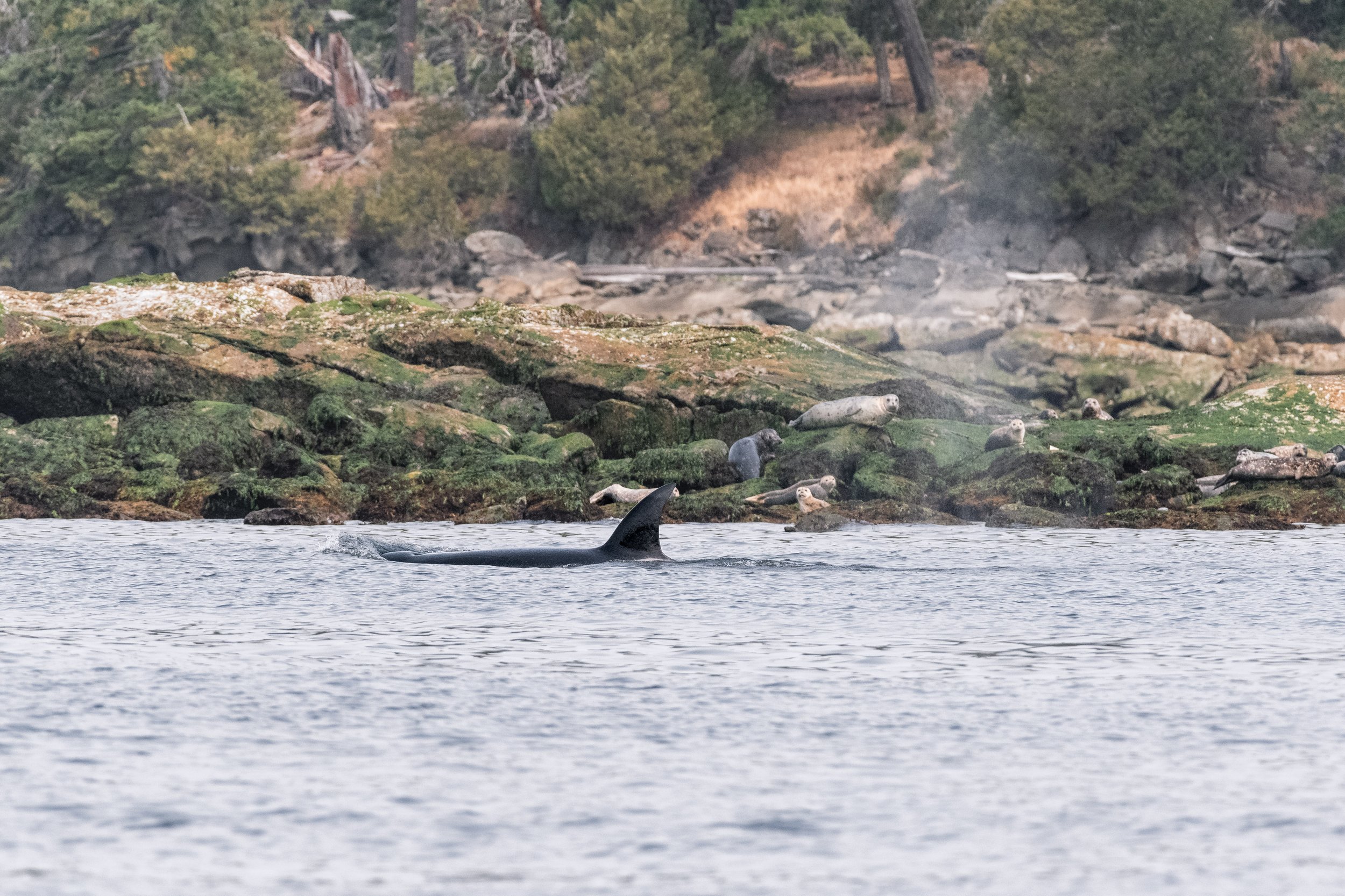
Nervous Harbour Seals as T073A3 Champ/Jessica glides by. Photo by Hayleigh Hilbert.
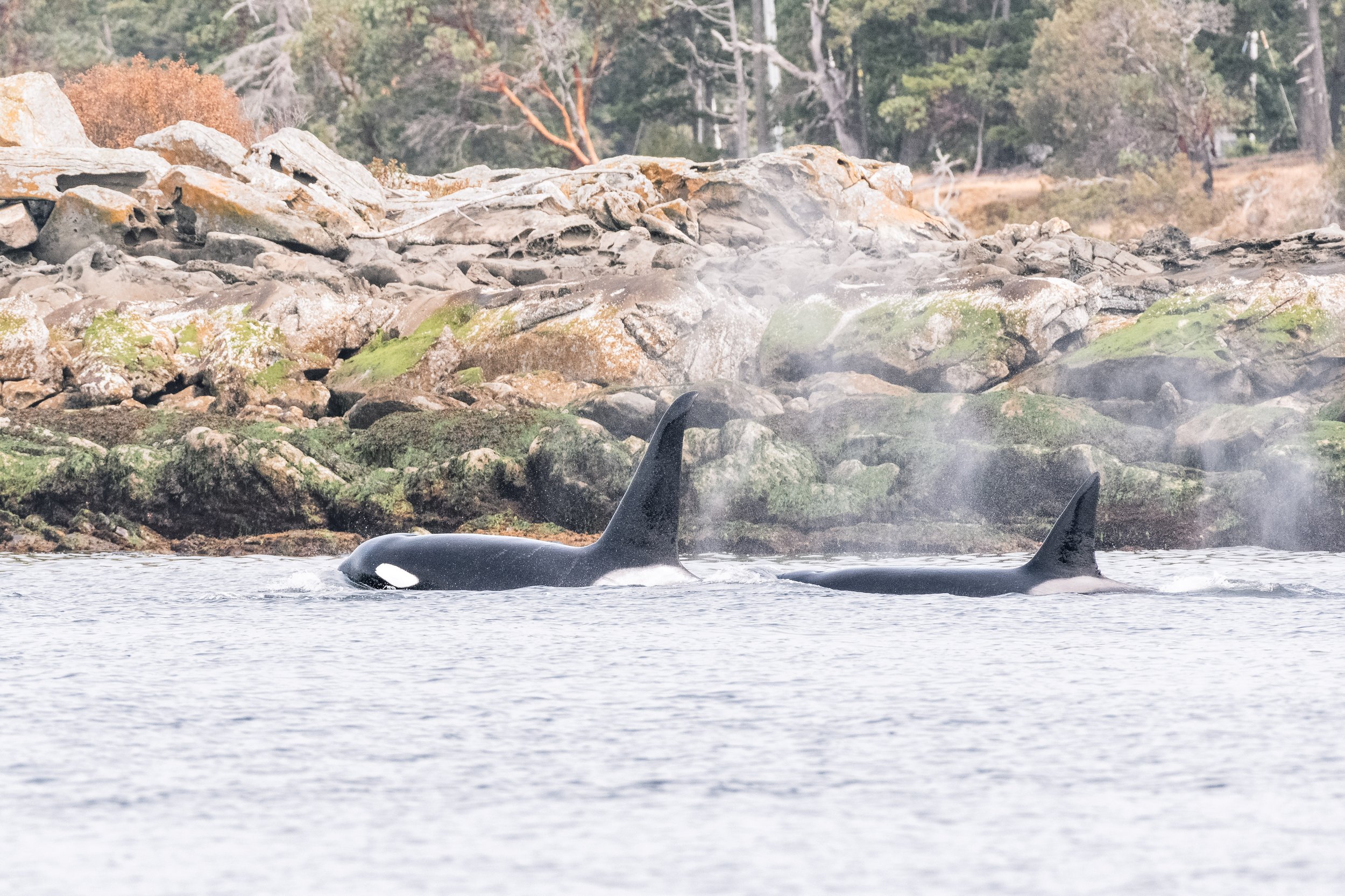
T073A1 Caddy/Paws and T073A2 Ogopogo/Trities joining the search for an easy meal. Photo by Hayleigh Hilbert.
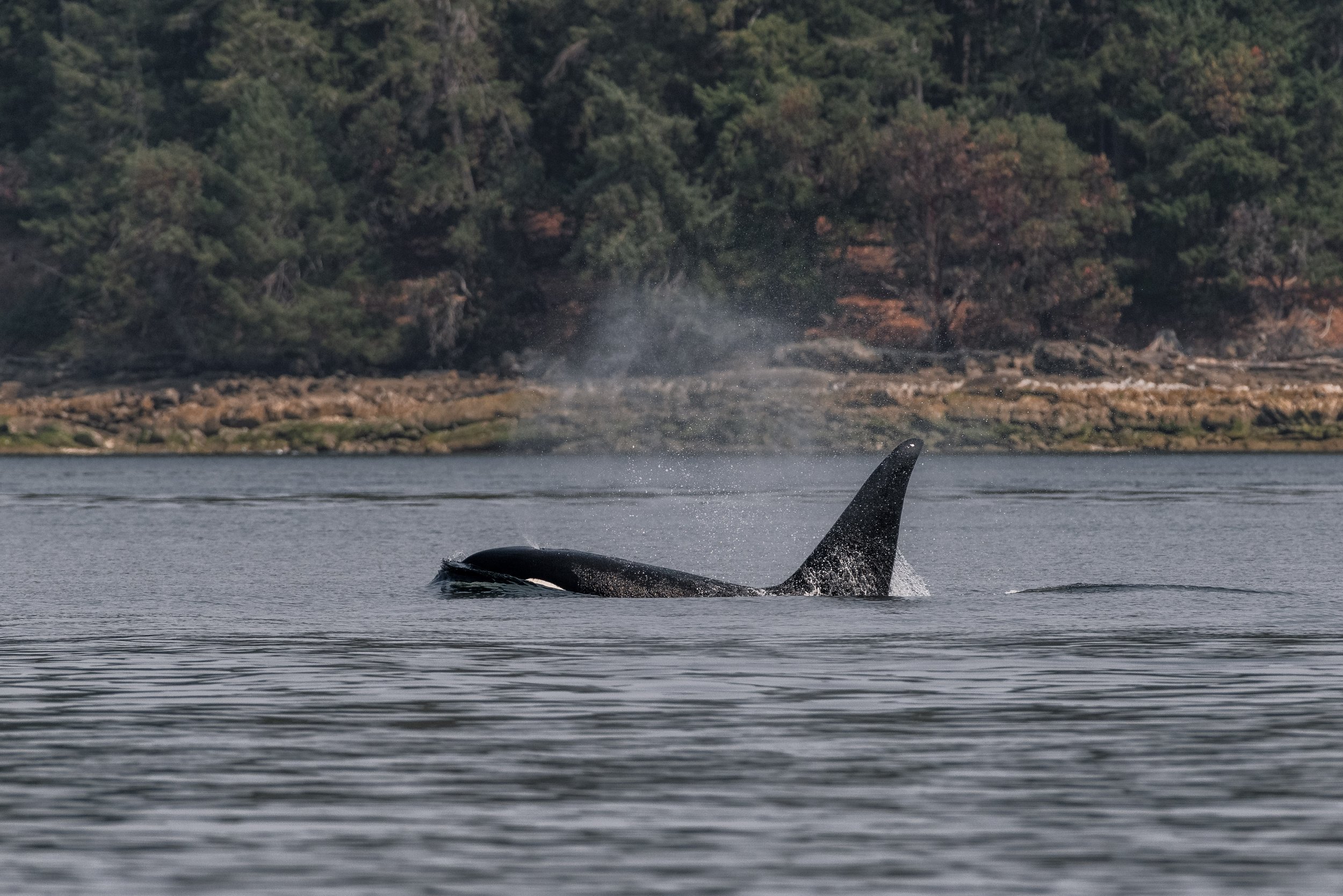
T073A1 Caddy/Paws powering along. Photo by Hayleigh Hilbert.
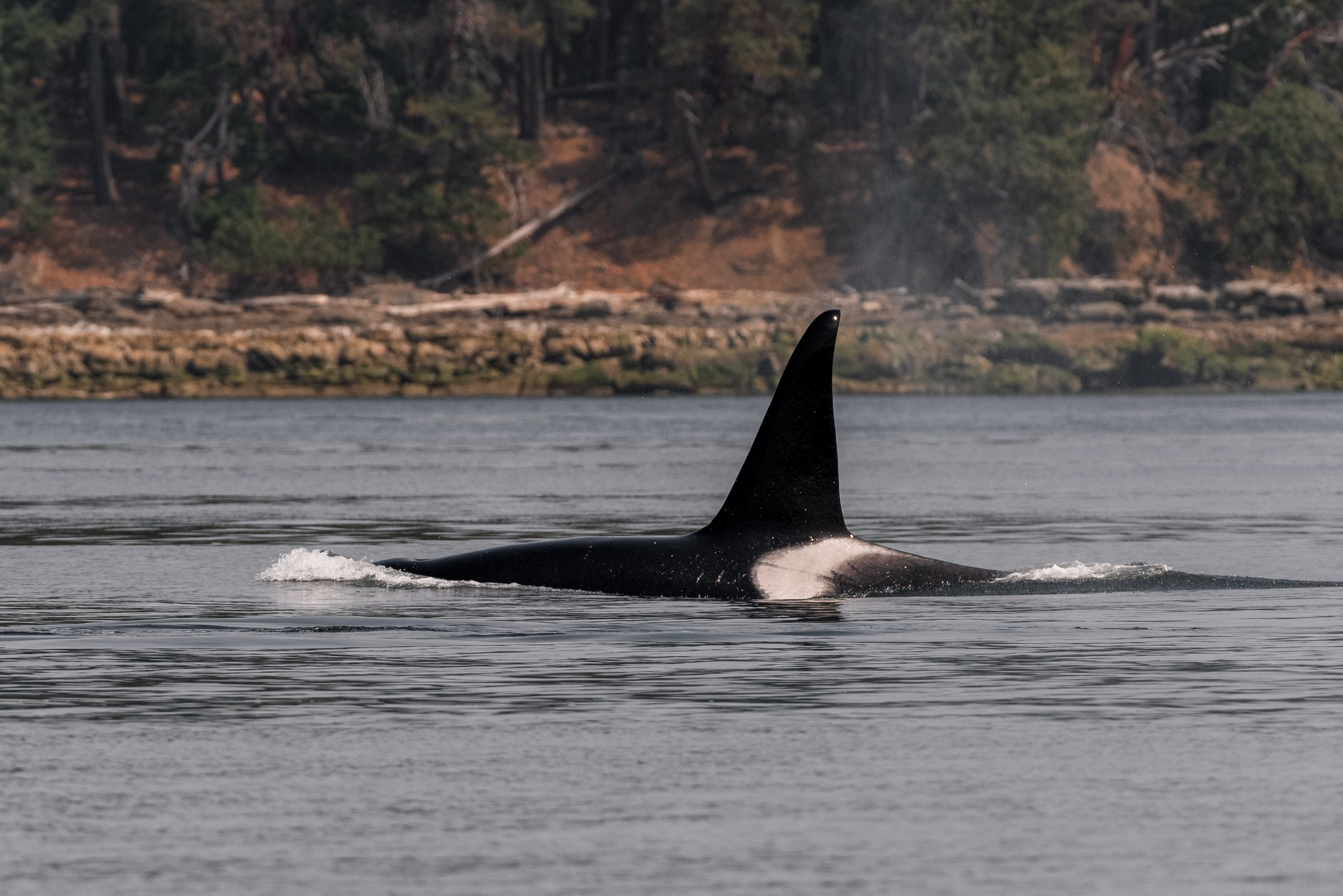
Another angle of T073A1 Caddy/Paws’s unique saddlepatch. Photo by Hayleigh Hilbert.
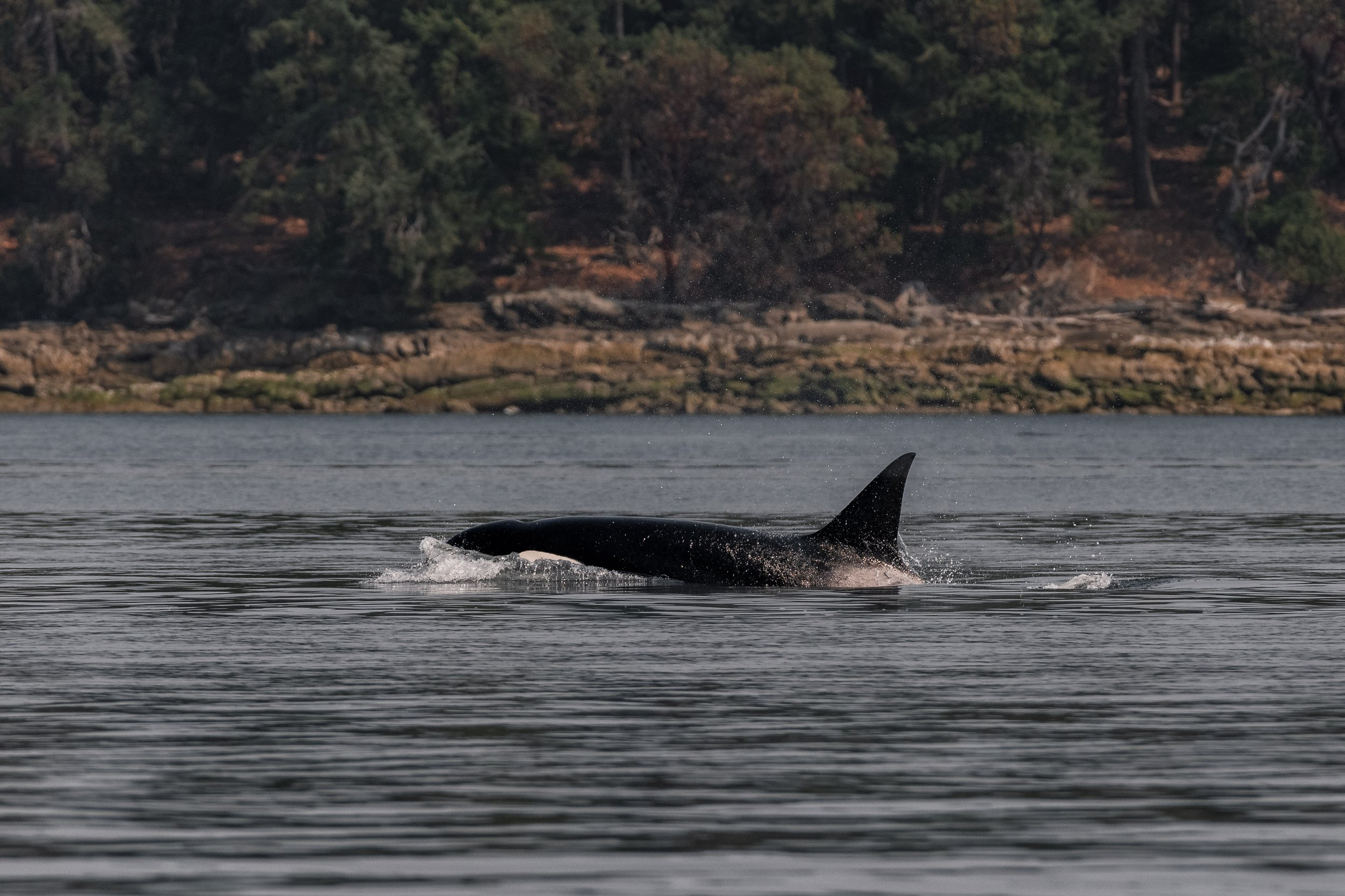
Matriarch T073A Nessie/Greg keeping up with her kids. Photo by Hayleigh Hilbert.
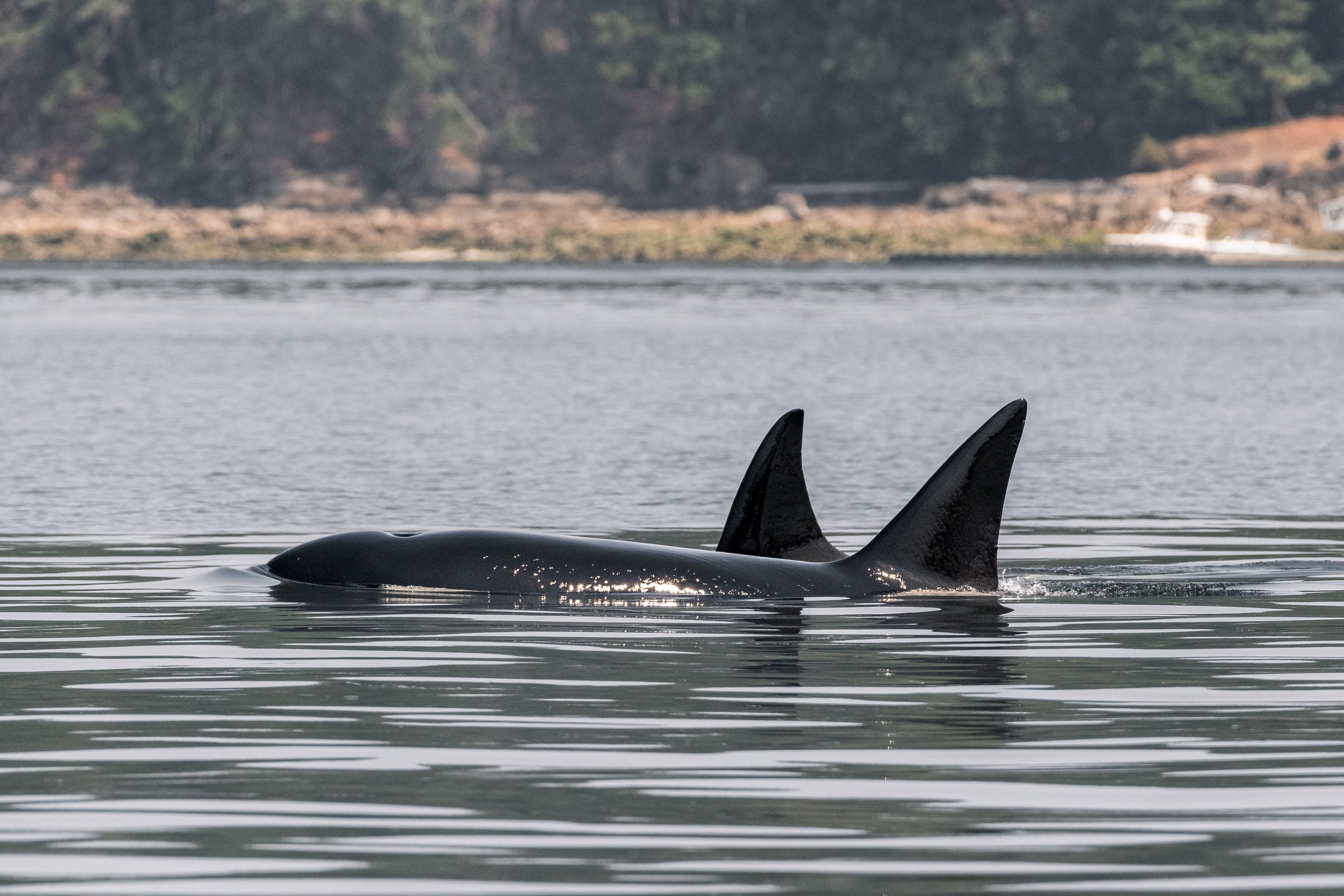
T002B Pedder side by side with T073A2 Ogopogo/Trites. Photo by Hayleigh Hilbert.
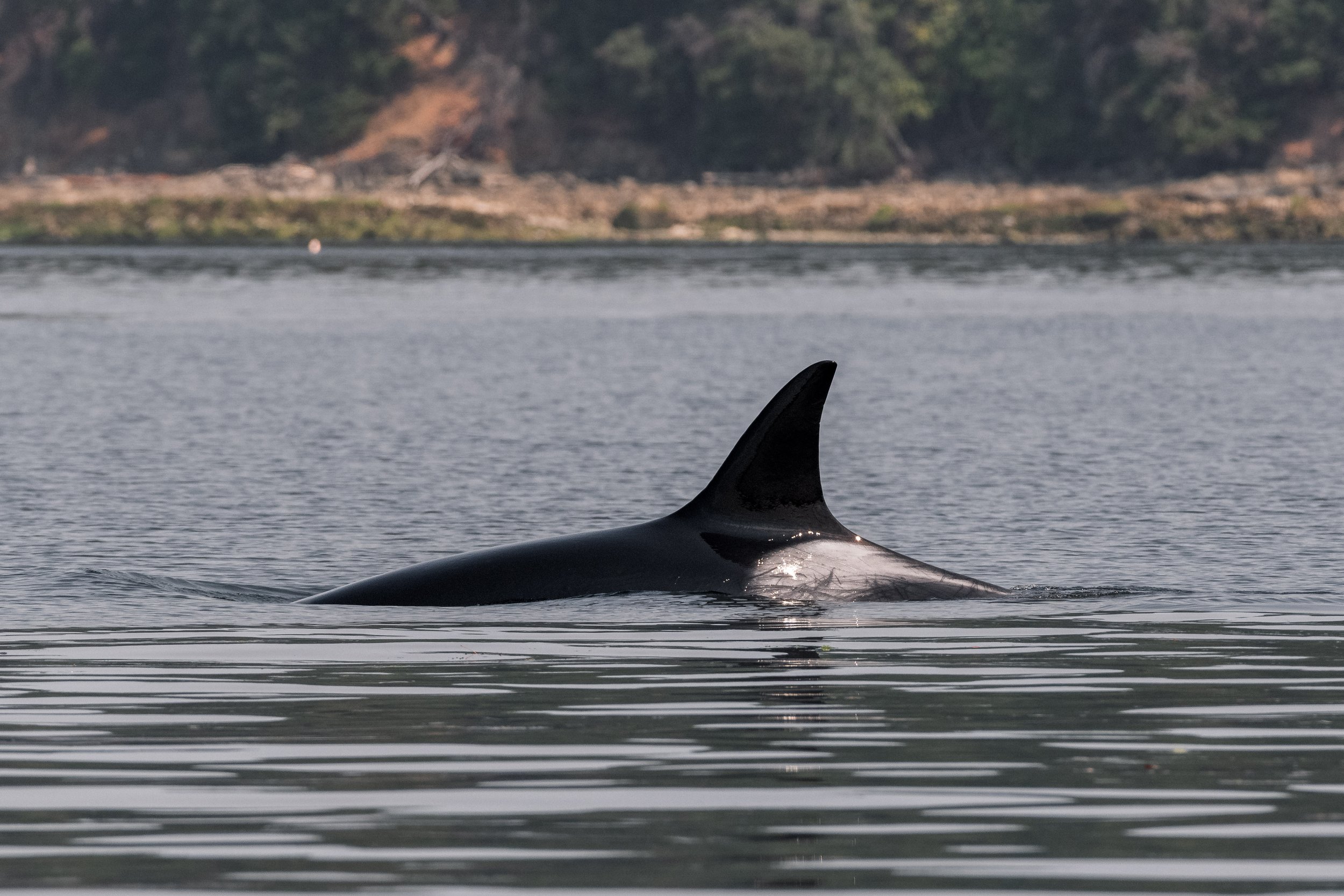
T002B Pedder has also got a lot of heavy scarring on their saddlepatch. Photo by Hayleigh Hilbert.
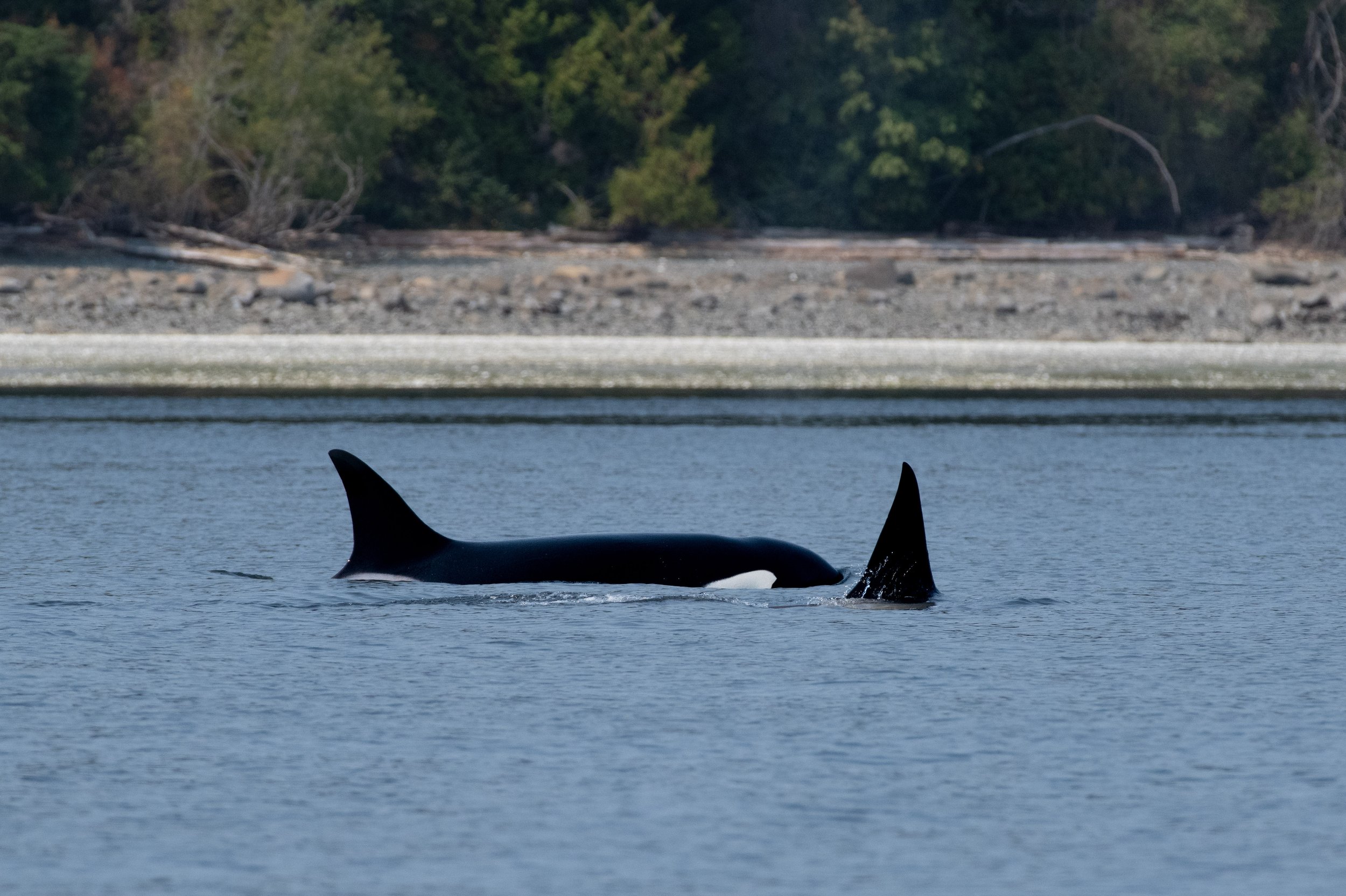
T002B Pedder following behind T073A Nessie/Greg. Photo by Hayleigh Hilbert.
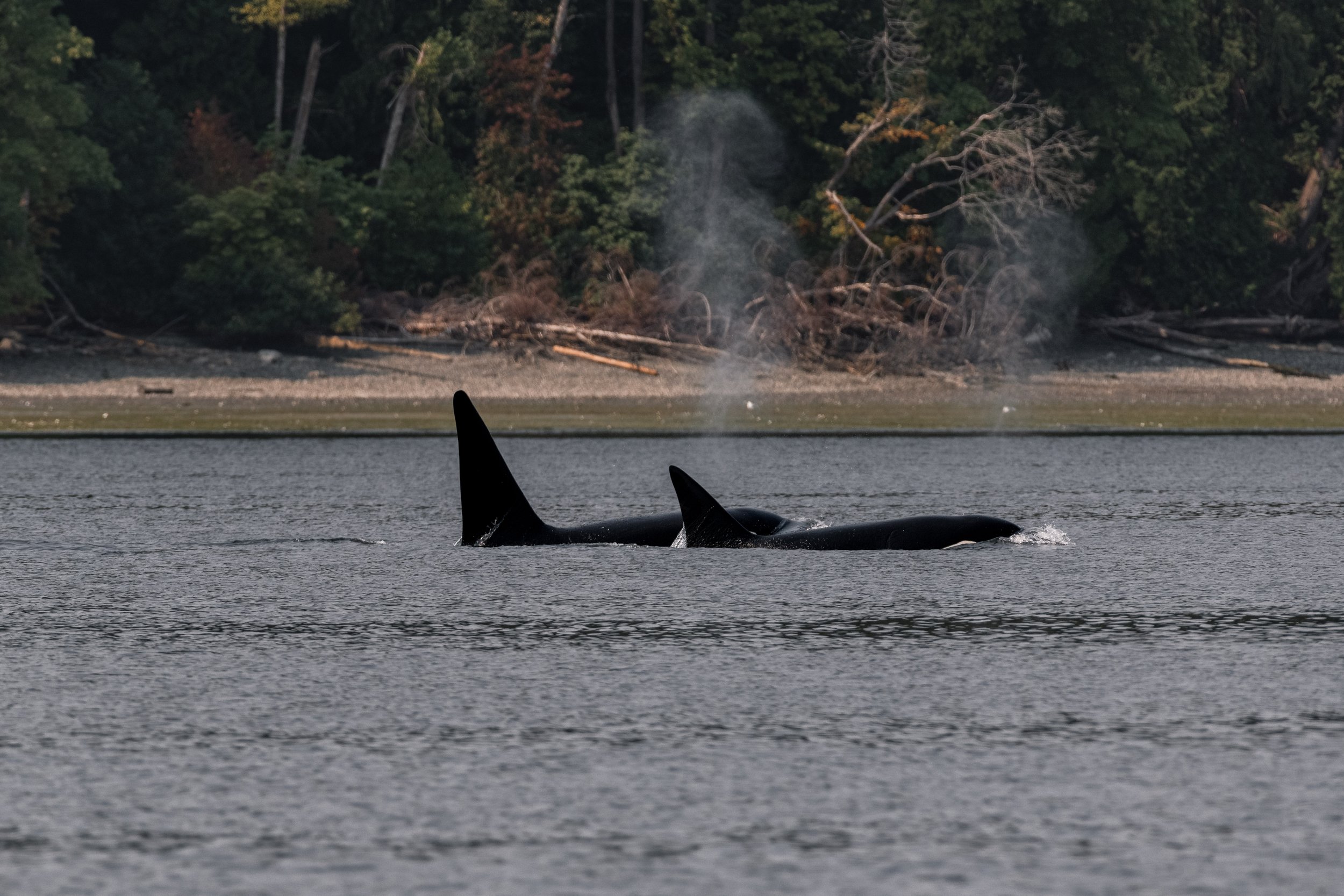
T073A1 Caddy/Paws and T073A2 Ogopogo/Trites continuing the shoreline cruise. Photo by Hayleigh Hilbert.
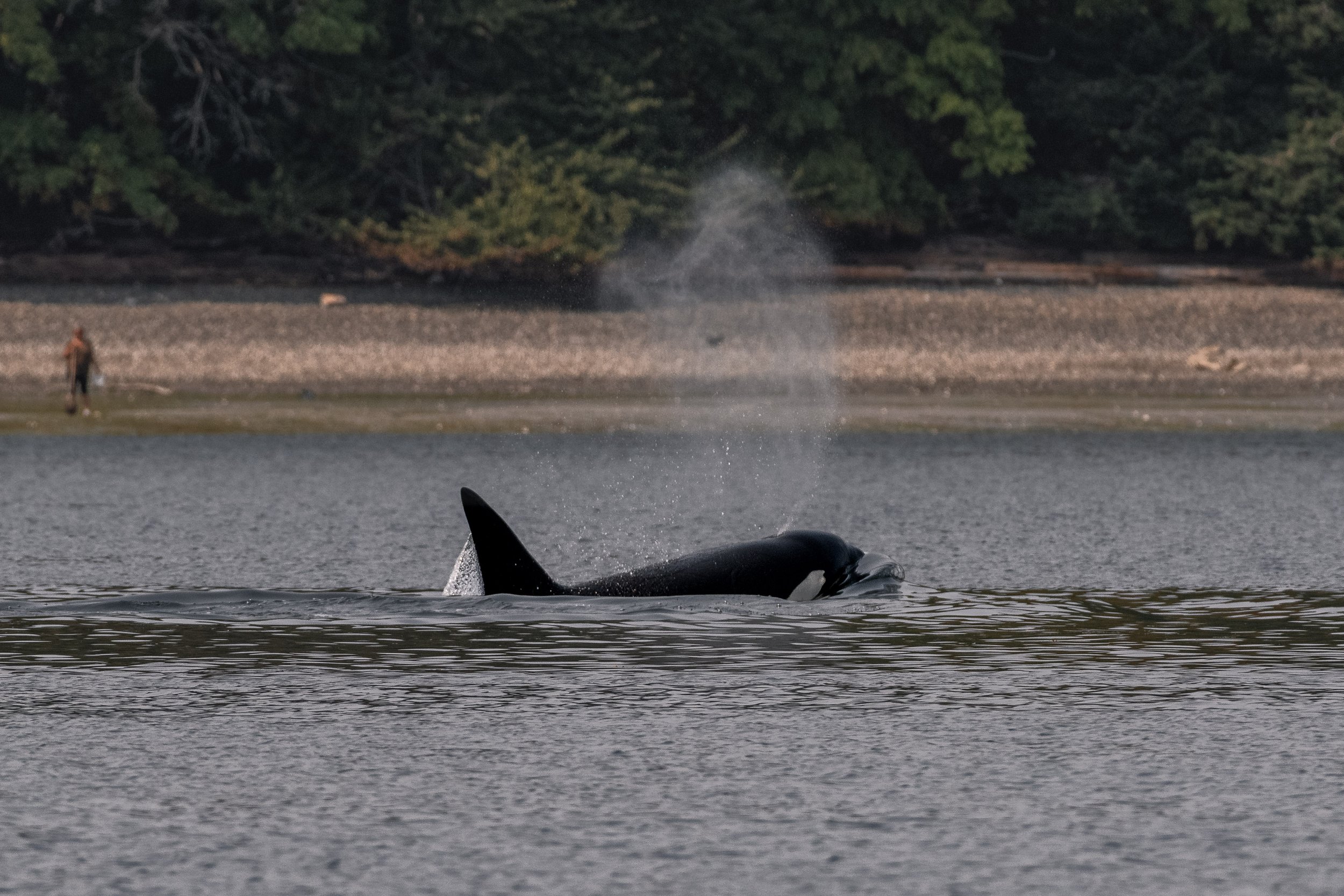
T073A2 Ogopogo/Trites with their eyepatch clear of the surf. Photo by Hayleigh Hilbert.
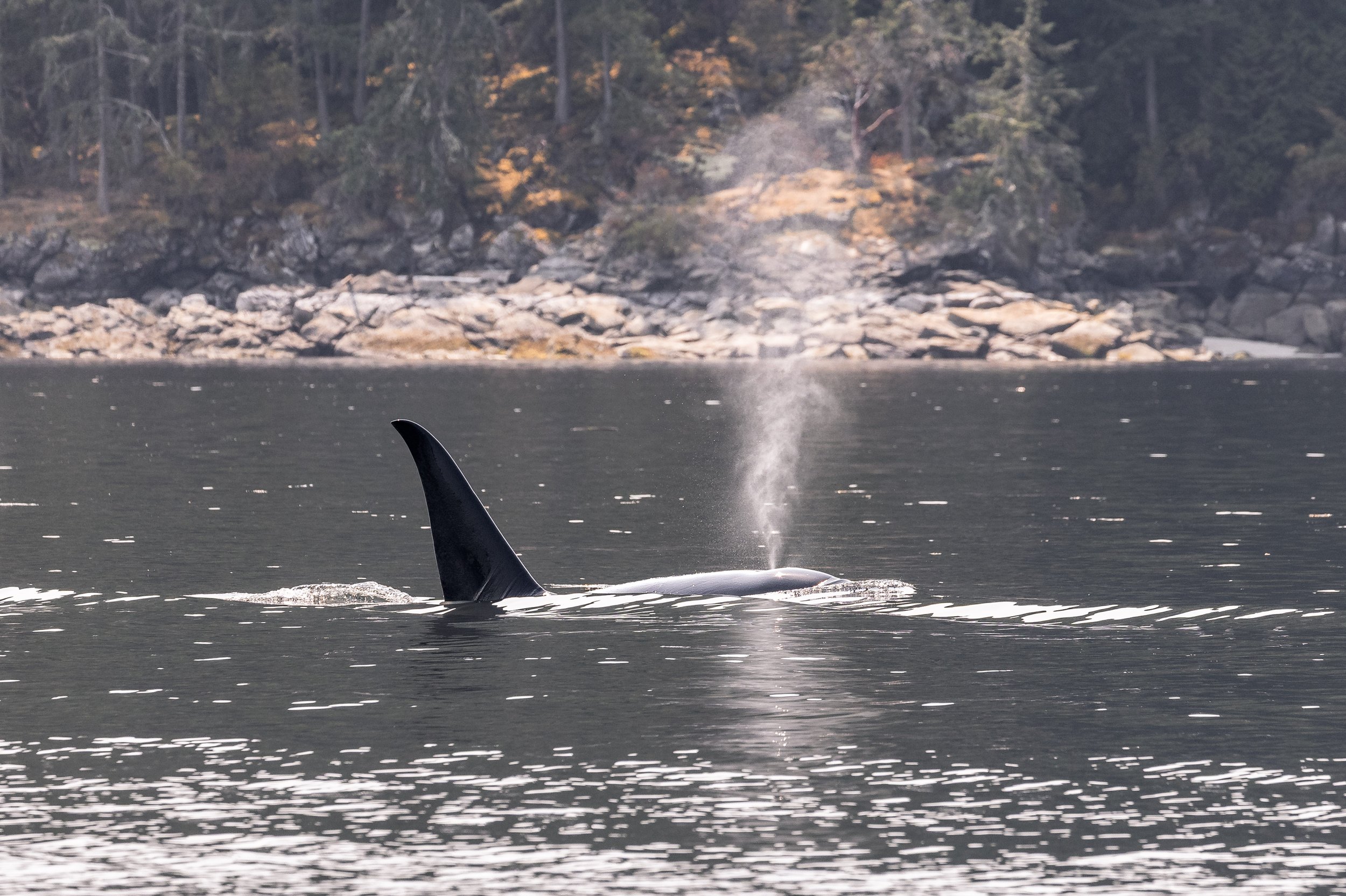
Beautifully backlit T073A1 Caddy/Paws. Photo by Jordan Robinson.
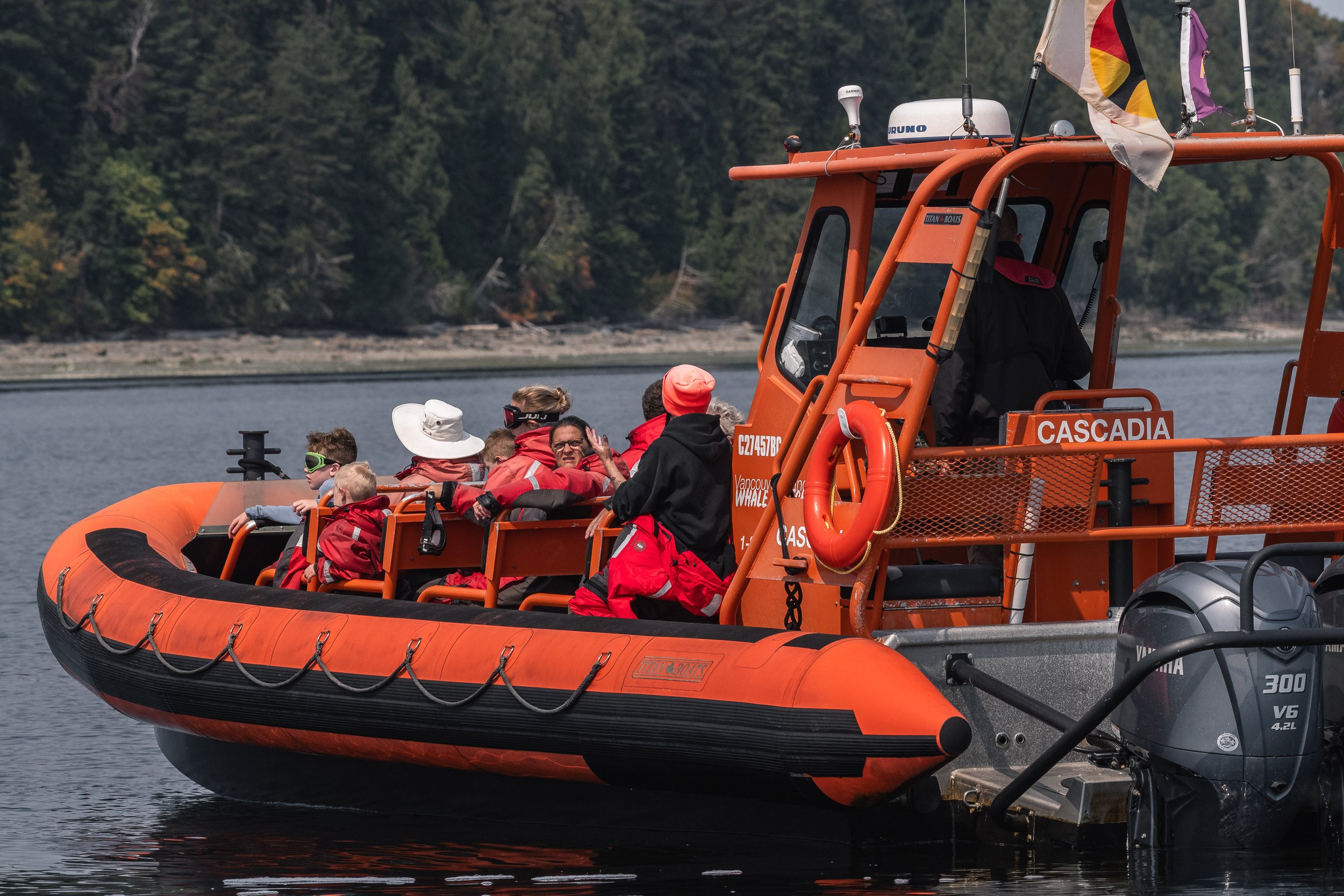
Guests aboard Cascadia. Photo by Evan Hessels.
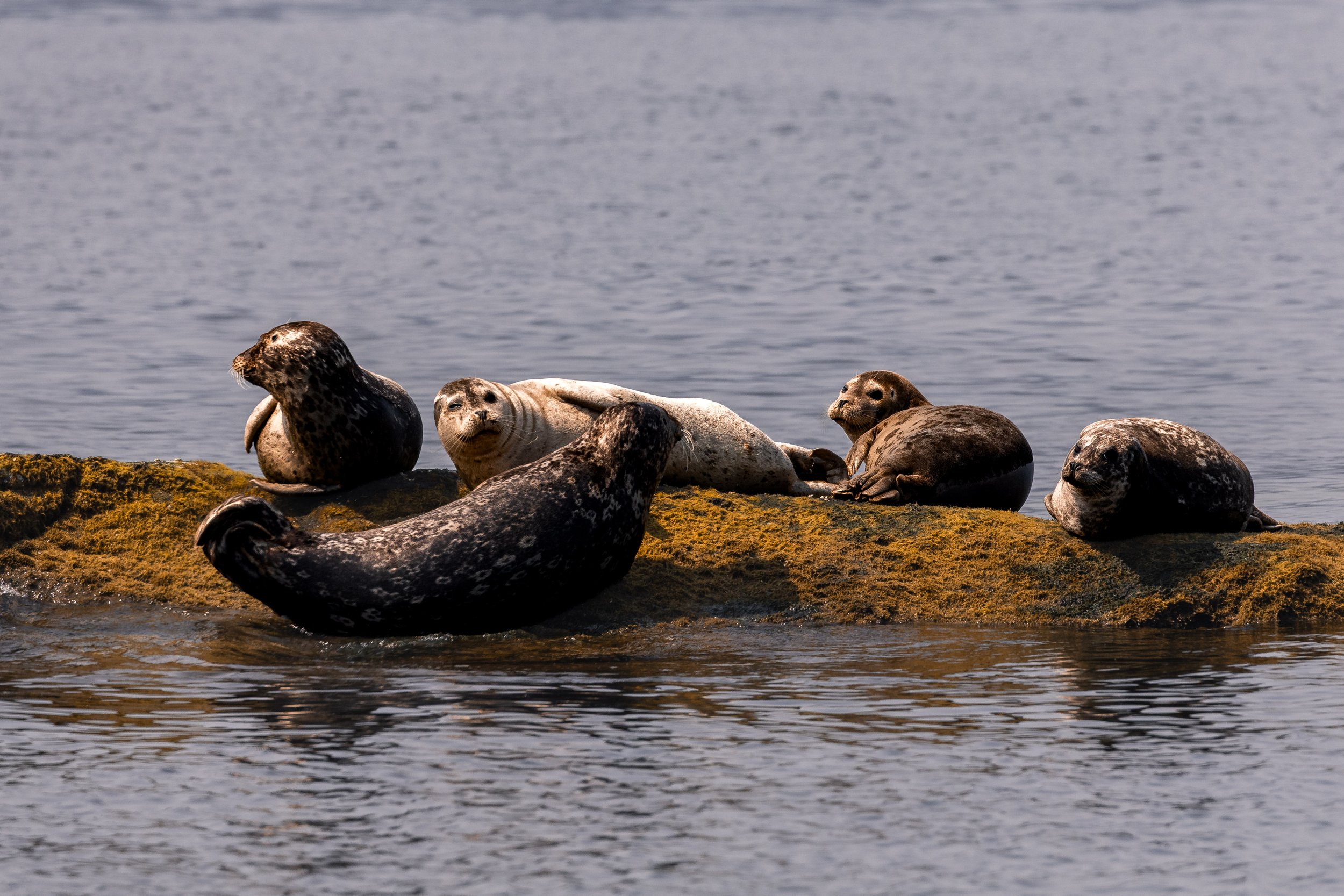
Harbour Seals carefully balanced up on the rocks. Photo by Jordan Robinson.
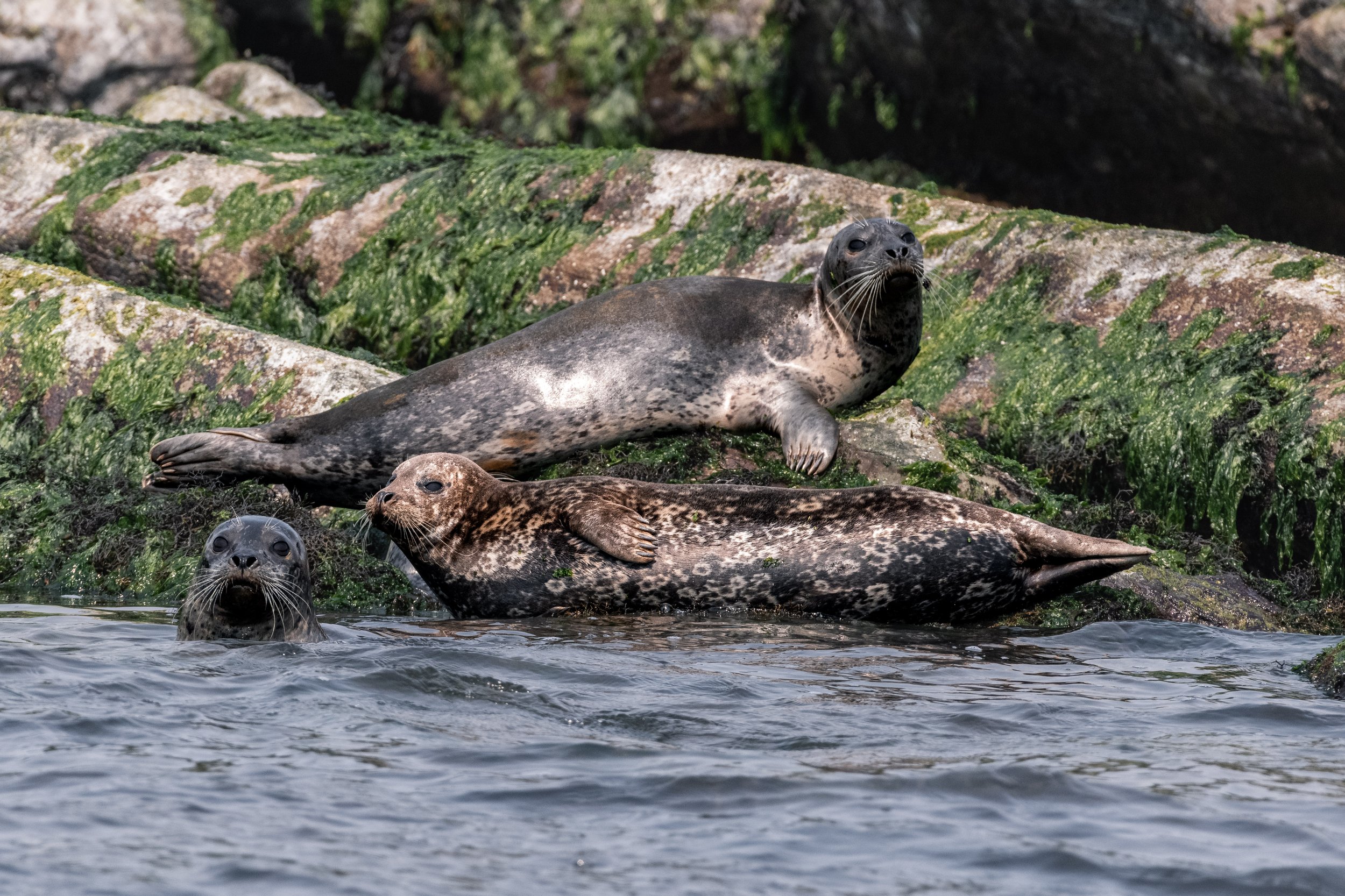
Resting the day away. Photo by Hayleigh Hilbert.
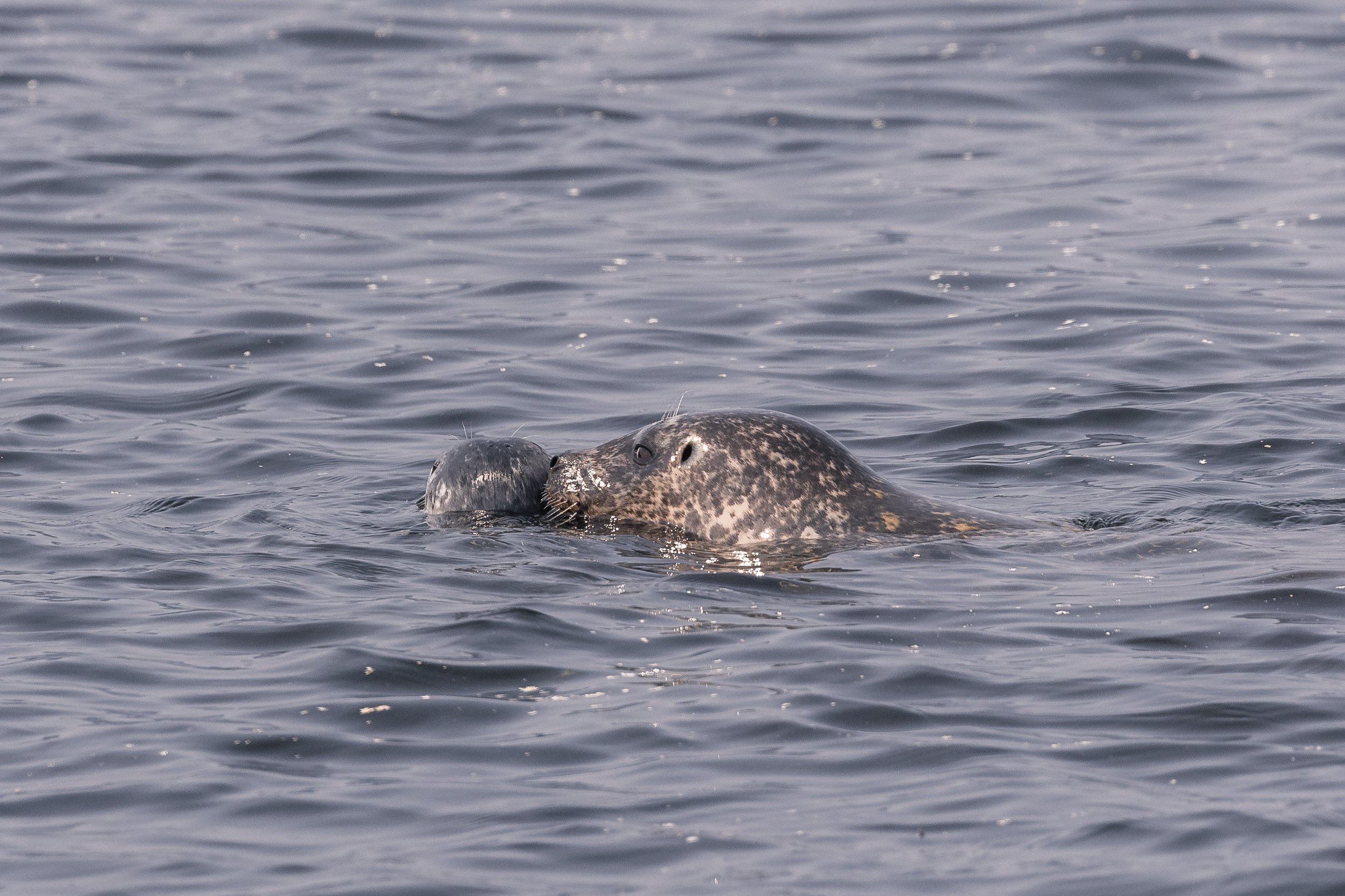
A mother seal with her pup. Photo by Jordan Robinson.
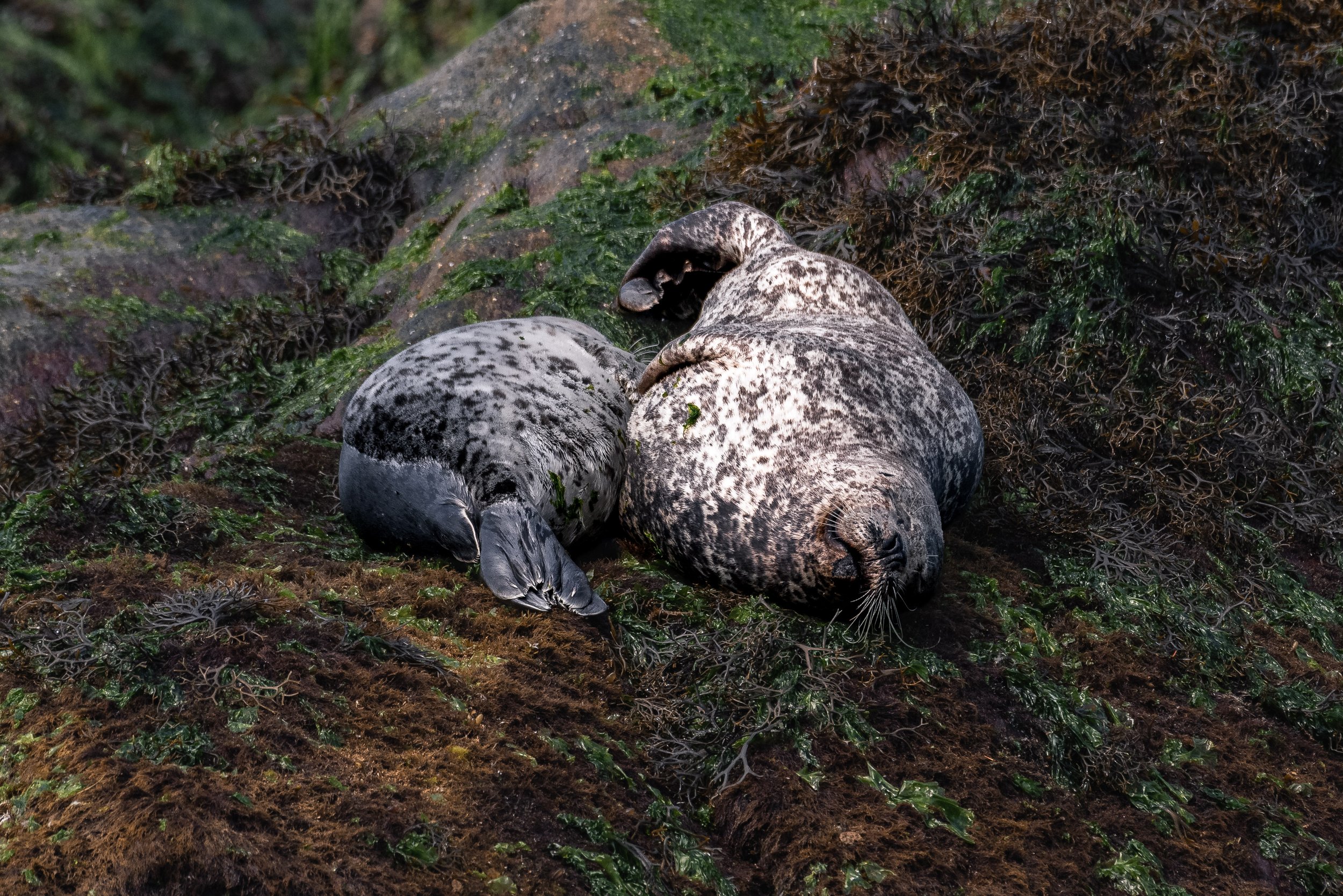
Comfy and cozy! Photo by Evan Hessels.
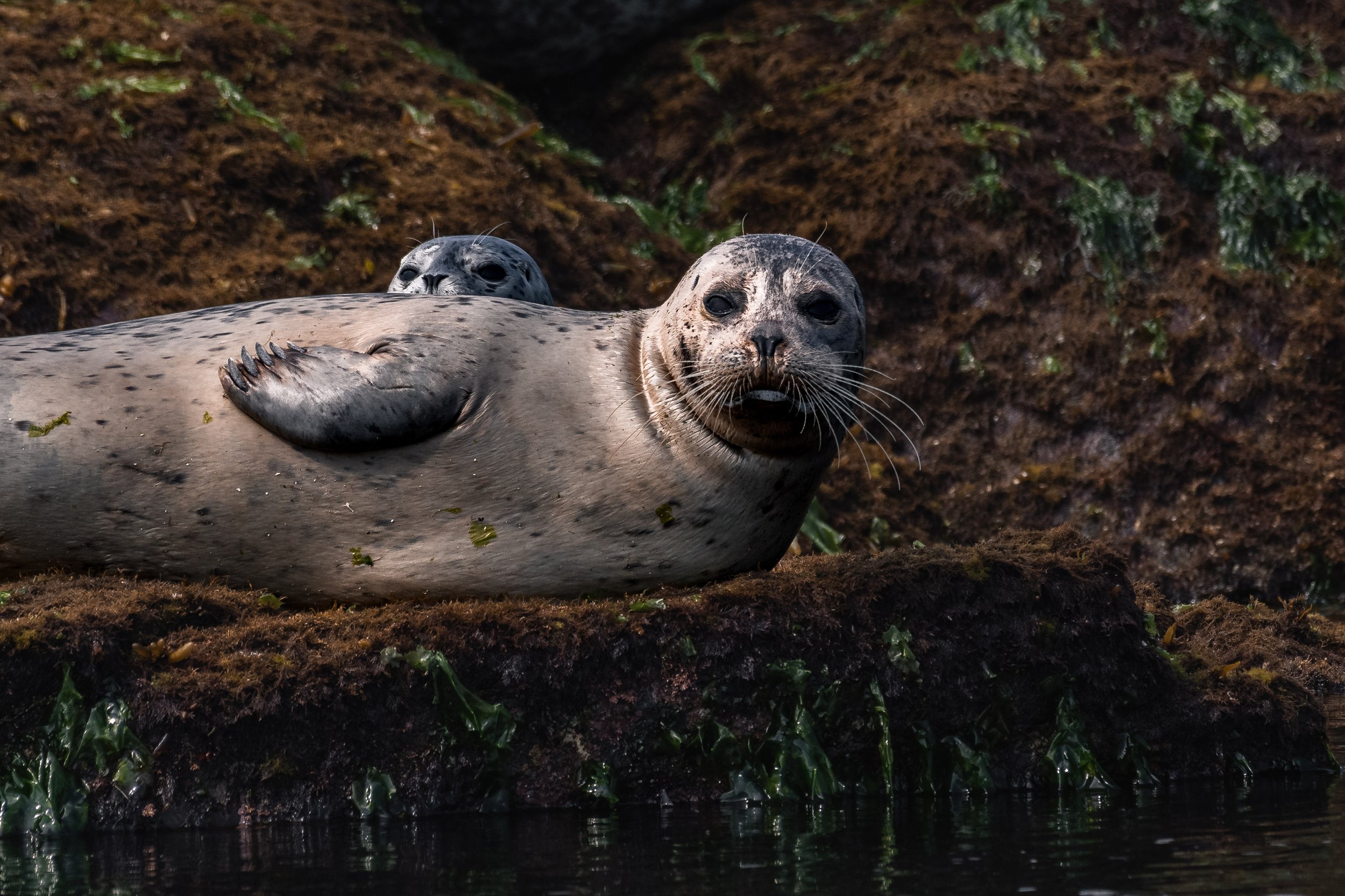
Look at those claws! Photo by Evan Hessels.
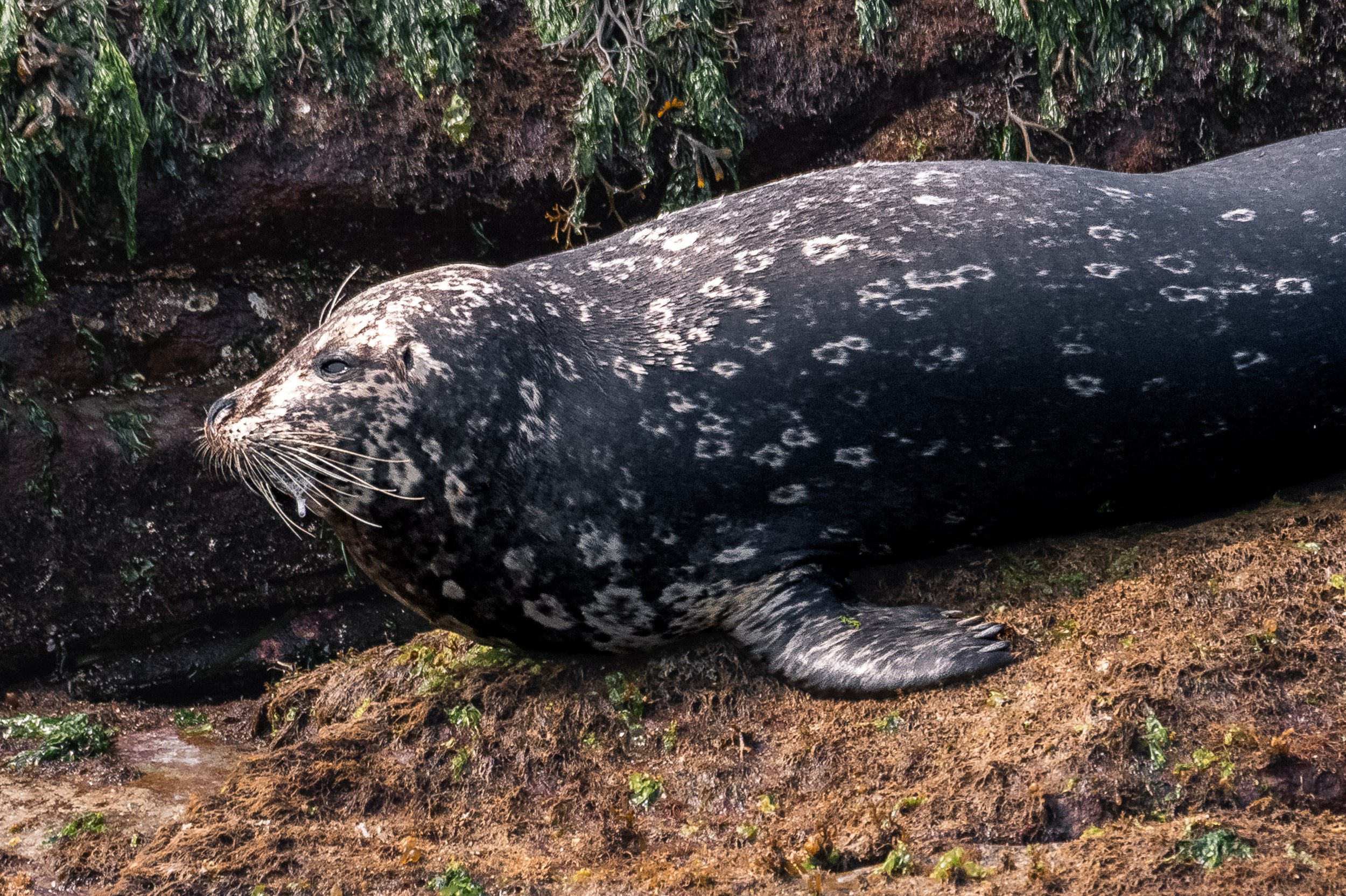
Harbour Seals have highly unique spotted coats, as seen here! Photo by Evan Hessels.
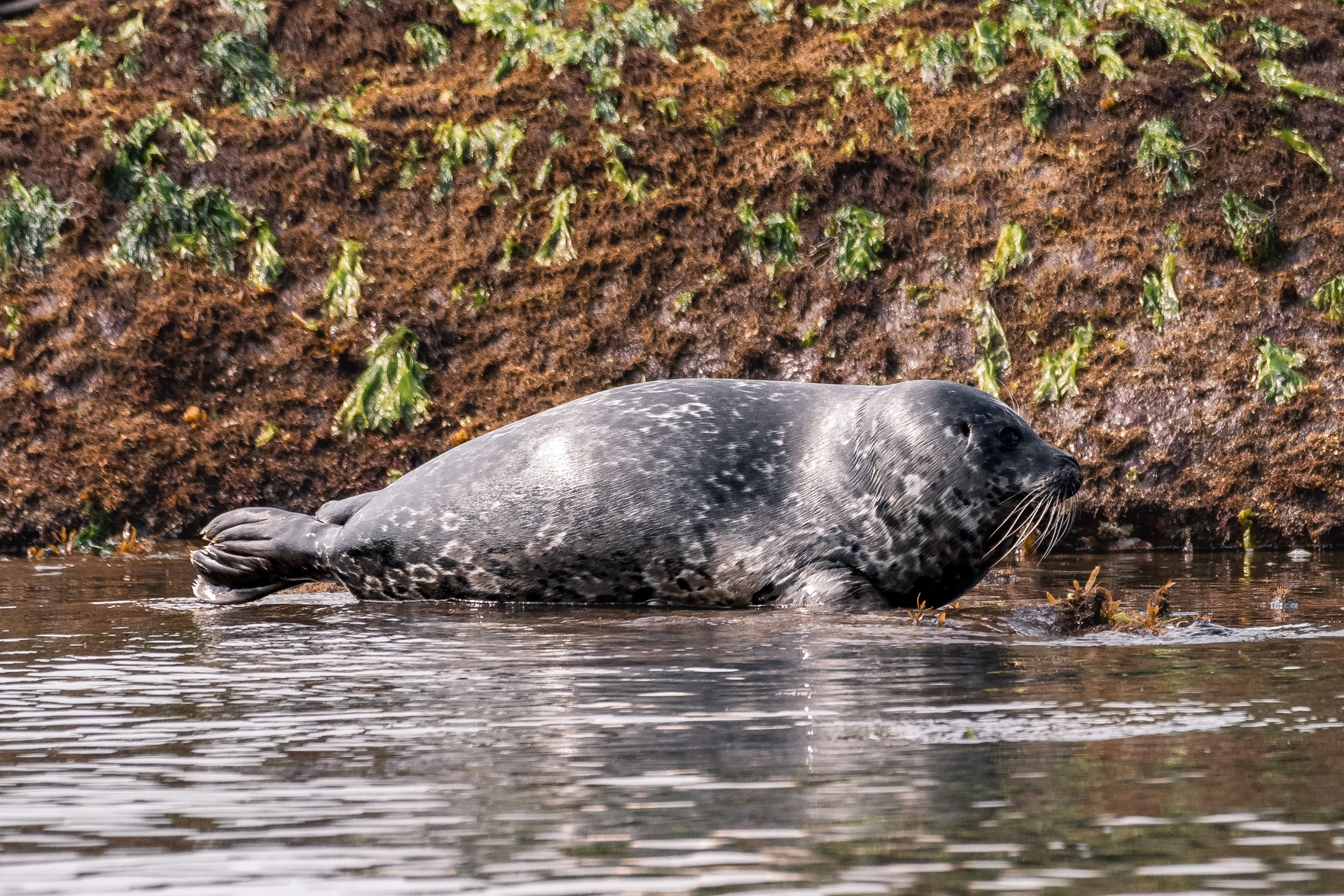
Look at how stubby this little one is! Photo by Evan Hessels.
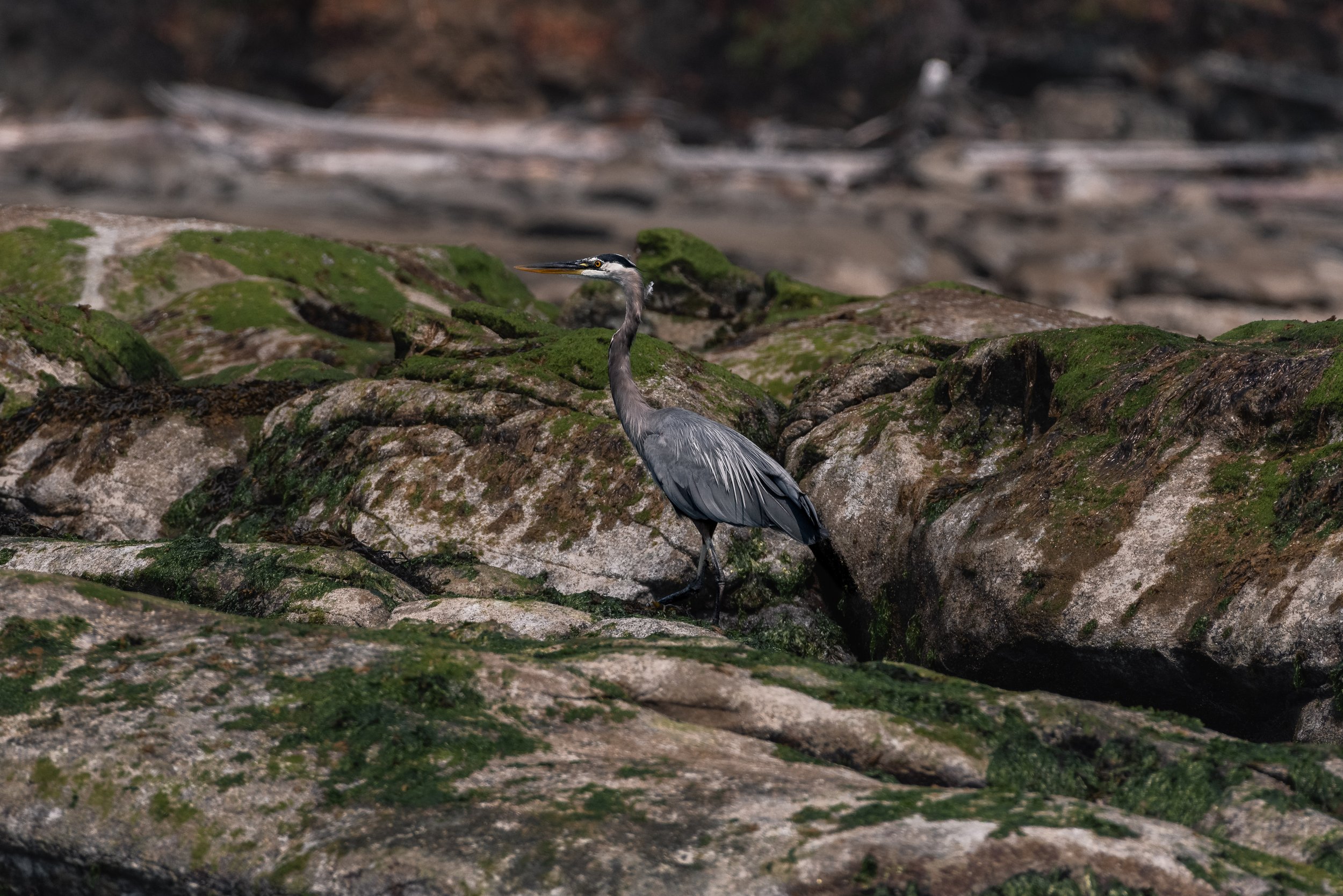
A Great Blue Heron wandering the rocks. Photo by Hayleigh Hilbert.
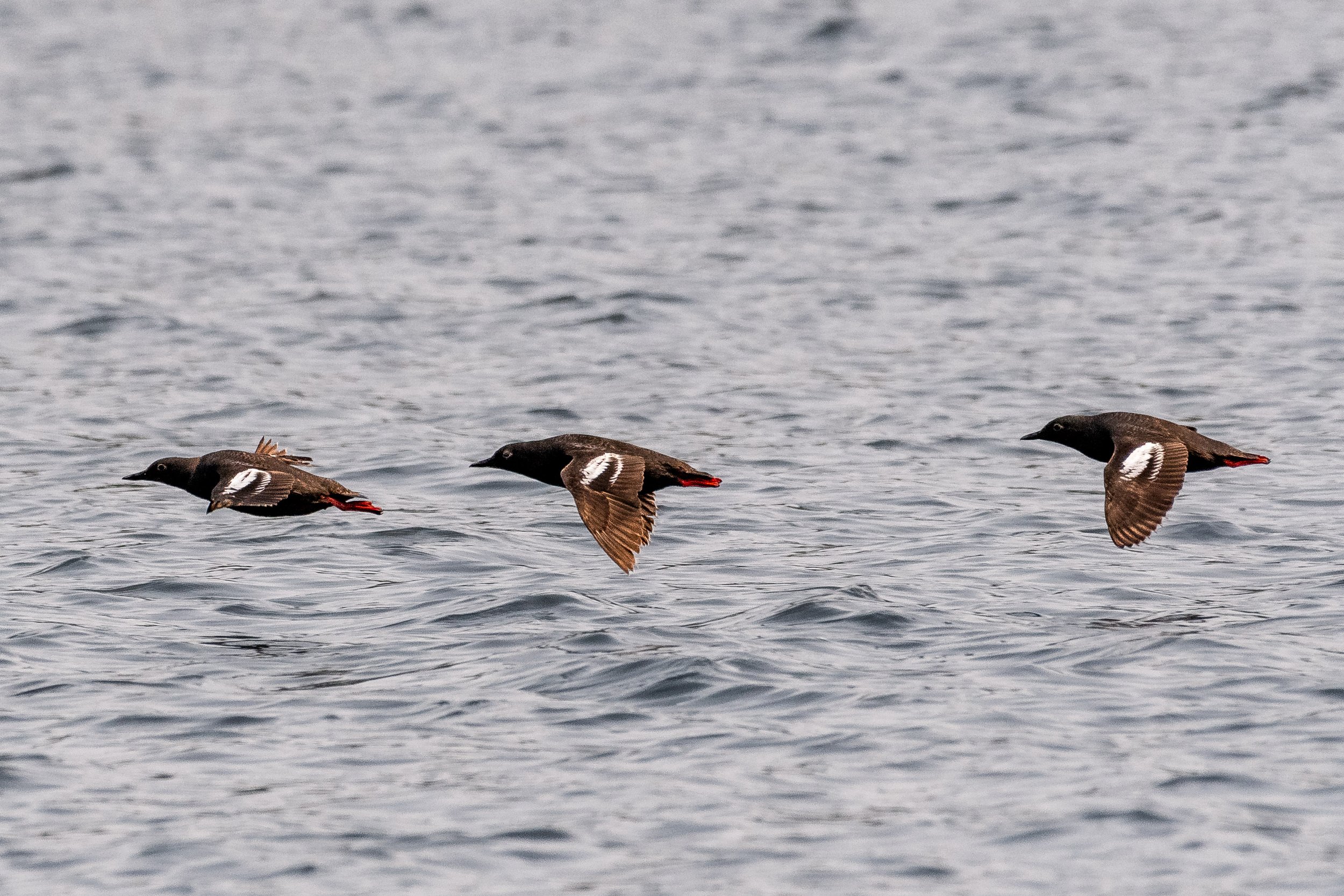
A trio of Pigeon Guillemots in flight. Photo by Evan Hessels.
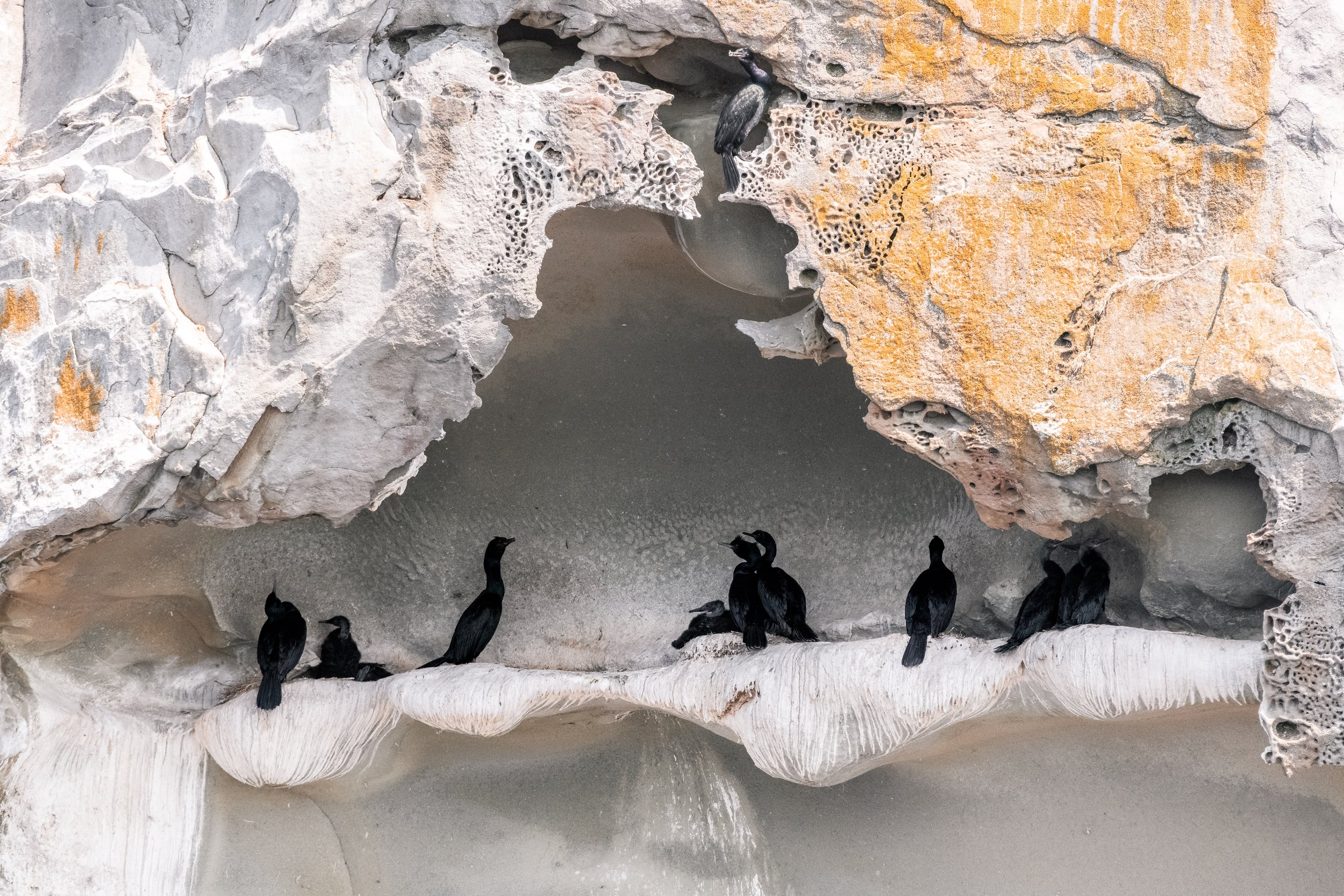
Cormorants tucked into the Gabriola Bluffs. Photo by Hayleigh Hilbert.
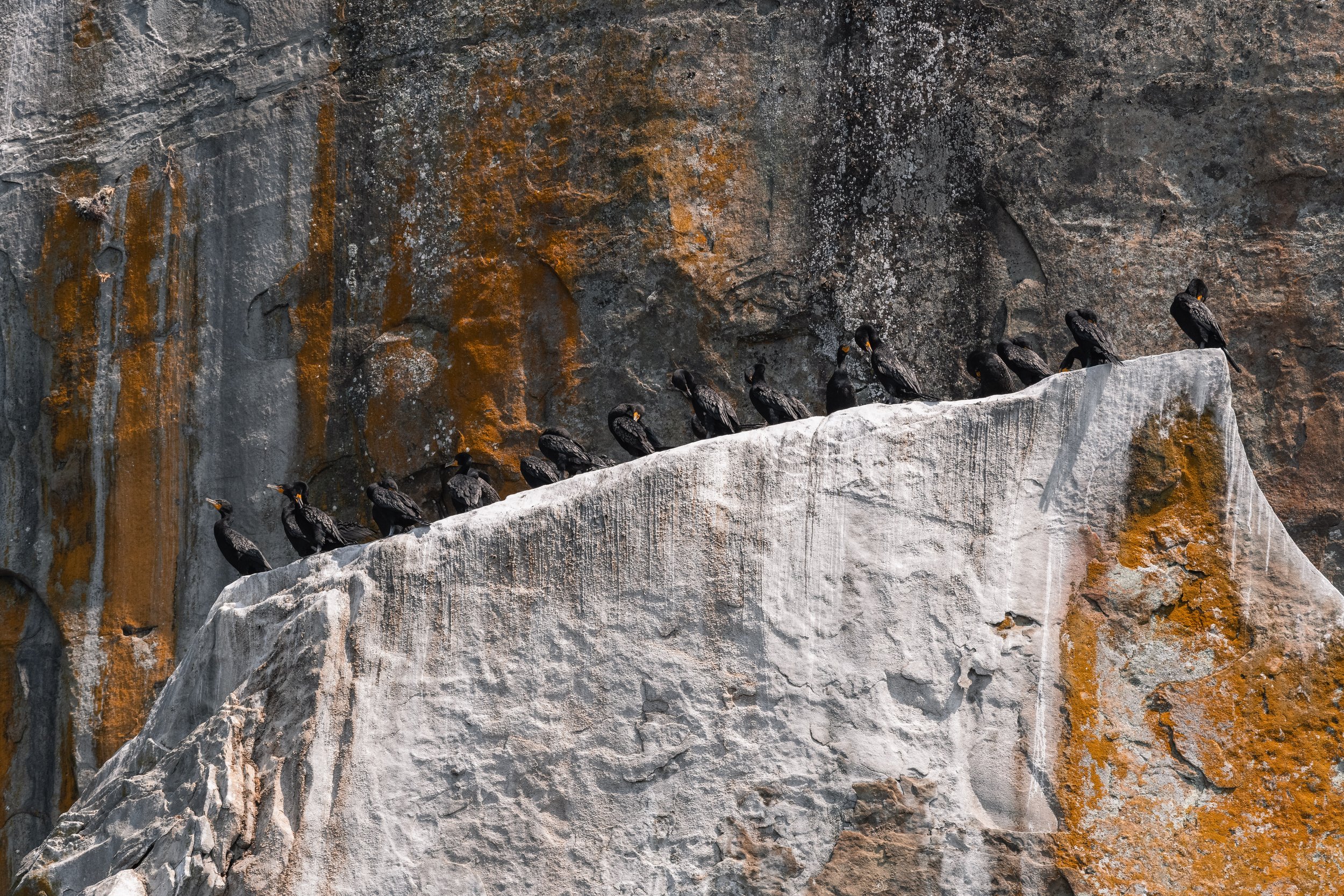
All lined up on the rocks. Photo by Hayleigh Hilbert.
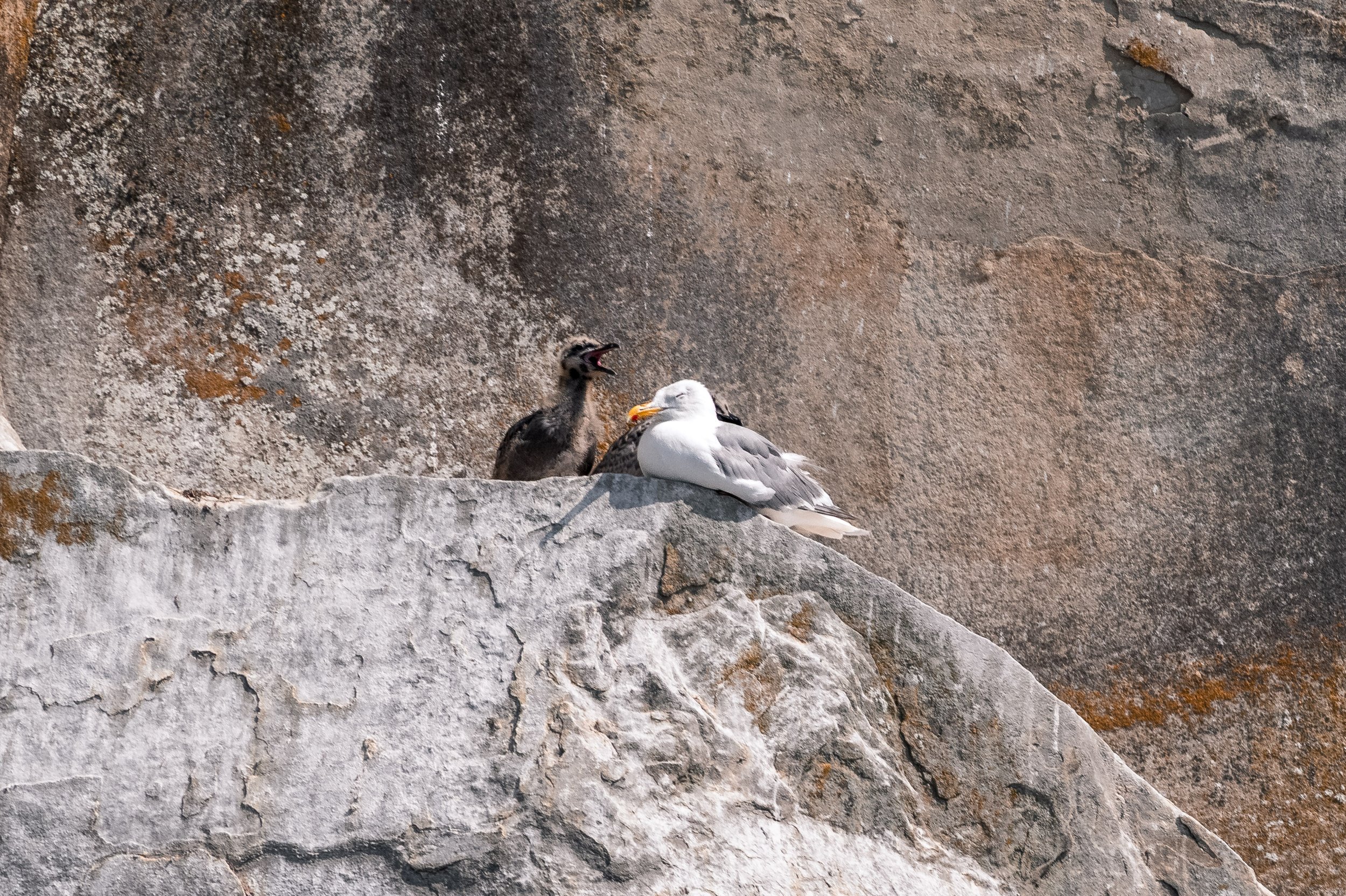
Mom looks a bit fed up that the babies are hungry right now. Photo by Hayleigh Hilbert.
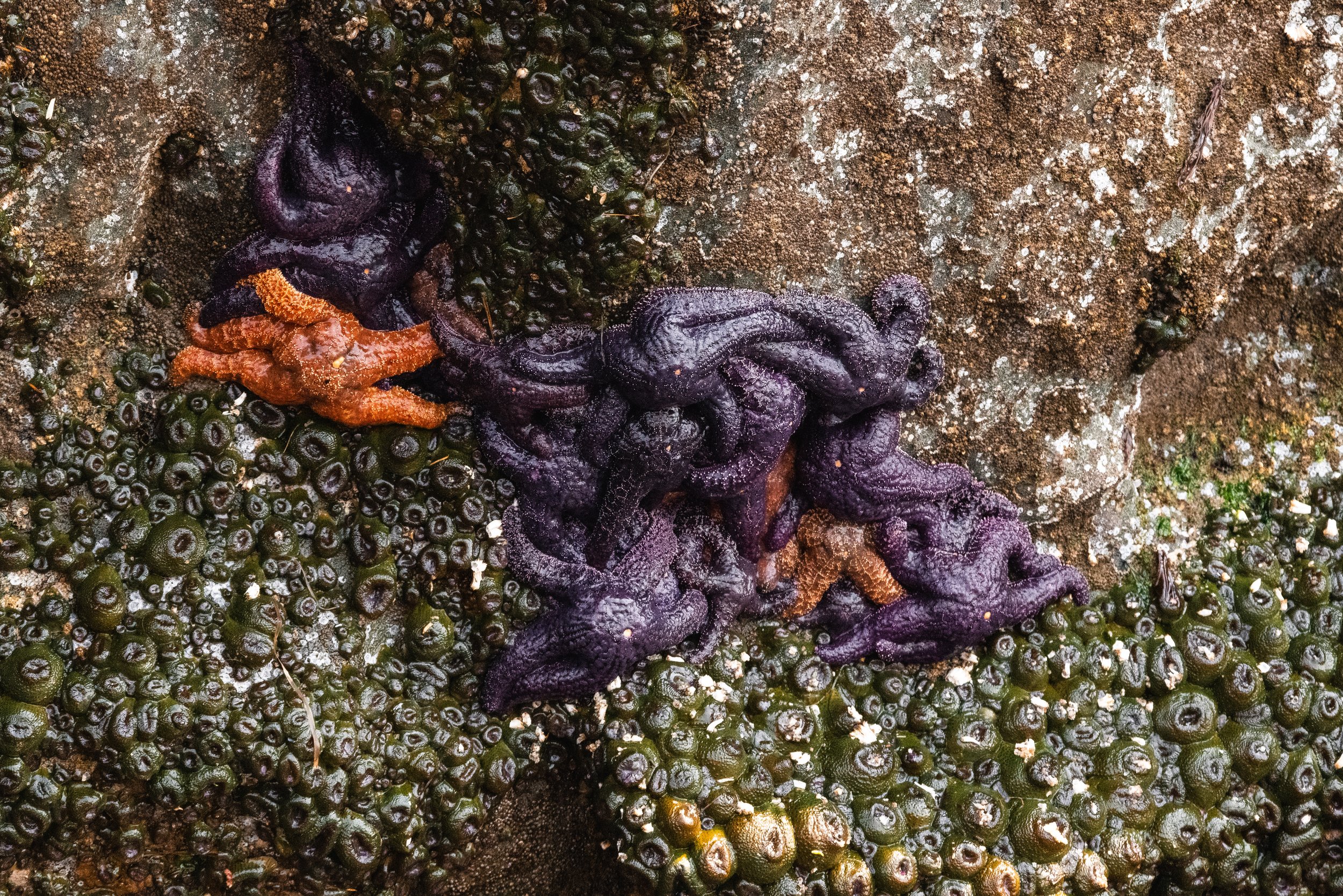
Sea stars and (closed) anenomes. Photo by Hayleigh Hilbert.
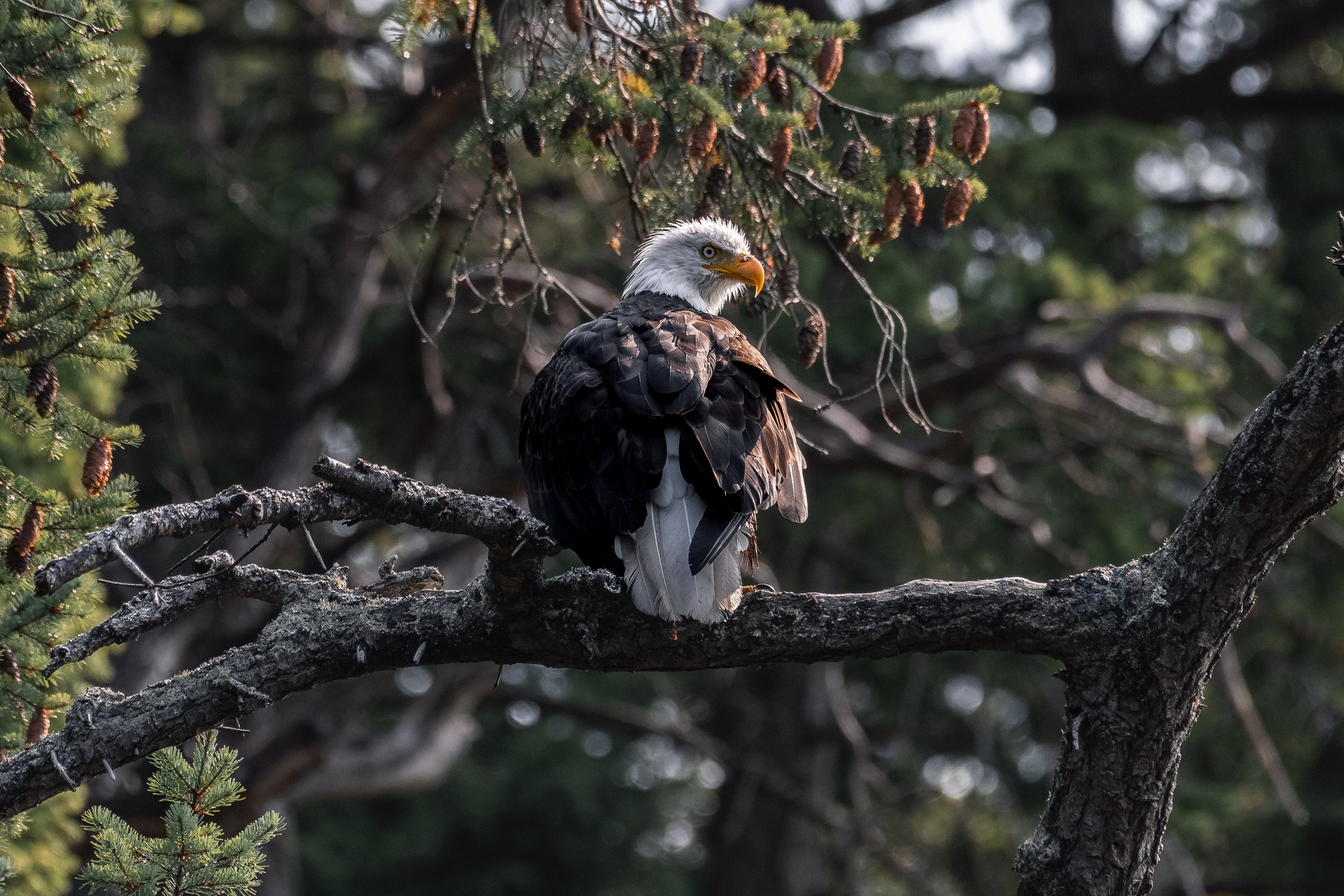
A perfectly lit and perfectly posed Bald Eagle! Photo by Evan Hessels.
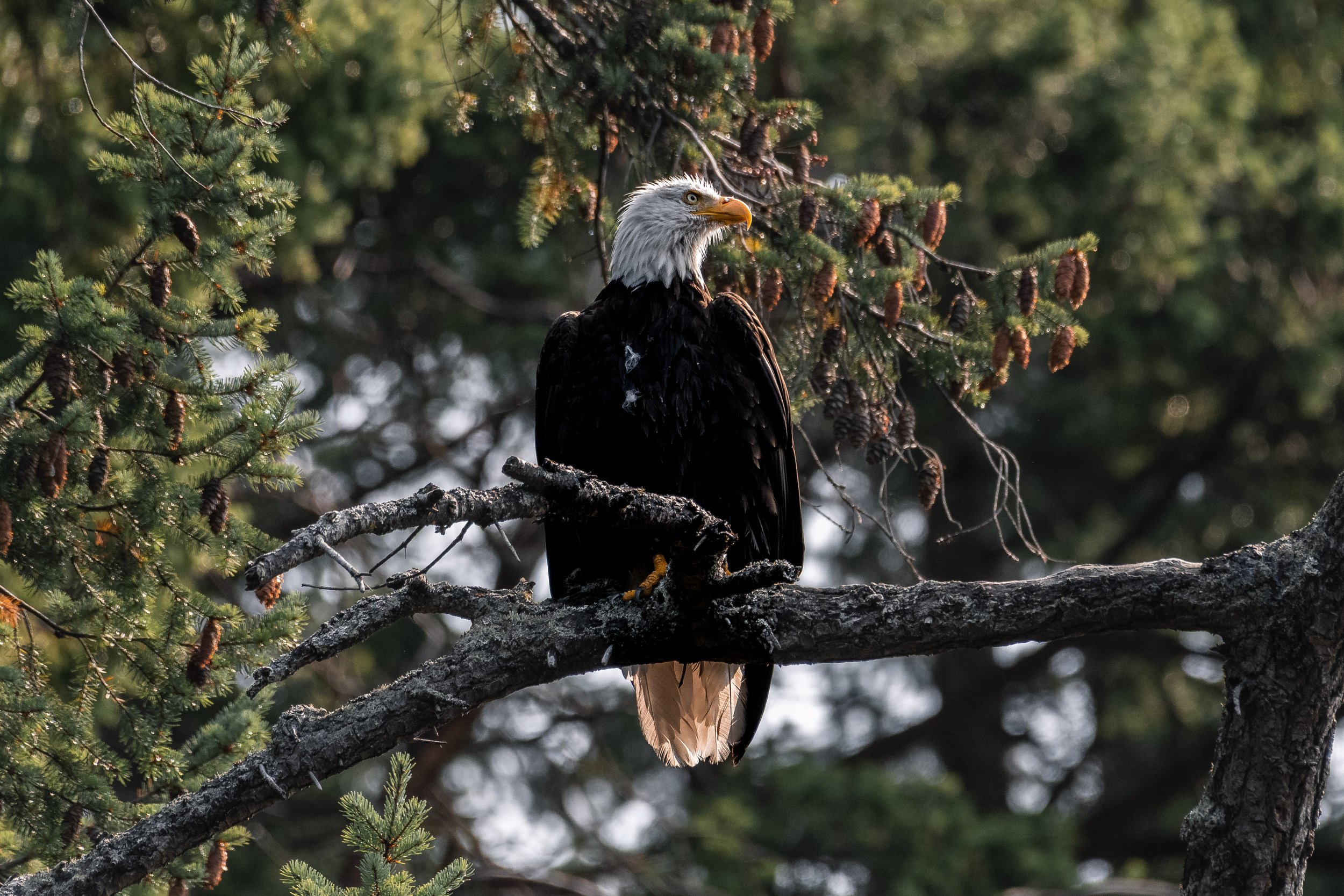
How very majestic! Photo by Evan Hessels.