
August 11, 2026, 3:30 PM - Whales all over the place!
Another perfect afternoon awaited us - how better to spend it than onboard exploring the Salish Sea, and learning about many of the wildlife species that call the area home! We boarded our full fleet, and soon set off to begin exploring. Reports were coming in from all over, leading to many route options and encounter destinations. To start the day, the fleet spread out, with Cascadia poking into Departure Bay to peek at an orca report, as Keta went out into the Strait of Georgia to begin searching, and Kula took the inside of the Southern Gulf Islands to start the day off. This led to a day of unique encounters for each boat!
Cascadia’s search proved fruitful, and soon, a solo black fin was spotted near the shore. Naturalist Jordan snapped a few photos, and we soon discovered that this was T069E:
T069E Kodiak ♂ (2004)
T069E Kodiak has been an interesting whale to see this season, as he has been frequently spotted close to shore and near busy harbours. In 2025, he was often seen travelling with two other males, T060D Onca and T060E Lynx, but this year he seems to prefer to stay alone. Kodiak didn’t seem to have any particular plans in mind as we observed him slowly traverse near the beaches of Departure Bay. After a short visit and a few scenic shots of him with Nanaimo in the background, we departed and continued onward.
Keta at this point had crossed a good portion of the Strait of Georgia and had found a lone humpback travelling along. A quick photo by Naturalist Hayleigh confirmed this whale as Anvil (BCZ0410), a fan-favourite female humpback often spotted foraging in the waters between Vancouver Island and Vancouver. Anvil is considered a bit of an oddball whale, as humpback whales tend to show strong site fidelity, meaning they return to the same breeding and feeding grounds their mothers taught them about. For Anvil, we believed her feeding grounds were the Salish Sea and her breeding grounds were Hawaii. However, thanks to cross-matching on Happywhale, she was spotted down in Mexico in January of this year. While we are unsure why she decided to change it up this year, we are interested to see which breeding grounds she heads to this upcoming winter.
After crossing Dodd Narrows, Kula quickly had a whale encounter of their own. A large dorsal fin with a smaller dorsal fin close by had appeared. Naturalist Aly grabbed a shot and determined that this was the T101s:
T101 Reef ♀ (≤1969)
T101B Lagoon ♂ (1997)
This matriline has been one of our most commonly spotted families this season, and we first encountered them on February 15th this year. They have been a bit of a sombre sight recently, as the eldest living son, T101A Rush, has recently disappeared. It is possible that he may have left his mother’s side similarly to what another older male, T137A Jack, has recently done, but there is also the possibility that he may have passed away. For now, we hold on, hoping he will return, but in the meantime, we feel thankful for the sightings we get with the other two pod members.
Reef and Lagoon were travelling south when we first encountered them. With travel taking up a large portion of an orca’s day, this is the most commonly observed behaviour to encounter. Transient orca will often bounce from one haulout to the next, often not staying in one area for an extended period of time, as their continued presence could cause their prey to become more leery, leading to difficulties catching meals. While Kula continued along with them, Cascadia and Keta soon made their way over to have a peek at them themselves.
After spending some time with the duo as they made their way along, we departed and soon went back into search mode. Keta and Kula had not seen a humpback whale yet, and were eager to get out and start searching for some. Once more, they spread out, leading to two separate sightings around the same time!
Travelling along McCall Bank, Kula found one small humpback foraging away. The whale was travelling and occasionally fluking as they went. A quick crossmatch confirmed this to be Raptor’s 2024 calf (BCY0458calf2024), another regularly spotted humpback whale in our area. The banks located near the Sunshine Coast are a prime area for humpback whales to feed, so we often see many of them in this area during the summer months.
This rang true for Keta as well, as they found a different trio of humpback whales meandering nearby. This time, two of them were associating closely, with a third a bit further off. Kula soon departed from their solo whale to join with these three. Cameras were raised, and ID photos were taken. We soon learned the pair was Sherwina (BCY0961) and her tiny 2026 calf (BCY0961calf2026), and the other whale was confirmed as Raptor (BCY0458), the mother of the whale Kula had just departed from. While it is largely believed that humpback whales do not continue to associate with their calves once they no longer travel together (usually about a year after the calf’s birth), close-by sightings such as these do make us ponder if that is truly the case. While the pair was not associating at all, they were well within range to communicate with each other through the water. Humpback social structures are still largely a mystery to us, but hopefully as studies continue, we will learn more about these complex animals!
Of course, whales were not the only wildlife we spotted today! Up on the rocks, sleepy spotted Harbour Seals could be seen enjoying the late evening sun. Splashing through the water, Steller Sea Lions rafted along, searching for dinner. Close to home port, the Gabriola Bluffs were bursting with life, with much chatter from the Cormorants bouncing off the rocks. It is always incredible to see just how many animals call the area home.
With the sun now beginning to set, we headed back into the harbour. The day had been full of adventure, from orca to humpbacks to pinnipeds and birds, and we happily chatted about the day as the boats pulled back into the docks, concluding the adventure.
Photos today were taken by Marine Naturalists Jordan Robinson, Hayleigh Hilbert, and Aly Kohlman. Please enjoy!
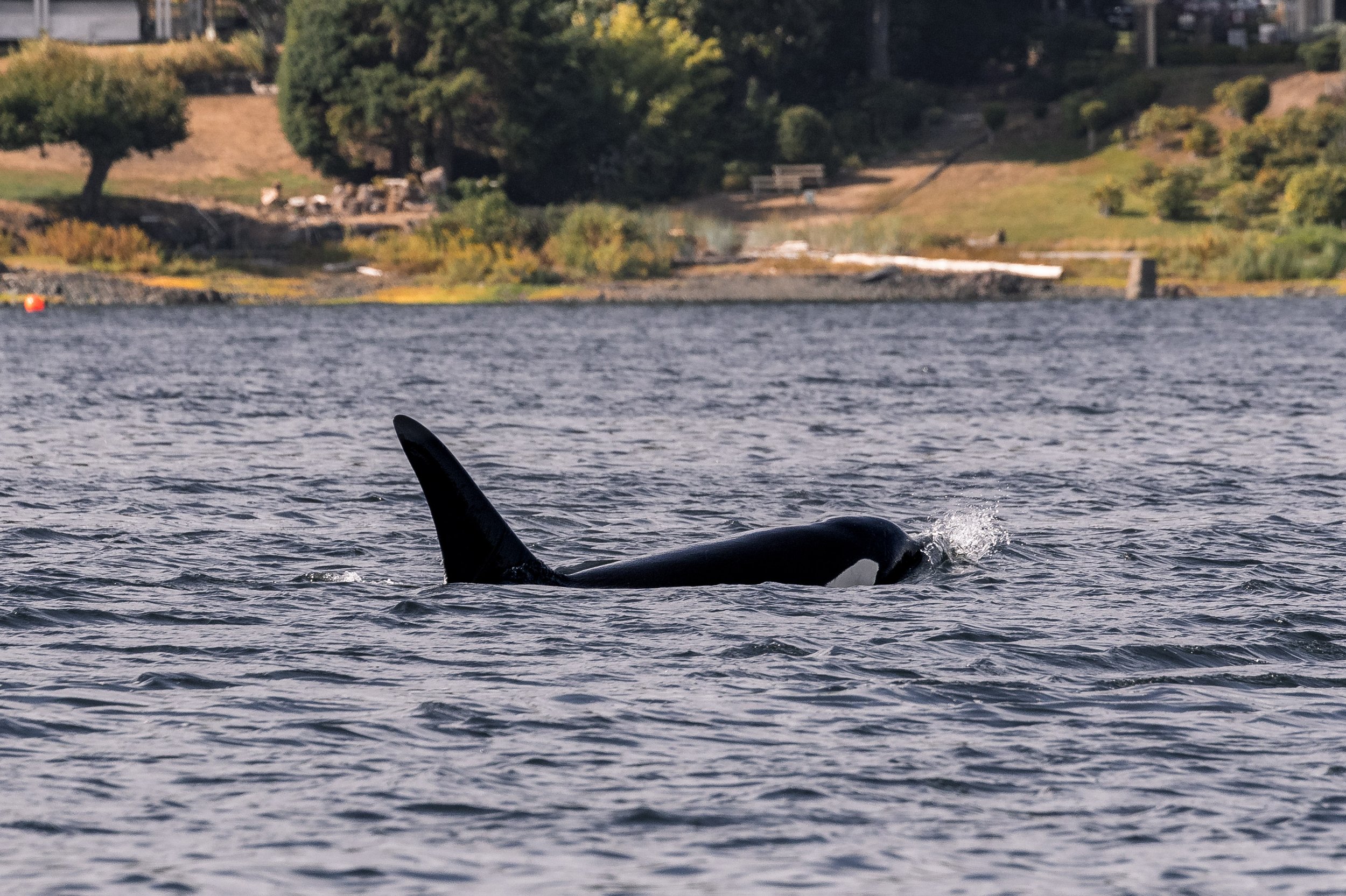
T069E Kodiak with his eyepatch visible. Photograph by Jordan Robinson.
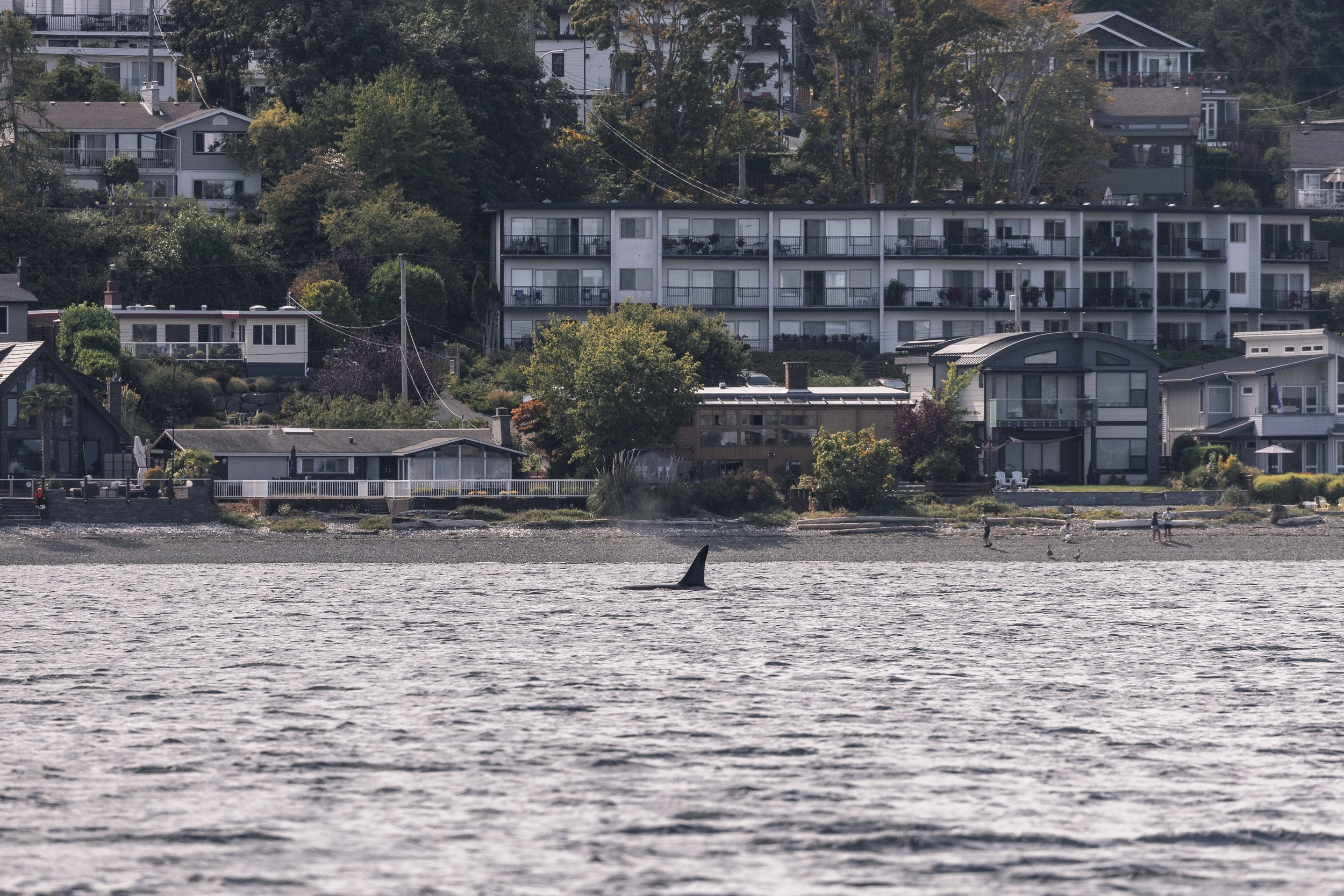
T069E Kodiak in Depature Bay. Photograph by Jordan Robinson.
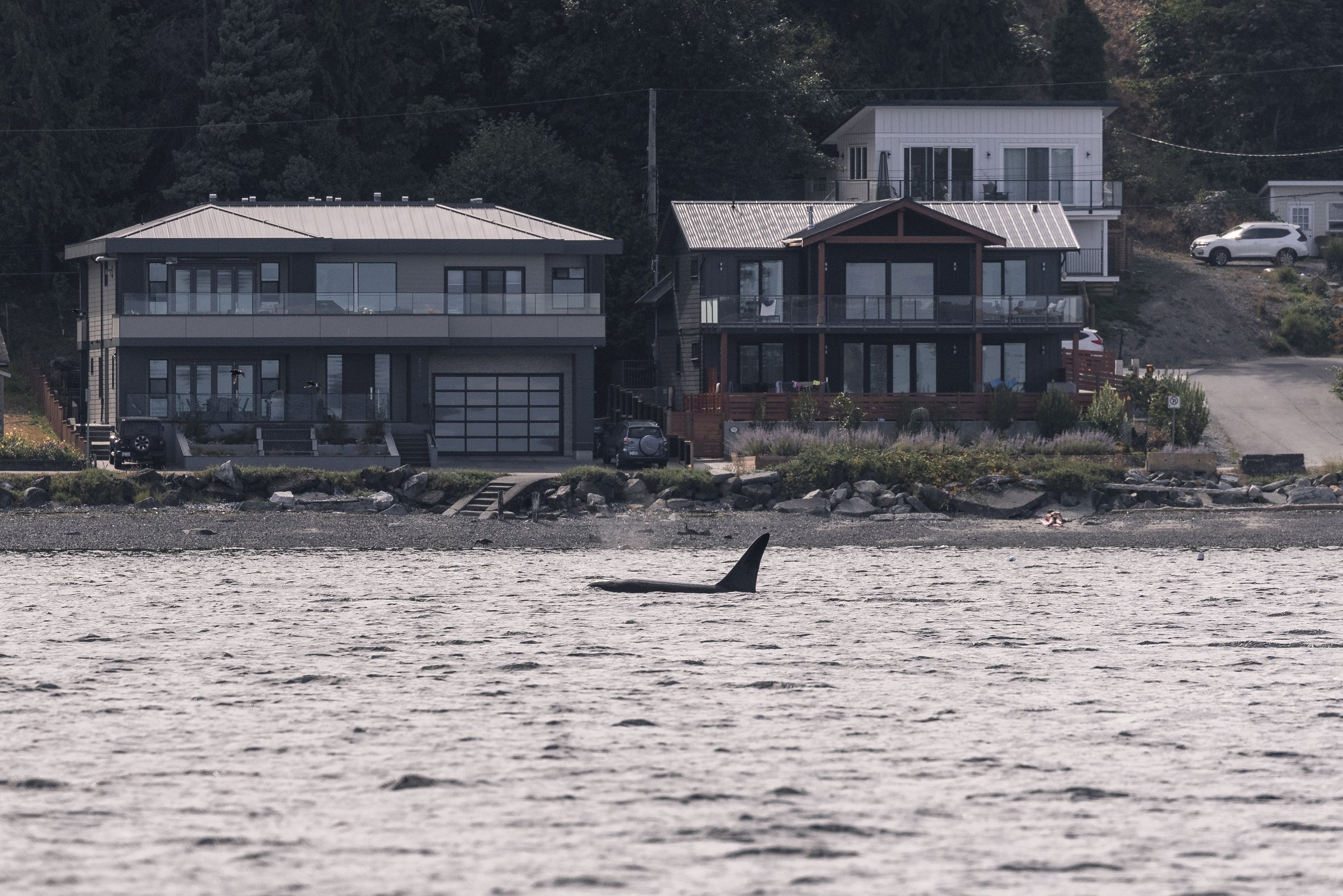
Where wild meets modern! Photograph by Jordan Robinson.
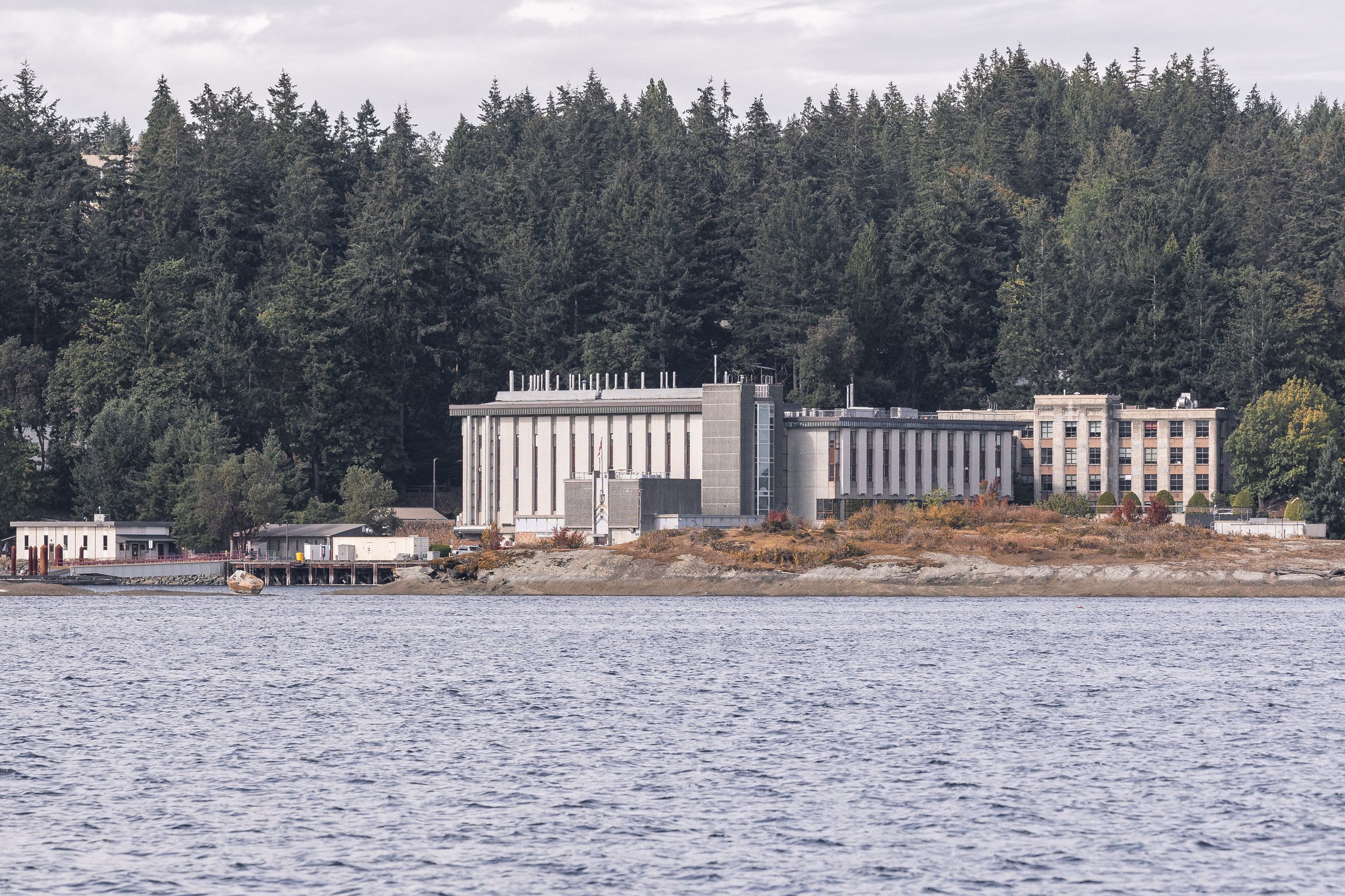
The Pacific Biological Station in Departure Bay. Photograph by Jordan Robinson.
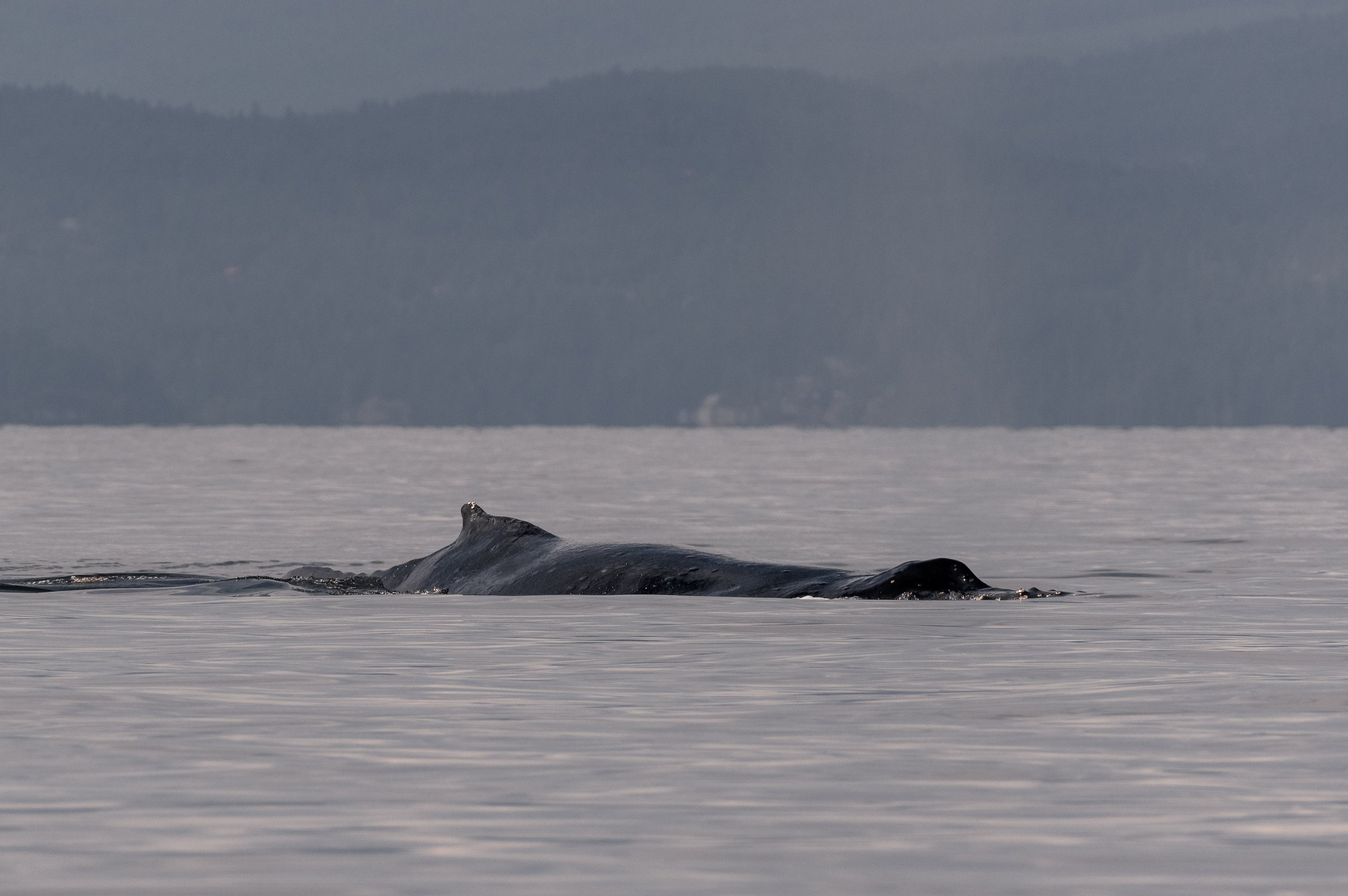
Anvil travelling along. Photograph by Hayleigh Hilbert.
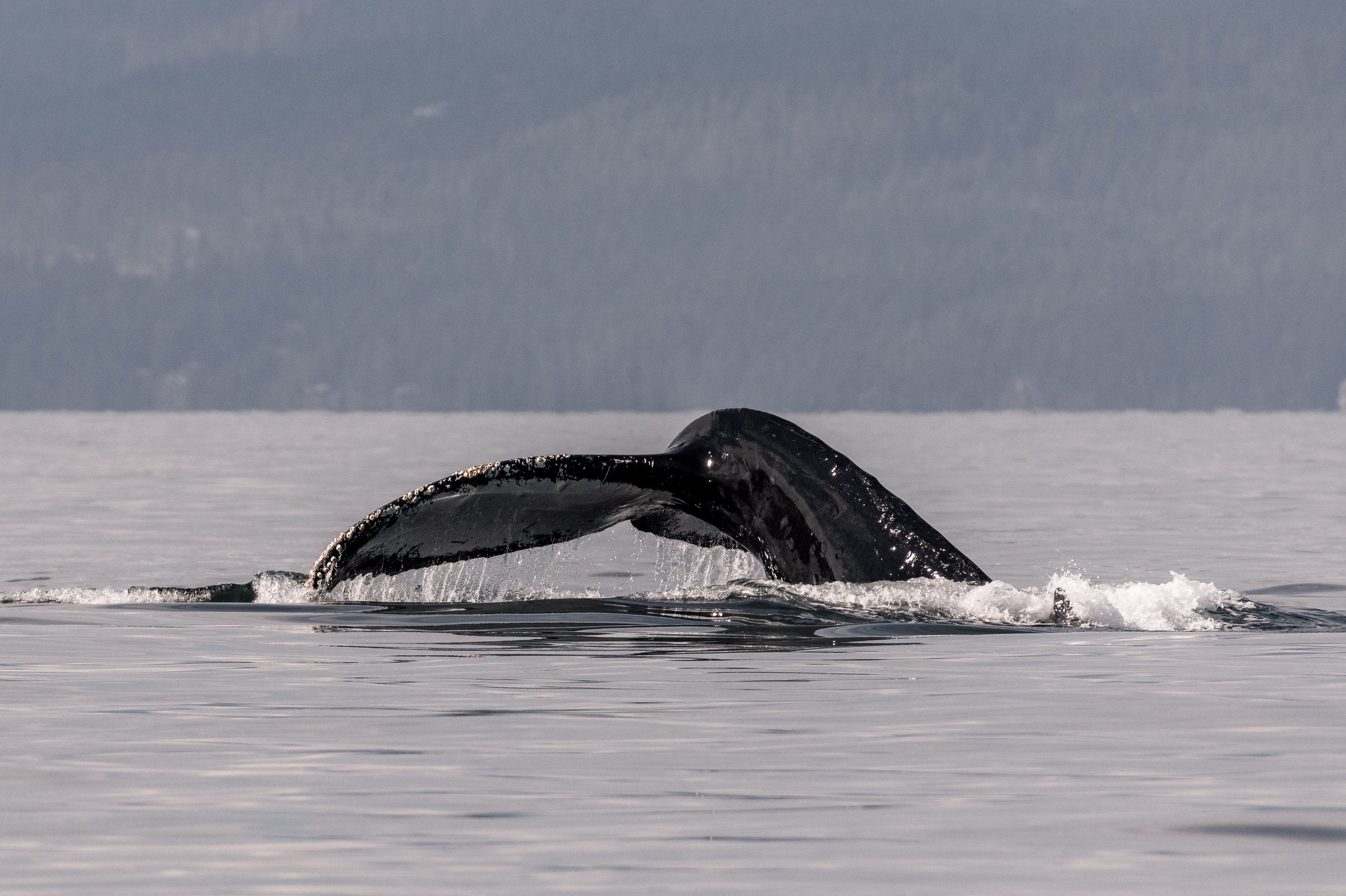
Anvil beginning to fluke. Photograph by Hayleigh Hilbert.
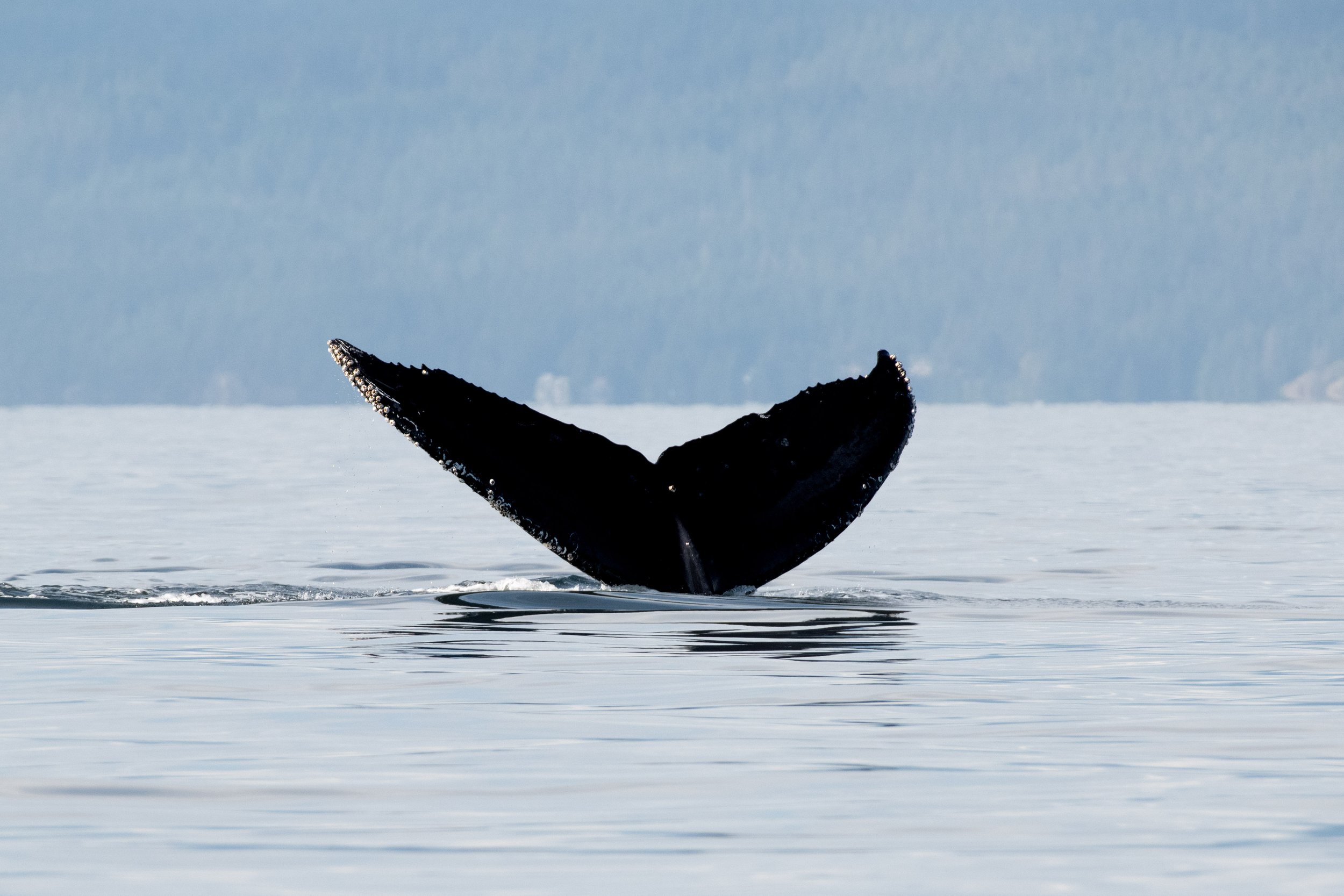
The topside of Anvil’s fluke. Photograph by Hayleigh Hilbert.
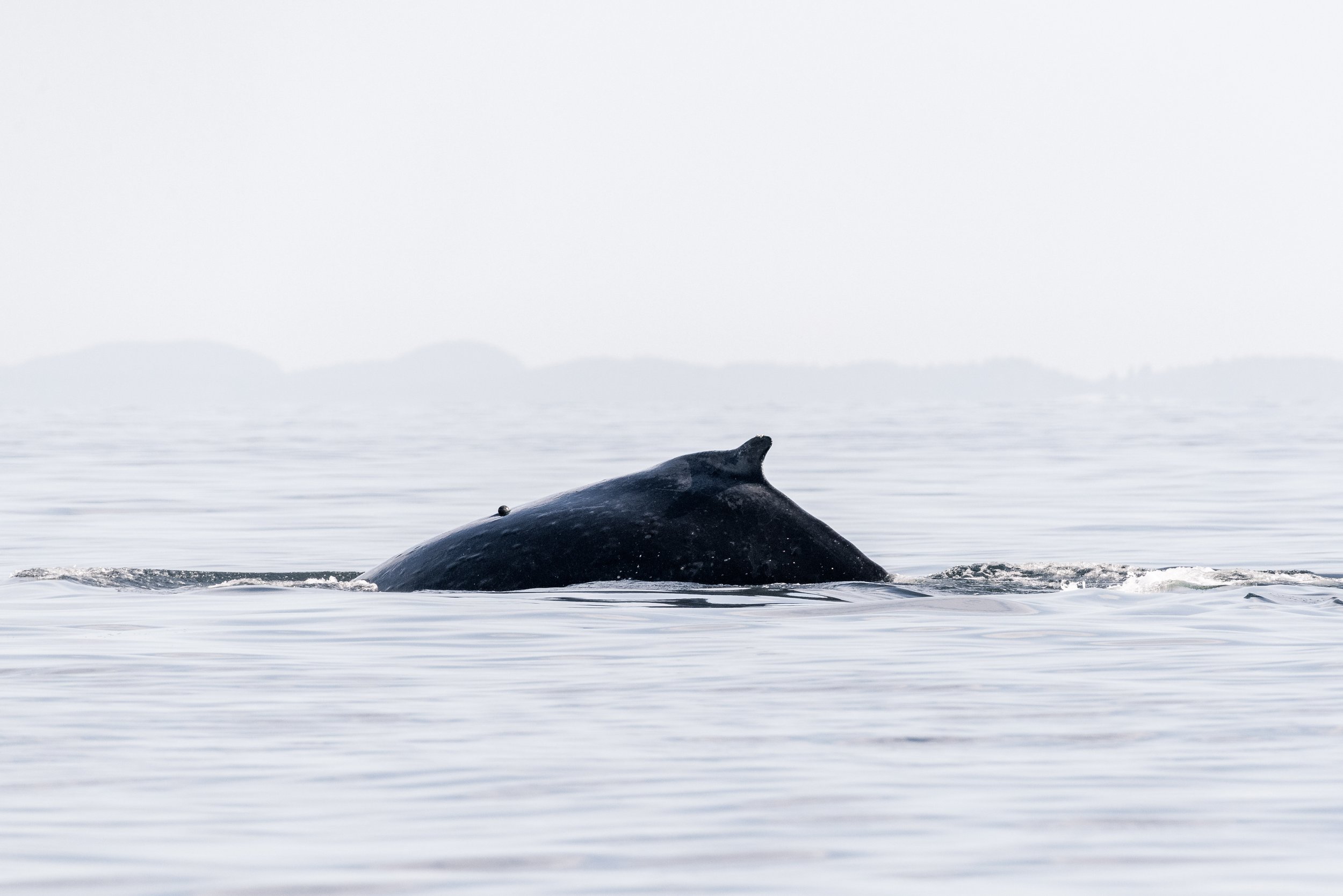
Not only can Anvil be identified from her fluke and dorsal fin, her very unique sat tag scar on her left side is also a distinguishing feature. Photograph by Hayleigh Hilbert.
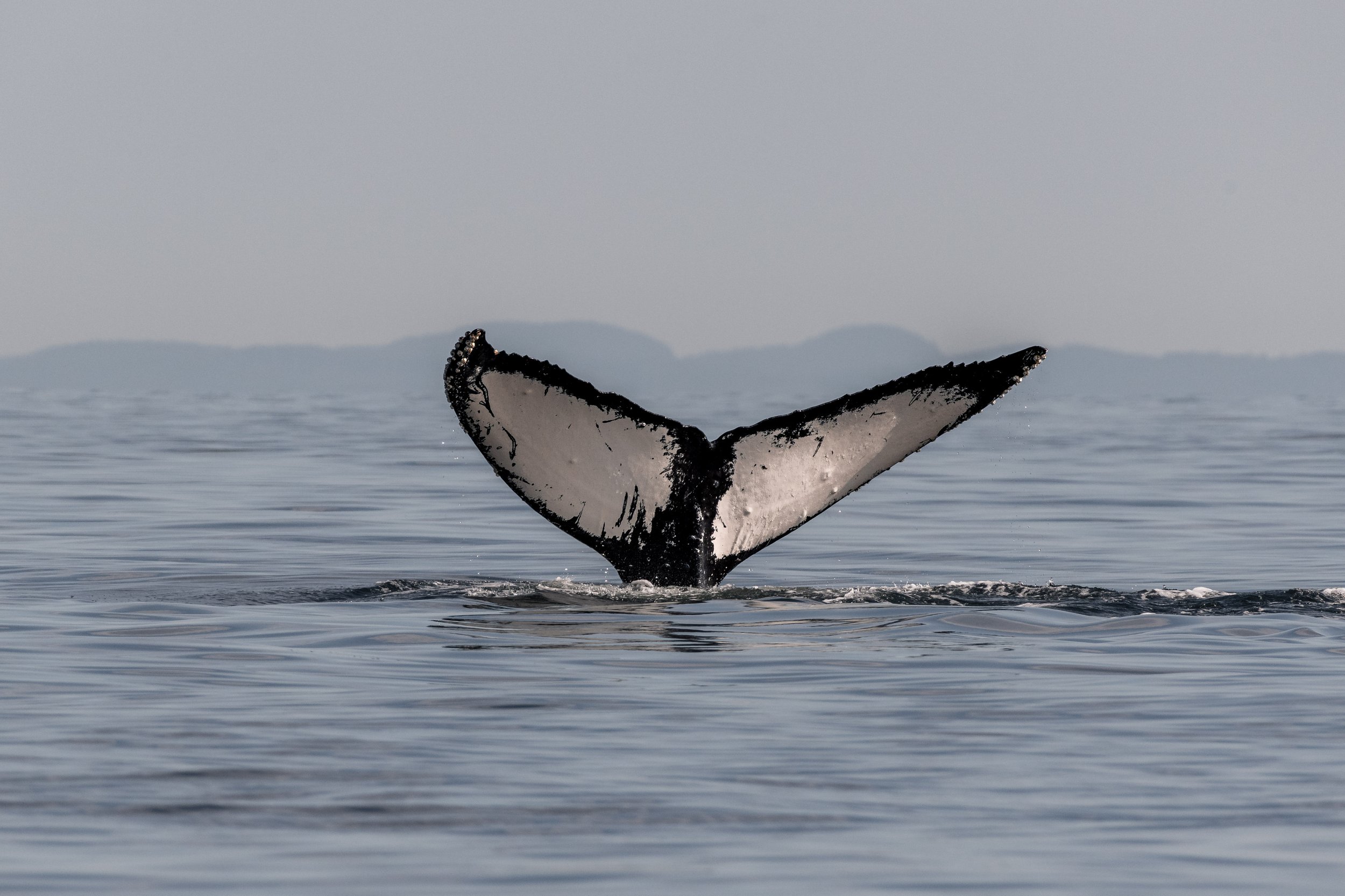
Anvil with her largely white fluke visible. Photograph by Hayleigh Hilbert.
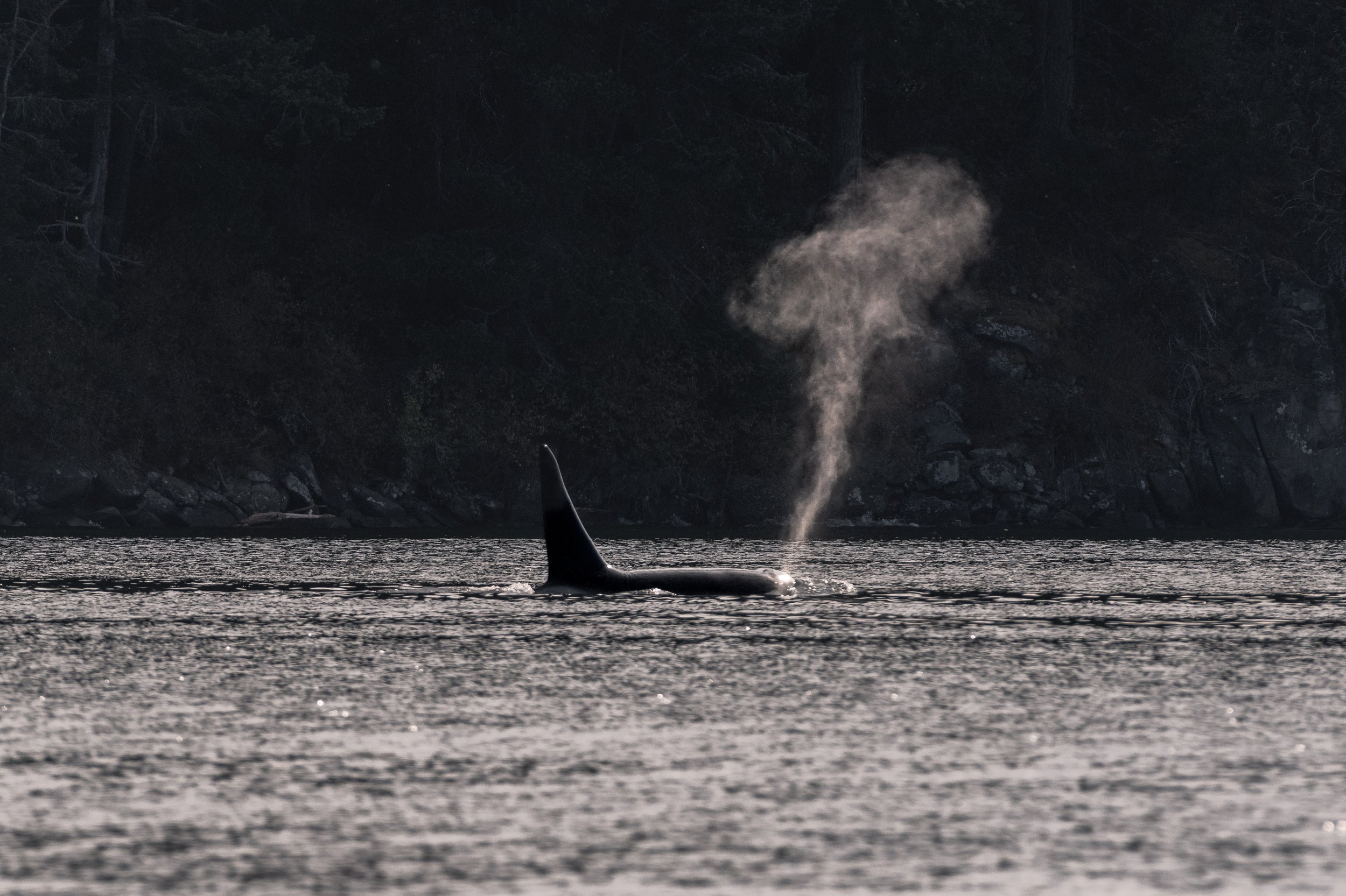
A big backlit blow from T101B Lagoon. Photograph by Hayleigh Hilbert.
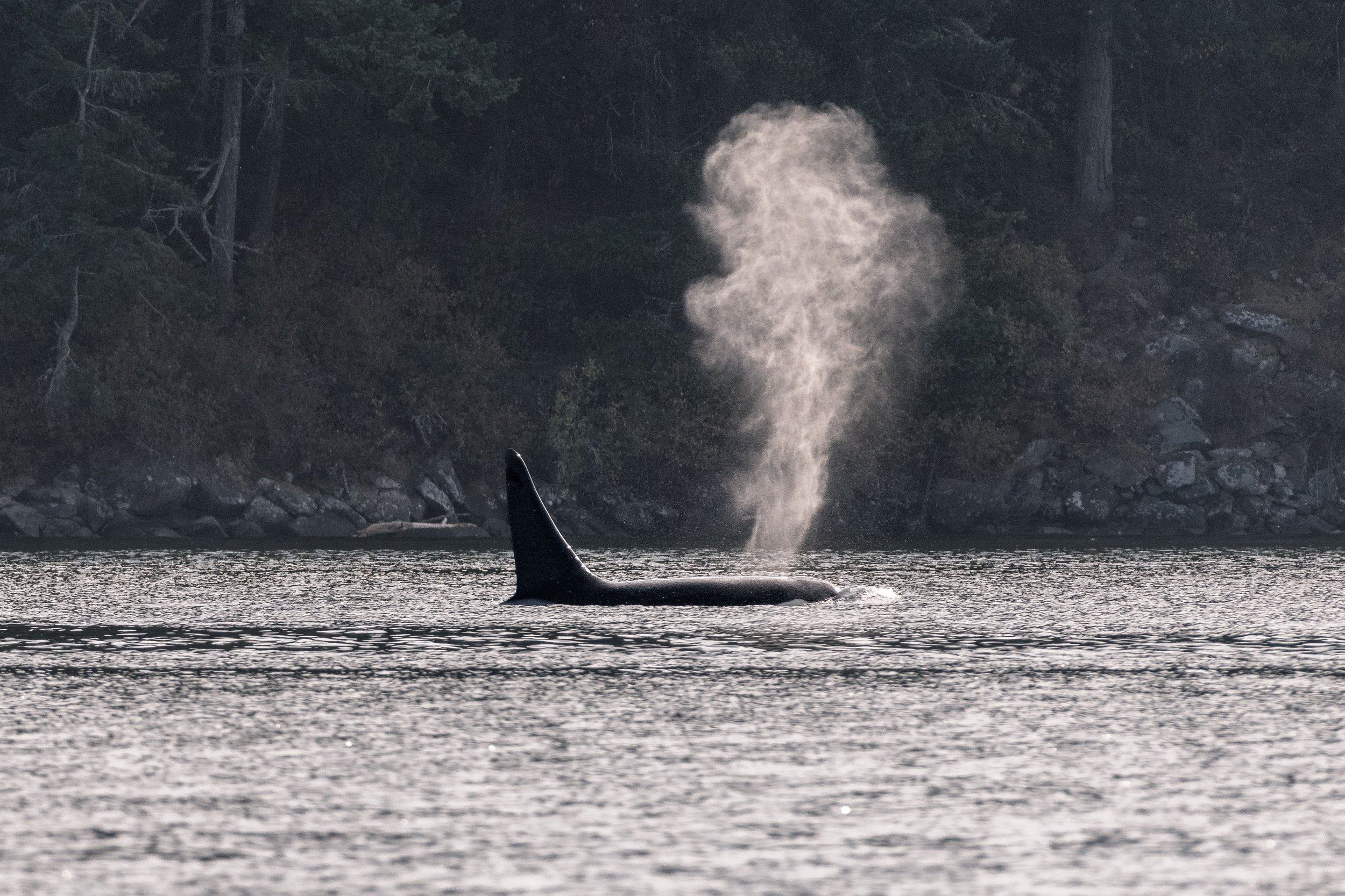
T101B Lagoon travelling along. Photograph by Hayleigh Hilbert.
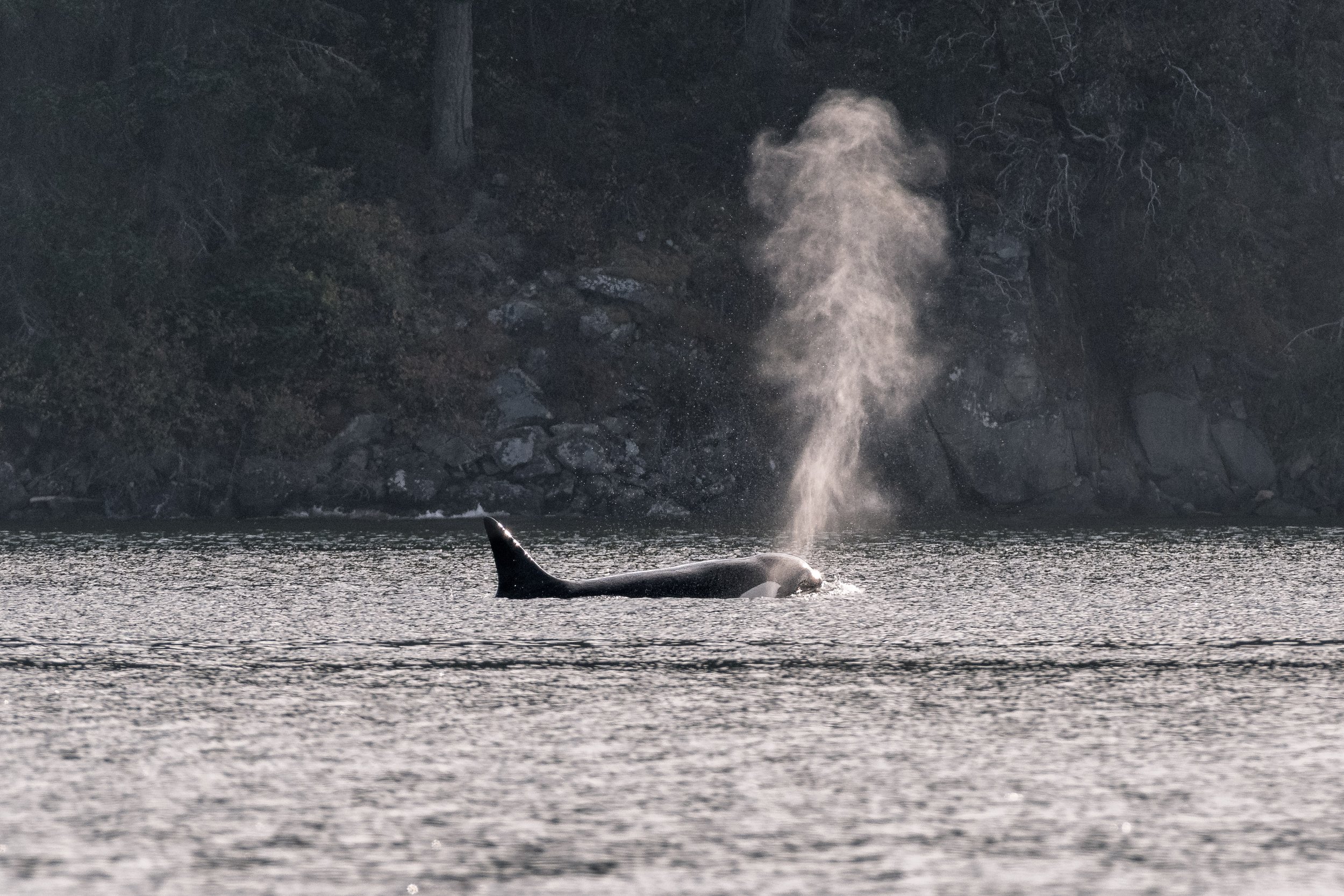
T101 Reef shining in the sunlight. Photograph by Hayleigh Hilbert.
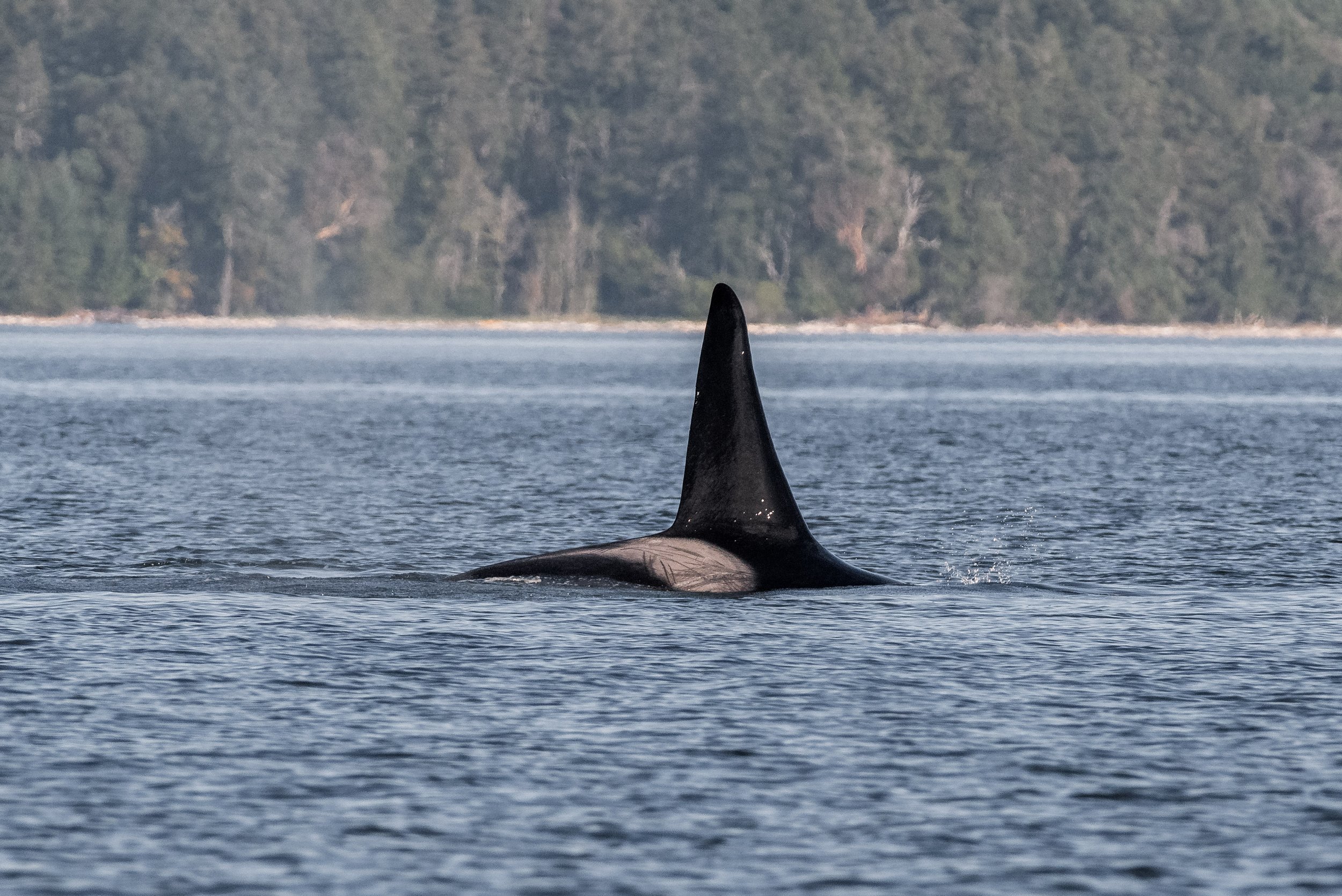
T101B Lagoon has a ton of intricate saddlepatch scars. Photograph by Hayleigh Hilbert.
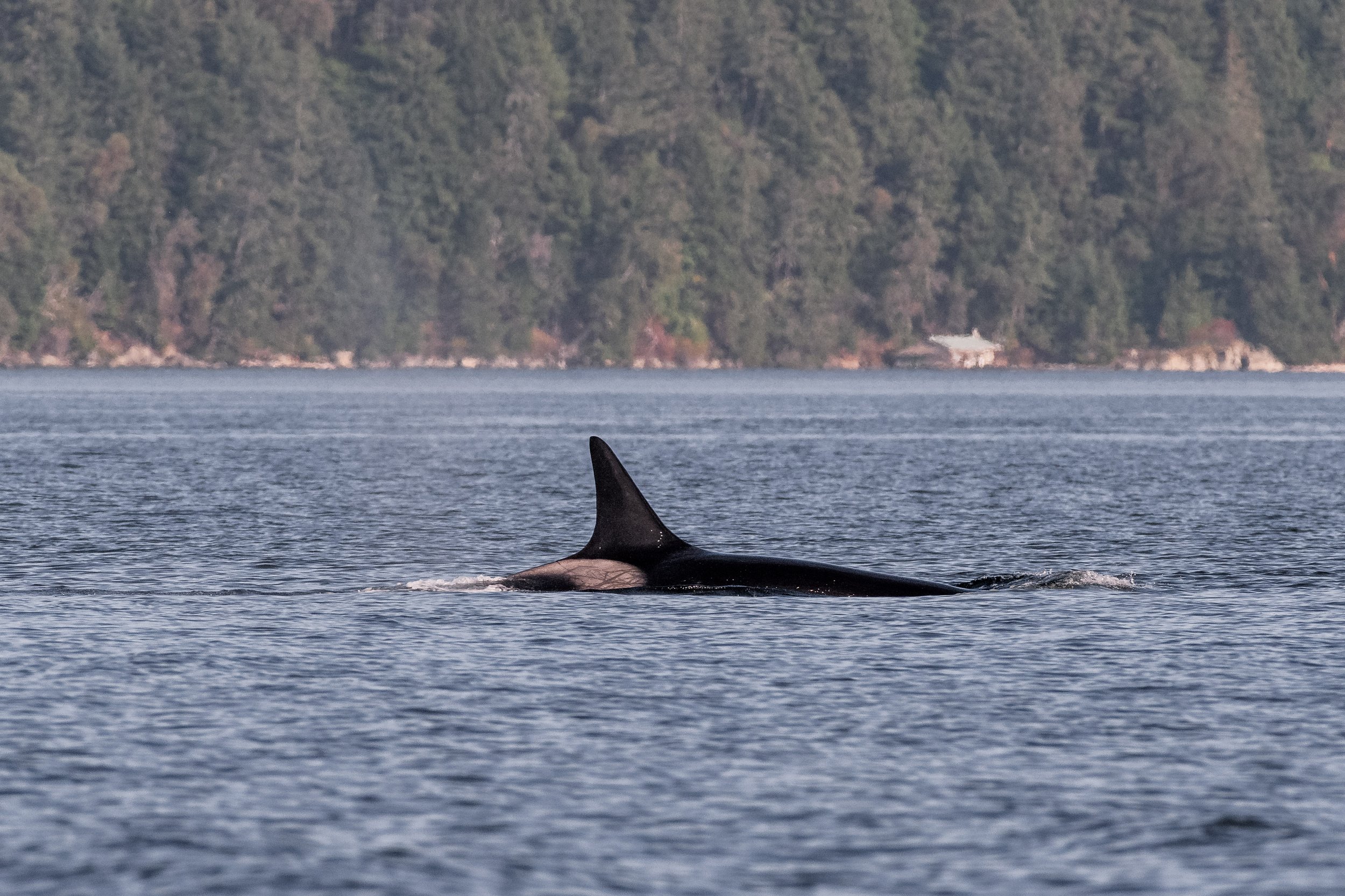
T101 Reef also has a very scarred saddlepatch. Photograph by Hayleigh Hilbert.
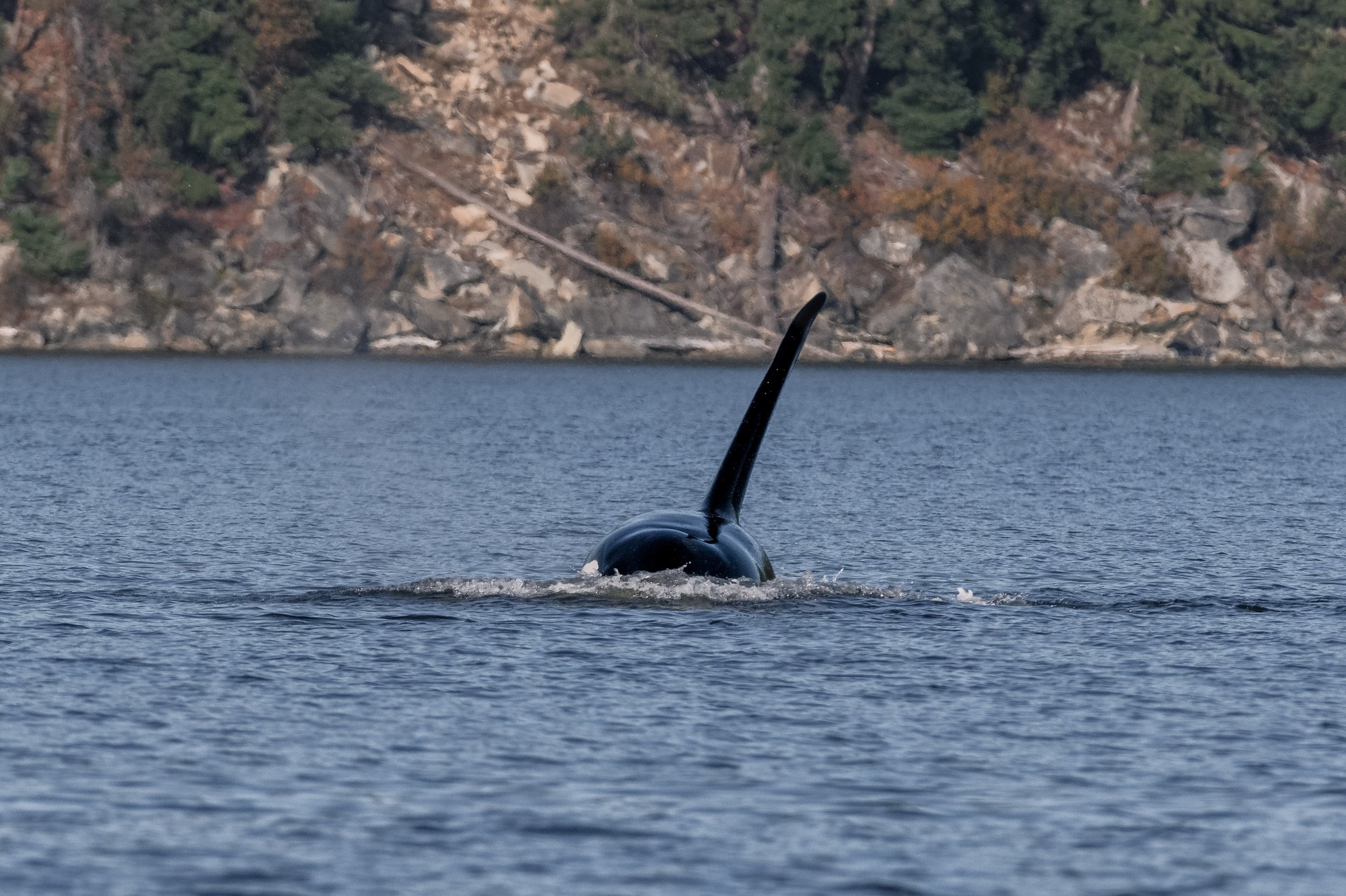
T101B Lagoon making way. Photograph by Hayleigh Hilbert.
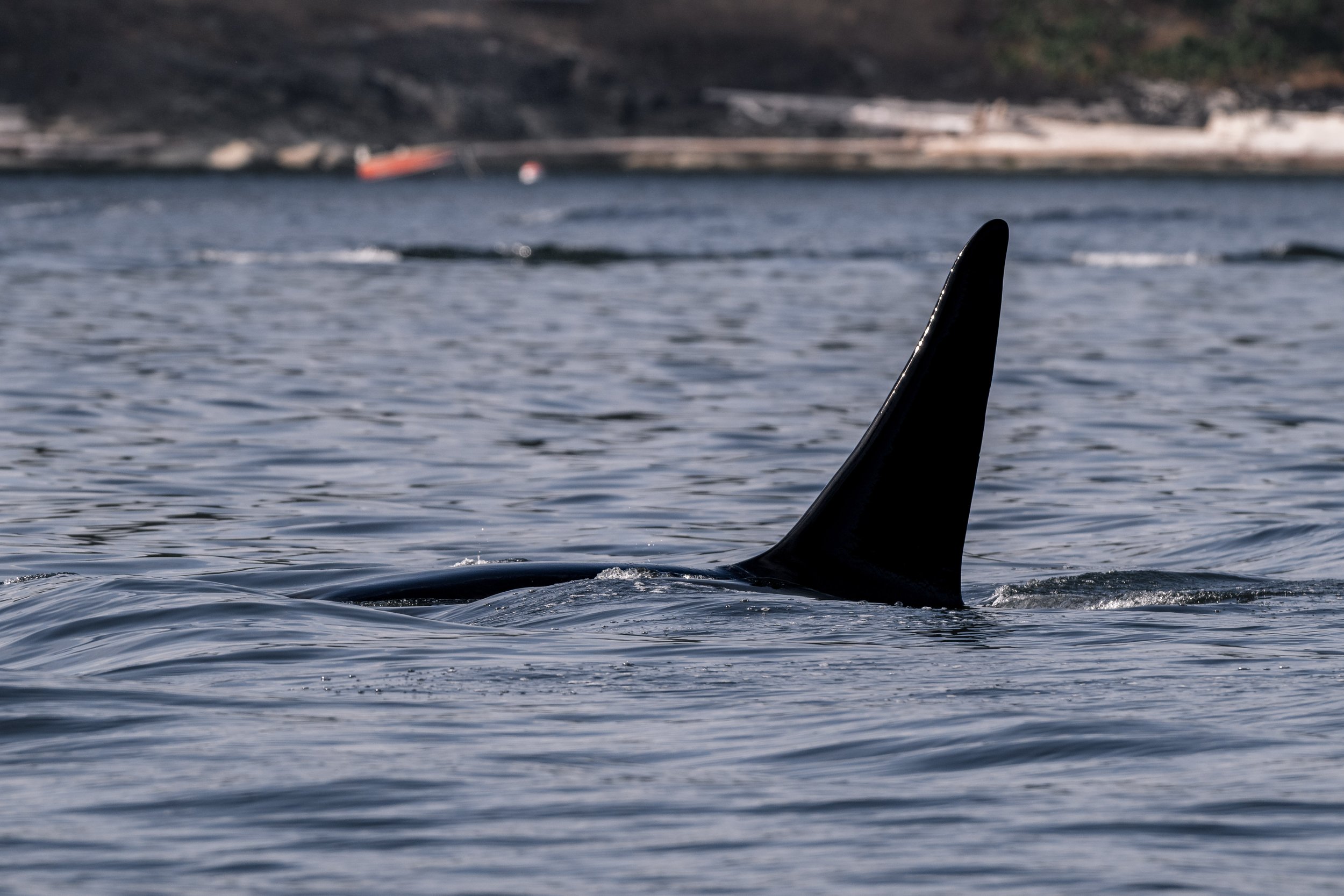
T101B Lagoon with his uniquely shaped dorsal fin visible. Photograph by Aly Kohlman.
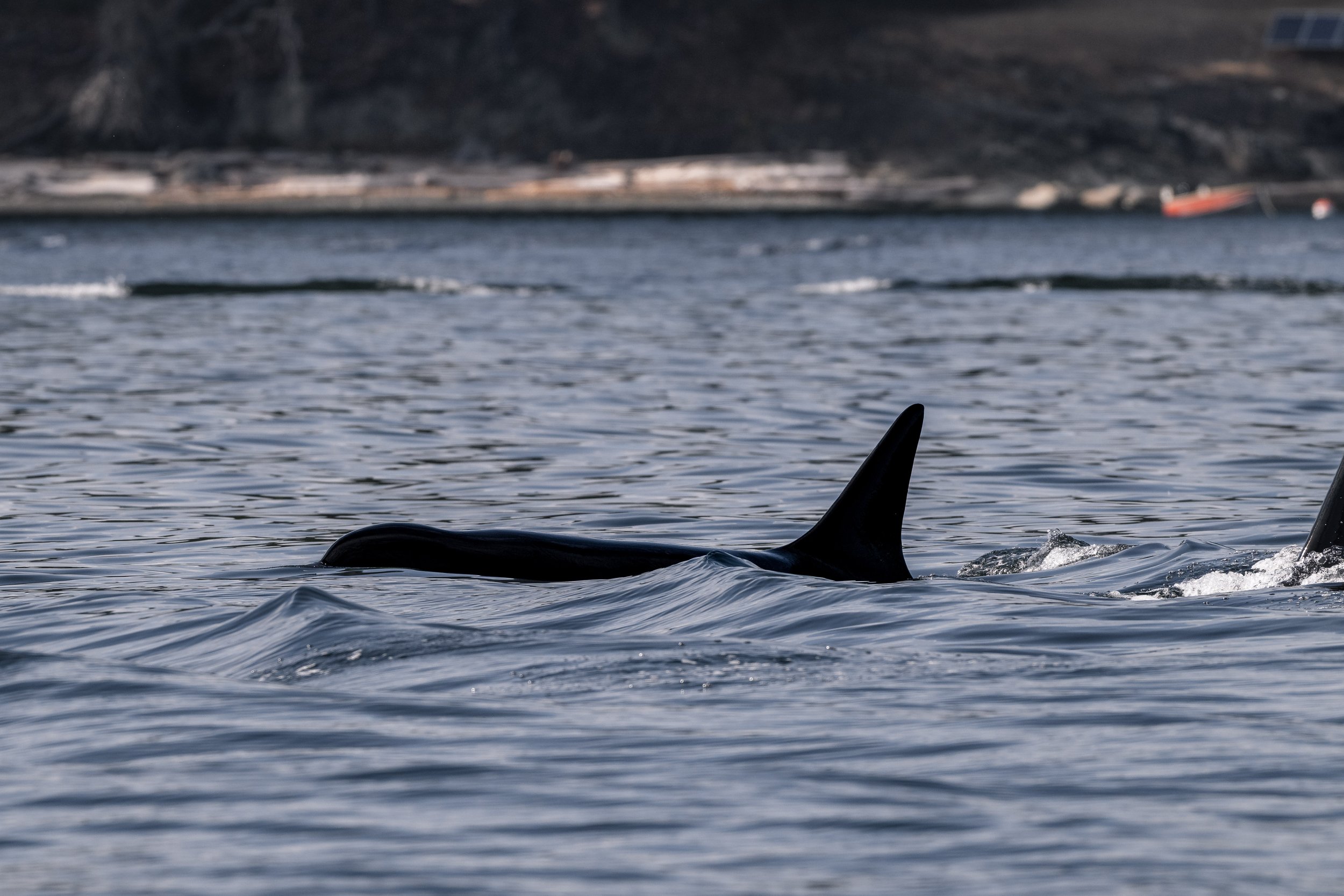
T101 Reef surfacing beside her son T101B Lagoon. Photograph by Aly Kohlman.
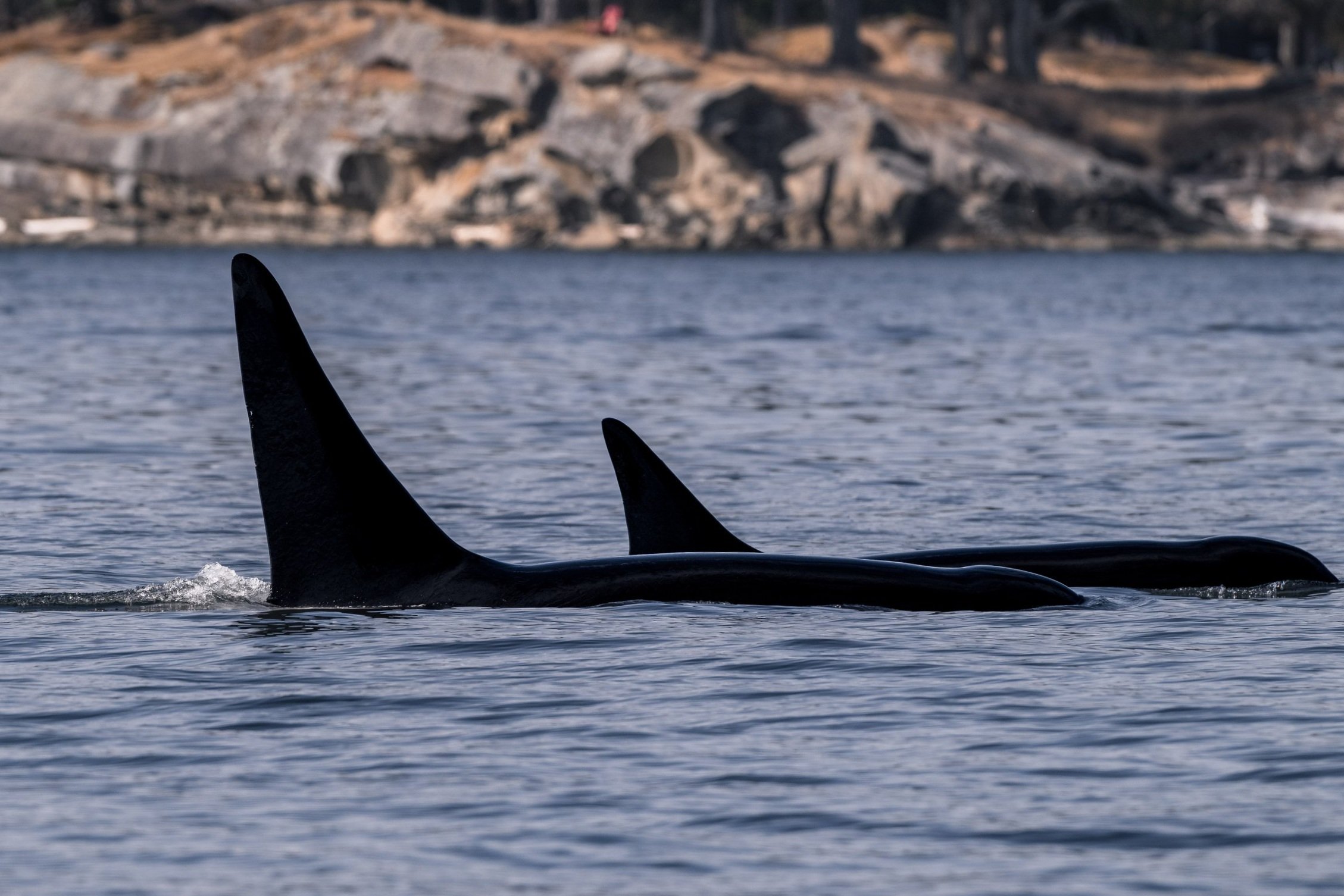
Family photo - T101B Lagoon and T101 Reef. Photograph by Aly Kohlman.
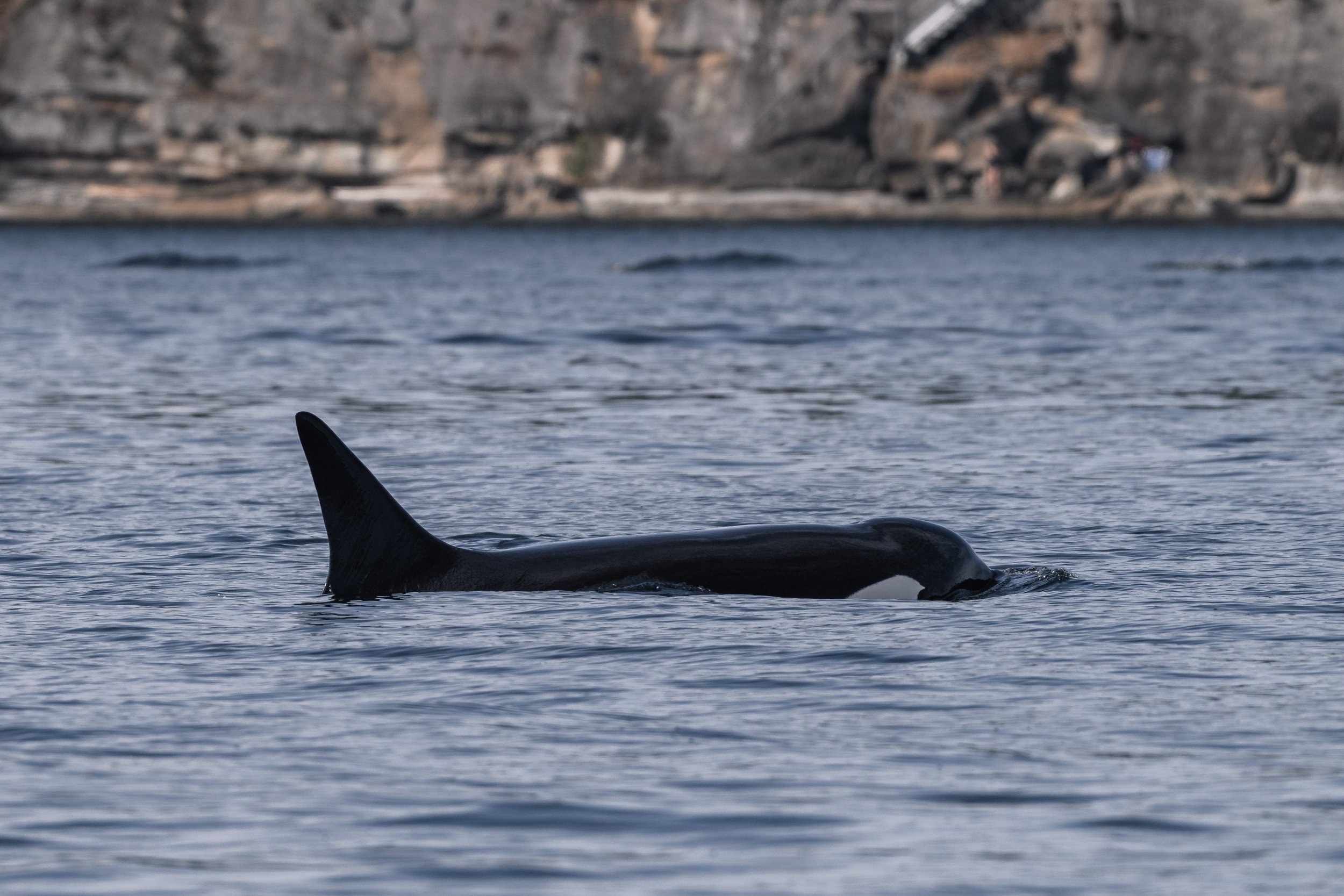
T101 Reef with her eyepatch peeking out of the water. Photograph by Aly Kohlman.
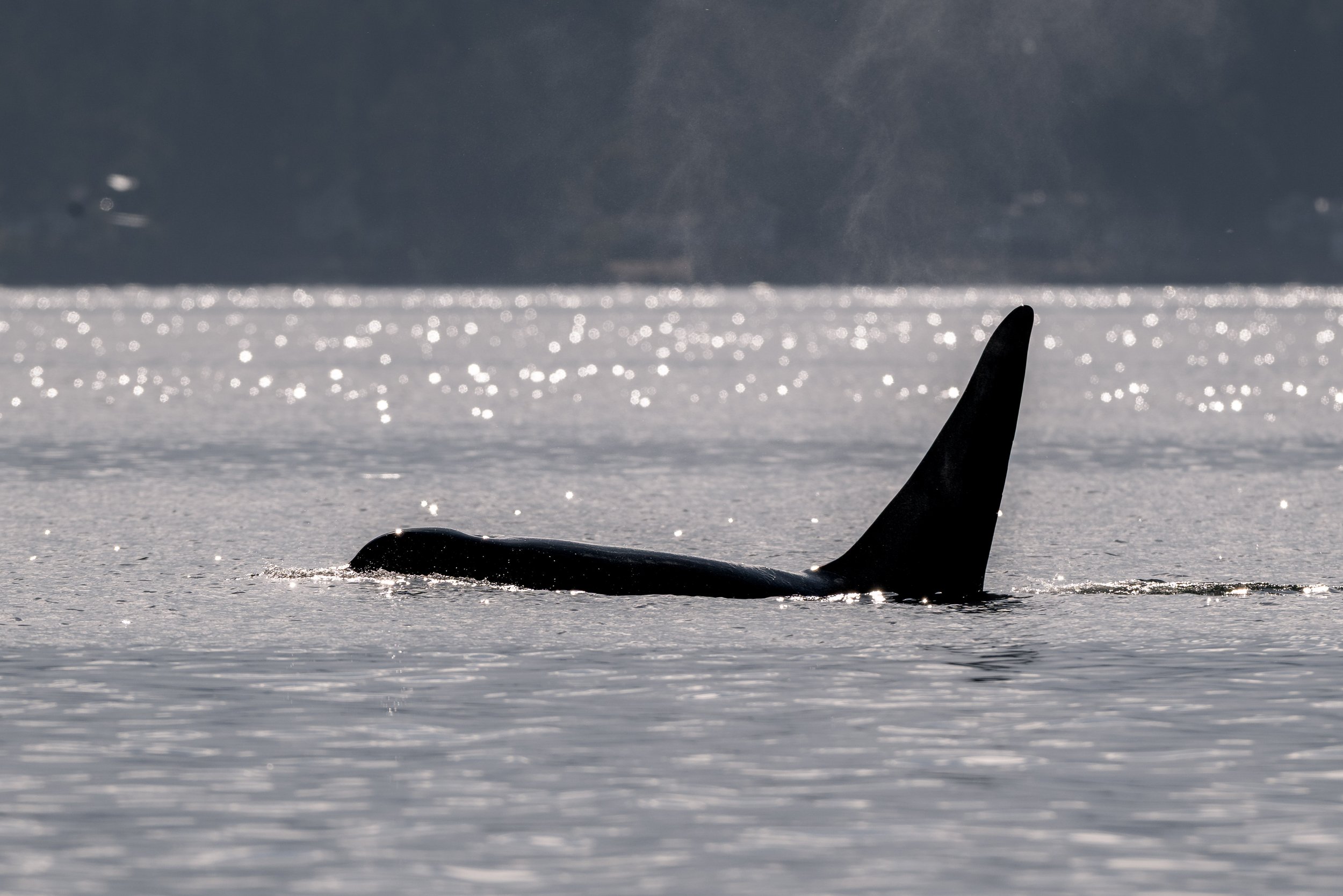
T101B Lagoon glistening in the sun. Photograph by Aly Kohlman.
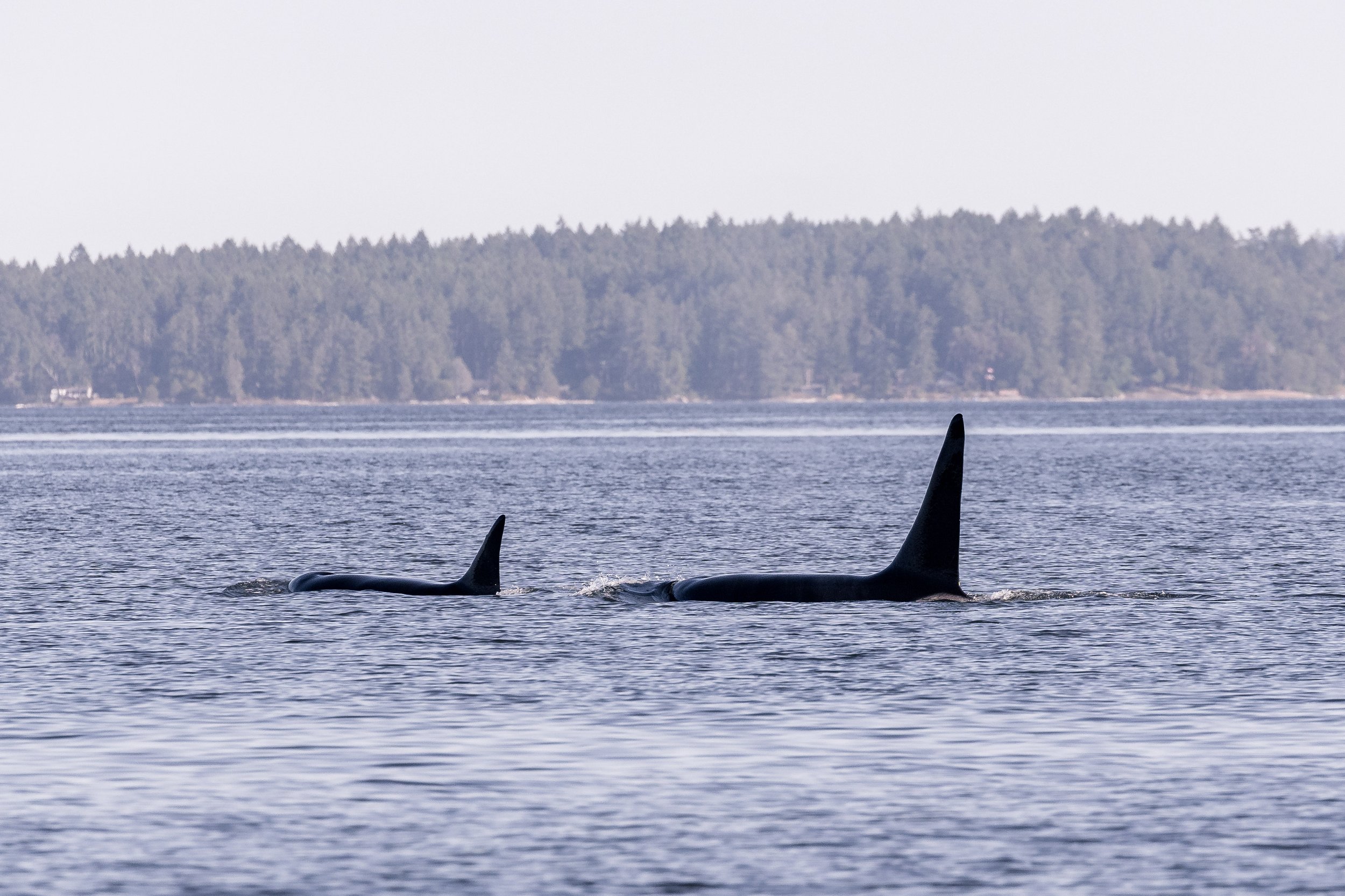
T101 Reef and T101B Lagoon. Photograph by Jordan Robinson.
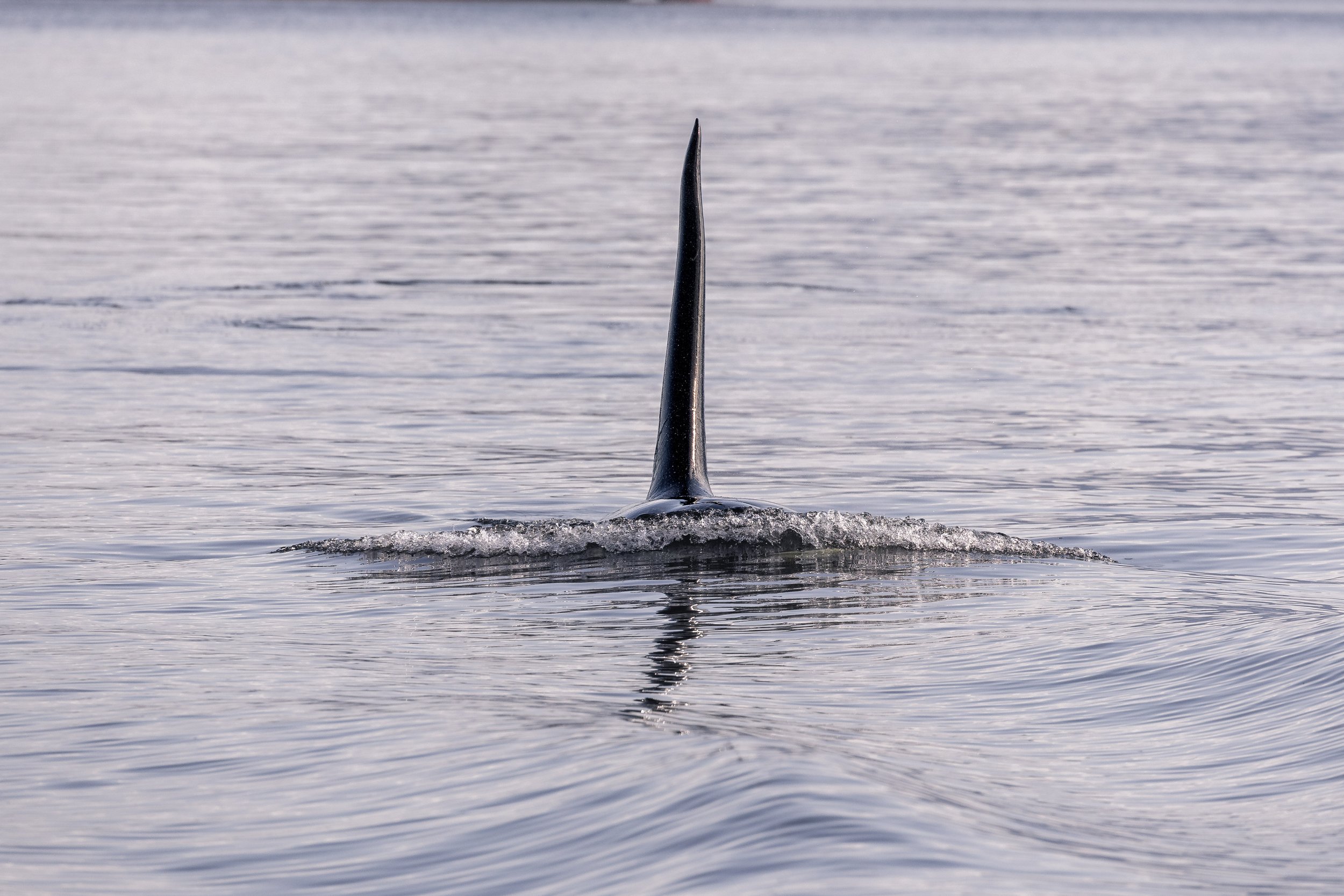
Peeking up T101B Lagoon’s dorsal fin. Photograph by Jordan Robinson.
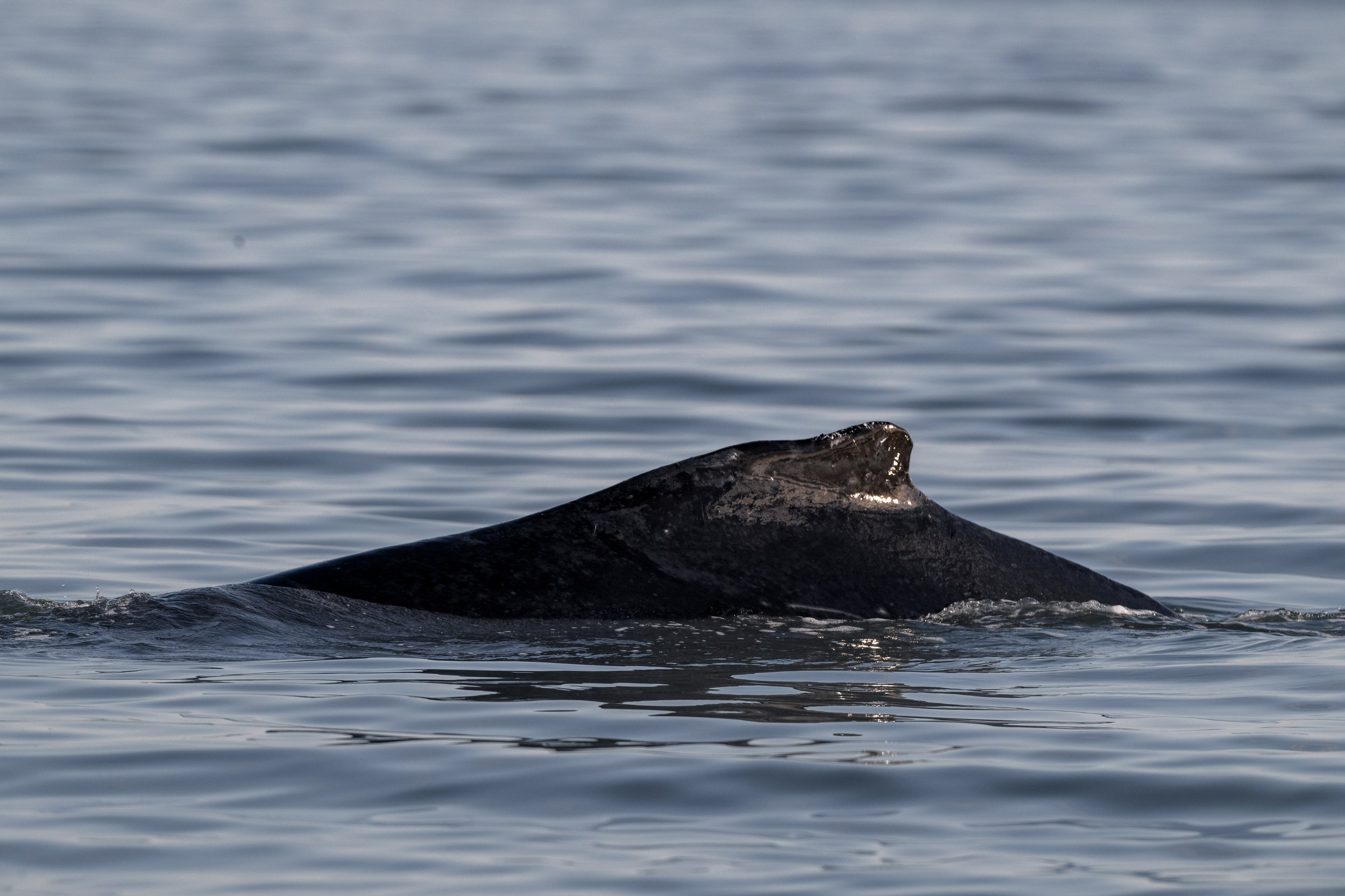
A peek at Raptor’s 2024 calf’s dorsal fin. Photograph by Aly Kohlman.
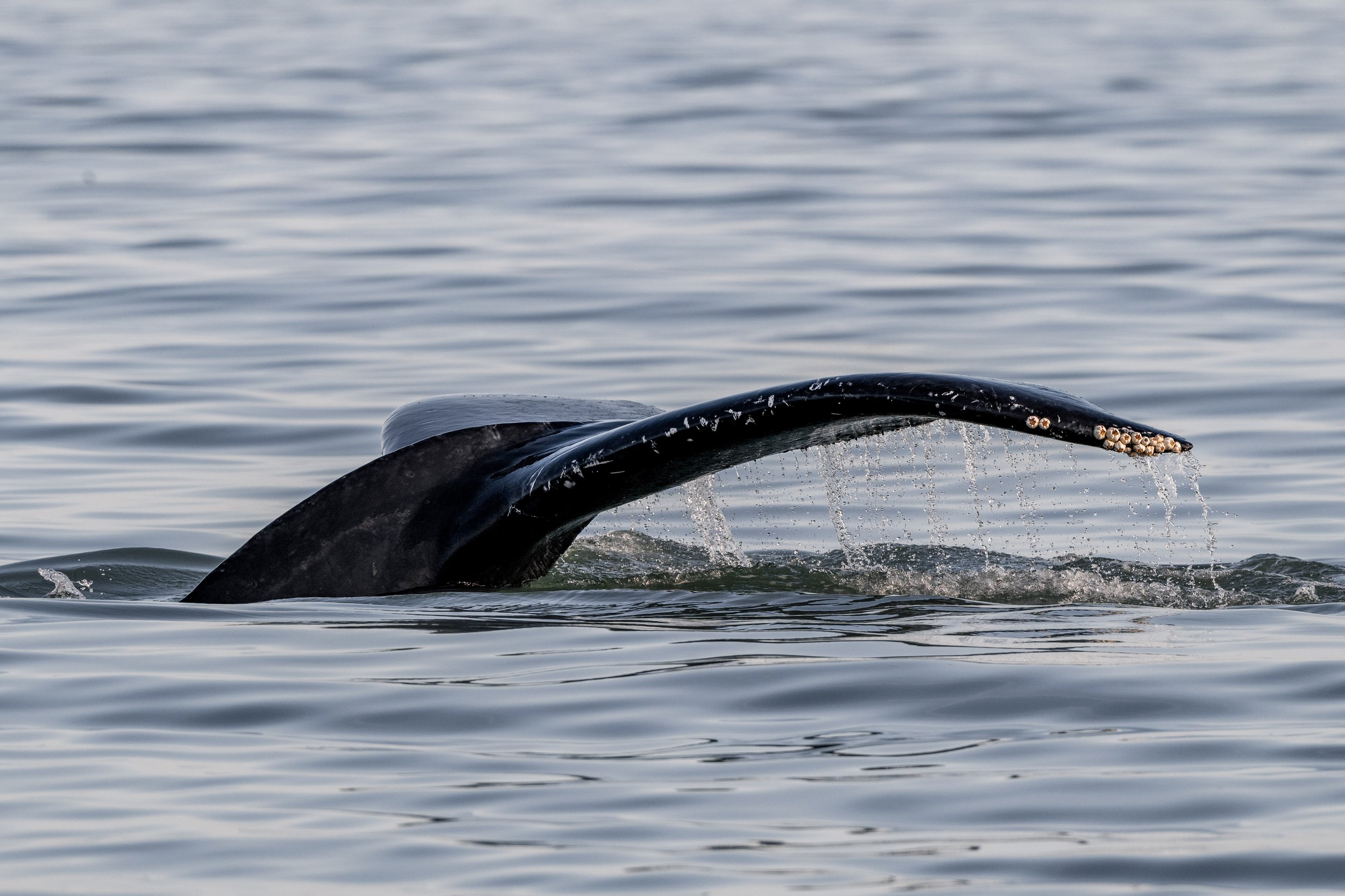
A shallow fluke from Raptor’s 2024 calf. Photograph by Aly Kohlman.
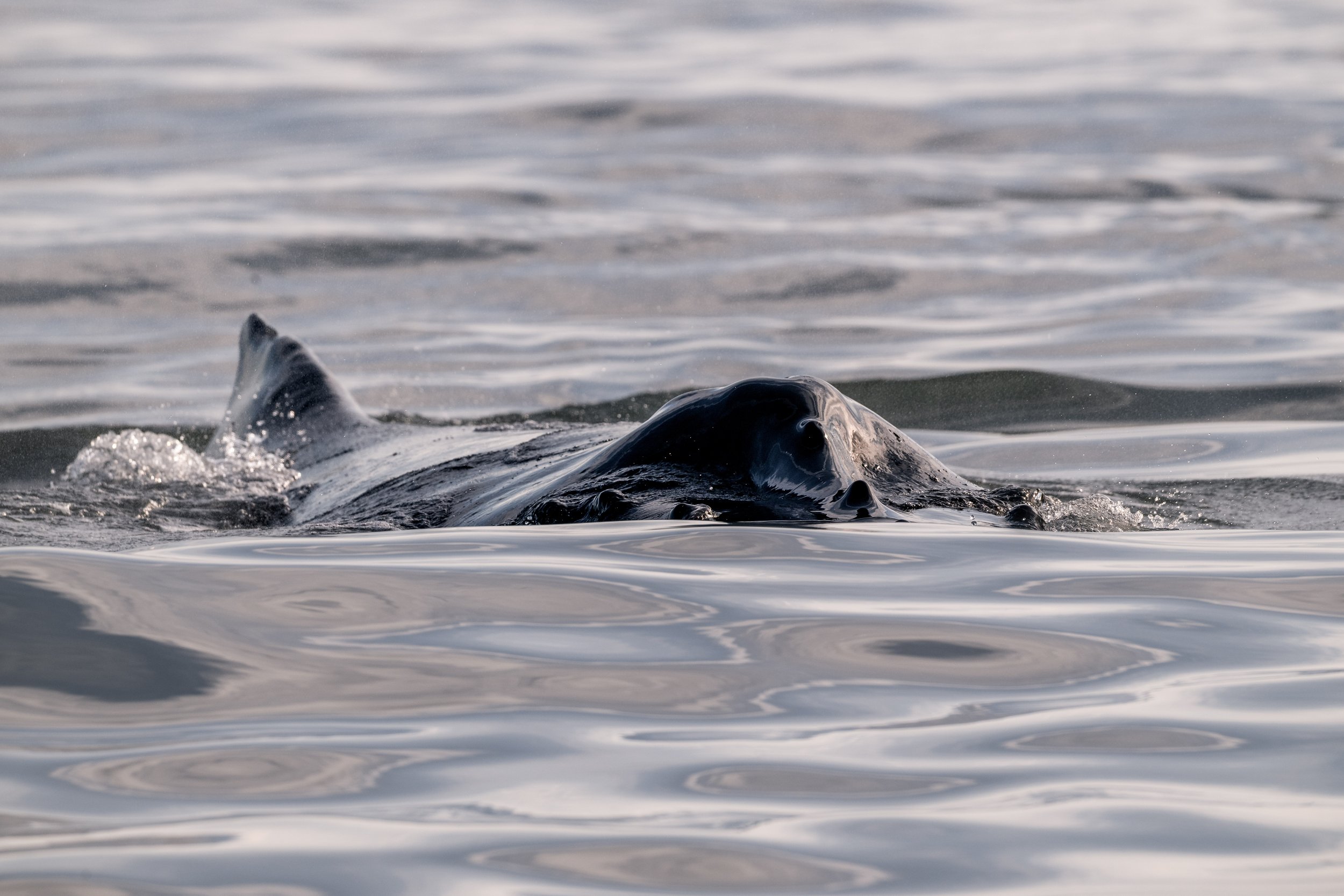
Tubercules visble on Raptor’s 2024 calf’s face. Photograph by Aly Kohlman.
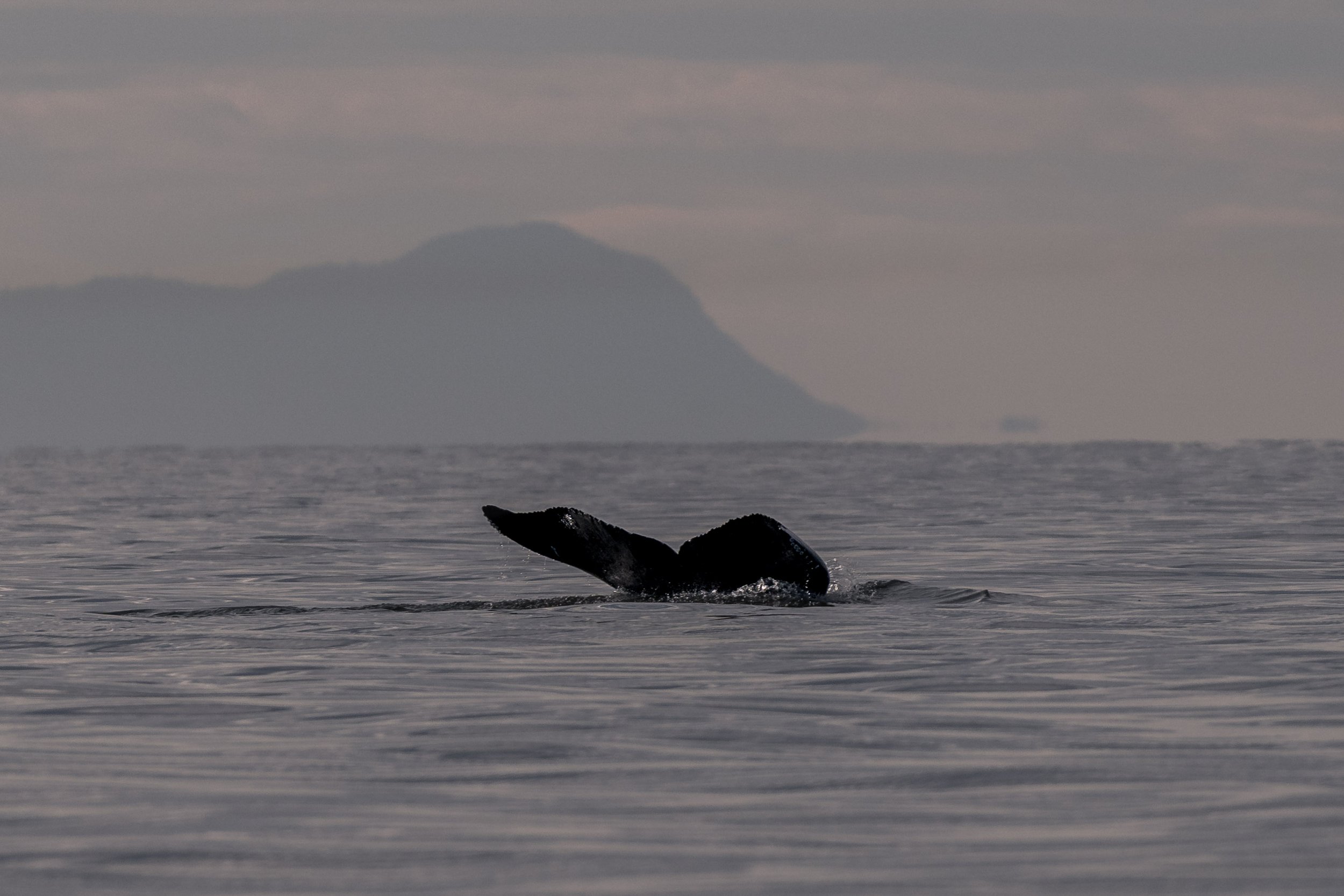
Raptor’s 2024 calf diving. Photograph by Aly Kohlman.
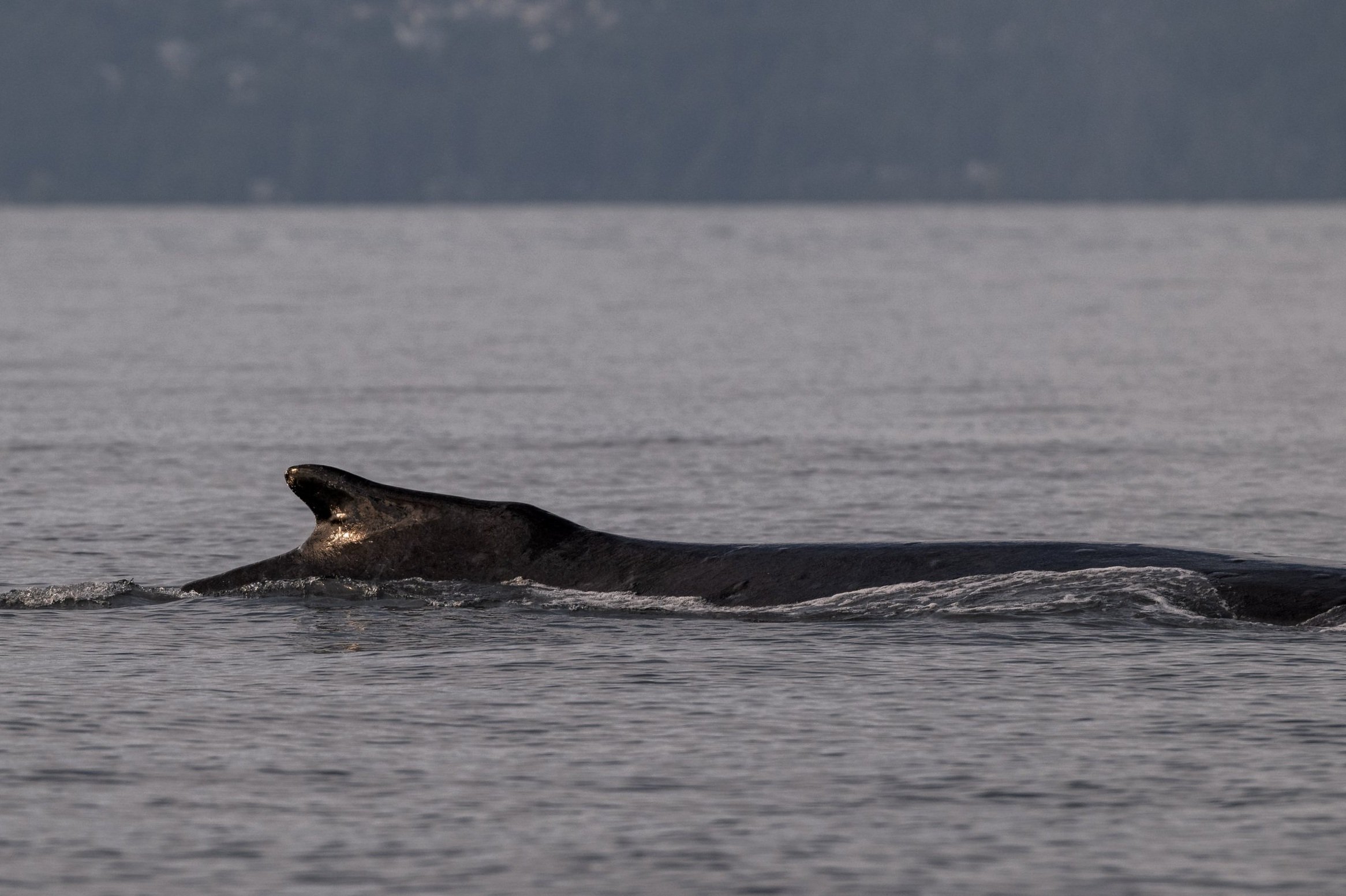
Raptor travelling along. Photograph by Aly Kohlman.
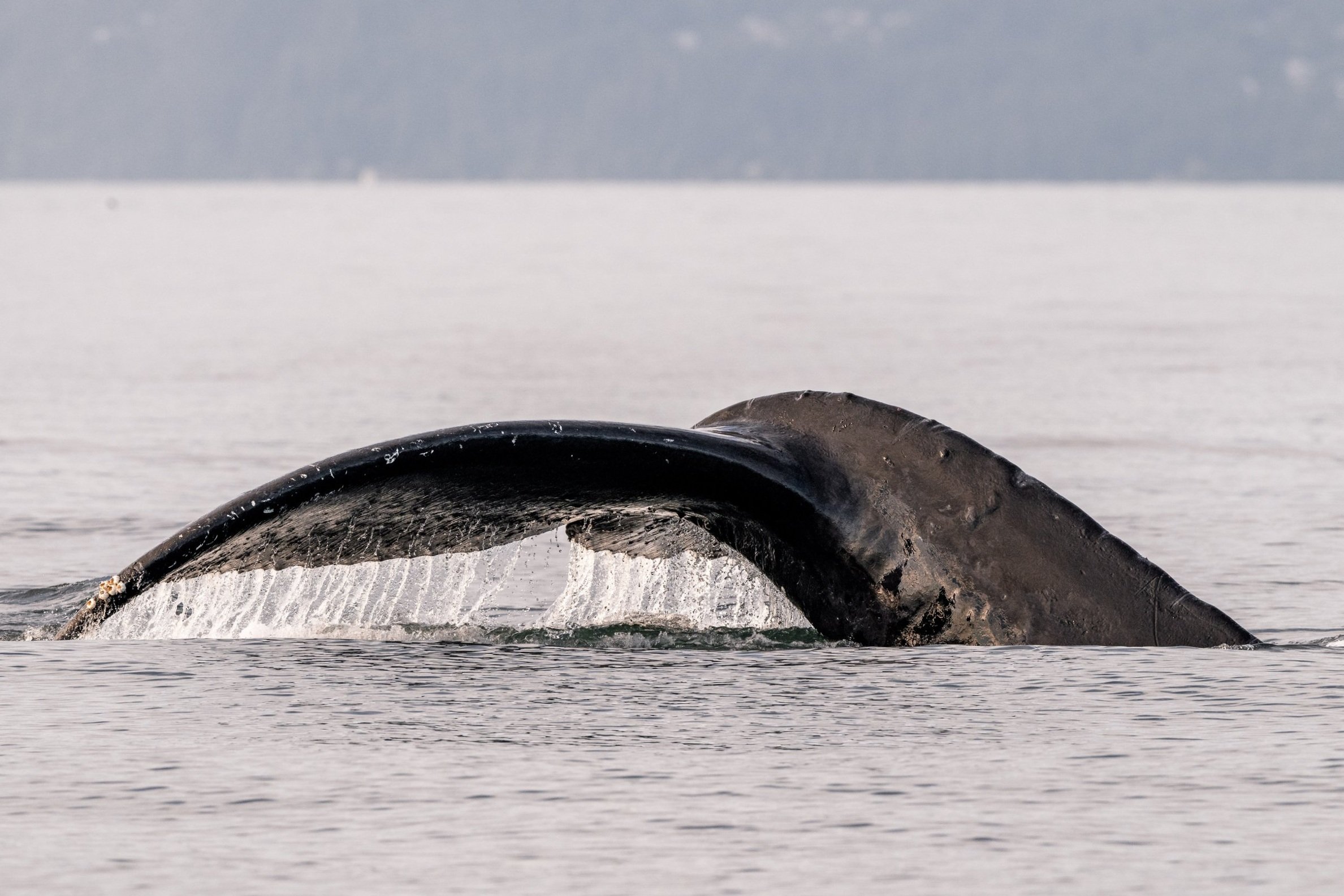
A lovely fluke waterfall. Photograph by Aly Kohlman.
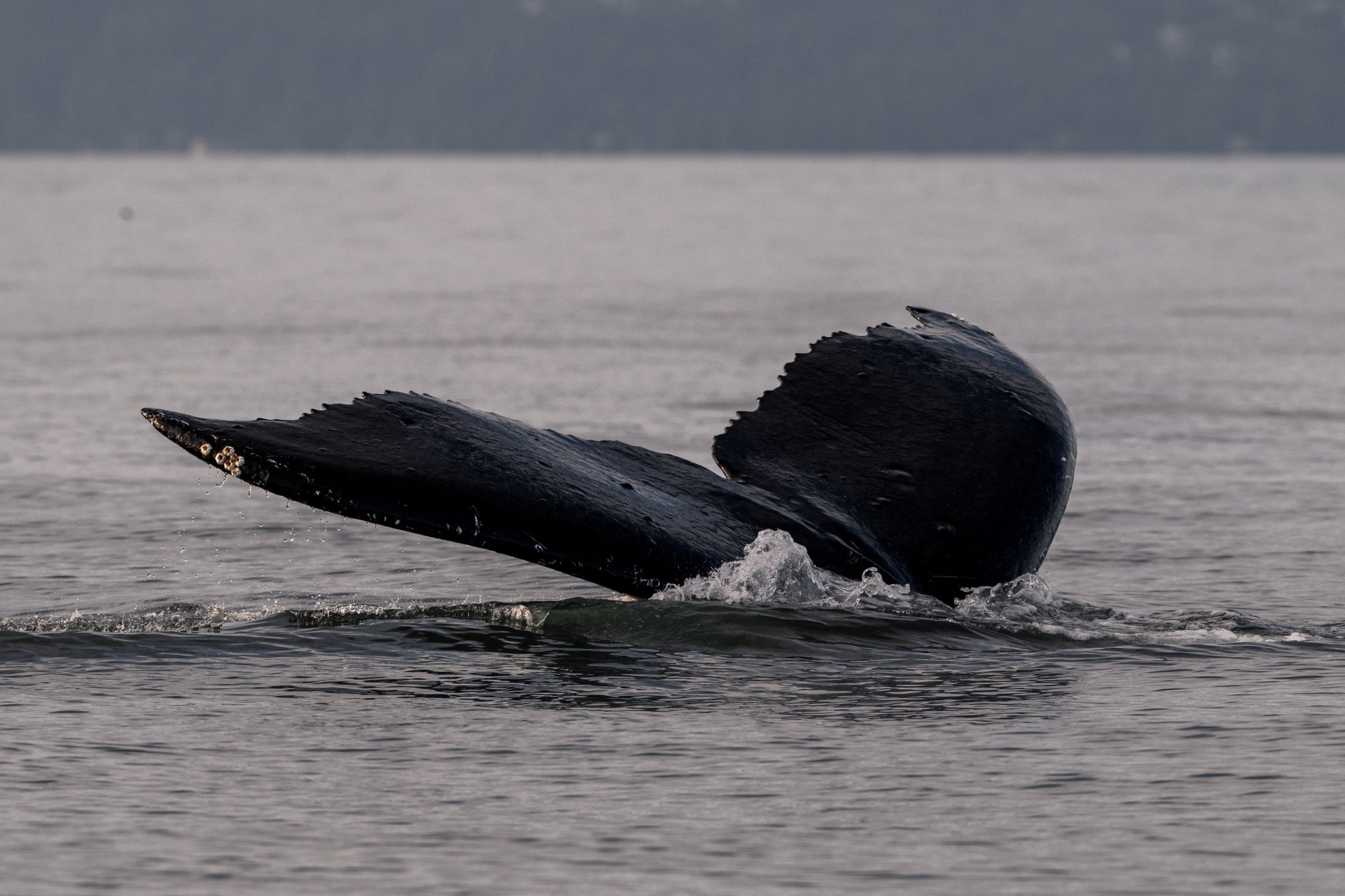
The top of Raptor’s fluke as she dives. Photograph by Aly Kohlman.
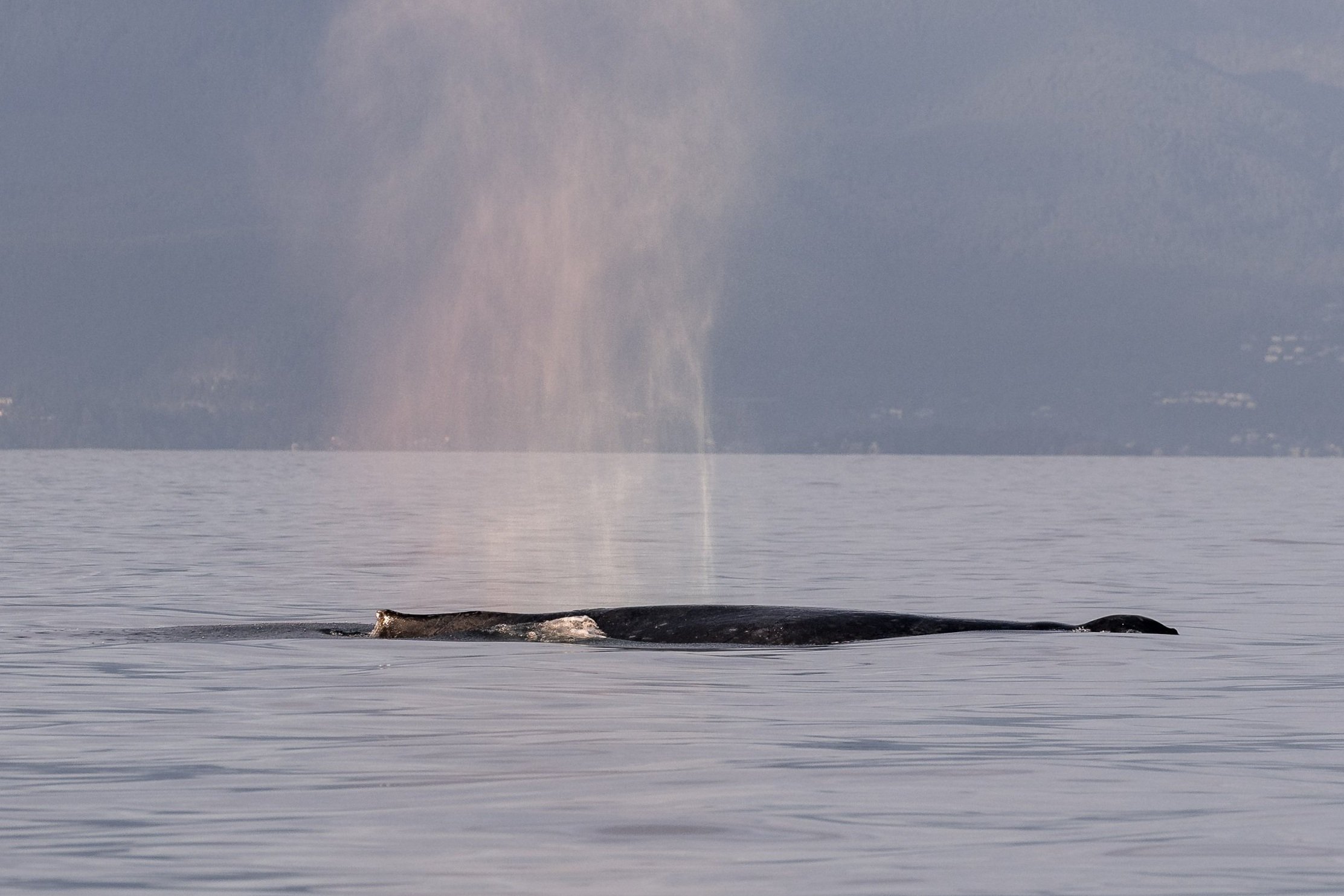
A beautiful rainblow from Sherwina. Photograph by Jordan Robinson.
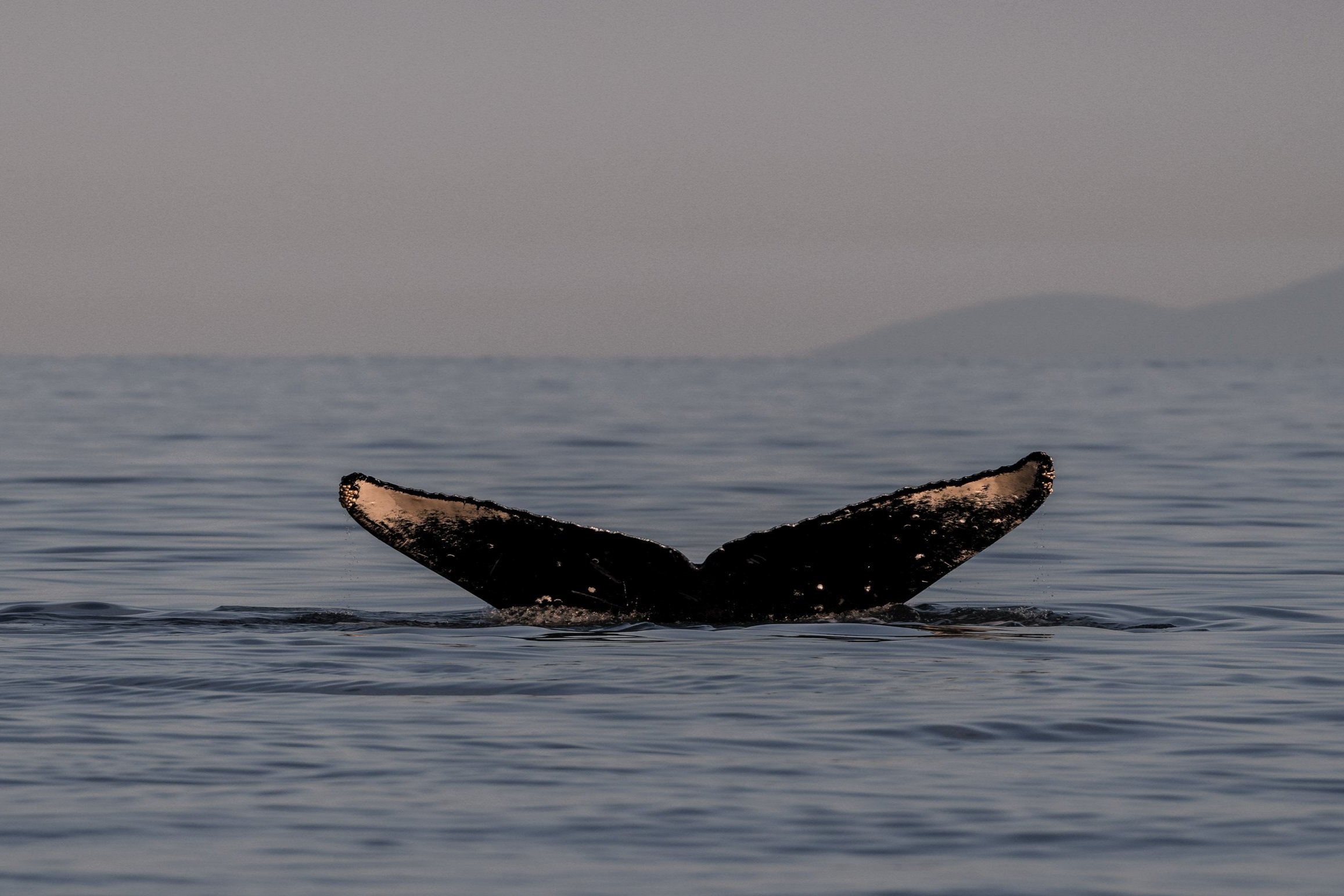
Sherwina going under. Photograph by Aly Kohlman.
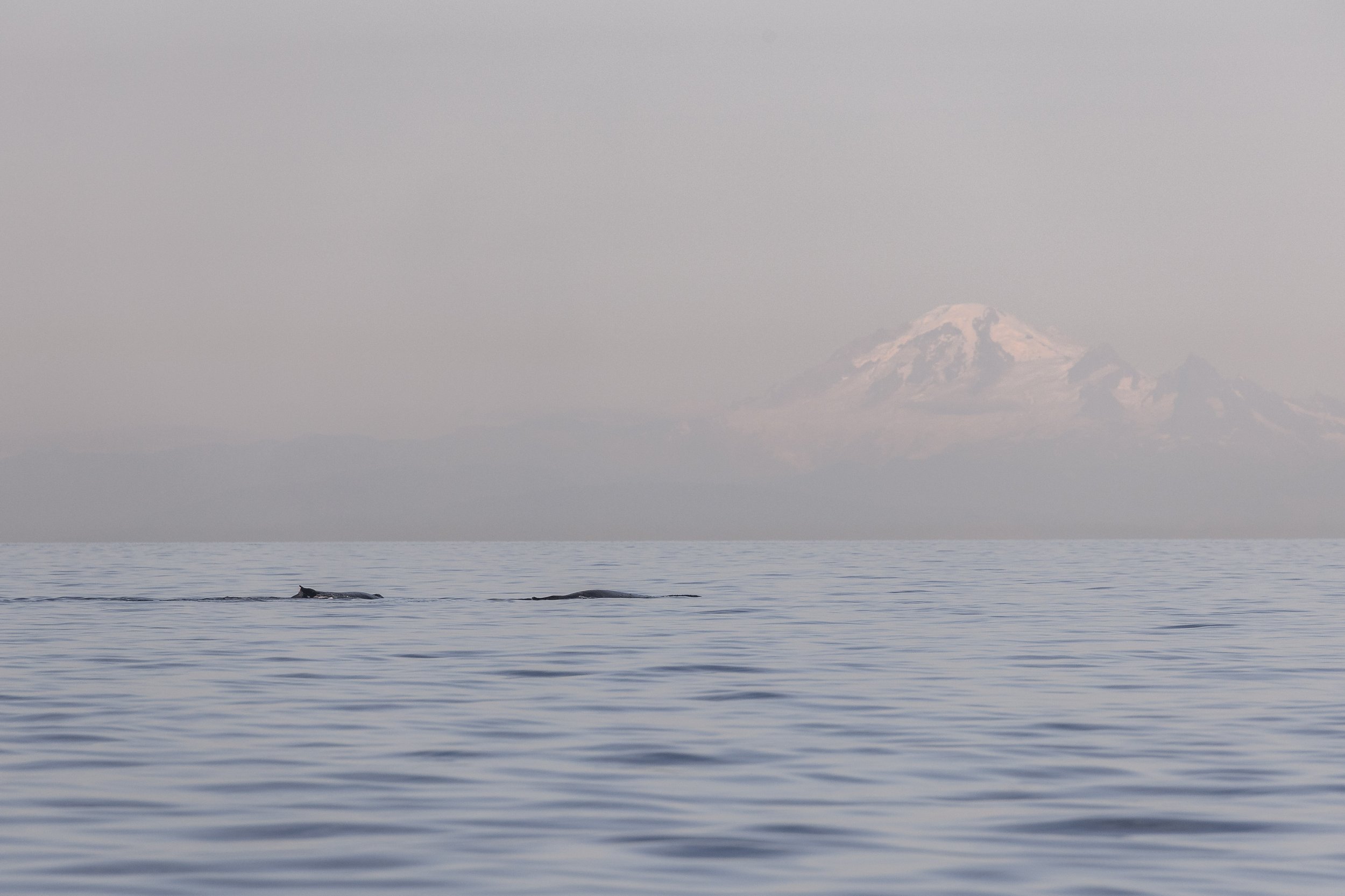
Mt.Baker in the distance, with Sherwina and her calf in the foreground. Photograph by Jordan Robinson.
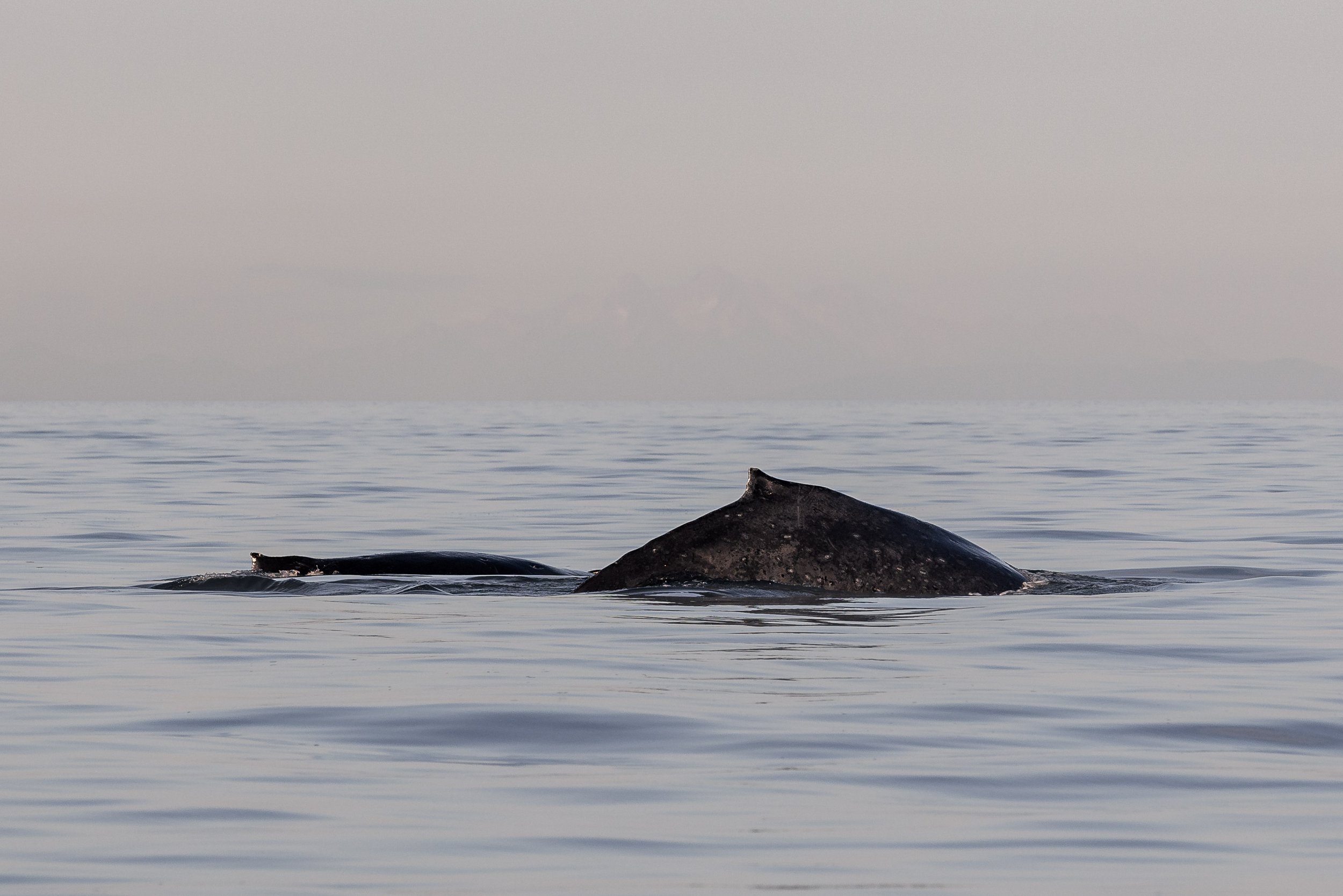
Sherwina and her calf. Photograph by Jordan Robinson.
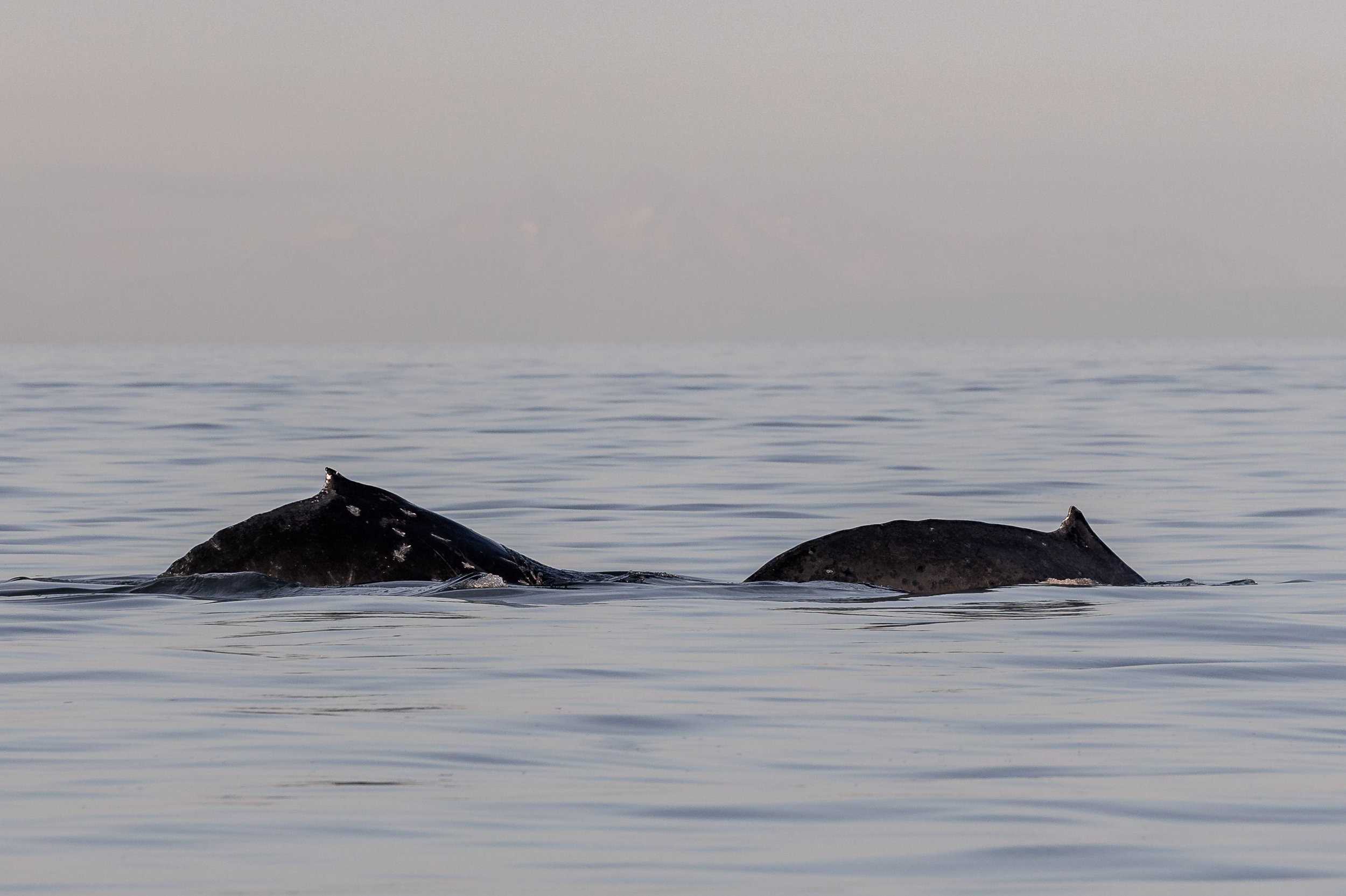
The calf travelling close to their mother, Sherwina. Photograph by Jordan Robinson.
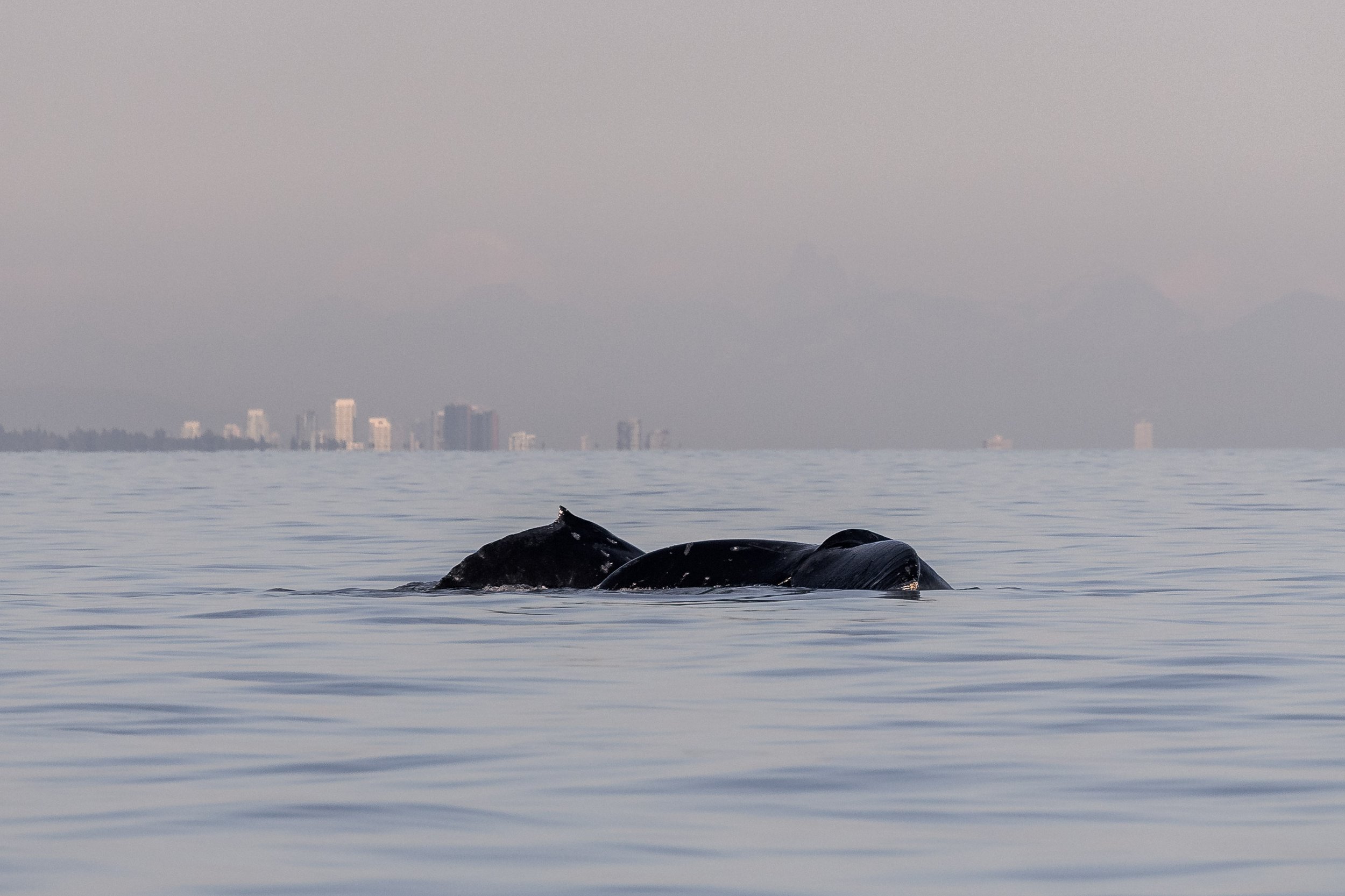
Sherwina beginning to fluke, with her calf beside her, and Vancouver in the background. Photograph by Jordan Robinson.
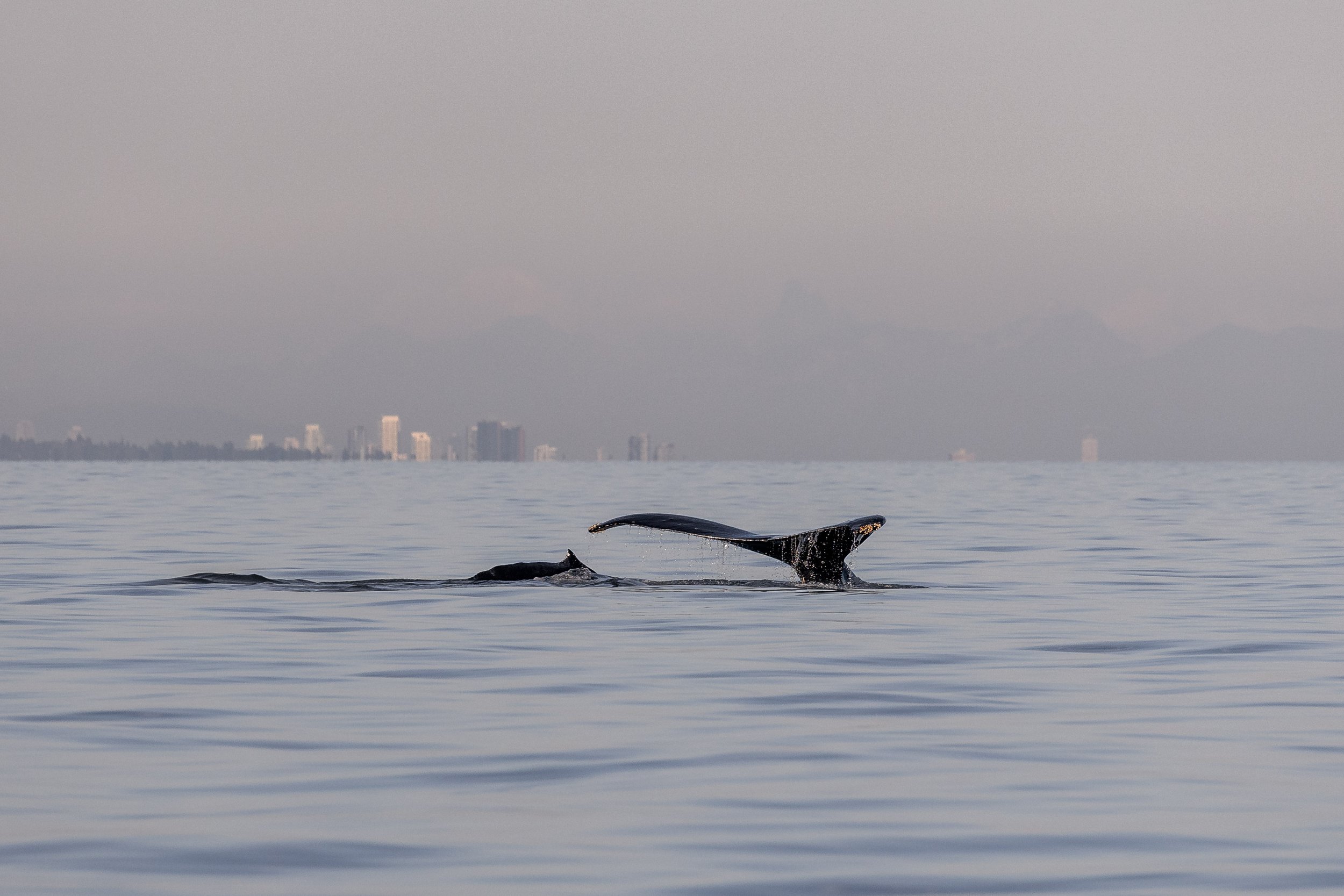
Time to dive! Photograph by Jordan Robinson.
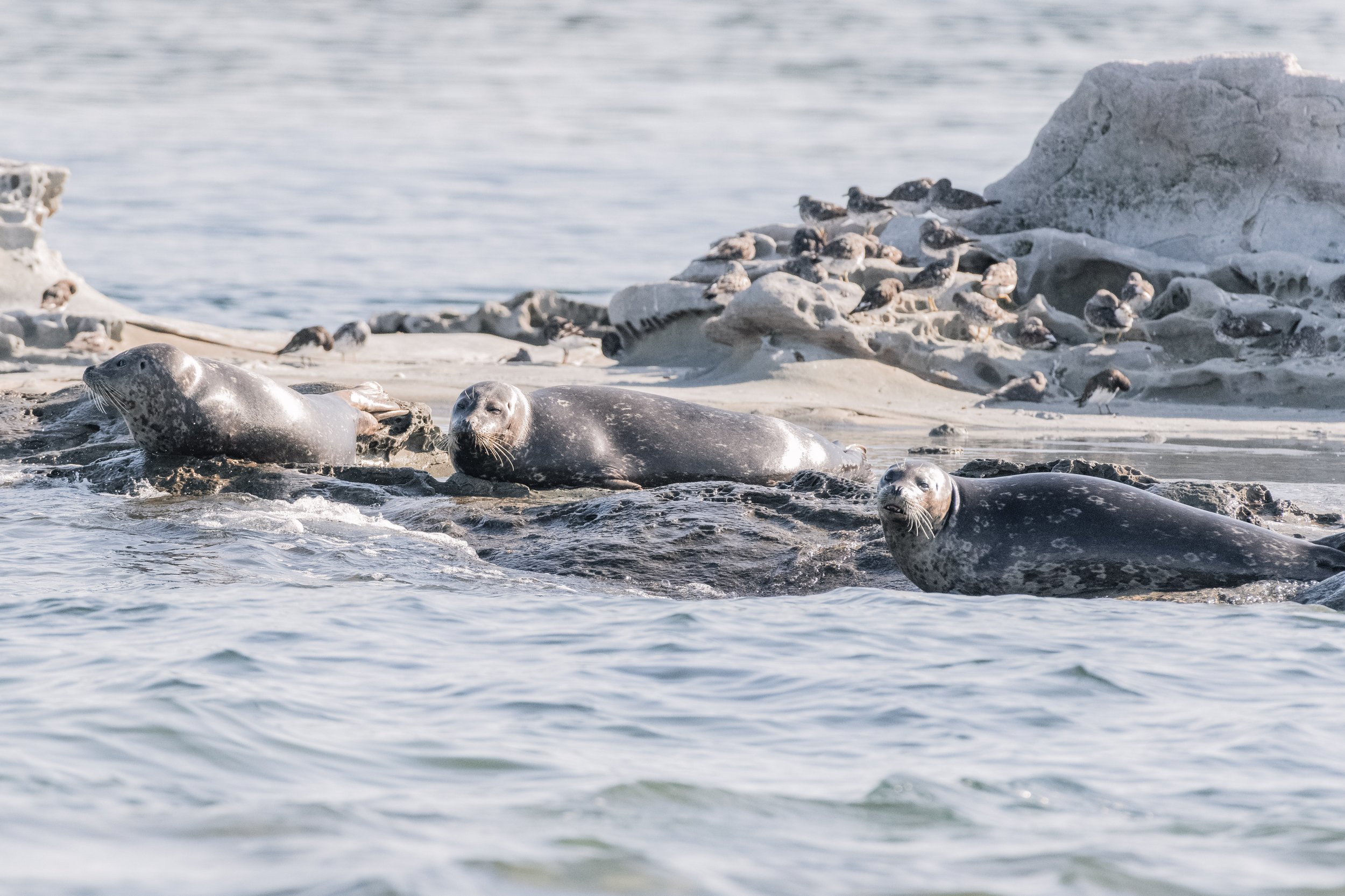
Seals sleeping on the shores. Photograph by Hayleigh Hilbert.
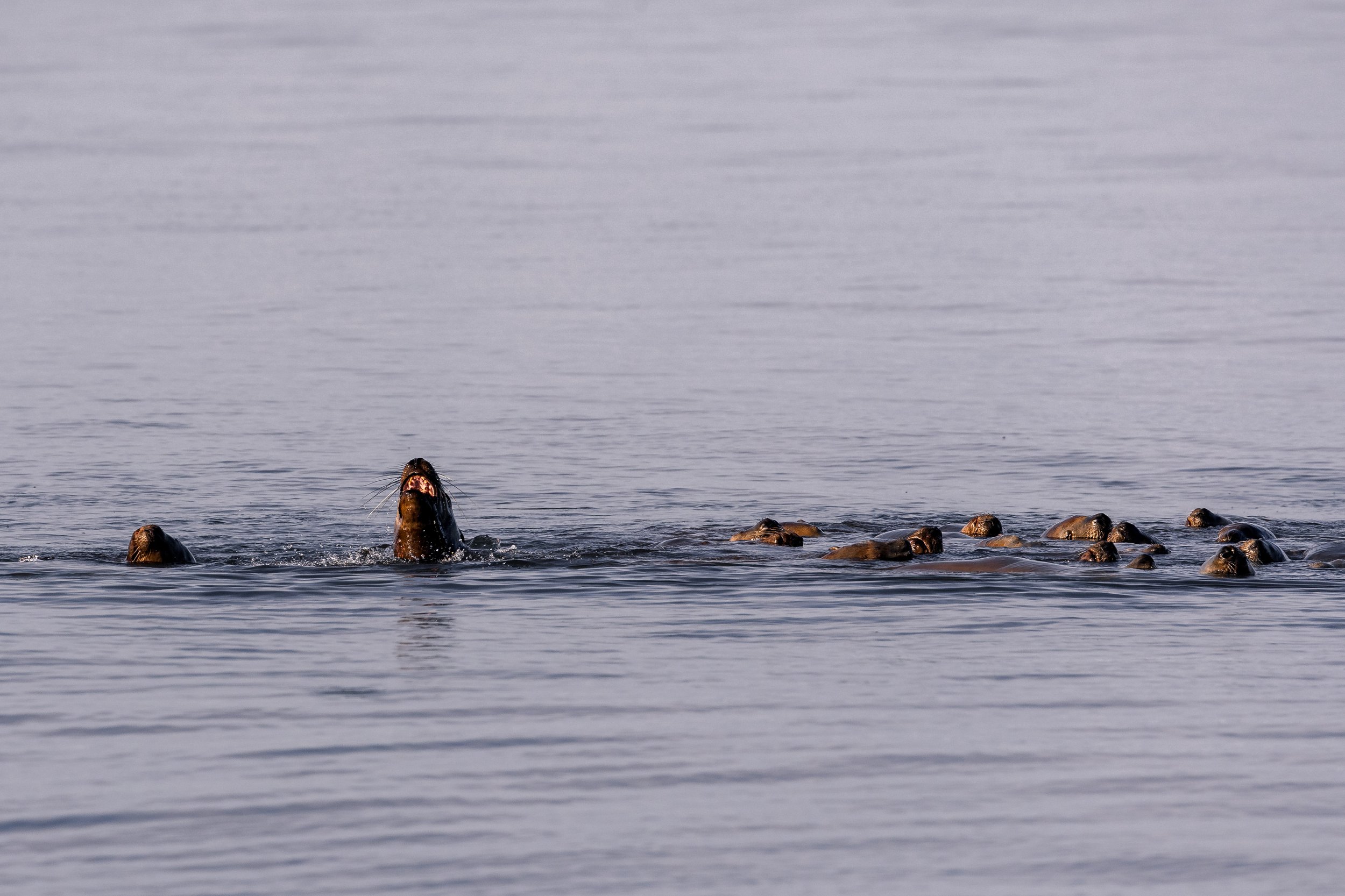
A raft of Steller Sea Lions. Photograph by Jordan Robinson.
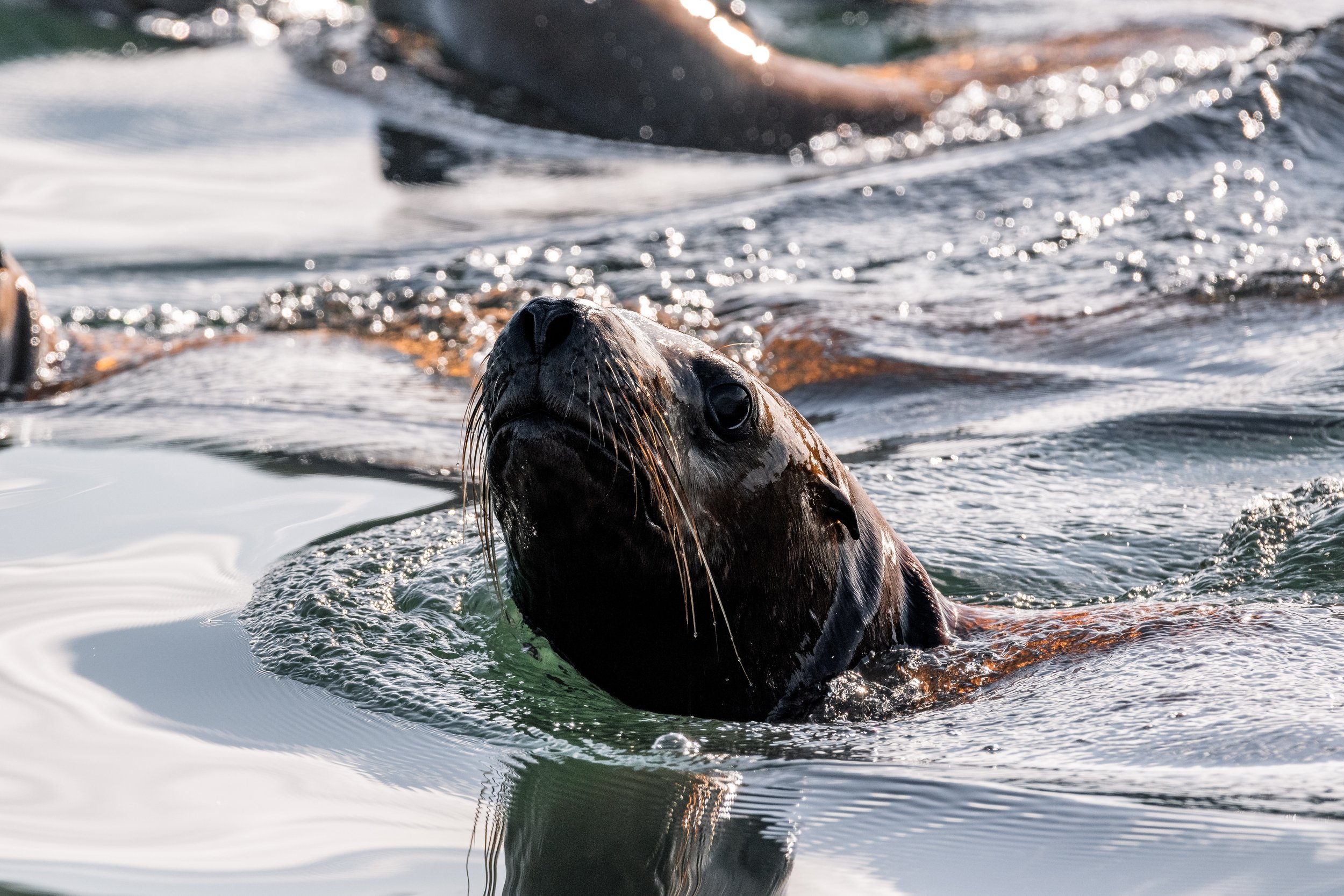
Taking a peek at us. Photograph by Hayleigh Hilbert.
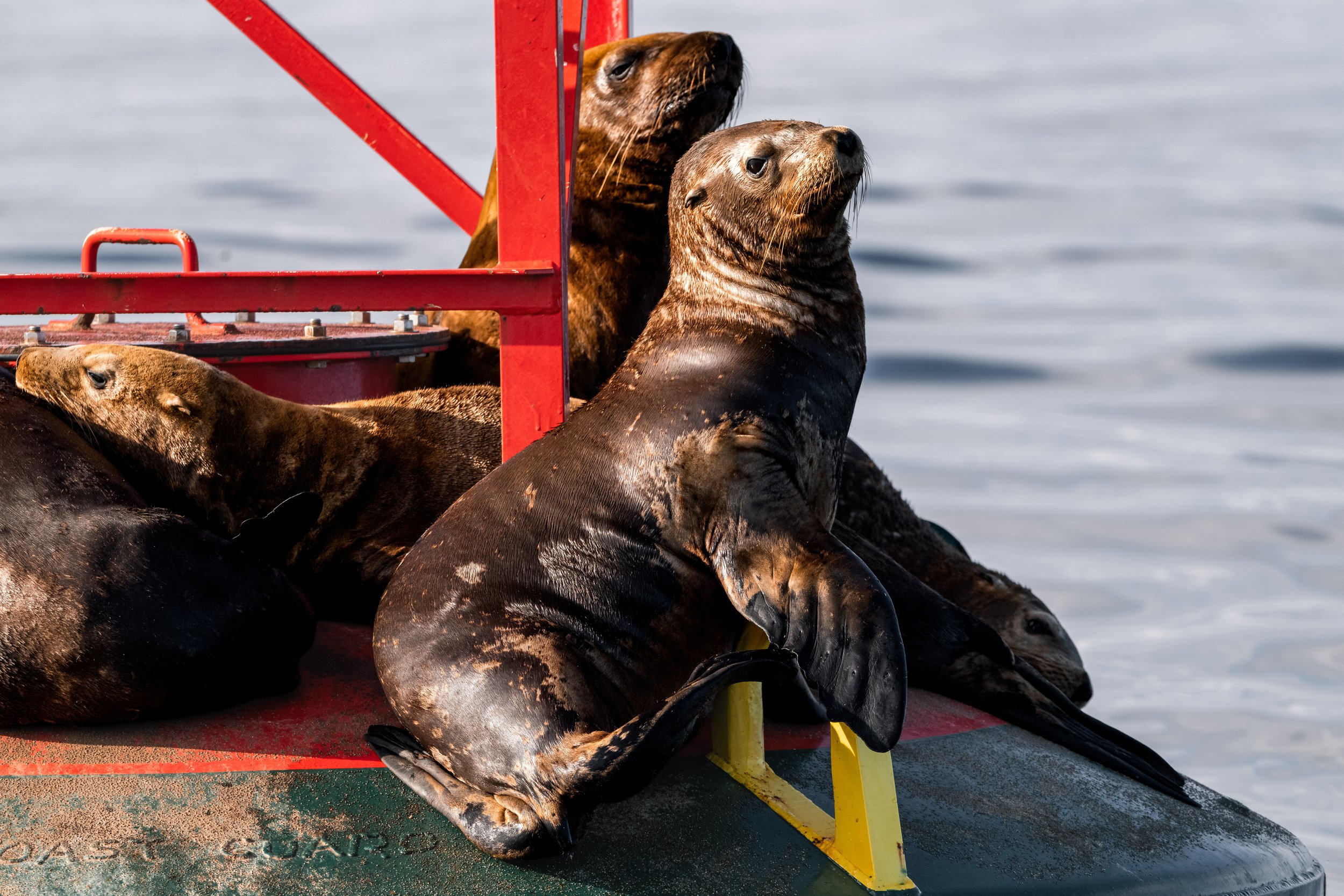
This sea lion was looking a little soggy! Photograph by Aly Kohlman.
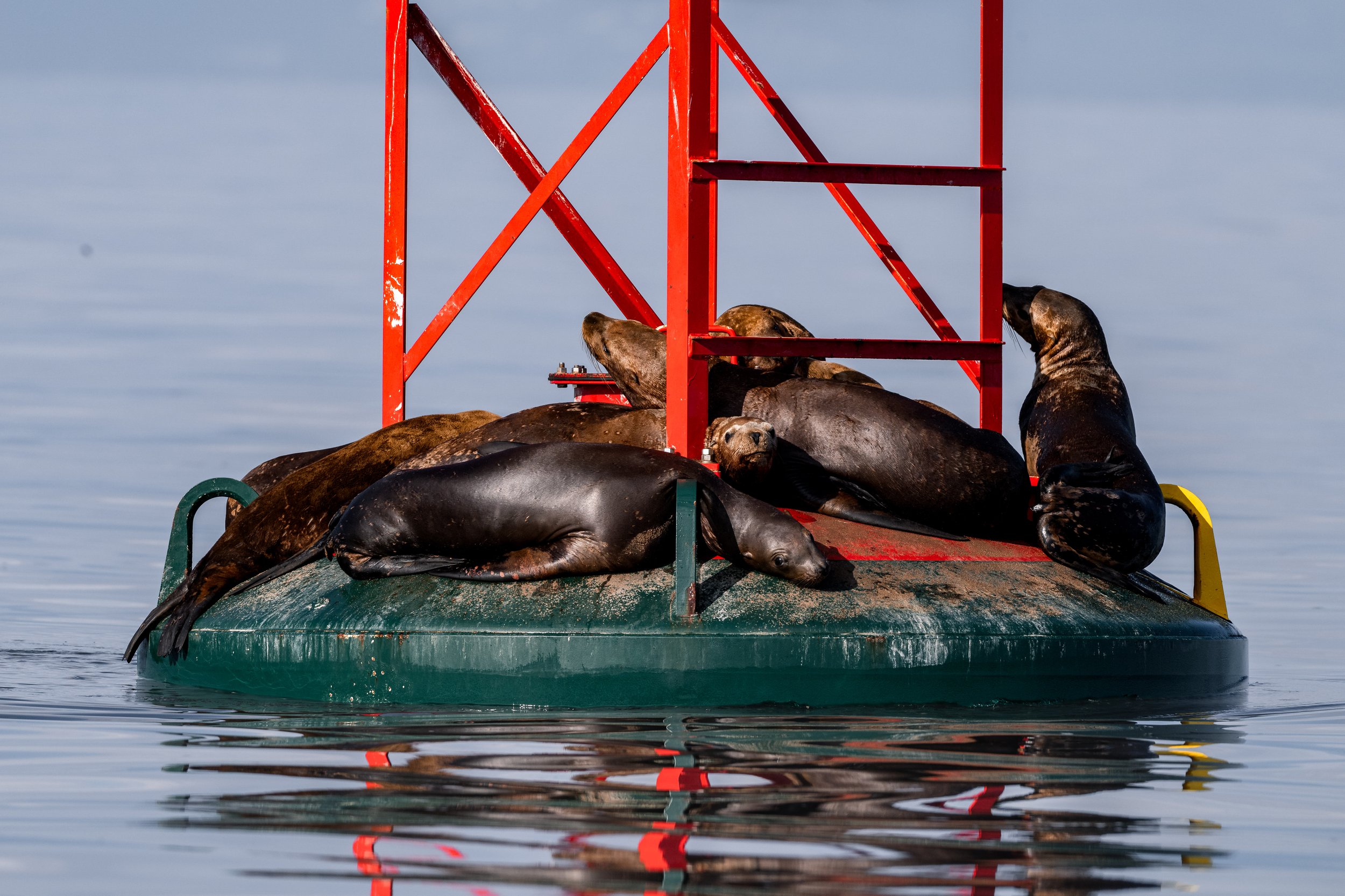
Steller Sea Lions nestled on the UM buoy. Photograph by Aly Kohlman.
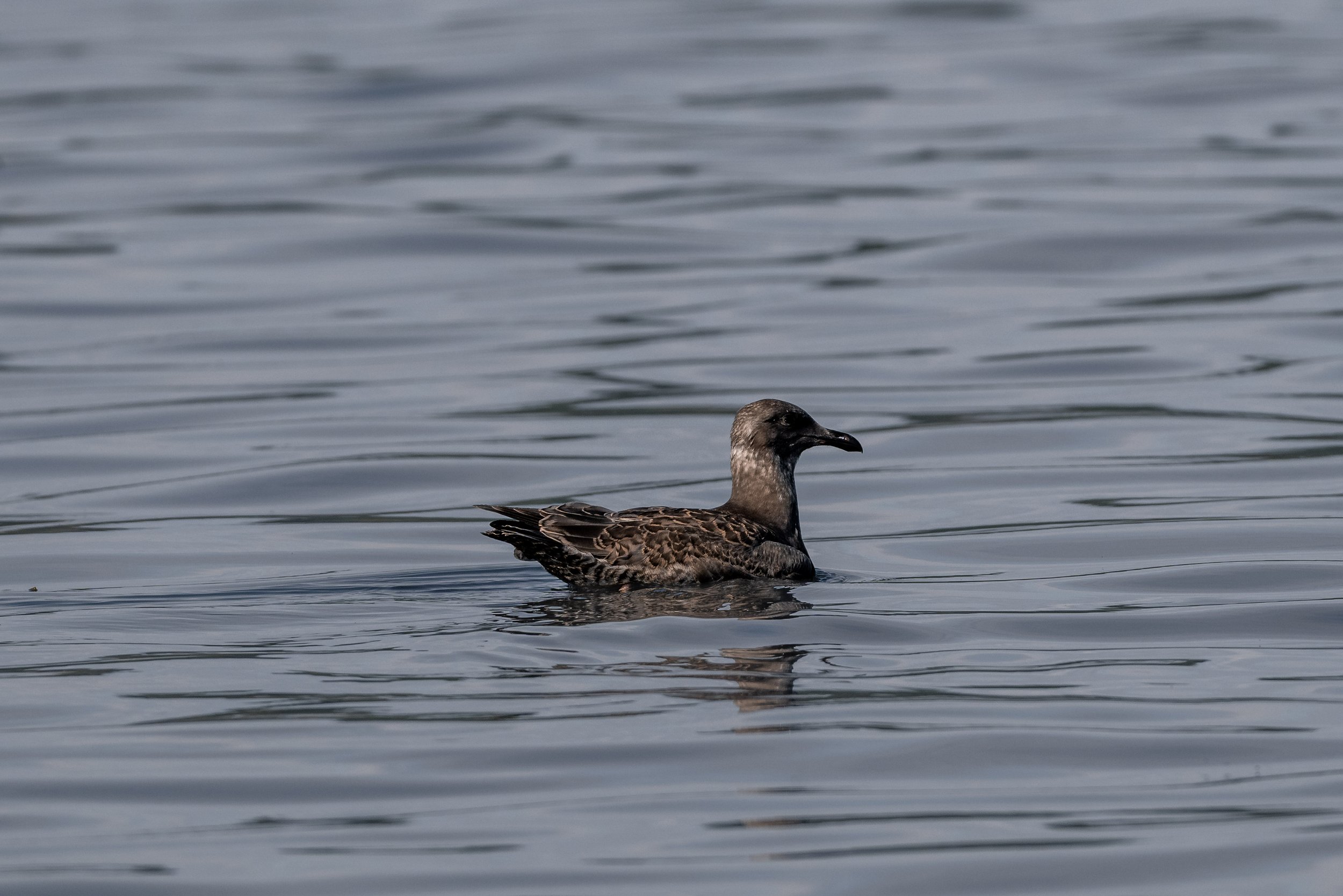
A young Gull paddling away. Photograph by Aly Kohlman.
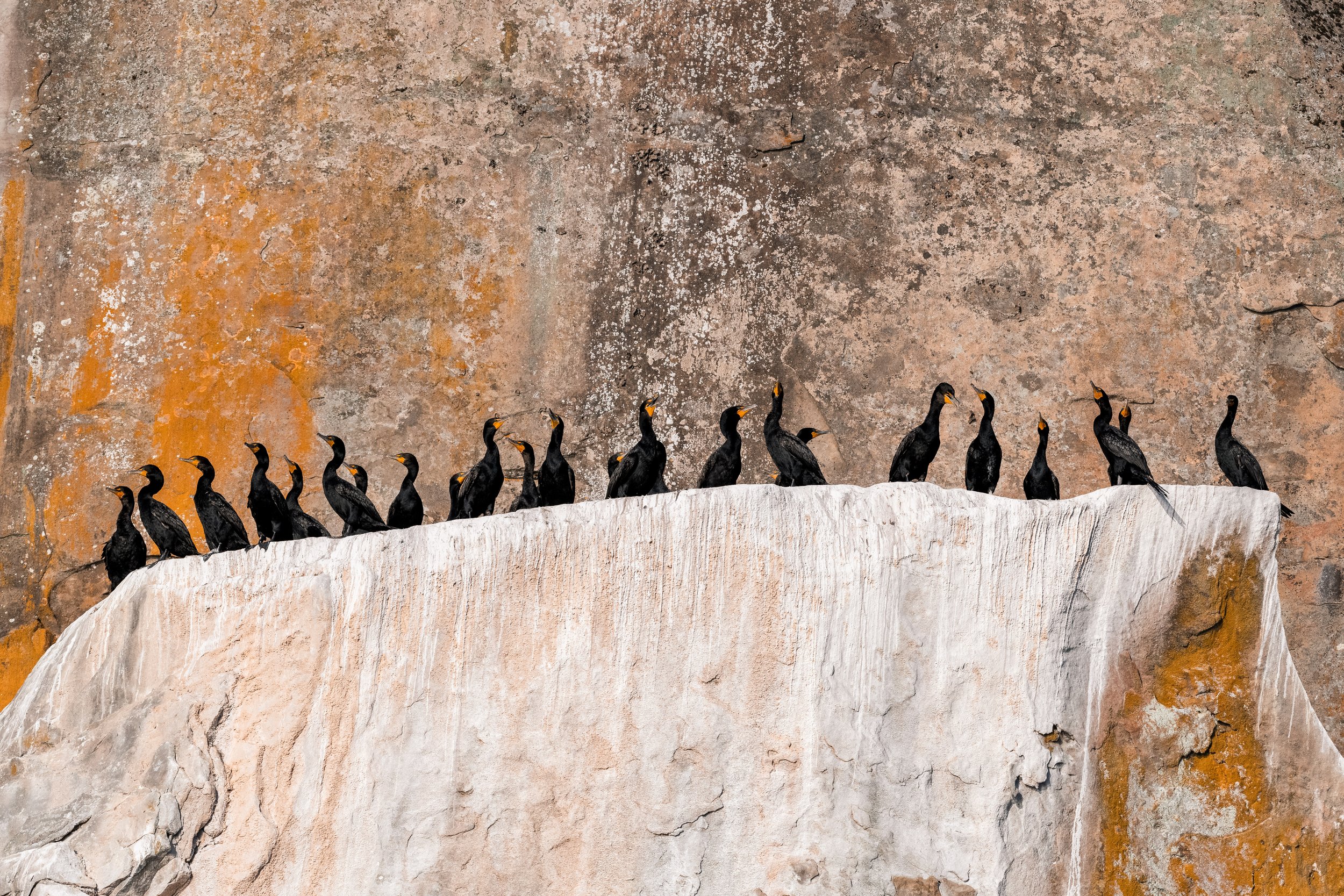
A giant line of Cormorants. Photograph by Hayleigh Hilbert.
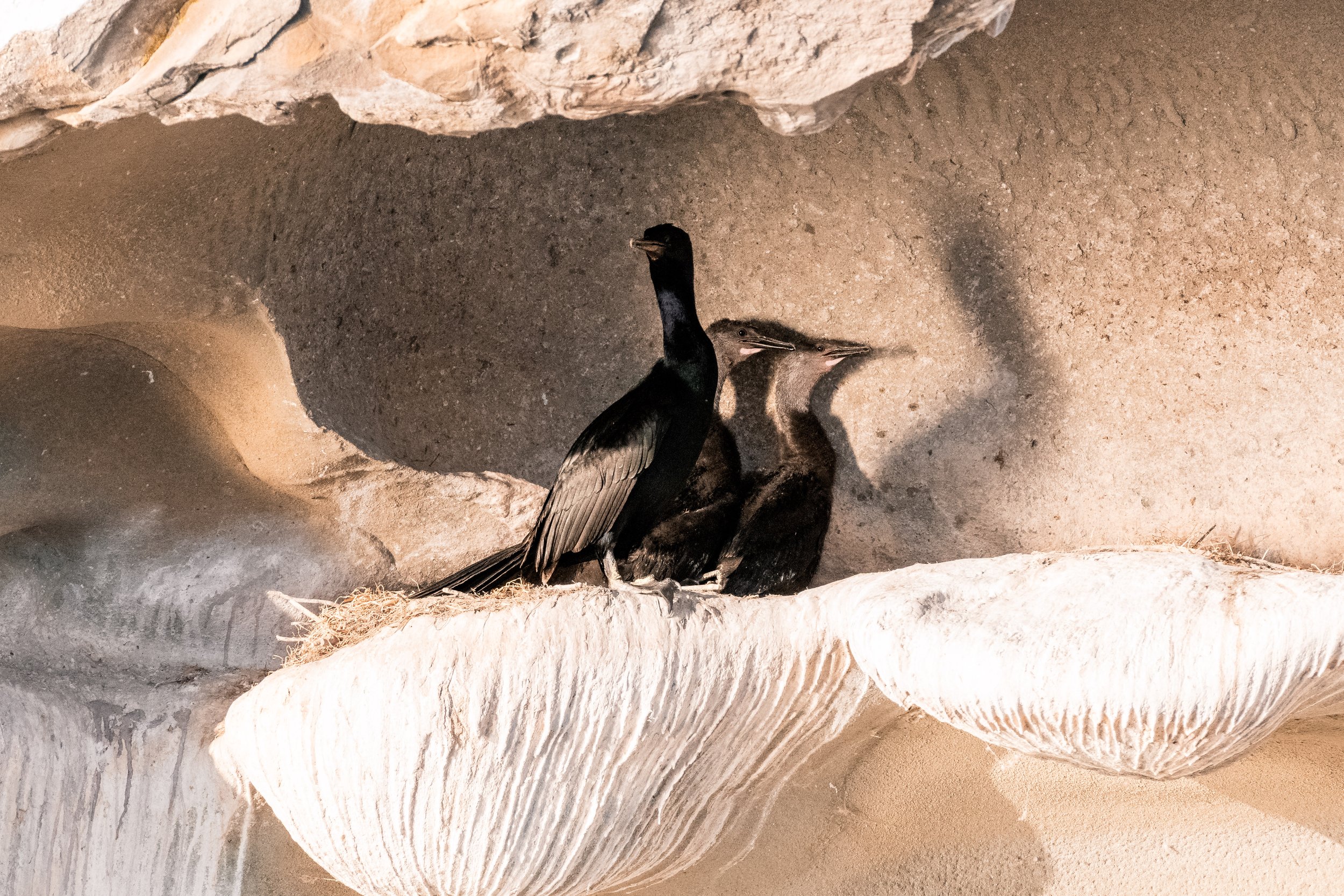
The chicks are getting so big now! Photograph by Hayleigh Hilbert.
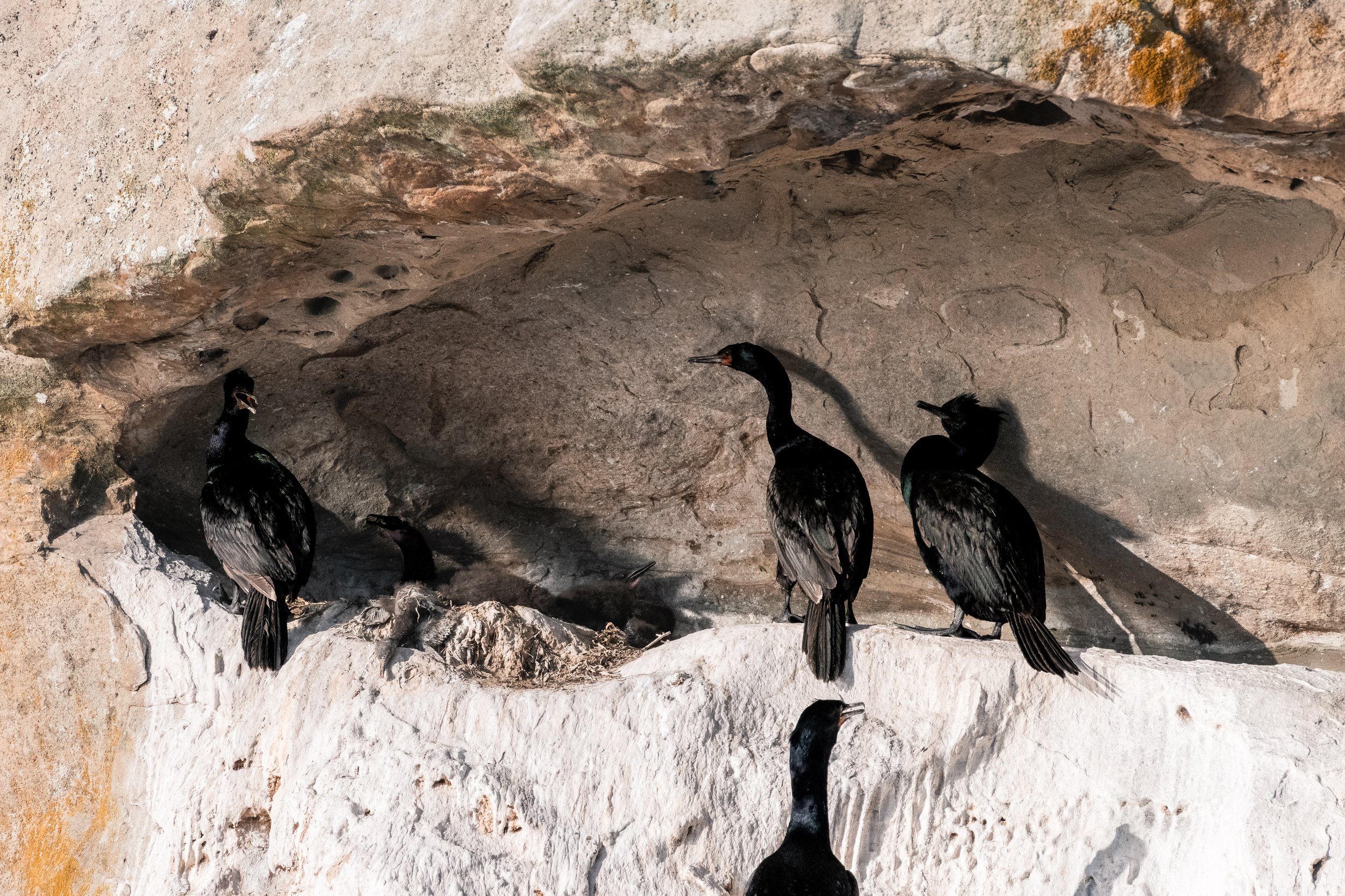
The Comorants and their very fluffy chicks! Photograph by Hayleigh Hilbert.
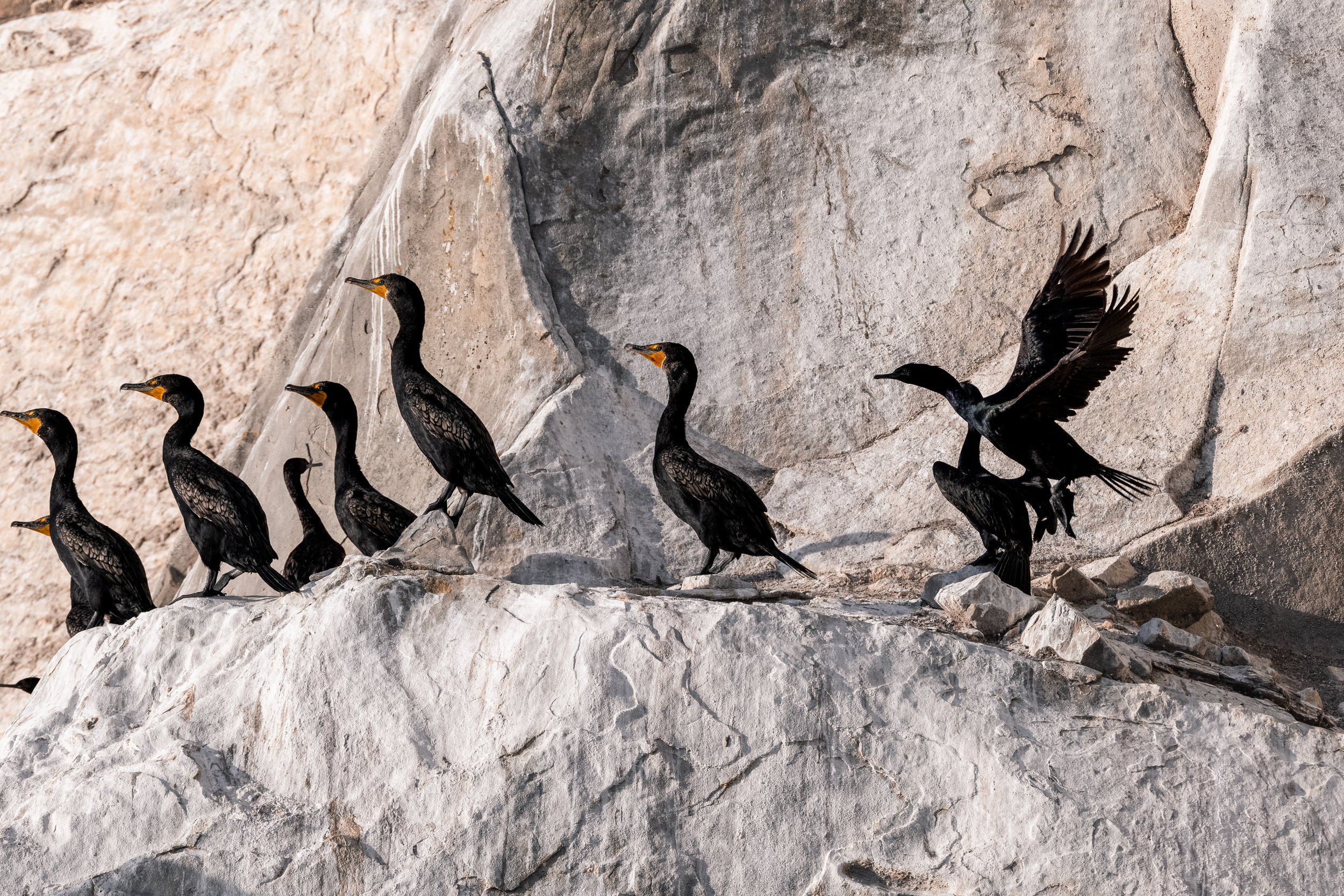
Resting on the rocks. Photograph by Hayleigh Hilbert.
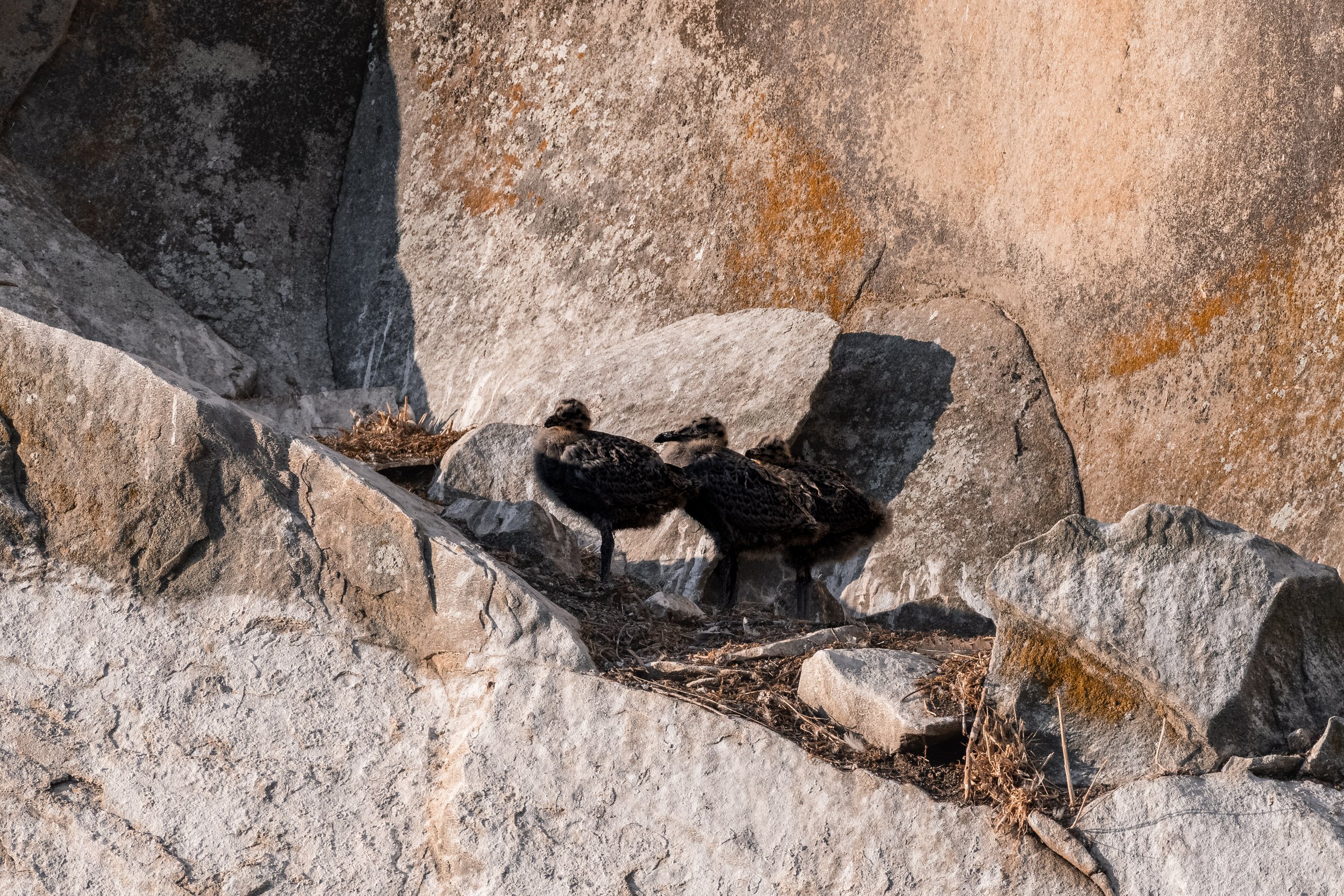
A trio of Gull chicks nestled on the cliff. Photograph by Hayleigh Hilbert.
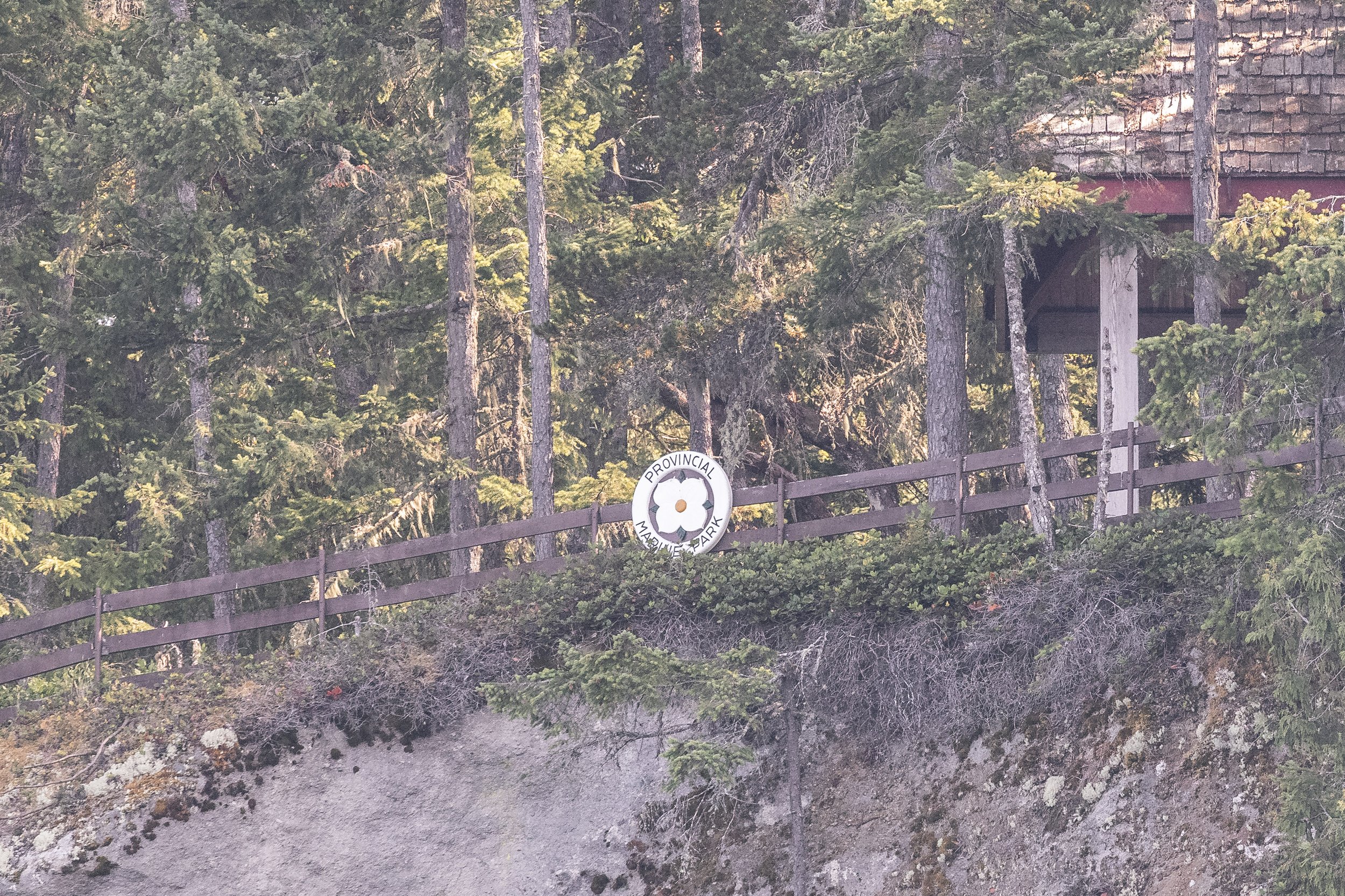
A bit of a different view of Saysutshun Island! Photograph by Jordan Robinson.
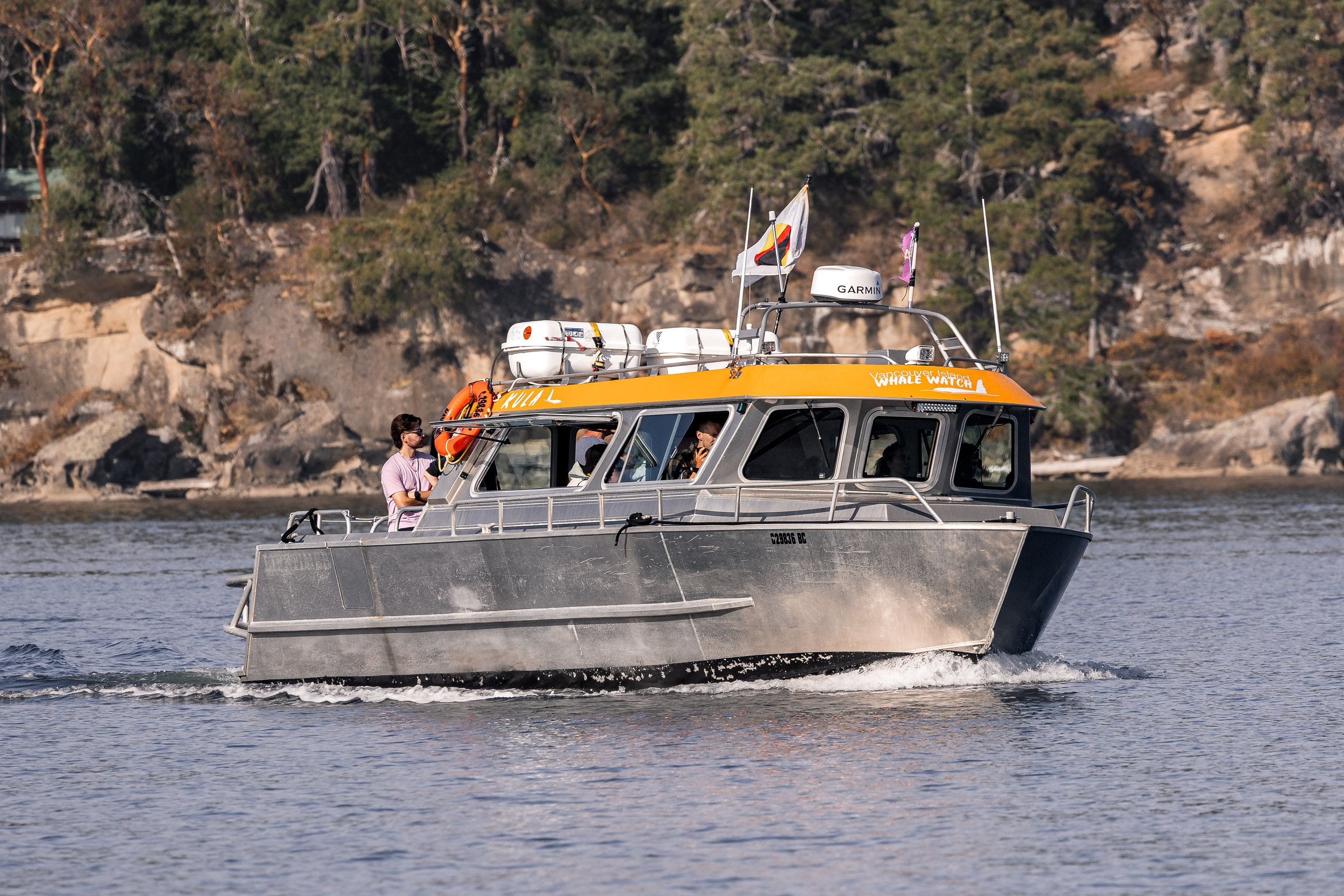
Kula on scene. Photograph by Jordan Robinson.
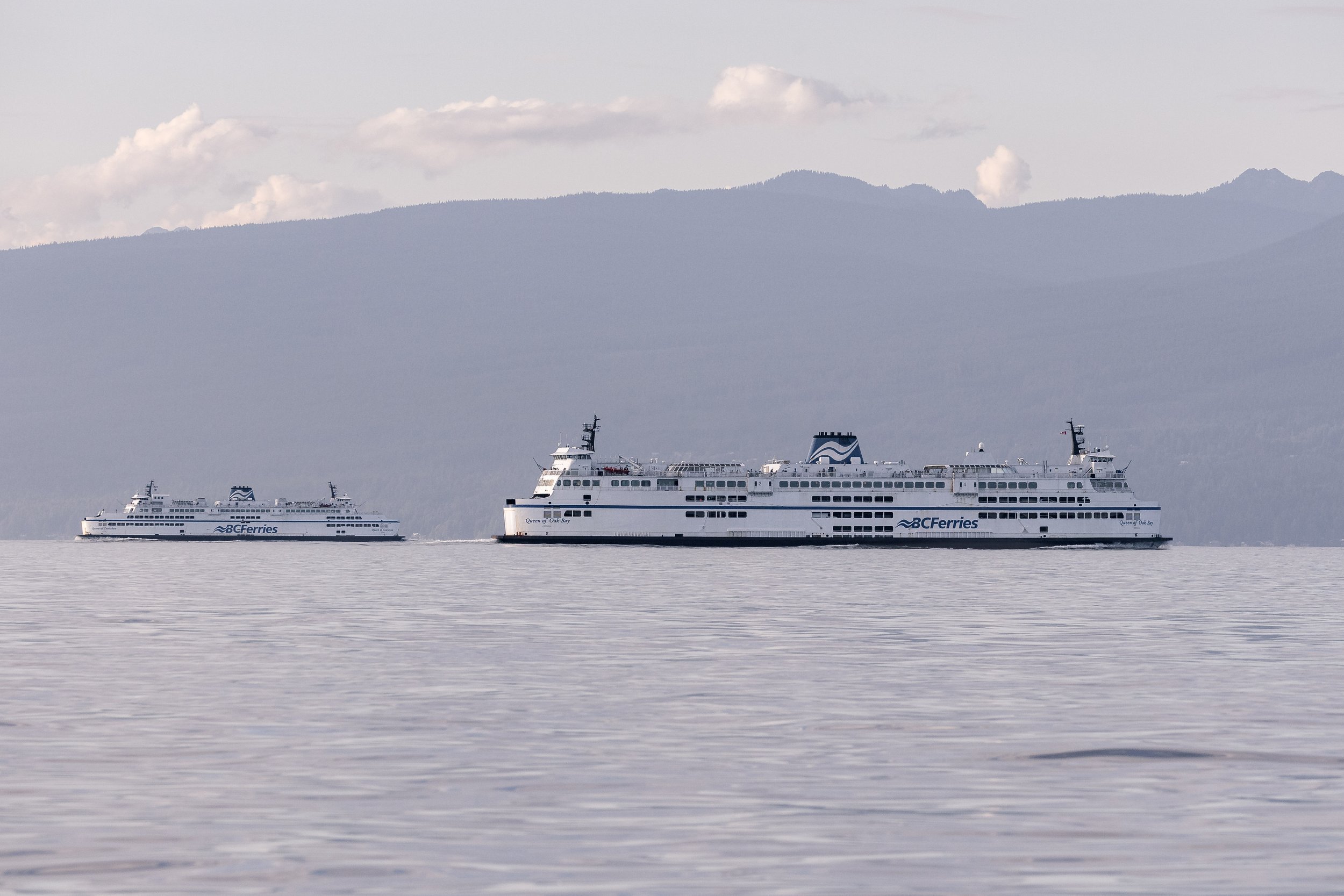
Two of the BC Ferries crossing beside eachother. Photograph by Jordan Robinson.
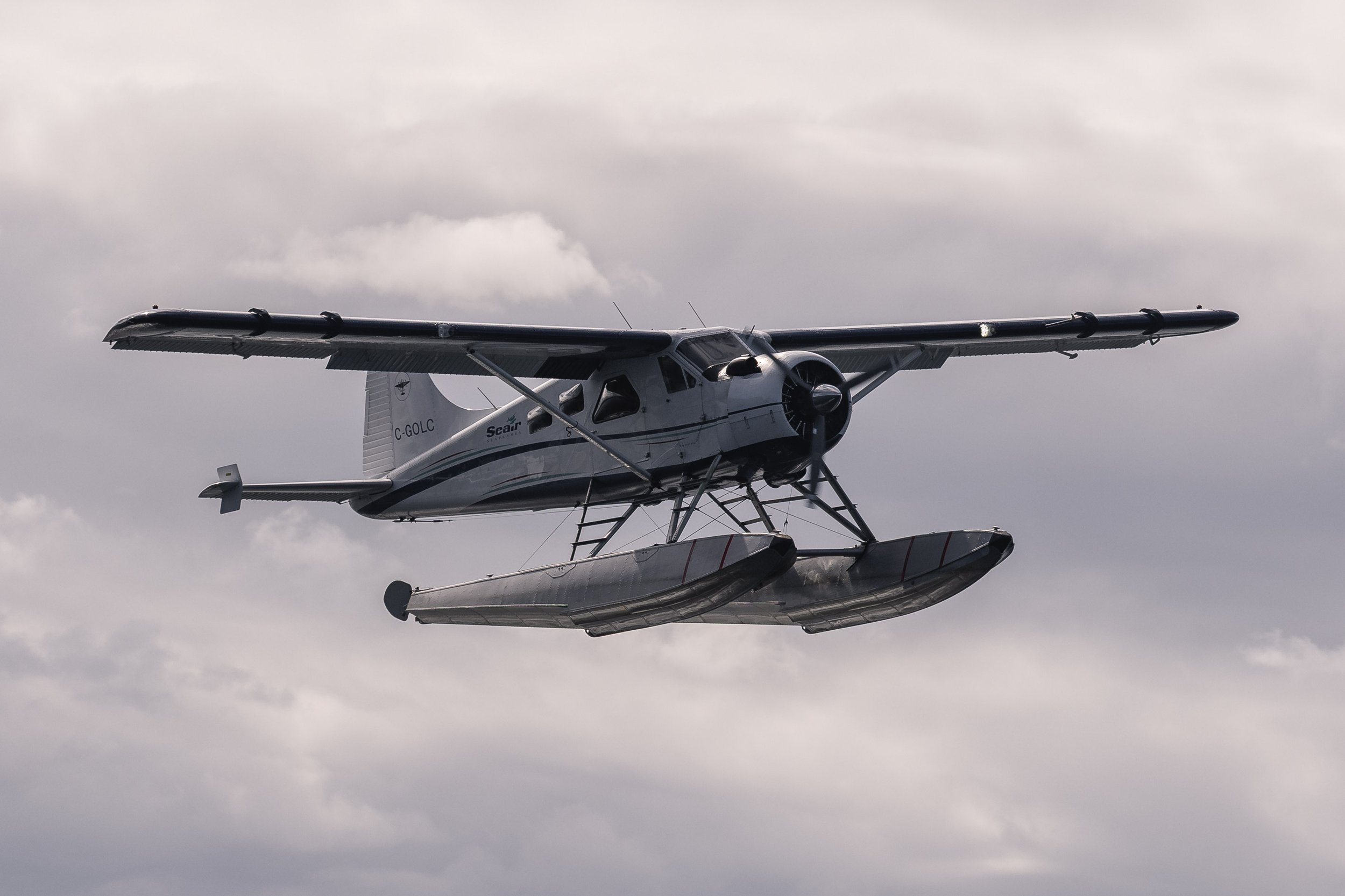
A Seair Seaplane overhead. Photograph by Jordan Robinson.