
August 14, 2026, 10:30 AM - Zig Zag and Mantis together, plus the T101s in Northumberland
Another beautiful morning greeted us as guests and crew piled on board our vessels, excited and ready to start the adventure. Each day is a fresh start, since none of our whales have any trackers or tags that give us a clue where they might be. We let intuition and experience guide us as we sent our three vessels out into the Strait of Georgia, heading east into the open waters of the strait in search of whales.
We look for a few clues while we search for whales. It might be anything from unusual splashing, spouts in the distance, or the tall dorsal fins present on orca slicing through the water to the presence of sea birds feeding on the same food as the whales. All our whales are constantly on the move and could appear anywhere, so being alert is important not just to find and watch them, but to protect them as well.
We headed toward an area that typically provides plenty of food for our whales, thanks to a dramatic change in the sea floor topography that mixes the water column and introduces nutrients. It was around here that we spotted the first signs of whales: a tall, bushy blow rising on the horizon, a sure sign that humpback whales were around. As we got closer, we confirmed this by seeing the dark bodies of two whales moving through the waves. They soon arched and lifted their tails to dive. The underside of these tails is what we hope to see to be able to identify the humpbacks most easily, and it allowed us to confirm that these two were Zig Zag (BCX1193) and Mantis (BCX0936) travelling together.
These two have been enjoying each other's company for over a week, showing that humpbacks can sometimes have longer-term associations. It used to be thought that the humpbacks were solitary animals, but now it’s just as likely to see them travelling alongside other whales as it is to see them alone. Later in the tour, one of the boats actually spotted a lone humpback travelling further south in the strait, Valiant (BCX1773), which highlights this point perfectly.
All the humpbacks spotted during the tour today were feeding as we watched them, which is great since they need to build a large fat reserve for their migration back south to Hawaii or Mexico by the end of the year. Watching them move their massive bodies so effortlessly through the water was great, but eventually it came time to leave them to it.
A report from shore led us back towards Nanaimo since there was a pod of orca reported to be headed towards Dodd Narrows, so we decided to check that out. Boy, were we glad we did, since we ended up seeing the T101s moving north through Northumberland Channel.
T101 Reef ♀ (≤1969)
T101B Lagoon ♂ (1997)
These whales have been a common sight for us lately, which we would never complain about, since they are such a lovely pair of whales. It was only recently that they were reduced to a pair rather than a trio, as one member of their pod has been missing for the last month. It doesn’t necessarily mean that the whale is gone; sometimes they might strike out on their own for some period of time, but he was also getting a bit older, so it wouldn’t be surprising if he passed.
Most of the time, when whales die, their bodies sink, feeding the deep-water ecosystems and leaving us wondering what happened to him. Orca won’t be officially ruled deceased until enough time passes since the last official sighting, but it becomes more likely when we see the rest of the normally tight-knit group multiple times, as we have been here.
Only time will tell if Rush will ever reappear with these two, but in the meantime, it seems Reef and Lagoon are content to spend time together and have been making a good team. After some time with them, we left them behind once more to continue their travels. We headed south to Stinky Rock from here, enjoying the scenery of the Southern Gulf Islands as we went. At Stinky, we were treated to a variety of wildlife, including Steller Sea Lions, Harbour Seals, and many different bird species. It was a great way to end the trip.
Please enjoy the photos taken throughout the tour by the onboard Marine Naturalists Evan Hessels, Aly Kohlman, and Hayleigh Hilbert.
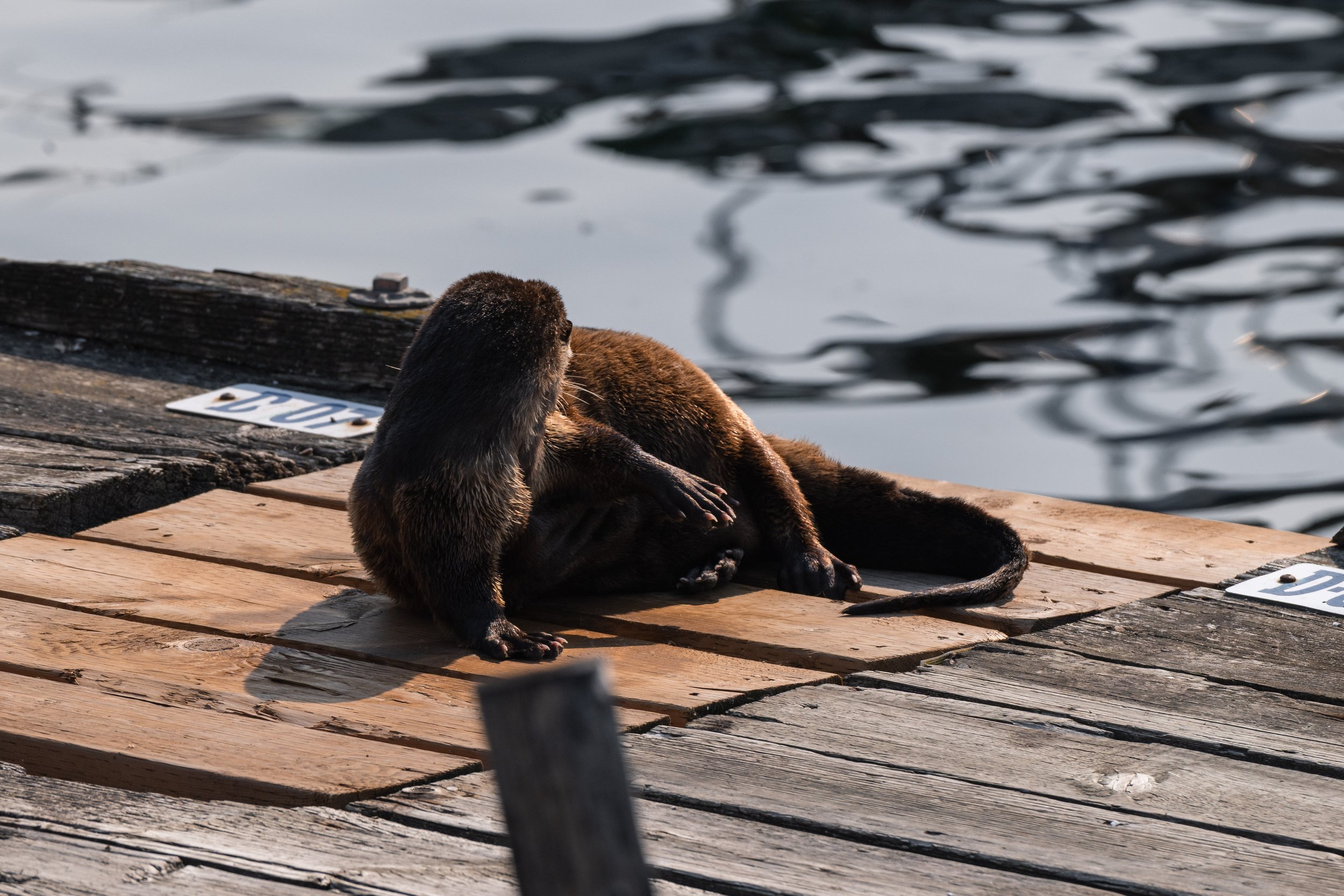
A itchy River Otter on the dock. Photo by Aly Kohlman.
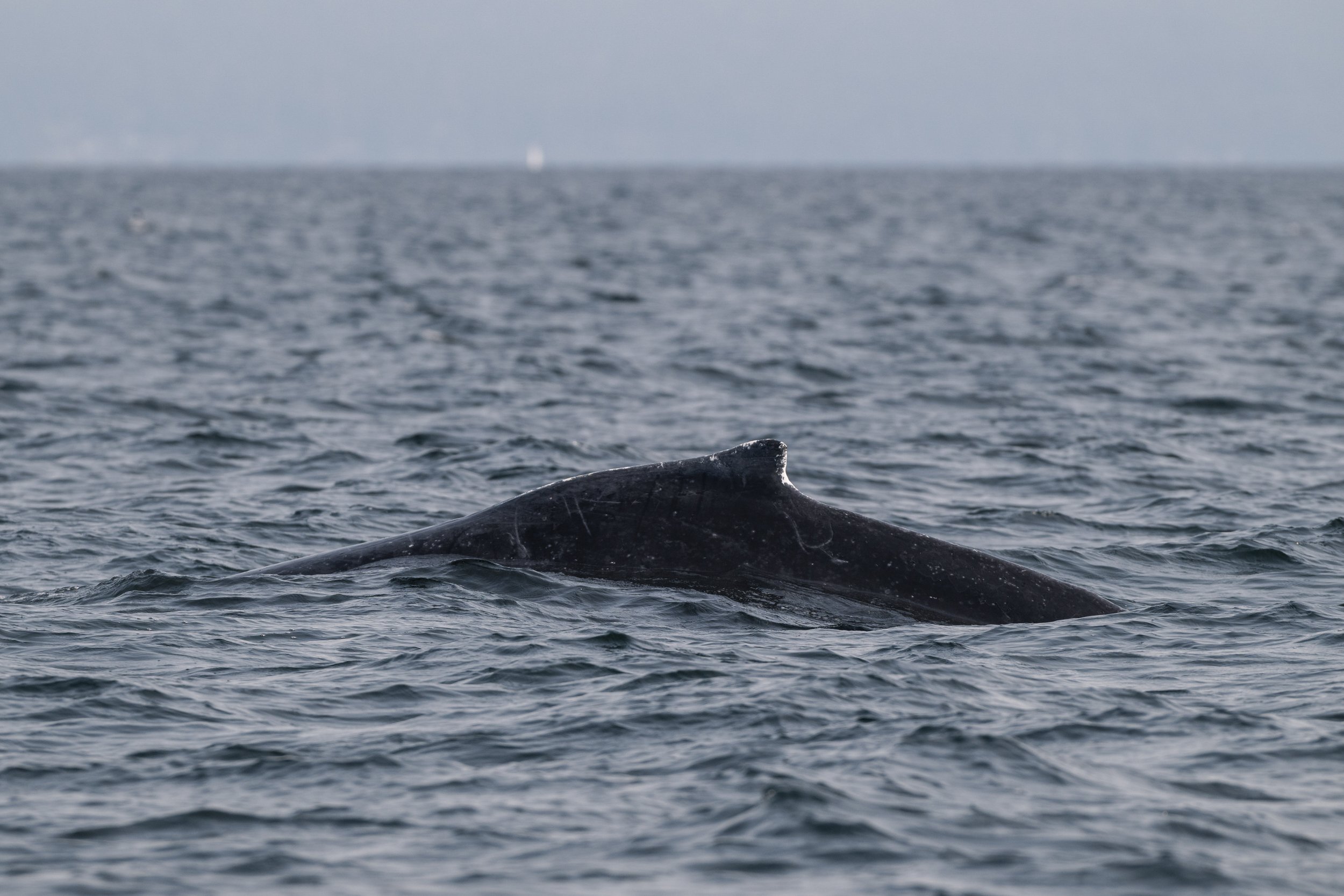
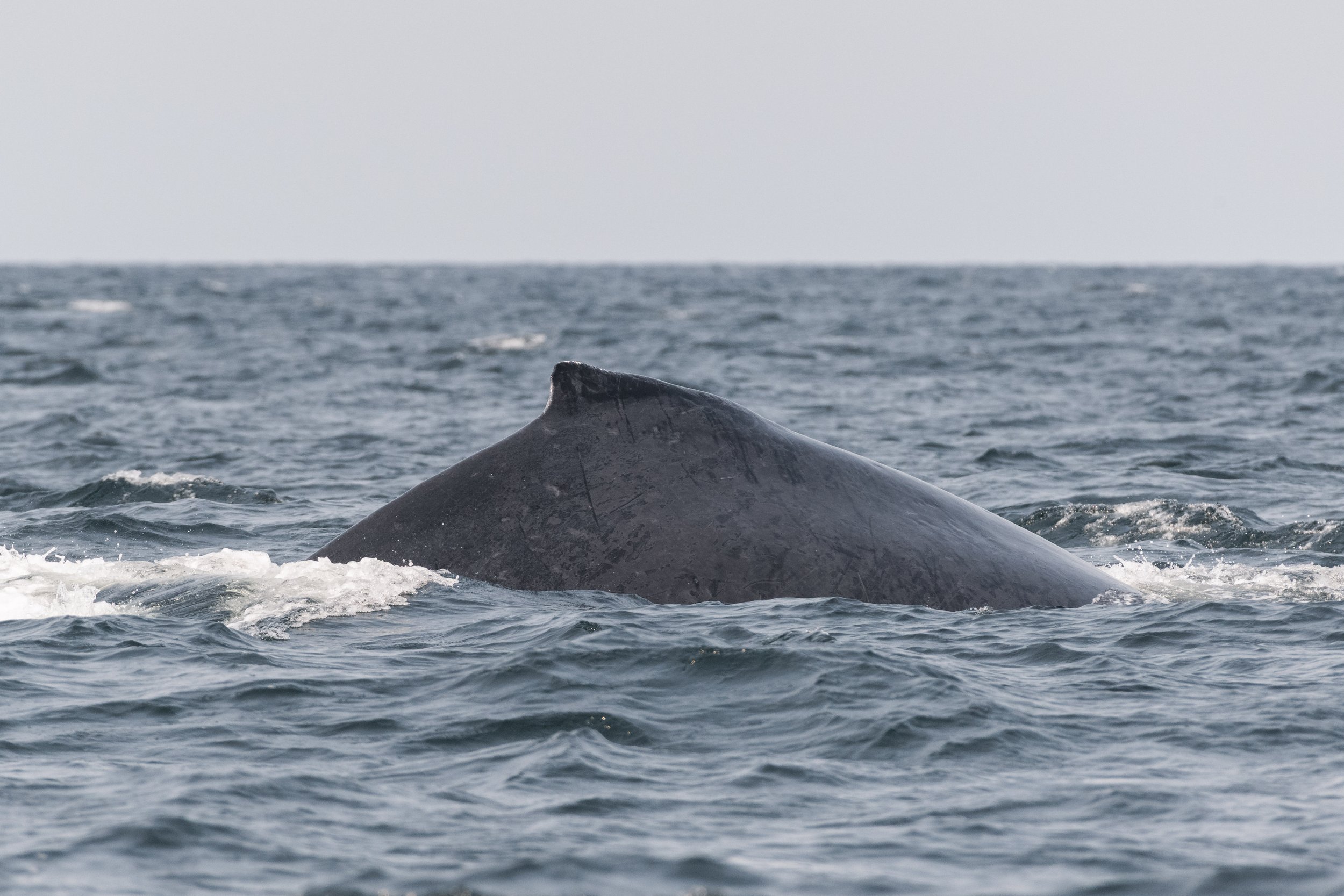
Matis’ dorsal fin as they come to the surface. Photo by Aly Kohlman.
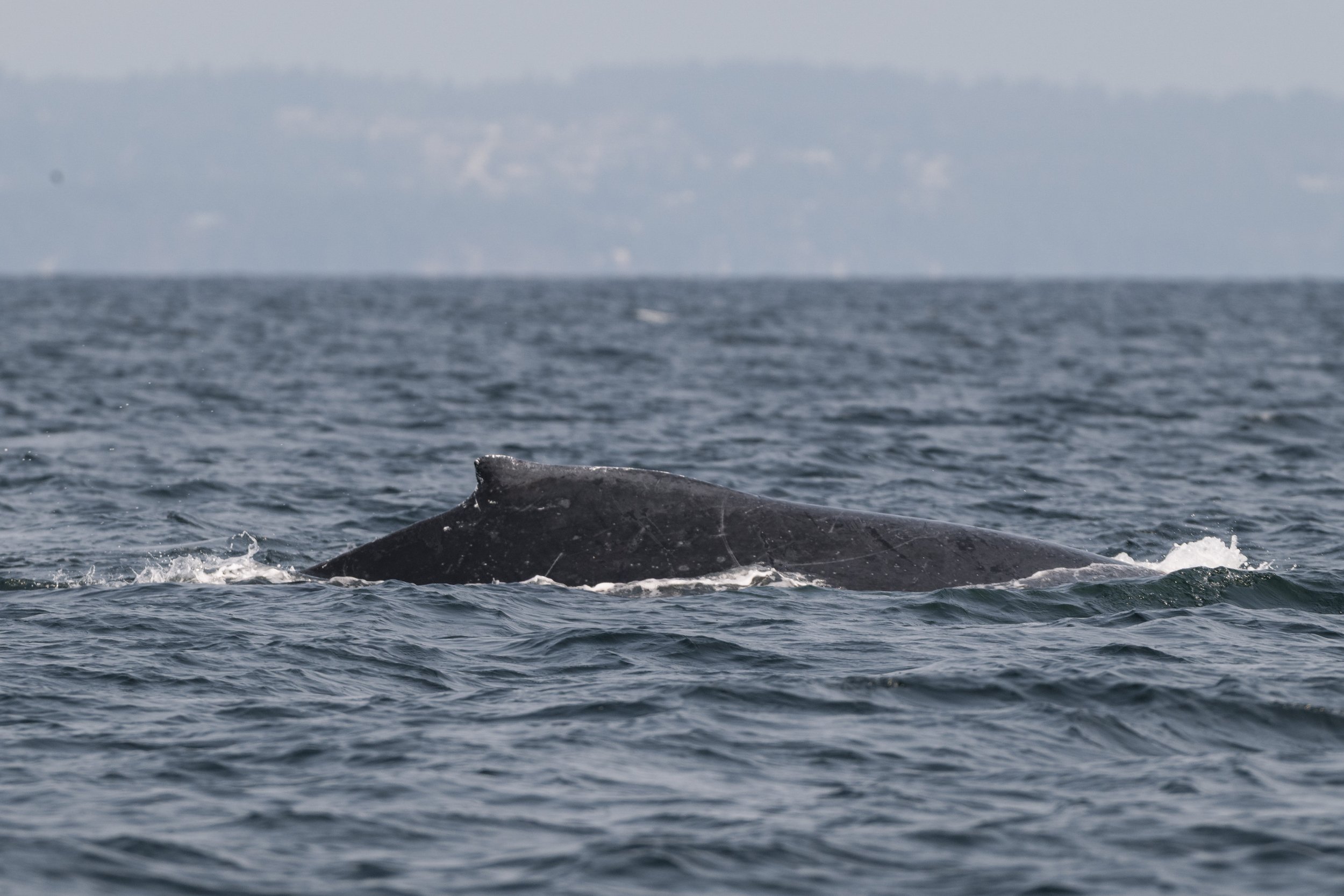
The other side of Mantis’ dorsal fin. Photo by Aly Kohlman.
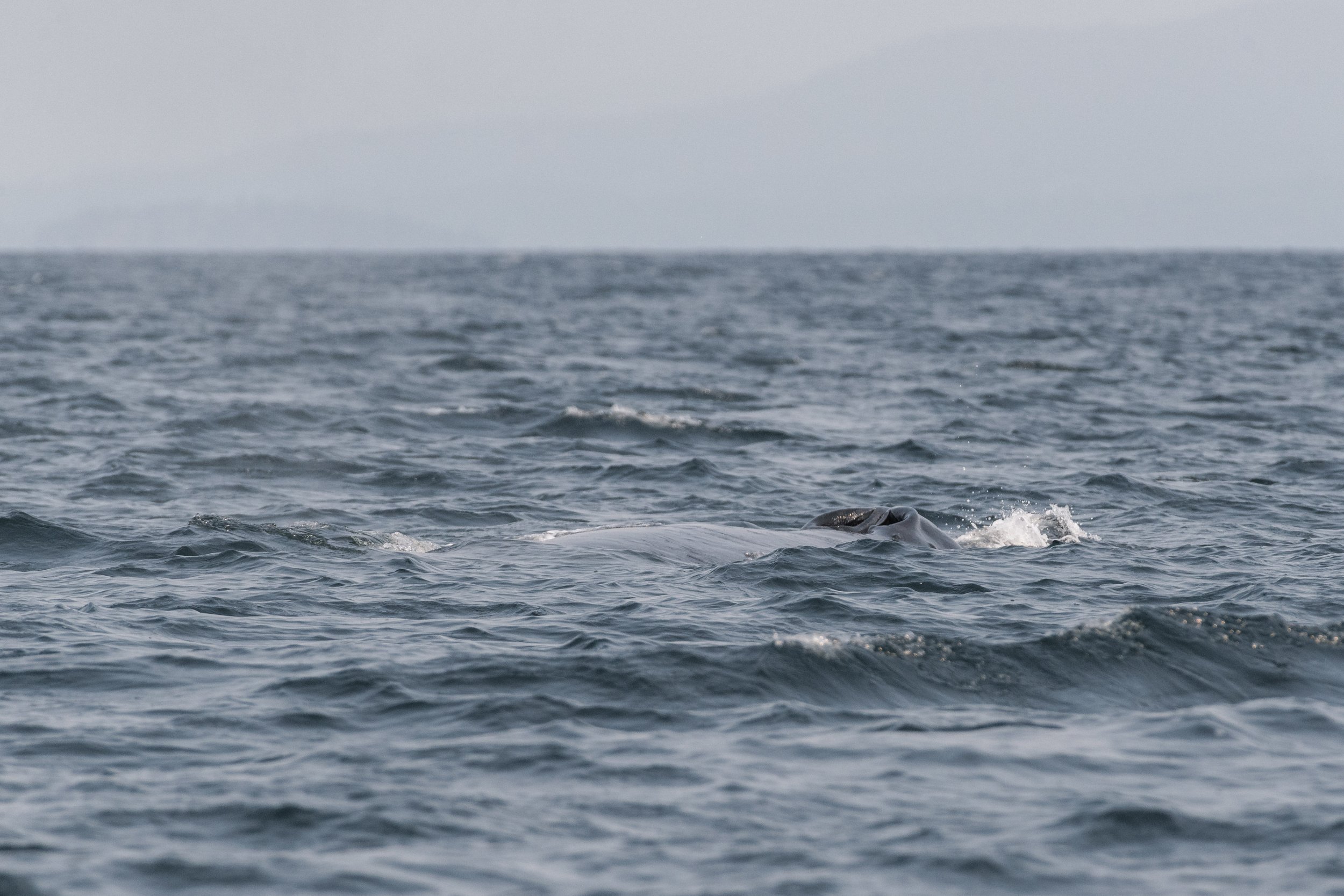
One of the whales nostrils poking out of the water. Photo by Hayleigh Hilbert.
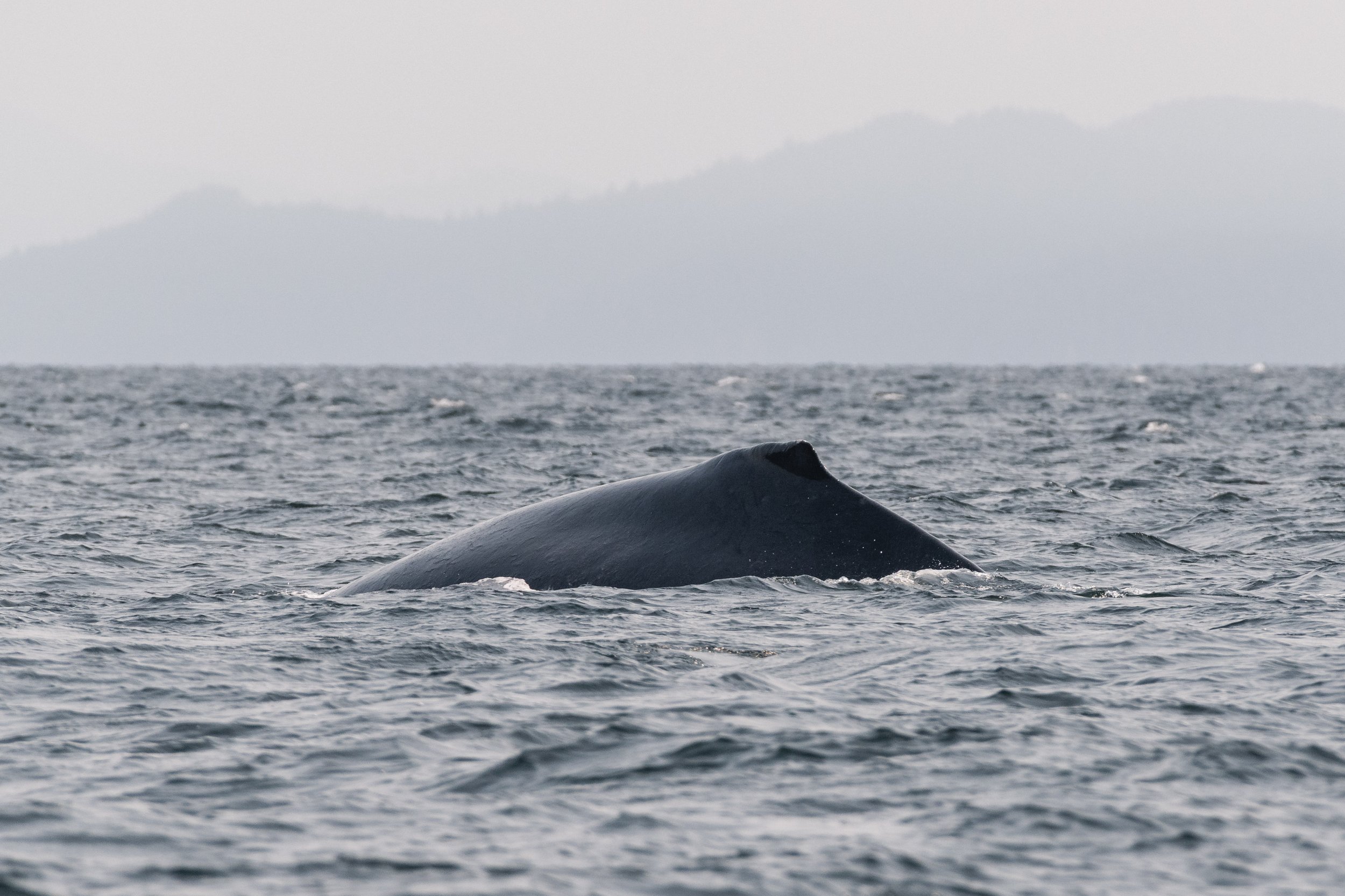
Zig Zag surfacing in the waves. Photo by Hayleigh Hilbert.
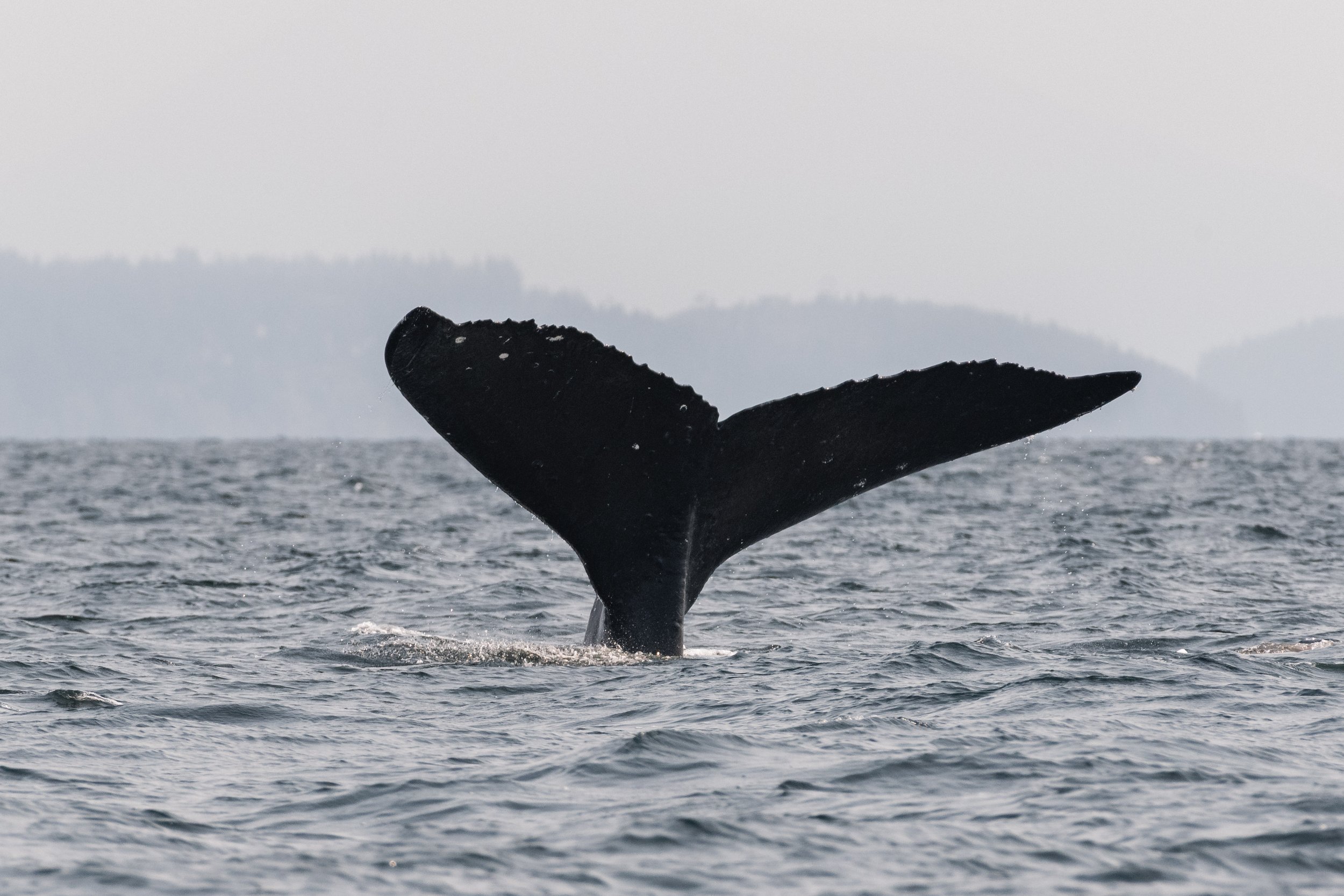
Zig Zag lifting her tail high into the air. Photo by Hayleigh Hilbert.
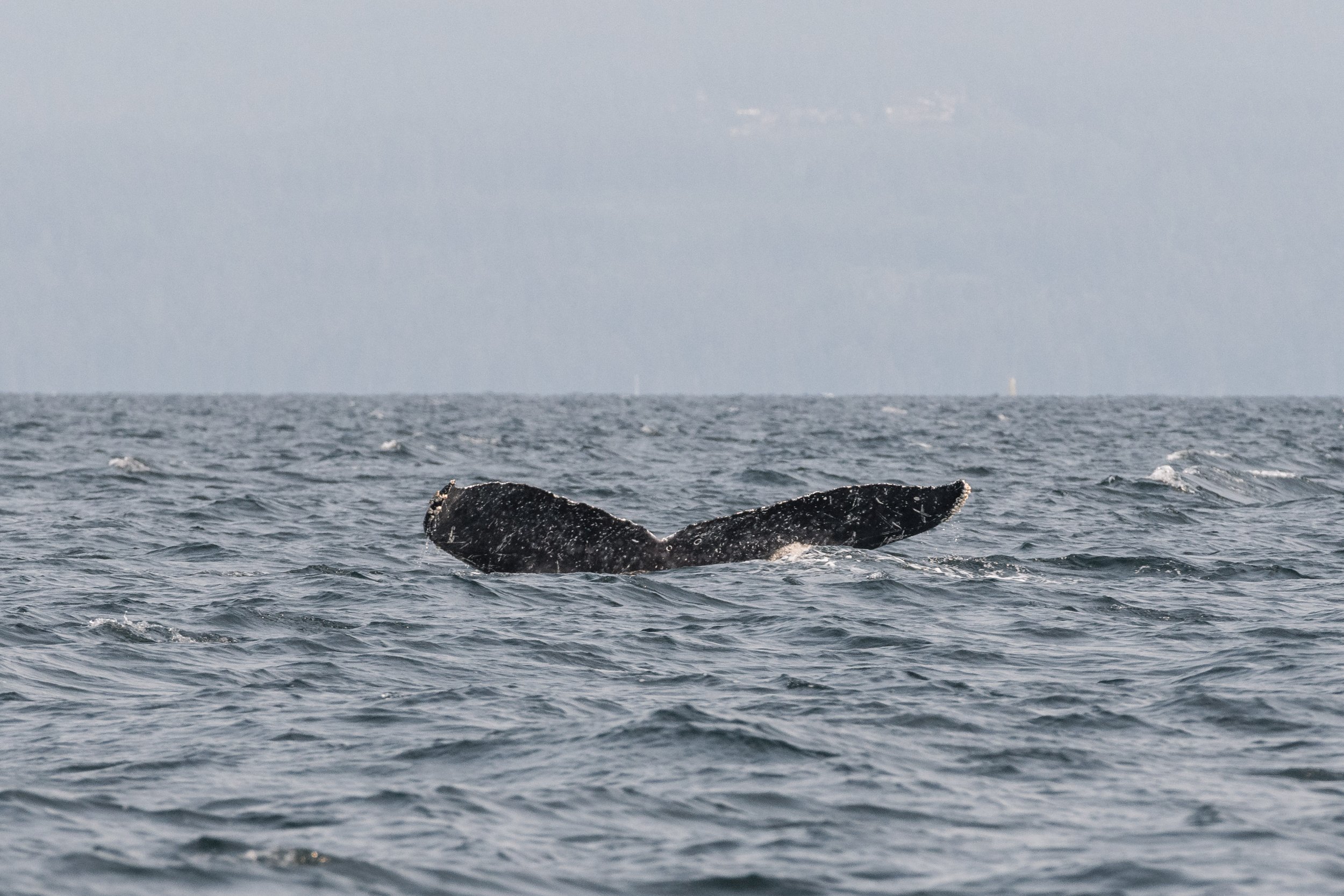
The underside of Mantis’ tail. Photo by Hayleigh Hilbert.
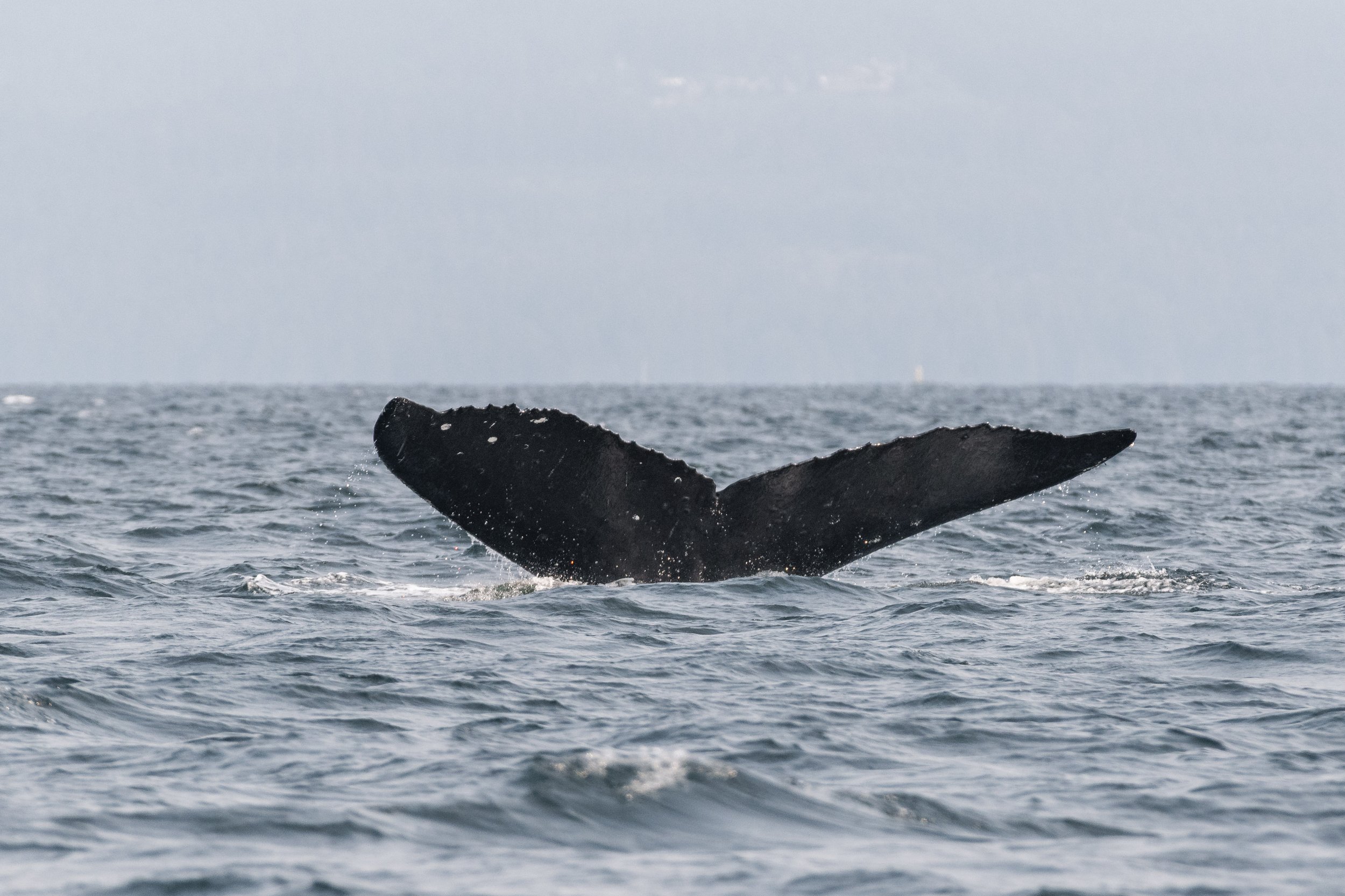
The underside of Zig Zag’s tail as she dives. Photo by Hayleigh Hilbert.
Zig Zag arching her back for a dive. Photo by Hayleigh Hilbert.
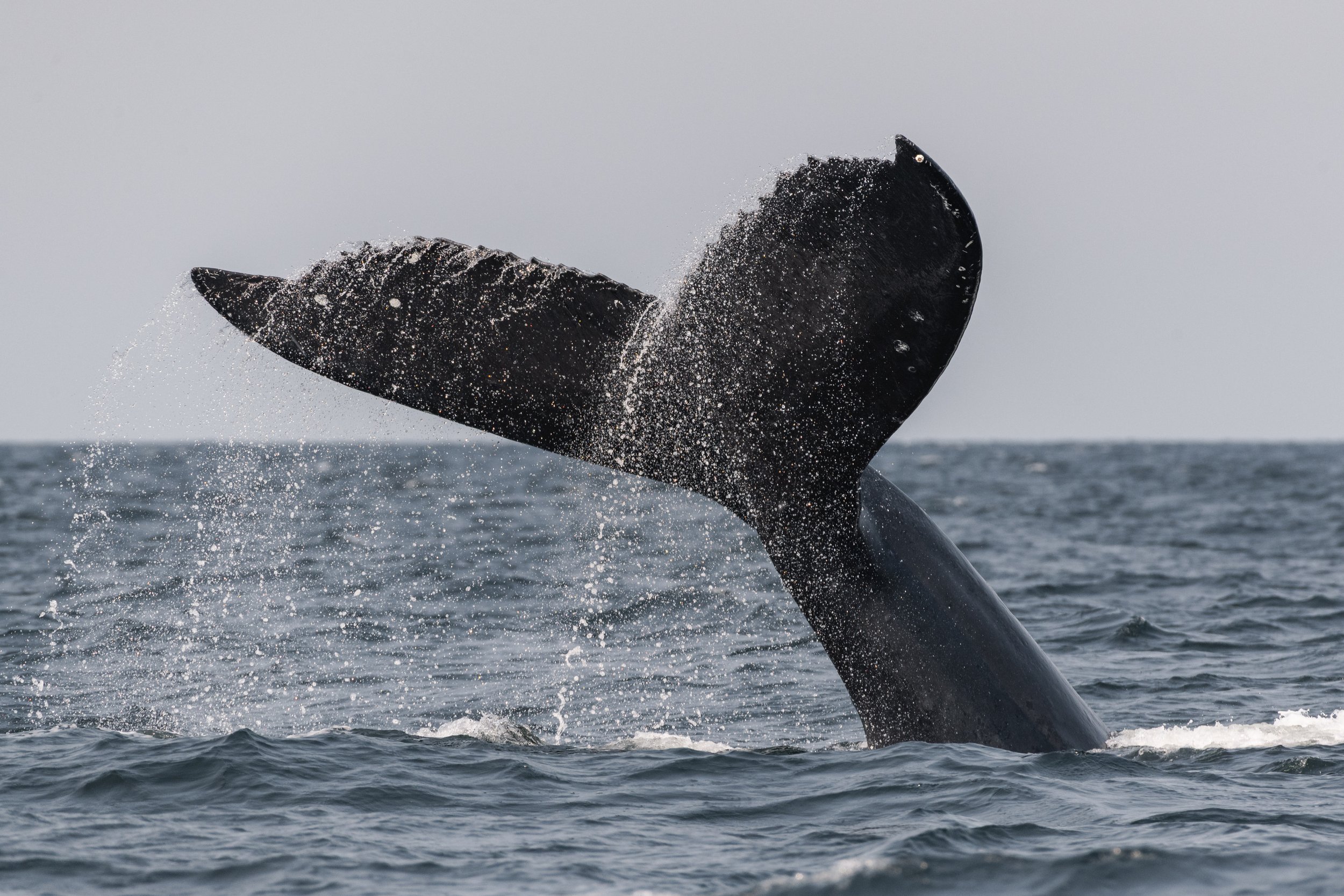
Zig Zag lifting her tail to dive. Photo by Hayleigh Hilbert.
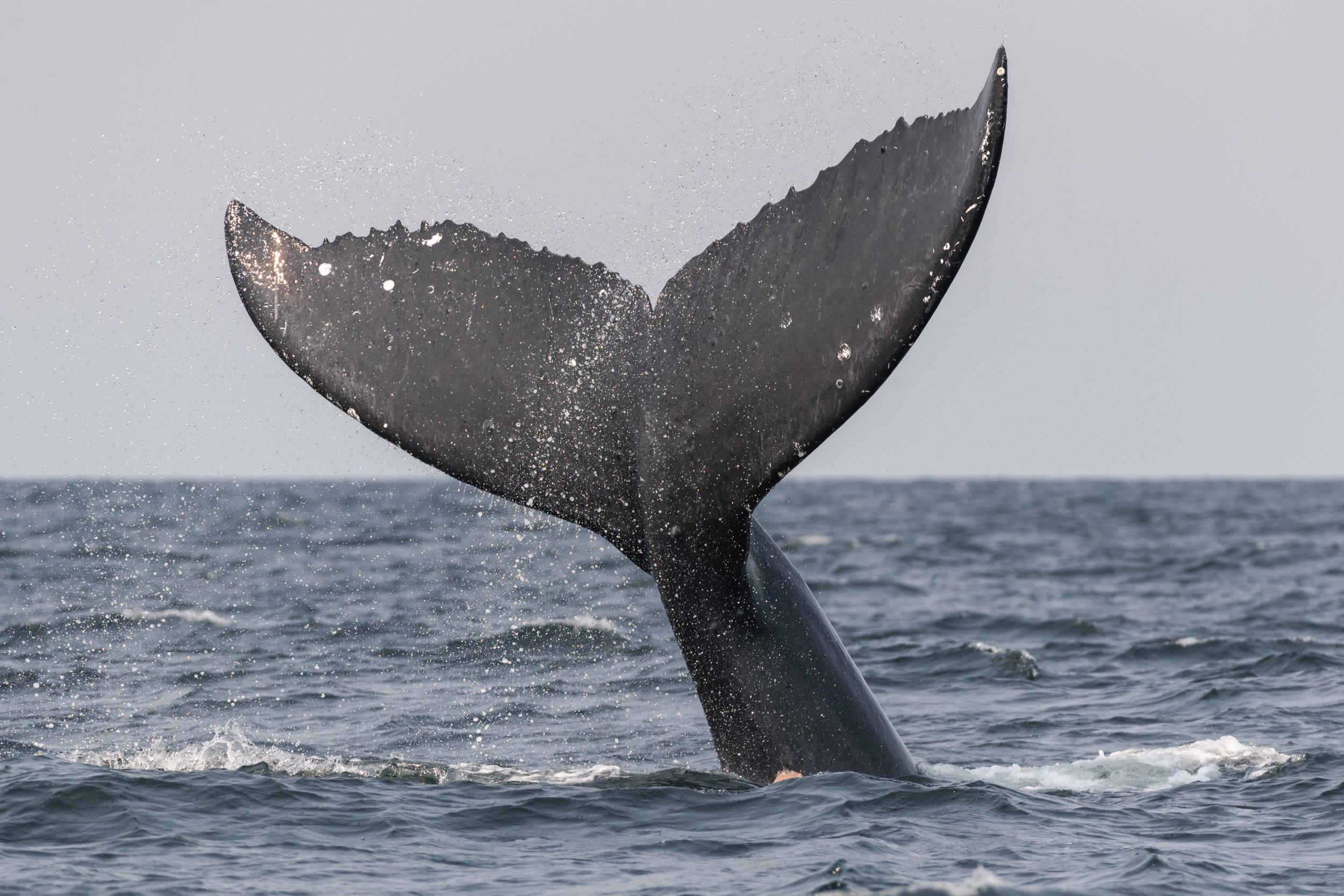
A tail flick from Zig Zag as she dives. Photo by Hayleigh Hilbert.
She is actually pooping in this photo, can you spot the pink in the water. Photo by Hayleigh Hilbert.
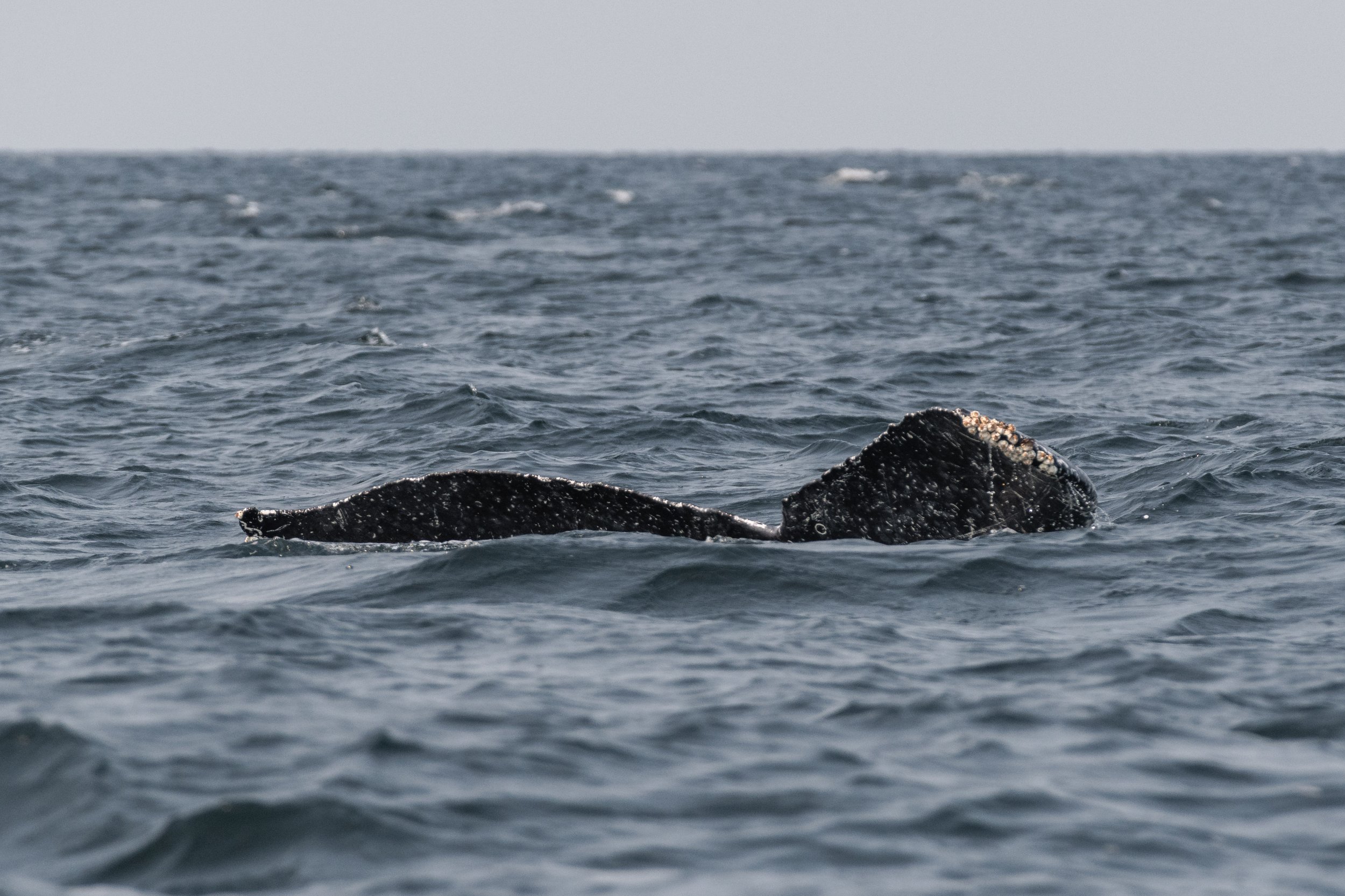
Mantis with their tail sticking out through the waves. Photo by Hayleigh Hilbert.
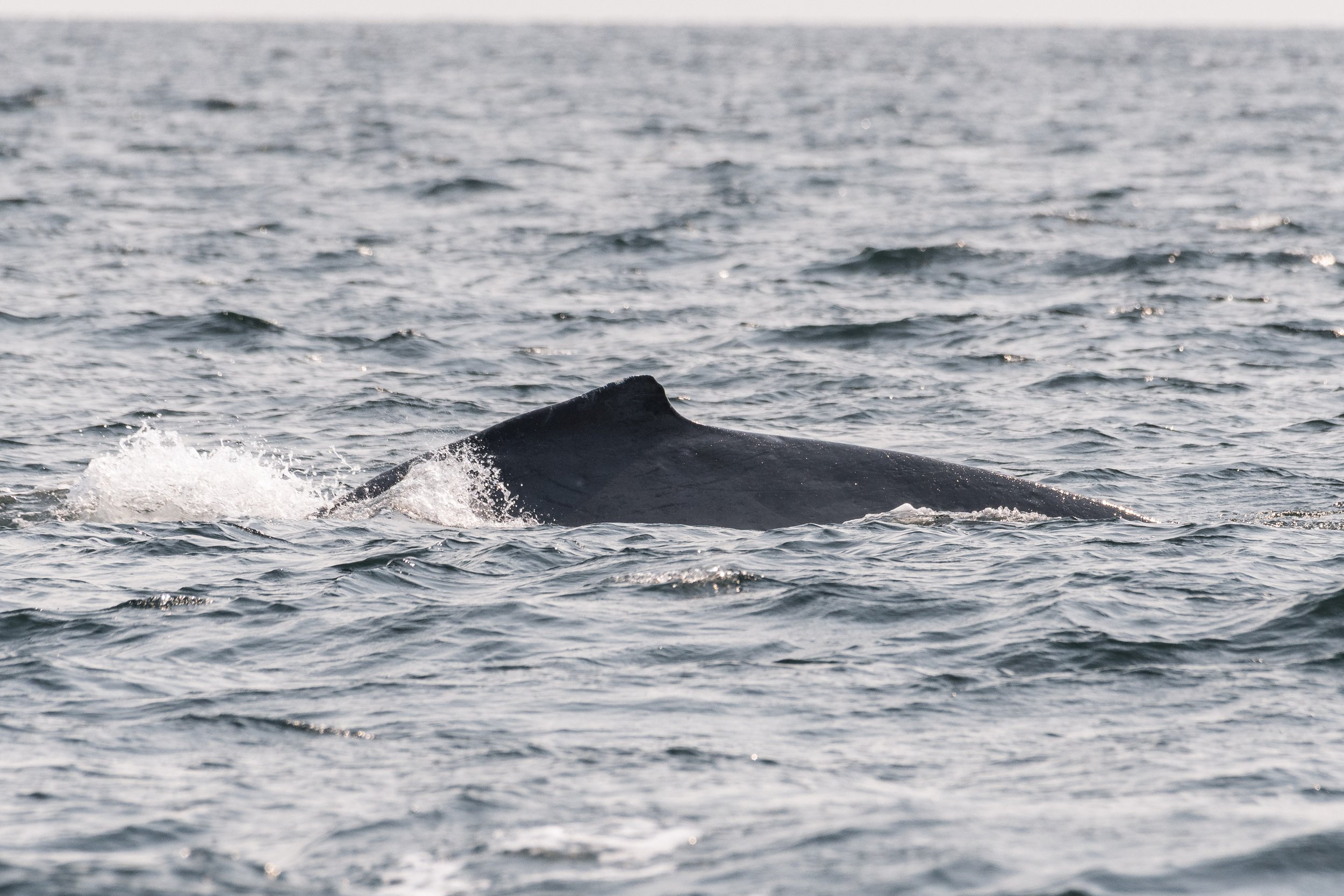
Zig Zag making a splash in the waves. Photo by Evan Hessels.
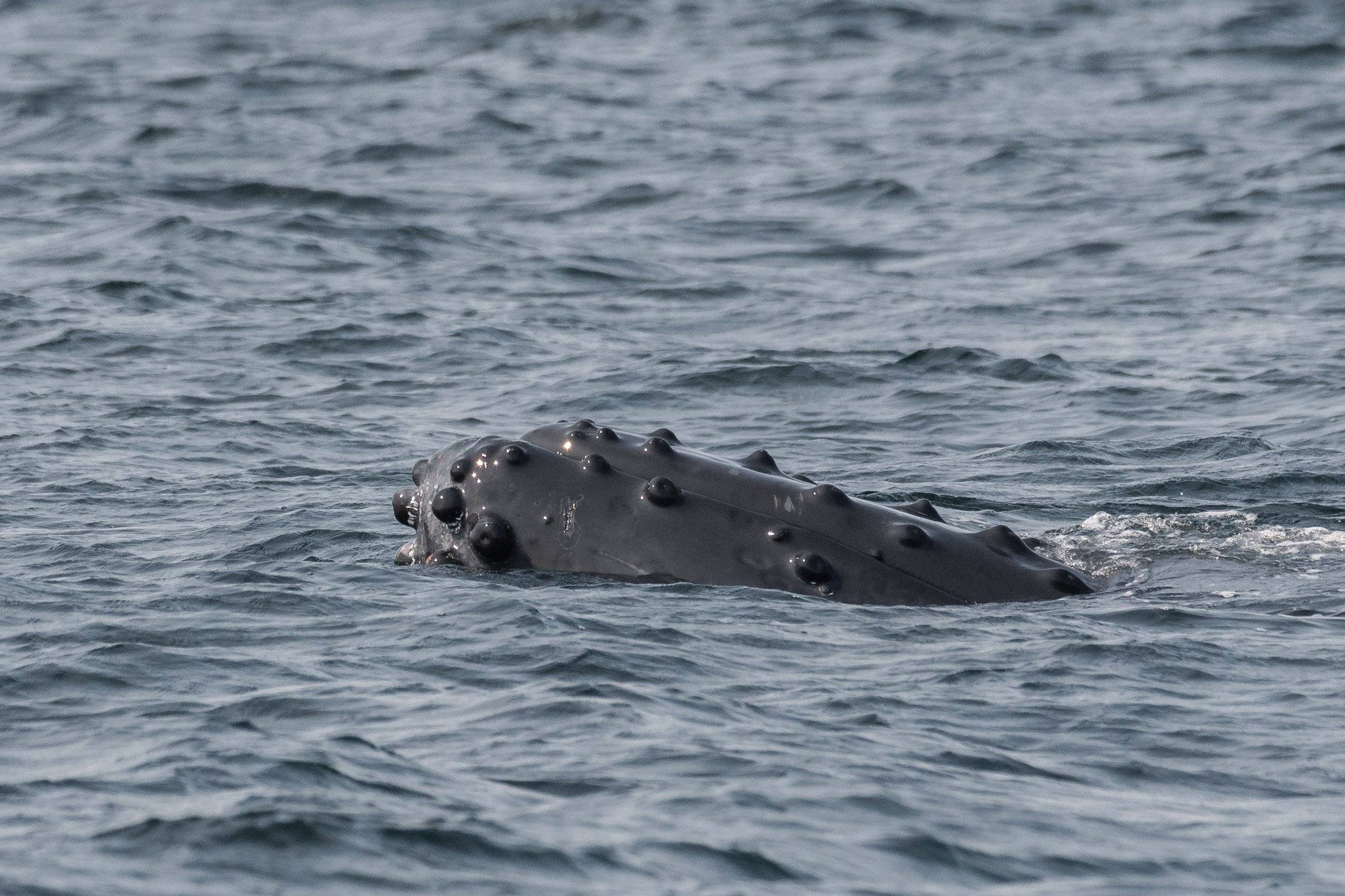
One of the whales lifting their rostrum out of the water. Photo by Evan Hessels.
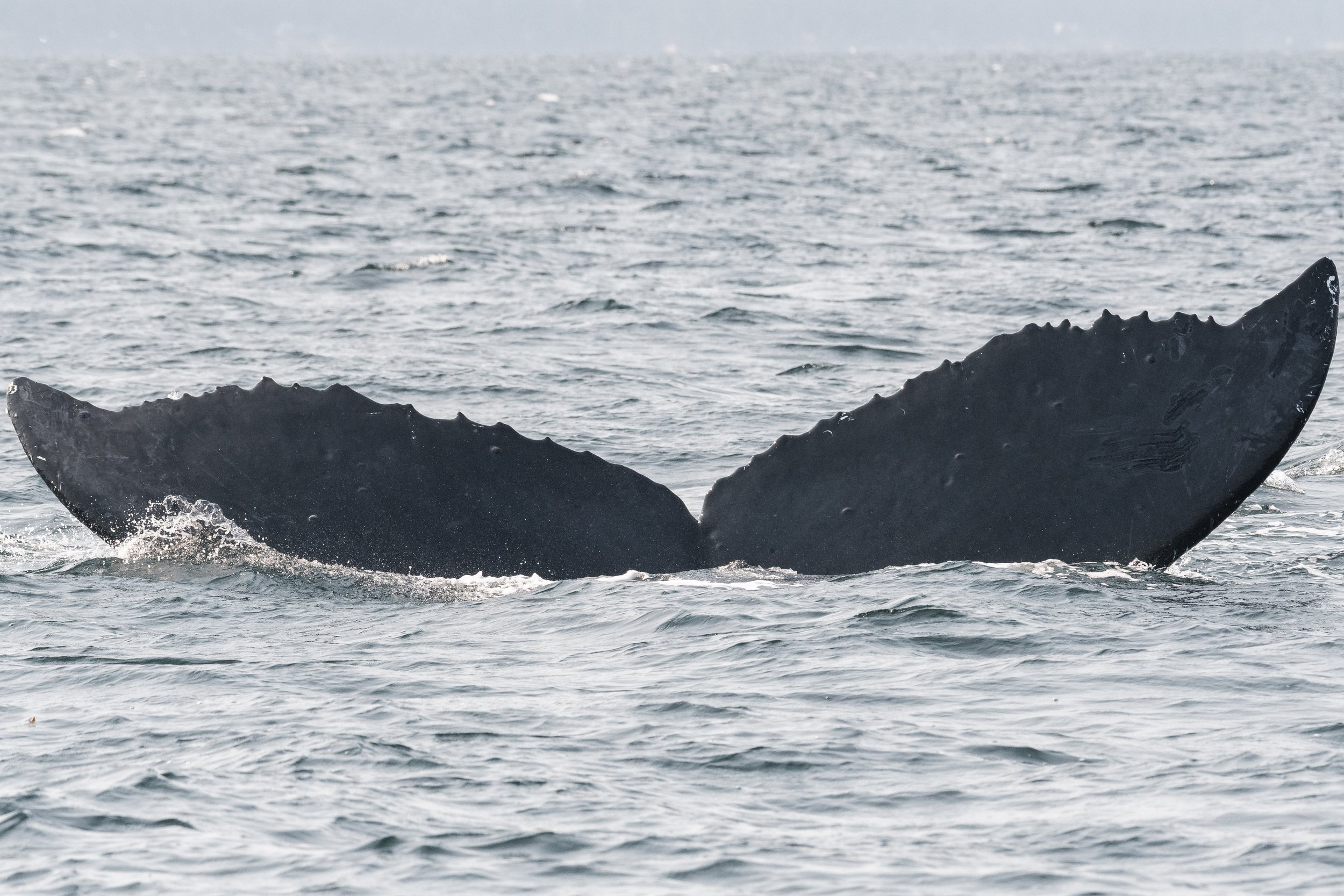
The top side of Zig Zag’s tail as she dives. Photo by Evan Hessels.
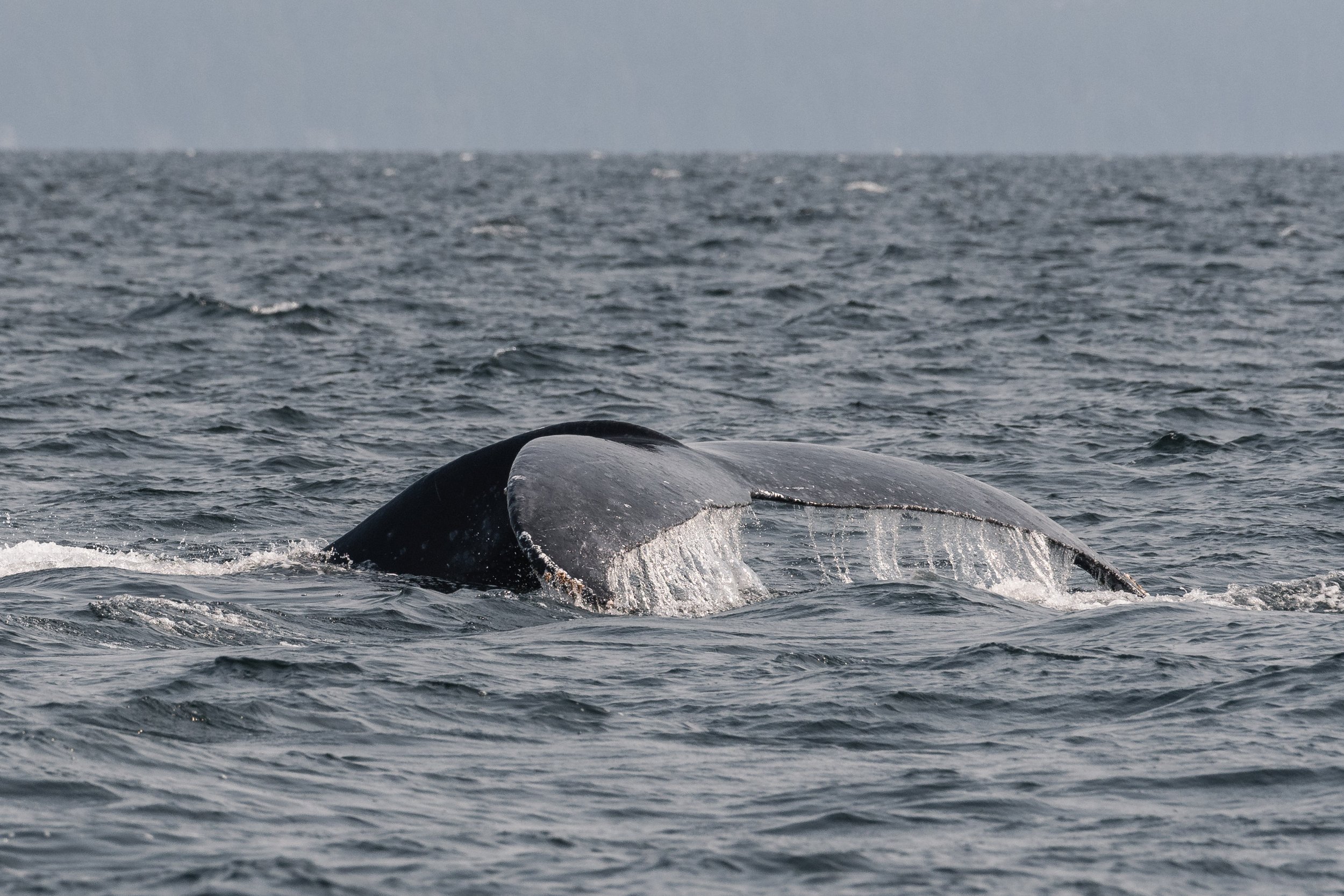
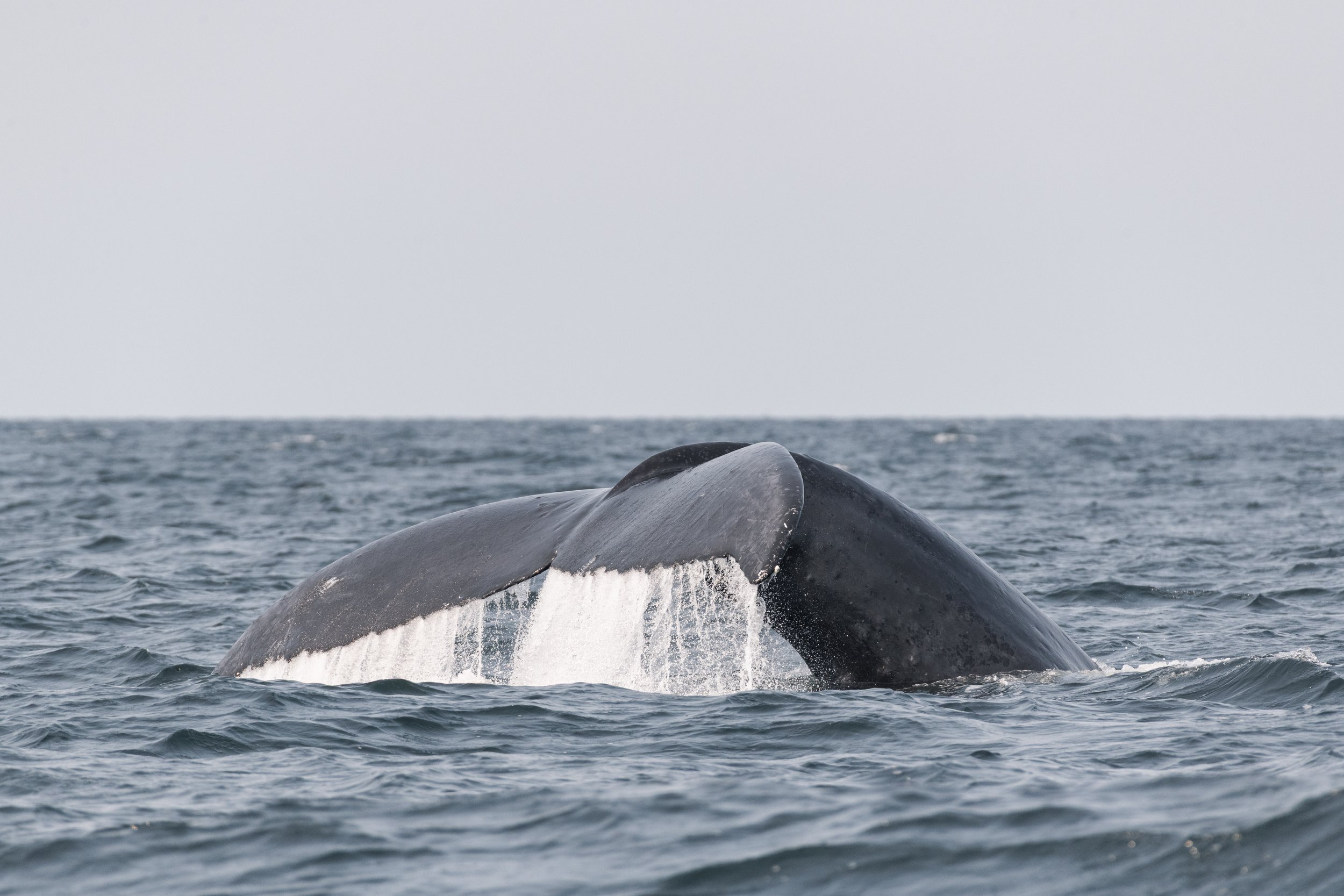
A fluke waterfall from Mantis as they dive. Photo by Evan Hessels.
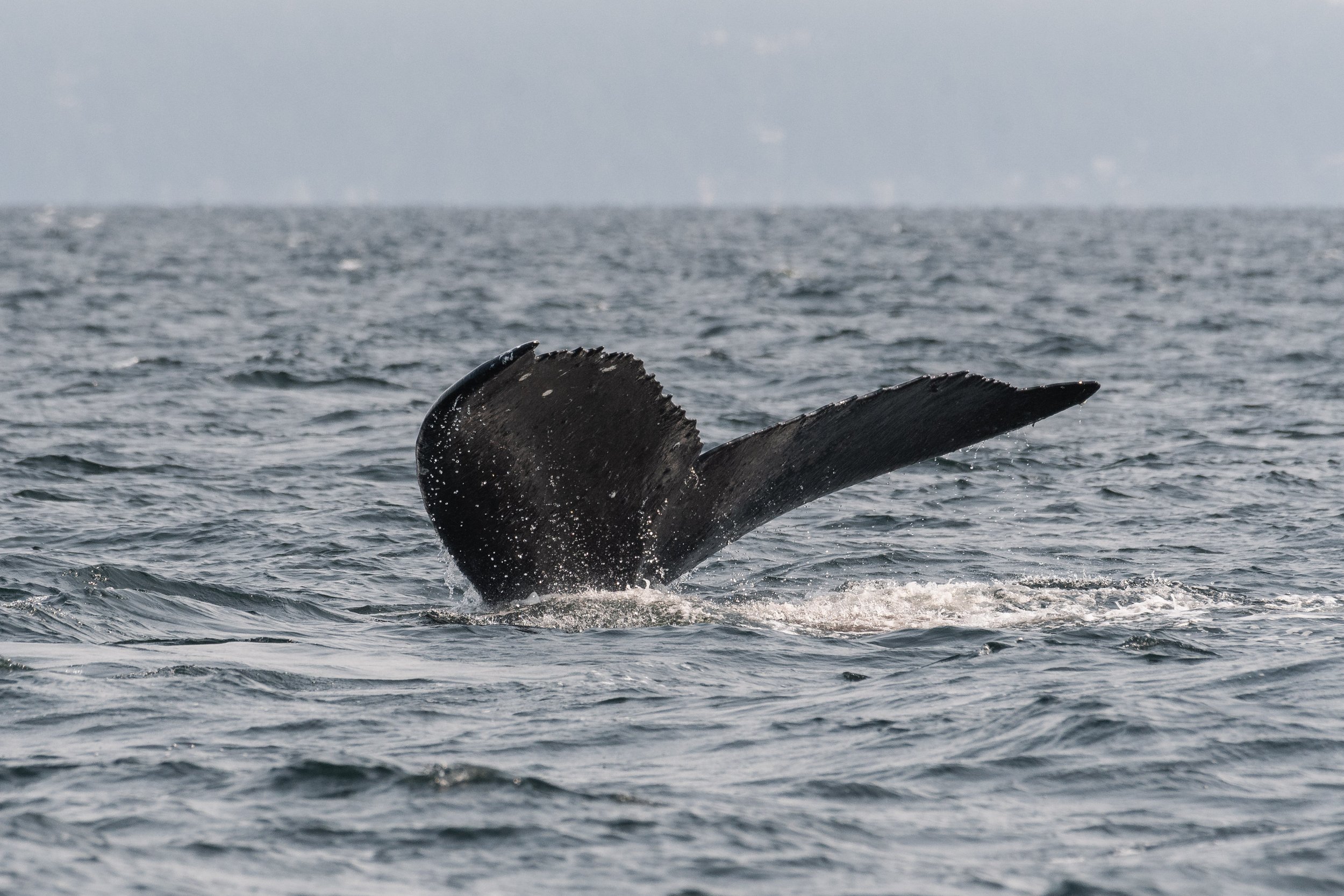
The underside of Zig Zag’s tail as she dives. Photo by Evan Hessels.
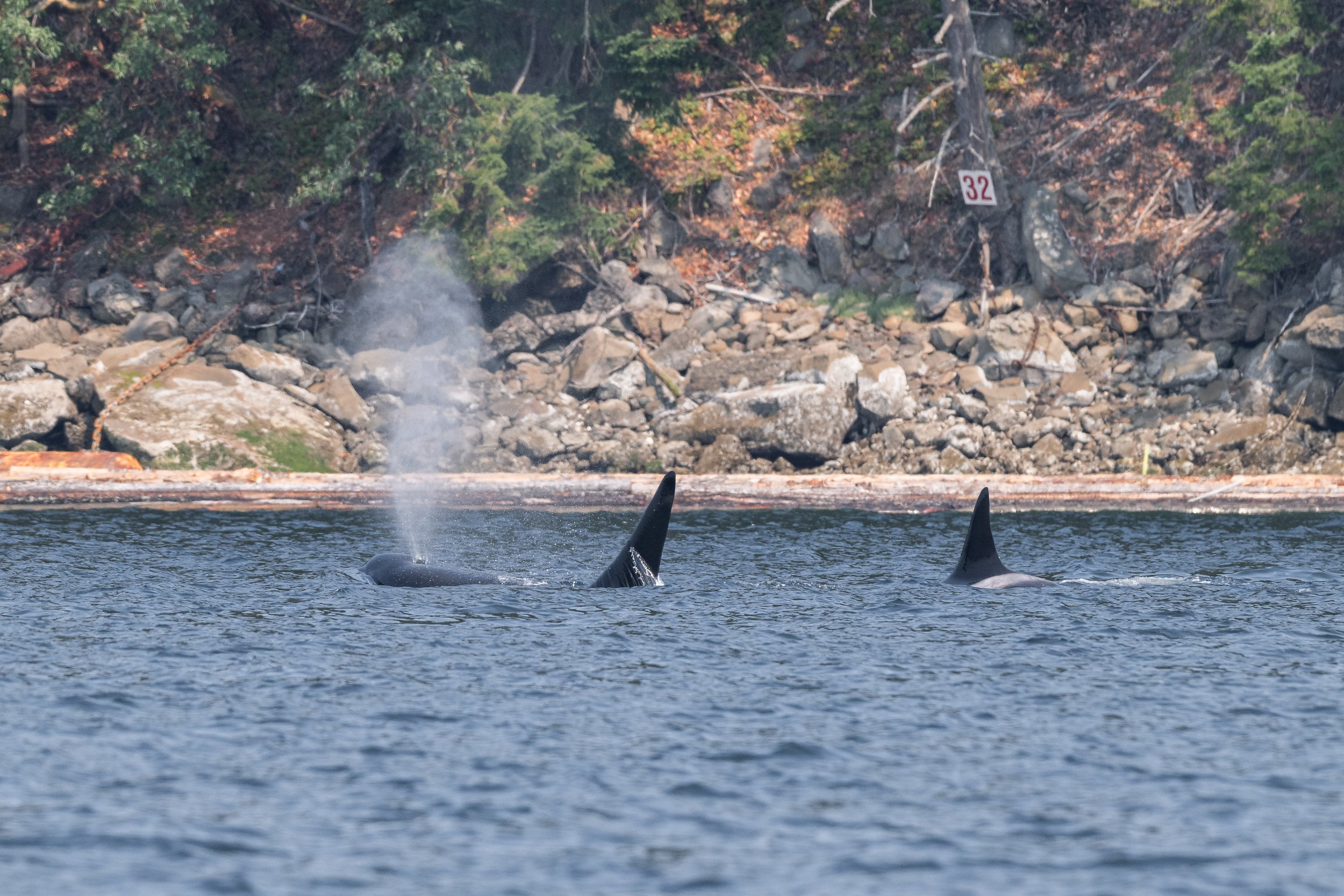
T101B Lagoon and T101 Reef travelling together. Photo by Aly Kohlman.
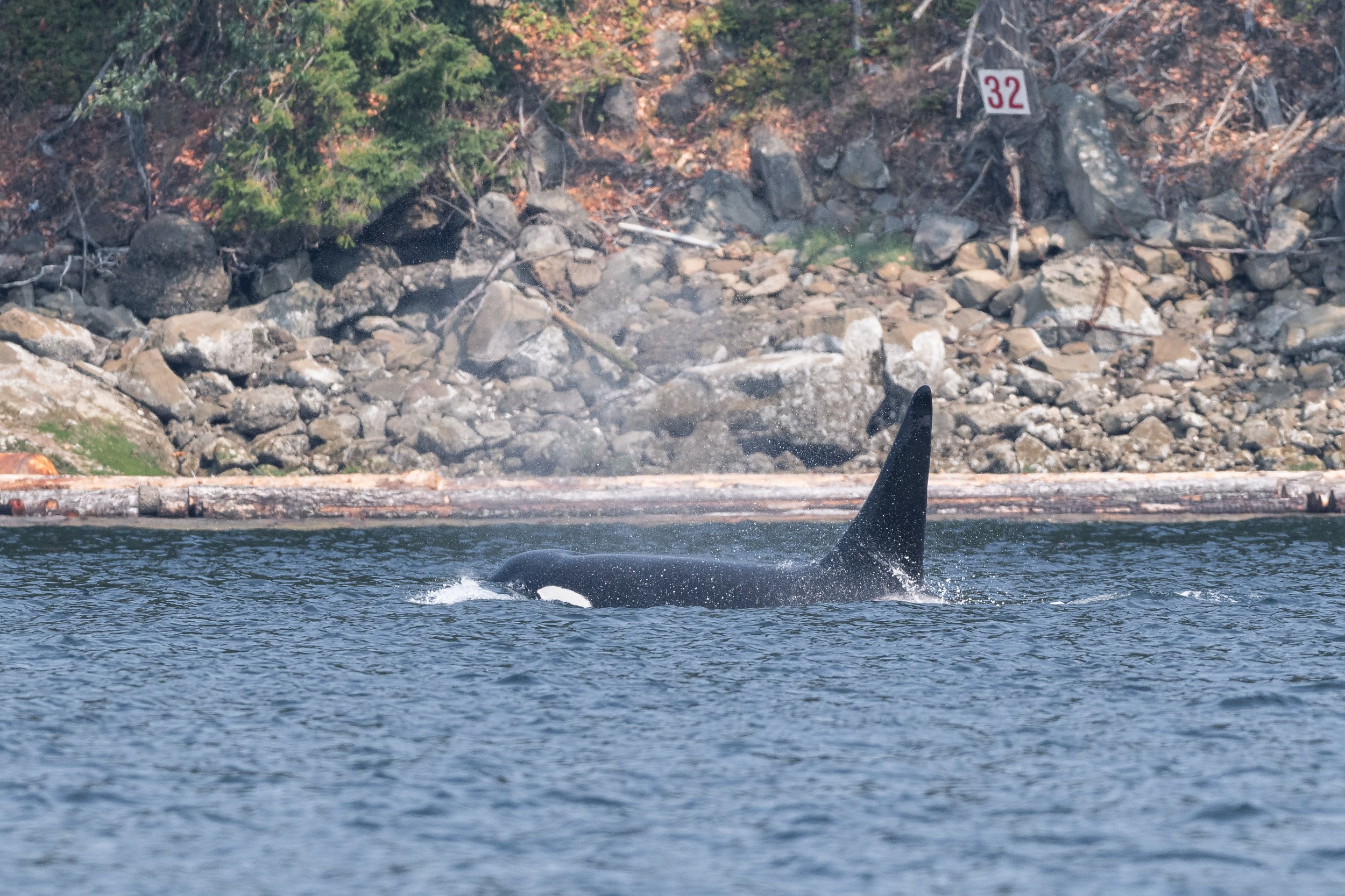
T101B Lagoon travelling along the Gabriola shoreline. Photo by Aly Kohlman.
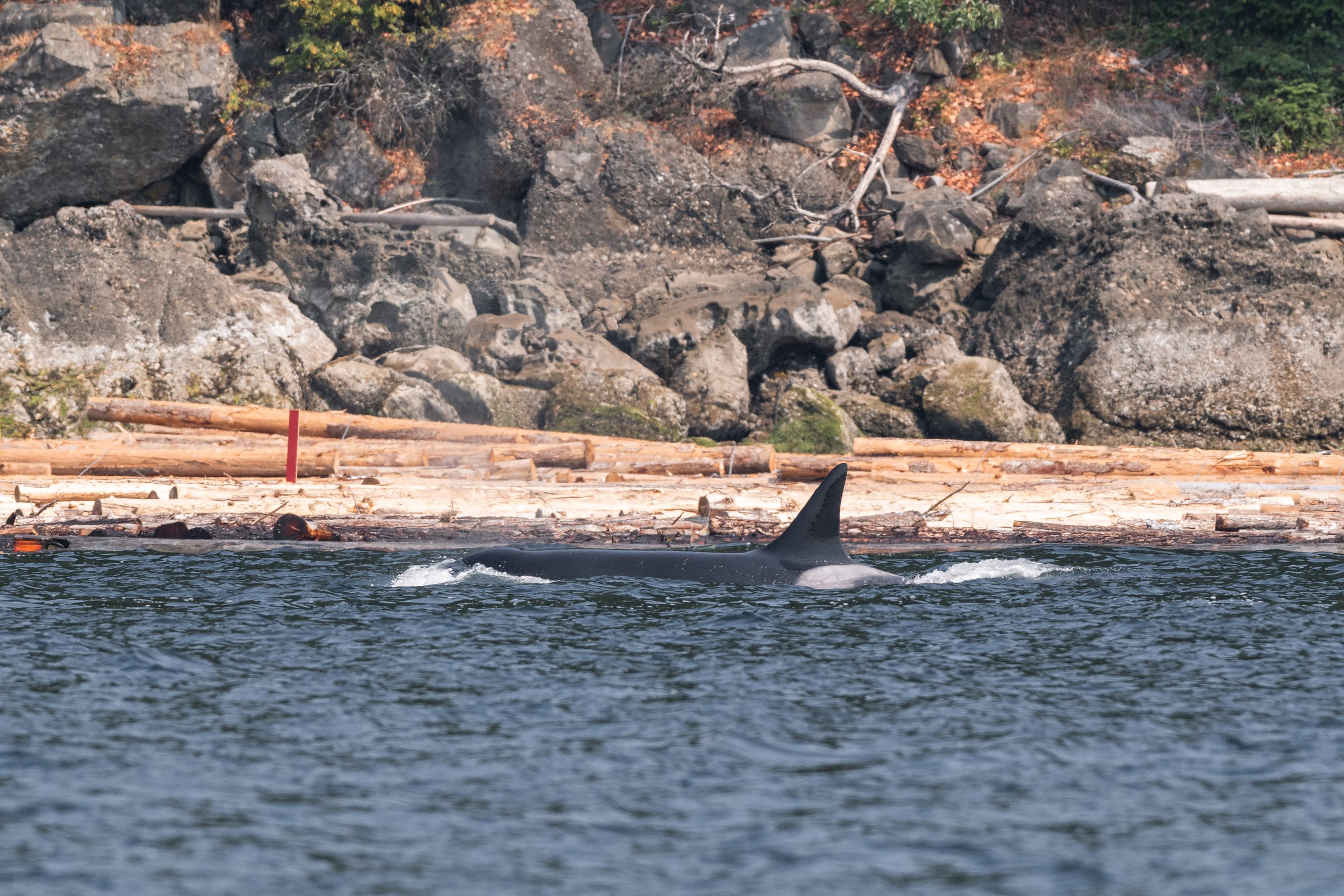
T101 Reef showing off her saddle patch. Photo by Aly Kohlman.
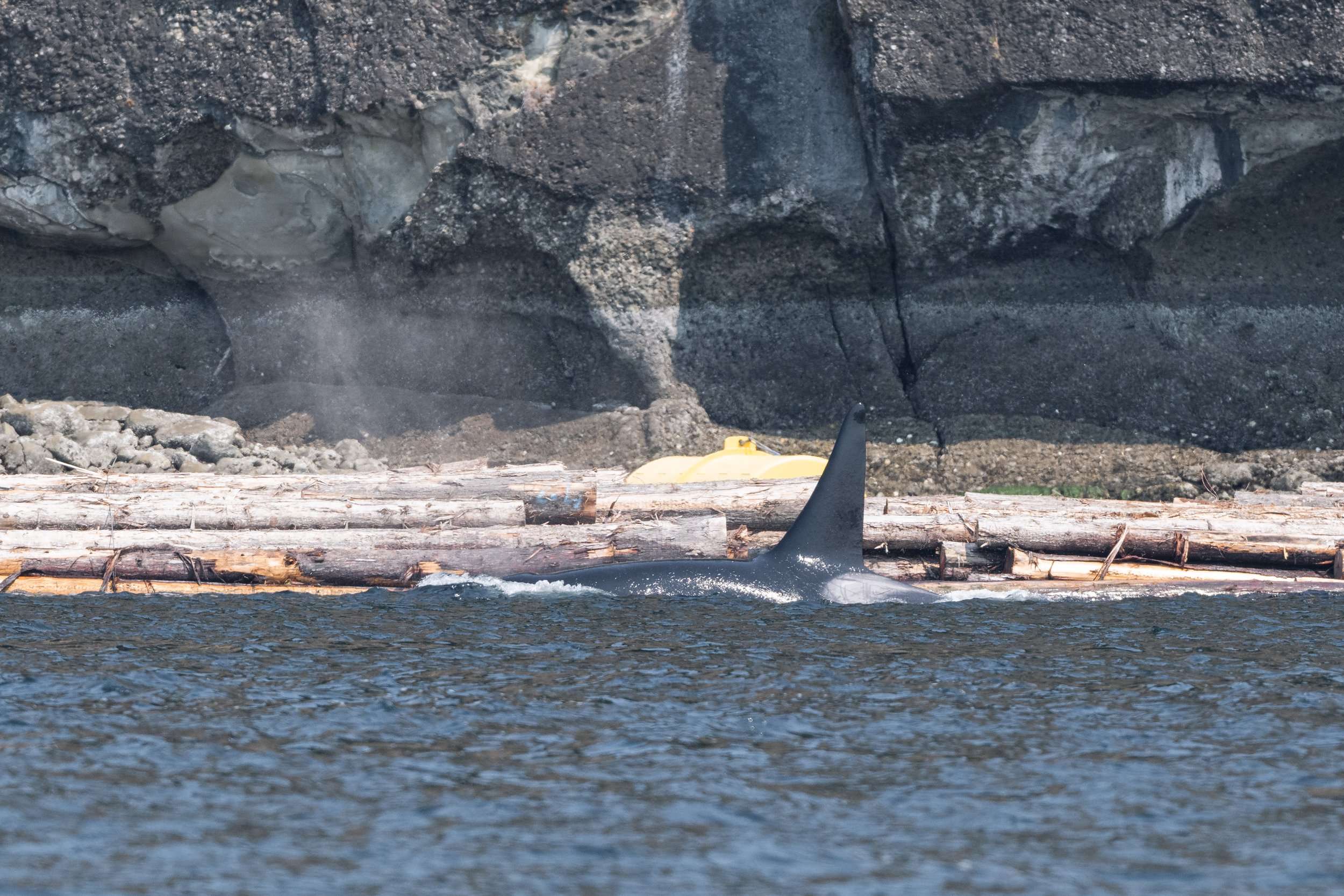
T101 Lagoon travelling beside the log booms. Photo by Aly Kohlman.
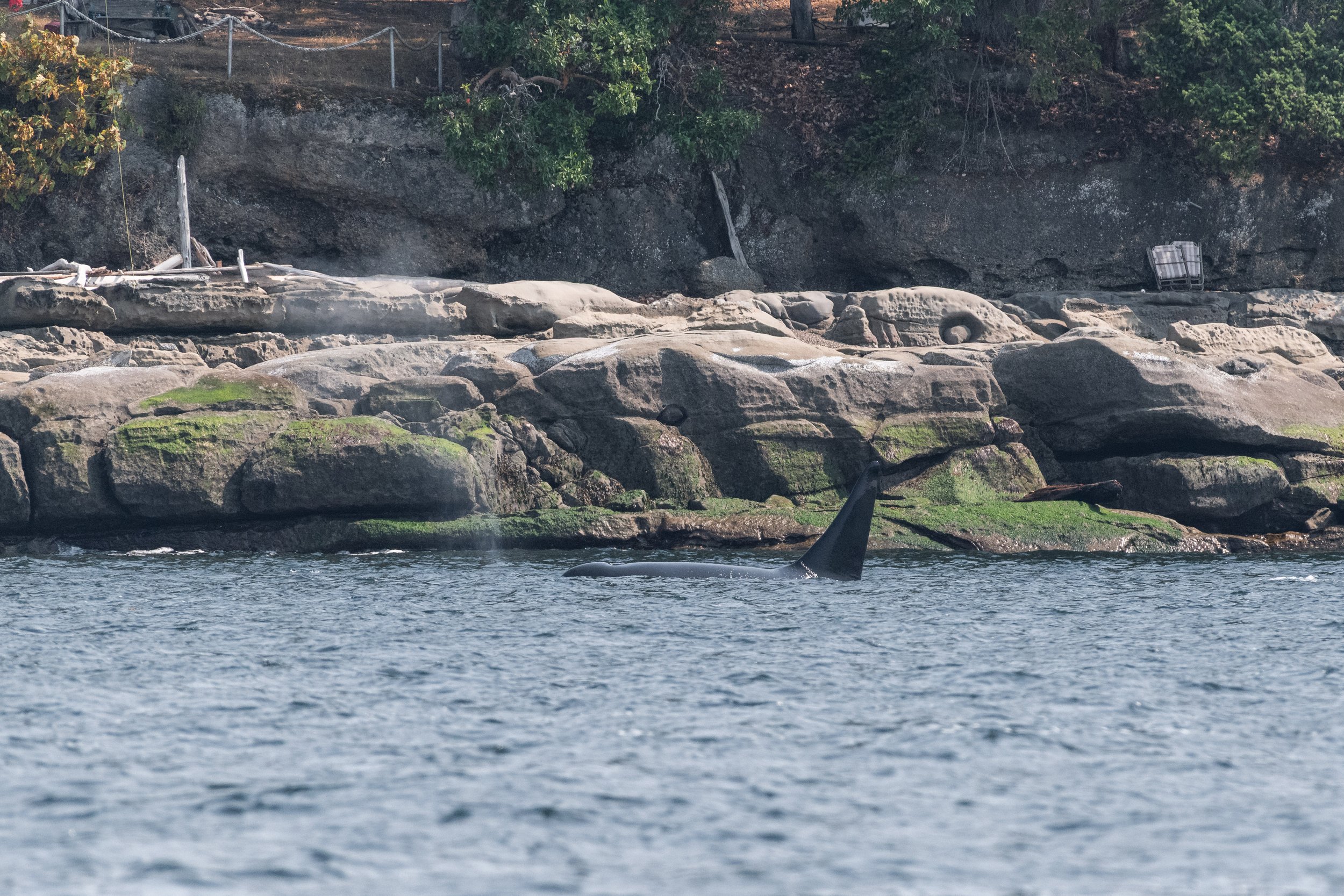
T101B Lagoon swimming close to shore. Photo by Hayleigh Hilbert.
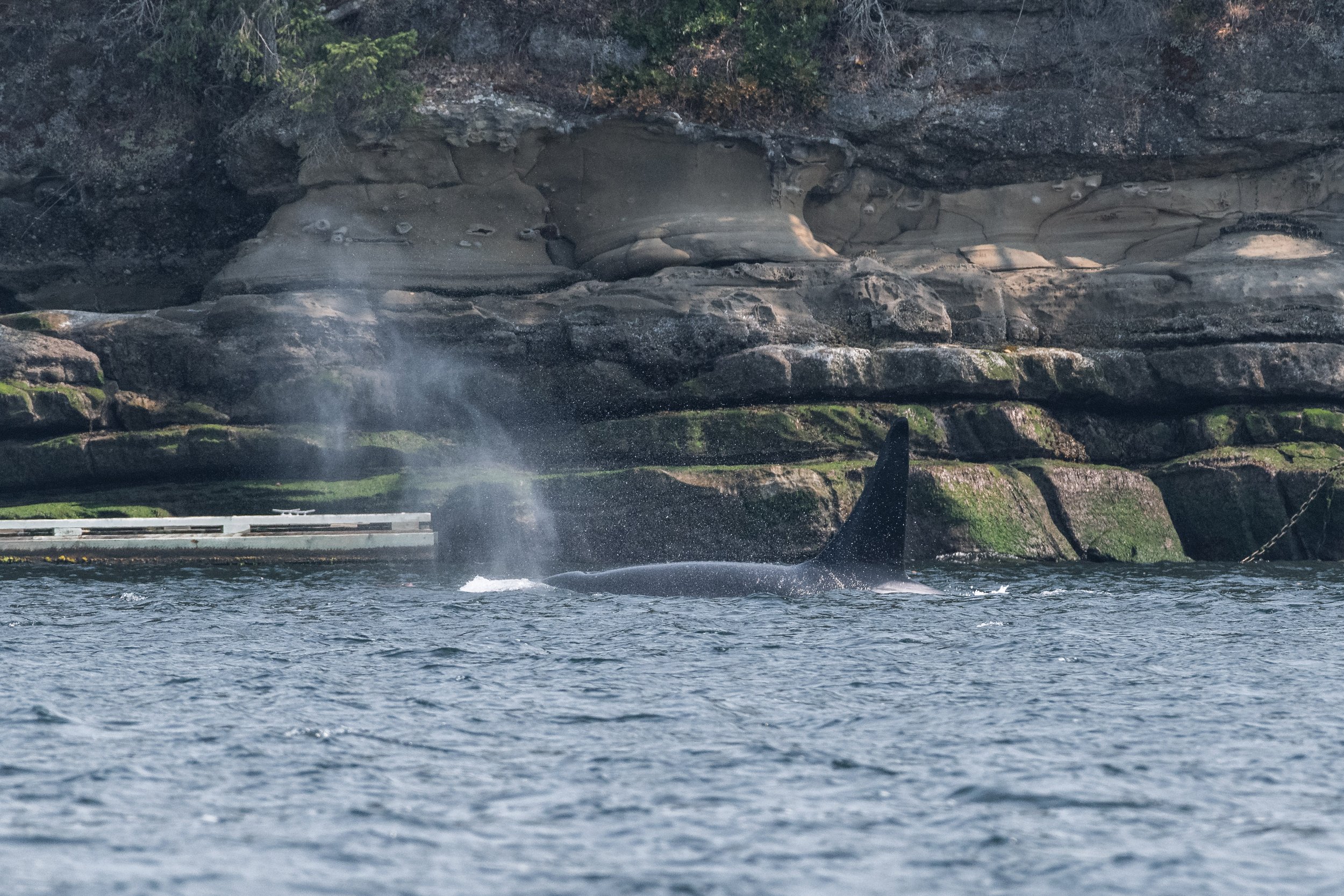
T101B Lagoon with his blow visible. Photo by Hayleigh Hilbert.
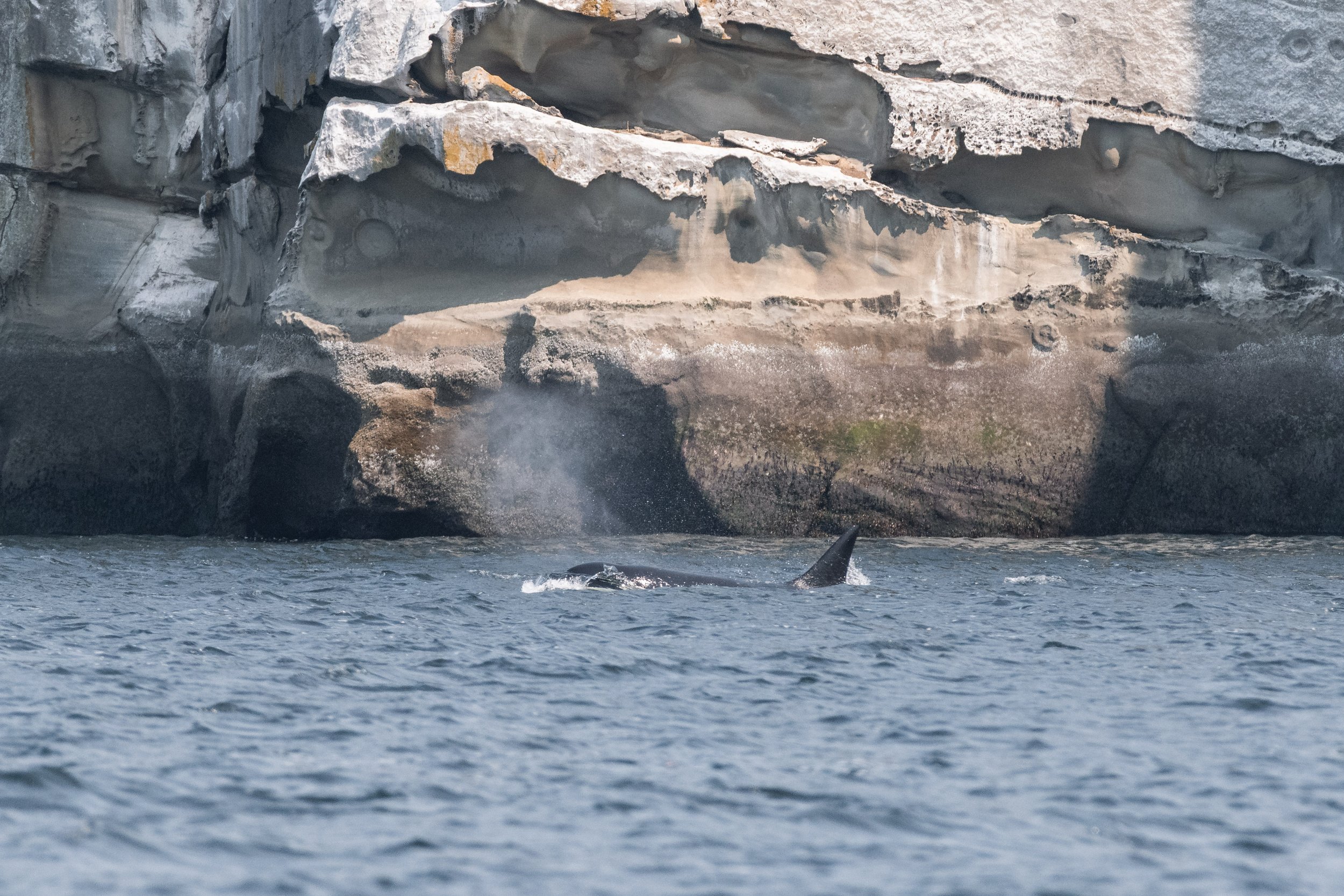
T101 Reef travelling along the sandstone. Photo by Hayleigh Hilbert.
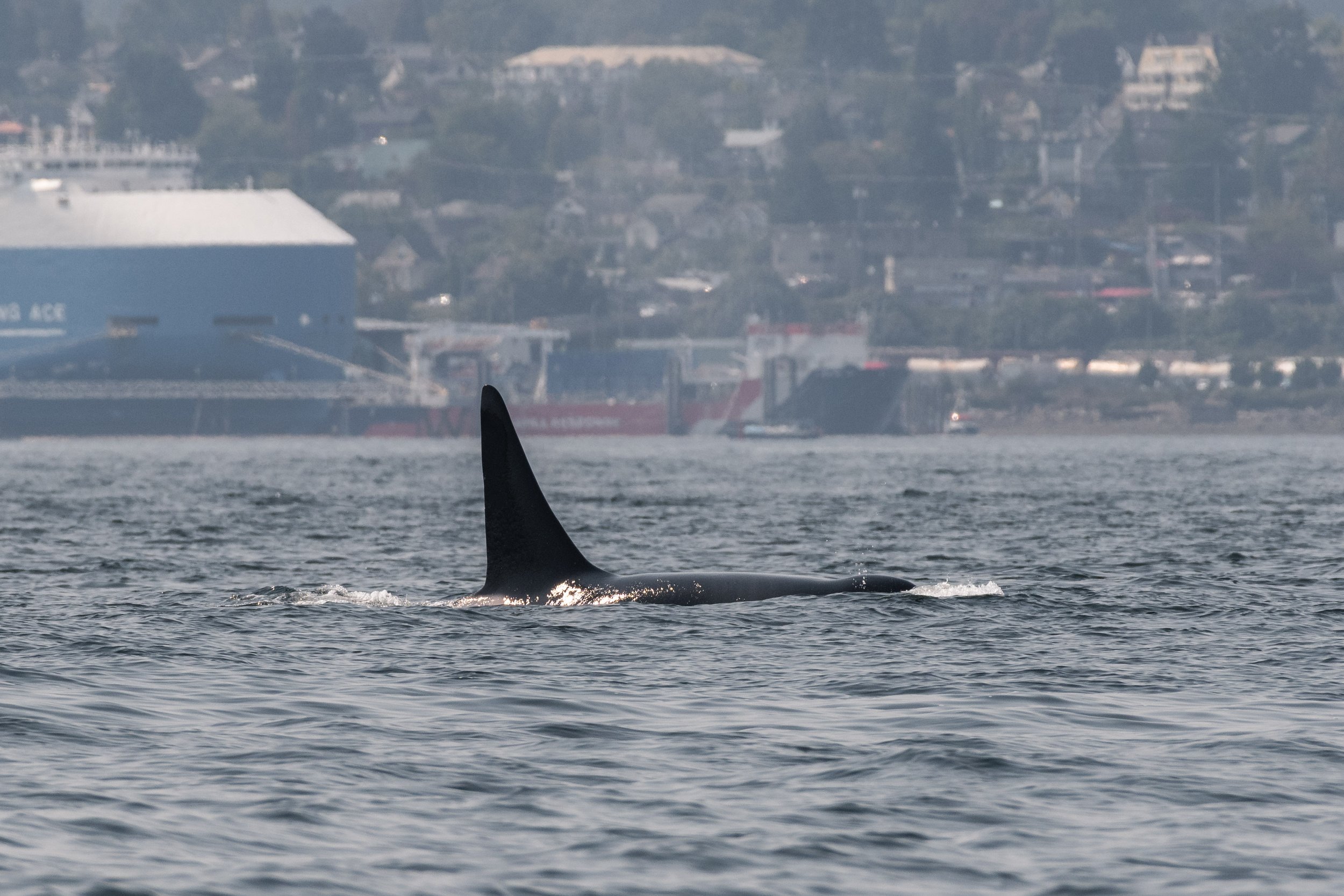
A great look at T101B Lagoon as he surfaces with Nanaimo in the background. Photo by Hayleigh Hilbert.
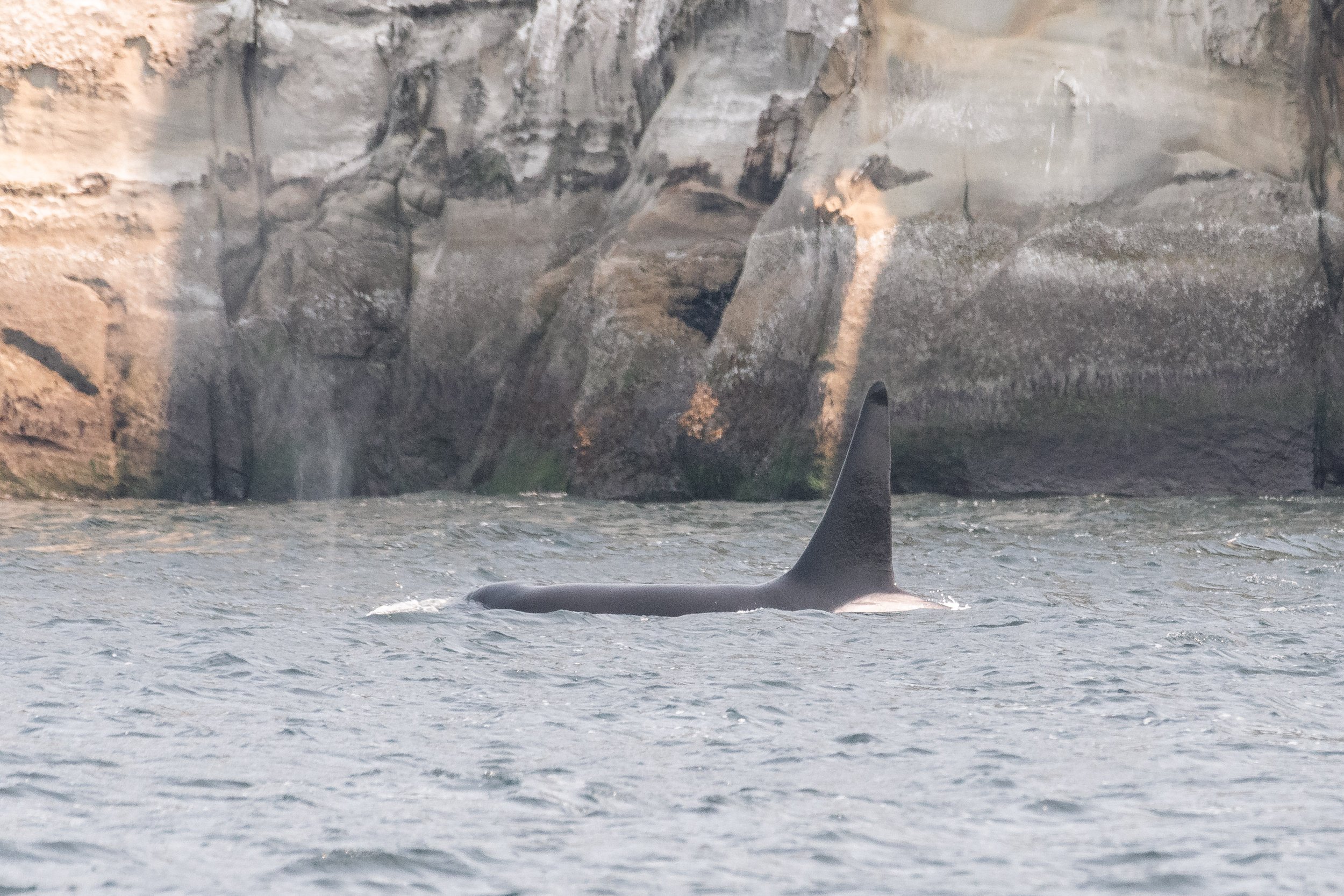
T101B Lagoon surfacing in Northumberland Channel. Photo by Evan Hessels.
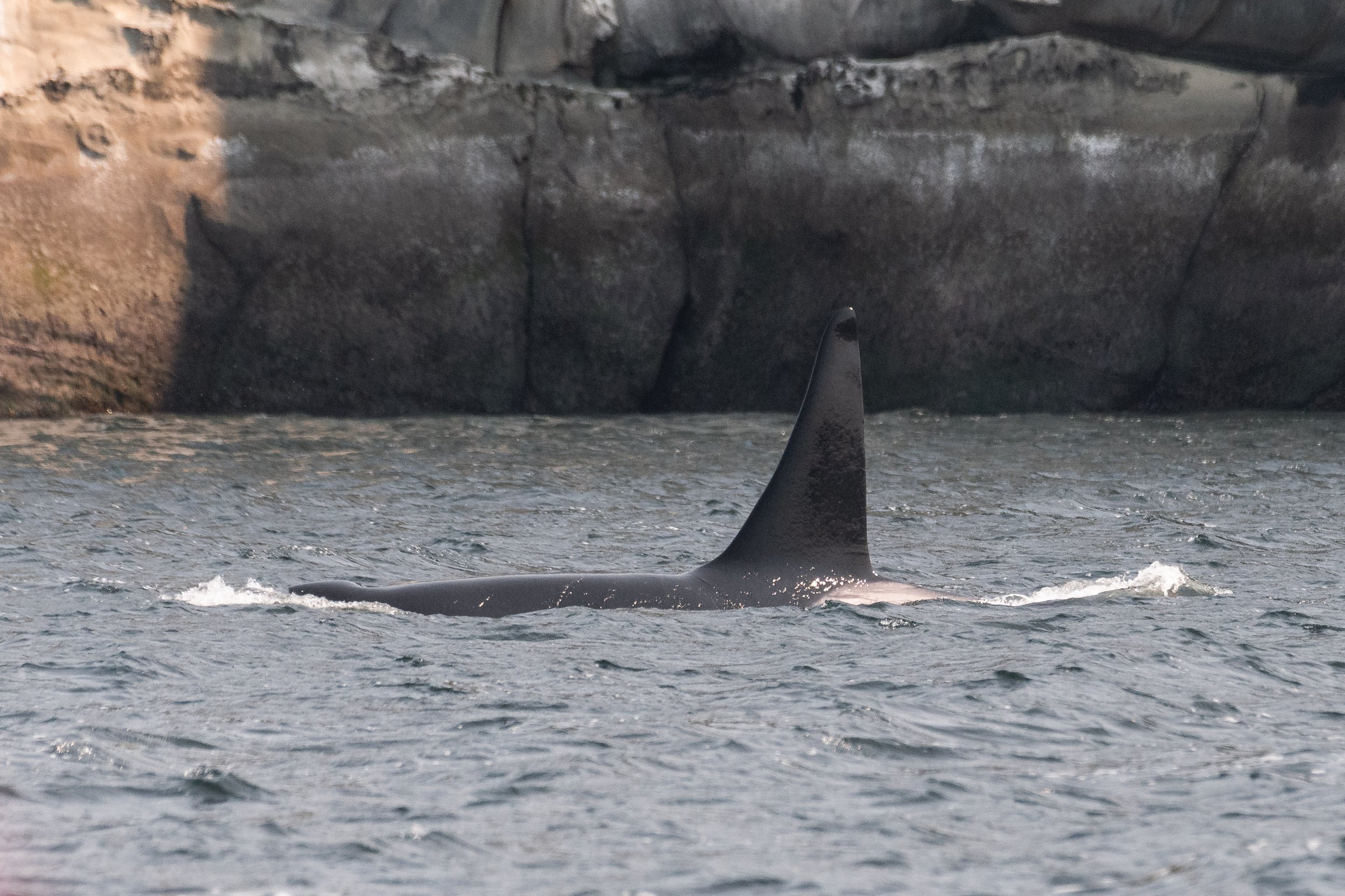
A great look at T101B Lagoon as he surfaces. Photo by Evan Hessels.
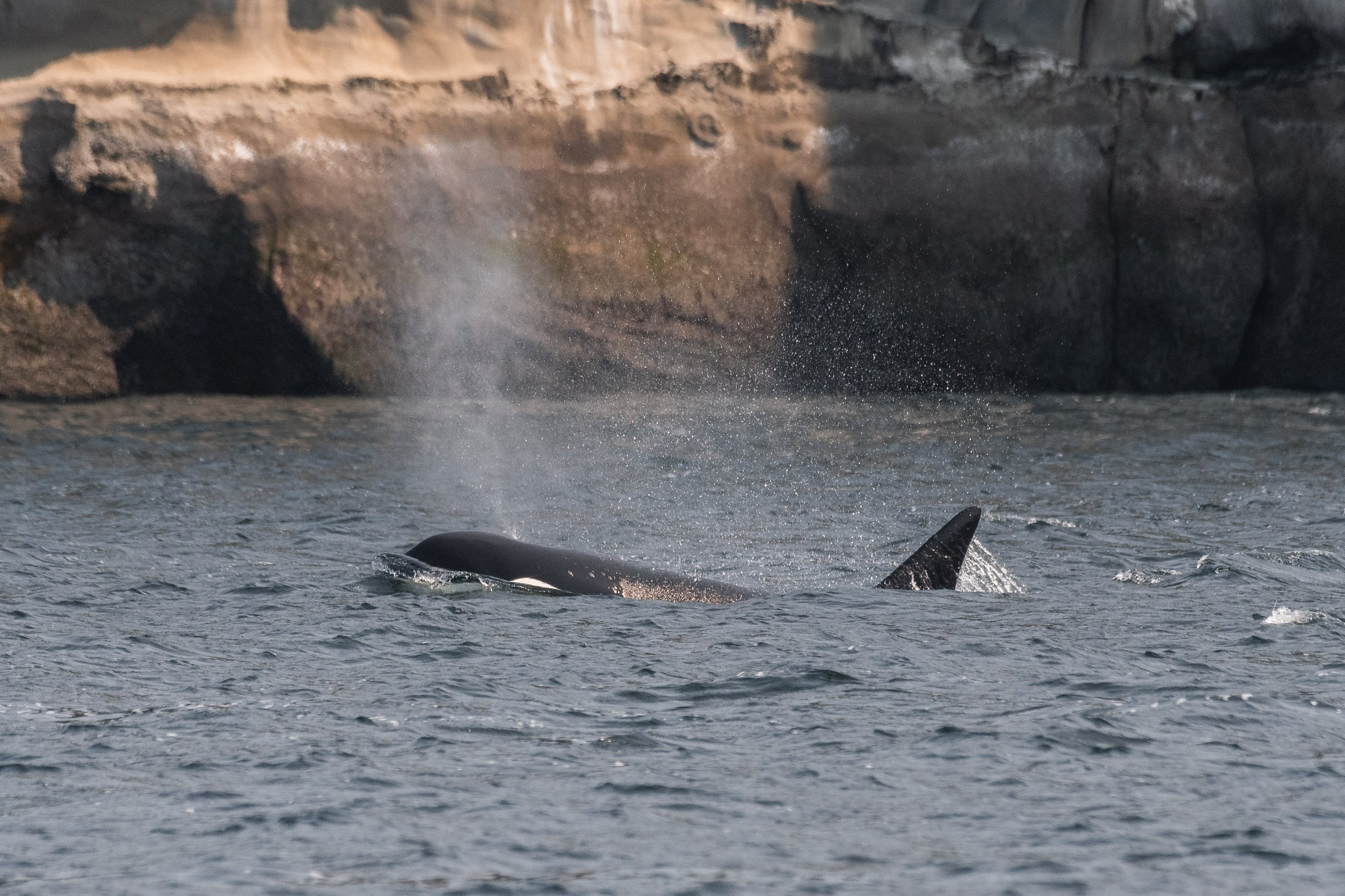
T101 Reef breaking the surface of the water. Photo by Evan Hessels.
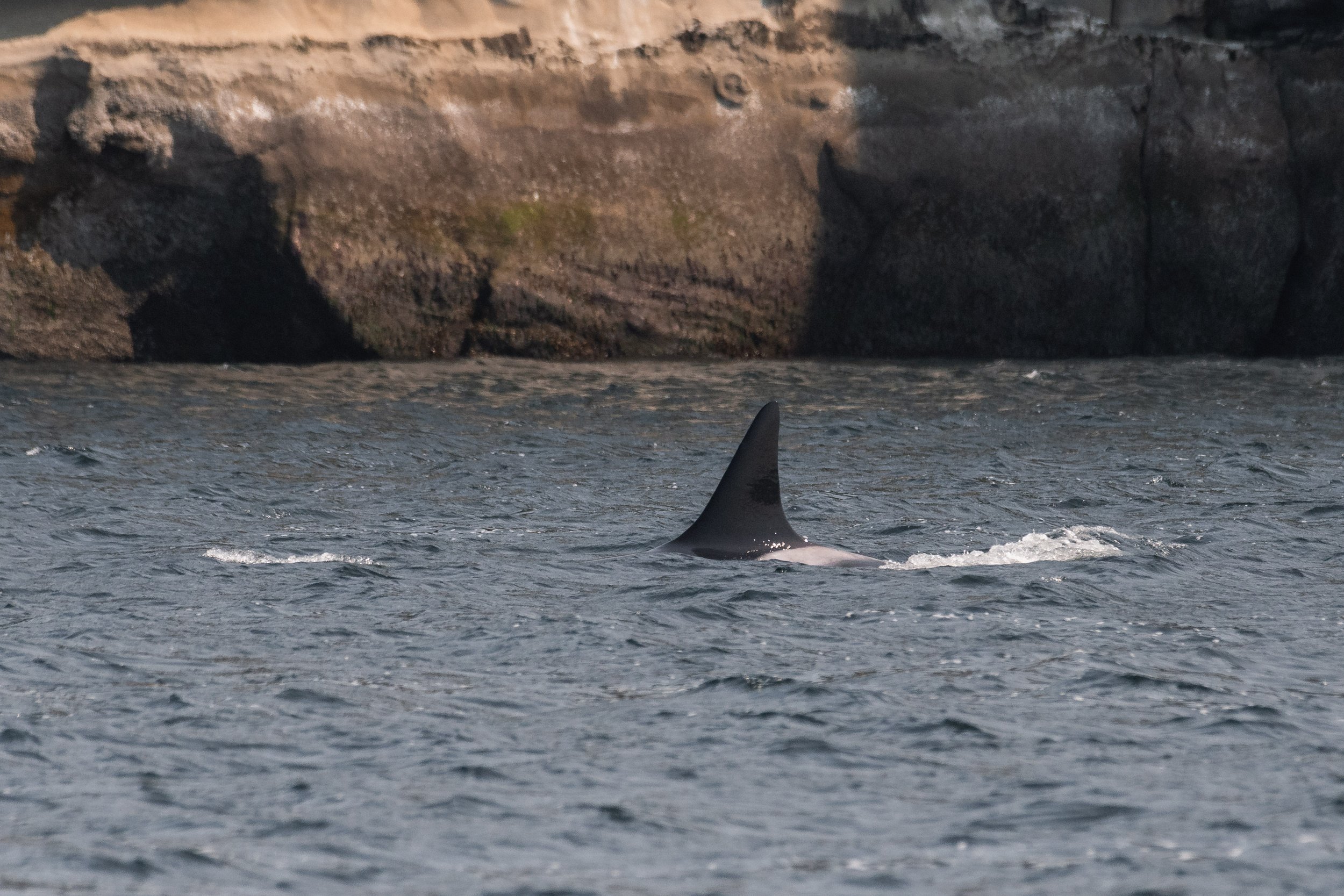
T101 Reef. Photo by Evan Hessels.
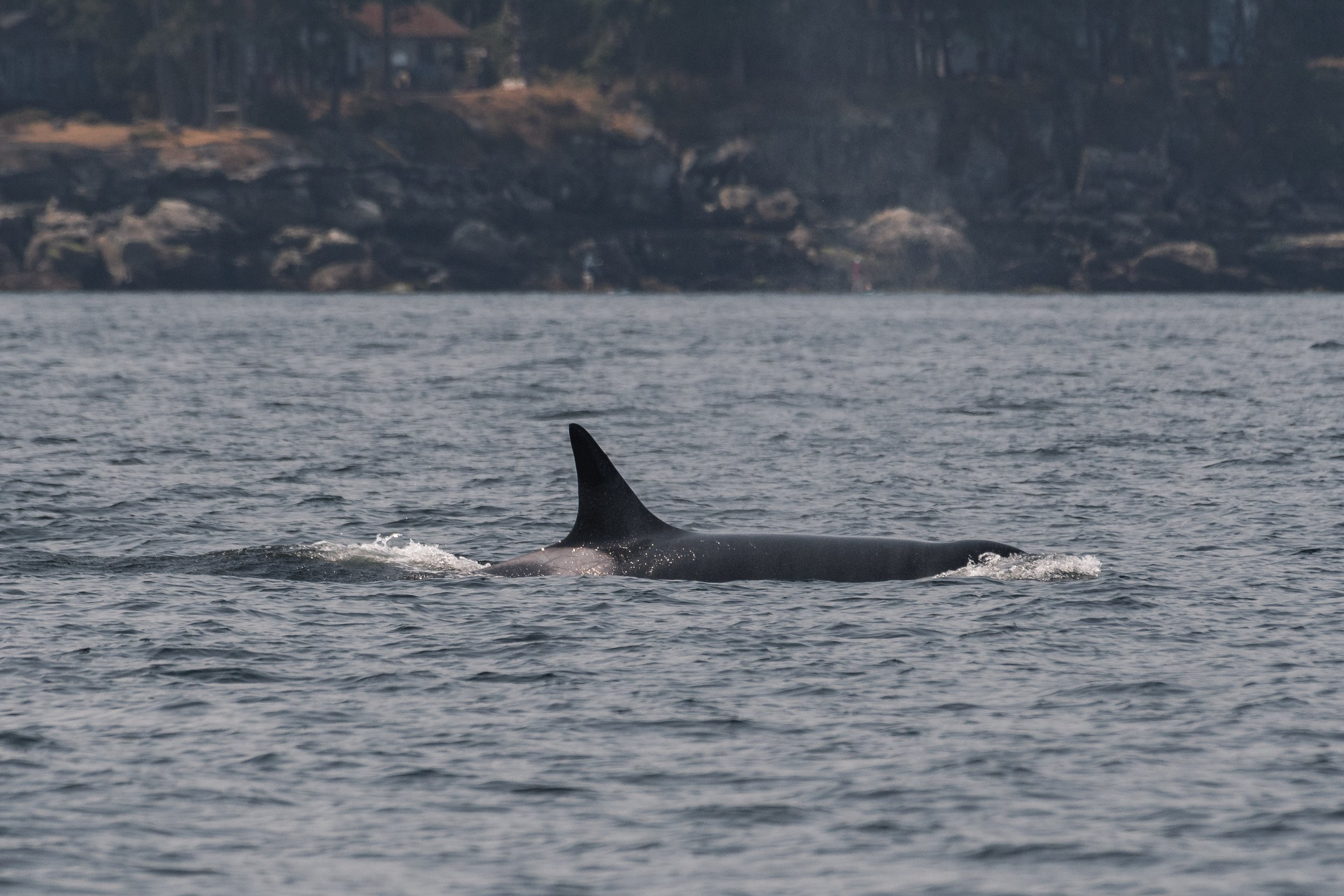
A great look at T101 Reef. Photo by Evan Hessels.
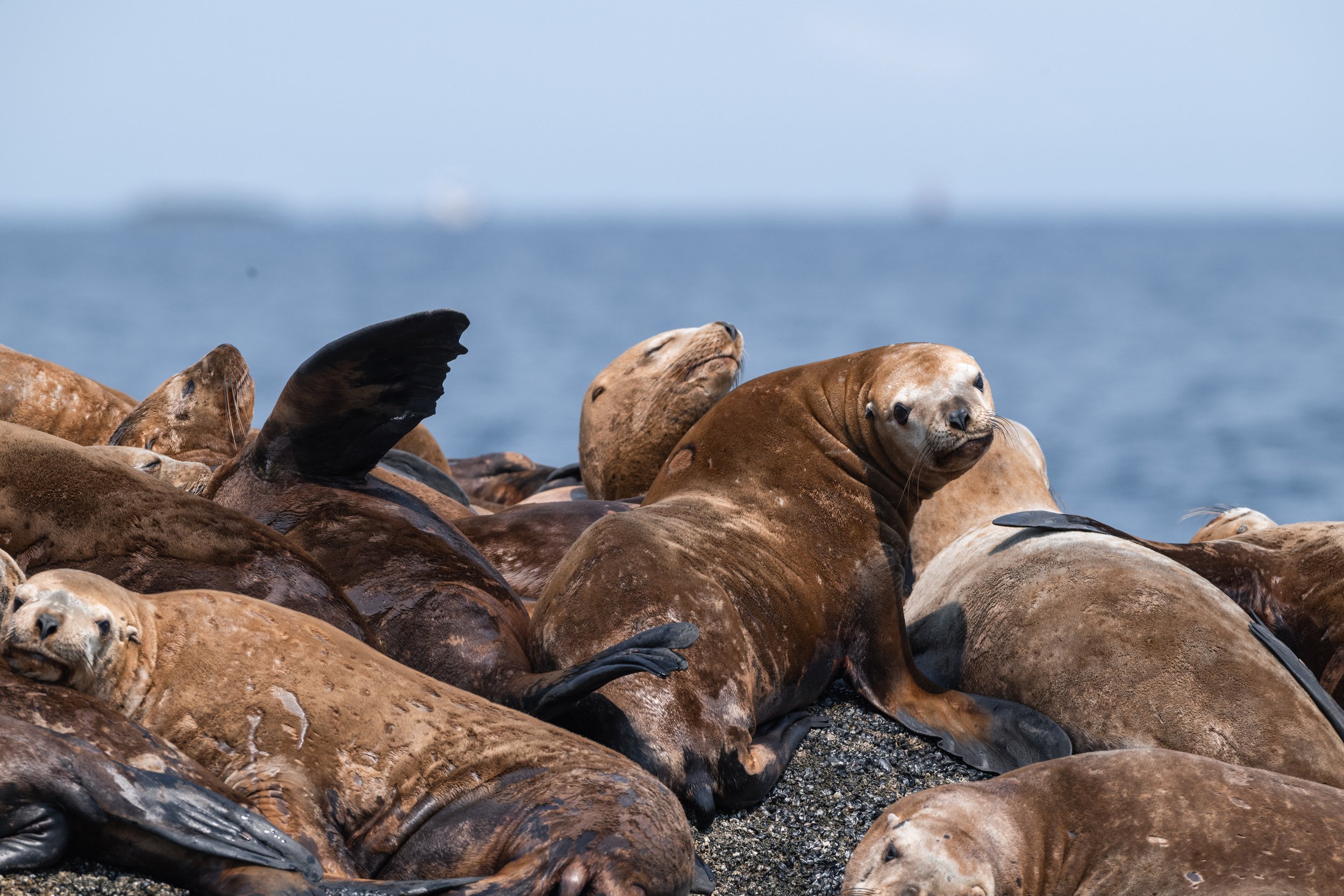
Steller Sea Lions on Stinky Rock. Photo by Aly Kohlman.
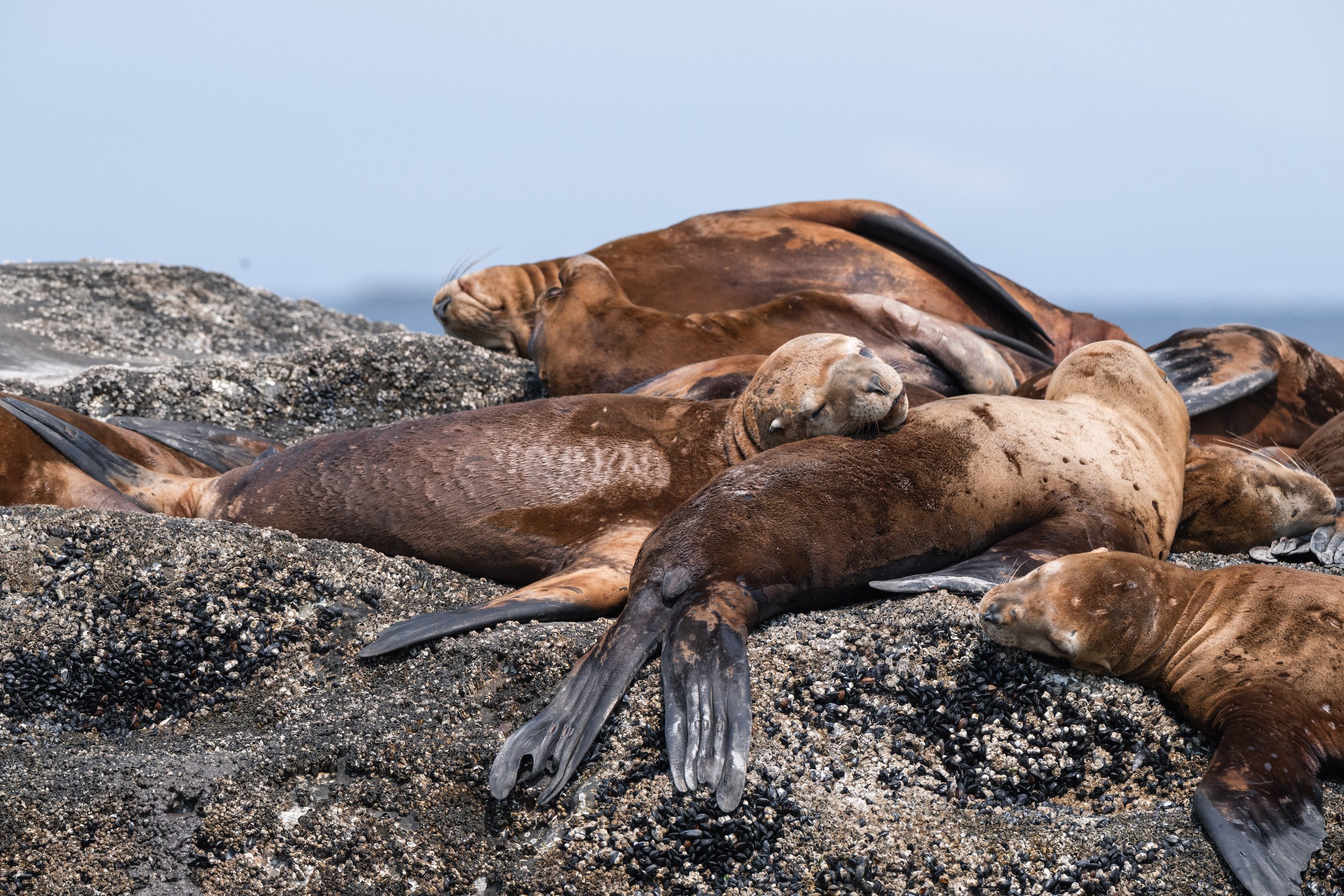
A lovely cuddle puddle from the Steller Sea Lions. Photo by Aly Kohlman.
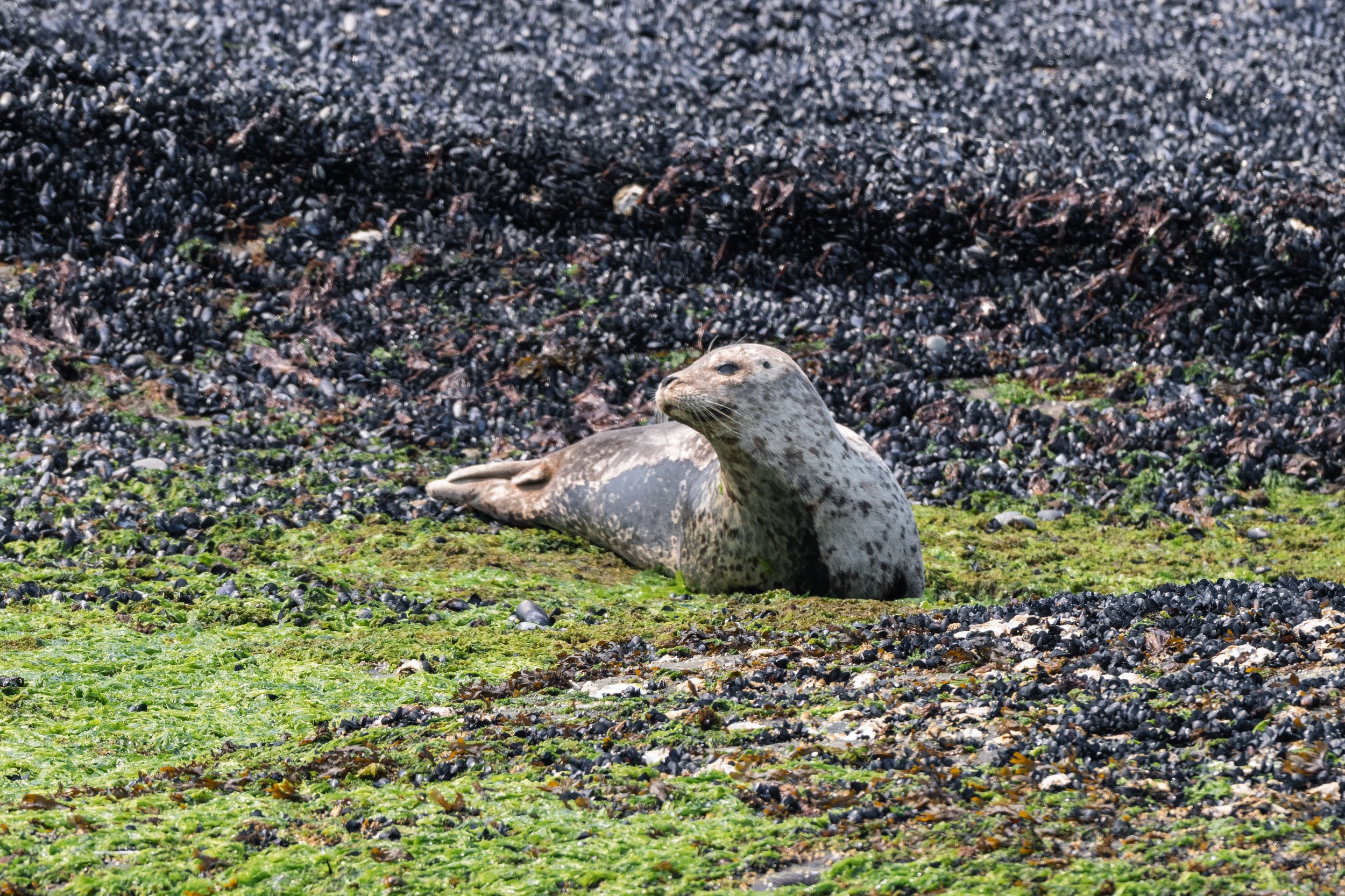
A curious Harbour Seal taking a look around. Photo by Aly Kohlman.
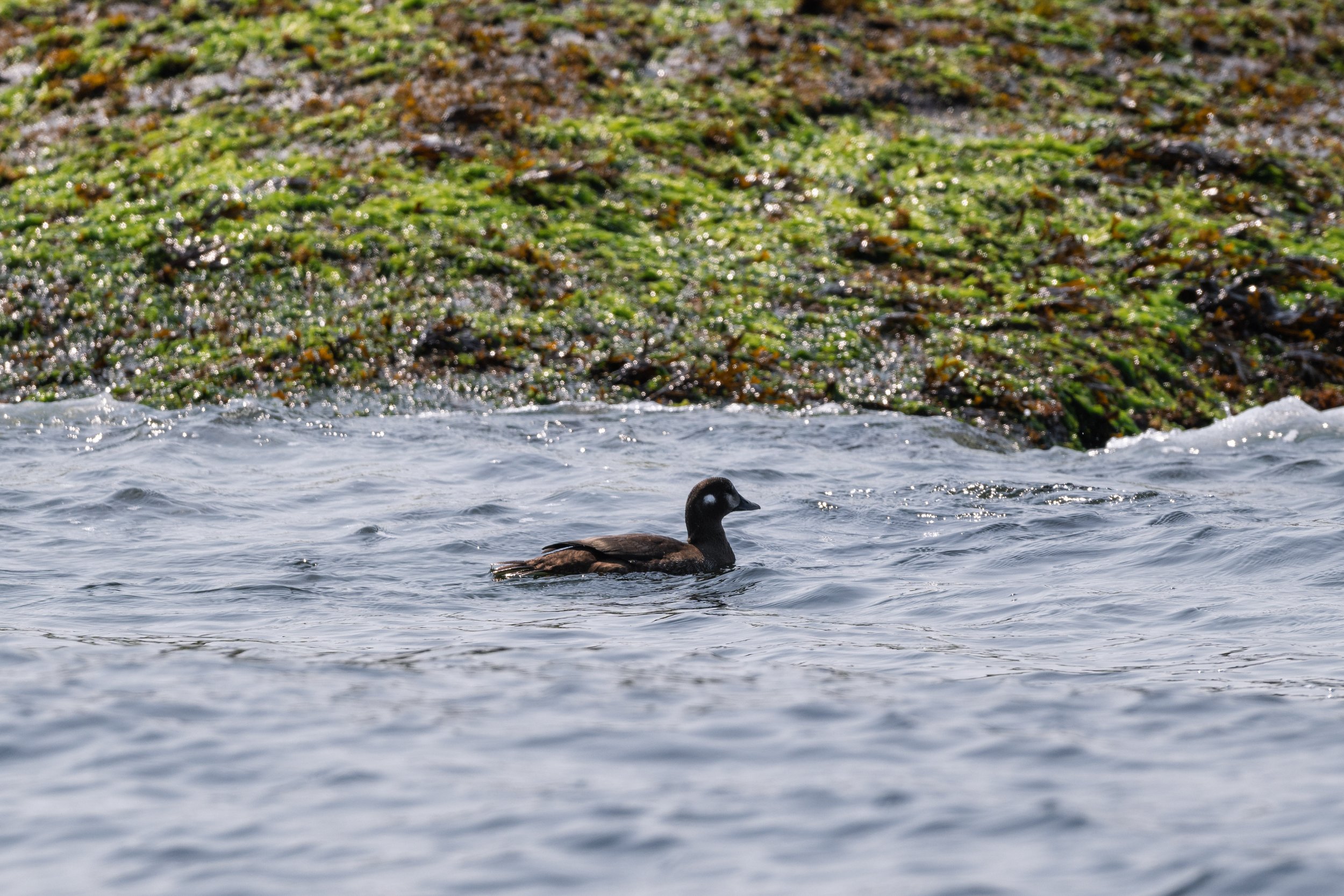
A Harlequin duck floating by. Photo by Aly Kohlman.
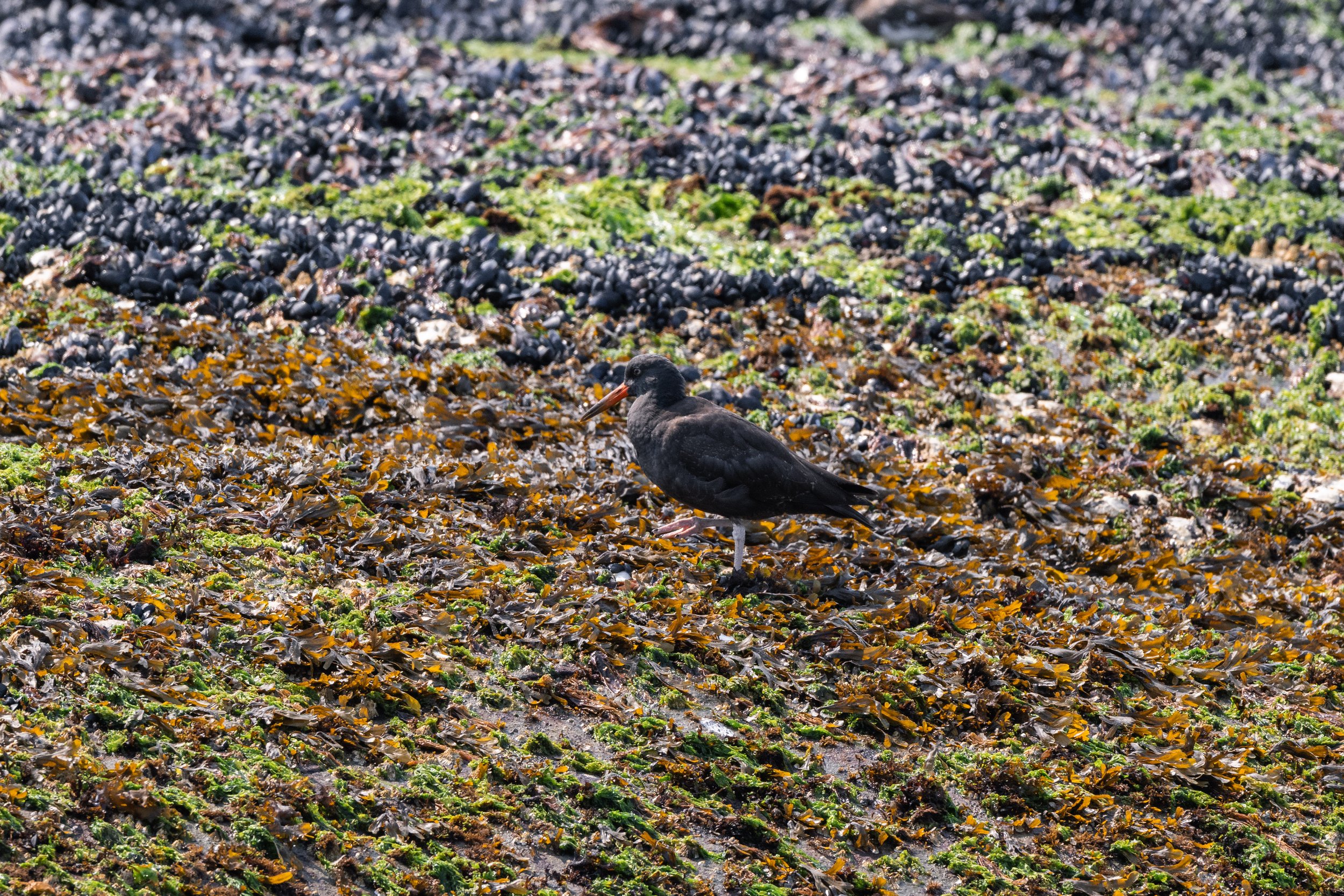
A Black Oystercatcher in the seaweed. Photo by Aly Kohlman.
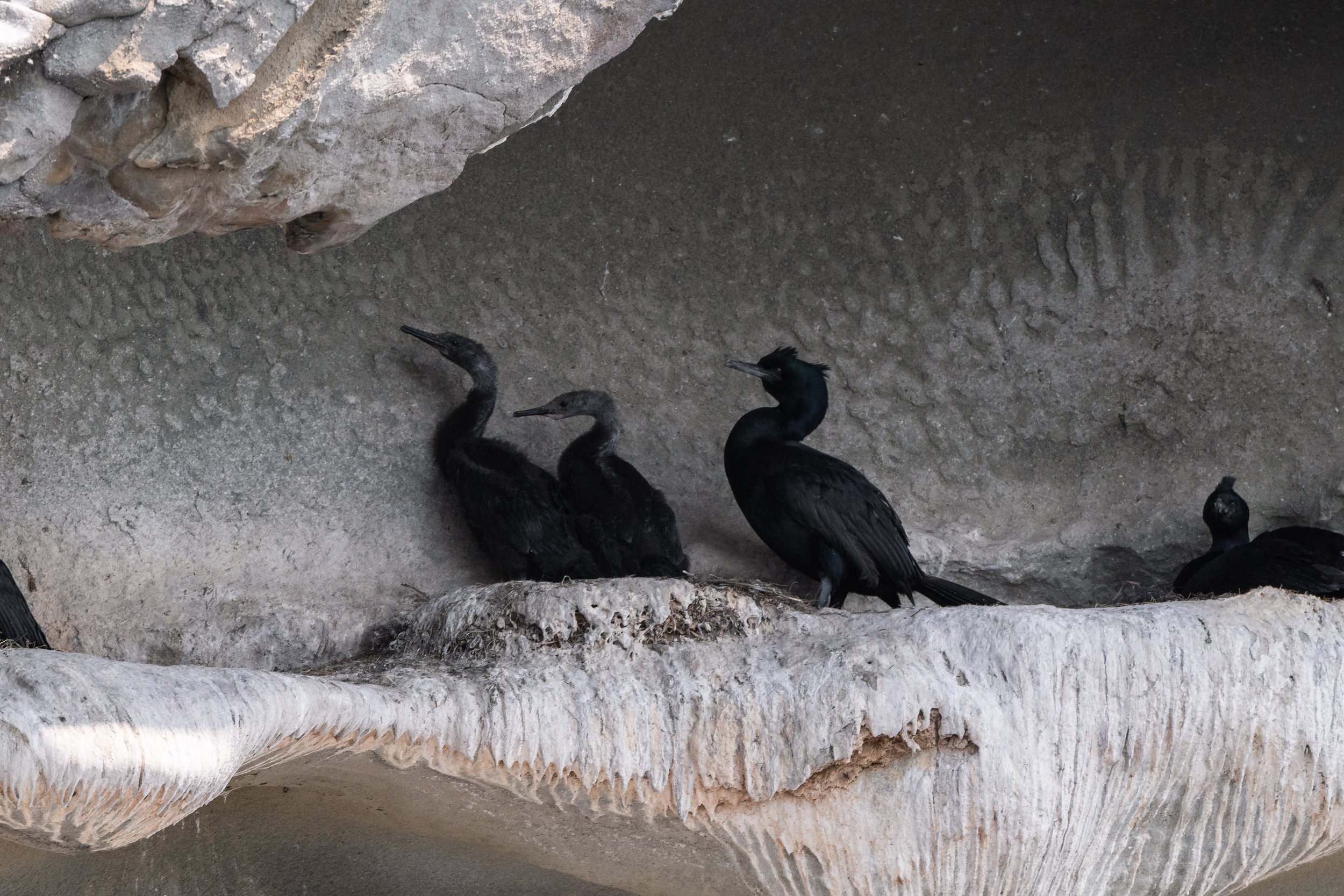
Cormorants on the Gabriola Bluffs. Photo by Aly Kohlman.
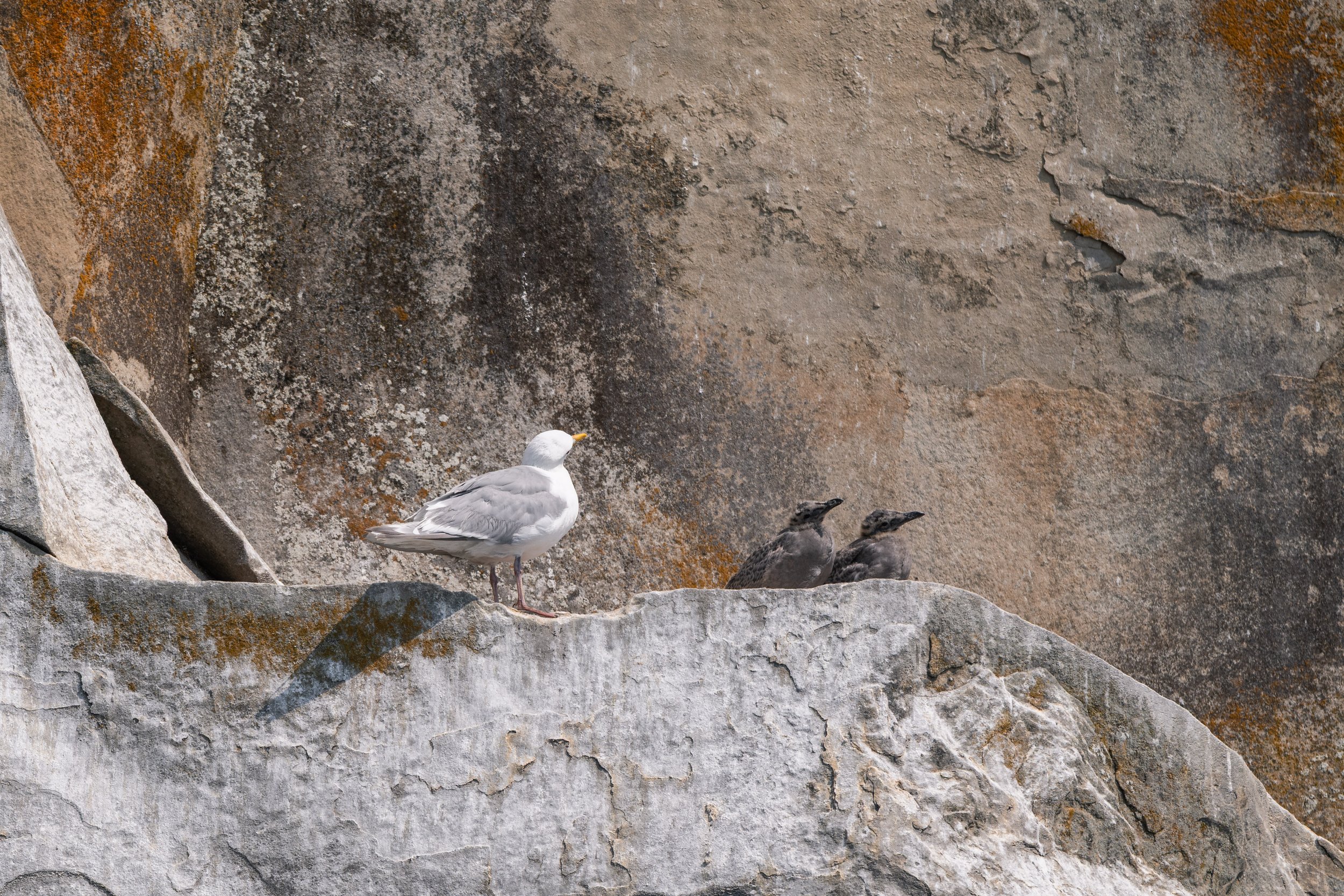
Gulls on the Gabriola Bluffs. Photo by Aly Kohlman.
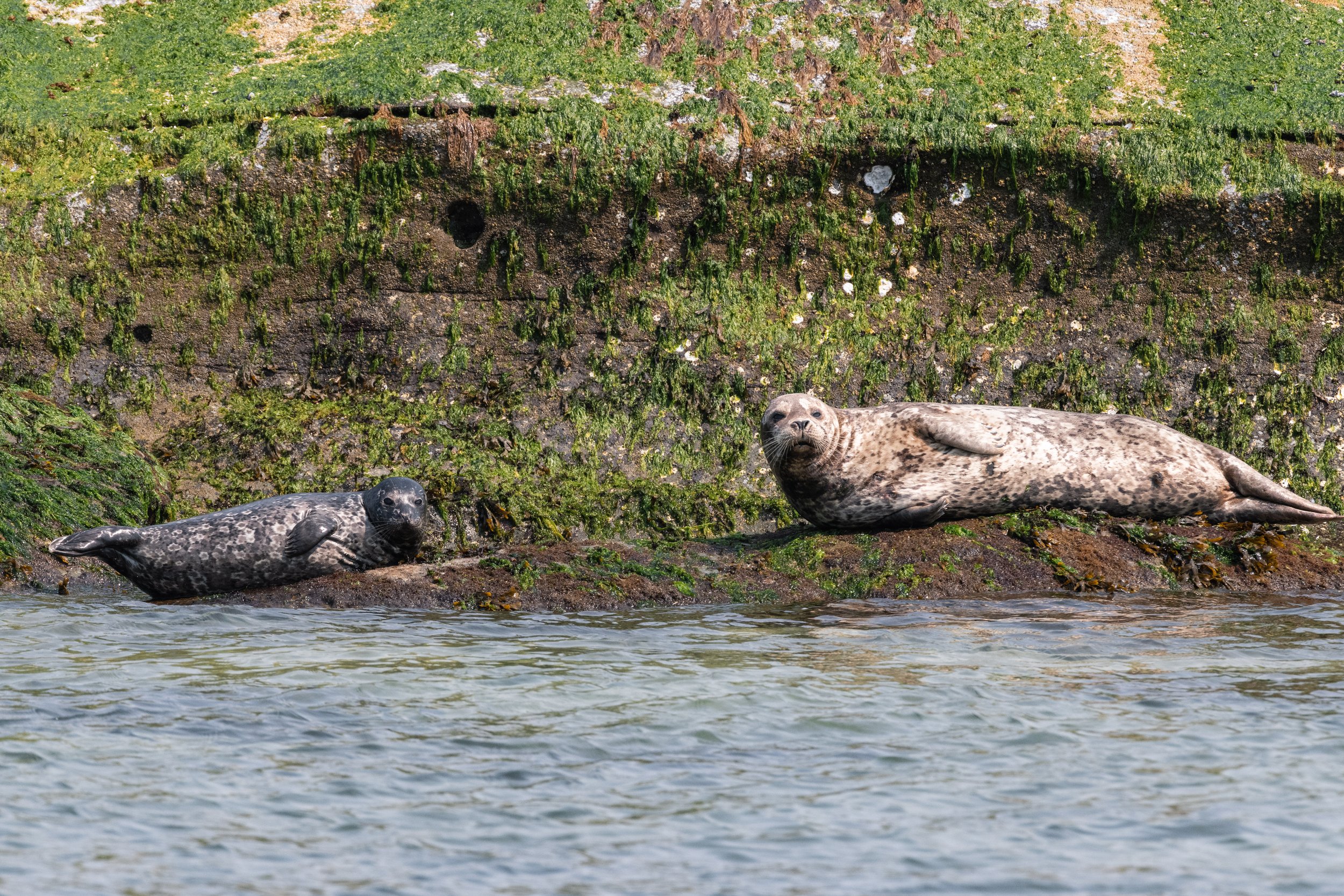
A pair of Harbour Seals relaxing on the rocks. Photo by Hayleigh Hilbert.
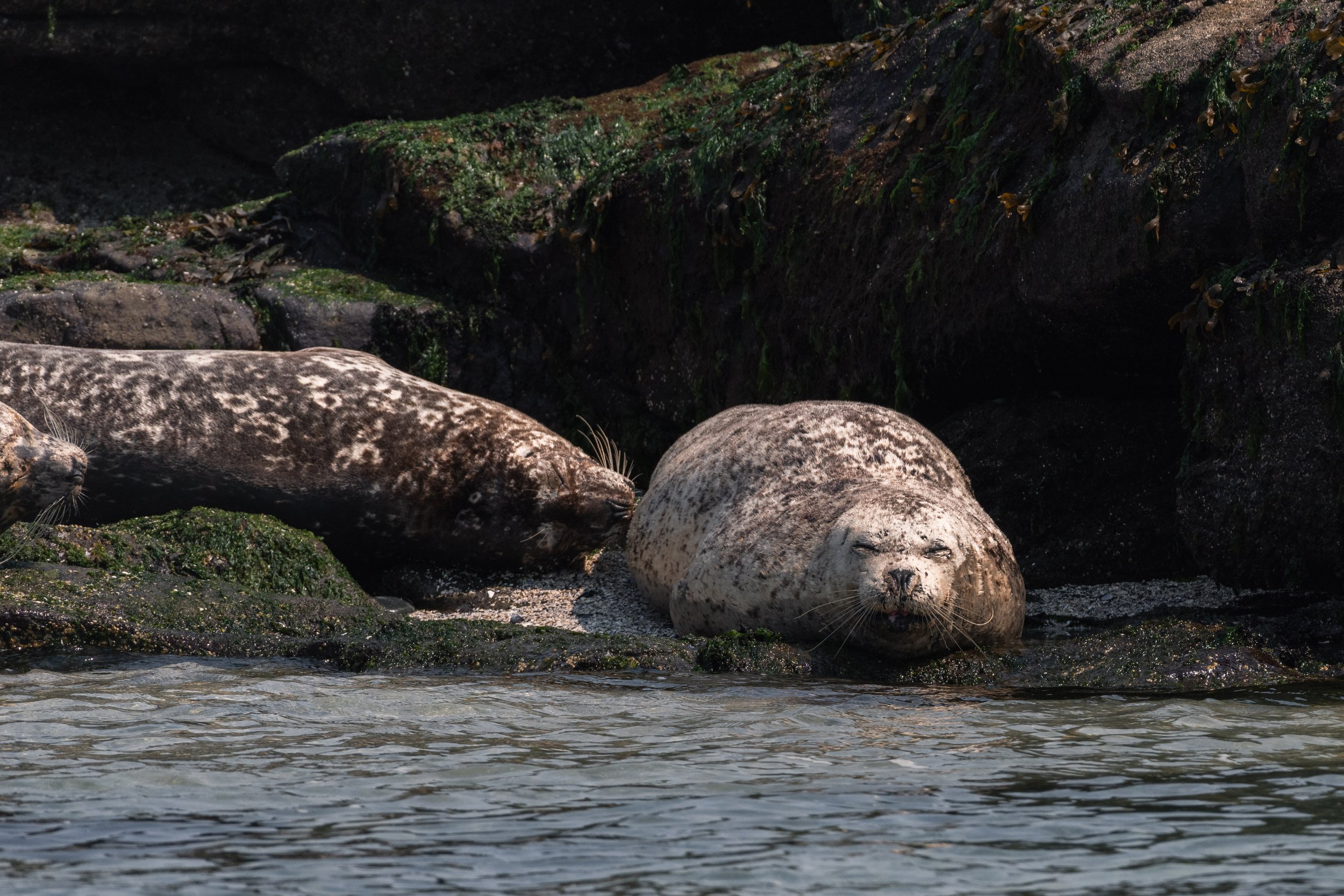
Some very happy looking Harbour Seals. Photo by Hayleigh Hilbert.
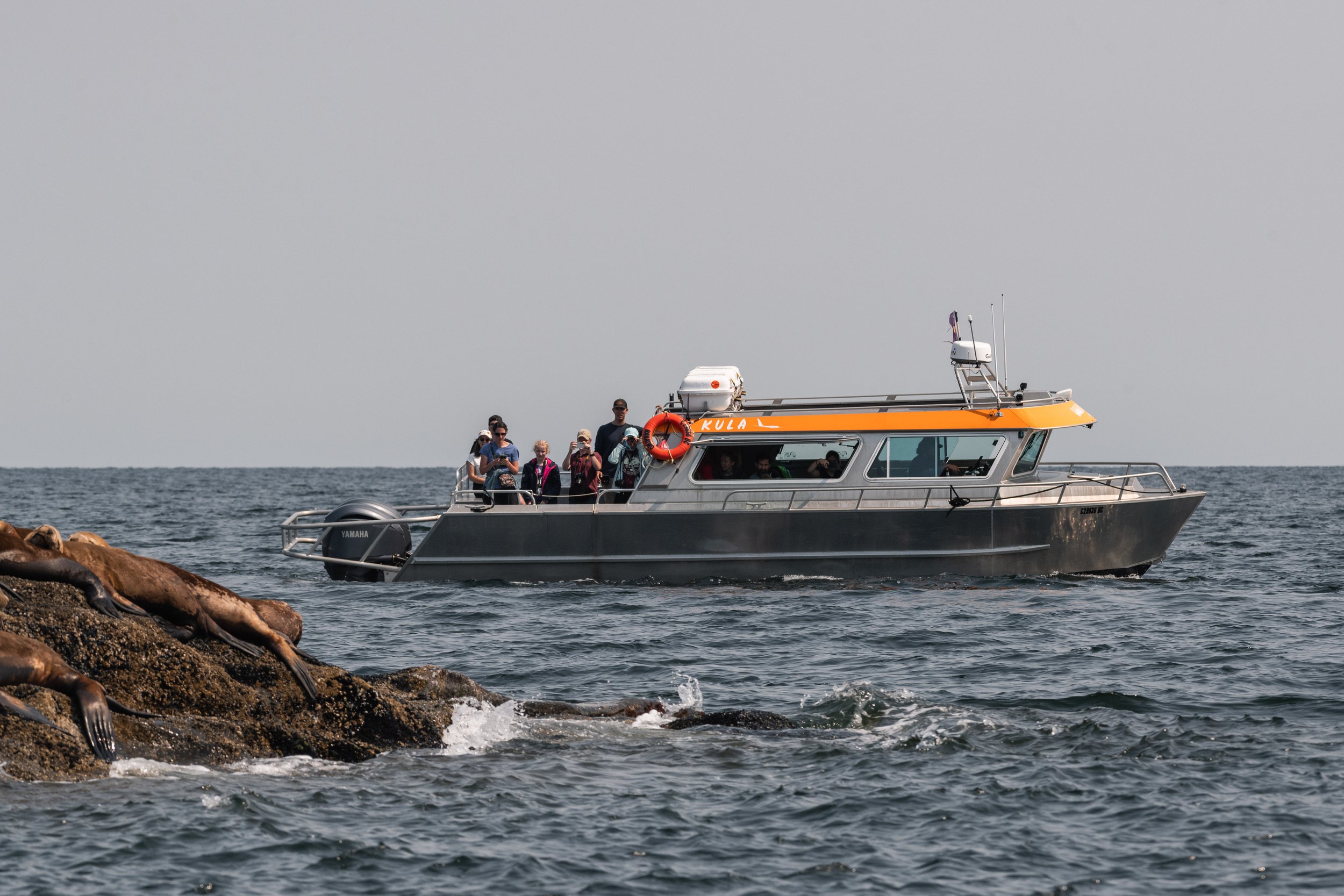
Whale watchers on Kula enjoying the sights at Stinky Rock. Photo by Hayleigh Hilbert.
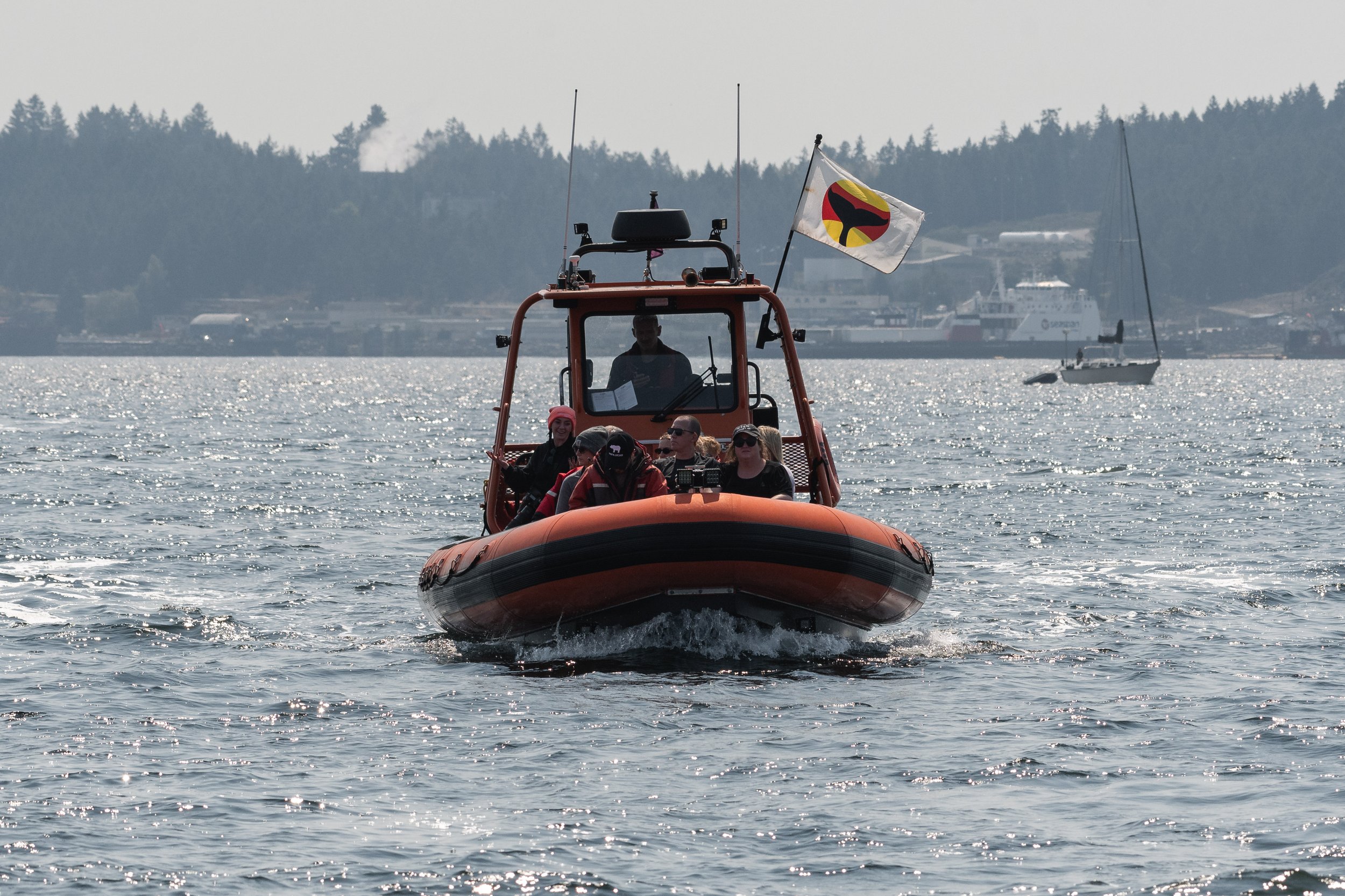
Whale Watchers on Keta enjoying their time with the T101s. Photo by Evan Hessels.
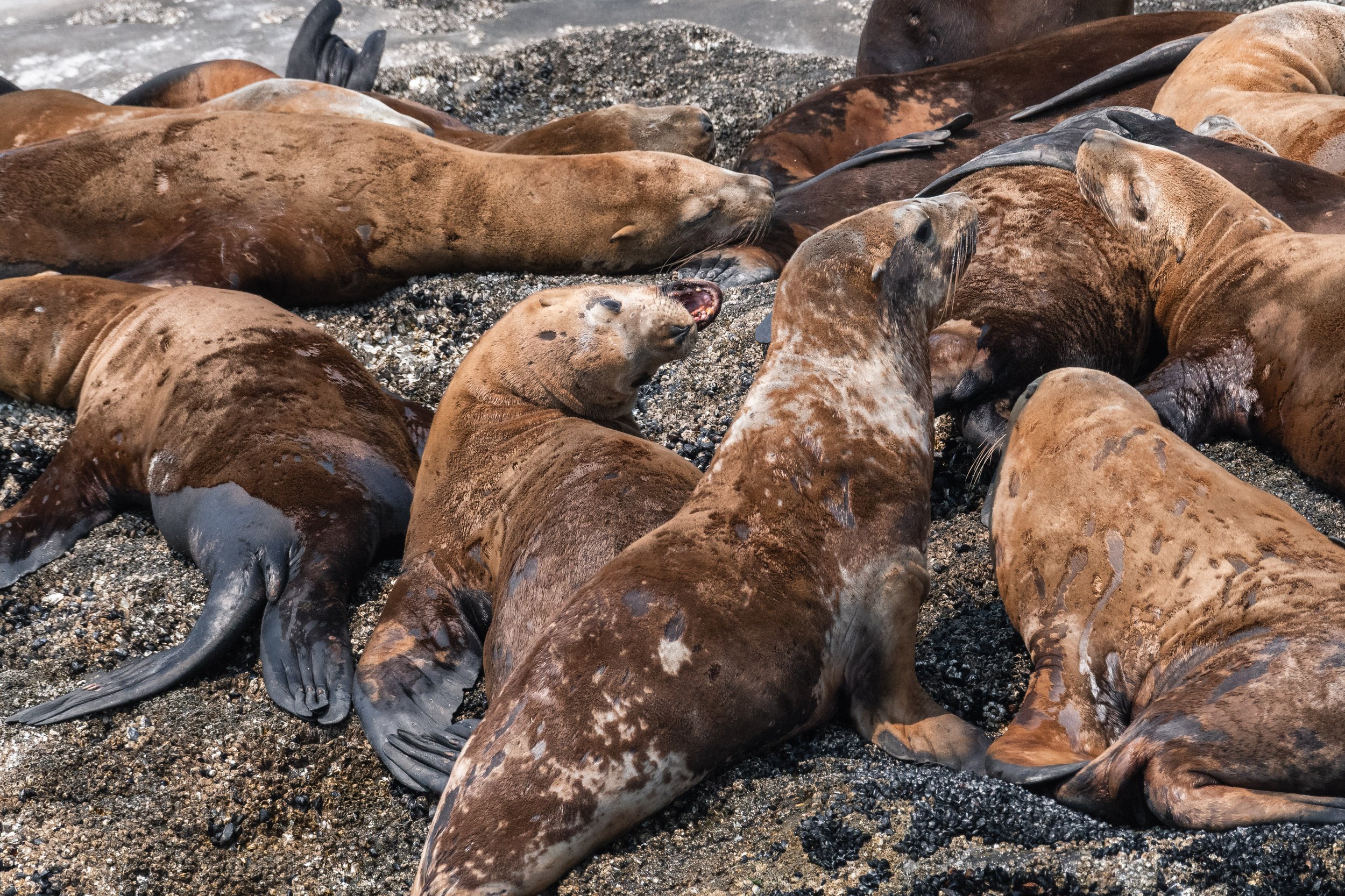
Steller Sea Lions fighting at Stinky. Photo by Evan Hessels.
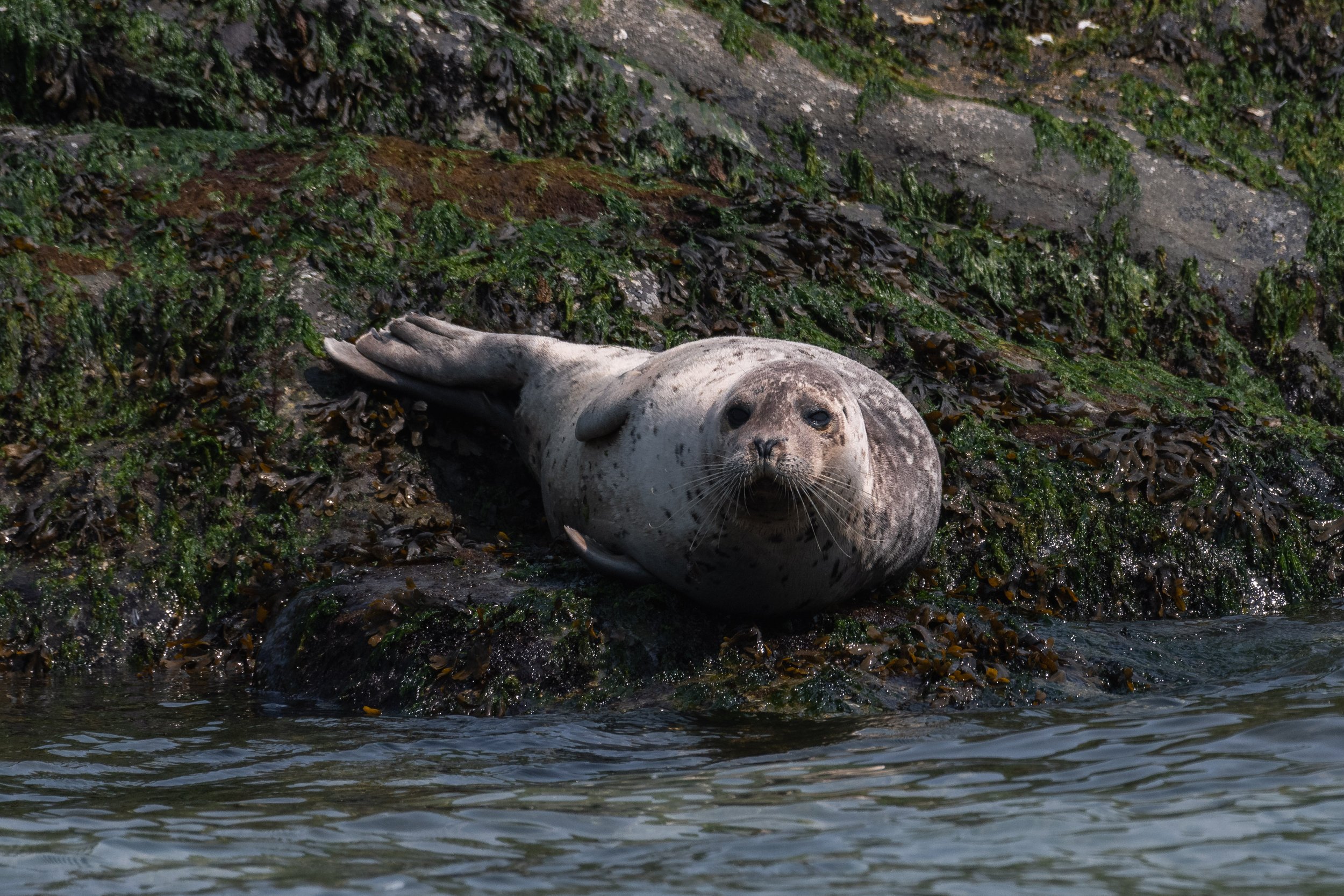
A very photogenic Harbour Seal. Photo by Evan Hessels.
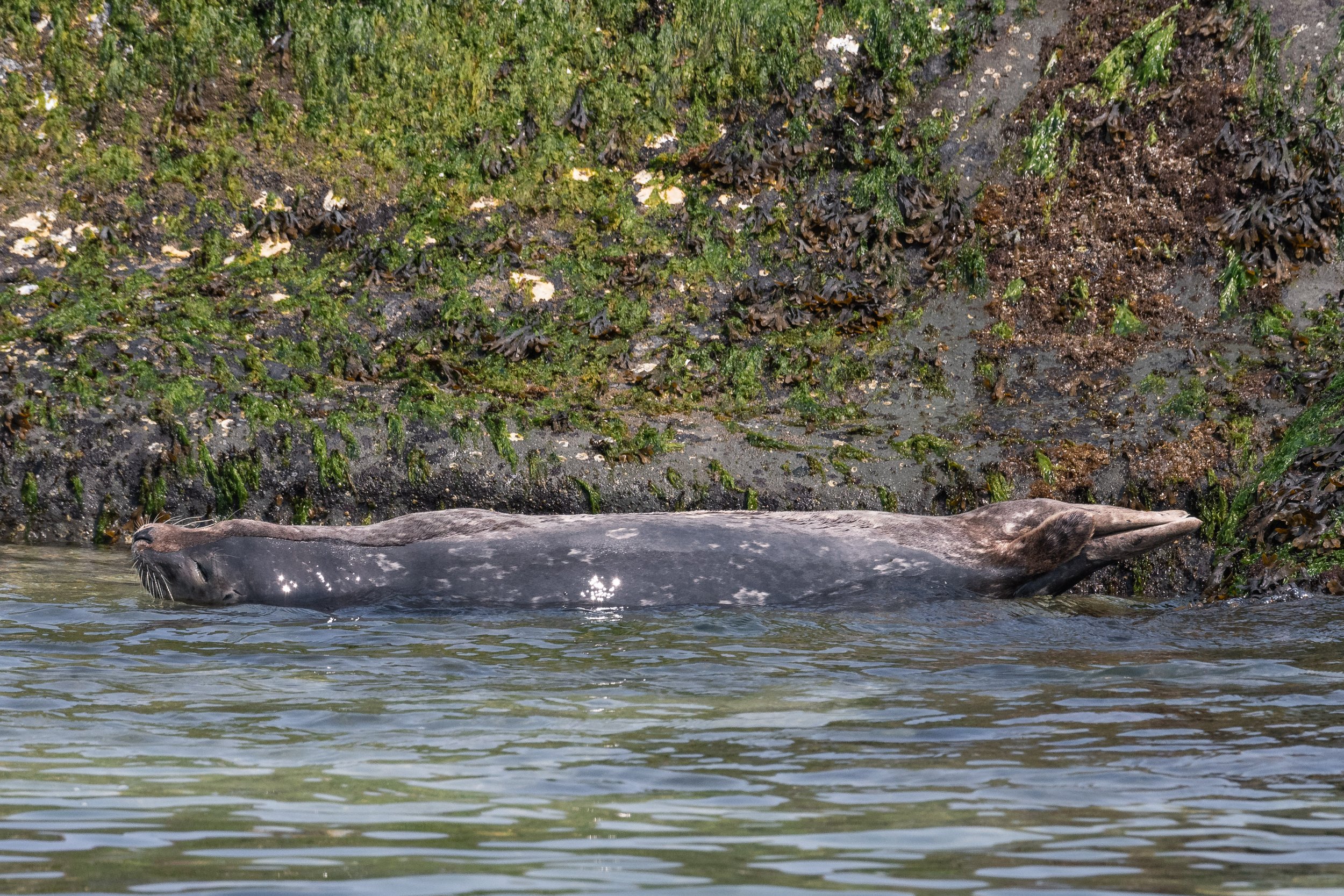
Long seal is long. Photo by Evan Hessels.
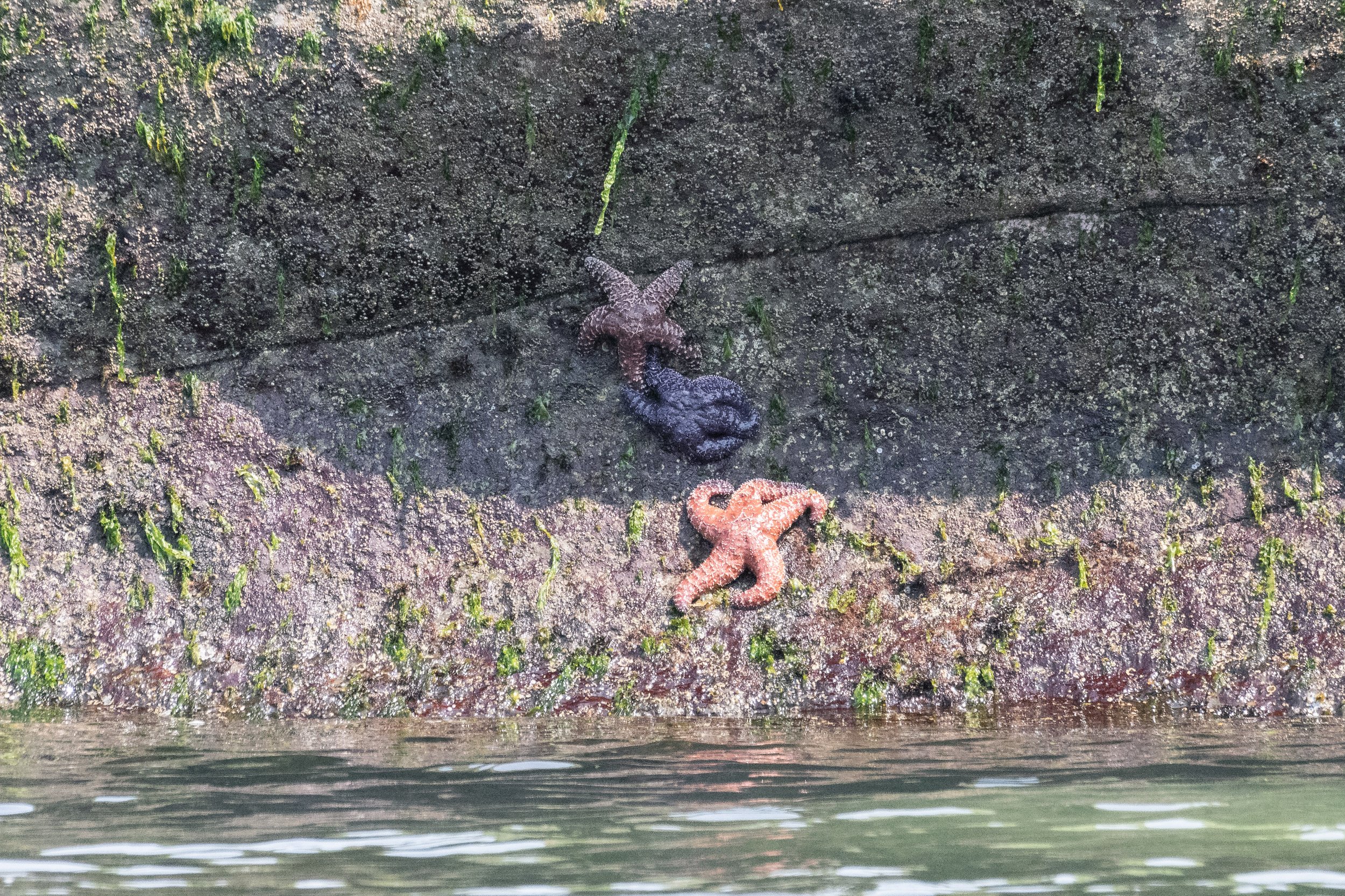
Different colours of the Ochre Star exposed at low tide. Photo by Evan Hessels.
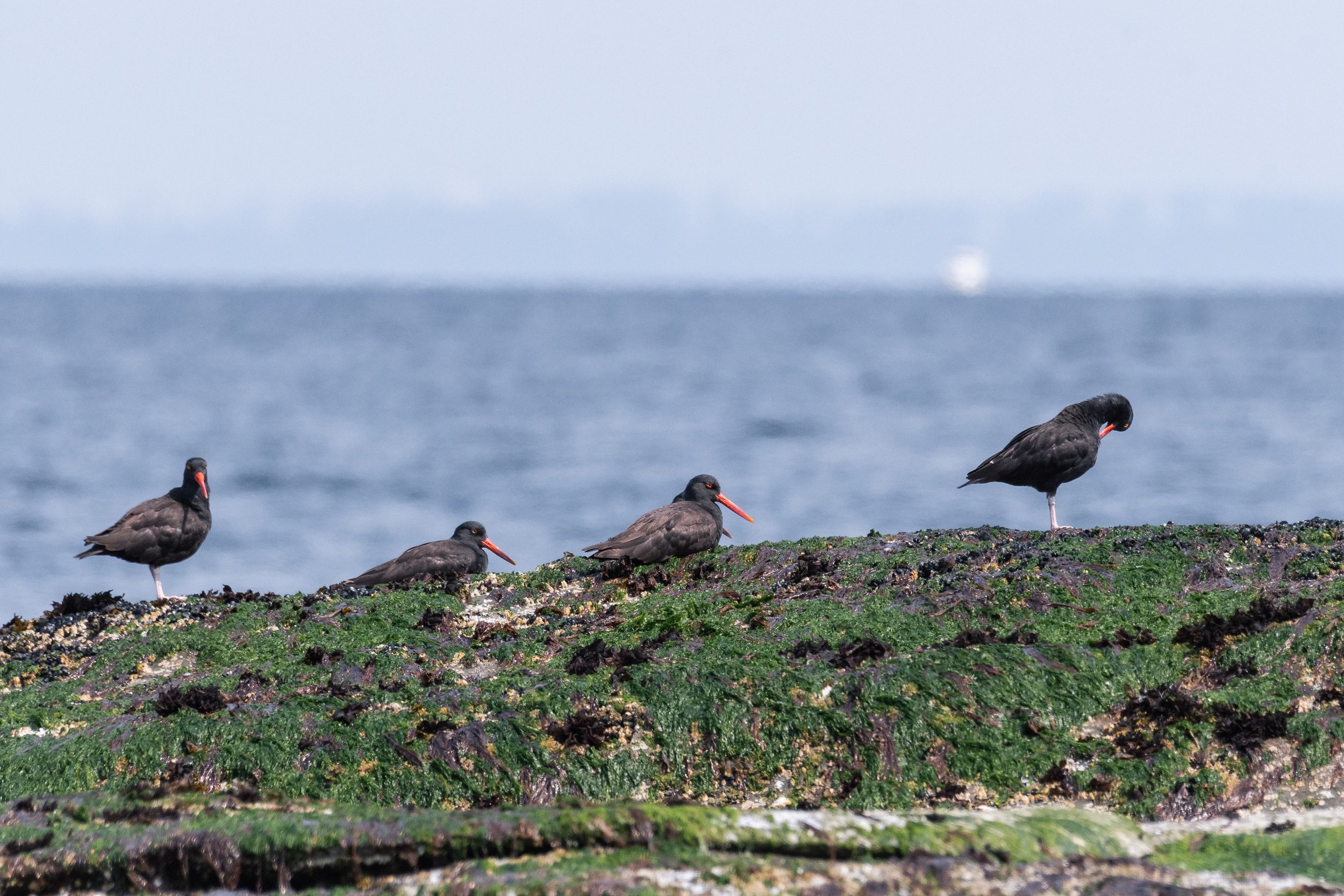
Black Oyster catchers on Stinky Rock. Photo by Evan Hessels.
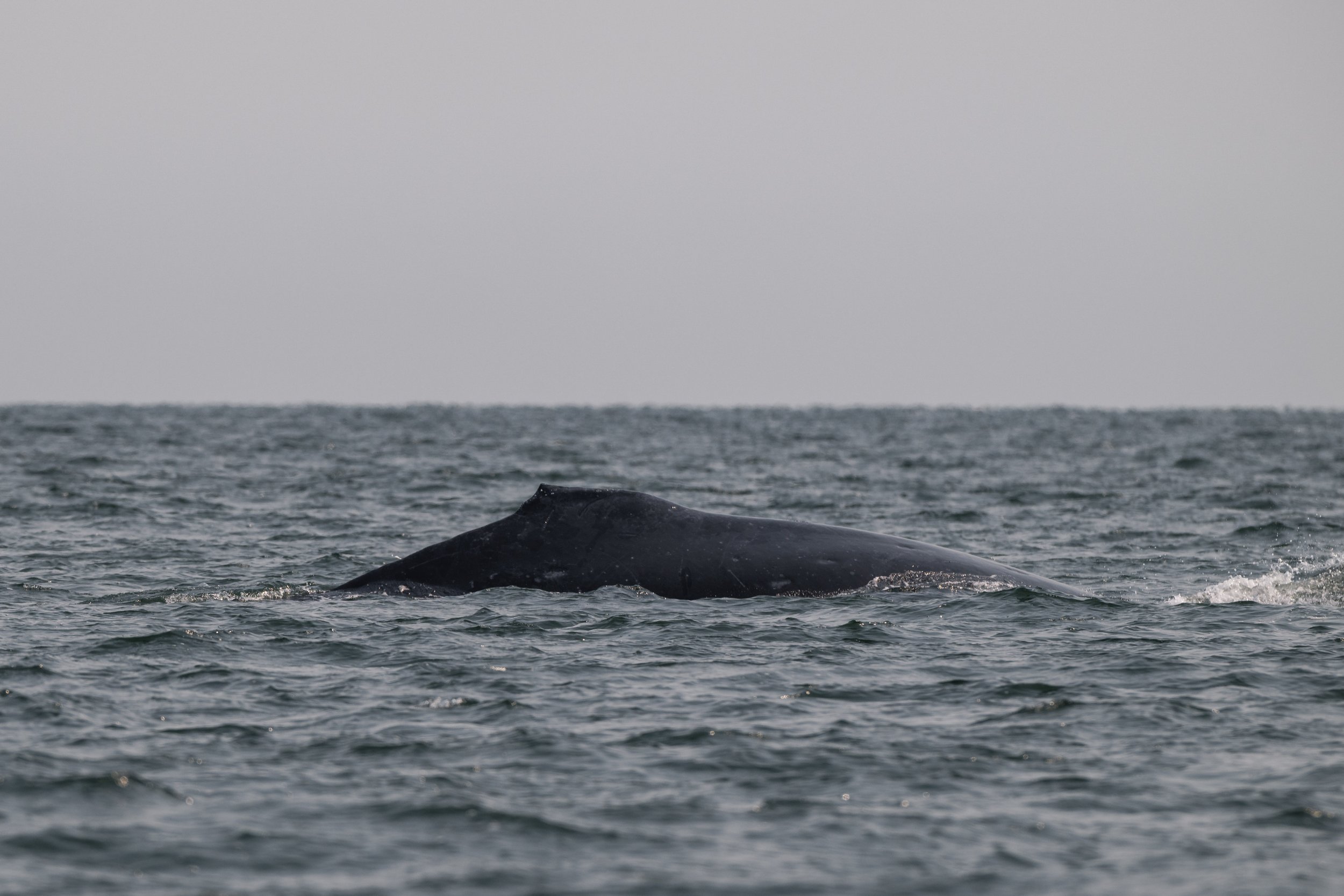
Valiant showing off her unique dorsal fin. Photo by Aly Kohlman.