
August 14, 2026, 3:30 PM - Seeing the T101s, plus a bowl of Humpback Soup
Three boats left Nanaimo with a full day of exploring ahead of us, but as is so often the case with whale watching in the Salish Sea, the wildlife had already made the first decision for us. We didn't have to travel far before finding the T101s spending time in Northumberland Channel.
T101 Reef ♀ (≤1969)
T101B Lagoon ♂ (1997)
The T101s are a familiar family group in our local waters, and watching them navigate the channels around Nanaimo can be especially interesting because these waterways are anything but static. The landscape may look peaceful from the surface, but underneath, enormous volumes of seawater are constantly moving with the tides.
On this particular outing, the T101s appeared to be heading toward Dodd Narrows. Dodd Narrows is one of the most dynamic waterways in the area, connecting Northumberland Channel with Stuart Channel to the south. It is also a place where the tides can create remarkably strong currents. As the tide moves through the narrow passage, the water can accelerate dramatically, creating conditions that are challenging even for a powerful animal like an orca.
Rather than continuing into the current, the T101s changed their minds. They turned around and remained in Northumberland Channel, travelling back and forth through the area. This gave us the opportunity to spend some time observing their movements and, as always, appreciate just how purposeful and coordinated these animals can be.
Orcas are exceptionally well adapted to living in an environment shaped by currents, tides, islands, and narrow passages. Their movements are not simply about getting from one location to another. They are constantly responding to what is happening around them, whether that means following prey, travelling with other members of their family, investigating an area, or simply taking advantage of favourable conditions.
For the T101s, Northumberland Channel seemed to be the place to be this afternoon.
Eventually, however, our clocks caught up with us. Whale watching trips are always a balance between spending quality time with the animals and continuing our journey, and eventually it was time for us to leave the T101s behind and continue exploring.
From Northumberland Channel, we headed south through the Southern Gulf Islands toward one of our favourite wildlife stops, Stinky Rock.
Despite its rather unglamorous name, Stinky Rock is a wonderful place to pause and take in the diversity of life found along the coastline. The small rocky outcrop provides important habitat for a variety of marine and terrestrial wildlife, particularly birds and marine mammals.
As we approached, Steller Sea Lions were among the first animals to capture our attention. These enormous pinnipeds are the largest sea lions in the world, with adult males capable of weighing well over 1000 kilograms. Even at a distance, their size is impressive. When several are hauled out together, it can be difficult to appreciate just how large they are until you see them beside smaller species such as Harbour Seals.
The sea lions were sharing the area with Harbour Seals, giving us a great opportunity to compare two very different kinds of pinnipeds.
While both are marine mammals and belong to the same broader group, sea lions and seals have evolved some very different adaptations. Steller Sea Lions have large foreflippers that they can rotate beneath their bodies, allowing them to move surprisingly well on land. Harbour Seals, on the other hand, lack the ability to rotate their hind flippers underneath themselves. Their movement on shore is consequently much more of a wriggle or undulating motion.
While the pinnipeds are always fascinating to watch, there were some non-mammalian critters here that also caught our eye. Shorebirds and other coastal birds were scattered throughout the area, taking advantage of the rocky shoreline and the food resources found along it.
These moments are a good reminder that a whale watching trip is rarely just about whales. The Salish Sea is an incredibly productive ecosystem, and every shoreline, rocky outcrop, island, and underwater bank can provide habitat for a different collection of species.
After our stop at Stinky Rock, we continued south into the Strait of Georgia.
The Strait of Georgia is a vast body of water, stretching between Vancouver Island and the mainland coast of British Columbia. Beneath its surface is a complex underwater landscape of channels, banks, trenches, and shallow areas, all of which influence how nutrients and prey move through the region.
That productivity is one of the reasons the Strait is such an important summer feeding area for humpback whales.
As we travelled farther south, our search eventually brought us to a hotspot where the water was alive with activity. Around seven humpback whales were feeding in the area, creating the perfect ending to an already wildlife-filled adventure. We ended up identifying the following individuals as being present: Fader (BCY0195), Valiant (BCX1773), Orion (BCX1251), Split Fluke (BCX1068), Crater/Mensa (BCX1565), Poptart (BCY1014), and Wiggins (BCY1464)
Humpback whales are baleen whales, meaning they do not have teeth. Instead, they have hundreds of overlapping plates of baleen hanging from their upper jaws. These plates act much like a giant sieve. A humpback can take an enormous mouthful of seawater containing fish and other prey, then use its tongue to push the water back out through the baleen while retaining the food.
When several humpbacks are feeding in the same general area, it can sometimes look chaotic from the surface. One whale may suddenly appear with a huge mouthful of water, another may disappear on a dive, and another may surface hundreds of metres away. But beneath the surface, the whales respond to the distribution and movement of their prey.
These feeding hotspots exist because of the ecosystem's productivity.
The Strait of Georgia receives nutrients from a variety of sources, including deep ocean water, freshwater inputs, and seasonal mixing. Microscopic organisms such as phytoplankton use these nutrients to grow. Zooplankton feed on the phytoplankton, small fish feed on the plankton, and larger predators feed on those fish. Humpback whales are ultimately tapping into this enormous food web.
Their return to British Columbia each summer is part of a remarkable annual cycle. Many of the humpbacks we encounter spend their winters in warmer tropical waters, including areas around Hawaii, Mexico, and Central America. There, they may focus heavily on breeding and calving. During the summer months, they migrate north to take advantage of the seasonal abundance of food in places like the Salish Sea and the Strait of Georgia.
For us, being able to watch seven of these enormous animals feeding together is a wonderful reminder of just how productive these waters can be.
Eventually, though, it was time to begin the journey home.
Rather than heading directly back up the open Strait, we made our way north inside the Southern Gulf Islands. Travelling among the islands offered a quieter conclusion to the day, with rocky shorelines, forested islands, and the constantly changing landscape of the Salish Sea surrounding us.
From the T101s in Northumberland Channel to Steller Sea Lions and Harbour Seals at Stinky Rock, to a feeding aggregation of humpback whales farther south in the Strait of Georgia, the day took us through several different marine habitats and introduced us to an incredible variety of wildlife. Please enjoy the photos included below, taken throughout the tour by Marine Naturalists Aly Kohlman, Hayleigh Hilbert, and Evan Hessels.
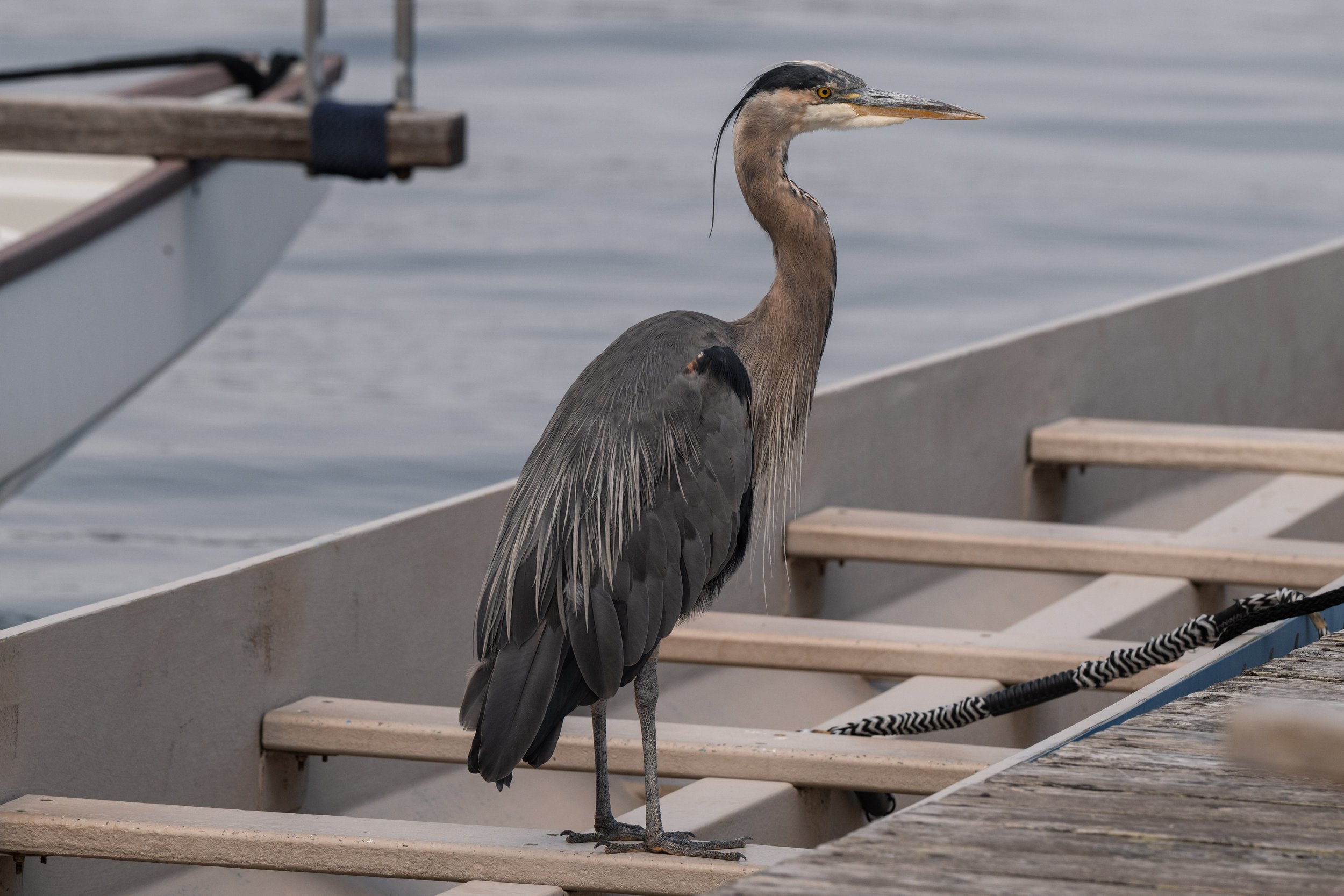
Harald the Heron praciticing his dragon boating skills. Photo by Aly Kohlman.
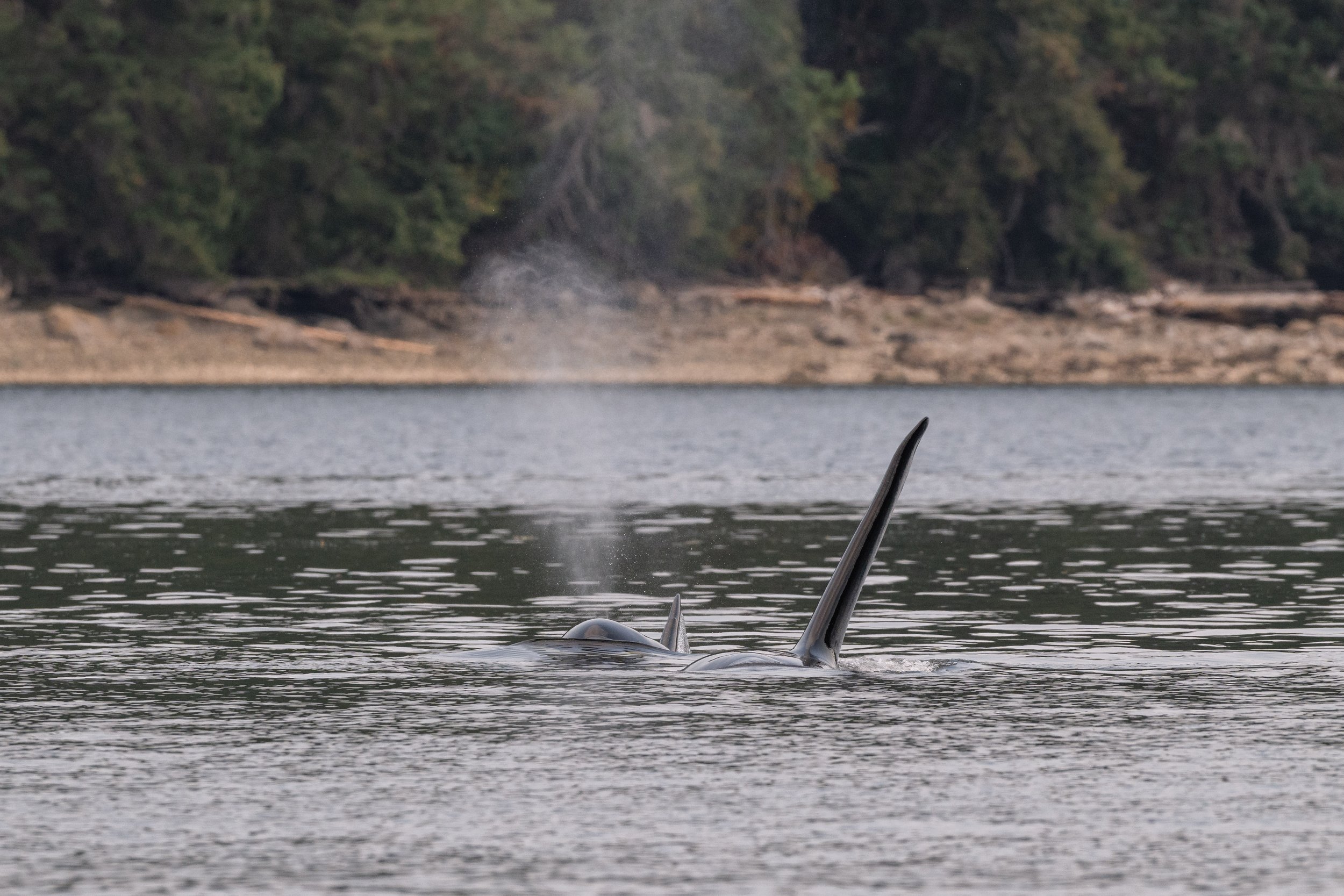
T101 Reef and T101B Lagoon surfacing together. Photo by Aly Kohlman.
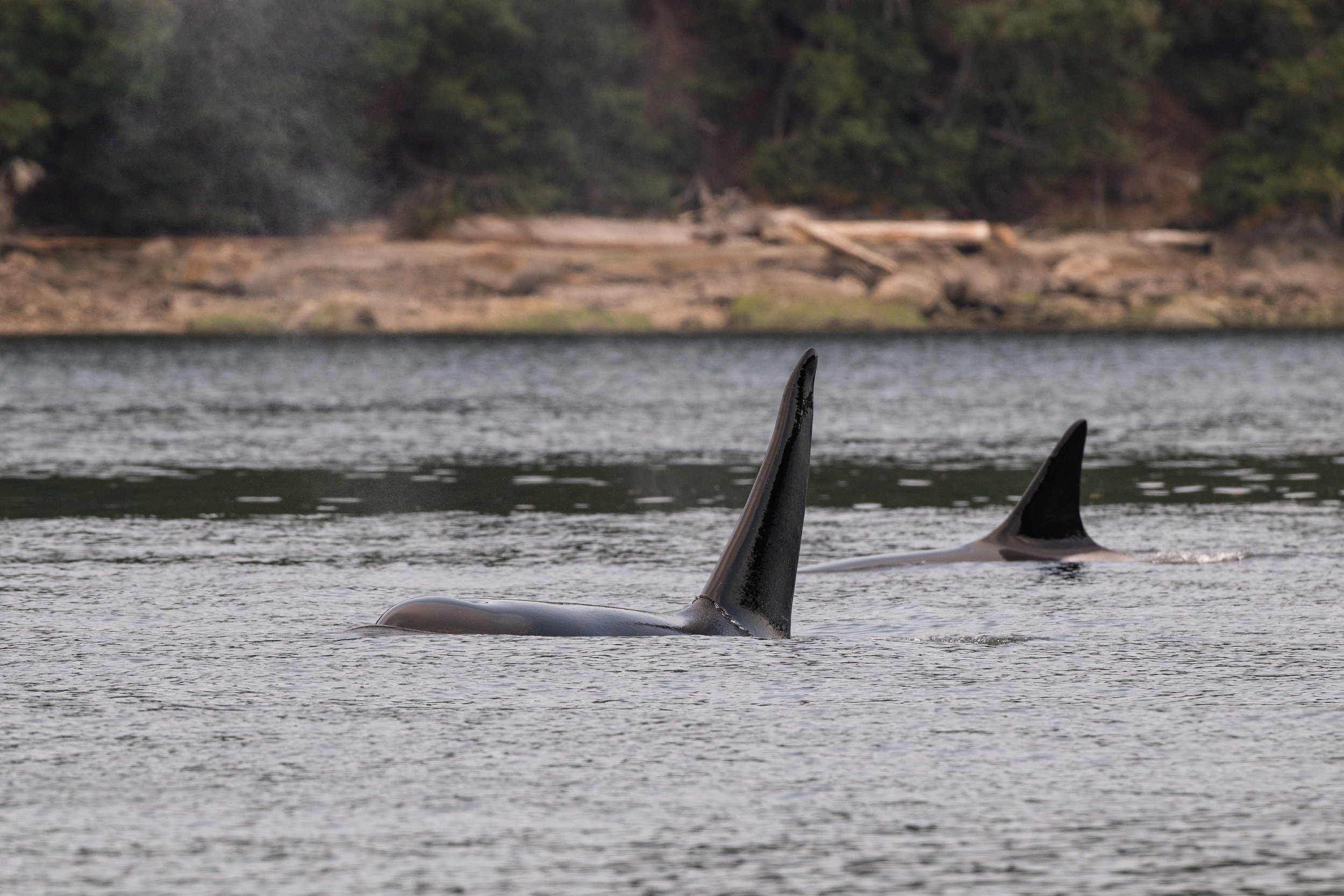
T101B Lagoon surfacing with his mom, T101 Reef, just behind. Photo by Aly Kohlman.
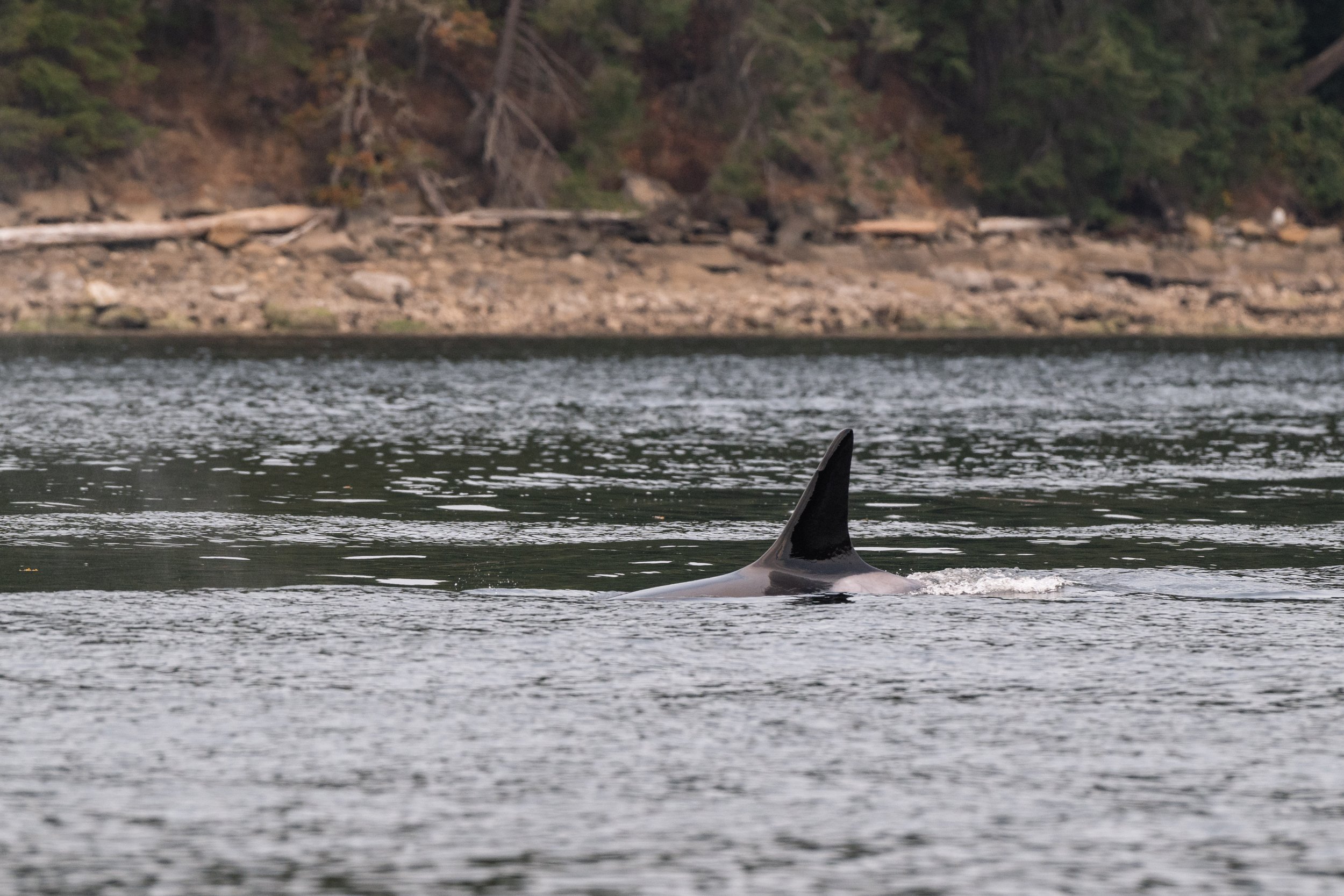
T101 Reef surfacing in the calm waters. Photo by Aly Kohlman.
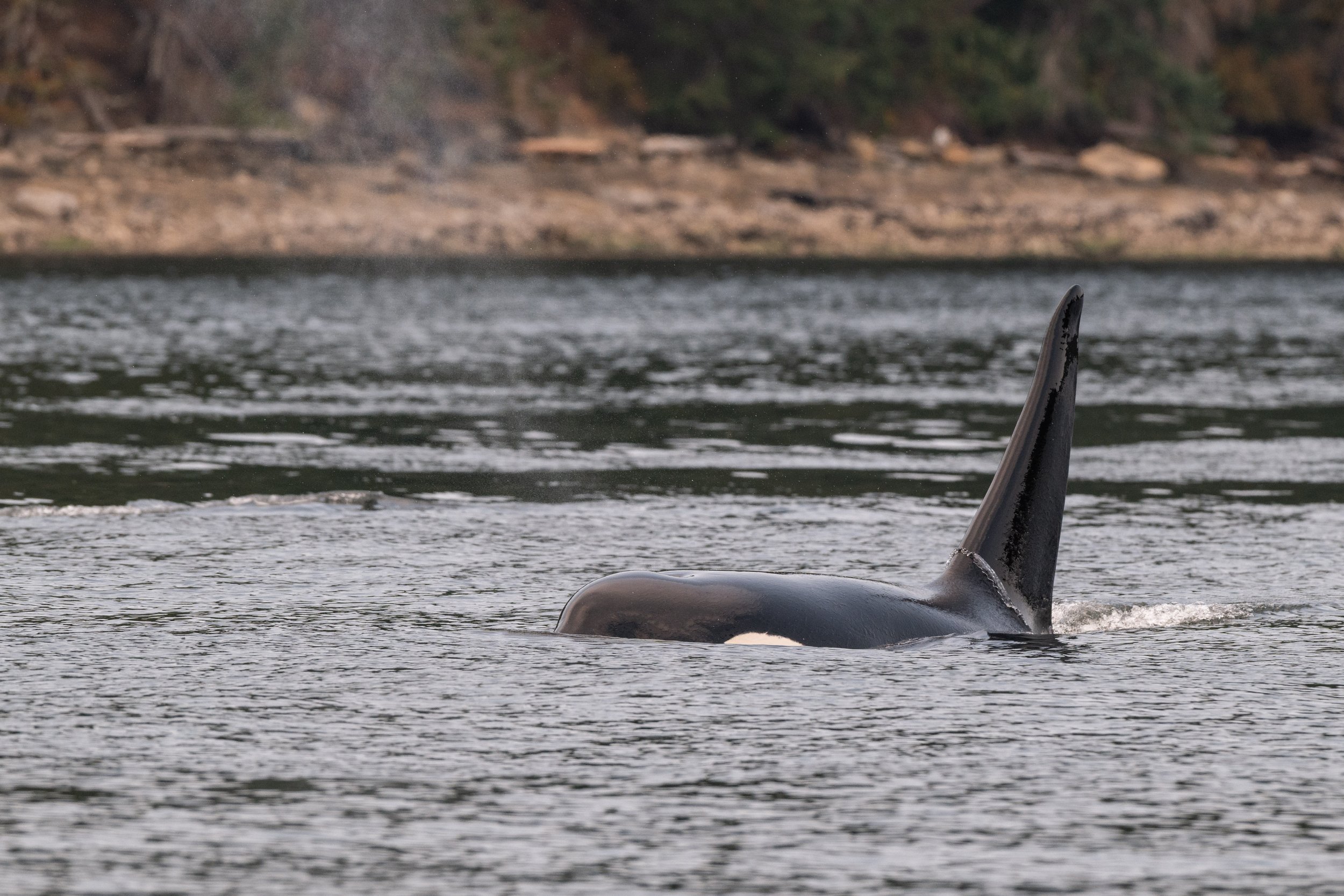
T101B Lagoon surfacing with his eye patch poking above the surface. Photo by Aly Kohlman.
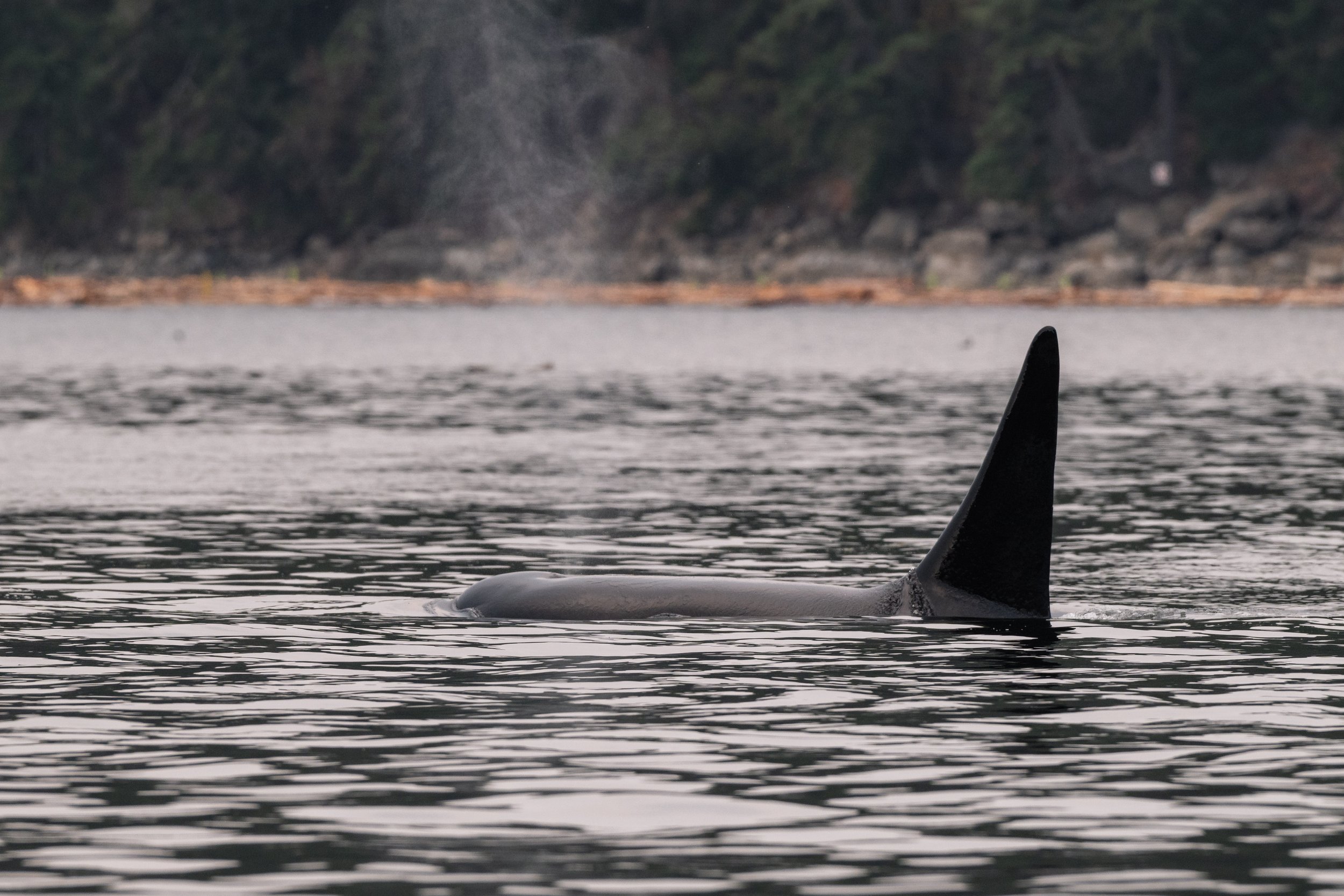
A nice look at T101B Lagoon as he surfaces. Photo by Aly Kohlman.
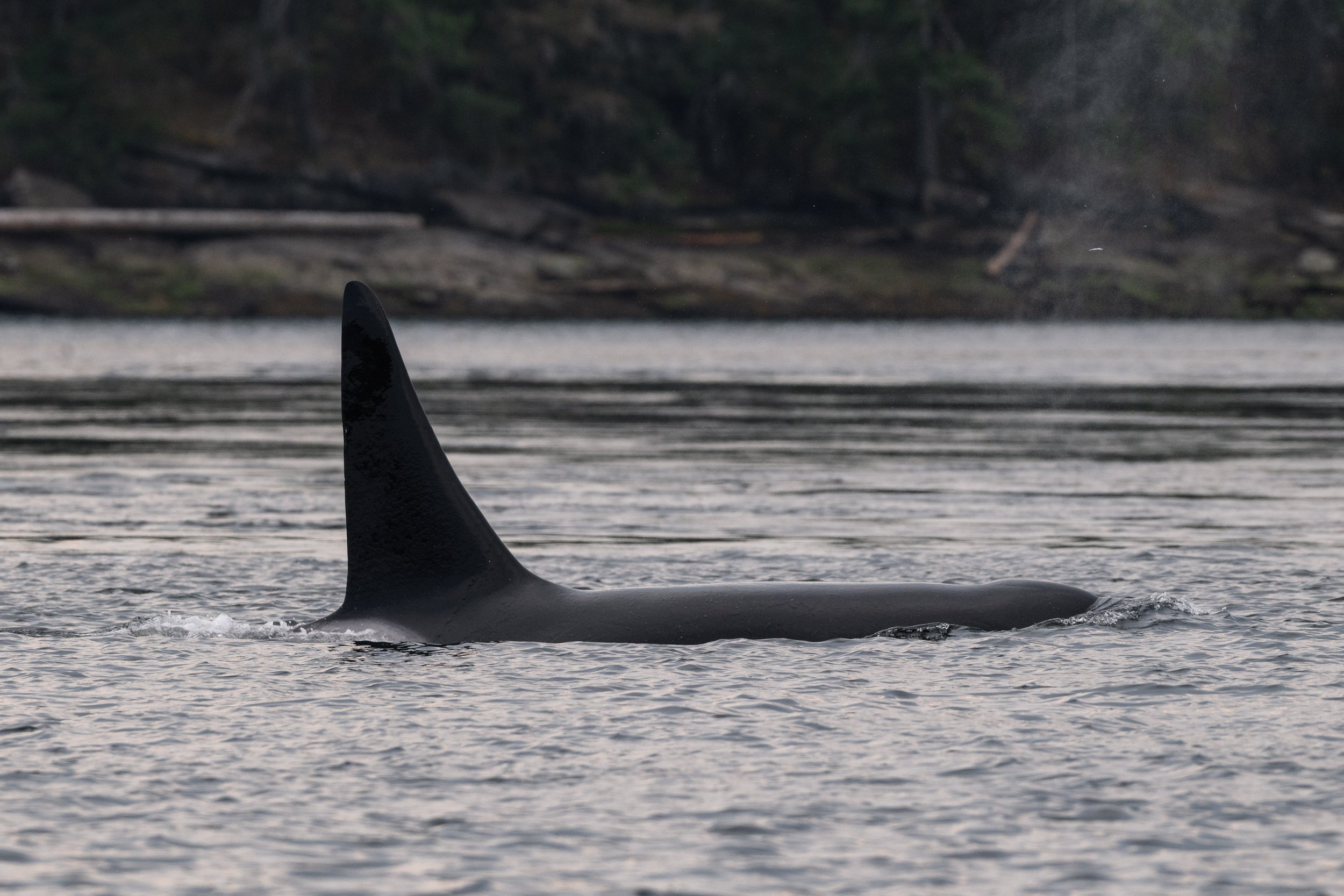
T101B Lagoon surfacing. Photo by Aly Kohlman.
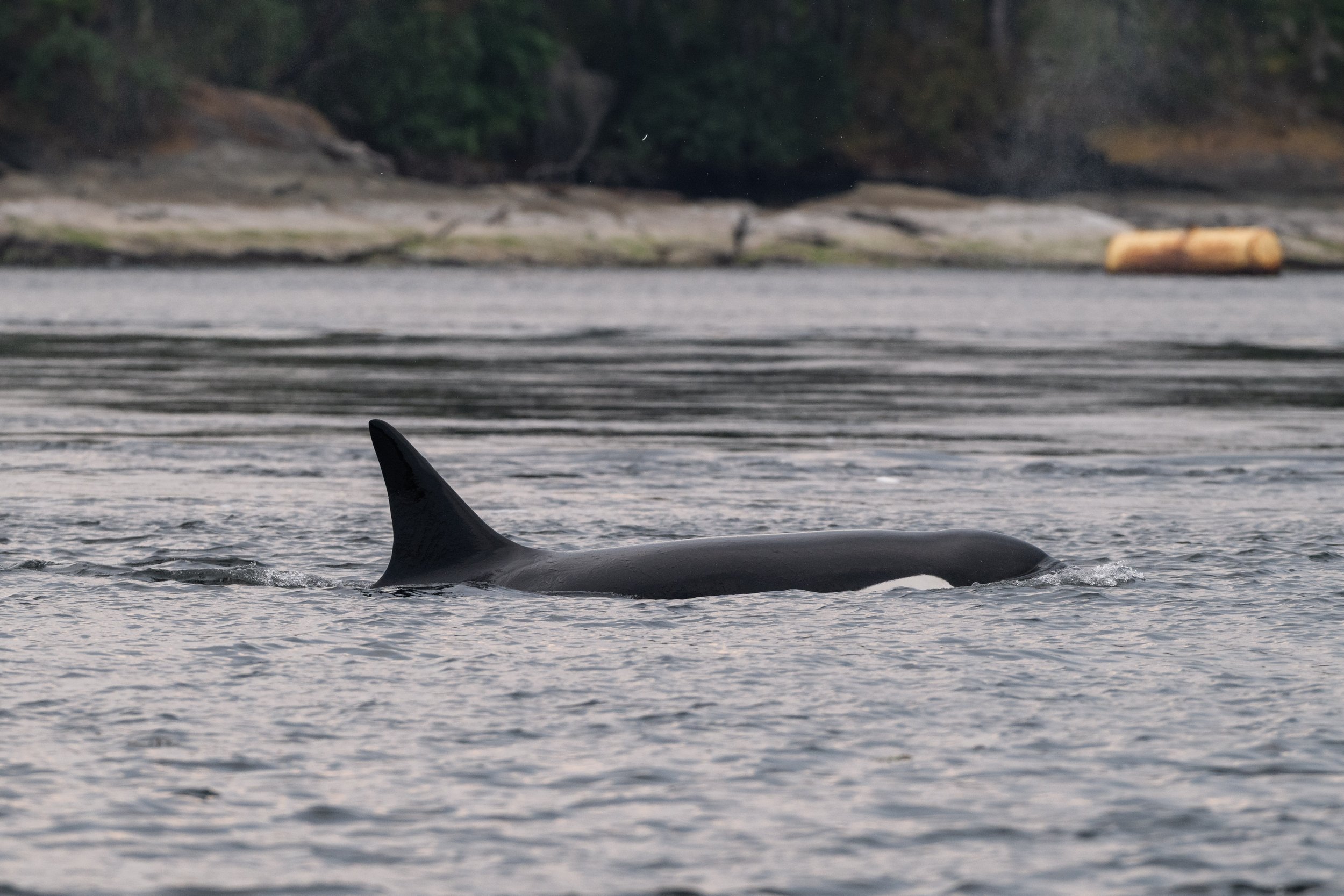
T101 Reef surfacing. Photo by Aly Kohlman.
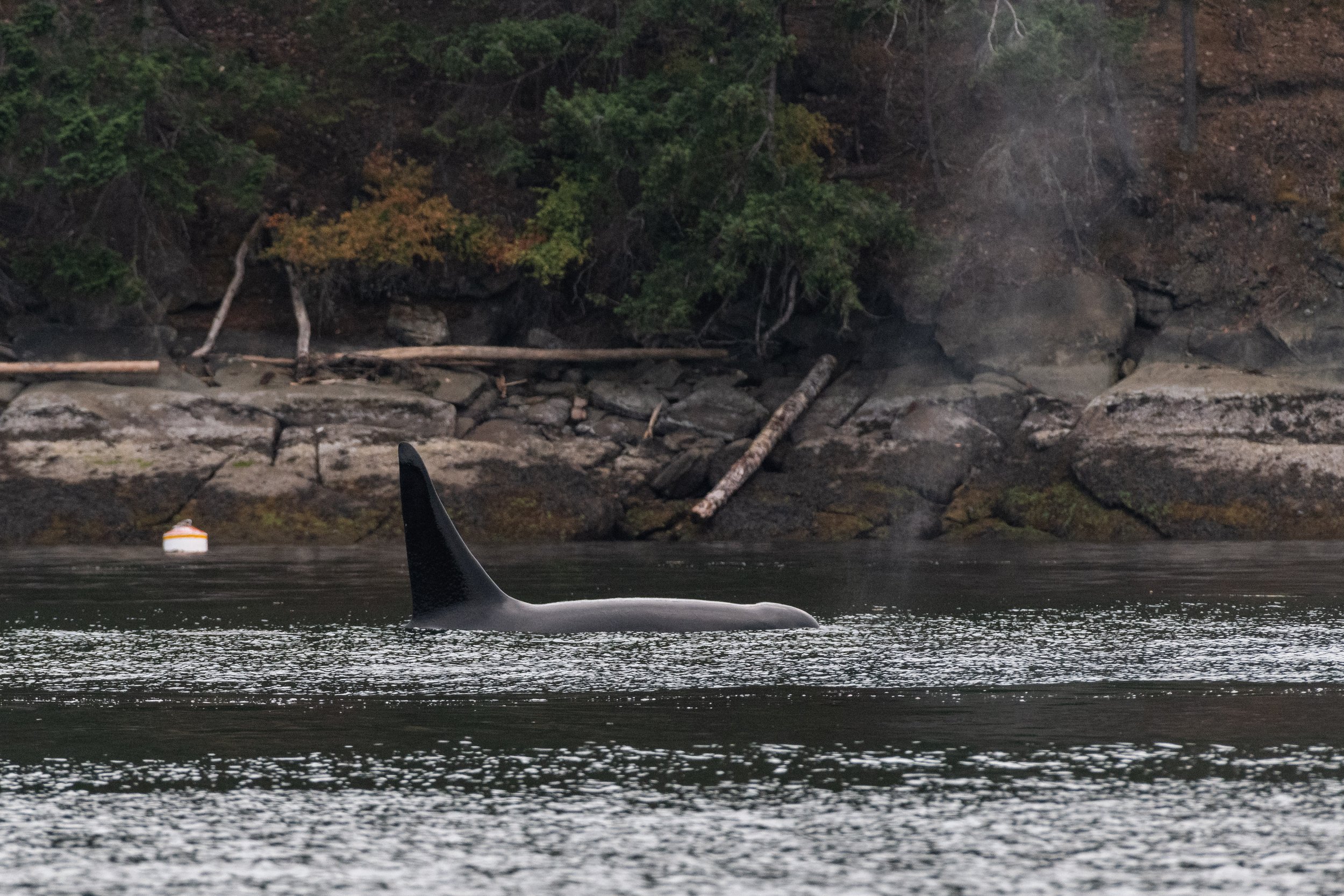
T101B Lagoon surfacing in the calm waters. Photo by Hayleigh Hilbert.
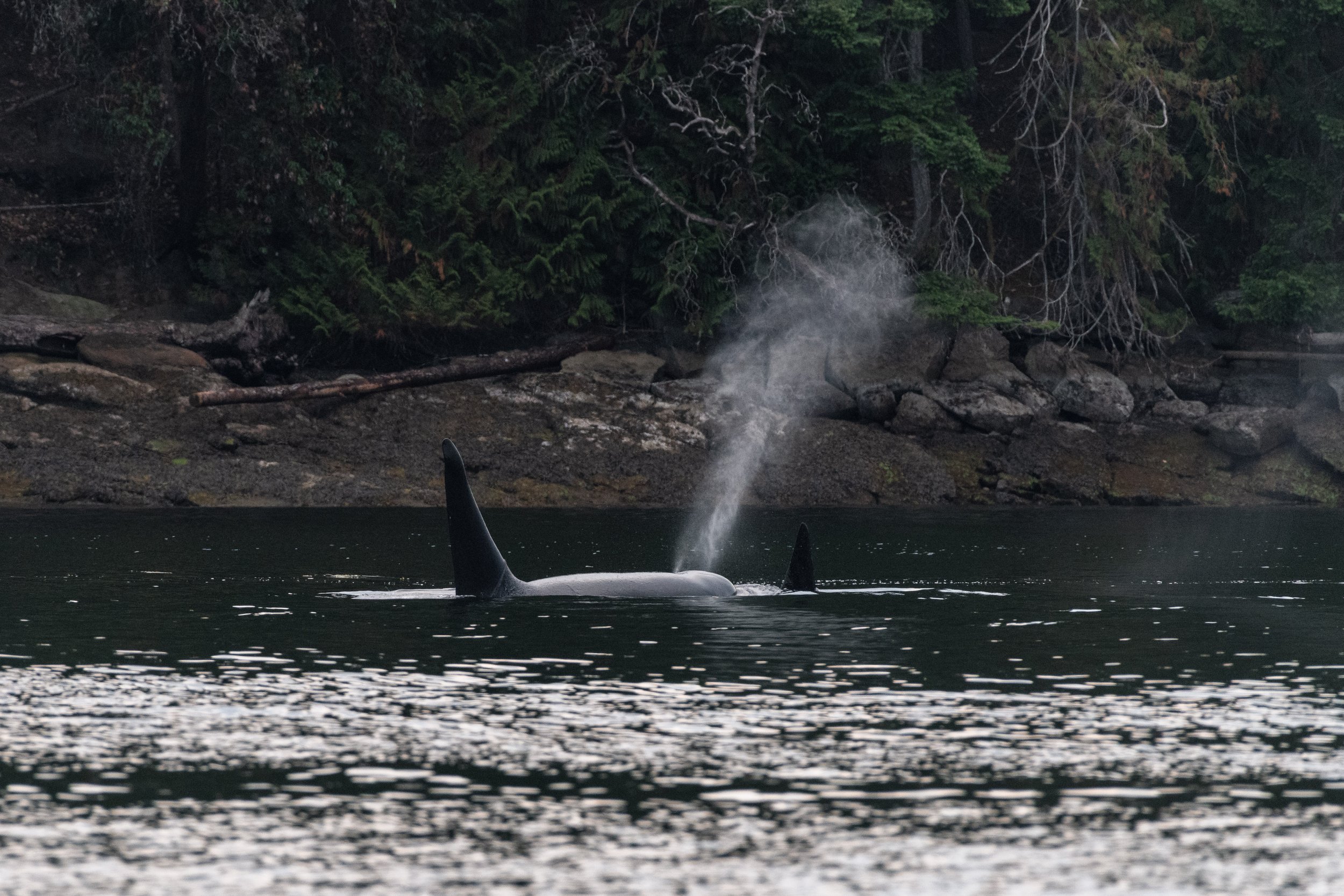
T101B Lagoon and T101 Reef surfacing together. Photo by Hayleigh Hilbert.
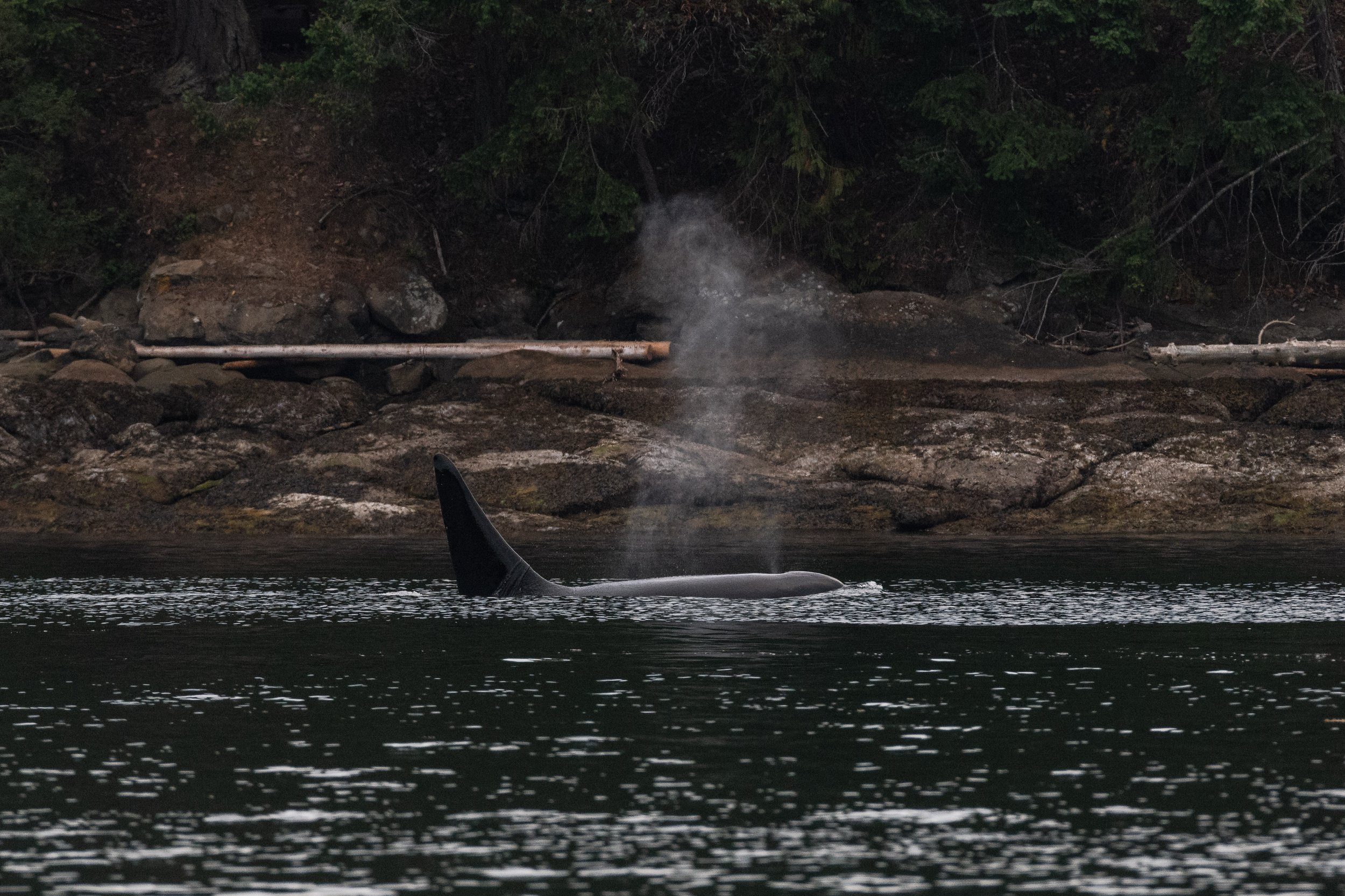
A very scenic look at T101B Lagoon. Photo by Hayleigh Hilbert.
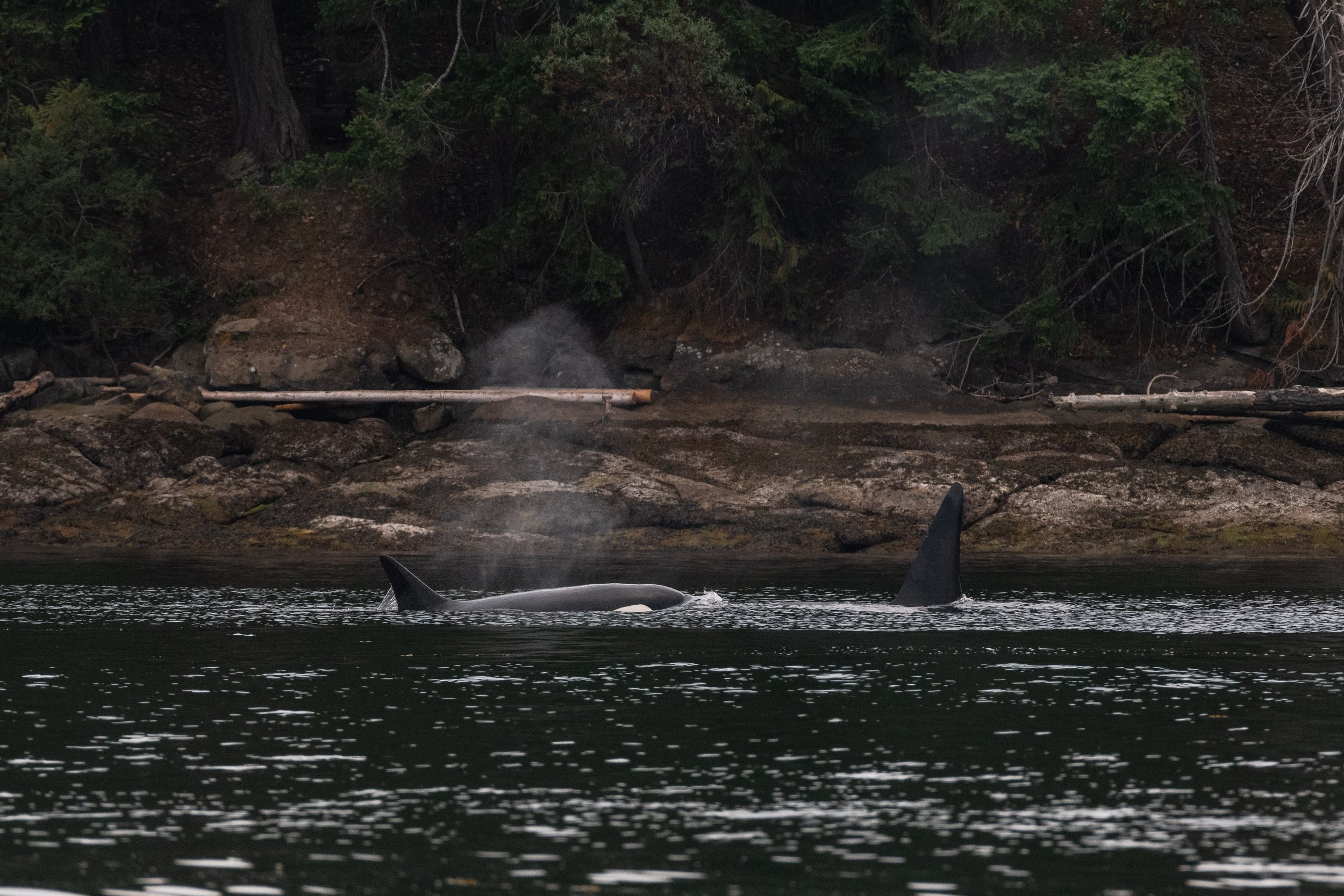
A great look at T101 Reef and T101B Lagoon as they surface together. Photo by Hayleigh Hilbert.
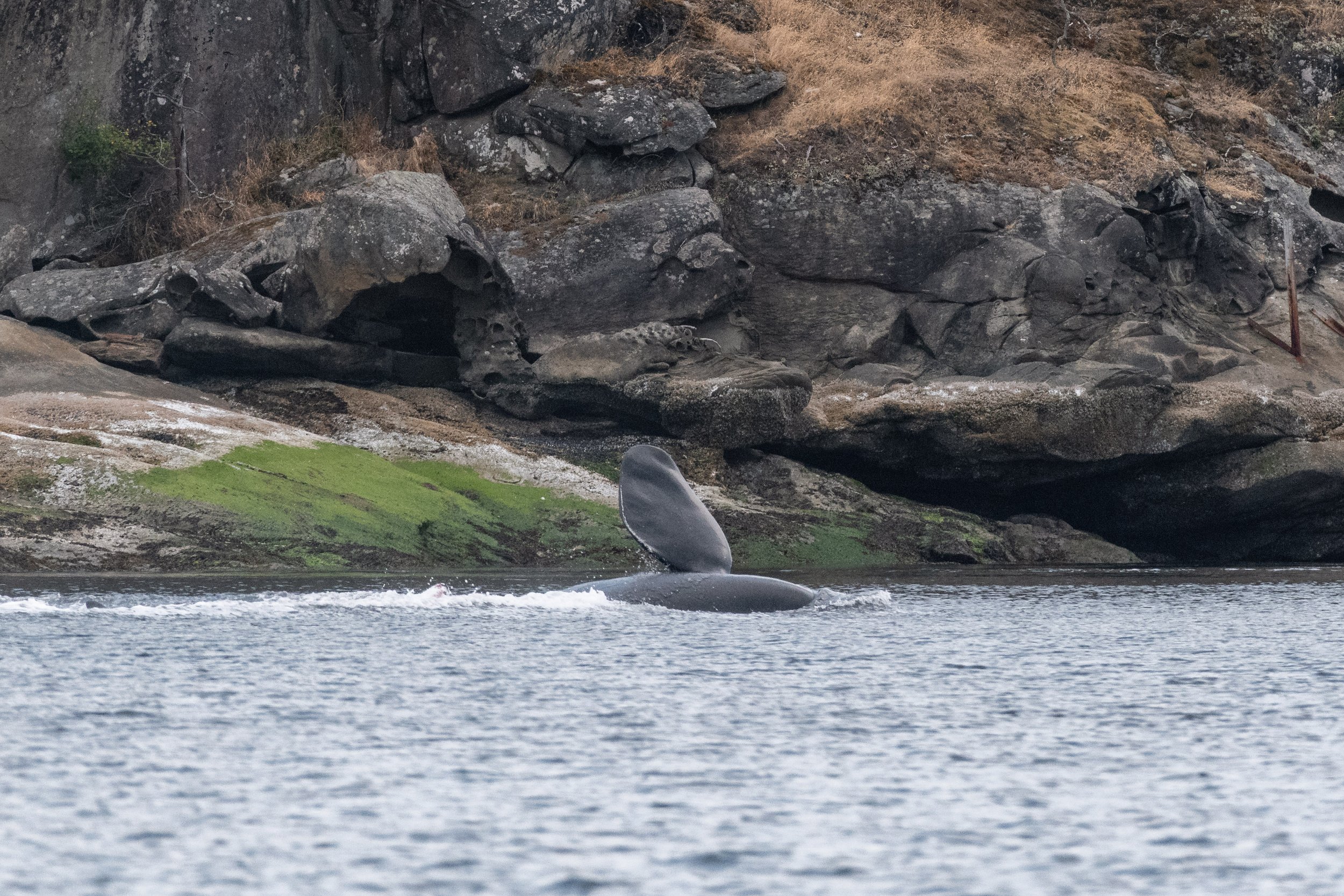
T101B Lagoon with his pectoral fin in the air. Photo by Hayleigh Hilbert.
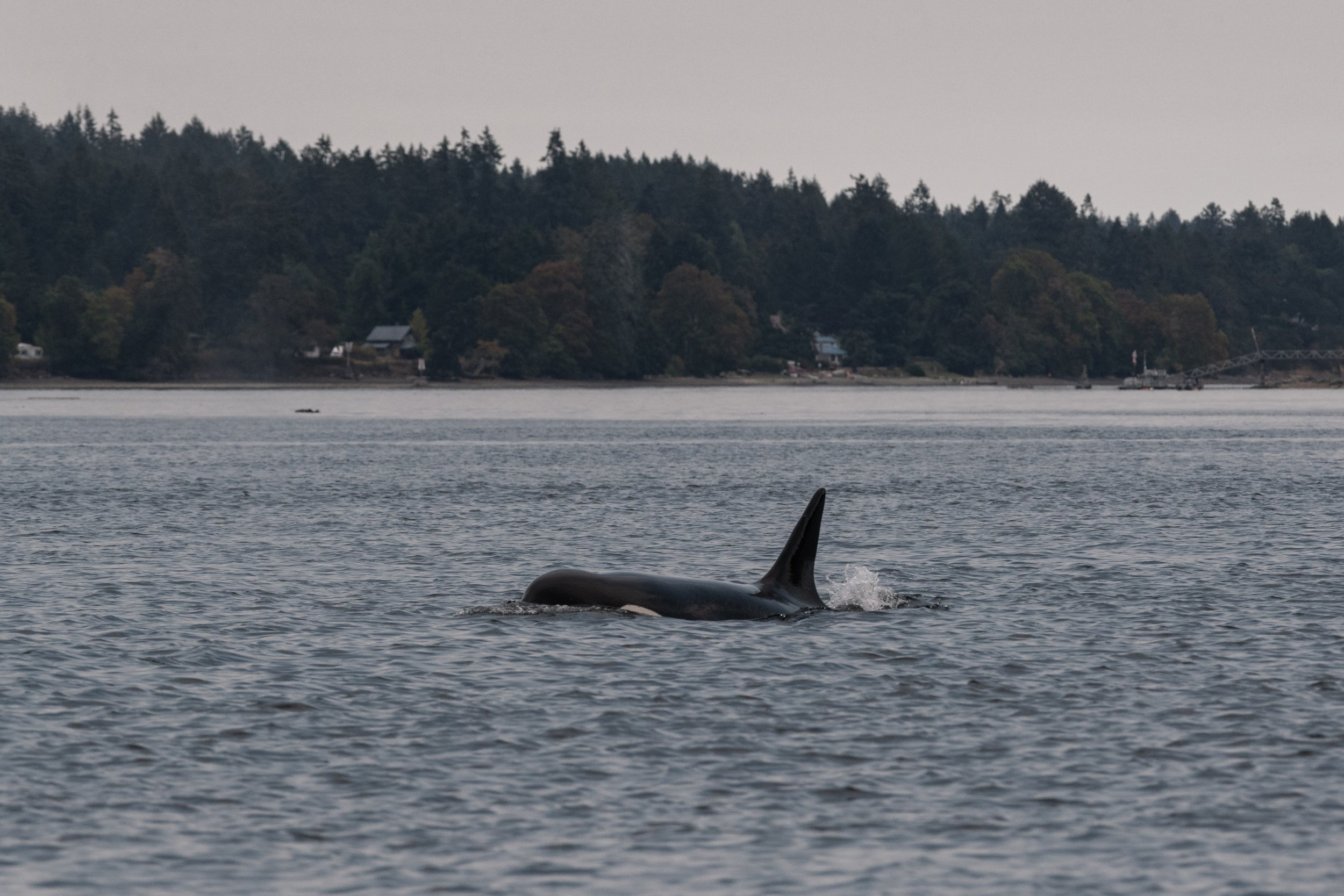
A great look at T101 Reef as she surfaces. Photo by Hayleigh Hilbert.
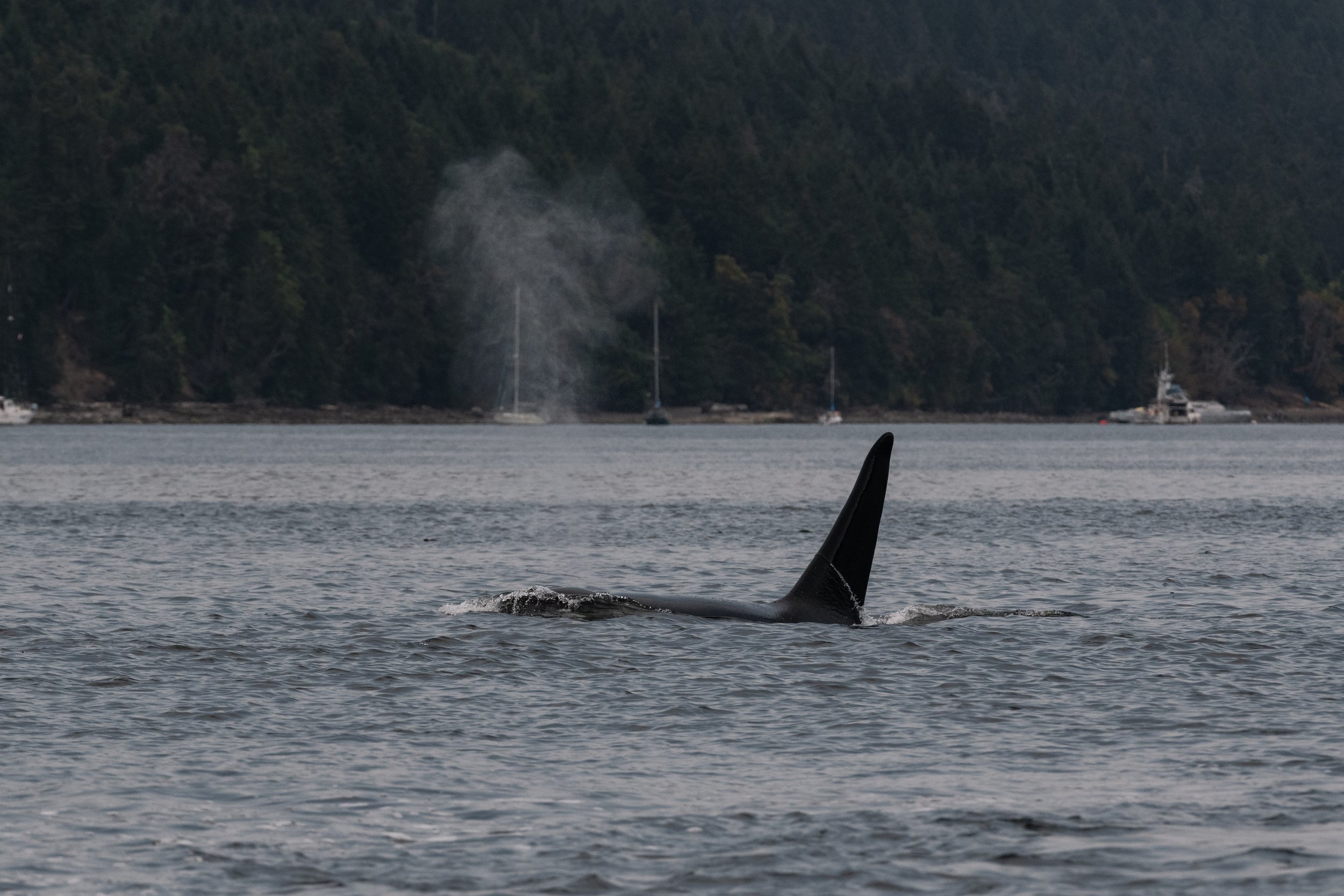
T101B Lagoon with a lovely blow visible. Photo by Hayleigh Hilbert.
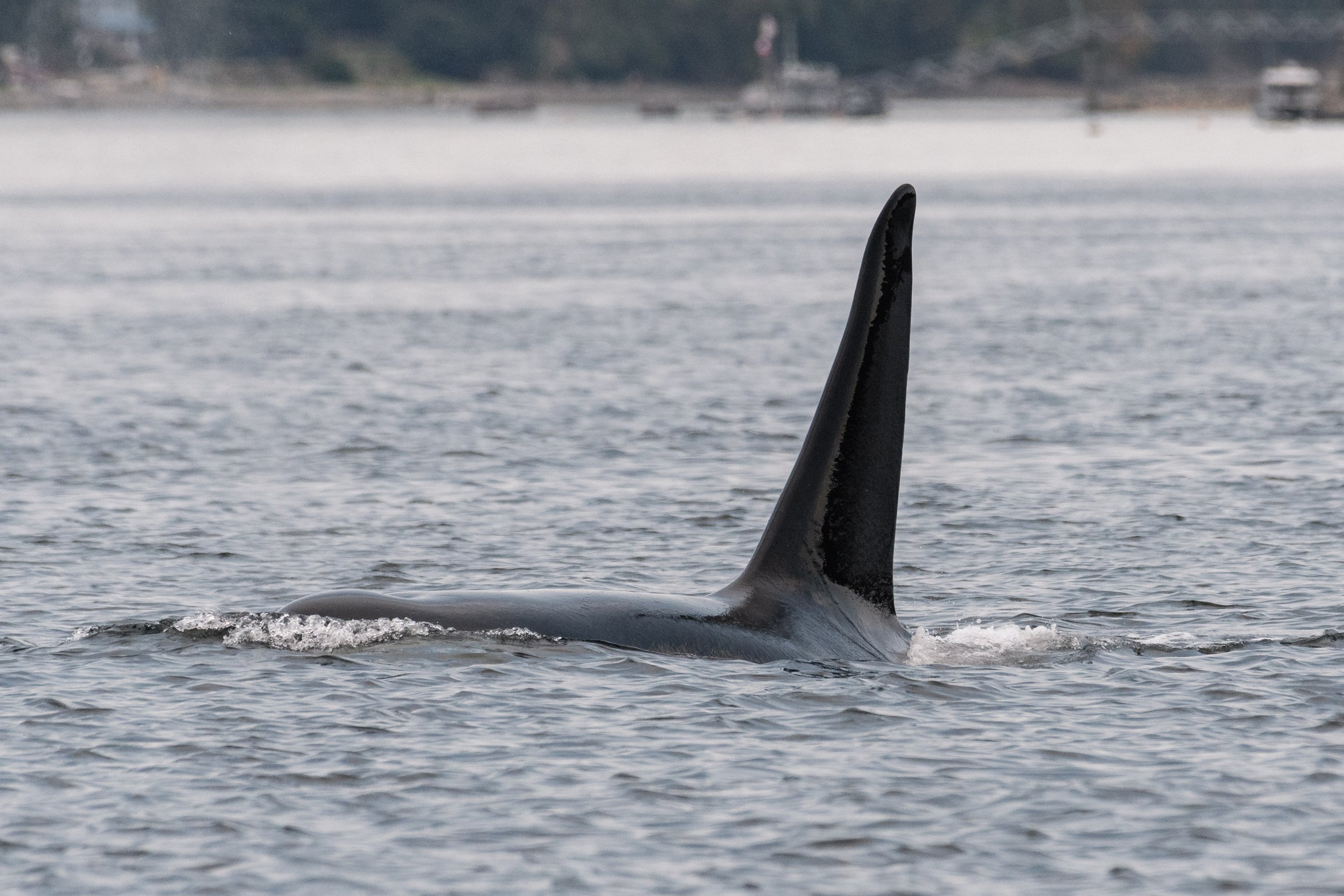
A lovely look at T101B Lagoon. Photo by Evan Hessels.
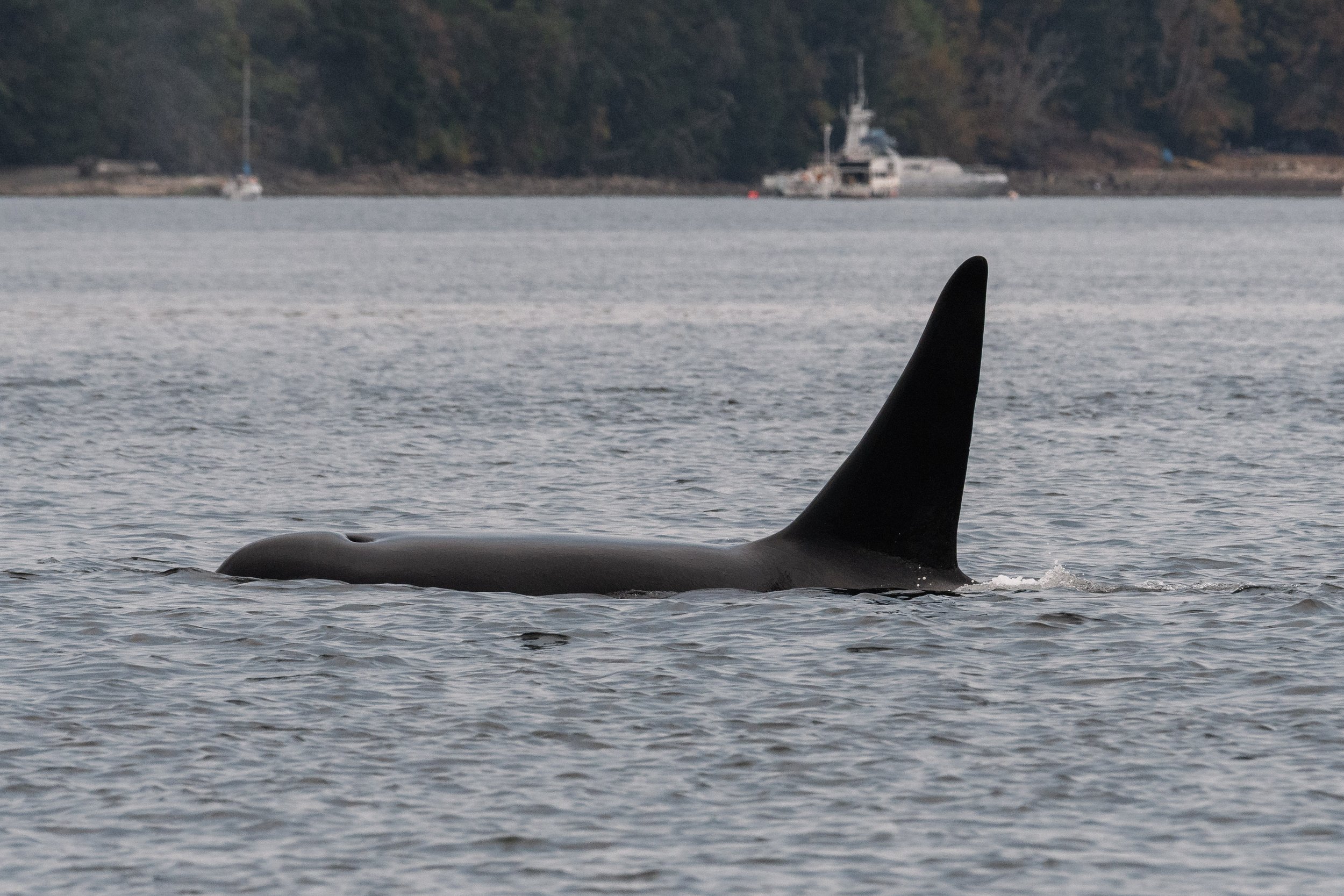
T101B Lagoon surfacing. Can you spot his blowhole as he exhales? Photo by Evan Hessels.
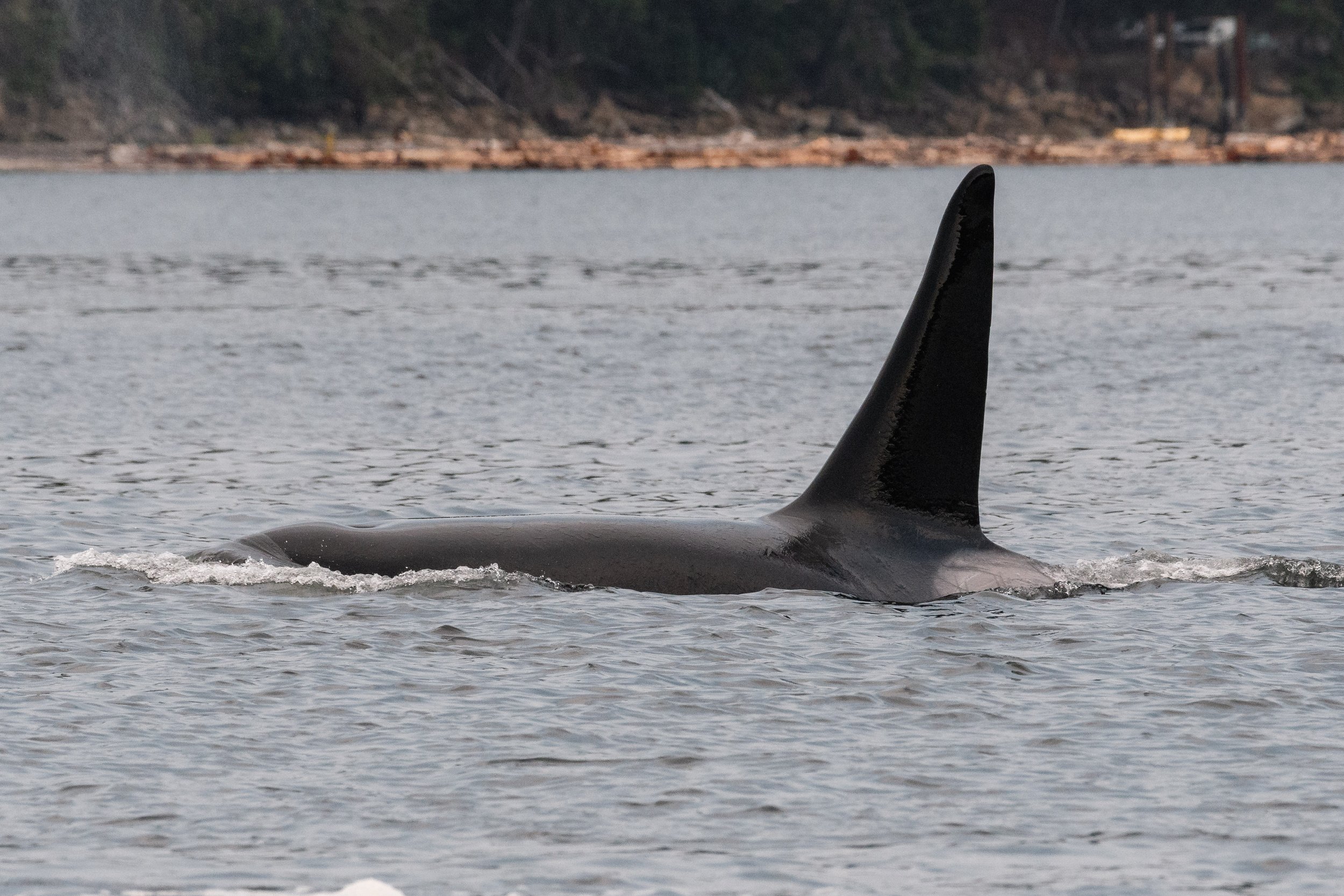
Can you see all the unqiue scarring on T101B Lagoon’s saddle patch? Photo by Evan Hessels.
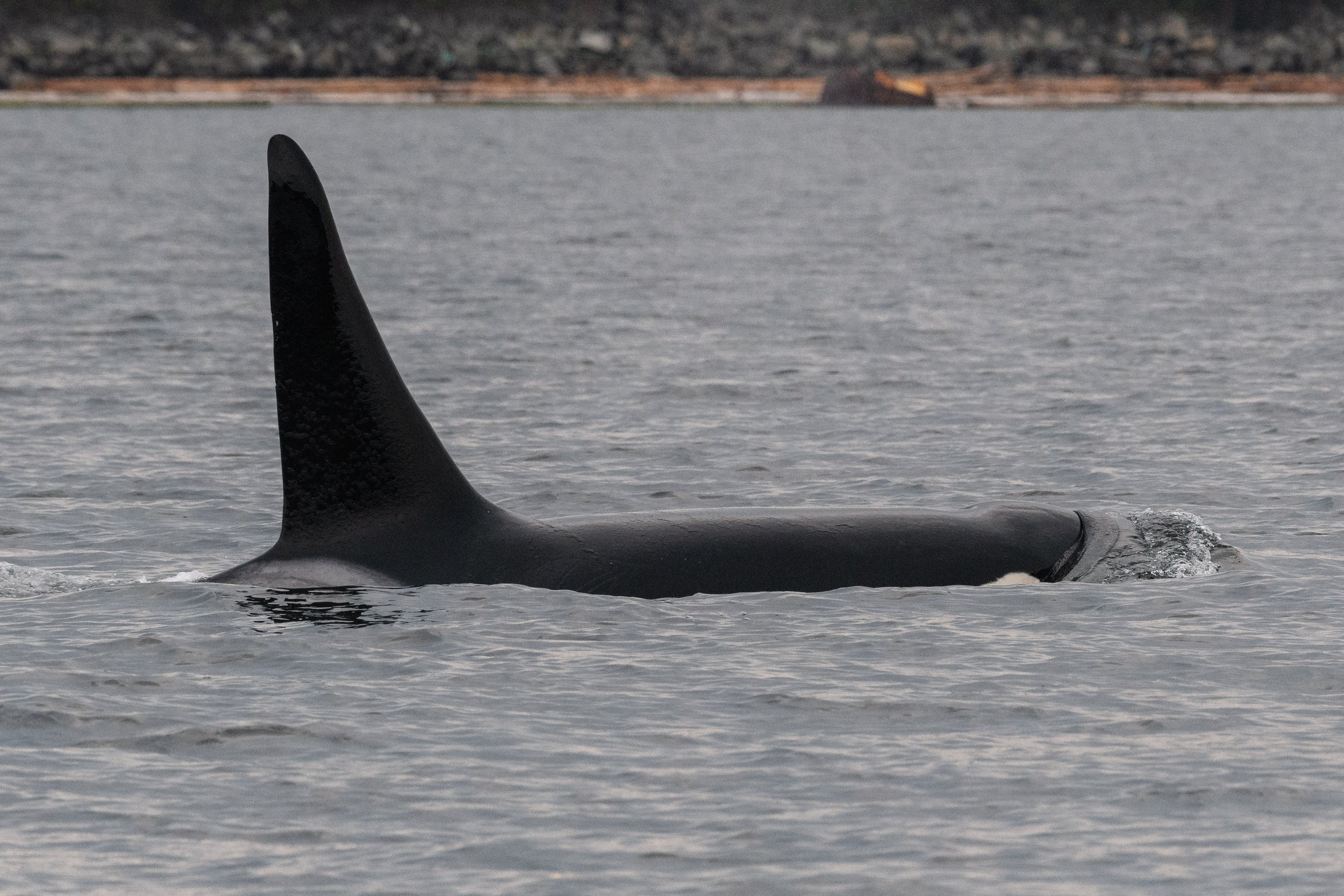
T101B Lagoon surfacing in Northumberland Channel. Photo by Evan Hessels.
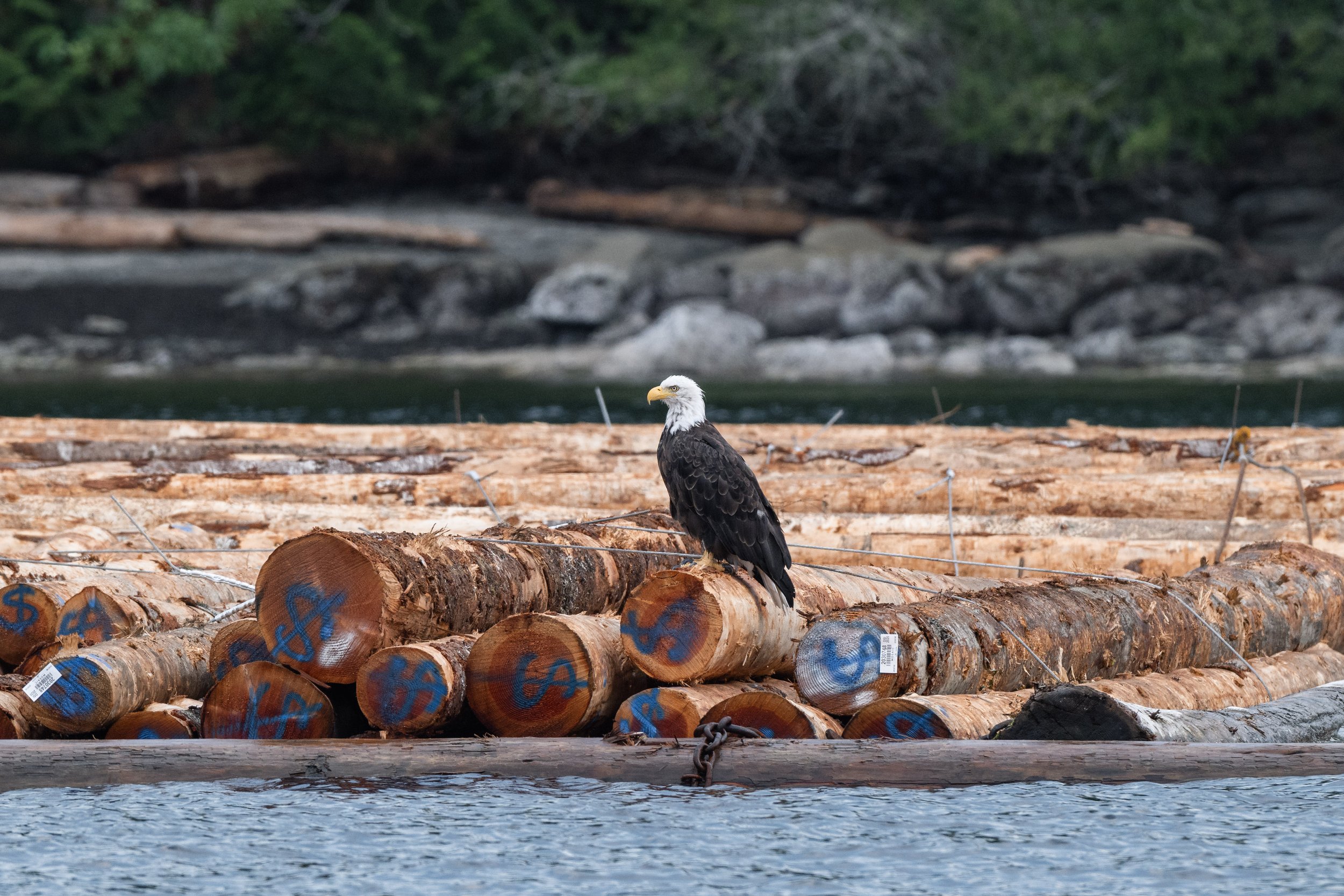
A Bald Eagle on the log booms along Gabriola Island. Photo by Aly Kohlman.
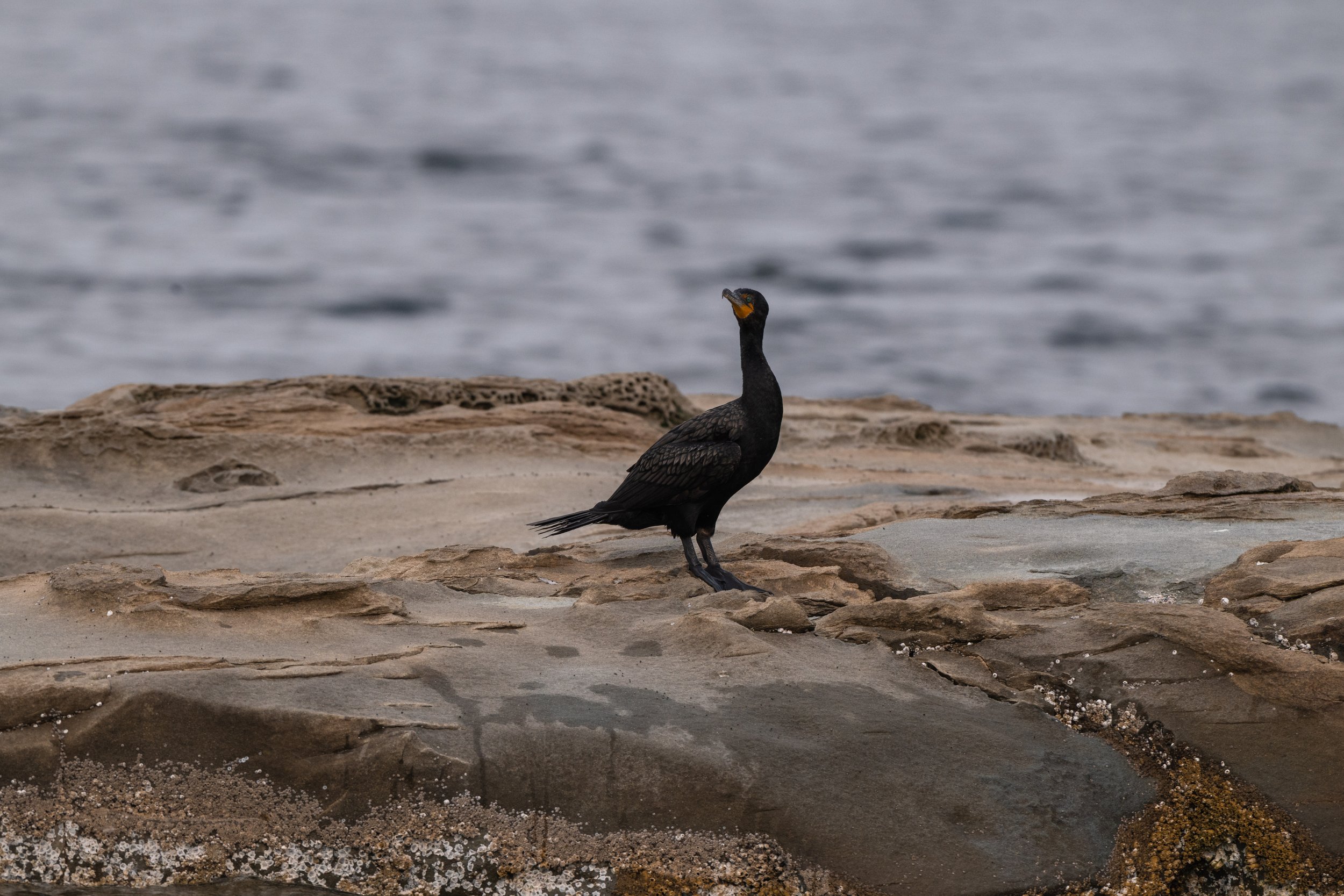
A cormoant on the rocks striking a pose. Photo by Aly Kohlman.
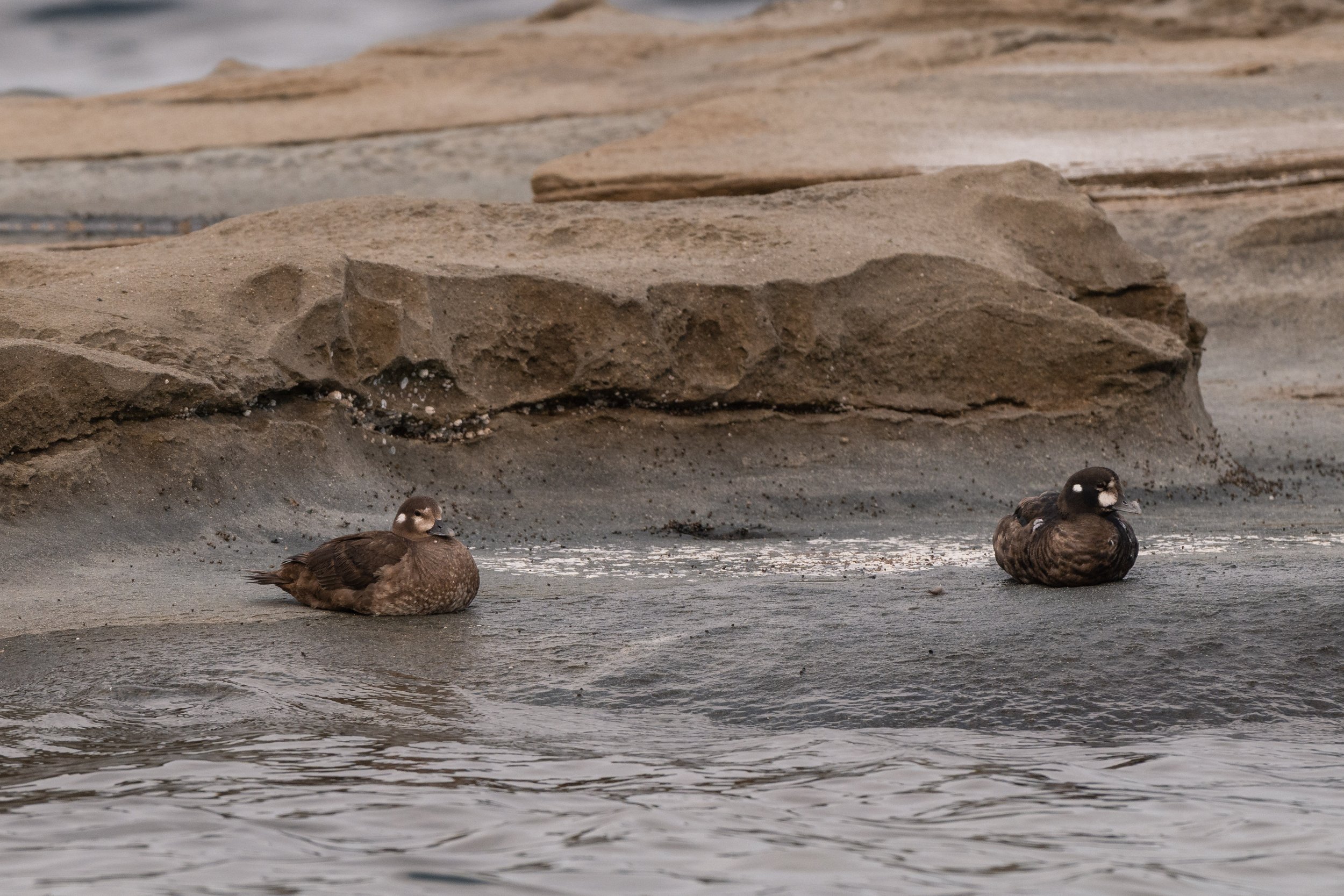
A pair of Harleqiun Ducks sitting on Stinky Rock. Photo by Aly Kohlman.
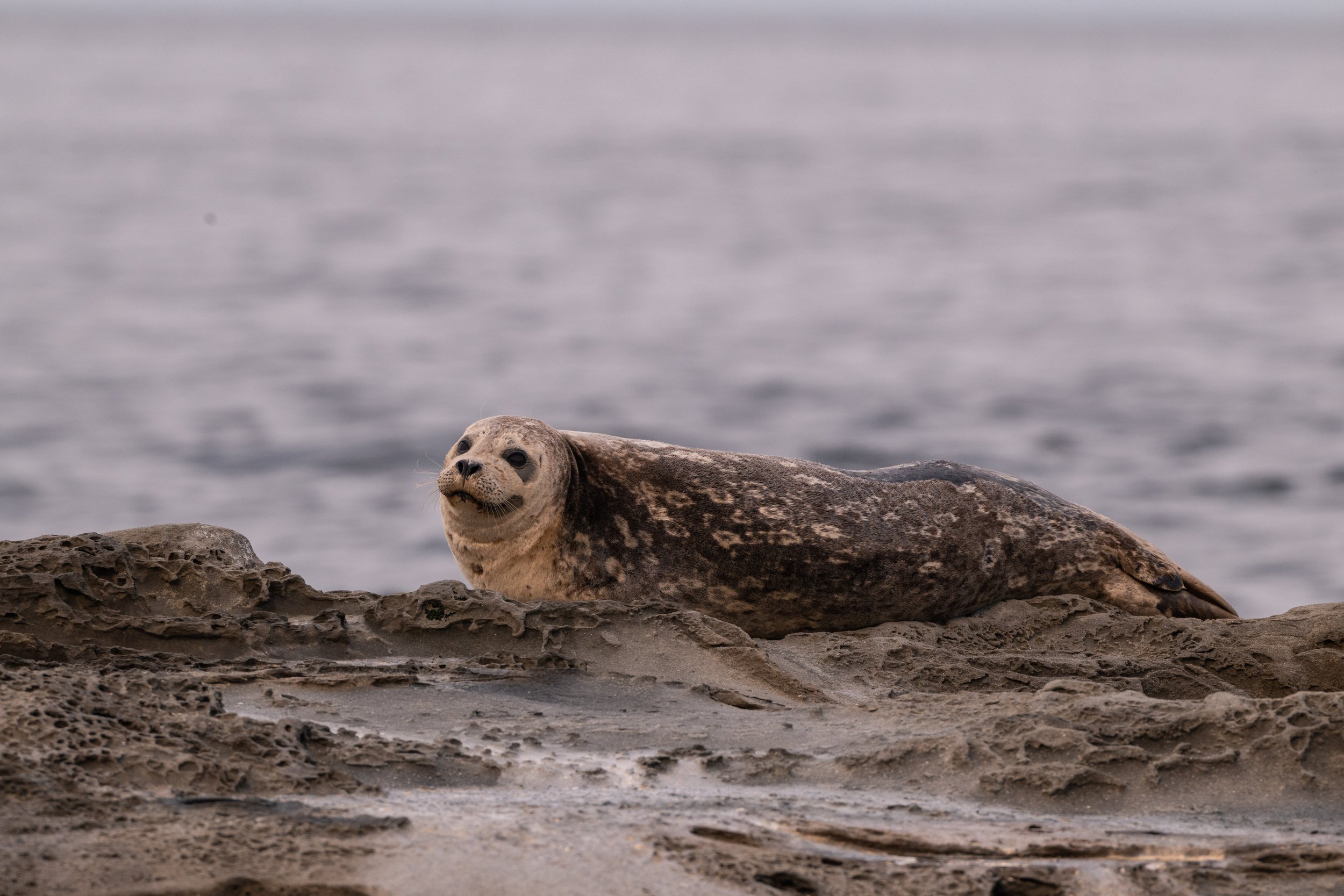
This Harbour Seal is doing its best “Joker” impression. Photo by Aly Kohlman.
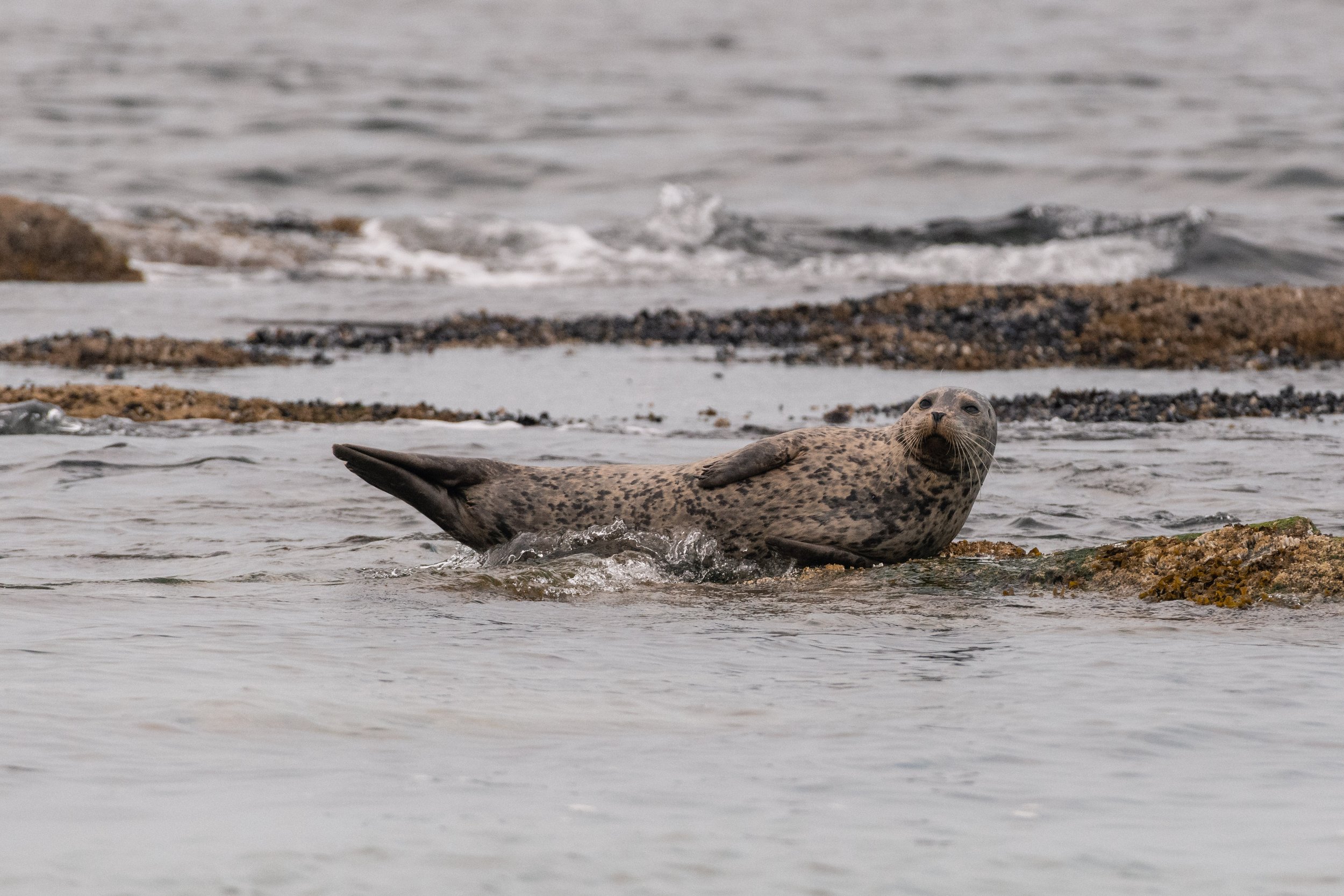
A Harbour Seal in Banana pose along Stinky Rock. Photo by Hayleigh Hilbert.
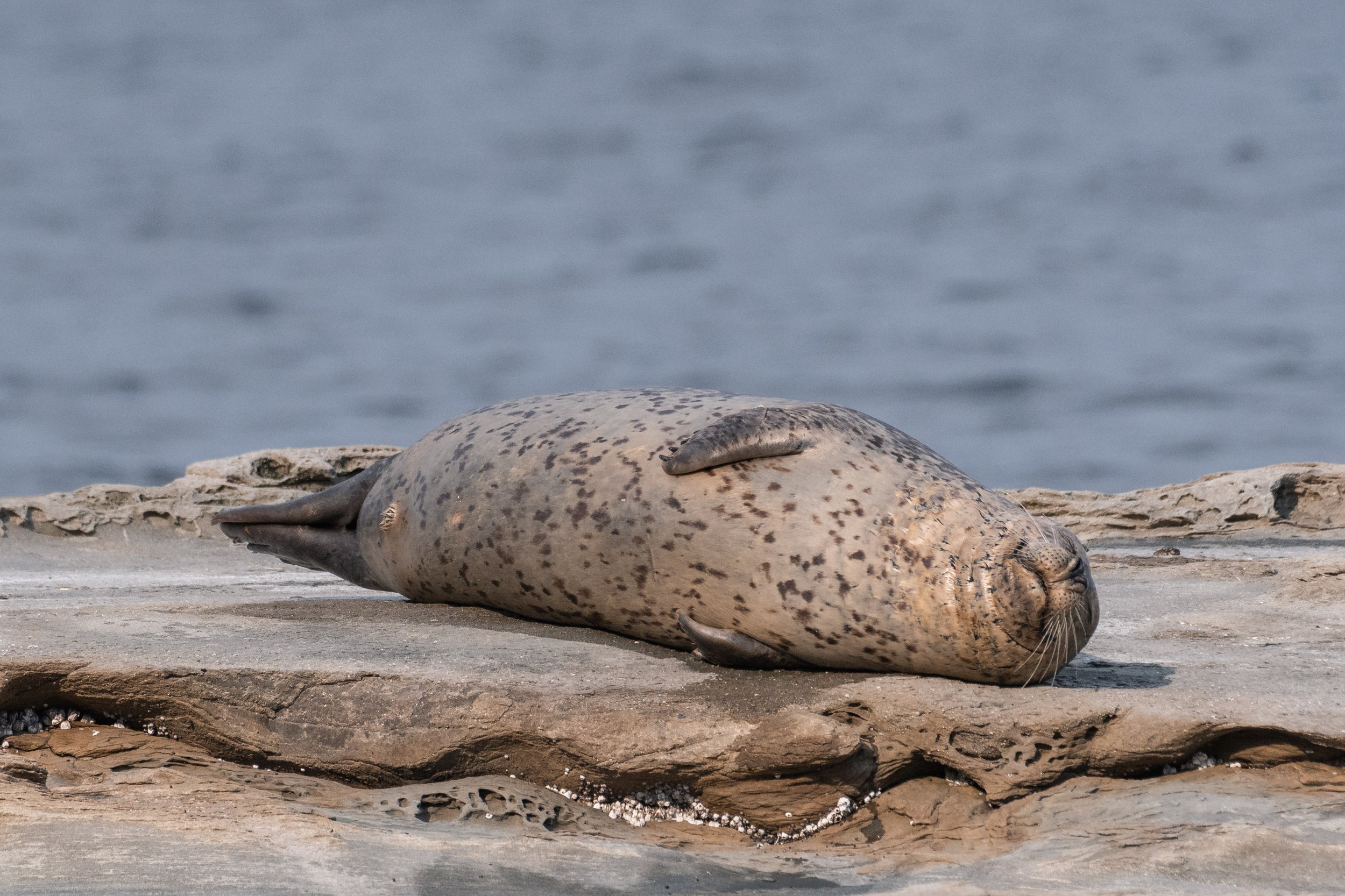
Harbour Seal relaxing on Stinky Rock. Photo by Evan Hessels.
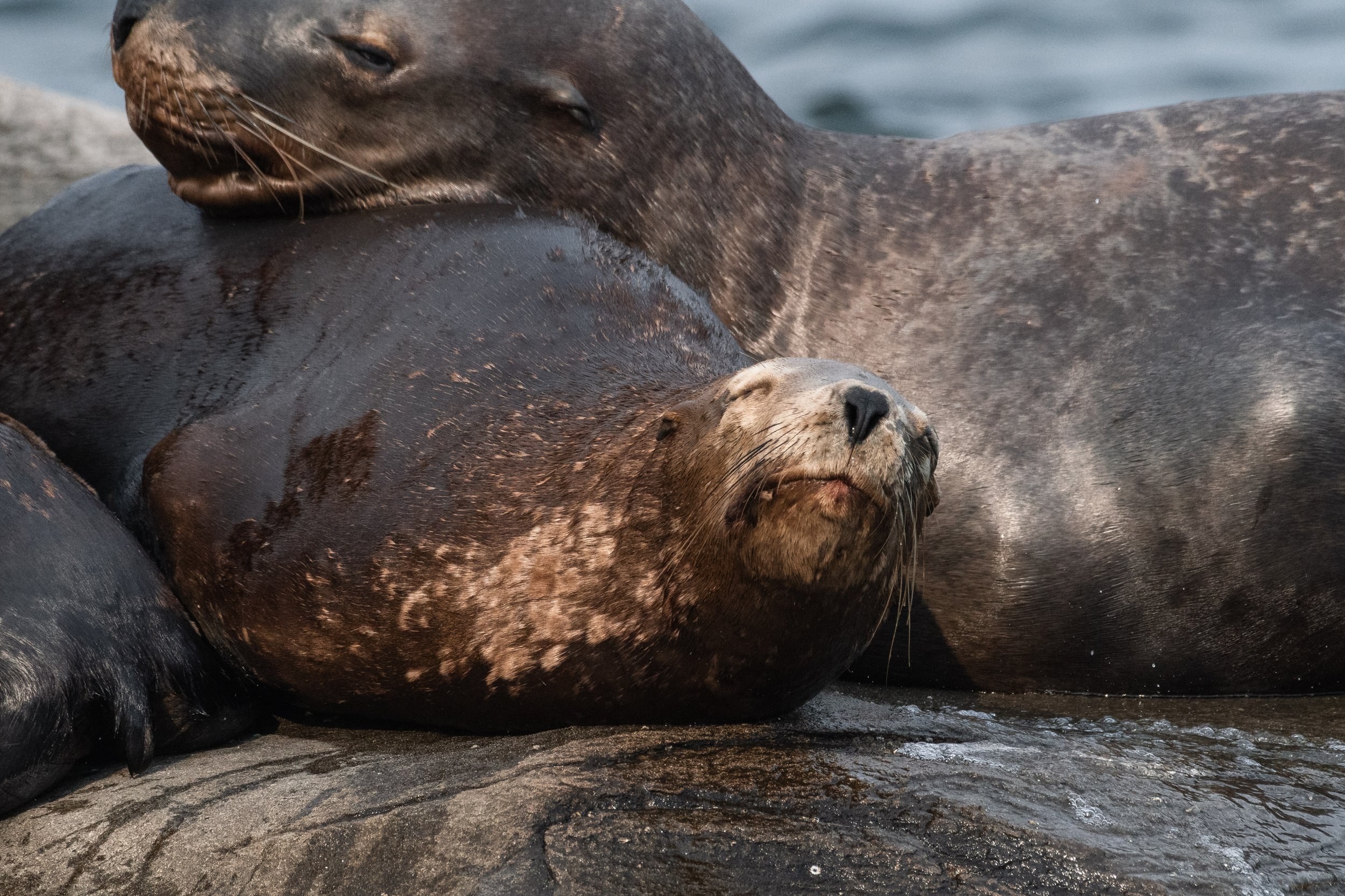
Steller Sea lions relaxing together. Photo by Evan Hessels.
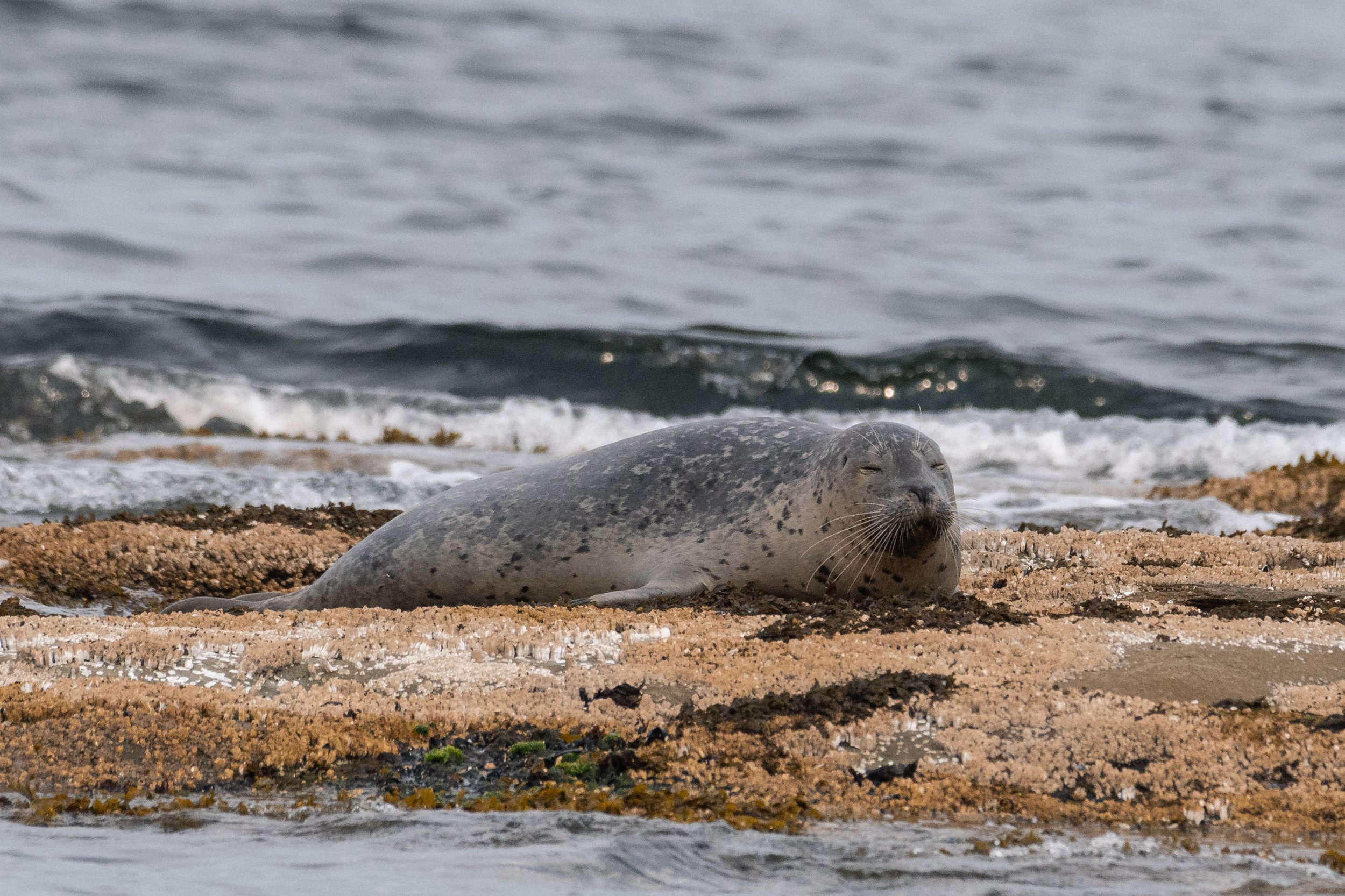
A relaxed Harbour Seal. Photo by Evan Hessels.
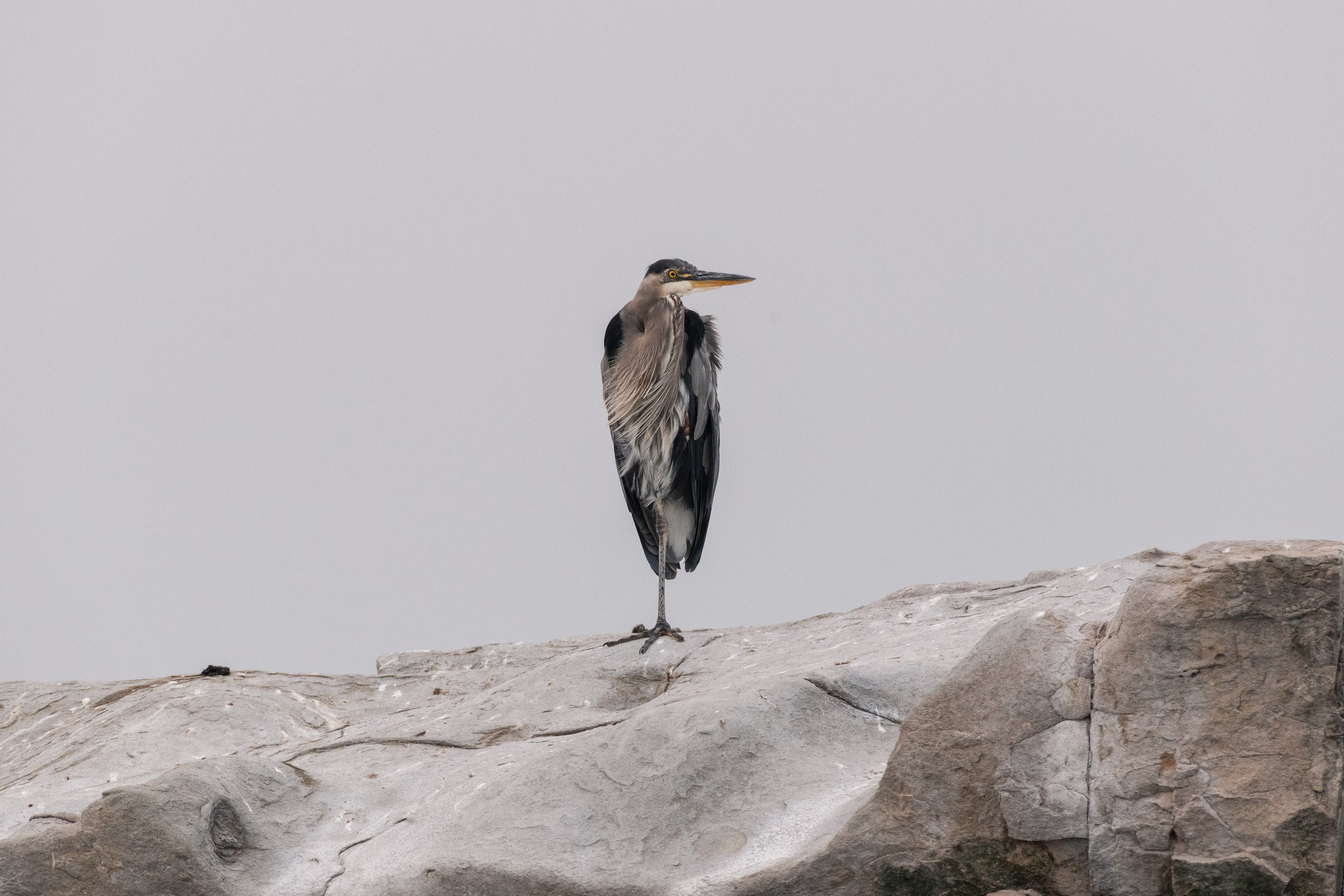
A Heron practicing yoga at Stinky Rock. Photo by Hayleigh Hilbert.
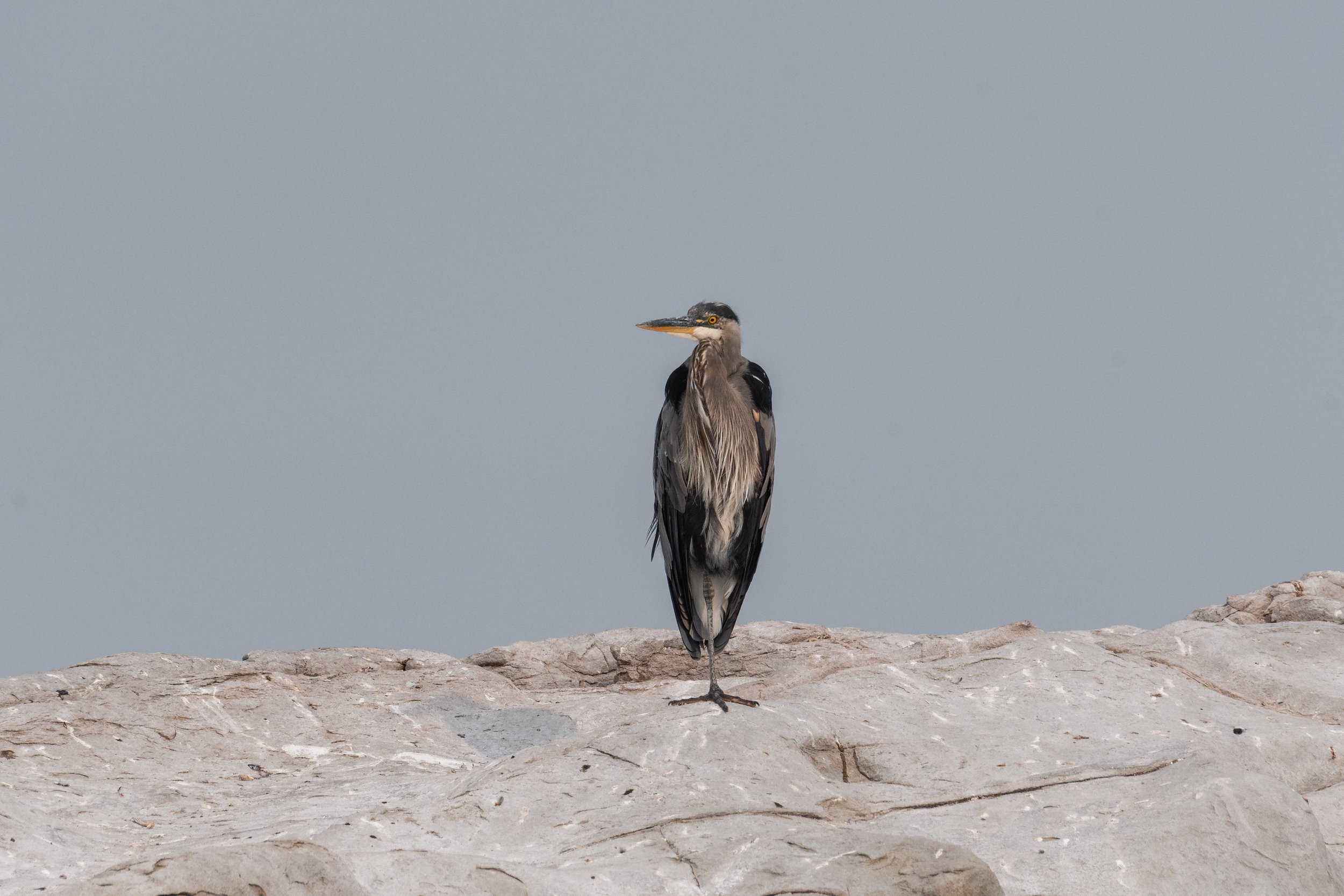
A Great Blue Heron posed on the Rocks. Photo by Evan Hessels.
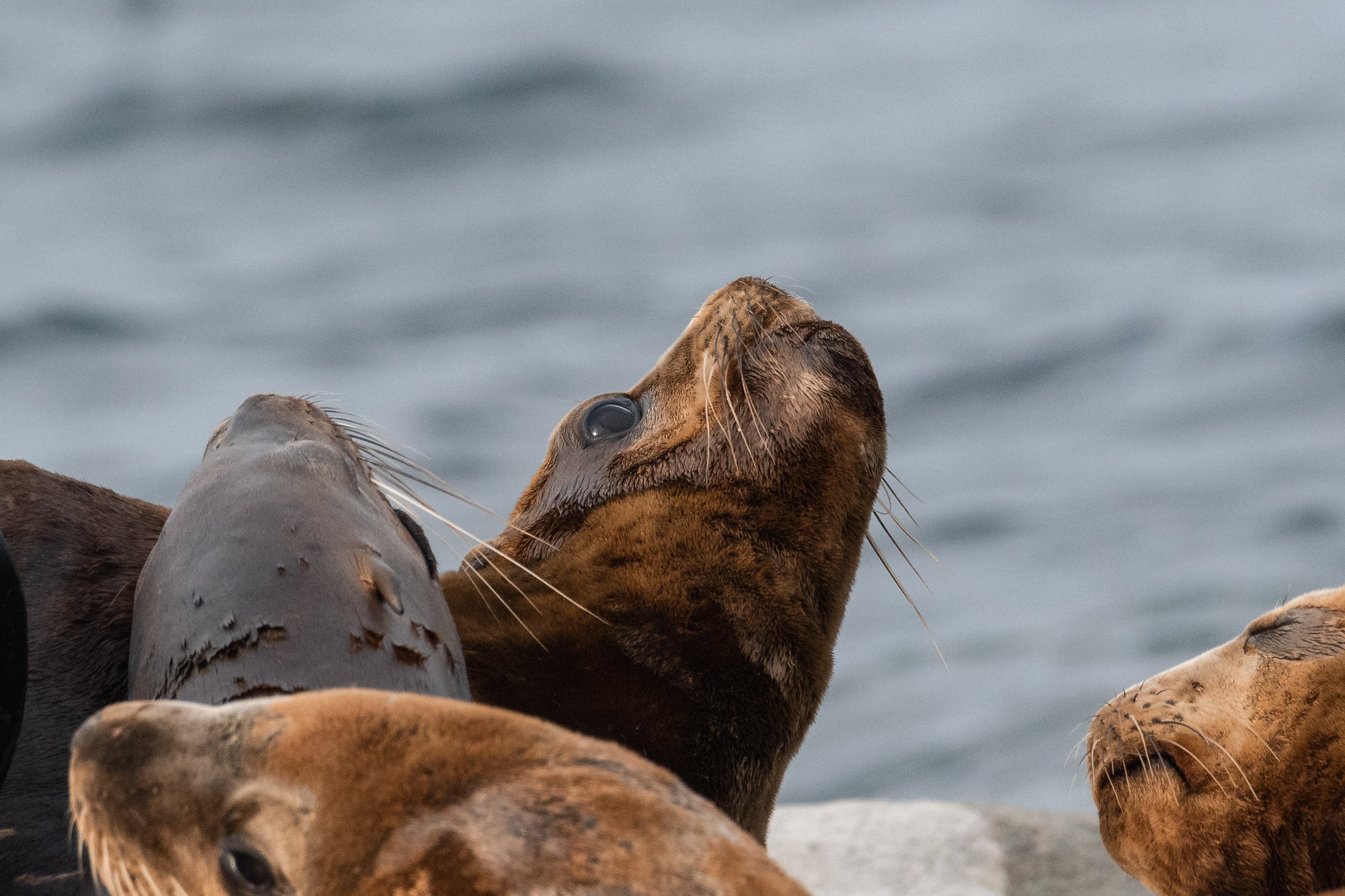
A Hilarious angle of the Steller Sea Lions. Photo by Evan Hessels.
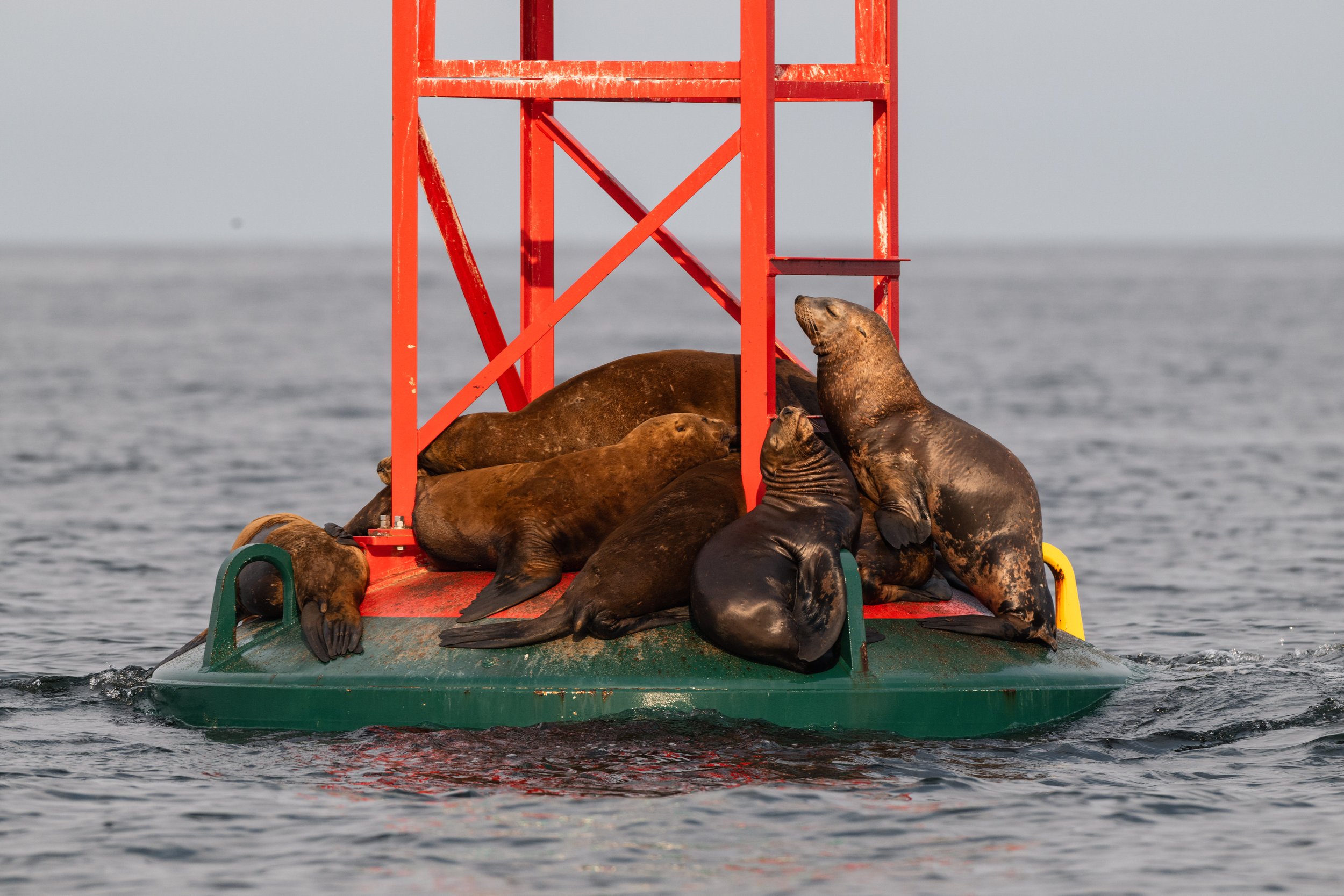
Steller Sea Lions on the UM buoy. Photo by Aly Kohlman.
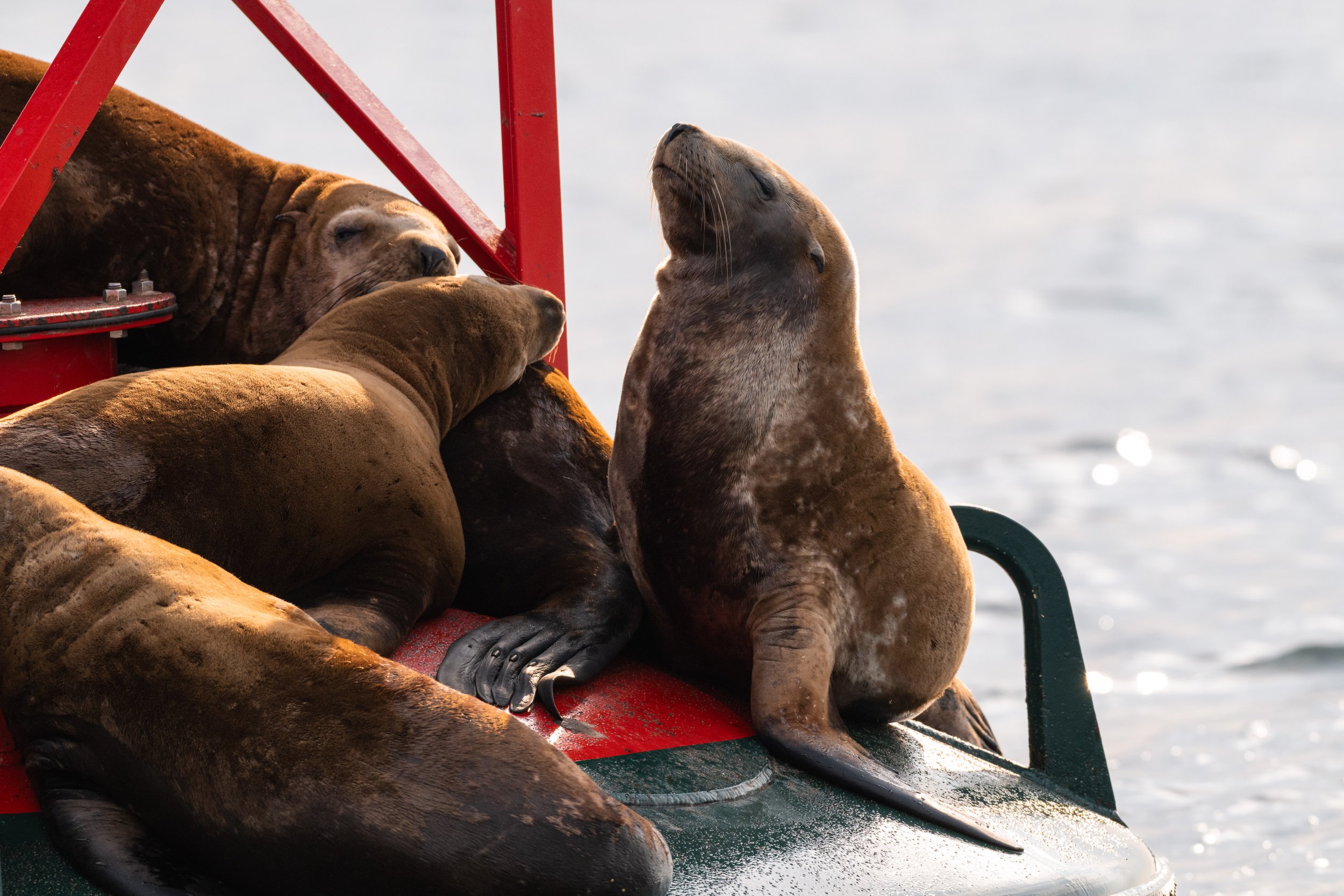
A Steller Sea Lion striking a pose on the buoy. Photo by Aly Kohlman.
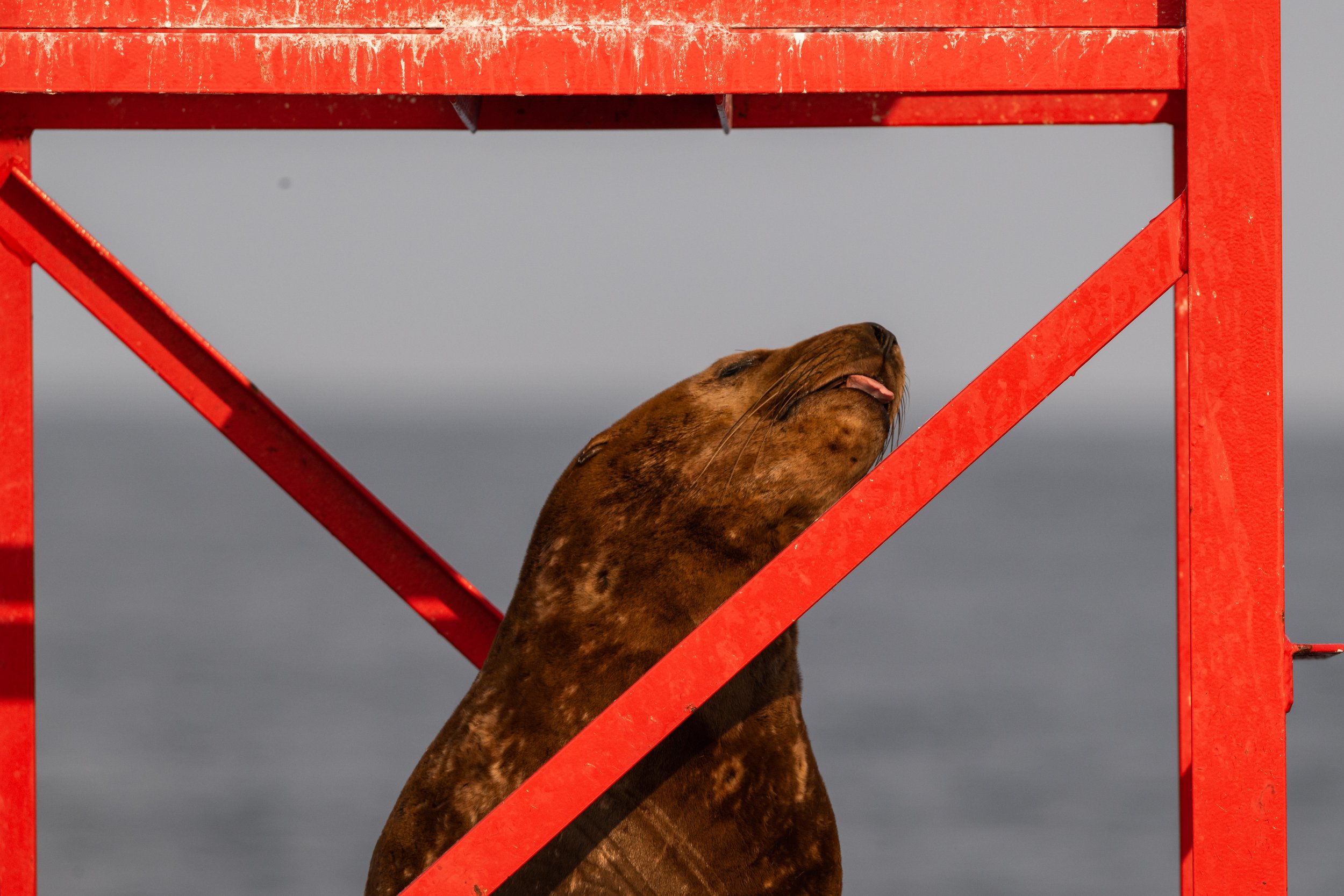
A lovely melp from this Steller Sea Lion. Photo by Aly Kohlman.
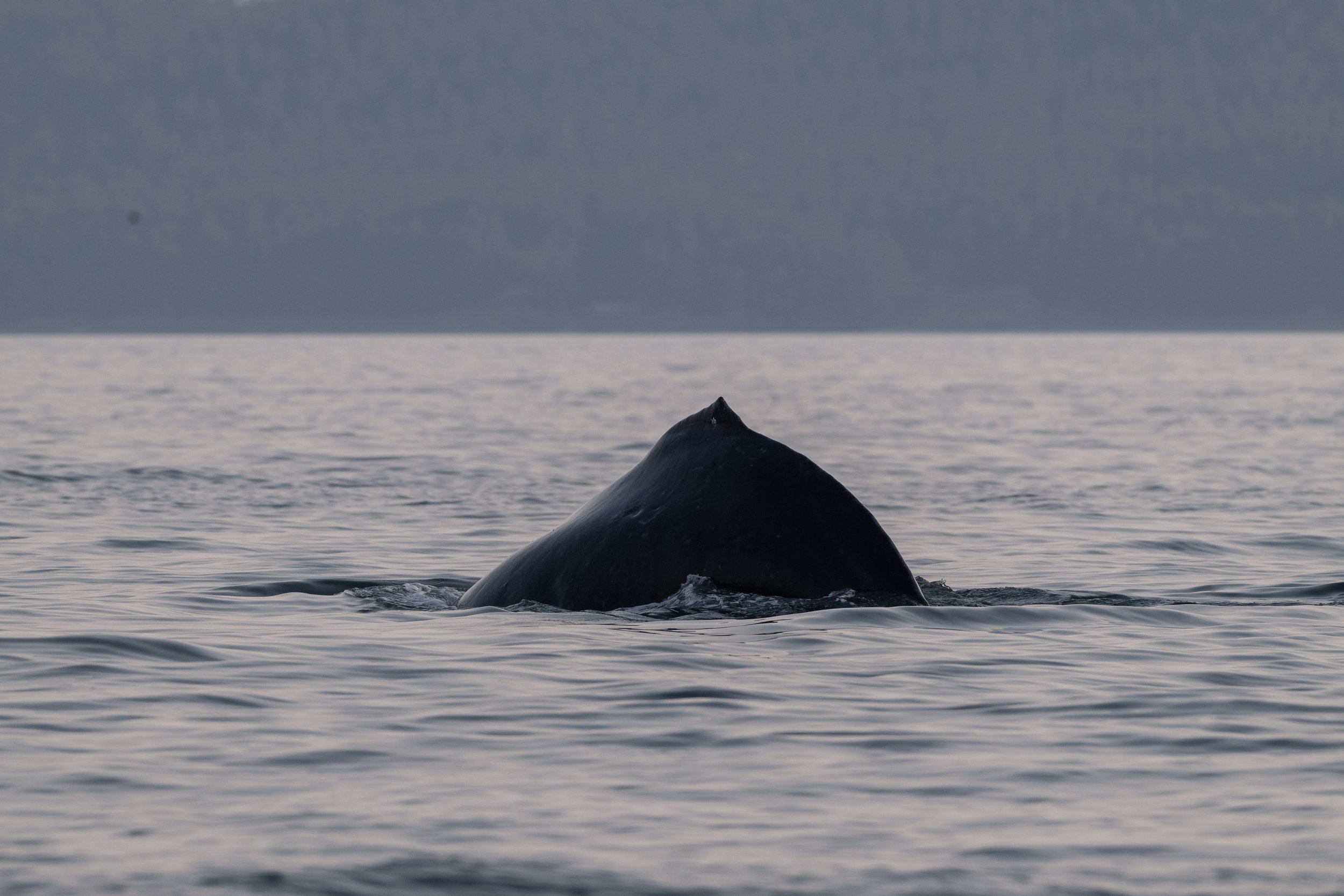
Valiant going for a dive. Photo by Aly Kohlman.
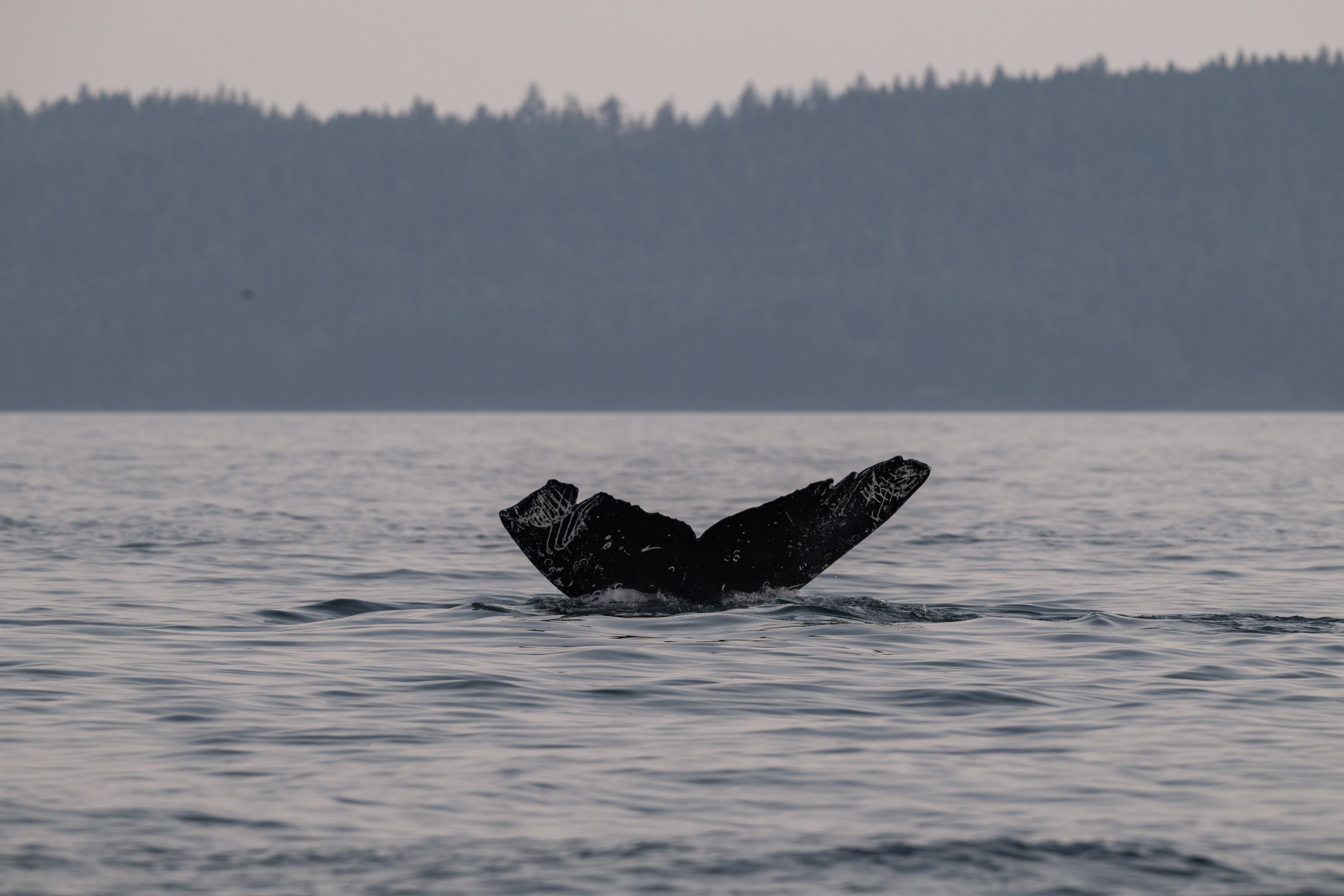
The underside of Valiant’s tail as she dives. Photo by Aly Kohlman.
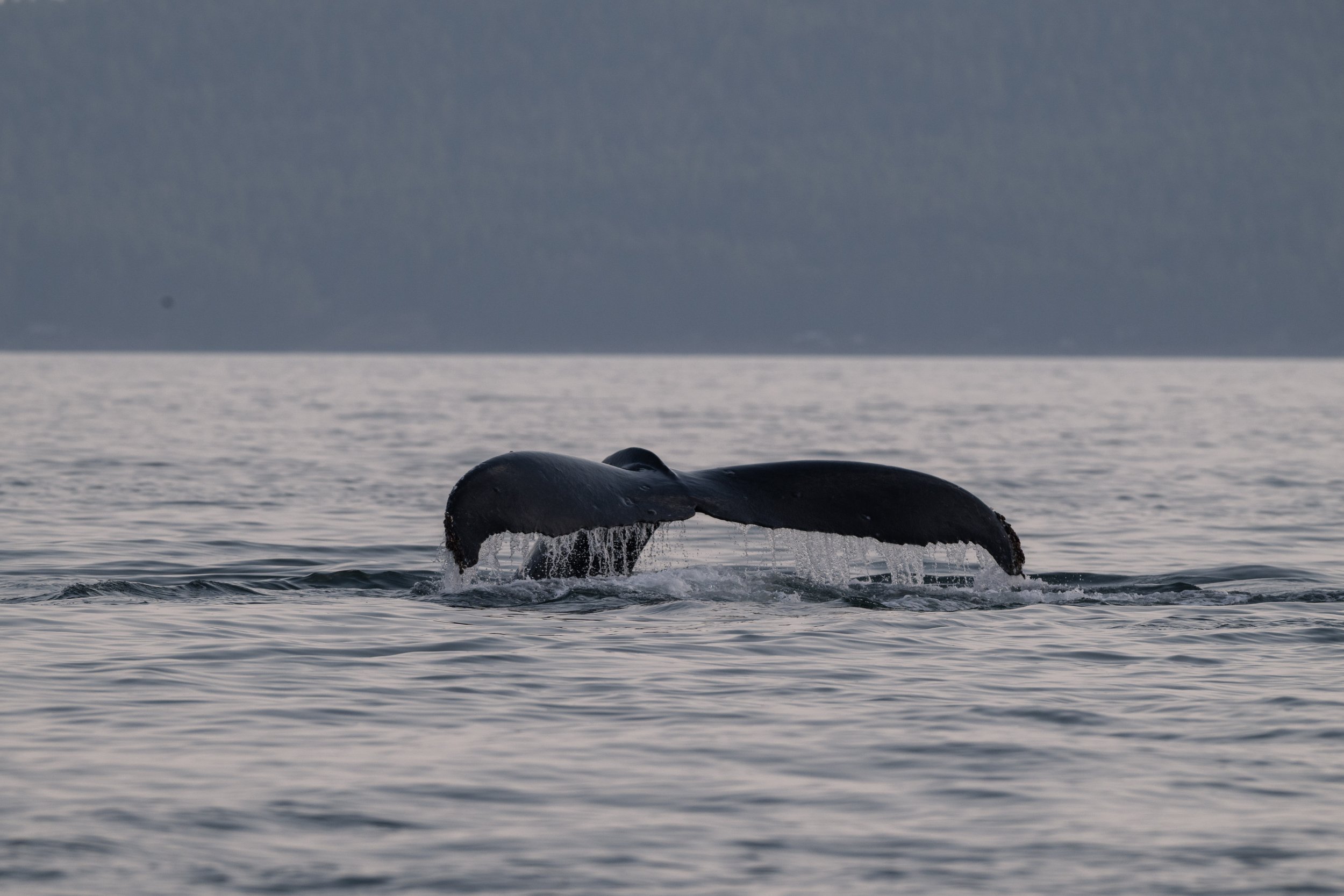
Crater giving us a lovely fluke waterfall. Photo by Aly Kohlman.
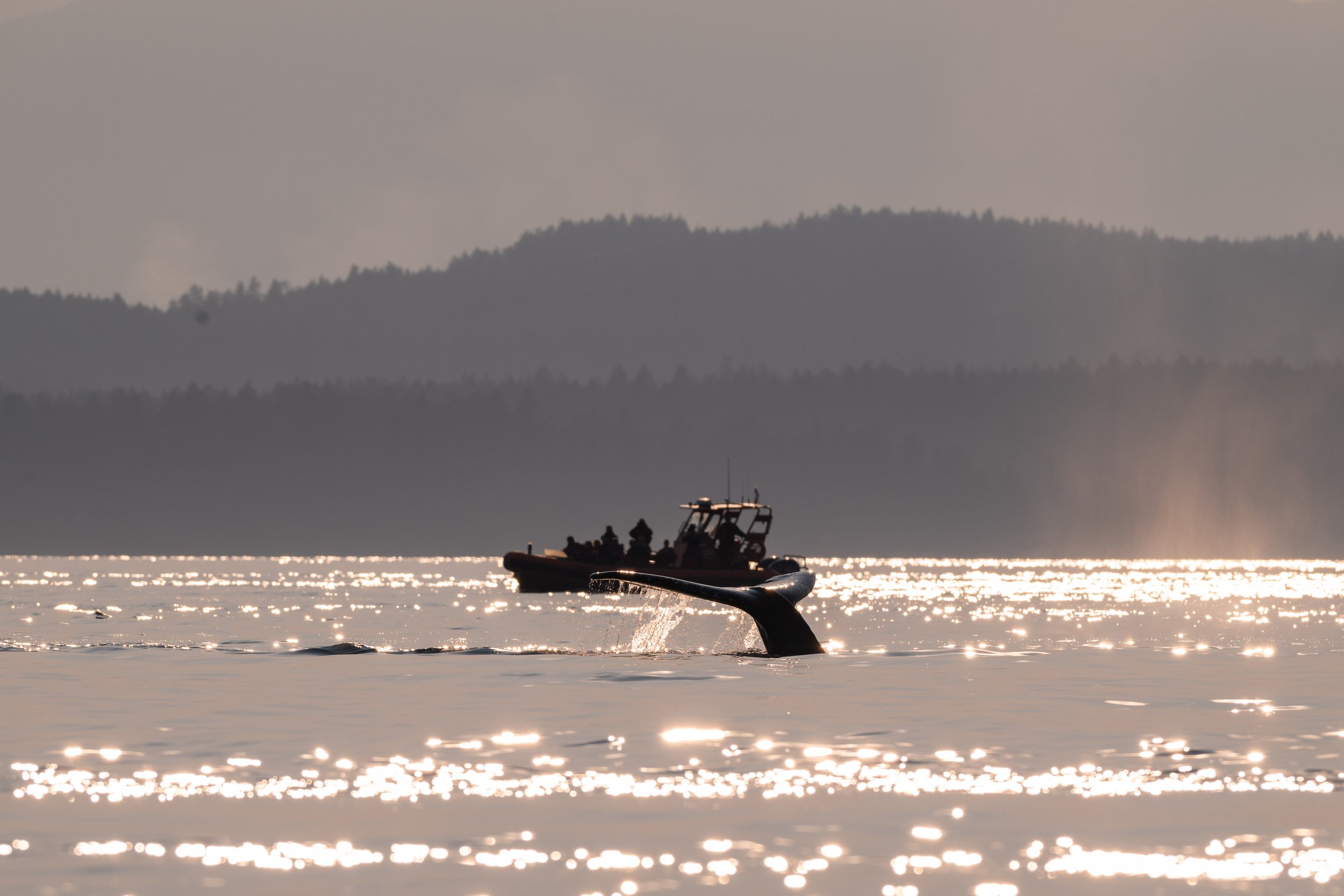
Valiant diving as the open boat watches from the distance. Photo by Aly Kohlman.
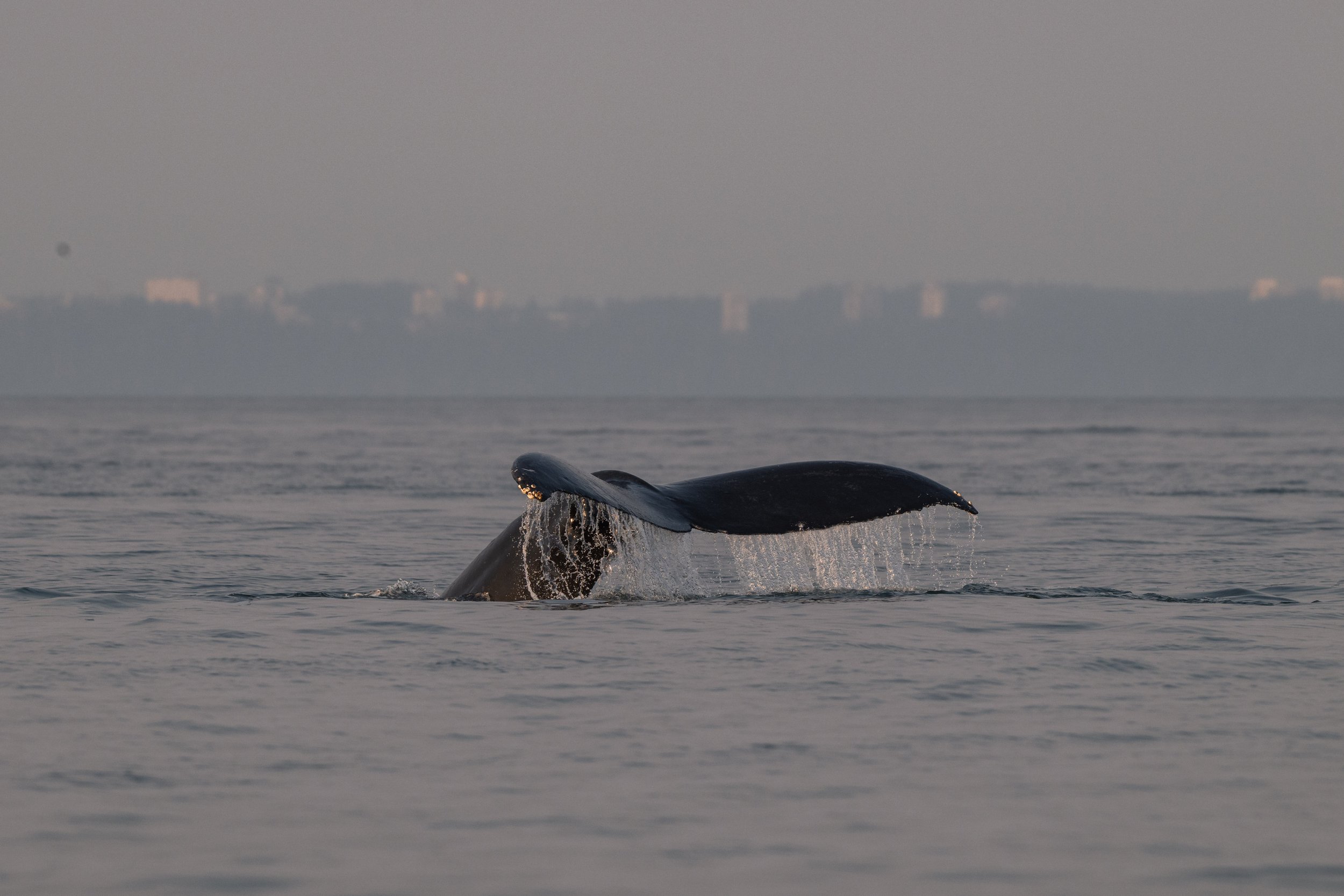
Poptart lifting her tail to dive. Photo by Aly Kohlman.
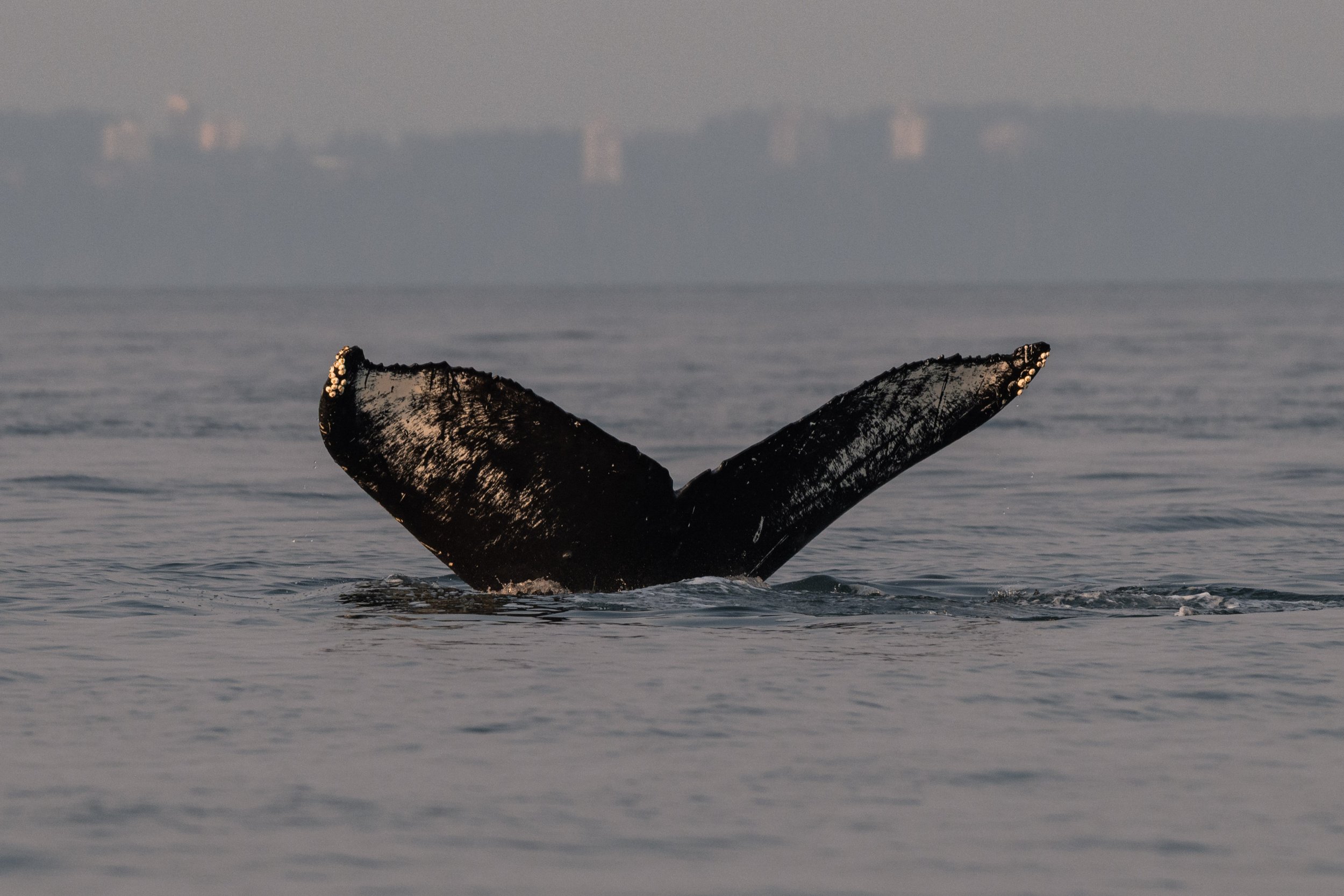
The underside of Poptart’s tail as she dives below. Photo by Aly Kohlman.
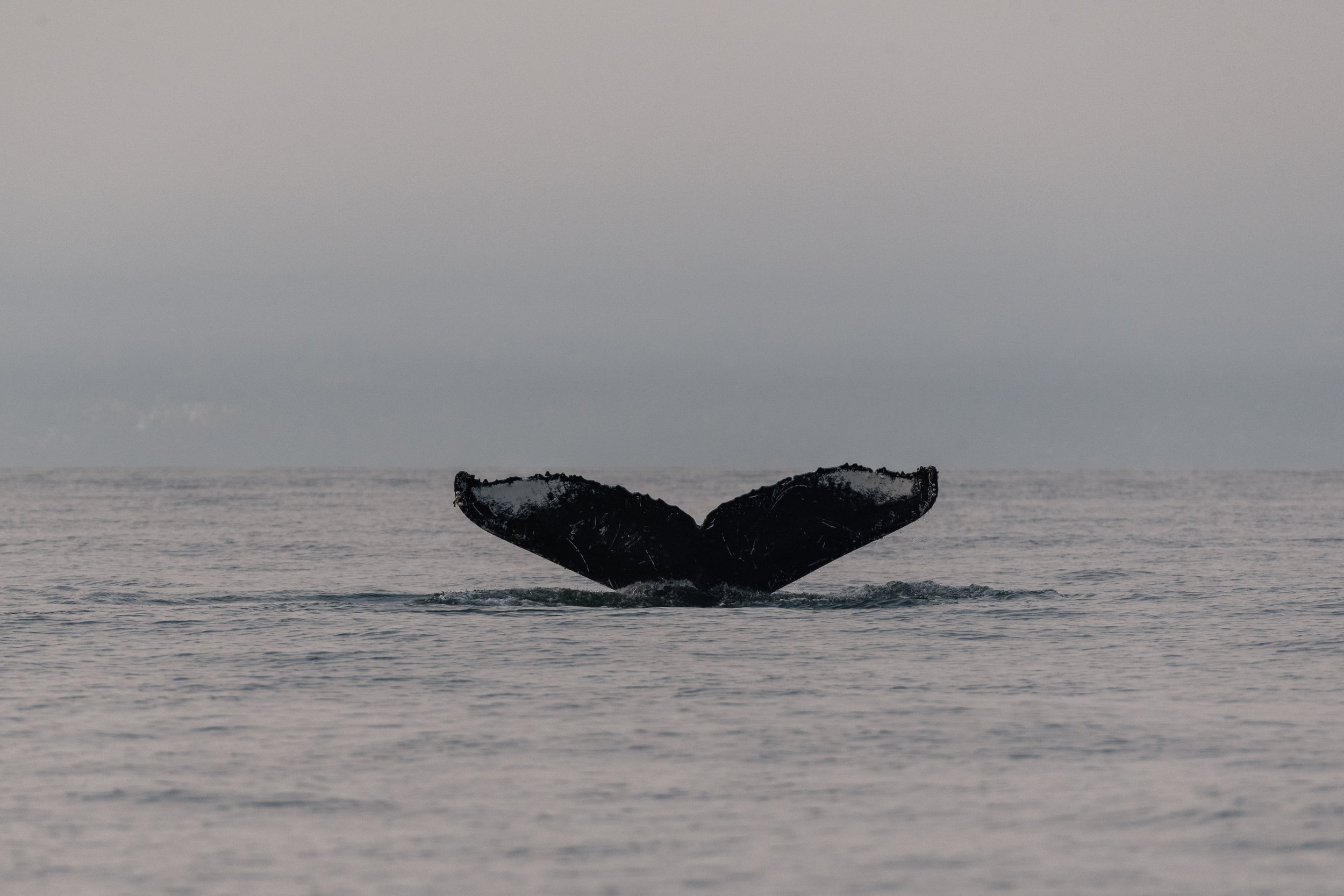
Orion lifting his tail to dive. Photo by Hayleigh Hilbert.
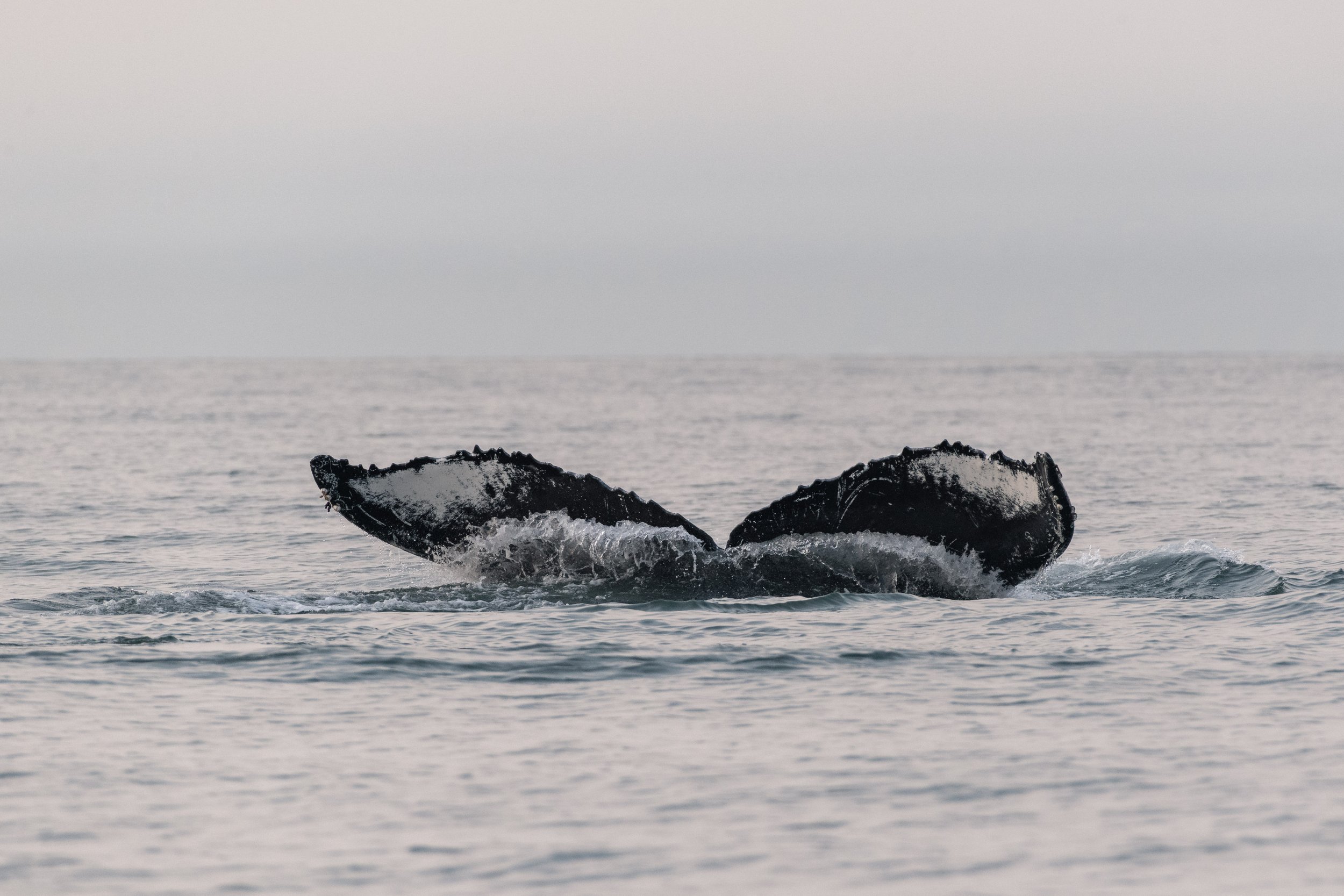
Orion making a splash as he dives. Photo by Hayleigh Hilbert.
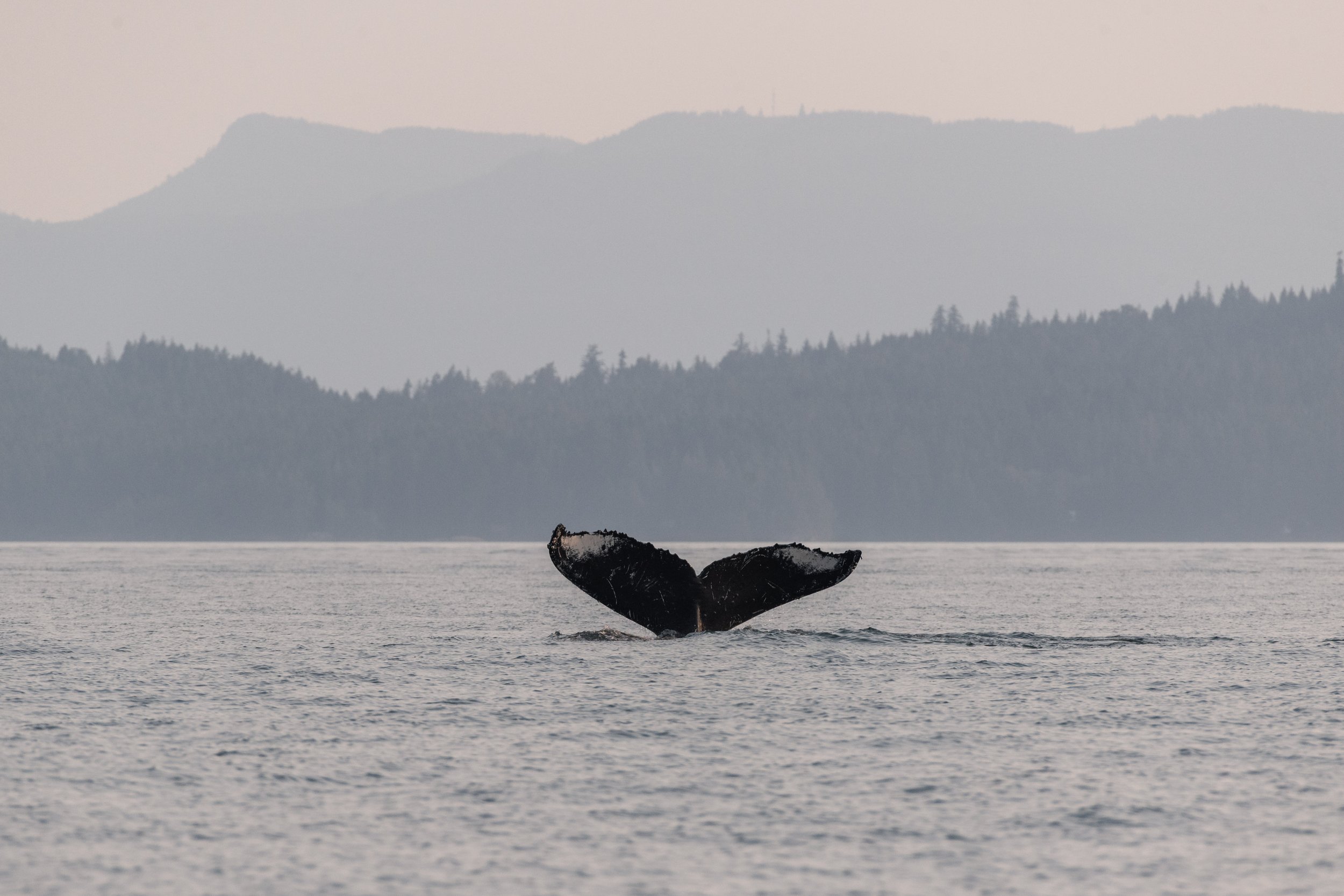
A beautiful look at Orion as he dives with the mountains behind him. Photo by Hayleigh Hilbert.
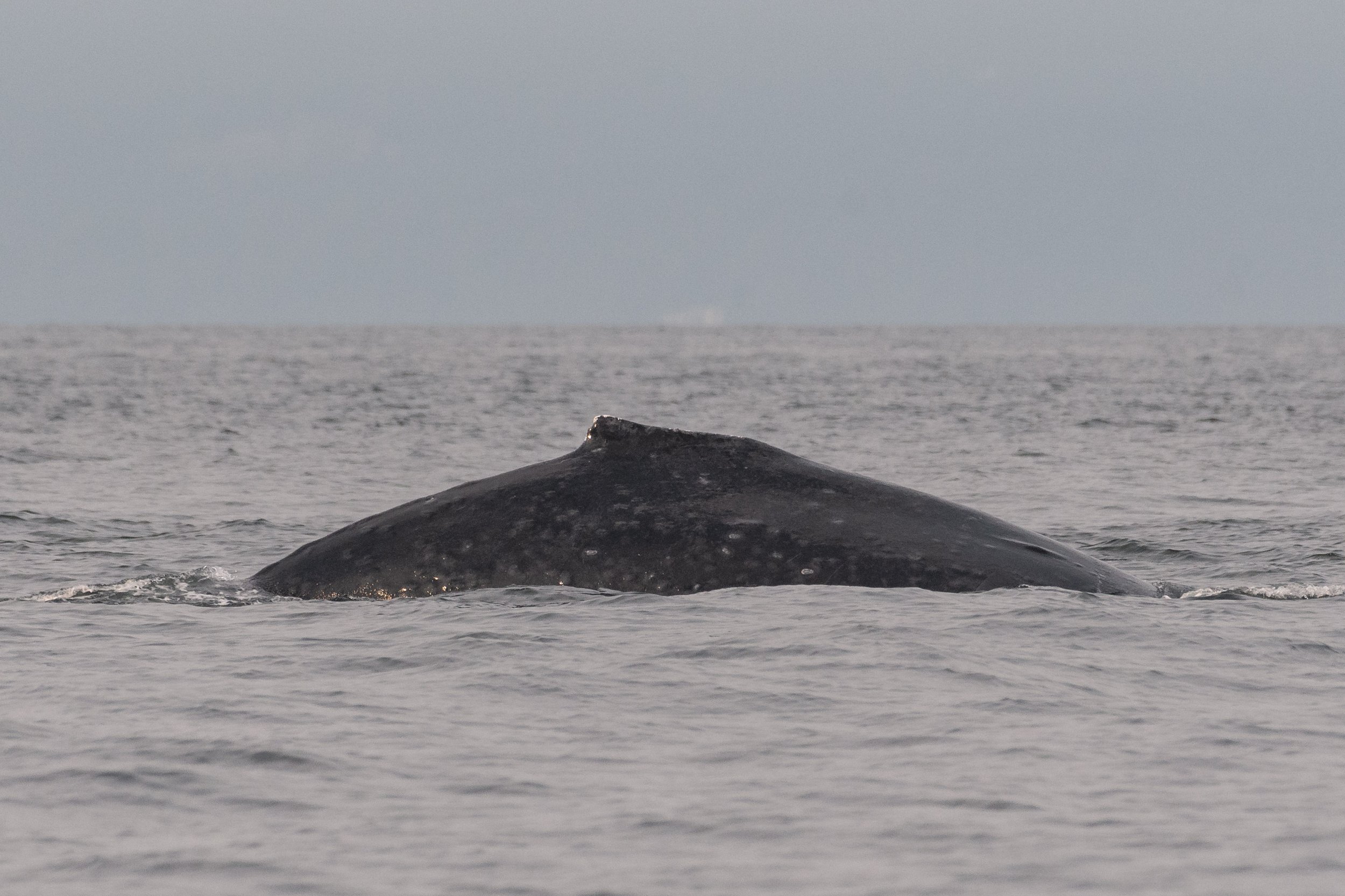
A lovely look at Fader’s dorsal fin. Photo by Evan Hessels.
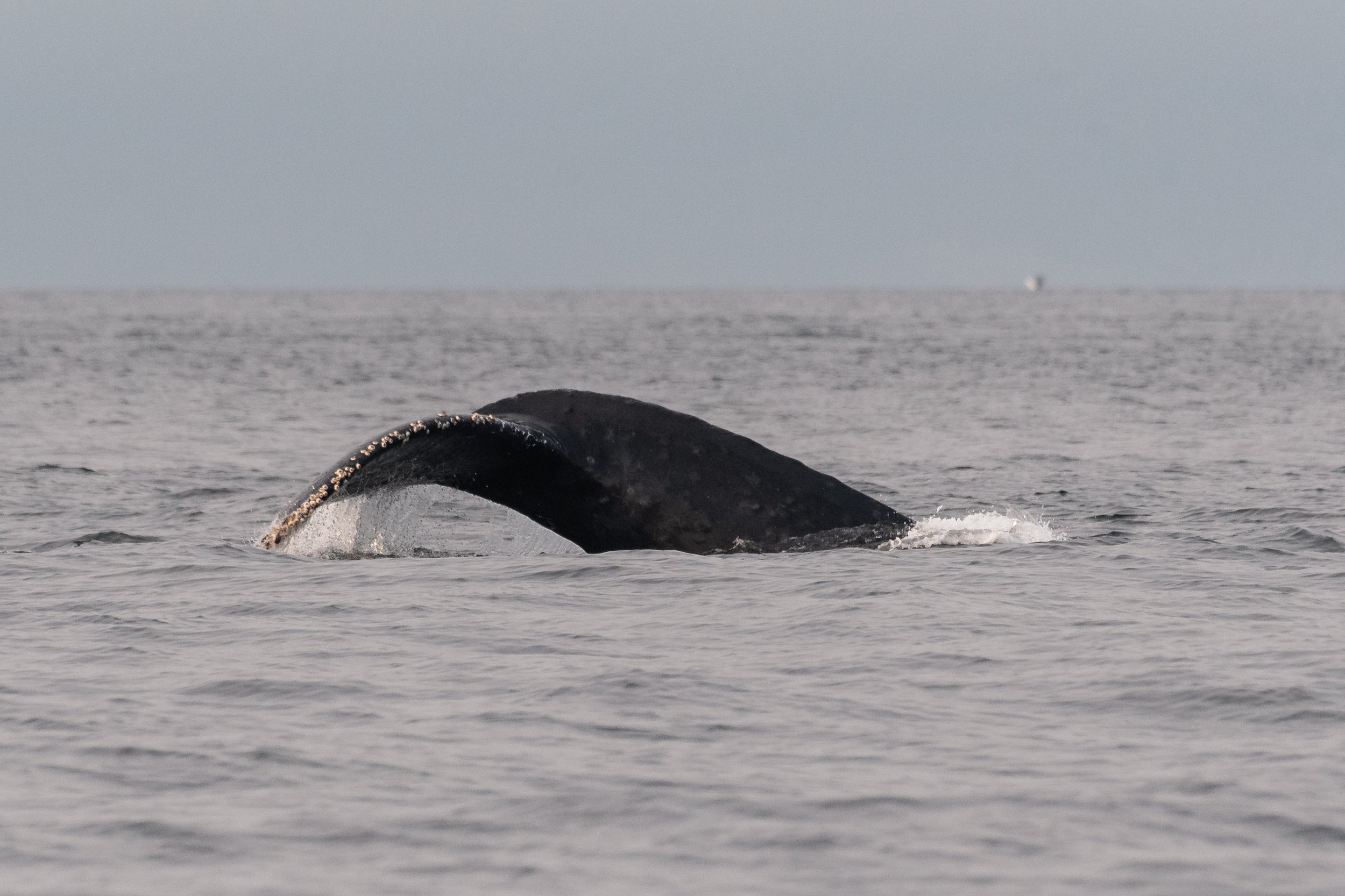
A Fluke waterfall from Fader. Photo by Evan Hessels.
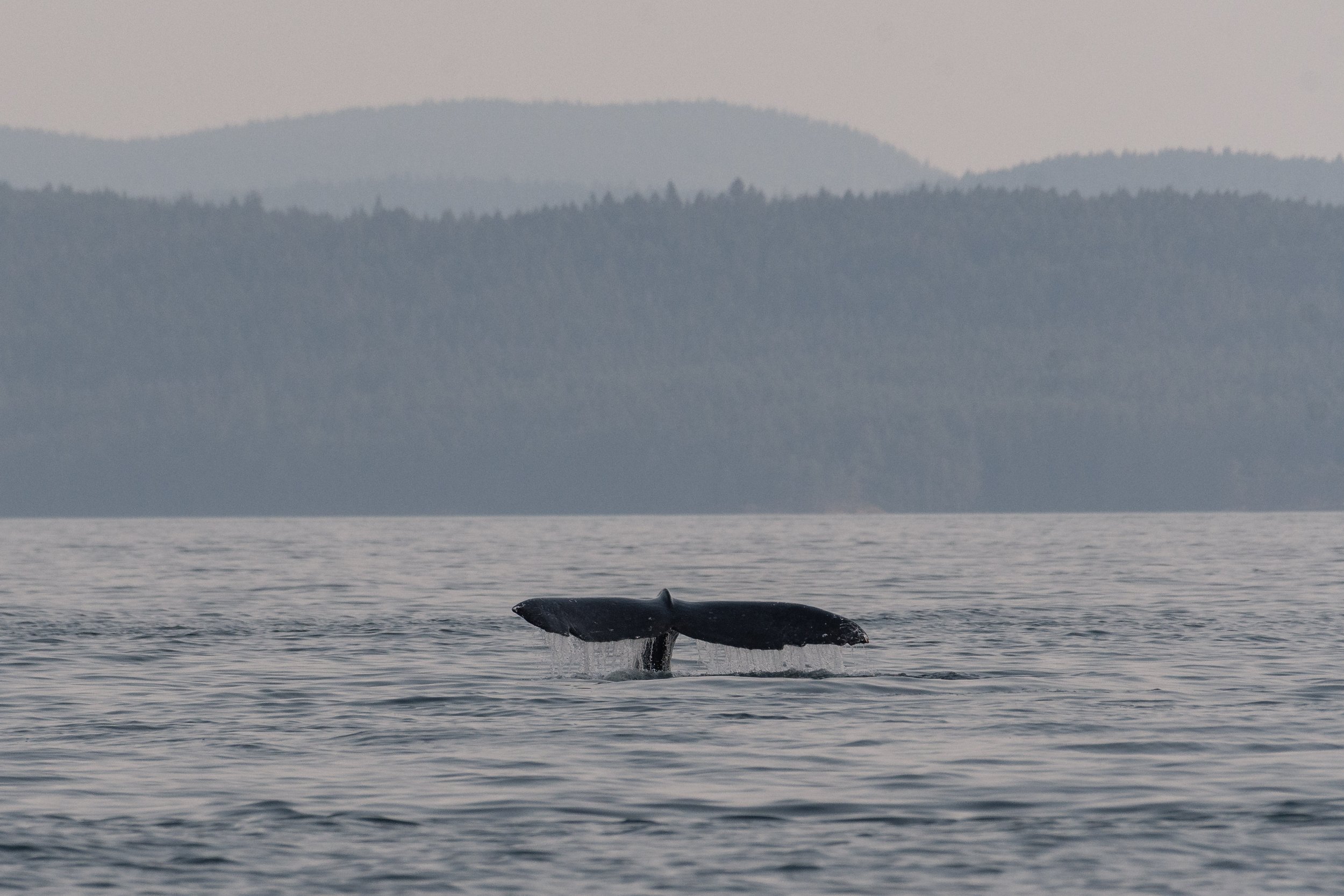
Valiant diving with the mountains behind her. Photo by Evan Hessels.
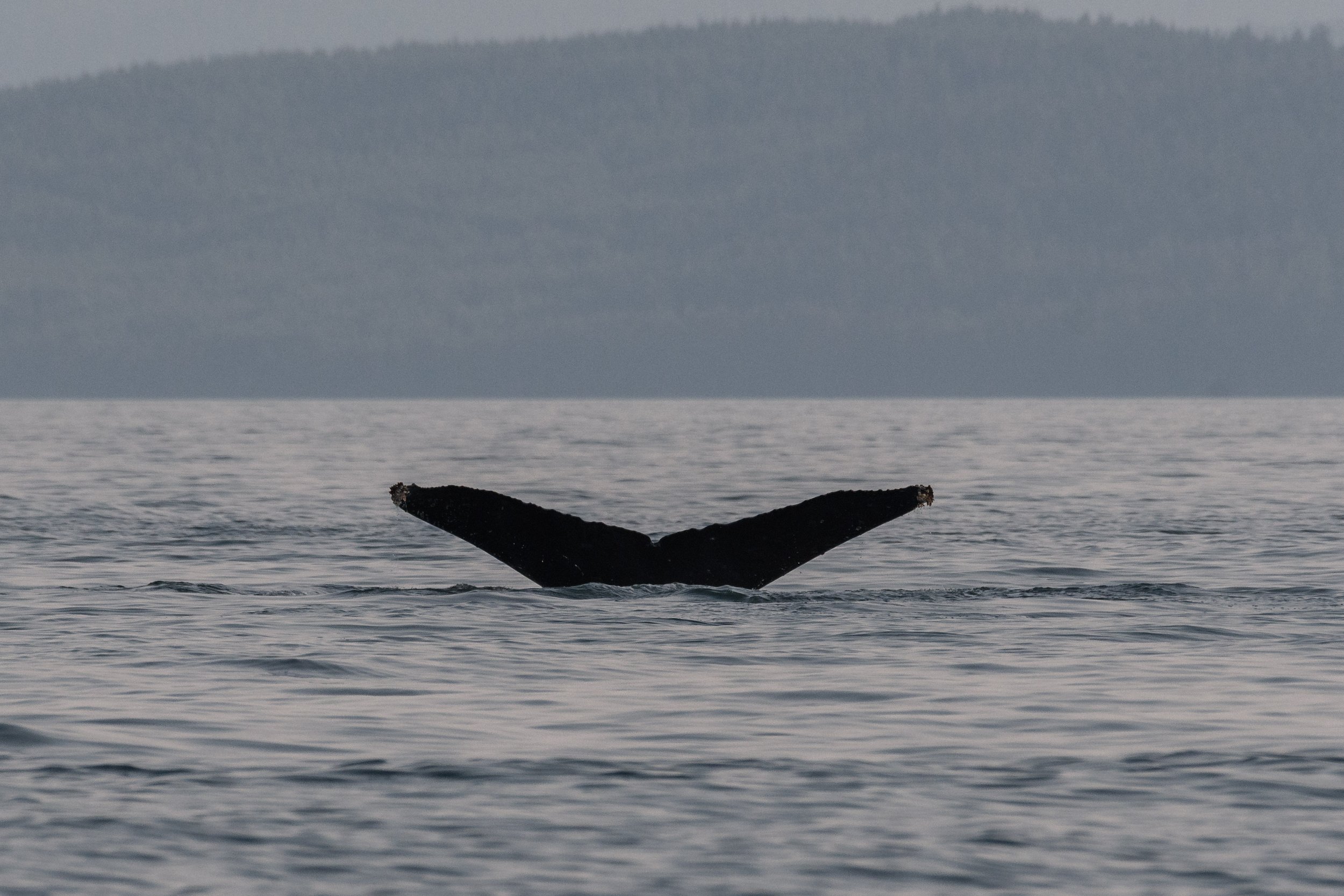
The underside of Crater’s tail as he dives. Photo by Evan Hessels.
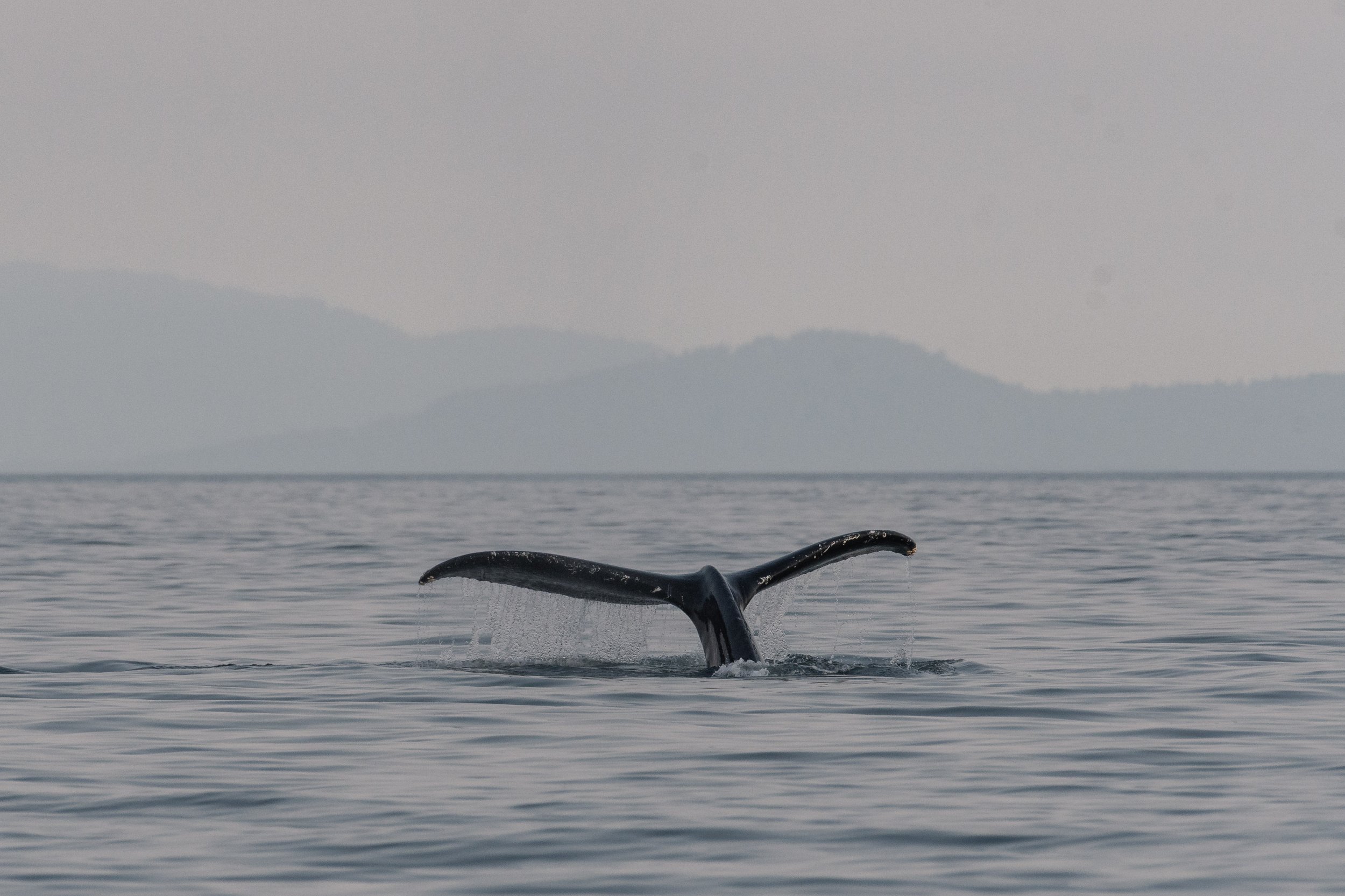
Poptart going for a dive. Photo by Evan Hessels.
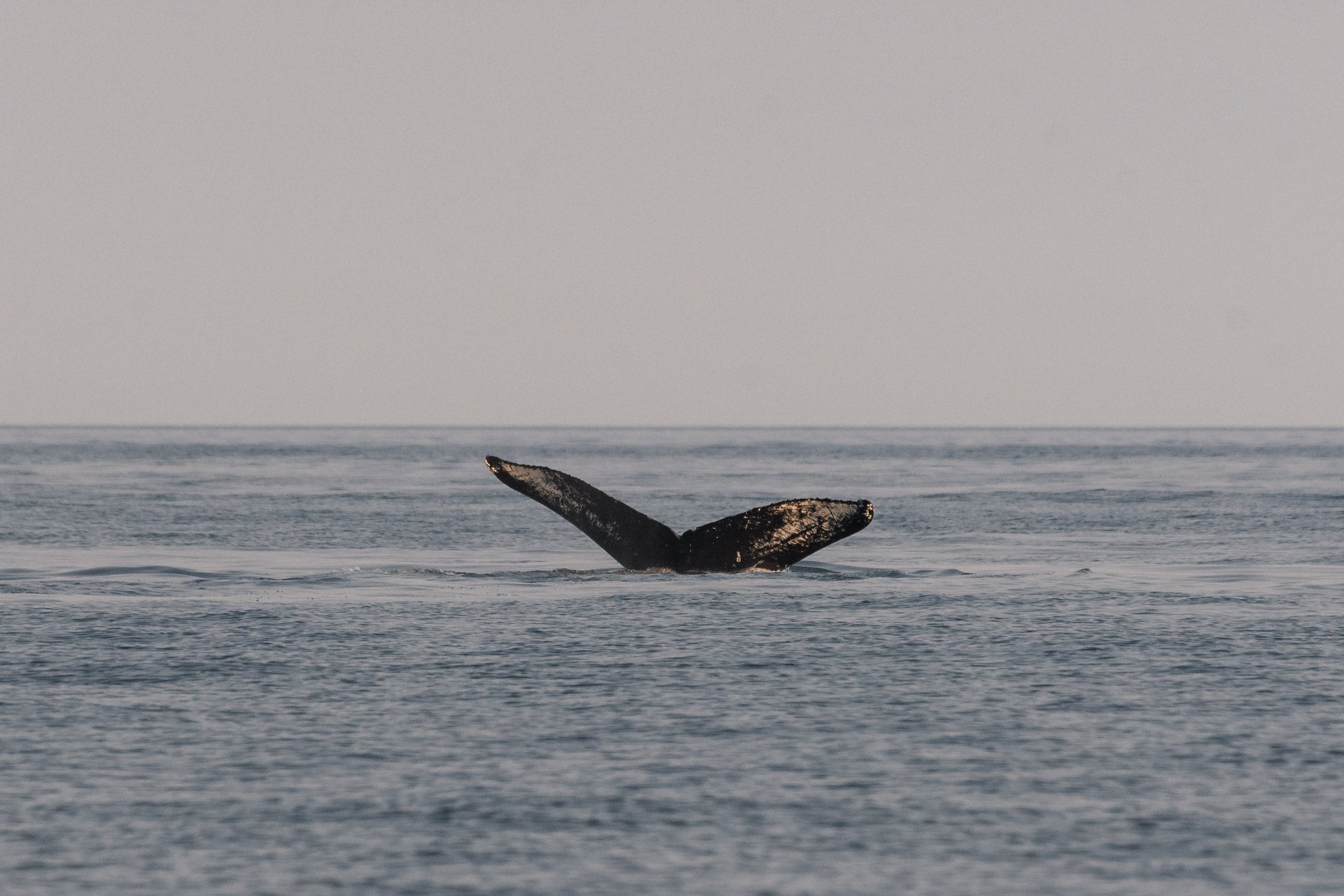
The underside of Poptarts tail as she dives. Photo by Evan Hessels.
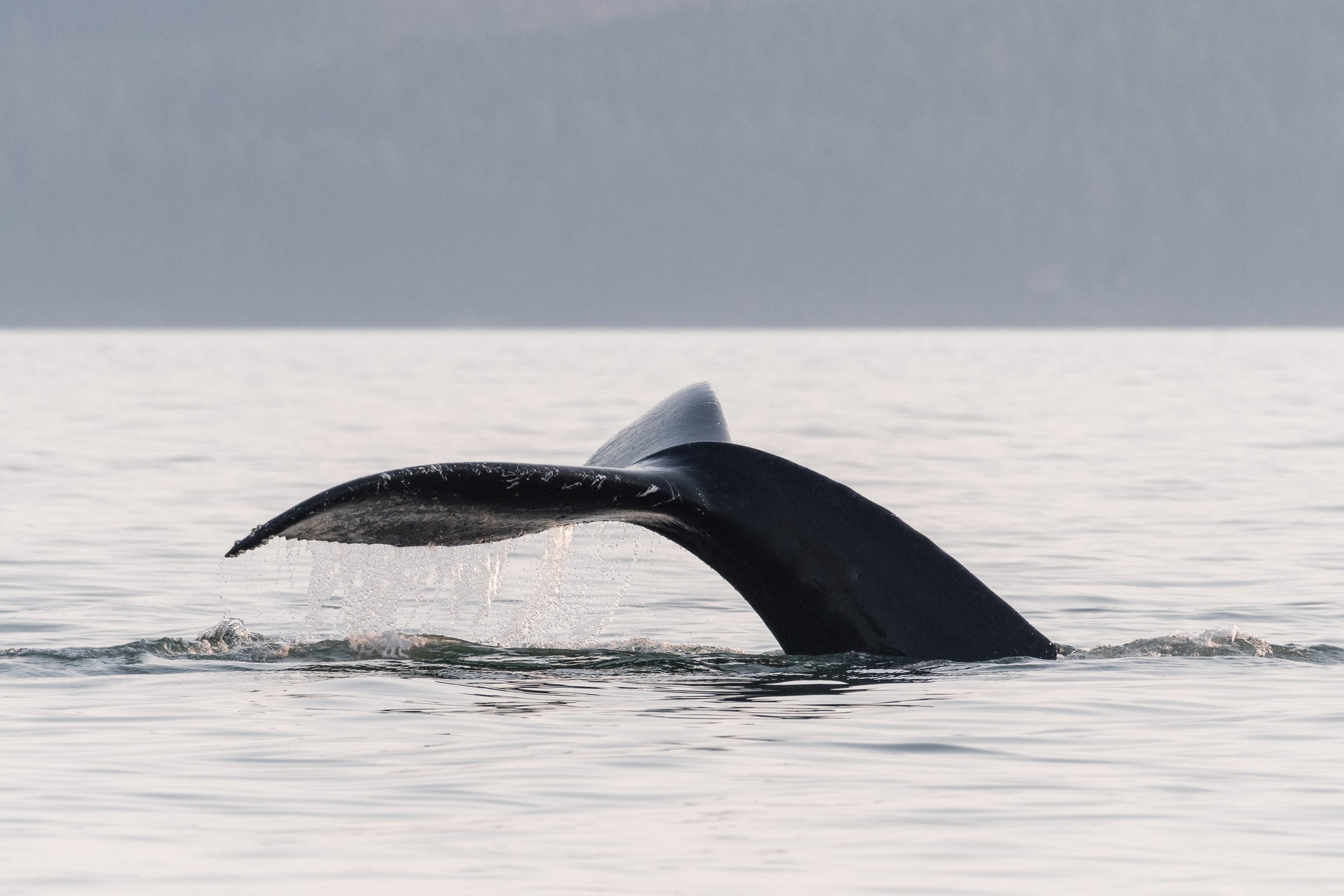
A lovely photo of Poptart as she dives. Photo by Evan Hessels.
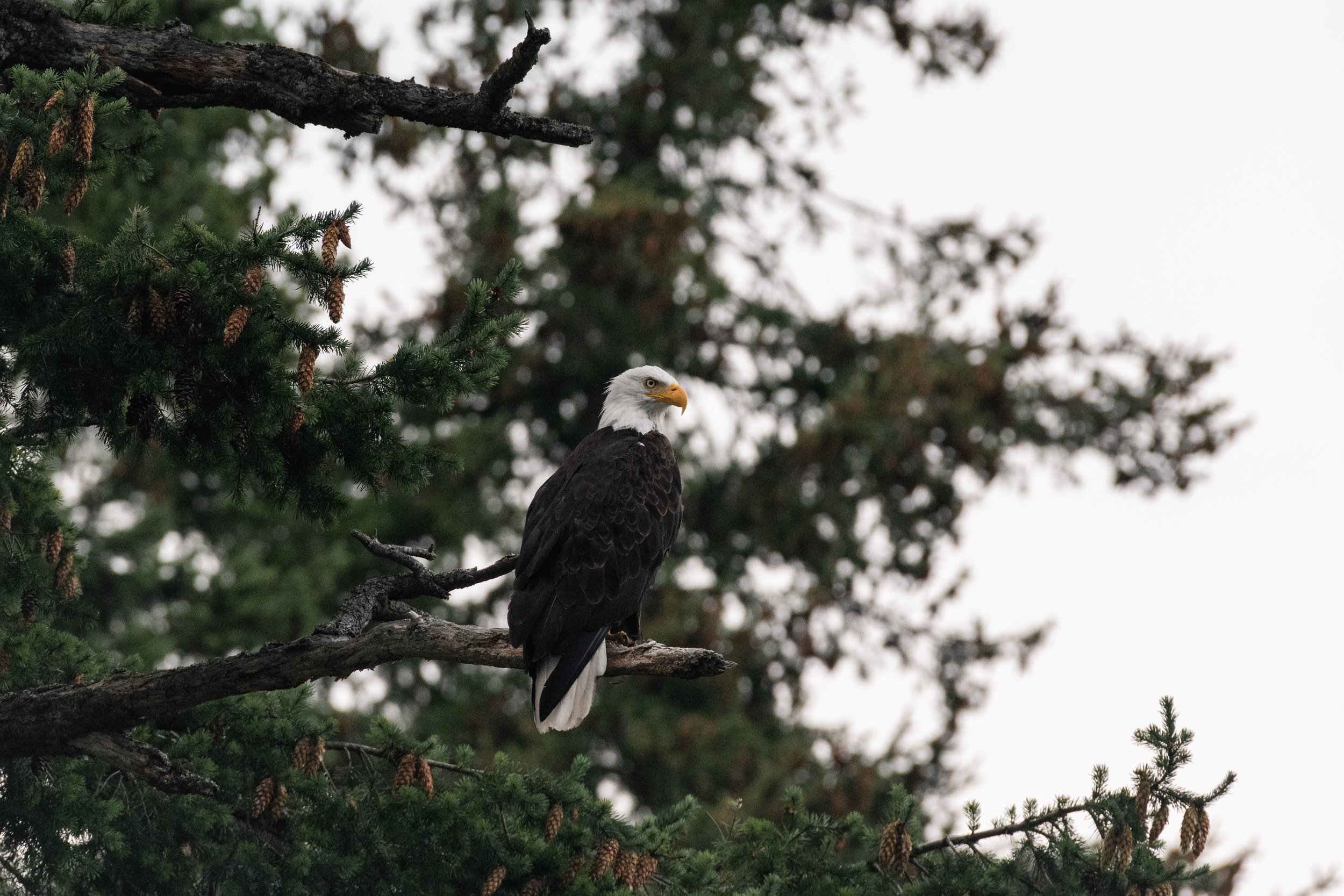
A beautiful Bald Eagle considers themselves a branch manager. Photo by Hayleigh Hilbert.
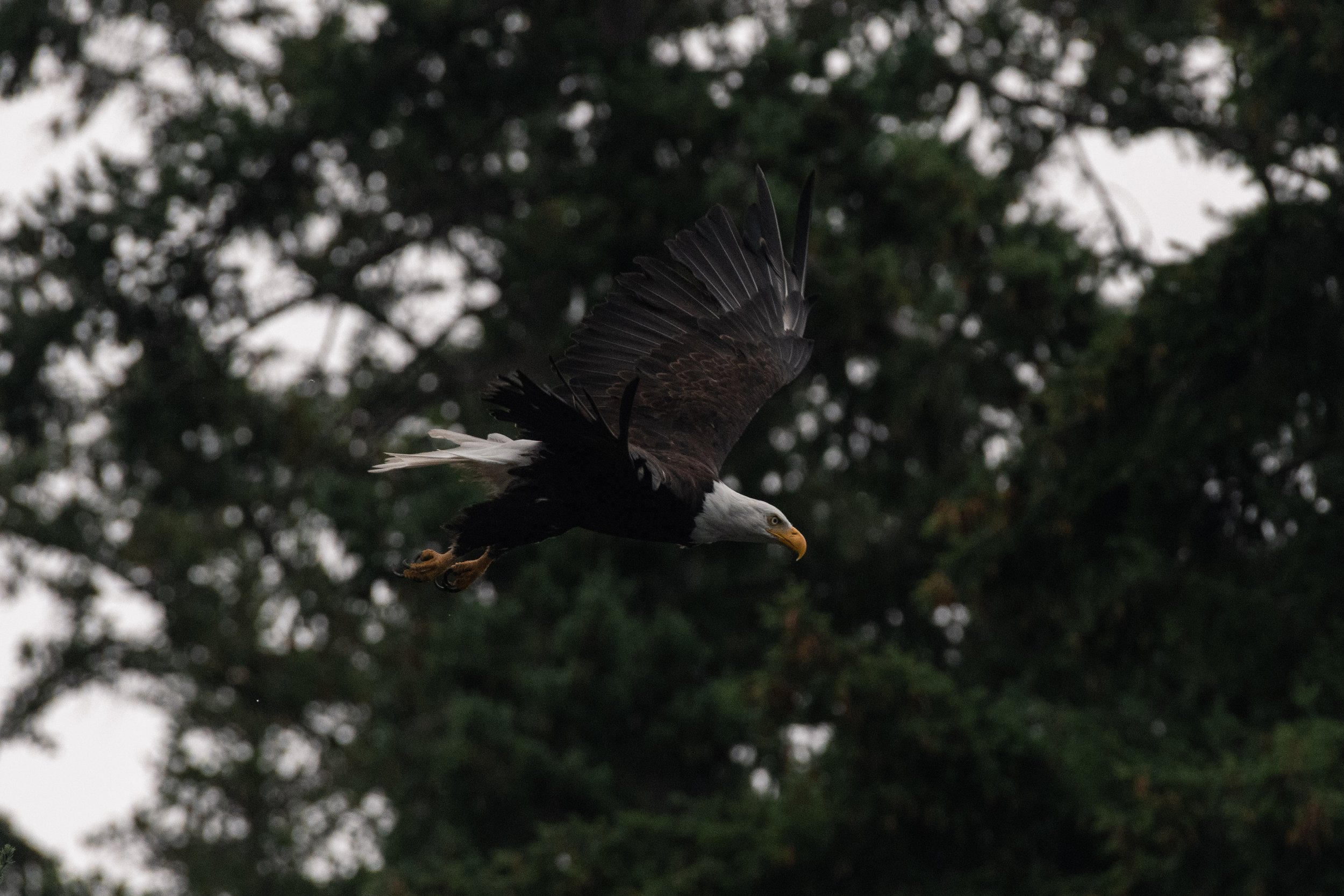
Bald Eagle taking flight. Photo by Hayleigh Hilbert.
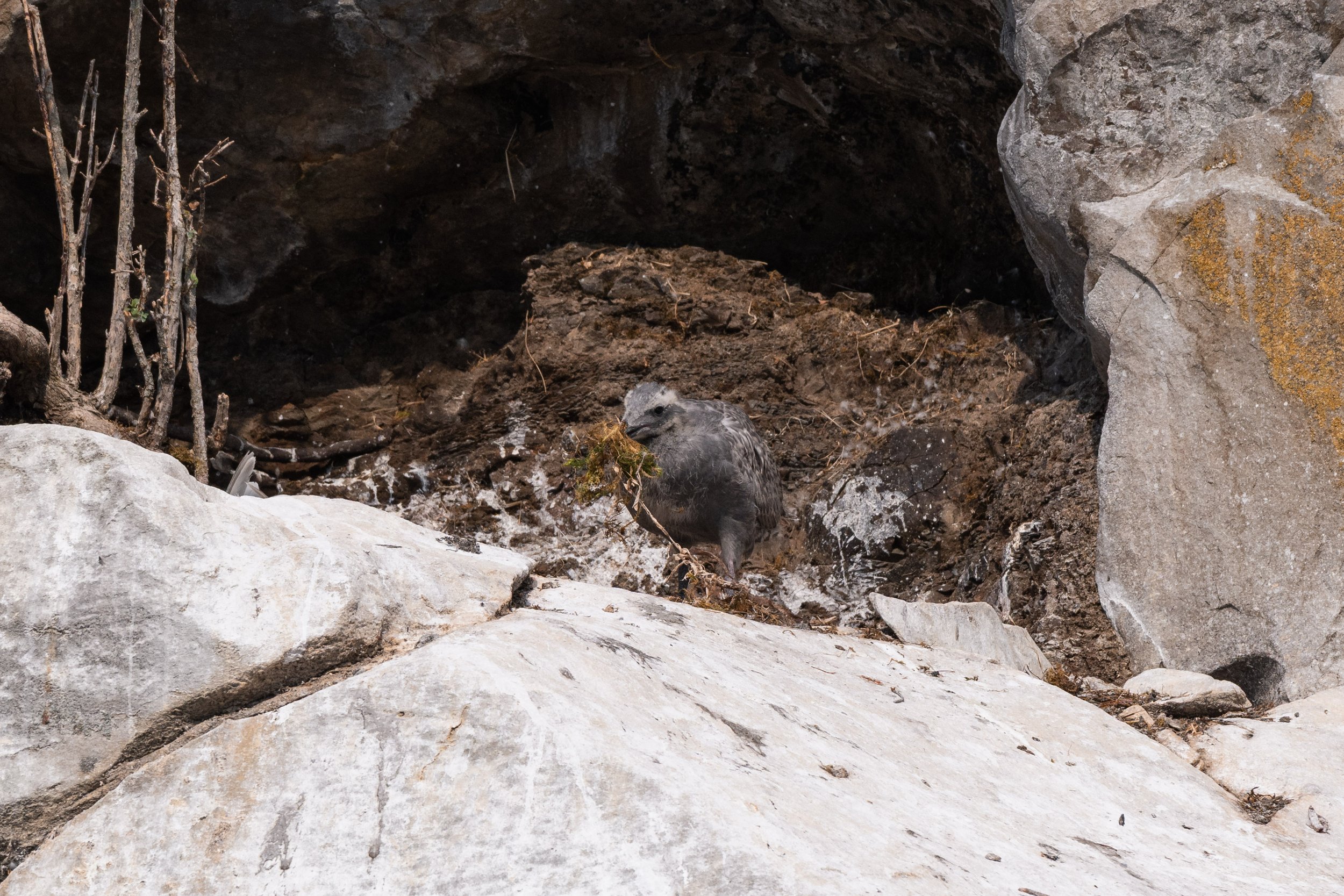
A gull testing the moss for a new bed. Photo by Aly Kohlman.
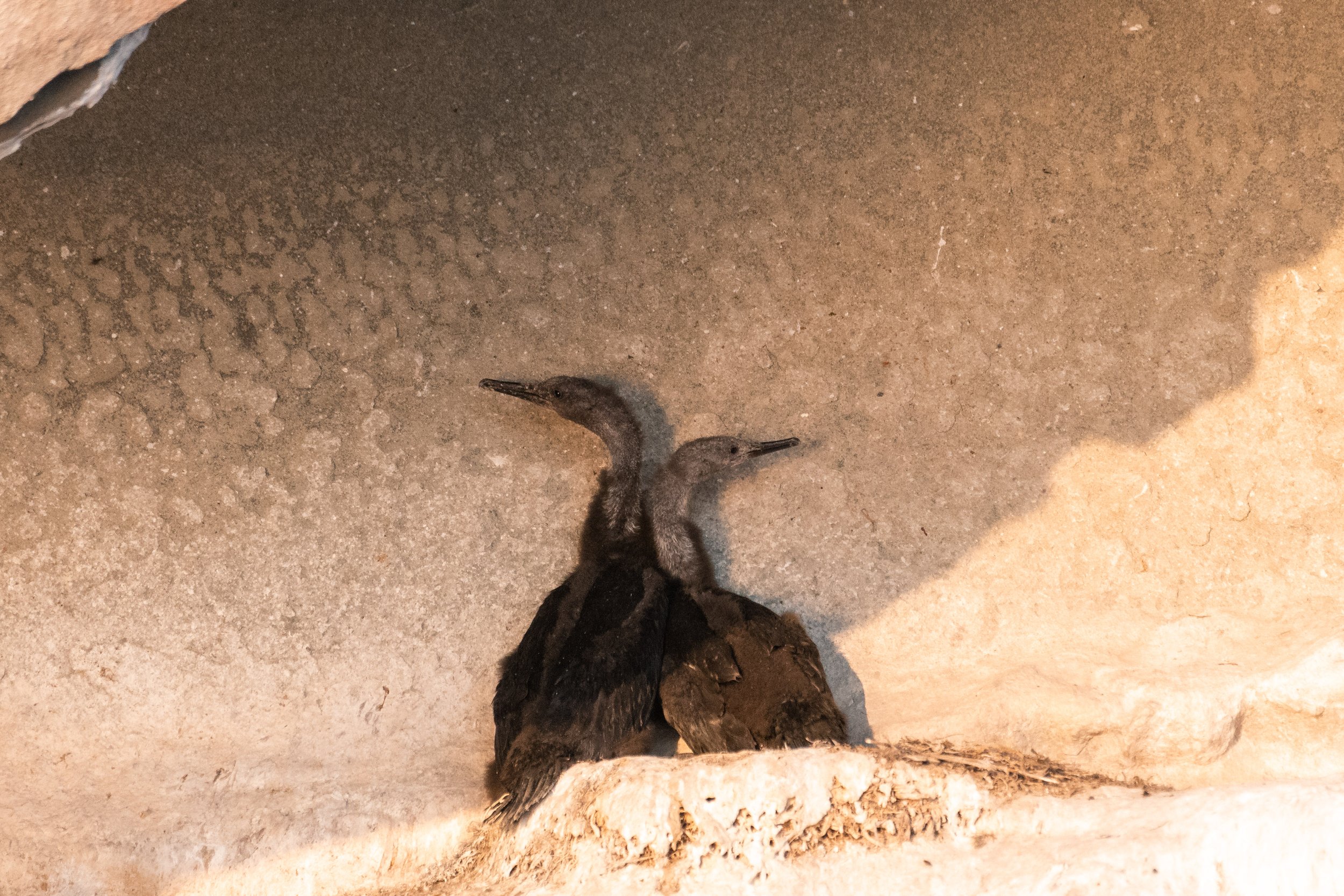
Some very ugly Cormorants on the Bluffs. Photo by Evan Hessels.
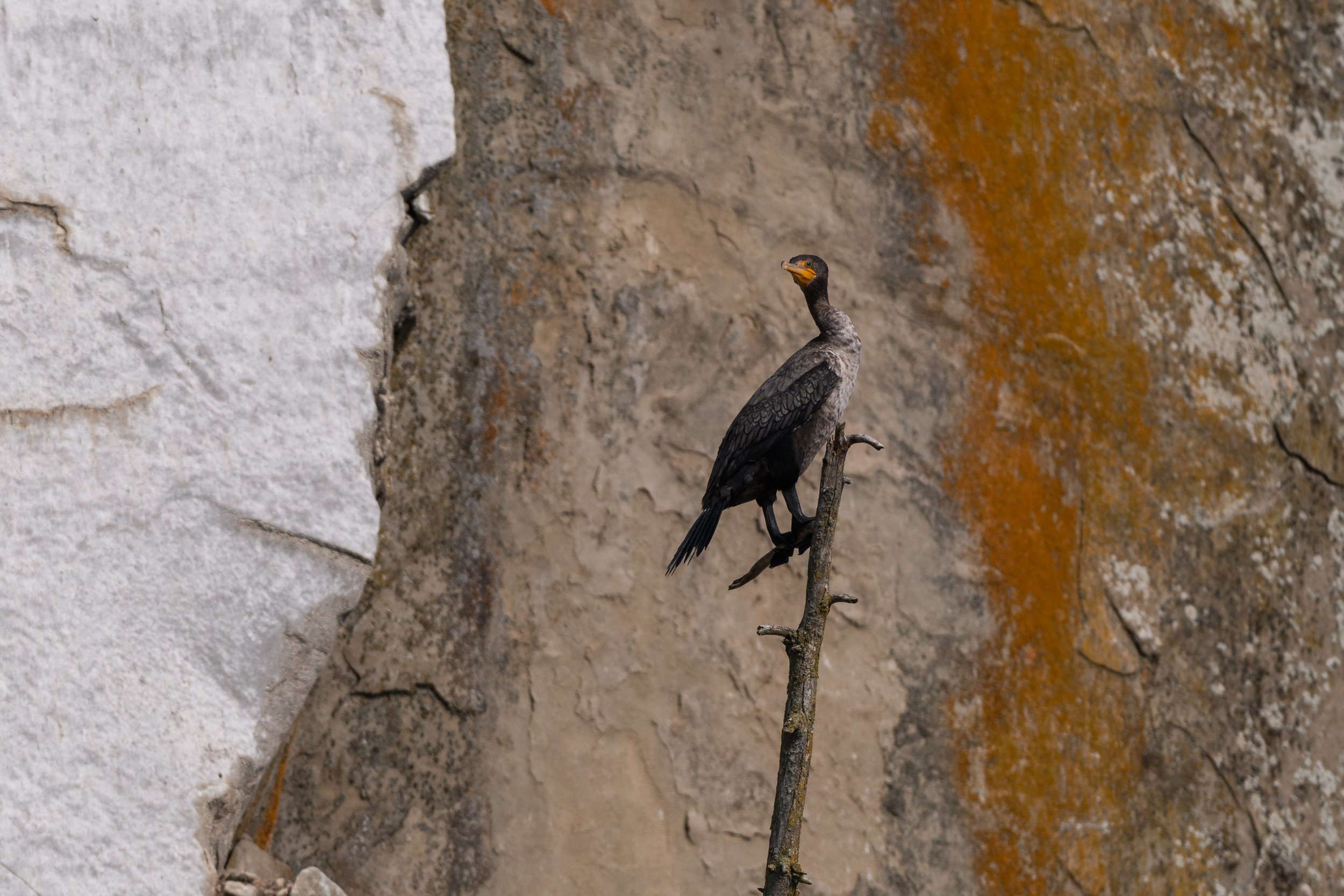
A comorant watching us float by from the treetop. Photo by Aly Kohlman.
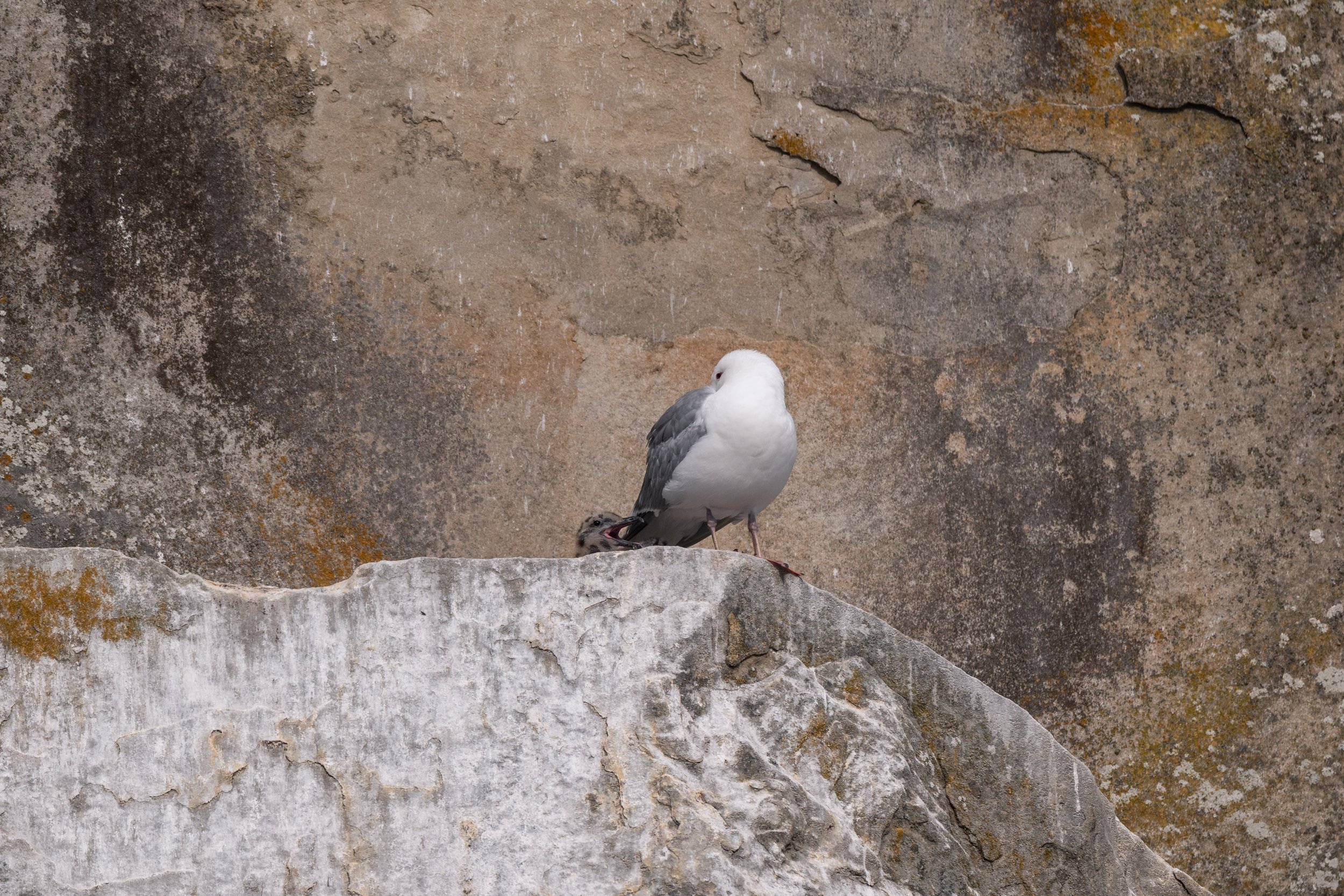
Can you spot the baby gull peeping over the rocks? Photo by Aly Kohlman.
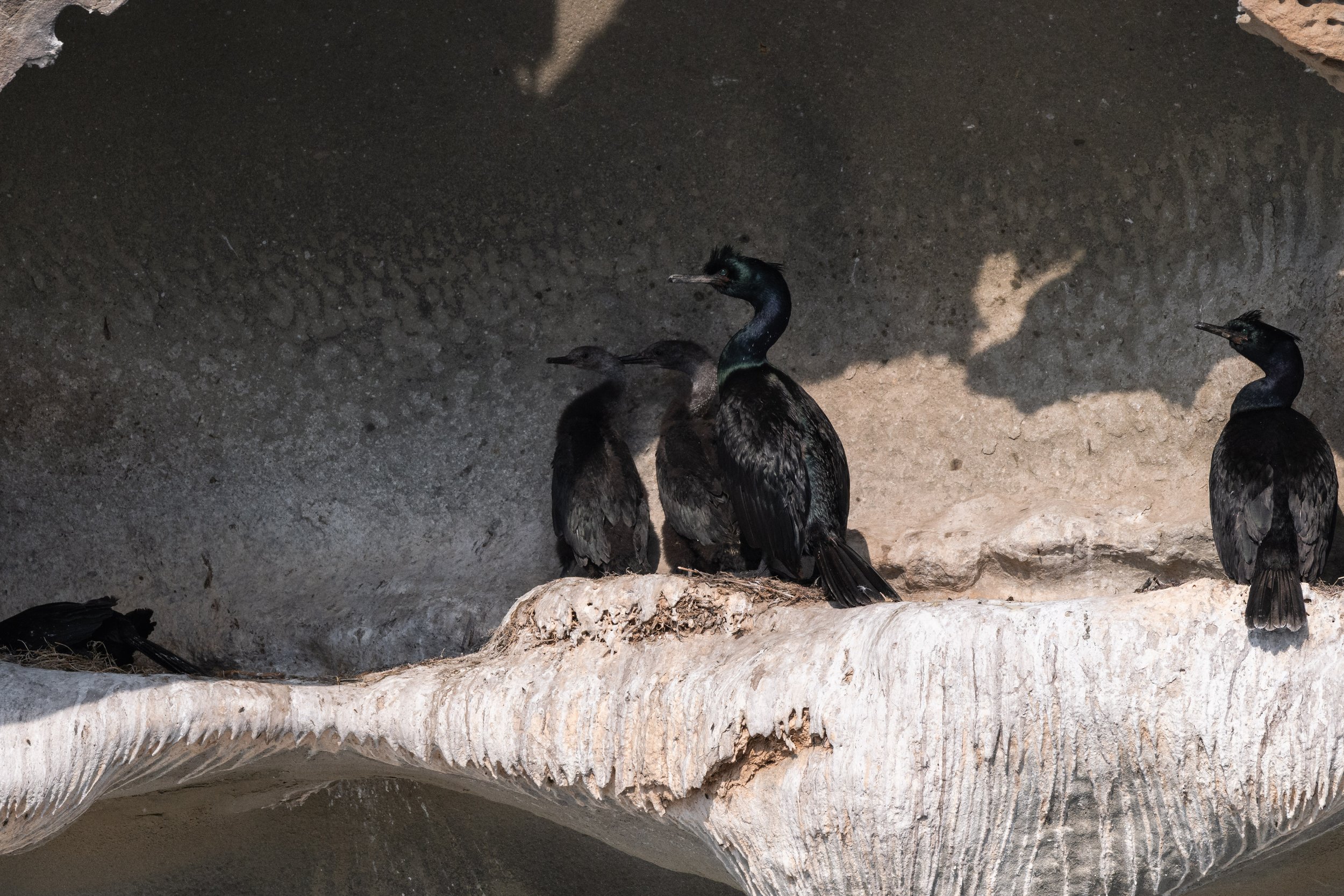
A pair of ypung comorants on the Gabriola Bluffs with their parent. Photo by Aly Kohlman.
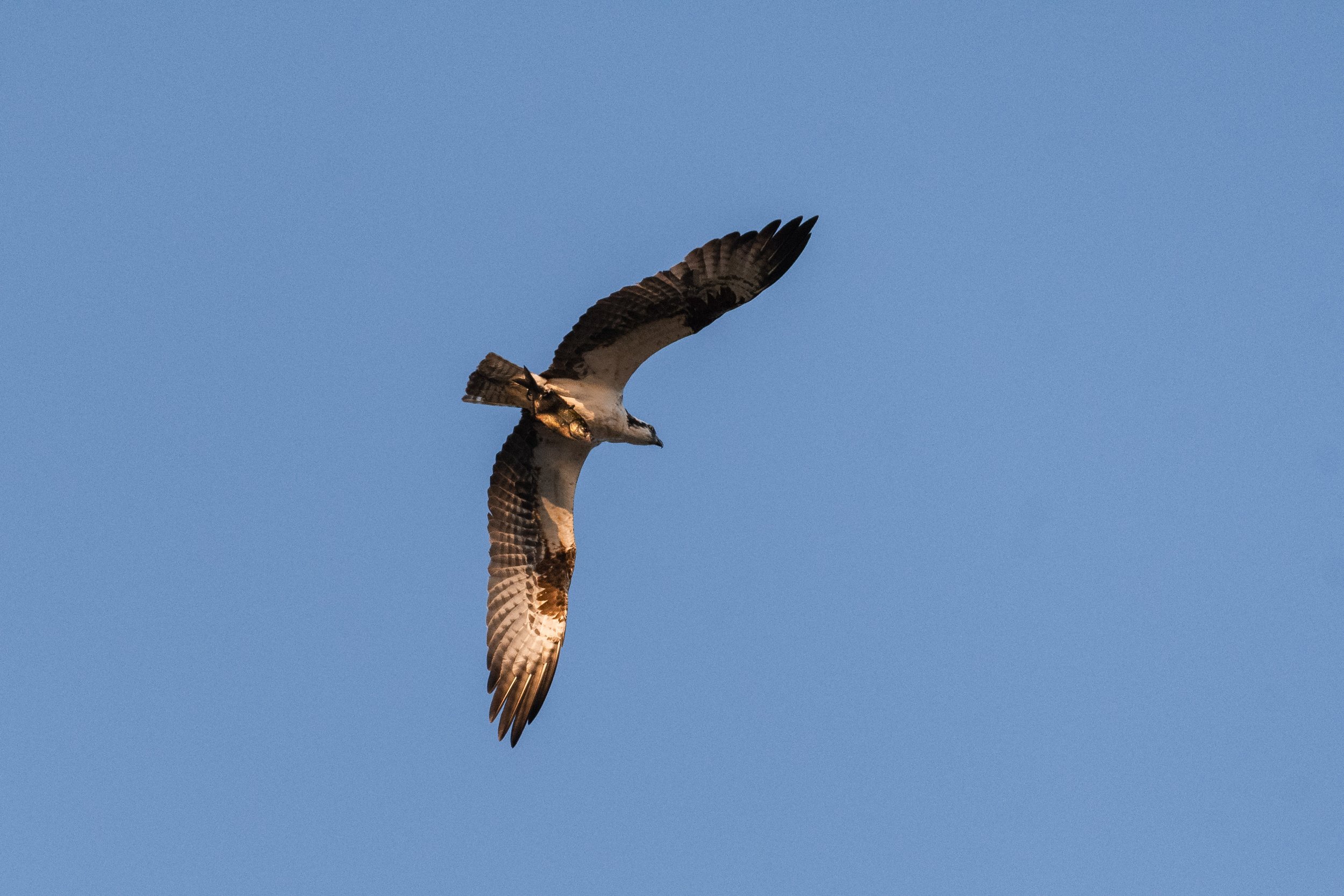
A osprey flying over with a fish. Photo by Evan Hessels.