
August 19, 2026, 3:30 PM - Whales spotted throughout the Strait
Another beautiful afternoon awaited us on the Salish Sea, and all three of our boats were ready for it as they left Nanaimo. The plan was to head south toward a wildlife hotspot that has been forming on the east side of Galiano Island. We travelled through the Southern Gulf Islands to get there, enjoying the scenery along the way. The SGIs show off the rugged coastline of British Columbia beautifully, with the steep shores, wild forests, and plenty of wildlife spread throughout. We kept our eyes peeled as we moved through the narrow passageways here on our way to Porlier Pass, where we left the protection of the Islands and headed into the Strait of Georgia. Out here, we spotted the first whales of the day: a group of humpback whales that seemed to be feeding in the area. Over the course of a couple of encounters, we were able to identify Chi (BCX0575), Windy (BCY0893) and Beak (BCX1606) in the area, although there were other distant blows as well.
Humpbacks are filter feeders, typically finding krill when feeding in the Strait of Georgia, although it’s sometimes small schooling fish. The amount of food that each of these whales requires in a given day is vast, varying from 1 tonne to 1.5 tonnes or 2,000 - 3,000 pounds of food. They need to eat this rich food in large quantities because they are building a fat reserve that they will burn for energy as they migrate south to their breeding grounds. While they’re down there, there isn’t much food available, so they burn through the fat built up here over the summer to fuel not just the travel, but the activity that occurs while they are there as well. For males, competition to woo females can be energetically expensive. For females, they may be giving birth and starting to produce milk, which also takes a lot of energy, or they may get pregnant, another very energetically expensive event for them.
No matter what they are building the fat for, it’s very important for them since they can lose up to 50% of their body weight during their mirgation time so that could prove deadly if they haven’t built enough during their time here. We enjoyed our time watching these whales before we got word that there was some other whales not too far away from us, this time a group of orca travelling togther.
This was a fast-moving group, heading south a bit further down the Galiano Shoreline. After snapping some photos of the dorsal fins and saddle patches we were able to ID the group as two pods travelling togeher: the T035As and the T036B1s. That means the following 8 whales were present:
T035A Lester ♀ (1998)
T035A1 Opal ♀ (2010)
T035A1A (2026)
T035A2 Topaz ♂ (2013)
T035A3 Garnet (2018)
T035A4 Agate ♂ (2022)
T036A1 Tierna ♀ (2005)
T036A1A Drift (2022)
Life for the orca in the Salish Sea isn’t always food-driven like the humpbacks, who may spend up to 20 hours of their day feeding. Instead, orcas spend time focusing on social behaviour, travelling, and playing together. While the group wouldn’t let the opportunity for food pass if something appeared before them, that’s not typically a focus during a t-party like this. Transient orcas in particular have lots of food available for them, so they will sometimes get more food than needed in a given day, which allows them to also have a healthy layer of fat to provide energy for them on the days they might not be catching as much food. The time between eating is never as drastic as with the humpbacks, but it can still be a useful source of energy for them!
Orcas, being the largest member of the dolphin family, are very intelligent and social creatures. They like to spend time socializing with those outside of their immediate family, not just as a change of pace but also for potential breeding opportunities. The breeding opportunity part wouldn’t come into play in this case, given the group composition. It was fun watching these whales since we got to witness some of the less commonly seen surface activities from them, such as tail slapping and porpoising. It seemed to be mostly the youngsters acting all excitable, which is also more common, just like human kids. It was a very fun encounter, but eventually our time ran out, and we had to start the journey home.
We turned North and started aiming towards the north, looking to stop for some seals and sea lion viewing at Stinky Rock before returning to the harbour, but we were stopped along the way by yet another whale encounter. This time it was with the T101s, a mother-son duo that were travelling south along Valdes Island.
T101 Reef ♀ (≤1969)
T101B Lagoon ♂ (1997)
These two have been a regular sight on our tours for a while now, and a welcome one at that. Both are impressive whales, quite large for the population. Some measurements have been taken on the West Coast transient orca, although Reef and Lagoon haven’t been included in any of the studies so far. We think if they were, they would likely be amongst the largest in the area. Right now, it's T011 Rainy who holds the crown for males, while T123 Sidney does for the females.
We didn’t get to spend too long with these two before we had to continue on back to Nanaimo. It was a great afternoon spent with so many different whale encounters. We hope you enjoy the photos included below, captured throughout these encounters by Marine Naturalists Aly Kohlman, Jordan Robinson, and Evan Hessels.
Humpbacks
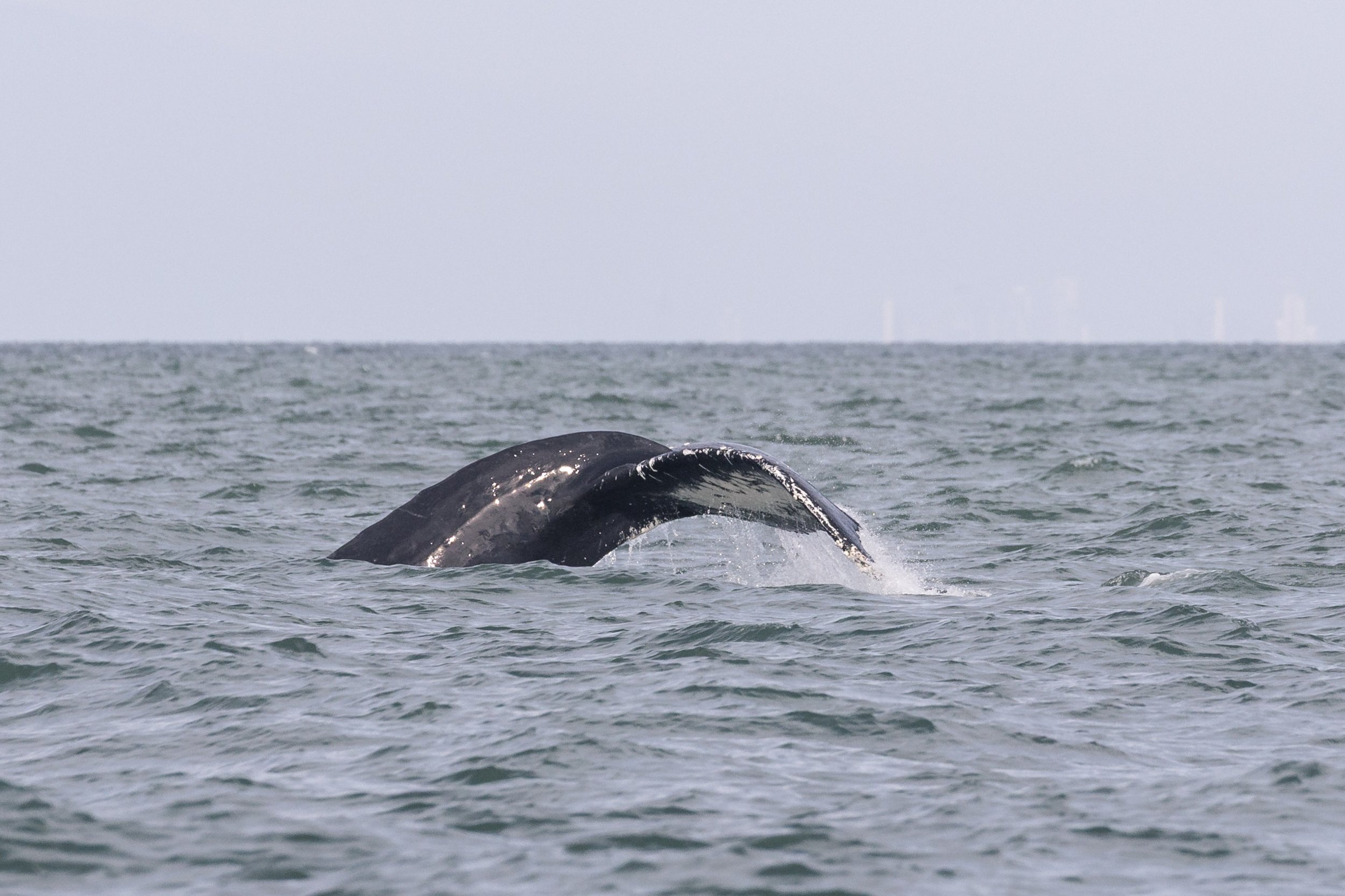
Chi going for a dive. Photo by Jordan Robinson.
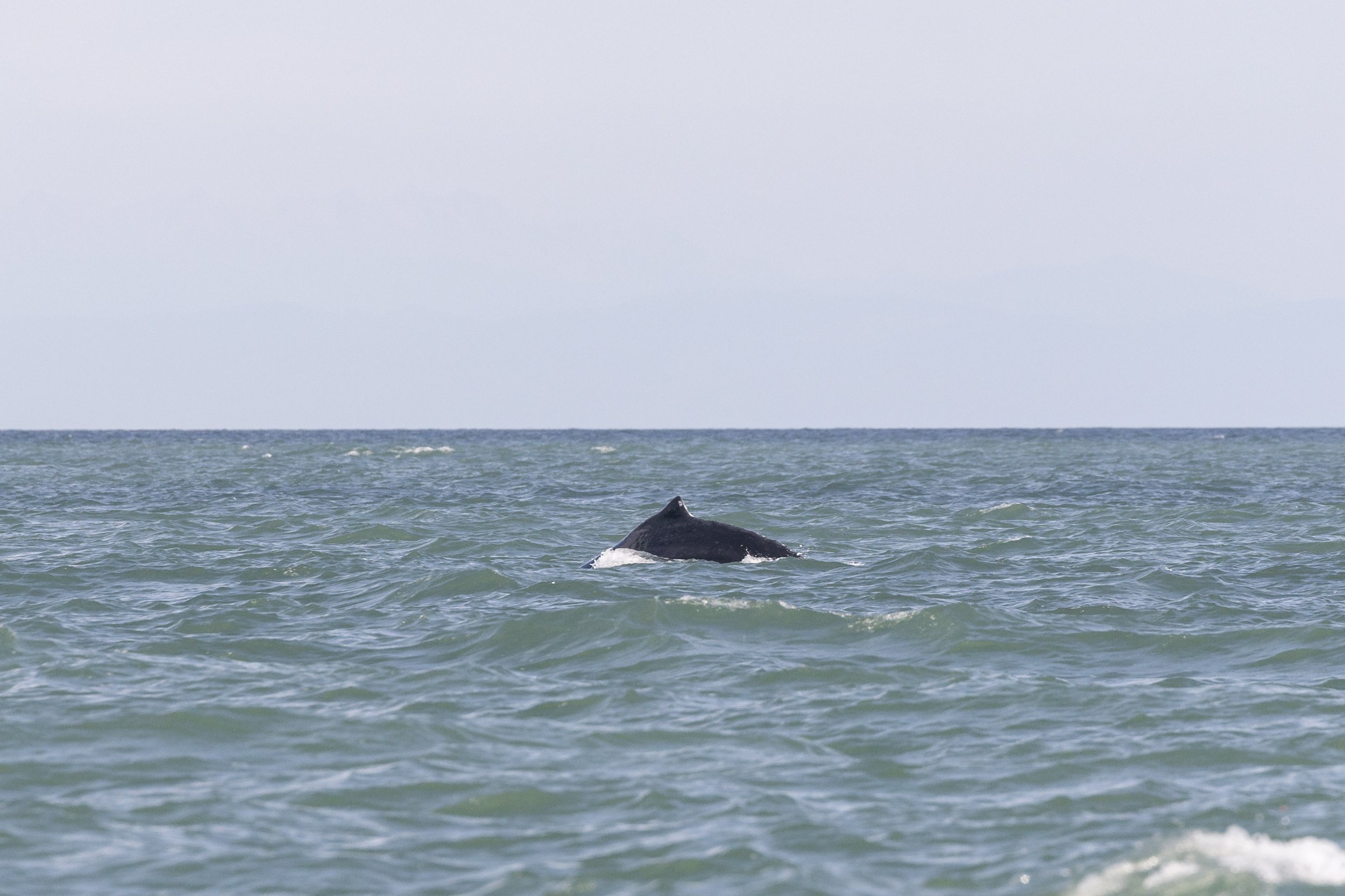
Beak surfacing in the waves. Photo by Jordan Robinson.
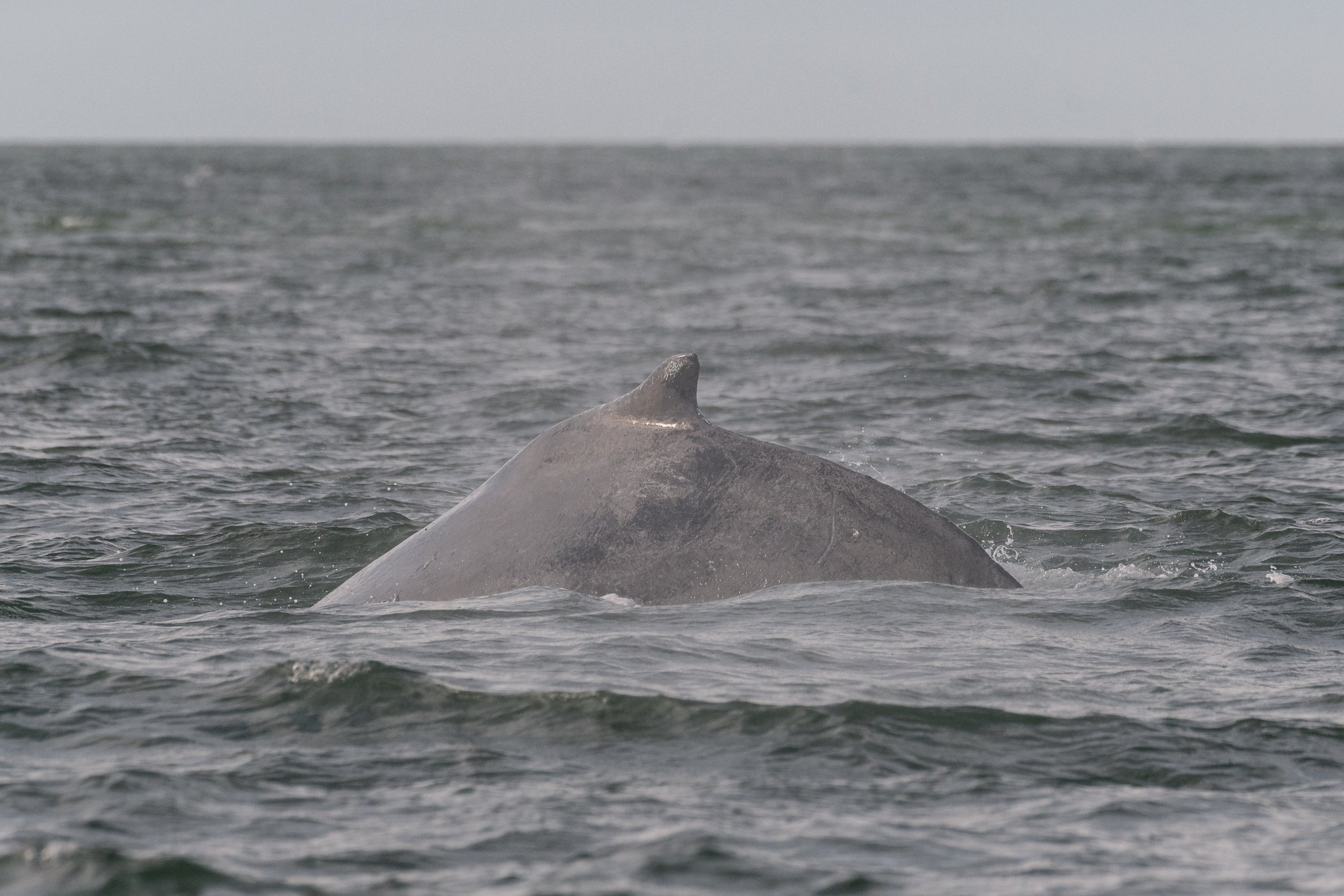
Windy surfacing in the waves. Photo by Evan Hessels.
The T035As and T036A1s
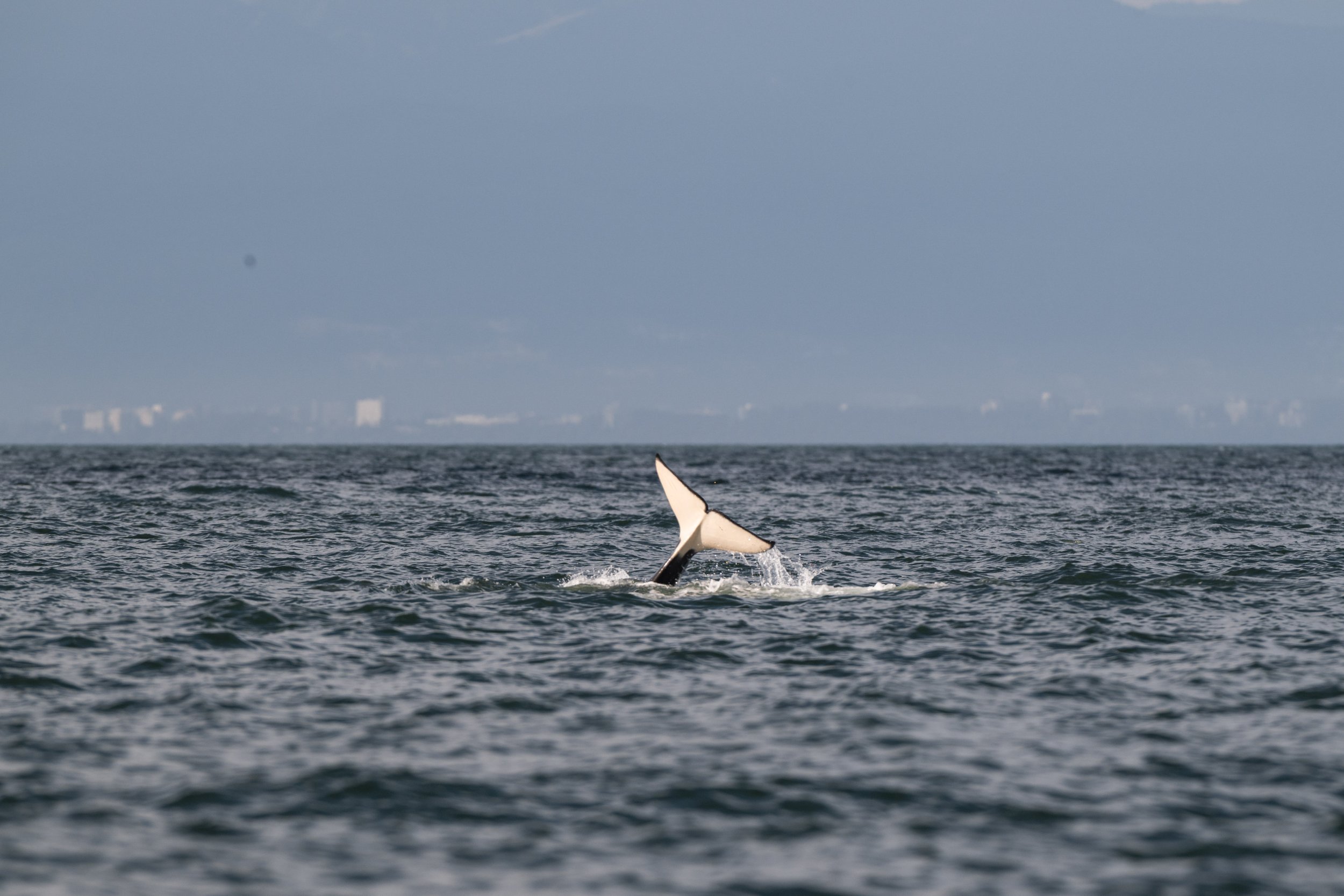
One of the whales with their tail in the air. Photo by Aly Kohlman.
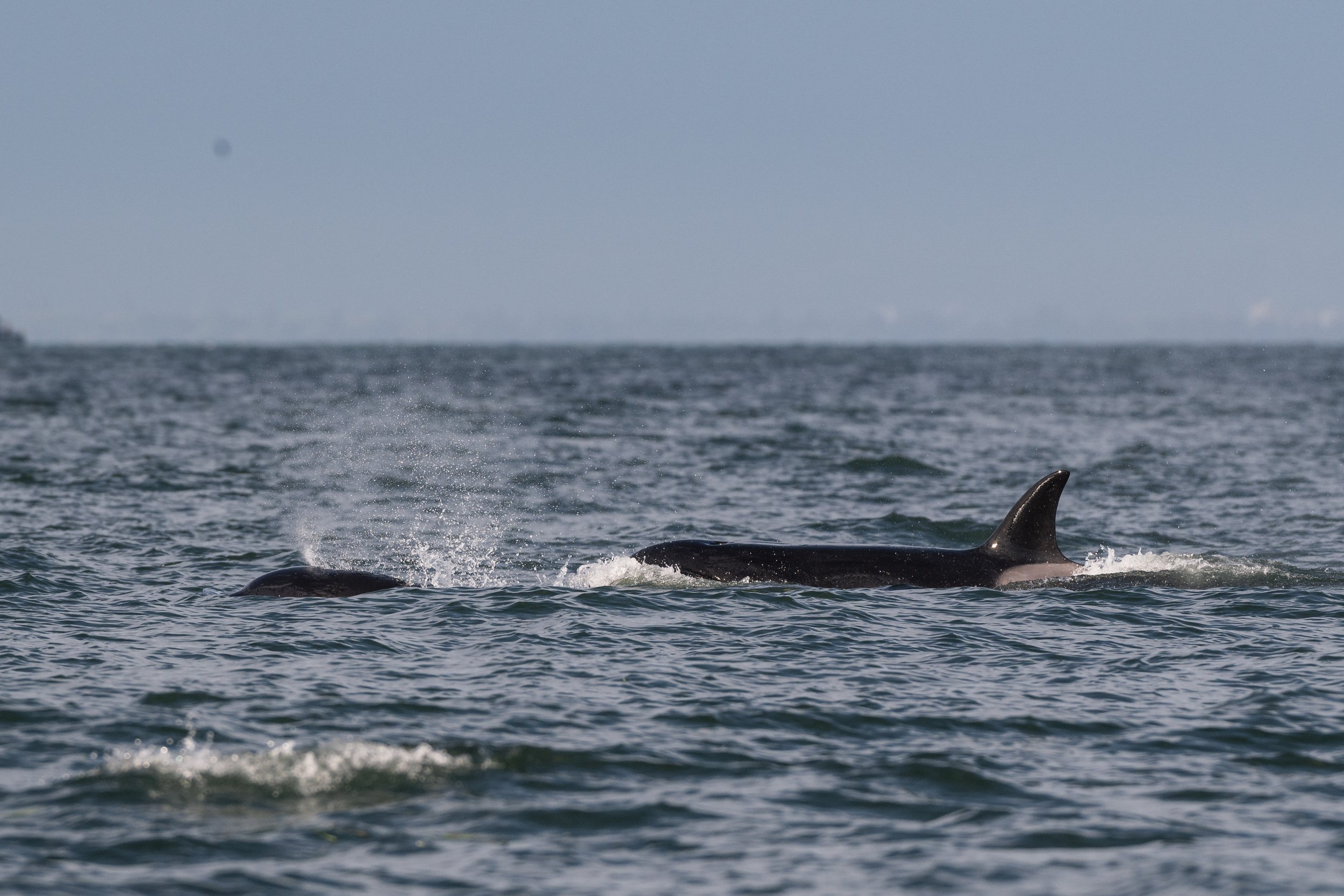
T035A3 Garnet surfacing with another exhaling ahead of them. Photo by Aly Kohlman.
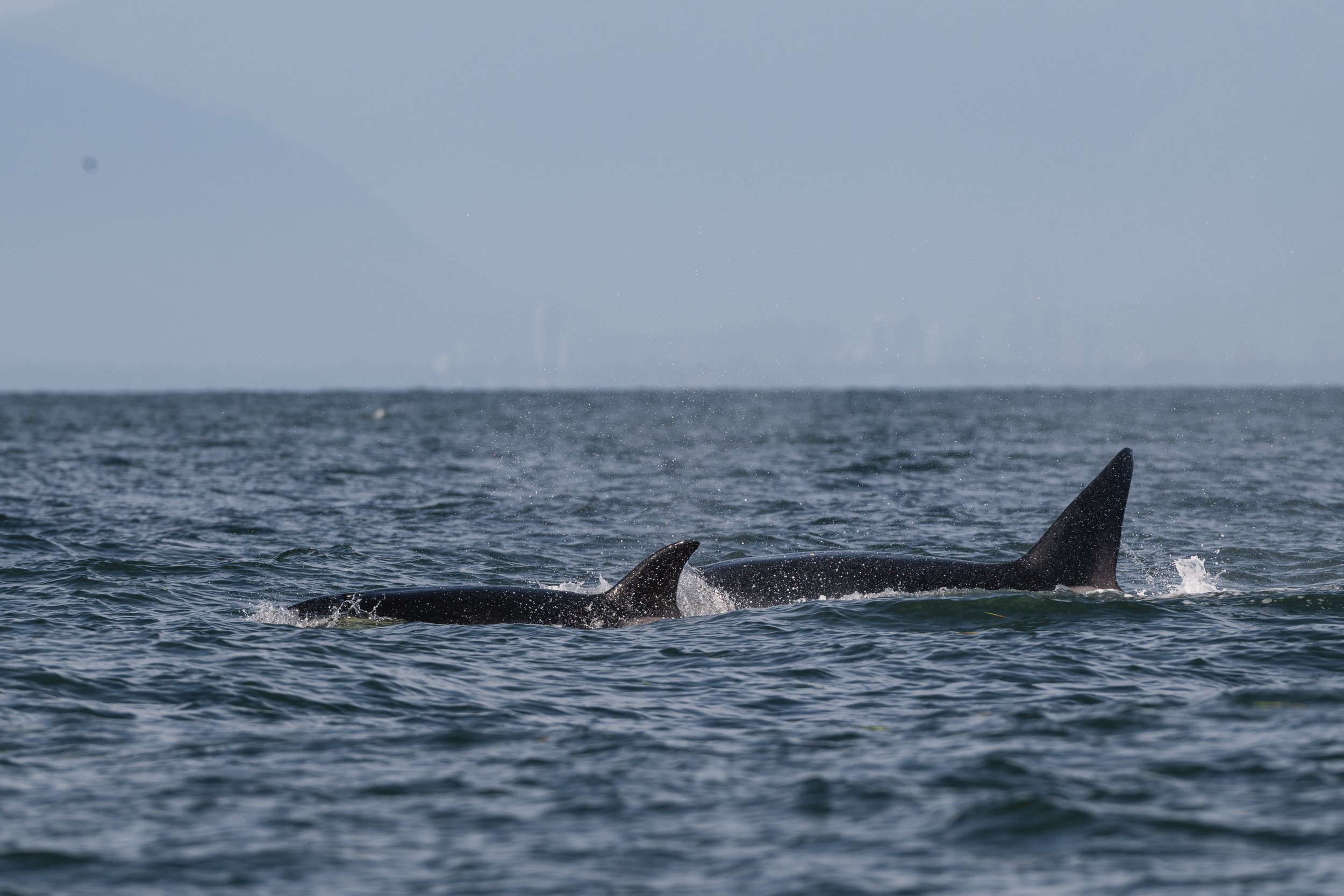
T035A3 Garnet and T035A2 Topaz surfacing together. Photo by Aly Kohlman.
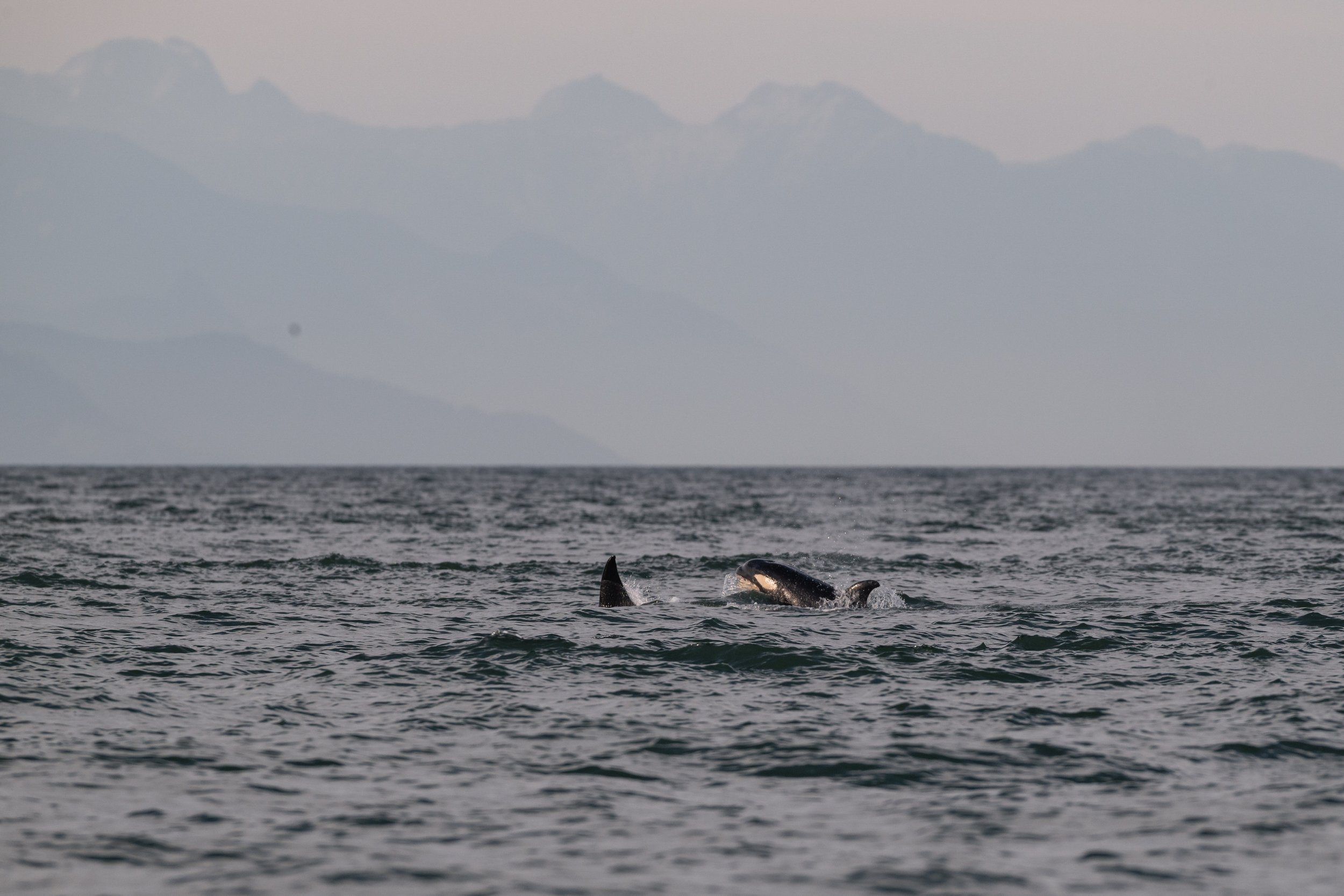
T35A Lester with T035A5 surfacing behind her. Photo by Aly Kohlman.
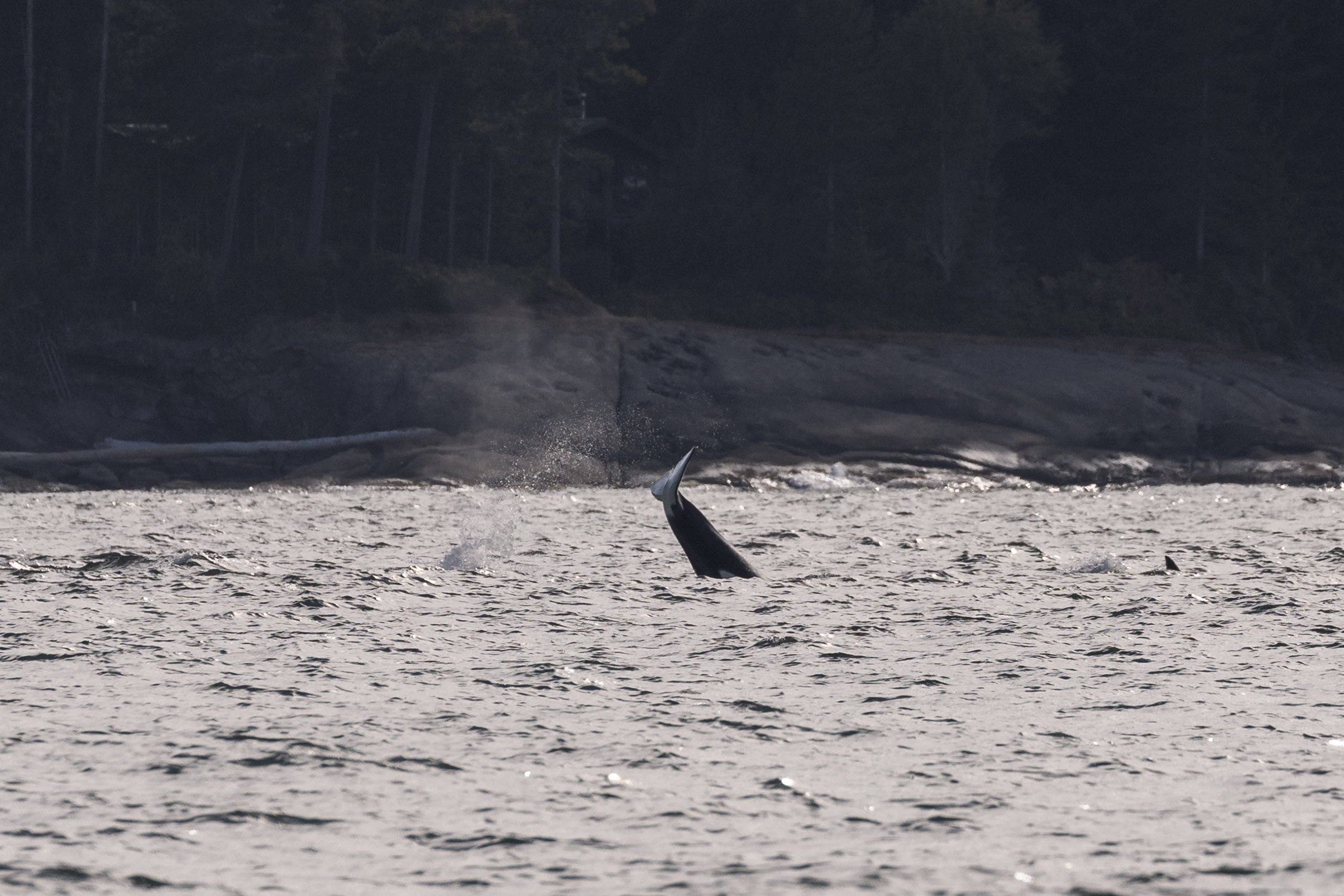
A lovely little tail slap. Photo by Jordan Robinson.
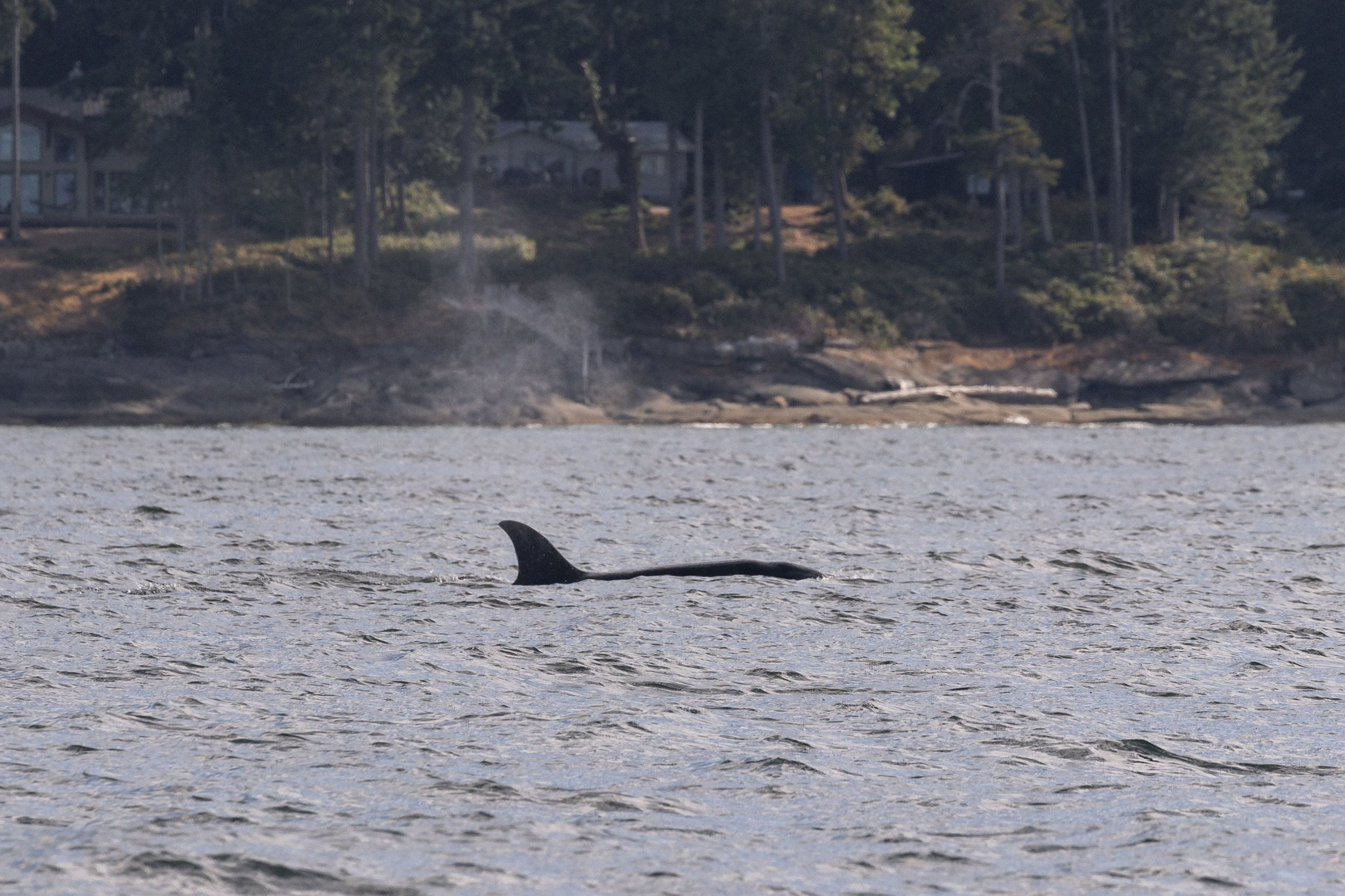
T035A1 Opal surfacing. Photo by Jordan Robinson.
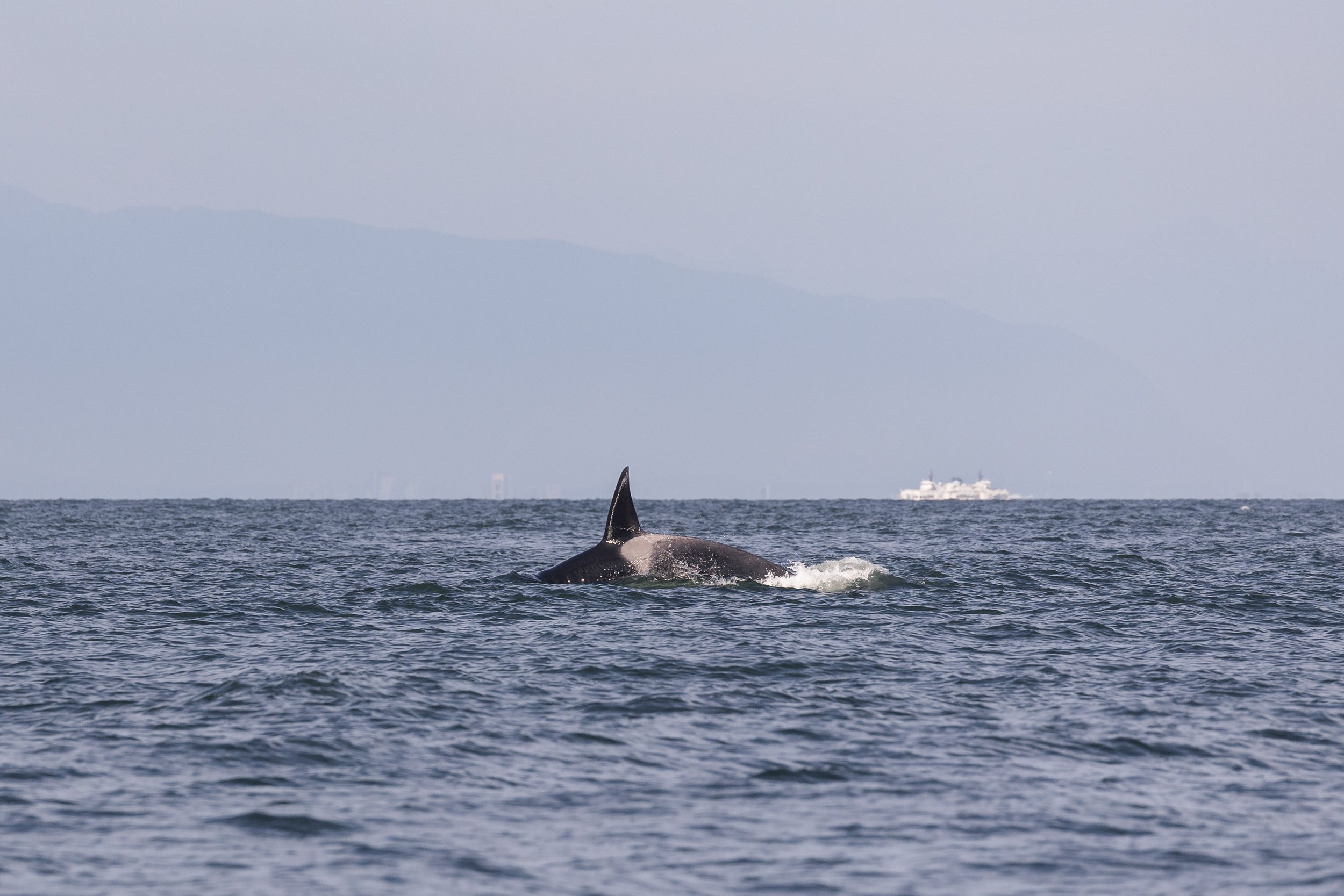
T035A2 Topaz lunging through the water. Photo by Jordan Robinson.
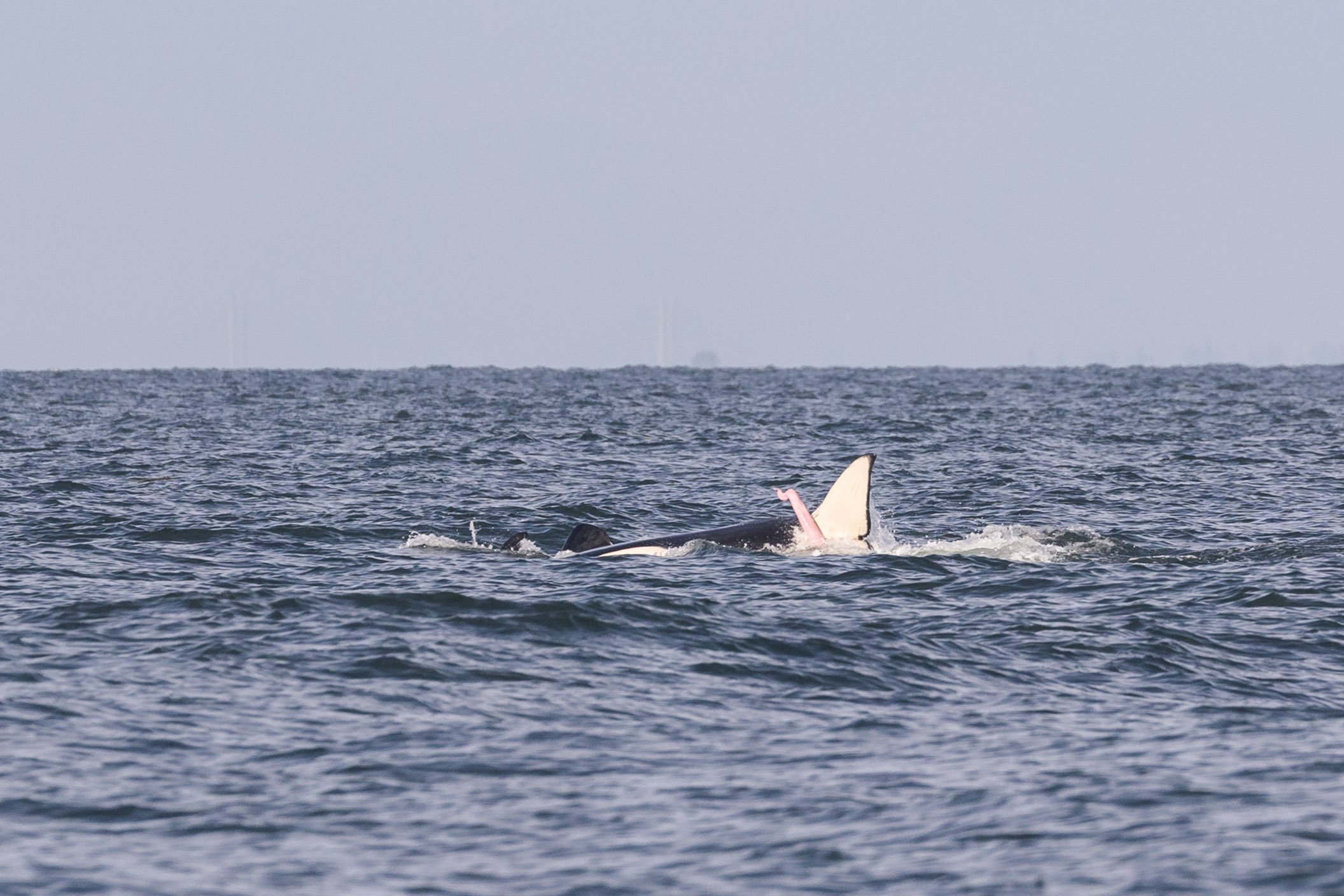
Somebody with their tail above the surface next to a “sea snake”. Photo by Jordan Robinson.
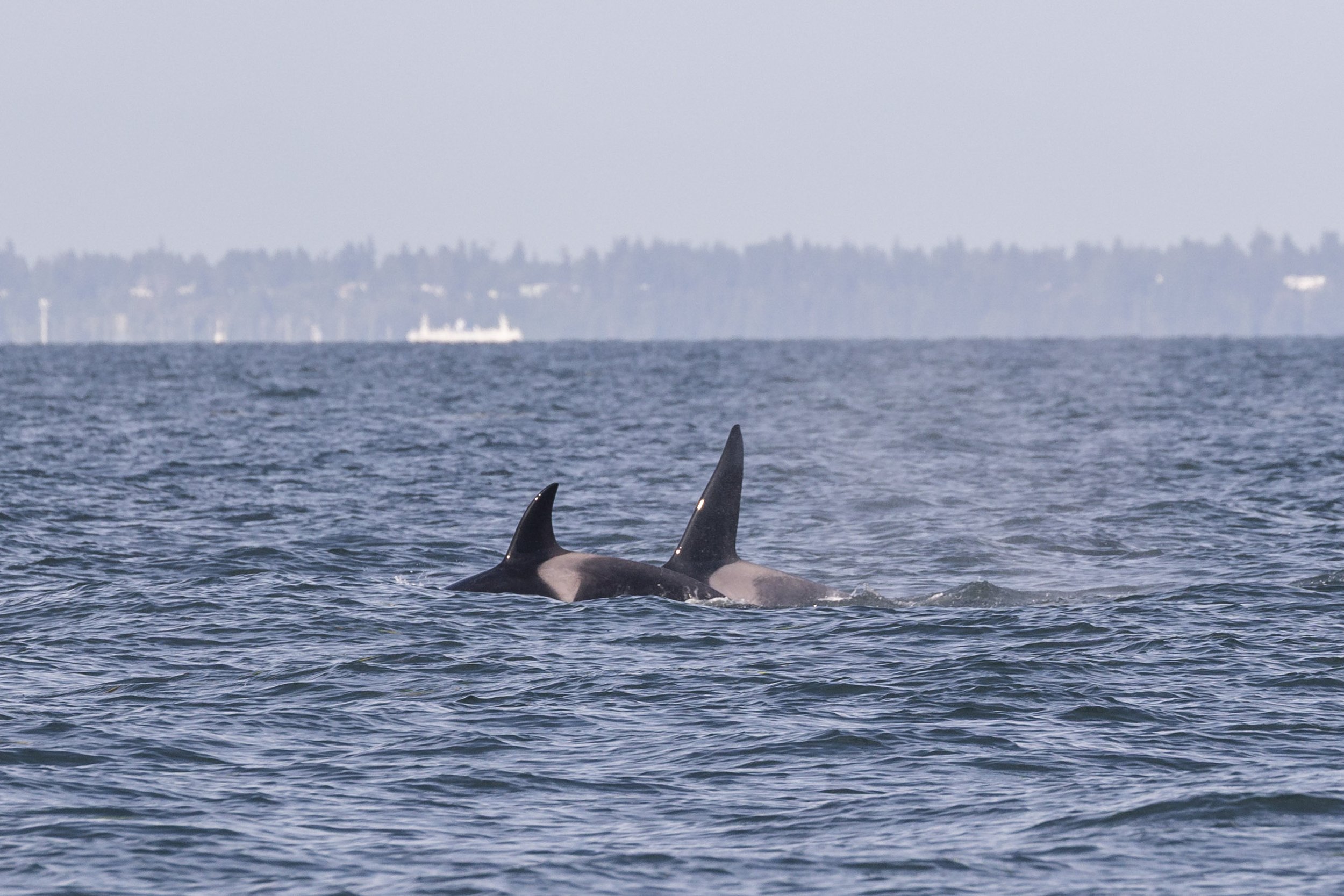
T035A2 Topaz surfacing behind T035A3 Garnet. Photo by Jordan Robinson.
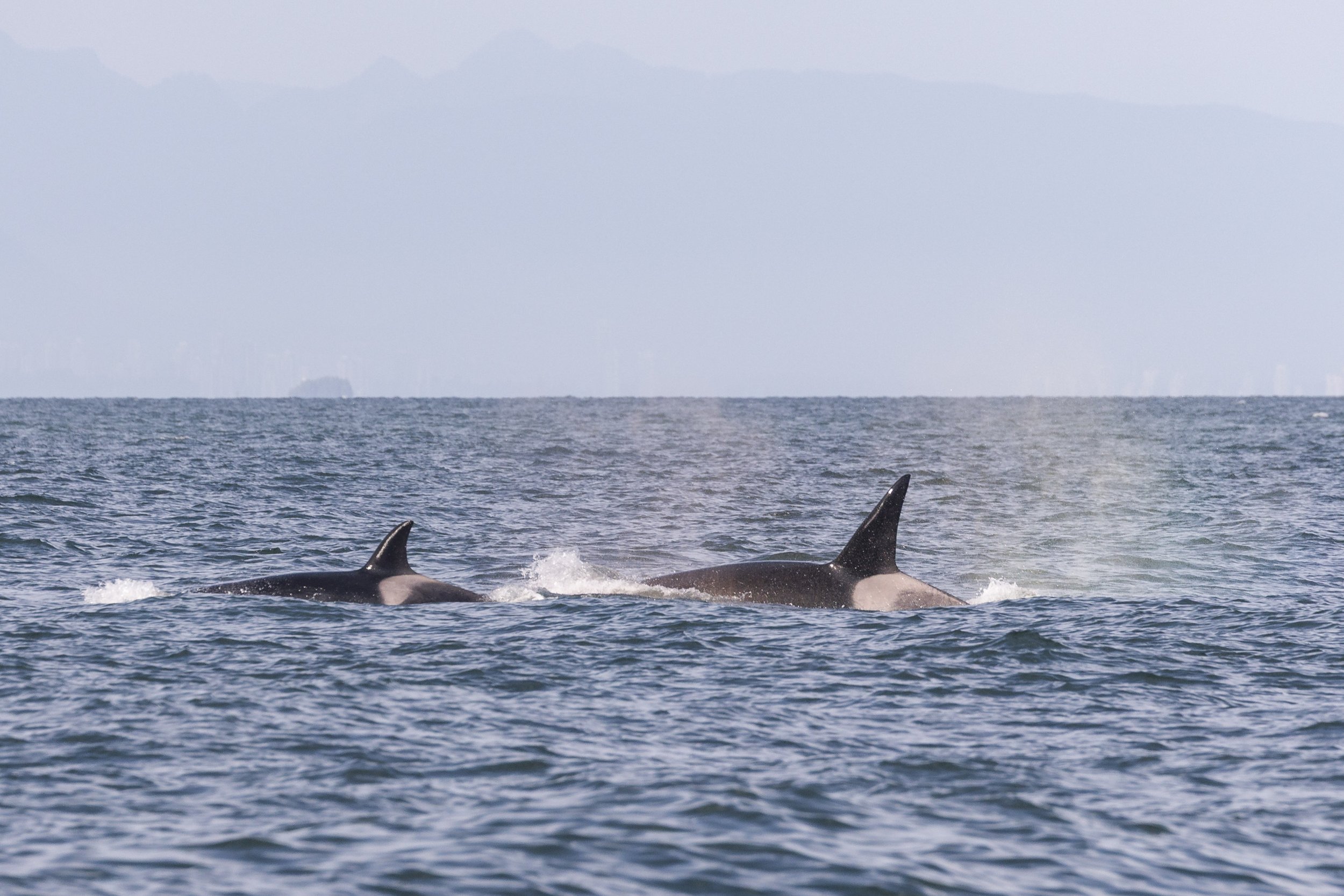
T035A3 Garnet and T035A2 Topaz surfacing together. Photo by Jordan Robinson.
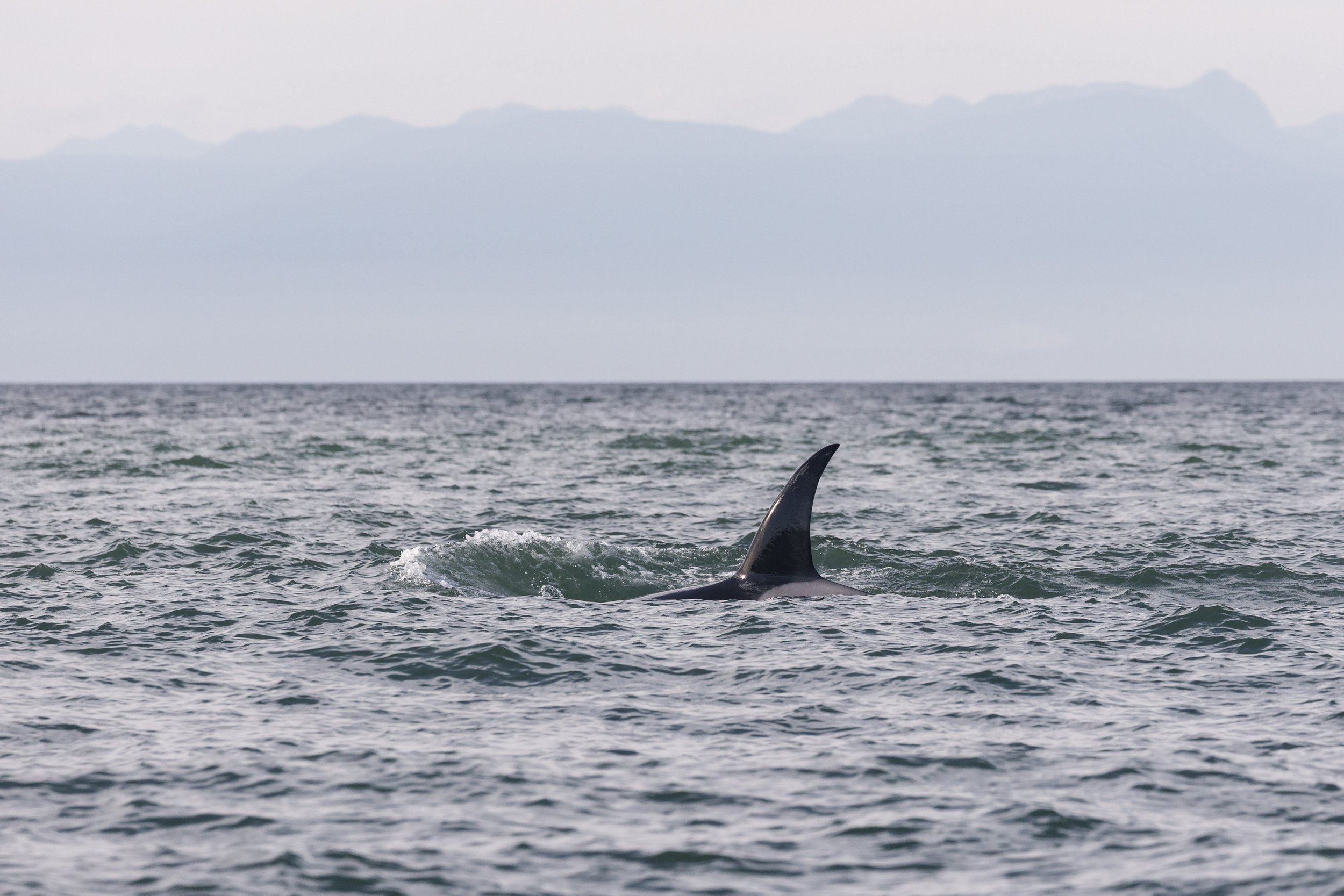
T035A2 Topaz causing a big wave. Photo by Jordan Robinson.
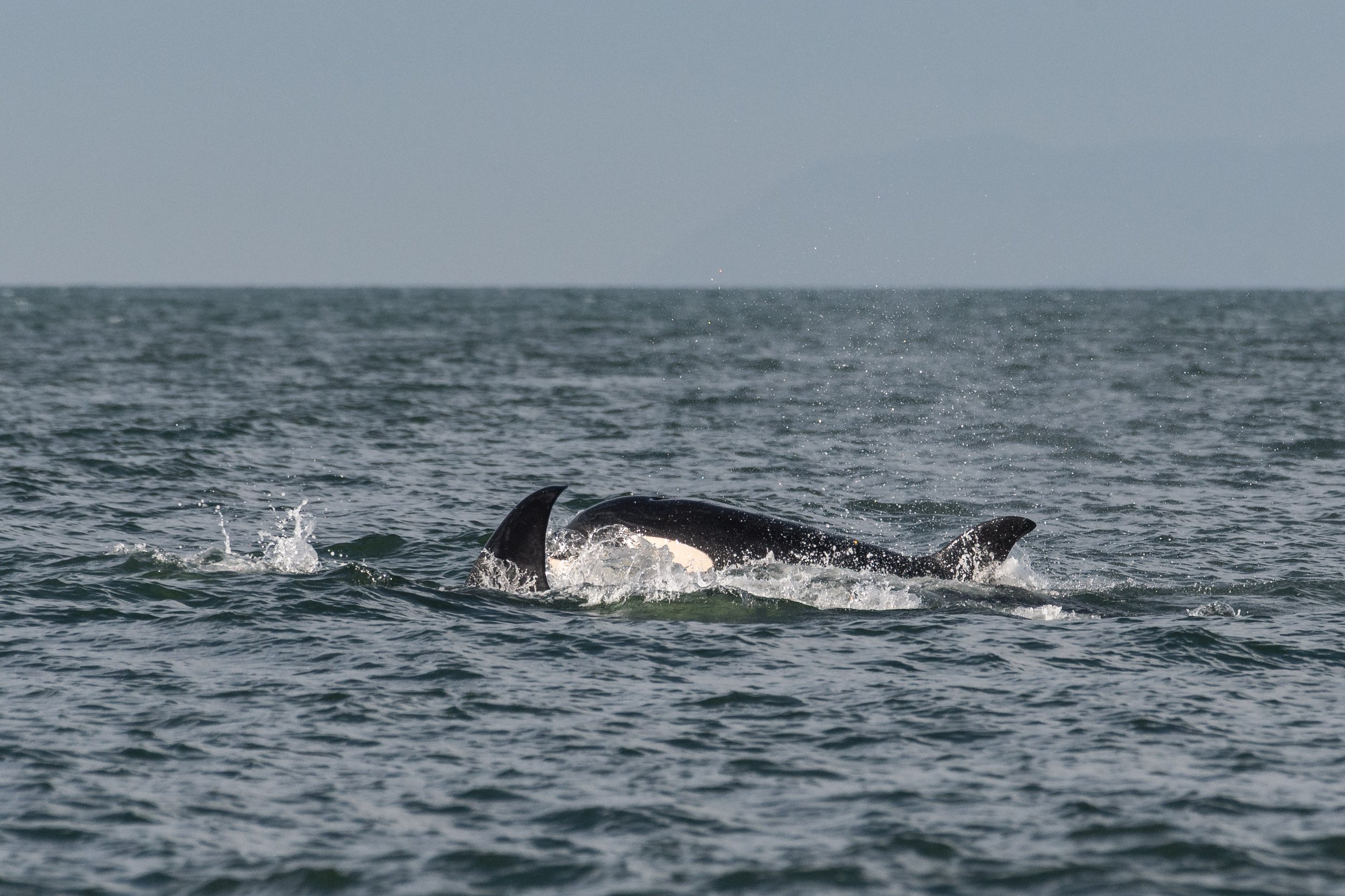
T035A3 Garney surfacing beside th tip of T035A2 Topaz’s dorsal fin. Photo by Evan Hessels.
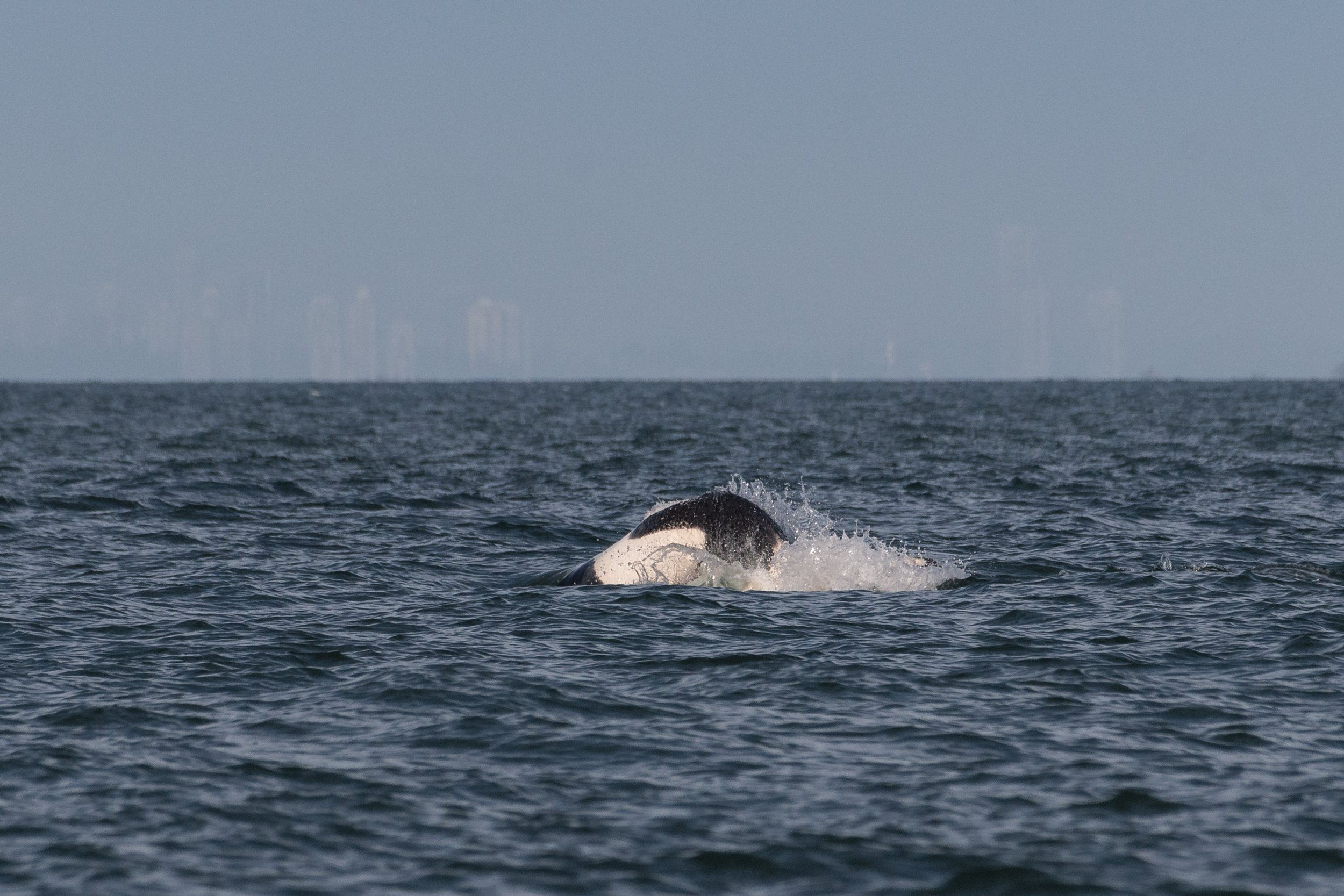
One of the whales coming out of the waves upside down. Photo by Evan Hessels.
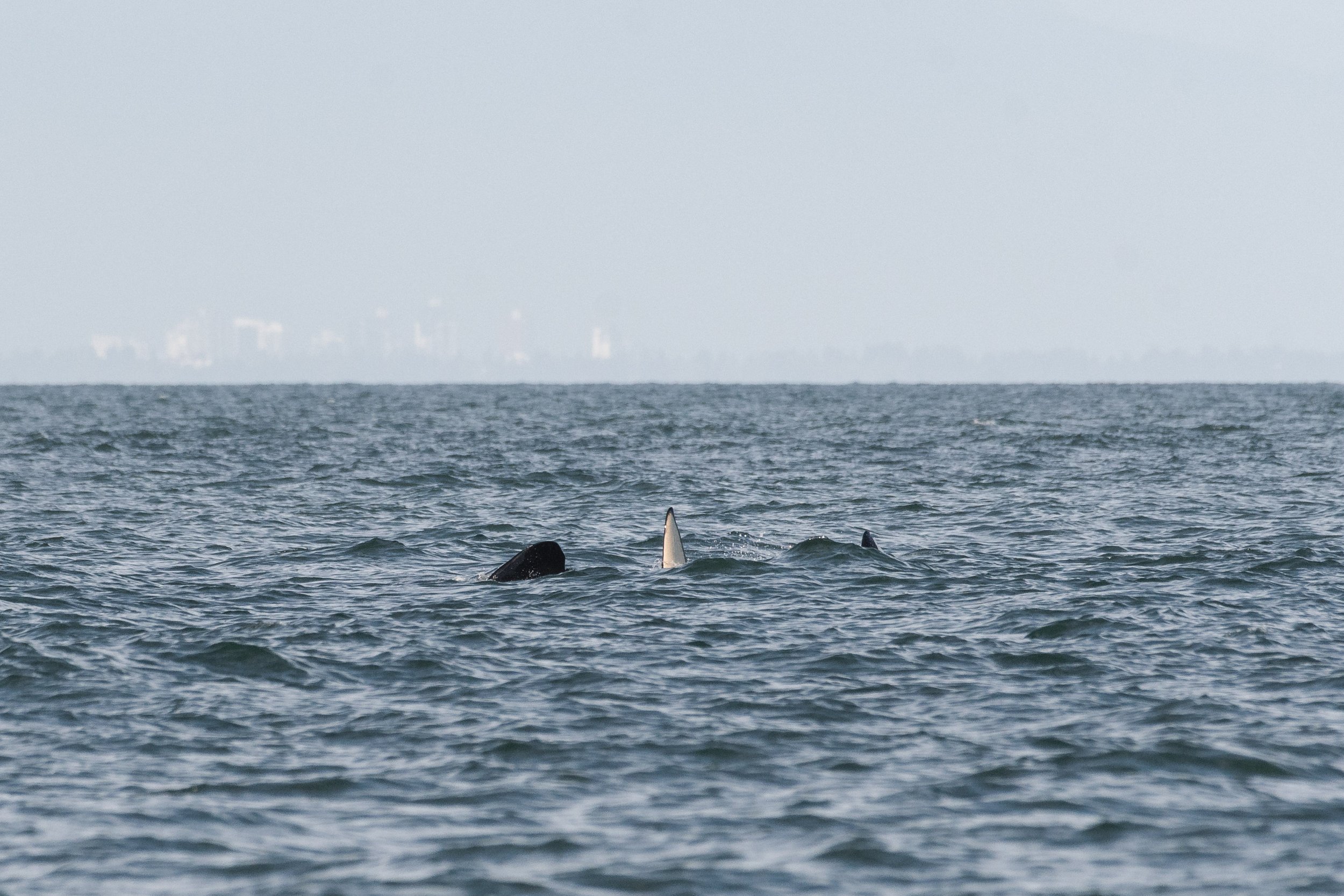
A pectoral fin, tail, and another tail coming out of the water! Photo by Evan Hessels.
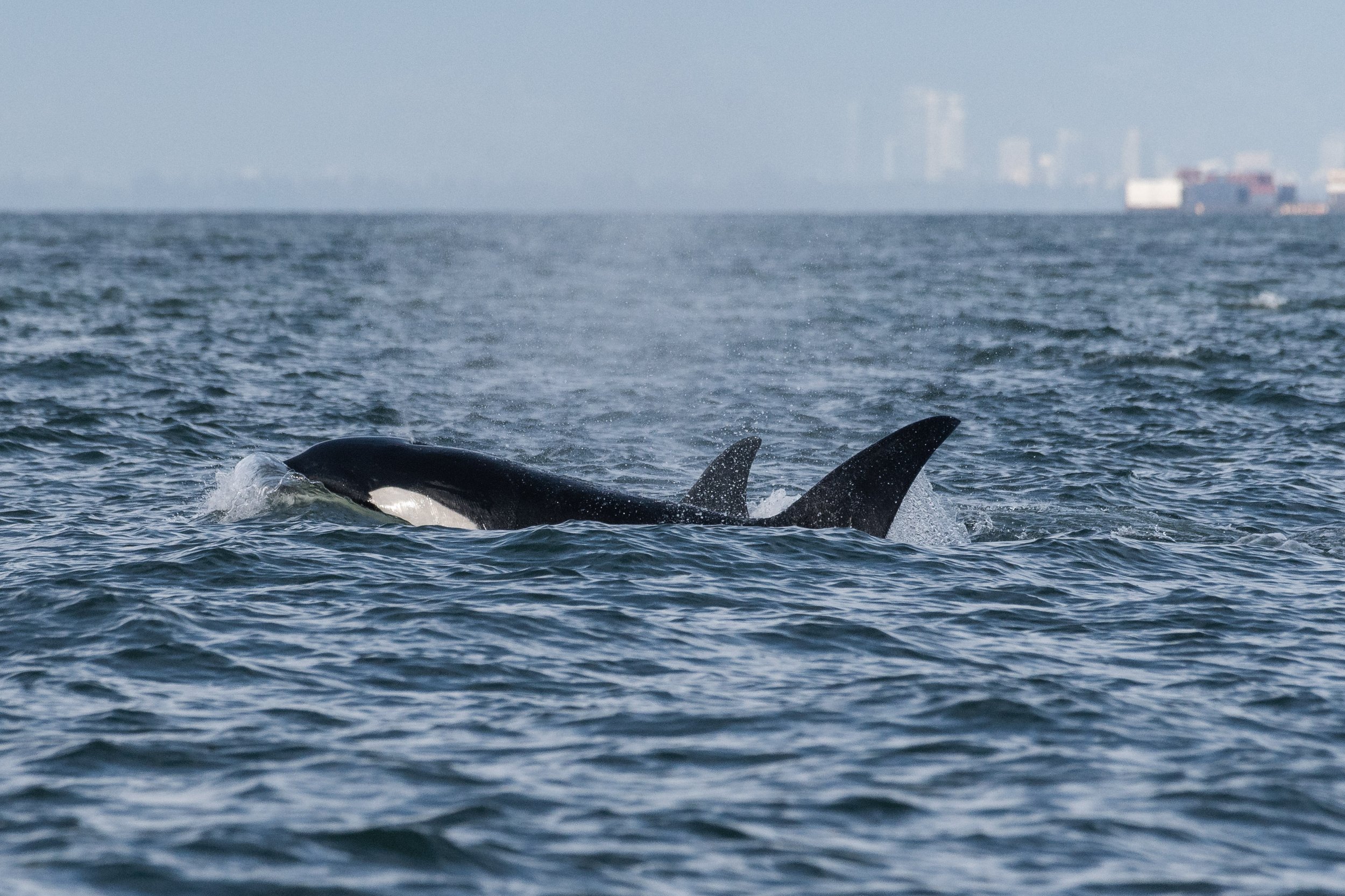
A great look at T035A2 Topaz as he surfaces beside T035A3 Garnet. Photo by Evan Hessels.
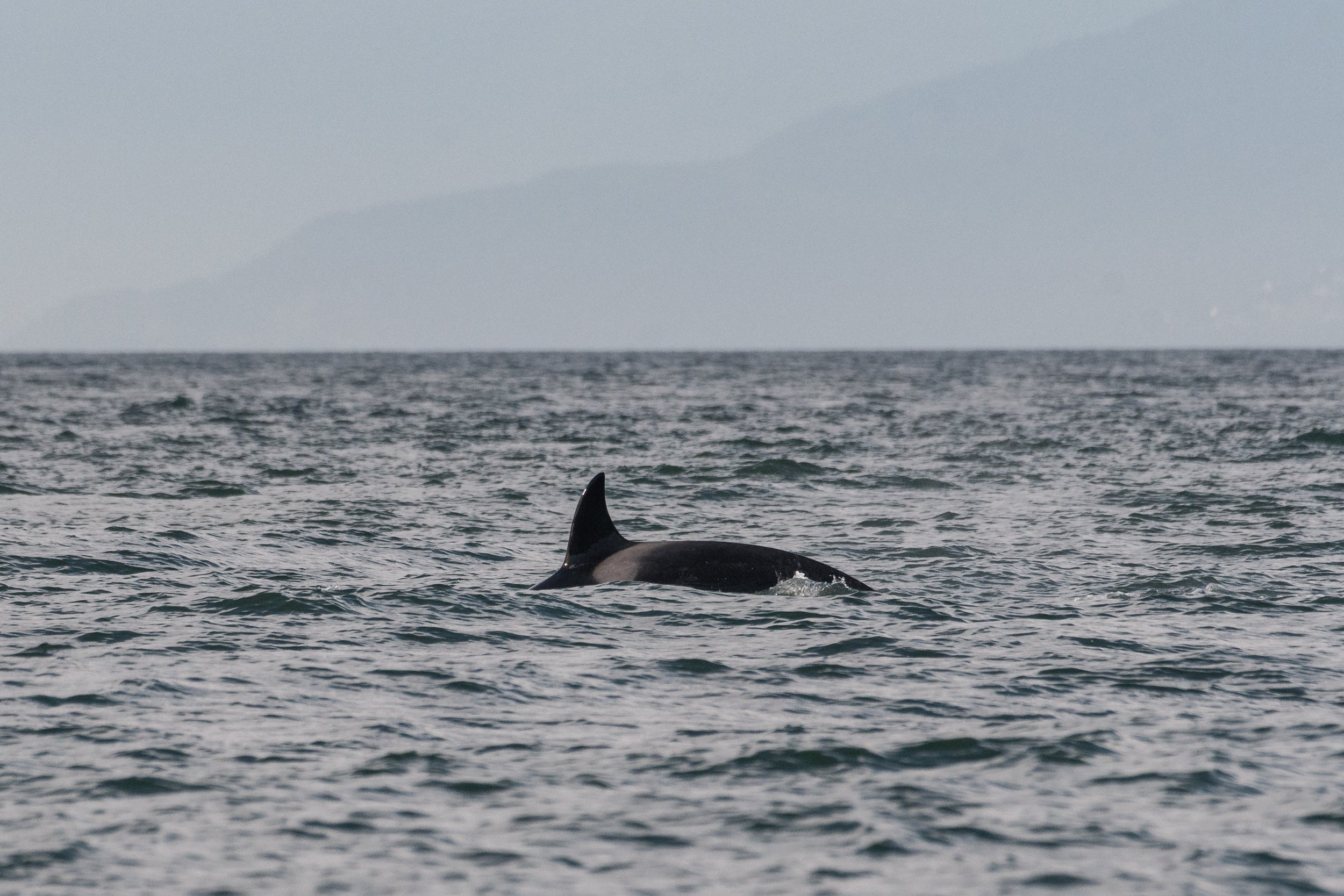
A nice high surface from T035A3 Garnet which shows off his saddle patch beautifully. Photo by Evan Hessels.
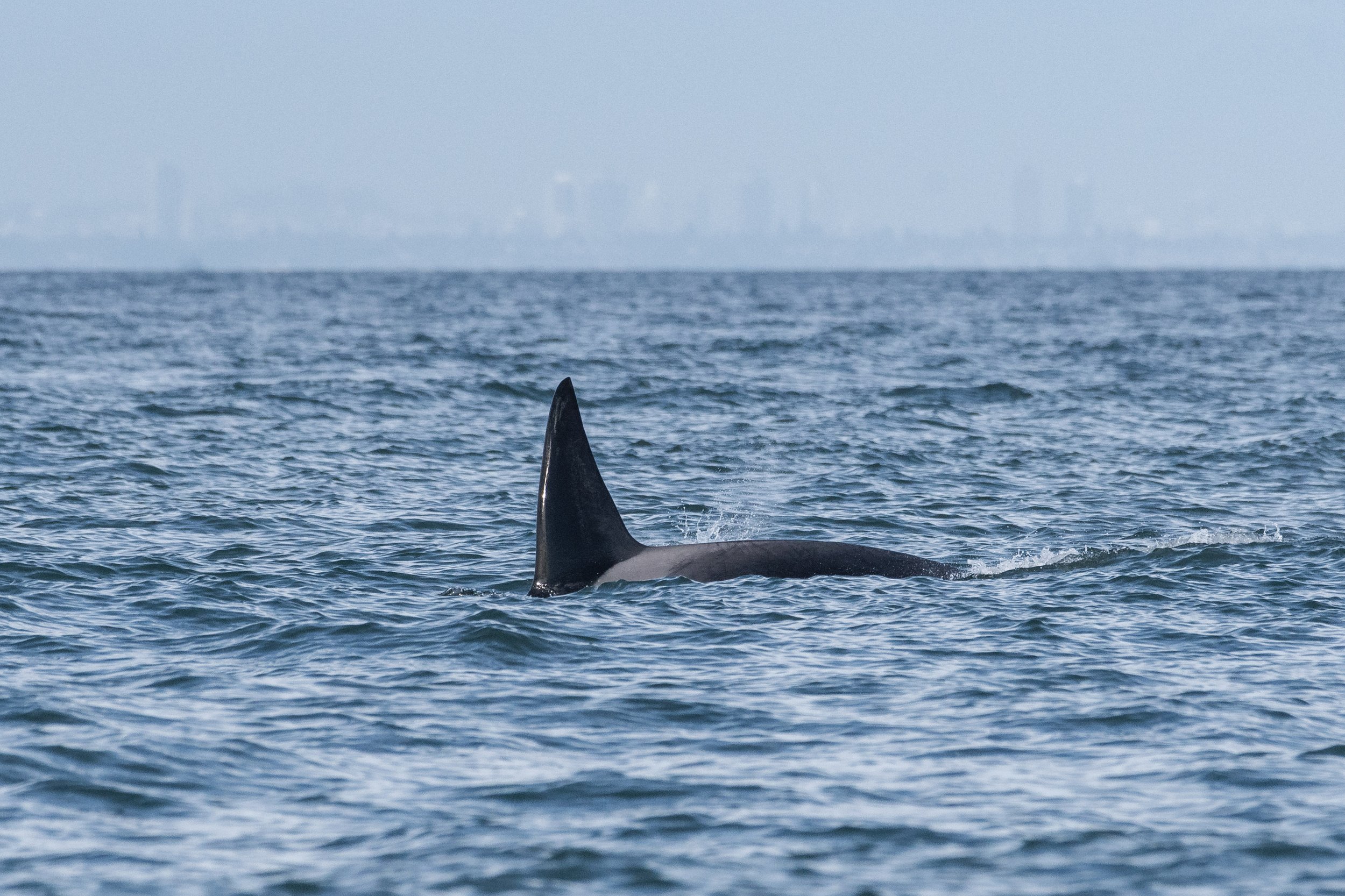
Just look at all those scars on T035A2 Topaz’s saddle patch! Photo by Evan Hessels.
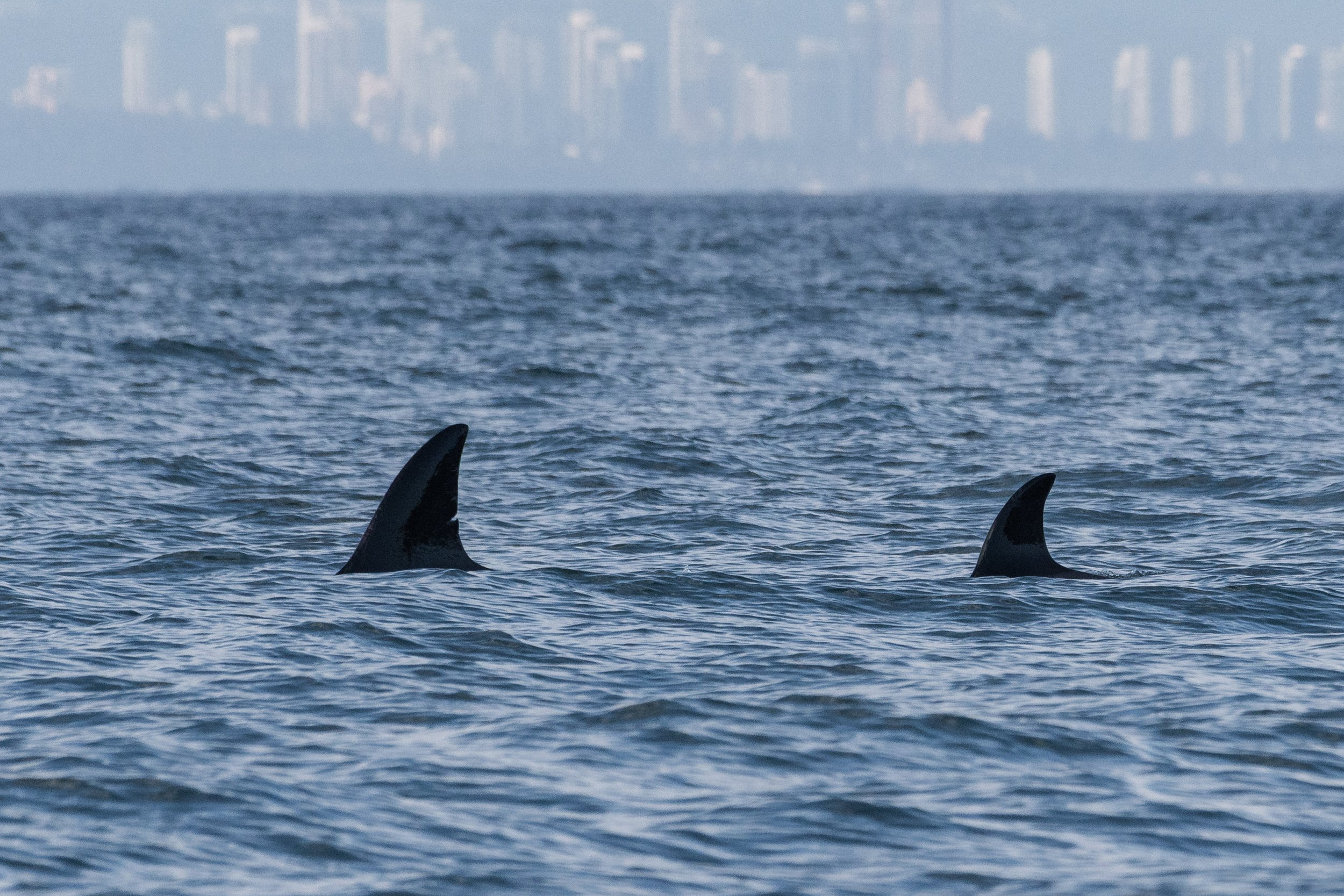
T035A1 Tierna surfacing with her calf, T036A1 Drift. Photo by Evan Hessels.
The T101s
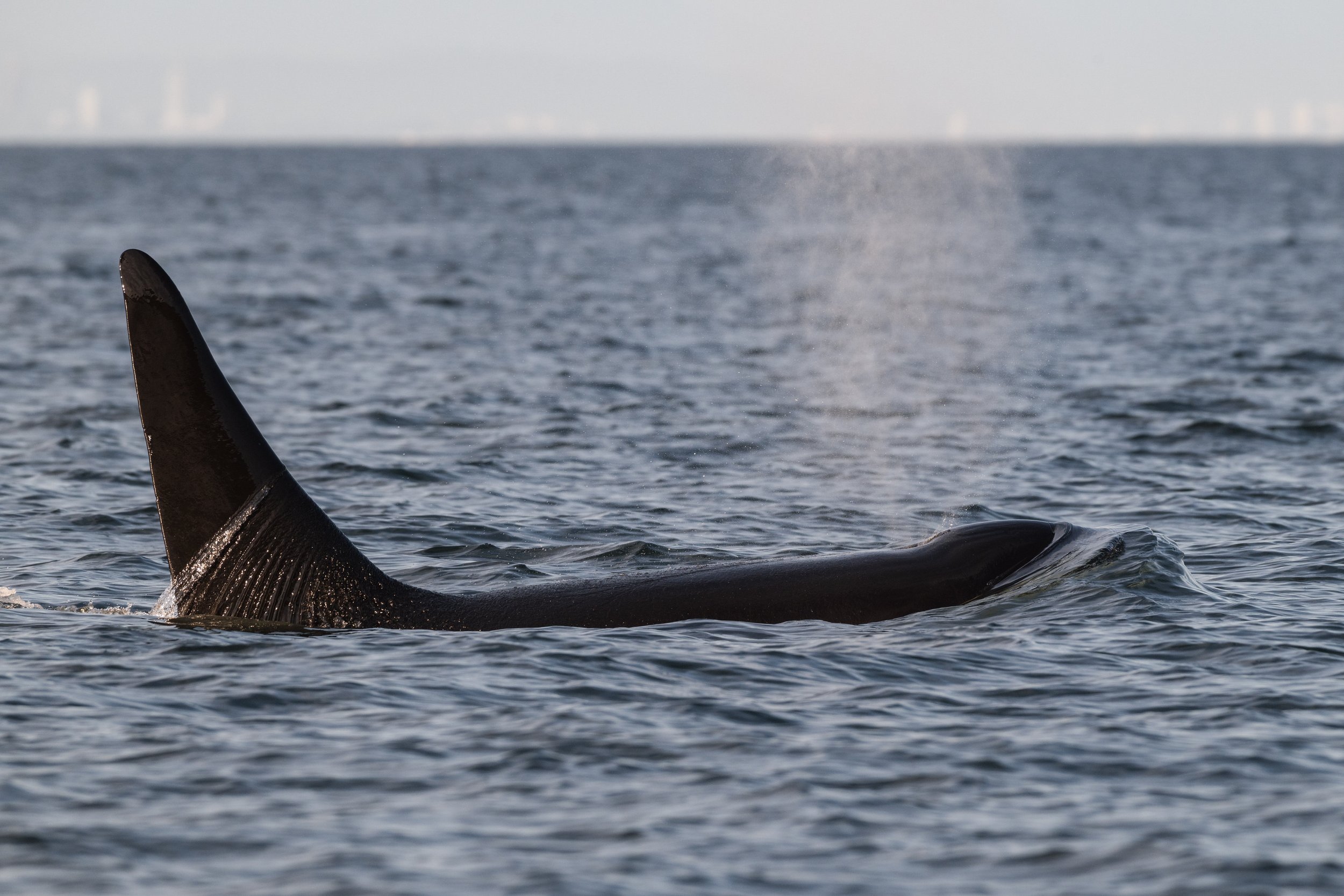
Water cascading off of T101B Lagoon’s dorsal fin. Photo by Aly Kohlman.
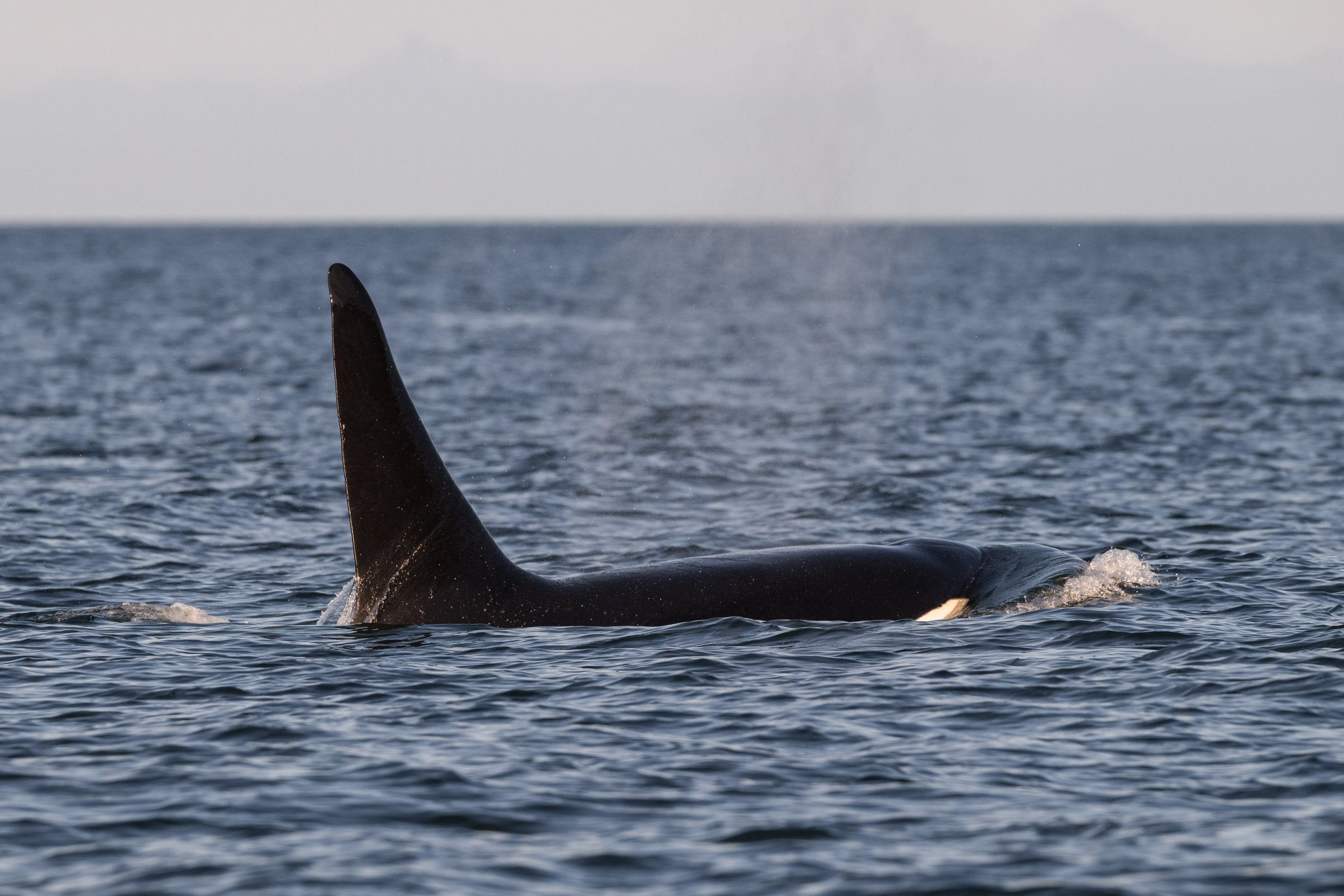
T101B Lagoon surfacing with his eye patch poking above the surface. Photo by Aly Kohlman.
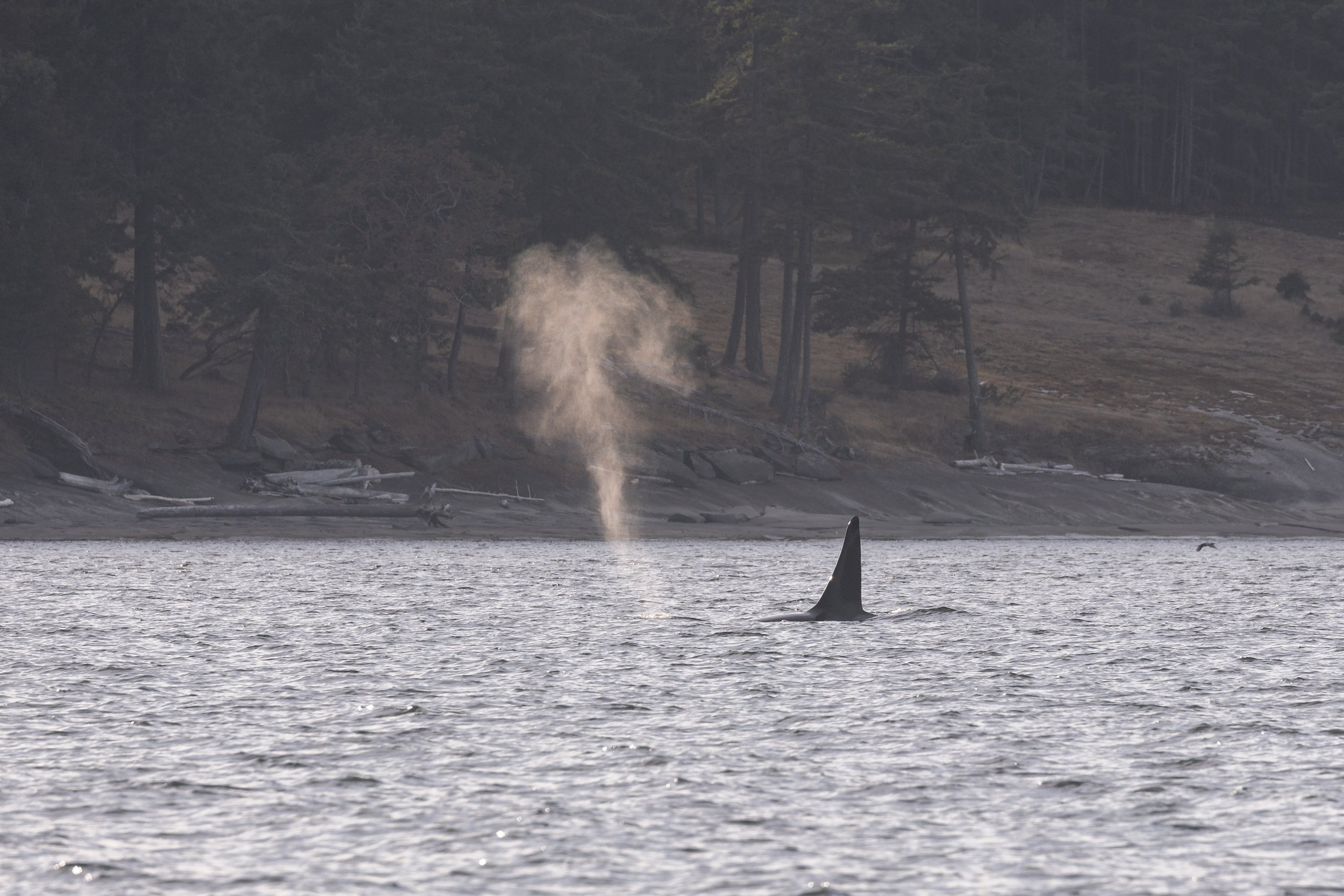
A backlit blow from T101B Lagoon as he surfaces along Valdes Island. Photo by Jordan Robinson.
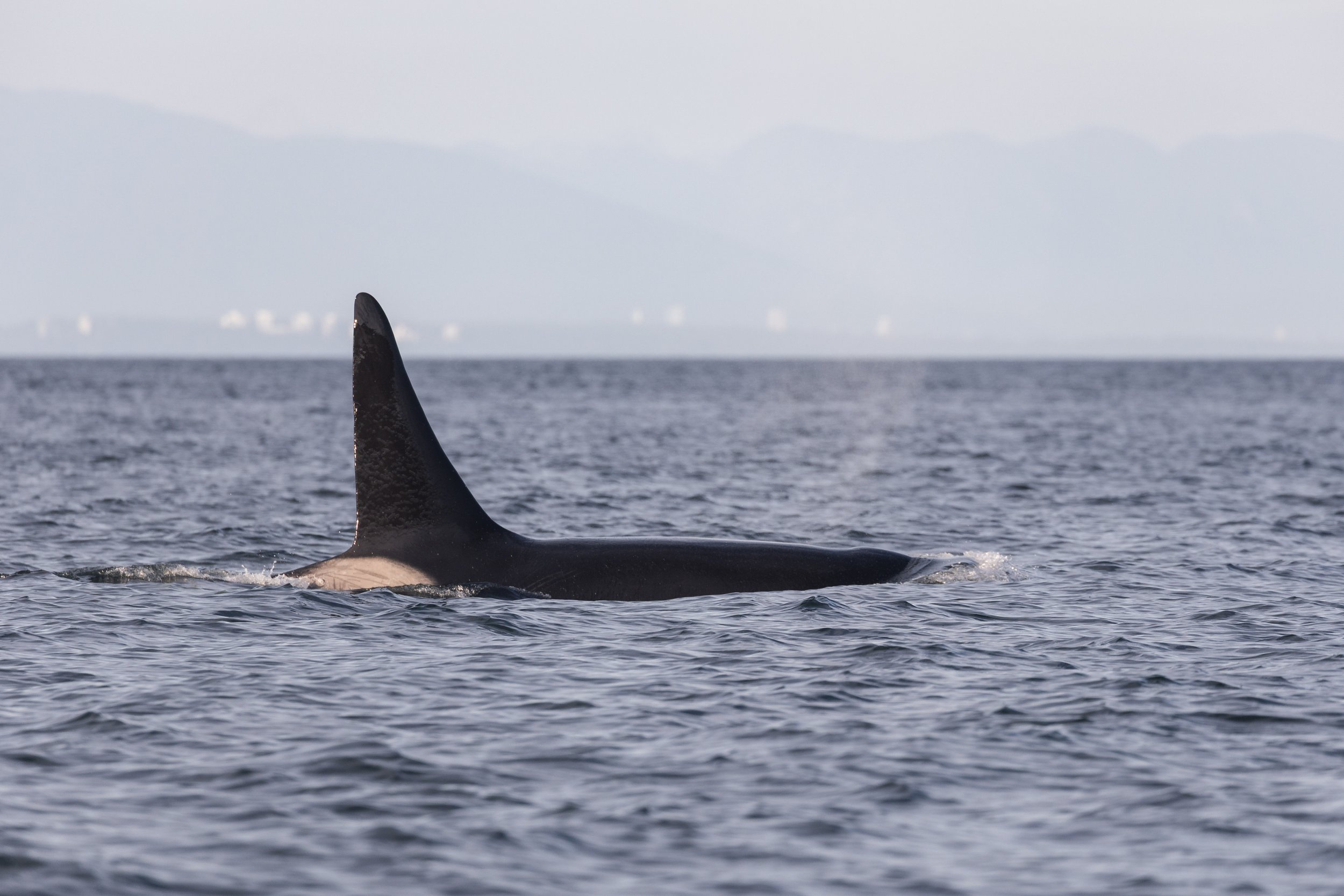
Just look at all the scarring on T101B Lagoon’s saddle patch. Photo by Jordan Robinson.
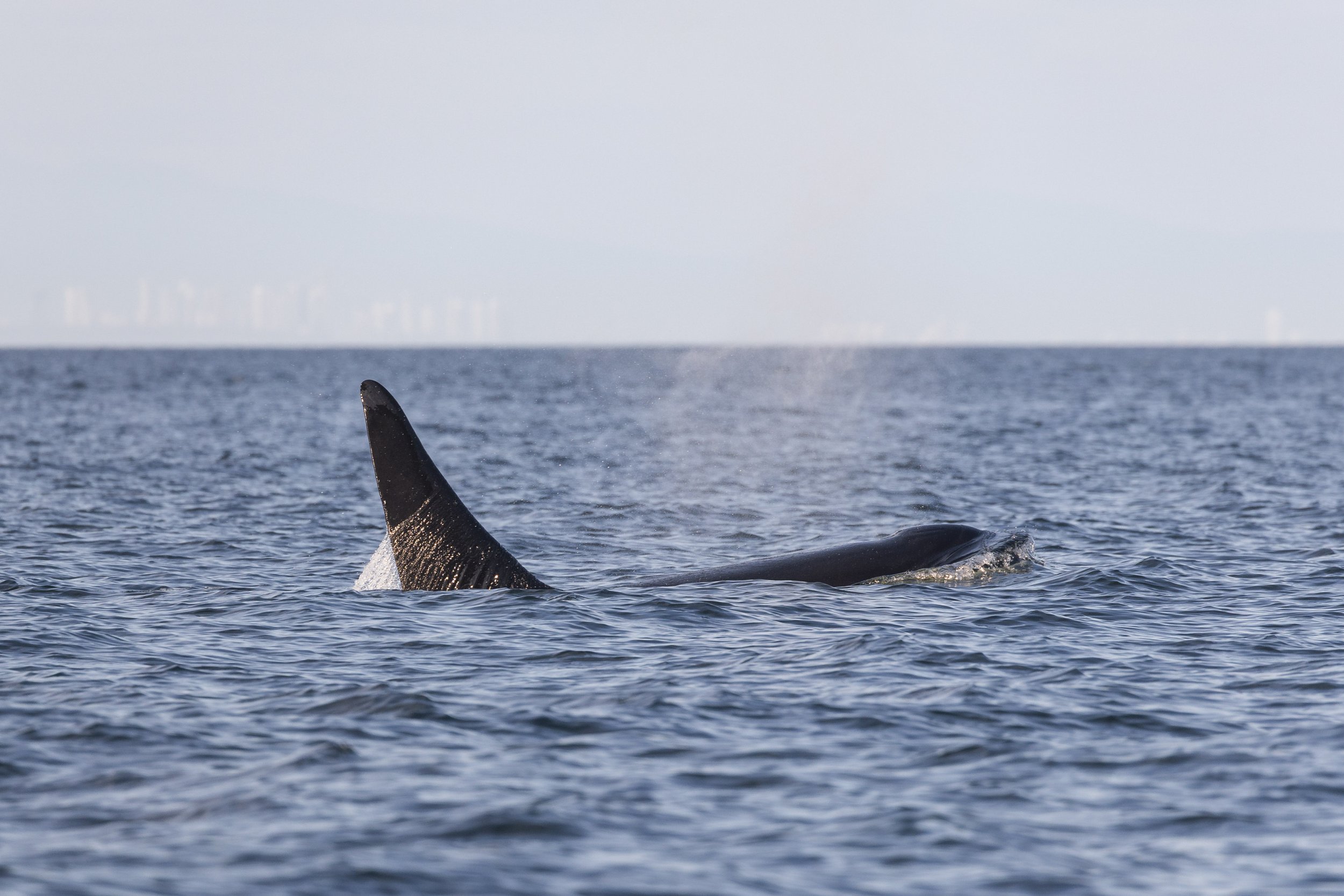
Water flowing off of T101B Lagoon’s dorsal fin as he surfaces. Photo by Jordan Robinson.
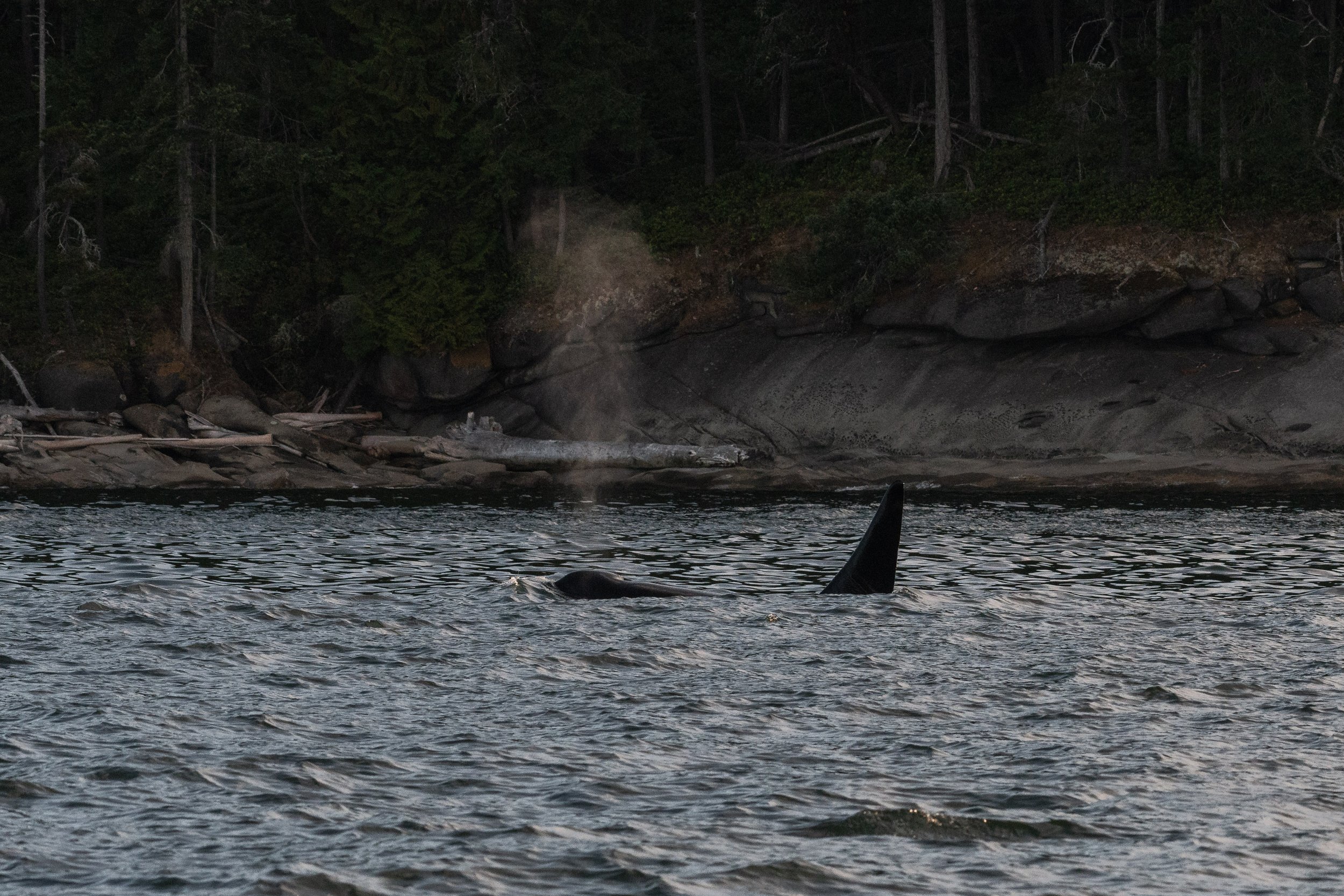
T101B Lagoon surfacing. Photo by Evan Hessels.
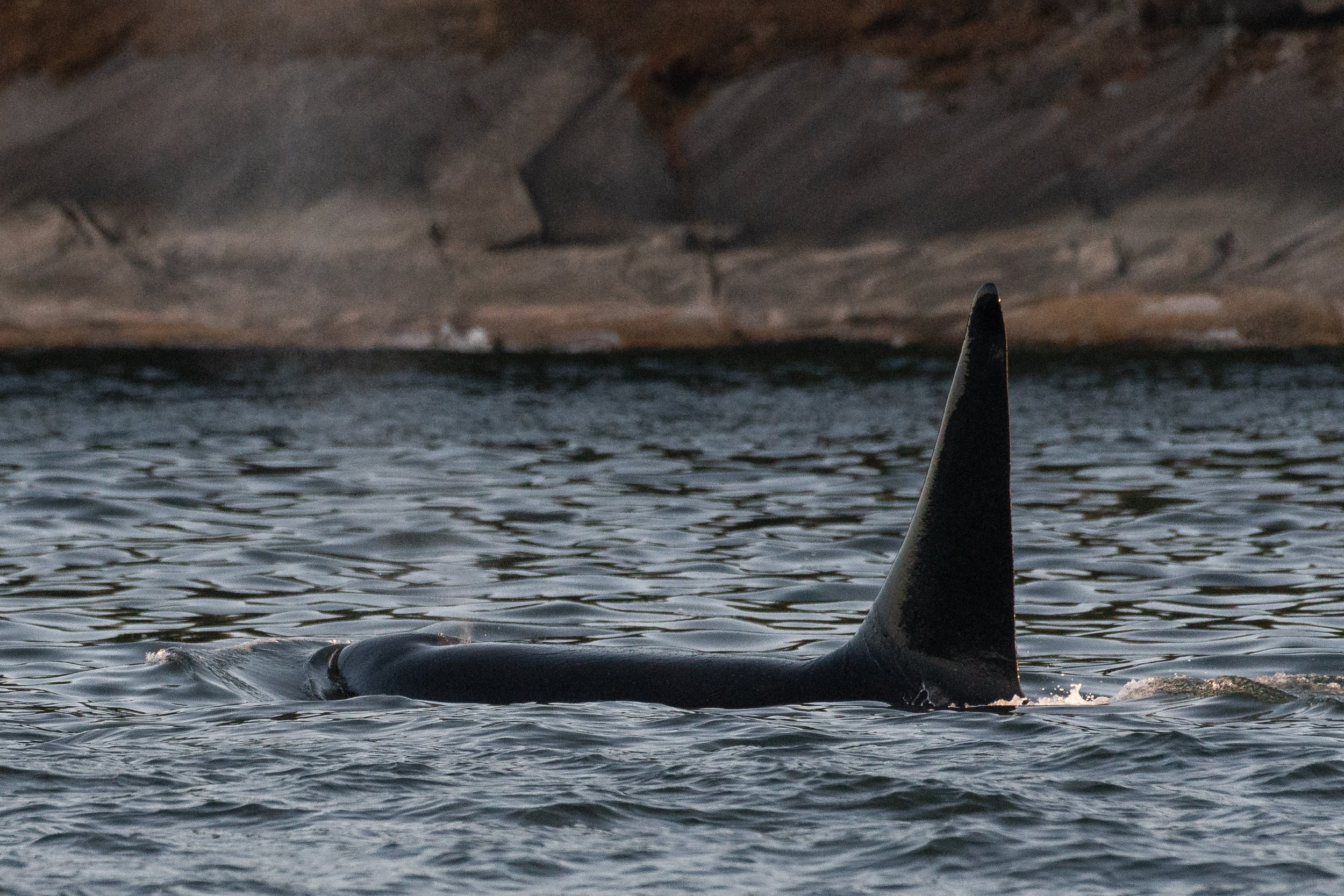
You can see the water shooting up from T101B Lagoon exhaling. Photo by Evan Hessels.
Other Wildlife
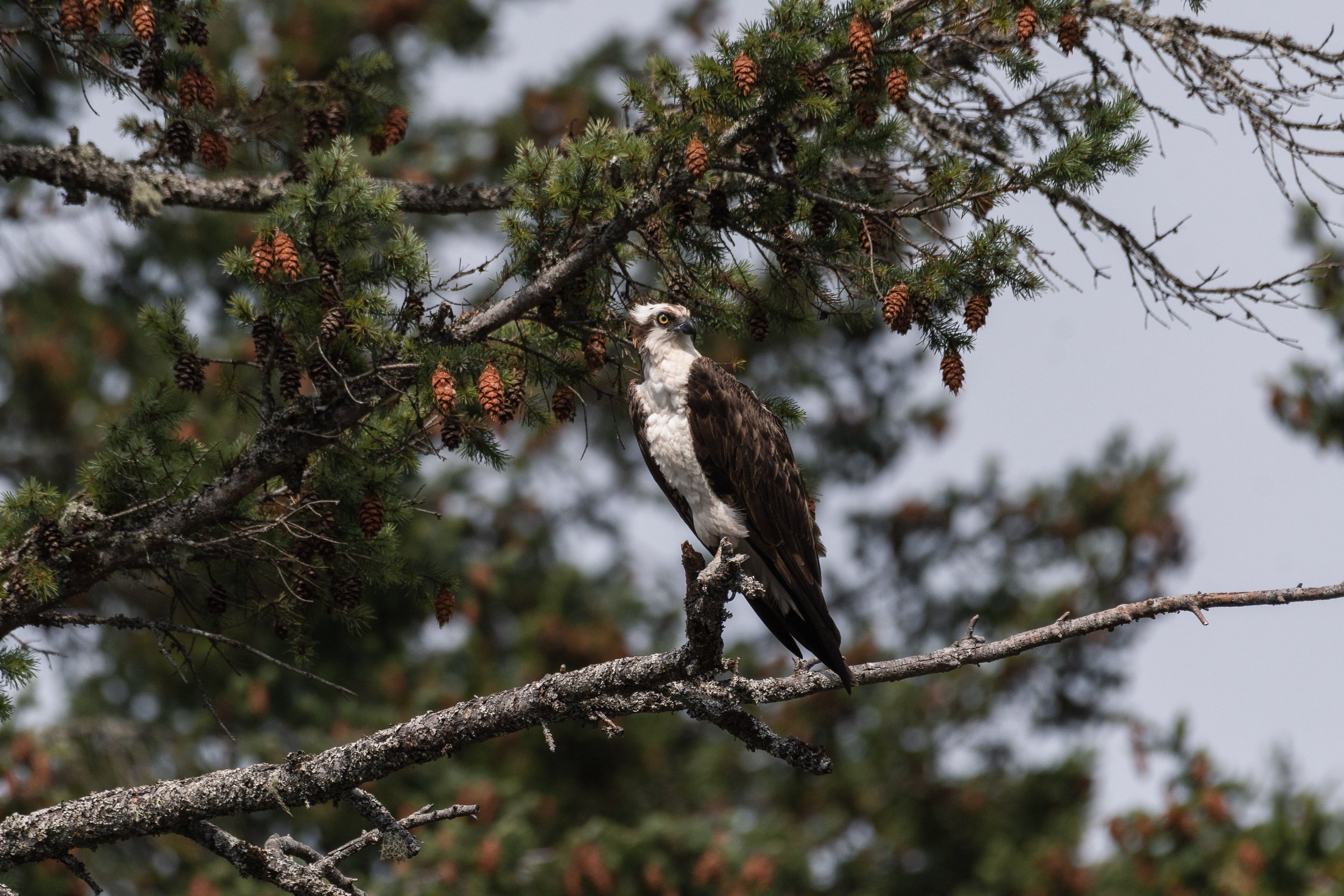
A great look at the Osprey spending it’s time at Dodd. Photo by Evan Hessels.
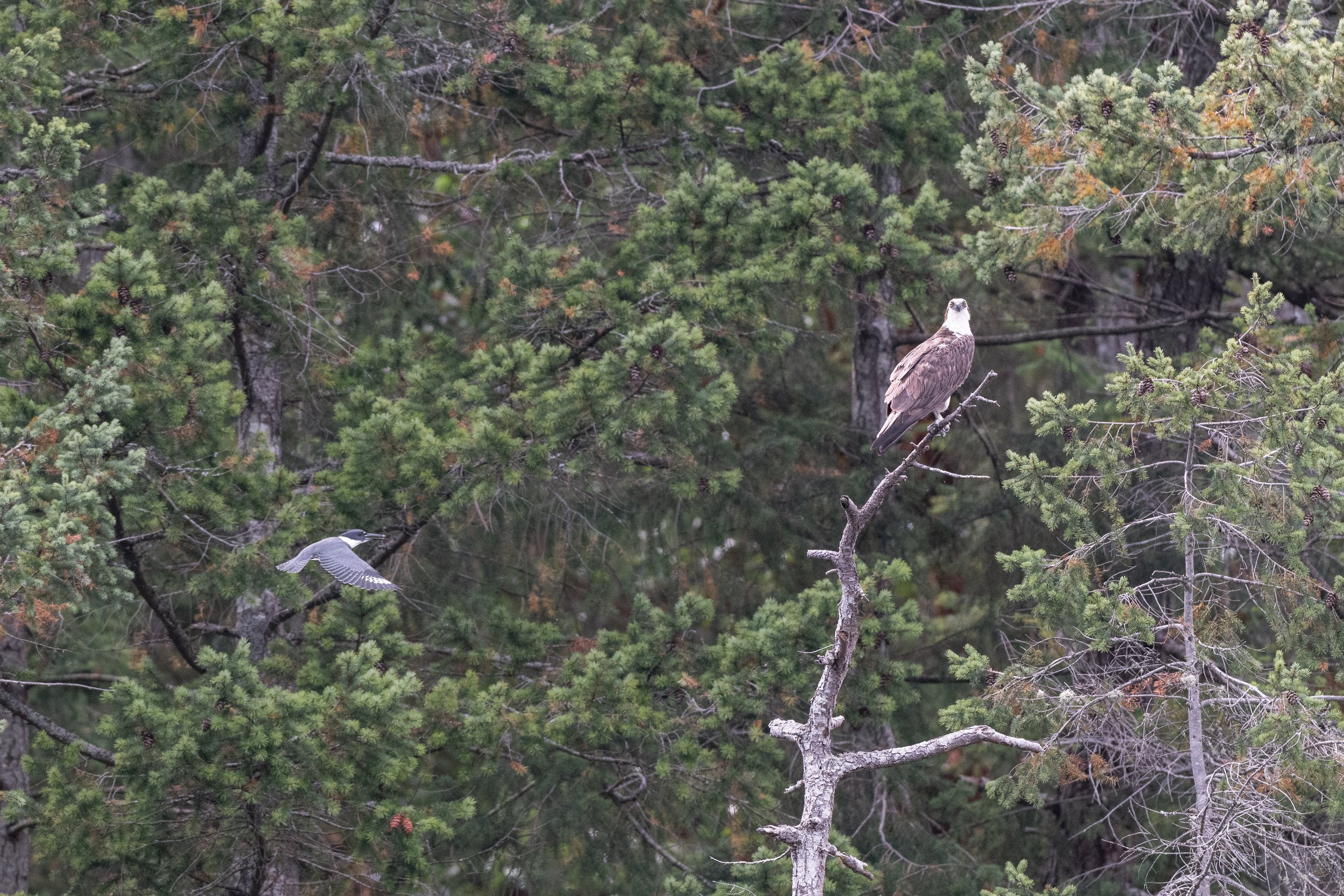
An Osprey and Kingfisher in the same photo. Photo by Aly Kohlman.
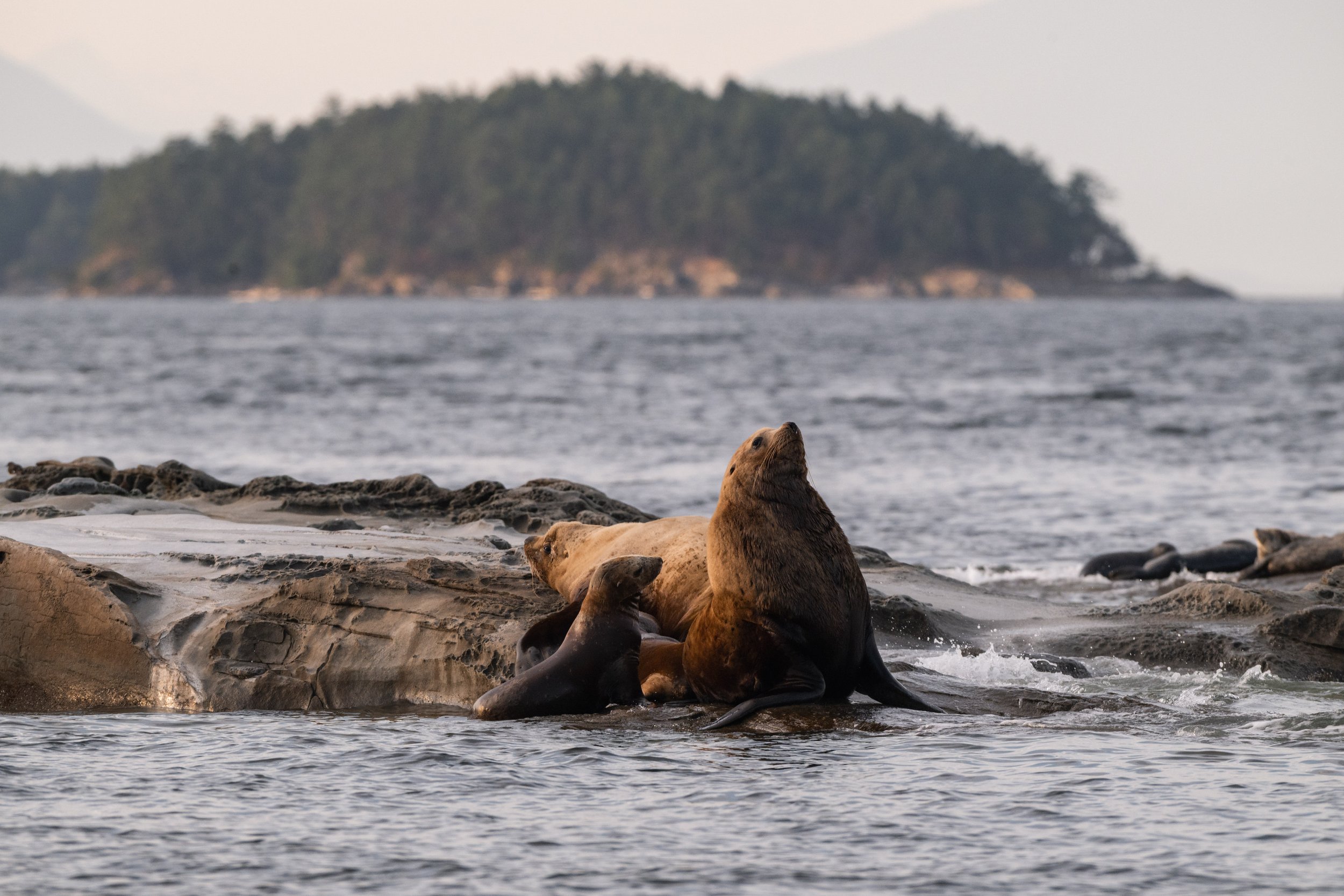
Steller Sea Lions posing on stinky rock. Photo by Aly Kohlman.
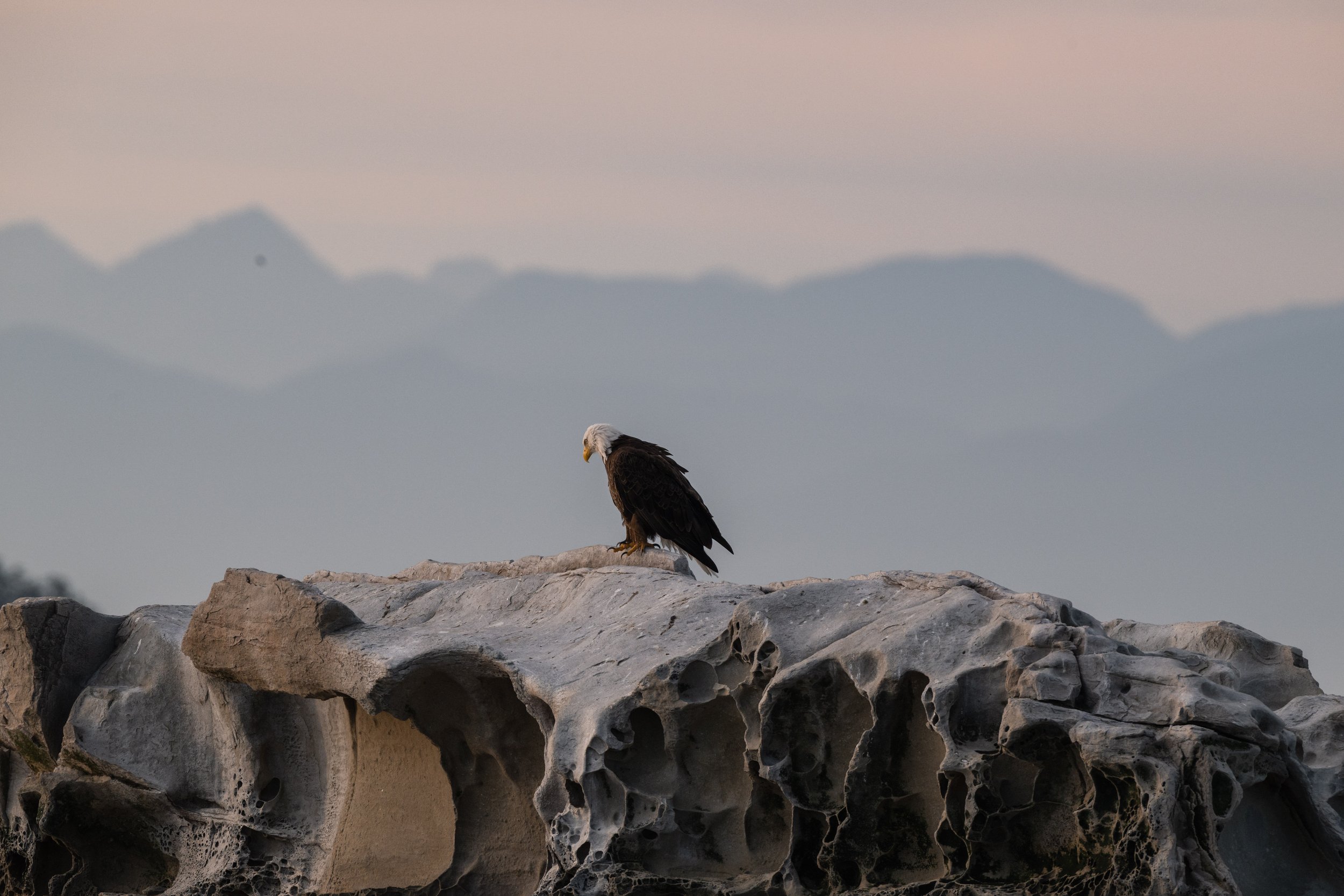
A Bald Eagle posing on the Sandstone. Photo by Aly Kohlman.
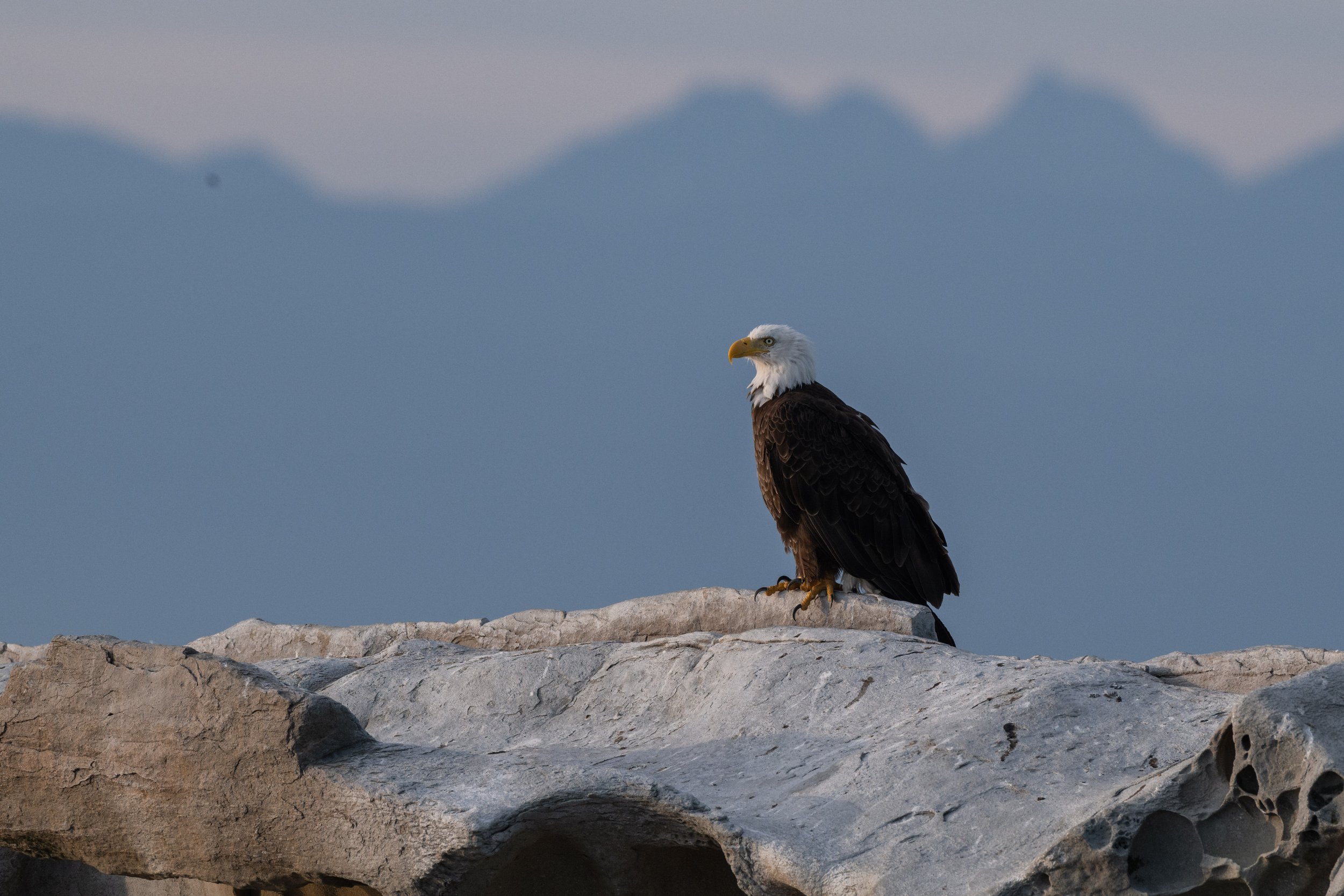
A very photogenic Bald Eagle. Photo by Aly Kohlman.
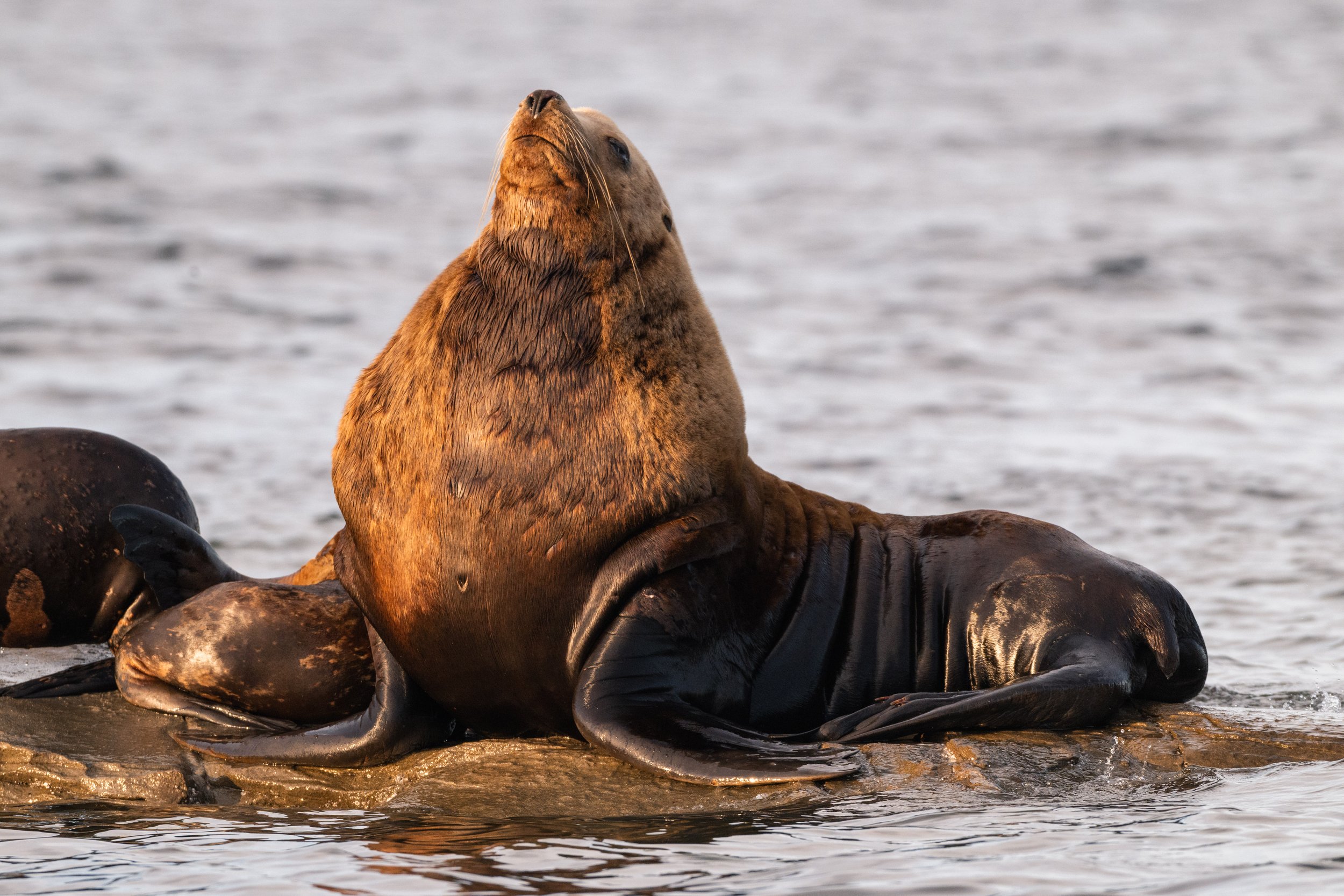
A big male Steller Sea Lion posing on the rocks. Photo by Aly Kohlman.
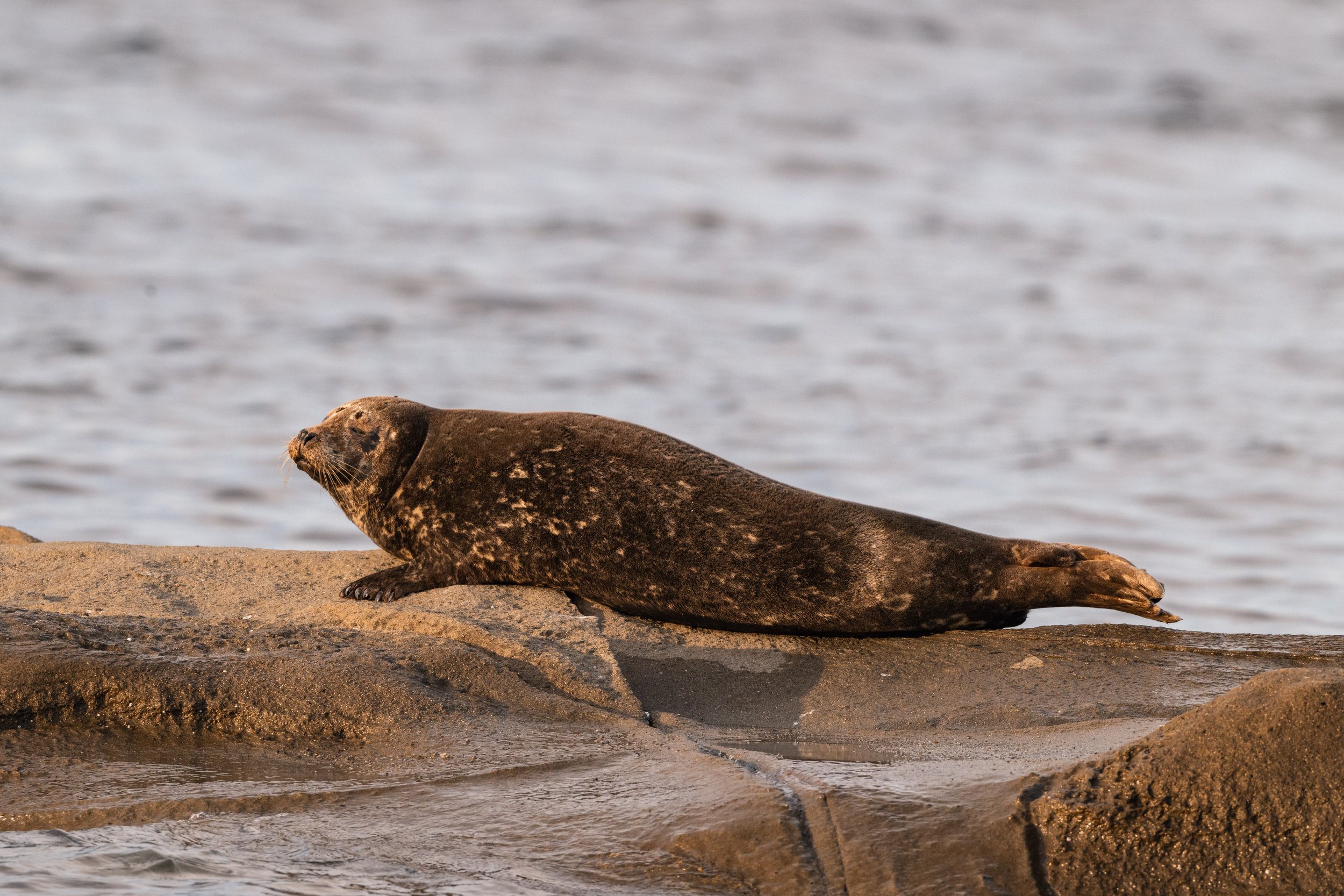
a happy looking Harbour Seal. Photo by Aly Kohlman.
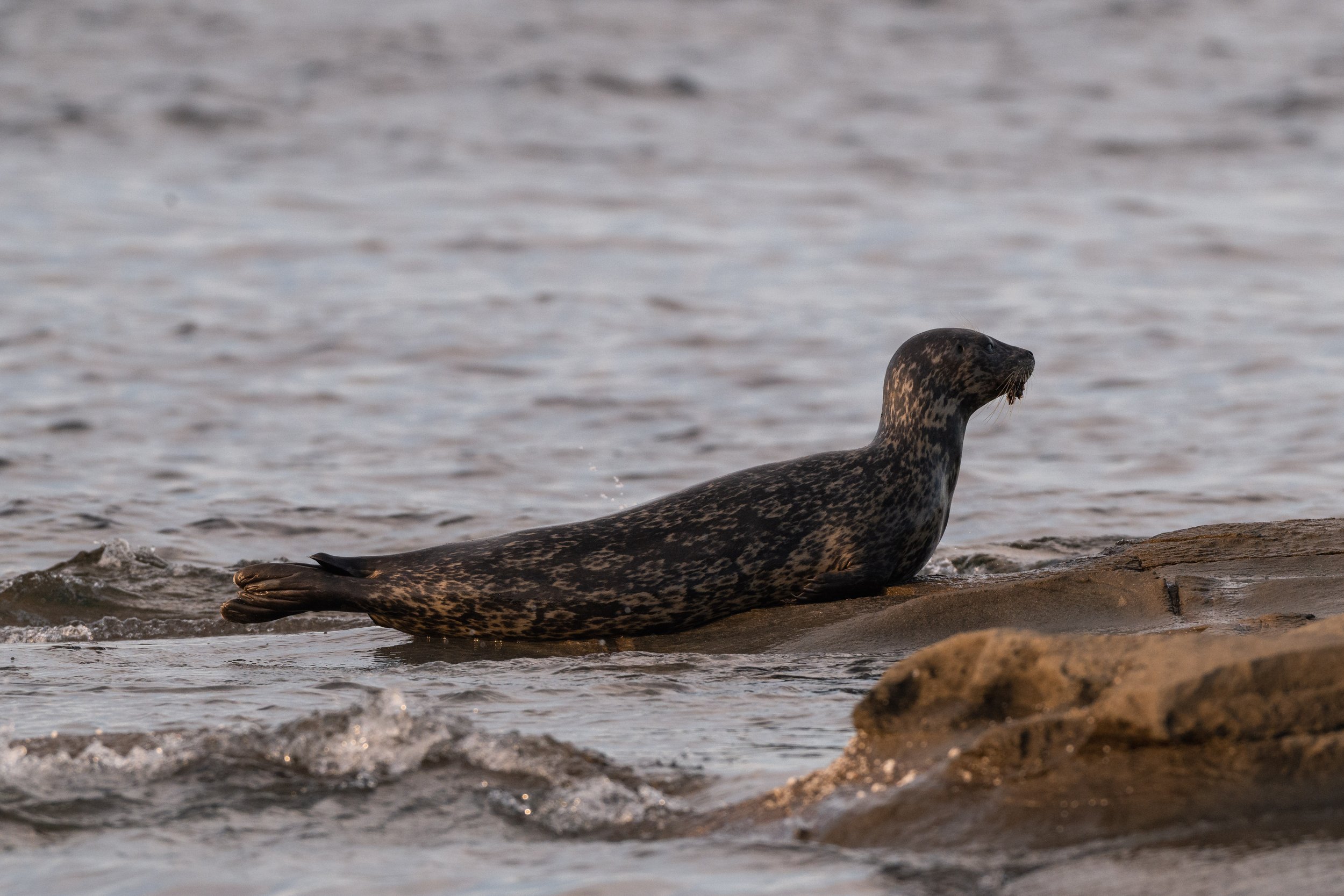
A Harbour Seal doing a nice stretch. Photo by Aly Kohlman.
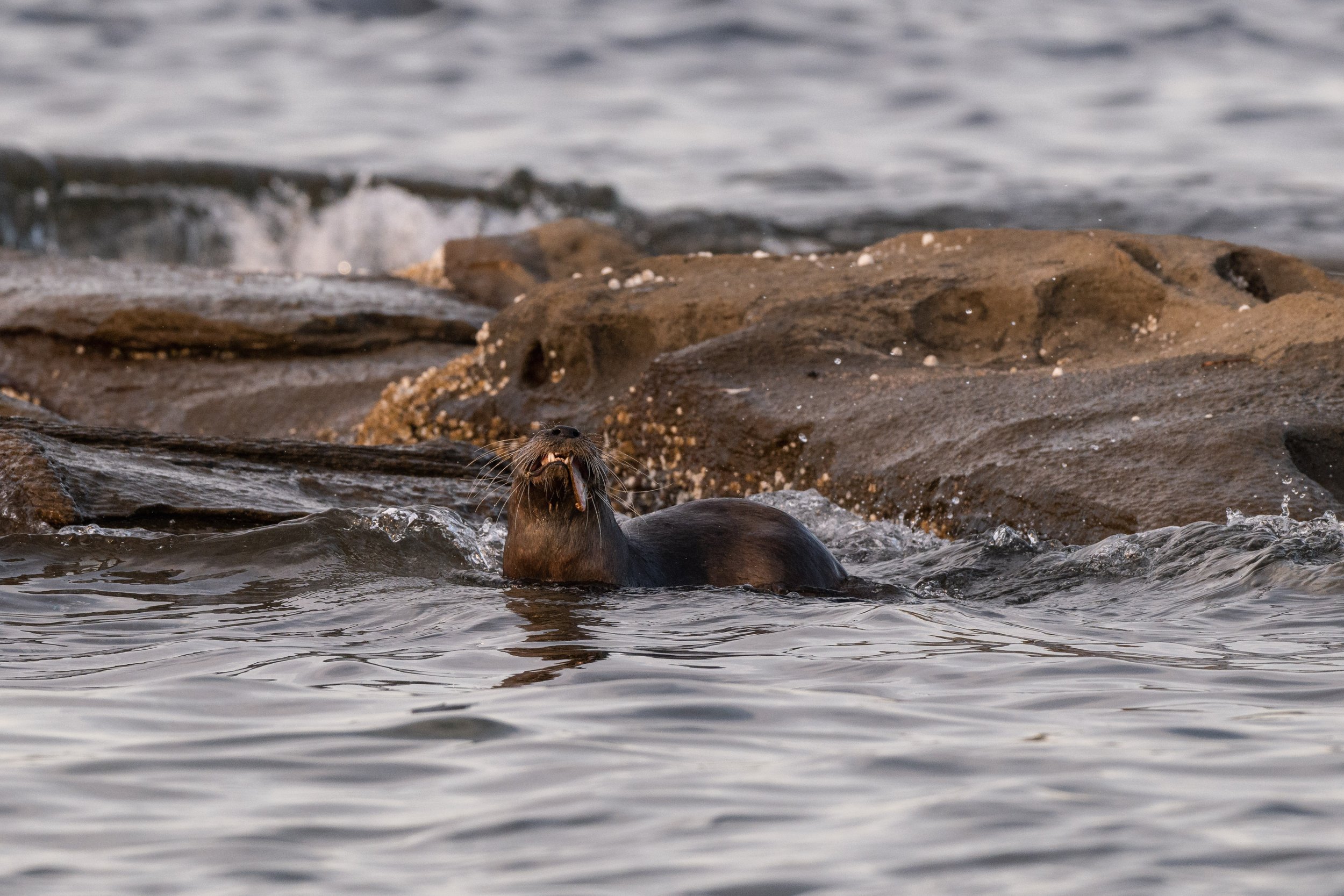
A River Otter enjoying dinner. Photo by Aly Kohlman.
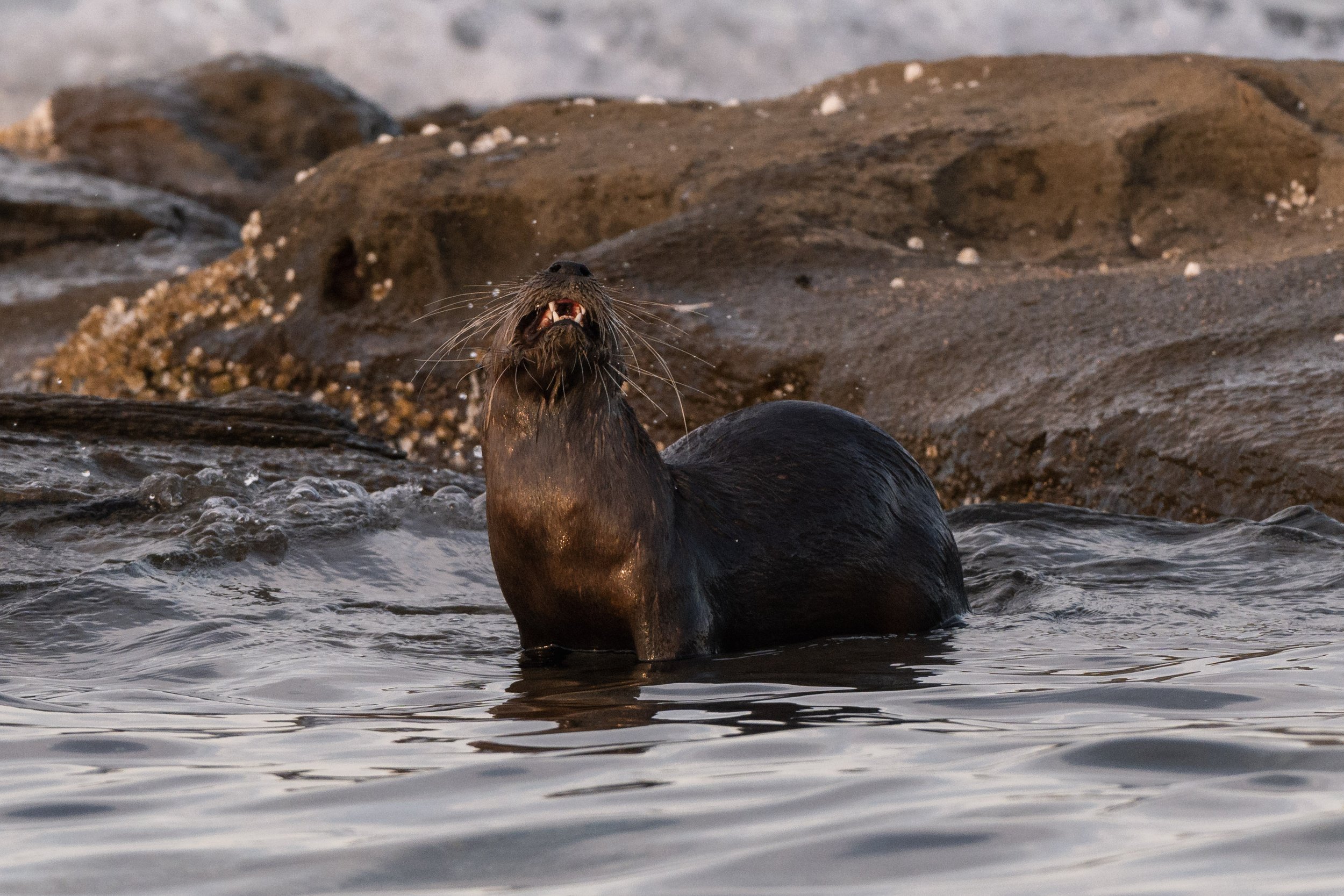
Just look at all those whiskers! Photo by Aly Kohlman.
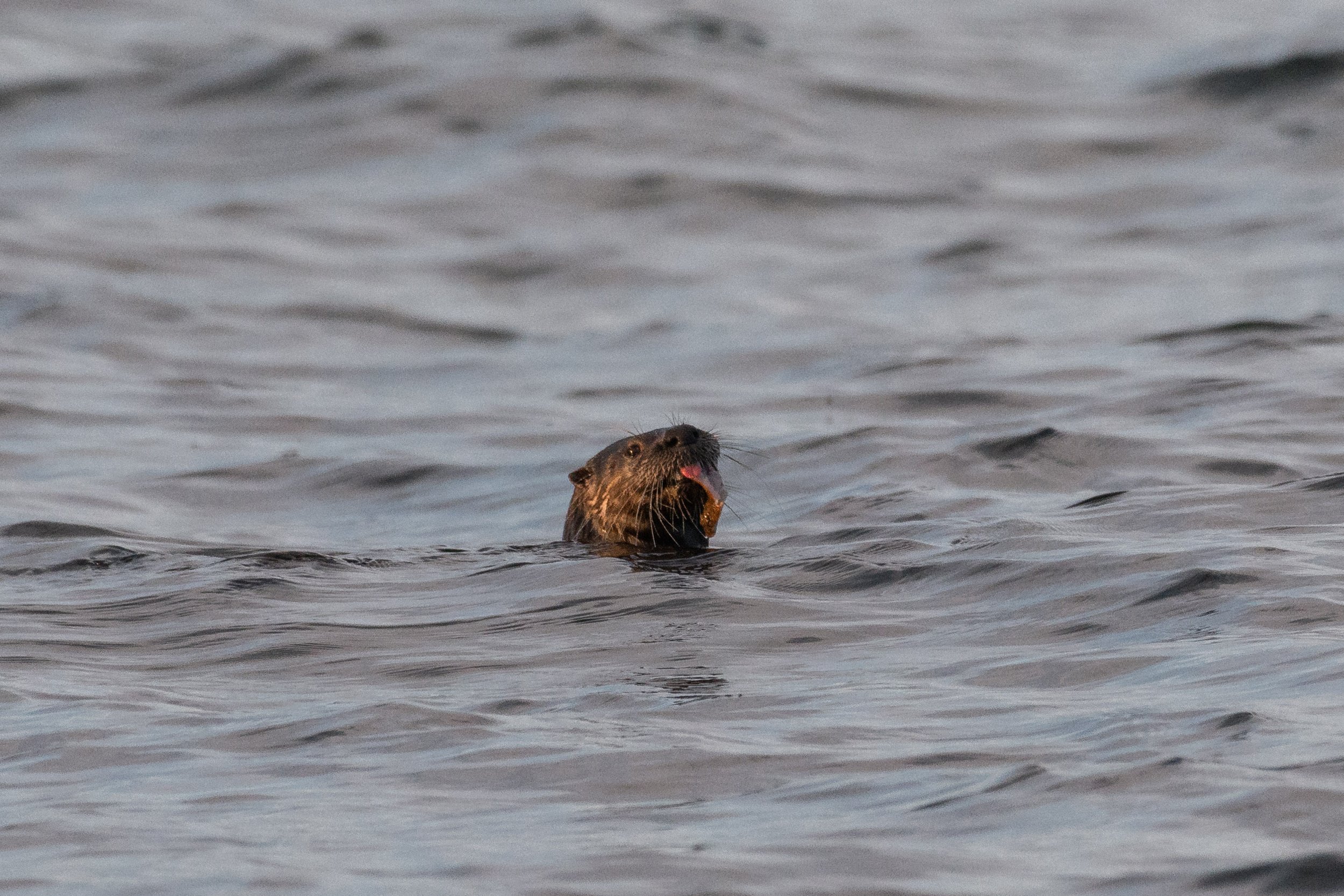
Fresh Sushi on the menu for the River Otter. Photo by Evan Hessels.
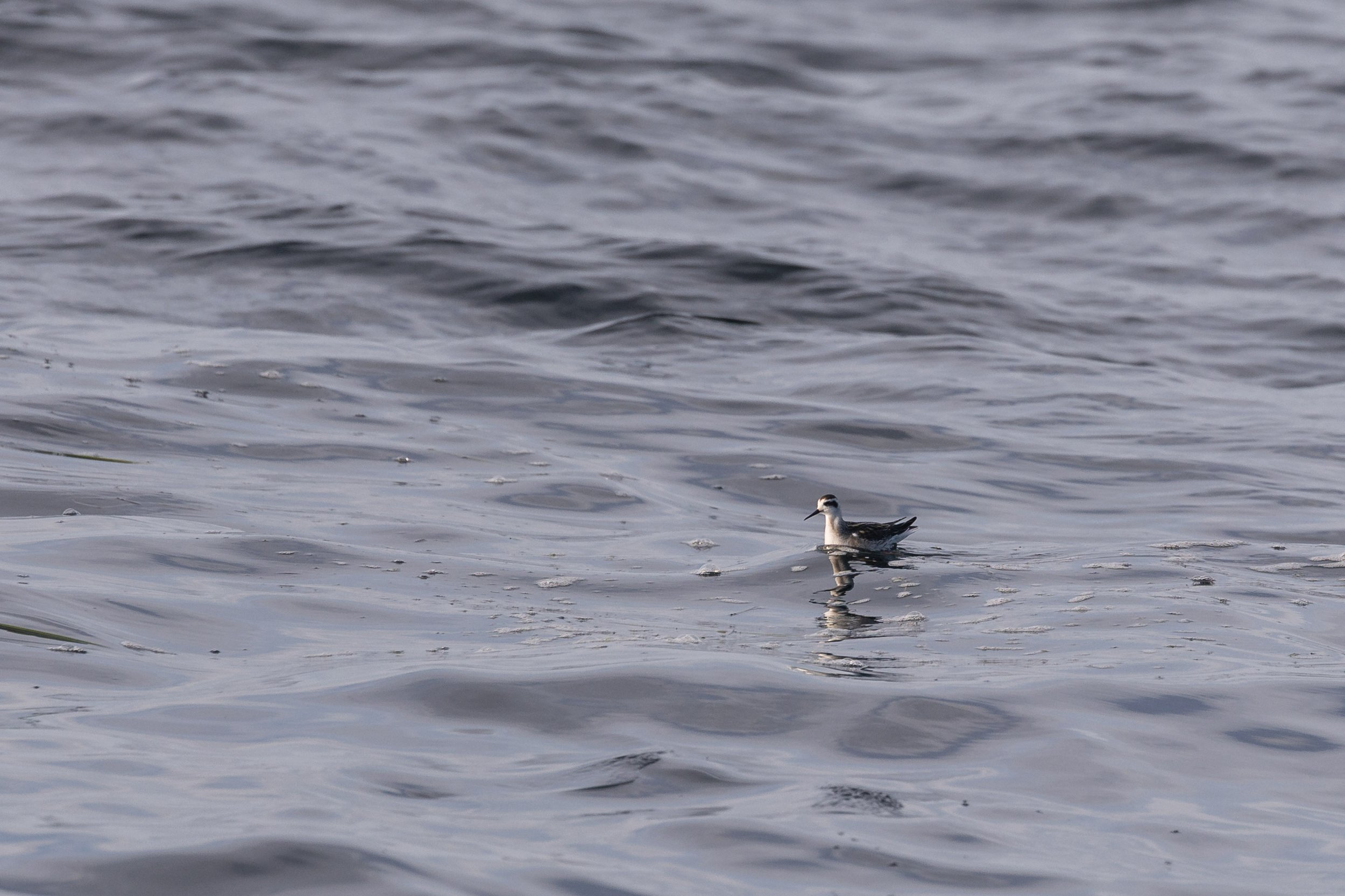
A Red-necked phalarope swimming by. Photo by Jordan Robinson.
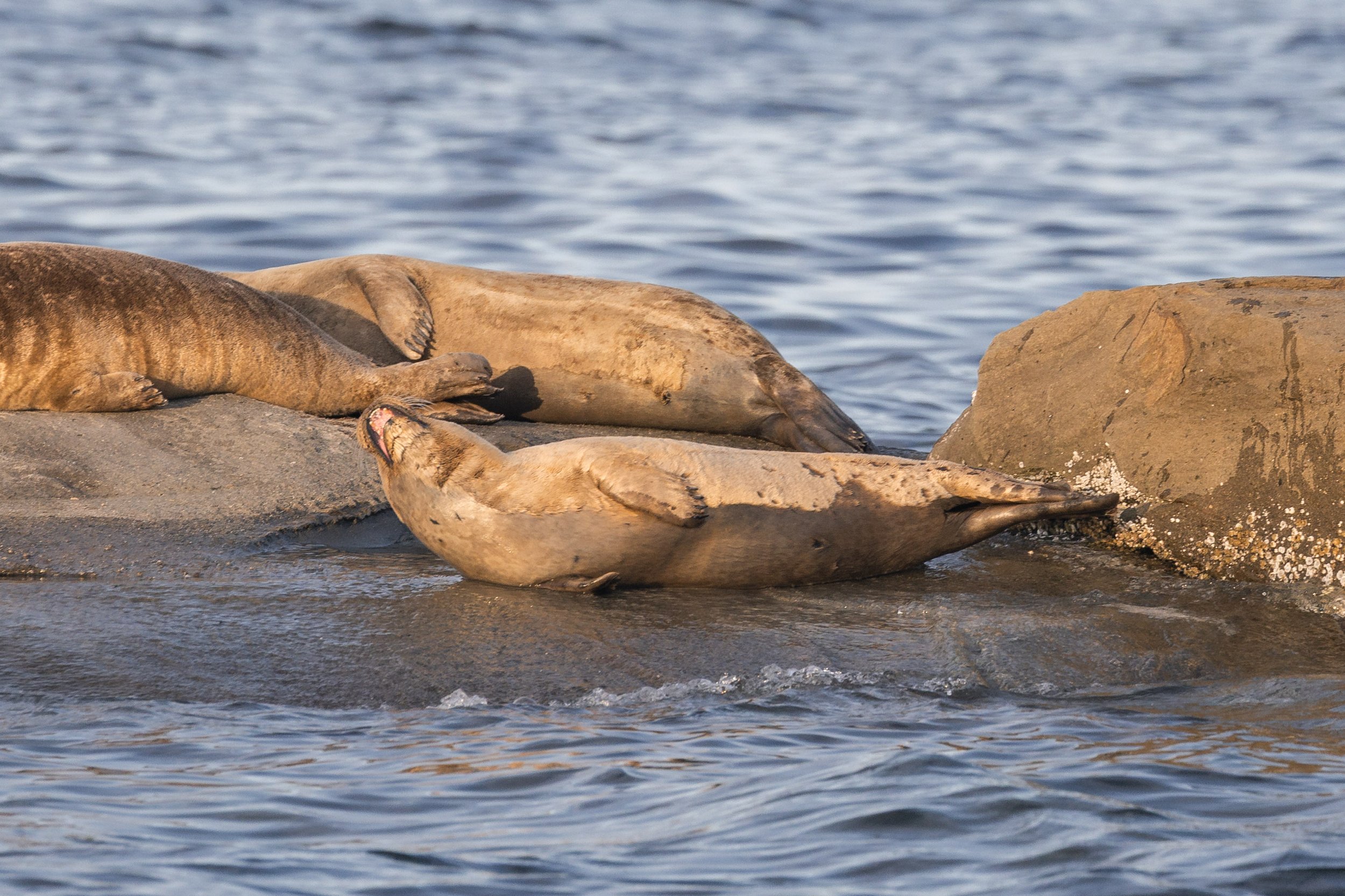
A big yawn from this Harbour Seal. Photo by Jordan Robinson.
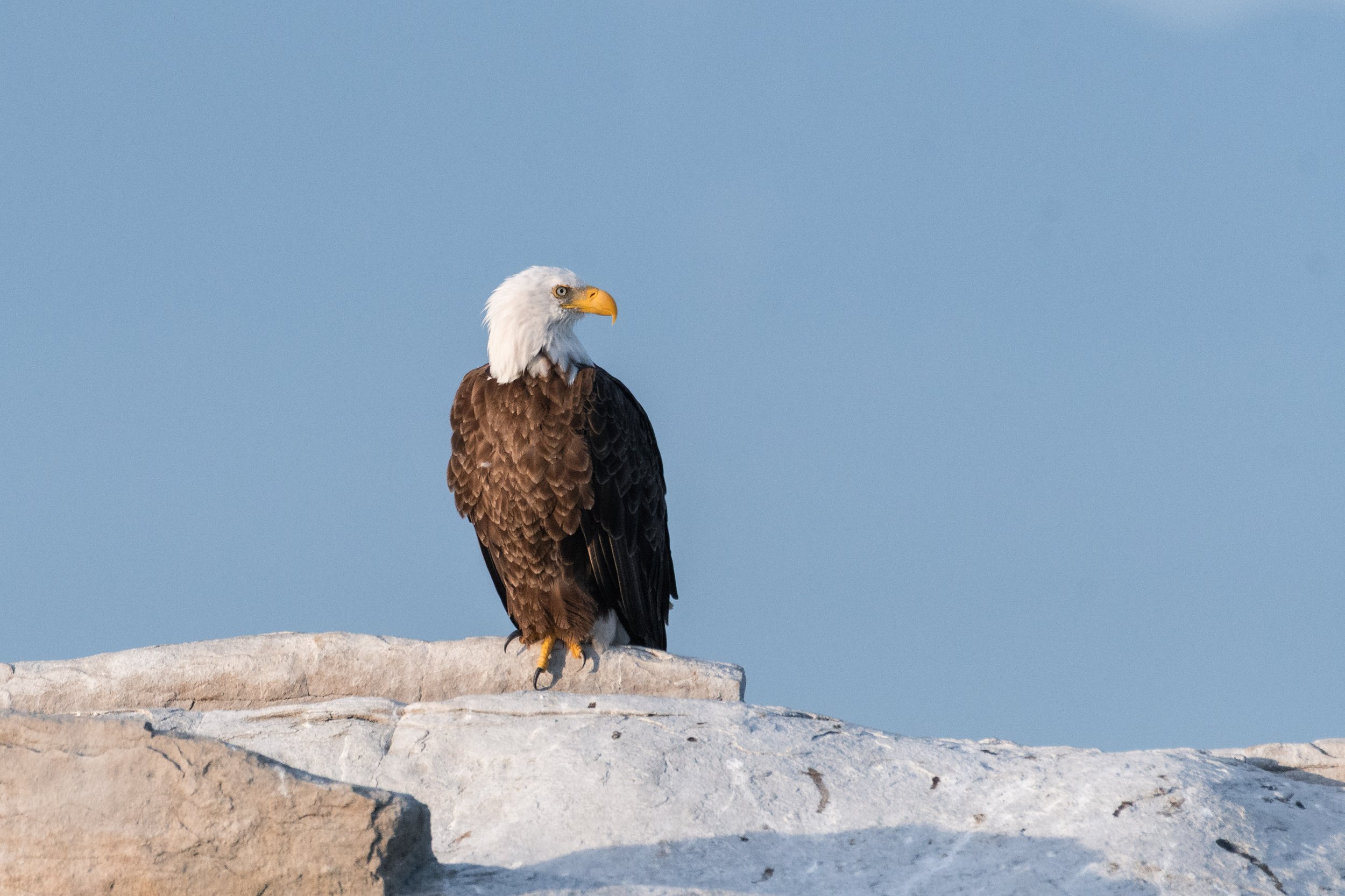
A Bald Eagle on Stinky Rock. Photo by Evan Hessels.