
August 19, 2026, 10:30 AM - Three different encounters within 15 minutes of Nanaimo!
It’s not very often that we find whales right at our doorstep outside of Nanaimo, but today we ended up with 3 different encounters, all within a 10-minute ride from the dock!
It started with the T101s, a common pod we've spotted over the last few weeks, travelling together near Dodd Narrows.
T101 Reef ♀ (≤1969)
T101B Lagoon ♂ (1997)
This pod has been spending a lot of time near Nanaimo and the surrounding waters lately, making it easy to recognize them when we find them. They are a unique group, with a smaller fin belonging to Reef travelling alongside Lagoon's huge dorsal fin. Before July of this year, it used to be two big fins with Reef, but her other son, T101A Rush, has been missing for the past month or so. It’s unknown as of now if he has passed away, or if he is just travelling away from the other members of his pod for the time being. It’s not unheard of for males to strike out on their own, although the T101s aren’t a pod that this usually occurs with.
Seeing Reef and Lagoon is still a wonderful sight, especially since they punctuate the size difference that occurs in orcas so well. Orcas have sexual dimorphism, meaning males and females develop different looks as they mature. The most obvious of these differences is the dorsal fin, with males reaching heights of 6 feet while females stay much smaller, typically between 3-4 feet tall. All of the other fins on the male orca are proportionally larger as well, including the tail flukes and the pectoral fins. They also grow larger overall, with males reaching up to 8 meters in length and females typically not exceeding 6 meters. This difference in appearance doesn’t reflect the social dynamics amongst orcas, though. Even though they are smaller, females lead the way. Orcas have a matriarchal society, so the females are in charge of their offspring, and the males aren’t involved in their own children's lives at all. They do help raise their siblings, though, and are often spotted caring for younger individuals in their own matrilines. Reef is no longer reproductive, as orcas go through menopause around the time they are 40-50 years old, so we haven’t got to see Lagoon taking on any care of siblings. The next pod that we came across would have a bit more in the way of care.
While watching the T101s, we heard that some whales were spotted inside Departure Bay, so we decided to head there next. By the time we caught up to them, they had left the bay and were travelling north, along the shoreline of North Nanaimo. This pod we were able to quickly identify as well, although they aren’t as common a sight around here as the T101s. It was the T069s!
T069 Komox ♀ (1974)
T069C Kye ♂ (1995)
T069F Kin ♂ (2010)
This pod is another case of only boys being left with their mom, although that wasn’t always the case. The T069s (and the T101s) have had female members of their pod who have dispersed away from the main pod. This is typical with transient orcas, given that they try to maintain a small group size so they are stealthy when they hunt. The fewer members, the less likely the seals and sea lions they prefer to hunt will spot them. Members also share the food after a hunt, so fewer members mean each individual gets more. While Reef only has one daughter, T100 Hutchins, Komox has two that no longer travel with her: T069A Kitimat and T069D.
These whales seemed content in their travels as they continued north, and we enjoyed watching them, once again marvelling at the size difference between all the members of the pod as they gracefully moved through the waves.
We let them continue and turned our bow back towards Nanaimo, but were stopped along the way by one last whale encounter, this time with a humpback whale. While this individual was being a bit shy, one of the Naturalists was quick with his camera and caught a photo of the underside of the tail as it dove, allowing us to identify this whale as Allusion (BCY1300). Humpback whales are here in BC to feed over the summer and build important fat reserves that will fuel their southern migration to Hawaii or Mexico in the winter, so it makes sense that this is what we found Allusion doing today. Although most of the feeding happens below the surface, so it can be difficult to watch from the boat, it’s still a great reminder of how important these coastal waters are for the humpback whales, and even just a glimpse of them is a special one. We didn’t stick around for too long with Allusion before continuing towards Snake Island, where we spotted some adorable Harbour Seals spending their time relaxing on the rocks. It was a great way to finish this amazing morning!
Throughout the tour, the onboard Marine Naturalists Aly Kohlman, Jordan Robinson, and Evan Hessels captured photos, which are included below!
The T101s / Wildlife in Dodd Narrows
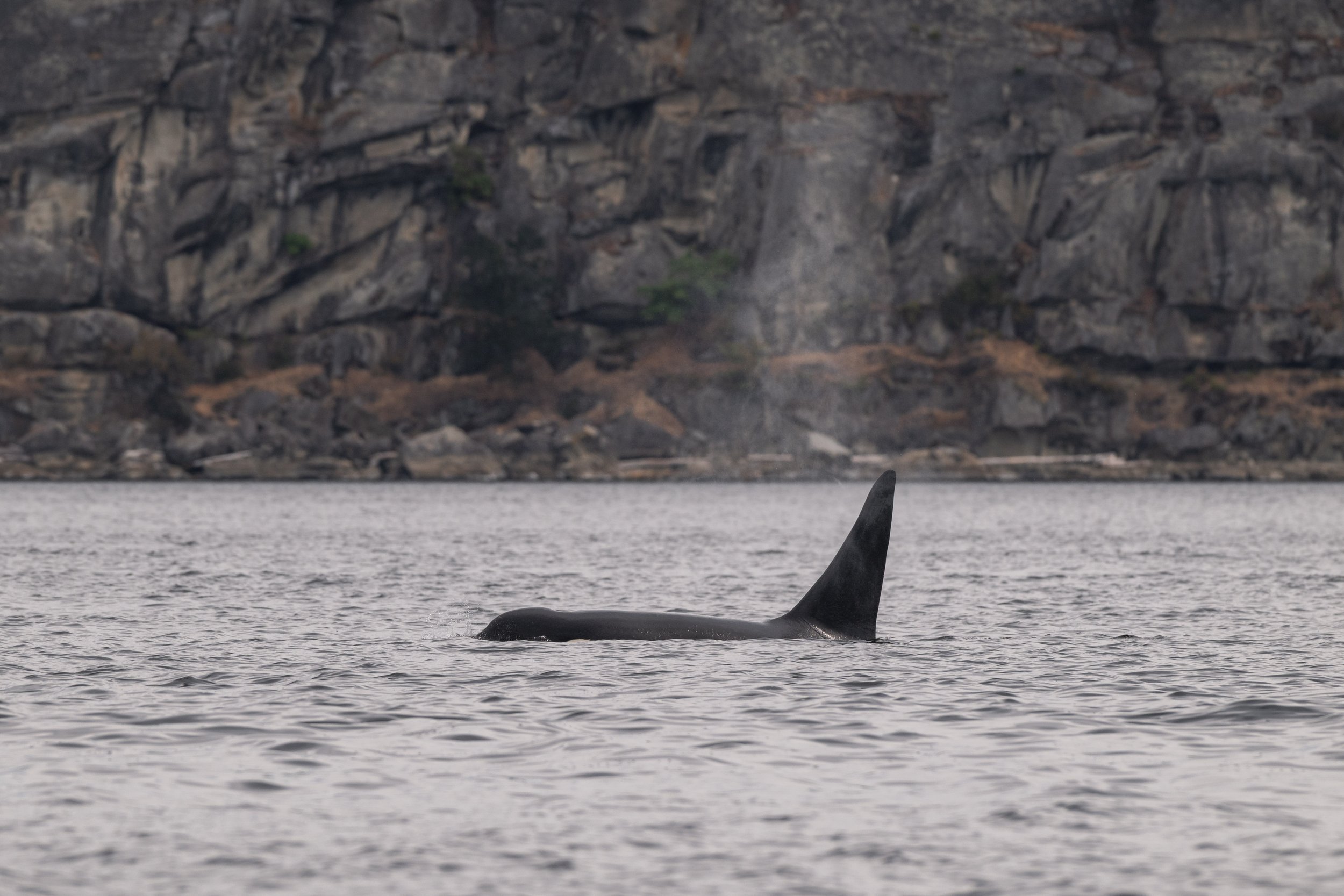
T101B Lagoon surfacing in Stuart Channel. Photo by Aly Kohlman.
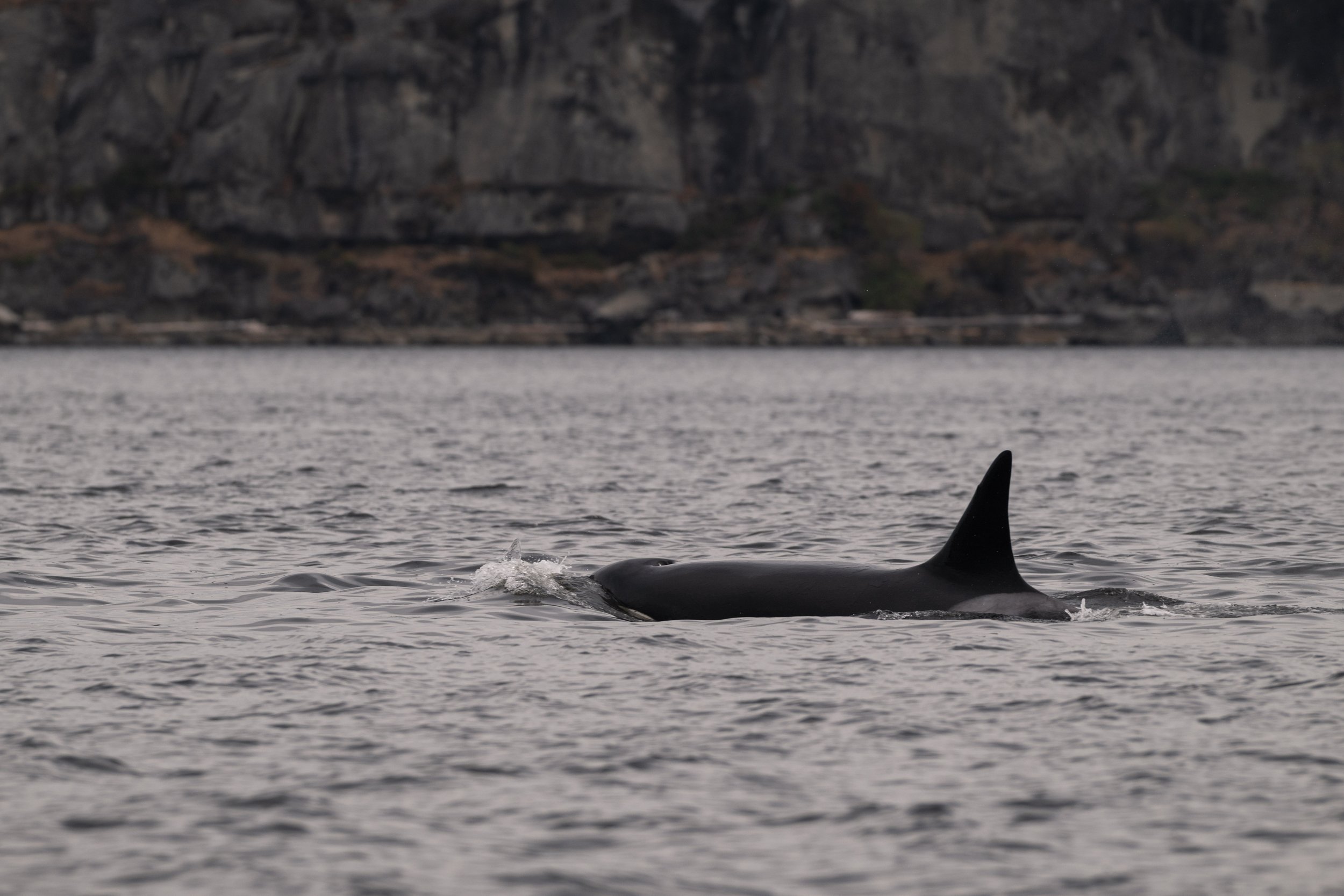
A lovely look at T101 Reef swimming north to Dodd. Photo by Aly Kohlman.
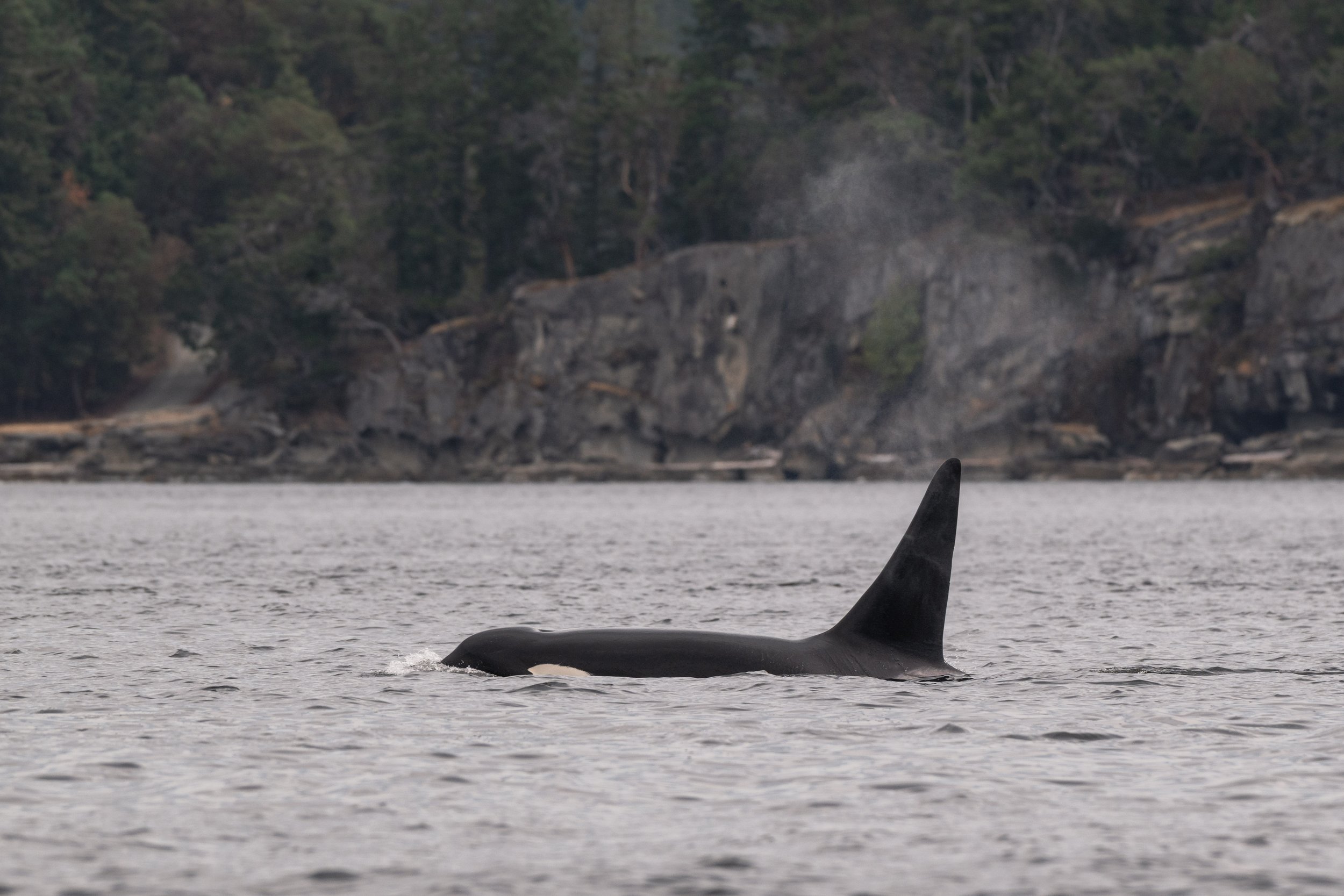
T101B Lagoon with his eye patch visible above the waves. Photo by Aly Kohlman.
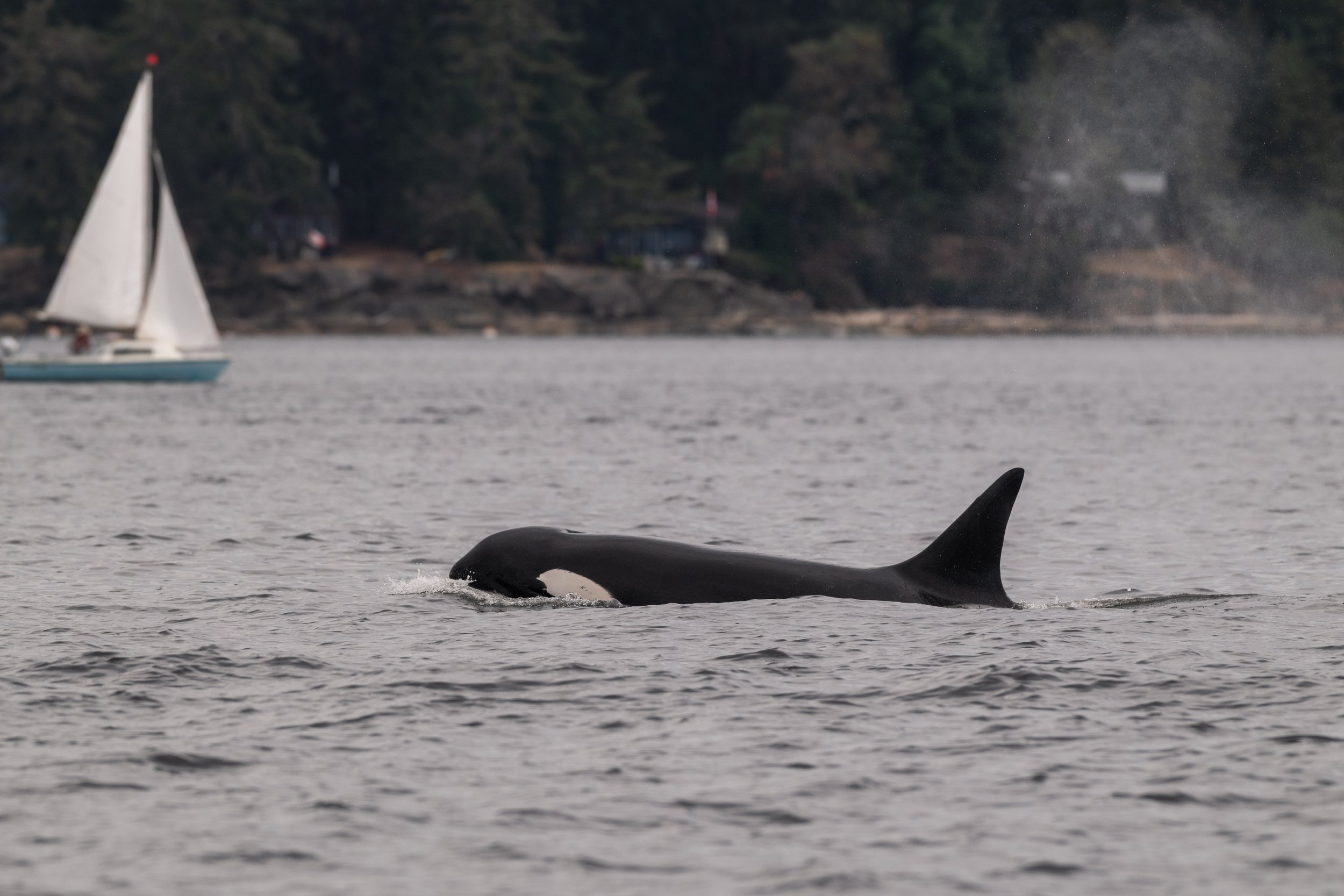
T101 Reef has some freckles on her eye patch that are visible here. Photo by Aly Kohlman.
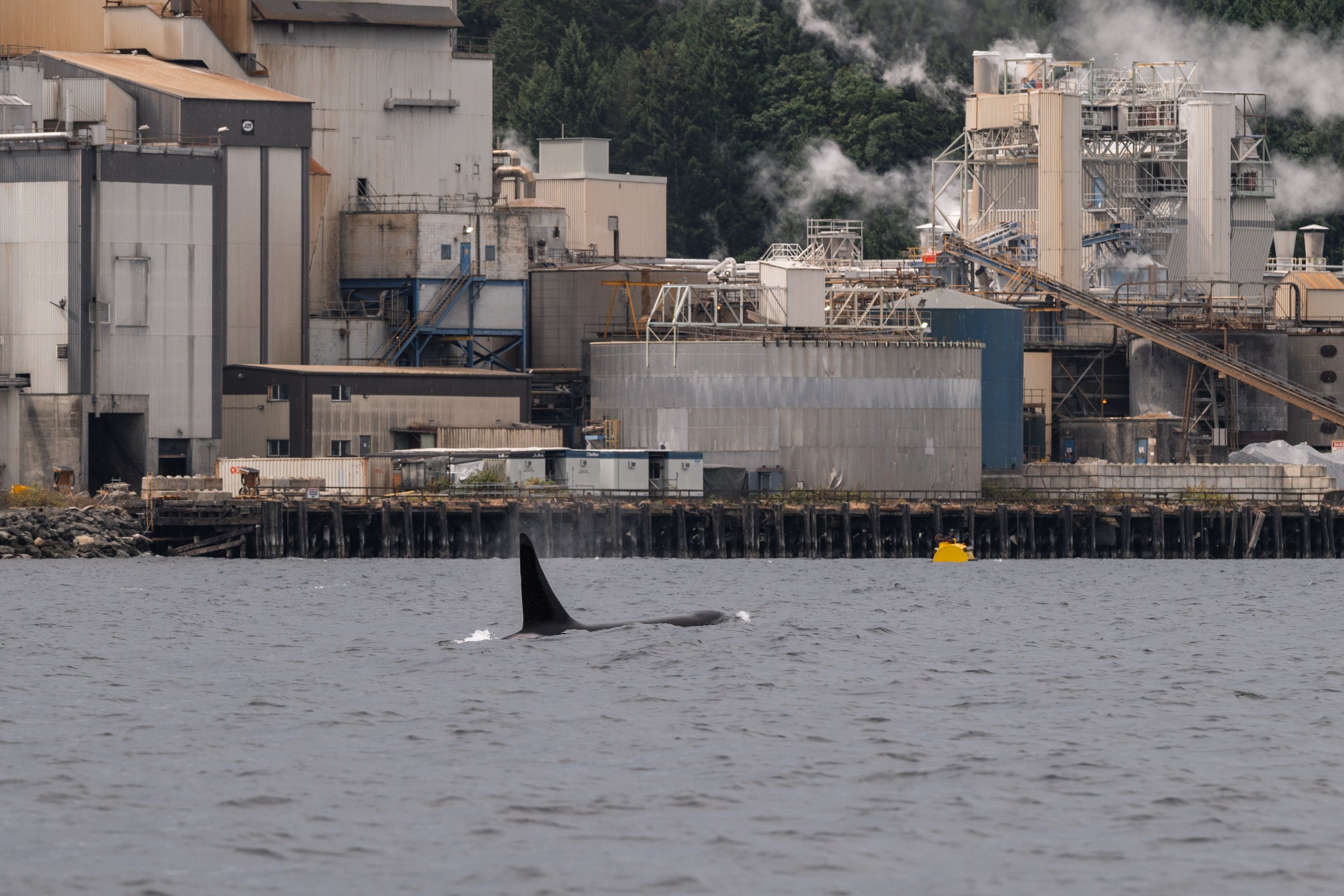
T101B Lagoon surfacing with Harmac Pulp Mill behind him. Photo by Aly Kohlman.
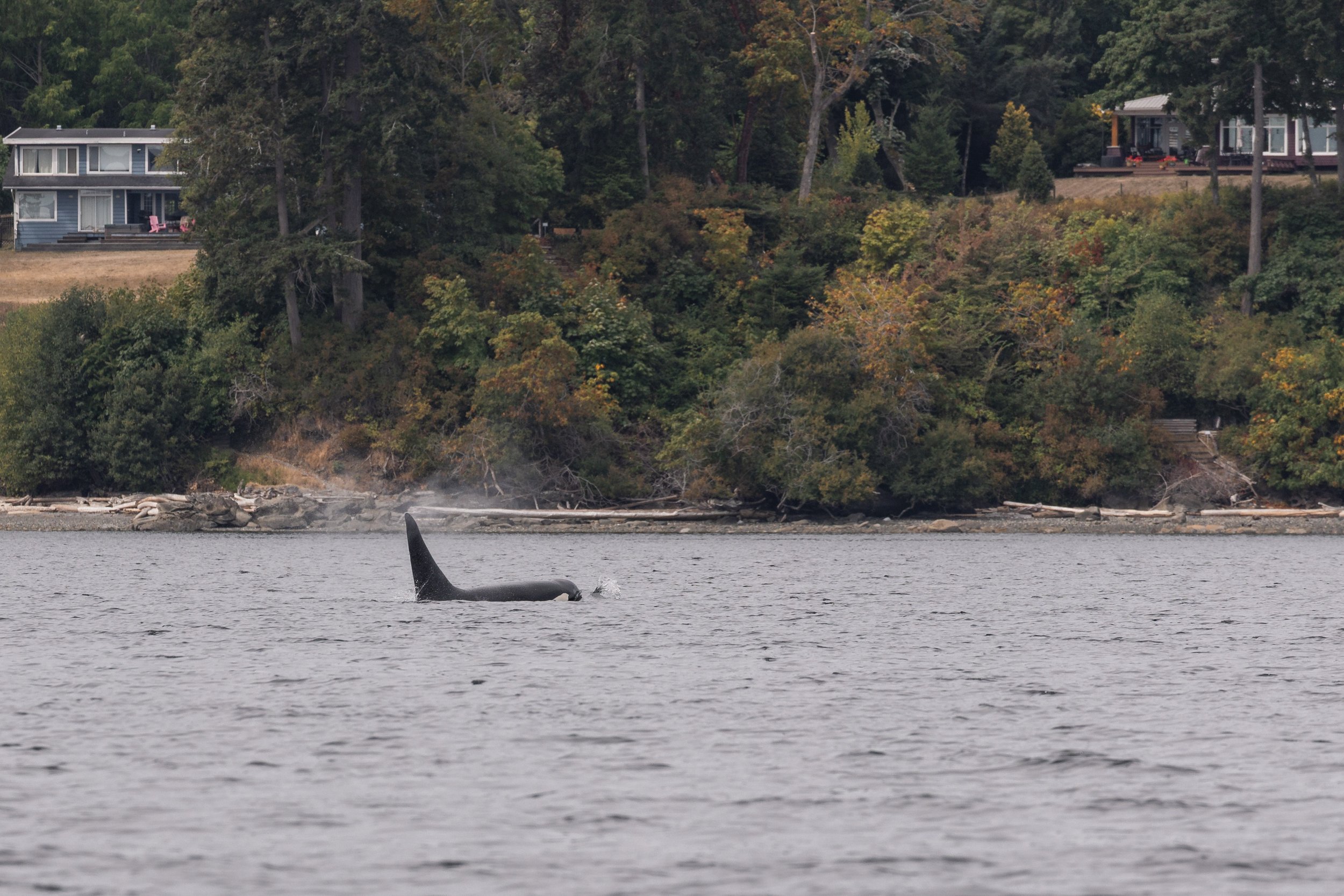
T101B Lagoon heading north toward Dodd Narrows. Photo by Jordan Robinson.
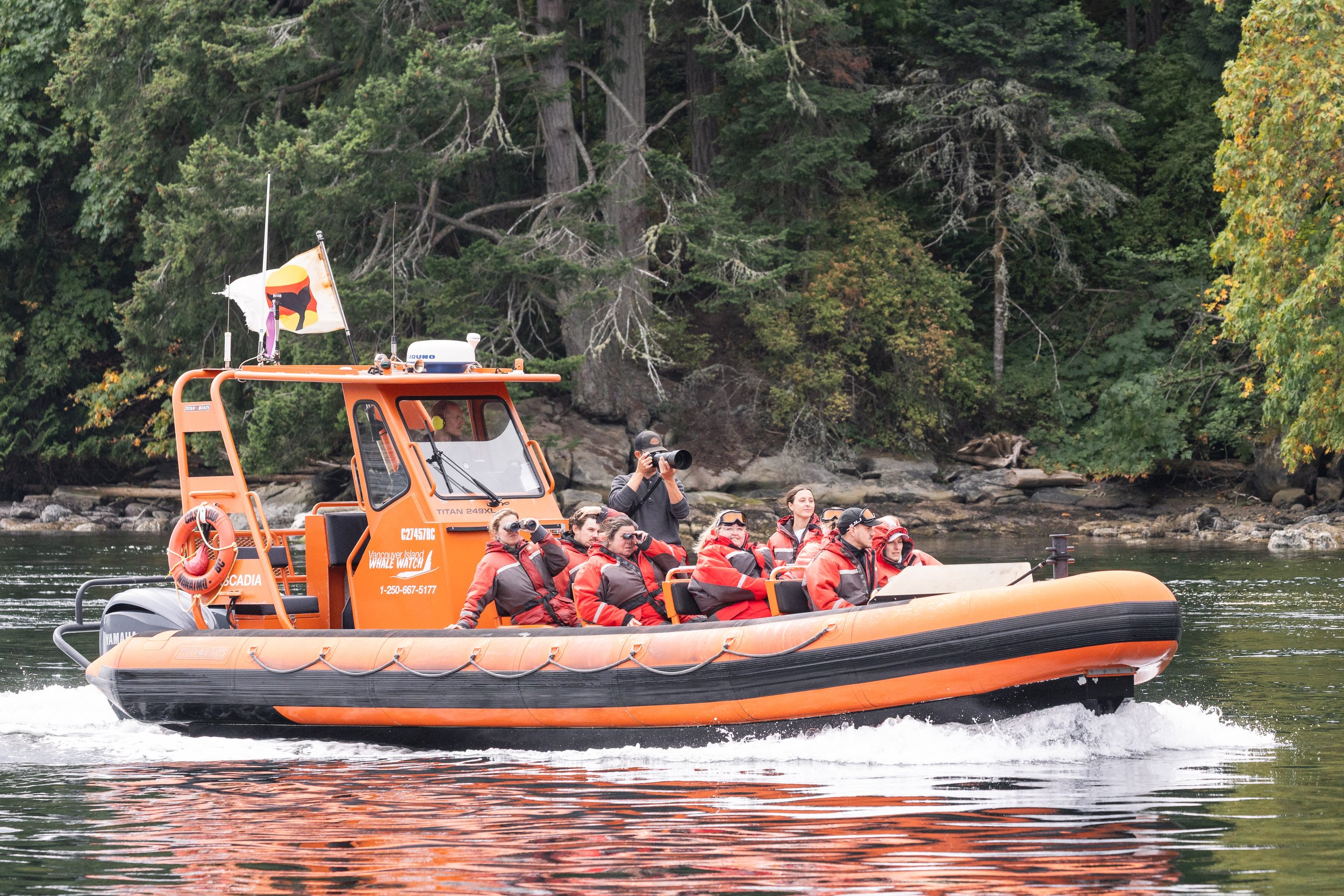
Whale watchers on Cascadia watching the T101s pass through Dodd Narrows. Photo by Jordan Robinson.
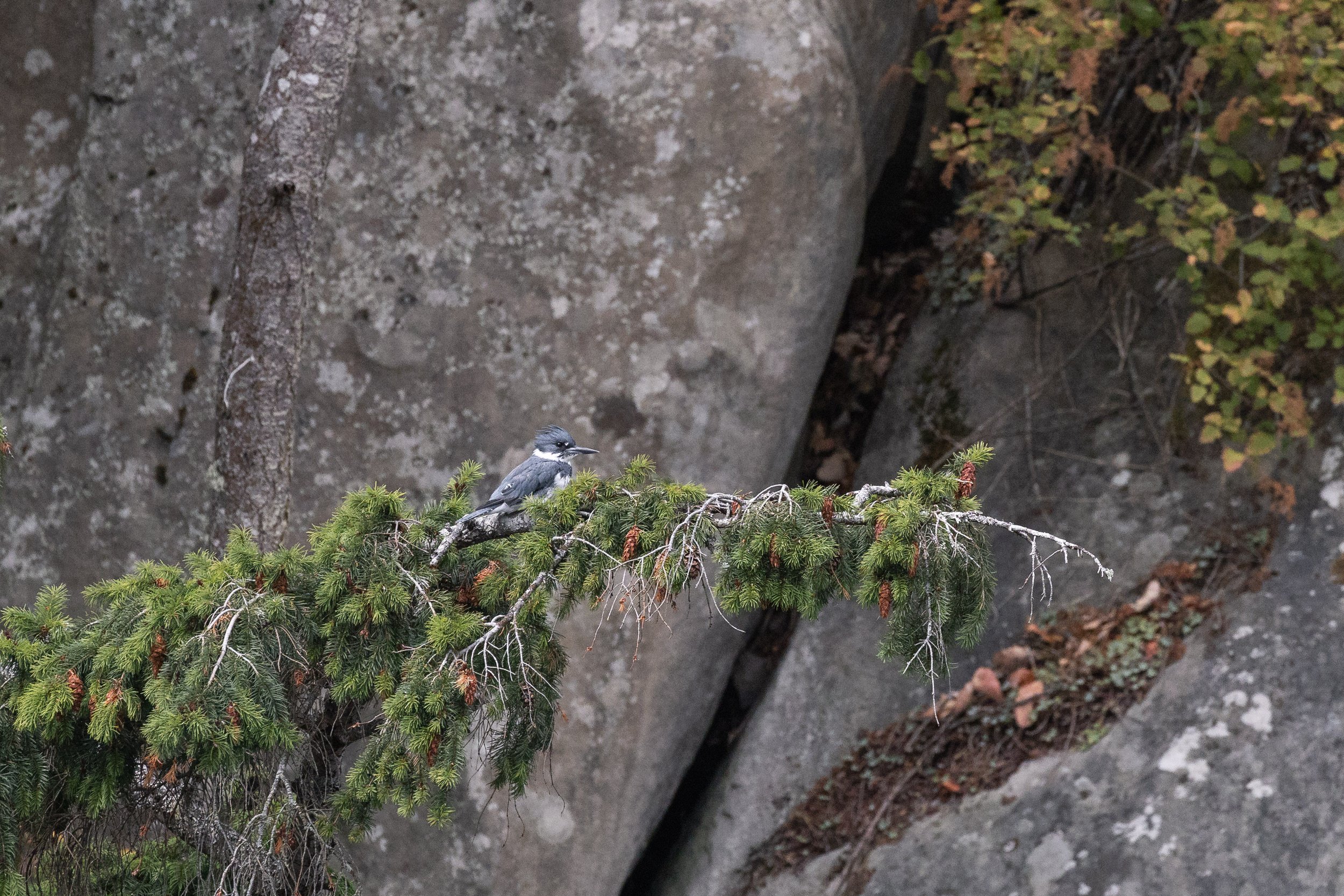
A kingfisher watching the water from a branch. Photo by Jordan Robinson.
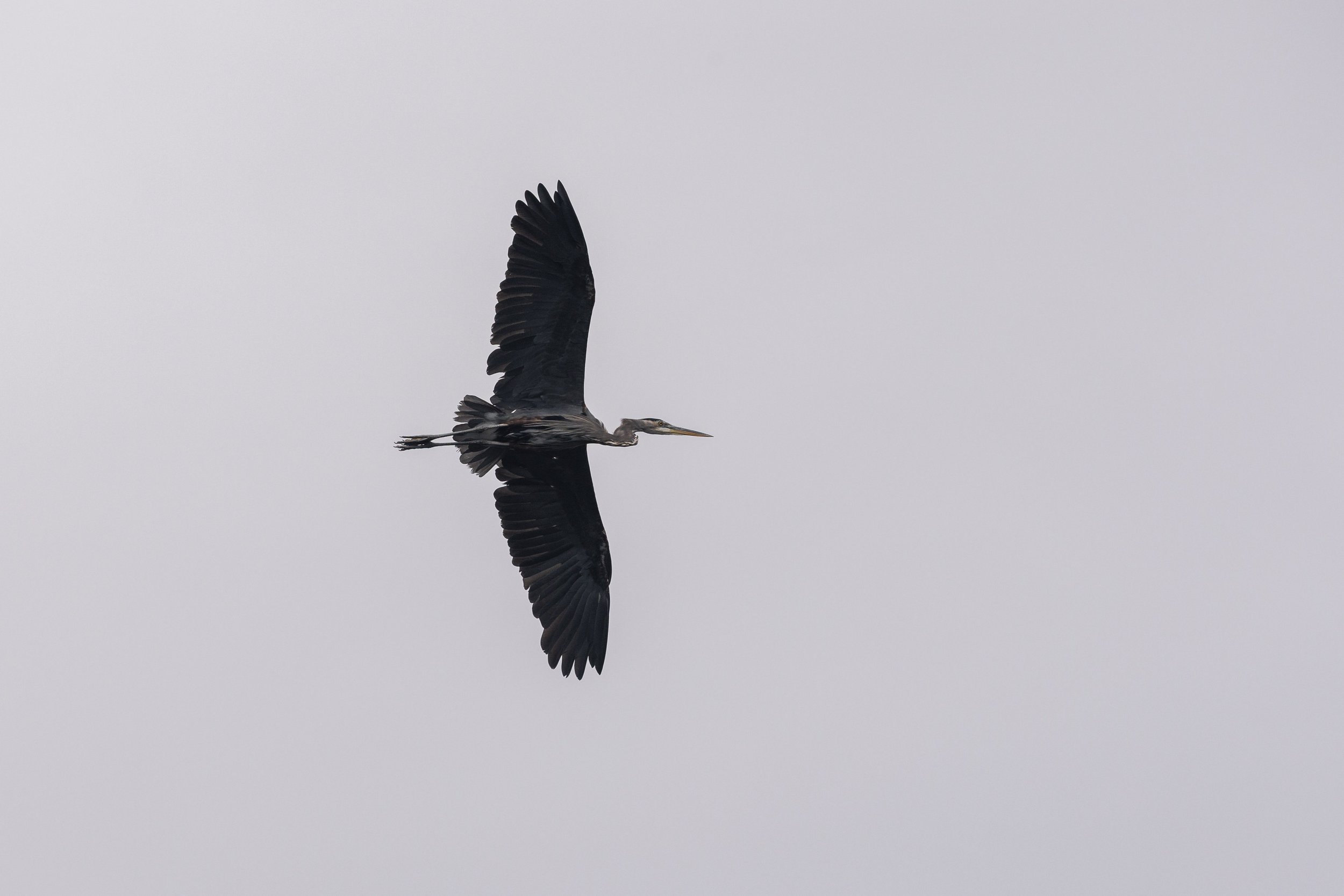
A Great Blue Heron flying overhead. Photo by Jordan Robinson.
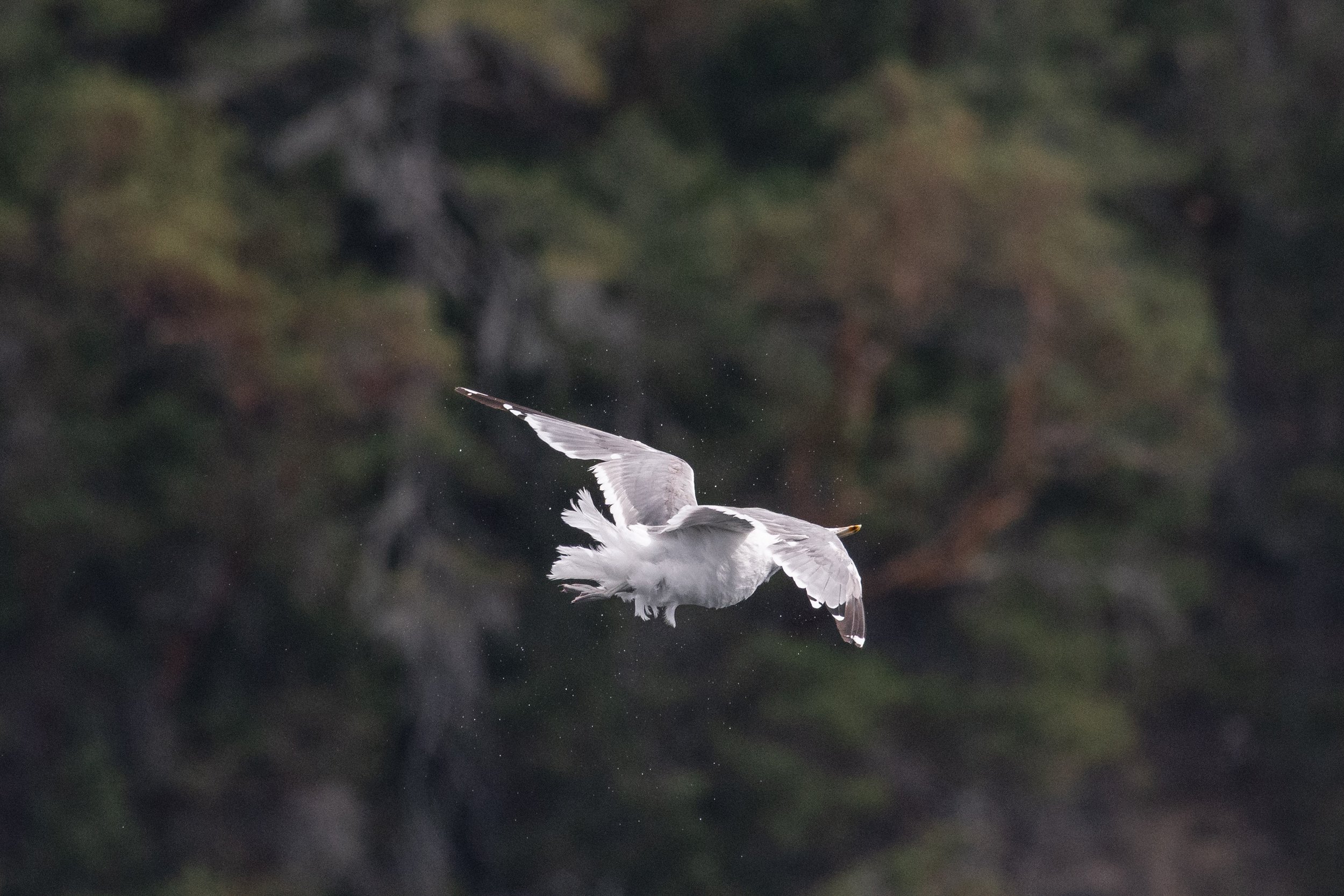
A gull shaking off mid air. Photo by Evan Hessels.
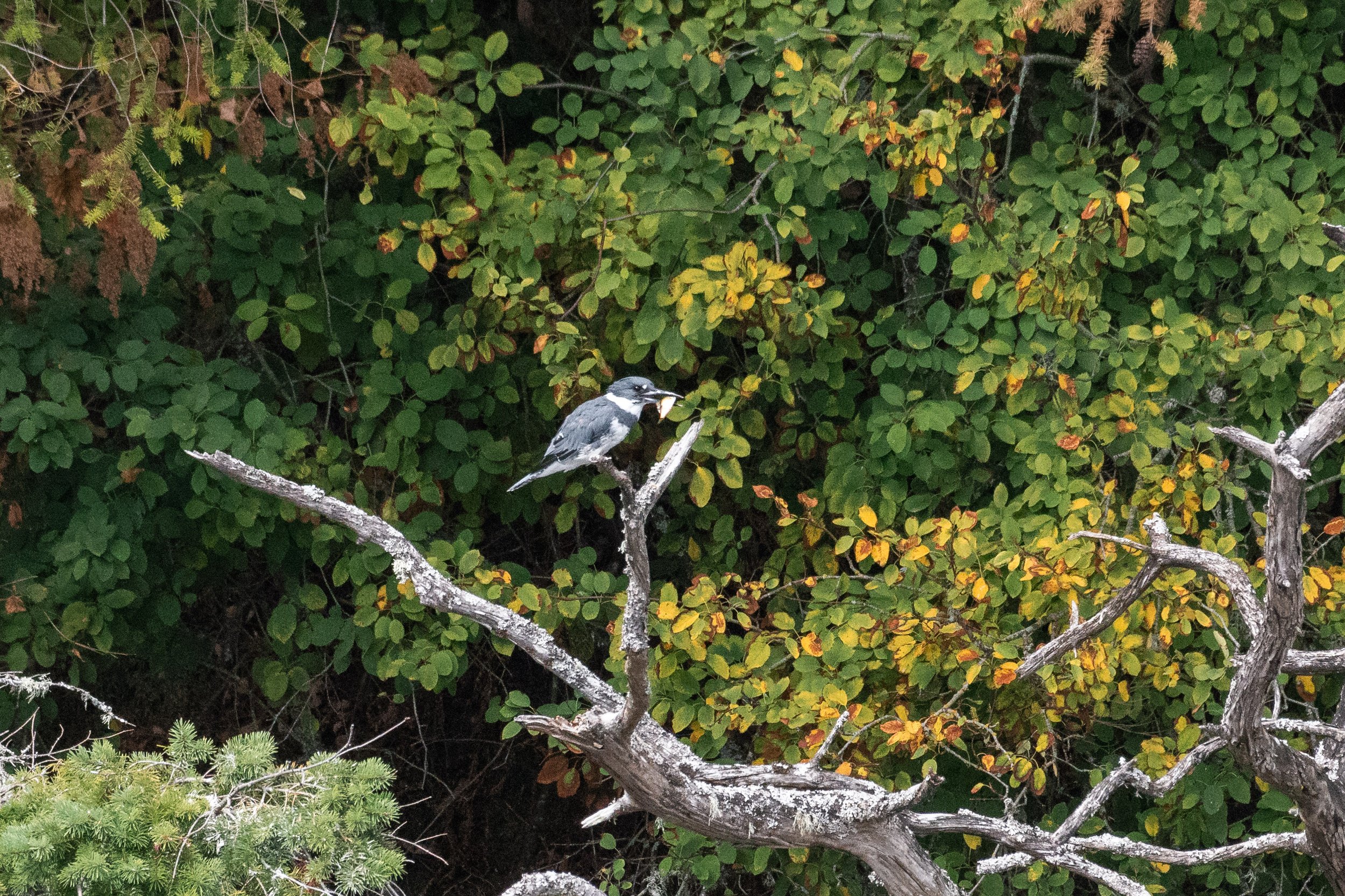
This Kingfisher caught himself a nice treat! Photo by Evan Hessels.
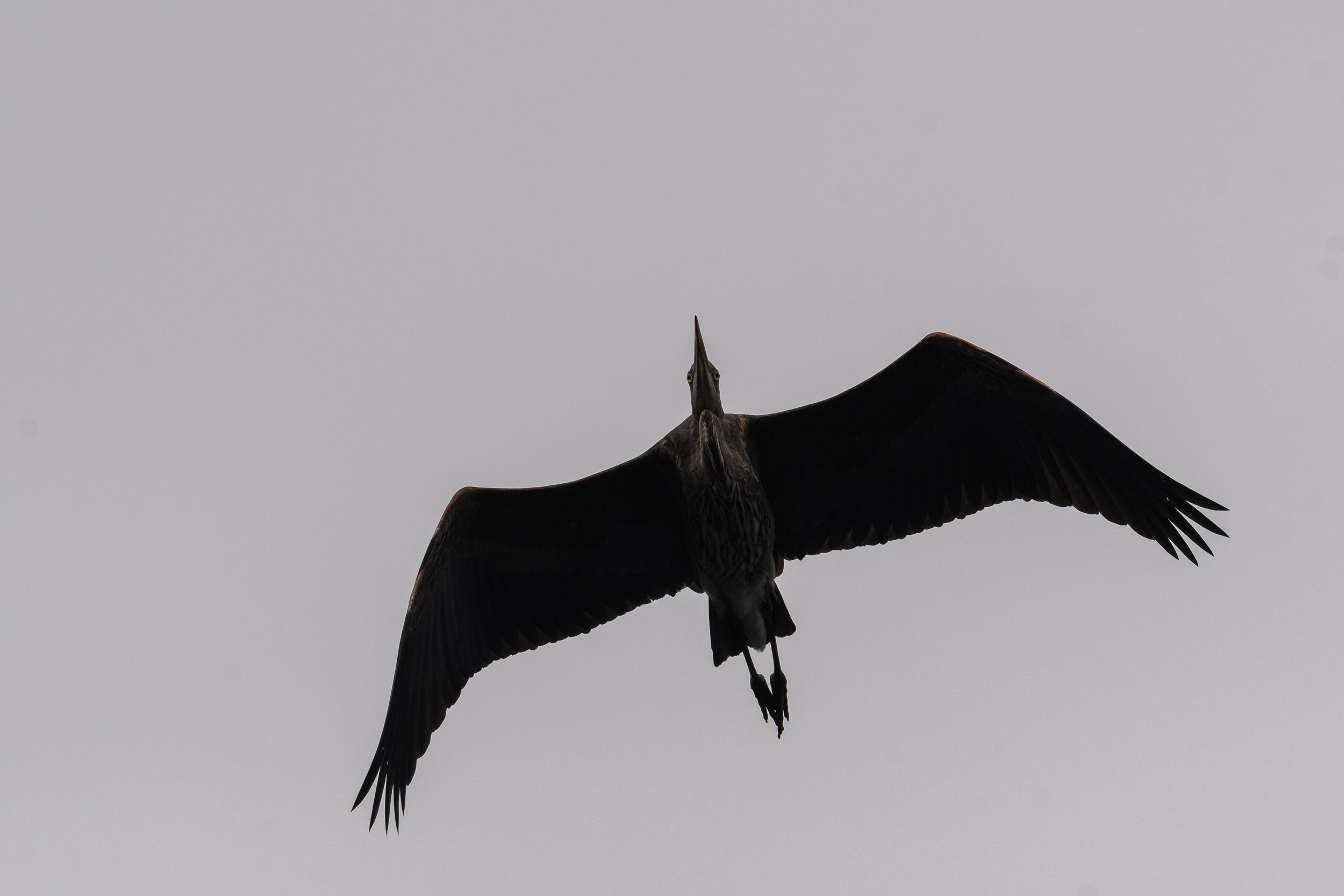
A very funny angle of a Great Blue Heron flying overhead. Photo by Evan Hessels.
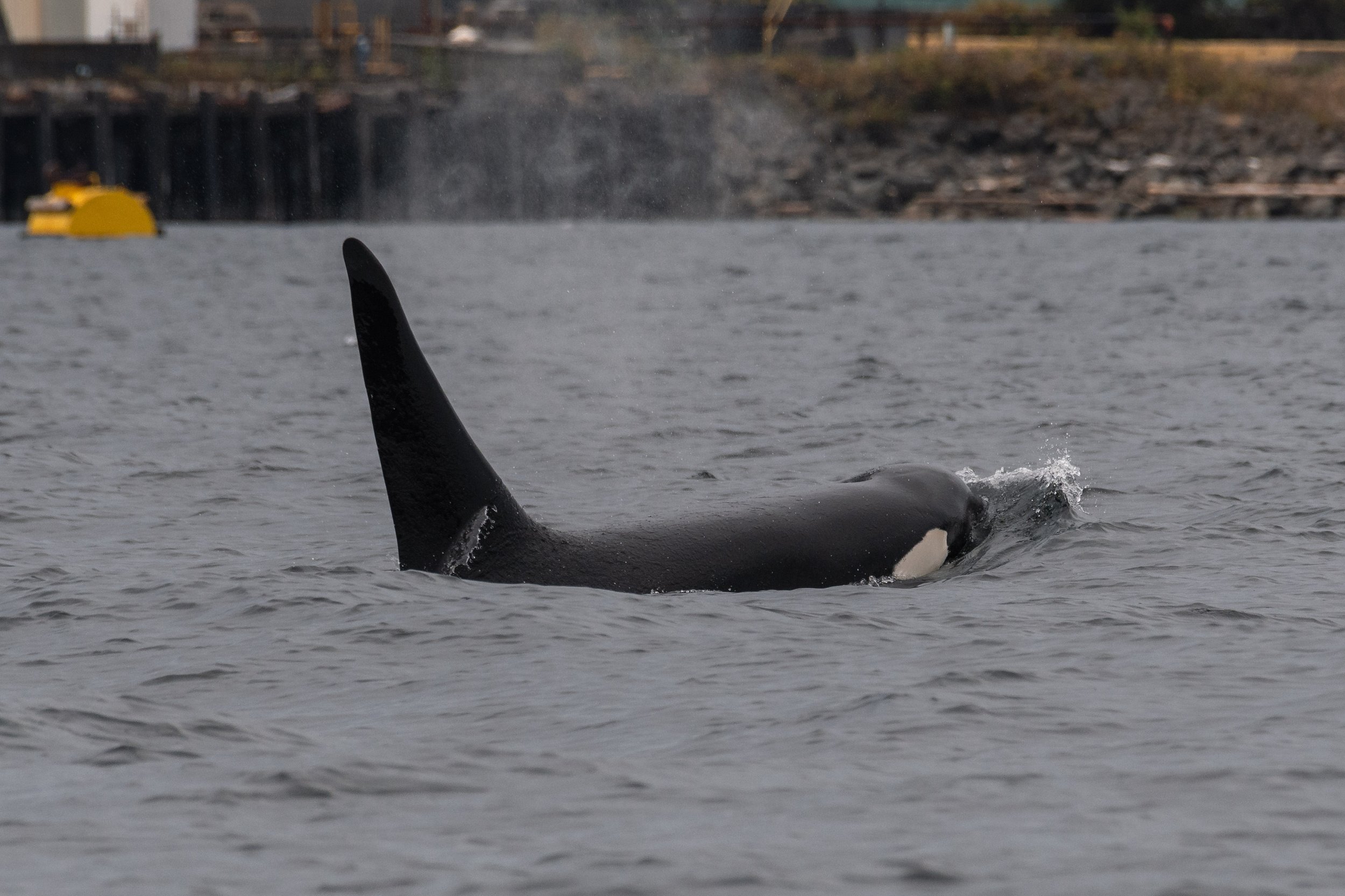
A great look at T101B Lagoon swimming throuh Northumberland Channel. Photo by Evan Hessels.
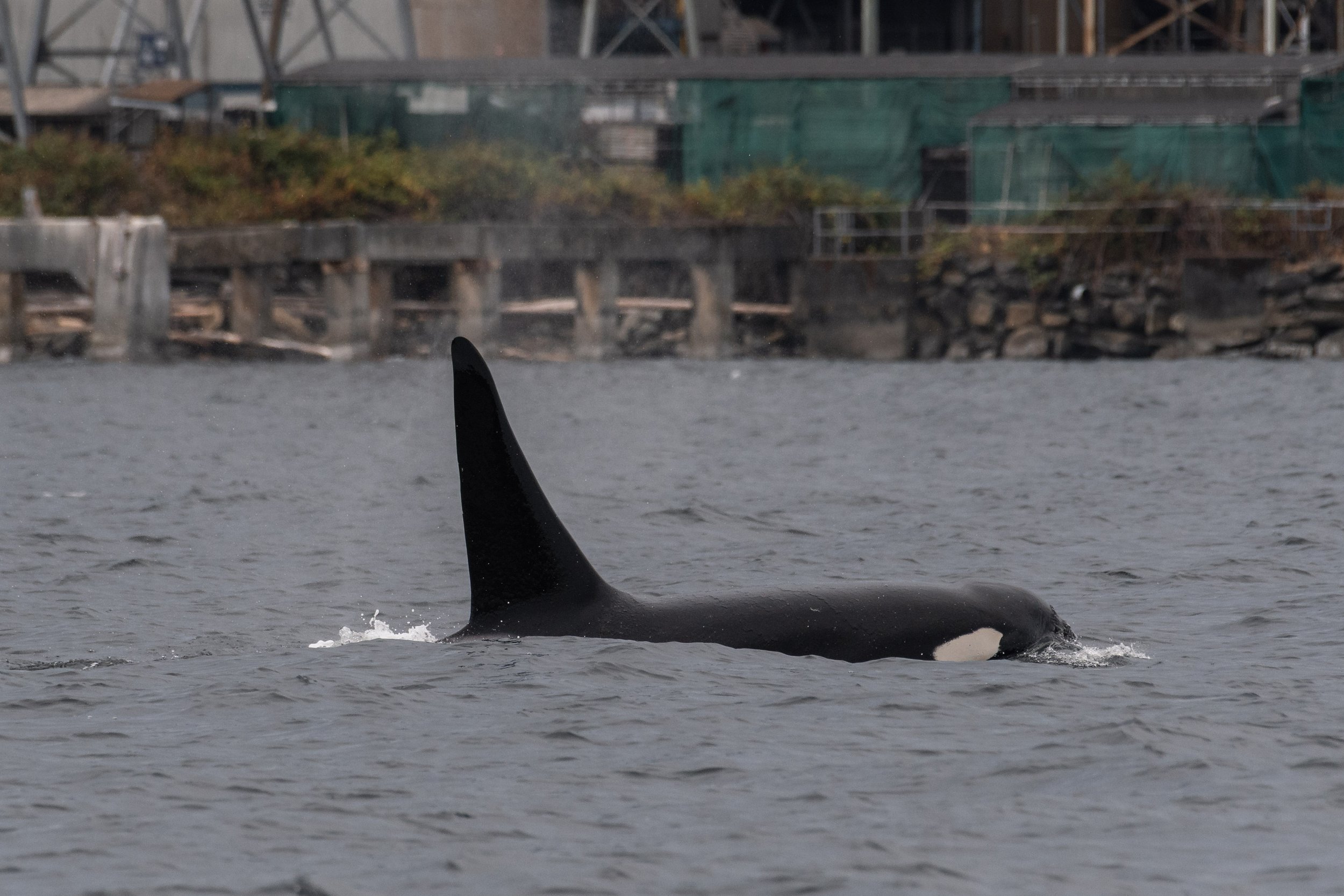
T101B Lagoon surfacing high and showing off his eye patch. Photo by Evan Hessels.
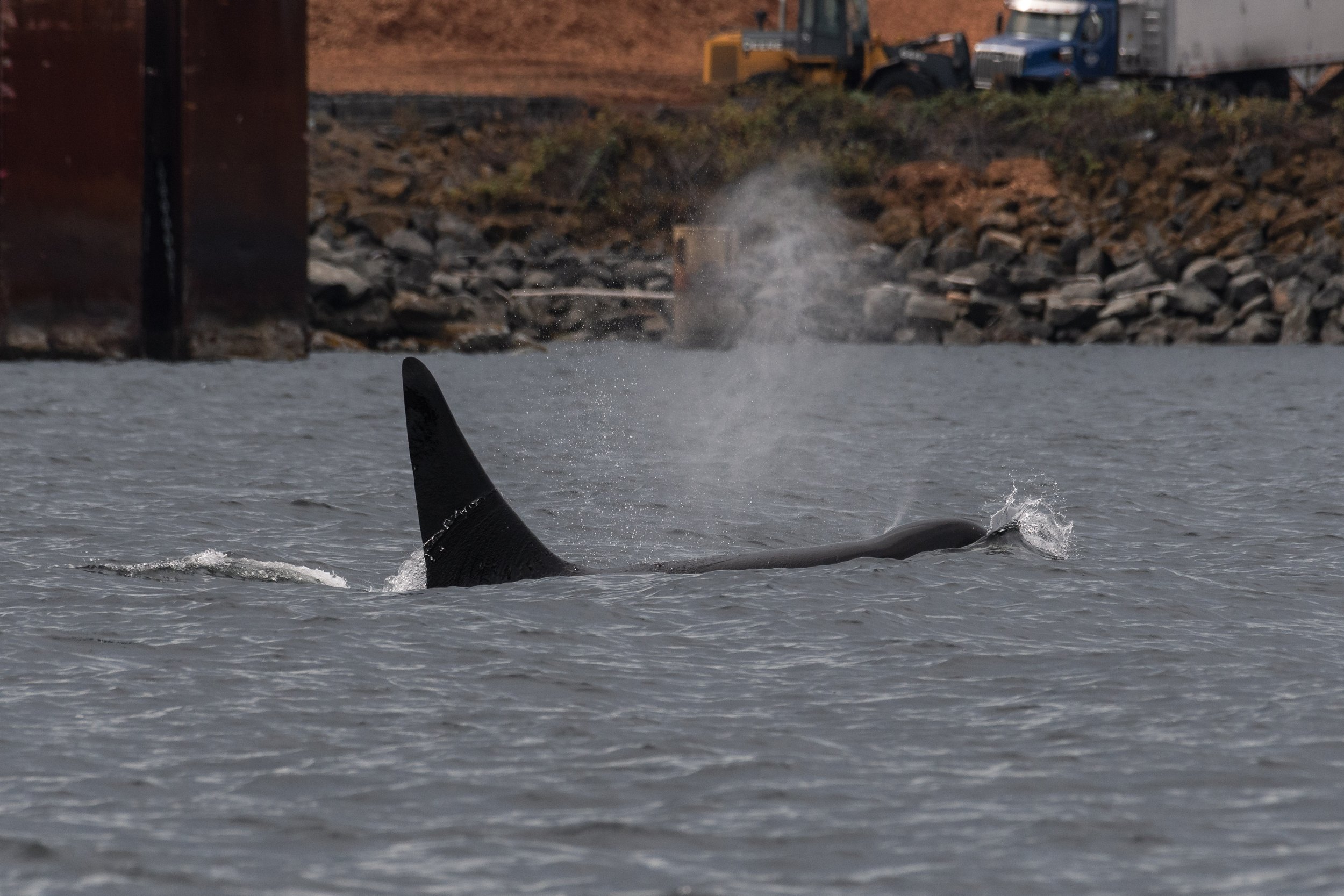
A lovely look at the distinct blow while T101B Lagoon surfaces. Photo by Evan Hessels.
The T069s
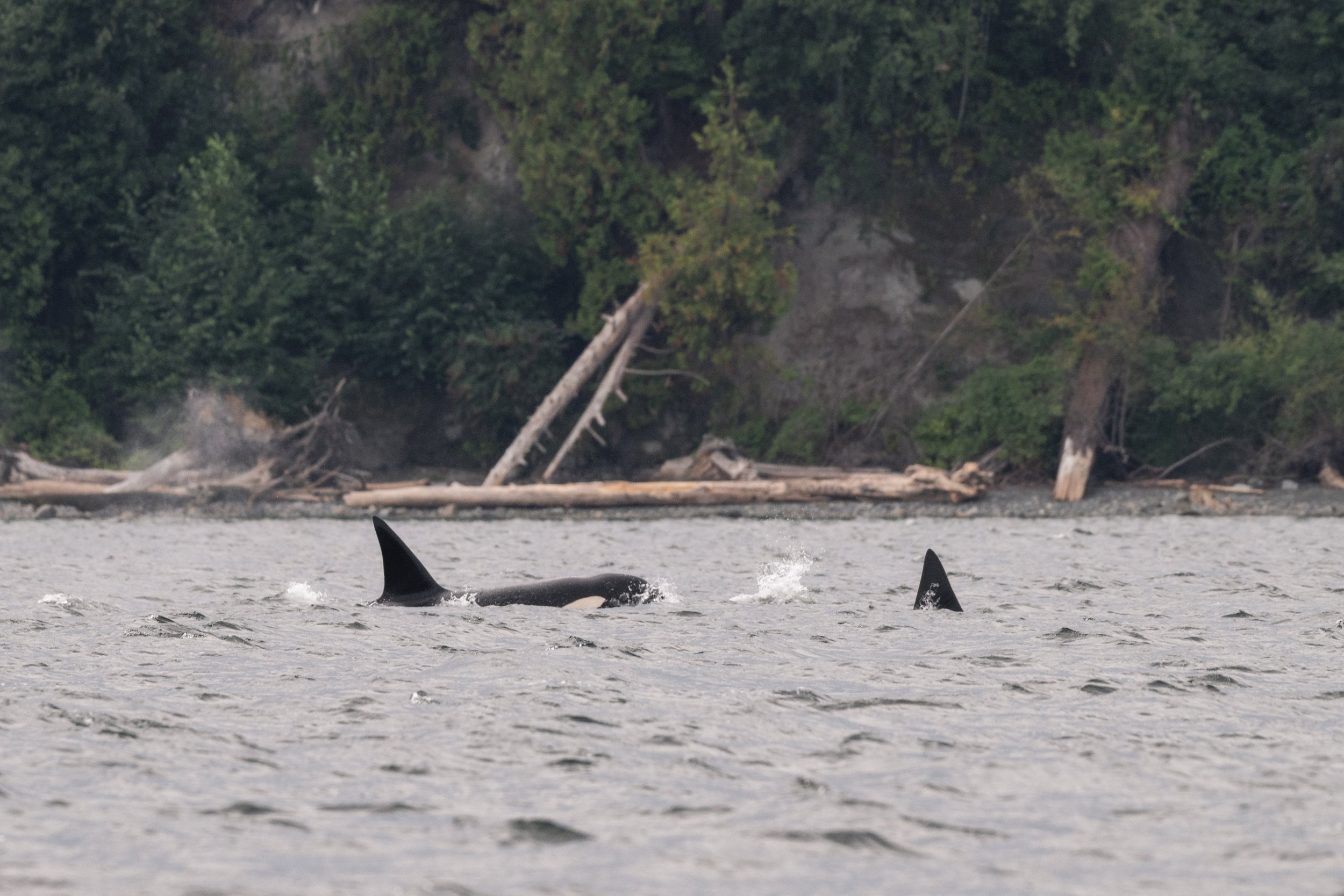
T069F Kin surfacing just behind mom, T069 Komox. Photo by Aly Kohlman.
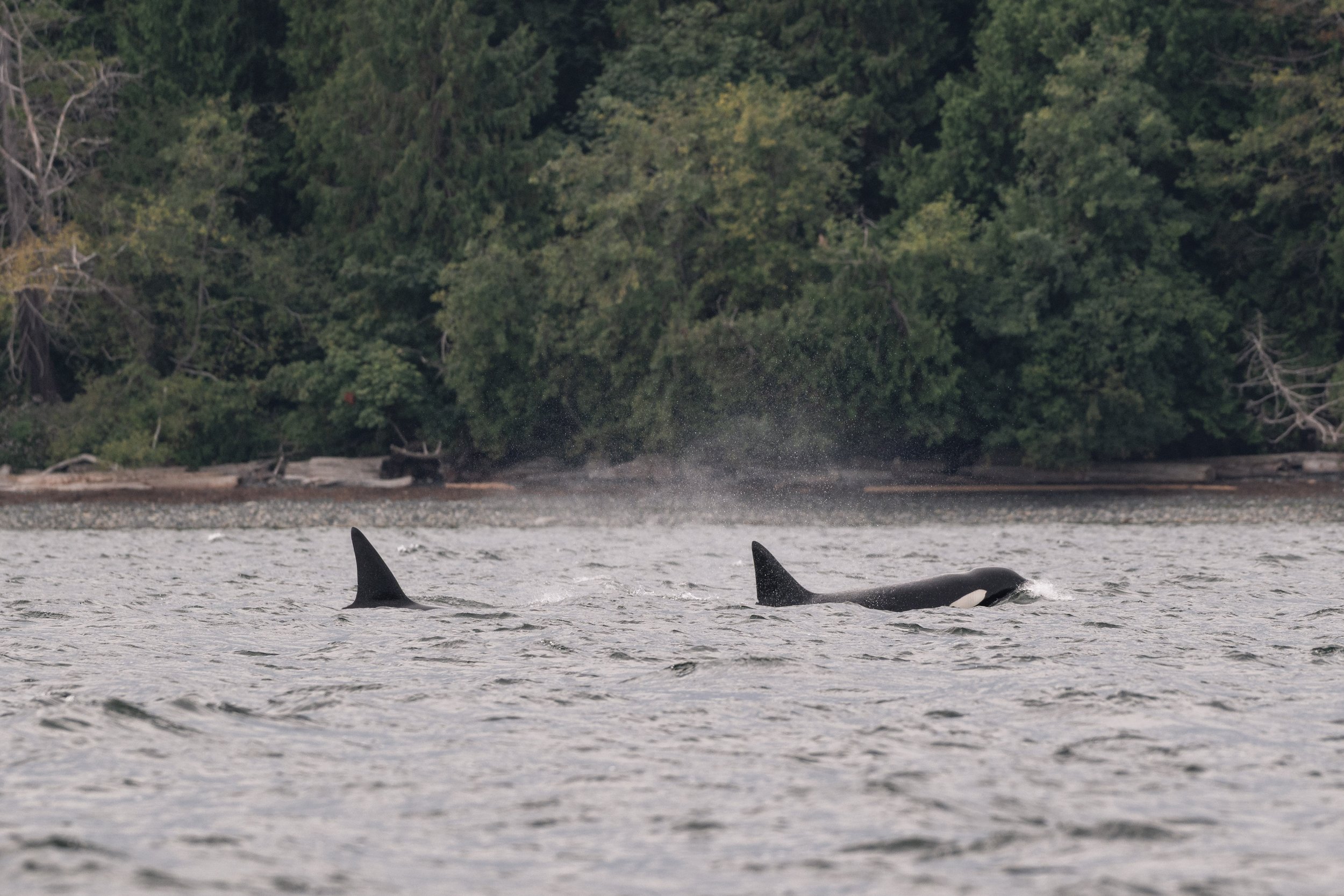
T069 Komox in the lead, followed by T069F Kin. Photo by Aly Kohlman.
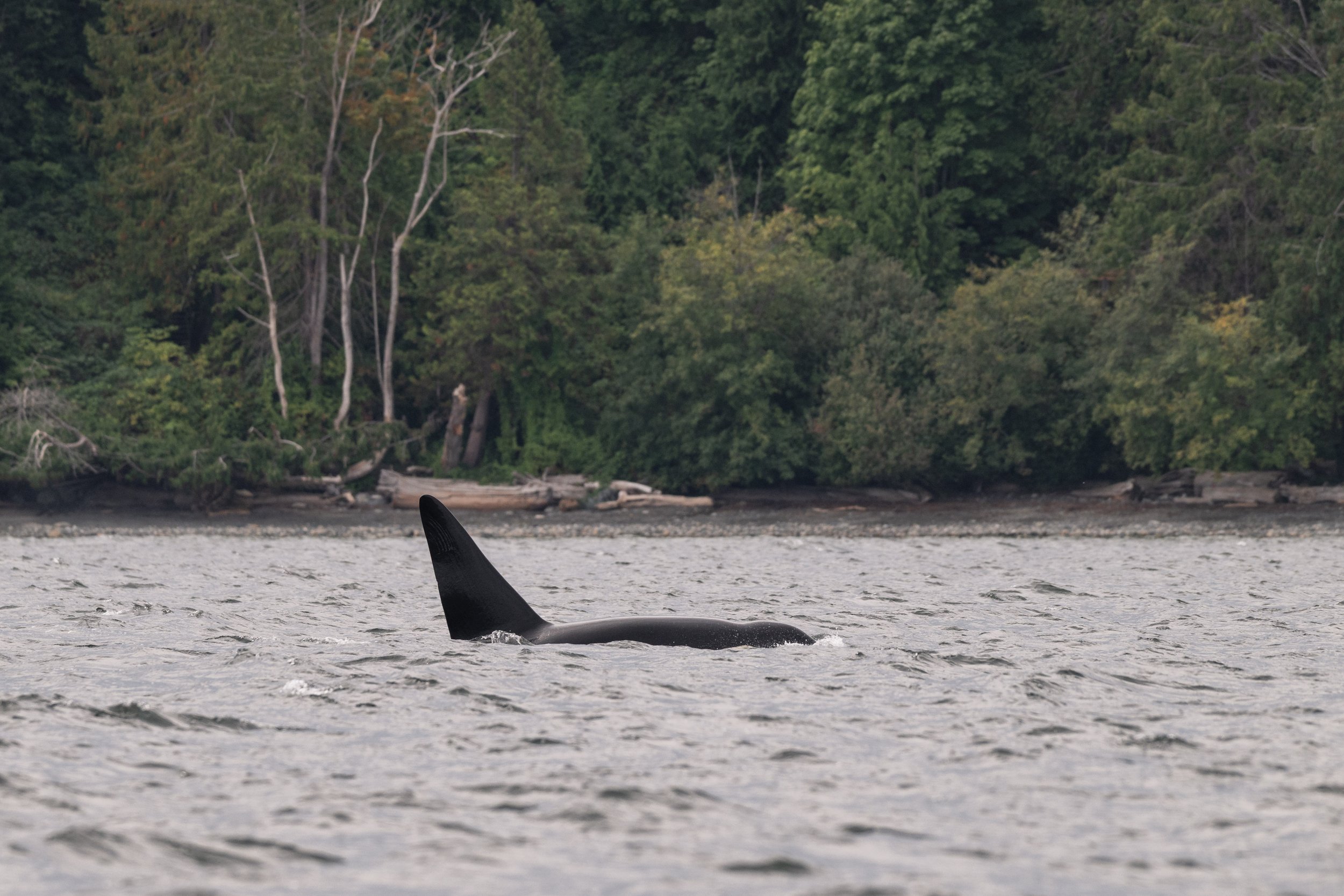
T069C Kye surfacing in the waves. Photo by Aly Kohlman.
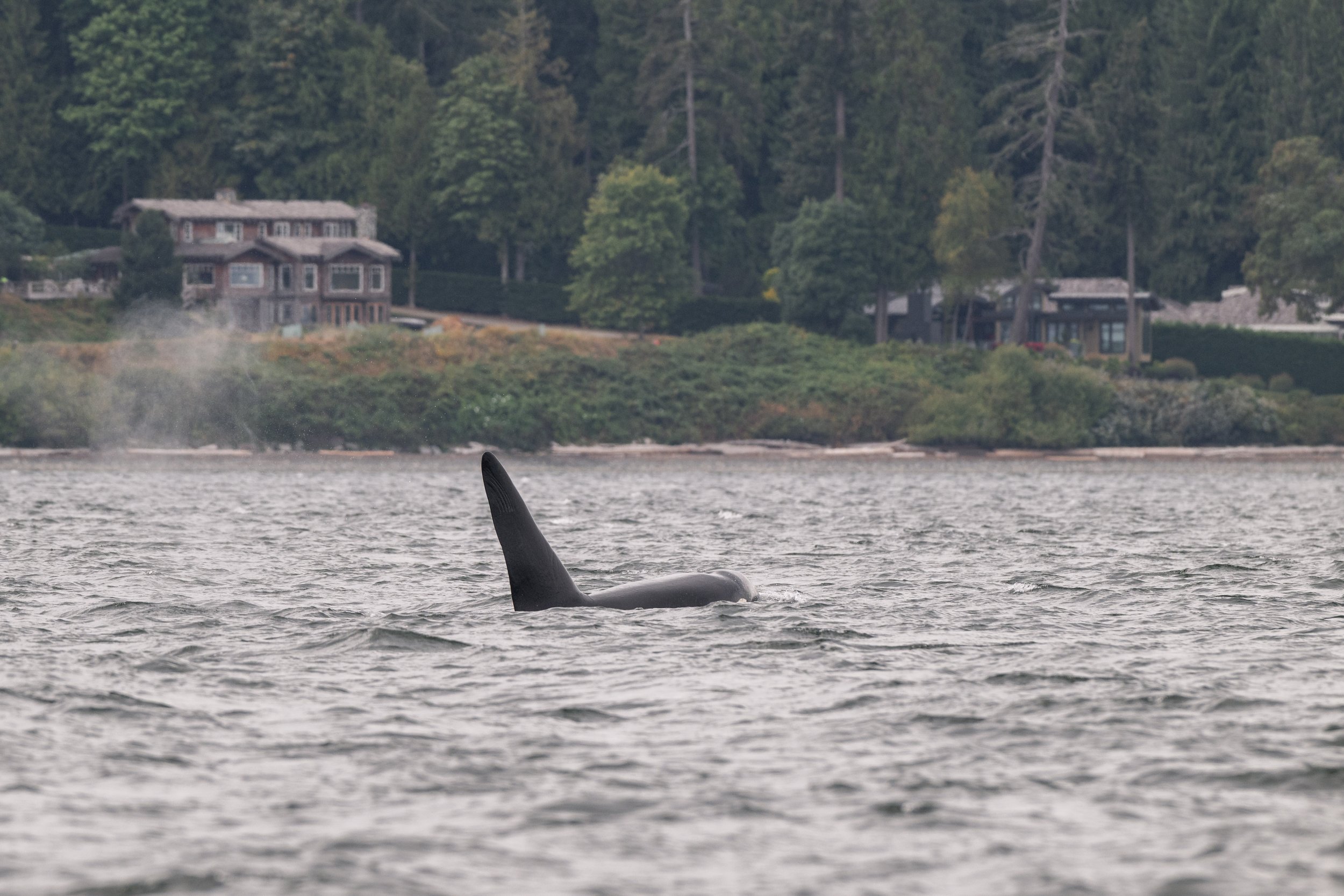
Can you spot the rak marks near the top of T069C Kye’s dorsal fin? Photo by Aly Kohlman.
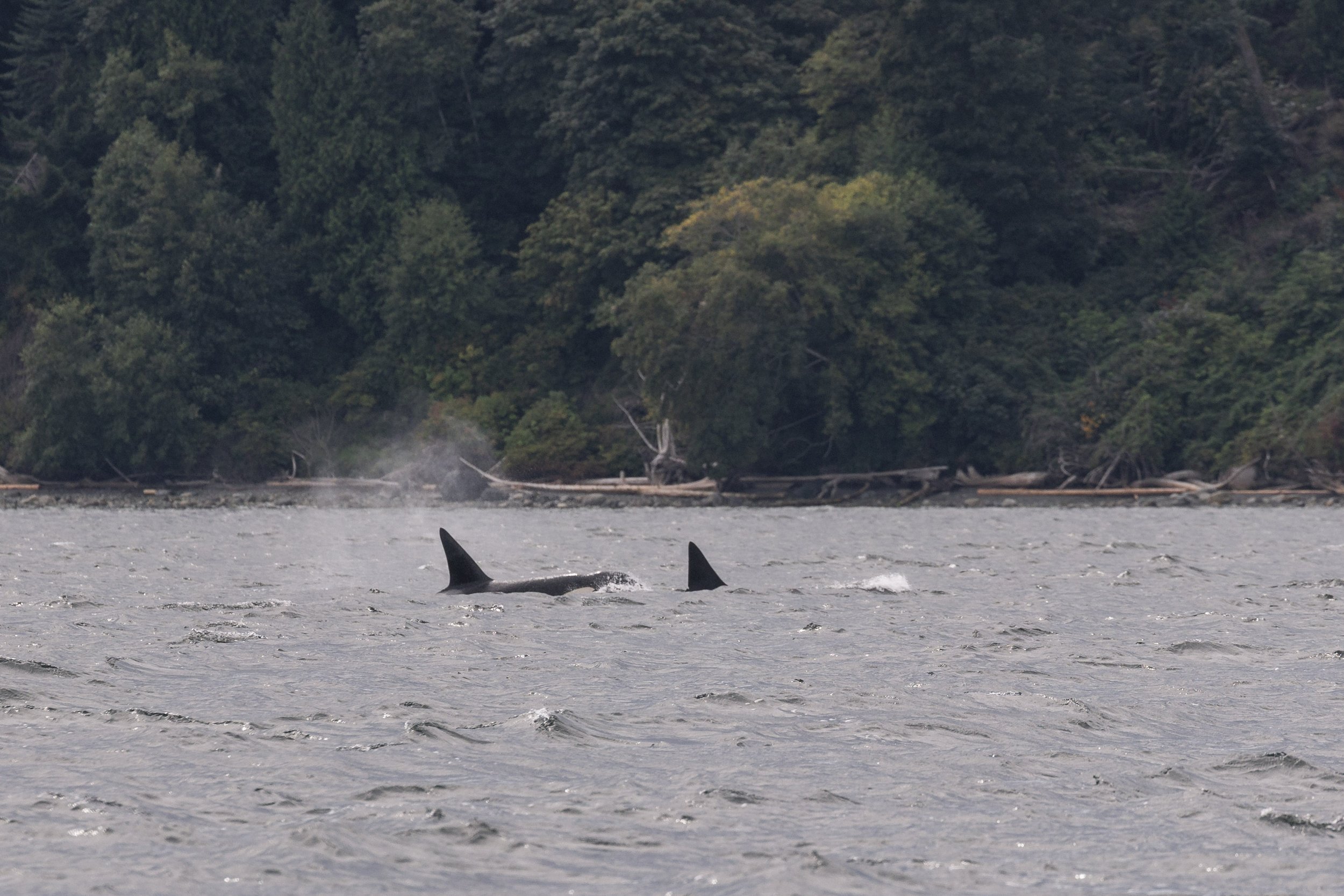
T069F Kin making a splash in the waves with mom, T069 Komox in front. Photo by Jordan Robinson.
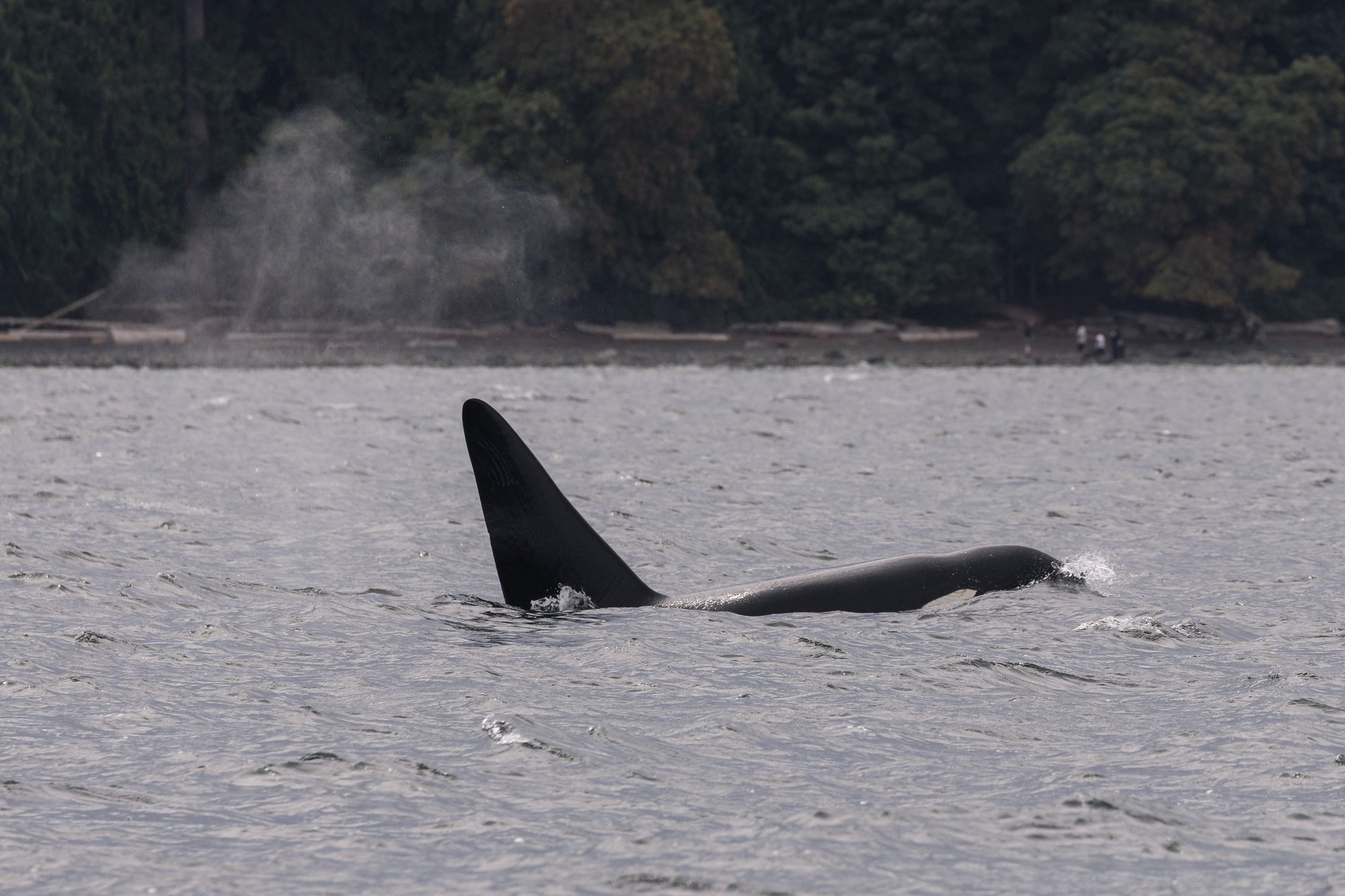
T069C Kye has some scratches through his eye patch that you can see here! Photo by Jordan Robinson.
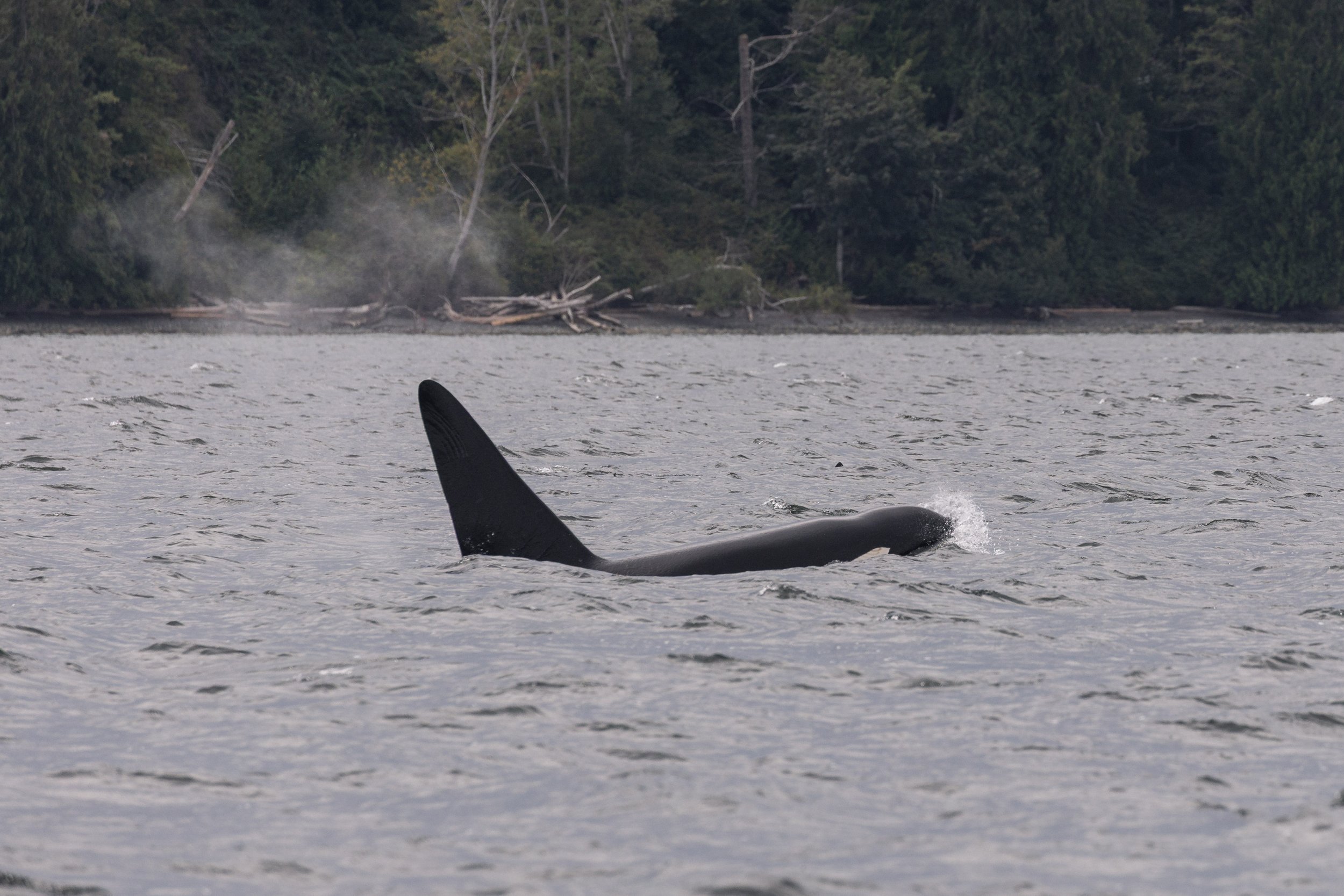
A great look at T069C Kye surfacing. Photo by Jordan Robinson.
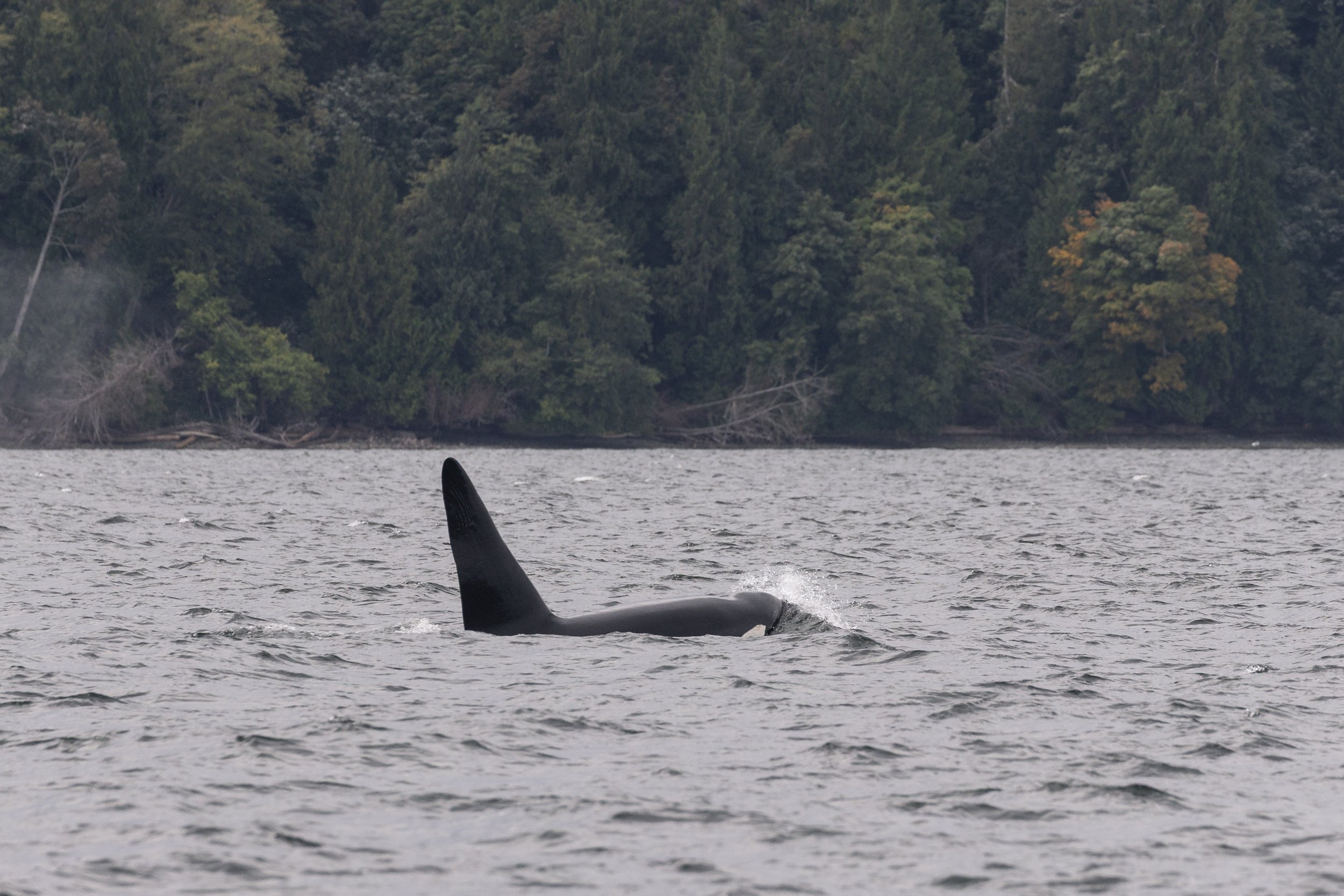
T069C Kye splashing through the waves. Photo by Jordan Robinson.
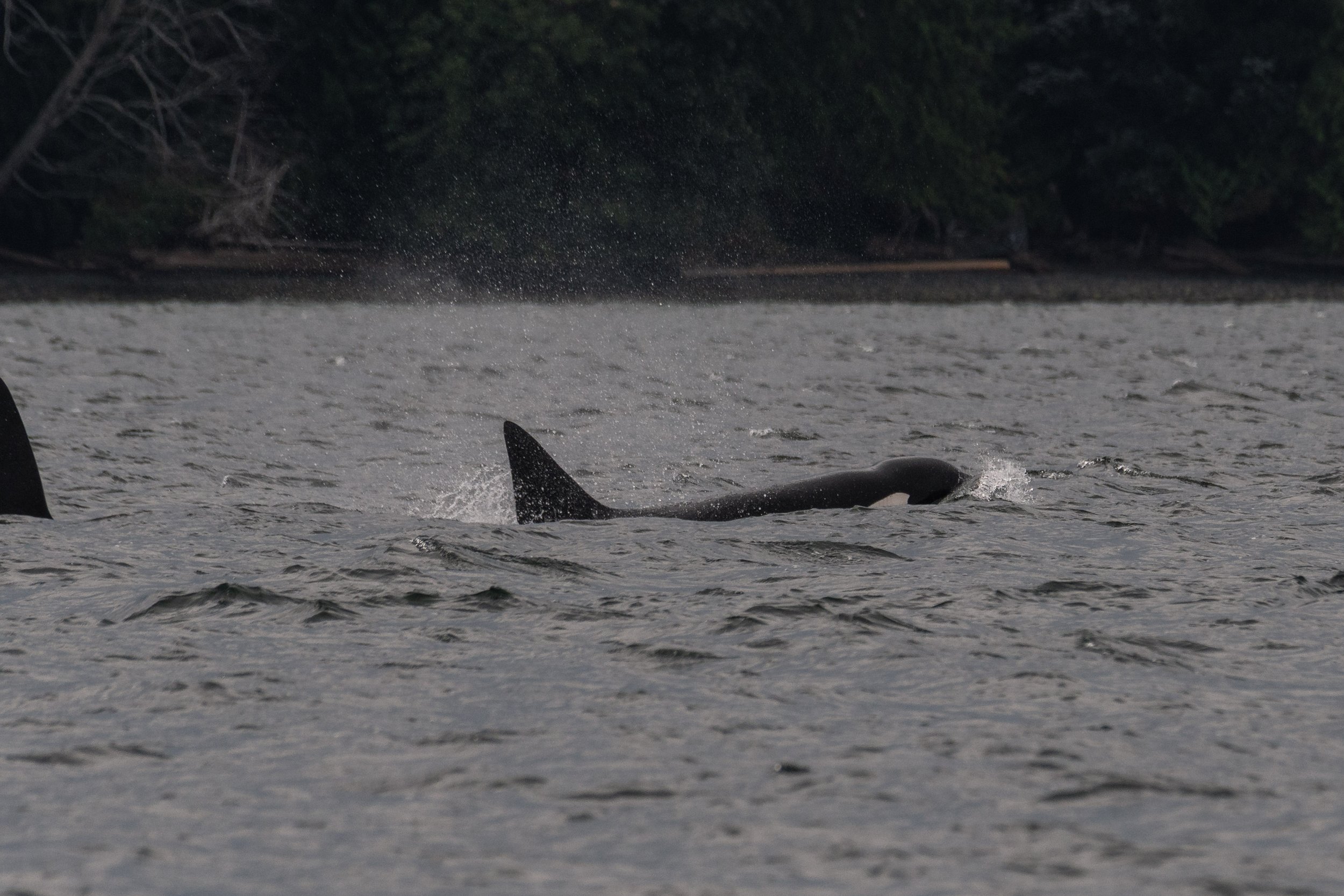
T069 Komox also has scratches on her eye patch. Photo by Evan Hessels.
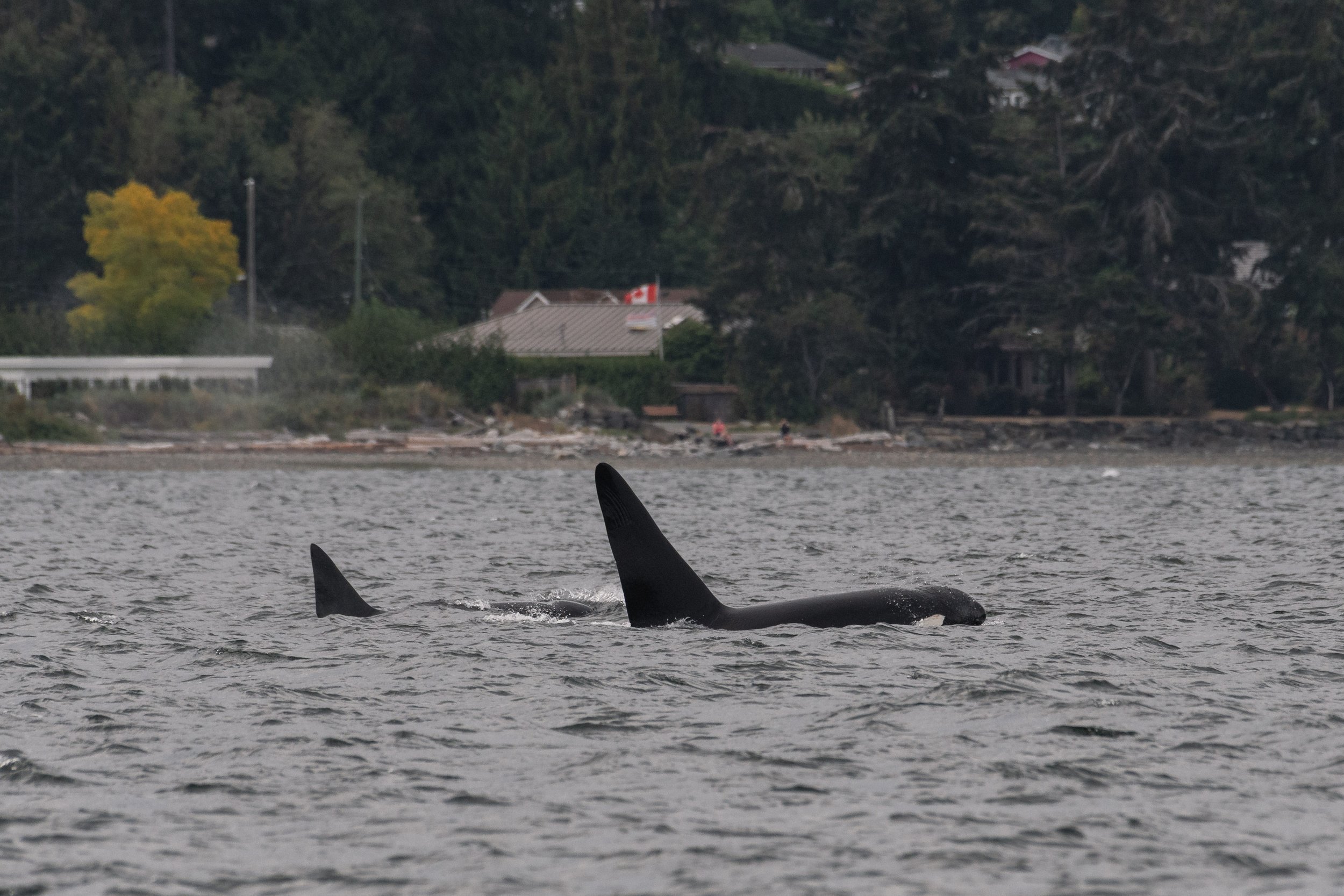
T069C Kye surfacing beside him mom, T069 Komox. Photo by Evan Hessels.
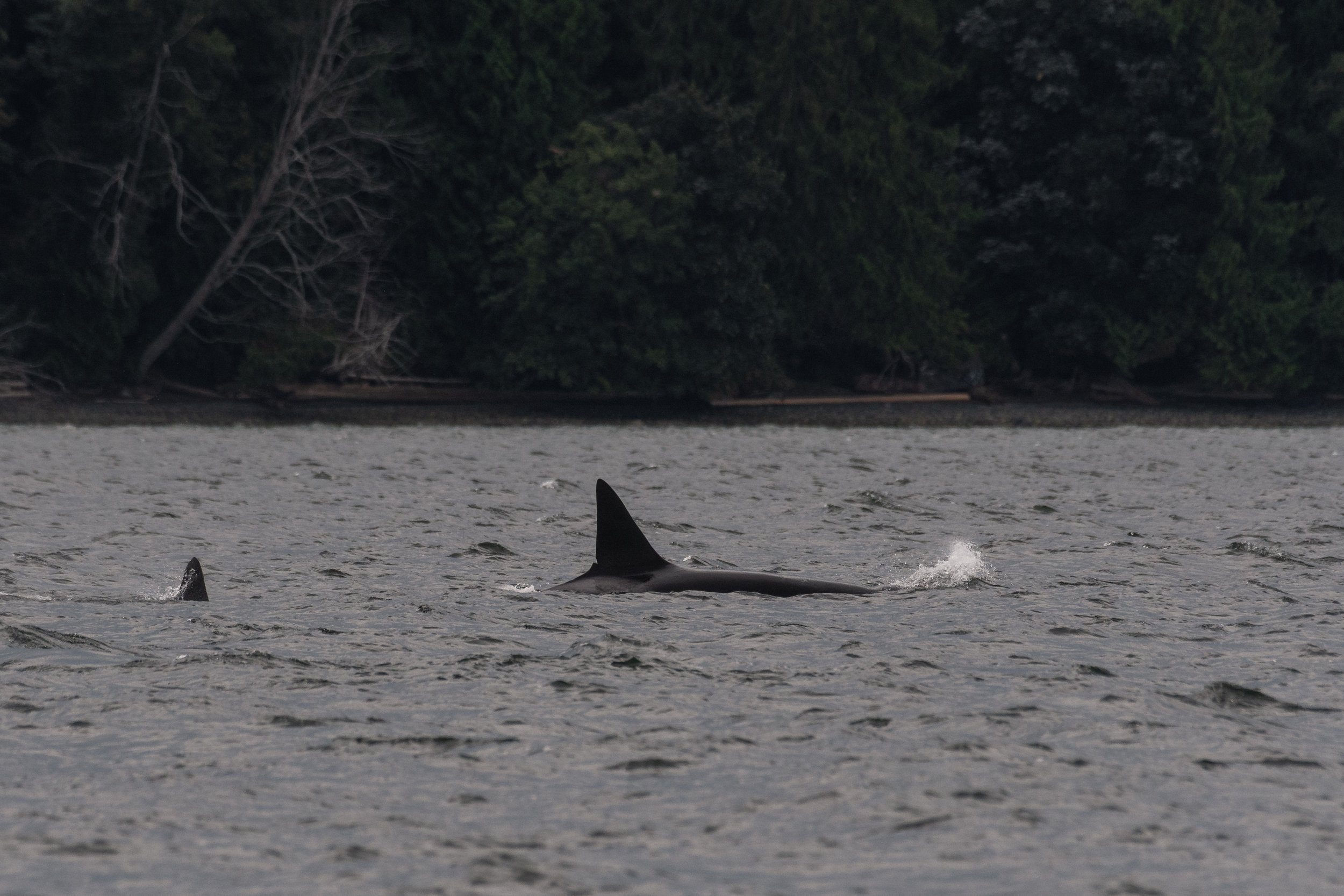
T069 Komox also has a very distinct notch on the base of her dorsal fin. Photo by Evan Hessels.
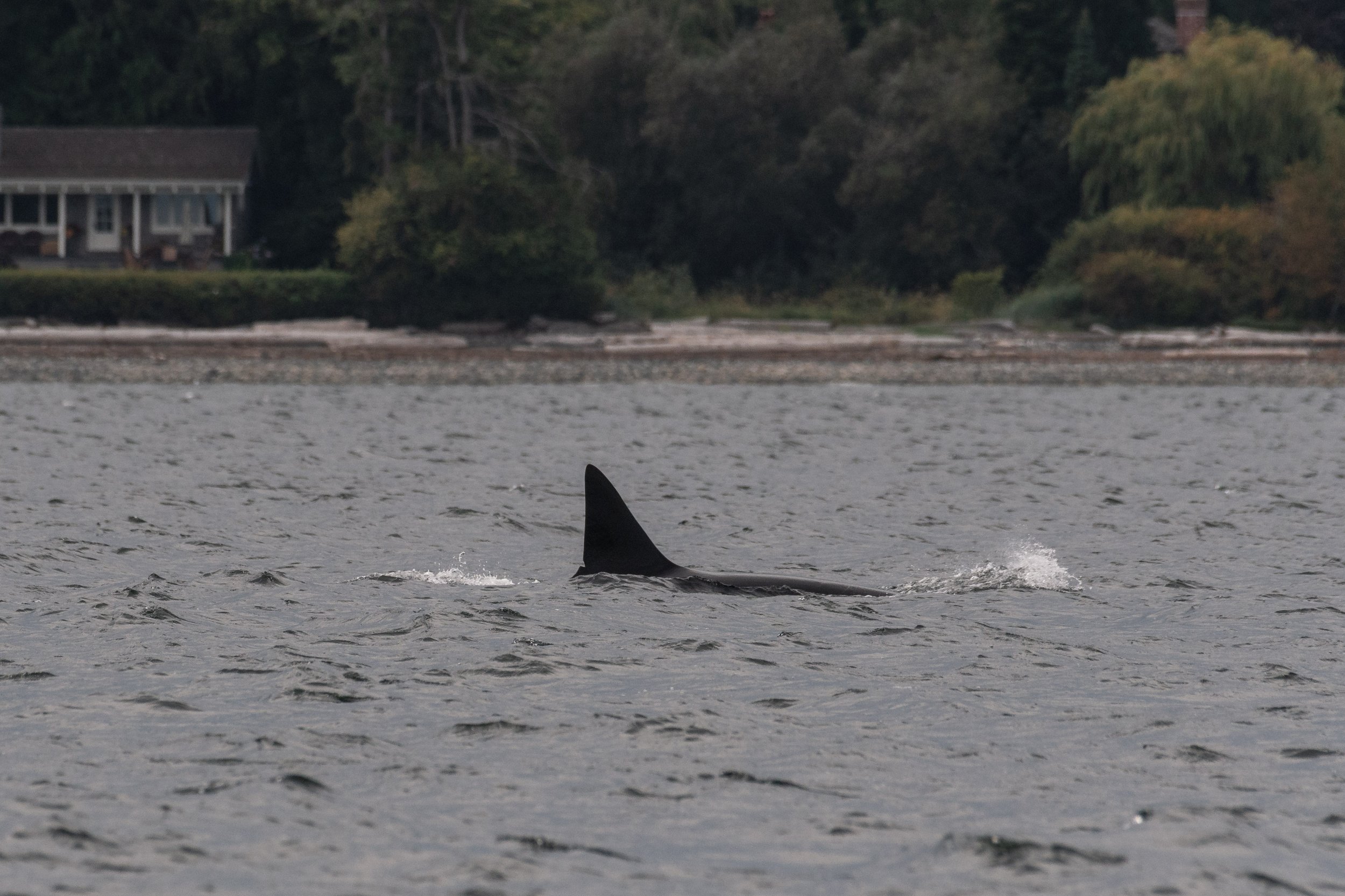
A lovely look at T069 Komox splashing through the waves. Photo by Evan Hessels.
Allusion the Humpback
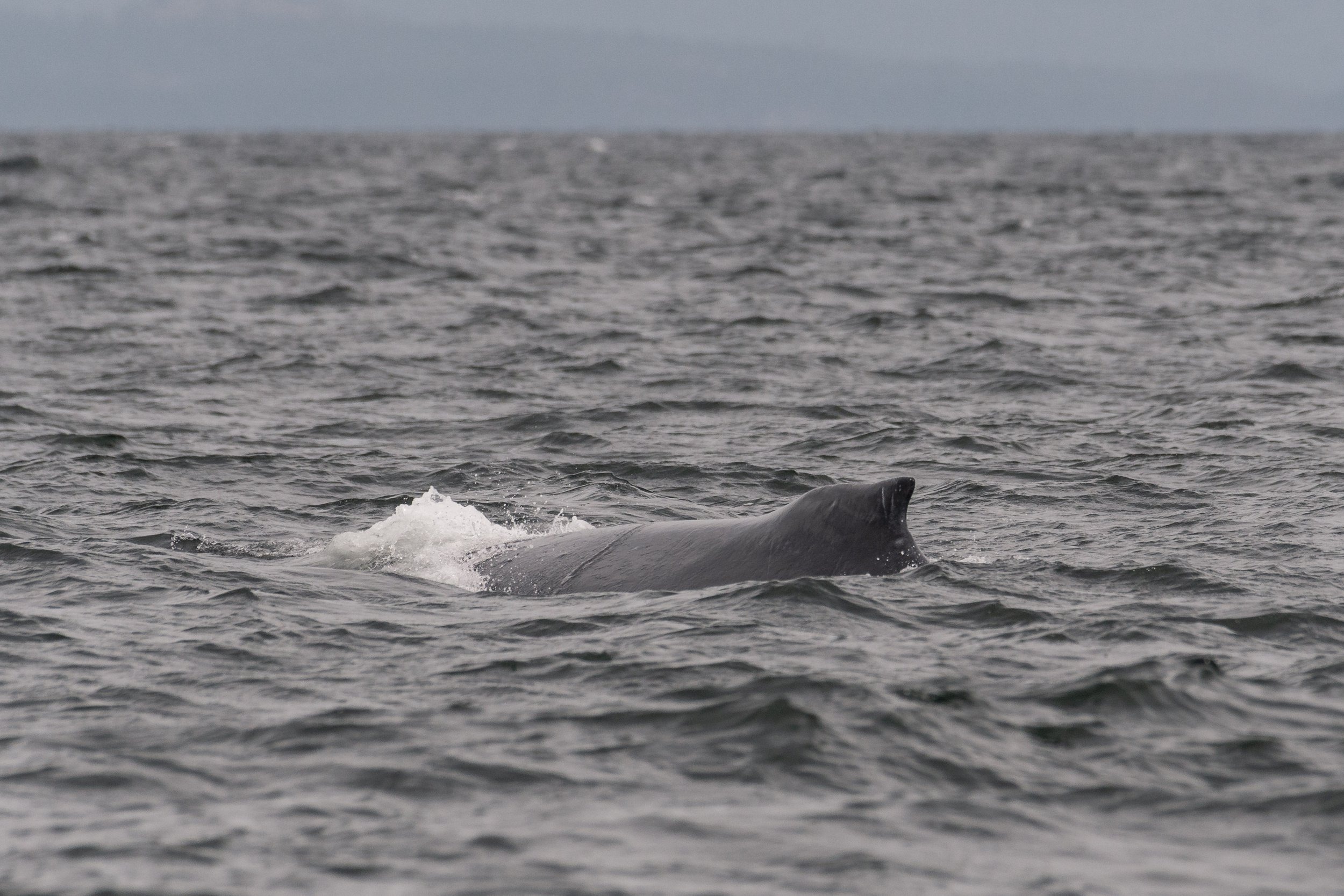
Allusion surfacing in the waves. Photo by Evan Hessels.
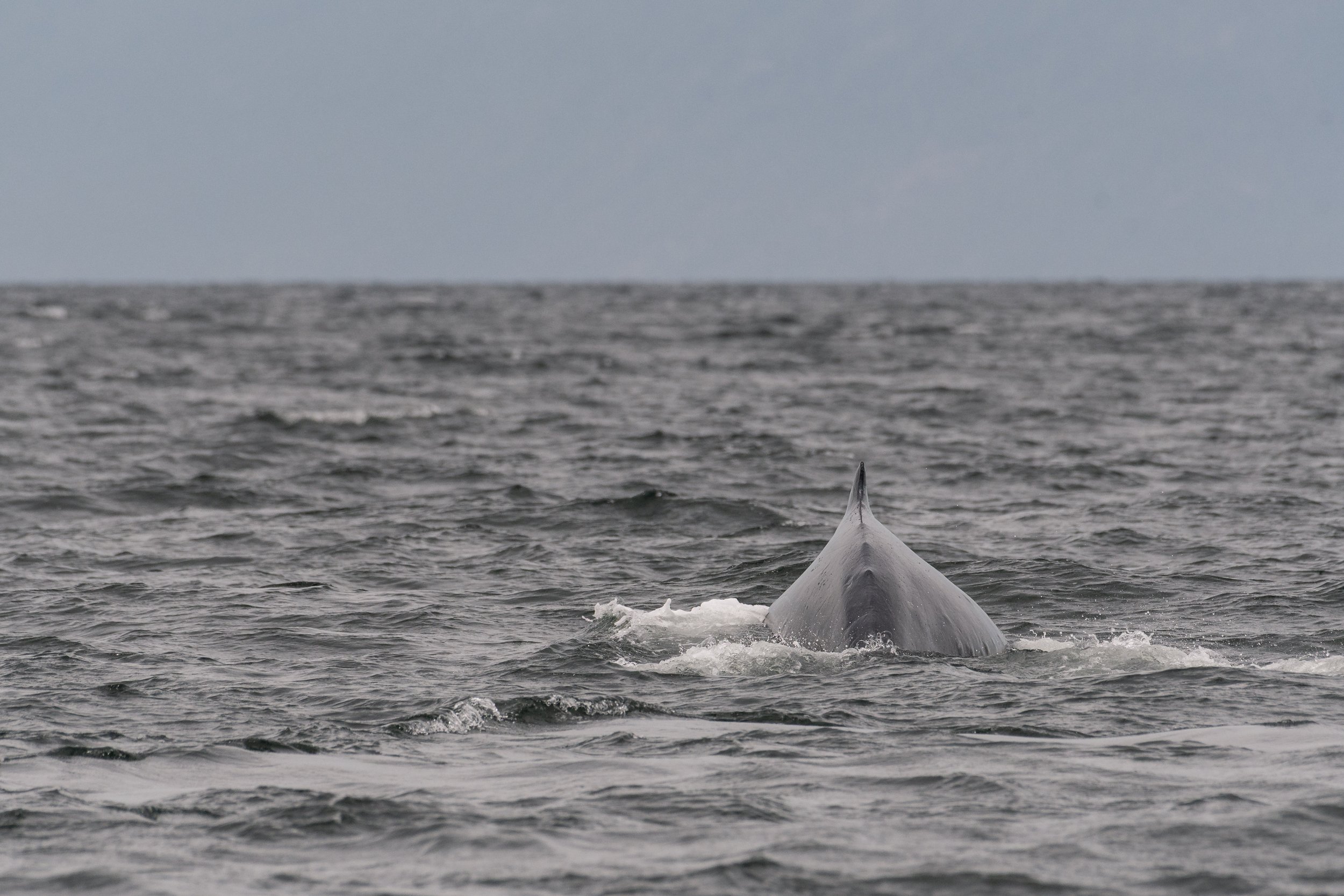
A cool angle of Allusion and their fluke print smoothing the water behind them. Photo by Evan Hessels.
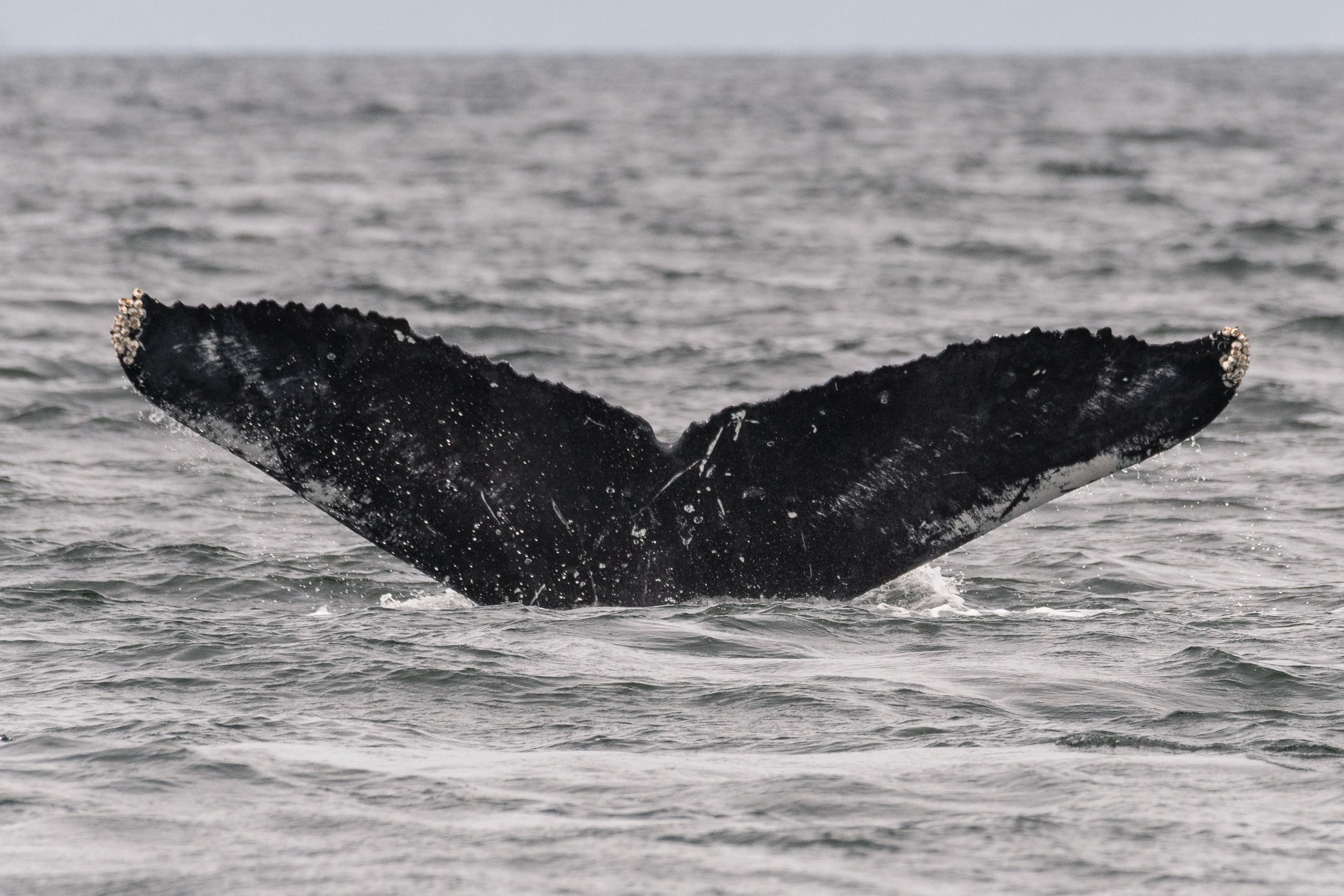
Allusion’s very distinct fluke. Photo by Evan Hessels.
Snake Island
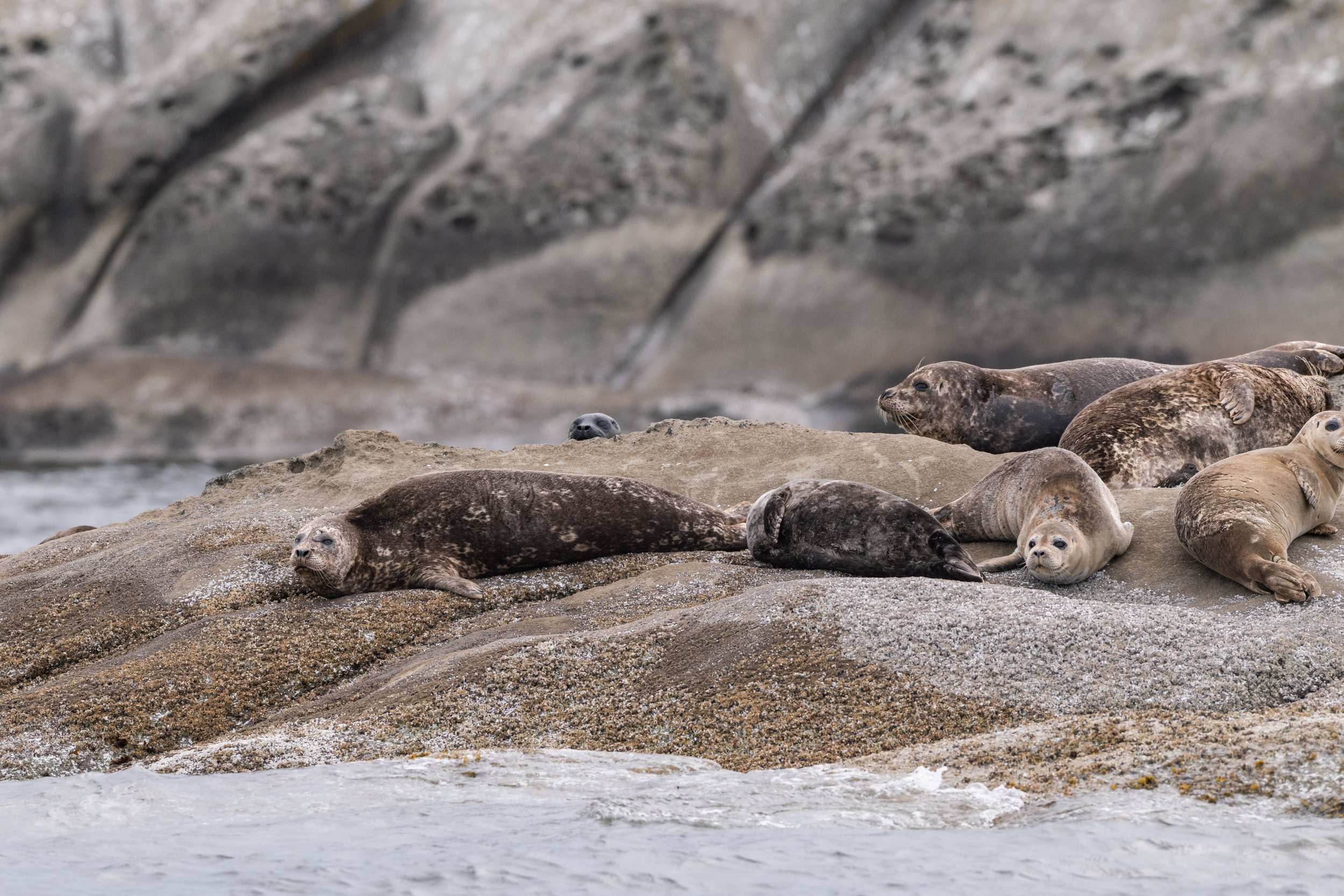
A happy bunch of Harbour Seals on the rocks. Photo by Aly Kohlman.
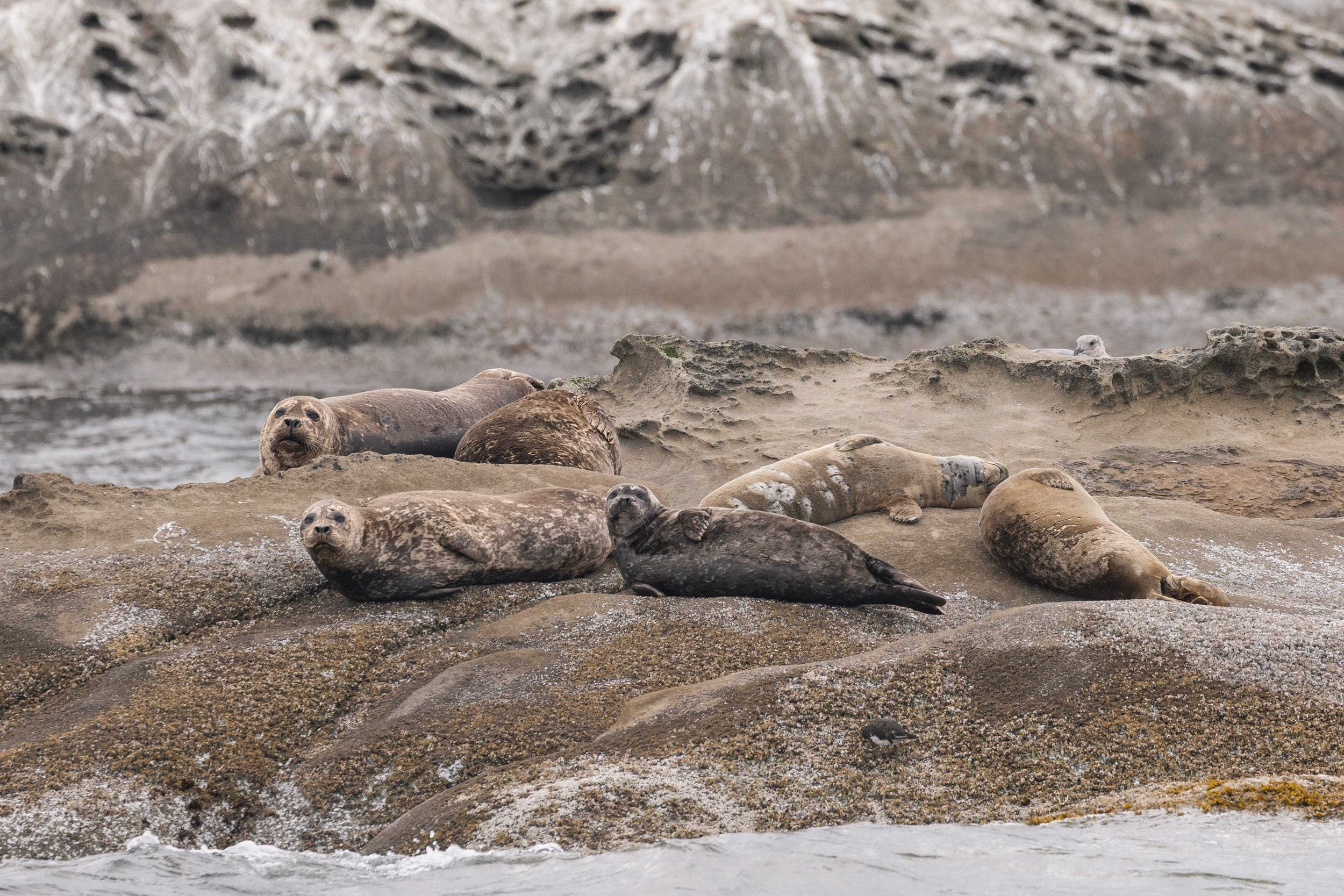
Harbour Seals relaxing on Snake Island. Photo by Jordan Robinson.
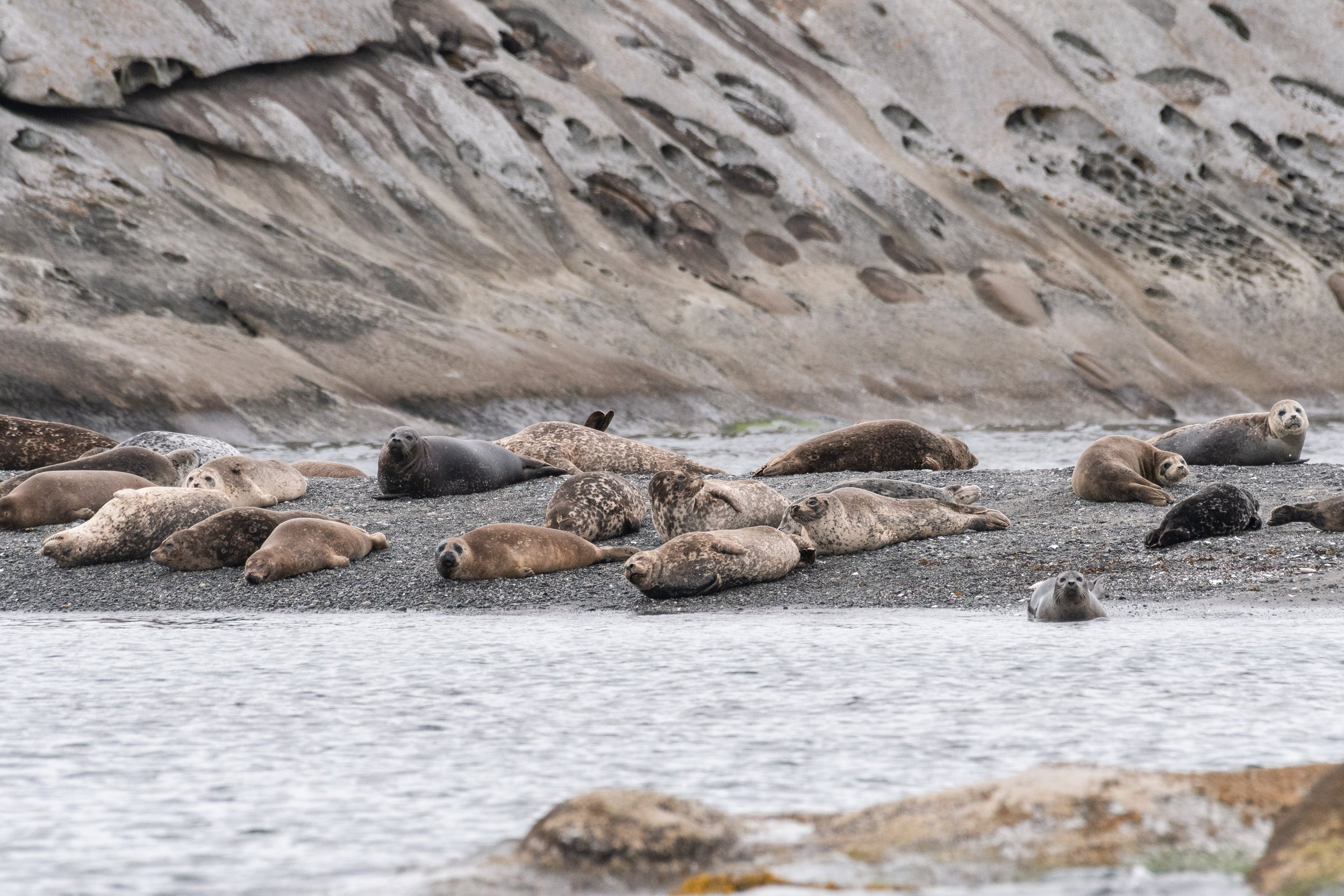
happy Harbour Seals on the beach at Snake Island. Photo by Evan Hessels.
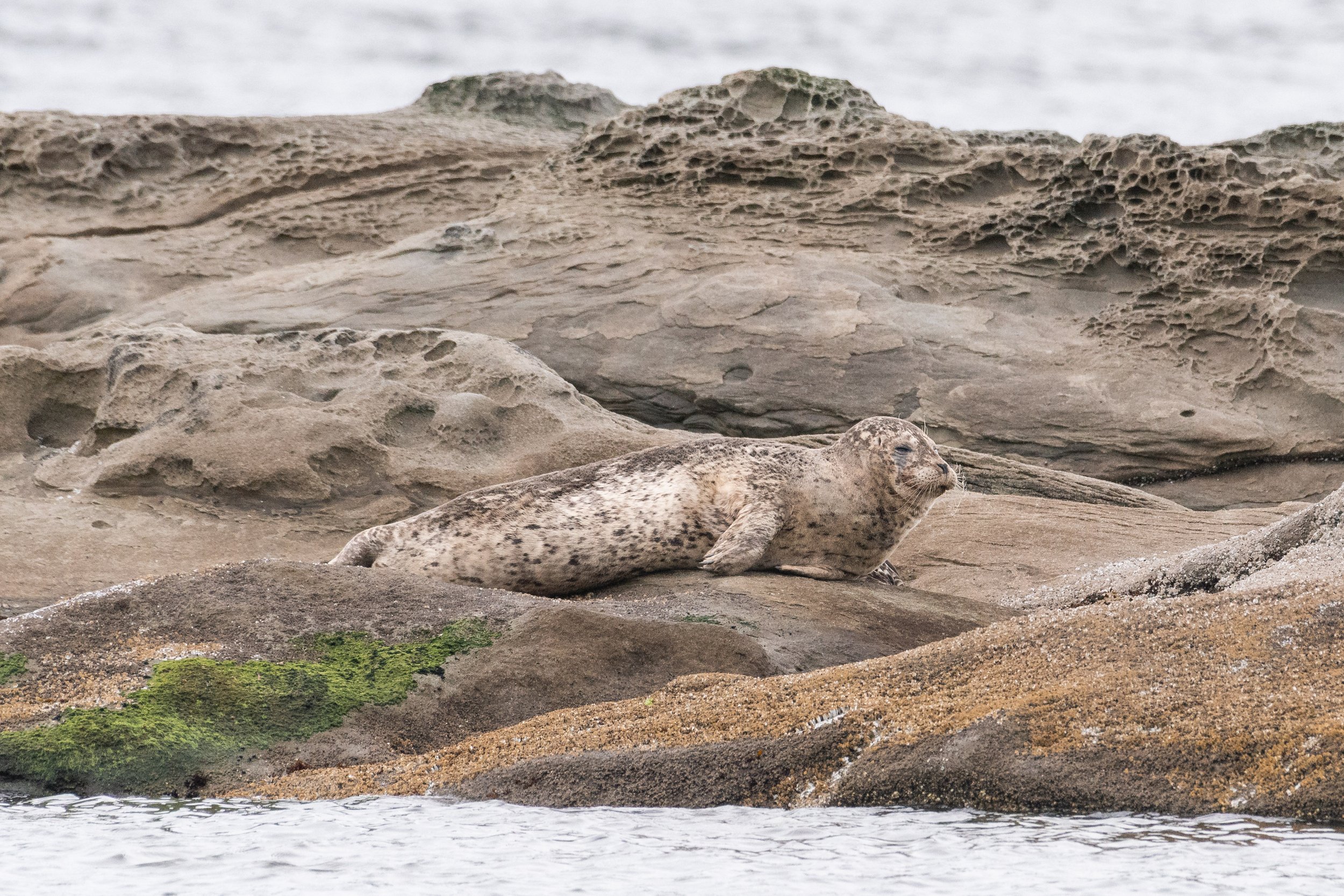
A Harbour Seal enjoying the warm rocks. Photo by Evan Hessels.
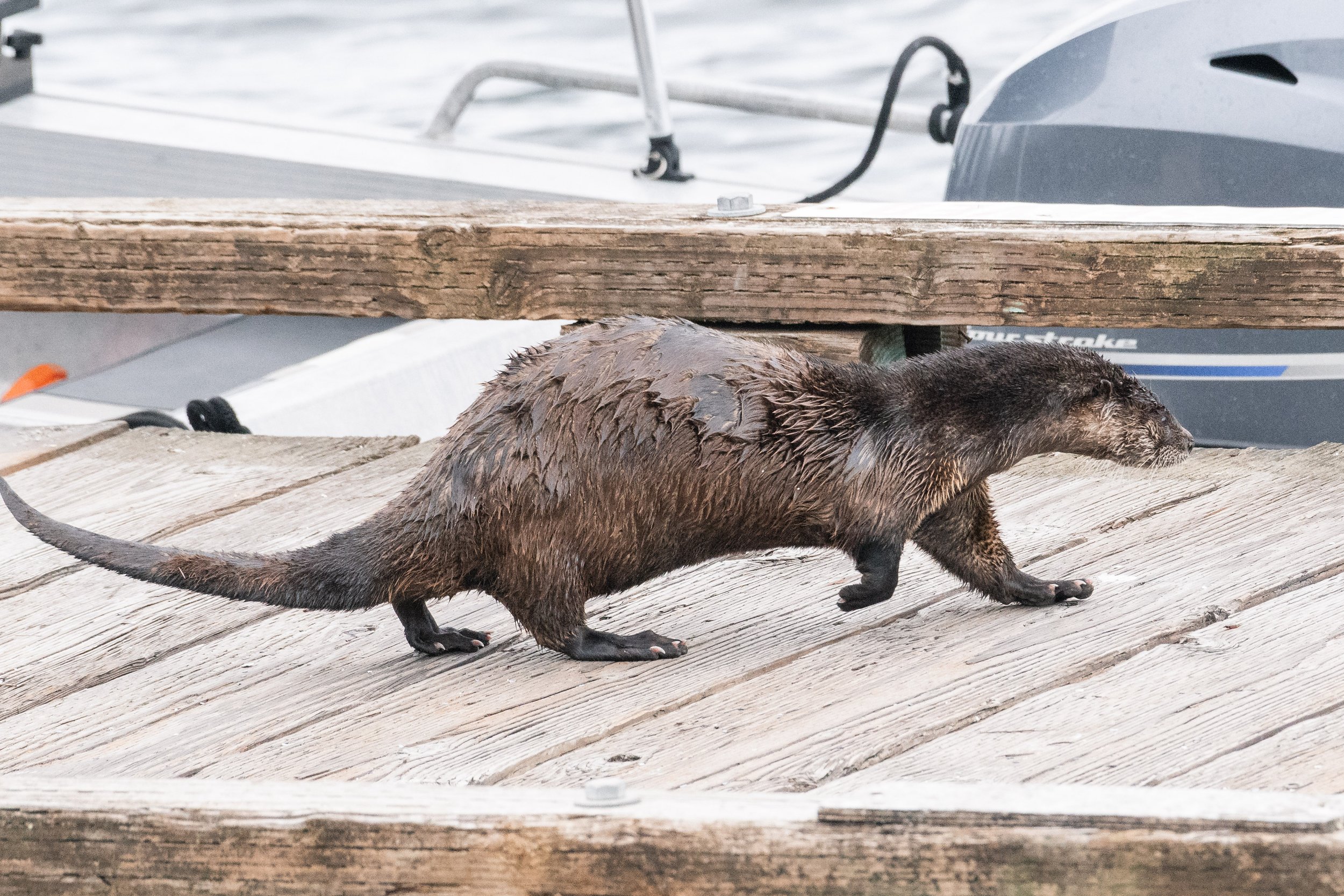
A River otter at the docks. Photo by Evan Hessels.
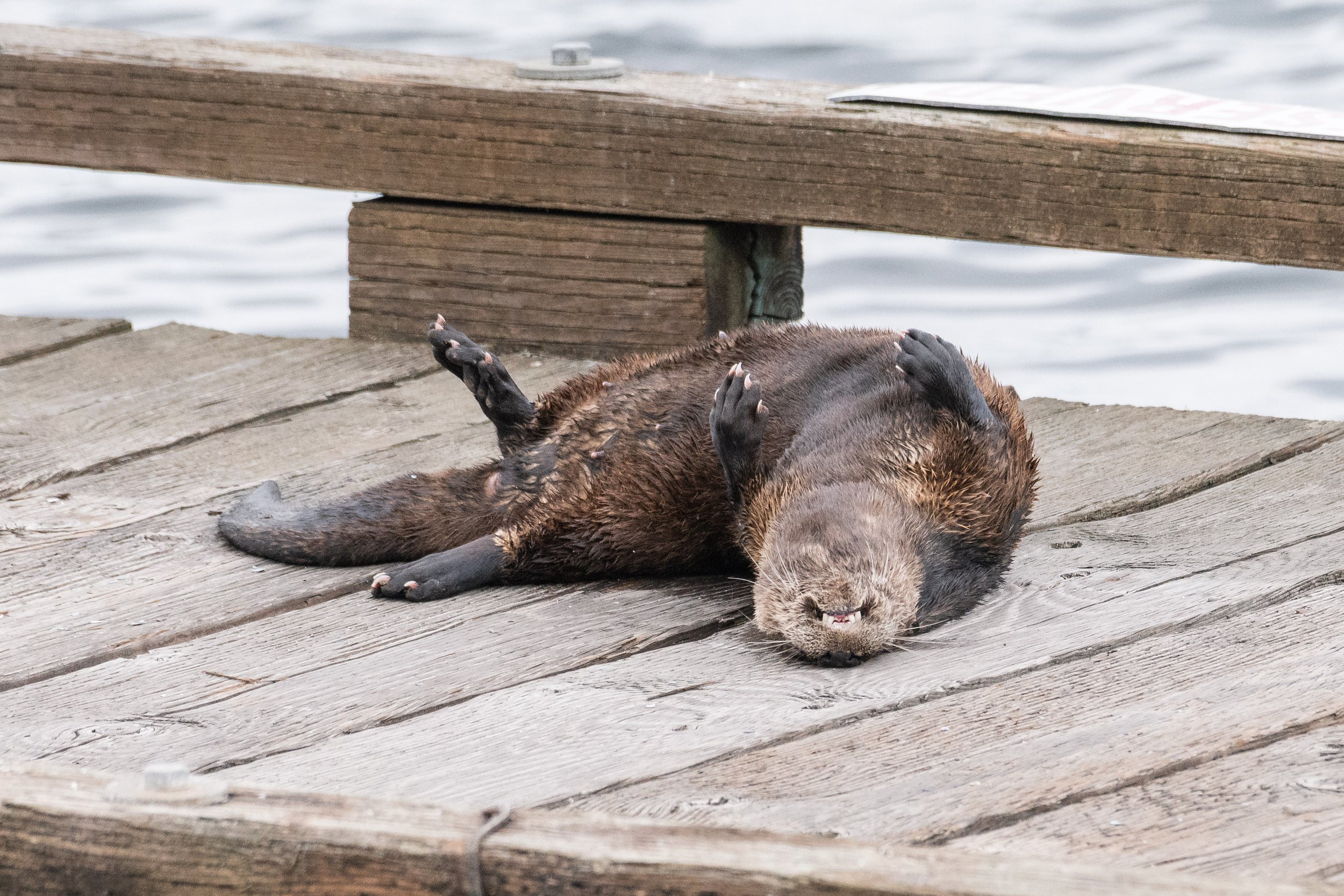
She seems happy itching herself on the dock. Photo by Evan Hessels.