
September 4, 2026, 3:30 PM - Three seperate encounters in one trip!
After a lovely morning trip, we were eager to keep the good luck going and start searching for more whales. Kula departed the dock and turned southbound, wanting to peek around Northumberland Channel to start the day. The morning tour had spotted orca in the area within the last two hours, and we were hopeful they were still around. This turned out perfectly, as after only a few minutes of travelling, two dorsal fins appeared ahead of us, cruising through Northumberland Channel!
One small fin emerged, then one taller one. A quick photo confirmed that these were the T101s once more:
T101 Reef ♀ (≤1969)
T101B Lagoon ♂ (1997)
The pair steadily travelled along in tandem, slowly making their way through the waterway. The T101s have been seen very frequently inside the Southern Gulf Islands lately, but no matter how often we spot them, it is always nice to see them again!
With an estimated birth year of 1969, Reef is at least 62 years old. She is considered fairly old now and is well past her reproductive years. Orca are one of the only animals besides humans that are known to go through menopause and have a surprisingly long post-reproductive lifespan. These years are critical for their calves (and potentially grand calves), as they pass on as much knowledge as possible. This includes the best hunting spots, the best routes to follow, and dangerous areas to avoid.
Male orca are also considered “momma’s boys” and often will stay by their mother’s side their entire lives. Because of this, Lagoon will likely continue travelling with Reef for the foreseeable future. We hope we can see this duo together for many more years to come.
We concluded our time with the T101s and headed back through Dodd Narrows. This tiny waterway is always a beautiful sight, tucked at the tip of Vancouver Island, with Mudge Island on the other side. After carefully making our way through, we started travelling once more. We didn’t get far, though, as another big dorsal fin popped out of the water ahead!
Once more, we slowed down, and once more, Naturalist Hayleigh grabbed a photo to confirm the individual’s ID. The hooked tip and wide profile of the fin made it easy to confirm that this was one of our favourite lone male orca, known as T049A2 Jude:
T049A2 Jude ♂ (2007)
Jude, similar to the T101s, was simply travelling along as we observed him. Jude has been travelling almost exclusively by himself since early 2021, when he dispersed from his natal matriline, the T049As. He has had brief periods where he travels with his eldest brother T049A1 Noah, and he has also had adventures with T051 Roswell, T060D Onca, T060E Lynx, T065A3 Amir, T077C Neftali, and T077D Alcyon.
After a few surfaces with him, we headed out once more. We went into the Strait of Georgia, coasting along Valdes Island before heading to our next destination. Large, lumbering Steller Sea Lions eructated away from the top of the rocks, while the smaller, quieter Harbour Seals rested on the shorter platforms.
The day was still young, though, and we were eager to keep searching. Departing from the haul-out, we headed back into the Strait of Georgia, up north of the Flat Top Islands. Soon, blow after blow after blow appeared. A huge congregation of humpback whales came into view, with backs and flukes visible in all directions. Cameras came up again, and the ID marathon commenced. A fluke here, a dorsal there, a quick peek at our ID guides, and we confirmed the following whales: Poptart (BCY1014), Harpy (BCZ0503), Harpy’s 2026 calf (BCZ0503calf2026), CRC-22930, Smiley (BCY0995), Snoopy/Gibbous (BCY0770), Orion (BCX1251), Lunchable (KEY0071), Zorro (BCX0380), Meqe' (BCZ0492), Crenel (BCY1137), Prowler (BCX1660), and Holey Moley (BCY1220).
These whales were being incredibly active as we got into position. Fast dives and high fluking from many of them; Lunchable ended up making quite the splash when they took to the sky in a behaviour known as breaching. Breaching is very interesting, as scientists aren’t completely sure why whales do it. Some current leading theories suggest it could be for communication, irritant removal, or simply for play. It's also a very calorically intensive behaviour, so for humpbacks relying on our area to eat as much as possible, it is likely a good sign they're well fed if they decide to “fly.” Either way, it is always awe-inspiring when they do it, and we cherish every moment with them.
Our eventful evening was coming to a close, though, and it was soon time for us to head back towards harbour. Coasting along the shoreline, we curved our way back towards the harbour. Soon the skyline was in view, and a few minutes later, we were back in the harbour. It had been a beautiful time seeing equally beautiful wildlife, and we were left with many good memories to chat about as we disembarked.
Photos taken by Marine Naturalist Hayleigh Hilbert - please enjoy!
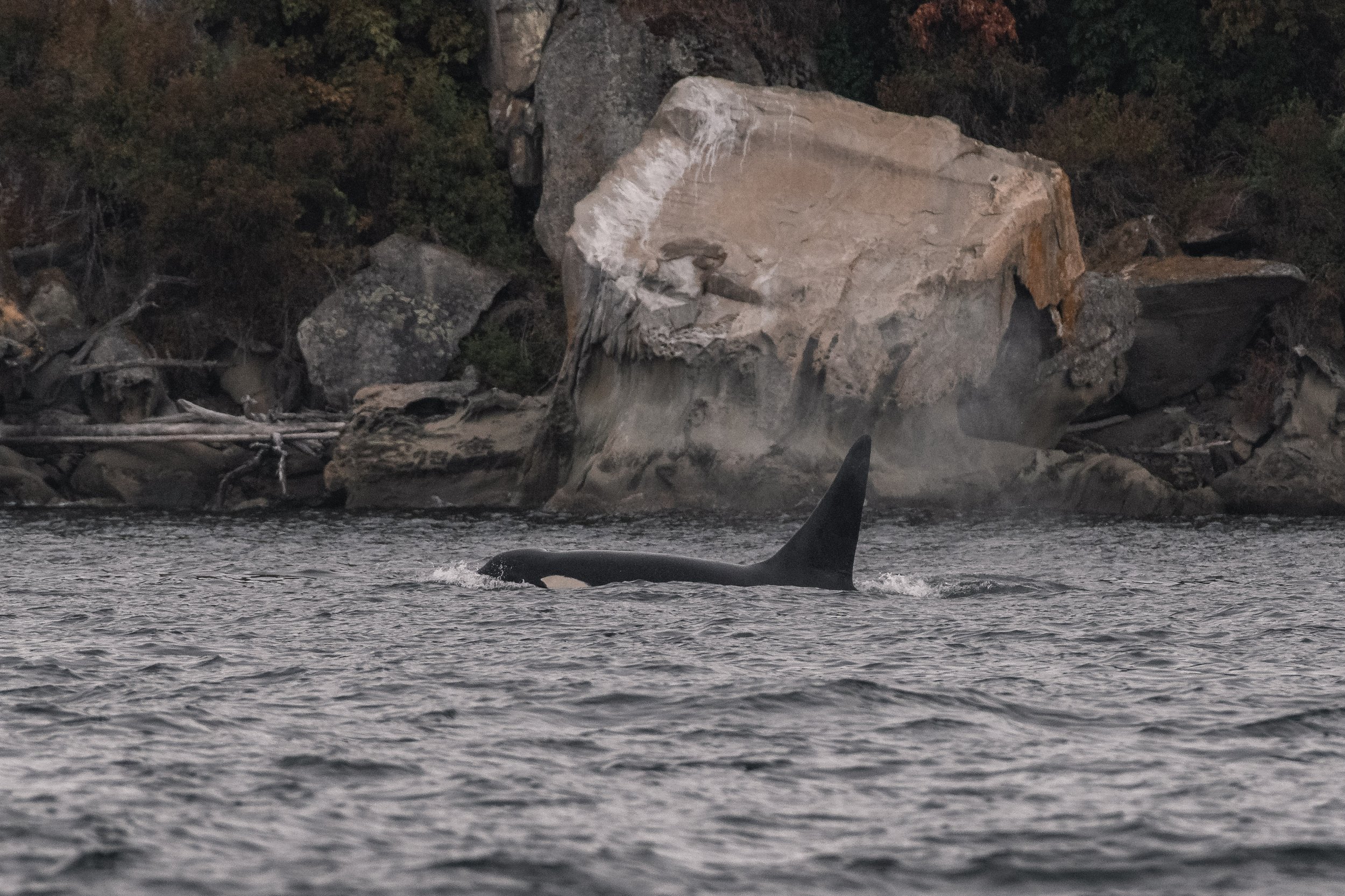
T101B Lagoon with the Gabriola Bluffs behind him.
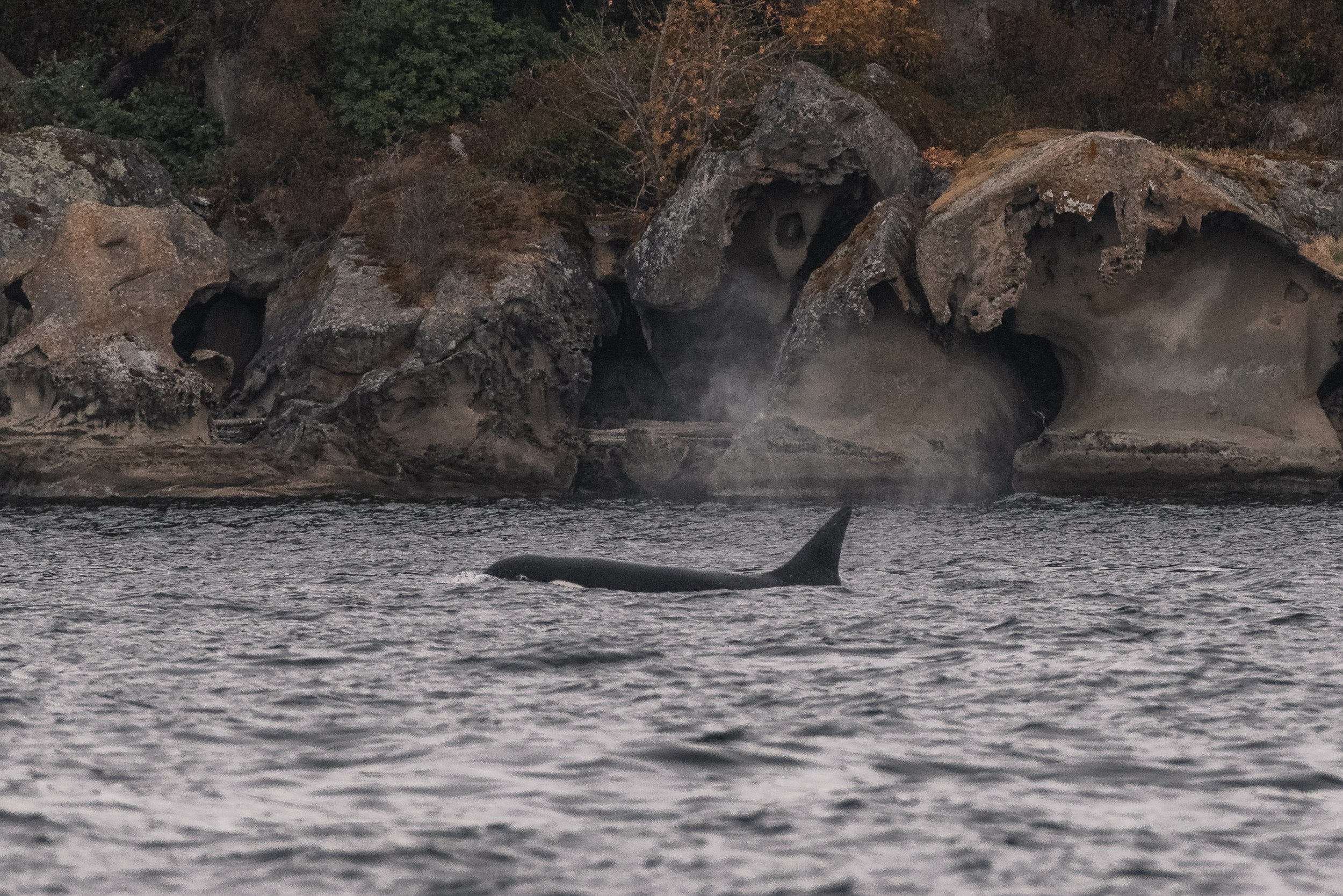
T101 Reef with the intricate sandstone carved cliffs at her back.
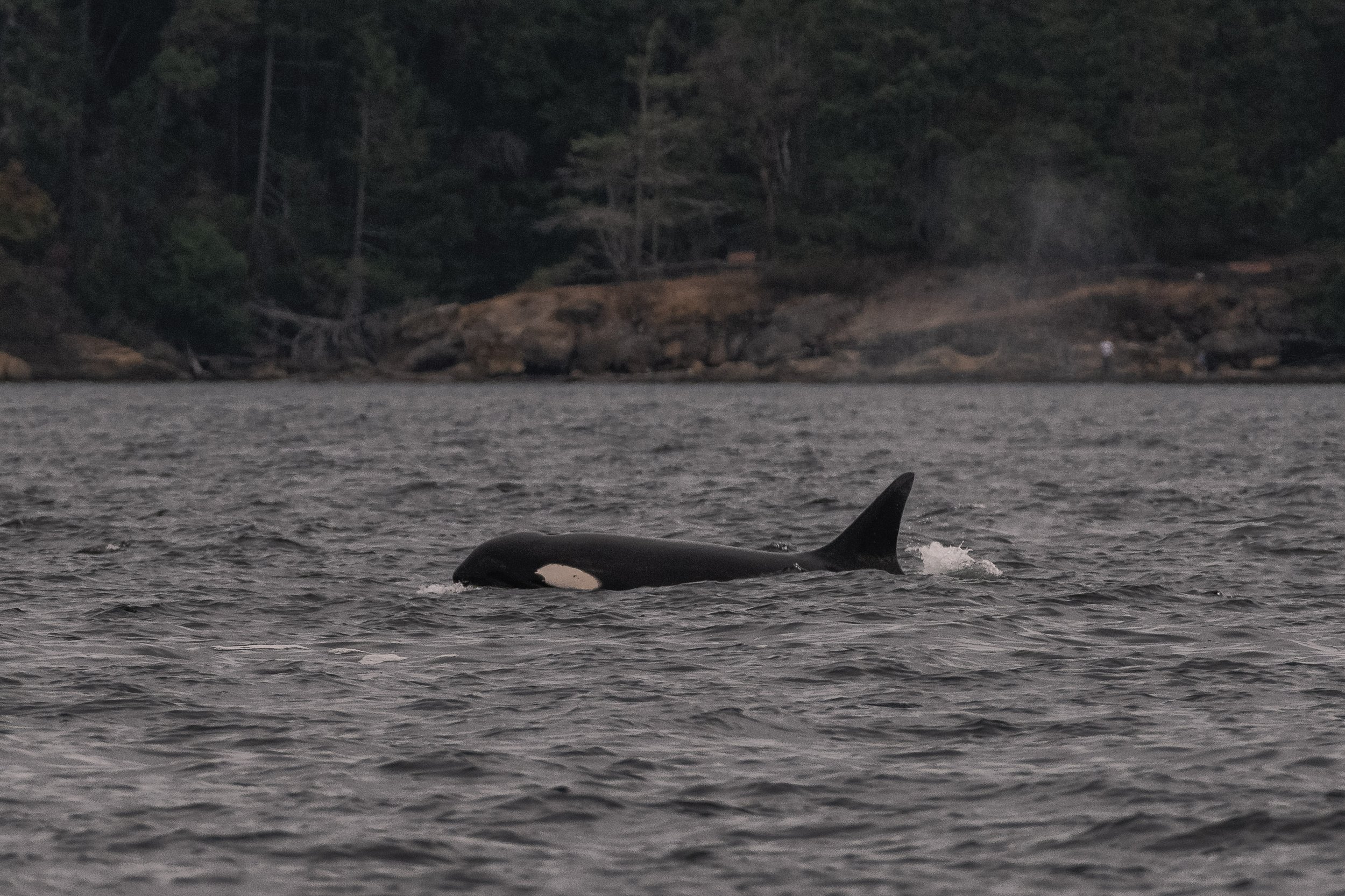
A peek at T101 Reef’s freckled eyepatch.
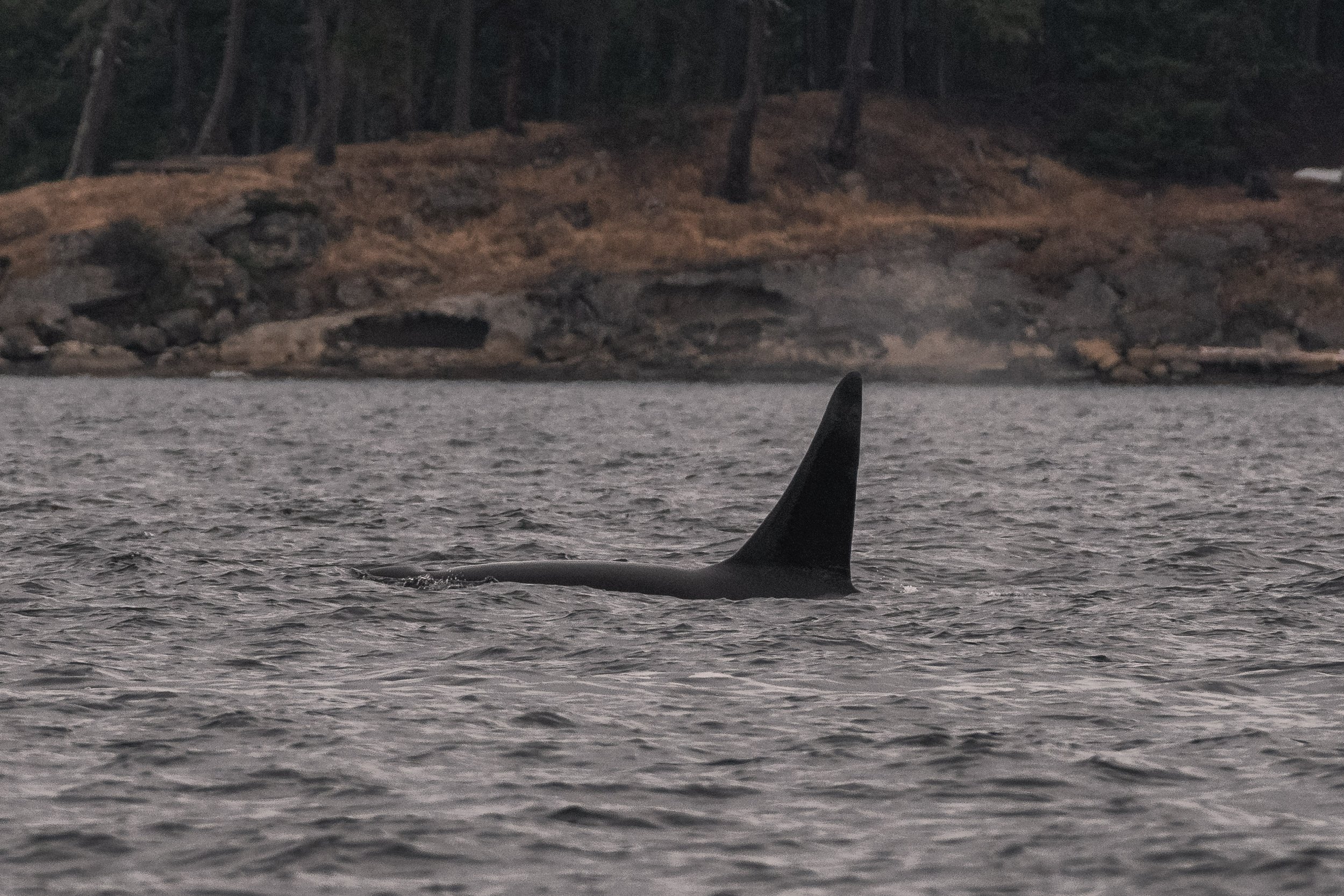
T101B Lagoon cruising along.
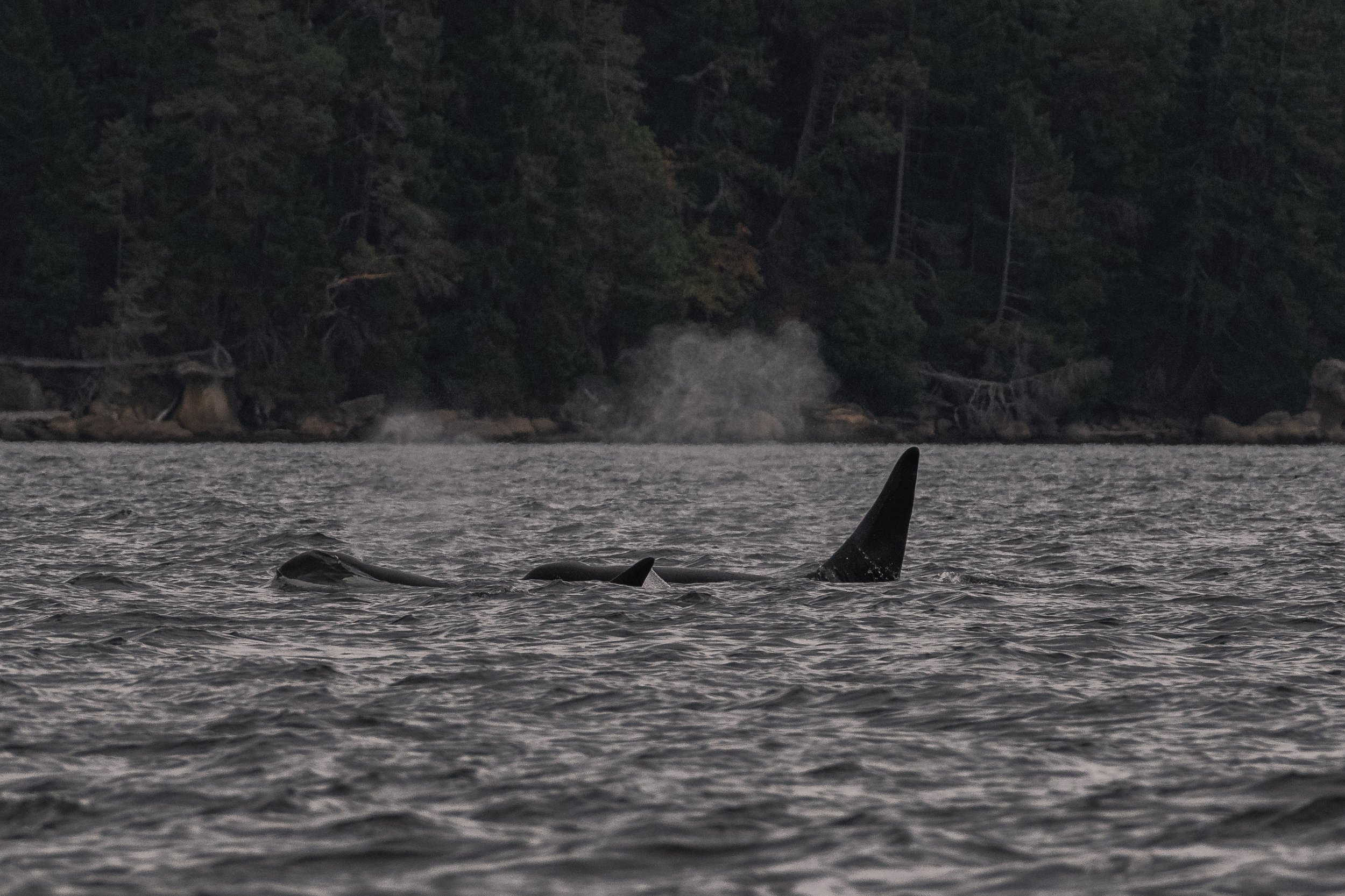
T101 Reef and T101B Lagoon together.
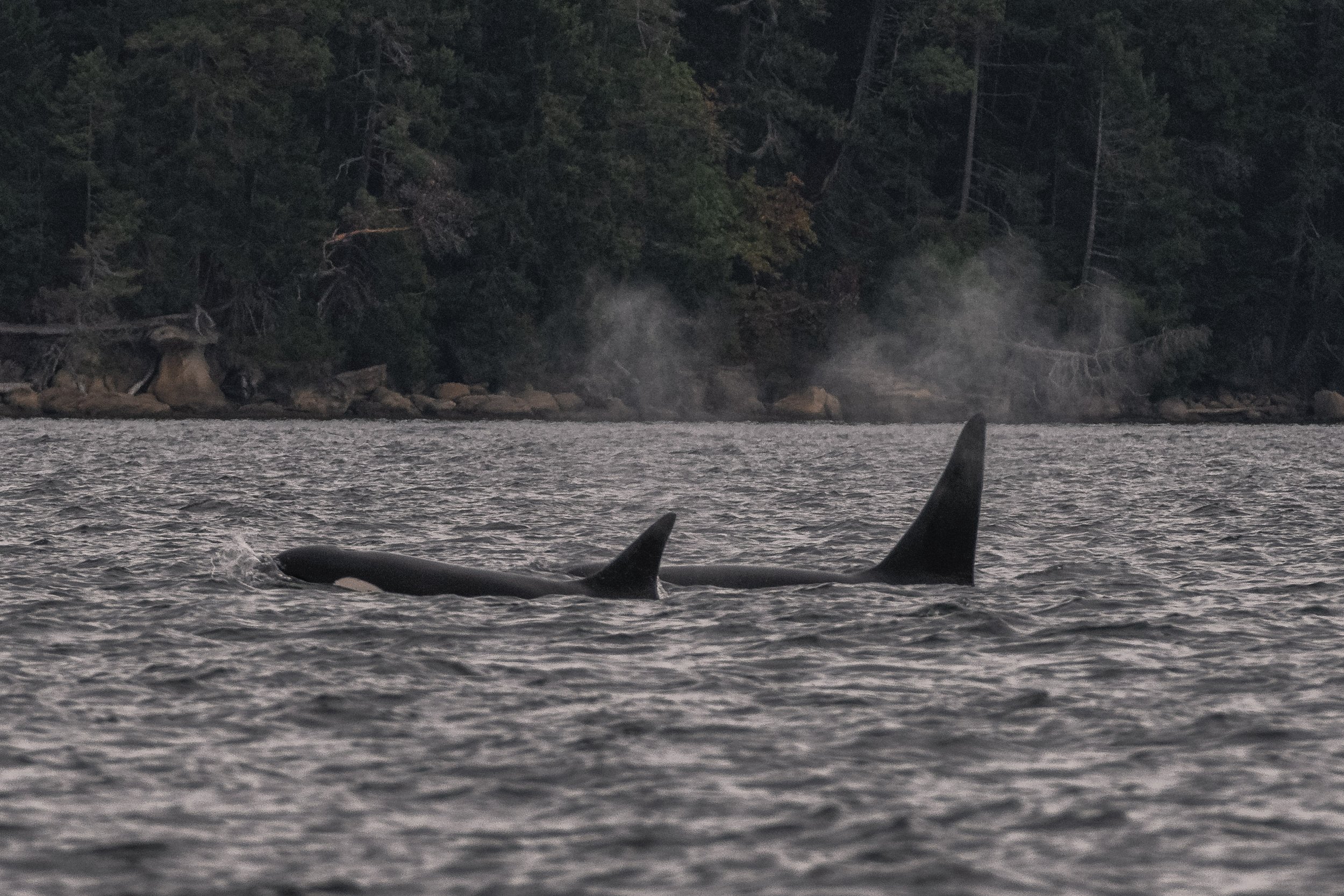
T101 Reef and T101B Lagoon surfacing side by side.
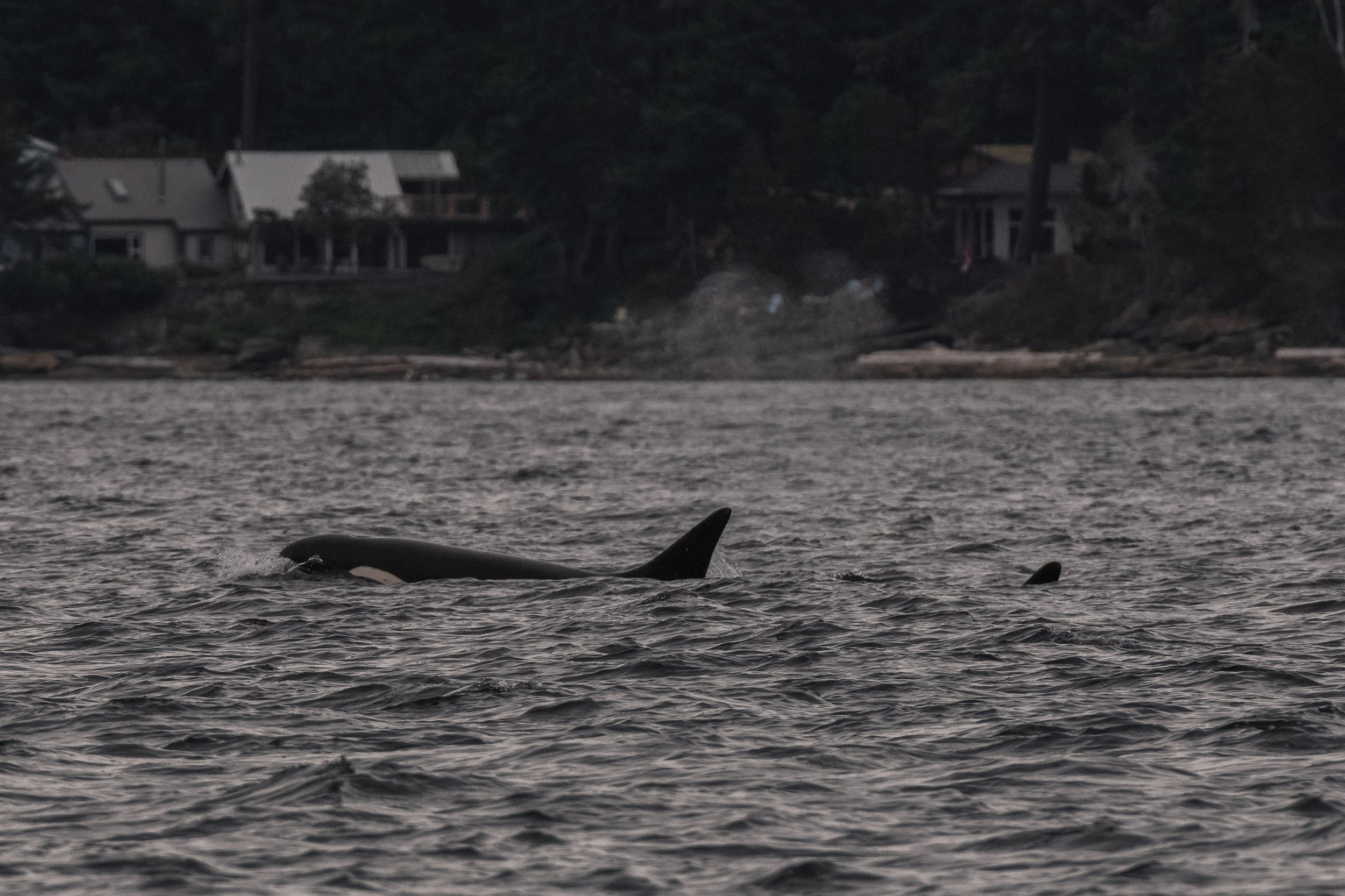
T101 Reef creating a little wave.
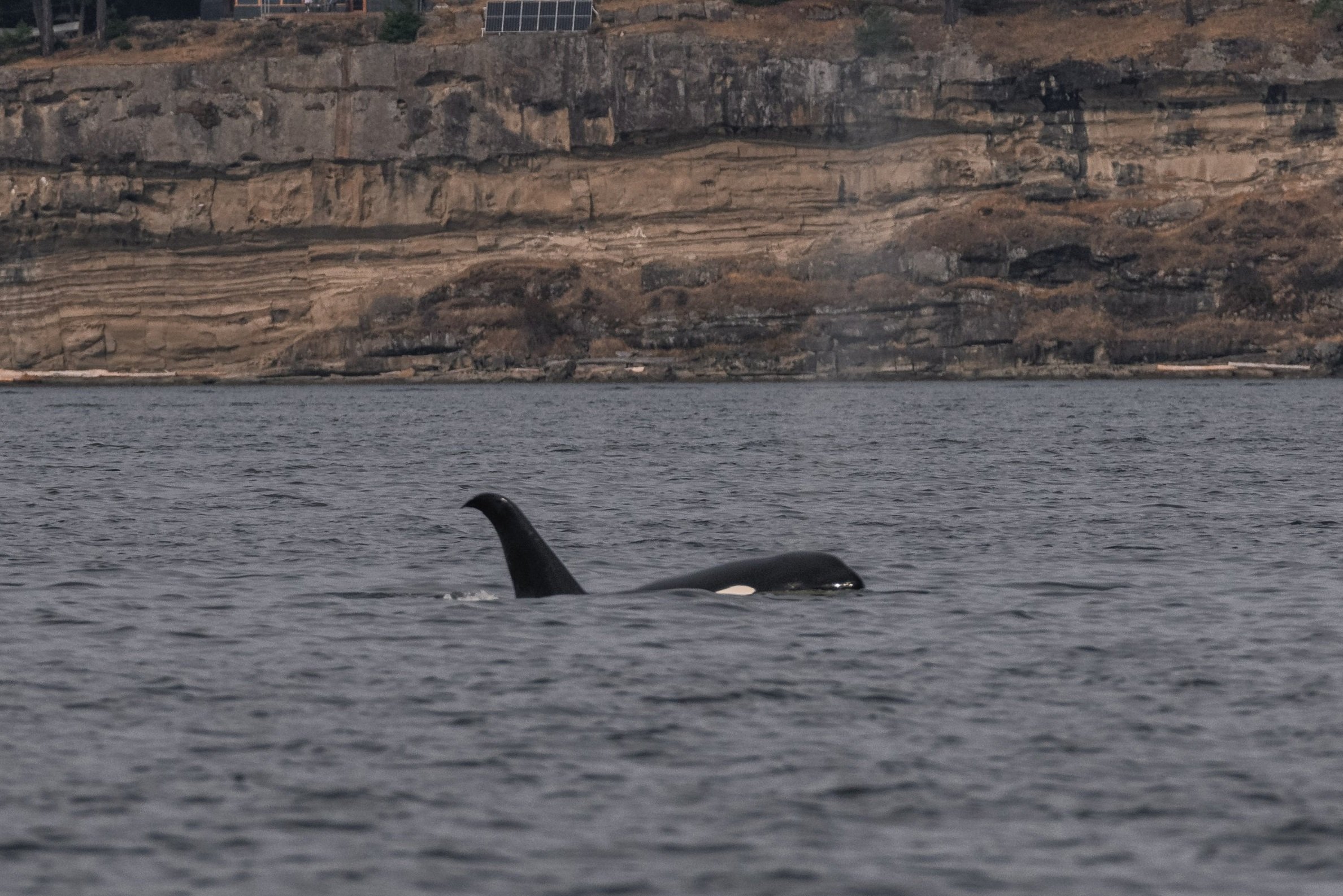
T049A2 Jude cruising along.
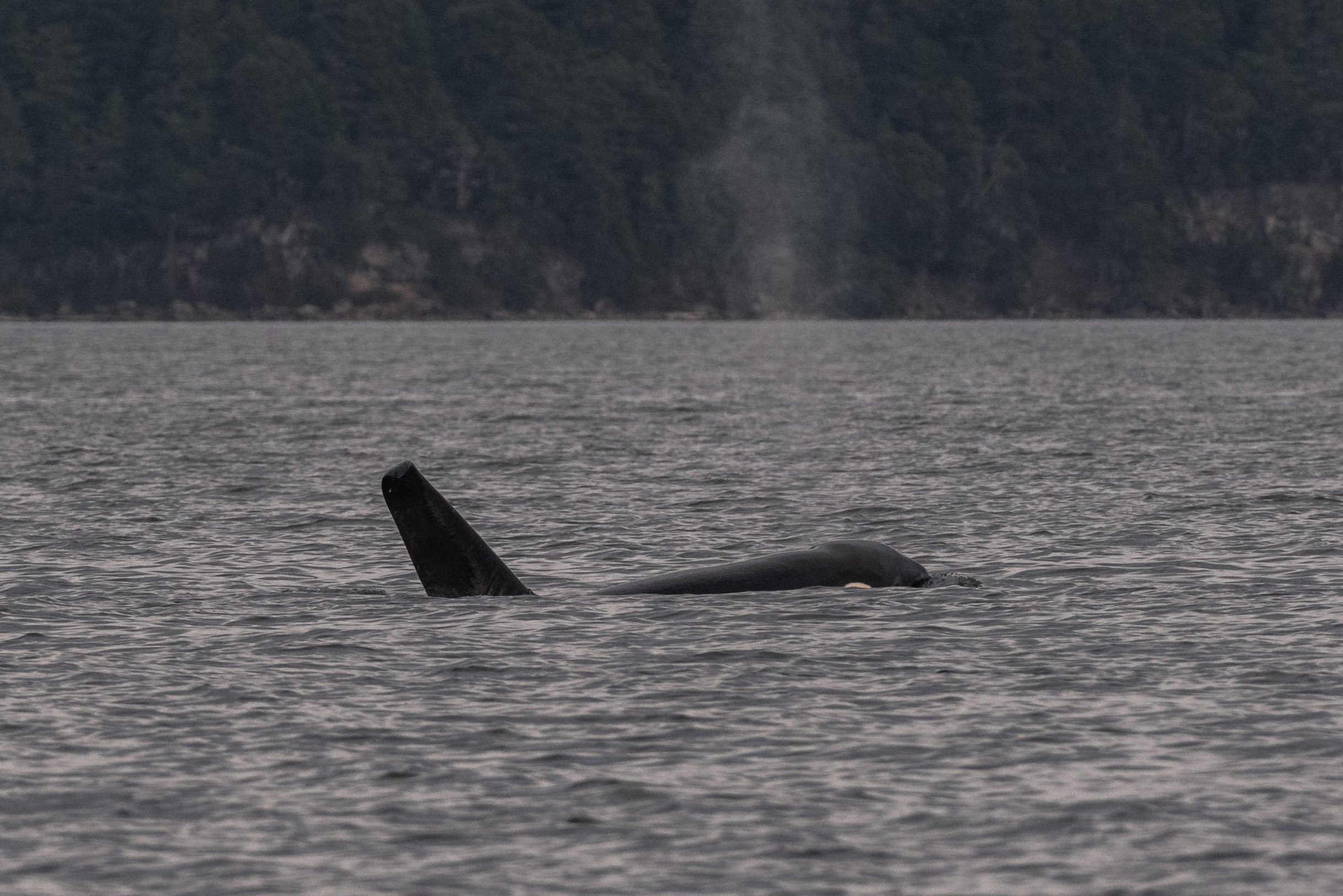
T049A2 Jude with his floppy dorsal fin.
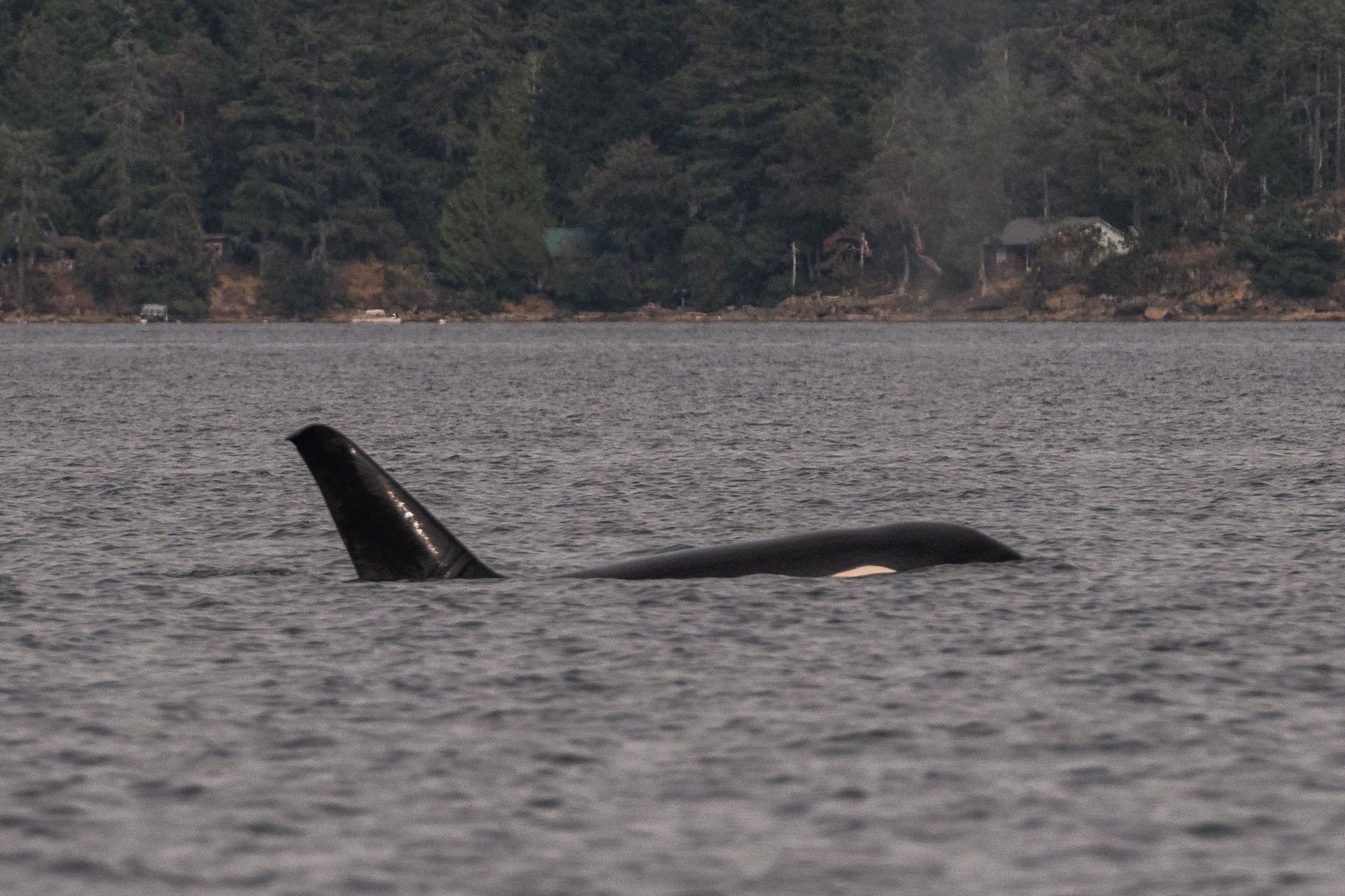
T049A2 Jude breaking the surface.
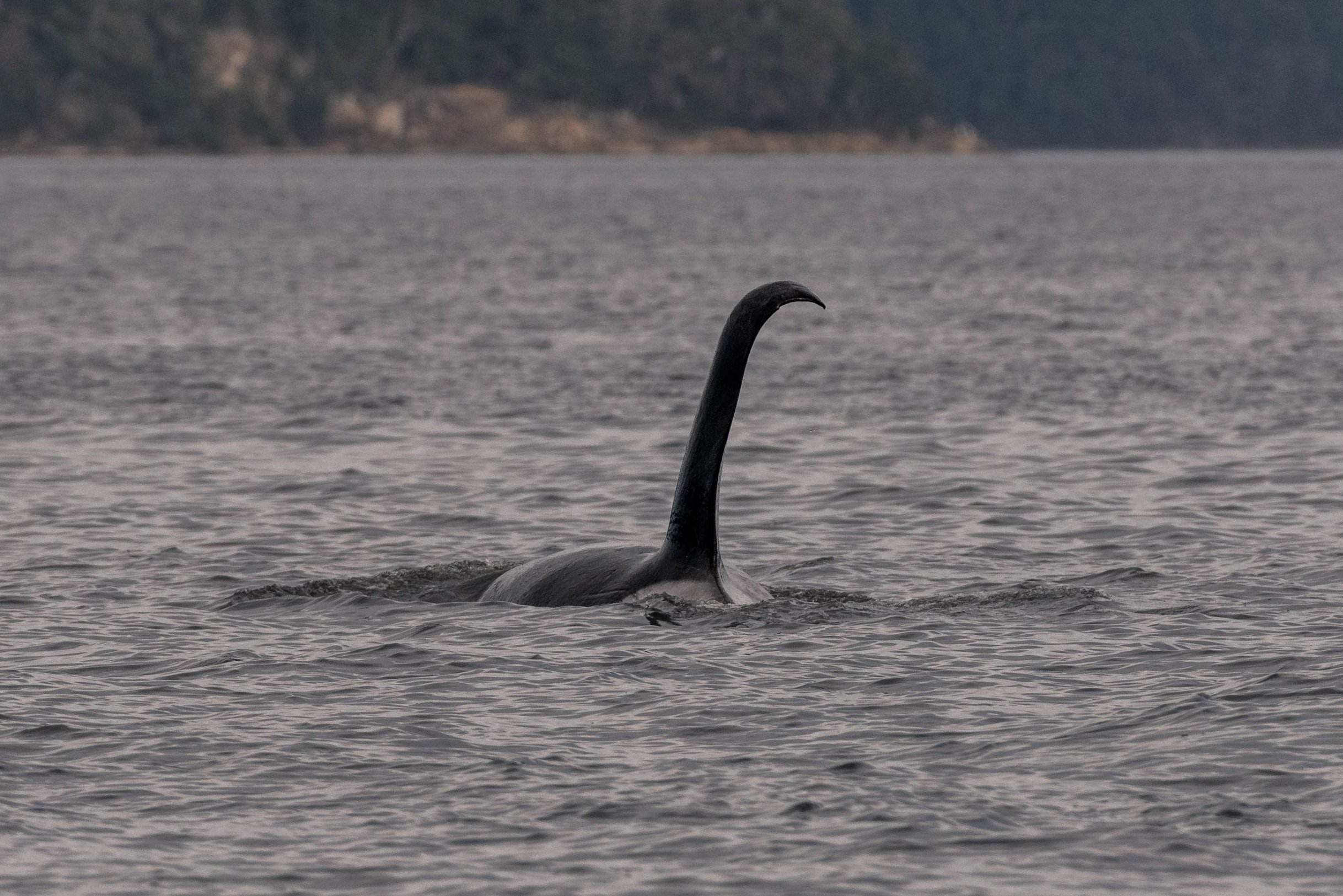
Look at how intense this curve is in T049A2 Jude’s dorsal fin!
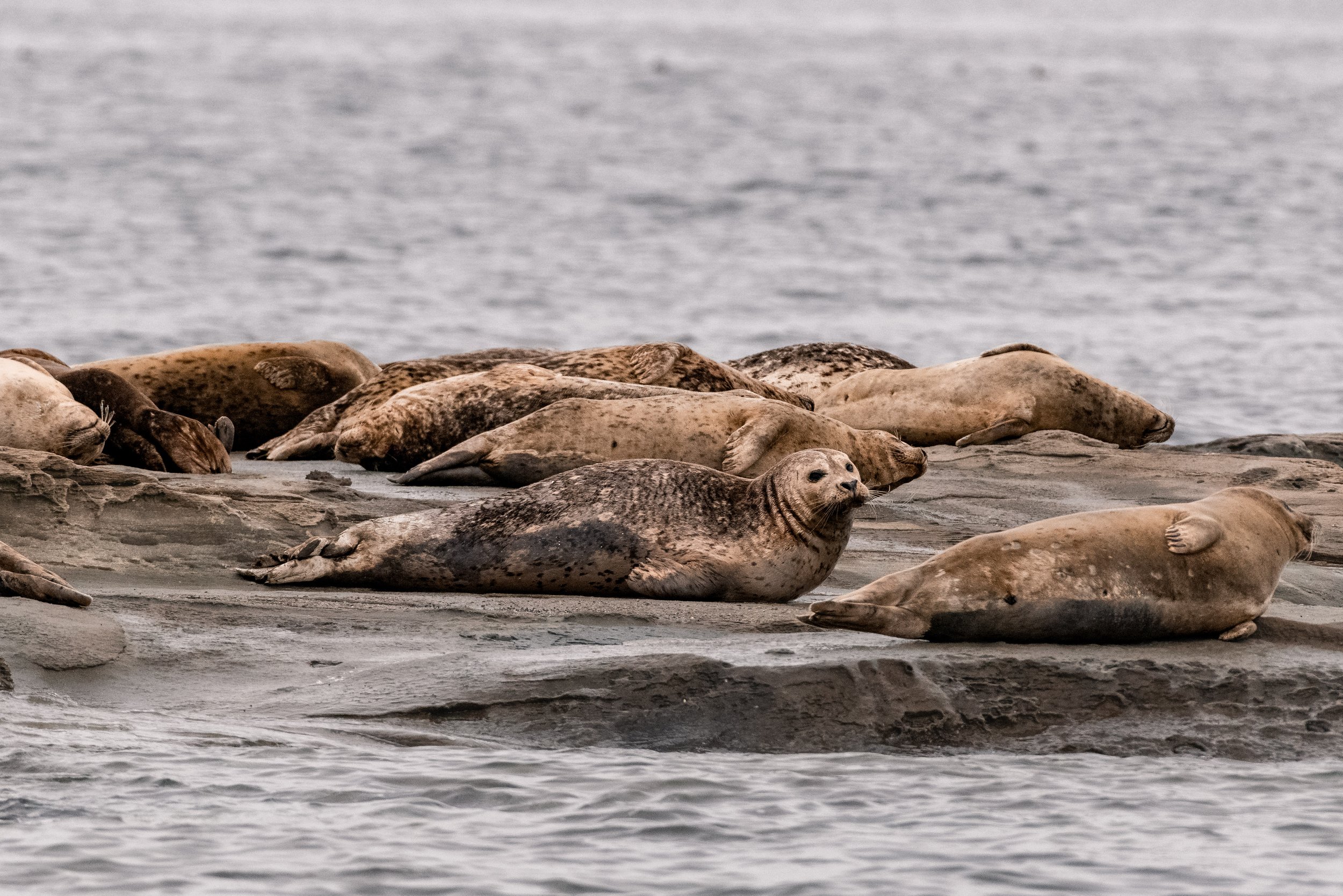
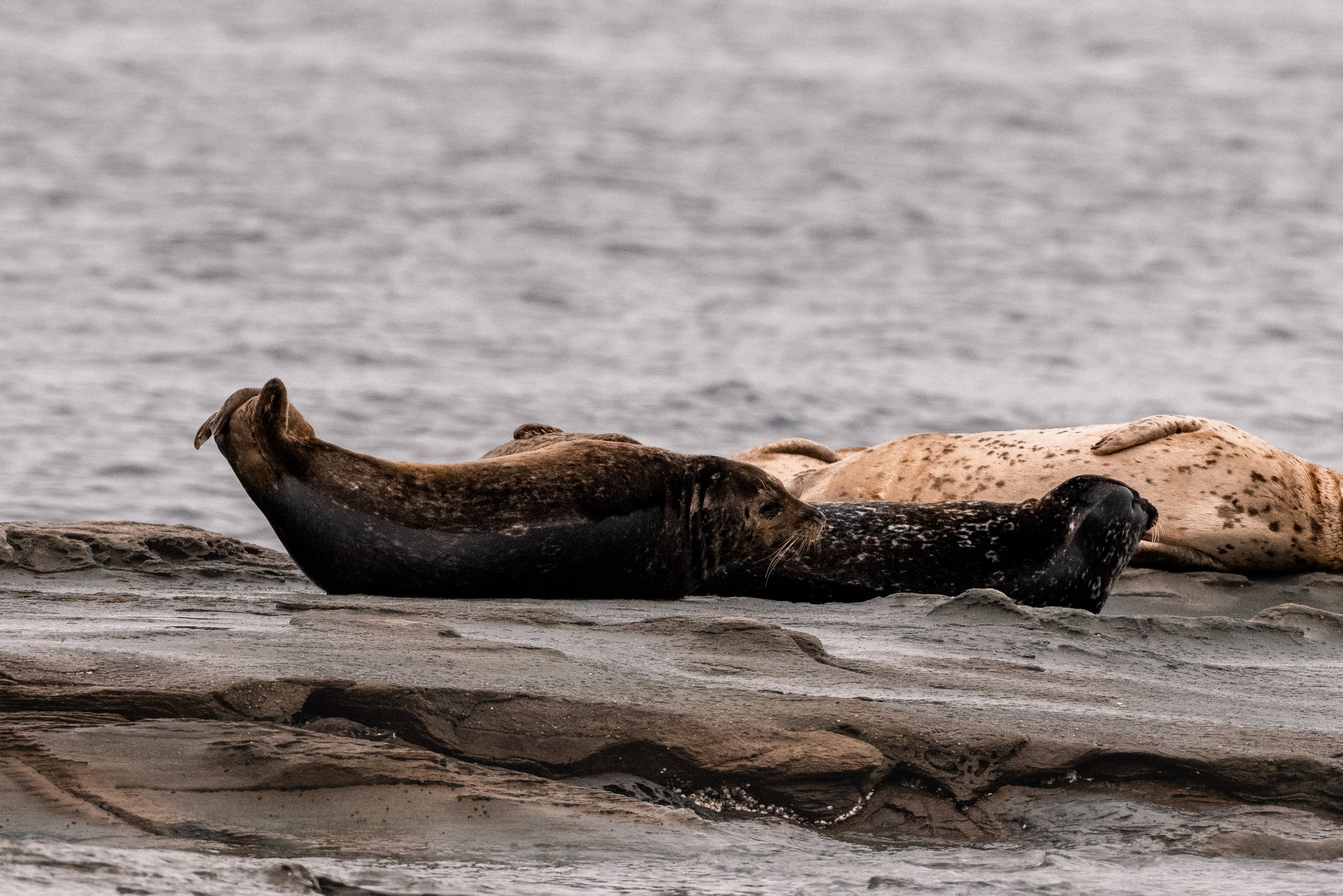
Look at how dextrous seal flippers are!
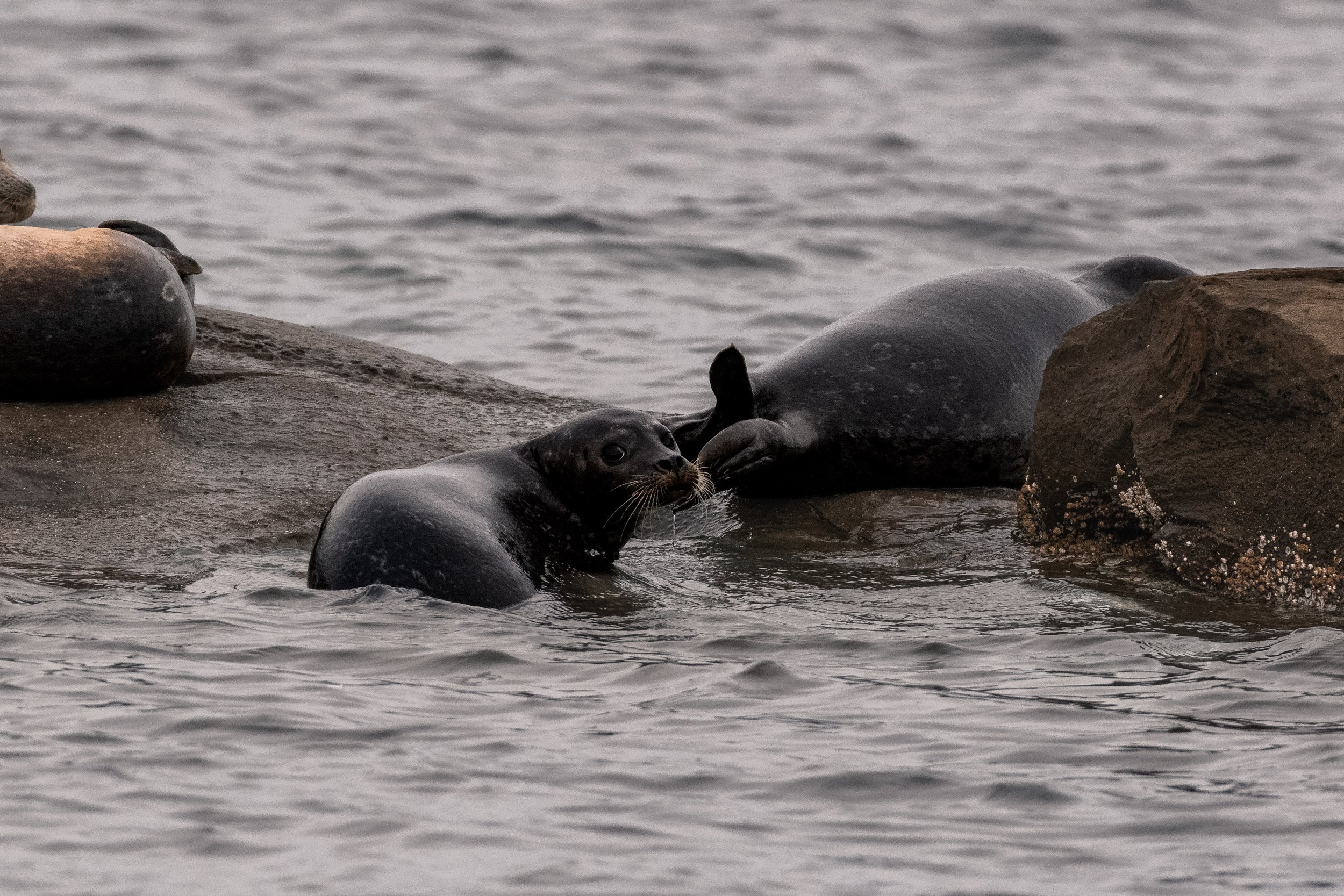
Peeking at us floating by.
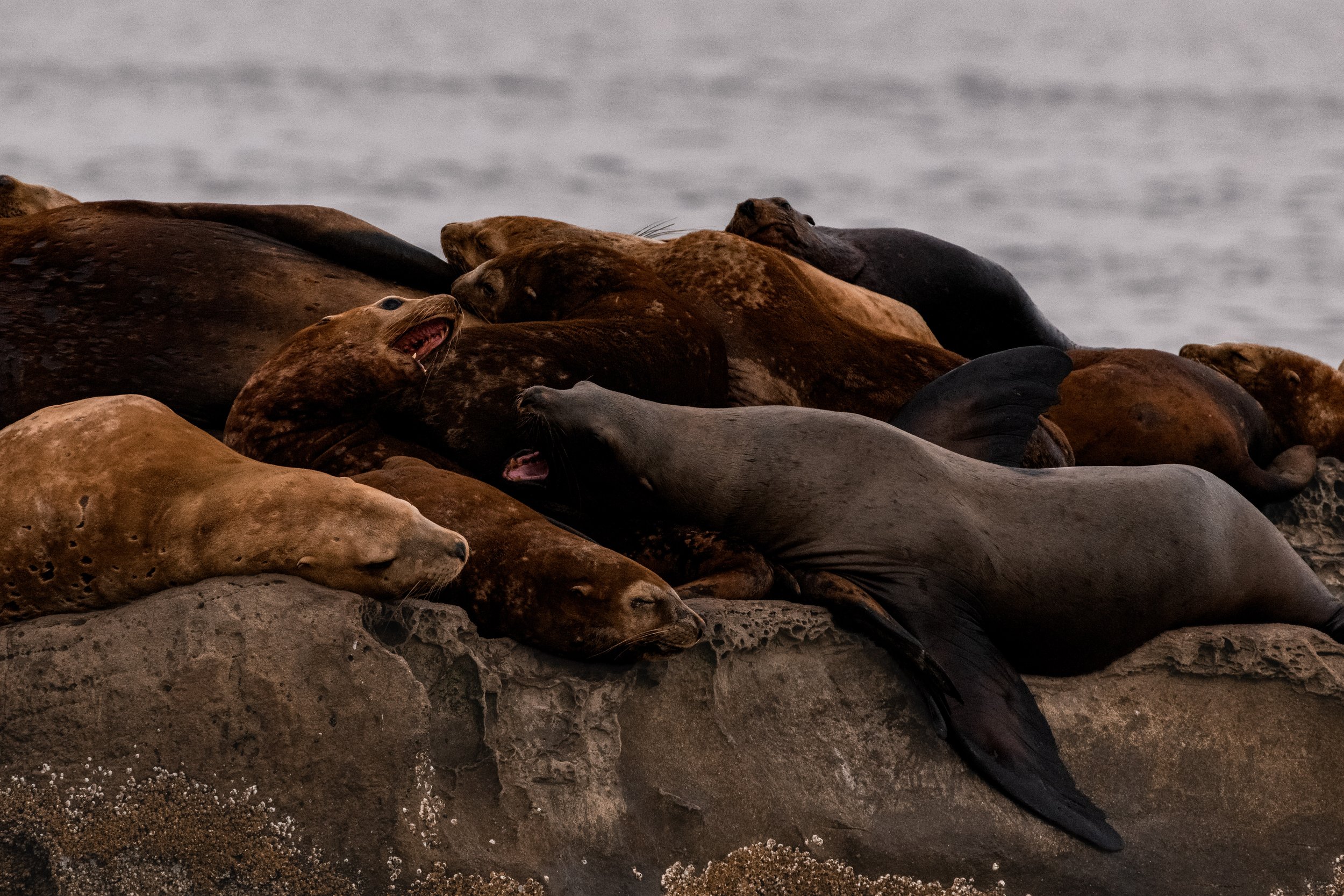
Bickering amongst the Steller Sea Lions.
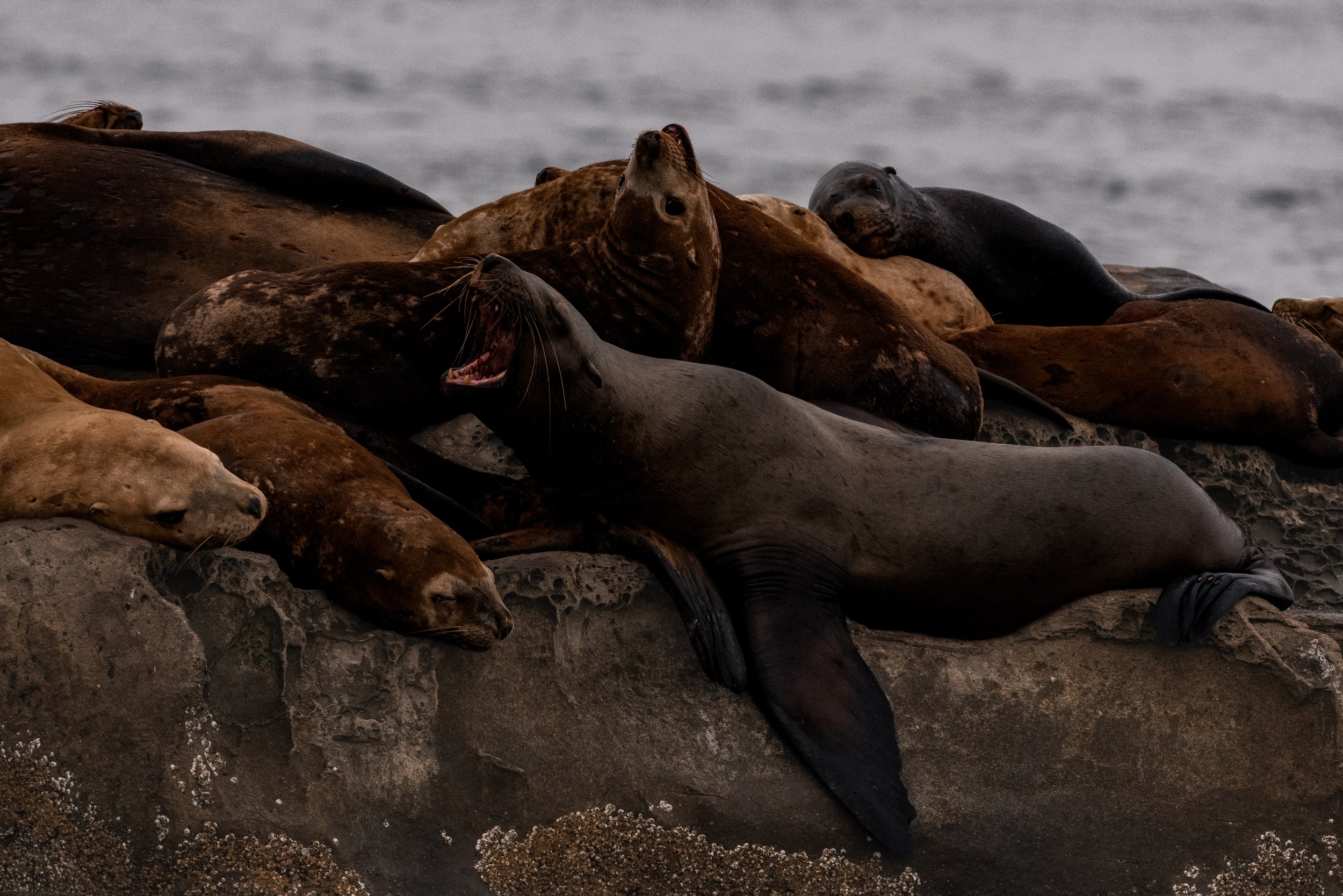
Oh my, what big teeth you have!
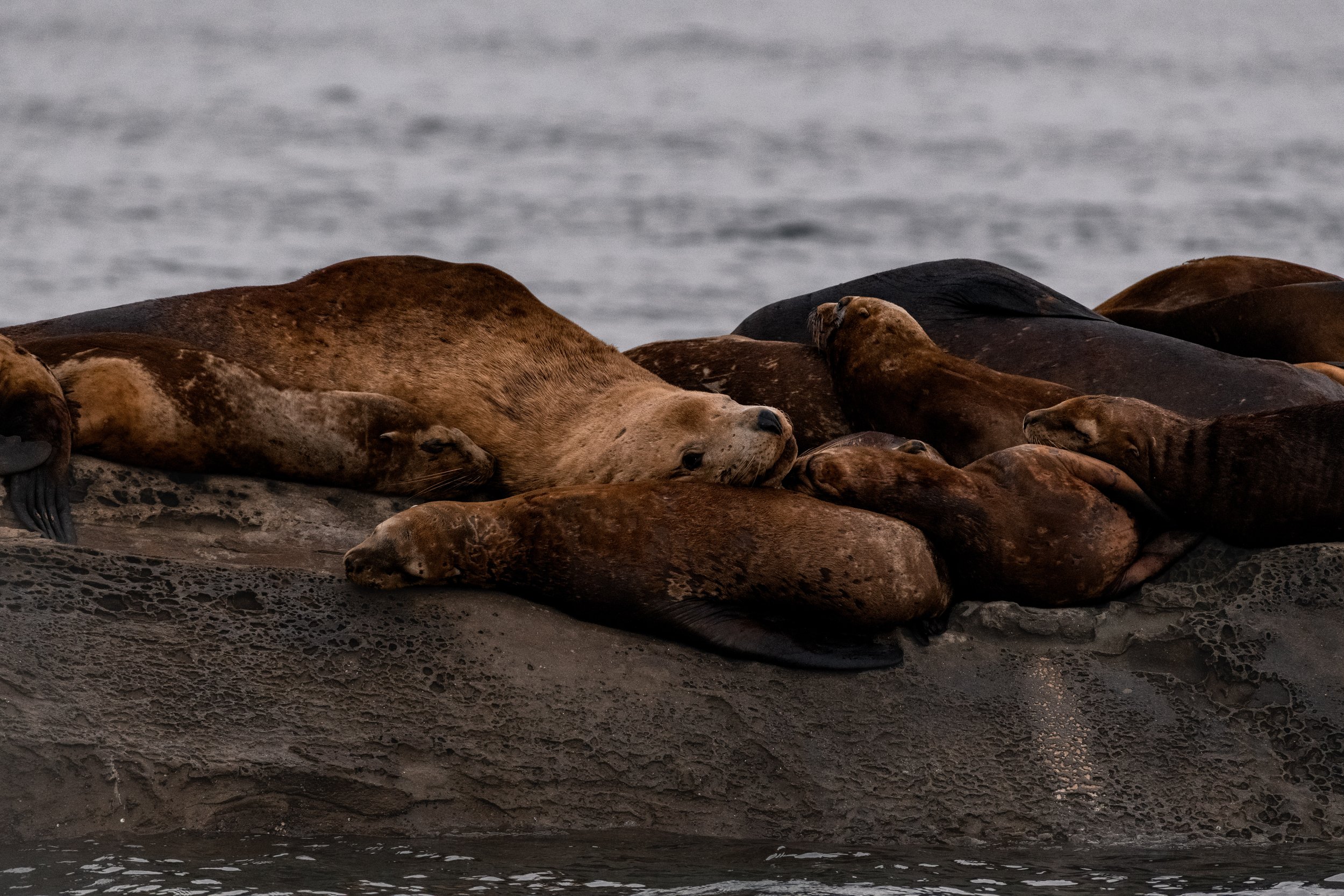
A large Steller Sea Lion using a smaller one as a pillow.
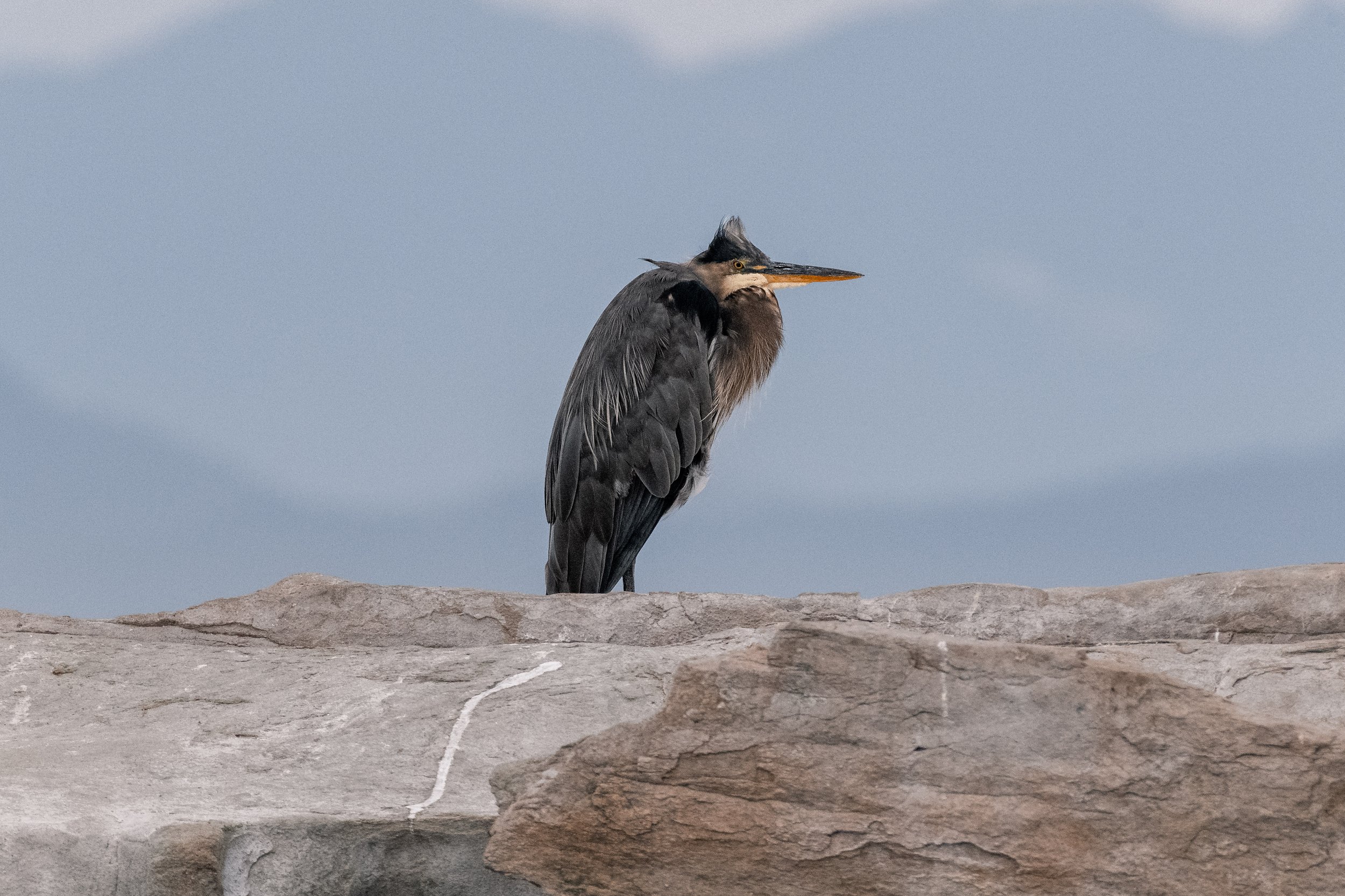
A disgruntled looking Great Blue Heron.
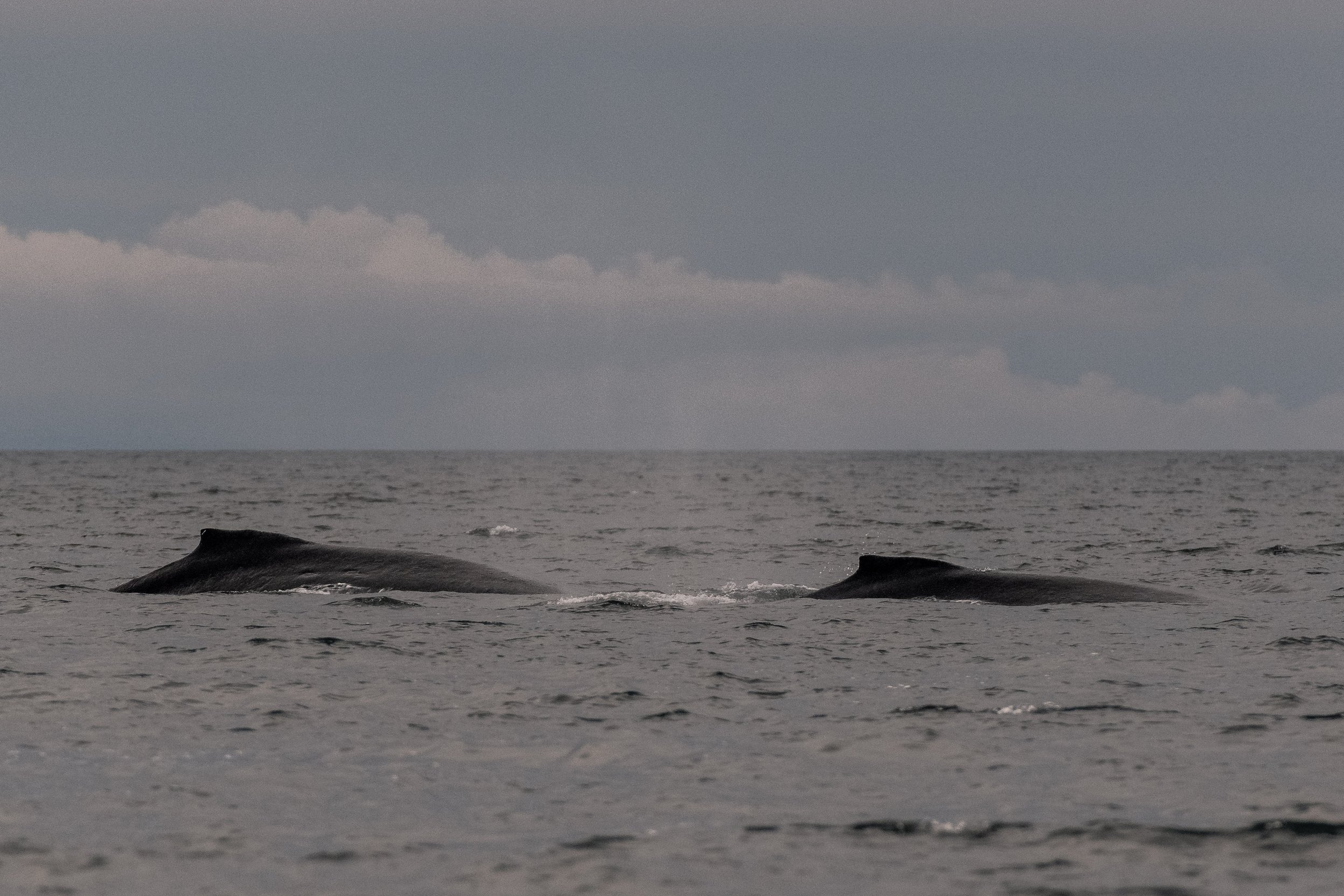
Meqe’ and Prowler surfacing together.
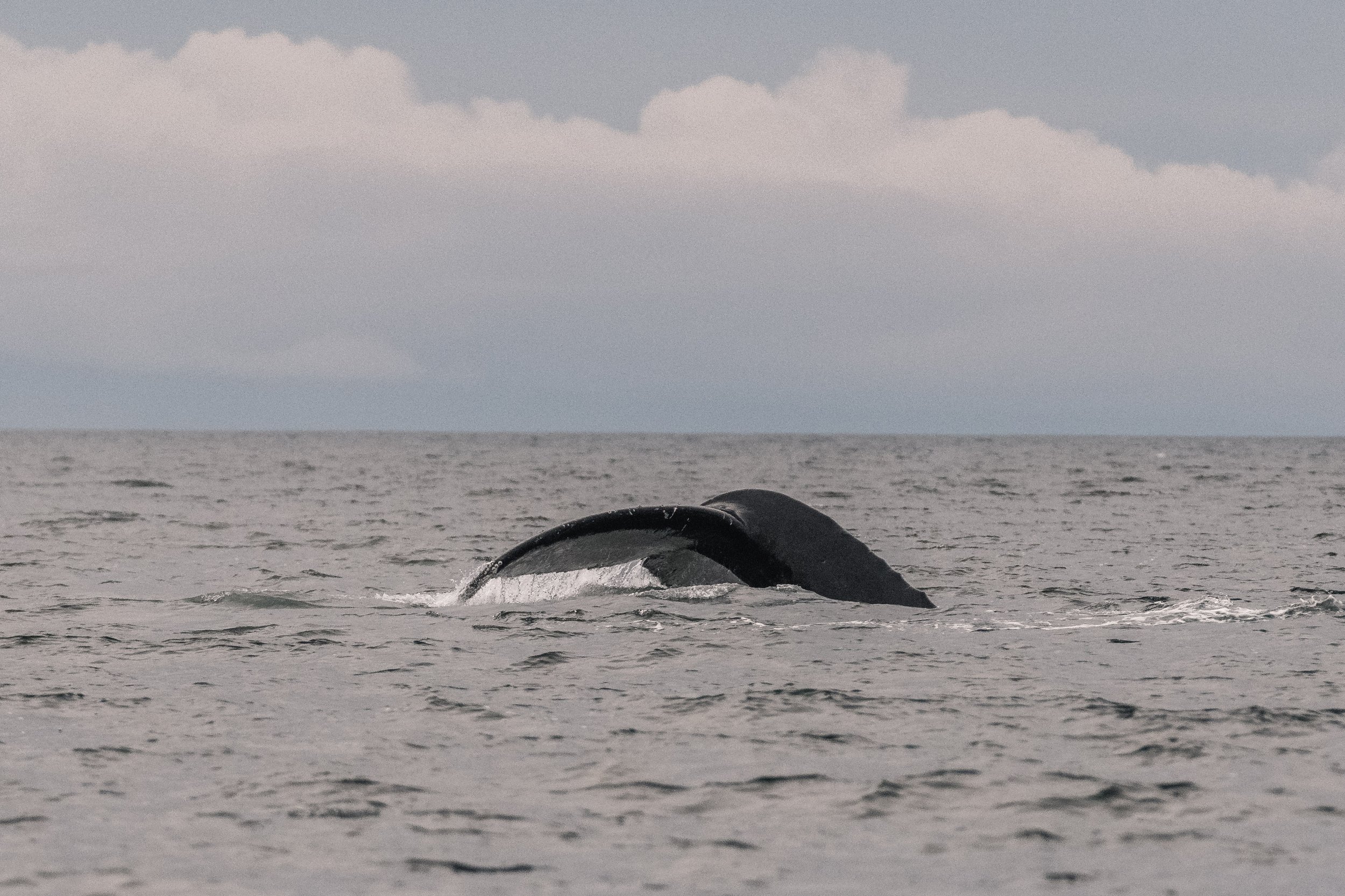
Meqe’ fluking.
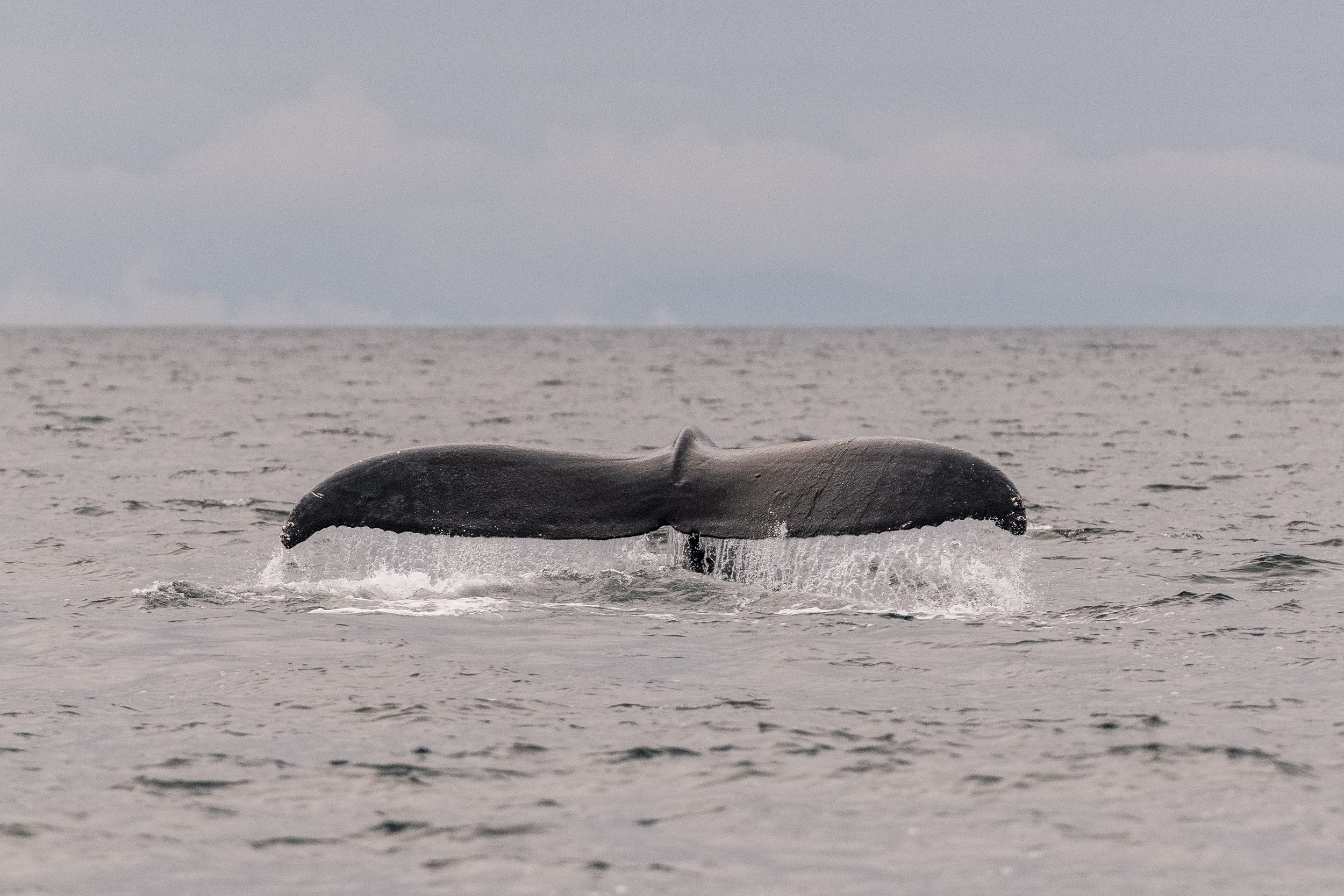
A beautiful fluke waterfall from Poptart.
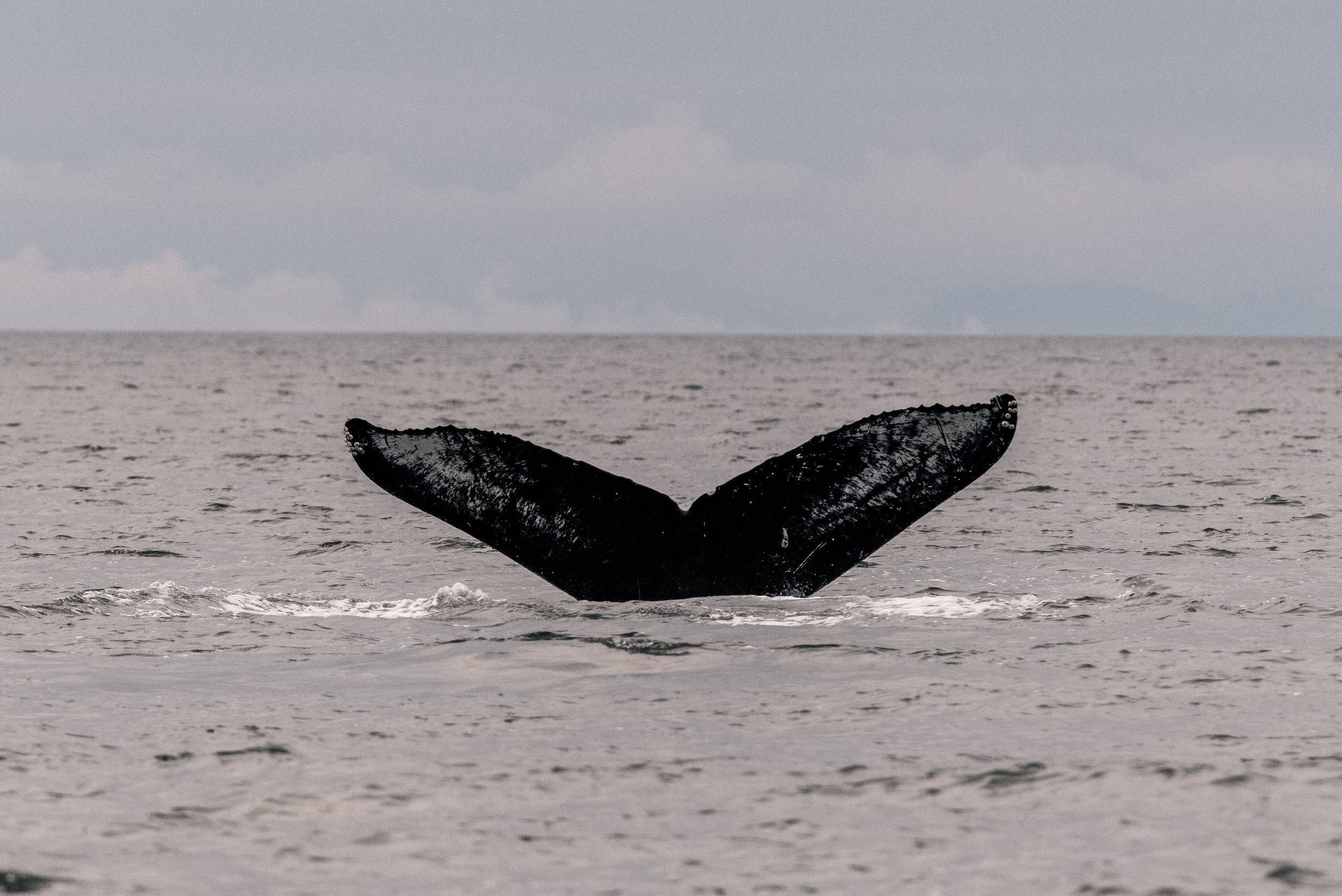
Poptart fluking.
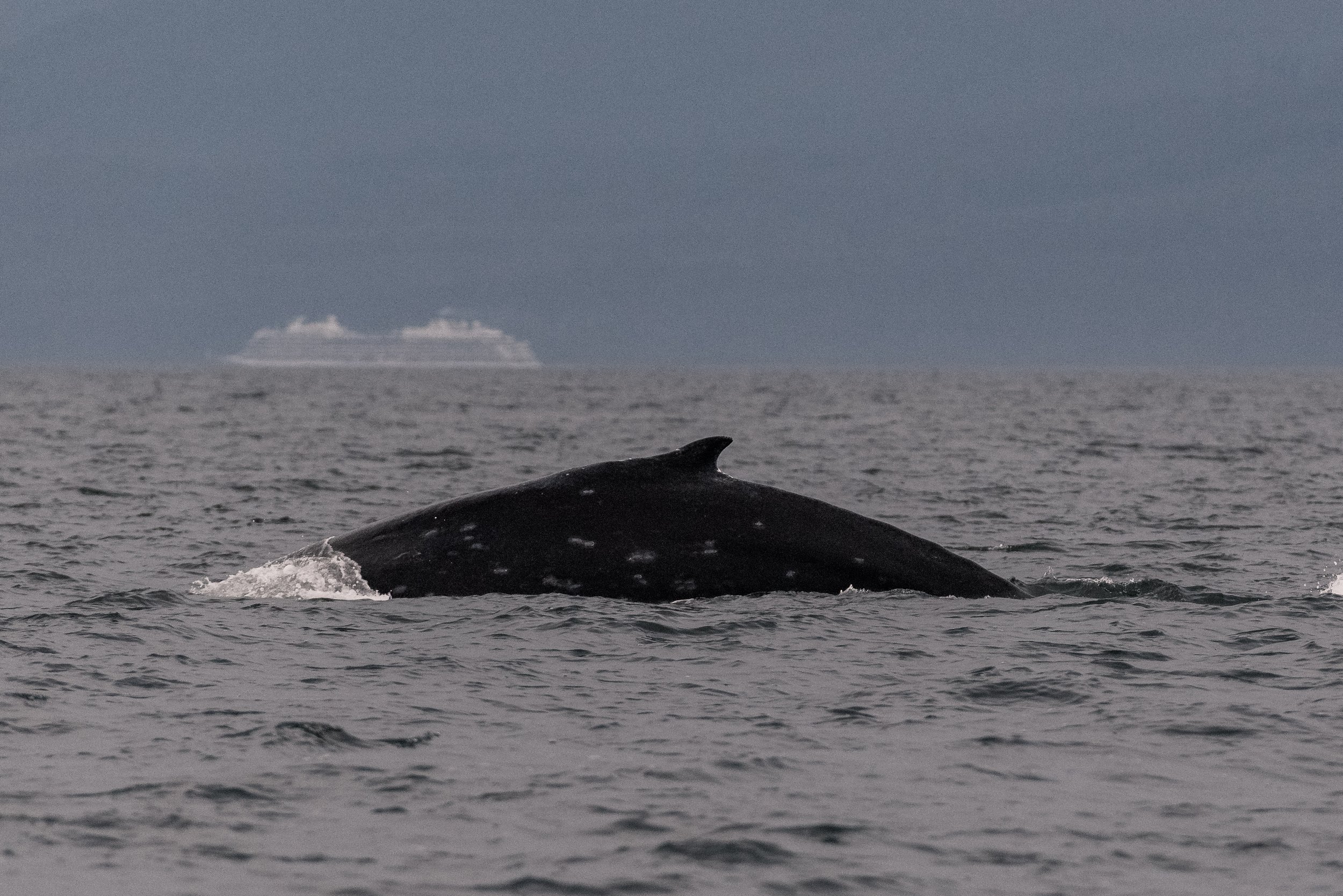
Harpy travelling with a cruise ship in the distance.
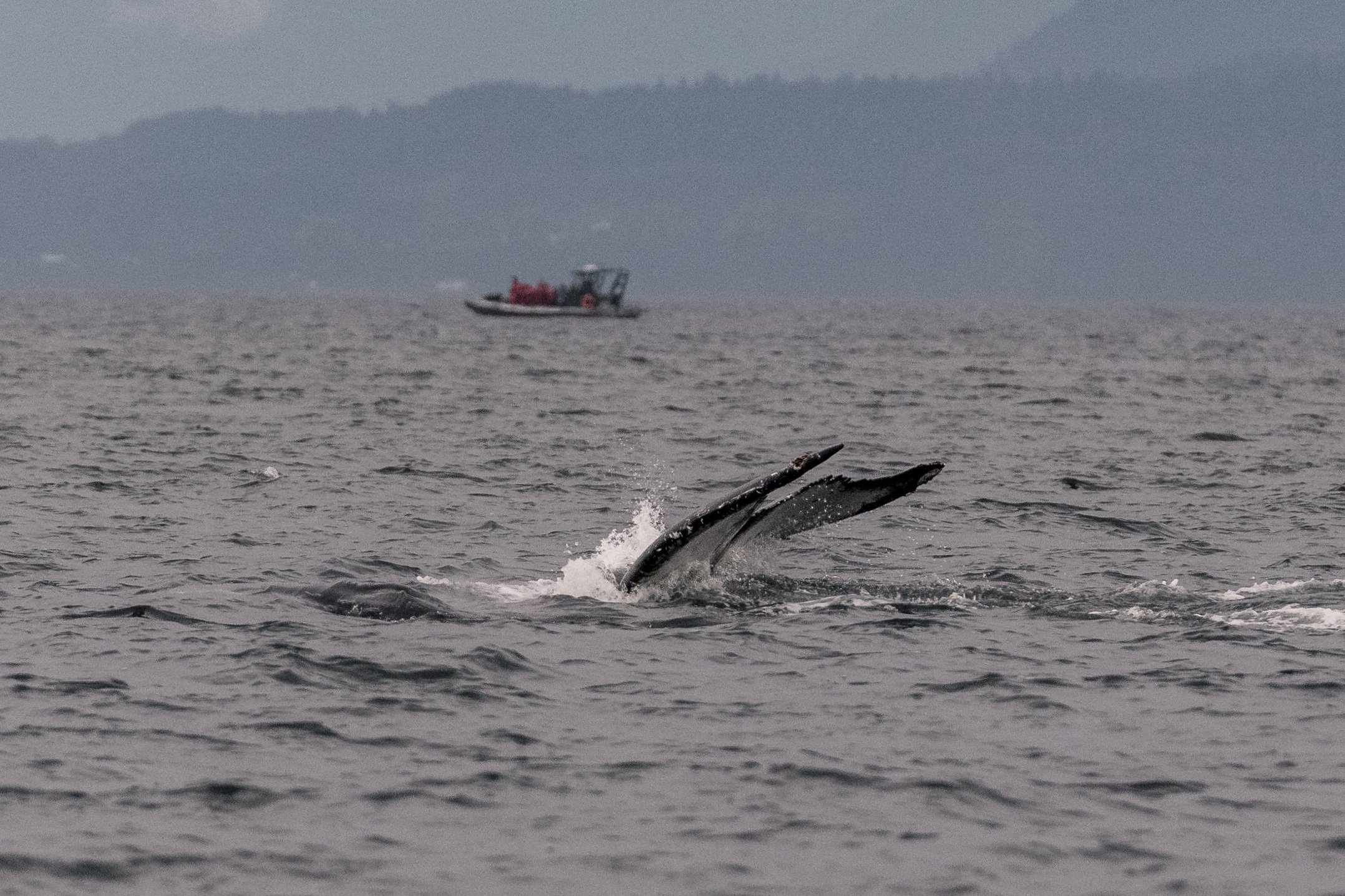
A tiny peek at Harpy’s fluke.
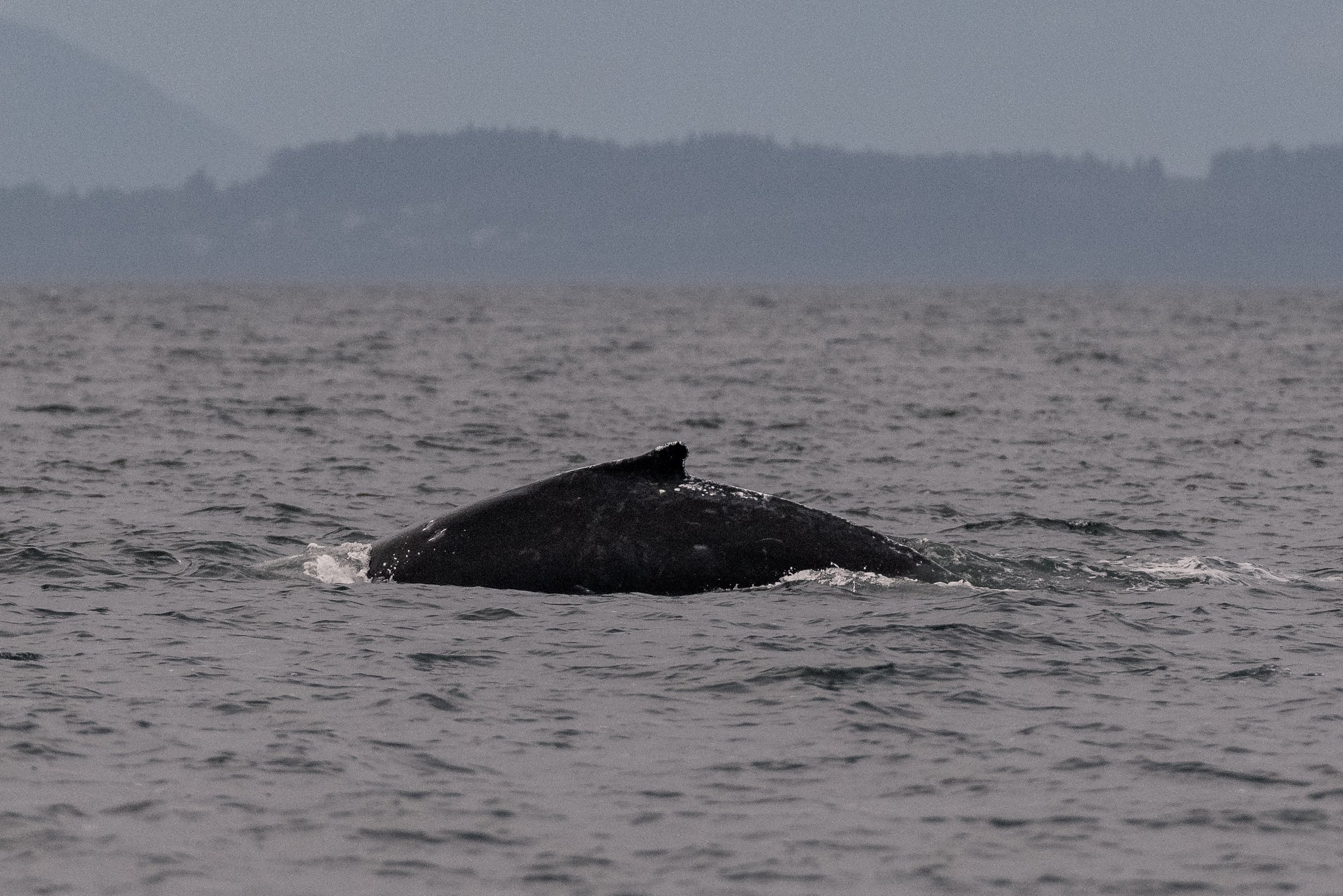
Harpy’s 2026 calf zooming by.
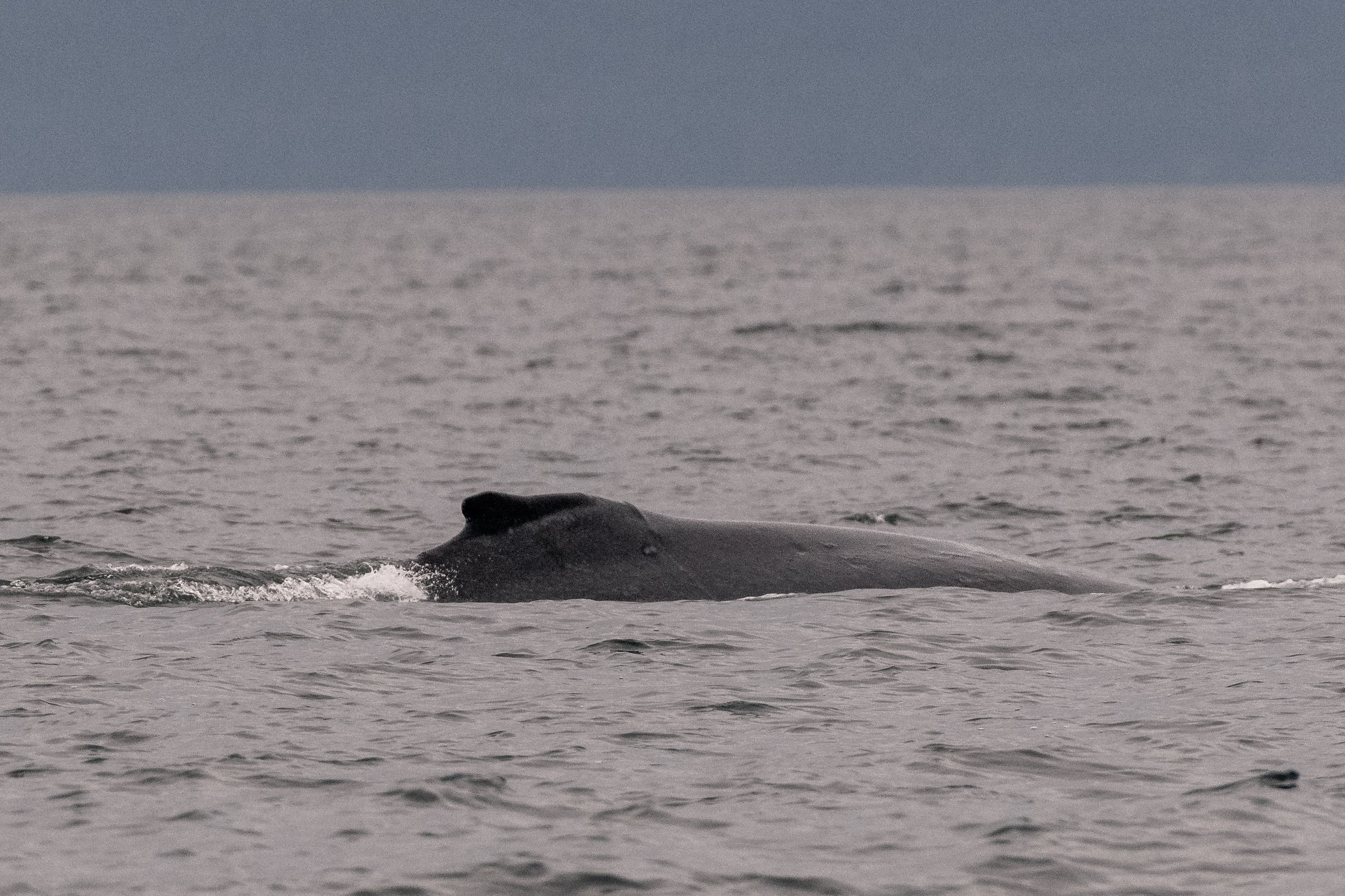
CRC-22930 with their uniquely ridged back and dorsal fin.
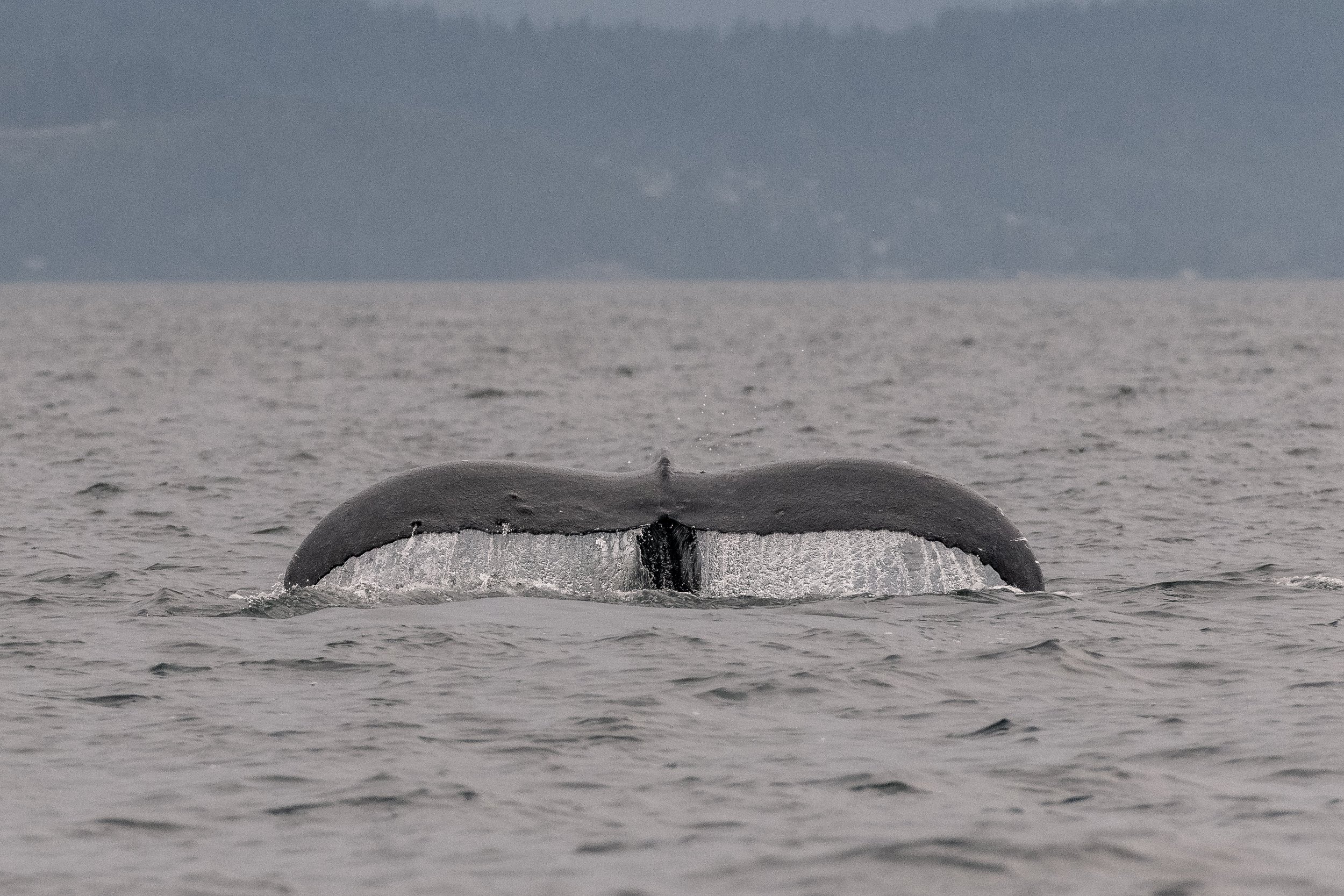
CRC-22930 raising their flukes.
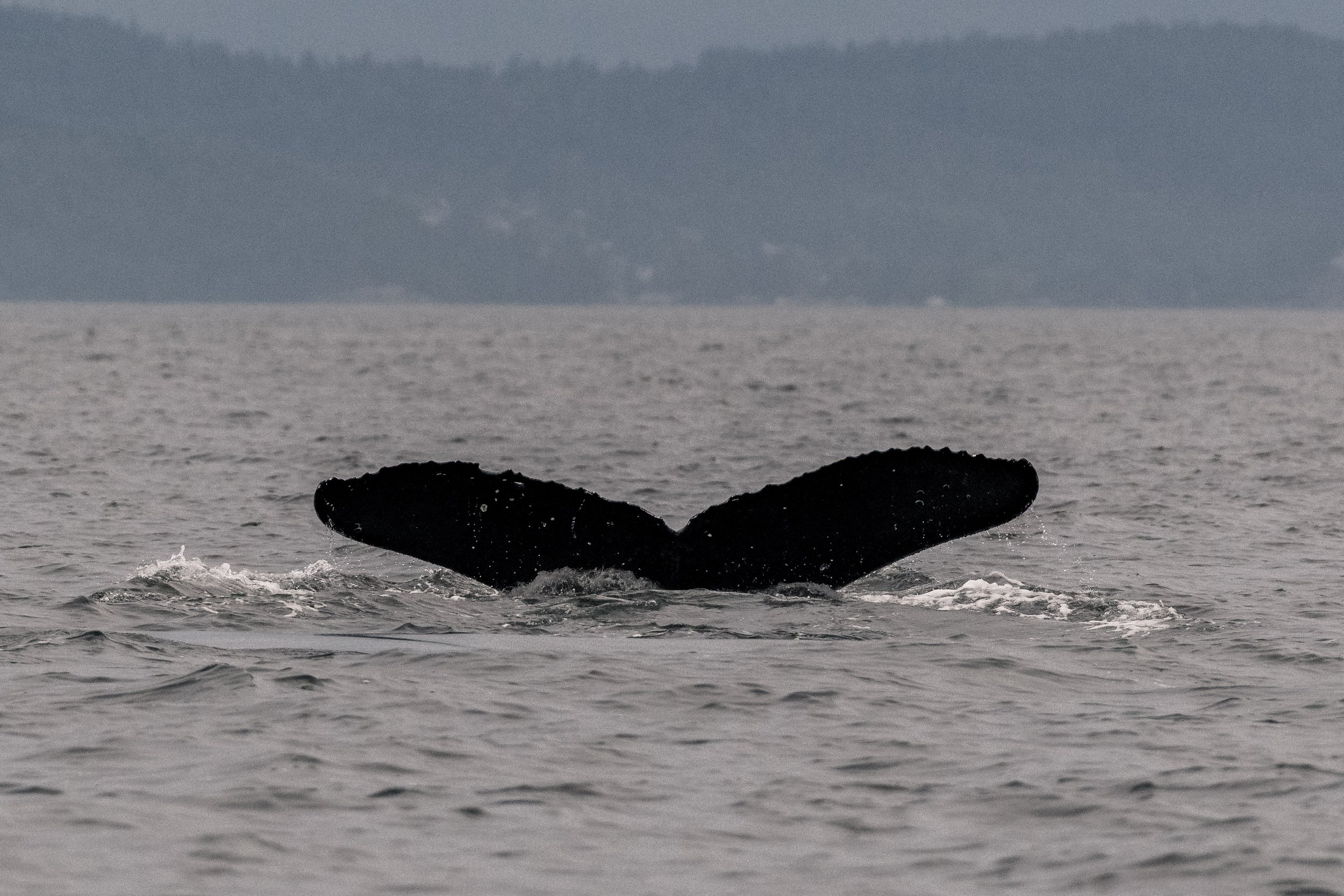
CRC-22930’s unique fluke pattern.
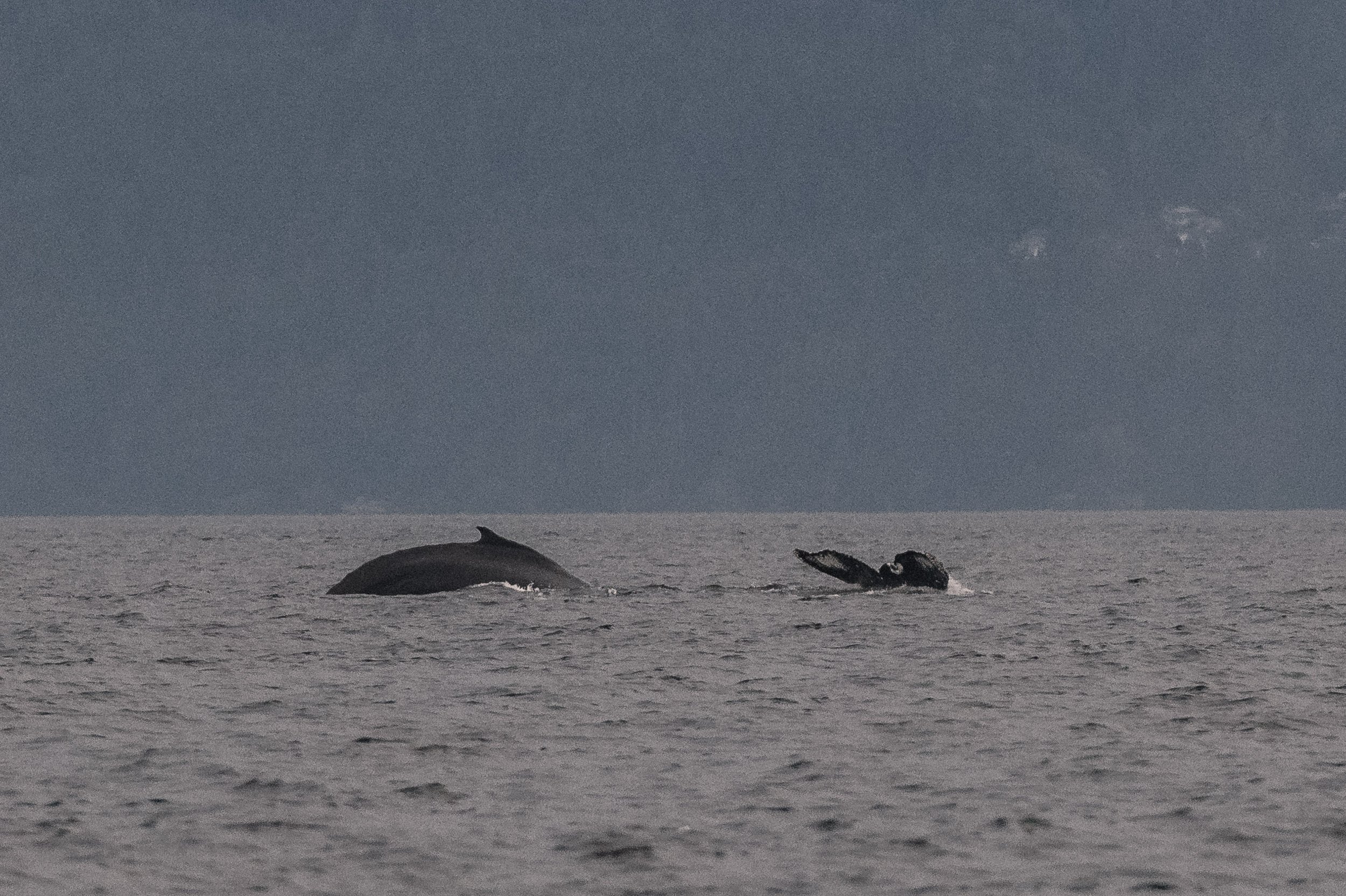
Snoopy fluking with Smiley beside him.
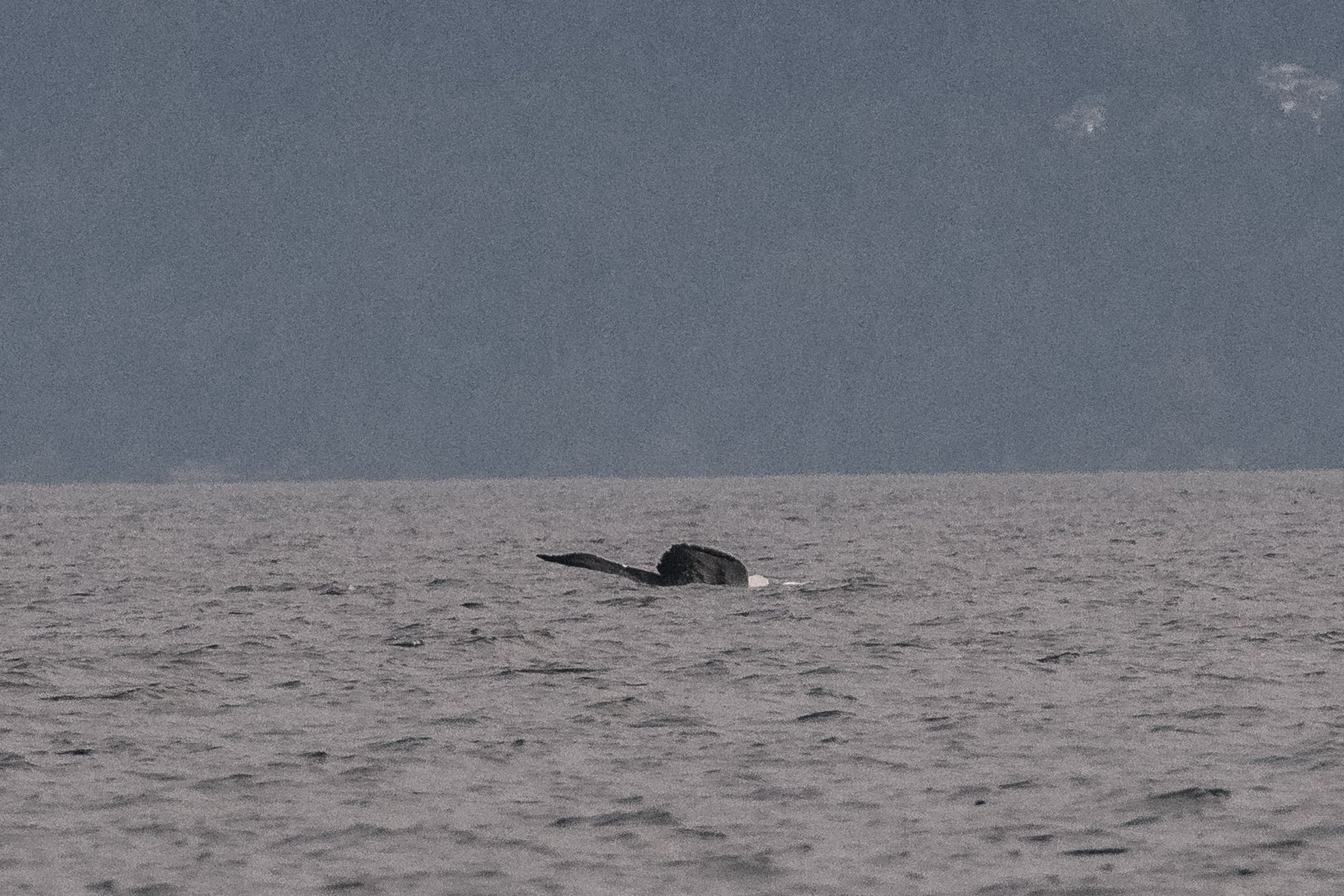
A tiny view of Smiley’s fluke in the distance - this is enough to confirm her ID though!
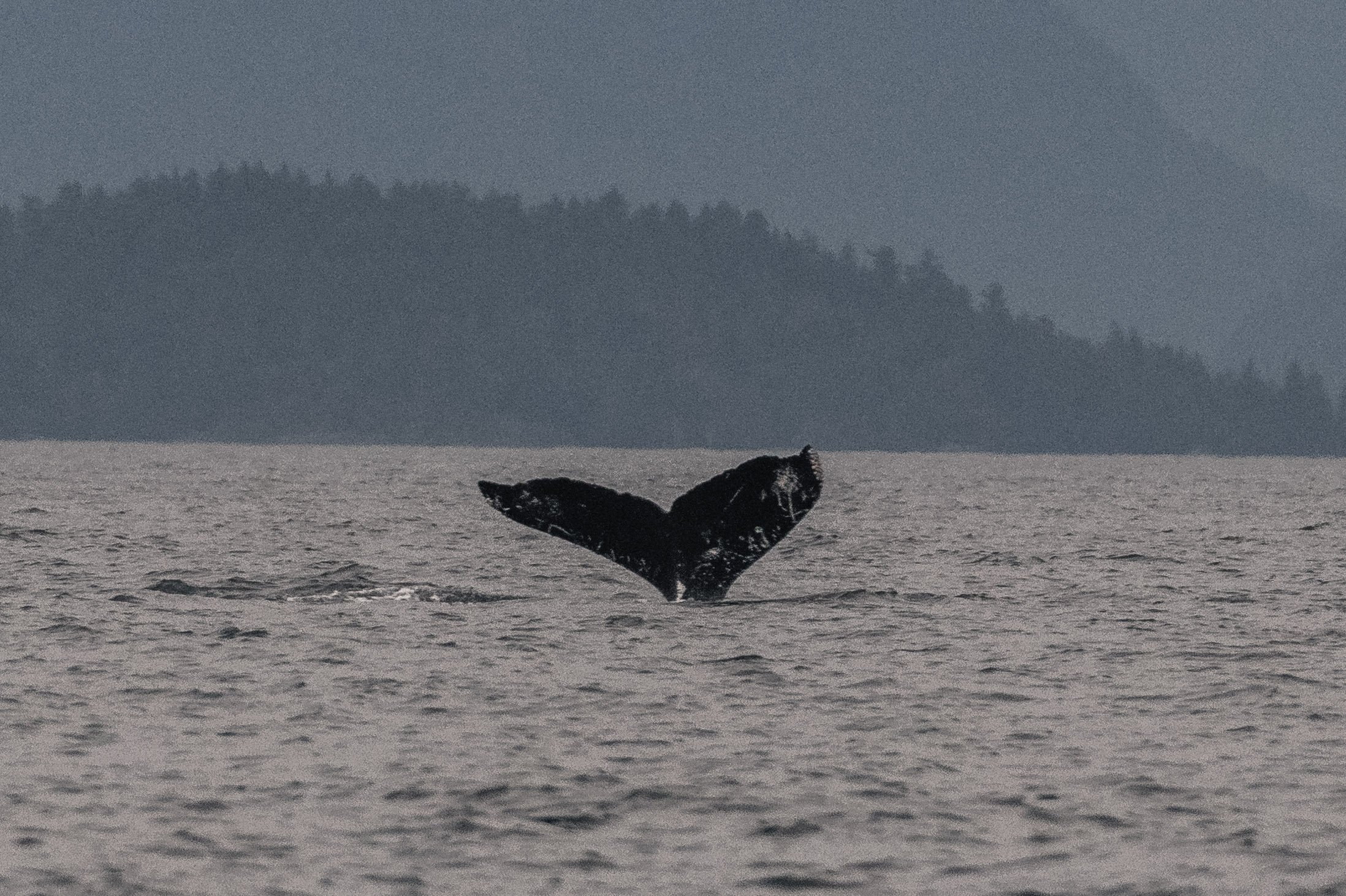
Crenel fluking in the distance
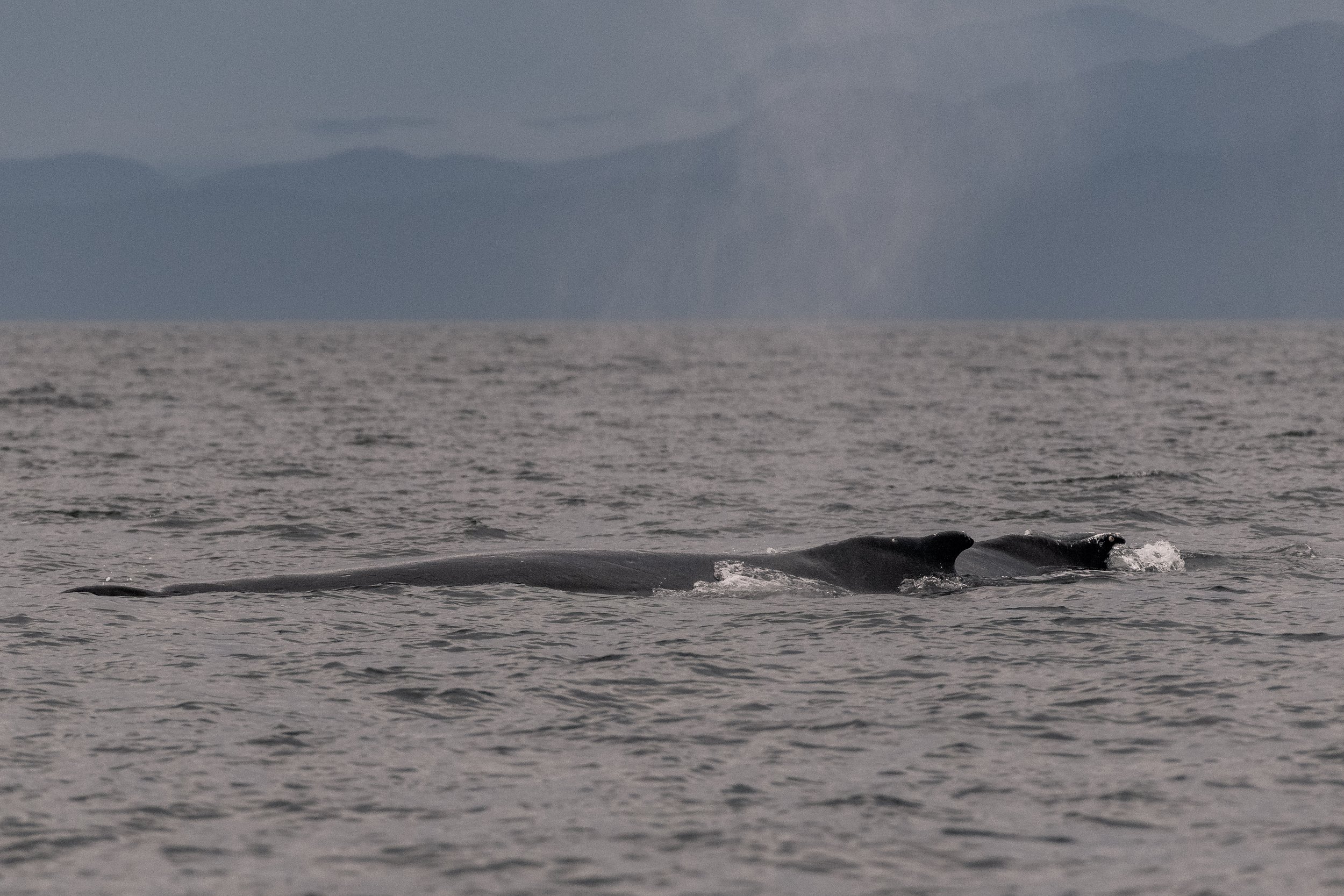
Holey Moley and Zorro surfacing side by side.
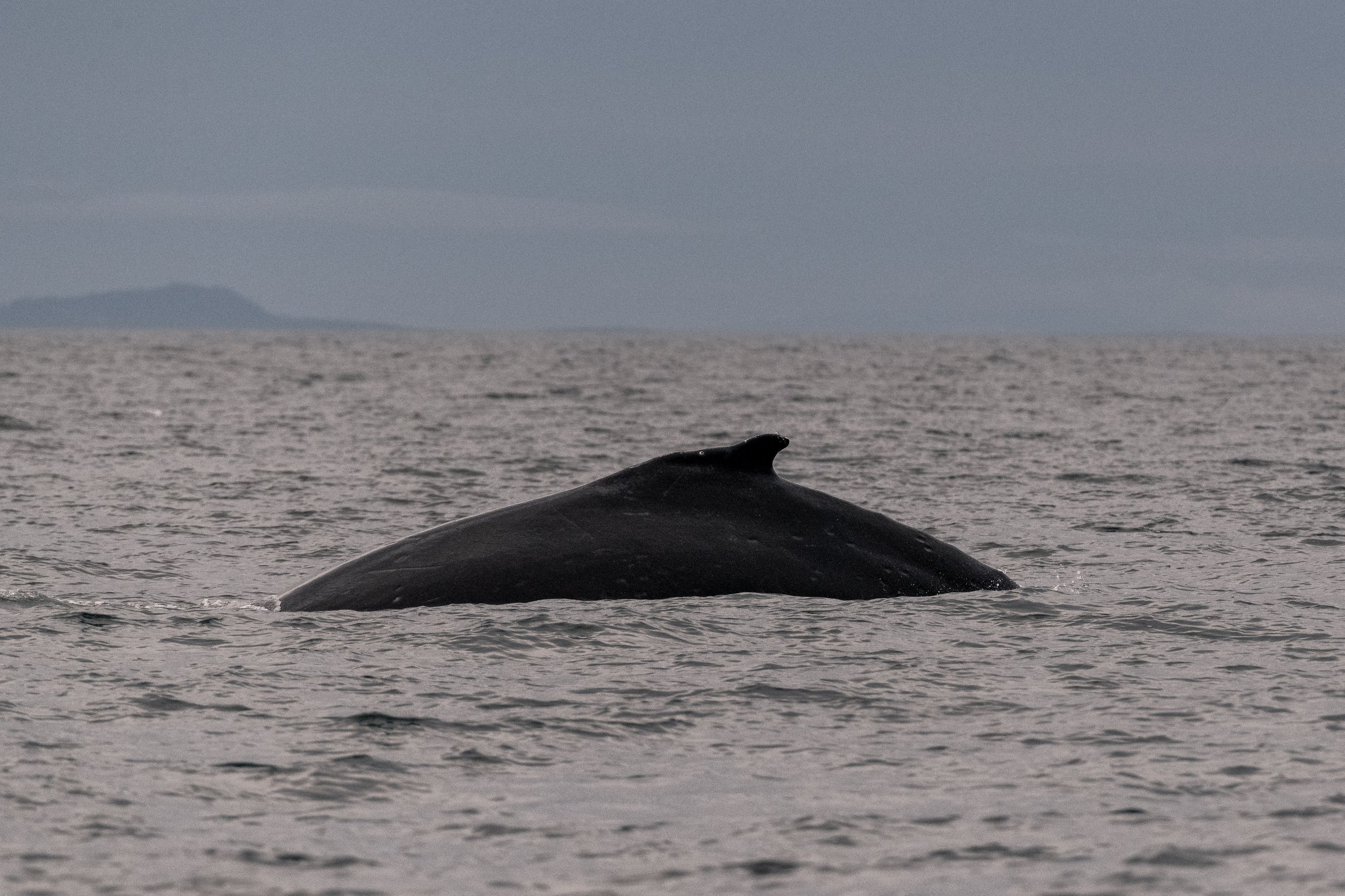
Holey Moley making way.
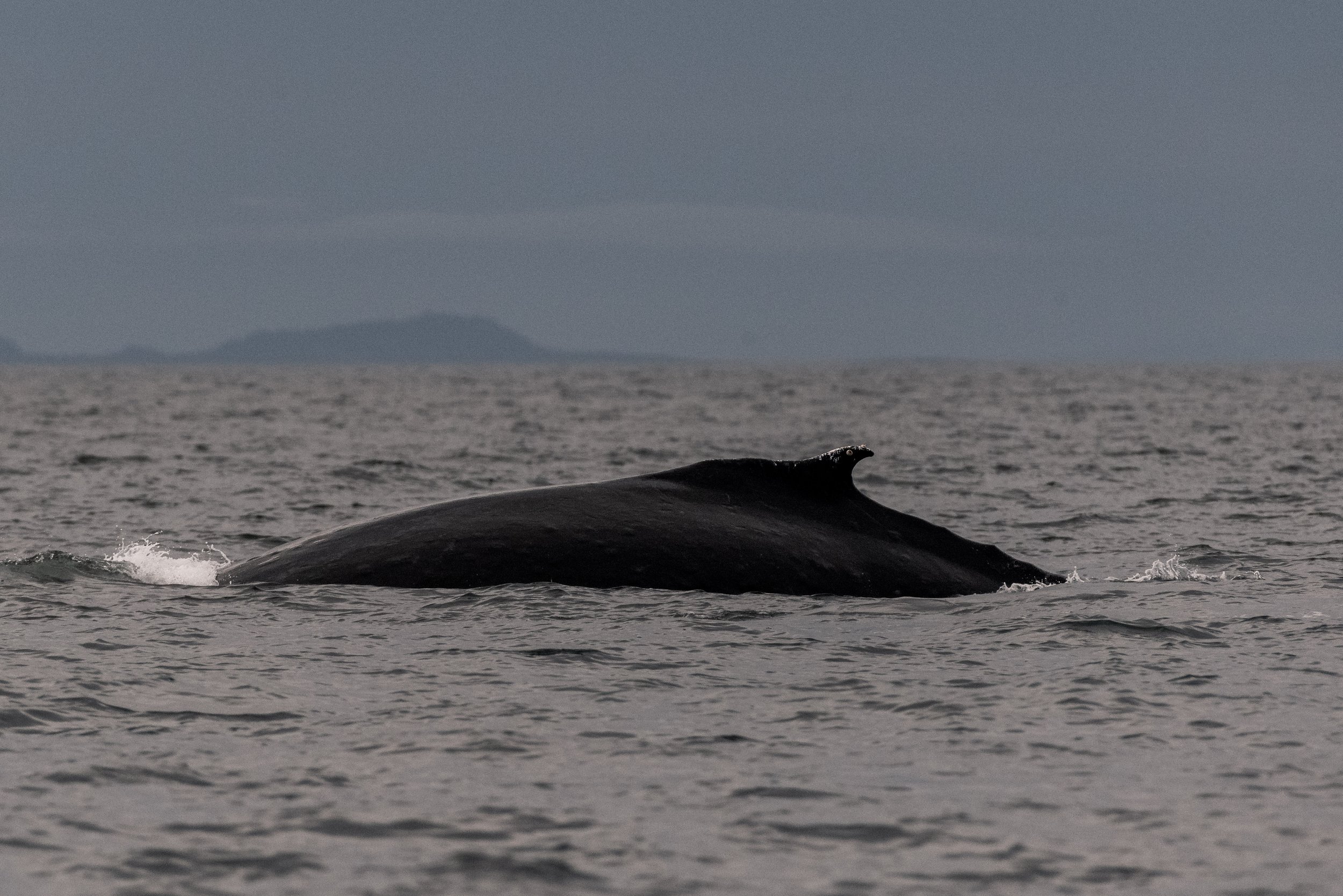
Zorro’s incredibly pointy dorsal fin.
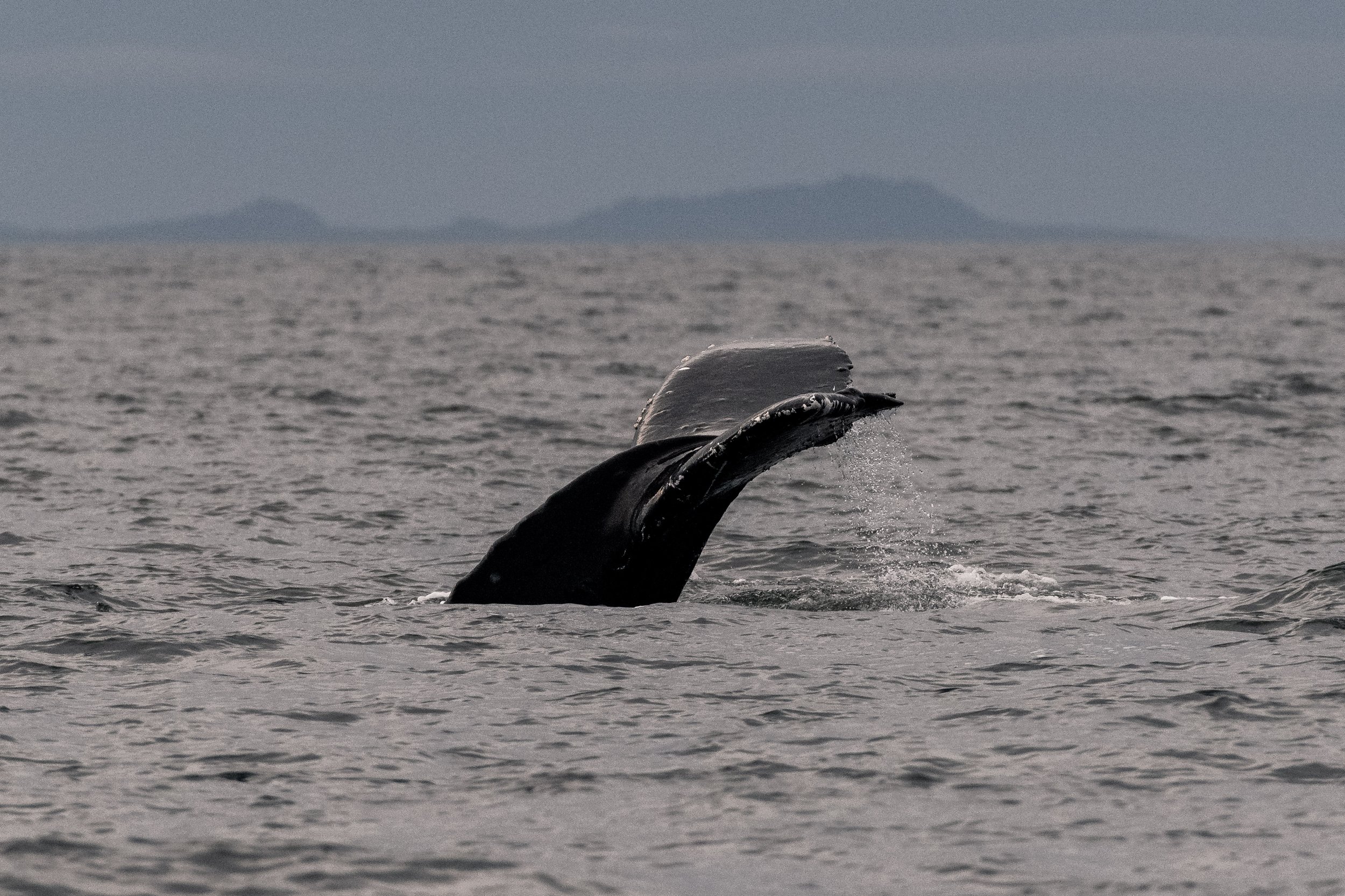
A side profile of Zorro’s fluke.
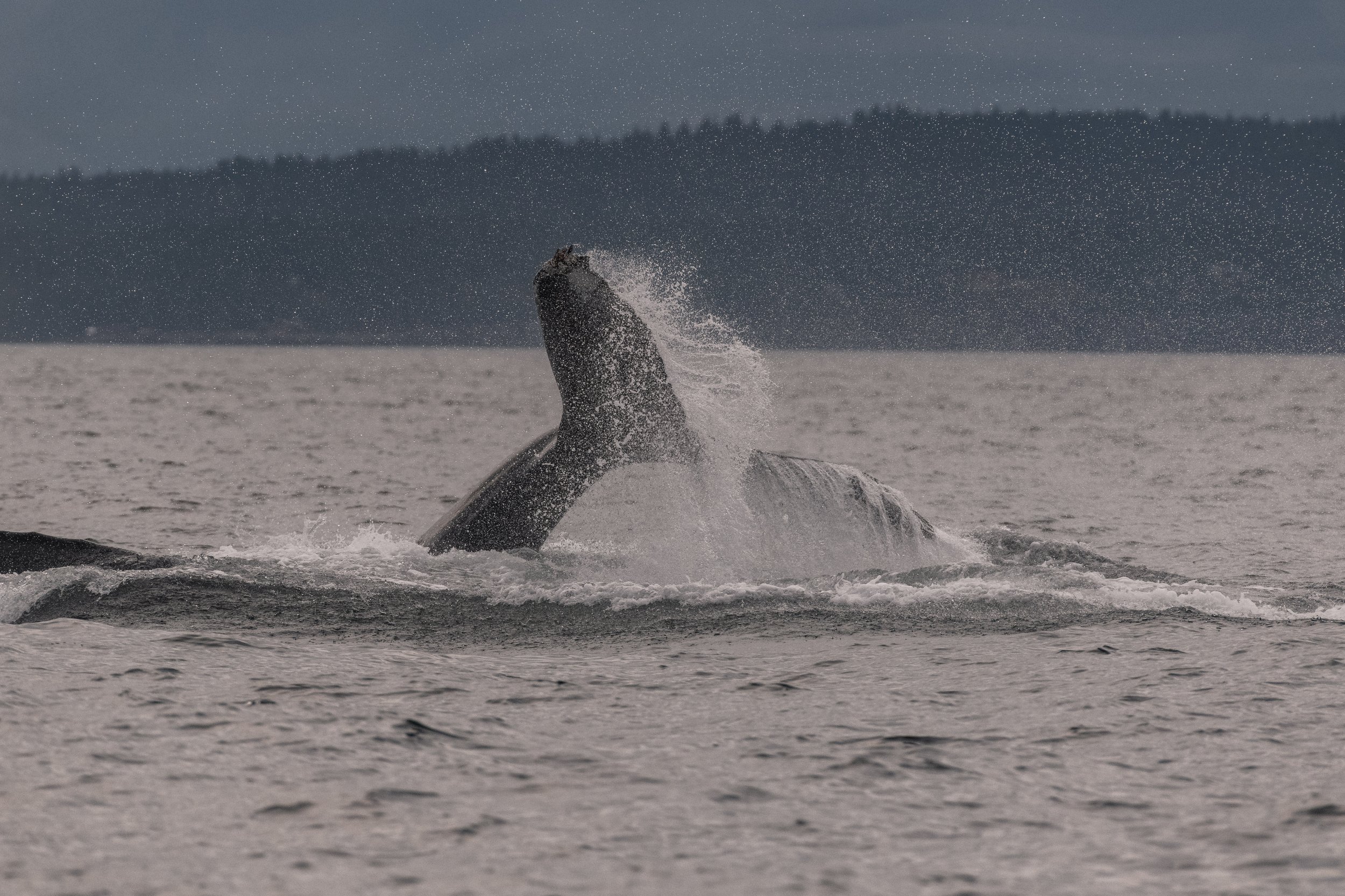
Lunchable tail lobbing away.
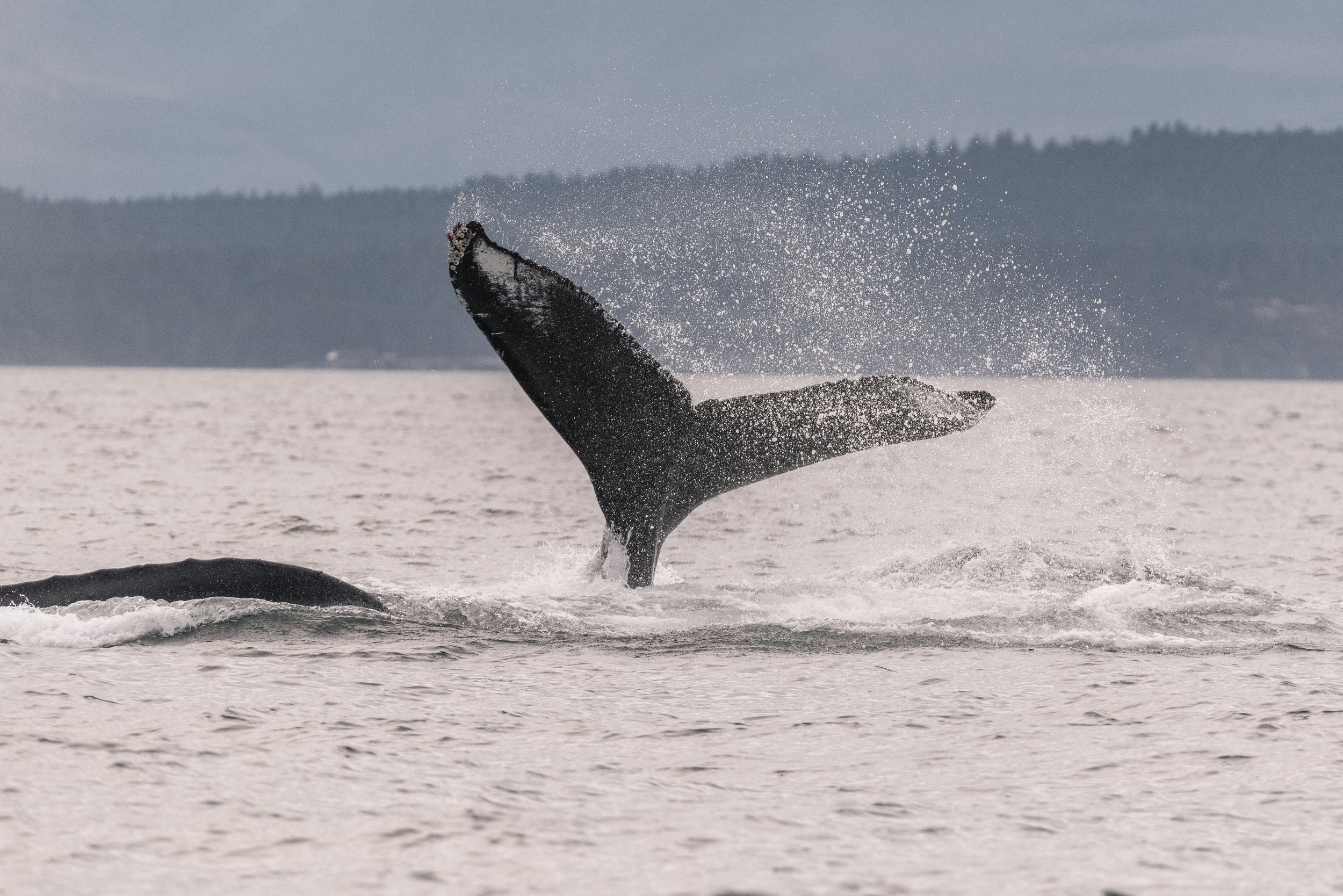
A good view at Lunchable’s fluke.
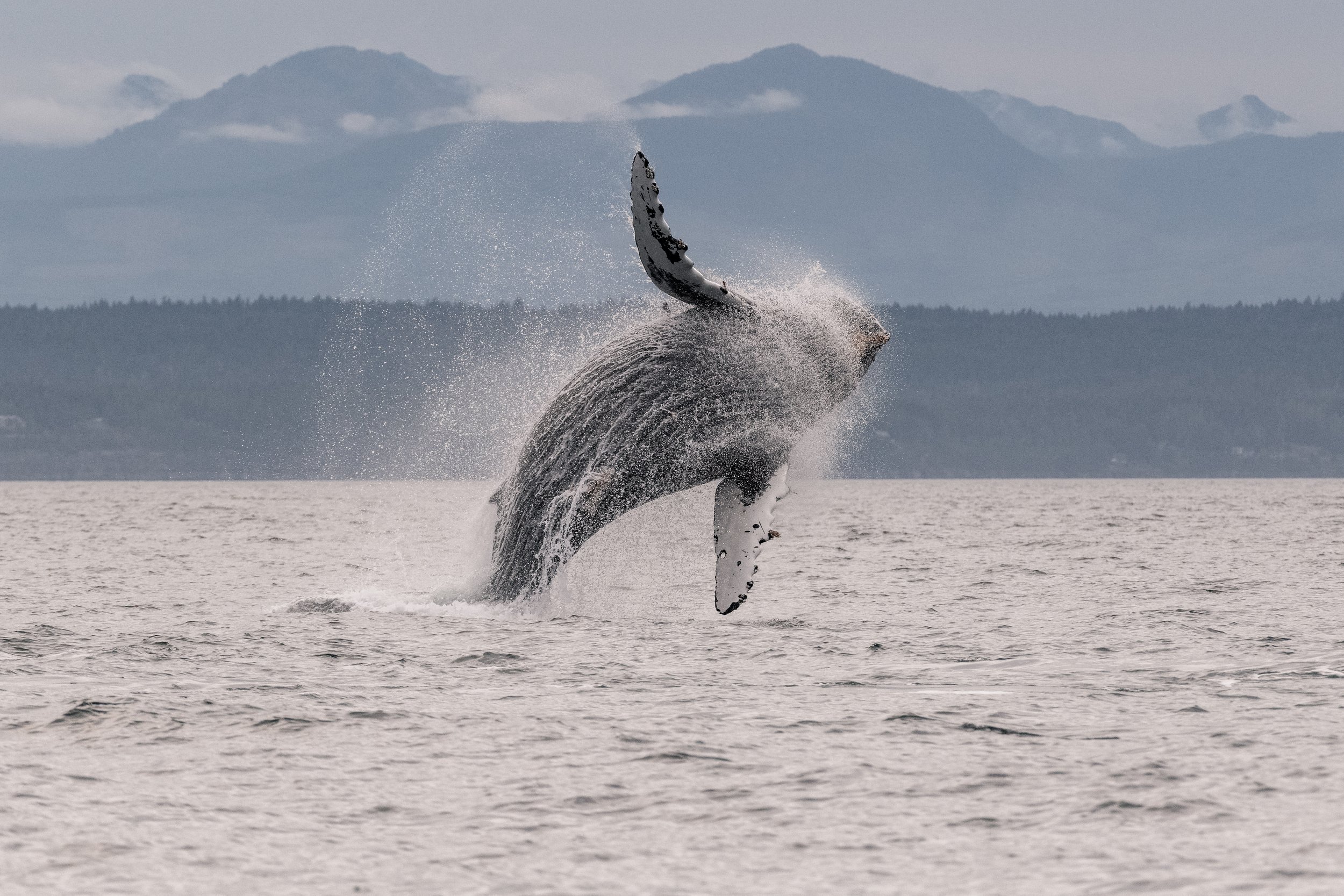
Lunchable launching high out of the water.
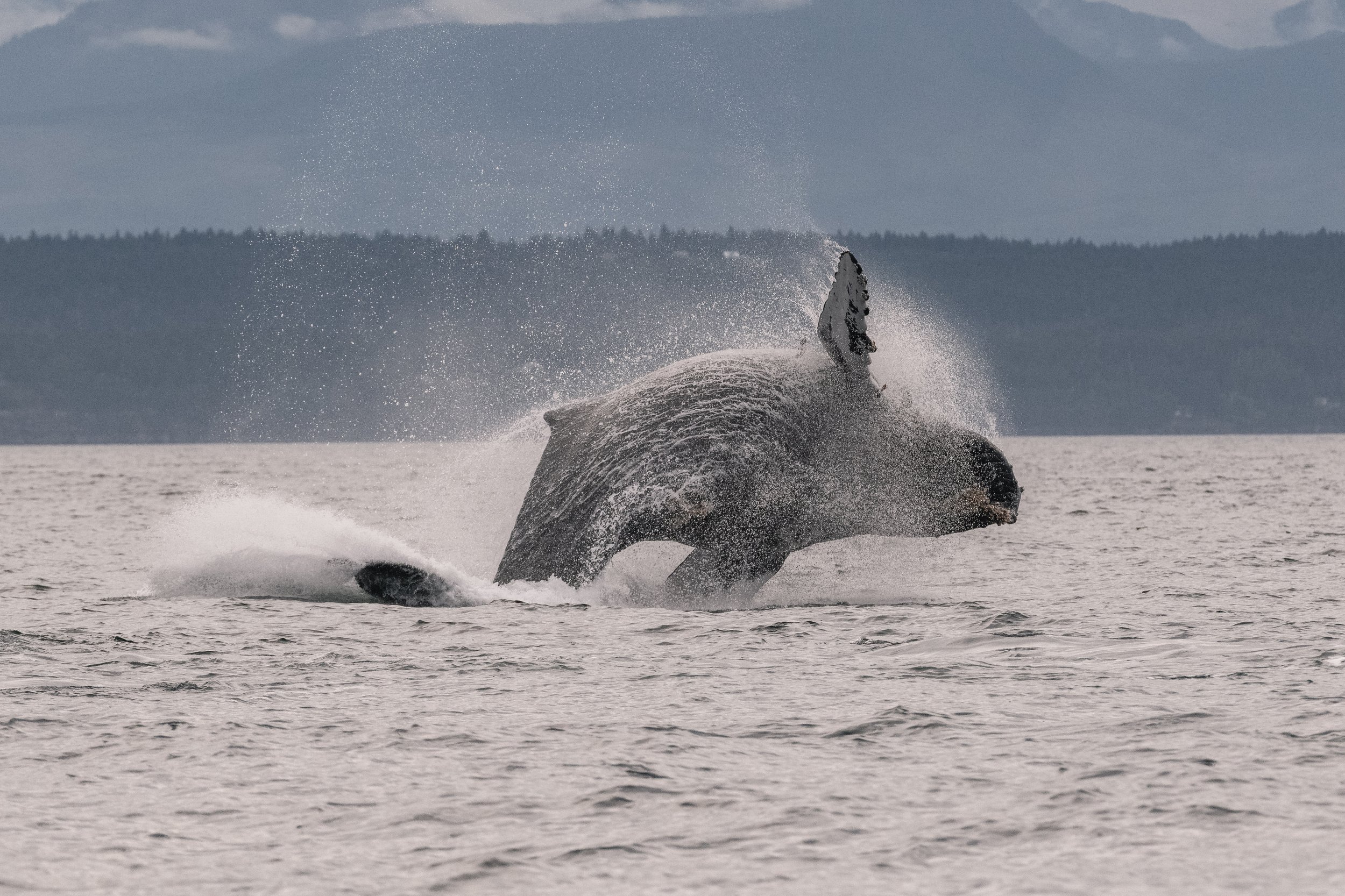
Coming in for a landing!
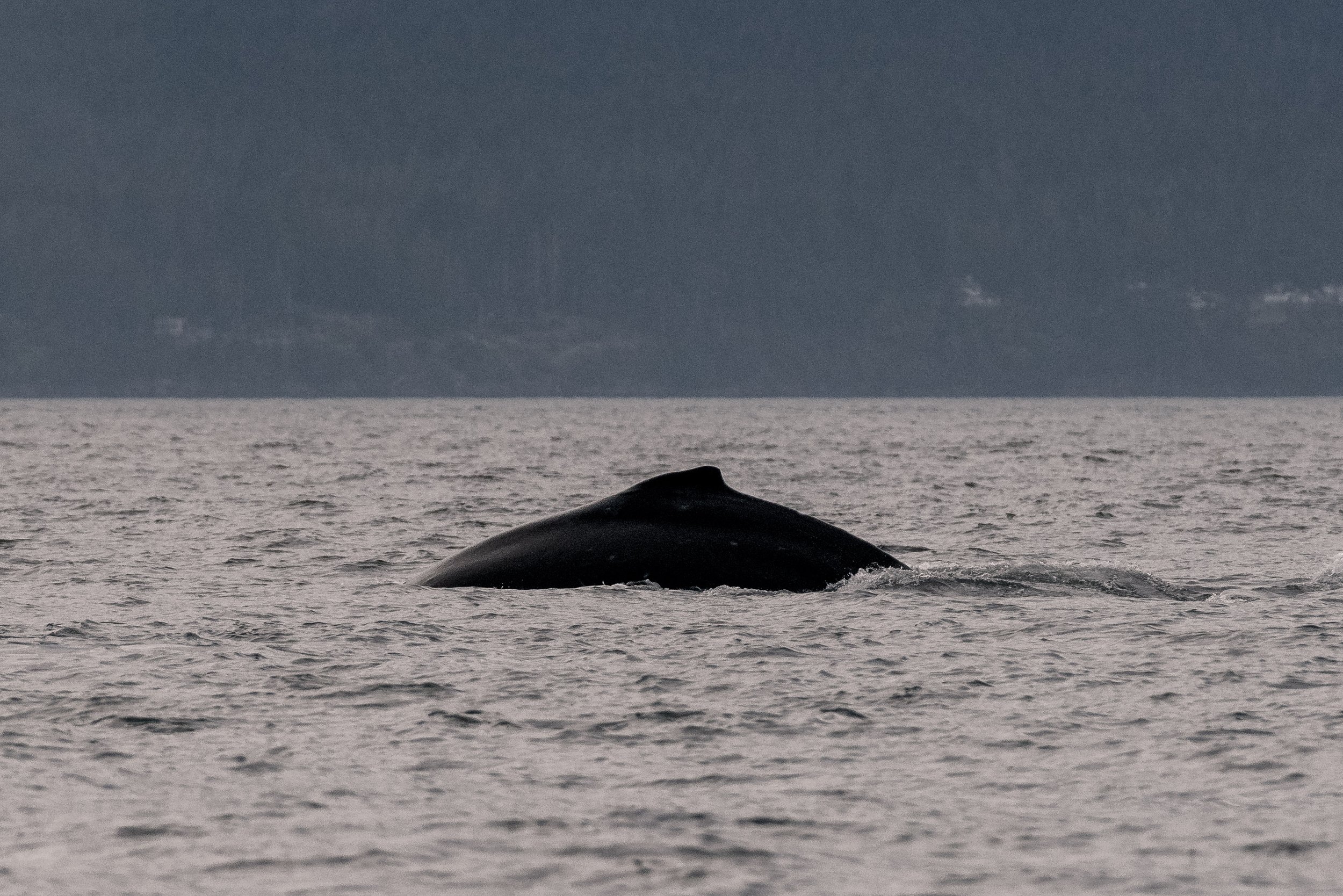
Lunchable cruising along.
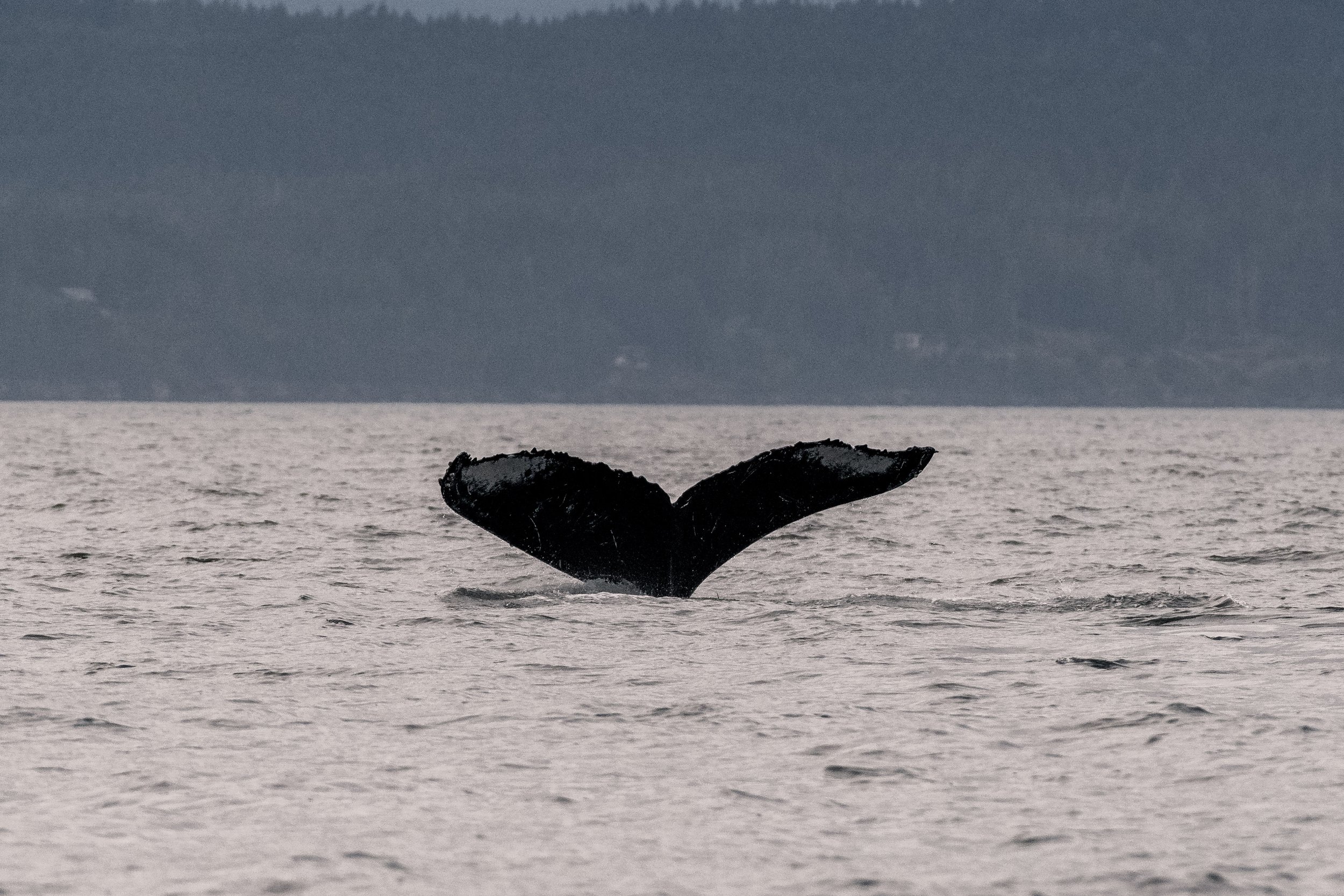
Orion fluking for a dive.
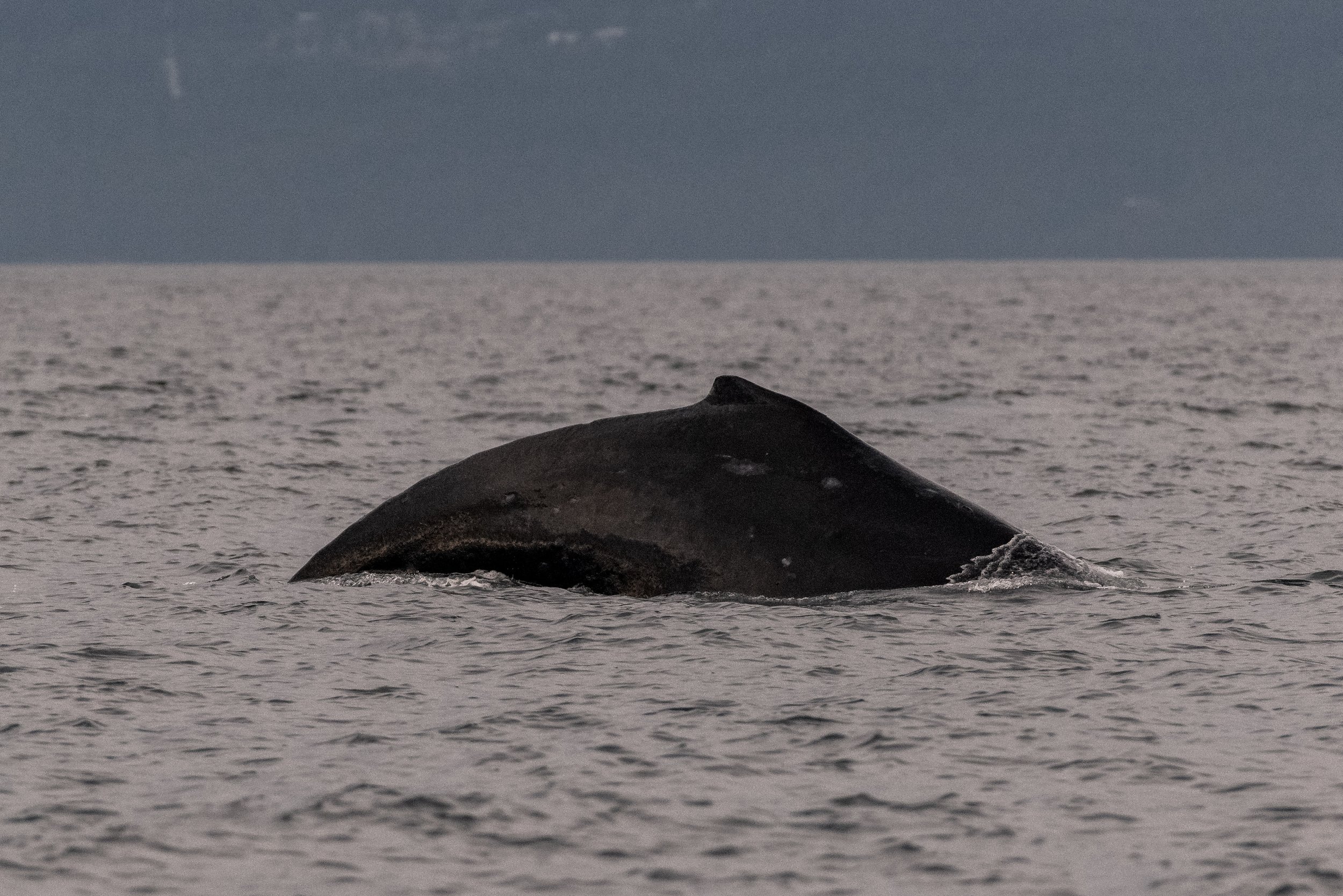
Lunchable arching for a dive.
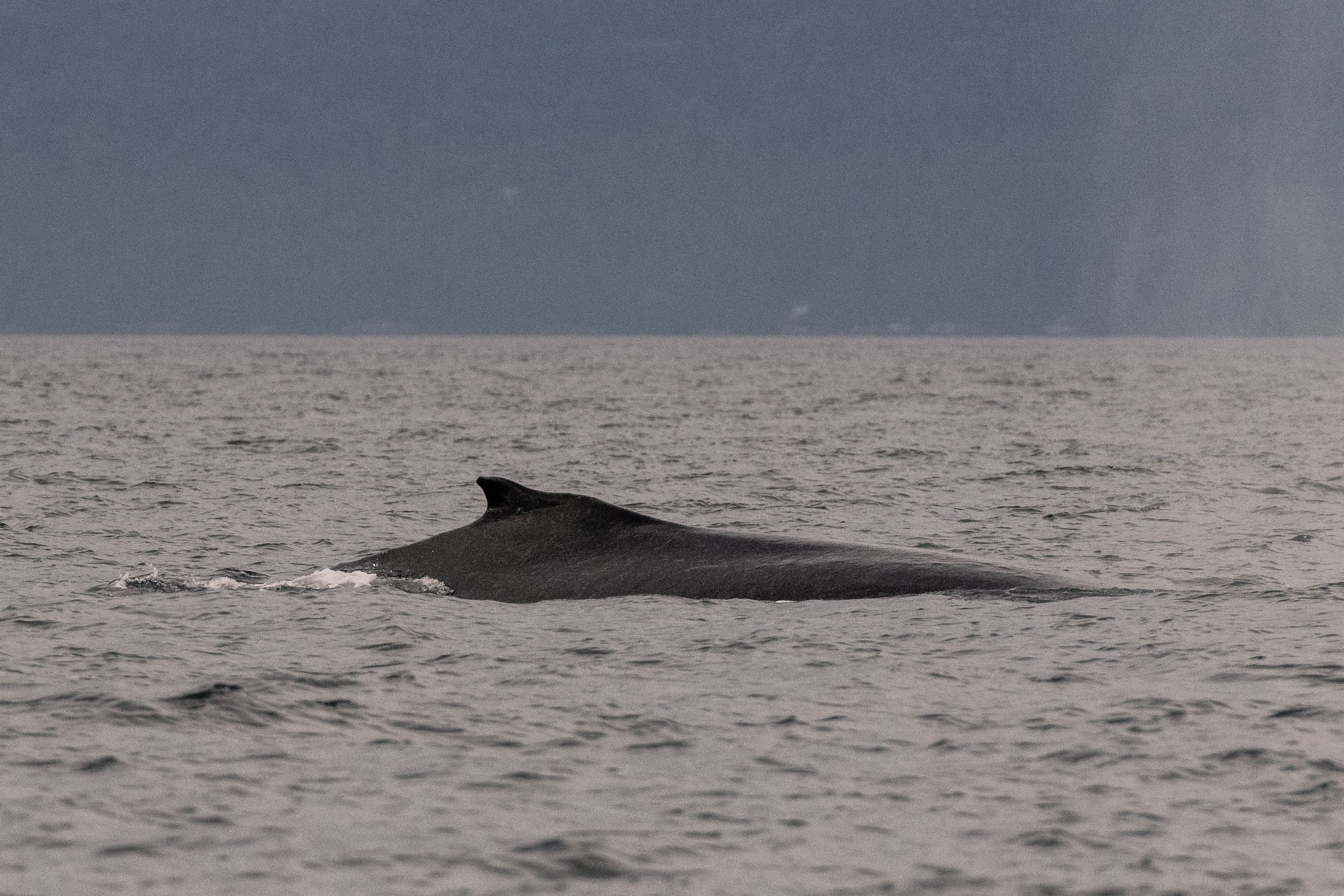
Orion’s uniquely hooked dorsal fin.
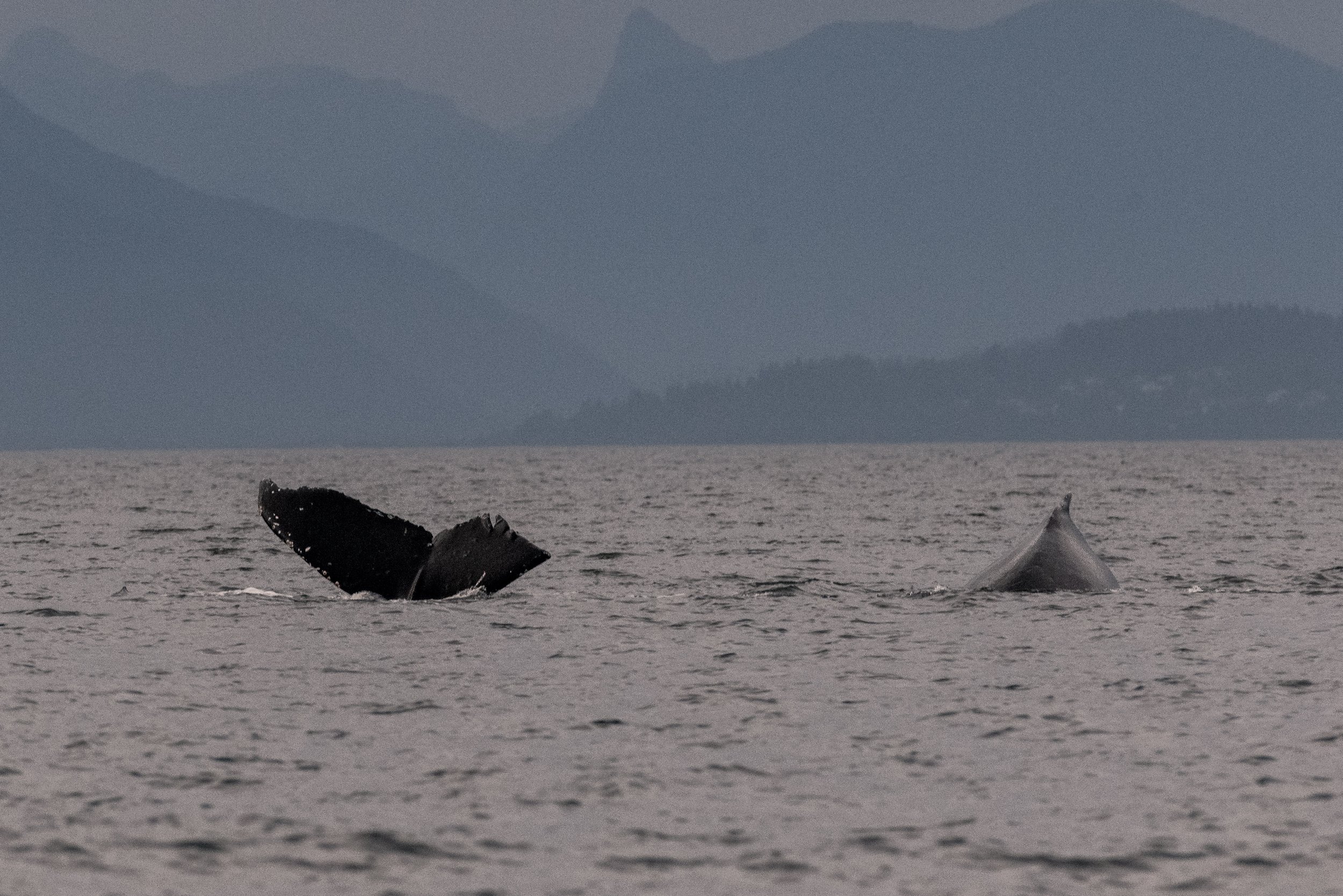
The top of Zorro’s fluke with another beside him.
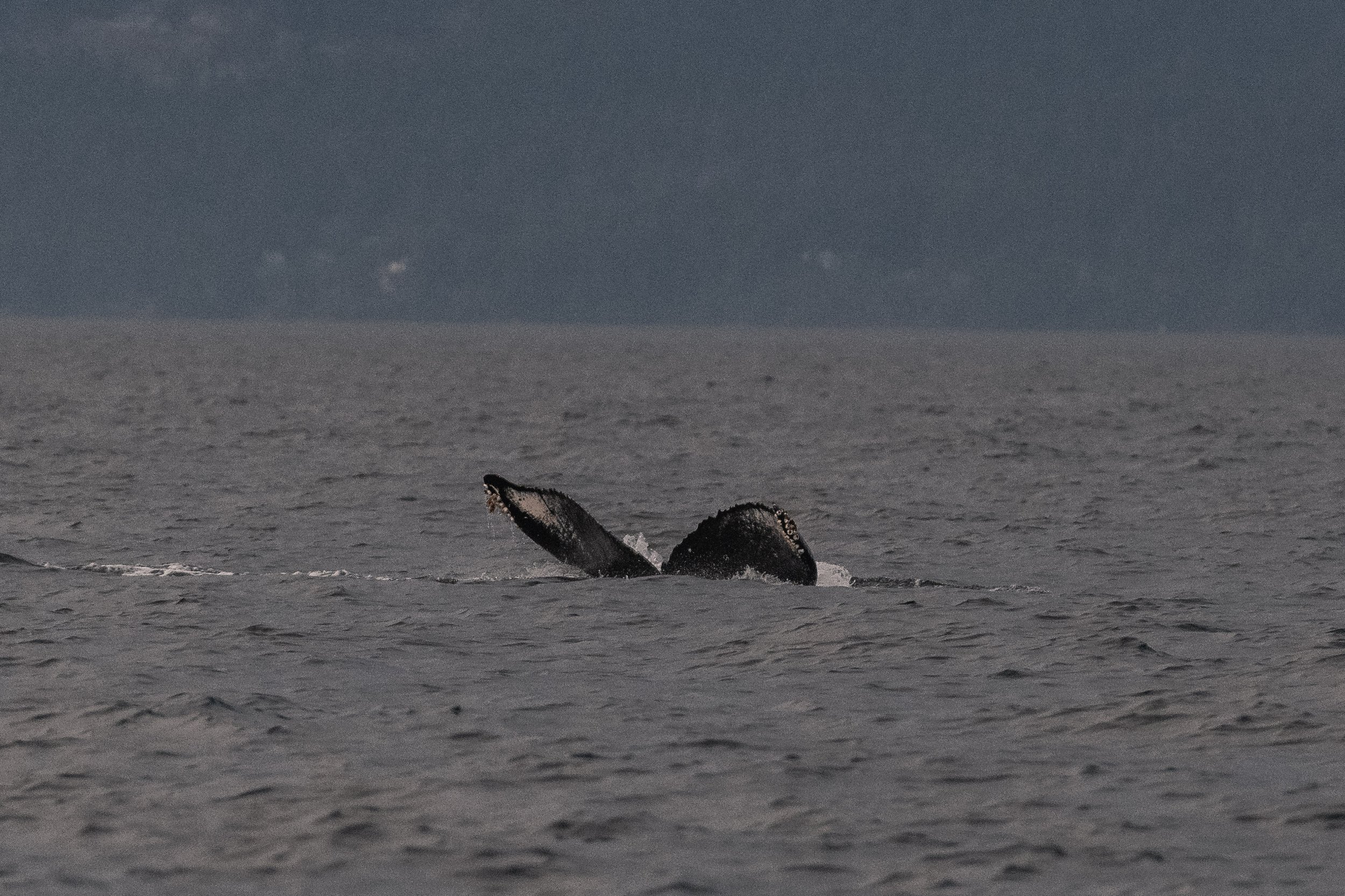
Lunchable diving with their flukes out of the water.