
September 7, 2026, 3:30 PM - A dozen humpbacks (plus two orca too!)
Two boats headed out from Nanaimo this afternoon, with Kula and Keta setting off in different directions to maximize our search area. Kula travelled north along Nanaimo’s shoreline while Keta ventured farther out into the open waters of the Strait of Georgia. It did not take long for both boats to find what they were looking for. Kula encountered a pair of humpbacks, while Keta came across a much larger gathering of whales.
Kula had only a few surfaces with their first pair before identifying them as Stripe (BCZ004) and Crescent (BCX1258). A third humpback was travelling alongside them when we first arrived, but they soon separated before we got a photo of them, leaving the two identified whales to continue on their own.
Further offshore, Keta found itself surrounded by humpbacks. With whales surfacing in different directions, Naturalist Jordan began photographing as quickly as possible, documenting the individuals moving throughout the area. More than a dozen humpbacks were nearby, creating an exciting scene as whales appeared and disappeared in all directions.
With so many whales spread across the area, we likely missed some individuals for photo IDs in the excitement. Still, our photos allowed us to identify six whales: Orion (BCX1251), Watson/Cerulean (BCX1251), Helen (BCX2494), Kappa (BCX0158), Manta (BCZ0155), and Crater/Mensa (BCX1565). They crisscrossed through the area, sometimes travelling close together before separating again. Flukes rose above the surface as the whales dove, while new blows appeared in the distance, keeping everyone watching in every direction. It was an incredible time to see so many huge animals foraging together in the same area.
After spending some time with the humpbacks, both boats continued on in search mode. It wasn't long before we spotted another pair of whales. This time, it was the other commonly seen species in our area - orcas! We identified the two as T063 Chainsaw and T065 Whidbey II, a very familiar duo of fins to us. The pair travelled steadily northwest as we watched, offering a very different sight from the humpbacks we had just encountered:
T065 Whidbey II ♀ (~1971)
T063 Chainsaw ♂ (~1978)
Travelling takes up a huge portion of an orca’s day, and these two were the perfect example of that. With no clear goal in mind, they seemed to be enjoying just cruising along, potentially on their way to another haul out further north. After some time with them, we said our goodbyes and departed.
The day was young, though, and brought even more humpback encounters soon after. Once again, Kula and Keta separated to cover different areas. Keta found another pair farther out in the Strait of Georgia, while Kula encountered two humpbacks travelling through Northumberland Channel.
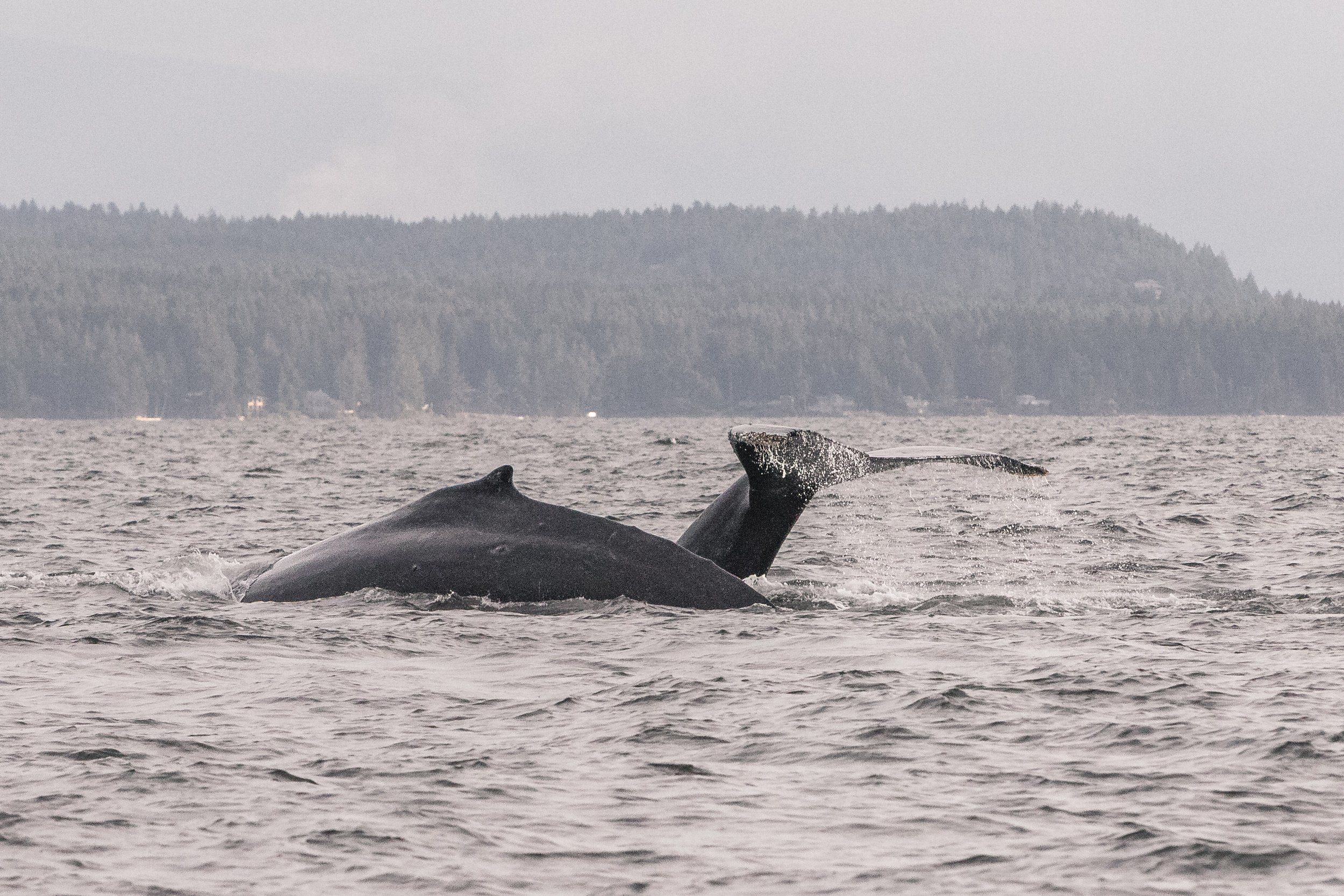
Keta identified their pair as Europa (BCX0864) and Bagheera (BCY1471). The two were particularly surface active as we approached, travelling together and regularly lifting their flukes above the water. Then their behaviour changed. Both whales began lunging at the surface, their mouths opening and snapping shut as they fed.
For a moment, their enormous baleen plates were visible inside their mouths as they surfaced. Baleen is made from keratin, the same structural protein found in our hair and fingernails, and acts as a filter for the small fish and invertebrates that make up a humpback’s diet. Today, baleen is a fascinating adaptation that allows these enormous animals to feed efficiently. Historically, however, it was also a highly valued material by humans. Because baleen is both strong and flexible, people used it to make items such as corset stays, carriage whips, and other products. Thankfully, modern alternatives have replaced the need for this material, allowing baleen whales to be appreciated for what they are rather than hunted for what they could provide.
Meanwhile, Kula was enjoying a quieter encounter in the picture-perfect waters of Northumberland Channel. Wolf Eel (BCY0940) and Nalu (BCY1072) travelled steadily through the channel, surfacing and fluking as they moved through the calm water. Both whales are confirmed females, which raises the question of whether they are currently travelling as ‘pregnancy buddies’. Time will tell, and we will eagerly wait to see if they return next year with little calves in tow!
The whales were not the only wildlife making an appearance throughout the day, though. Near Entrance Island, Harbour Seals and cormorants were spotted around an area cheekily known as Seal Rock, with most of the animals simply resting along the rocks. Closer to Harmac Pulpmill, California Sea Lions lounged on the log booms, taking advantage of the moment to snooze the day away.
With so many different encounters throughout the day, our boats eventually turned back toward Nanaimo. It had been an incredible day full of many different encounters, from orca to humpbacks to seals and birds, and we felt thankful that we were able to see all of them in their natural habitat.
Photos taken by Marine Naturalists Des Poier and Jordan Robinson - please enjoy!
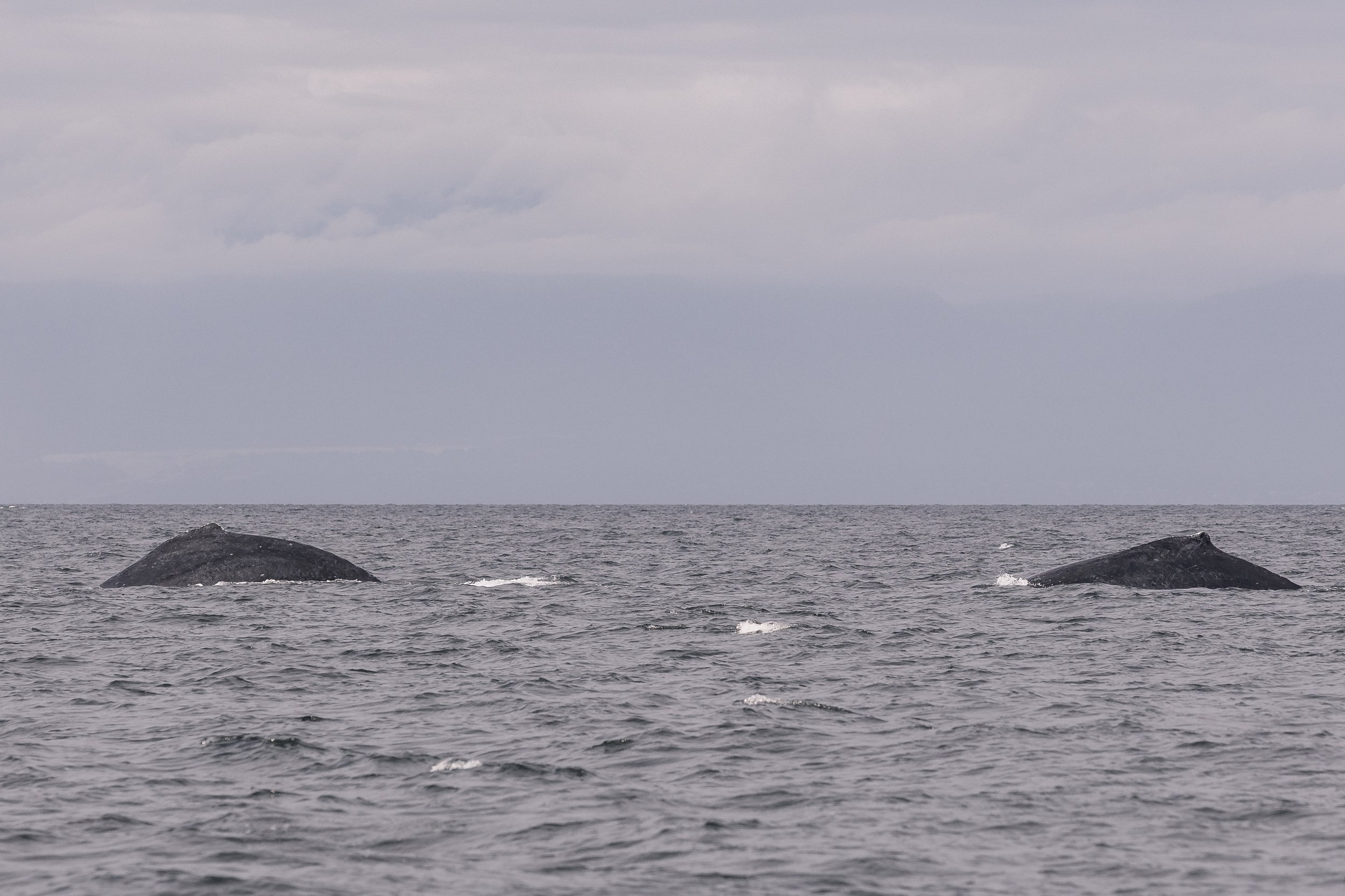
Stripe and Crescent travelling together. Photo by Des Poier.
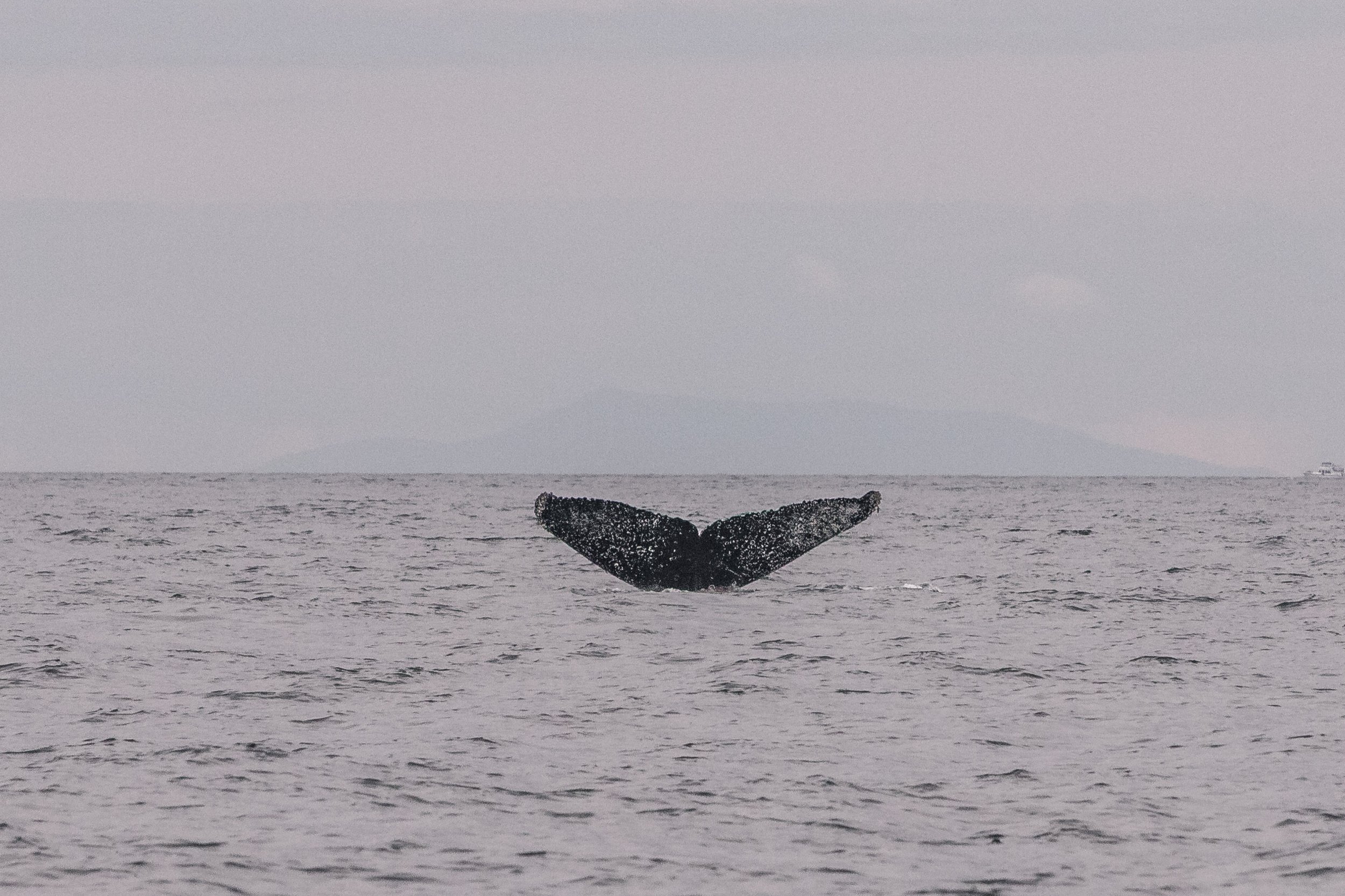
Watson/Cerulean preparing to dive. Photo by Jordan Robinson.
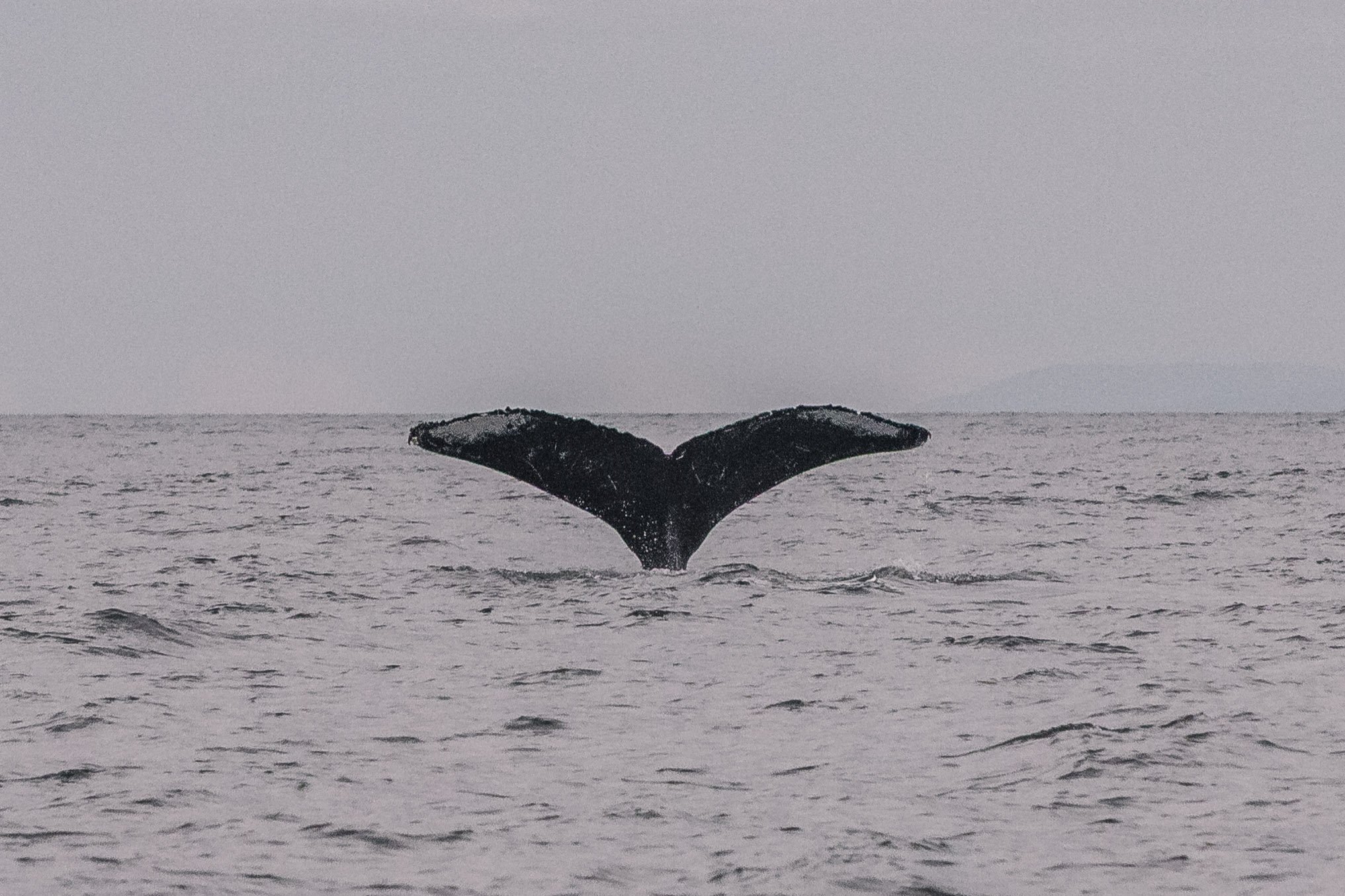
Orion’s very scarred up fluke. Photo by Jordan Robinson.
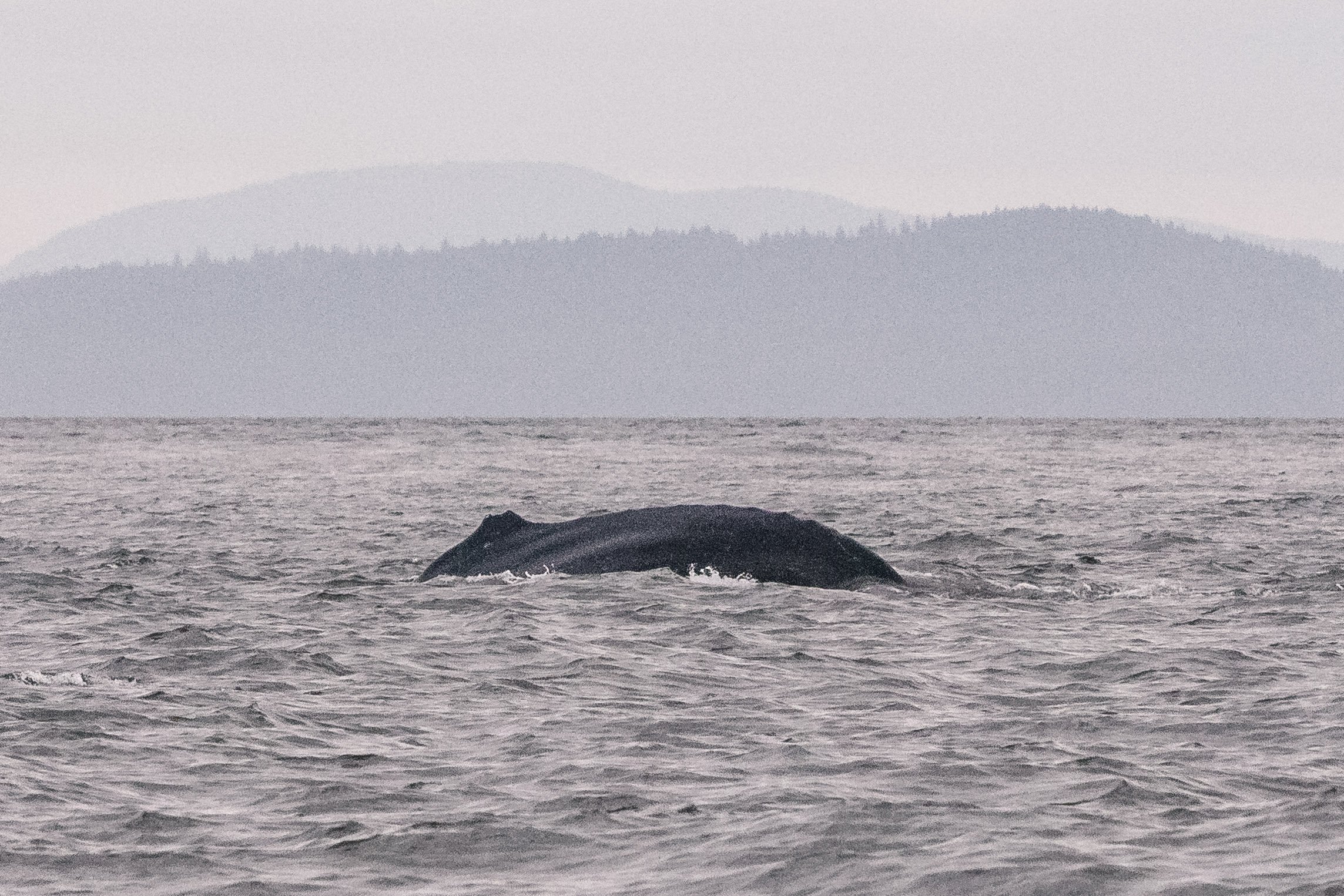
Crater arching as they go under. Photo by Jordan Robinson.
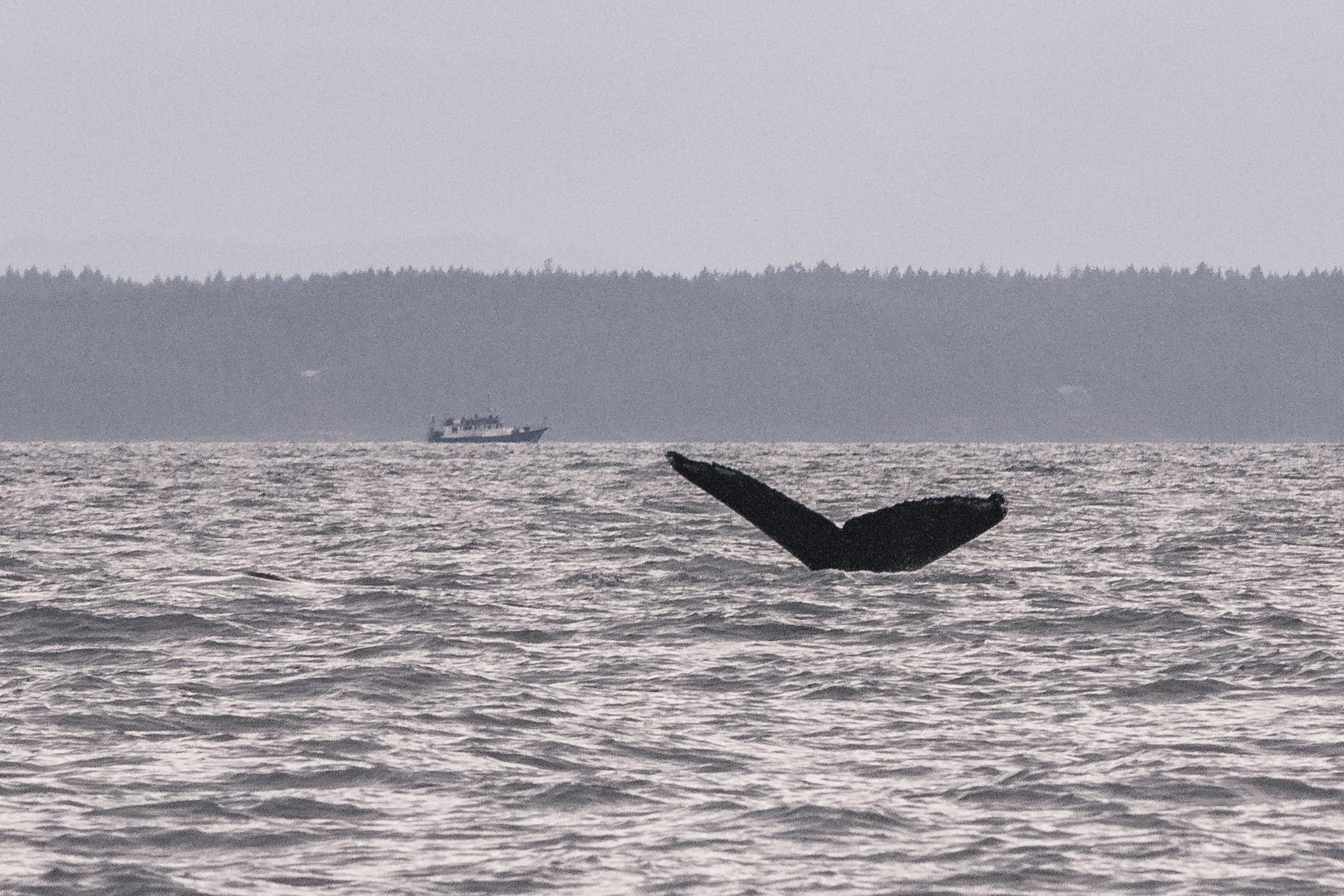
Helen fluking in the distance. Photo by Jordan Robinson.
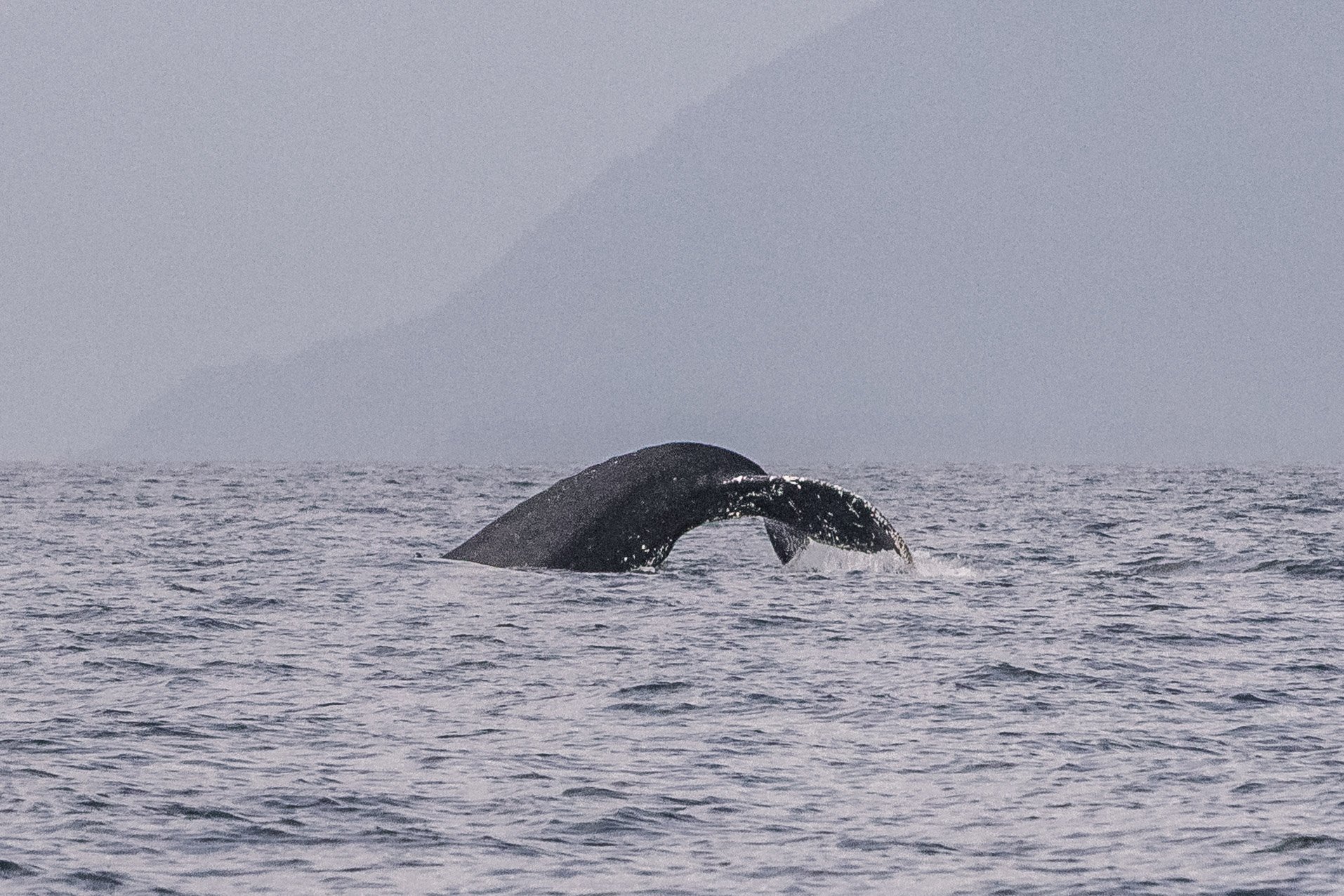
Kappa on the horizion, going down! Photo by Jordan Robinson.
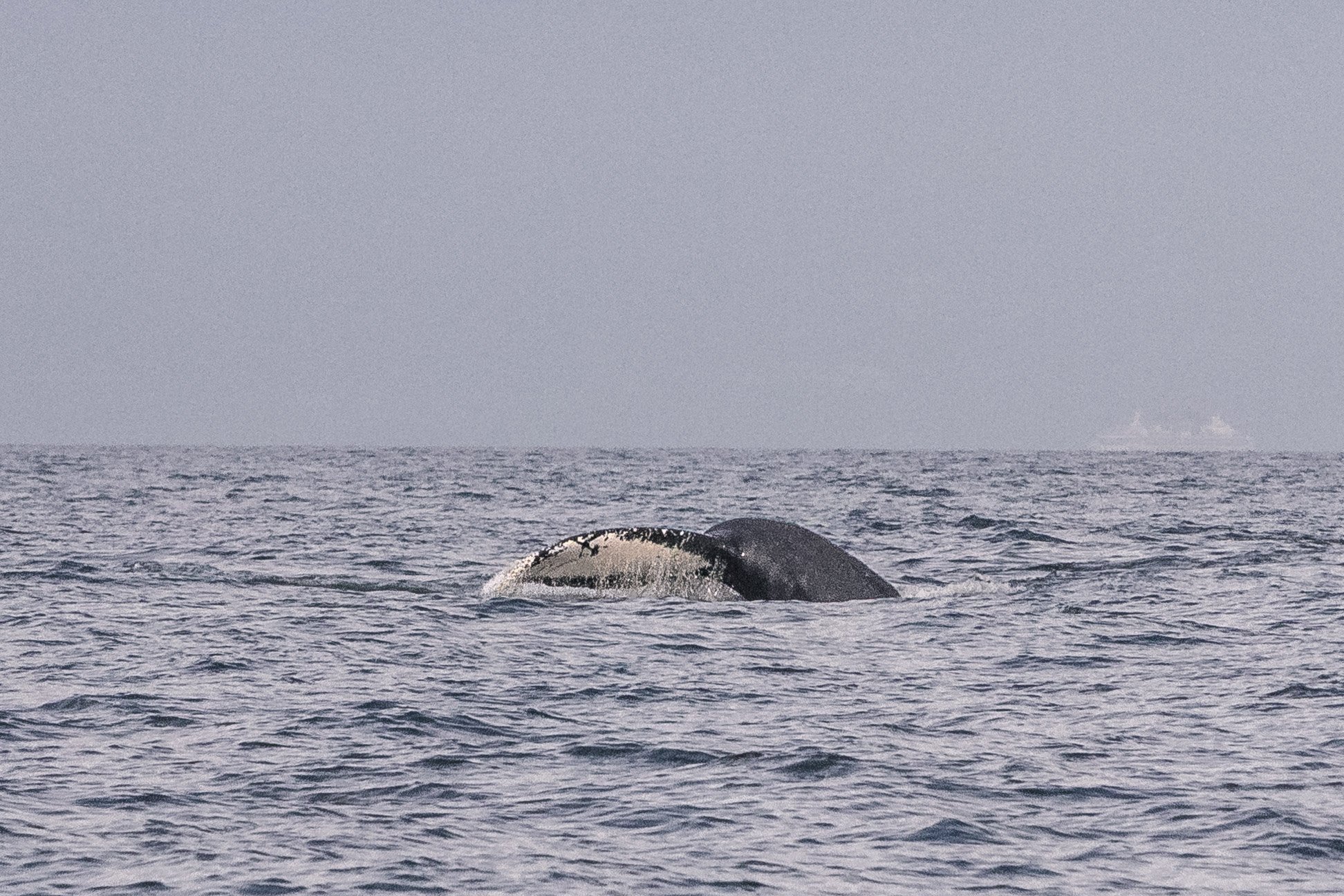
While only a partial fluke was visible, this is enough to confirm this is Manta! Photo by Jordan Robinson.
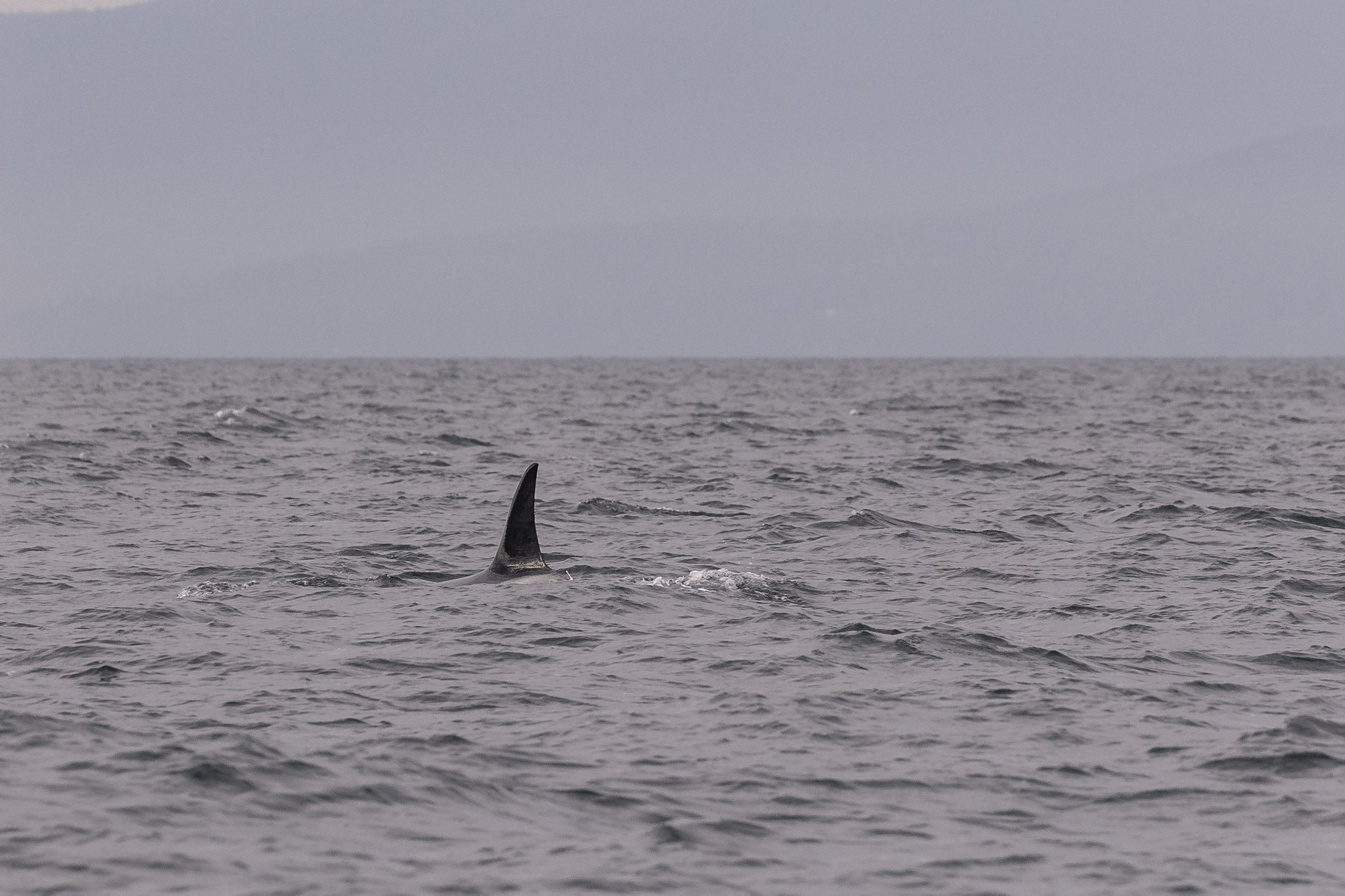
A quick peek at T065 Whidbey II, Chainsaw’s mother. Photo by Des Poier.
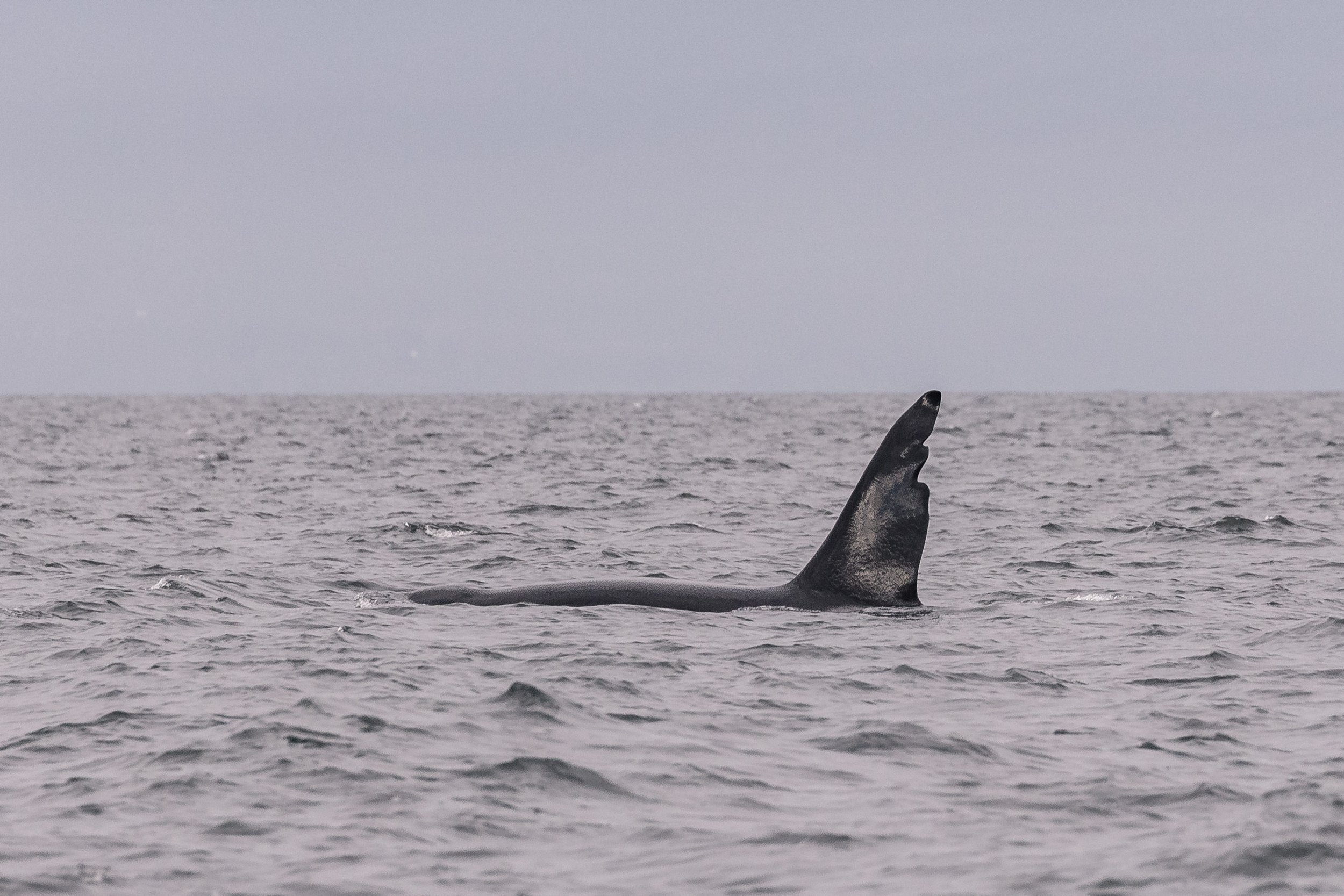
T063 Chainsaw, one of the most iconic fins in the area! Photo by Des Poier.
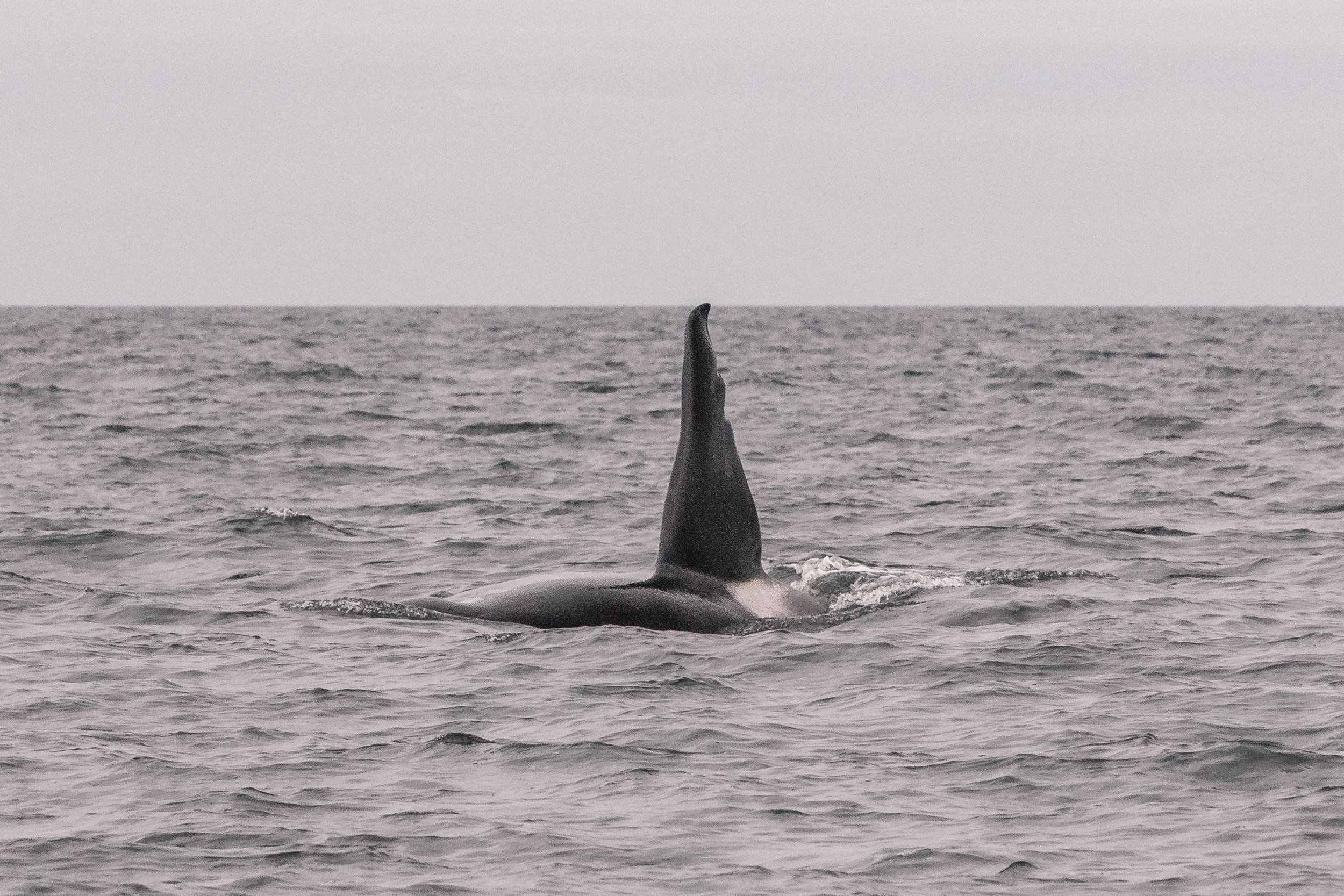
T063 Chainsaw zooming along. Photo by Jordan Robinson.
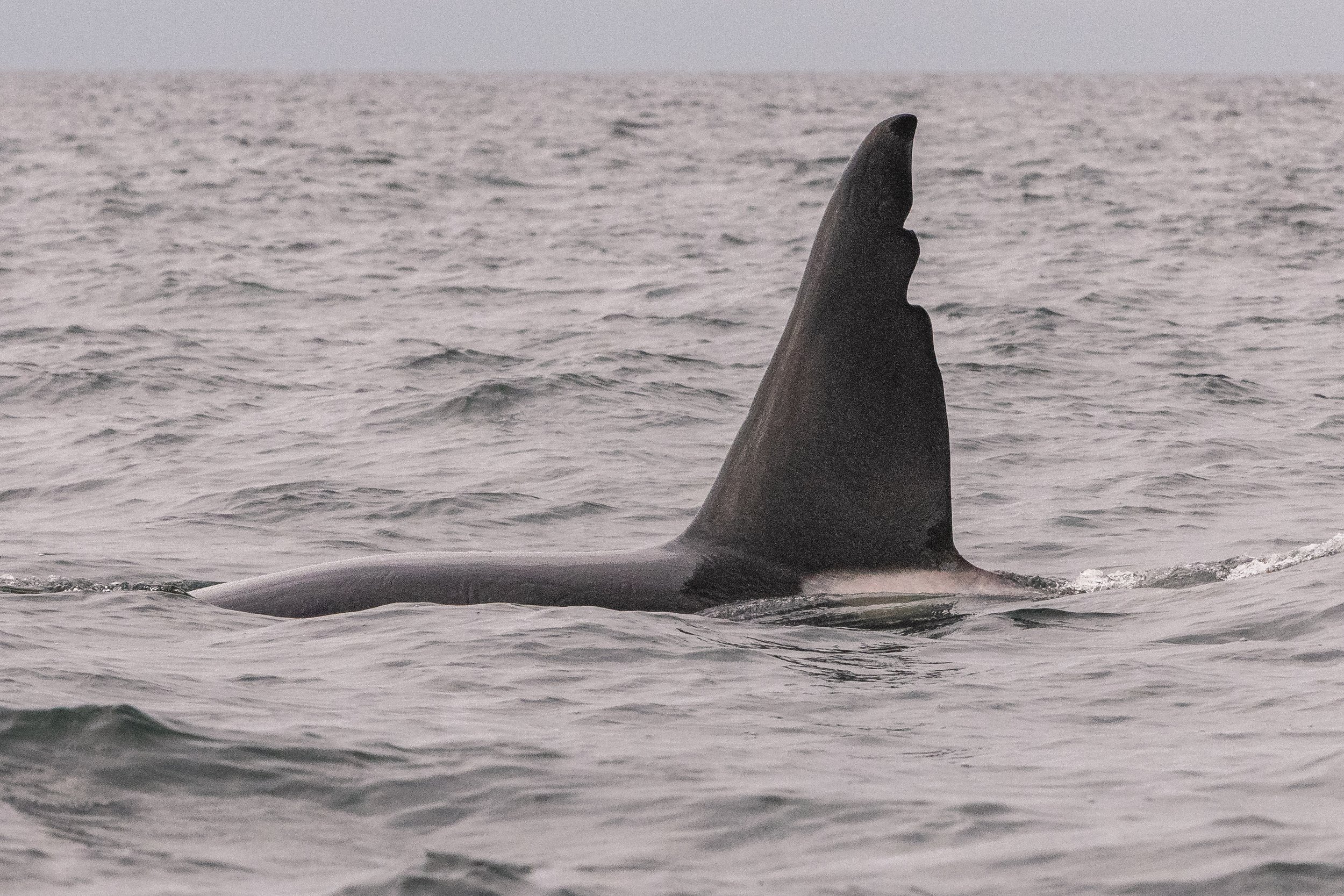
T063 Chainsaw with his very jagged dorsal fin visible. Photo by Jordan Robinson.
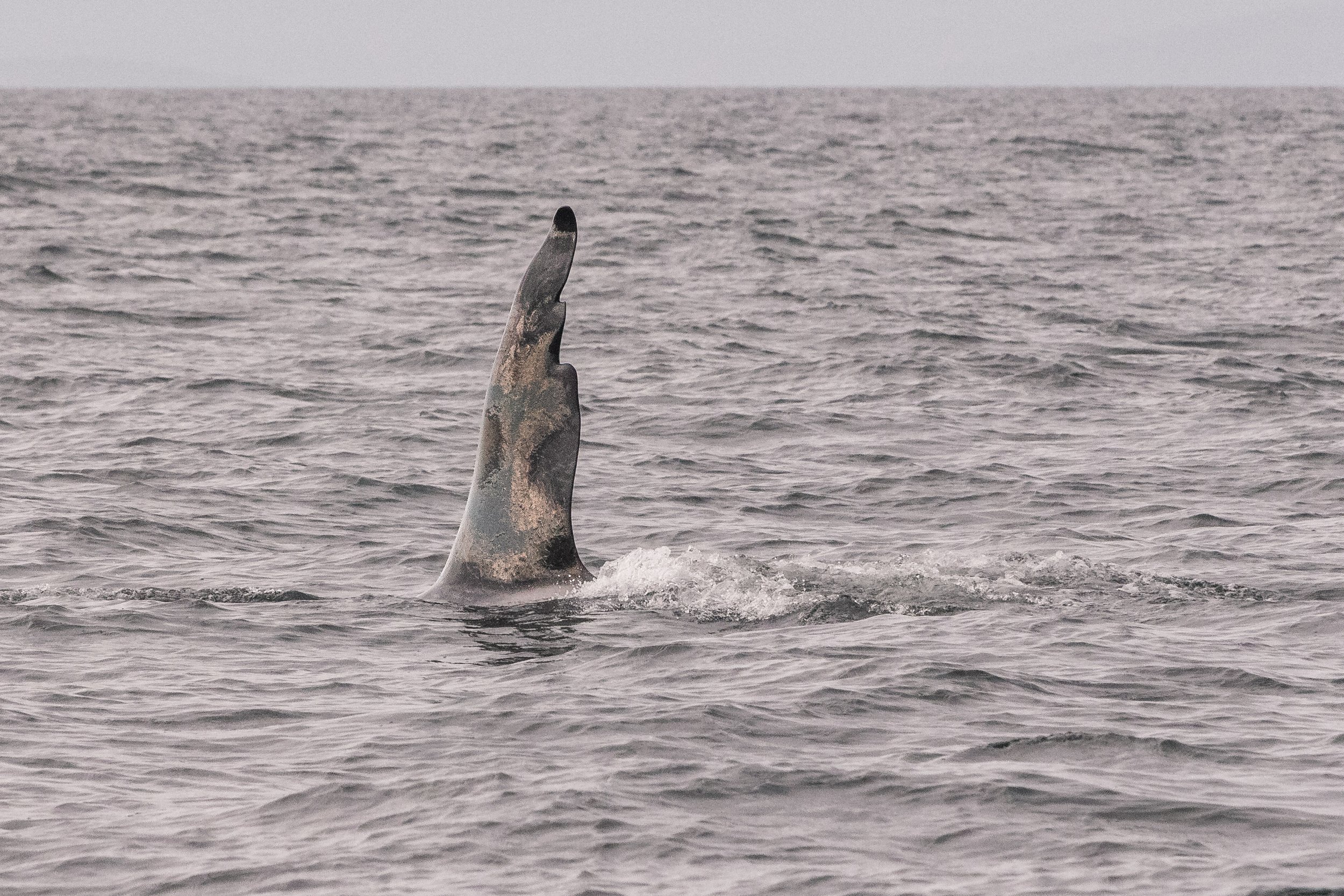
T063 Chainsaw wiggling away. Photo by Jordan Robinson.
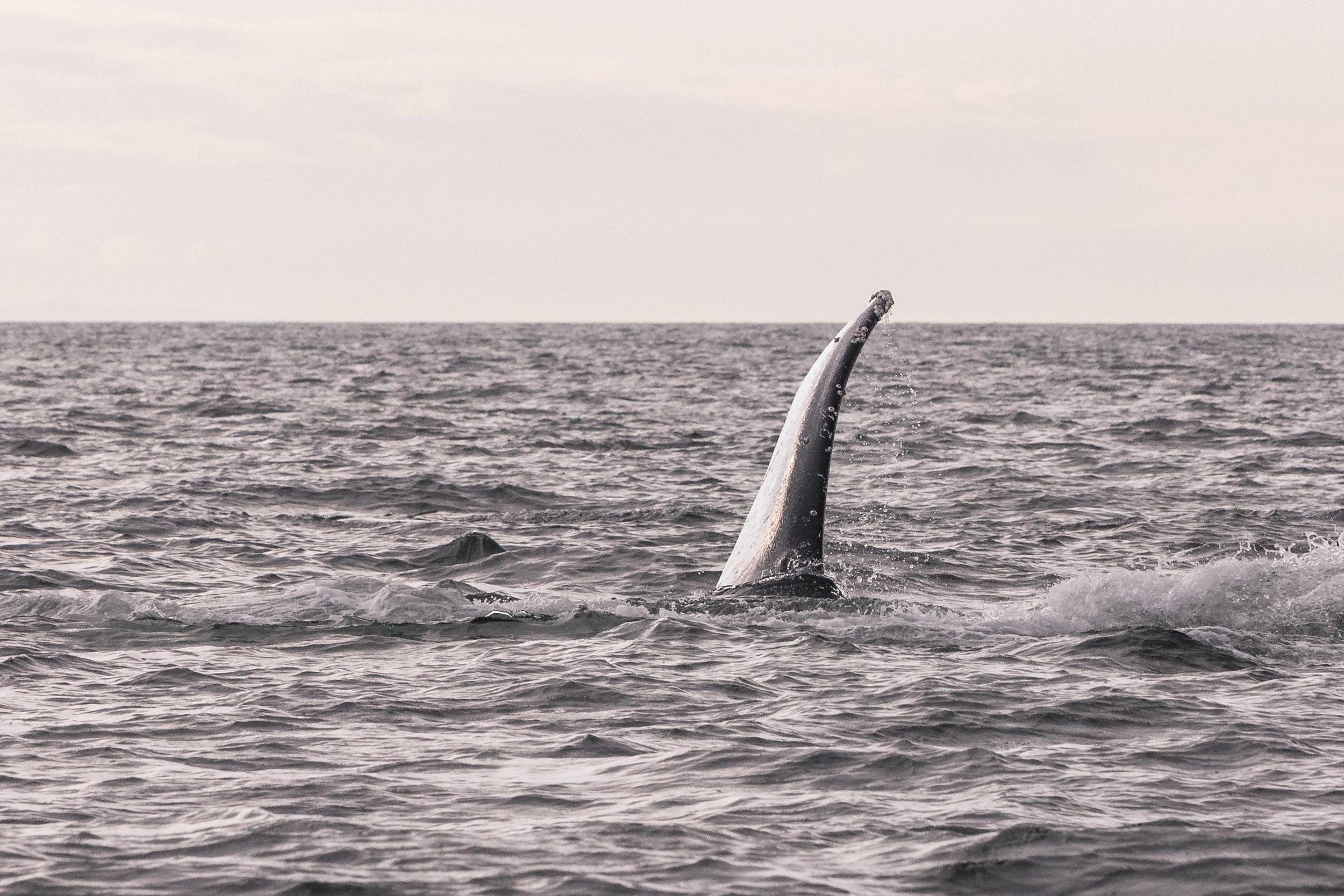
While this may look like an orca dorsal fin, it is actually half of a humpback fluke as they travel on their side. Photo by Jordan Robinson.
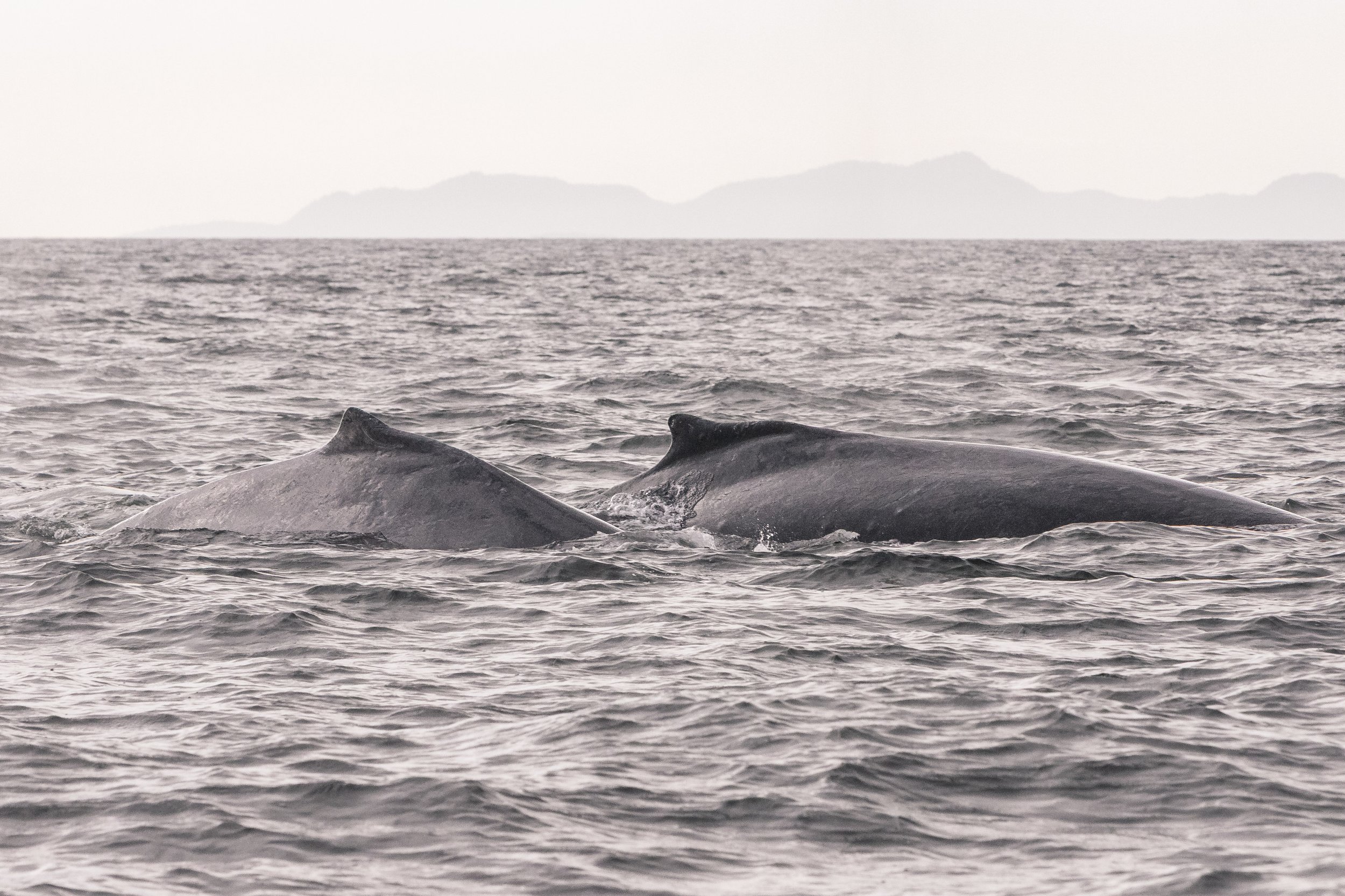
Europa (left) and Bagheera (right) side by side. Photo by Jordan Robinson.
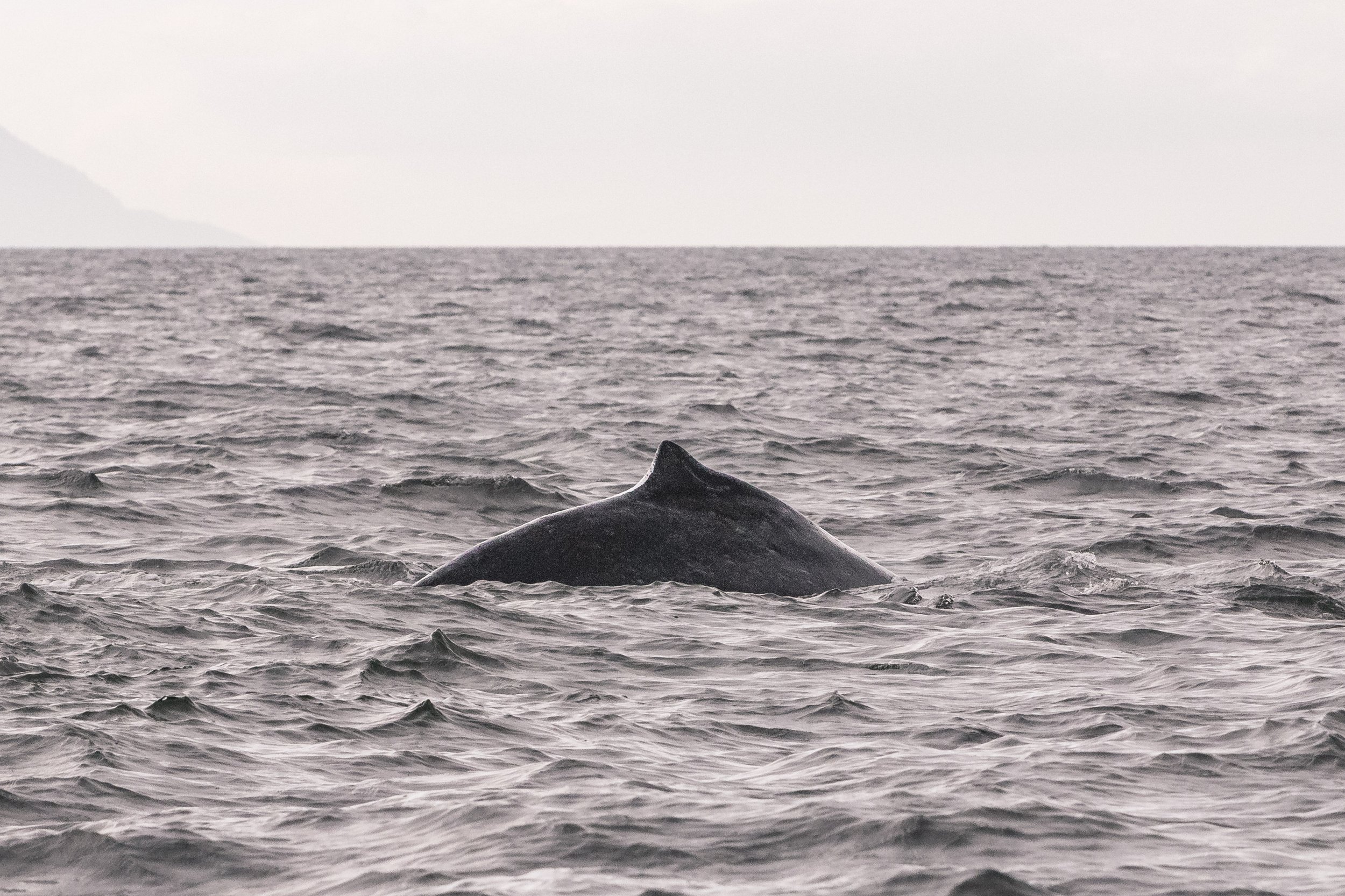
Europa travelling along. Photo by Jordan Robinson.
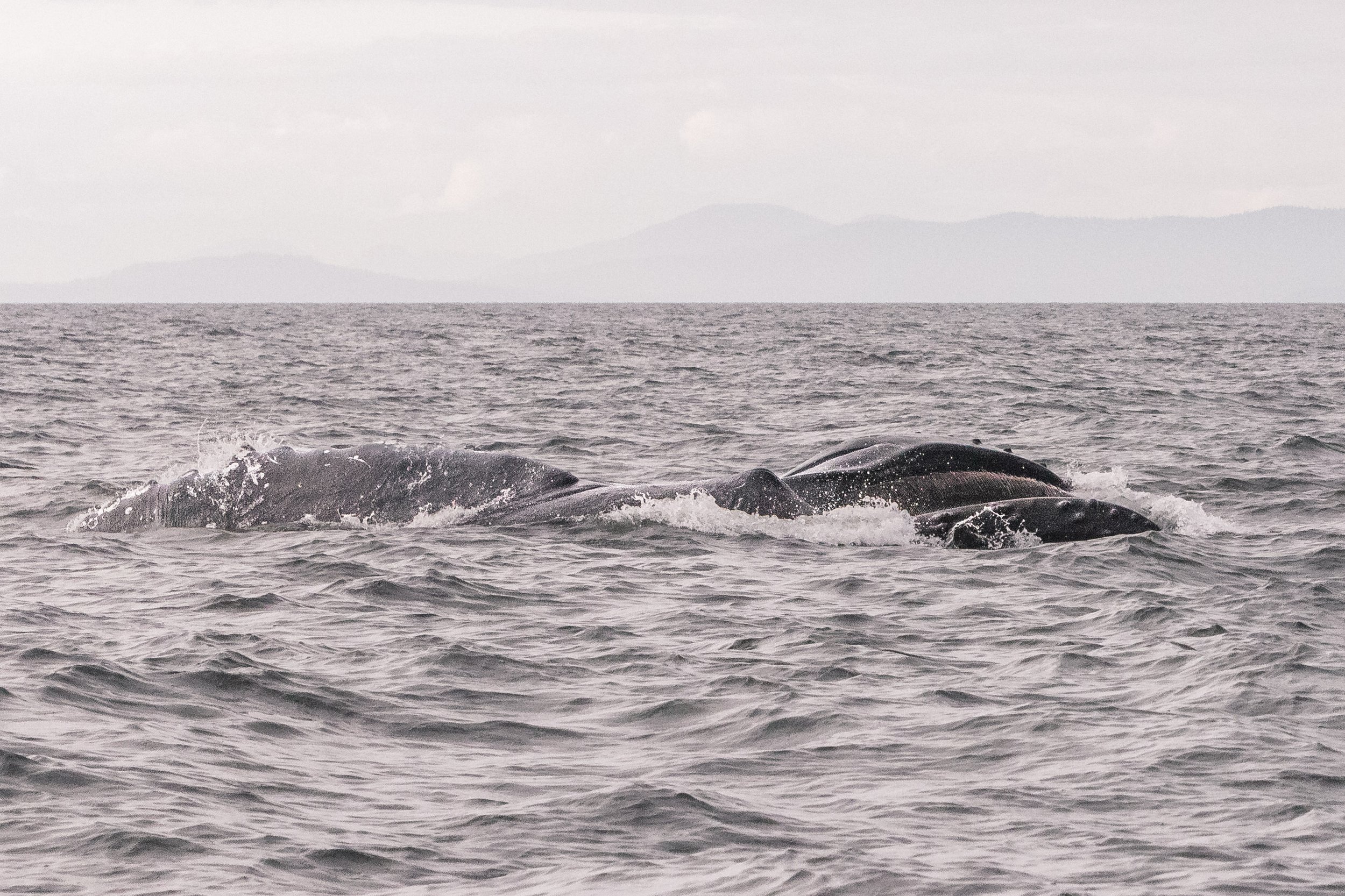
Lunging to feed on the surface. Photo by Jordan Robinson.
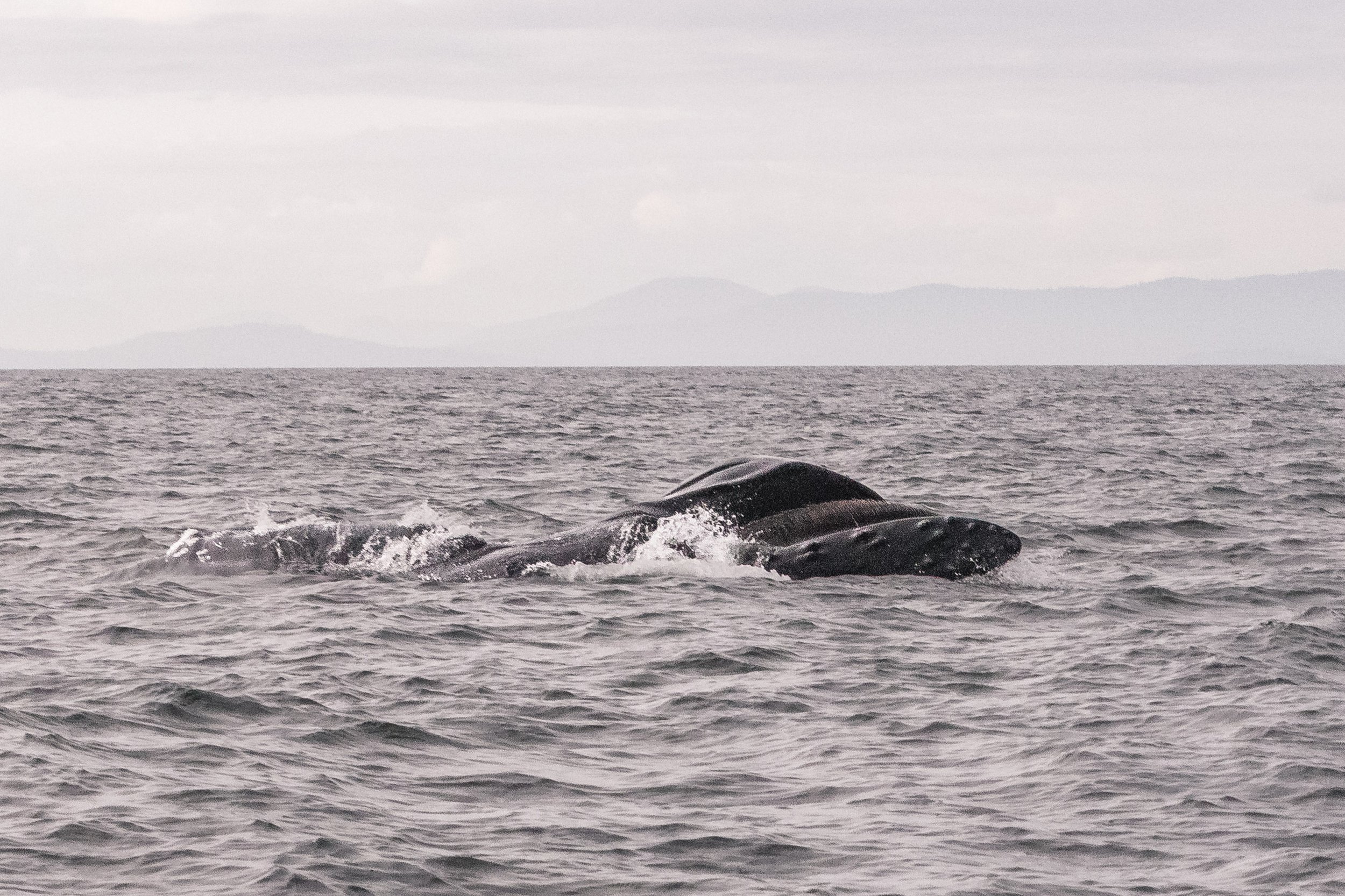
A surface lunge - can you see the baleen plates here? Photo by Jordan Robinson.
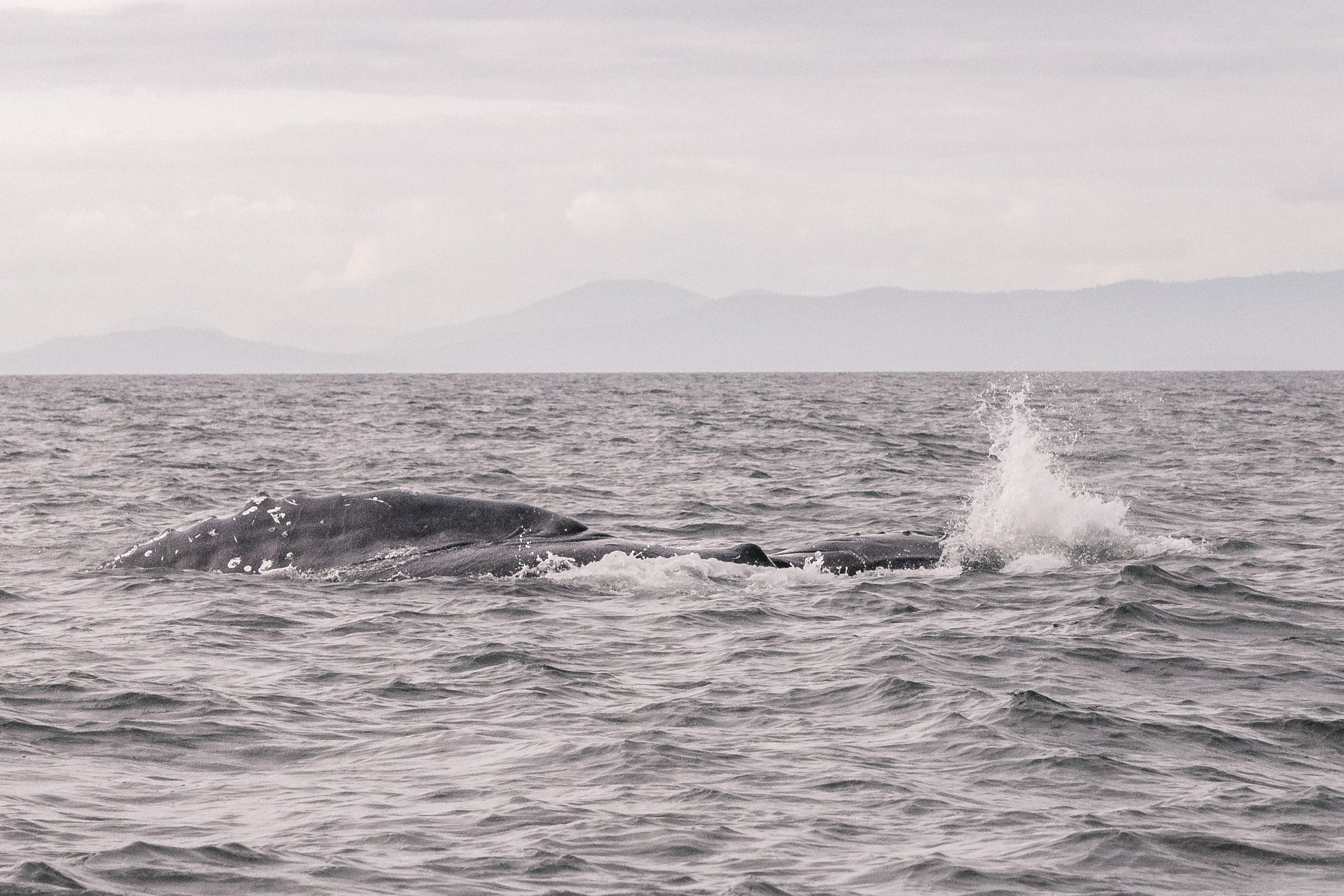
Rolling after the lunge, with a pectoral fin beginning to come up. Photo by Jordan Robinson.
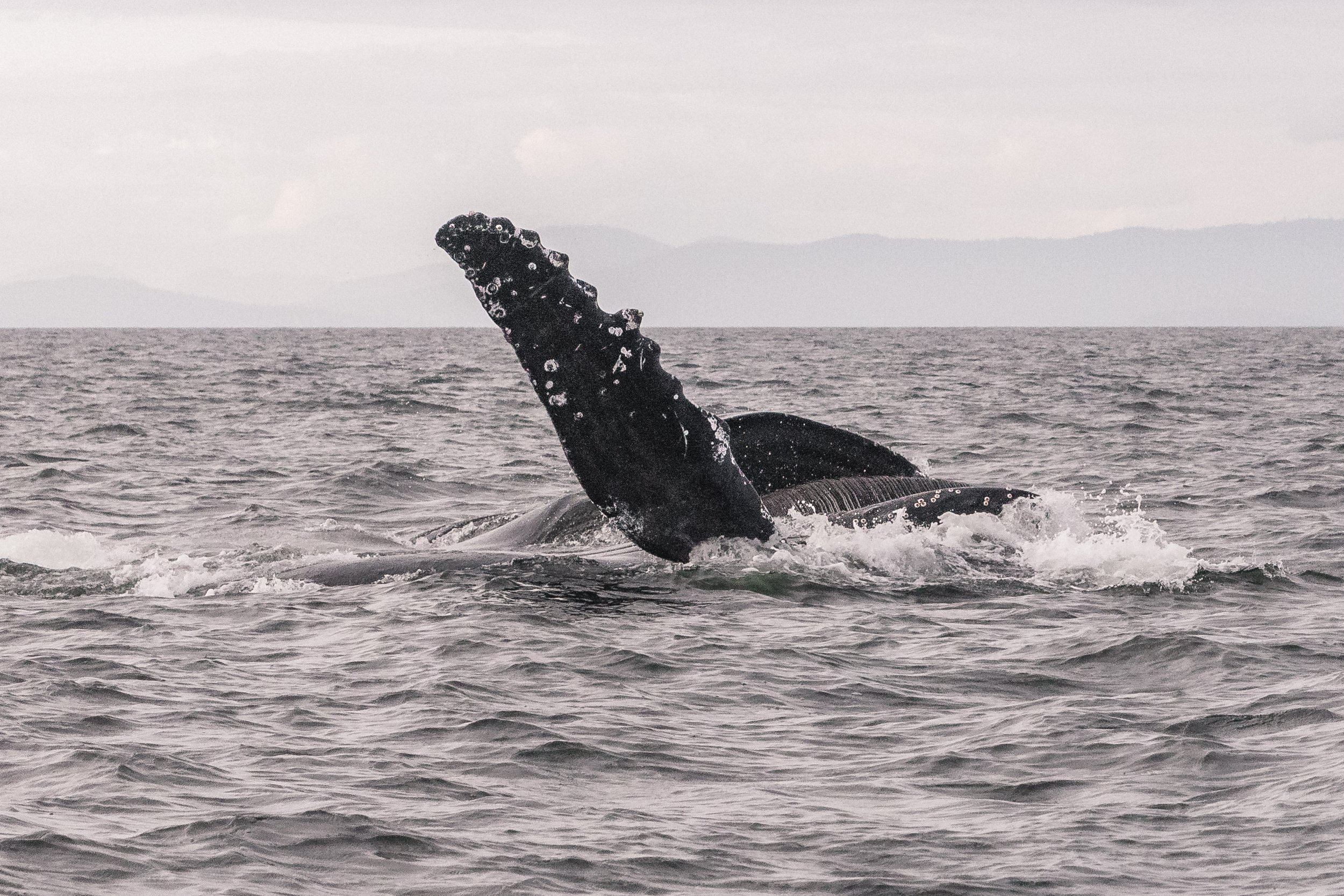
Big chomp! Photo by Jordan Robinson.
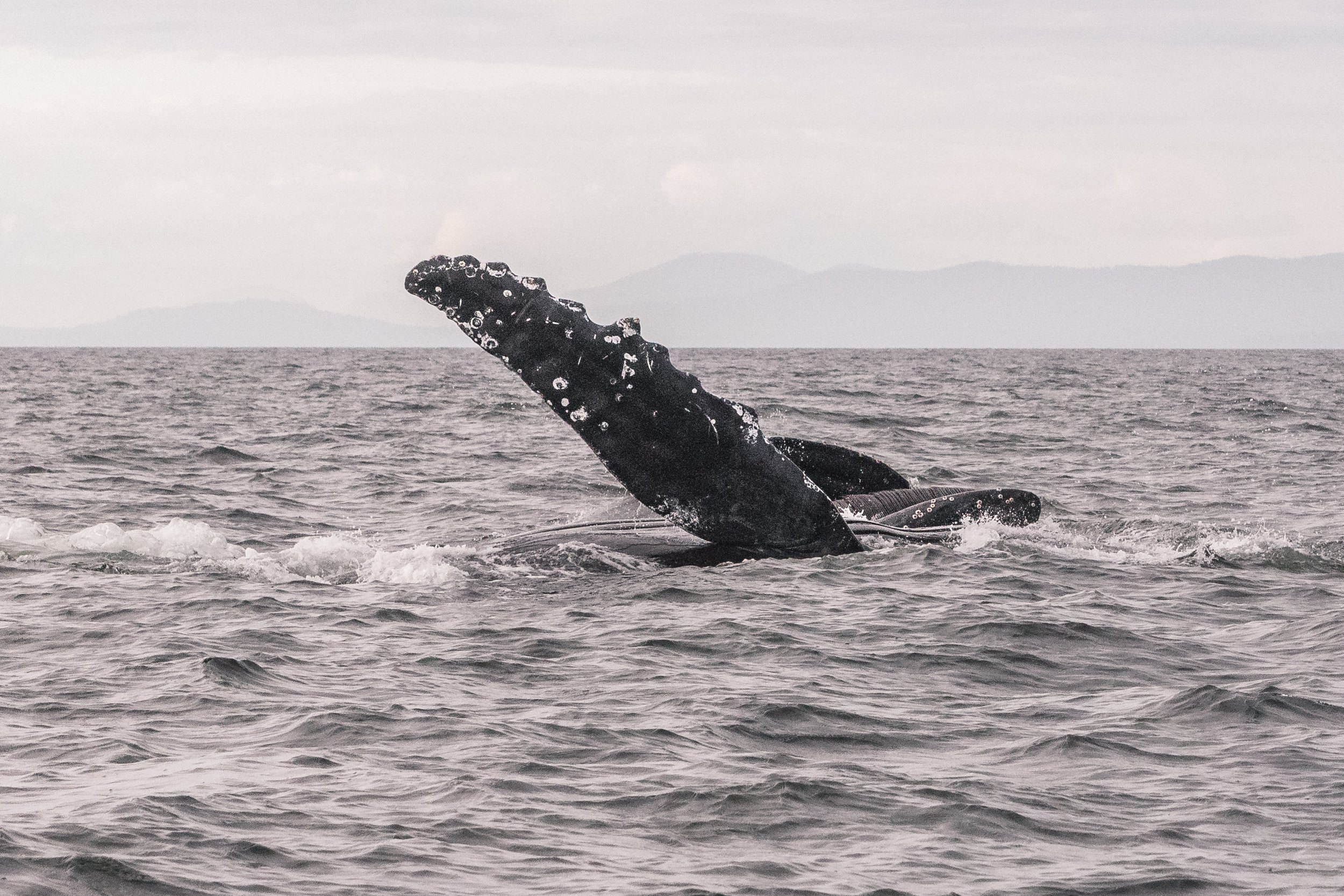
A very interesting angle - the pectoral fin in the foreground is one whale, while the open mouth in the background is the other whale. Photo by Jordan Robinson.
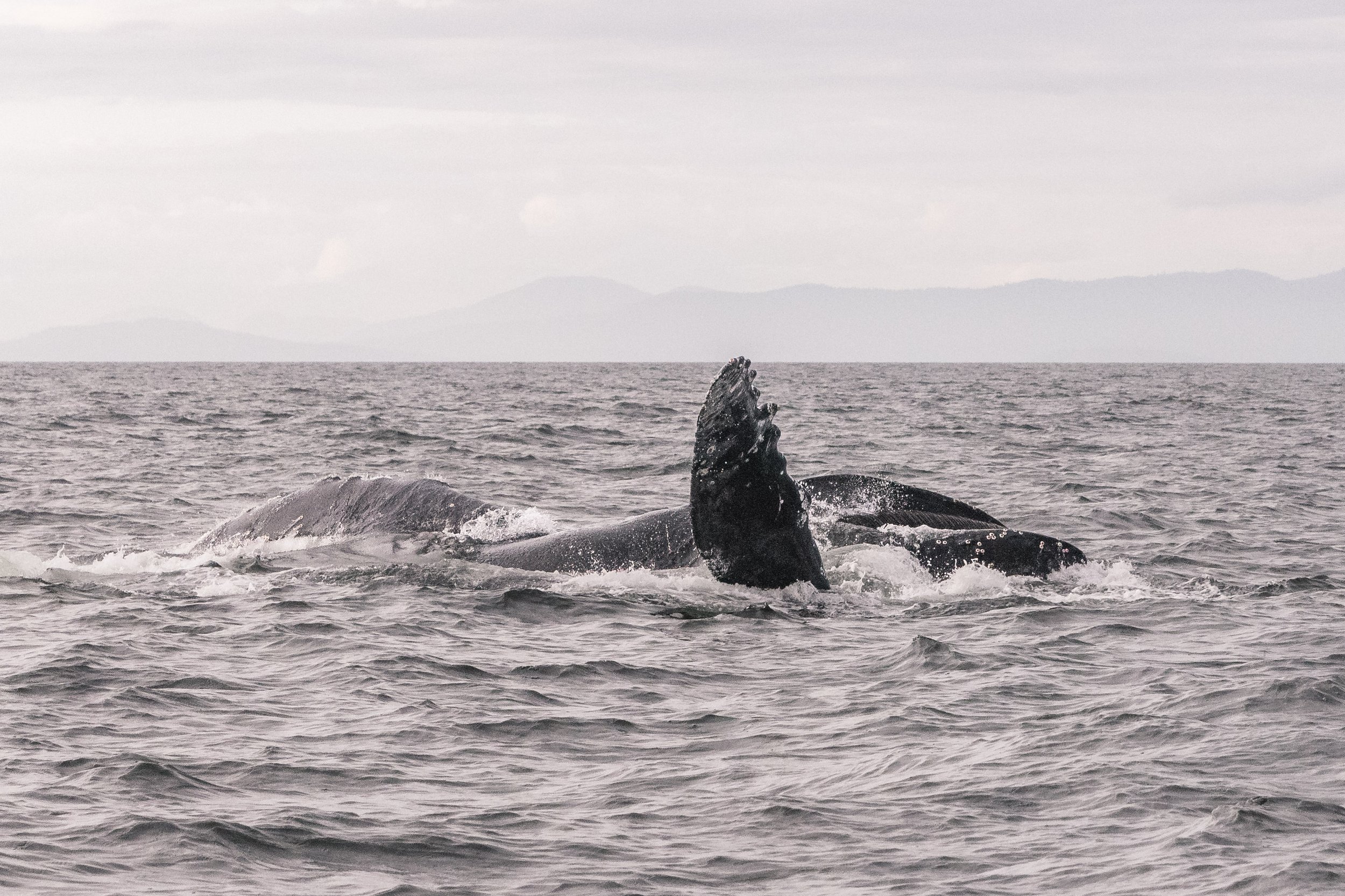
Rolling around. Photo by Jordan Robinson.
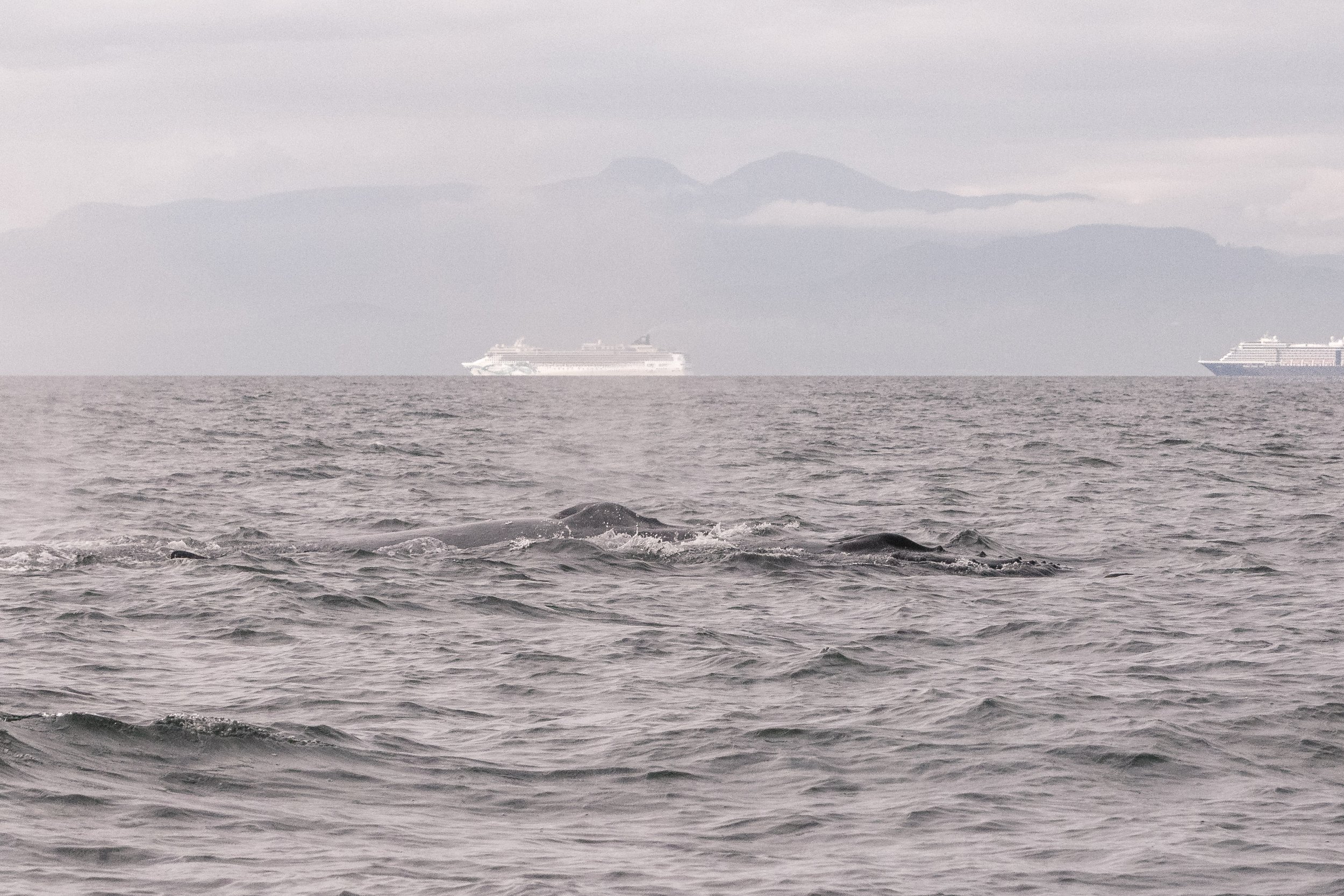
If you look carefully, you can see one of the humpbacks is surfacing on top of the other one here! Photo by Jordan Robinson.
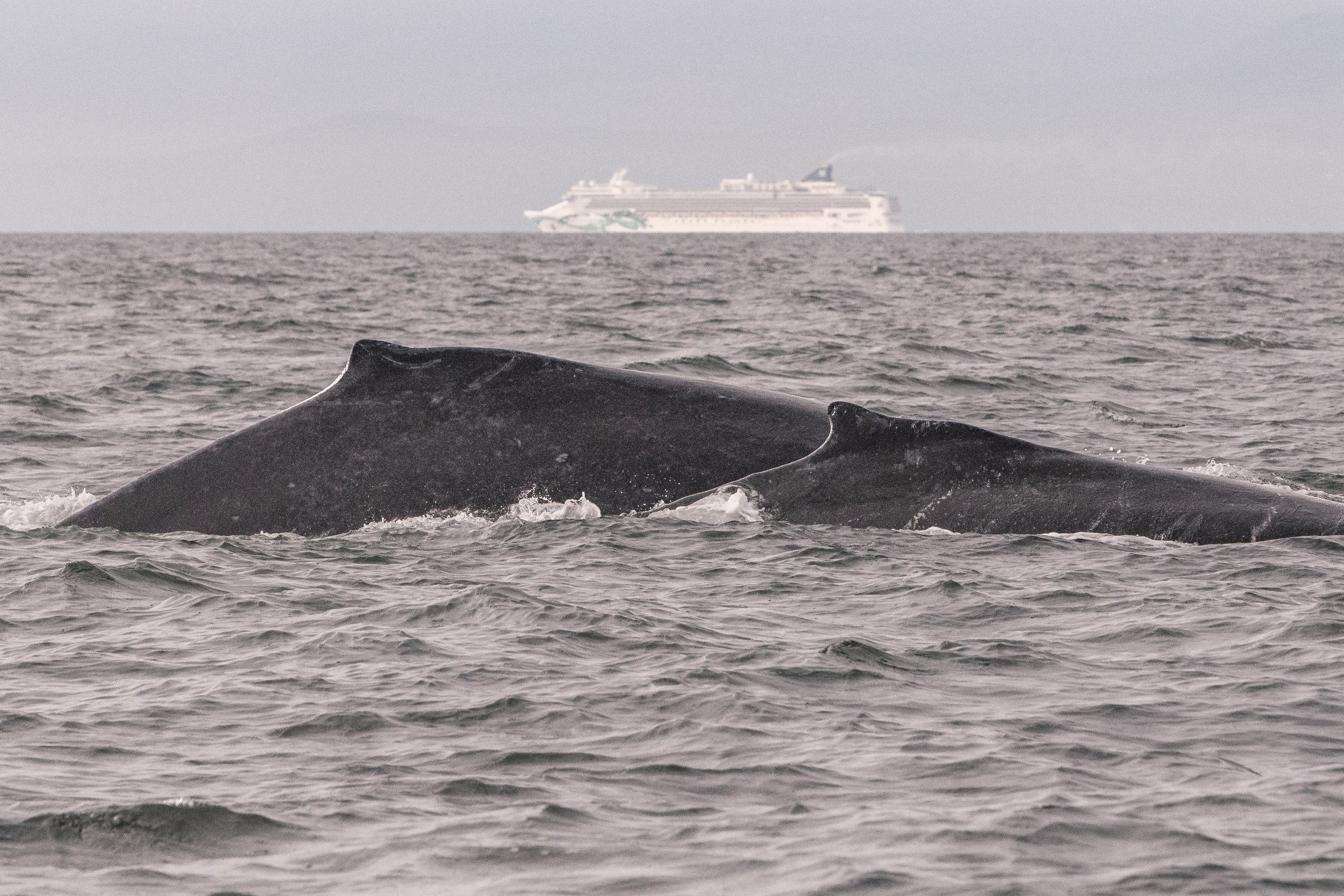
Europa with Bagheera beside her. Photo by Jordan Robinson.
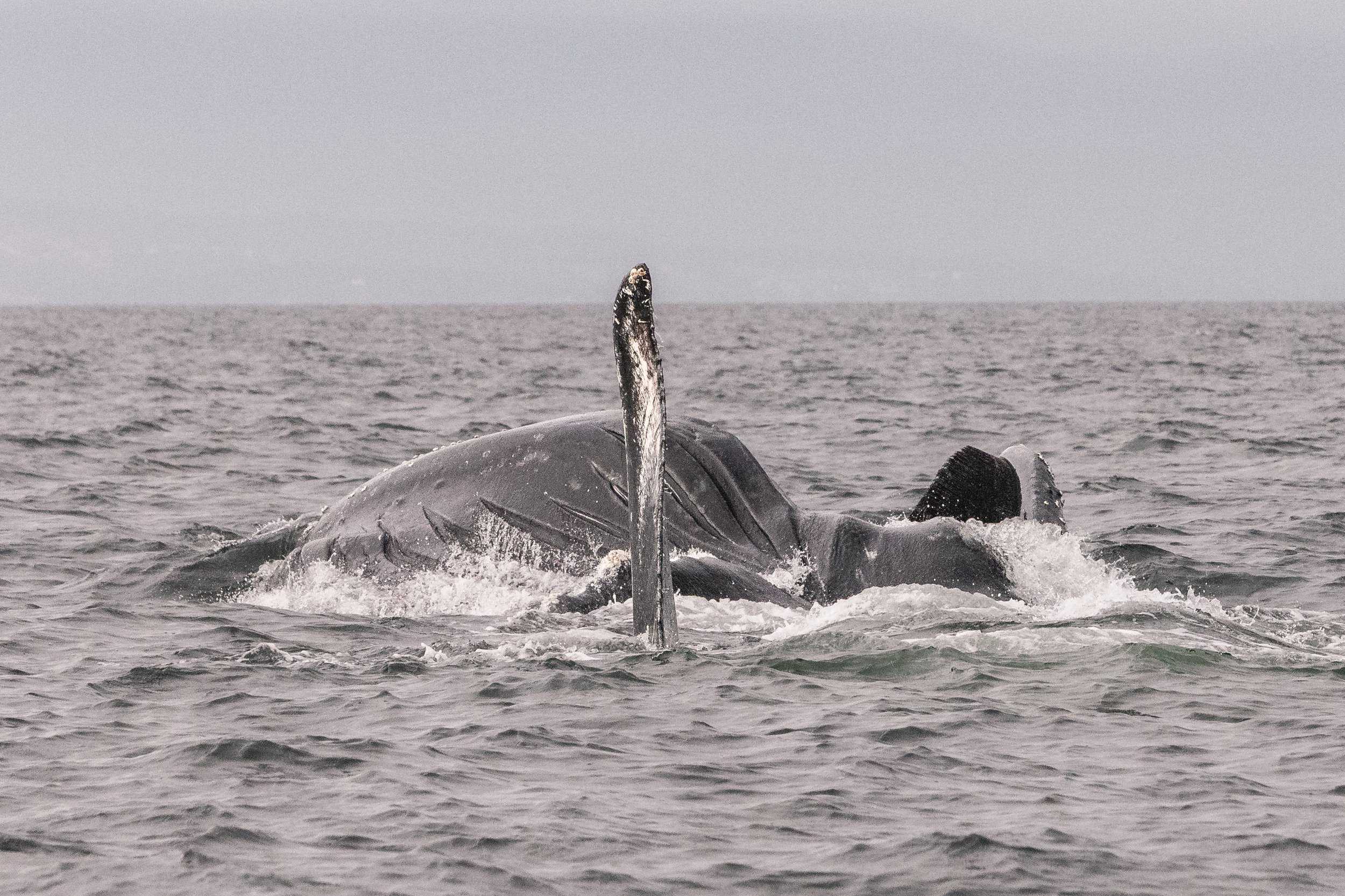
The corner of Bagheera’s fluke as Europa lunges again. Photo by Jordan Robinson.
Bagheera with Europa fluking beside them. Photo by Jordan Robinson.
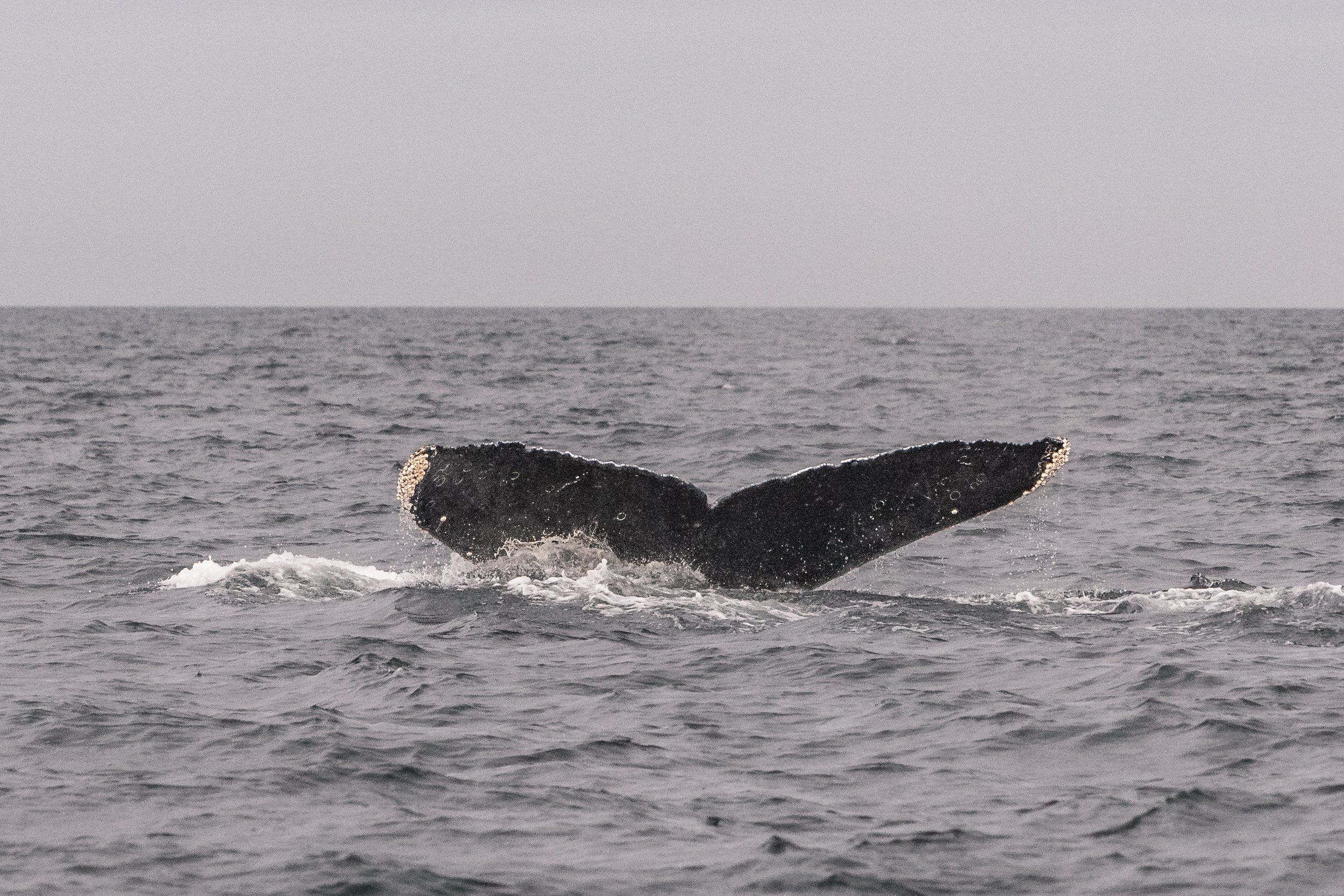
Europa’s fluke before she dives. Photo by Jordan Robinson.
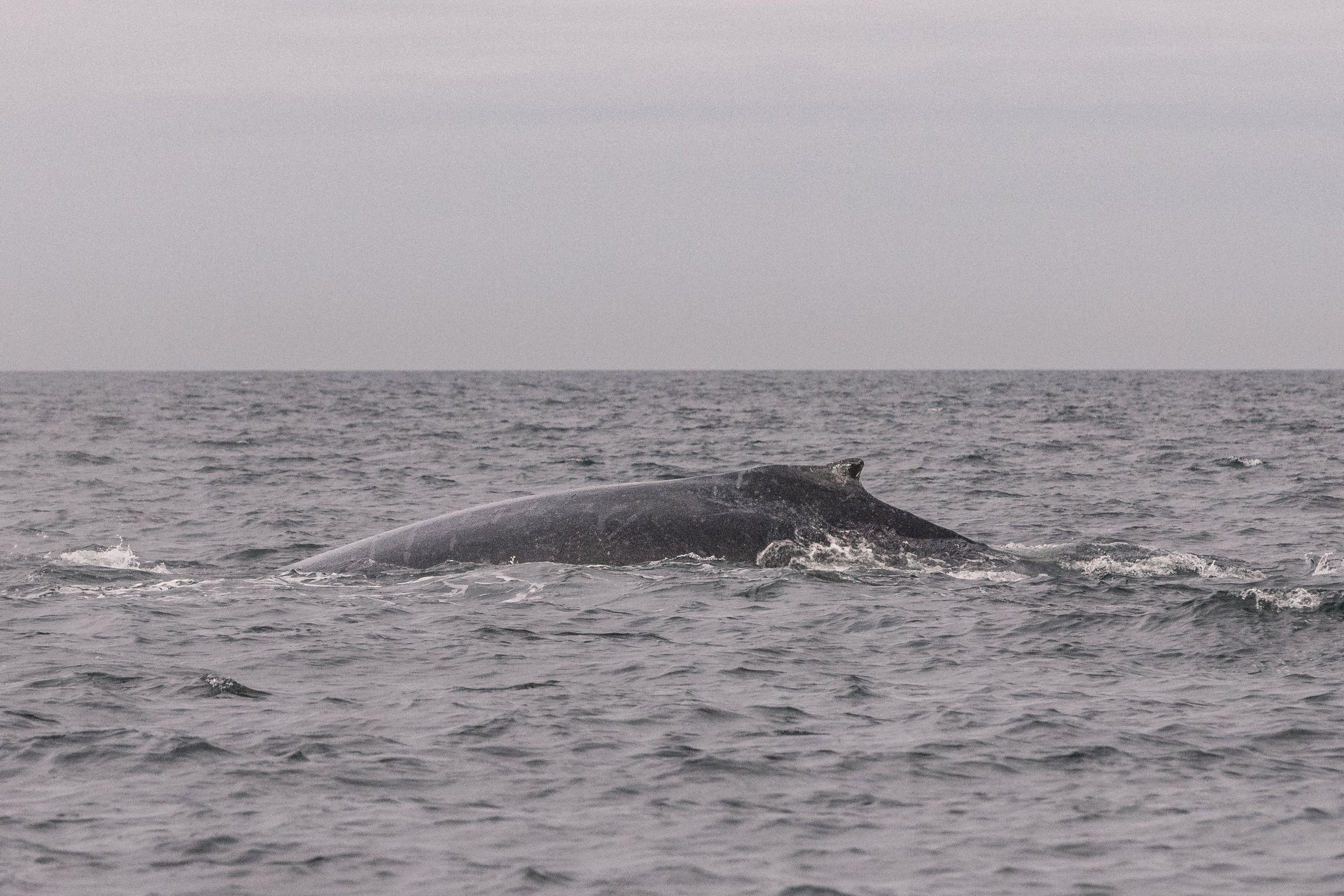
Bagheera zipping by. Photo by Jordan Robinson.
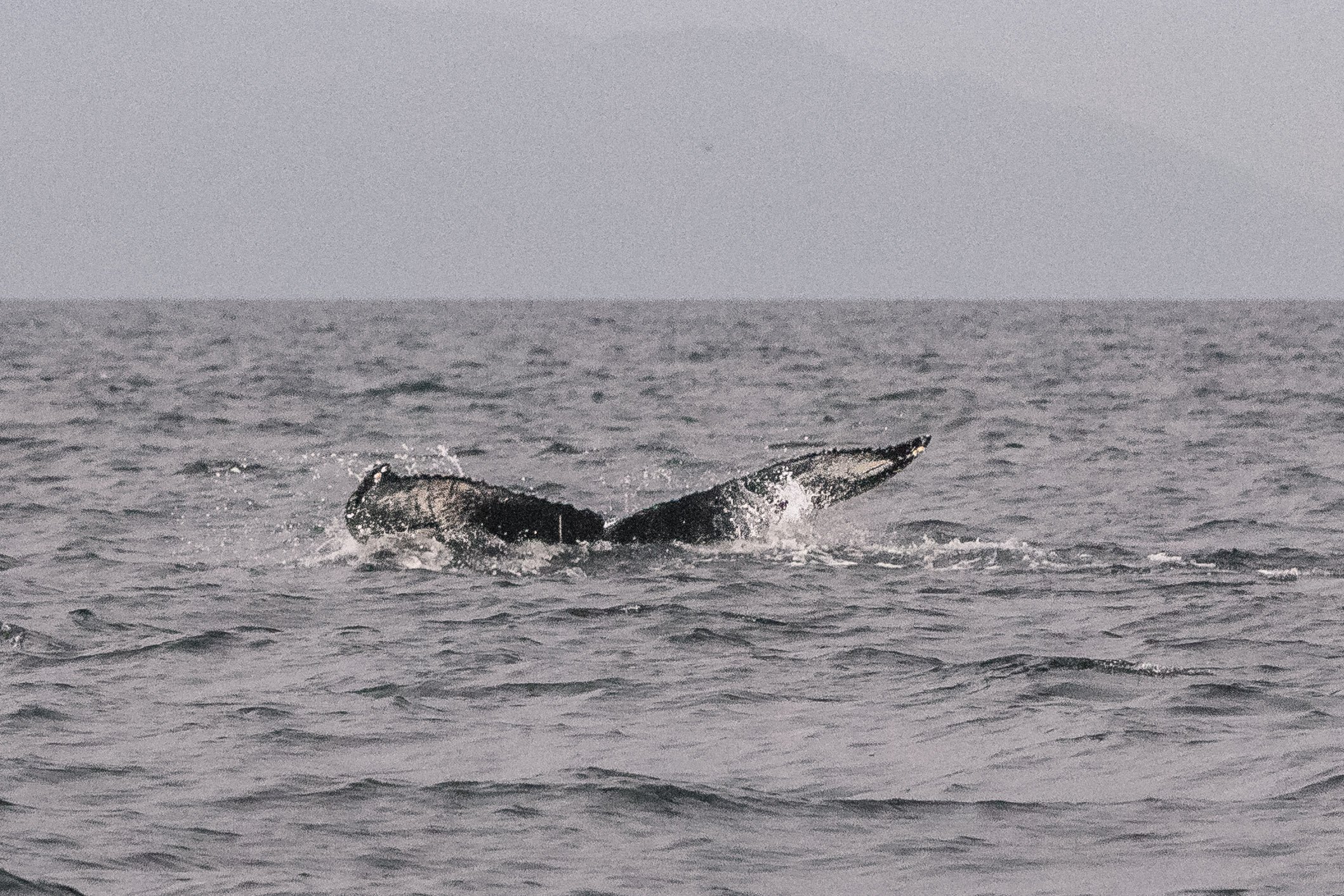
Bagheera’s beautifully marked fluke. Photo by Jordan Robinson.
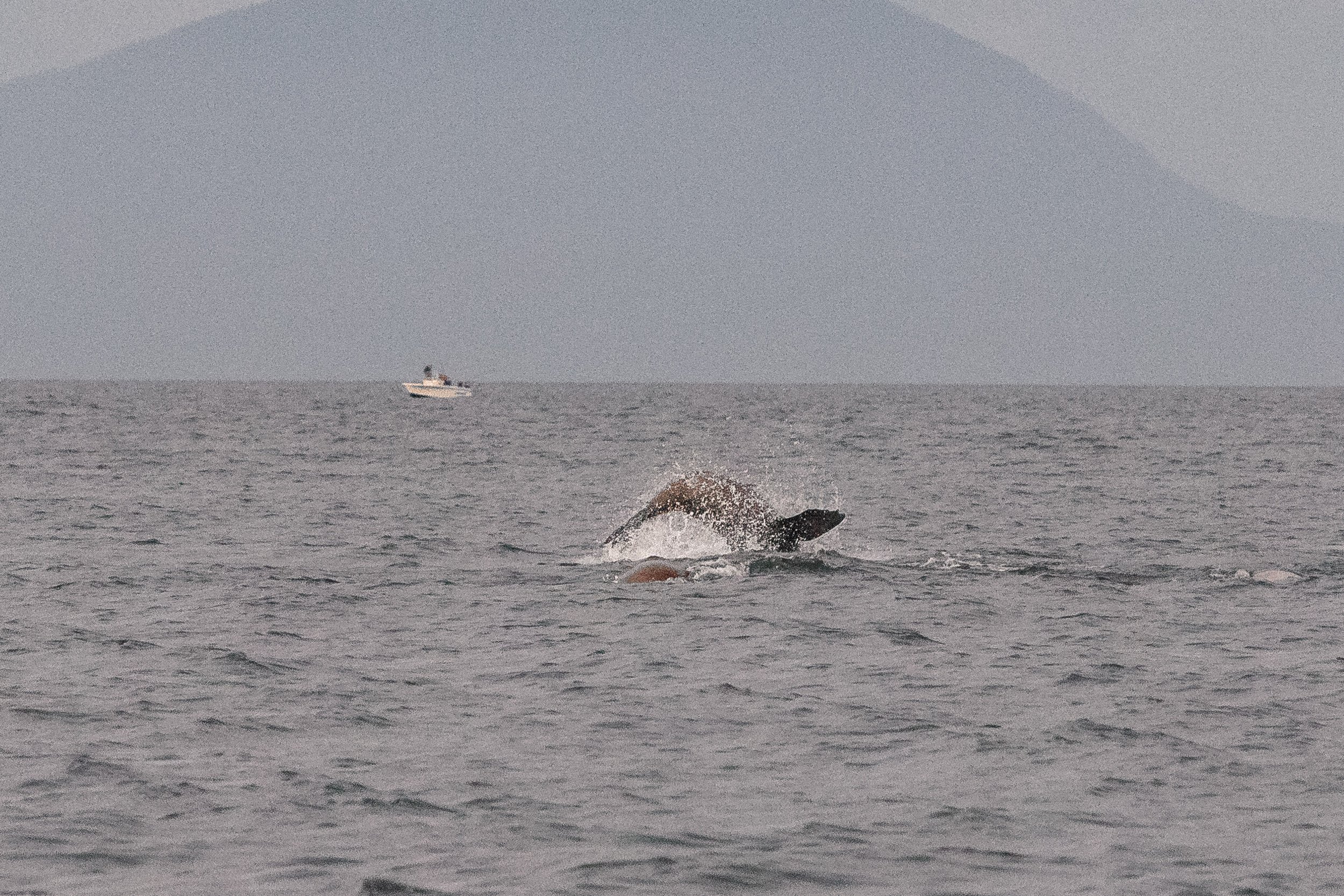
Acrobatic sea lions beside the humpbacks. Photo by Jordan Robinson.
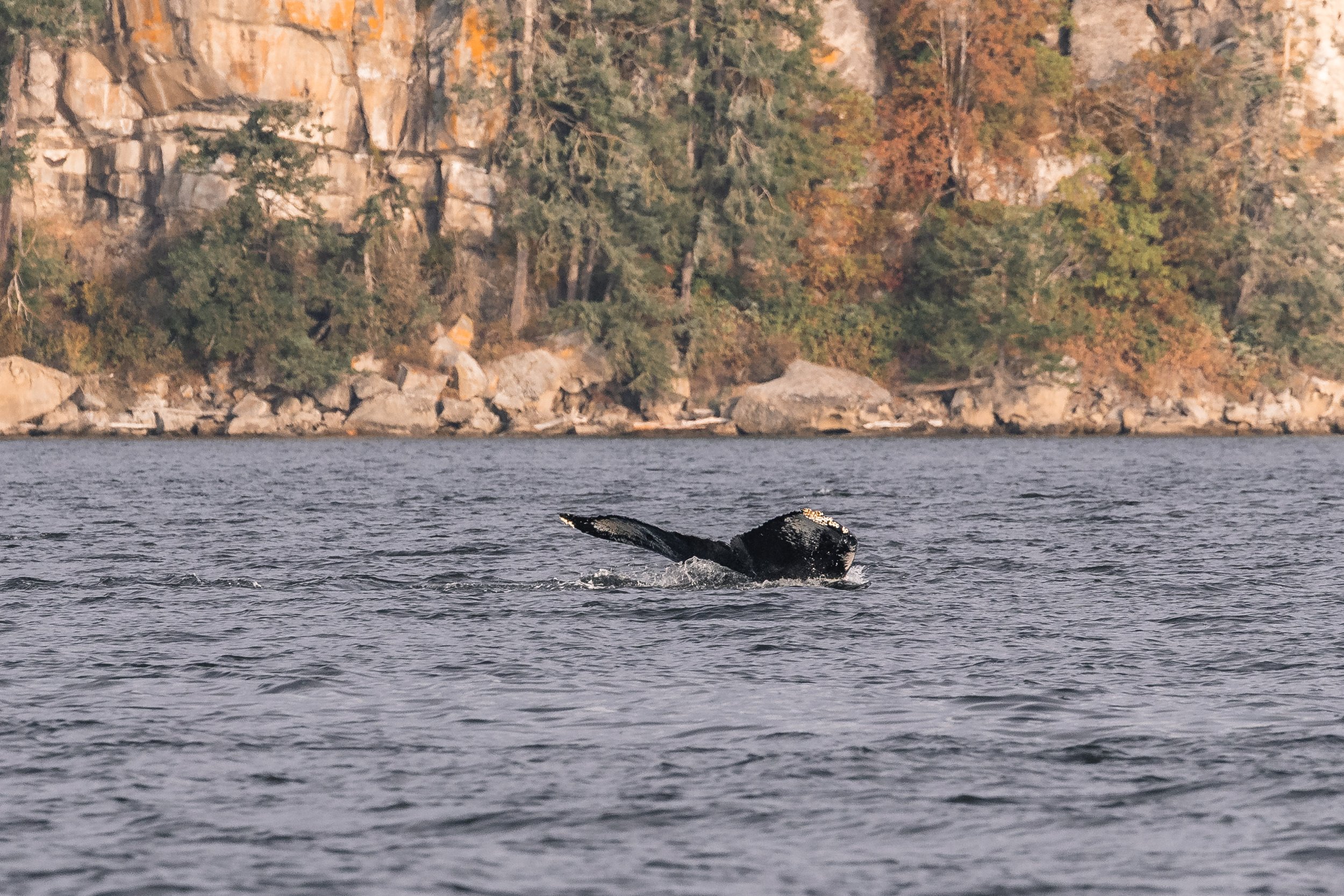
Wolf Eel diving. Photo by Des Poier.
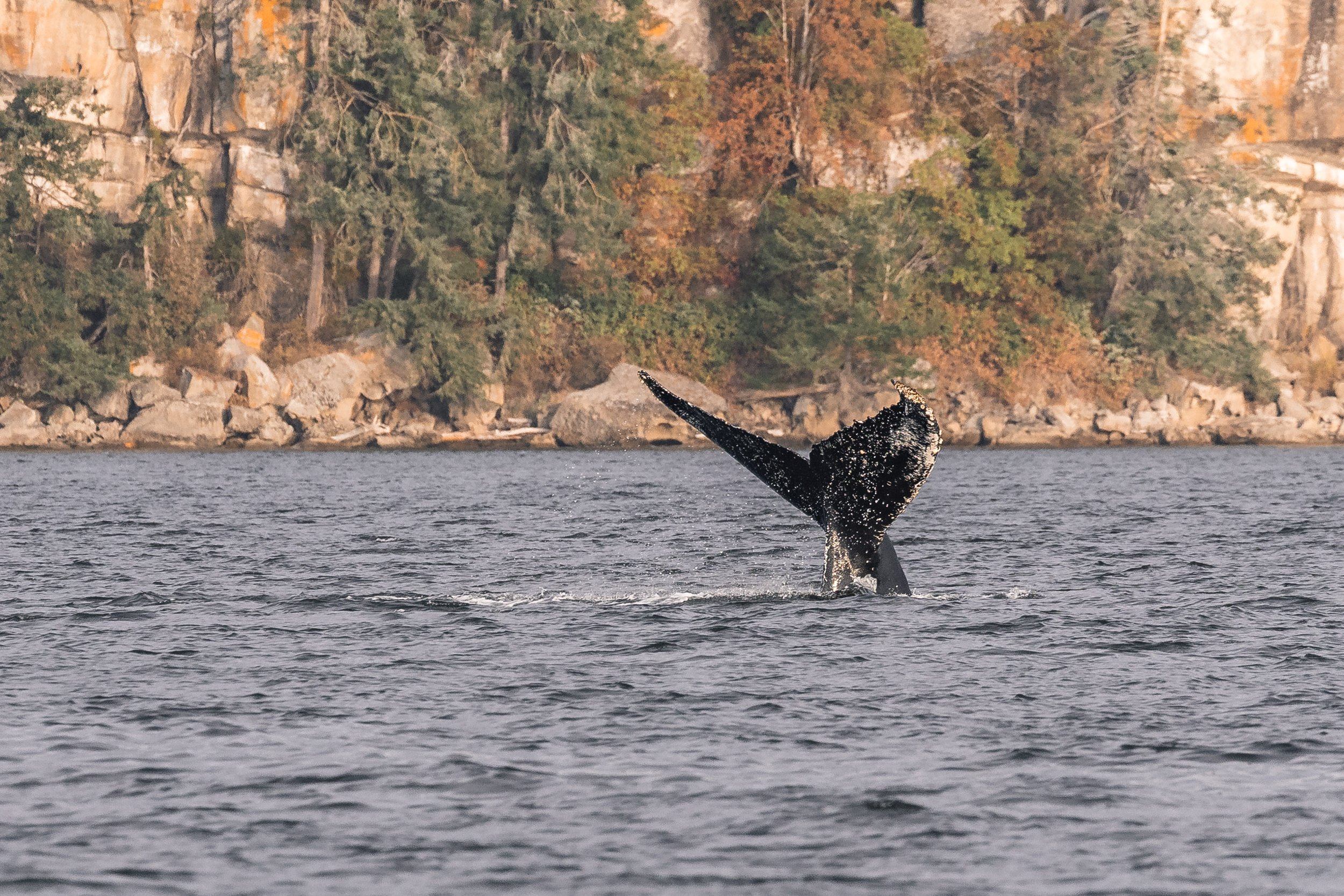
A nice high fluke from Nalu. Photo by Des Poier.
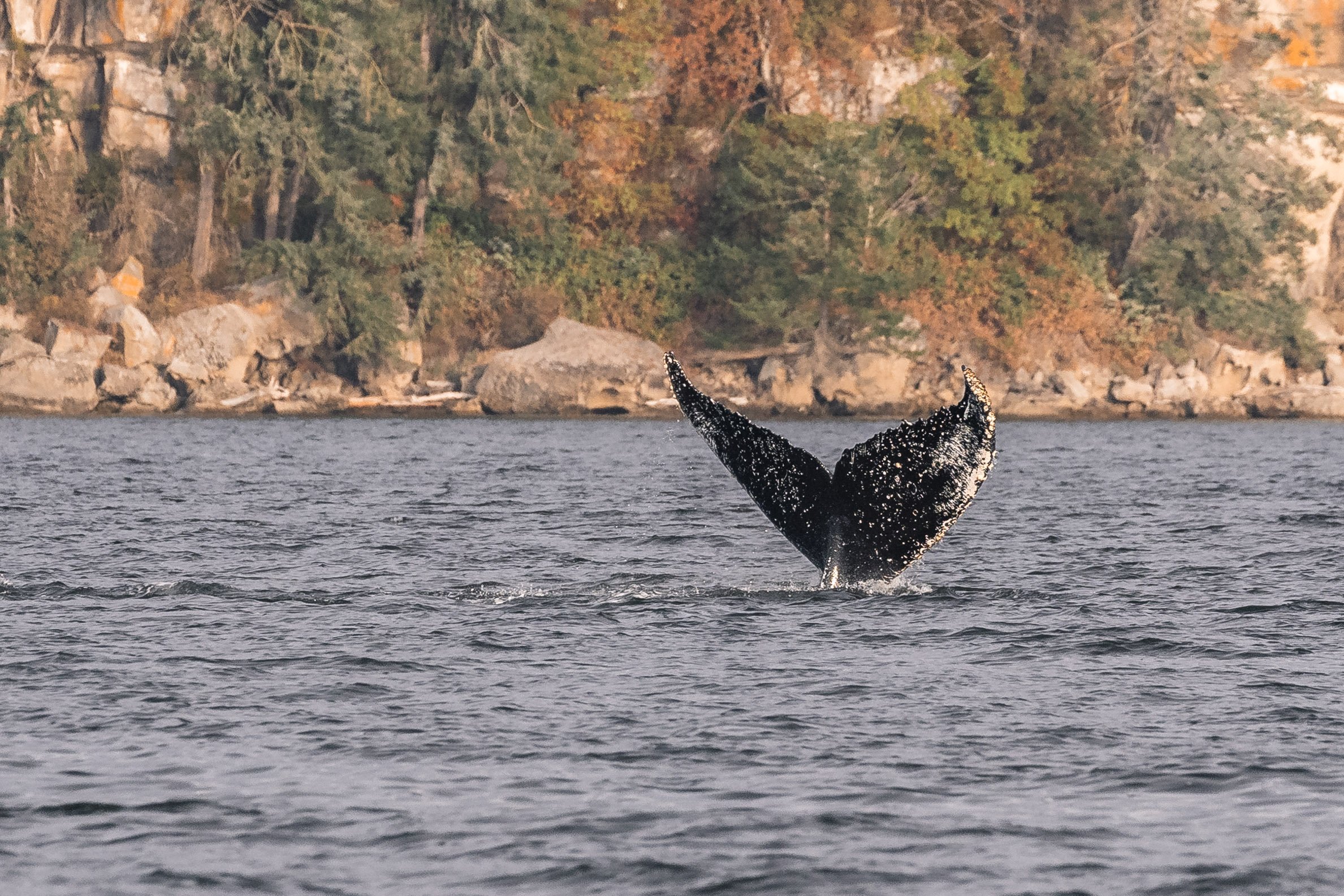
Nalu beginning to go under. Photo by Des Poier.
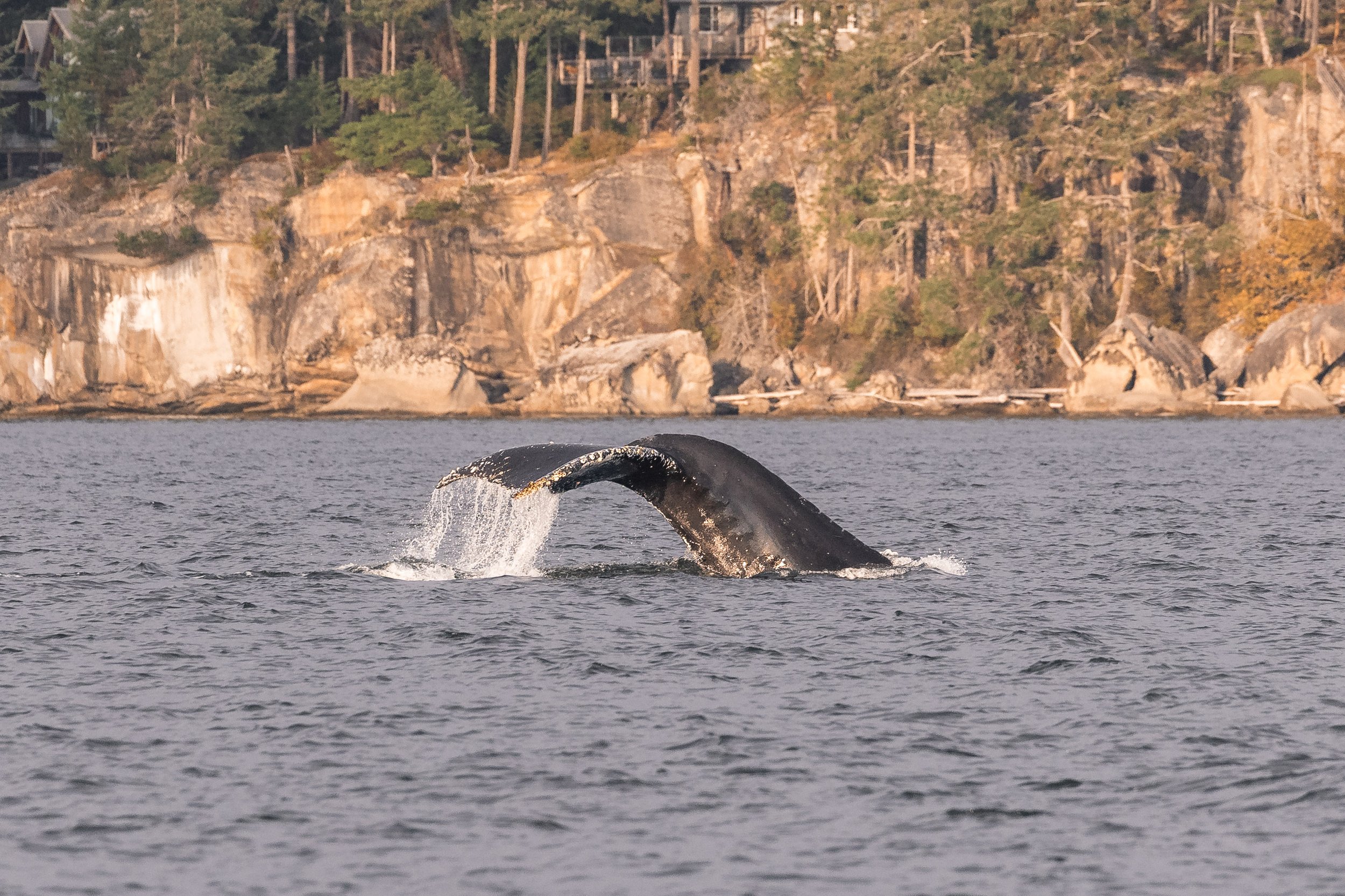
A beautiful fluke waterfall. Photo by Des Poier.
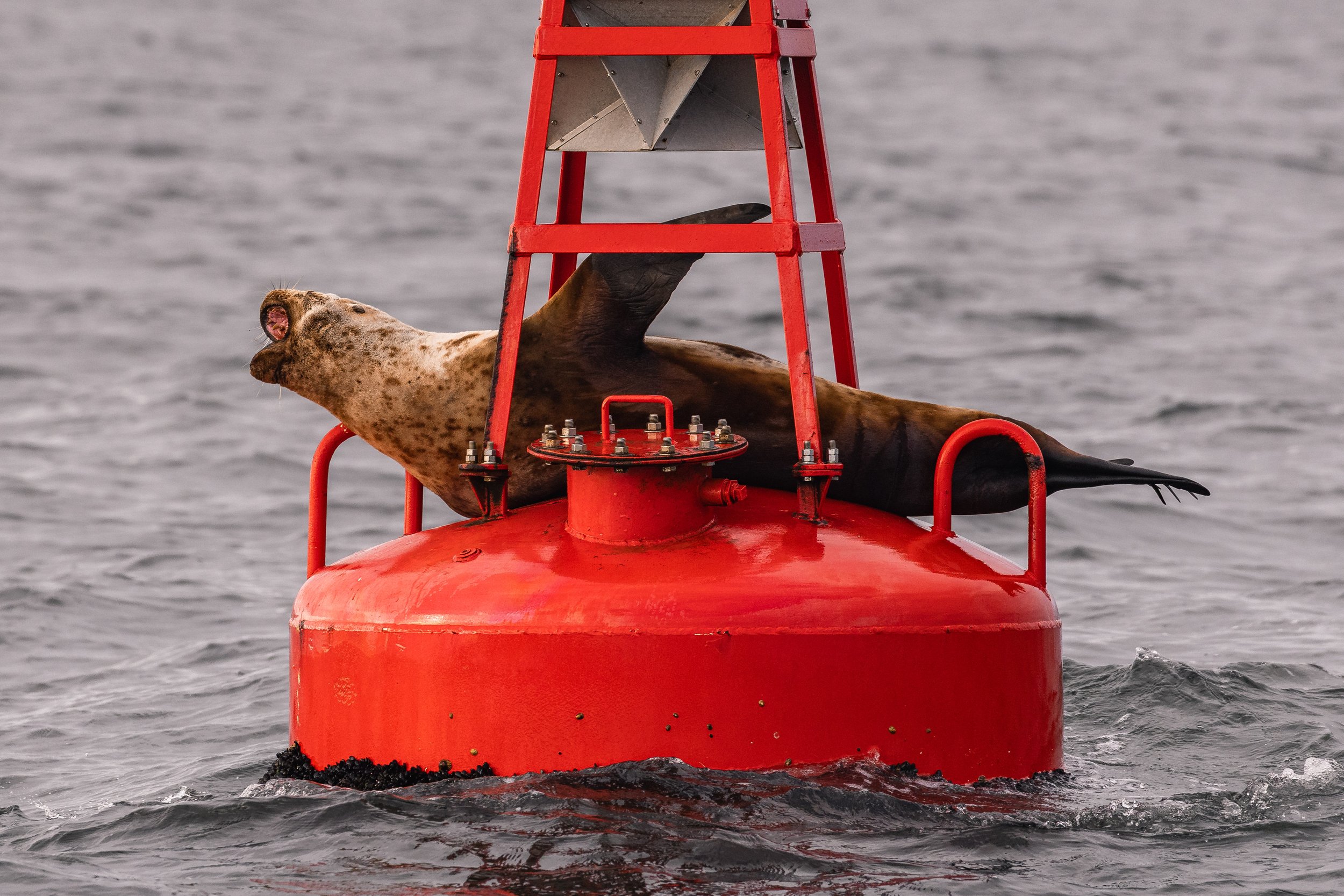
A dramatic sea lion on the buoy. Photo by Des Poier.
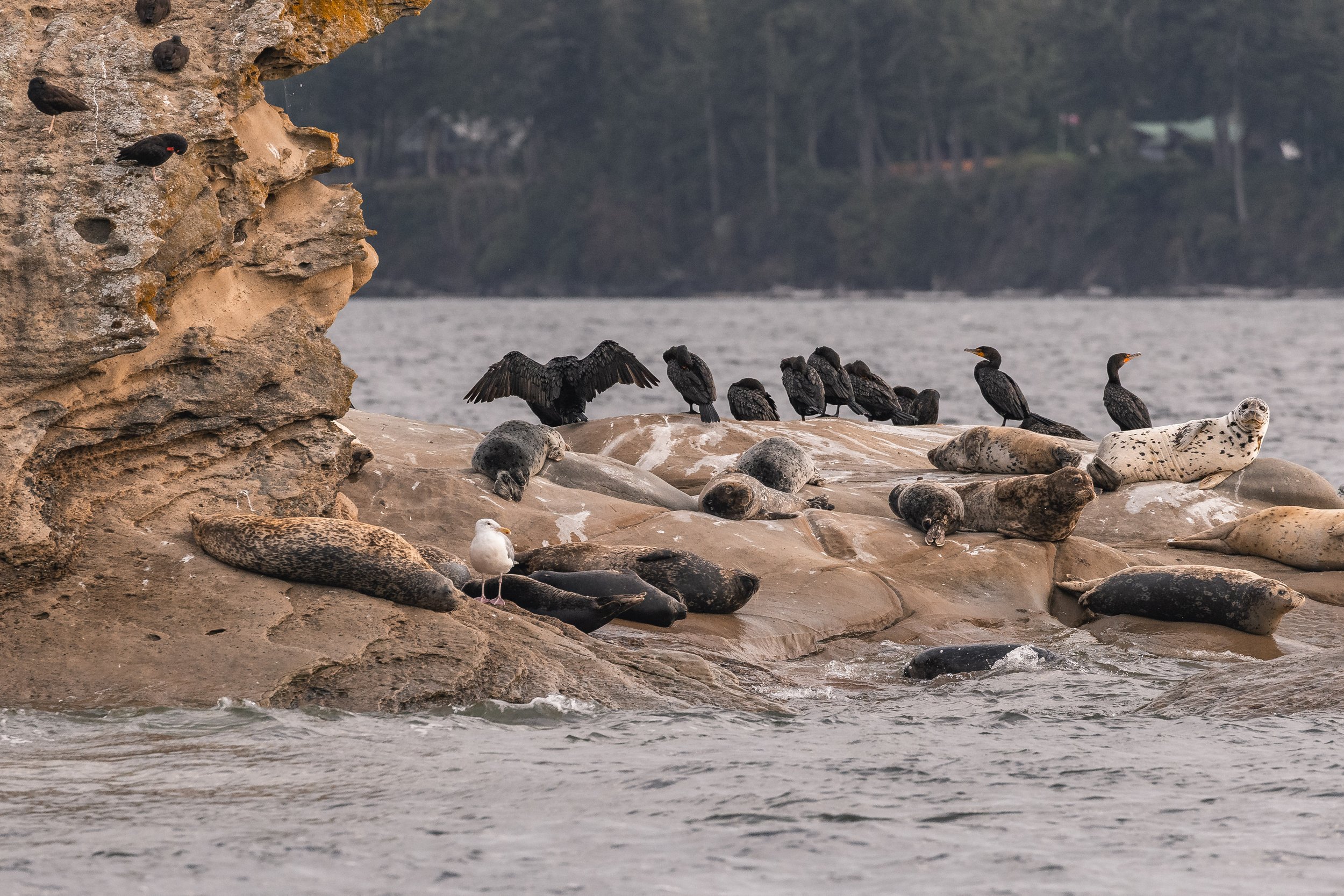
Seal Rock covered in seals and birds. Photo by Des Poier.
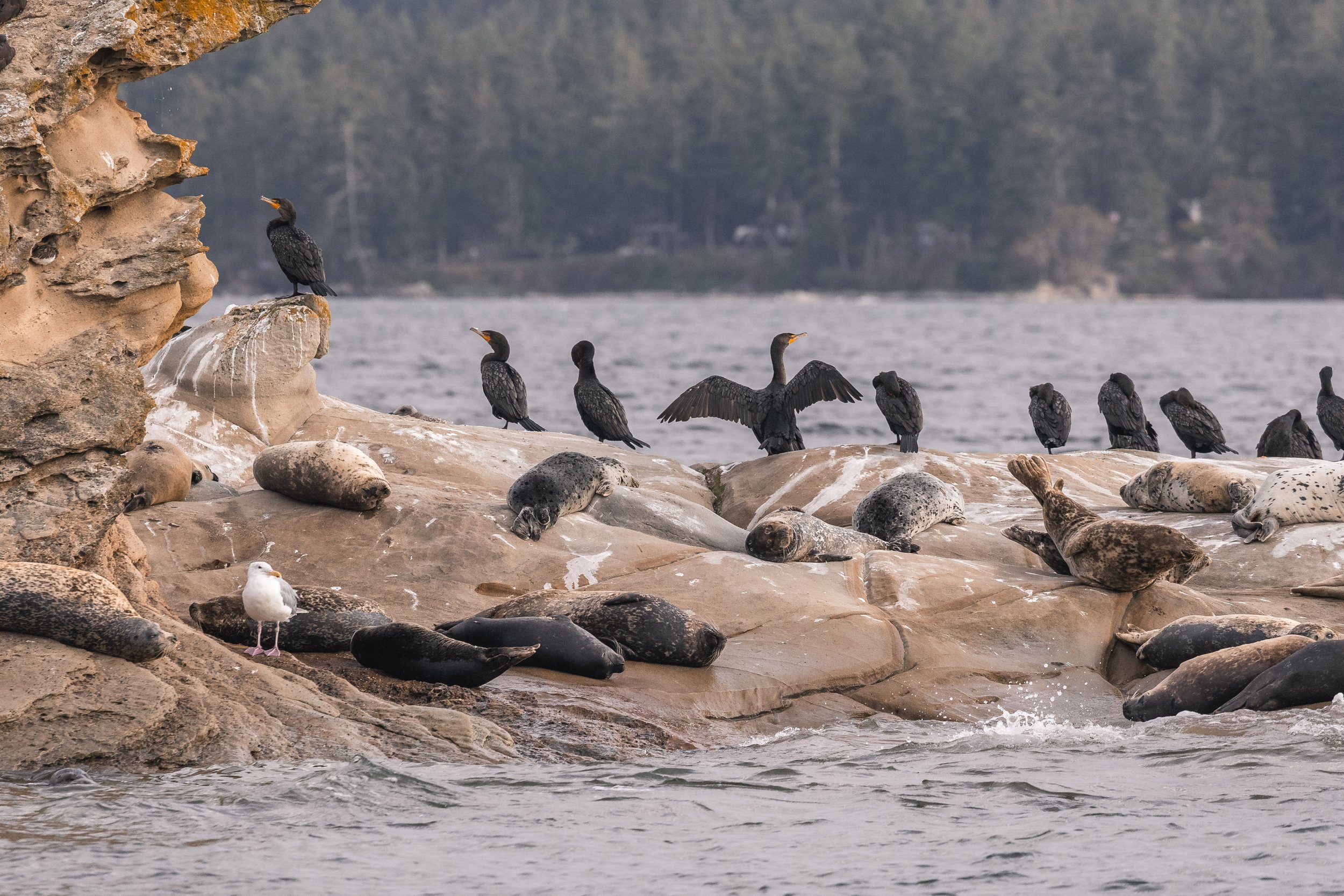
What a comfy spot to rest! Photo by Des Poier.
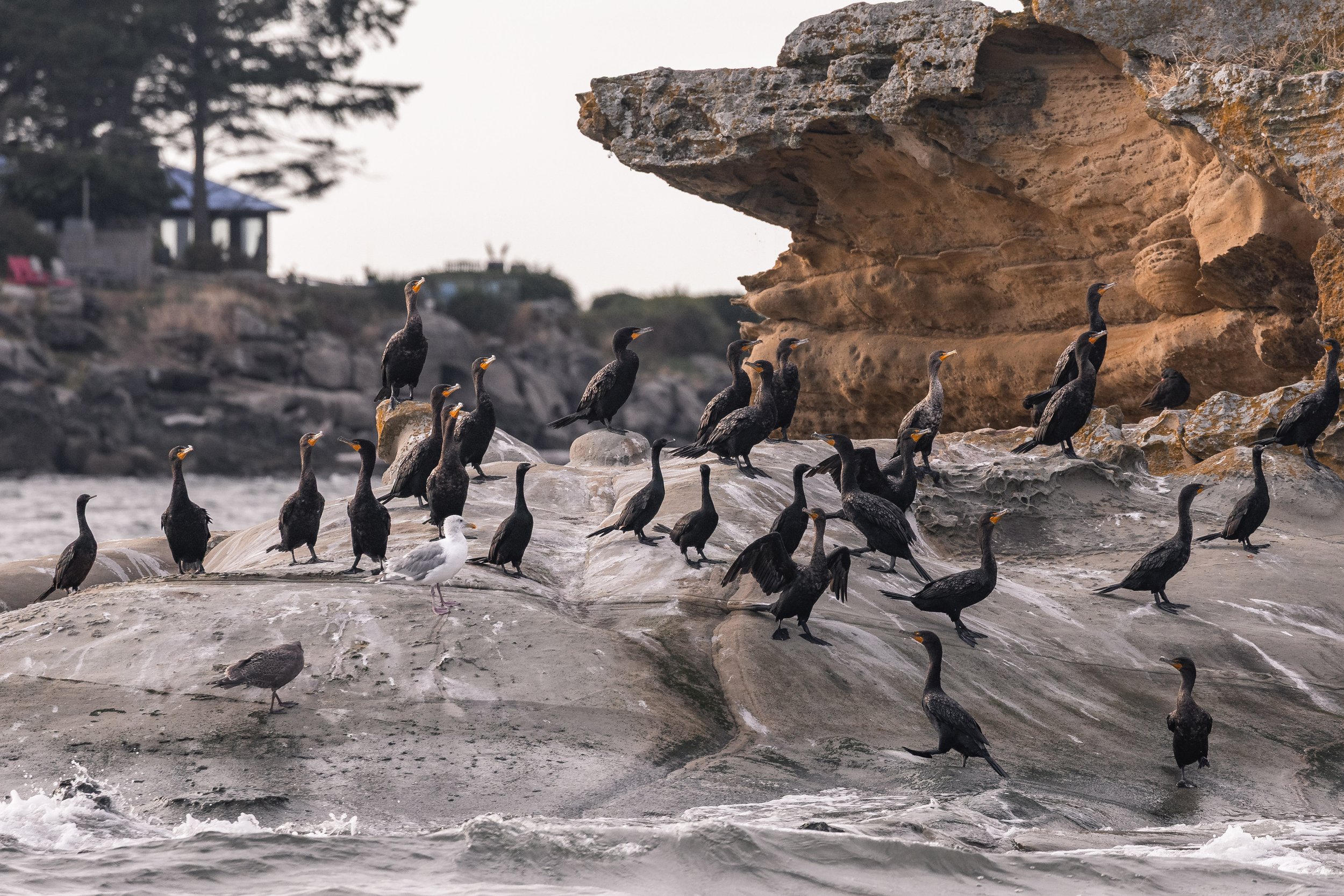
Cormorants on the rocks. Photo by Des Poier.
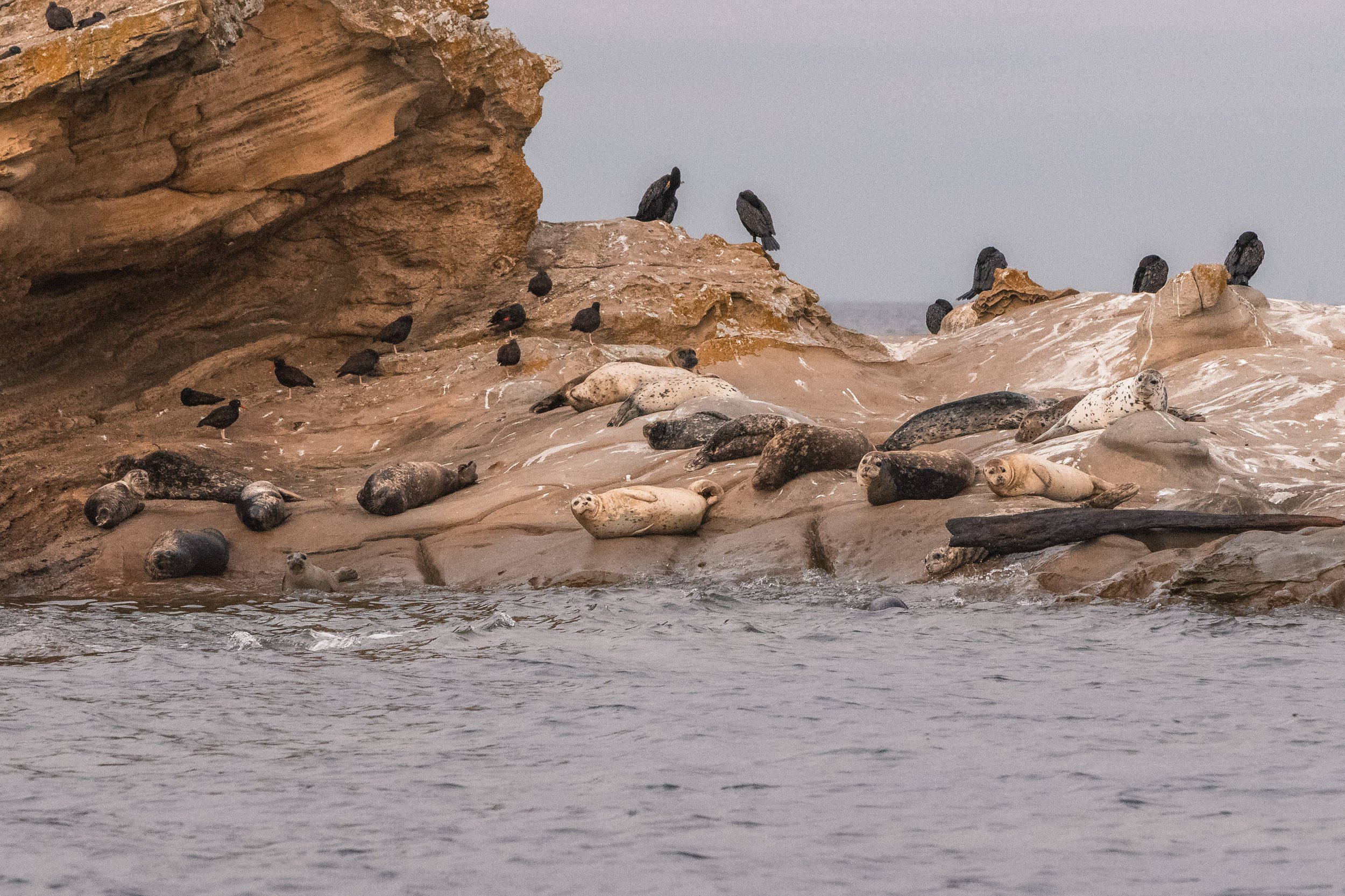
Resting Harbour Seals. Photo by Jordan Robinson.
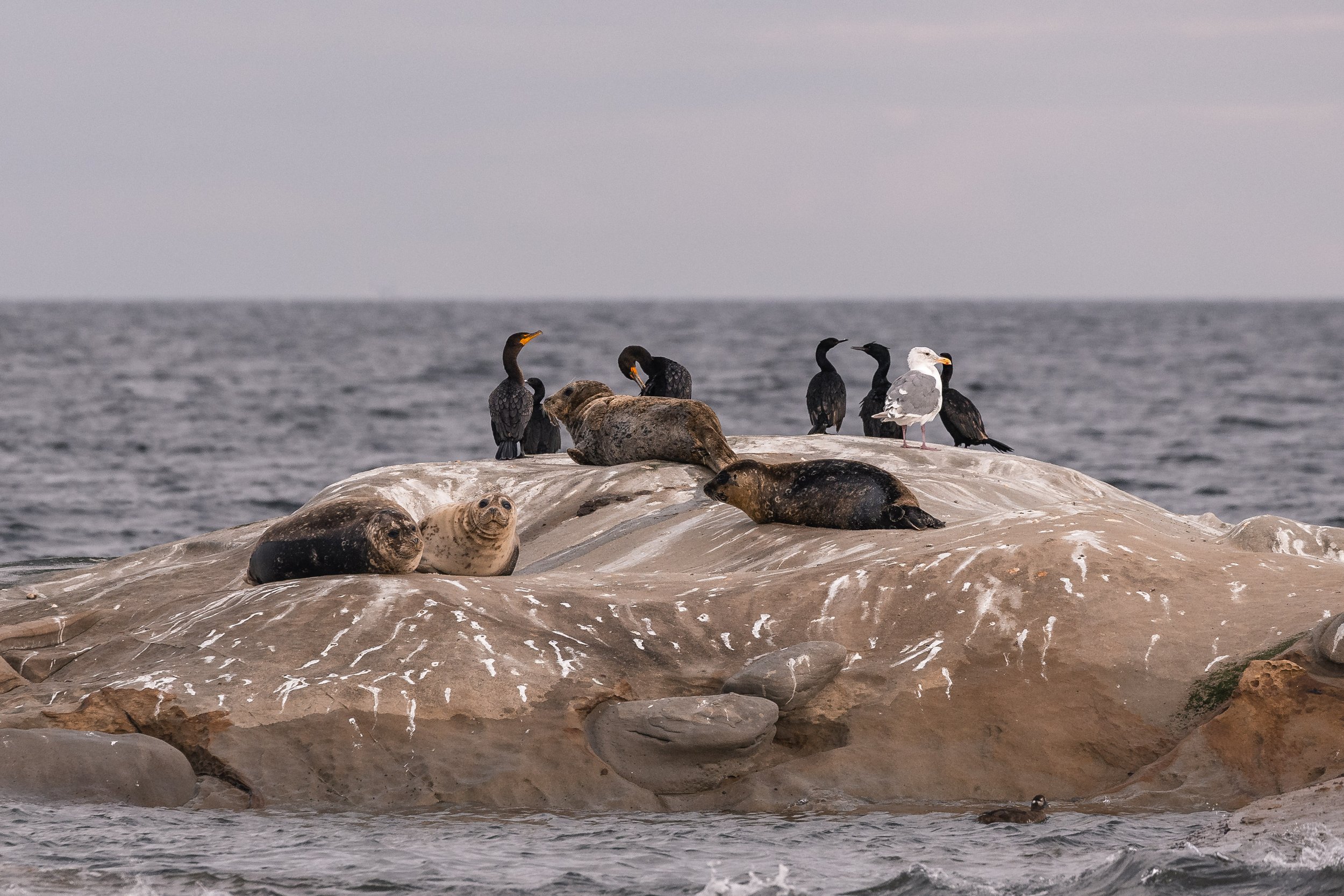
All kinds of wildlife could be seen around the rocks today! Photo by Des Poier.
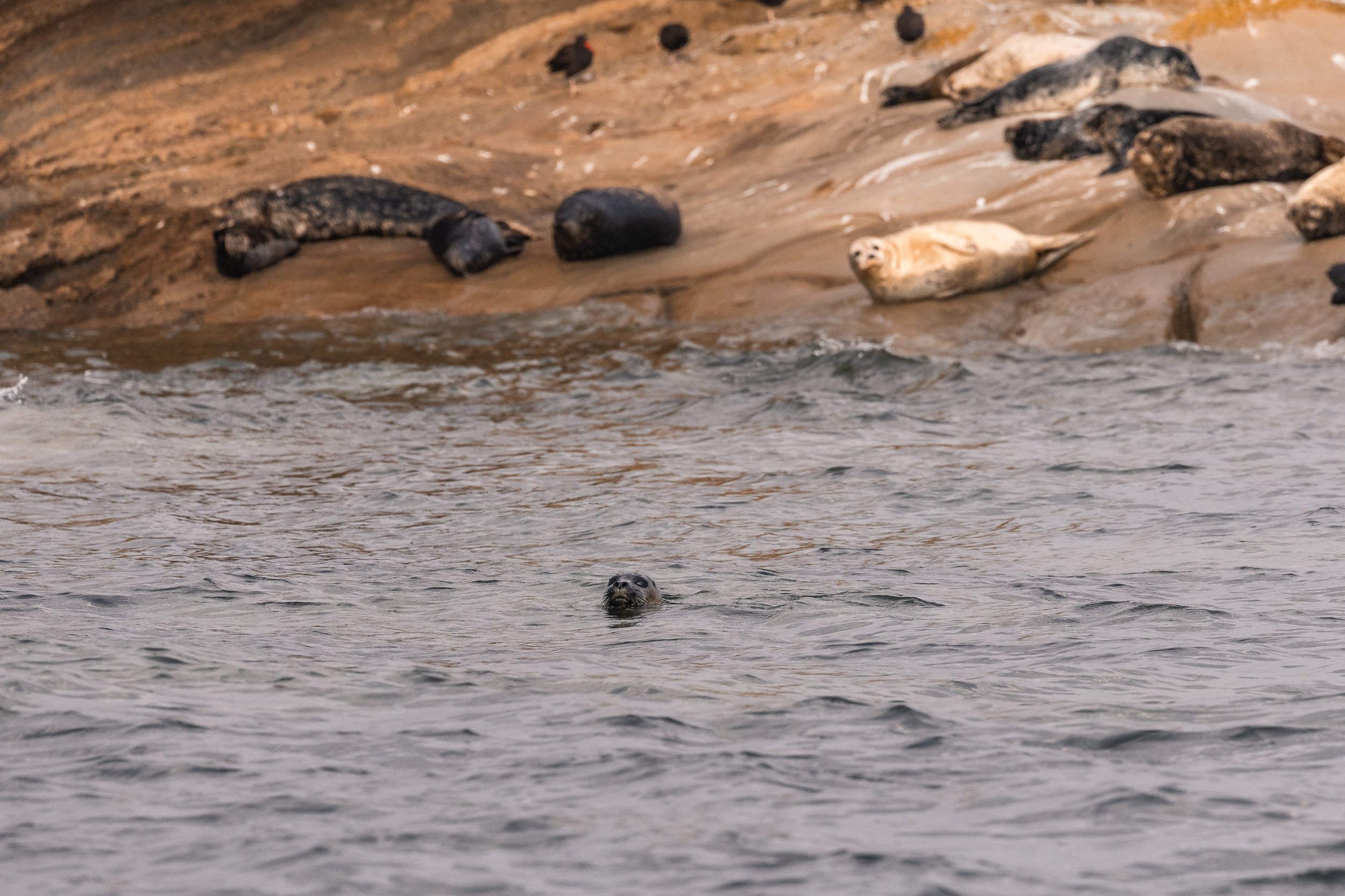
A Harbour Seal peeking from the water. Photo by Des Poier.
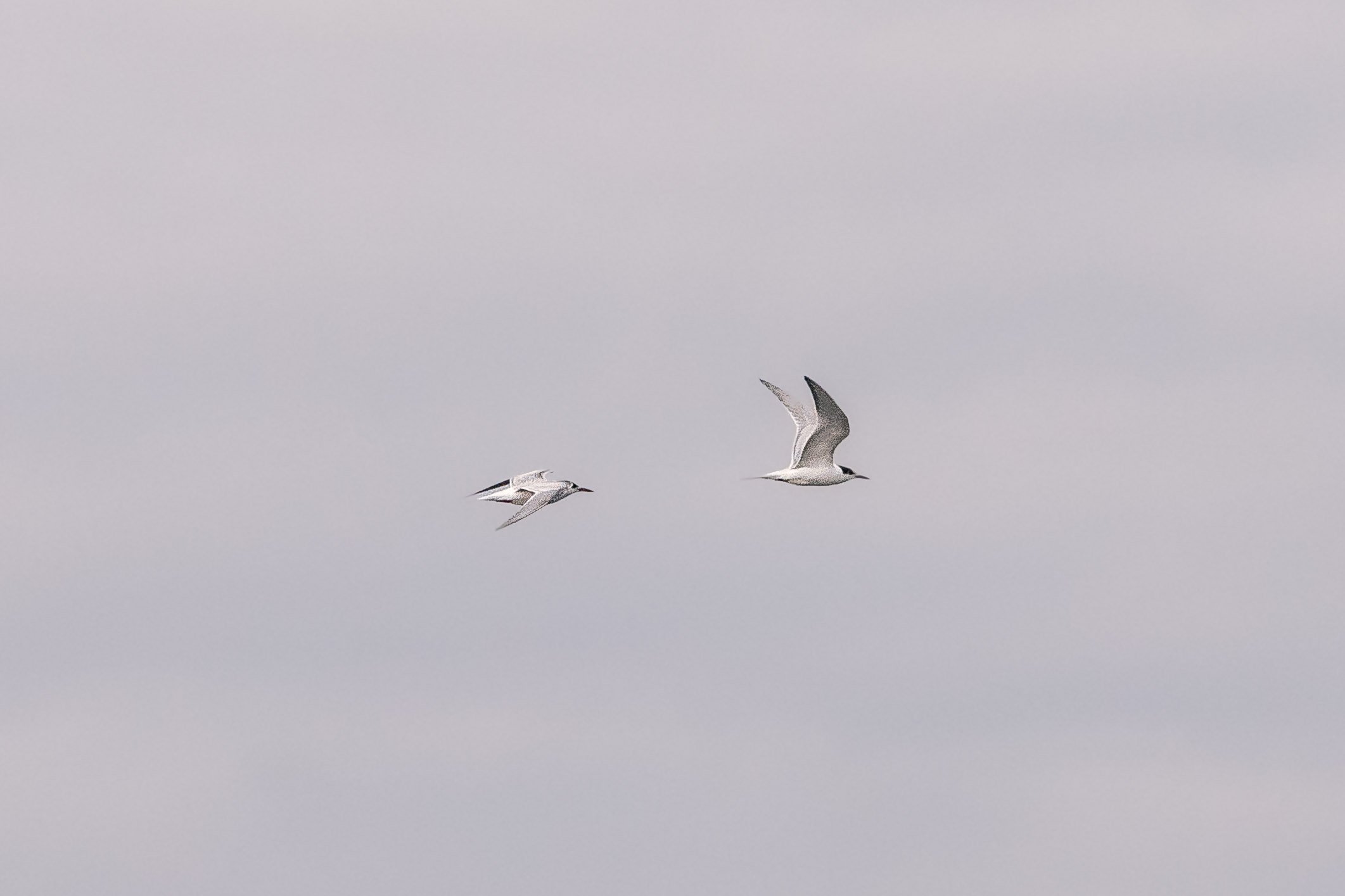
A pair of Common Terns flying overhead. Photo by Jordan Robinson.
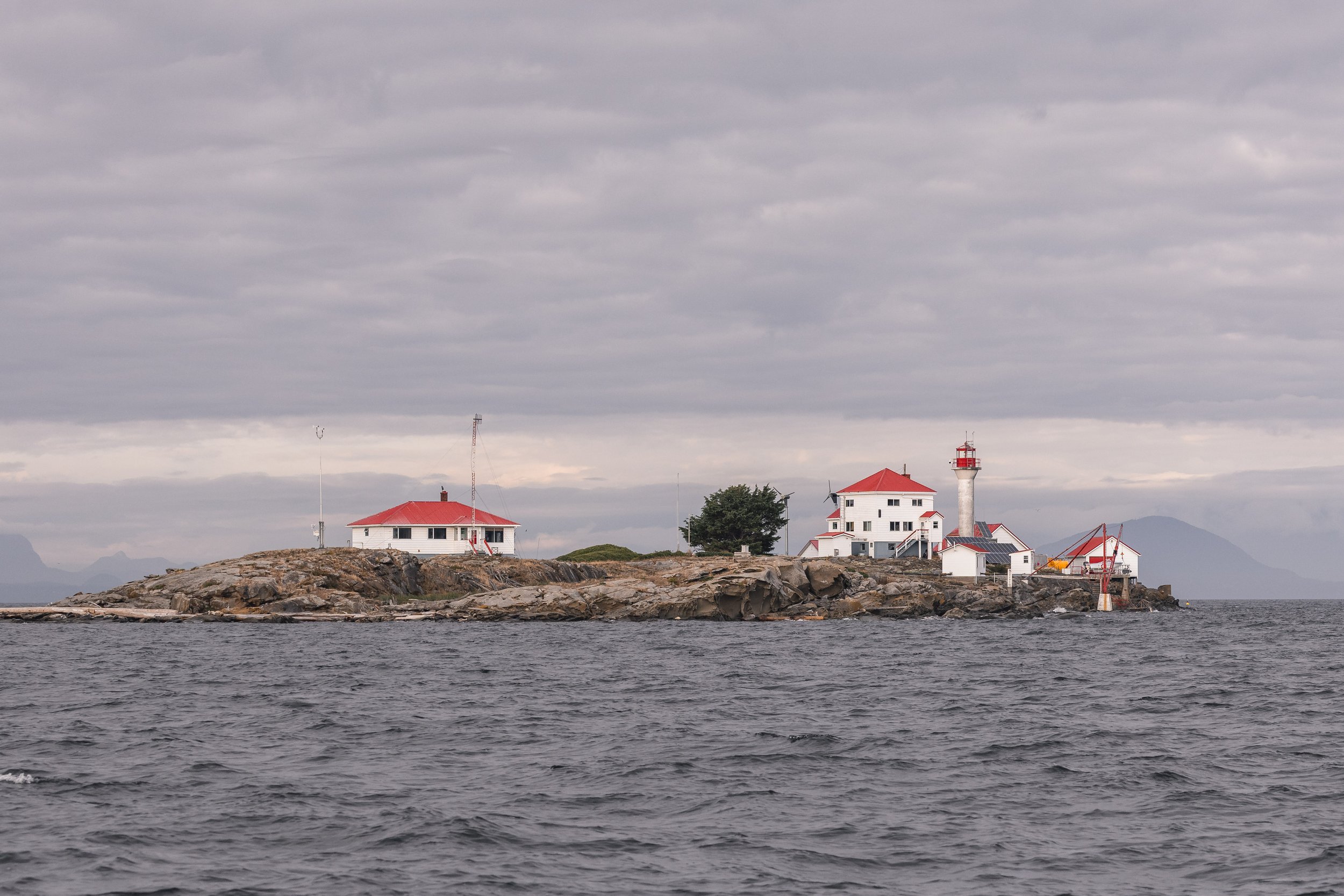
Entrance Island. Photo by Des Poier.
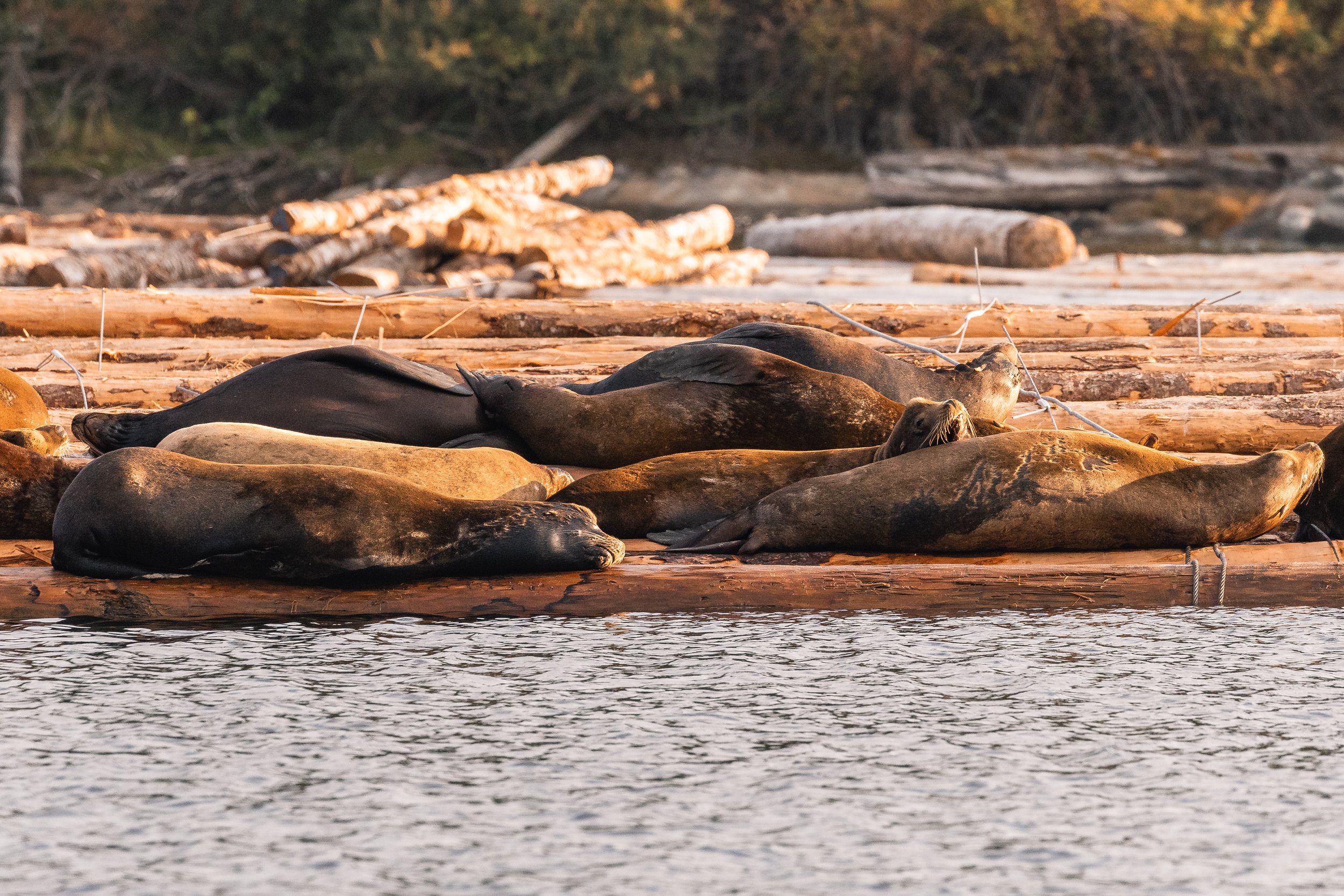
California Sea Lions resting on the log booms. Photo by Des Poier.
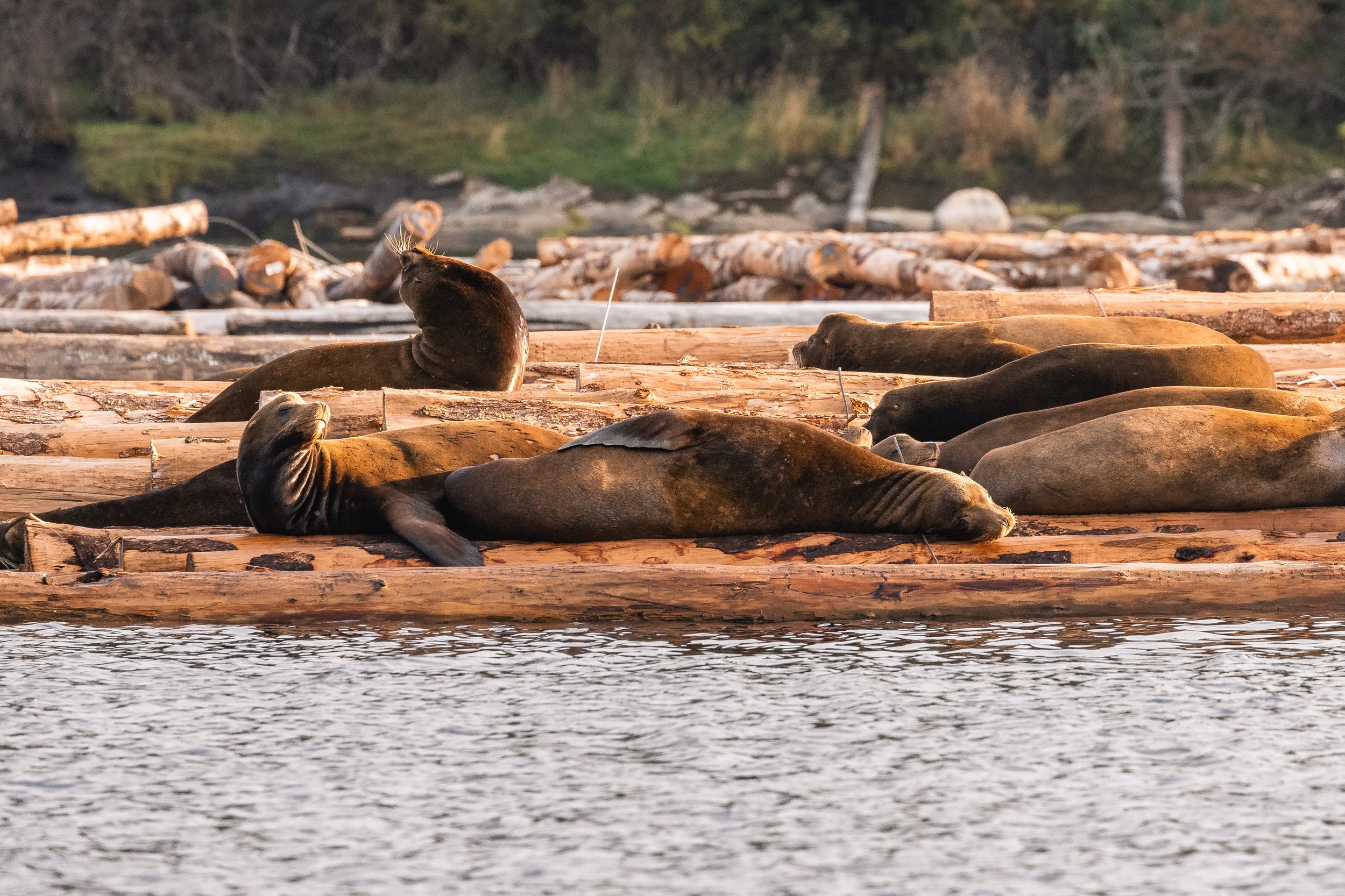
It was a perfect afternoon for a nap! Photo by Des Poier.
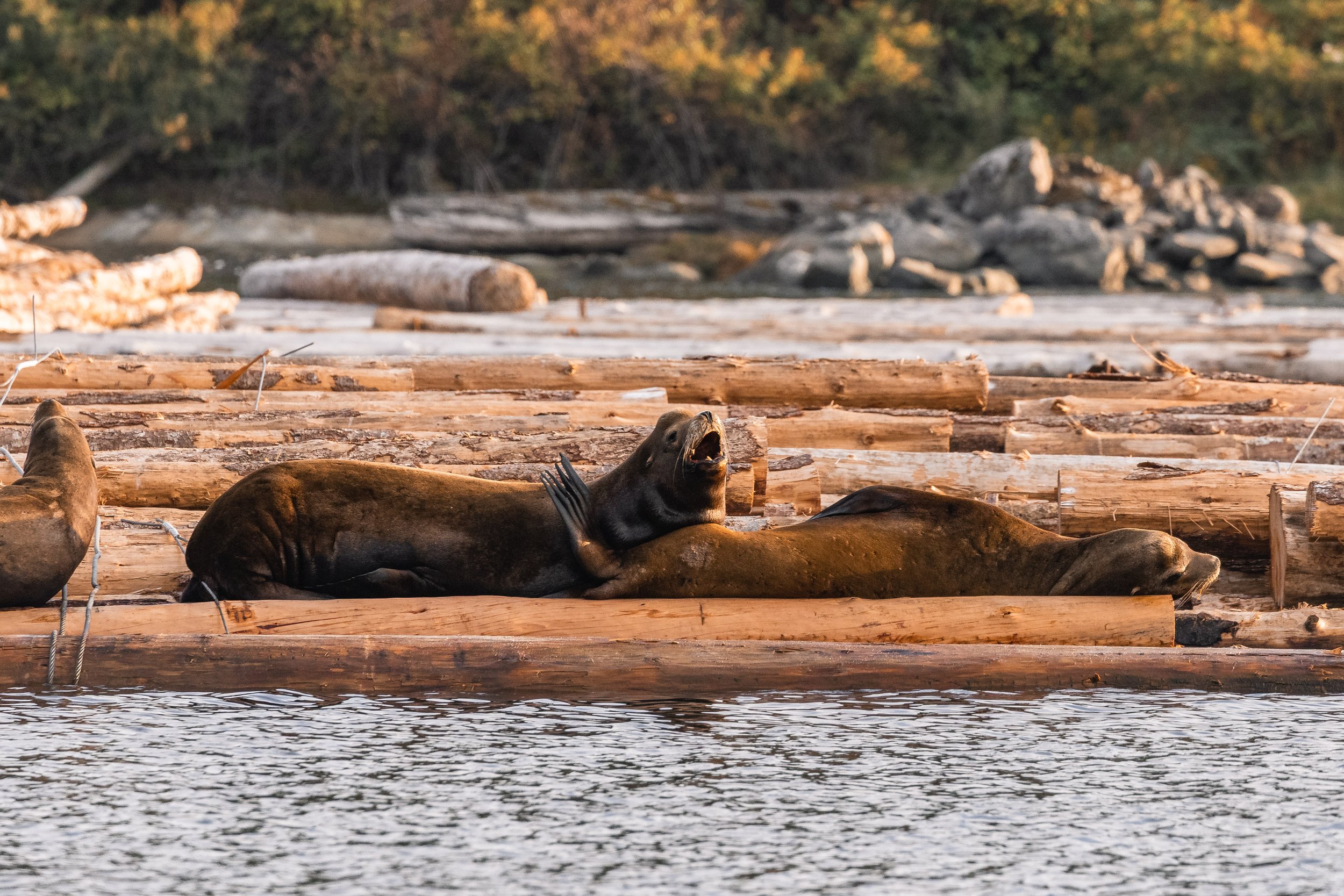
Uh oh, someone moved! Photo by Des Poier.