
September 12, 2026, 3:30 PM - The T065Bs hunt through Porlier Pass
After boarding Kula, Naturalist Jordan talked about what to watch for before we headed out. None of our whales have trackers or tags, so every trip is a new adventure in finding them!
We started peeking around, scanning for blows, flukes, or dorsal fins. We had heard word of a potential orca sighting inside the Southern Gulf Islands down near Active Pass, and we were eager to venture that way ourselves.
We headed south, passing by many of the inner islands. Our journey took us to the southern part of Salt Spring Island, the largest of the Southern Gulf Islands. We scanned and scanned all around, but came up empty-handed. We then headed between Mayne Island and North Pender Island, through a waterway known as Navy Channel, to the edge of Plumper Sound. Eyes always keen on the horizon, we found this area lacking whales, too. We turned north and traversed through Active Pass, once more trying our luck for the elusive whales that had been down in the area. However, once more, they were nowhere to be found. We kept our hopes high, though, as we started travelling back up north, skirting along Galiano Island as we went.
Turning into Porlier Pass, the waterway that separates Valdes and Galiano Island, we finally spotted what we had been searching for - black dorsal fins sliced through the currents, travelling back and forth across the channel. It was a pod of orca! Grabbing a few photos of the individuals, it was confirmed that these were the T065Bs:
T065B Chunk ♀ (1993)
T065B1 Birdsall ♂ (2011)
T065B2 Nettle ♂ (2019)
T065B3 Rook ♂ (2023)
These four seemed busy catching dinner when we first approached, making many directional changes as they zipped along. Although we didn't see whether the hunt was successful, the surface activity afterward suggests they were. The two youngest members of the pod, T065B2 Nettle and T065B3 Rook, zigzagged together, diving and tail-slapping away. At one point, Rook spyhopped, or brought the front half of his body up clear of the water’s surface. After some playful antics, they returned to their travels, quickly surfacing before disappearing below the surface once more.
We are happy to see them all doing so well, especially Nettle, as they were in a bit of a precarious situation earlier this year. On July 16th, Nettle was seen stranded on Minor Island. This area has many shallow, sandy areas to it, and is often covered in Harbour Seals resting away. It is possible he simply misjudged the distance or depth after chasing after one of these seals, sending himself out of the water and onto the bank. Strandings are very dangerous situations, as orca bodies are not designed to be out of the water for extended periods. Orcas are very heavy animals and are meant to be in the water, where the water can help support their weight. Out of the water on land, though, is a different story. Gravity causes their weight to put massive strain on their internal organs, which can lead to struggles with breathing and ultimately prove fatal if left unchecked. For Nettle’s rescue, a rescue team was contacted, but thanks to the rising tide, he was able to re-float himself without intervention.
After spending some quality time with T065Bs, the sun was starting to get low in the sky, and it was time for us to say our goodbyes. We slowly made our way away and pointed out into the Strait of Georgia. We turned and made our way to the Canoe Islets, where the rocks were covered in birds of all shapes and sizes. This area is an Ecological Reserve, originally established in 1971 to protect nesting cormorants and gulls. However, Double-crested Cormorants in particular have not been seen nesting here since 1974. It is hoped that with continued preservation, the species may one day return to nesting in the area. For now, though, we can look in awe at the beautiful species simply resting in the area.
Heading back through Porlier Pass, we had one last quick view of the T065Bs as we headed back into the Southern Gulf Islands. The low light led to some incredible moments as they surfaced, with their blows beautifully backlit. It was a truly beautiful moment and the perfect last wildlife view before we started making our way back north.
Making our way up through the waterways one final time, we crossed back through Dodd Narrows and travelled through Northumberland Channel. Soon Nanaimo was in sight, with its waterside buildings popping up along the horizon. We pulled back into the harbour and chatted about the day, from searching the islands to the orca encounter, and wrapped up another beautiful day exploring the Salish Sea.
Photos taken by Marine Naturalist Jordan Robinson - please enjoy!
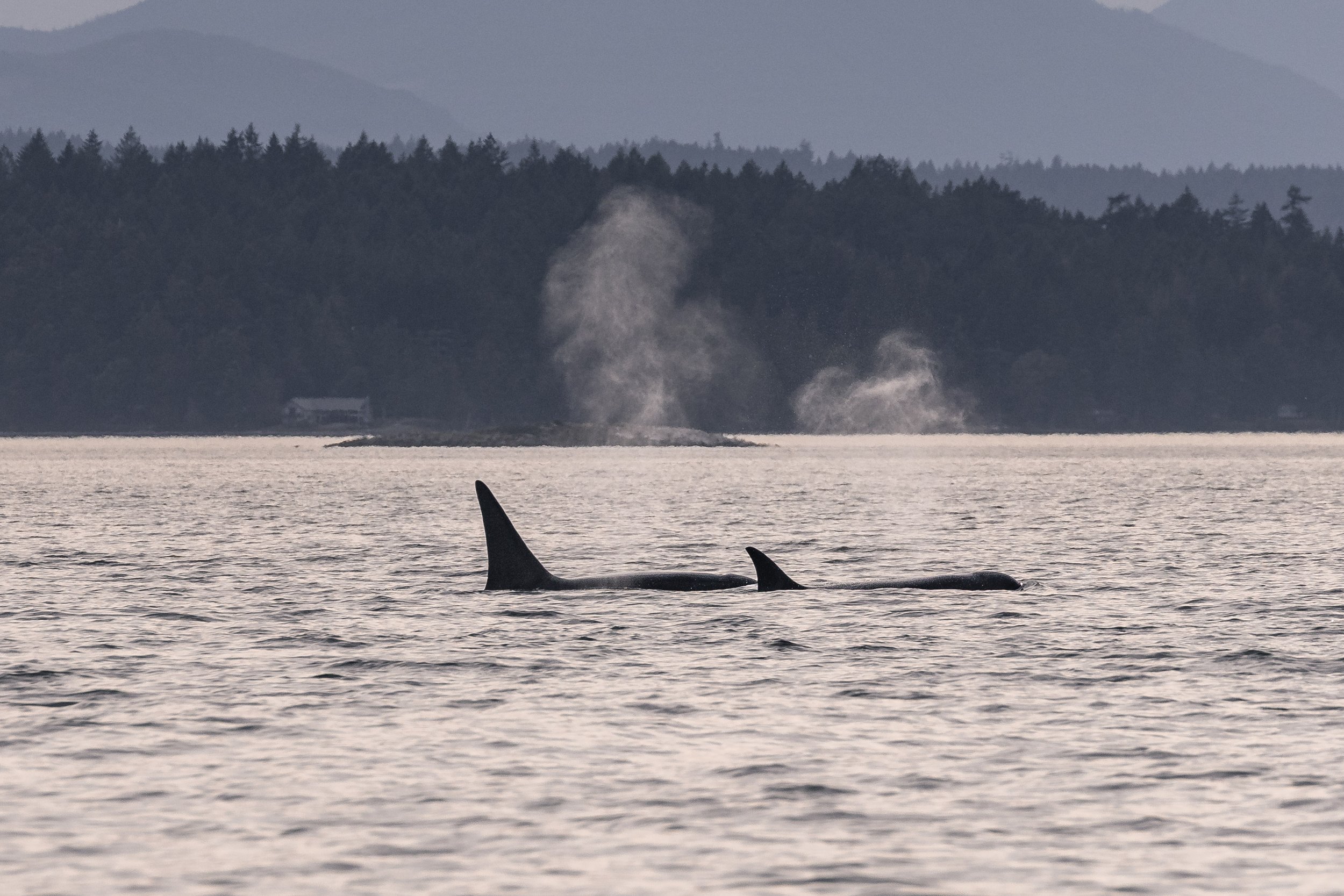
T065B1 Birdsall and his mother T065B Chunk travelling together.
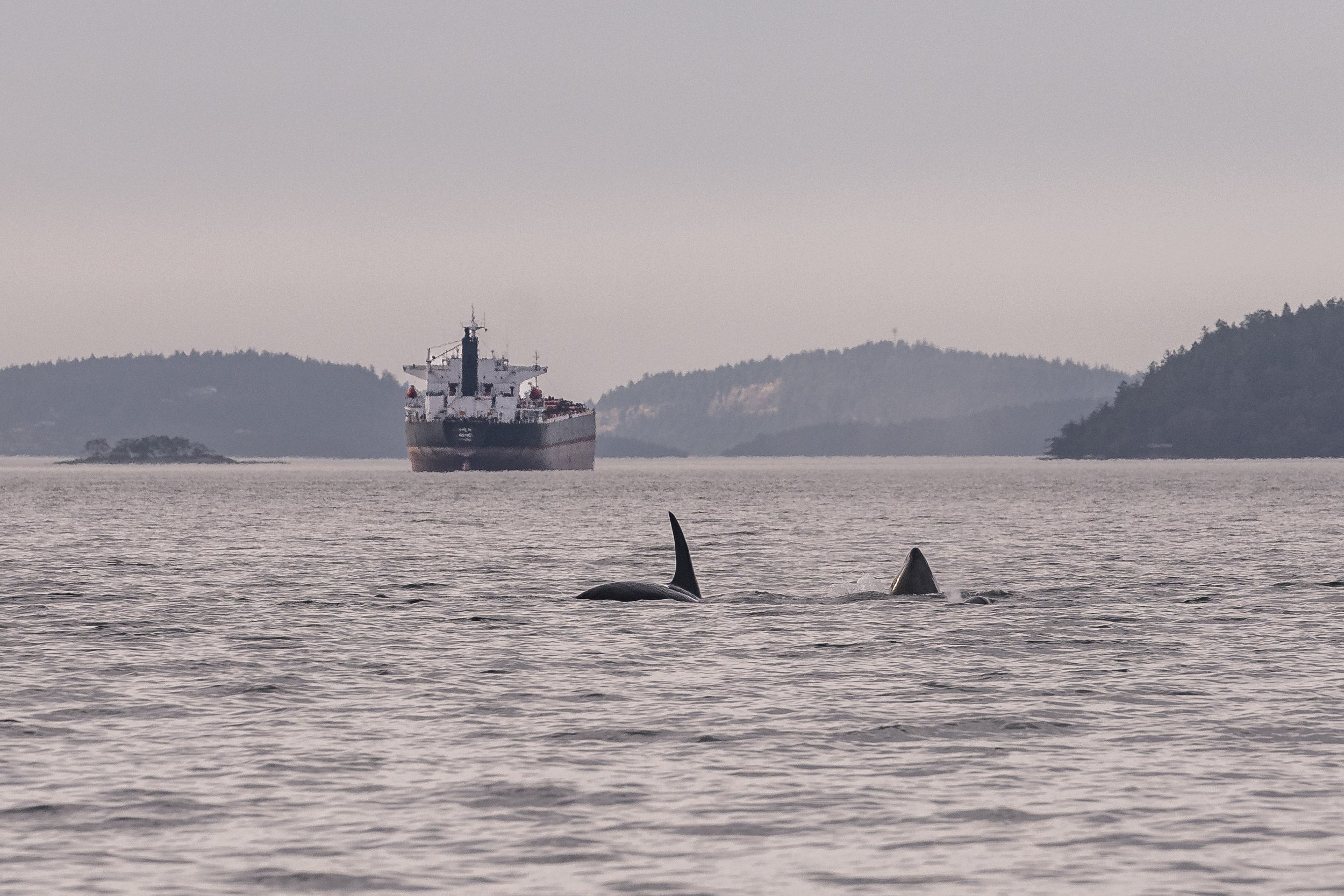
A tiny spyhop from T065B3 Rook with T065B2 Nettle beside them.
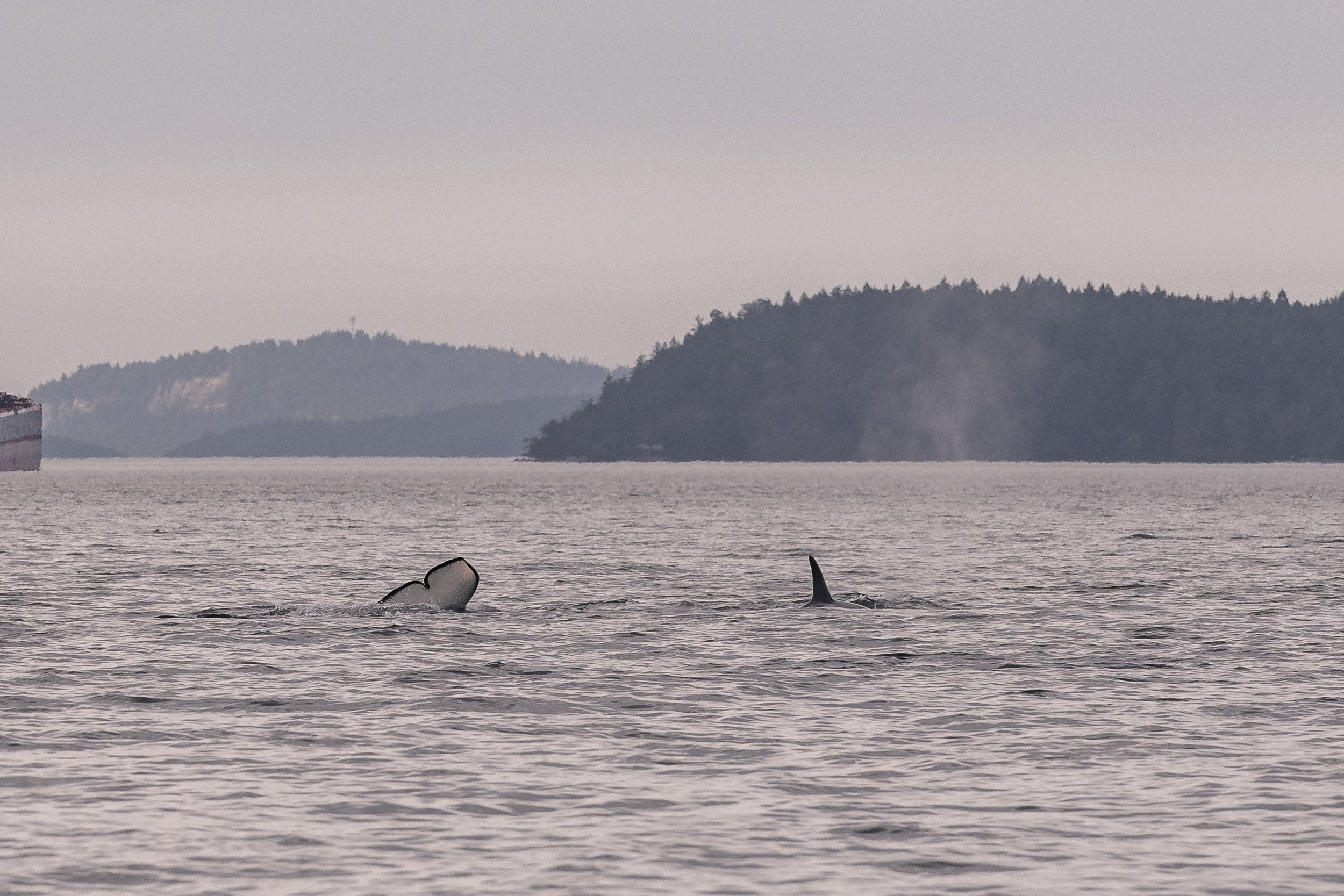
T065B3 Rook with T065B2 Rook’s tail out of the water beside him.
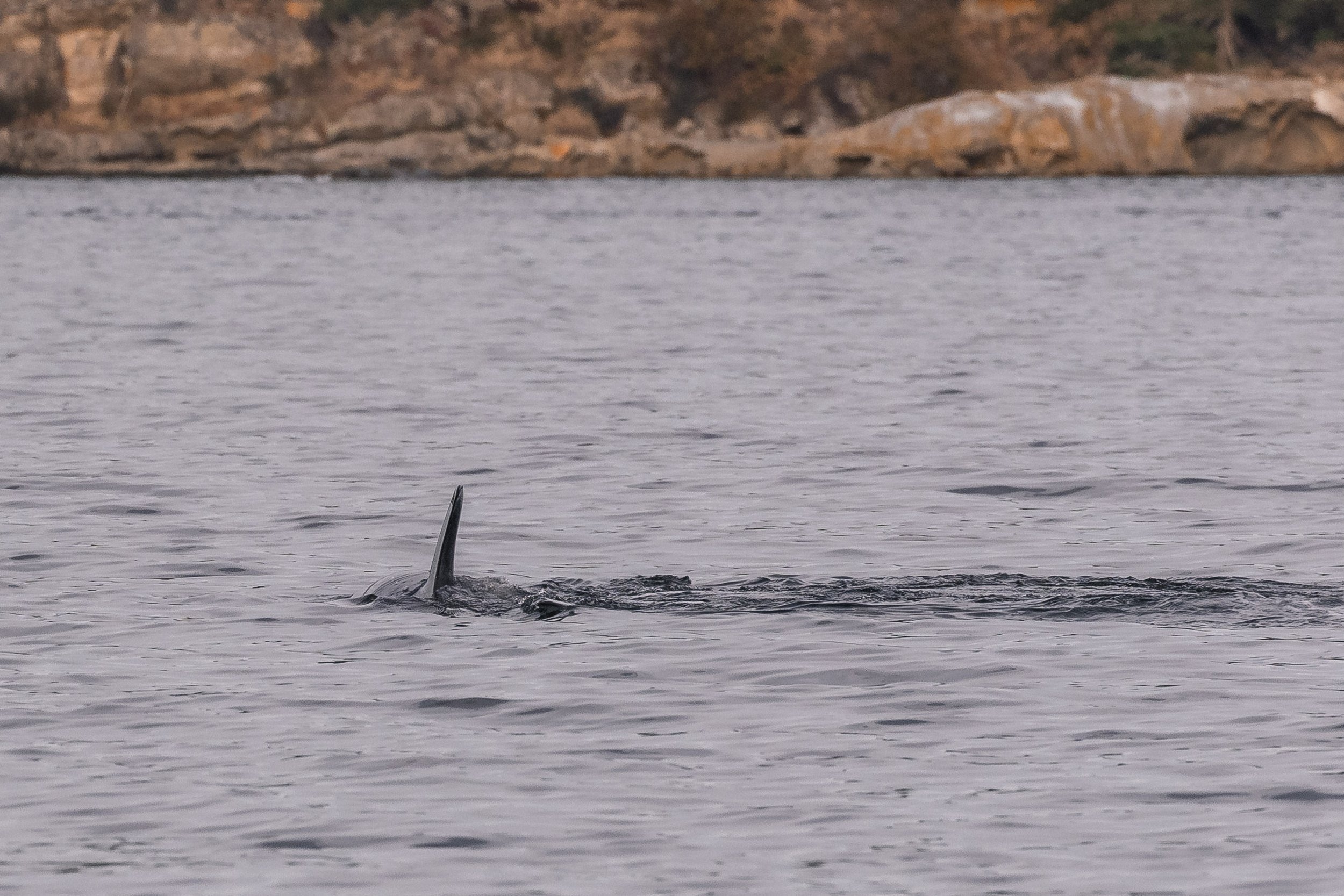
T065B3 Rook zooming by.
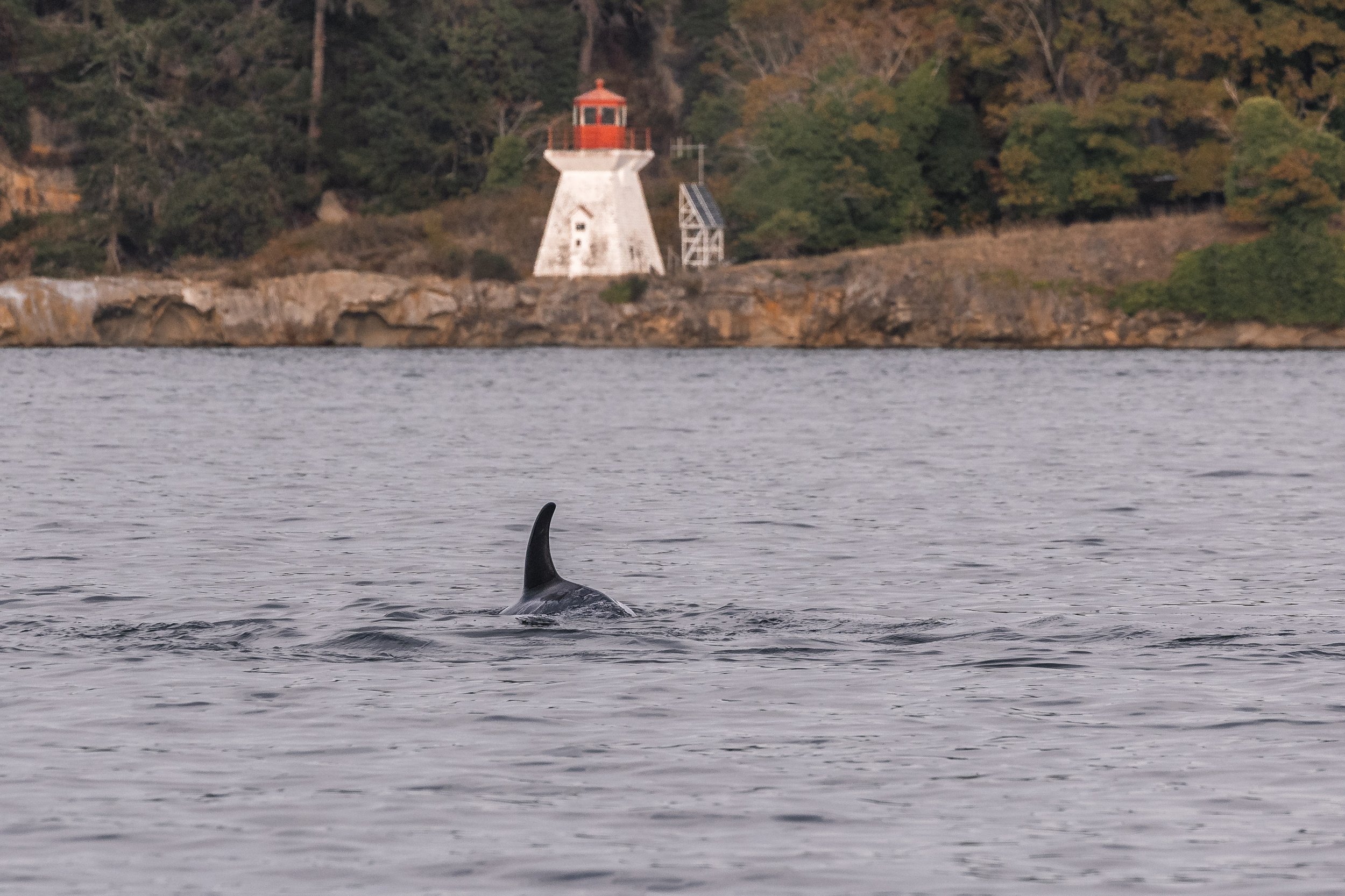
T065B3 Rook diving in the middle of Porlier Pass.
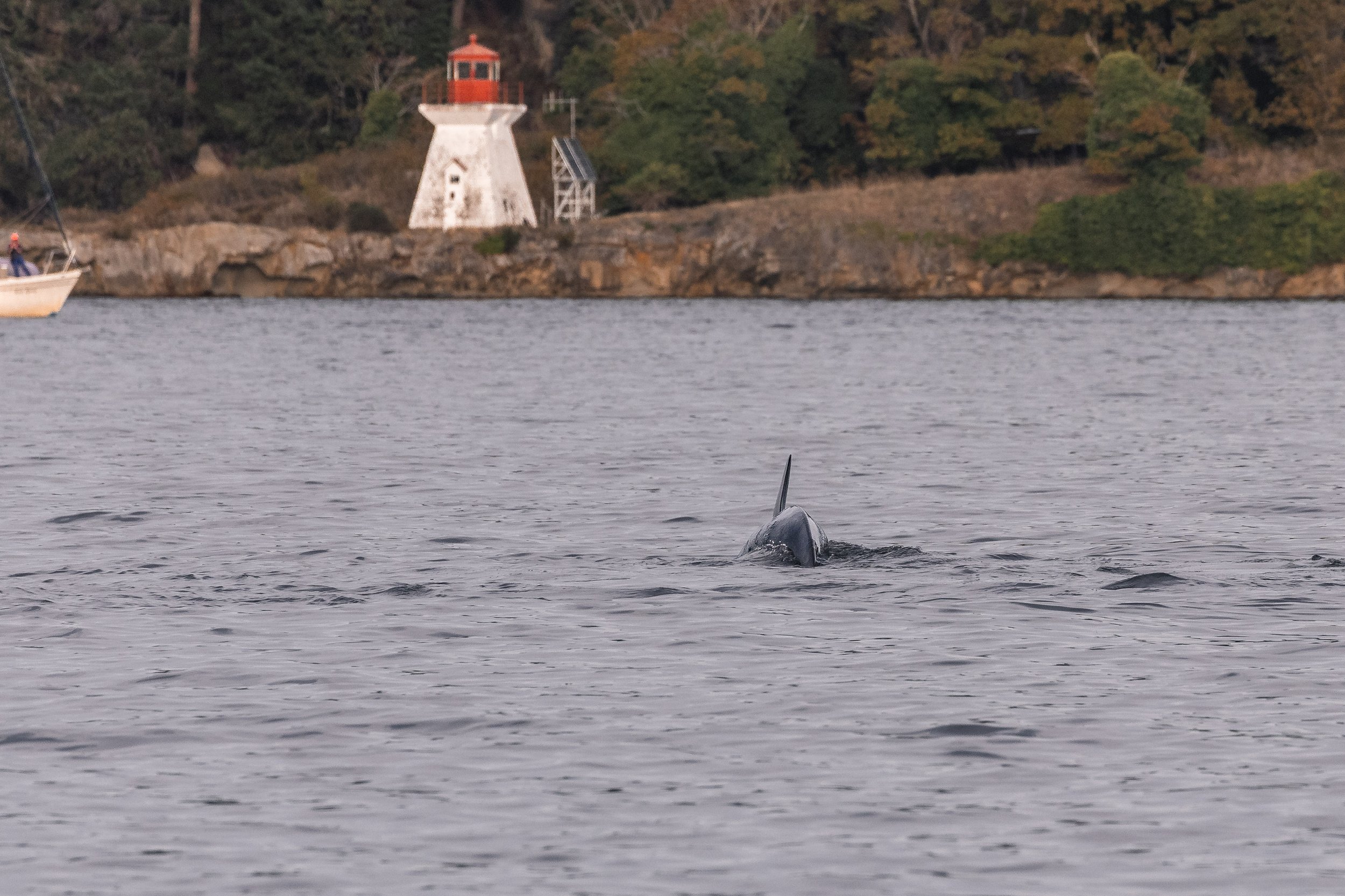
An interesting angle where you can really see the definition on T065B3 Rook’s back and spine!
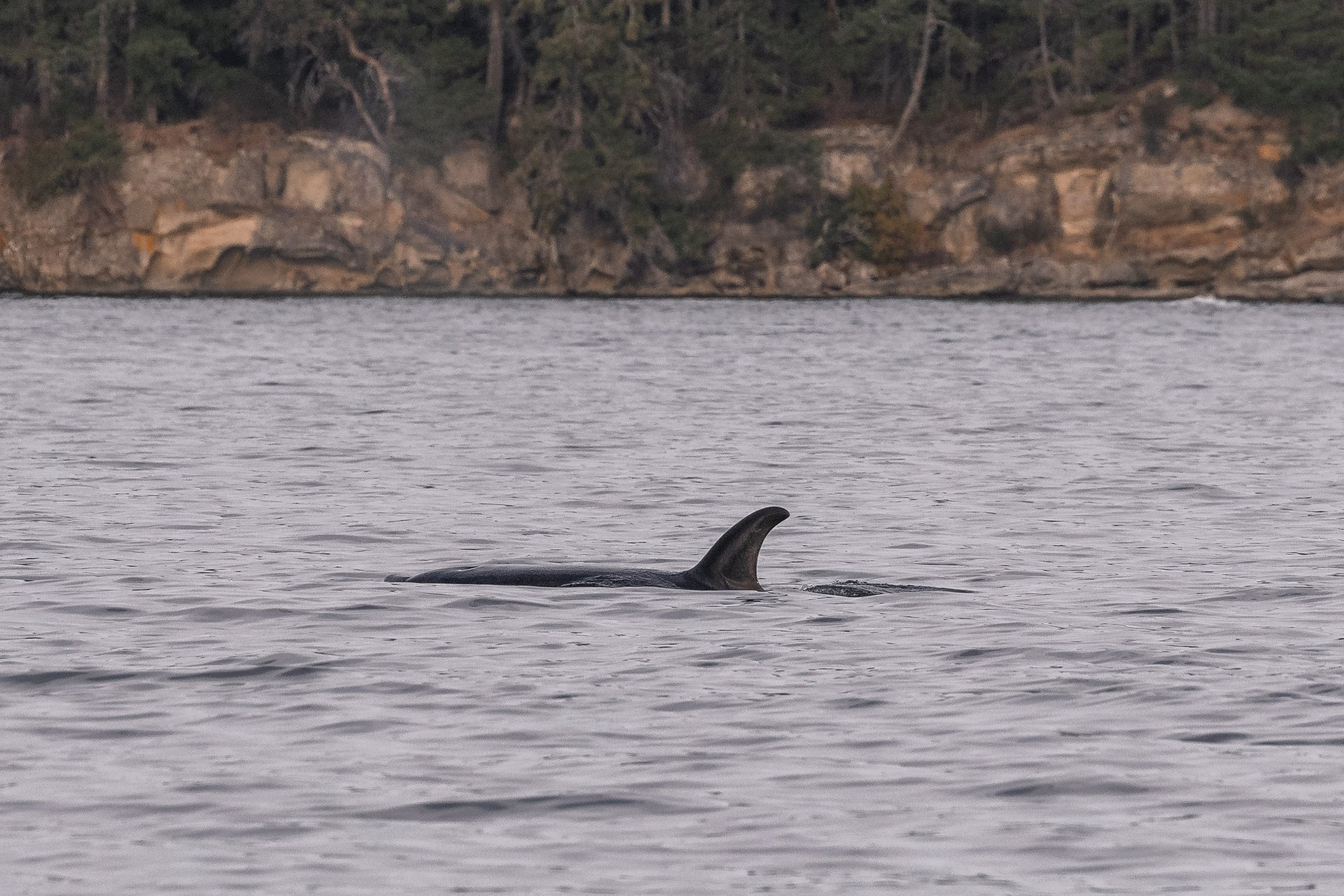
T065B3 Rook with his hooked dorsal fin visible.
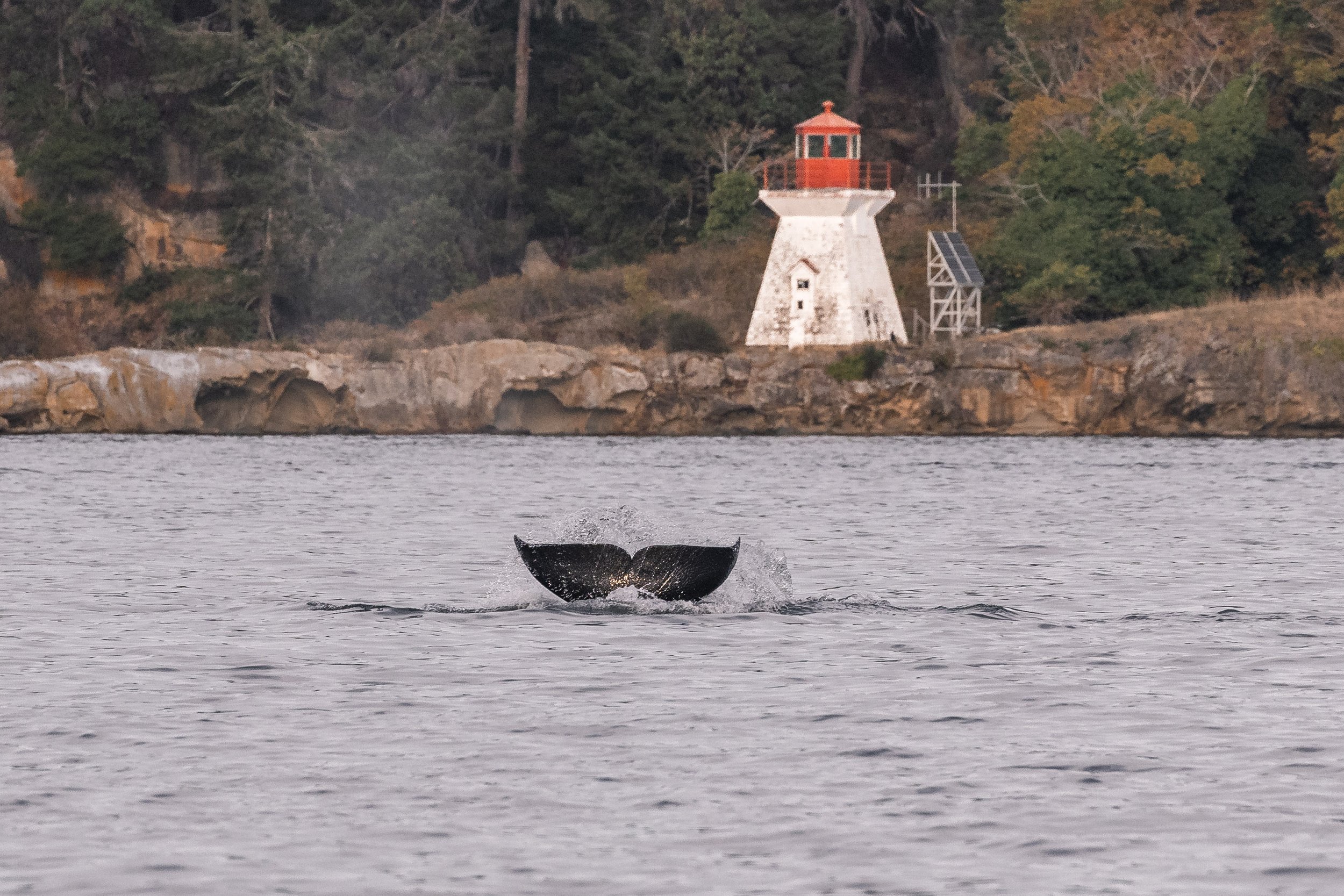
Flukes up!
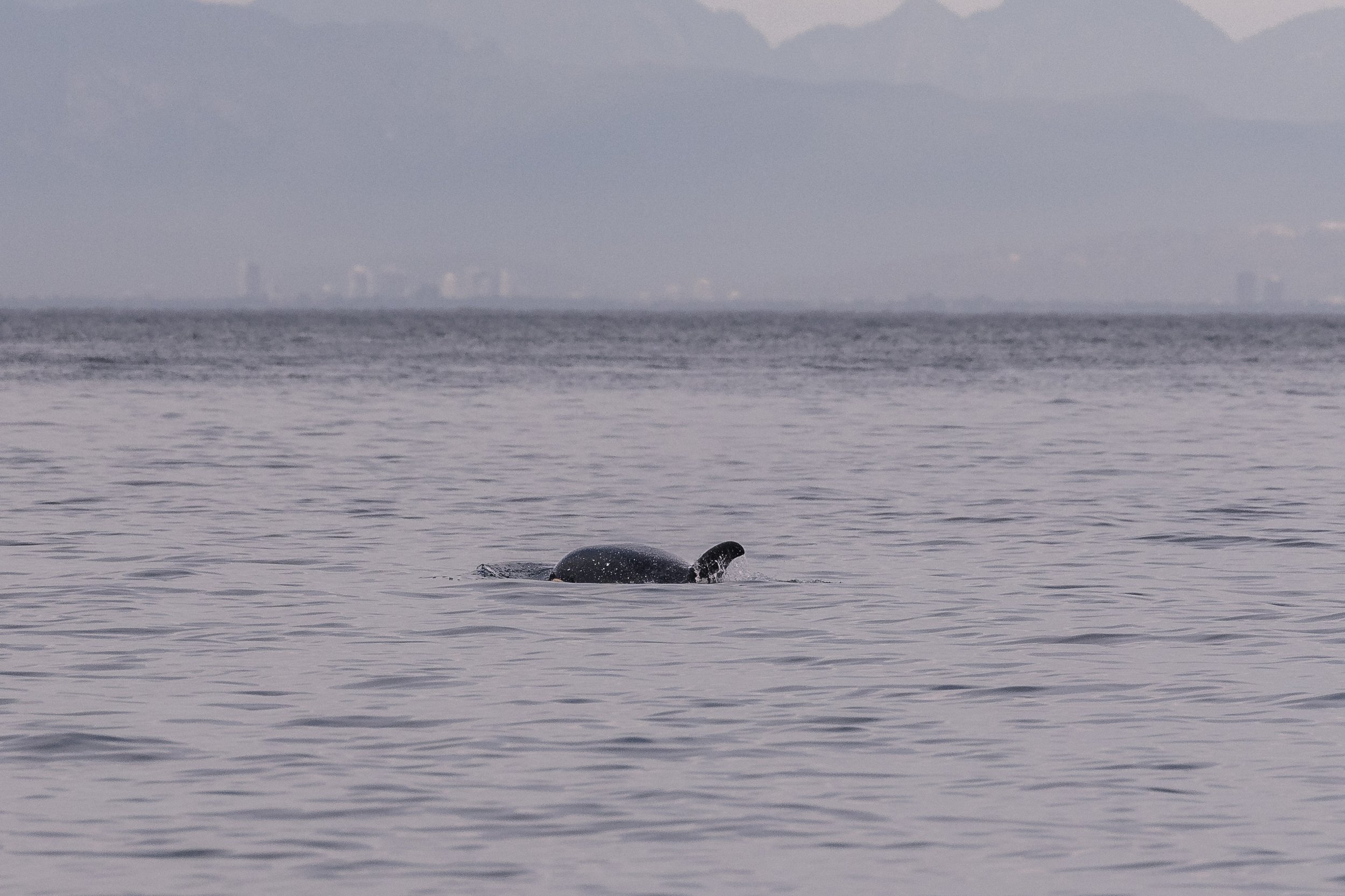
T065B3 Rook was zipping all over the place!
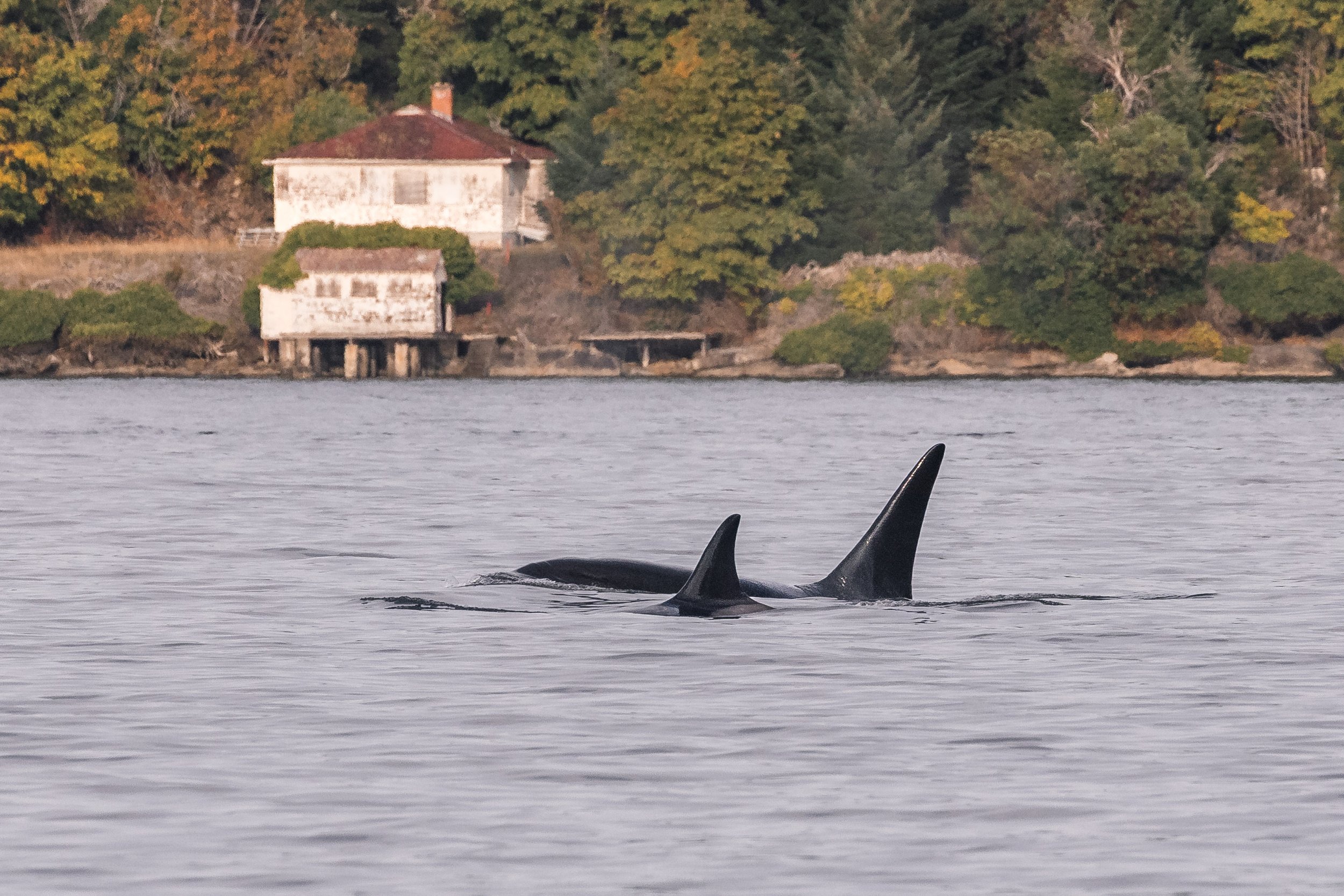
T065B1 Birdsall towering over T065B Chunk.
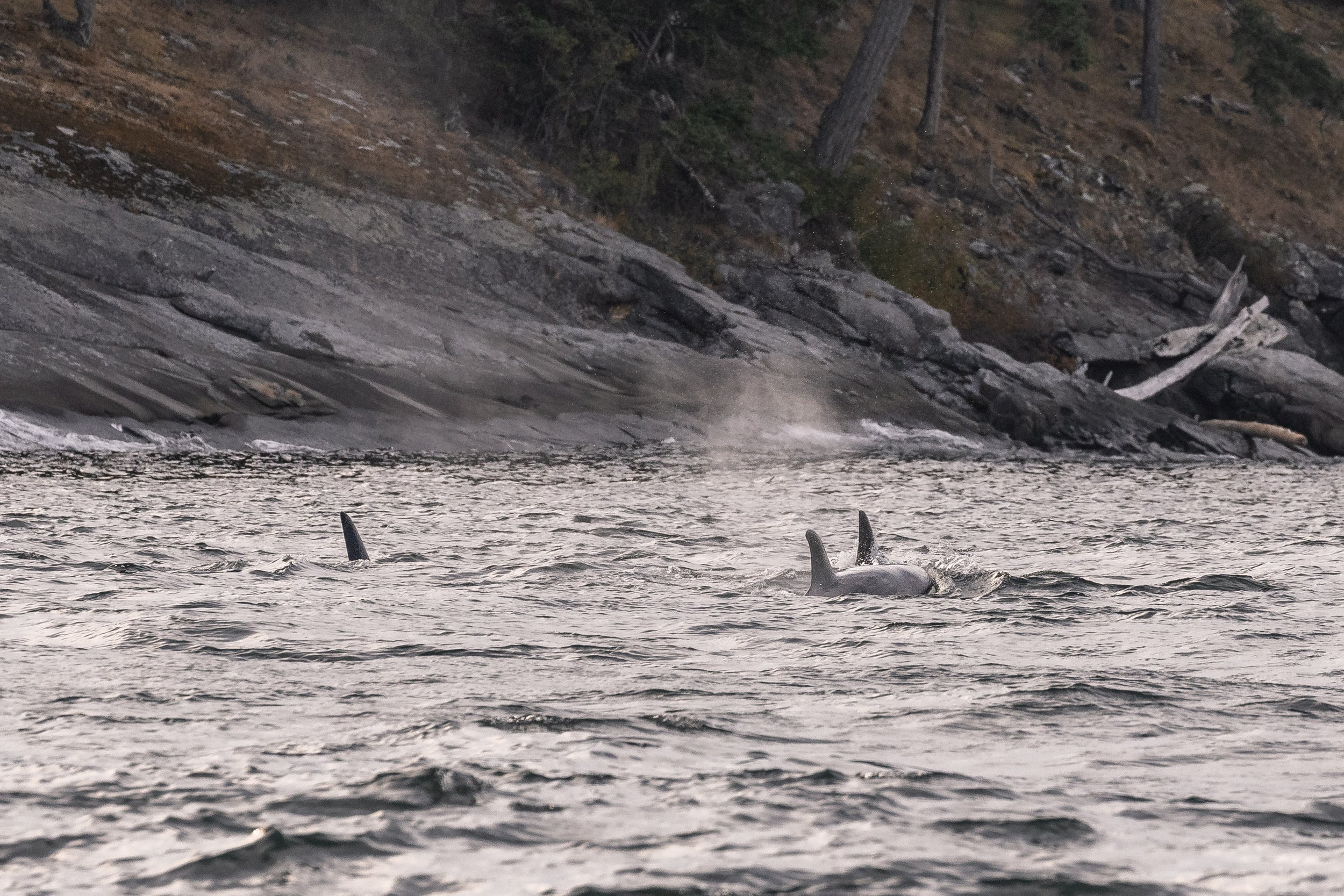
The T065Bs were patrolling the shores while we observed.
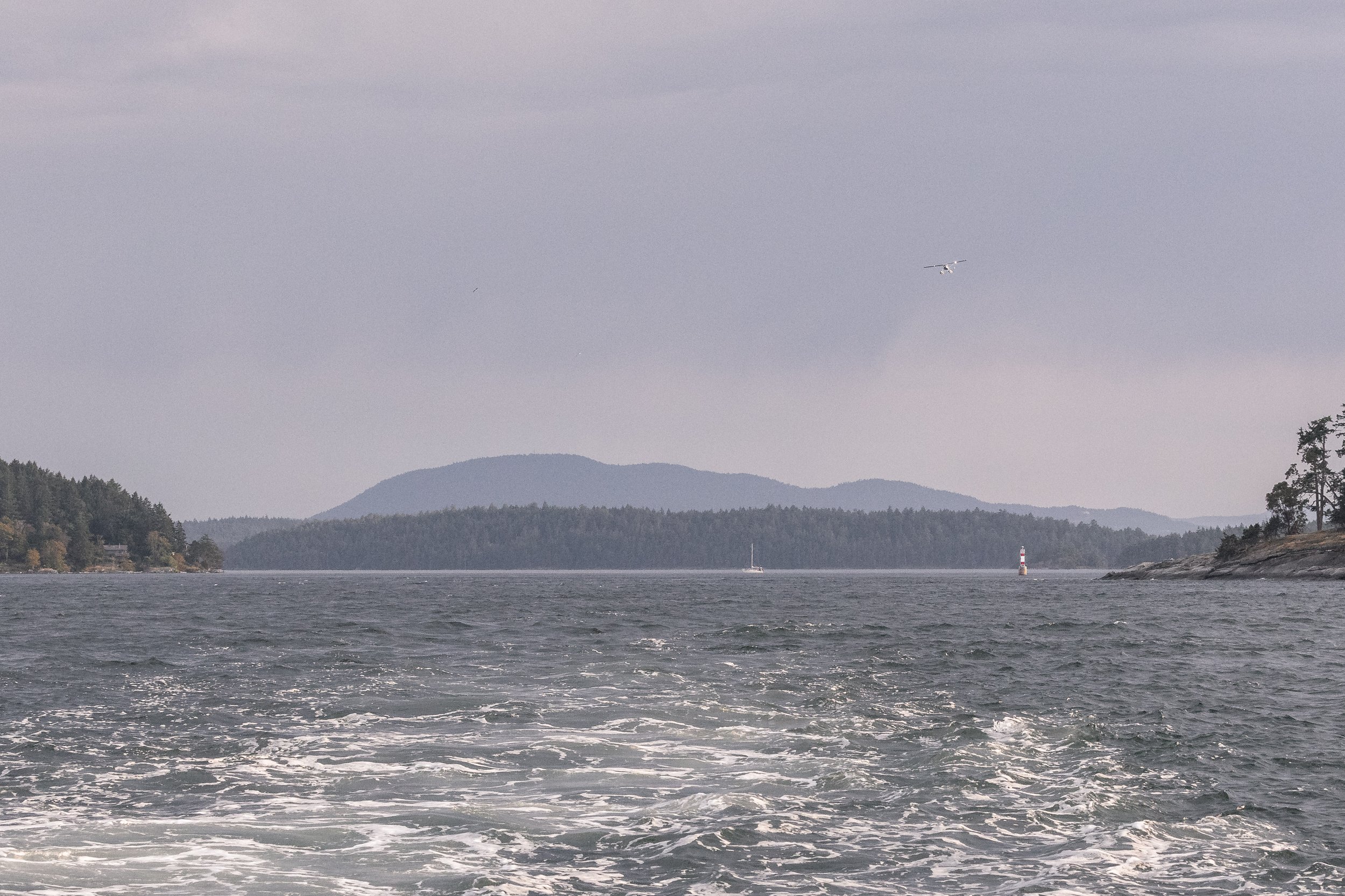
A peek at Porlier Pass.
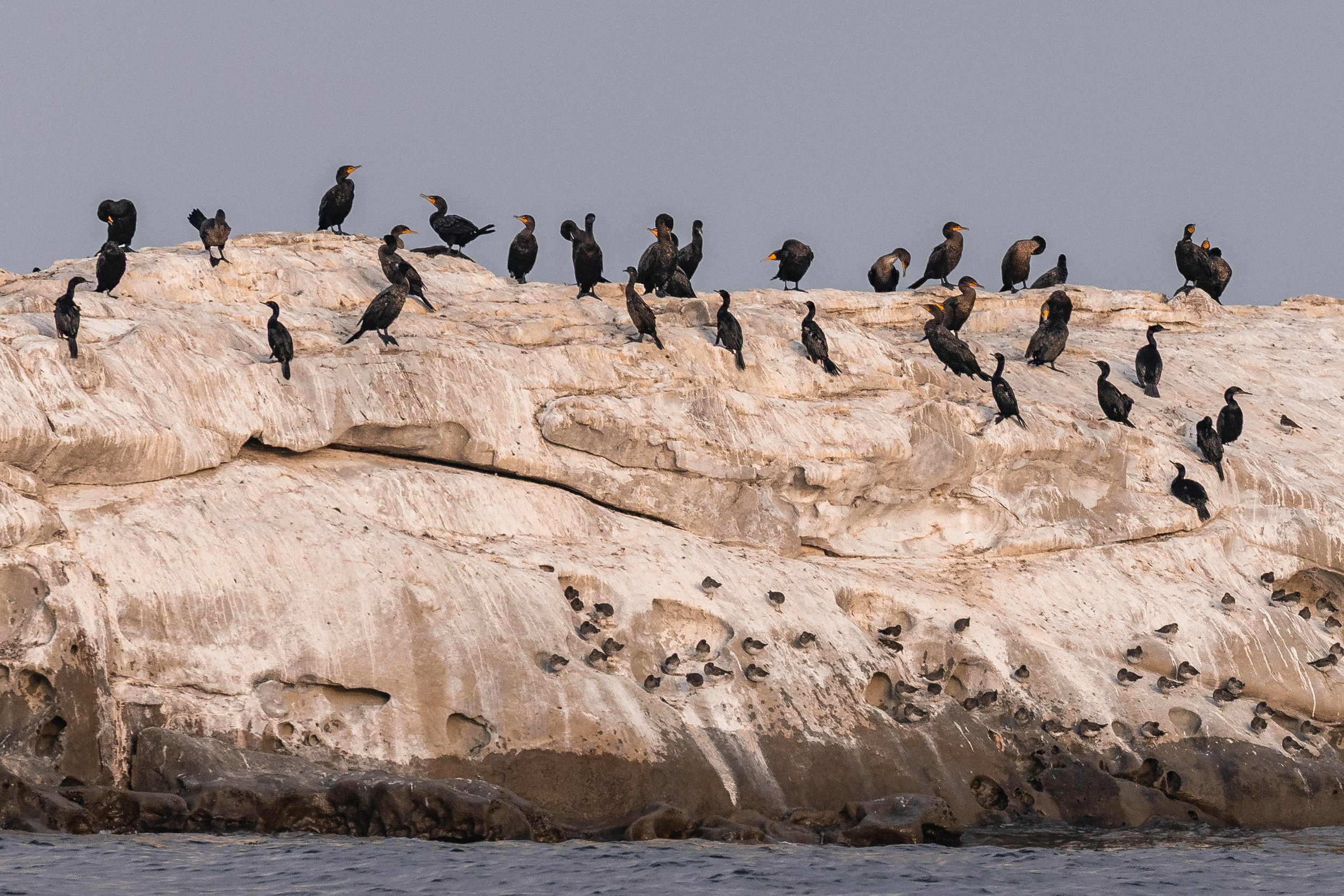
The Canoe Islets were packed with many different birds today!
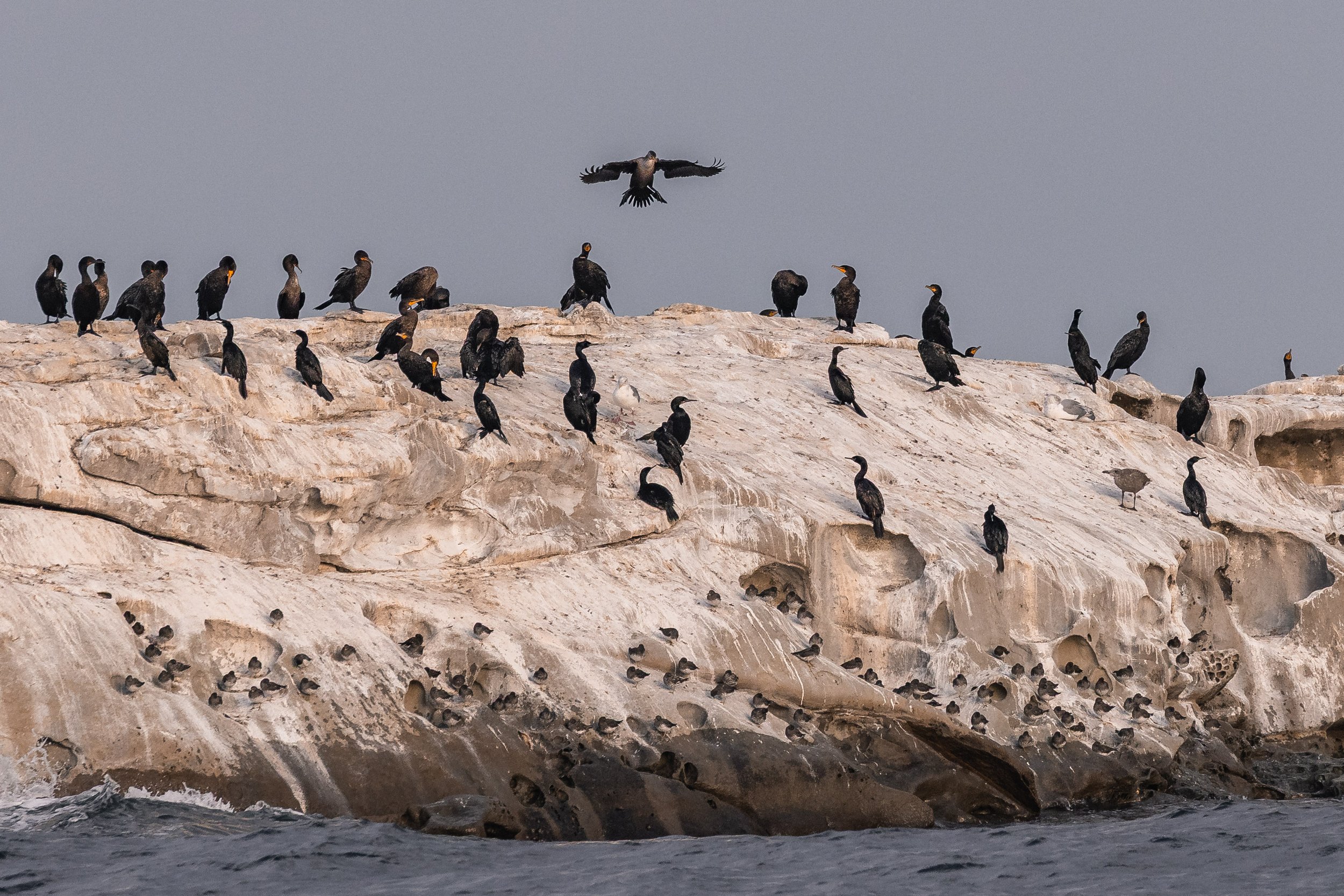
Coming in for a landing!
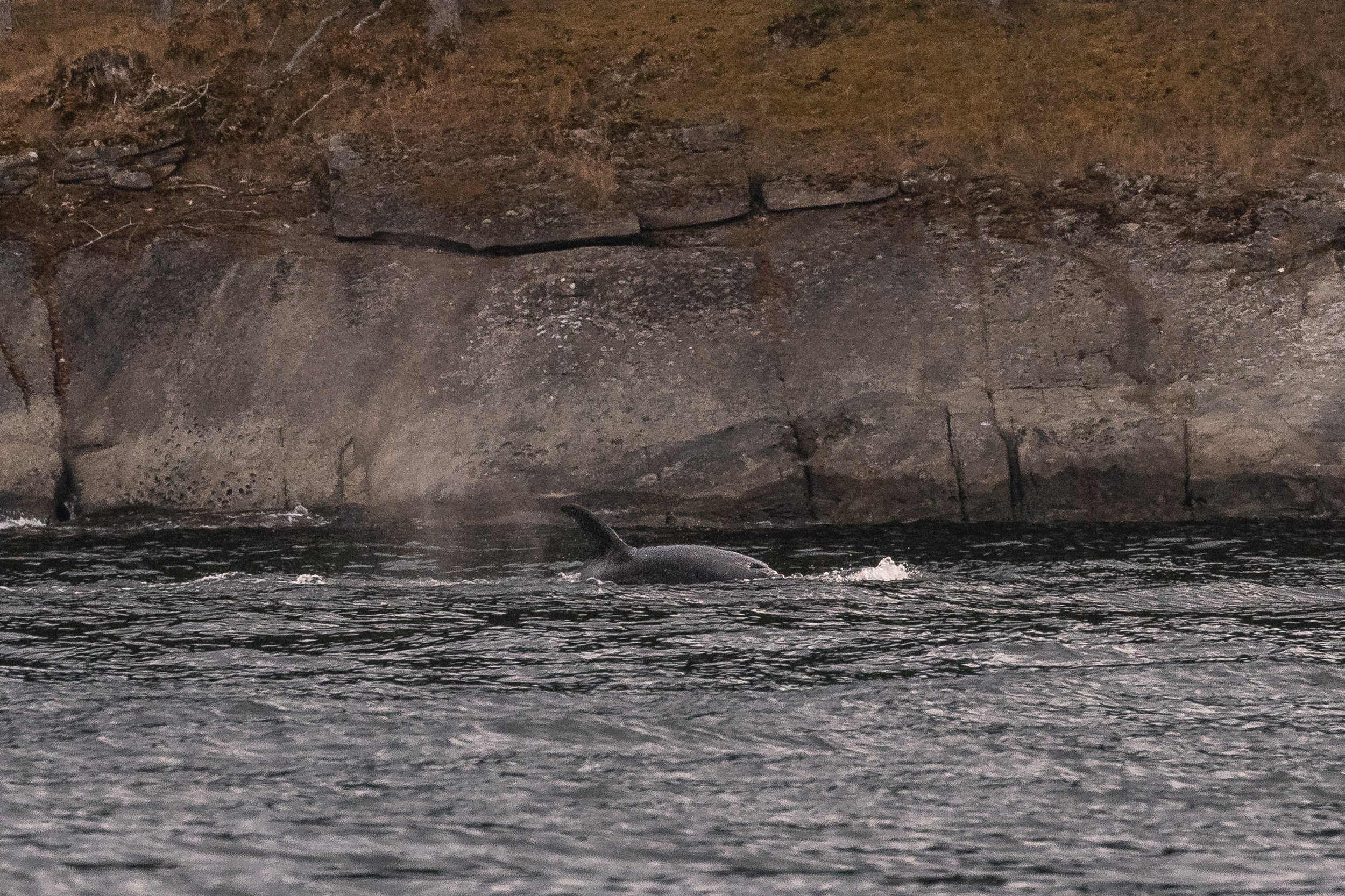
Orcas are equipped with something known as countershading, which helps break up and blend their silhouette. You can see that in action here!
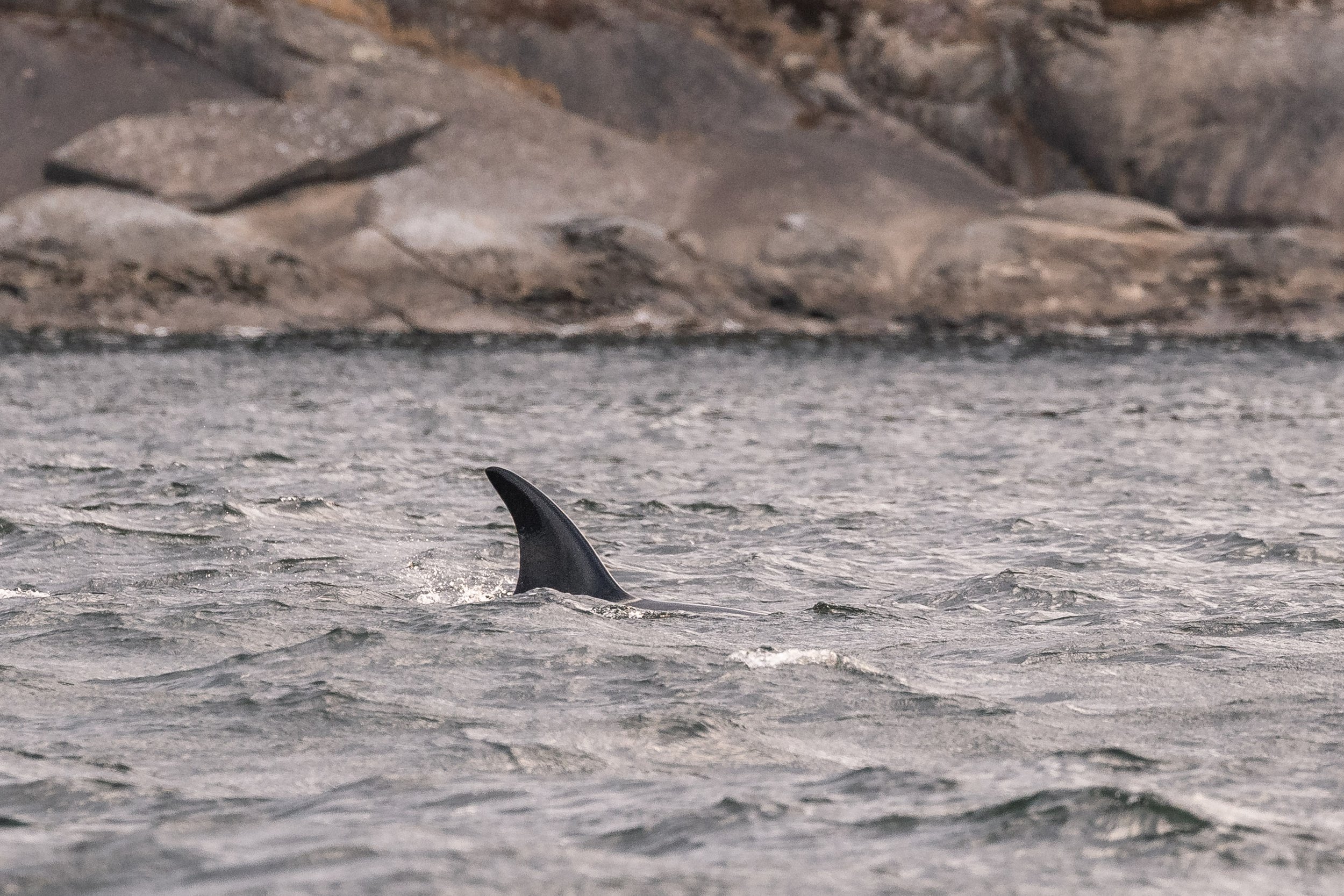
T065B2 Nettle’s dorsal fin is starting to get taller!
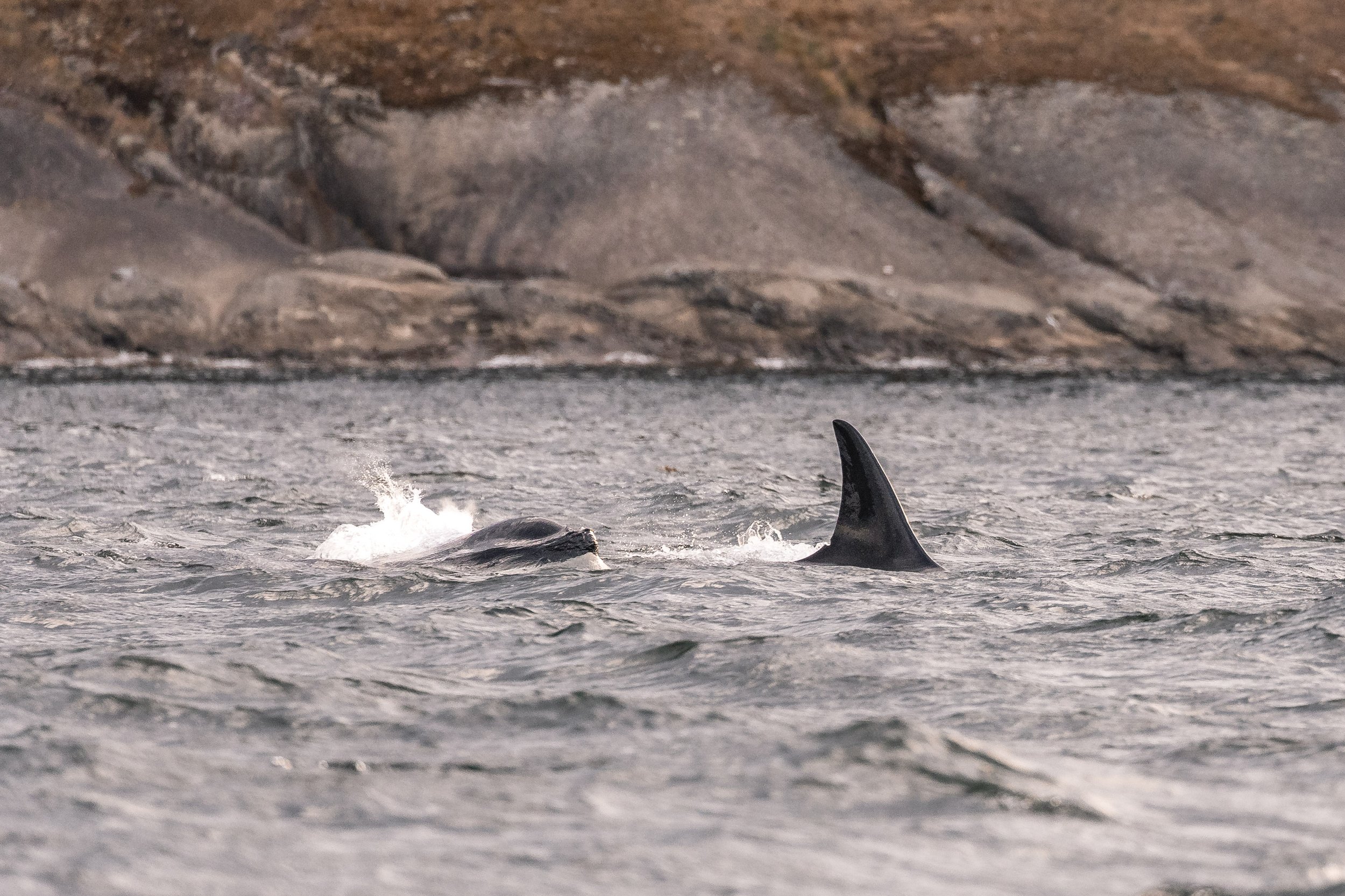
T065B2 Chunk with T065B3 Rook behind her, just about to break the surface.
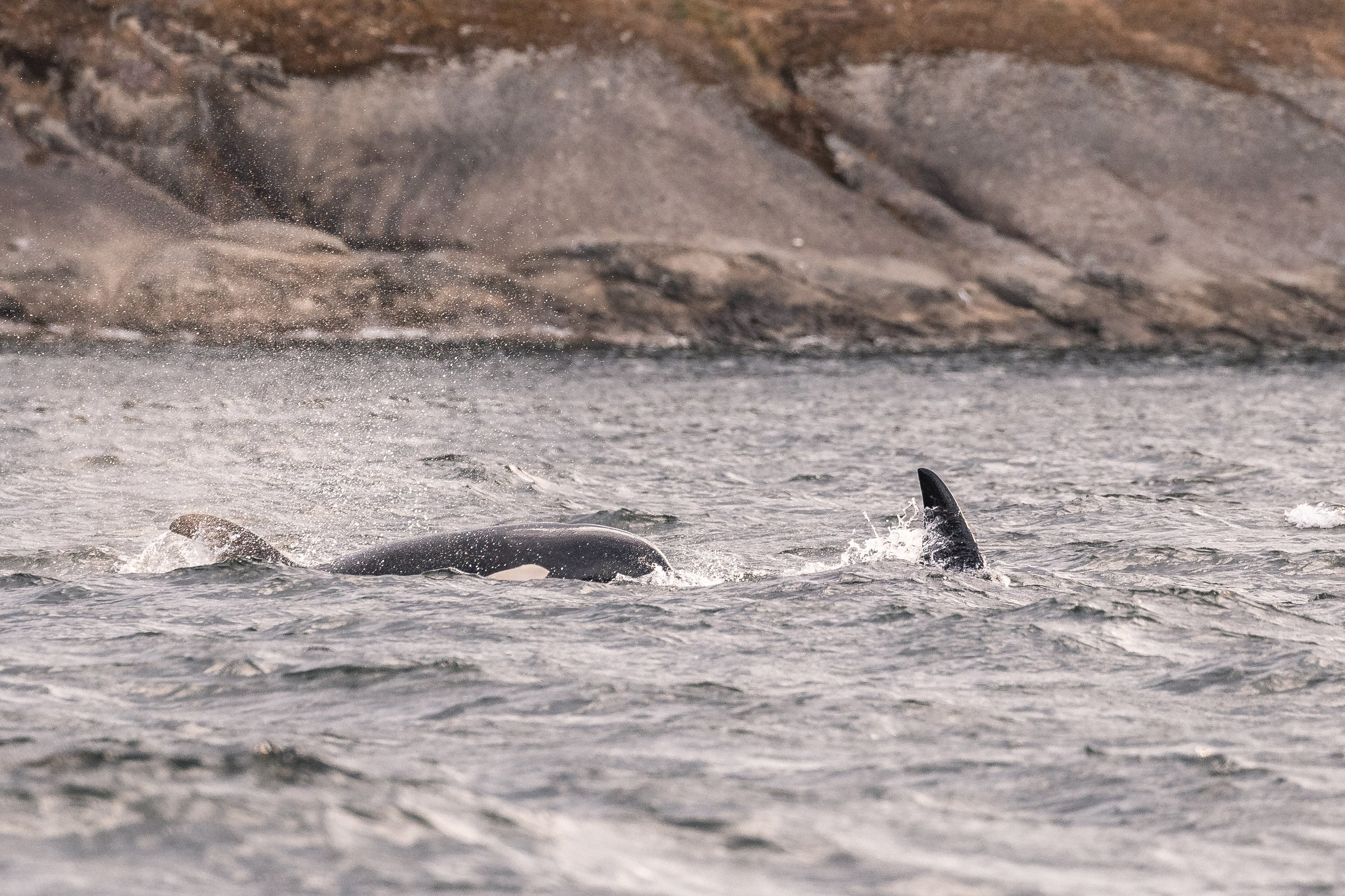
T065B3 Rook popping up behind his mother T065B Chunk.
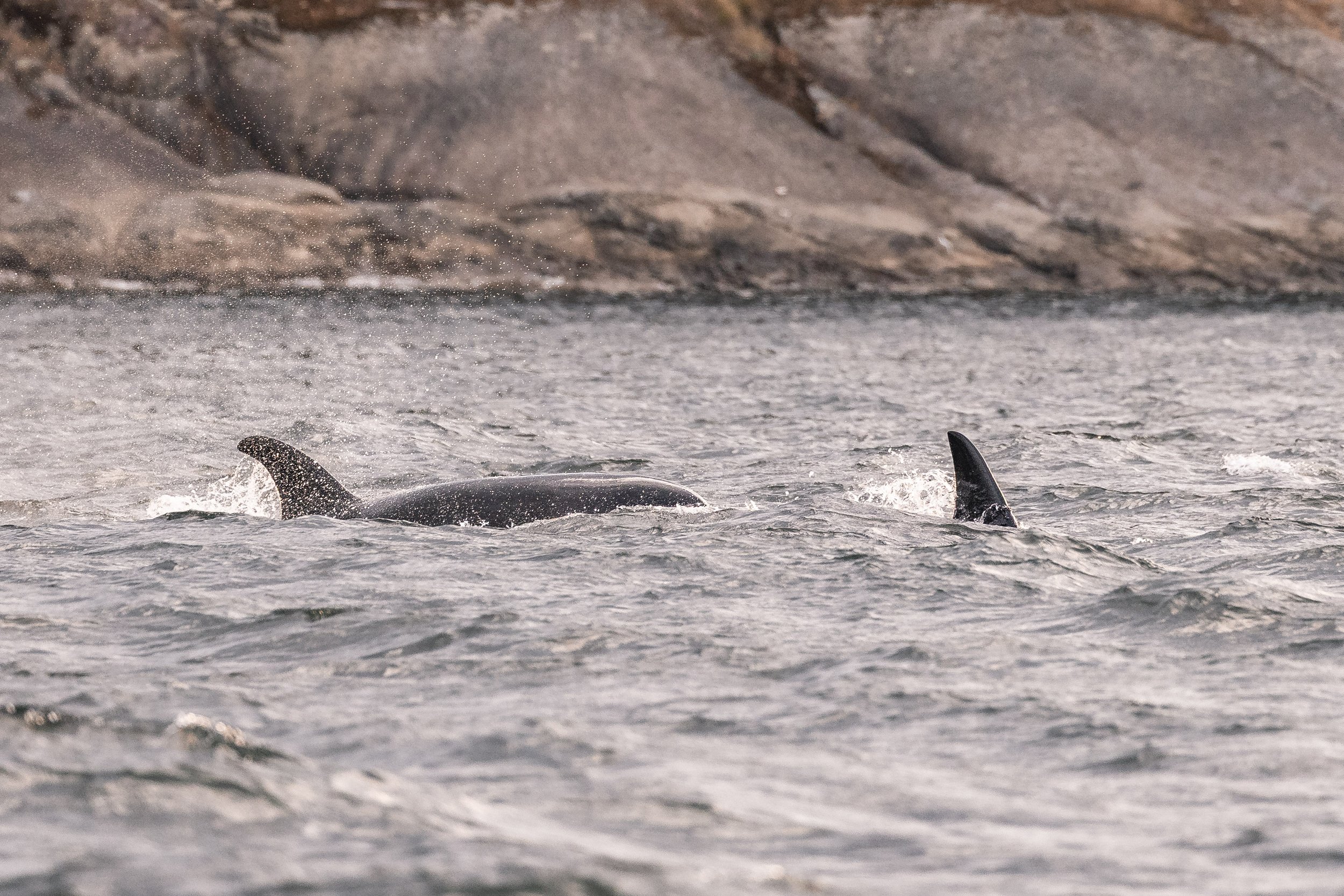
T065B3 Rook is currently T065B Chunk’s youngest calf.
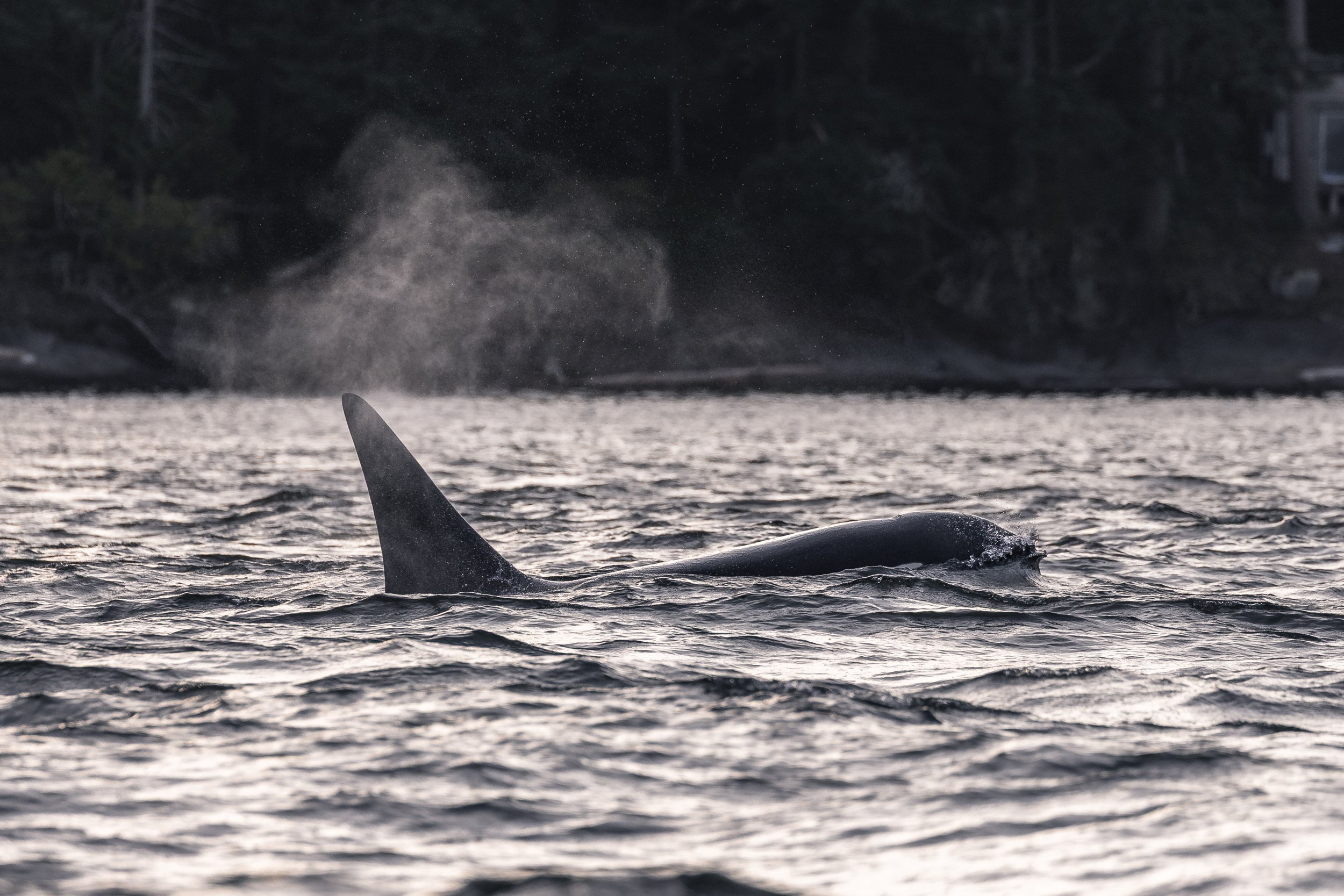
A big blow from T065B1 Birdsall.
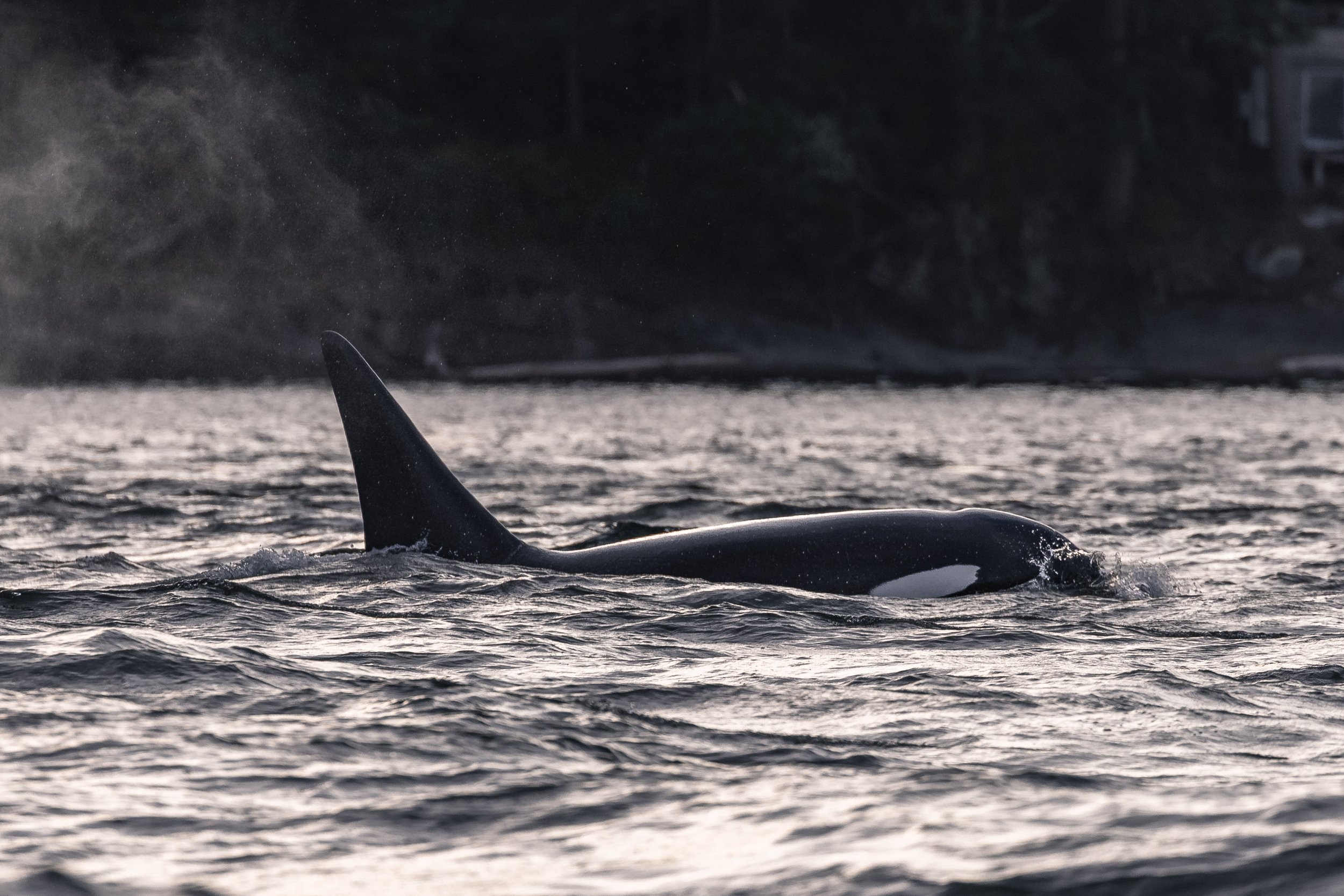
T065B1 Birdsall with his eyepatch above the water.
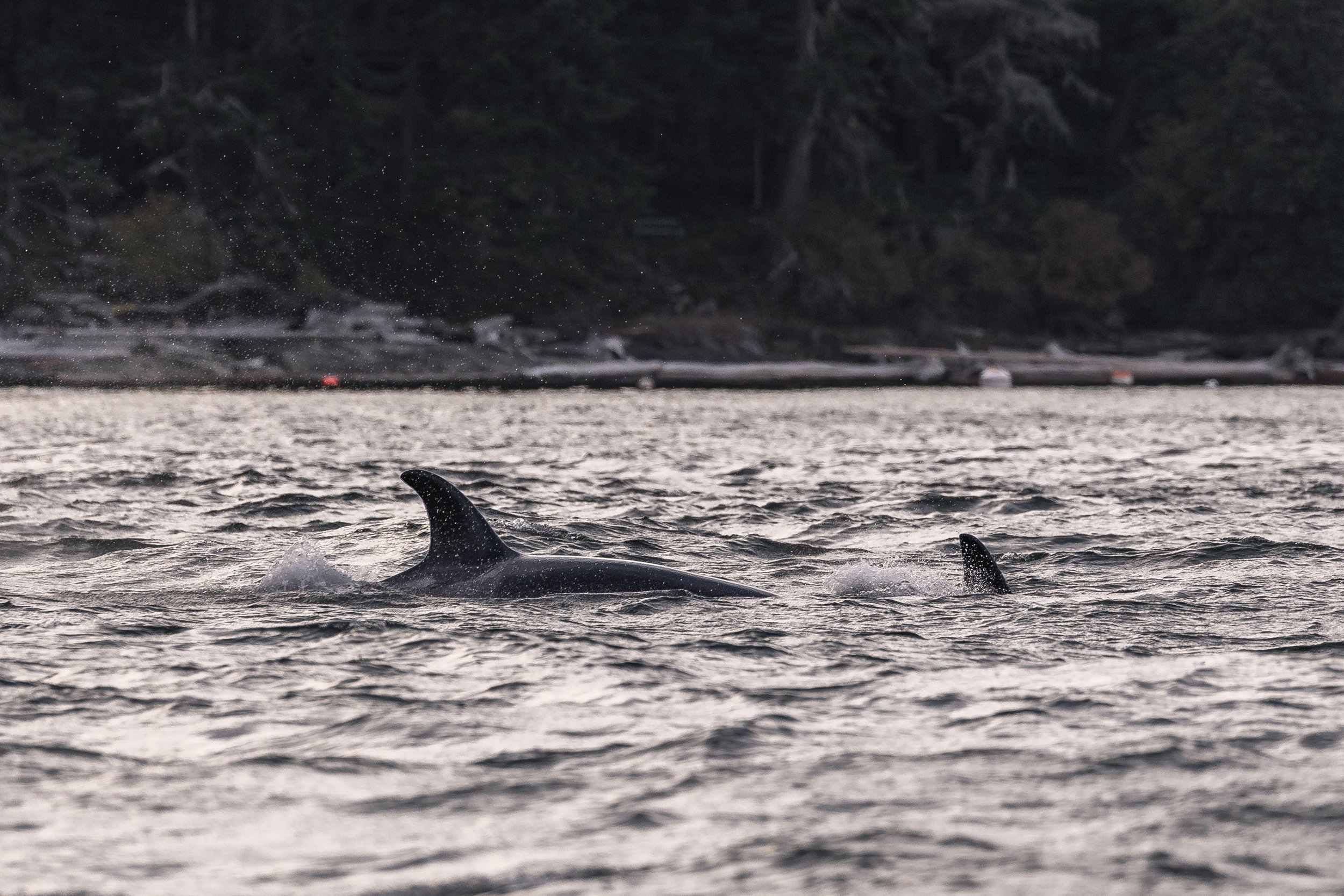
T065B3 Rook chasing after the other pod members.
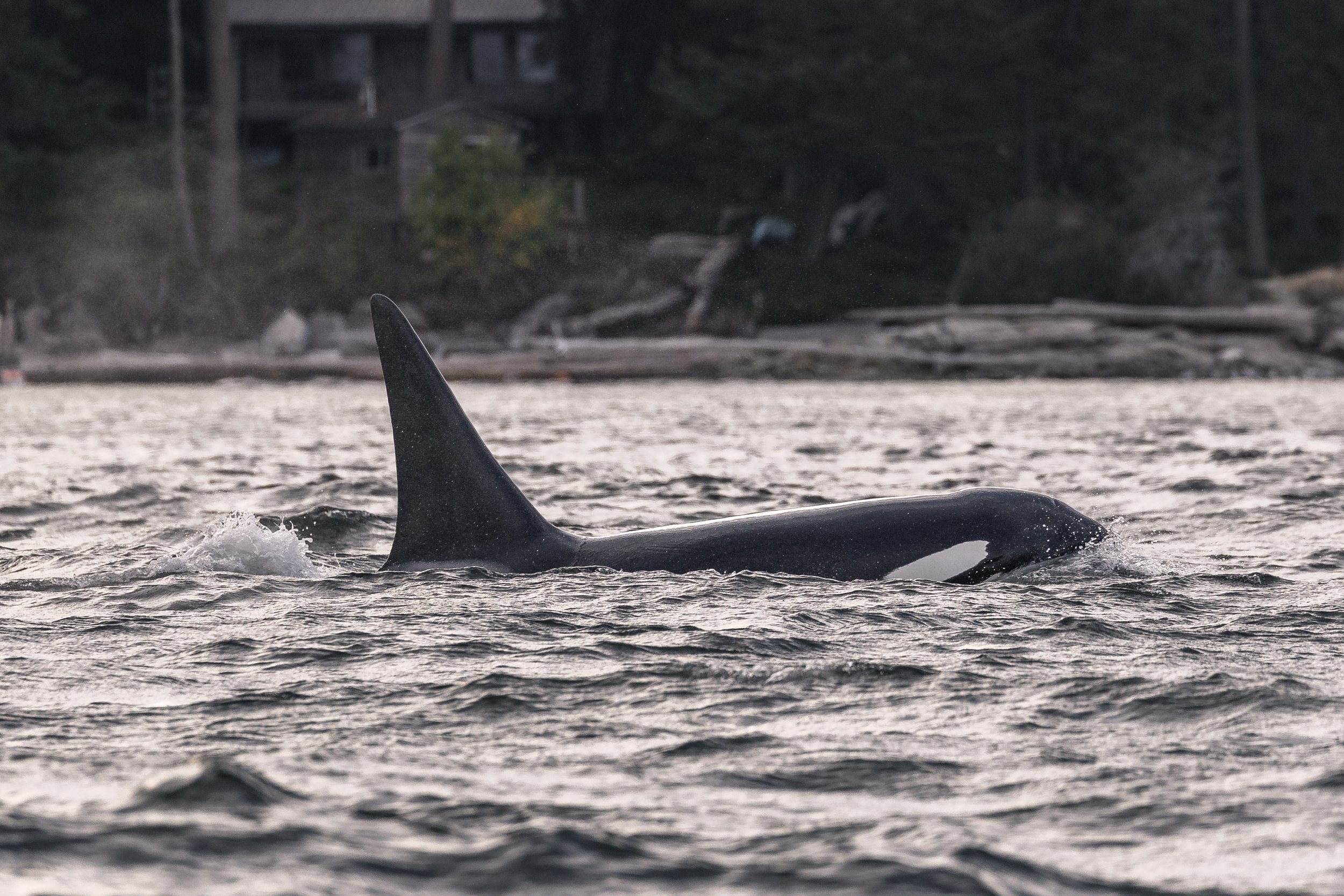
T065B1 Birdsall trekking on ahead.
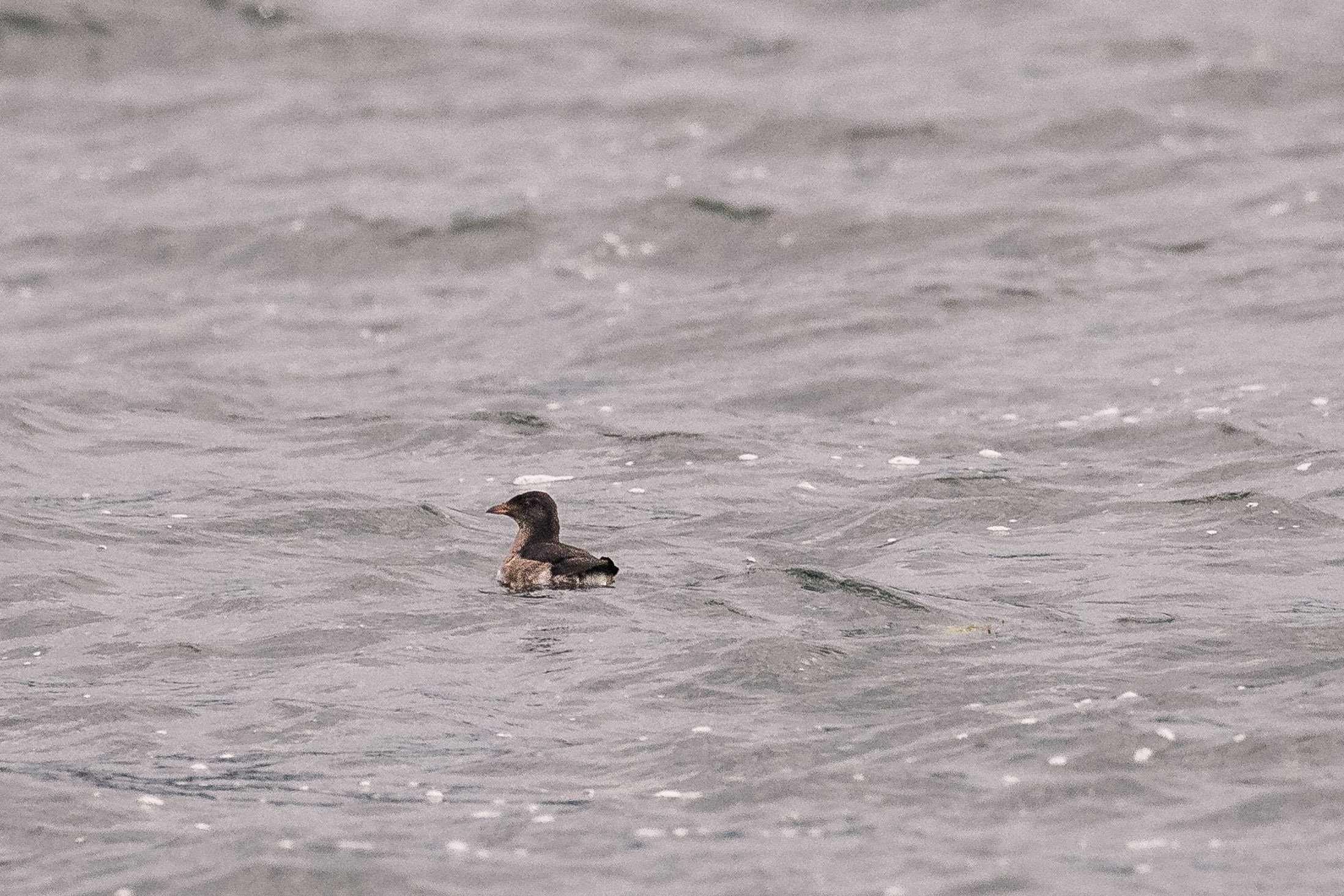
A Rhinoceros Auklet floating by.