
September 20, 2026, 10:30 AM - Lunch with the T023s, plus a couple of humpbacks
With an early potential report of orca up near Nanoose Bay, we were eager to push off and begin our trip aboard Cascadia and Kula. Beautiful conditions greeted us as we sailed northbound across mirror-like water. Ever peeking around, scanning for any blows, flukes, or dorsal fins, we made our way along until we were alongside the Yeo Islands. Once here, we slowed down and continued the search. After a bit more looking around, a small black dorsal fin appeared ahead of us – it was an orca!
This little fin had a distinct notch in it, about a quarter of the way down. After a quick comparison, we confirmed this was T023 Janice. While we had her by herself back in March 2024, she usually travels with her fourth calf, T023D Axle, as well as Axle’s calves. We spent some time with the lone matriarch, and after about 20 minutes, the rest of the family appeared, for a total of 6 Transient orca travelling together:
T023 Janice ♀ (≤1964)
T023D Axle ♀ (1993)
T023D3 Robin ♂ (2012)
T023D4 Sixx (2015)
T023D5 Wildside (2019)
T023D6 Mars (2026)
Once the matriline came together again, they suddenly became incredibly surface active. A few of the family members took off, porpoising out of the water as they went. They quickly came together, and soon they were in hot pursuit. They began actively hunting, and soon after it began, it was done. Hunts are an interesting behaviour, as we don’t often see much of the action above the surface. Almost all of it happens beneath the water, from the quiet stalking to the final strike. We do know, however, that they were successful today, as they soon huddled up together and began splitting the meal, in what is known as “prey sharing”. Orca are highly social animals, and mealtimes are one of the best times for them to interact together. When they catch prey, they share it, making sure every individual gets a bite. When this happens, you can often see individuals come close together, nose-to-nose, as they divvy it up. Even more interestingly, another odd behaviour was witnessed during this mealtime – moonwalking. While you typically see whales moving forward, occasionally they get their groove on and start travelling backwards. We have mostly observed this after hunts, and scientists believe it may be a method to help break up their large prey animals into more manageable bite-sized pieces.
We had an incredible time with the T023s, but soon it was time to mosey on along. Turning back south once more, we started scanning, trying to find the other commonly spotted whale species in our area – a humpback whale. Cascadia and Kula spread out again to maximize their search area, leading to slightly different encounters for the rest of the day.
Kula found a small individual very slowly making their way along, occasionally fluking along the way. While they were a bit uncooperative with the angles they decided to fluke, comparing photos of what we were able to capture to our guides confirmed that this was Graze’s 2025 calf (BCY0523calf2025).
While flukes and their unique pigmentation are often used as the ideal standard for identifying individual humpbacks, this technique gets muddied when calf and yearling flukes are thrown into the mix. Lighter areas can either increase in saturation, becoming a more solid white colour, or they can sometimes fade and become significantly darker as they age. The latter is the case for this little one, as many of their ‘milky’ white areas seem to have faded, making their tail much darker than their original calf photos suggest. It is a great example of how ID catalogues need constant updating, as pigmentation shifts and new scars and notches appear.
Soon after, Cascadia found a humpback of their own close to Mistaken Island. This individual was flicking its tail and fluking, letting us confirm their ID as Roe (BCY1272), the 2022 calf of Barracuda (BCY0649). Roe continued their travels as we observed, fluking occasionally as they went. Their beautiful fluke (with their telltale ‘fish egg’ marking on one side) is always a treat to see as they dove.
After heading out, we started back toward Nanaimo Harbour. However, we surprisingly still had one more whale encounter awaiting us. After entering Northumberland Channel, we saw one more lone blow near Duke Point. They were travelling along slowly, only occasionally fluking as they went. It was okay though, as it was still enough to confirm who they were – this little whale was Kata (BCY1218), our ‘resident’ humpback whale, who has spent the last day or so doing loops through Northumberland Channel. Our stop with them was very brief, and before we knew it, we were on our way to our true final destination of the trip.
Barks bounced off the trees all around us as we cruised up to the log booms near Harmac. Here, many sea lions dozed away the day, enjoying the warmth of the early autumn sun. Chocolate-brown California Sea Lions made up the bulk of them, but a few sandy Steller Sea Lions were also tucked away among them. The log booms are a popular haul-out spot, as the logs will remain at the surface no matter the tide conditions, and it is the perfect rest area before they dive into the water to take advantage of Dodd Narrows and its abundance of prey!
We spent a few minutes with them before turning around one last time, making our way back to the harbour. It had been an eventful day, full of many wildlife encounters, from the orca to the humpbacks and the sea lions.
Please enjoy these photos taken by Marine Naturalists Val Watson, Jordan Robinson, and Rosalie Burauen.
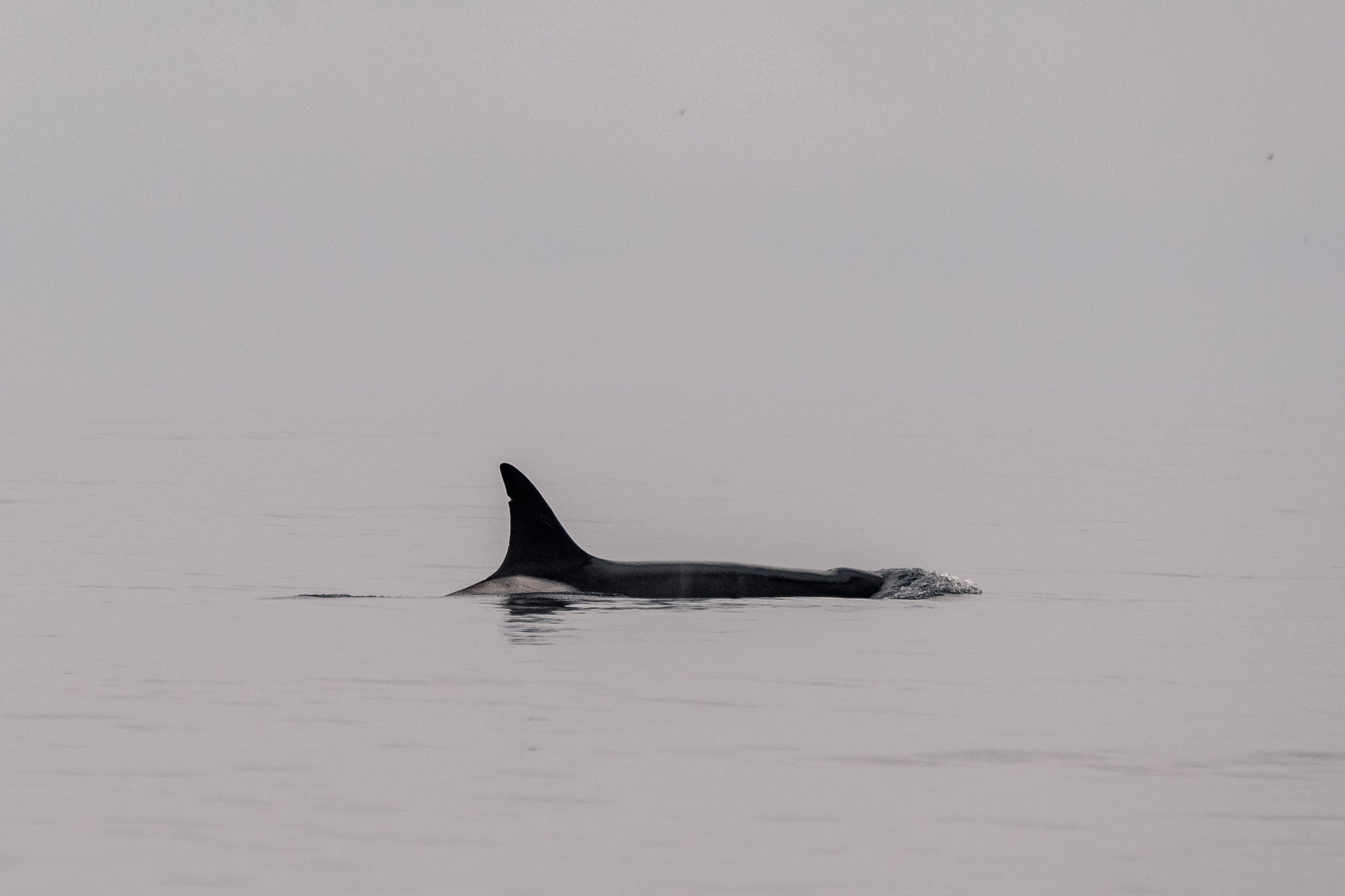
T023 Janice gliding along solo. Photo by Val Watson.
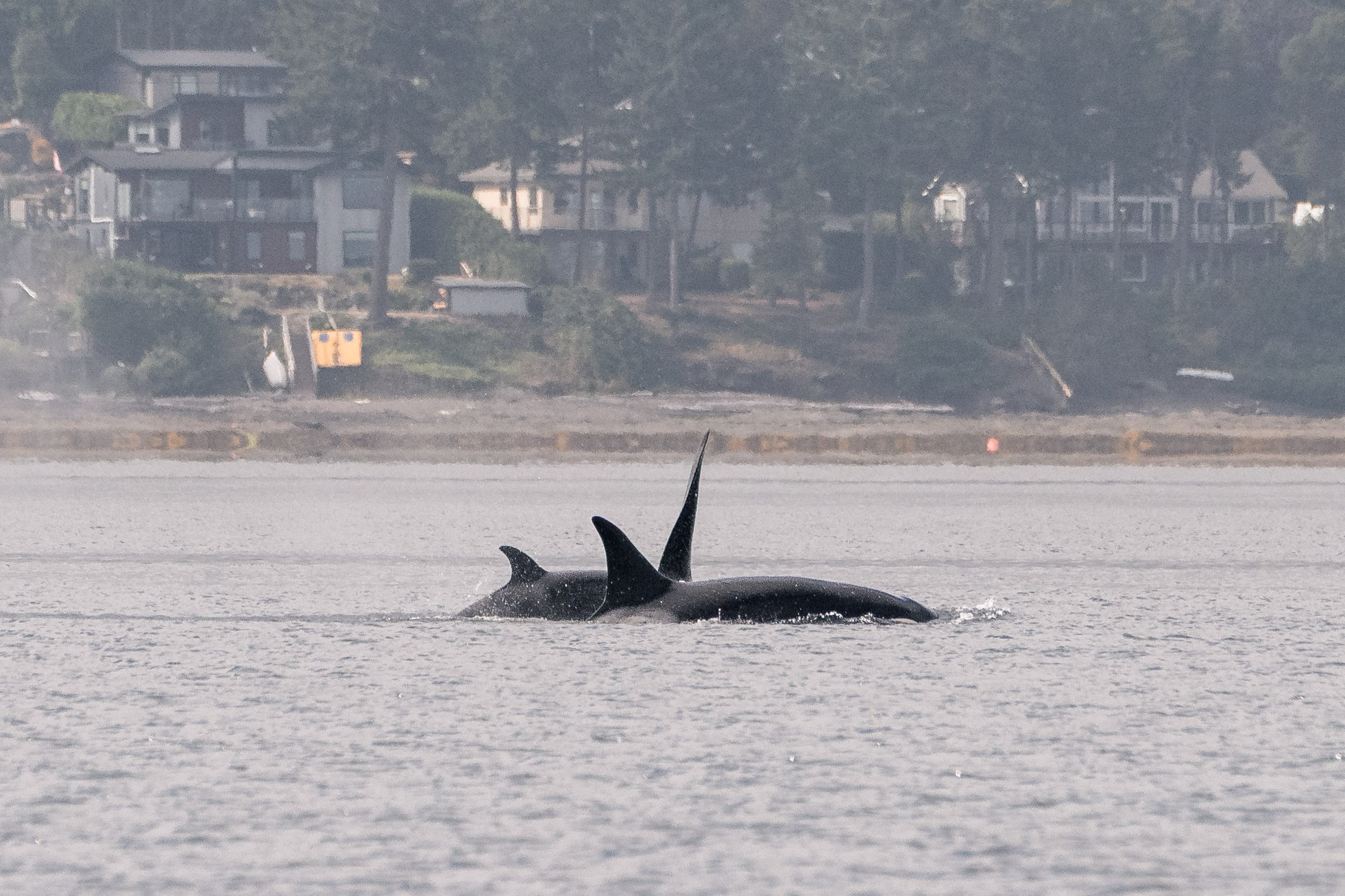
T023D6 Mars, T023D Axle, and T023D3 Robin. Photo by Val Watson.
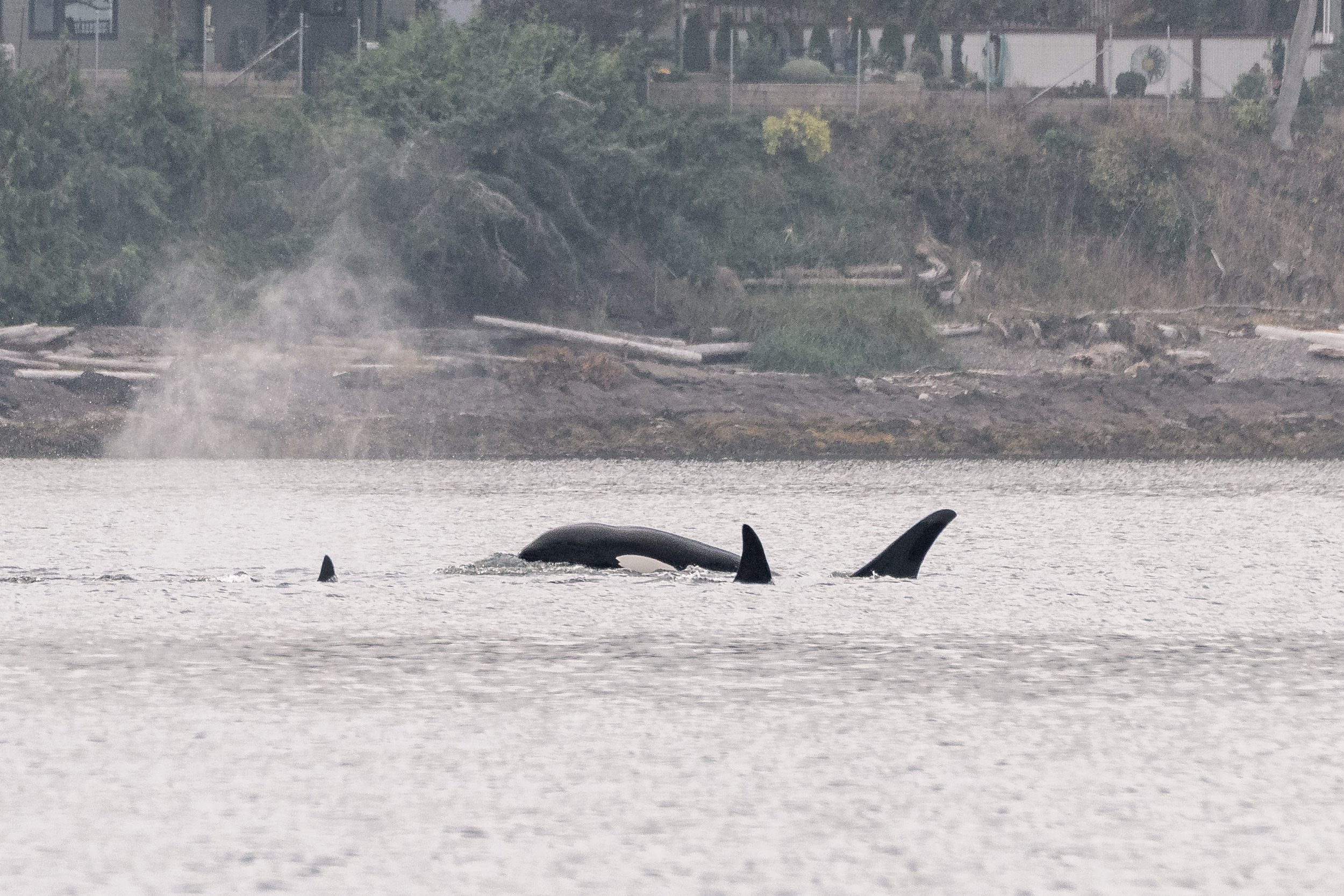
T023D3 Robin with his face out of the water. Photo by Val Watson.
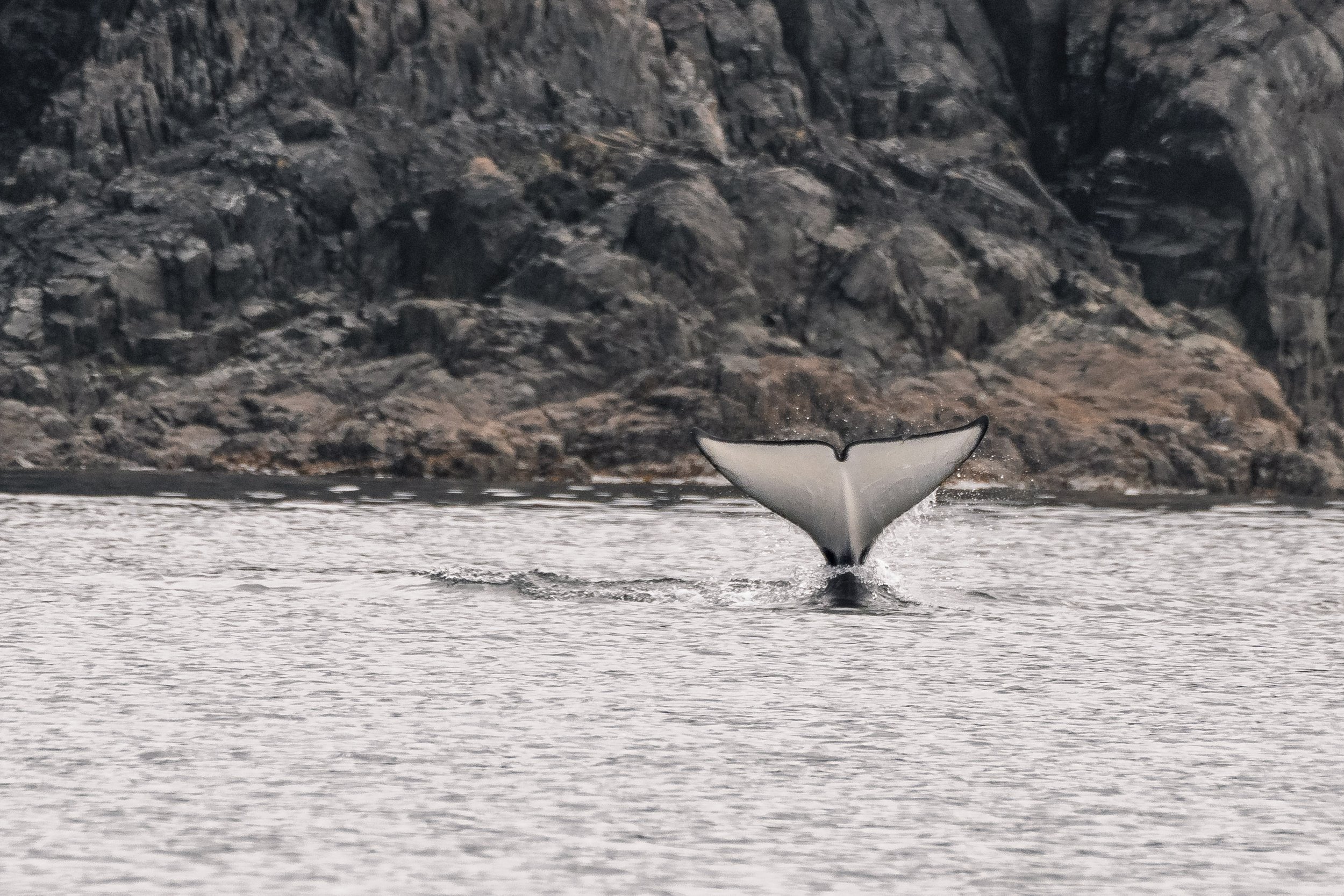
Tailslapping away! Photo by Val Watson.
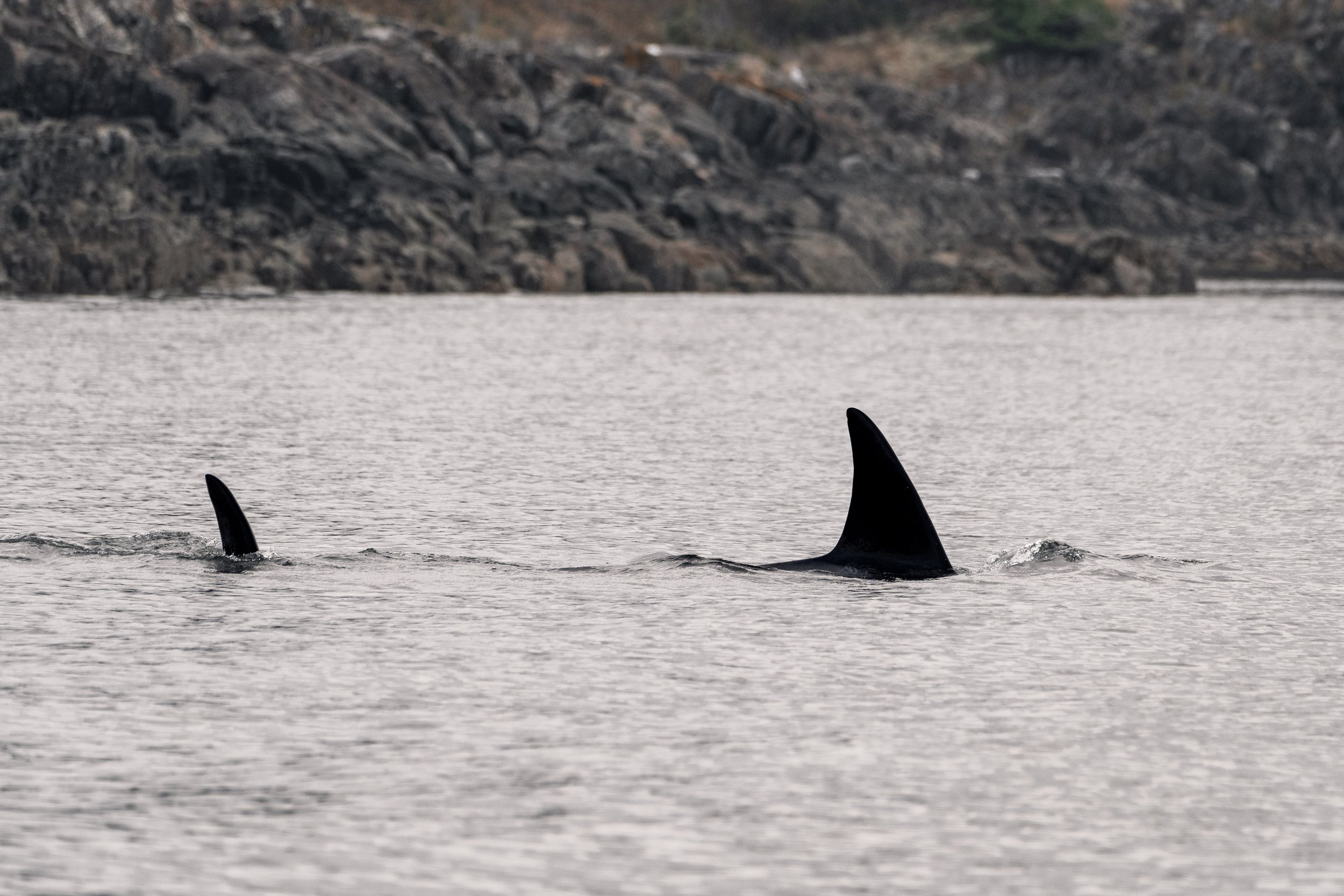
T023D4 Sixx making their way along. Photo by Val Watson.
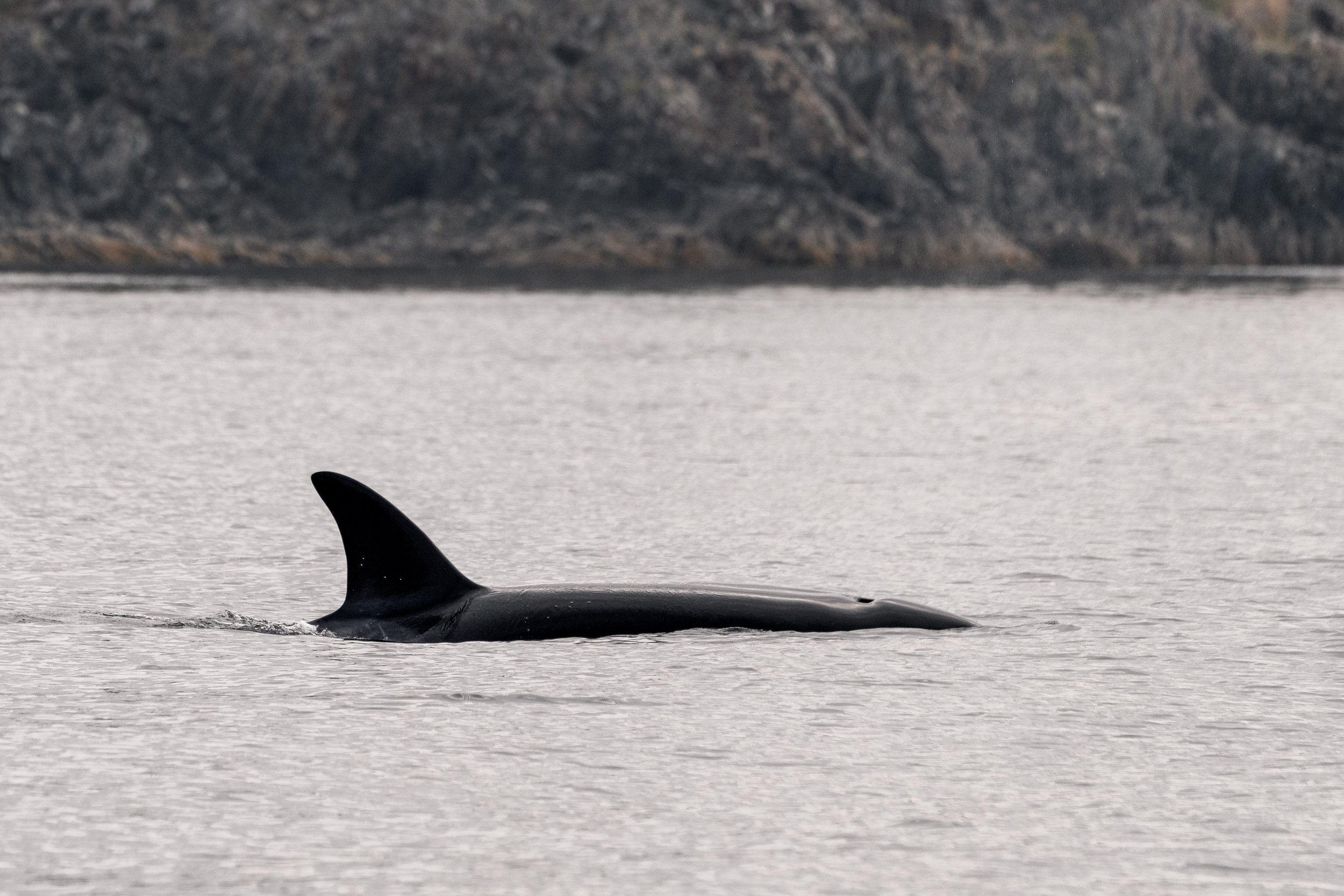
T023D5 Wildside with their unique saddle patch scar visible. Photo by Val Watson.
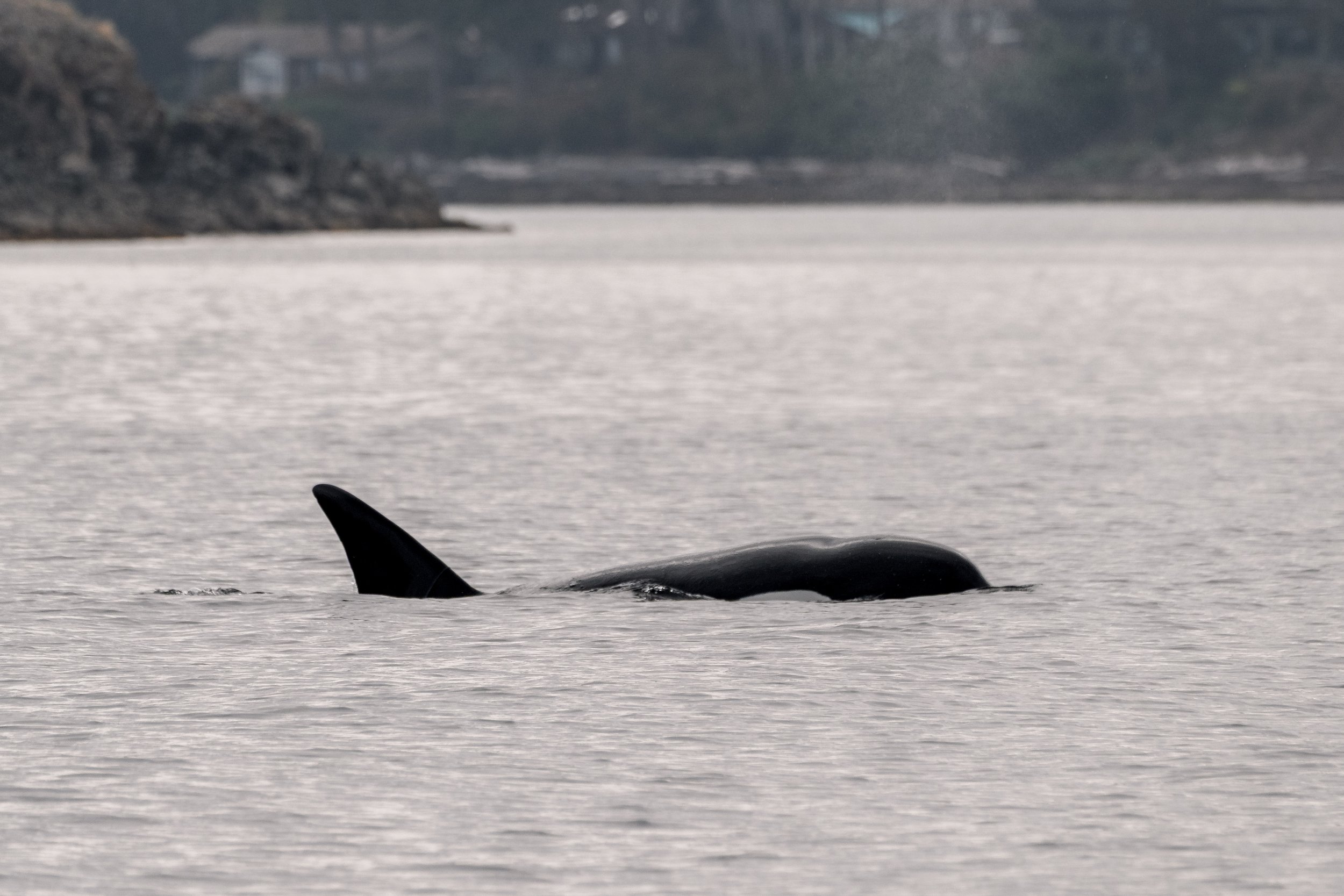
T023D4 Sixx with a bit of their eyepatch out of the water. Photo by Val Watson.
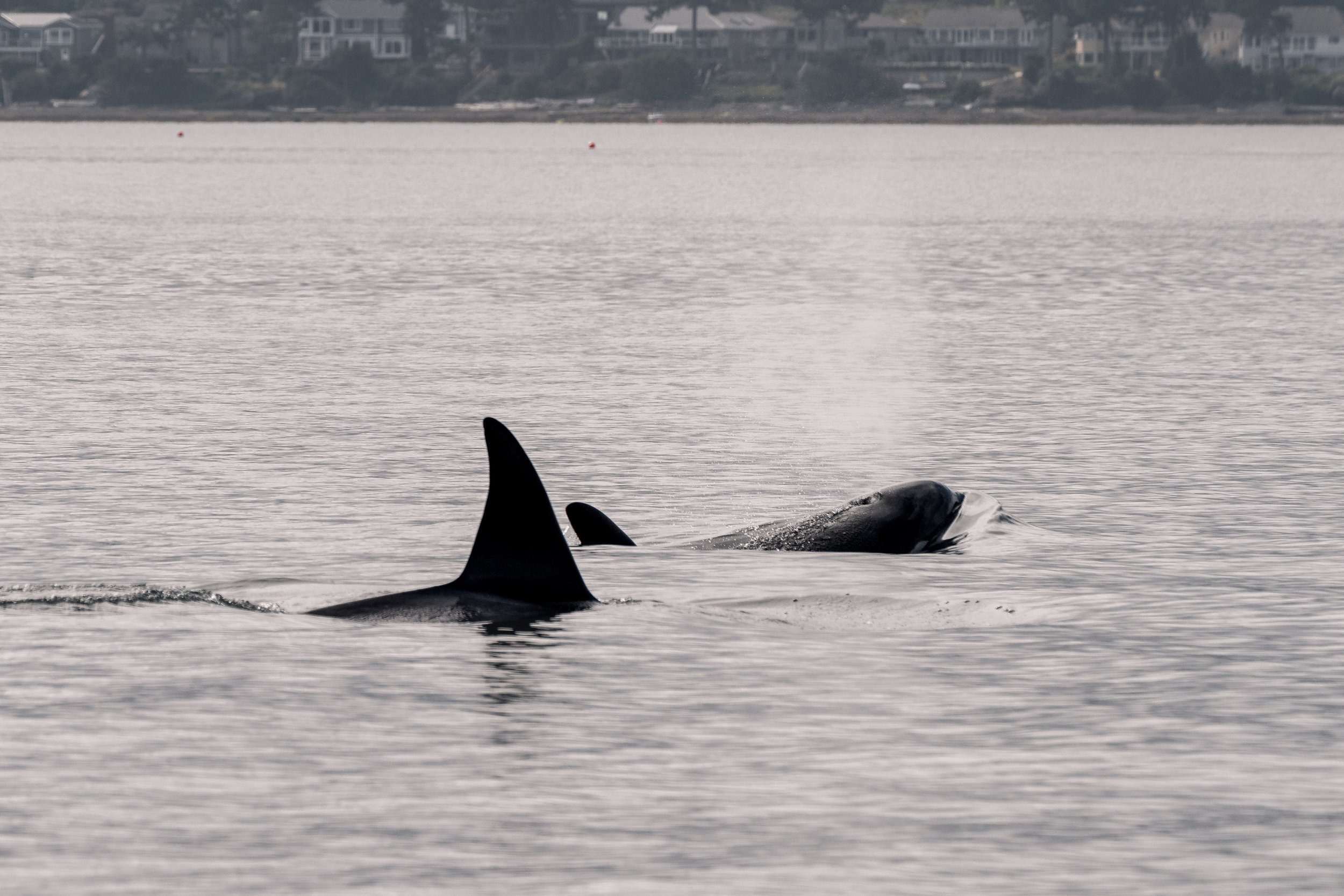
T023D4 Sixx with another surfacing beside them. Photo by Val Watson.
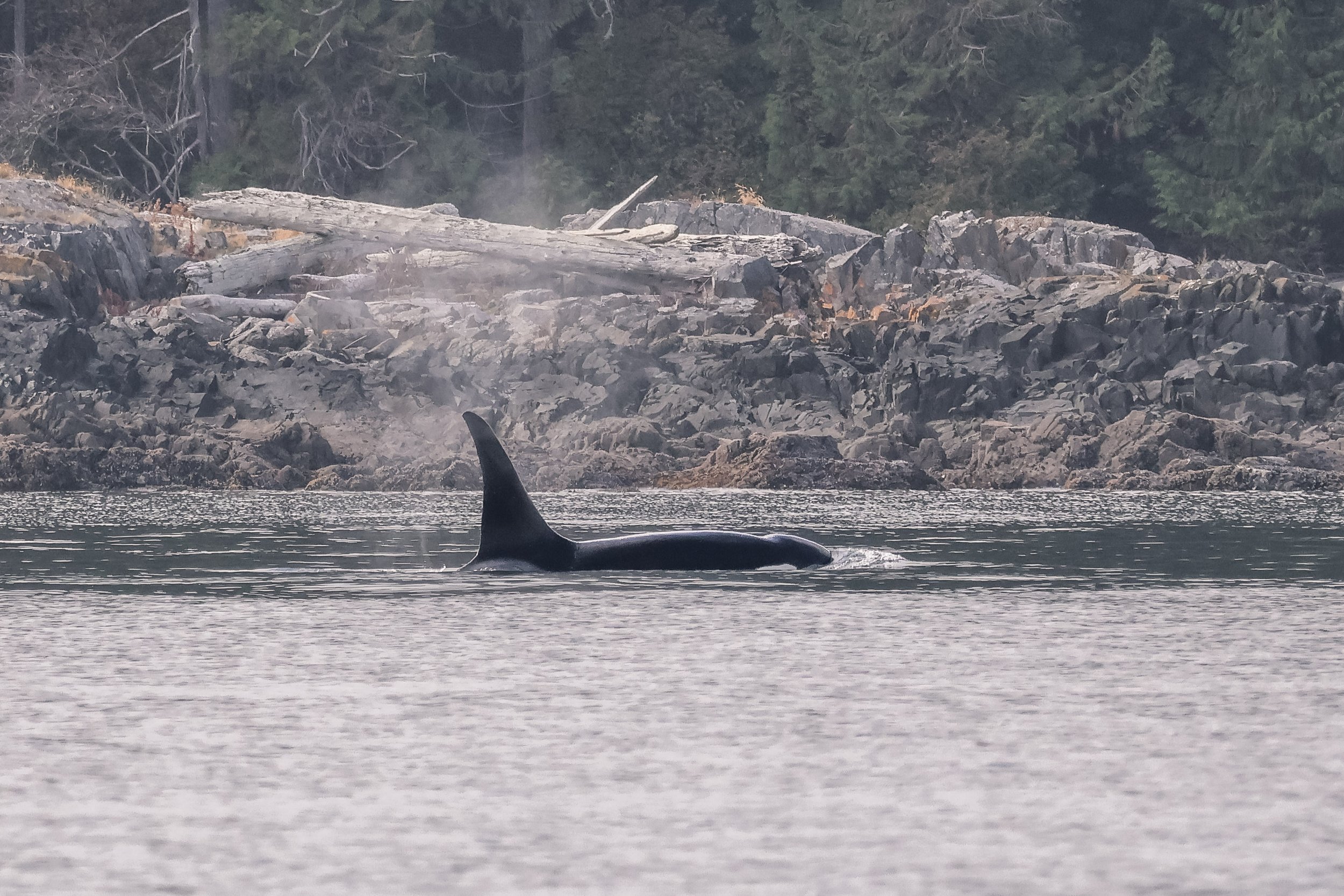
T023D3 Robin - he is starting to sprout! Photo by Rosalie Burauen.
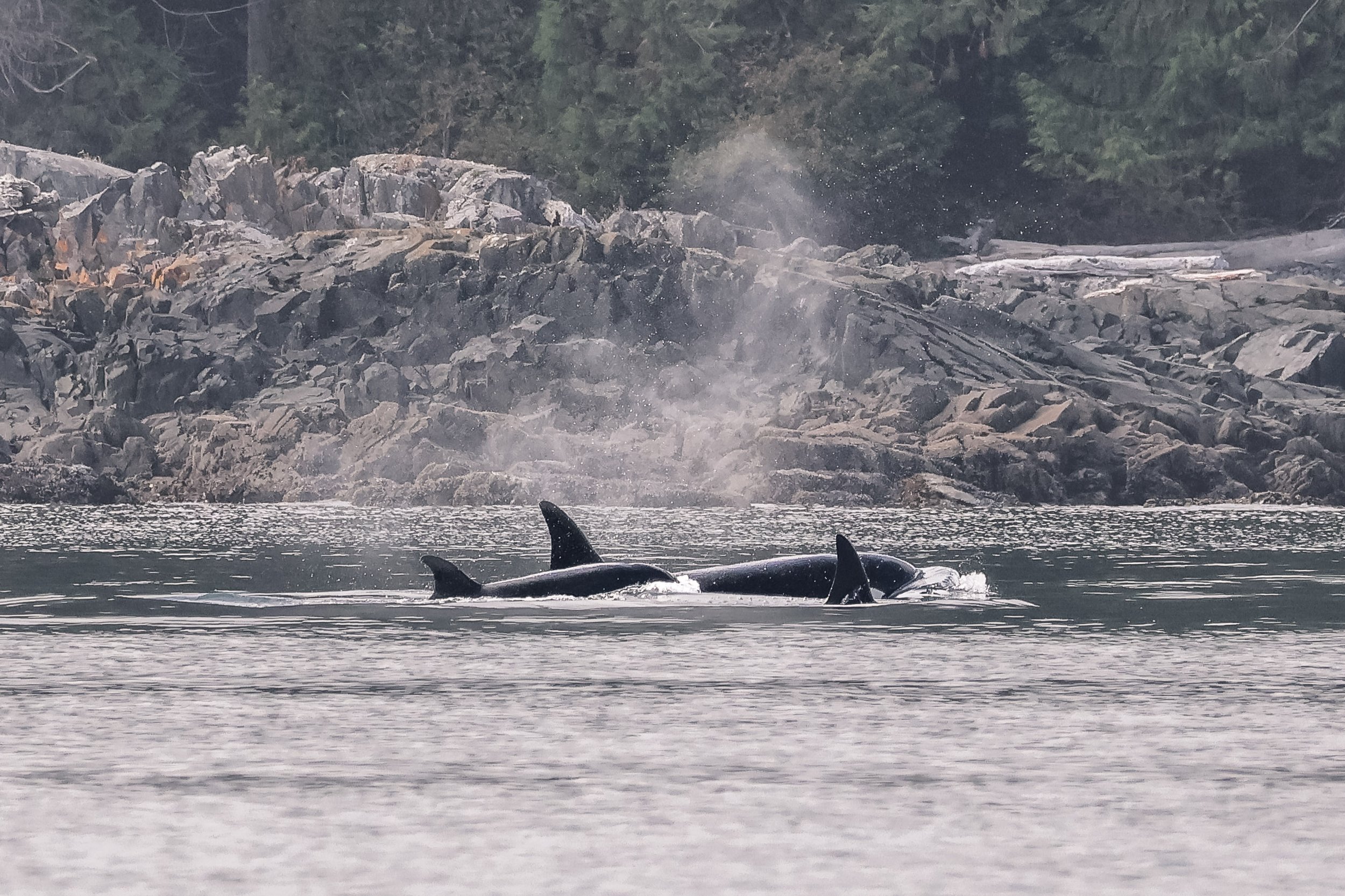
T023D6 Mars beside T023D4 Sixx and T023D Axle. Photo by Rosalie Burauen.
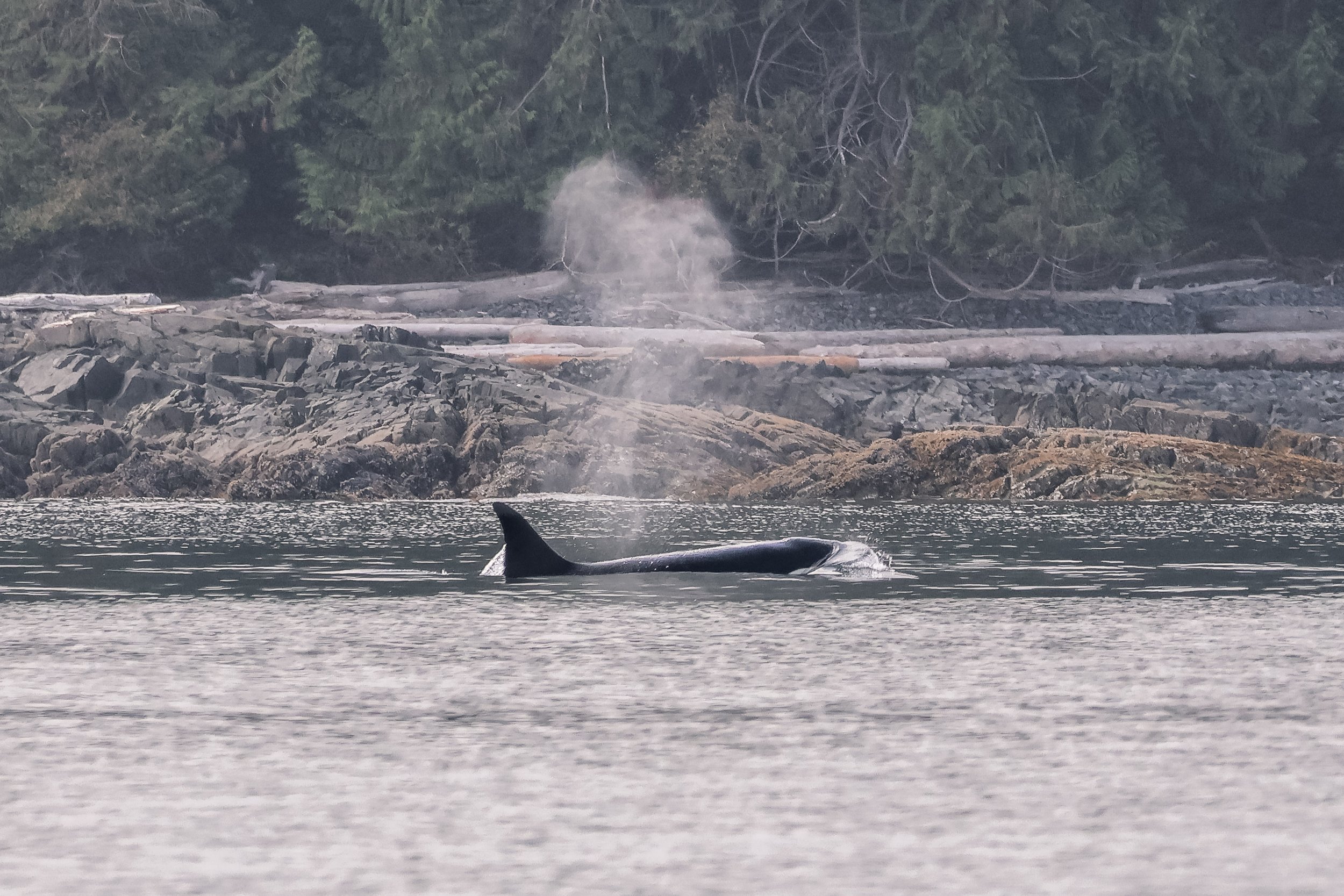
T023D Axle travelling. Photo by Rosalie Burauen.
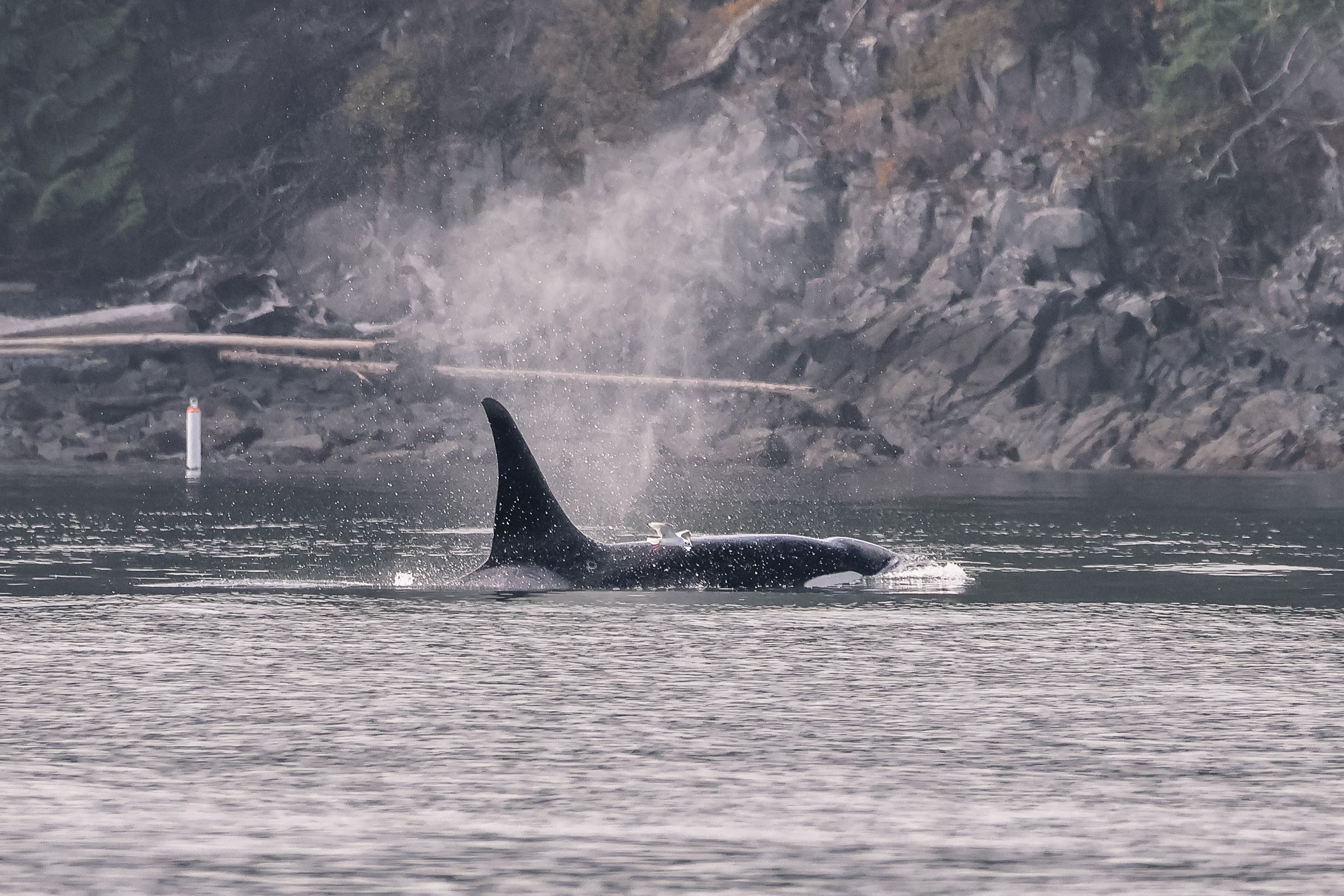
T023D3 Robin with a gull flying by. Photo by Rosalie Burauen.
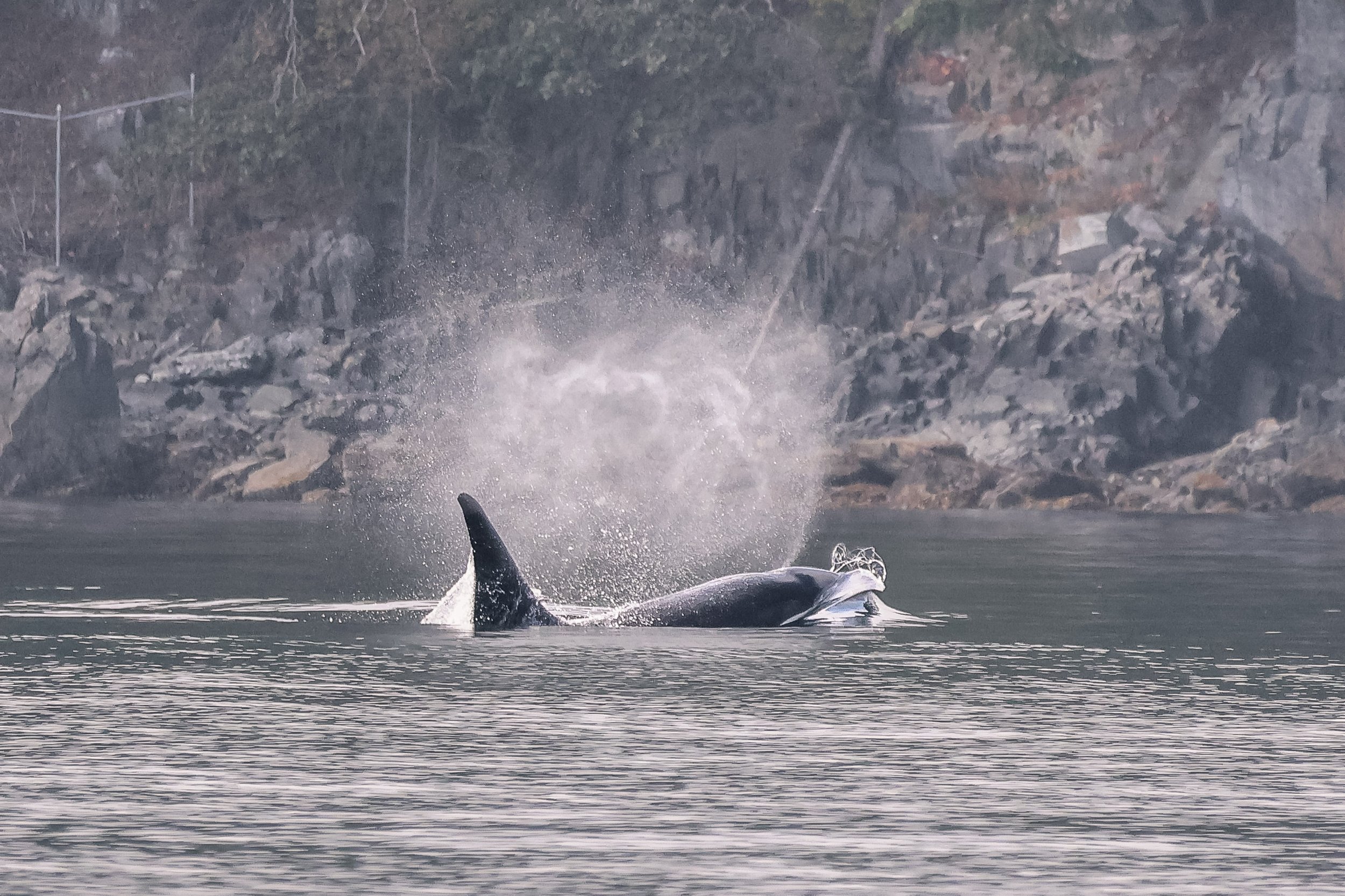
T023D3 Robin making waves! Photo by Rosalie Burauen.
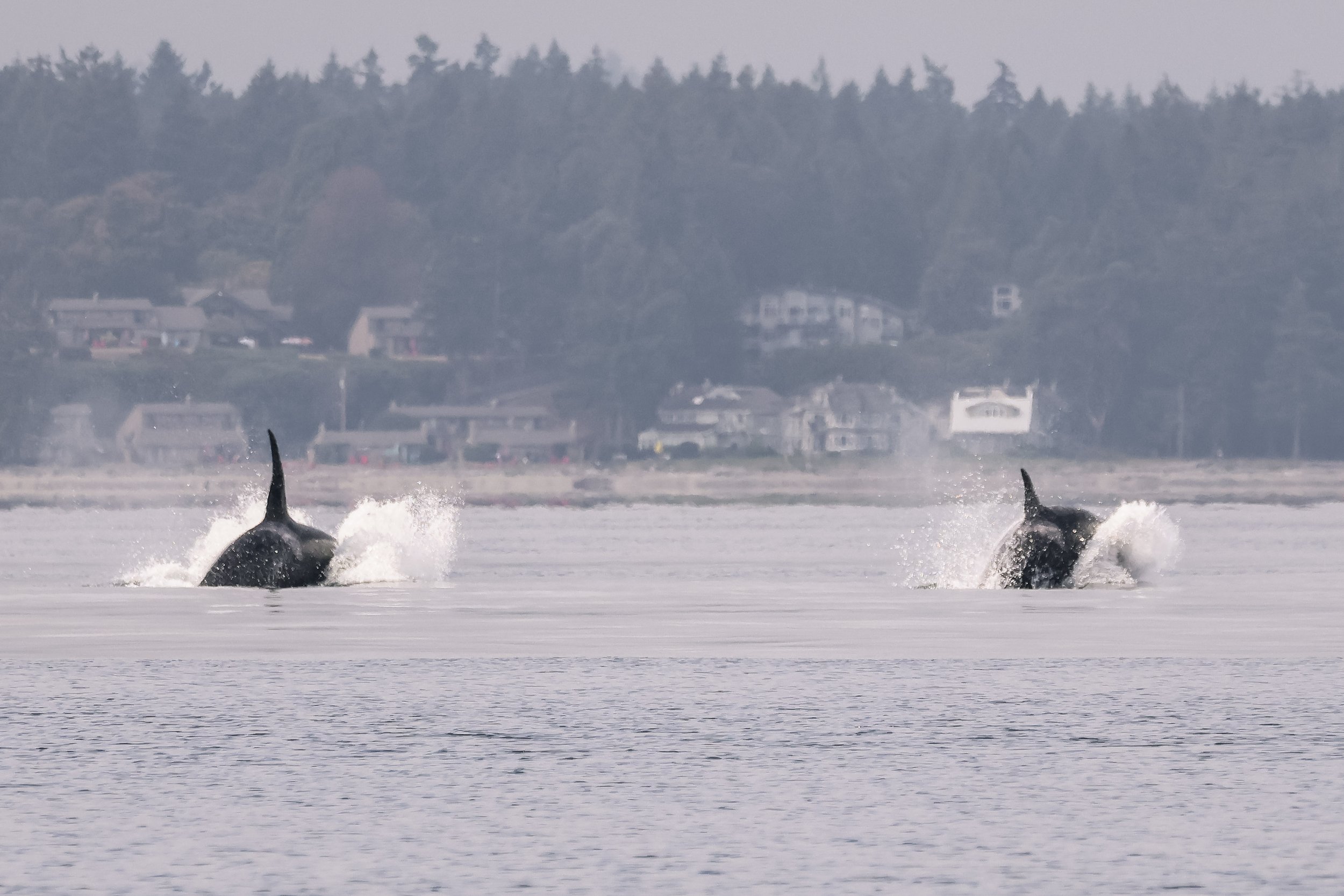
Picking up speed and porpoising along! Photo by Rosalie Burauen.
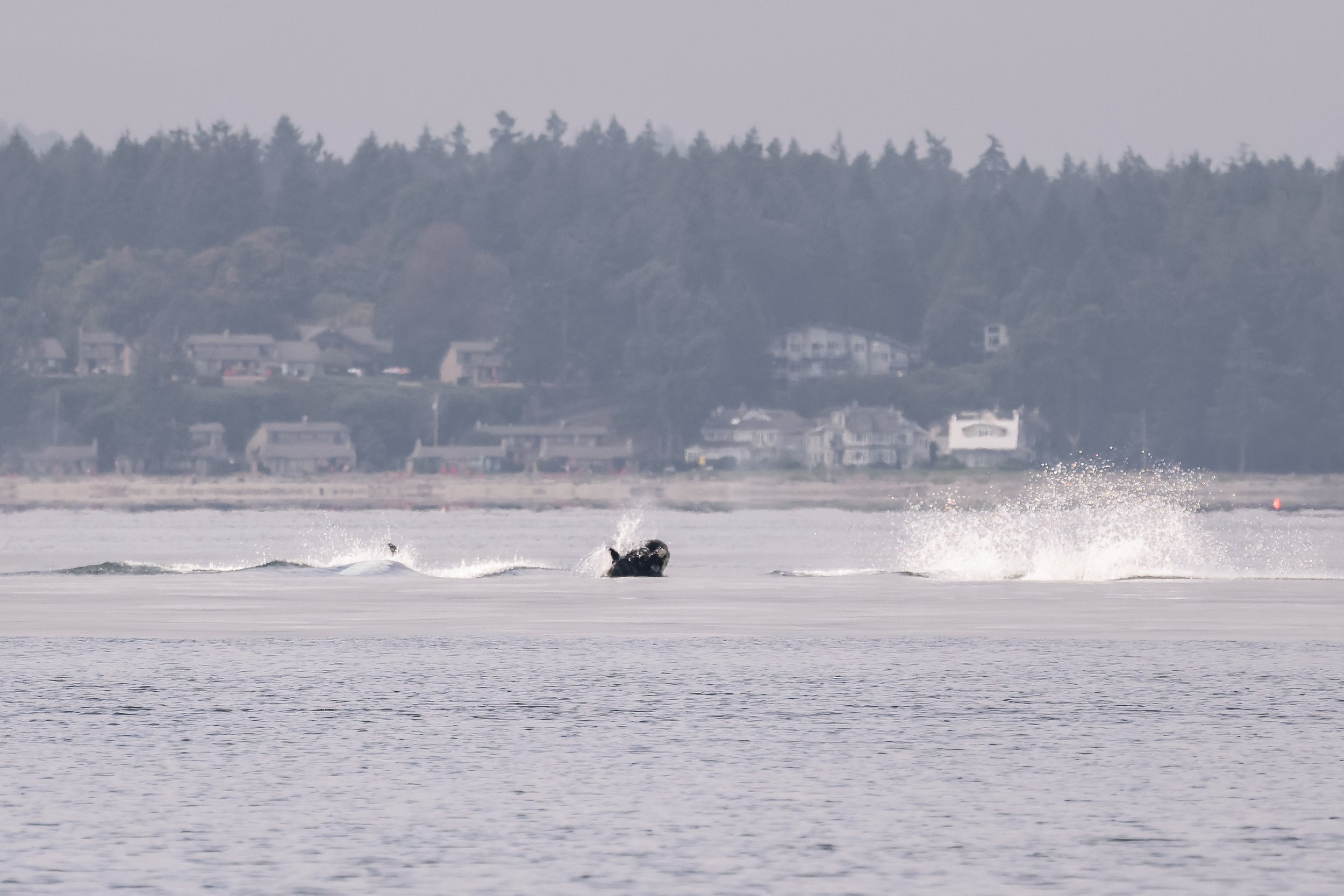
T023D6 Mars was also attempting to porpoise too! Photo by Rosalie Burauen.
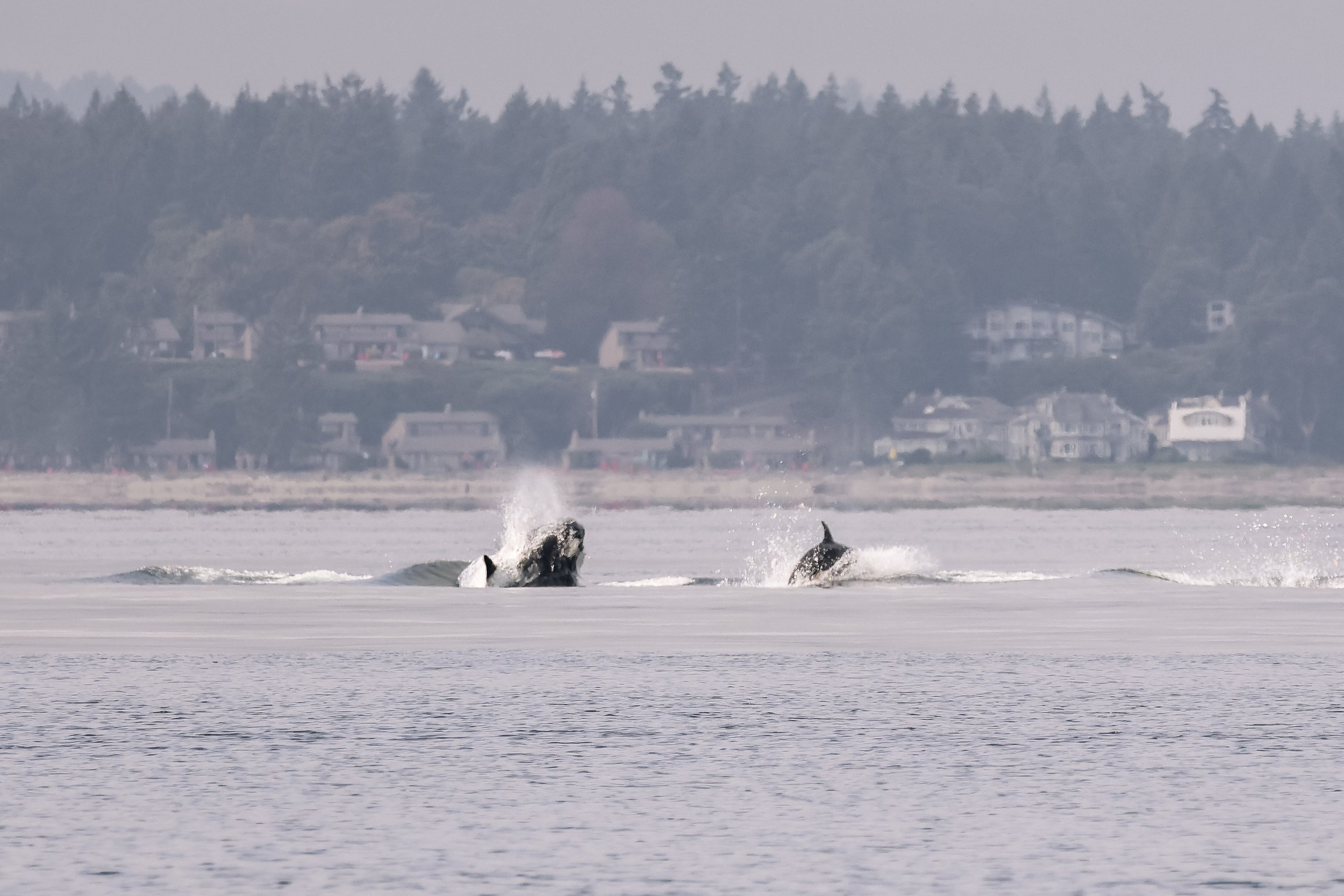
The whole family zooming away! Photo by Rosalie Burauen.
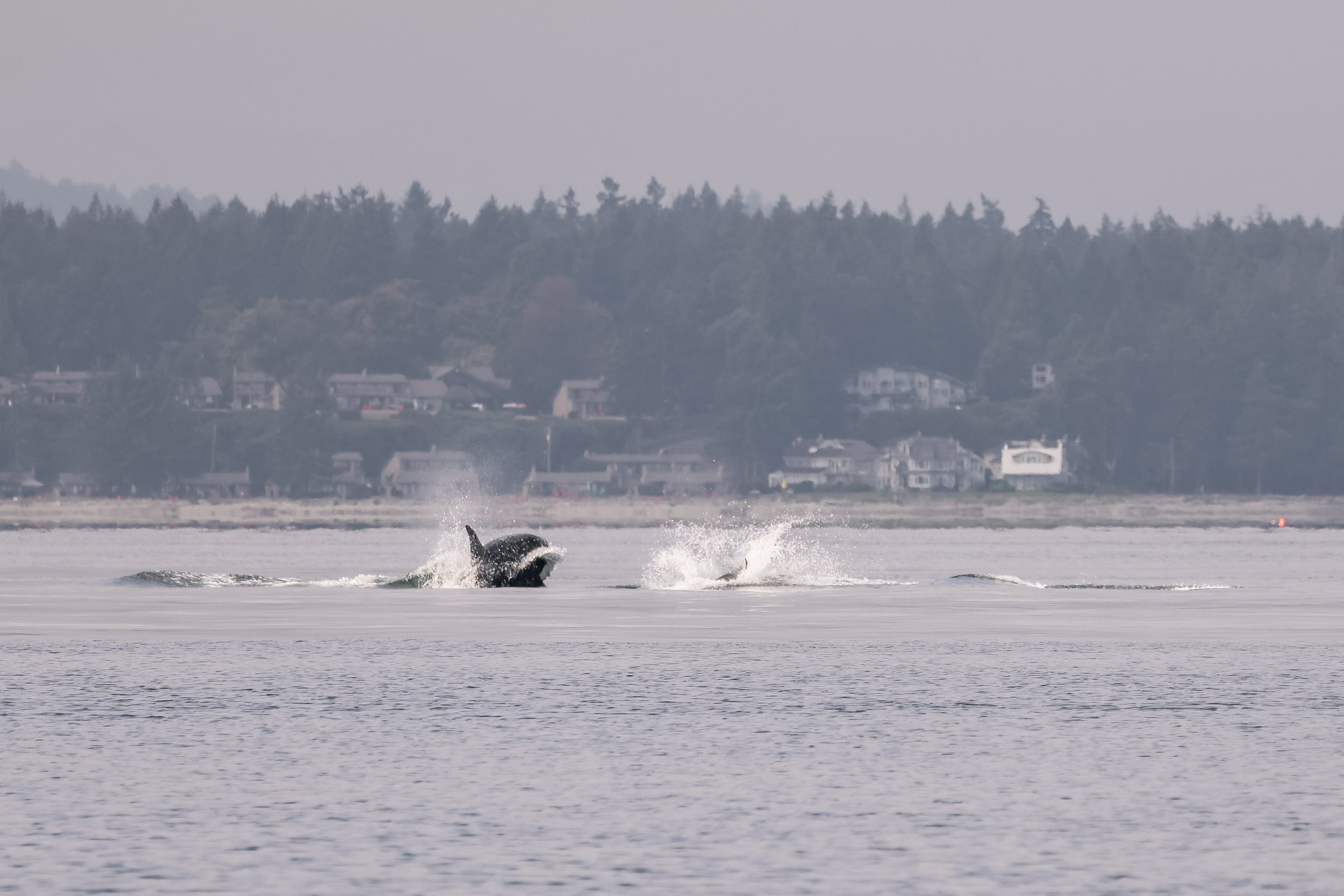
Coming in for a landing! Photo by Rosalie Burauen.
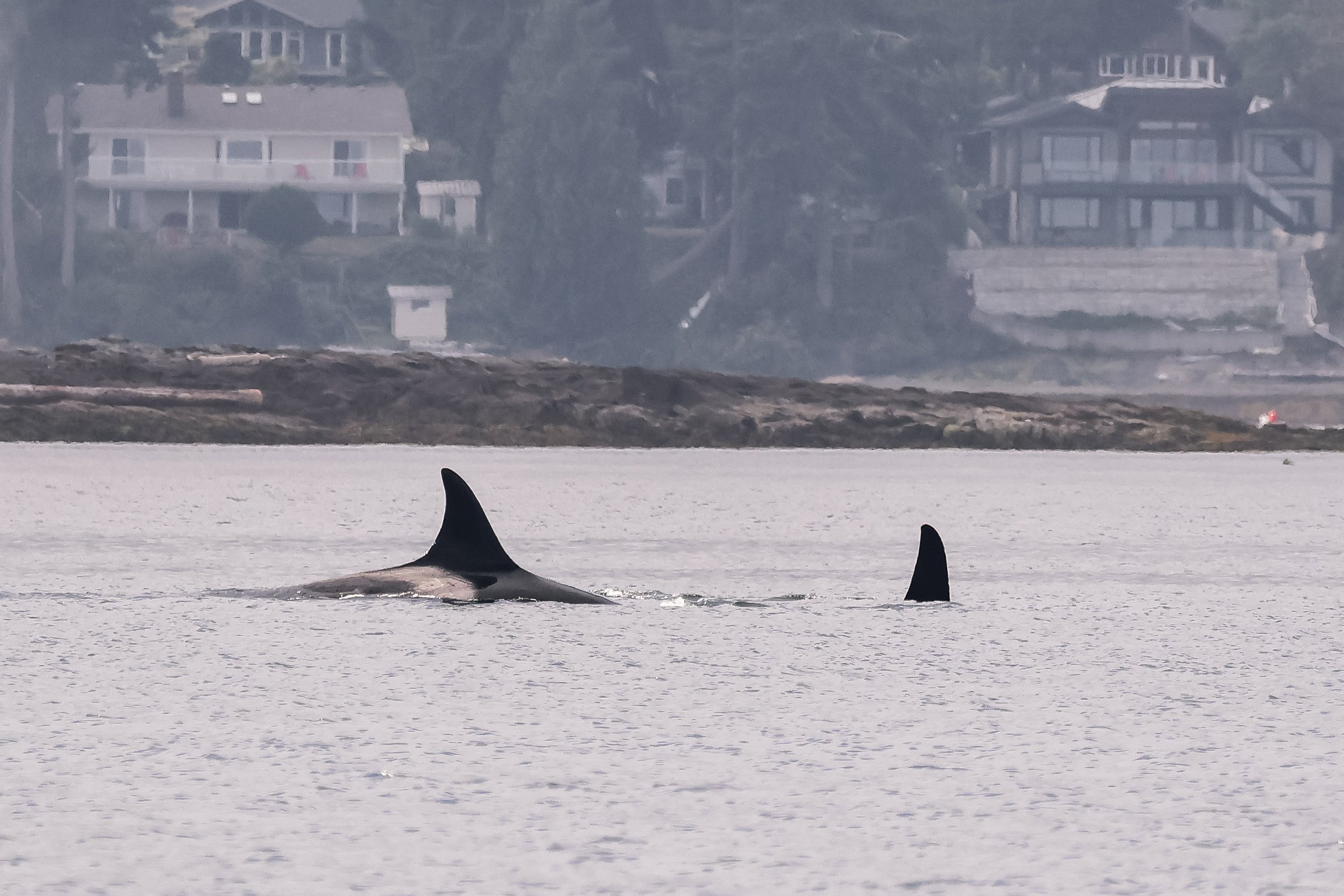
T023D Axle with T023D3 Robin diving ahead of her. Photo by Rosalie Burauen.
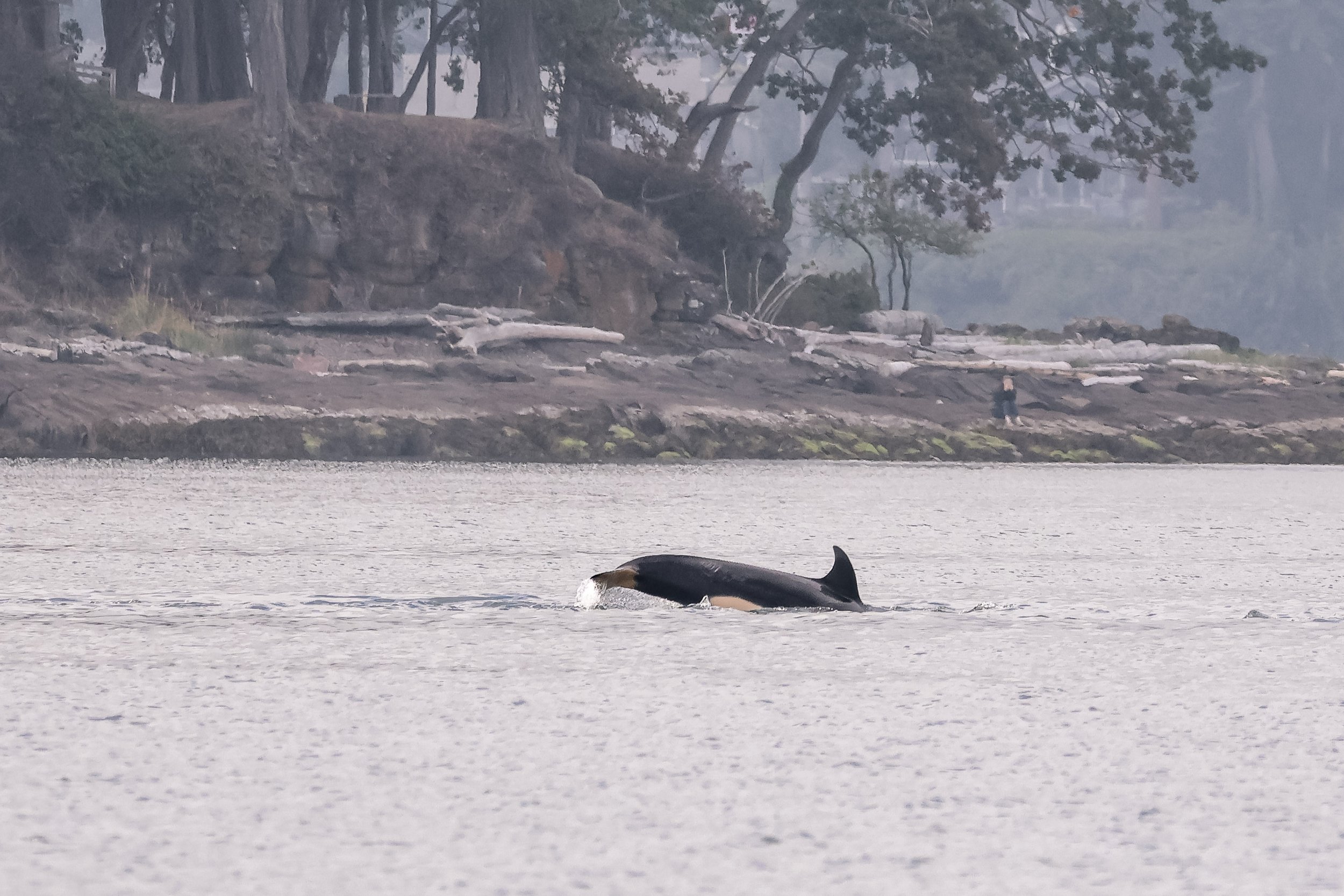
A tiny tailslap from T023D6 Mars. Photo by Rosalie Burauen.
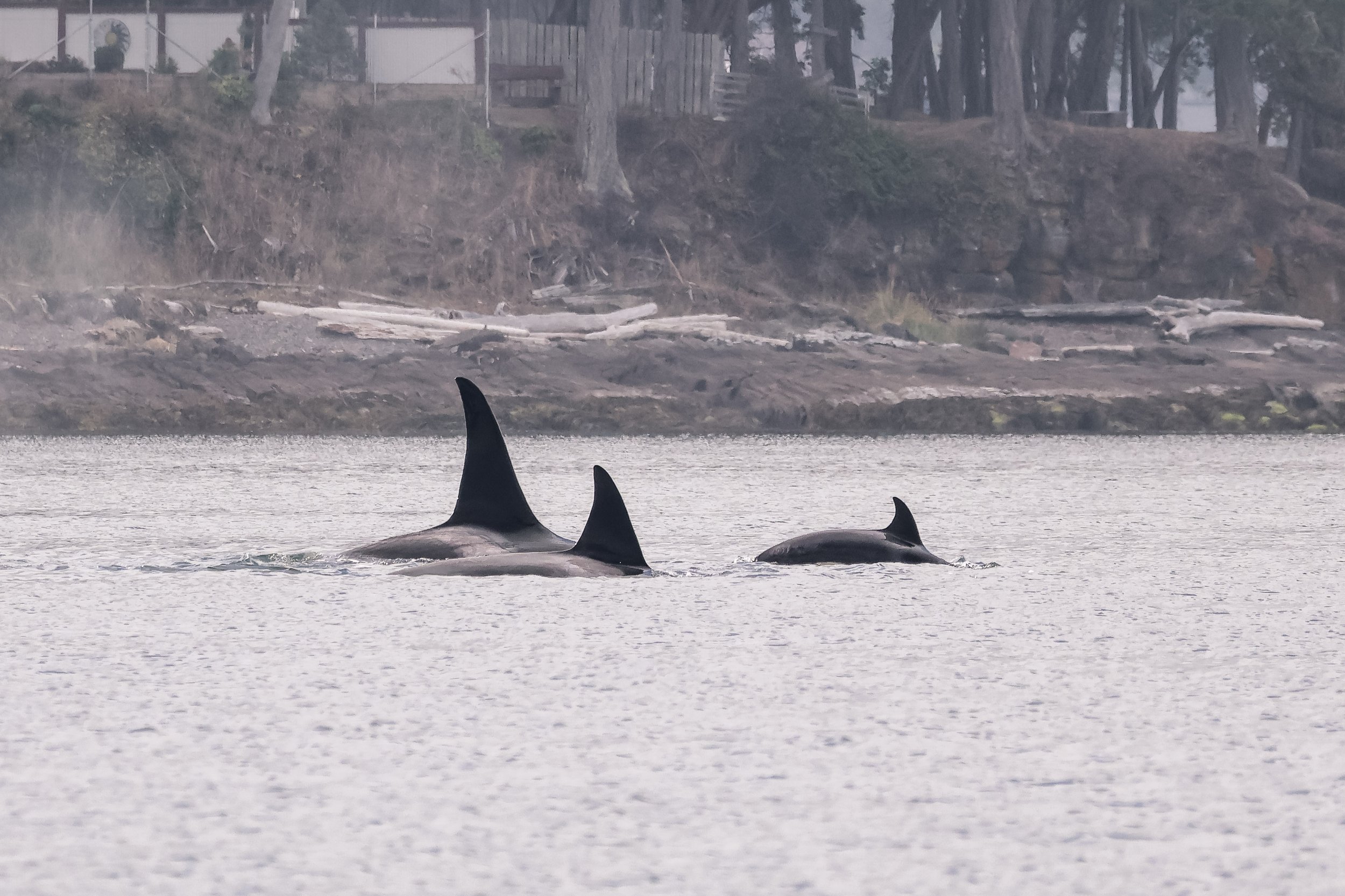
T023D3 Robin, T023D4 Sixx, and T023D6 Mars. Photo by Rosalie Burauen.
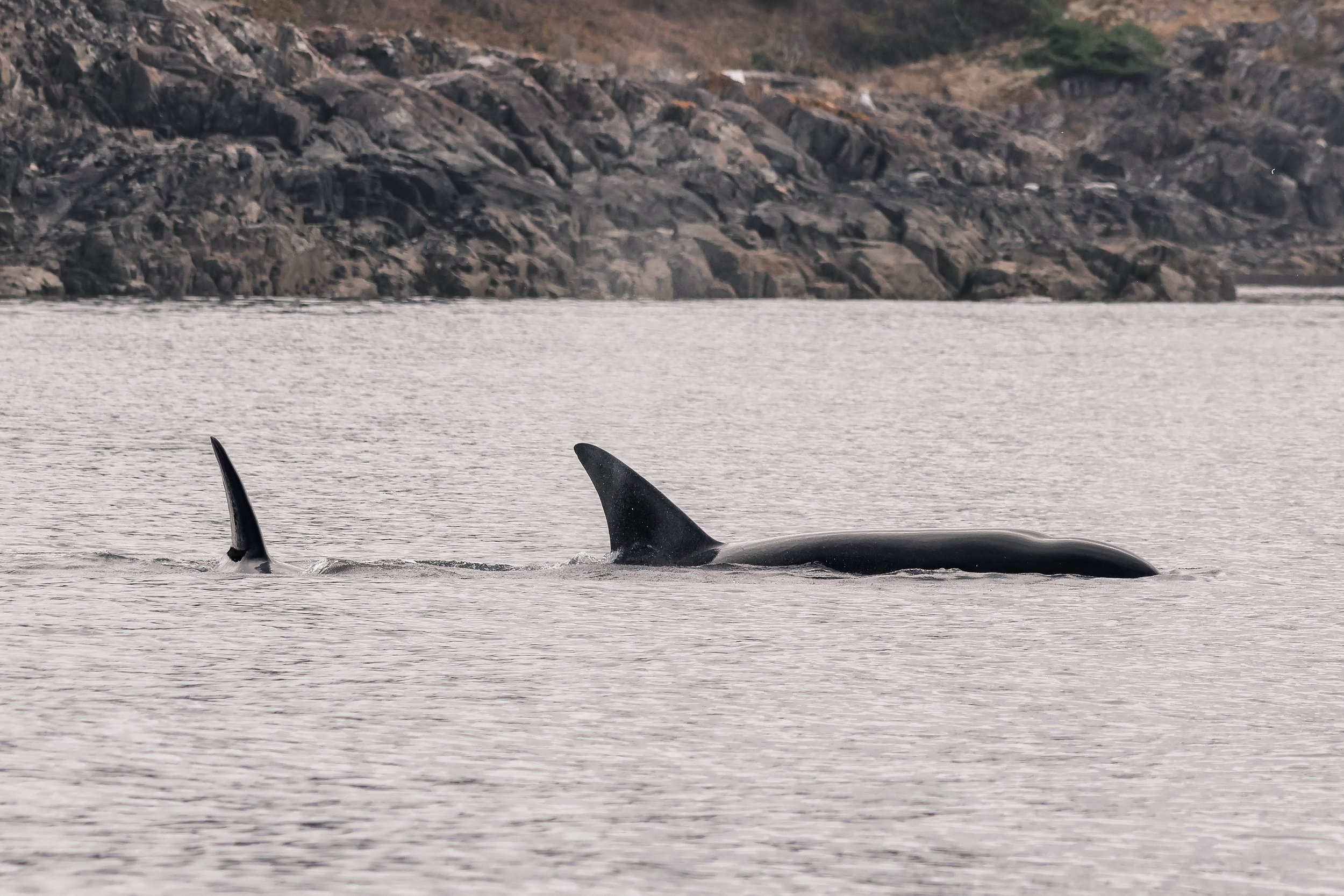
T023D4 Sixx with T023D5 Wildside behind them. Photo by Rosalie Burauen.
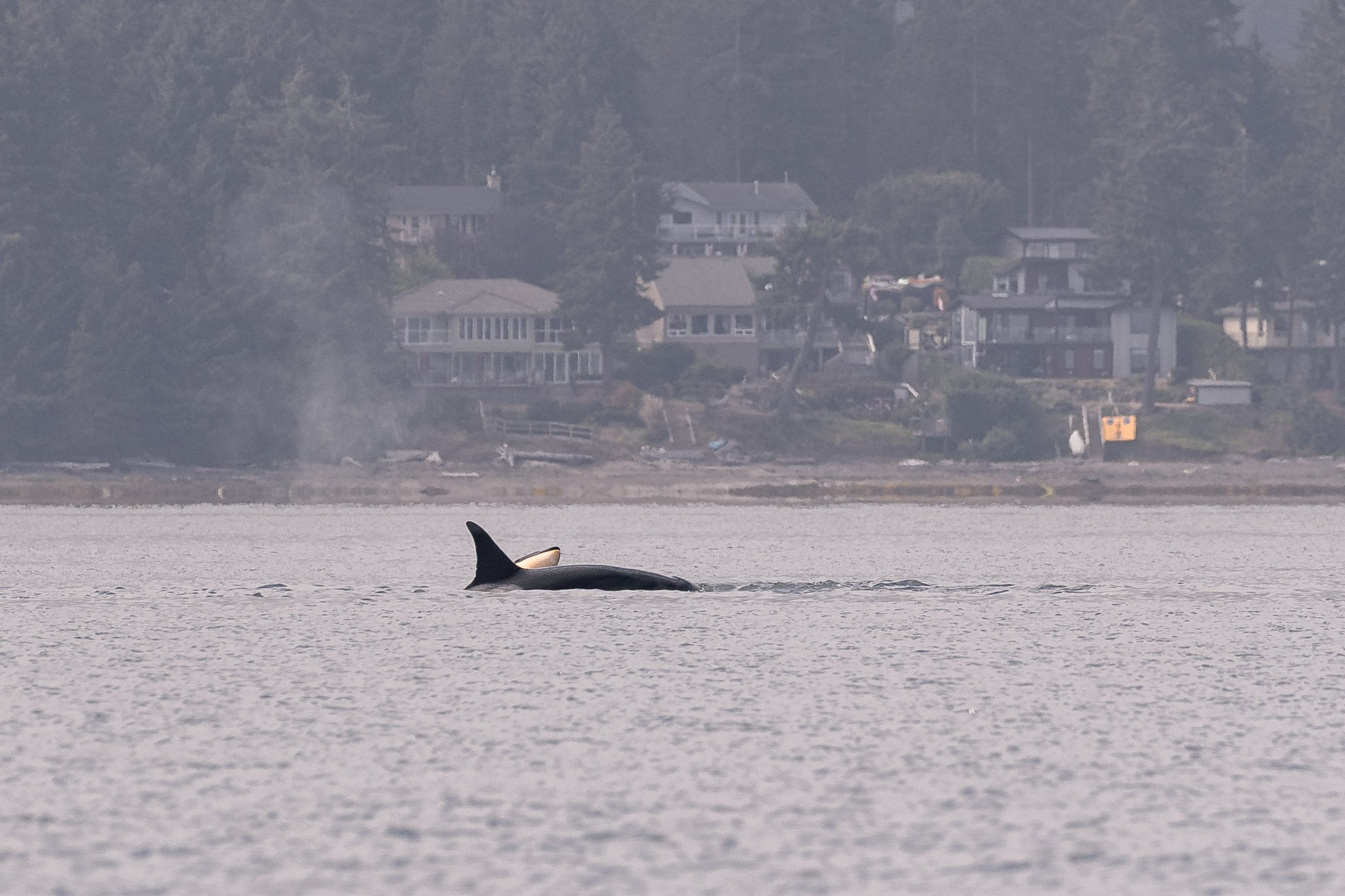
T023D Axle with T023D6 Mars behind her, face out of the water! Photo by Jordan Robinson.
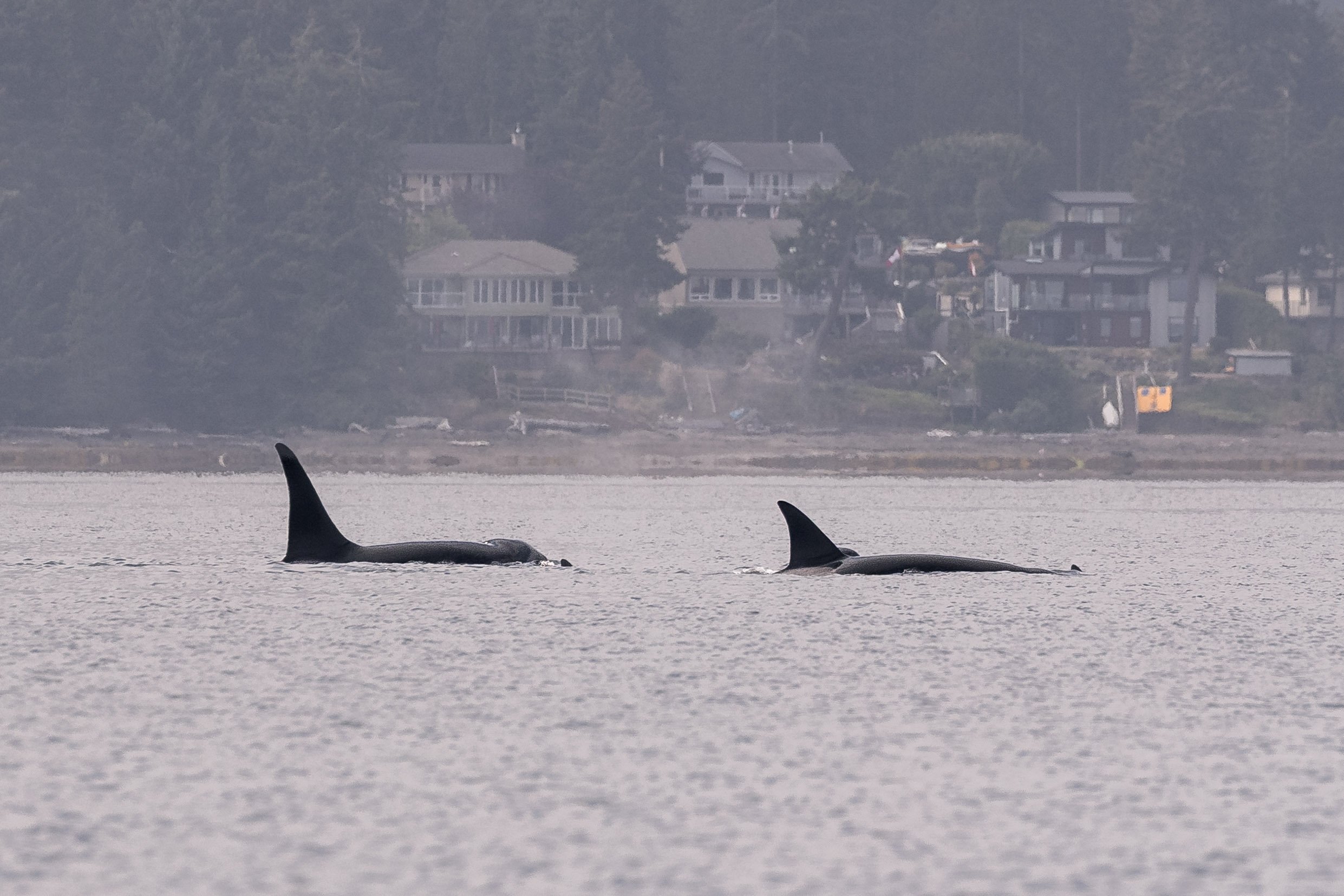
T023D3 Robin and T023D4 Sixx, with other family members all around them. Photo by Jordan Robinson.
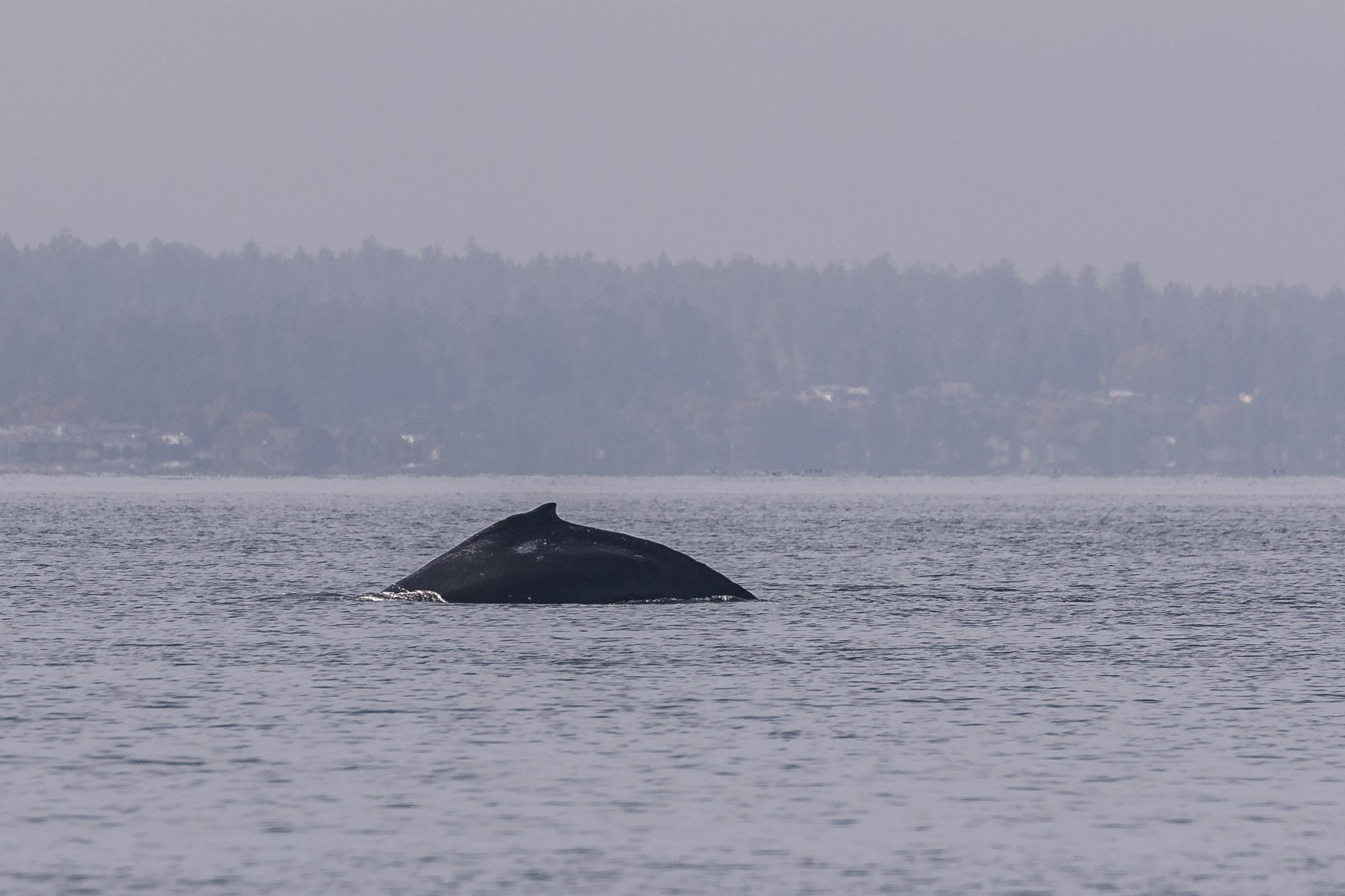
BCY0523 calf 2025 arching their back for a dive. Photo by Jordan Robinson.
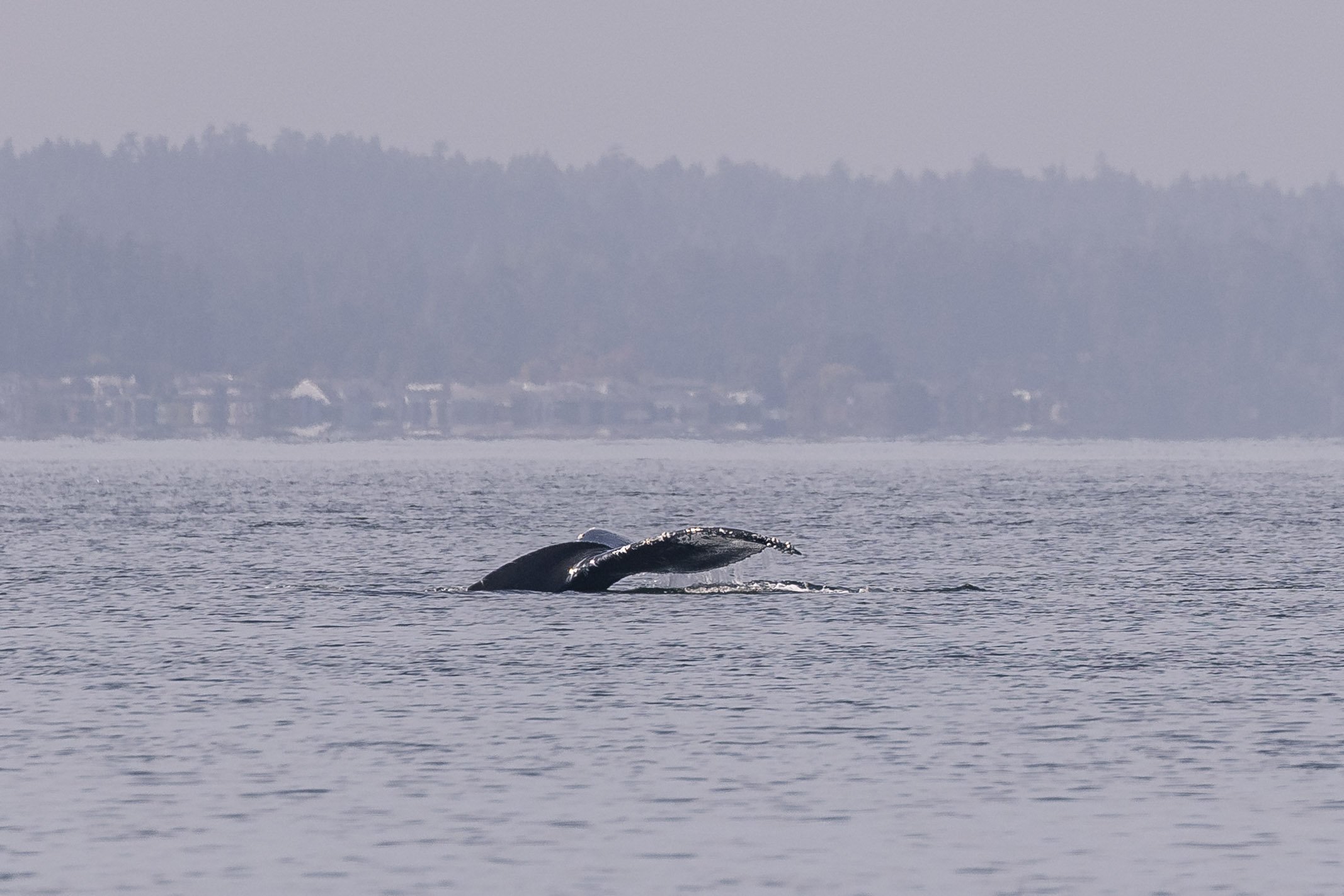
A tiny glimpse at BCY0523 calf 2025’s fluke as they dive. Photo by Jordan Robinson.
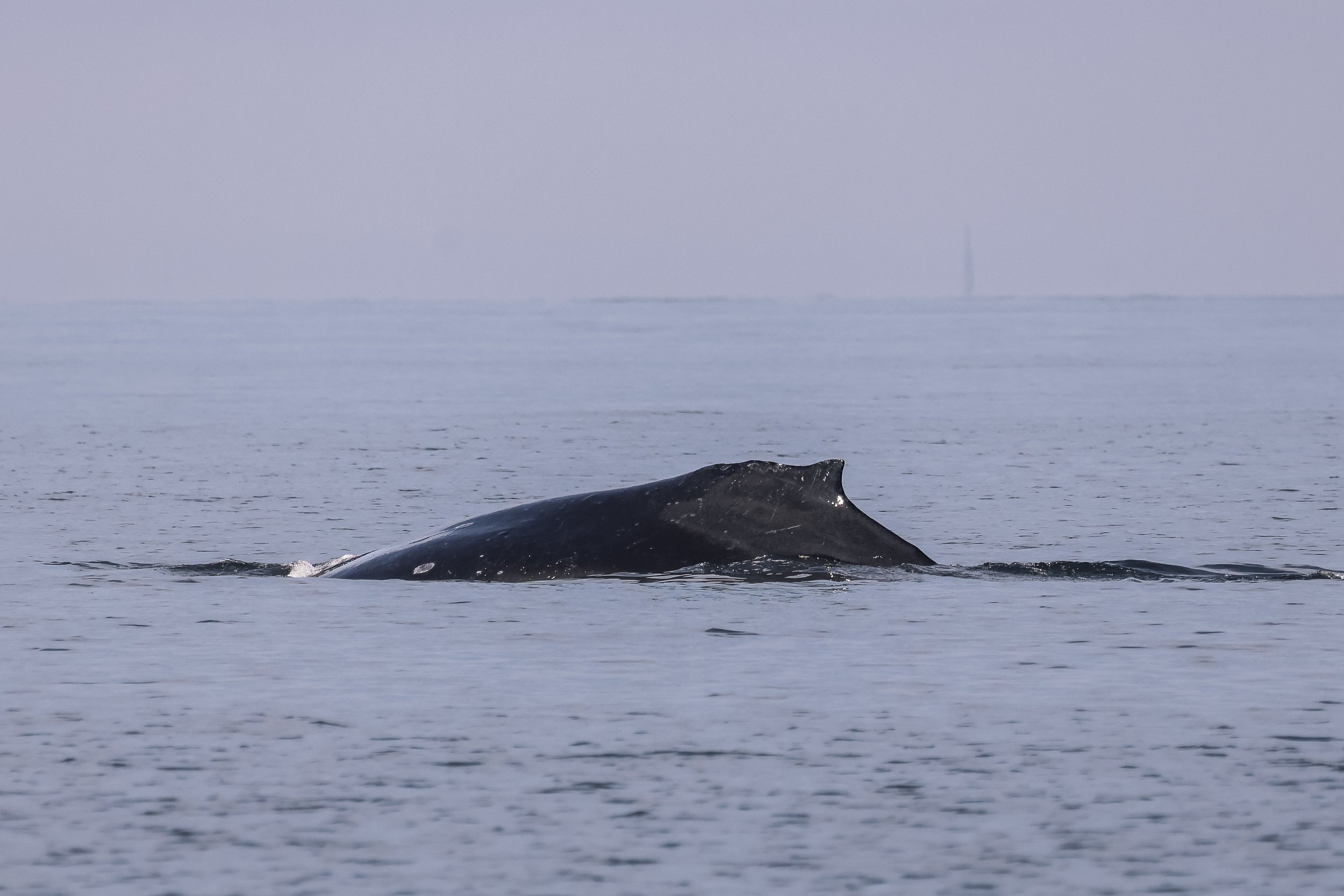
Roe with their distinct dorsal fin visible. Photo by Rosalie Burauen.
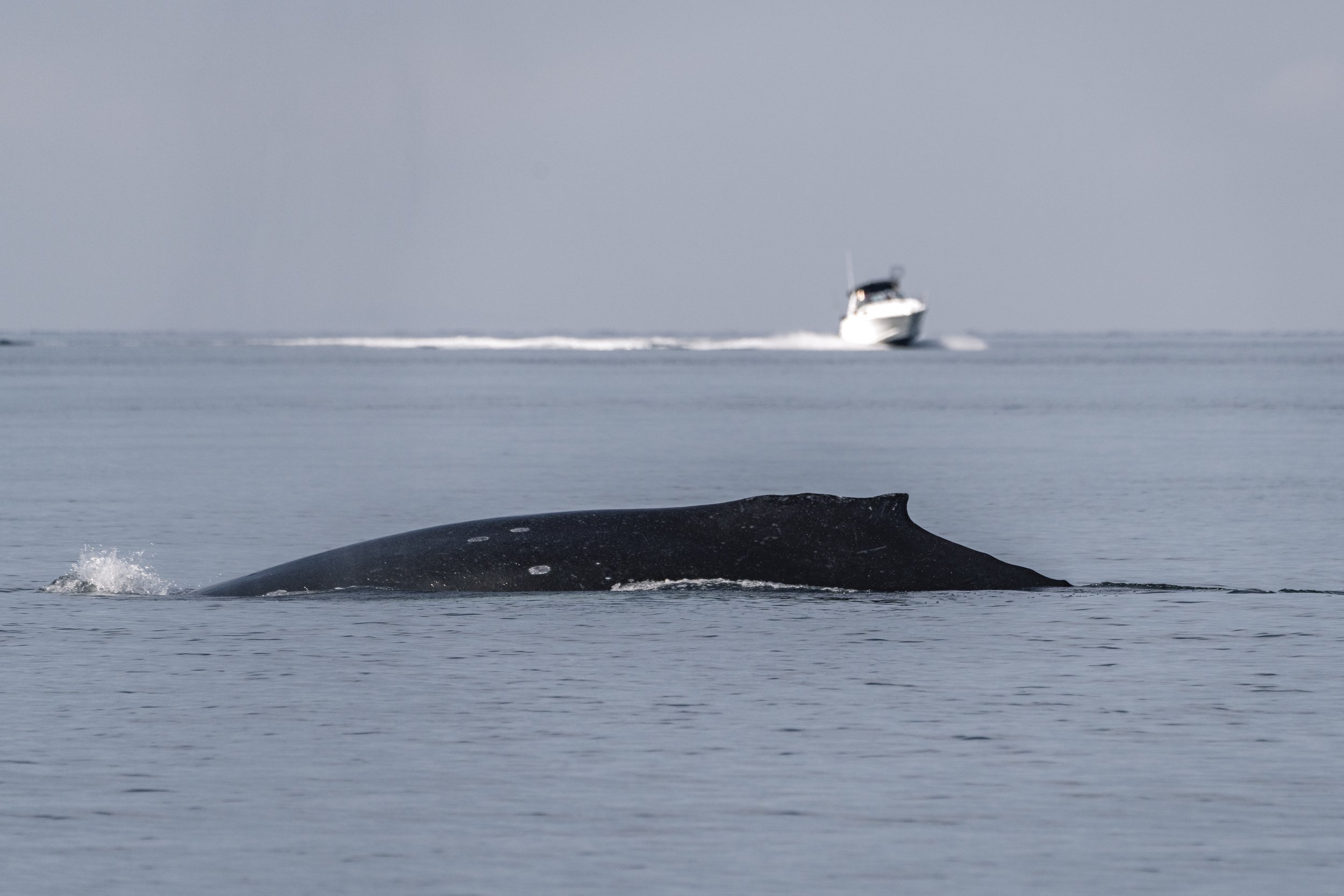
Besides flukes and dorsal fins, if those circular scars remain visible, they could be used to confirm Roe’s ID in the future.Photo by Val Watson.
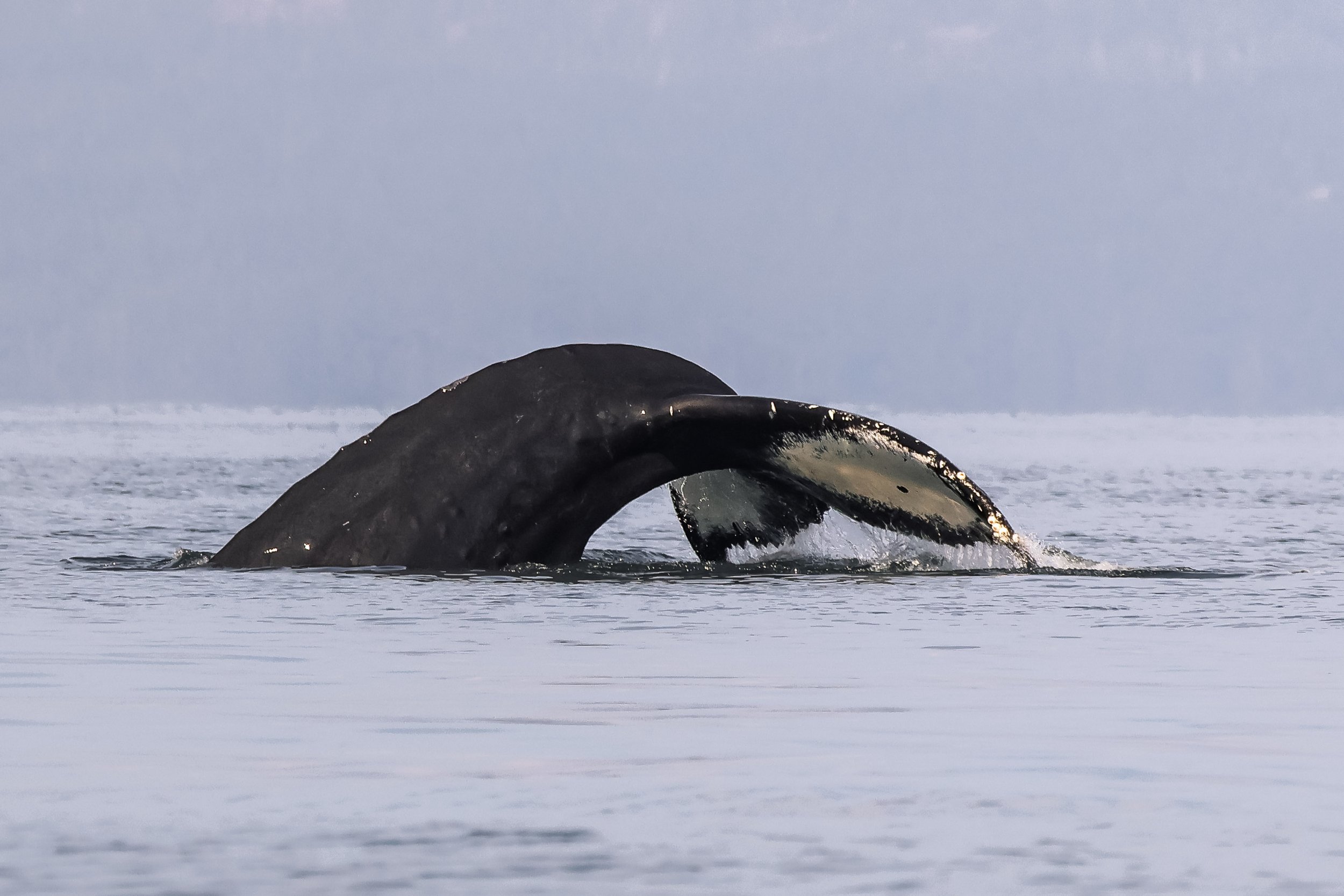
A beautiful side view of Roe as they dive. Photo by Rosalie Burauen.
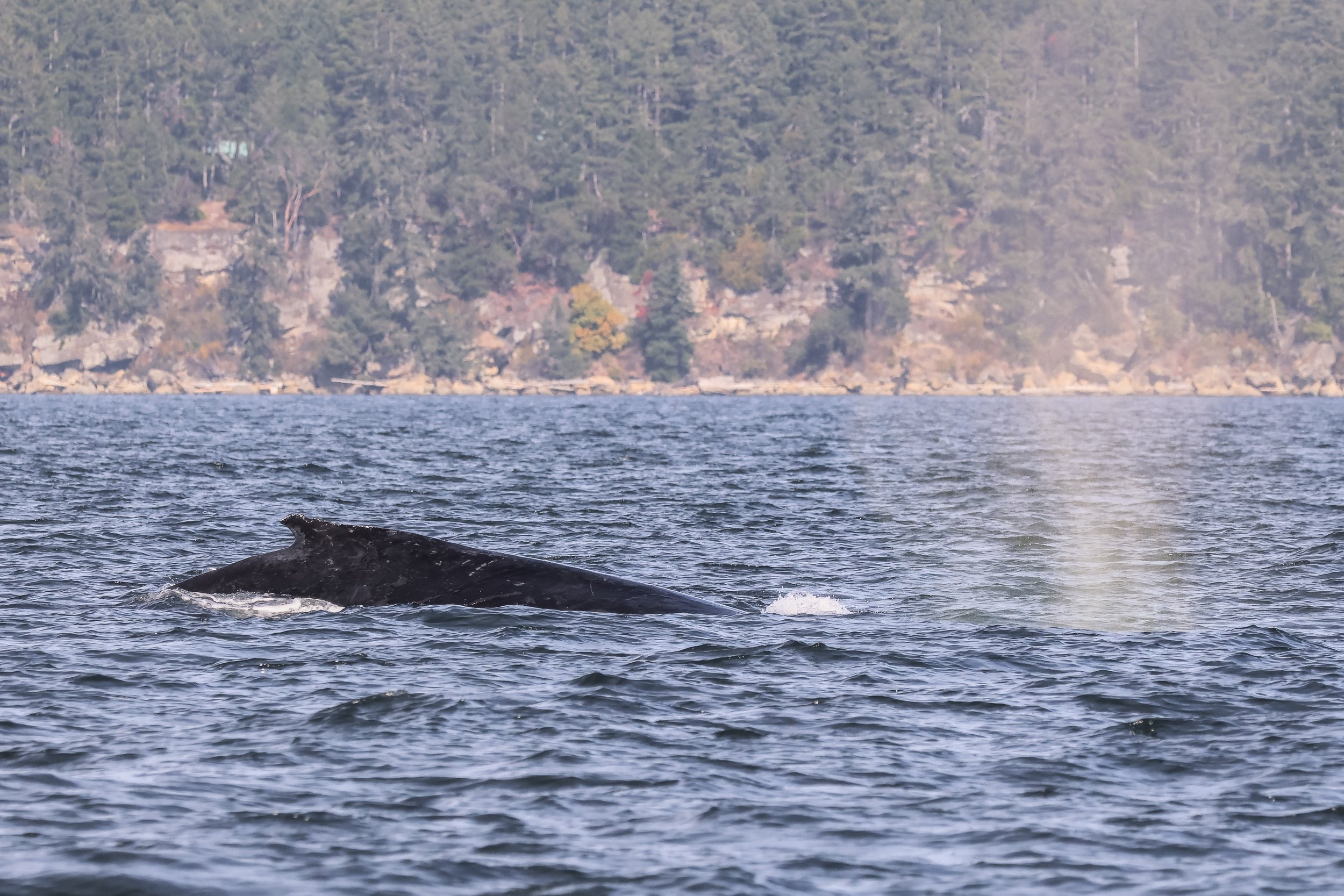
Kata travelling, with a small rain-blow visible. Photo by Rosalie Burauen.
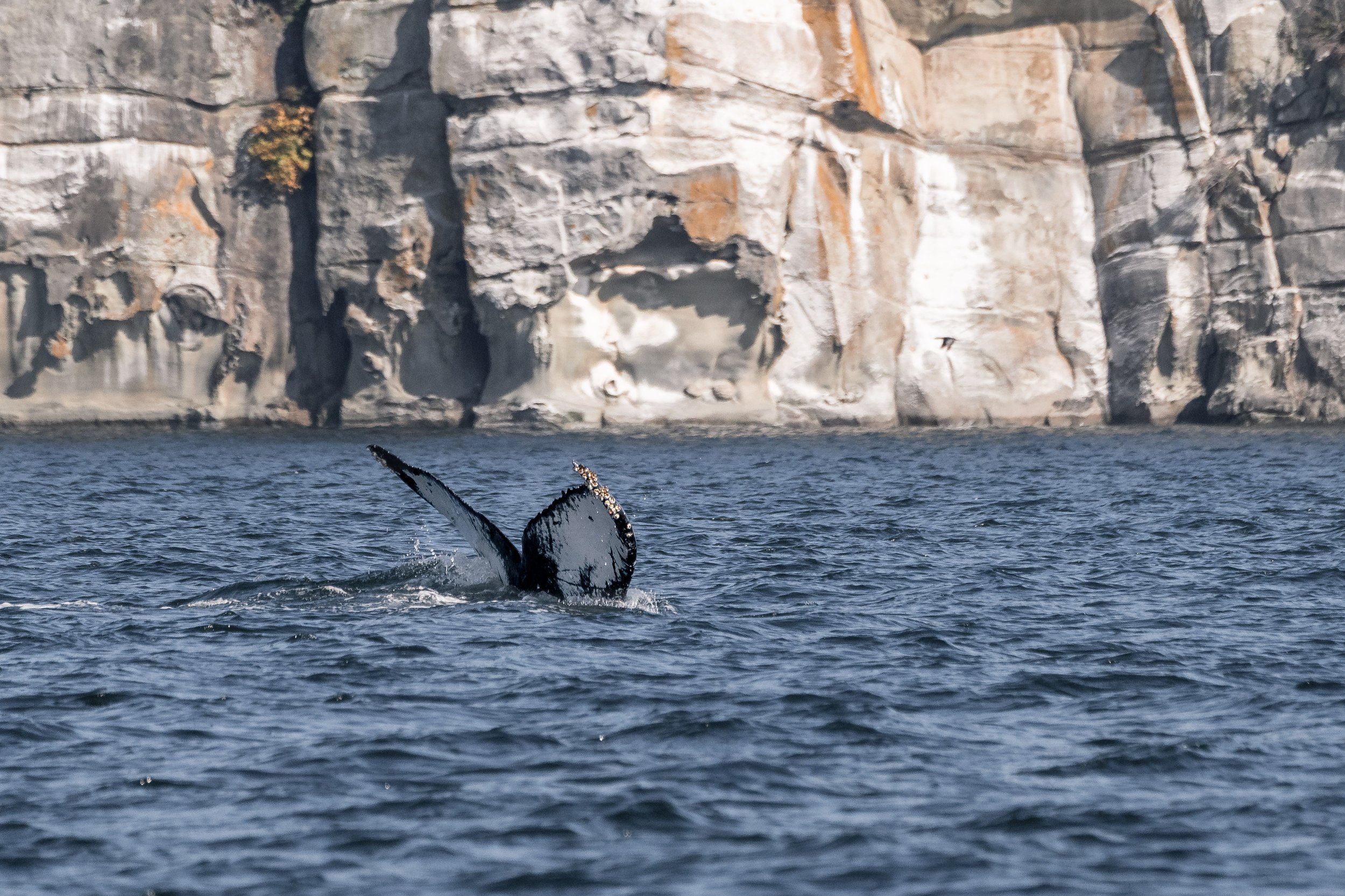
Kata’s fluke with the Gabriola Bluffs behind him. Photo by Val Watson.
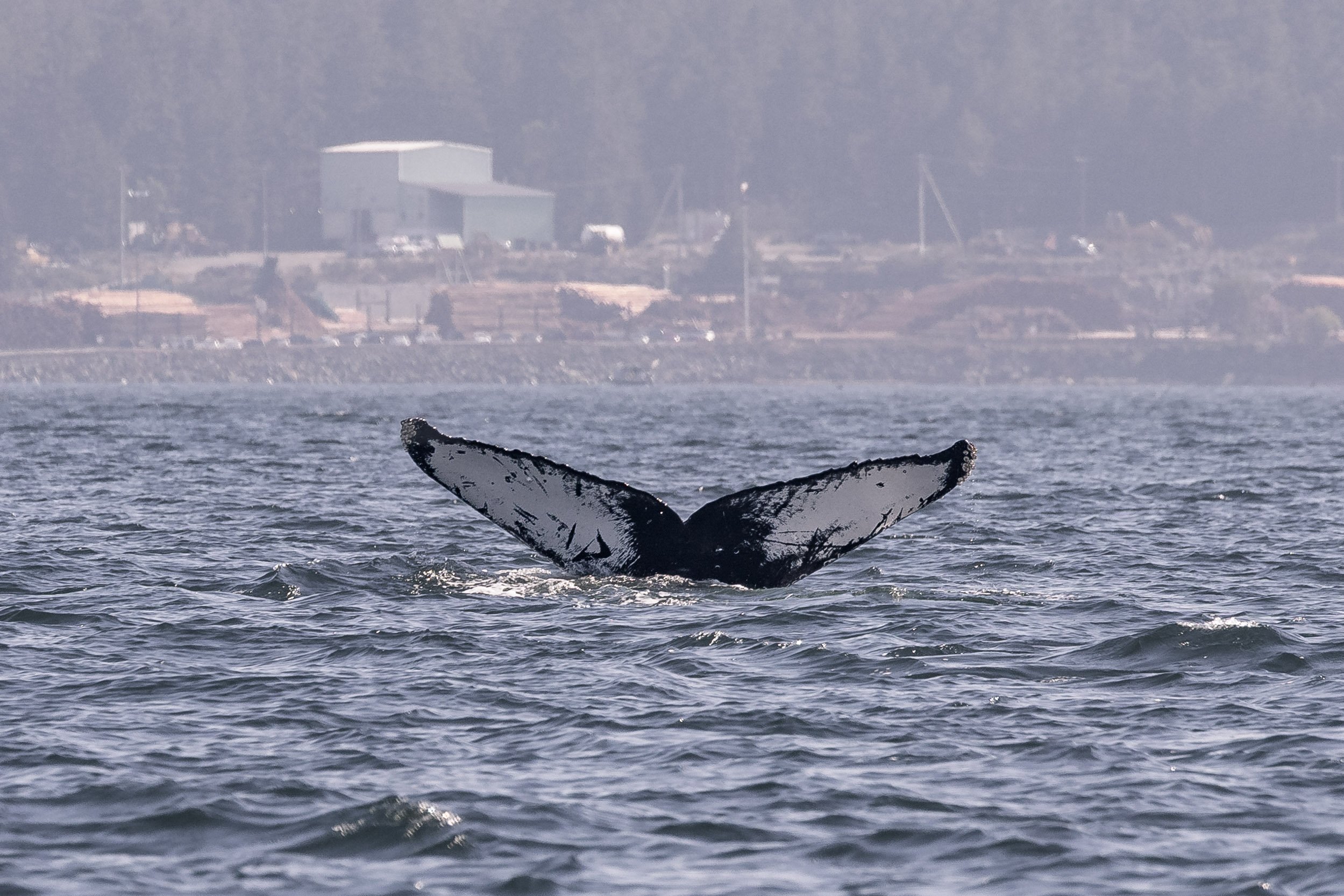
Kata’s beautiful fluke. Photo by Jordan Robinson.
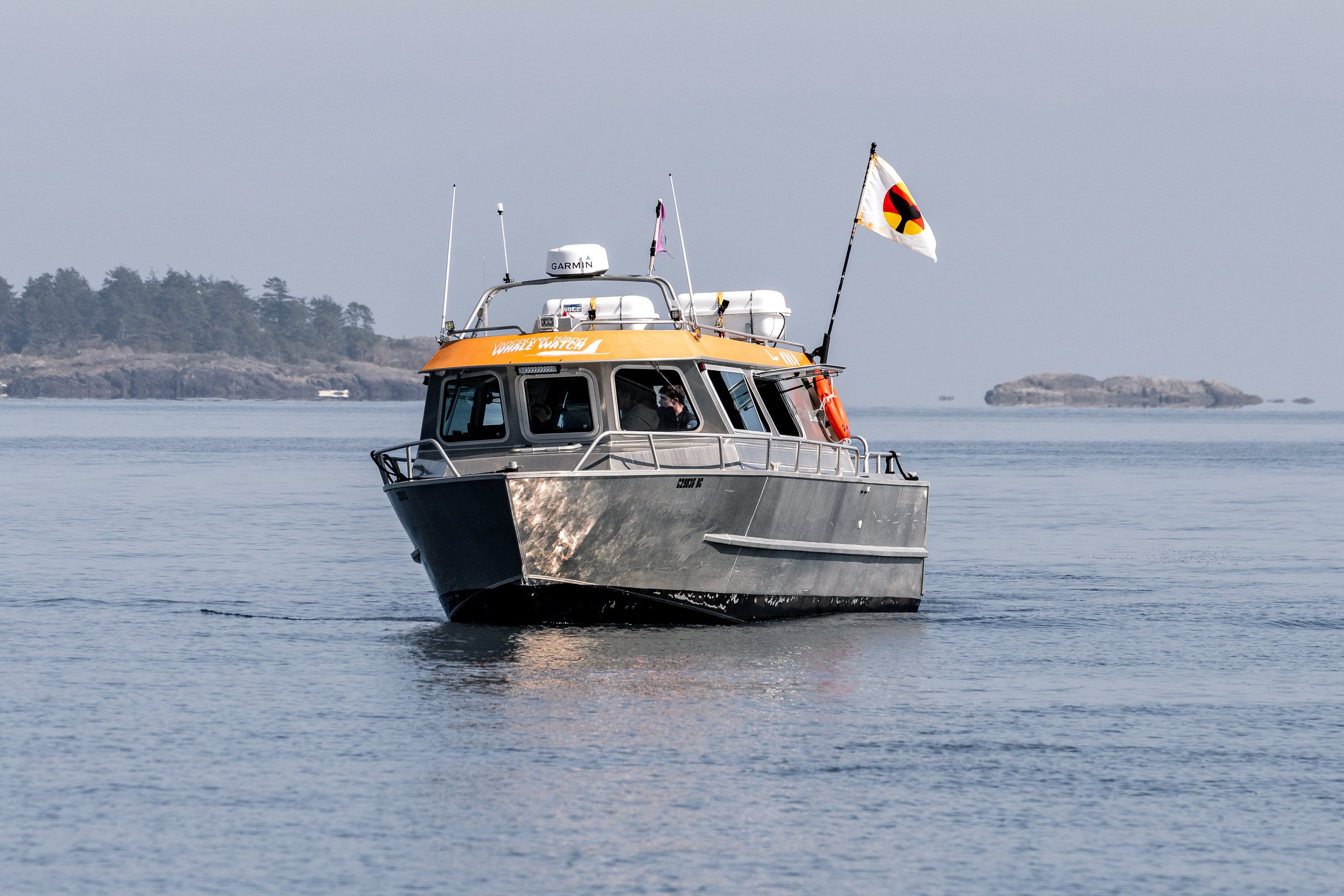
Kula enjoying the whales. Photo by Val Watson.
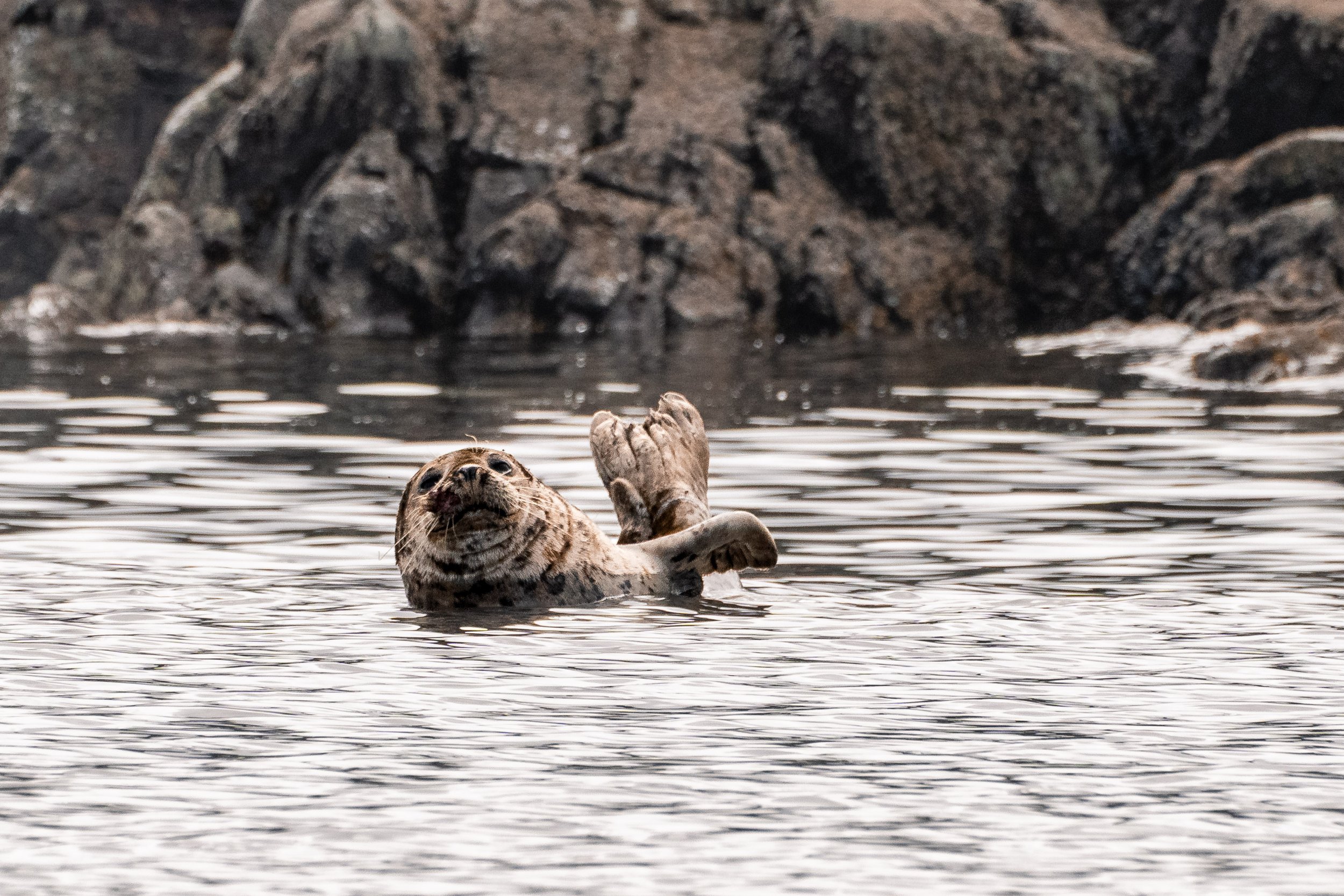
A Harbour Seal banana posing in the shallows. Photo by Val Watson.
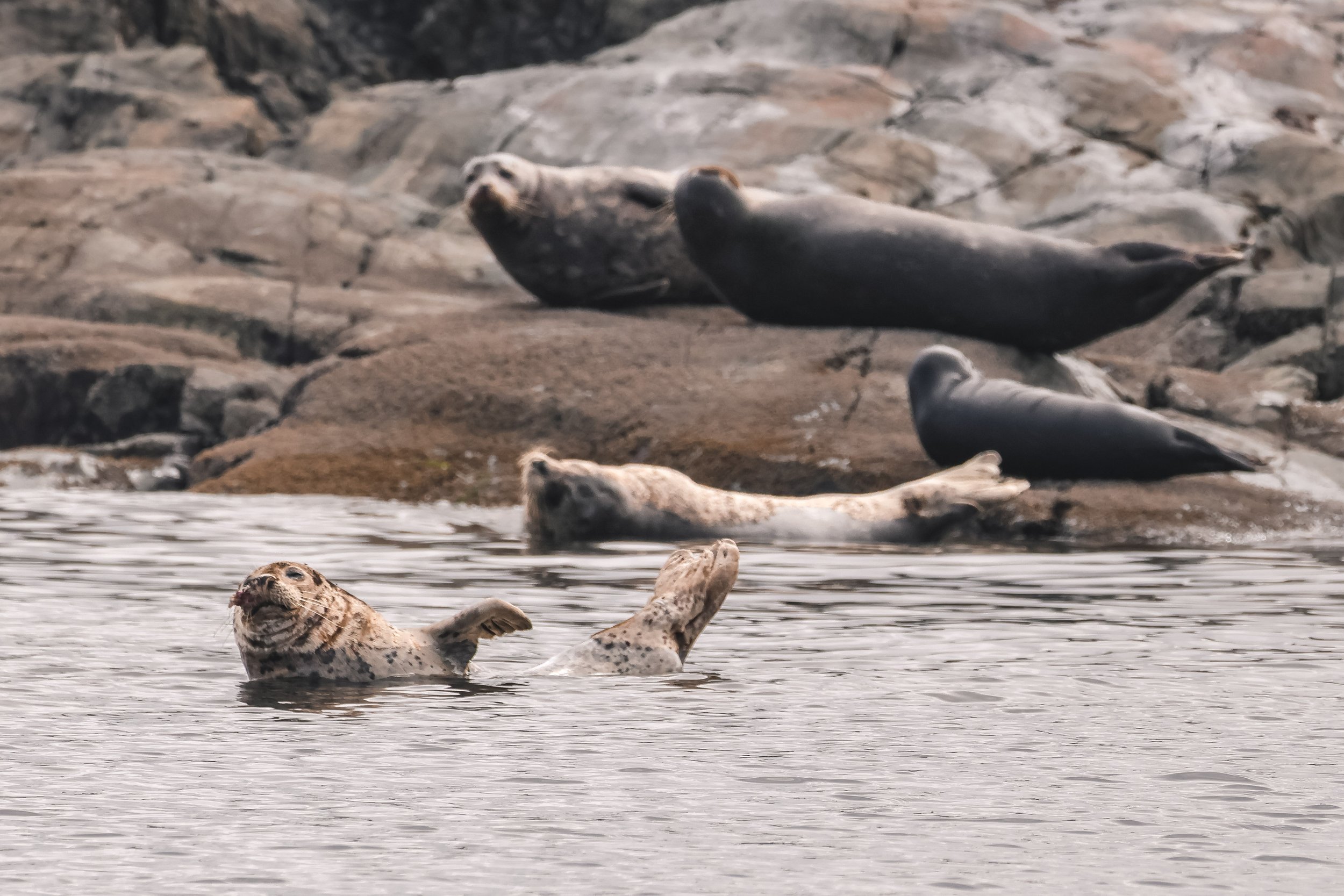
This Harbour Seal appears to have a wound on the right side of their snout. Photo by Rosalie Burauen.
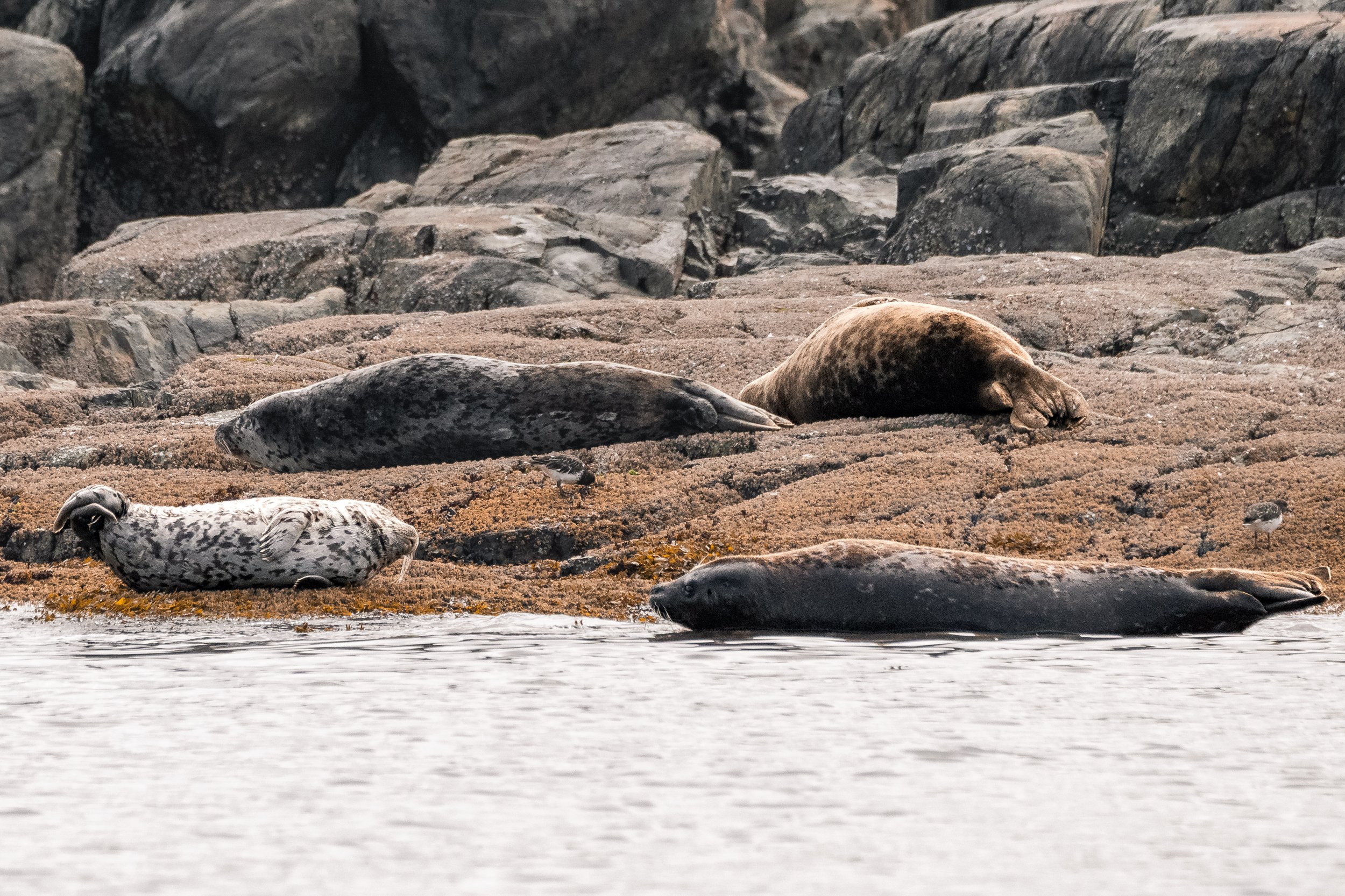
Nap time! Photo by Val Watson.
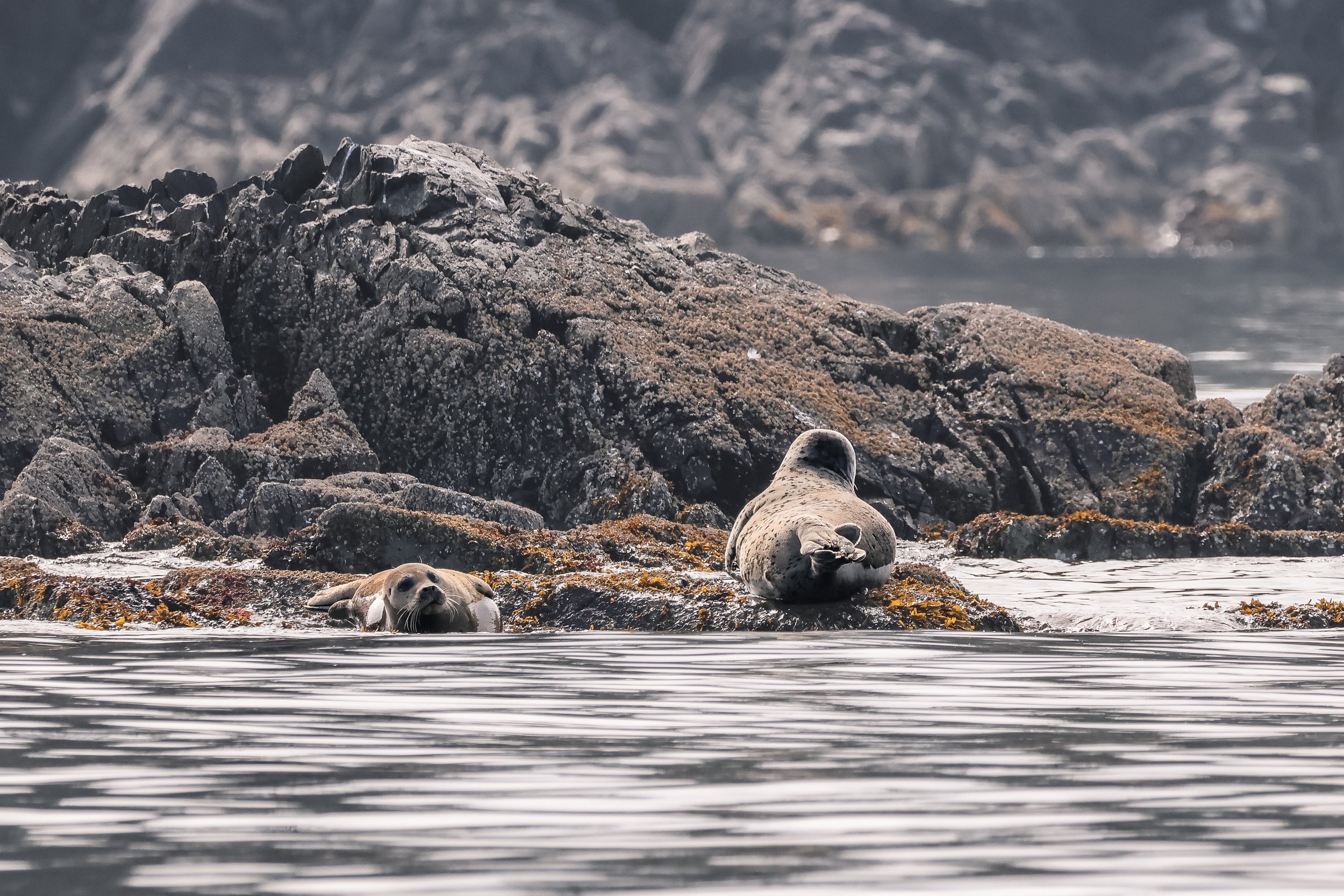
A different view of a Harbour Seal - hind flippers and a fluffy little tail! Photo by Rosalie Burauen.
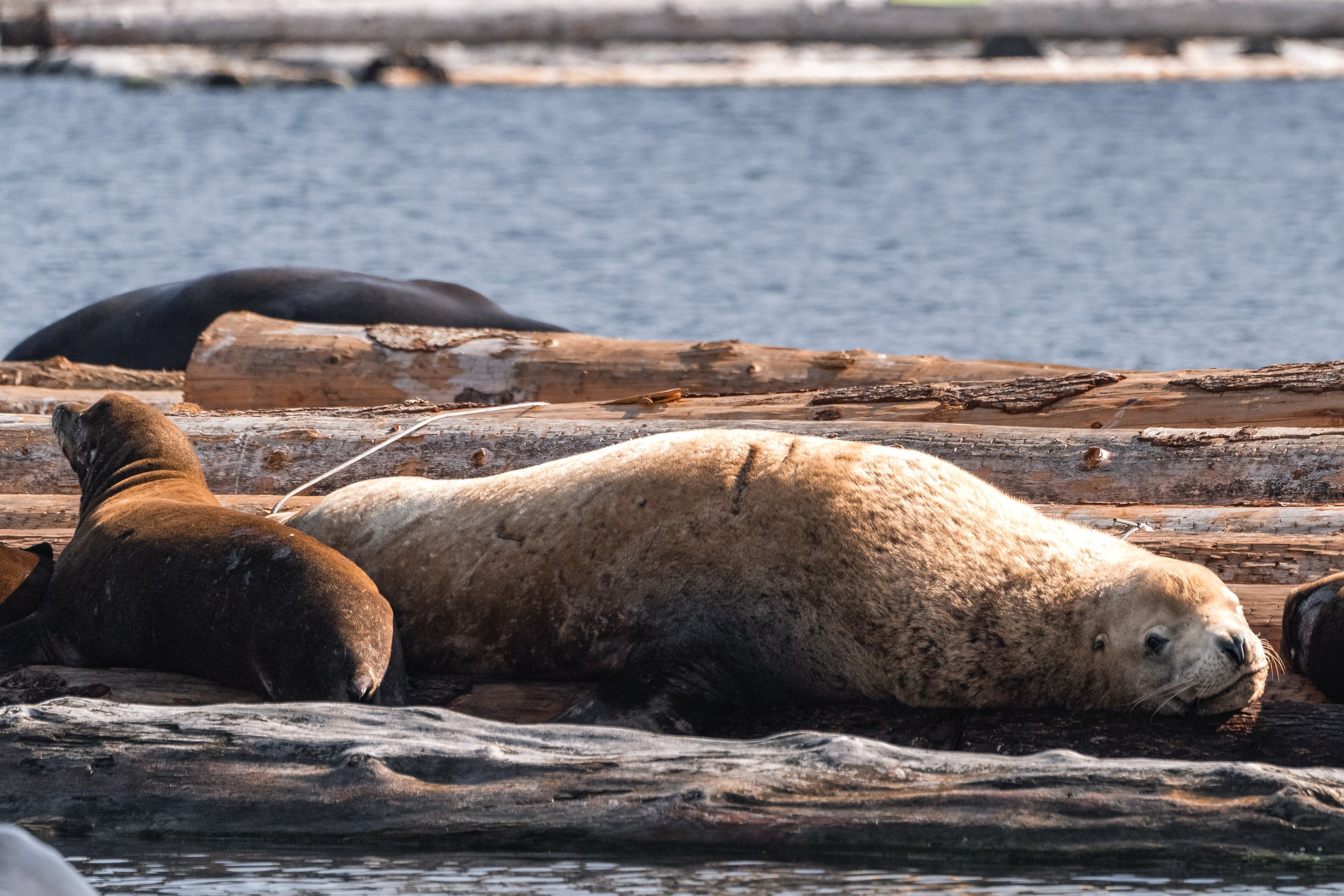
California and Steller Sea Lions together on the log booms. Photo by Val Watson.
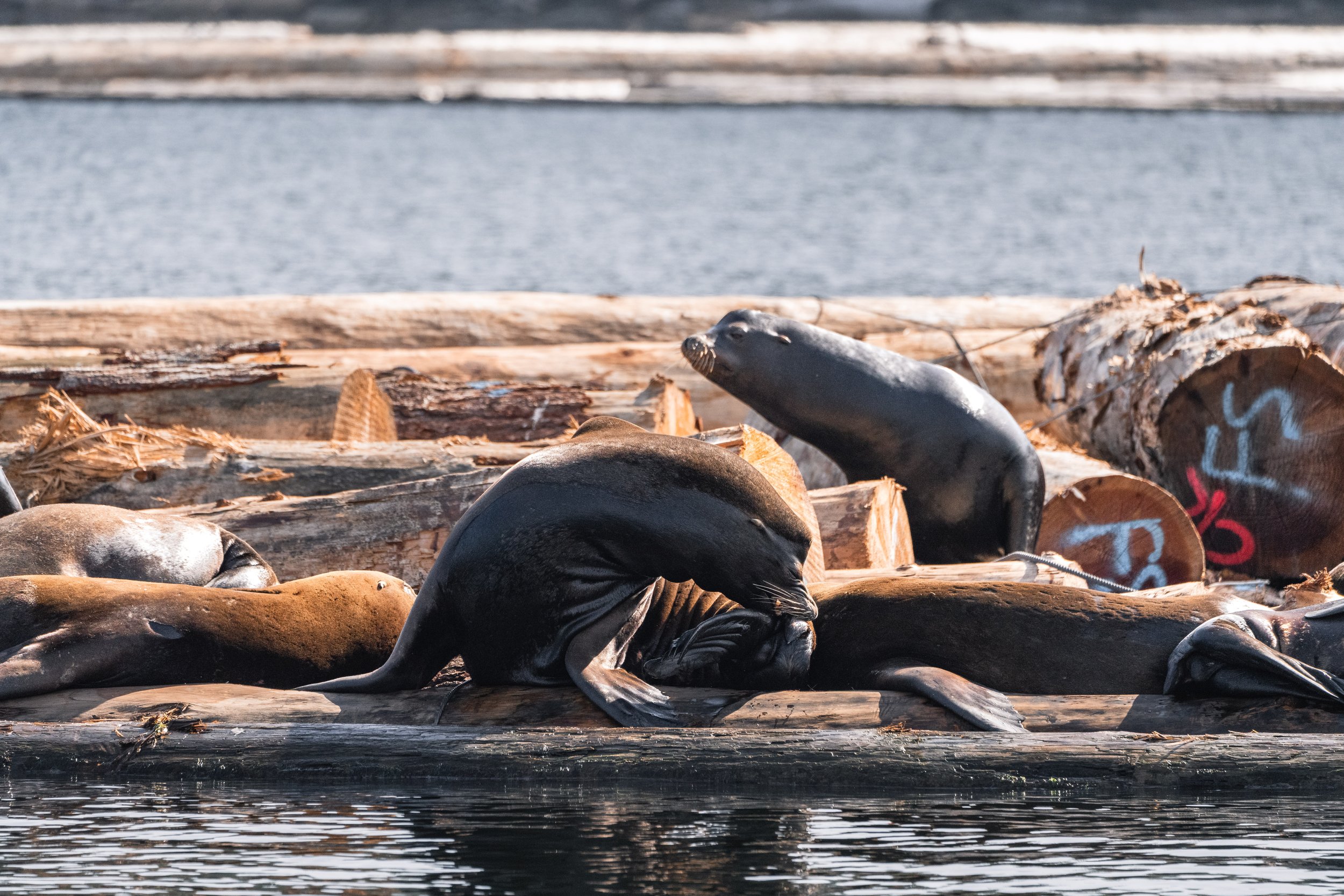
Itchy and scratchy. Photo by Val Watson.
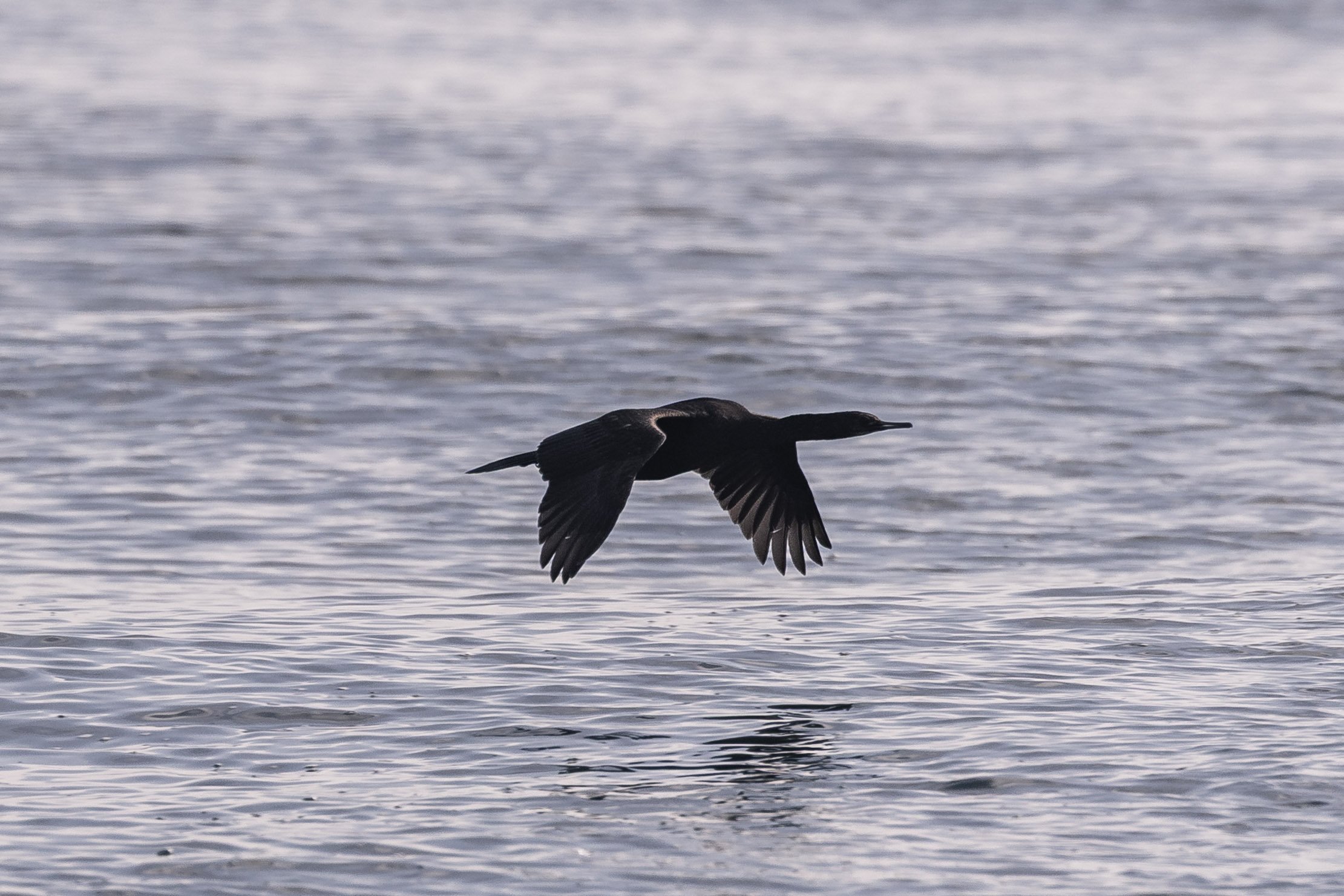
A Pelagic Cormoran flying by. Photo by Jordan Robinson.
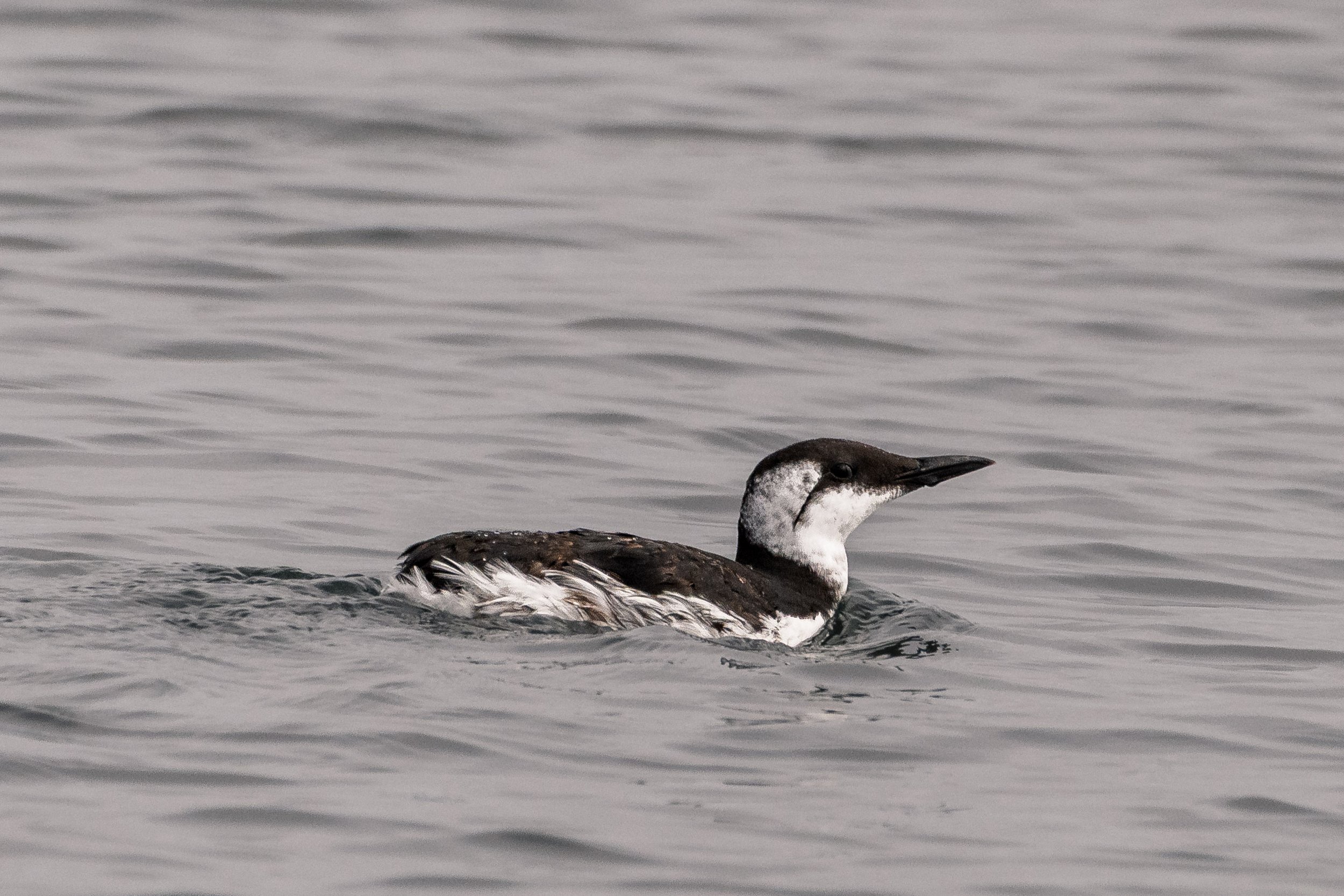
A Common Murre paddling along. Photo by Val Watson.
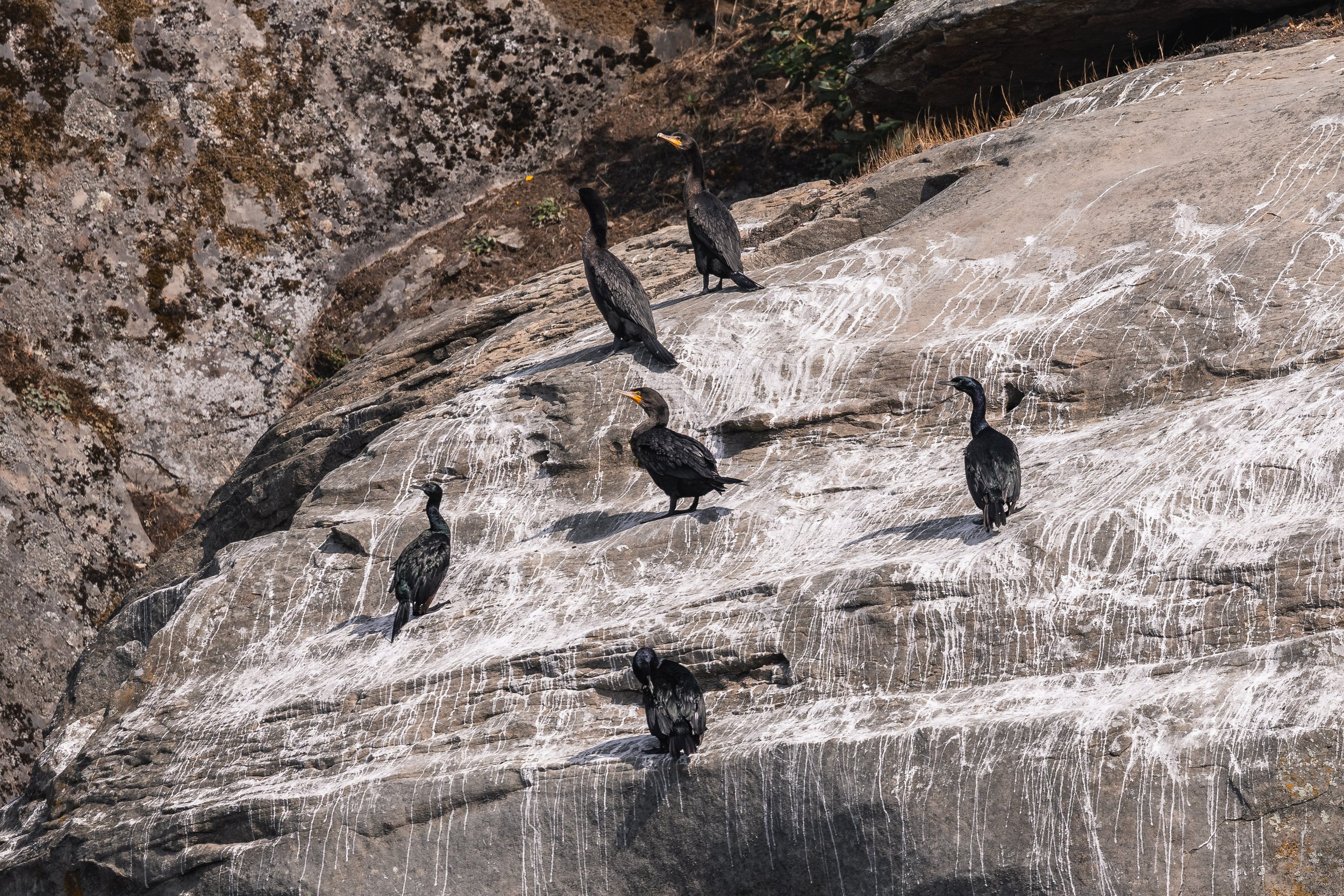
Double-crested and Pelagic Cormorants together at the Gabriola Bluffs. Photo by Jordan Robinson.
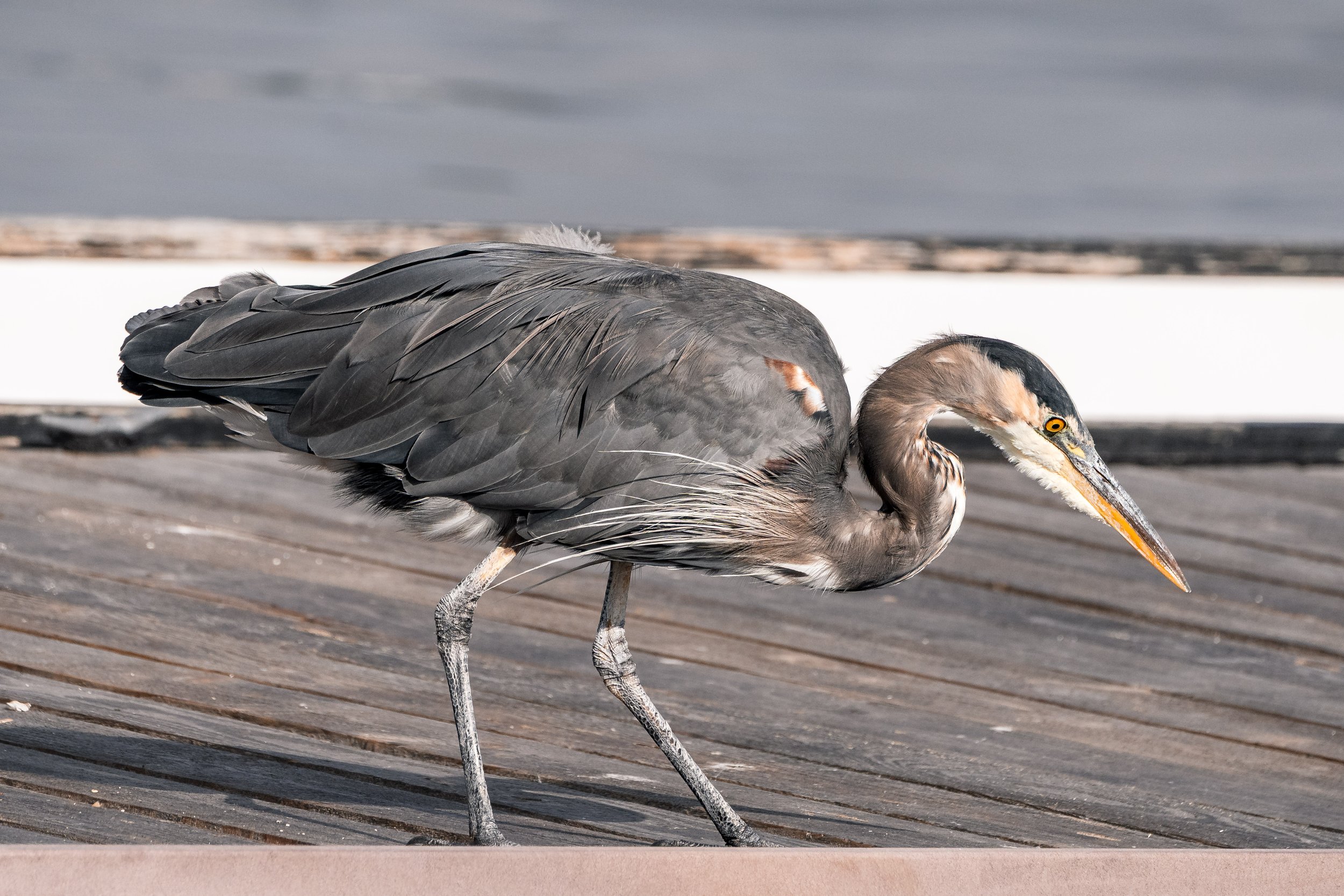
A Great Blue Heron back at the docks. Photo by Val Watson.