
August 23, 2026, 3:30 PM - Double species inside the Islands
A quiet afternoon greeted us as we headed out aboard Kula. After pushing off from the dock, we turned southbound and started heading towards Dodd Narrows. We decided to start the trip inside the Southern Gulf Islands after a report came in of a potential sighting tucked within the waterways. We were eager to begin our search, as you never know what you will find while out on a trip, and today proved just how true that statement can ring!
Travelling down through the picture-perfect area known as Trincomali Channel, we soon approached the southern tip of Wallace Island. From here, a blow and fluke was spotted close to shore. A lone humpback was travelling near the coast. Once in position, we took a few photos of the whale to confirm who they were. Their unique dorsal fin, along with their distinctive fluke pattern, helped us identify them as Hydra (BCY1000), a known female humpback whale who has returned to our area seasonally for many years. While a humpback is a fantastic find by itself, we had another surprise awaiting, as just a few hundred metres away, a couple of black dorsal fins were spotted as well. It was a pair of orca travelling along in the same direction!
This pair, with one smaller female and one larger male present, was a matriline that has been in our area a lot recently. They were identified as the T101s:
T101 Reef ♀ (≤1969)
T101B Lagoon ♂ (1997)
Typically, humpback whales and orca do not tend to get along. Often, when in close proximity, humpbacks can be seen charging at orcas. This is likely because, aside from Harbour Porpoises, Harbour Seals, and Steller Sea Lions, Transient orcas occasionally hunt young whales, including humpback calves. While this behaviour is not common in our area, the instinct to get these predators out of their area remains. However, neither Hydra nor the T101s seemed to have an interest in interacting today, as both passed by each other like two ships in the night.
Hydra was simply fluking as we observed her, arching her back and bringing her tail high out of the water as she went. Humpback whales right now are busy foraging away, eating as much as they can in preparation for their migration in the coming months. Hydra has been cross-matched to the breeding grounds in Hawaii, meaning she has quite the journey ahead of her once she departs from our waters. With her last calf being spotted in 2024, she may be pregnant and could be spotted with a calf by her side when she returns here next summer. We are eager to see what the future holds for her!
The T101s have been spending a lot of time exploring the Southern Gulf Islands in recent weeks. The matriarch, T101 Reef, is a very interesting-looking female with a fairly tall, straight fin. This leads to her occasionally being referred to as a male, as females usually have shorter, curved fins. This is a bit funny when you see just how big an actual male, such as her son T101B Lagoon, is beside her!
The duo seemed to be taking it fairly easy as we watched, slowly drifting by. It is possible they were resting, which looks a bit different for them than it does for us. Orca sleep in a way known as Unihemispherical sleep, or only resting half of their brain at a time. This is because, as a mammal, they are still required to breathe air, and they are conscious breathers, meaning they think about each and every breath they take in their life. The half of the brain that is not resting is then in charge of lifting the body up to the surface, exhaling and inhaling, before slowly drifting back into the water. Because of this unique adaptation, they never truly get a “full” night's sleep in the way we think of it, and are often taking shorter naps instead to get by!
We ended the trip by visiting one of our favourite haul-outs - Stinky Rocks. This area is bustling with lots of different wildlife species, but the main reason we pop by here is for the pinnipeds. The rambunctious Steller Sea Lions have claimed half of the rocks for themselves, while the quieter Harbour Seals take over a smaller, shallower section. Many Surfbirds and Black Turnstones were also spotted, getting tucked in and ready for a relaxing evening. It was the perfect last wildlife viewing before we started making our way back to home port.
We headed on out, once more getting comfortable in our seats. We travelled along as we watched the landscape roll by, and in no time at all, we were once more back at Nanaimo. We pulled up to the dock as the late-evening sun cast its glow over us, recalling the amazing encounters we had had throughout the evening.
Please enjoy these photos taken by Marine Naturalist Val Watson!
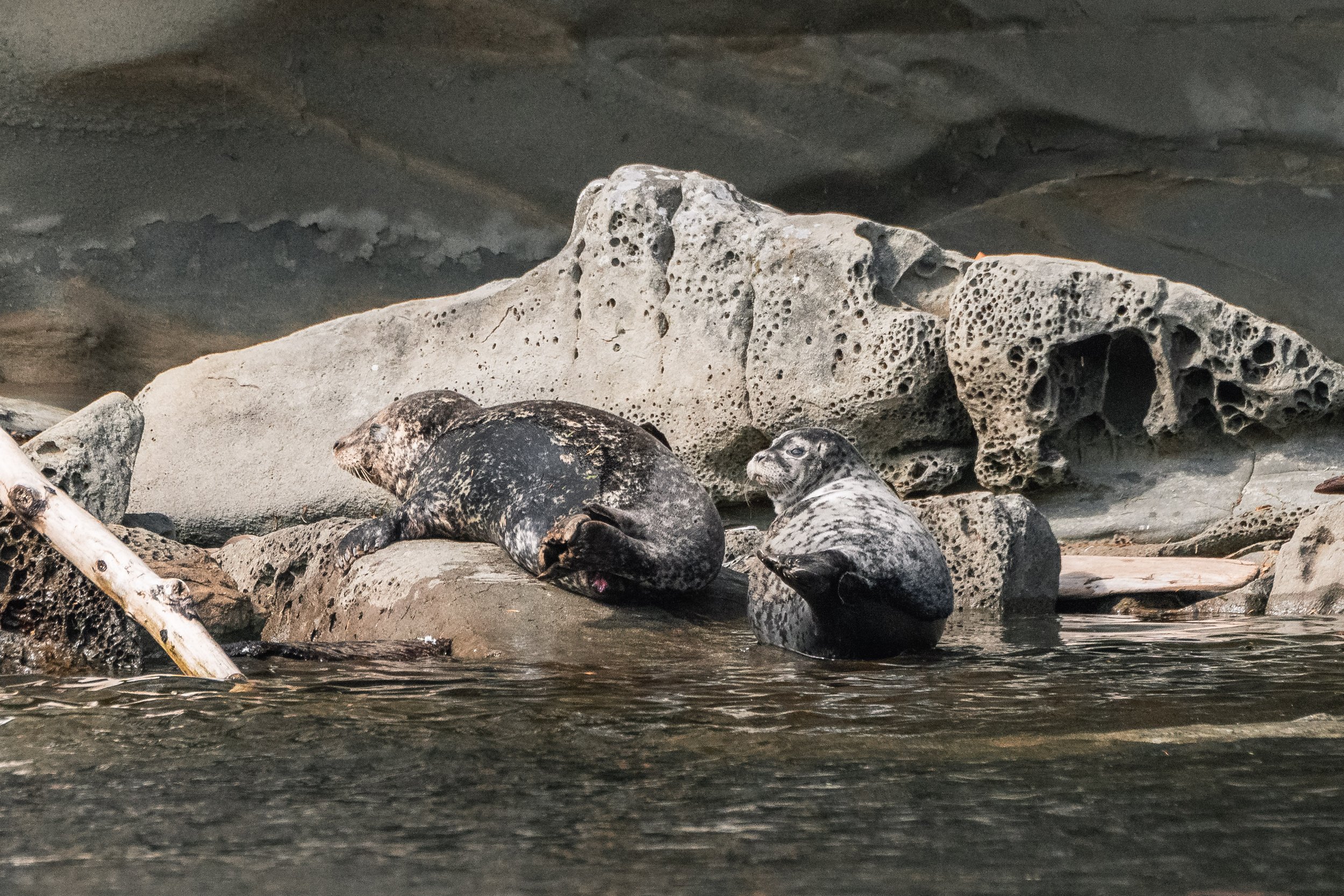
A little side eye from a Harbour Seal on shore.
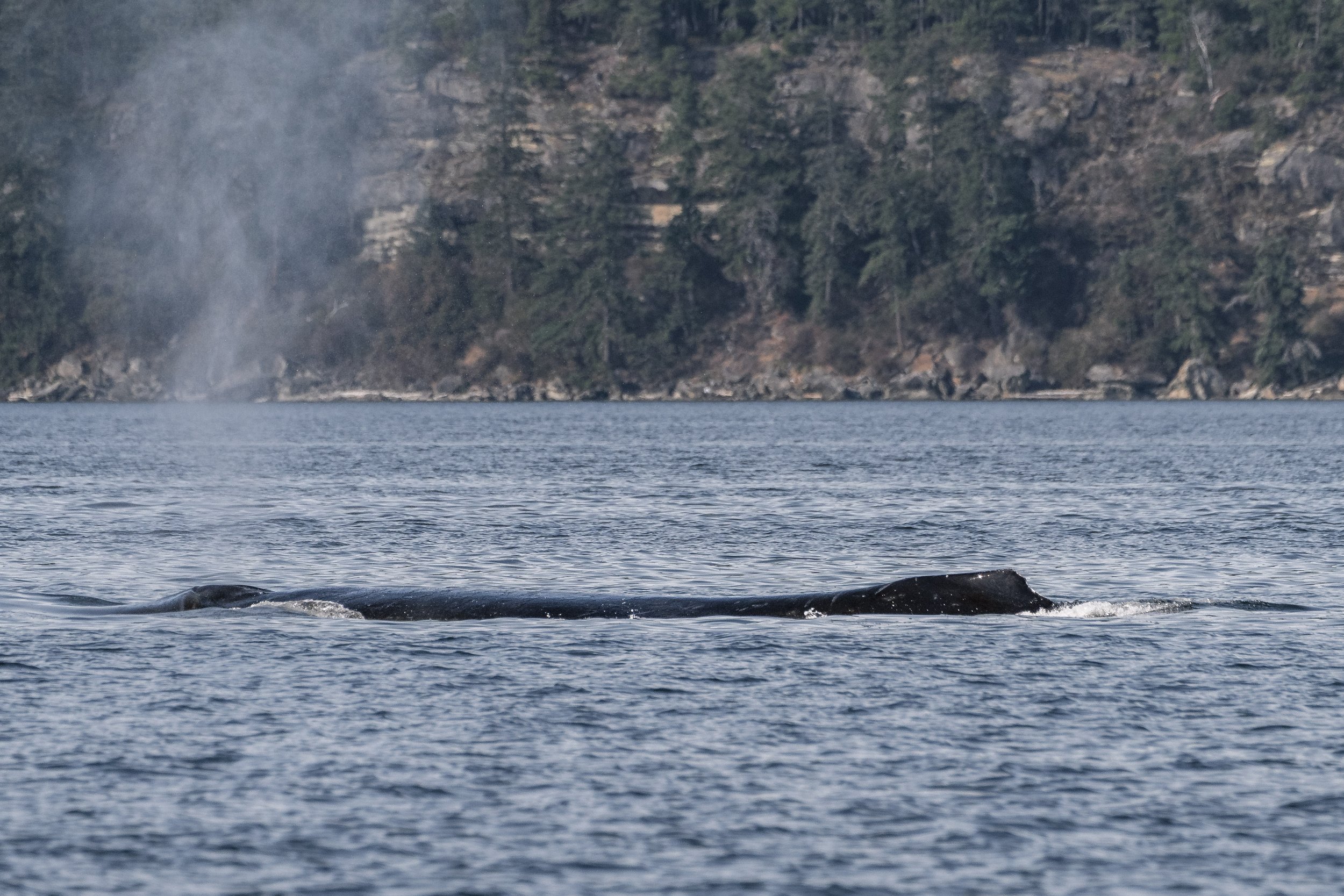
Hydra travelling - her dorsal fin has changed a bit in the last year!
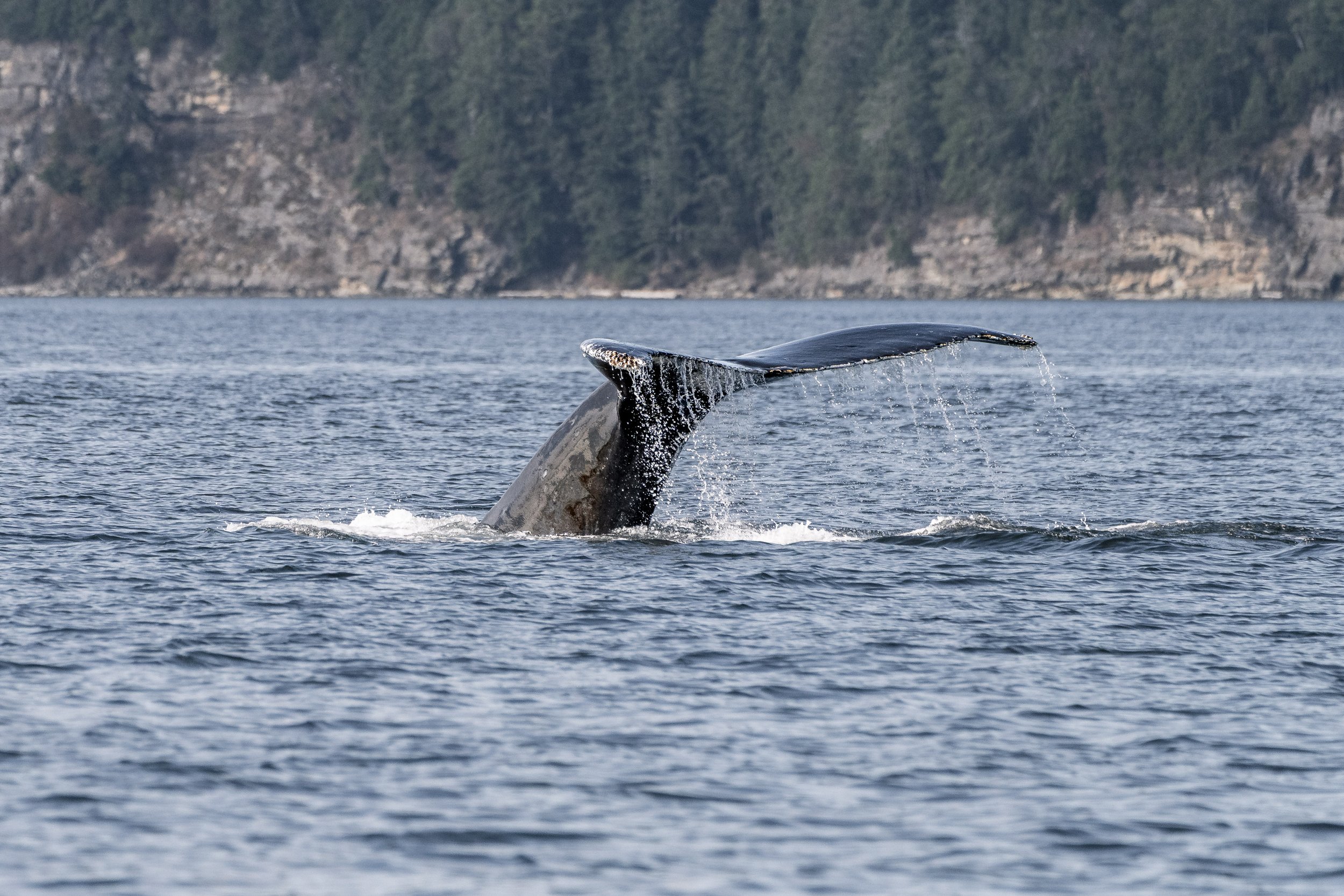
A beautiful fluke waterfall from Hydra.
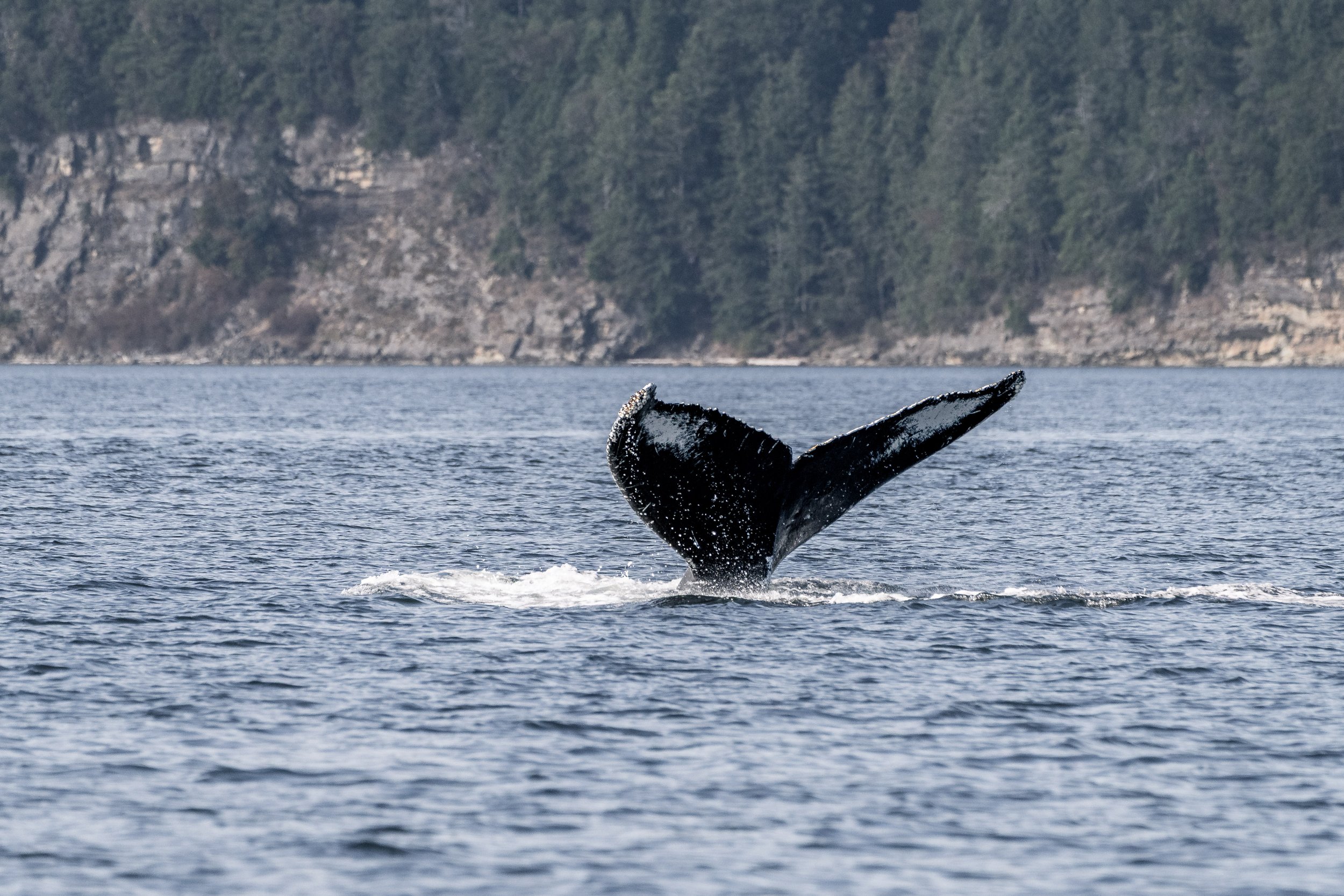
A good view at Hydra’s fluke as she dives.
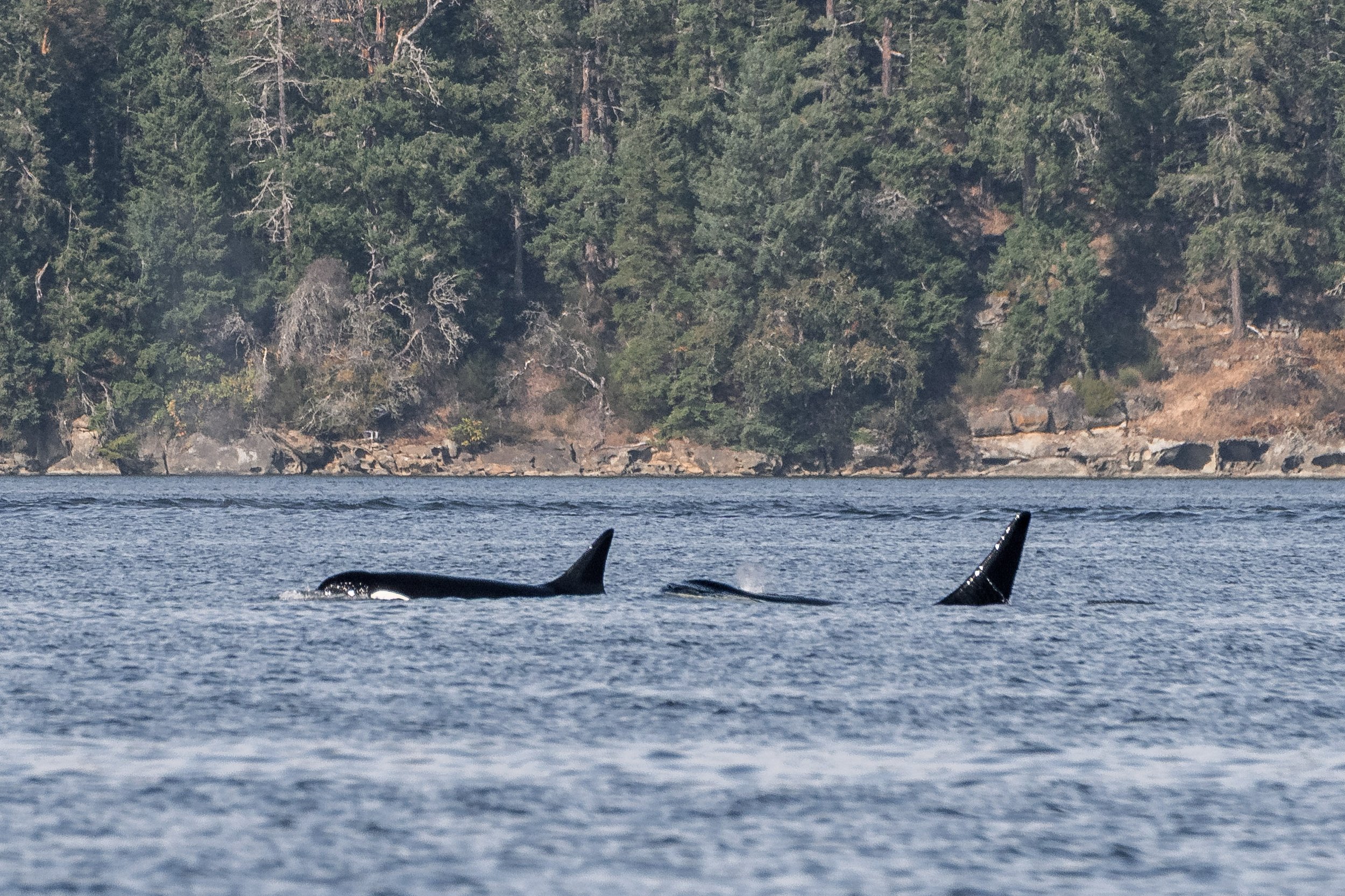
Suddenly, surprise orca! T101 Reef and T101B Lagoon appeared a few hundred metres away from where Hydra was. Neither seemed to be paying attention to the other.
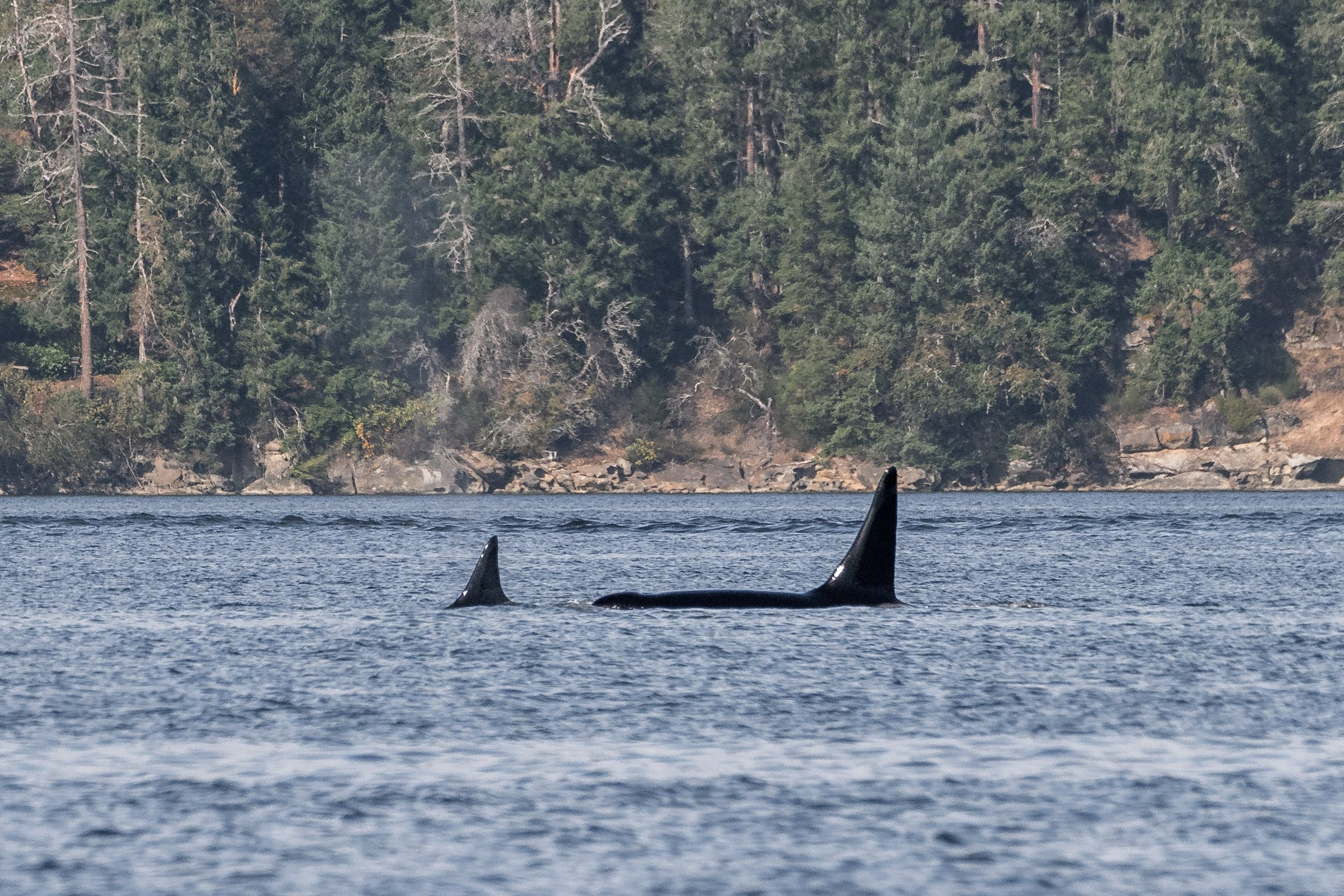
T101 Reef with her son T101B Lagoon right behind her.
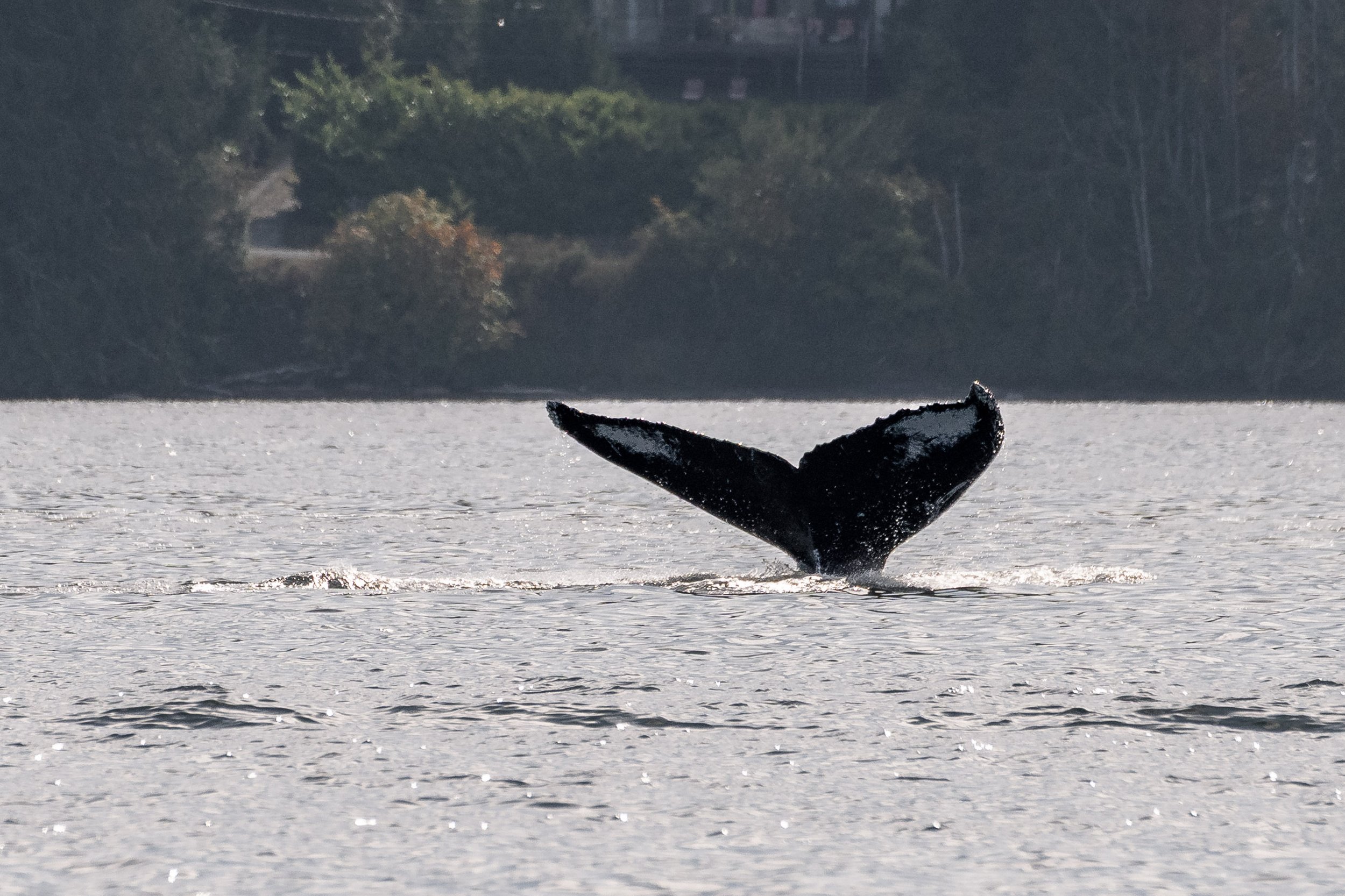
Beautifully backlit Hydra.
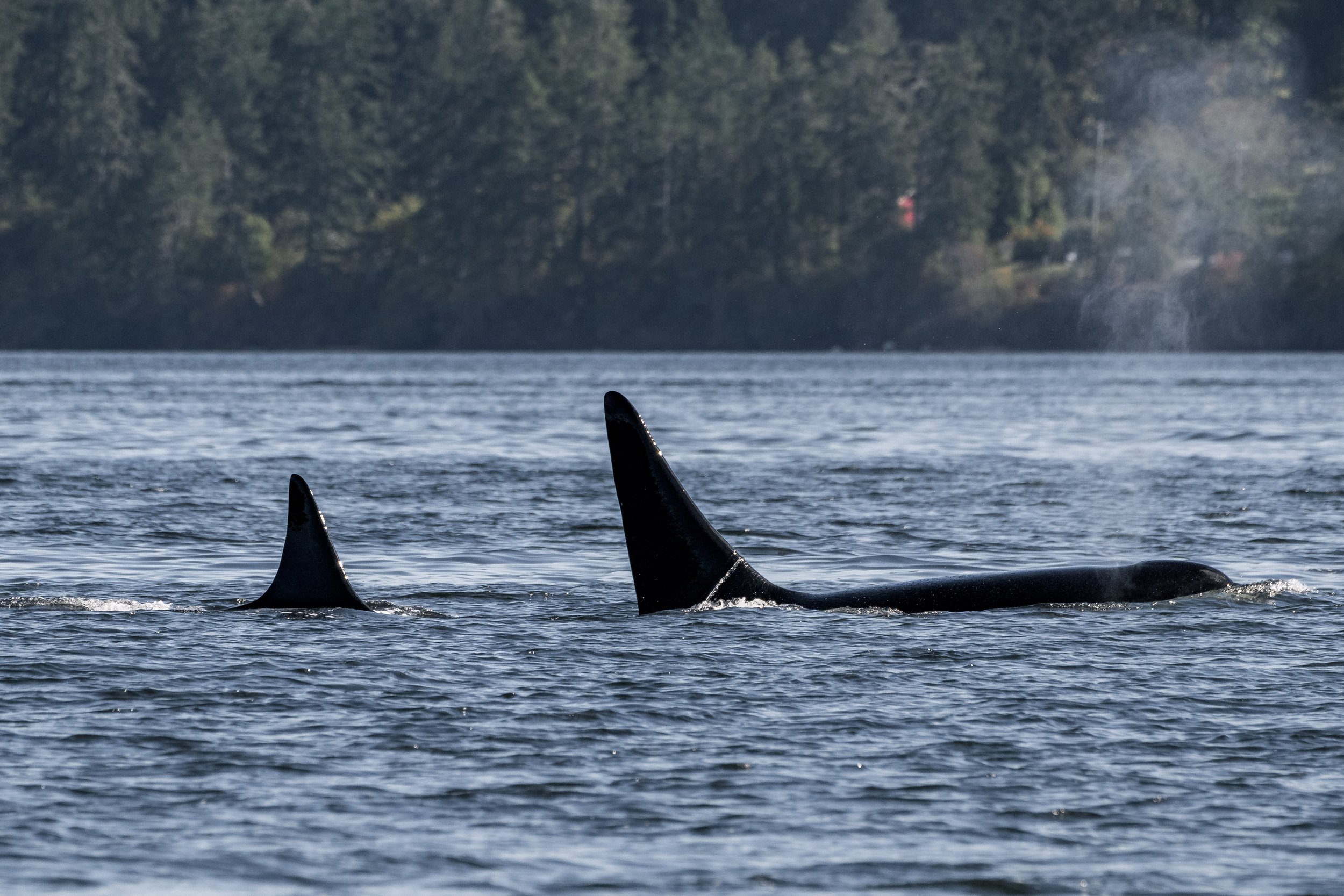
T101B Lagoon taking the lead, with T101 Reef behind him.
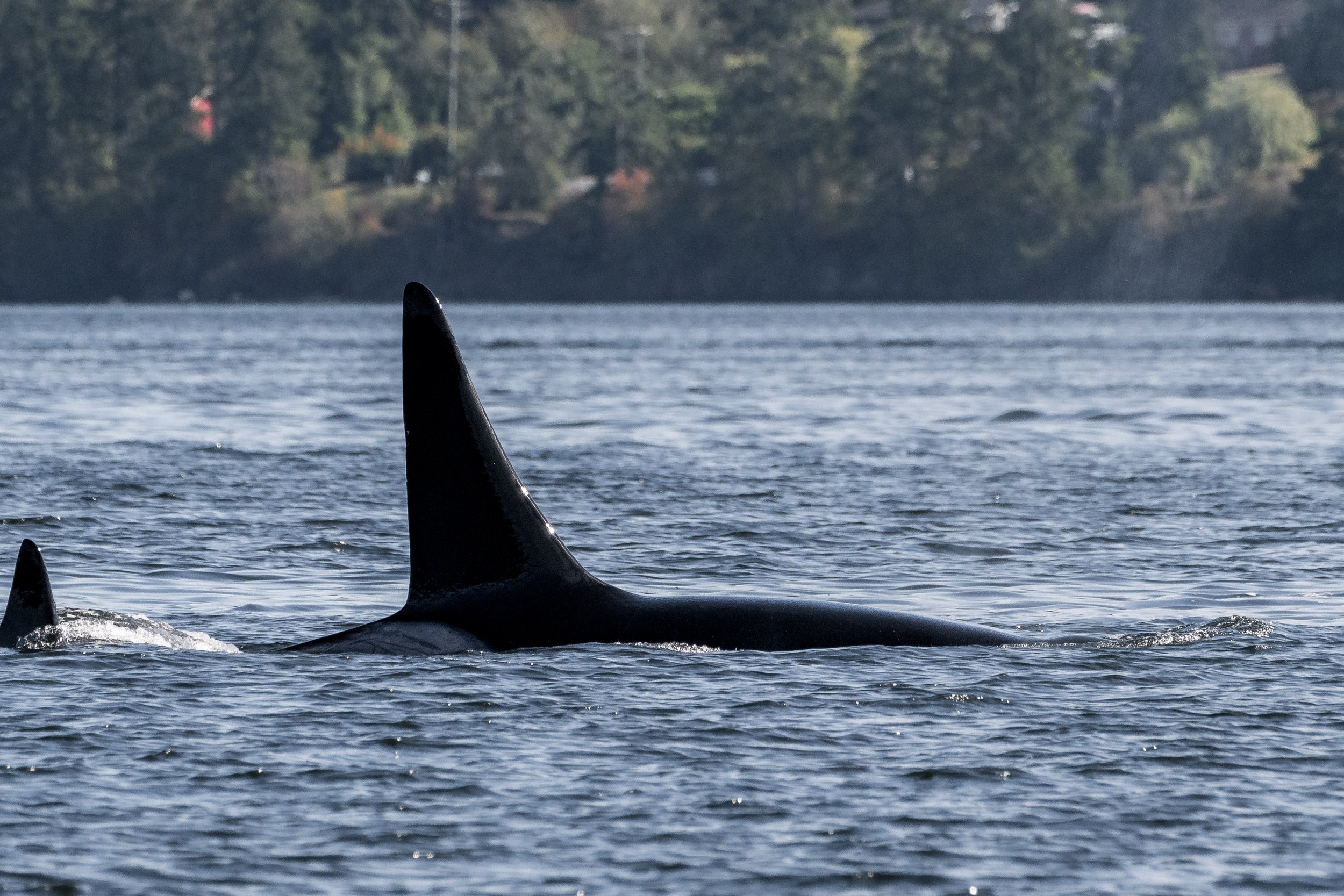
A good view at T101B Lagoon’s full dorsal fin (and a bit of his saddlepatch).
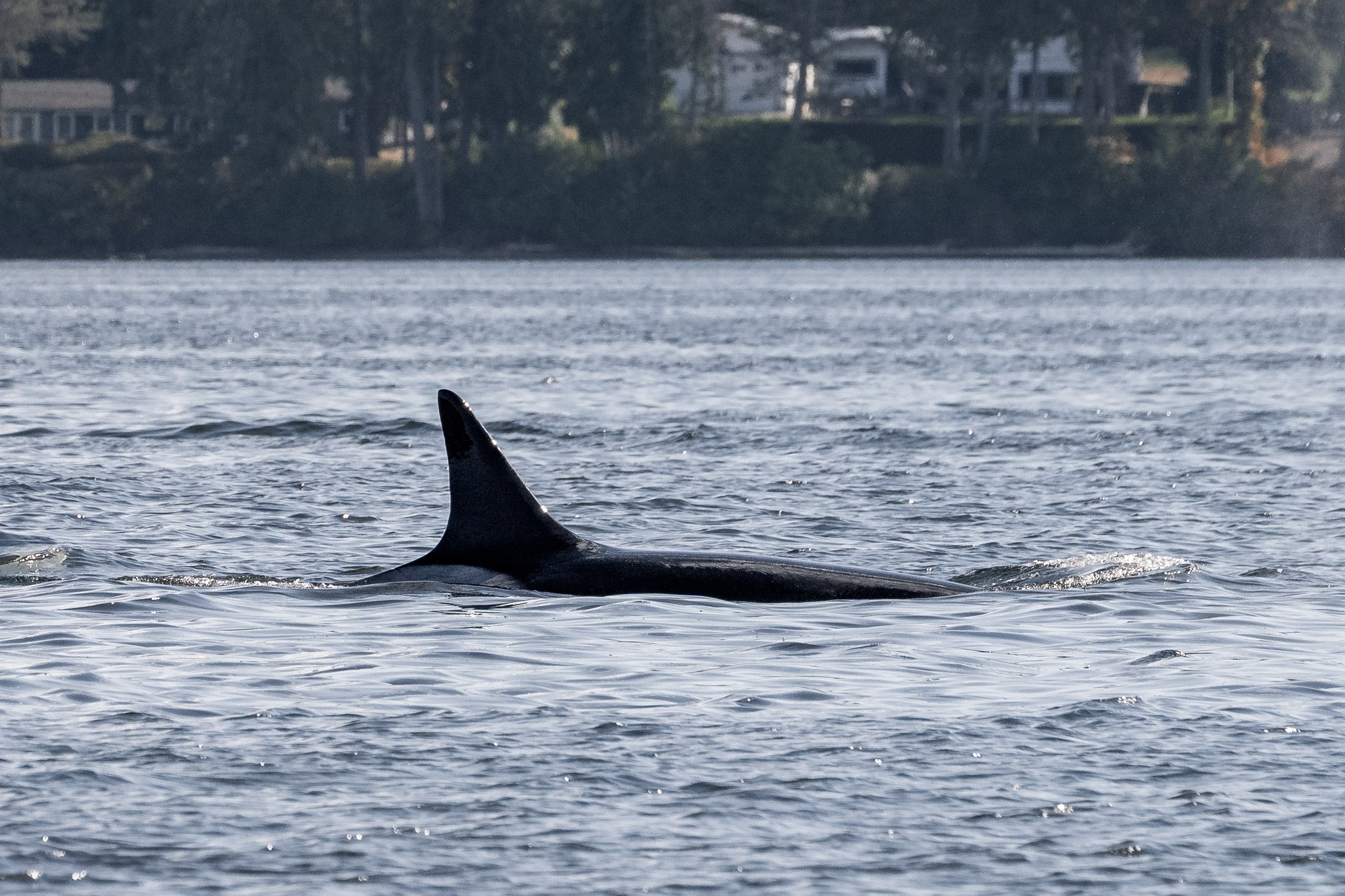
T101 Reef, the matriarch.
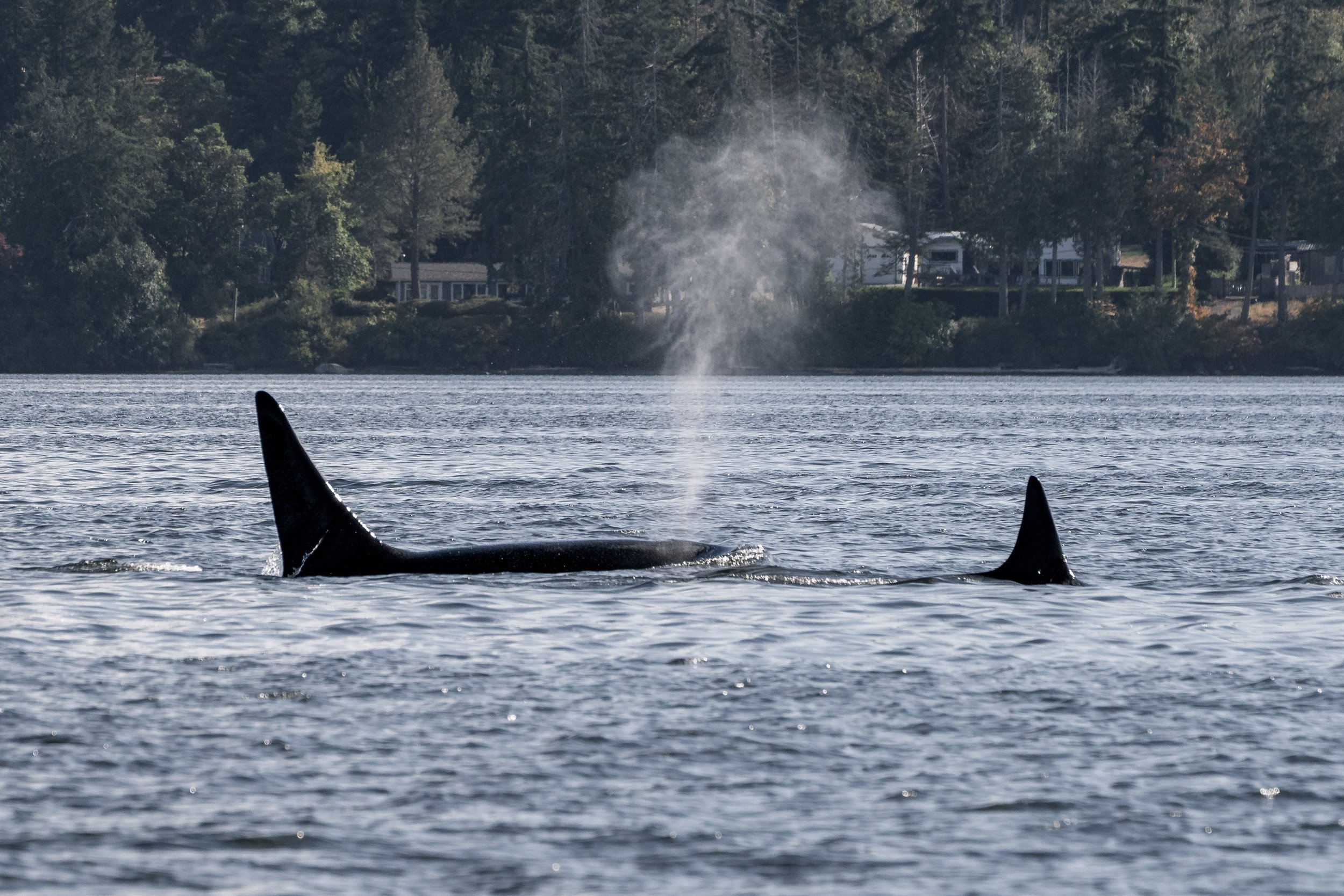
A big blow from T101B Lagoon as the pair travel.
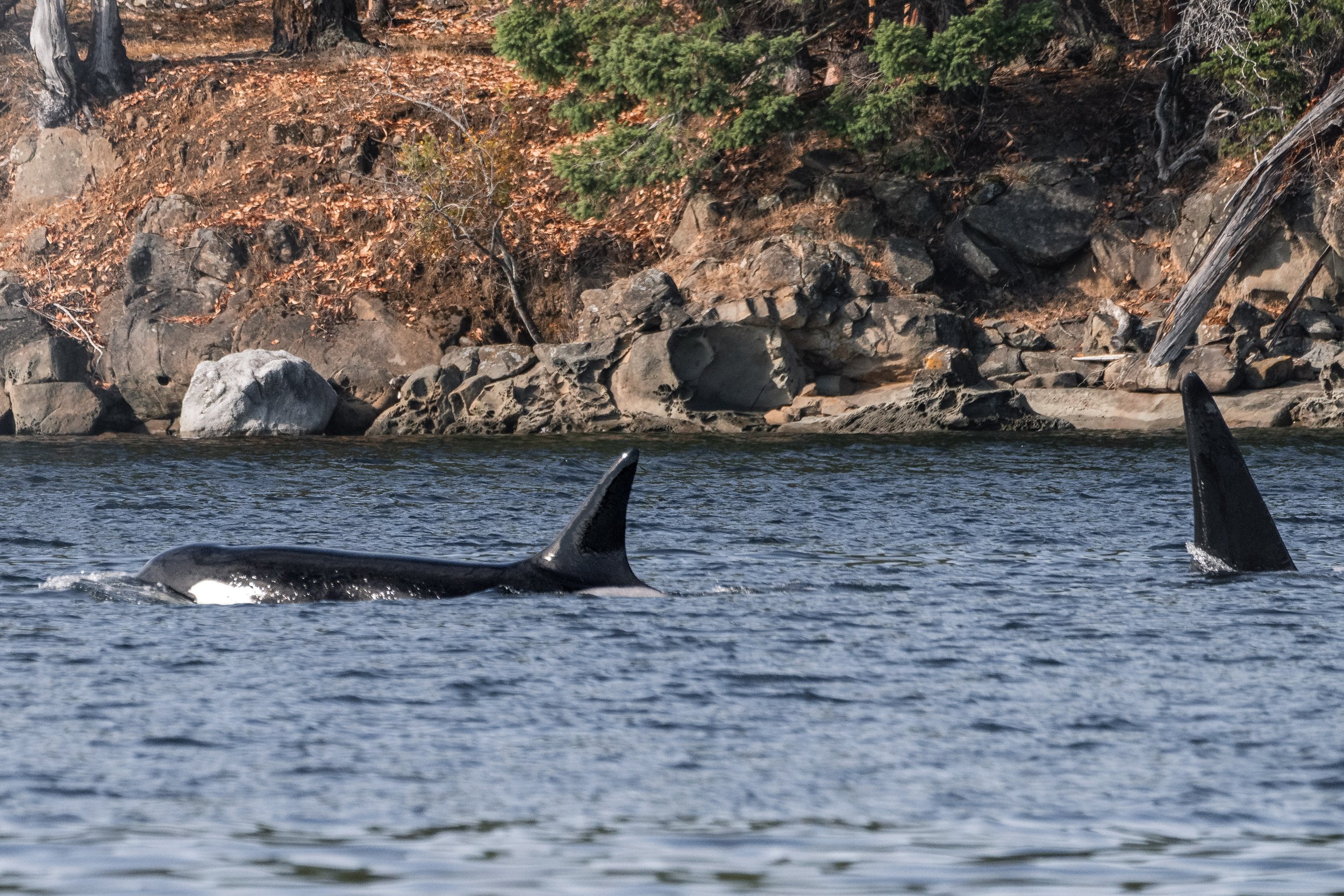
The T101s coming close to shore.
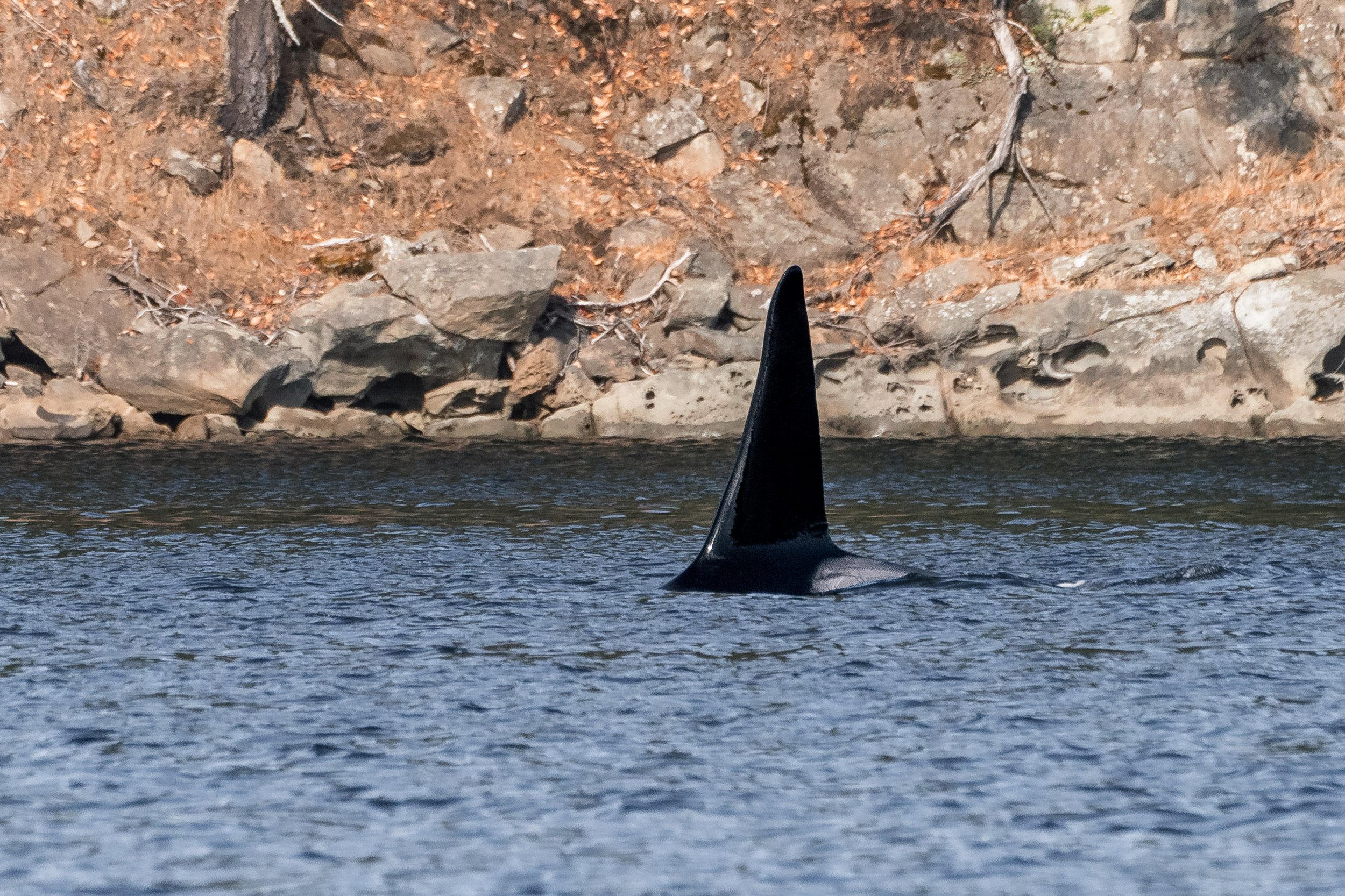
T101B Lagoon scoping the area out, potentially looking for his next meal.
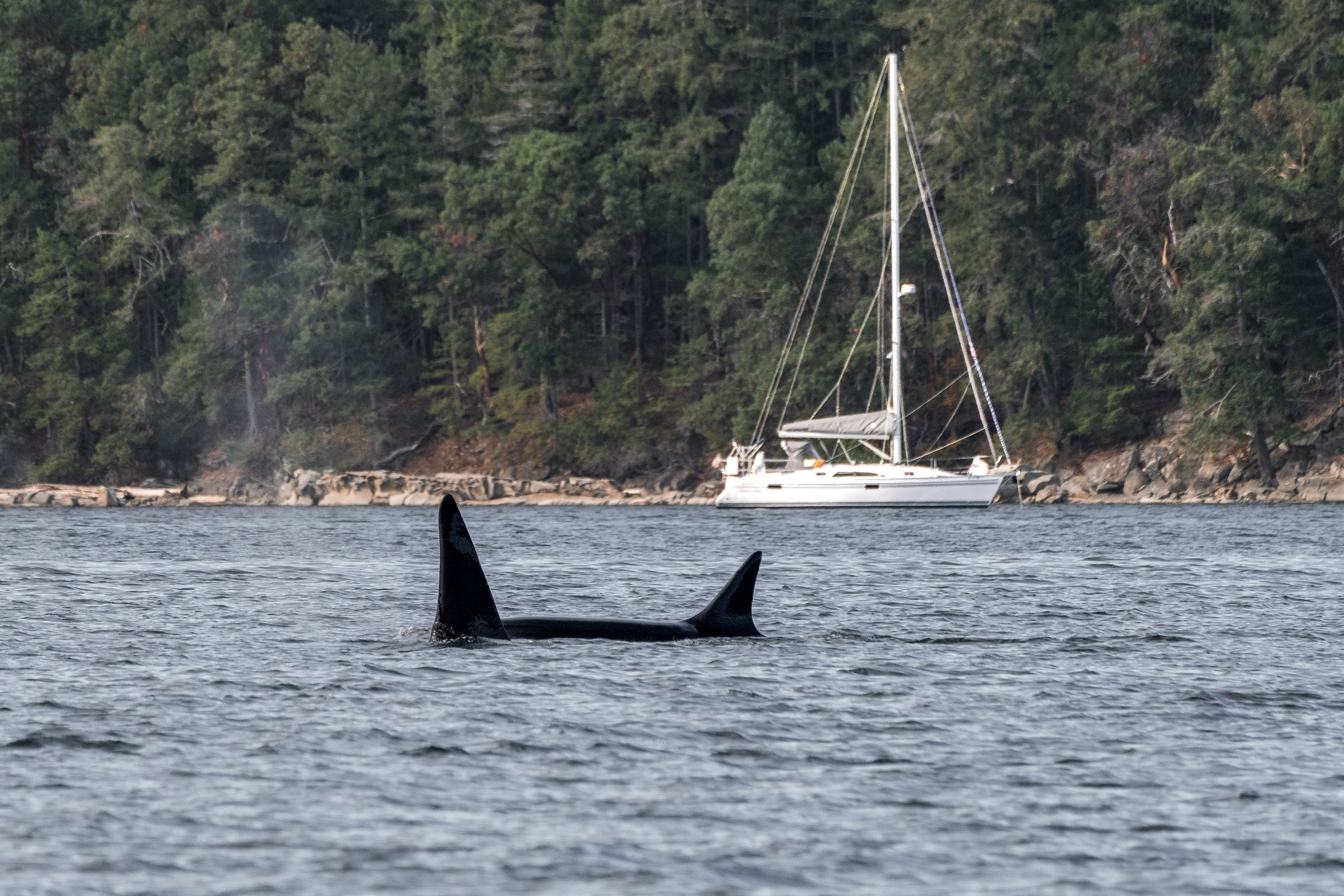
The waterways of the Southern Gulf Islands are always bustling with activity, both with the wildlife kind and the human kind.
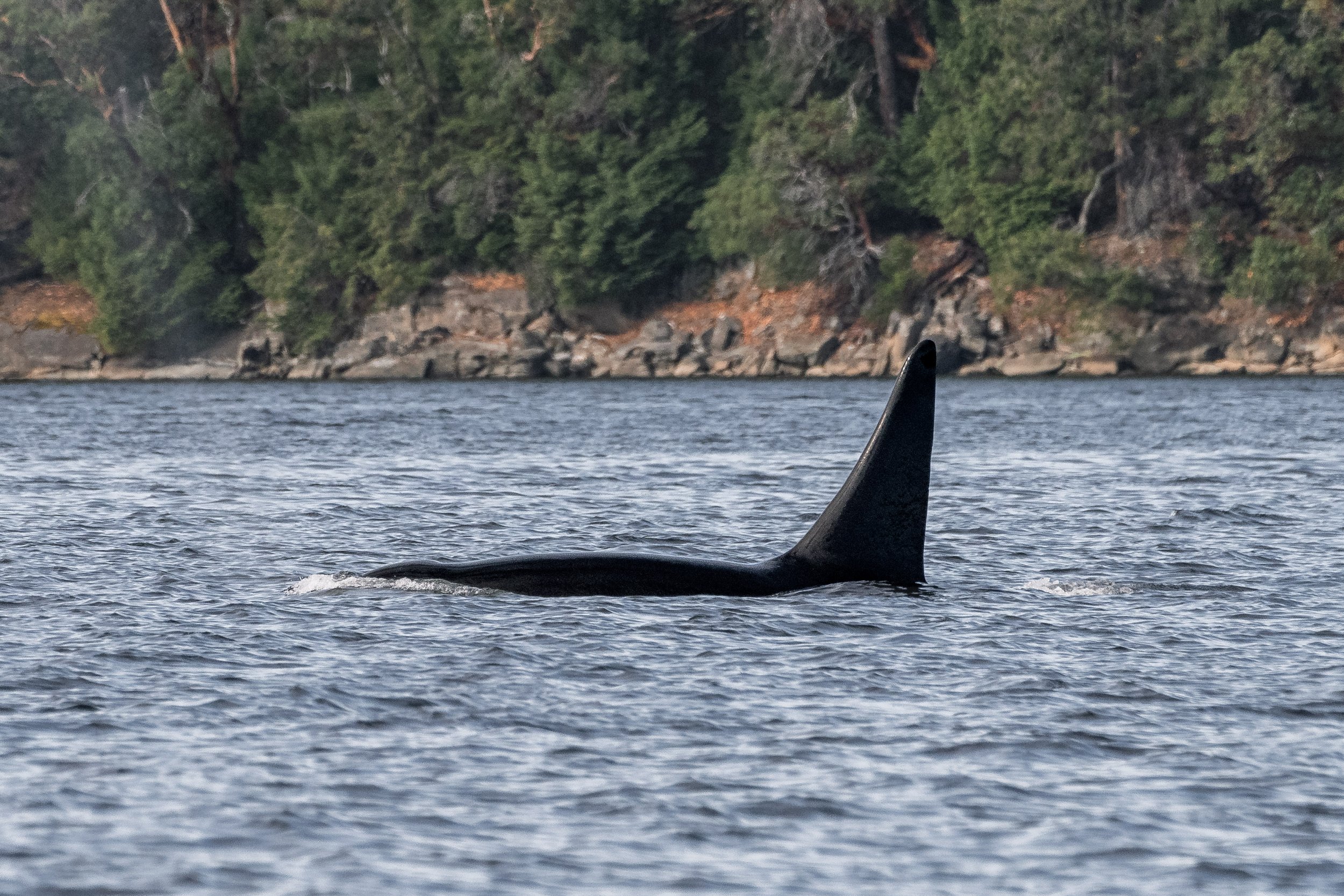
T101B Lagoon with his back out of the water.
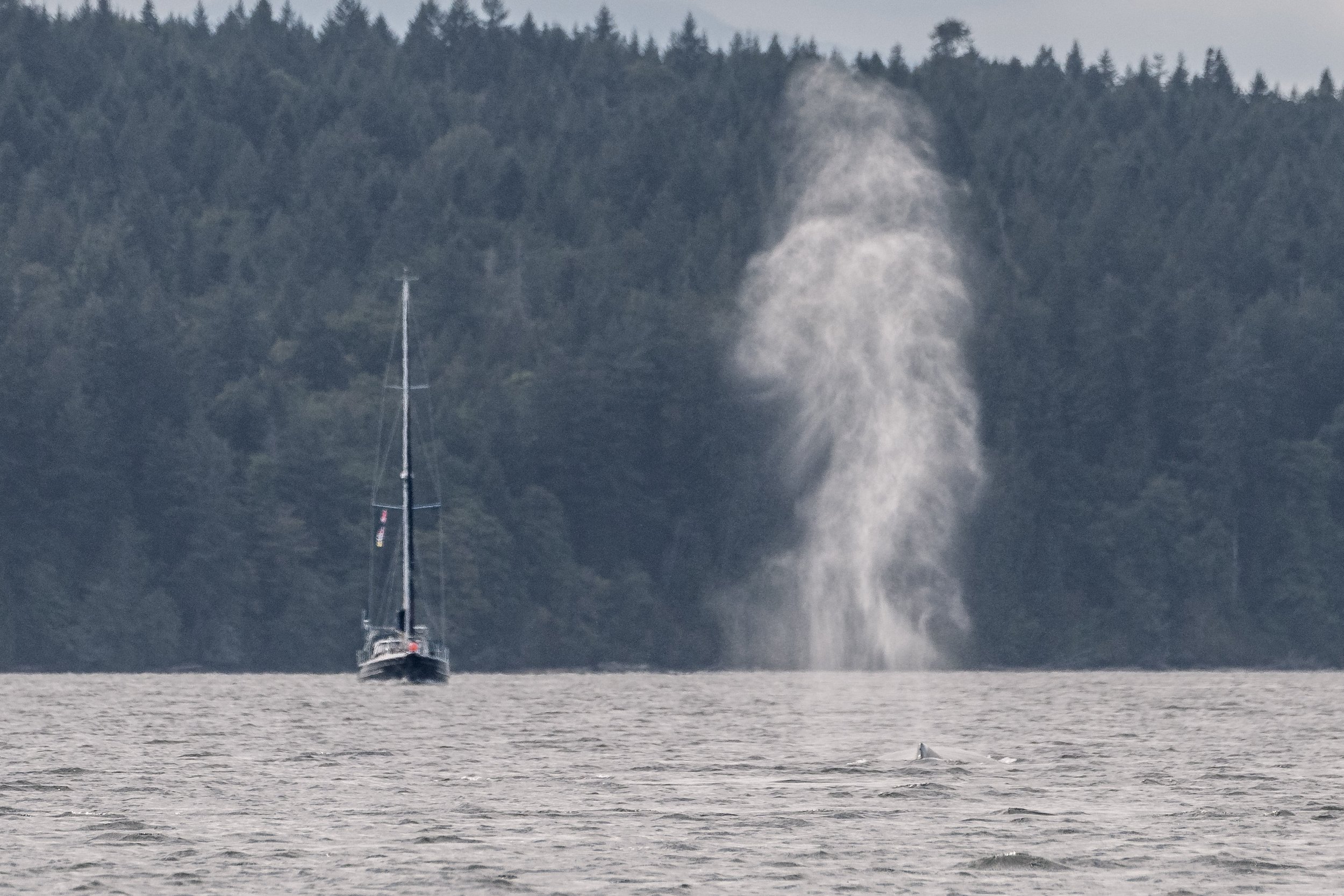
A good example of how a huge whale such as Hydra can be almost invisible depending on the angle.
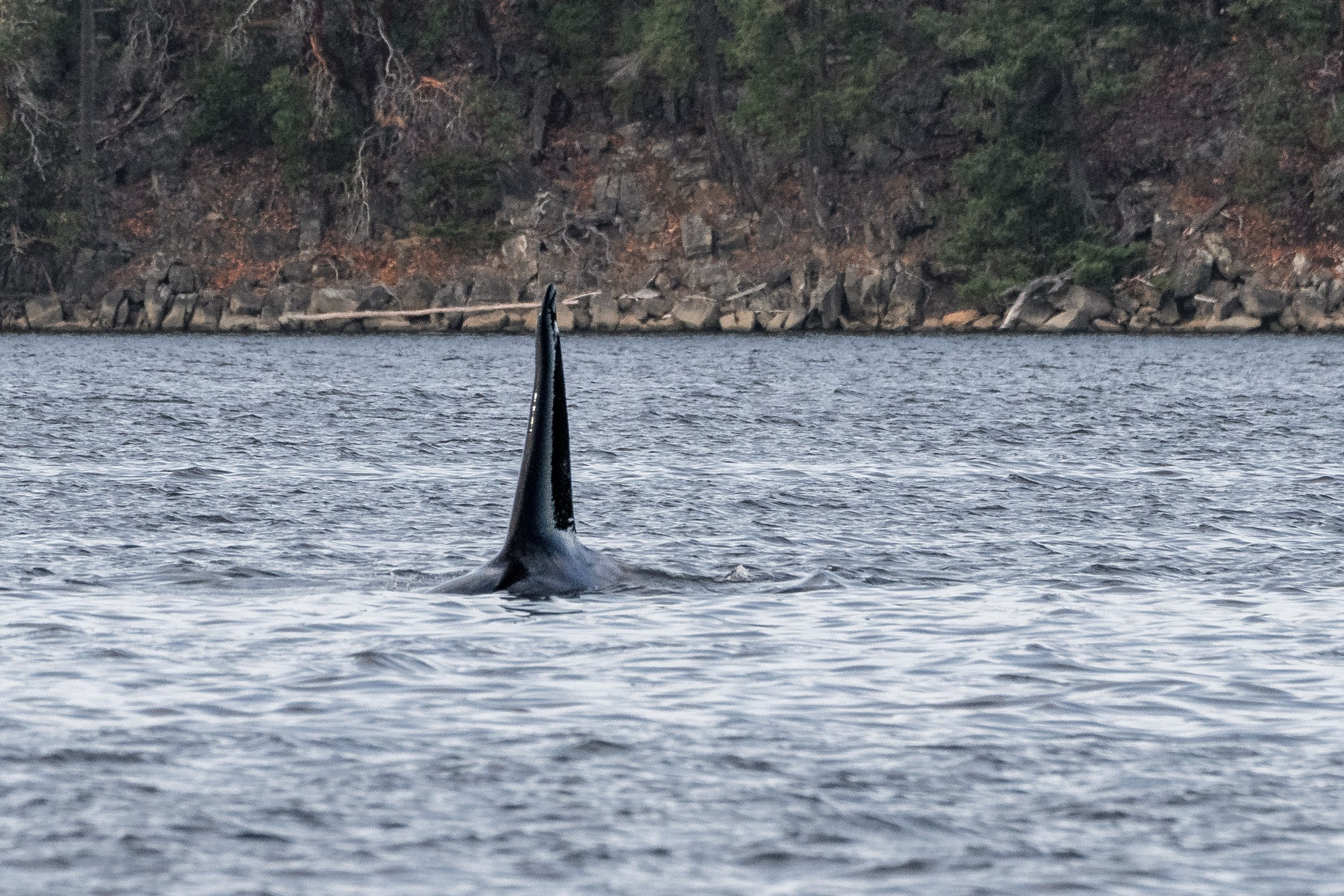
A bit of a different view of T101B Lagoon.
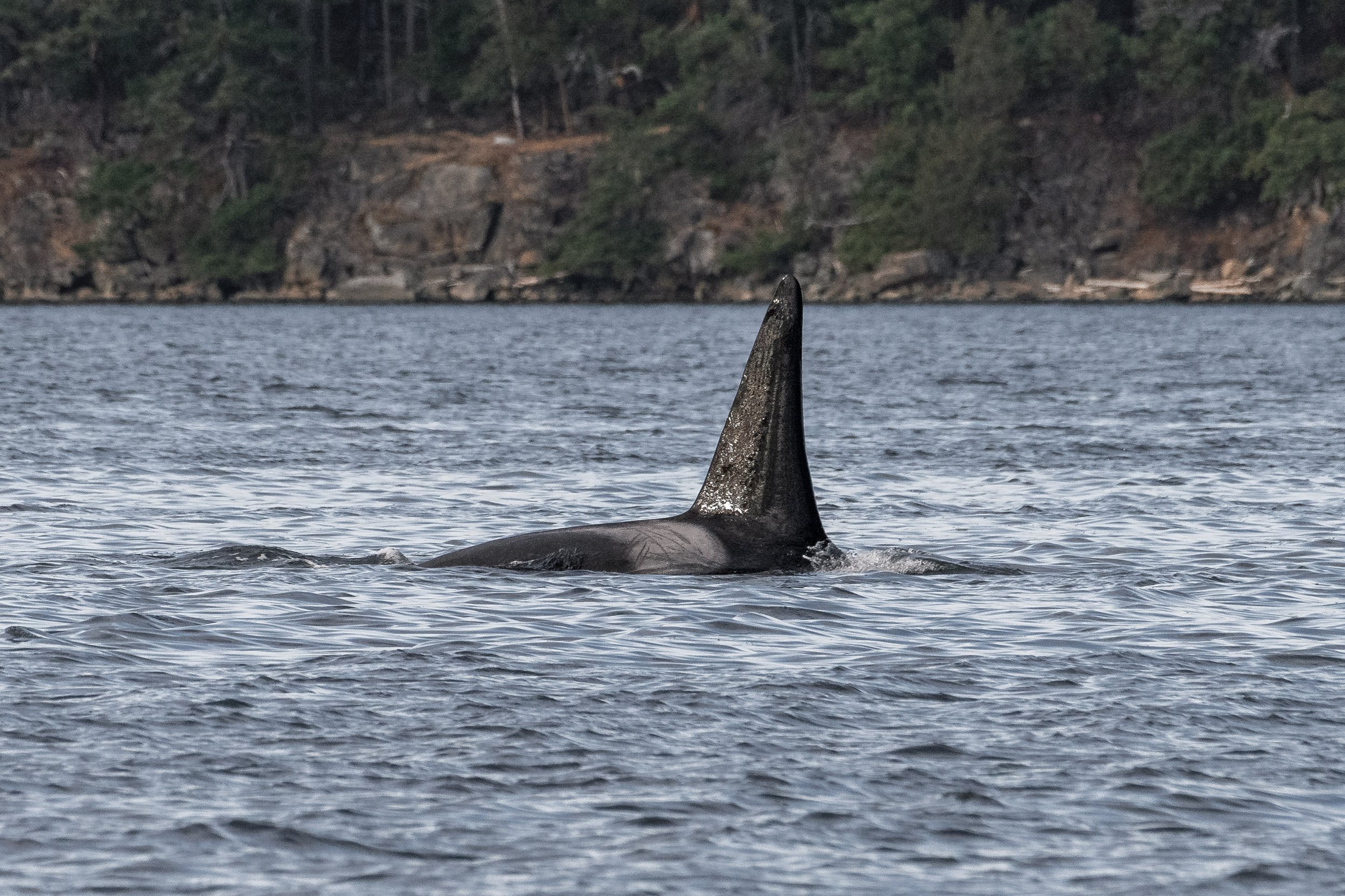
T101B Lagoon diving.
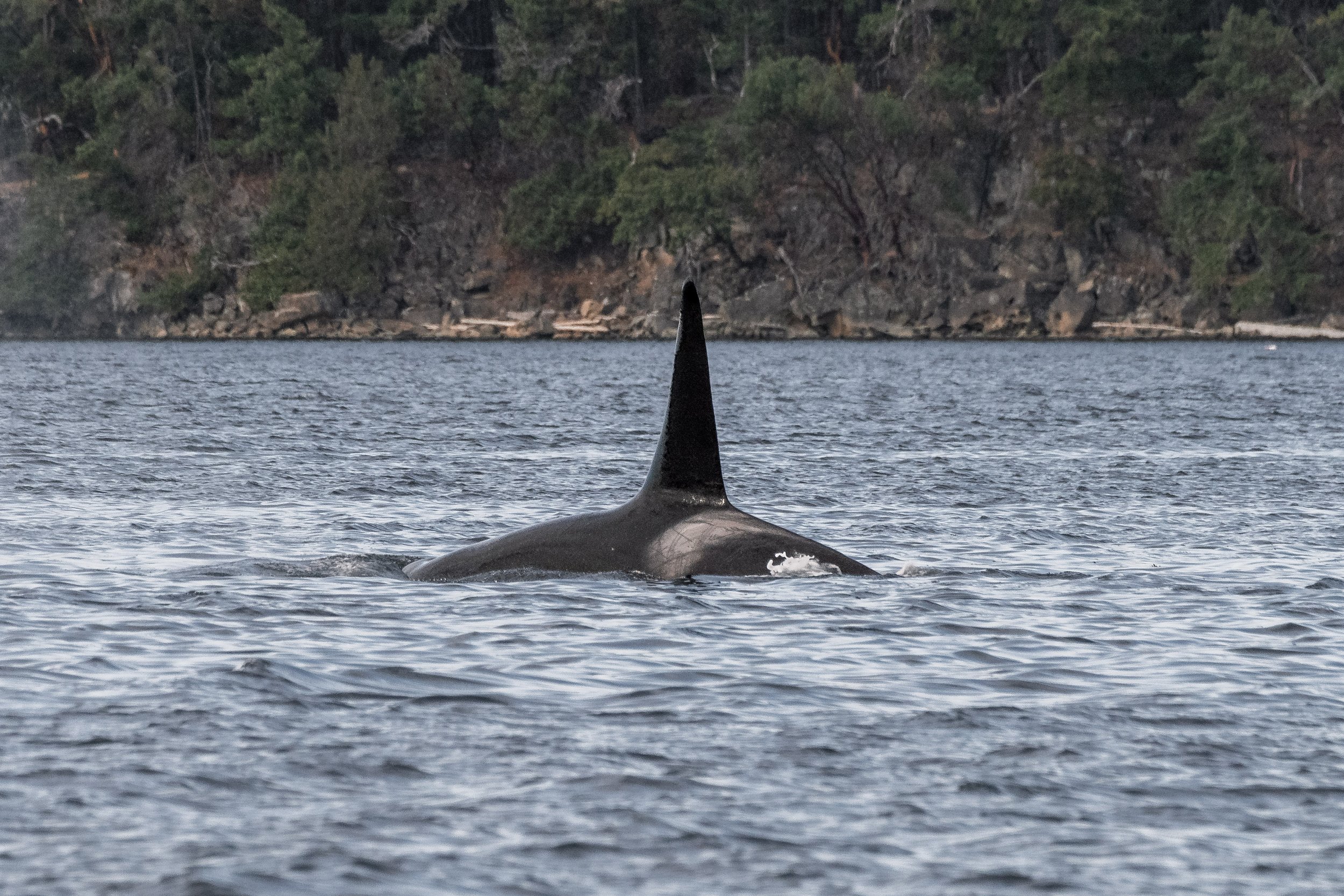
T101B Lagoon picking up speed.
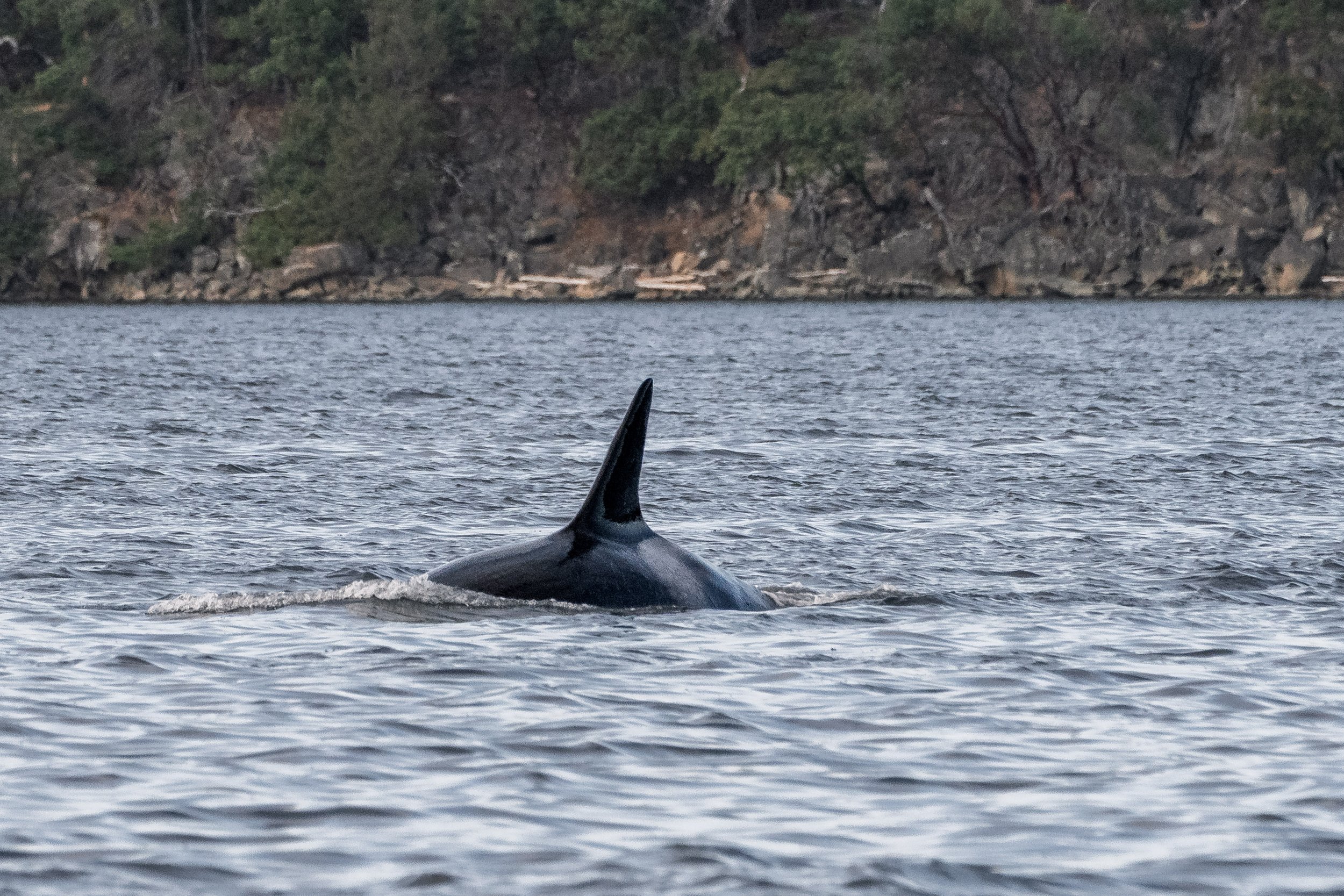
T101 Reef zooming on ahead.
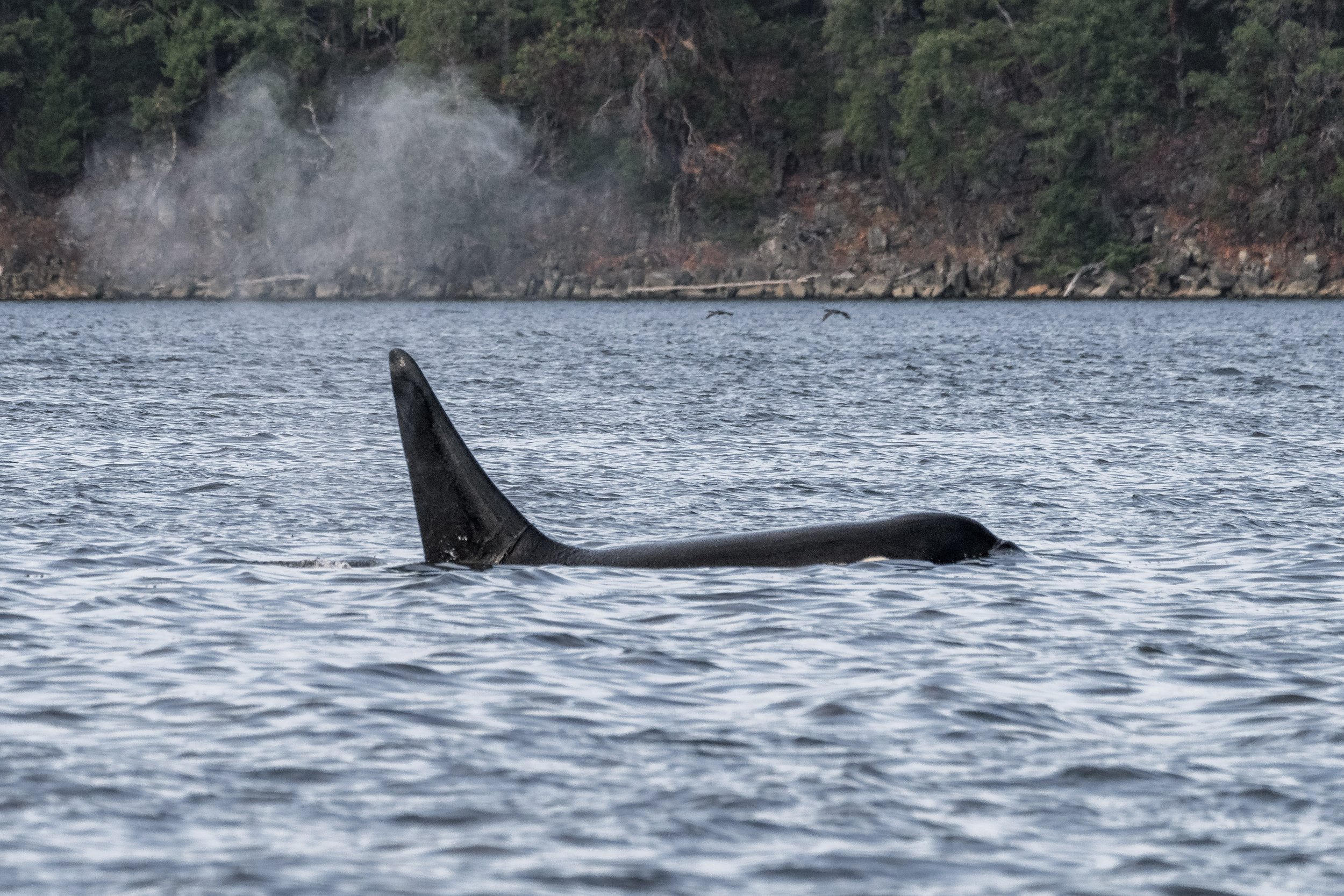
T101B Lagoon after they slowed down once more.
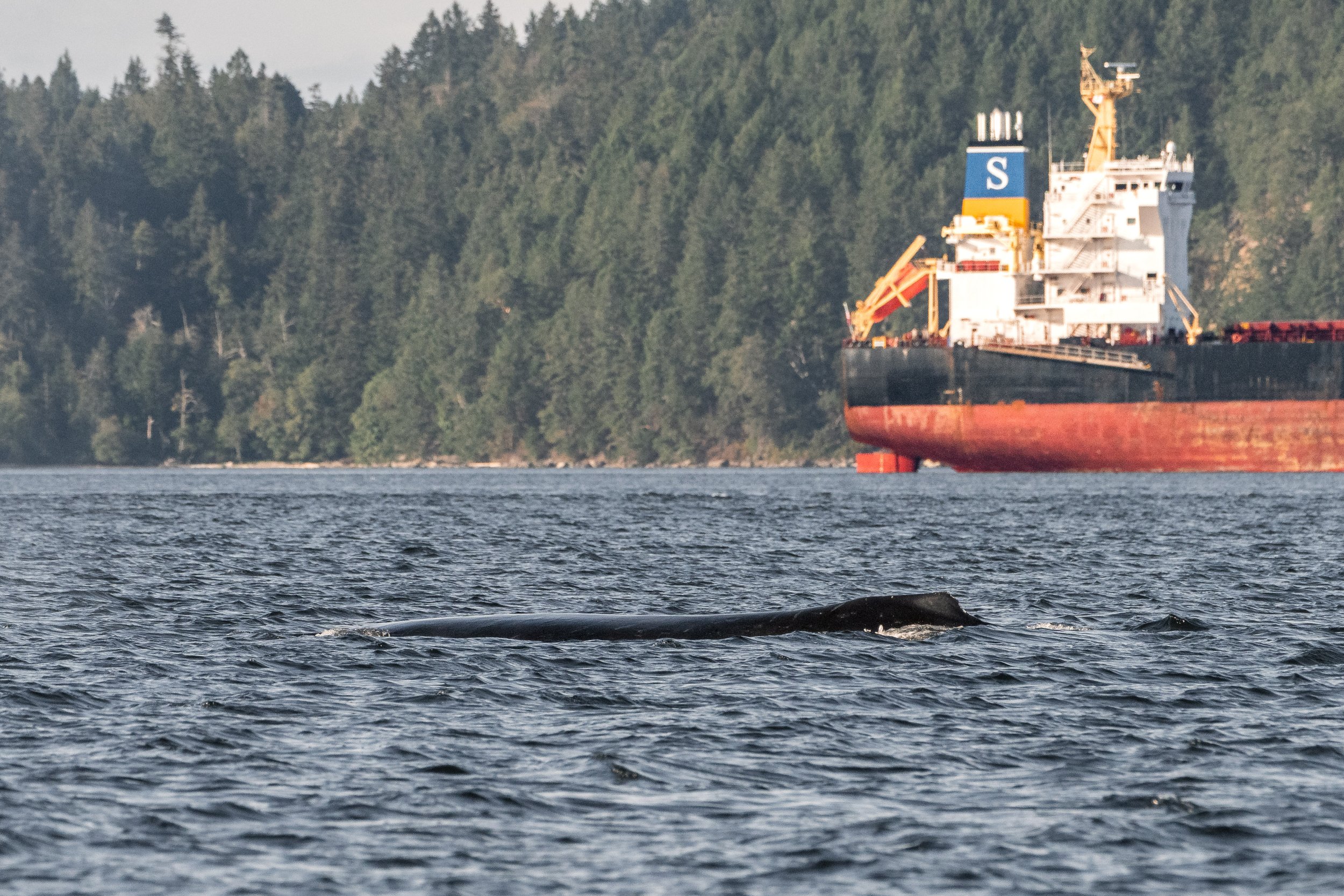
Hydra continuing onward.
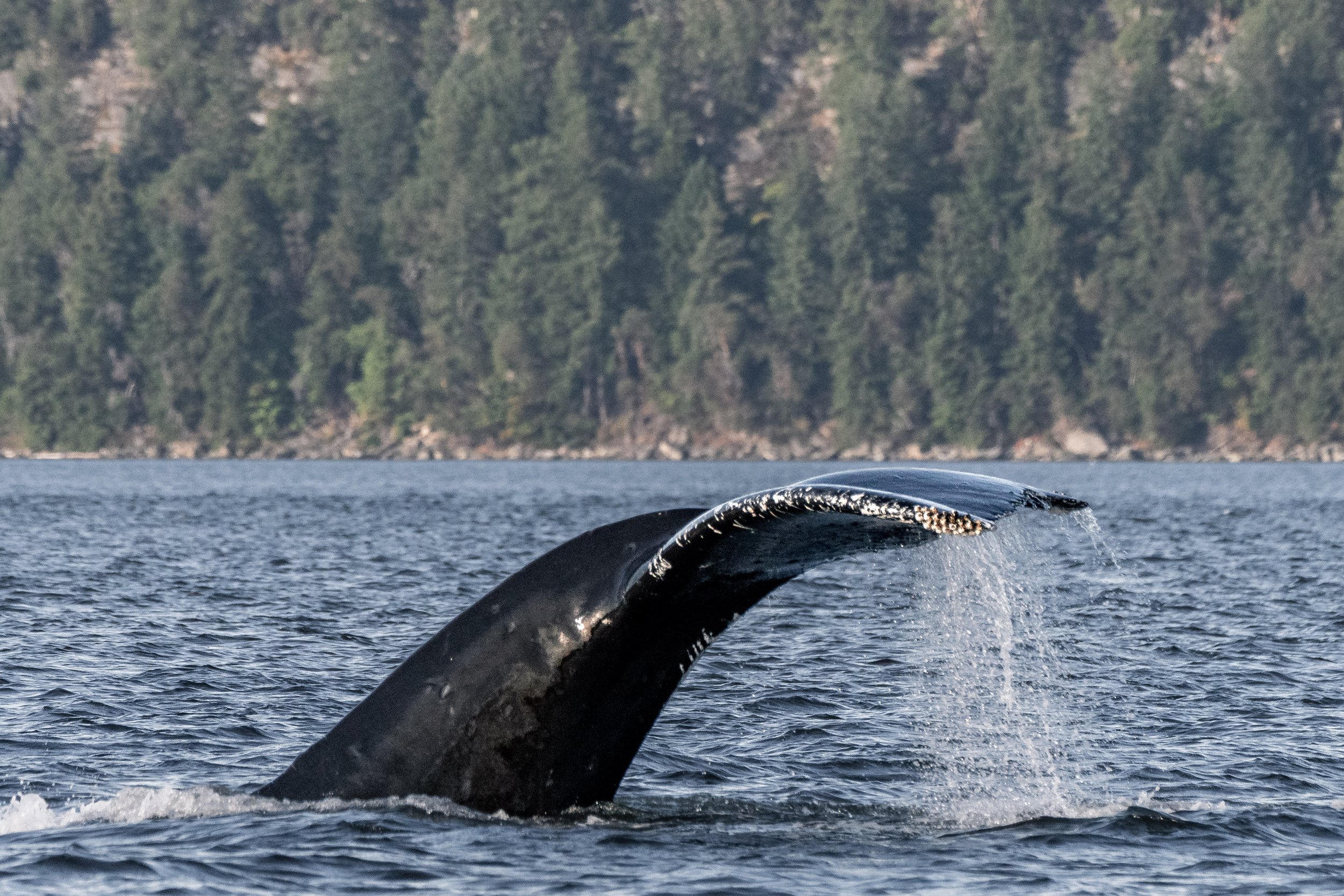
Hydra diving.
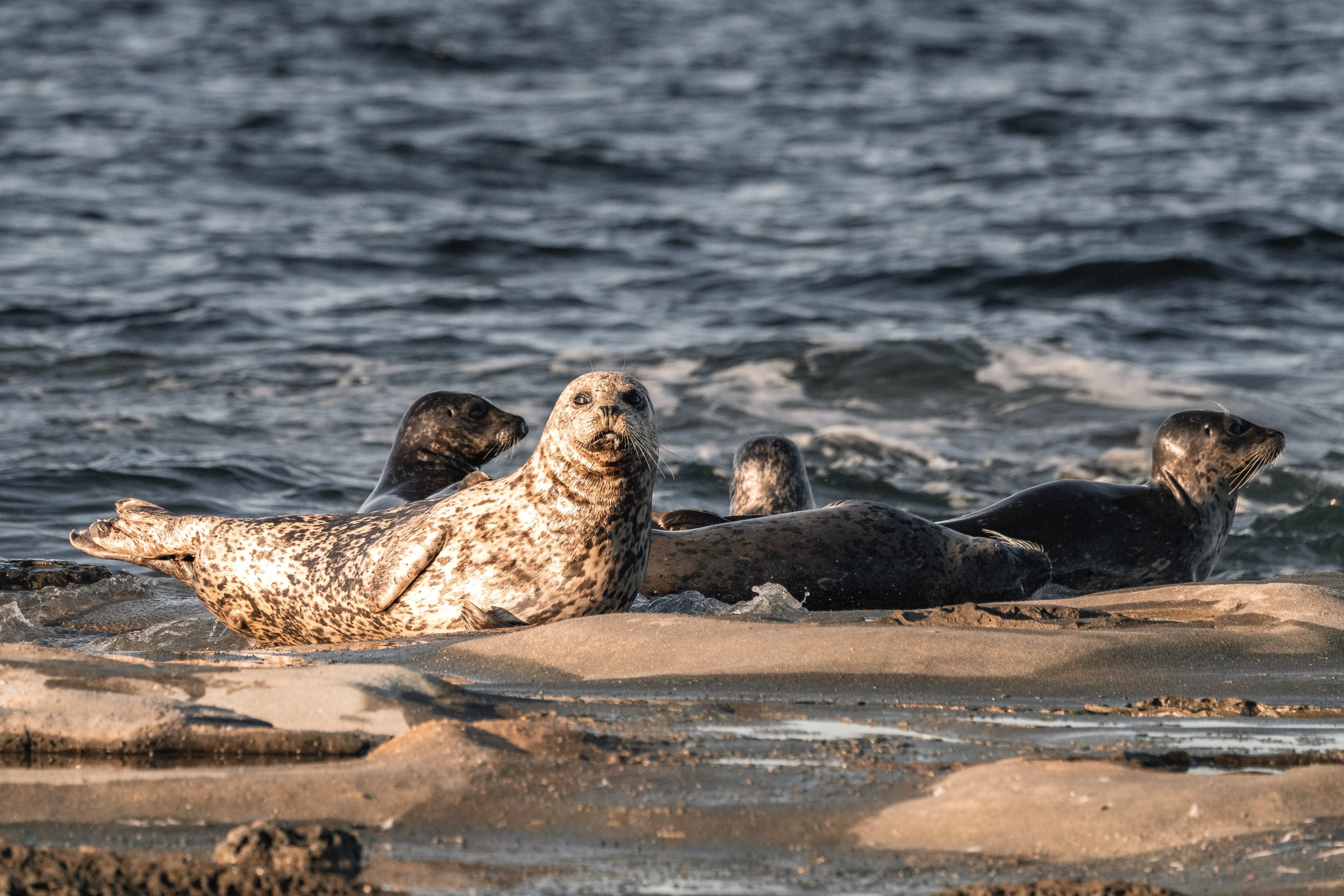
Hauled out Harbour Seals peeking at us.
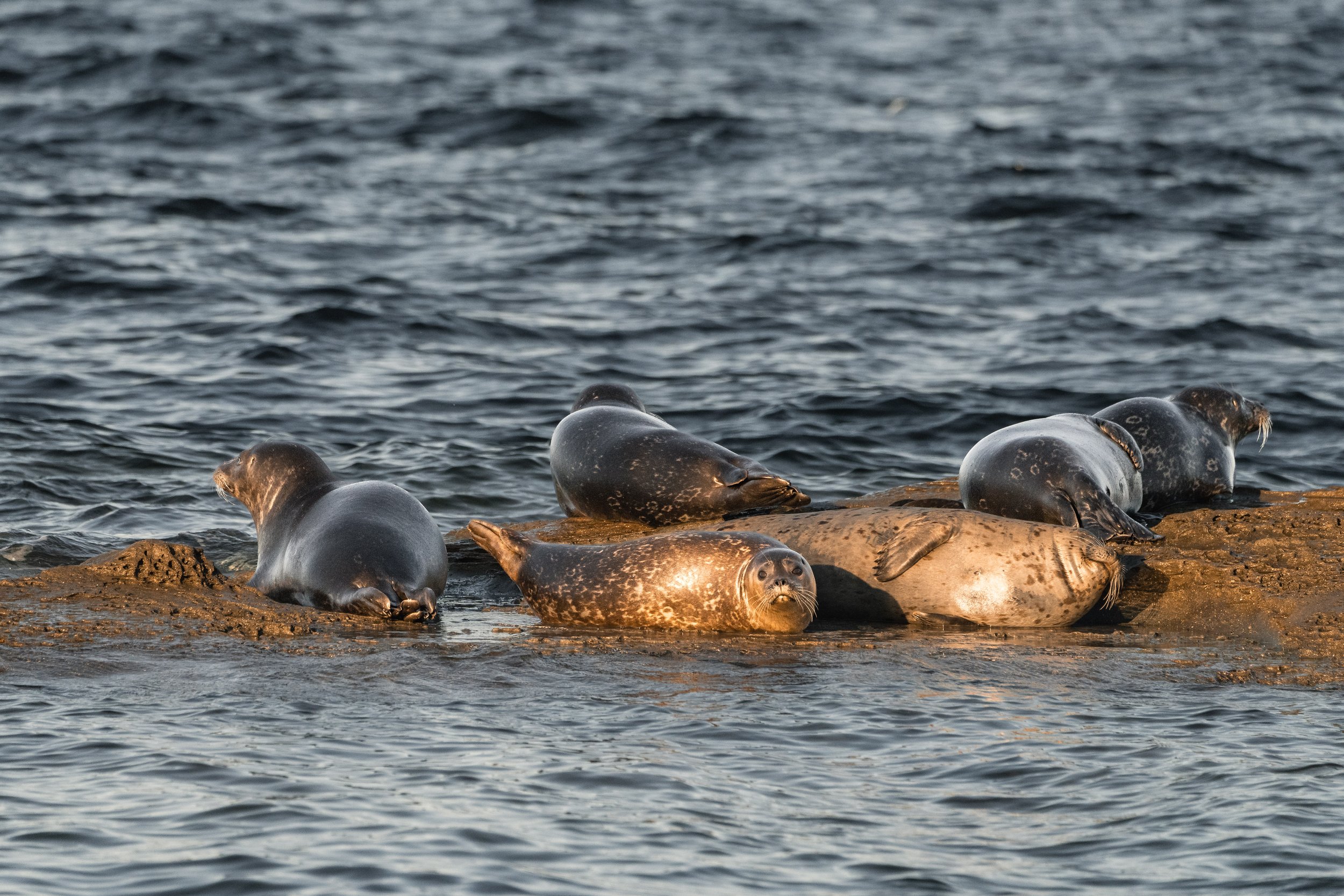
Harbour Seals come in all sorts of colours!
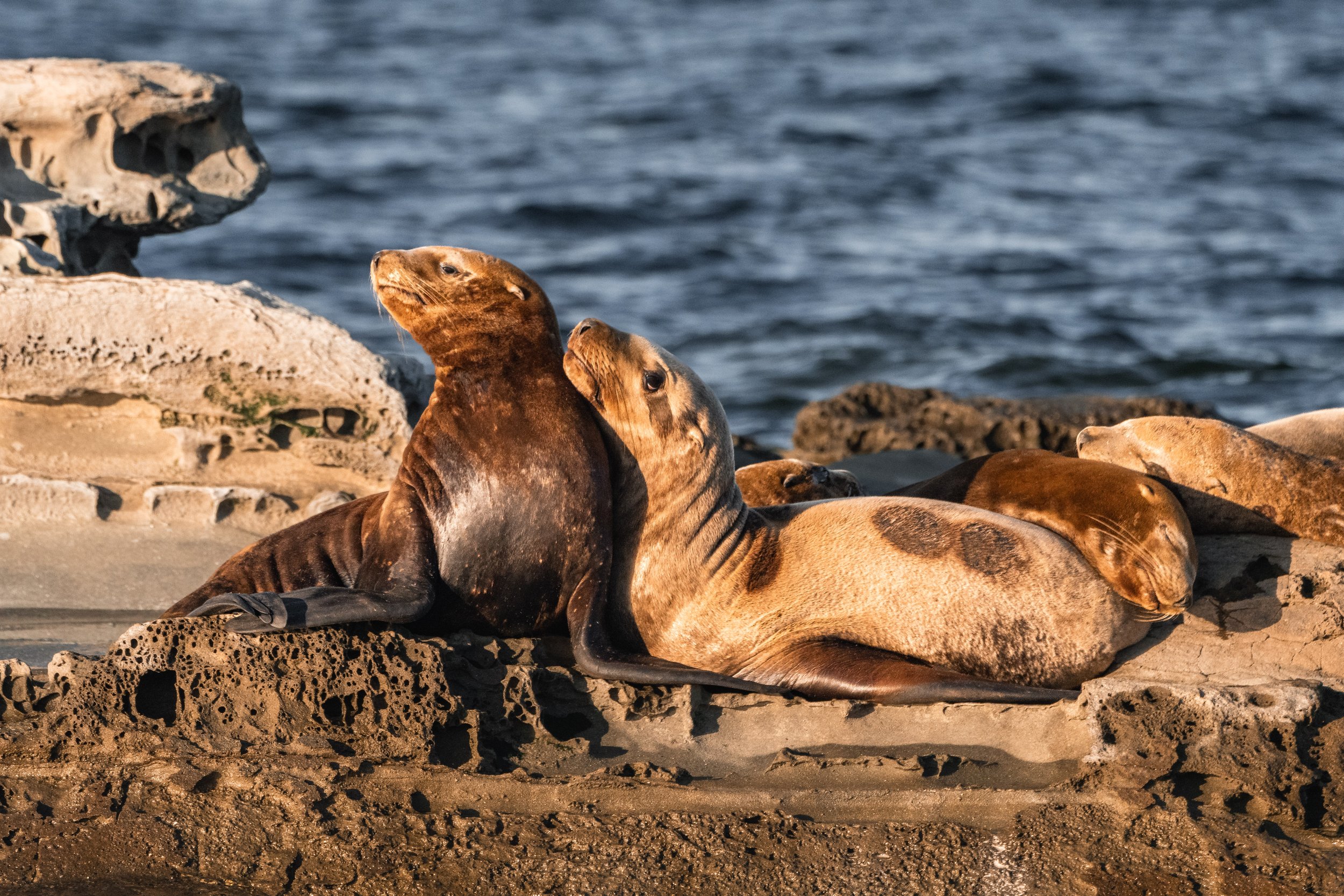
Sea lions get comfortable in the most bizarre positions.
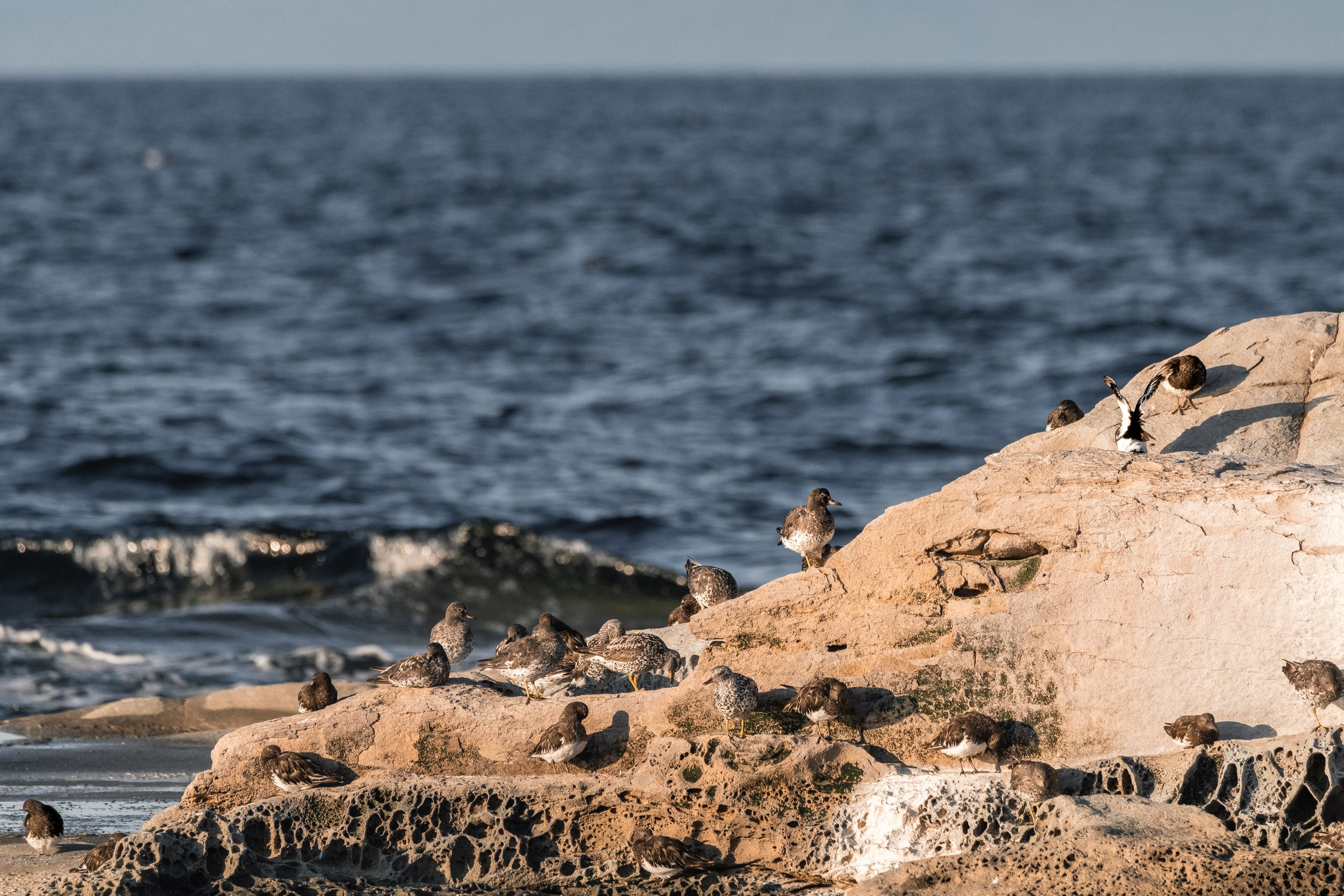
The shores were bustling with birds today!
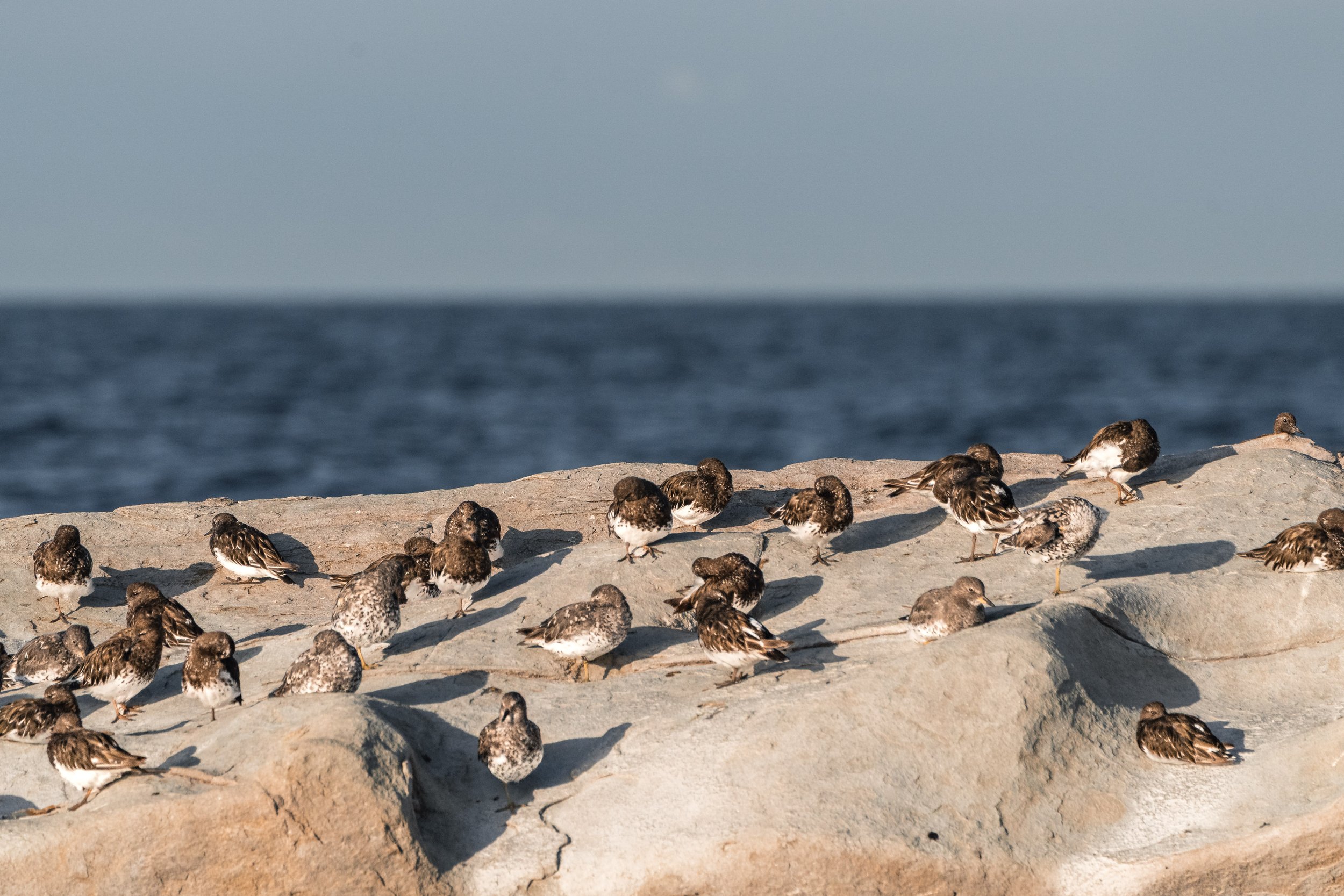
Nap time for the Surfbirds and Black Turnstones.