
August 23, 2026, 10:30 AM - A soup-y Sunday adventure
Excitement was high amongst the crew and guests alike as we began boarding onto Keta and Kula. Naturalists Val and Jordan discussed what to keep an eye out for (blows, dorsal fins, or flukes), and then we were off! They went in slightly different directions to maximize the search range, leading to slightly different encounters for the start of the day.
Heading north above Gabriola Island, Keta found a pair of humpback whales after a bit of searching. The camera came out, and we began grabbing photos of the duo. Thankfully, while neither of them was very cooperative in showing their flukes (the area we usually use for IDs), one of them had a very unique dorsal fin. This whale was confirmed to be Crater/Mensa (BCX1565). Crater’s friend was a bit of a different story, though, as their dorsal fin was fairly ordinary-looking. However, after getting back to the office and comparing the small scars visible on the left side of the dorsal fin, we were able to ID this whale as Constellation (BCX1784). While Crater is a whale we see almost yearly in our area, Constellation is a bit less common to spot. These two were busy travelling as we arrived, and we continued eastward as we stayed with them.
Around the same time as Keta’s sighting, Kula had made their way down along the coastline of Valdes Island. We had caught word of a potential orca sighting in the area, and we were eager to check it out. Scanning around us, we soon found what we were looking for - several black dorsal fins travelling together. One of the fins had a unique notch near the top, leading us to confirm their IDs as the T035As:
T035A Lester ♀ (1998)
T035A1 Opal ♀ (2010)
T035A1A (2026)
T035A2 Topaz ♂ (2013)
T035A3 Garnet (2018)
T035A5 (2026)
This family has been causing some confusion lately, as it has recently been noted that there may be two different tiny calves among the pod members. One of them is T035A1 Opal’s calf, dubbed T035A1A. It also appears that the matriarch T035A Lester has a calf of her own, given the code T035A5. Orca calves take a lot of energy and time to raise, so having two young ones so close together in age is rather uncommon. We hope that the family prevails, and that both calves continue to remain healthy as they mature!
During our first peek at the matriline, it appeared that they were finishing up a hunt. After a few deeper dives, where they were likely sharing the meal, they became very surface active. T035A1 Opal was spotted spyhopping, or bringing the front half of her body high out of the water vertically. A couple of tail slaps on the surface happened as well, and then they went back to travelling. Travelling takes up a large portion of an orca’s day-to-day time, as they cover huge areas, bouncing from various haulouts to maximize their hunting opportunities.
After spending some time with them, Kula departed, heading further south to continue the search for more sightings. This proved fruitful, as they soon found another trio of humpbacks. This time, we were able to get flukes from two of the three group members, confirming Chi (BCZ0575) and Yogi (BCY0409) amongst them. However, the third one was a bit more elusive - we were able to get a photo of the top of their fluke, and while we hope comparing the trailing edge of this fluke will provide us with an ID, we have not found a match at this time. We are eager to keep sifting through our guides and hope to find a match for this mystery whale in the future.
Keta began the southbound journey, and soon made their way over to the T035As themselves. At this point, Kula departed from their humpbacks to join Keta for a few more viewings of the family. At this point, the pod had spread out and was potentially once again searching for their next prey opportunity. Each whale needs to eat multiple hundreds of pounds of food a day, meaning hunting is another important (and large) part of their daily activity. Hunting is also invaluable when young calves are present, as they need to learn from their mother and family members how to remain stealthy. Unlike Resident orca who use echolocation and vocalizations to pinpoint where their prey (usually salmon) is, Transient orca need to remain quiet as they move along, as marine mammals (seals, sea lions, and porpoises) could potentially use any sounds they make against them to avoid the predators. Instead, they rely on ambush techniques while travelling spread out to successfully get their meal. Ambushing involves the individuals quickly rushing ahead to capture their prey, and some orca have been documented going as fast as roughly 50 km/hr to do this!
Eventually it was time for us to say goodbye to the pod, and continue onward. Heading on out, we started to make our way back north. Keta had one more whale encounter of the day, though, when another pair of humpbacks was spotted near the Flat Top Islands. Similar to the earlier humpback sightings, these two were simply travelling along as we observed. Both fluked while on scene, allowing us to identify them as Valiant (BCX1773) and Mantis (BCX0936), two individuals regularly seen in our area over the past few weeks.
While whales are always great to see, the Salish Sea is full of other wildlife, and the boats encountered much of it throughout today's trip. Over by Stinky Rocks, a cheeky nickname for a haulout located off of Valdes Island’s shoreline, pinnipeds of various sizes could be seen. Rotund Harbour Seals, in coats of all shades, could be seen lazily snoozing the day away, comfortably nestled into the sandstone. On one of the other islets, larger (and louder) Steller Sea Lions were doing the same thing, though they preferred to be piled on top of each other as they did it. While it seems counterintuitive for large, often territorial, animals to be flopped over each other, there is a good scientific reason behind the behaviour. This lets them conserve body heat, or thermoregulate more effectively. While we often don’t think about the need to keep warm in the middle of summer, when you are a creature that spends large amounts of your time in the brisk ocean waters, it is vital for your survival to be mindful of it.
The bird scene was also bustling today. A Great Blue Heron stalked across the rocks, peeking into the murk in search of their next meal. A mature Bald Eagle was seen perched at the top of Stinky Rocks, as well as an immature Bald Eagle doing the same thing. A female Belted Kingfisher also made its way through the area, flitting along from rock to rock. In the water, Common Murres were spotted paddling along.
After a very wildlife-packed day, it was soon time to begin our return. We made our way back along, and soon Nanaimo greeted us on the horizon. It had been a beautiful day with many viewing opportunities, and we were grateful for all the memories we had made while out and about on the Salish Sea.
Photos taken by Marine Naturalists Val Watson and Jordan Robinson - please enjoy!
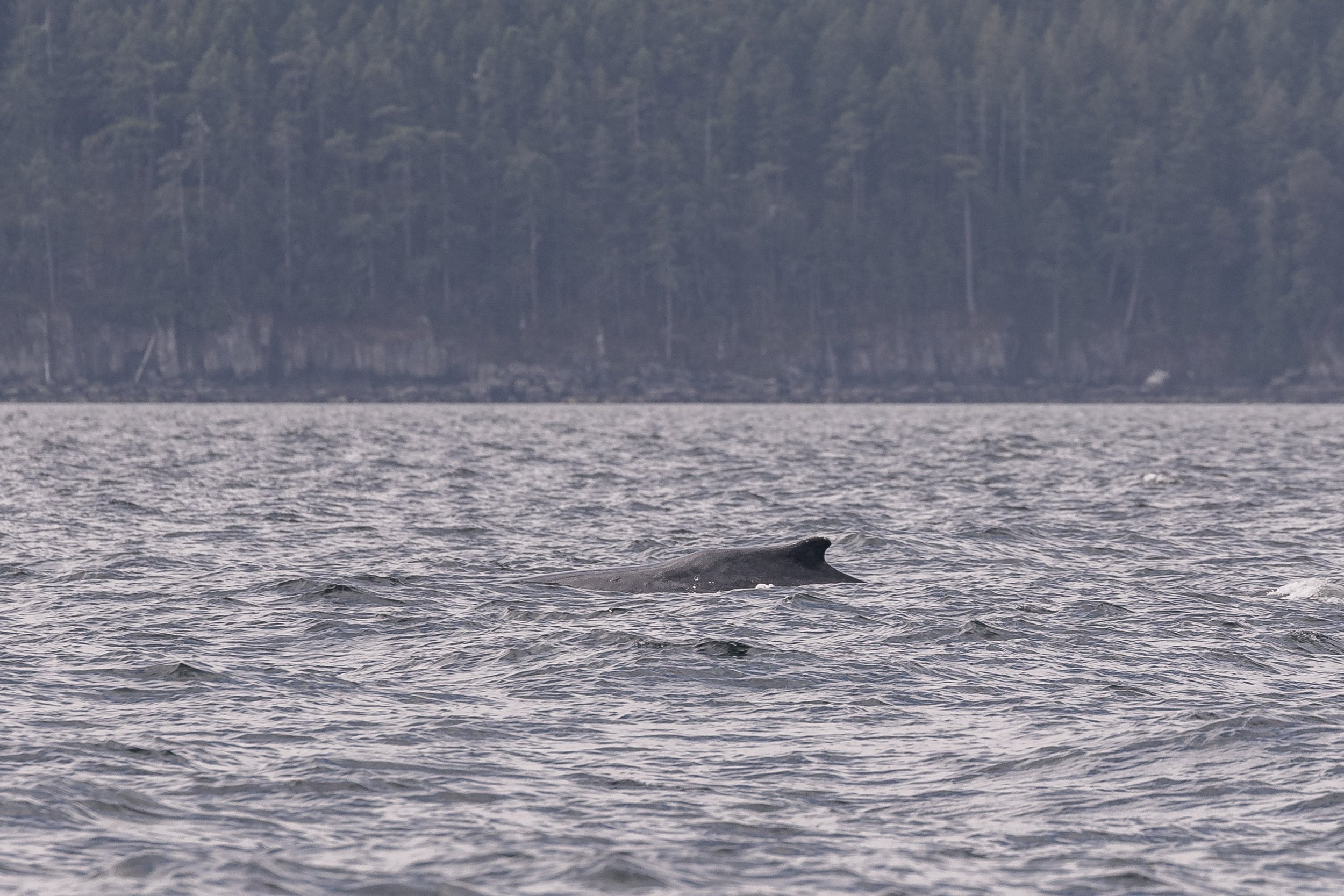
Constellation with just the top edge of her back visible. Photo by Jordan Robinson.
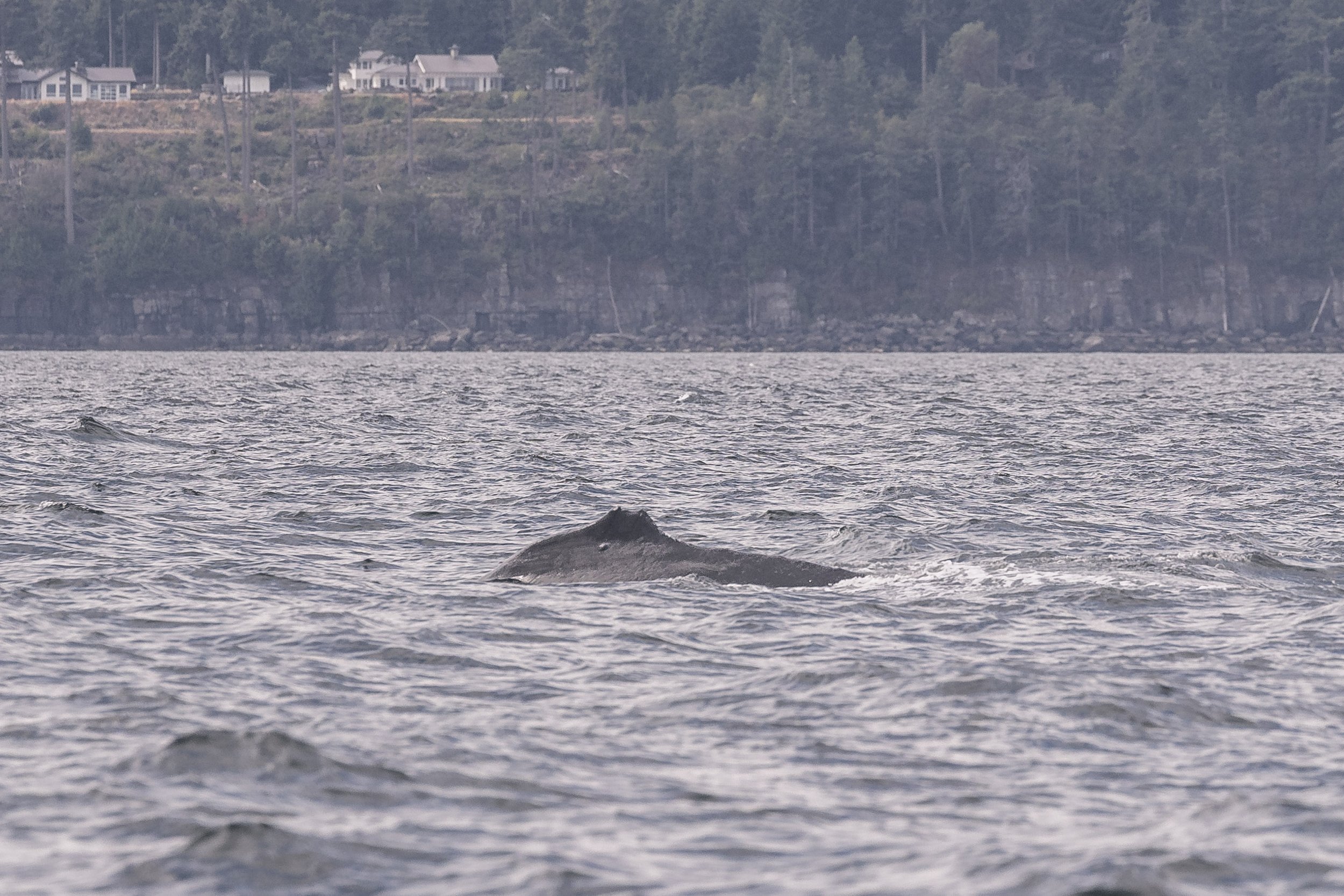
Crater/Mensa as they prepare to dive. Photo by Jordan Robinson.
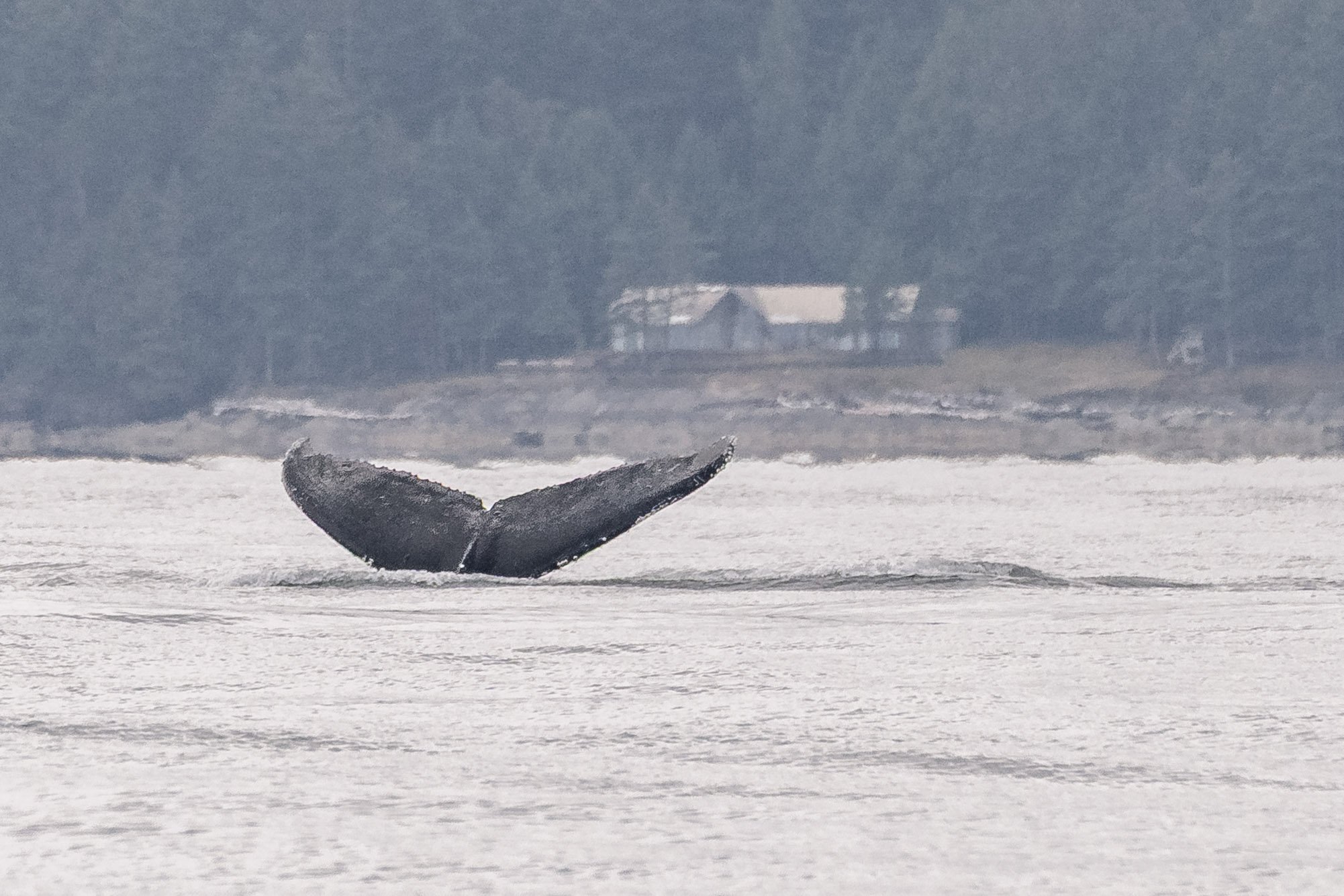
The Unknown fluking. Photo by Val Watson.
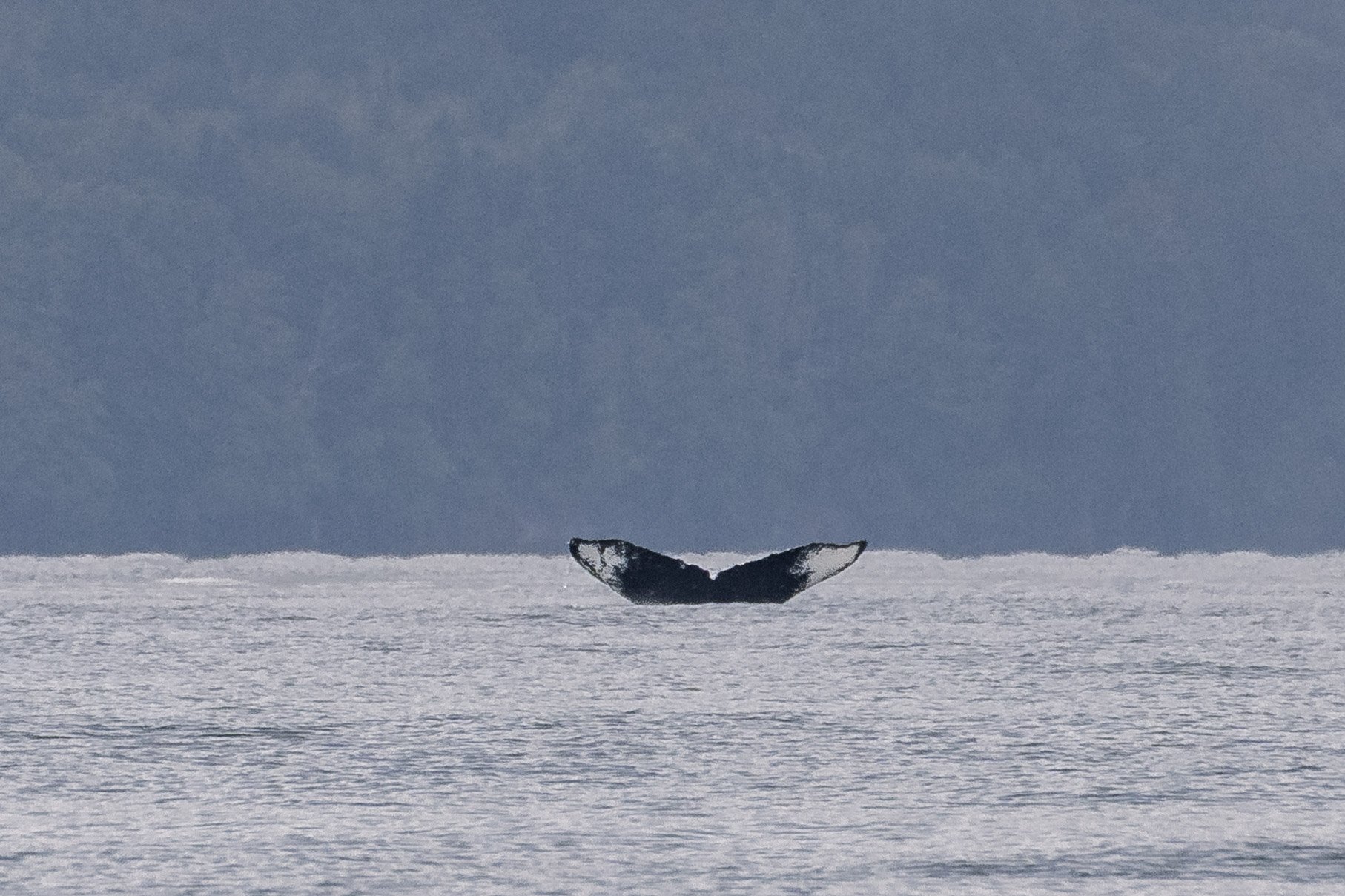
Yogi diving in the distance. Photo by Val Watson.
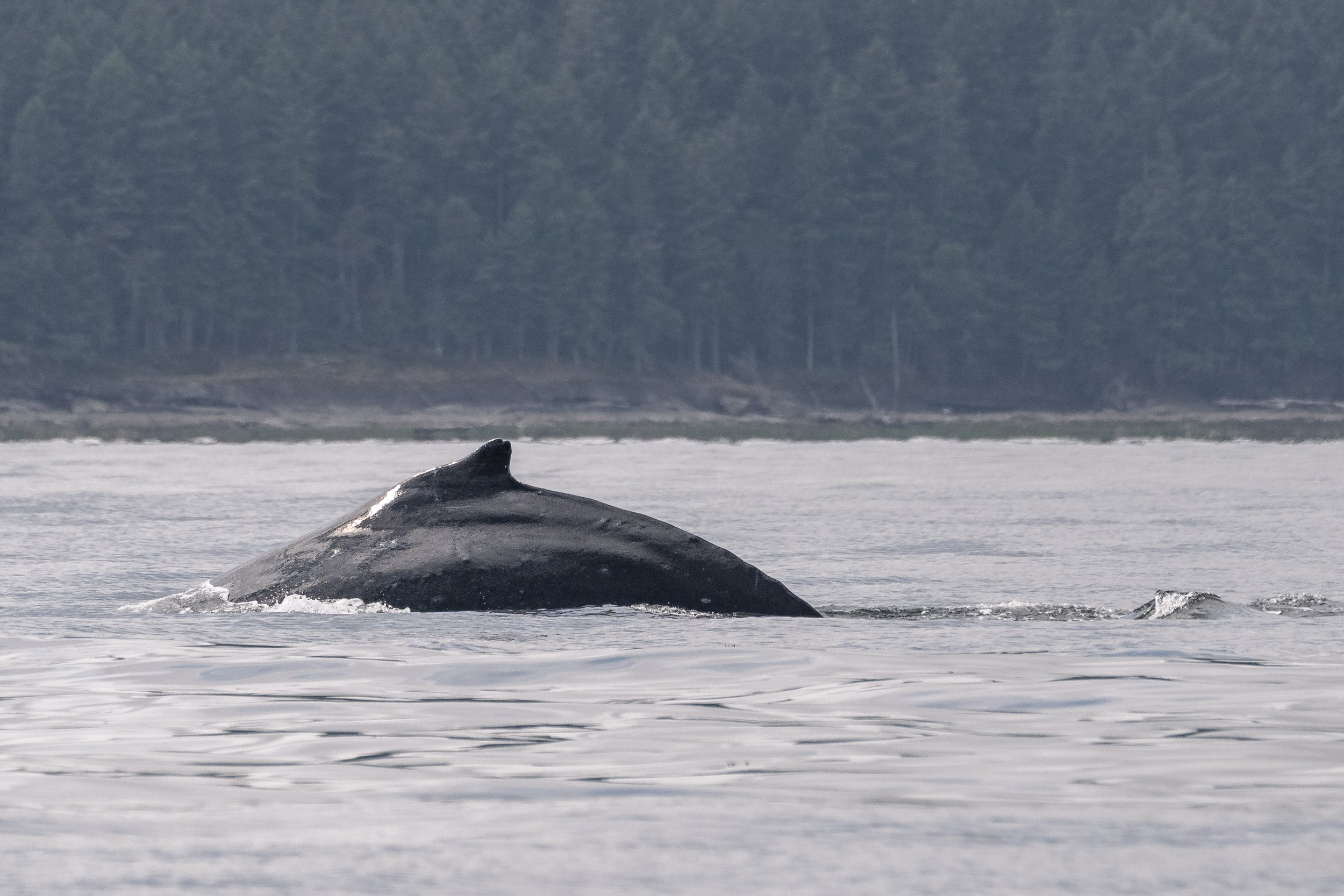
Chi with his very unique dorsal fin visible. Photo by Val Watson.
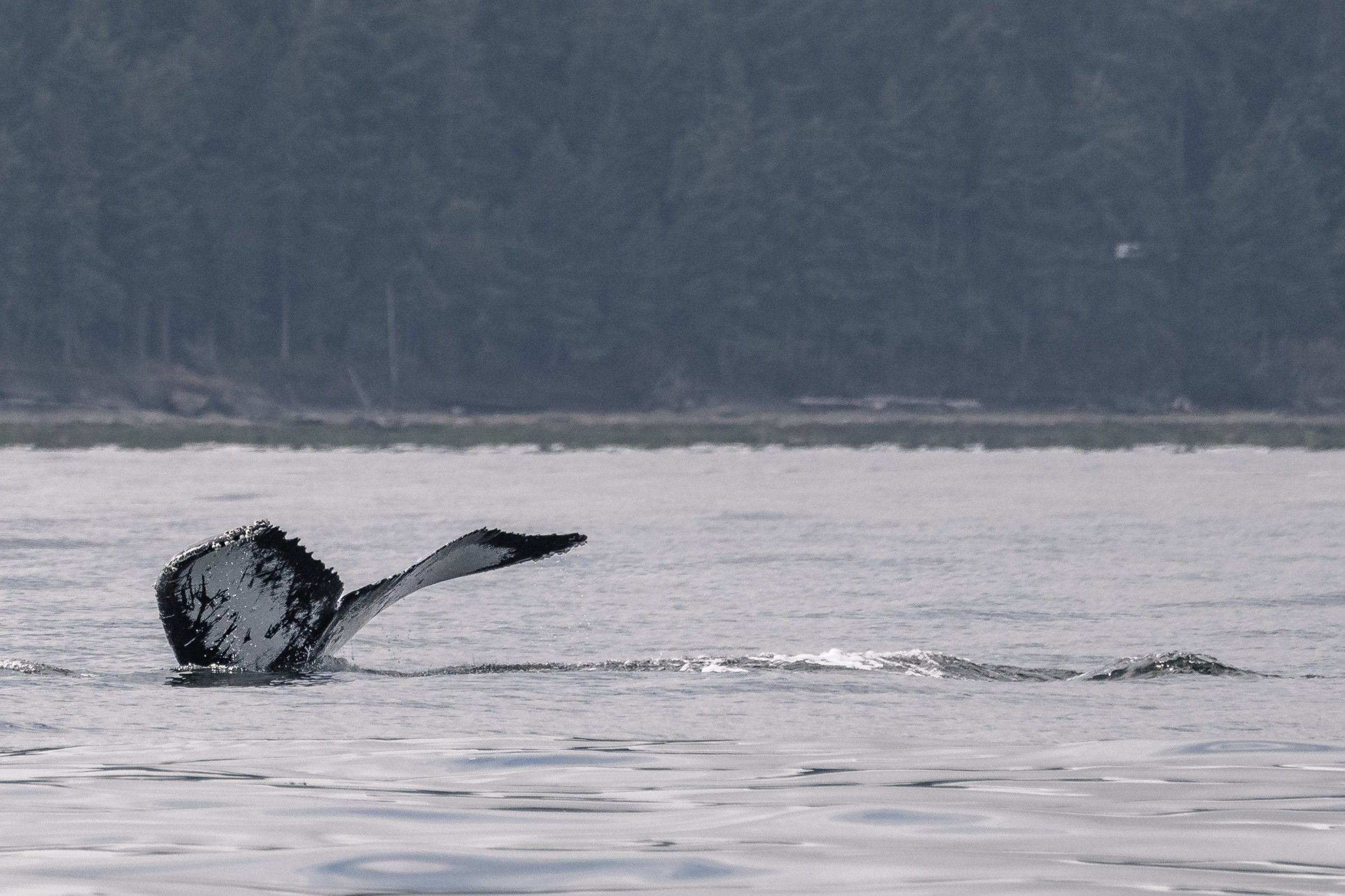
Chi diving. Photo by Val Watson.
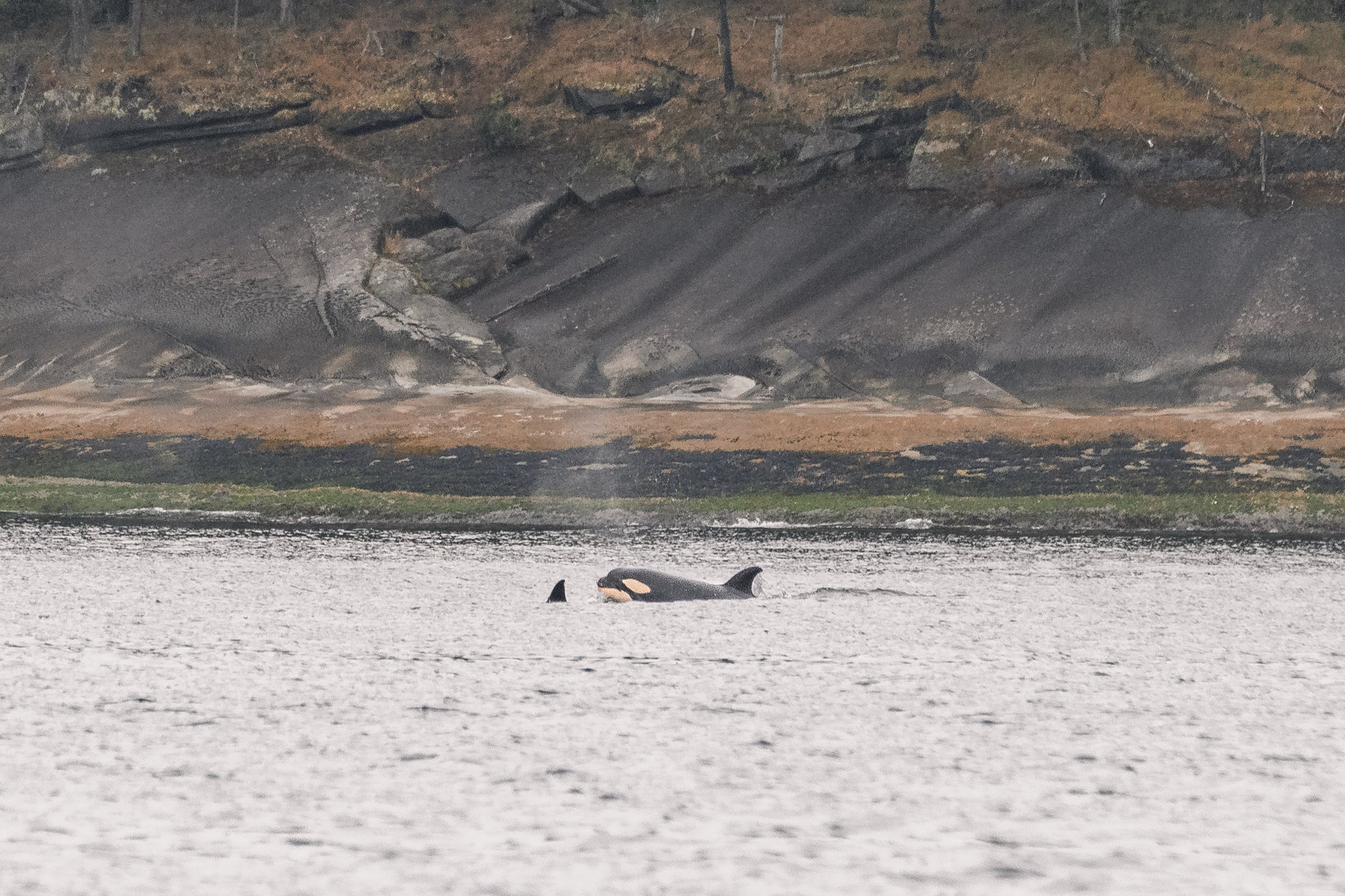
T035A Lester and T035A5. Photo by Val Watson.
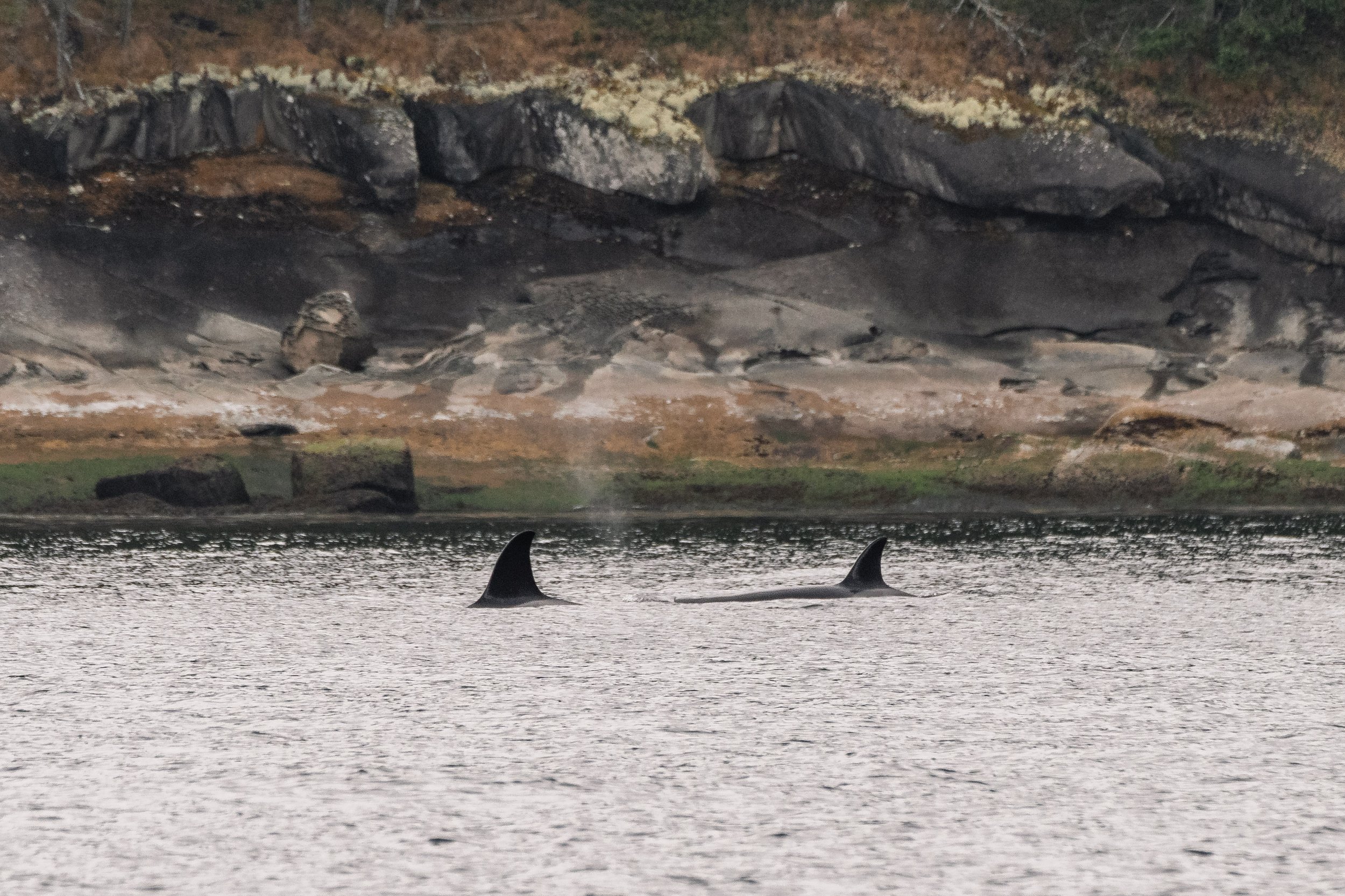
T035A1 Opal and T035A3 Garnet. Photo by Val Watson.
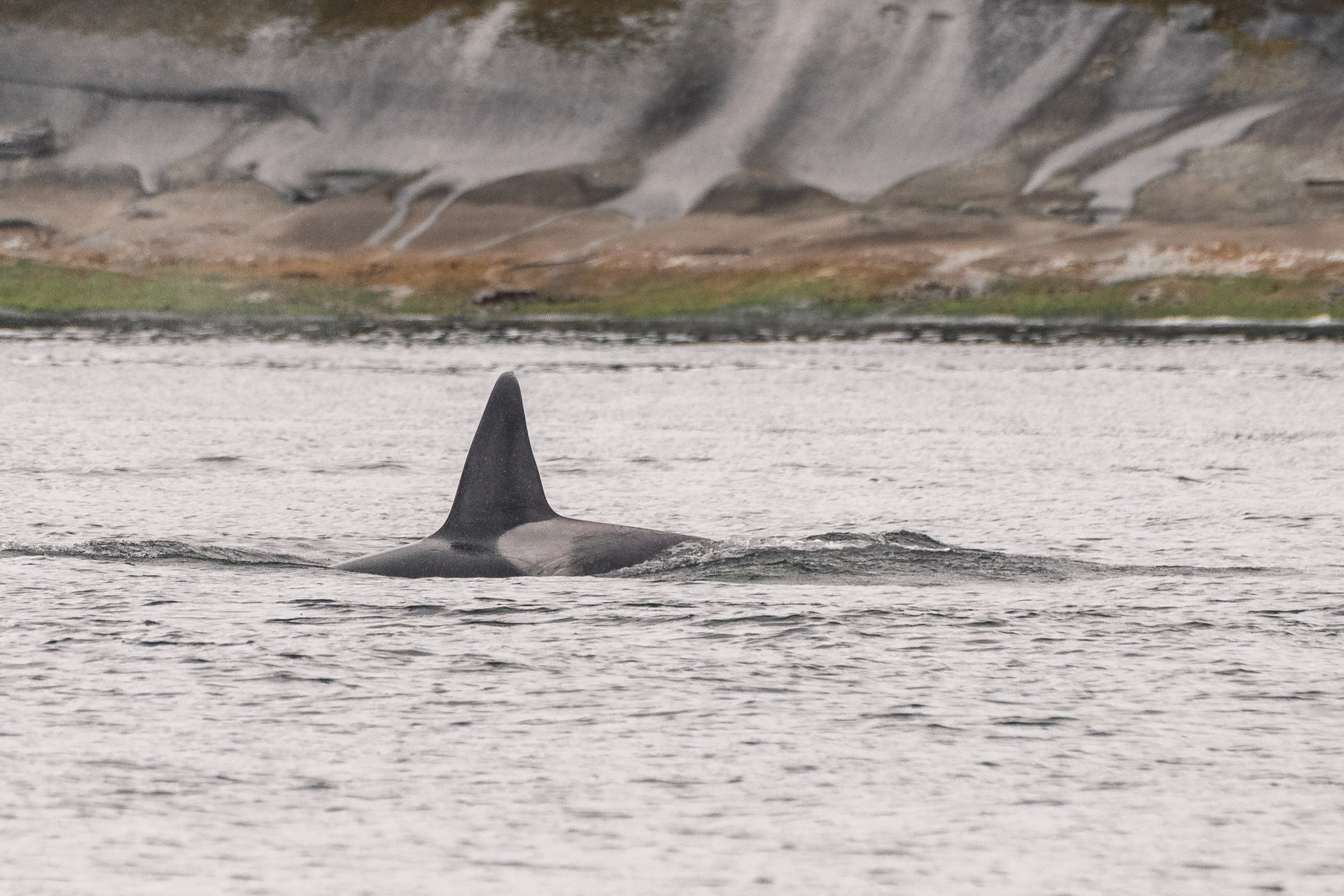
T035A2 Topaz is starting to sprout! Photo by Val Watson.
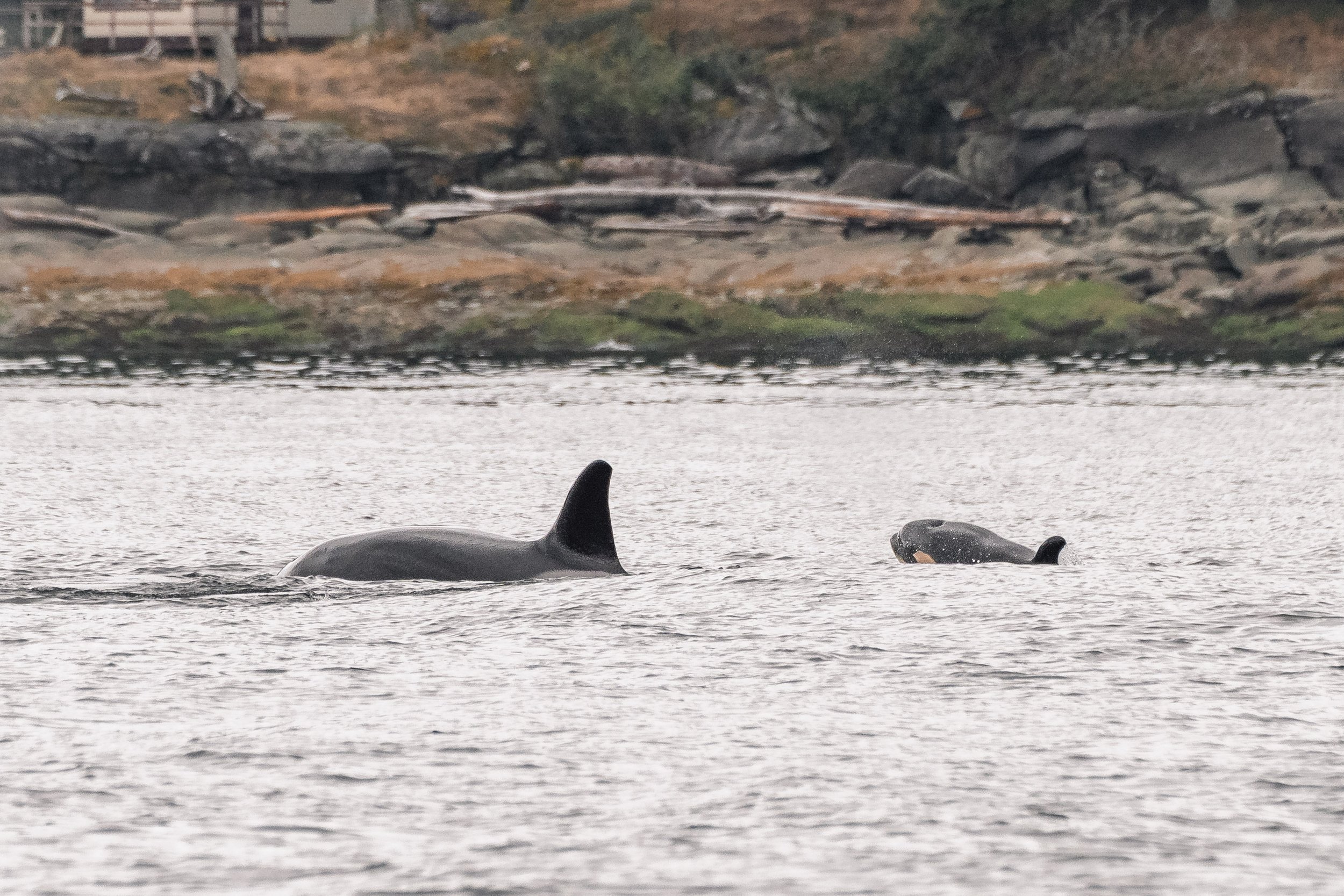
T035A1 Opal and her tiny calf T035A1A. Photo by Val Watson.
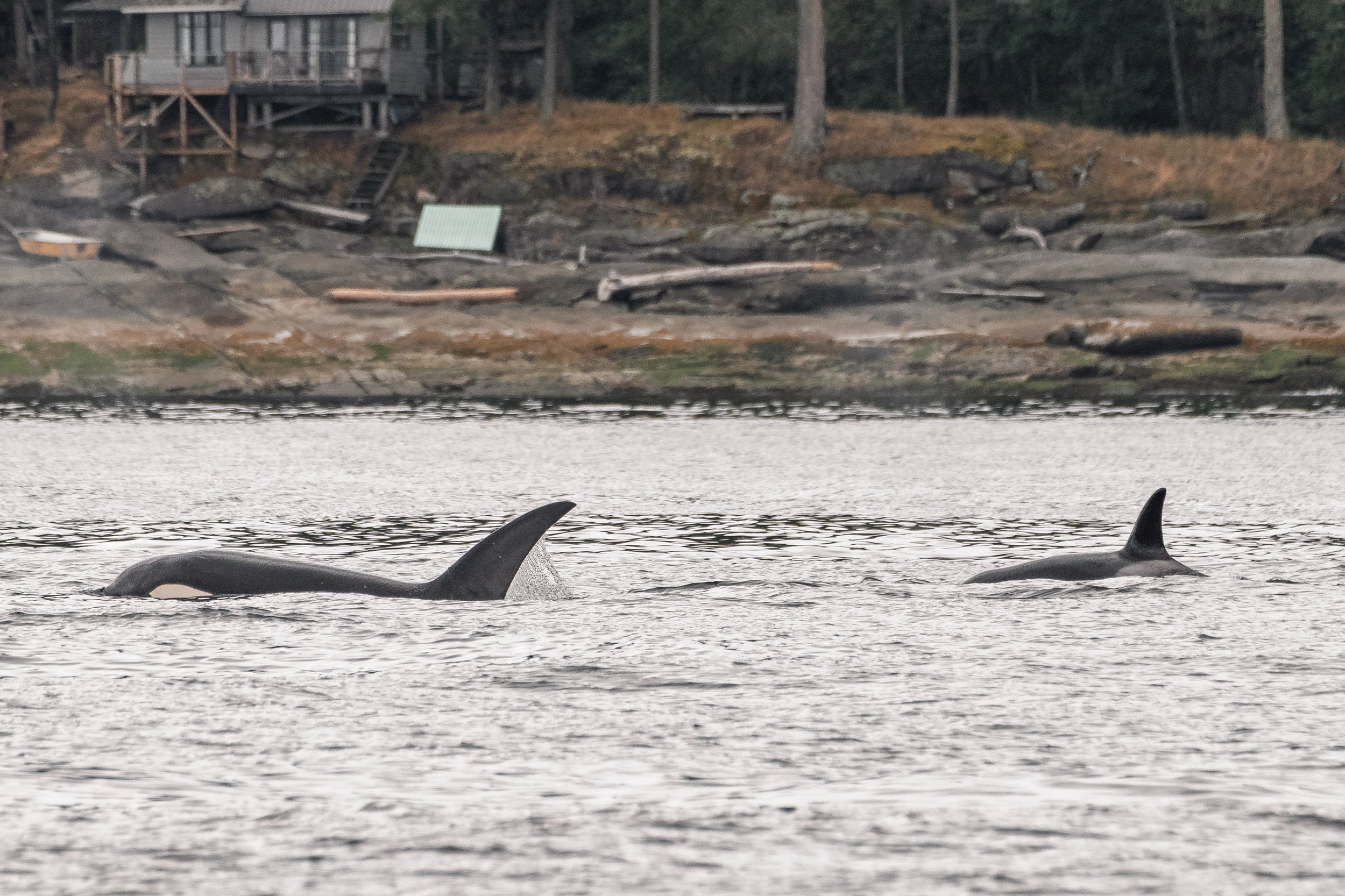
T035A2 Topax with T035A3 Garnet. Photo by Val Watson.
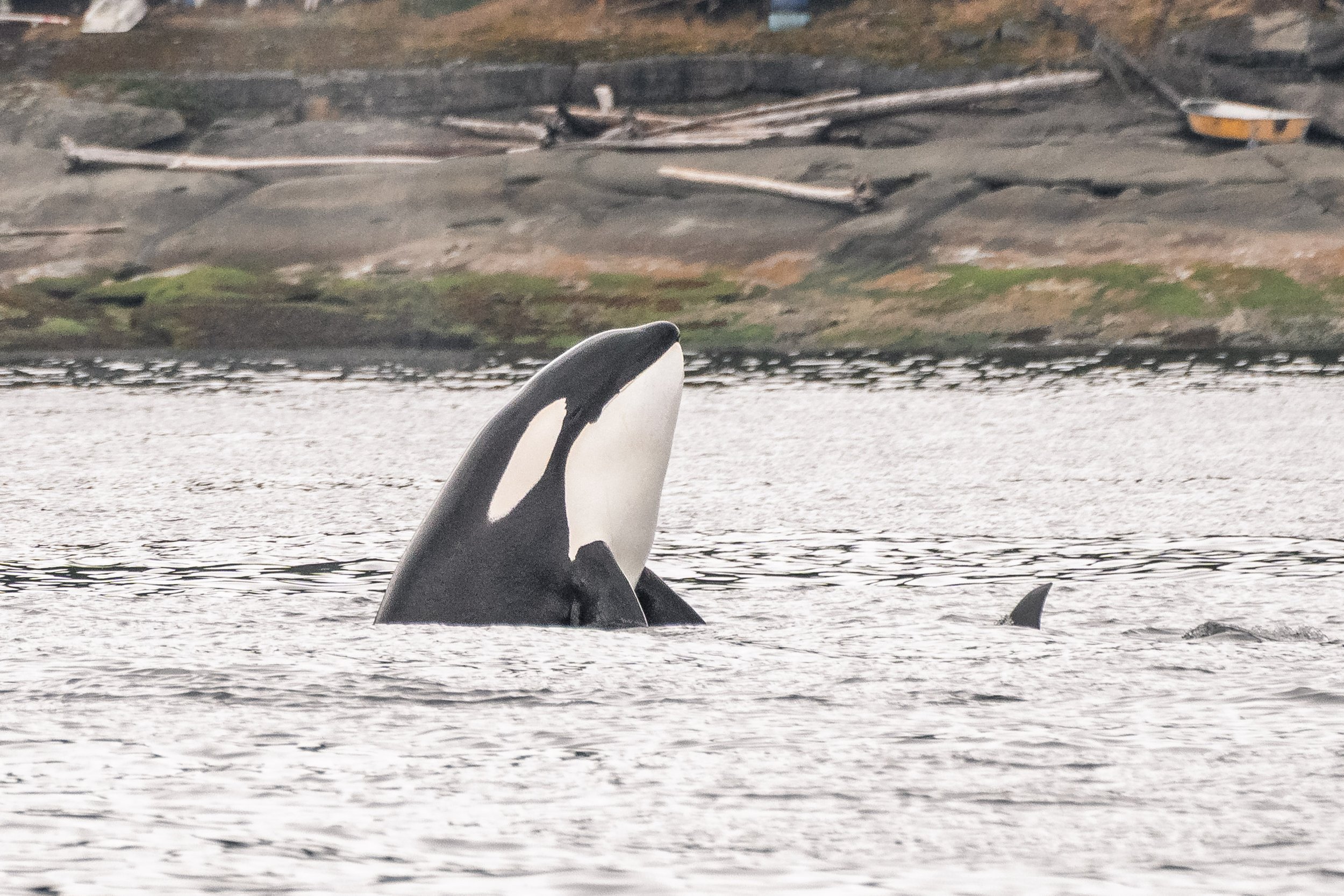
A spyhop from T035A1 Opal - every whale’s eyepatches are unique, leading to this ID oppurtunity. Photo by Val Watson.
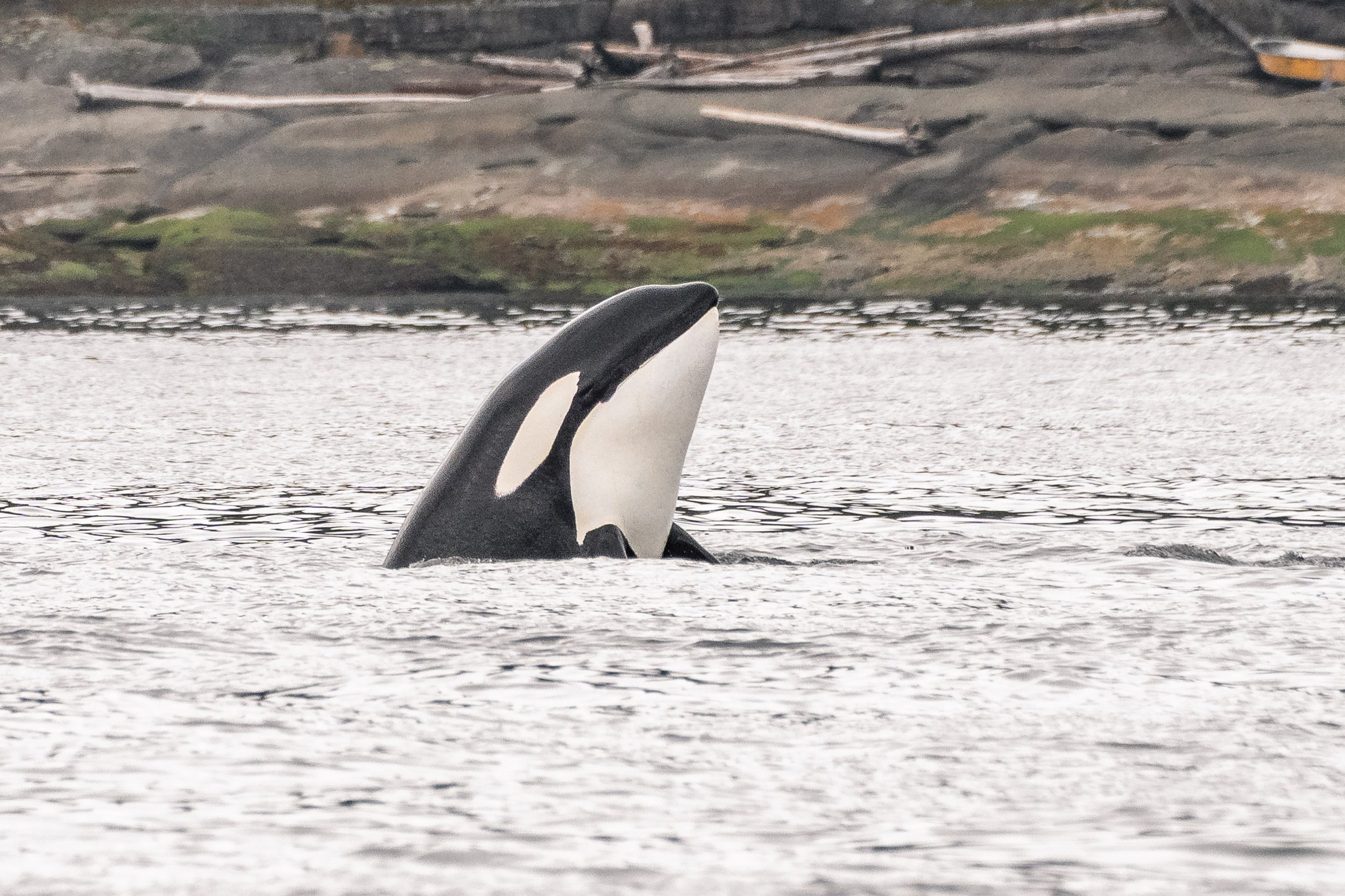
Sinking back into the surf. Photo by Val Watson.
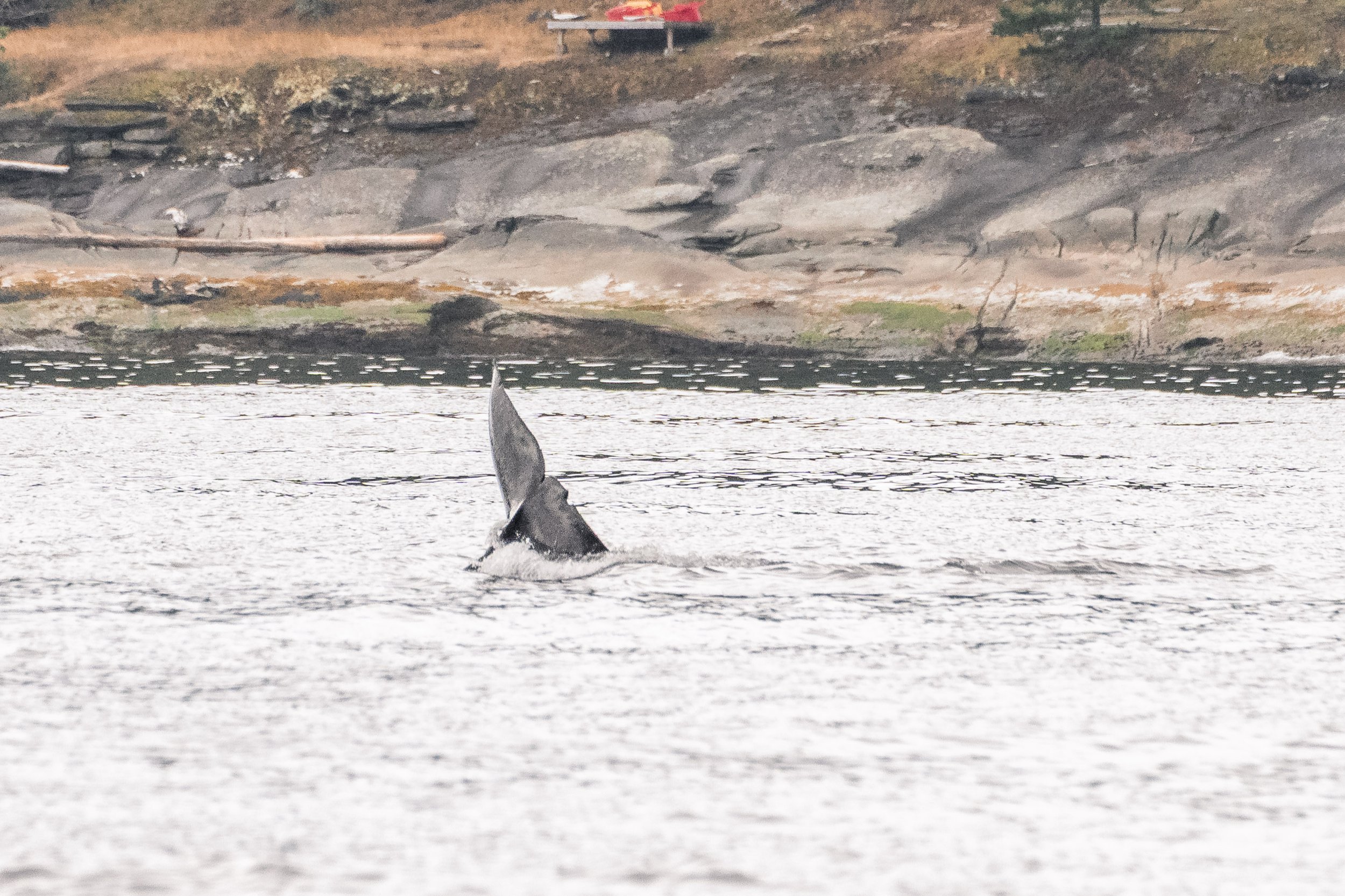
A tail slap from one of the orca! Photo by Val Watson.
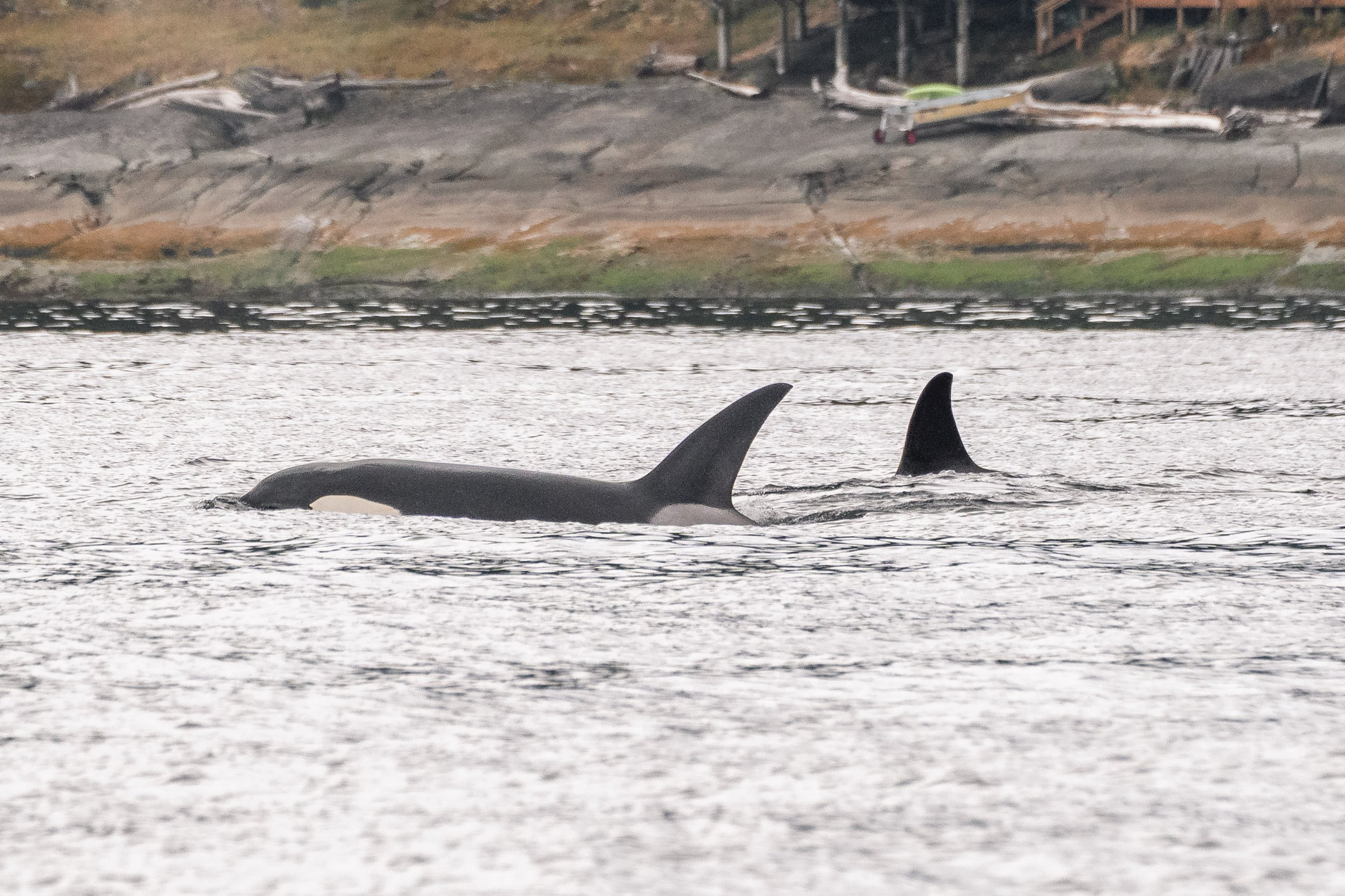
T035A2 Topaz with T035A1 Opal right behind him. Photo by Val Watson.
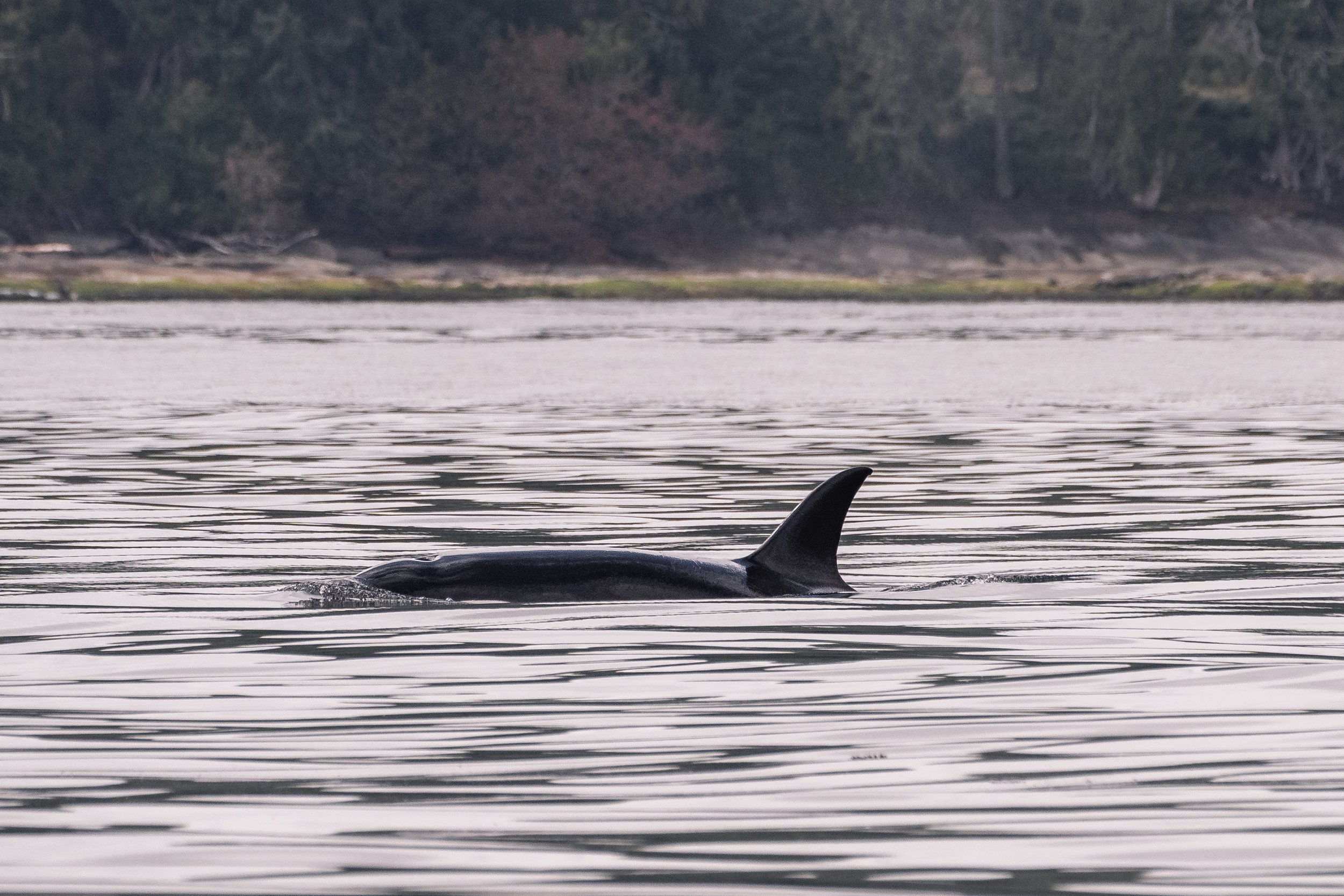
Matriarch T035A Lester leading the way. Photo by Val Watson.
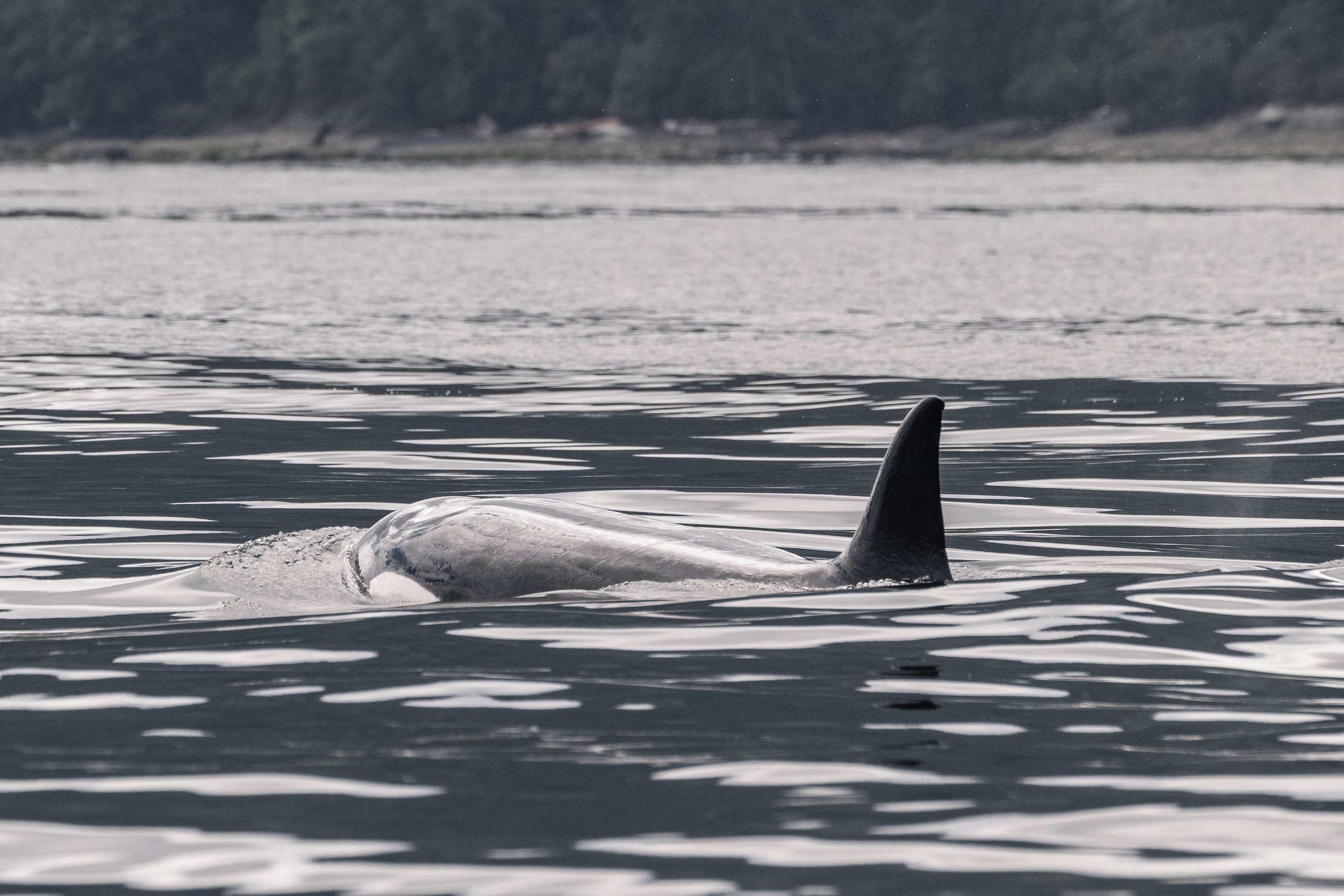
T035A Lester making waves. Photo by Val Watson.
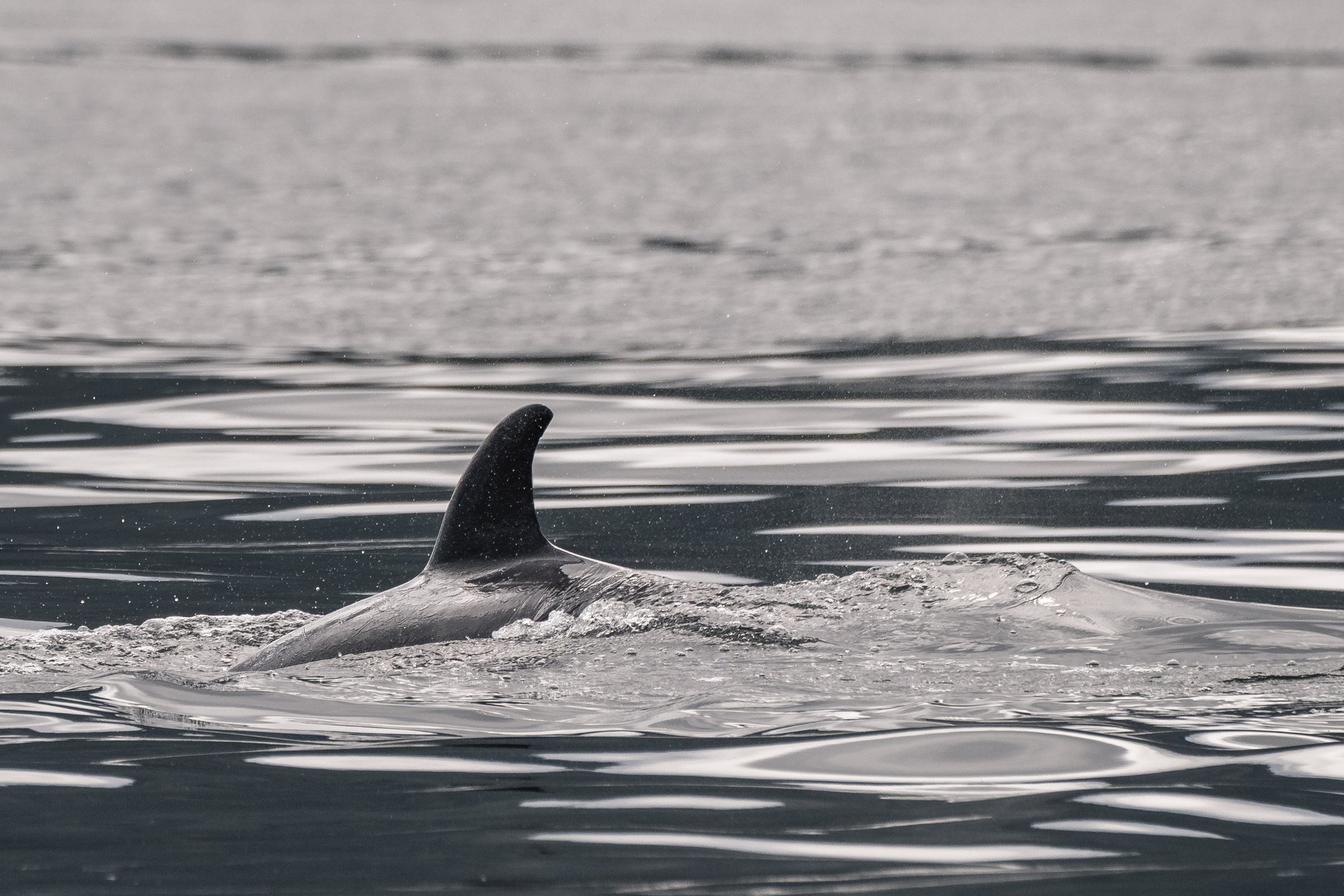
T035A5 charging along. Photo by Val Watson.
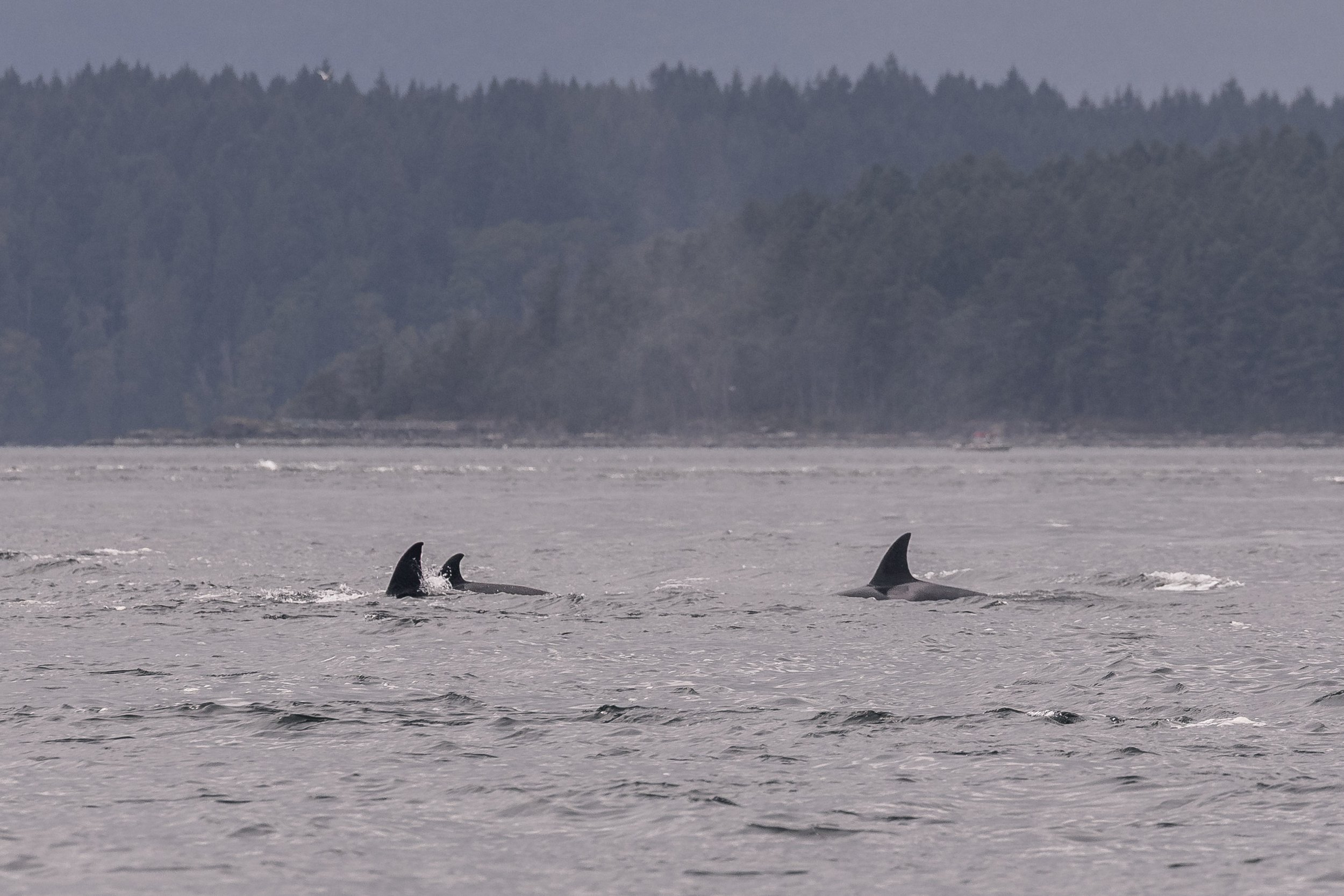
T035A1 Lester with T035A5 tucked close to her side, and T035A3 Garnet behind them. Photo by Jordan Robinson.
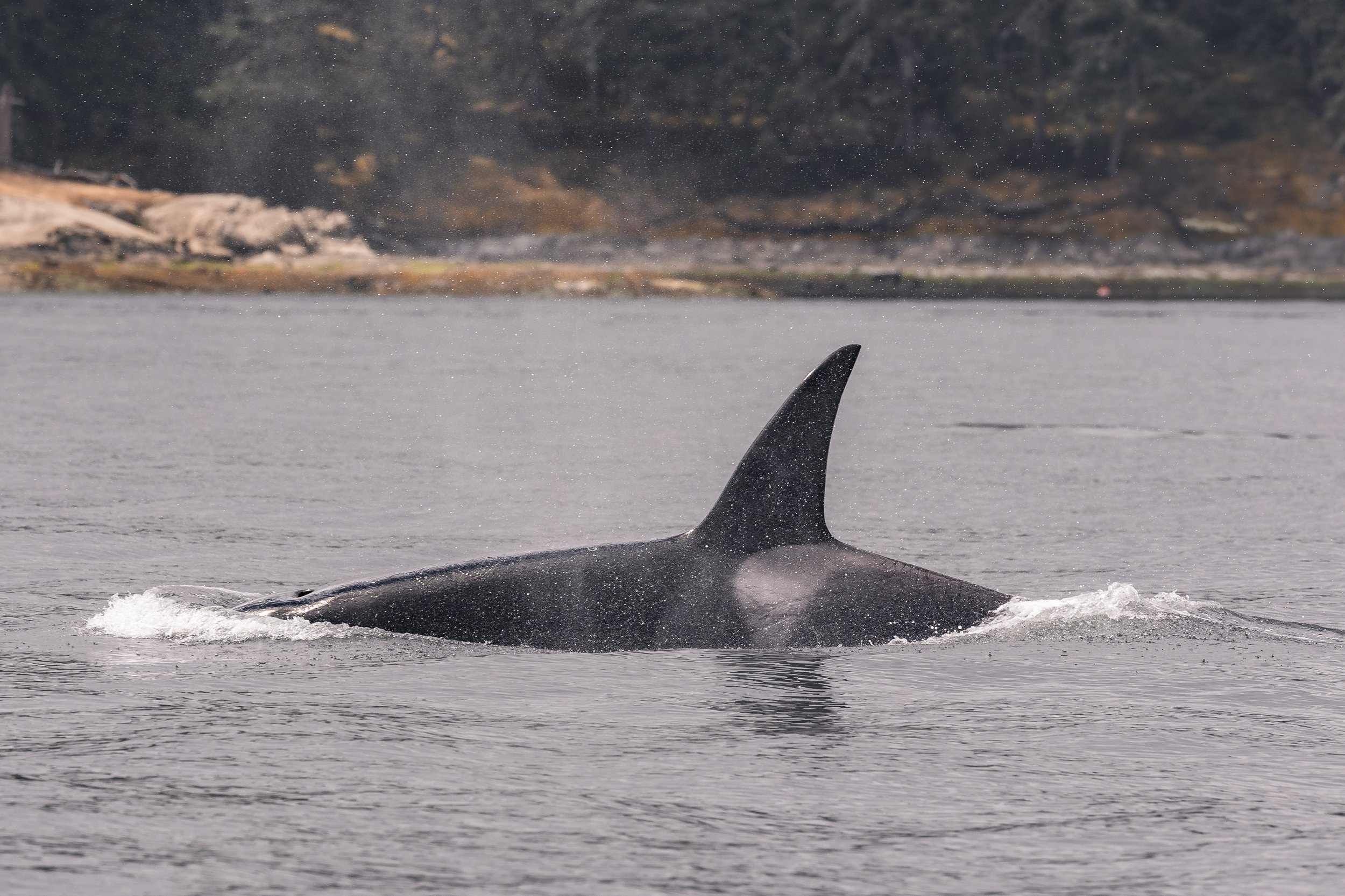
T035A2 Topaz is going to become quite the large male once he fully sprouts! Photo by Jordan Robinson.
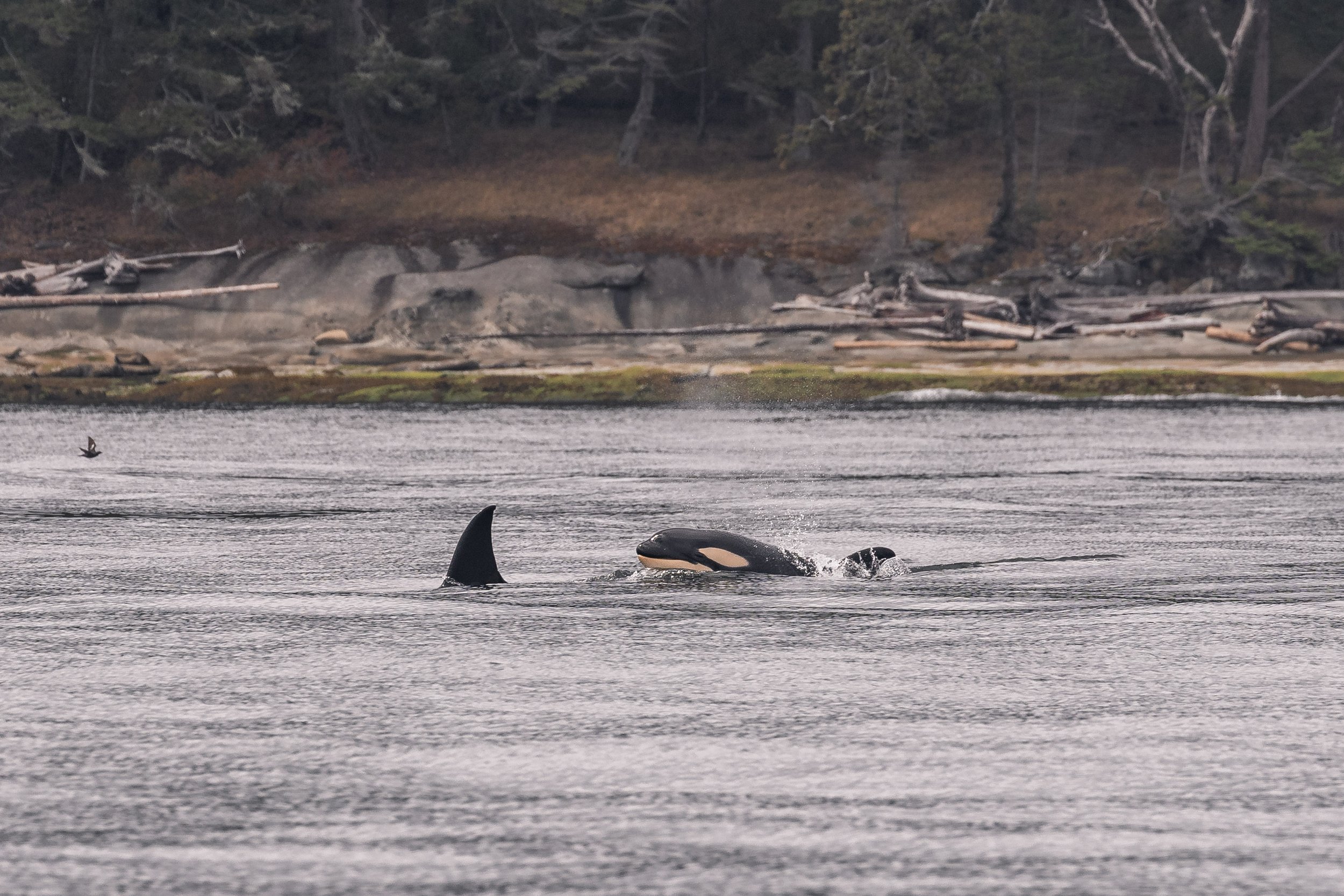
T035A Lester and the tiny squishy calf T035A5! Photo by Jordan Robinson.
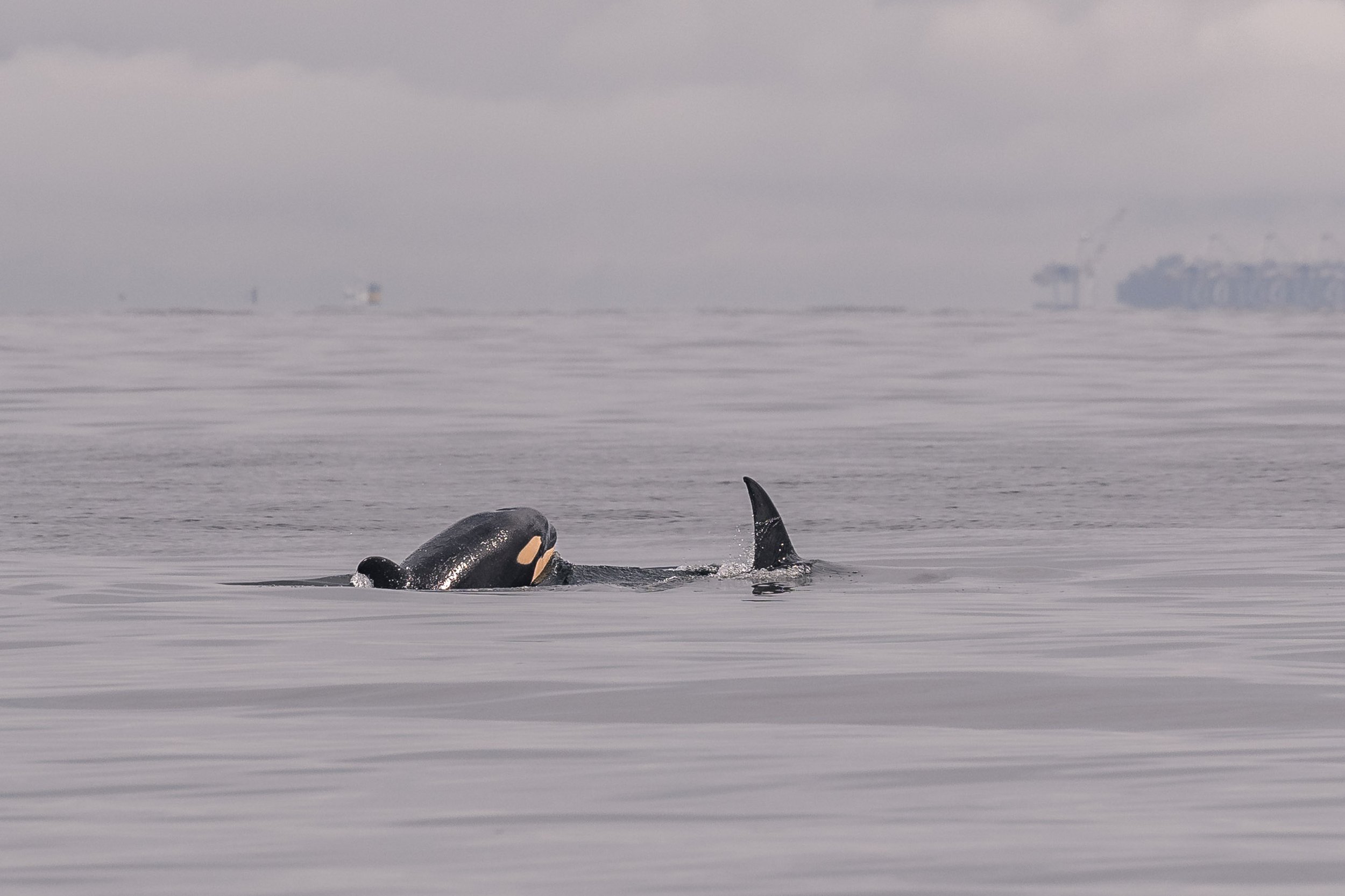
T035A Lester with T035A5 beside her. Photo by Jordan Robinson.
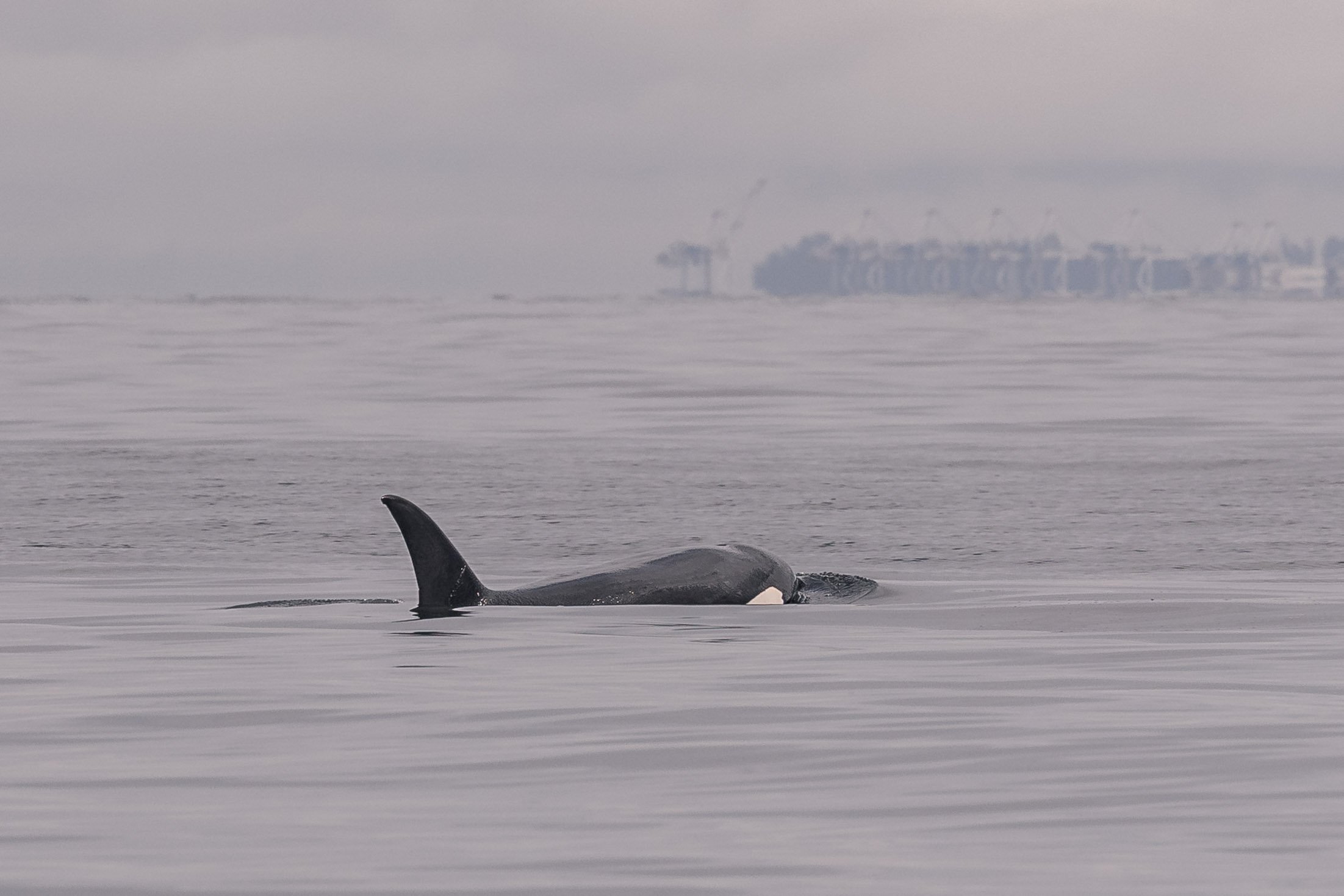
A different angle of T035A Lester. Photo by Jordan Robinson.
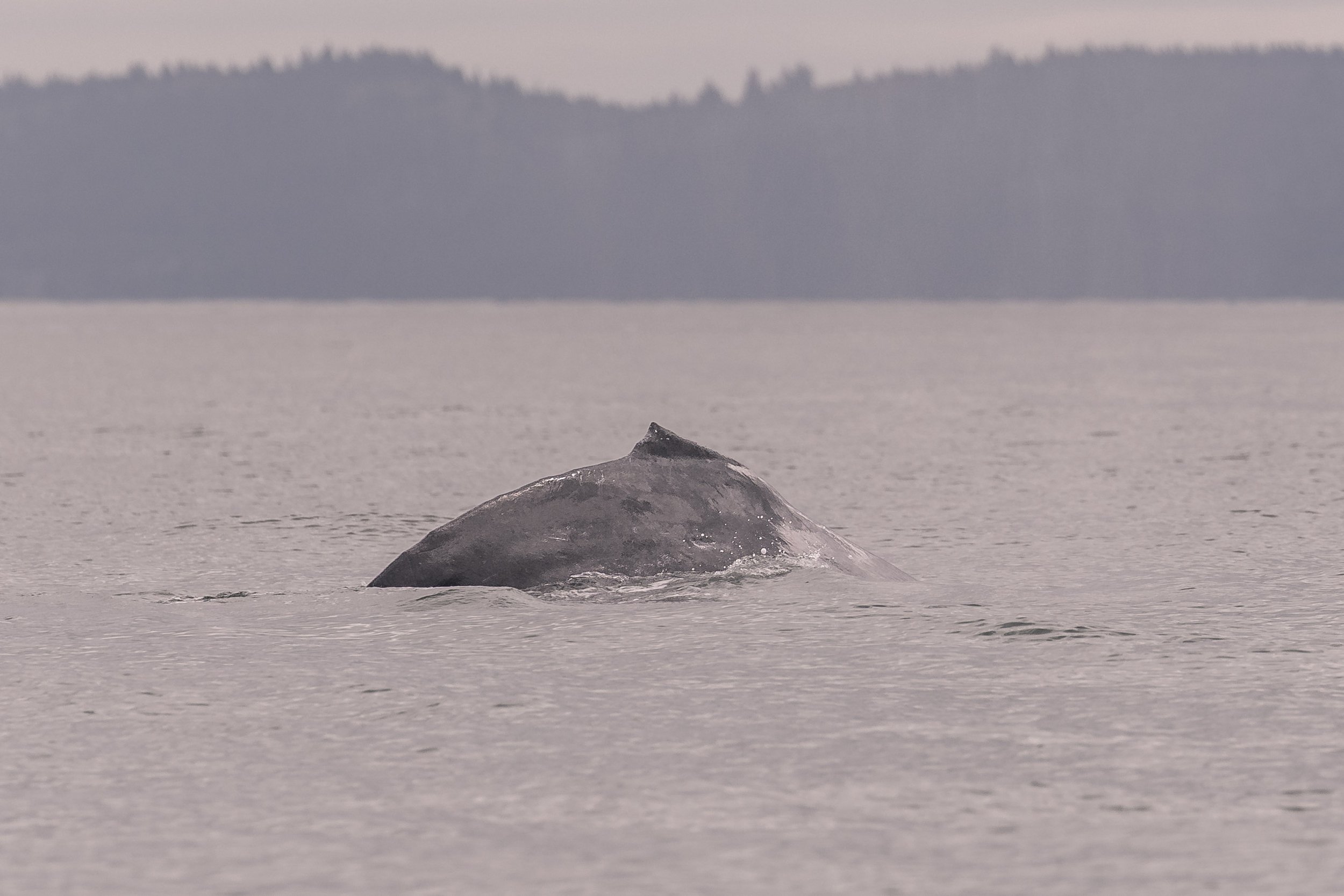
Valiant continuing her travels. Photo by Jordan Robinson.
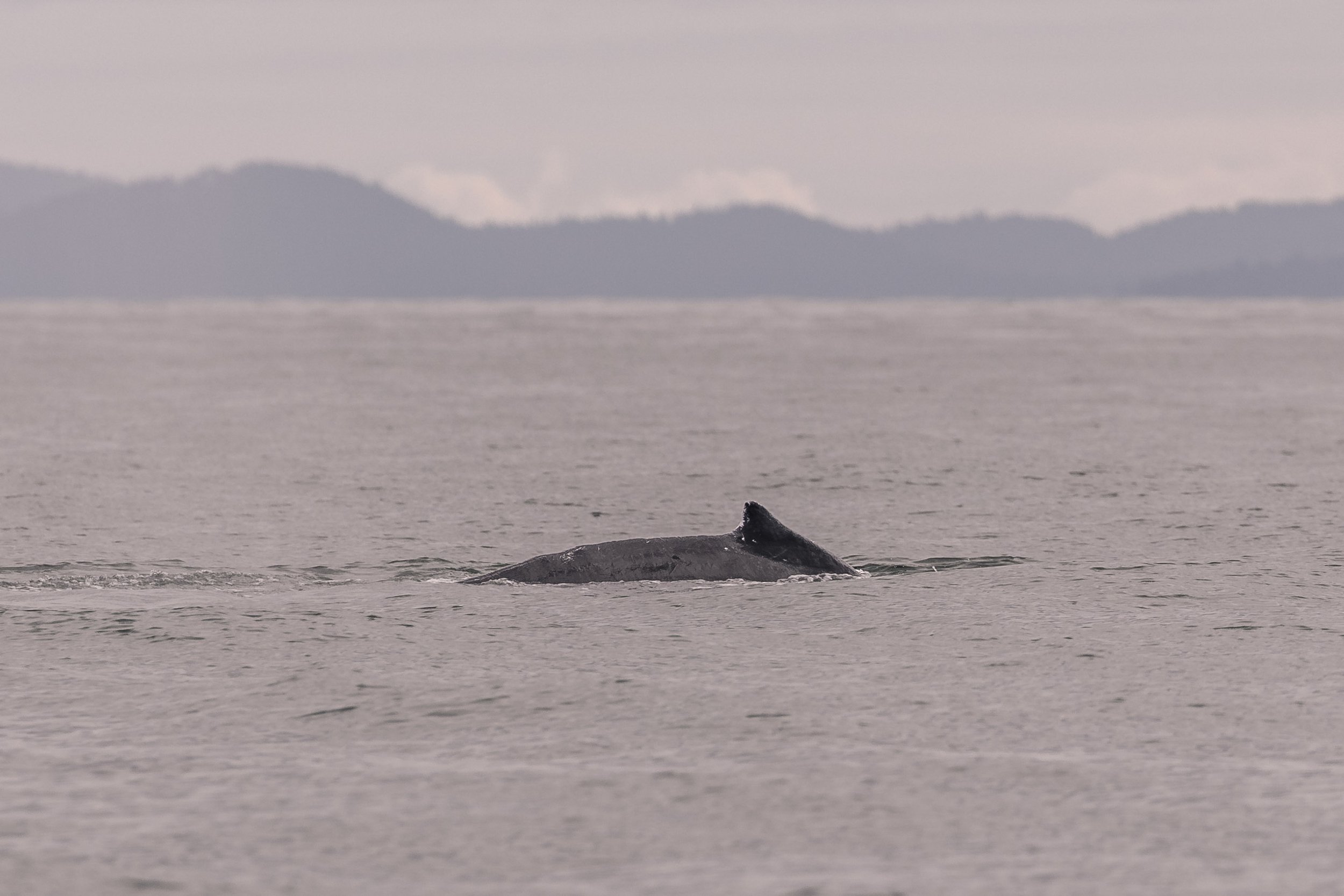
A little view of Mantis’ dorsal fin. Photo by Jordan Robinson.
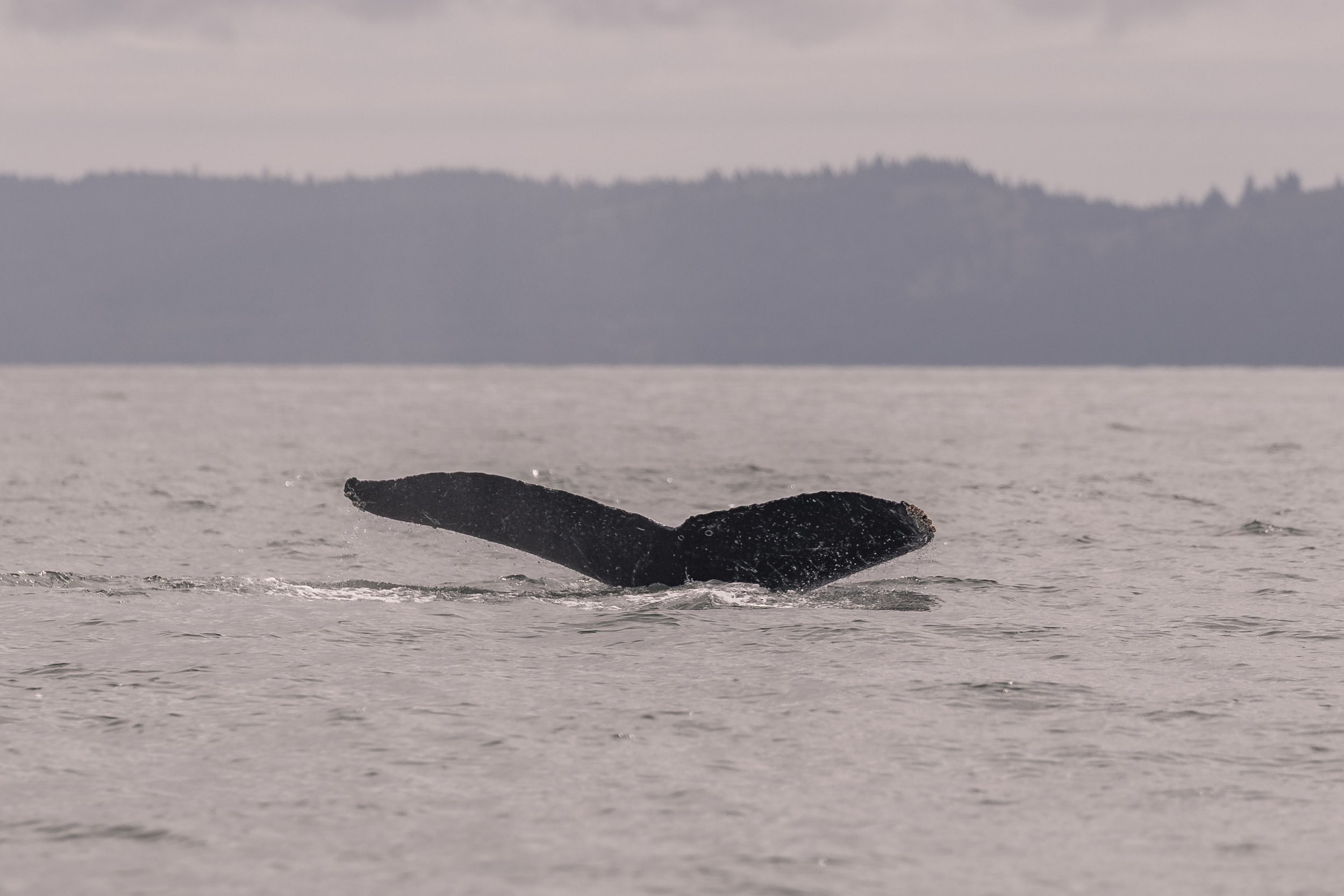
Mantis fluking. Photo by Jordan Robinson.
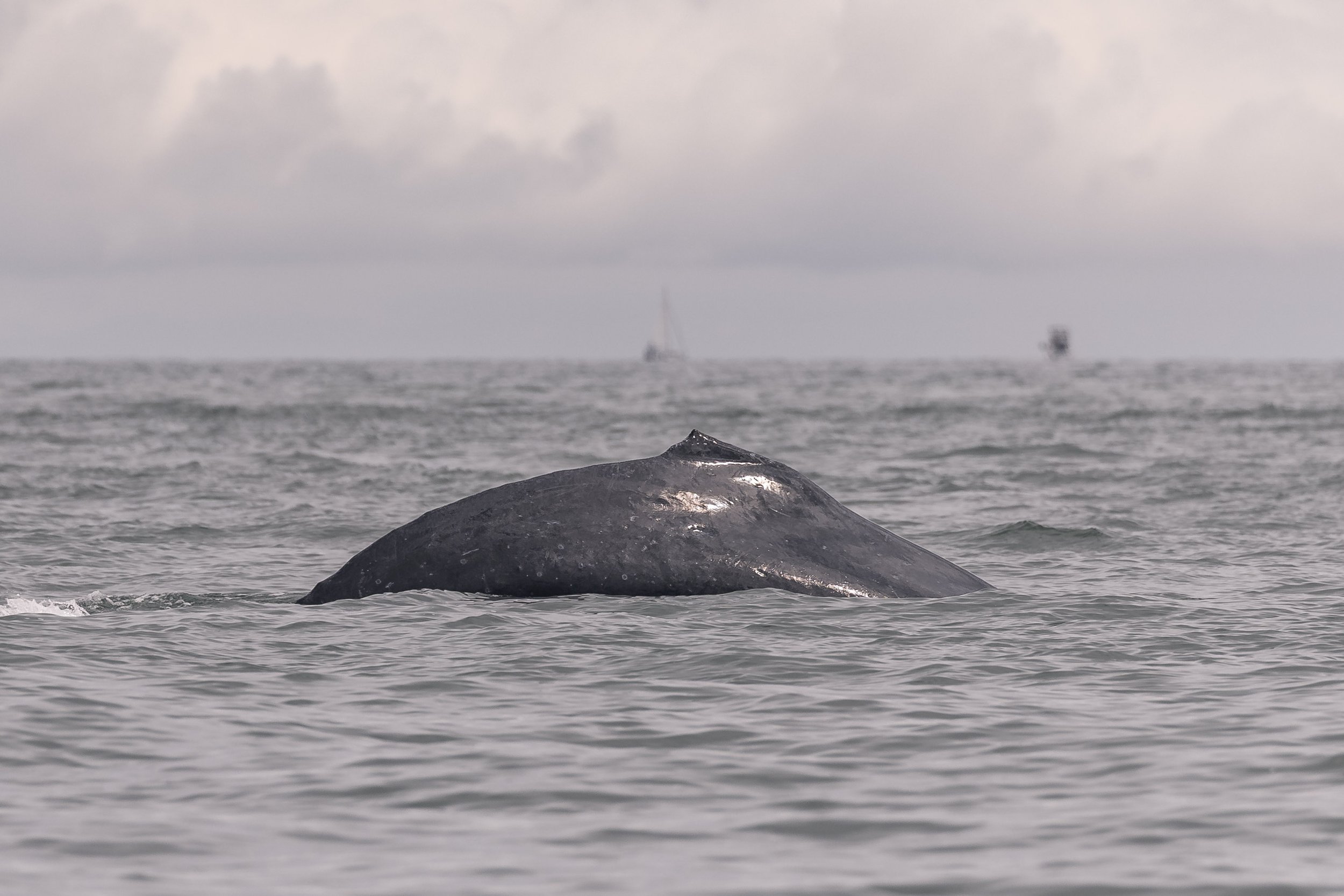
Valiant making her way along. Photo by Jordan Robinson.
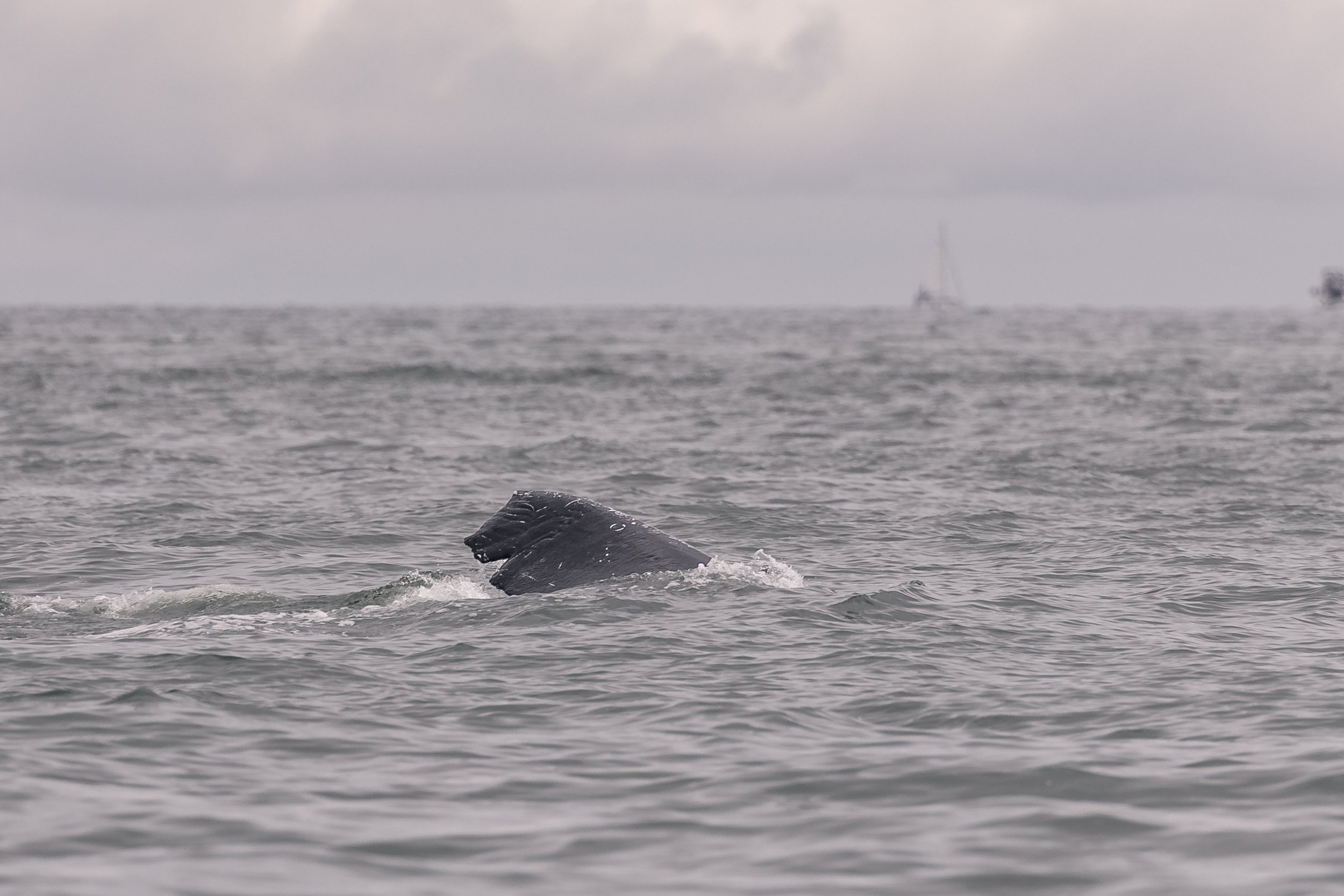
A tiny peek at the top corner of Valiant’s fluke, showing the blunted tip and deep notch in it. Photo by Jordan Robinson.
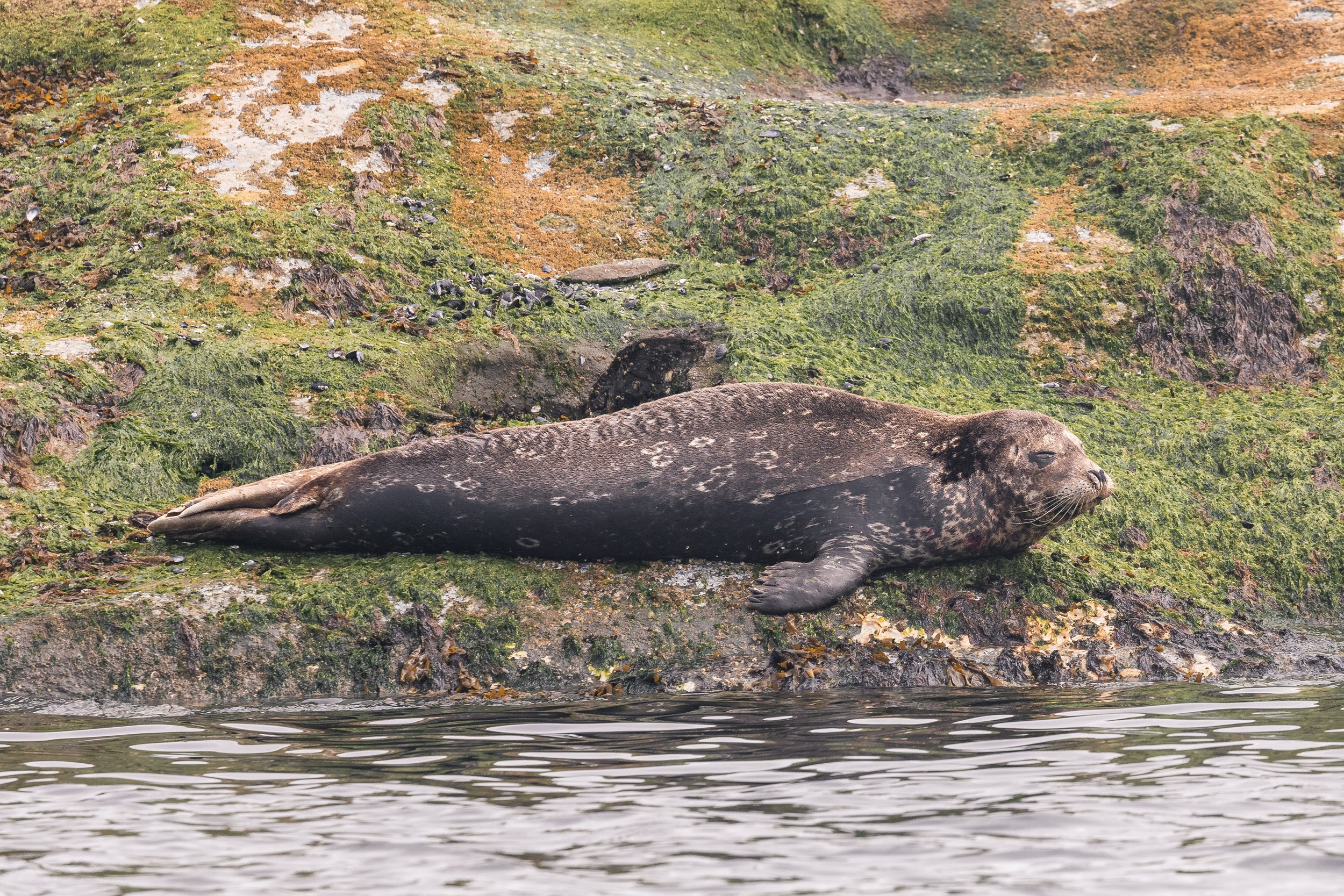
A sleepy Harbour Seal at the edge of the water. Photo by Jordan Robinson.
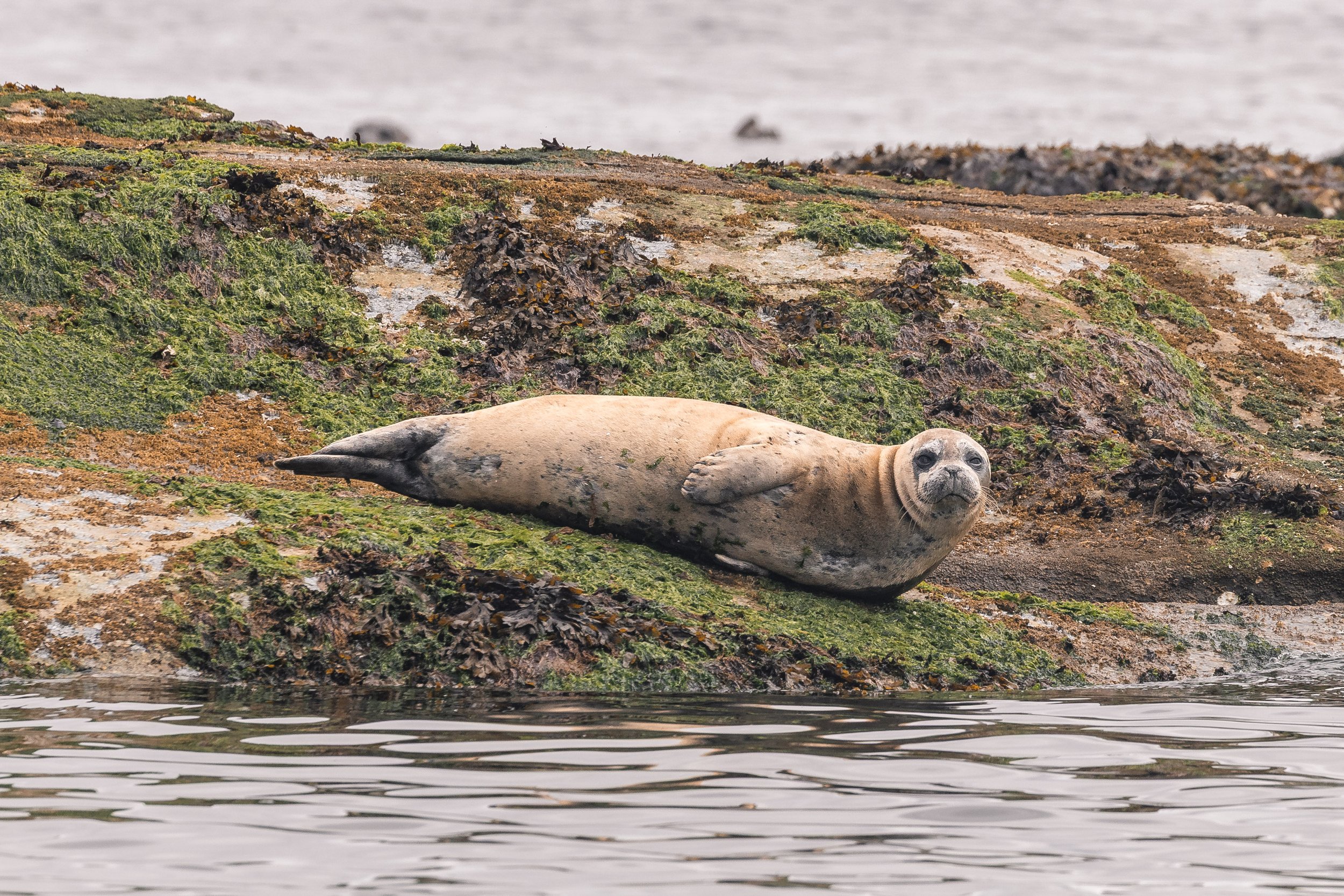
This Harbour Seal has quite the fluffy coat! Photo by Jordan Robinson.
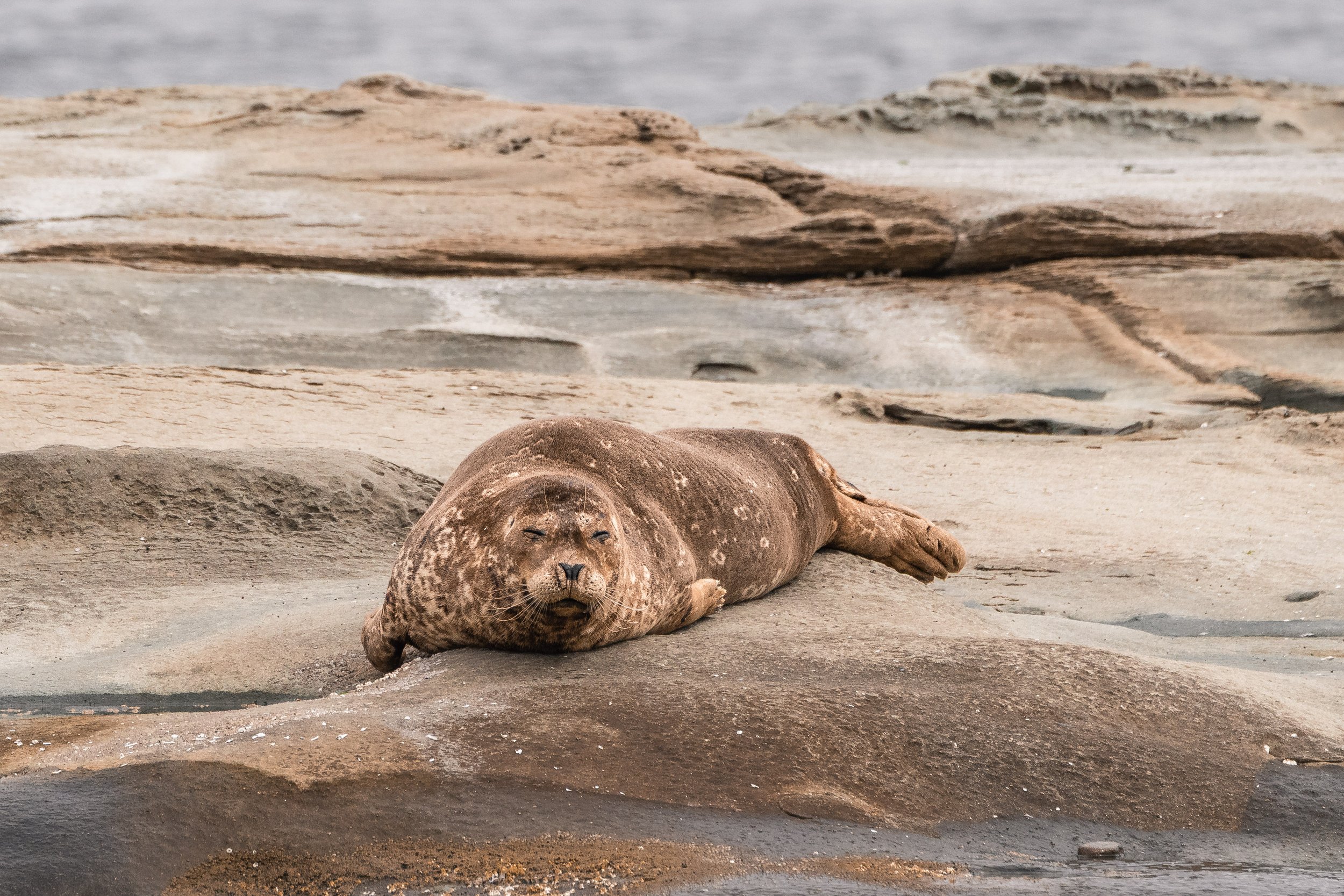
Everyone was napping when we observed them today! Photo by Val Watson.
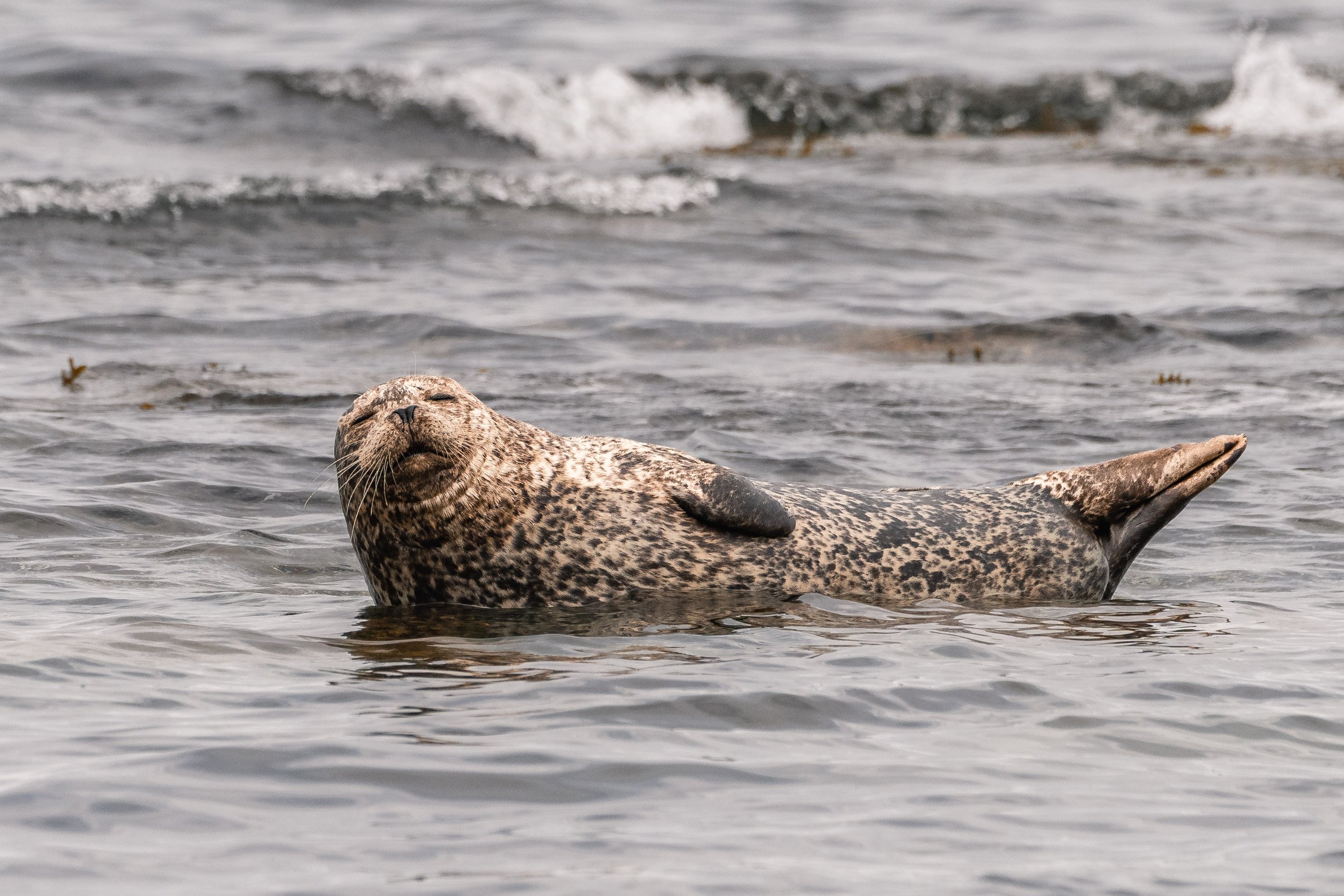
Carefully balanced, deep asleep. Photo by Val Watson.
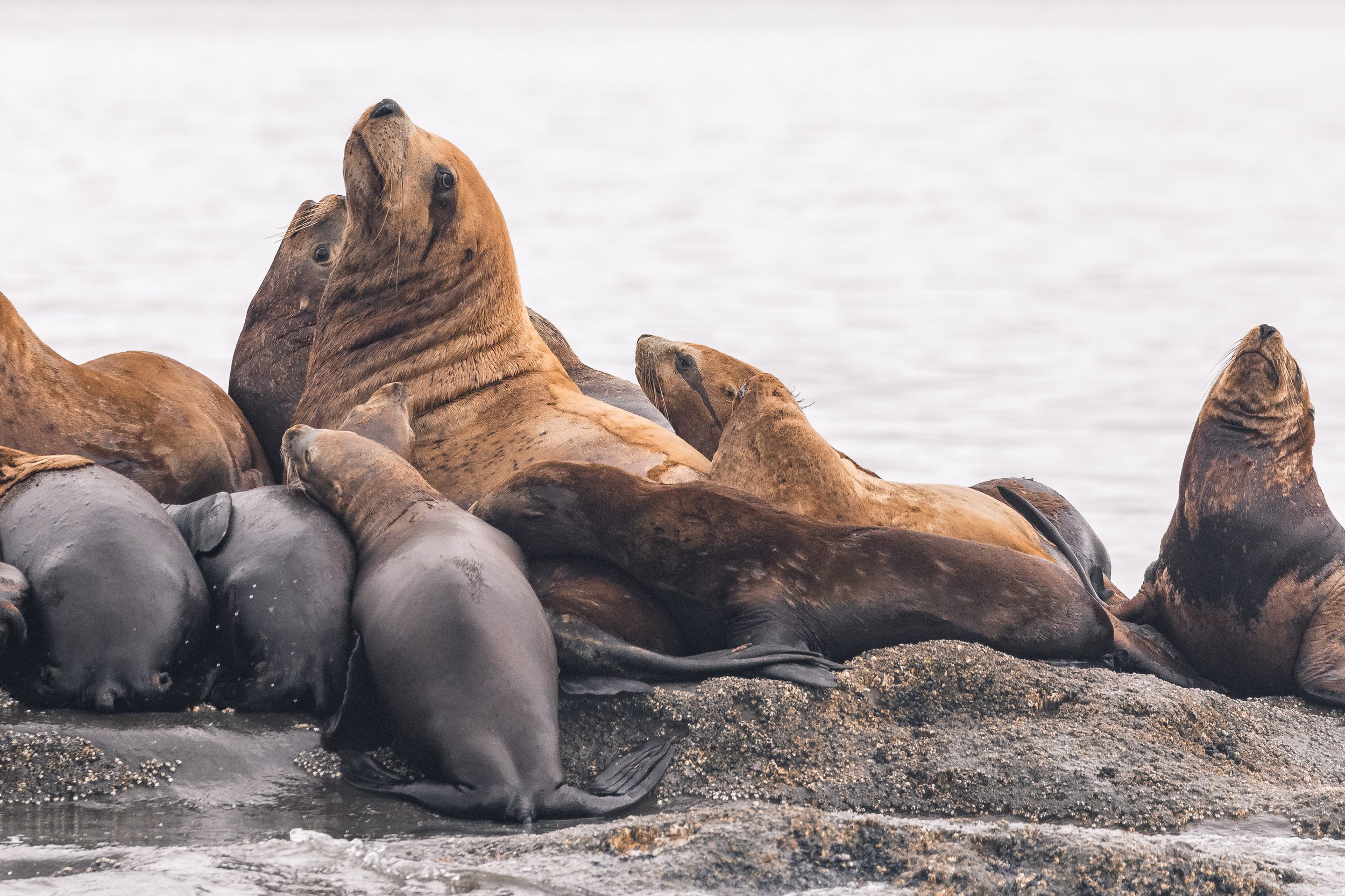
Steller Sea Lions hauled together. Photo by Jordan Robinson.
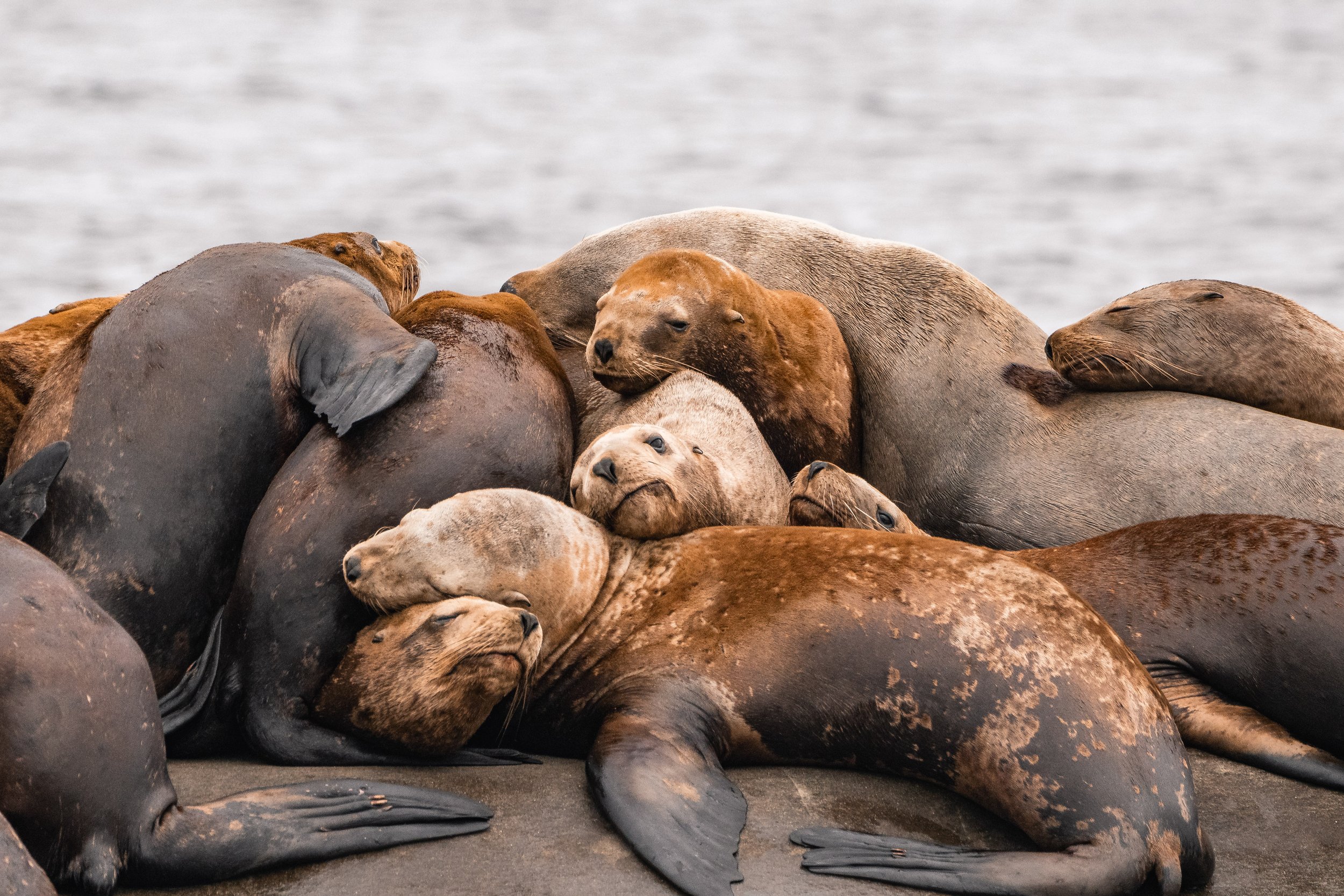
A giant cuddle puddle of sea lions! Photo by Val Watson.
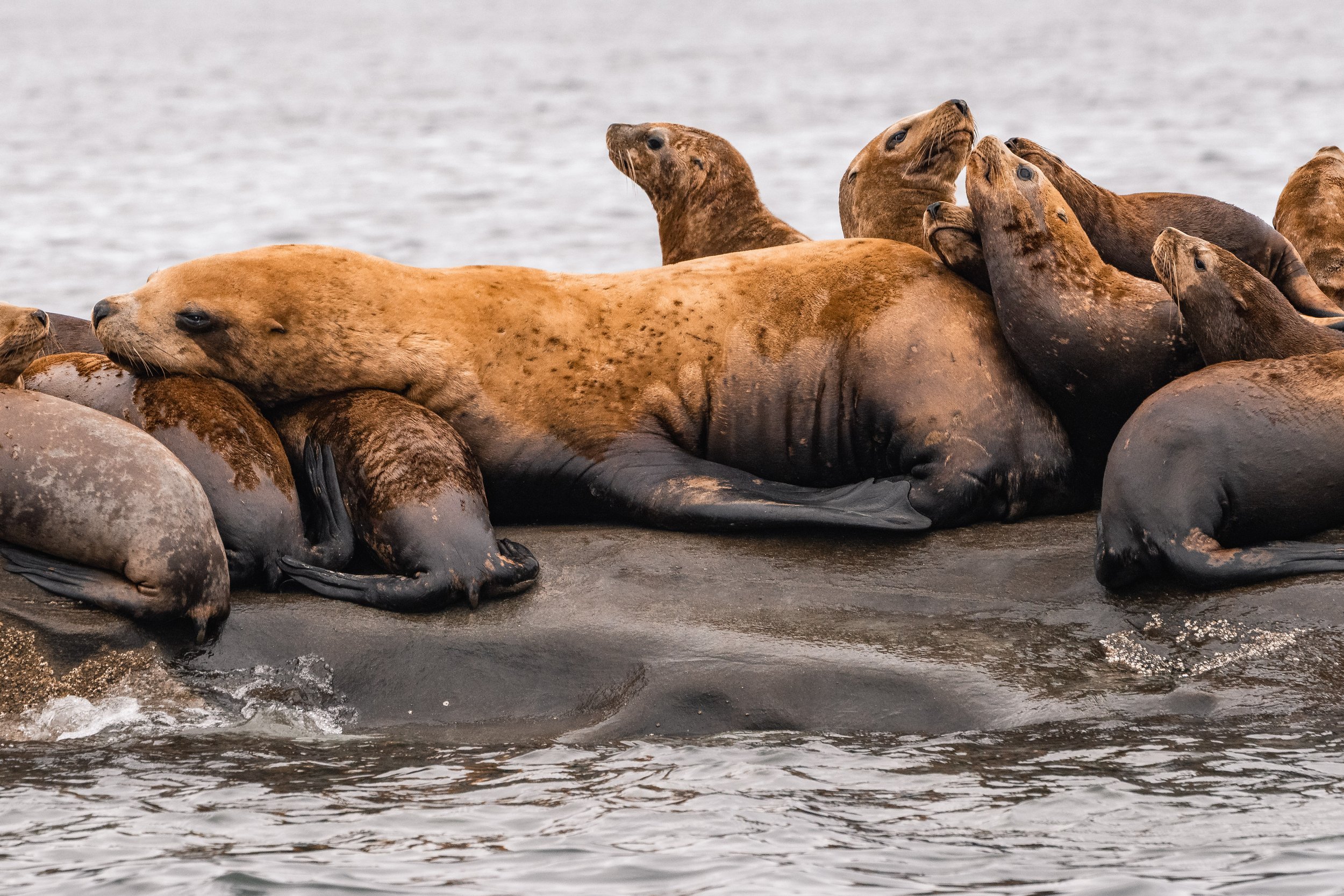
The size differences amongst our sea lions is pretty staggering! Photo by Val Watson.
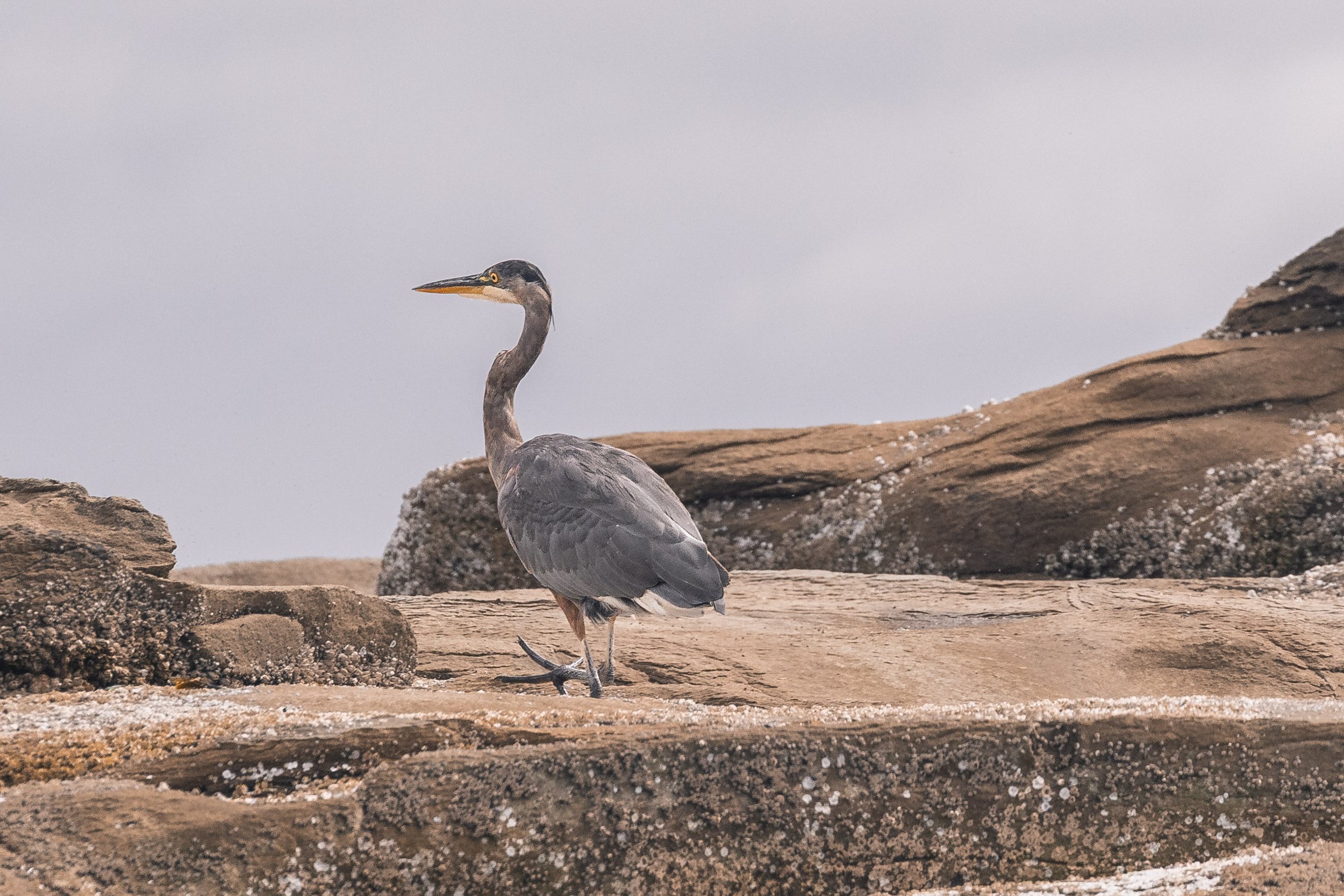
A Great Blue heron walking along. Photo by Jordan Robinson.
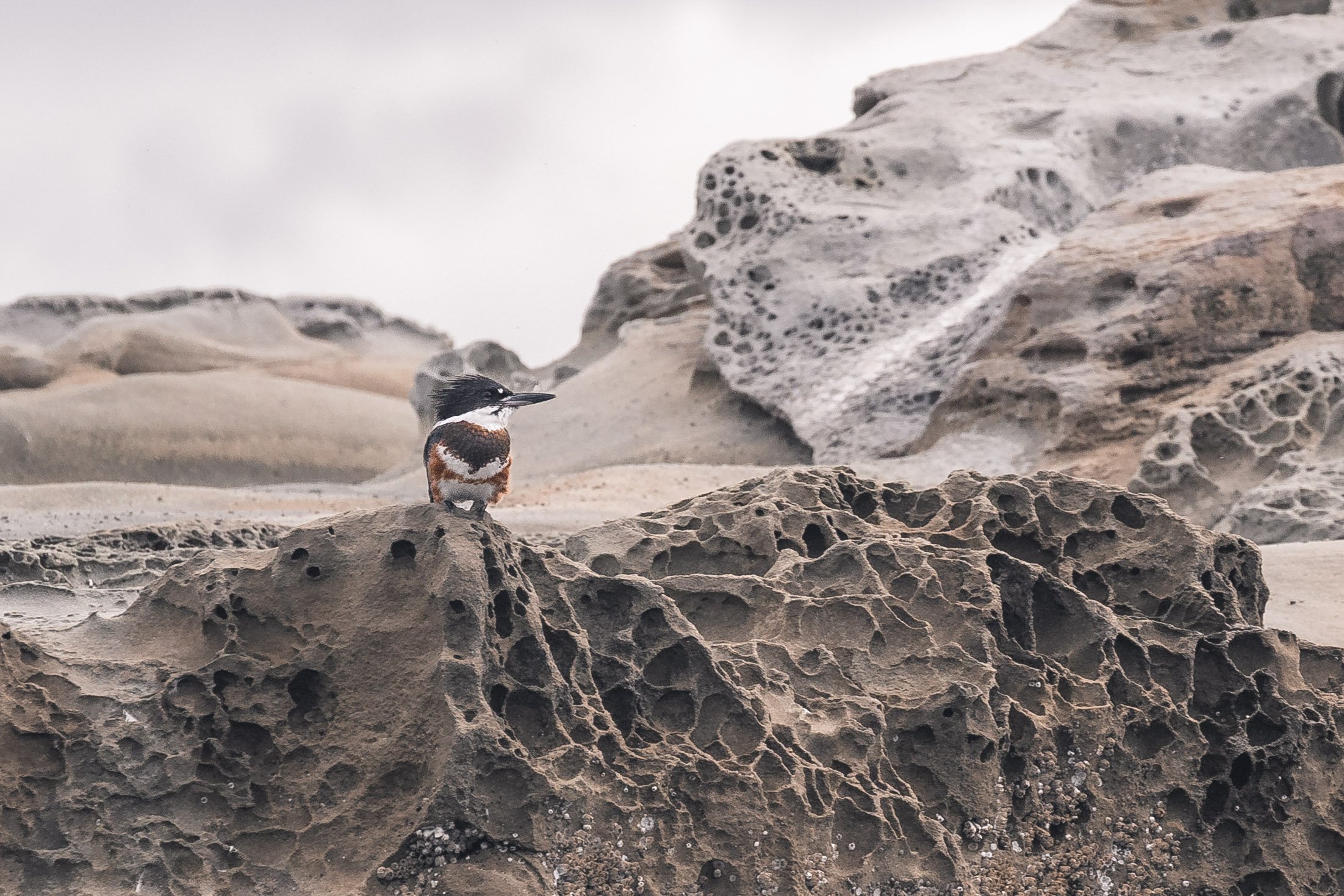
A beautiful female Belted Kingfisher. Photo by Jordan Robinson.
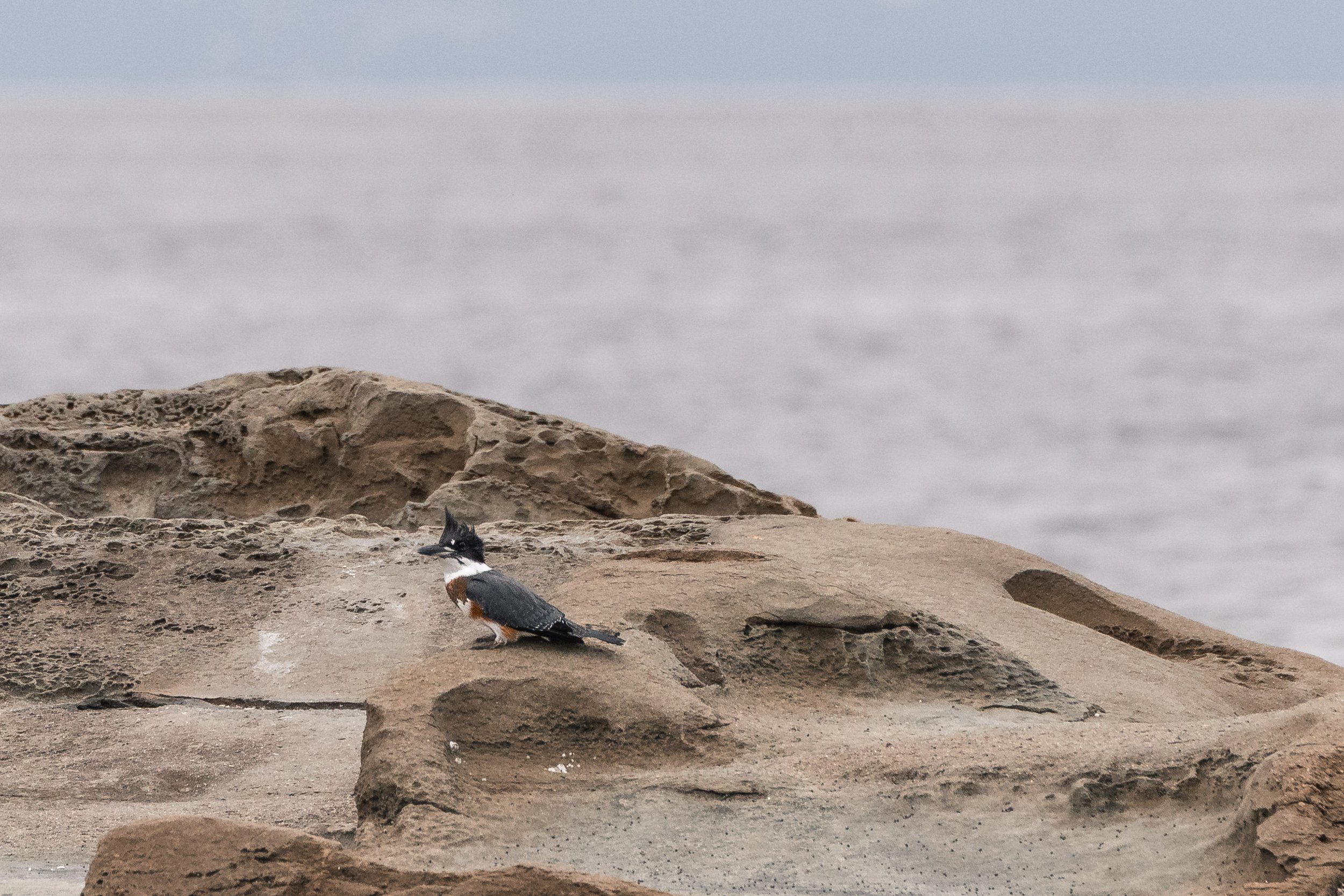
The Belted Kingfisher with its fluffed up crest. Photo by Val Watson.
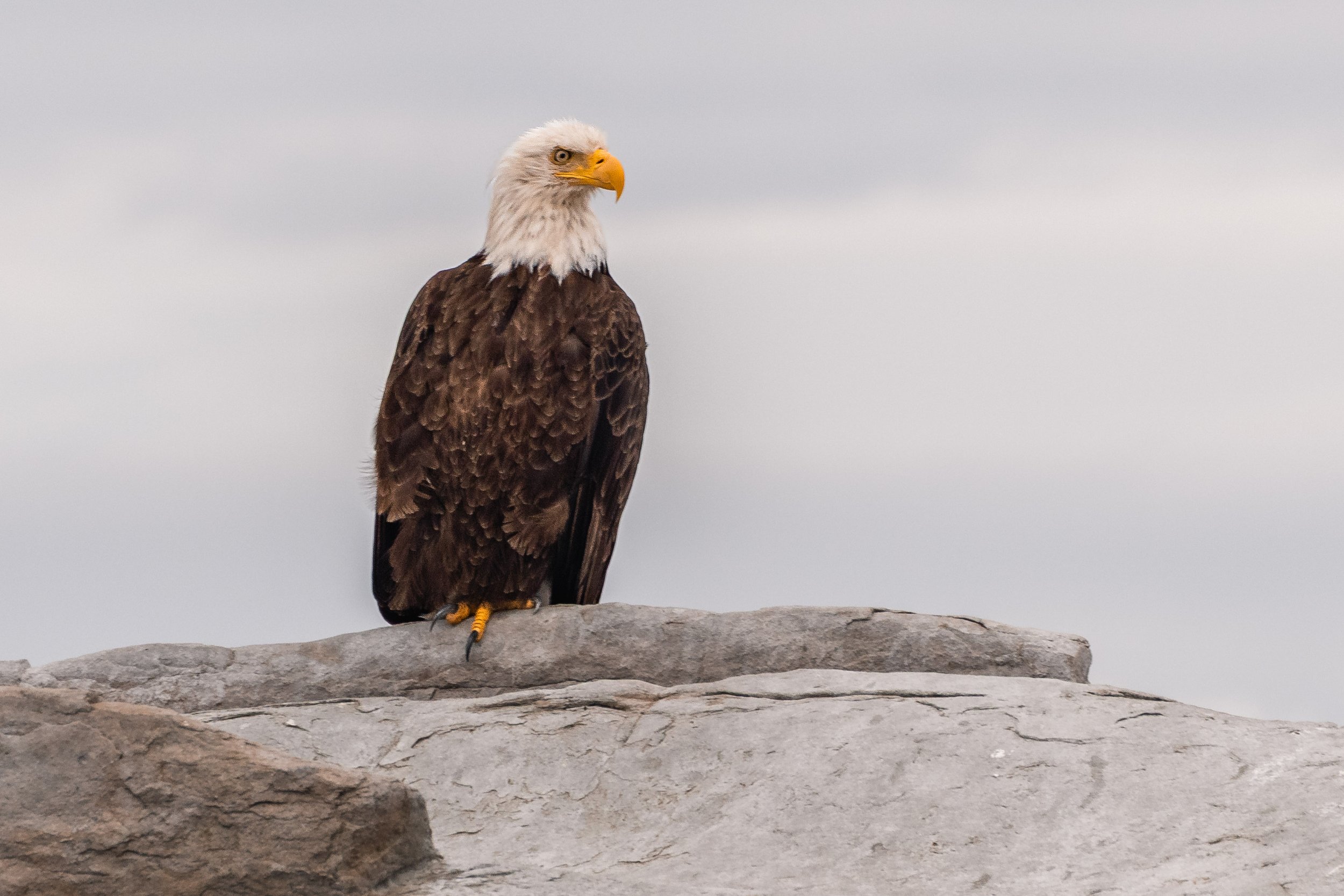
A mature Bald Eagle at the top of the rocks. Photo by Val Watson.
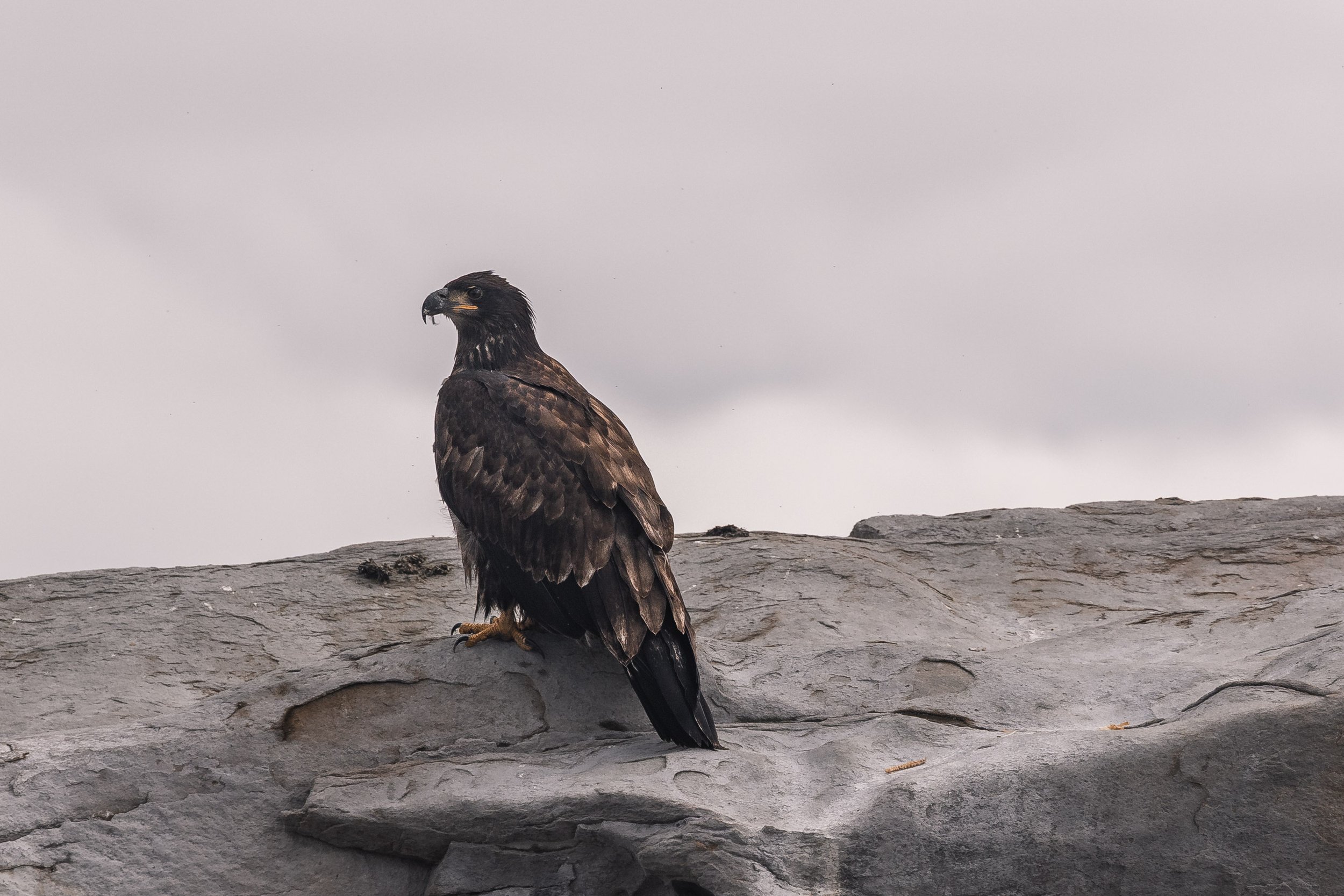
A juvenile Bald Eagle with something stuck on its beak. Photo by Jordan Robinson.
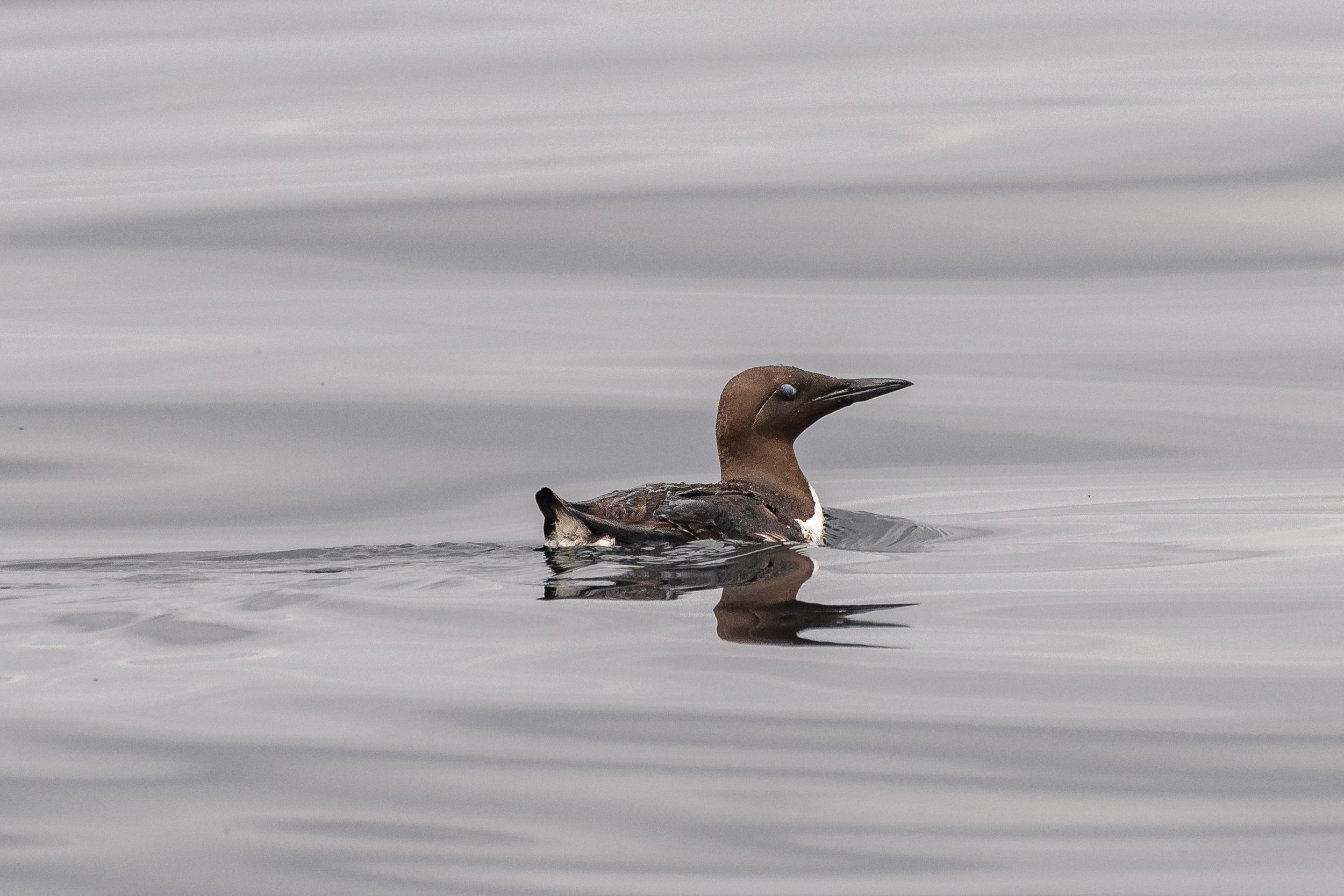
A Common Murre looking a bit like a zombie, with its nictitating membrane visible over its eye. Photo by Val Watson.
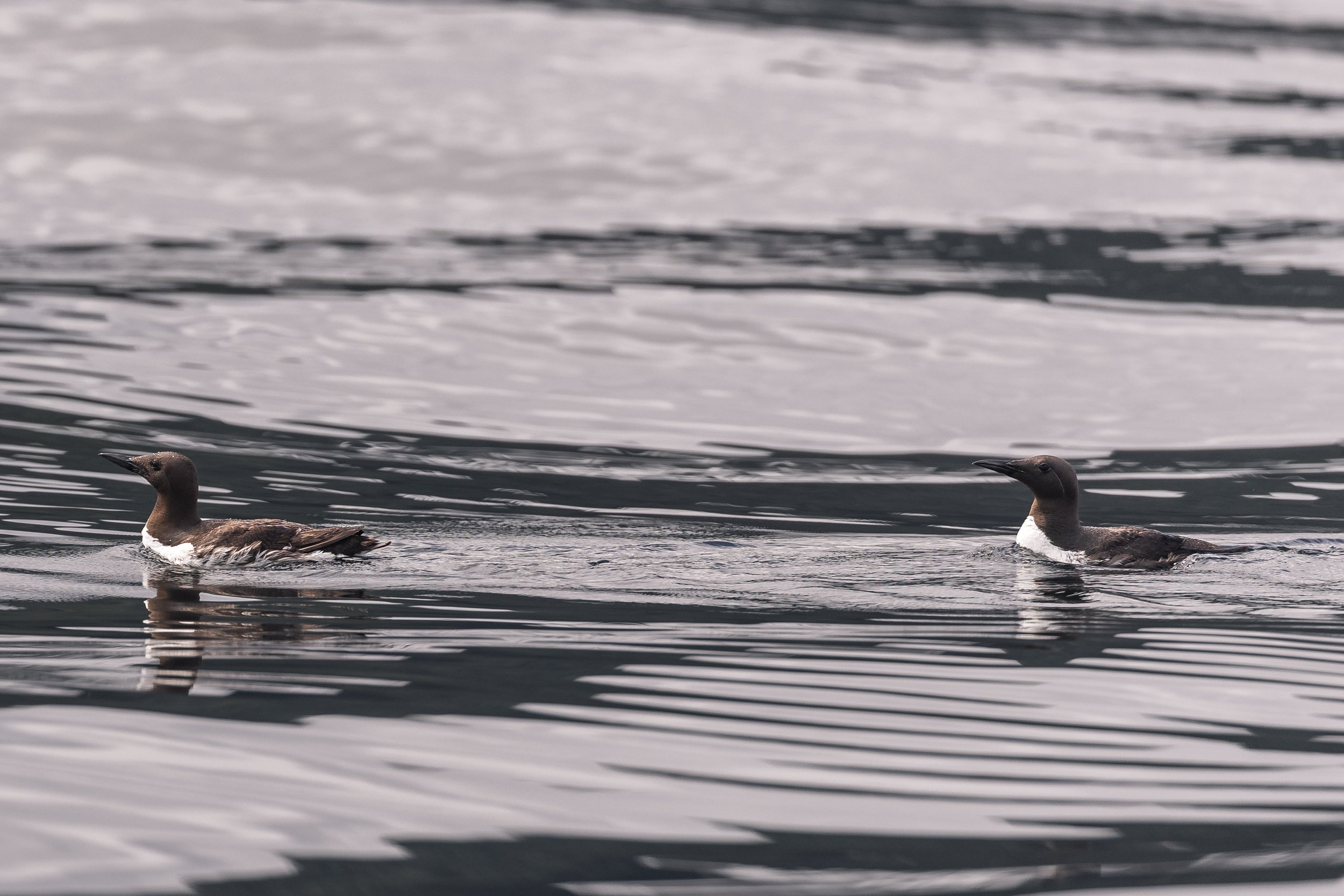
A pair of Common Murres paddling along. Photo by Jordan Robinson.
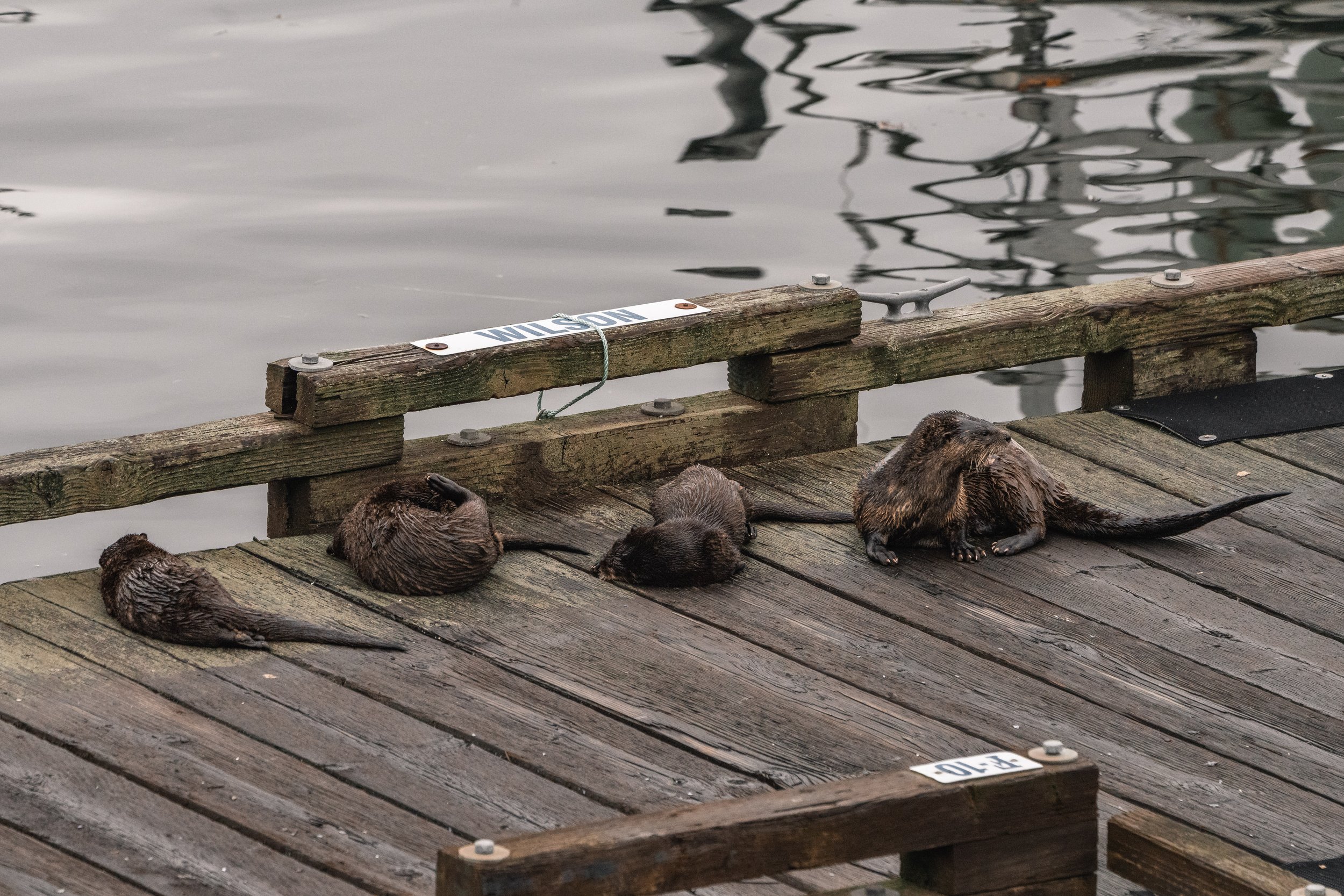
Bath time for the resident River Otters. Photo by Val Watson.
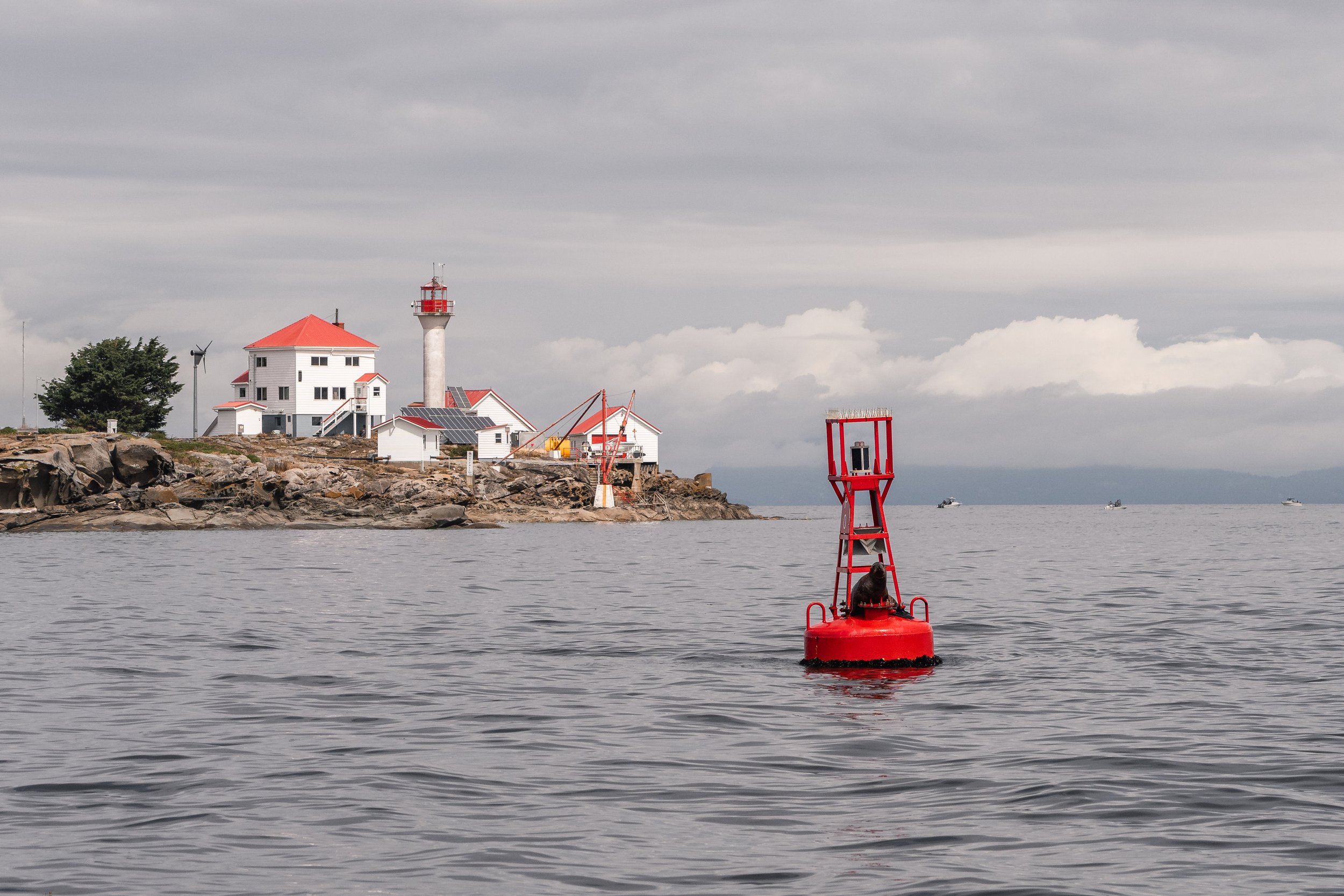
Entrance Island and the nearby buoy… Photo by Val Watson.
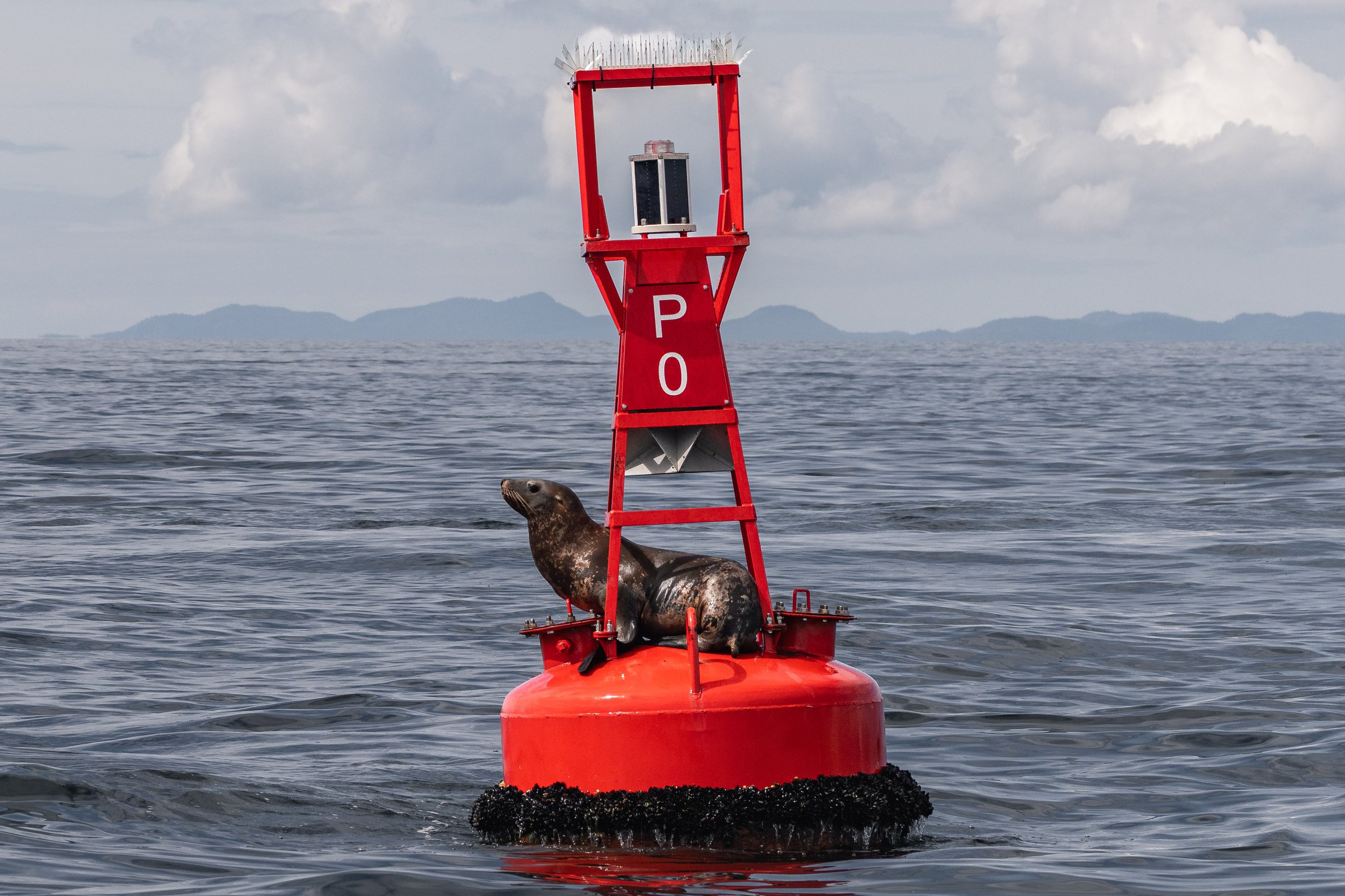
A Steller Sea Lion hauled out on the P0 buoy - a first for us to see! Photo by Val Watson.