
T046 - Wake's Legacy
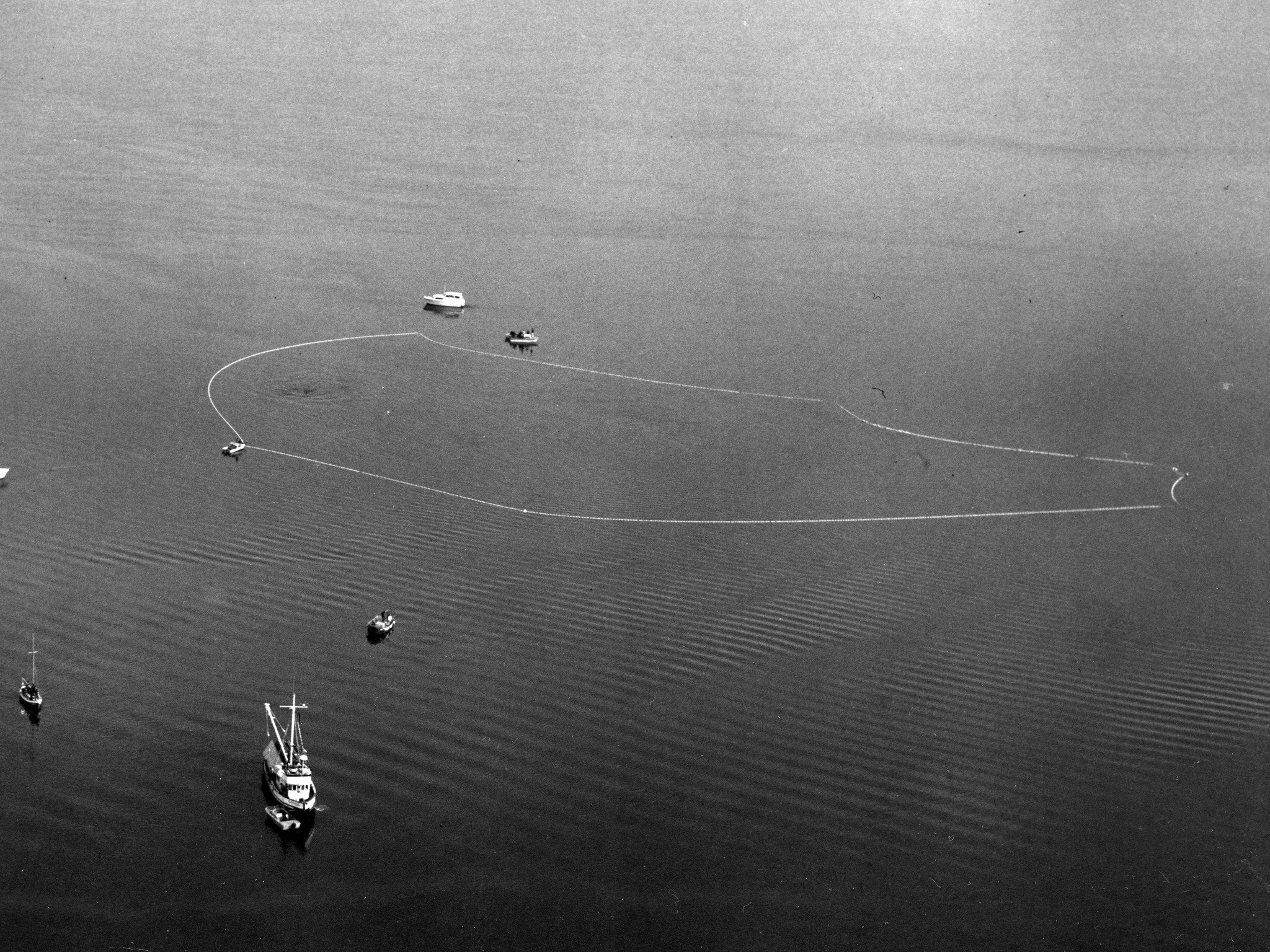
Photo Credit: Washington State Archives
From 1965 to 1972, over 50 orca were captured and removed from the wild waters of the Eastern Pacific Northwest, and an additional 11 animals that we know of would die during this process. In 1972, however, the Marine Mammal Protection Act was passed in the United States, all but halting the captures. But in 1974, a permit was granted to Don Goldsberry and Sea World, allowing them to capture 4 orcas between May of 1975 and December of 1976. In March of 1976, Goldsberry and his team spotted a pod of orcas travelling in Puget Sound. The self-proclaimed “Whale Cowboys” sprang into action by chasing the whales and using seal bombs to herd them towards Budd Inlet. Once there, they were able to net 6 whales who would famously become known as the “Budd Inlet 6”.
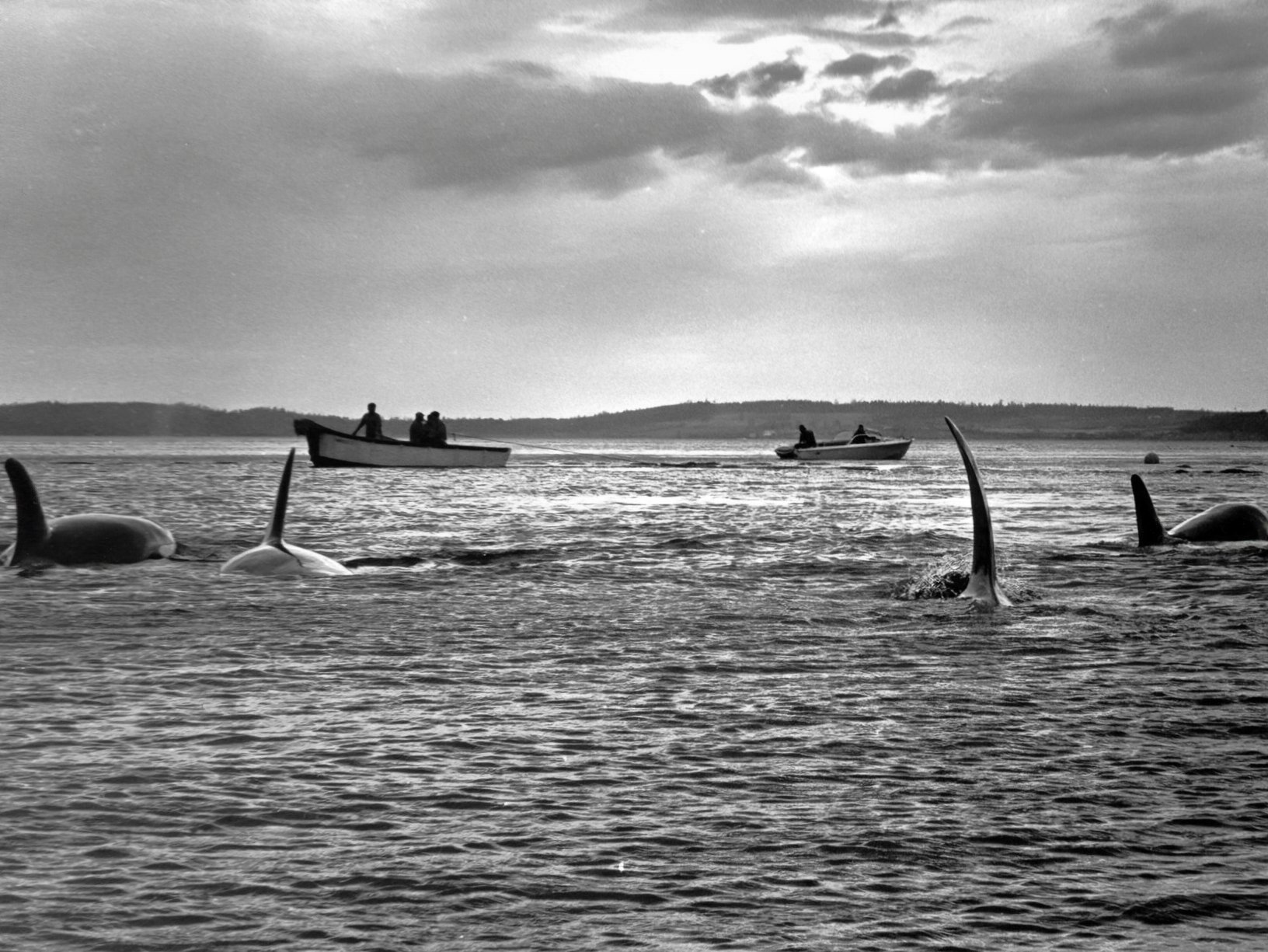
Photo Credit: Washington State Archives
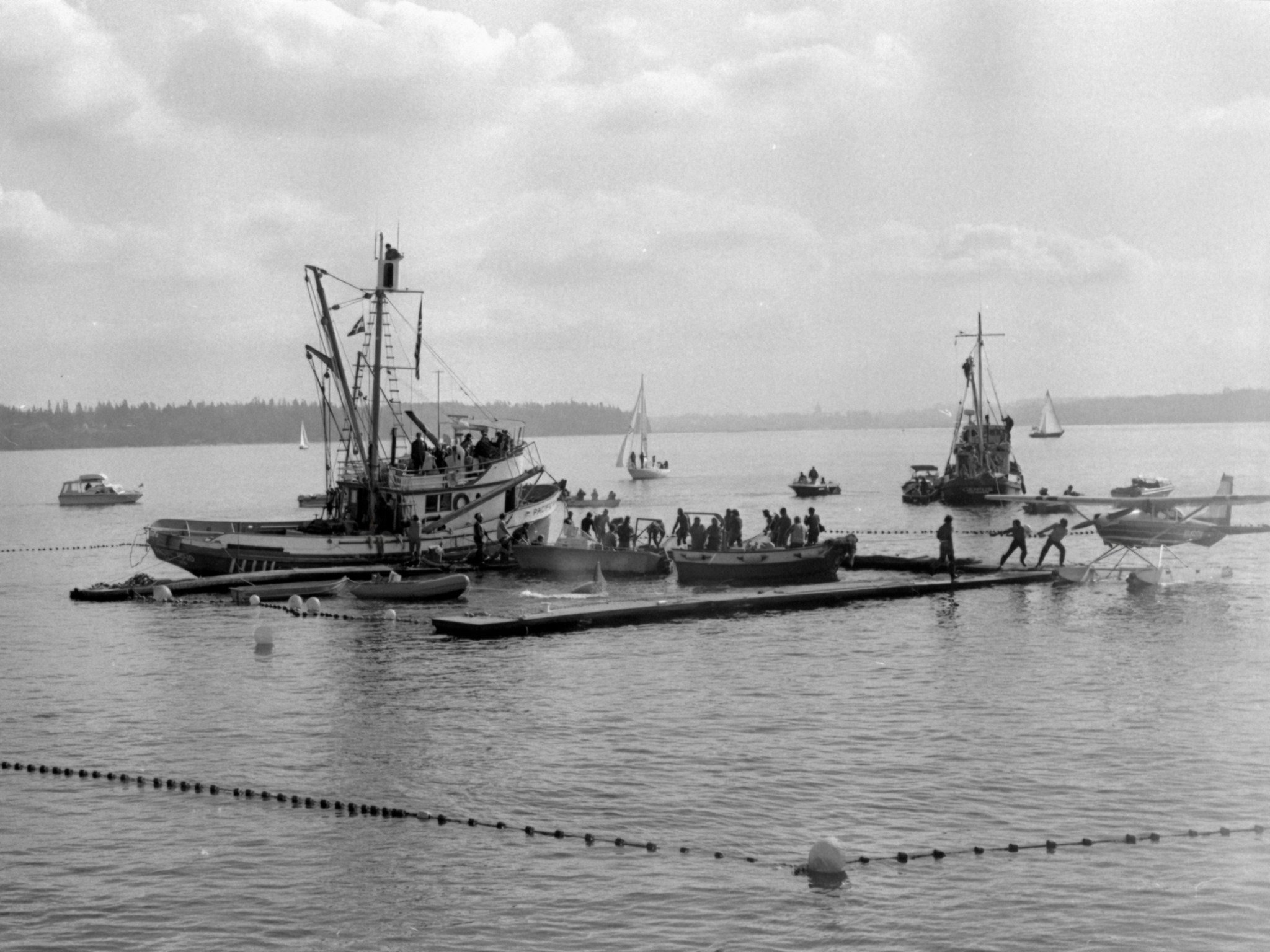
Photo Credit: Washington State Archives
While the capture itself went smoothly, the fight for the whales was just beginning because the brutal capture process had been heavily witnessed, and one of those witnesses was the Washington State Governor's assistant at the time, Ralph Munro. Apalled by what he had witnessed, he had his boss, Governor Daniel Evans, file a lawsuit attempting to prevent the removal of the whales. Within a matter of days, 3 different high courts were being flooded with lawsuits.
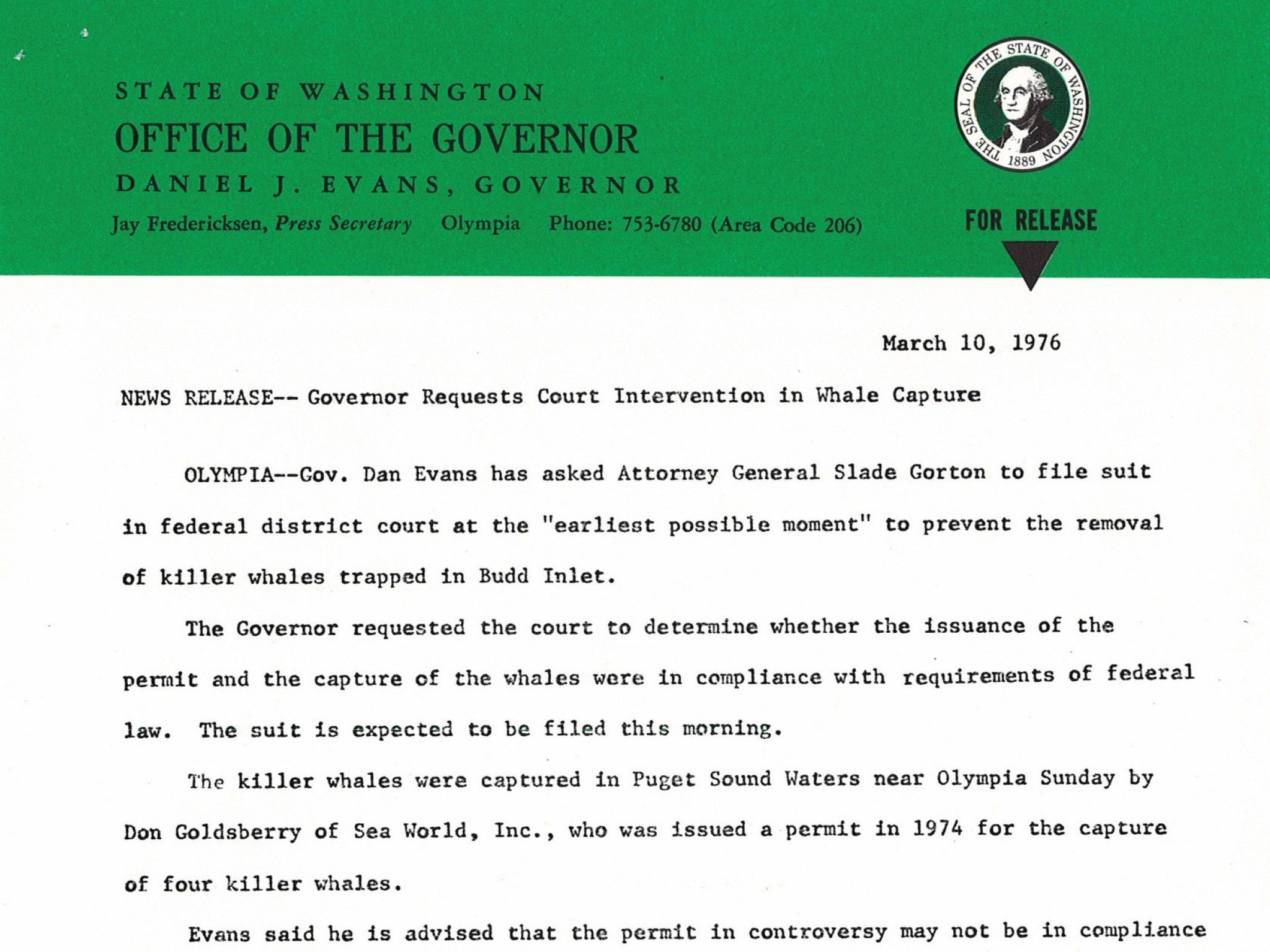
Photo Credit: Washington State Archives
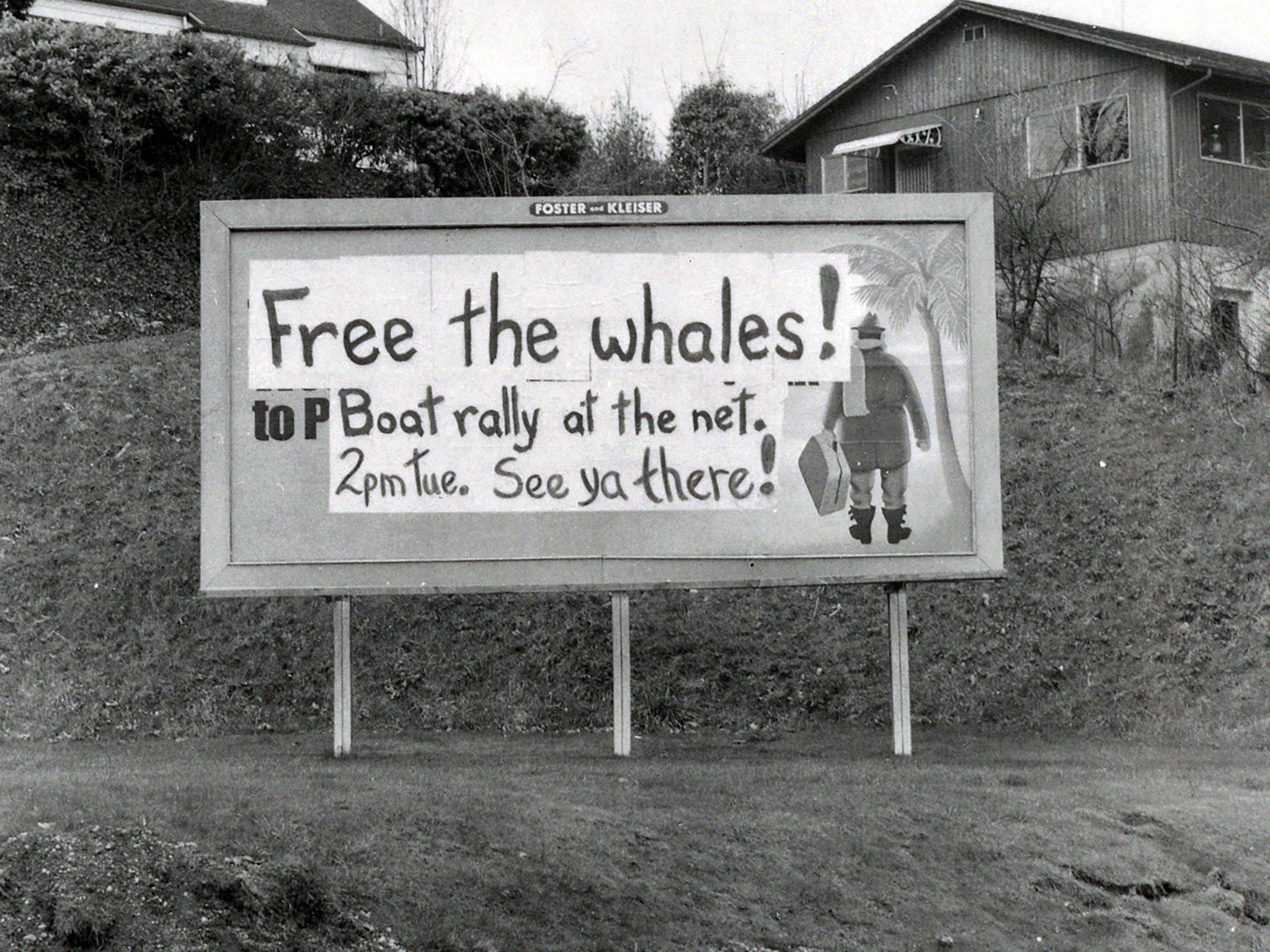
Photo Credit: Washington State Archives
On top of the lawsuits, people made sure that Sea World and the Government understood their displeasure by setting up picket lines and, at one point, even attempting to cut the nets holding the whales hostage. While all this was going on, 3 of the whales were said to have escaped the nets, but despite this, they kept calling and waiting for their family members who remained trapped. By March 24th, a court had ruled that not only were the whales to be set free, but that the people of Washington had made it clear that they didn’t want Sea World removing whales from their waters, and so Sea World would never be allowed to capture orcas there again.
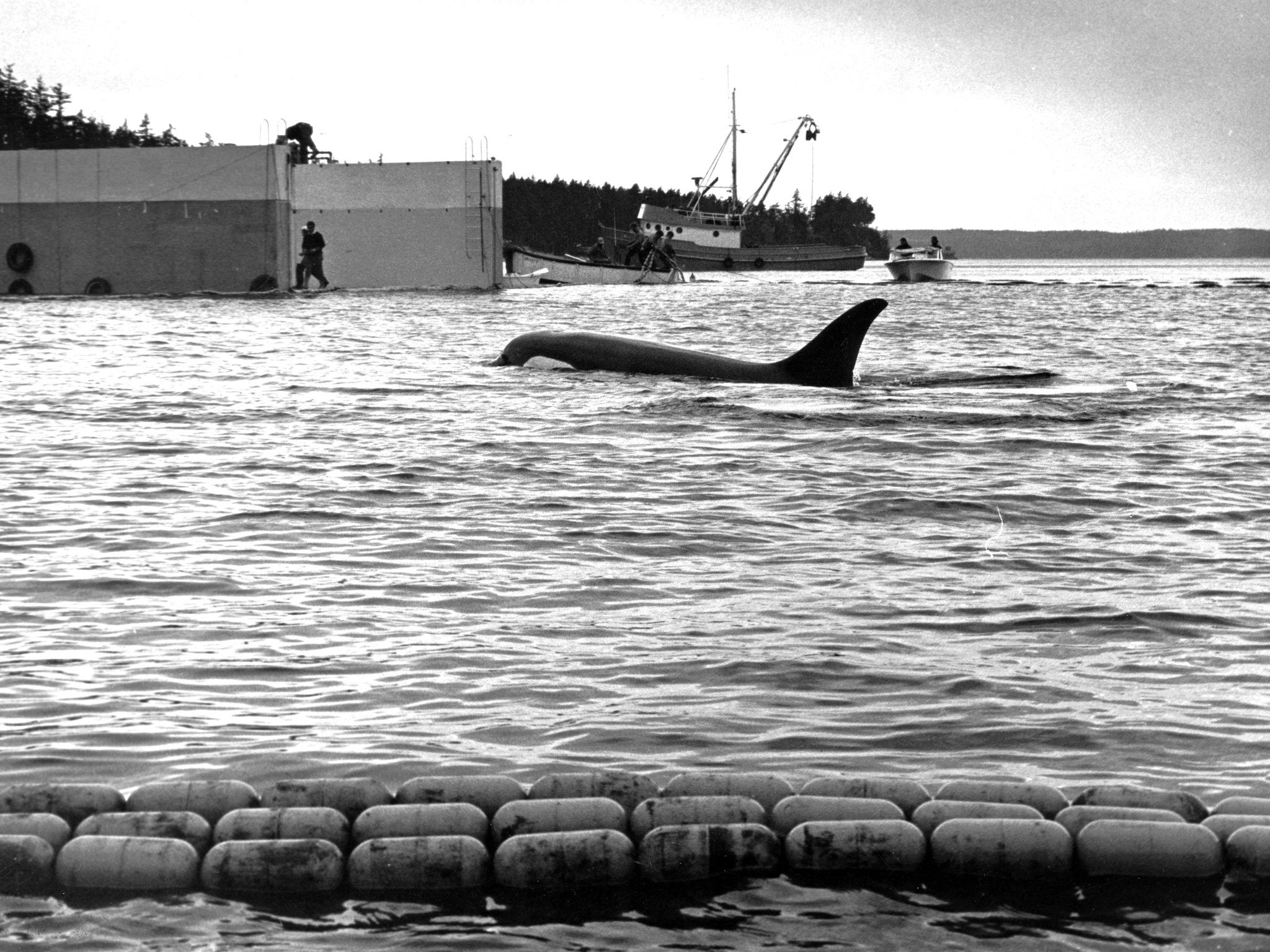
Photo Credit: Washington State Archives
While 4 of the 6 orcas, including Wake, were now free, two (T013 and T014) would be temporarily moved from Budd Inlet to be studied. While captive, the whales had no interest in eating. At the time, little was known about orca and their various dietary needs, and these particular orca were Transient Killer whales, meaning they primarily fed on marine mammals. However, they were offered only a fish diet and therefore refused to eat. Because of this, the whales were force-fed to stimulate their appetite. Little did they know, it wasn’t that the whales weren’t hungry; they just didn’t see fish as food. When it came time to free the last 2 remaining orcas, they were fitted with satellite tags on their dorsal fins and released. Over the next 10 days, the T013 and T014 travelled an average of 125 kms a day and weren’t seen again for 3 years.
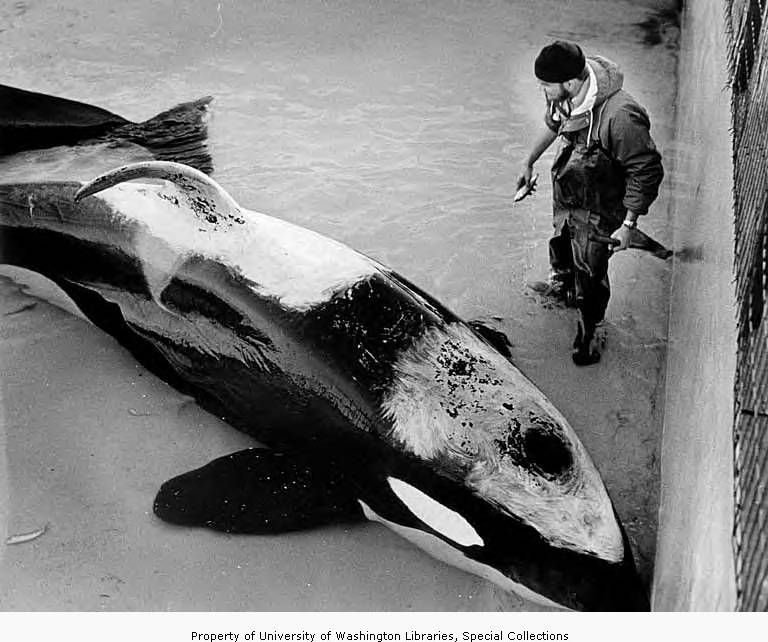
Photo Credit: University of Wishington Libraries
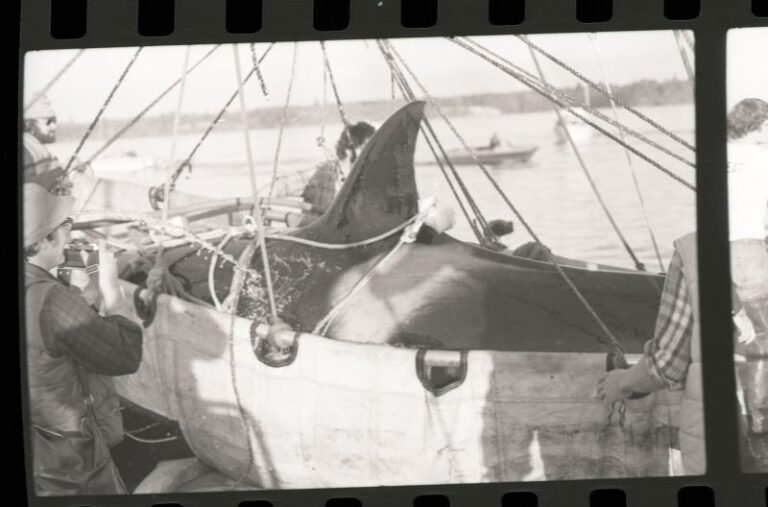
Photo Credit: Washington State Archives
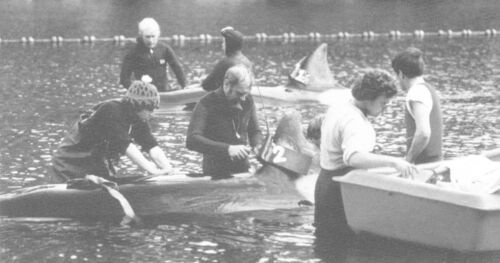
Photo Credit: “Transients: Mammal-Hunting Killer Whales” By John K.B Ford and Graeme M. Ellis
But what about Wake? After Wake left Budd Inlet, she wouldn’t be spotted again for 13 years, and when she returned, she had her first known calf with her. This was the start of something incredible because Wake would go on to become the most prolific orca in the Salish Sea, producing 8 calves of her own and now has many grandcalves and great-grandcalves (at the time of writing this blog in May of 2026, Wake had 29 direct descendants). Unfortunately, Wake hasn’t been spotted since 2023 and is presumed dead. While Wake may be gone, her legacy lives on through her family, which we are often fortunate enough to see on our trips and is a wonderful reminder that even one whale can have a huge impact.
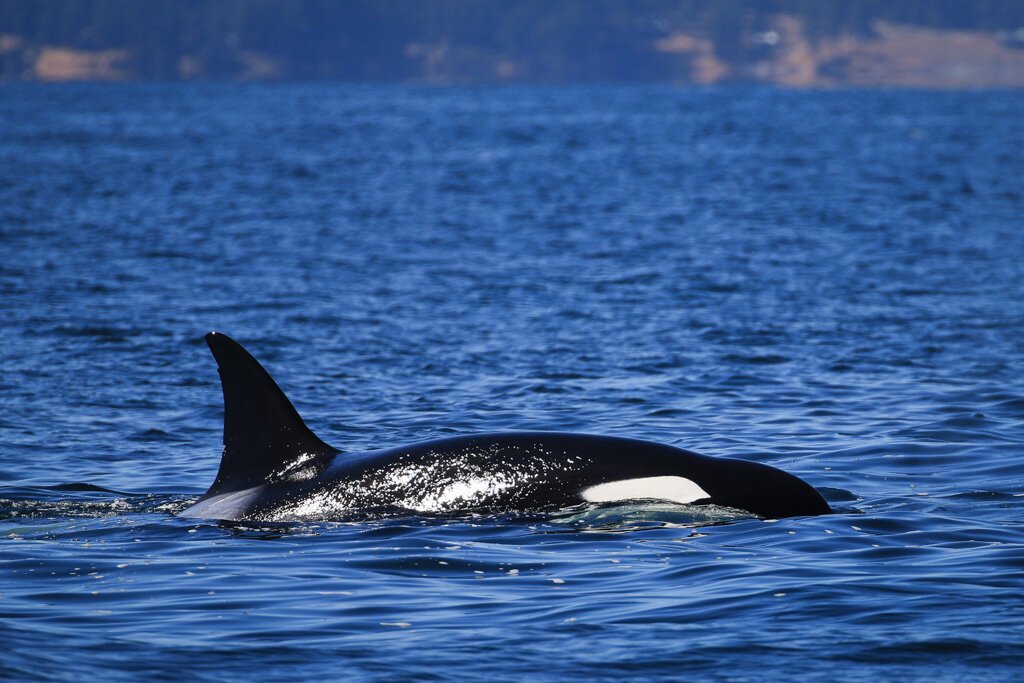
Photo by Ryan Uslu