
October 4, 2026 - Two pairs of whales
We had a quiet day ahead of us as we set off aboard Kula, our Semi-covered vessel. Naturalist Rosalie chatted about what to keep an eye out for as we departed from the dock, and as we headed out, we began scanning the waters all around us. None of the whales we observe are equipped with trackers or tags, so every day is a new adventure, and we truly never know where we will end up before we get out there.
Setting our sights southbound, we crossed through Dodd Narrows, a beautiful small passage on the outskirts of the city. Once through, we continued down along the Southern Gulf Islands, peeking around and enjoying the scenery as we went.
We made our way down towards Active Pass, a large winding waterway at the southern tip of Galiano Island. There had been a report of two orca in this area a bit earlier in the day, and we were keen to try our luck at locating them. We slowly travelled along, scanning and scanning. Turning back up Trincomali Channel, we meandered along, and after a bit more looking, our patience paid off when two larger black dorsal fins rose out of the water. It was two male orca travelling together. One dorsal fin was tall and straight, with a perfectly smooth edge, while the other looked almost ‘tufted’. After a quick photo, we confirmed that this was the T060 brothers:
T060D Onca ♂ (2004)
T060E Lynx ♂ (2008)
Interestingly, we have been seeing these brothers once a month for the past three months. In 2024 and 2025, we saw similar trends, with them making their first yearly appearance in late August and then appearing occasionally until early October. They are a good example of how, although we largely consider Transient orca to travel fairly sporadically, there are some seasonal patterns we can document with specific individuals as well.
While we were with T060D Onca and T060E Lynx today, they were very slowly travelling along, and occasionally stopping as they went. They were likely resting, which looks quite different in cetaceans than in humans. Orca rely on something called unihemispheric sleep to rest, where only half the brain rests at a time. The other half controls raising the body to the surface so the animal can breathe. These rest periods are often short, only lasting 20 to 30 minutes before they continue travelling again. Because of this, they never experience a ‘full night's rest’ as we think about it!
After enjoying a pleasant morning with the duo, we began heading out in search of more wildlife. We made our way south, coasting along Galiano Island’s shoreline, and soon after Active Pass came into view once more. As we crossed through, we entered the Strait of Georgia, the large body of water that separates the mainland of British Columbia from Vancouver Island. In the distance, fog clouds loomed near the Strait's surface, but thankfully, it remained fairly clear on our side! We made our way north, scanning around until two blows appeared near Porlier Pass.
The pair travelled close together as we got into position, occasionally fluking. One individual raised its tail high out of the water, giving us a nice, clean ID shot; however, when the other raised its fluke, it barely cleared the surface, leaving little visible for identification. Not to worry, though, as we were able to use their highly unique dorsal fin to confirm who they were instead. We confirmed our fluking friend as Bond (BCX1640), while the shyer individual was Forge (BCX2499). Forge was one of our earlier returning humpbacks, first spotted by us in May, while Bond didn’t appear until July. Many of Bond’s Happywhale sightings show them spending time around Victoria, so they likely spent the spring there before journeying farther north. Forge has also been sighted near Victoria and Sooke previously. These two may have associated in other areas before, but because humpback social dynamics are still largely a mystery, the extent of their social ties remains unknown. Hopefully, as more research is done, we will learn more about how these gentle giants behave socially!
Heading back into the Southern Gulf Islands, we transited back up through Dodd Narrows once more. In the narrows, a large California Sea Lion was thrashing around near the shoreline. It had caught a salmon and was busy smacking it on the surface to break it up into more manageable bits. Setting off once more, our attention turned to the plentiful log booms near shore. Here, large lumbering sea lions were hauled out, soaking in the sunshine and snoozing the day away. While most of the sea lions present were California Sea Lions, a few Steller Sea Lions could also be seen among them. These log booms are a perfect space for pinnipeds to rest, as they will always remain at the surface of the water no matter the tide conditions, giving them a safe space to rest at all times of the day.
After our time with the sea lions, we turned one final time and headed back to Nanaimo. After a few more minutes of travel, the city came into view, and soon we were back in the harbour. It had been a great day, full of interesting encounters and great views of the islands throughout!
Photos by Marine Naturalist Rosalie Burauen - please enjoy!
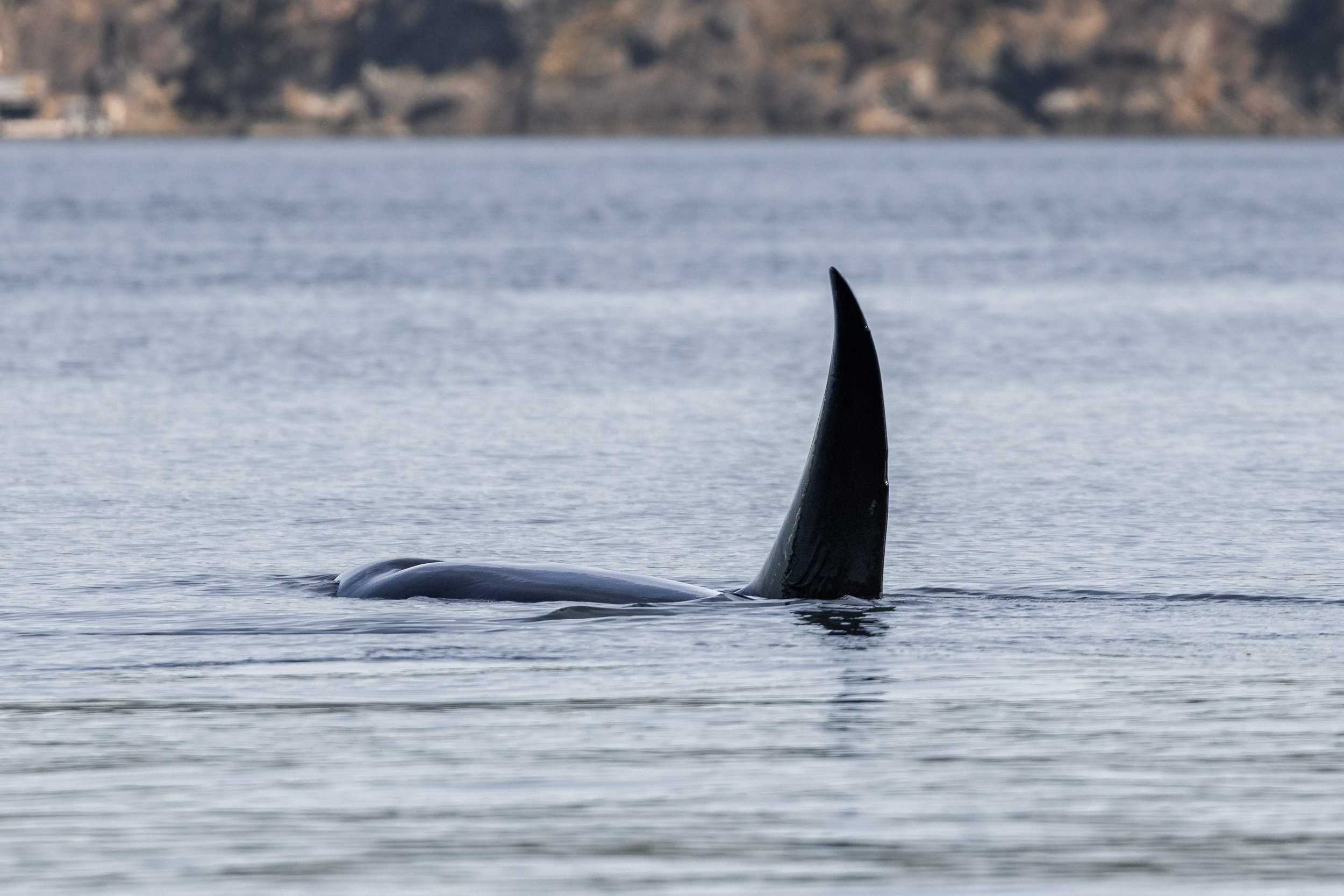
T060E Lynx with his dorsal fin wiggling along.
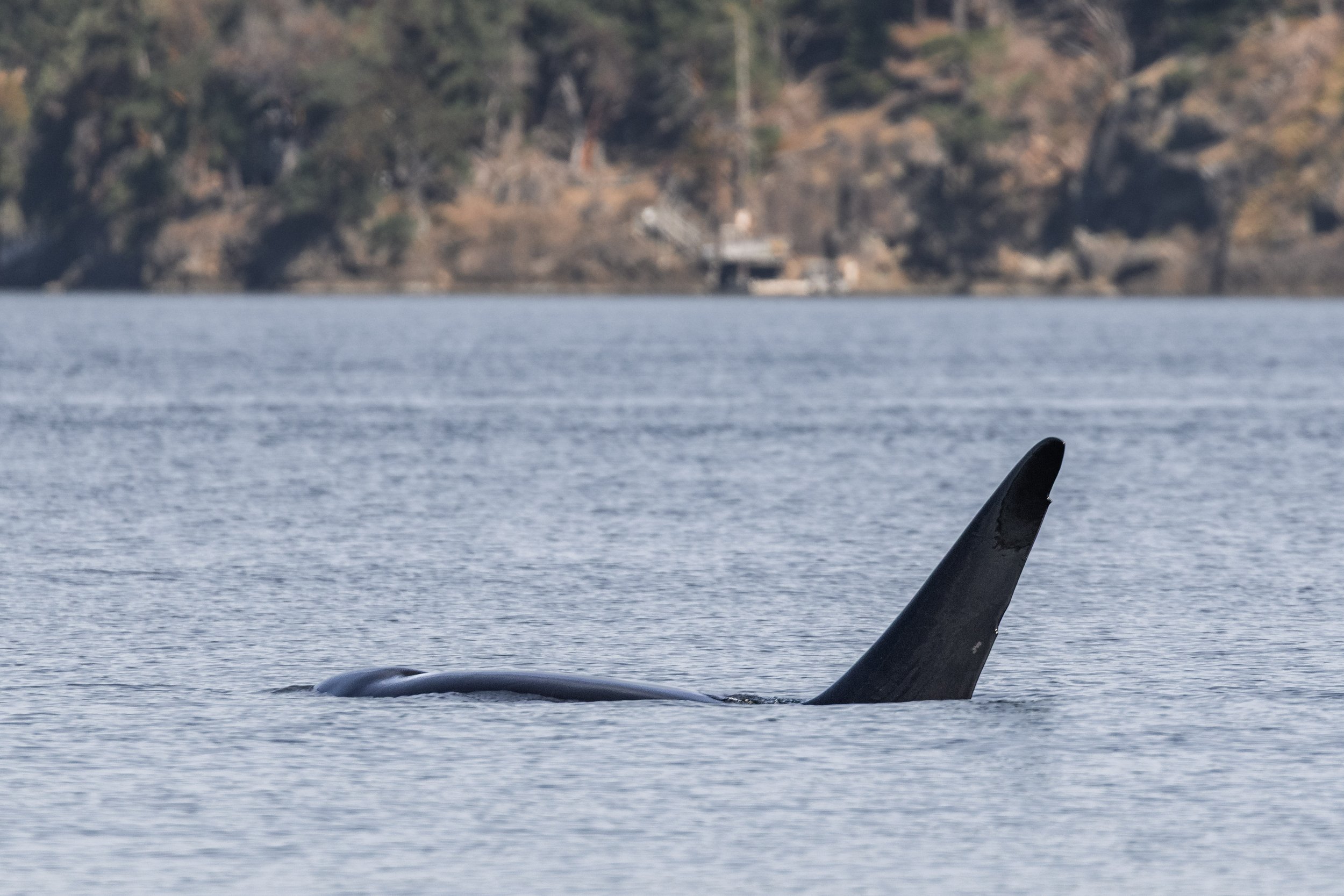
T060E Lynx lazily travelling along.
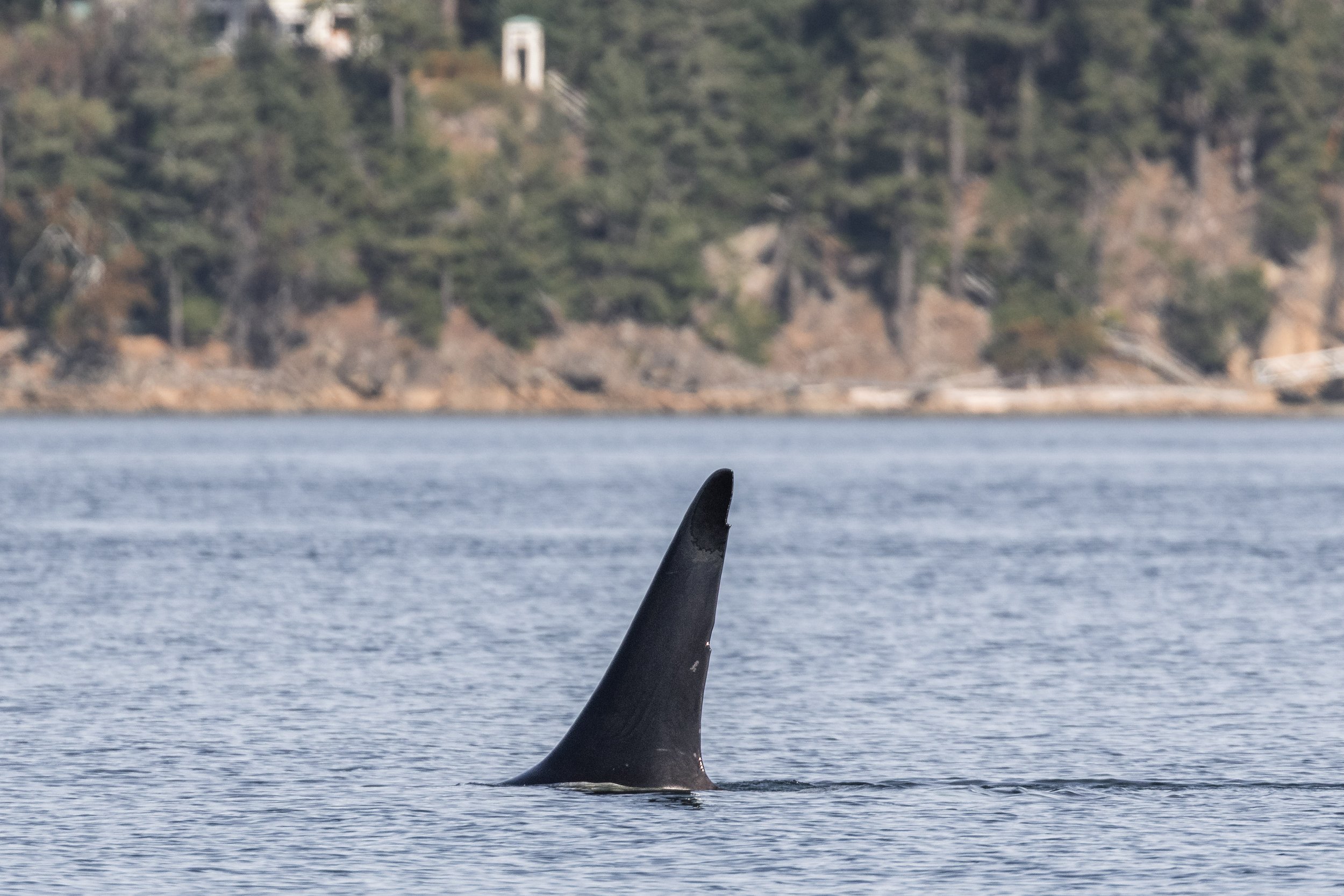
T060E Lynx - can you see how he got his nickname?
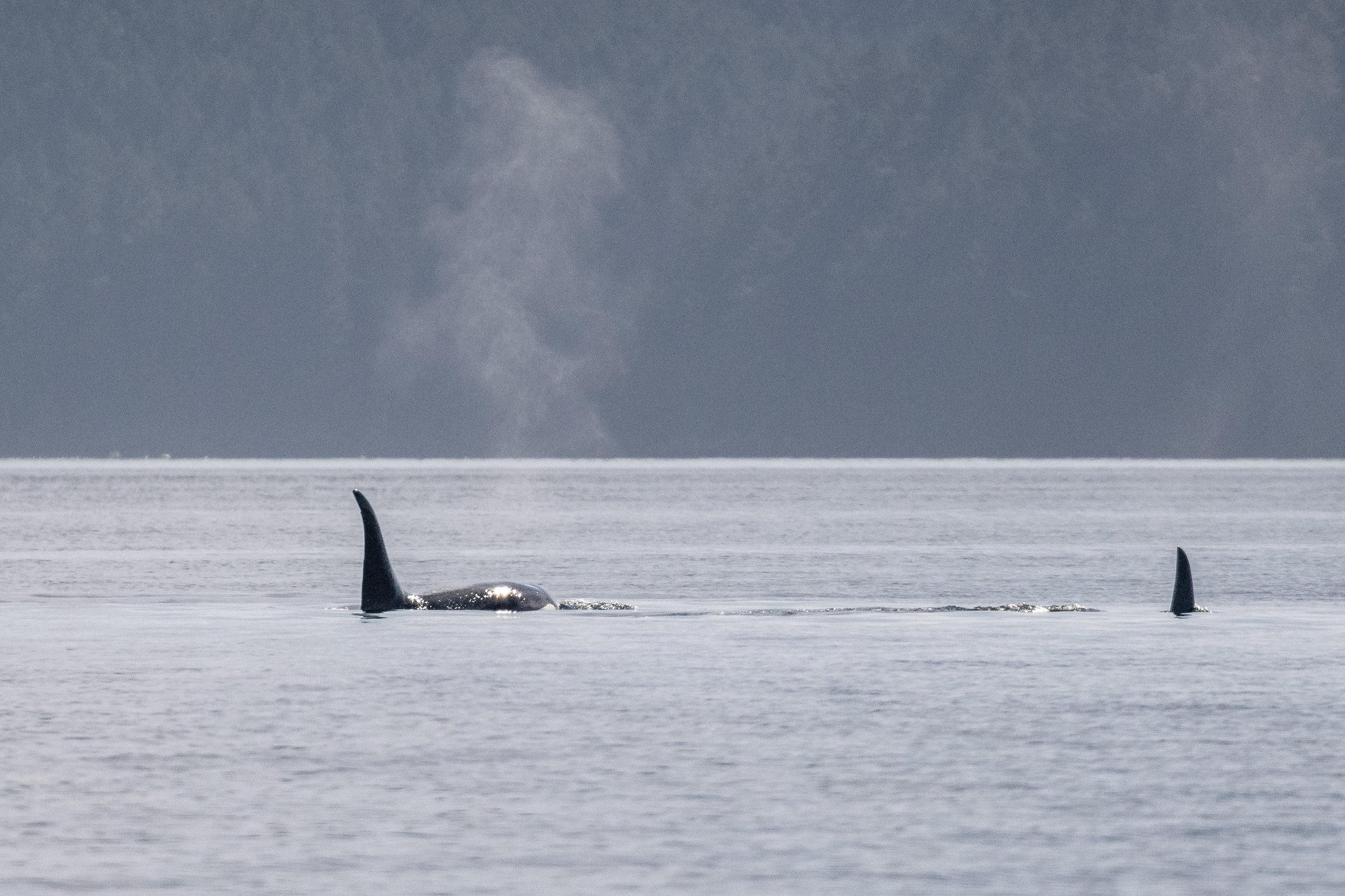
T060E Lynx with a backlit blow, and T060D Onca diving beside him.
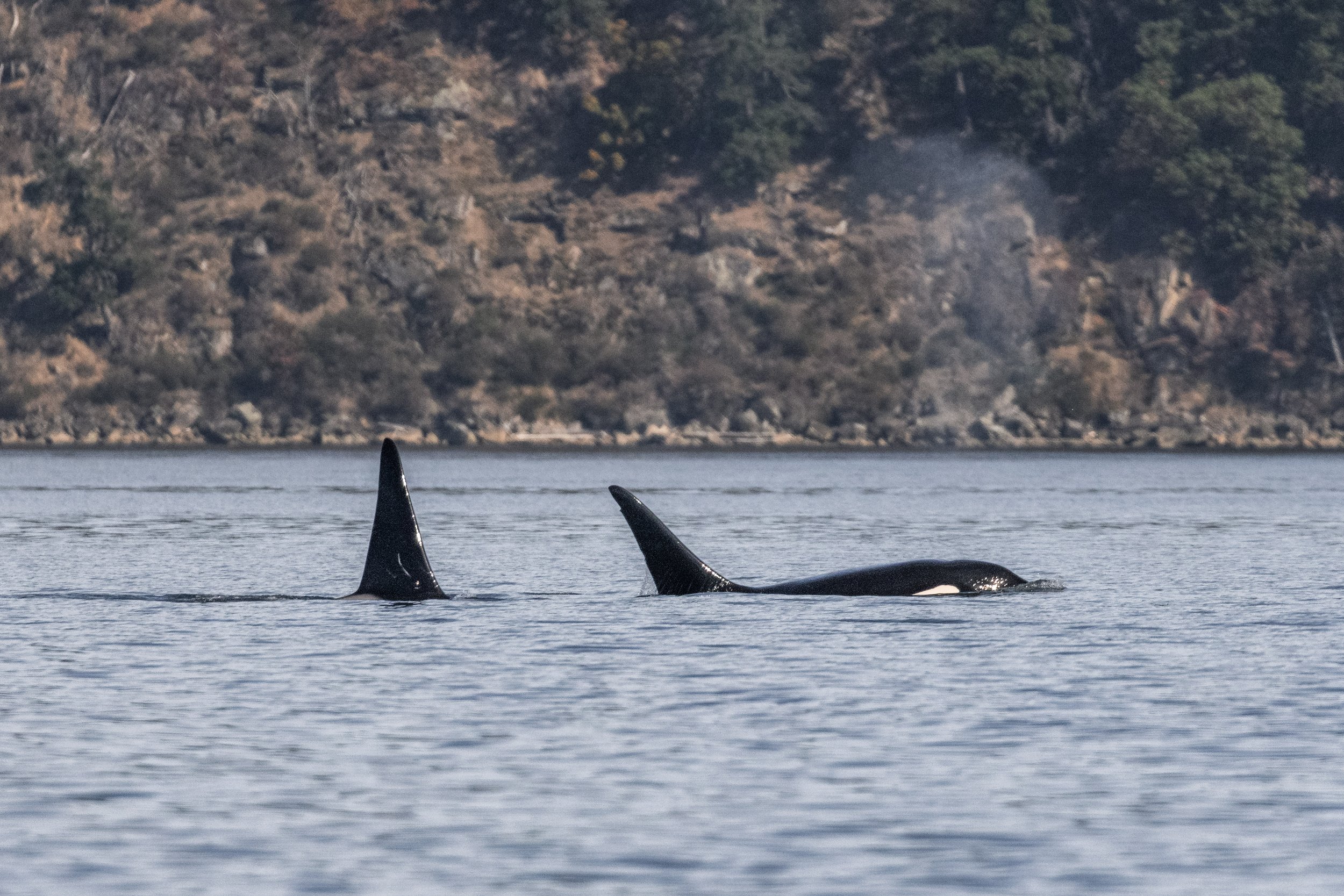
T060D Onca in the back, T060E Lynx in the front.
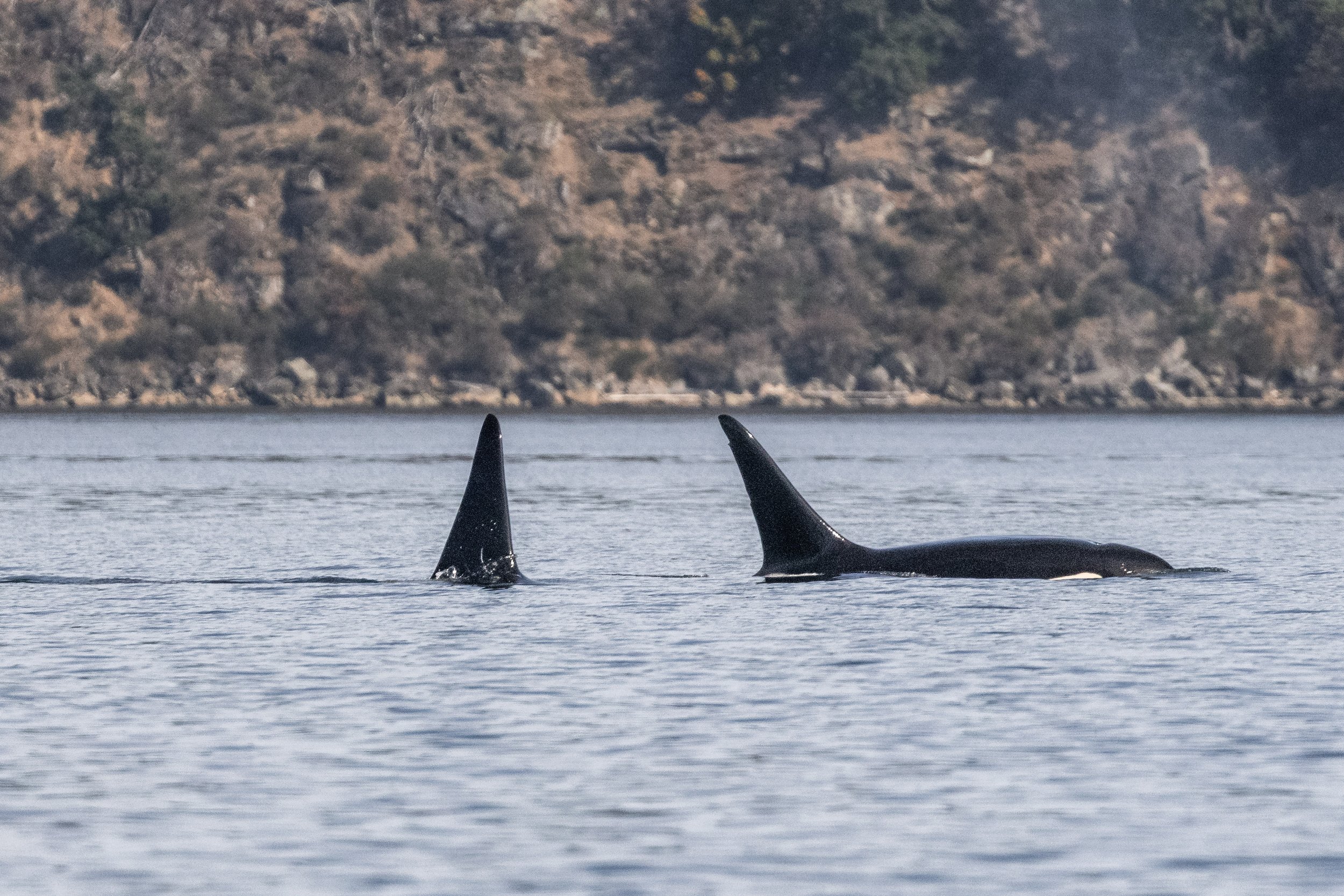
T060D Onca diving right behind his brother T060E Lynx.
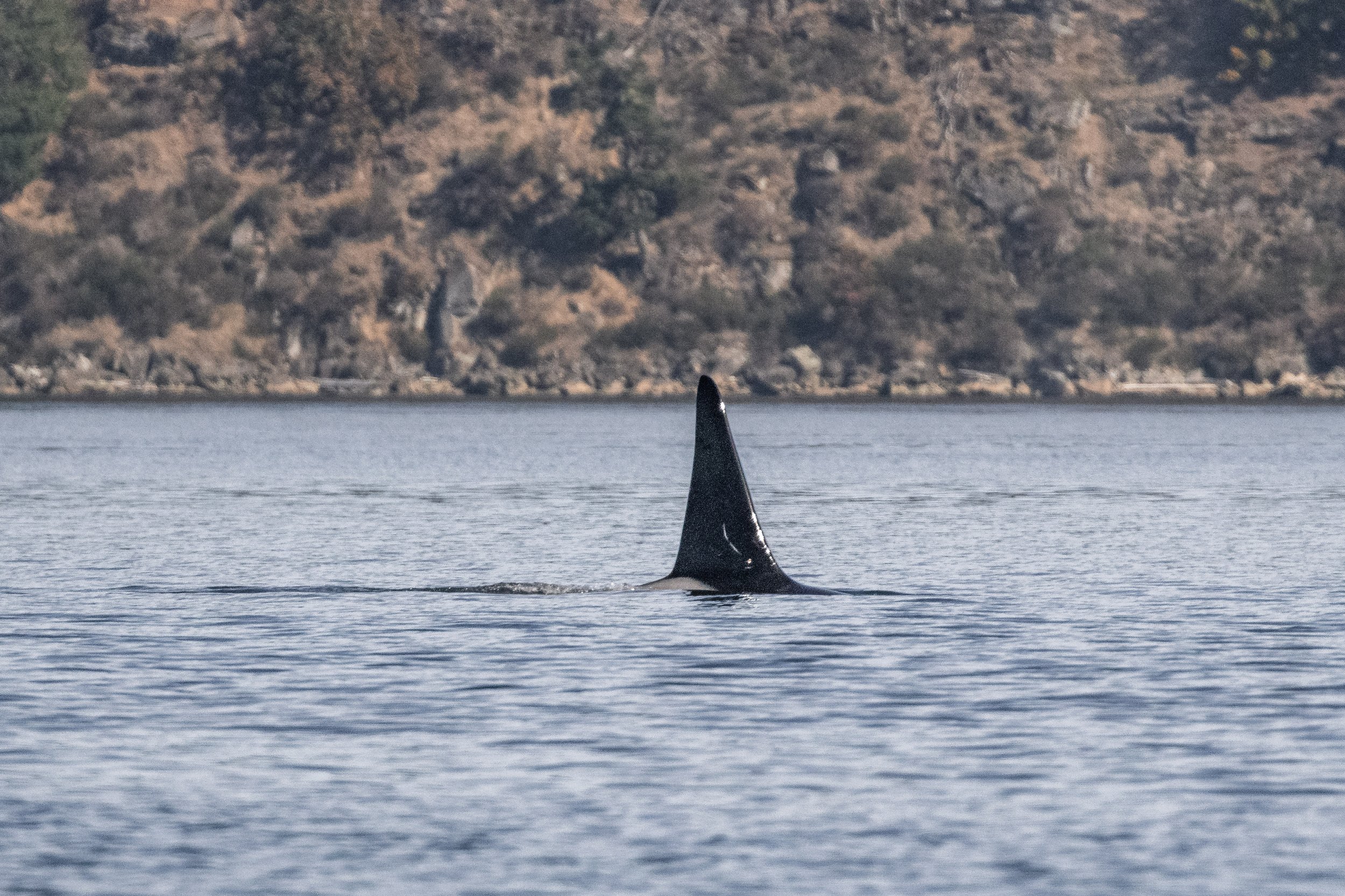
T060D Onca has some new injuries on his right dorsal side - we wonder if these will heal into visible scars.
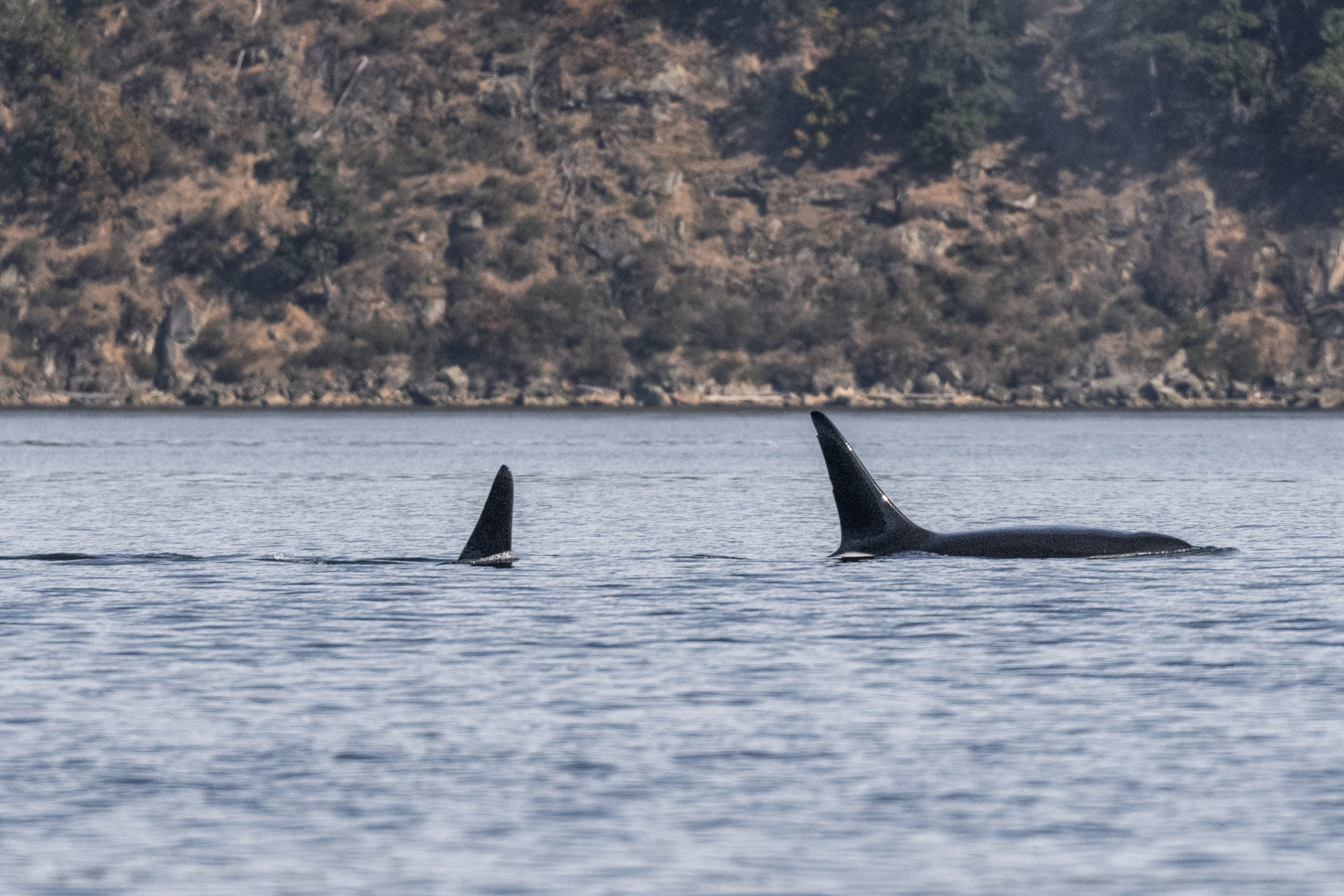
Going down!
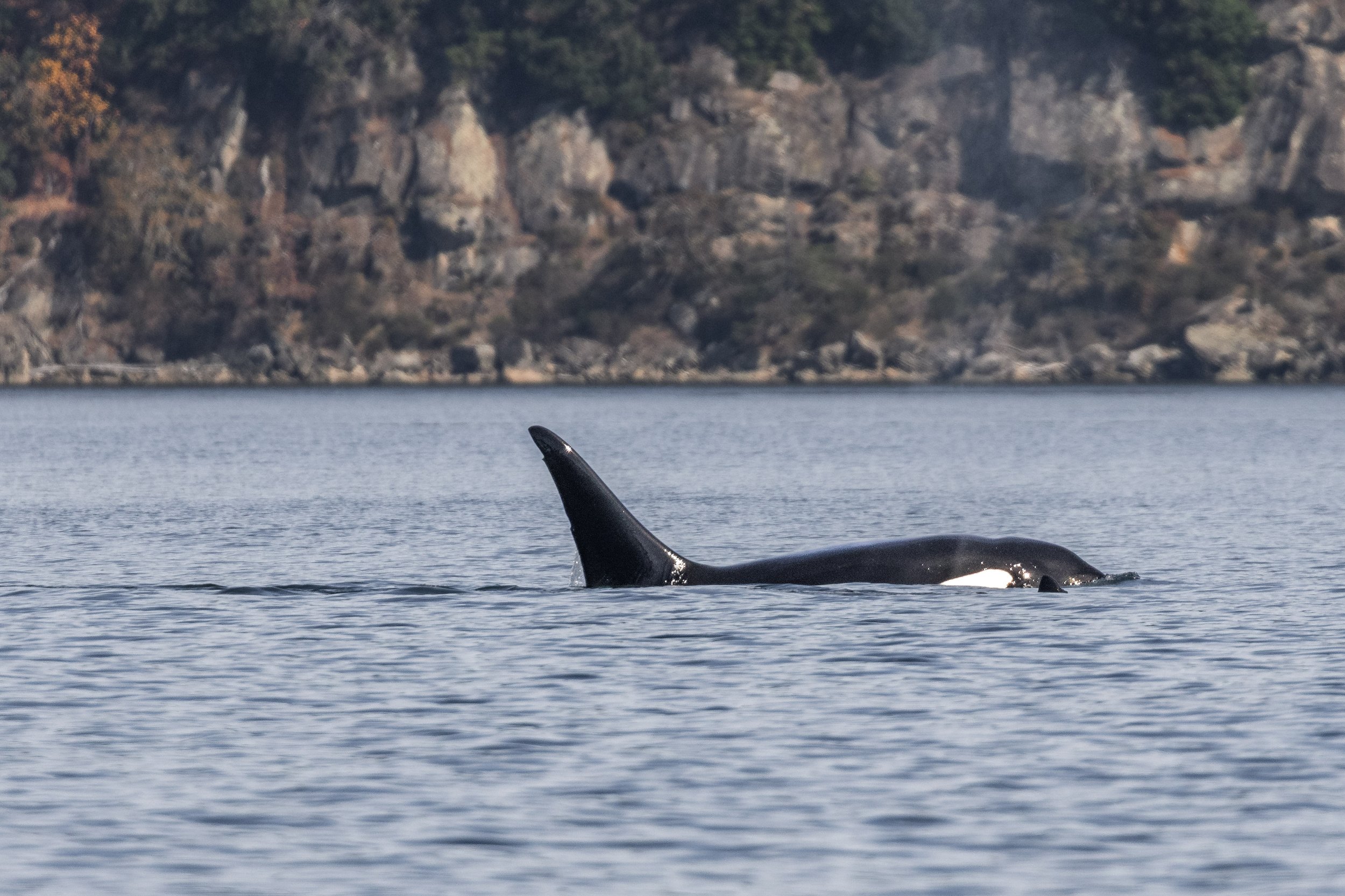
T060E Lynx from the side, his ‘tufted’ dorsal fin visible.
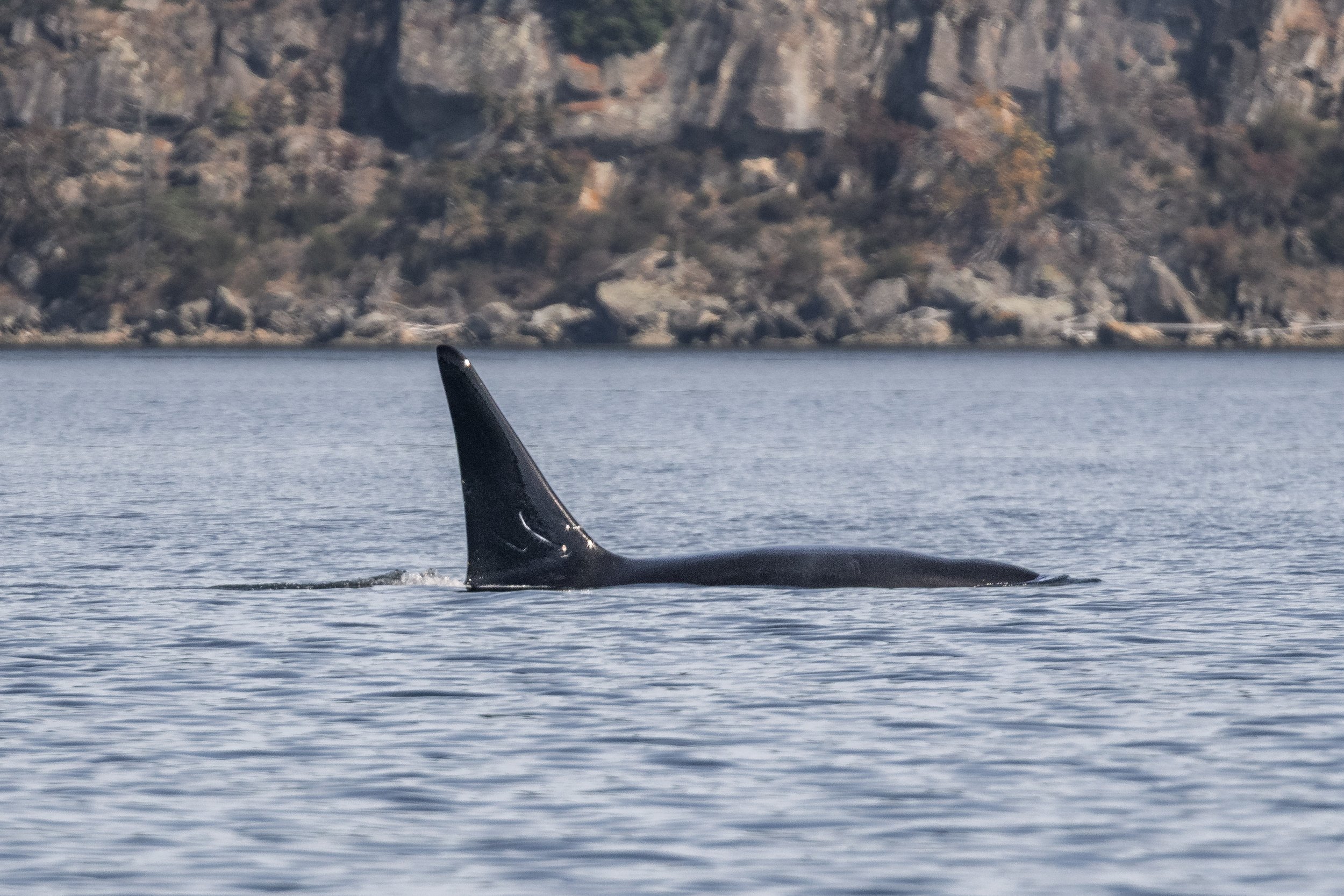
T060D Onca, unlike his brother, has a basically perfect dorsal fin (besides his new wound).
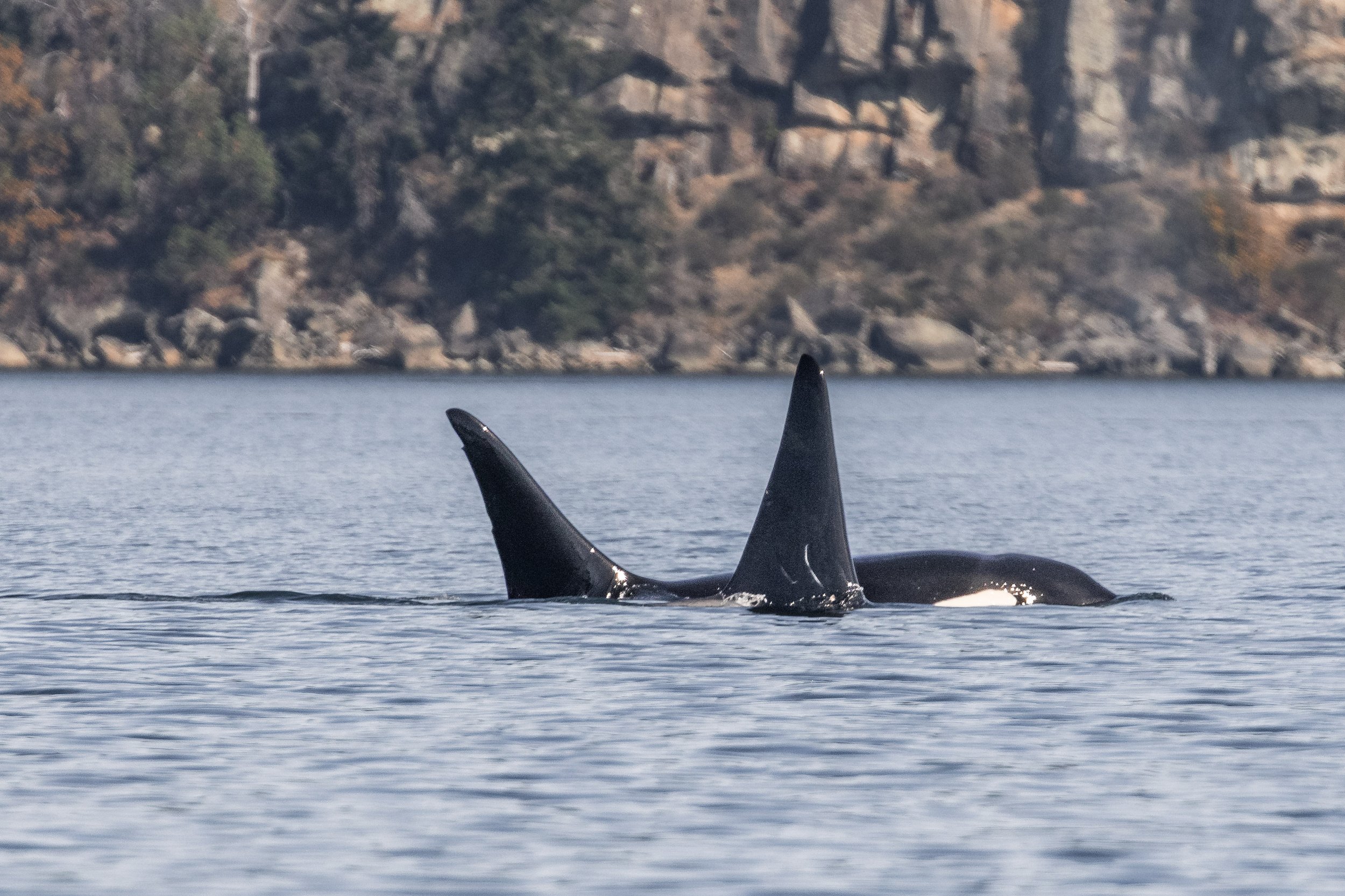
The brothers, fin-to-fin. T060E Lynx in the back and T060D Onca in the front.
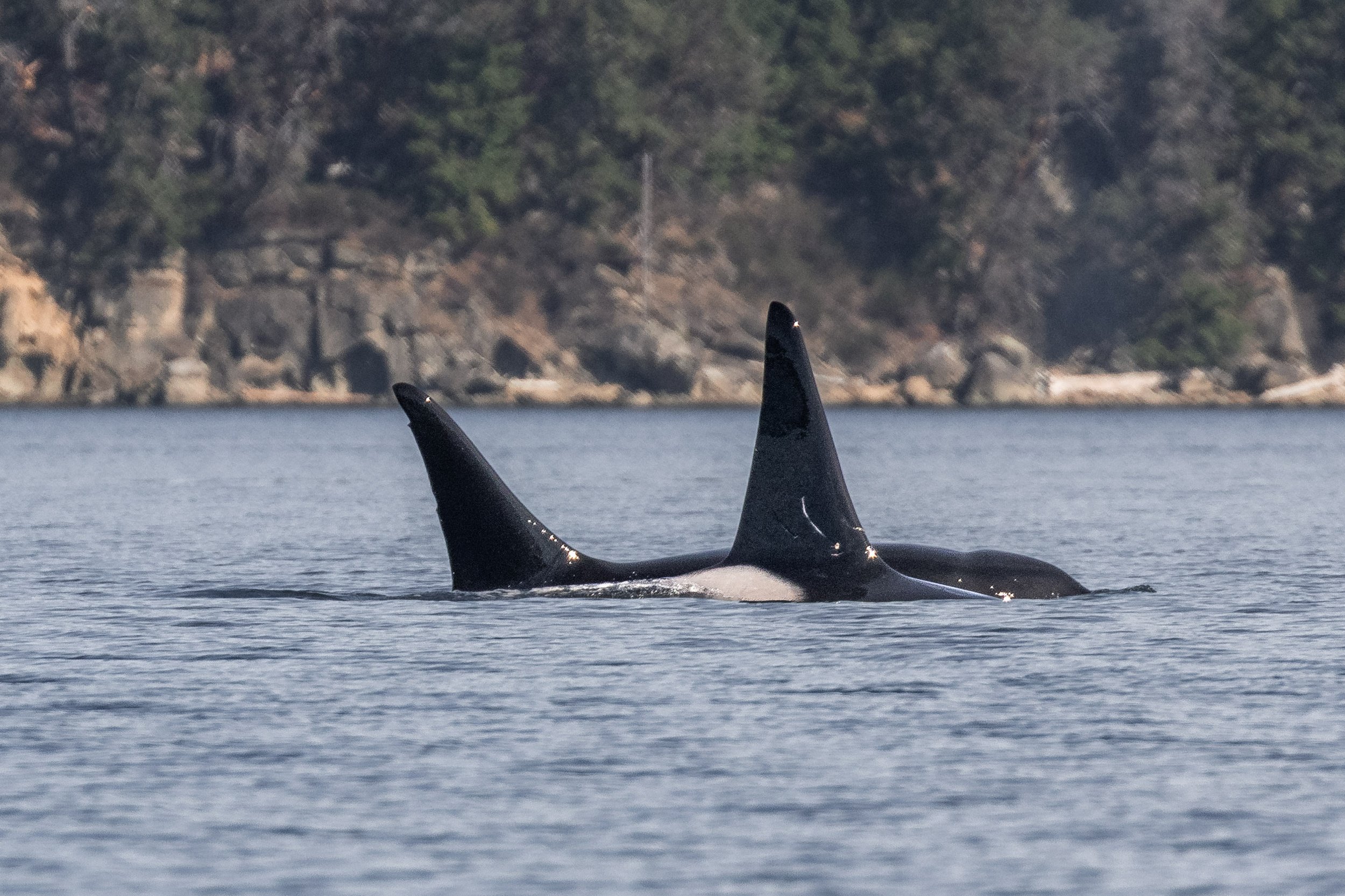
The brothers are nearly the same size in height. T060E Lynx is currently 22 years old. T060D Onca is 18 years old.
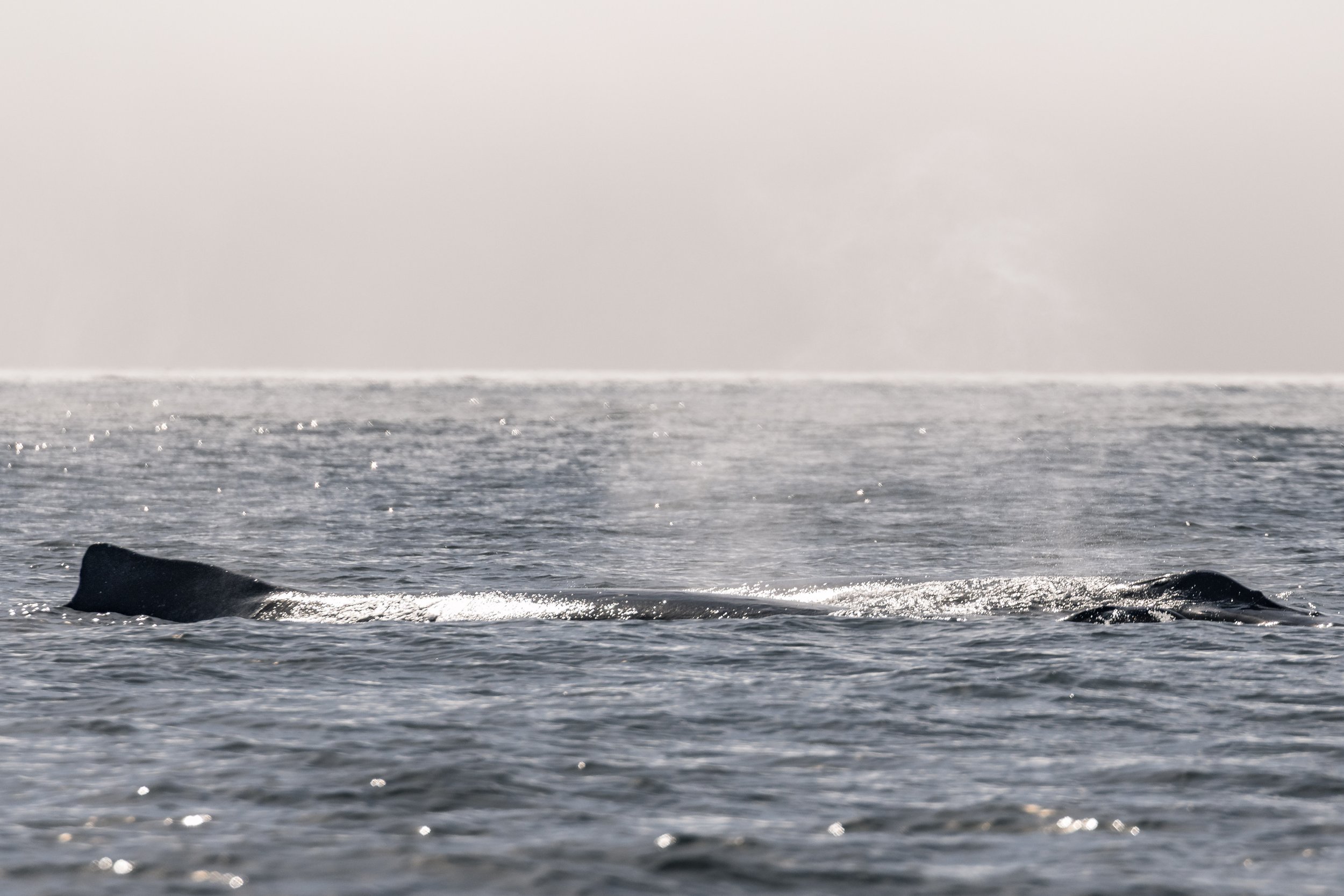
Bond glistening in the sunlight.
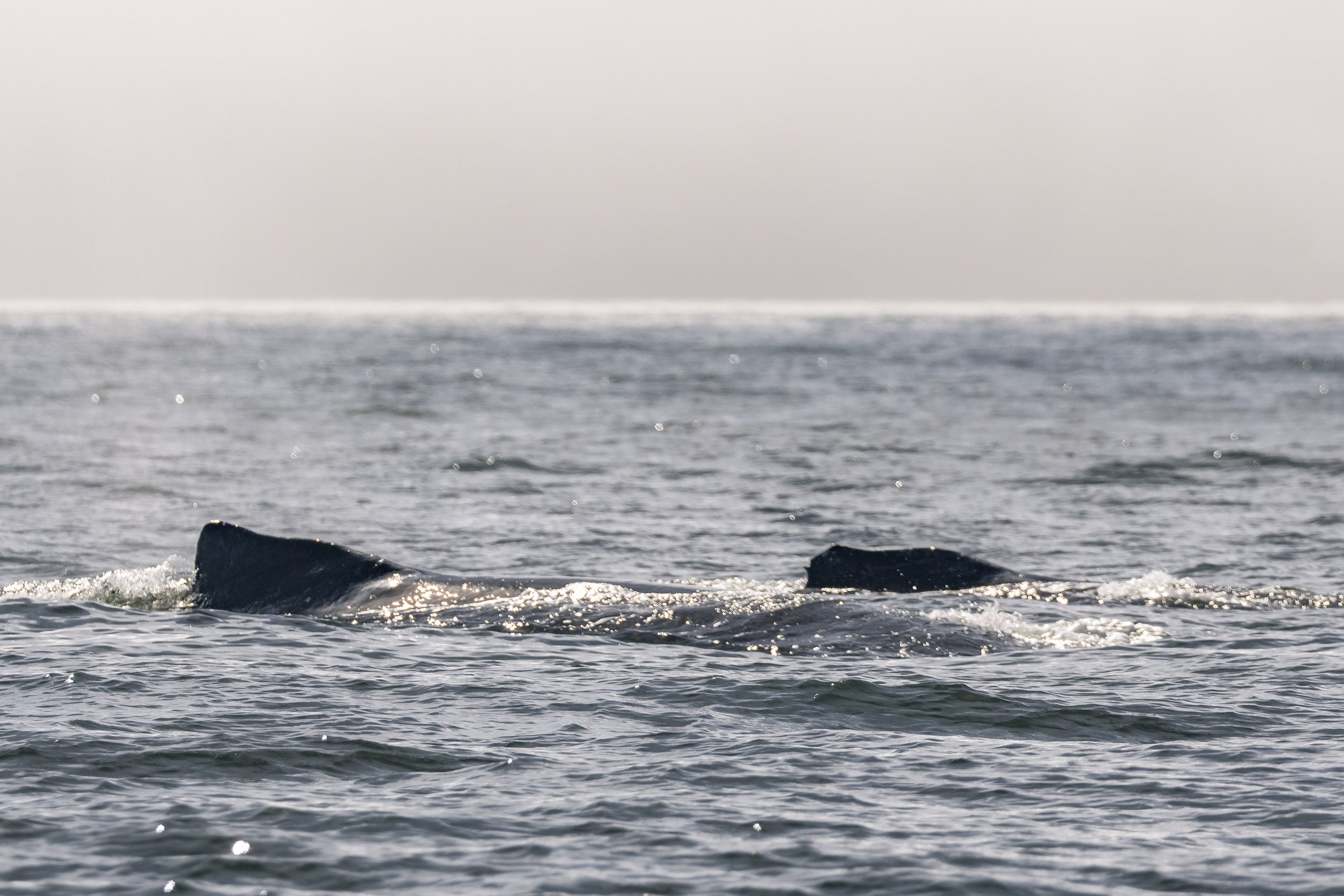
Bond with Forge behind him.
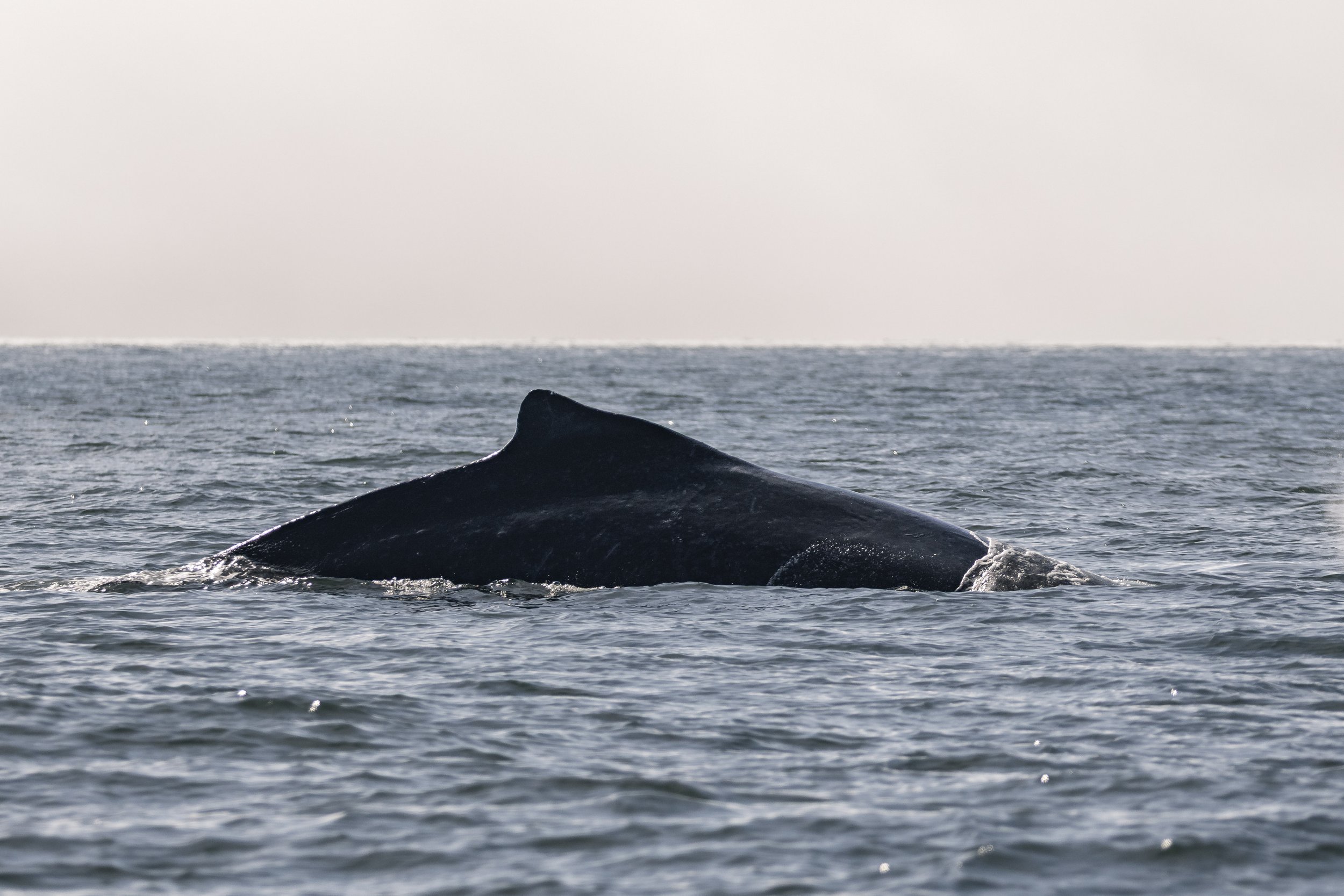
Bond preparing to dive.
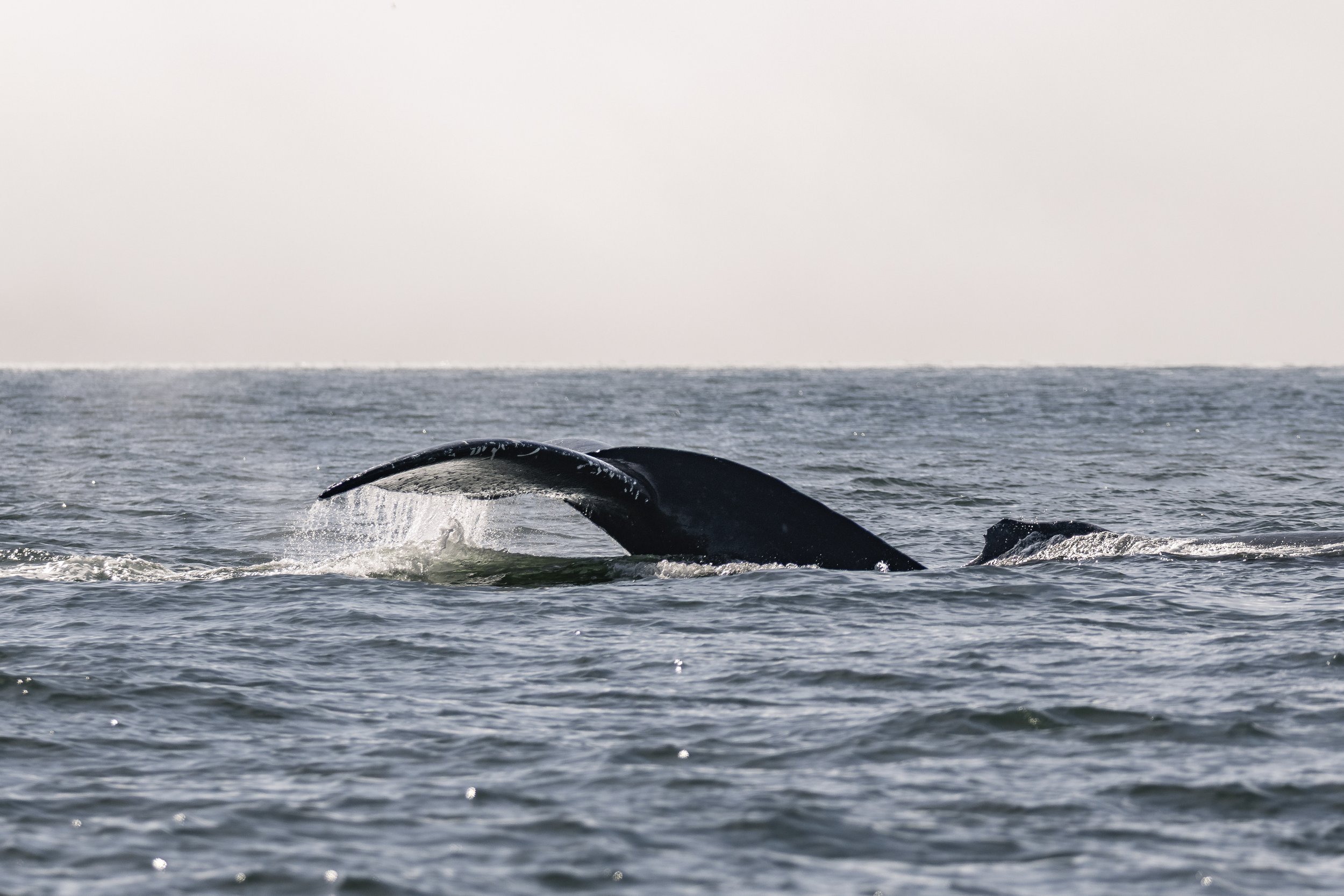
Bond raising their flukes with Forge beside them.
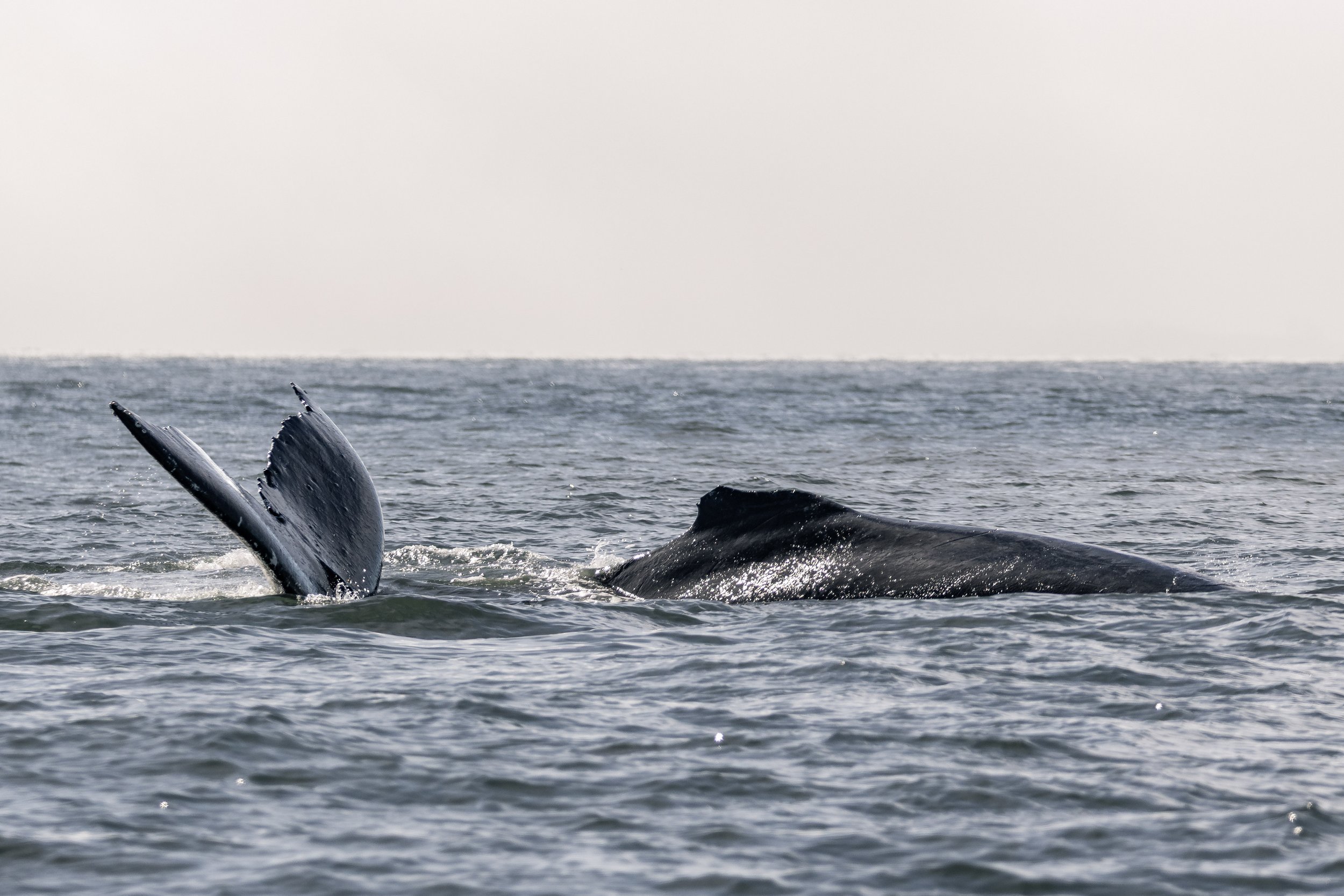
Forge with Bond’s fluke beside them.
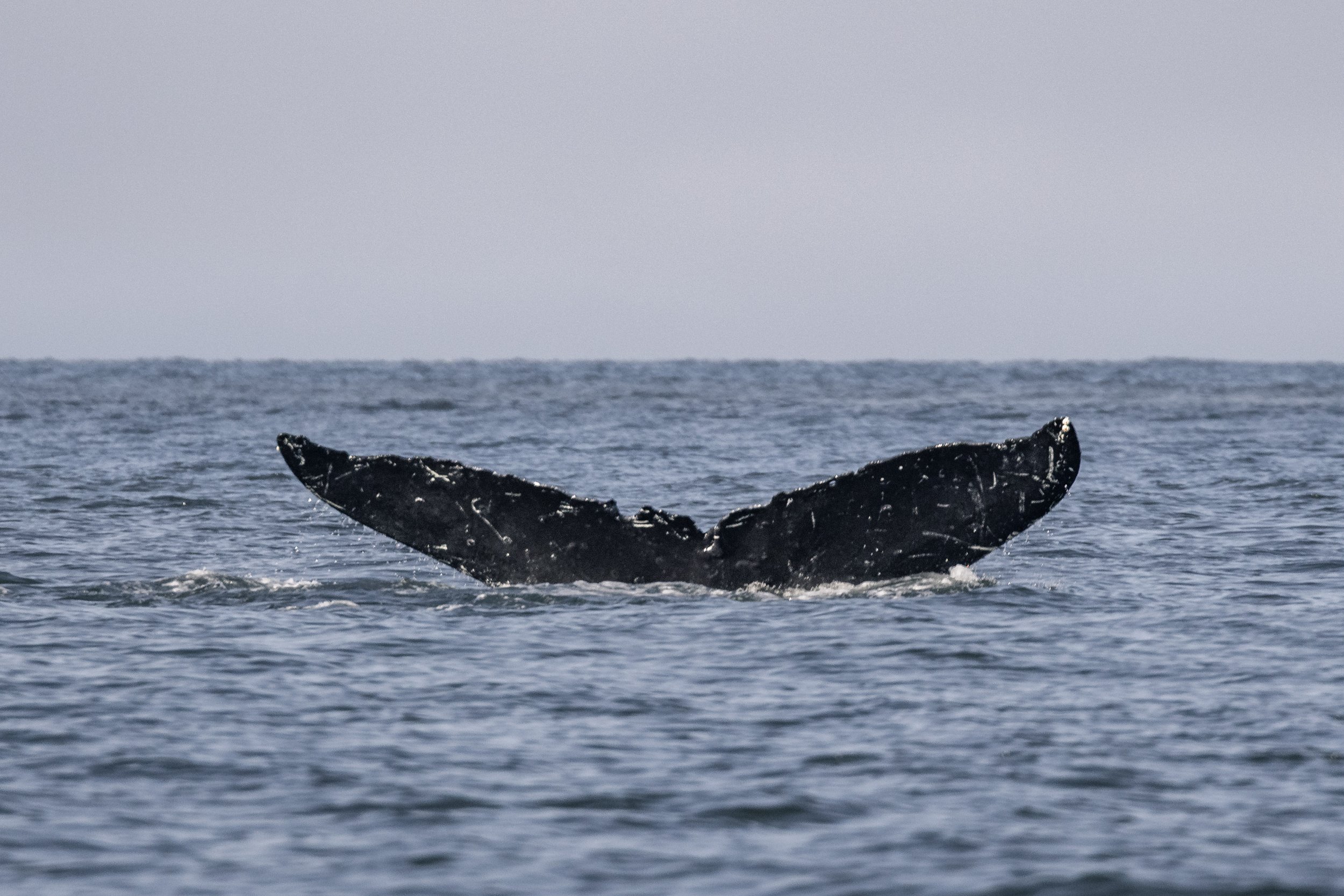
Bond’s fluke, which has a new notch not in any of his current catalogue shots!
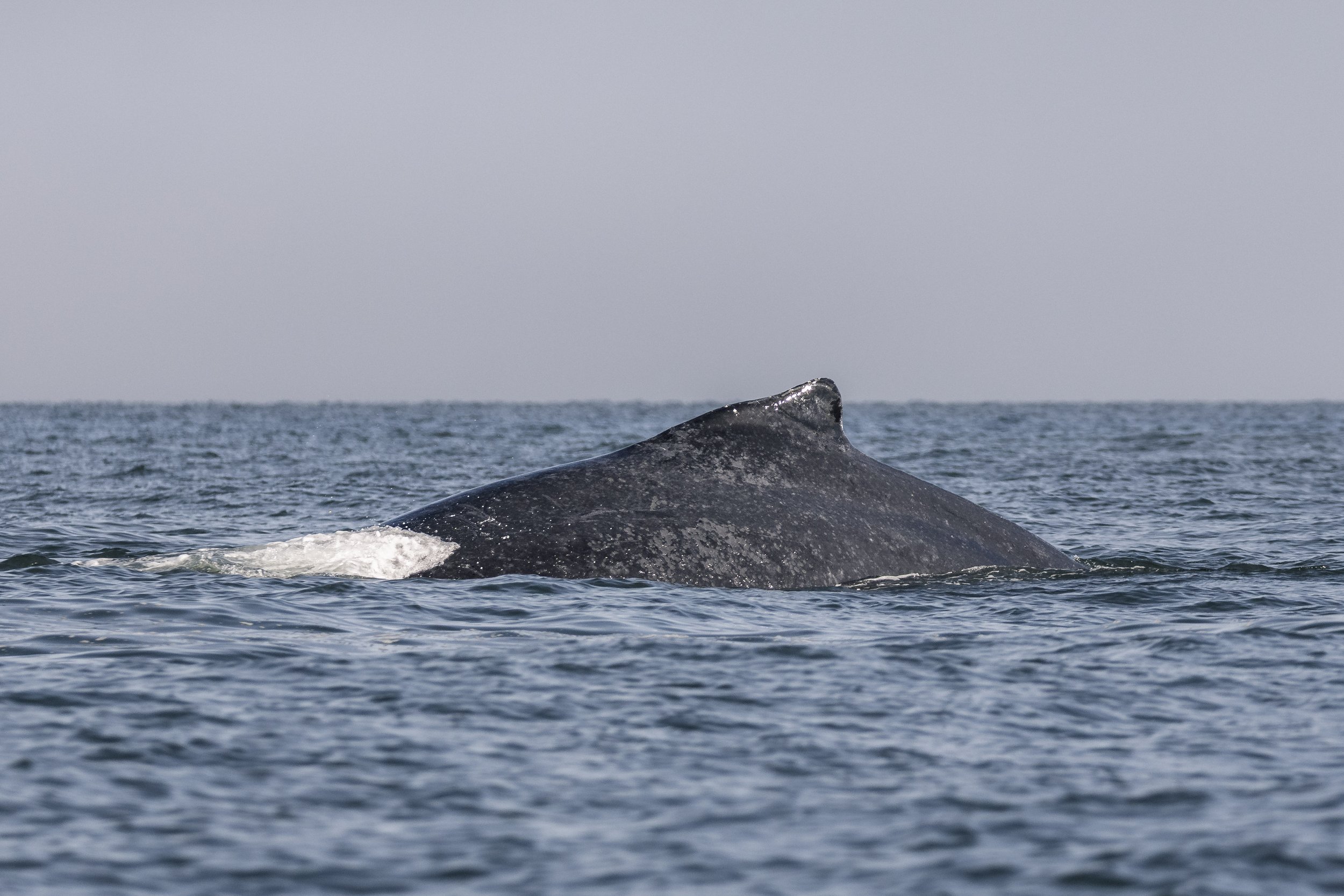
Bond making a wave!
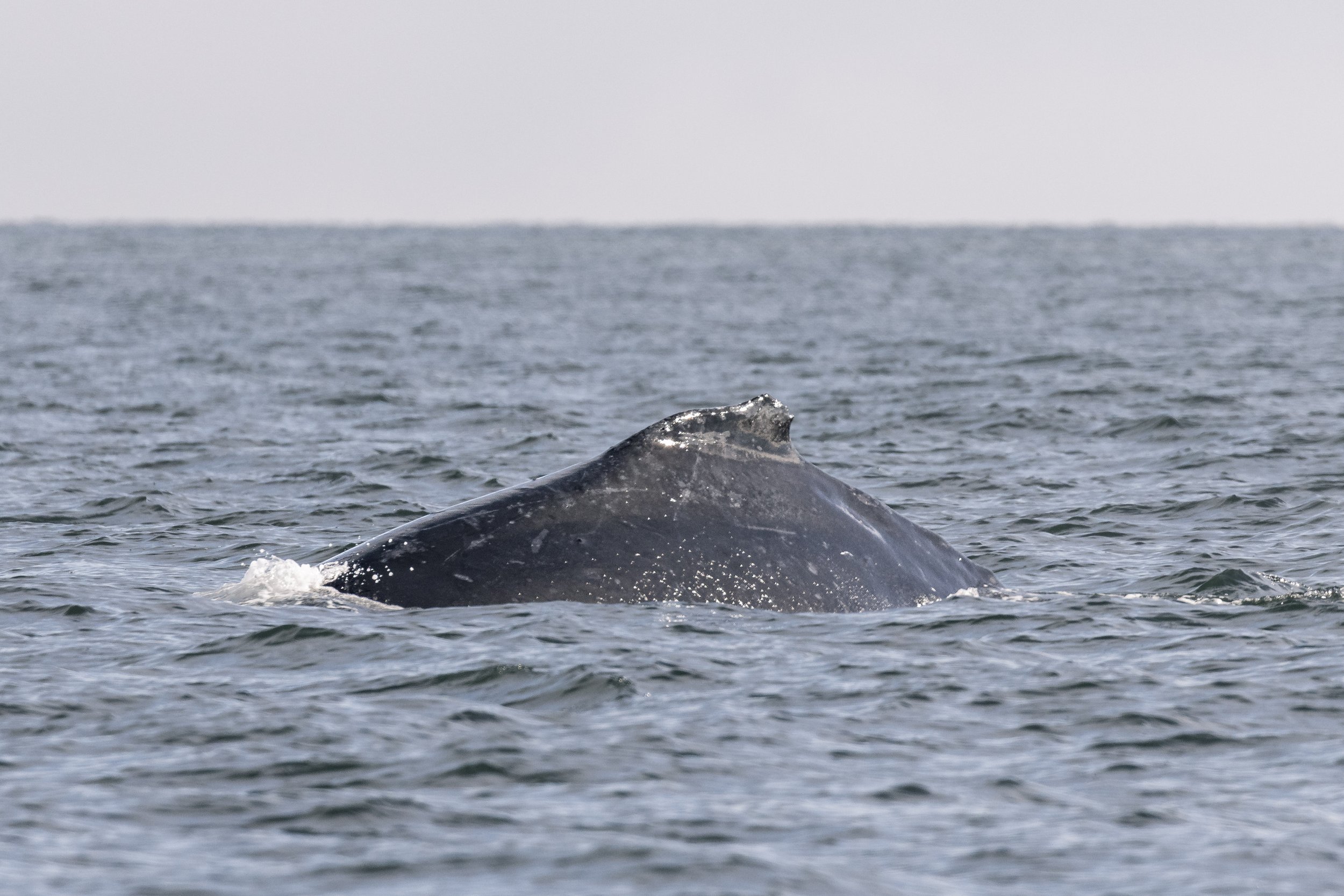
Forge glistening in the sunlight.
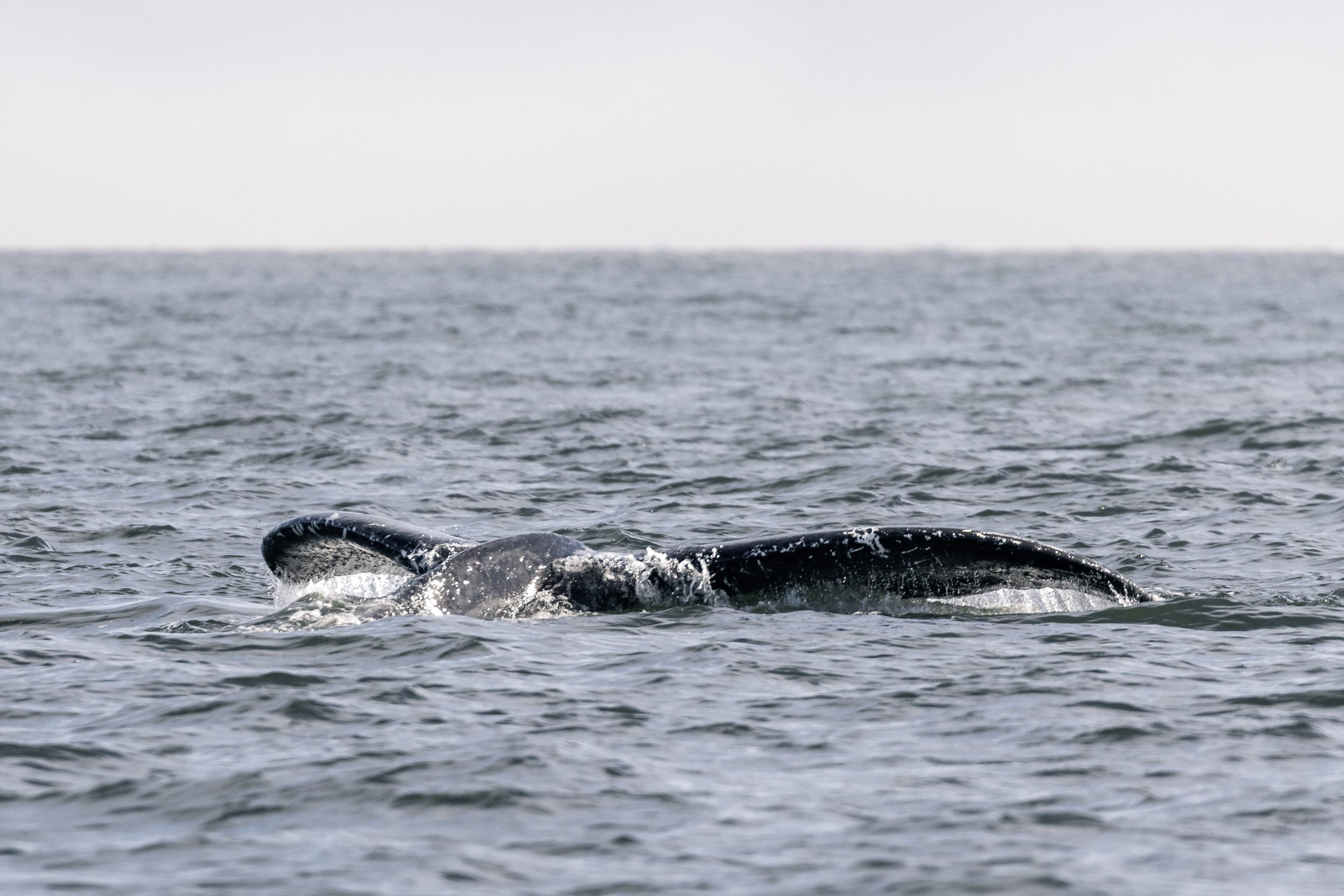
Forge very shallowly fluking.
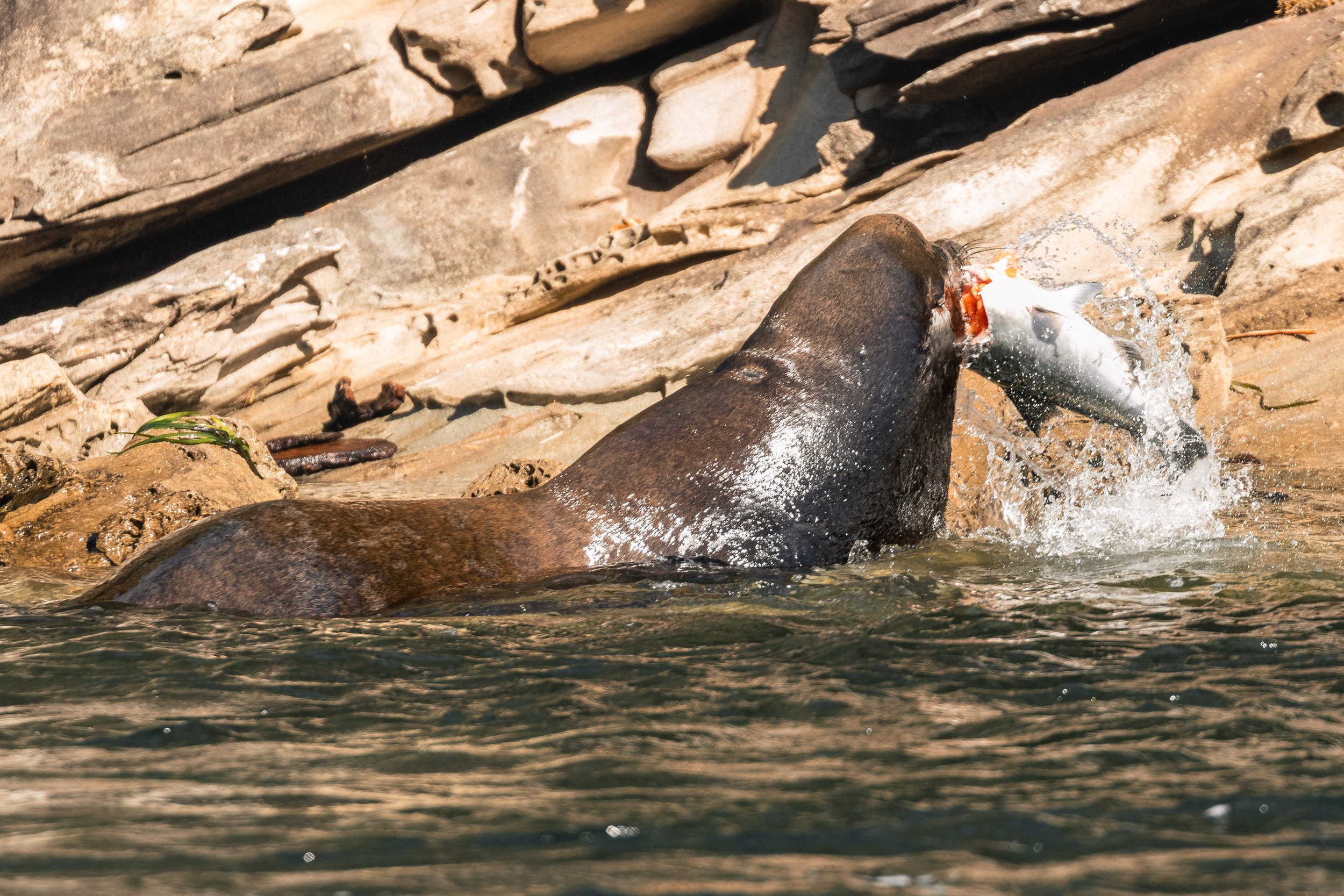
A California Sea Lion with a massive salmon snack.
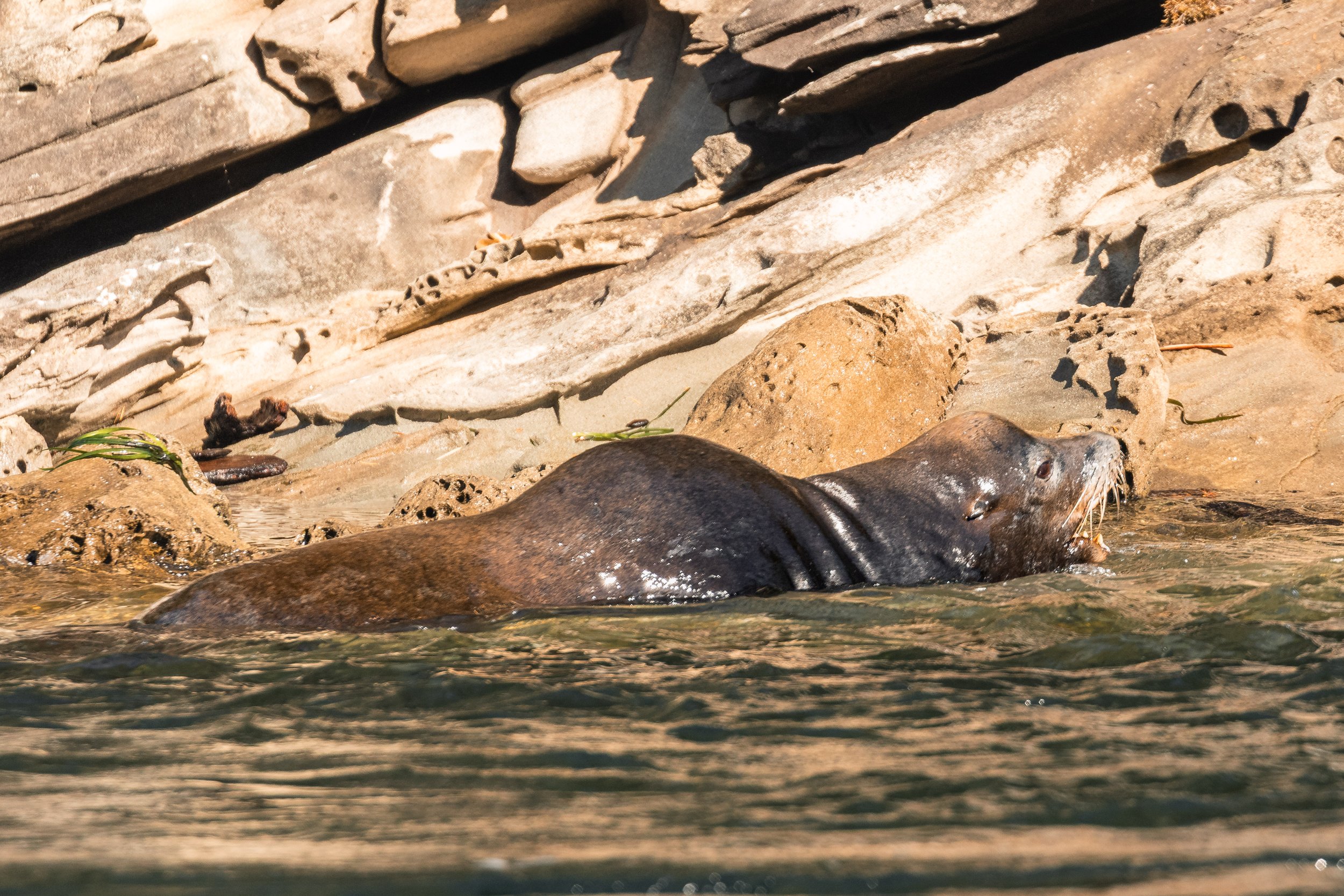
Nom nom nom nom!
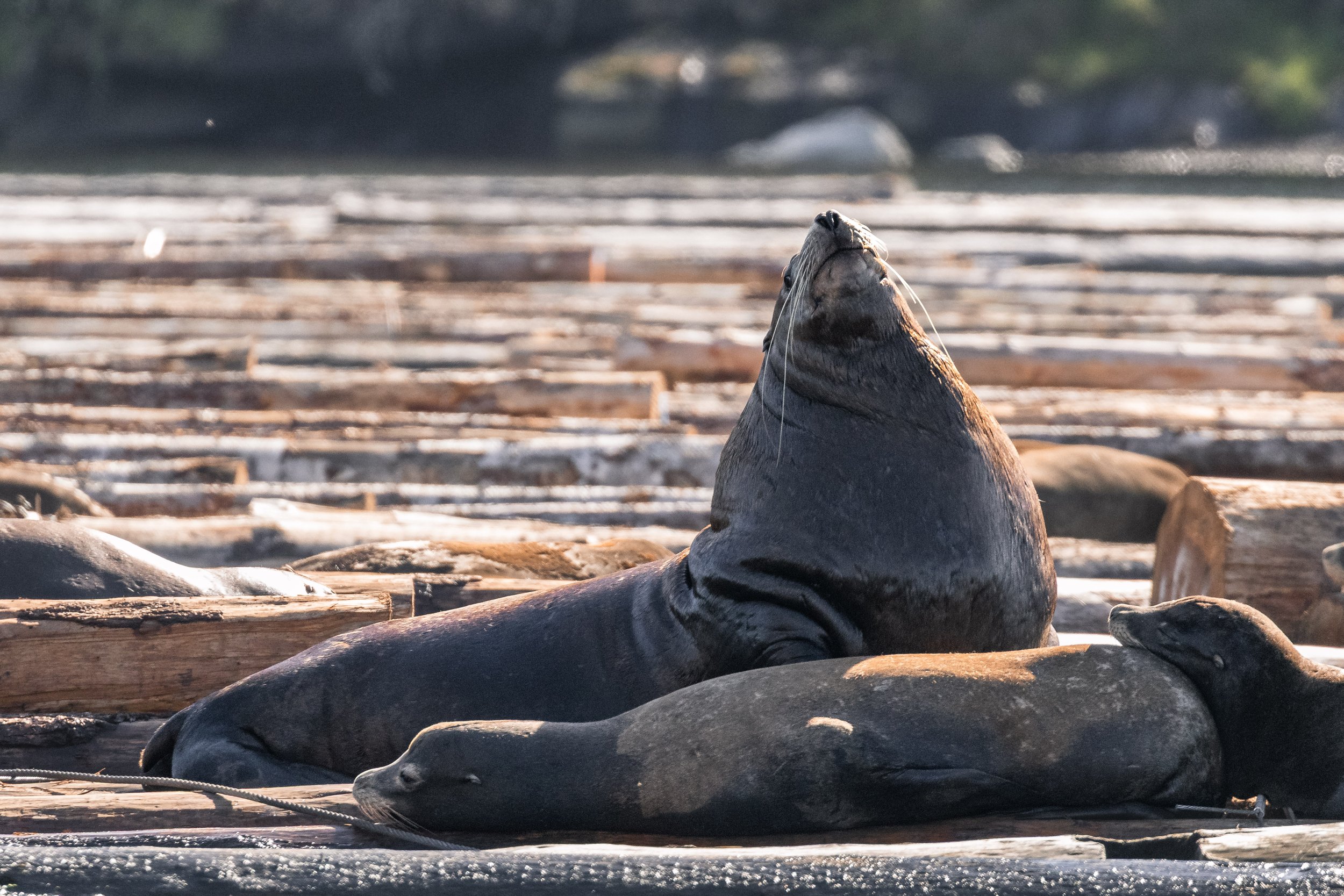
A Steller Sea Lion sitting proud on the log booms.
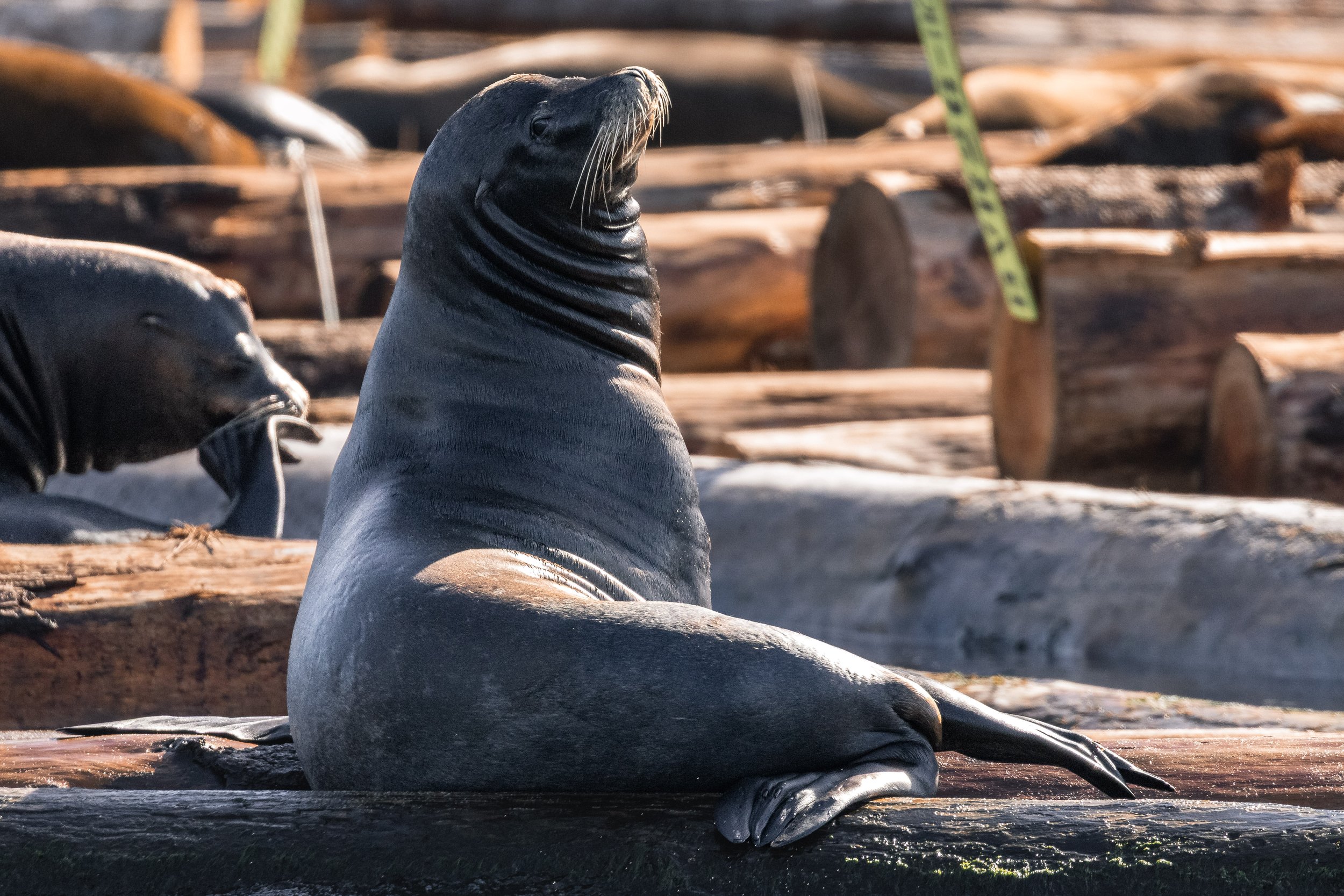
A California Sea Lion striking a dramatic pose.
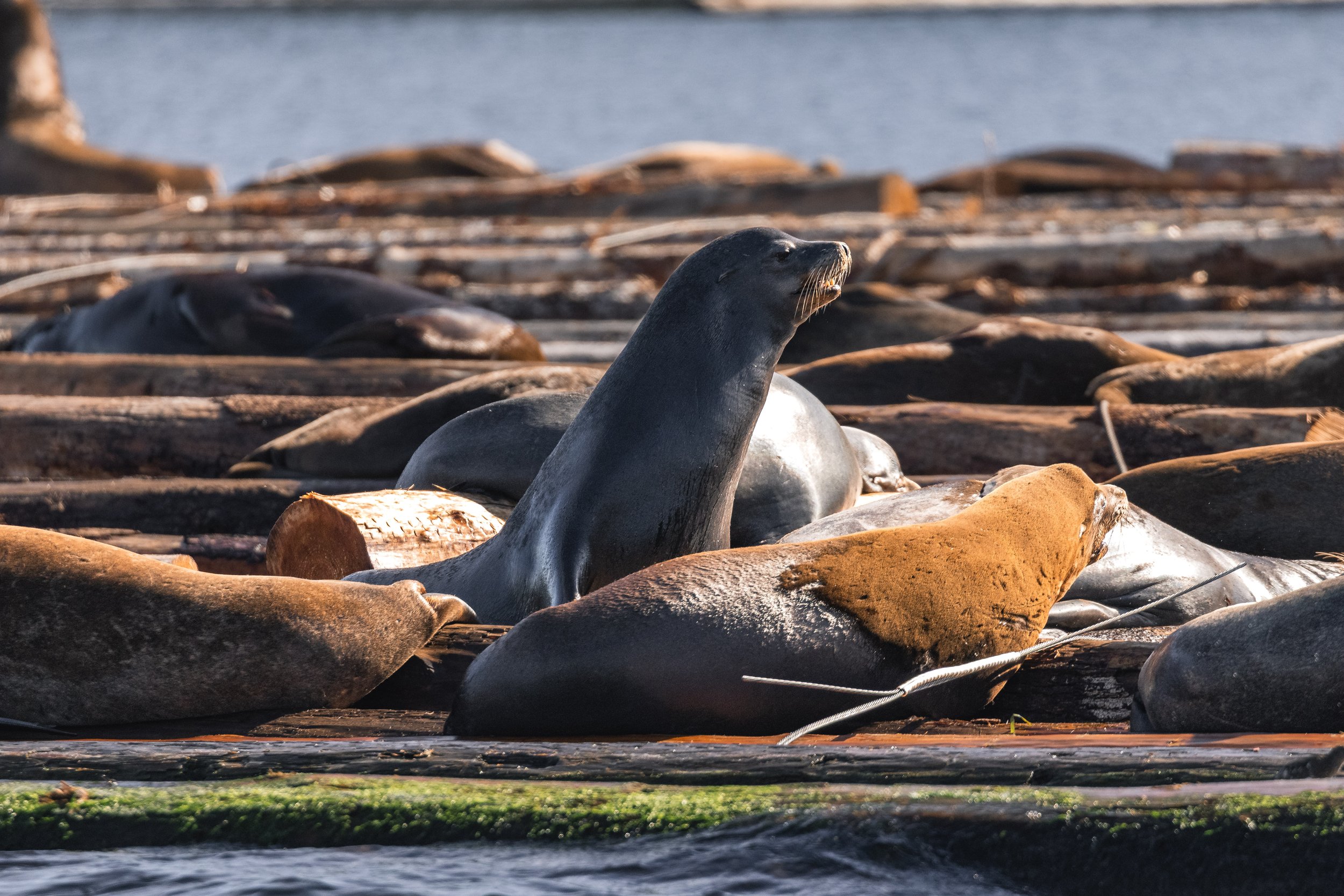
Scanning around for the best nap spot.
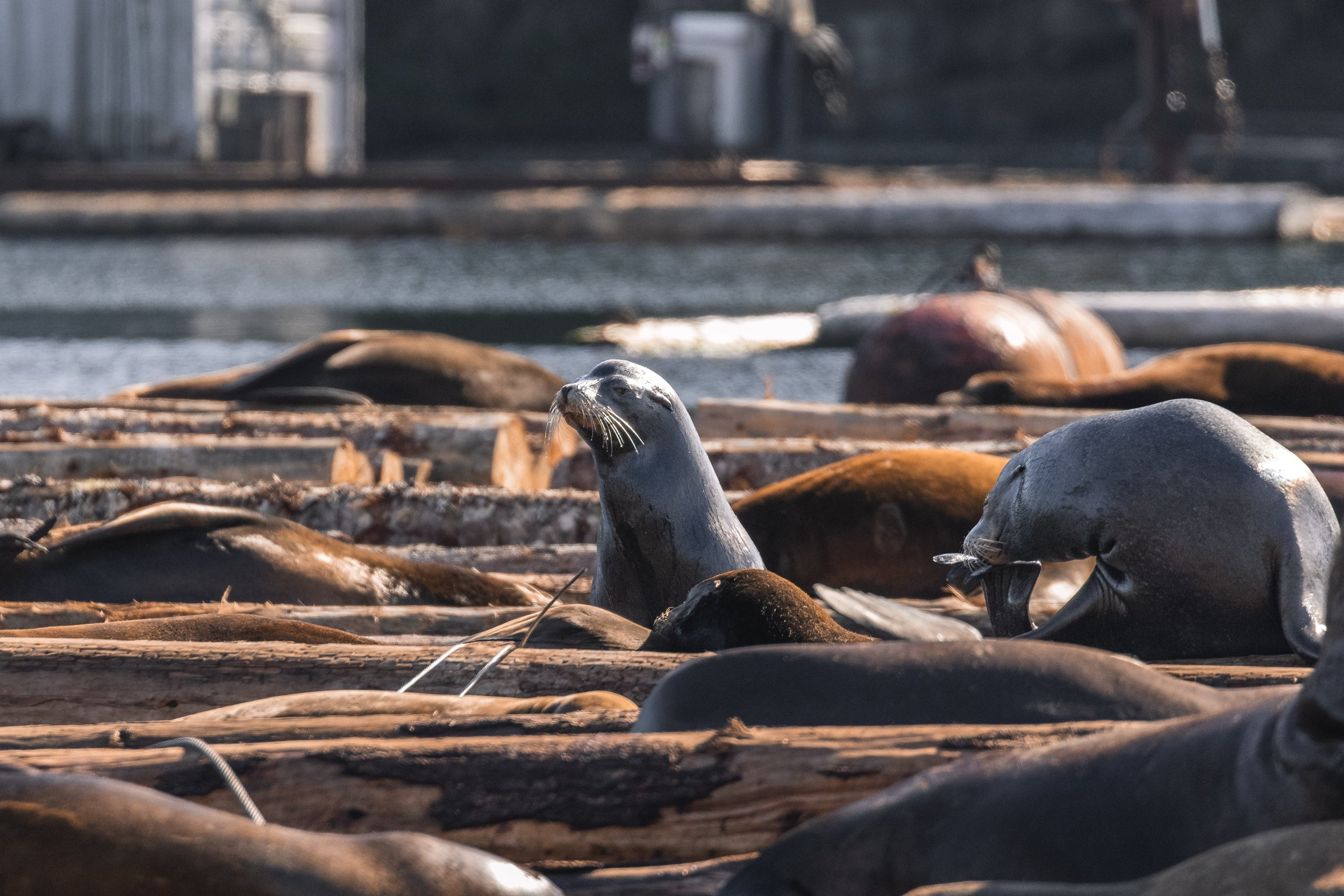
Someone looks sleepy!