
February 2, 2026 - Peering around the Southern Gulf Islands
We were thrilled to welcome guests aboard for the very first tour of the 2026 season! While the sun stayed tucked behind a blanket of clouds and light fog lingered over the island, nothing could dampen the excitement on board. After pushing off from the dock, our semi-covered vessel Kula, turned south and set the stage for a classic Gulf Islands adventure.
Our first highlight of the day wasn’t a whale, but an essential and always fascinating waterway: Dodd Narrows. This narrow passage is one we regularly travel through, and it’s always worth a careful look. From a variety of seabirds to pinnipeds (and the occasional cetacean), there’s often plenty of life to spot here. The tip of the narrows also marks the end of the Cable Bay/Joan Point Park trail system, a beautiful hike we often recommend to guests looking to extend their day after a whale watching tour.
Once through the narrows, we turned, crossing over to Pylades Channel, eyes aways searching for the tell tale signs of whales. After a brief exploration, we carried on toward Porlier Pass, approaching the northern tip of Galiano Island. This area is currently a reliable haulout for both Steller Sea Lions and California Sea Lions, and sure enough, activity was waiting for us.
One of the first wildlife sightings here wasn’t a pinniped at all, but a bird soaring overhead - a Bald Eagle. At first glance, something seemed a little different. Instead of the iconic white head and tail, this eagle displayed a mottled mix of browns, whites, and blacks. This was because we were looking at an immature Bald Eagle! These birds don’t develop their signature adult plumage until they’re about five years old, gradually gaining white feathers as they mature.
After peeking at the Bald Eagle, we set our sights on the pinnipeds lumbering around on land and splashing away in the cold waters below. With February being the month of love, it felt fitting to observe some affectionate behaviour among the sea lions. If you join us for a trip, you may notice a behaviour that appears to be “kissing,” but in sea lion terms, this nose-touching behaviour is actually an important scent exchanging behaviour known as “Breath Exchanging”. It’s an essential social greeting that helps individuals recognize one another and strengthen bonds. This behaviour is especially critical on breeding grounds, where mothers and pups will often “kiss” shortly after birth to learn each other’s scent.
After leaving the sea lions behind, the adventure continued south along the edge of Mayne Island and around South Pender Island, skirting the Canada–US border. Since our whales aren’t tagged or tracked, every tour is a brand-new adventure, and sometimes that means travelling far and wide. After scanning the Pender area, the crew turned west toward Salt Spring Island, entering Satellite Channel and carefully surveying the Saanich Inlet. This region has hosted many whale encounters over the years. Despite our best efforts, the whales remained elusive this time.
As the day wound down, we turned north, cruising back through the Southern Gulf Islands, once again passing through Dodd Narrows before returning to our home port in Nanaimo. While we didn’t encounter whales on this particular tour, every guest received a voucher to join us again for free - because with wildlife, there’s always a next adventure waiting!
Photos taken by Marine Naturalist Vanessa Vereschahen - we hope you enjoy them!
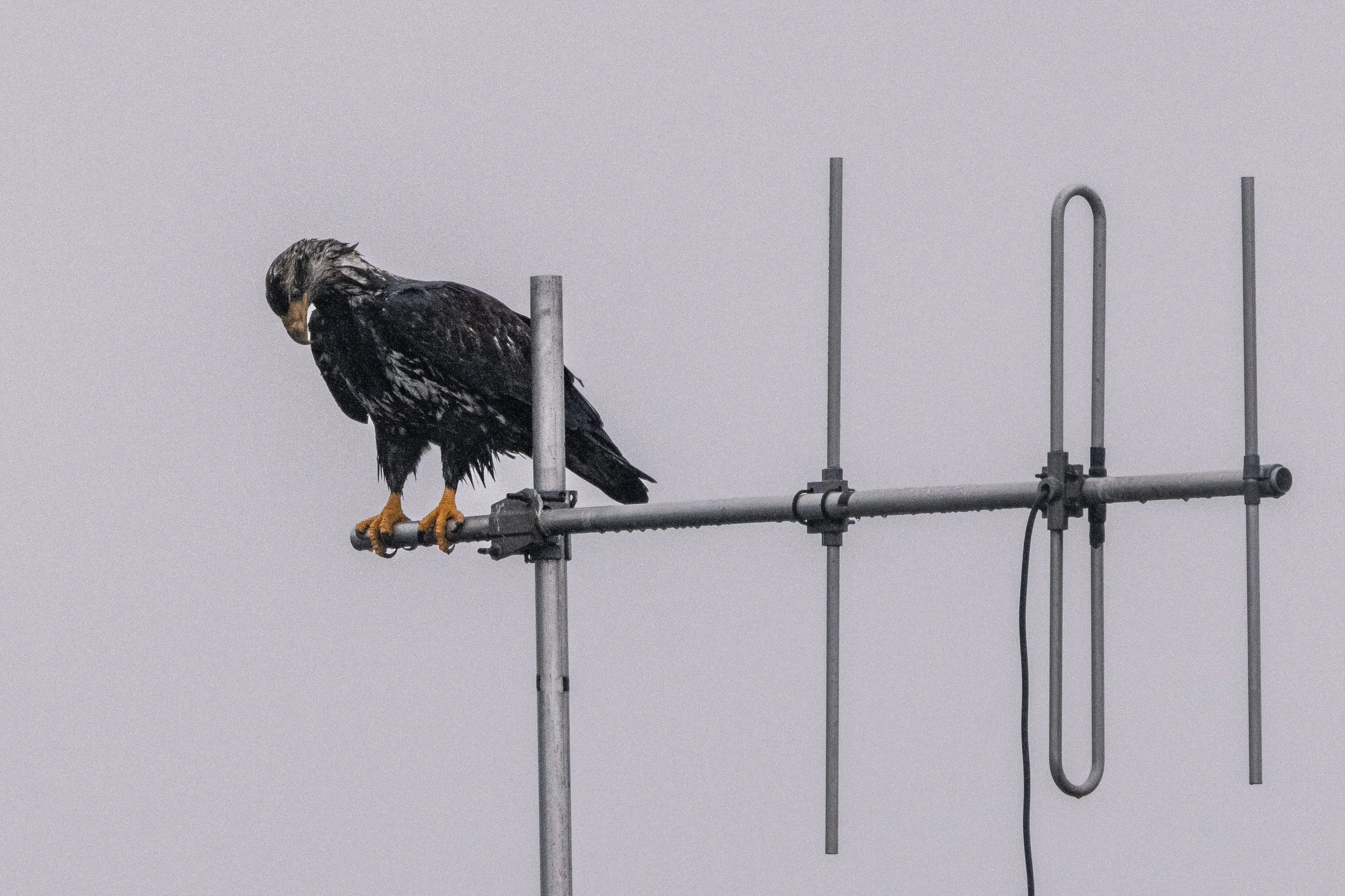
The young Bald Eagle peering down.
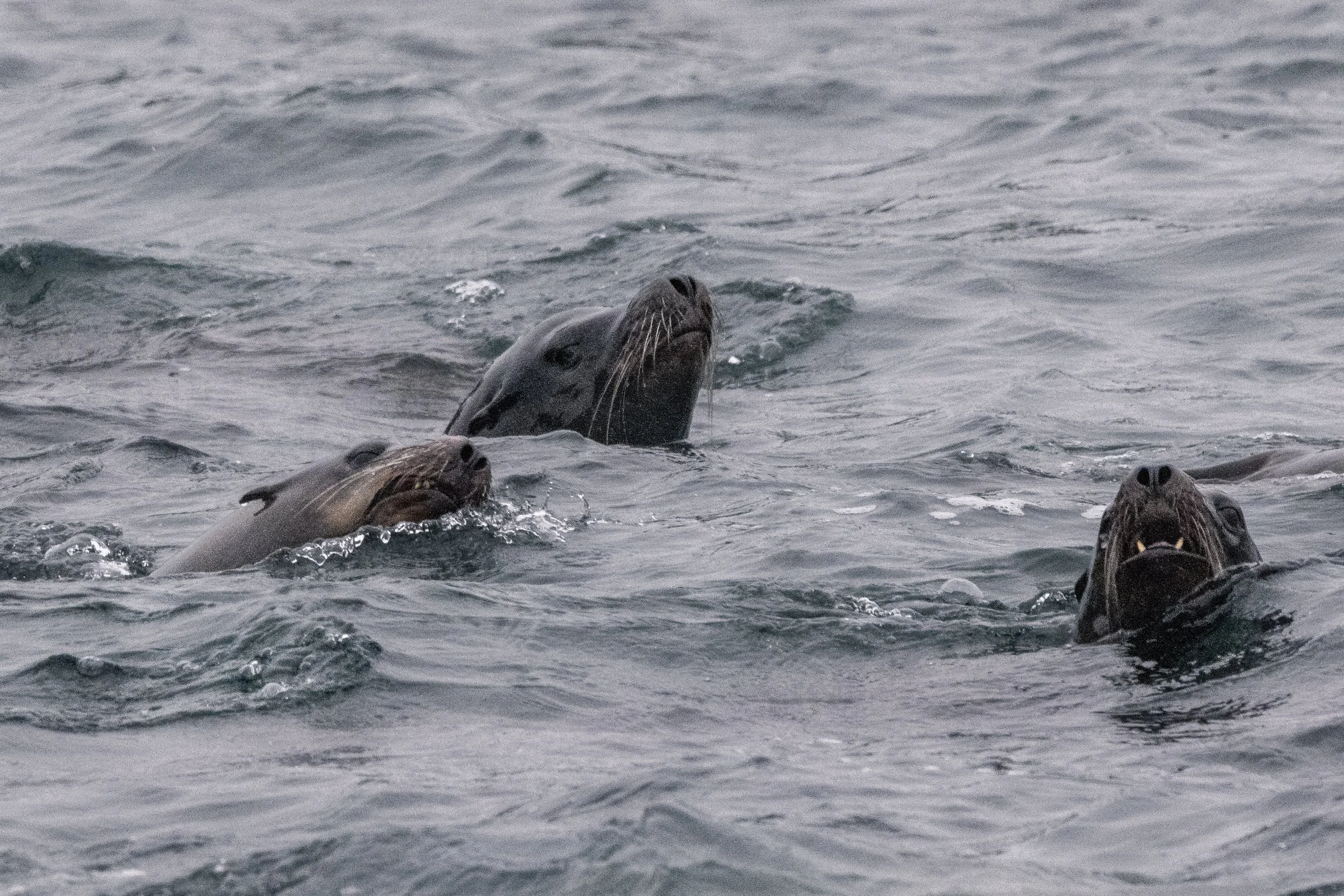
We are sure glad we weren’t in the chilly waters like these sea lions today!
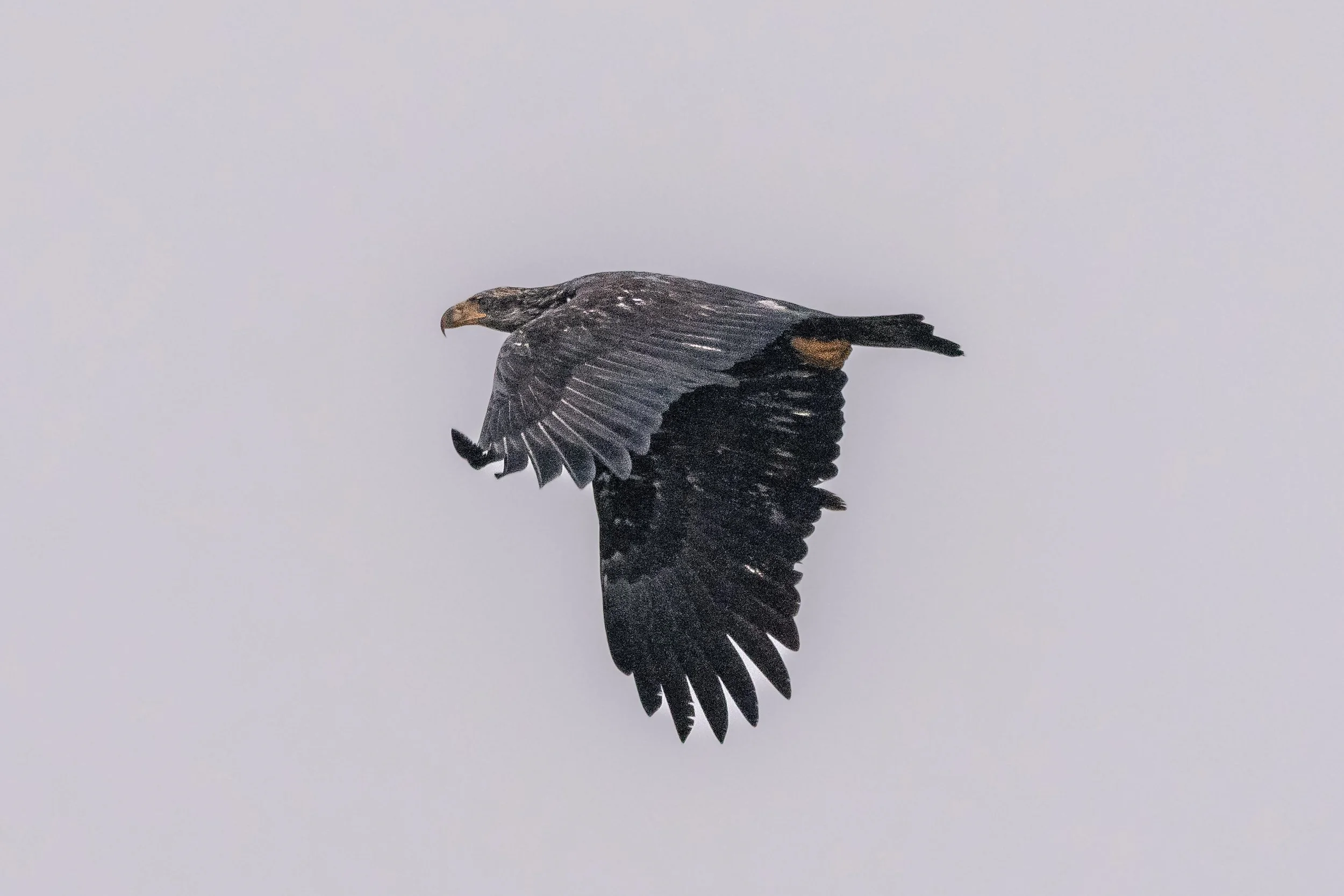
Soaring by.
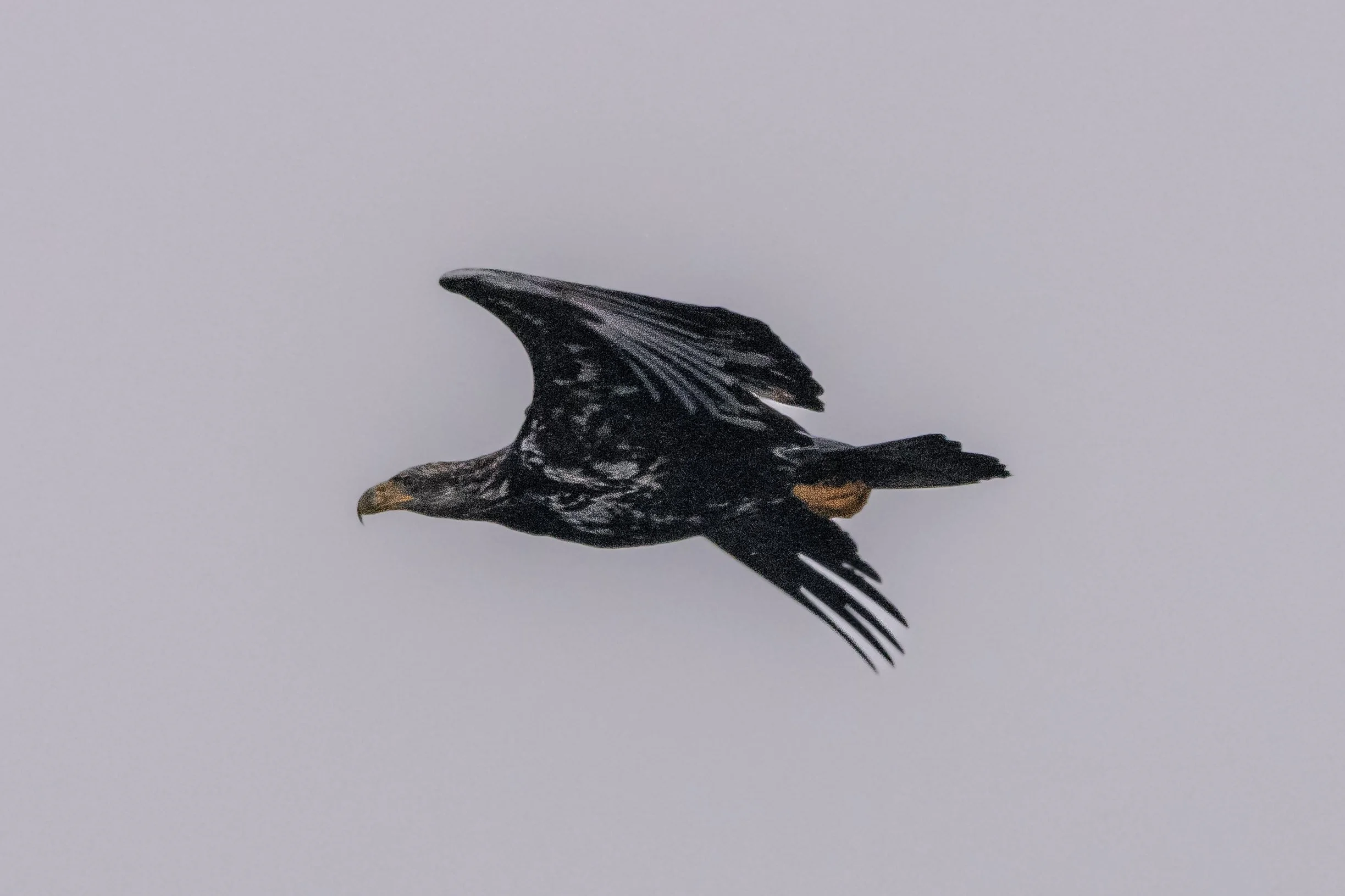
You can really see how mottled this Eagle’s plummage is right now in this shot!
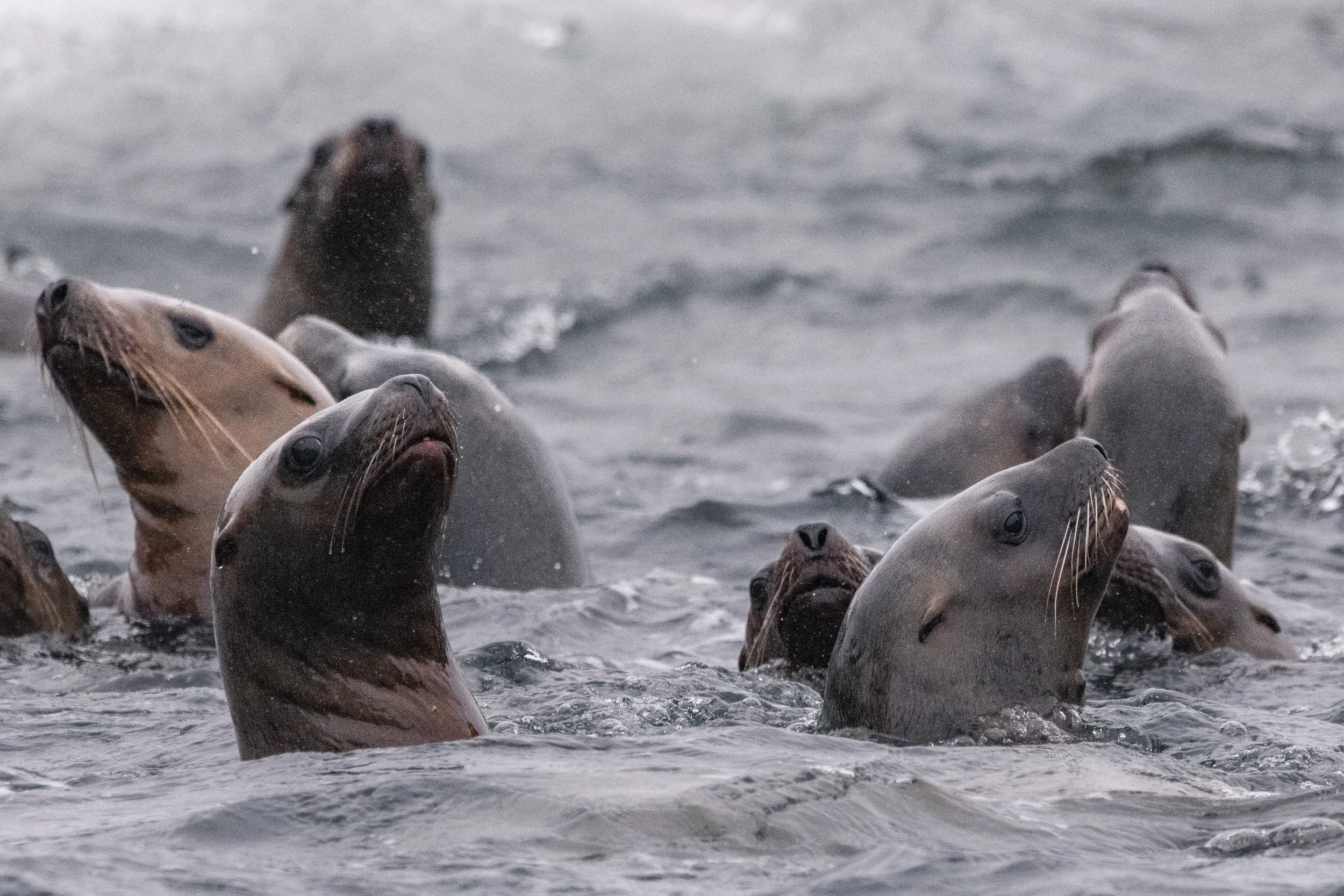
Peering around, while rafting together.
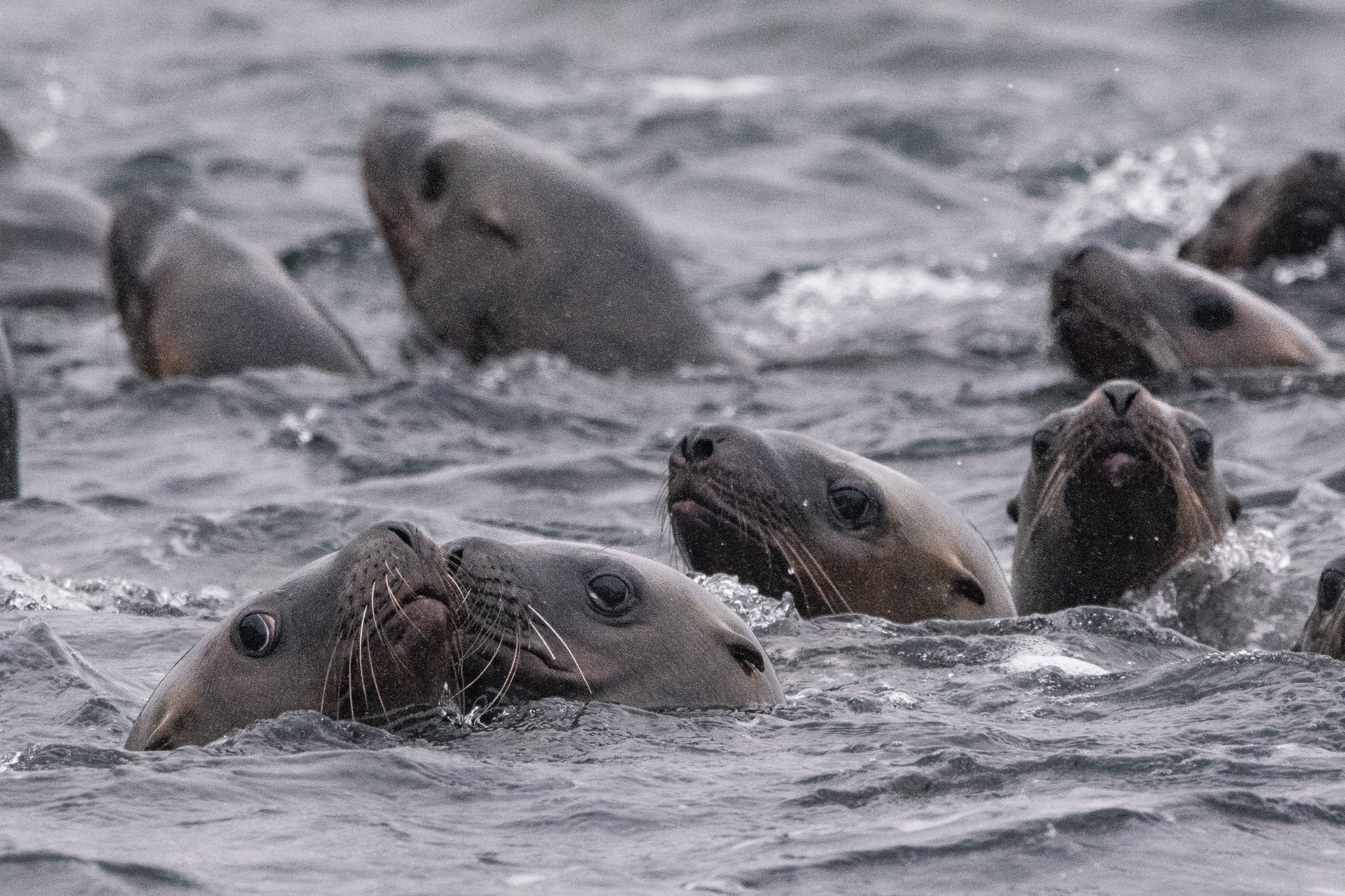
Coming in for a little breath exchange.
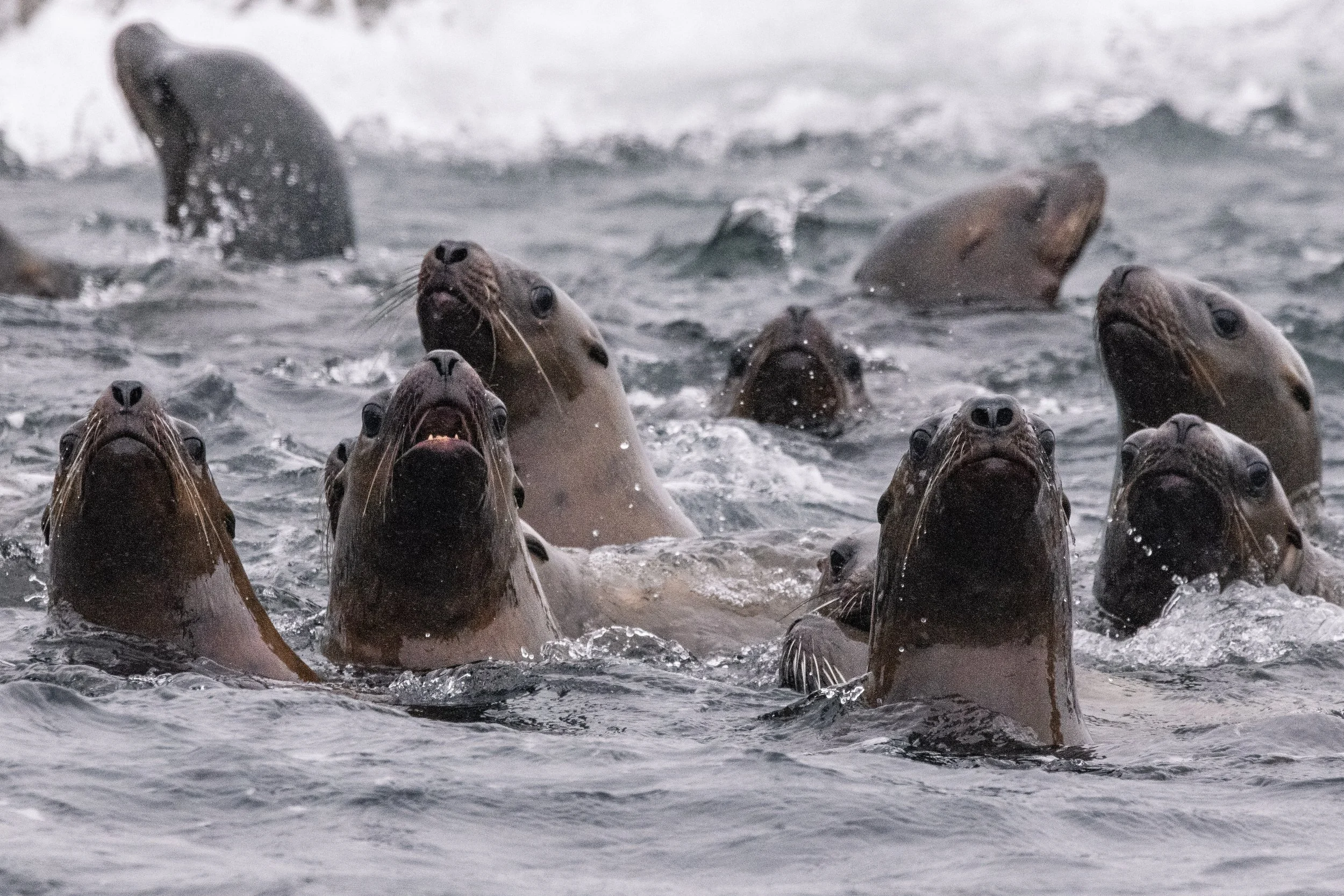
Sea lions are often very curious, and enjoy peeking at us as we watch them.
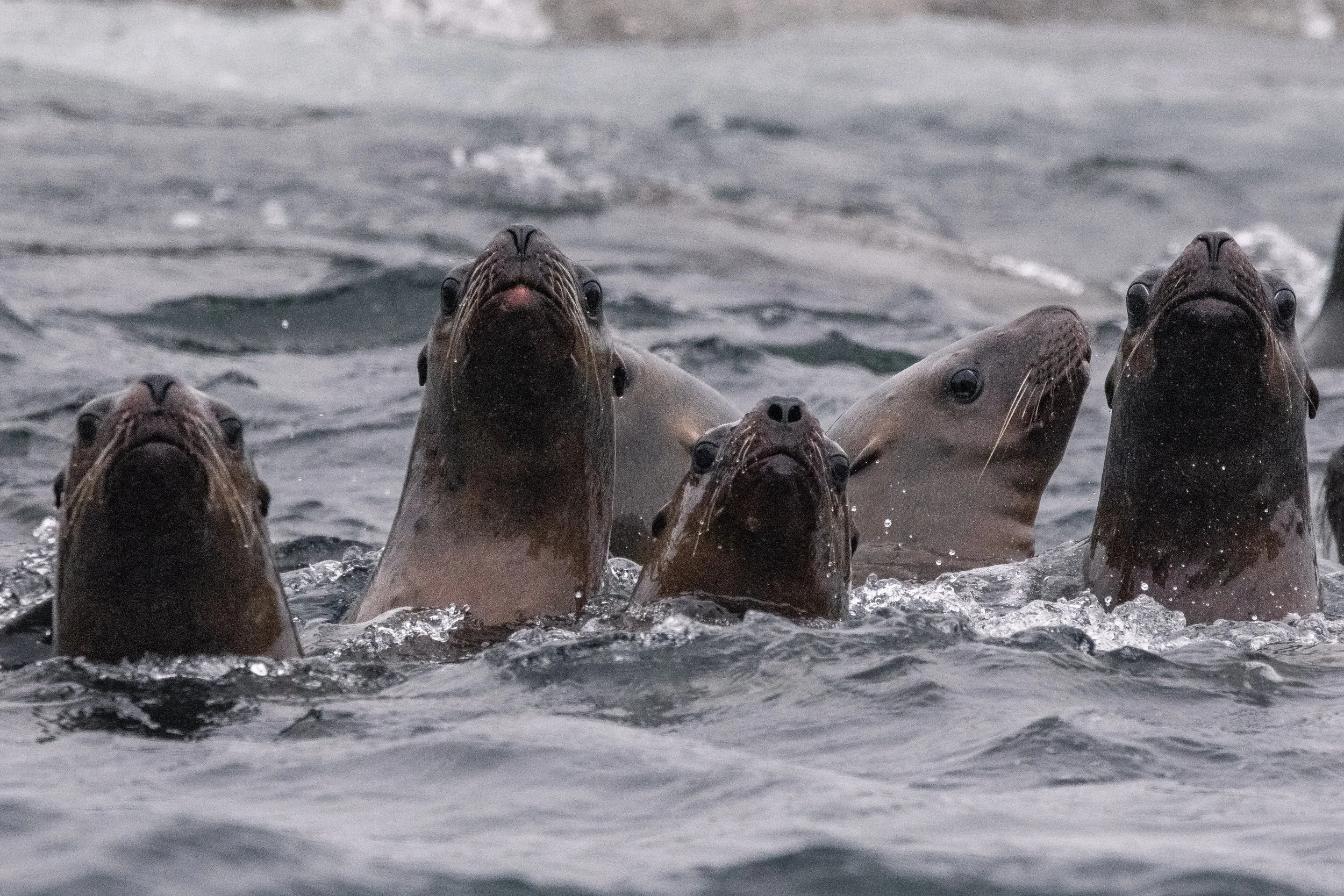
Those big dark eyes are great for hunting in the murky depths!
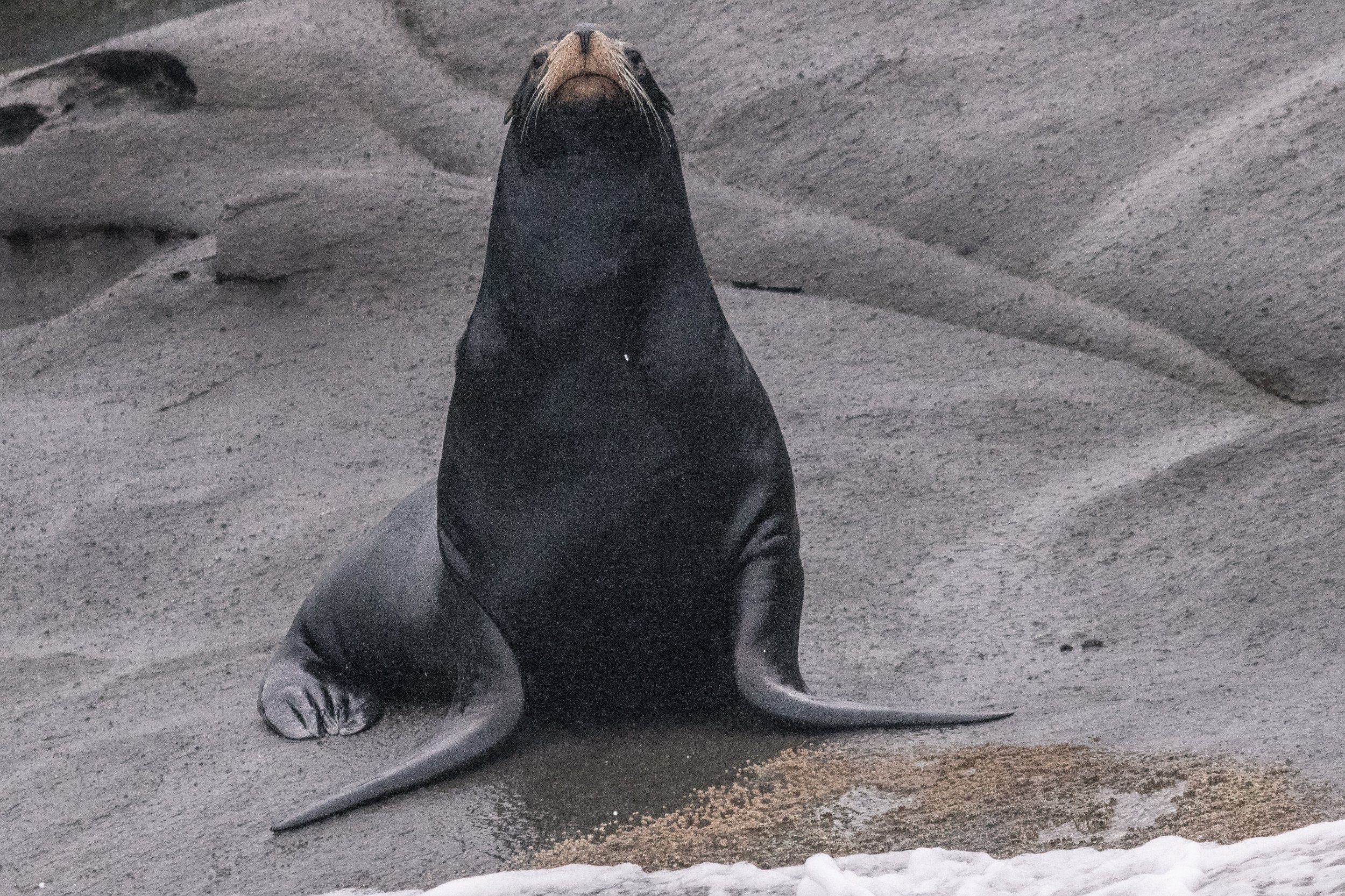
A California Sea Lion resting on the rocky shores.
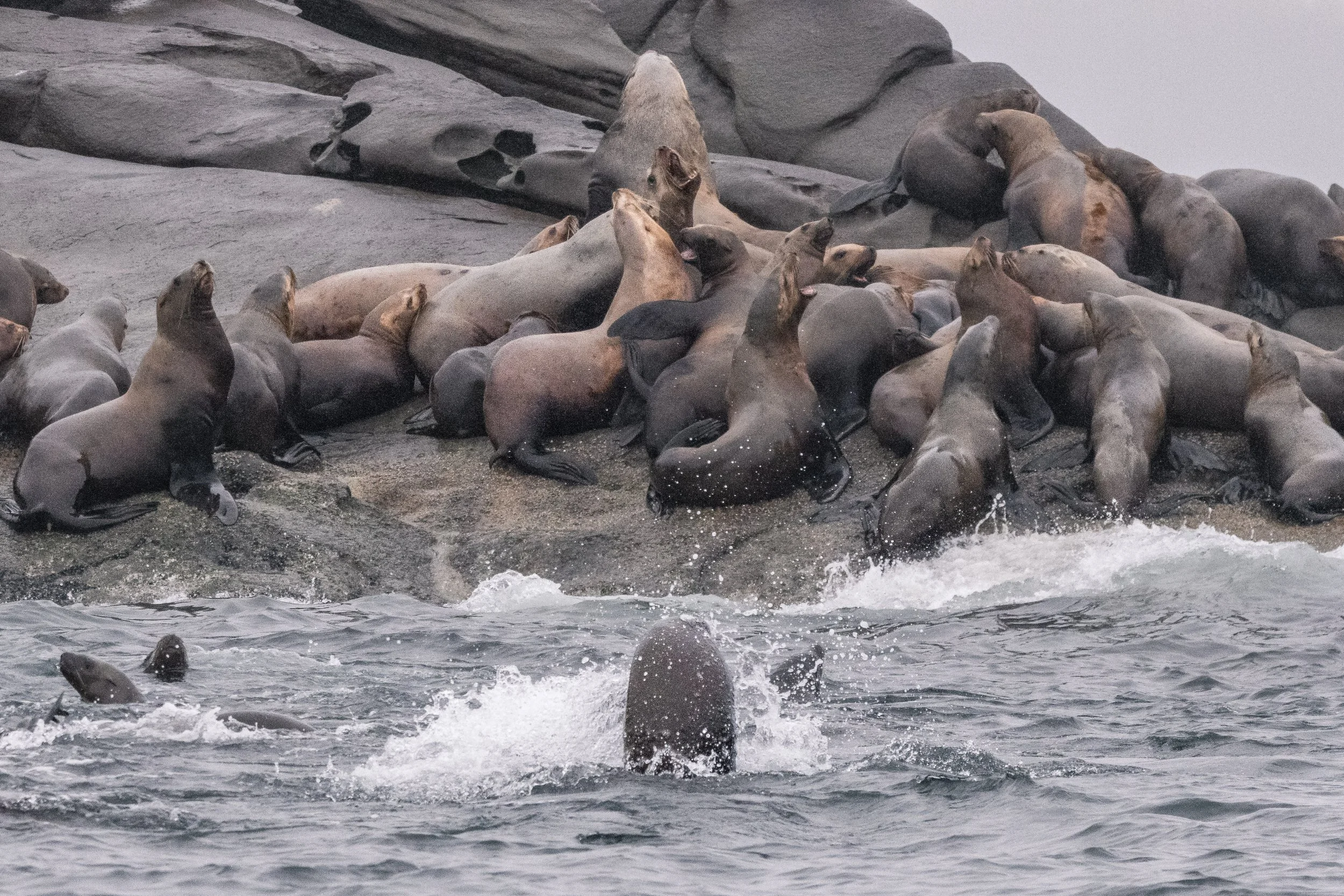
Bellowing, fighting, and jousting is common on these small haulouts, as individuals fight for the best places to rest.
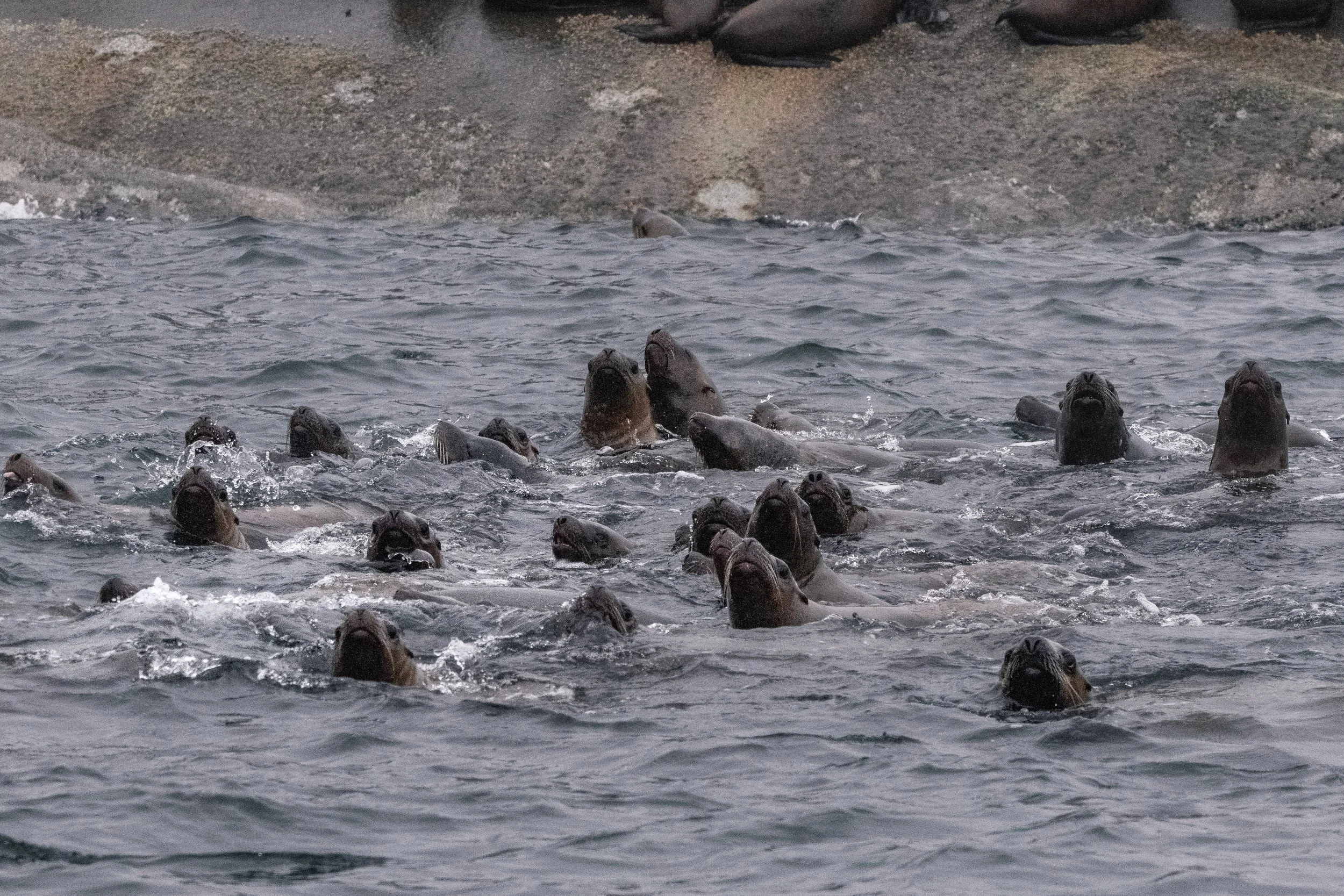
Travelling in tight quarters together, in a behaviour known as rafting, helps sea lions conserve body heat, feel safe due to their numbers, and also help rest while in the water.
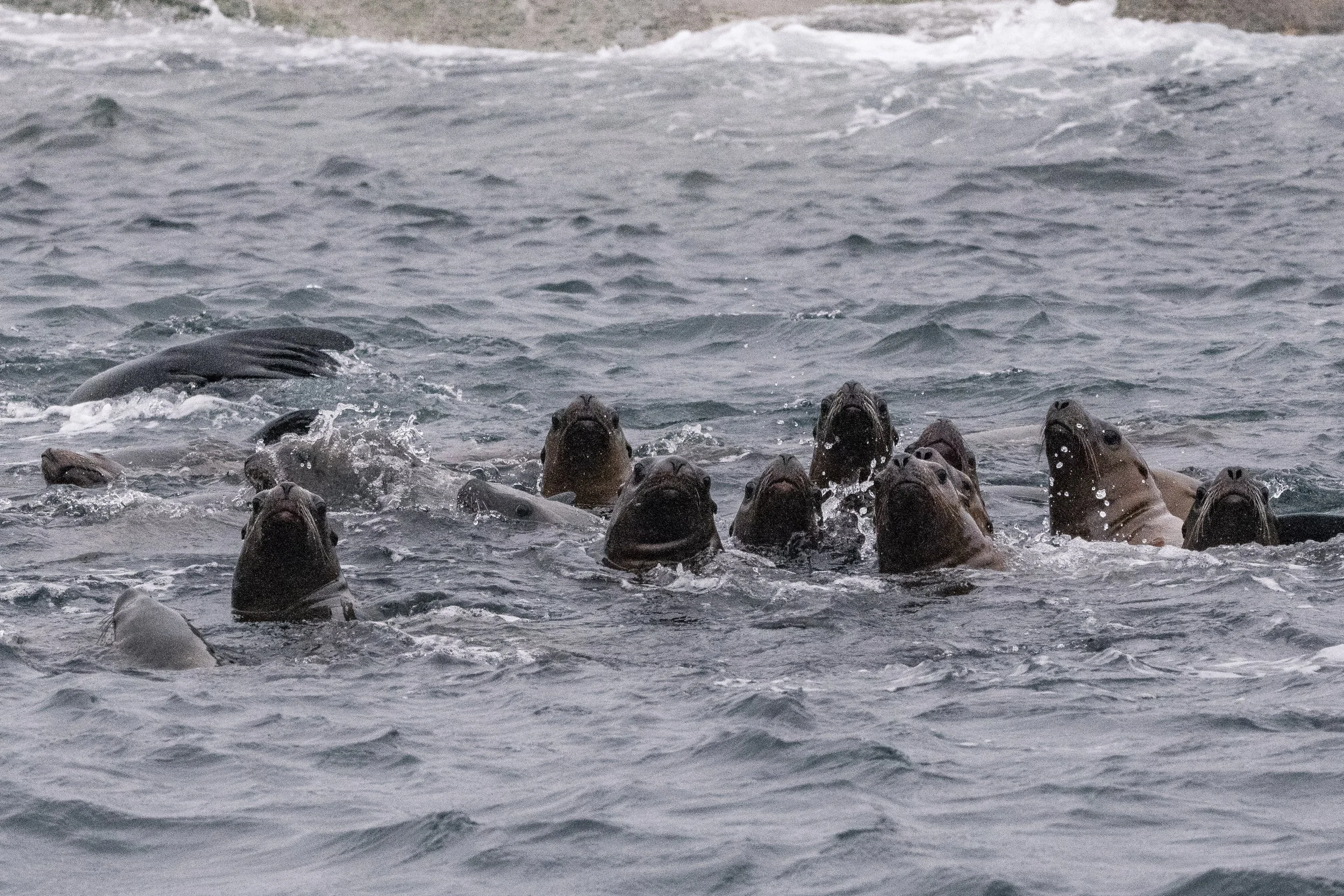
What are YOU looking at?
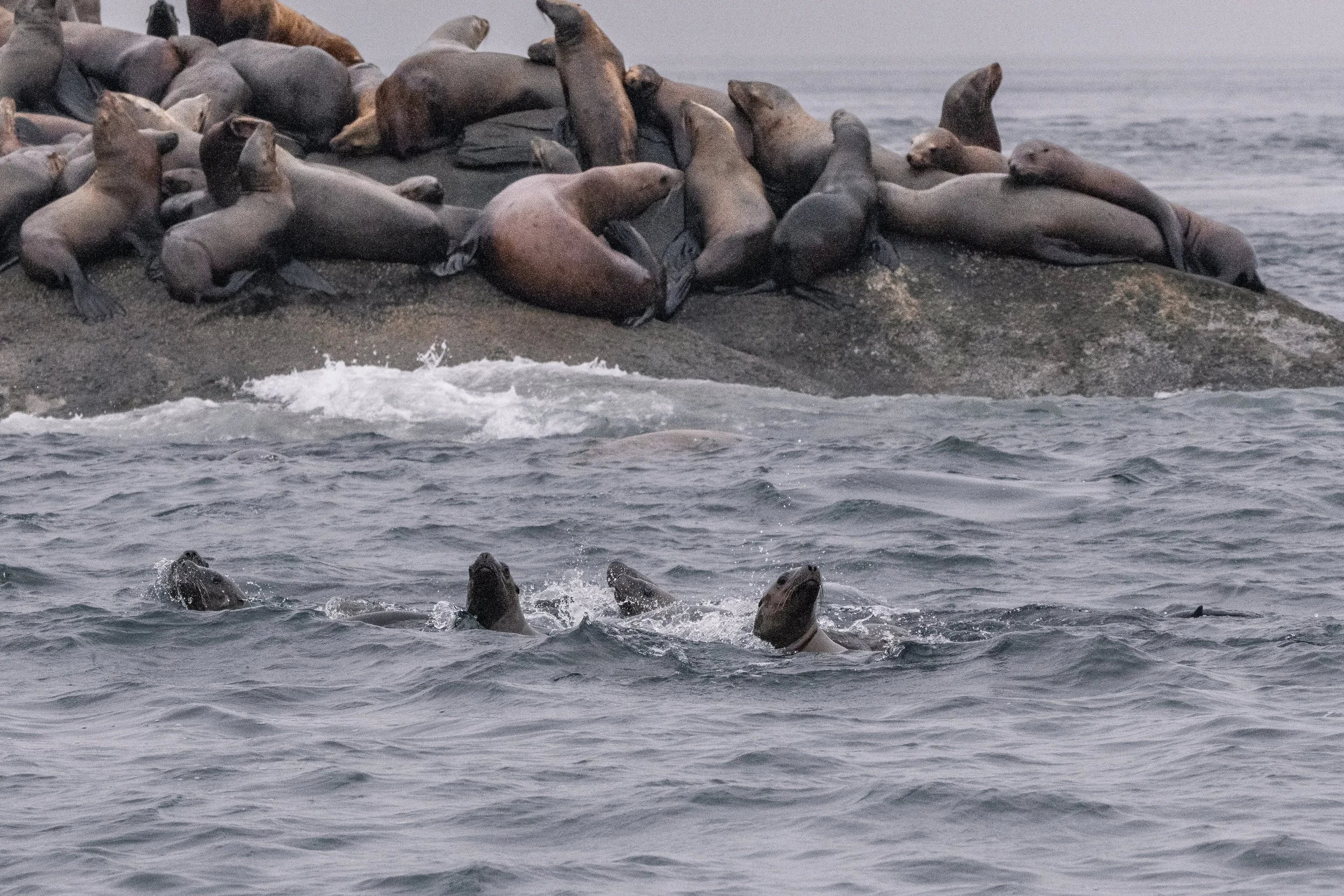
There isn’t always space on the rocks for every sea lion!