
March 22, 2026 - Double Species Day!
Double the boats meant double the perspective today, as Cascadia, our open Zodiac, and Kula, our semi-covered vessel, pushed off from the dock under a bright spring sky. There was a quiet sense of anticipation on board both vessels - word had come in of an orca sighting just outside Nanaimo Harbour. Not long ago, sightings this close to a busy port would have been unusual. Today, they serve as a powerful reminder: these waters are alive, and wildlife can appear where we least expect it. It reinforces something we carry with us on every trip - the responsibility to move thoughtfully and respectfully through shared habitat.
Rounding the tip of Protection Island, both vessels turned north. The wind brushed across the water’s surface as guests and crew alike scanned the horizon, eyes moving between ripples and distant shapes. For a while, there was only ocean and expectation. Then, there they were: a tall, unmistakable dorsal fin broke the surface, followed by three smaller fins in close formation. A pod of four Transient orca.
They travelled with purpose - surfacing briefly, exhaling bushy blows that hung in the air before slipping back beneath the surface. Their movement was fluid and coordinated, covering distance quickly. As we paralleled their path, Marine Naturalists Val and Vanessa began documenting the encounter. Each photograph taken in these moments serves a dual purpose: capturing the experience for readers and guests alike, and contributing to long-term identification work.
Looking closely at dorsal fin shapes, subtle nicks, and saddle patch patterns, we confirmed the group as the T060s:
T060 Panthera ♀ (~1980)
T060C Yelnats ♂ (2001)
T060F Tigris ♀ (2012)
T060G Uncia ♀ (2019)
This particular family carries an interesting story. Two of Panthera’s sons, T060D Onca and T060E Lynx, have spent the past seven years travelling independently from their natal group - a rare deviation from the typical structure of Transient orca, where males often remain with their mothers for life. Their dispersal coincides with the birth of their younger sibling, T060G Uncia, and may reflect the energetic pressures within a growing family unit. A 2023 study suggests that supporting multiple adult sons can undermine a matriarch’s ability to raise new calves successfully, offering a possible explanation for this shift.
Yet the eldest male, T060C Yelnats, remains. His presence highlights another layer of orca society - older males play a key role in gene transmission, increasing the likelihood that their lineage will be passed on across populations. In this way, even within a single pod, we see a balance between independence and cohesion, shaped by both biology and circumstance.
Eventually, the T060s continued on, their fins fading into the distance as we turned back toward Nanaimo. But the day was far from over!
Along the shoreline near Pipers Lagoon, another mystery awaited us. This stretch of coast has drawn attention recently, and as we approached, it became clear why. Moving steadily back and forth in the shallows was a young humpback whale - HW-MN0445366, the same individual observed the previous day.
The whale’s behaviour suggested feeding, likely taking advantage of herring associated with the seasonal spawn. While they remained elusive with their fluke, subtle markings along the dorsal fin and scarring on their body allowed for confirmation of their identity. Judging by their size, we suspect they may be around two years old, meaning this humpback might be navigating its first season alone.
For humpbacks, the first year of life is spent closely alongside their mother, learning critical migration routes and feeding strategies. These early lessons shape their future, contributing to strong site fidelity -many individuals return to the same feeding grounds year after year. Watching this young whale move with intention along the shoreline offered a glimpse into that learning in action: instinct meeting experience in real time.
Leaving the humpback behind, we continued toward our final stop. Near the edge of the Northumberland Channel, log booms floated in quiet clusters, and atop them lay a different kind of gathering. California Sea Lions, with a few larger Steller Sea Lions among them, were draped across the logs in dense groups, their bodies pressed together in layered piles.
It’s an image that often draws laughter - animals stacked atop one another, seemingly without concern - but beneath the humour is function. In the cooler months, huddling conserves heat, creating a shared warmth that benefits the entire group. It’s a simple but effective strategy, and one that reflects the adaptability required to thrive in these waters.
As we rounded Jack Point and the Nanaimo skyline came back into view, there was a shared feeling across both vessels - a quiet appreciation for the day. Orca and humpback were encountered nearly within sight of the city itself, a rare moment we were so happy to be able to take part in.
Moments like these speak to something larger. The waters around Nanaimo are not just a passageway -they are an active, dynamic habitat. Seeing multiple species so close to shore is a sign that the system continues to support life in meaningful ways. And for those on board, it’s a reminder that connection to the natural world doesn’t always require distance - sometimes, it’s right at our doorstep.
Please enjoy this trip’s photos below, taken by Marine Naturalists Val Watson and Vanessa Vereschahen.
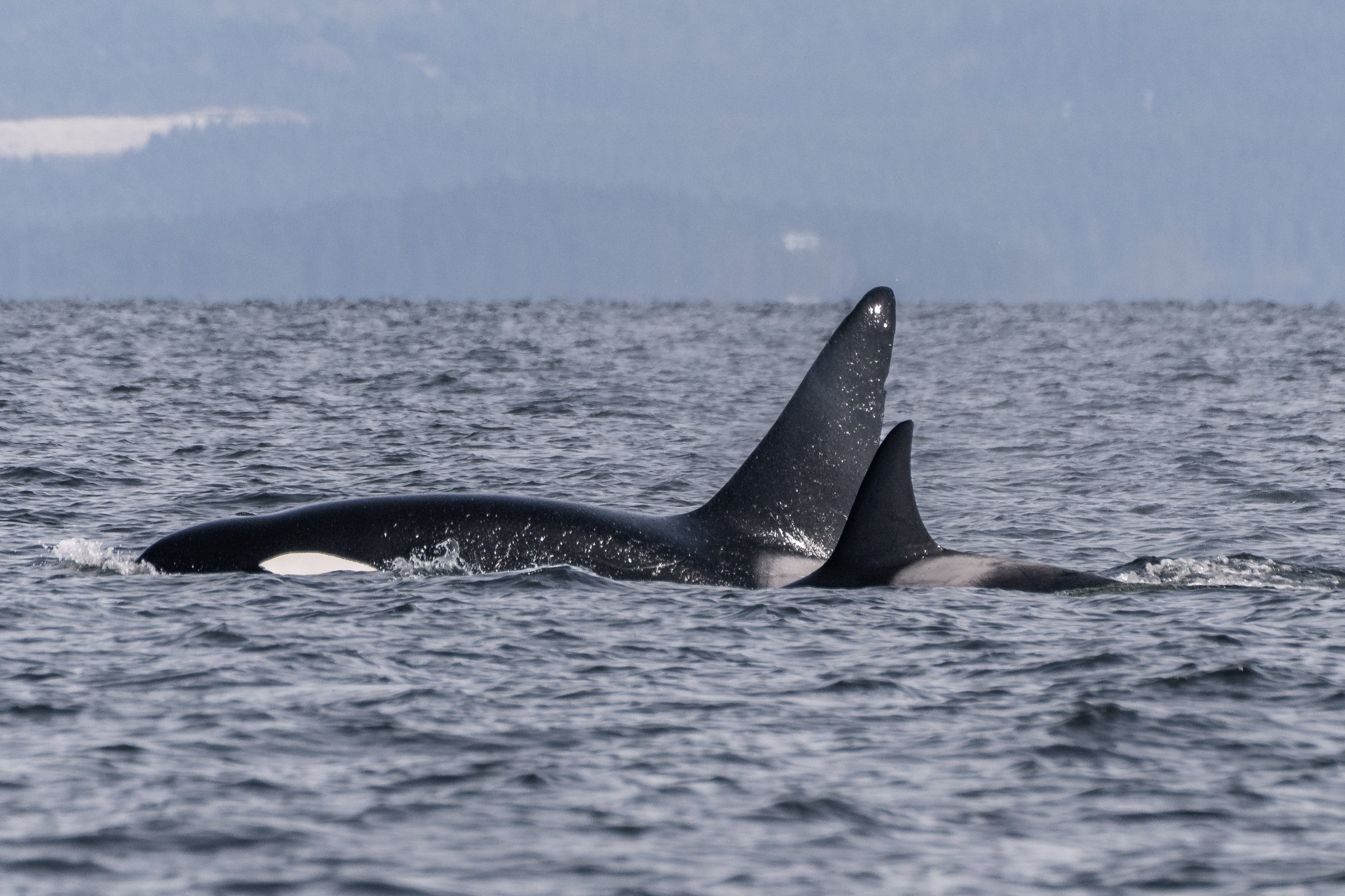
T060C Yelnats with his sister T060F Tigris. Photo by Val Watson.
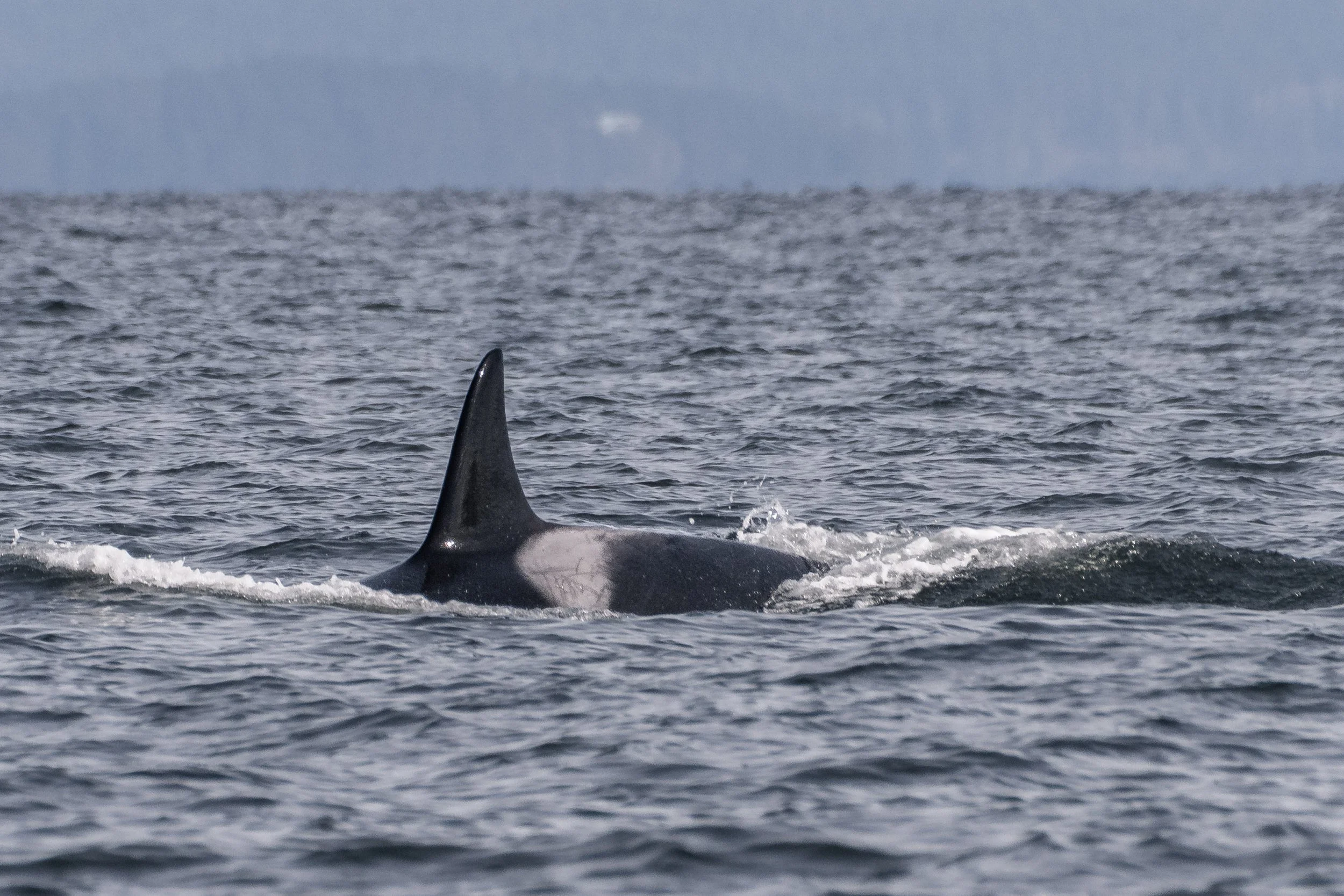
T060F Tigris diving. Photo by Val Watson.
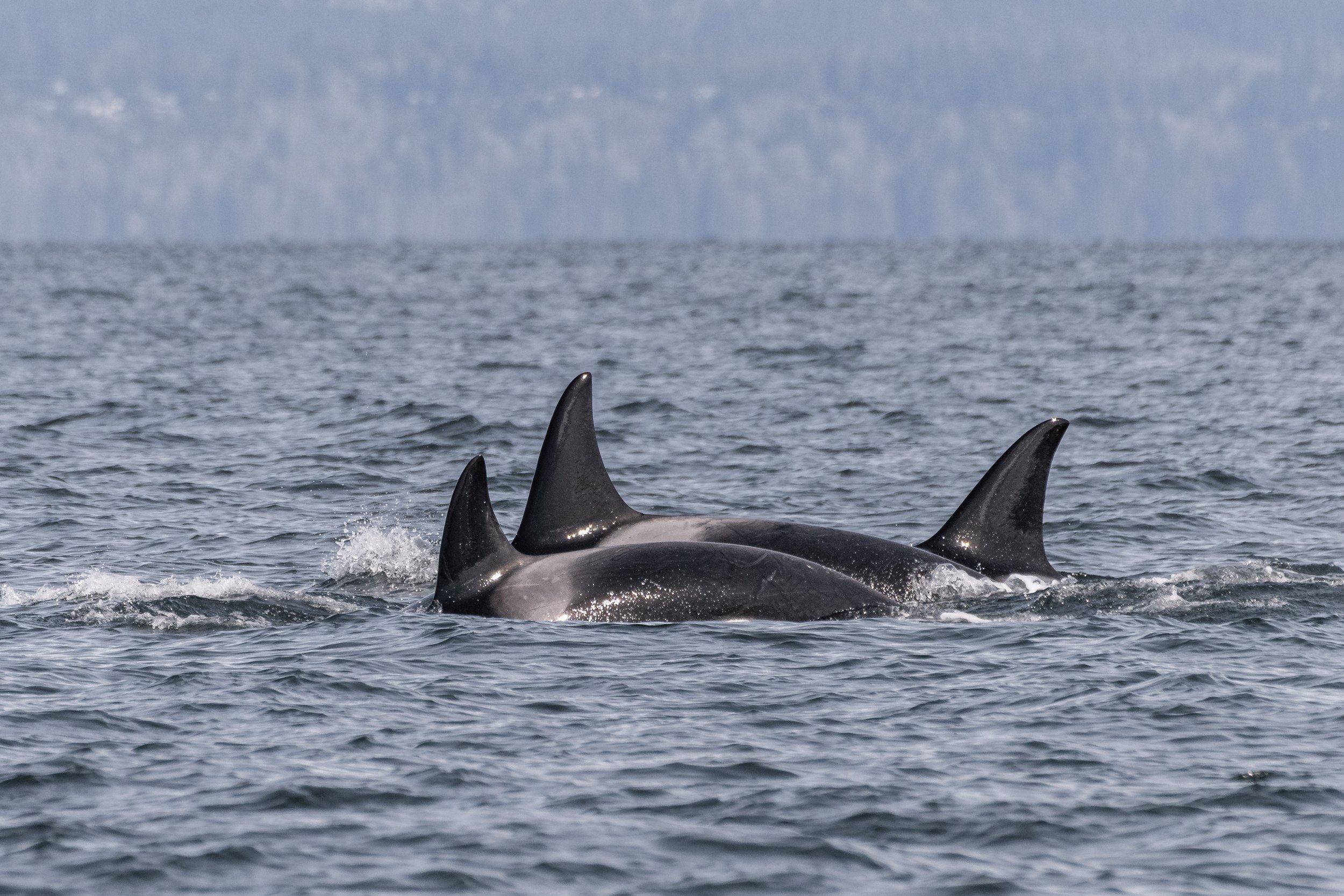
The ladies of the matrline: T060G Uncia, T060F Tigris, and T060 Panthera. Photo by Val Watson.
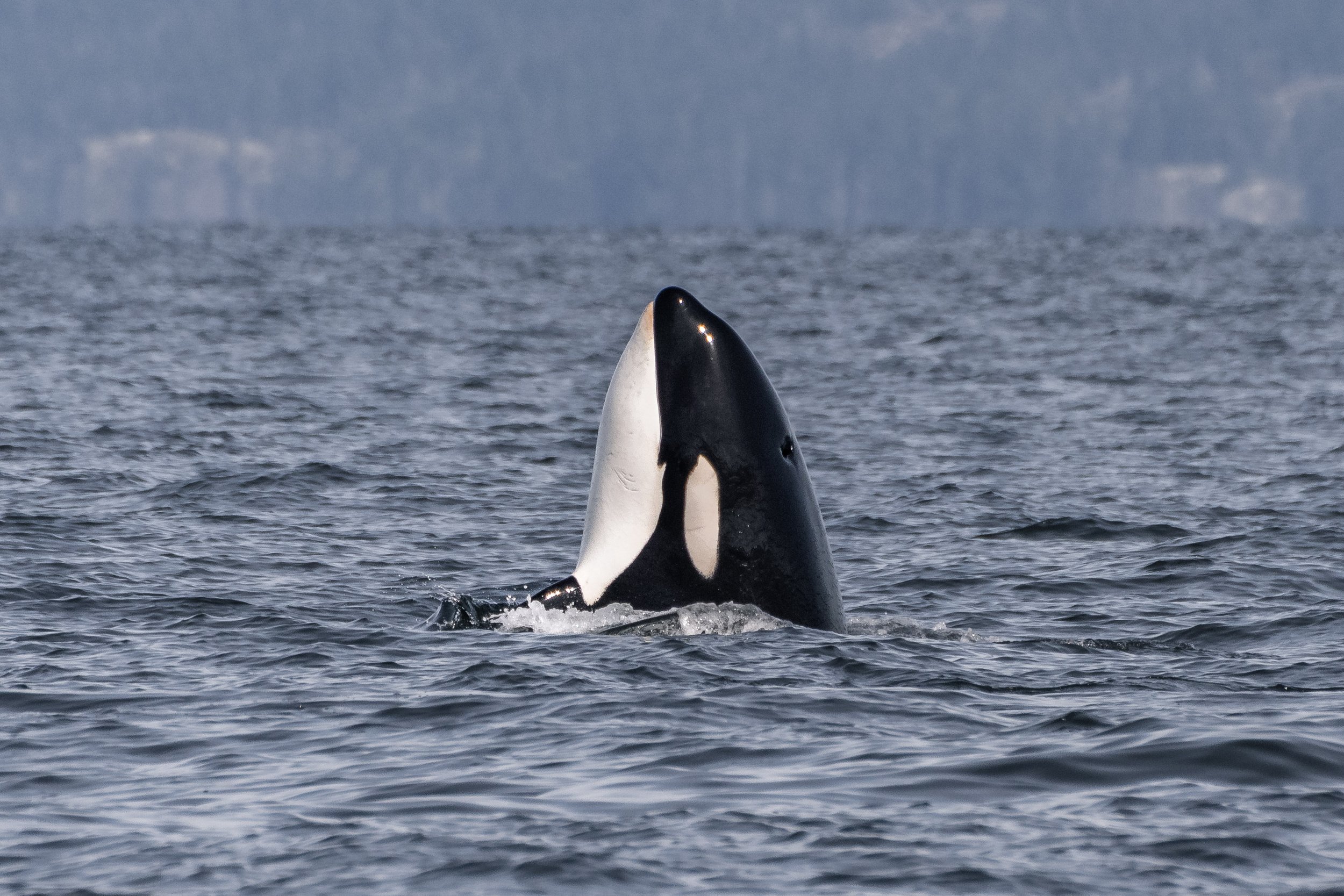
T060F Tigris spyhopping. Photo by Val Watson.
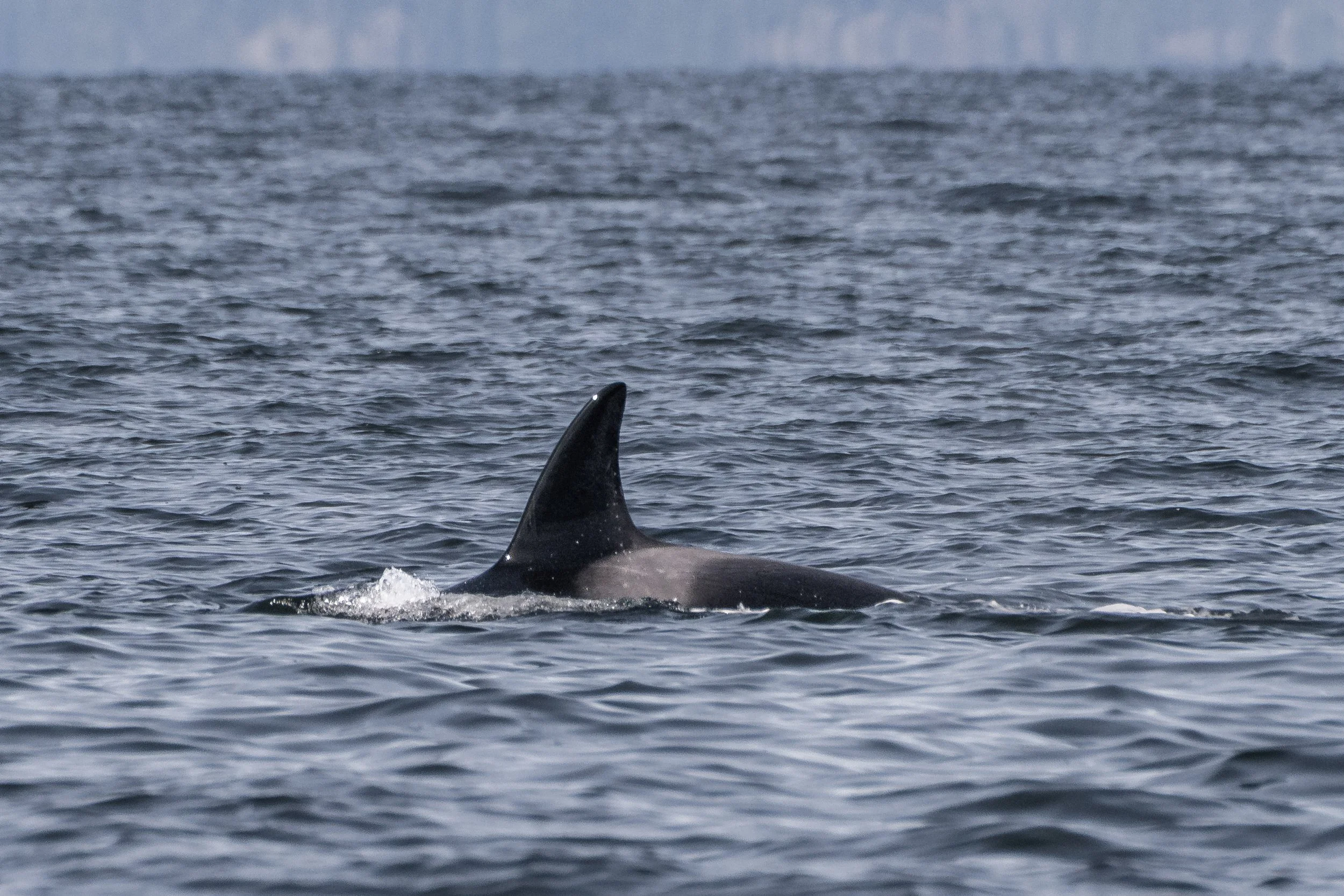
T060G Uncia zipping by. Photo by Val Watson.
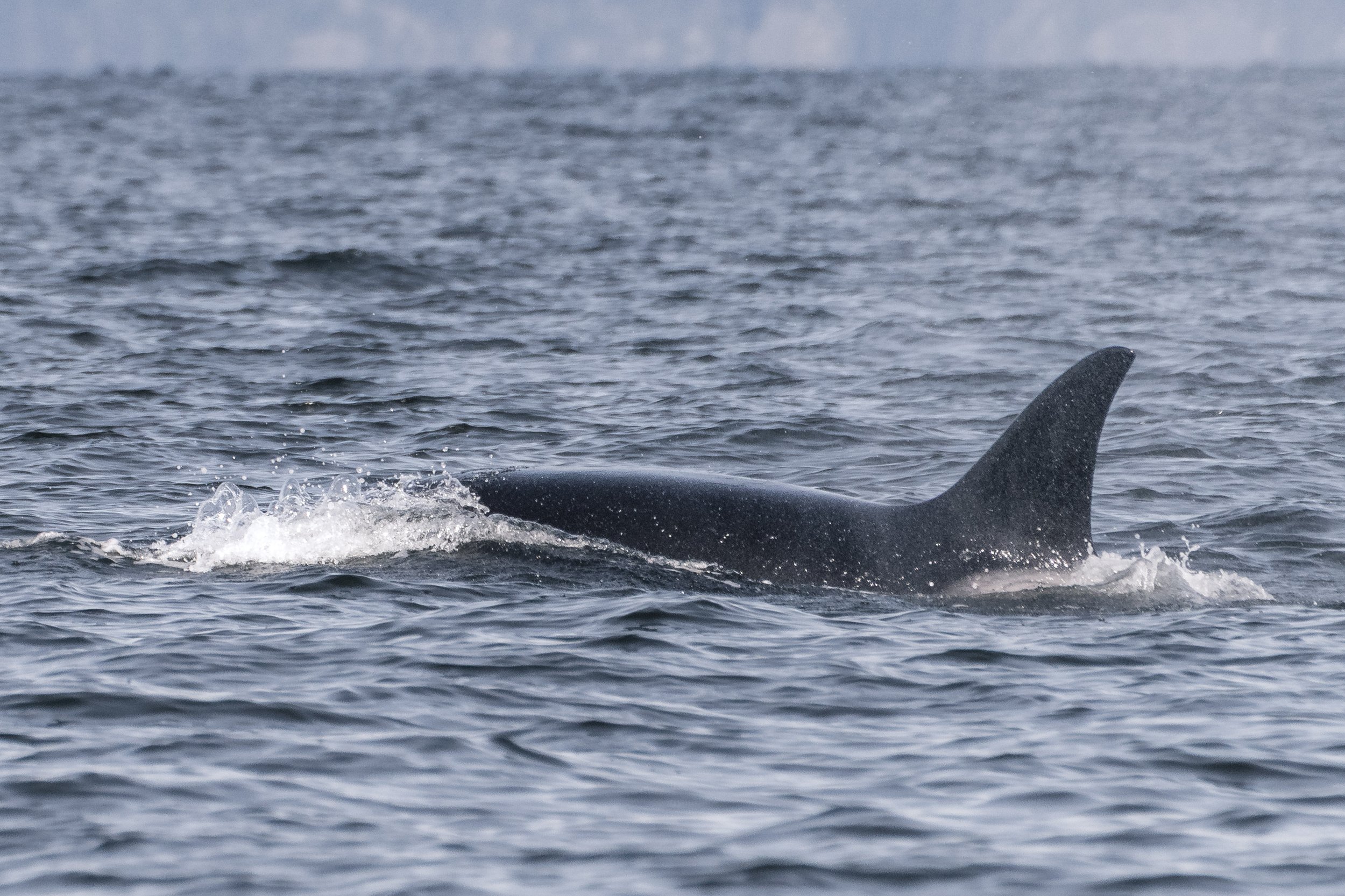
T060 Panthera. Photo by Val Watson.
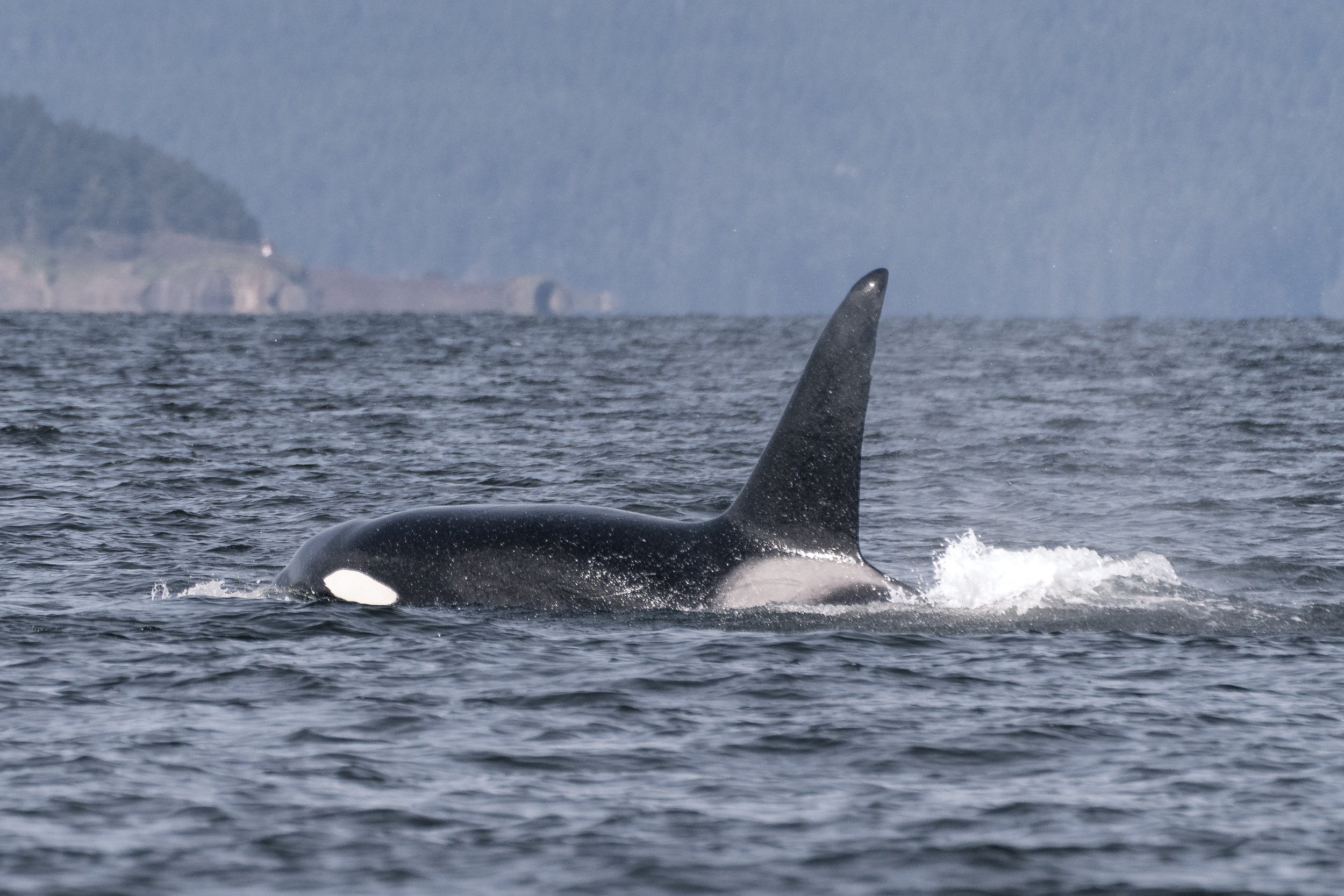
T060C Yelnats travelling. Photo by Val Watson.
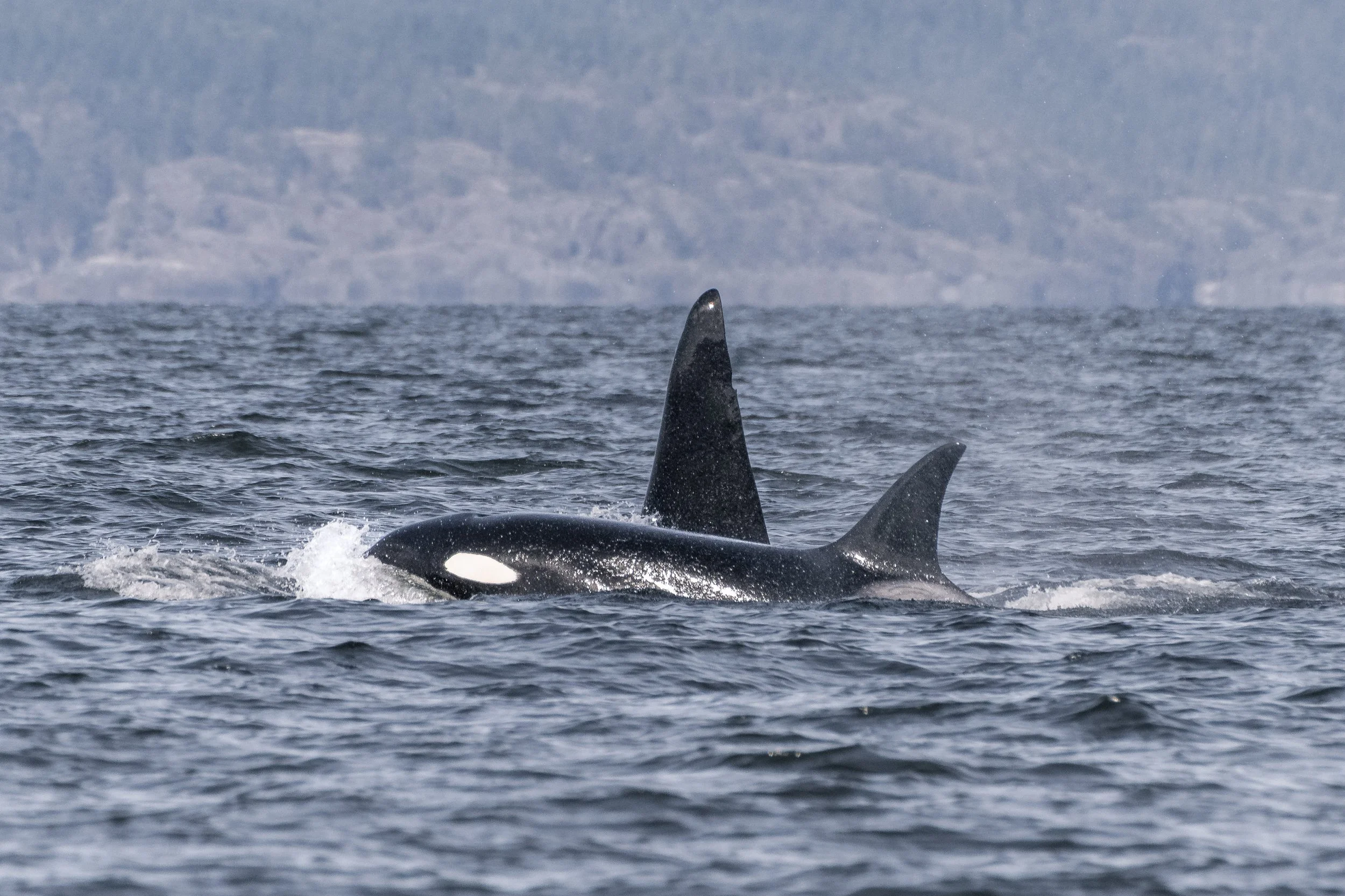
T060C Yelnats with his mother T060 Panthera. Photo by Val Watson.
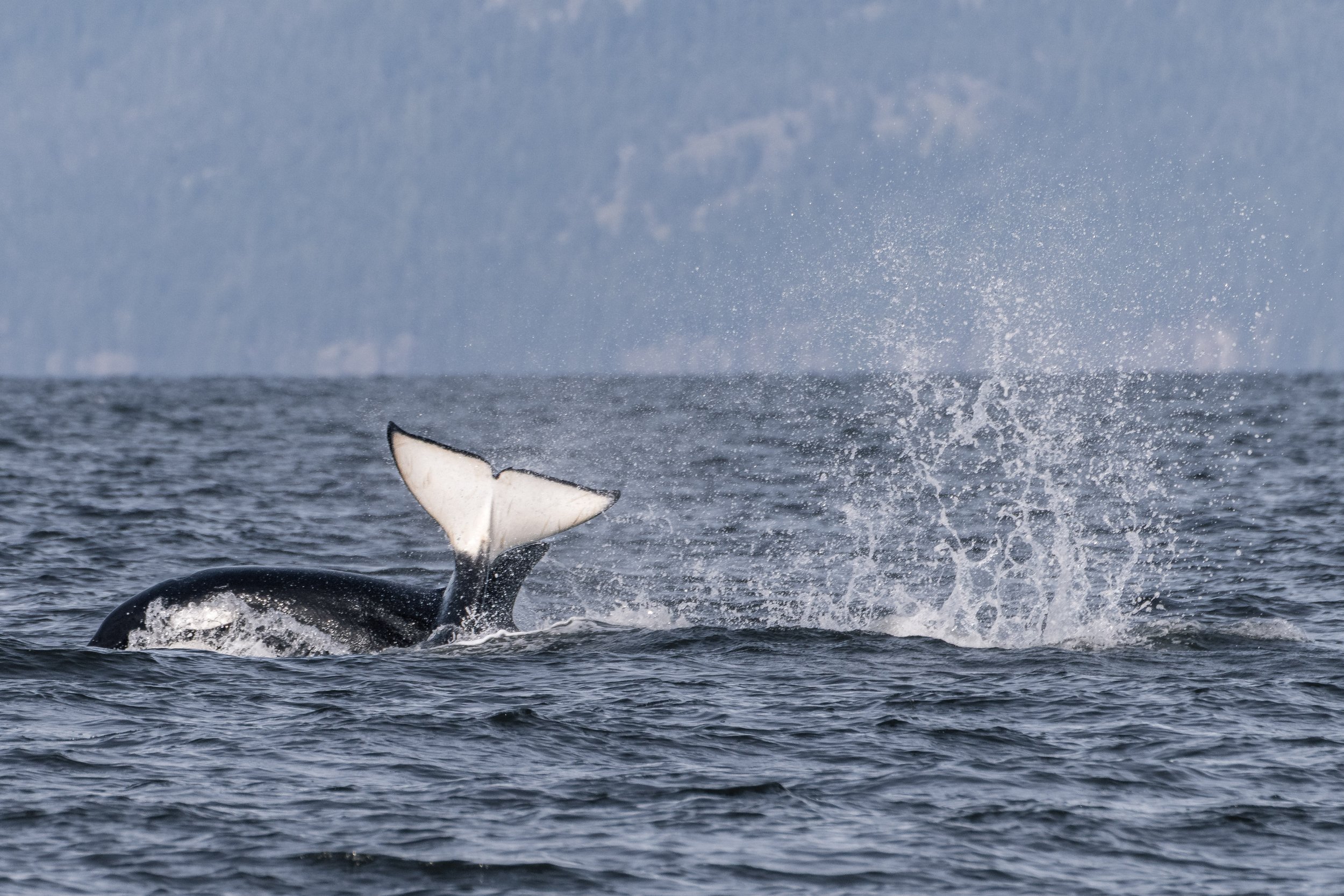
Flukes up! Photo by Val Watson.
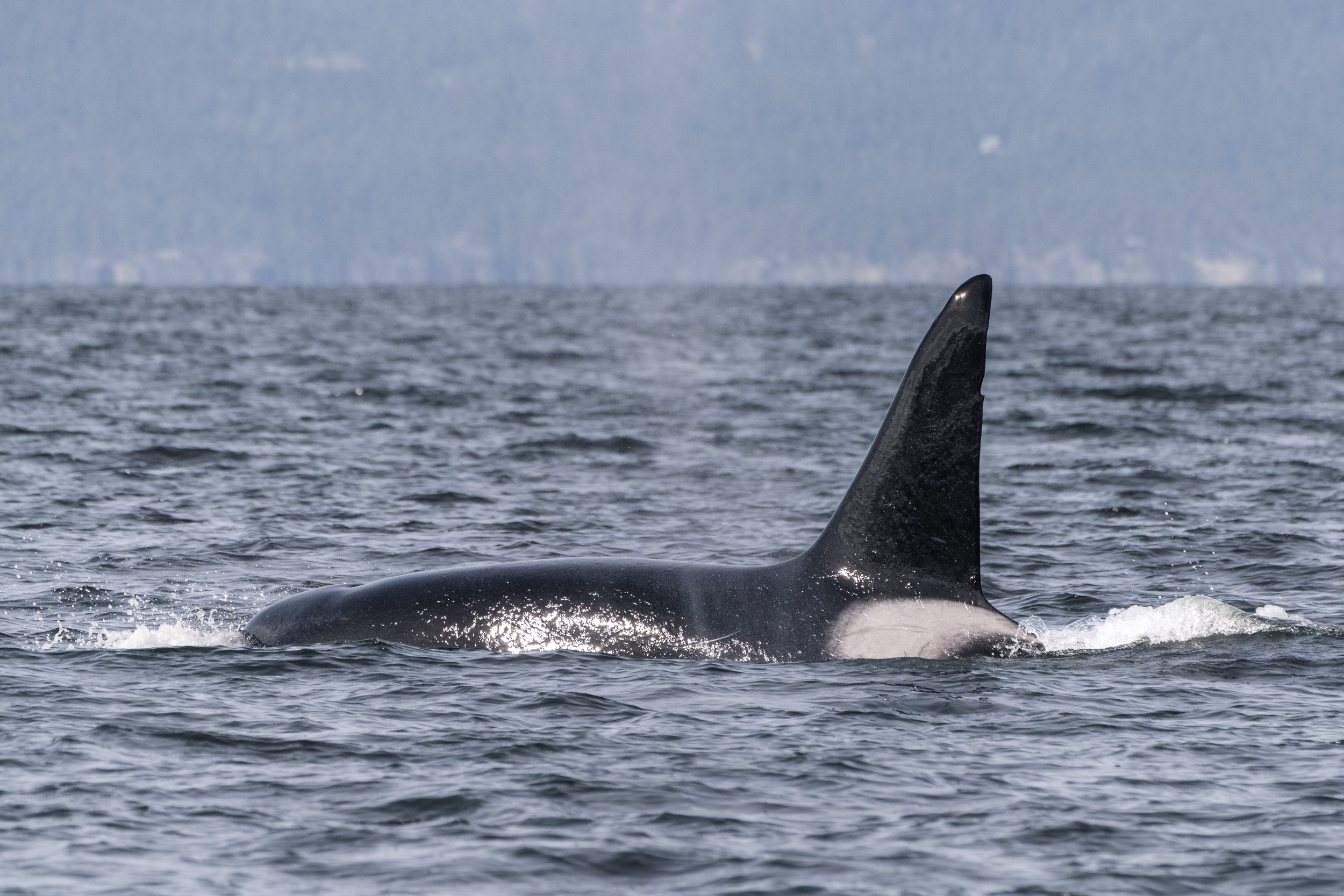
T060C Yelnats’s giant dorsal fin. Photo by Val Watson.
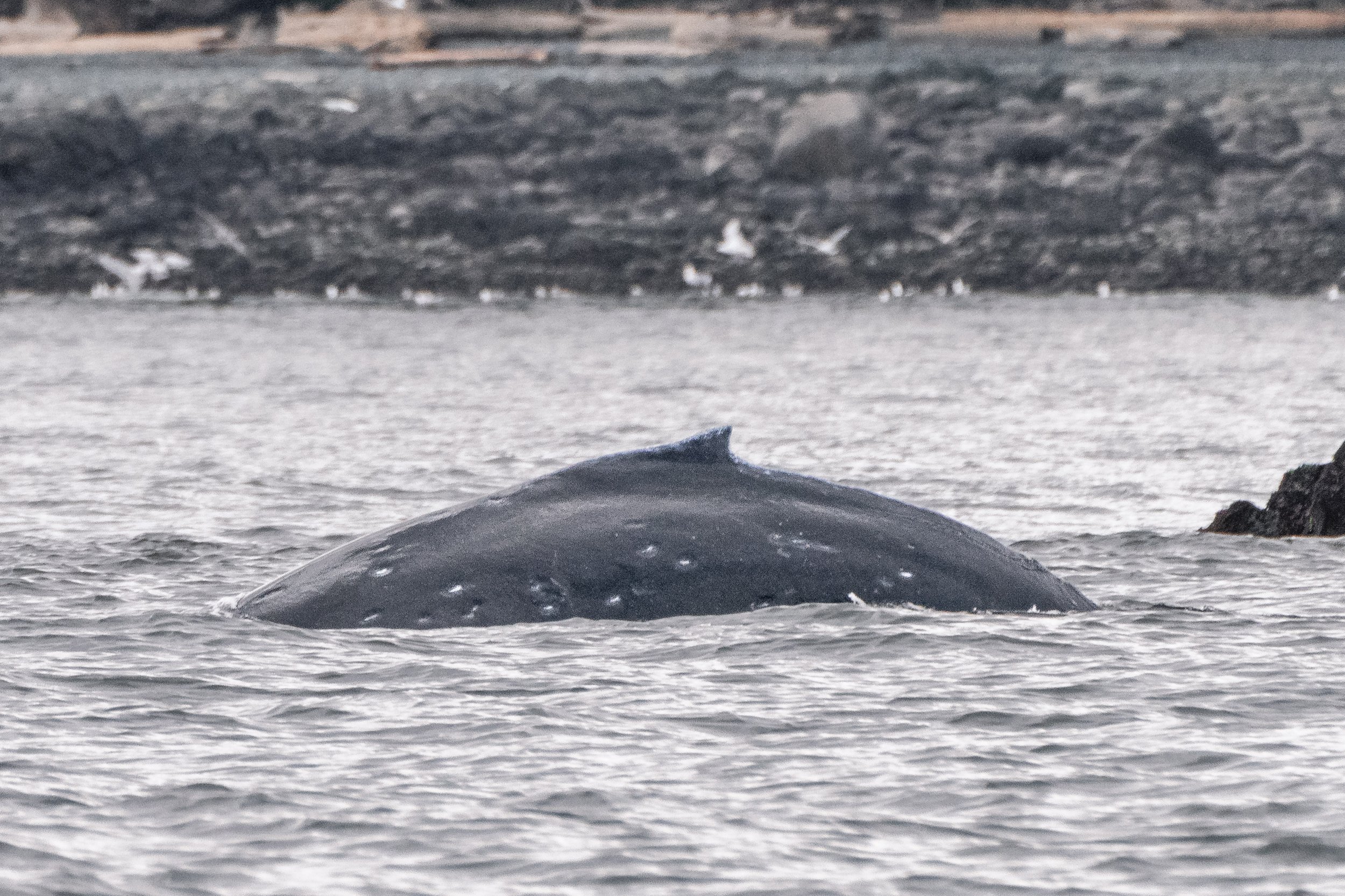
HW-MN0445366’s dorsal fin, with the coast right behind them. Photo by Val Watson.
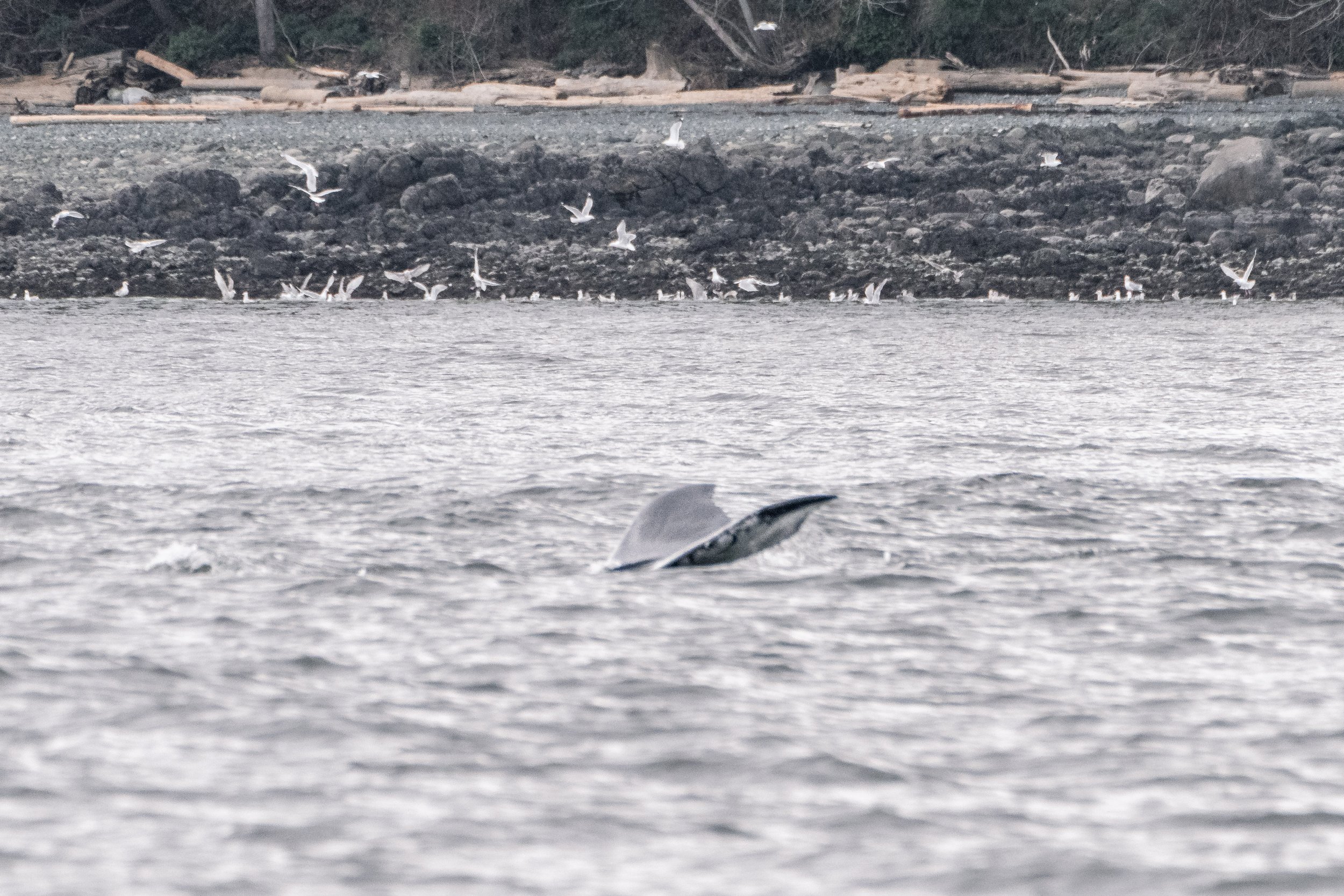
HW-MN0445366’s fluke just barely scraping the surface. Photo by Val Watson.
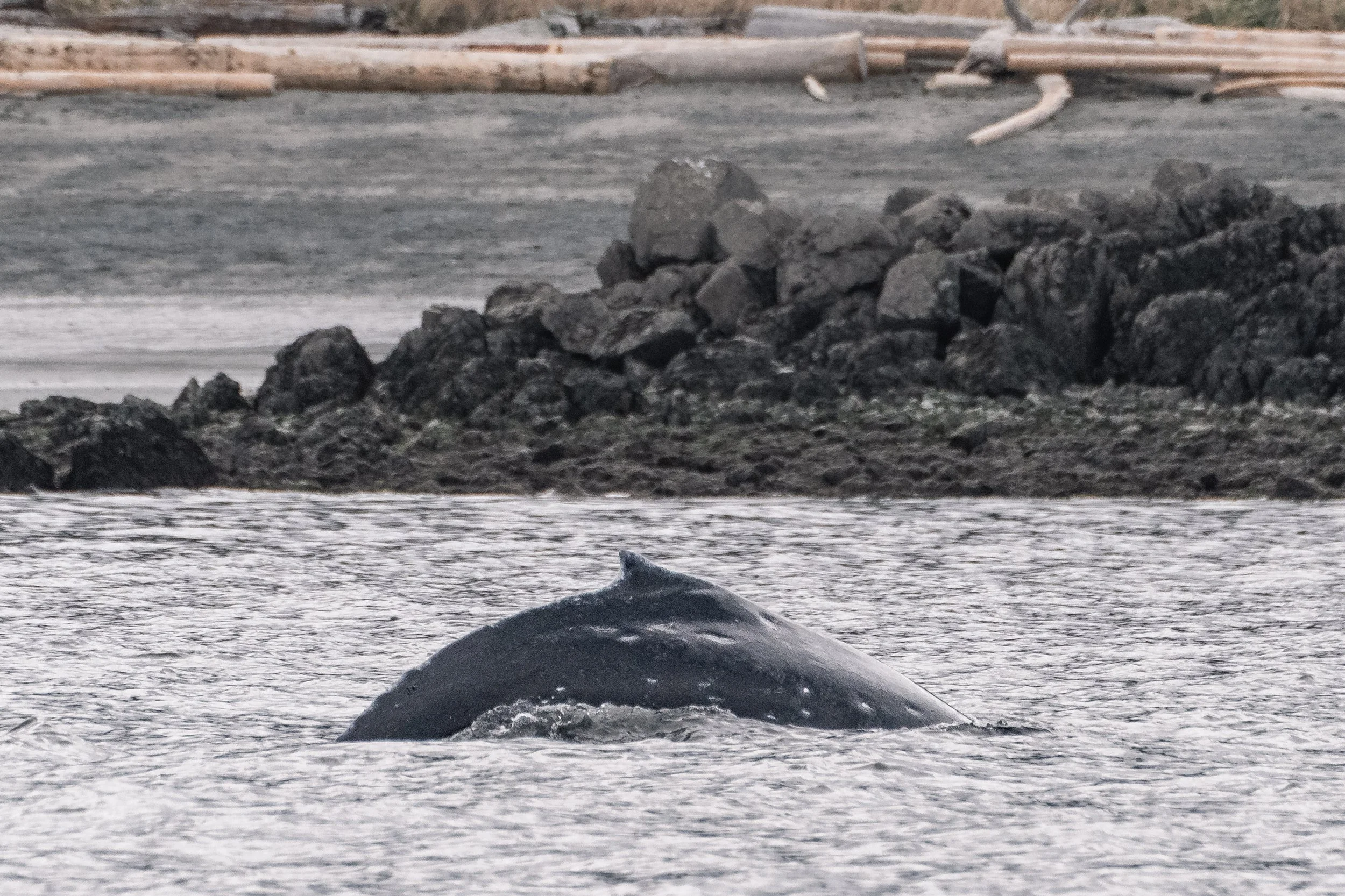
HW-MN0445366 was busy travelling back and forth along the coast. Photo by Val Watson.
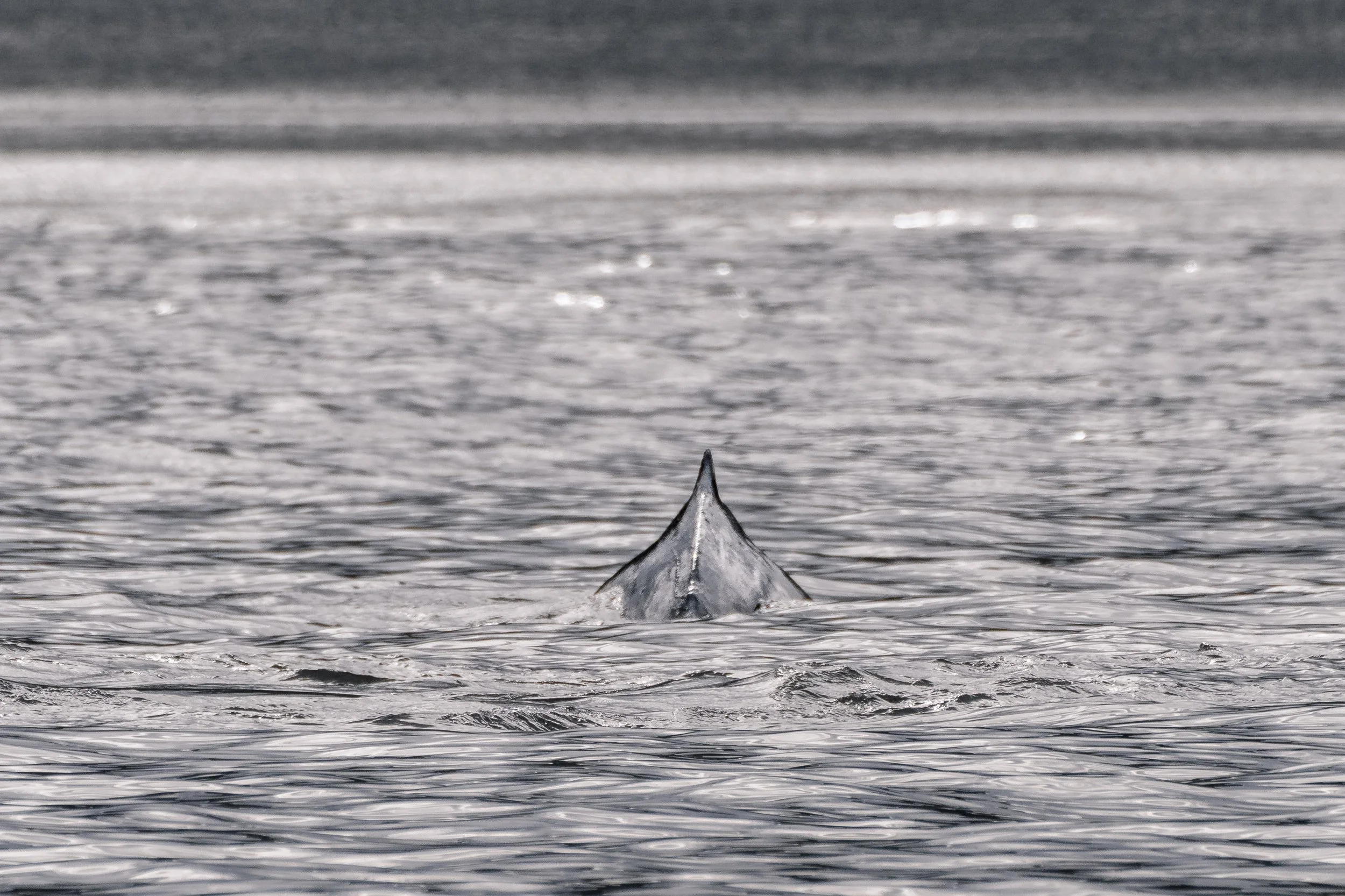
HW-MN0445366 from a different angle - looking directly up their back. Photo by Val Watson.
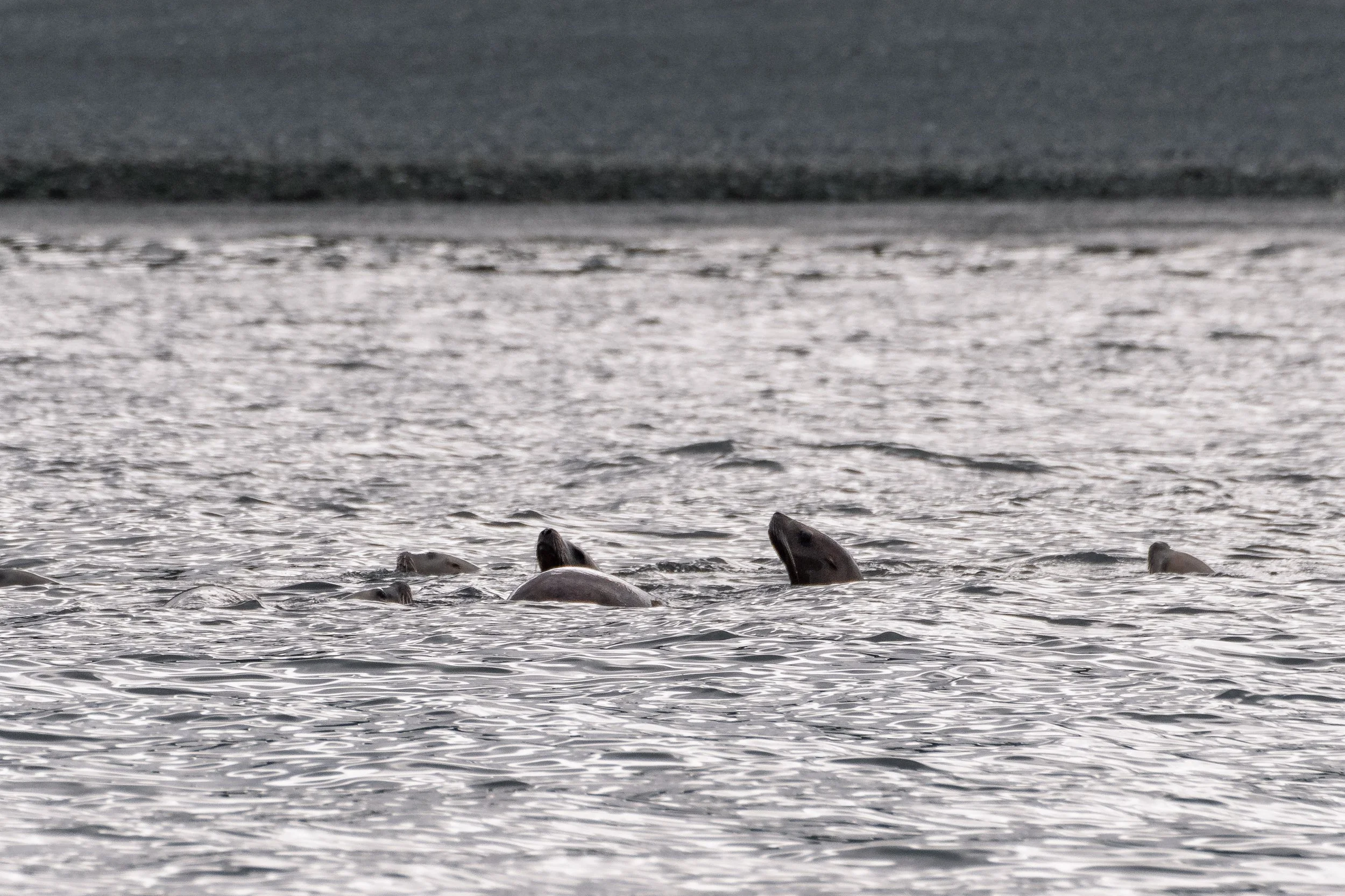
Sea lions peeking out of the waters. Photo by Val Watson.
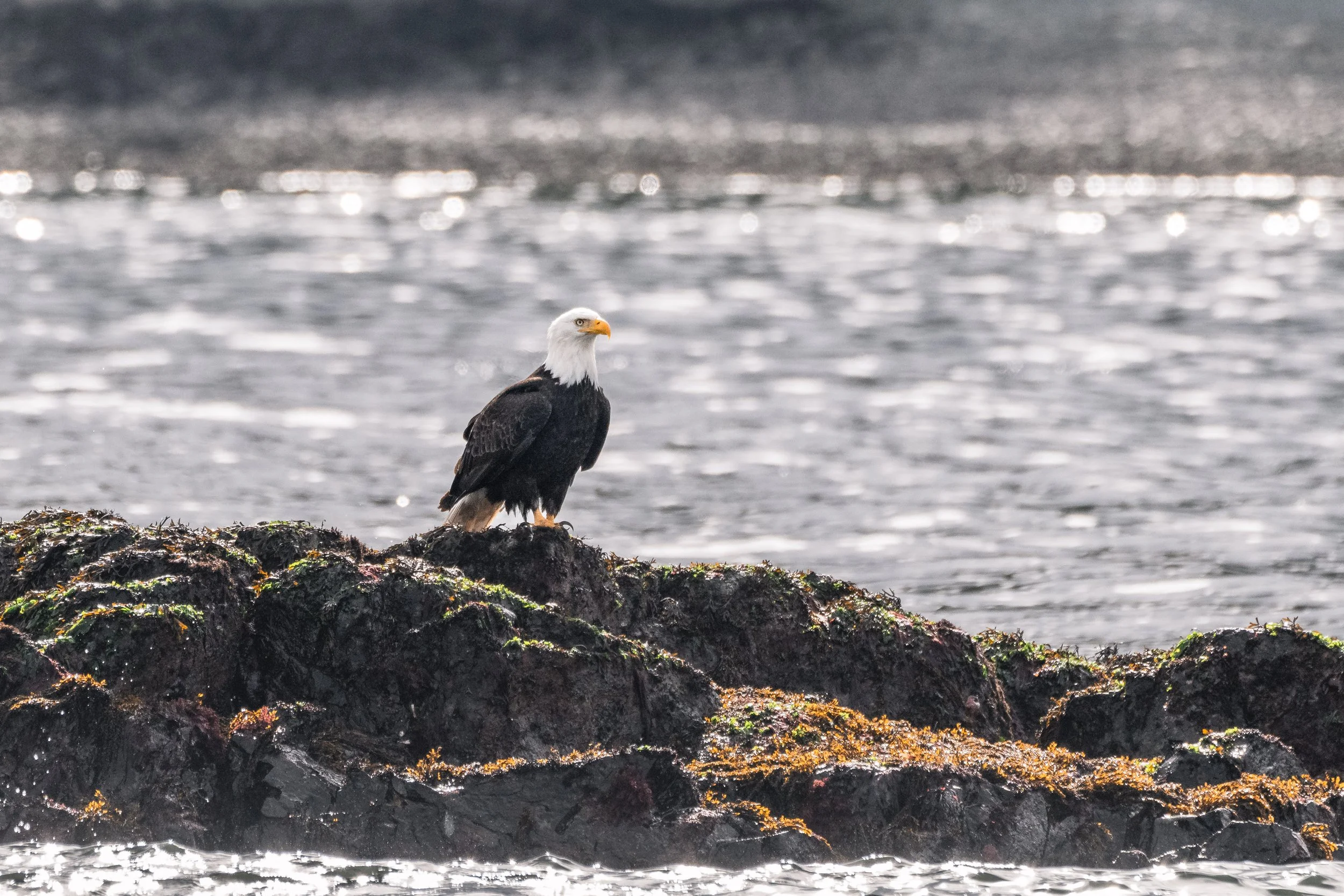
A Bald Eagle watching for a snack. Photo by Val Watson.
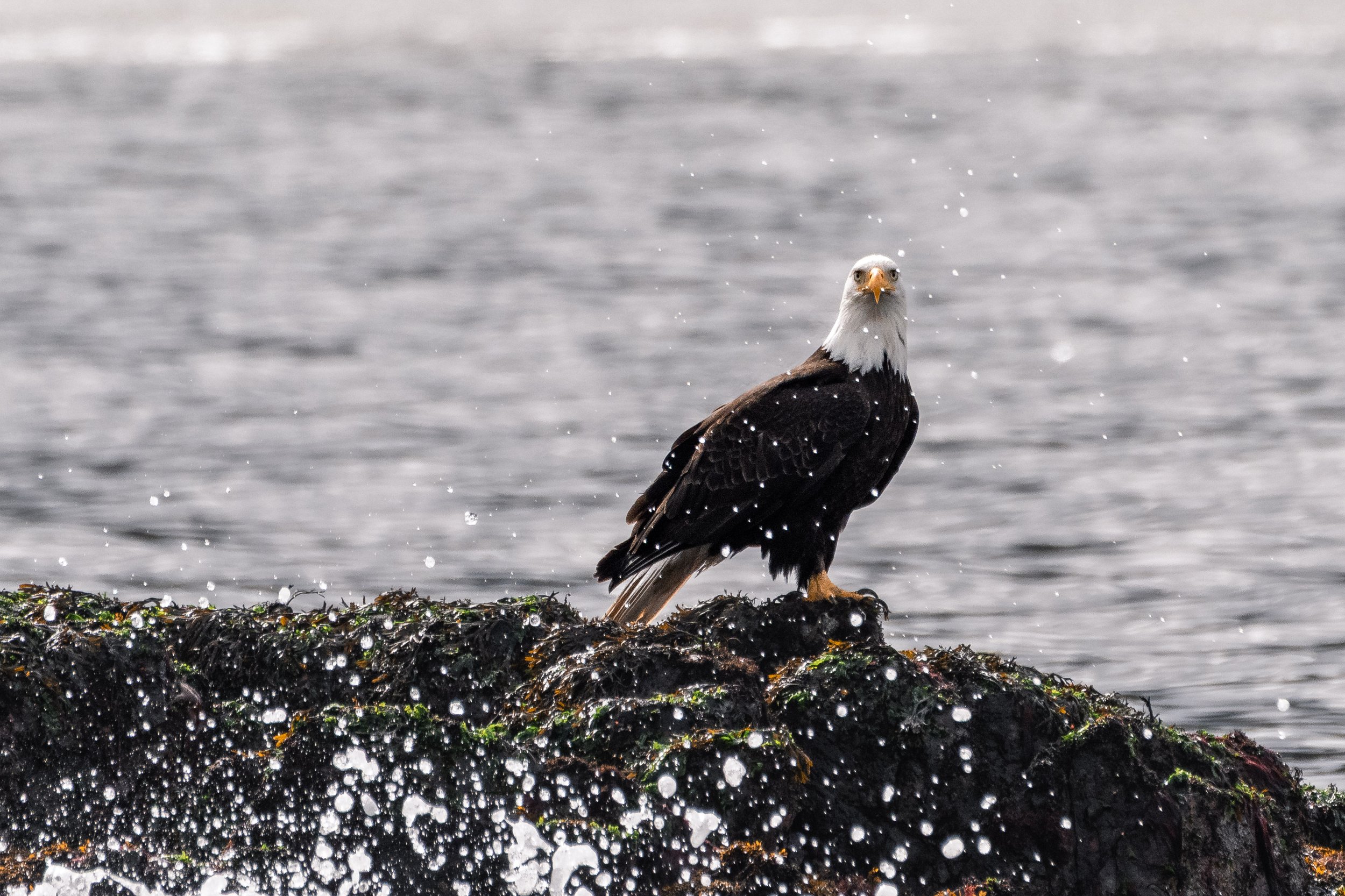
Framed by the surf. Photo by Val Watson.
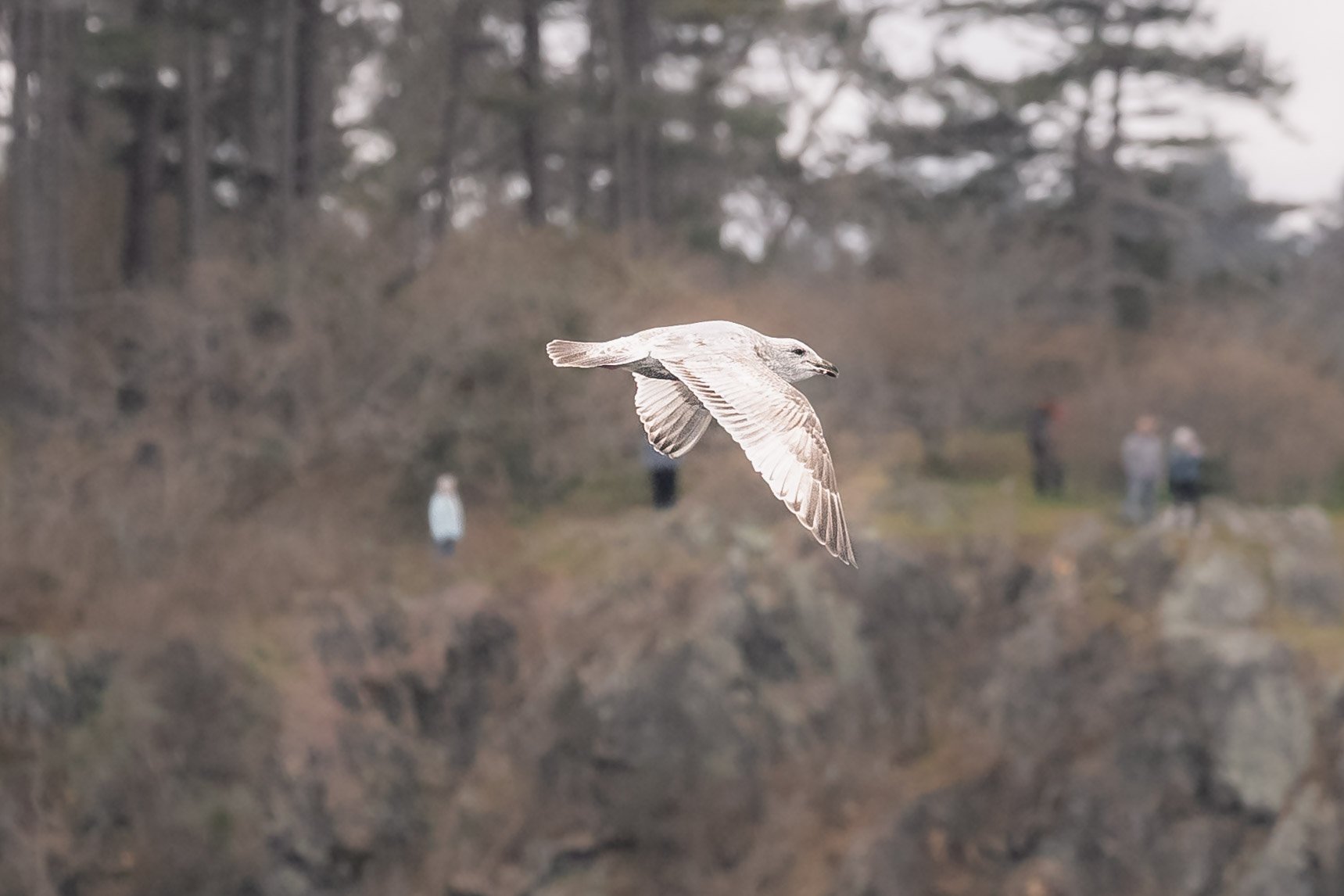
A Gull swooping by. Photo by Vanessa Vereschahen.
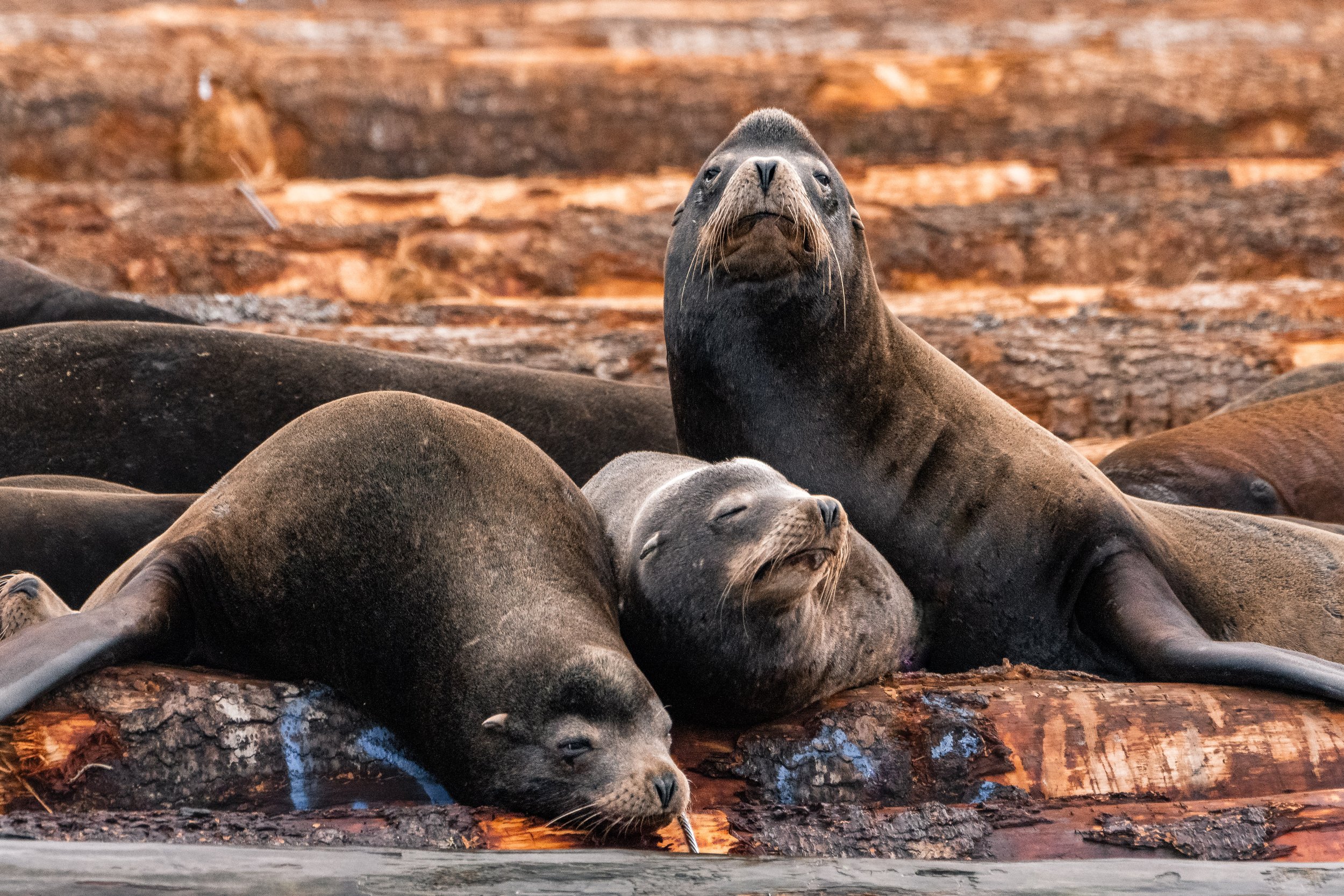
Group nap time for the California Sea Lions. Photo by Val Watson.
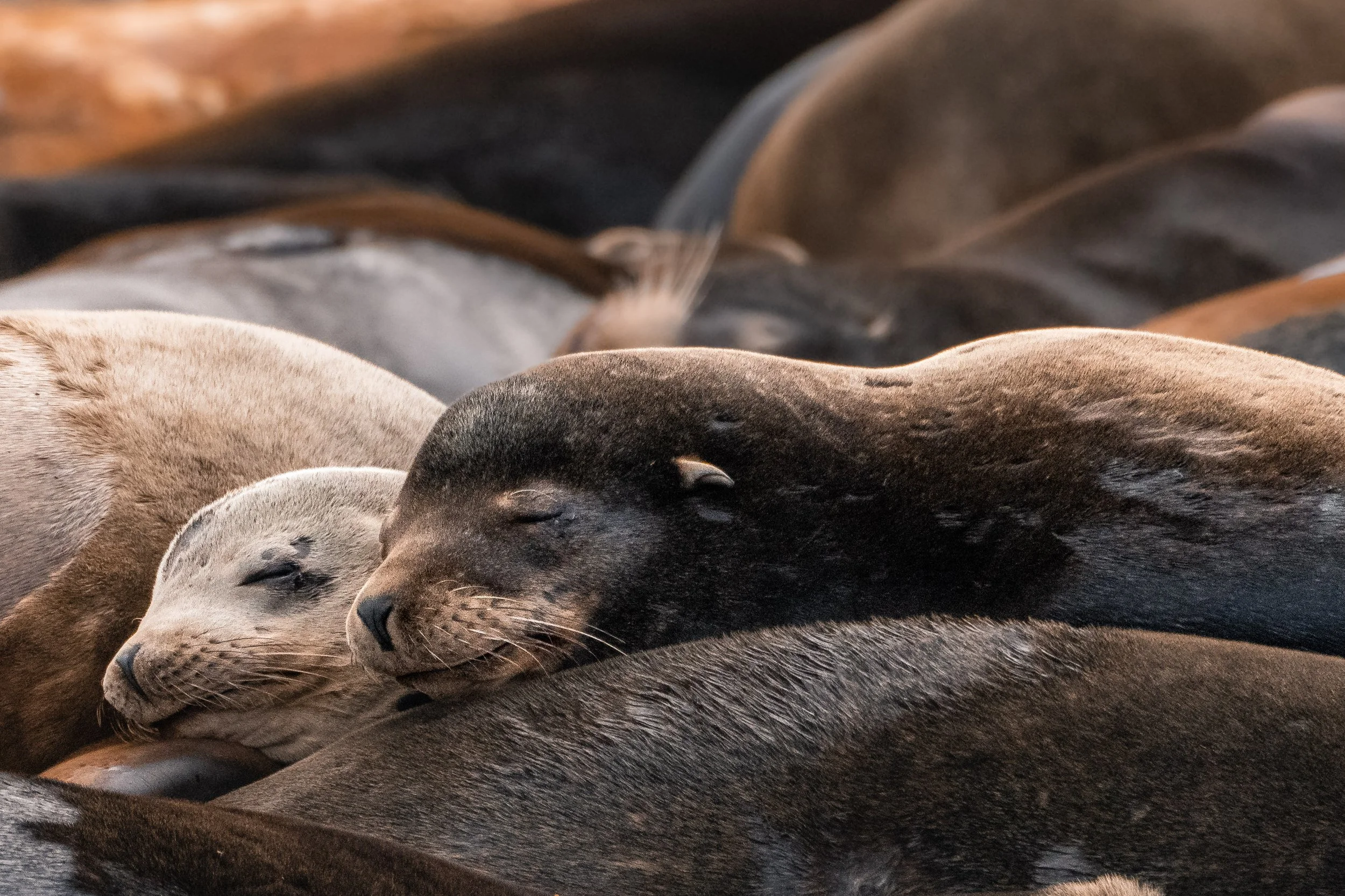
Up close and personal - the sea lions often will huddle up to nap and conserve heat. Photo by Val Watson.
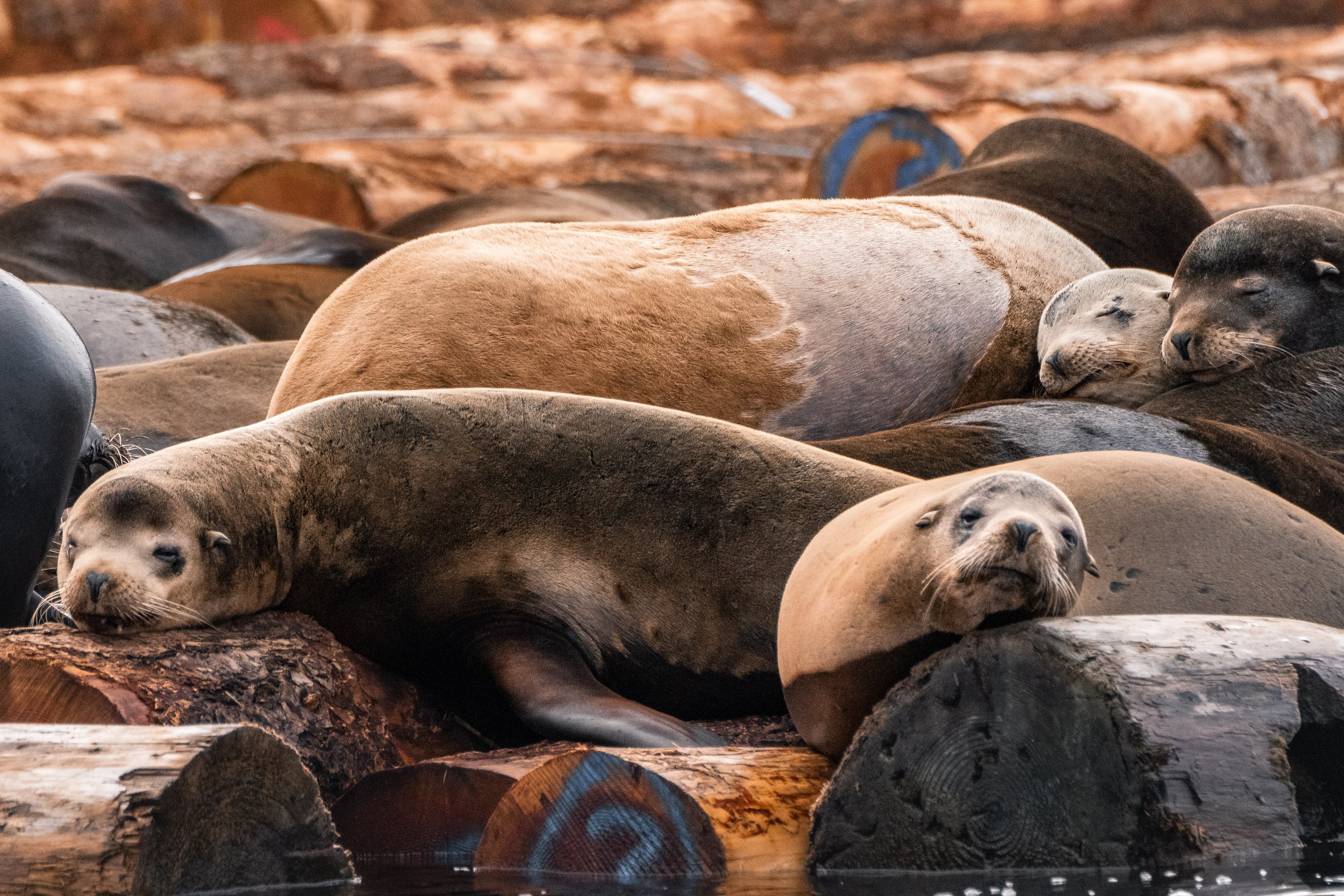
Everyone looked very sleepy while we watched them today! Photo by Val Watson.
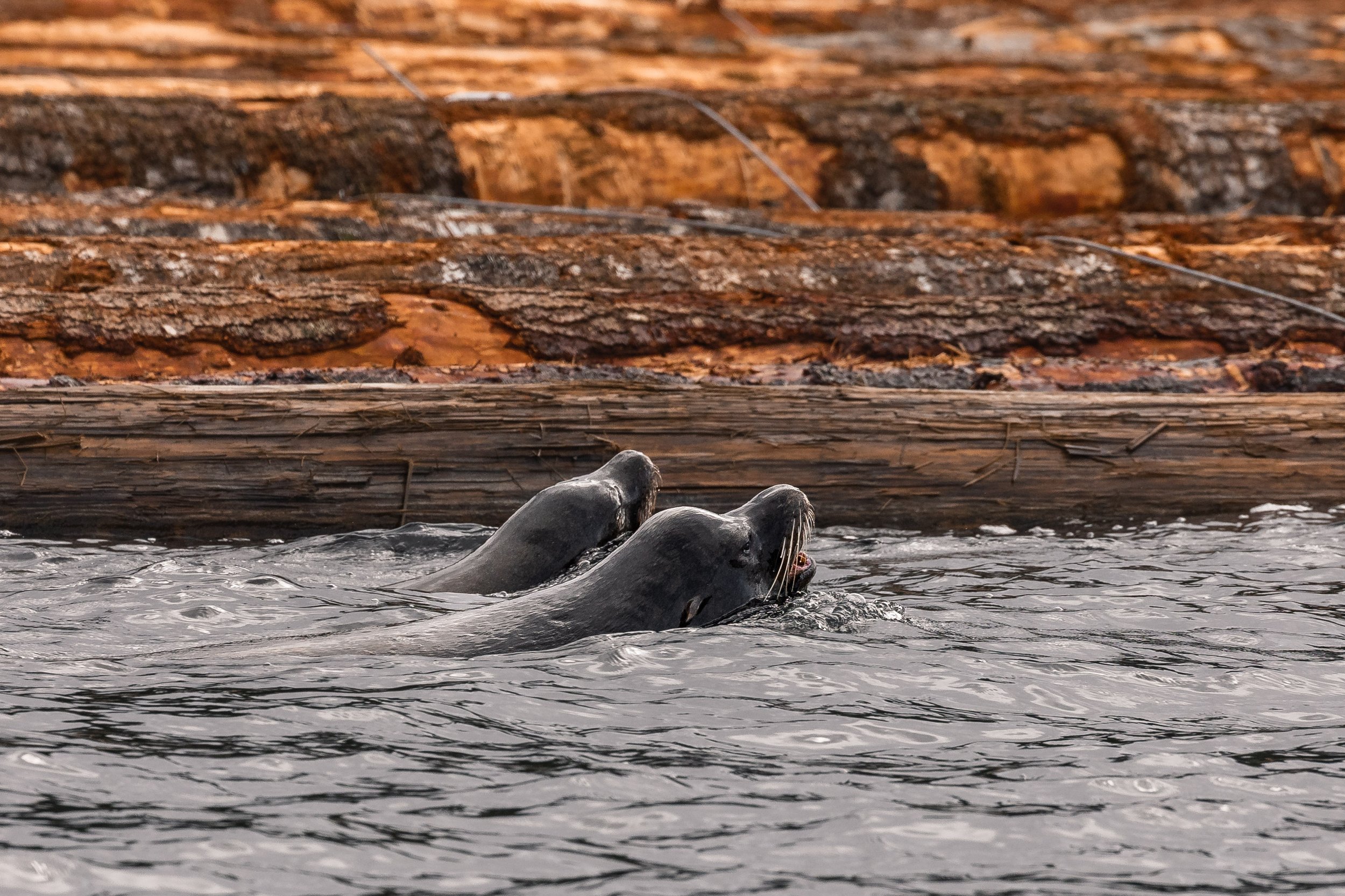
Peeking about, looking for the best place to rest. Photo by Vanessa Vereschahen.
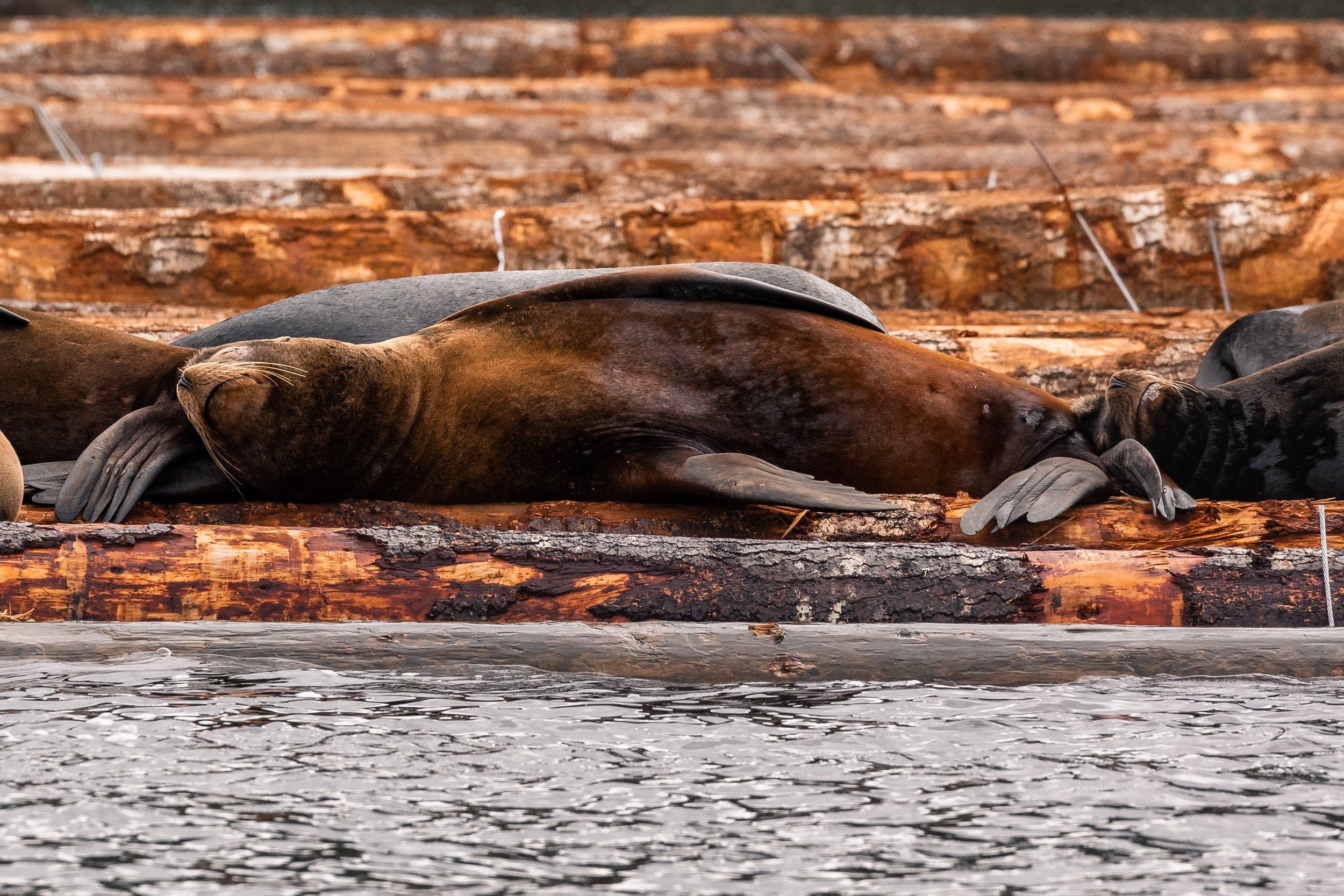
Snoozing the day away. Photo by Vanessa Vereschahen.