
March 23, 2026 - The T041s visit Qualicum, and the Pipers Lagoon humpback forages!
Sunny skies greeted us as Kula, our semi-covered vessel, eased away from the dock, her crew and guests settling into what promised to be a calm, clear day on the Salish Sea. With only a light breeze in the forecast, the water stretched out ahead in gentle ripples - ideal conditions for searching. As the harbour slowly fell behind us, Naturalist Vanessa outlined the plan: an early report of orca to the north had set our course.
Once clear of the harbour, Kula picked up speed, tracing the familiar coastline past Nanaimo, Lantzville, Nanoose Bay, and Parksville. The further north we travelled, the more focused the energy on board became. Conversations quieted, eyes fixed on the water, each person searching for that telltale sign - a blow, a fin, a shift in the surface.
And then, breaking the stillness of the water, they appeared.
A trio of small, hooked dorsal fins broke the surface, followed by another - and then a tiny face surfaced briefly among them. A very young calf, travelling tightly within the protection of its family. In total, five whales moved together, surfacing in a loose but coordinated rhythm.
As we settled into observation, we wondered which pod we were with. Two individuals carried distinct notches in their dorsal fins - one with a single small nick, another with two more prominent marks. After Naturalist Vanessa took a series of photographs and carefully compared them with the catalogue, we confirmed the group as the T041s:
T041 Lawrie ♀ (~1966)
T041A Jemison ♀ (1988)
T041A2 Tree (2013)
T041A3 Mola (2018)
T041A4 (2025)
We rarely encounter this pod, with just one sighting last year and another in 2022, leading to an extra buzz of excitement amongst the crew on board.
Amongst today’s whales was T041A4, the fourth calf of T041A Jemison, born just last year. At this young age, the calf still carried a faint orange hue within the white portions of its body - a temporary characteristic believed to be linked to thinner blubber at birth. As calves grow and feed on their mother’s rich milk, that pigmentation fades, replaced by the striking black-and-white contrast we typically associate with orca.
That early stage of life is demanding, though. With limited insulation, calves must keep moving to maintain body heat, often staying in near-constant motion. In fact, it’s believed that newborn calves may not rest in the way older whales do during their first month of life - an intense beginning, not only for the calf, but for their mother as well.
During our time with the T041s, the group remained purposeful. They travelled close to shore, interspersed with deeper dives, covering ground efficiently. This is characteristic of Transient orca, who can travel vast distances in a single day in search of prey - sometimes over 150 kilometres! Their movement is strategic, as they visit different haul-out areas to avoid alerting potential prey to their presence. Watching them move with such intent offered a glimpse into that constant balance between effort and opportunity.
Eventually, the group continued northward, their dorsal fins slipping from view as we turned south once more. But the day still had more to offer.
In the distance, a series of dorsal fins surfaced, spread out, covering a large portion of the waterway ahead. These dorsal fins looked different from the Transient orca we were just travelling with, though. That is because they were the Southern Resident Killer Whales, an ecotype separate from the Transients. Though the sight stirred excitement on board, we kept our distance, slowly travelling southbound and giving them a wide berth. Unlike the Transient orca population, these orca are a critically endangered population that relies almost exclusively on Chinook salmon and faces ongoing challenges from reduced prey availability, vessel noise, and habitat pressures. Regulations are in place to give them the space they need in an effort to try and combat the difficulties they endure. Canadian whale-watching regulations now prohibit vessels from approaching this endangered population, an important step in protecting them and their fragile ecosystem. Hopefully, one day, they will be able to recover.
Heading back near Nanaimo, our attention shifted towards Pipers Lagoon, where a young humpback whale had been seen in recent days. As we approached, it became apparent that the shoreline was alive with activity - sea lions porpoising through the water, and others gathered densely along the rocks at Neck Point. The energy of the area was unmistakable, driven by the seasonal herring spawn that draws predators from across the region.
Shortly after, we spotted them - a small humpback travelling alone in the surf.
HW-MN0445366 surfaced in a steady rhythm, exhaling a soft, rounded blow before arching into a dive. Back and forth along the same stretch of coastline, the whale moved with quiet purpose, quite likely feasting on the same herring that drew the sea lions to this area.
Each surface felt measured. Each dive was intentional. And in between, there was time to take in the surroundings - the calls of sea lions echoing from the rocks, the movement of birds overhead, and the quiet understanding shared on board that we were watching a young whale beginning to map out its place in this ecosystem.
After spending time with HW-MN0445366, we began our return. Rounding the corner back into Nanaimo Harbour, the skyline came back into view, marking the end of a day that had carried us from the far reaches of Qualicum back to the familiar waters of home.
Two species, two very different stories - one of community, the other of a young whale finding its way solo. Together, they formed a day that reflected not just what we saw, but what these waters continue to support.
Please enjoy the trip’s photos below, taken by Marine Naturalist Vanessa Vereschahen and Naturalist-in-Training Evan Hessels!
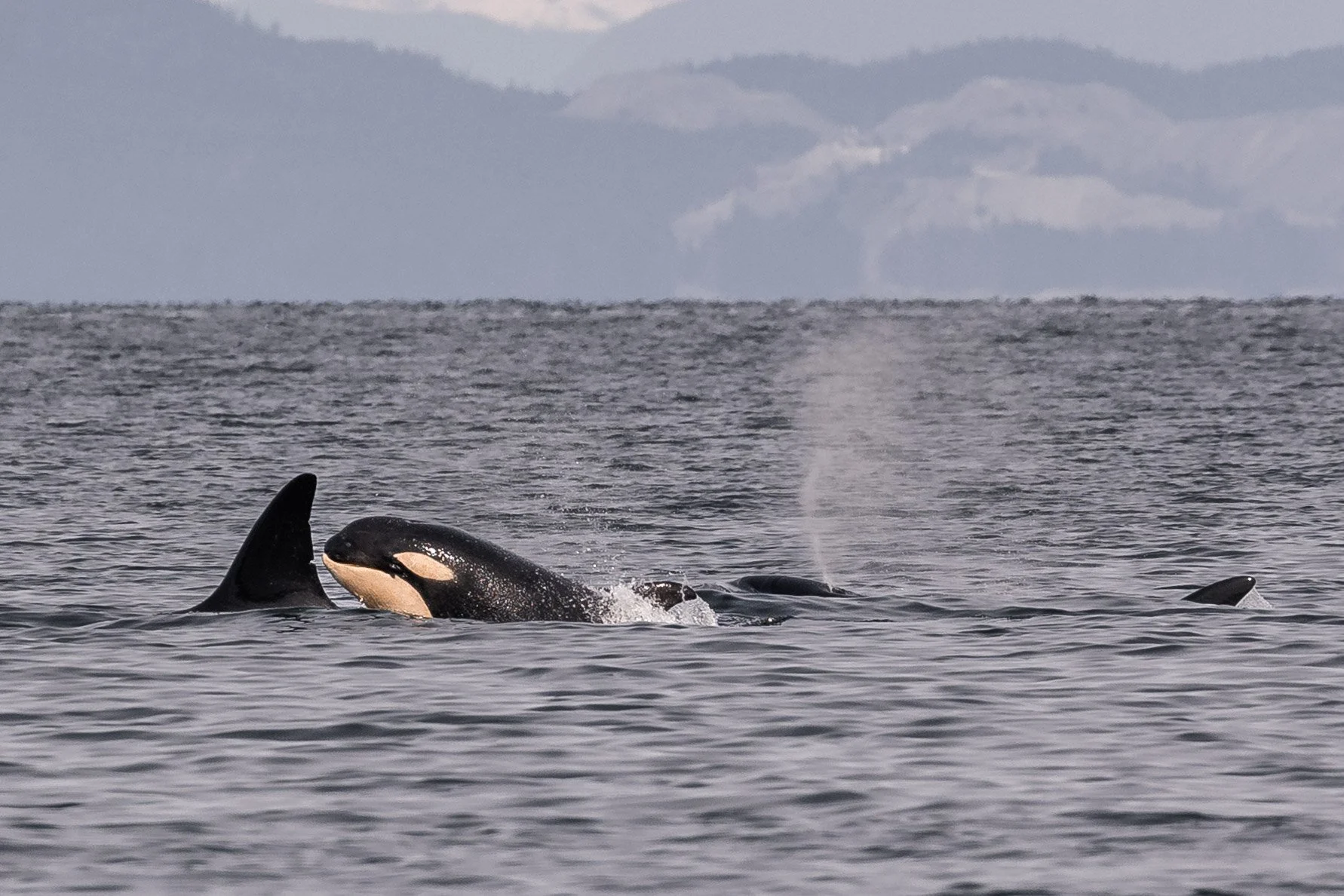
T041A Jemison with her youngest calf T041A4. Photo by Vanessa Vereschahen.
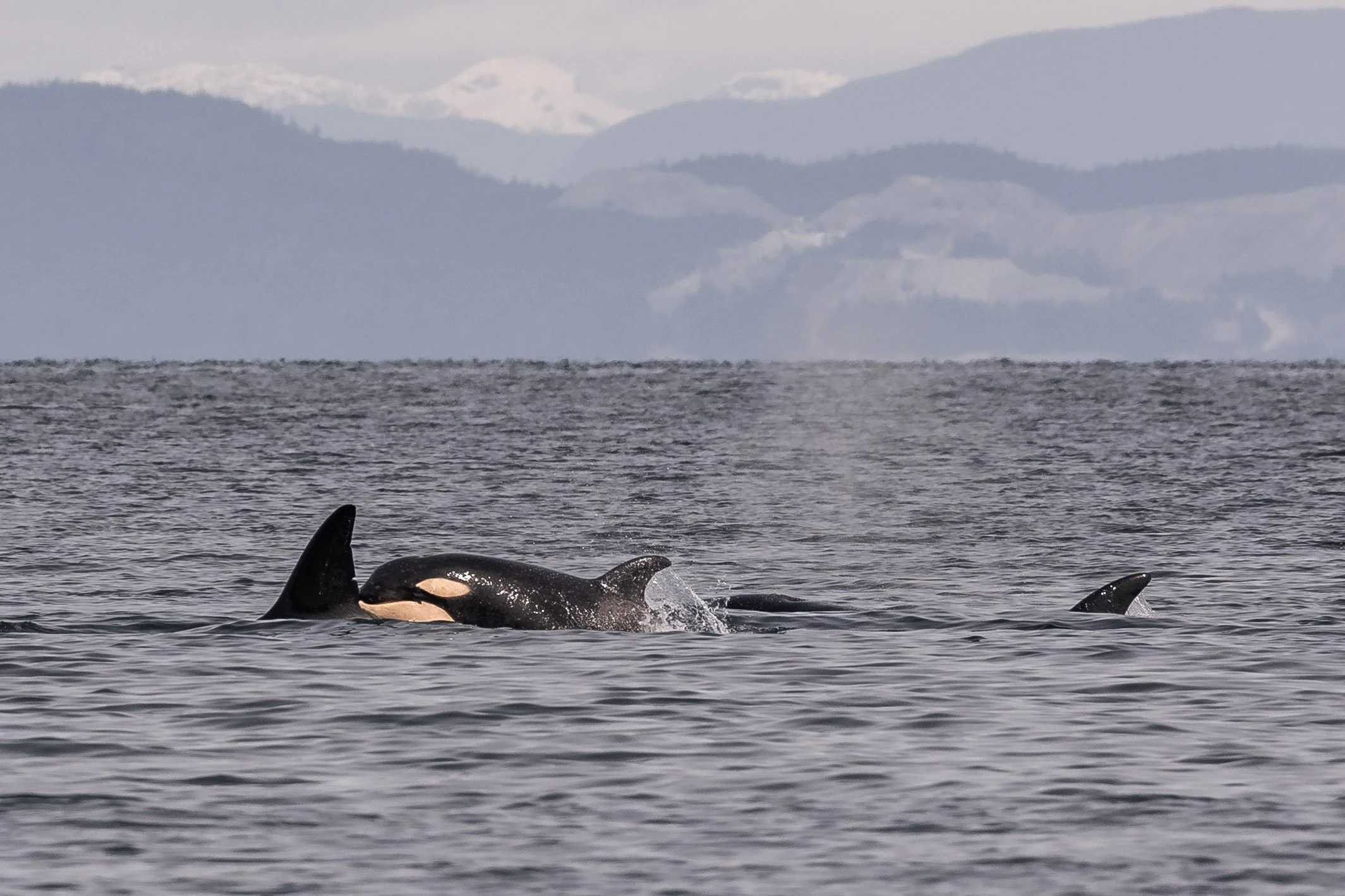
T041A4 with their face above the water, and their mother T041A Jemison behind them. Photo by Vanessa Vereschahen.
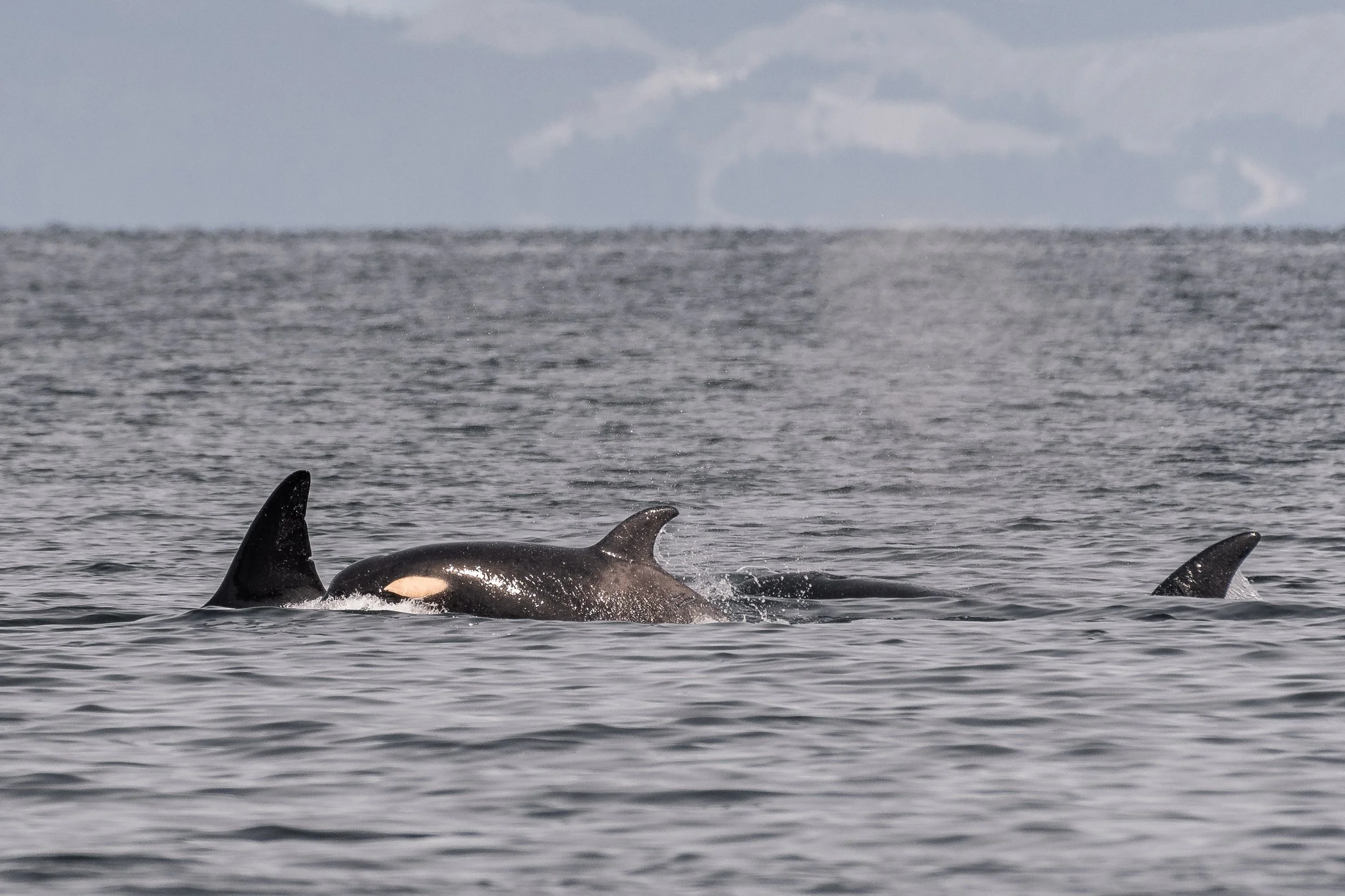
Left to right: T041A Jemison, T041A4 and T041A3 Mola. Photo by Evan Hessels.
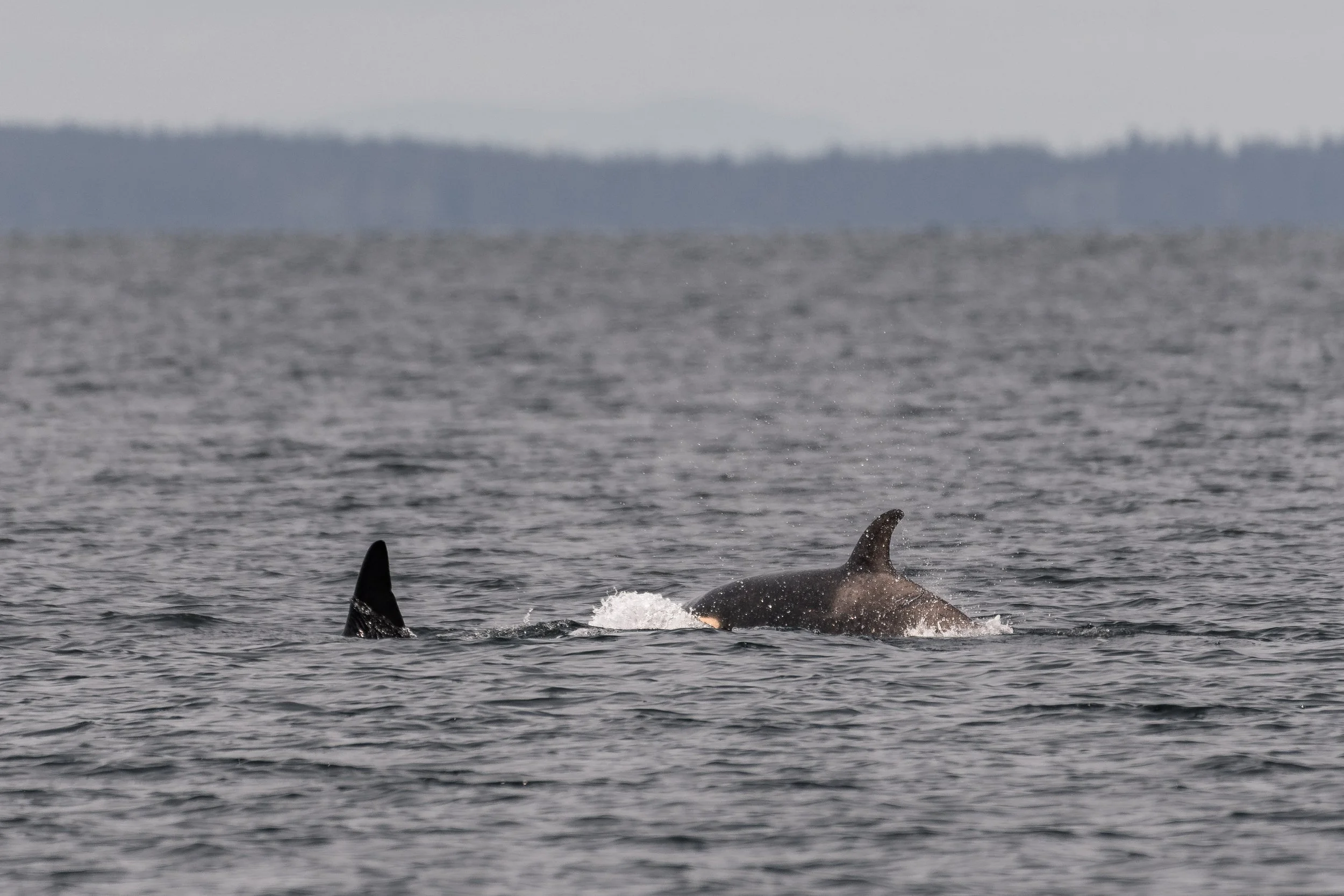
T041A4 racing to catch up with their mother T041A Jemison. Photo by Evan Hessels.
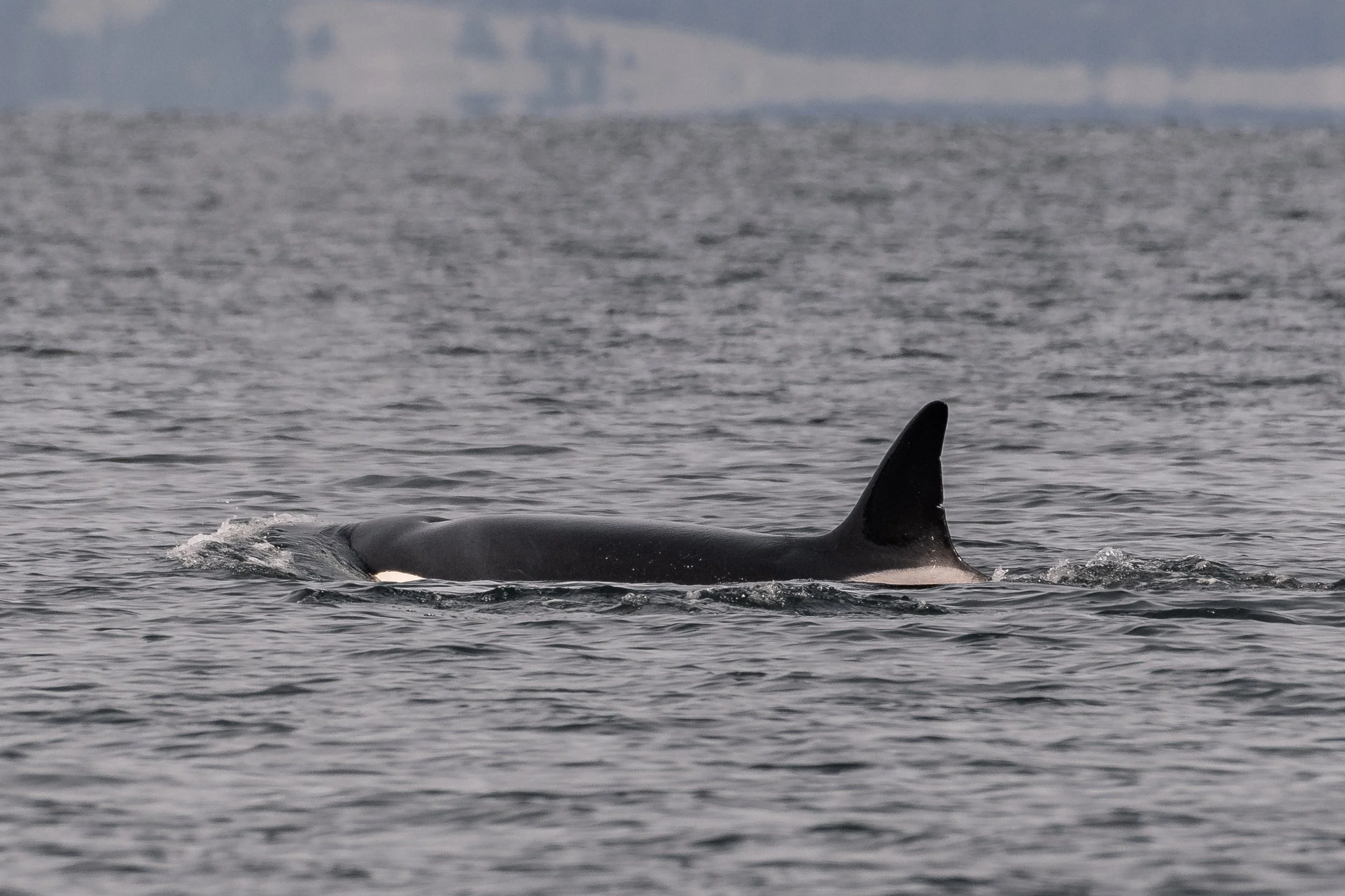
T041A Jemison has two distinct notches in her dorsal fin. Photo by Evan Hessels.
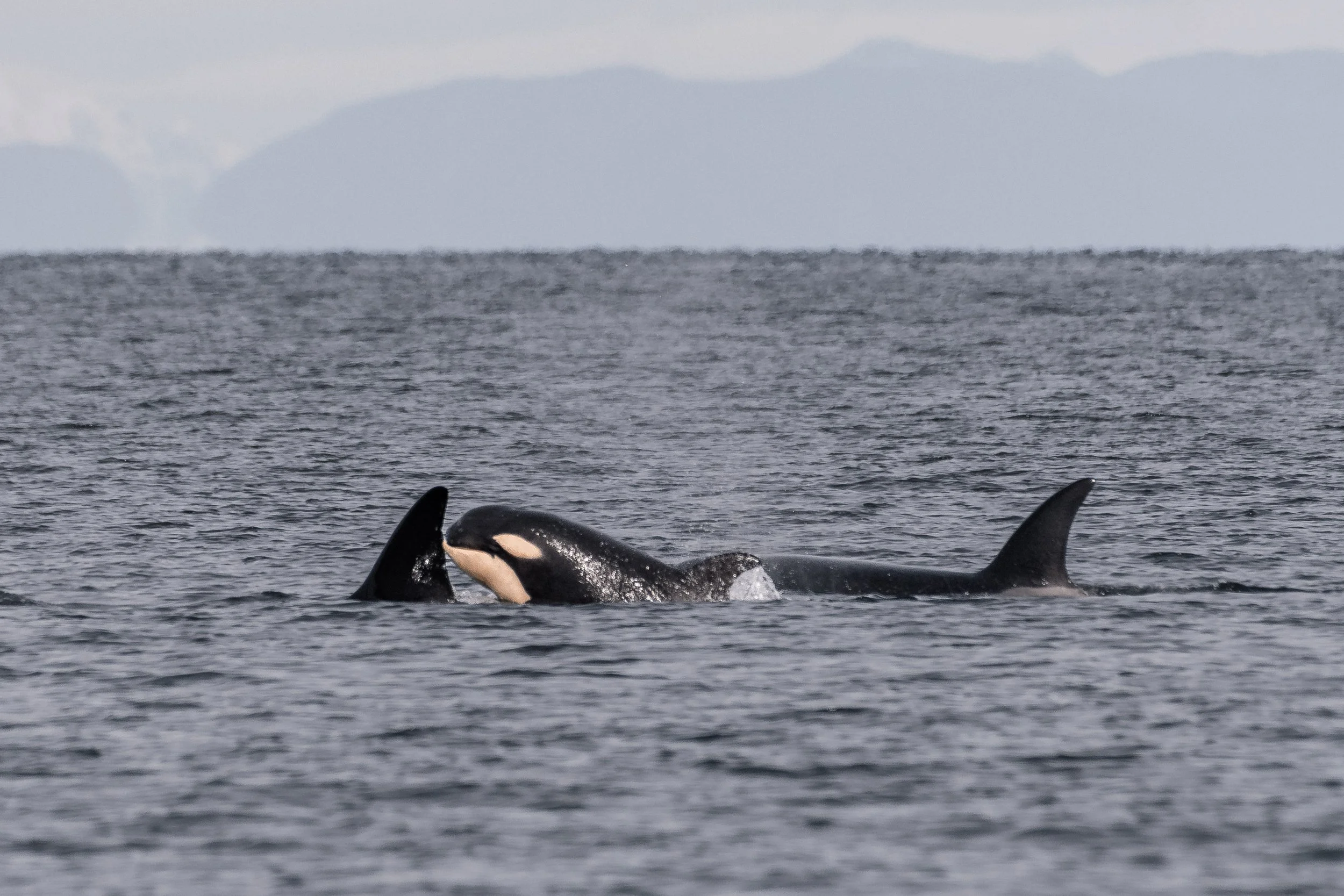
T041A4 is so young they are still a bit orange - and look at how round their face is! T041A Jemison is ahead of them, and T041A3 Mola is behind them. Photo by Evan Hessels.
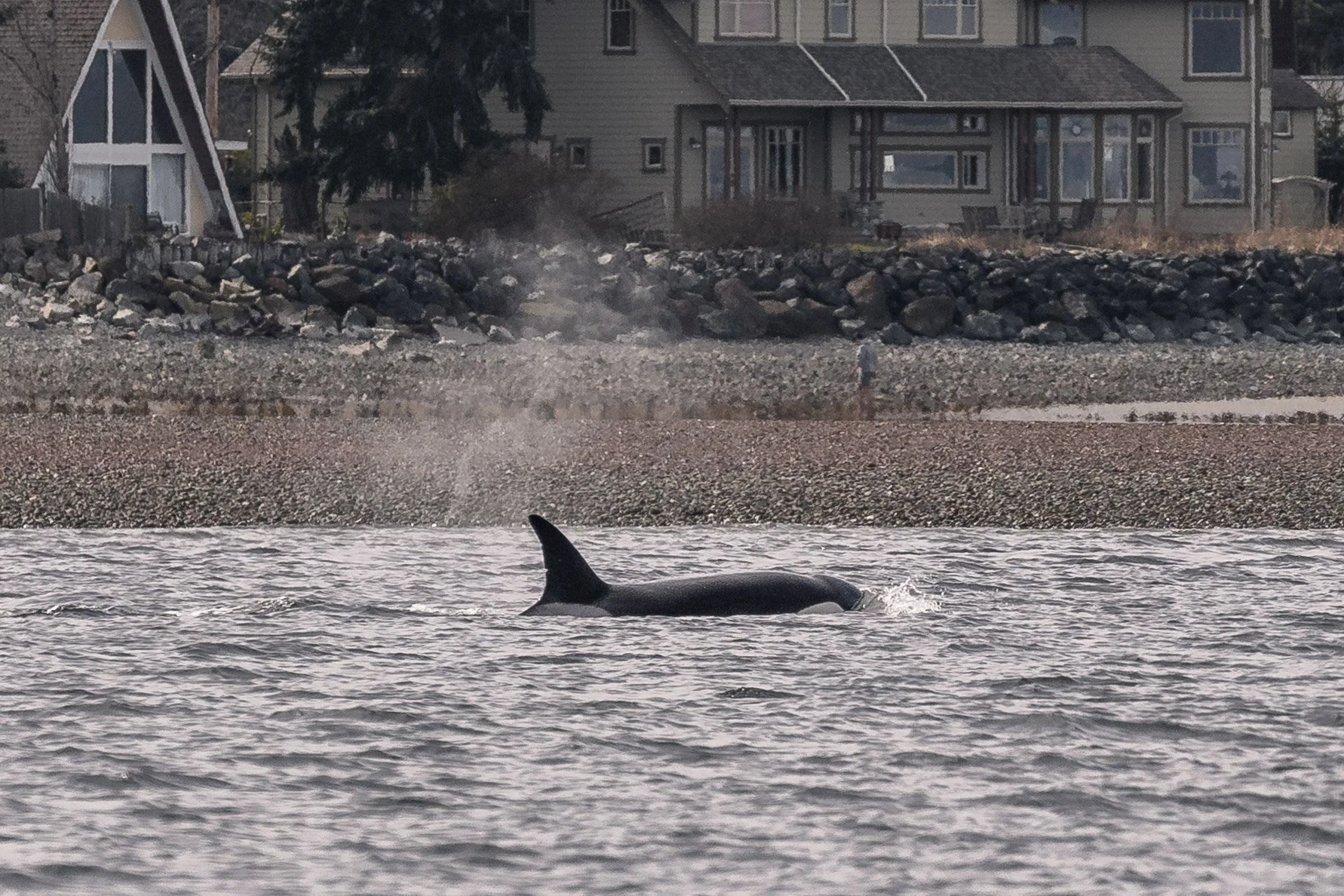
T041A Jemison close to shore. Photo by Vanessa Vereschahen.
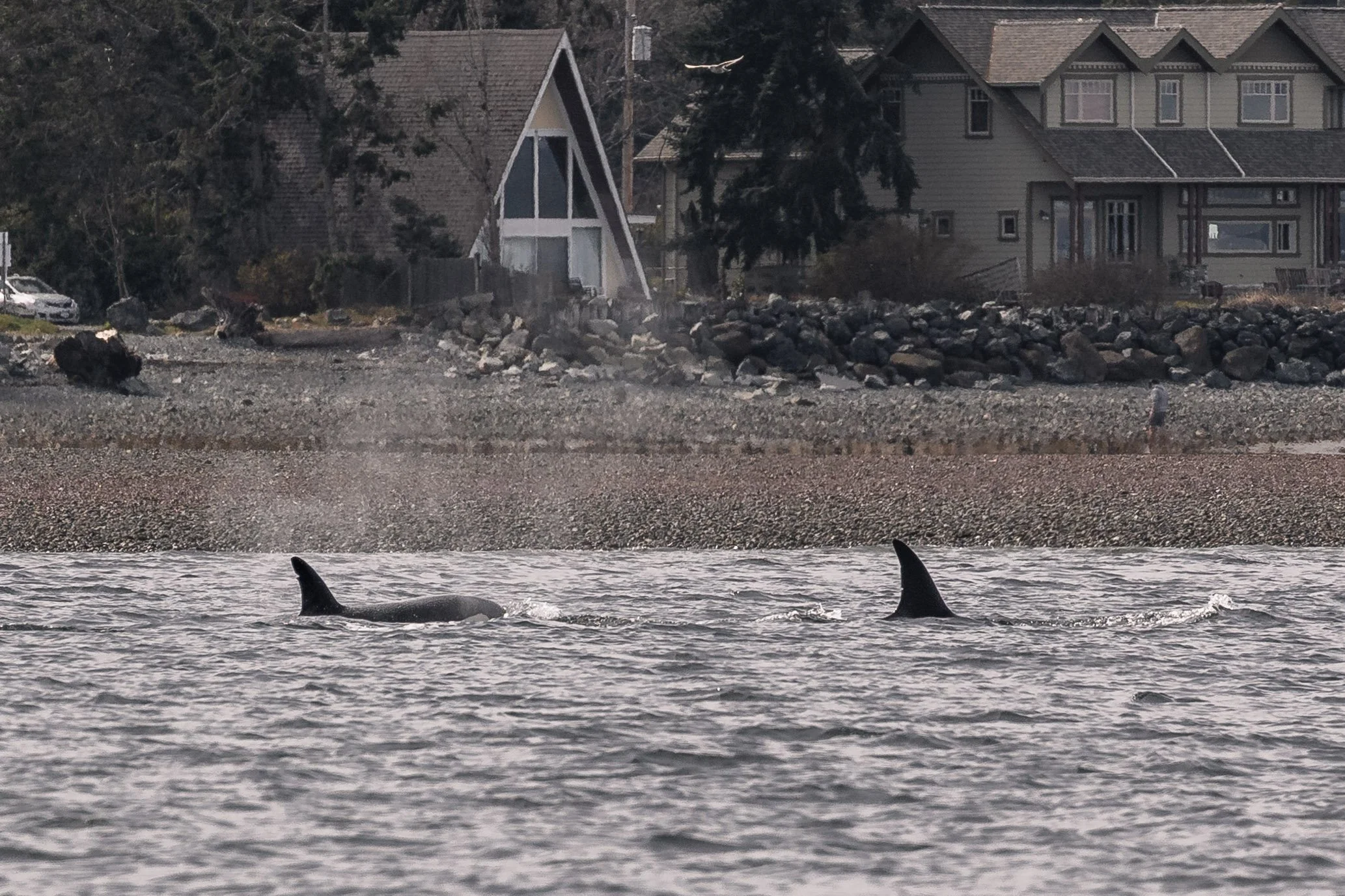
T041A Jemison with T041A2 Tree behind her. Photo by Vanessa Vereschahen.
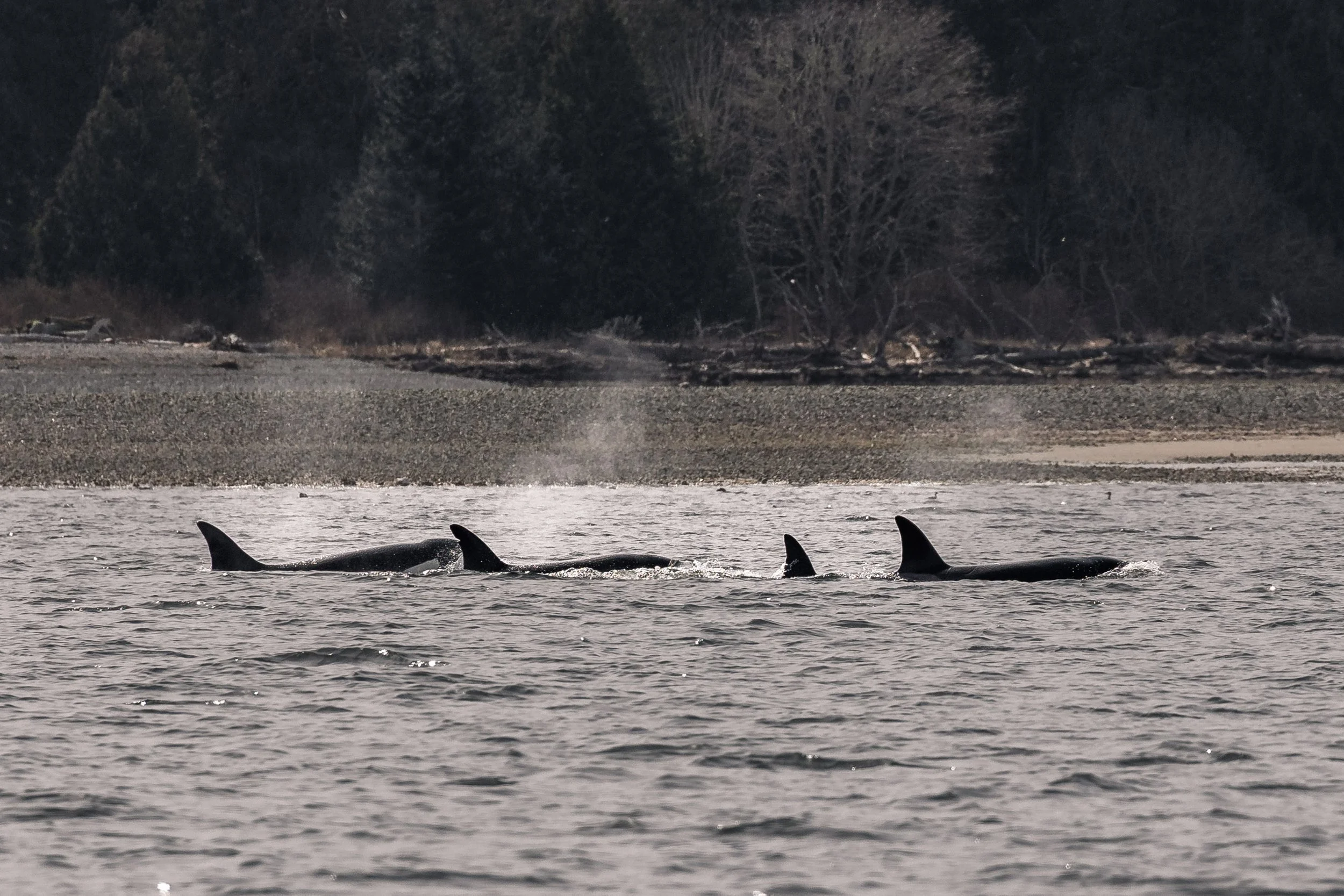
Left to right: T041A3 Mola, T041A2 Tree, T041A Jemison, and T041 Lawrie. Photo by Vanessa Vereschahen.
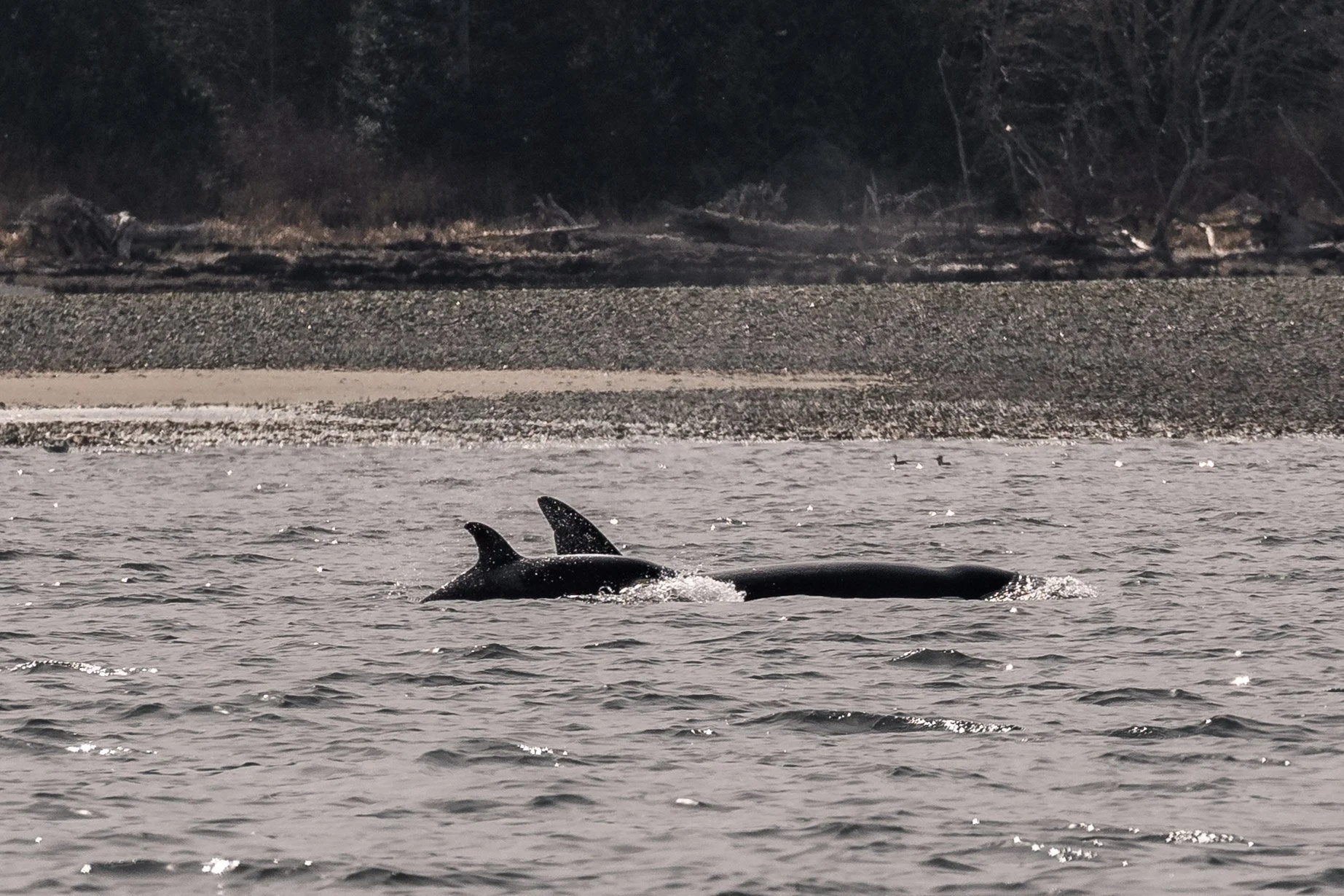
T041A4 tucked in close to their mother T041A Jemison. Photo by Vanessa Vereschahen.
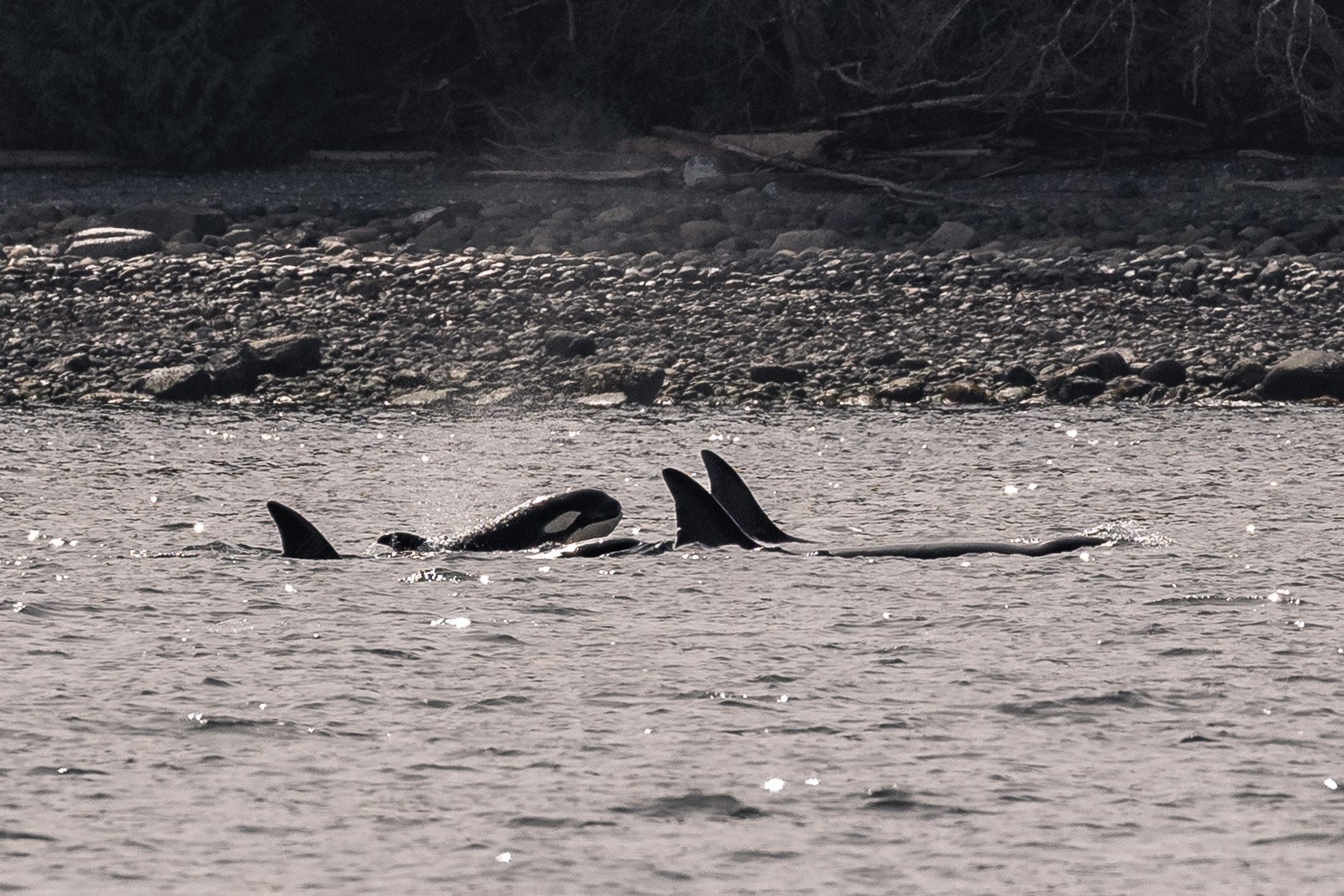
T041A4 with their face above the water, and their pod members around them. Photo by Vanessa Vereschahen.
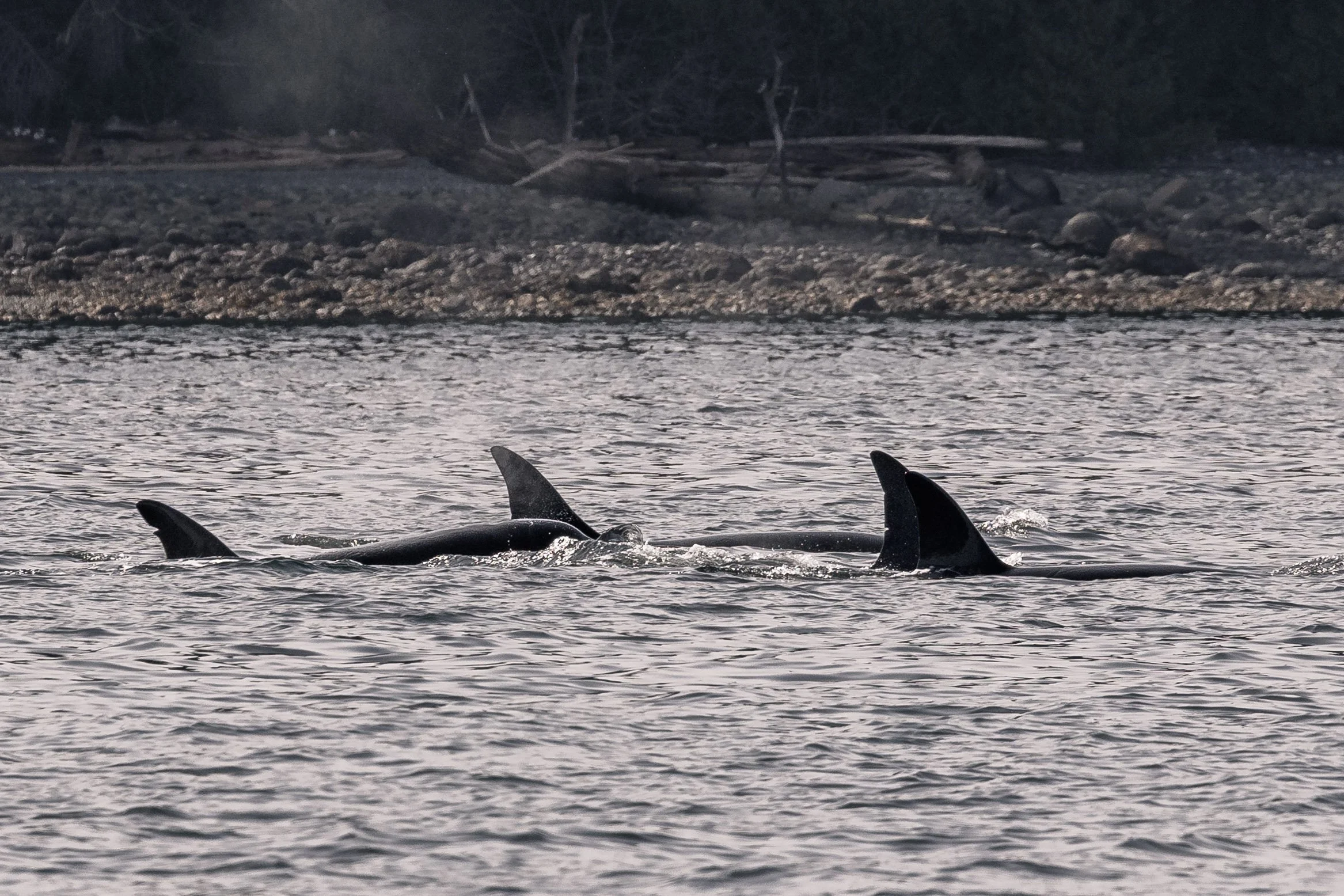
Left to right: T041A2 Tree, T041 Lawrie, T041A Jemison, and T041A3 Mola. Photo by Vanessa Vereschahen.
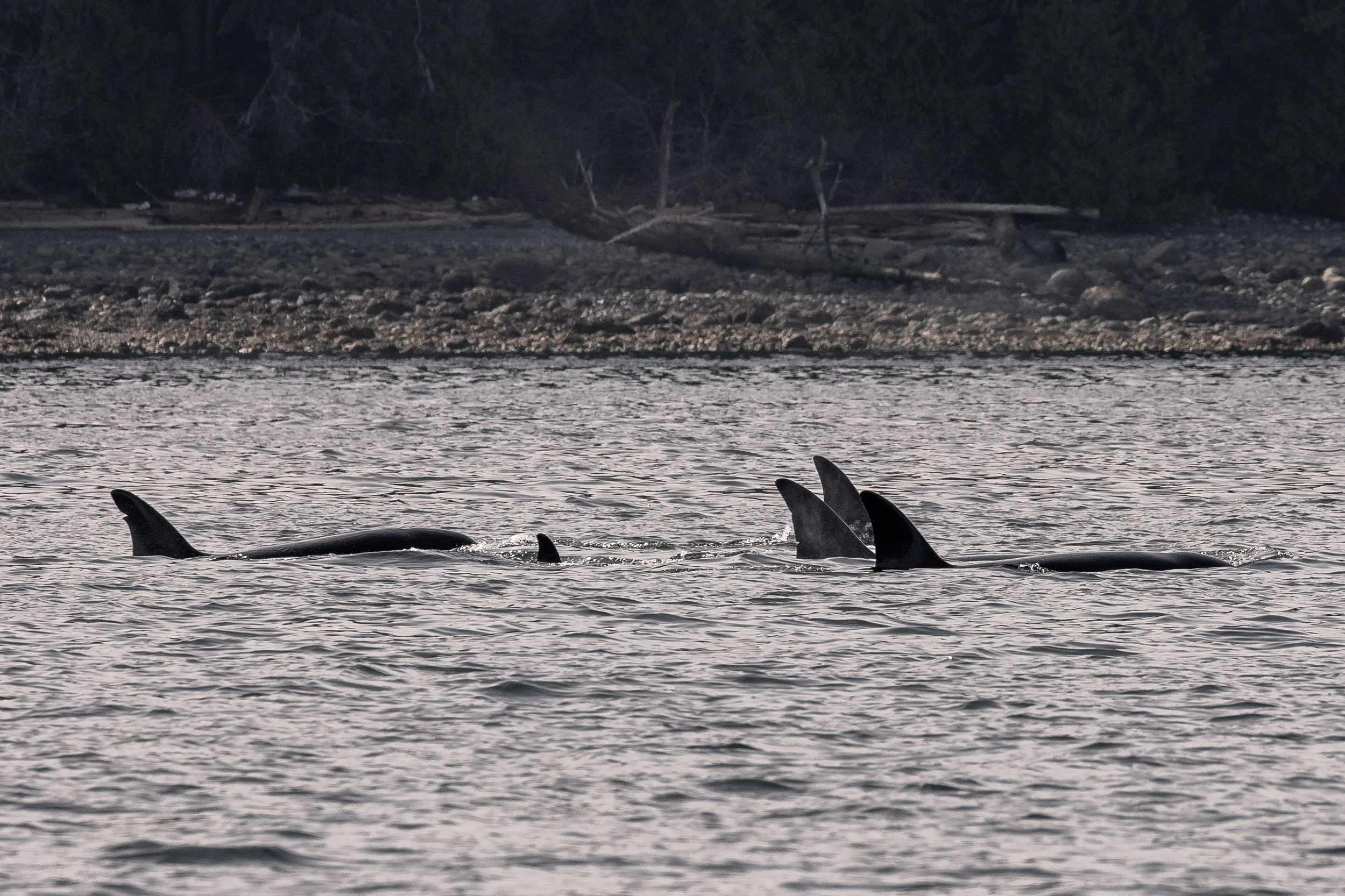
The whole pod! Left to right: T041A2 Tree, T041A4 (tip of dorsal), T041A Jemison, T041 Lawrie (back), and T041A3 Mola (front). Photo by Vanessa Vereschahen.
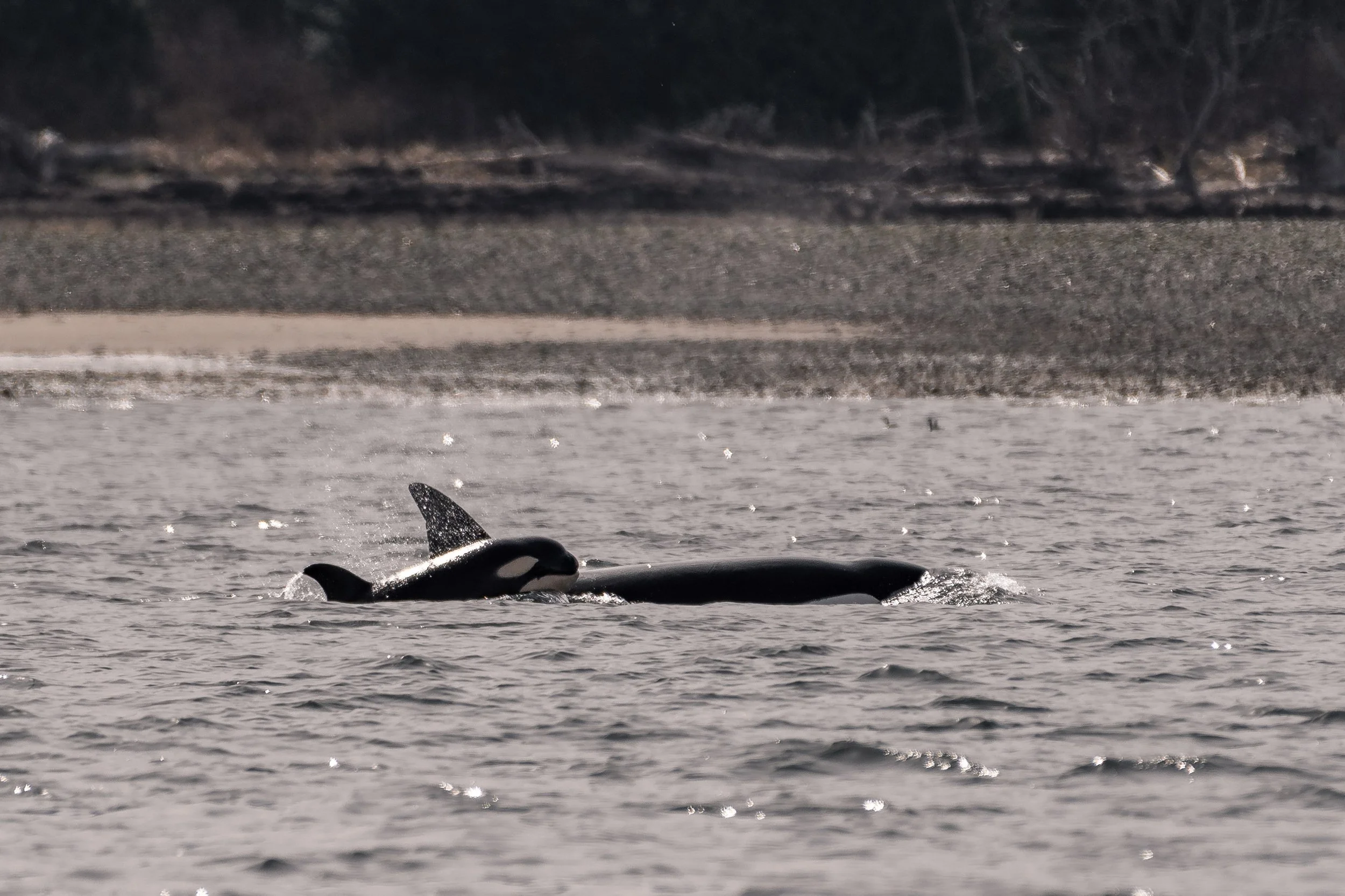
T041A4 with their eyepatch visible beside mother T041A Jemison. Photo by Evan Hessels.
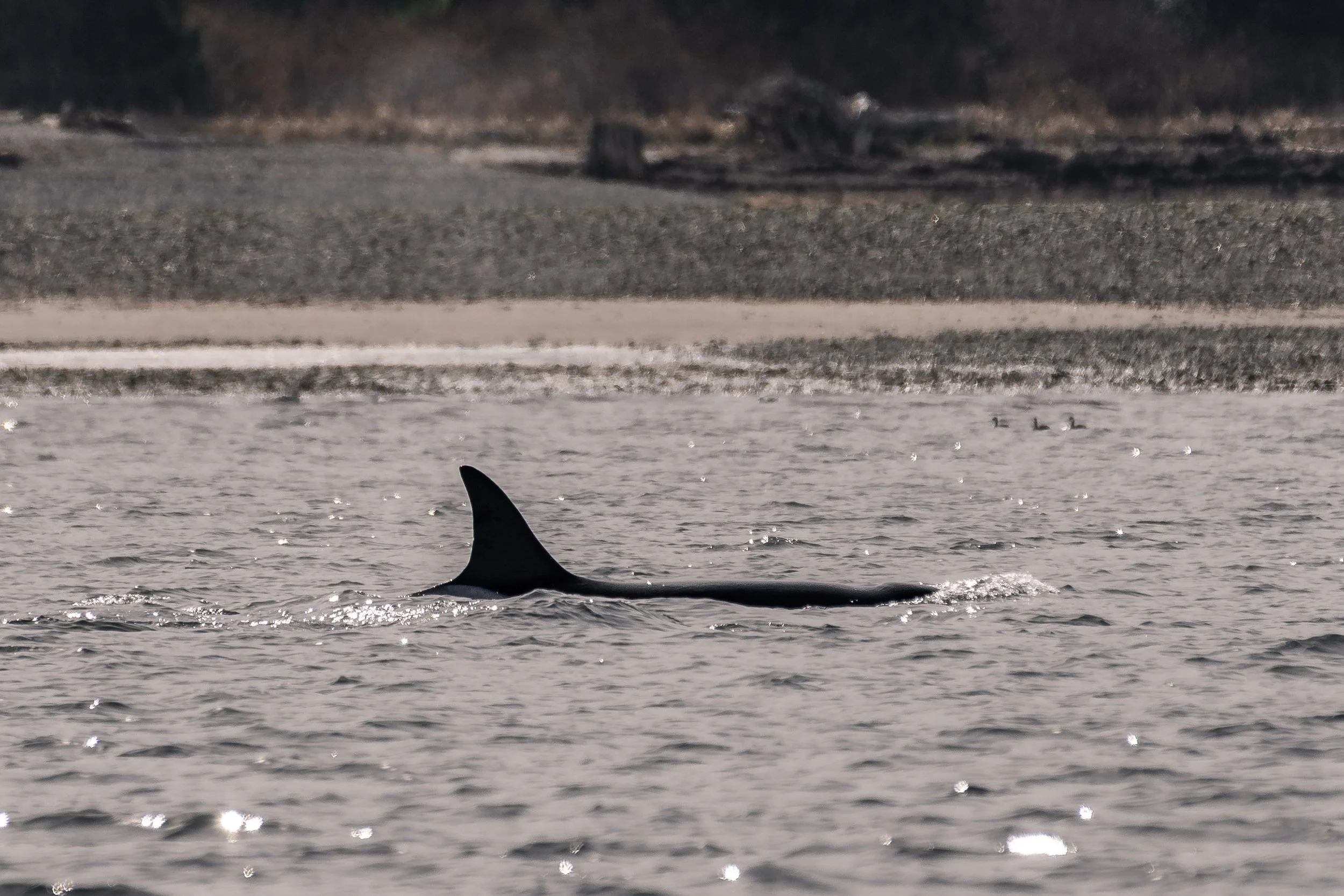
Matriarch T041 Lawrie. Photo by Evan Hessels.
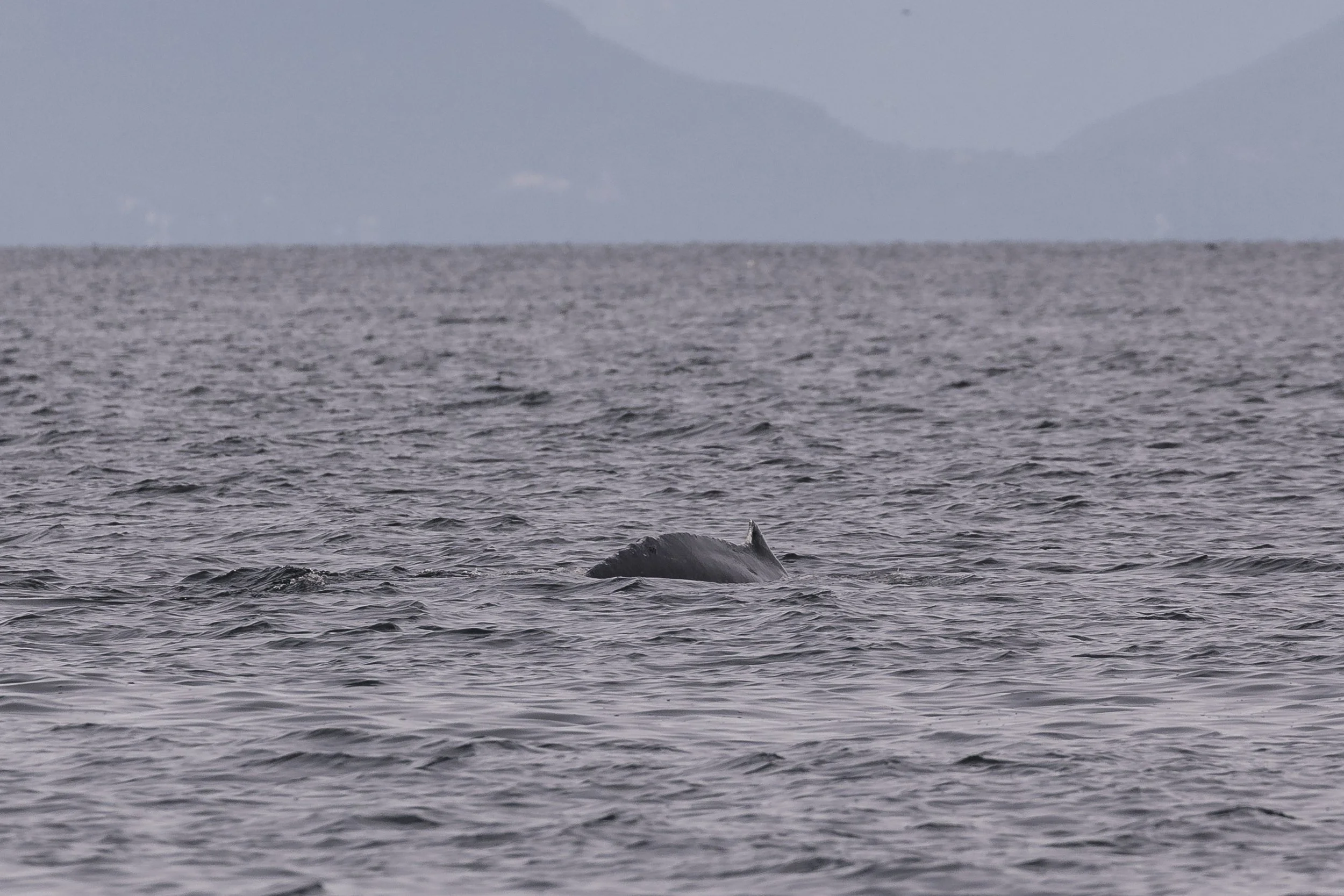
HW-MN0445366 with their dorsal and a bit of their back ridge visible. Photo by Vanessa Vereschahen.
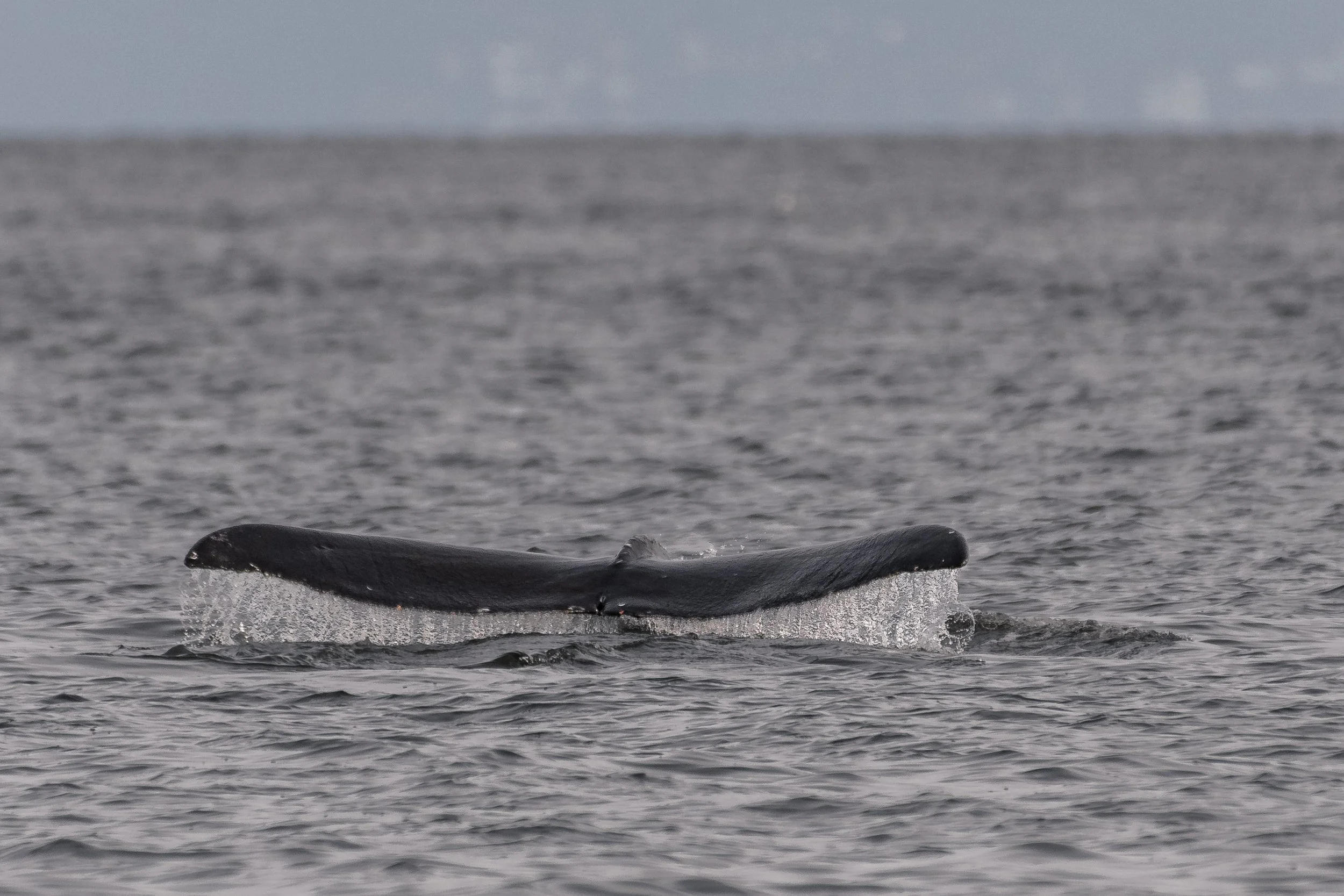
The top of HW-MN0445366’s fluke. Photo by Evan Hessels.
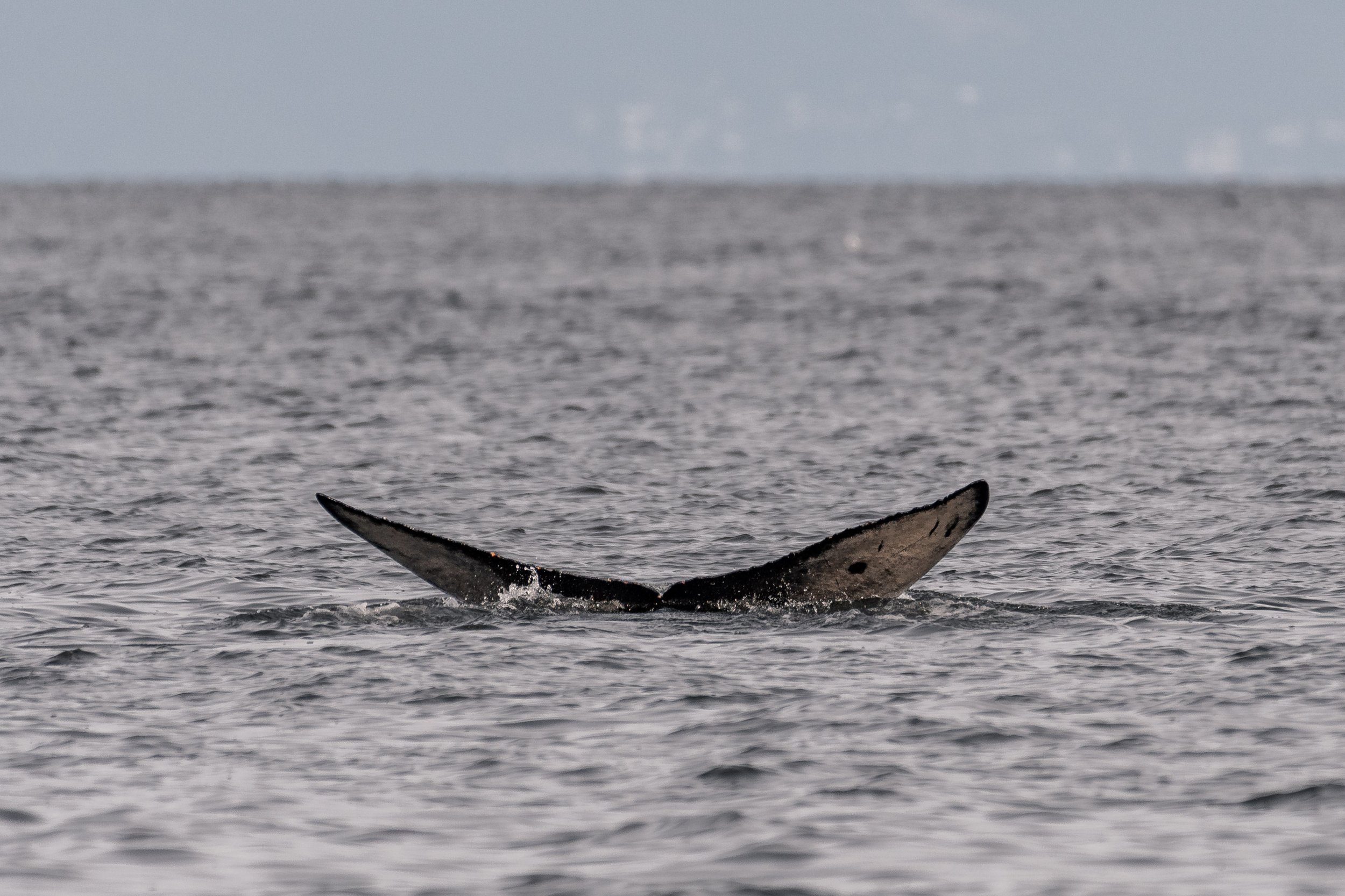
A peek at HW-MN0445366’s fluke pattern. Photo by Evan Hessels.
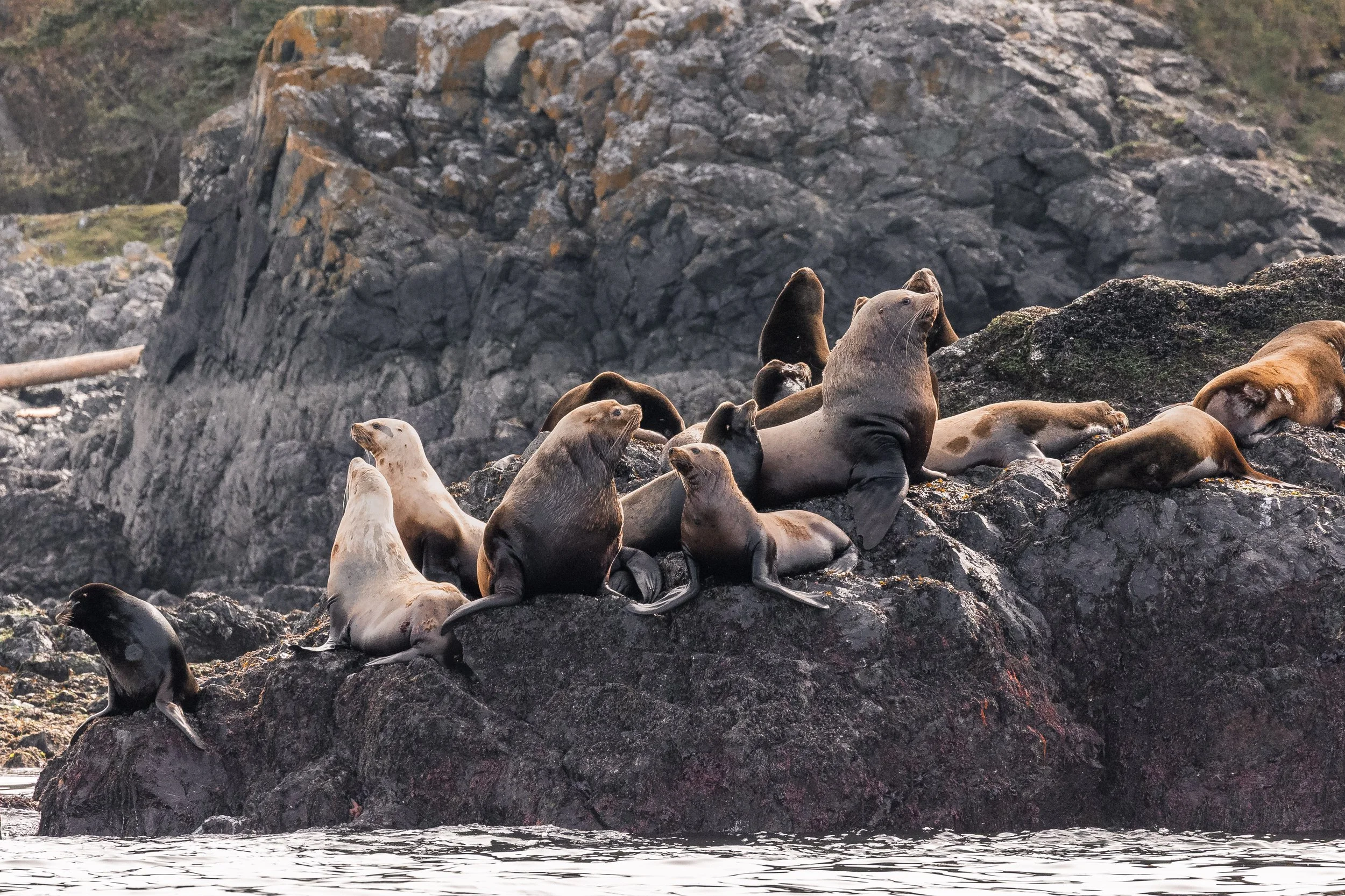
Steller Sea Lions and California Sea Lions hauled out at Neck Point. Photo by Vanessa Vereschahen.
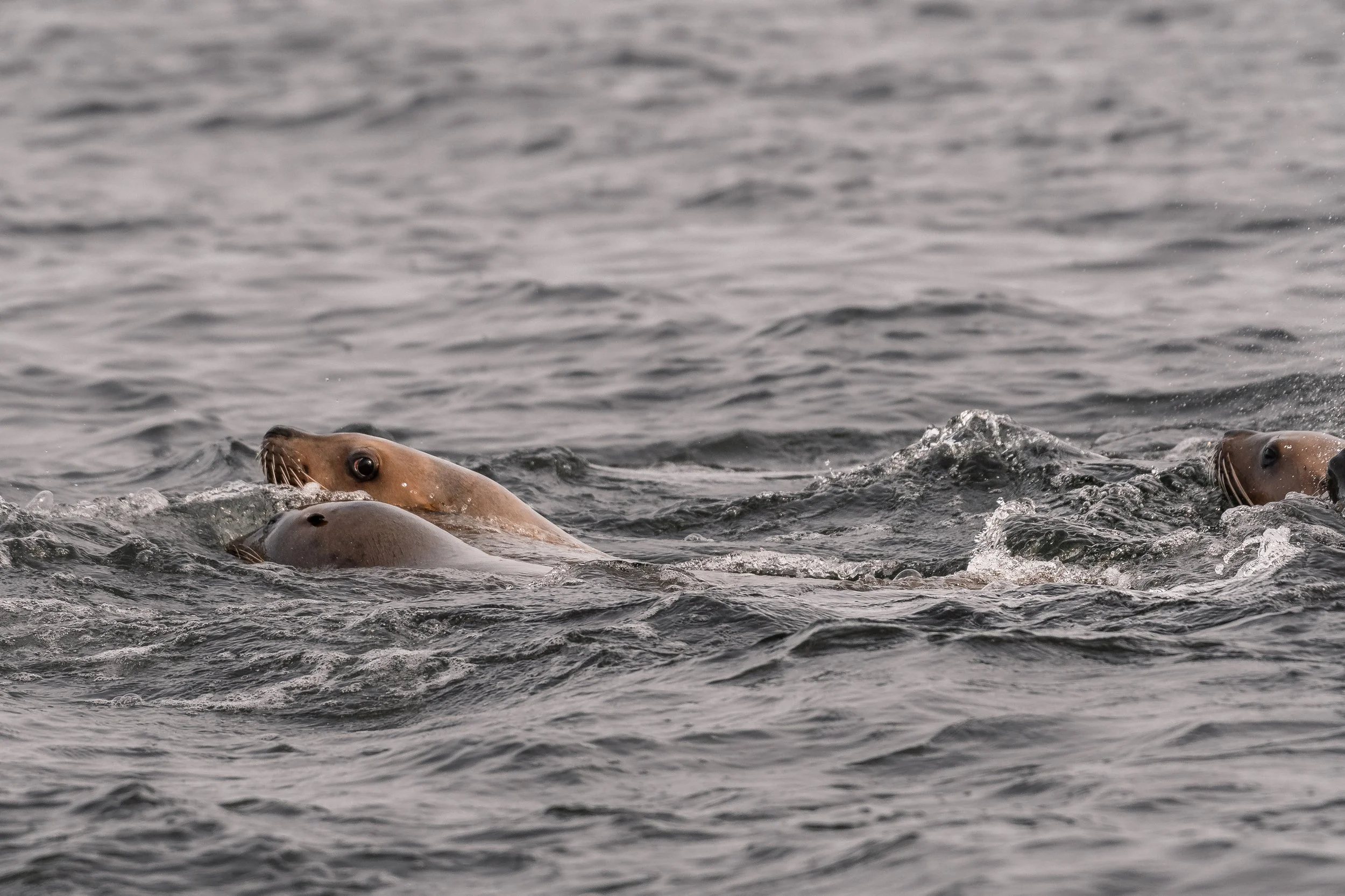
Side-eyeing us as they swim past. Photo by Evan Hessels.
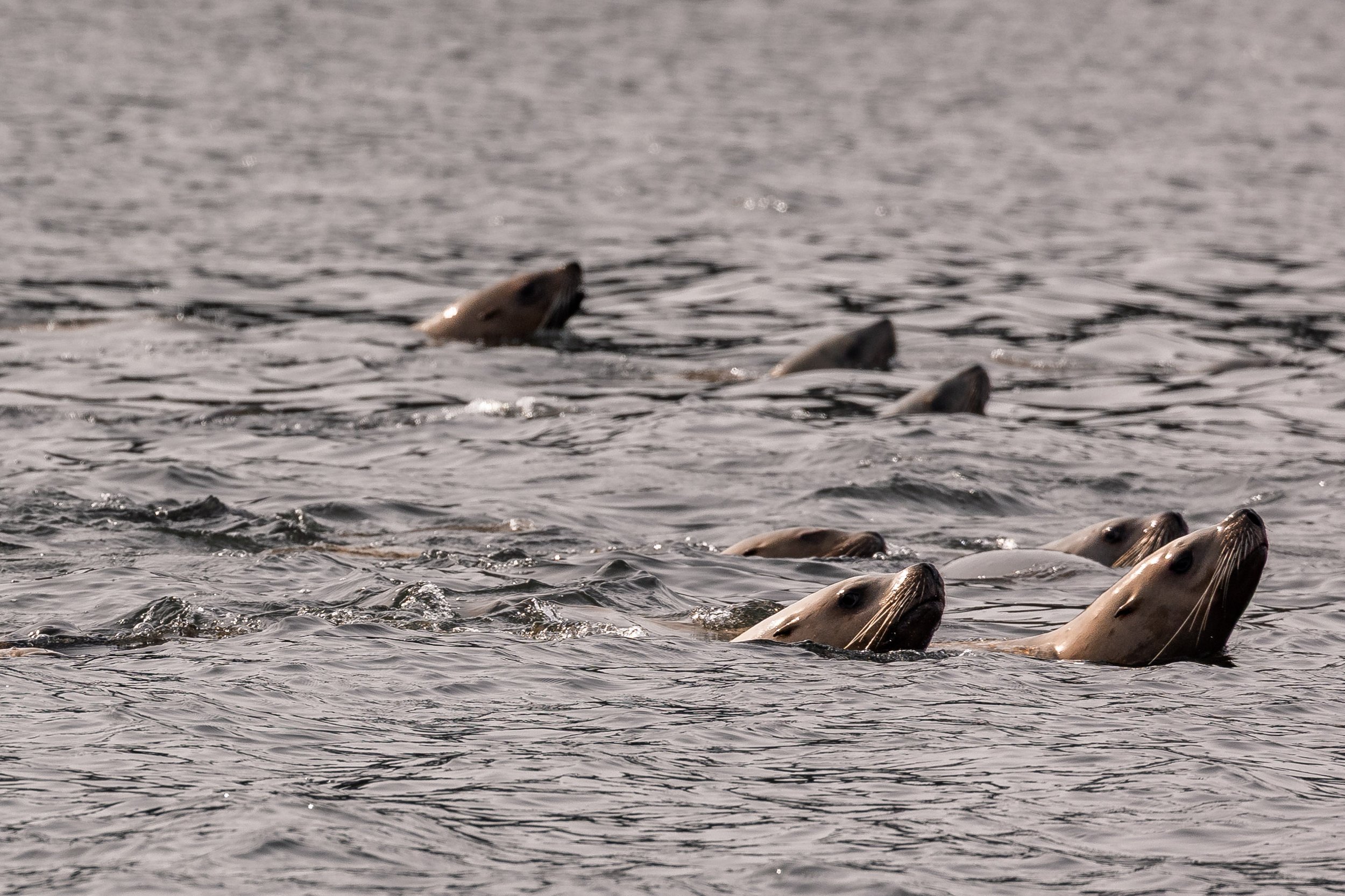
A raft of sea lions. Photo by Vanessa Vereschahen.
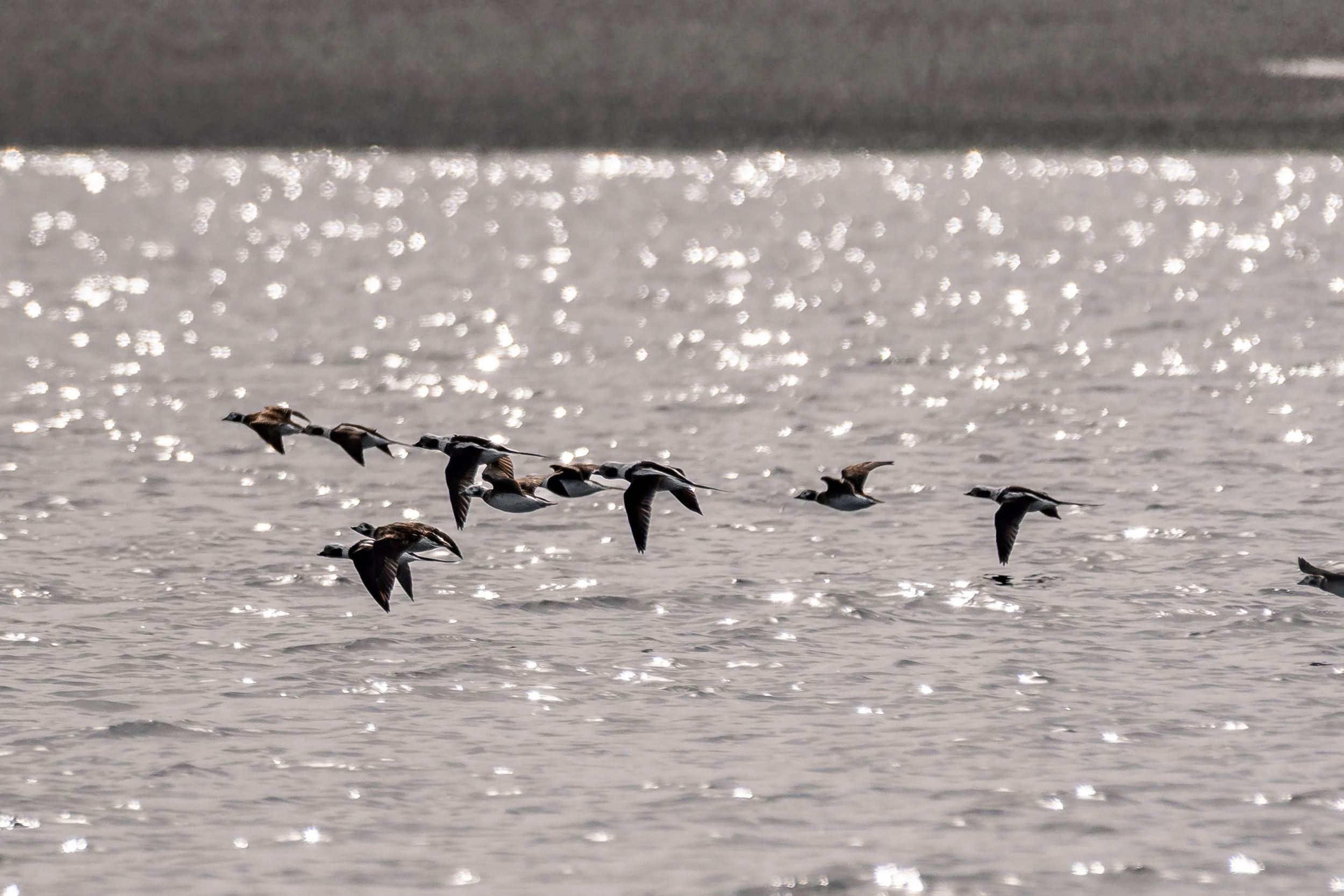
A flock of Long-tailed ducks. Photo by Evan Hessels.
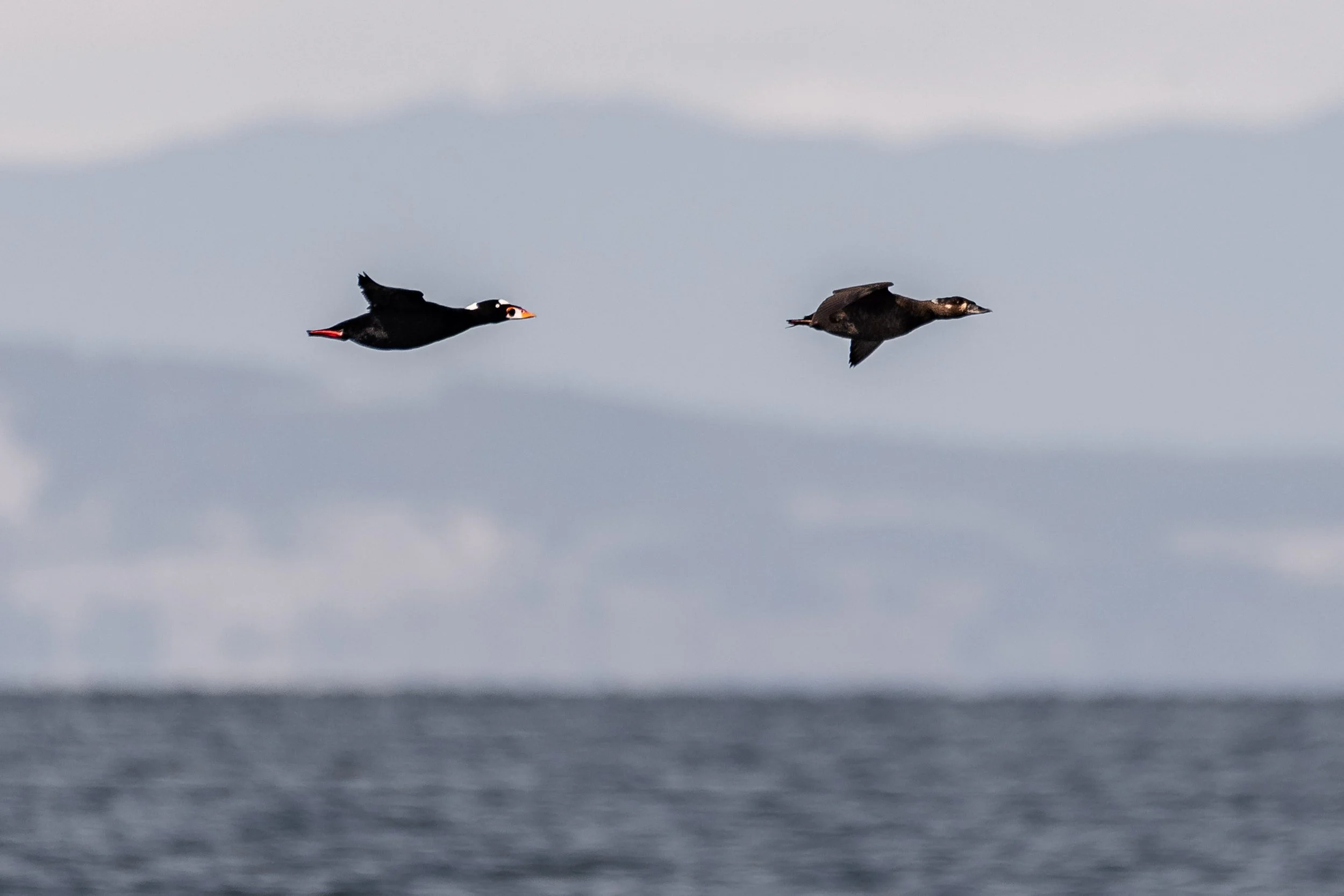
A male and female Surf Scoter pair. Photo by Evan Hessels.
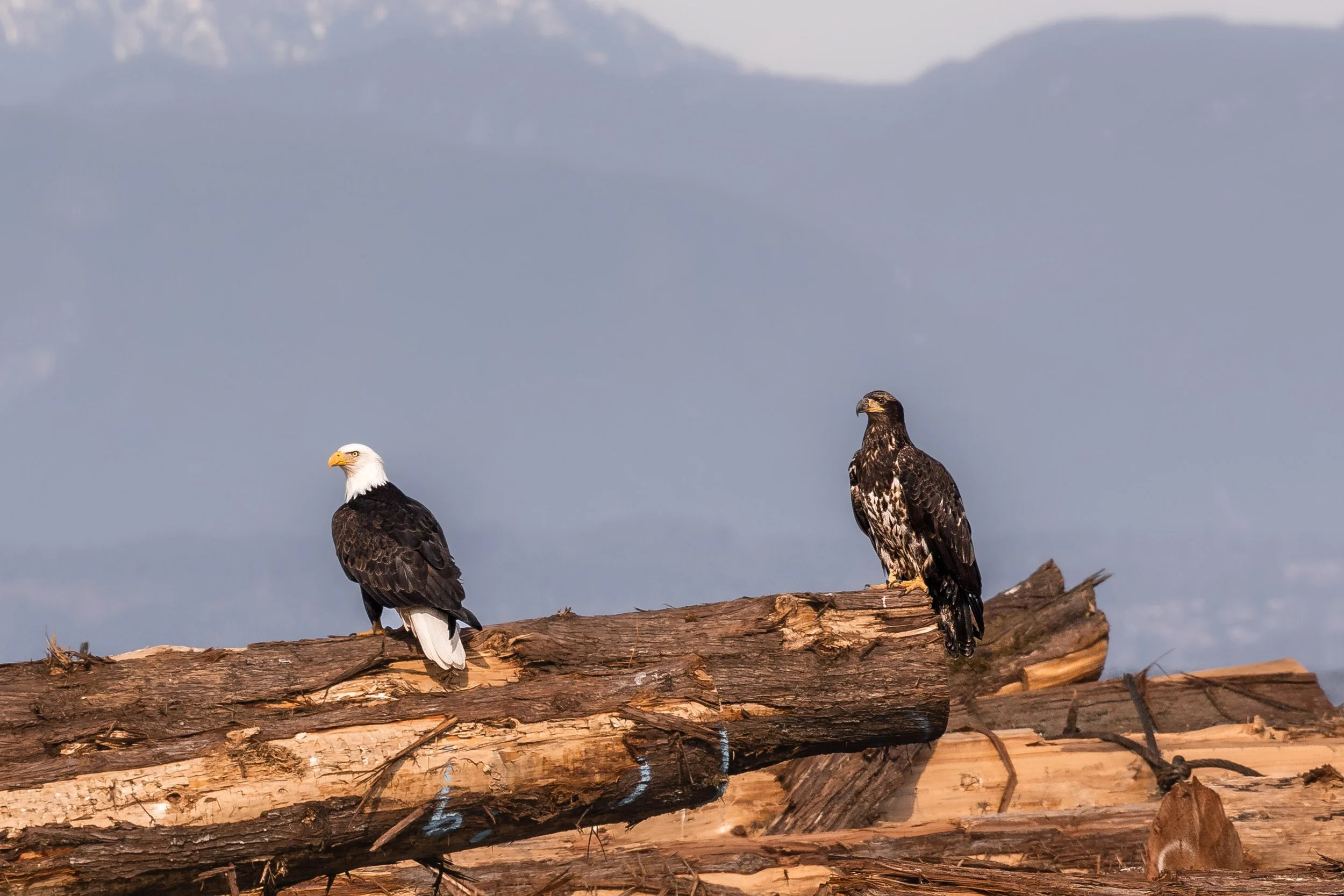
Bald Eagles perched on a log tow - a mature Bald Eagle compared to an Immature Bald Eagle. Photo by Vanessa Vereschahen.
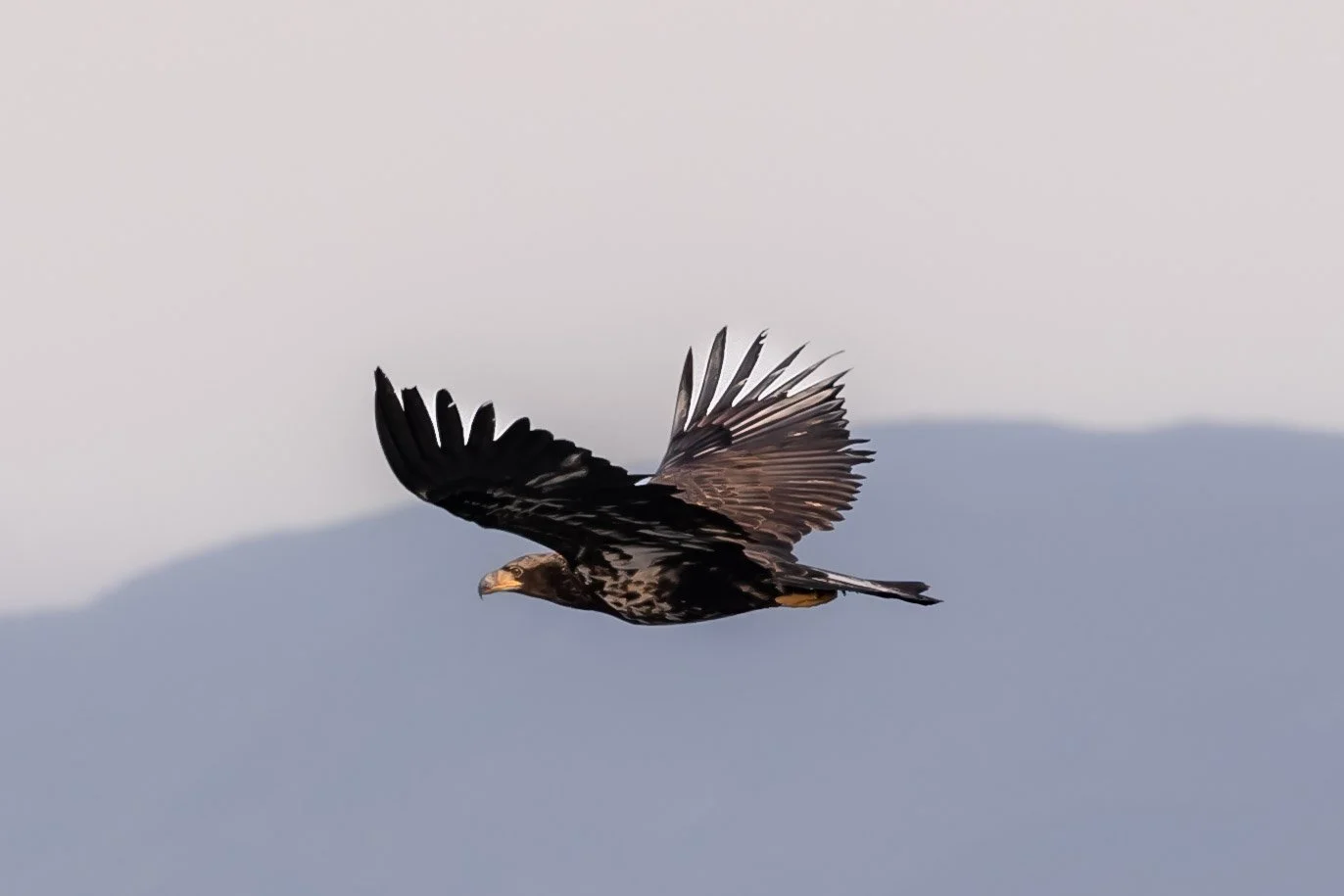
An immature Bald Eagle in flight. Photo by Vanessa Vereschahen.
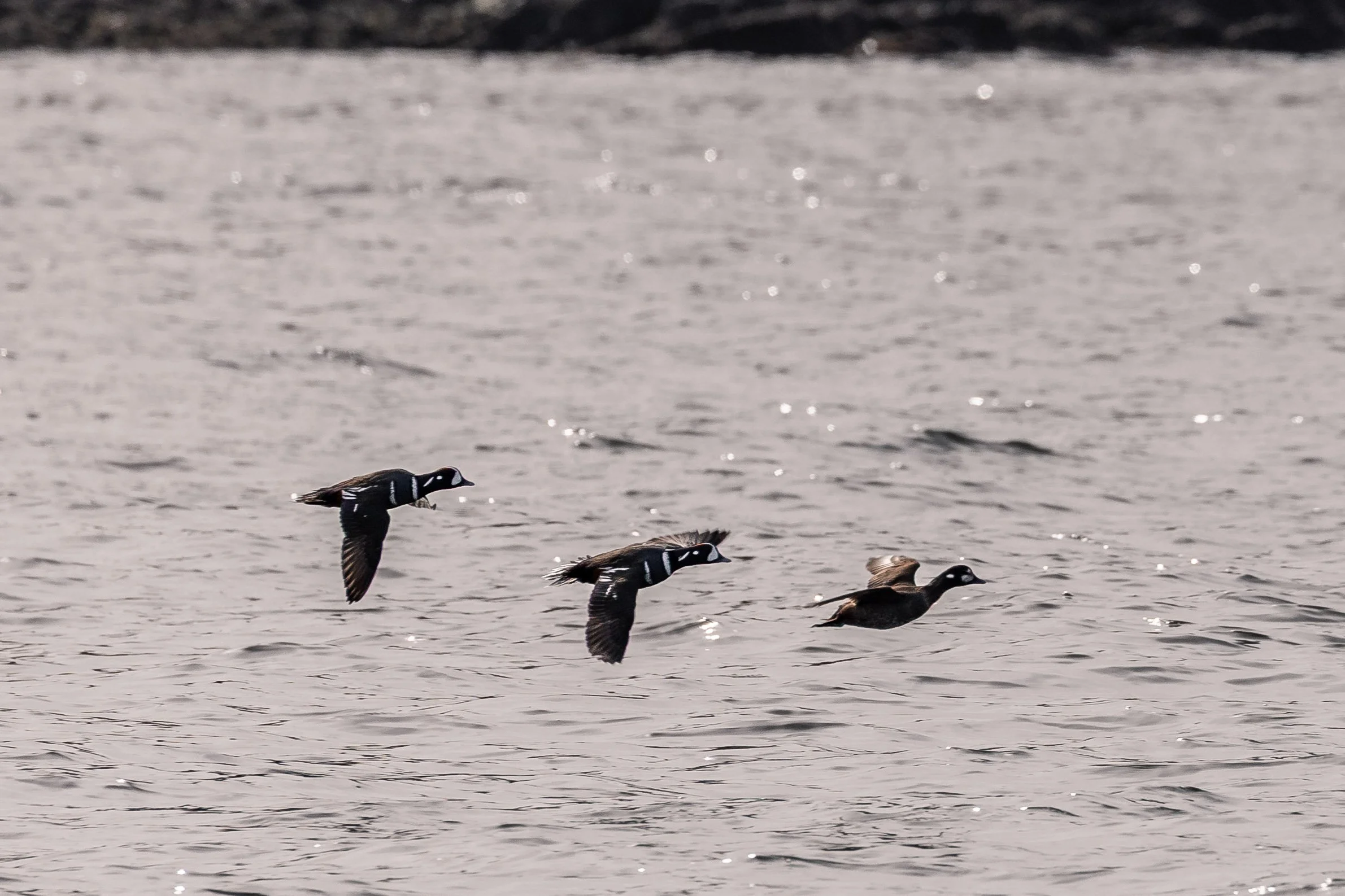
Harlequin Ducks in flight. Photo by Vanessa Vereschahen.
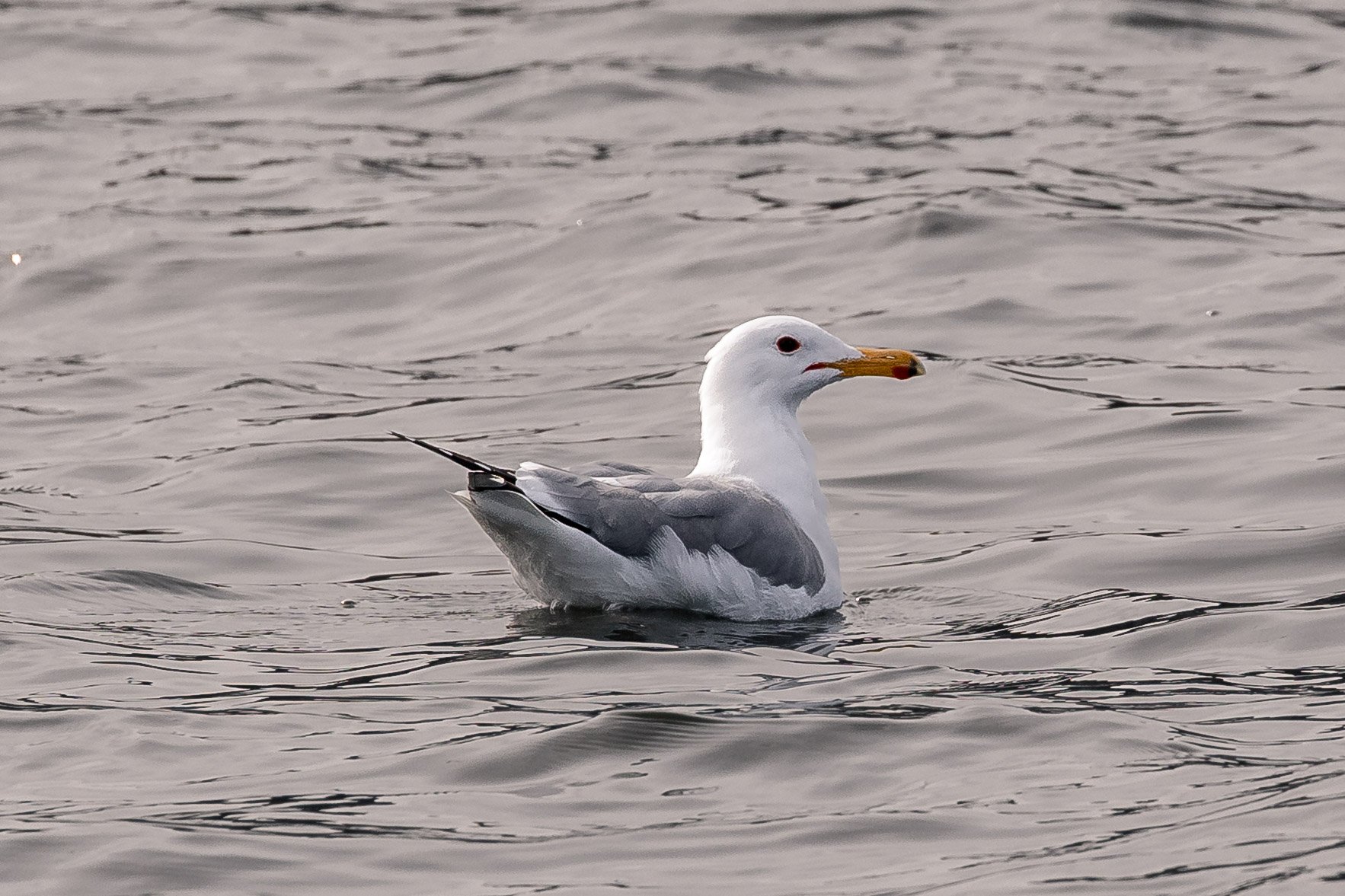
A California Gull. Photo by Vanessa Vereschahen.
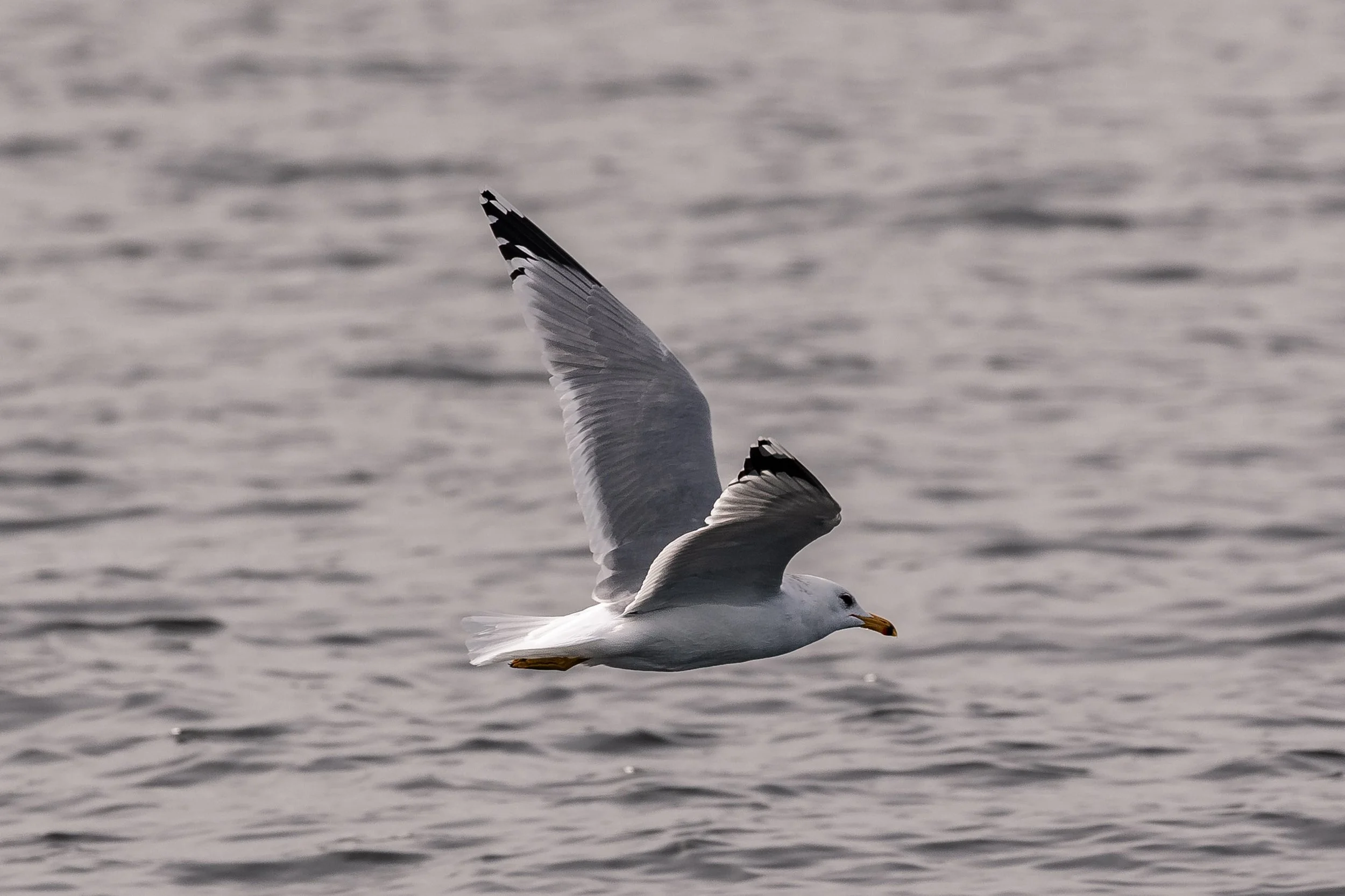
California Gull in flight. Photo by Vanessa Vereschahen.