
March 26, 2026 - T019s travelling together in San Juan Channel
The sun was shining overhead as passengers and crew climbed aboard Kula, our semi-covered vessel. The Salish Sea has been buzzing with activity lately, and we were all excited to see what might be in store for us today.
The day began with us heading into Northumberland Channel, travelling south through Dodd Narrows and into the Southern Gulf Islands. The plan was to continue south, searching through these narrow passageways until we spotted signs of whales in the area. What we look for can vary by species. Humpback and gray whales are most often detected by their large blows, the visible burst of breath as they exhale at the surface. Orca can be spotted this way as well, but more often it is their tall black dorsal fins that catch people’s attention first. This is especially true if there is an adult male present, as their dorsal fins can reach nearly six feet in height. Even the females, with dorsal fins around four feet tall, are incredibly impressive to see.
As we continued travelling south, no such clues appeared, but that did not get us down. We passed through the beautiful narrow passageway of Sansum Narrows, taking in the scenery as we went. While we were enjoying the view, a call came in to Captain Rodrigo over the radio. There was a pod of orca spotted further south, just southeast of San Juan Island in Washington State. Although this was a fair distance from our home port, it was still within the outer range of our travel area, so we decided to head in that direction.
Eager eyes scanned the horizon, waiting for those dorsal fins to break through the waves, but something else caught our attention first. On a nearby island, we spotted a group of sheep with large, curved horns. These were not native bighorn sheep of British Columbia, but rather Mouflon sheep that had been introduced to the island for sport hunting. Today, Spieden Island is more of a nature reserve, where these animals live relatively undisturbed. We felt very lucky to watch them enjoying the sunshine on this privately owned island. Shouts of excitement rang across the boat as rams butted heads and small lambs leapt gracefully over creeks beside their mothers. It was a welcome break during our long journey south, though we still had a few miles to go before reaching the orca.
We left the island and its unique inhabitants behind and continued on. Before long, we finally spotted what we had been searching for. Towering black dorsal fins appeared in the distance. We had arrived on scene with the orca.
Fortunately for us, some of the identification work had already been done by other boats in the area. We knew we were looking at the T019s, a group of three whales that travel together:
T019 Nootka ♀ (~1965)
T019B Galiano ♂ (1995)
T019C Spouter ♂ (2001)
Nevertheless, Marine Naturalist Aly Kohlman and Naturalist-in-training Evan Hessels raised their cameras to confirm the identification. This group is not easily confused with others, thanks to the distinct markings on their dorsal fins. The notches visible in the fins are signs of past encounters, often from interactions with prey or other whales. Many of these markings are thought to come from encounters with Steller sea lions, one of their primary prey species. At times, you may also see rake marks, which are scars left by another orca’s teeth. These can result from social interactions, such as discipline or play, though occasionally more serious conflict can occur.
After reviewing our photos, our naturalists confirmed that Nootka, Galiano, and Spouter all appeared as we had last seen them, with no new markings observed.
The whales travelled in tight formation through the waves created by strong currents in the passage. We watched in awe of their power and grace as they moved effortlessly through the water.
With our time on scene coming to an end, and a long journey still ahead of us, we left the whales to continue their travels and turned back toward the north. As we made our way through the Southern Gulf Islands, a sense of appreciation settled over the boat as we reflected on the complex lives of the whales we had just encountered.
As we approached Nanaimo, there was time for one final stop. Along the log booms lining Northumberland Channel, a large group of sea lions rested out of the water. One individual in particular stood out, marked with a visible brand. This sparked questions on board. These brands are used in population research, most often conducted in Alaska. While branding may seem intense at first glance, it allows researchers to identify individuals throughout their lives without the need for repeated capture. Other methods, such as implanted tracking devices, can require recapture and repeated anesthesia, which carries greater risk to the animal’s health. Once applied, the brand heals quickly, aided by the cold ocean water, and remains visible for the animal’s lifetime.
Although much of the data associated with these brands is publicly available, we can currently only reference records up to 2018, and this individual does not appear in those records. While we may not know its full story, it was still fascinating to observe and learn about this research method.
Finally, after a long but rewarding day, we returned to the dock in Nanaimo, ready to disembark. Please enjoy the photos captured throughout this adventure by Aly Kohlman and Evan Hessels below.
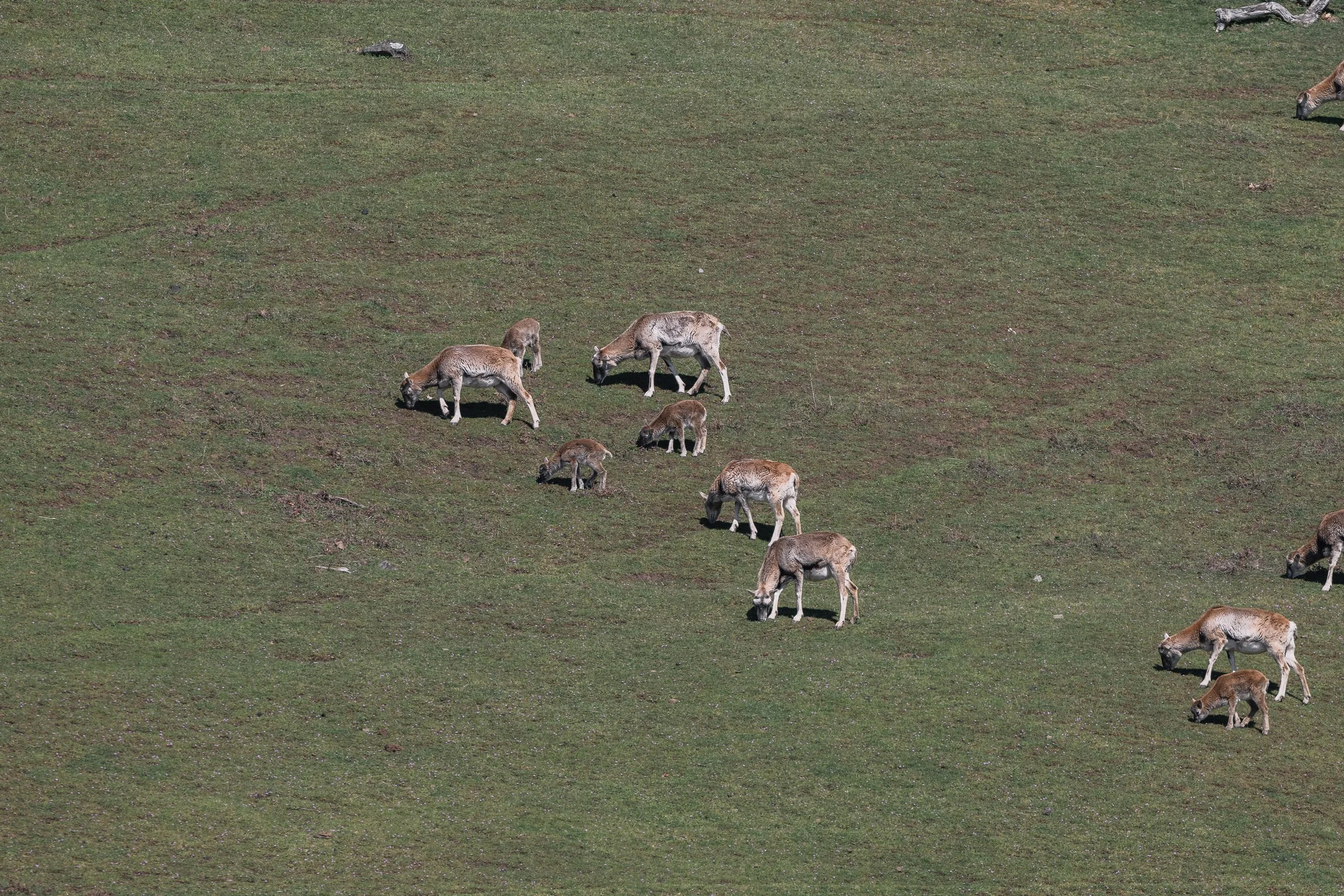
The sheep enjoying the sunshine. Photo by Aly Kohlman.
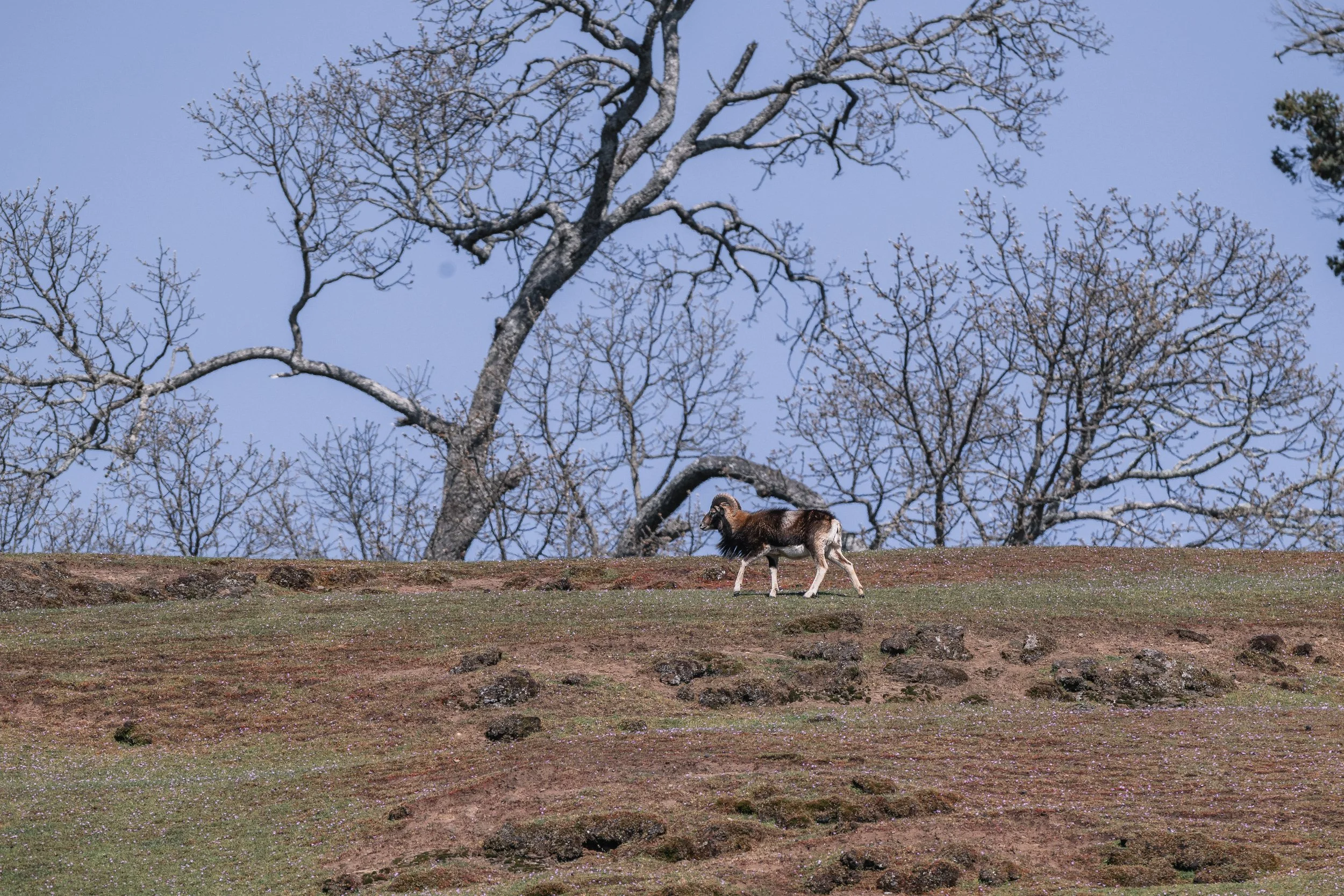
A large male strutting his stuff on the hillside. Photo by Aly Kohlman.
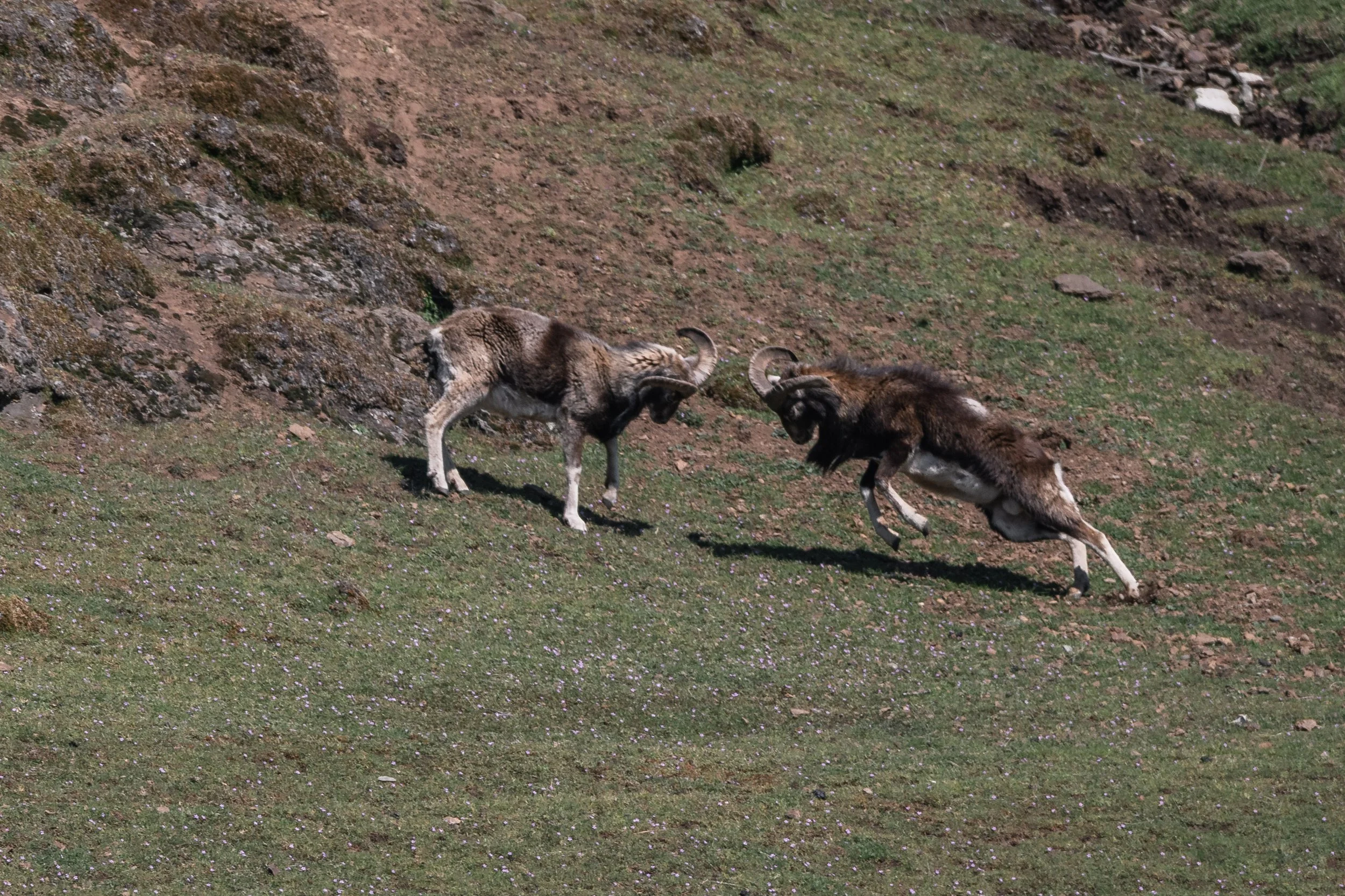
Fighting amongst the males! Photo by Aly Kohlman.
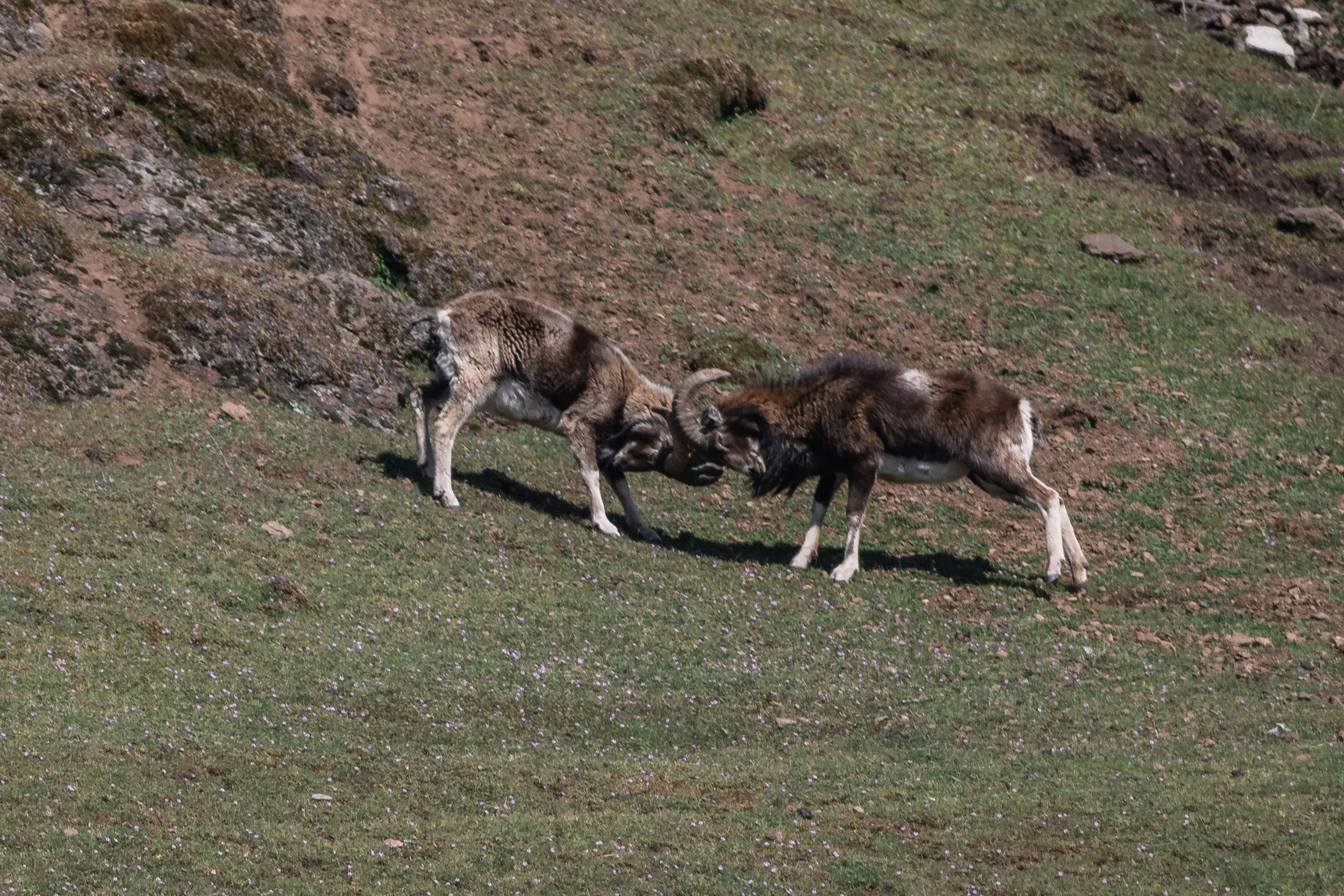
Contact! Photo by Aly Kohlman.
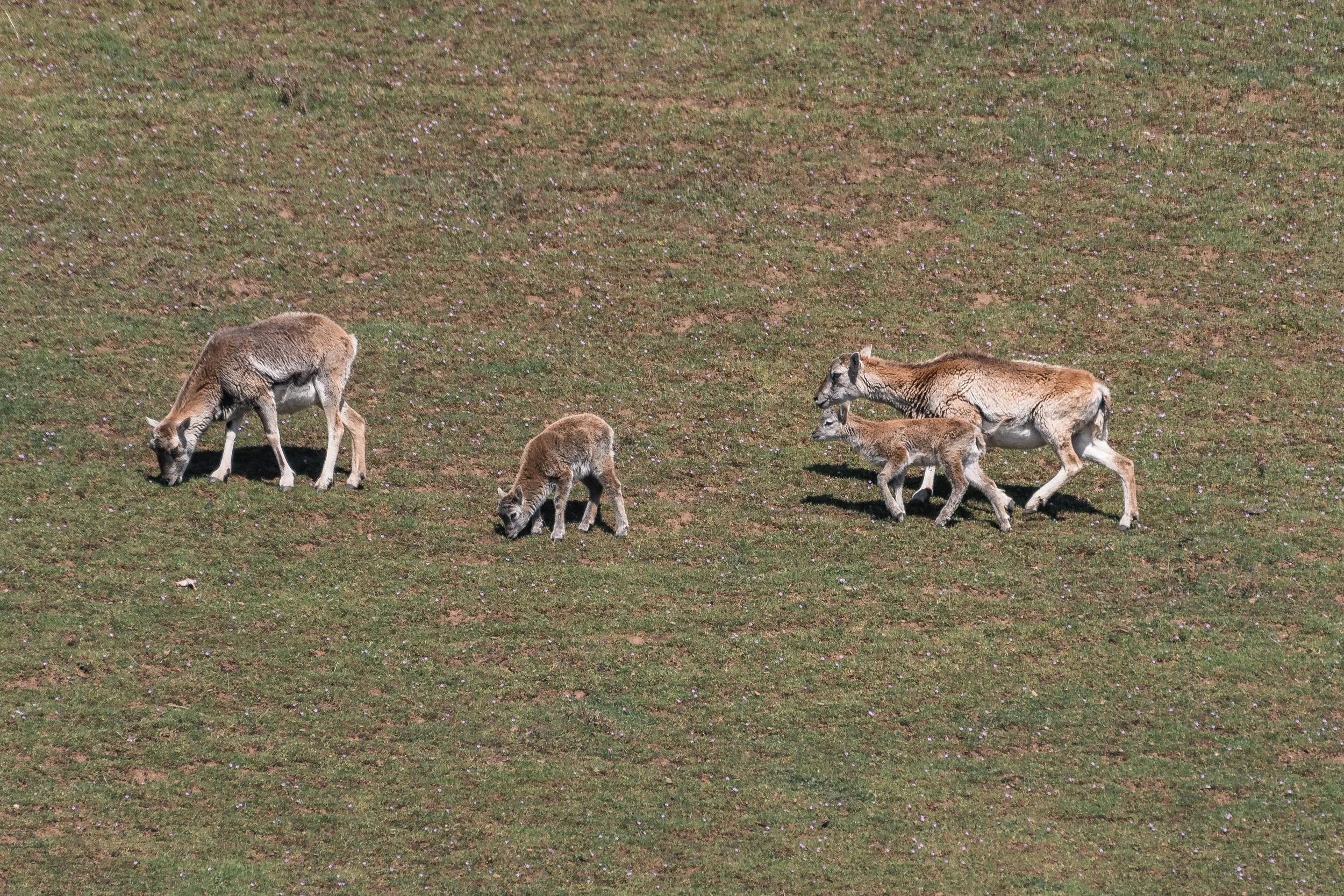
Just look how cute these babies are! Photo by Evan Hessels.
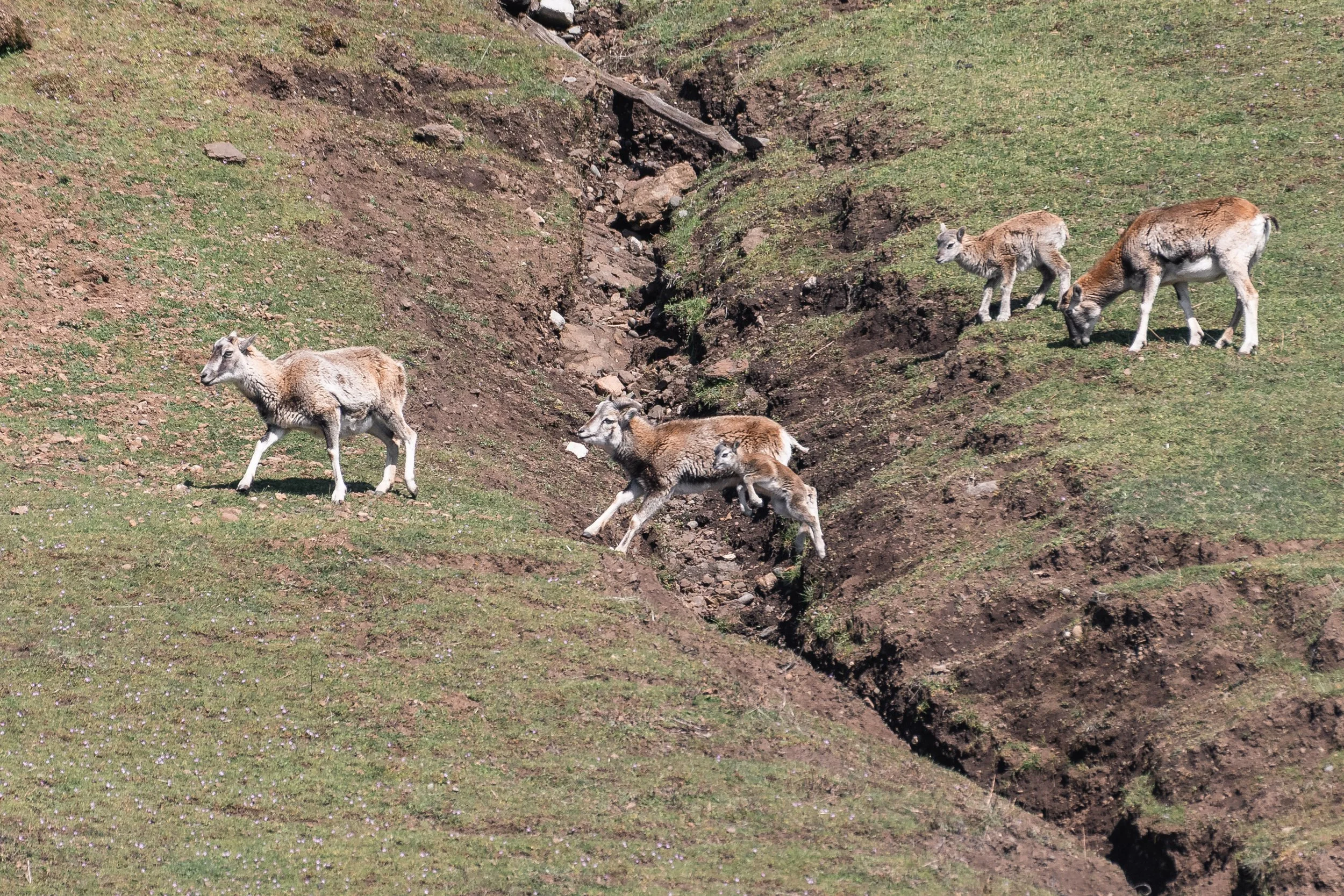
A great jump from one of the young sheep. Photo by Evan Hessels.
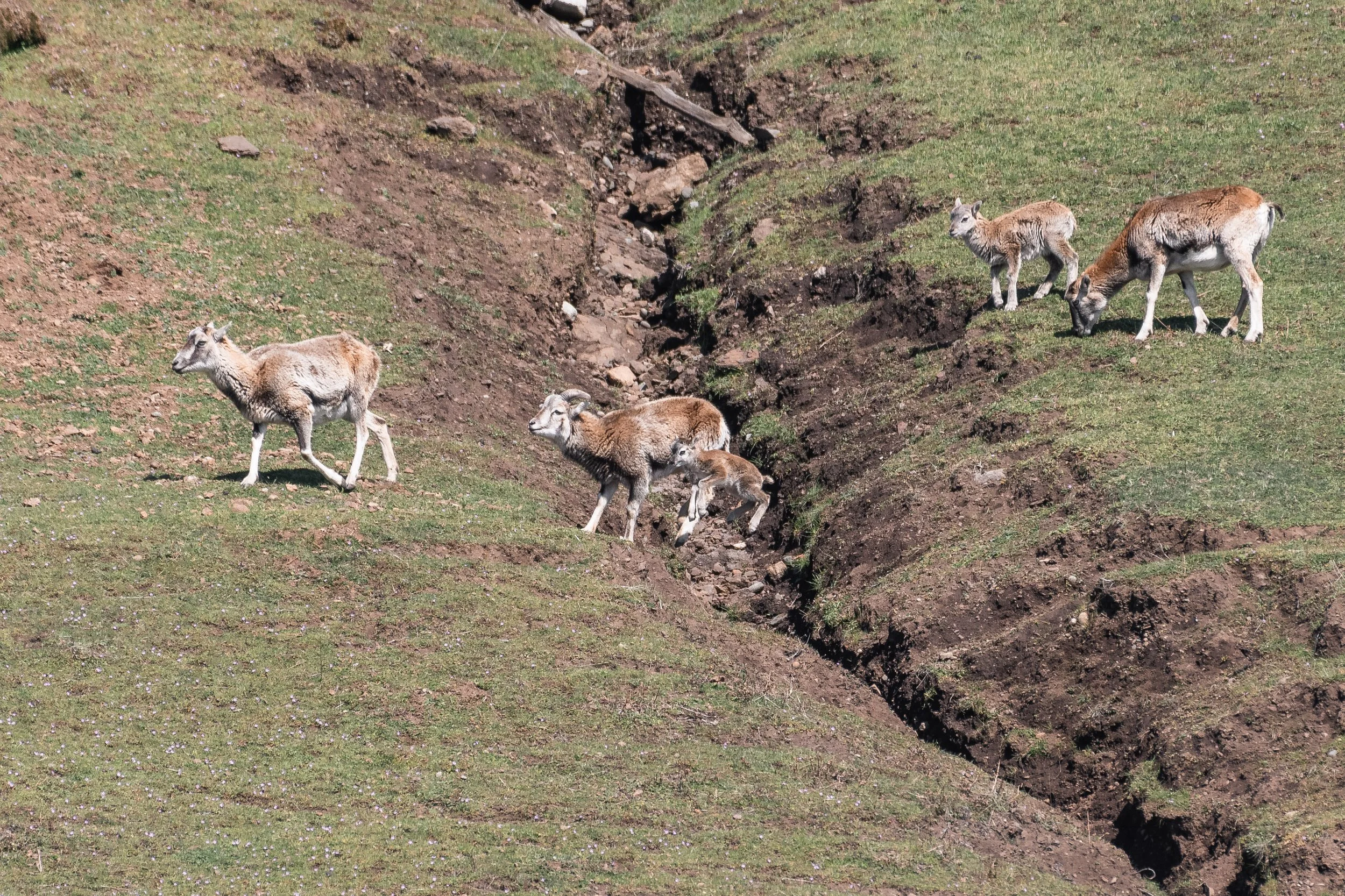
Touchdown beside their mom. Photo by Evan Hessels.
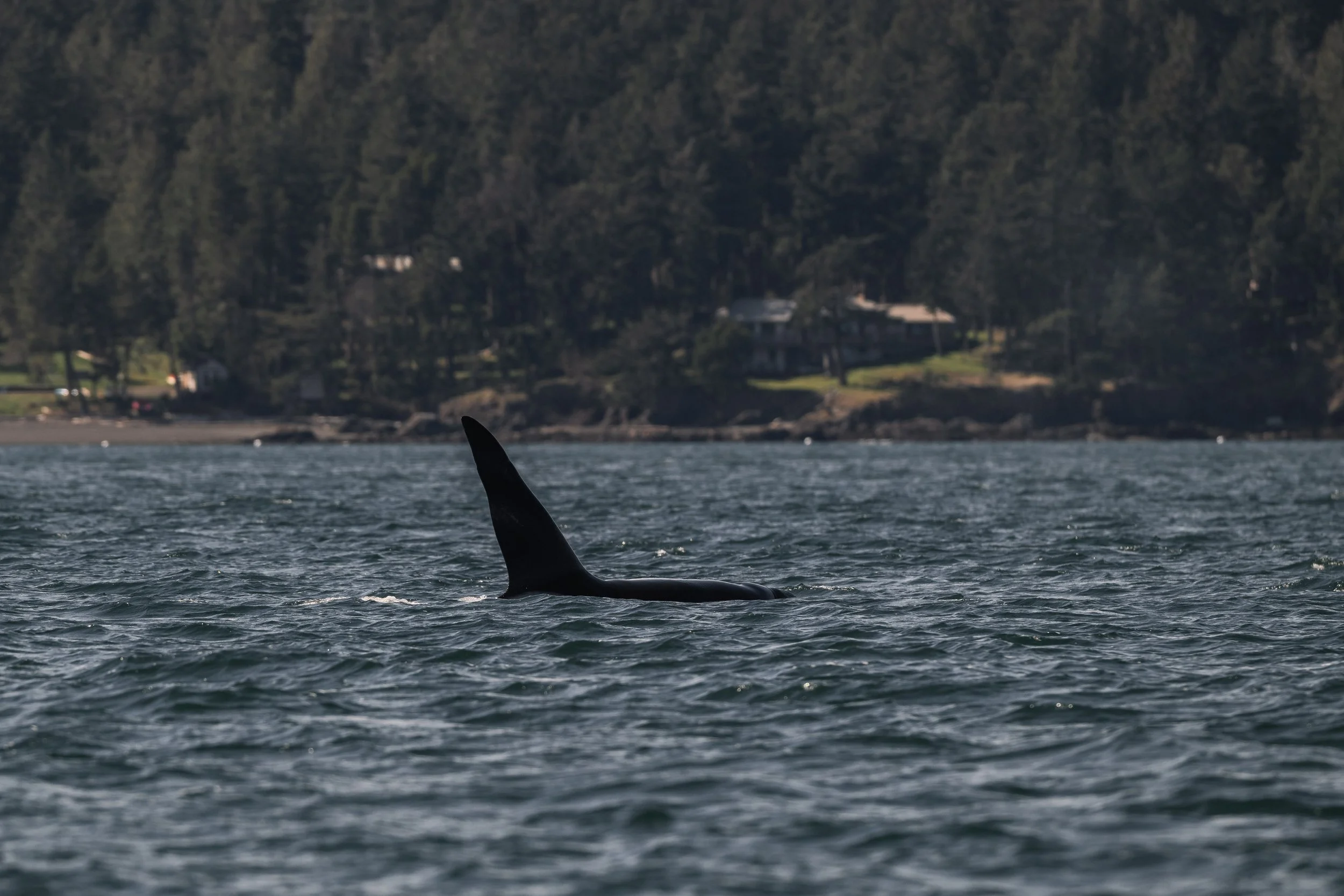
T019C Spouter surfacing in the waves. Photo by Aly Kohlman.
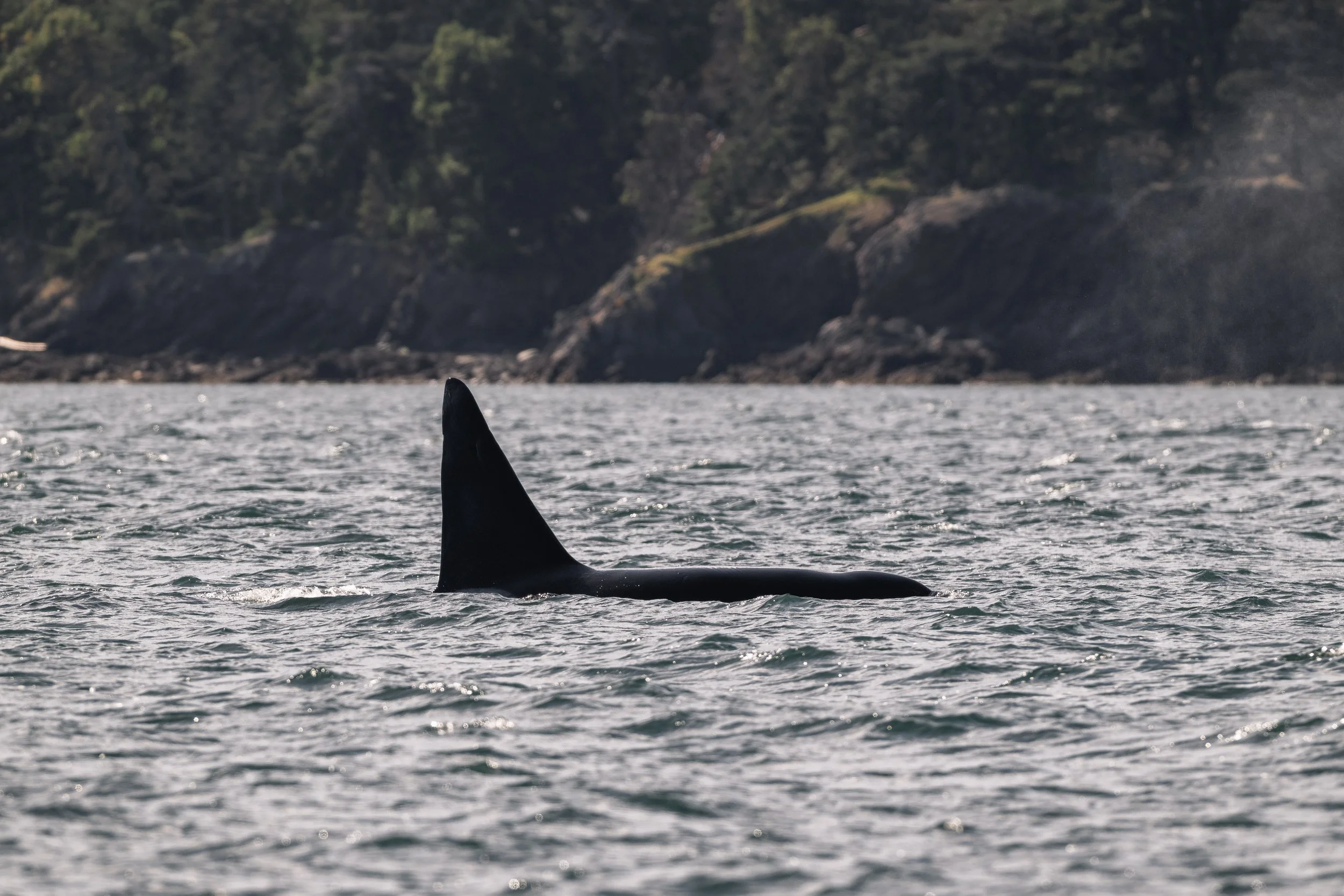
Can you spot the notch in T019C Spouter’s dorsal fin? Photo by Aly Kohlman.
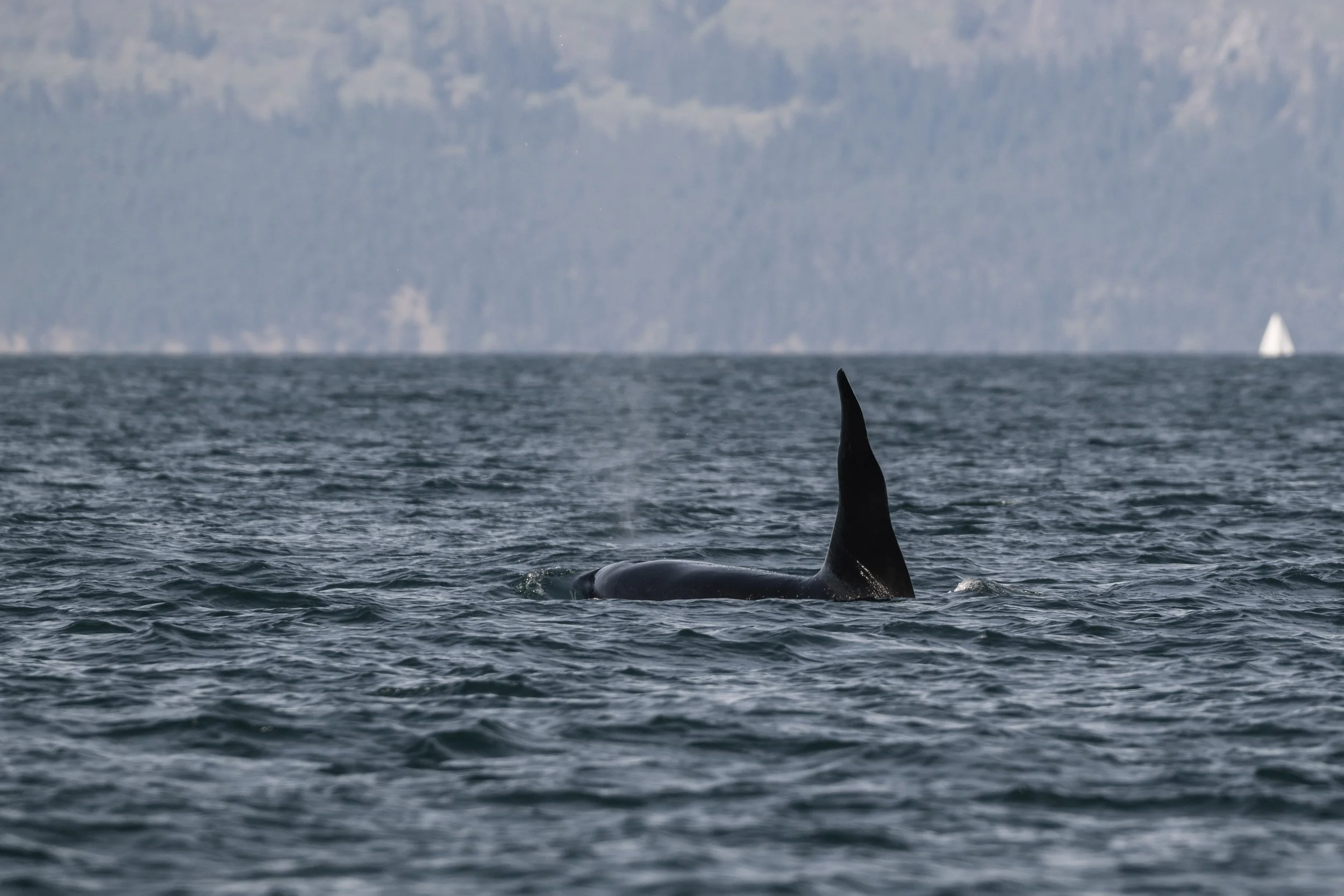
T019C Spouter also has this characteristic wave to his dorsal fin. Photo by Aly Kohlman.
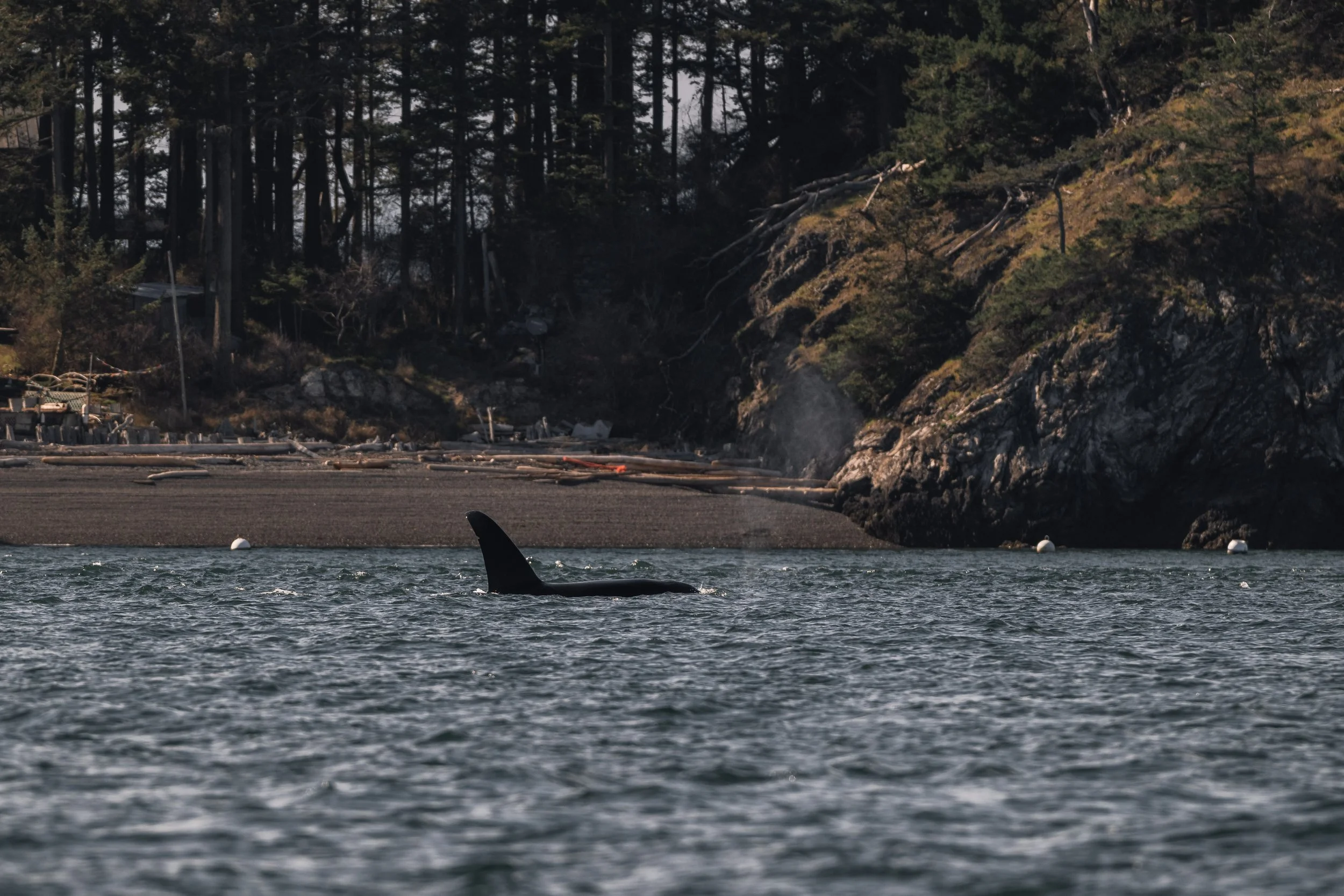
T019B Galiano surfacing in the distance. Photo by Aly Kohlman.
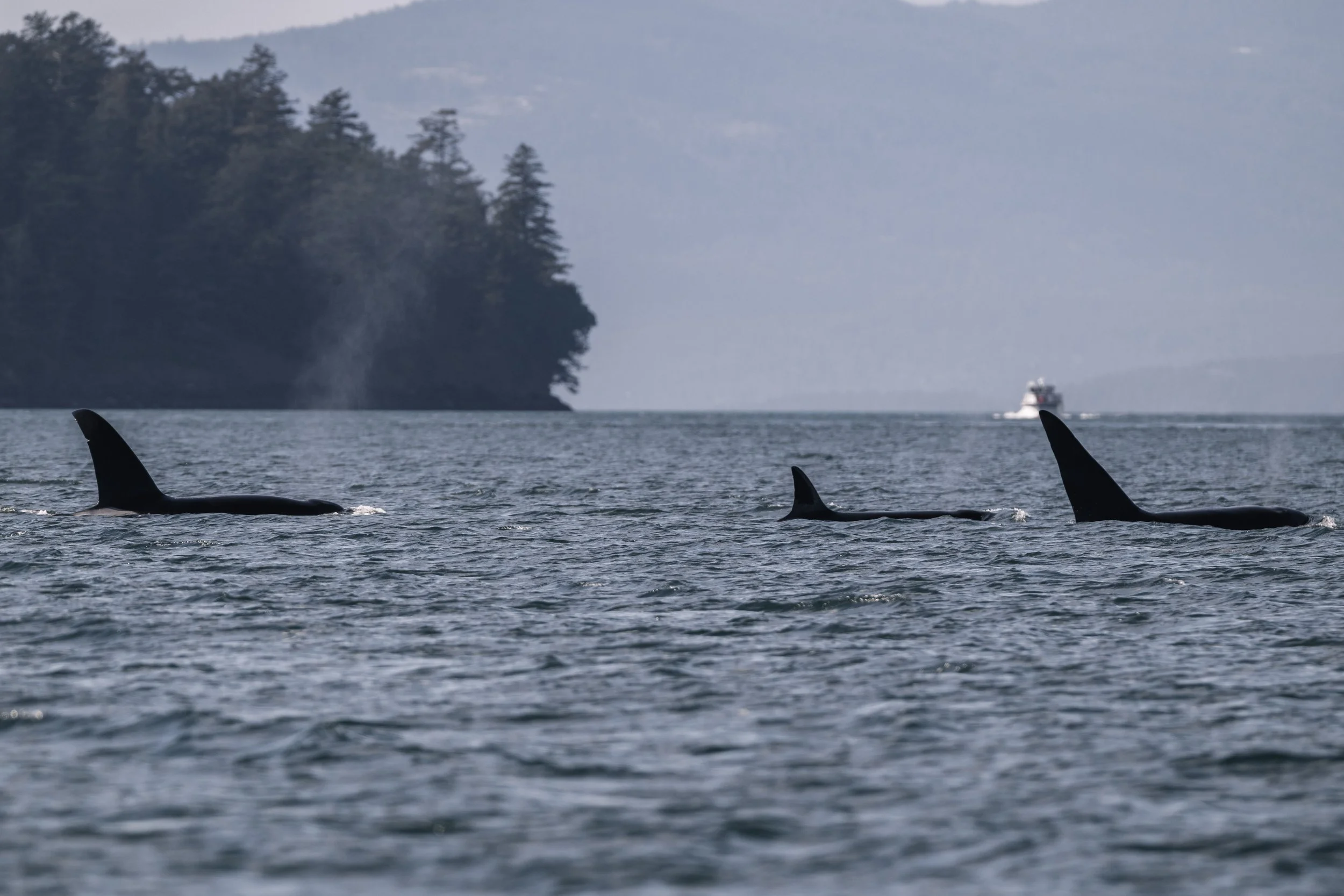
Family Photo featuring from left to right: T019B Galiano, T019 Nootka, and T019C Spouter. Photo by Aly Kohlman.
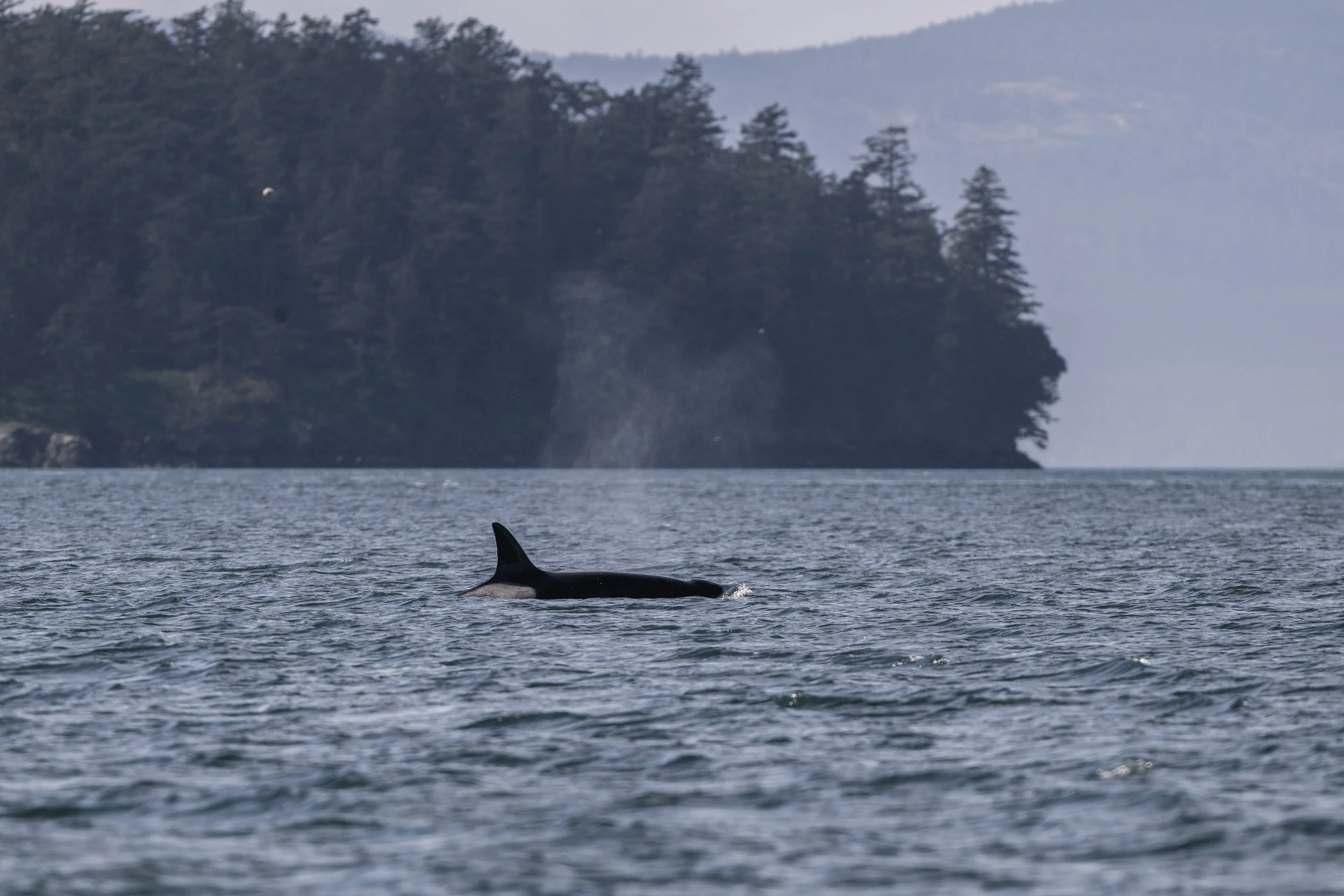
A great look at Matriarch T019 Nootka. Photo by Aly Kohlman.
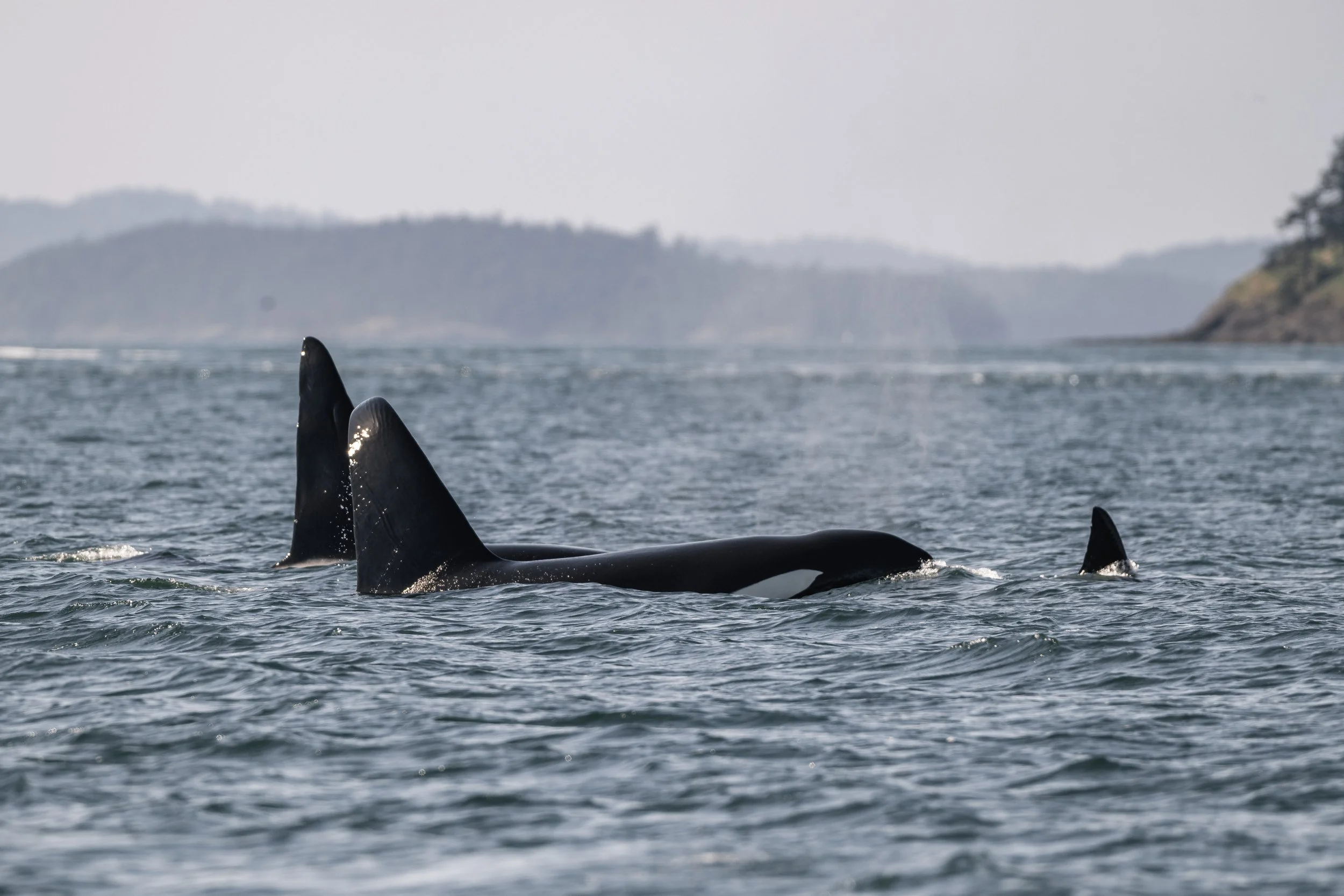
Another great family photo with T019B Galiano showing off his eye patch. Photo by Aly Kohlman.
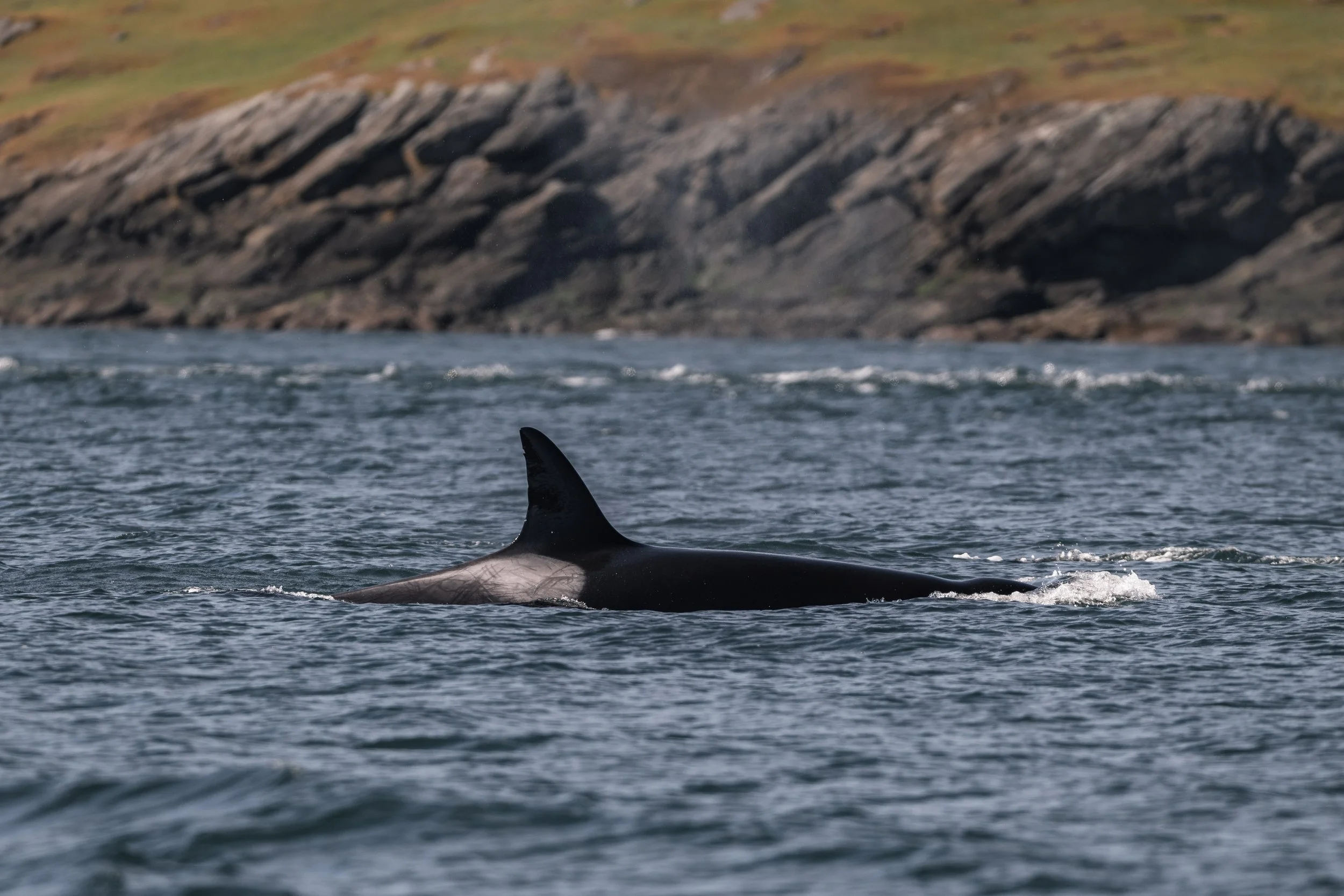
Look at all the scars and notches that T019 Nootka bears! Photo by Aly Kohlman.
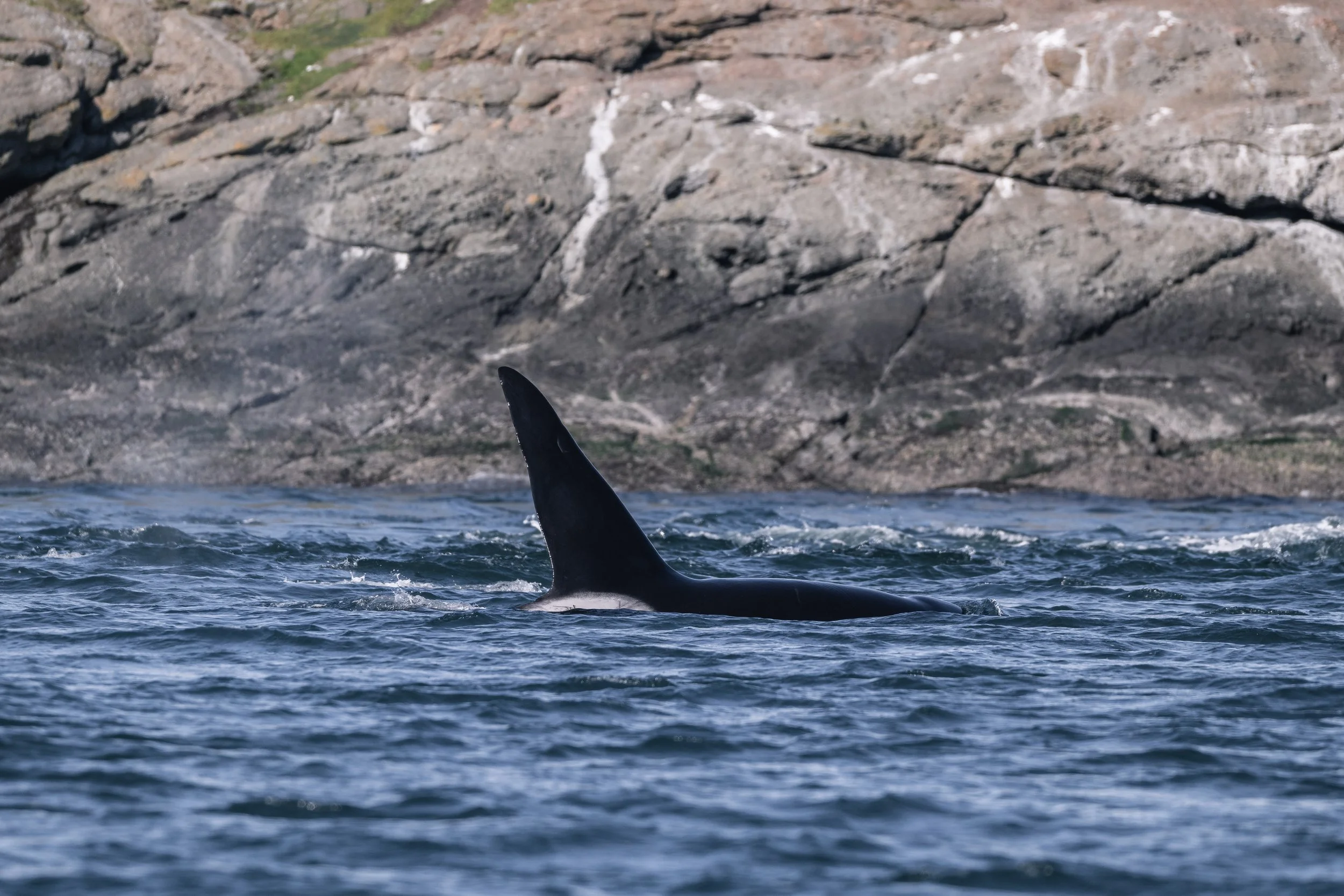
T019C Spouter in the current. Photo by Aly Kohlman.
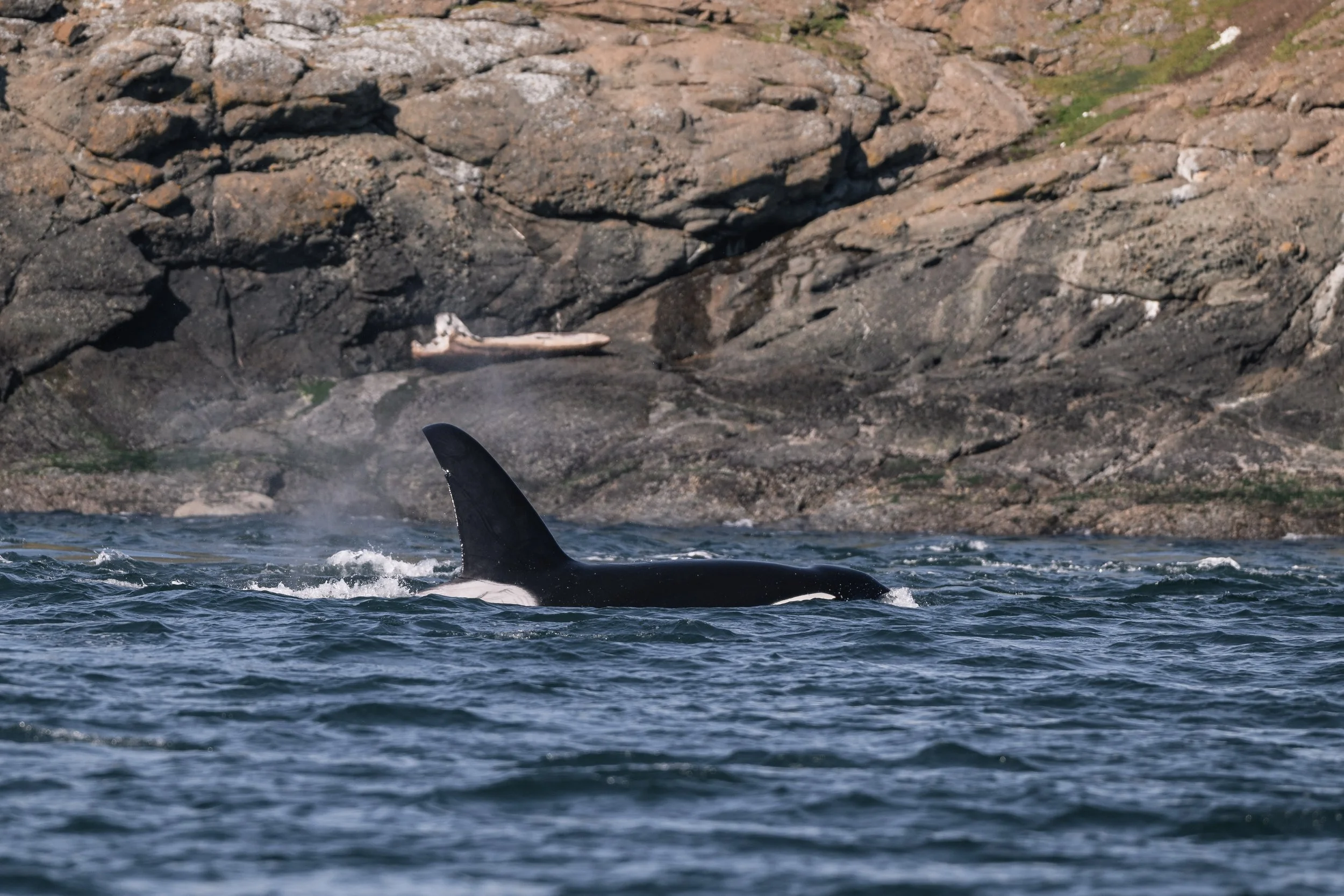
T019B Galiano breaking through the waves. Photo by Aly Kohlman.
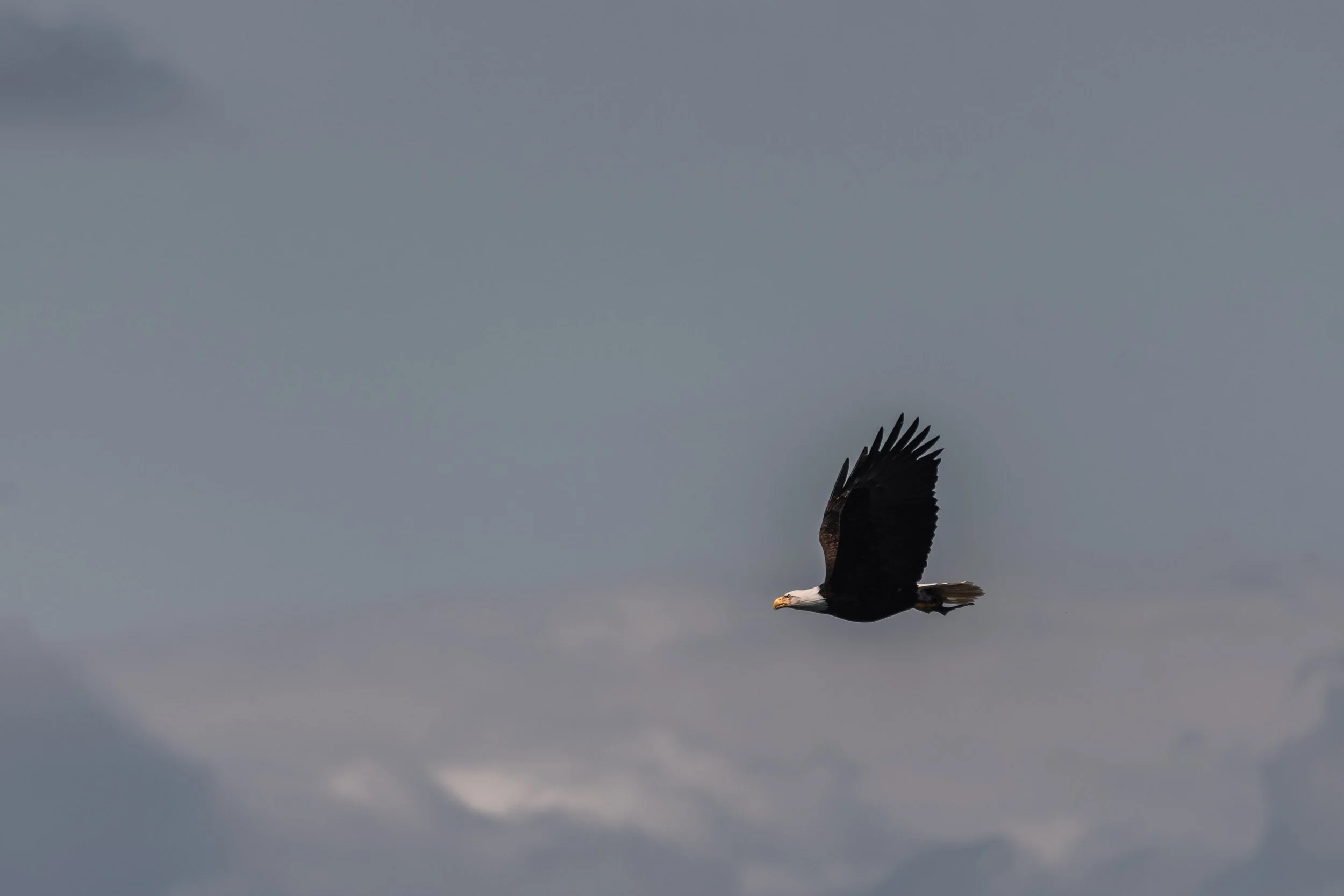
A bald eagle soaring overhead. Photo by Evan Hessels.
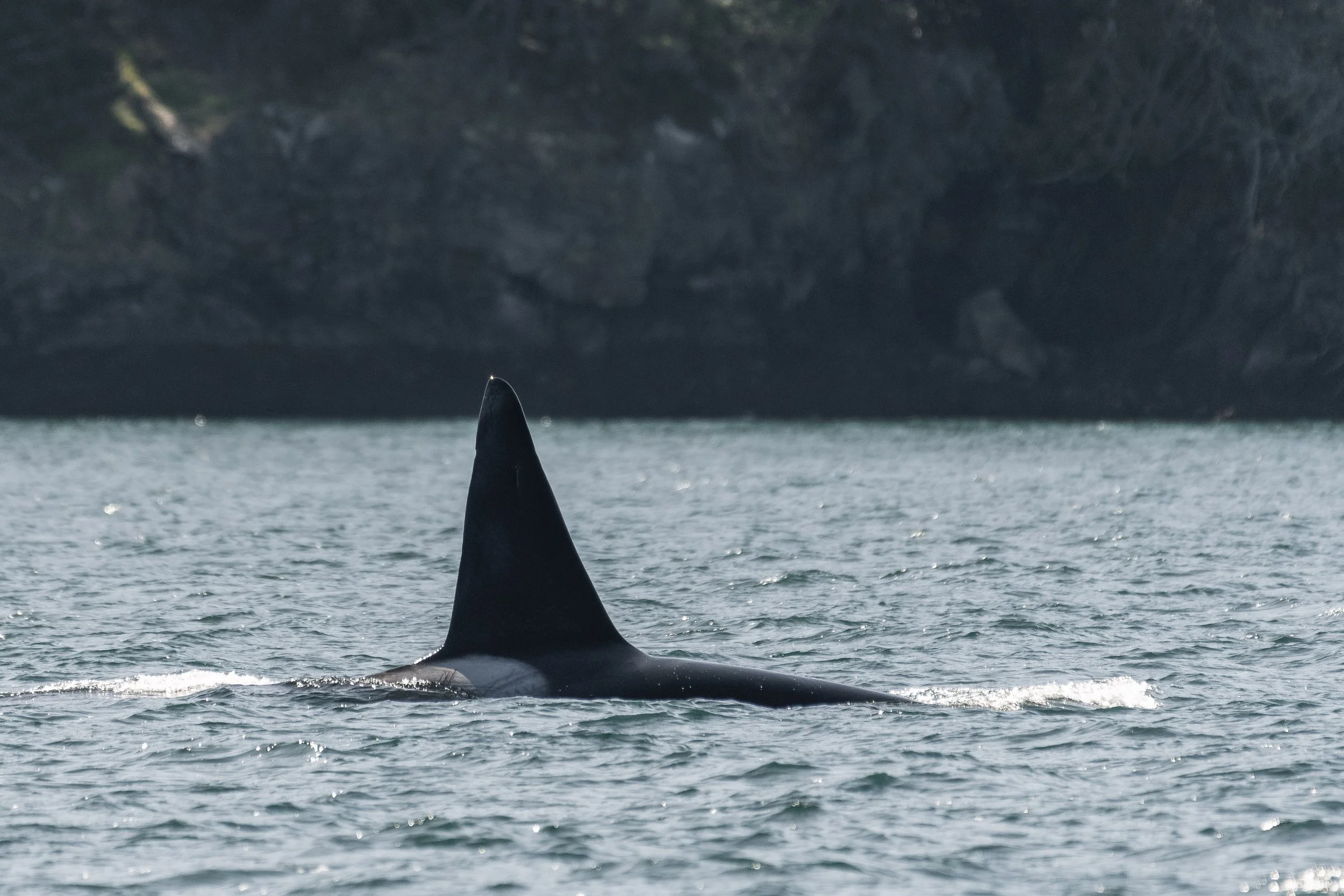
A great look at T019C Spouter and the scarring on his saddle patch. Photo by Evan Hessels.
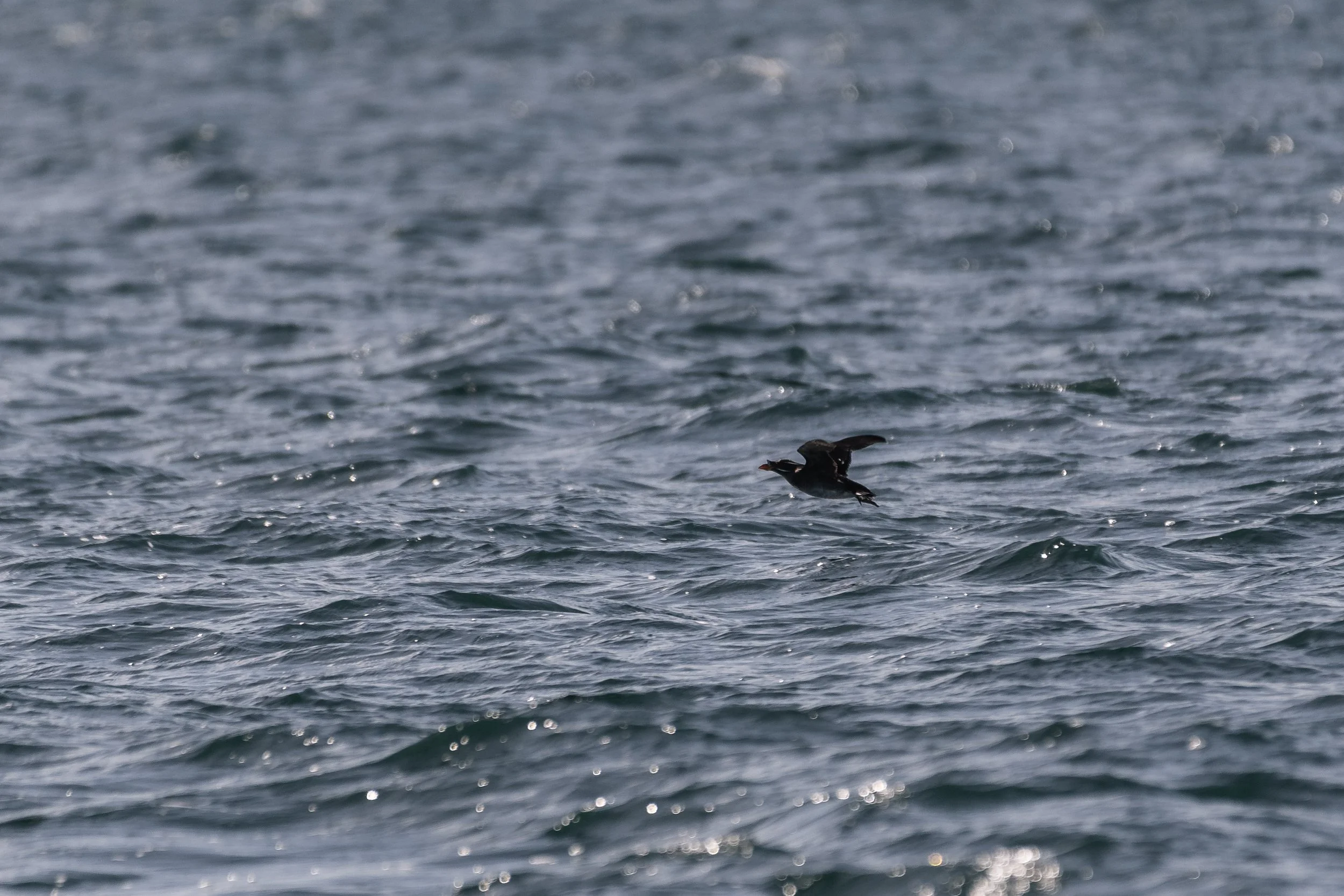
A Rhinocerous Auklet flying by. Photo by Evan Hessels.
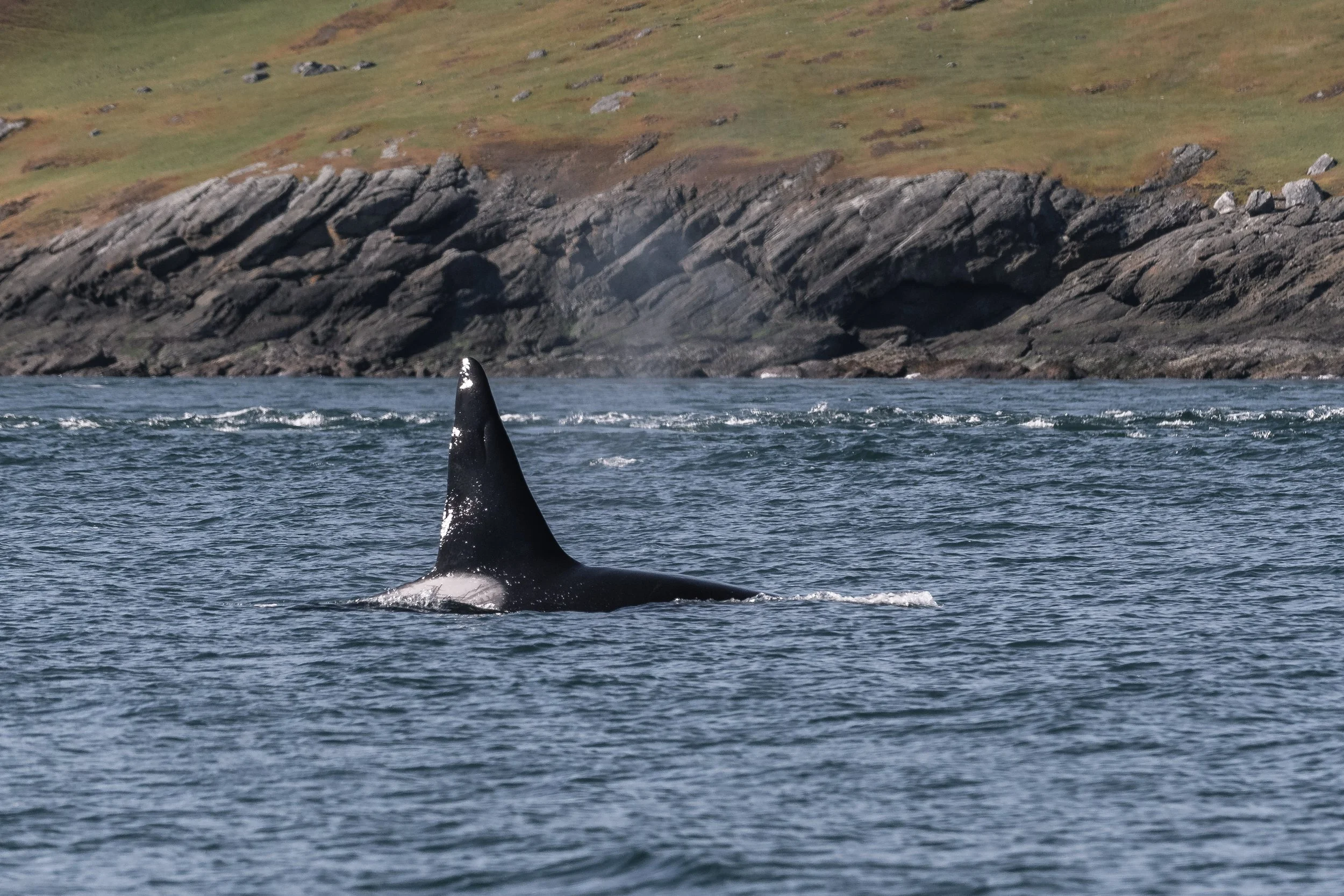
Can you spot the distinct dent in T019C Spouter’s dorsal fin in this photo? Photo by Evan Hessels.
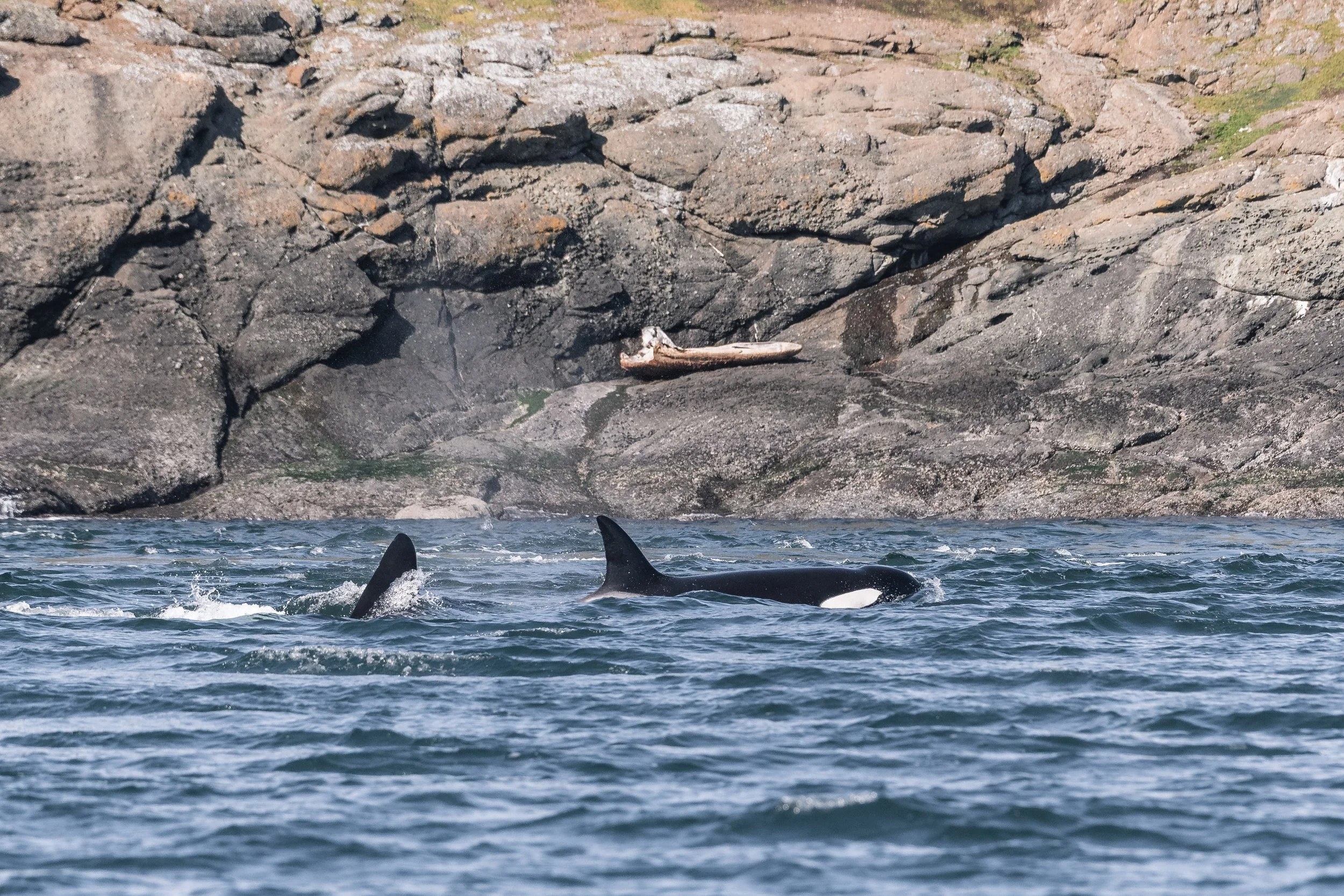
T019 Nootka surfacing with Spouter dipping below the surface behind her. Photo by Evan Hessels.
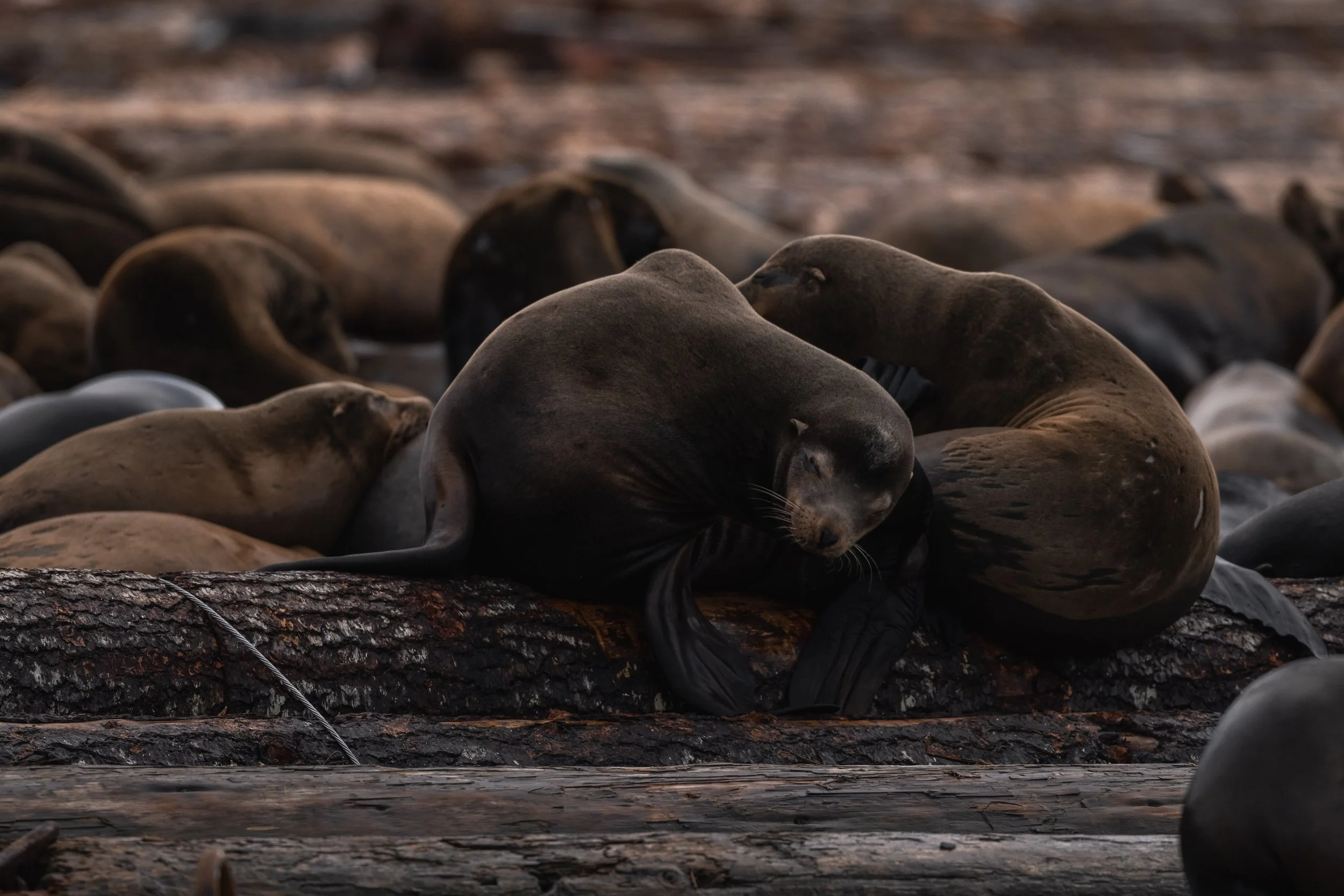
Some California Sea Lions cuddling on the log boom. Photo by Aly Kohlman.
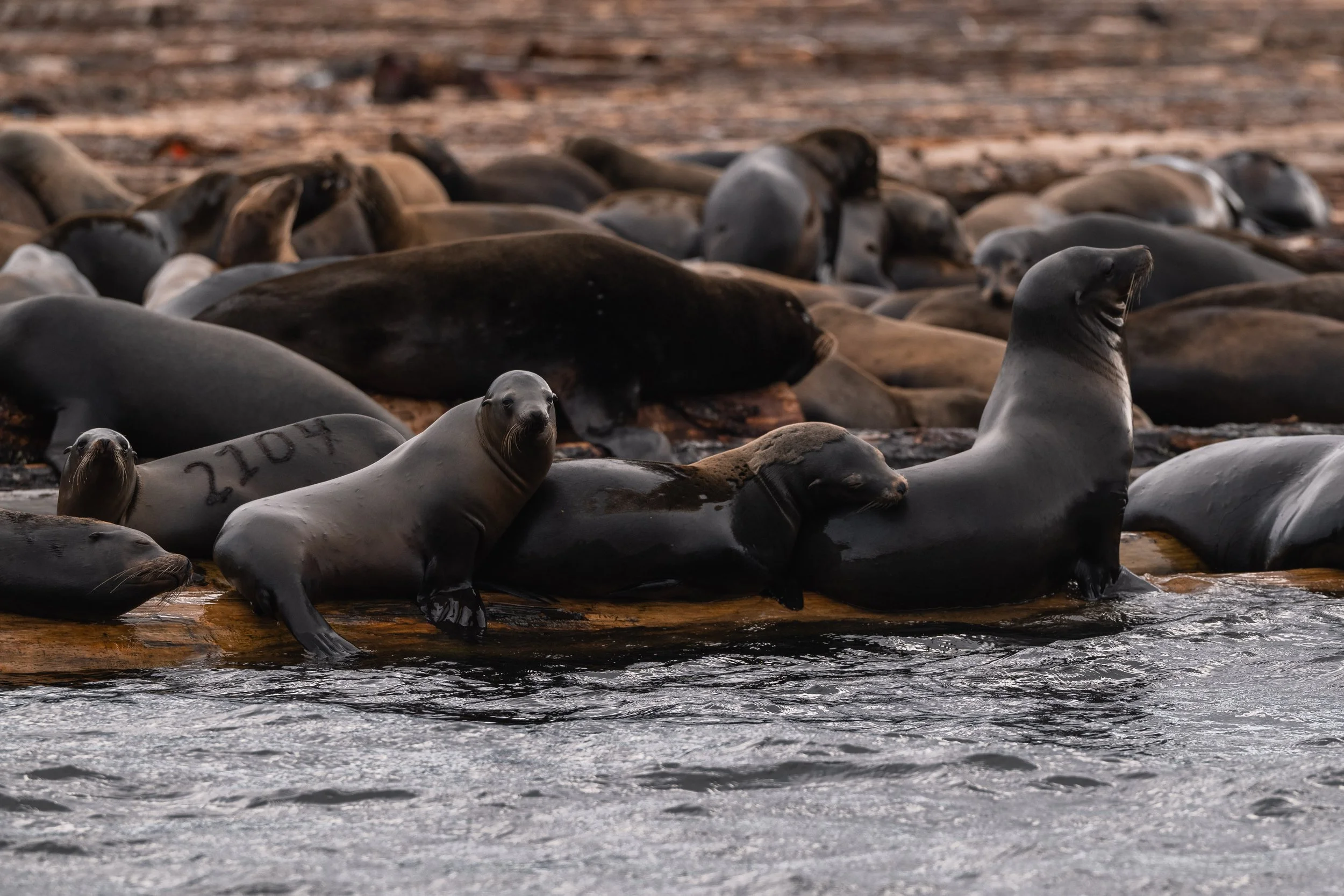
A pile of sea lions on th logs with the branded individual on the left. Photo by Aly Kohlman.
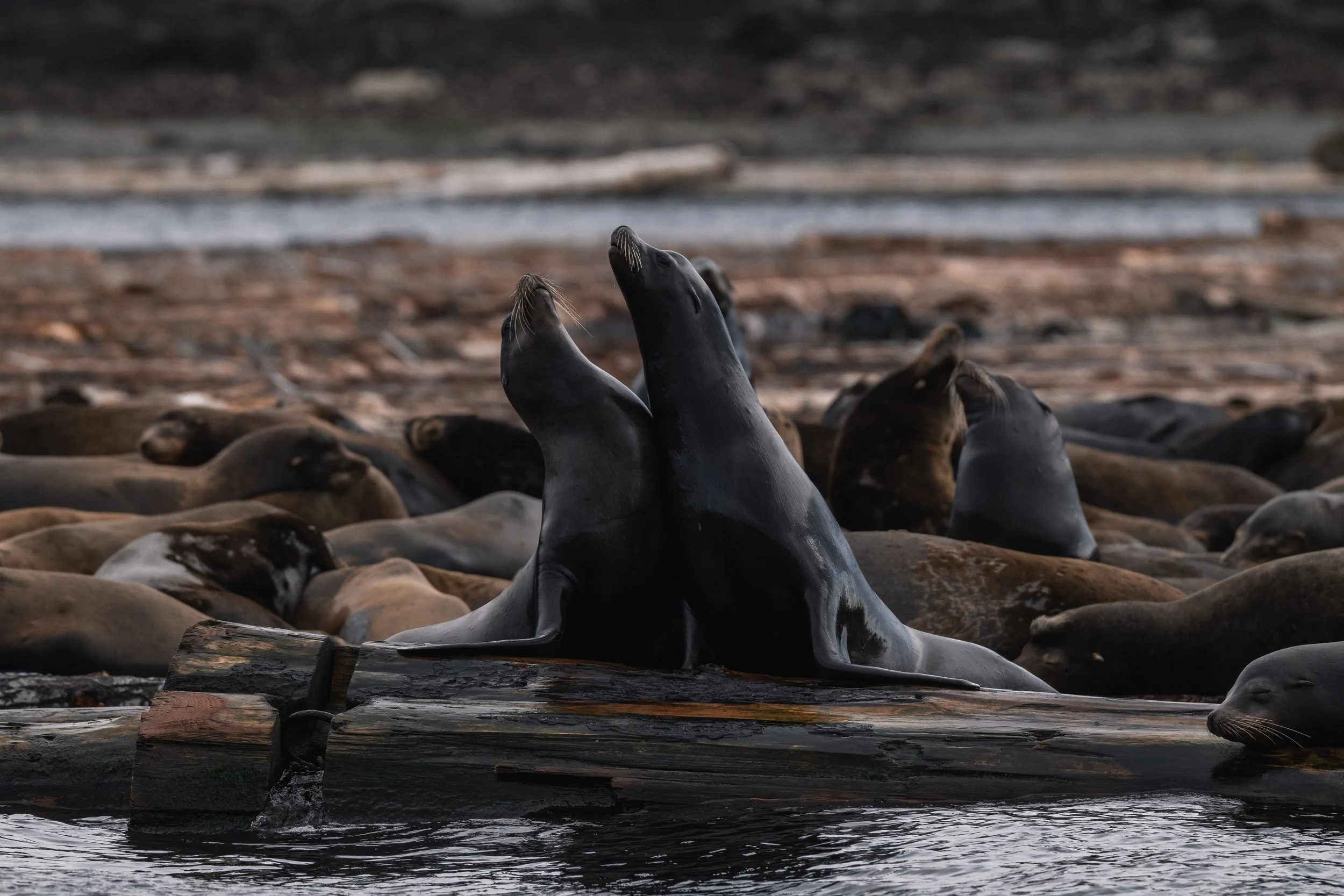
The beginings of a fight breaking out. Photo by Aly Kohlman.
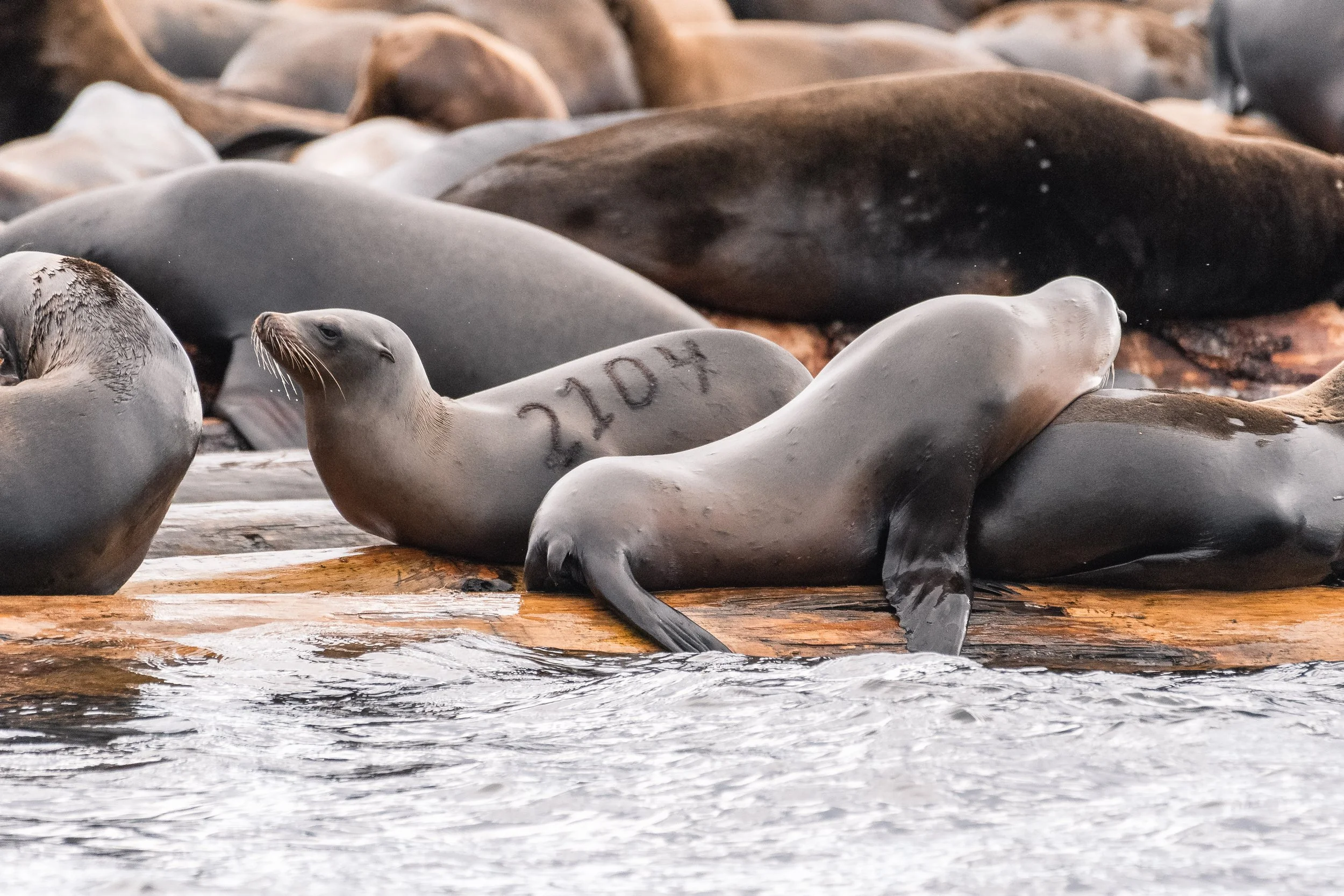
A clear look at the branded sea lion. Photo by Evan Hessels.