
March 27, 2026 - The wait was worth it!
The sun was shining overhead as both of our open vessels slipped away from the dock, launching into what felt like a truly perfect spring day on the Salish Sea. The light is softer, the air carries a hint of warmth, and the ocean seems to stretch endlessly in every direction. It is the kind of morning that invites exploration, and we wasted no time answering that call.
With an early report of possible orca activity, our Operations Manager directed us toward the Southern Gulf Islands. Immediately, we shifted into search mode. We began our journey southbound. Passing through Dodd Narrows, we found the water calm and glassy beneath us, allowing for smooth and efficient travel. Conditions like these are something we never take for granted. Not only do they make for a comfortable ride, but they also give us a distinct advantage when scanning for wildlife.
Our vessels are capable of reaching speeds of around 30 knots, which is remarkably similar to the top speed of an orca. These animals can surge through the water at speeds approaching 55 kilometres per hour, though they reserve that kind of energy for critical moments, such as hunting. This shared ability to move quickly allows us to cover large areas of ocean during our search, especially when our boats spread out and weave through the maze of islands that define this coastline.
We made our way toward Crofton, carefully scanning the water for any sign of disturbance on the otherwise smooth surface. On days like this, spotting a whale can feel deceptively simple. A tall dorsal fin cutting through still water should stand out clearly. In theory, at least. Our Naturalists and Captains remained focused, eyes sweeping the horizon, but the ocean held its secrets close. After an extensive search with little to show for it, we decided to turn back north.
It was then that a flicker of movement along the shoreline caught our attention. A cluster of harbour seals had hauled out onto the sandstone rocks of Norway Island, basking in the warmth of the sun. Moments like these offer a window into the daily rhythms of marine life. After spending time foraging in the cold water, seals will often haul out to regulate their body temperature, conserve energy, and rest. Around them, birdlife took full advantage of the same sun-soaked landscape. Cormorants spread their wings to dry, oyster catchers moved methodically along the shore, and gulls dotted the rocks, adding their voices to the quiet scene.
With no sign of orca nearby, we continued on, re-entering search mode. This time, we passed through Gabriola Pass and into the Strait of Georgia, making a brief stop at Stinky Rocks. True to their name, the rocks were alive with Steller Sea Lions. Their presence is always unmistakable, both in sound and scent. Large, vocal, and endlessly entertaining, they jostled for space on the limited rock exposed by the high tide. Individuals pushed and nudged one another, each vying for the most comfortable resting spot, while others slipped effortlessly into the water and back again.
As Captain Rodrigo assessed our next move, the Strait stretched out before us in near-perfect calm. With such favourable conditions, we turned our attention toward the shores of North Nanaimo. The scenery was spectacular, the ride smooth, and yet the wildlife we were searching for remained elusive. It is an important reminder of the nature of what we do. None of the whales we encounter are tracked or tagged in a way that allows us to locate them instantly. Every sighting is the result of experience, communication, and careful observation. We rely on our eyes, our knowledge of the environment, and a network of reports shared between vessels. Each encounter is earned.
Just as the thought began to settle in that this might be one of those days, a new report came through. Without hesitation, we turned back to the south. Guests began to recognize the familiar landscapes we had passed earlier, a full-circle moment in our search. Returning to the same area hours later, we found the water once again calm and unbroken. Still, the determination on board never wavered. As our Naturalist Aly Kholman put it so perfectly, “No one wants to find the whales more than me.” It is a sentiment shared by every member of our crew. There is a deep passion behind what we do, and perhaps a touch of obsession as well.
Then, at last, a subtle change. A moment of stillness followed by certainty. Captain Rodrigo had spotted something. All eyes turned, scanning the water. And then it appeared. The unmistakable, towering black dorsal fin of a large male orca rose cleanly from the surface.
This was no ordinary sighting. We had found the T019s, a family well known and deeply appreciated by both crew and local observers. Patience had paid off. As we travelled alongside them, the energy on board shifted from anticipation to awe. The orca present today were:
T019 Nootka ♀ (~1965)
T019B Galiano ♂ (1995)
T019C Spouter ♂ (2001)
Our Naturalist Vanessa began sharing insights with guests, often noting how this group is frequently described as a “mom, dad, and baby” by those seeing them for the first time. There is always a hint of humour in that explanation. Nootka, the matriarch of the group, may appear small beside her towering sons, but she is certainly no baby. First documented in 1965, she is at least 61 years old, and likely older. Her presence is a testament to the strength and longevity of these animals.
This family also provides a clear example of sexual dimorphism in orca. Males are significantly larger than females and are distinguished by their tall, triangular dorsal fins, which can reach up to six feet in height. Females, by comparison, have shorter, more curved dorsal fins and generally smaller body sizes. Despite their impressive stature, the adult males remain closely tied to their mother throughout their lives. They rely on her leadership, knowledge, and experience, particularly when it comes to finding food and navigating their environment.
As we observed, the family appeared to be travelling steadily along the shoreline, likely foraging. Their pattern of long dives followed by shorter surface intervals suggested focused, purposeful movement. It is always a privilege to witness these behaviours, even briefly.
Time, however, is always a factor. The clock reminded us it was time to begin our journey home. With one final look at the T019s, we turned back toward Nanaimo, carrying with us the memory of a day defined by persistence, patience, and ultimately, connection.
Out here, every trip tells a different story. Some unfold quickly, others take time. But it is often the search itself, the moments in between, that make the final encounter all the more meaningful.
Enjoy the photos taken below by Marine Naturalists Aly Kohlman and Vanessa Vereschahen.
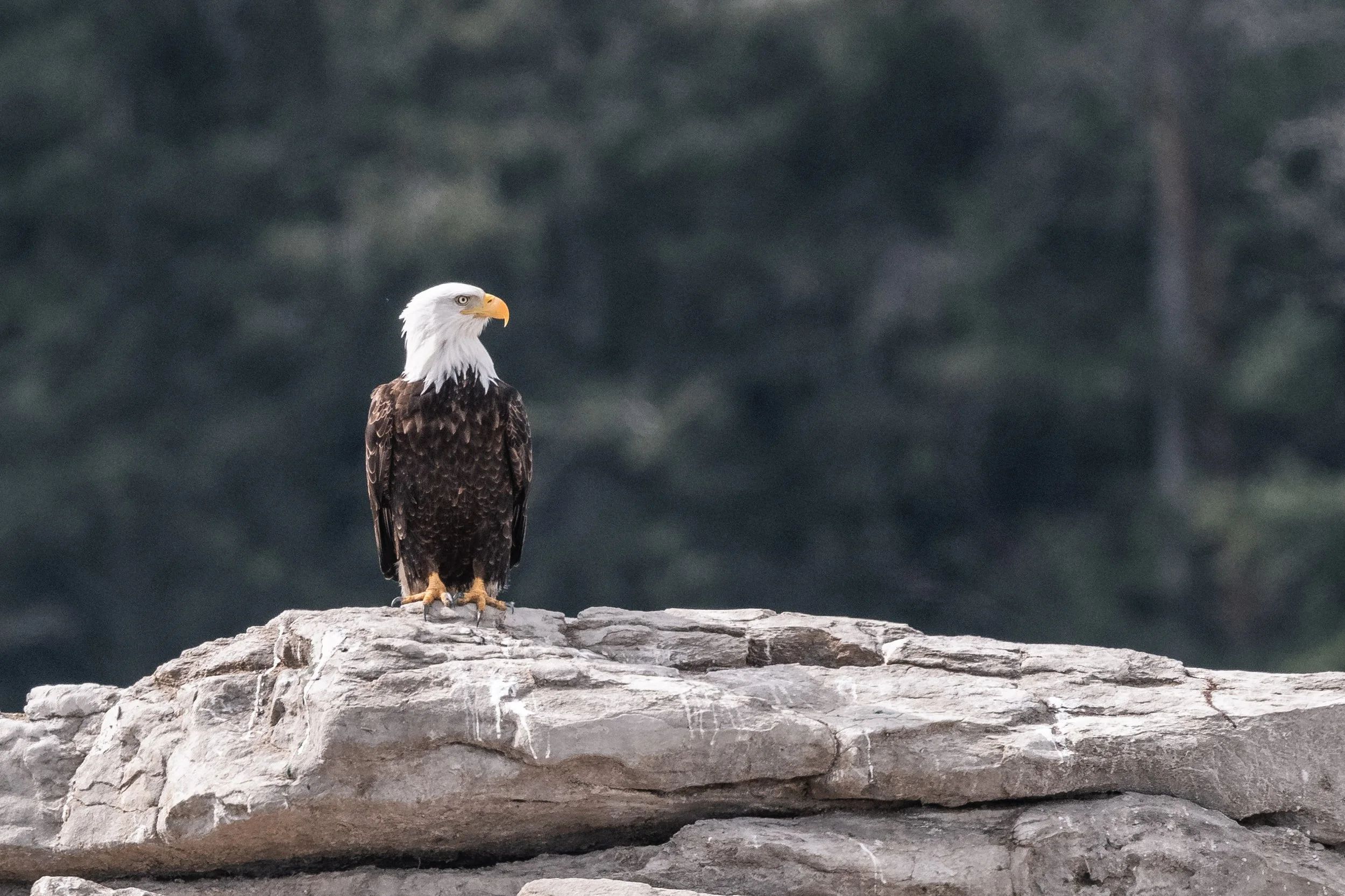
A bald eagle perched on the rocks. Photo by Aly Kohlman.
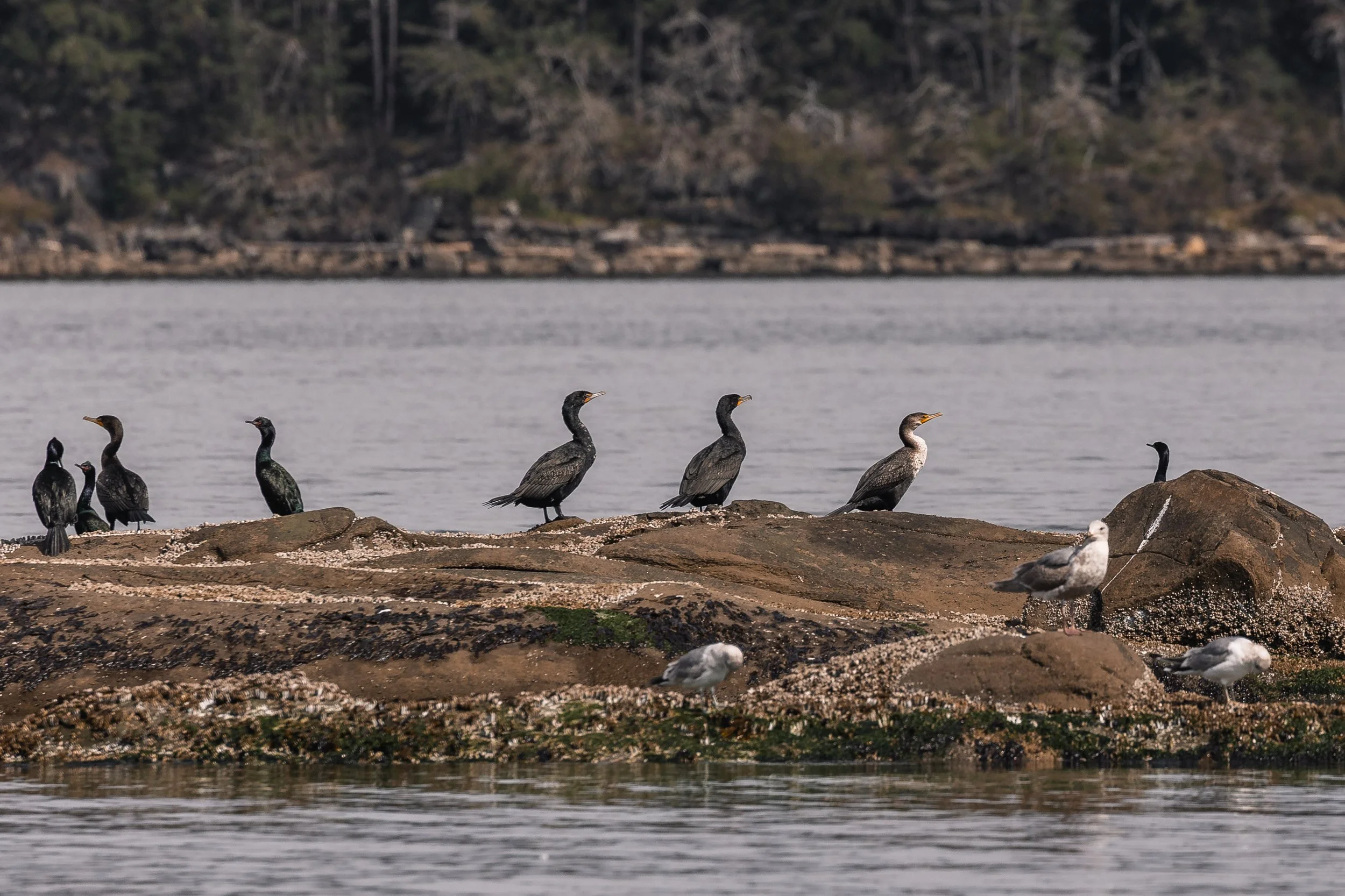
Cormorants and gulls resting on the rocks. Photo by Vanessa Vereschahen.
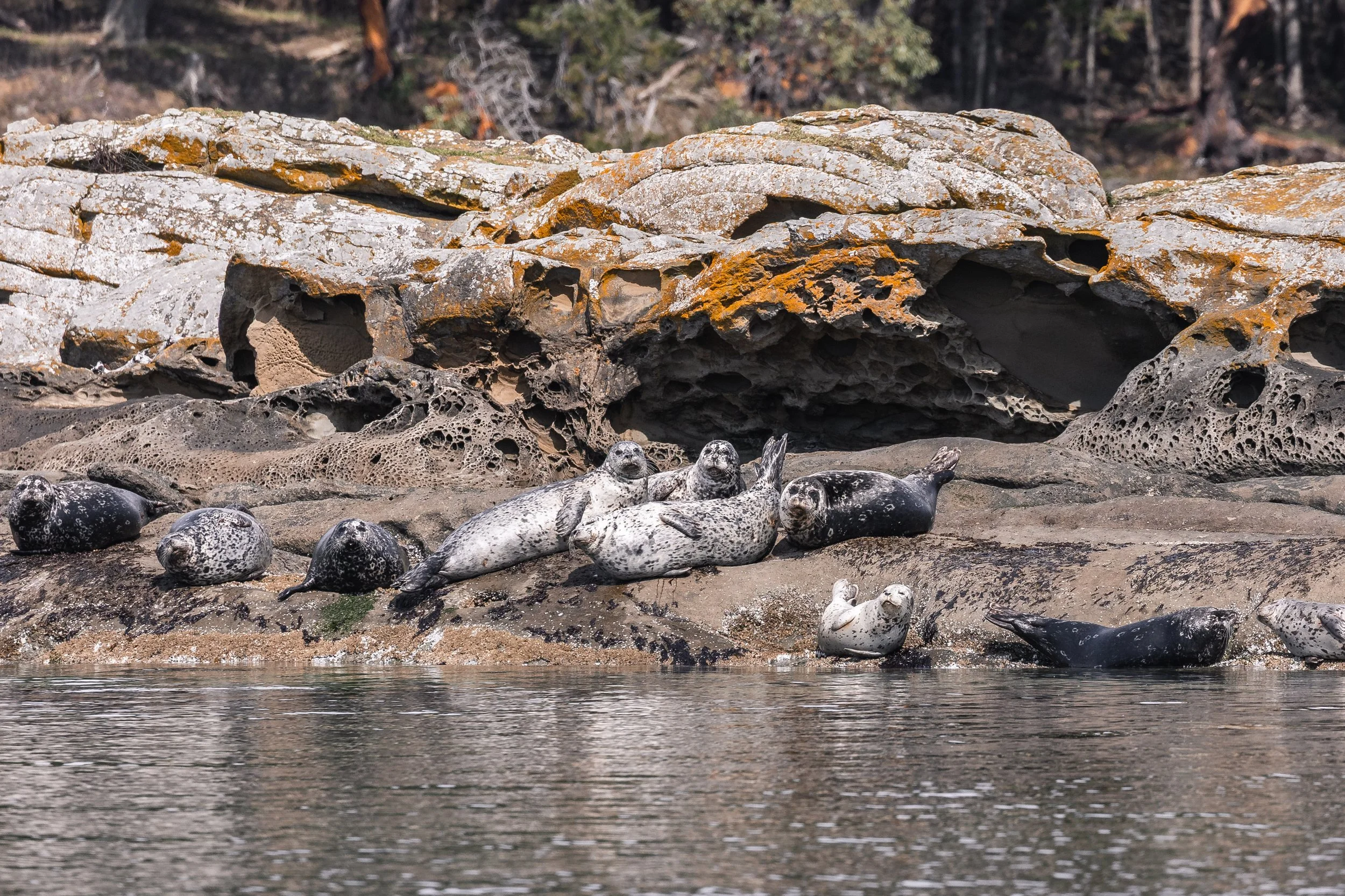
Harbour seals enjoying the spring sunshine. Photo by Vanessa Vereschahen.
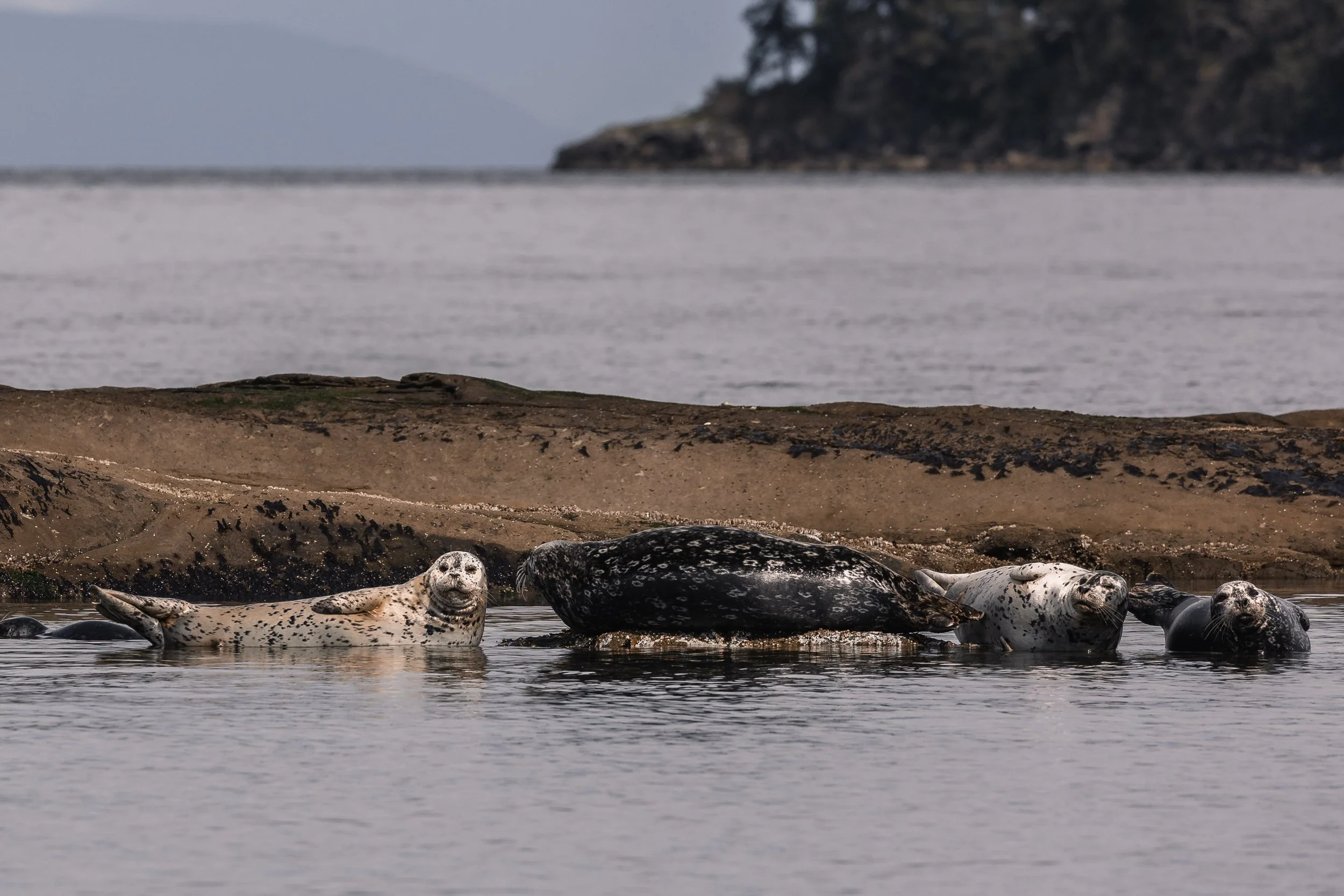
Such adorable faces. Photo by Vanessa Vereschahen.
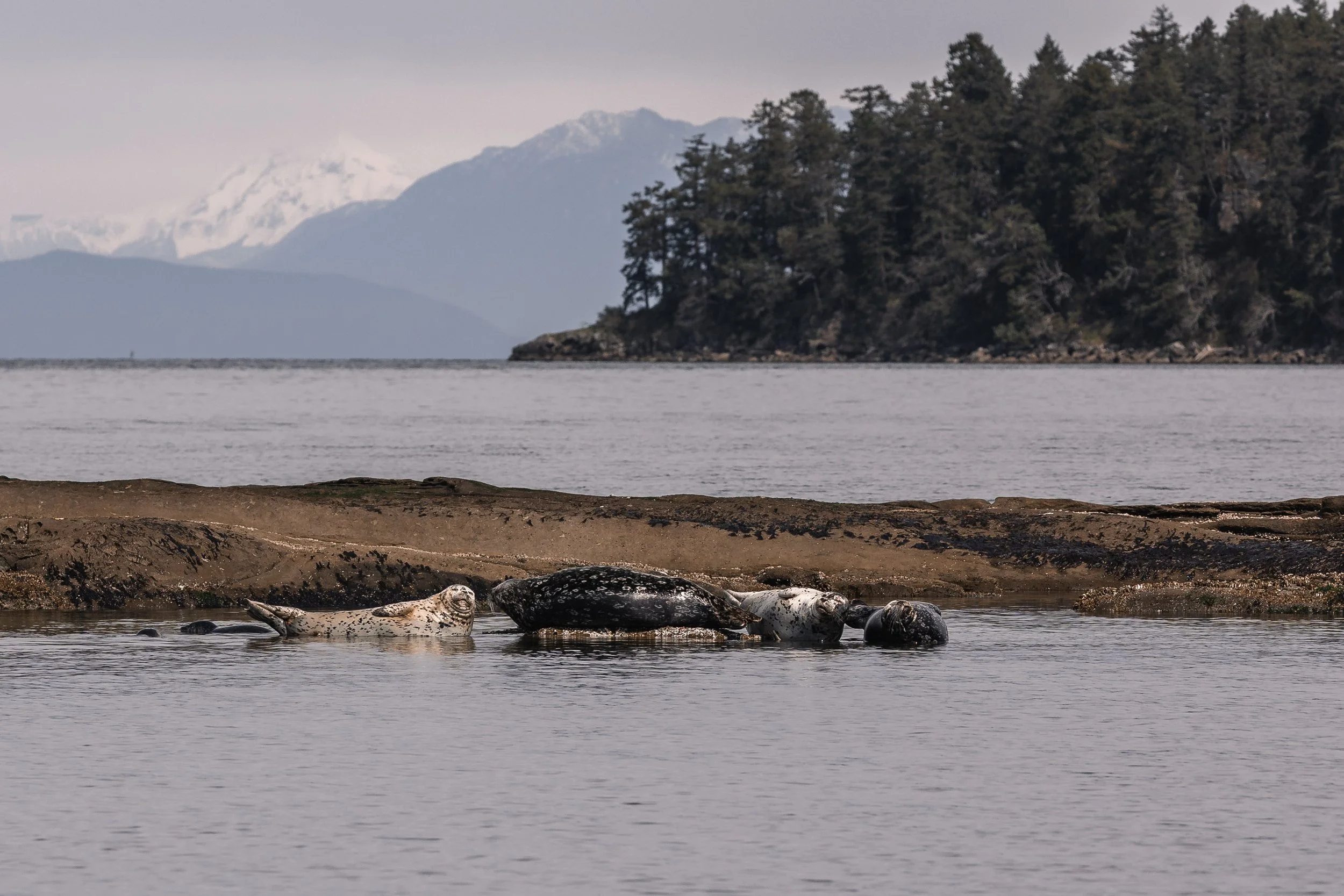
Relaxing with a view! Photo by Vanessa Vereschahen.
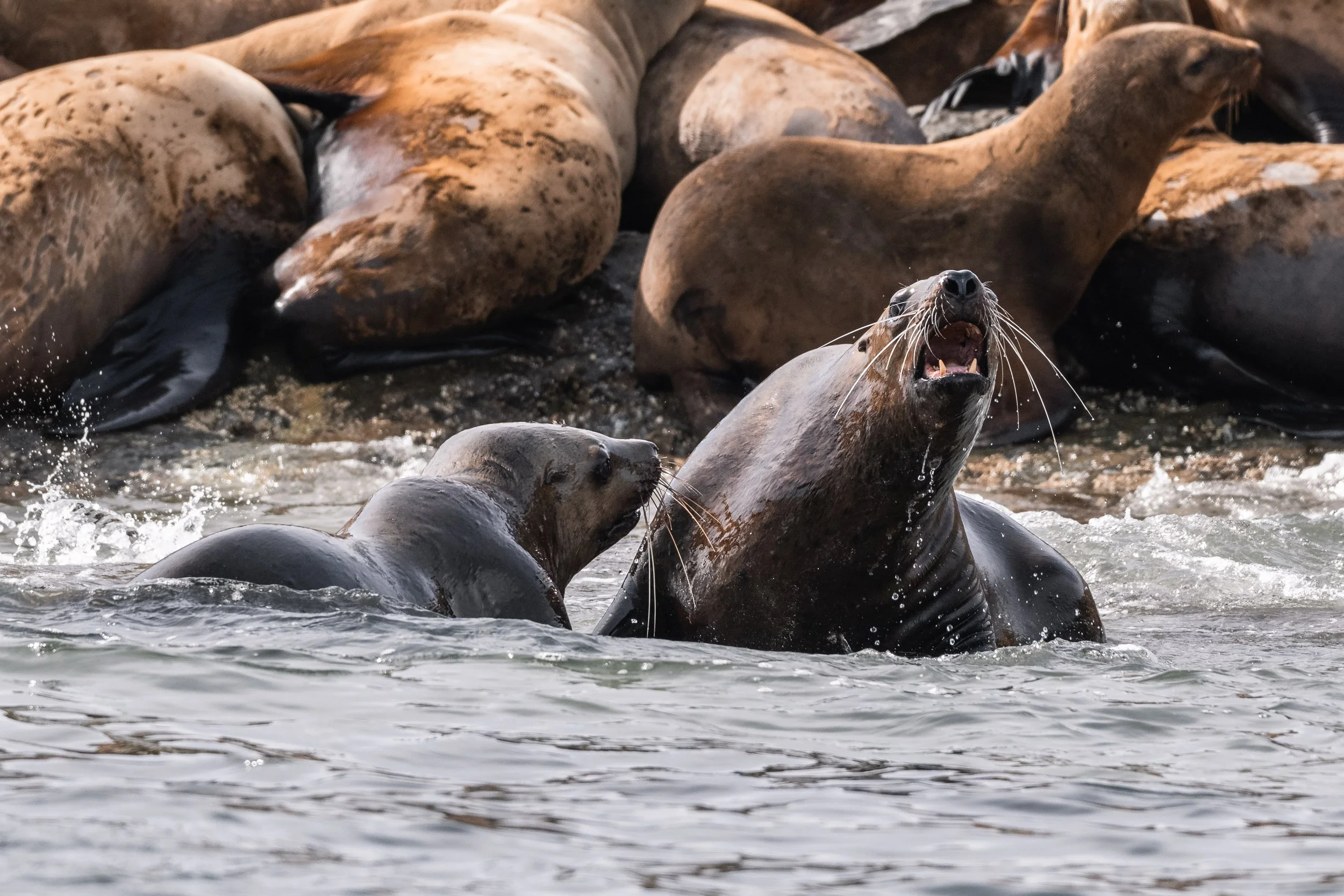
Steller Sea Lions bickering in the waves. Photo by Aly Kohlman.
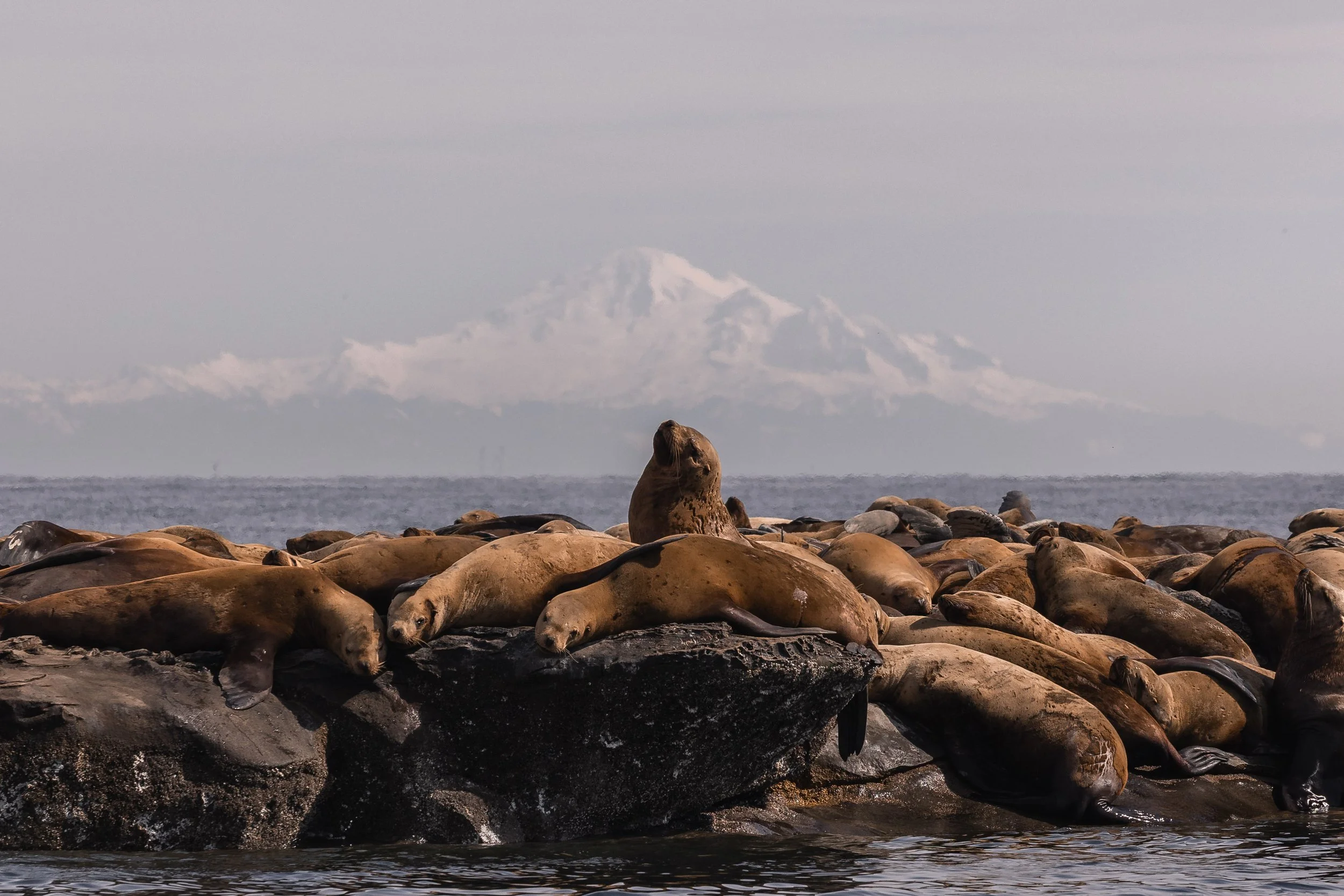
Mount Baker behind the Steller Sea Lions. Photo by Vanessa Vereschahen.
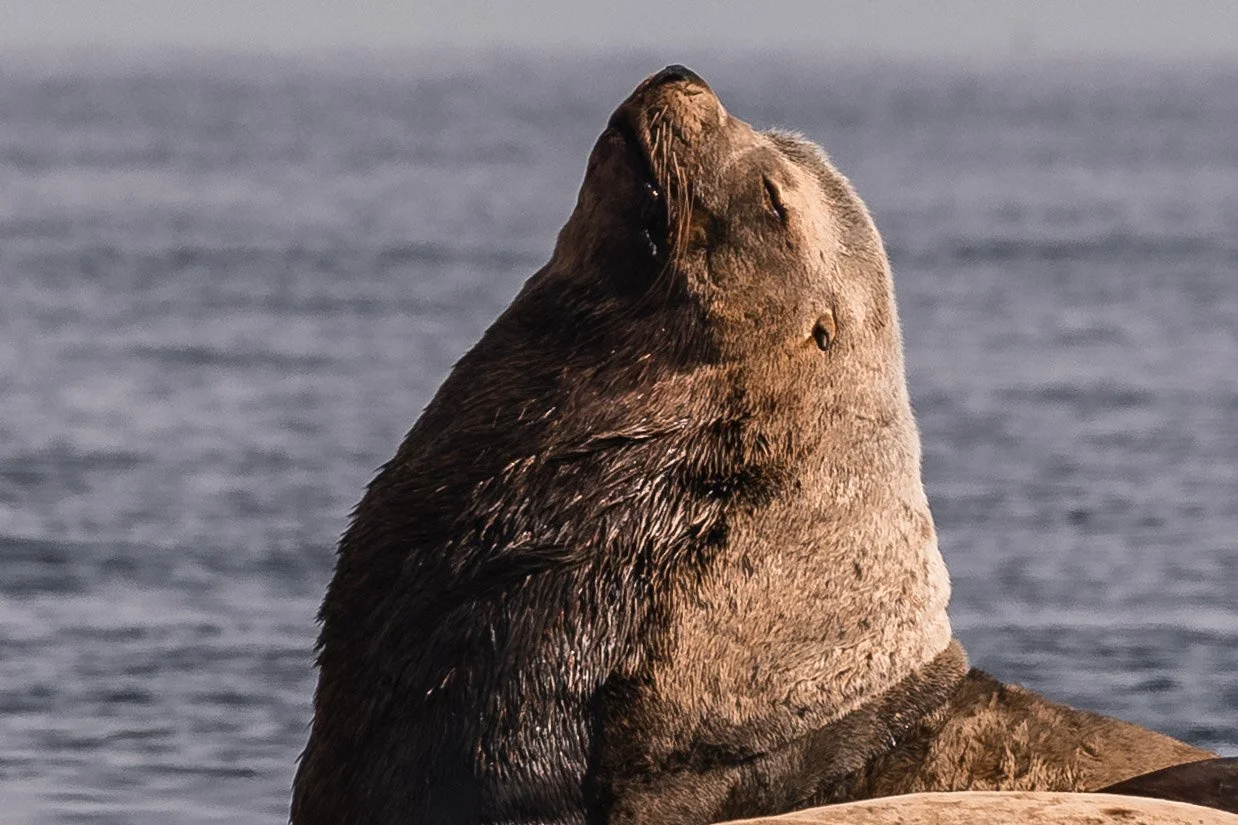
Look how fuzzy this mature male Steller is. Photo by Vanessa Vereschahen.
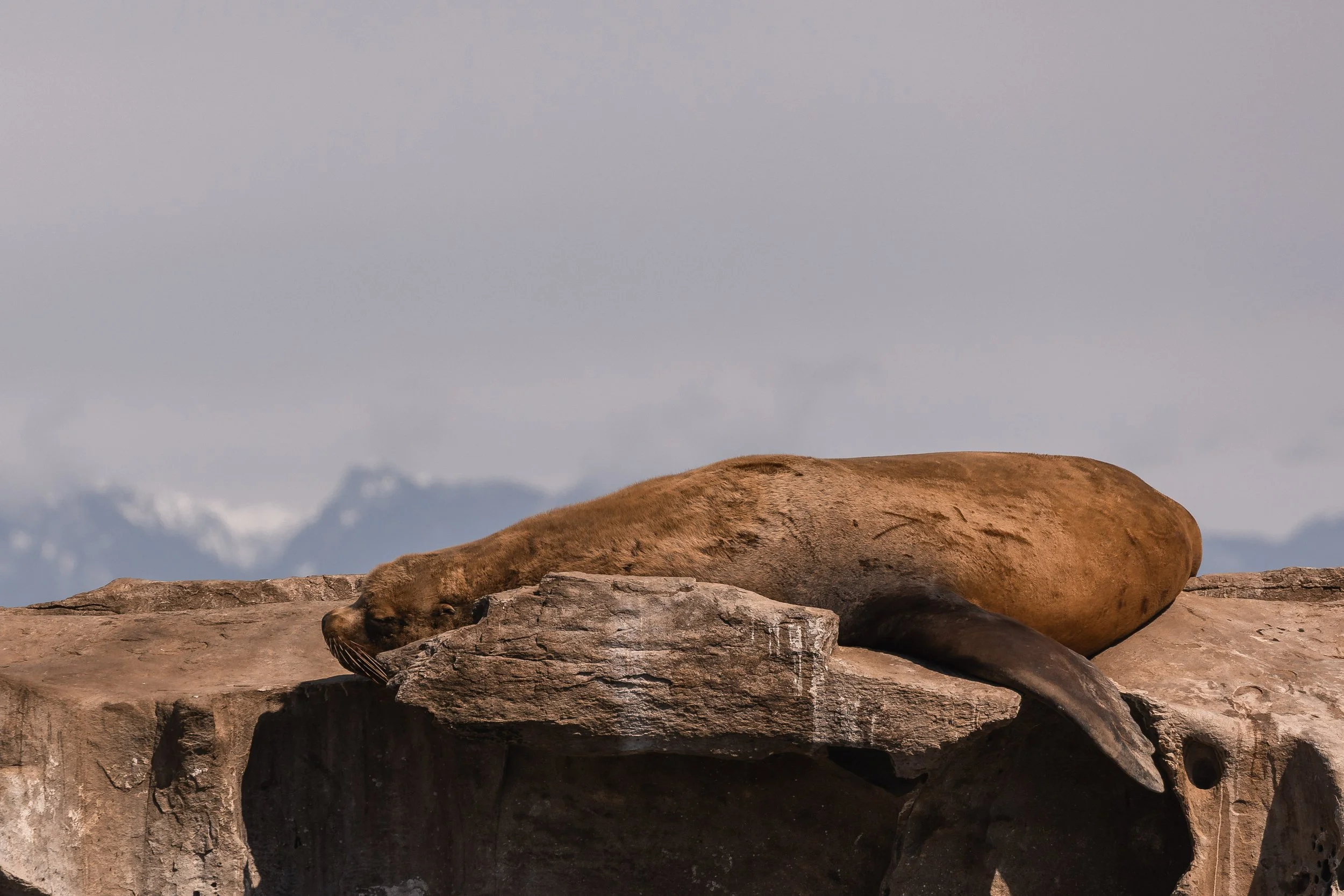
Someone found the prime spot! Photo by Vanessa Vereschahen.
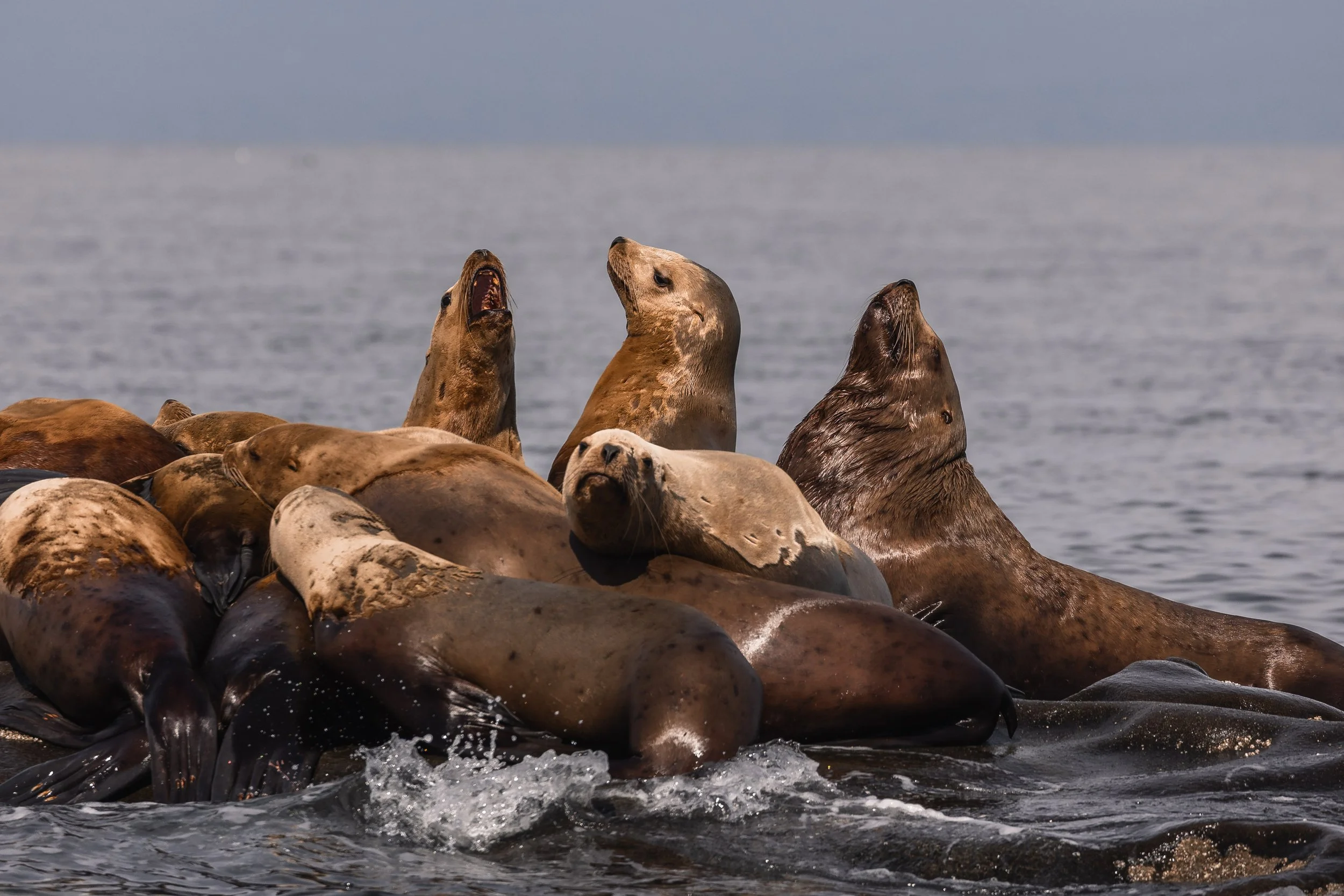
“Please ask them to keep it down, I’m trying to sleep” is probably what this Steller is thinking. Photo by Vanessa Vereschahen.
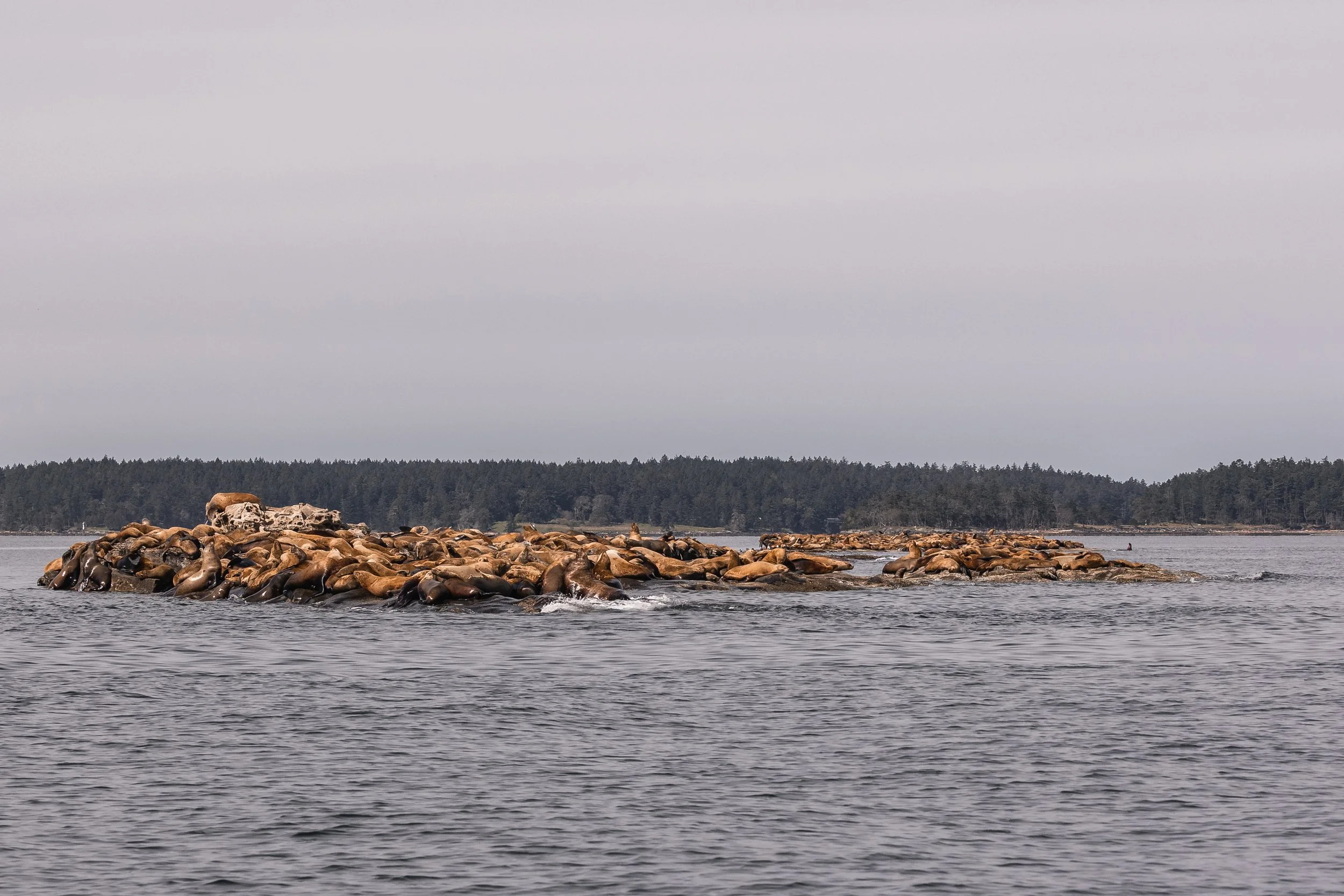
A giant cuddle puddle of Steller Sea Lions. Photo by Vanessa Vereschahen.
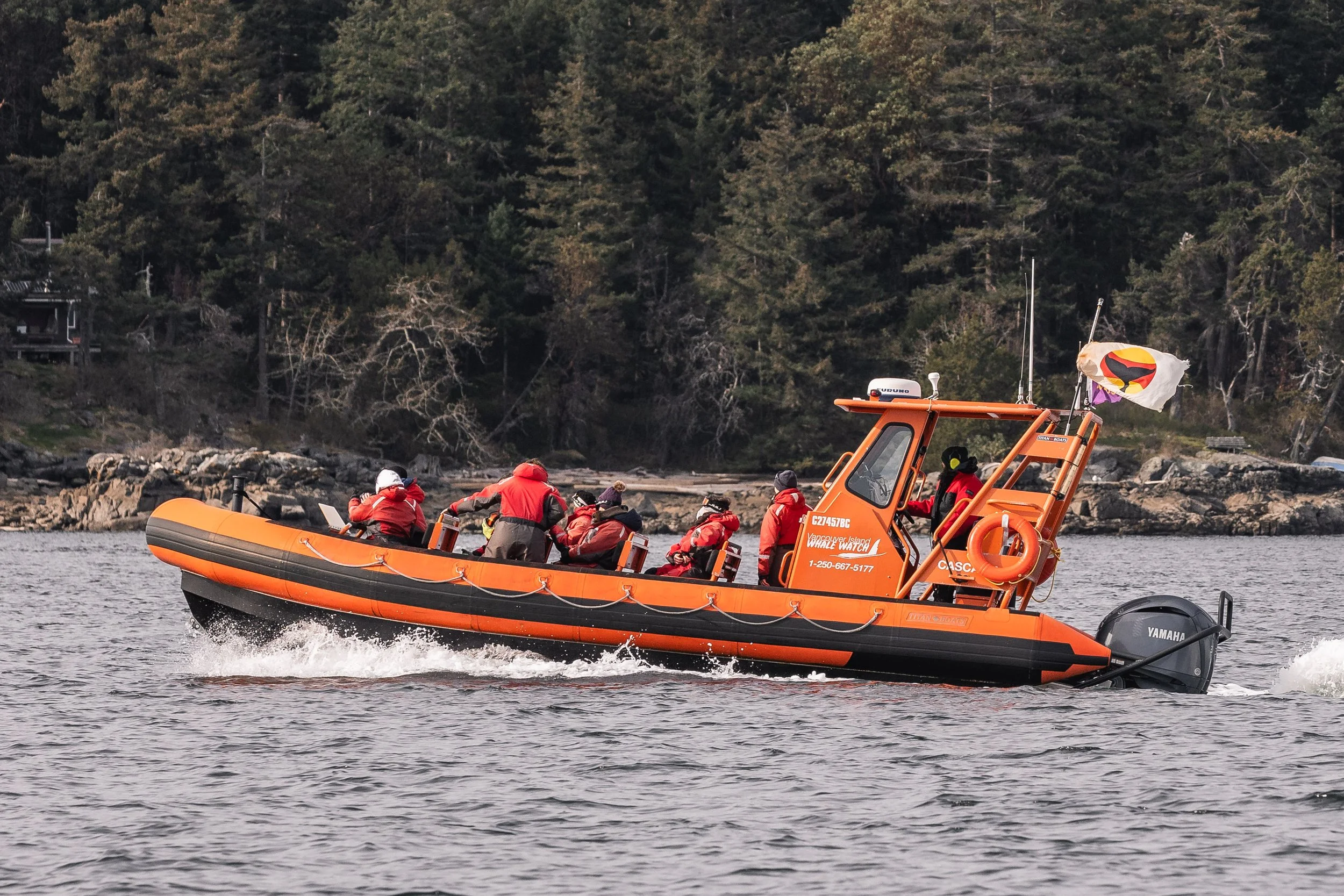
Cascadia watching whales. Photo by Vanessa Vereschahen.
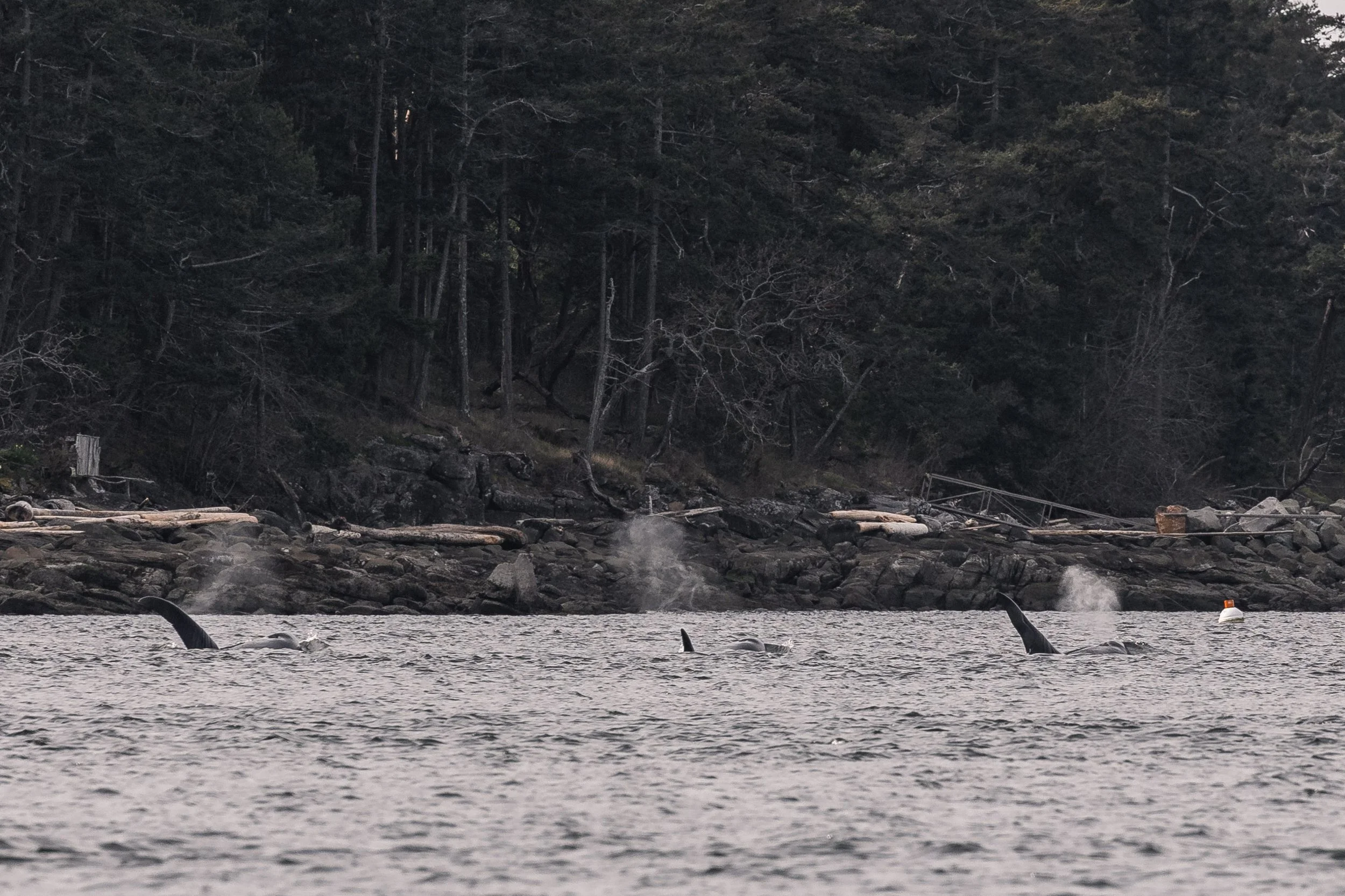
The T019s checking out the shore. Photo by Vanessa Vereschahen.
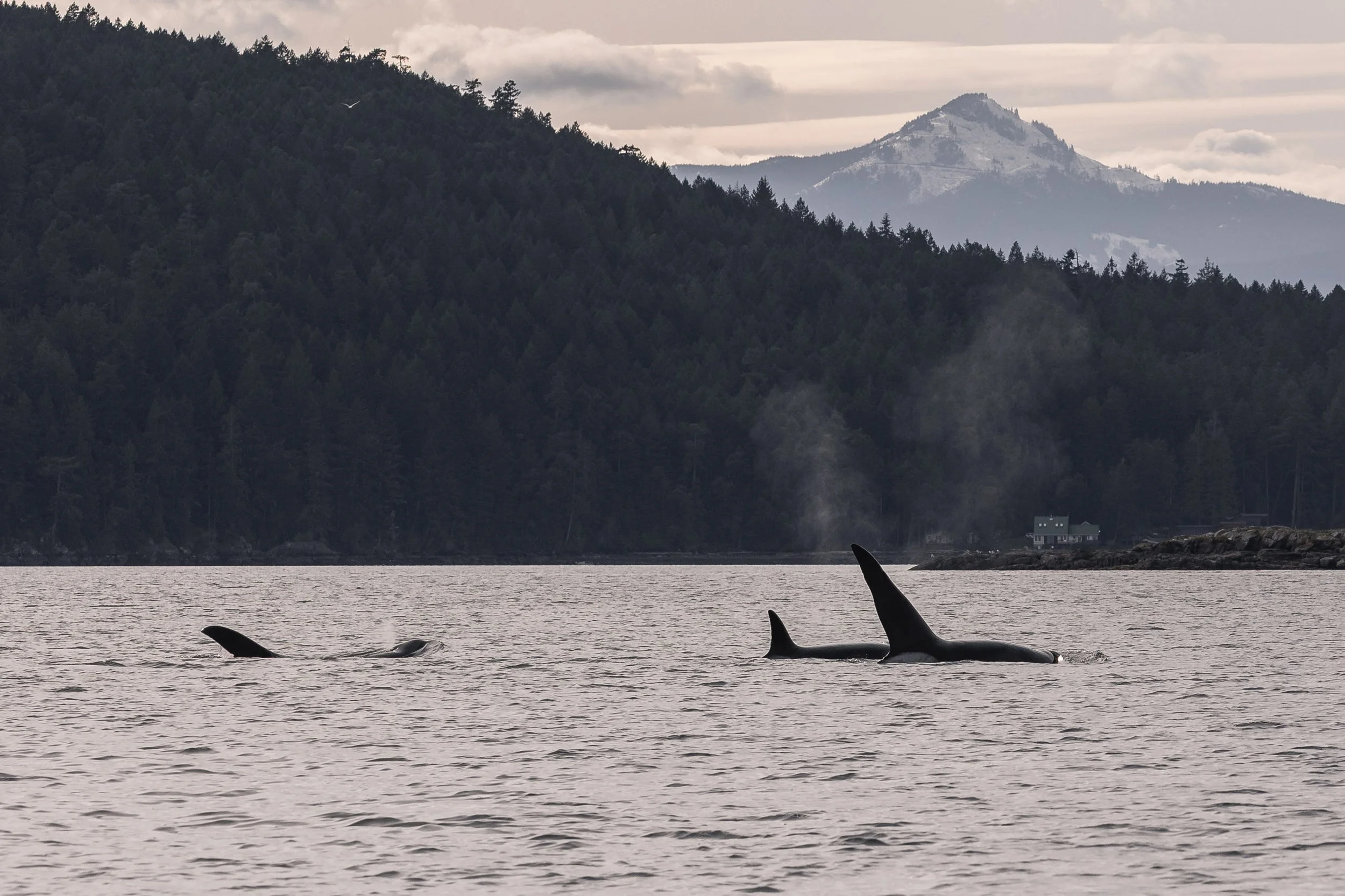
T019C Spouter in the lead, T019 Nootka and T019B Galiano surfacing behind. Photo by Vanessa Vereschahen.
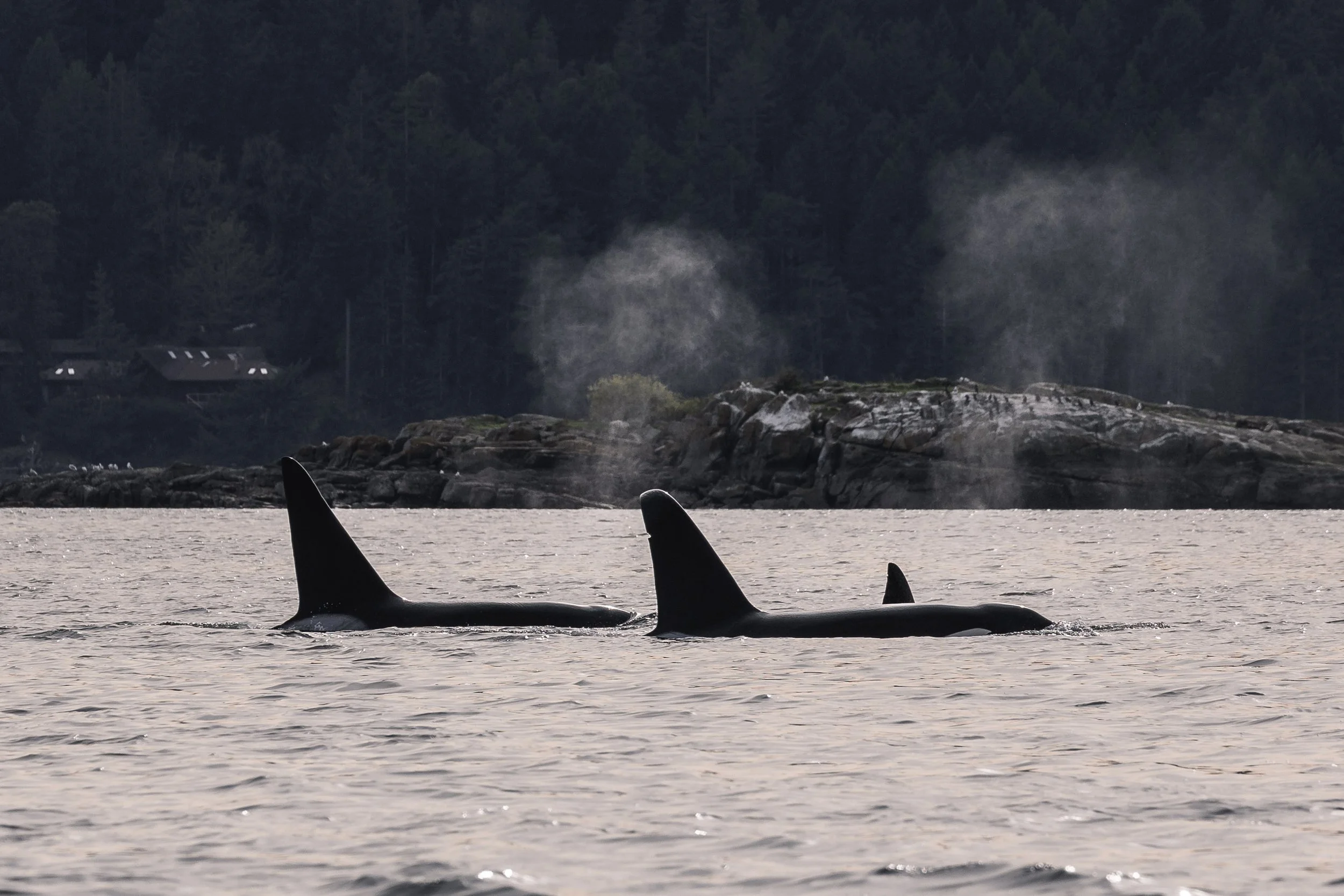
Right to left: T019 Nootka, T019B Galiano and T019C Spouter. Photo by Vanessa Vereschahen.
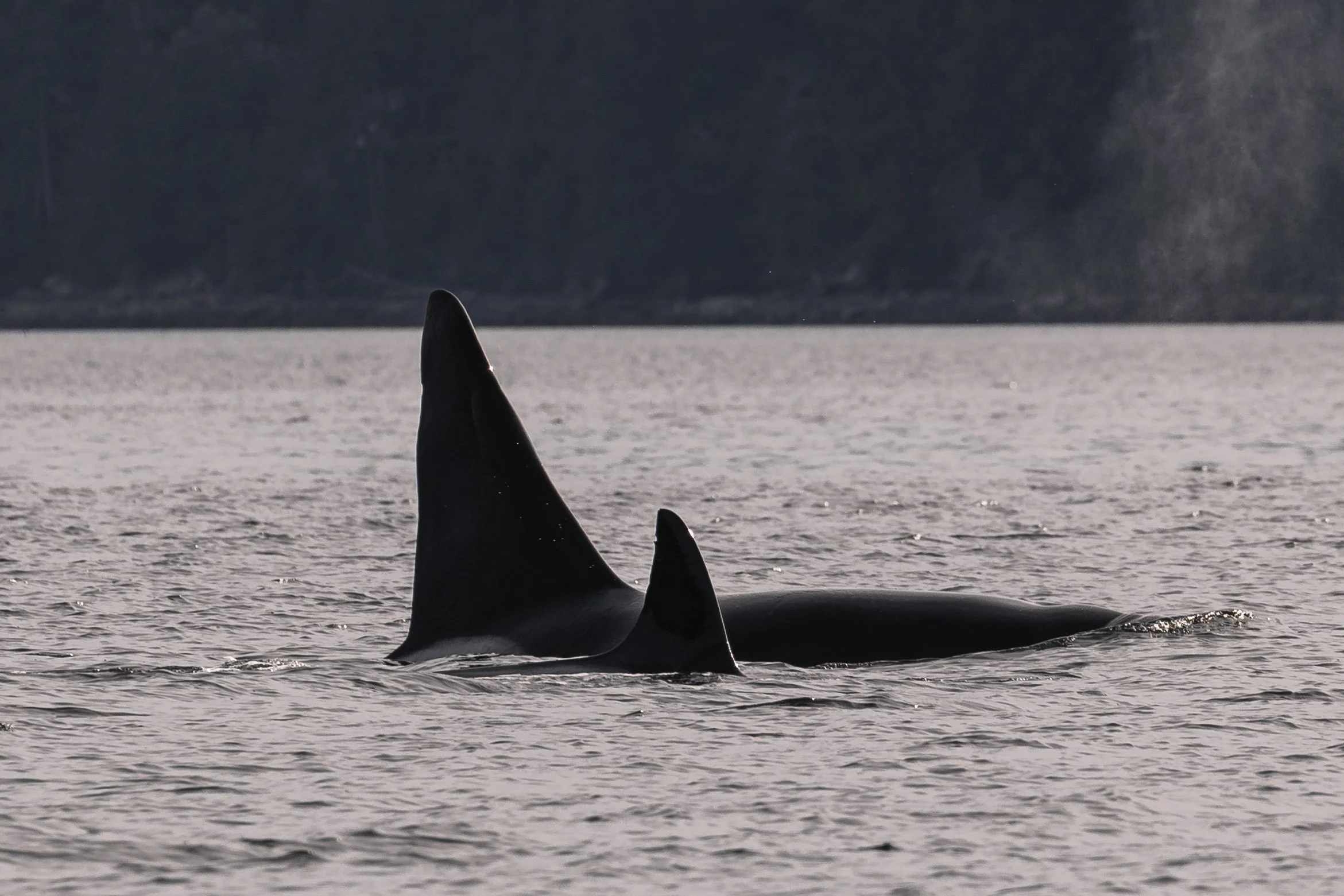
T019 Nootka beside T019C Spouter. Photo by Vanessa Vereschahen.
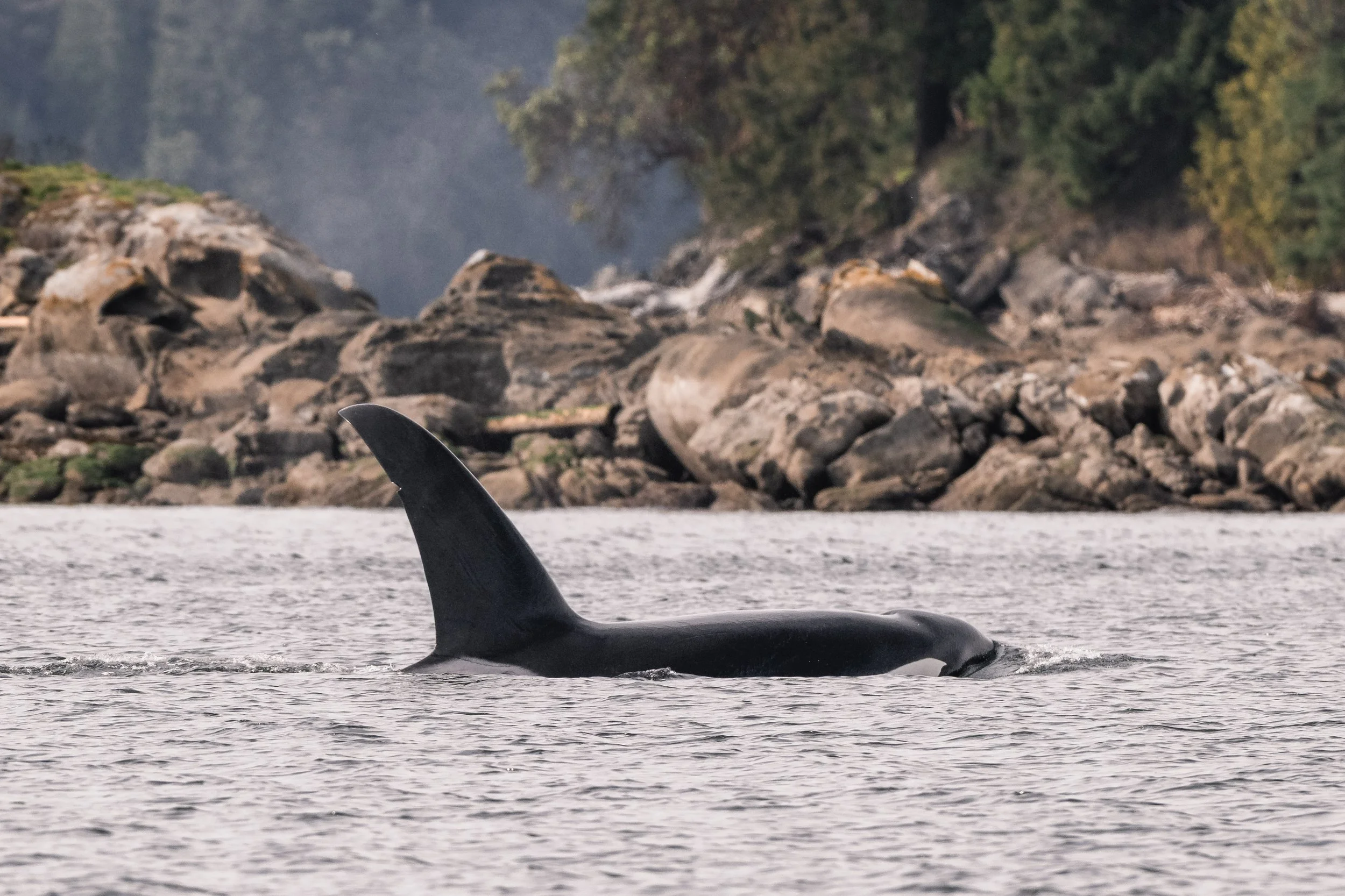
T019B Galiano. Photo by Aly Kohlman.
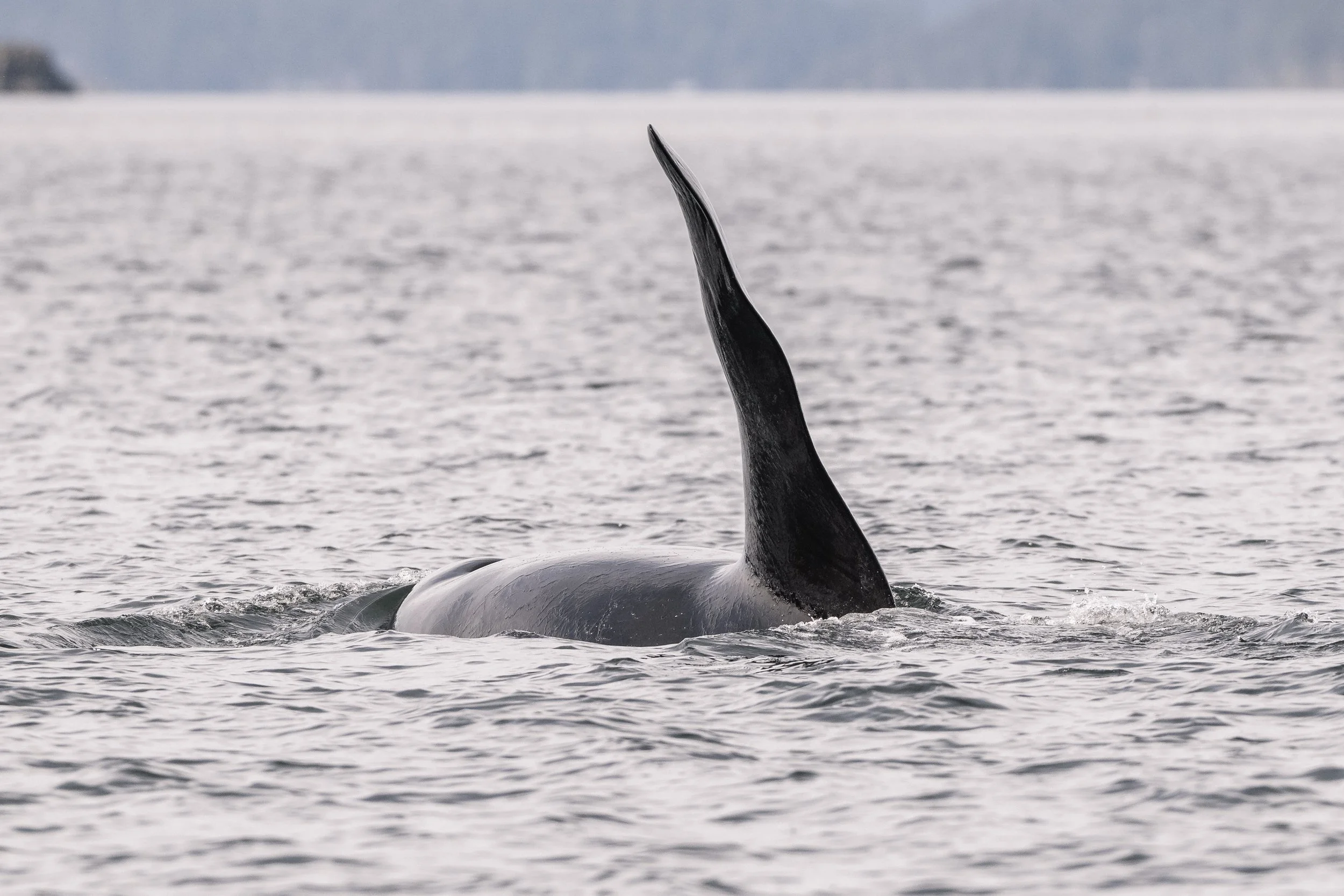
T019C Spouter, check out that wavey dorsal fin. Photo by Aly Kohlman.
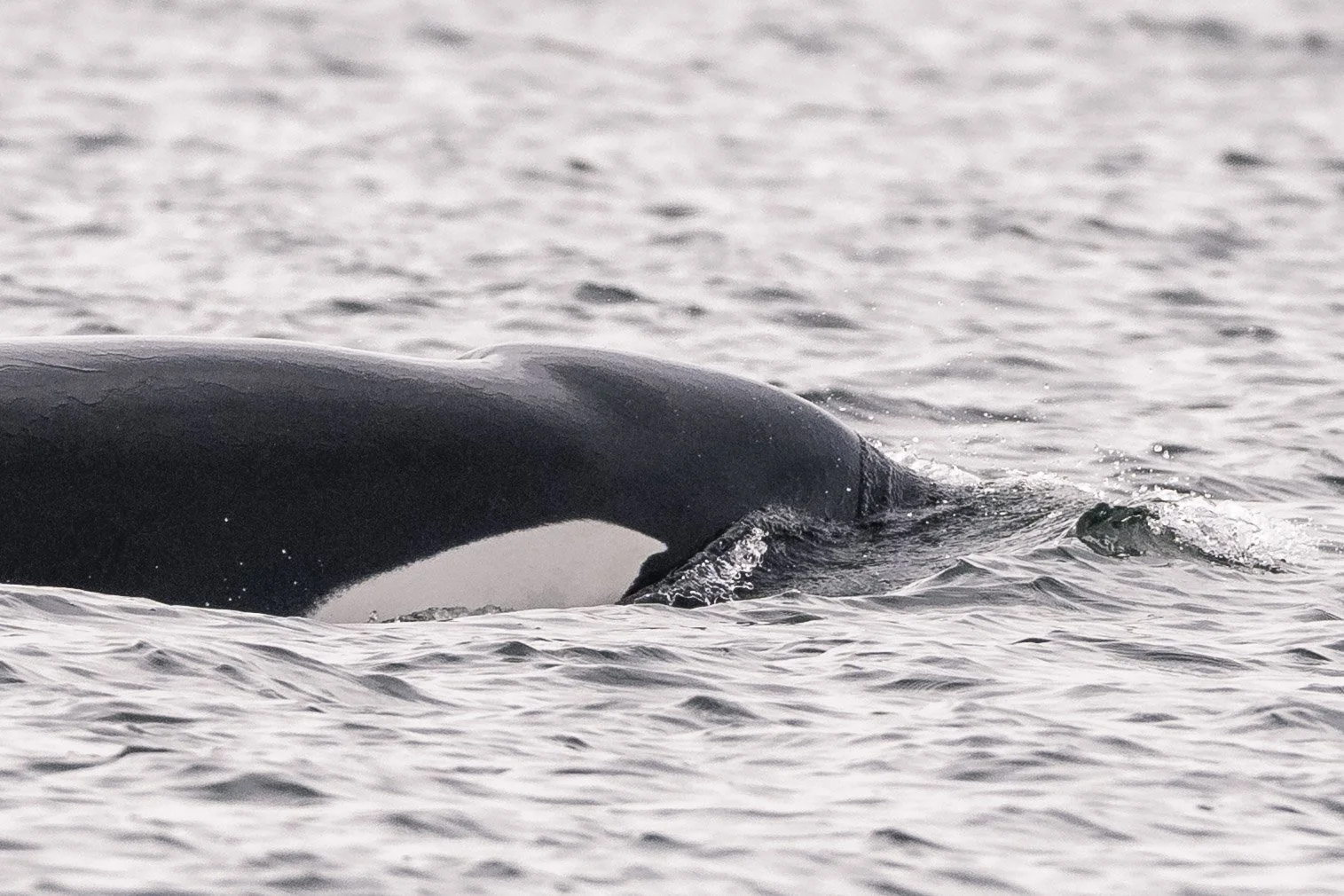
A great look at T019B Galiano’s eye patch. Photo by Aly Kohlman.
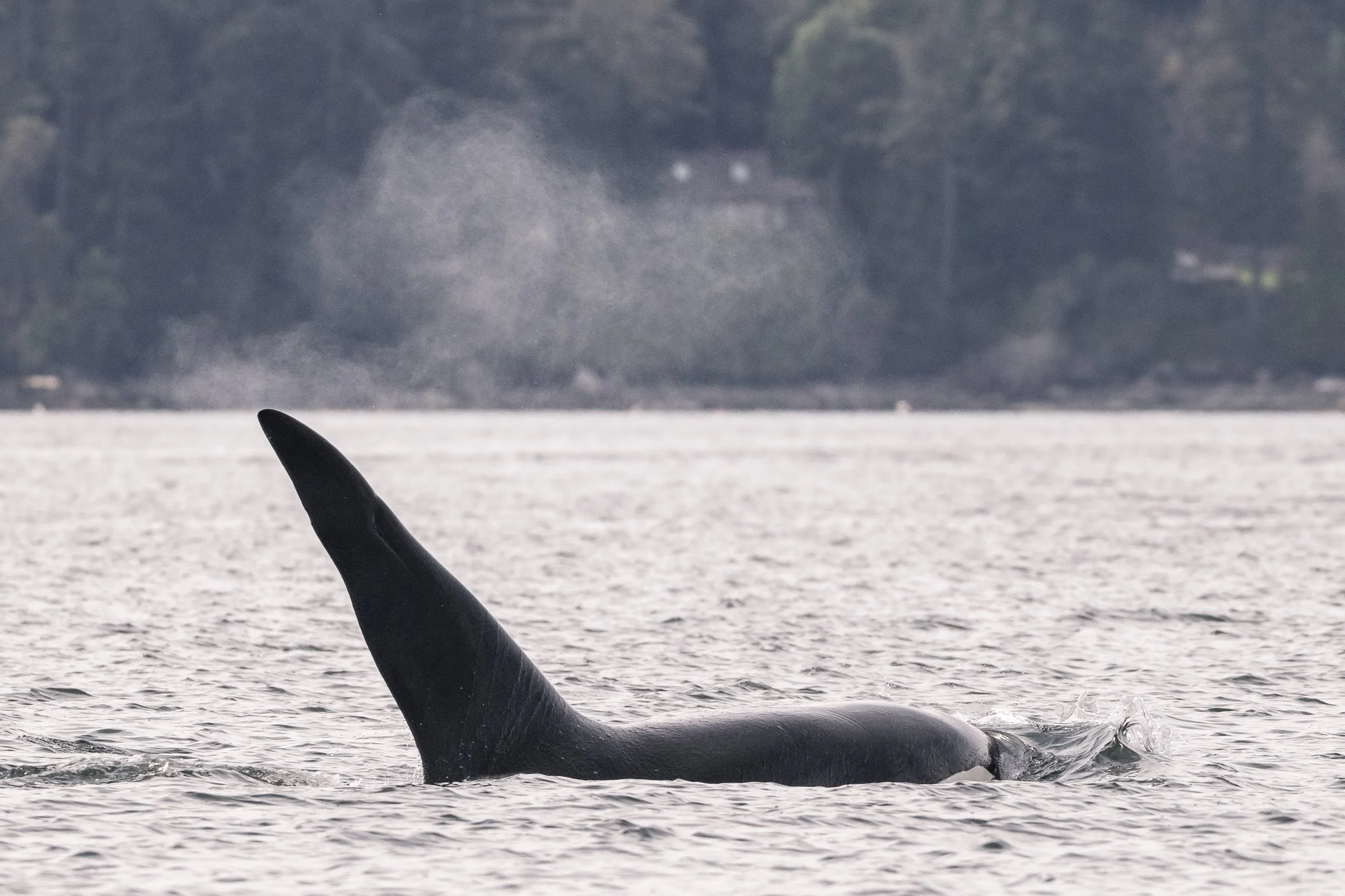
T019C Spouter. Photo by Aly Kohlman.
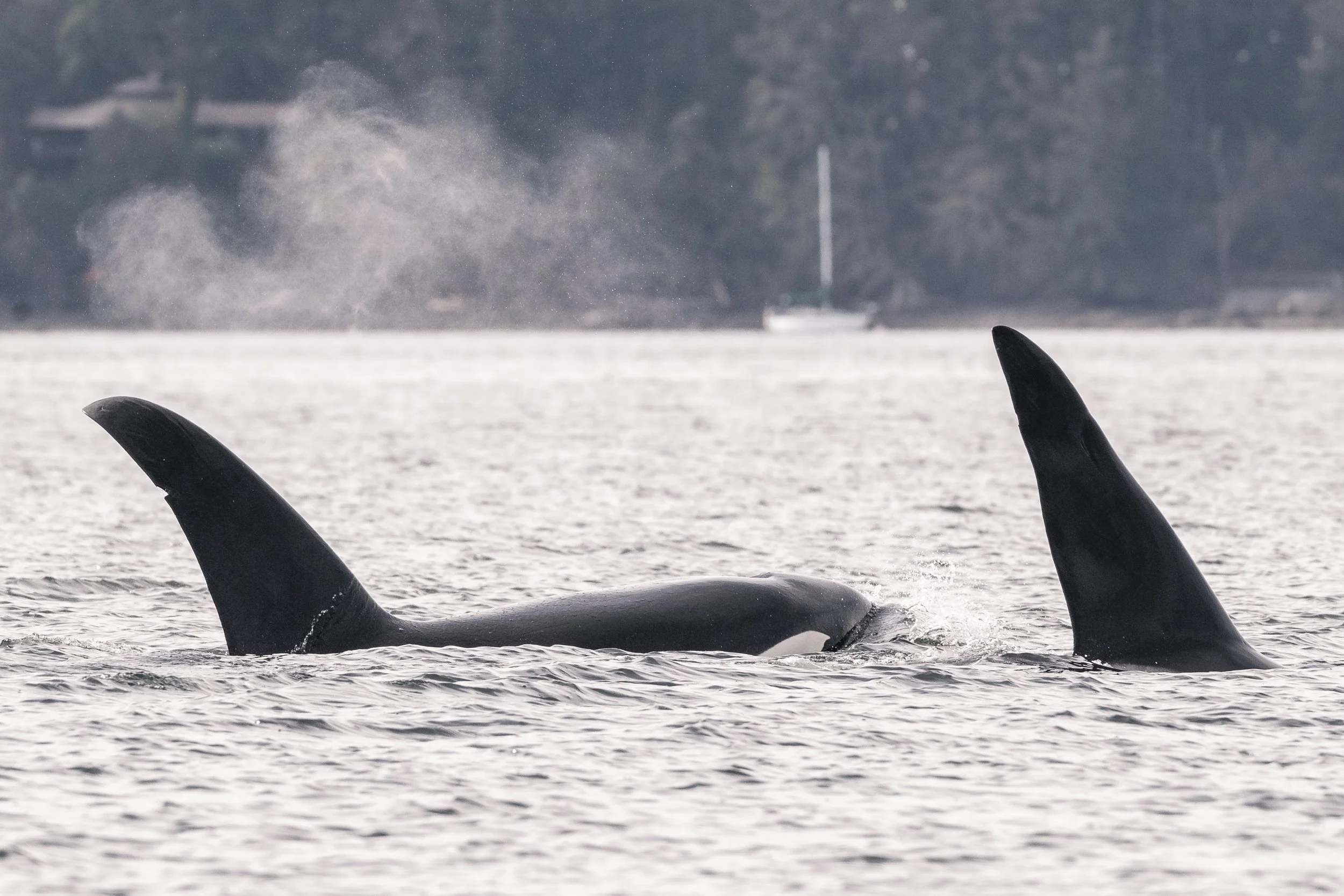
The brothers together. Photo by Aly Kohlman.
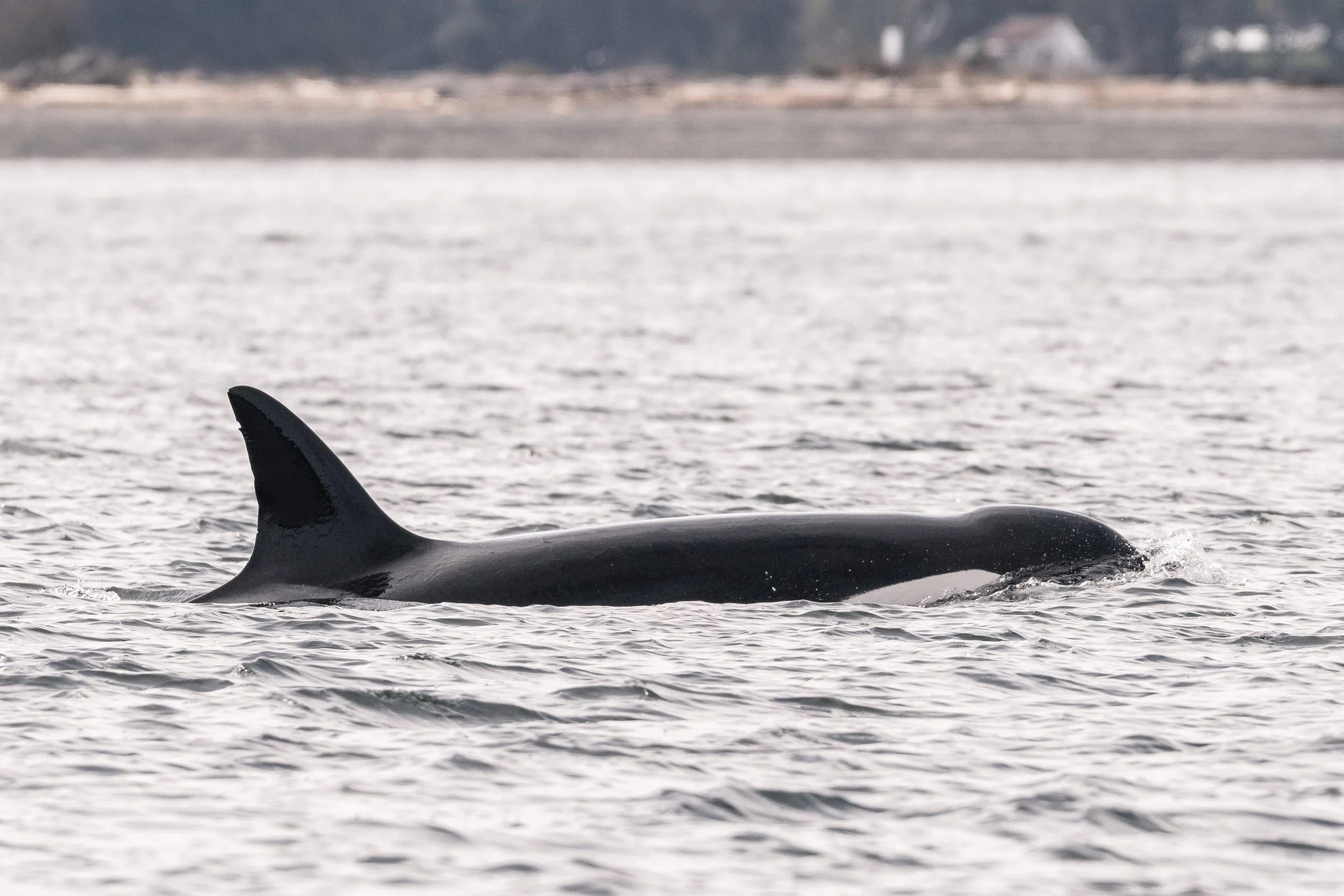
T019 Nootka. Photo by Aly Kohlman.
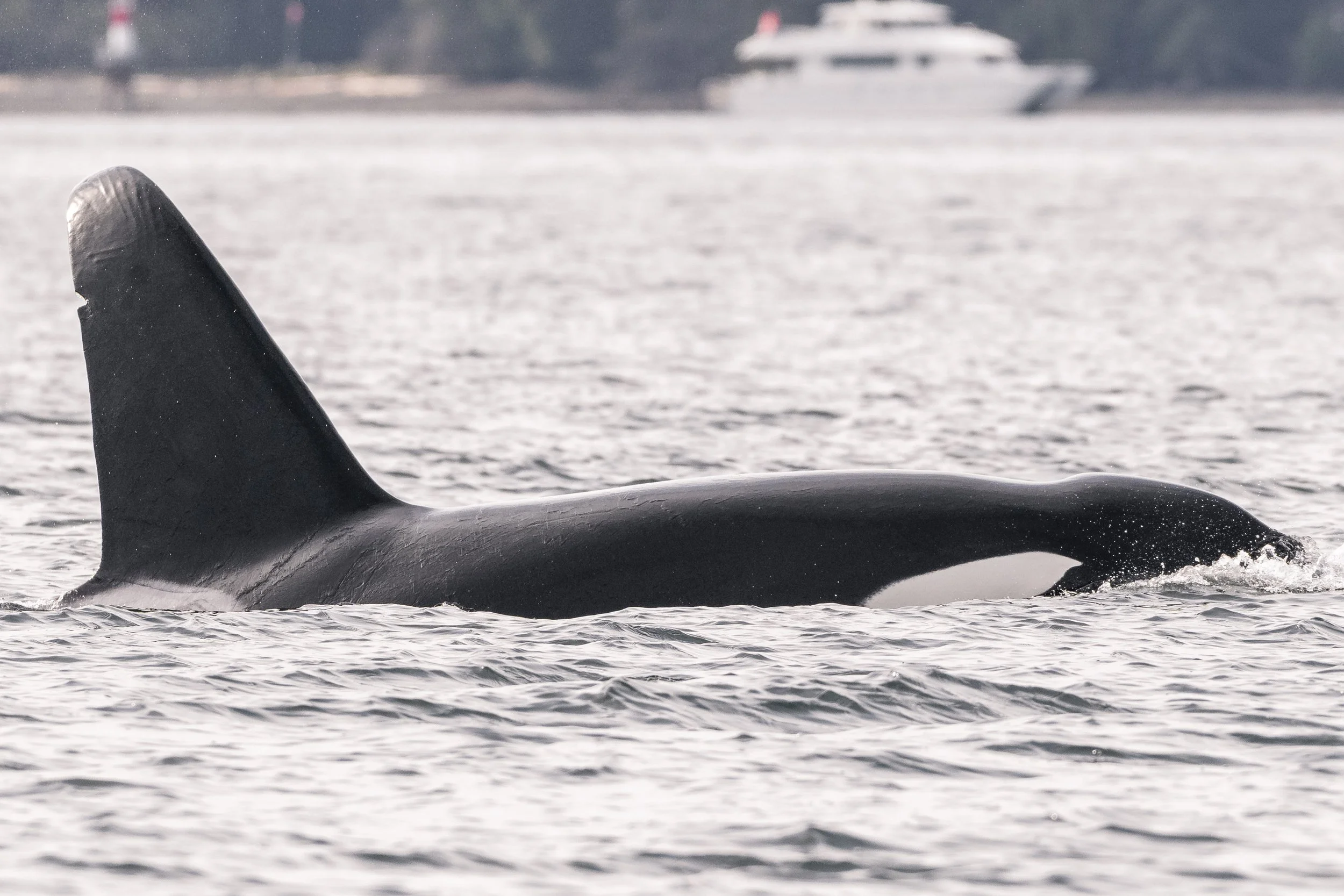
T019B Galiano. Photo by Aly Kohlman.
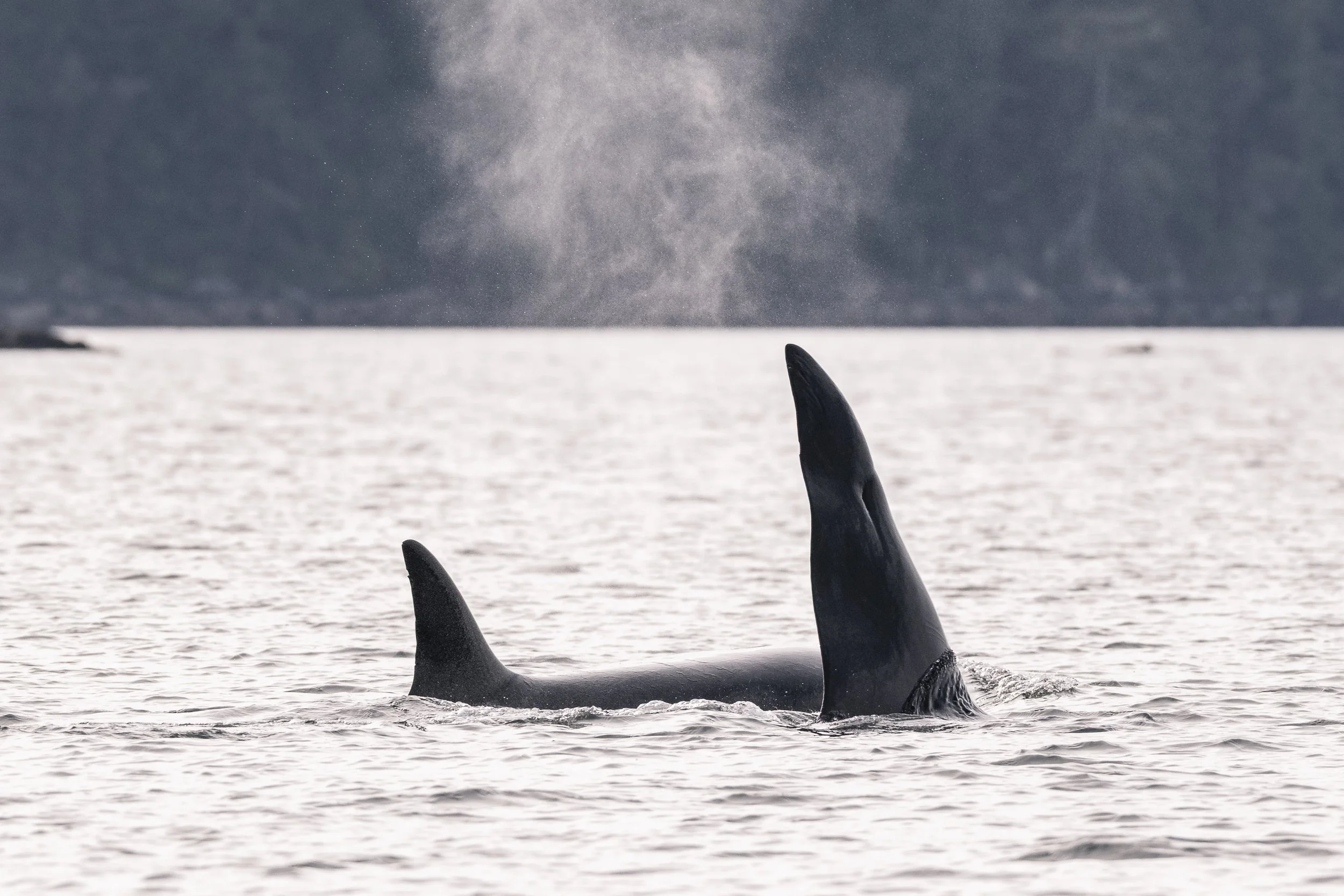
T019C Spouter and T019 Nootka at his side. Photo by Aly Kohlman.