
April 9, 2026 - Spring sunshine in the Stuart Channel, traveling alongside the T099s
Two vessels out today, a sunny spring day with low wind and great visibility. Conditions like this always feel promising before we even leave the dock. With glassy water stretching across the Salish Sea, we set our course south into the Gulf Islands, each vessel branching slightly apart to maximize the ground we could cover.
One of the most common questions we get on days like today is how we actually find whales out here. The answer often surprises people. These animals are not tagged or tracked in real time, and that is very intentional. Tagging can be invasive and disruptive, and for populations that we work hard to protect, minimizing human impact is critical. Instead, we rely on trained observation, local knowledge, and a constant scan of the horizon. Every blow, every bird cluster, every subtle change in the water can be a clue. It is whale watching in its most traditional sense, guided simply by our eyes and experience.
Today, that approach paid off quickly.
As we neared Chemainus, a quiet excitement began to build. Cutting cleanly through the calm surface was the unmistakable silhouette of a tall, black dorsal fin. Even at a distance, there is something instantly recognizable about that shape. Cameras came up, and telephoto lenses were extended as we moved into position to capture identification shots.
Identifying individual orca is a practice rooted in careful observation. Each whale carries its own unique markings. We look at the dorsal fin for nicks, notches, and shape, the saddle patch for its pattern and any scars, and the eye patch for its size and shape. These features allow us to distinguish individuals and track family groups over time without ever needing to interfere with them.
It did not take long to confirm who we were with! It was the T099s!
T099 ♀ Bella ( ~1984)
T099B ♀ Holly (2007)
T099C ♂ Barakat (2009)
T099D ♂ Puck (2015)
T099E ♀ Qwiin qwiin oo qwii la (2021)
Among them was Holly, a familiar favourite. Her dorsal fin carries distinctive notches that make her one of the easier individuals to recognize, not only for Naturalists but also for many locals who have come to know her over the years. The T099s, guided by their matriarch Bella, have earned a reputation throughout the Salish Sea. As a group of Bigg’s killer whales, they are highly efficient marine mammal hunters. While many transient orcas focus on harbour seals and harbour porpoises, Bella and her family have been observed targeting much larger prey, including Steller sea lions and even baleen whales.
One of the more remarkable behaviours associated with this group is their involvement in hunting minke whale. In the past, they have teamed up with the T065s in coordinated efforts to take down a minke whale. These hunts are rare and require extraordinary levels of cooperation and endurance. Much like wolves on land, the orca take turns in pursuit, one individual driving the chase while others rest and conserve energy. Over time, this relay continues until the prey becomes exhausted. Only then do they move in as a group, using their strength and coordination to subdue and ultimately drown the animal.
It is a high-effort strategy, but also a high-reward one. A successful hunt of that scale provides a substantial meal, supporting the entire group. While it is not the most common feeding behaviour we see, it speaks to the adaptability and intelligence of these apex predators. For Bella and her crew, the challenge appears to be worth the reward.
After spending time with the T099s and watching them travel with purpose, we left them to continue their journey and shifted our focus toward another set of familiar faces of the Salish Sea.
Haul-outs nearby were busy with both California Sea Lion and Steller Sea Lion. The contrast between the two species is always fascinating to observe. California Sea Lions tend to be more agile and vocal, while Stellers, the largest of the sea lions, carry a noticeable bulk and presence. Both play important roles in the marine ecosystem and are frequent targets for transient orca, adding another layer to the region's predator-prey dynamics.
Above us, bald eagle activity was constant. These apex avian hunters are as impressive in the air as the orca are in the water. With powerful wings and remarkable eyesight, they are capable of high-speed dives and precise strikes, often snatching fish straight from the surface with little margin for error.
Along the rocky edges of the Gabriola Bluffs, we also observed nesting cormorant colonies. These skilled divers can descend to depths exceeding 100 feet in pursuit of fish, using their streamlined bodies to propel themselves underwater with surprising efficiency. Watching them surface, often with a catch, offers a small but powerful reminder of how much activity exists beneath even the calmest waters.
With the sun still high and the sea holding its calm, we turned back toward the dock. Days like this are a reflection of everything that makes the Salish Sea so compelling. From the precision of a hunting eagle to the cooperation of a pod of orca, every encounter is a window into a complex and interconnected ecosystem.
We returned with full memory cards, wind-touched faces, and plenty of smiles, already looking forward to what tomorrow might bring.
Enjoy the photos below by Aly Kohlman and Evan Hessels.
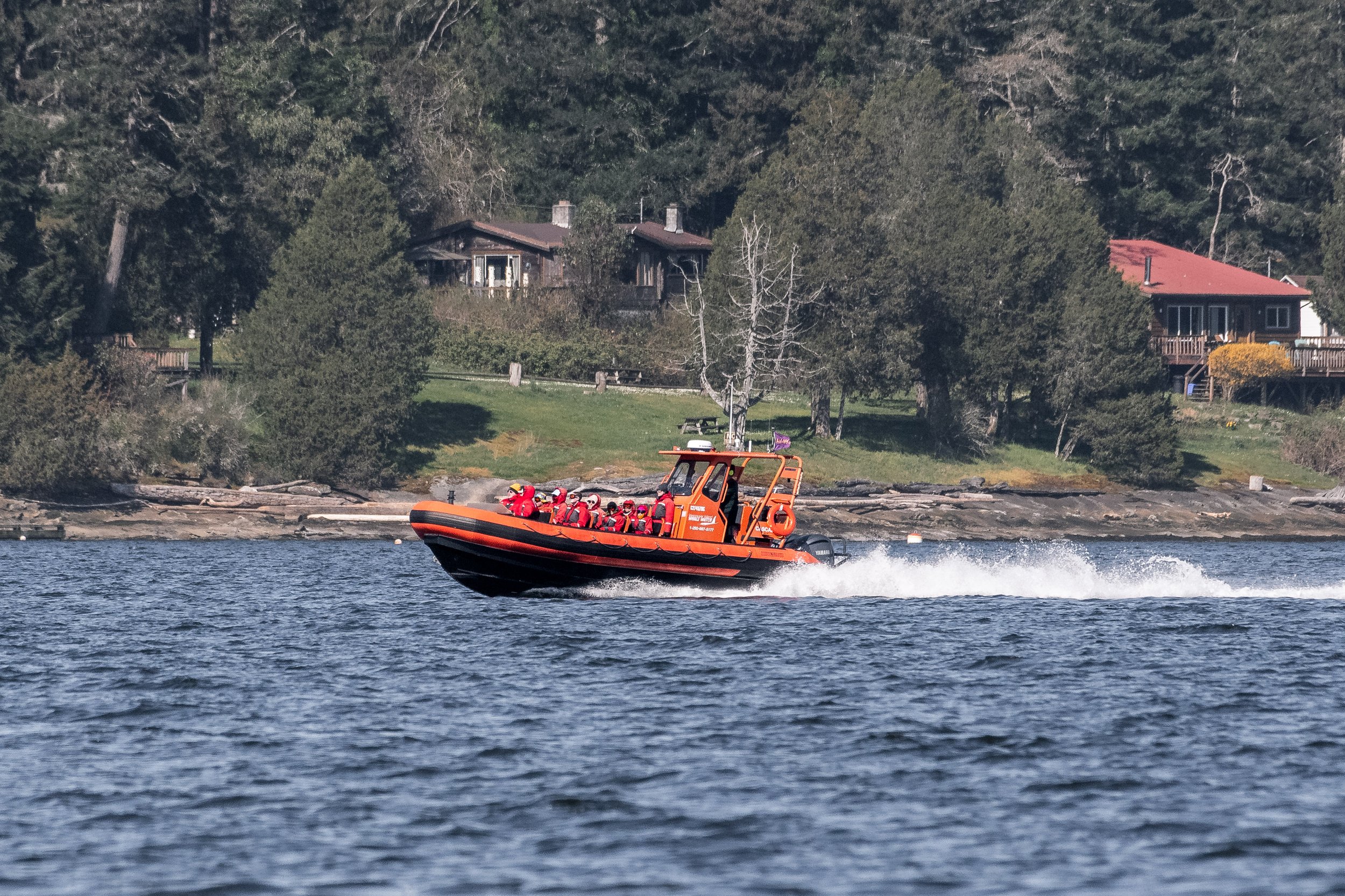
Cascadia speeding south through the Stuart Channel in search of whales. Photo by Evan Hessels.
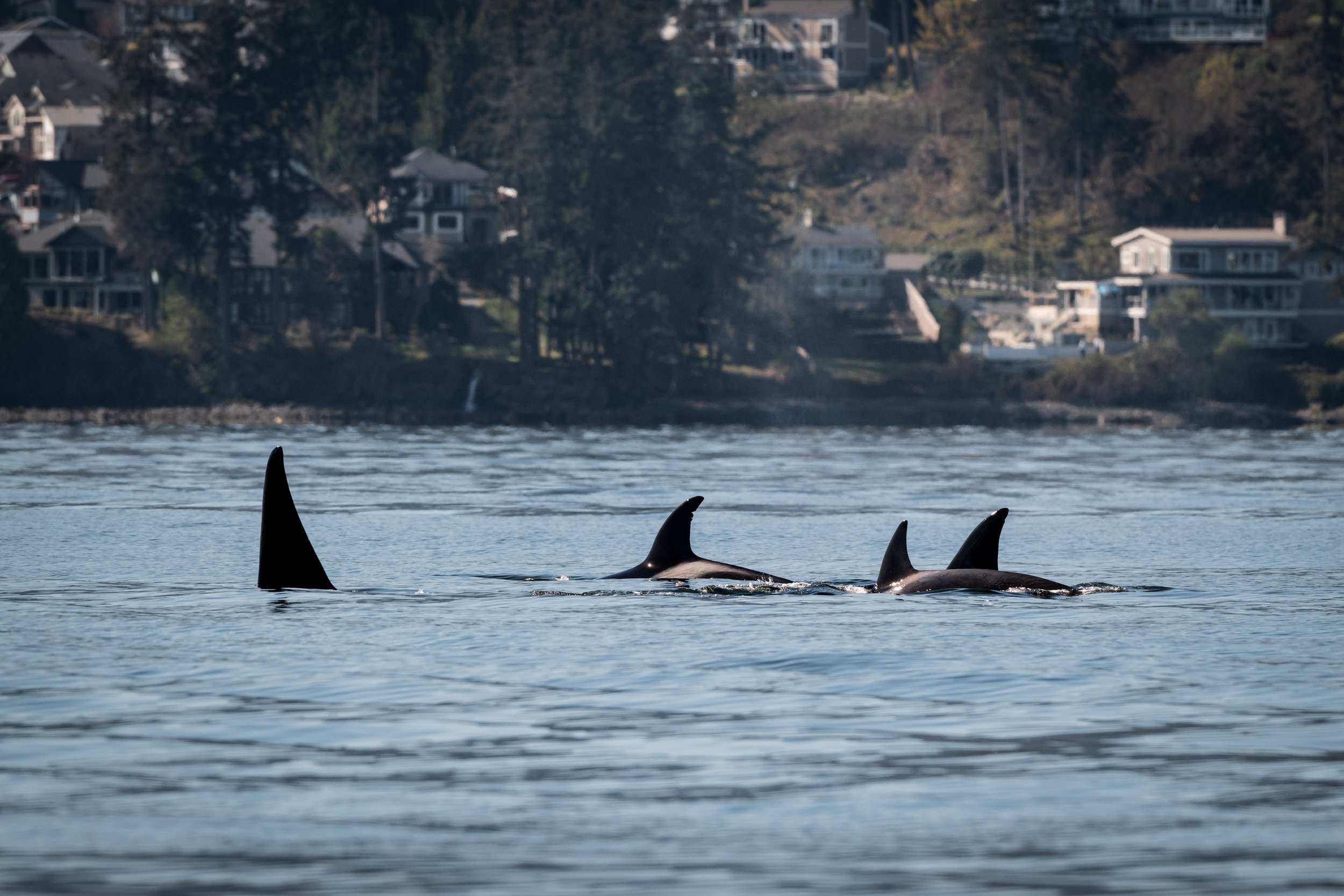
Most of the T099 pod from left to right: T099C Barakat, T099B Holly, T099E Quiin quiin oo quii la, and T099D Puck. Photo by Aly Kohlman.
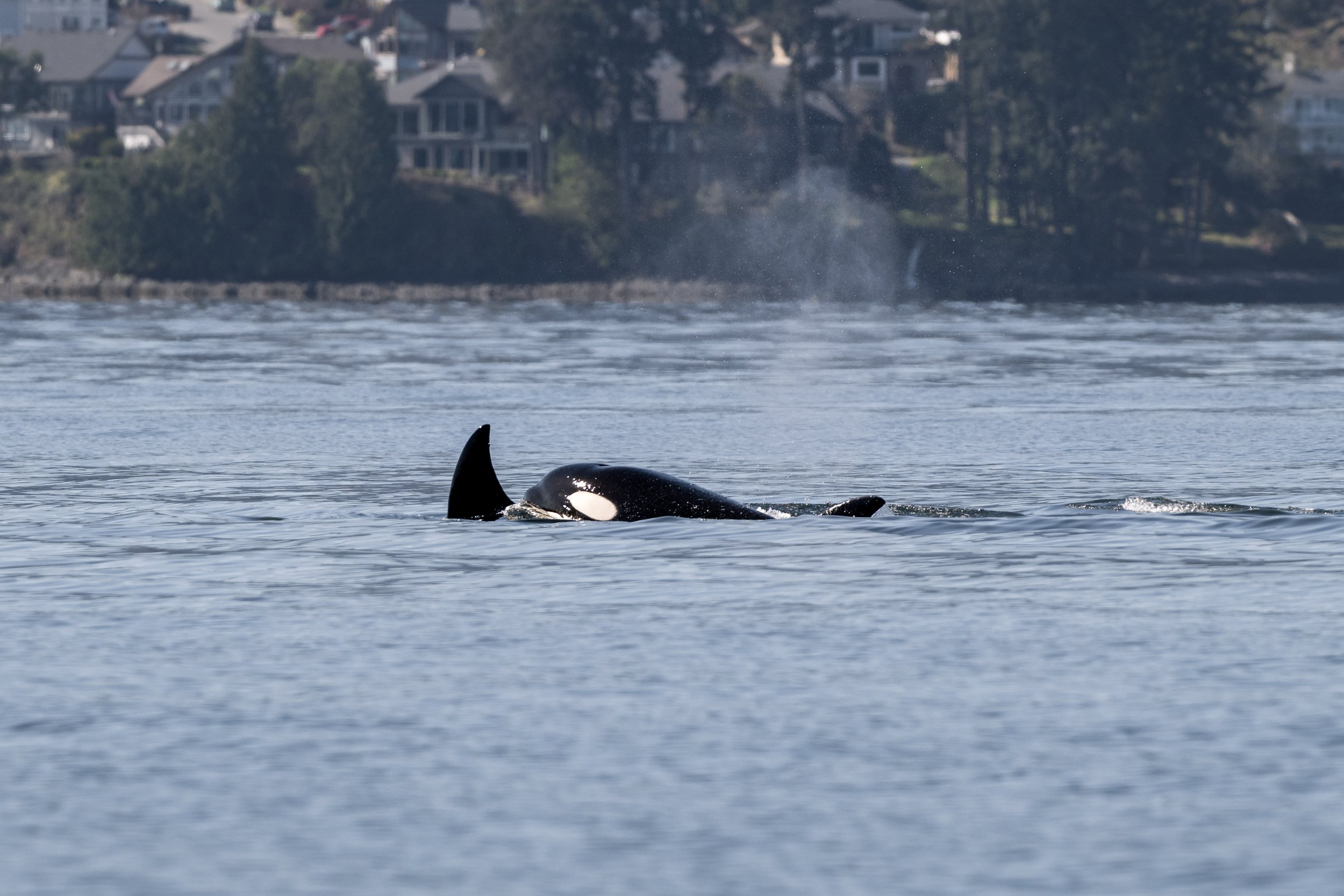
Quiin quiin oo quii la following beside her mother Bella (T099). Photo by Aly Kohlman.
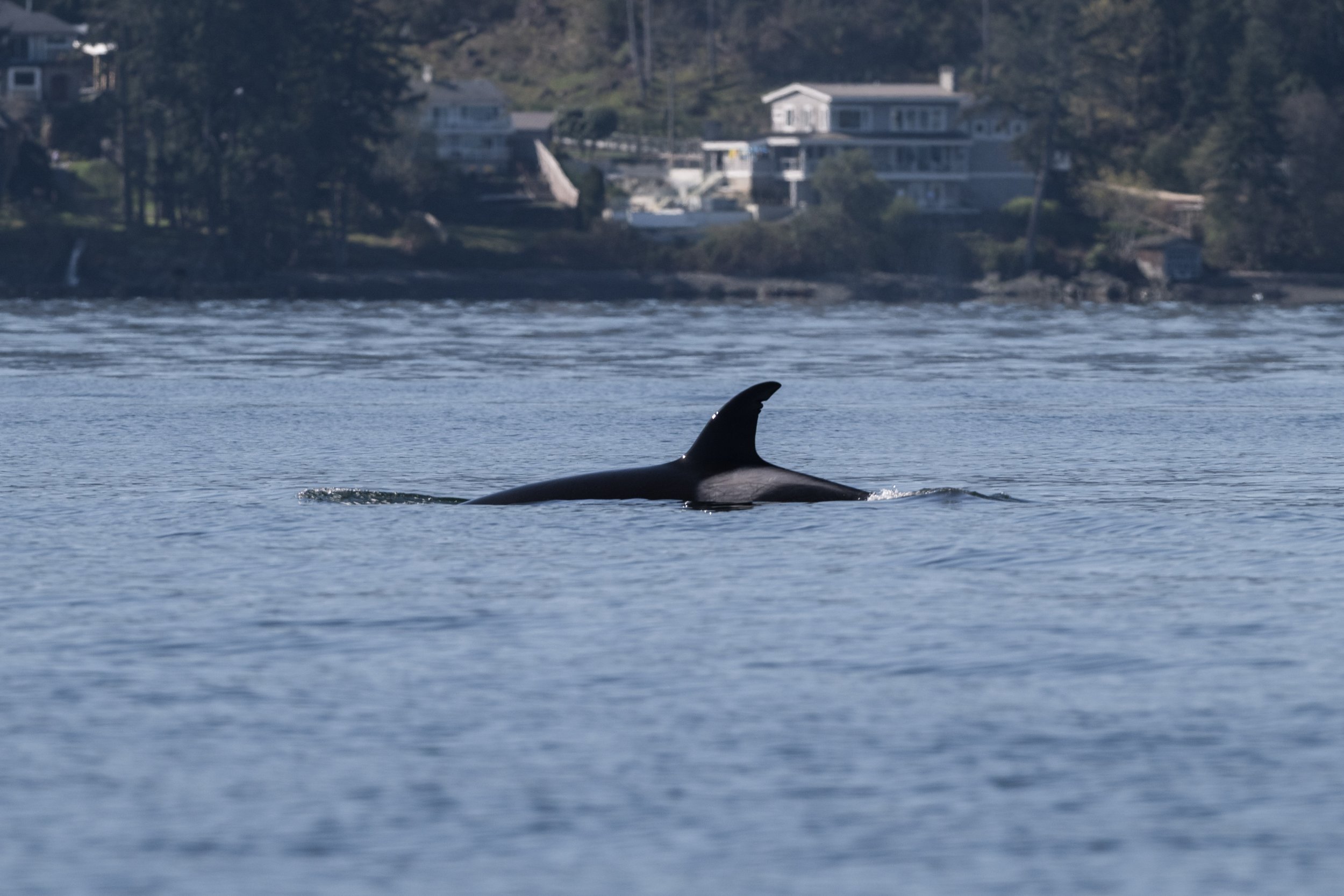
Can you see the distinctive notches in T099B Hollys dorsal fin? Photo by Aly Kohlman.
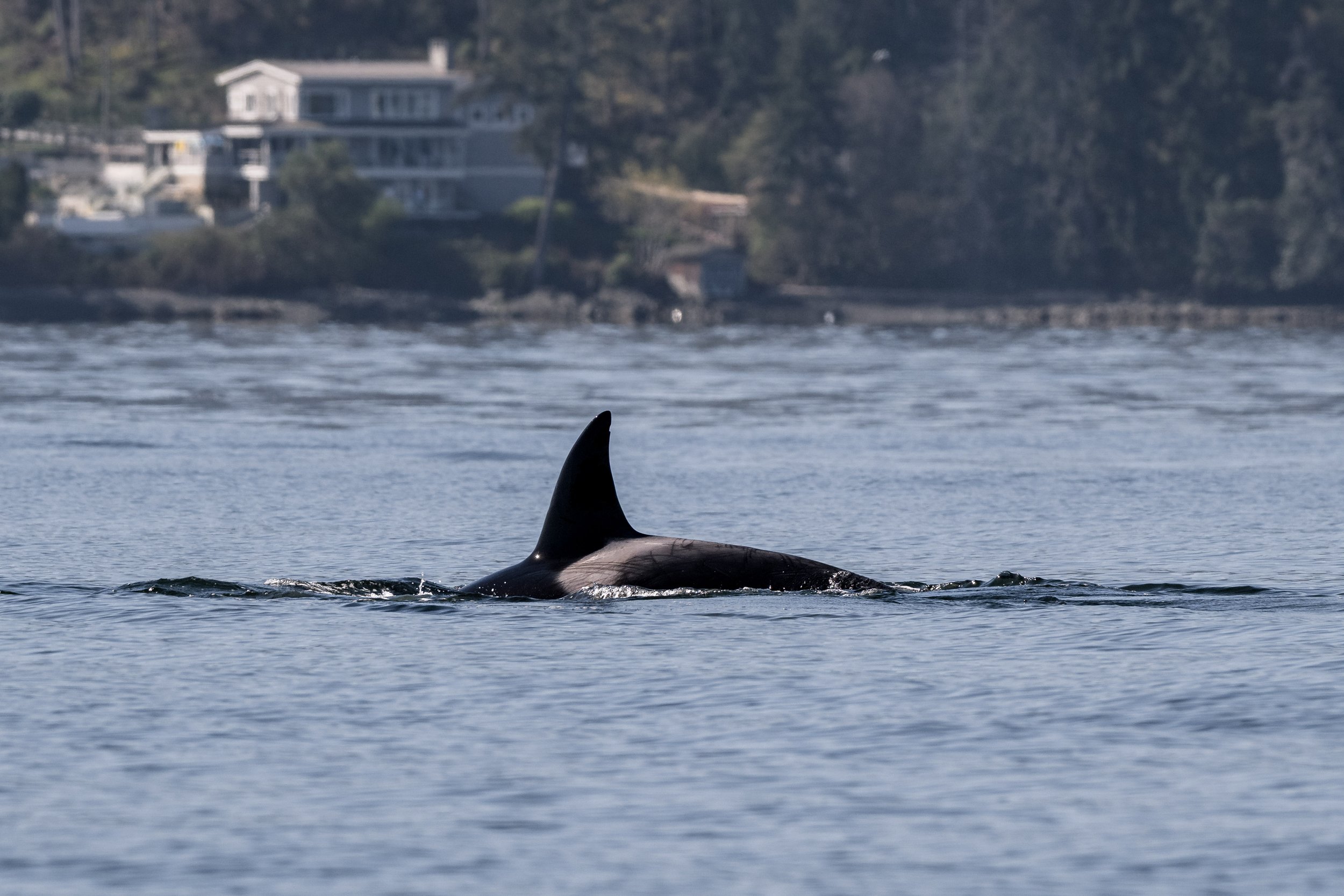
T099D Puck can easily be identified by his large rake marks on his saddle patch. Photo by Aly Kohlman.
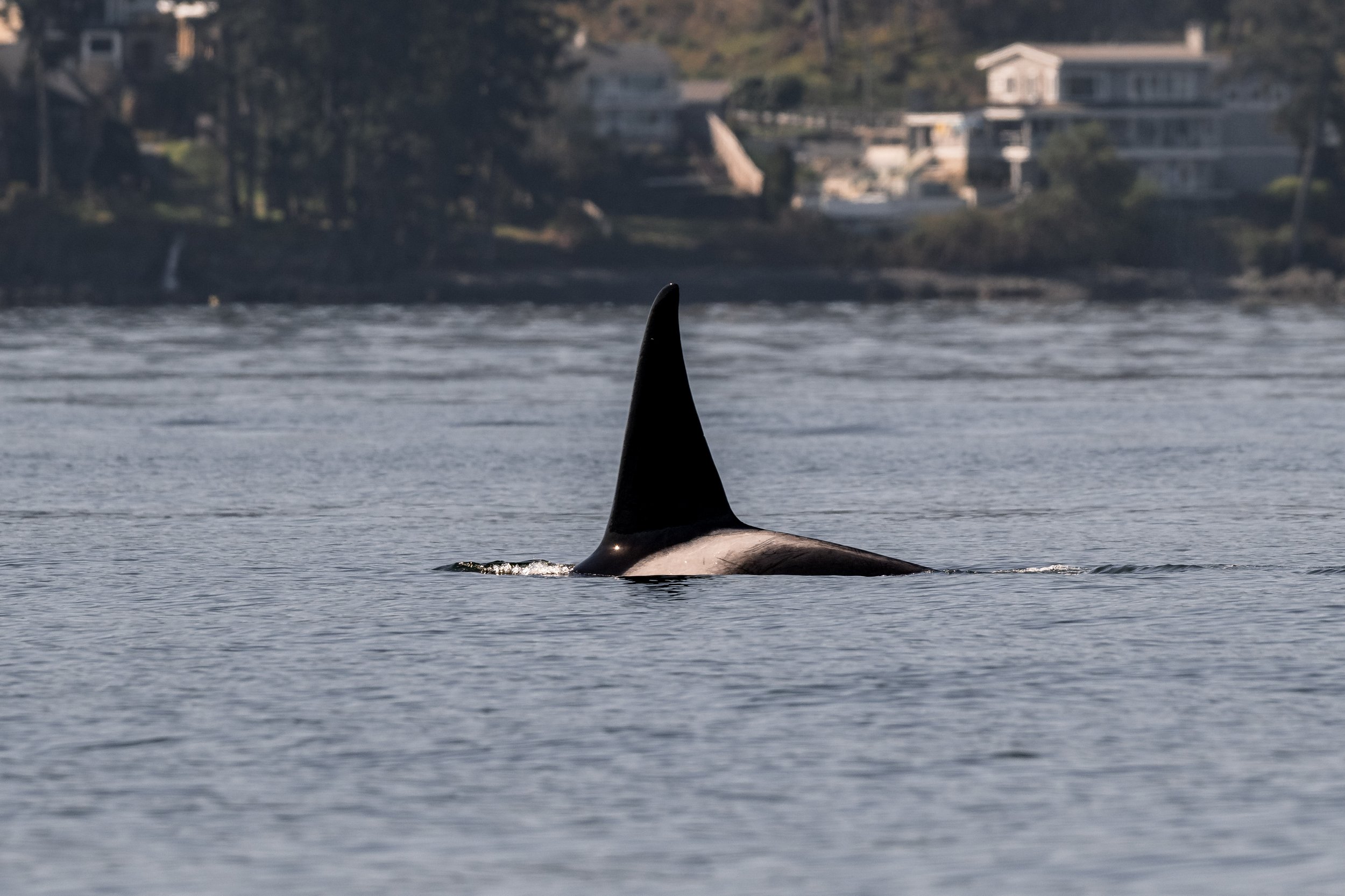
T099C Barakat is the largest orca in this pod, almost a full grown male at 17 years old! Photo by Aly Kohlman.
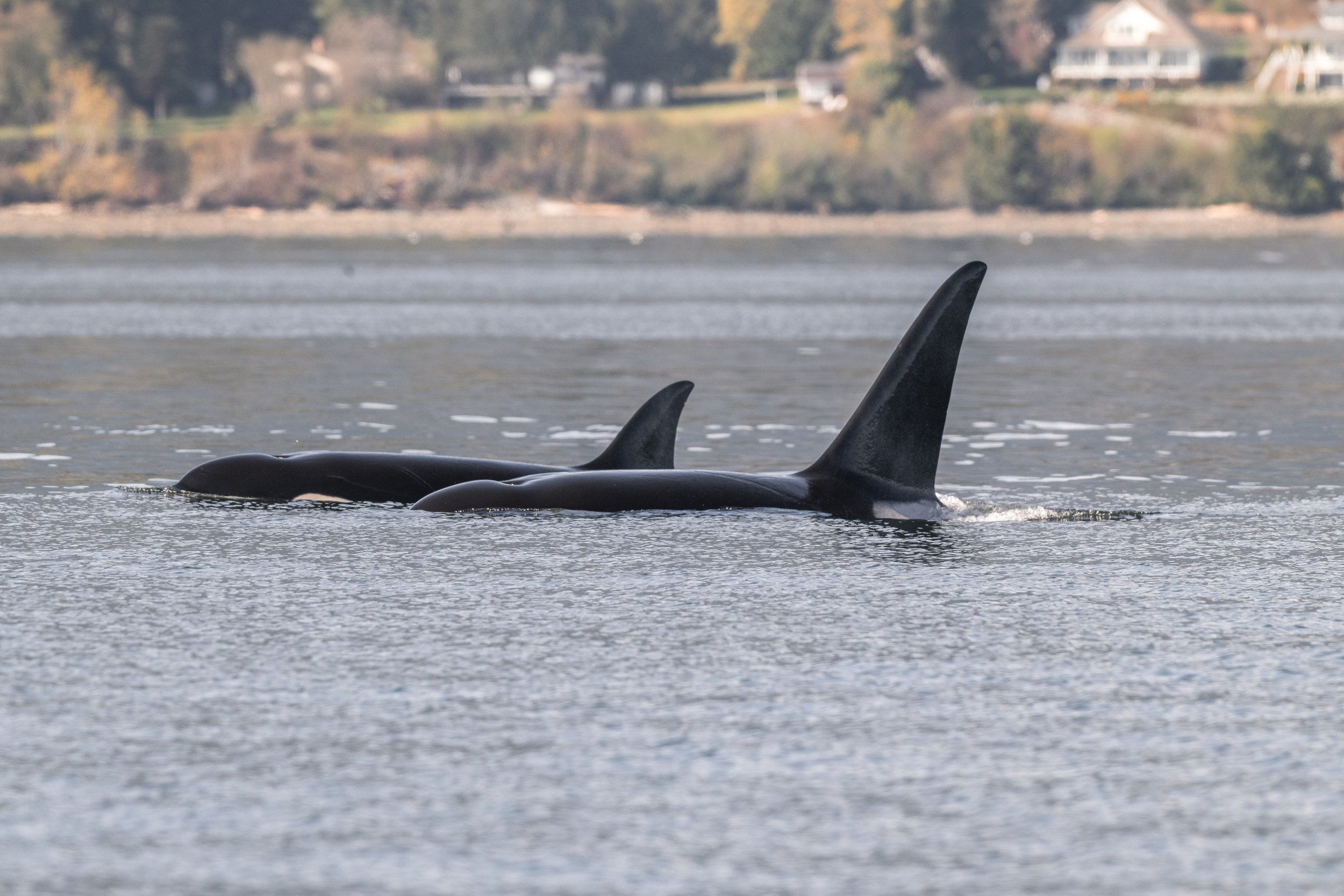
T099C Barakat and his mother T099 Bella travelling side by side. Photo by Aly Kohlman.
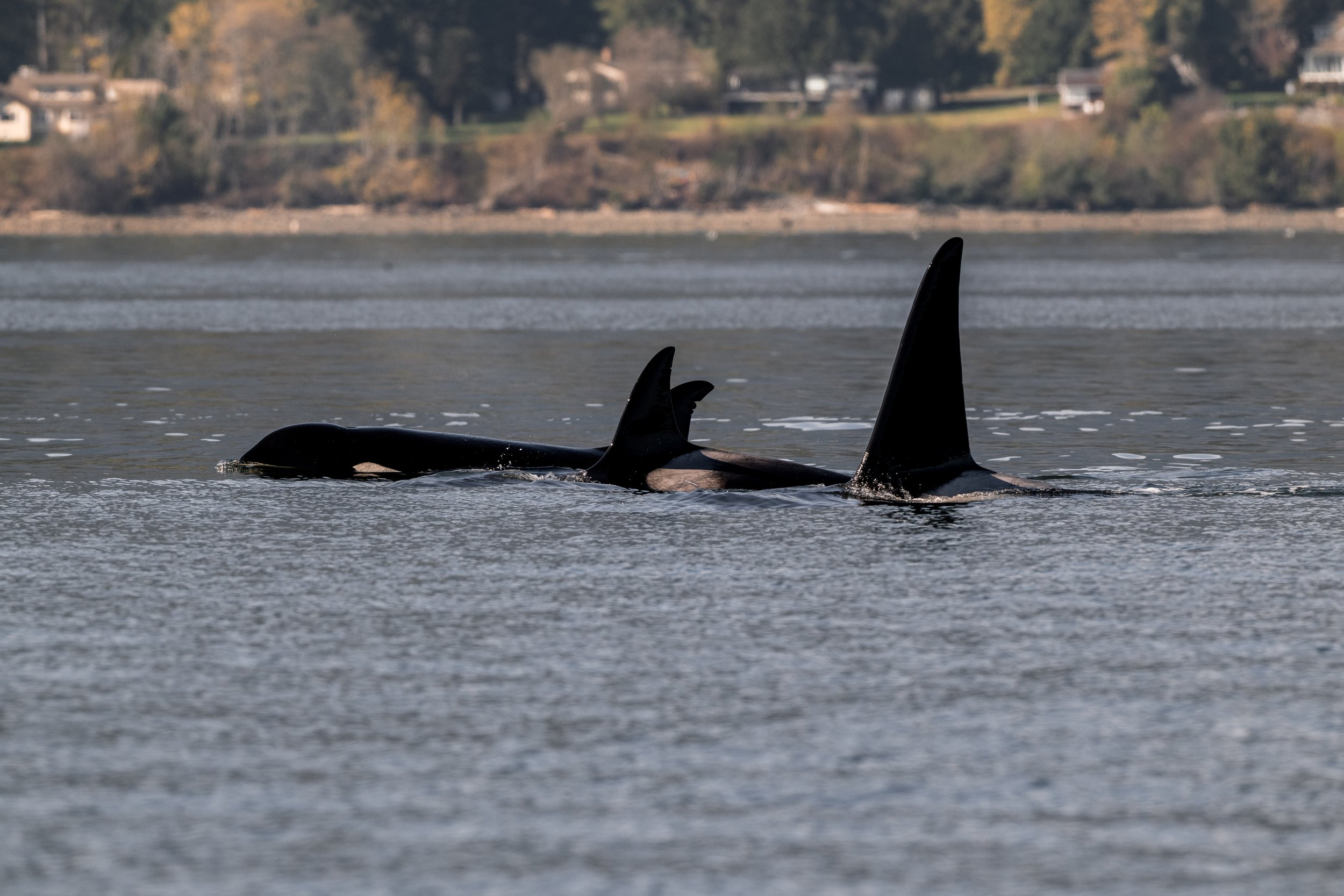
T099B coming up to travel beside her mother and brother. Photo by Aly Kohlman.
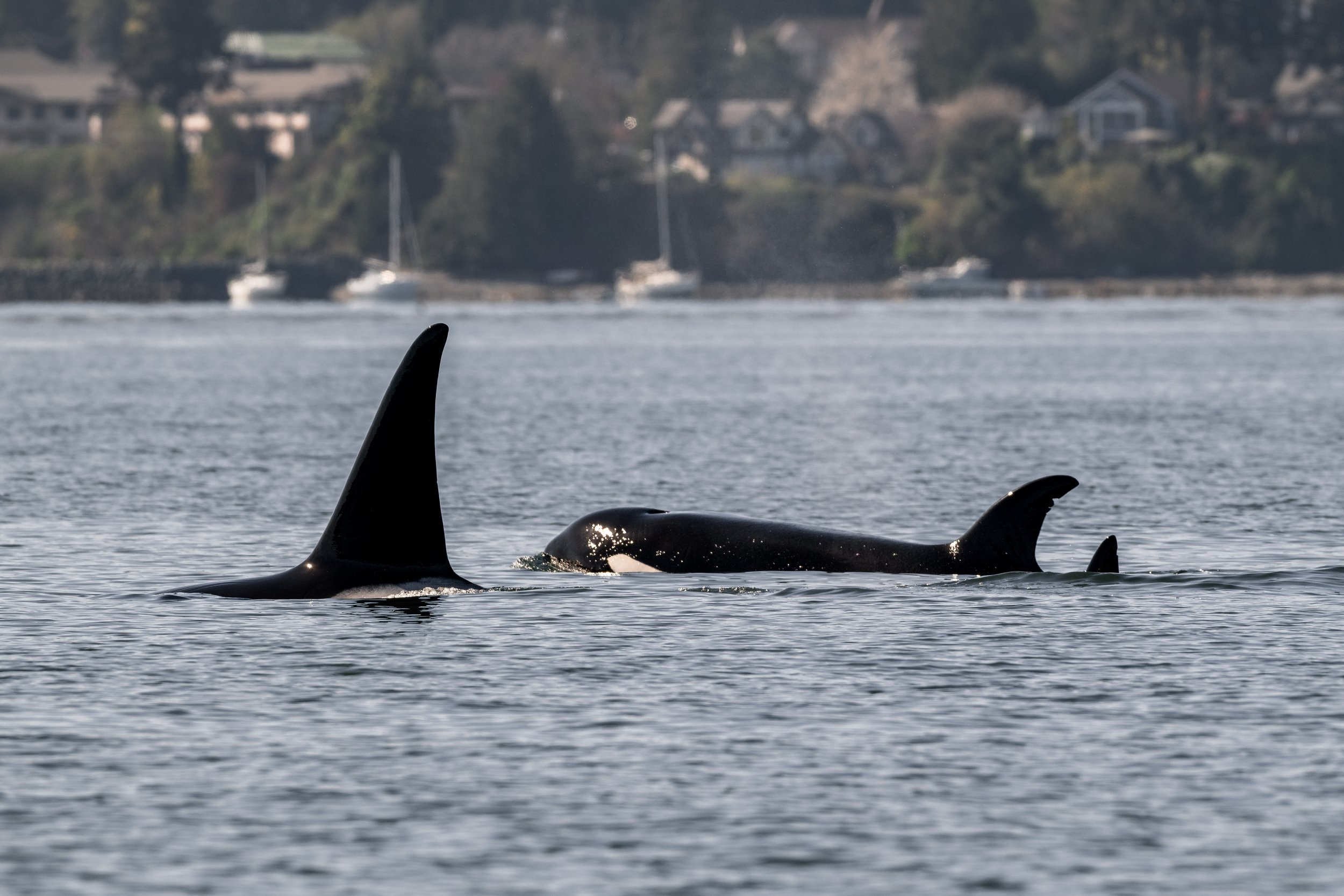
T099B Holly showing her eye patch as she comes further out of the water. Photo by Aly Kohlman.
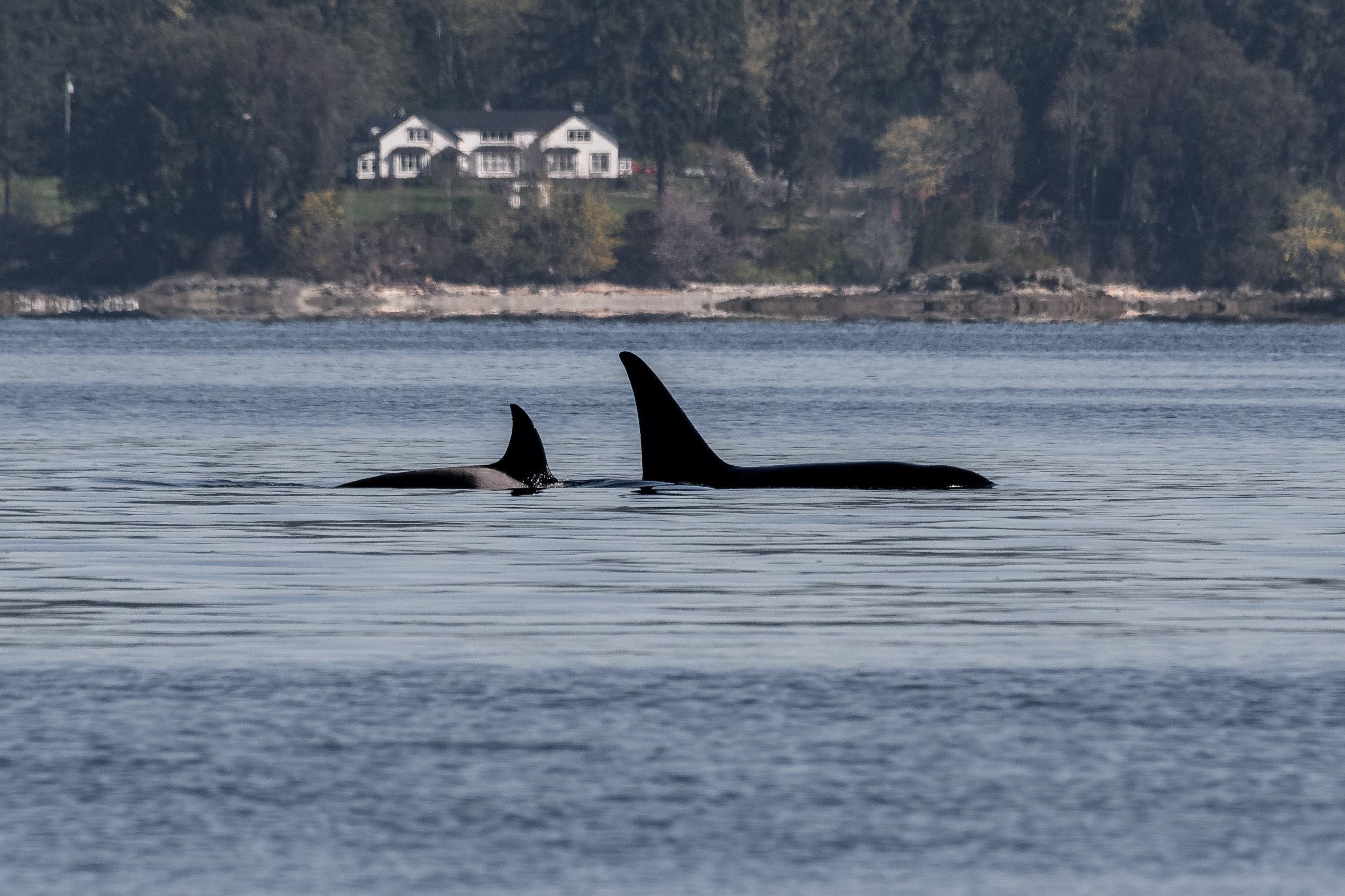
T099 Bella following being her son T099C Barakat. Photo by Evan Hessels.
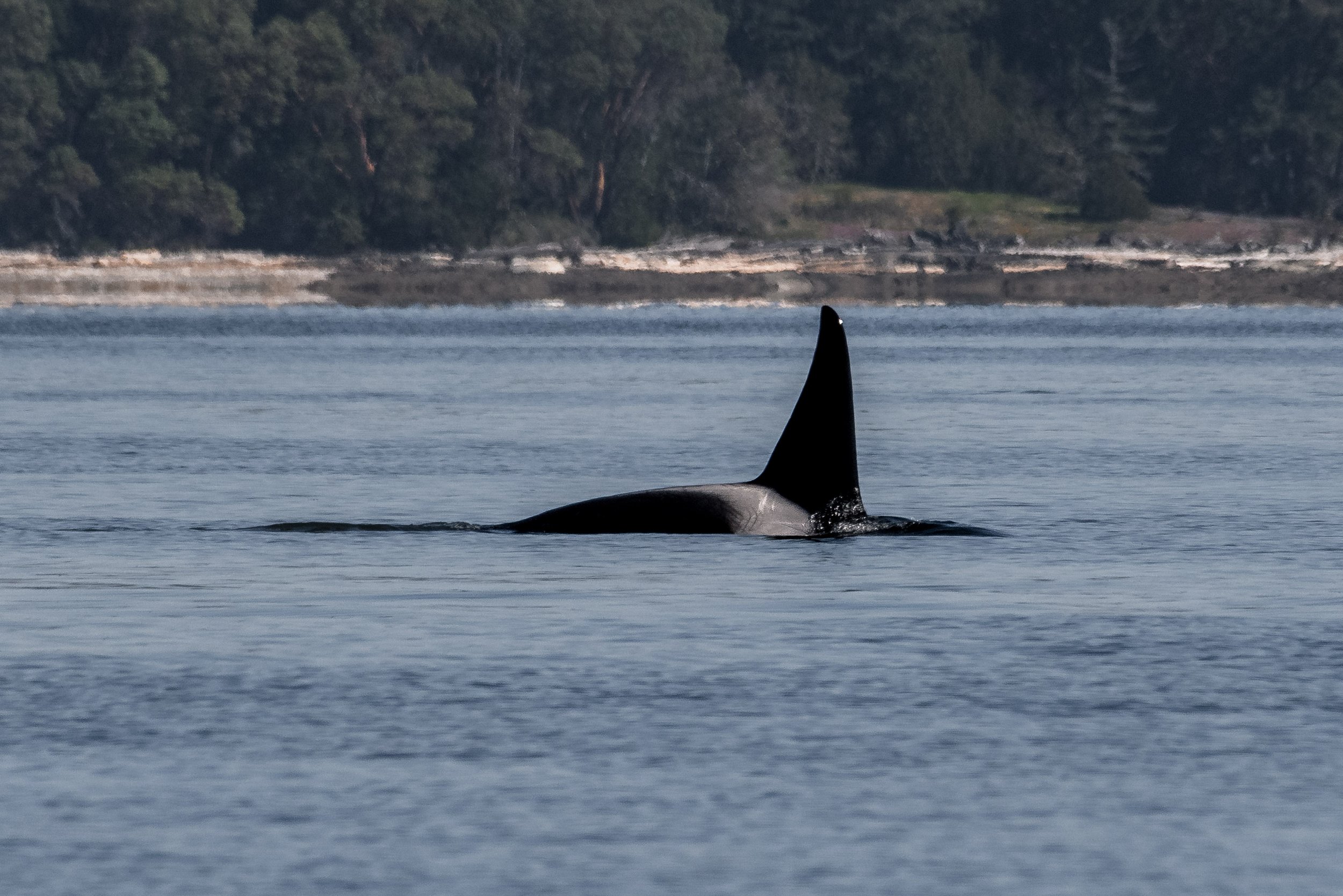
A nice display of T099C Barakats saddle patch and his unique markings. Photo by Evan Hessels.
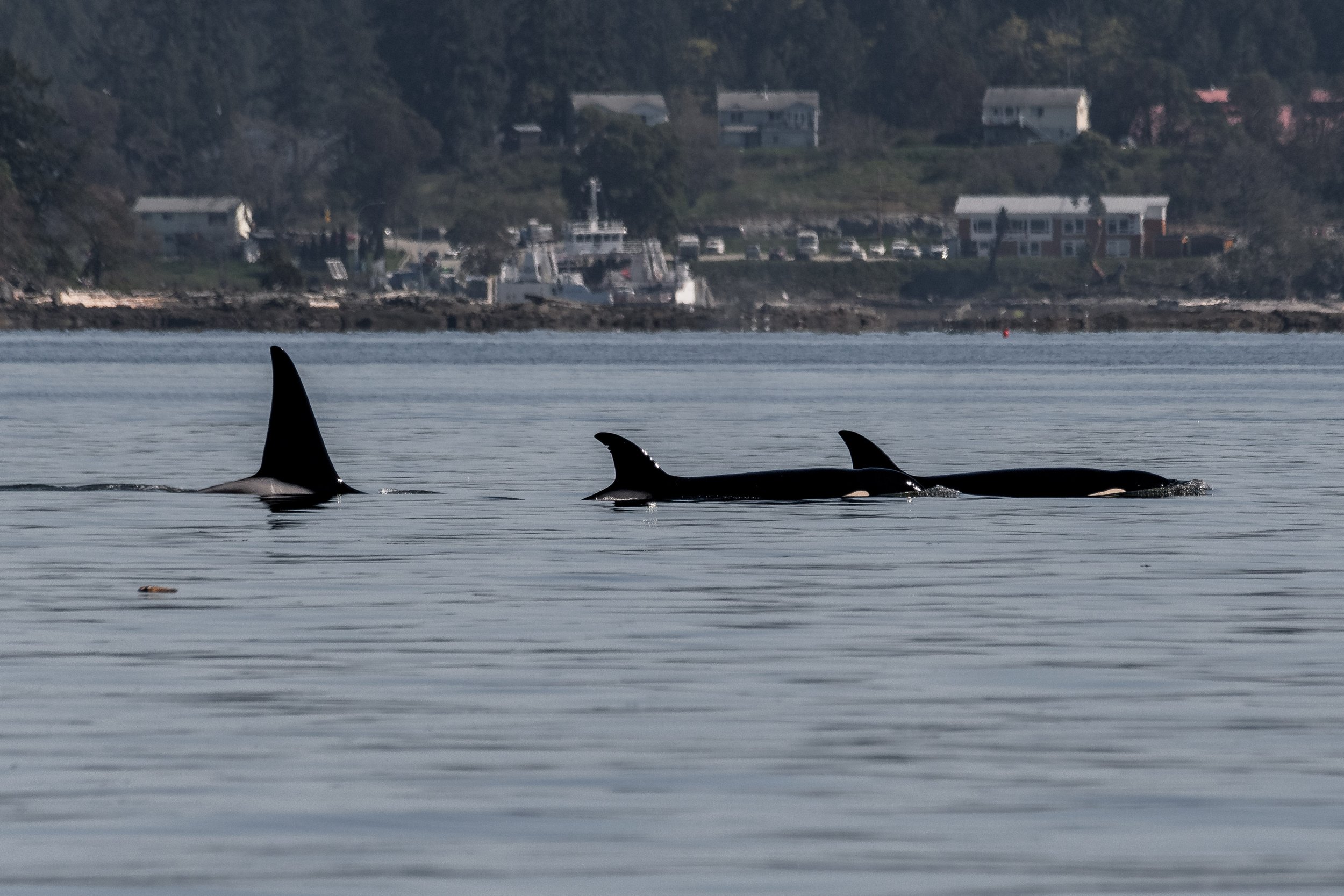
T099 Bella leading her eldest kids T099C Barakat and T099B Holly. Photo by Evan Hessels.
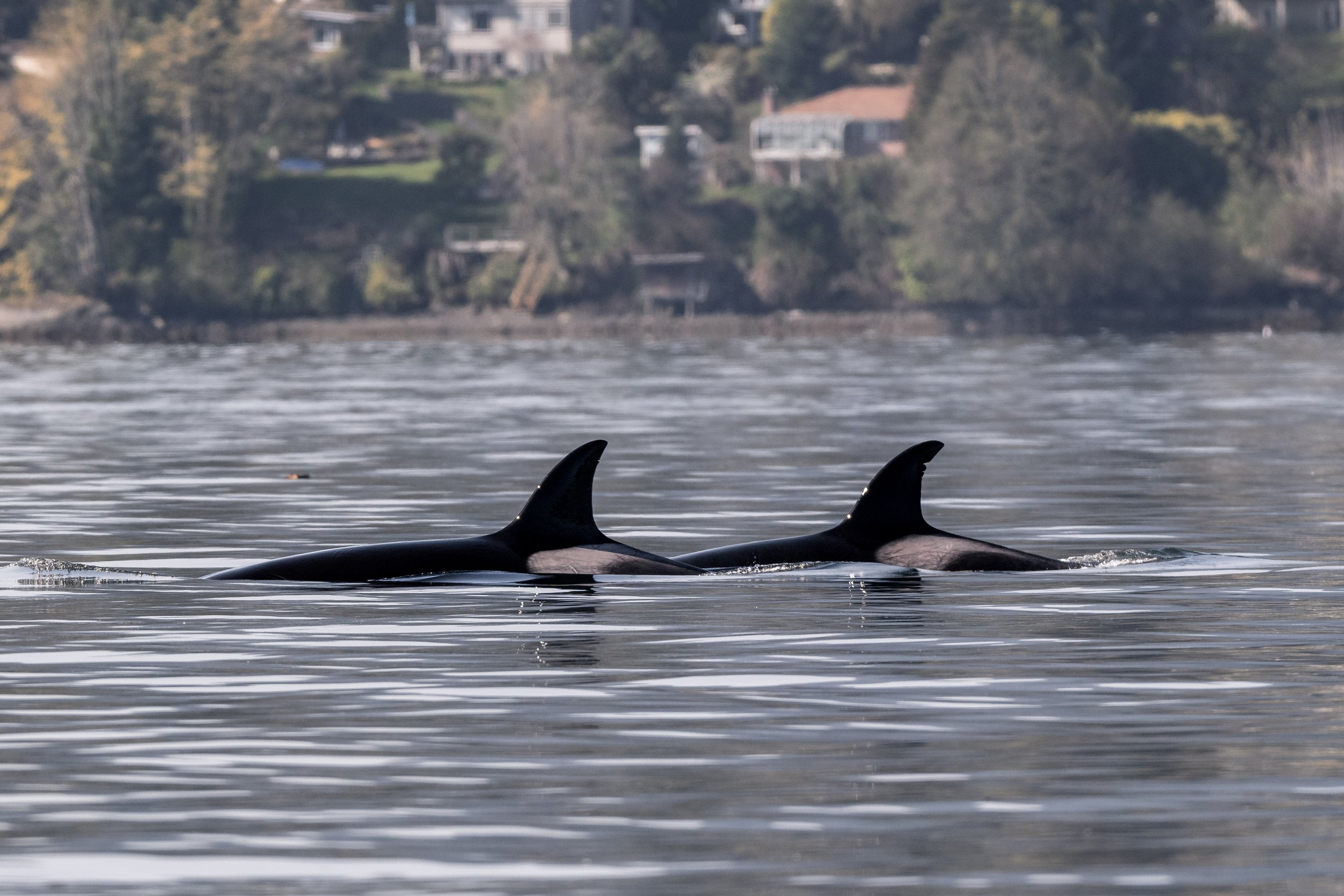
T099 Bella and her eldest daughter T099B coming up in tandem. Photo by Aly Kohlman.
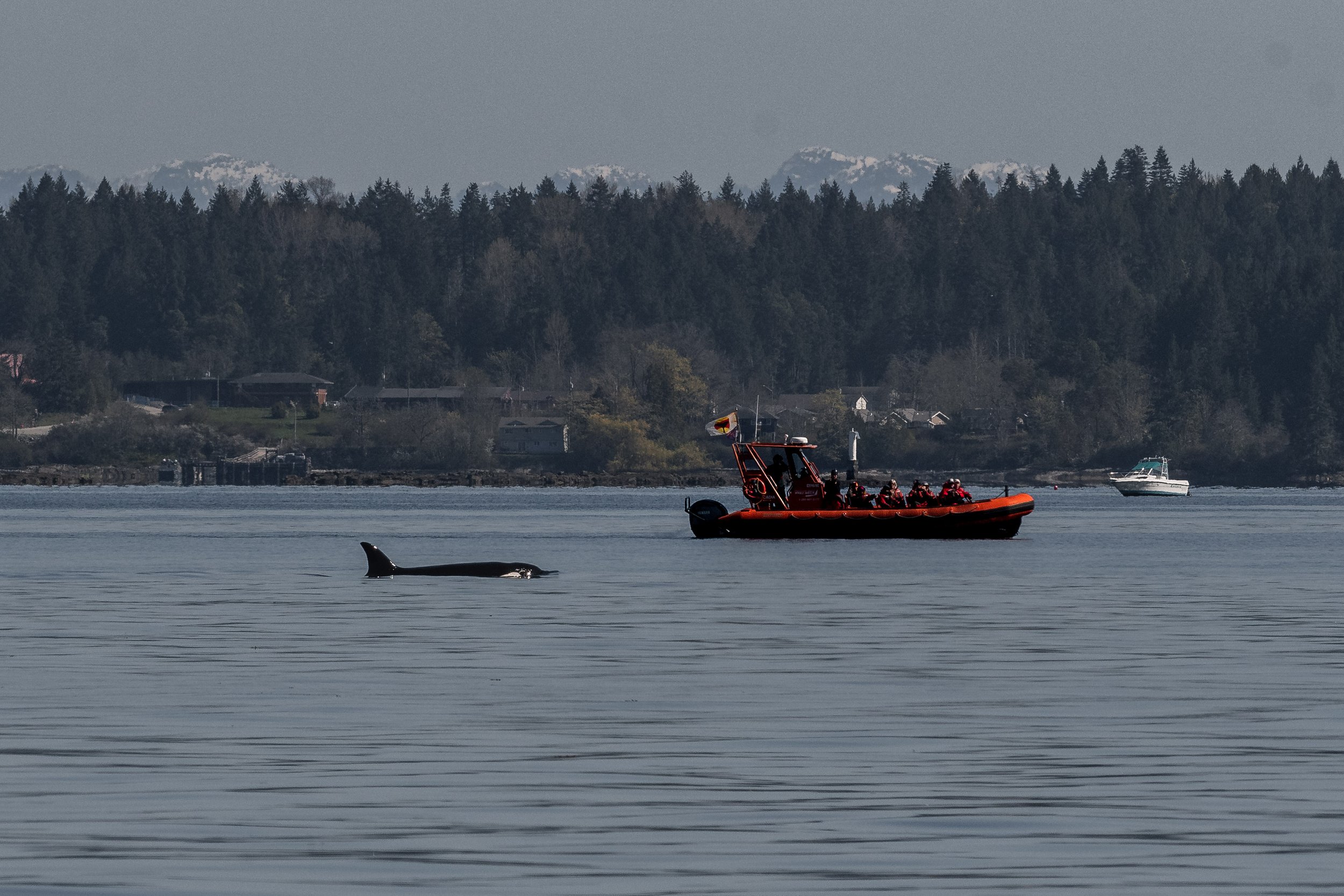
T099 Bella surfacing between our two vessels. Photo by Evan Hessels.
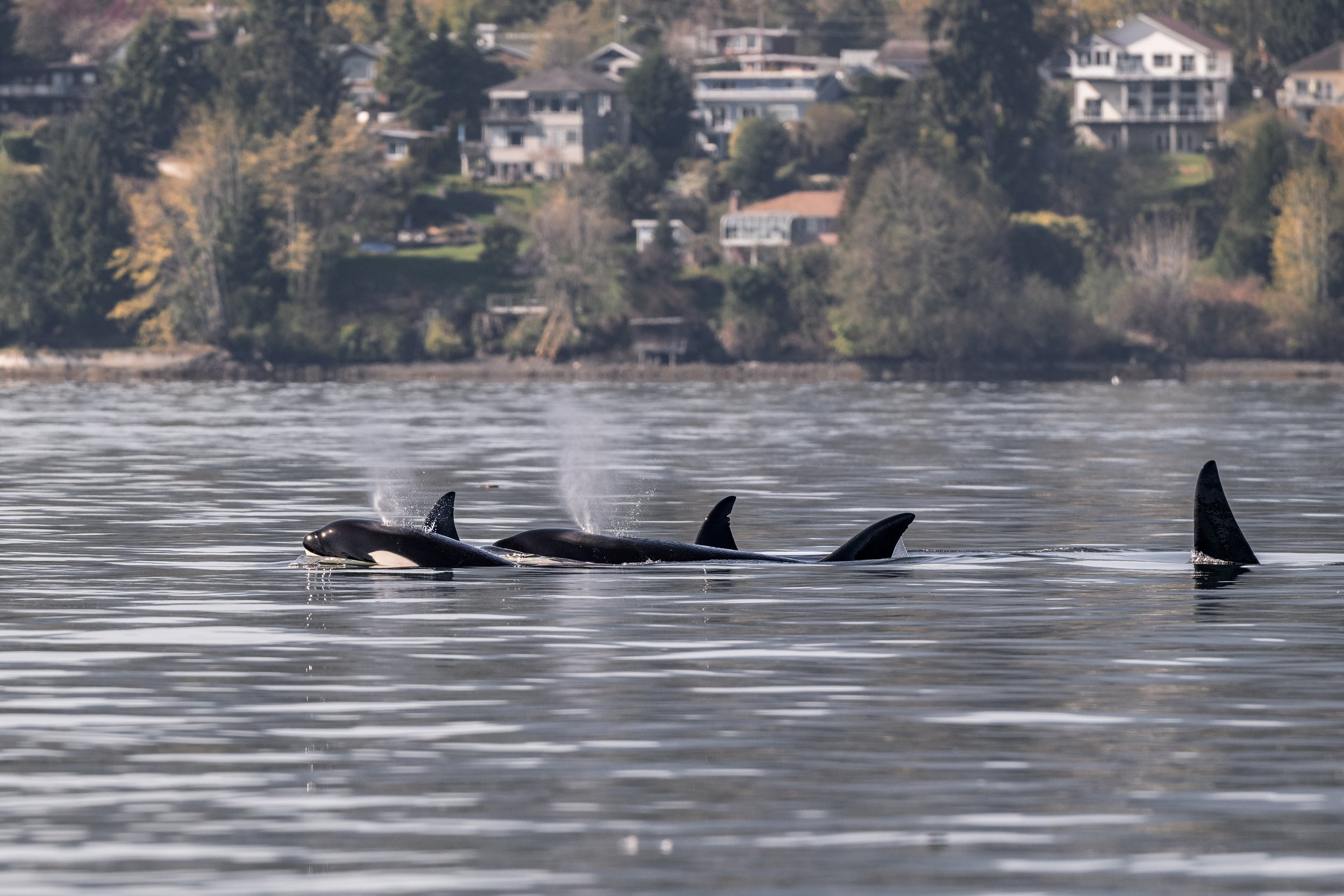
T099E Quiin quiin oo quii and T099D Puck nlowing in tandem infront of the rest of their family. Photo by Aly Kohlman.
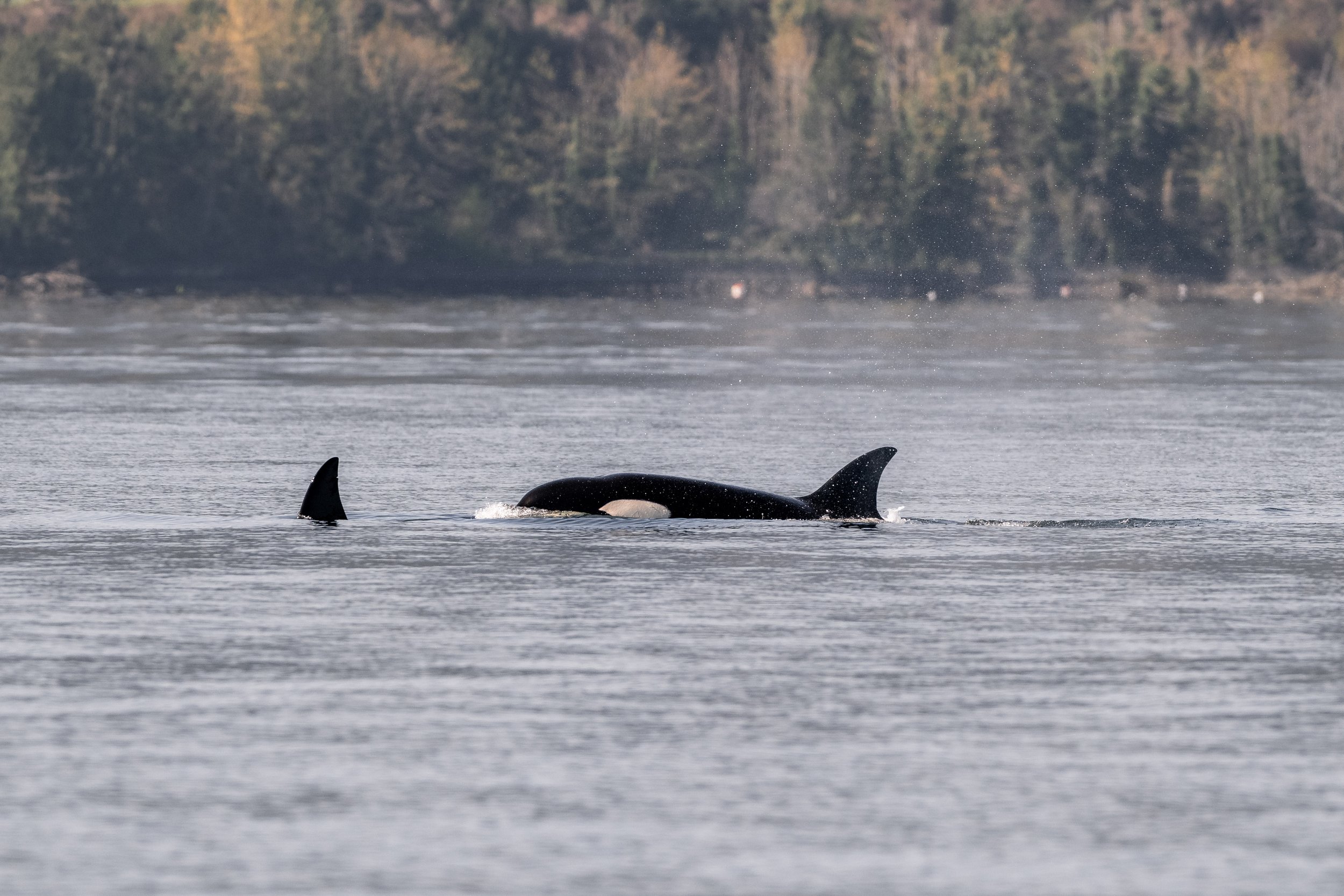
T099E Quiin quiin oo quii la showing off her eyepatch. Photo by Aly Kohlman.
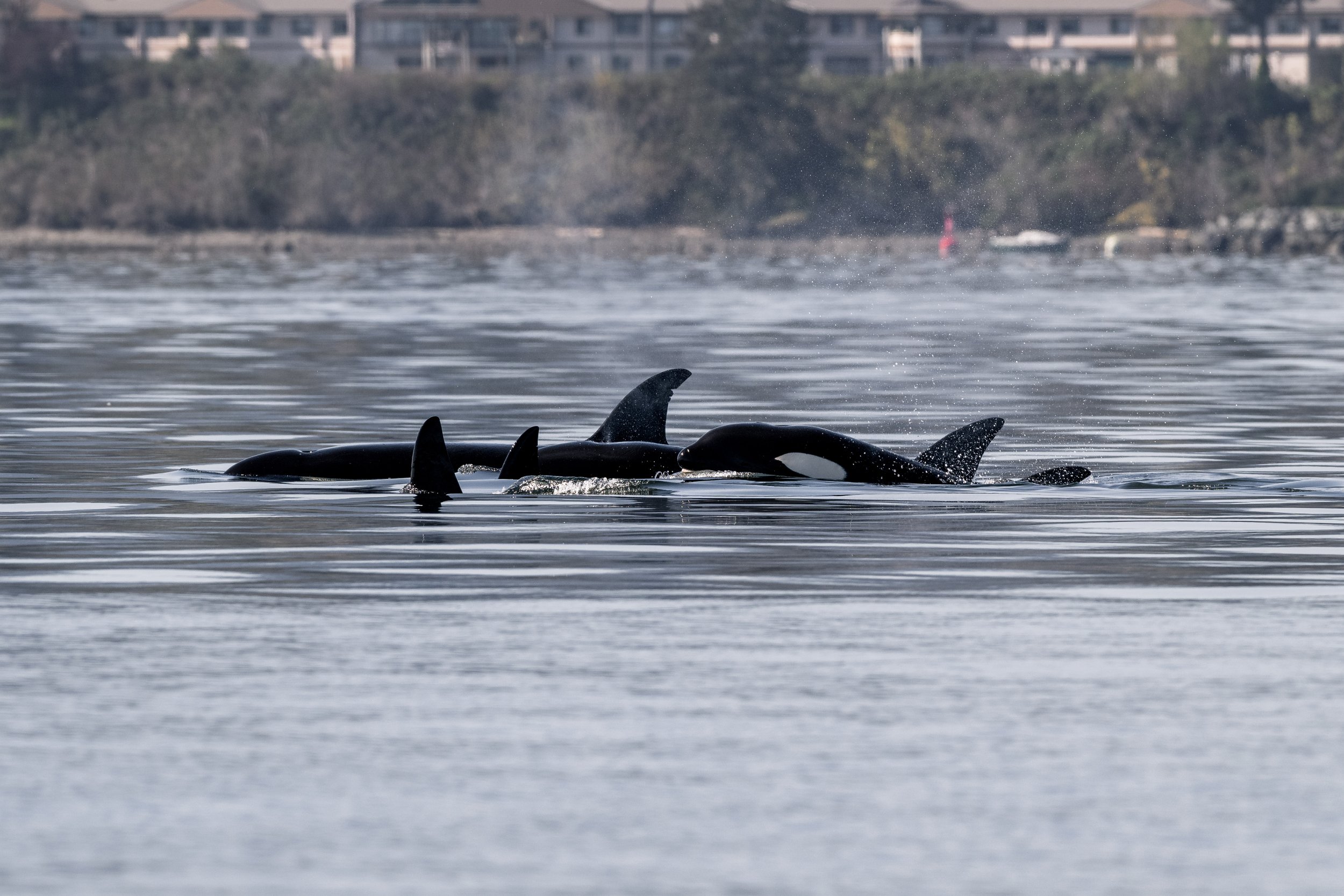
A family photo! From left to right T099C Barakat, T099 Bella, T099B Holly, T099D Puck, T099E Quiin quiin oo quii la. Photo by Aly Kohlman.
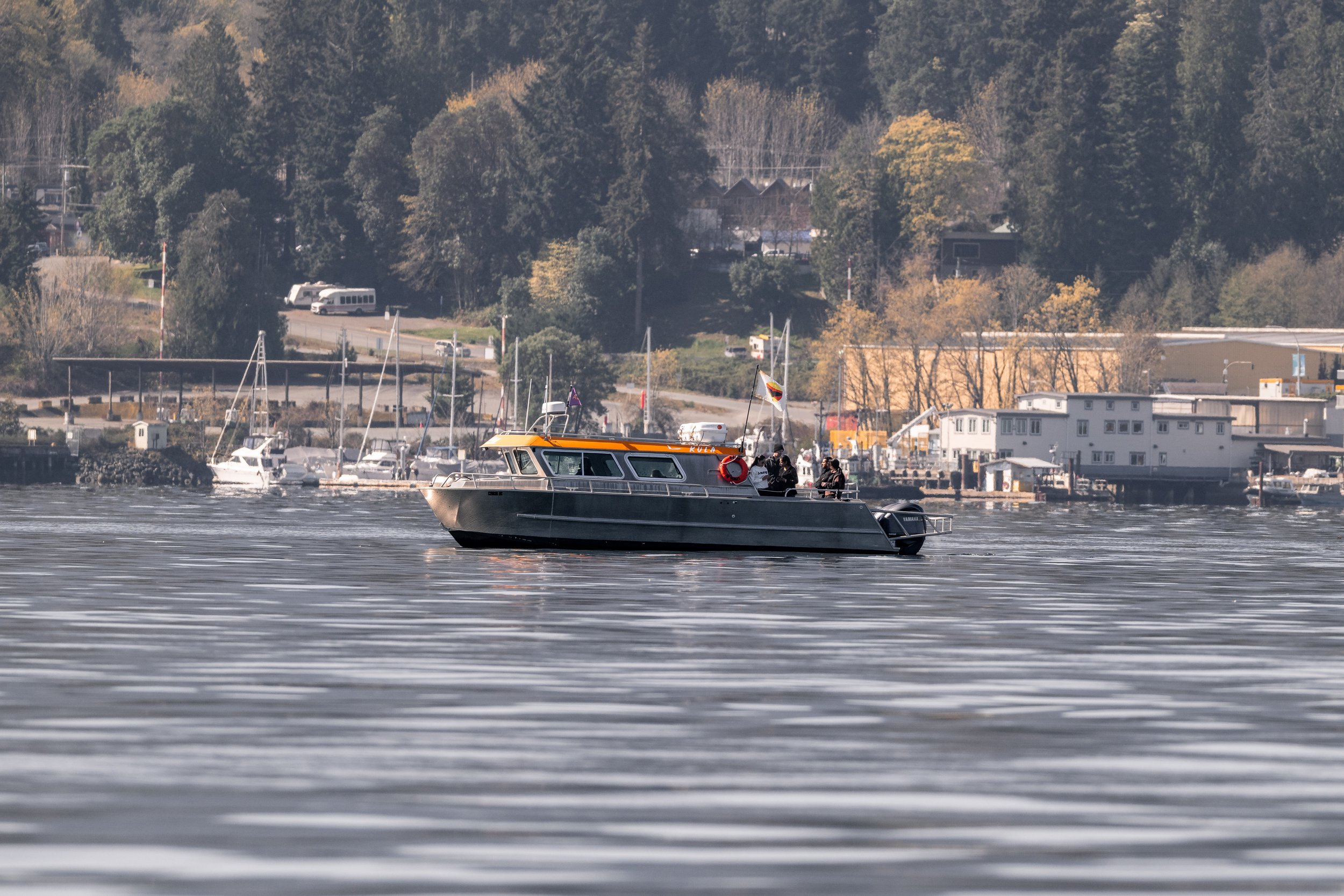
Our vessel Kula observing the orca in the distance. Photo by Aly Kohlman.
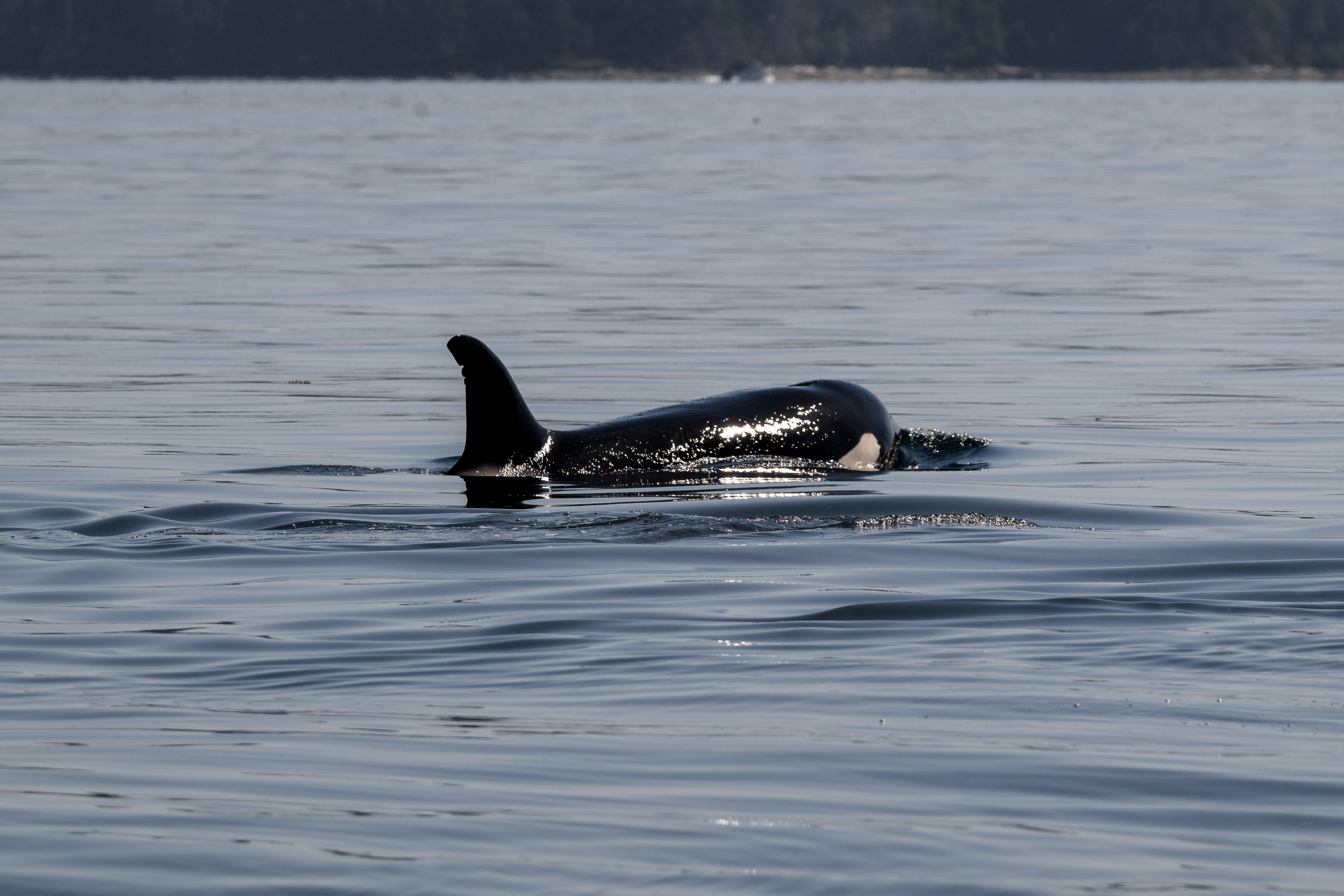
T099B Holly moving travelling away from our vessel. Photo by Aly Kohlman.
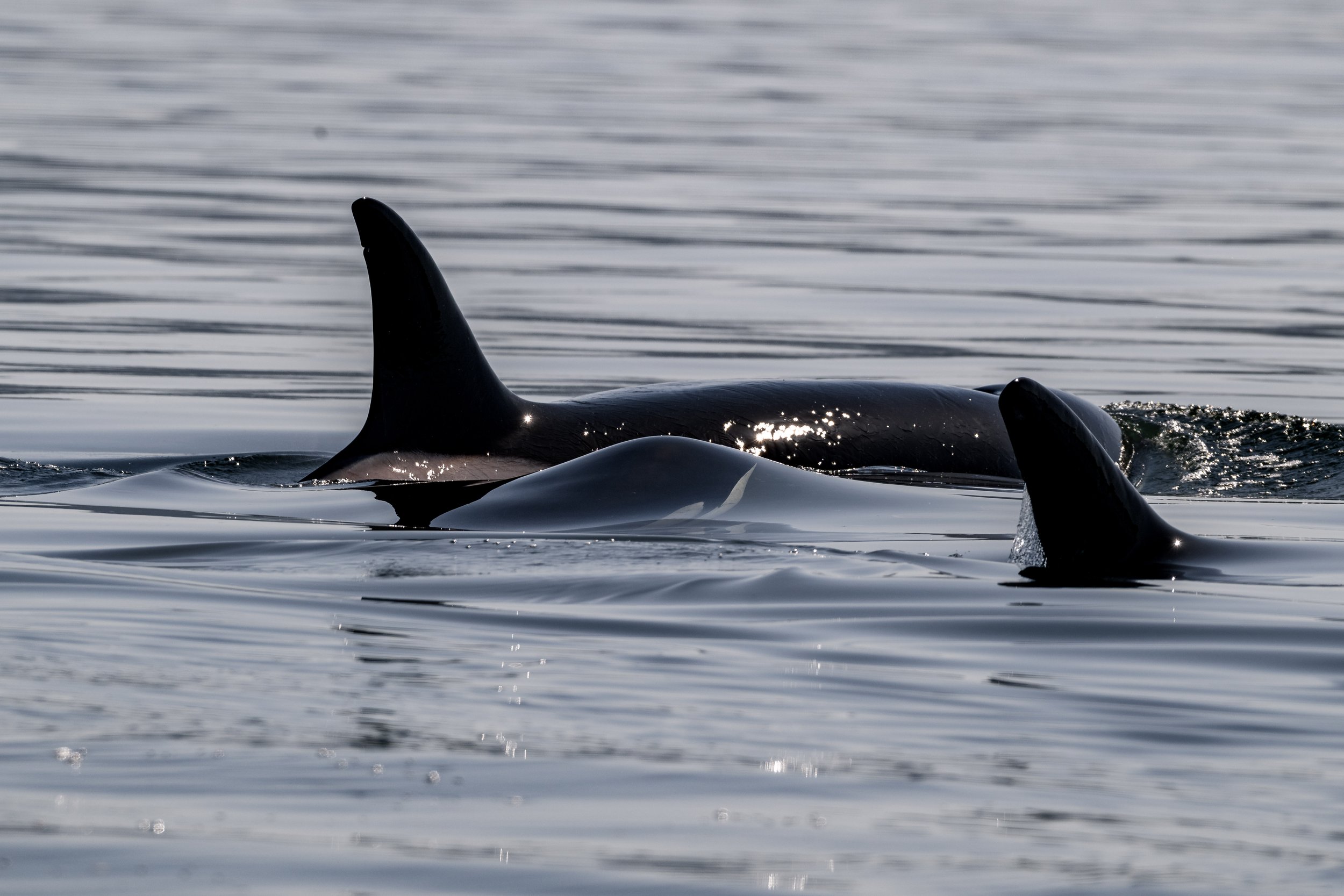
If you look closely you can see T099E Quiin quiin oo quii la just above to break the surface beside T099 Bella on the left and T099C Barakat on the right. Photo by Aly Kohlman.
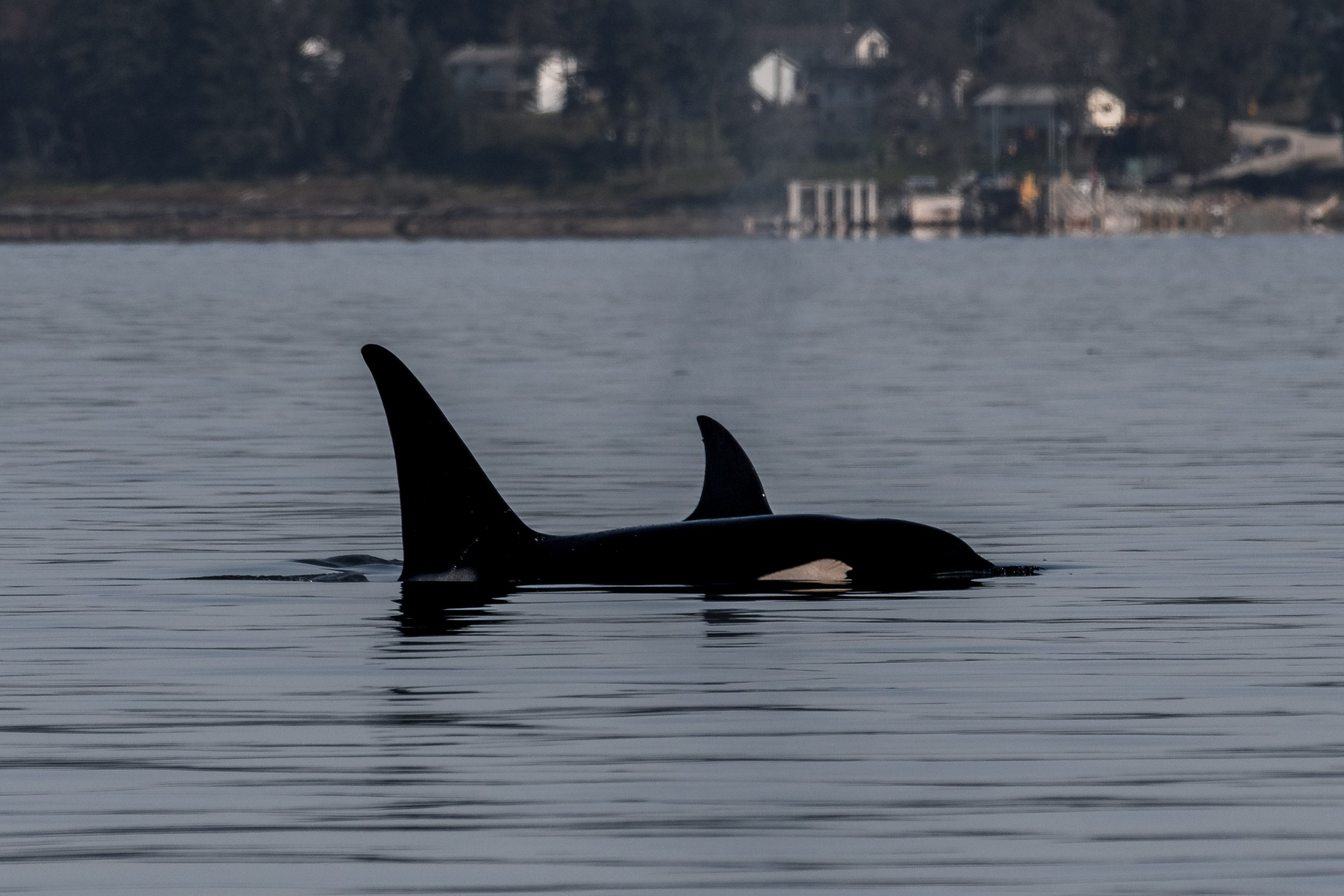
T099C Barakat and T099 Bella surfacing alongside each other showing how large Barakats dorsal fin is getting! Photo by Evan Hessels.
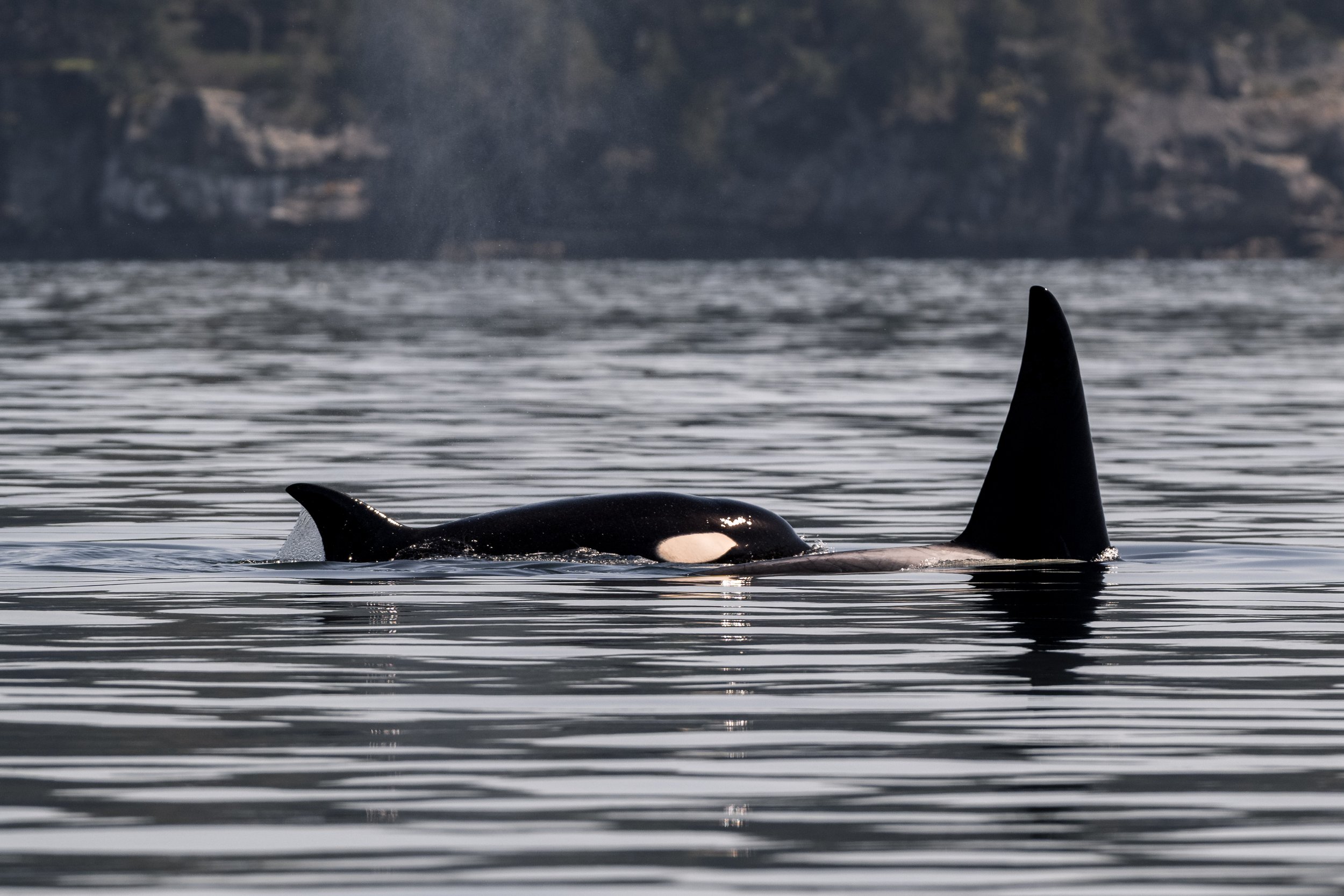
T099E Quiin quiin oo quii la showing off the eye patch on the other side, can you spot the differences?Photo by Aly Kohlman.
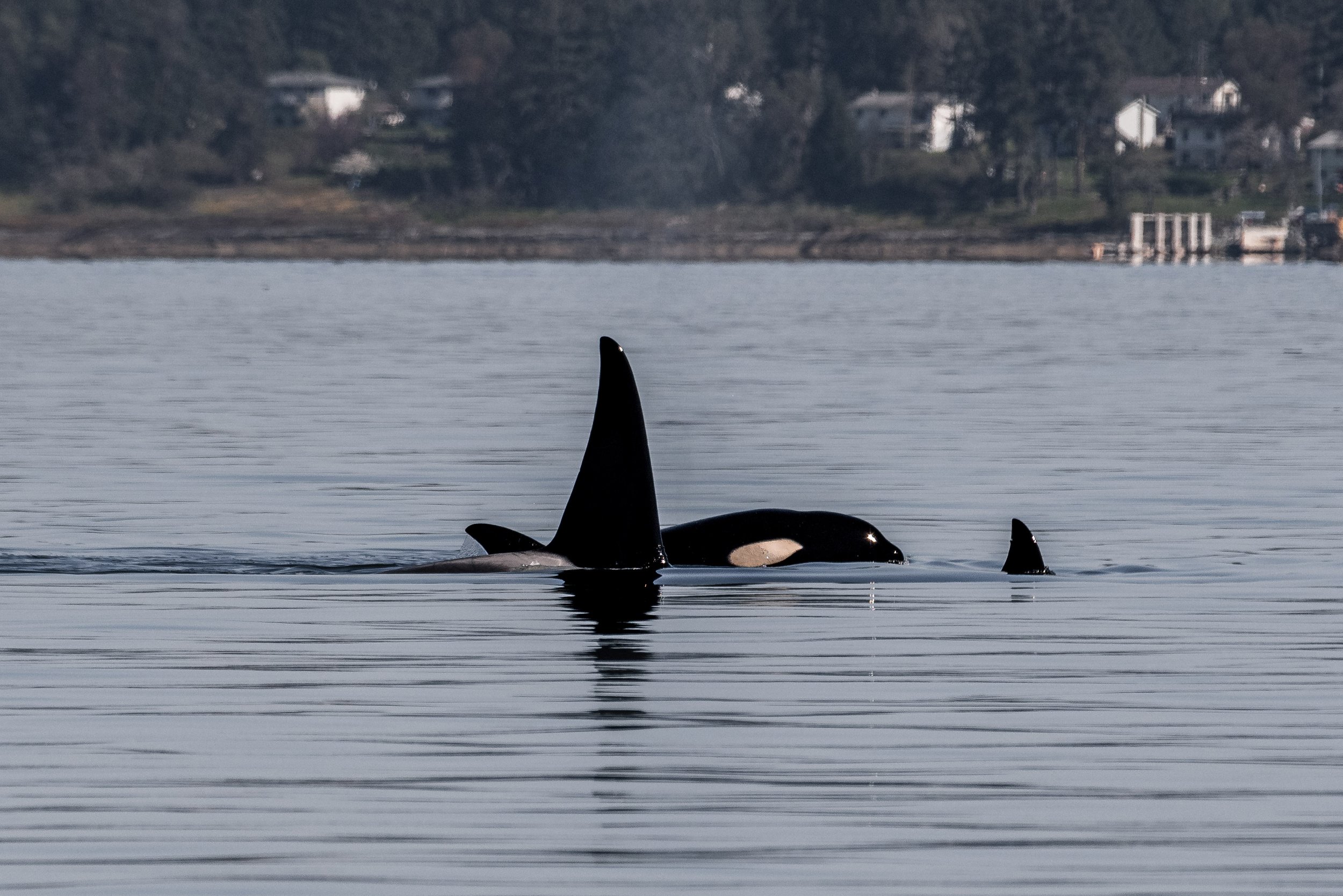
T099 Bella in the lead with T099E Quiin quiin oo quii la at her side and T099C Barakat towering over them. Photo by Evan Hessels.
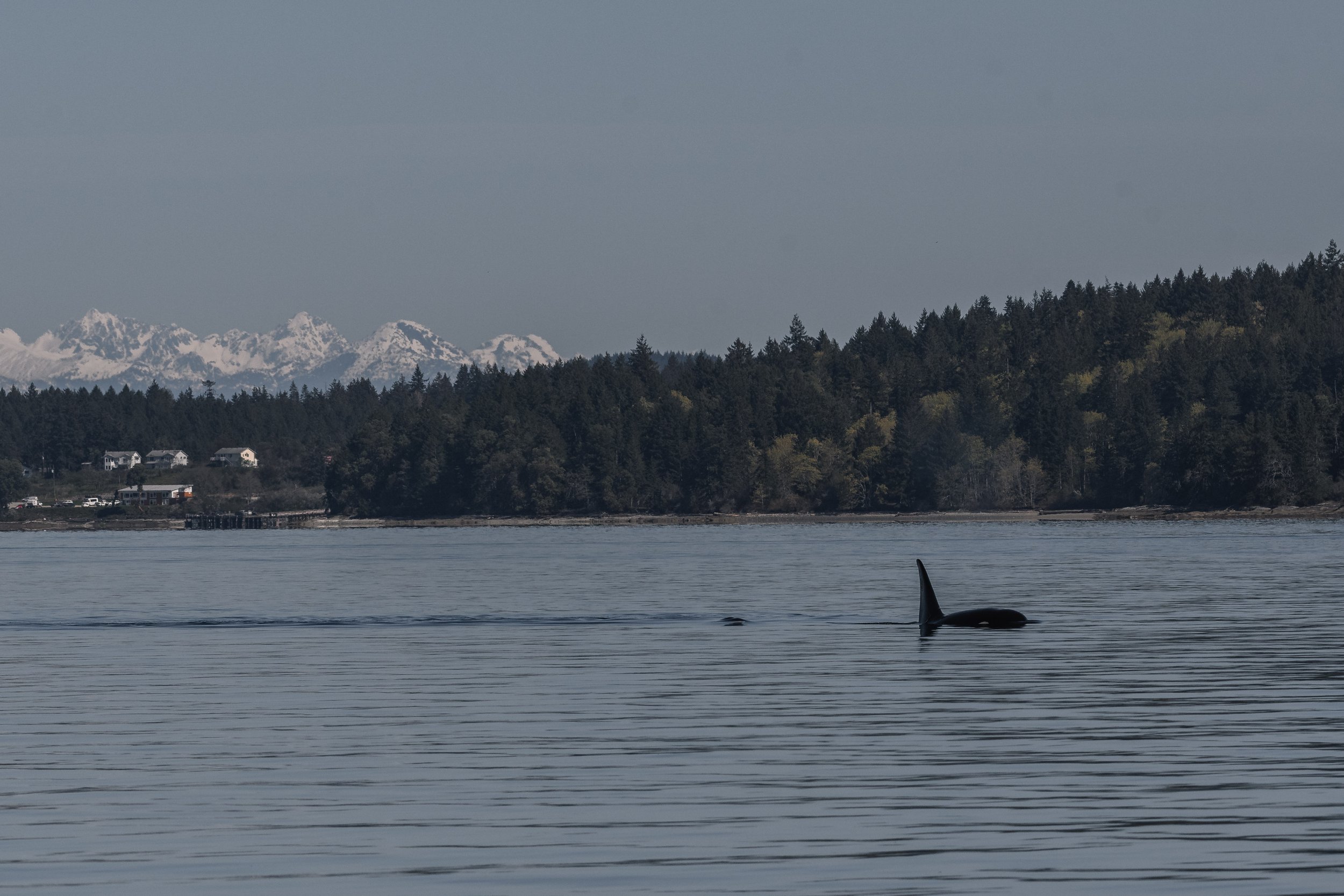
T099C Barakat surfacing with snow topped mountains behind him. Photo by Evan Hessels.
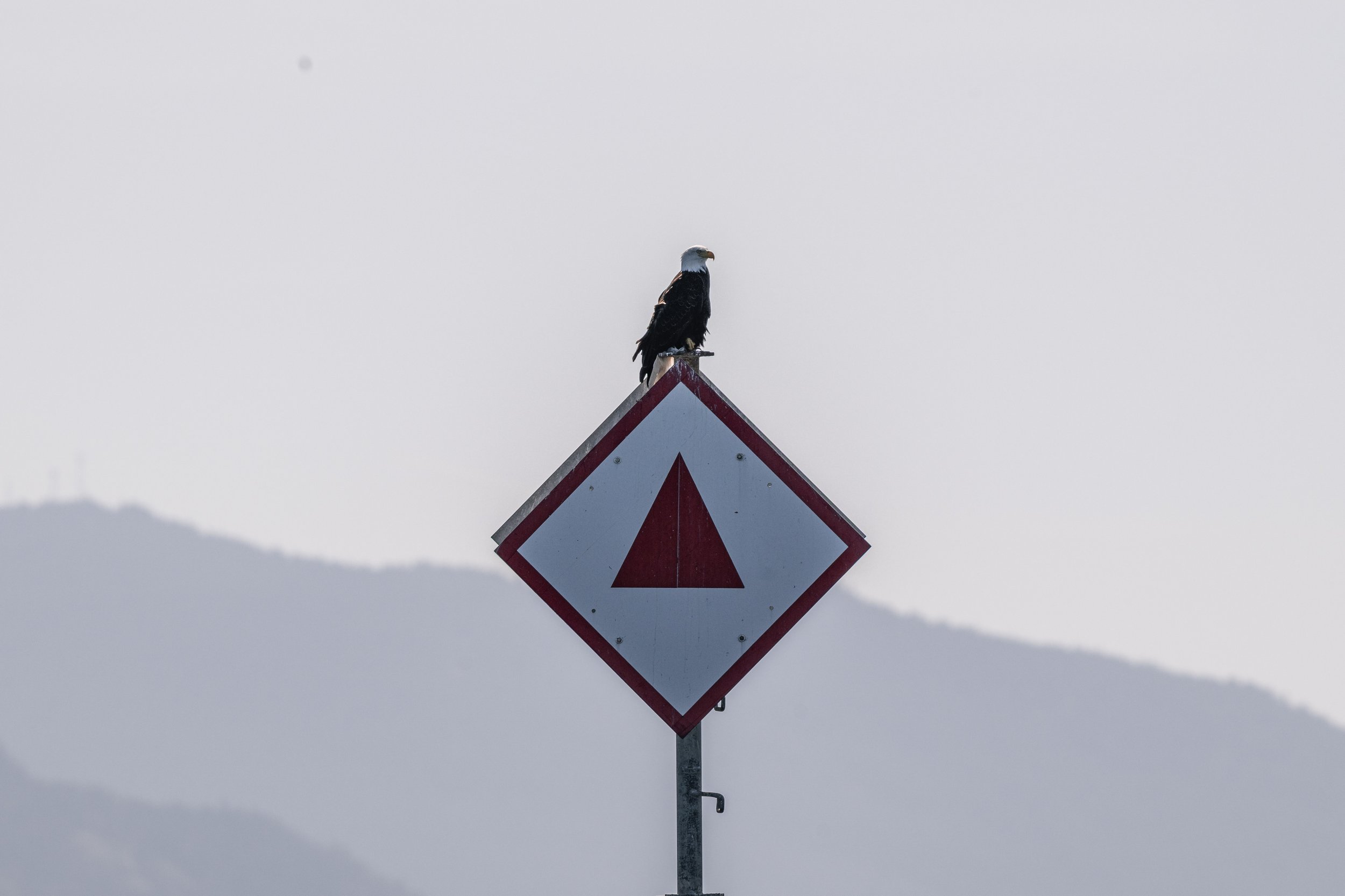
An adult bald eagle. Photo by Aly Kohlman.
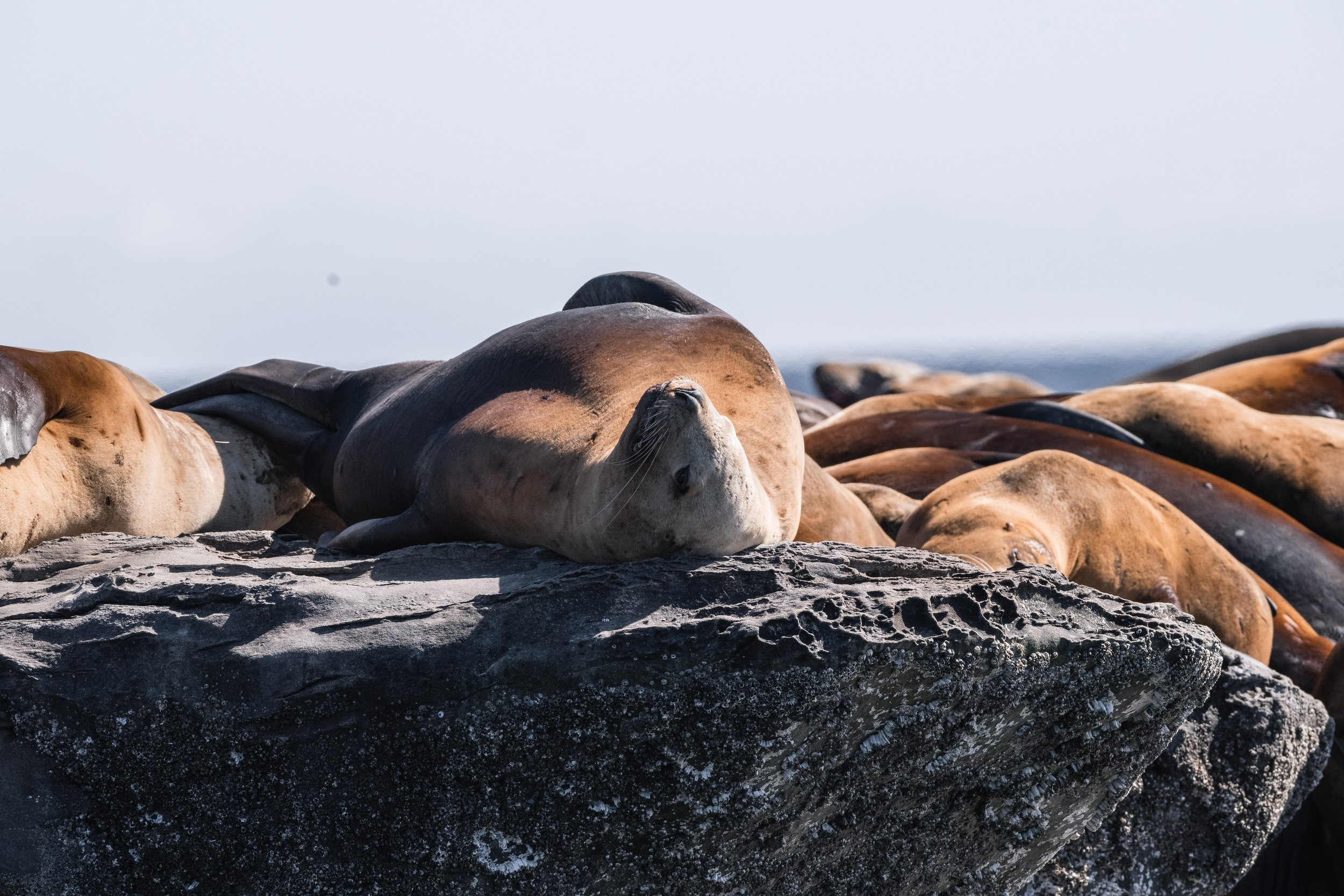
A cuddle puddle of Steller Sea Lions. Photo by Aly Kohlman.
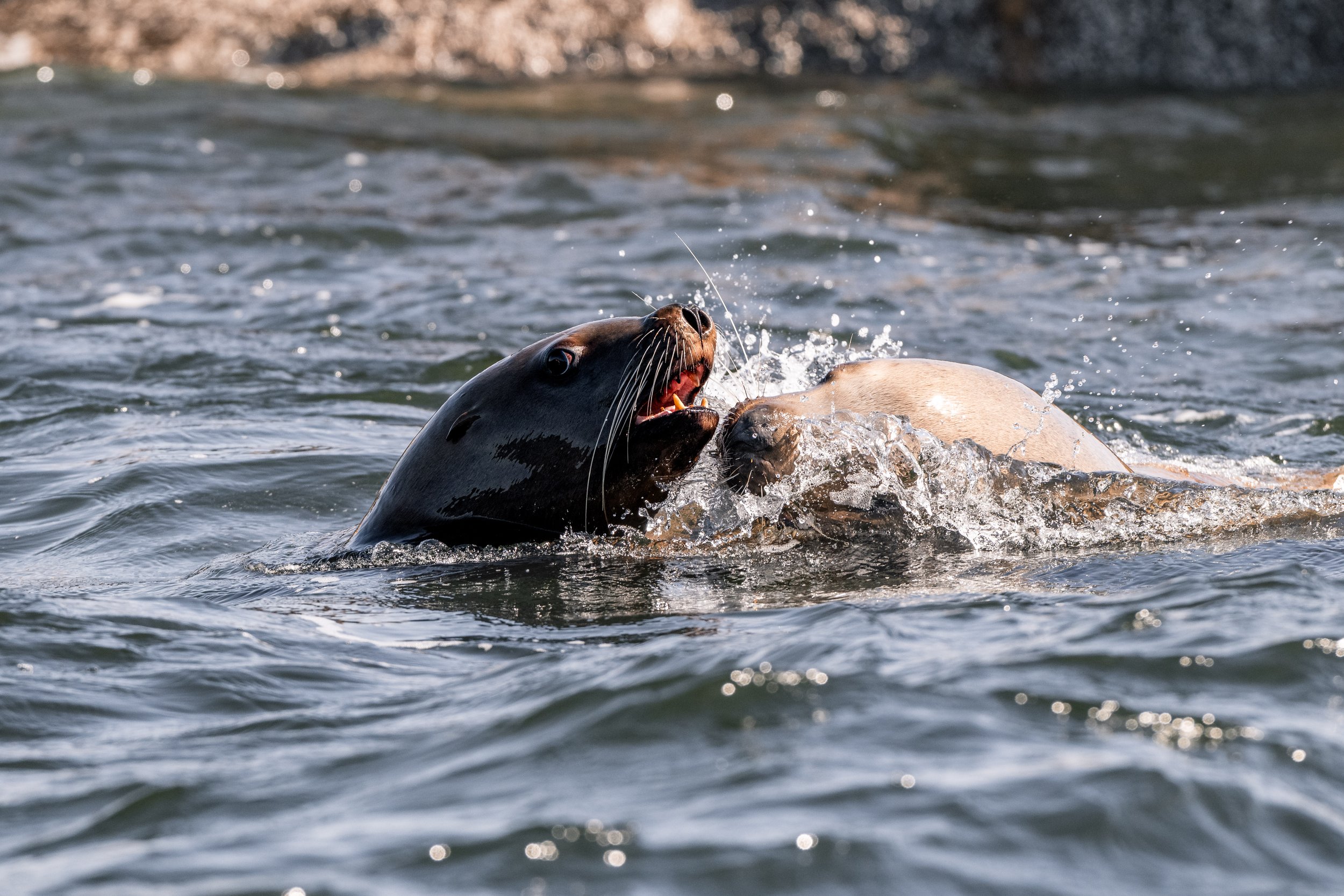
Stellers fighting in the waves. Photo by Aly Kohlman.
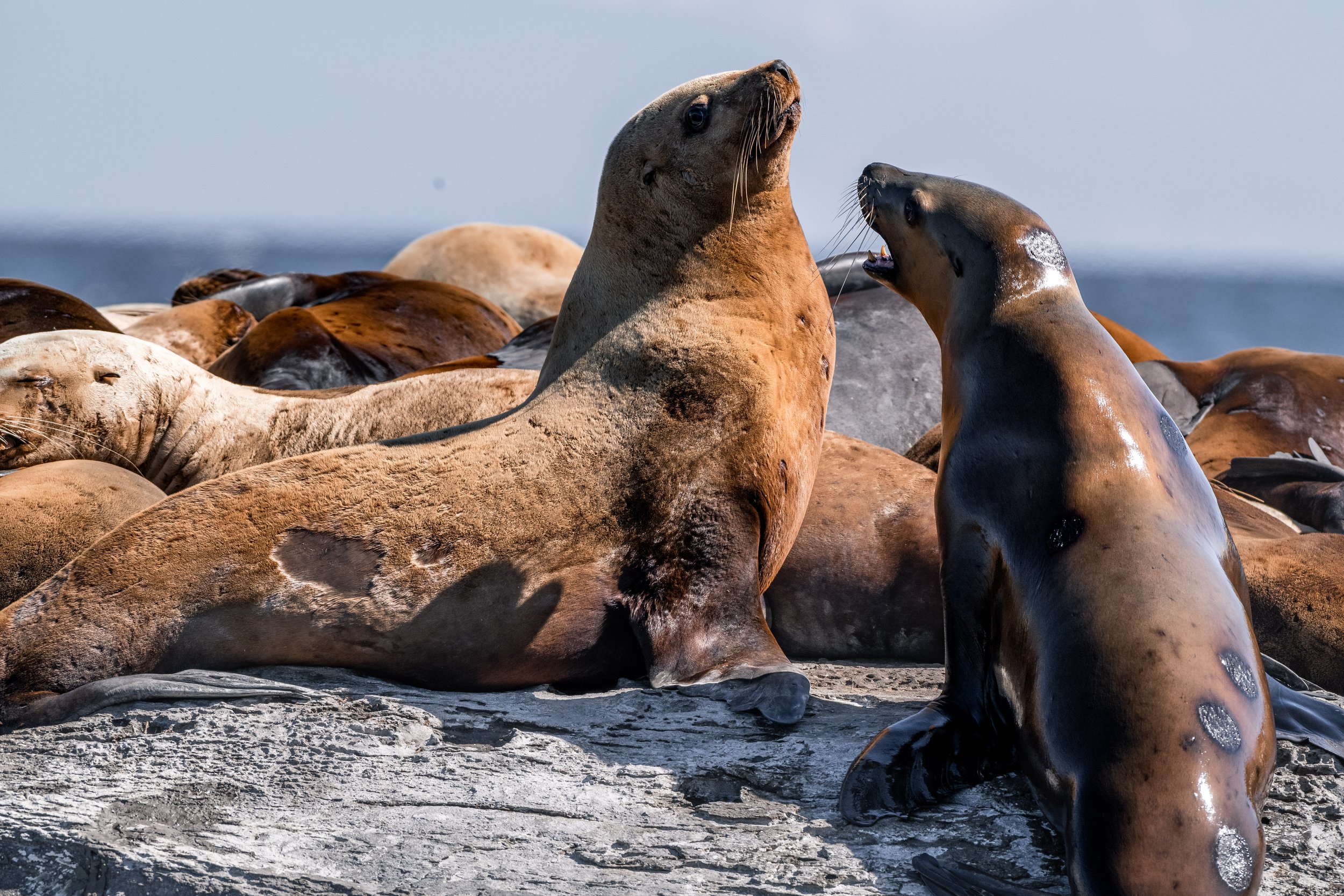
An attempt for that spot on the rocks! Photo by Aly Kohlman.
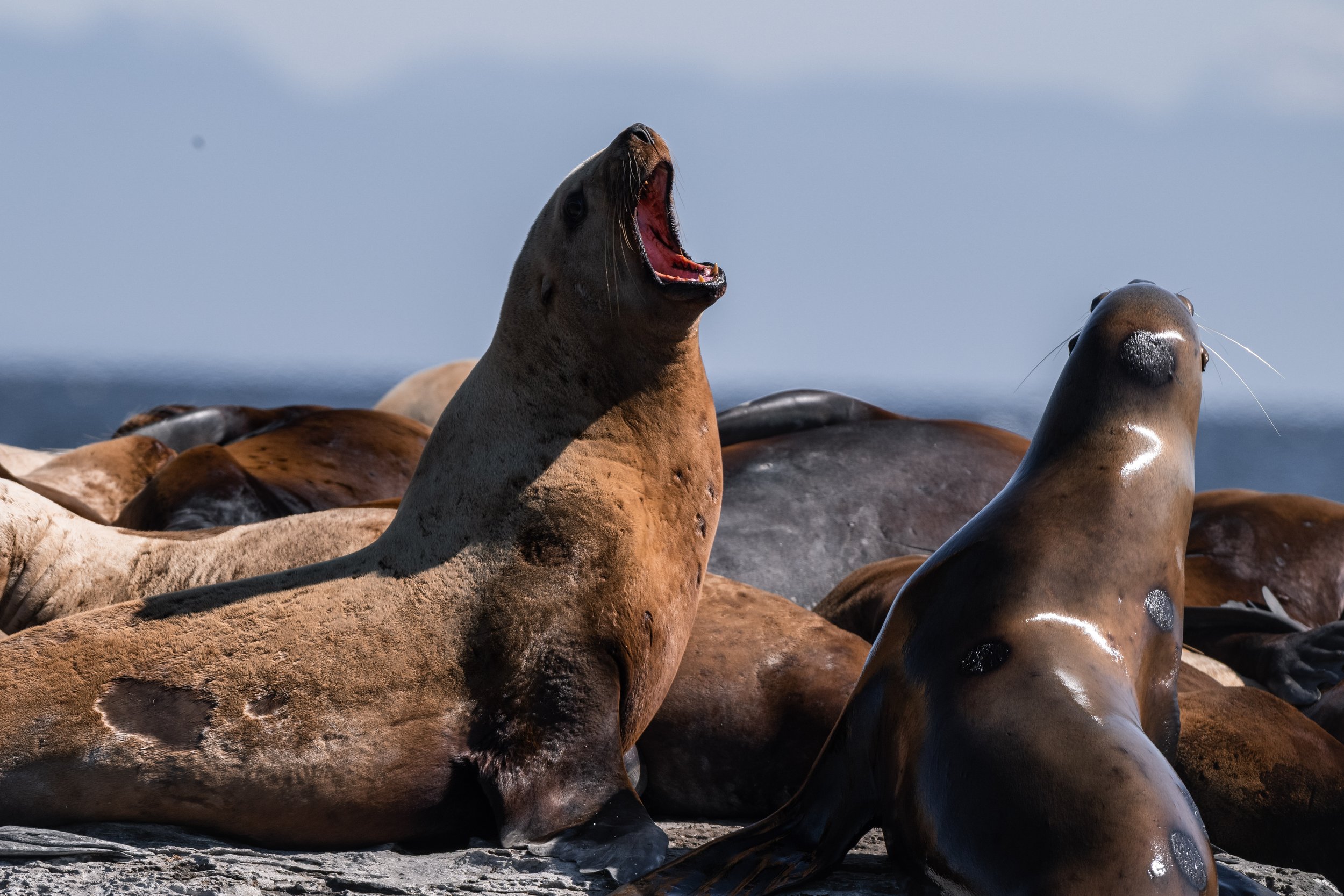
This Steller is not willing to share their prime real estate! Photo by Aly Kohlman.
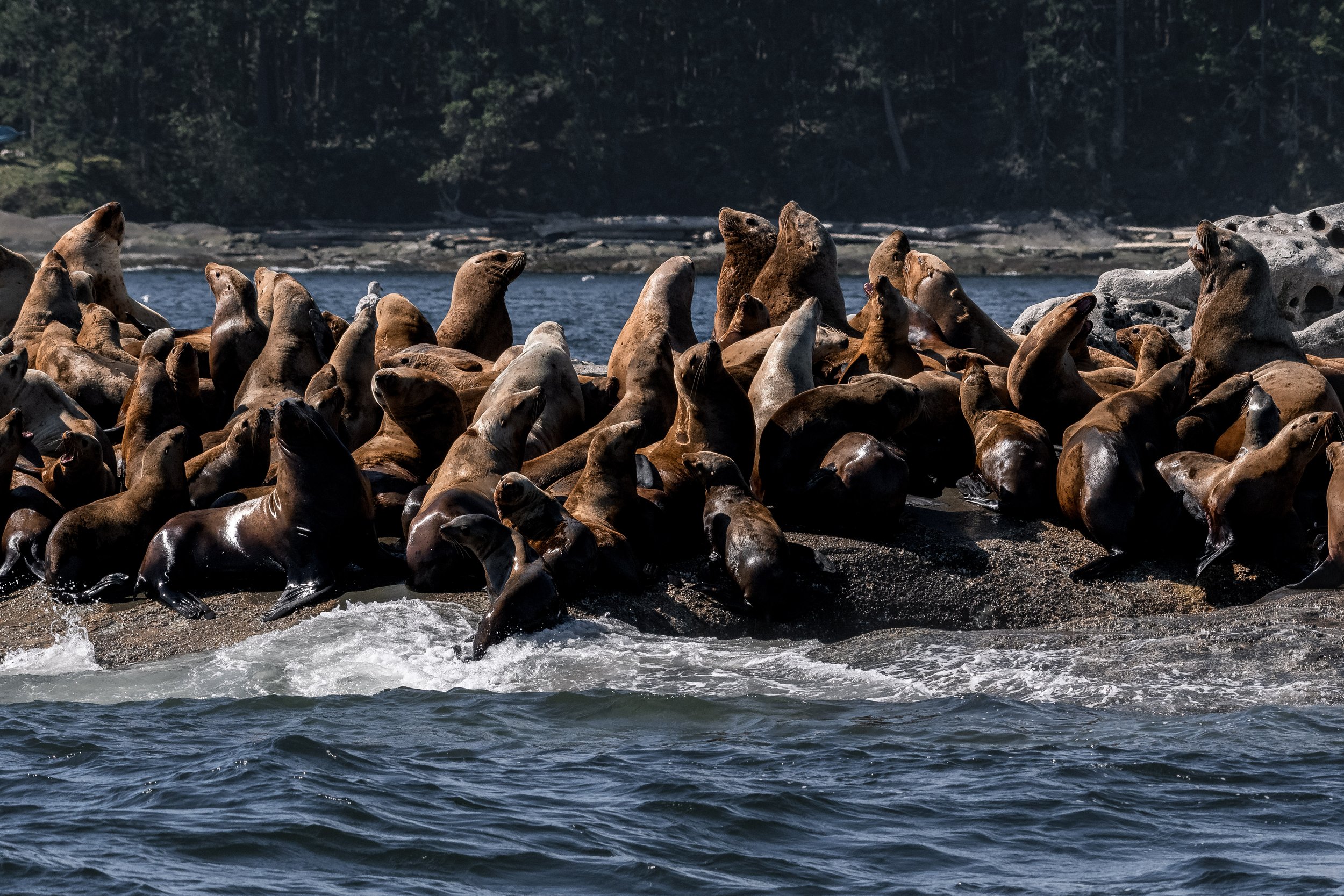
Stellers galore, can you spot the gull? Photo by Evan Hessels.
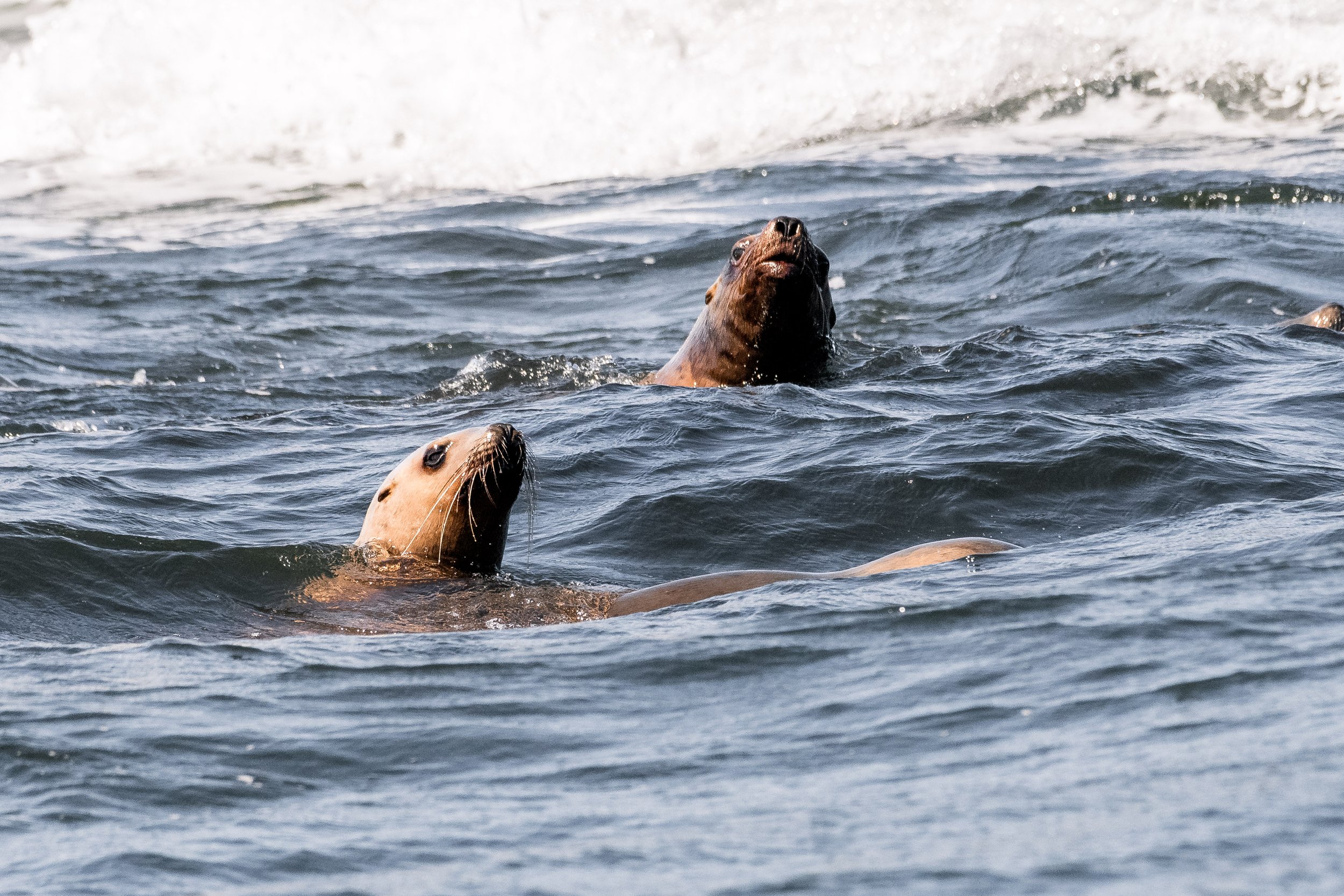
A curiouse gaze. Photo by Evan Hessels.
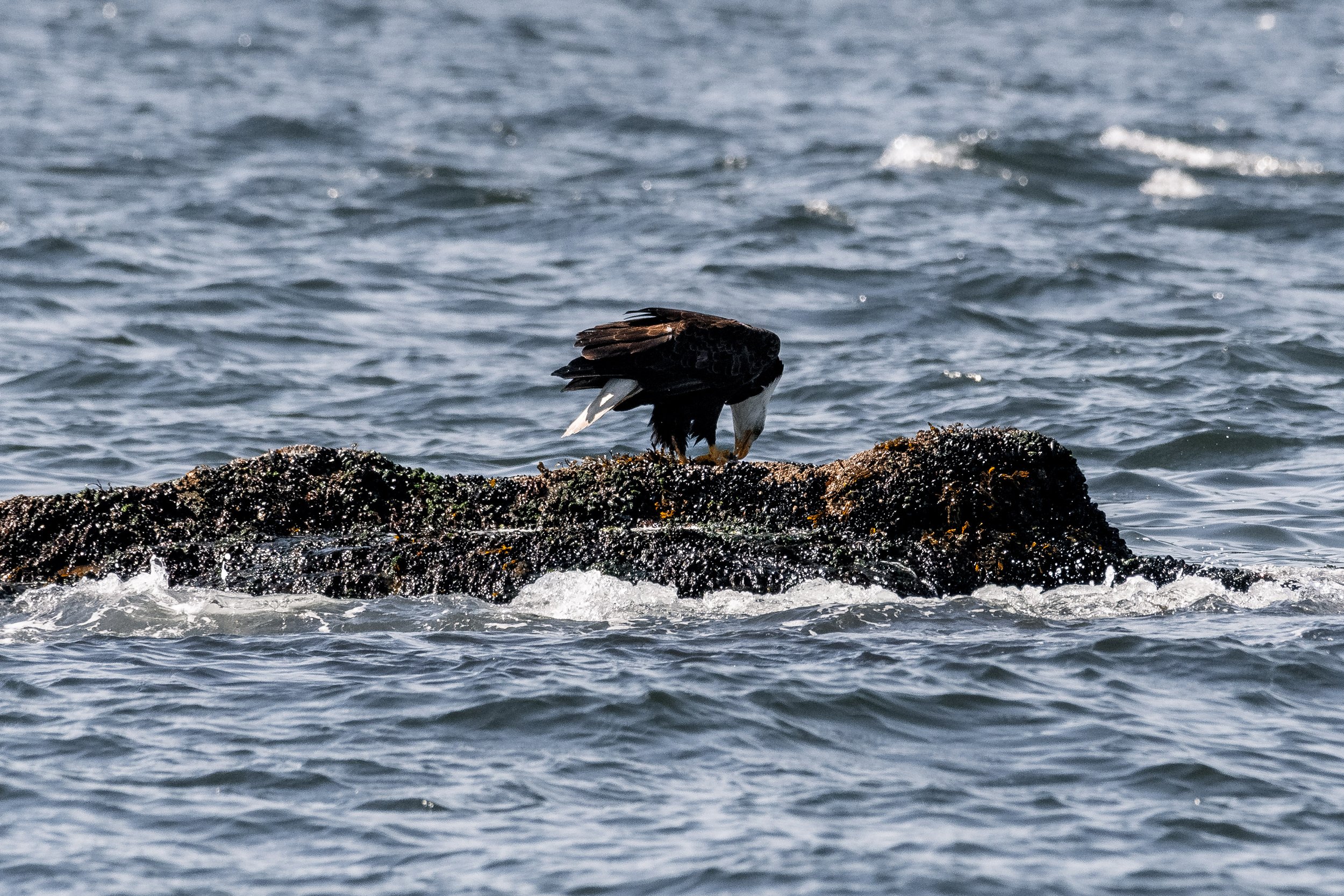
This eagle is enjoying lunch. Photo by Evan Hessels.
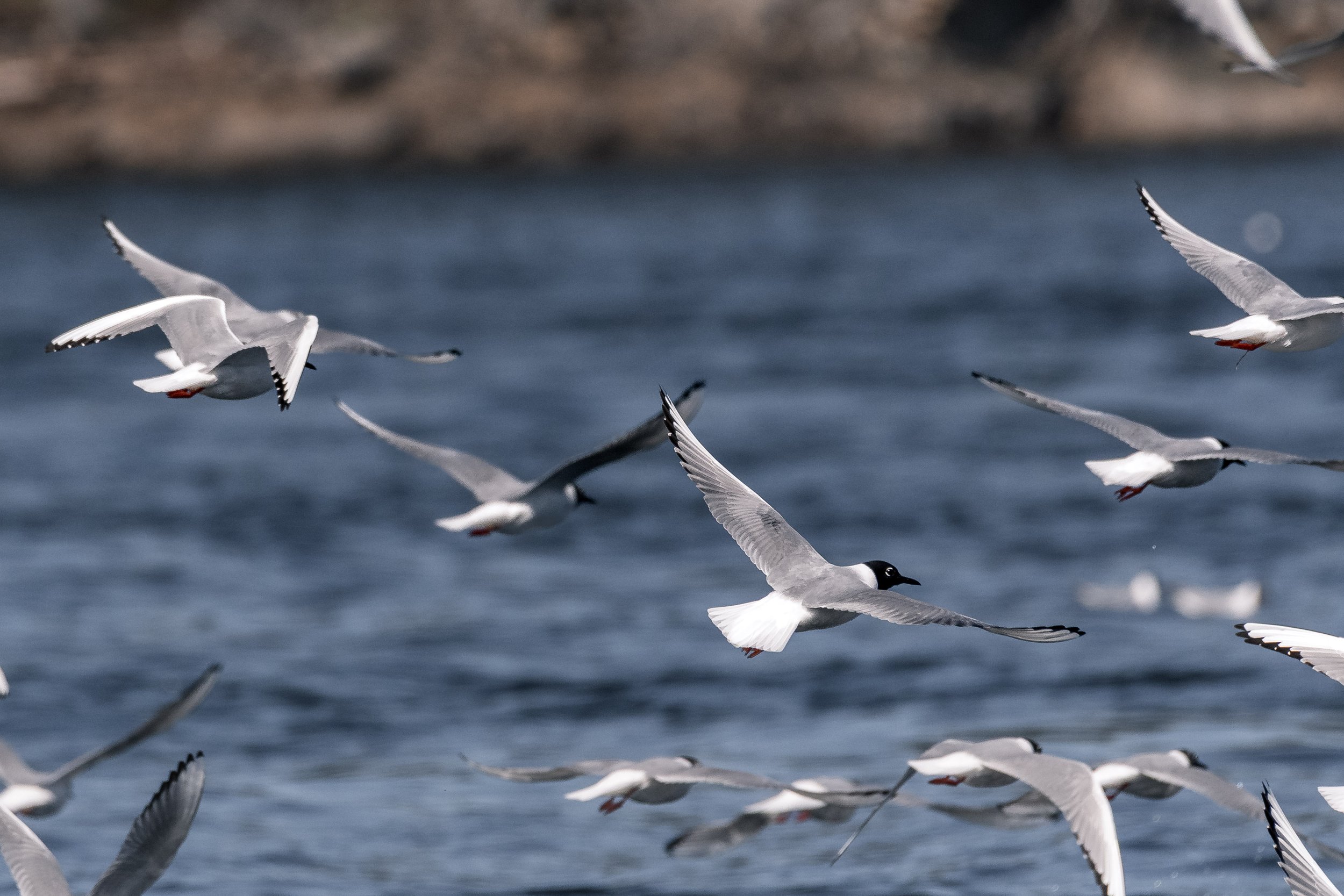
Bonaparte’s gulls soaring past. Photo by Evan Hessels.
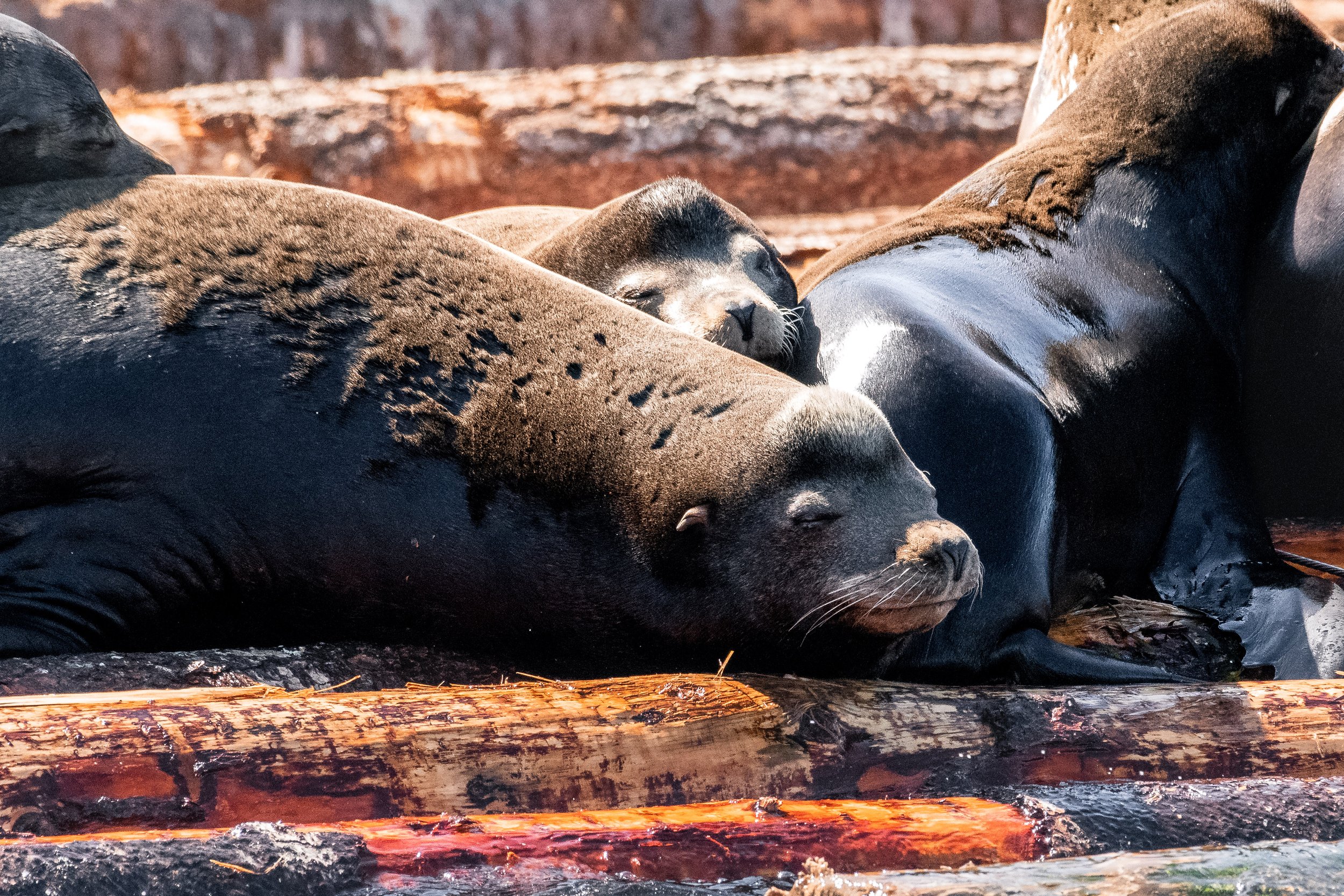
Some fuzzy California Sea Lions. Photo by Evan Hessels.
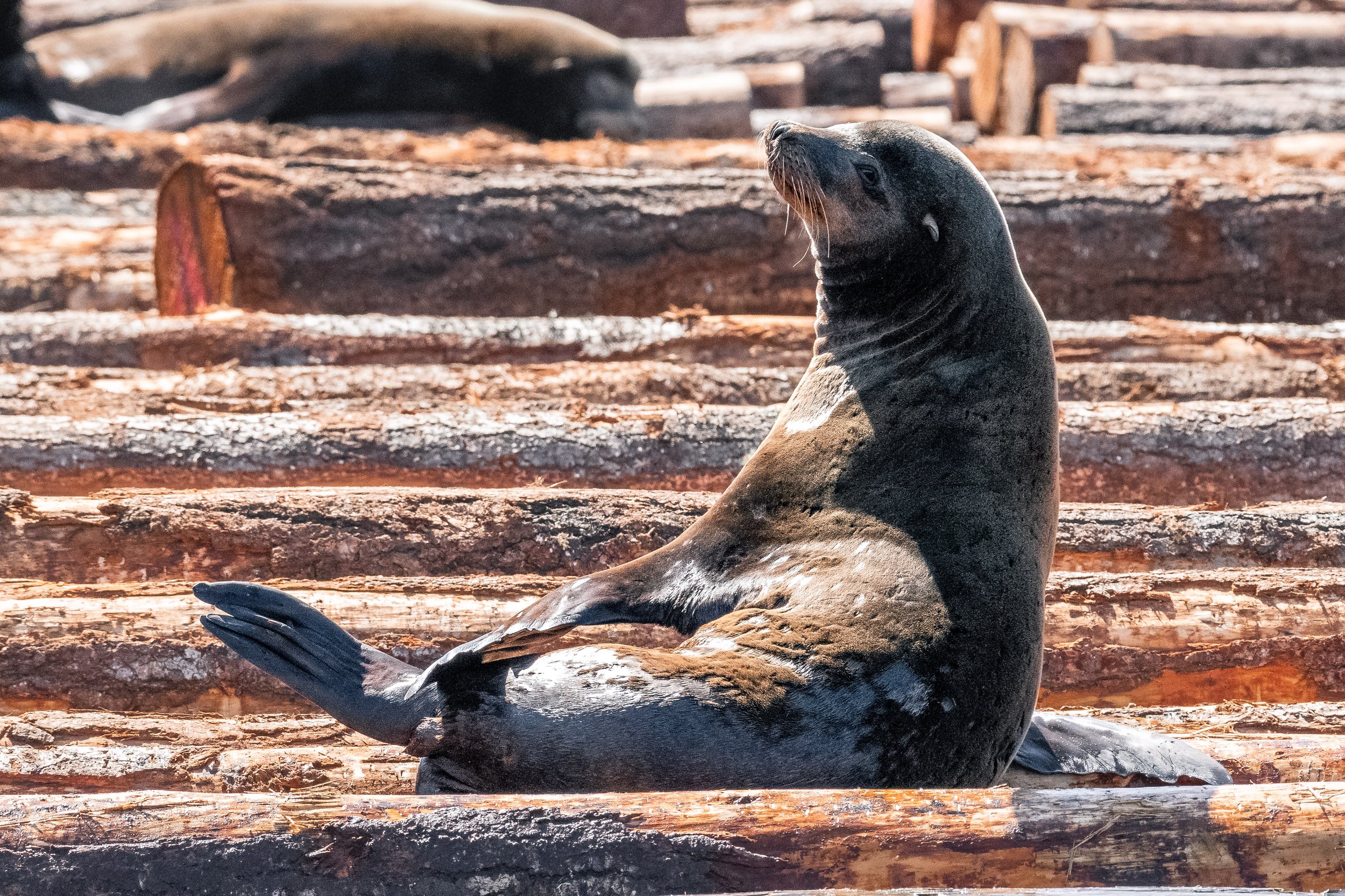
Sea Lion yoga! Photo by Evan Hessels.
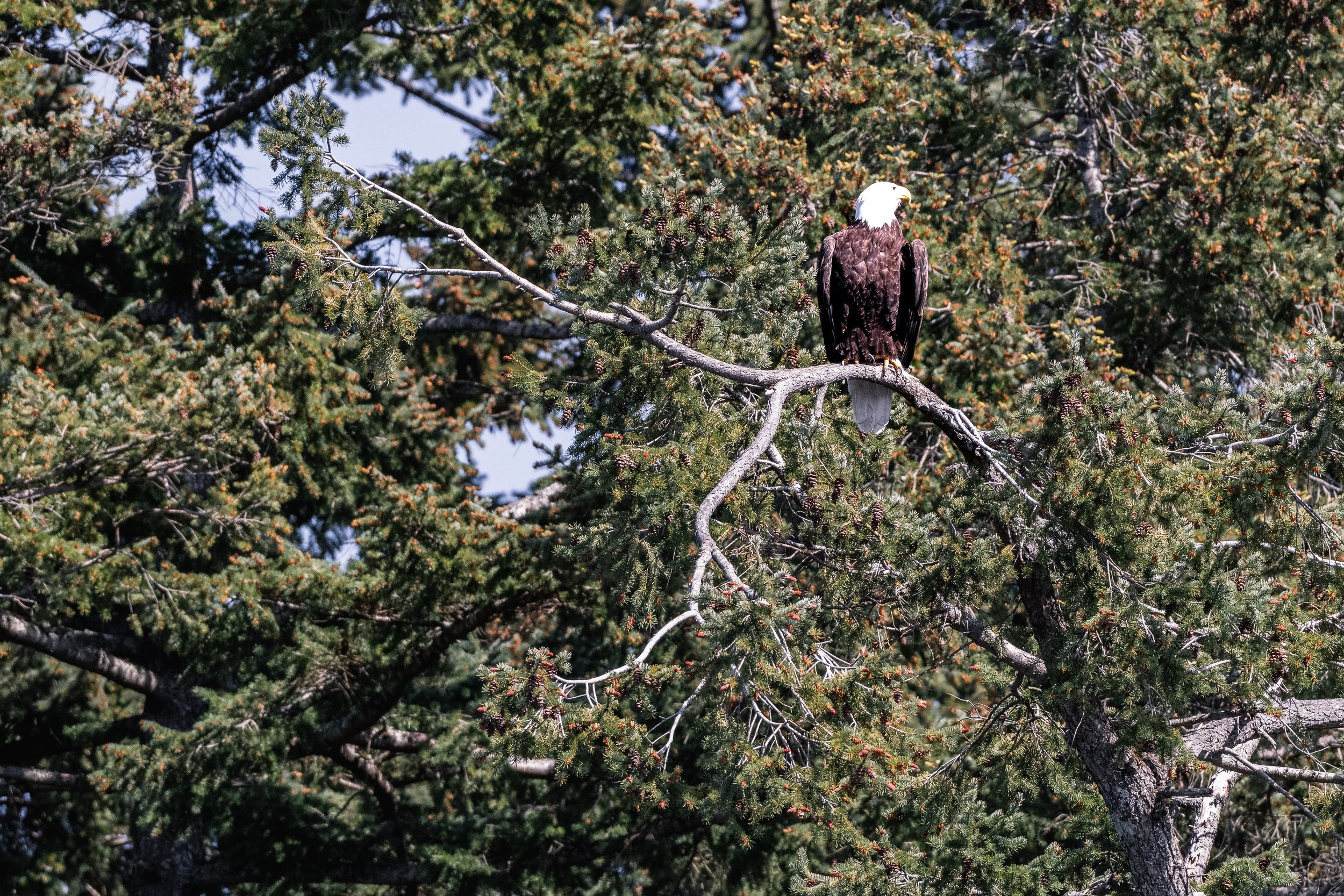
A bald eagle perched in the trees. Photo by Aly Kohlman.
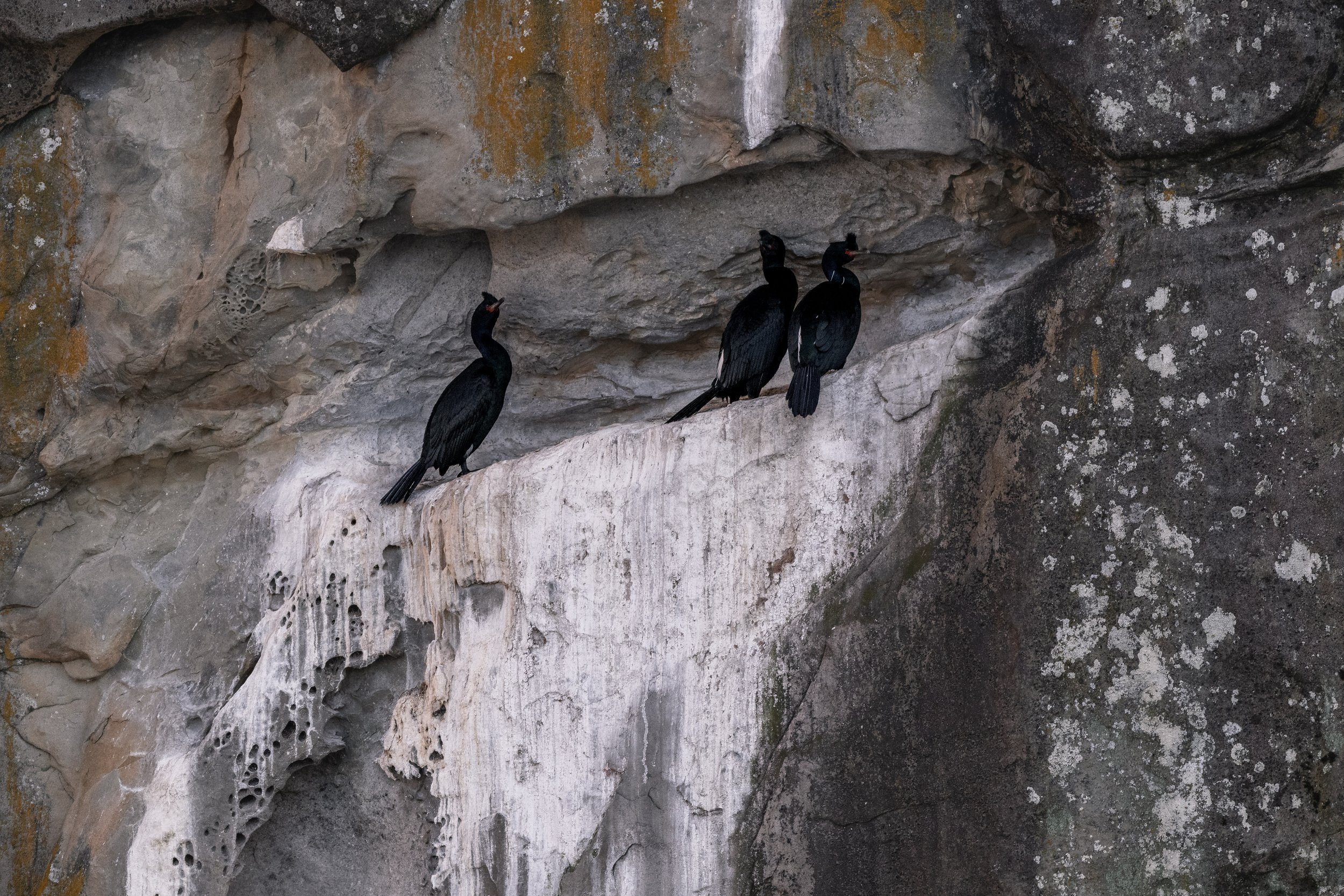
Cormorants at the Gabriola Bluffs. Photo by Aly Kohlman.