
April 12, 2026 - Familar fins in familar waters
A chill lingered in the air as low fog clung to the islands, a soft, damp reminder of the coastal rainforest we call home. Just as we prepared to depart, the weather shifted. The sun broke through, warming the crew and bringing a welcome glow to the start of the day. Guests stepped aboard Kula, our semi-covered vessel, and Keta, one of our open Zodiacs, settling in as their naturalists shared what to watch for. With the Strait of Georgia full of recent activity, we eagerly began scanning as both vessels departed, each taking a slightly different course to cover more water.
After about an hour of searching, with our eyes ever moving across the ocean’s surface, Keta found what we were hoping for. A trio of tall dorsal fins rose from the water, followed by several smaller fins travelling nearby. The sight was relayed over the radio to Kula, and soon both vessels were aligned in observation. Cameras came up as Naturalist Vanessa, joined by crew ride-along Val, began documenting the encounter. The shapes and markings of each fin are unique and help us identify who we are with, and after careful comparison, these whales were identified as the T101s travelling alongside the T065Bs:
T065B Chunk ♀ (1993)
T065B1 Birdsall ♂ (2011)
T065B2 Nettle ♂ (2019)
T065B3 Rook ♂ (2023)
T101 Reef ♀ (≤1969)
T101A Rush ♂ (1993)
T101B Lagoon ♂ (1997)
The group moved steadily, without urgency, their pace unhurried as they surfaced and dove in a gentle rhythm. Not every encounter with orca is marked by the intensity of a hunt. Sometimes, simple travelling is the focus. While not as exciting, it is equally important, as Transient orca travel great distances to get from one pinniped haulout to the next in search of their next meal.
The T101s are always a memorable group to encounter. Comprised of two large adult males and their mother, they often challenge first impressions. It is not uncommon for people to assume the smaller individual is the youngest. In fact, she is sometimes called a calf, even though she is the matriarch holding the family together, with her two towering sons at her side! Nearby, the T065Bs travelled alongside them, another familiar group in these waters. T065B1 Birdsall, the eldest male of the matriline, is beginning to mature, his dorsal fin slowly growing taller and more defined. One day, the T065Bs will experience the same first impressions that the T101s face, as T065B Chunks’s three calves are all males, and will one day all tower over her too!
After some time, Keta continued on while Kula remained with the orca a little longer. Keta began searching once more, mostly looking for pinnipeds, but the day had more to offer. Not long after leaving the Transient orca behind, another set of fins appeared in the distance. These fins had a different look, their shapes and movements different from those of the Transients we had just seen.
Photos were taken again, this time with extra scrutiny, as identification here carried added importance. One of the males surfaced high enough to reveal the shape of his eyepatch, a key feature that helped confirm what we were seeing. These were Southern Resident Killer Whales, or SRKWs for short, a different ecotype of orca.
The SRKW ecotype is considered critically endangered and is at risk of total extinction. As a critically endangered population, we do not approach or actively watch them. Instead, we document the sighting from a distance, allowing them to continue southbound undisturbed, and depart right after. This ecotype faces many challenges, including food shortages and toxin buildup within their bodies. Their preferred prey, the Chinook salmon, has had few successful runs in recent years, leading to a significant decline in their available food supply. We hope that, with continued conservation efforts, this ecotype can one day recover.
Continuing on, we made our way toward Gabriola Island, where a small rocky outcrop in a sheltered bay drew our attention. What is typically a quiet haulout for harbour seals was alive with activity. Seals lay scattered across the rock, while Steller sea lions and California sea lions shared the space, their different sizes and colours creating a layered scene. Some shifted and stretched in the sun, while others remained still, resting in the warmth. It felt like a seasonal shift, a glimpse of the summer months ahead.
Returning back to harbour, we disembarked, ending another amazing day exploring the Salish Sea, learning about its orca and pinniped populations, and enjoying a warm and cozy afternoon!
Please enjoy the trip’s photos taken by Marine Naturalists Jordan Robinson and Vanessa Vereschahen, as well as crew ride-along Val Watson!
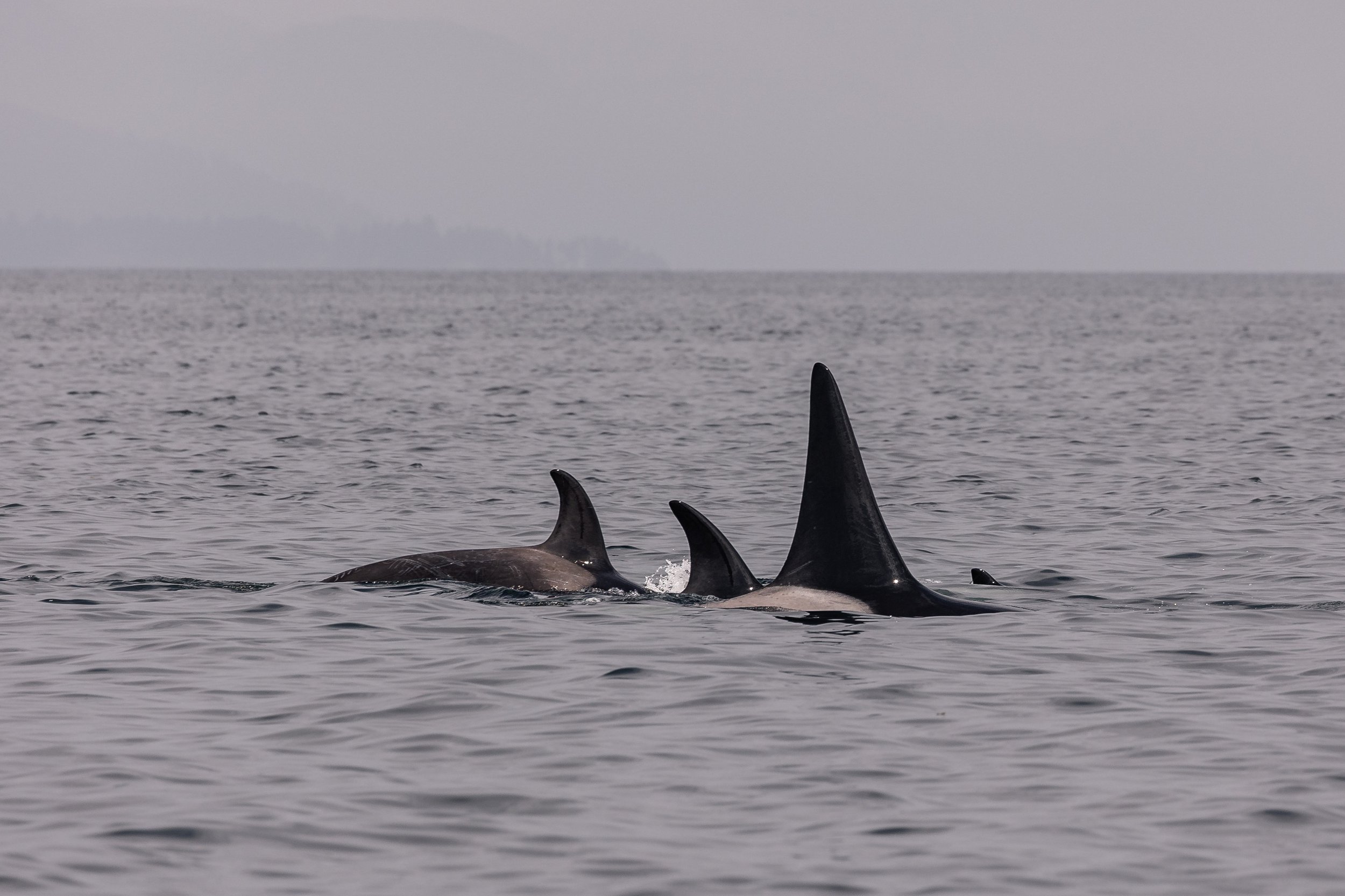
T065B3 Rook, T065B2 Nettle, and T065B1 Birdsall. Photo by Jordan Robinson.
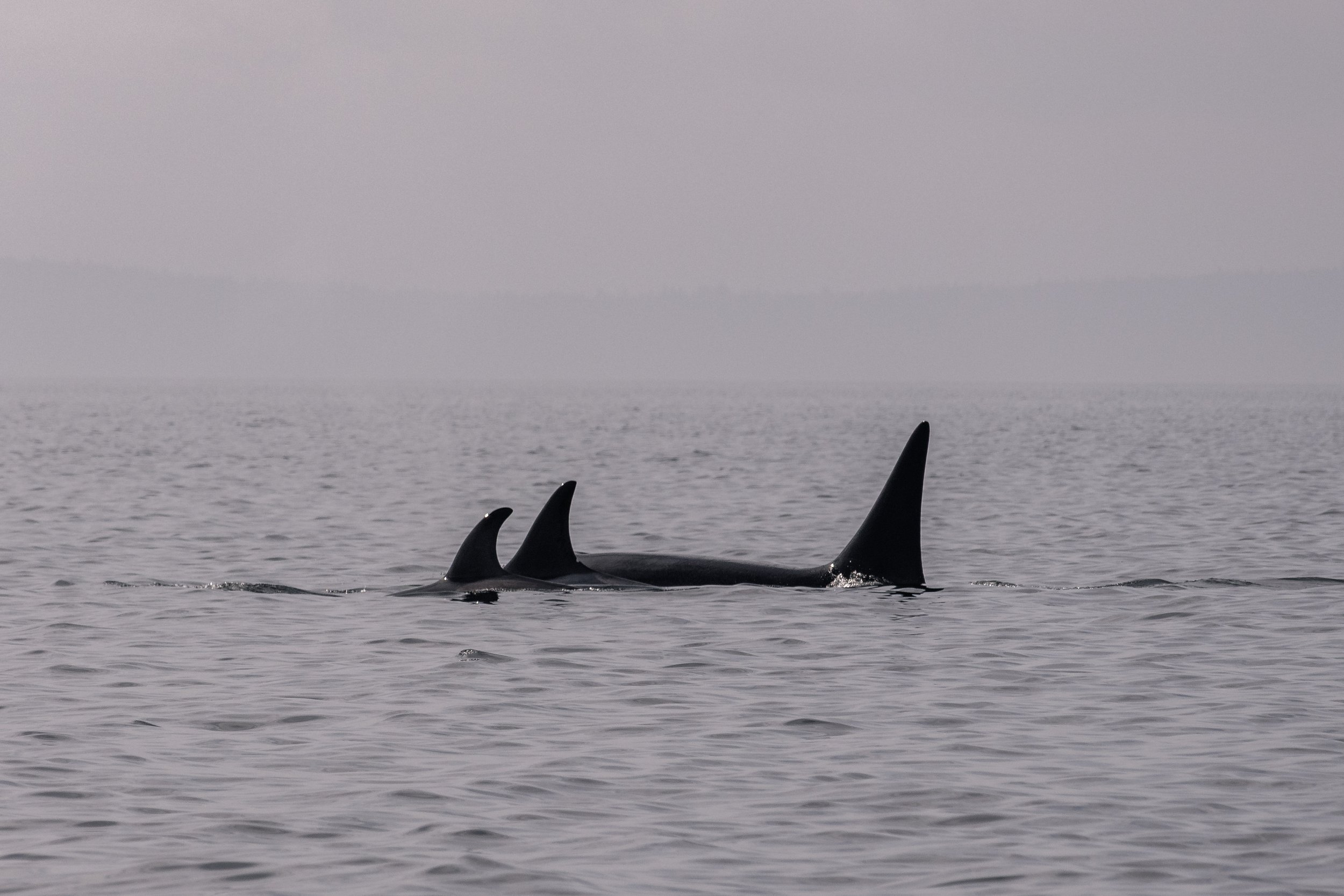
T065B2 Nettle, T065B Chunk, and T065B1 Birdsall. Photo by Vanessa Vereschahen.
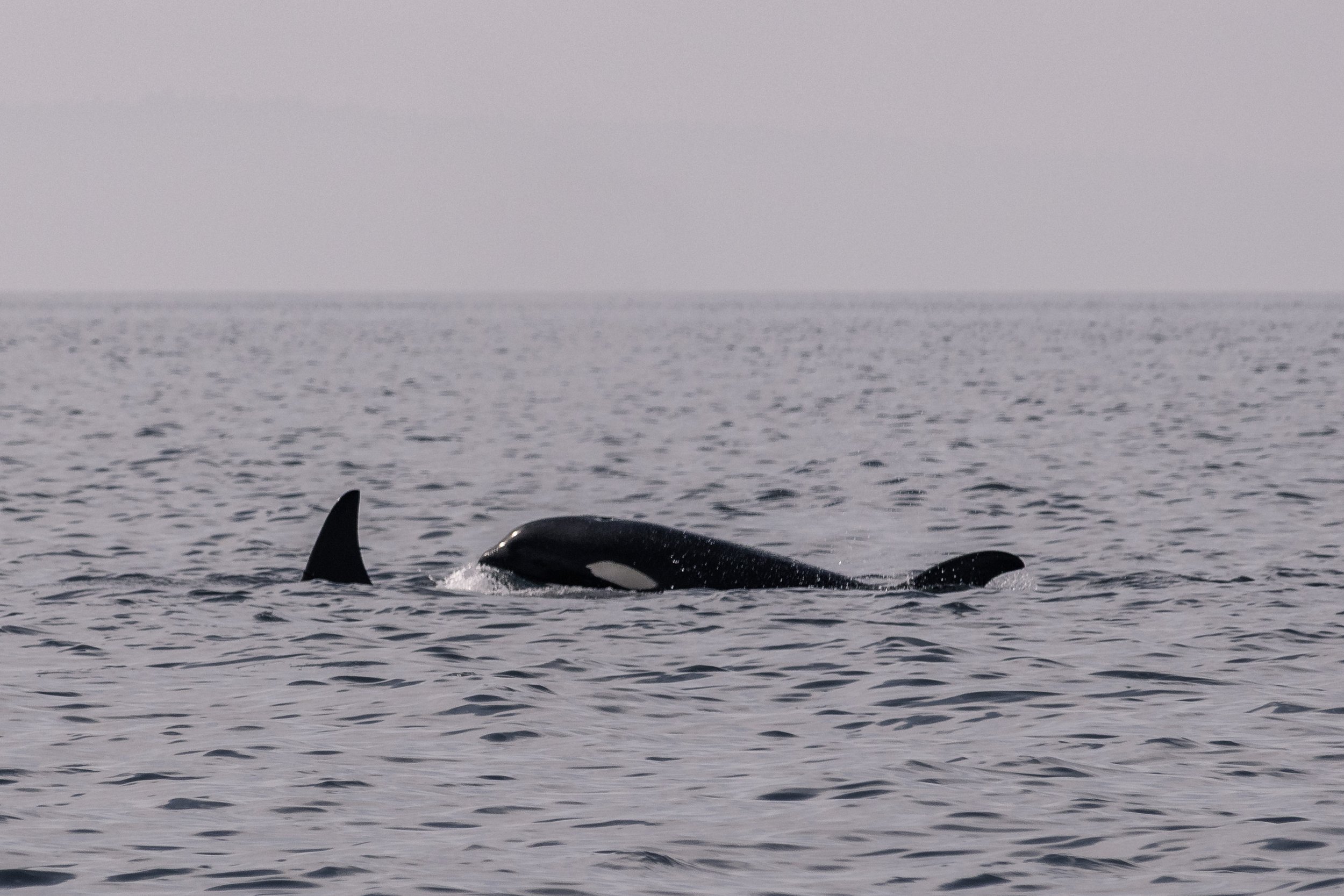
T065B3 Rook with his eyepatch above the surface. Photo by Vanessa Vereschahen.
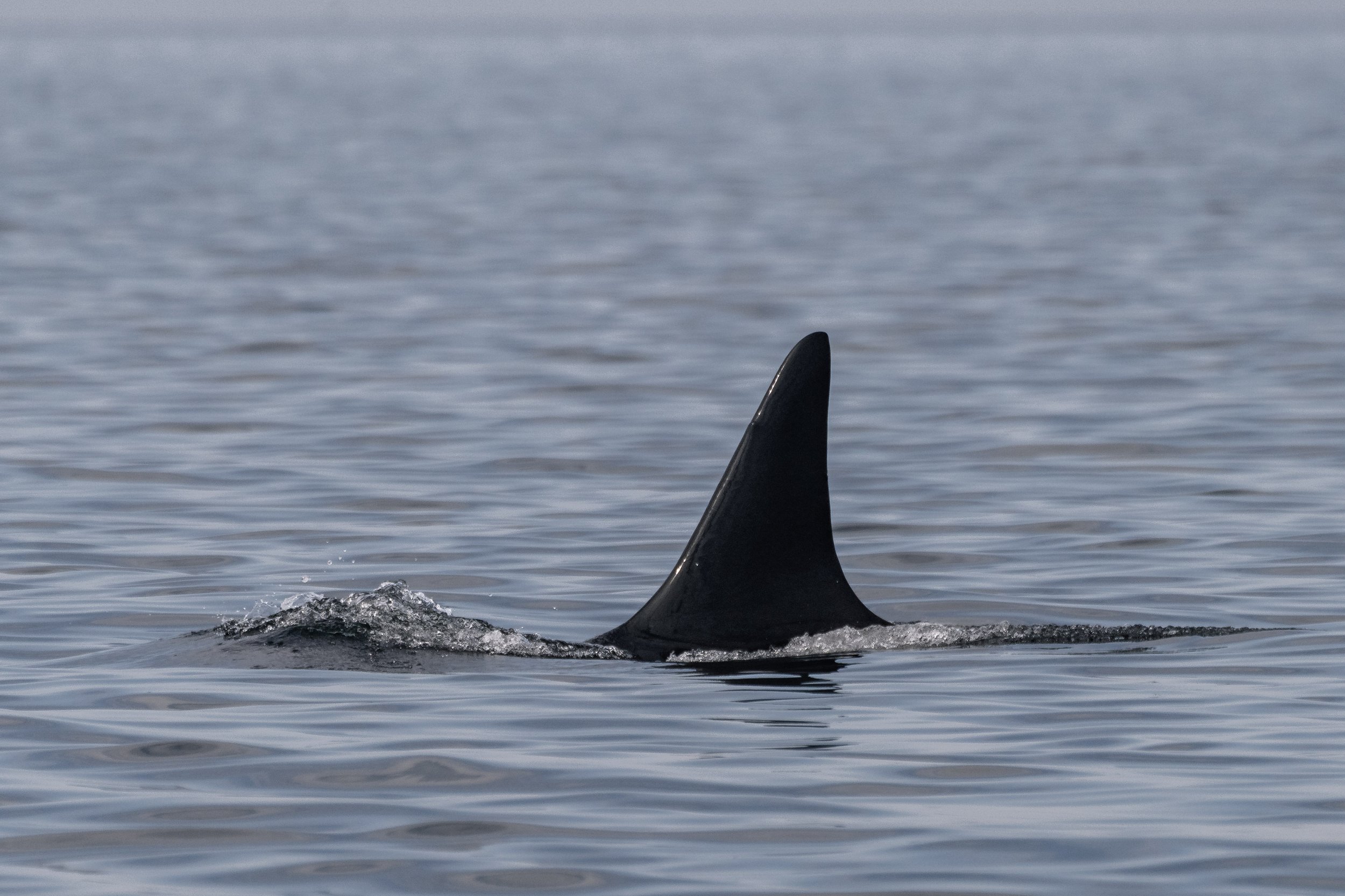
T101 Reef. Photo by Val Watson.
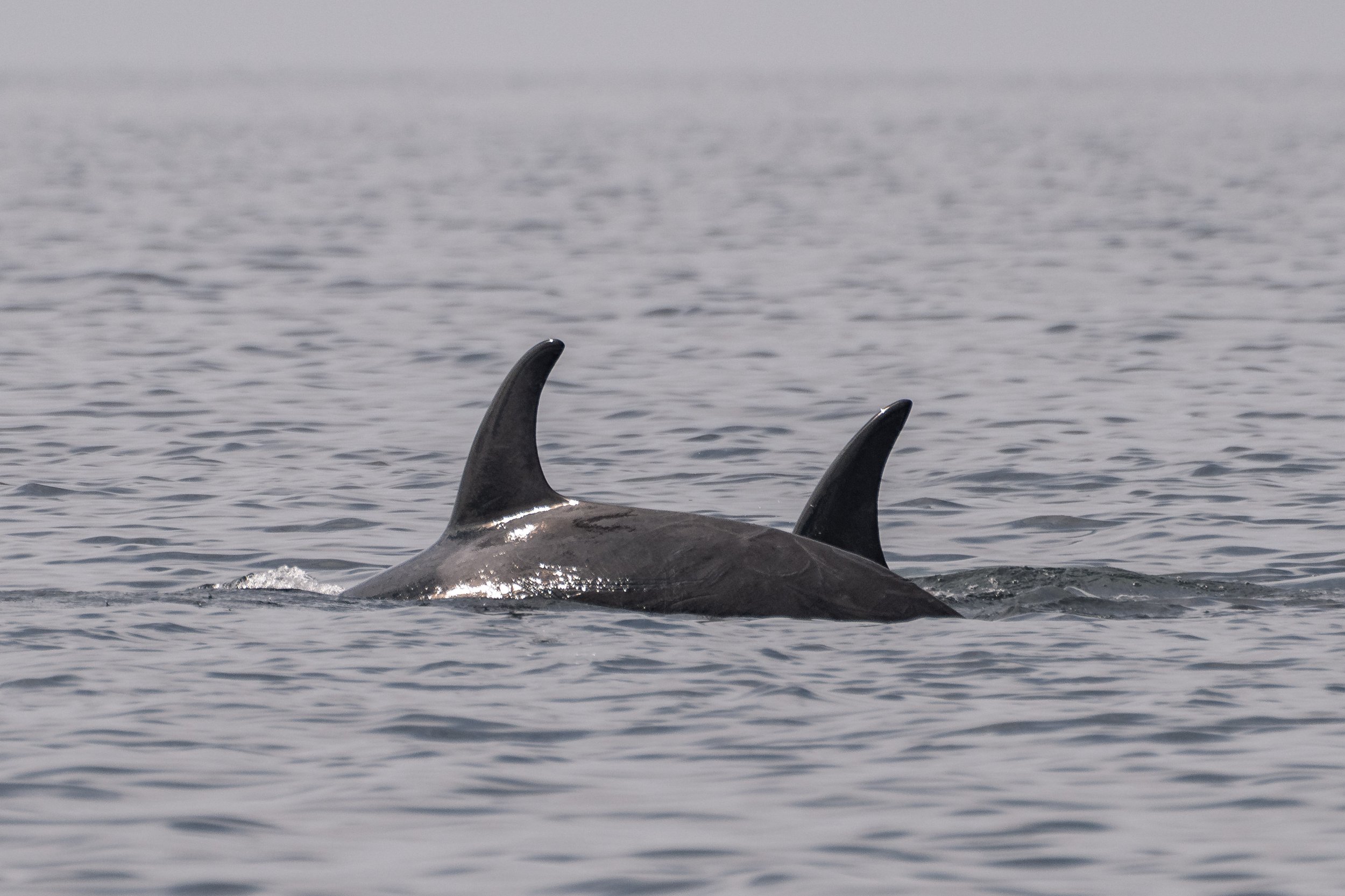
T065B3 Rook with brother T065B2 Nettle beside him. Photo by Val Watson.
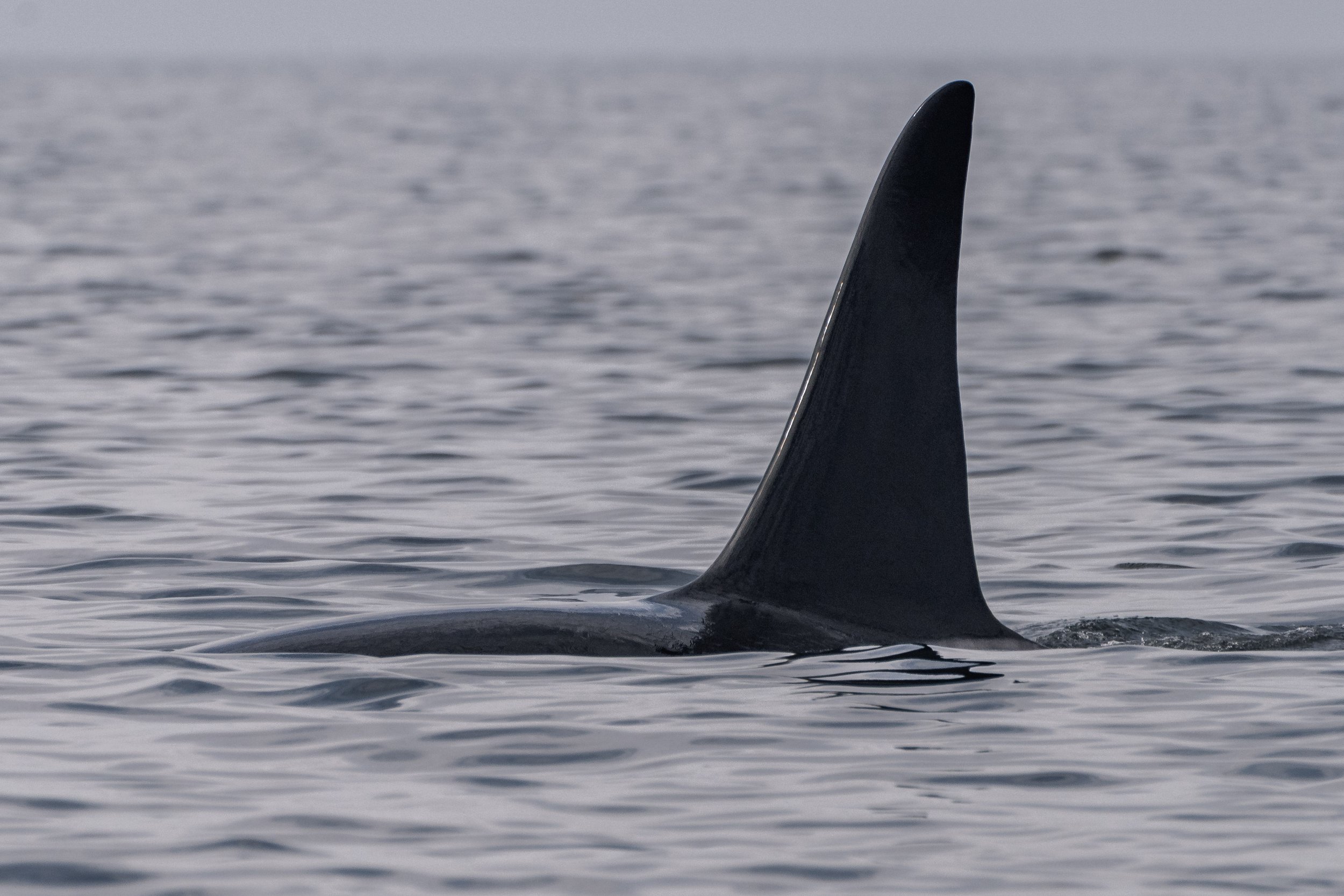
T101A Rush with his slightly bent dorsal fin. Photo by Val Watson.
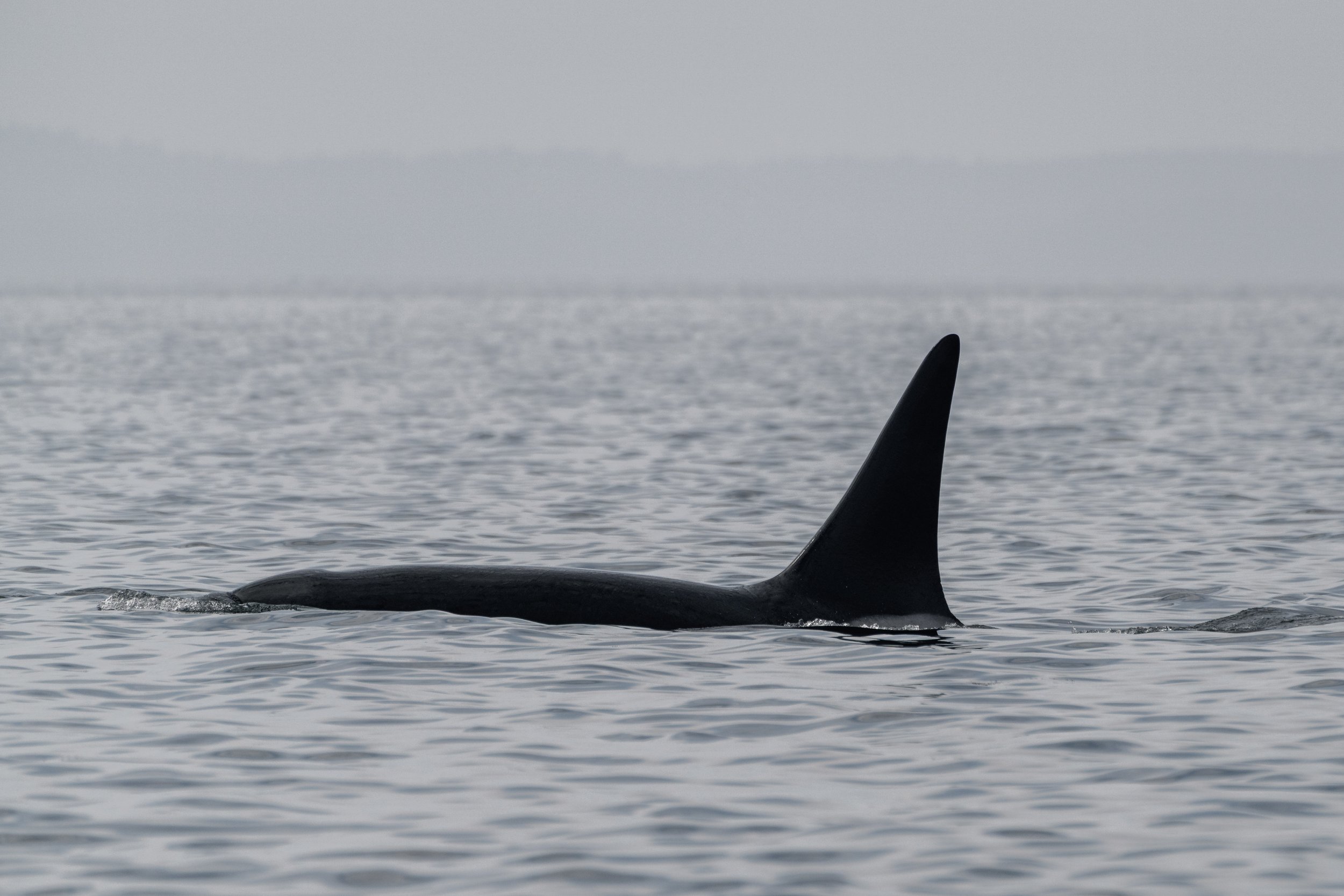
T065B1 Birdsall. Photo by Val Watson.
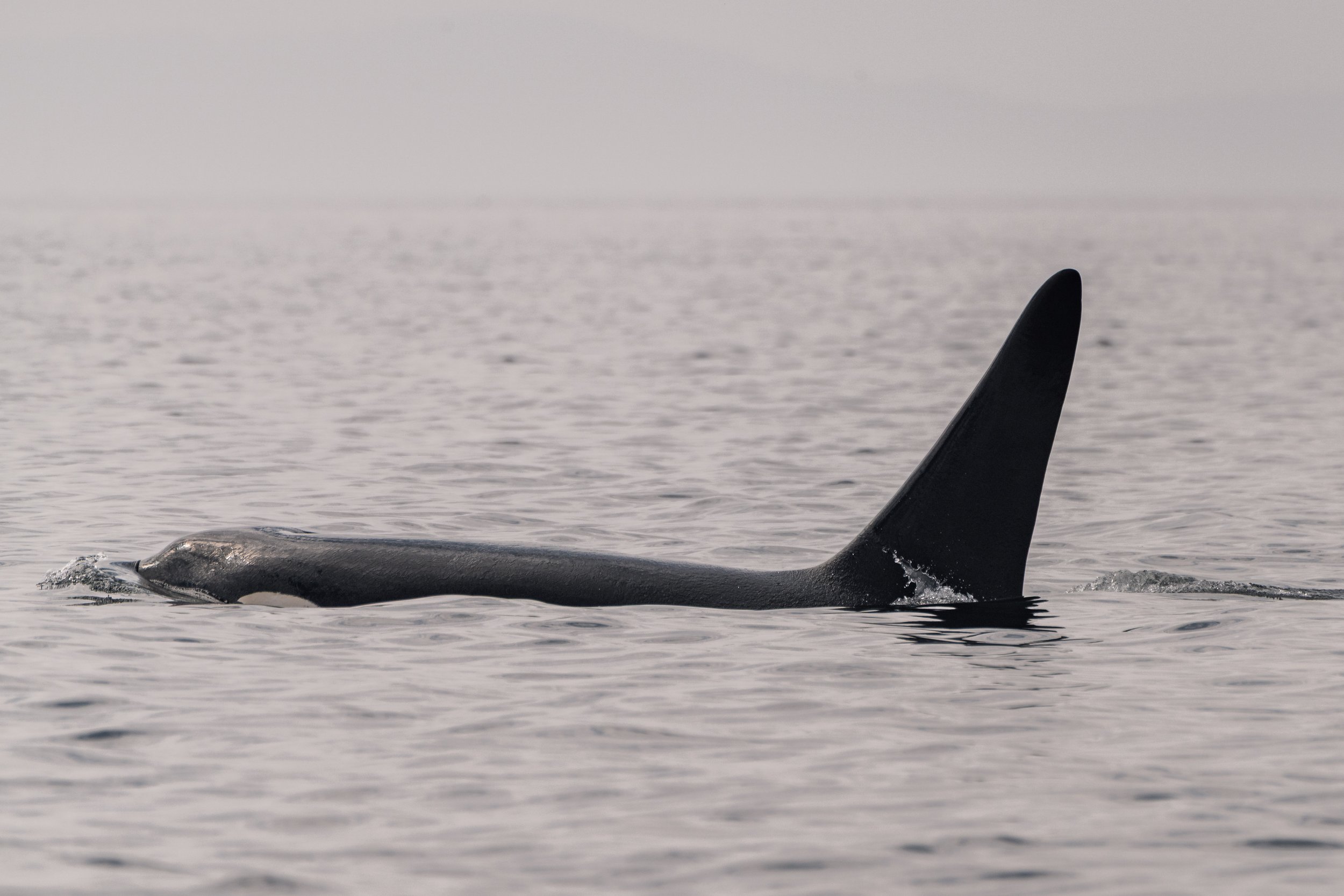
T101A Rush. Photo by Val Watson.
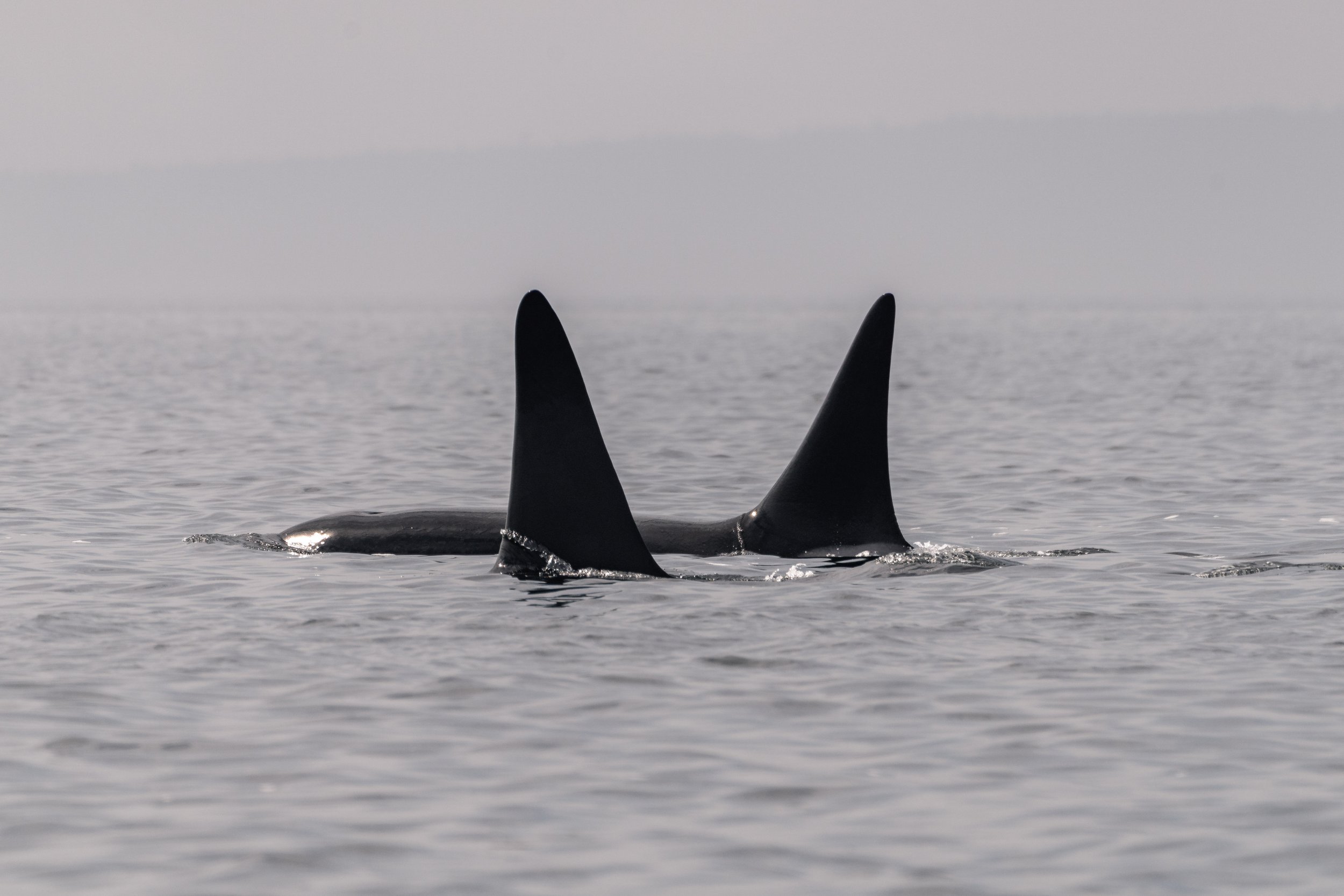
Photo by Val Watson.
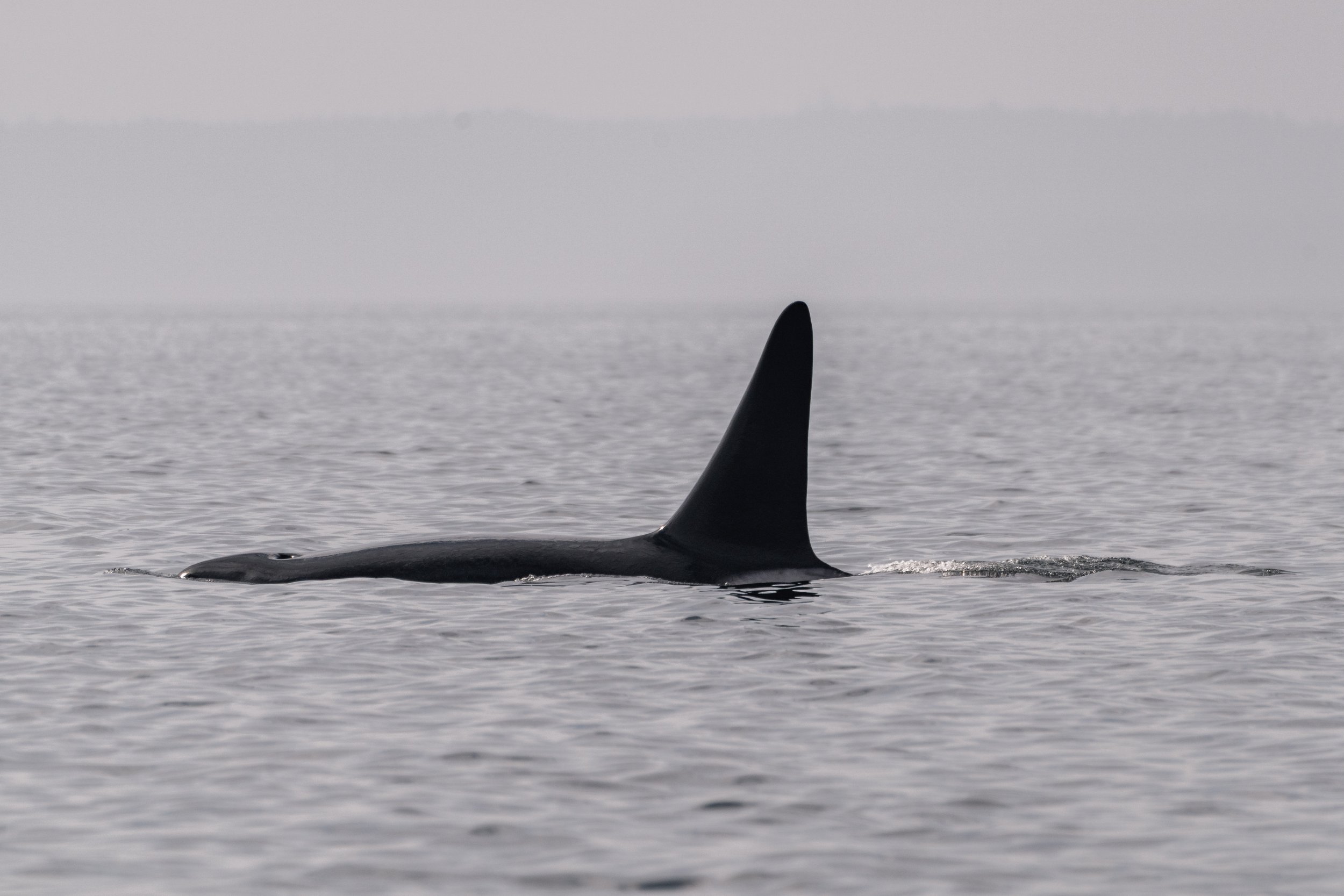
T101A Rush. Photo by Val Watson.
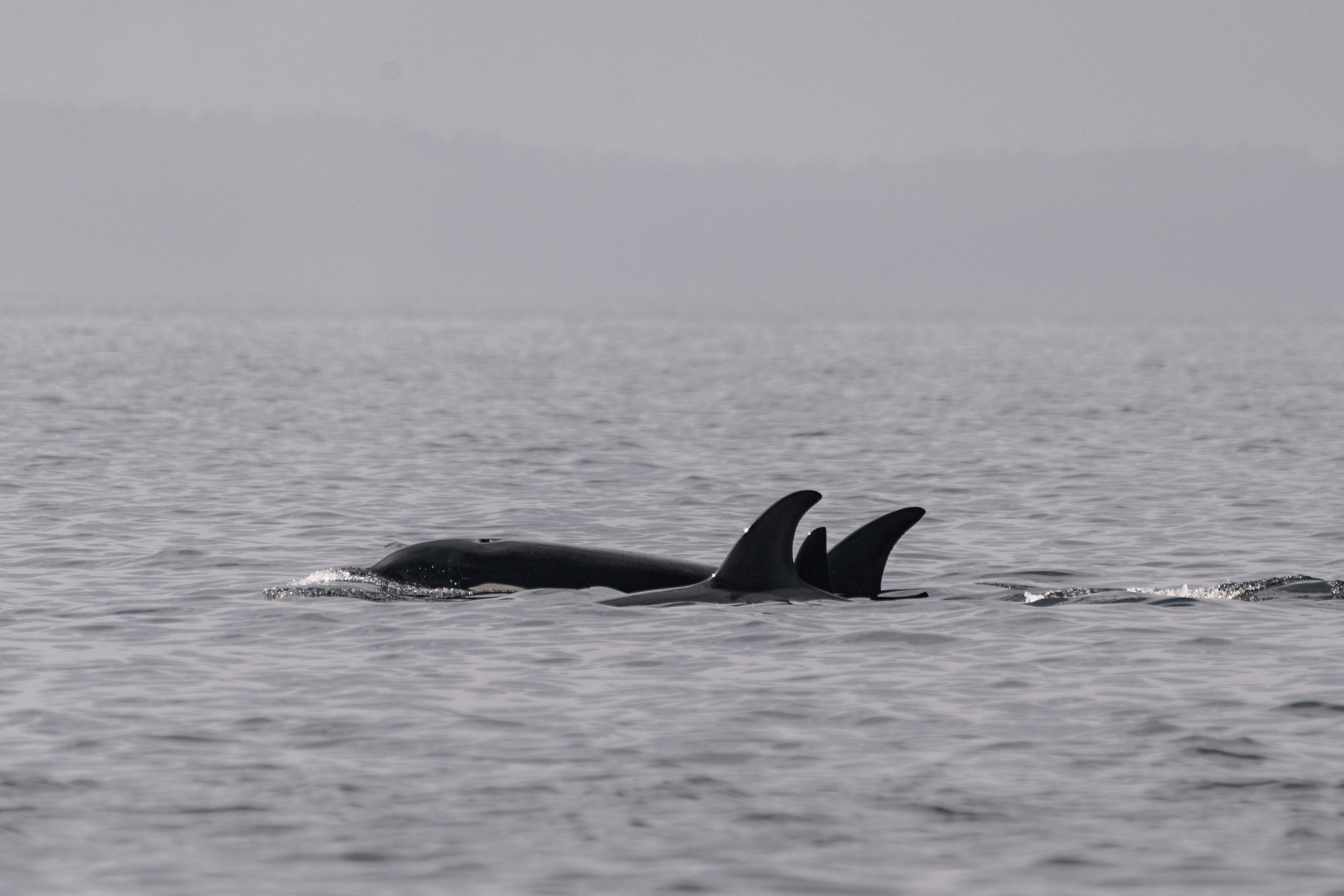
T065B Chunk tucked between her two youngest calves, T065B3 Rook an dT065B2 Nettle. Photo by Val Watson.
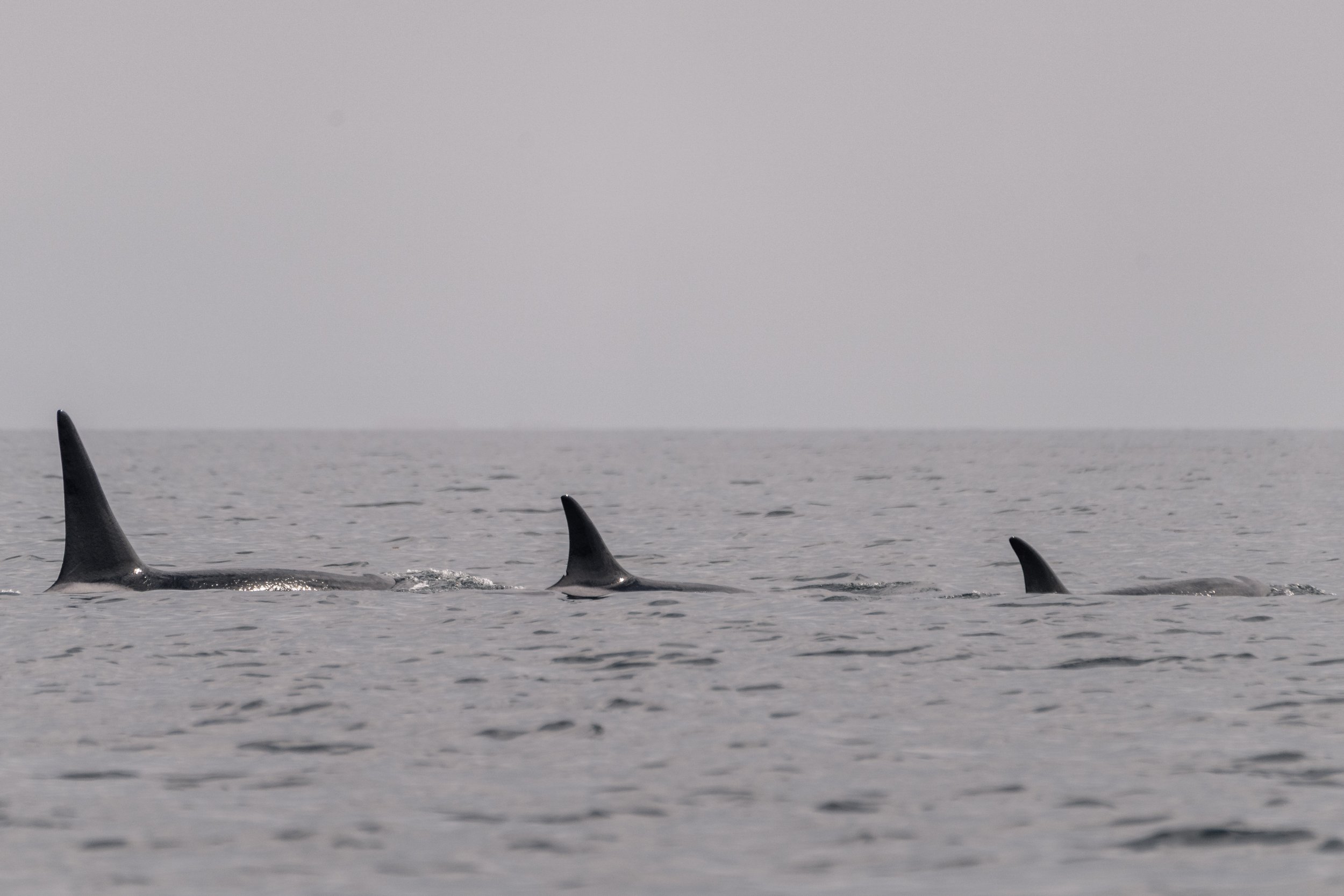
T065B1 Birdsall, T065B Chunk, and T065B2 Nettle. Photo by Val Watson.
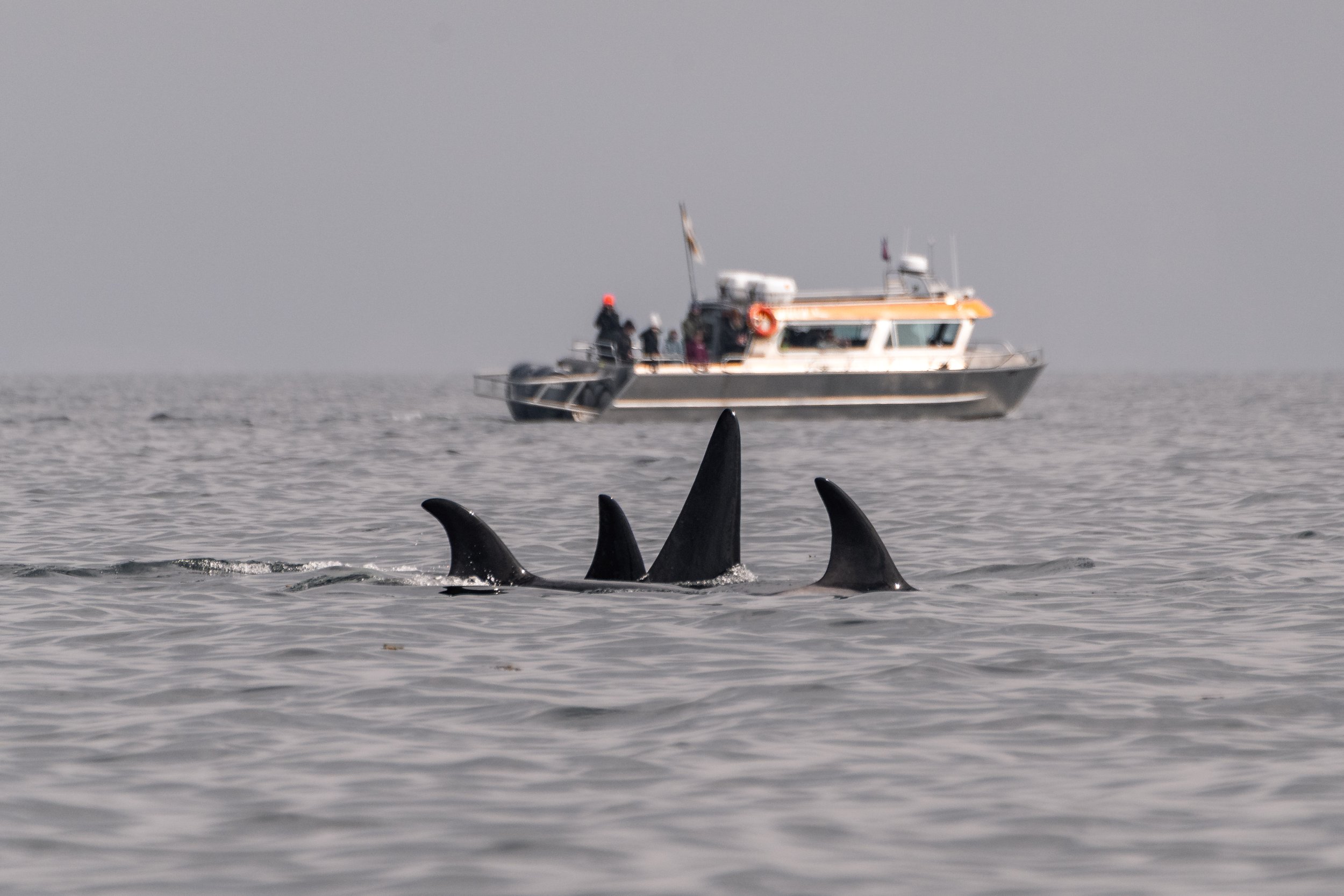
All together! T065B3 Rook, T065B Chunk, T065B1 Birdsall, and T065B2 Nettle. Photo by Val Watson.
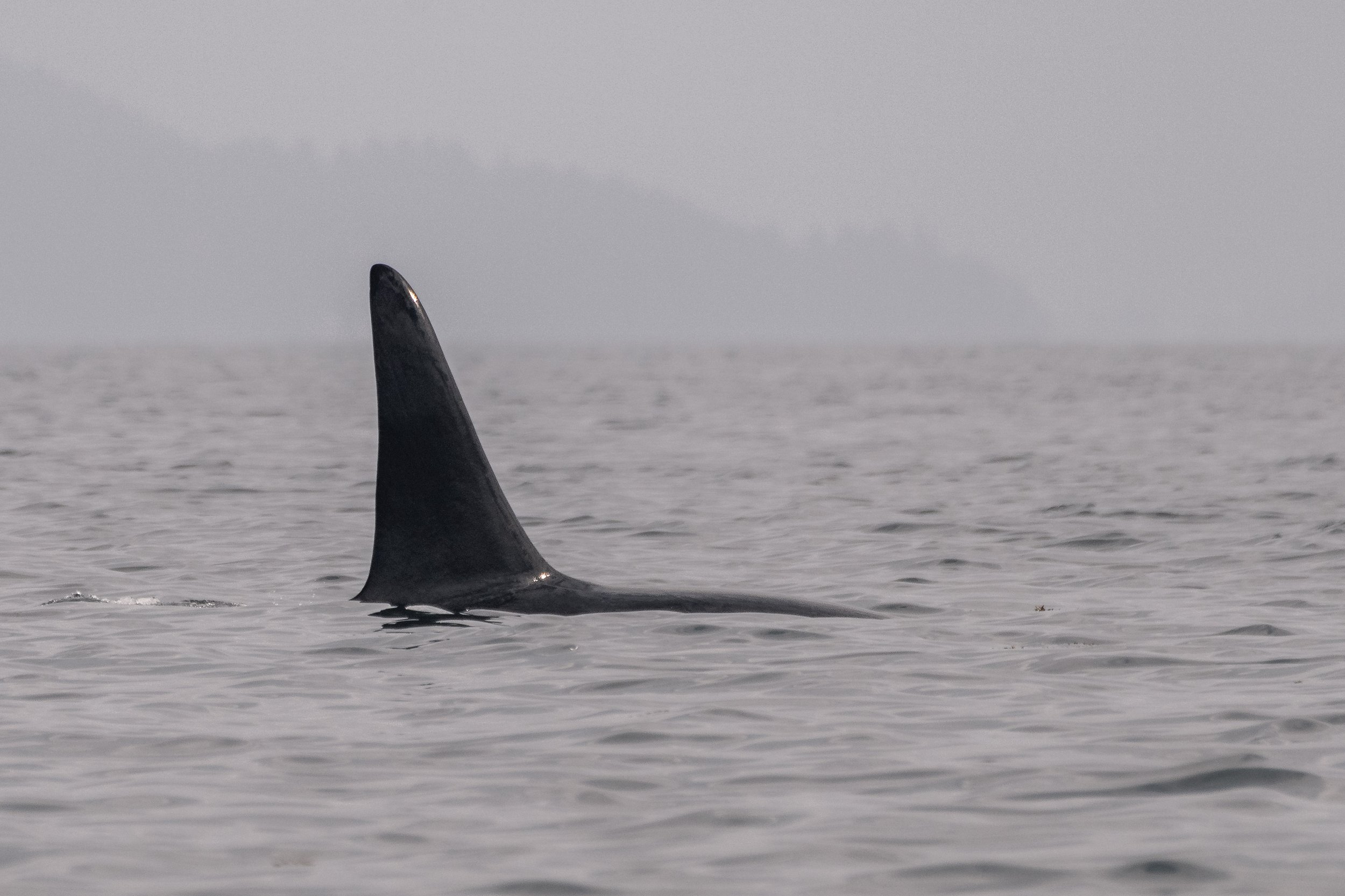
T101A Rush. Photo by Val Watson.
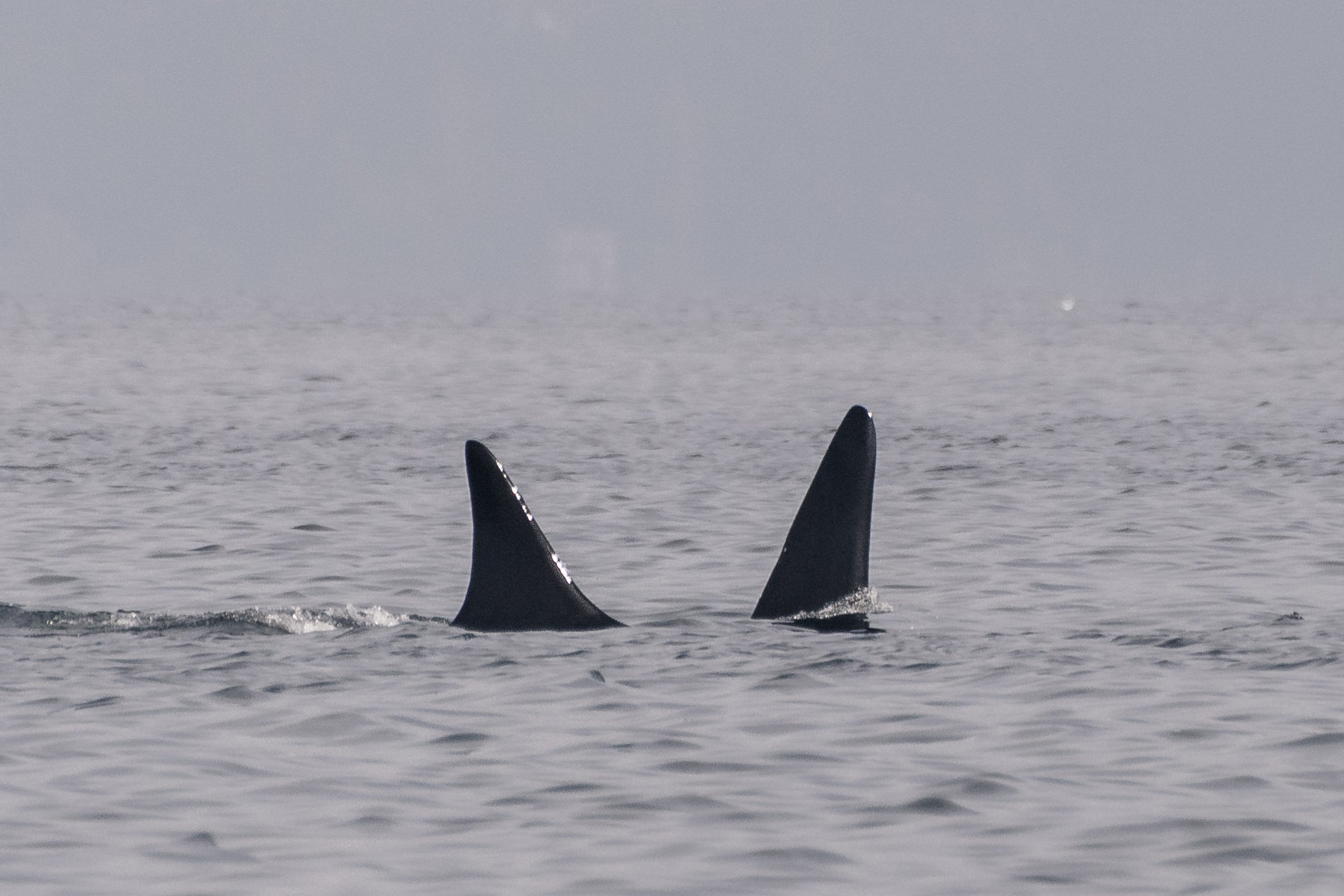
T101 Reef and T101B Lagoon. Photo by Val Watson.
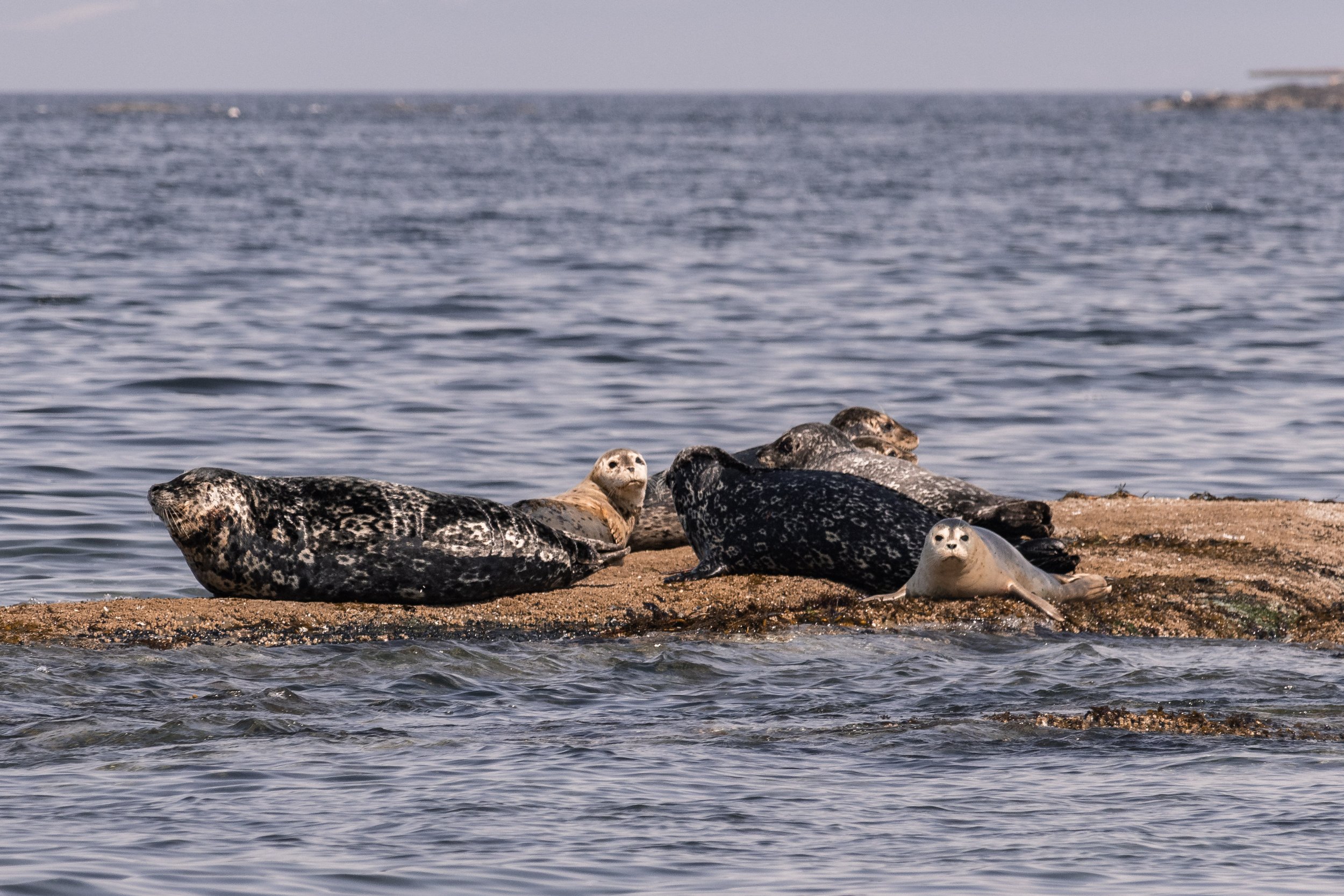
Harbour seals (including a young pup) resting on the rocks. Photo by Vanessa Vereschahen.
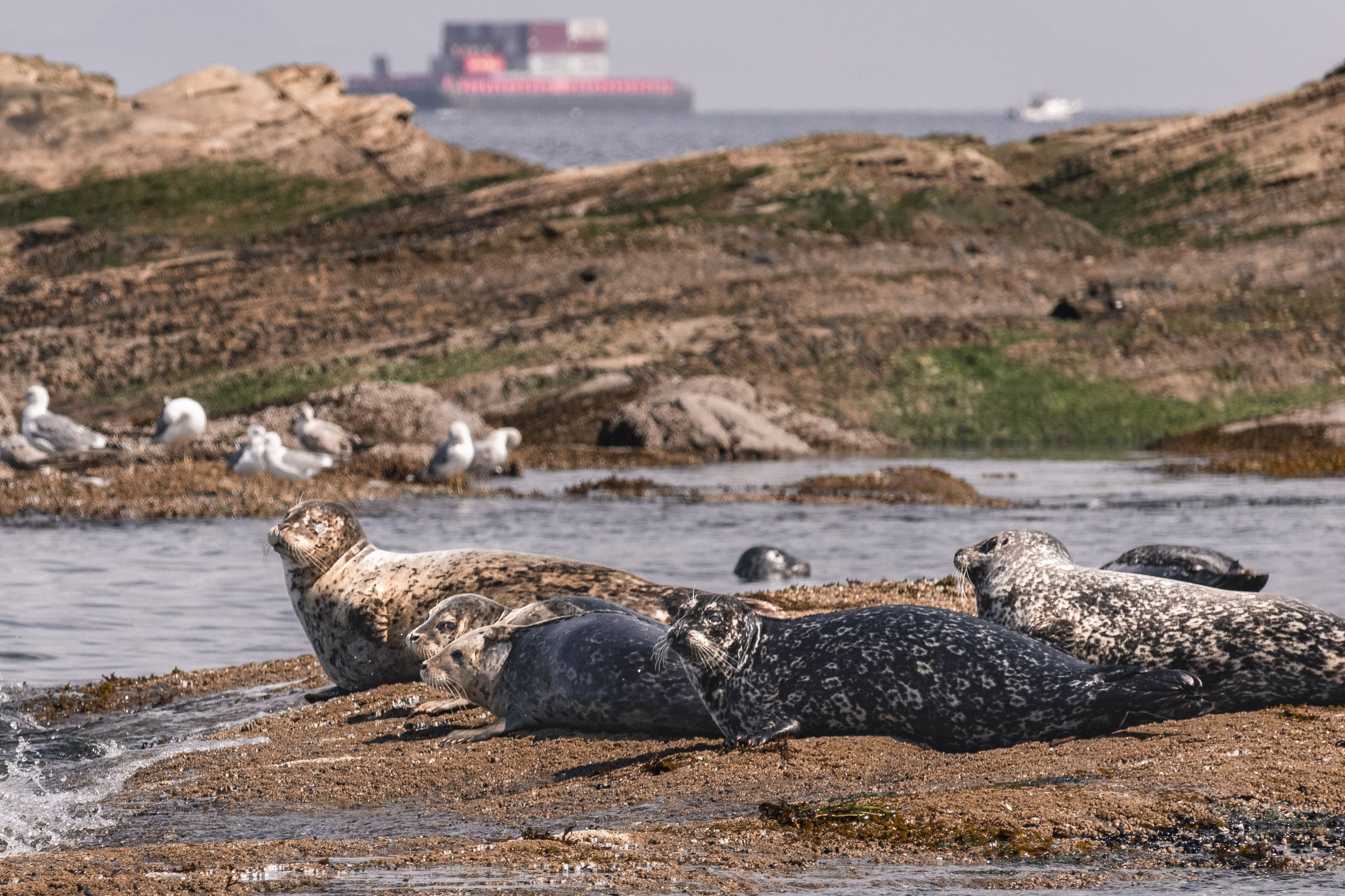
Harbour seals side-eyeing us as we watch them. Photo by Vanessa Vereschahen.
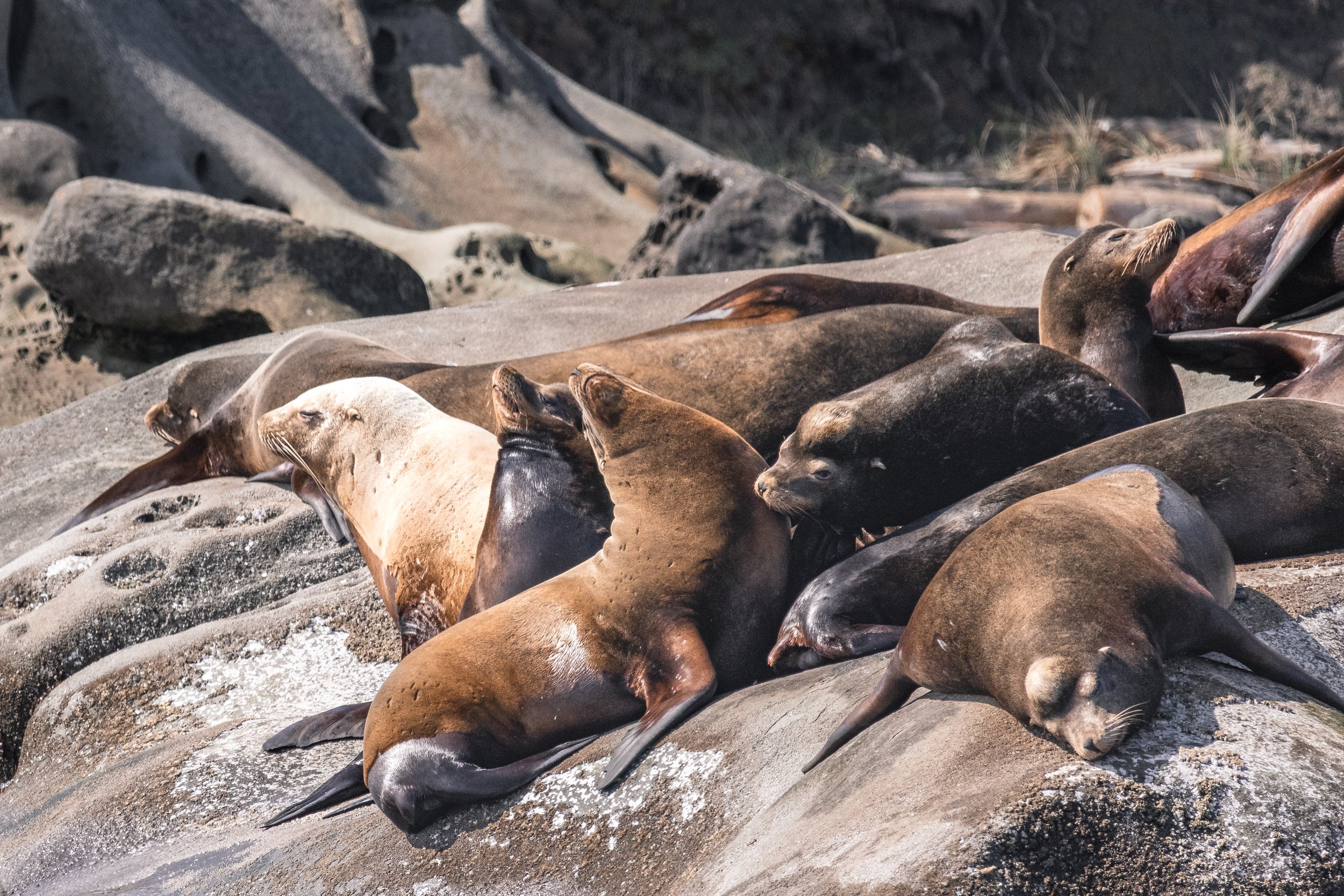
Sea lions resting on the rocks. Photo by Vanessa Vereschahen.
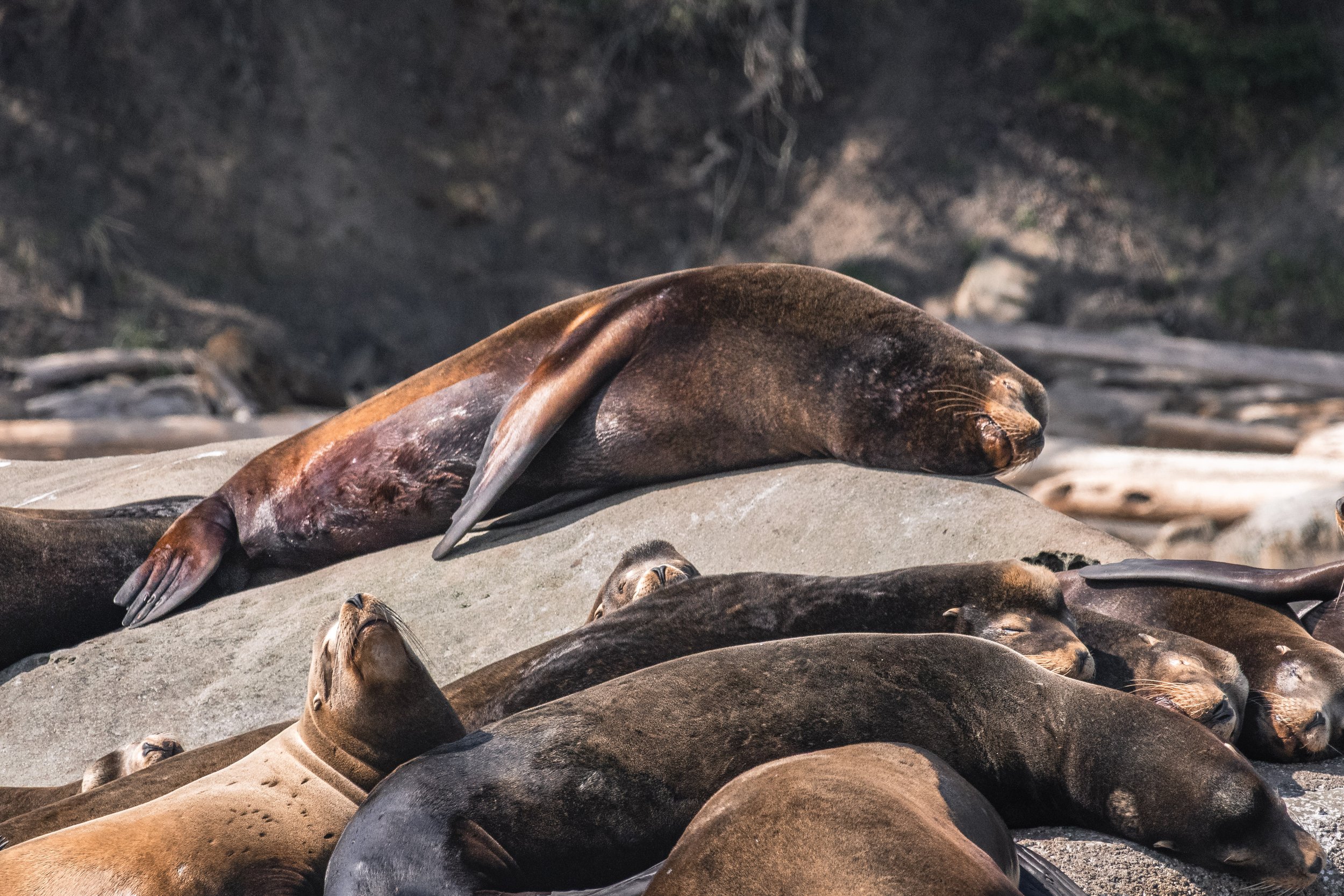
Sleeping and enjoying the sunshine. Photo by Vanessa Vereschahen.
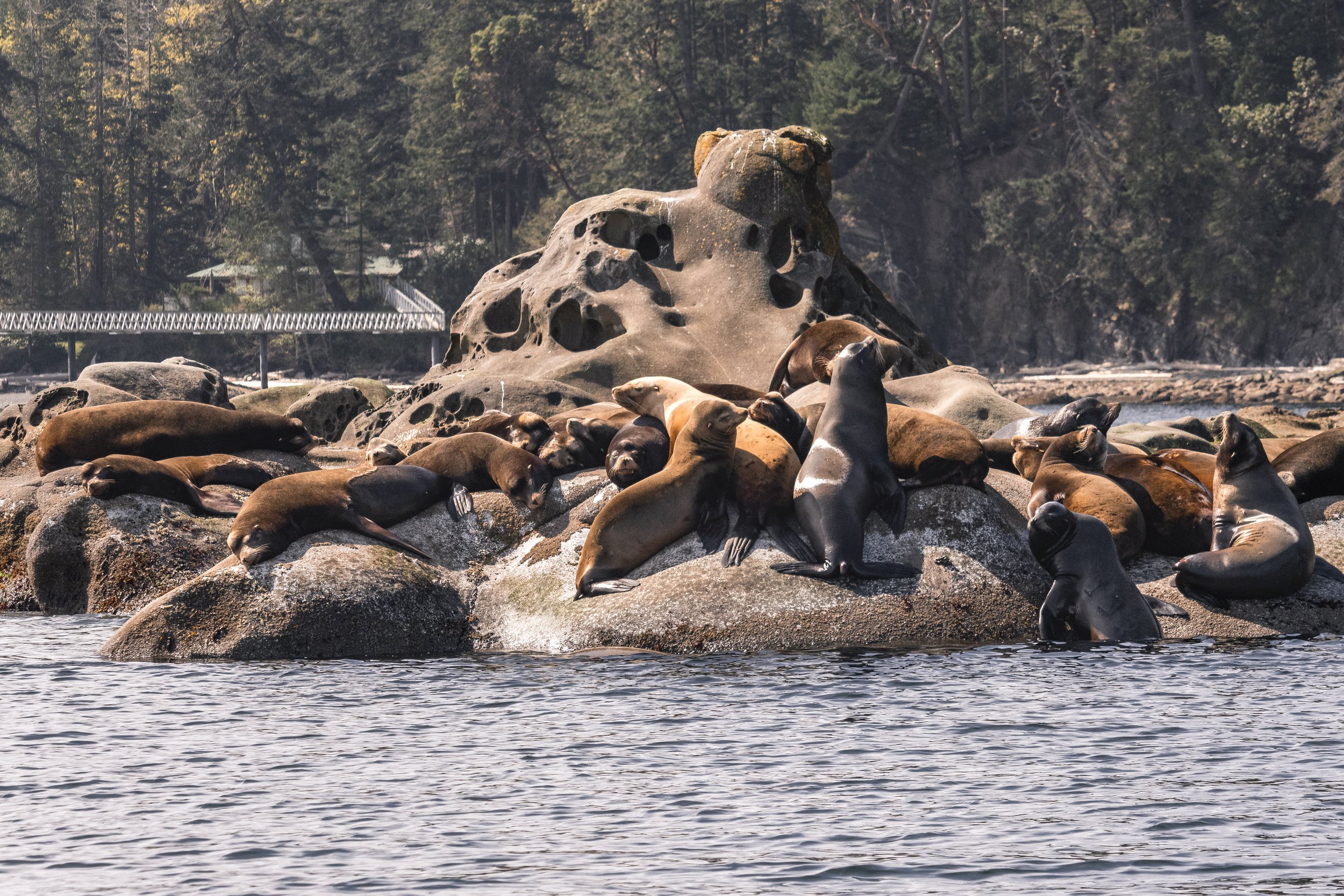
Carefully balanced on a small rocky island. Photo by Vanessa Vereschahen.
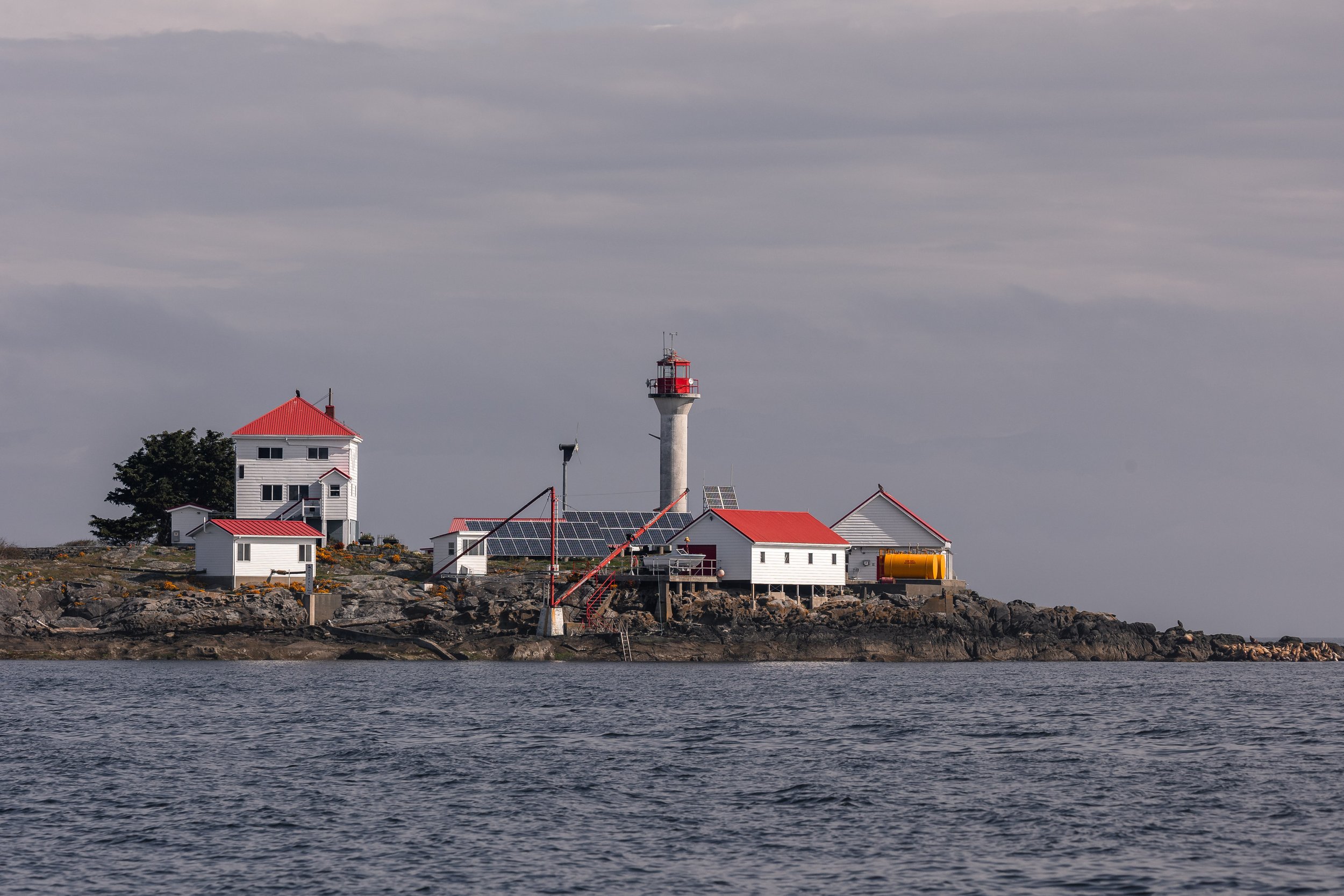
Entrance Island. Photo by Jordan Robinson.
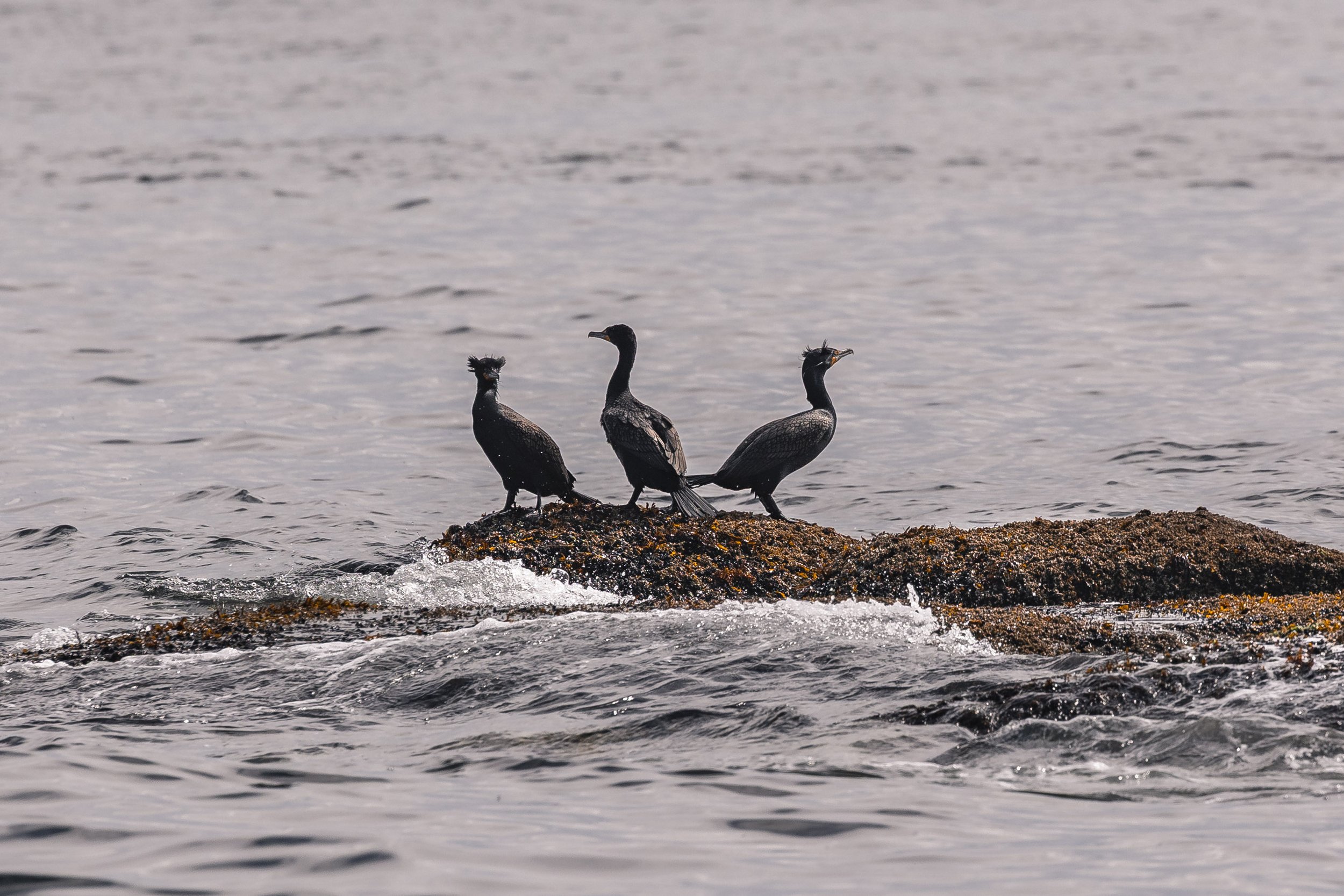
A trio of Double-crested Cormorants, fluffed up and looking fabulous! Photo by Jordan Robinson.
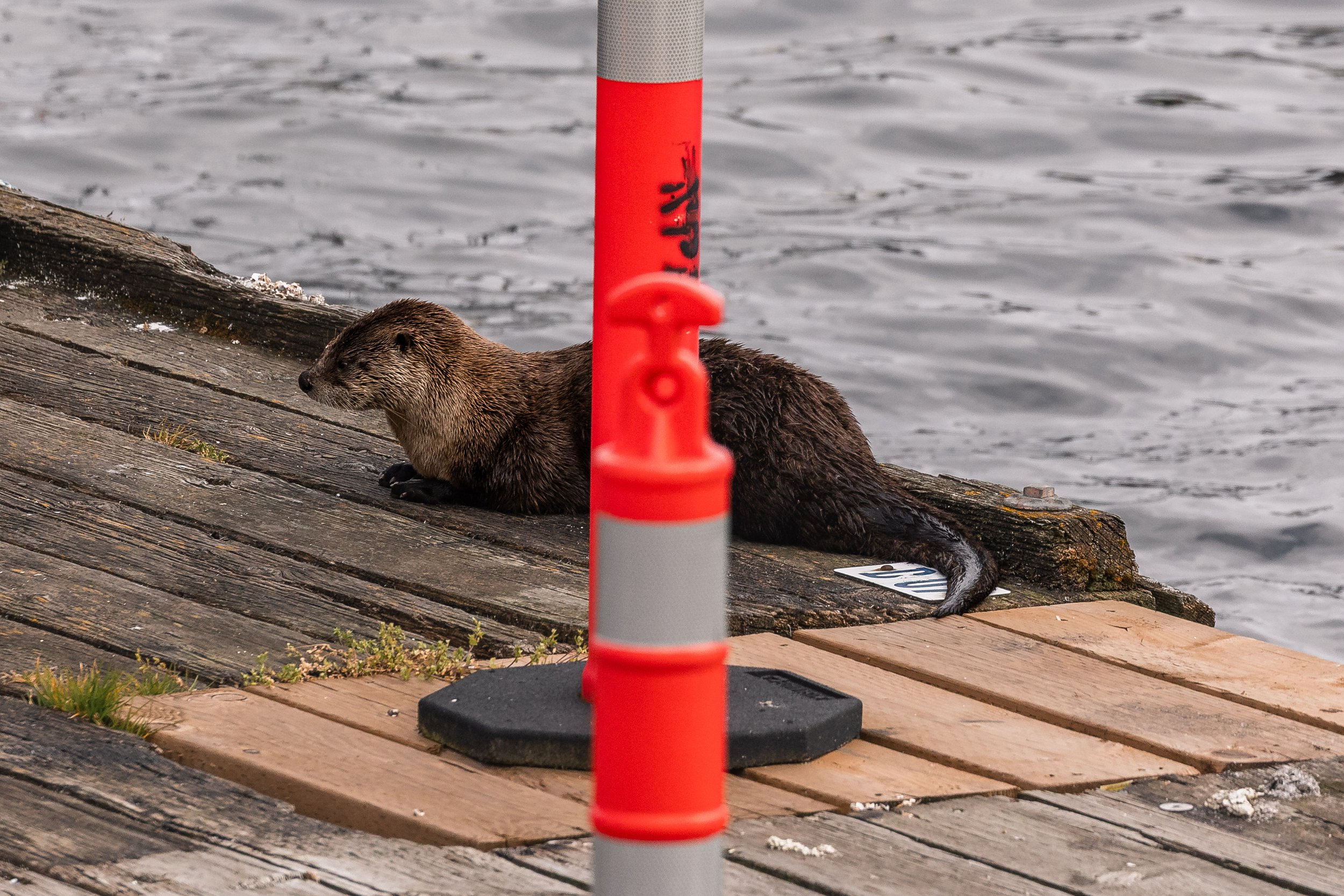
A sleepy River Otter back at the docks. Photo by Jordan Robinson.