
April 26, 2026 - Hunting in the Salish Sea.
The sun was shining, and the winds were low, ideal conditions for a day on the Salish Sea. With a sense of anticipation in the air, we stepped aboard Keta, our open vessel, and slipped away from the dock. Almost immediately, the rhythm of the search began: scanning the horizon for the telltale signs of life, splashes, dorsal fins, and the unmistakable exhalation of a whale’s blow.
As we pushed out into the Strait, our naturalist Vanessa drew our attention skyward. A lively congregation of seabirds wheeled and dove with purpose, a classic ecological cue that something was stirring beneath the surface. In these waters, birds are often the first indicators of feeding activity below, forming an aerial network that guides us toward marine life we cannot yet see.
It didn’t take long. Roughly fifteen minutes into our northbound journey, Captain Rodrigo, whose sharp eyes rarely miss a thing, called it out: a tall, slicing dorsal fin rising cleanly from the water. A male orca. Cameras were raised, and our crew quickly shifted into one of the most important parts of any encounter: identification.
Each orca carries a unique combination of features that allow us to distinguish individuals, much like fingerprints in humans. The dorsal fin provides an initial clue, its height, curvature, and any nicks or scars can be highly distinctive. Just behind it, the saddle patch, an area of white/grey pigmentation, varies in shape and pattern from whale to whale. And finally, the eye patch, the white oval near the eye, offers further subtle differences in size and orientation. By combining these characteristics and referencing established catalogues, we can confidently identify individuals and track their histories over time.
Beyond identifying individuals, we also assess which ecotype, or population, of orca we are observing. Here on the coast, the groups we encounter are transients or Bigg’s Killer Whales, but they overlap with the range of the critically endangered Southern Resident Killer Whales. These ecotypes differ not only genetically, but also in behaviour, diet, and social structure. Transients tend to travel in smaller groups, typically one to nine individuals, and specialize in hunting marine mammals. They often move quietly and purposefully, with pointed dorsal fins and closed saddle patches. In contrast, resident orca travel in larger, more stable family groups, feed on fish, and are generally more surface-active, with slightly more curved dorsal fins and more open saddle patch patterns.
Equally important is what we do not see. We do not view the critically endangered Southern Resident Killer Whales, nor do we actively seek them out. Their population faces significant challenges, and strict regulations are in place to minimize disturbance. Responsible whale watching means understanding these distinctions and ensuring our practices prioritize the well-being of all marine life.
As we observed this particular pair, their identities soon became clear: two adult males, Jude and Roswell.
T049A2 Jude ♂ (2007)
T051 Roswell/Loner ♂ (~1981)
These whales are well-documented and have a remarkable history together. In 2023, they made headlines after becoming temporarily trapped in Barnes Lake, an ocean-fed lake on Prince of Wales Island in southern Alaska. During an unusually high tide, they navigated through a narrow tidal passage into the lake, only to find themselves stranded as the water receded. For approximately six weeks, they remained there while multiple organizations, including NOAA and the Orca Conservancy, monitored their condition and worked toward a safe resolution. Eventually, a subsequent high tide allowed them to exit the lake unharmed, a rare and extraordinary event in the lives of wild orcas.
When we encountered them, Jude and Roswell appeared relaxed and focused, likely having just finished a successful hunt. The evidence was all around us: gulls descending eagerly to snatch up scraps from below. In the world of transient orca, little goes to waste; what remains becomes an opportunity for the ever-watchful seabirds.
With that encounter complete, we resumed our search. The wind had begun to rise, so we altered course southward, seeking the shelter of the Gulf Islands. As we approached the Crofton area, it was, once again, Captain Rodrigo who spotted the next dorsal fin breaking the surface. At first glance, it appeared to be a small grouping, perhaps a mother and calf. But as we watched more closely, additional fins surfaced in the distance, revealing a larger pod.
Out came the telephoto lens once more, though this encounter proved more dynamic. The whales were changing direction rapidly, their movements purposeful and coordinated. It quickly became clear: we had come upon another hunt in progress. This time, the pod was identified as the T046Bs, a well-known transient family, now with a new calf among them.
T046B Raksha ♀ (1988)
T046B2 Akela ♀ (2008)
T046B2B Takaya ♀ (2023)
T046B3 Sedna ♀ (2011)
T046B3A Munro (2025)
T046B4 Quiver ♀ (2013)
T046B6 Sol ♀ (2019)
T046B7 Tala (2023)
T046B8 Pi (2026)
For a group like this, the stakes are high. Each orca requires an estimated 300 pounds of food per day, and with nine individuals to feed, hunting is not just frequent, it’s essential. Their coordinated efforts, honed over generations, make them highly effective predators. And once again, the seabirds signalled success, gathering to take advantage of the remains left behind.
With two active hunts witnessed, a rare and remarkable experience, it was time to begin our journey home. Before returning to the dock, we made one final stop at the Harmac log booms. Here, a different kind of gathering awaited us: California Sea Lions hauled out along the floating logs, basking in the sun after foraging in the cold coastal waters.
Among them, a bald eagle perched with quiet intensity, scanning for opportunity. Ever the opportunist, it was likely hoping a sea lion might surface with a fresh catch, an easy chance to snatch a meal without the effort of hunting.
The log booms themselves offer an interesting advantage to the sea lions. Unlike fixed rocky haul-outs, which can leave them exposed as tides shift, these floating structures rise and fall with the water. This adaptability provides a safer resting platform, reducing the risk of becoming vulnerable to predators like the orca we had observed earlier in the day.
As we turned back toward the harbour, the day’s experiences settled in: two successful encounters with orca, insights into their behaviour and ecology, and a final glimpse of the interconnected lives of marine and coastal species. With the sun still glinting off the water, we returned to the dock, reminded once again of the richness and complexity of the Salish Sea and the importance of protecting it.
Photos by Vanessa Vereschahen.
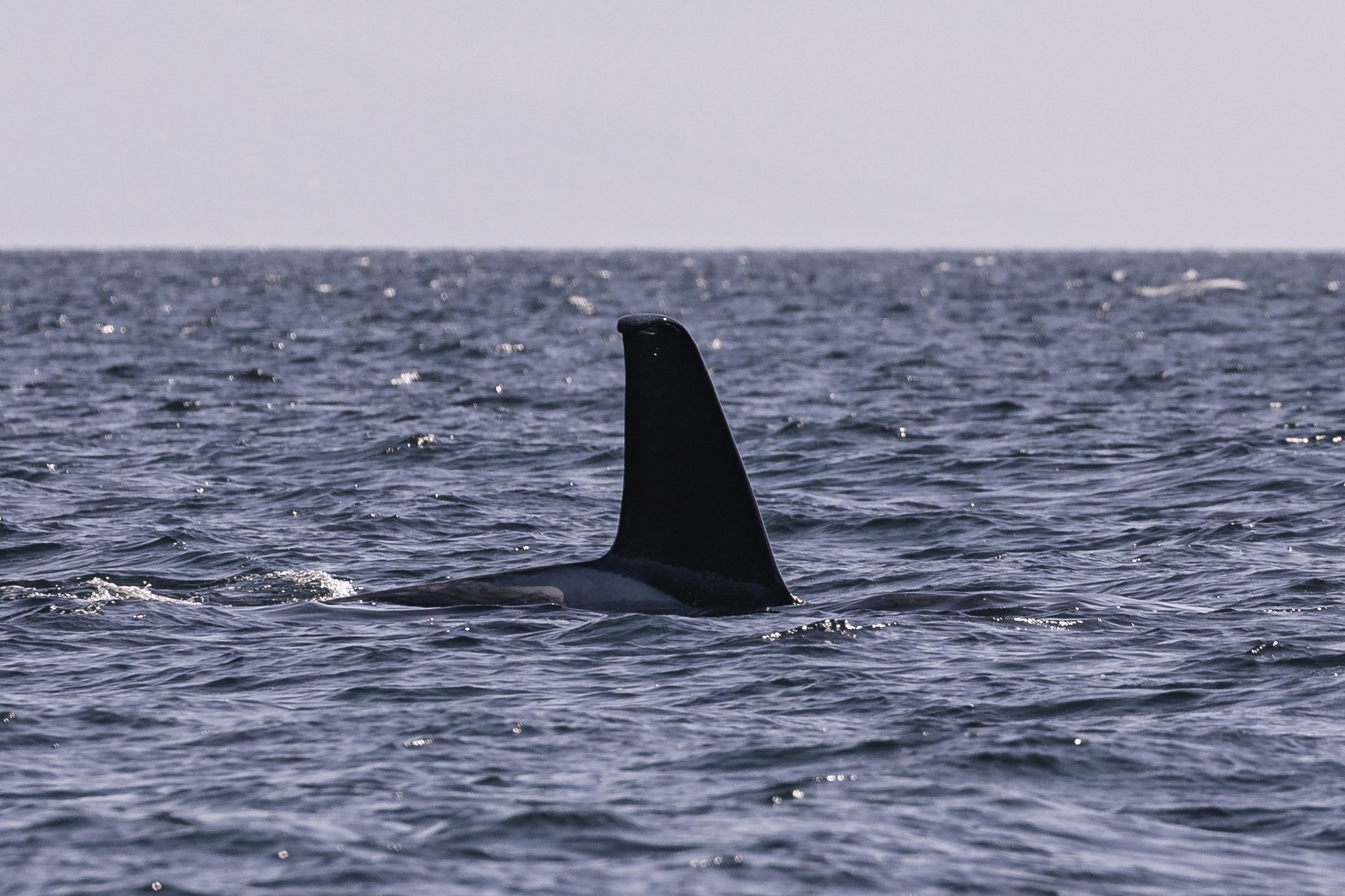
T049A2 Jude travelling.
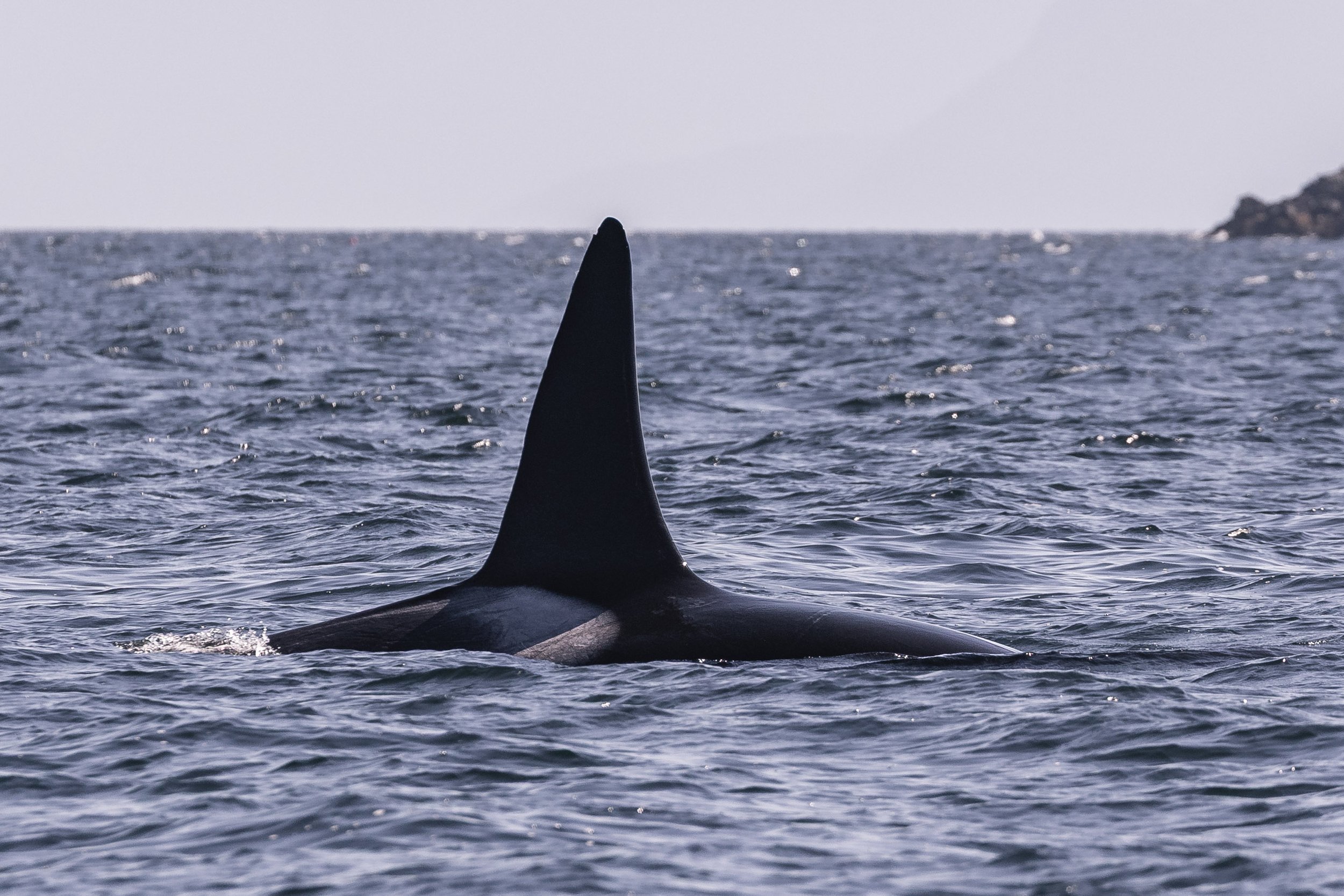
T051 Roswell.
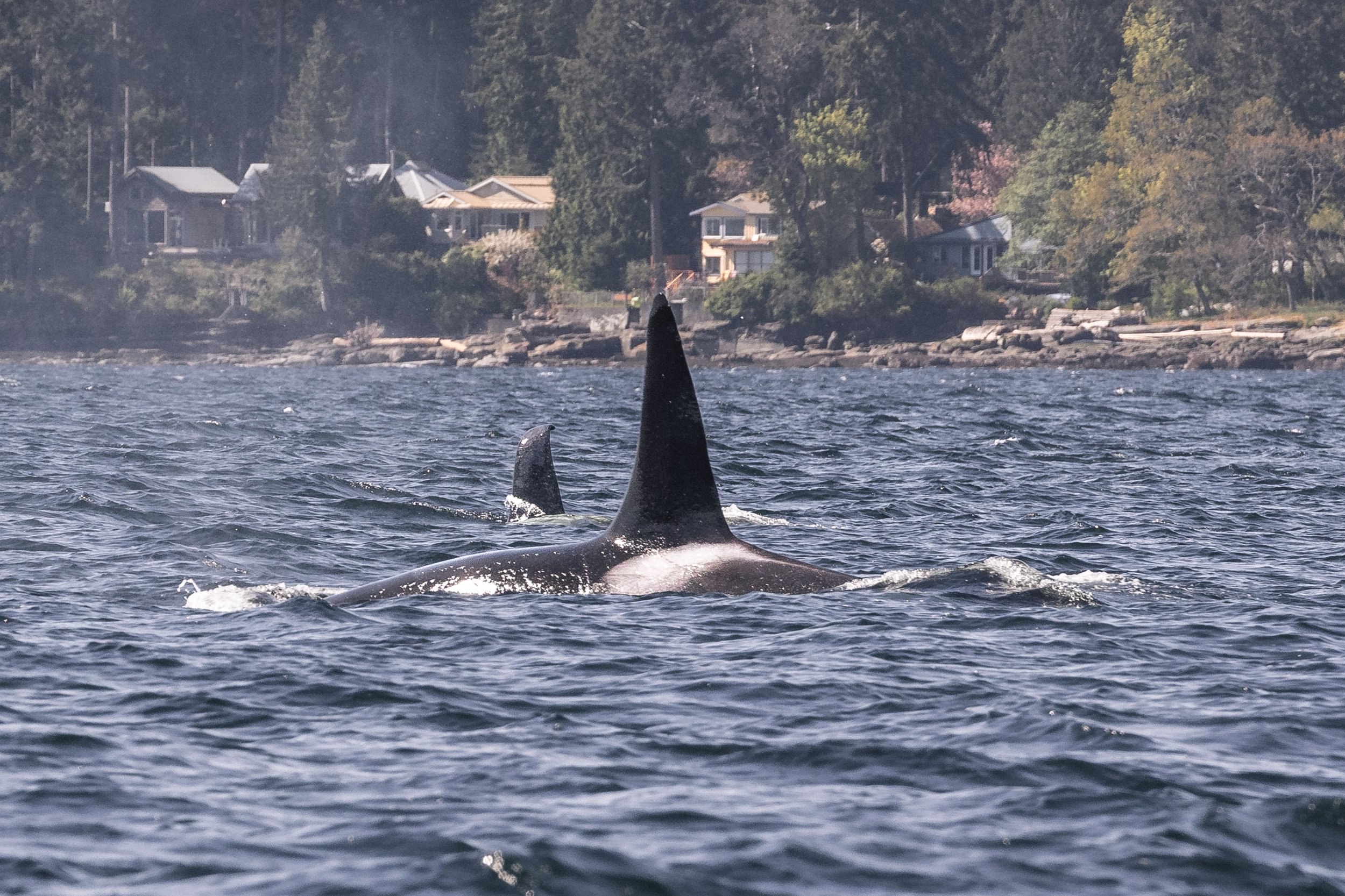
T051 Roswell with T049A2 Jude beside him.
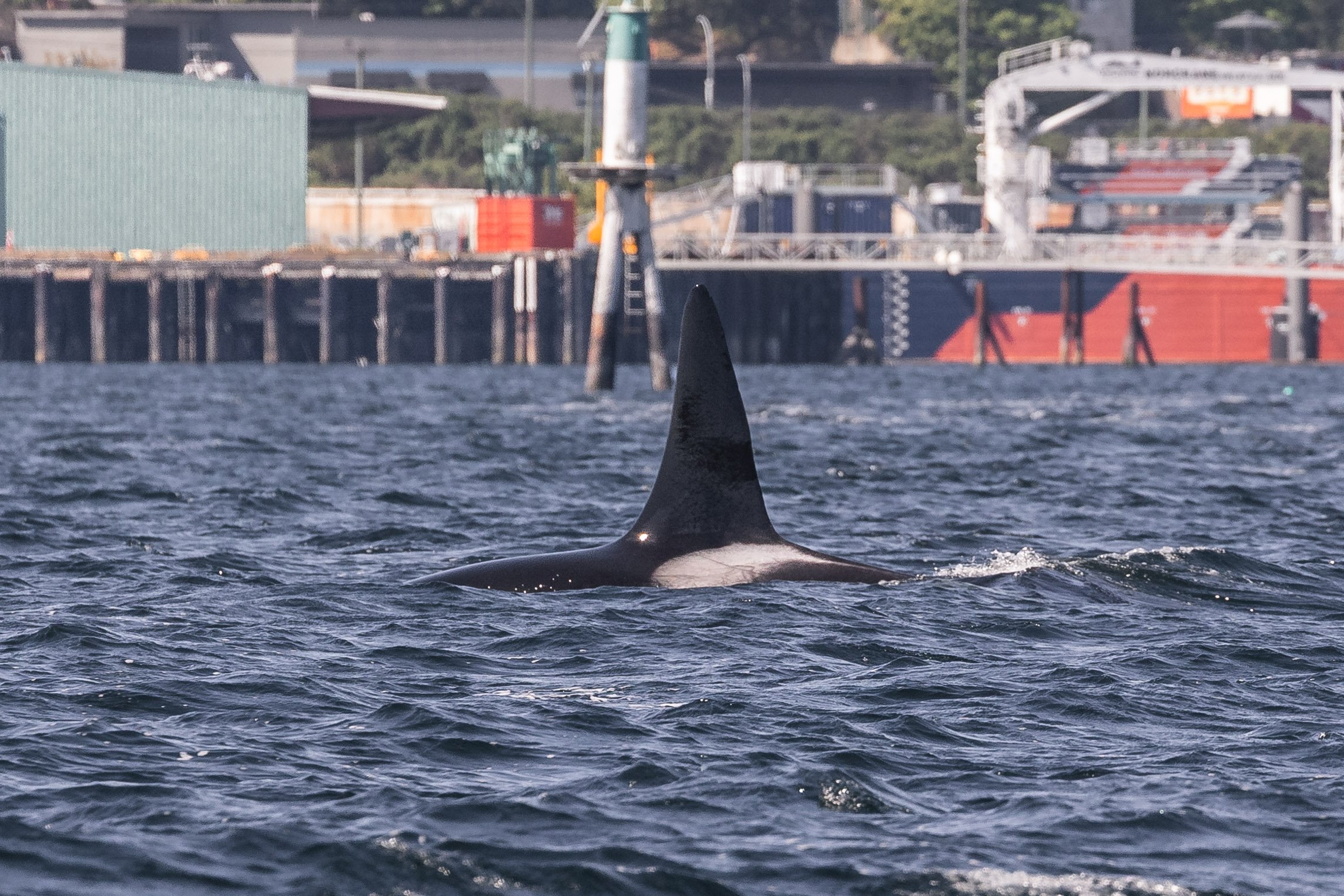
T051 Roswell cruising along.
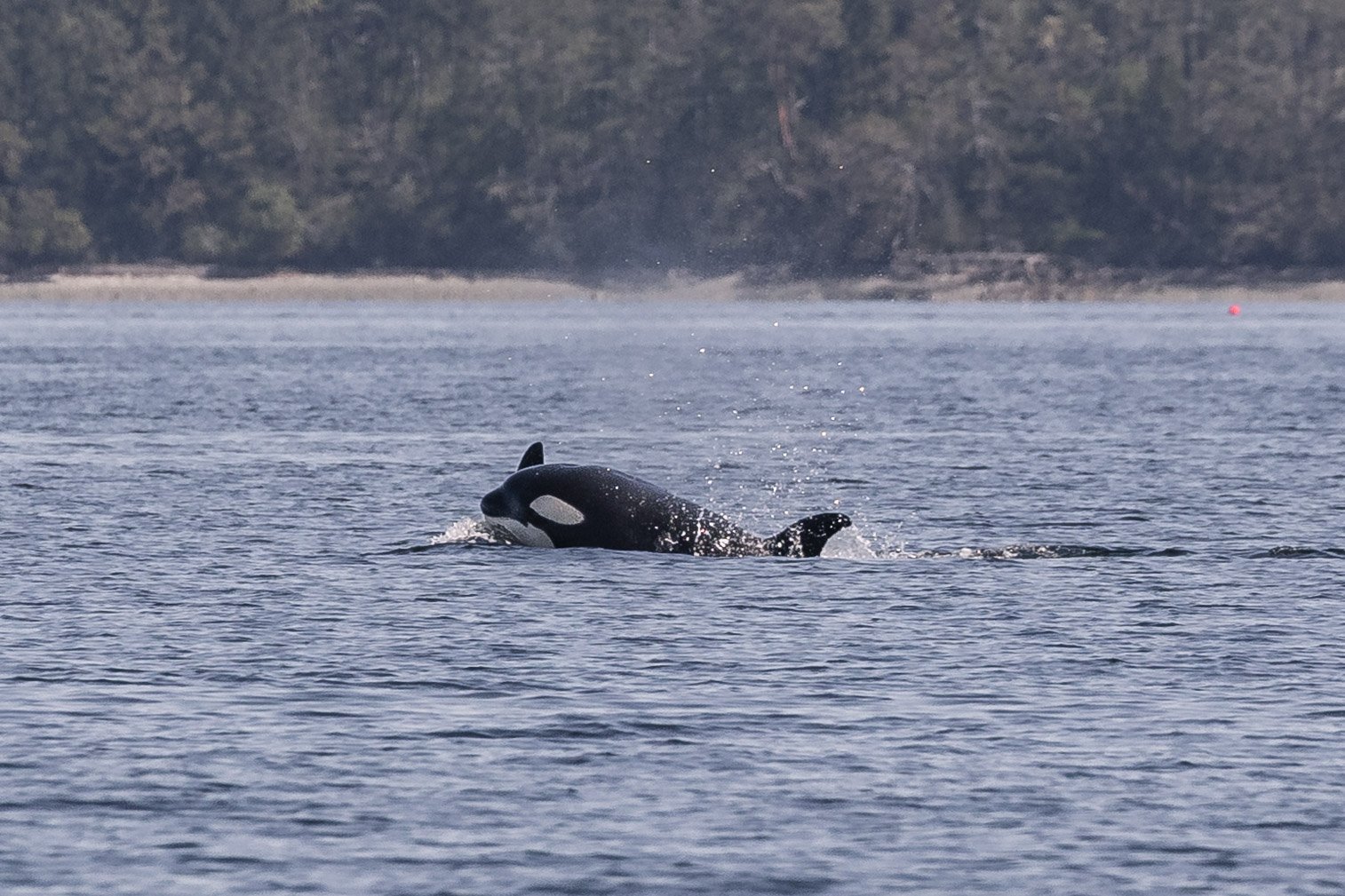
T046B2B Takaya surfacing at T046B2 akela’s side.
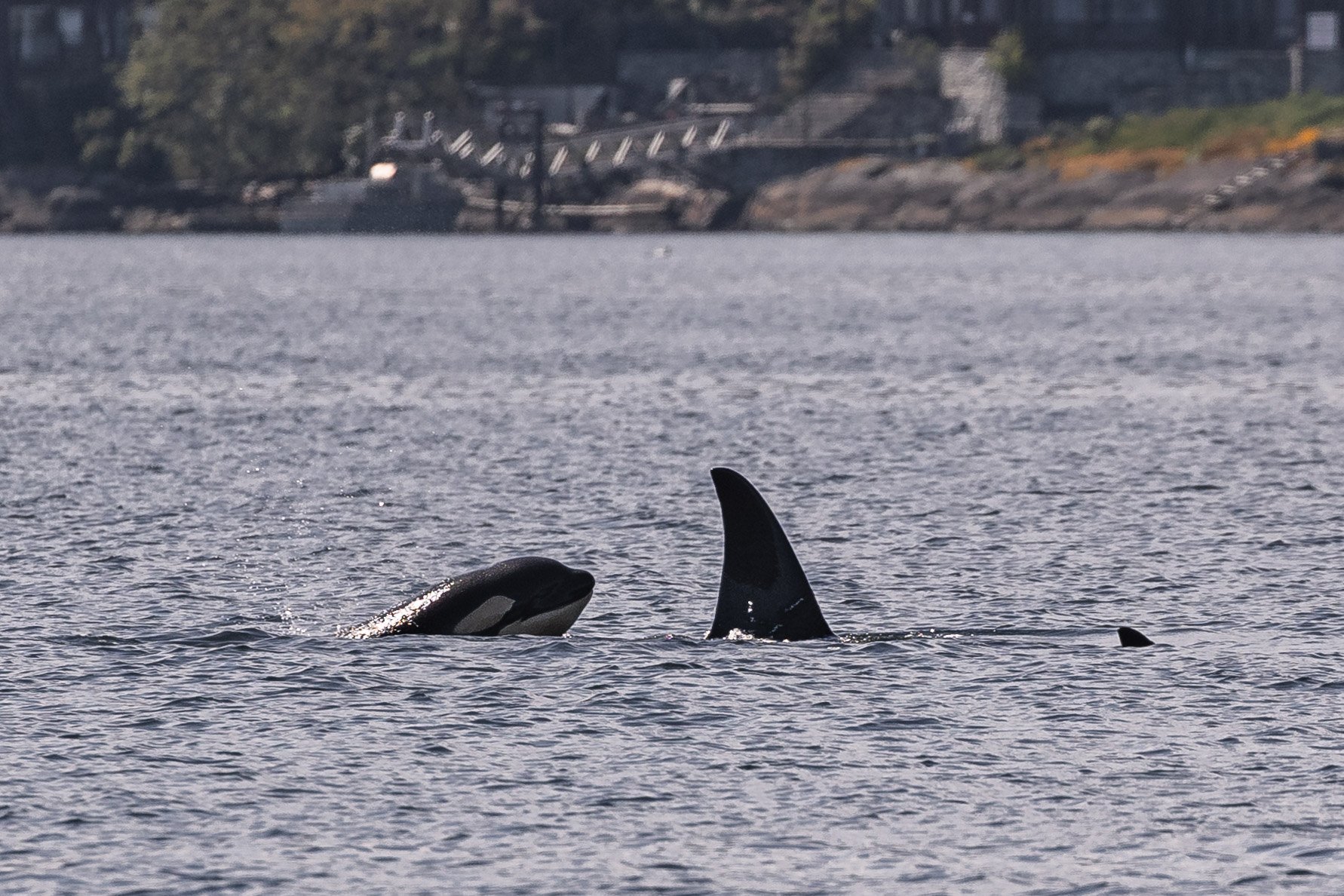
T046B Raksha with her newest calf T046B8 behind her.
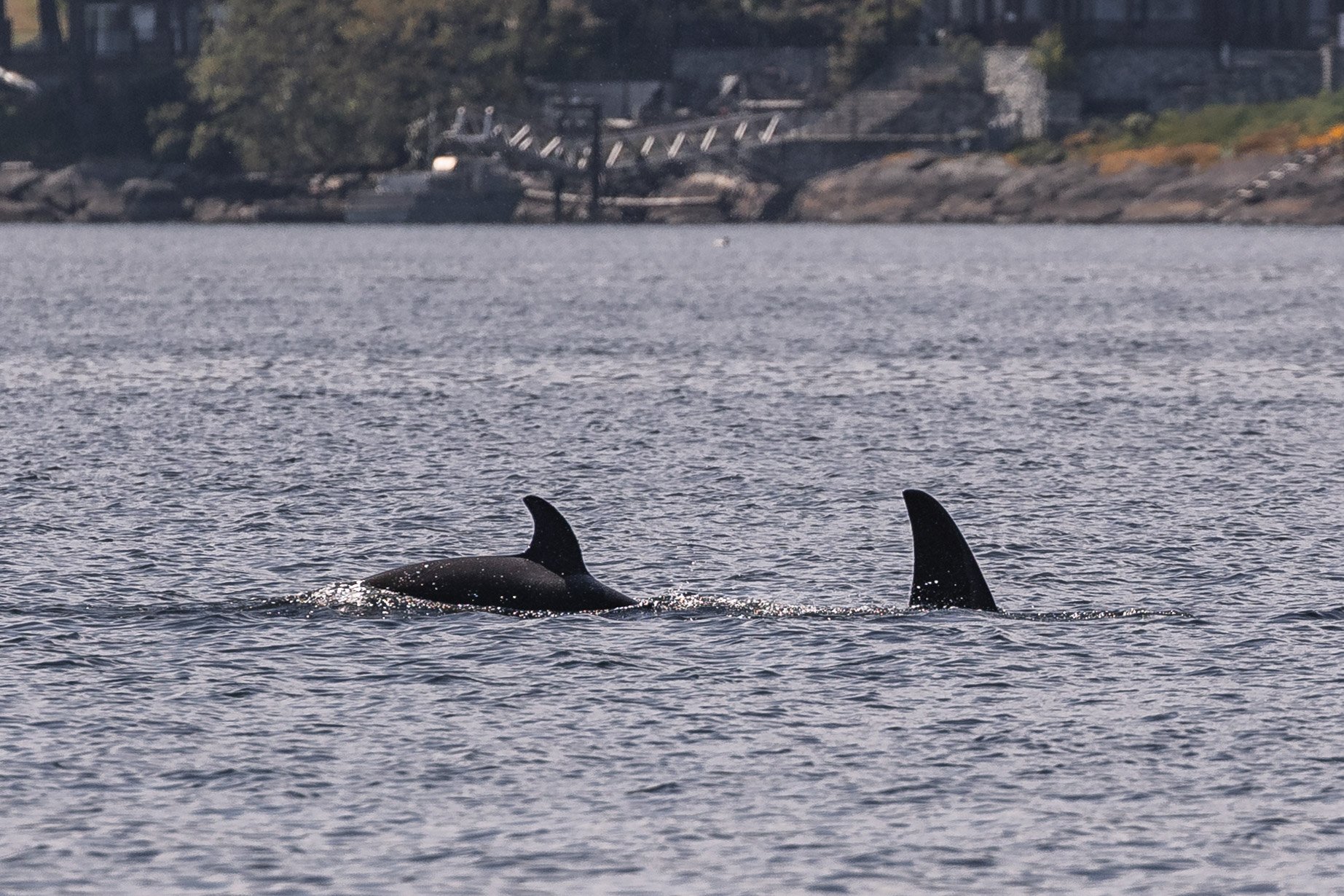
T046B Raksha with T046B8 in tow.
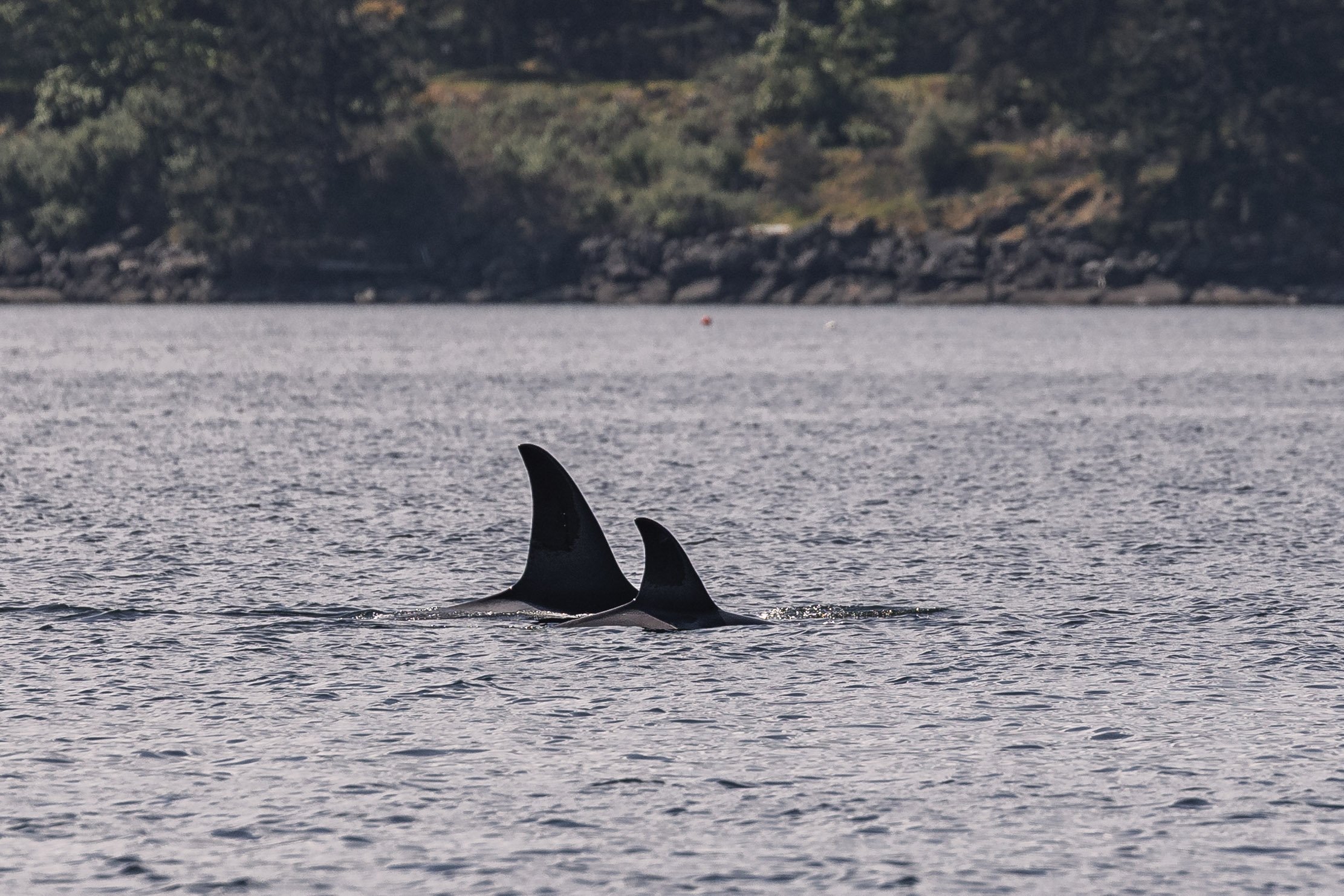
T046B Racksha with T046B7 Tala surfacing in front.
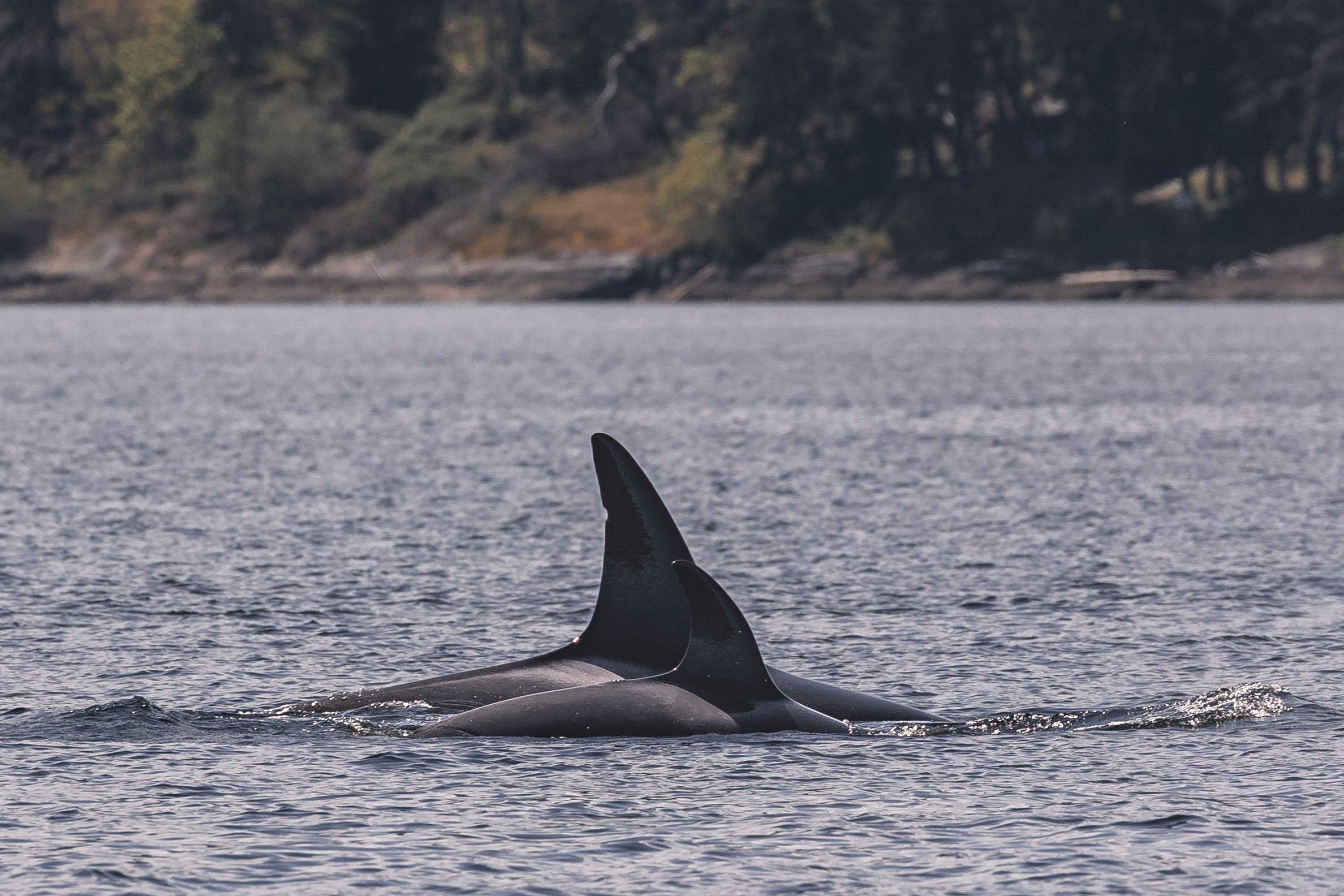
T046B2 Akela with T046B2B Takaya surfacing beside.
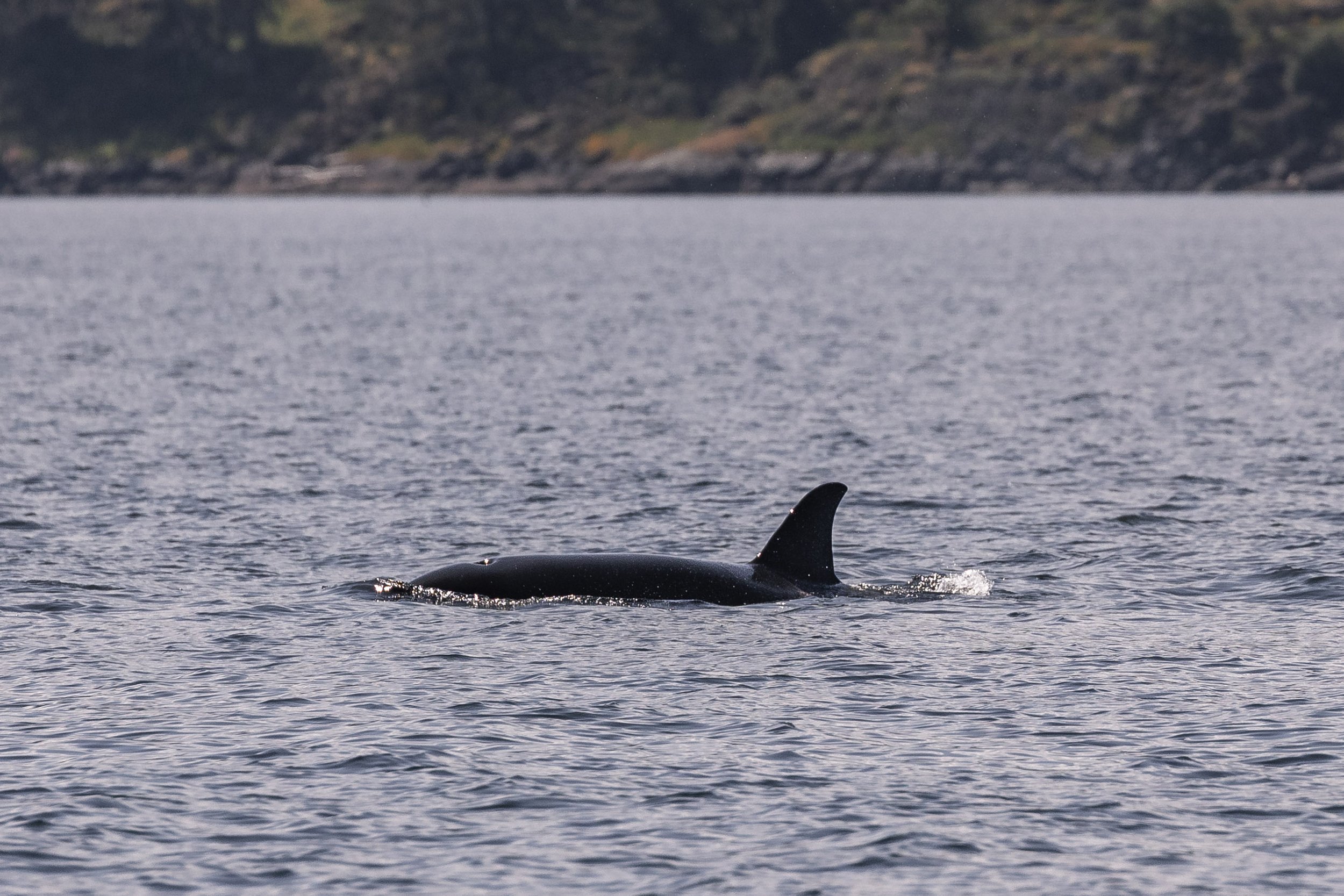
T046B7 Tala.
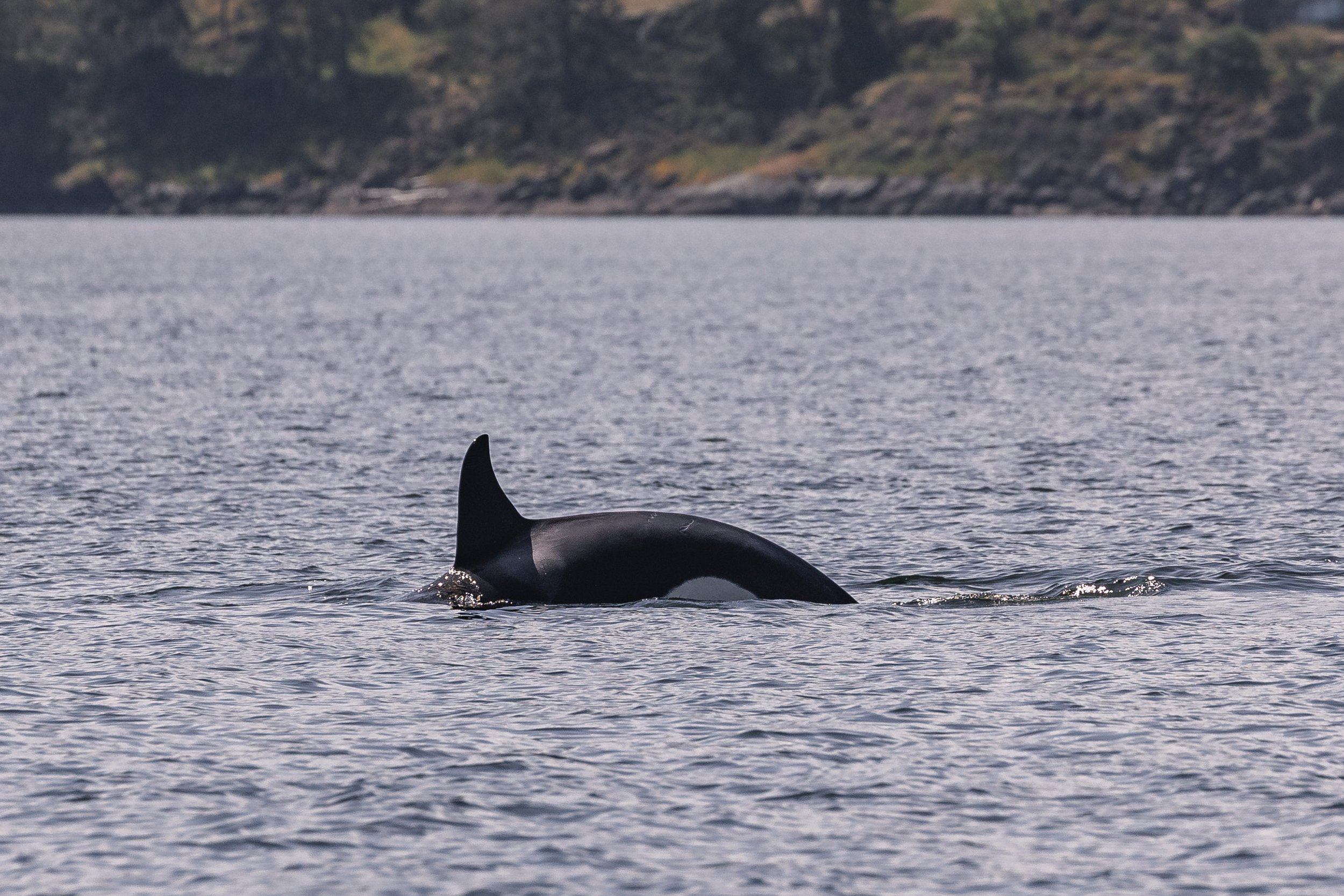
T046B7 Tala going down.
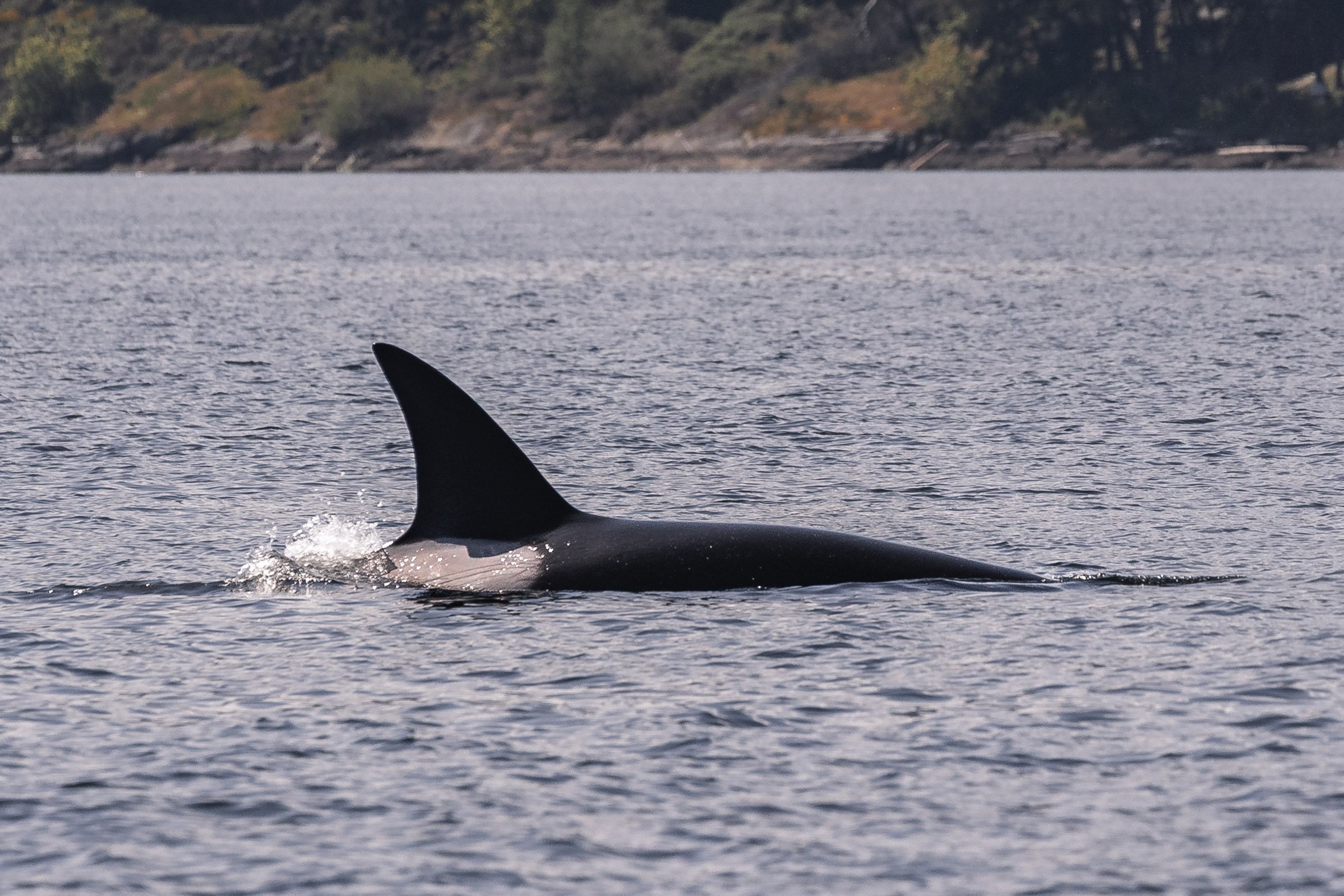
T046B4 Quiver picking up speed.
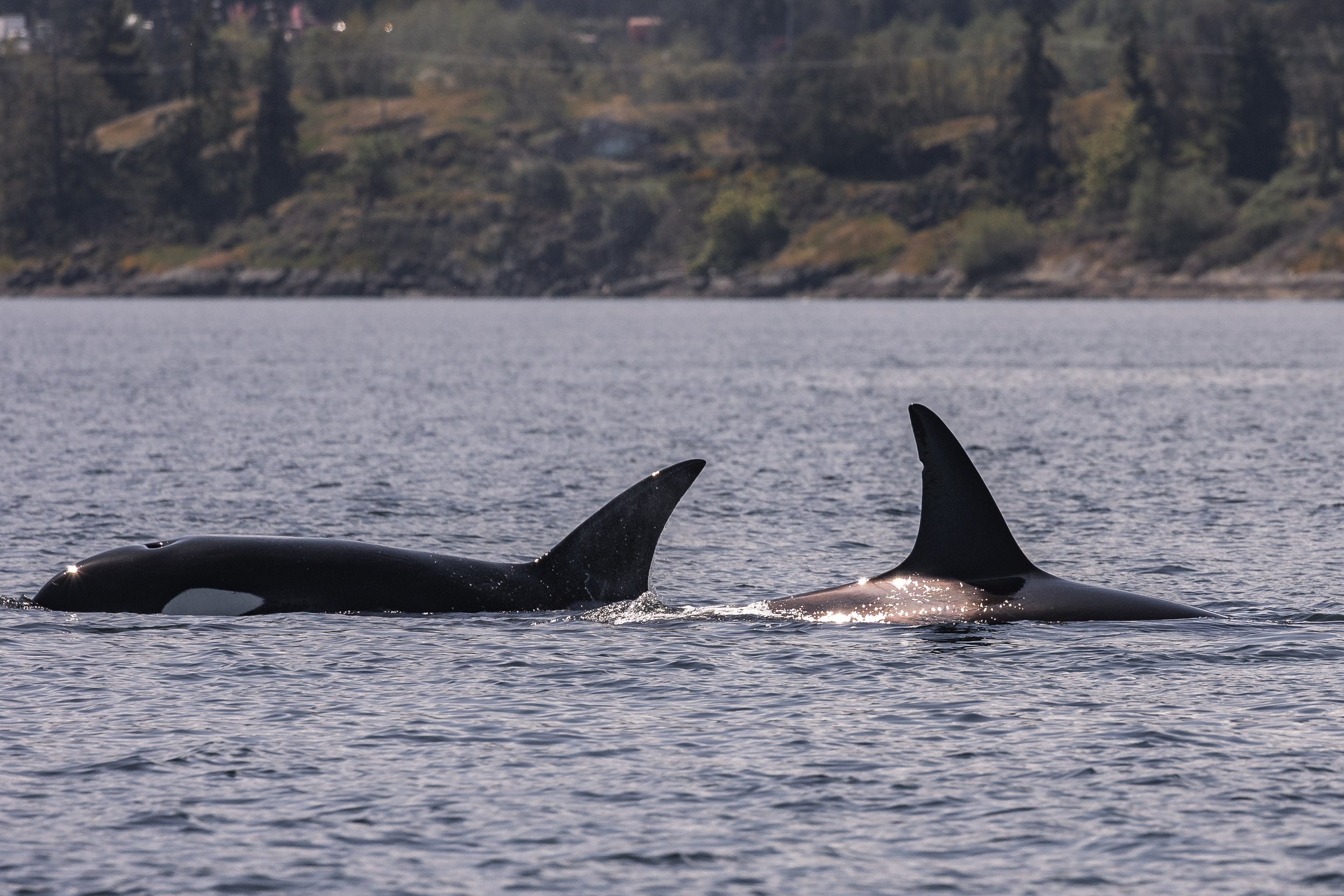
T046B4 Quiver on th left, T046B2 Akela on the right.
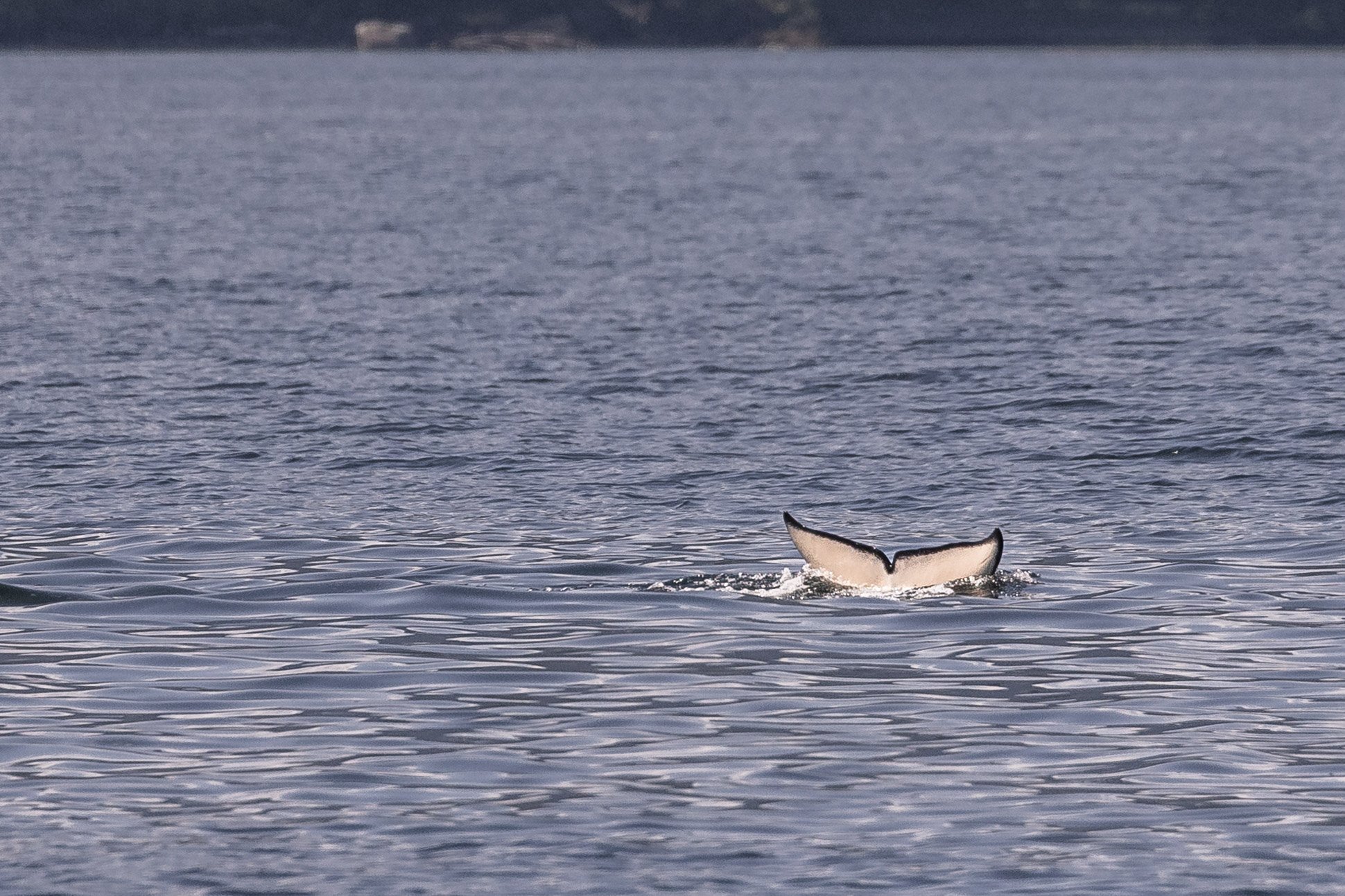
Tails up!
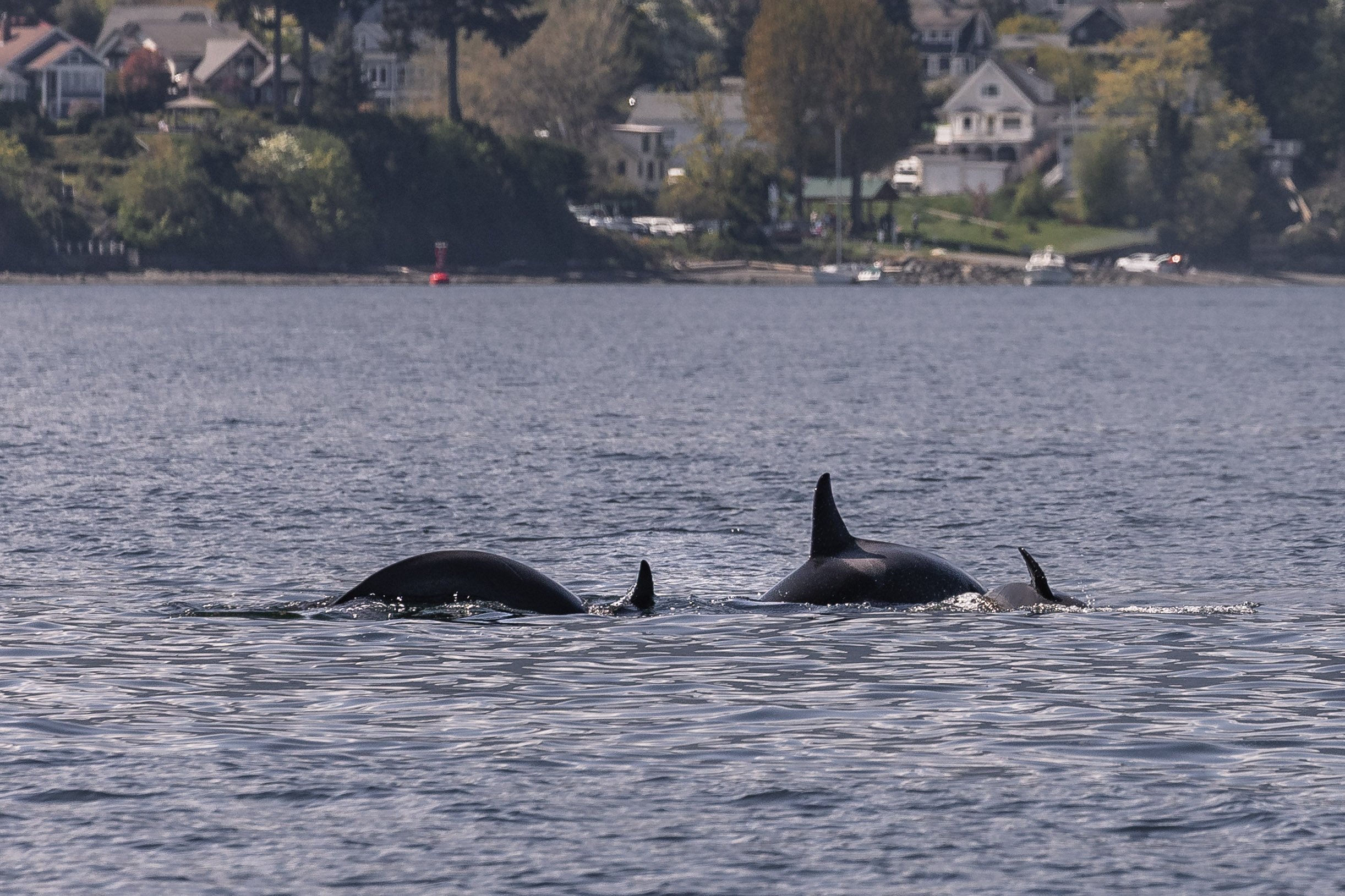
Circling the prey.
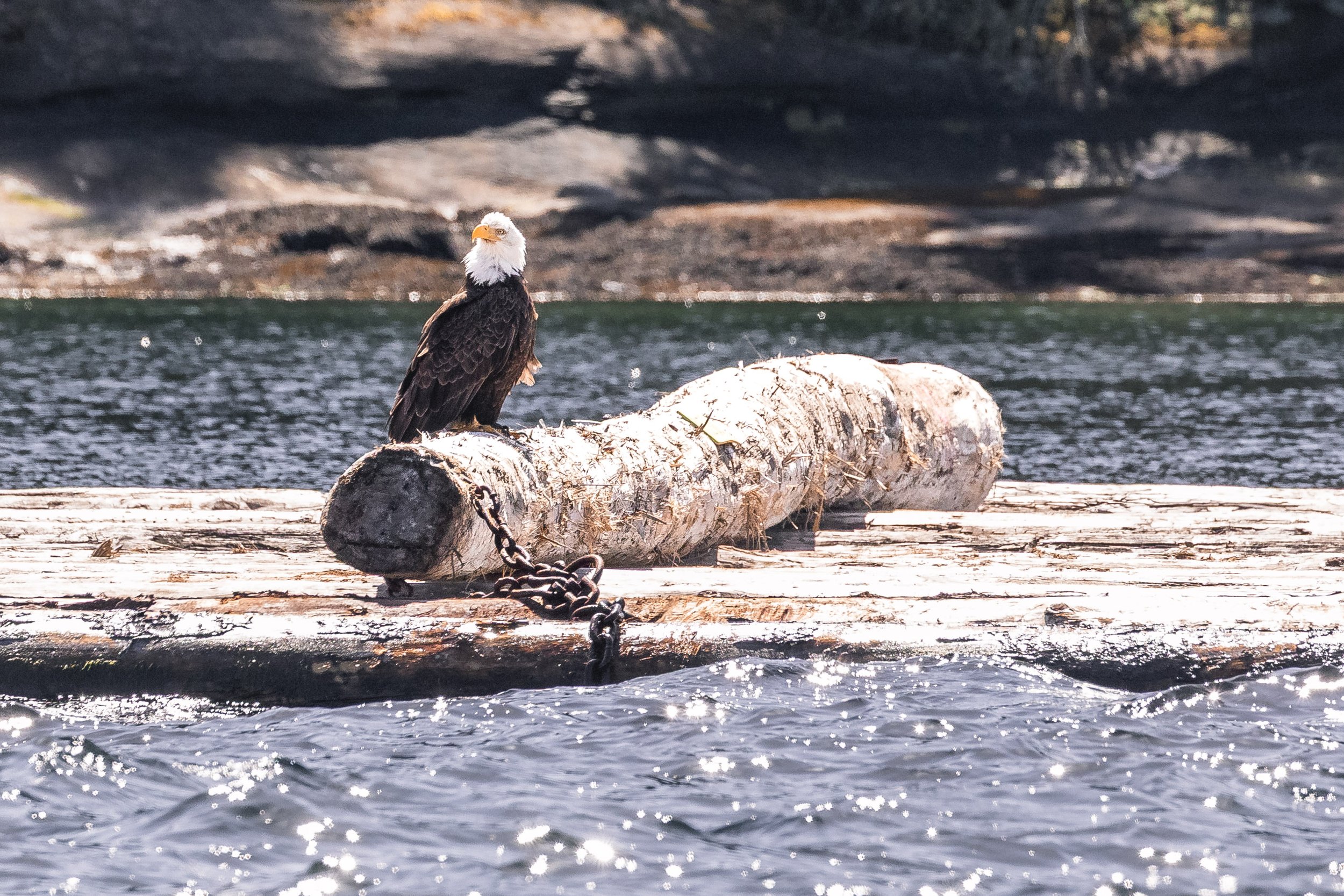
A majestic bald eagle.
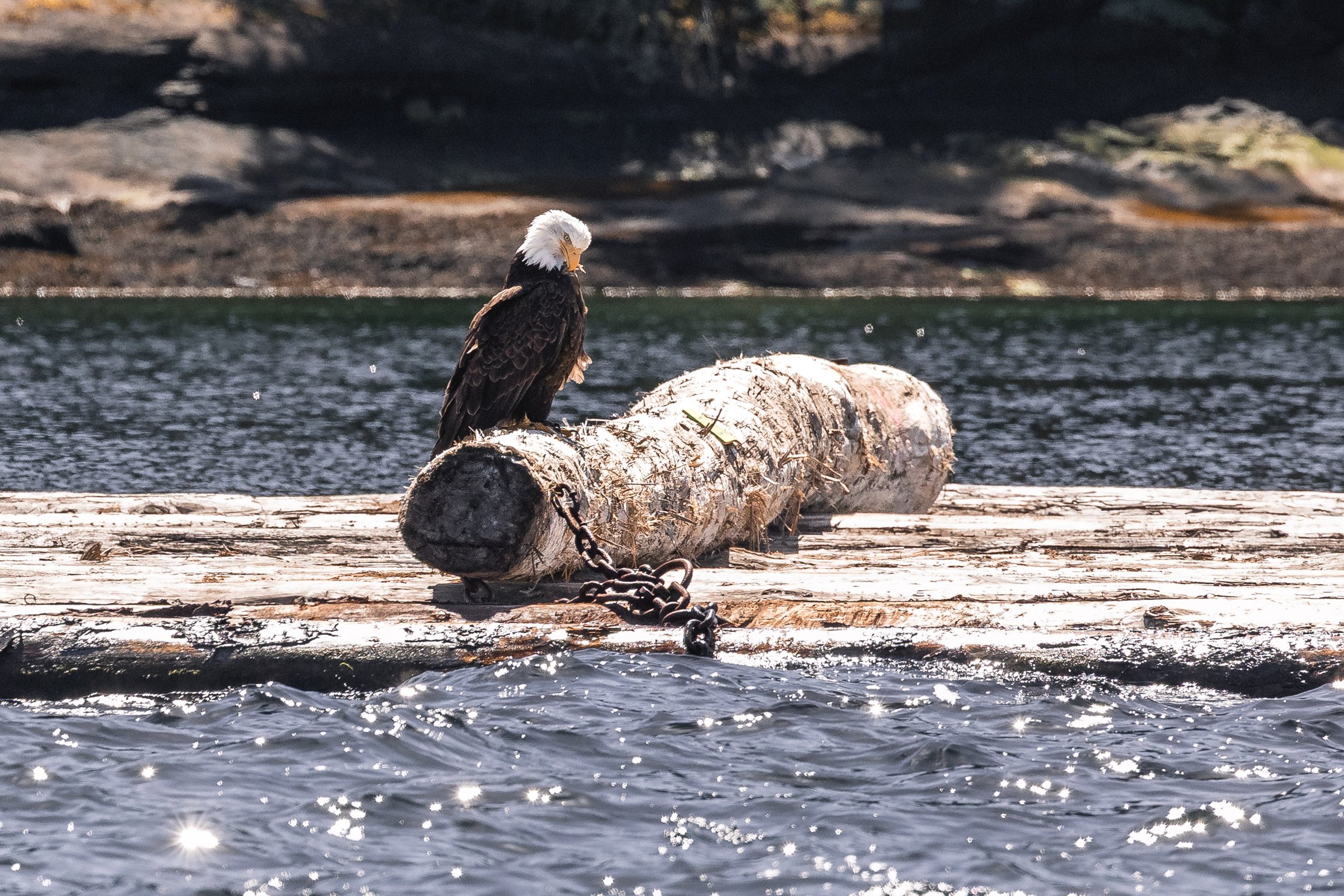
Preening in the sun.
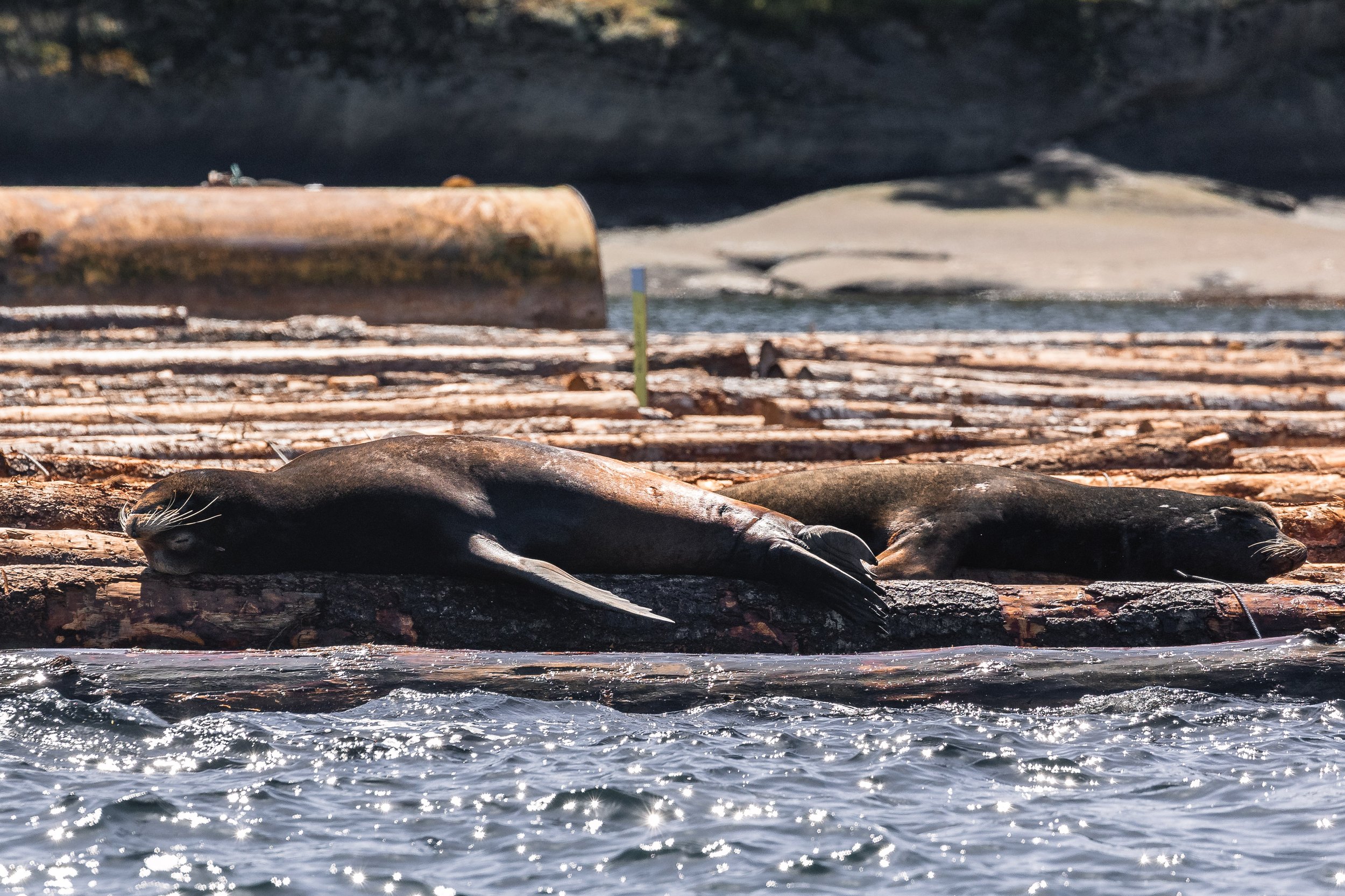
A California Sea Lion passed out!
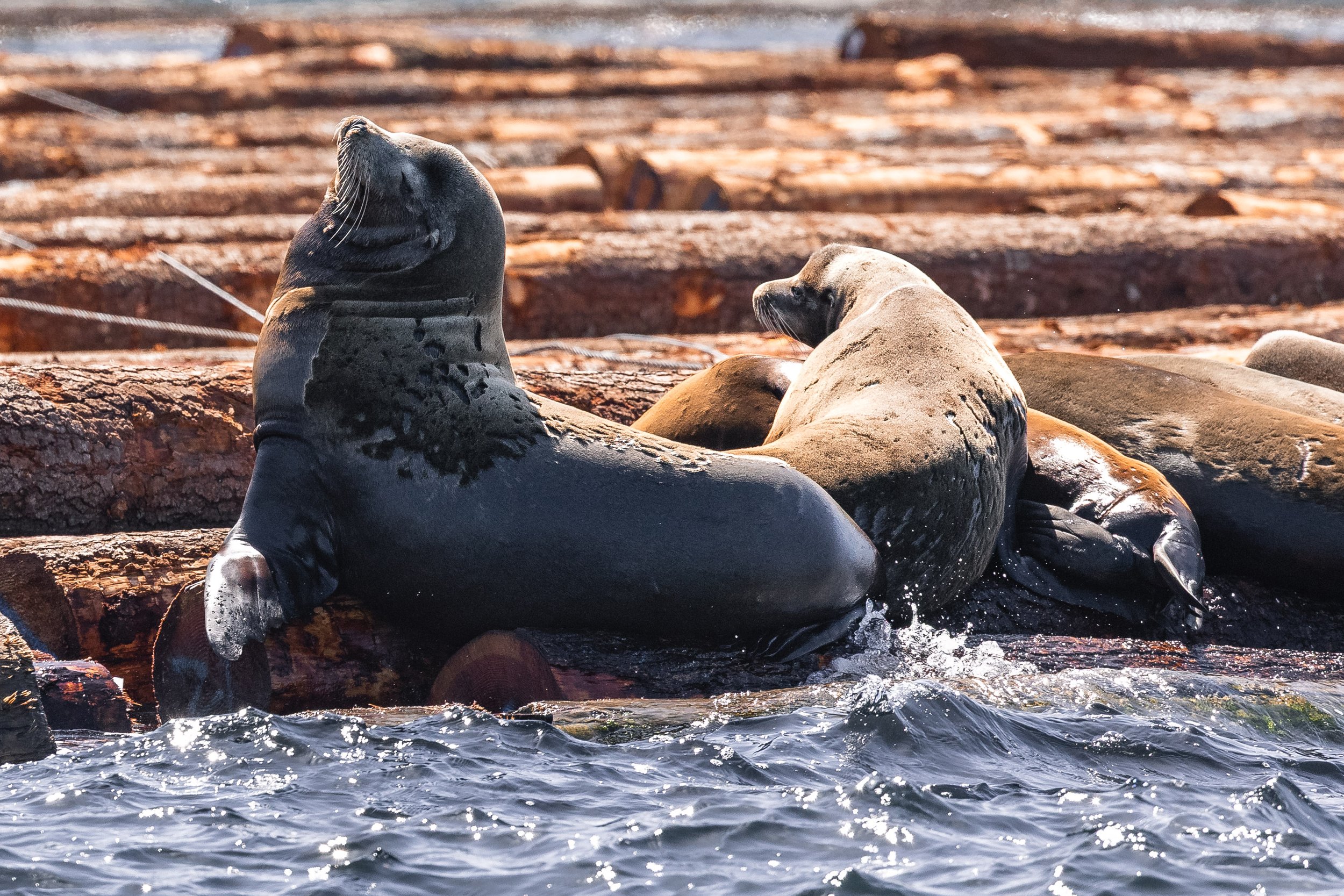
These fuzzy sea lions are enjoing the spring sunshine.
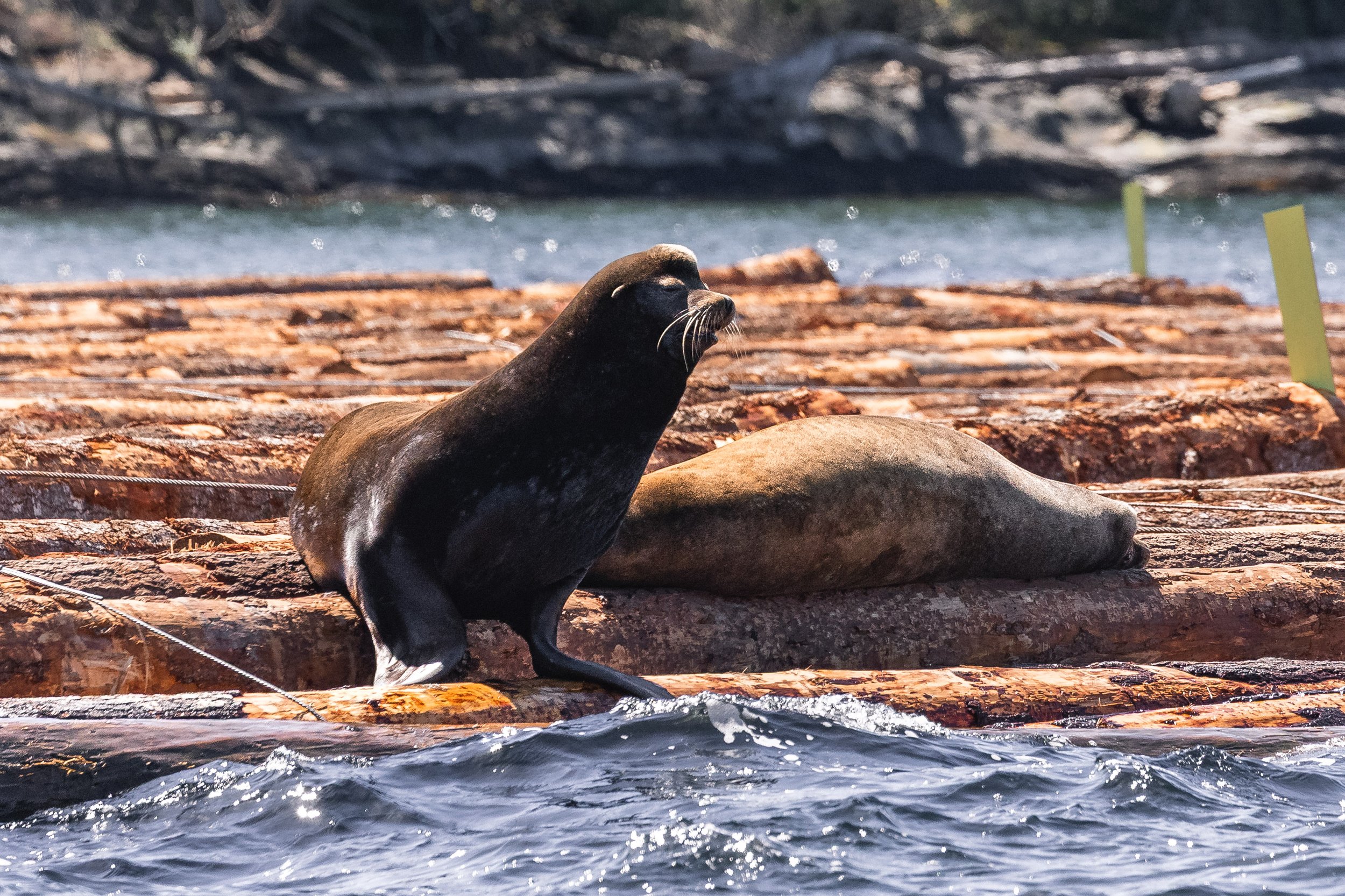
A mature male Californis Sea Lion thinking about a swim.