
April 3, 2026 - A new fin in the Salish Sea!
With a brisk breeze at our backs, Kula and her crew set out for the day, guests settling in and preparing for the day. The air carried a cool edge, but there was an excited energy on board as Marine Naturalist Jordan began outlining the plan. With so much water available to explore, it was decided that our day would begin along the outer edge of Gabriola Island.
Not far into the trip, just north of Whalebone Beach, a dark shape rose from the surface. A tall, black dorsal fin cut cleanly through the water before slipping beneath again. Jordan quickly lifted his camera, capturing the moment, confirming what we were seeing. These were orca, but more specifically, these were Southern Resident Killer Whales (SRKWs).
The mood on board shifted to a quieter kind of excitement. This is a population that carries deep significance in these waters, not only for their cultural and ecological importance, but also for their fragility. After confirming their identities, Kula countinued her course southward, leaving the area to allow the whales to continue undisturbed. In southern British Columbian waters, these whales are not approached or watched, a measure put in place to reduce stress on a population that faces ongoing challenges. Their reliance on Chinook salmon, combined with the impacts of vessel noise and environmental pressures, has led to their Critically Endangered status. We hope that one day the population will recover, and will no longer be listed as Critically Endangered.
With the Southern Residents heading northward, we turned our attention back to the search. The water opened up once more as we rounded Gabriola Island and passed through Gabriola Pass. Reports of another orca sighting near Dodd Narrows guided our next move, and we made our way around the Southern Gulf Islands, scanning as we went.
As we approached the Narrows, Captain Rodrigo guided Kula carefully through the passage. On the other side, the water widened into Northumberland Channel, and it did not take long before more fins appeared. This time, the scene looked different. Instead of a towering dorsal fin, several smaller fins travelled tightly together, moving steadily along the surface.
Up came Jordan’s camera once more, photos were taken, and the process of identification began once again. After comparing images and markings, we confirmed the presence of the T124Ds alongside T071B Hood. Then, another detail came into focus. Nestled close within the group was a very small calf, its pale areas still carrying a distinct orange hue - a brand new baby was travelling with them!
T071B Hood ♀ (2000)
T071B4 (2026)
T124D Field ♀ (1996)
T124D1 Salish II (2014)
T124D3 Lupine ♀ (2022)
T124D4 Dune (2024)
Exhilaration moved through the boat as the realization set in. There is something universally powerful about seeing a newborn, and among whales, it carries even more weight. Survival in the early months is uncertain, and many calves do not make it through their first year of life. One of the largest contributing factors is the transfer of accumulated toxins from mother to calf via milk, underscoring the challenges these animals face. For this group, that awareness felt especially present, as T071B Hood is believed to have lost her previous most recent calf, T071B3, shortly after their birth in 2024.
Determining the mother of a newborn in a mixed group is not always straightforward. Observations rely on careful attention to behaviour, particularly something known as Echelon Position. This is where a calf travels closely alongside and slightly behind an adult (usually their mother), using the slipstream created by the larger body to conserve energy. For a newborn, conserving energy is critical. With only a thin layer of blubber, they must keep moving to maintain their body heat in our cold waters.
During our encounter, the calf was observed consistently travelling in close proximity to T071B Hood. This suggests that Hood is likely their mother, and that this calf may eventually be designated T071B4. There is still some uncertainty, as T124D Field is also of reproductive age, and brief shifts in positioning can occur. With future sightings, a clearer picture of the calf’s lineage will emerge.
As the group continued on, we spent a few final moments observing before moving on ourselves. The encounter left a lasting impression, a reminder of both the fragility and resilience present in these waters.
Continuing out into the Strait, we made our way toward Entrance Island. The rocky shoreline came into view, marked by its lighthouse and the bustling activity surrounding it. Harbour seals rested along the edges, their bodies stretched out as they dozed between glances at the water. Nearby, Steller Sea Lions gathered in larger numbers at the tip of the island, their deep calls carrying across the surface as they shifted and settled among one another. While these species often share haulout areas, they tend to keep a respectful distance, each finding their own space along the shoreline.
Turning back toward Northumberland Channel, we made a couple of final stops before heading in. Along the cliffs of Gabriola Island, a Cormorant rookery came into view, birds dotting the rocks as they moved and called among the nesting sites. Further along, near the log booms by the Harmac pulp mill, California Sea Lions rested in clusters, their smaller bodies packed together as they lay draped across the logs. Some lifted their heads briefly as we passed, while others remained still, using one another for warmth and coziness.
For the final stretch, Kula turned once more around, back toward Nanaimo Harbour. The shoreline drew closer, the boat's motion slowing down as the trip came to an end. We reflected on the day’s encounters in awe, reminiscing about the many beautiful species we saw throughout the day.
Please enjoy today’s photos, taken by Marine Naturalist Jordan Robinson while out and about!
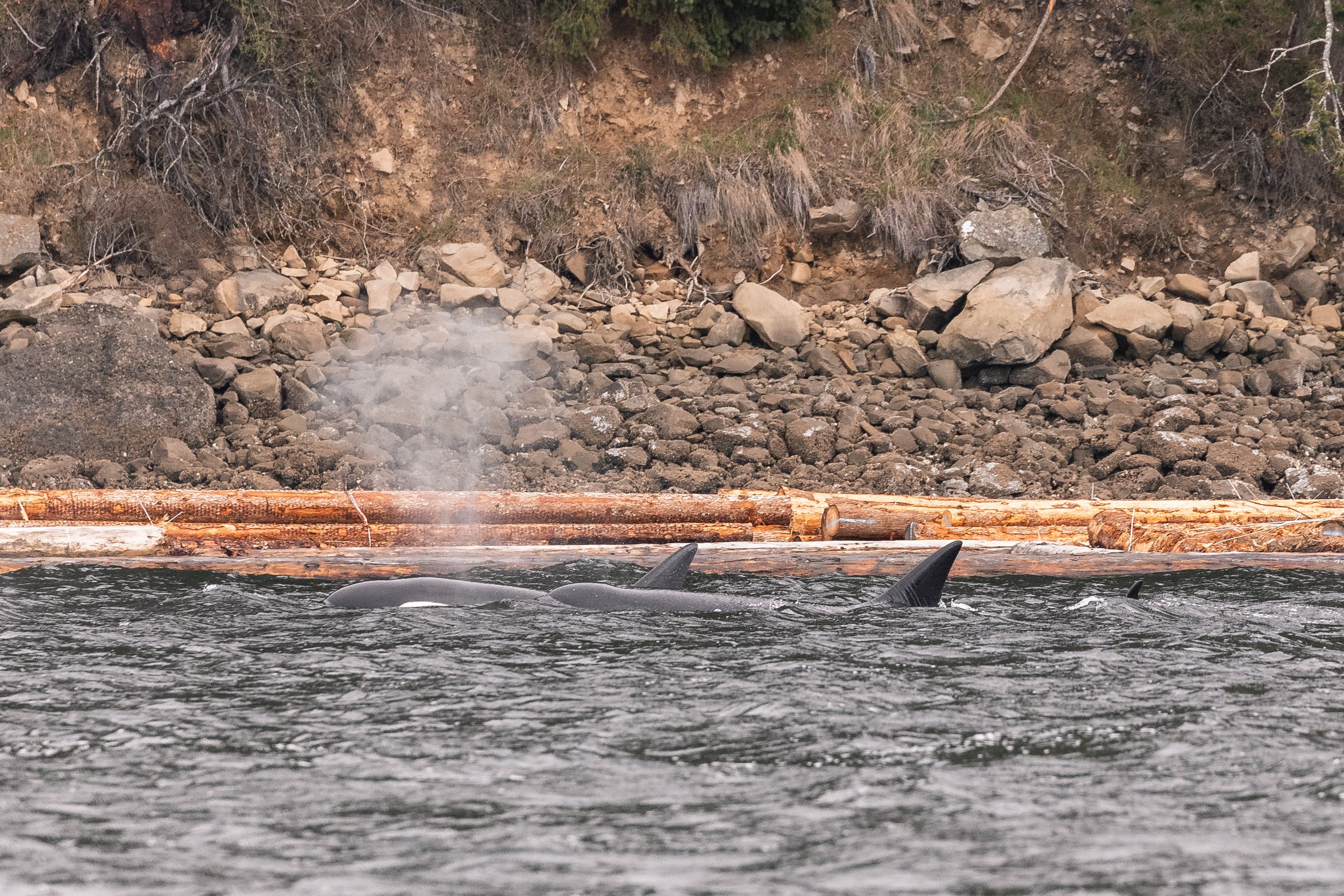
T124D1 Salish II and T124D Field - mother and daughter together.
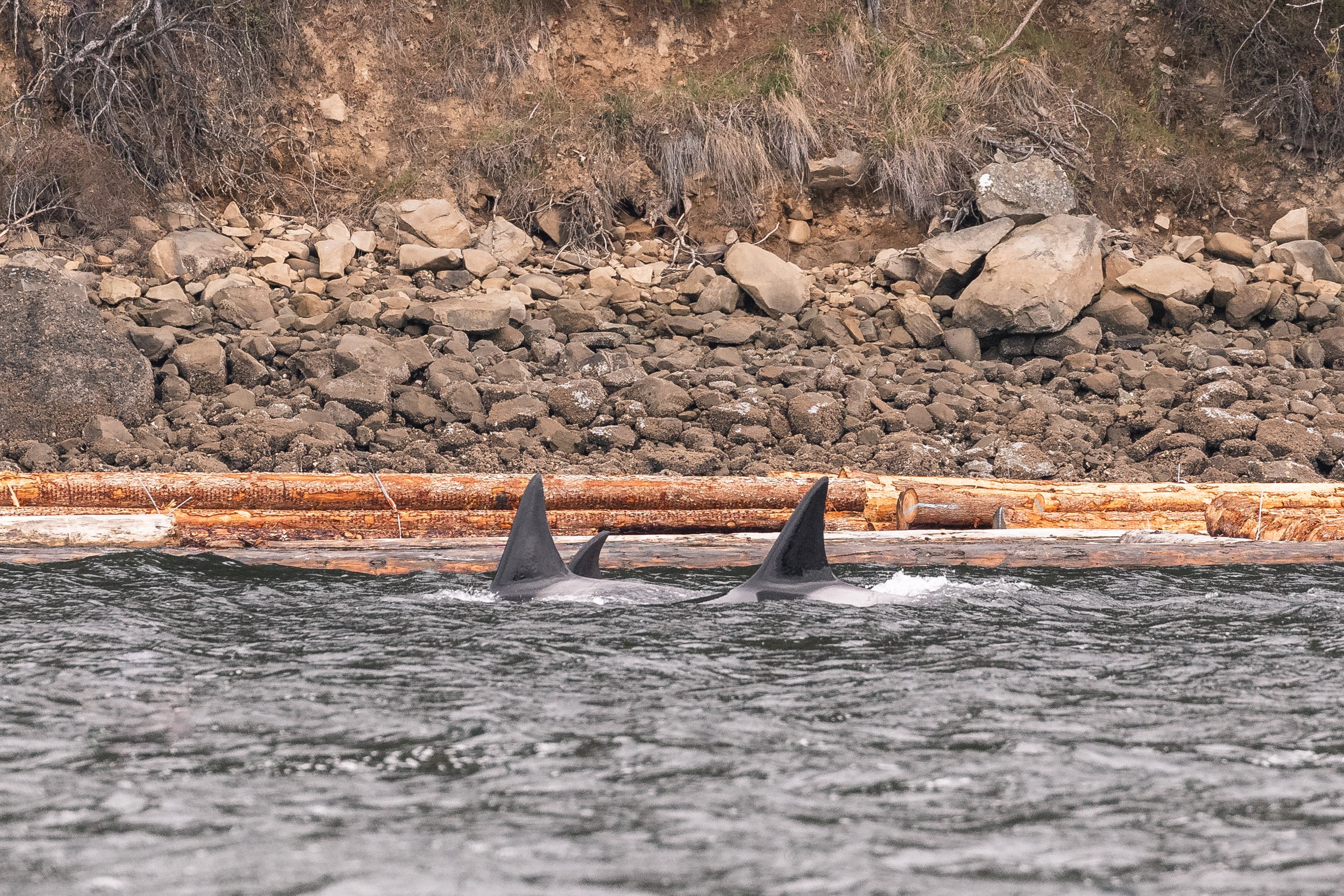
T124D1 Salish II and T124D Field, with T124D4 Dune behind them.
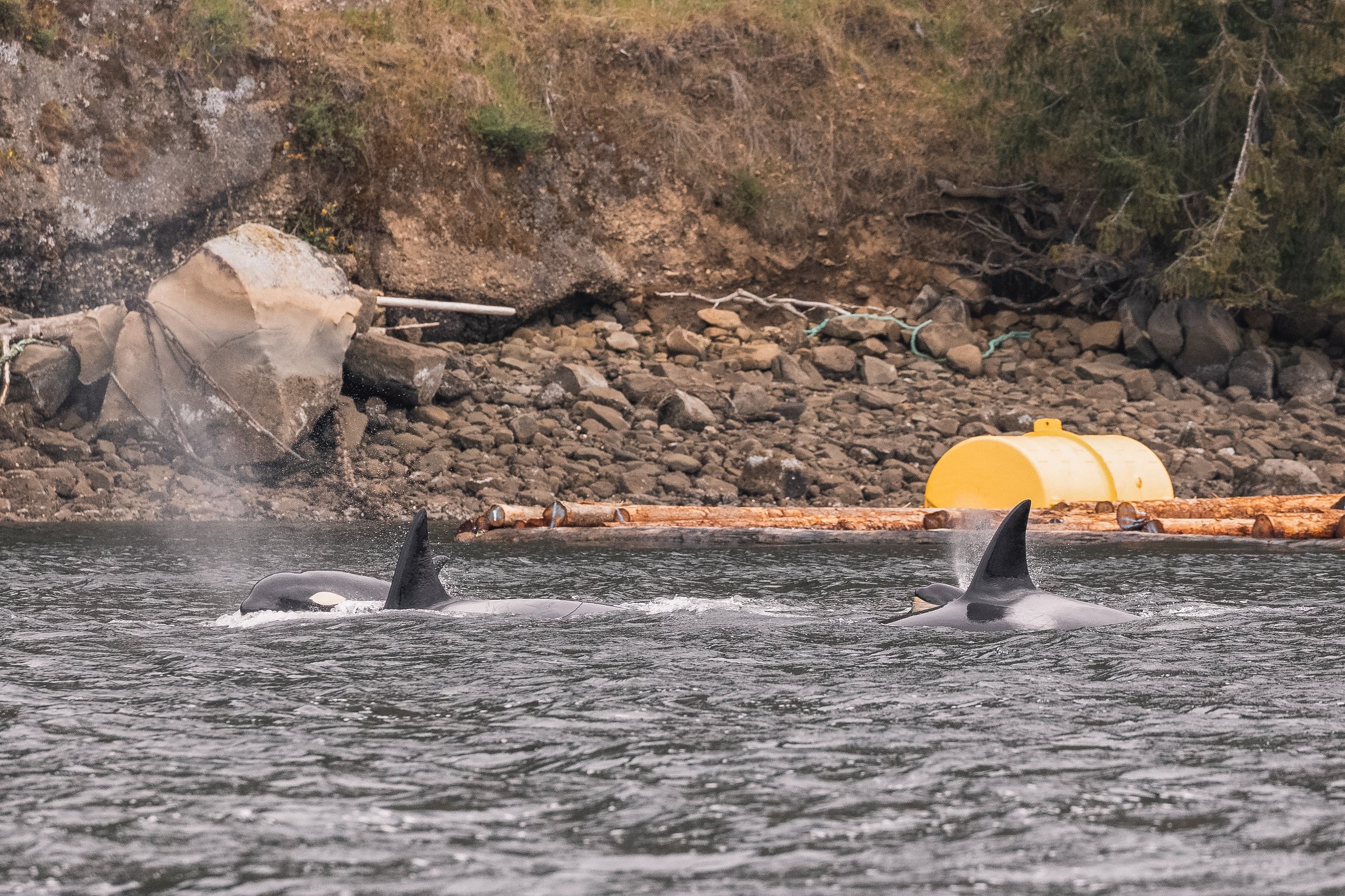
T124 Field, with T124D4 Dune at her side, and with T071B Hood and T071B4 behind them.
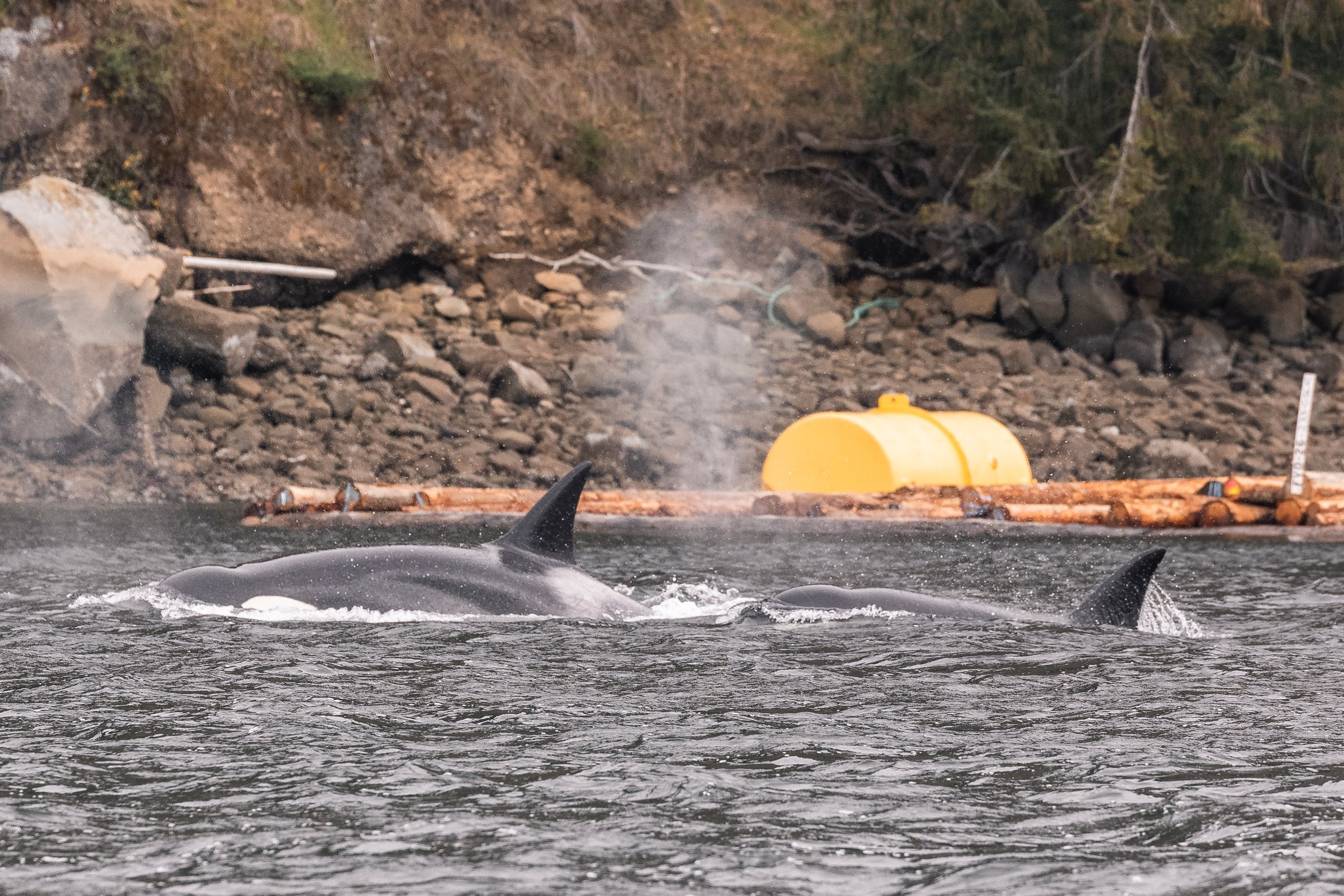
T124D Field with her eldest calf T124D1 Salish II.
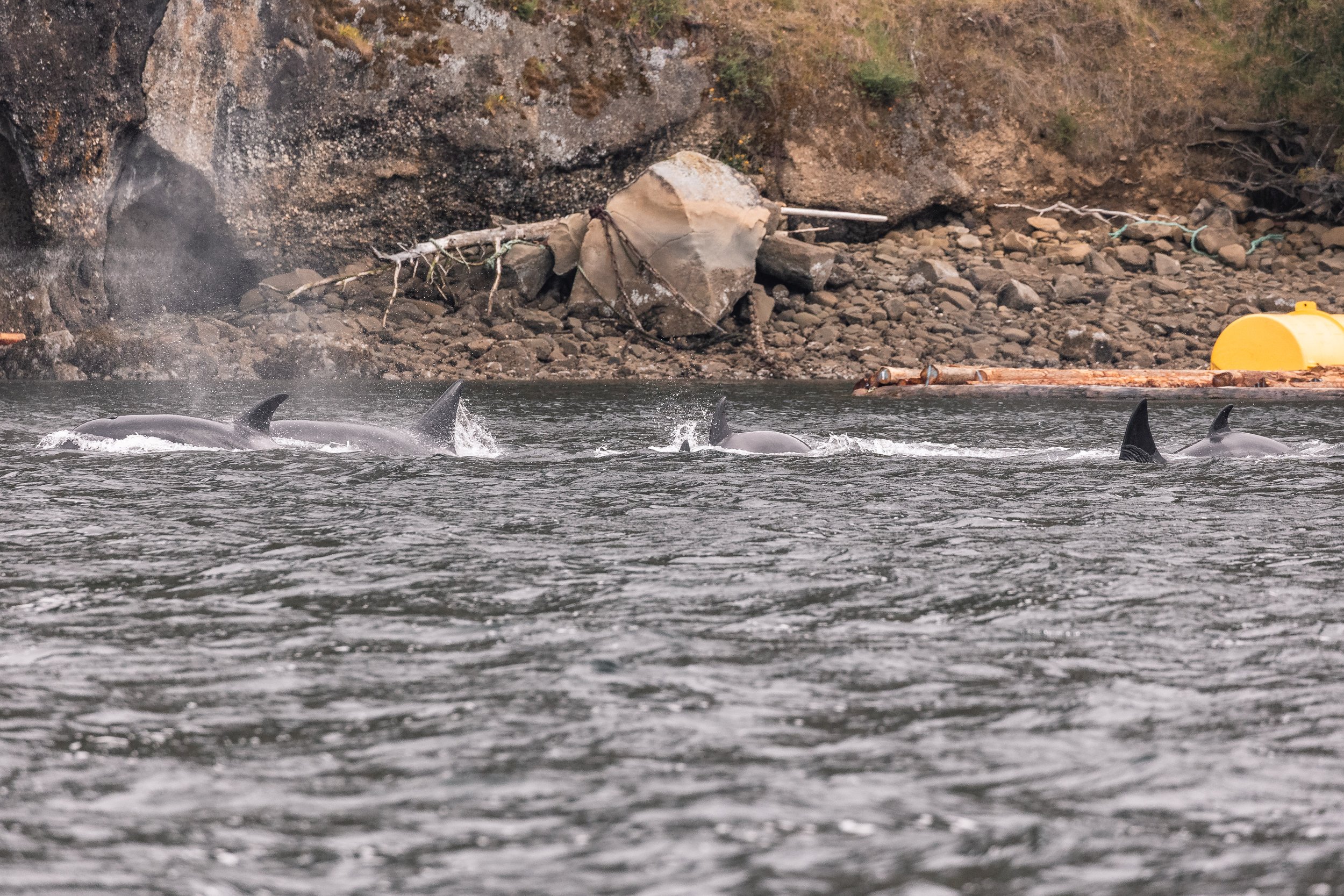
All together. Left to right: T124D3 Lupine, T124D1 Salish II, T124D Field (tip of dorsal), T124D4 Dune, T071B Hood, and T071B4.
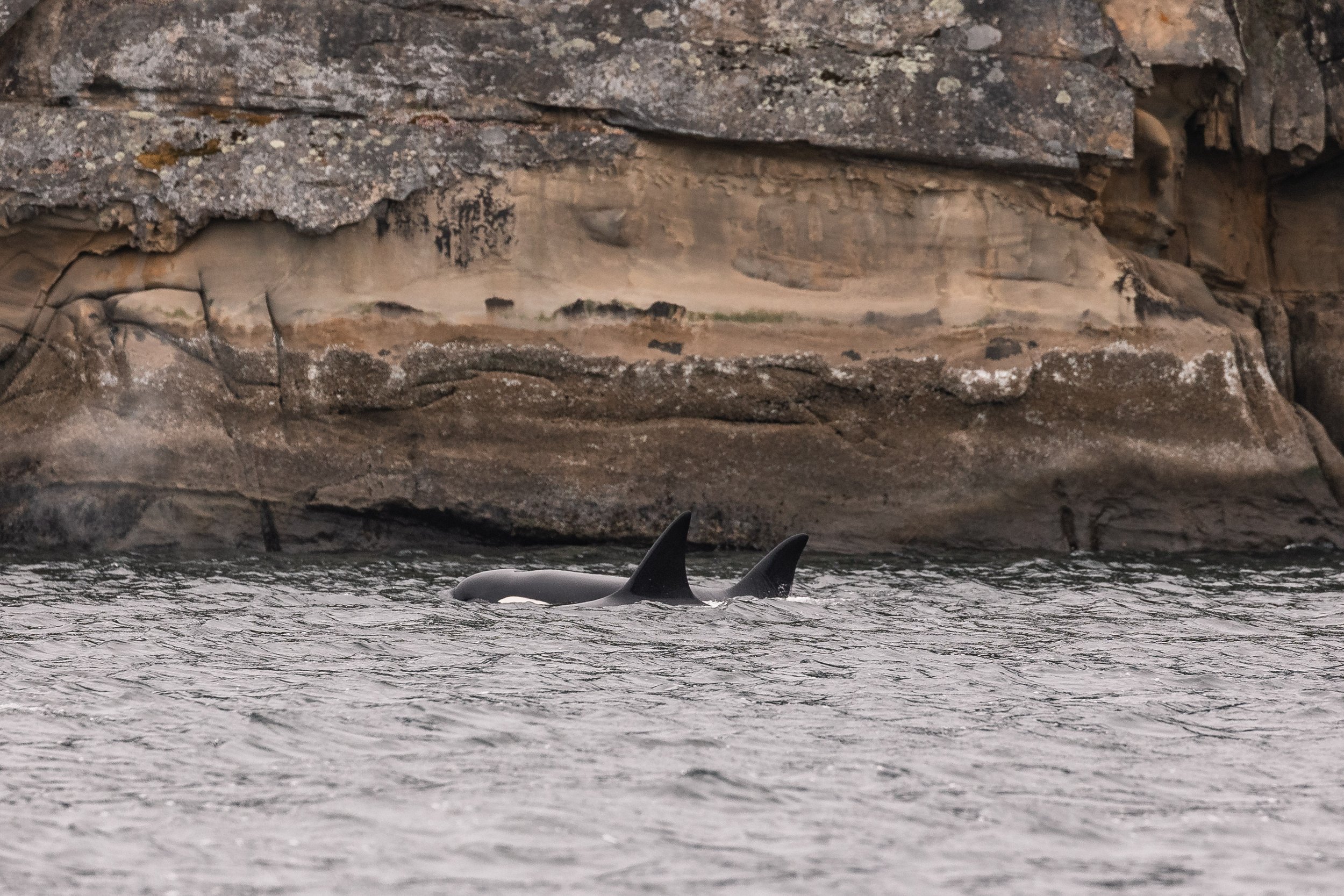
Matriarchs T124D Field and T071B Hood.
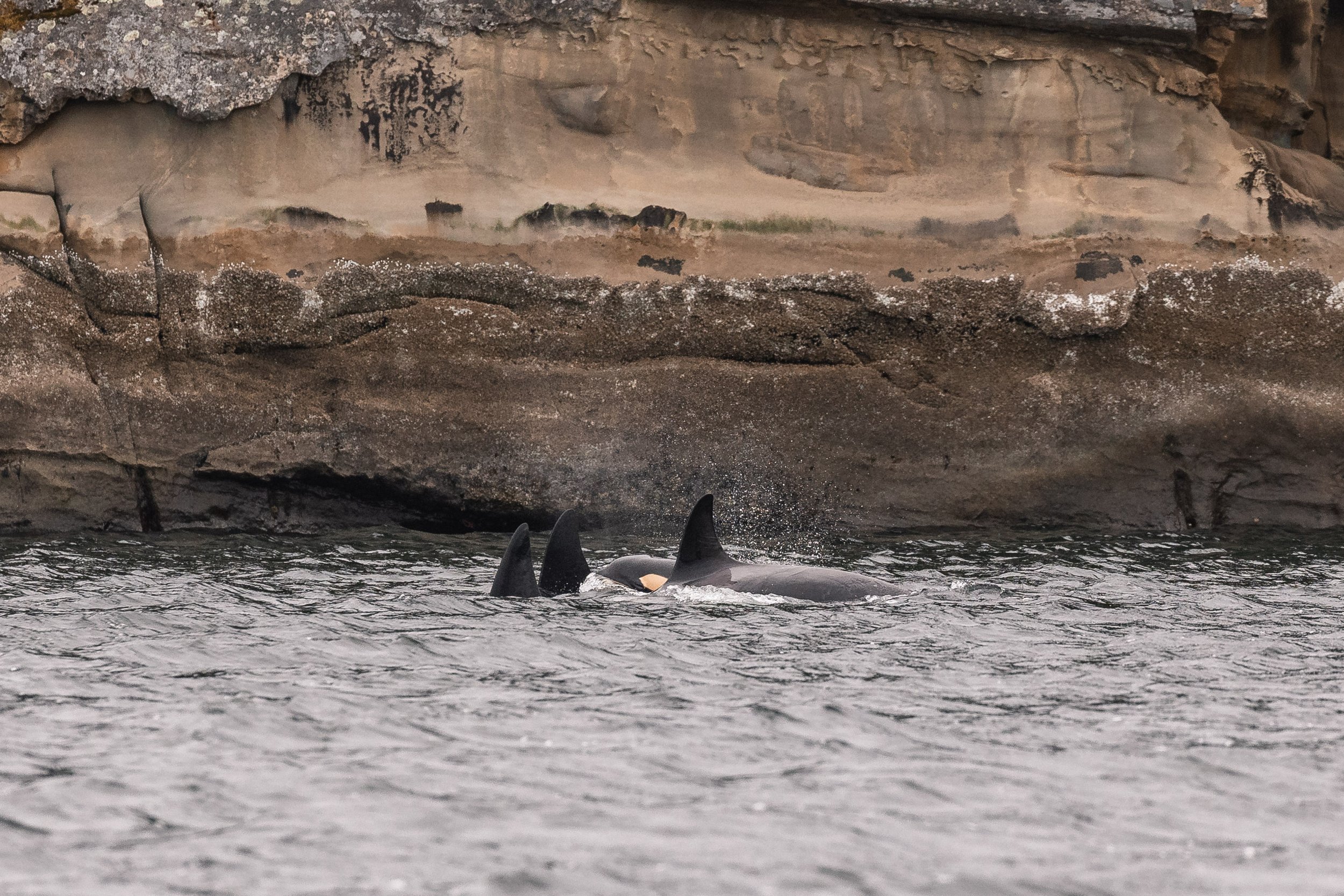
All grouped together! T124D Field, T071B Hood, T071B4, and T124D3 Lupine.
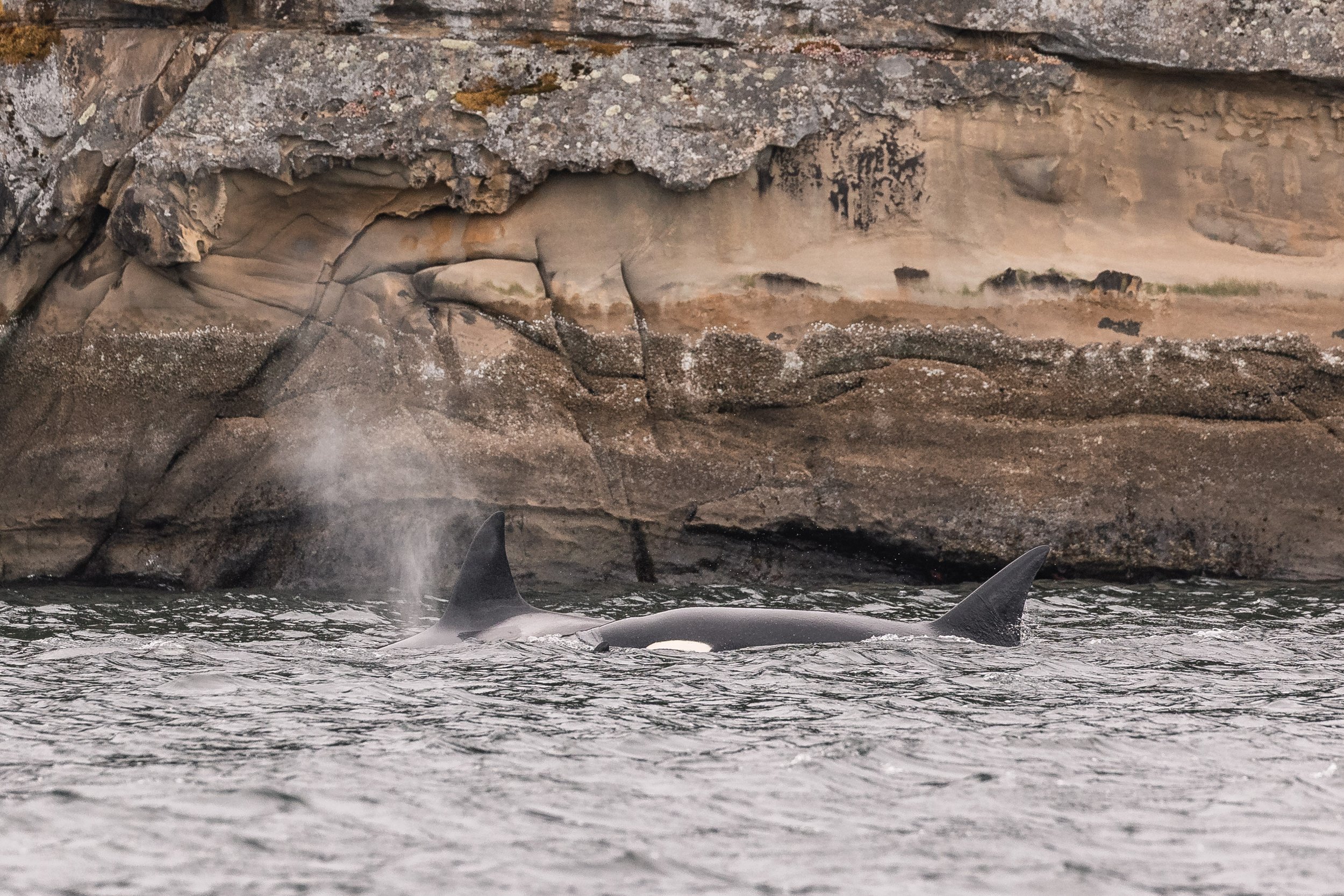
T071B Hood and T124D1 Salish II travelling together.
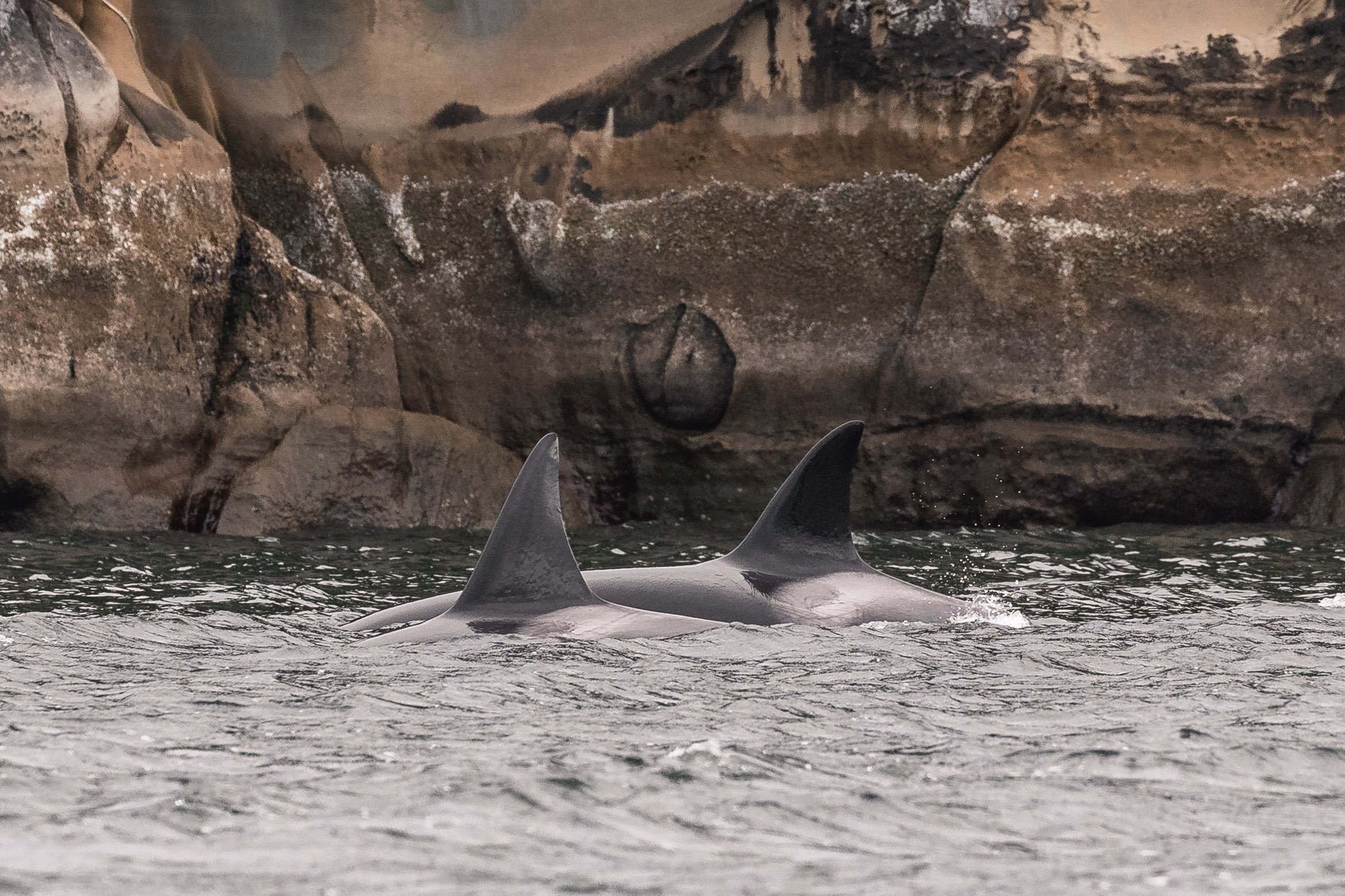
T124D1 Salish II and T071B Hood travelling side-by-side.
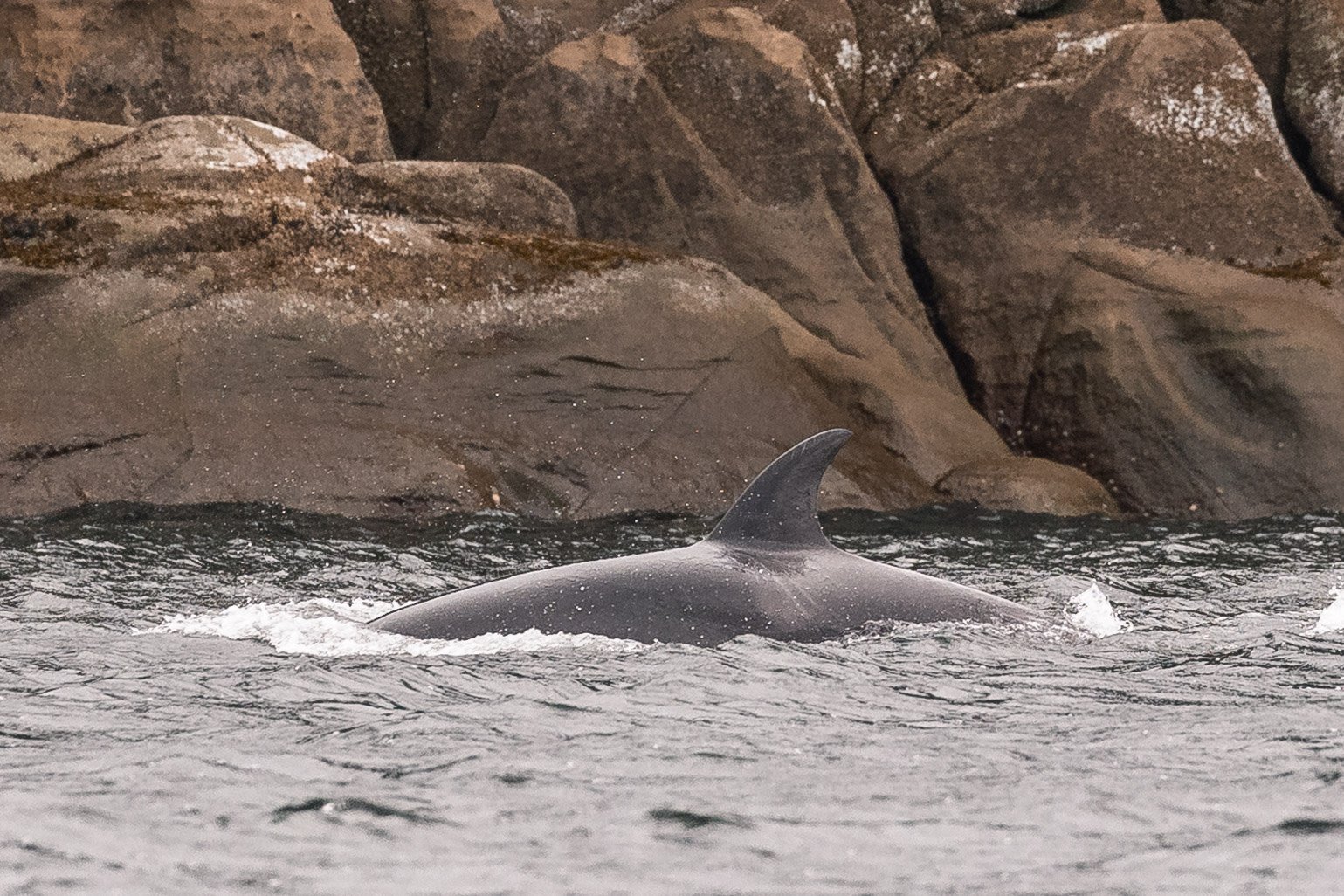
T124D4 Dune has two distinct scratches in their saddlepatch - can you spot them here?
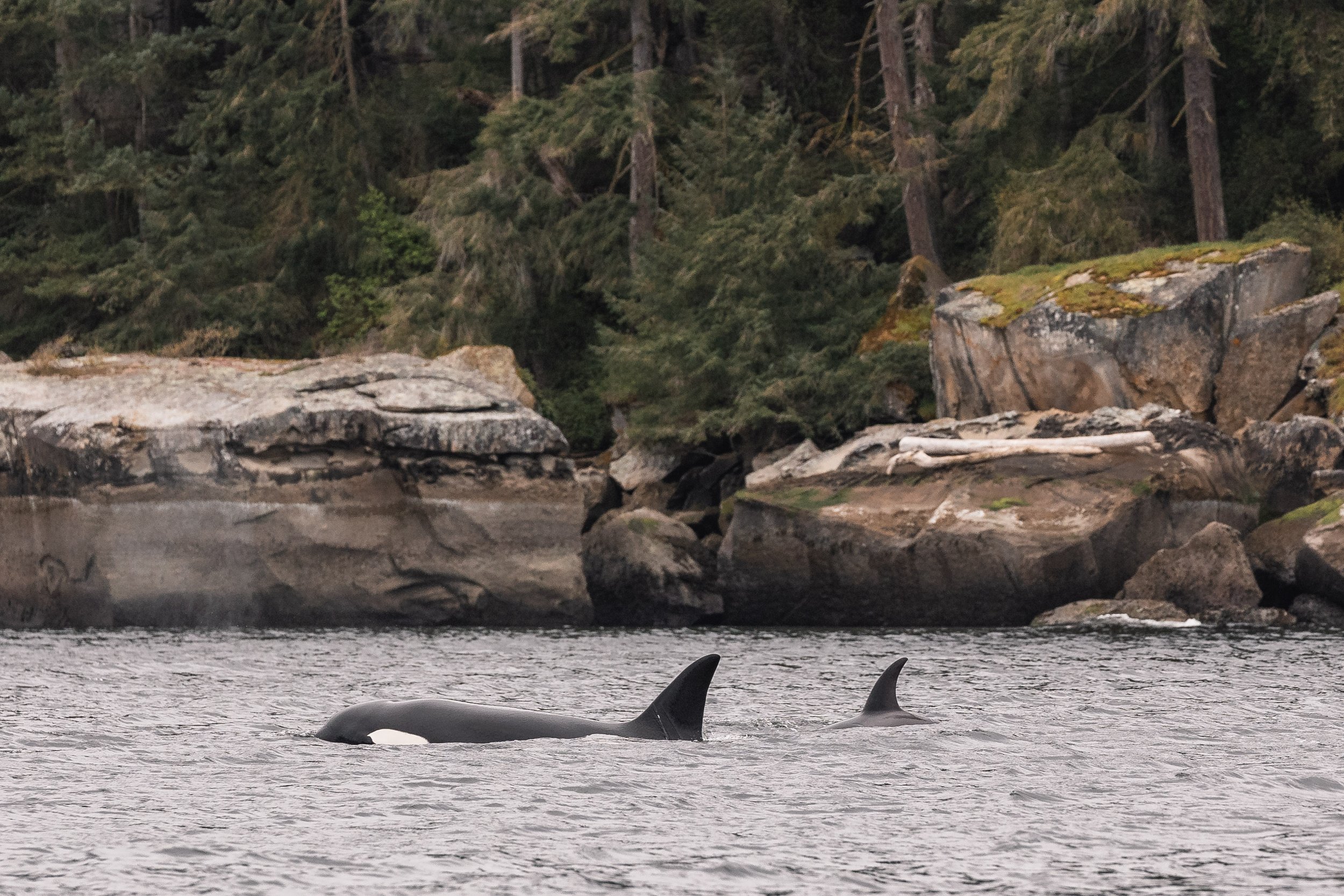
T071B Hood with T124D4 Dune beside her.
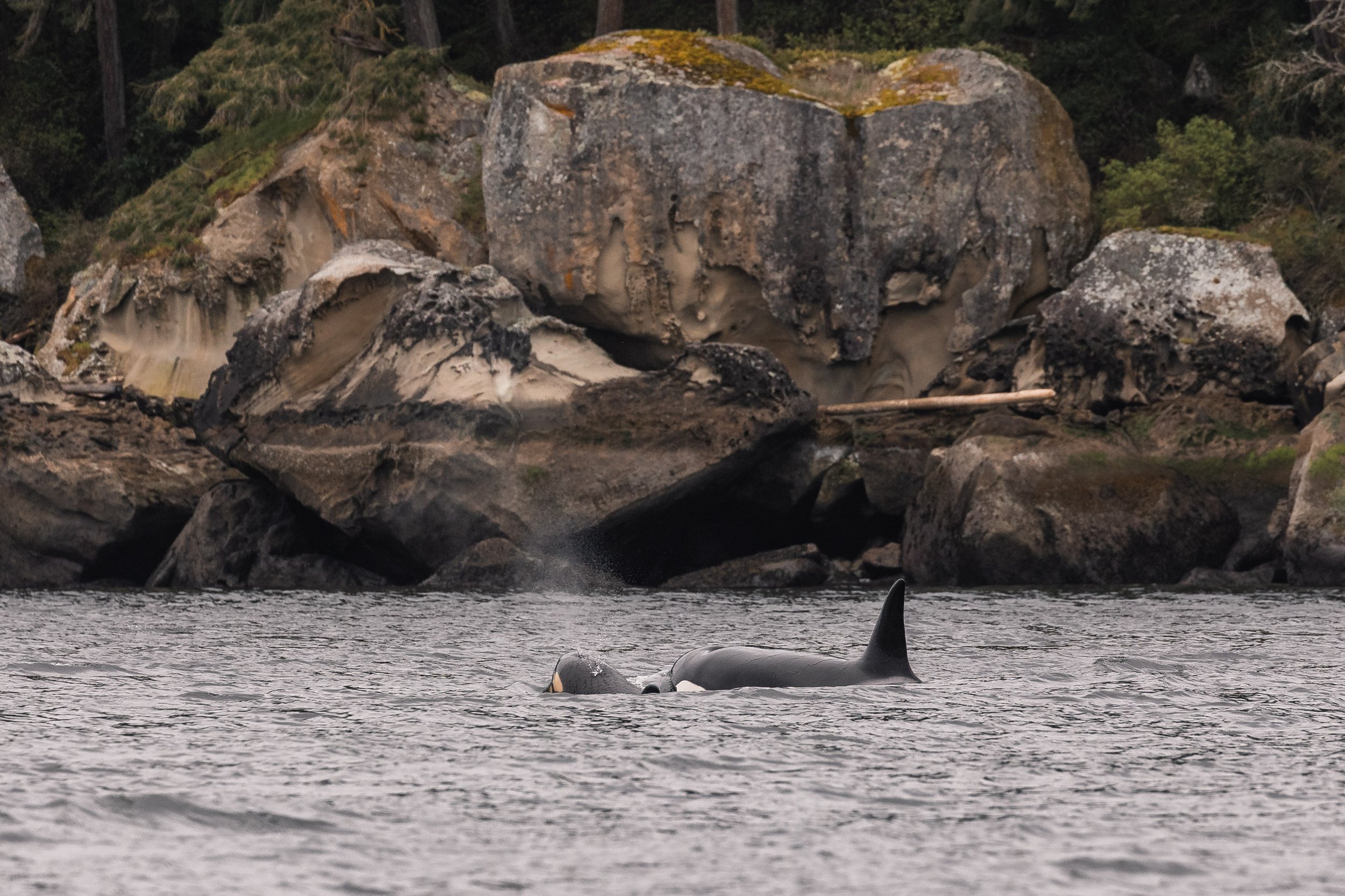
T071B Hood and little T071B4.
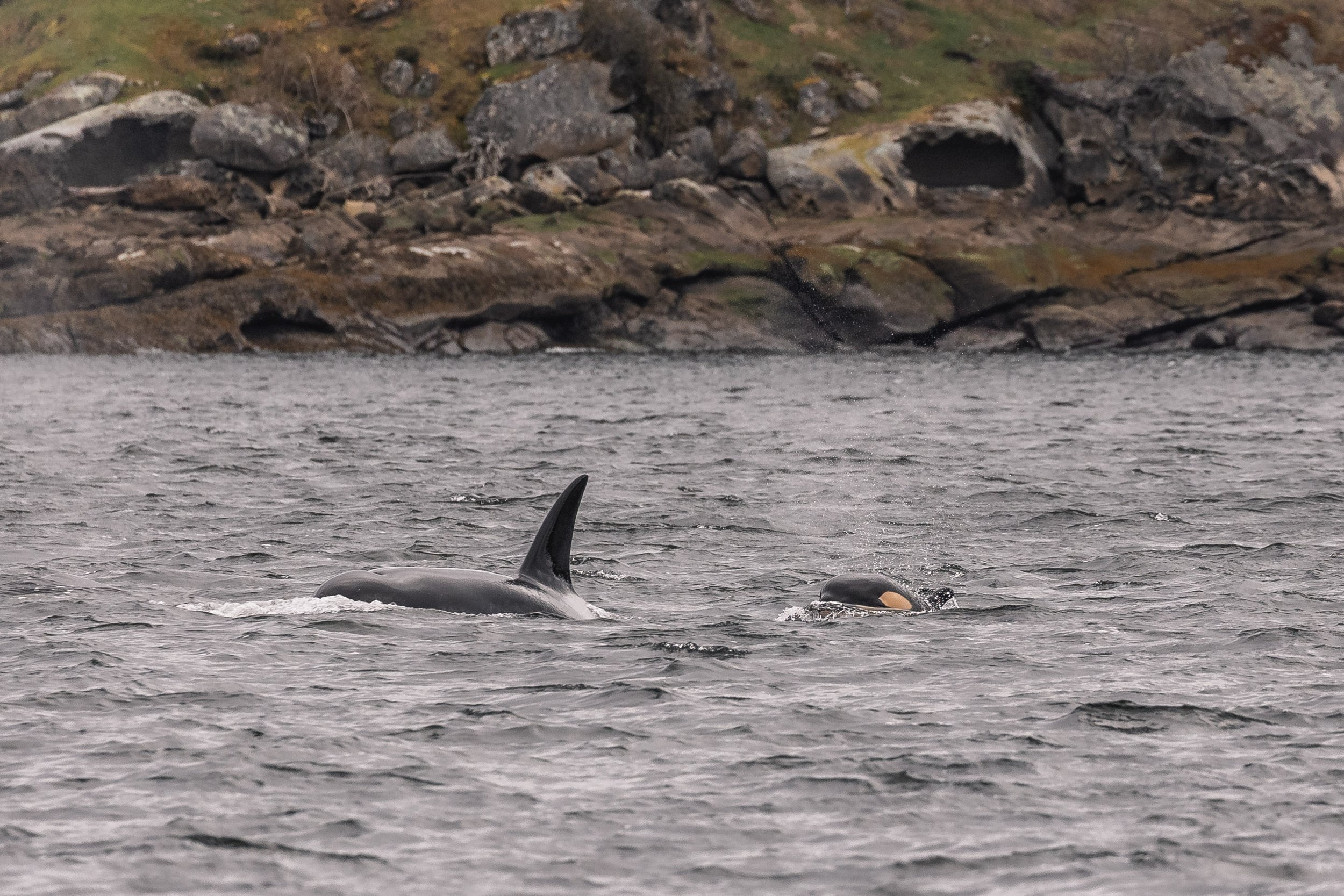
T071B4’s little orange head popping up above the surface.
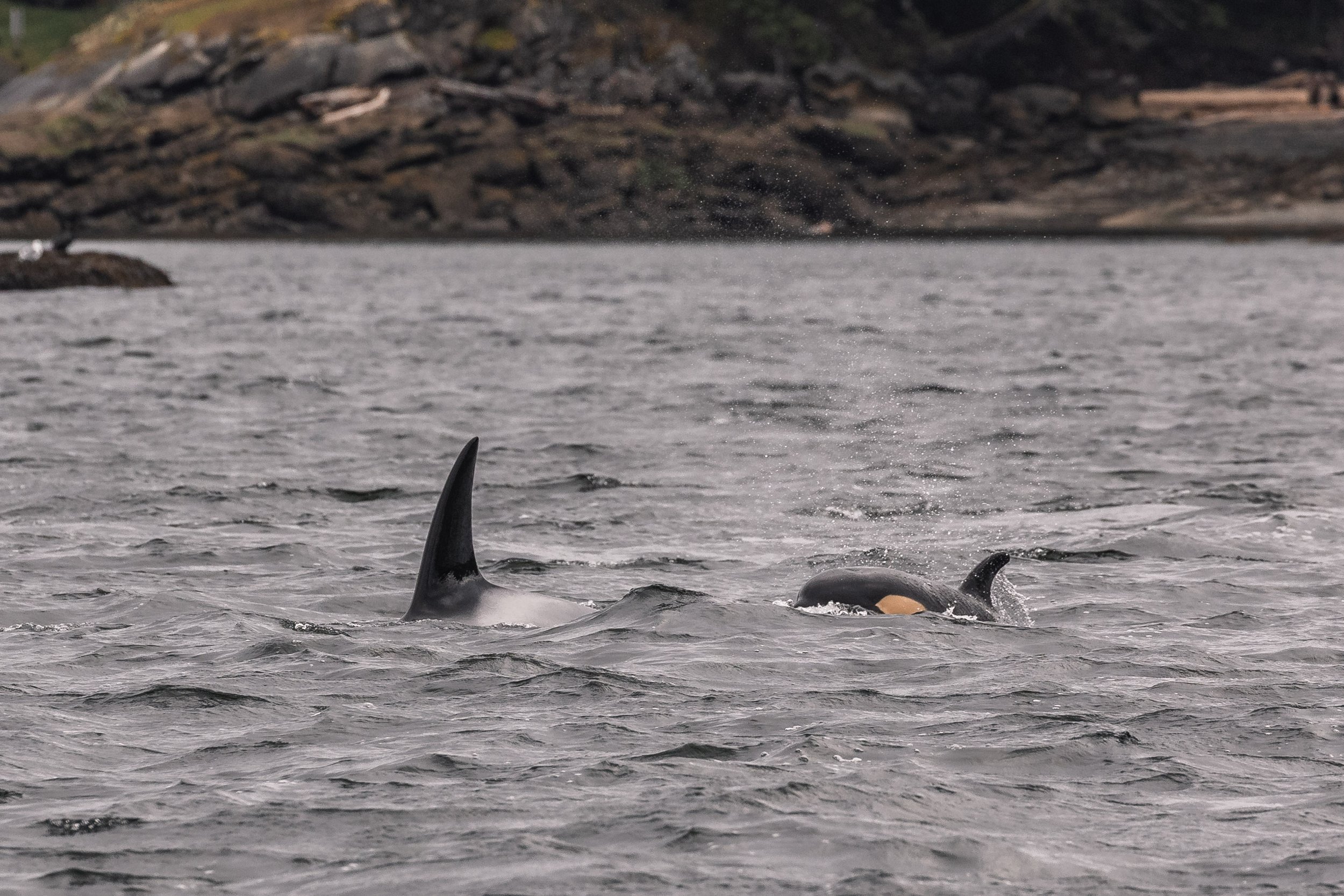
T071B Hood followed very closely by the brand new calf, T071B4.
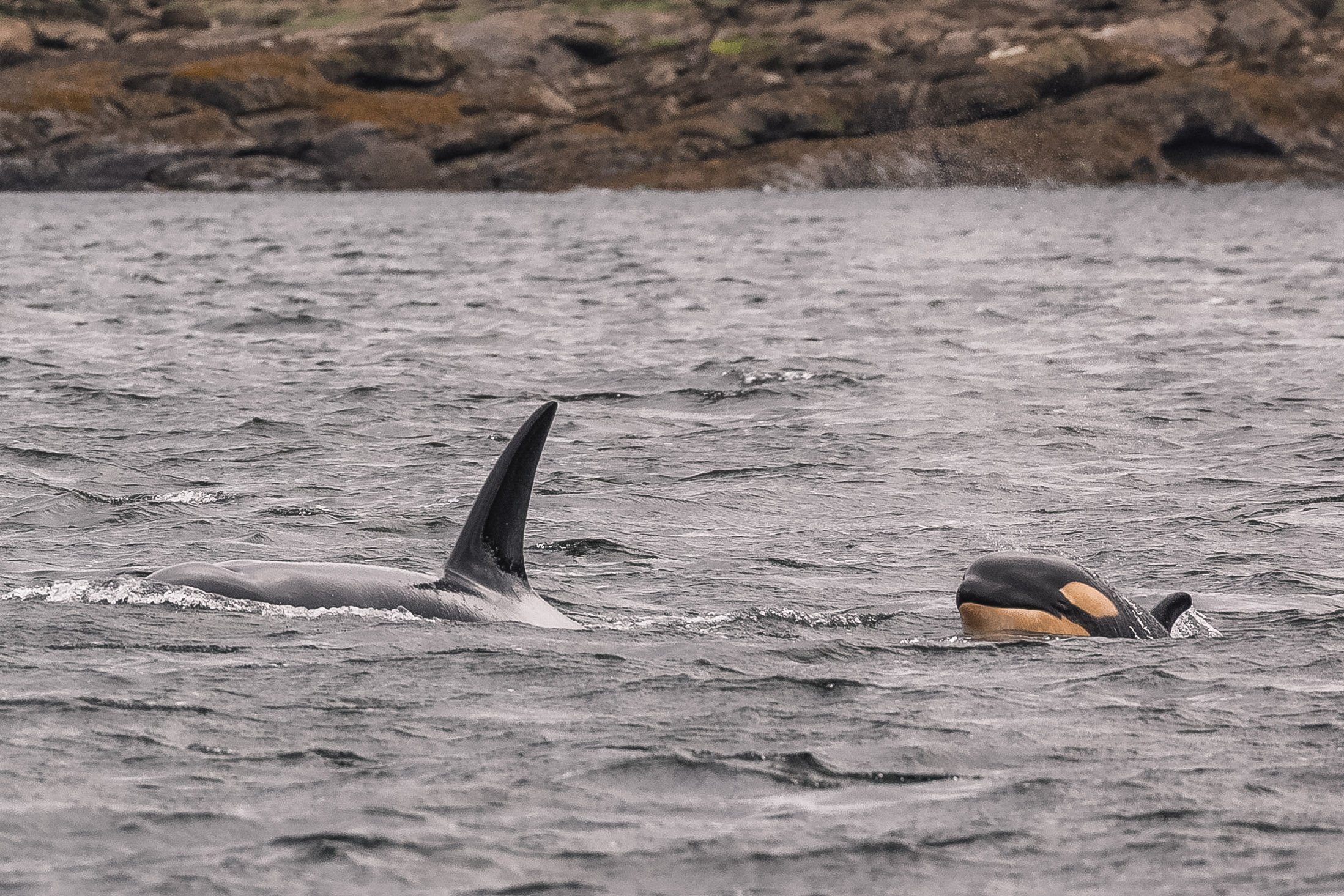
T071B Hood with tiny T071B4 with their head out of the water.
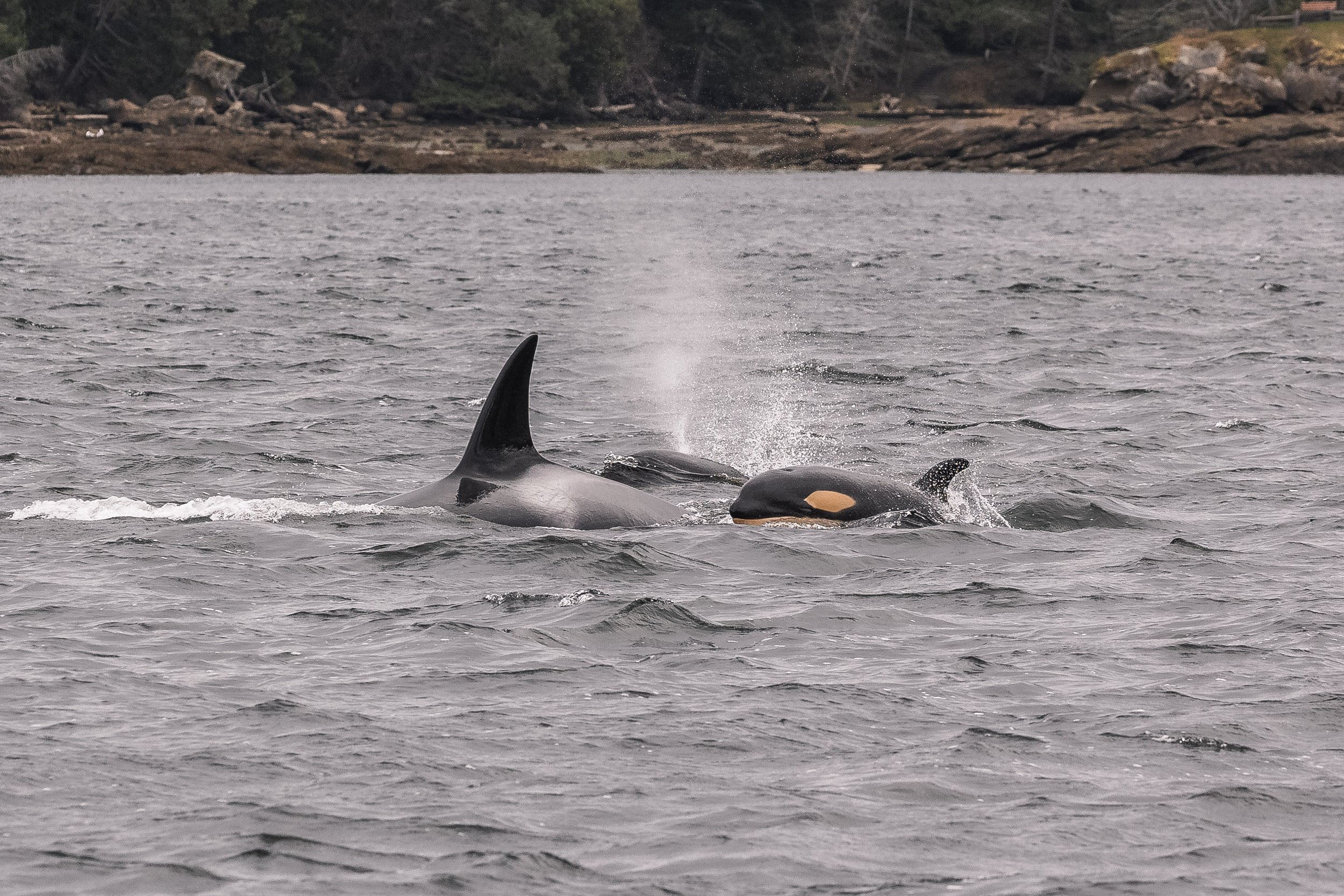
T071B Hood with her new calf T071B4 beside her.
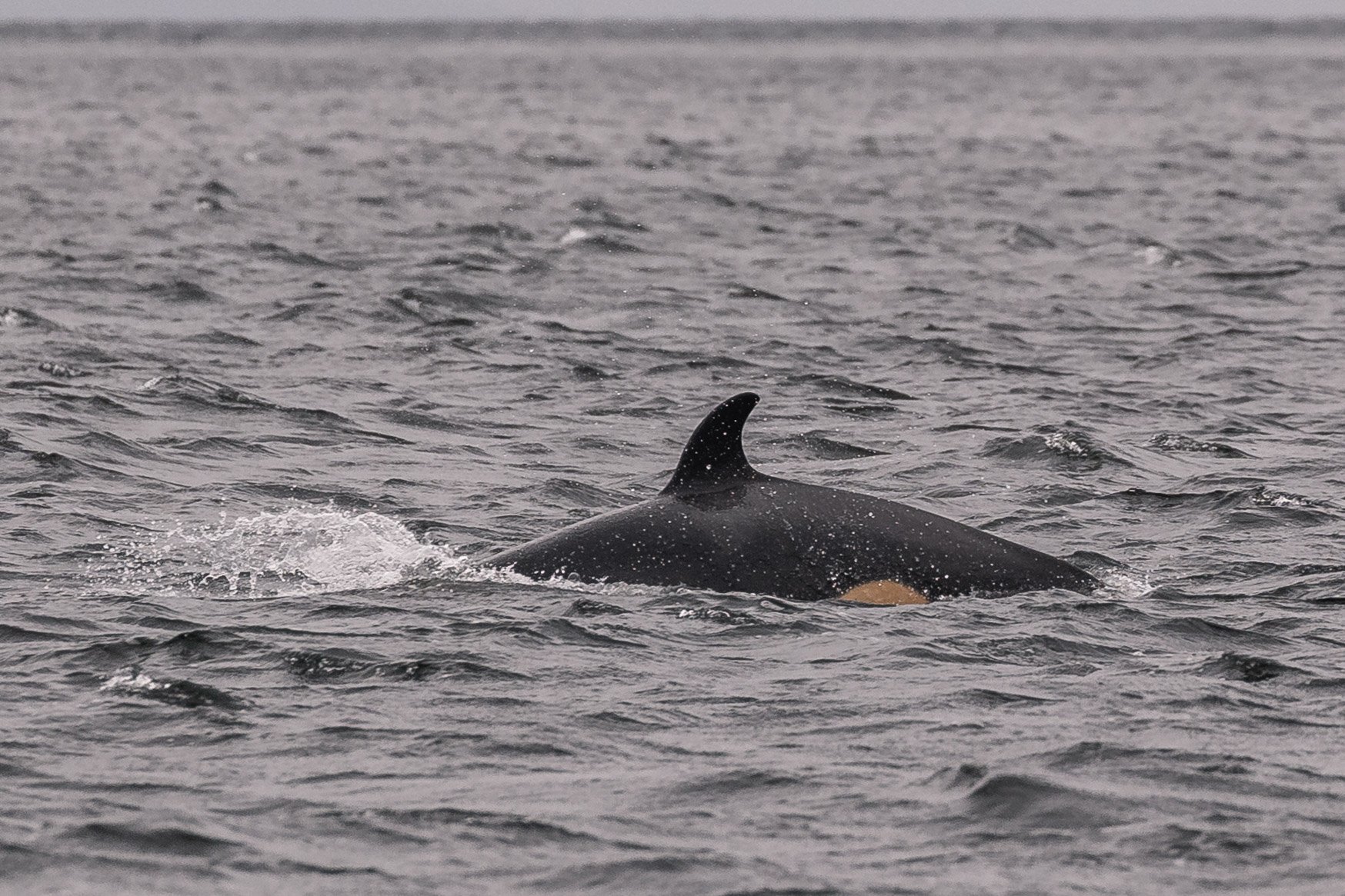
The teeny tiny new calf - T071B4!
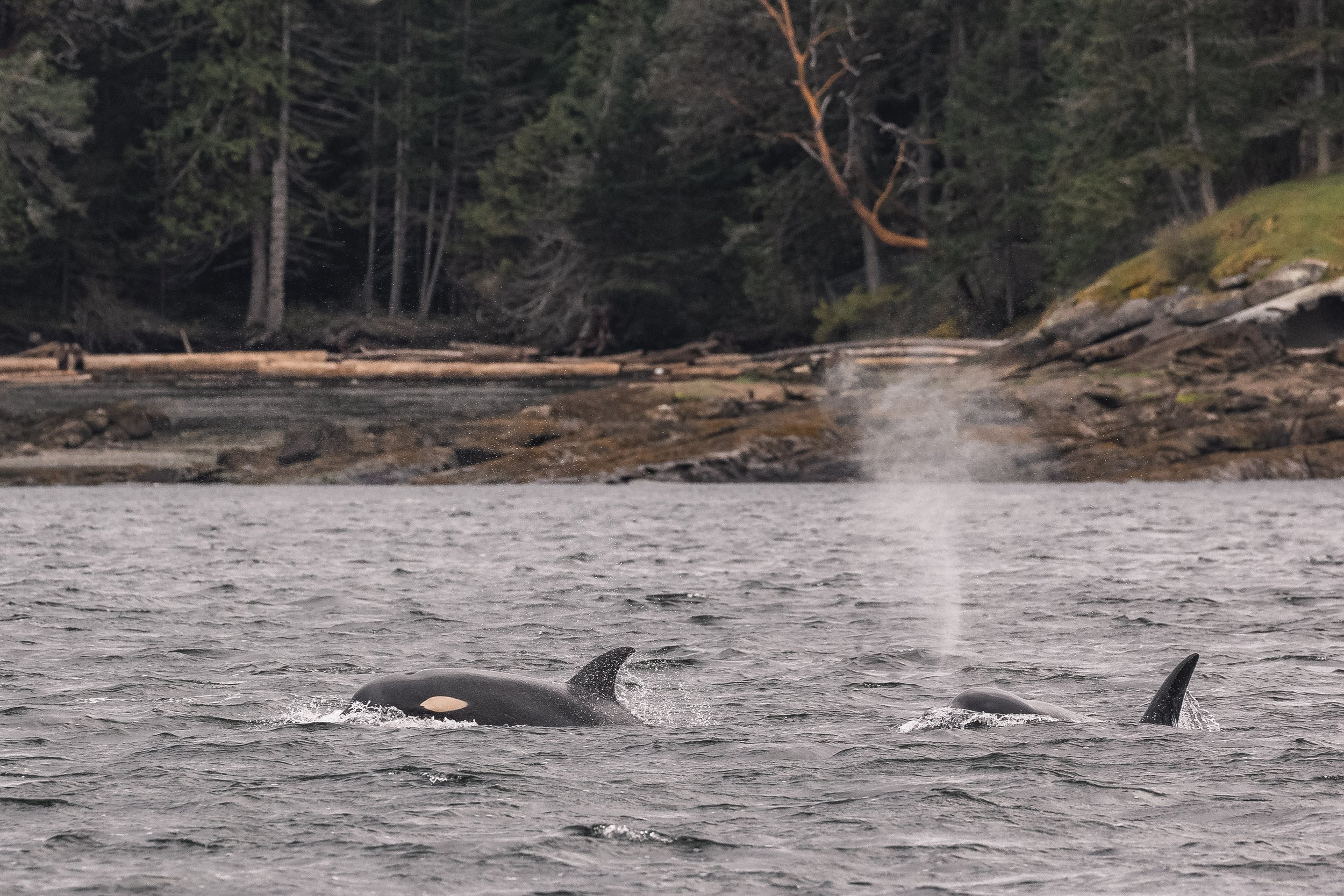
T124D4 Dune with T071B Hood behind them.
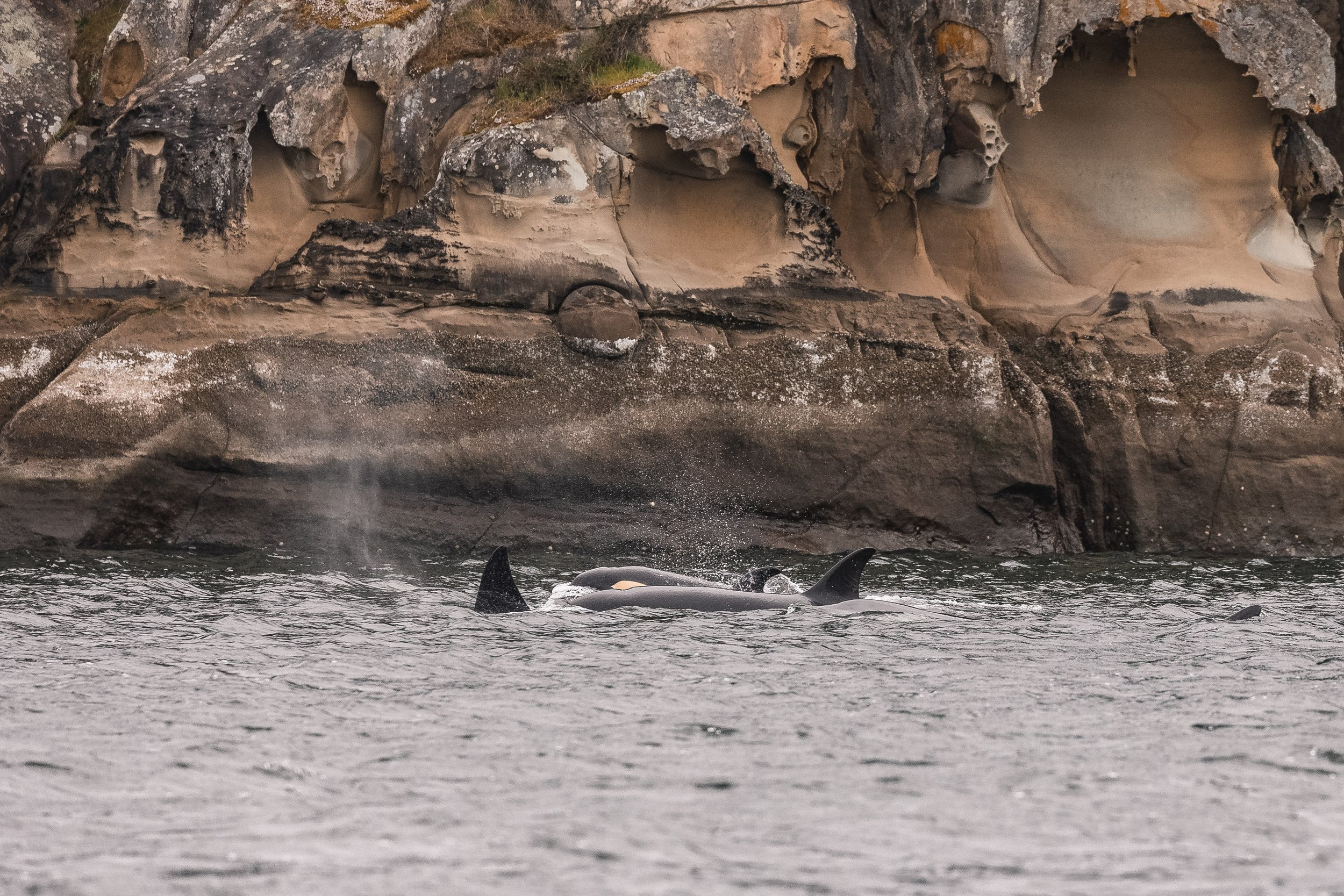
T071B Hood, T071B4, and T124D3 Lupine.
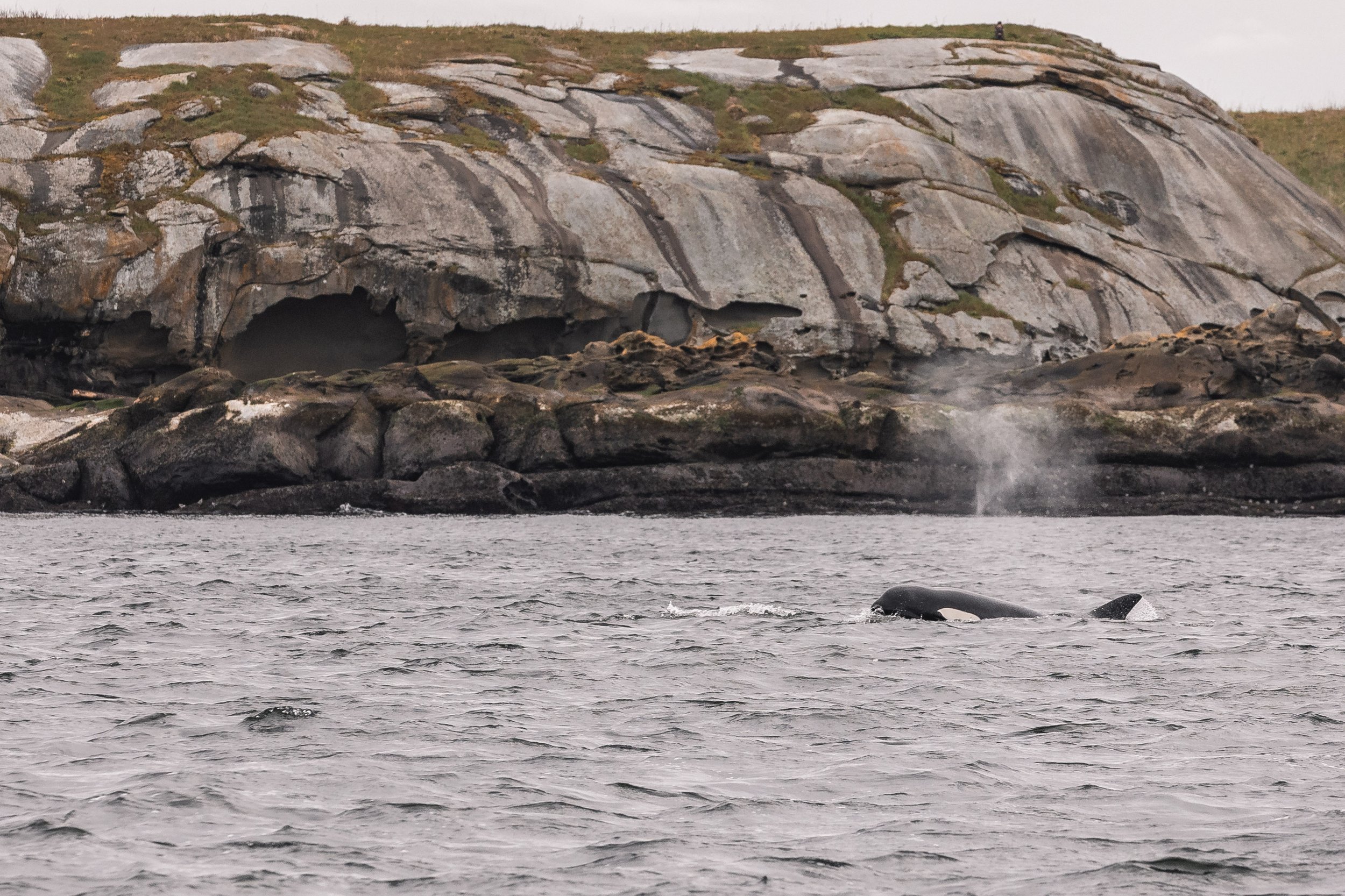
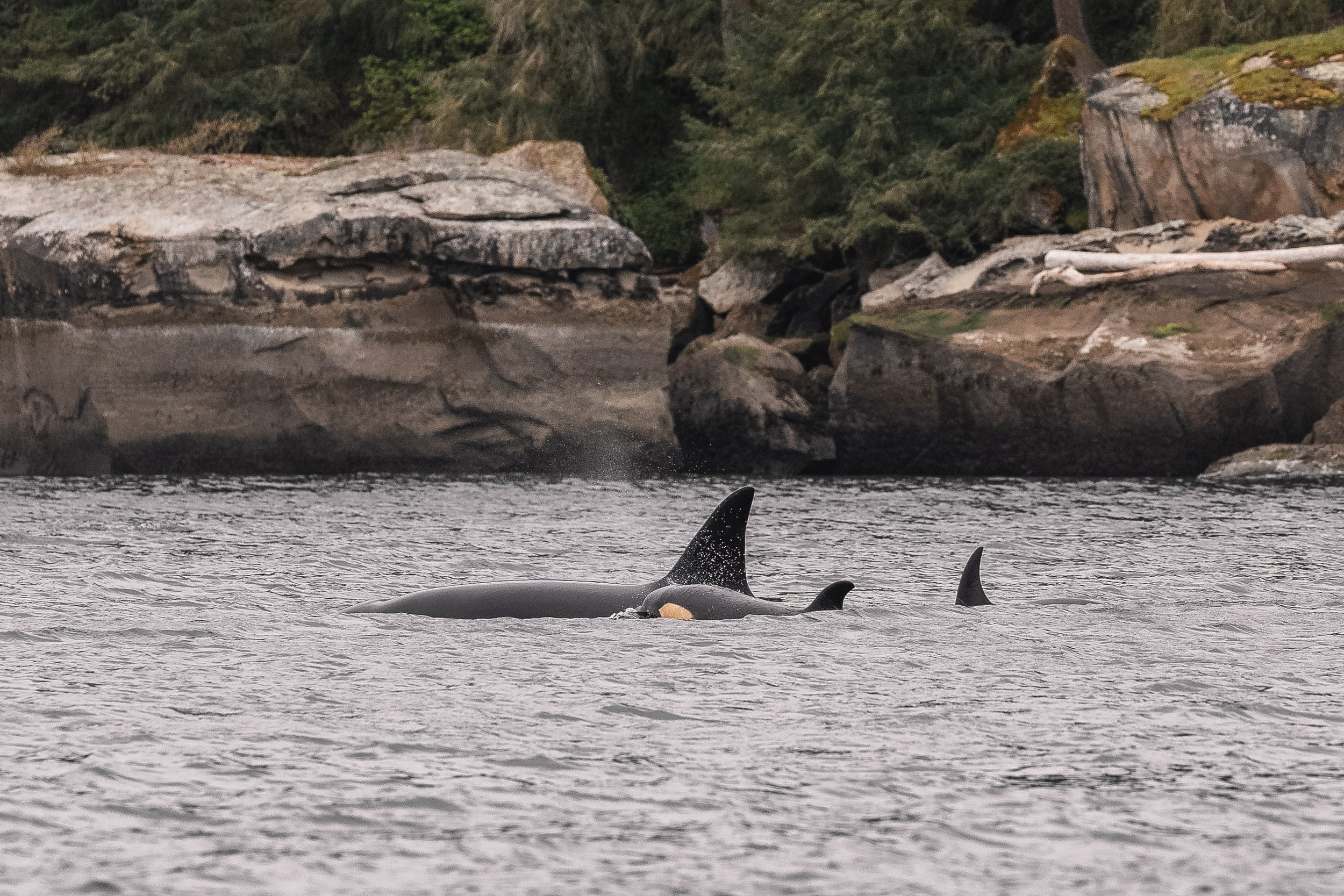
T071B Hood, T071B4, and T124D Dune travelling together.
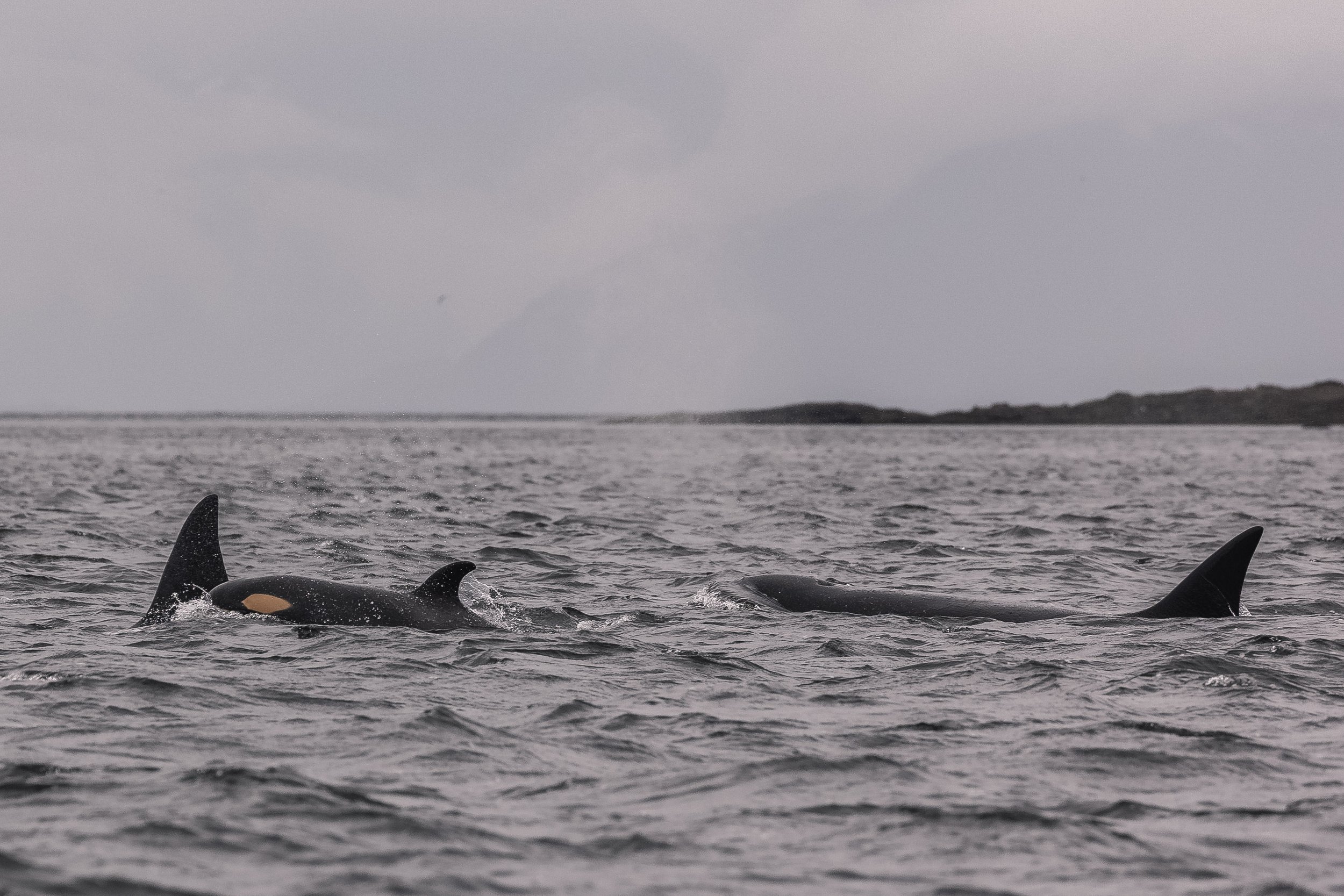
T071B Hood with T071B4 tucked right beside her and T124D1 Salish II behind them.
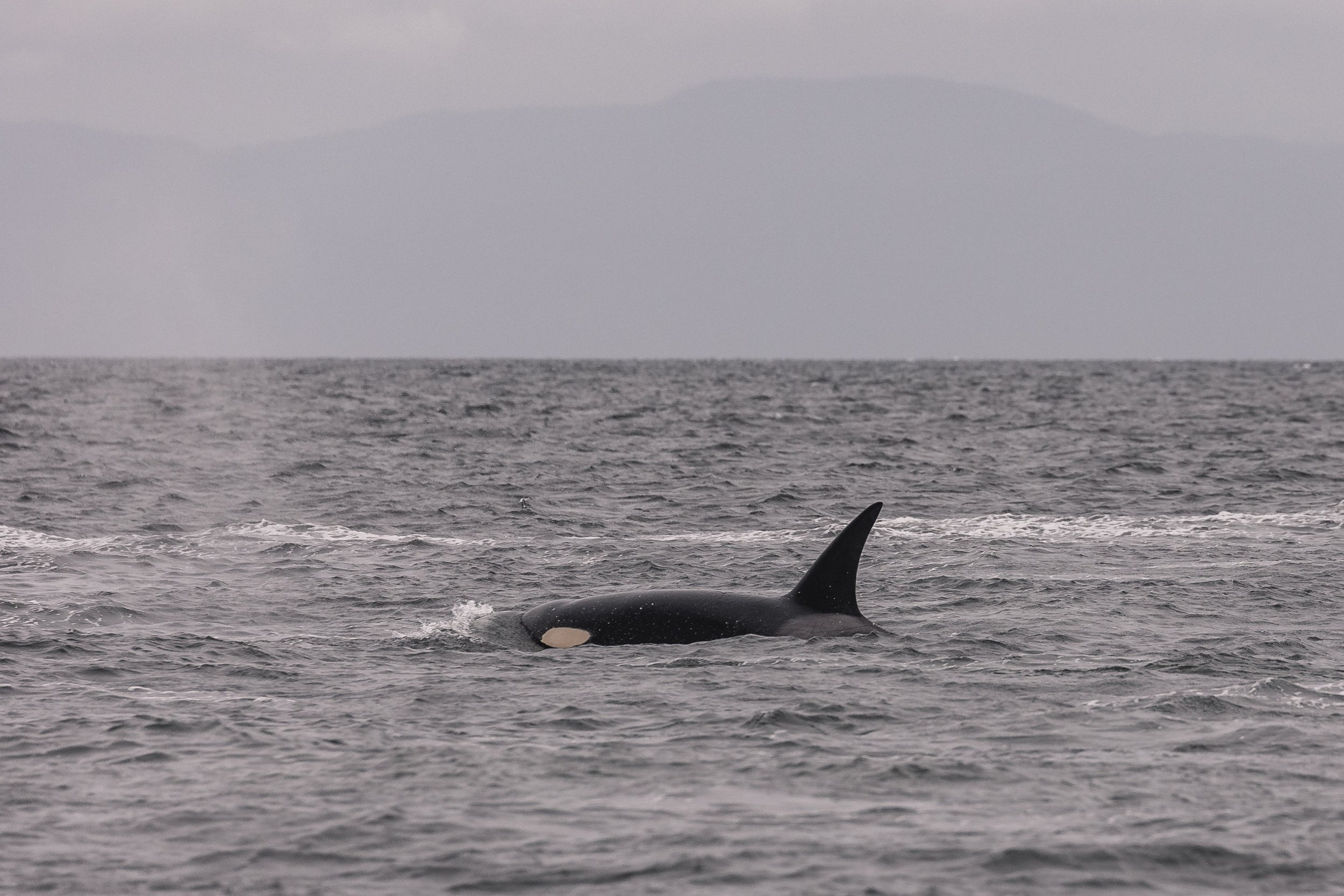
T124D1 Salish II.
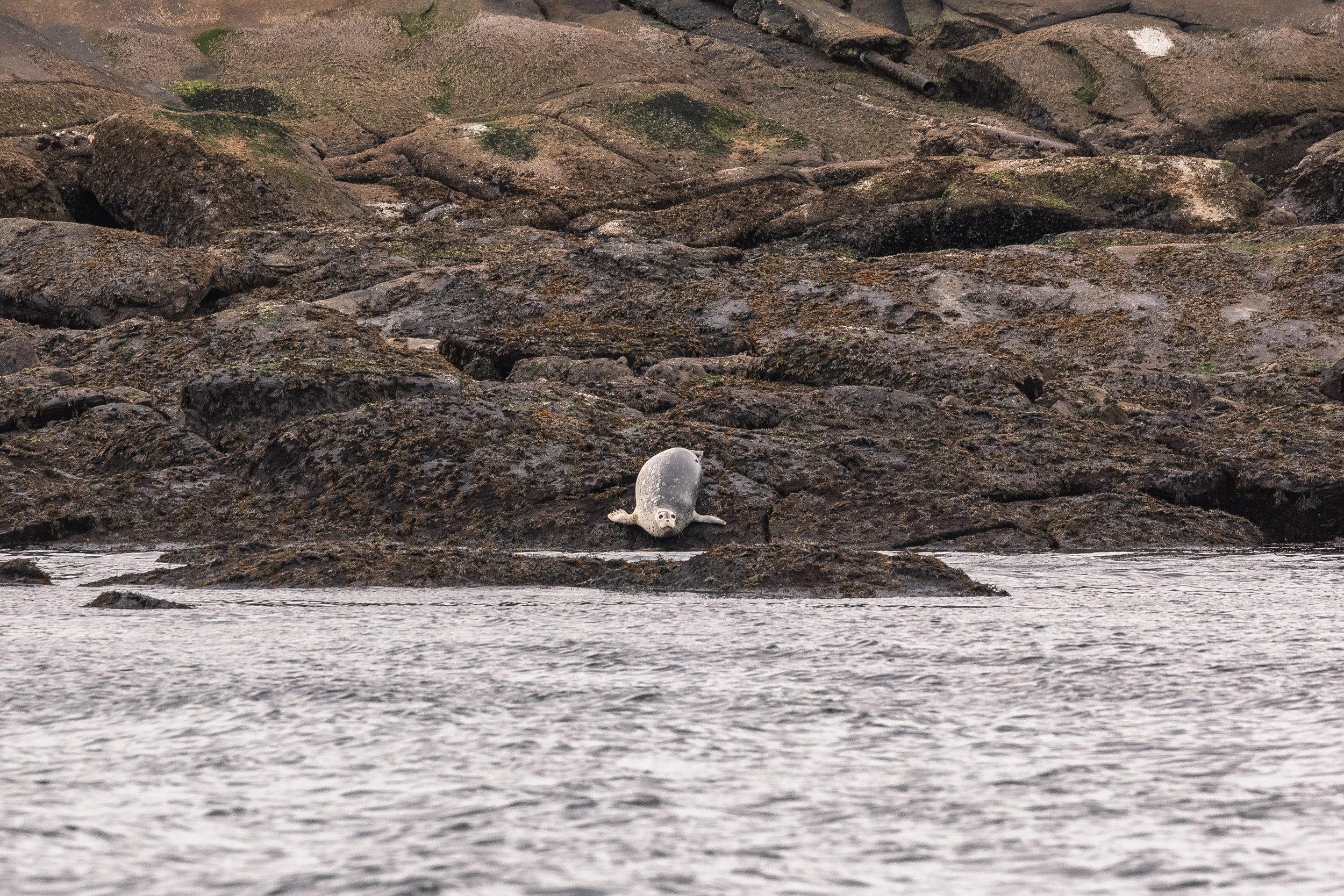
A solo Harbour Seal watching us from shore.
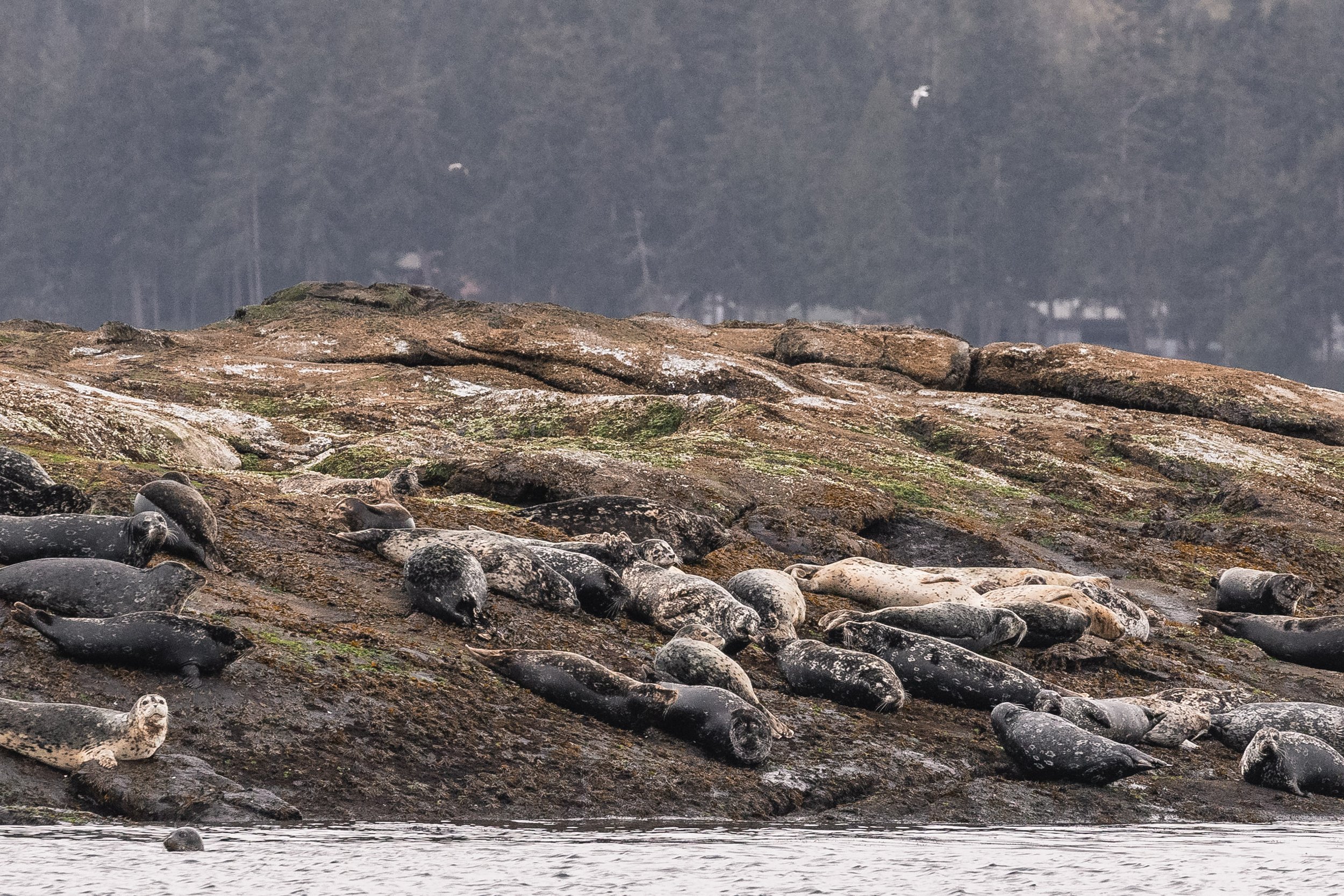
A colony of Harbour Seals resting on the shores.
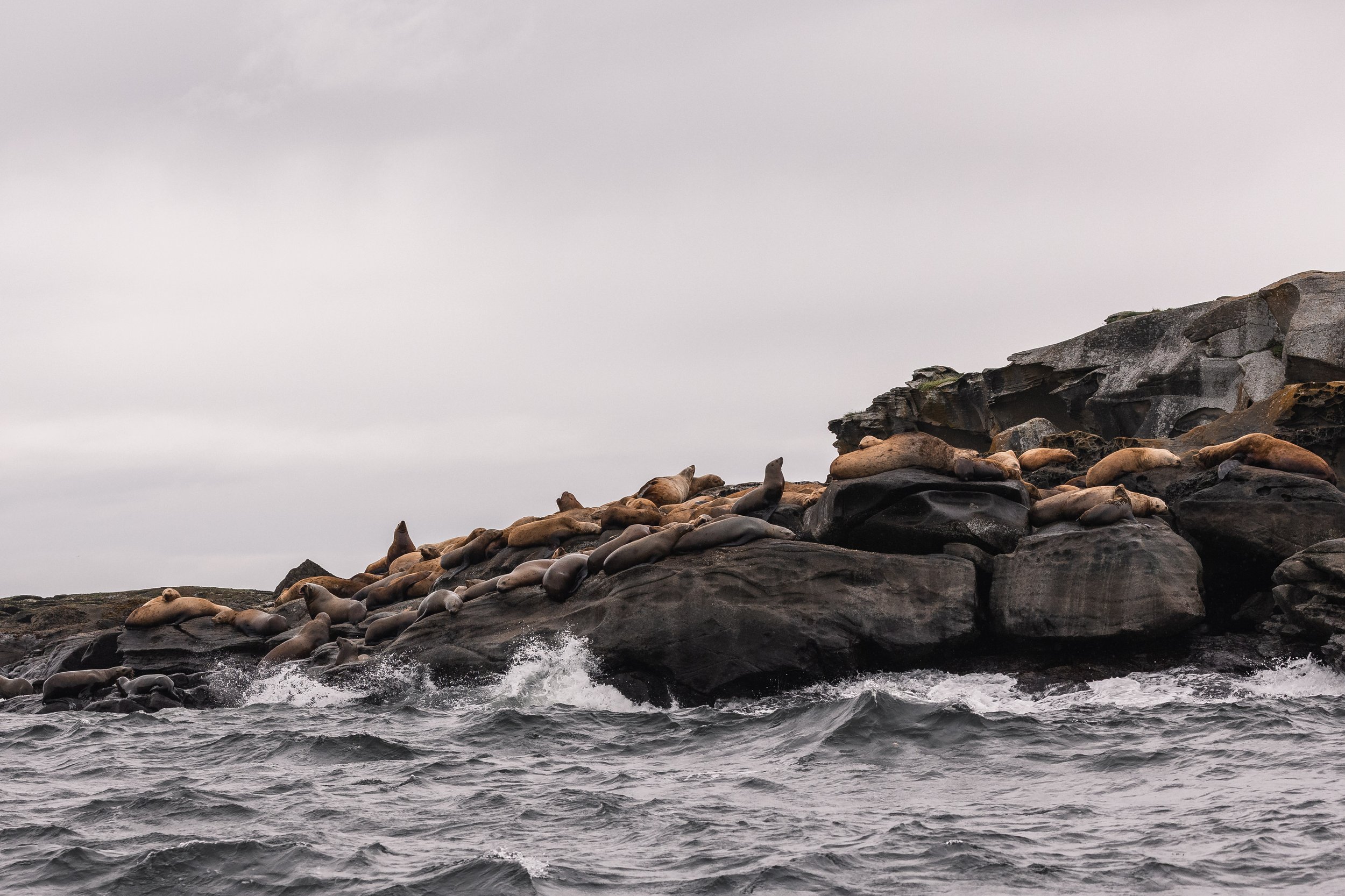
Sleepy Steller Sea Lions sleeping the day away.
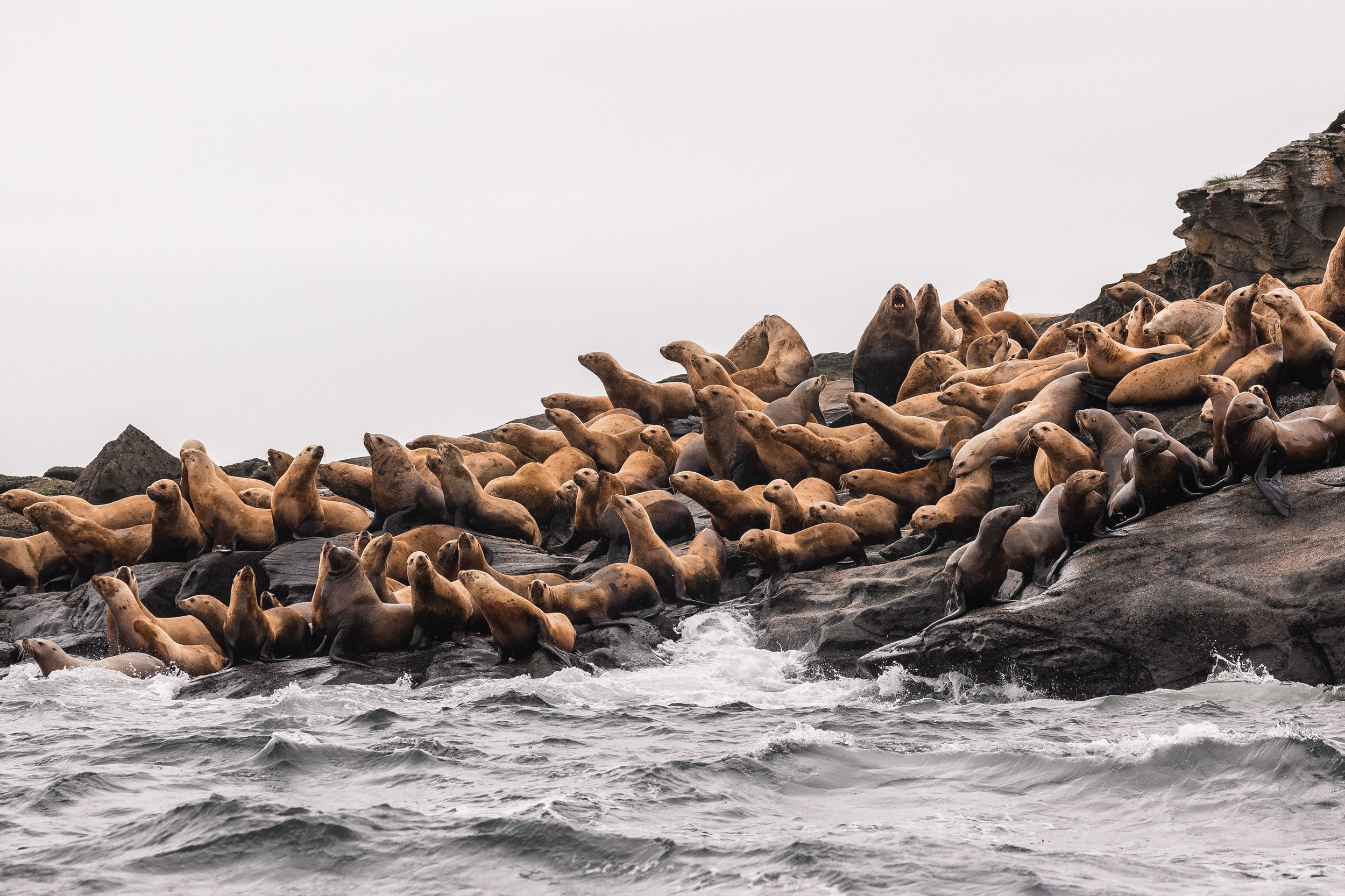
A colony of Steller Sea Lions grumbling and growling away.
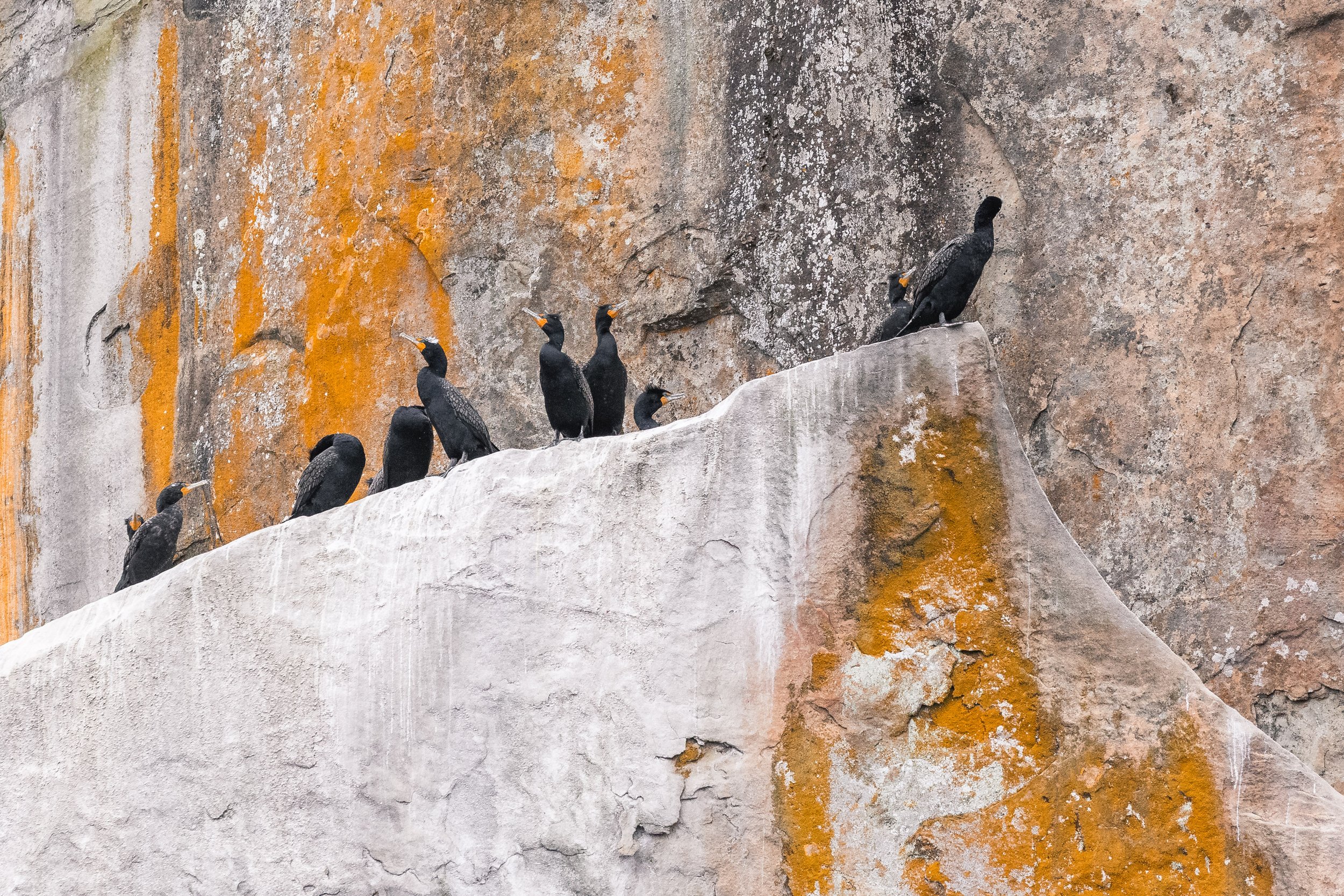
Double-crested Cormorants high above on the cliff.
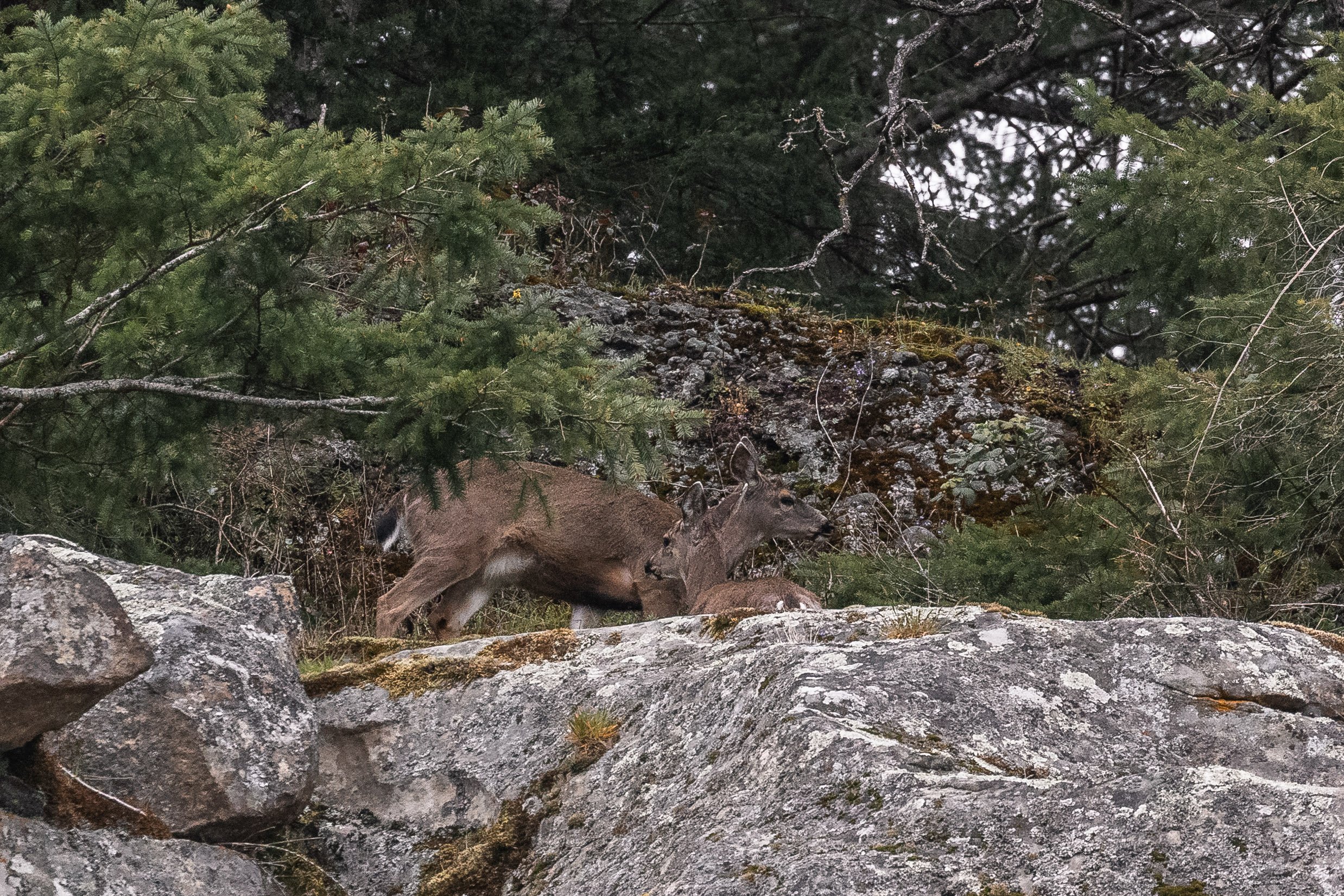
A mammal of the non-marine variety - Columbian Black-tailed deer!
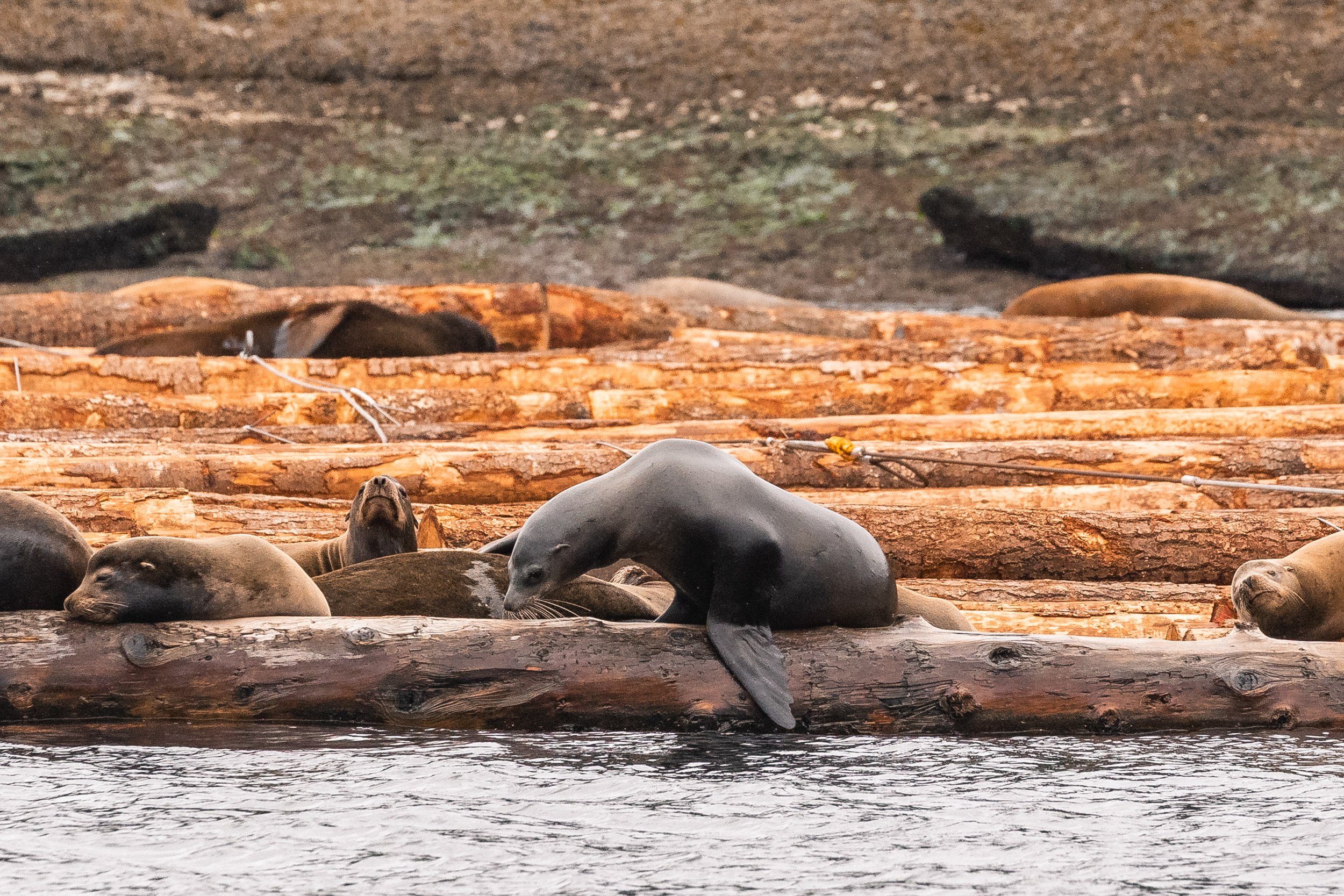
California Sea Lions lounging on the log booms.
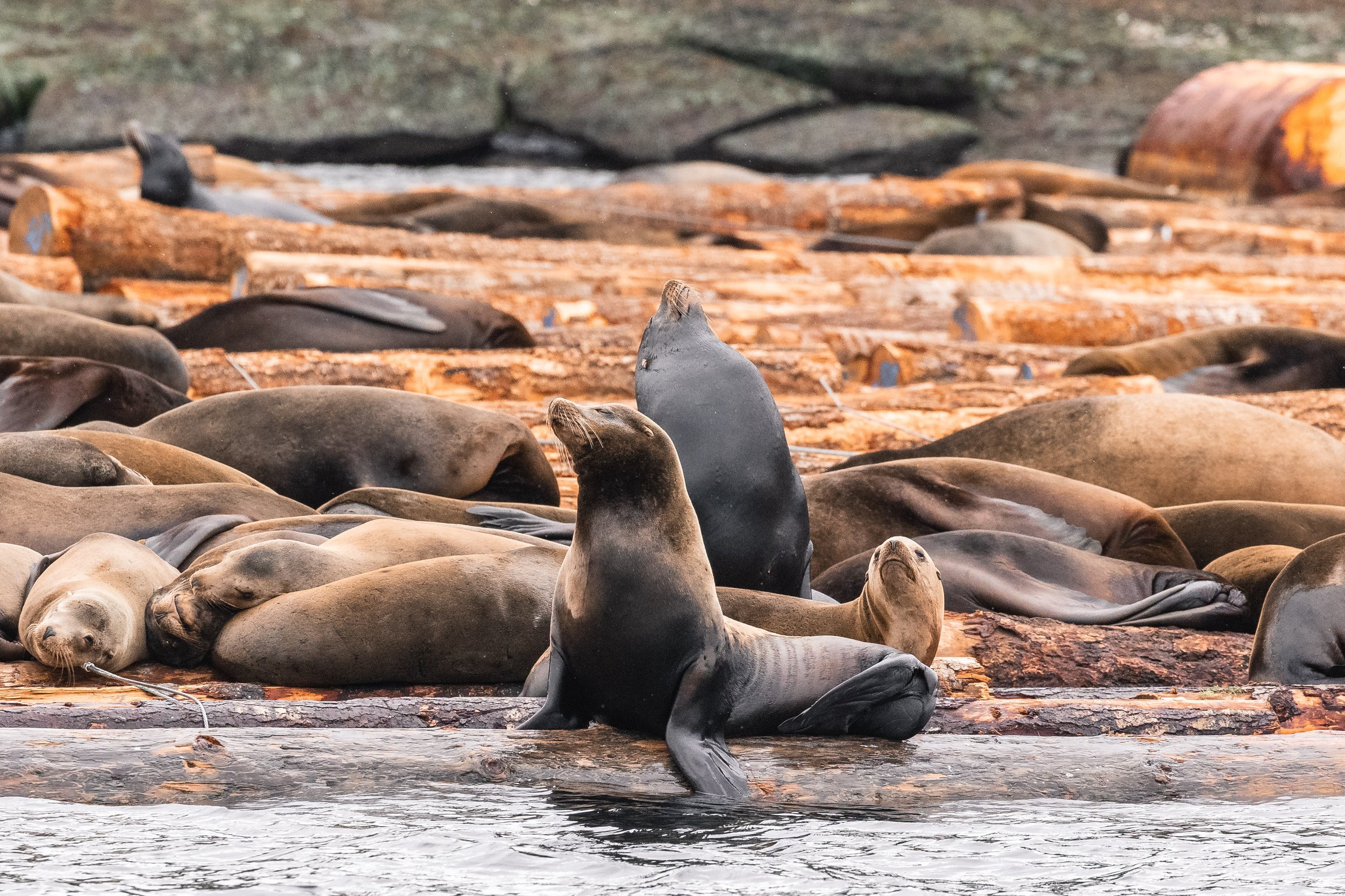
Big stretches with the California Sea Lions.
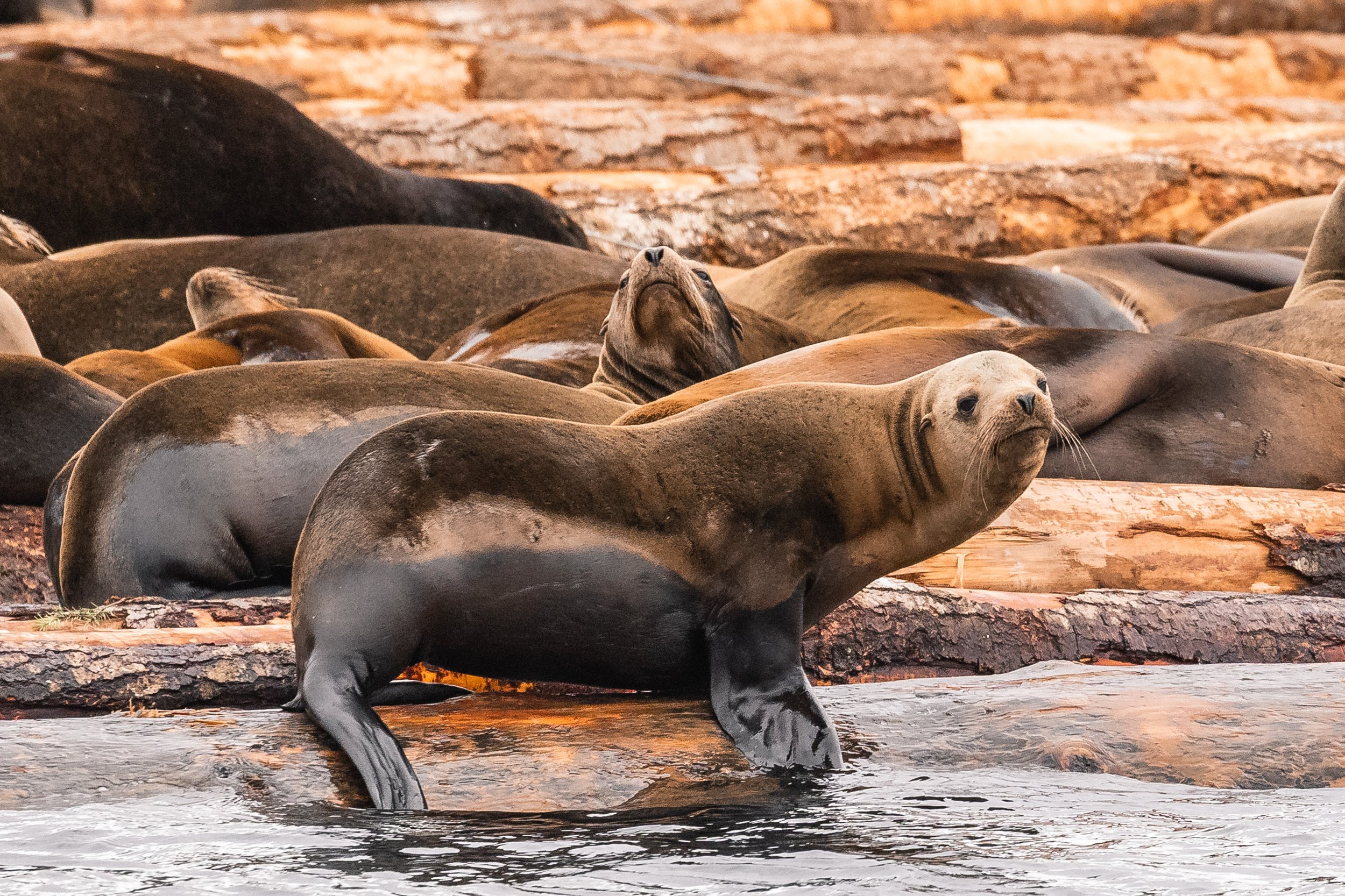
A curious California Sea Lion watching us.