
April 4, 2026 - Party in the Salish Sea: Orca Style!
Beautiful sunny skies welcomed us aboard Cascadia, one of our open vessels, as we prepared for the journey ahead. Guests settled into their seats, adjusting layers and looking out over the calm water as Marine Naturalist Jordan introduced the day's plan. We would begin by heading into the Strait of Georgia, a vast stretch of water separating Vancouver Island from the mainland. With a quick rundown on what to watch for (dorsal fins, blows, and potentially flukes), we left the harbour behind and picked up speed, eyes scanning in every direction.
The search carried us across open waters before we paused along the edge of Valdez Island at a familiar haulout known as Stinky Rocks. Here, the pace shifted. Steller Sea Lions gathered along the southern tip, their large bodies piled together, while Harbour Seals rested farther north, spaced out along the rocks. In the warmth of the sun, many stretched, yawned, and shifted lazily, quietly enjoying the break from the rush of the ocean’s currents.
Back on the move, the focus returned to the waters. With no trackers or tags equipped on the whales to guide us, every trip relies on observation, patience, and a bit of luck! The Salish Sea is constantly changing, and what we find one day can be entirely different the next. That unpredictability is part of what makes each outing a new exploration.
After some time searching, our patience paid off. Dark dorsal fins rose from the surface ahead, some tall and some small, catching the sunlight as they moved. A sense of excitement moved through the boat as we approached, and attention quickly turned to understanding who we were seeing.
Jordan began working through the identification process, scanning fins and comparing markings. It did not take long for one individual to stand out. A large male with two distinct notches in his dorsal fin surfaced clearly, confirming his identity. It was T063 Chainsaw, one of the most well-known whales in these waters.
With Chainsaw identified, we excitedly kept our eyes scanning to see if anyone else was around. He was travelling with his mother, T065 Whidbey, and as we followed their path, it became clear they were not alone. Ahead of them, more dorsal fins appeared, different shapes and sizes moving together in a loose formation. What we were witnessing was a gathering of multiple Transient matrilines, often called a T-party.
As we settled in to observe, the scale of the encounter became apparent. Whales surfaced in multiple directions, their movements overlapping and weaving together. Cameras clicked as we worked to document each individual, confirming that at least twenty-five whales were present:
T036 Flapjack ♀ (1970)
T036B Tattertip ♀ (1998)
T036B1 Bhotia ♀ (2009)
T036B1A Maple ♀ (2025)
T036B2 Greenfelder ♀ (2013)
T036B4 Auk ♂ (2024)
T065 Whidbey II ♀ (~1971)
T063 Chainsaw ♂ (~1978)
T065B Chunk ♀ (1993)
T065B1 Birdsall ♂ (2011)
T065B2 Nettle ♂ (2019)
T065B3 Rook ♂ (2023)
T049A Nan ♀ (1986)
T0491 Noah ♂ (2001)
T049A2 Jude ♂ (2007)
T049A3 Nat ♂ (2011)
T049A4 Neptune ♂ (2014)
T049A5 Nebula ♀ (2017)
T049A6 Charlie II ♂ (2022)
T049A7 (2026)
T099 ♀ Bella ( ~1984)
T099B ♀ Holly (2007)
T099C ♂ Barakat (2009)
T099D ♂ Puck (2015)
T099E ♀ Qwiin qwiin oo qwii la (2021)
Beyond the excitement of seeing so many whales together, these gatherings carry many other purposes. T-parties provide opportunities for social interactions across different family groups. Younger whales can meet with individuals outside their immediate matriline, and in some cases, these encounters reveal previously unknown extended-family relationships. This is thought to be true for pods such as the T036Bs and T099s. It is now believed that T036 Flapjack is T099 Bella’s mother!
Family ties within these groups can be complex. T065 Whidbey II was present alongside her daughter, T065B Chunk, making this not just a large gathering, but also a reunion of sorts. Chainsaw himself carries a different designation from his mother and sister (T063 instead of T065A, who is a different matriarch), adding another layer of complexity to their typical alphanumerical naming scheme. When the Transient orca population was first being documented, mistakes such as this sometimes occurred when one whale was present at the initial sighting while the other was not. It is now widely believed that Chainsaw is Whidbey II’s first calf, meaning his designation should be T065A, and Chunk should actually be T065C - how confusing!
These social gatherings also play an important role in reproduction. With multiple mature males and females from different family lines coming together, the chances for successful mating increase. We wouldn’t be surprised if we see some new baby faces amongst these pods next year!
Amongst the large adults, the young calves were having parties of their own. The younger whales were seen porpoising and tail-slapping, their energy contrasting with the more subdued behaviours of the adults.
As the afternoon carried on, the group gradually spread out and continued on their way. We took a few final moments to watch before turning back toward Nanaimo. The return journey felt quieter, shaped by the experience we had just shared.
Pulling back into the harbour, we reflected on the incredible day we had just partaken in. It was an incredible day exploring the Salish Sea, full of many wonderful moments, from time with our pinnipeds to the afternoon with the orca.
Today’s photos were taken by Marine Naturalists Jordan Robinson and Evan Hessels - please enjoy!
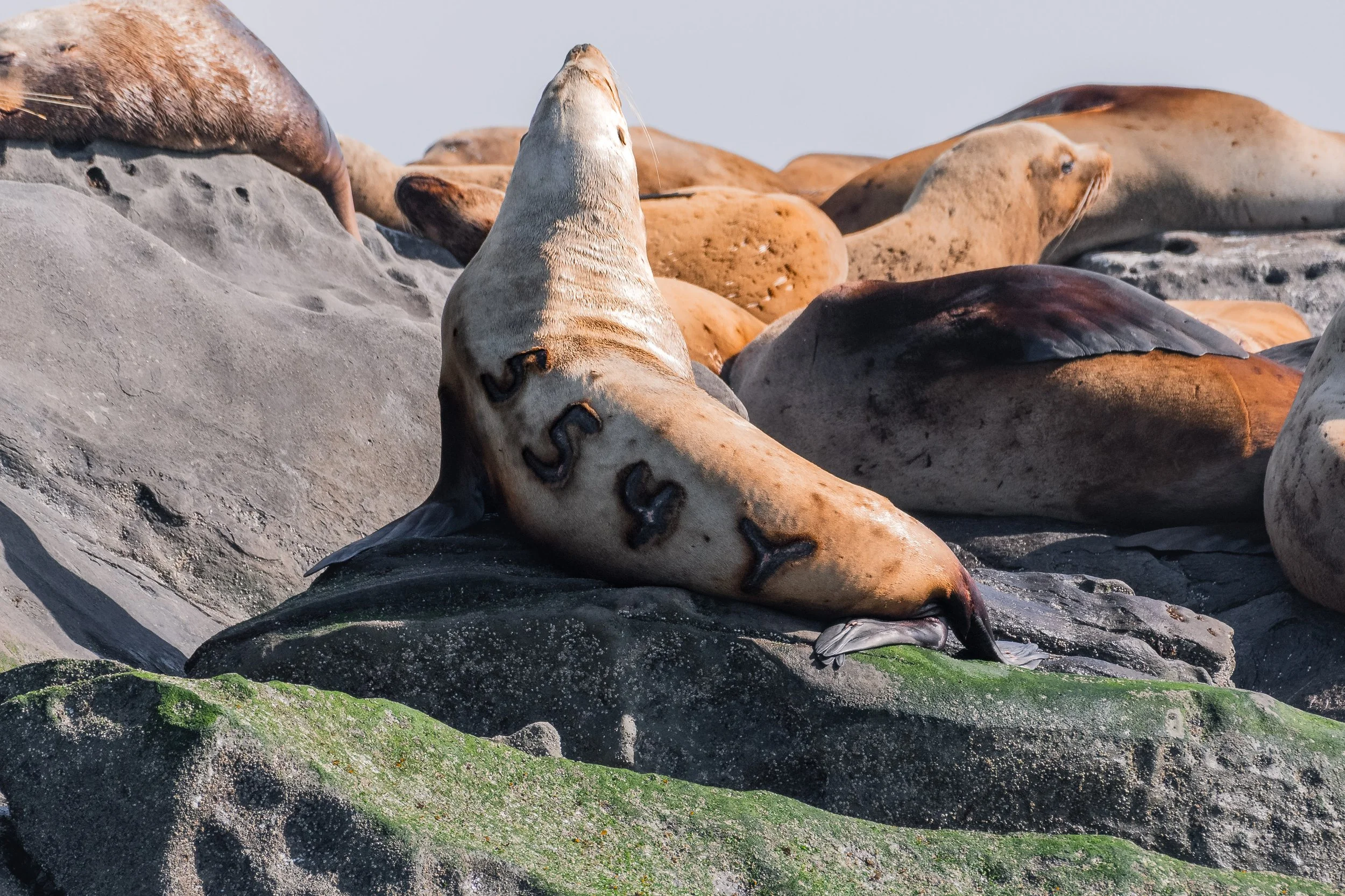
A branded Steller Sea Lion. Photo by Evan Hessels.
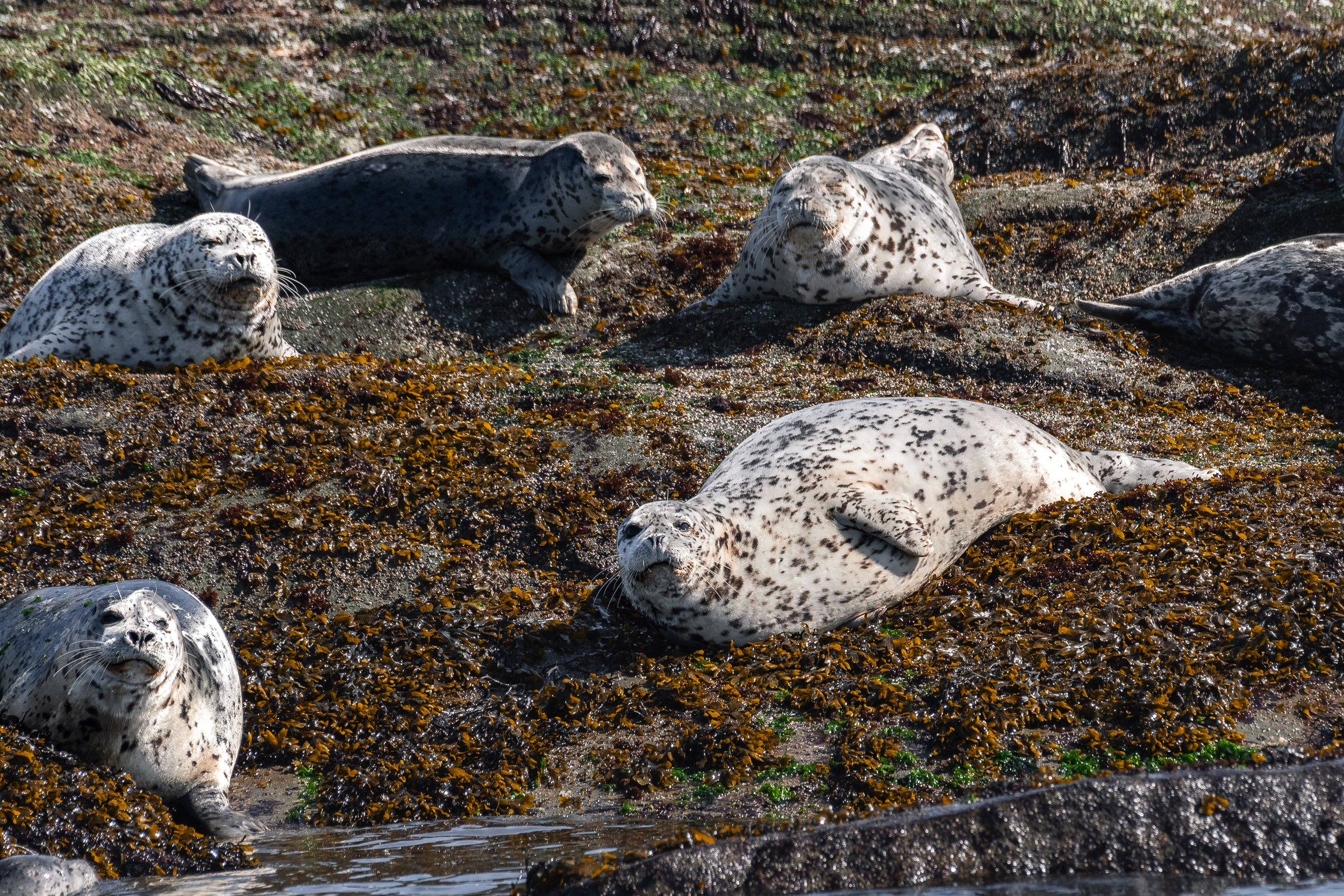
Sleepy Harbour Seals. Photo by Evan Hessels.
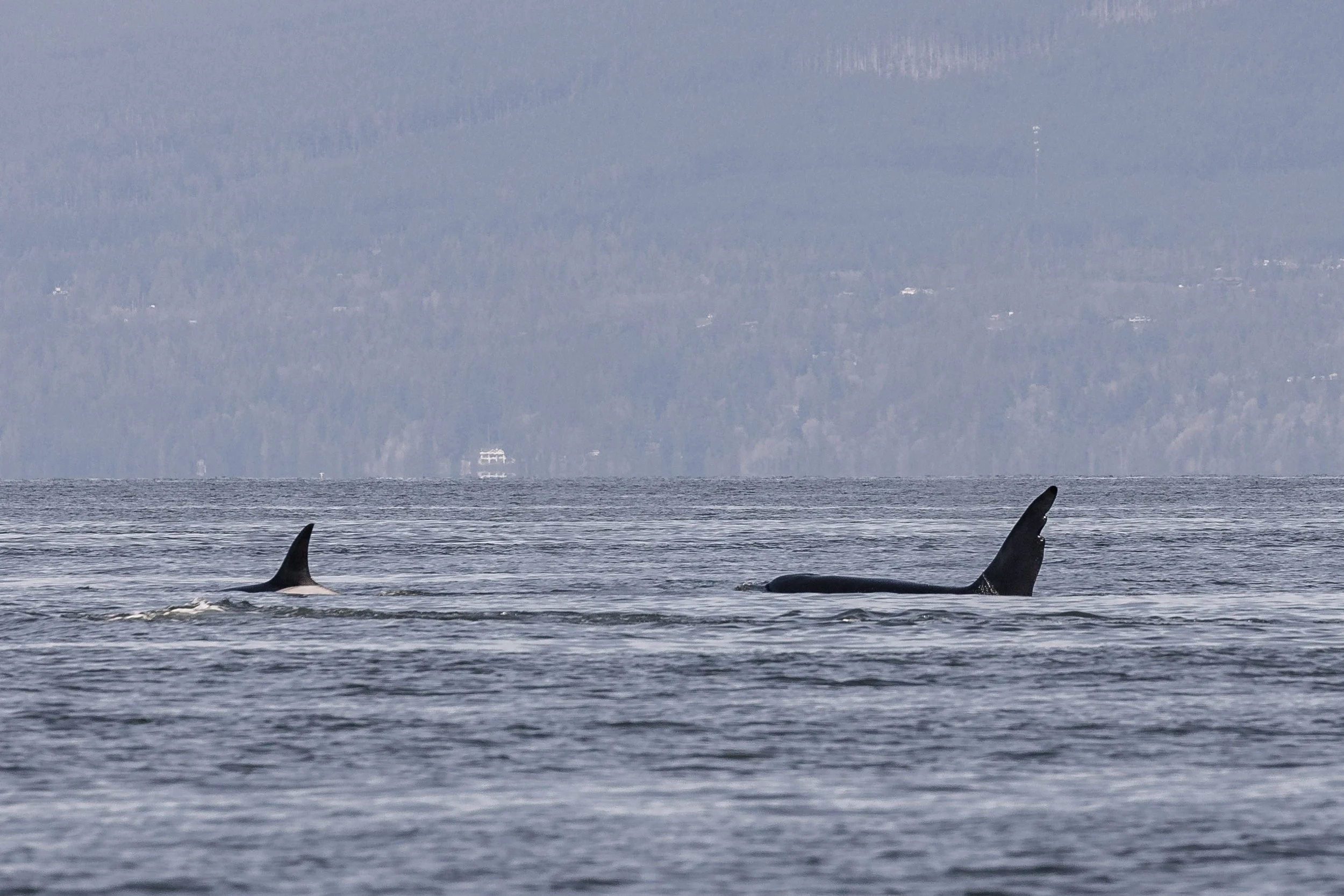
T065 Whidbey II and her son T063 Chainsaw. Photo by Jordan Robinson.
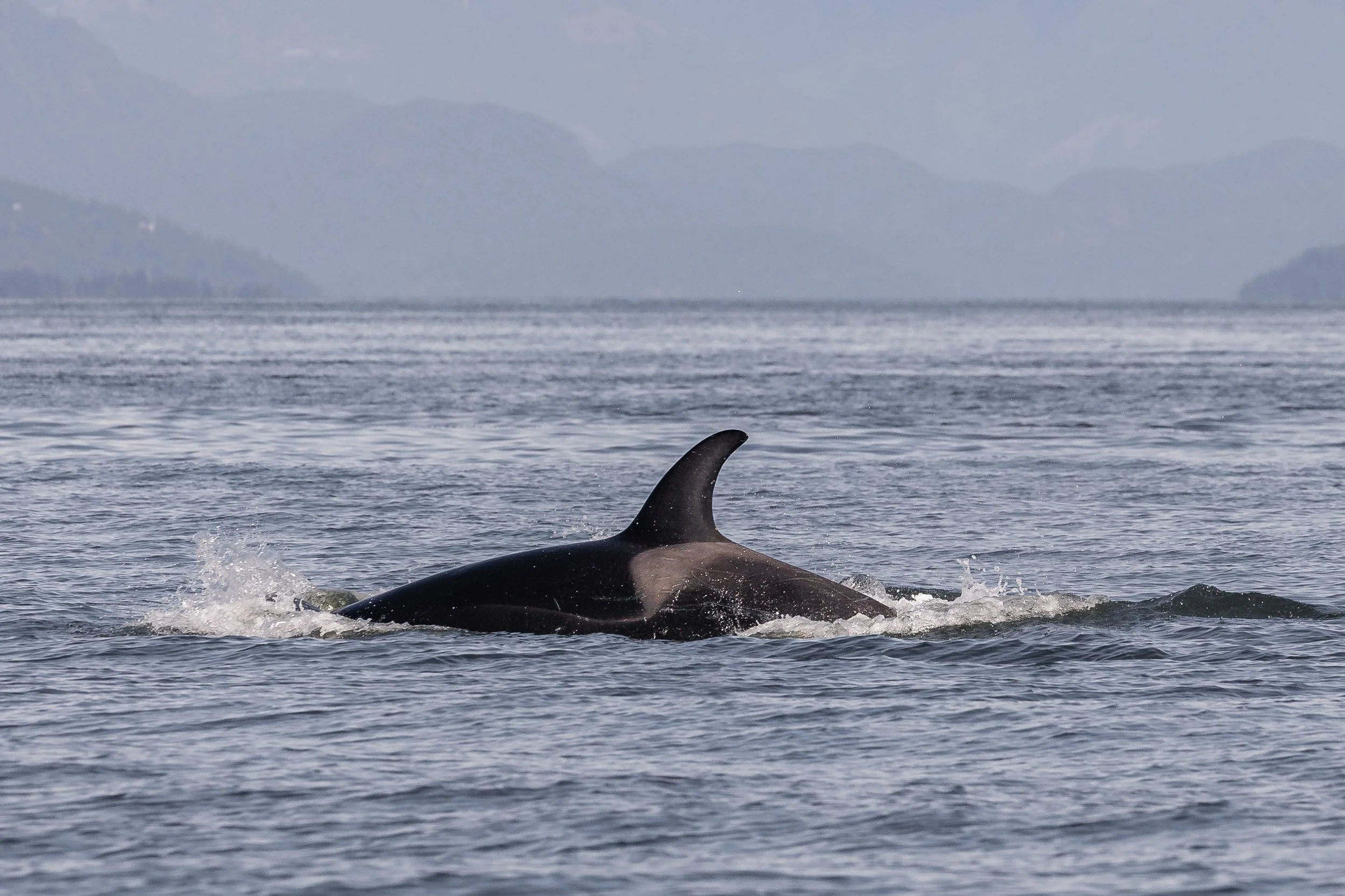
T065B3 Rook, with an impressive dorsal cape visible - a trait that presents rarely in the Transient ecotype. Photo by Jordan Robinson.
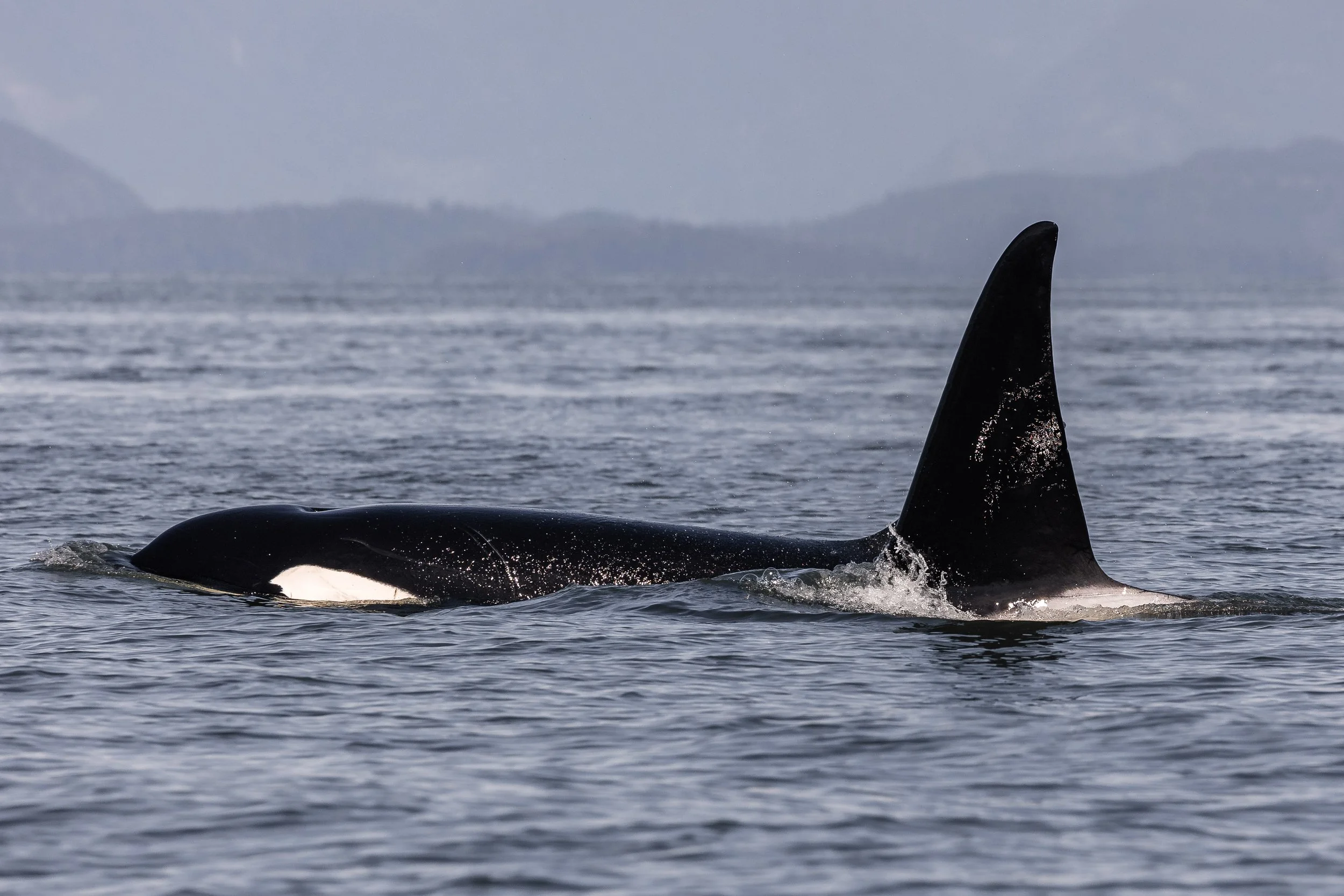
T099C Barakat with his mother T099 Bella surfacing behind him. Photo by Jordan Robinson.
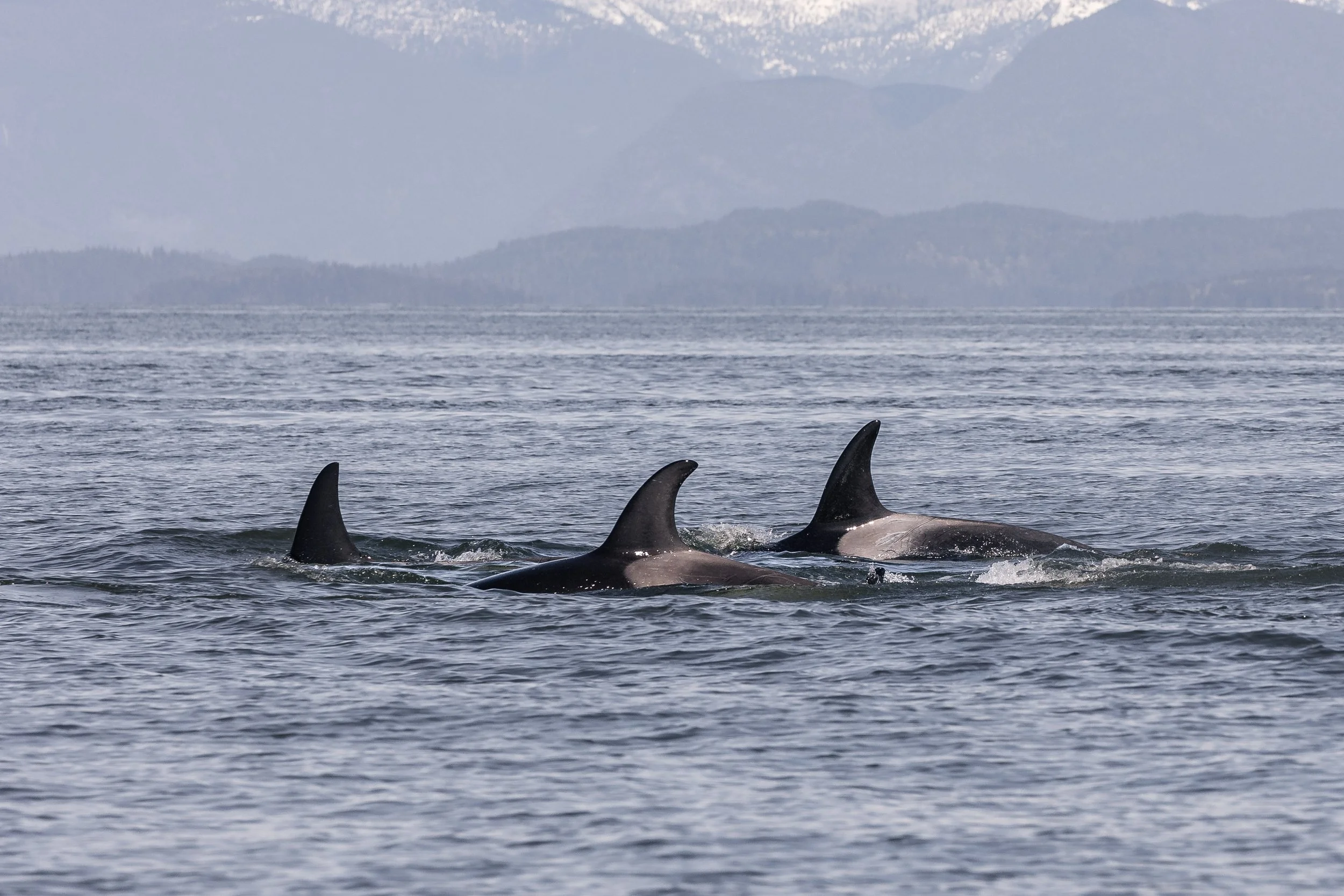
T065B Chunk, T065B3 Rook, and T065B2 Nettle. Photo by Jordan Robinson.
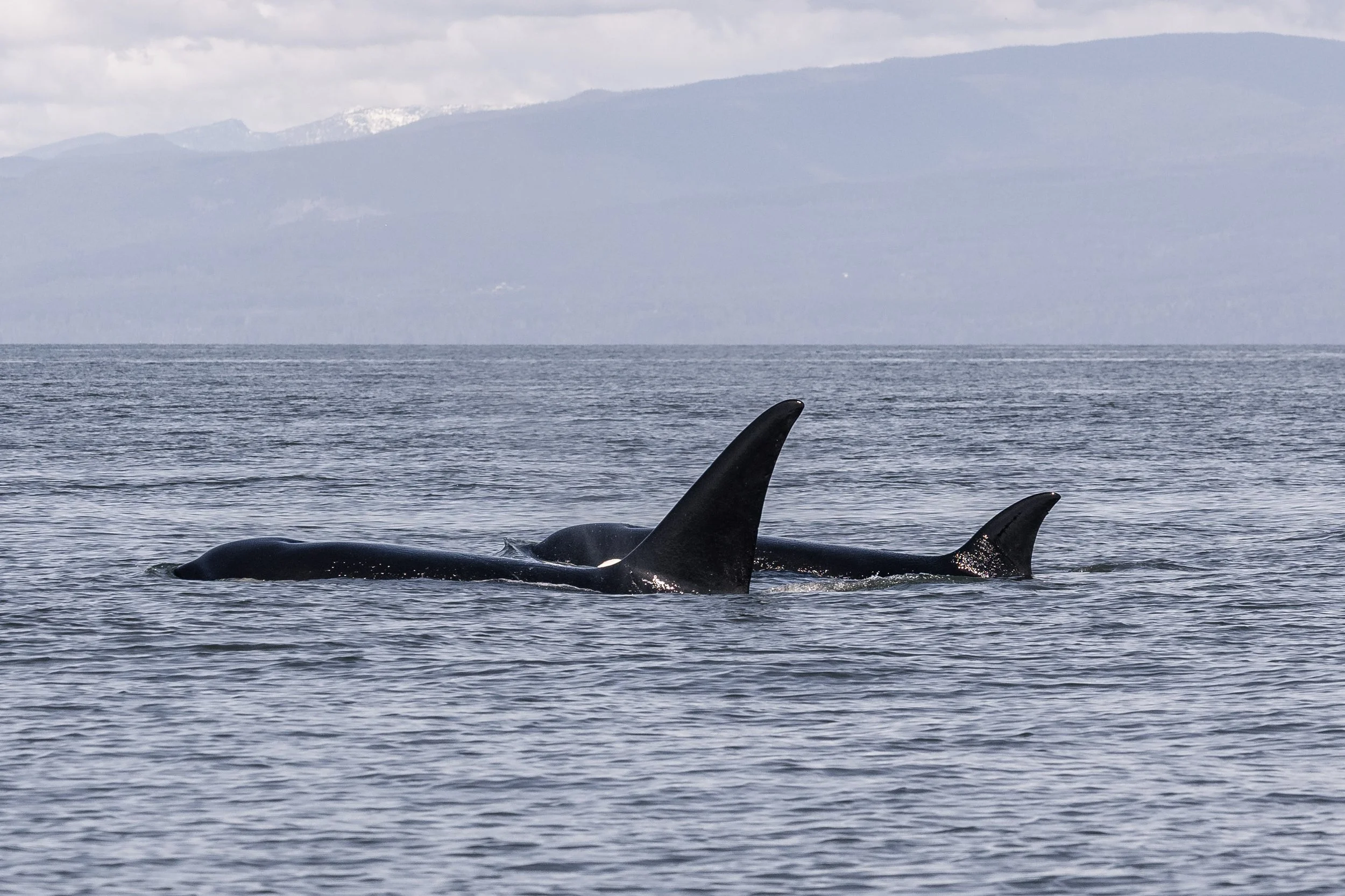
T099C Barakat and T099 Bella. Photo by Jordan Robinson.
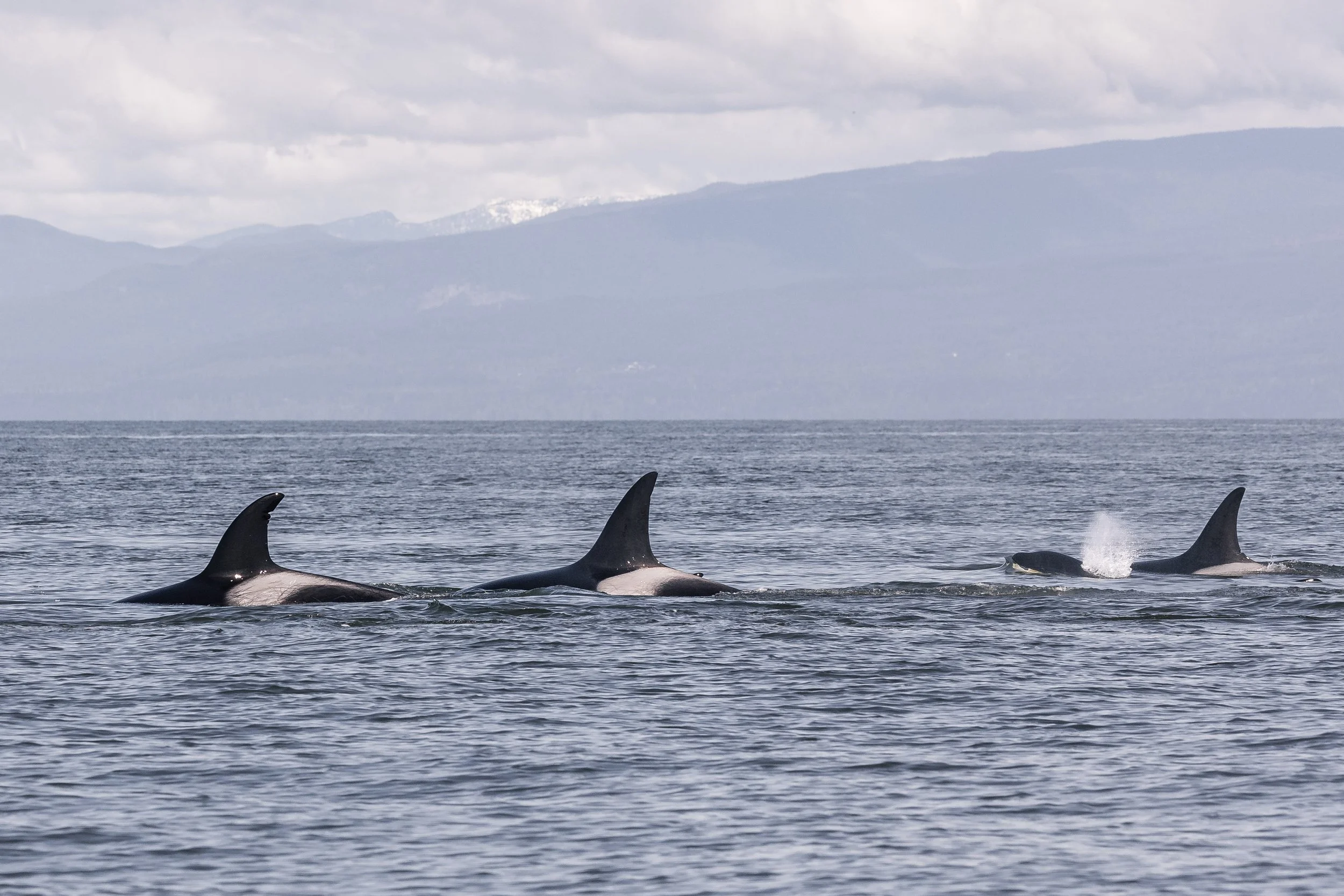
T099B Holly, T036 Flapjack, and T065B Chunk. Photo by Jordan Robinson.
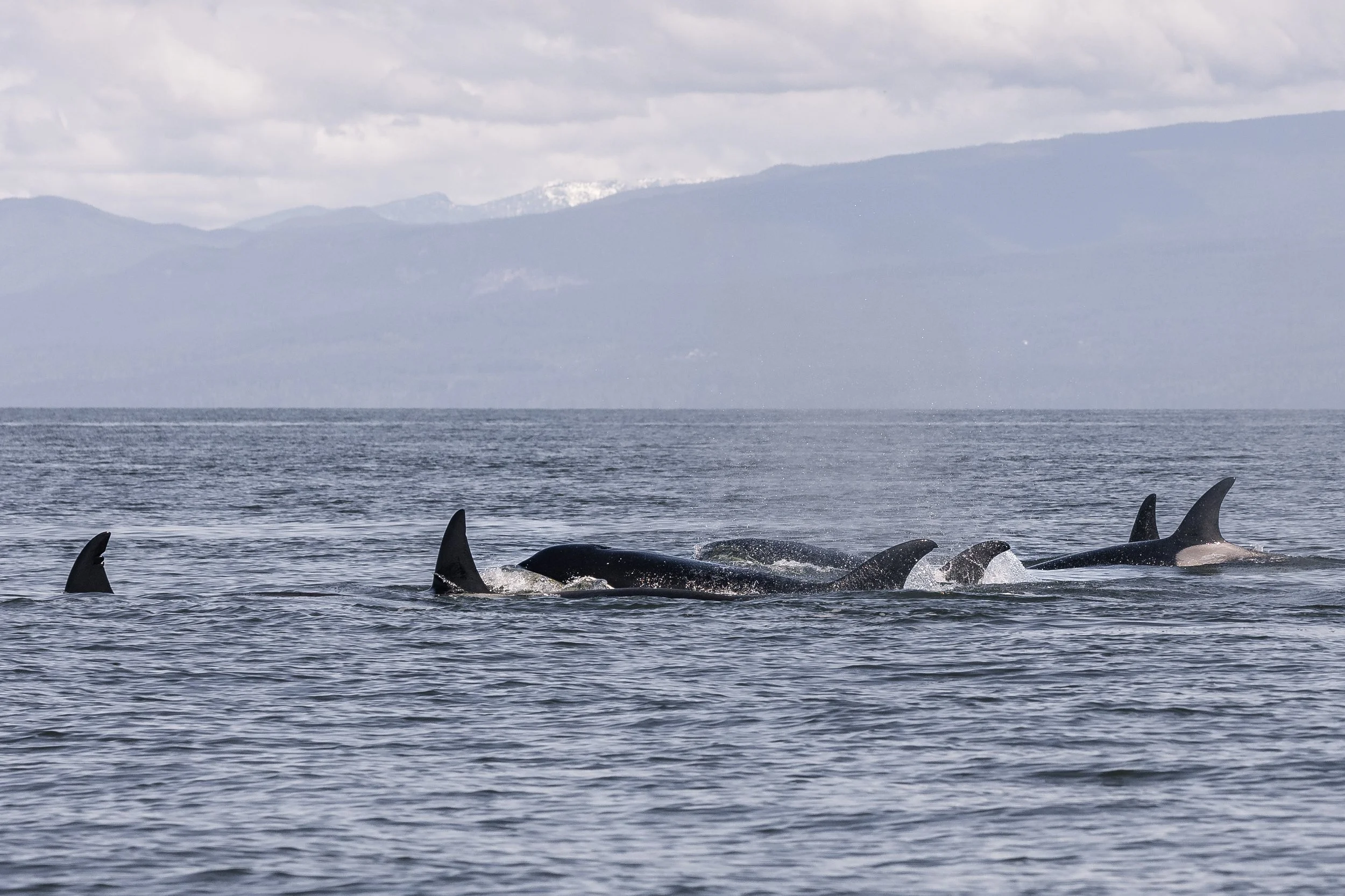
T099B Holly, T036 Flapjack, T036B Tattertip, T065B3 Rook, and T065B2 Nettle. Photo by Jordan Robinson.
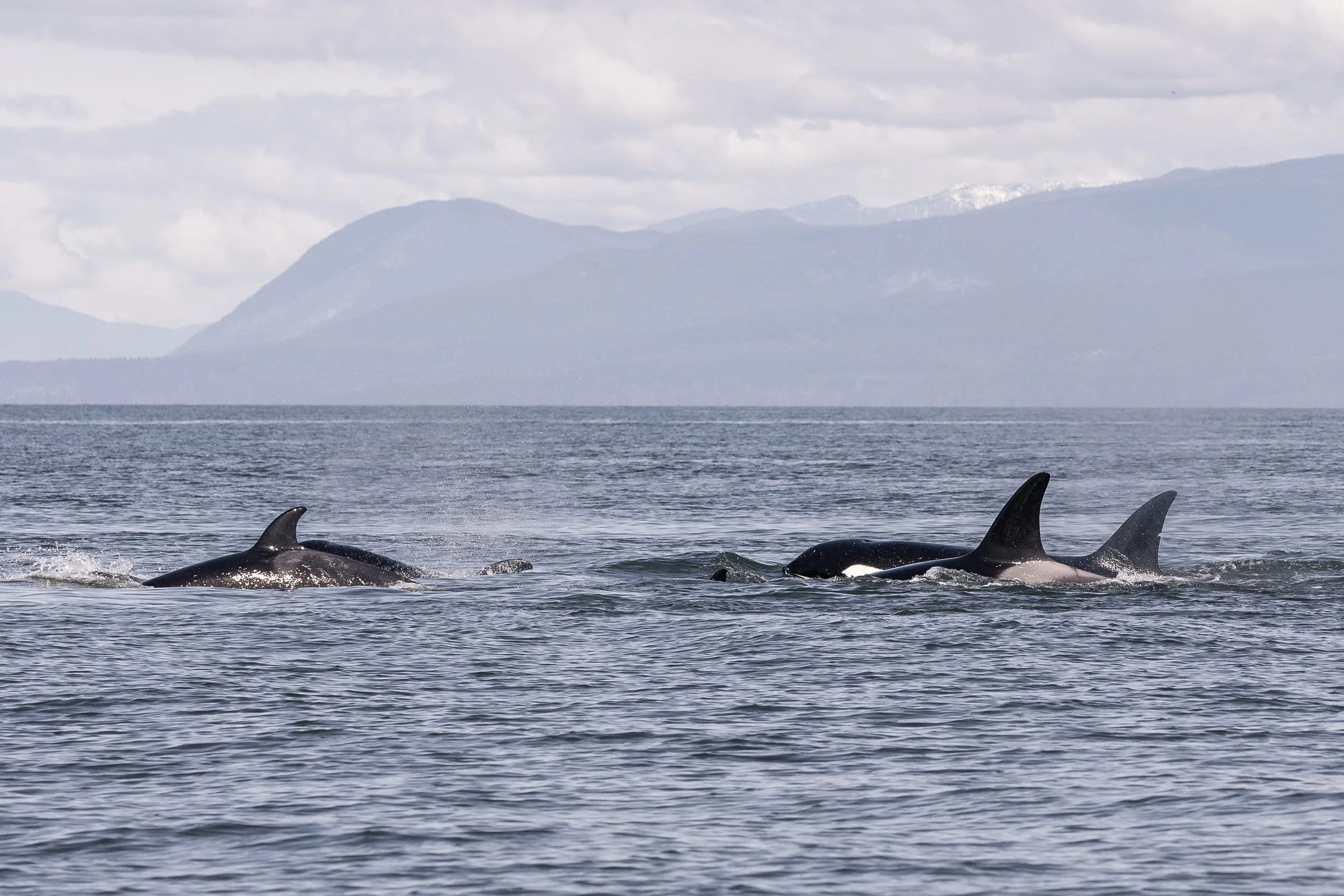
The T036Bs: T036B1A Maple, T036B4 Auk (behind), T036B Tattertip (tip of dorsal), T036B2 Greenfelder, and T036B1 Bhotia. Photo by Jordan Robinson.
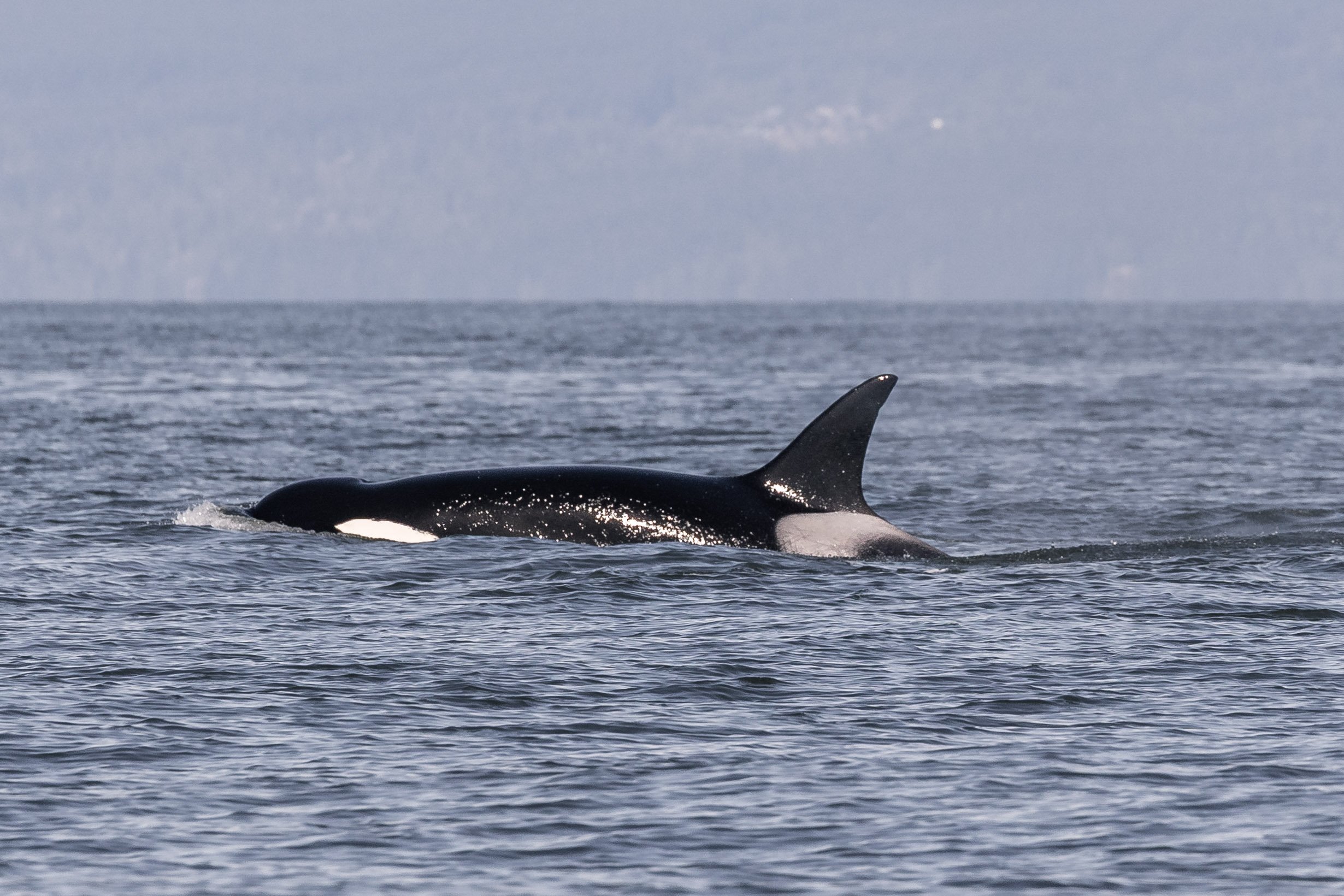
Matriarch T036 Flapjack. Photo by Jordan Robinson.
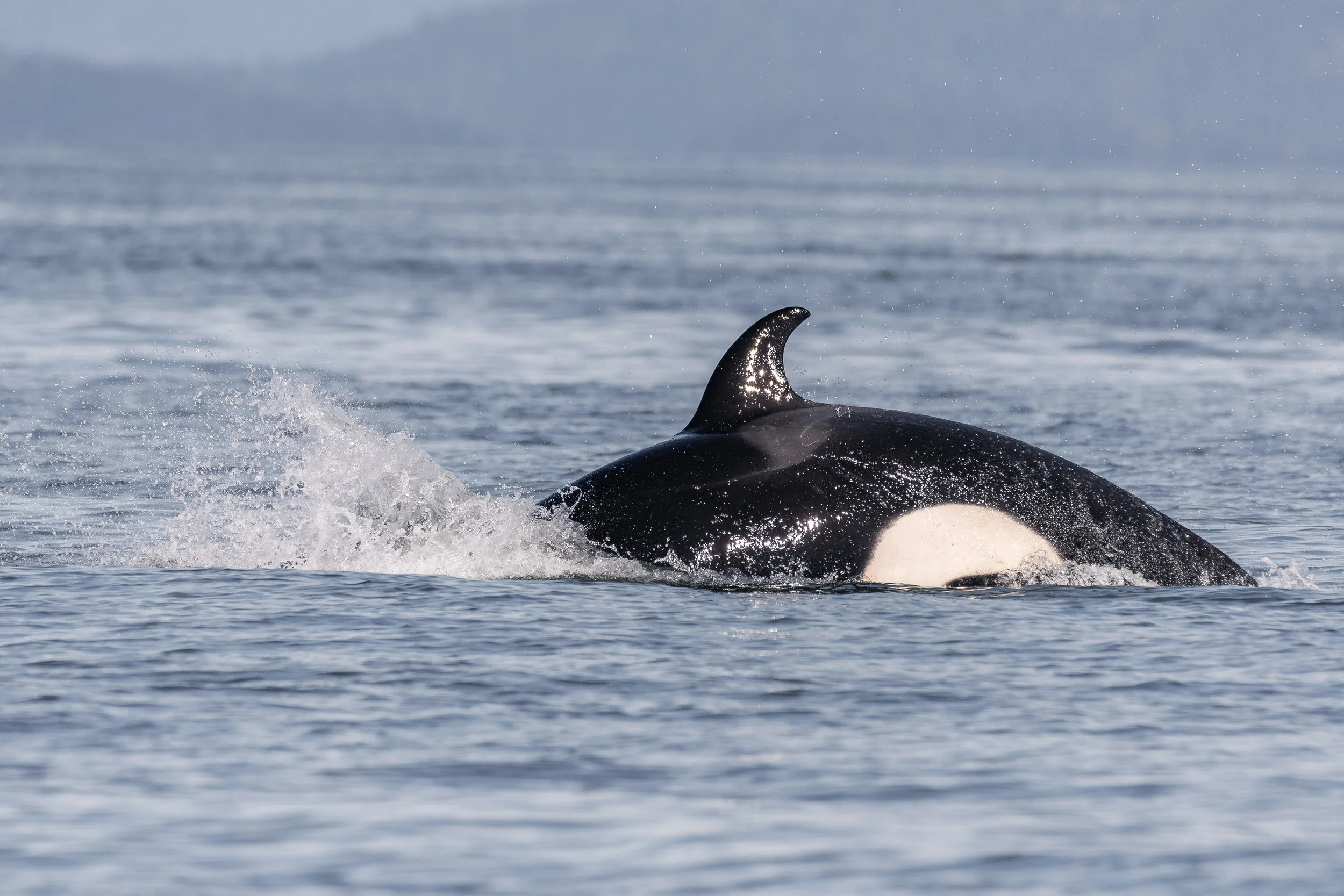
T065B3 Rook porpoising. Photo by Evan Hessels.
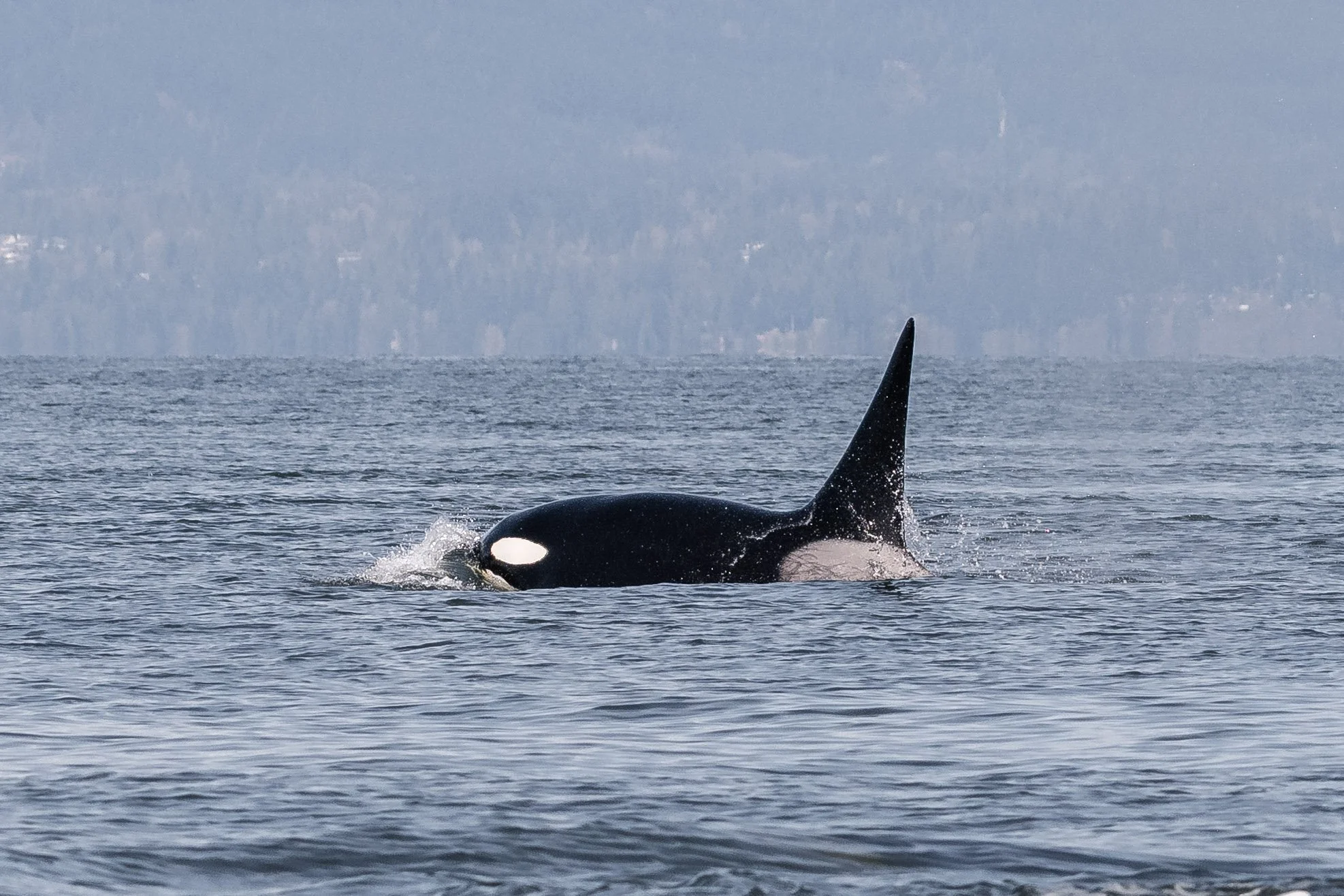
T065B1 Birdsall. Photo by Evan Hessels.
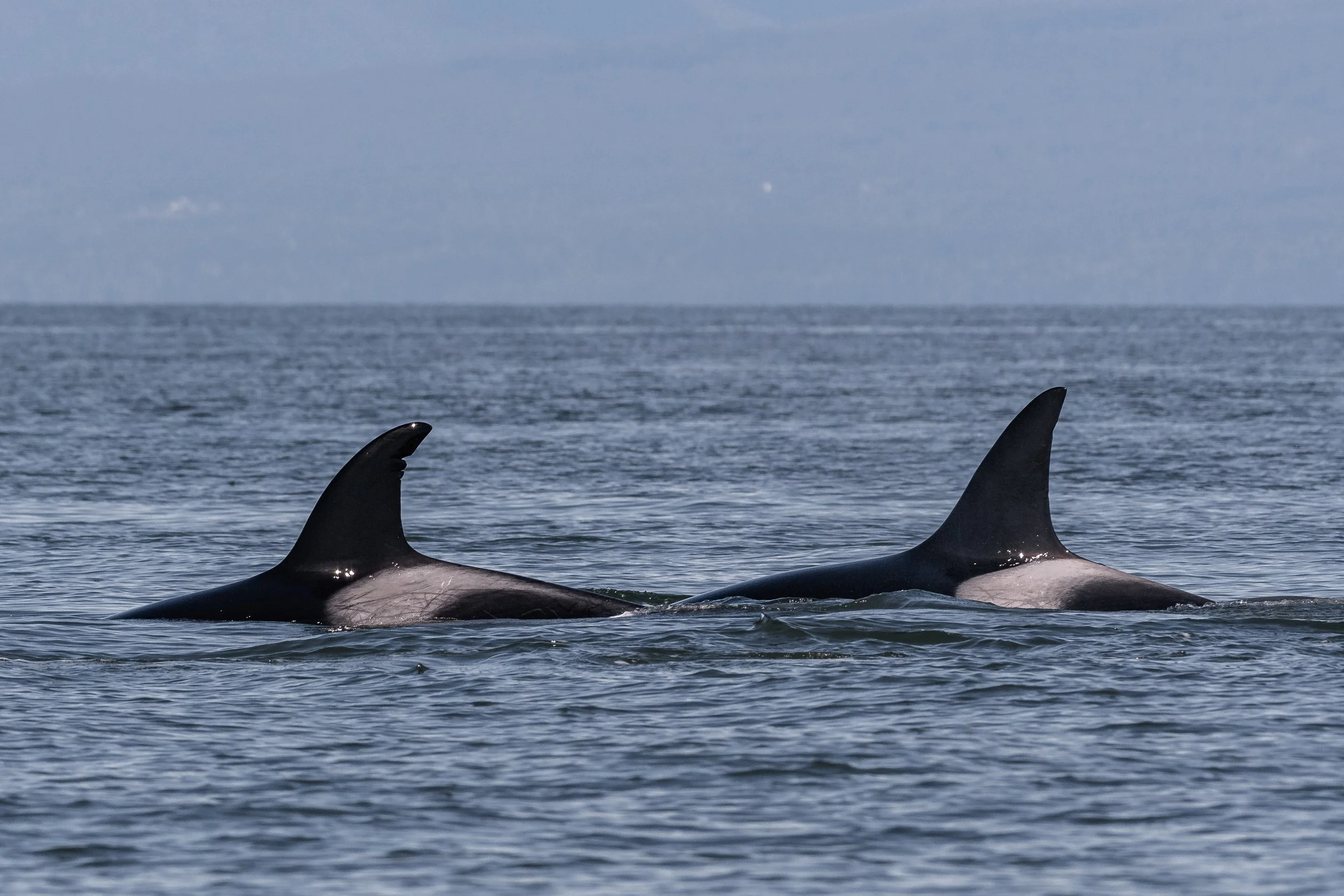
T099B Holly and T036 Flapjack. Photo by Evan Hessels.
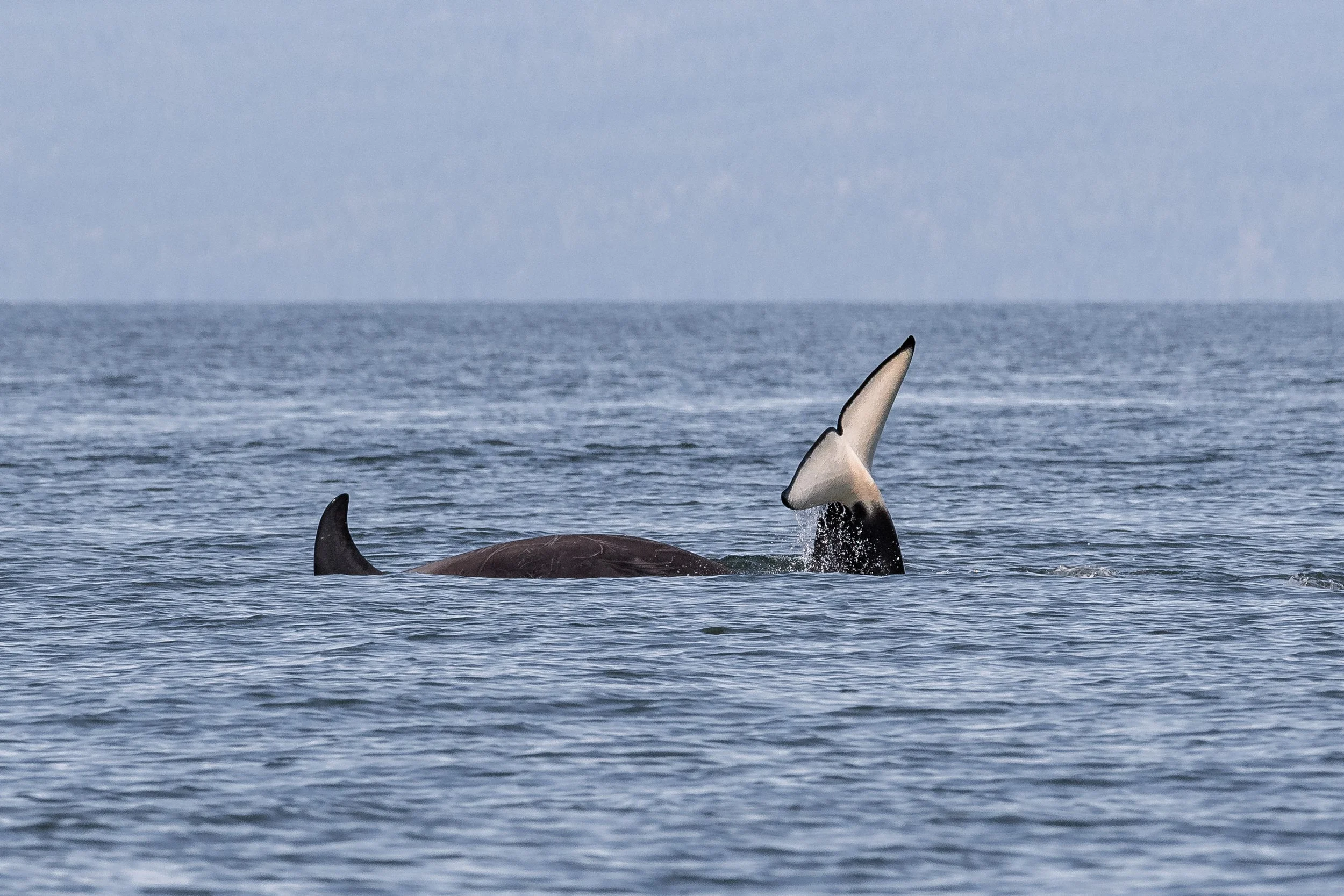
The young calves were spotted happily playing together. Photo by Evan Hessels.
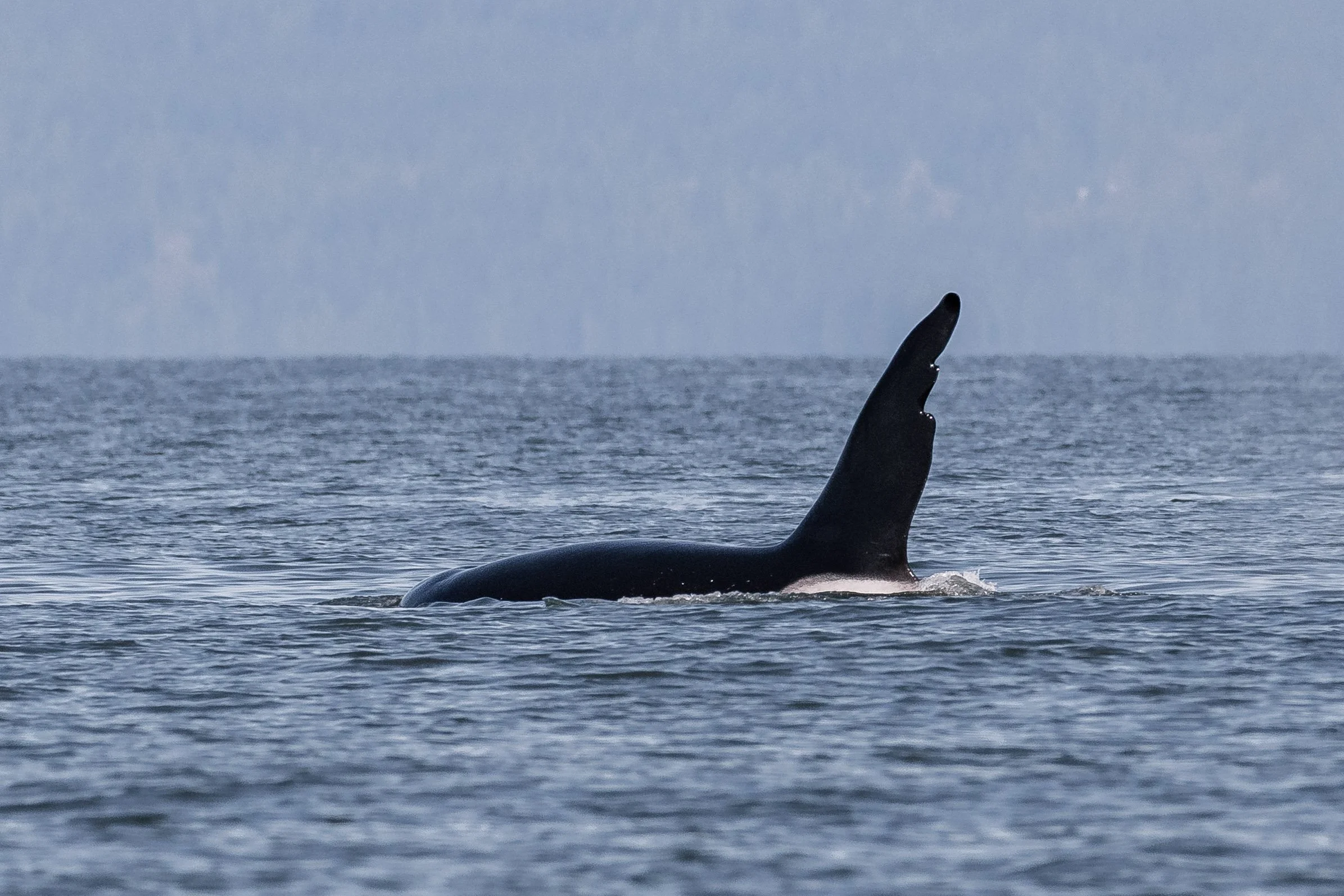
T063 Chainsaw. Photo by Evan Hessels.
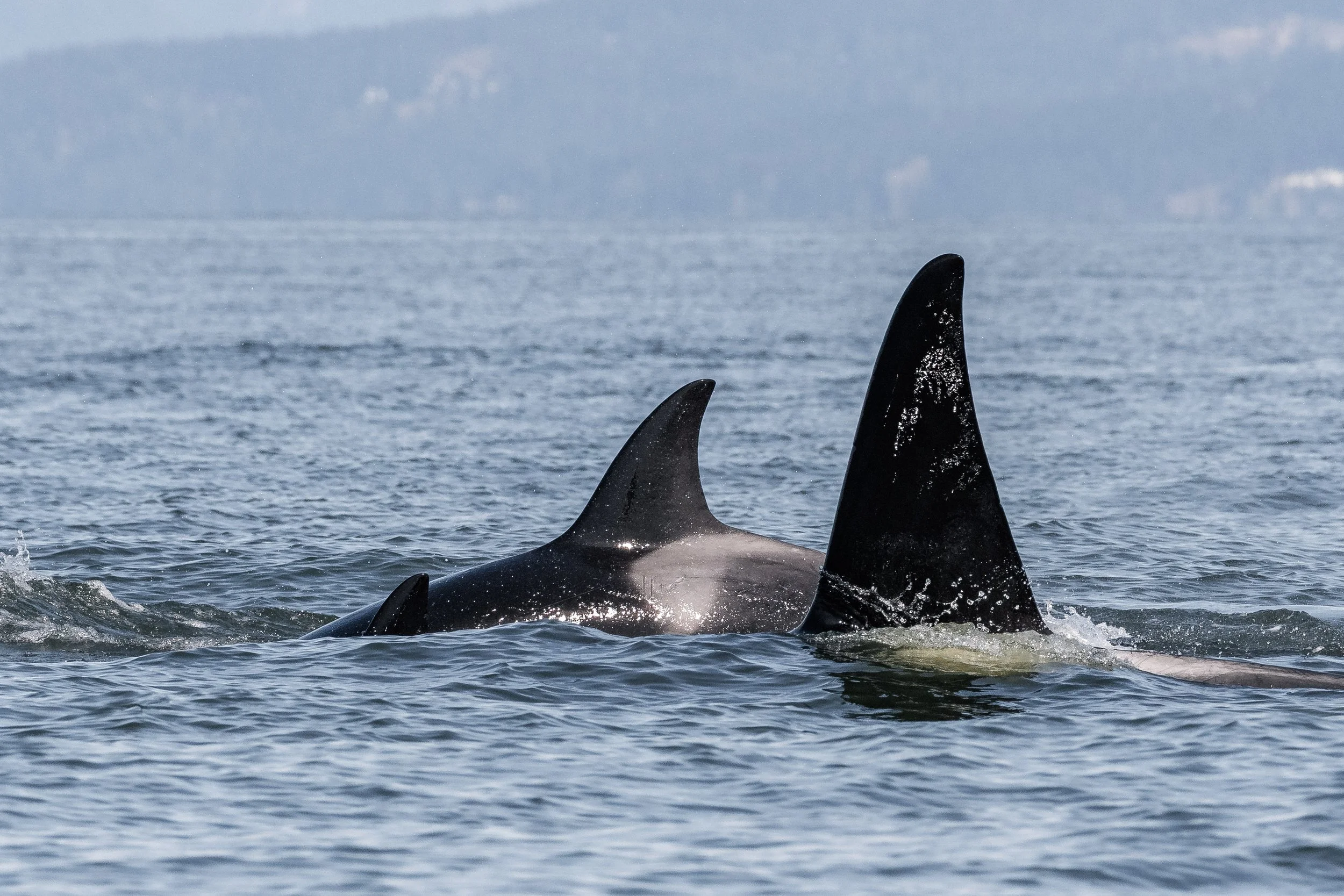
T099 Bella, T099E Qwiin qwiin oo qwii la, and T099B Barakat. Photo by Evan Hessels.
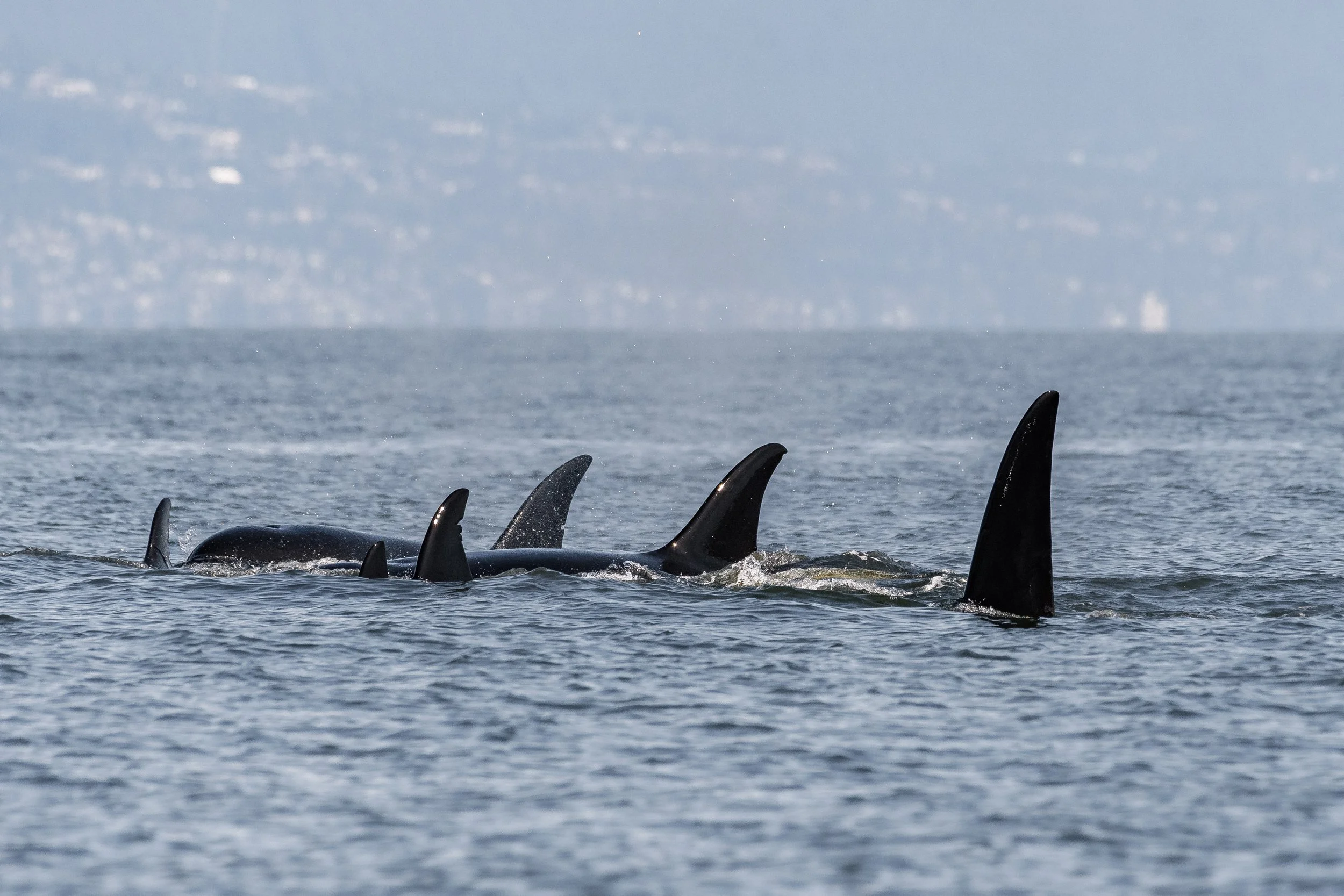
Travelling in close quarters. T036B1A Maple, T099B Holly, T036B1 Bhotia, T036B Tattertip, and T099C Barakat. Photo by Evan Hessels.
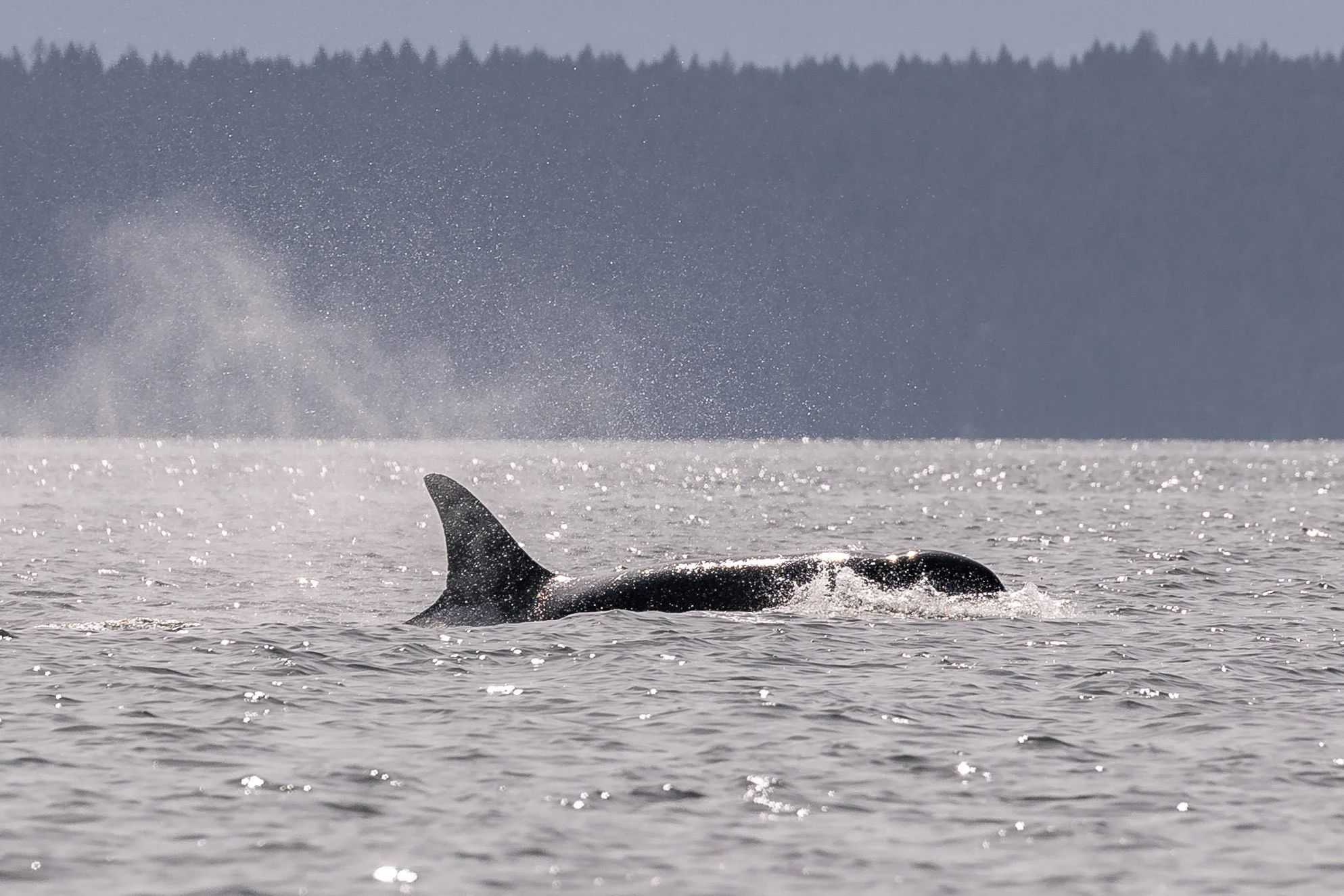
T049A Nan glistening in the sunshine. Photo by Jordan Robinson.
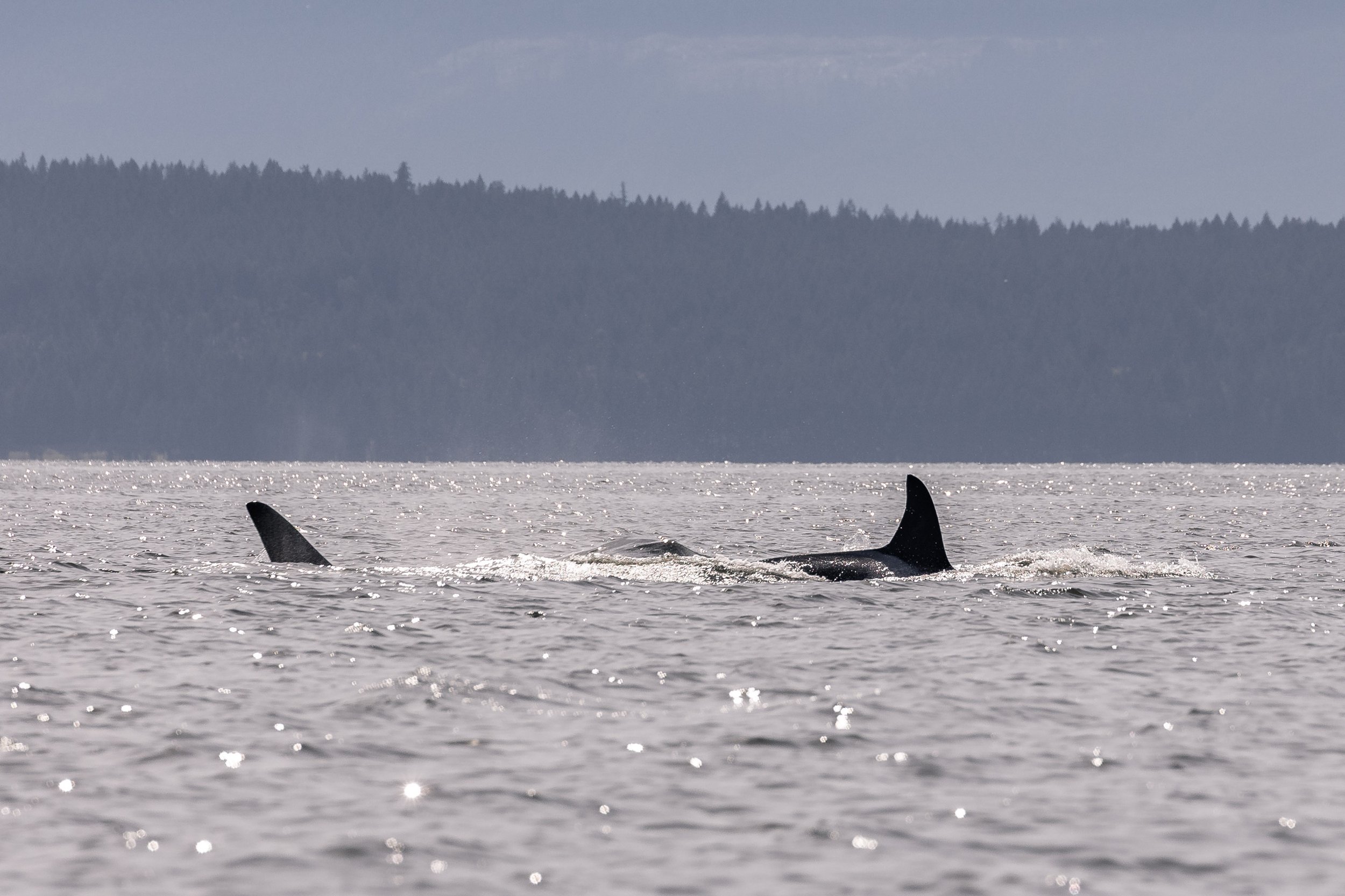
T049A4 Neptune with his brother T049A1 Noah behind him. Photo by Jordan Robinson.
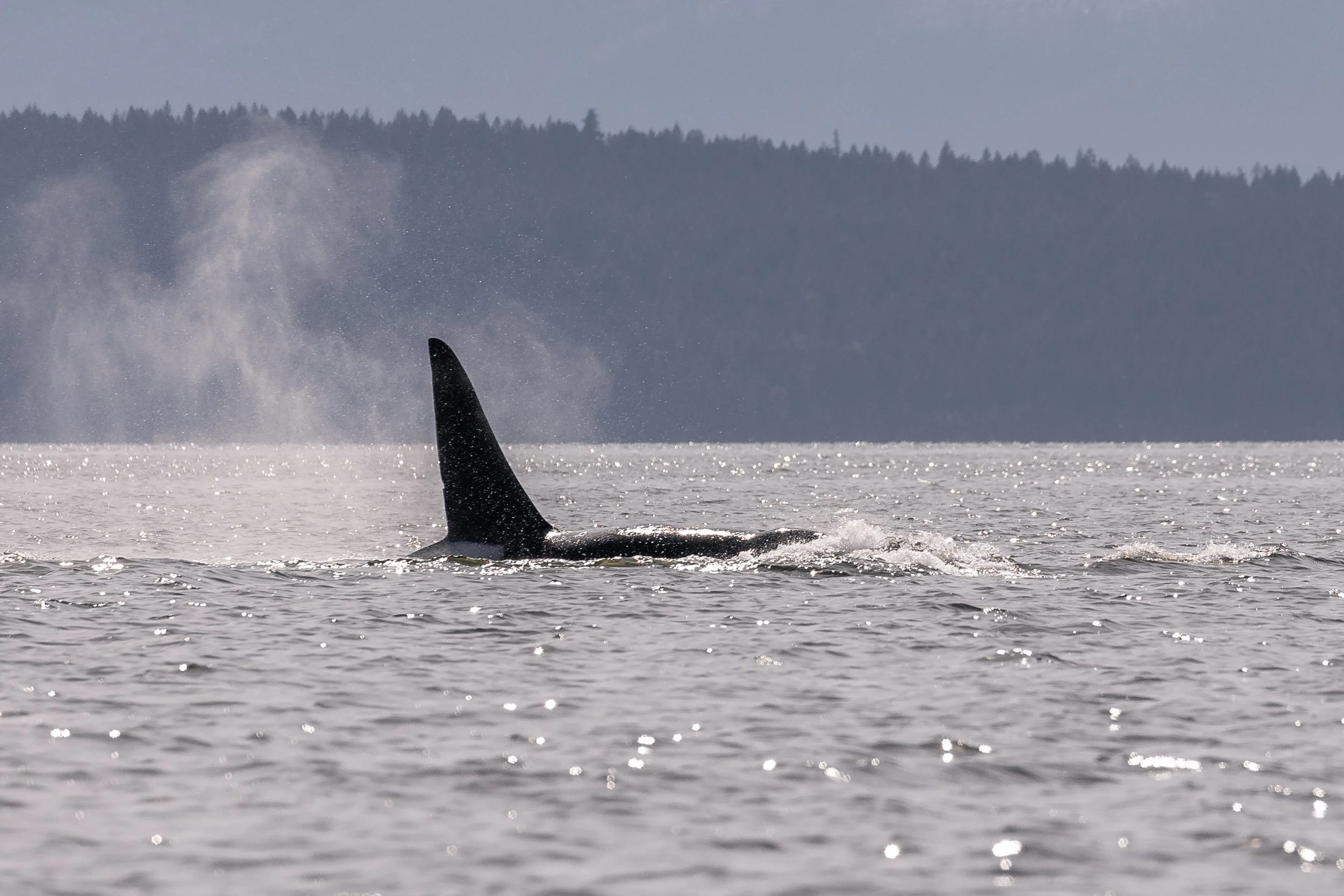
T049A1 Noah. Photo by Jordan Robinson.
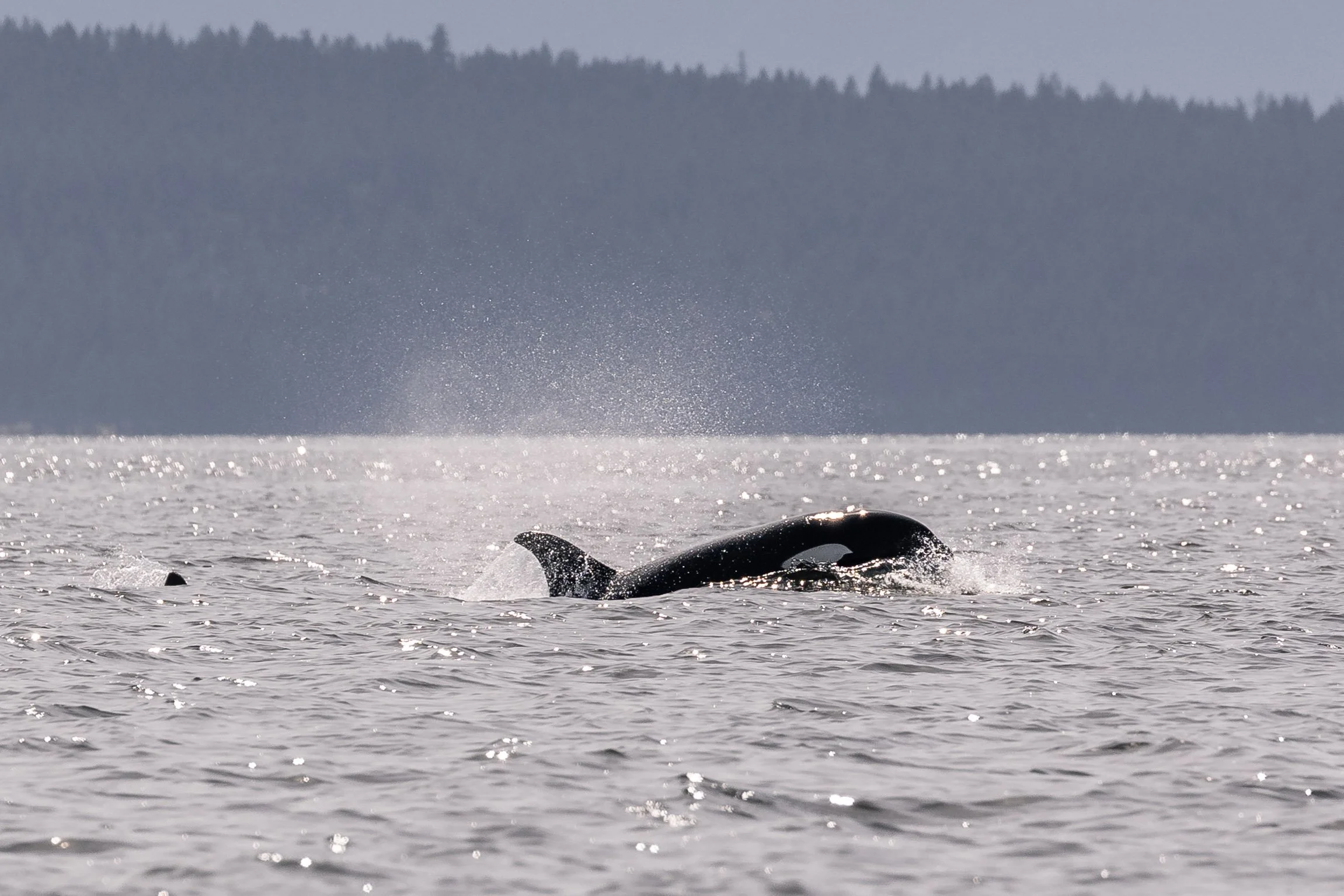
T049A5 Nebula. Photo by Jordan Robinson.
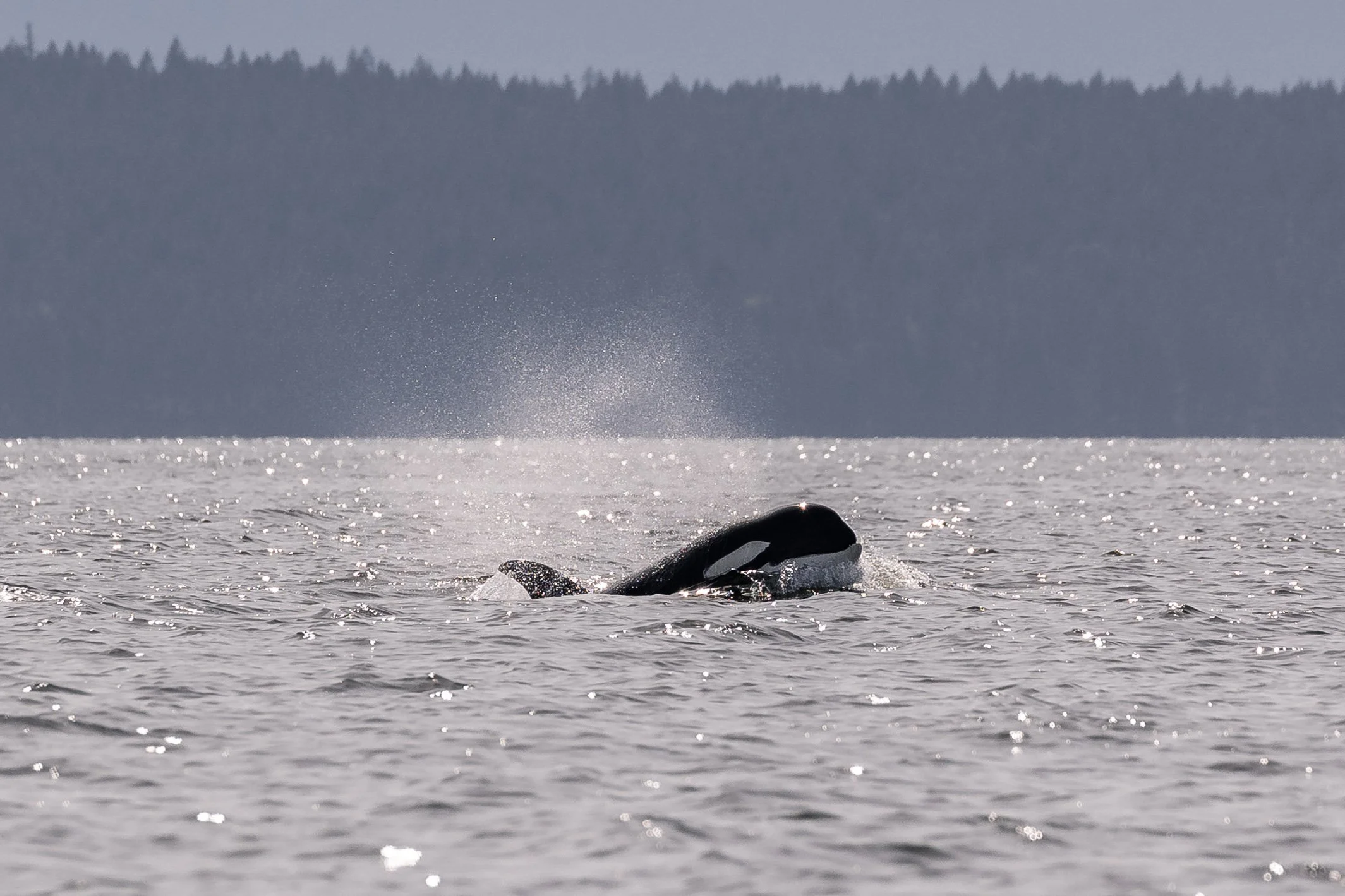
T049A6 Charlie II. Photo by Jordan Robinson.
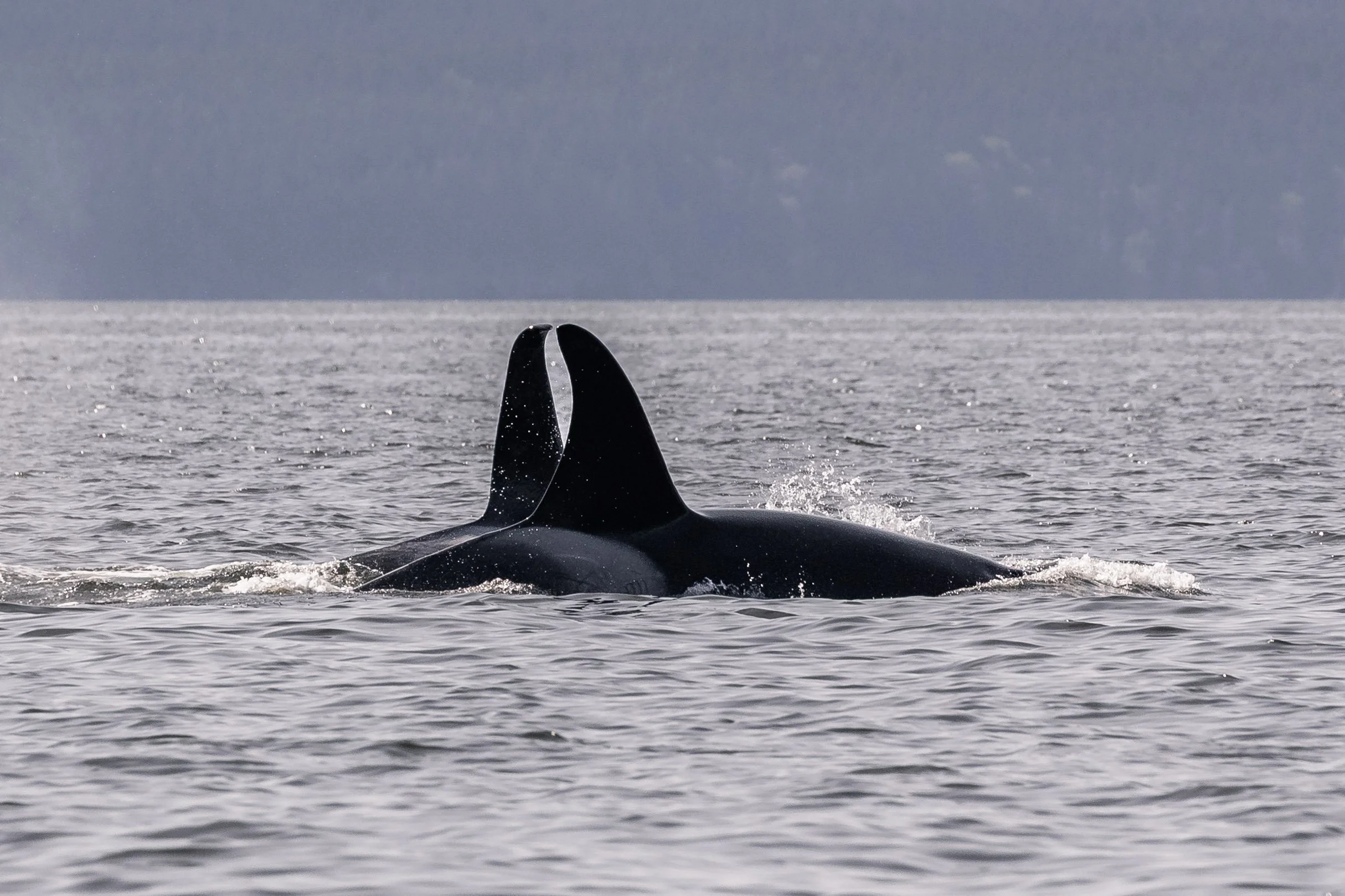
Brothers T049A2 Jude and T049A3 Nat. Photo by Jordan Robinson.
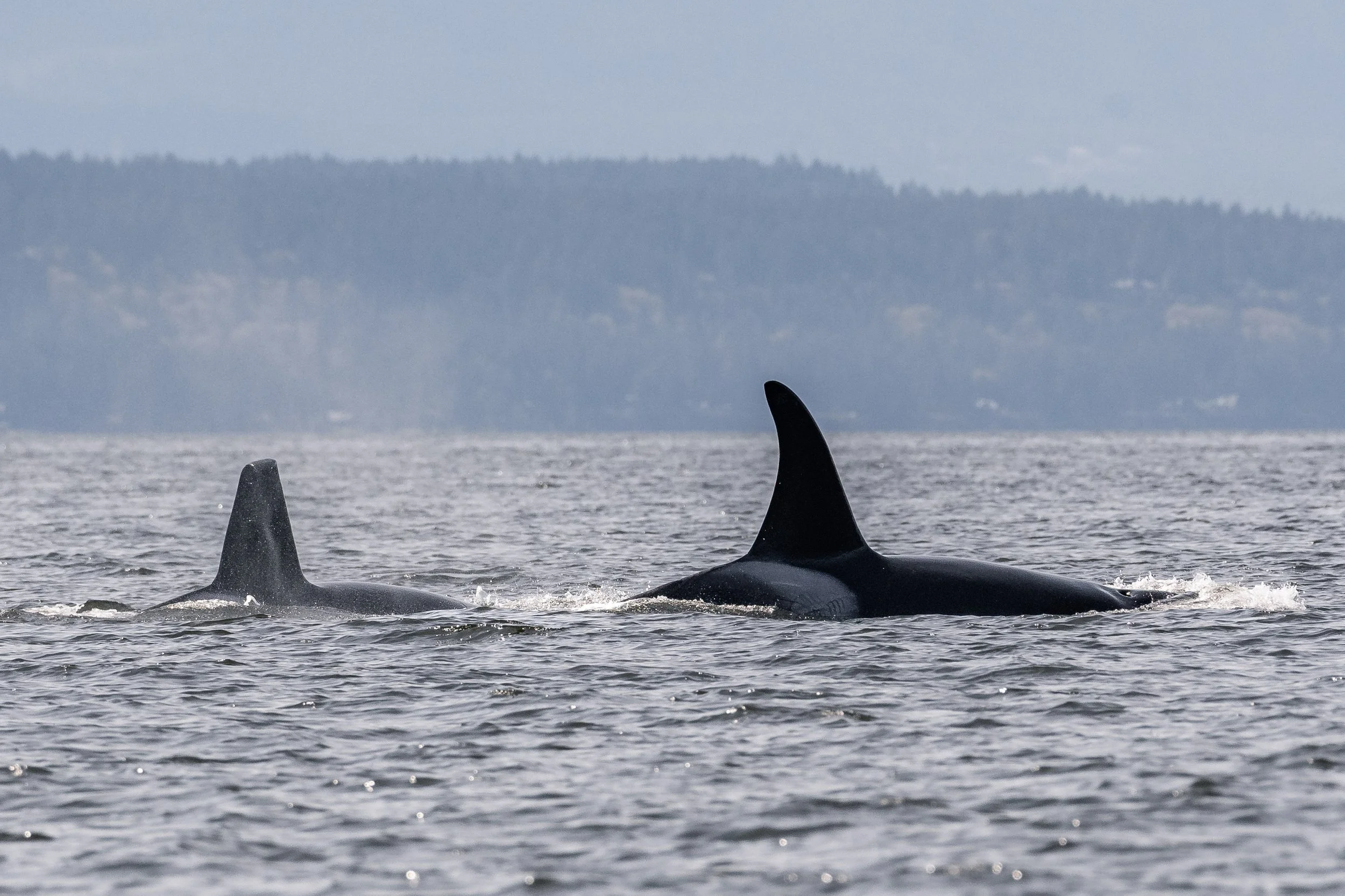
T049A2 Jude and T049A3 Nat. Photo by Evan Hessels.