
May 17, 2026, 10:30 AM - A Trio of Hungry Humpbacks
Sunny skies and light winds greeted guests and crew aboard our zodiac-style boat, Cascadia. After leaving the Nanaimo harbour, we cruised through the currents in search of adventure! Keen eyes scanned the waterline, looking for any whale blows, tall dorsal fins, or large tail flukes rising out of the water.
Not long after searching, our captain Rodrigo had spotted a distant humpback whale blow! Rodrigo slowly approached the general area where the blow had been spotted, and all that was left was to wait. After a couple of minutes of scanning the horizon for our next sign, the blow had been spotted again. After only two breaths at the surface, the unknown humpback whale began to arch its back and prepare for a deeper, longer dive by throwing its tail fluke high into the air. After photographing the underside of the tail, Jordan, the marine naturalist aboard Cascadia, identified the whale as none other than Anvil (BCZ0410). This is only our second encounter with Anvil this year here at Vancouver Island Whale Watch, and we are glad to see her return to the Salish Sea. This older female can also be identified by a large bump (scar) on the left side of her body, a remnant of a SAT tag from a time when tagging whales was more common.
After Anvil fluked her tail high and went for a deeper dive, she stayed under for quite some time, and for good reason. When humpbacks return to the Pacific Northwest in early to mid-spring, food is their top priority. These whales have just completed an incredible migration from their winter breeding grounds in either Hawaii or Mexico. During their journey south, their time on the breeding grounds, and the long trip back north, humpback whales do not feed at all, meaning they can go 4 to 6 months without eating! By the time they arrive back in the Salish Sea, humpbacks have lost up to a quarter of their body weight in fat reserves. That’s why newly arrived humpbacks spend so much time diving deep and feeding almost constantly. Throughout the summer, these whales work hard to rebuild their blubber stores, consuming as much as 2.5 tons (2,500 kilograms) of food every single day before making the long migration south once again for the winter.
While Anvil was down feeding, two more blows had been spotted close by, to the southeast. Our captain, Rodrigo, slowly pulled away from Anvil’s proximity and positioned near the area of the new blows. Upon resurfacing, two humpback whales had fluked perfectly and were identified as Neptune (BCY1021) and Moraine (BCY1465).
After resurfacing from a long, deep feeding dive, these two humpbacks decided it was time for a nap. Unlike humans, humpback whales don’t follow a set circadian rhythm and will sleep whenever they need to, regardless of the time of day. They also tend to sleep in the same areas where they feed. Their naps are usually quite short, lasting 10 to 30 minutes.
When we observe sleeping behaviour in humpback whales, we give them ample space to rest undisturbed. While the federally regulated viewing distance for humpbacks is normally 100 metres, it increases to 200 metres when whales are resting or sleeping to help ensure they can nap peacefully.
Neptine and Moraine were observed surfacing briefly for shallow breaths, while resting just below the surface. After around seven minutes of rest, these two humpbacks awoke with loud, powerful breaths and returned to fluking and feeding.
All three of the humpbacks on this day’s tour were quite easy to identify, thanks to the unique markings each whale has on the underside of their tail flukes. Each humpback that visits British Columbia to feed for the summer is catalogued and given both a nickname and a code. The code always starts with BC (for British Columbia) and is followed by X, Y, or Z, based on the amount of light coloration on the underside of the fluke:
X whales: Mostly dark, with only 0–20% light markings.
Y whales: 20–80% light markings.
Z whales: Over 80% light markings.
Y and Z whales, such as Anvil, Neptune and Moraine, are easier to identify because the light areas create a strong contrast. X whales, however, can be more challenging as many lack contrasting or distinctive markings. In these cases, we analyze for subtle clues: unique notches, the ridgeline of the tail fluke, or small bumps (like Anvil’s SAT tag scar) can be compared to known individuals. Matching the shape of the whale’s dorsal fin can then help confirm the identity of any tricky X-whales that might otherwise go unidentified.
As our time with Neptune and Moraine concluded, Captain Rodrigo slowly departed the feeding duo, and our adventure continued through the Strait of Georgia. By this time, the winds had completely died down, and all traces of clouds were only spots in the distance. These ideal conditions made boating through the Strait of Georgia a breeze!
The next stop along the way was at a rocky outcrop off the coastline of Valdes Island. The outcrop has been granted the nickname “Stinky Rock” by us here at Vancouver Island Whale Watch for a very practical reason. Those unfortunate enough to be downwind of the Sea lions that hang out there get to find out why the rock has this nickname. Since there are so many animals eating, sleeping, feeding, and defecating together on one small rock, the smell is as bad as you imagine it to be!
The Steller Sea Lions that haul out there are the largest sea lion species in the world. They exhibit Sexual Dimorphism, in which males and females have different physiological characteristics. Females only grow to be one-third the size of mature males, with males reaching 11 feet long and weighing upwards of 2500 pounds, whereas females max out at around 800 pounds and reach 8 feet long. The size difference is a crucial advantage for the males during the breeding season, which has just begun and runs through mid-July. During this time, dominant males claim and defend harems of females on rocky haul-outs. Incredibly, these males will fast and remain on land, without entering the water to feed, for the entire two-month period. When they get the chance to feed, they’re feeding on schooling fish, squid and octopus.
Additionally, on a nearby rock were some skittish Harbour Seals. These seals only weigh up to 280 pounds and grow to be 6 feet long. Males and females are pretty indistinguishable from each other, unlike sea lions. The snout of harbour seals is shorter and more blunt when compared to that of sea lions. These cute little pinnipeds are considered true seals because they belong to a different evolutionary lineage compared to sea lions. One of the key differences lies in their anatomy: true seals lack external ear flaps (pinnae) and have smaller front flippers. Additionally, their pelvic bones are fused, which limits their ability to move on land, but it gives them a powerful advantage in the water.
The boats departed “Stinky Rock” and continued their search for more wildlife across the Salish Sea. Although we cruised through the beautiful Gulf Islands with hopes of finding more whales, the journey still offered stunning scenery, plenty of marine birdlife, and a great opportunity to enjoy time out on the water as the sun shone down on guests and crew aboard Cascadia.
After leaving the water of the Southern Gulf Island by passing through Dodd Narrows, our vessel stopped at some log booms to watch some more fuzzy friends, California Sea Lions! These sea lions are resting up before beginning their southward migration to California and Mexico, where they gather to breed on warm, sandy beaches. The California sea lions that visit the Salish Sea begin their southbound journey in late April to early May, making these some of the last individuals we’ll see in the area until autumn.
One more stop awaited our guests and crew: the rocky bluffs of Gabriola Island. The rocky cliffs provide ample nesting space for cliff-nesting birds, including Pelagic and Double-crested Cormorants, Pigeon Guillemots, Cliff Swallows, and various species of gulls. Oftentimes, Bald Eagles can be spotted perched in nearby trees, waiting to grab an easy snack from the bluffs. One mature bald eagle was spotted leaving a cormorant nest and perched in a nearby dead-standing tree, while another juvenile circled the area. After 5 years, bald eagles transition from their juvenile brown heads to their iconic white heads. Additionally, juveniles will lose their white splotches on their bodies and tails, developing dark brown bodies and white tail feathers. As bald eagles age, their feathers are not the only thing changing colour. The eyes of immature bald eagles will initially appear brown or grey and change to a stunning yellow as they age. The diet of bald eagles can vary, but consists of fish, small mammals and other birds!
From the bluffs of Gabriola Island, our tour made its way back toward Nanaimo Harbour, wrapping up a wonderful morning spent exploring the Salish Sea! Please enjoy all the photos below, taken by Marine Naturalist Jordan Robinson.
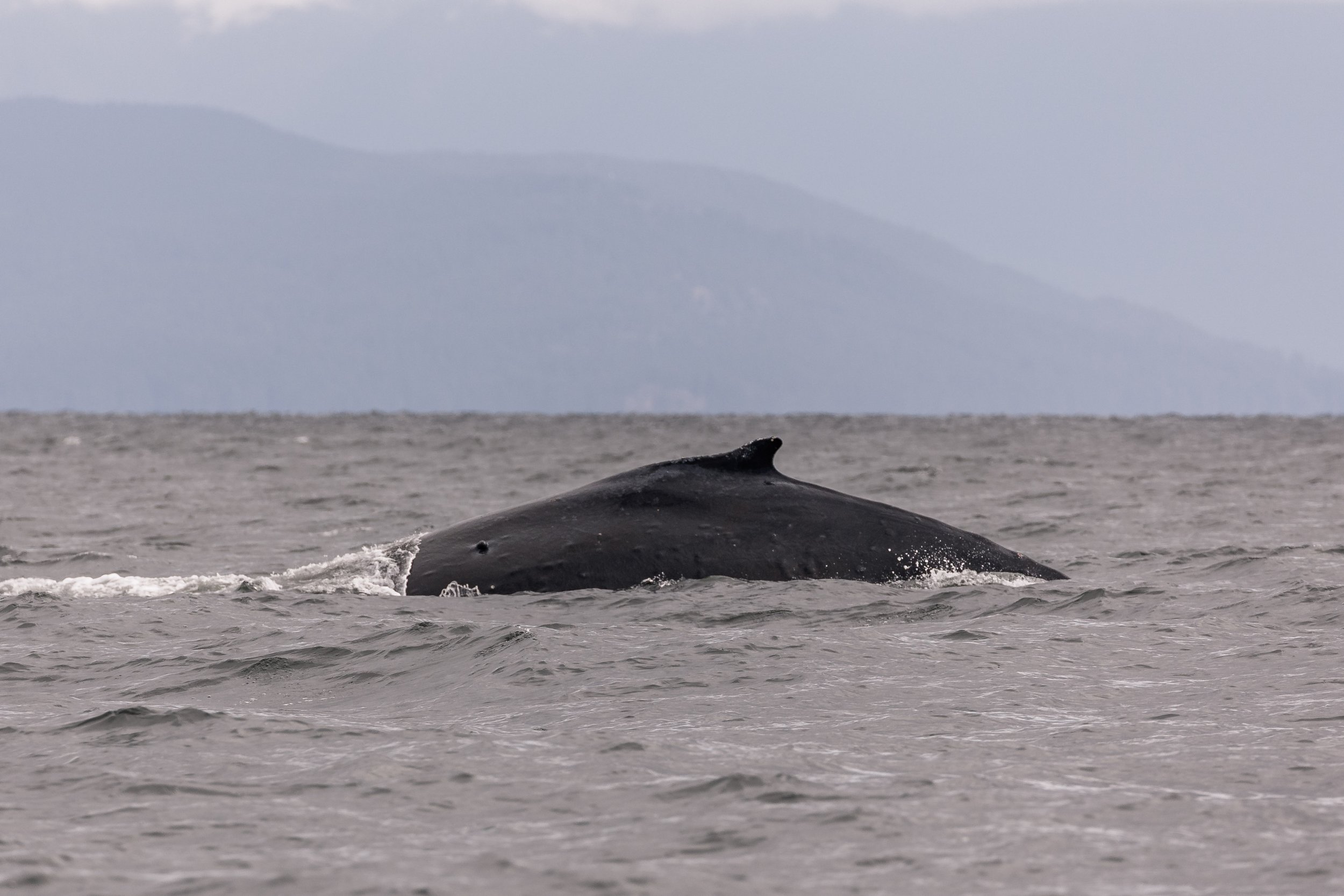
BCZ0410 Anvil travelling.
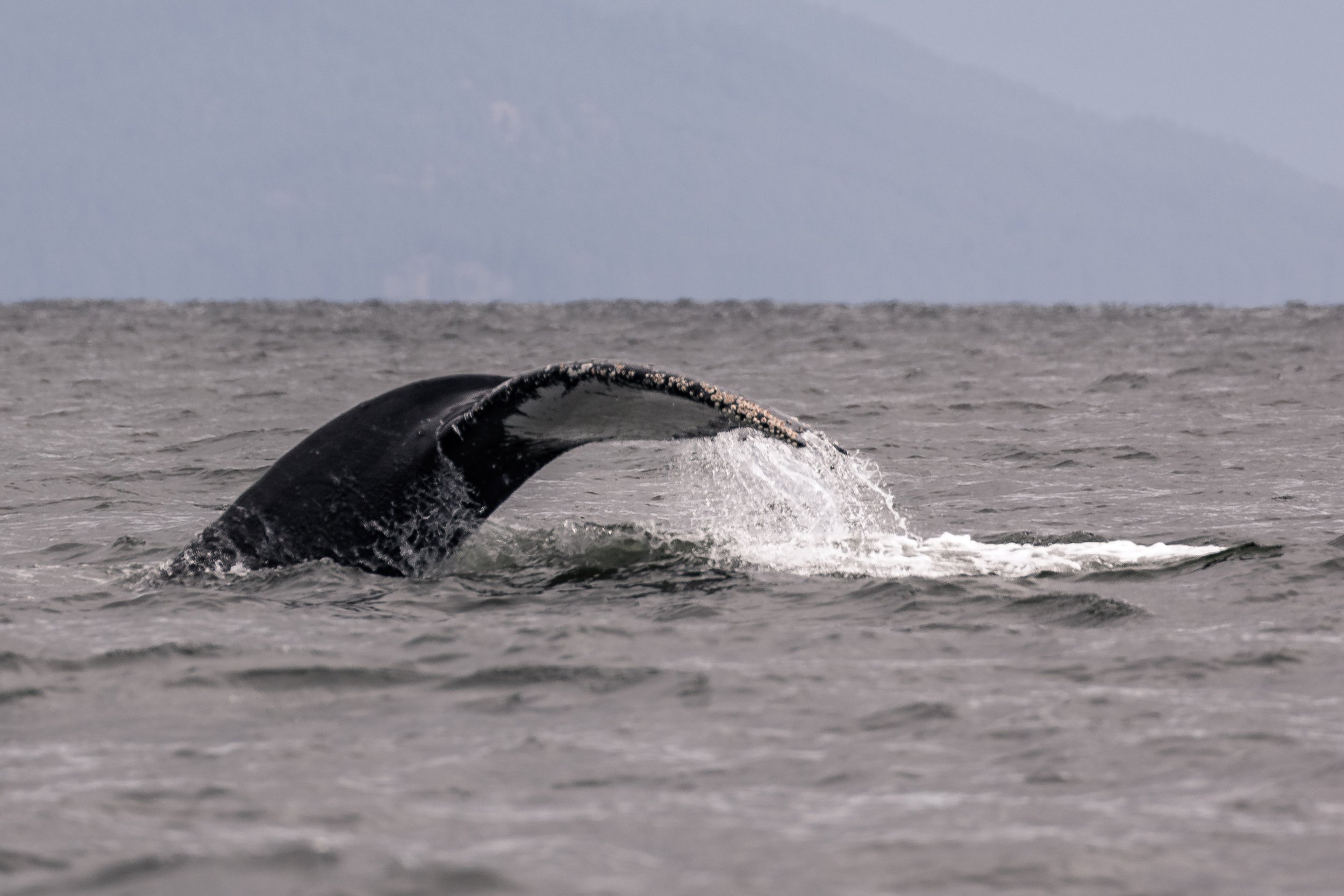
BCZ0410 Anvil fluking.
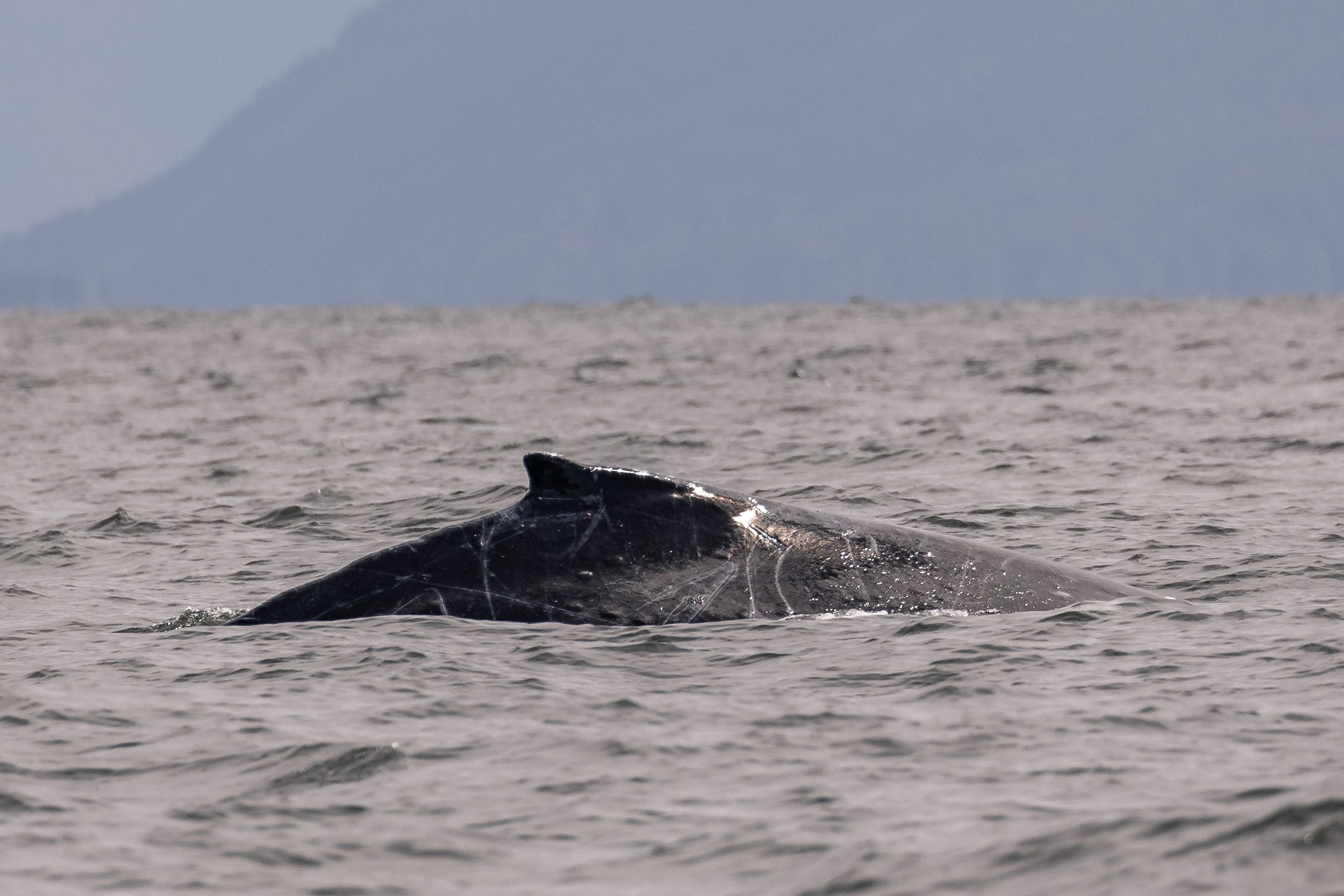
BCY1021 Neptune’s scarred up right side.
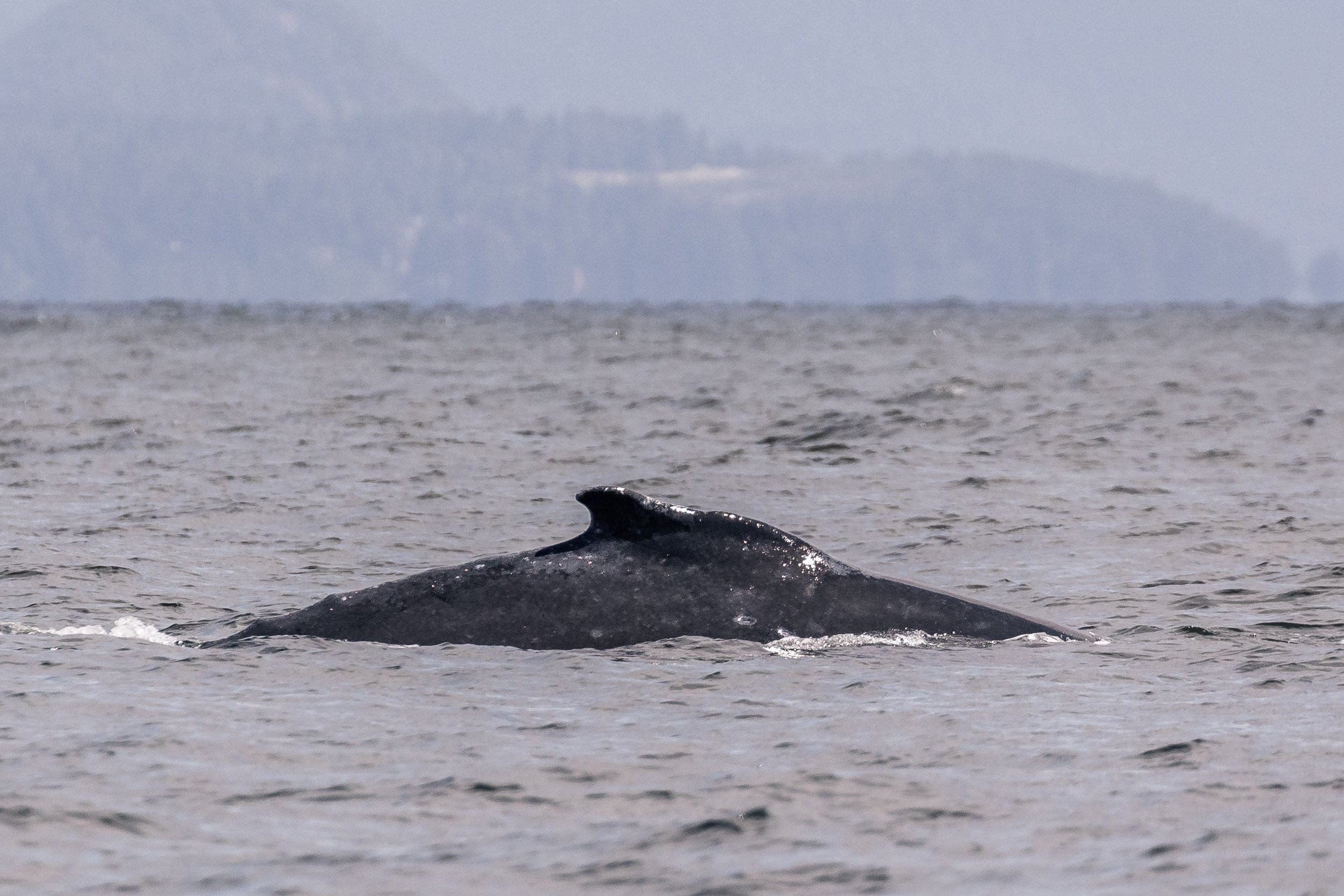
BCY1465 Moraine’s dorsal fin.
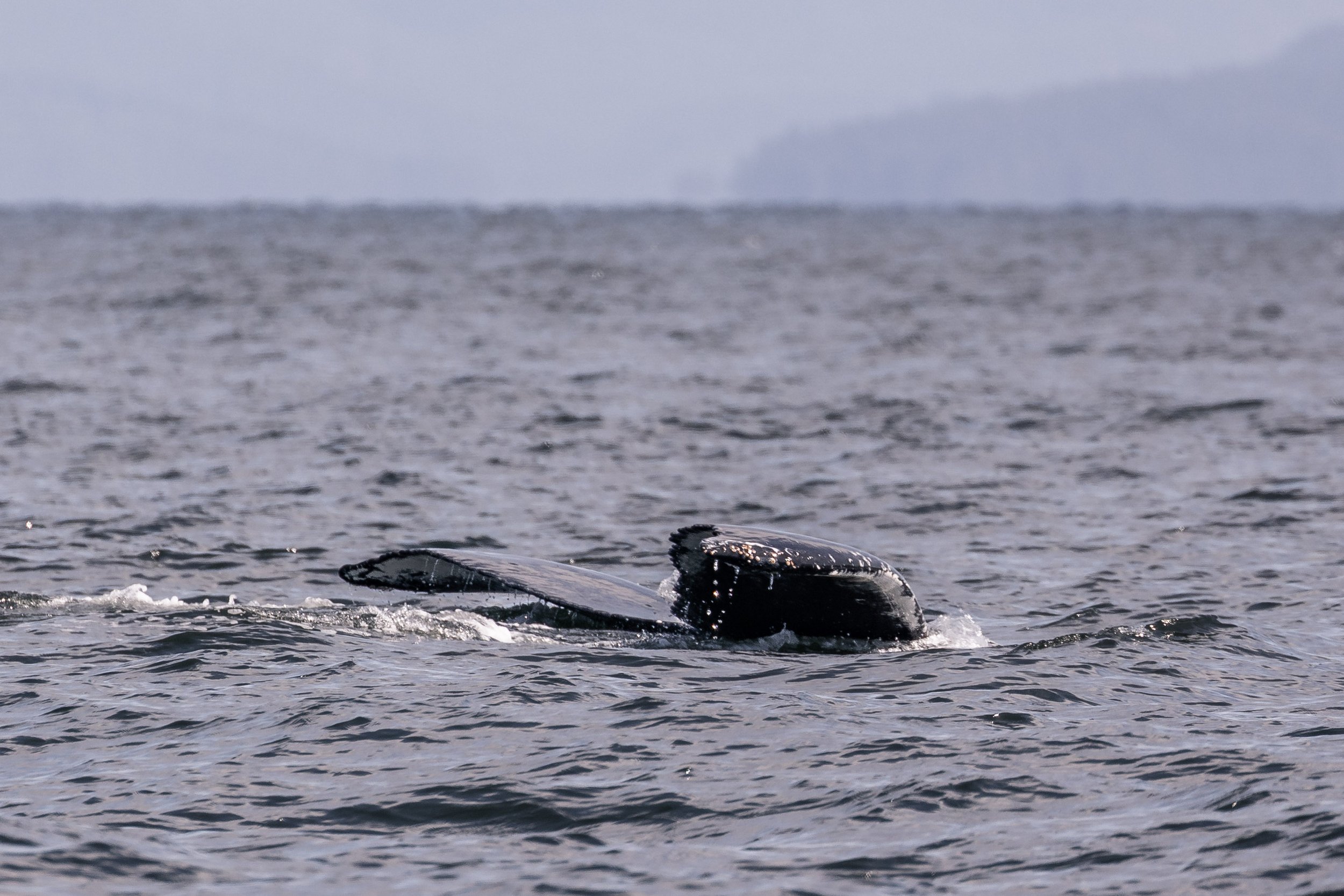
The very tips of BCY1465 Moraine’s fluke.
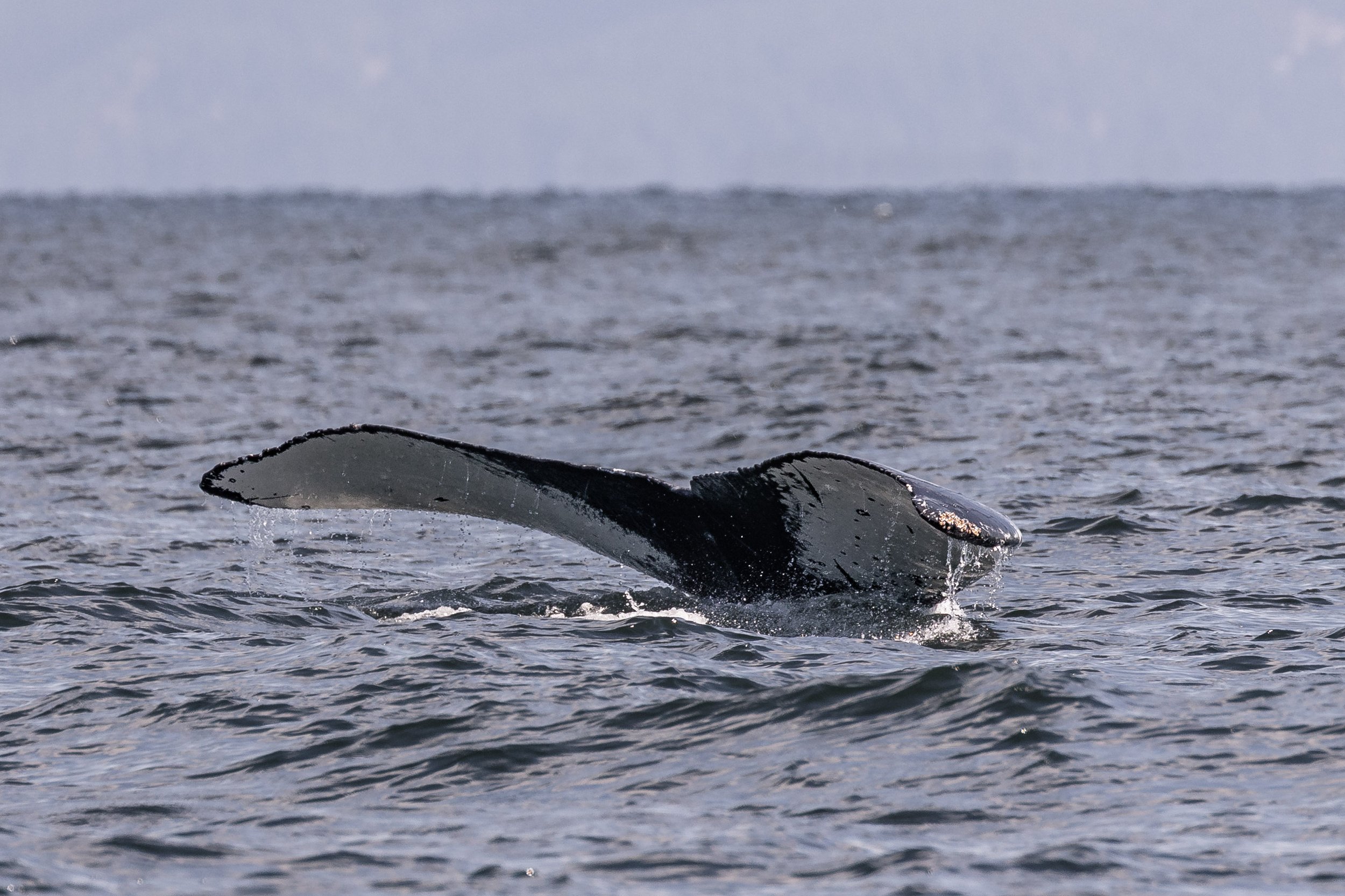
BCY1021 Neptune’s fluke.
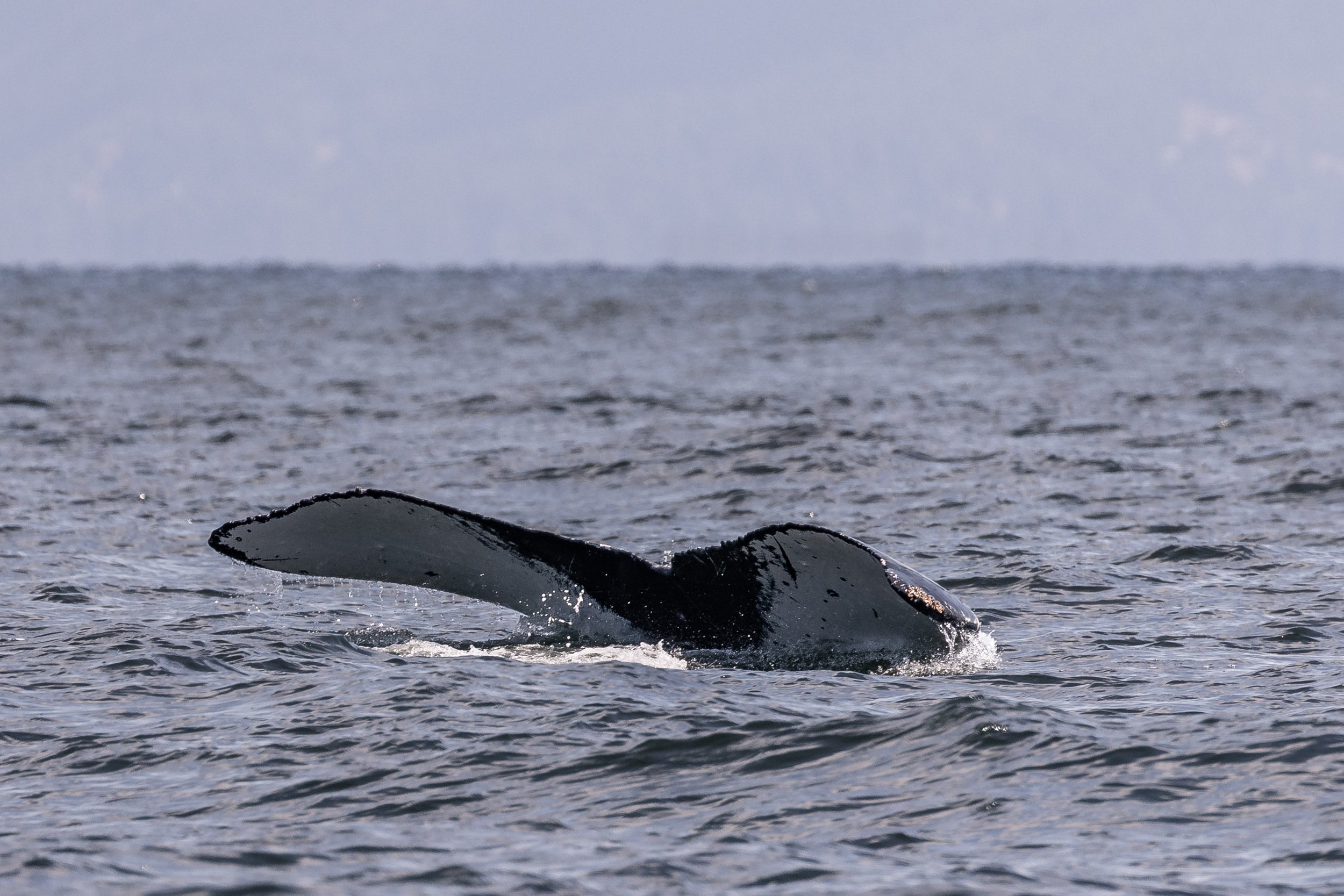
BCY1021 Neptune’s fluke with their distinct V marking visible on the right side.
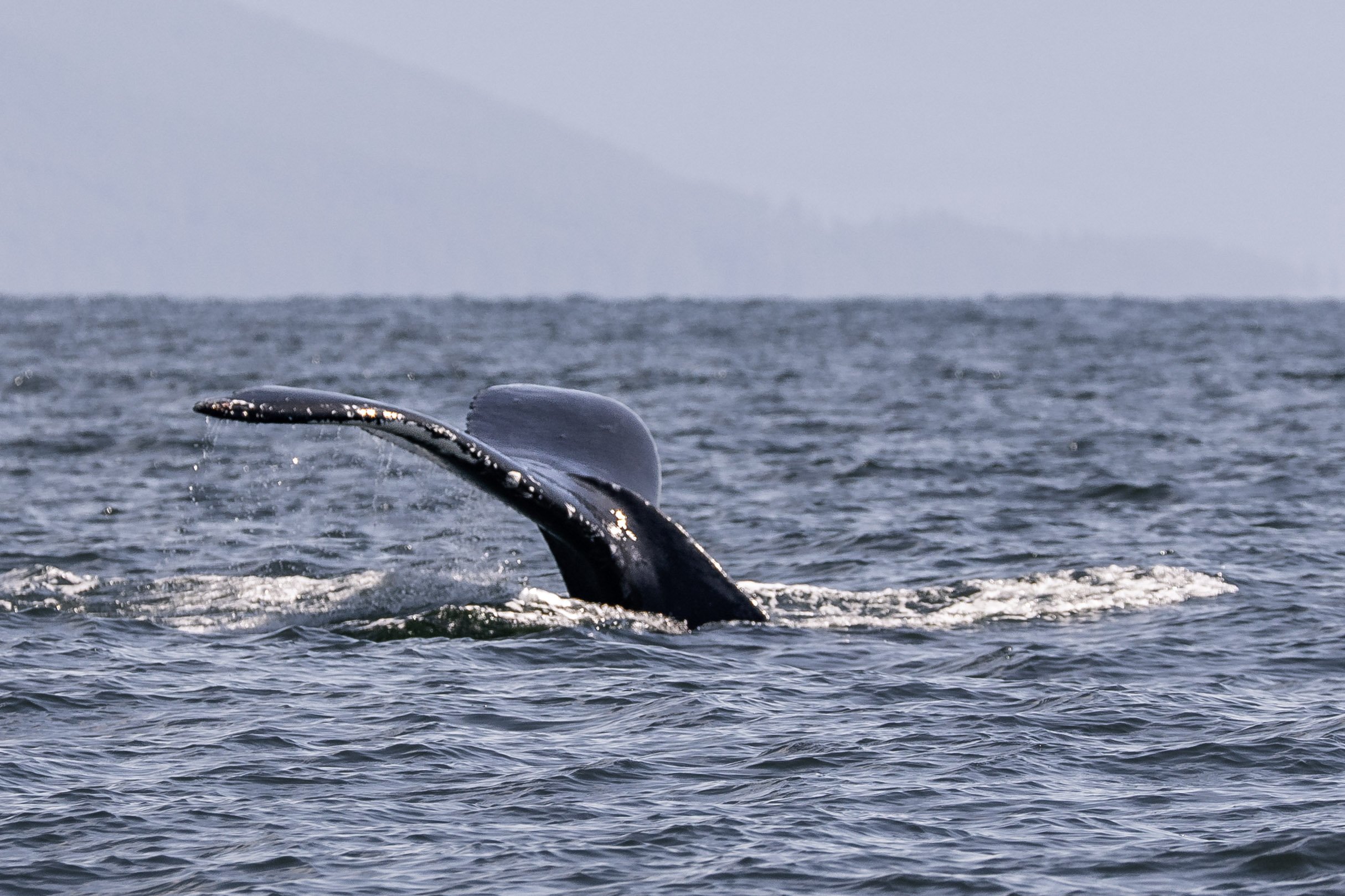
BCY1465 Moraine diving.
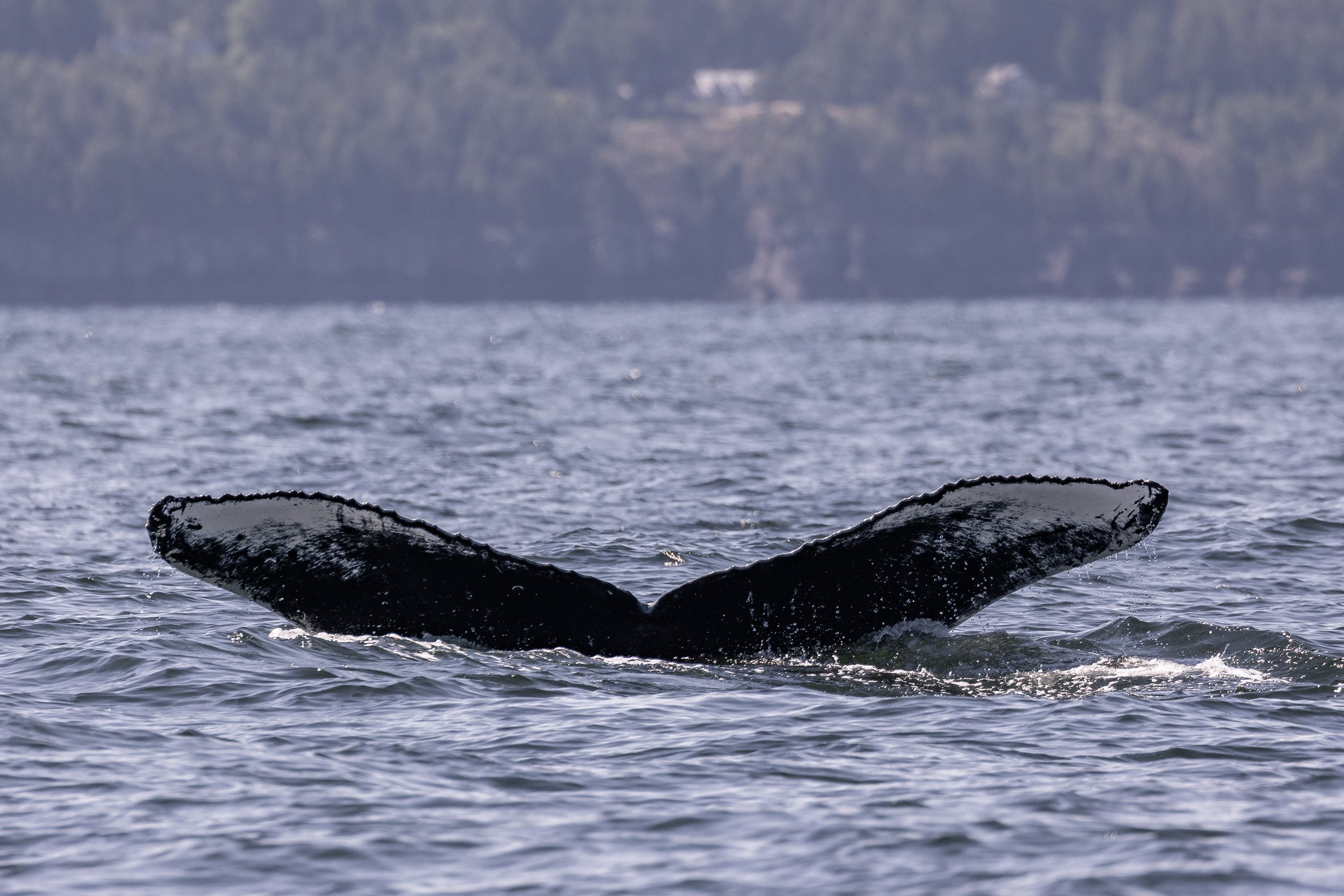
BCY1465 Moraine’s fluke.
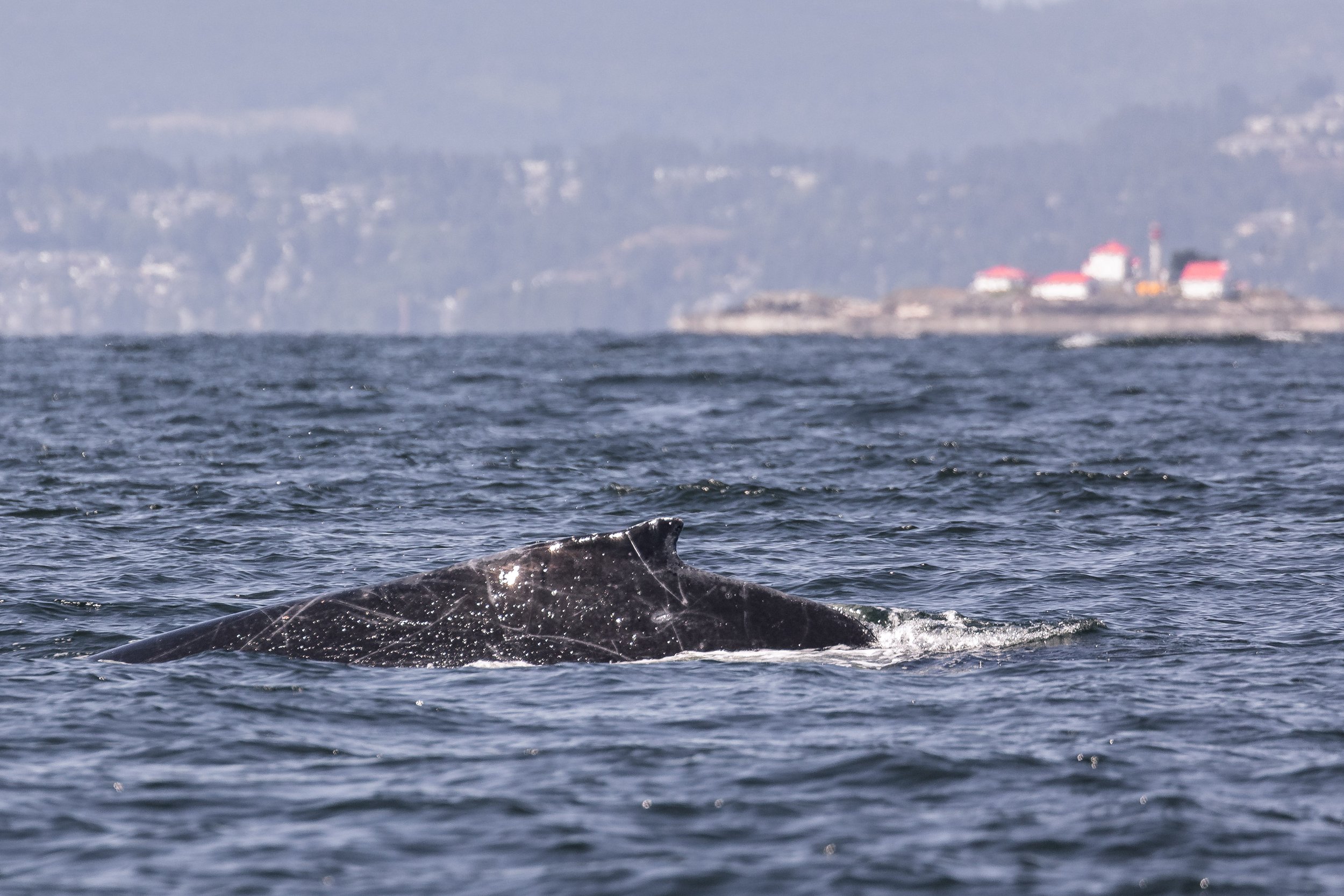
BCY1021 Neptune in front of Entrance Island.
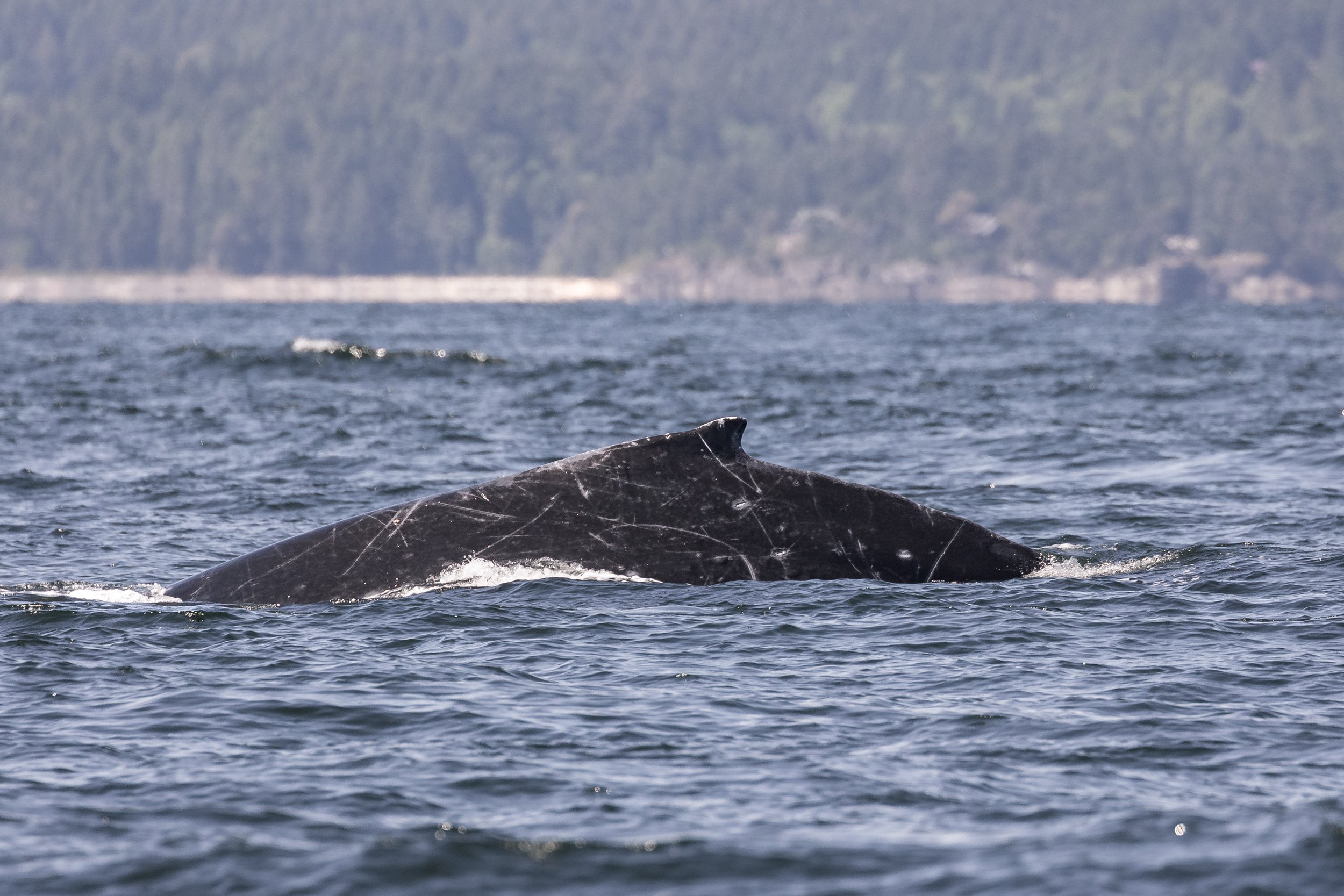
BCY1021 Neptune preparing to dive.
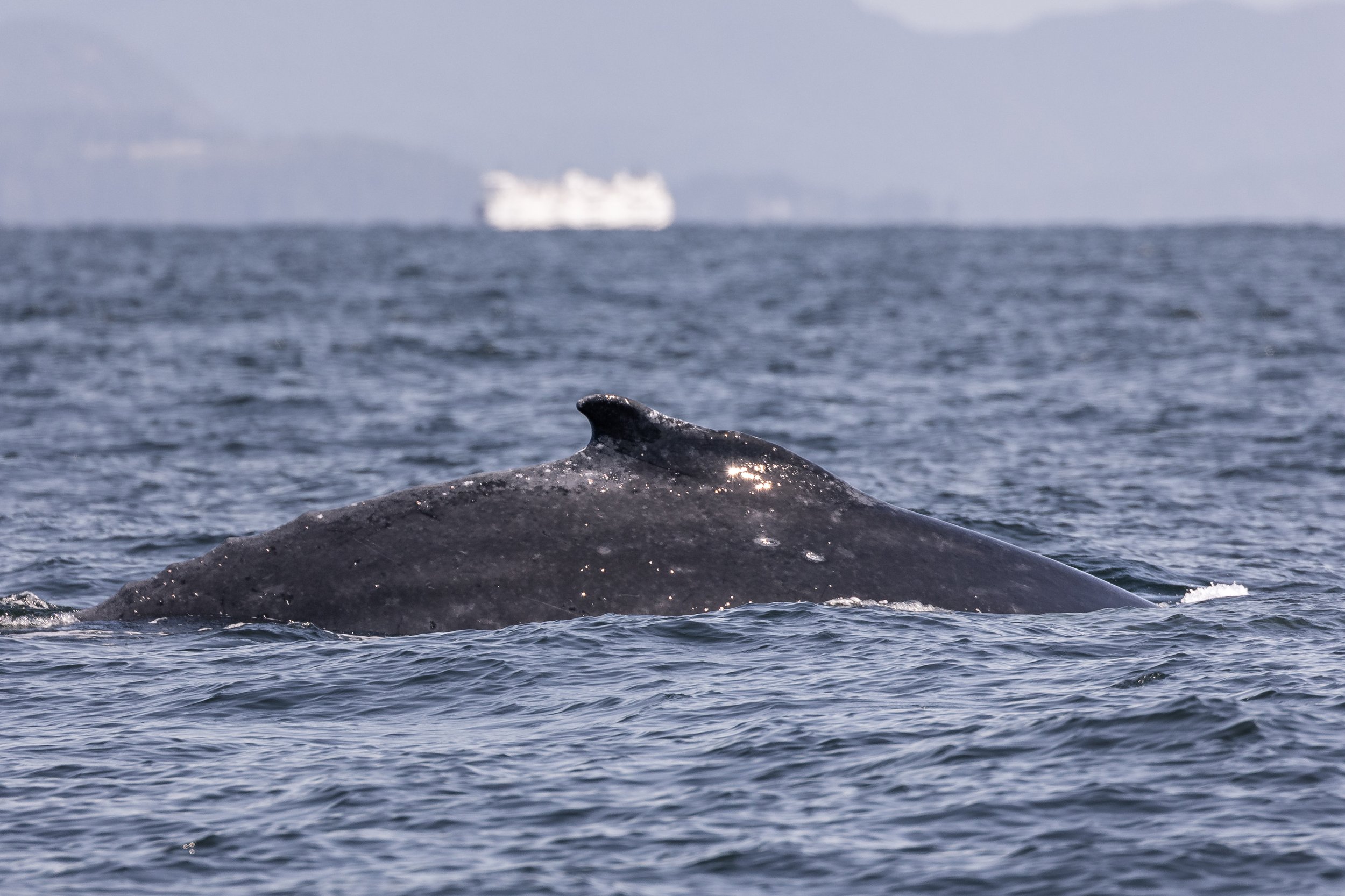
BCY1465 Moraine travelling with a BC Ferry in the background.
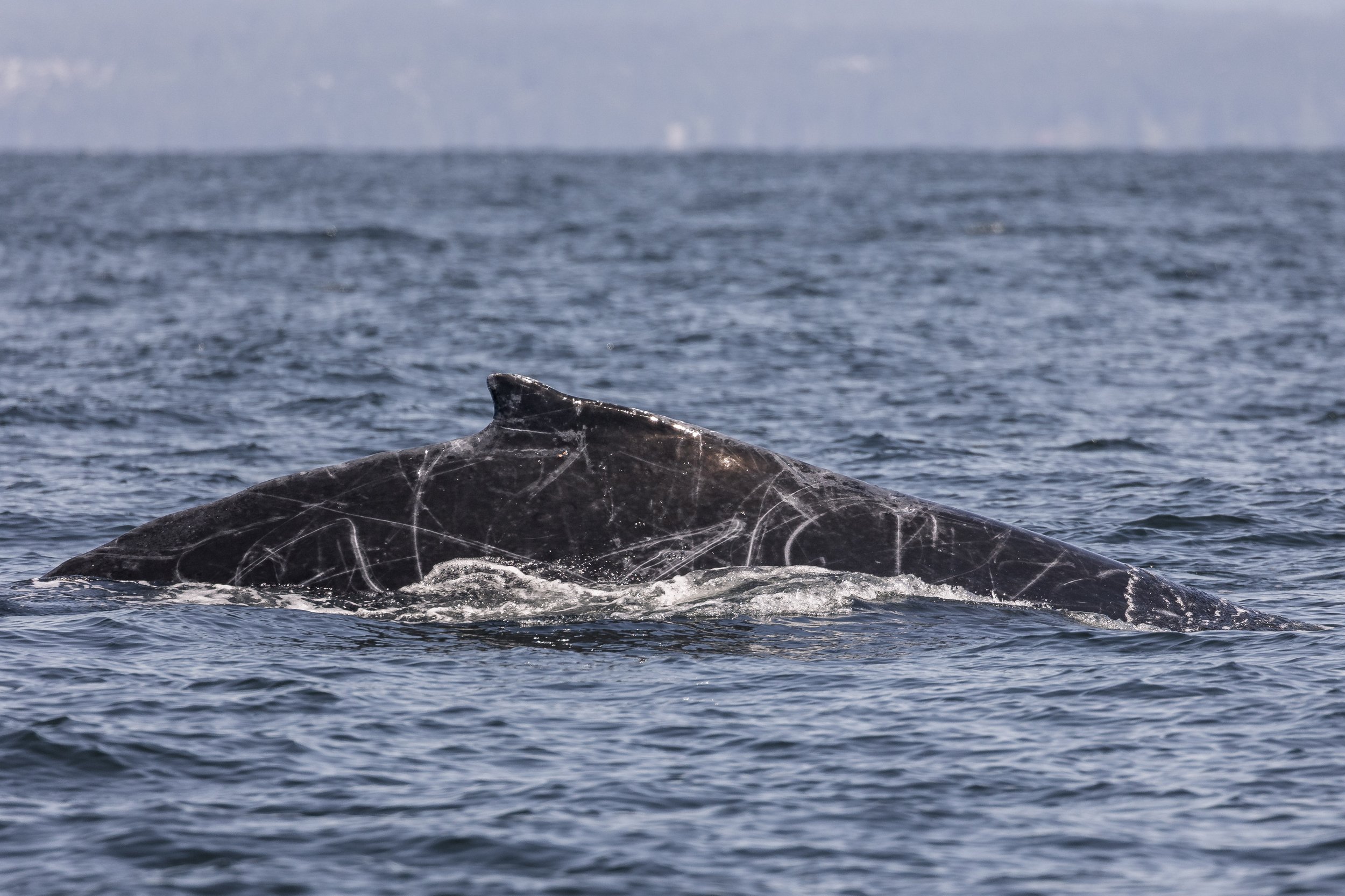
You can really see just how scratched up BCY1021 Neptune is here!
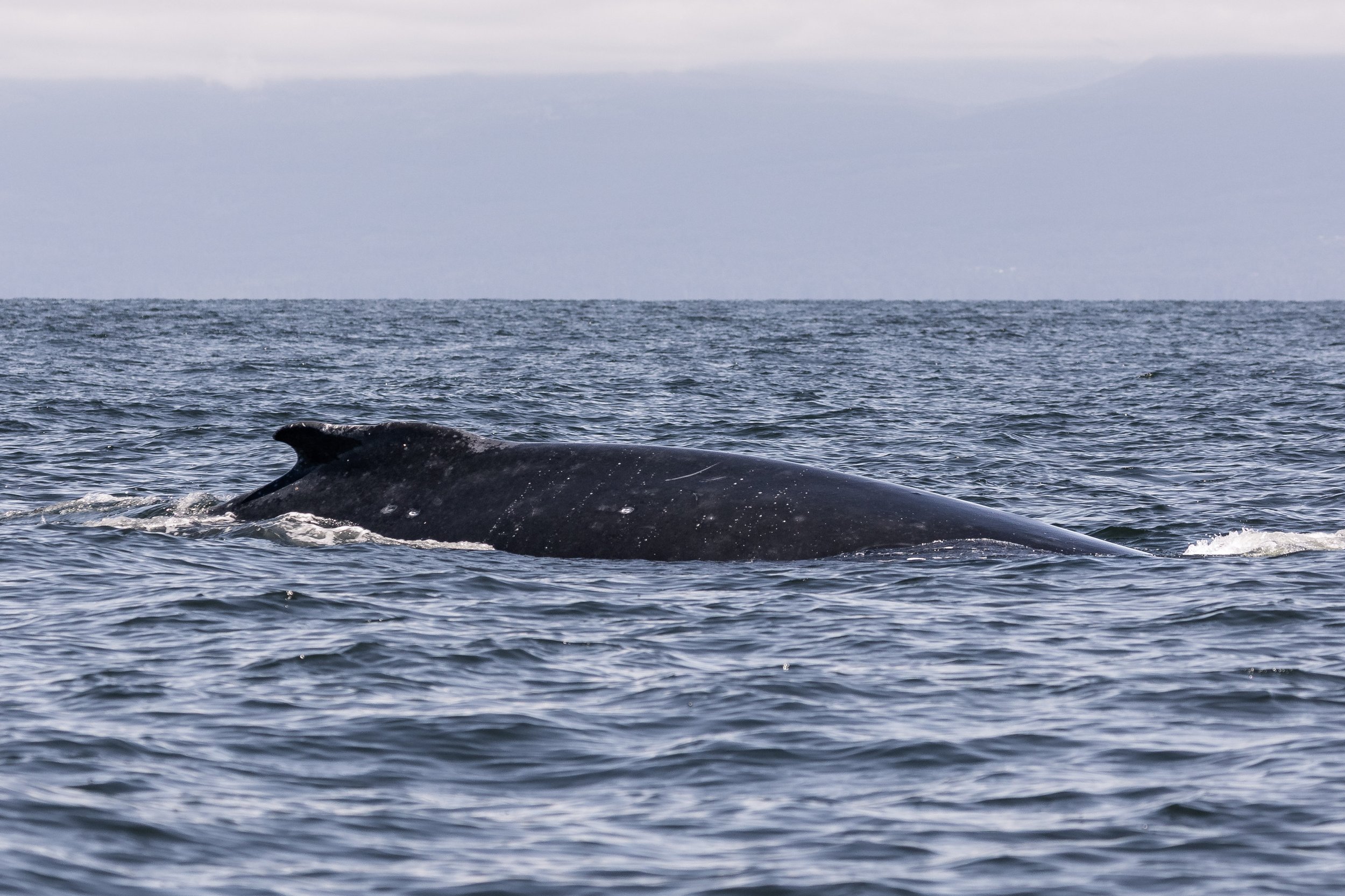
BCY1465 Moraine with their back high out of the water.
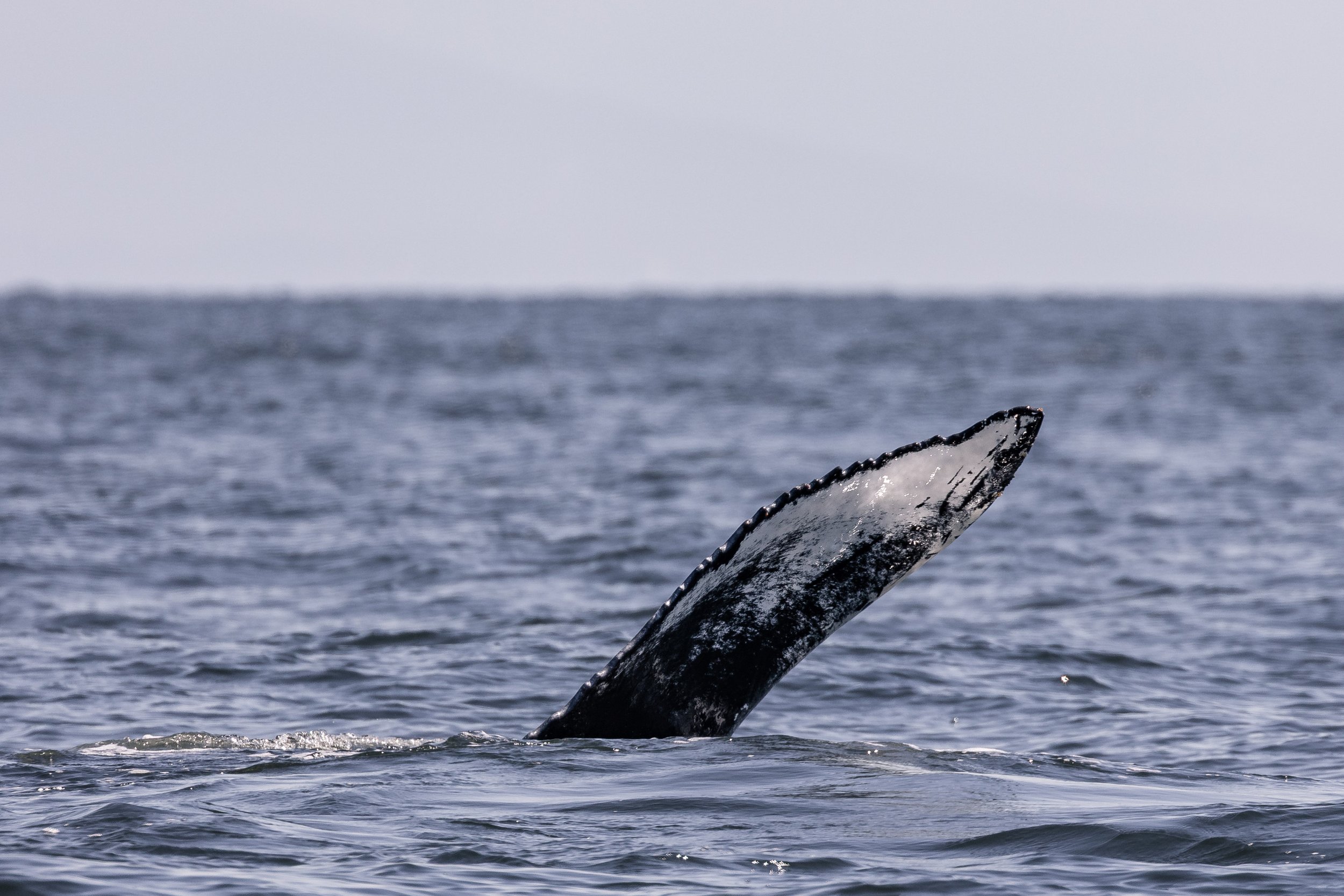
A half fluke from BCY1465 Moraine!
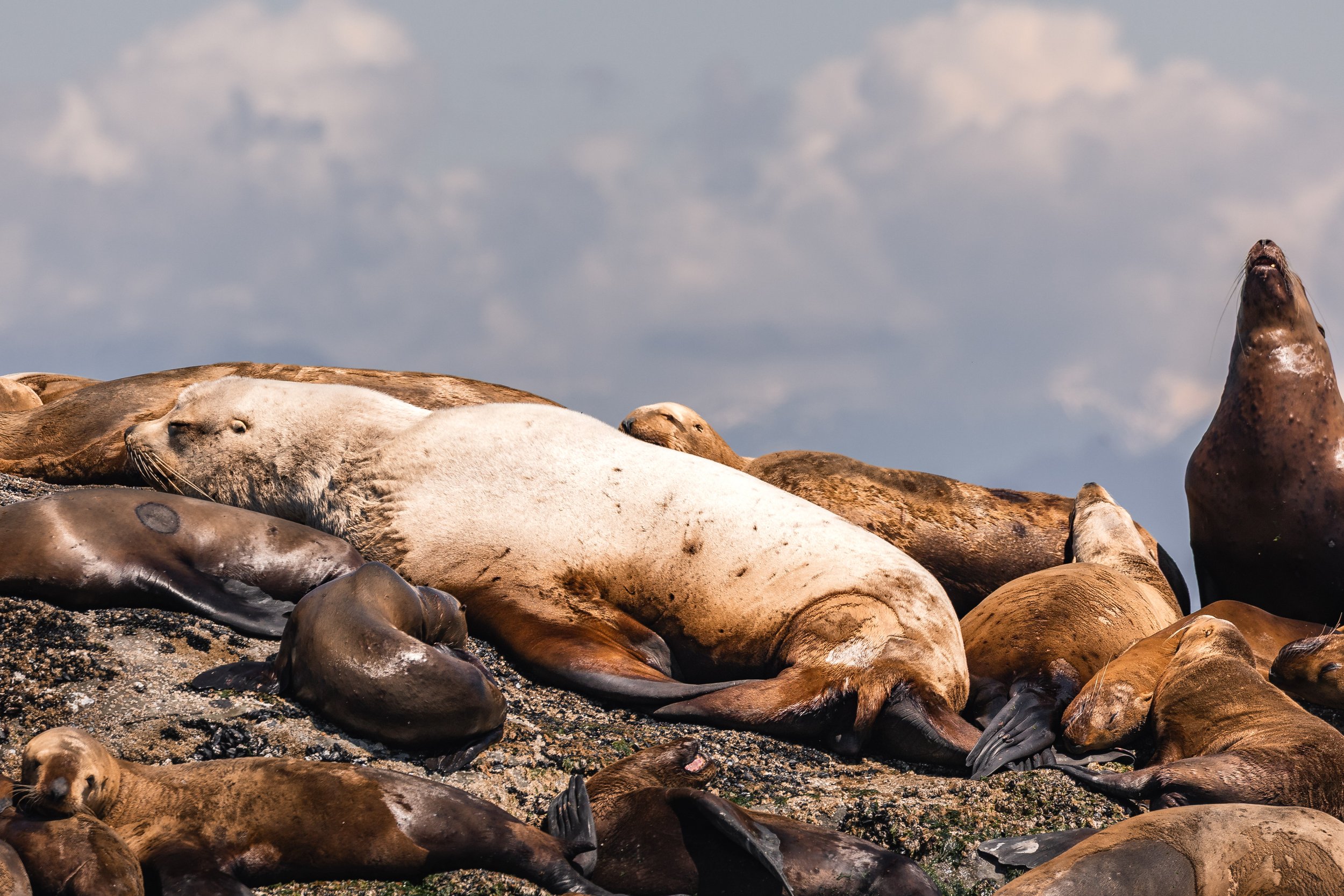
A large male Steller Sea Lion enjoying the sun.
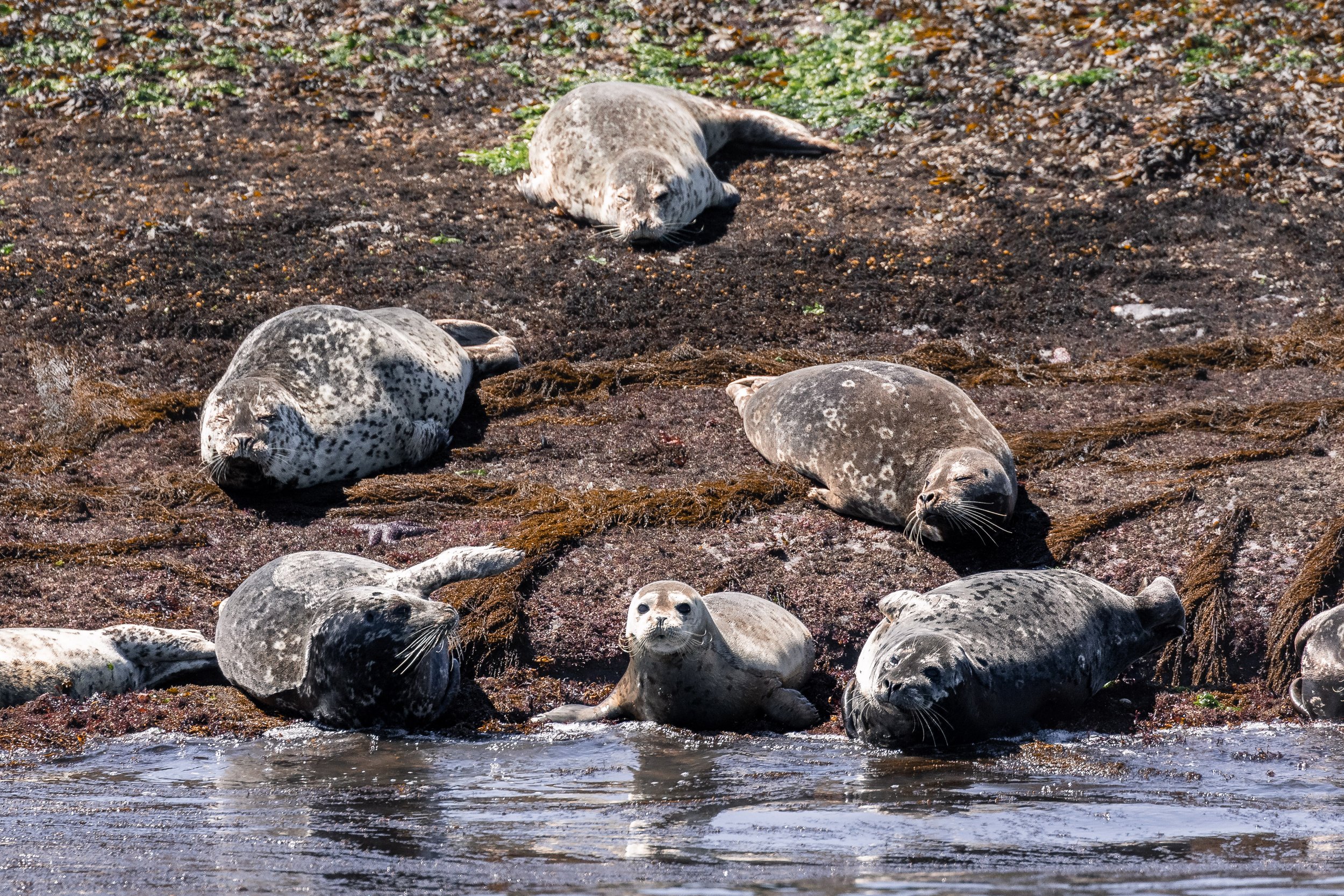
An adorable Harbour Seals watching us watching it!
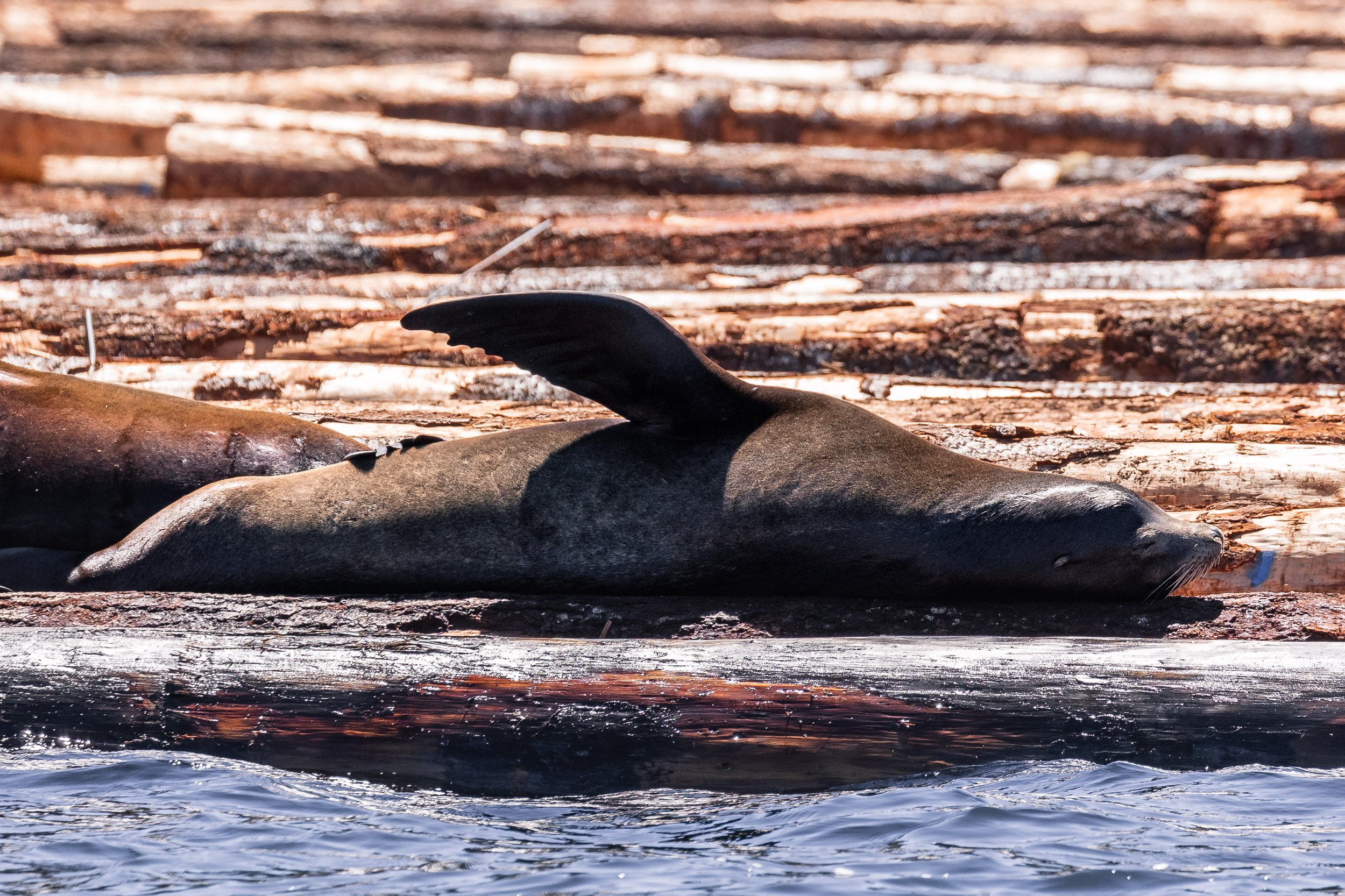
A California Sea Lion thermoregulating by sticking his fin up in the air to cool himself off.
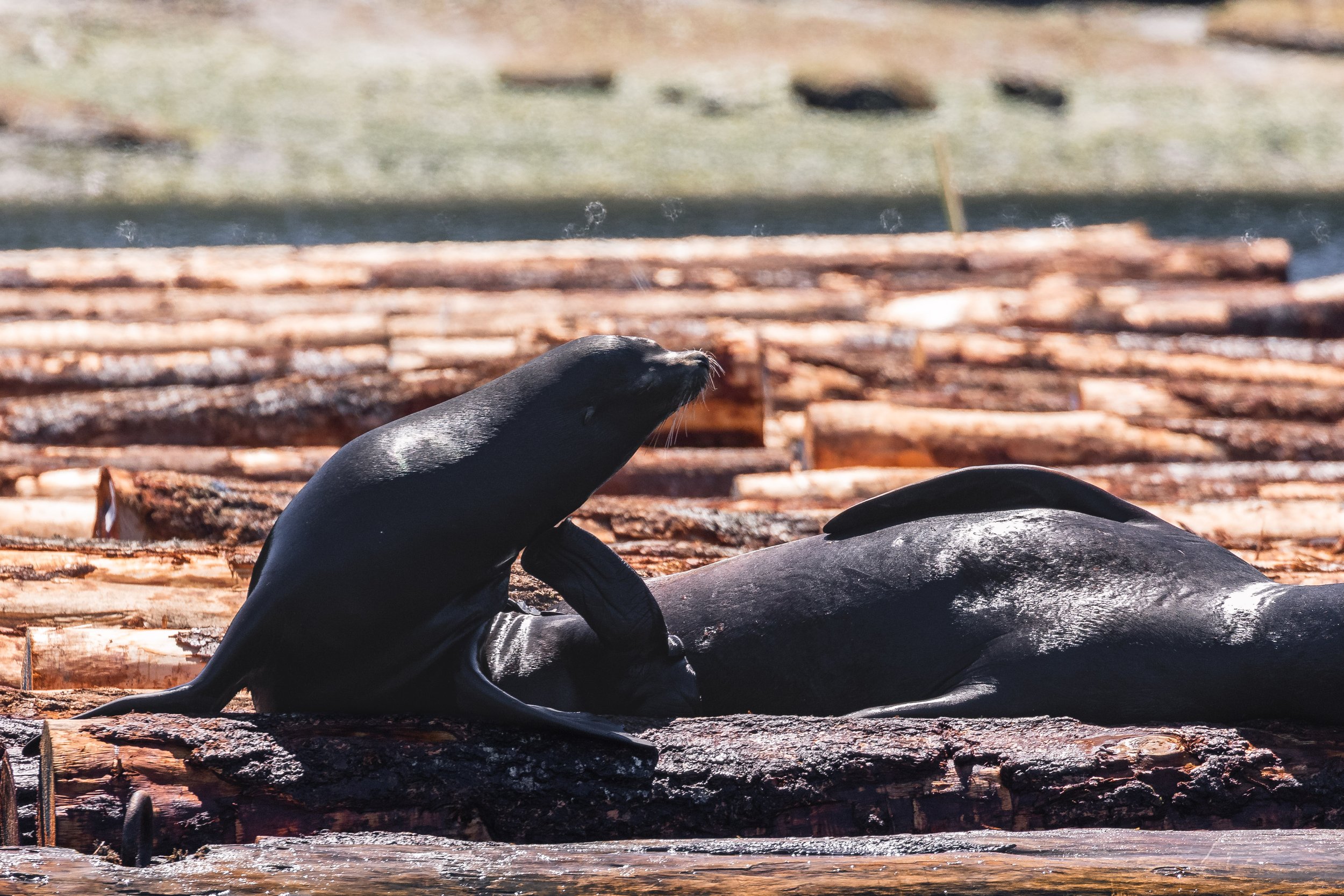
An itchy sea lion scratching himself with his hind flipper.
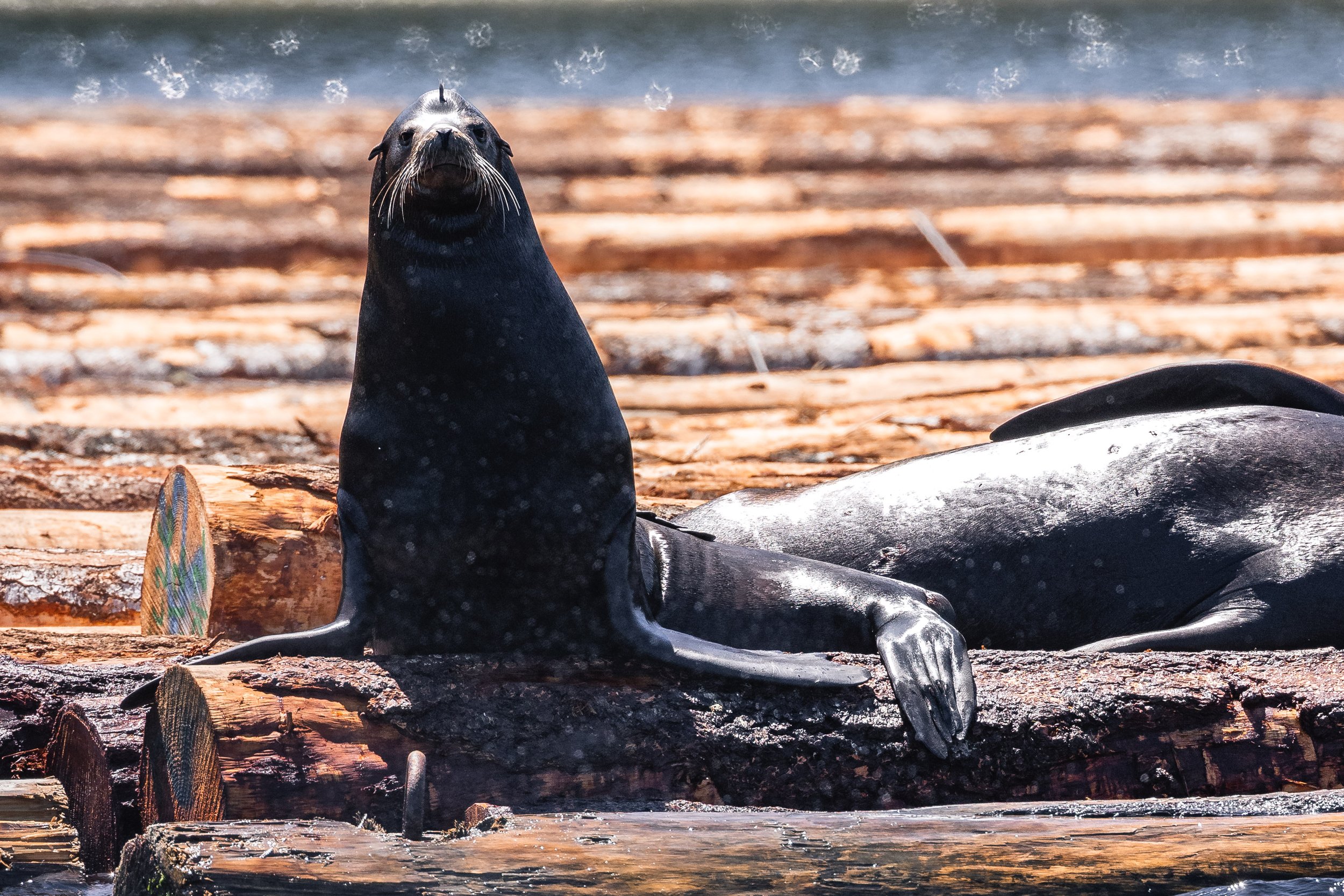
Sea lions have bad-hair-days too!
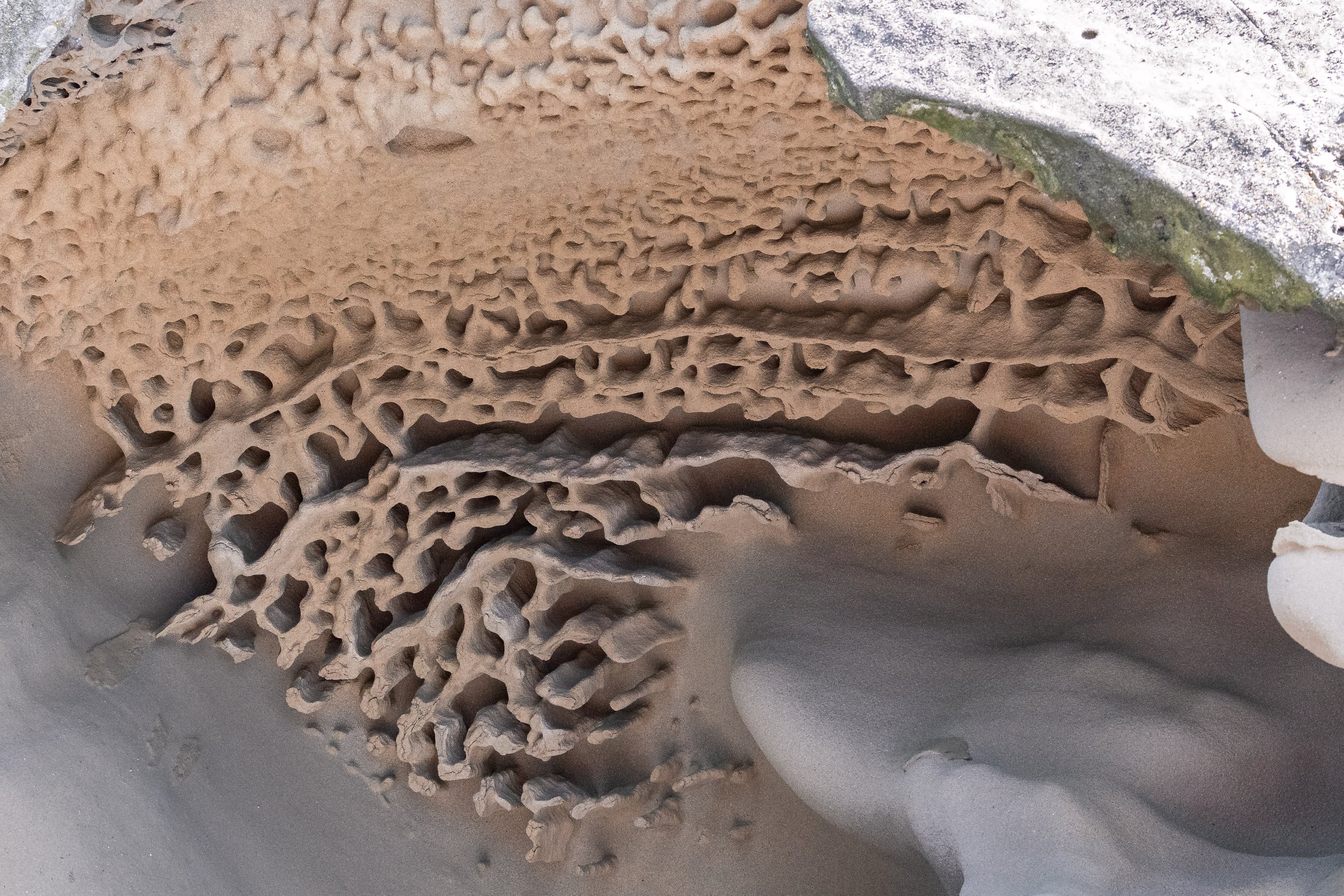
Intricate sandstone patterns created by the wind on the bluffs of Gabriola Island.
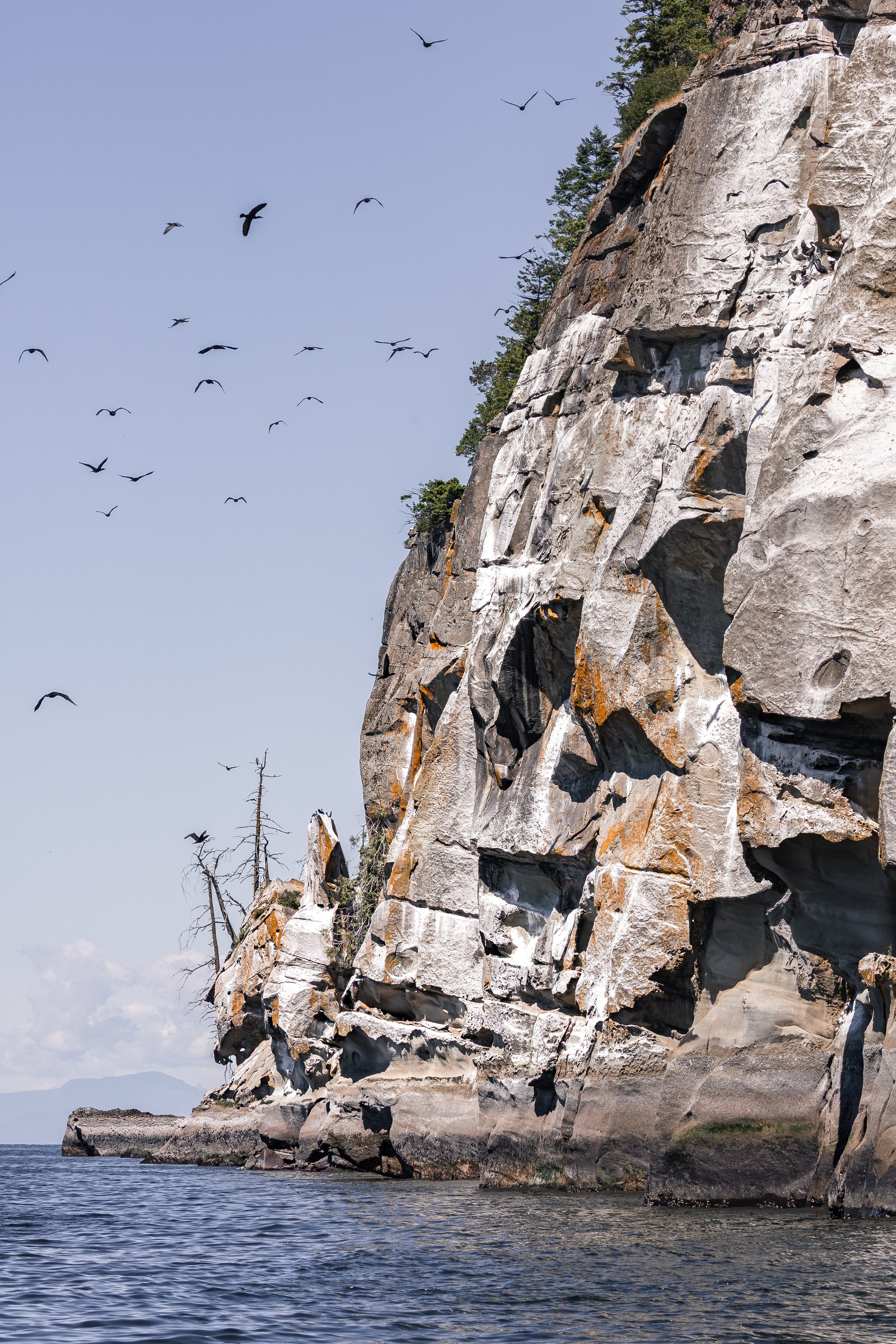
Cormorants flying around the bluffs of Gabriola Island, while an eagle raids a nest somwhere along the cliffs.
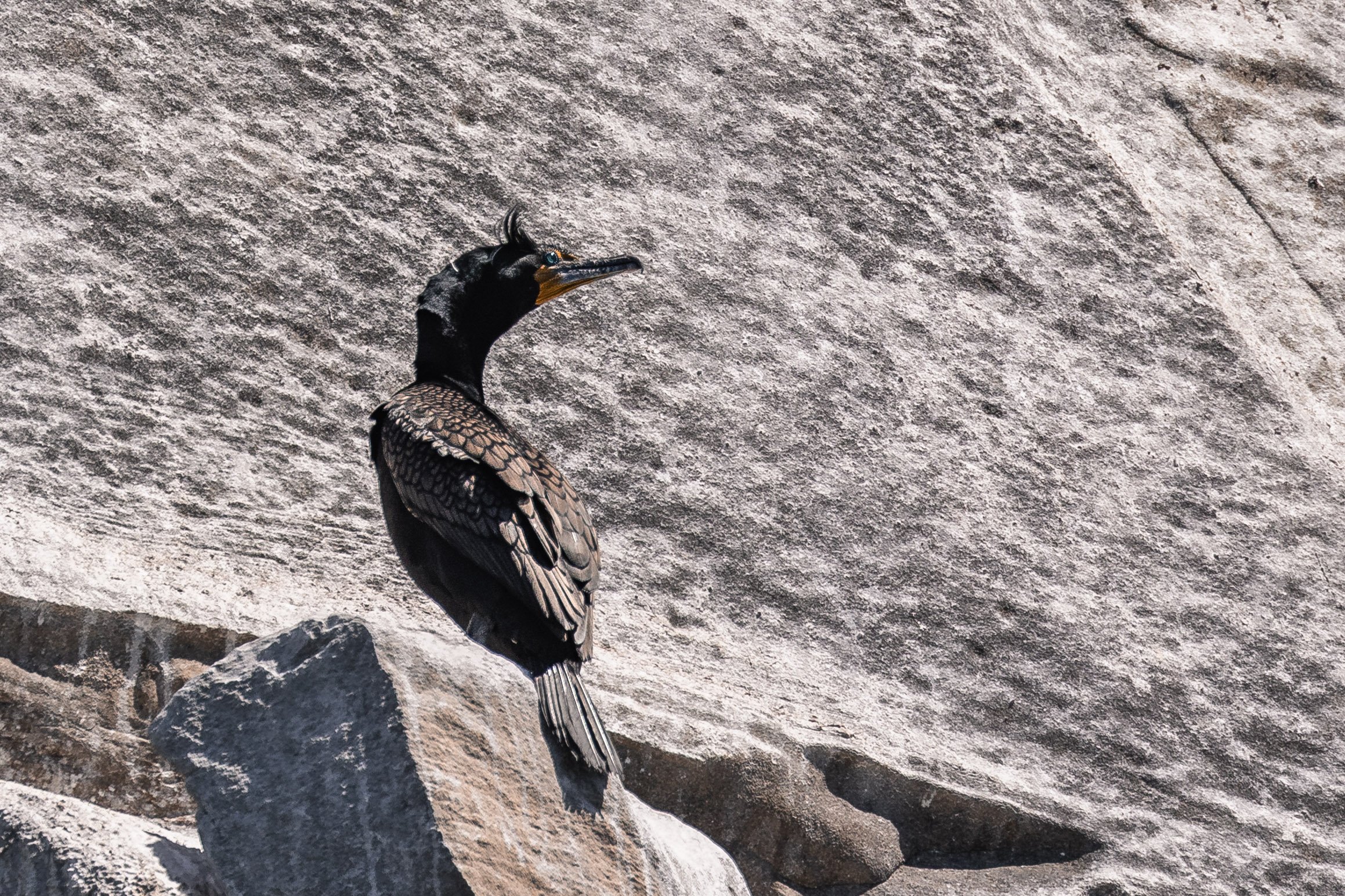
A Double-Crested Cormorant perched on the bluffs.
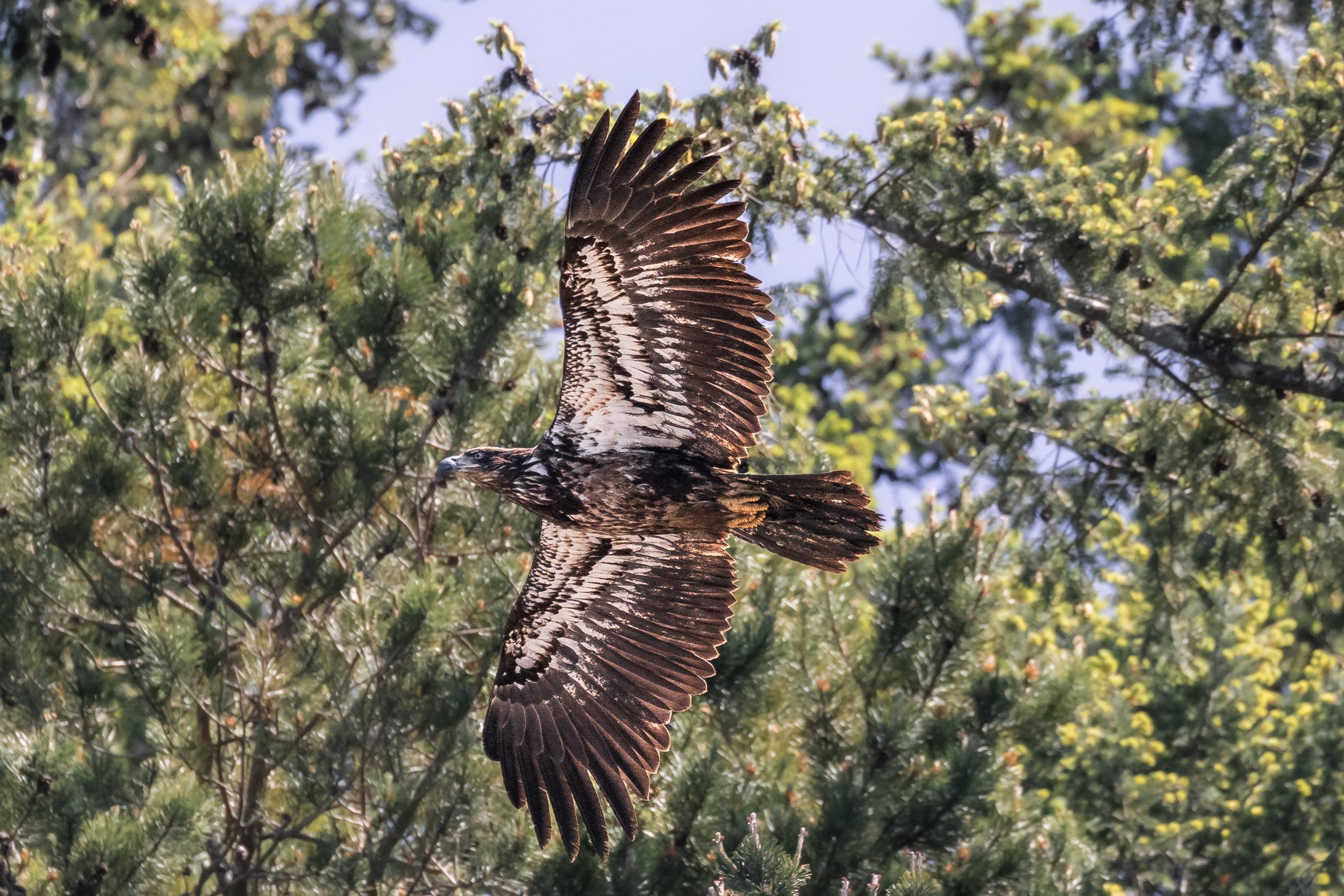
A juvenile bald eagle circuling the rocky bluffs.
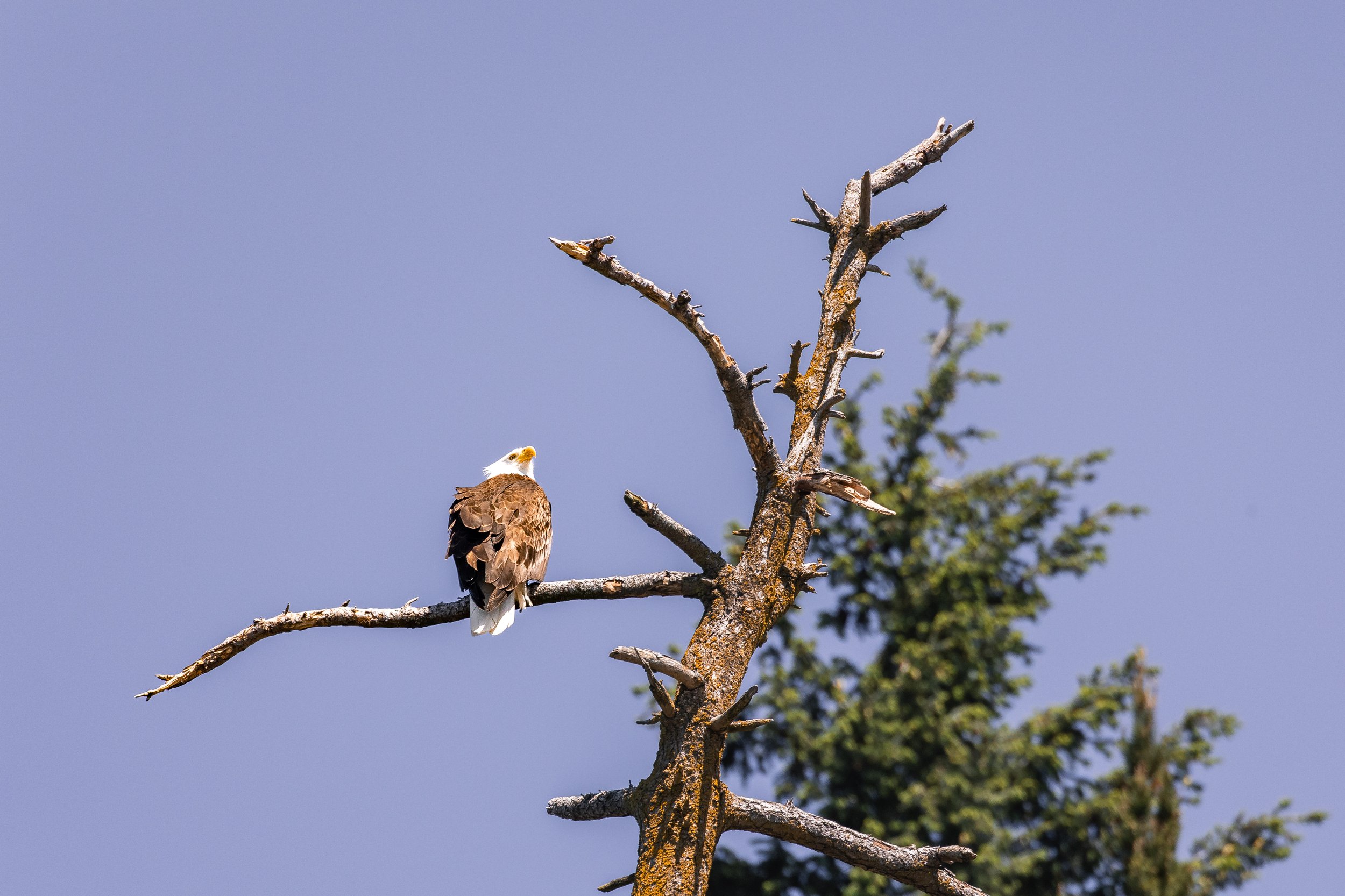
A mature bald eagle perched on a dead-standing tree next to the bluffs.