
May 17, 2026, 3:30 PM - A massive party starts off of Halibut Bank!
After a beautiful morning out and about, we were eager to have an equally amazing afternoon. Boarding onto our open Zodiac, Cascadia, we settled in and eagerly awaited the journey ahead. Vanessa, the tour’s onboard Marine Naturalist, excitedly began discussing what animals we could see and what to look for. With many sightings reported during the morning and early afternoon, the possibilities were endless as we departed, picked up speed, and began scanning the waters all around us.
Venturing out into the Strait of Georgia, smooth, dark blue waters greeted us as we travelled onwards. We scanned and scanned, keeping an eye out for dorsal fins or blows as we ventured. We crossed the Strait towards the mainland of British Columbia and began to approach an area known as Halibut Bank.
Once here, we made our way over to a tall yellow structure bobbing away. This was an Ocean Data Acquisition Buoy, or ODAS buoy, and it was the perfect spot for our first wildlife stop of the day. Large and lazy, the Steller Sea Lions grumbled and burped as they peeked at us. Buoys are great areas for pinnipeds to haul out while at sea, as they provide a sturdy platform for them to rest before they continue their travels. While here, a number of sandy yellow heads were also seen popping out of the water, as several sea lions swam along, as curious about us as we were about them. After a brief peek at the sleeping giants, Captain Rodrigo turned us around, and we continued on our way, travelling southwest.
After a bit, we began to slow down, eyes darting across the vast sea all around. Soon, we spotted what we were looking for - several black triangles were emerging from the dark depths, spread out as far as the eye could see. Vanessa began working on IDs - a fairly daunting task when this many orca are present all at once. Three here, four there, another two on the horizon - every direction you looked, you could spot an orca travelling along!
With this many whales present, we were certain we were with a T-party, a gathering of multiple pods of Transient orca, often involving socialization. Click after click could be heard as Vanessa gathered photos, and once she was able to compare them to the ID catalogues, it became clear that this was a very large party indeed!
These orca were being incredibly active, and were spread over a vast area as we were observing them. While we were unable to capture photos of every single individual, we are quite certain that we had the following pods present, for an impressive total of 20 orca in one area:
T046B Raksha ♀ (1988)
T046B2 Akela ♀ (2008)
T046B2B Takaya ♀ (2023)
T046B3 Sedna ♀ (2011)
T046B3A Munro (2025)
T046B4 Quiver ♀ (2013)
T046B6 Sol ♀ (2019)
T046B7 Tala (2023)
T046B8 Pi (2026)
T049A Nan ♀ (1986)
T049A3 Nat ♂ (2011)
T049A4 Neptune ♂ (2014)
T049A5 Nebula ♀ (2017)
T049A6 Charlie II ♂ (2022)
T049A7 Nimbus (2026)
T065 Whidbey II ♀ (~1971)
T063 Chainsaw ♂ (~1978)
T086A Eider ♀ (1988)
T086A4 Akia ♀ (2016)
T086A5 Siku ♂ (2024)
Further away from the main party, another 3 males were doing their own thing, for a total of 23 orca during this encounter:
T011A Rainy ♂ (1978)
T049A2 Jude ♂ (2007)
T051 Roswell/Loner ♂ (~1981)
Excitement was in the air as the orca intermingled with each other, travelling speedily along, porpoising, spyhopping, breaching, and tail slapping away. T-parties like this are vital for a couple of reasons. They are a great opportunity for younger whales to socialize and meet other whales that travel in the same area - and with five of the orca today being 4 years old or younger, that is a lot of information for a lot of growing individuals to learn! These get-togethers are also important for the older orca as they present a perfect opportunity to mate. With many breeding-age males and females present, and many of these whales unrelated, this could be an excellent moment to secure the next generation of calves. We shall have to wait and see, though, as an orca’s gestation period is over a year long!
After a thrilling time with the orca jamboree, we soon had to make our way away and continue onward. Captain Rodrigo once again slowly maneuvered us away, and soon after, we were picking up speed once more. Heading back once more across the Strait, he proceeded to angle us towards Entrance Island, a small island located just outside the Nanaimo Harbour. The waters north of here have been teeming with wildlife over the past few days, and we wanted to try our luck at attempting to find our second commonly spotted species of whale, the Humpback. This bet paid off, as soon after a pair of blows was spotted, followed soon by two big, beautiful flukes cascading into the water.
Once more, cameras came up, and the work of identifying who we were seeing began. While orcas are usually identified by their dorsal fins or saddle patches, humpbacks are typically identified by the underside of their flukes (tail), as this pattern is highly individualistic. A few quick surfaces later, we got what we were looking for and discovered that we were with Anvil (BCZ0410) and Neptune (BCY1021)!
At first, these two were travelling close together, a behaviour we know as associating. Anvil was occasionally diving as she went, while Neptune was travelling more steadily. After a short while, they split away from each other, seemingly deciding to go their separate ways. Anvil continued her dives, raising her flukes high into the air as she went, while Neptune continued a more leisurely travel pace instead.
It is still early in the year for our humpbacks, with many of them returning in just the past week. This early season is crucial for them, as they are famished from their lengthy migration. During the summer, they are busy packing on as much weight as they can, as these fat reserves will sustain them until they return to our waters once more the following spring. With this in mind, slower, more methodical travelling is the most commonly observed behaviour for them at this time of year, as they attempt to conserve as much energy and nutrition as possible.
Soon it was time for us to say goodbye to Anvil and Neptune and continue heading home. With the sun low on the horizon, we got one last peek at the pair before we set off. We headed back towards Nanaimo, the orange rays of the early evening greeting us as we pulled back into harbour, concluding the trip.
Please enjoy today’s photos by Marine Naturalist Vanessa Vereschahen and crew ride-along Jordan Robinson.
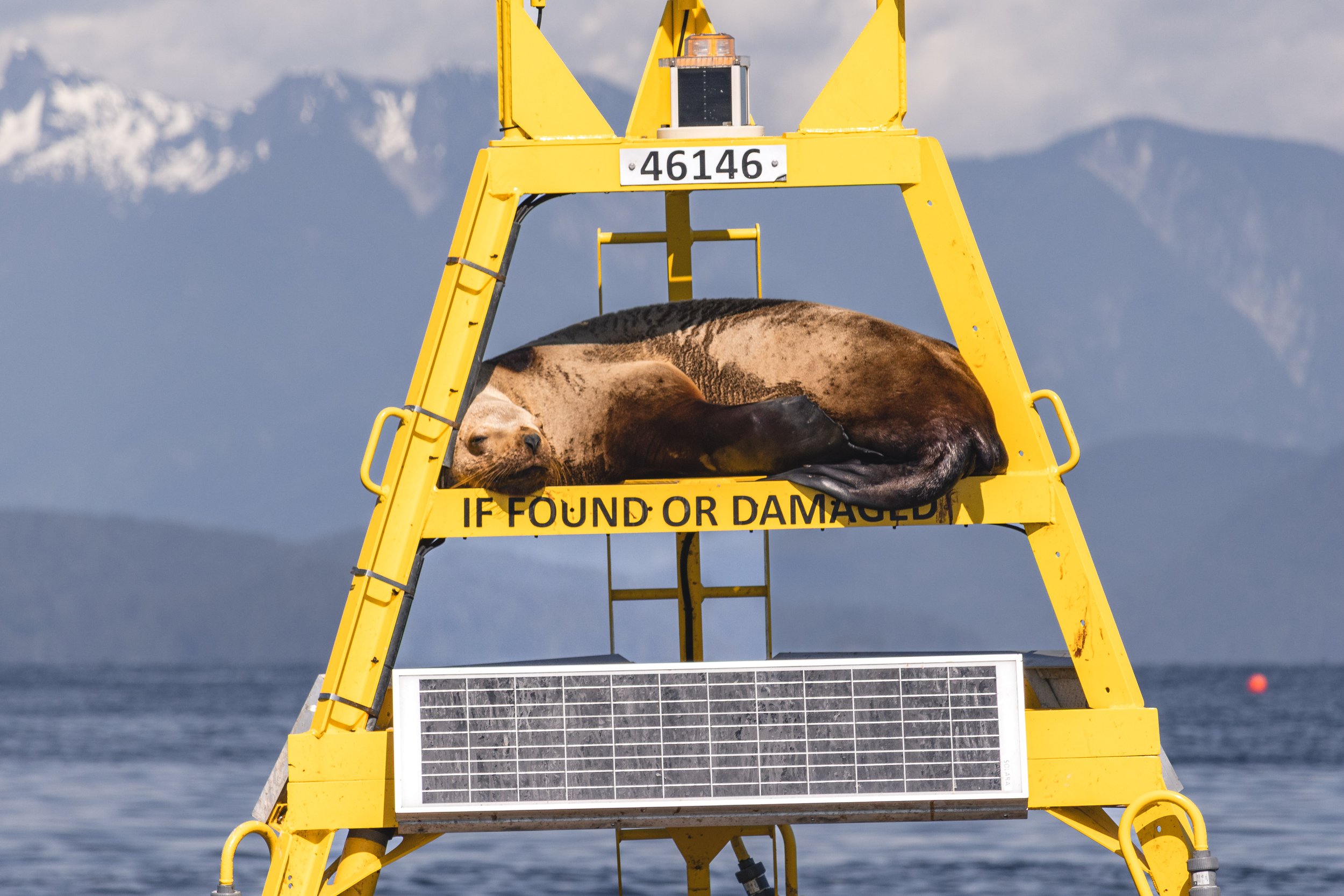
Resting on the top of the ODAS buoy. Photo by Vanessa Vereschahen.
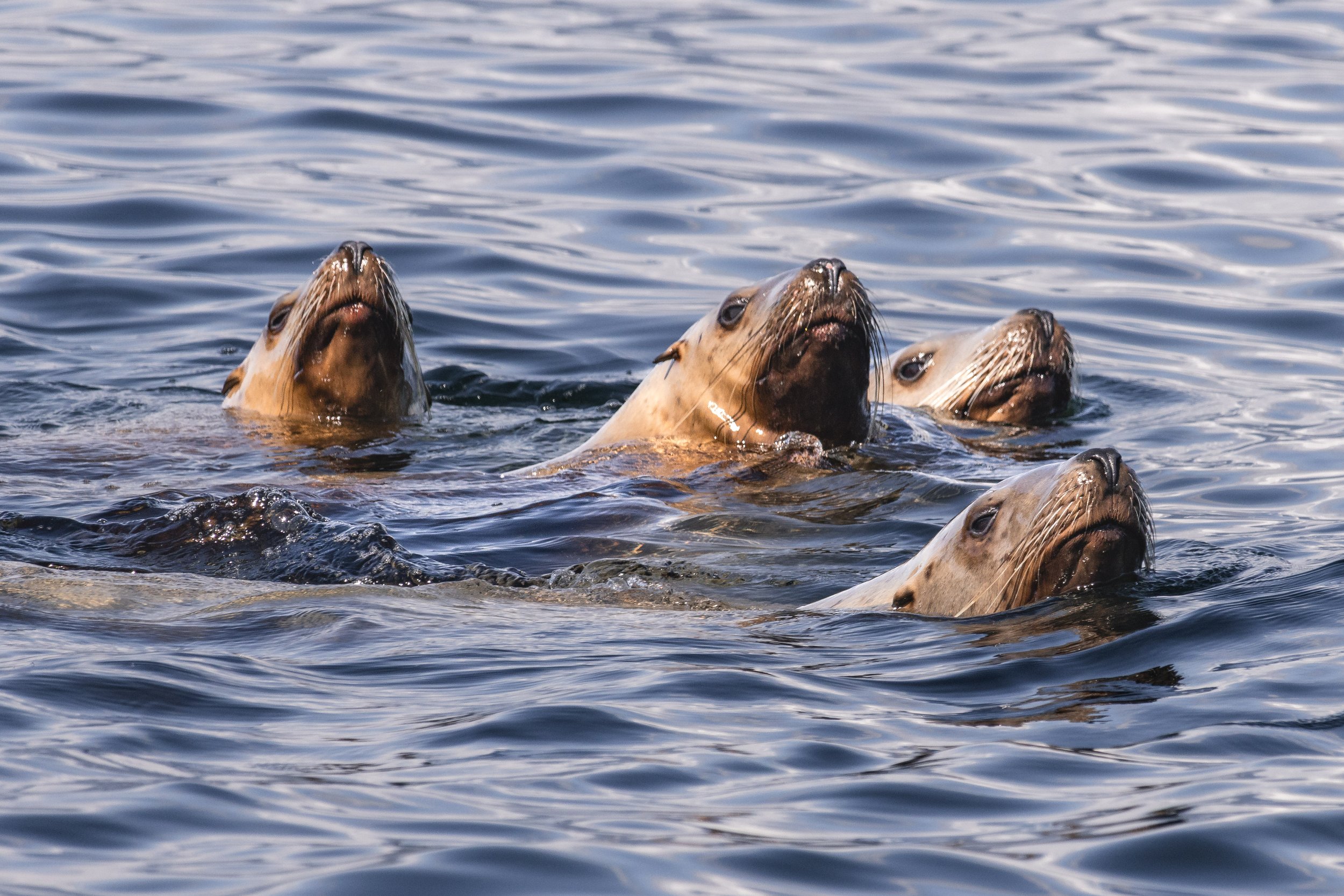
Eyeing us up as they swim past. Photo by Vanessa Vereschahen.
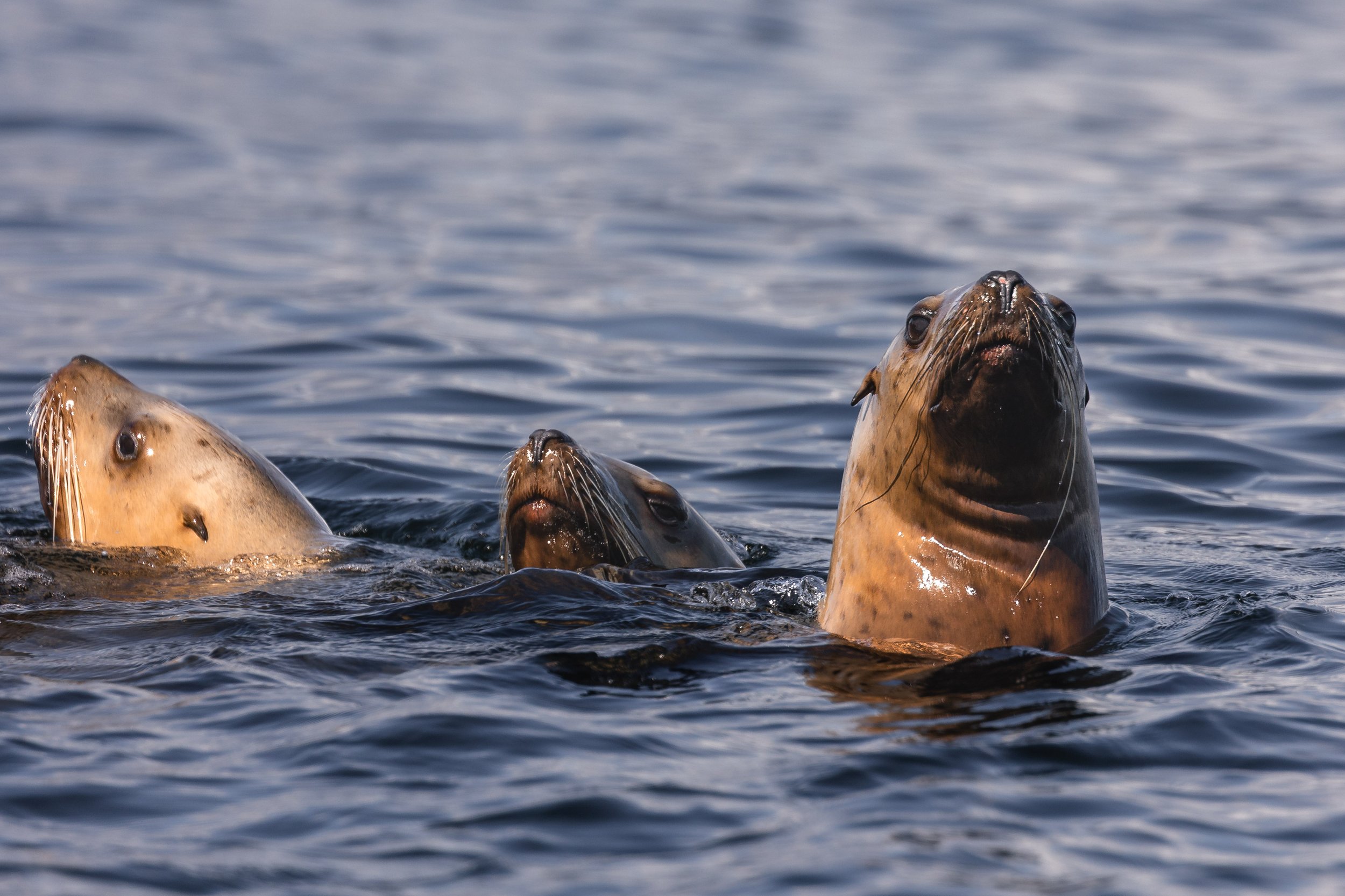
Steller Sea Lions have incredibly long whiskers - you can spot them here! Photo by Jordan Robinson.
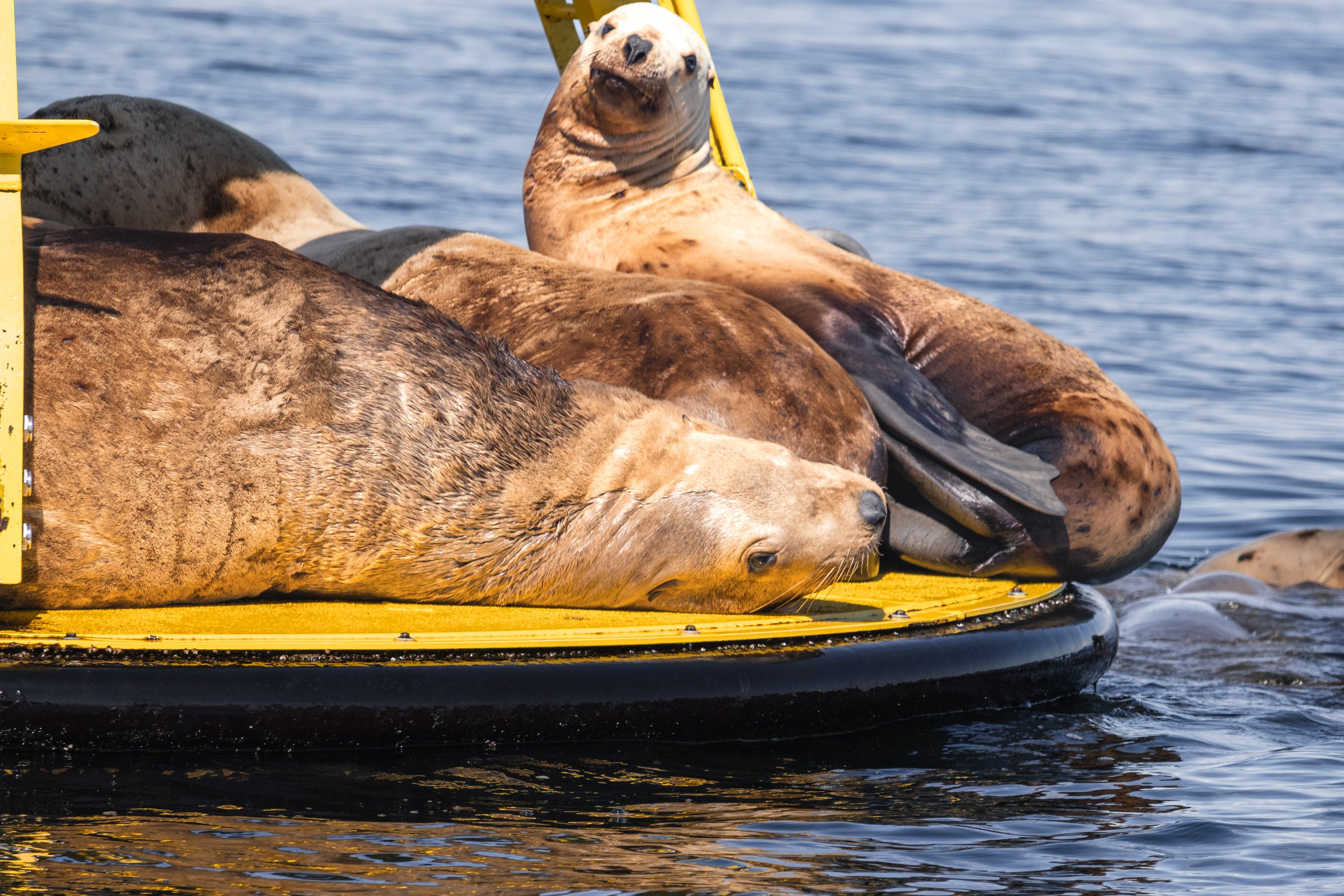
Snoozing comfortably on the buoy. Photo by Vanessa Vereschahen.
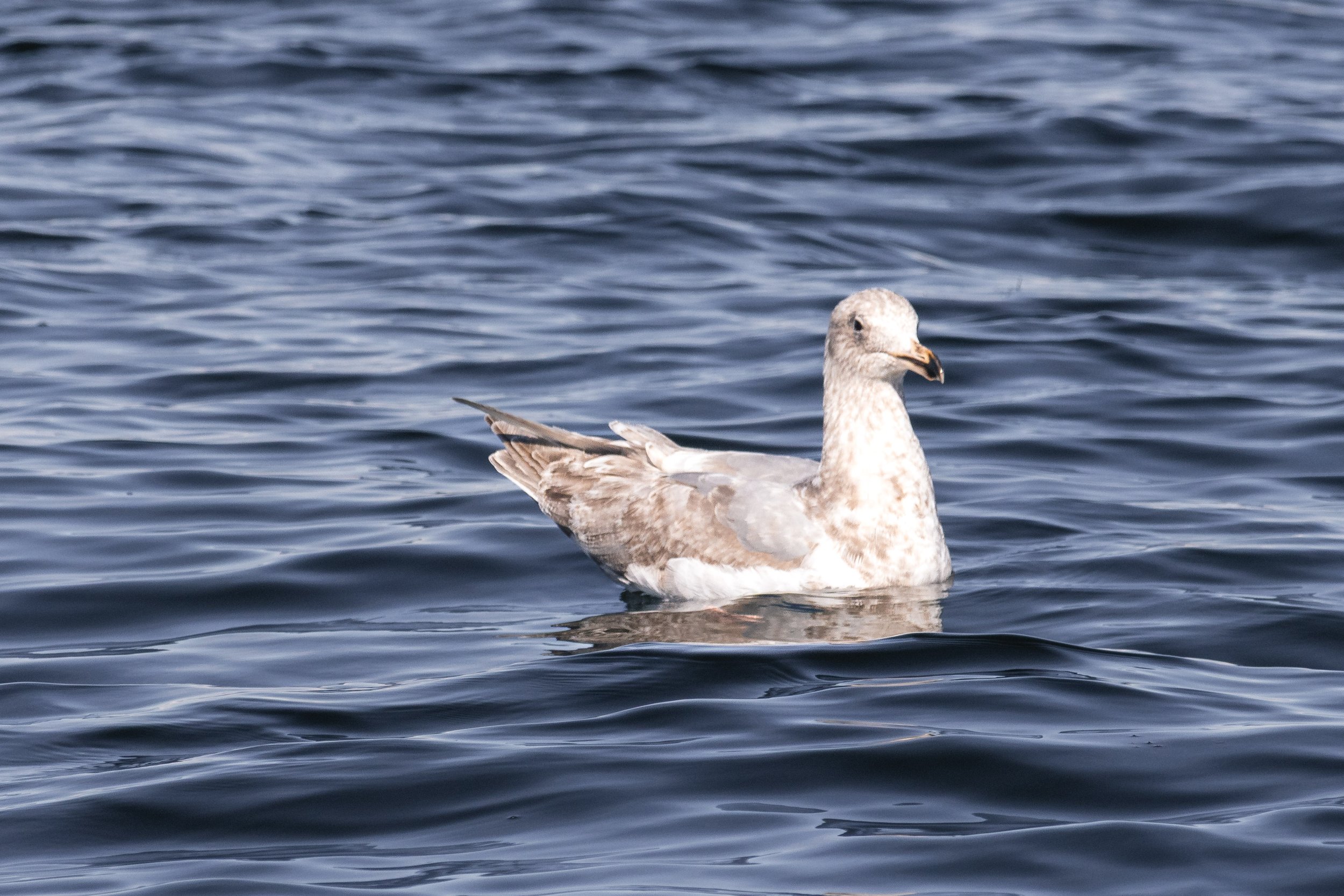
A gull floating on by. Photo by Vanessa Vereschahen.
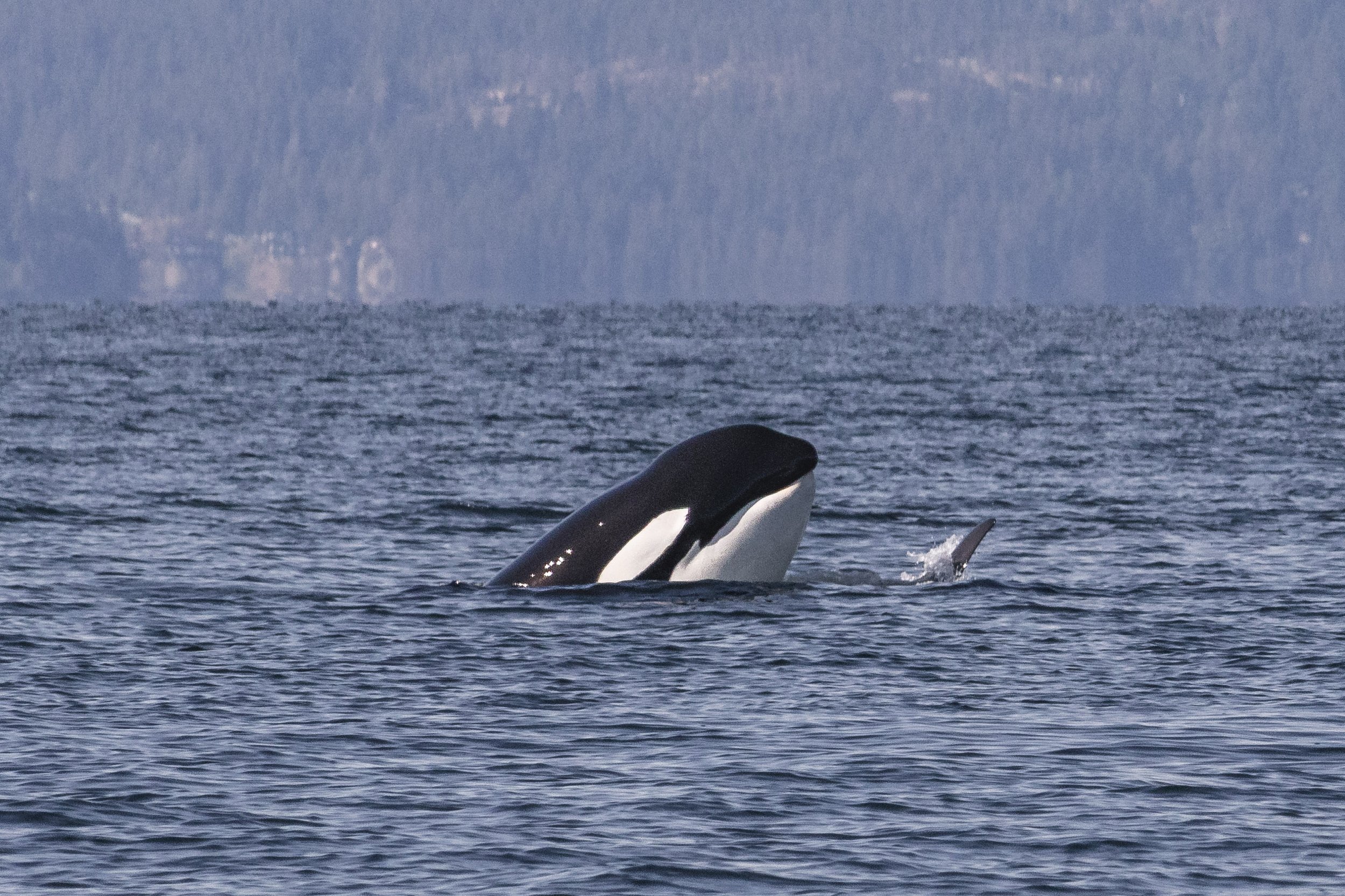
T049A Nan with her face out of the water. Photo by Vanessa Vereschahen.
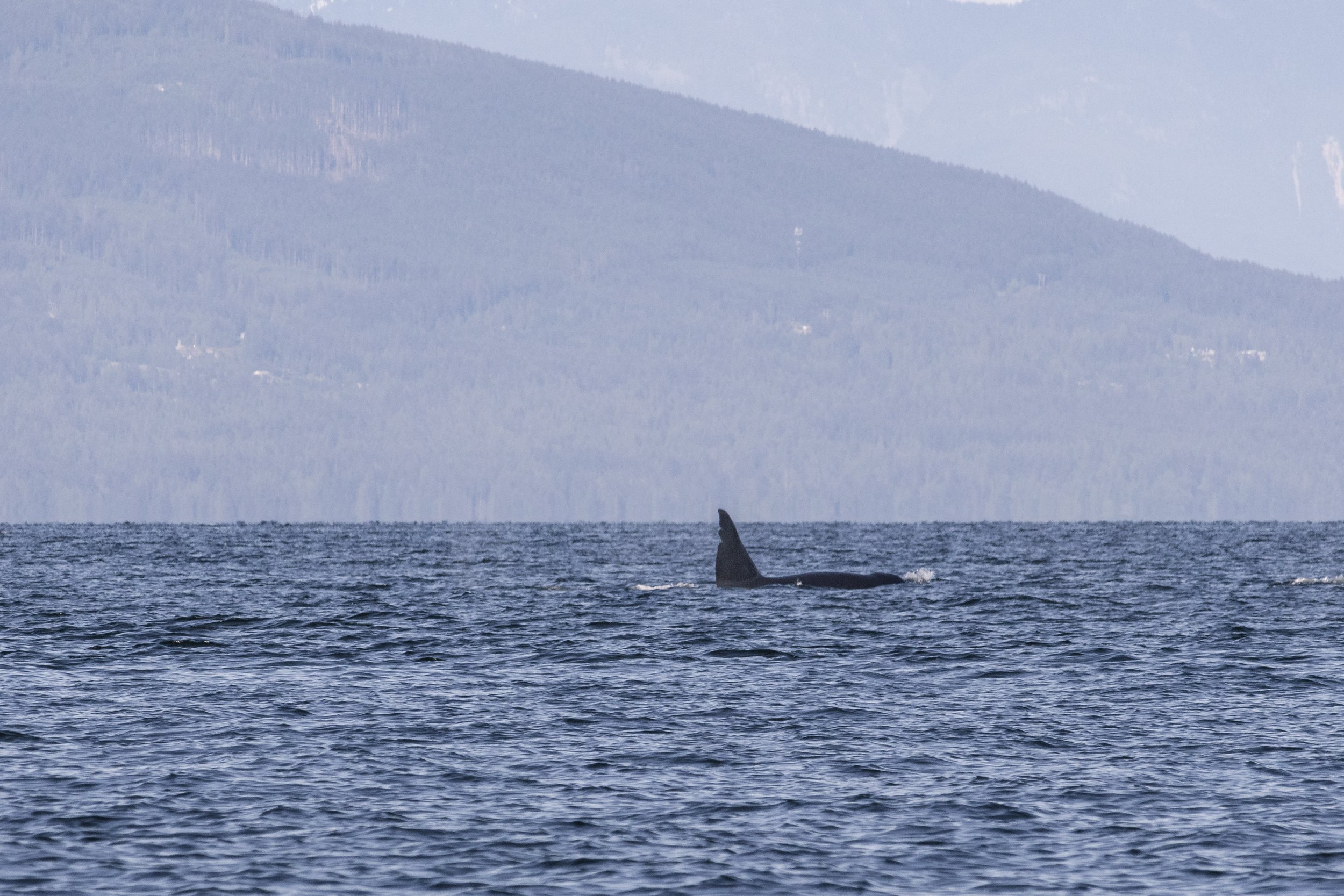
T063 Chainsaw off in the distance. Photo by Vanessa Vereschahen.
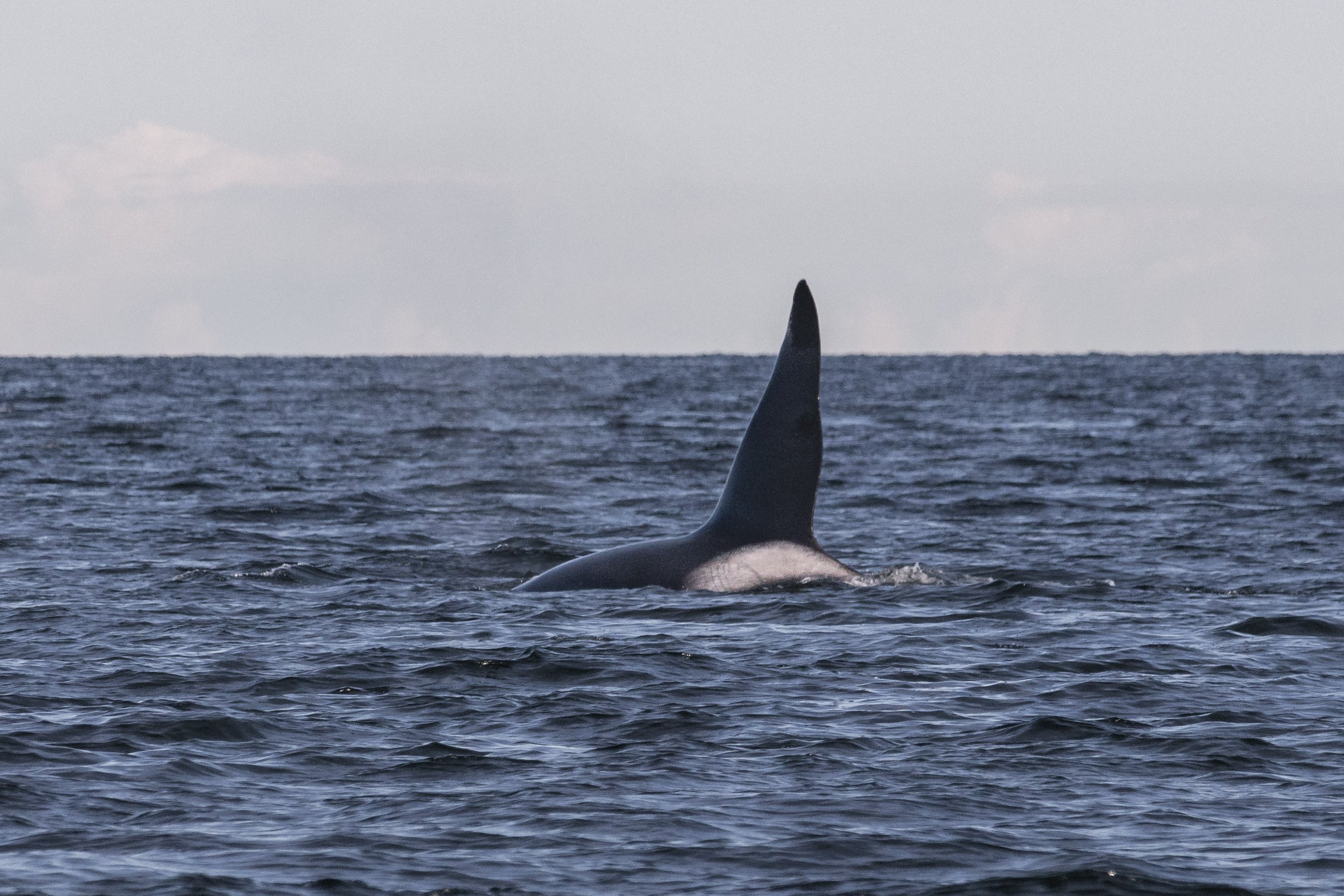
T011A Rainy with his very scarred saddlepatch visible. Photo by Vanessa Vereschahen.
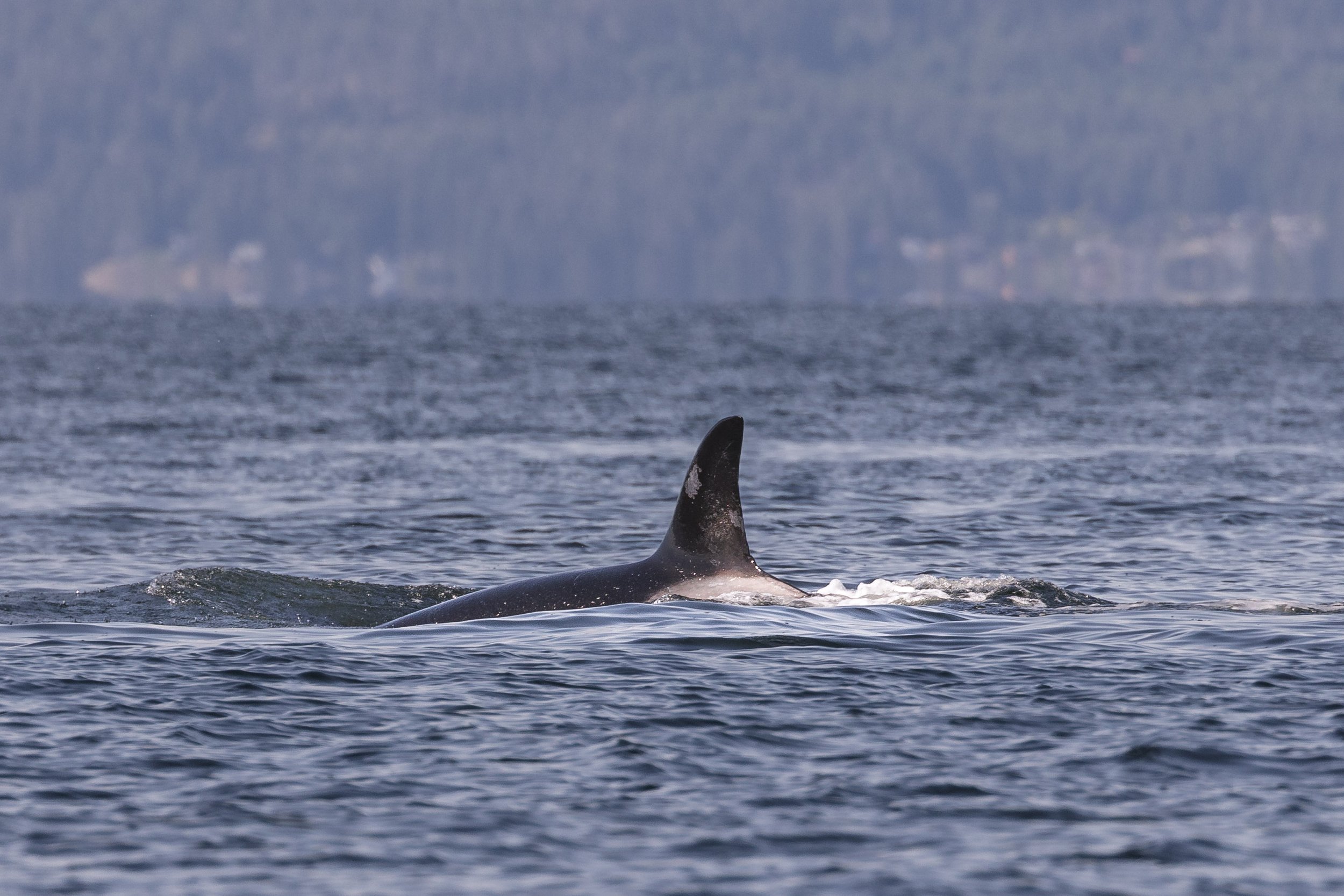
T049A4 Neptune cruising on by. Photo by Jordan Robinson.
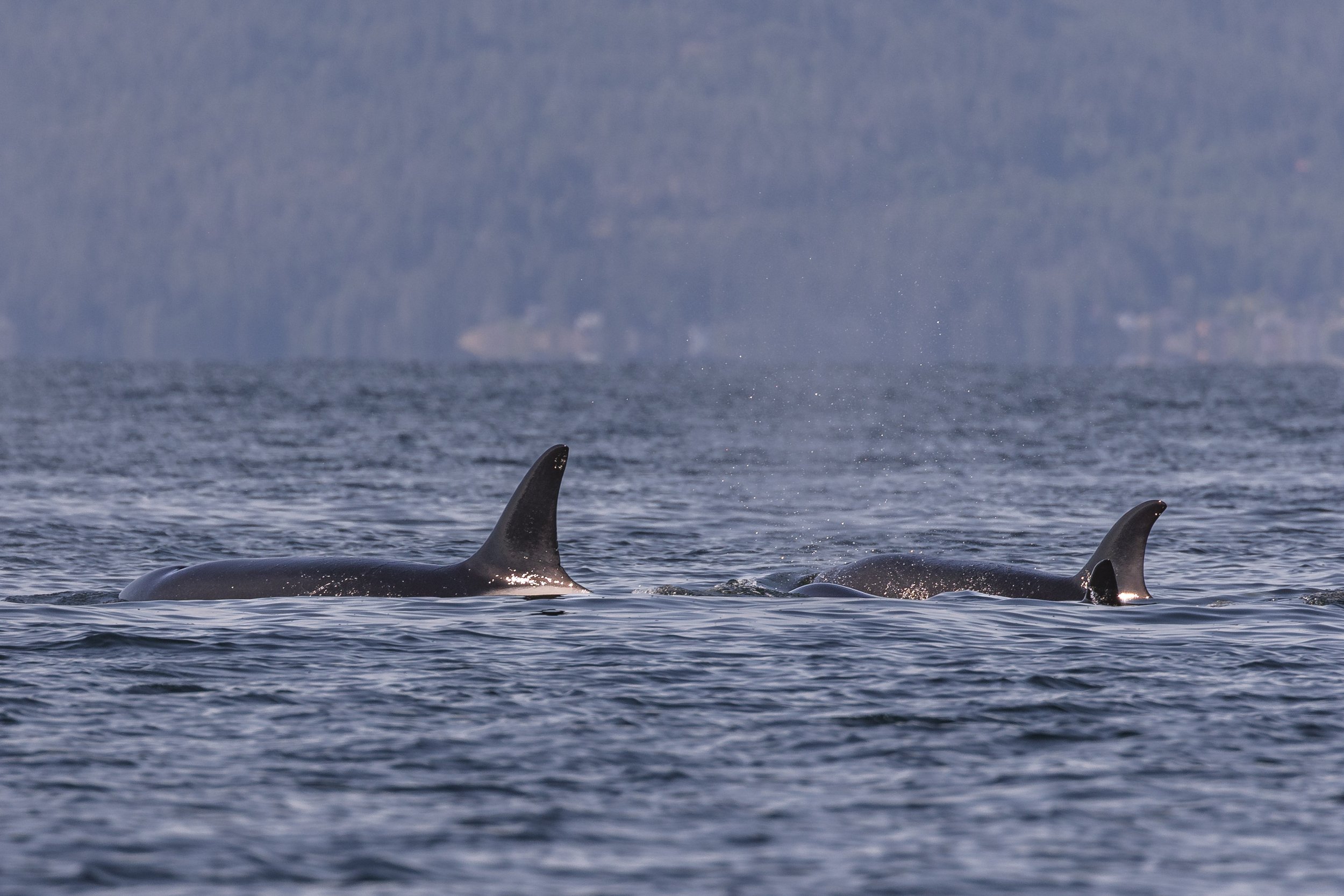
T049A Nan and T049A6 Charlie II. Photo by Jordan Robinson.
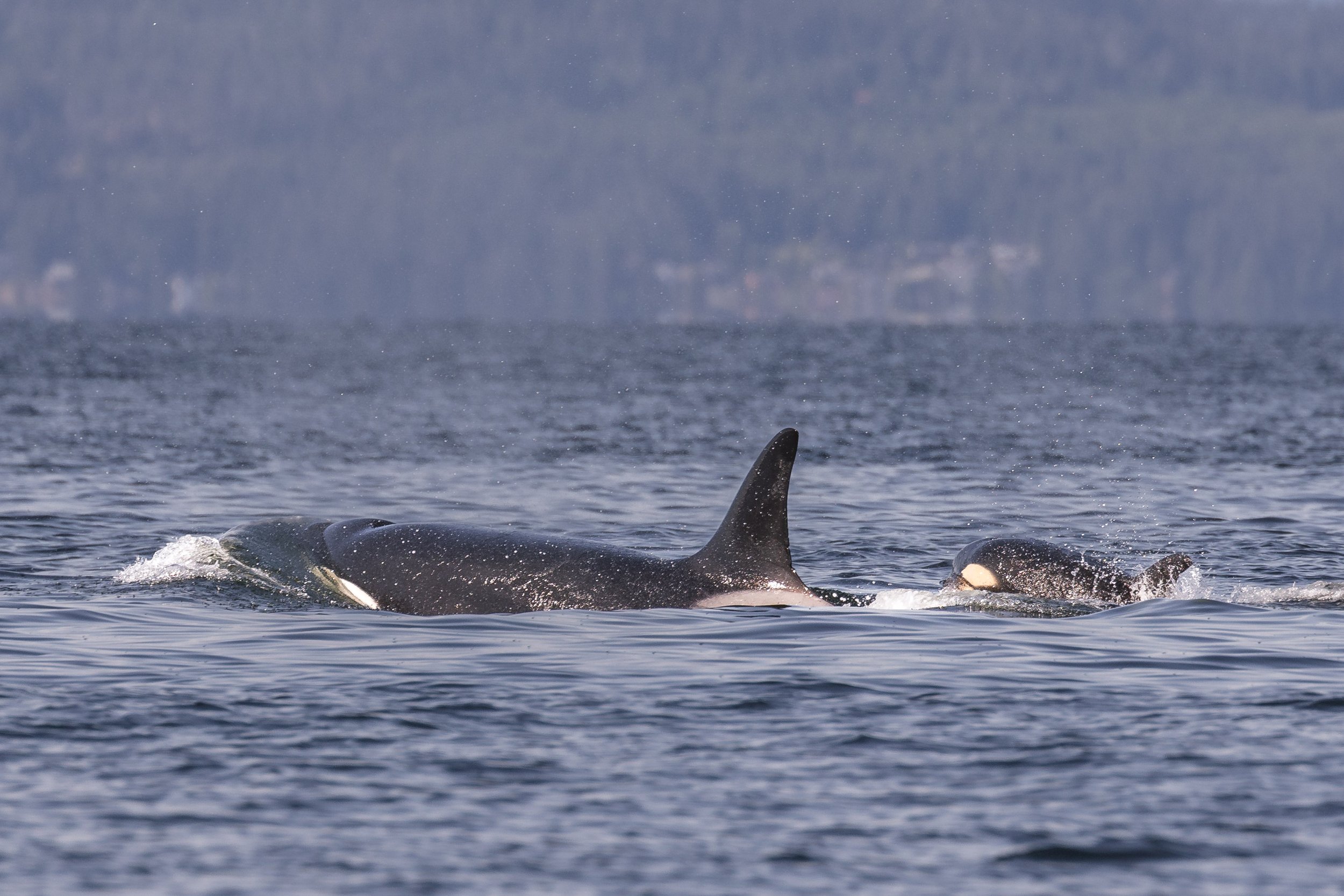
T049A Nan with tiny T049A7 Nimbus. Photo by Jordan Robinson.
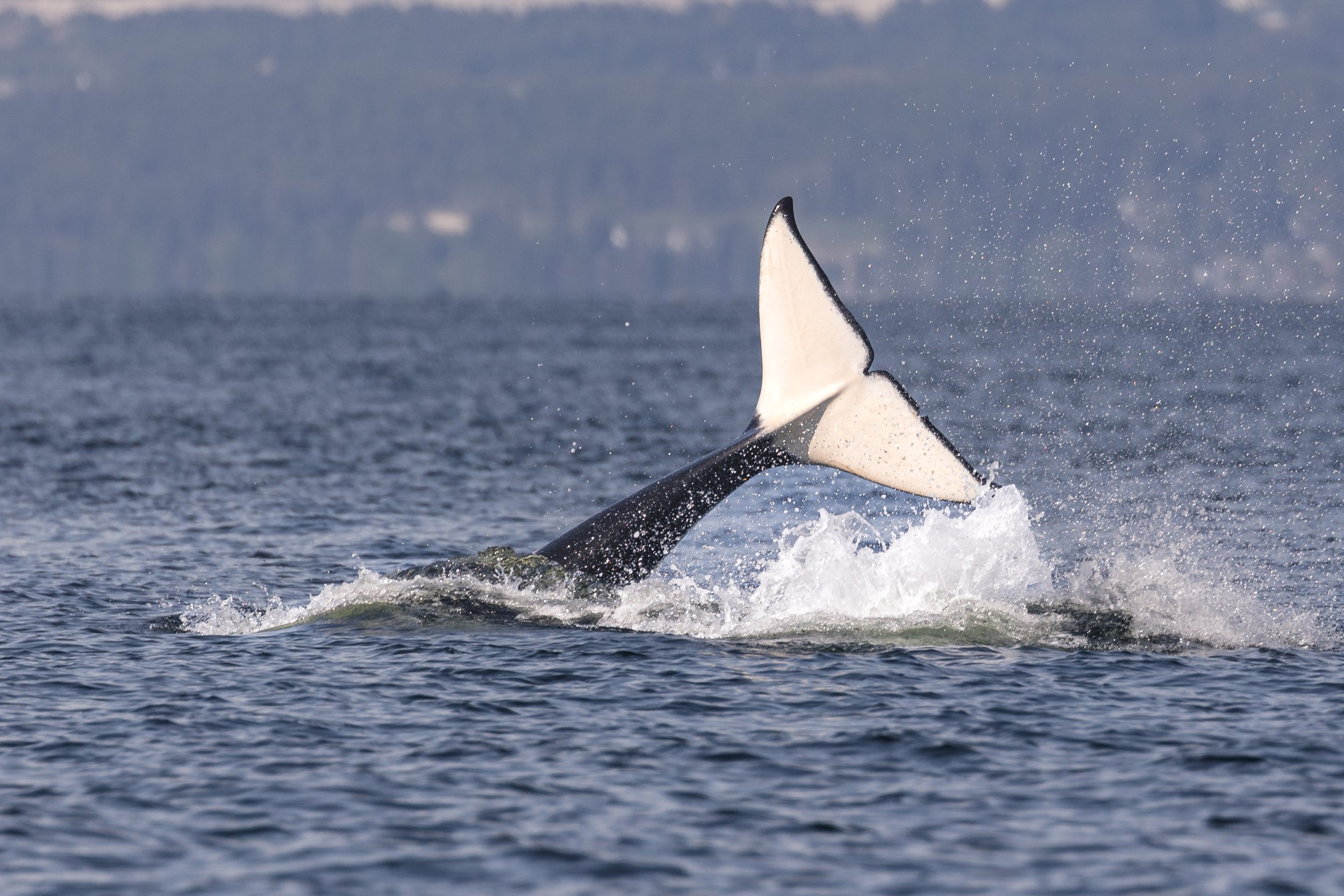
Tails up! Photo by Jordan Robinson.
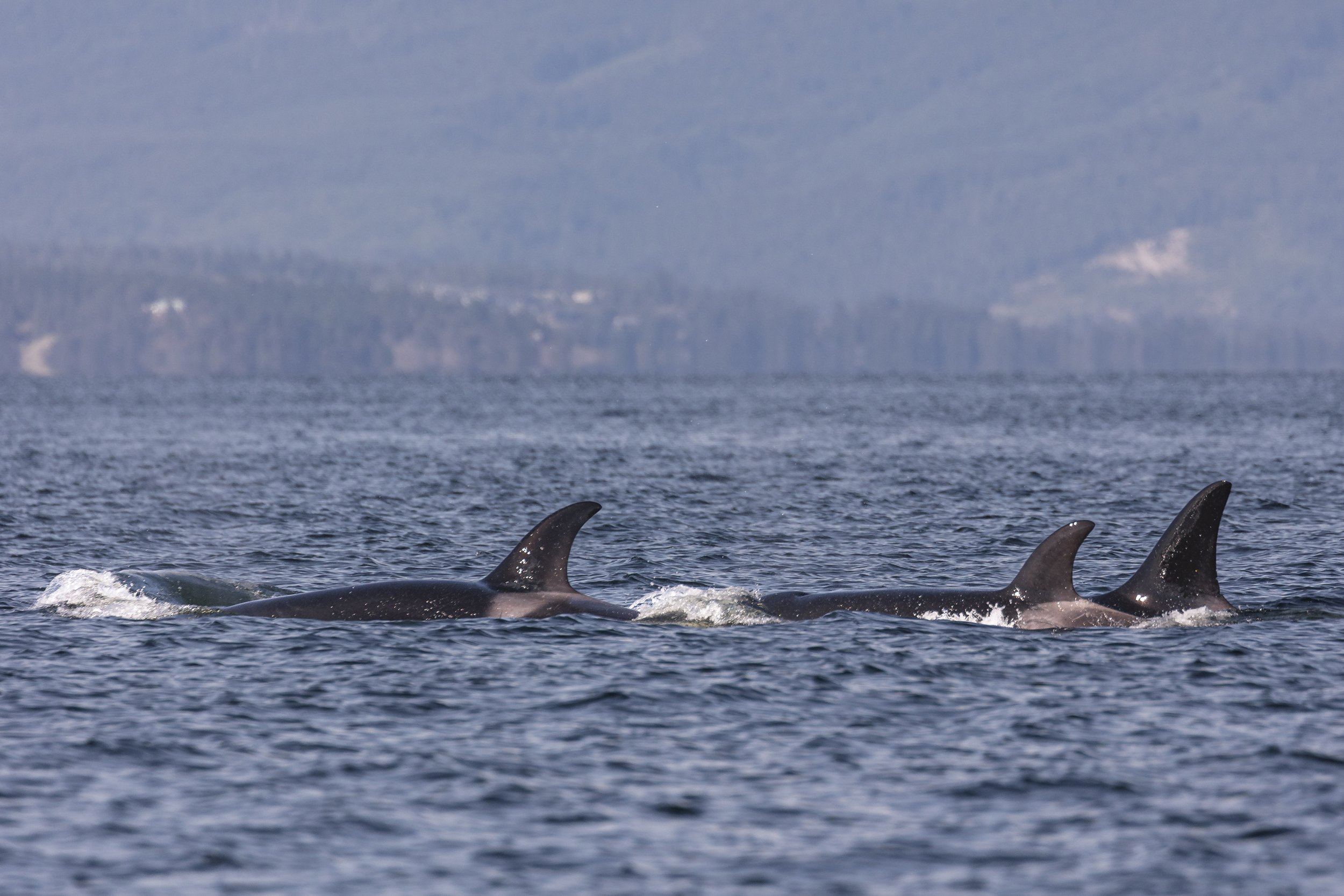
T049A6 Sol, T049A6 Charlie II, and T049A Nan. Photo by Jordan Robinson.
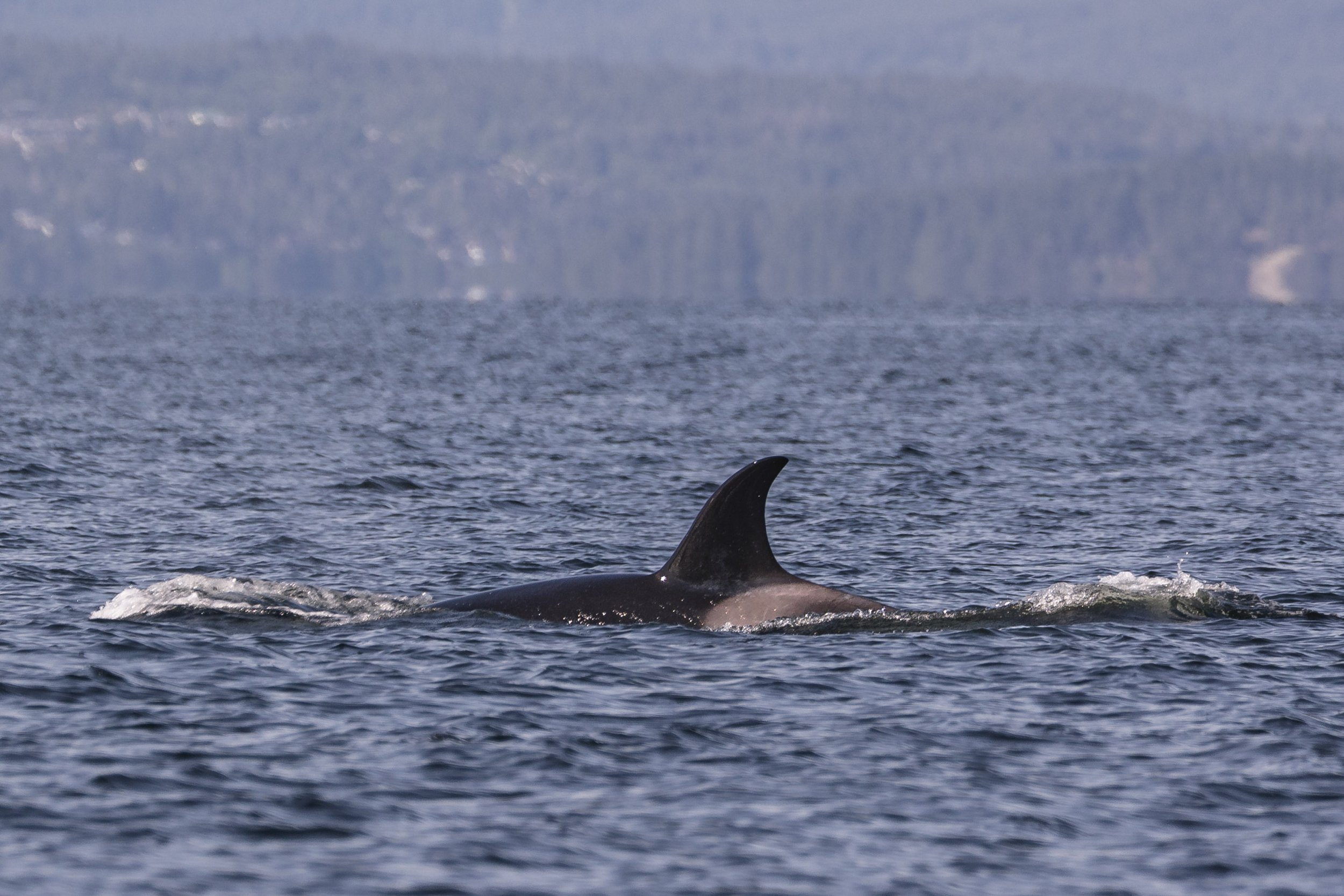
T046B6 Sol. Photo by Jordan Robinson.
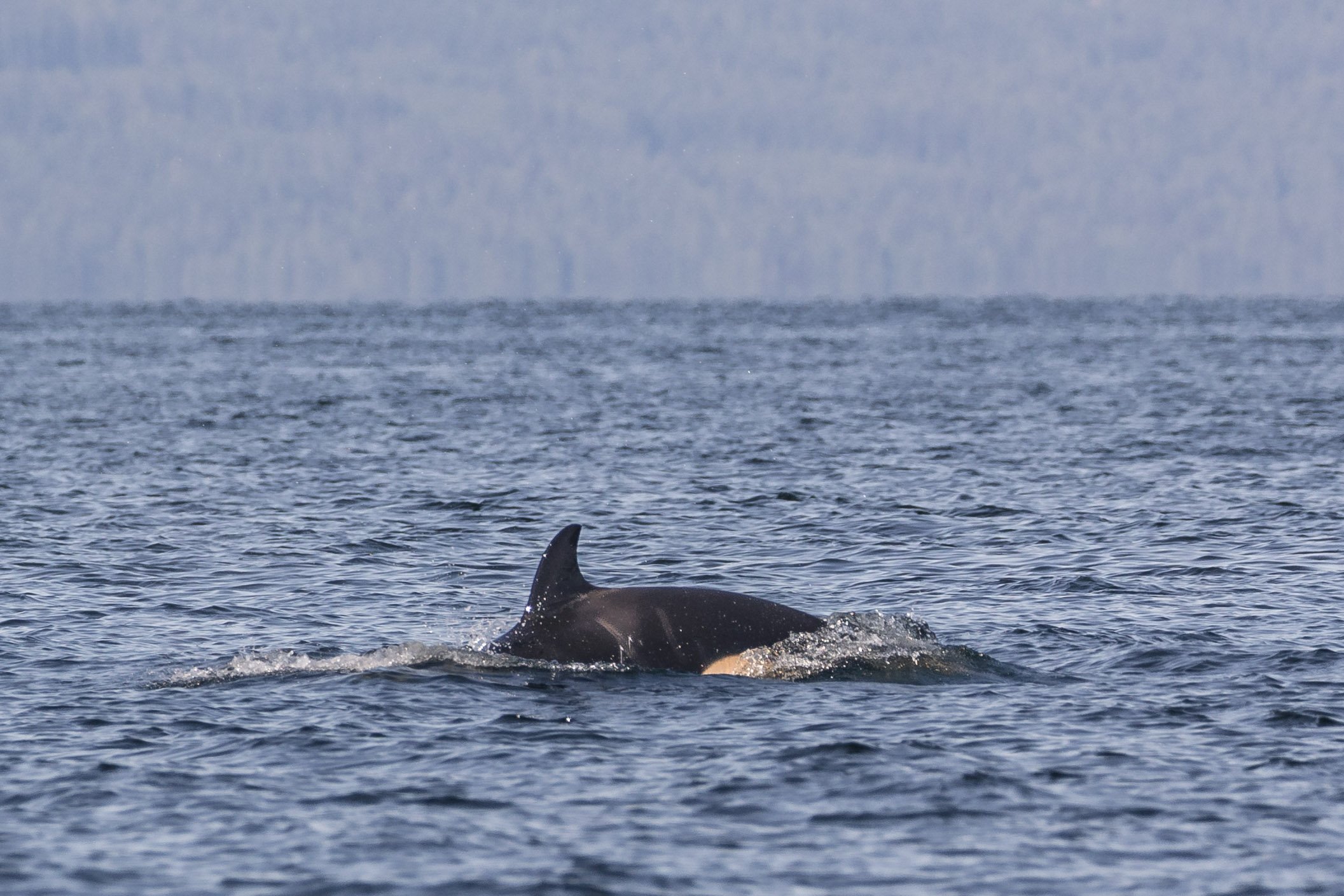
T049A7 Nimbus. Photo by Jordan Robinson.
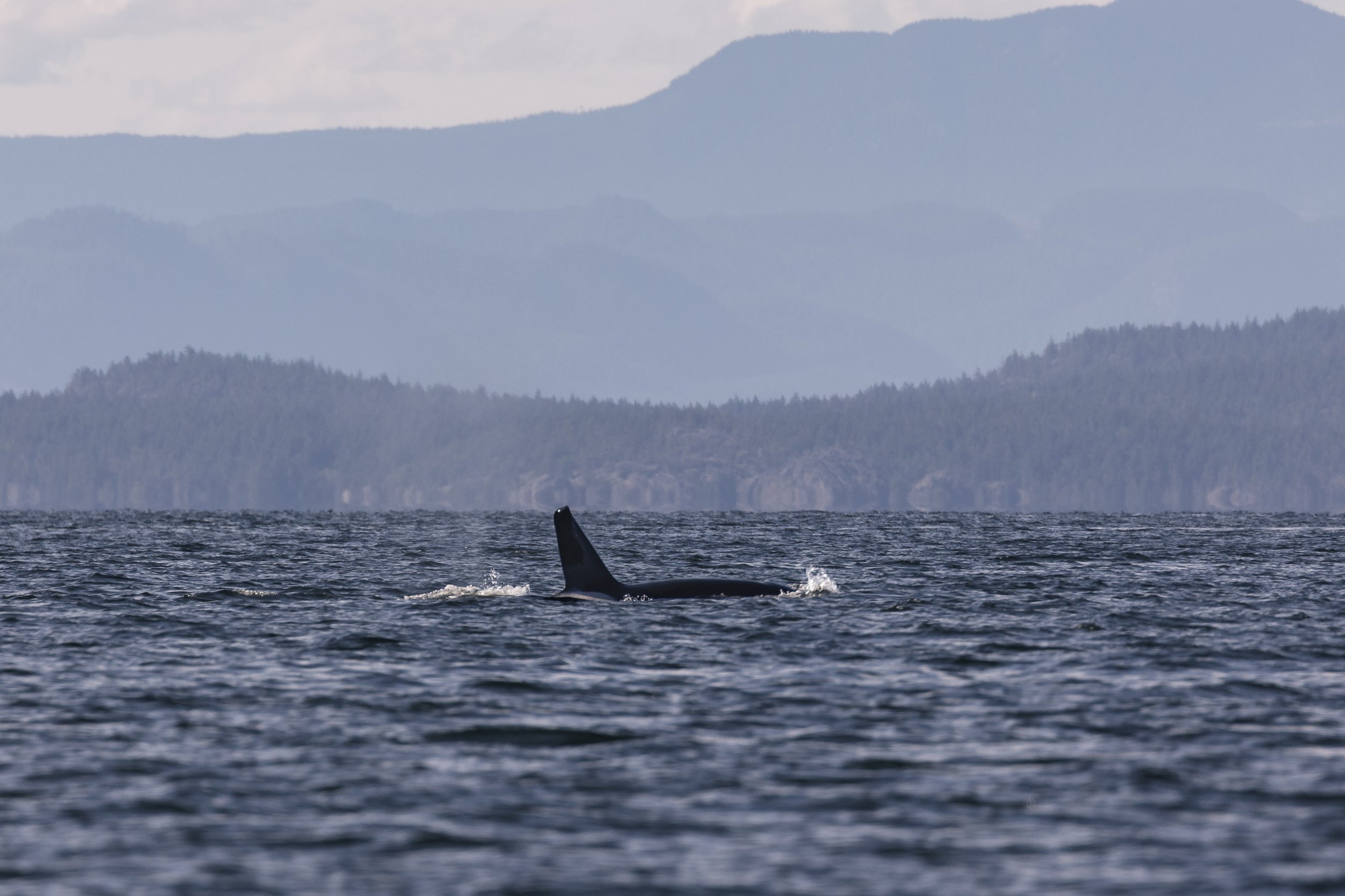
T049A2 Jude in the distance. Photo by Jordan Robinson.
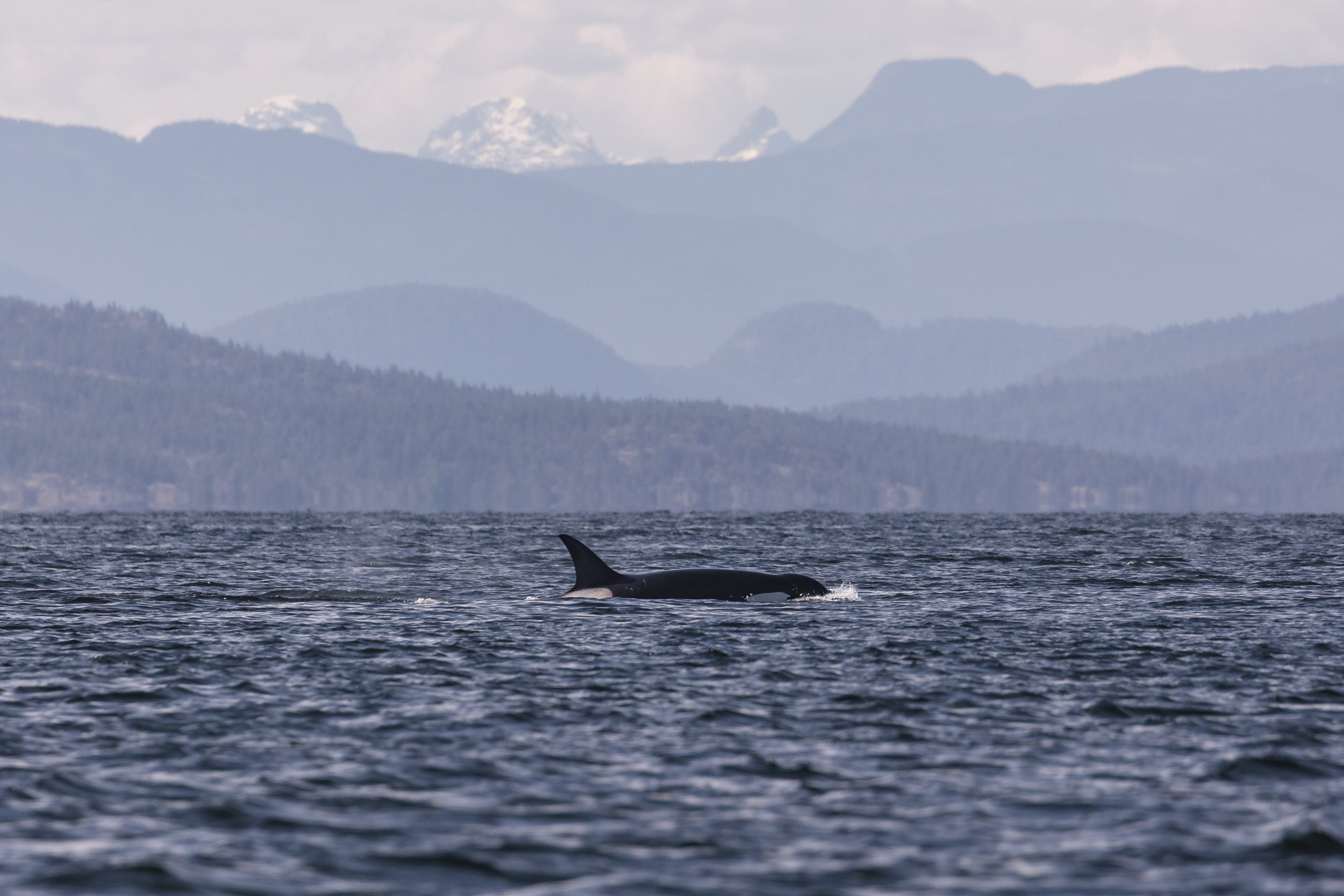
T065 Whidbey II travelling along. Photo by Jordan Robinson.
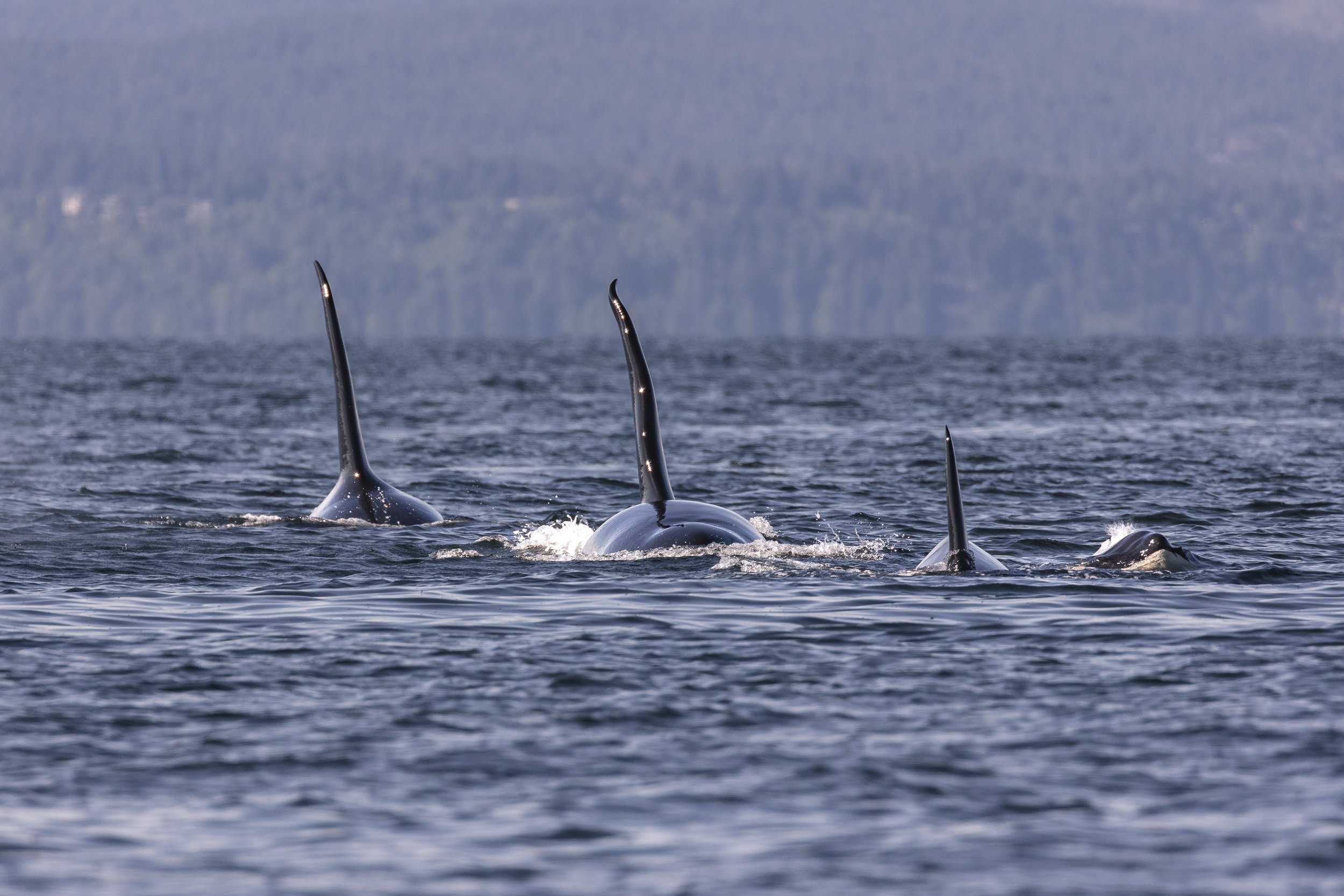
T011A Rainy and T063 Chainsaw with two others beside them. Photo by Jordan Robinson.
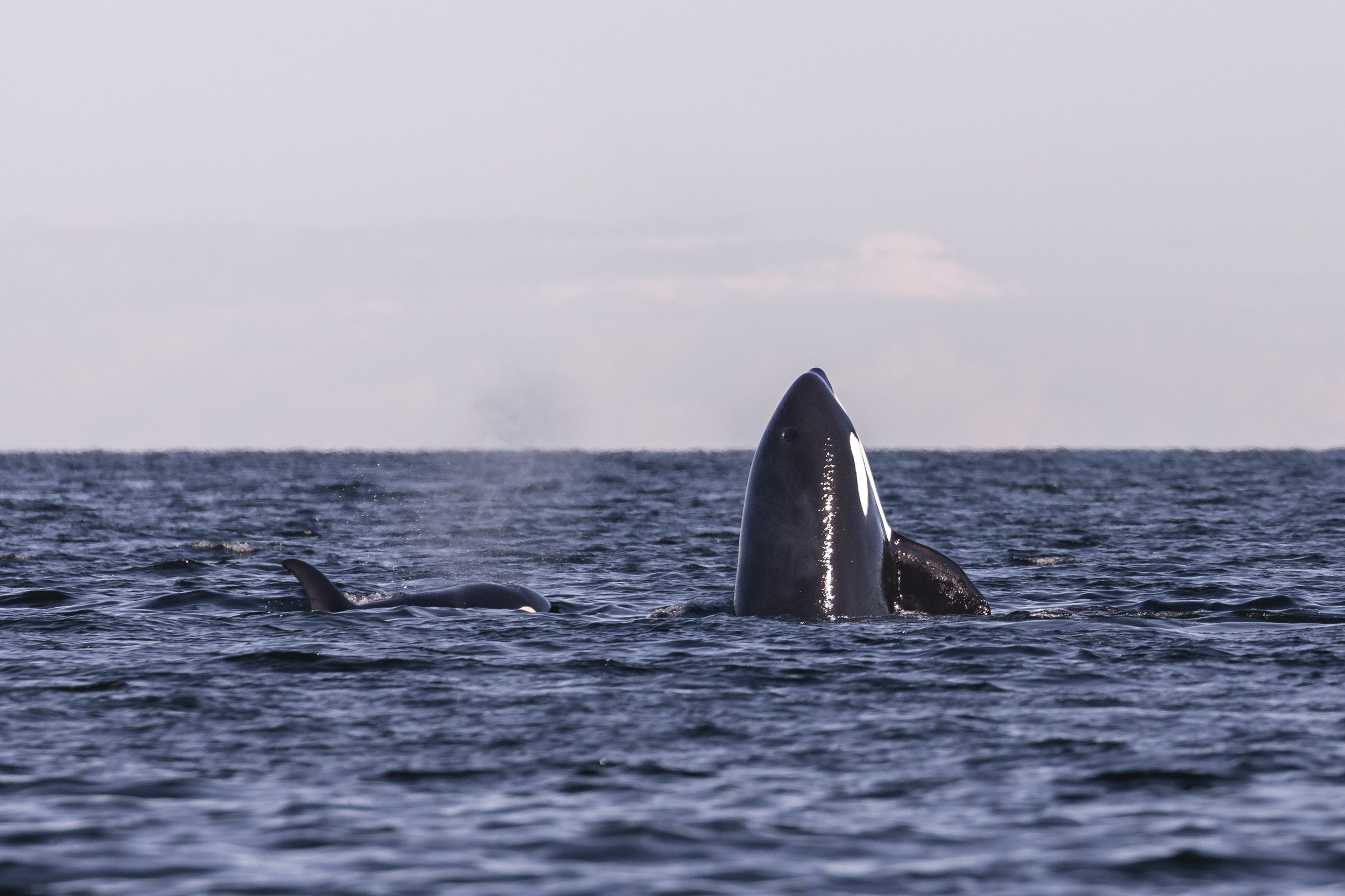
Spyhop! Photo by Jordan Robinson.
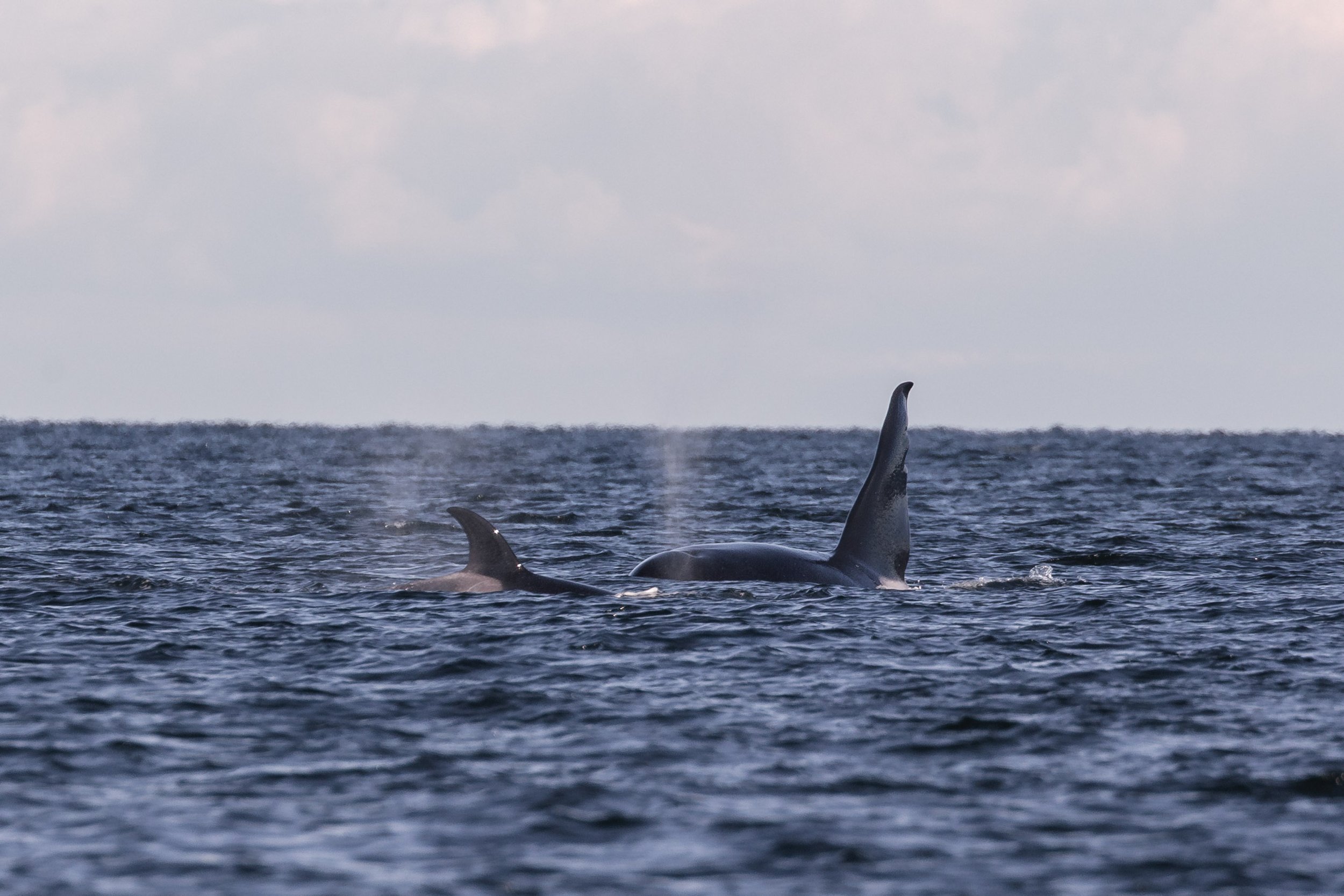
T046B6 Sol and T063 Chainsaw. Photo by Jordan Robinson.
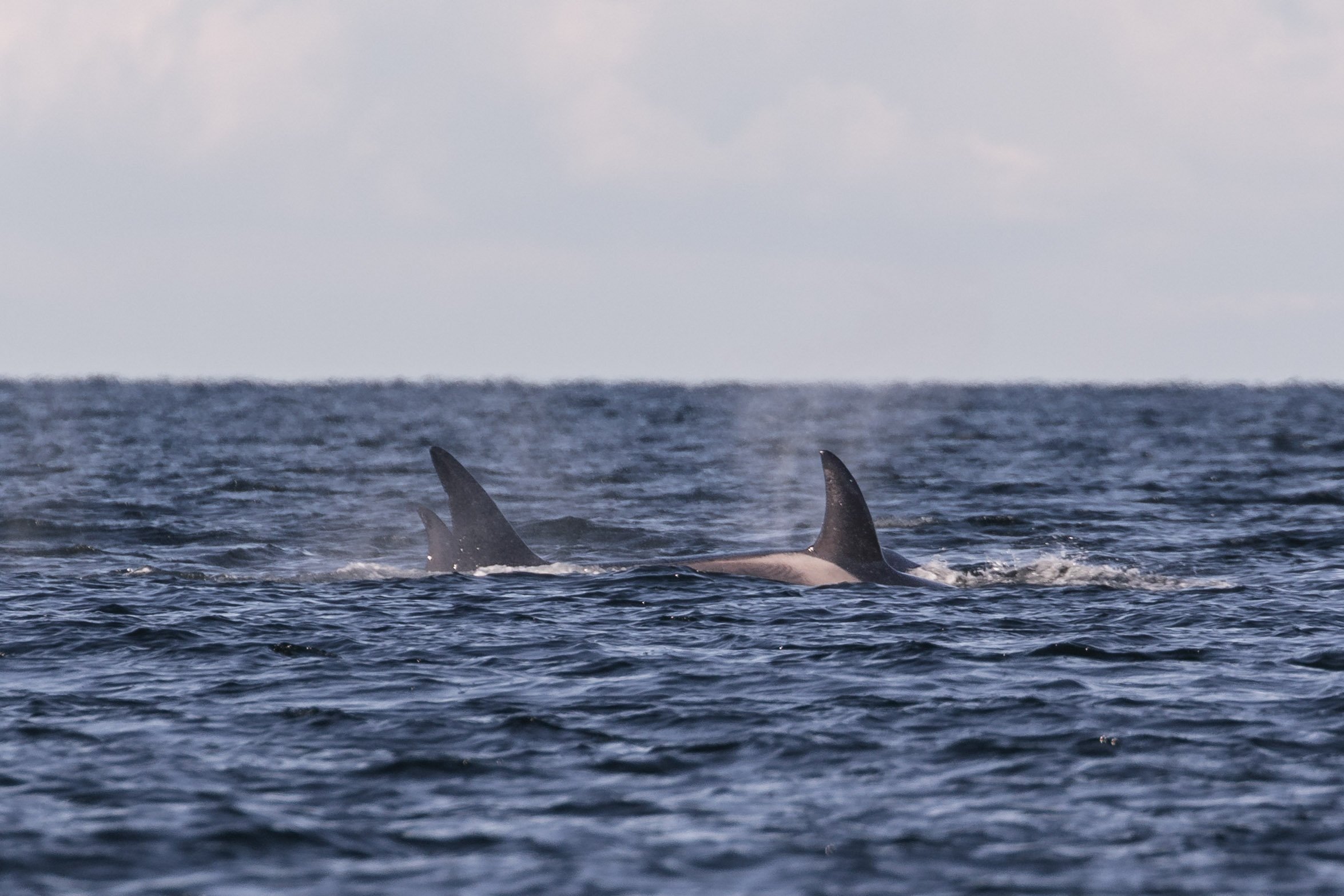
T046B2 Akela, T046B2B Takaya, and T086A4 Akia. Photo by Jordan Robinson.
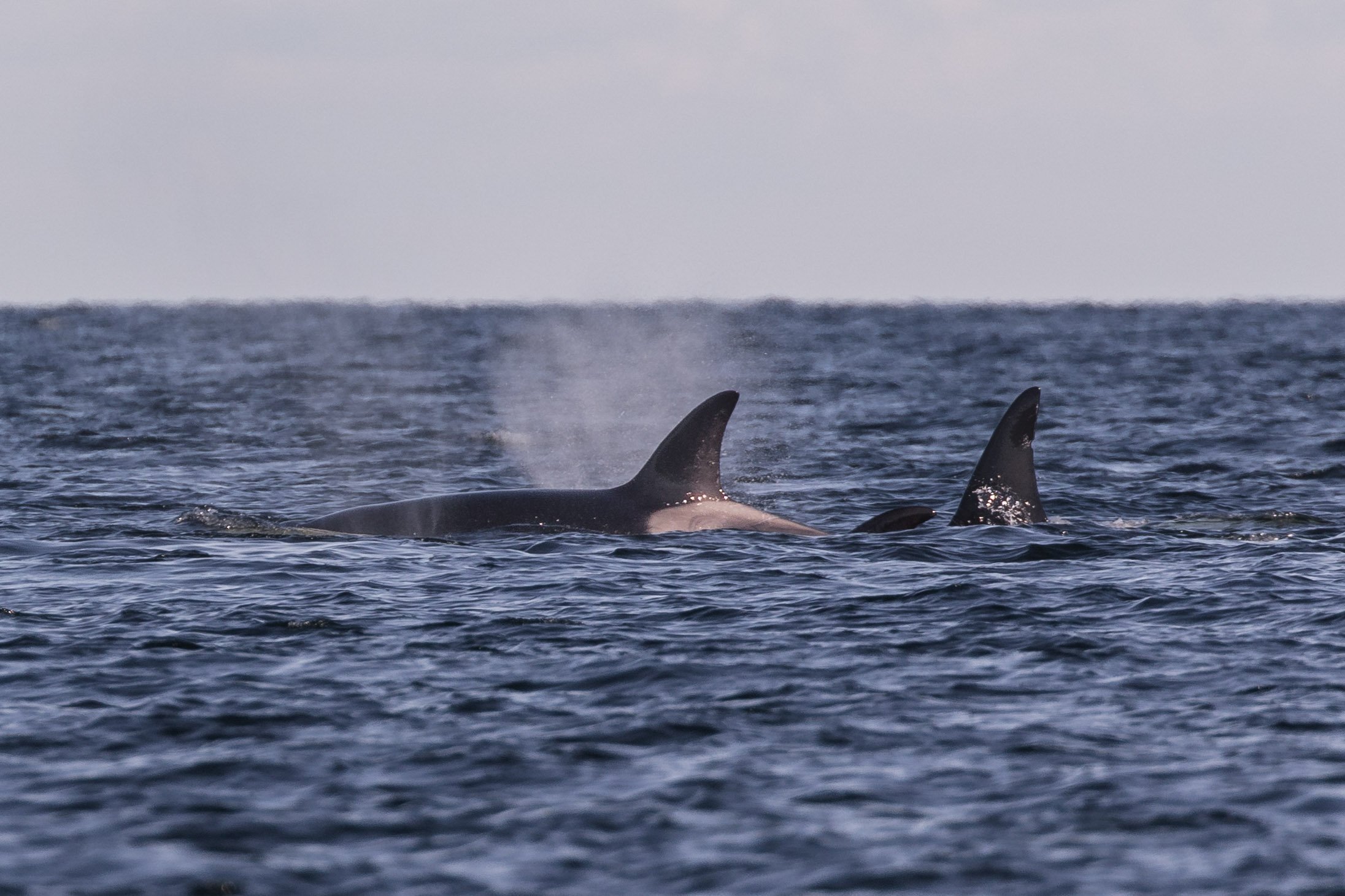
T086A4 Akia, T046B2B Takaya (tip of dorsal fin), and T046B2 Akela. Photo by Jordan Robinson.
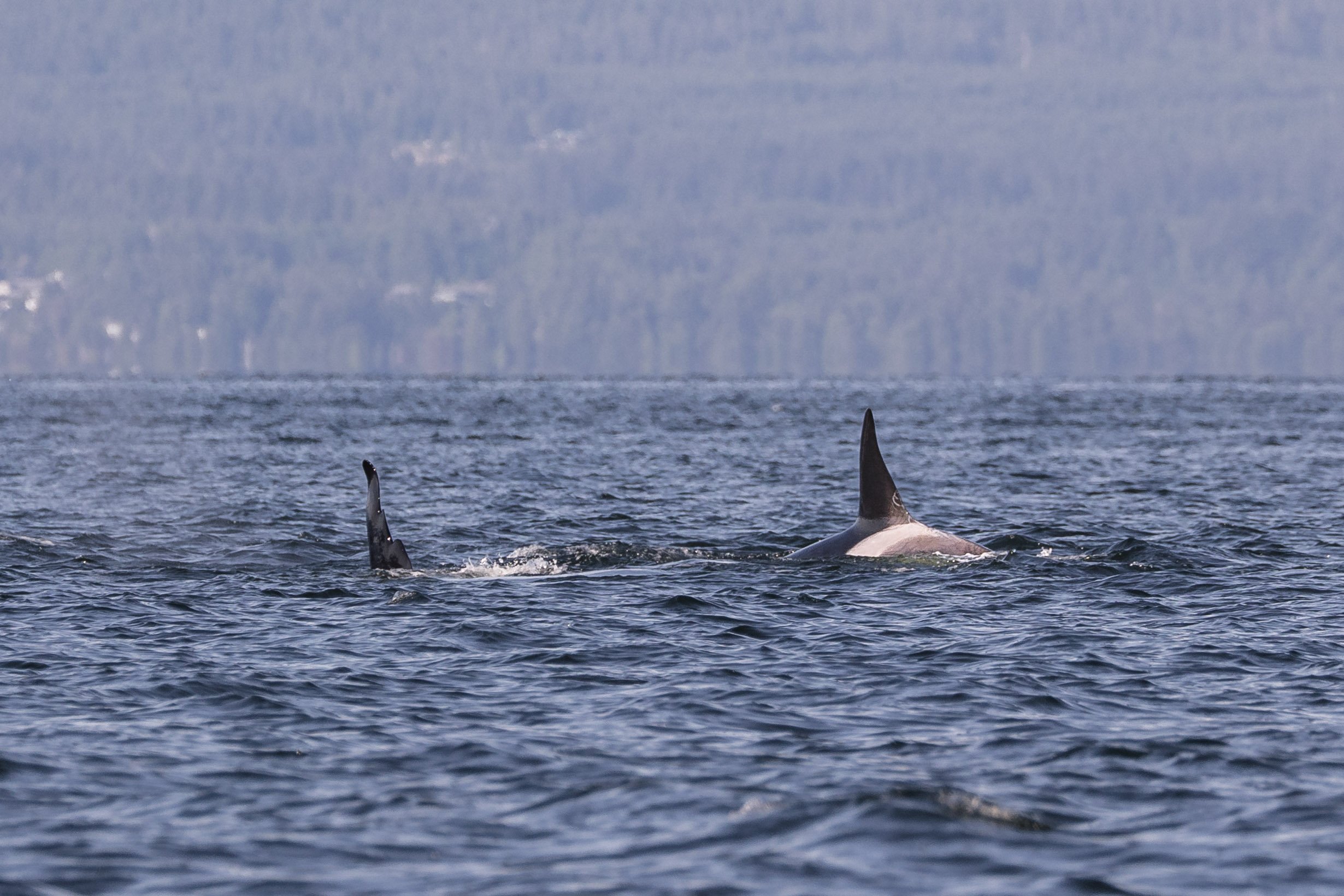
T063 Chainsaw and T046B4 Quiver. Photo by Jordan Robinson.
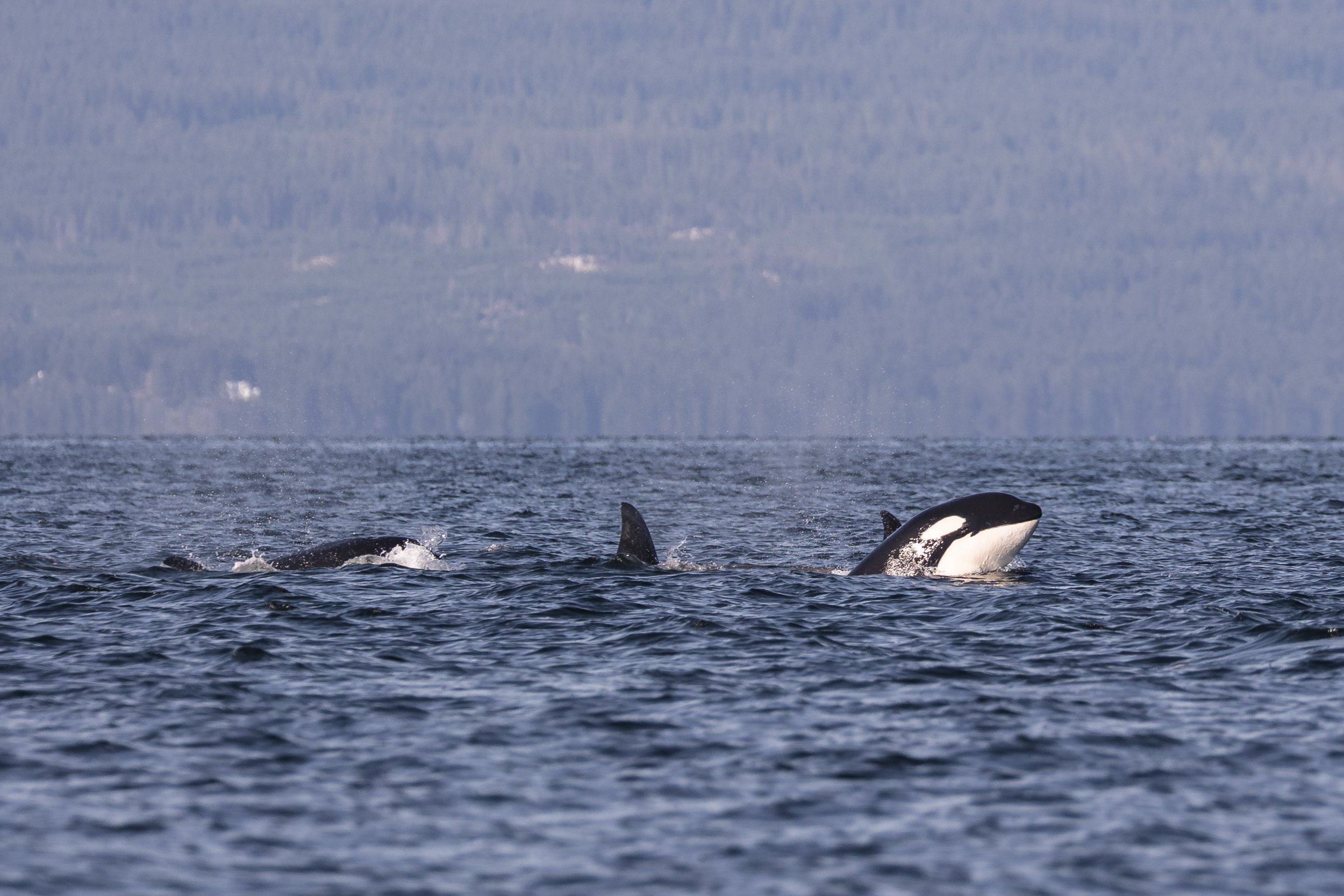
T046B6 Sol with her head out of the water, with others around her. Photo by Jordan Robinson.
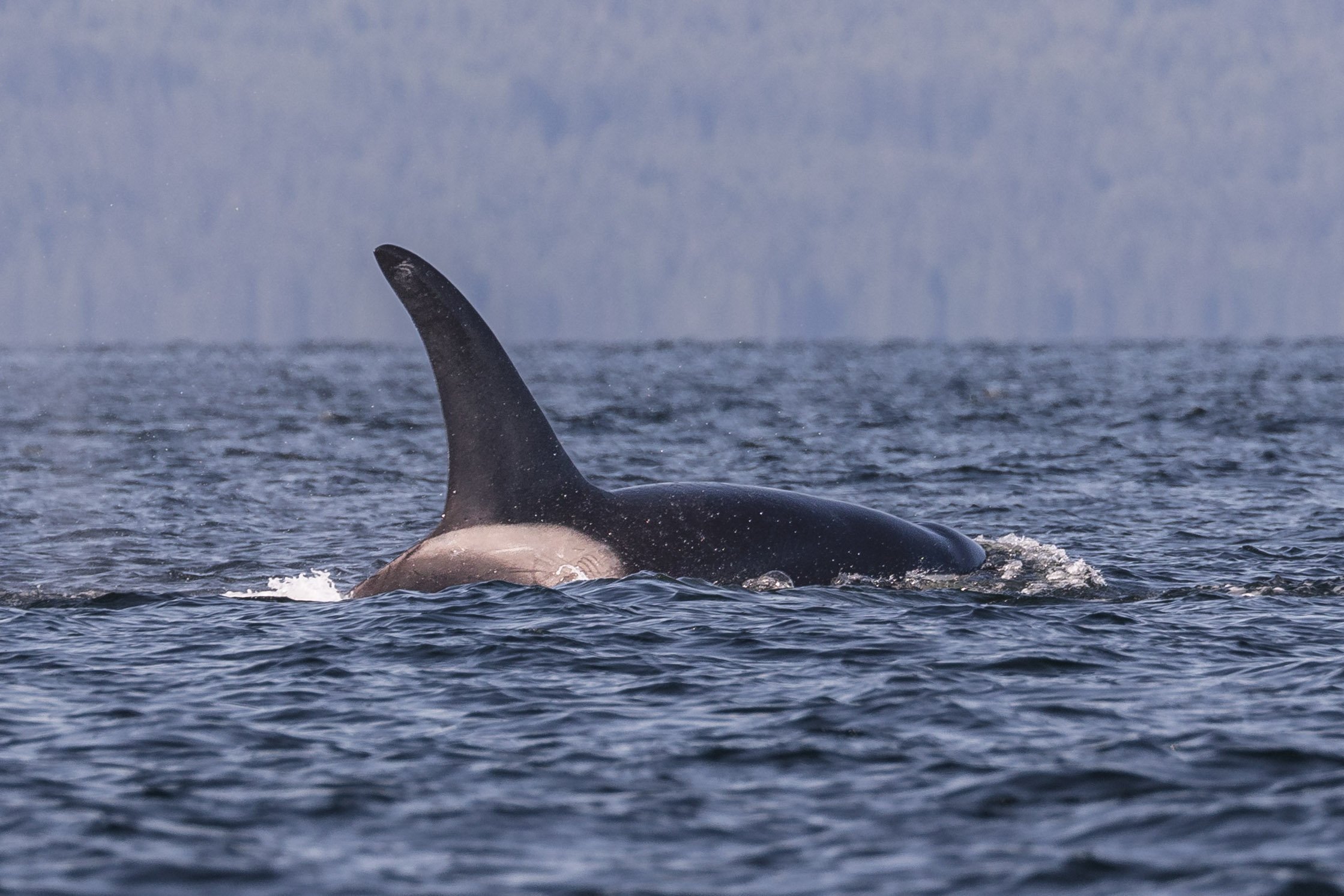
T049A3 Nat travelling. Photo by Jordan Robinson.
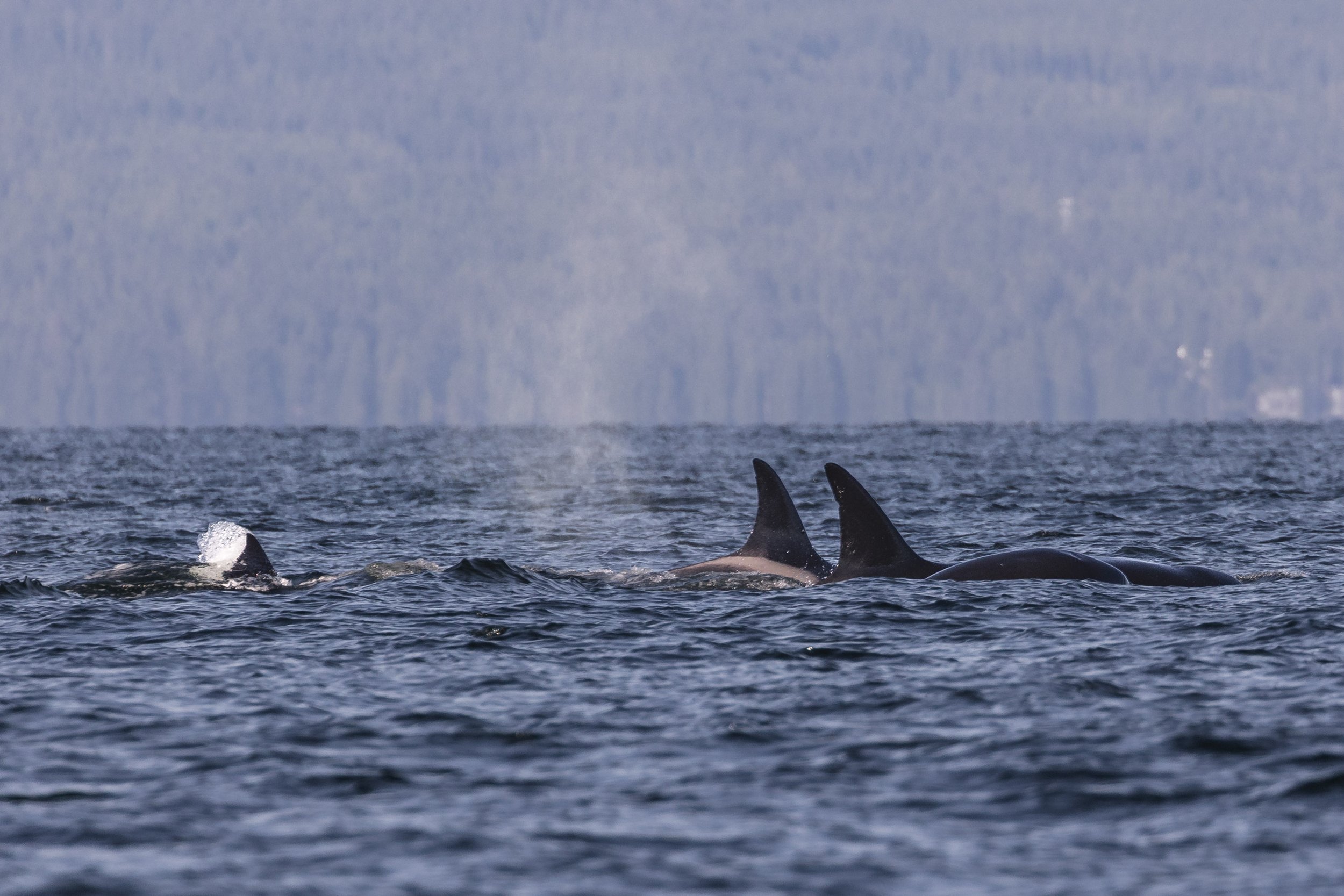
T086A Eider beside T046B2 Akela. Photo by Jordan Robinson.
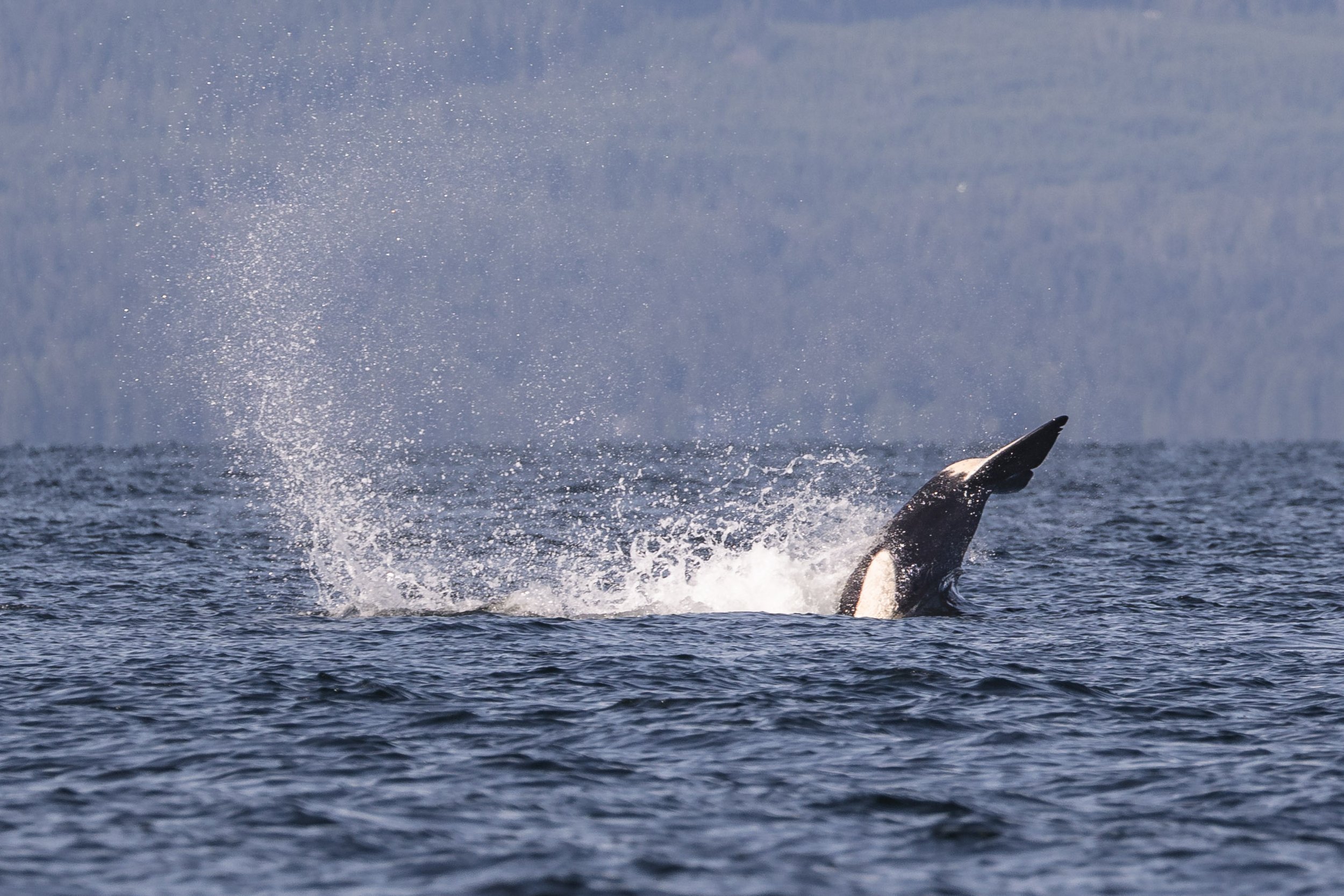
Cartwheeling around! Photo by Jordan Robinson.
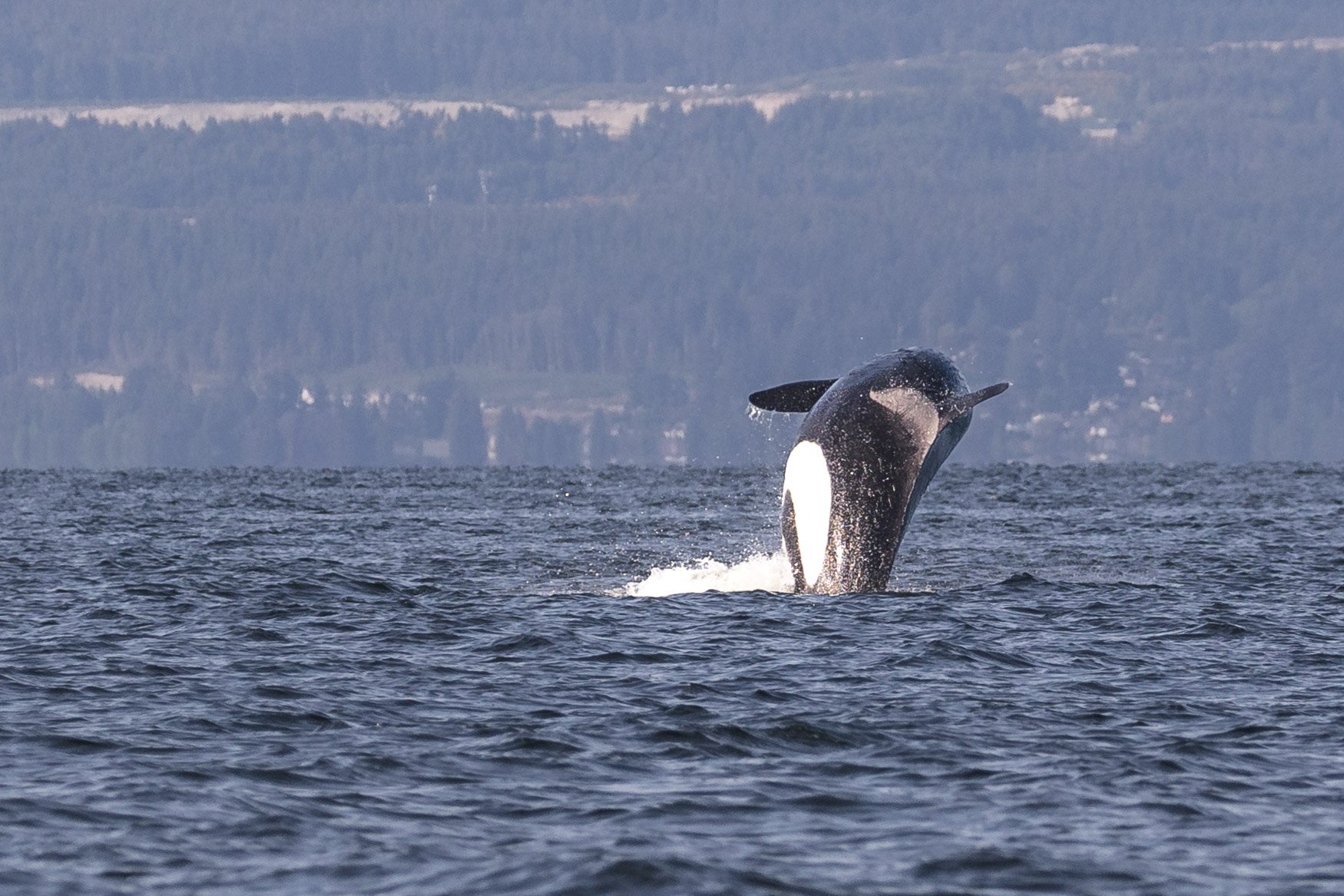
Breach for the sky! Photo by Jordan Robinson.
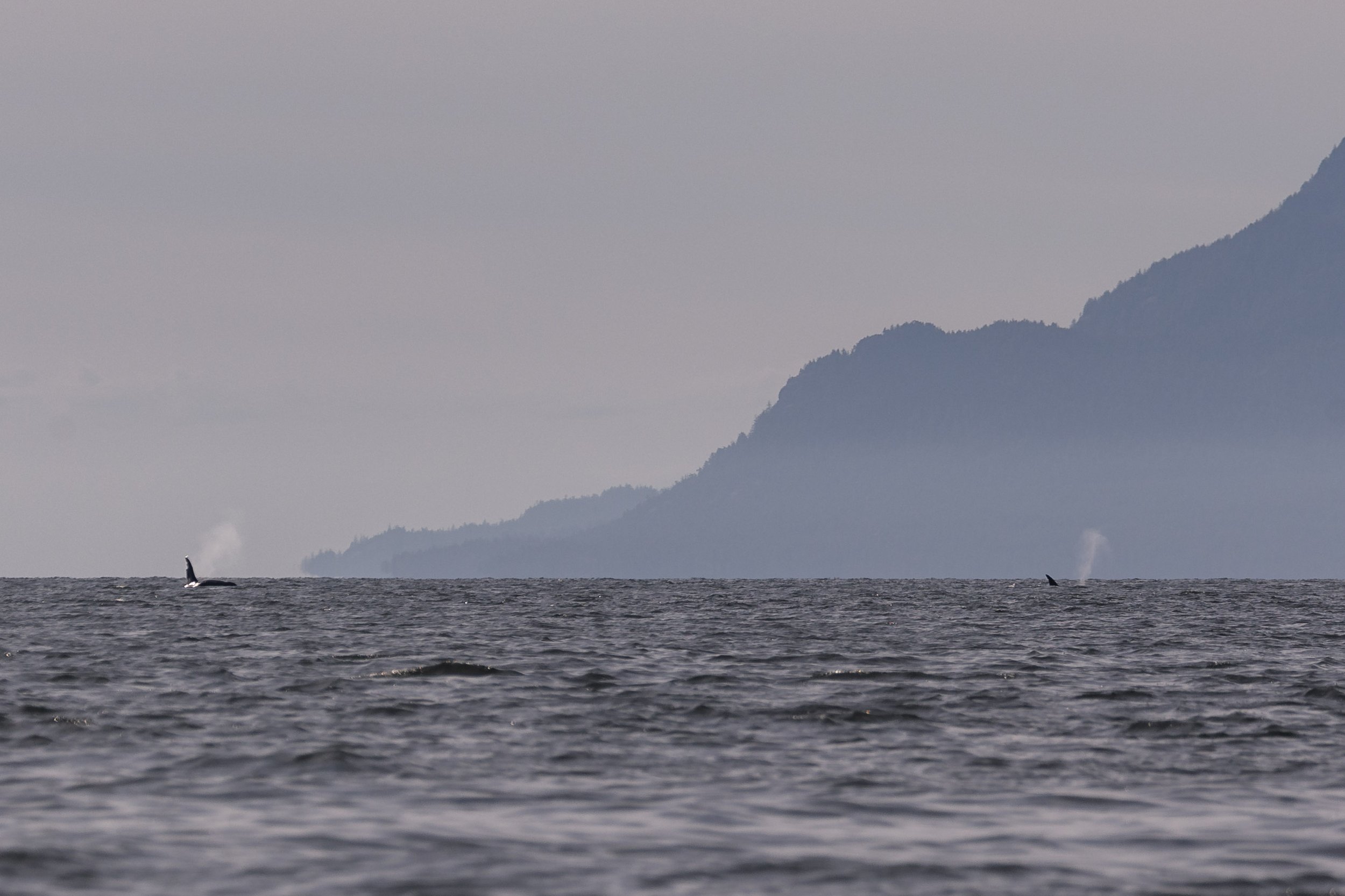
T063 Chainsaw and T046B2 Akela far off at the edge of the party. Photo by Jordan Robinson.
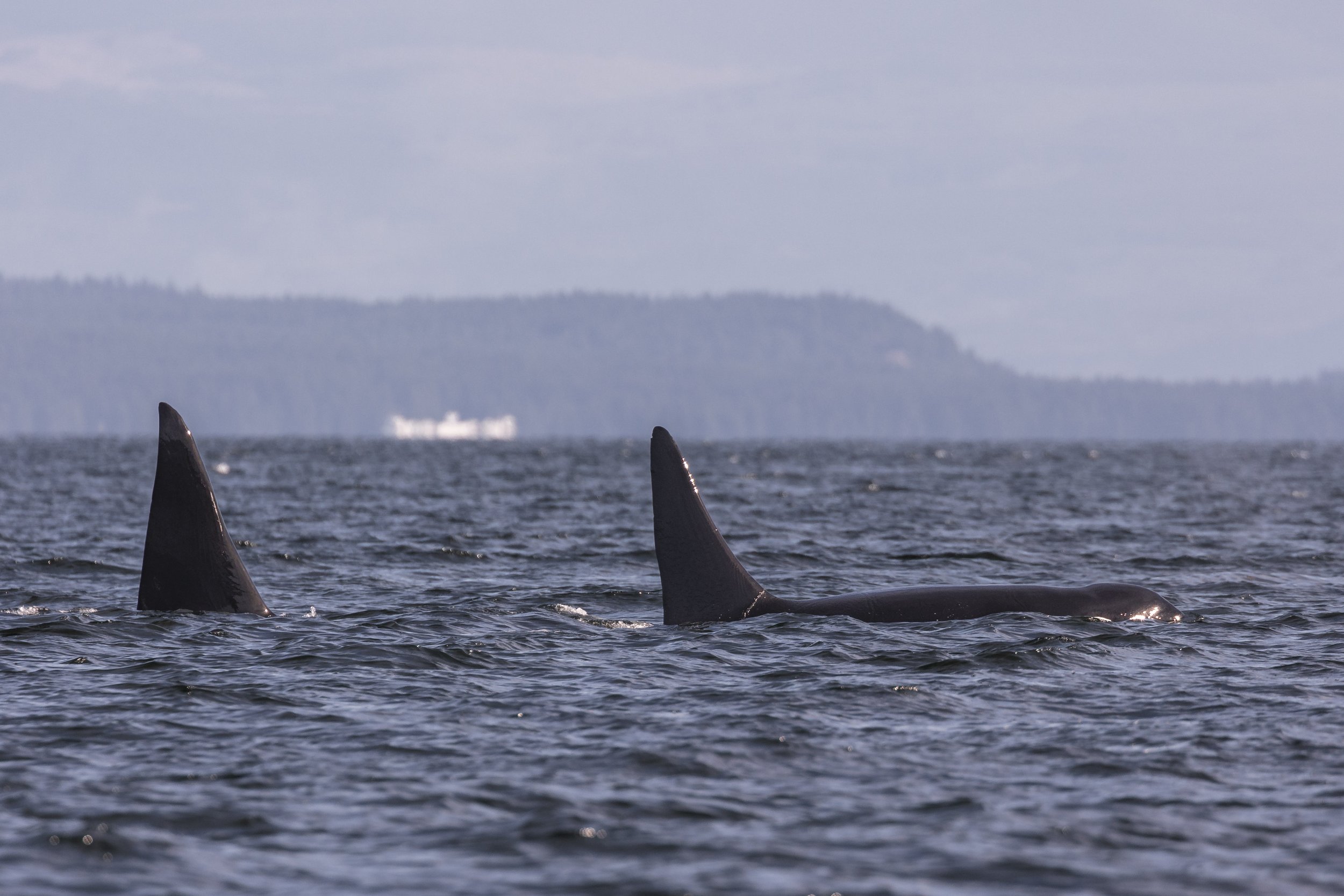
T011A Rainy and T051 Roswell. Photo by Jordan Robinson.
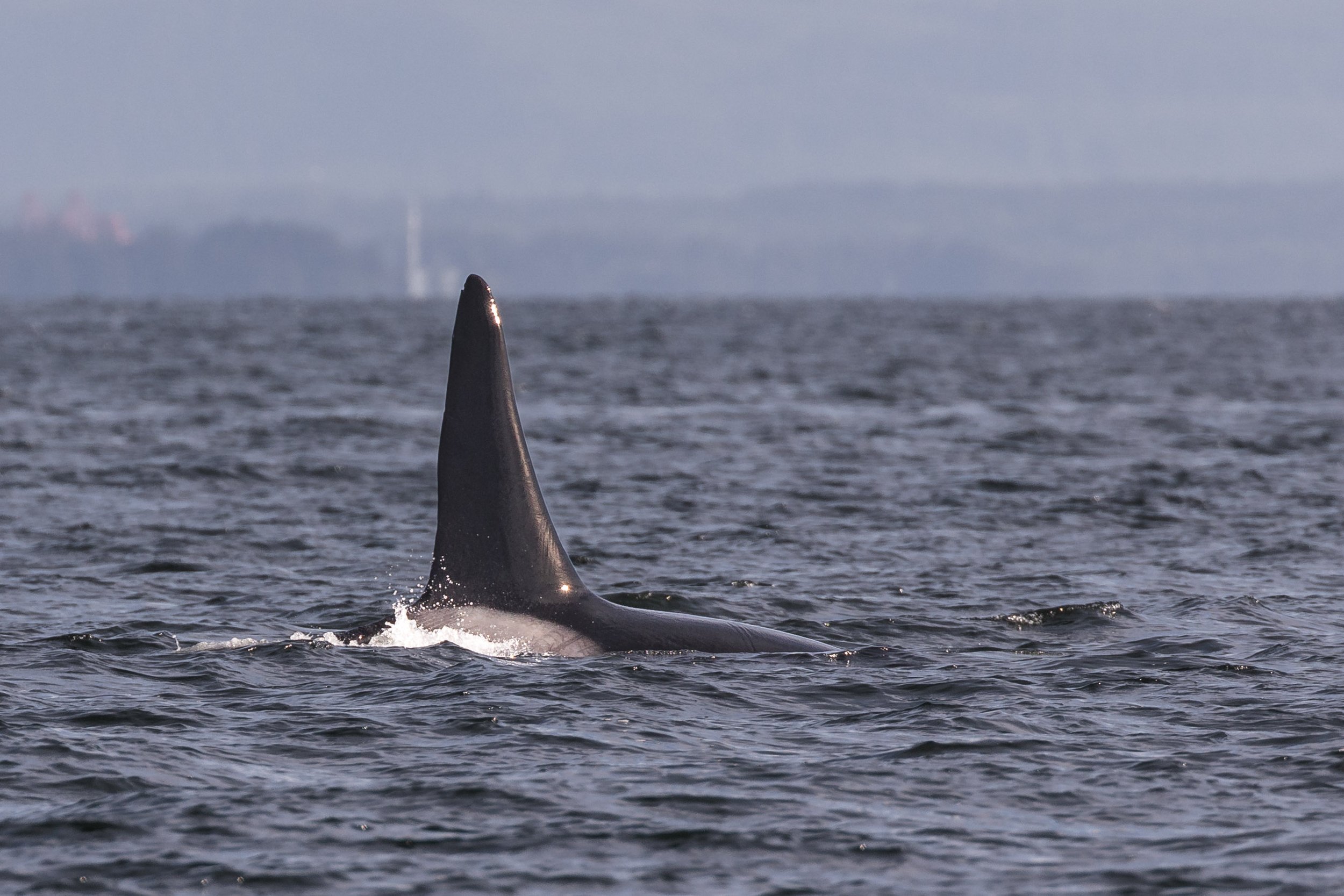
T051 Roswell with his heavily scarred saddlepatch visible. Photo by Jordan Robinson.
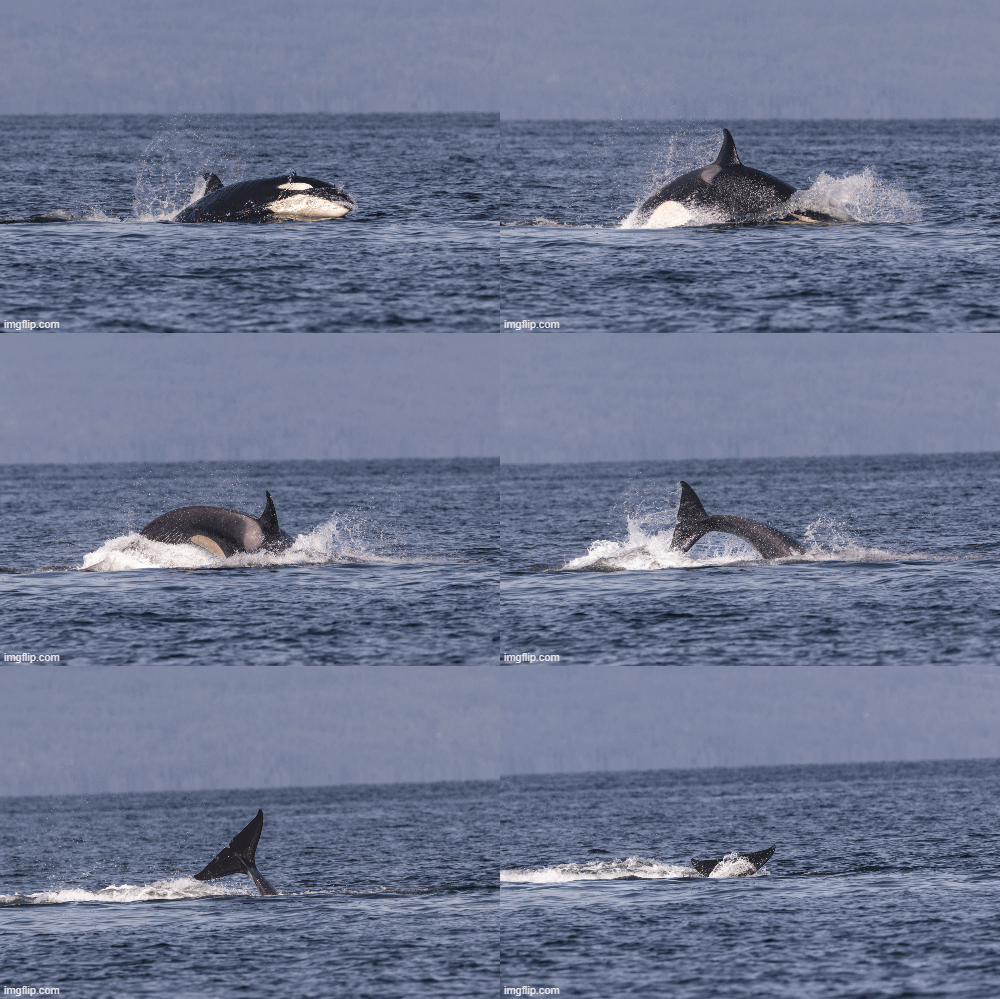
Animation of T049A5 Nebula diving, with photos by Jordan Robinson.
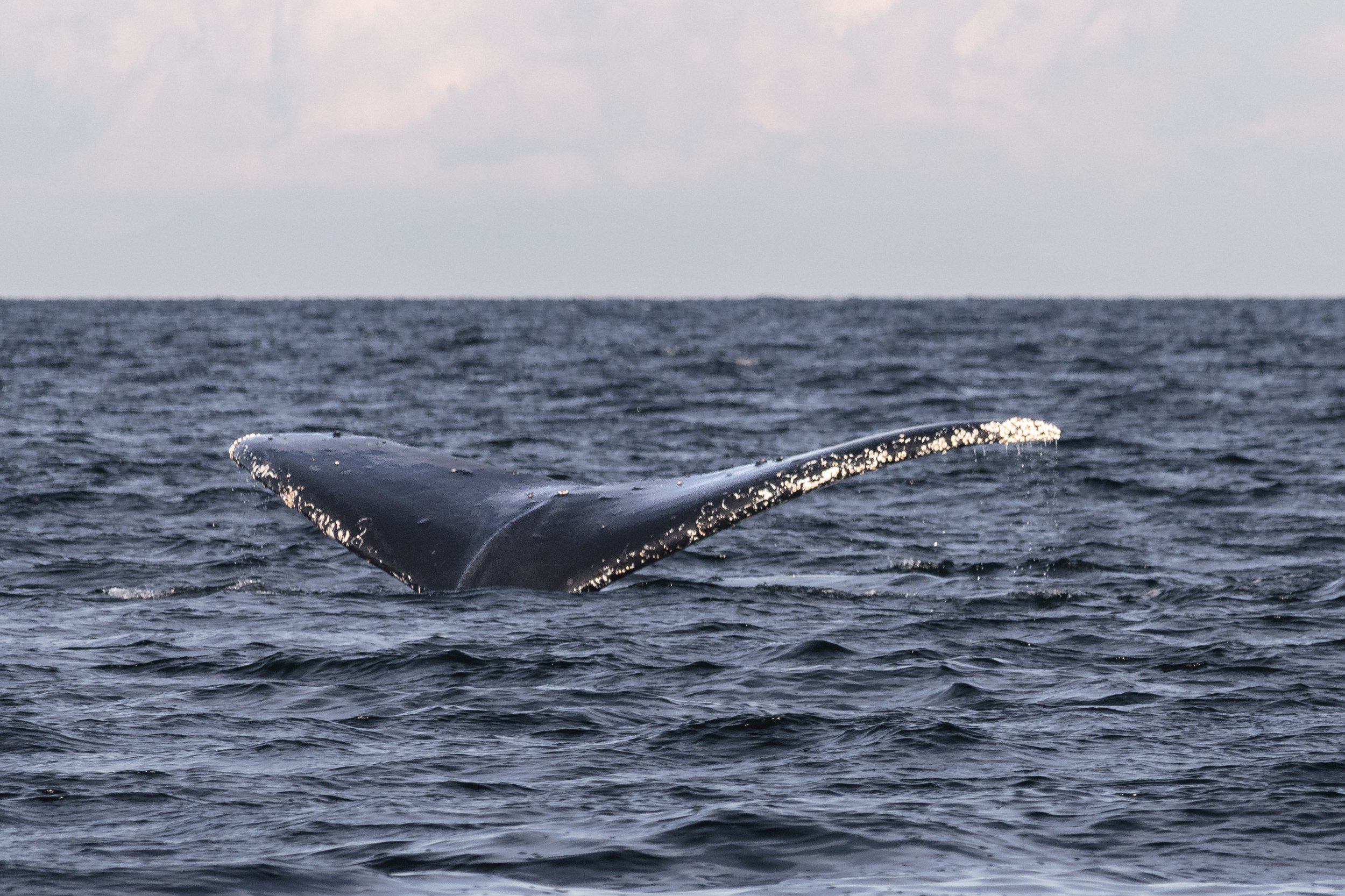
BCZ0410 Anvil has quite a few barnacles all over the top of her tail now. Photo by Jordan Robinson.
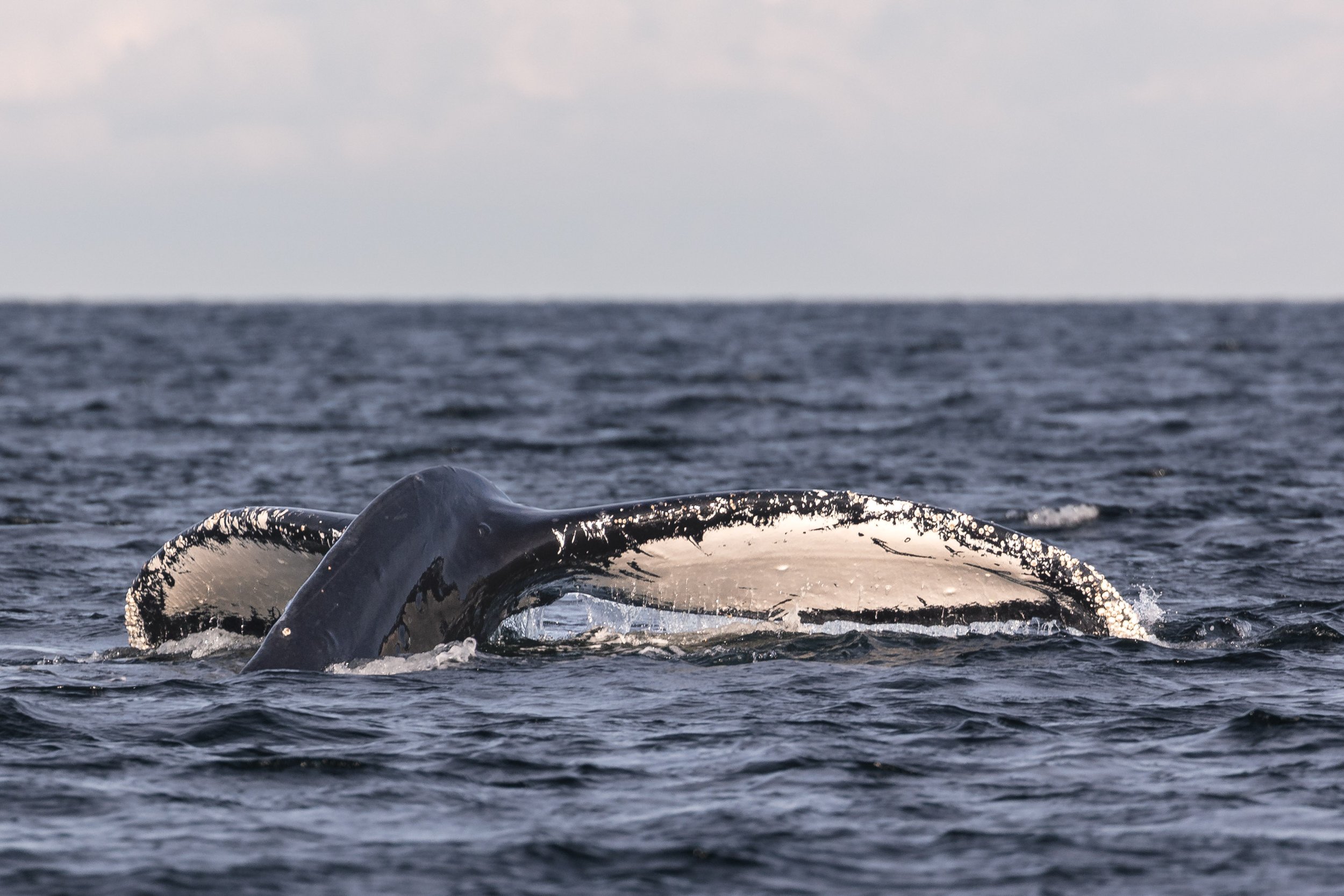
BCZ0410 Anvil arching her flukes, with the underside peeking out just a bit. Photo by Jordan Robinson.
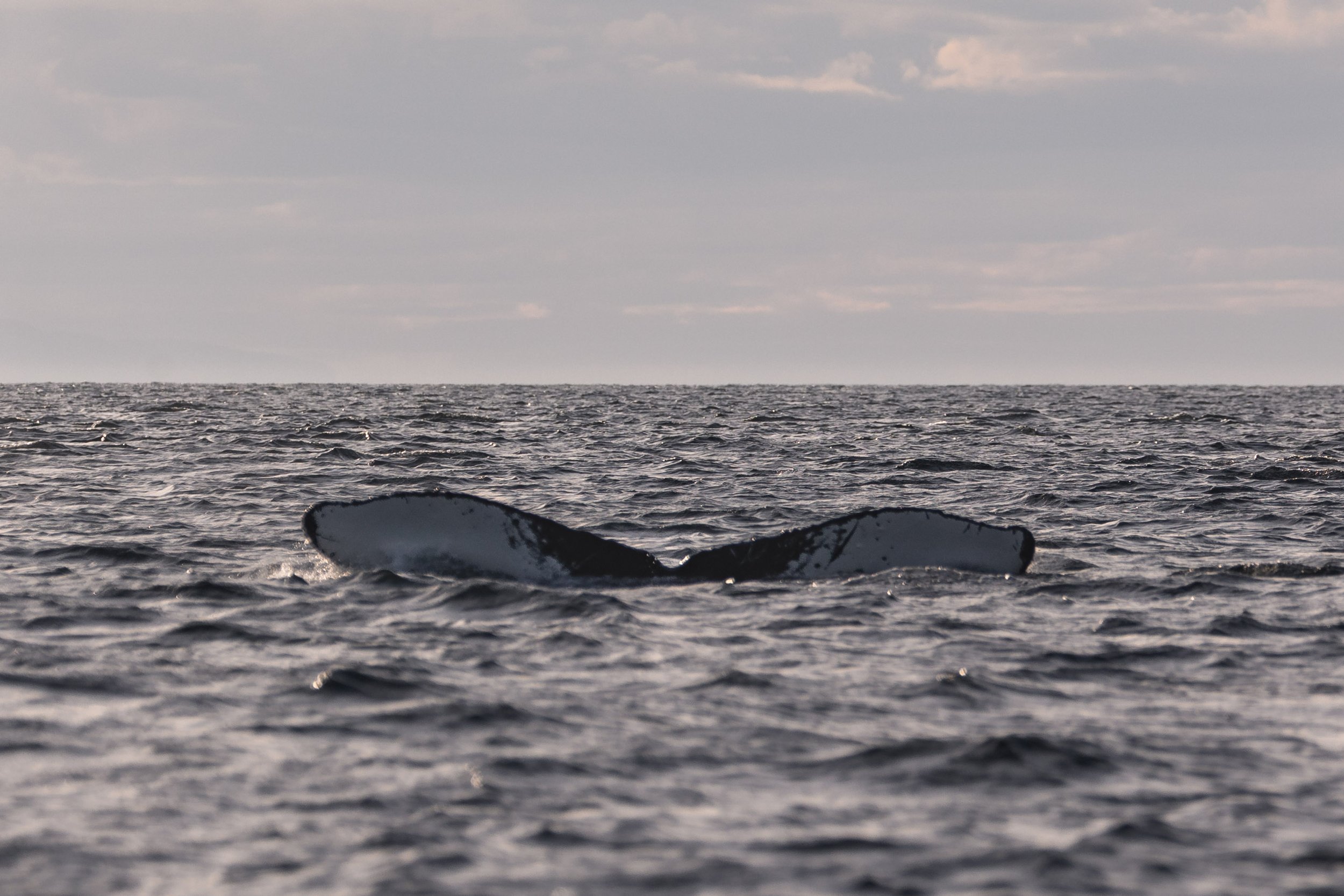
BCY1021 Neptune’s fluke as they dive. Photo by Jordan Robinson.
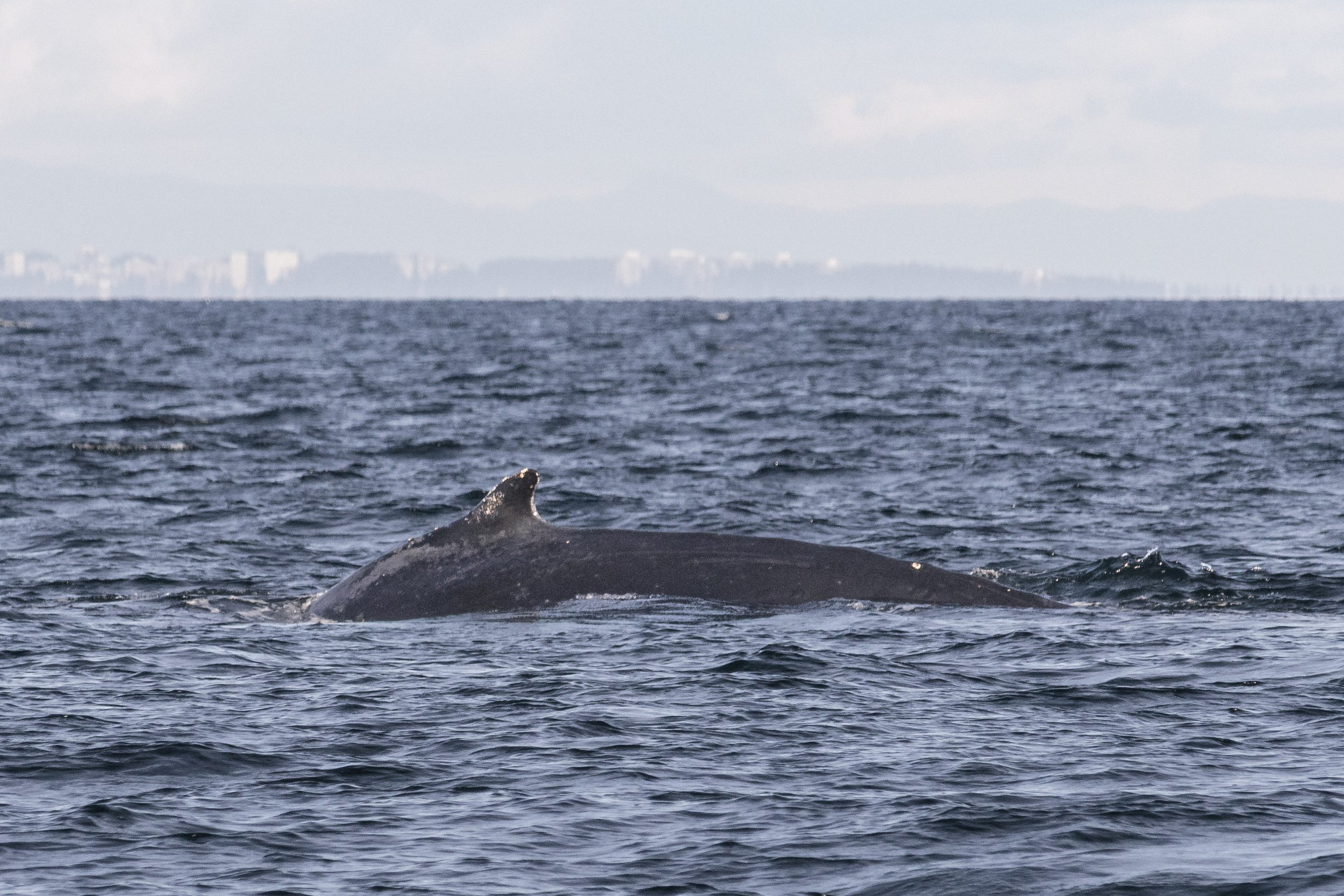
BCZ0410 Anvil’s dorsal fin. Photo by Vanessa Vereschahen.
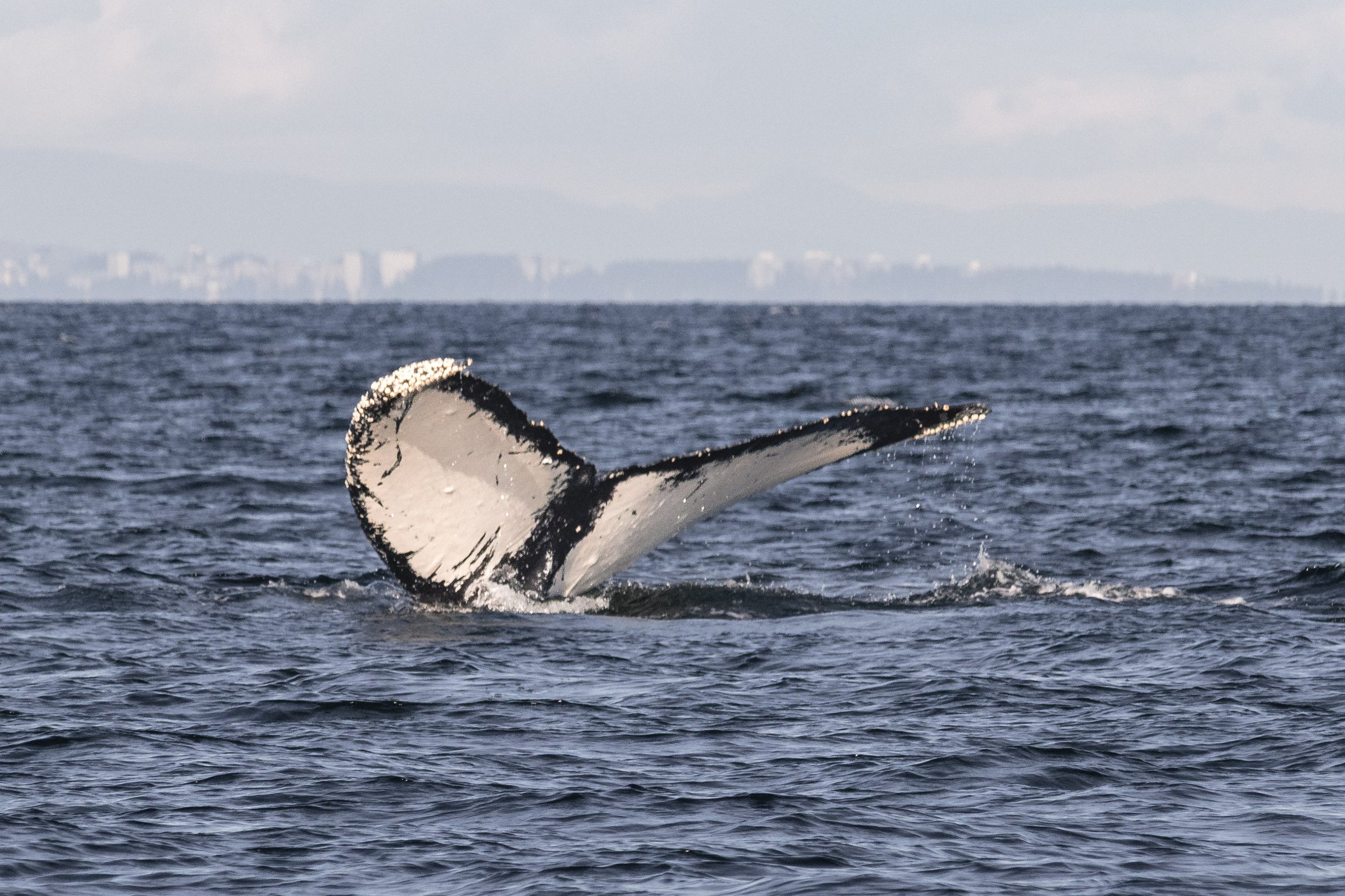
BCZ0410 Anvil diving. Photo by Vanessa Vereschahen.
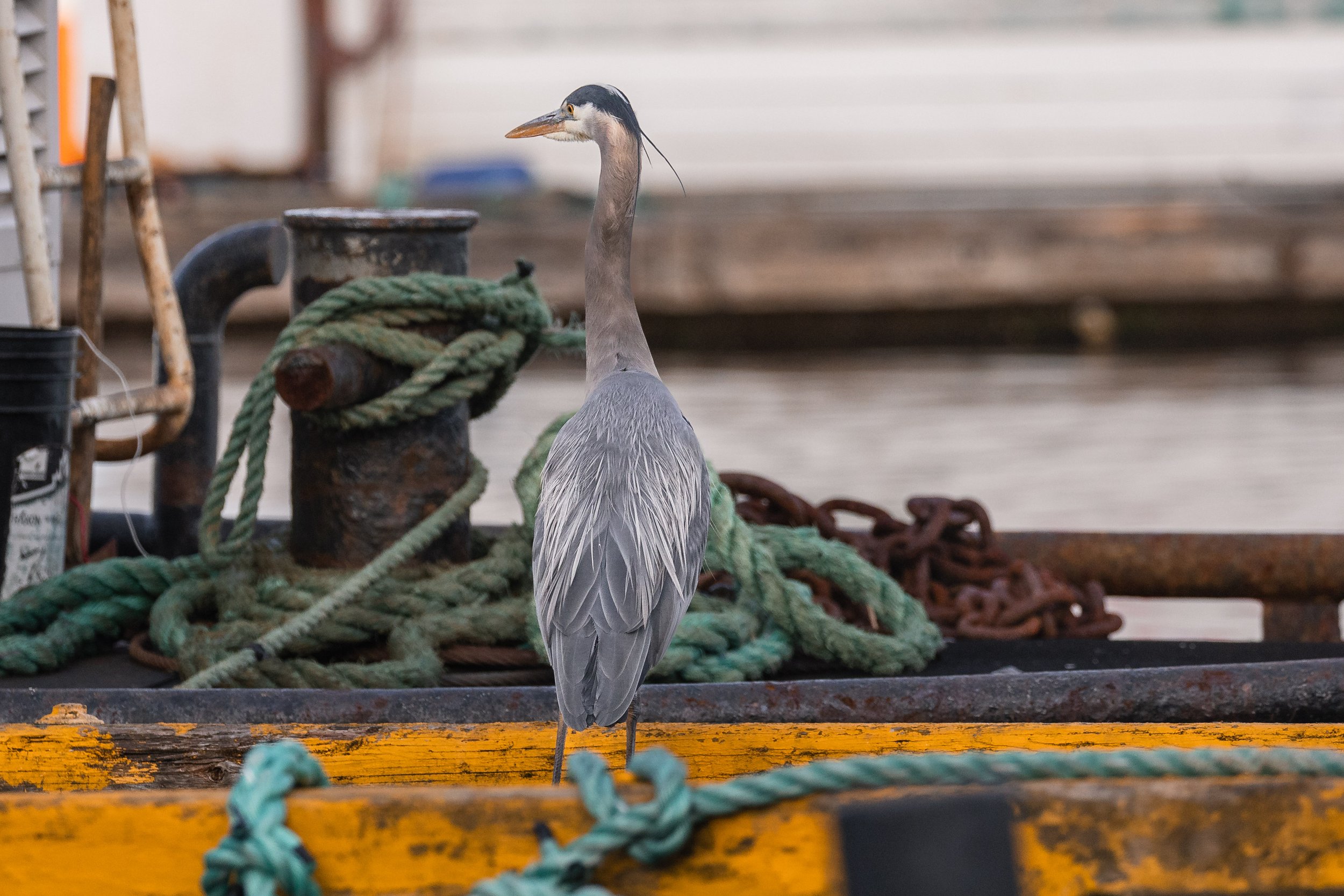
A Great Blue Heron striding along the docks. Photo by Jordan Robinson.