
May 19, 2026 - Celebrations with the T086As plus 4 humpbacks
It was another wildlife-filled day on the water today, getting to spot both Transient Orca and Humpback Whales during our tour.
The adventure started when guests climbed aboard our semi-covered vessel, Kula, and we headed into the Strait of Georgia, the open body of water separating southern Vancouver Island and the Mainland Coast of British Columbia. Earlier in the day, whales had been spotted from shore right inside Nanaimo Harbour, so we hoped they would still be around for us to see on our tour. We decided to try our luck searching north, following the coastline of Vancouver Island with our eyes peeled for any signs of whales. Soon enough, some activity in the distance caught our eye, and we headed over to find a pod of orca finishing off a hunt. We could tell this thanks to the activity that we were able to witness: spy hops, breaches, and moonwalking, a good sign that they were sharing food just beneath the surface. Thankfully, amid all the explosive surface activity, they also had some more typical surfaces, allowing us to get an identifiable shot of the distinct dorsal fin of this matriarch, T086A Eider. Eider is travelling with just two of her kids right now, with the other two off on their own, or travelling with other orca. This means the following 3 orca had just finished their hunt:
T086A Eider ♀ (1988)
T086A4 Akia ♀ (2016)
T086A5 Siku ♂ (2024)
We aren’t sure what these three just hunted, but we could tell it was a good meal since they had so much extra energy. We even got to see the youngest here, T086A5 Siku, spy hopping with a little piece of food hanging out of his mouth! Seeing surface activity like this isn’t super common during our tours, but it sure is exciting when we do see it! We watched in awe as the activity continued from the whales, and towards the end of the encounter, they returned to more typical behaviour seen from our whales: travelling. With the excitement over, and our time up, we left the T086As to their travels, and we headed deeper in the Strait to see if we could find some humpbacks.
It didn’t take long before we did, the tall bushy blows as they exhaled at the surface catching our eye. Upon closer approach, it became clear that there were multiple whales here, three humpbacks to be exact! Humpbacks travelling in groups like this are becoming more common as time goes on in the Salish Sea, with pairs seeming to be the most common grouping for the whales. This is likely due to feeding efficiency, with the two working together being better for them than just feeding alone.
It seemed like this was exactly what these whales were up to, coming to the surface a few times to breathe before lifting their tails to dive below the surface in chase of food once again. Since they were fluking so nicely, we were able to identify all of the whales present. These whales were HW-MN0510858, Calypso (BCY1226), and Ulli (BCY0946calf2024). Interestingly, these are all relatively young whales, with Ulli being two years old, Calypso being 7, and HW-MN0510858 estimated at around 3 years old, based on their calf colouration observed during encounters last year. This is another noticeable pattern: younger whales return to the feeding grounds sooner than older whales, on average, although our next whale sighting breaks the pattern. We saw Dalmatian (BCY0994) in the distance with lots of surface time, so we turned our attention and our vessel to him. Dalmatian is 11 years old, a 2015 calf of a now-deceased whale named Heather. He is a common whale for us to see in the Strait of Georgia, and we have a record of him every year since our opening in 2018.
Humpbacks are highly loyal to the sites that they visit, so it makes sense that we see them each year. His siblings, like Neowise, are also common sights for us, although the timing of their return to our waters is unique for each individual.
While watching Dalmatian, we noticed something hanging from the sides of his tail flukes: whale barnacles! These ride-alongs are especially abundant at the beginning of the year, since they thrive in warm water. You’ll also notice that Ulli was covered in Barnacles, not just on their tail, but their entire body was spotted with them. It doesn’t cause harm to the humpbacks to have these barnacles until they become too abundant. If their numbers become too high, the drag can become too much for the animals, affecting their ability to build fat reserves. At the levels observed today, though, these whales should have no issues.
After watching these graceful giants move through the water and feed for a while, we continued our search for more wildlife. Next up was a stop at Entrance Island, where there has been a colony of Steller Sea Lions spending their time lately. It was the case today, as we saw hundreds of them hauled out on the rocky island. There was even a bonus sighting when the crew spotted some Harbour Seals galumphing over the rocks a little bit further down the island.
It was a wonderful wildlife sighting to end the day on! Below are some of the best photos captured throughout the tour by Marine Naturalist Hayleigh Hilbert. Please enjoy!
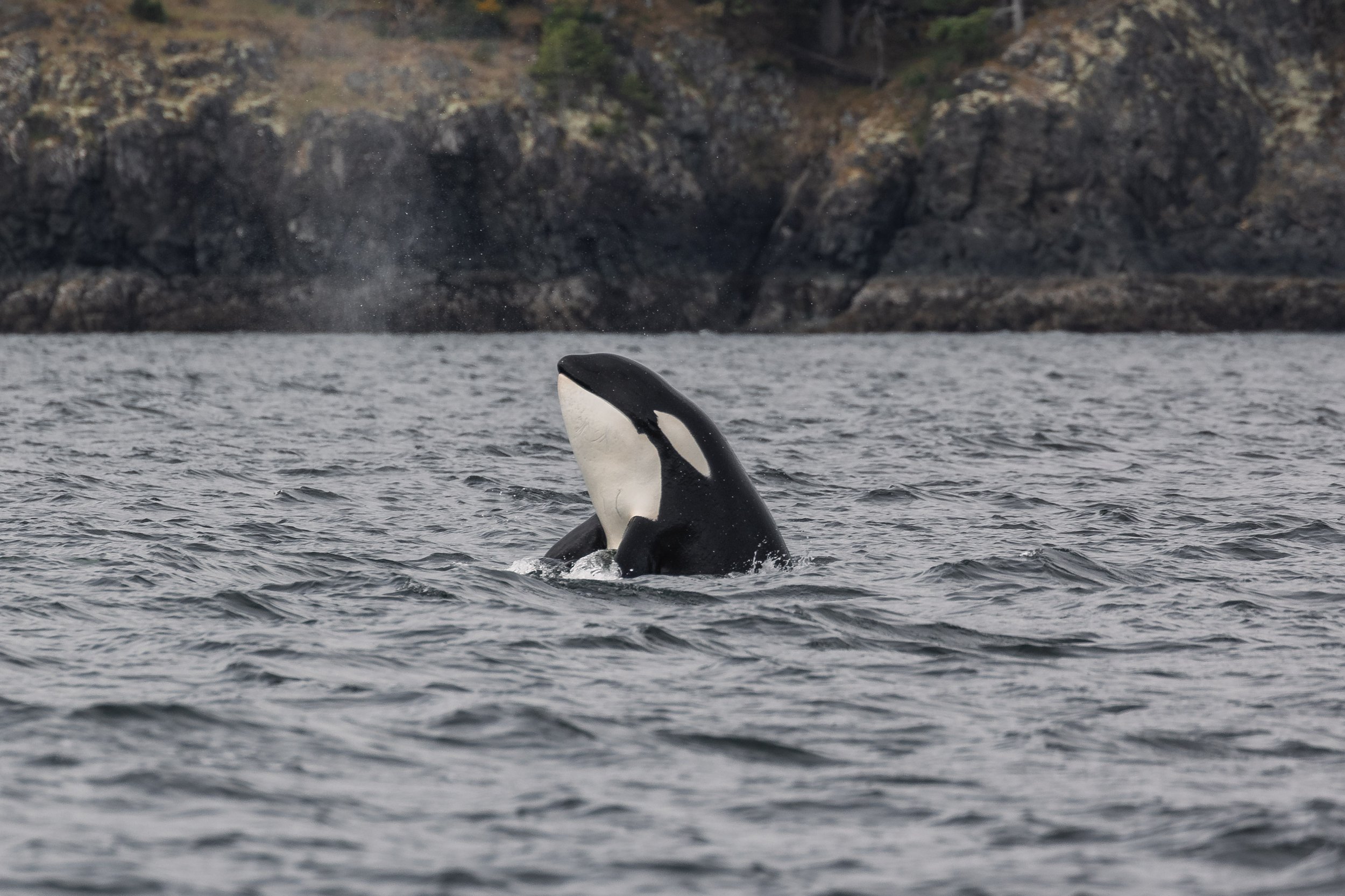
T086A3 Akia spy hopping.
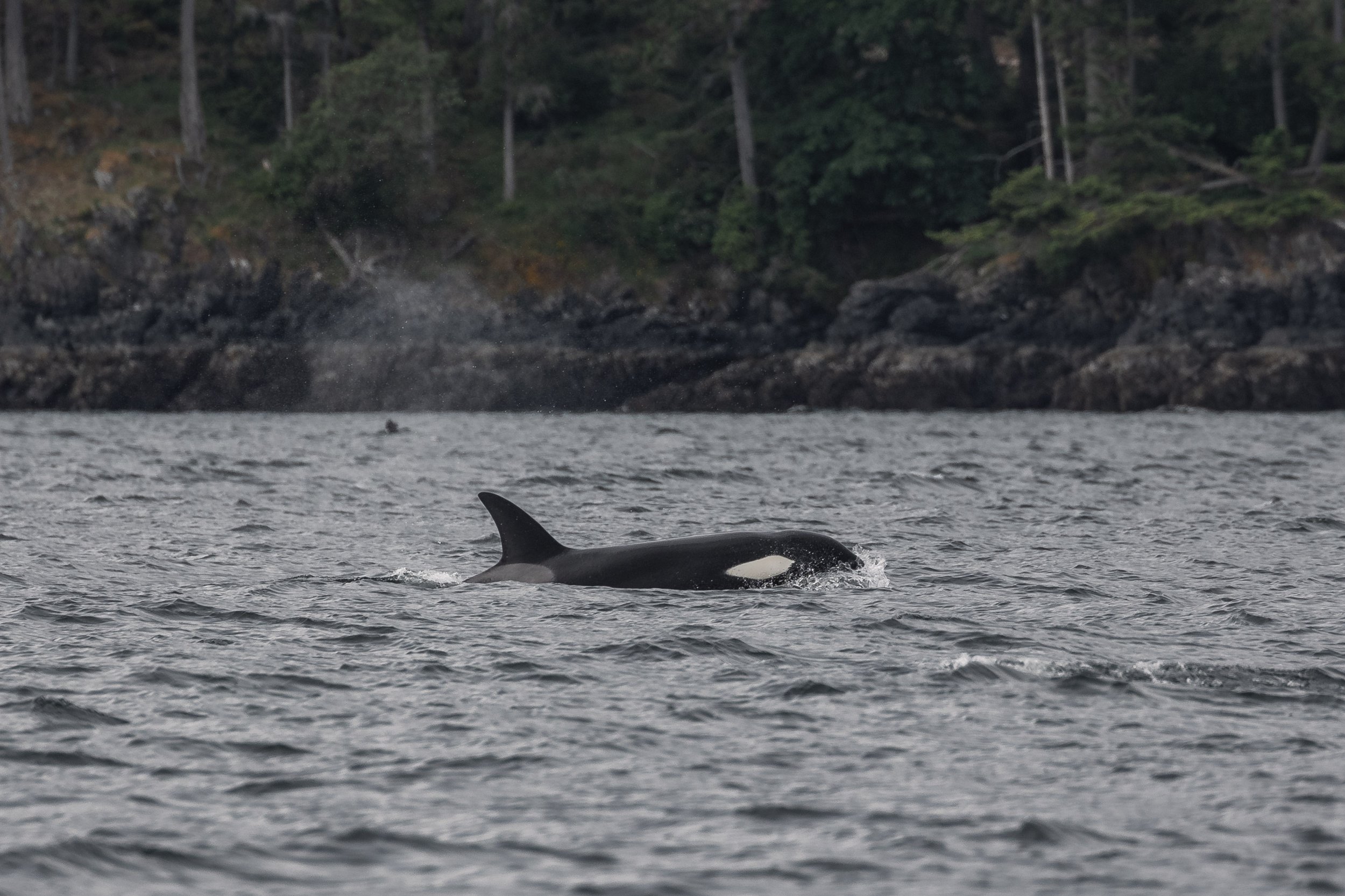
T086A3 Akia surfacing in the waves.
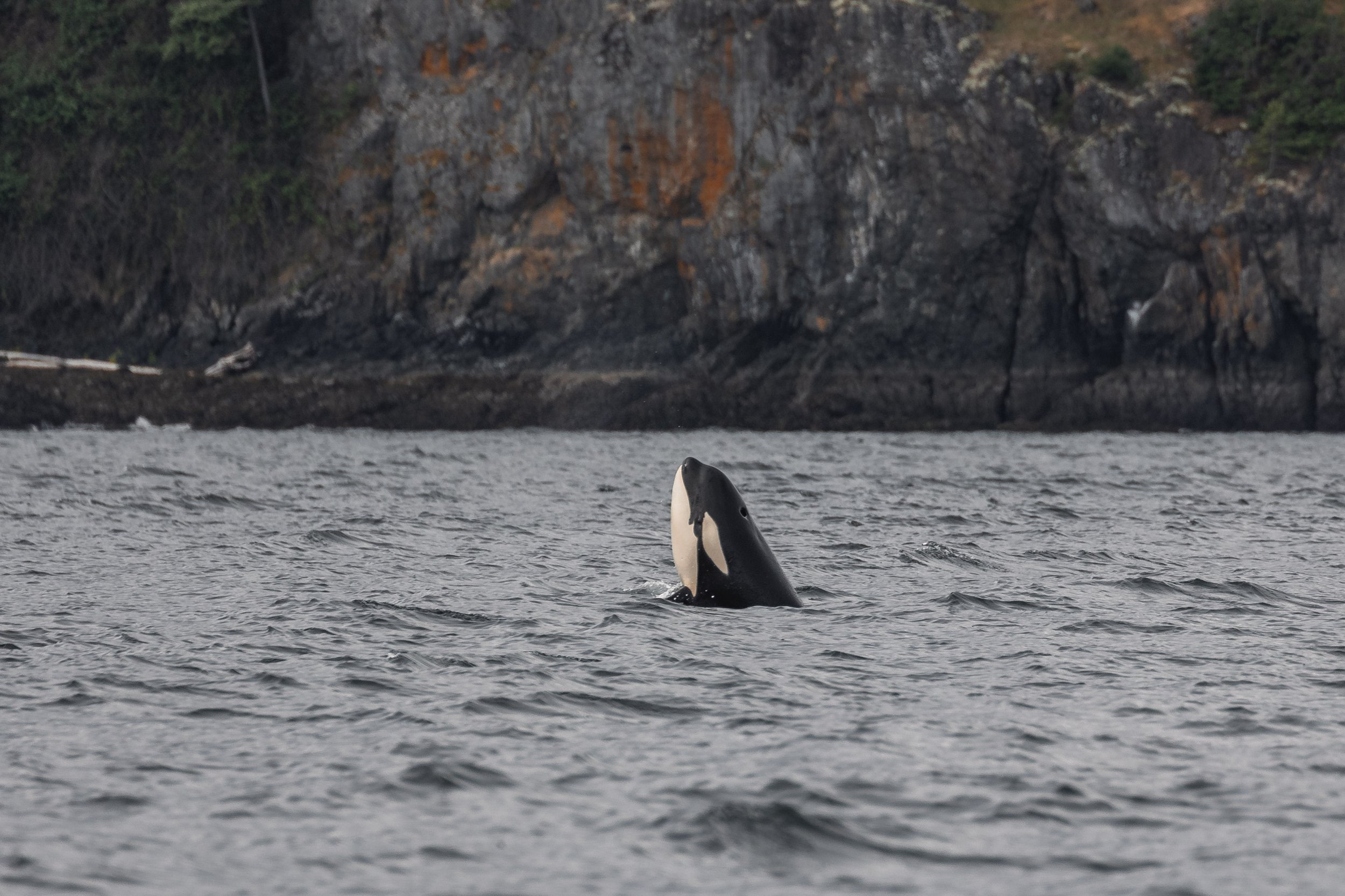
T086A5 Siku lifting their head out of the water to get a look around.
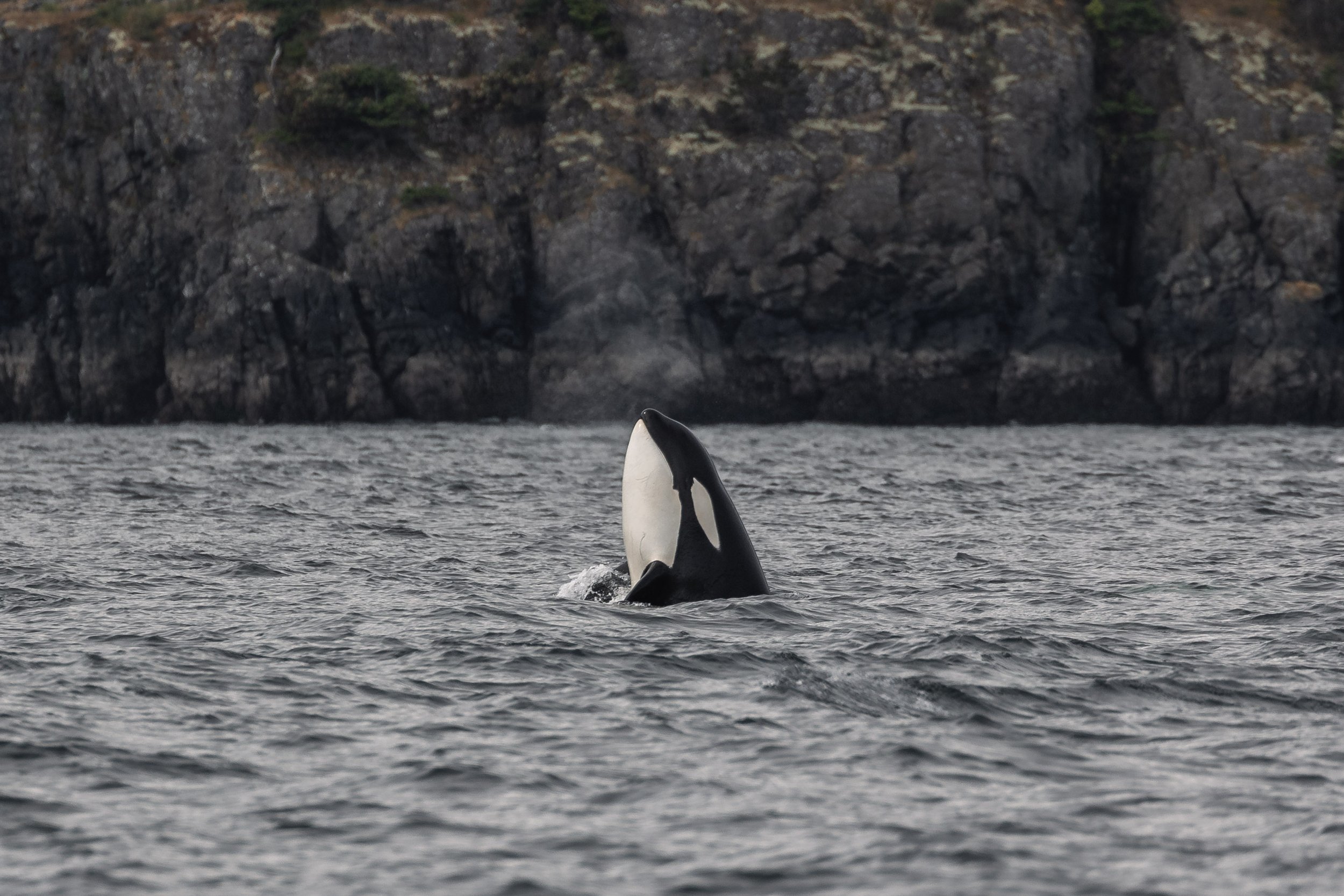
Another beautiful Spy Hop from T086A4 Akia.
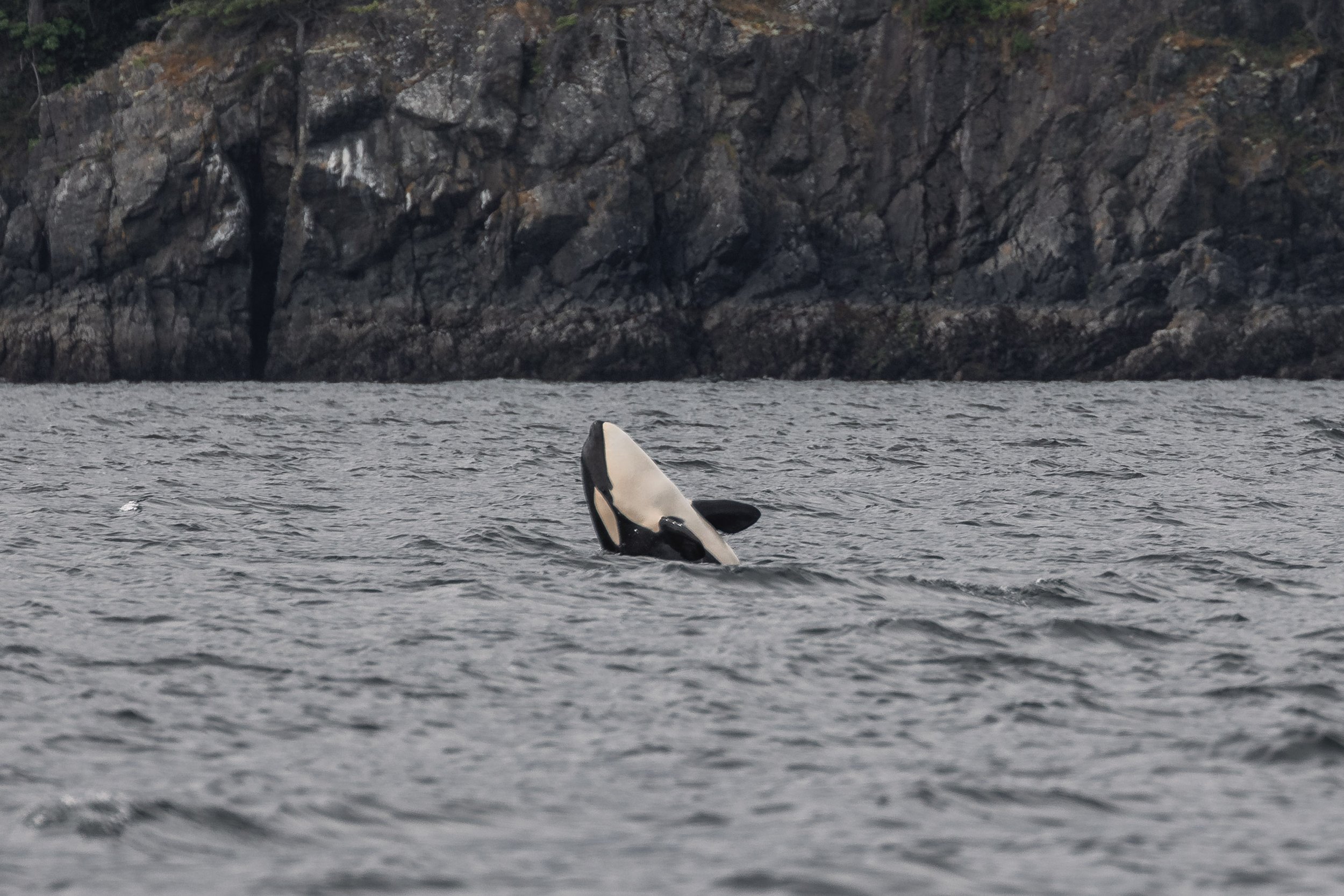
T086A5 Siku doing a mini abck dive after the hunt.
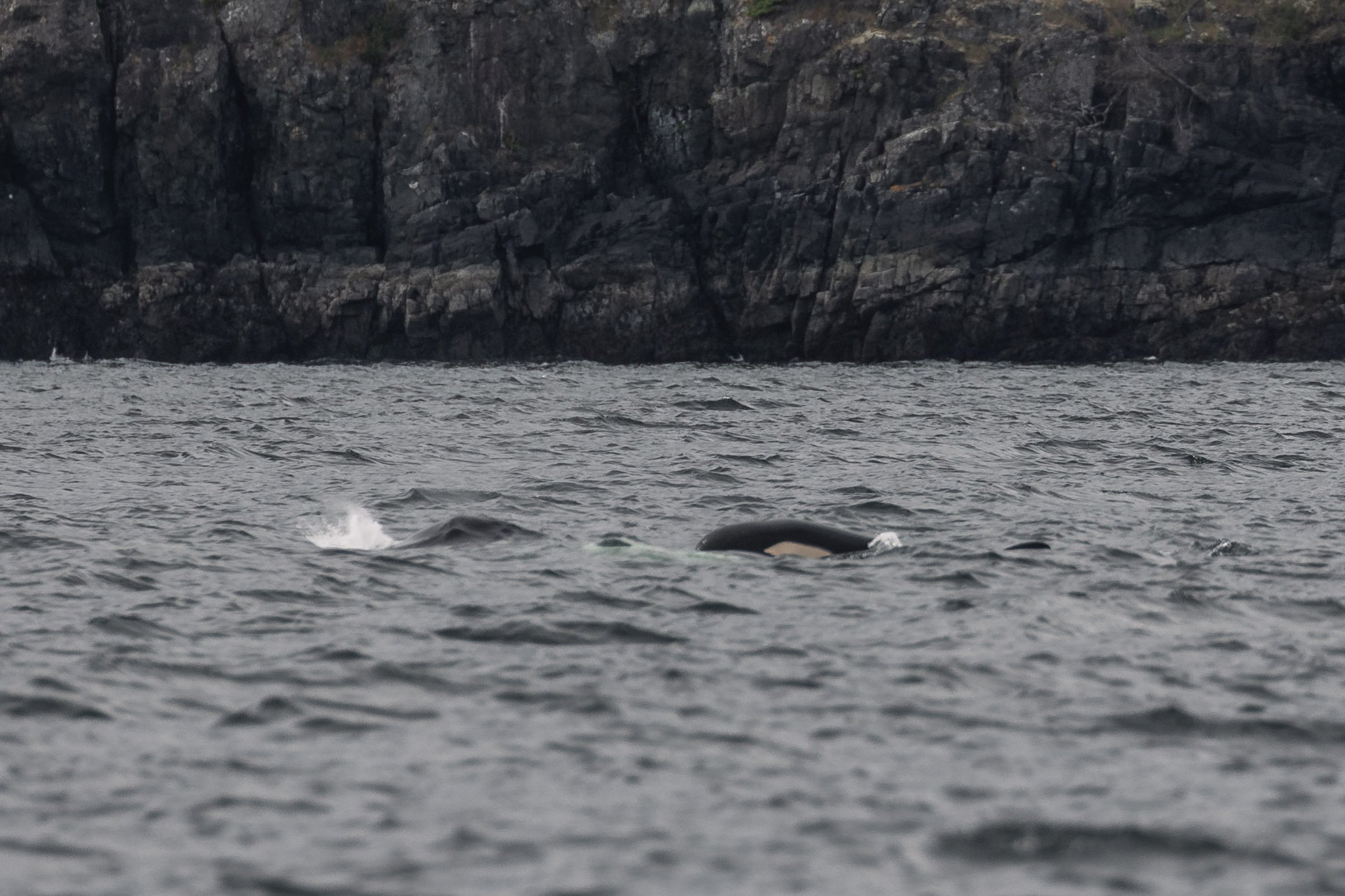
You can see what is likely the prey between these two changing the colour of the water.
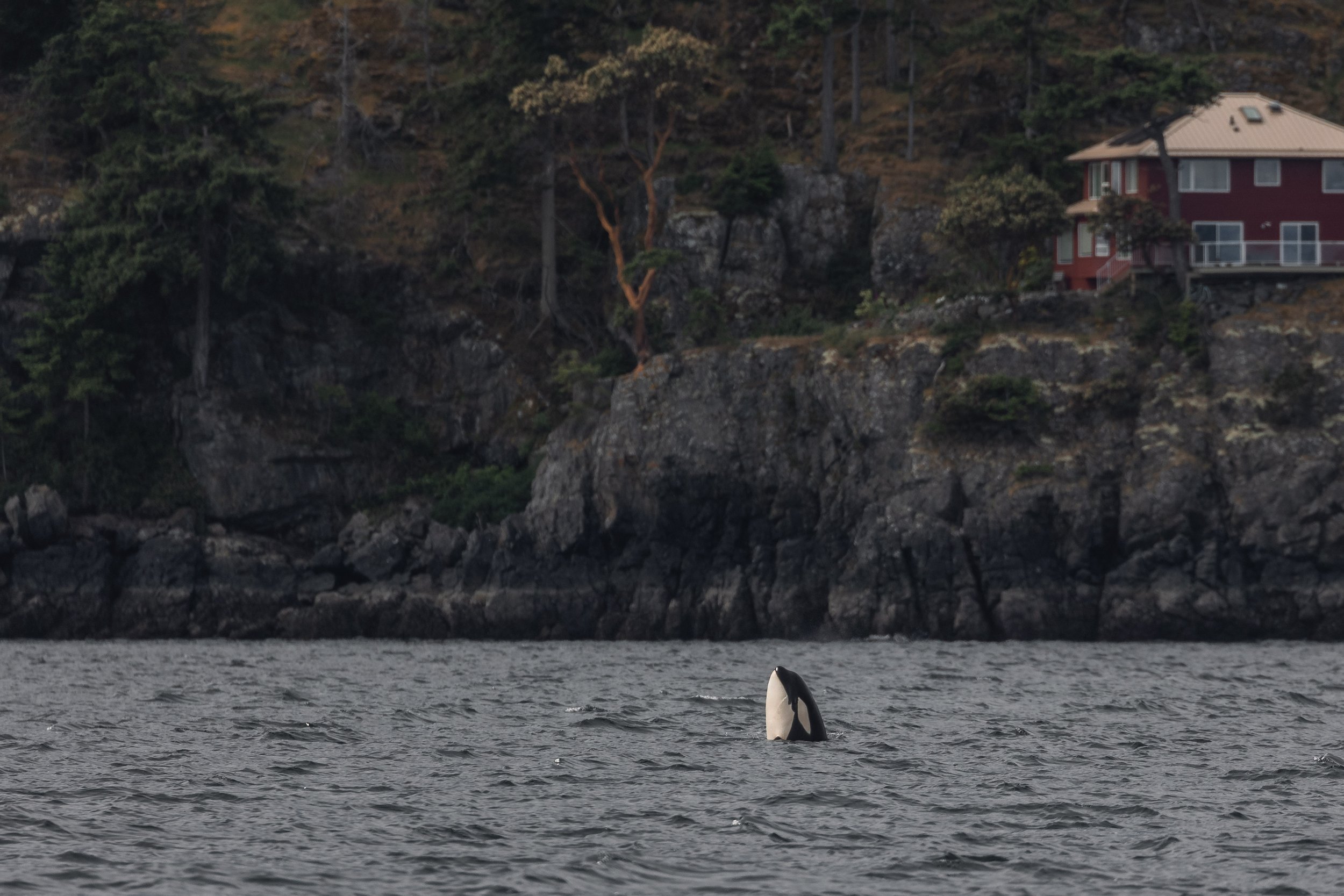
A beautfiul background of the rocky shoreline of North Nanaimo as T086A5 Siku spy hops in front of it.
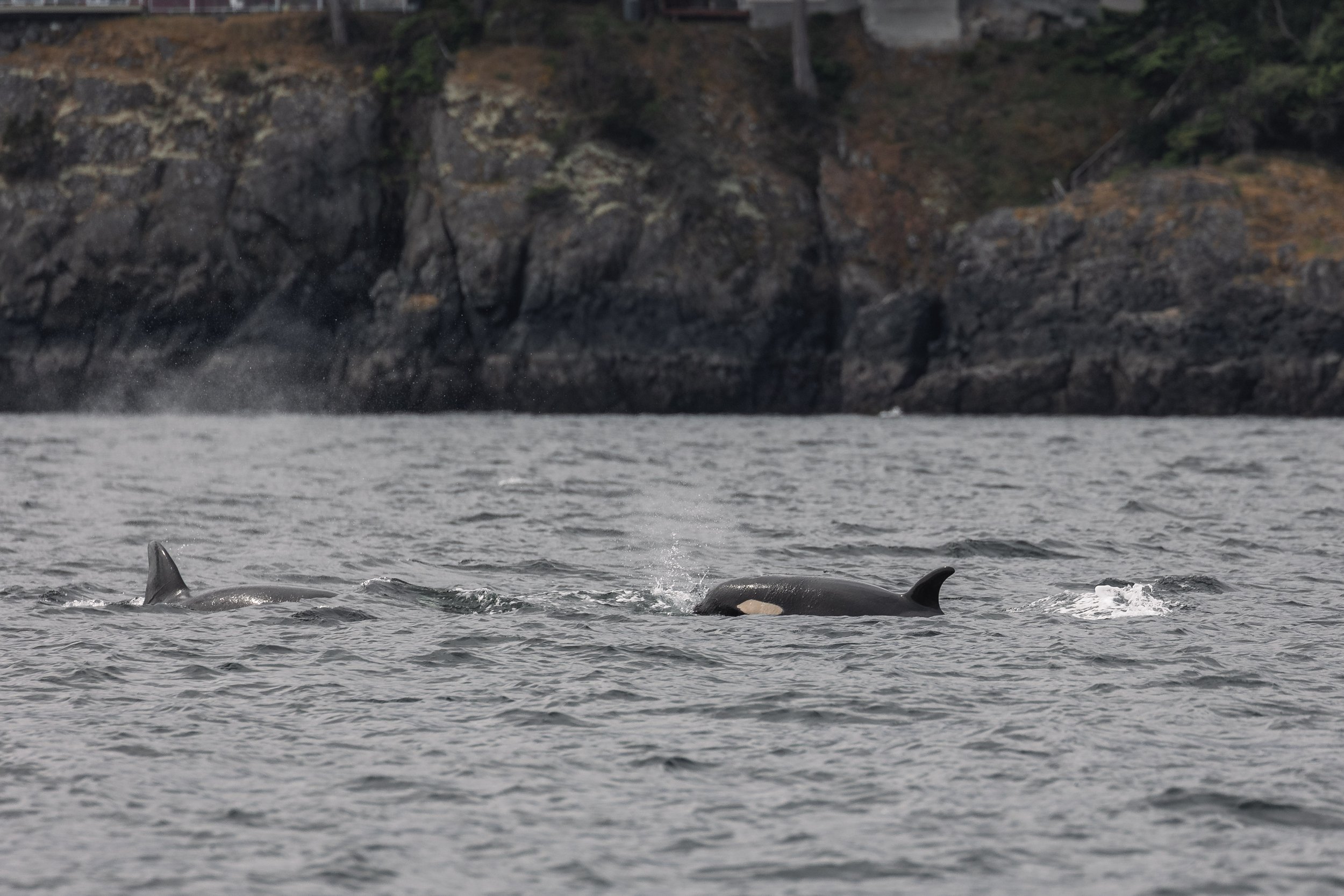
T086A5 Siku and T086A4 Akia surfacing together.
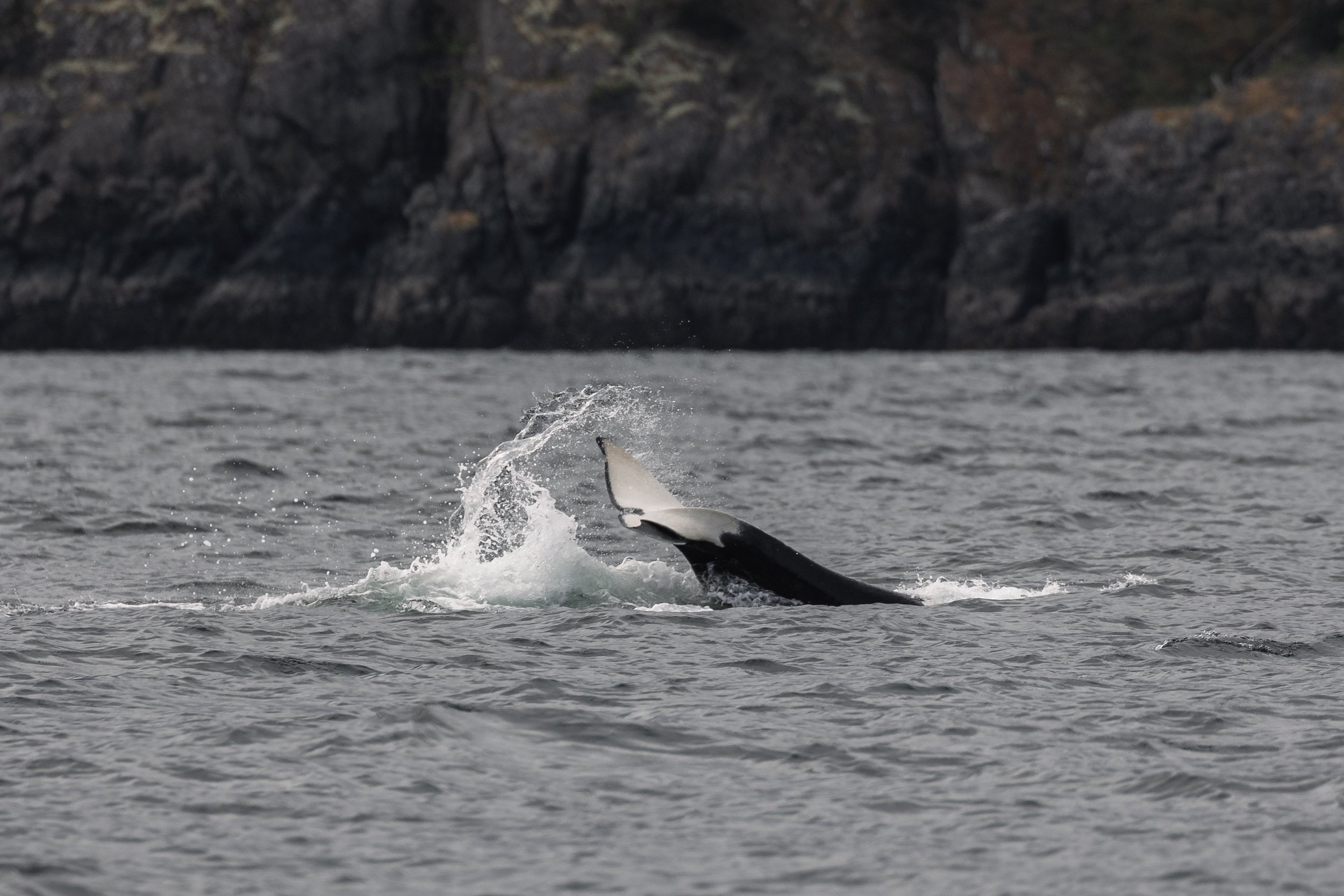
A tail slap from one of the pod members.
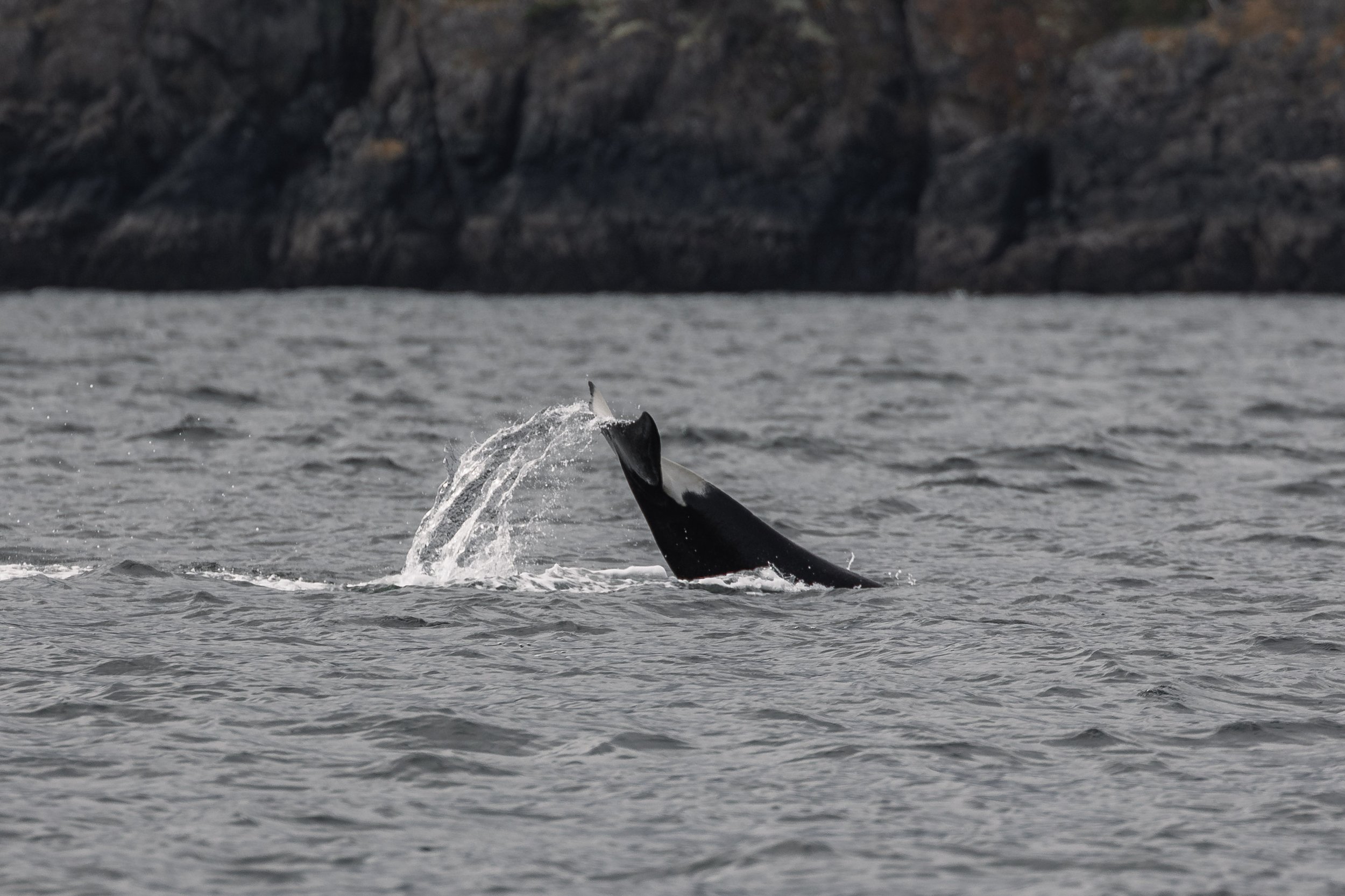
Swimming upside down and slapping their tail.
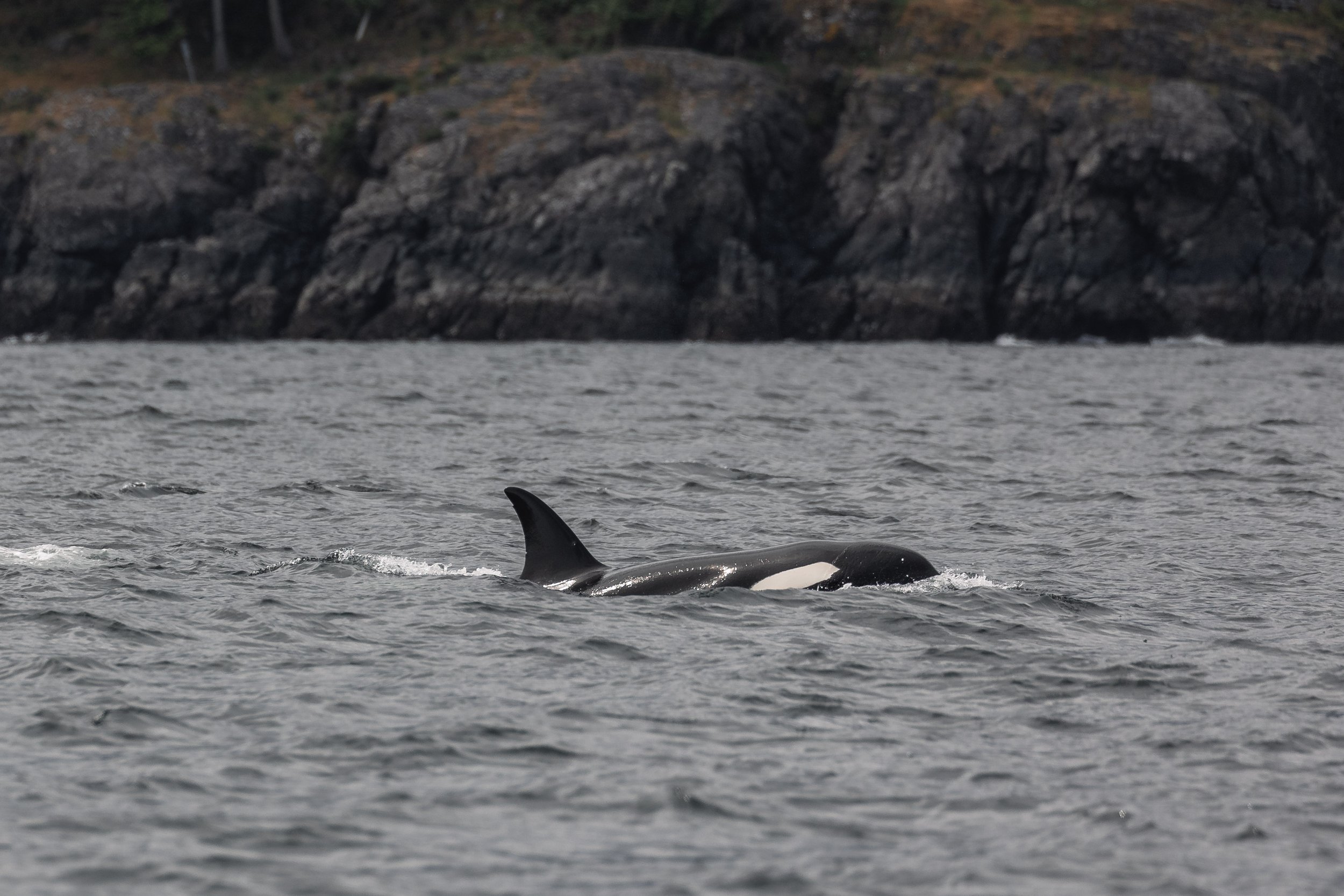
A great look at the matriarch, T086A Eider.
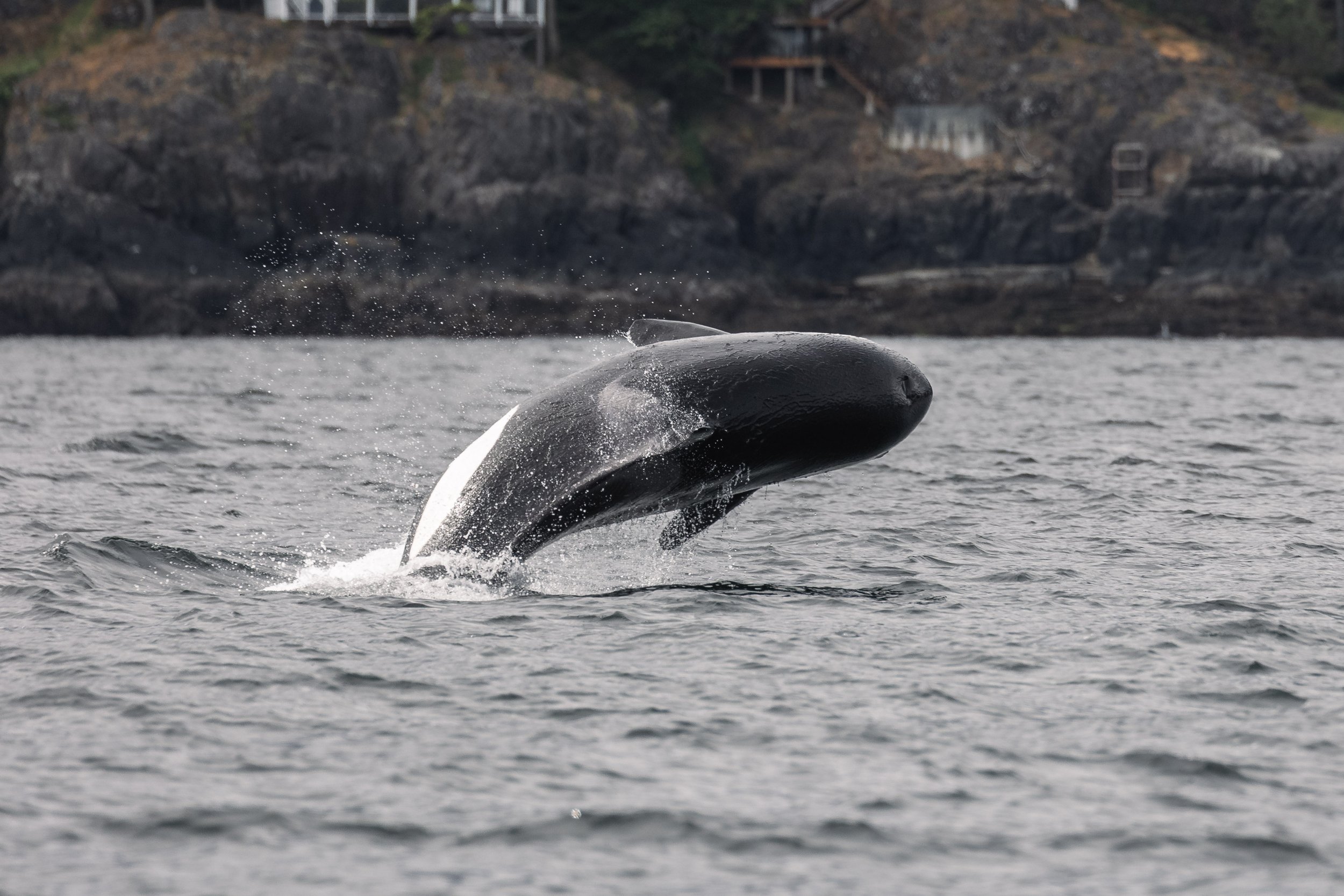
Likely T086A4 Akia breaching!
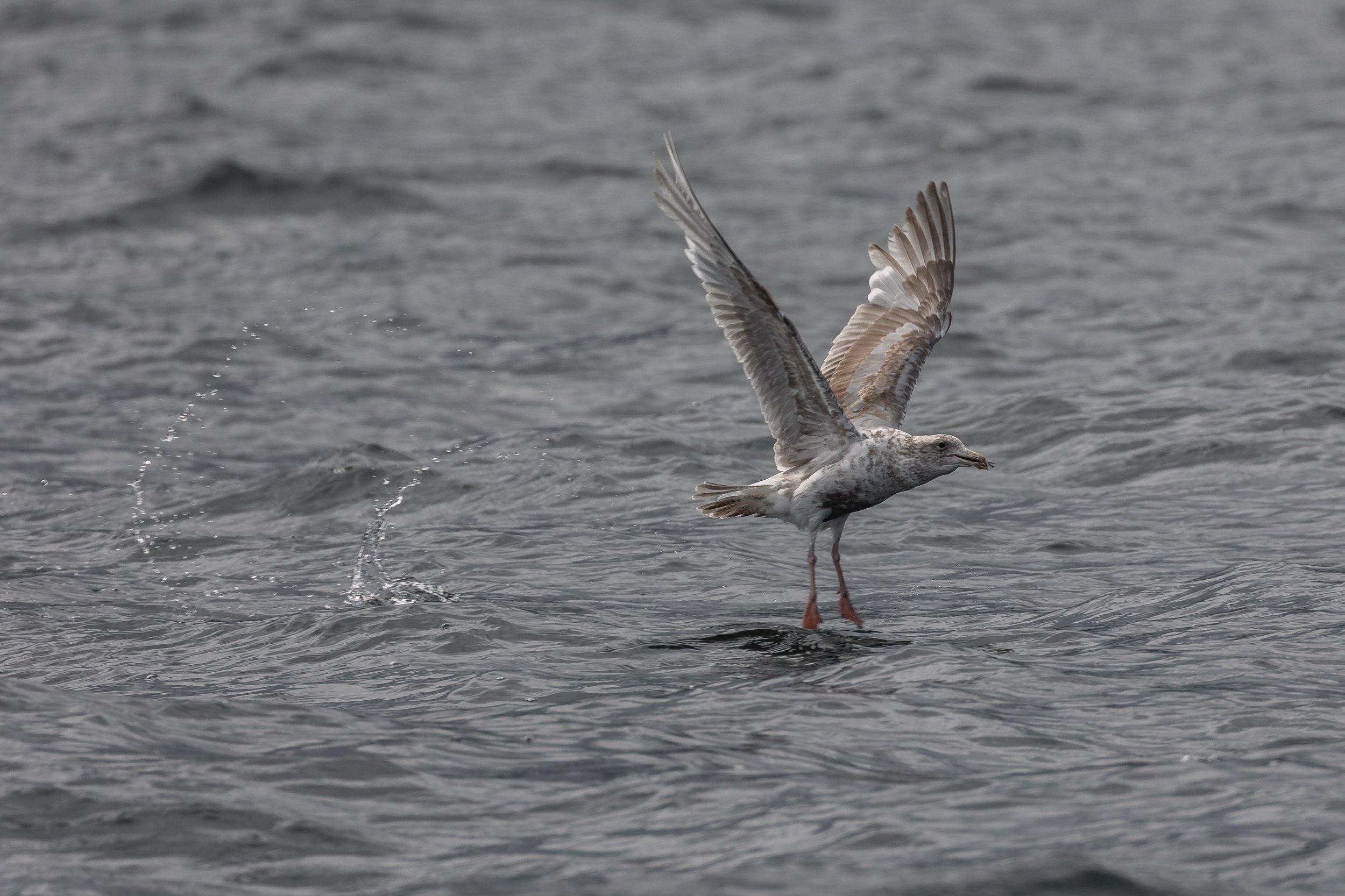
A gull flying off with smoe scraps from the meal.
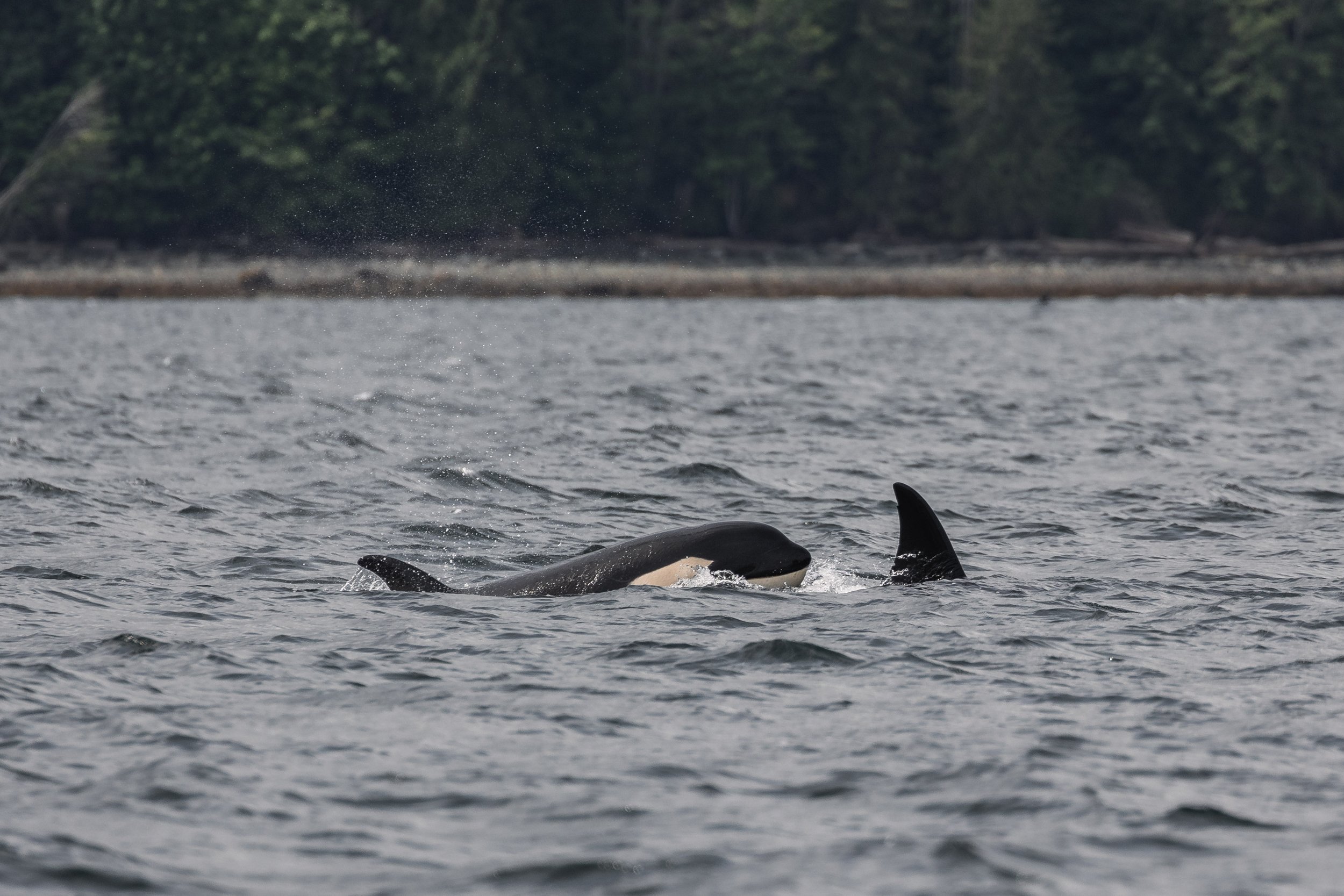
T086A5 Siku surfacing behind his mom, T086A Eider.
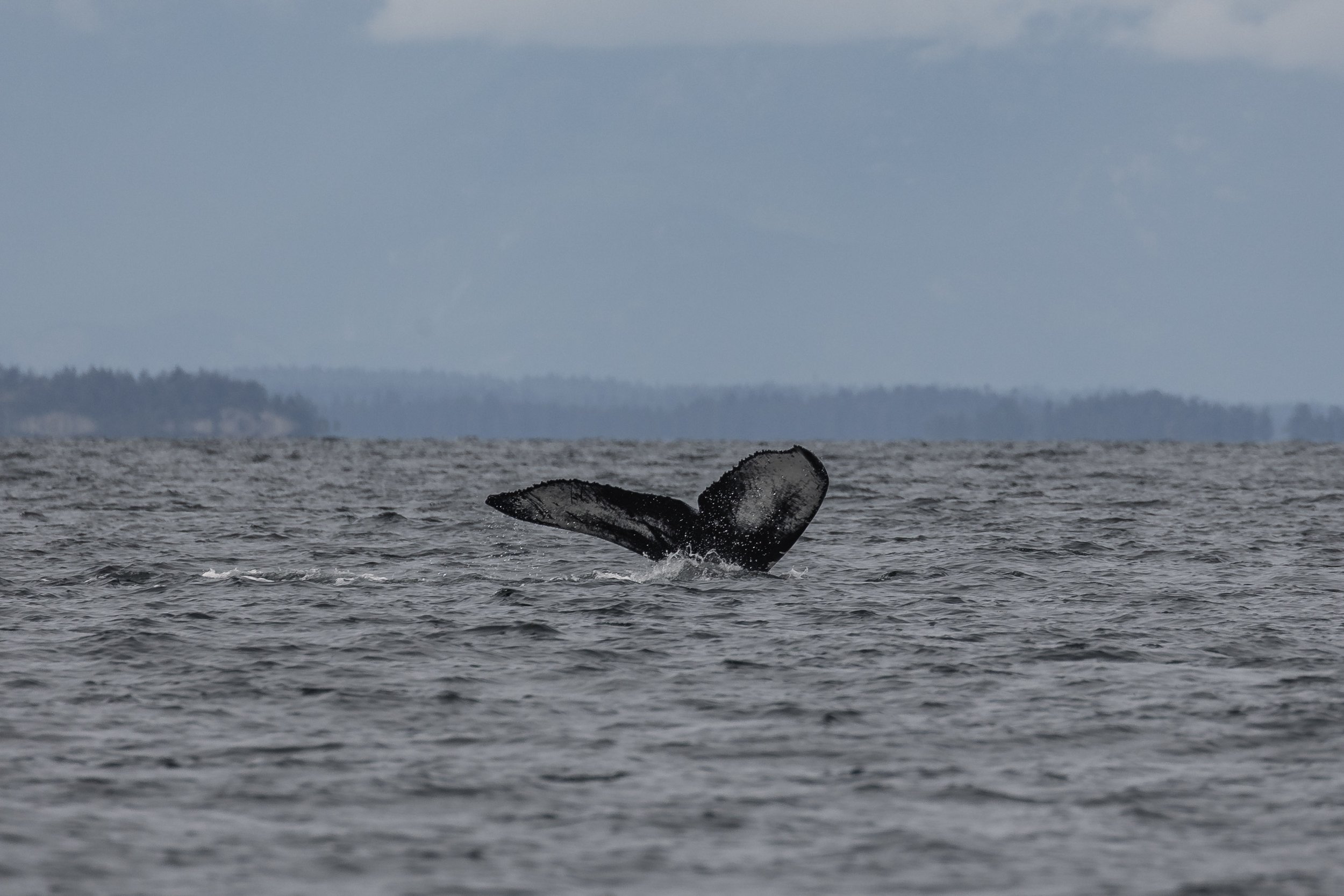
The underside of HW-MN0510858’s tail as the dive.
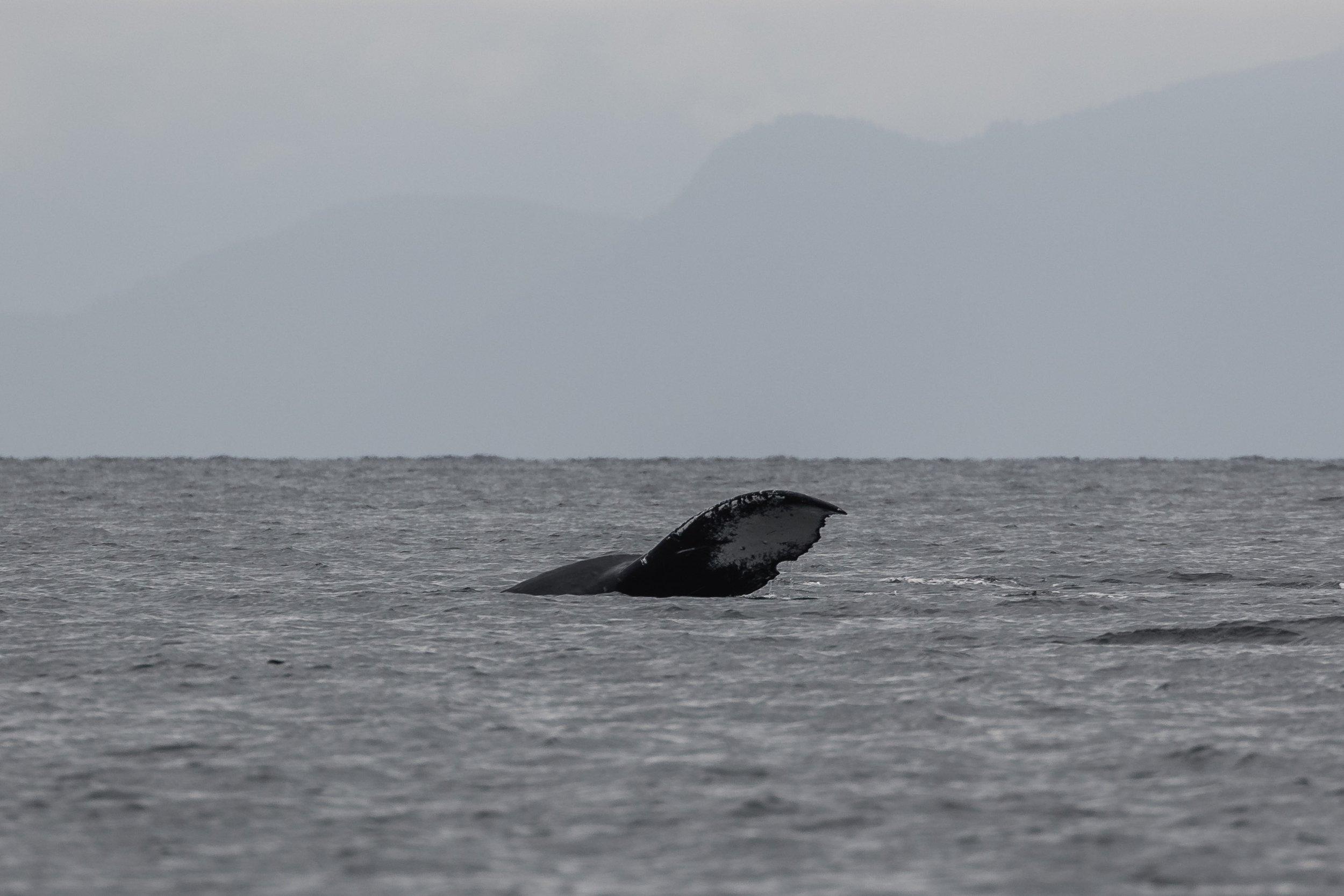
A sideways look at Calypso’s tail.
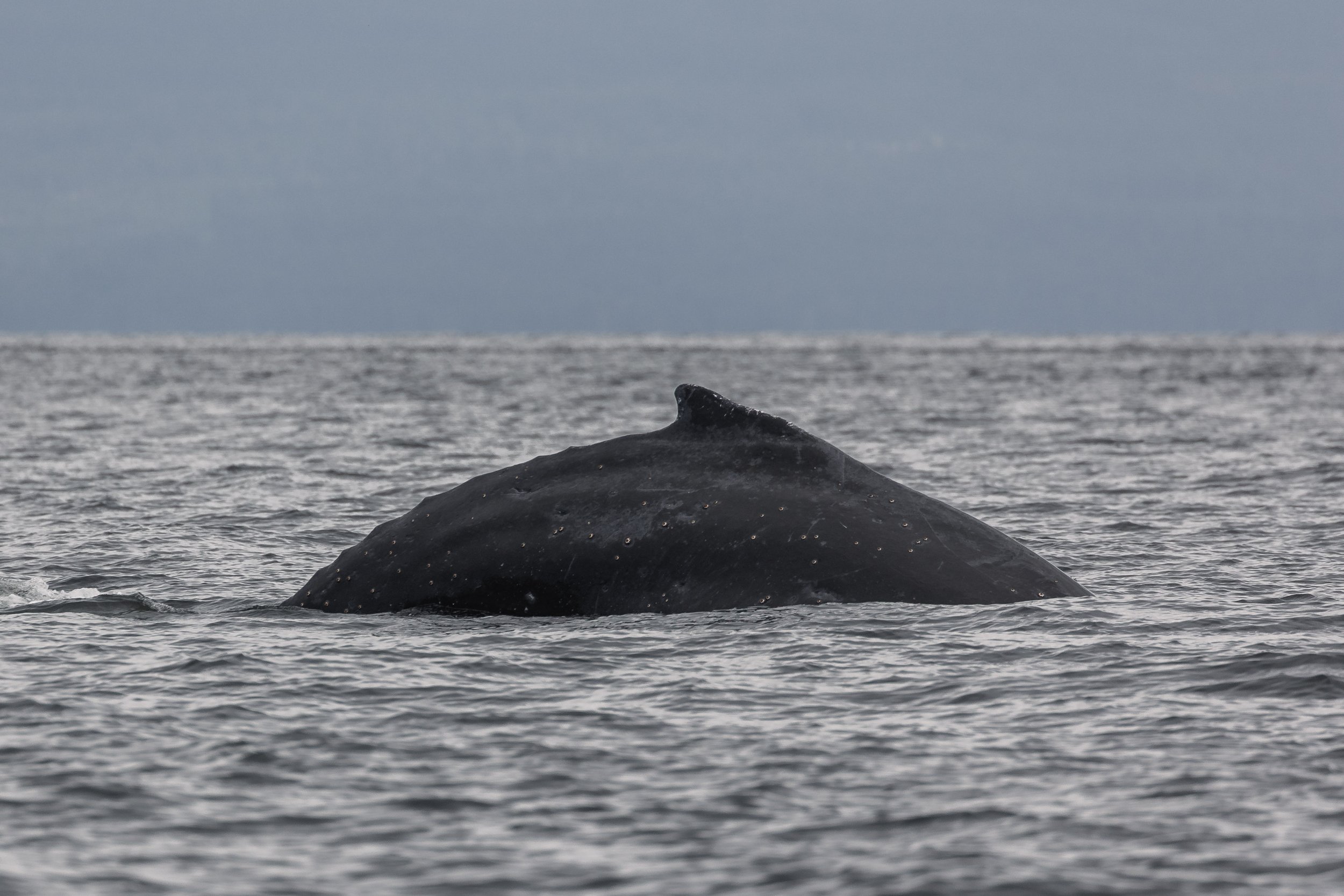
Ulli is covered with barnacles! Can you spot them in this photo?
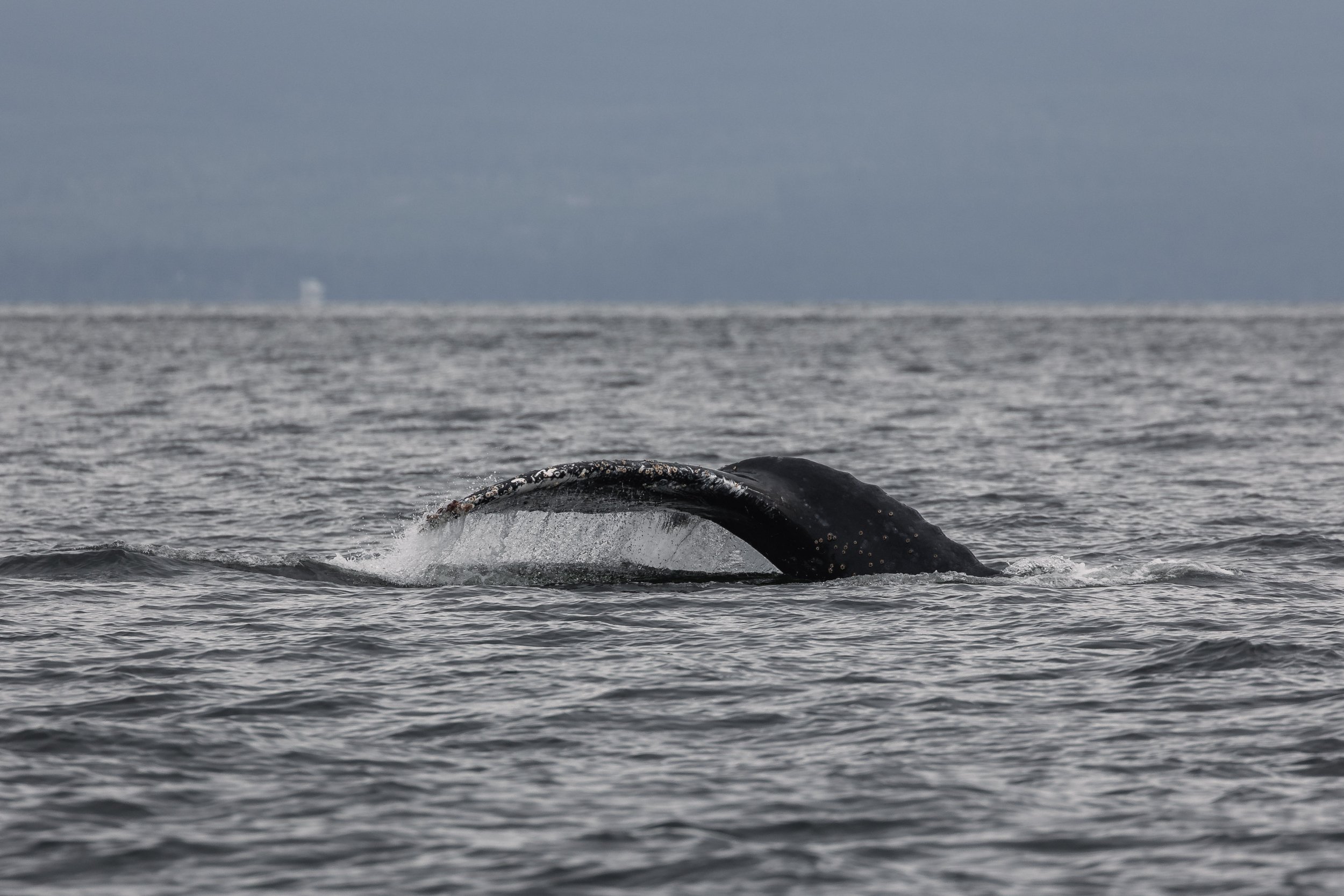
Ulli going for a dive.
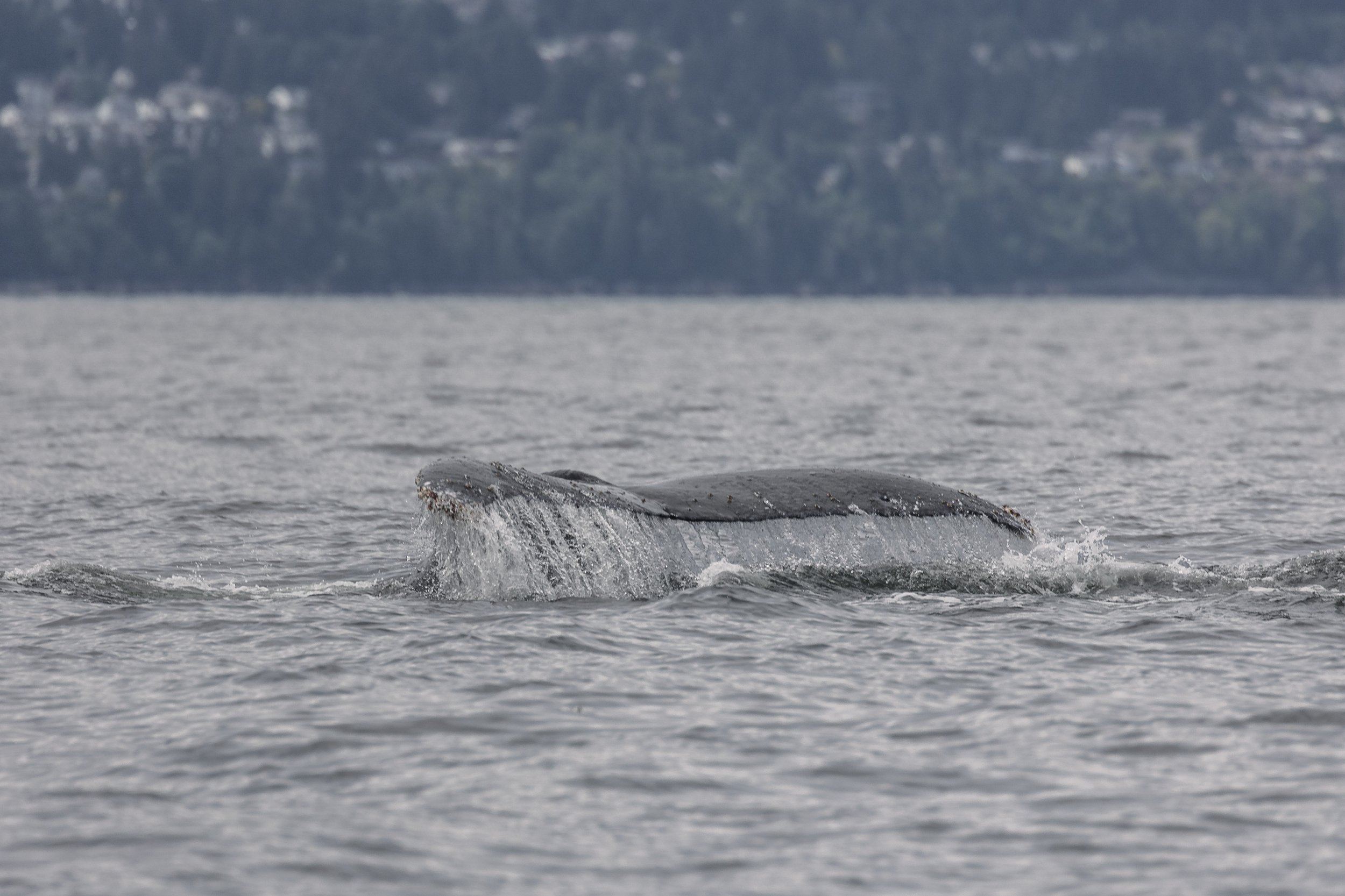
Ulli giving a fluke waterfall as they prepare to dive below the surface.
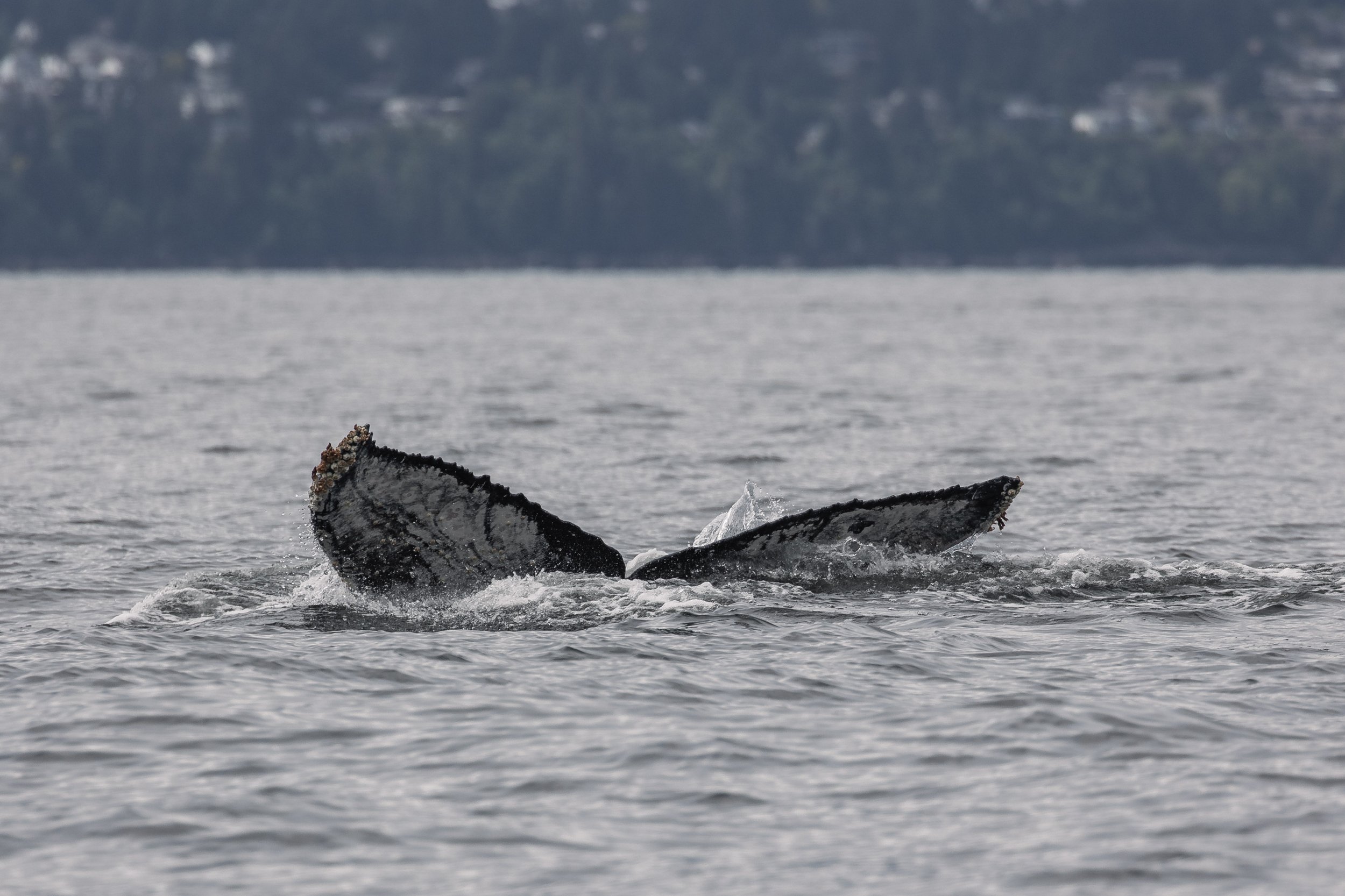
The very unique underside of Ulli’s tail.
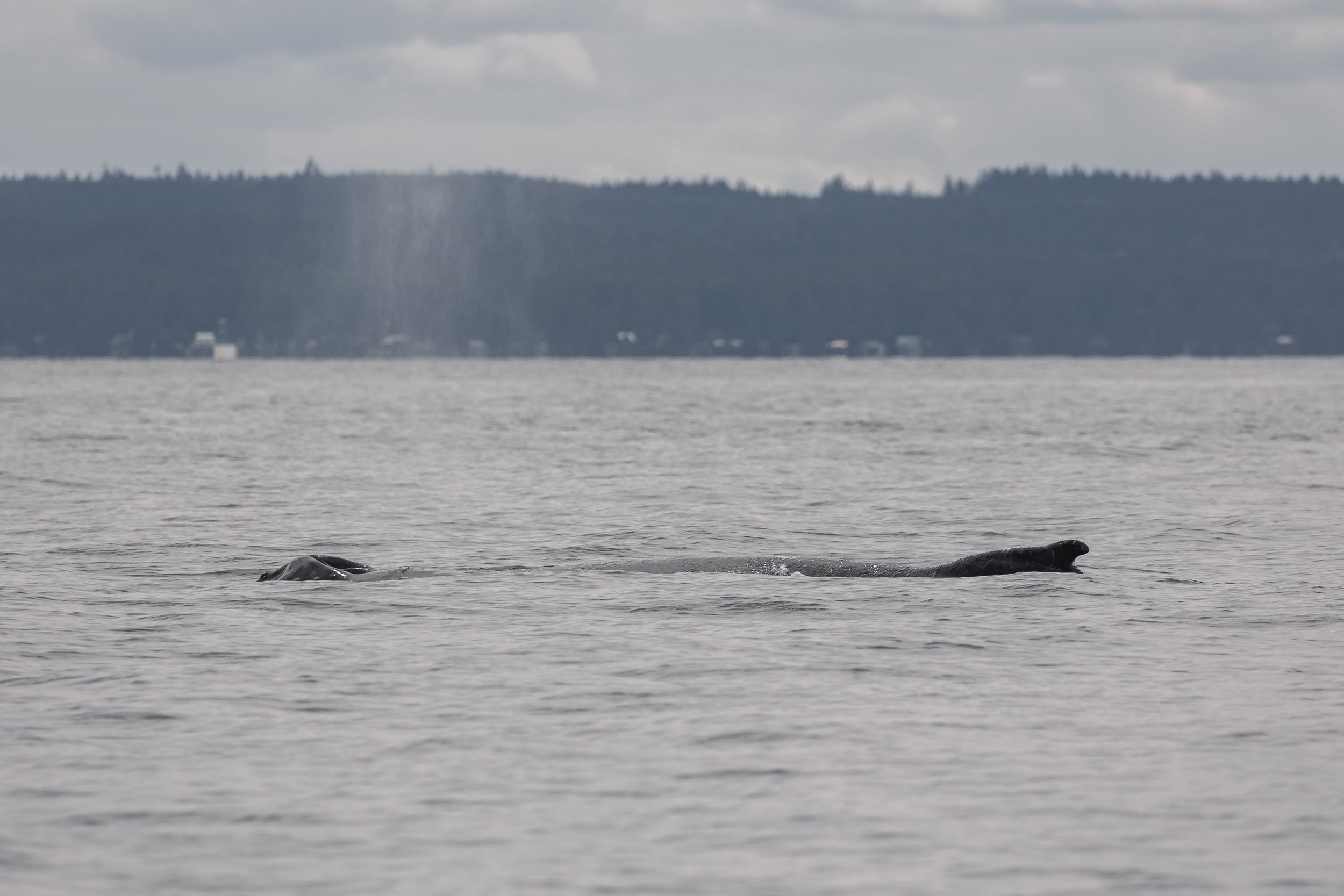
Dalmatian surfacing, showing his unique hooked dorsal fin.
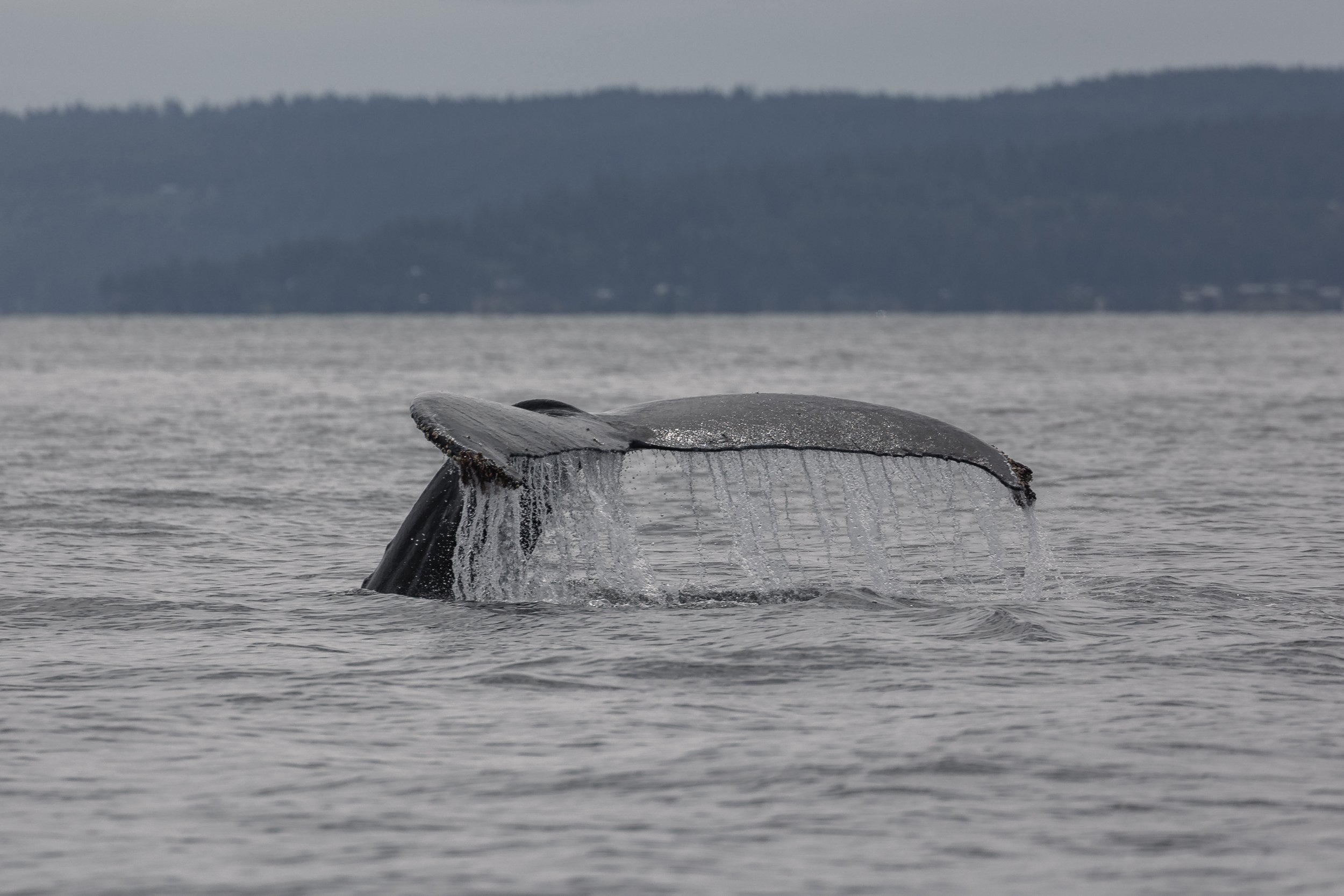
A high fluke from Dalmatian with the water cascading off.
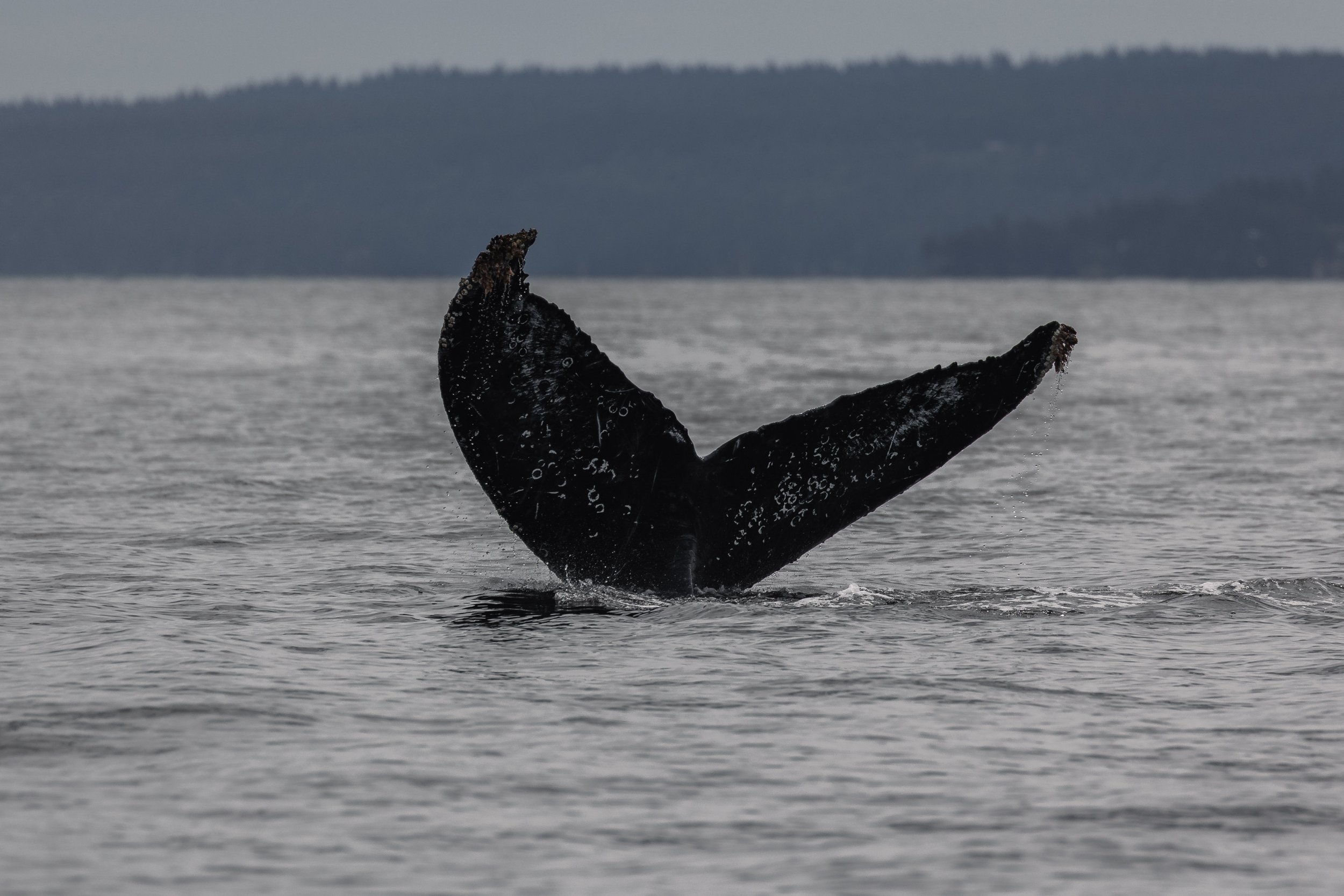
The underside of Dalmatian’s tail.
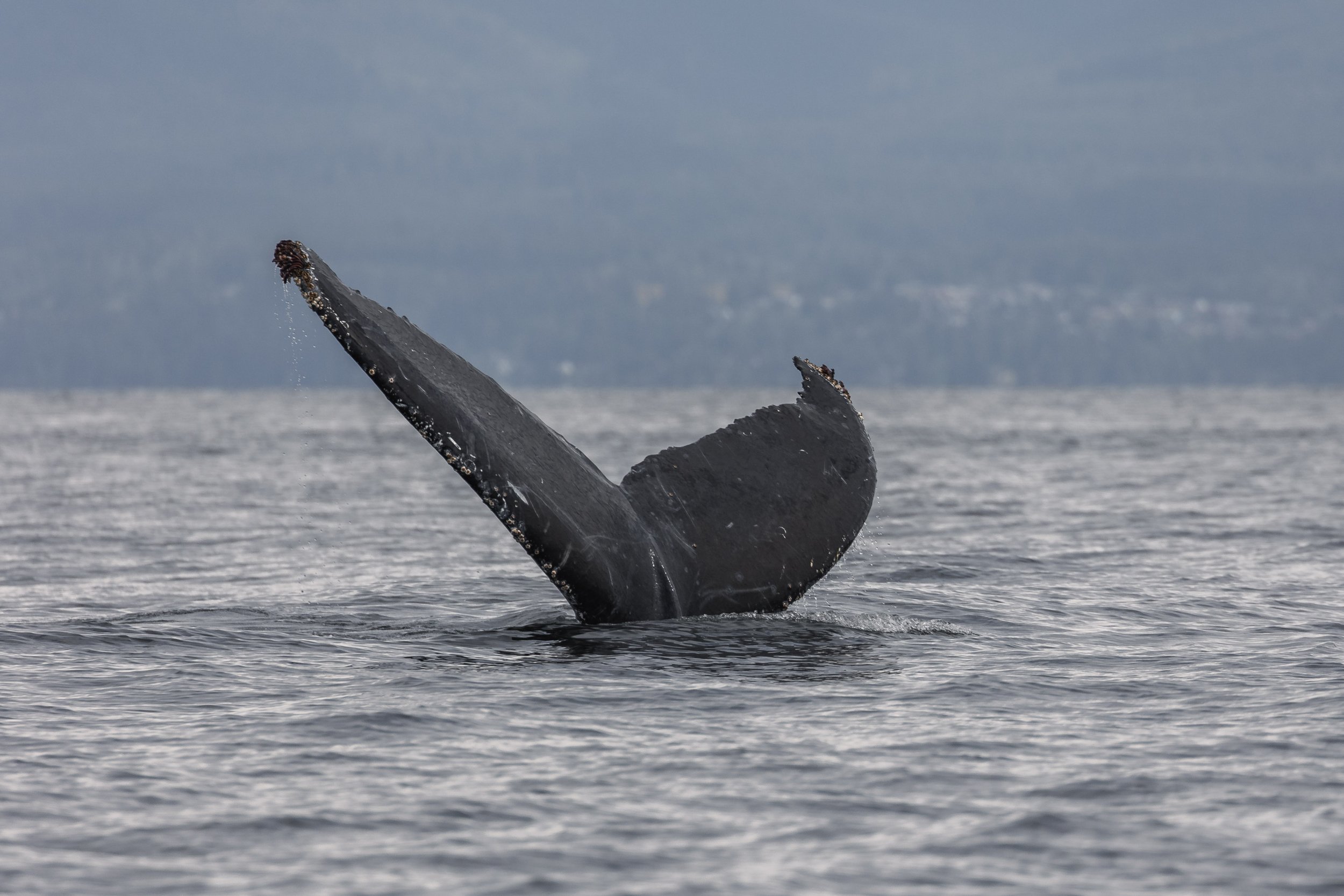
The front side of Dalmatian’s tail as he goes for a dive.
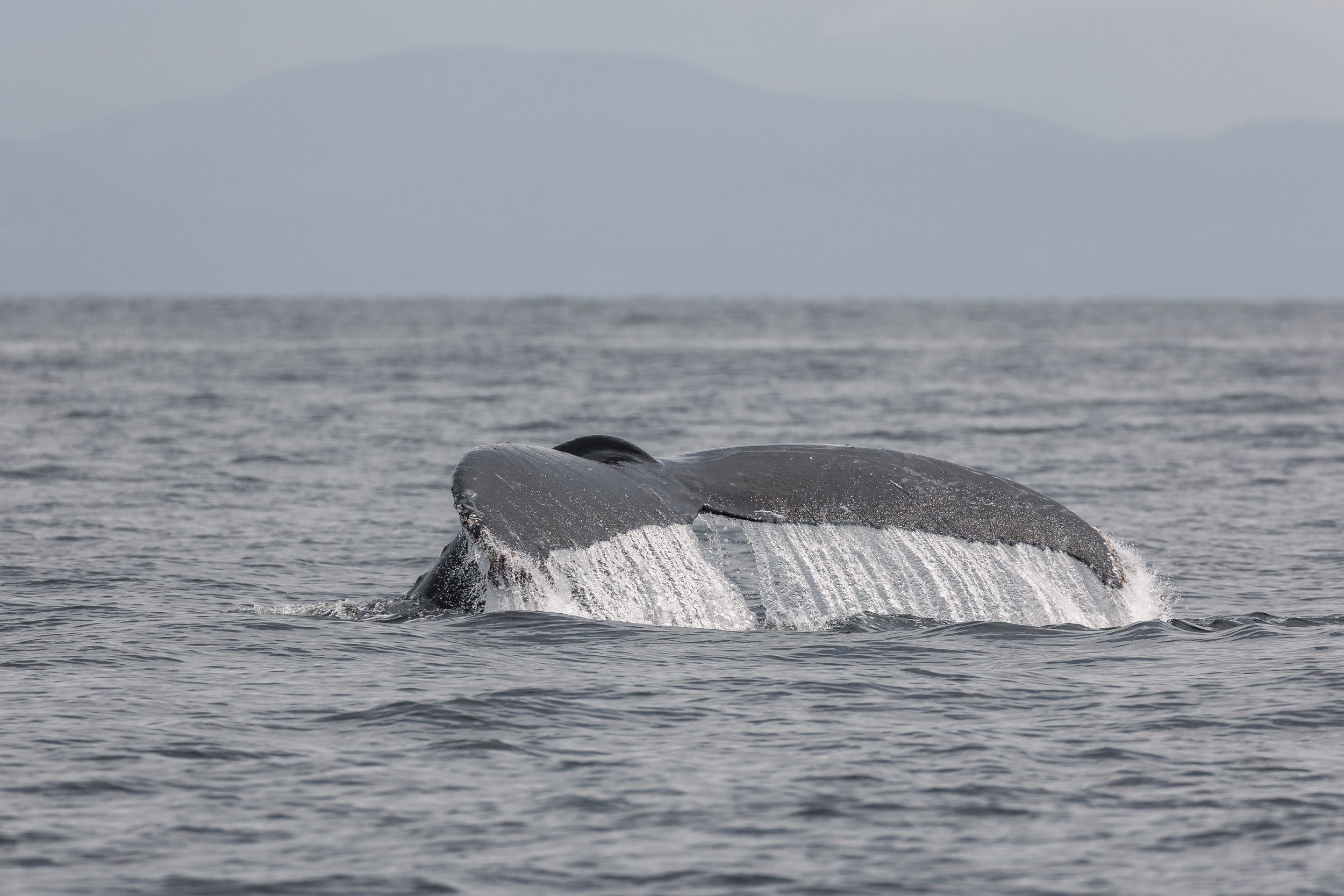
A final fluke waterfall from Dalmatian.
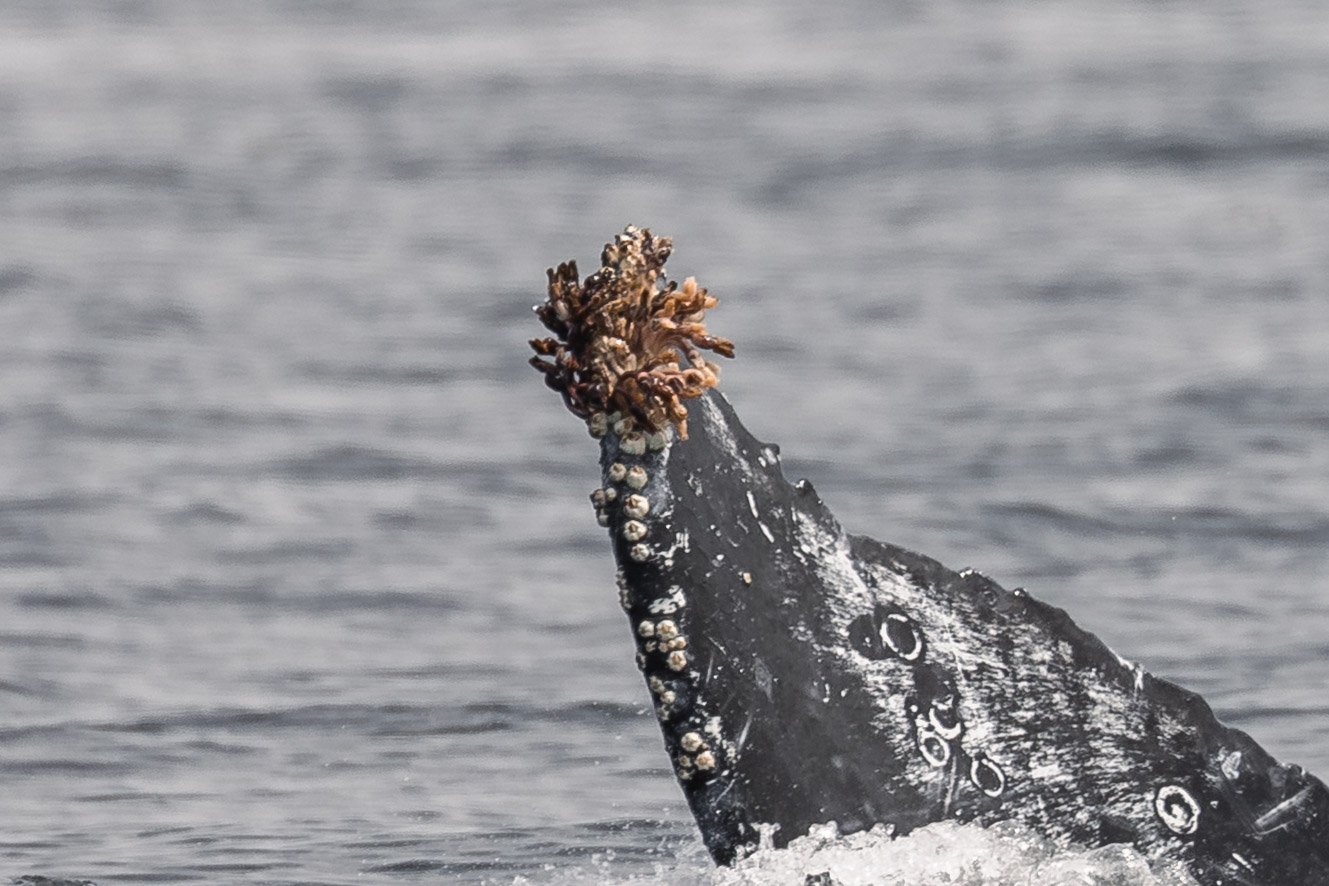
A zoomed in look at the barncles on Dalmatians tail. The white, round ones are “Humpback Whale Acorn Barnacles”, while the fleshy looking ones are “Rabbit-eared Gooseneck Barnacles”
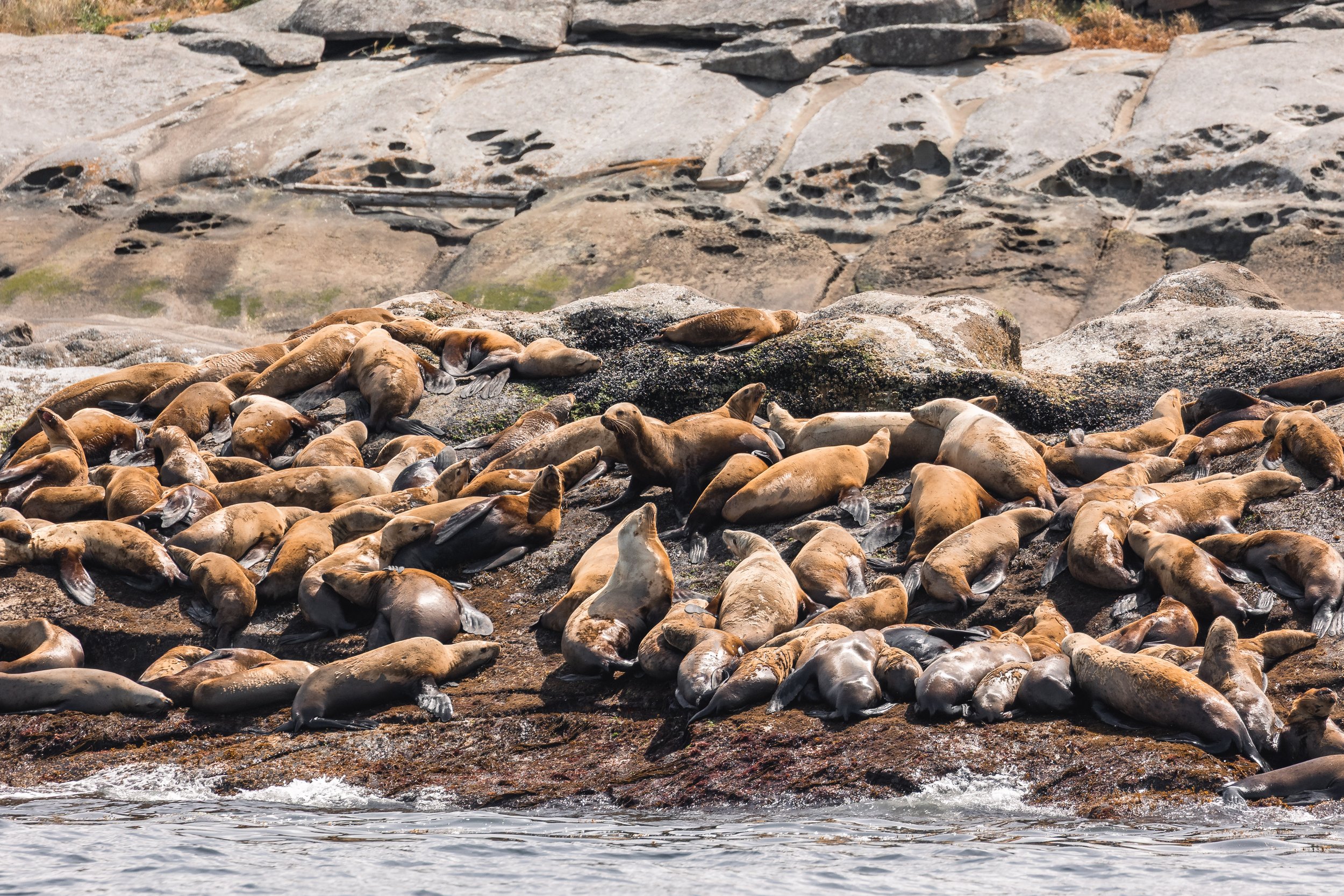
The colony of Steller Sea Lions on the rocks at Entrance Island.
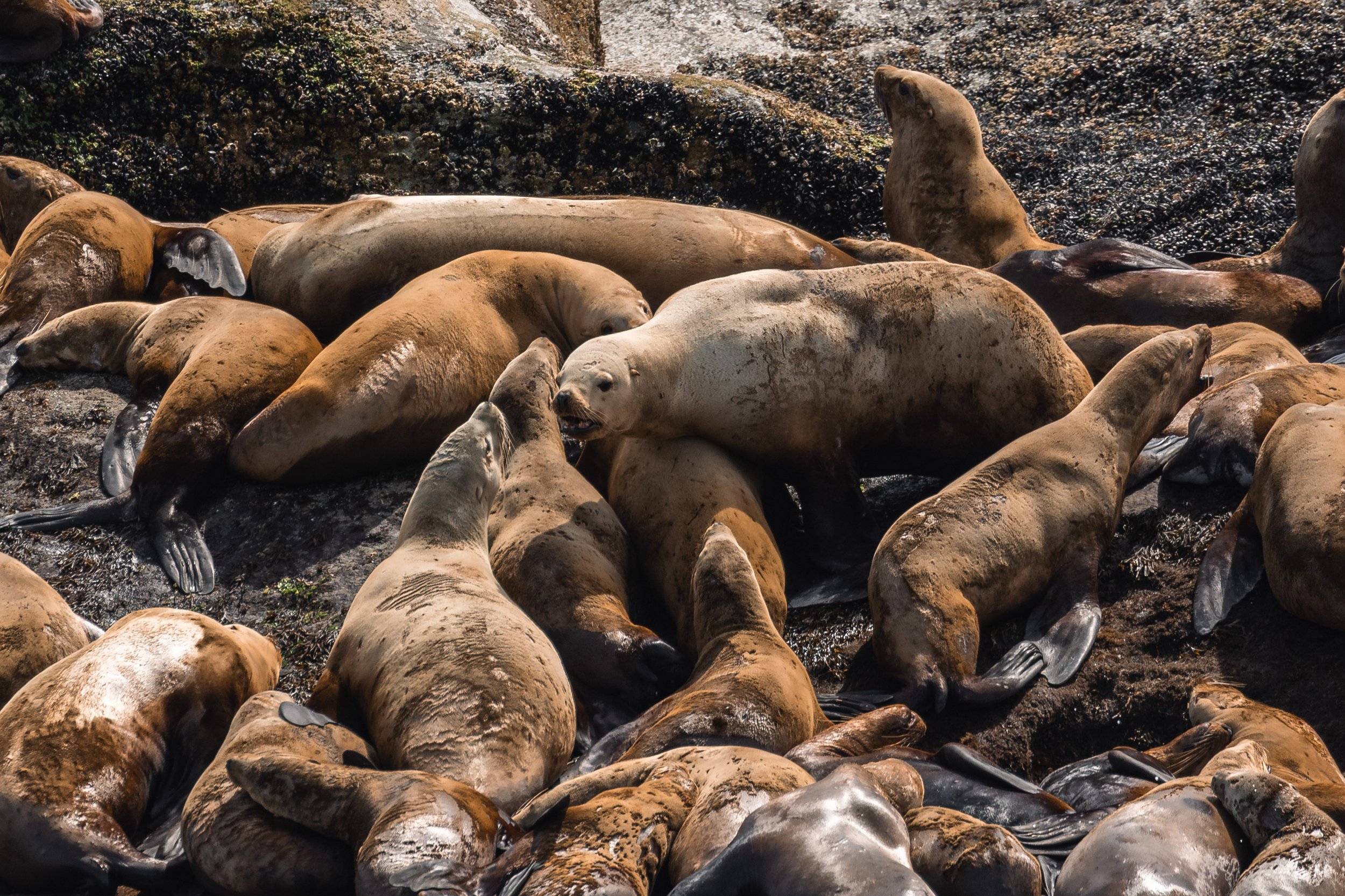
A large female starting a fight on the rocks.
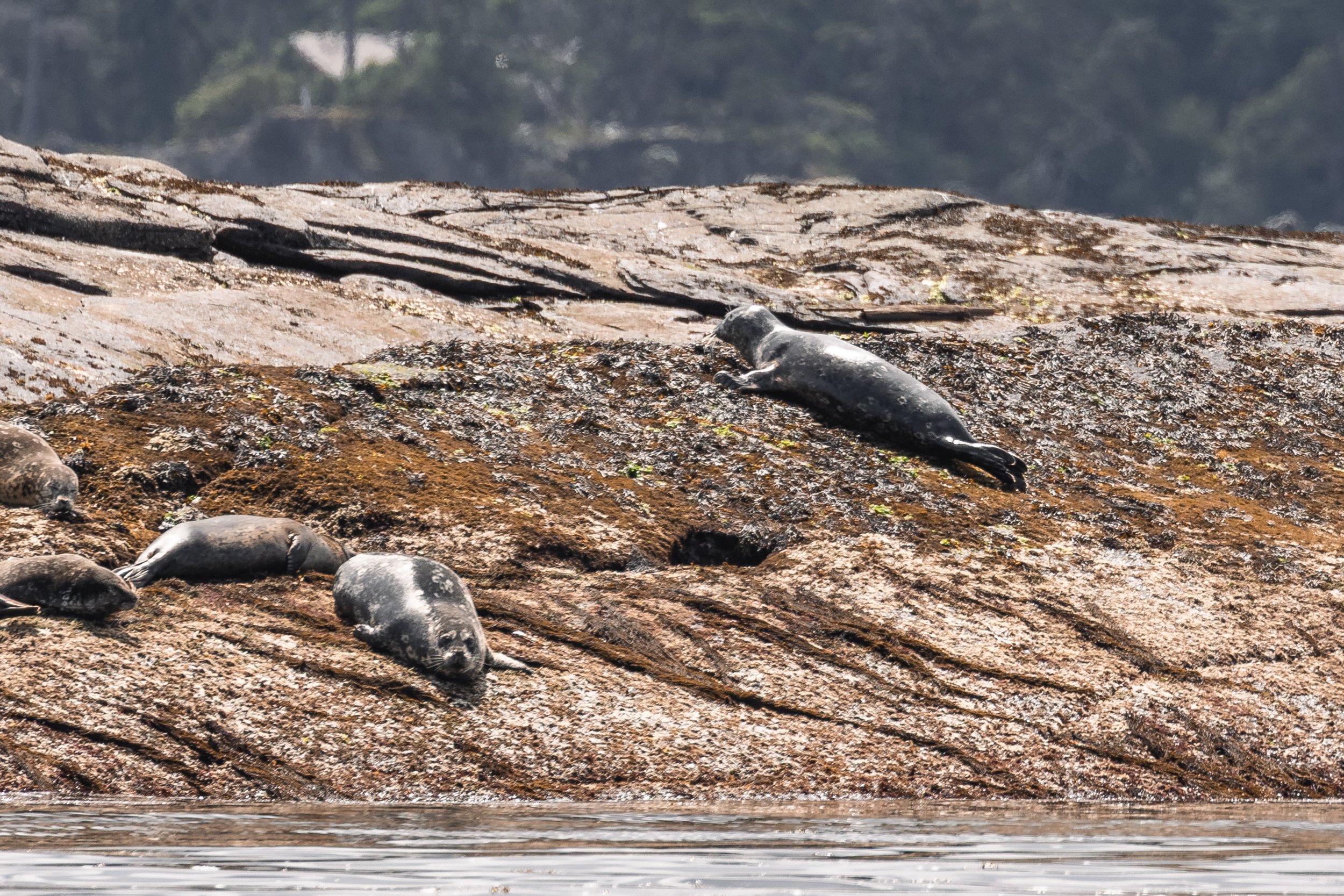
Some Harbour Seals spotted in the intertidal.
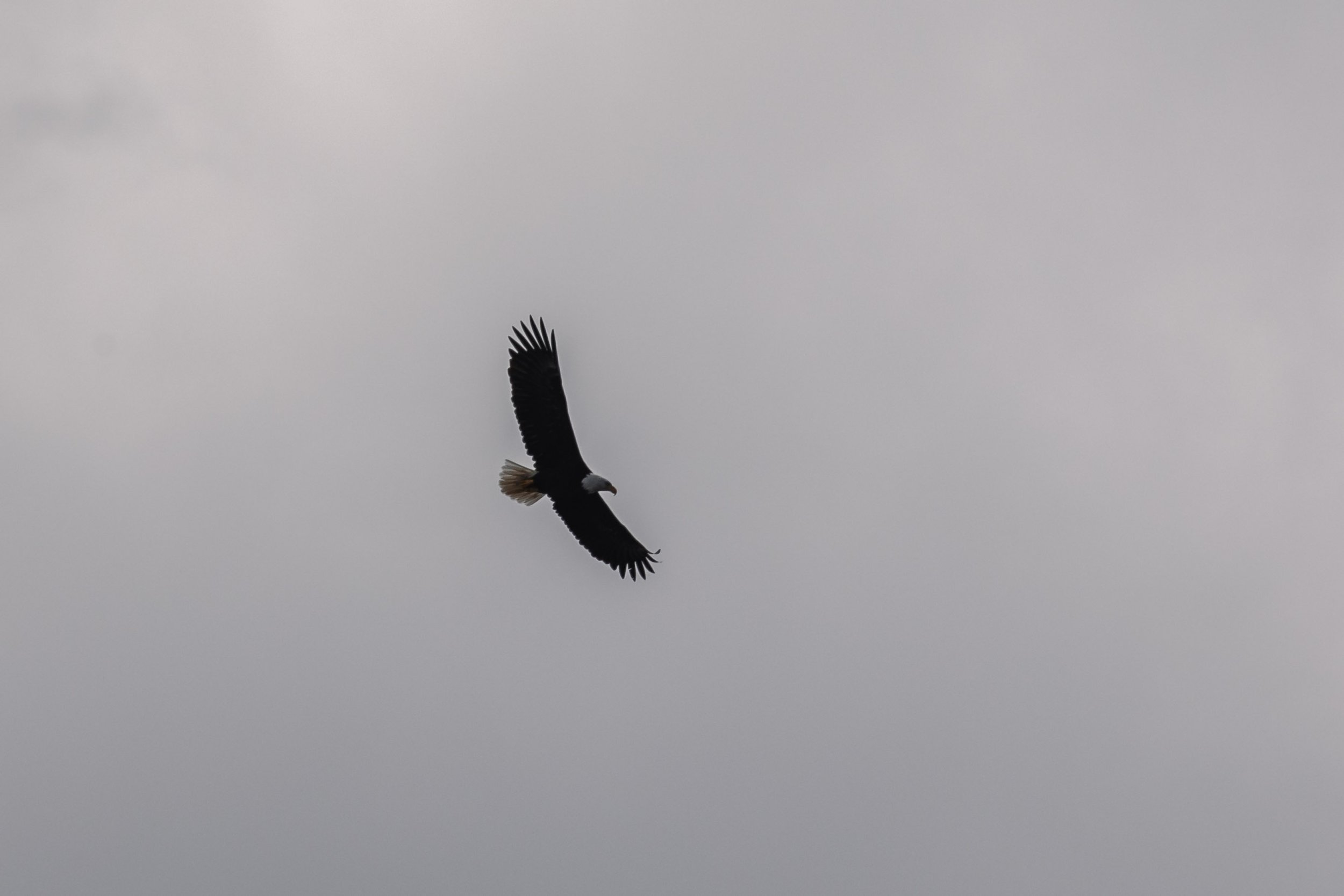
A Bald Eagle soaring overhead.