
May 22, 2026 - A bowl of Humpback soup is on the menu!
With both Zodiacs geared up and ready to go, we were eager to get out and explore and start searching on the trip. Our waters have been bustling with activity lately, and with all our whales free of any trackers or tags, we never truly know where the journey will take us, trip to trip! Keta and Cascadia spread out to cover more area, all eyes scanning the waters all around in anticipation of any potential whales in the area.
After a brief bit of travelling, Keta began to approach Halibut Bank, and soon after that, the first whale for the day was spotted. A dark grey shape was rising from the seas, arching and diving, followed by a beautiful two-toned fluke rising and breaking the surface. Naturalist Hayleigh grabbed her camera and began snapping away, capturing all sorts of photos to identify the individual. After grabbing a beautiful shot of the underside of the whale’s tail, it was discovered that this was Roe (BCY1472), the 2022 calf of Barracuda (BCY0649). Roe was travelling as we watched them, fluking occasionally as they went. Travel is the most common behaviour we observe in our humpbacks, and it is always interesting to see what routes they take from day to day as they traverse the Salish Sea.
At nearly the same time, Cascadia found a handful of whales themselves. Naturalist Aly pulled out her camera and, like Hayleigh, began identifying the whales. These three were confirmed to be Bagheera (BCY1471), Phi/Corona’s 2024 calf (BCX1416calf2024), and Pyramid/Monarch/Kraken (BCZ0180). These three were busily feeding as we observed them, travelling and fluking away. This early-season time is incredibly important for them, as they have burned their fat reserves during their long migrations. Feeding and packing on the pounds again is their main goal once they return to our area, as they take full advantage of the abundant krill and small fish in our waters.
After Keta departed Roe and began searching again, it was mere minutes before they had their second encounter of the day! Once again, cameras clicked, photos were compared, and identities were confirmed. This time, they were with Banya/Rubber Ducky (BCZ0410calf2024), Incognito (BCX2053), and Raptor’s 2024 calf (BCY0458calf2024). It was interesting to see this group travel together, as the two young ones are the same age. While we rarely know the ages of our older whales, we can track the ages of younger individuals from the year they are first spotted travelling with their mothers. This tracking will prove vital in the coming decades, helping us get a more accurate idea of the species' average age!
Similar to Keta, Cascadia also had another humpback encounter very soon after its first encounter. Four whales were spotted in this group, ranging from nearly fully black flukes to ones with large swatches of white across them. These four were identified as Hendrix (BCY1278), Nova (BCY1178), Forge (BCX2499), and Pingu (BCY1110). This quartet was essentially acting the same as Cascadia’s first group - travelling, fluking, and feeding away. Busy as ever, they continued their foraging, and soon after, we headed out to continue the day’s adventures.
The fun wasn’t over, though, as there was still one more humpback waiting to make an appearance today. Cascadia found this individual by Thrasher Rock, a well-known landmark off of Gabriola Island’s coast. With a speckly white fluke, this individual was easy to ID. This whale was Kelpie (BCY1276) - a very commonly spotted whale in our area. He has repeatedly returned to our area year after year for the last half-decade, and has been cross-referenced on Happywhale to the Mexico breeding grounds. As was tradition for this trip, Kelpie was also travelling and fluking as we watched him swim along. Our visit with Kelpie was short, though, and soon after, we departed and continued on our way.
Once we had officially concluded our multitude of whale sightings, we headed along the edge of the Strait of Georgia southbound. Near Valdez Island, a series of large brown lumps could be seen crowded together on a small rocky island lovingly known as Stinky Rocks. These brown bumps were Steller Sea Lions, and they were piled high on top of each other, relaxing and resting the day away. While many rested, some were restless, growling and jostling with each other, fighting for the best spots on the rocks to stretch out and enjoy the sunshine.
Closer to the island’s coastline, a smaller kelp-covered rock was visible. Here, tiny silver heads popped up from amongst the surf, with black eyes peering back at us. These were Harbour Seals, a quiet, smaller species of pinniped that is common in our area. Much quieter and more relaxed in demeanour than the sea lions, they stretched and yawned, inquisitively watching us as we floated by. At the very tip of the island was one final interesting species - this time, a large Bald Eagle. As we approached, we noticed it dipping its head, tearing at something at its feet. It was eating, but at first, it was unclear what it was picking at. Large white chunks were visible as it gobbled its meal. We usually see eagles feasting on fish - maybe this time it was a Halibut, or other white-fleshed fish? On closer inspection, large, circular purple arms could be spotted. This eagle was eating a Giant Pacific Octopus! While it is always sad to see the circle of life in full force, it is important for us to remember that everything needs to eat, and scavengers such as Bald Eagles help to keep our environment clean.
After our viewing of the pinnipeds and eagle, Keta and Cascadia continued on their way. Cruising back along the shores, we headed back towards Nanaimo. As we pulled back into harbour, there was much chatter as we recalled the many interesting encounters throughout the day. It isn’t every day you are able to spot a humpback, and it is even less common to see twelve different individuals during a single tour!
Please enjoy the photos from this trip taken by Marine Naturalists Hayleigh Hilbert and Aly Kohlman.
Roe
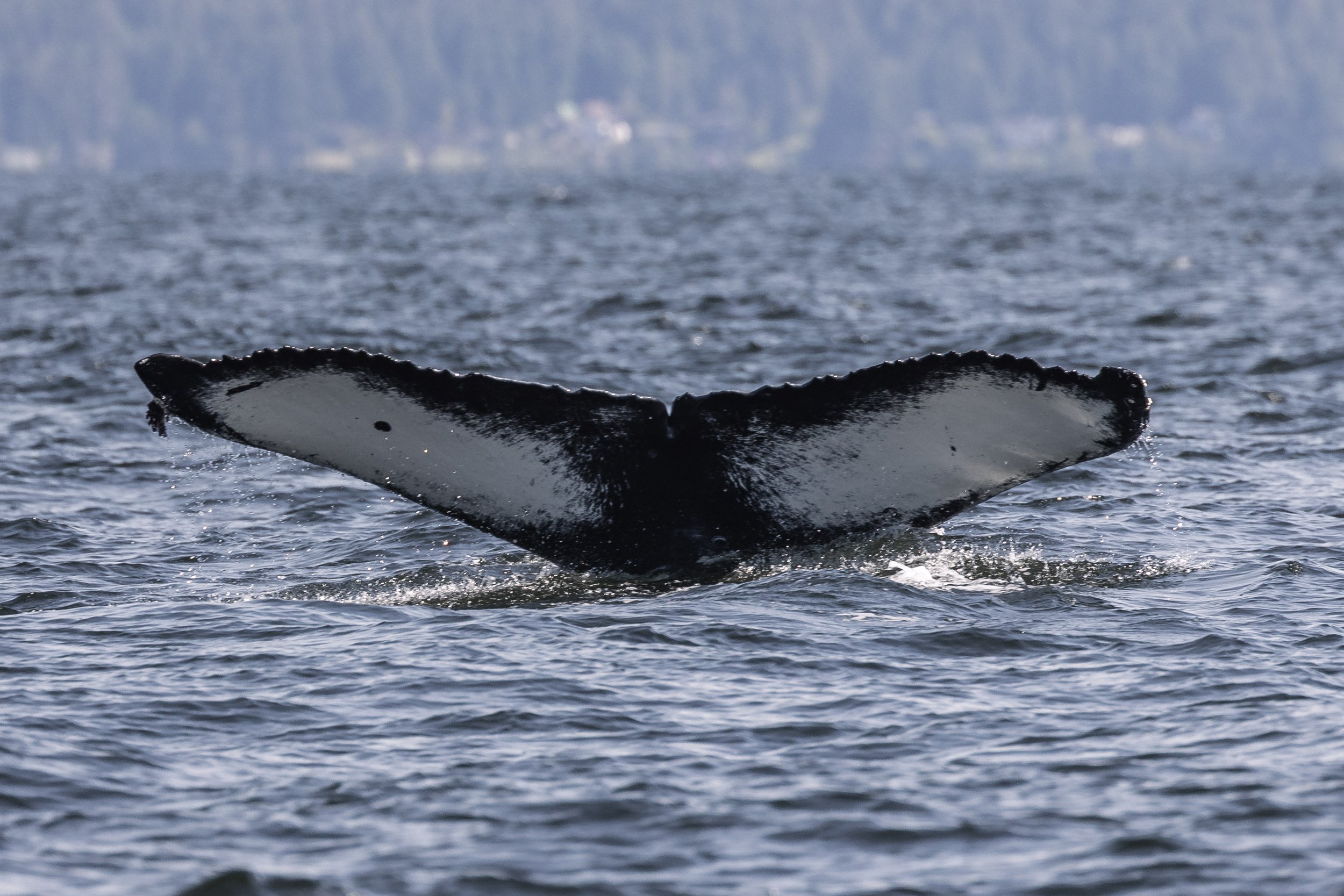
Roe’s beautiful fluke. Photo by Hayleigh Hilbert.
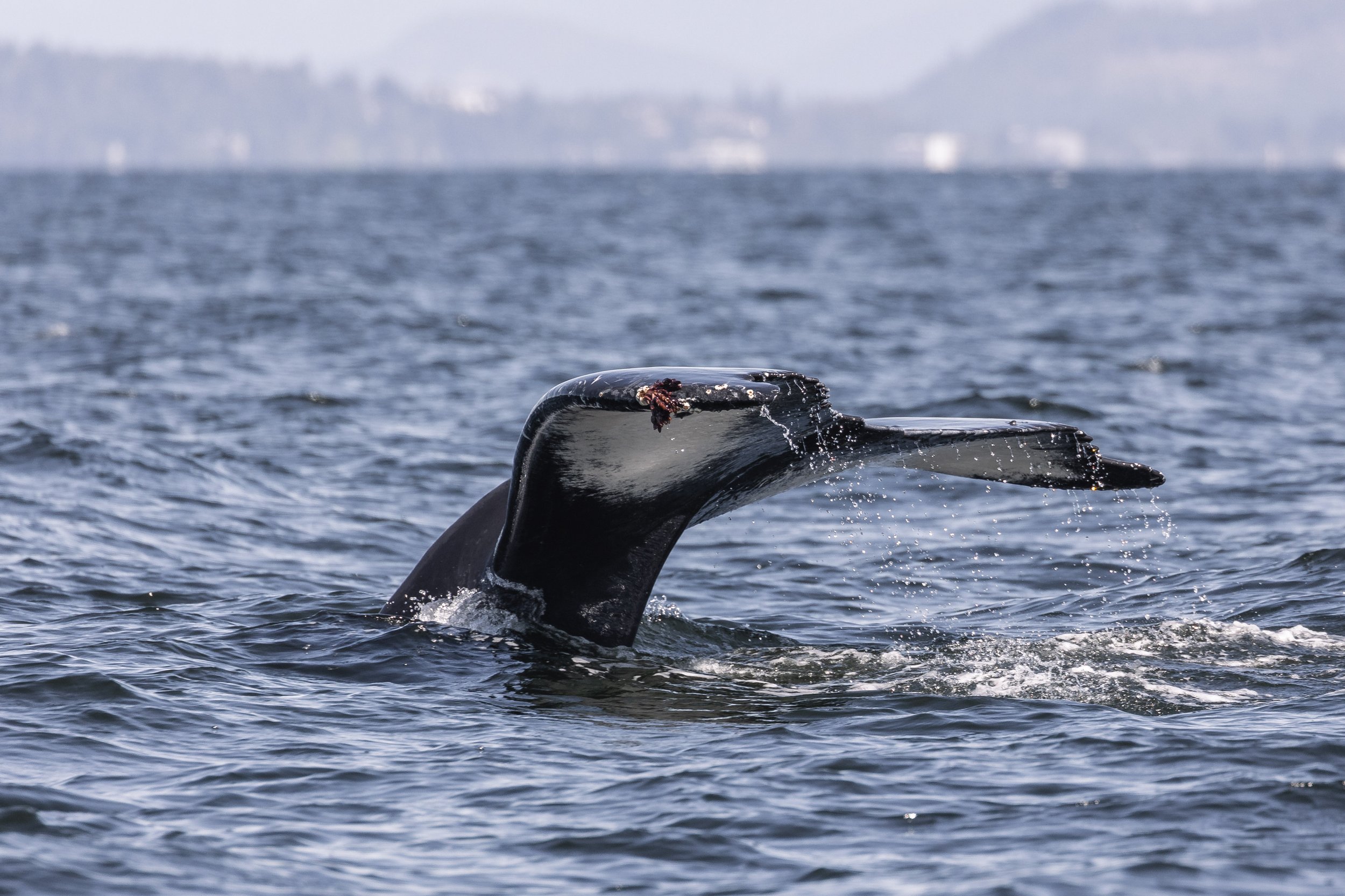
Roe diving. Photo by Hayleigh Hilbert.
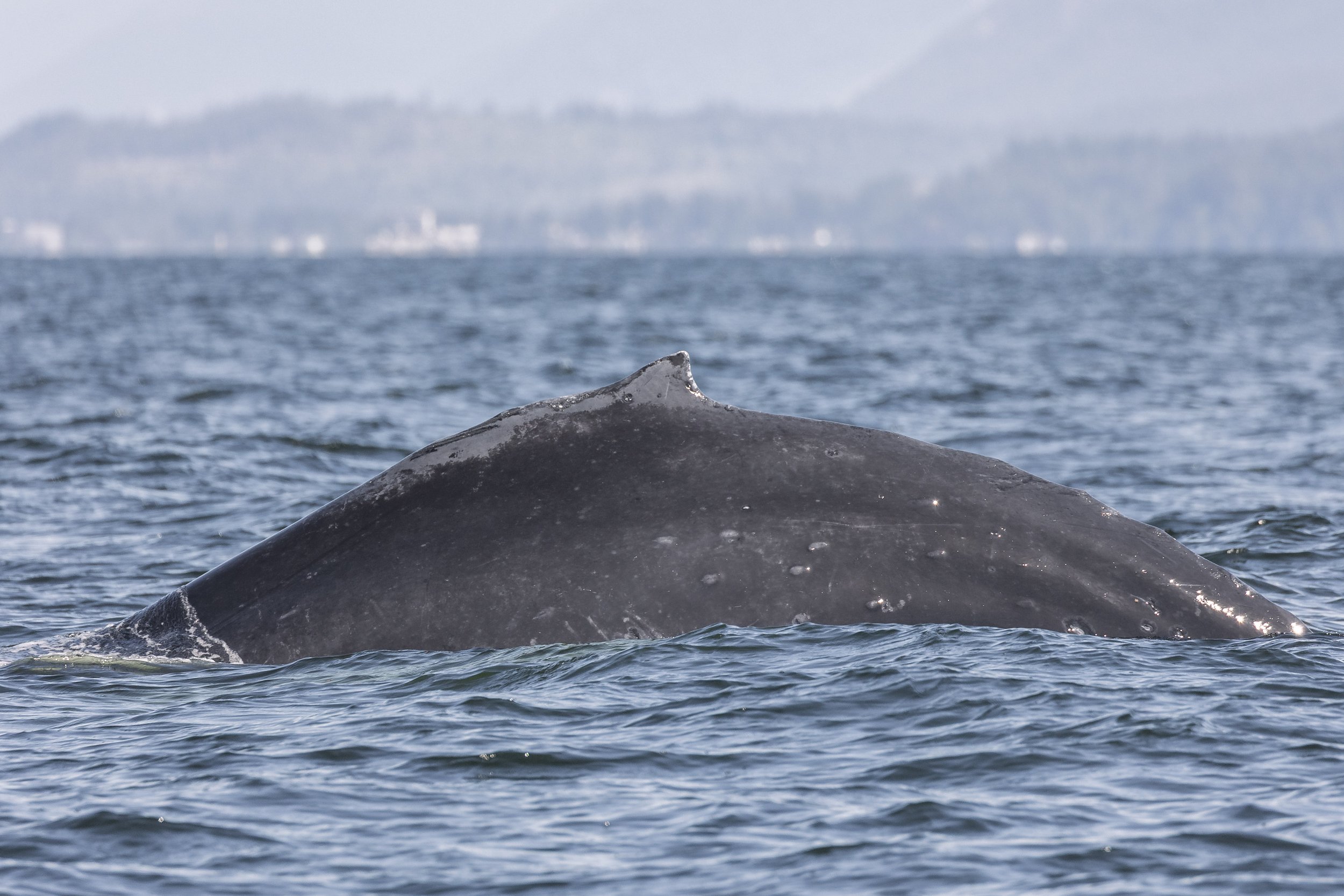
Roe’s dorsal fin. Photo by Hayleigh Hilbert.
Bagheera, Phi/Corona’s 2024 calf, and Pyramid/Monarch/Kraken
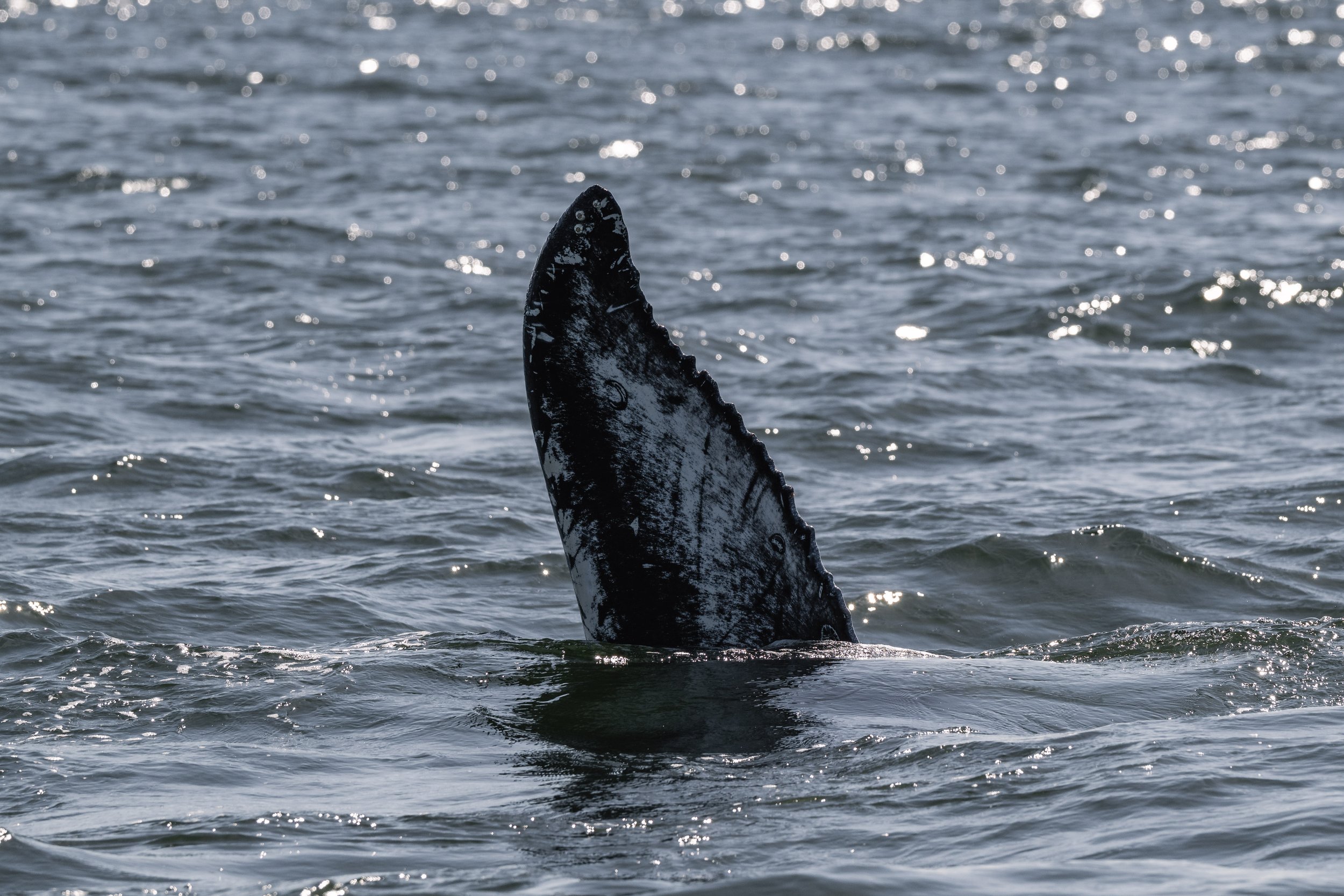
A corner of Bagheera’s fluke. Photo by Aly Kohlman.
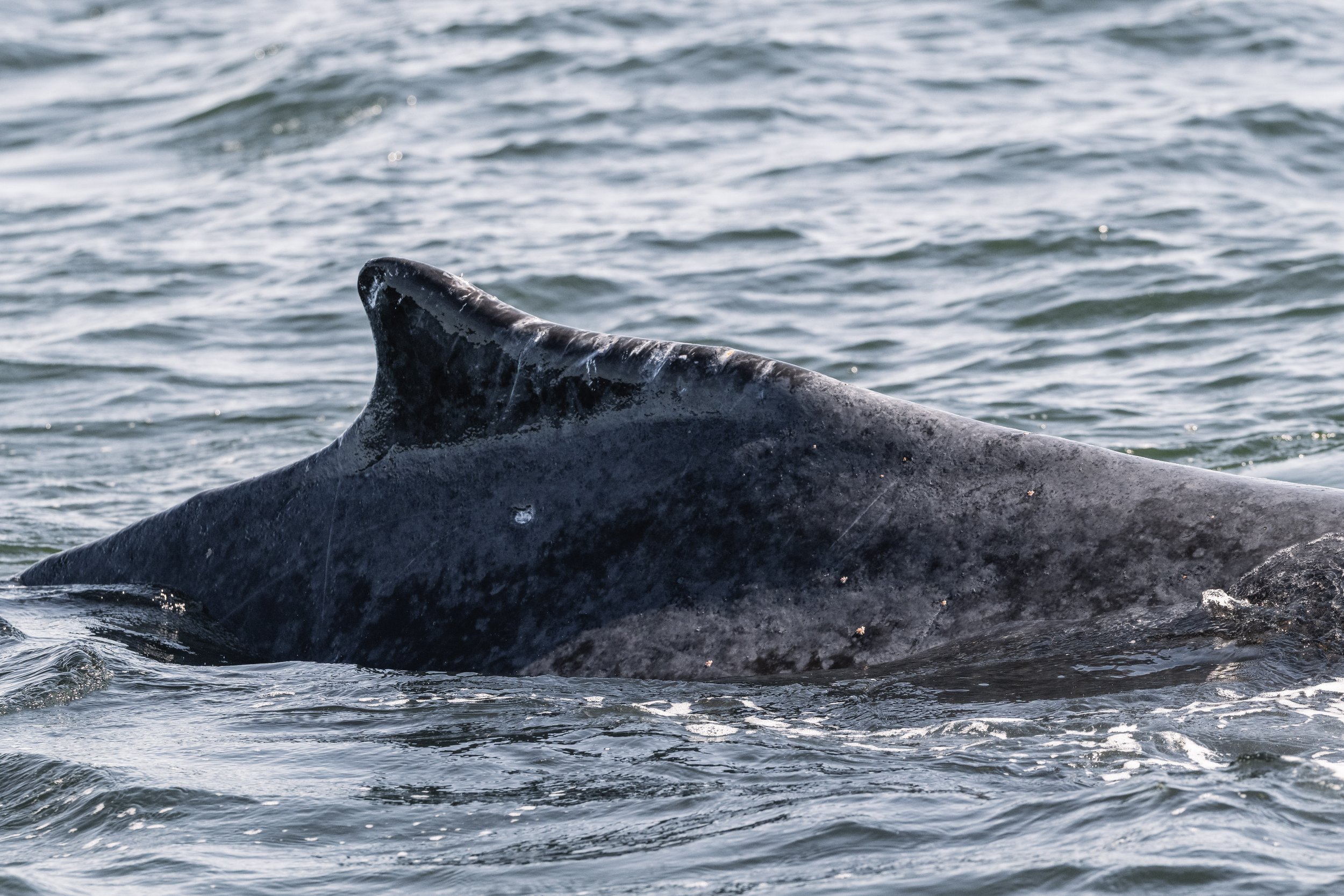
Bagheera’s dorsal fin. Photo by Aly Kohlman.
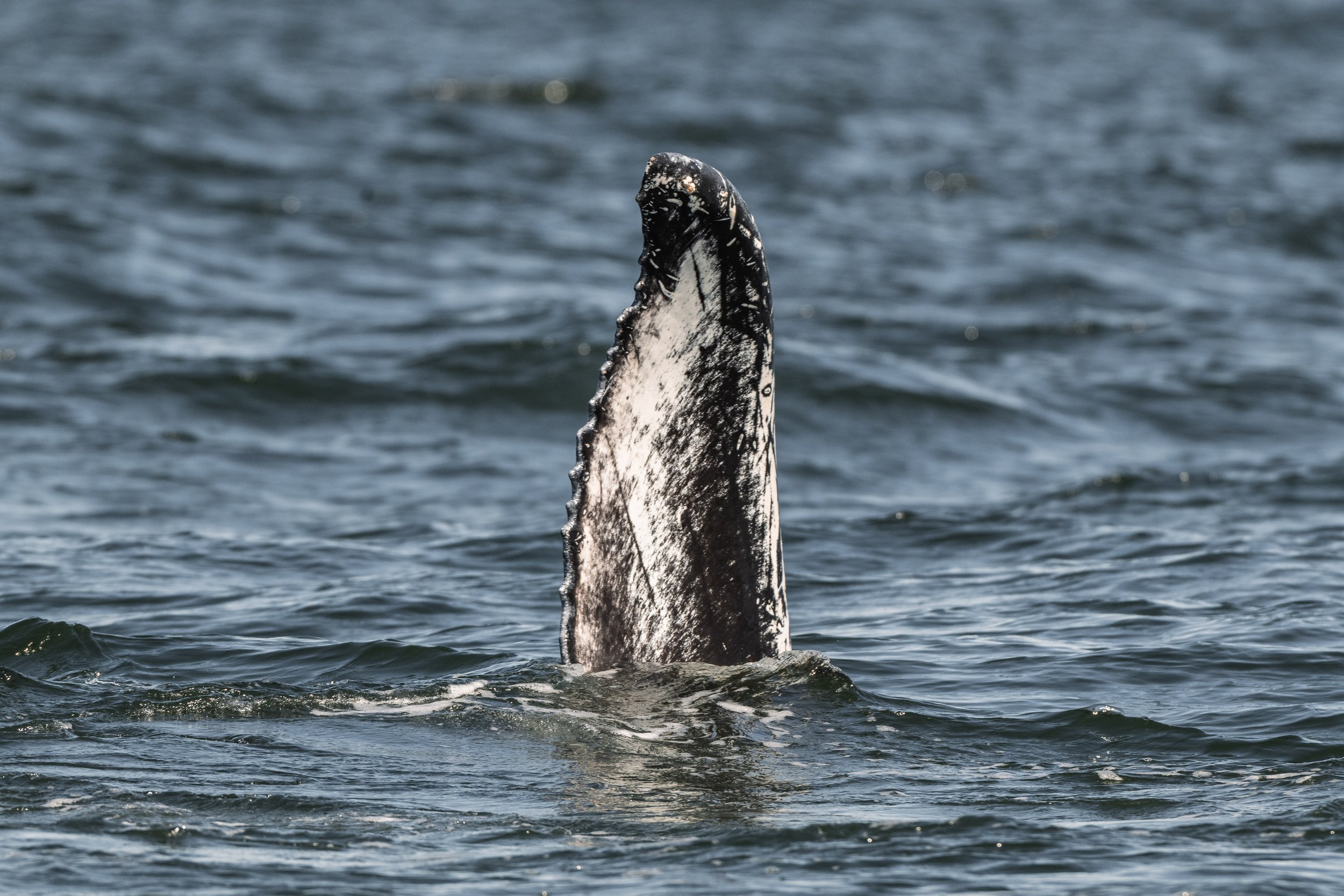
Bagheera’s other corner fluke. Photo by Aly Kohlman.

Bagheera’s dorsal fin, with some whale lice visible on their skin. Photo by Aly Kohlman.
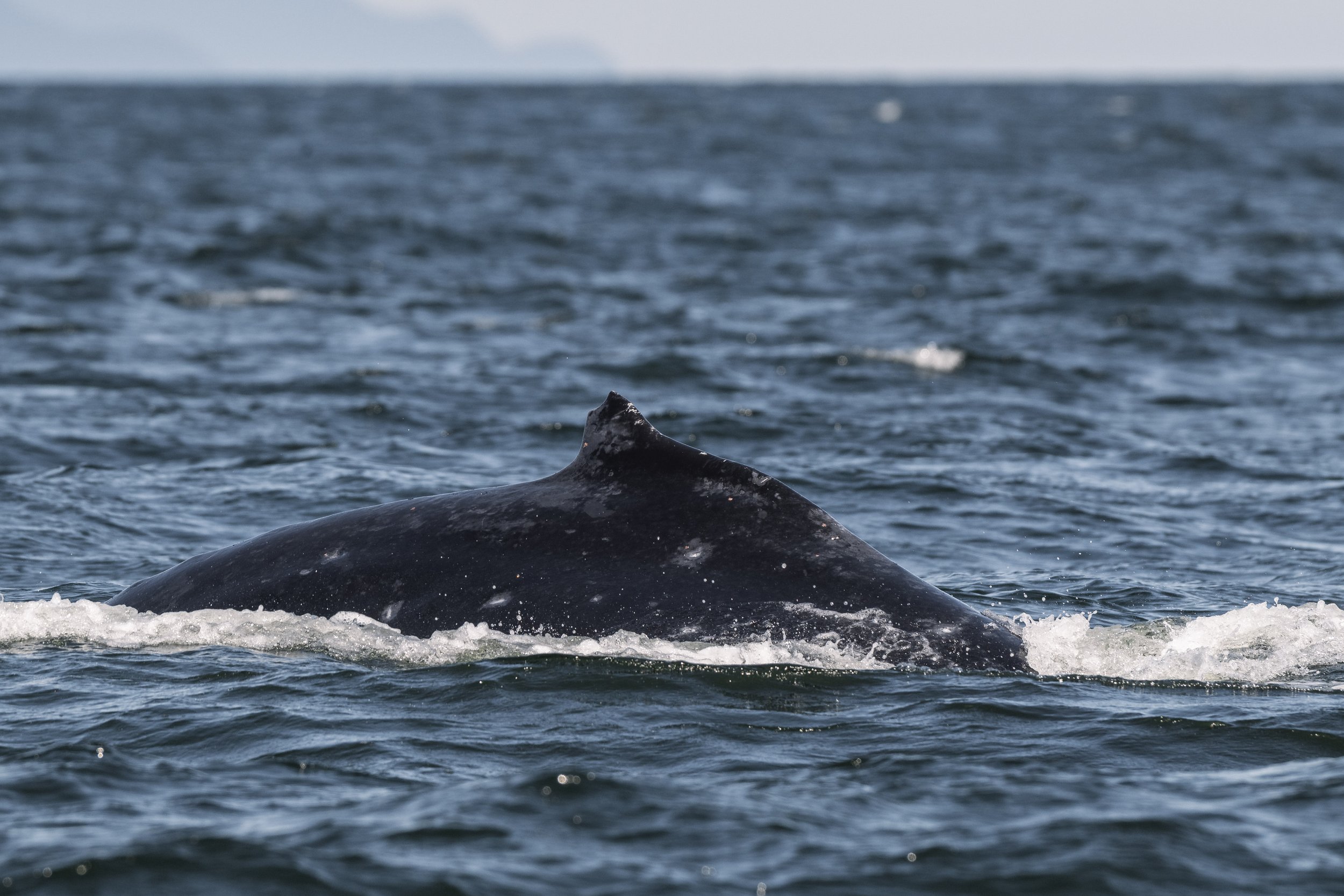
Phi/Corona’s 2024 calf diving. Photo by Aly Kohlman.

Phi/Corona’s 2024 calf’s dorsal fin. Photo by Aly Kohlman.
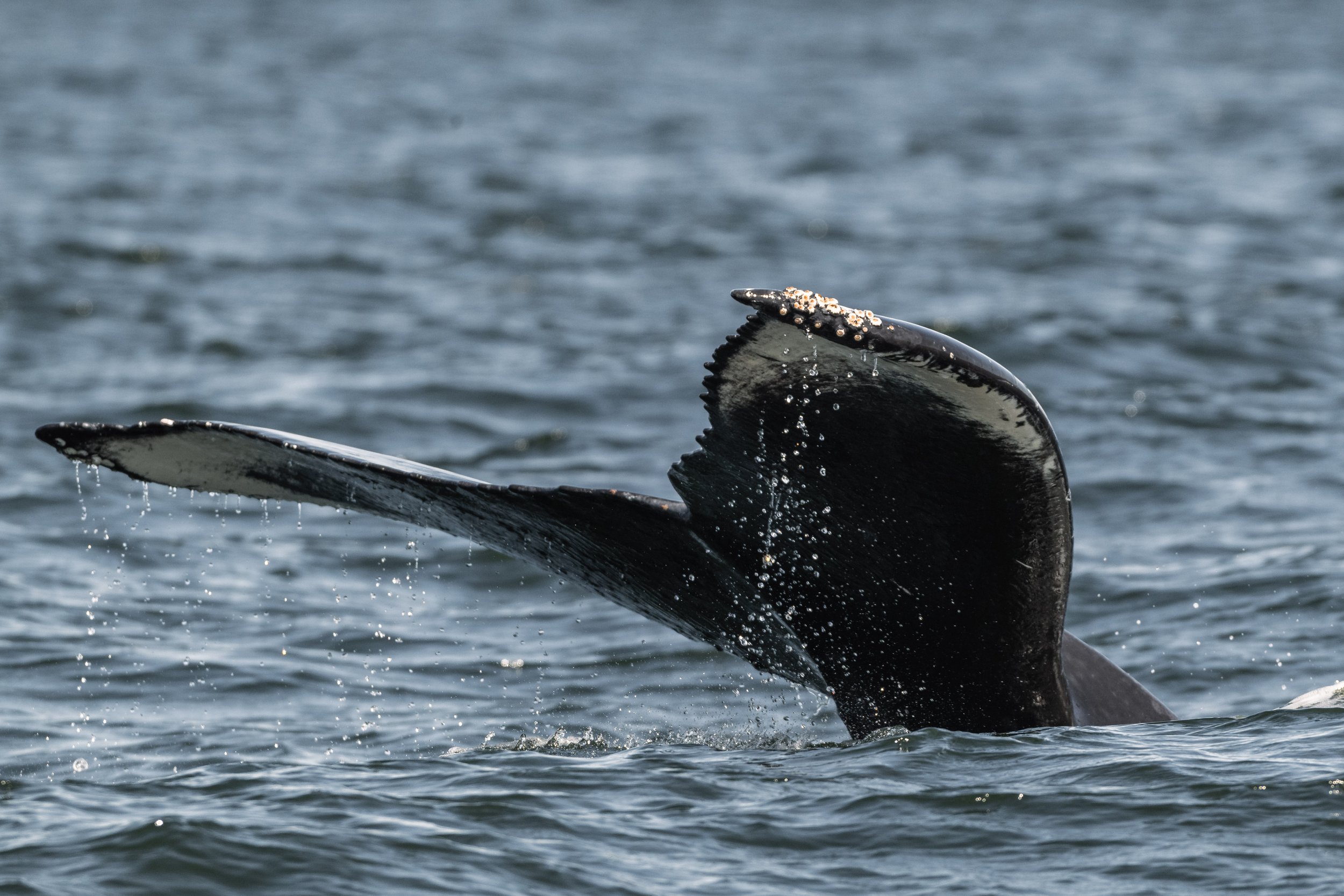
Phi/Corona’s 2024 calf going for a dive. Photo by Aly Kohlman.
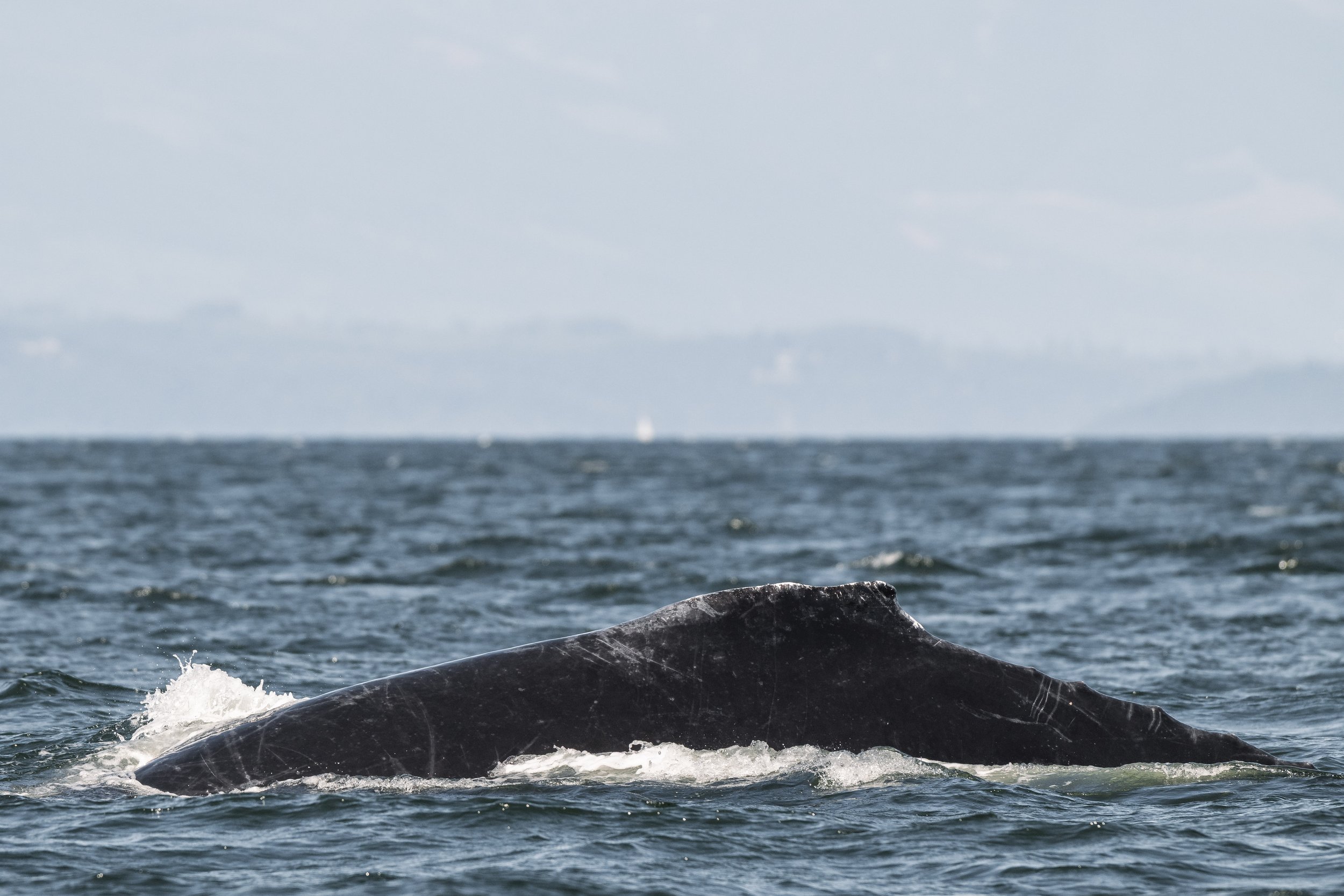
Pyramid/Monarch/Kraken’s left dorsal fin. Photo by Aly Kohlman.
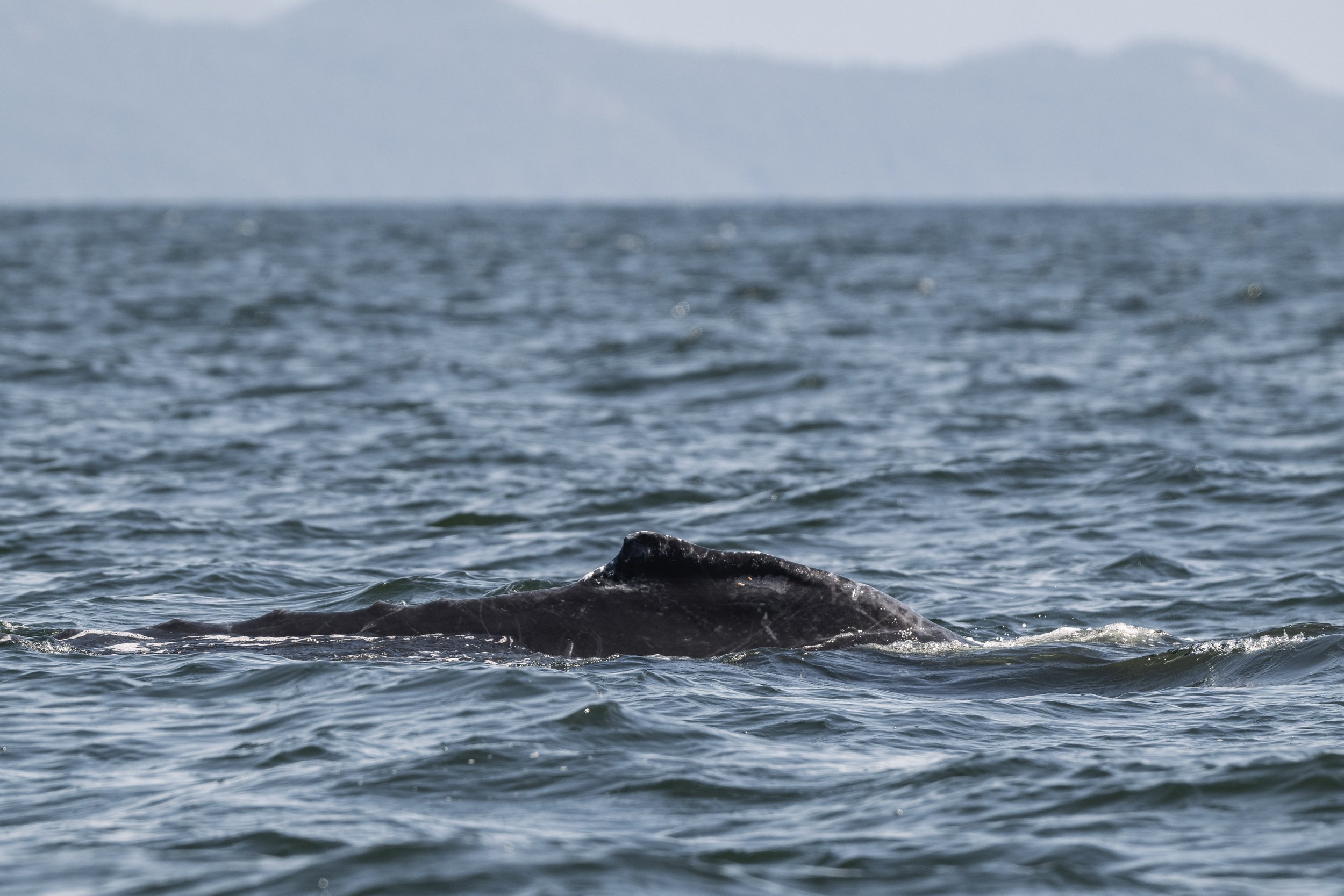
Pyramid/Monarch/Kraken beginning to dive. Photo by Aly Kohlman.
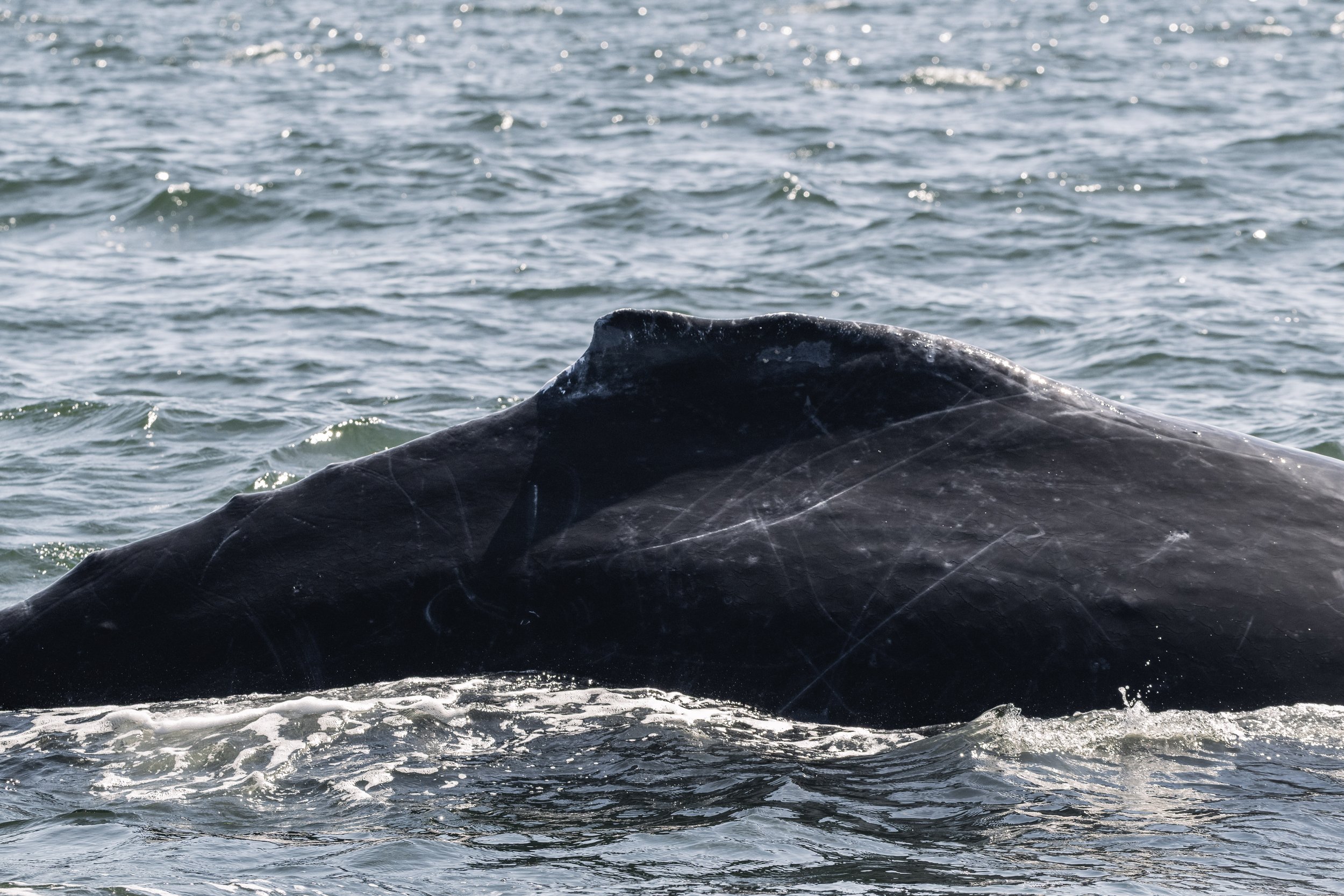
Pyramid/Monarch/Kraken’s dorsal fin. Photo by Aly Kohlman.

Pyramid/Monarch/Kraken’s fluke. Photo by Aly Kohlman.
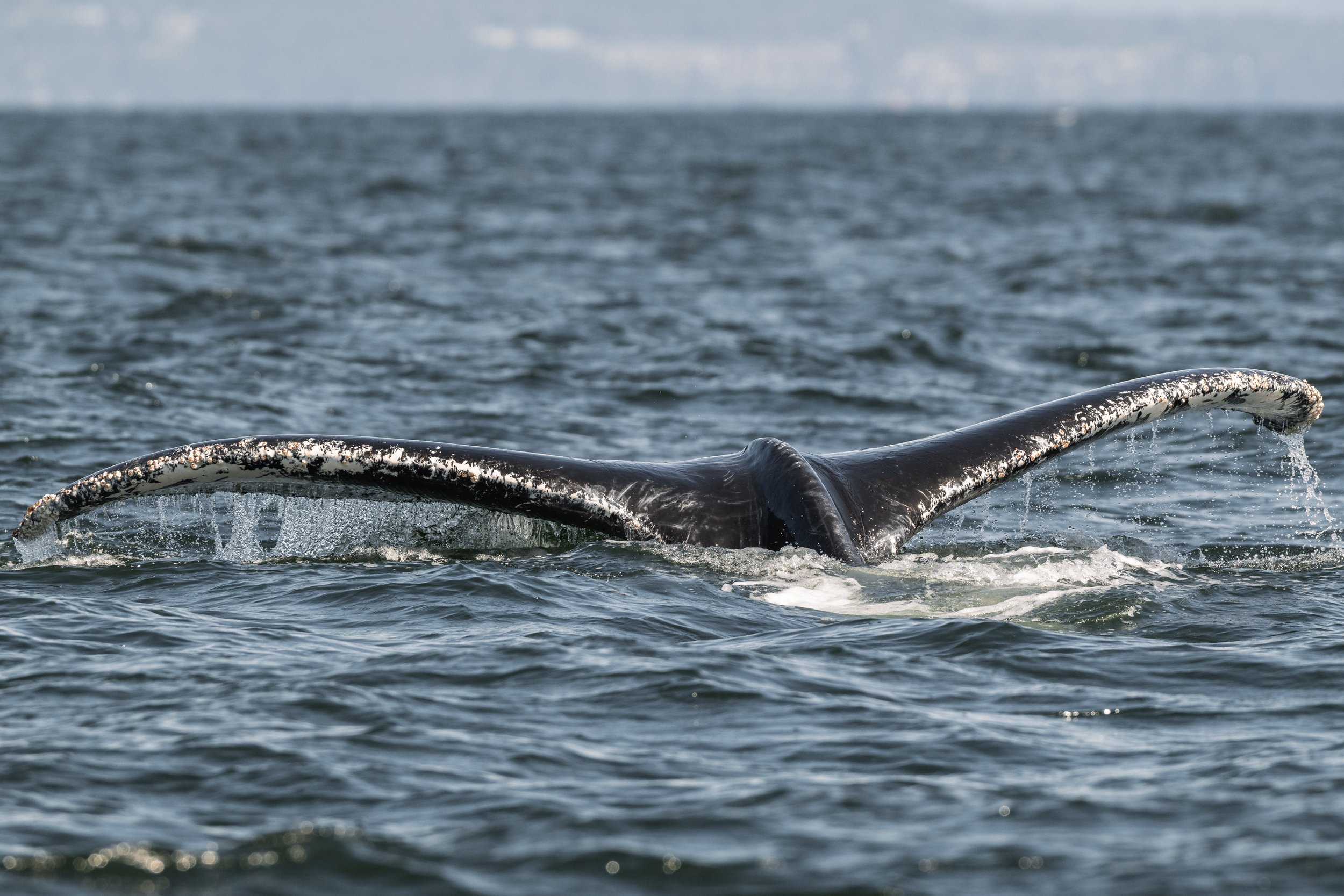
Pyramid/Monarch/Kraken’s fluke’s front edge is incredibly scarred up. Photo by Aly Kohlman.
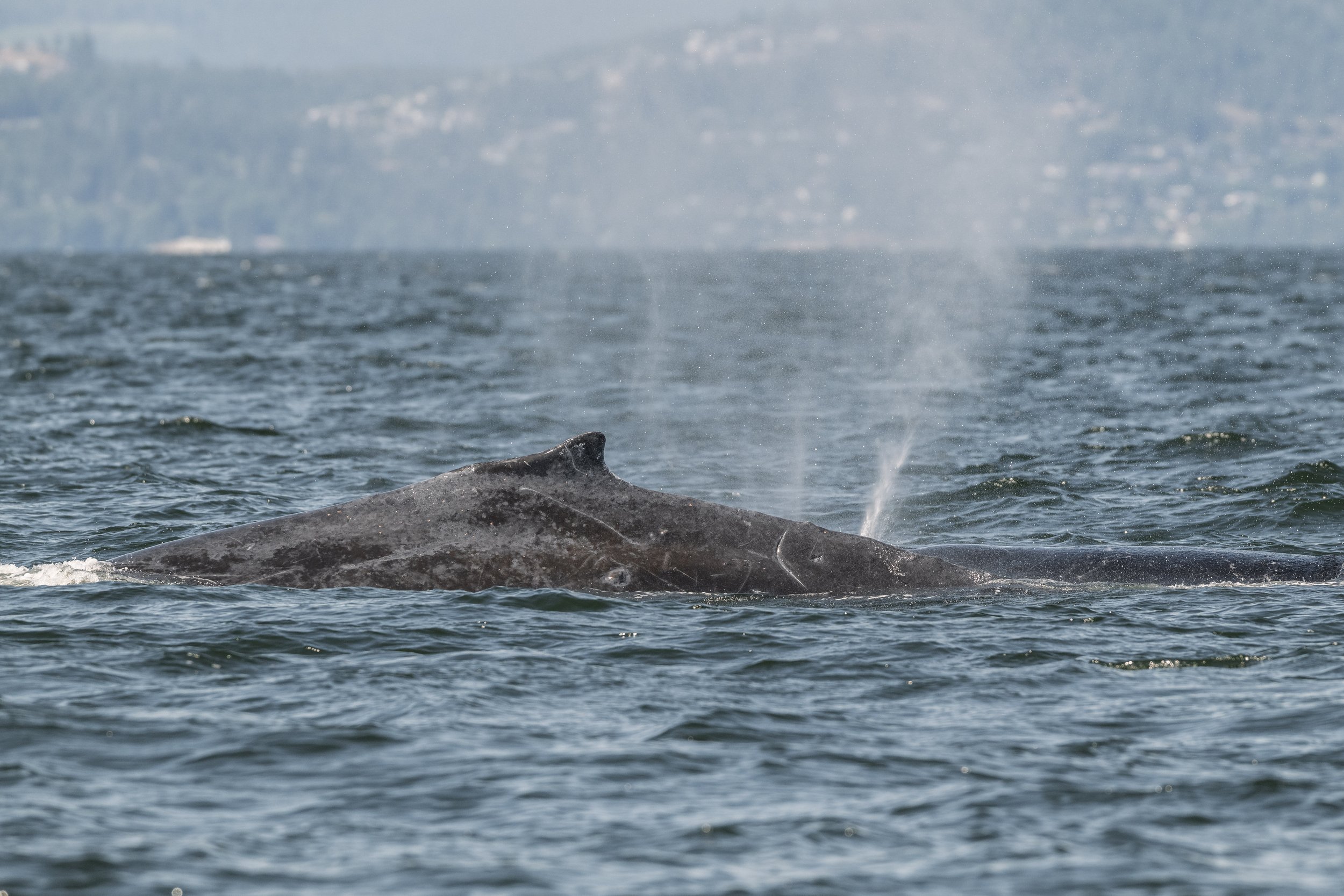
Bagheera travelling with Pyramid/Monarch/Kraken behind them. Photo by Aly Kohlman.

Bagheera tail lobbing, with Phi/Corona’s 2024 calf and Pyramid/Monarch/Kraken beside them. Photo by Aly Kohlman.
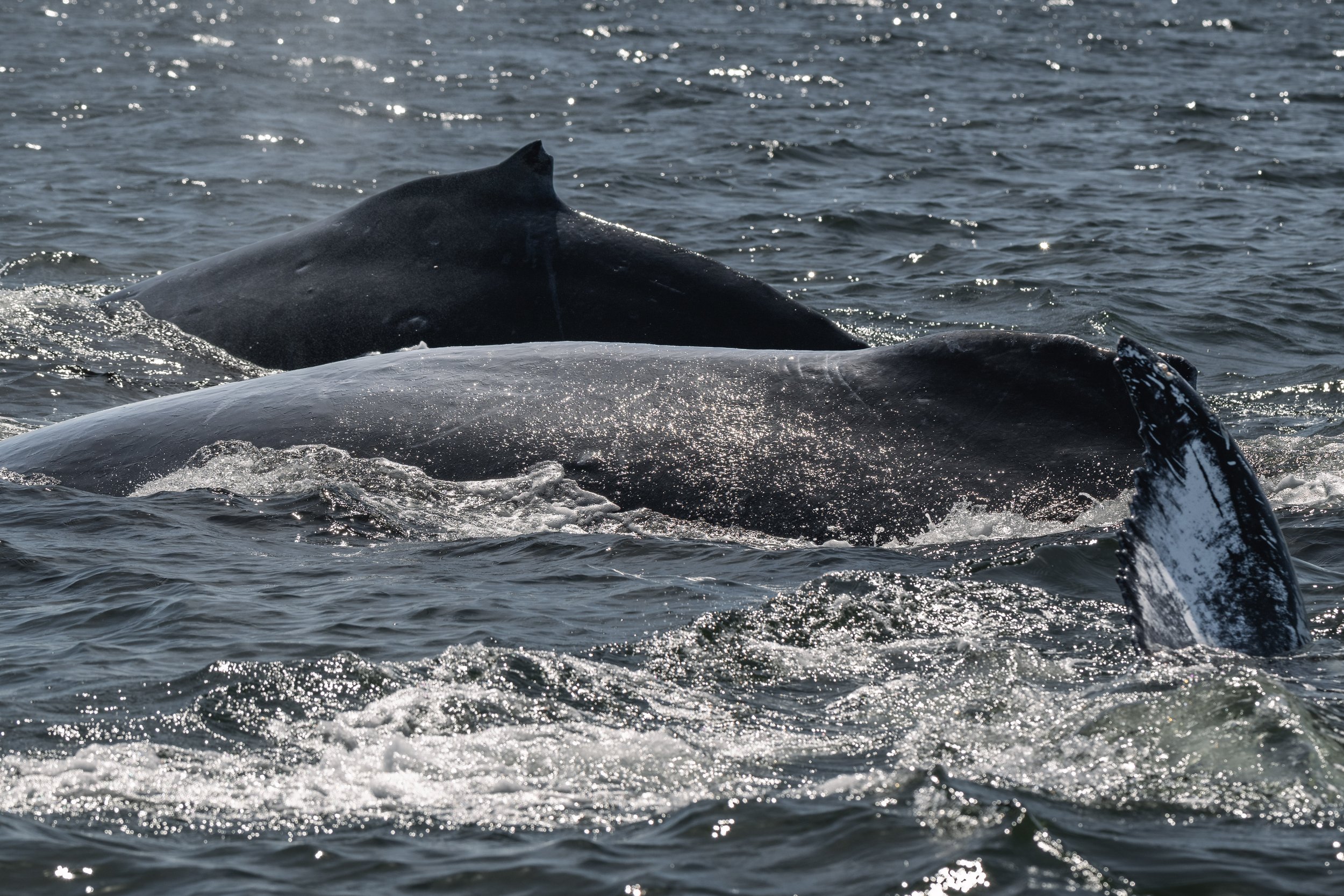
Front to back: Bagheera, Pyramid/Monarch/Kraken, and Phi/Corona’s 2024 calf. Photo by Aly Kohlman.
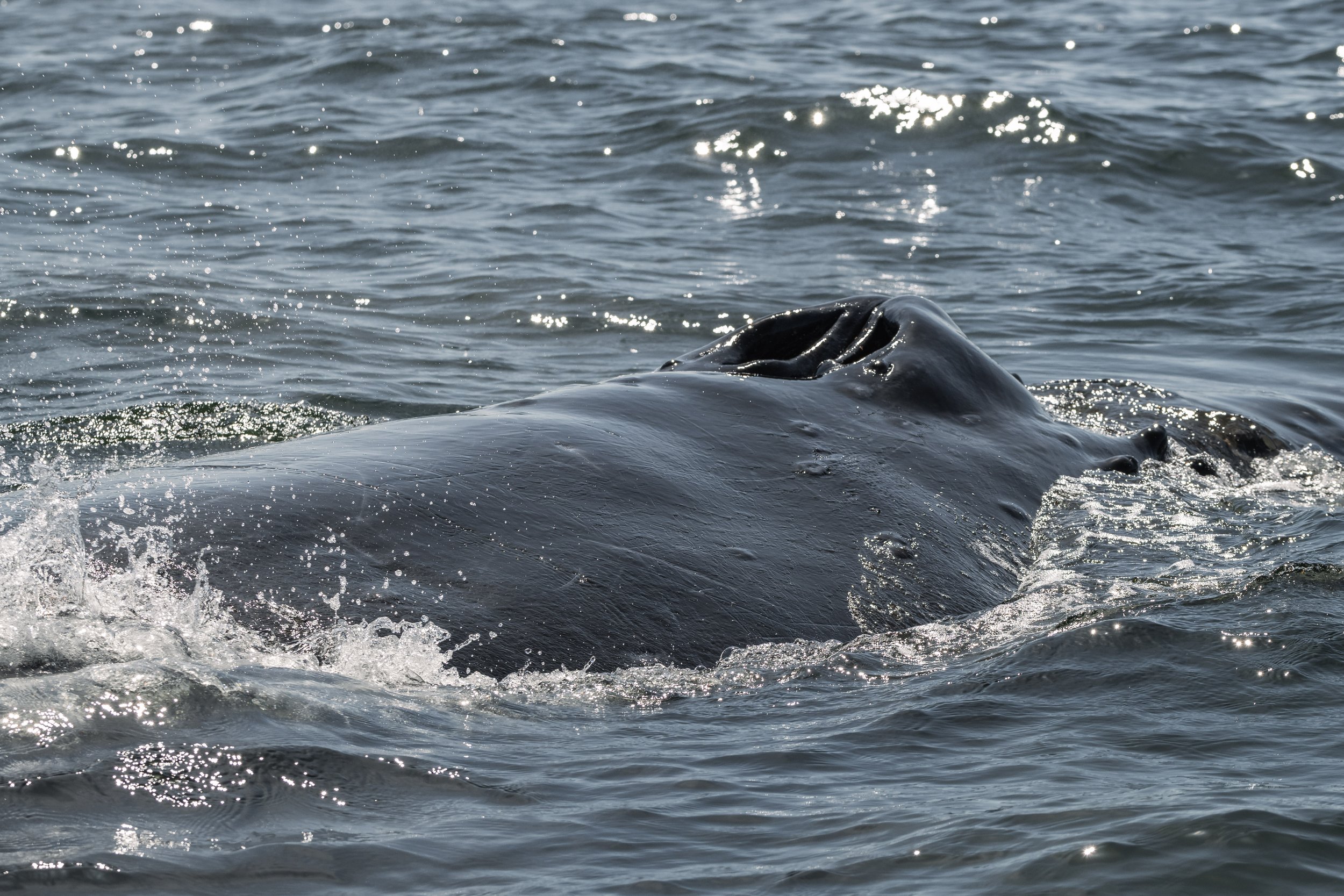
Looking up the blowholes. Photo by Aly Kohlman.
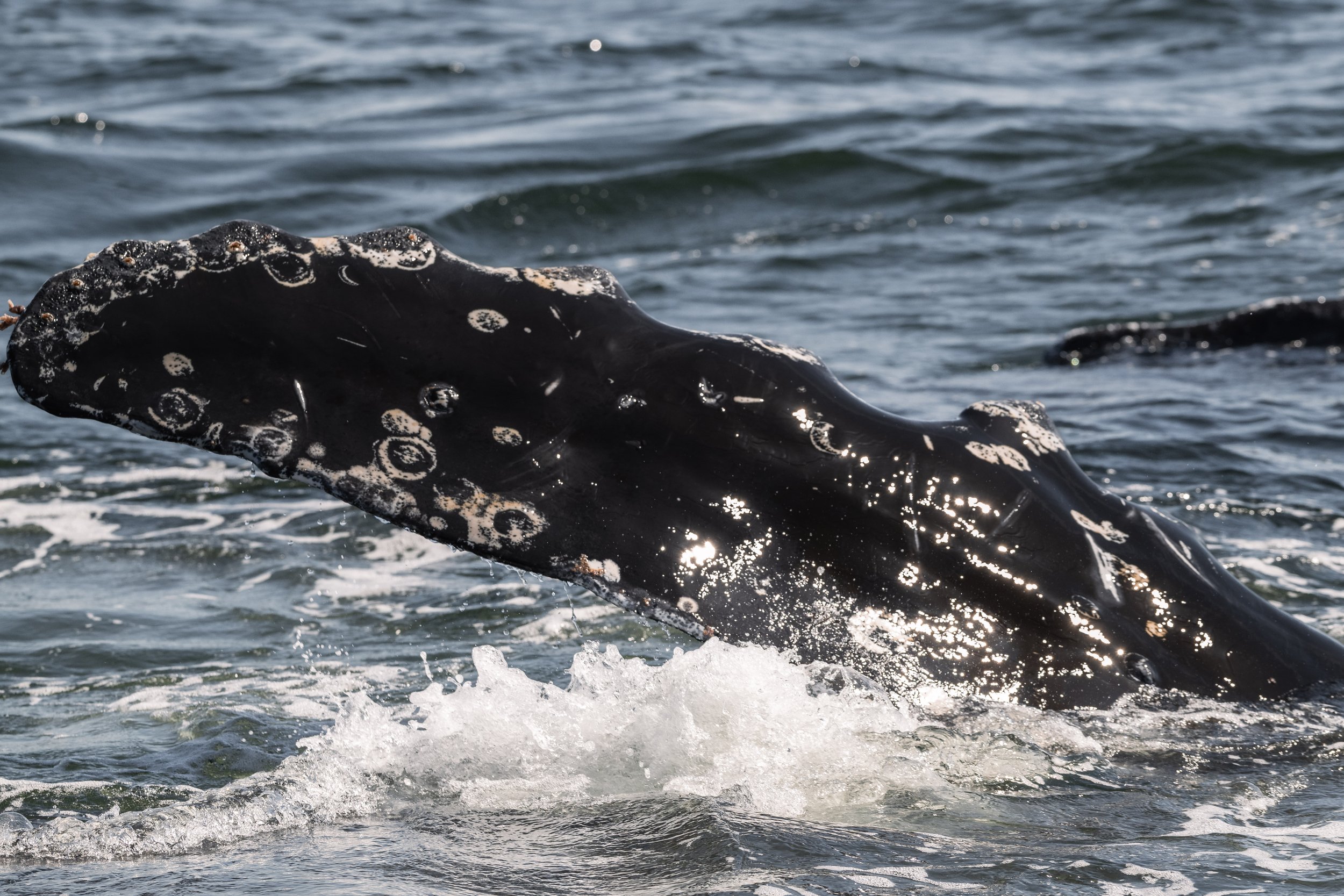
A pec fin coming up for a splash. Photo by Aly Kohlman.
Banya/Rubber Ducky, Incognito, and Raptor’s 2024 calf
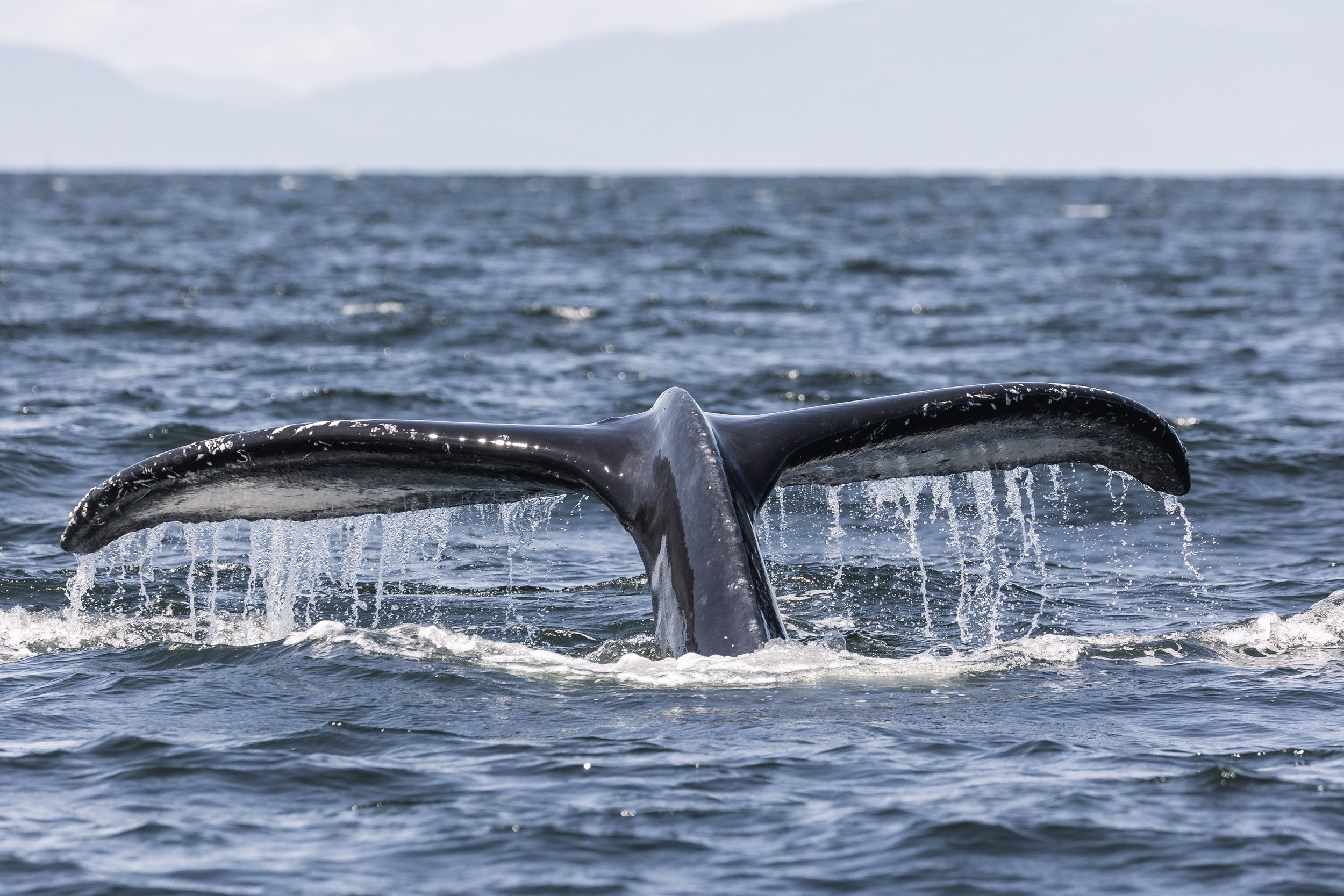
A fluke waterfall as Banya/Rubber Ducky dives. Photo by Hayleigh Hilbert.
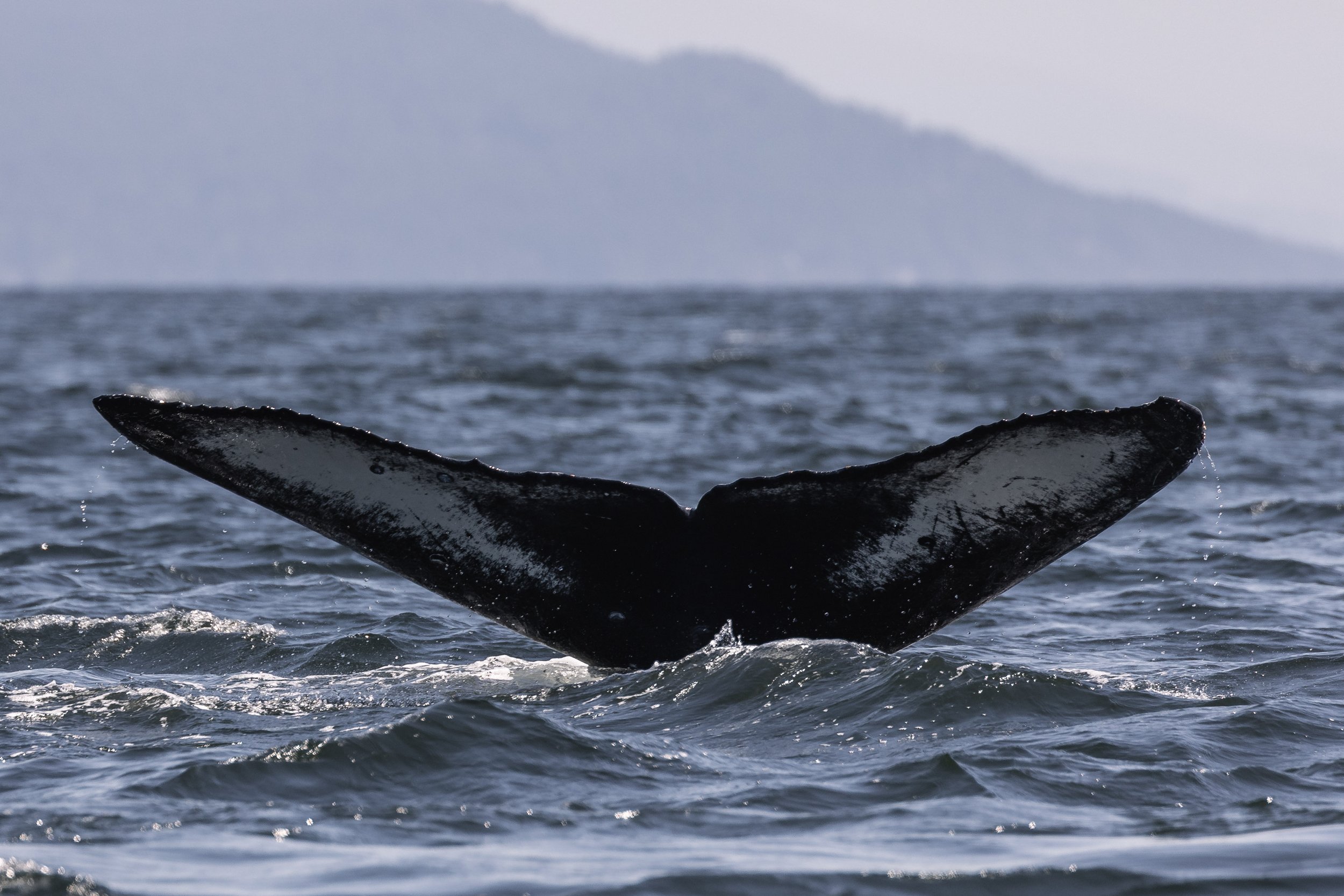
Banya/Rubber Ducky has a beautiful fluke! Photo by Hayleigh Hilbert.
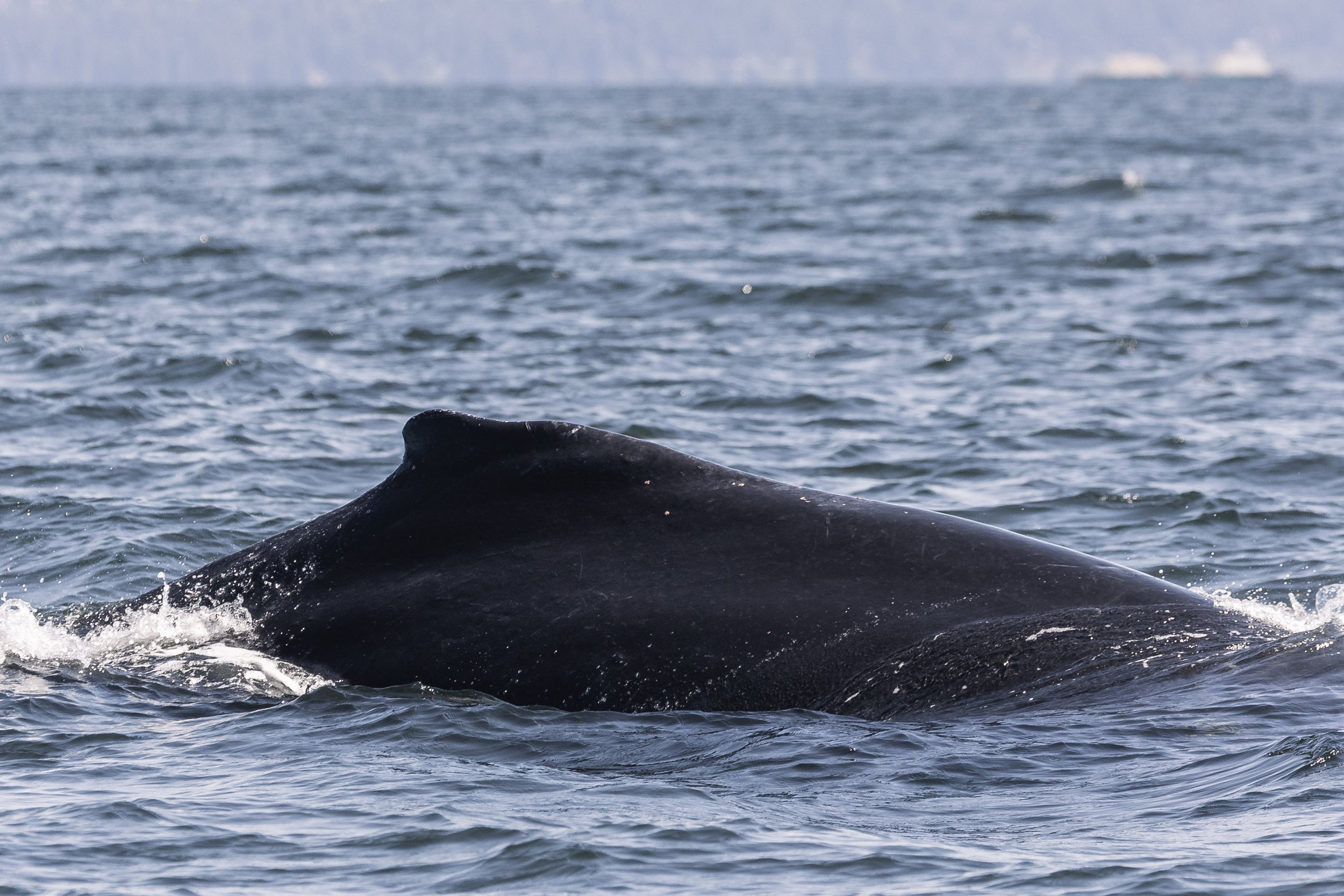
Incognito’s dorsal fin. Photo by Hayleigh Hilbert.
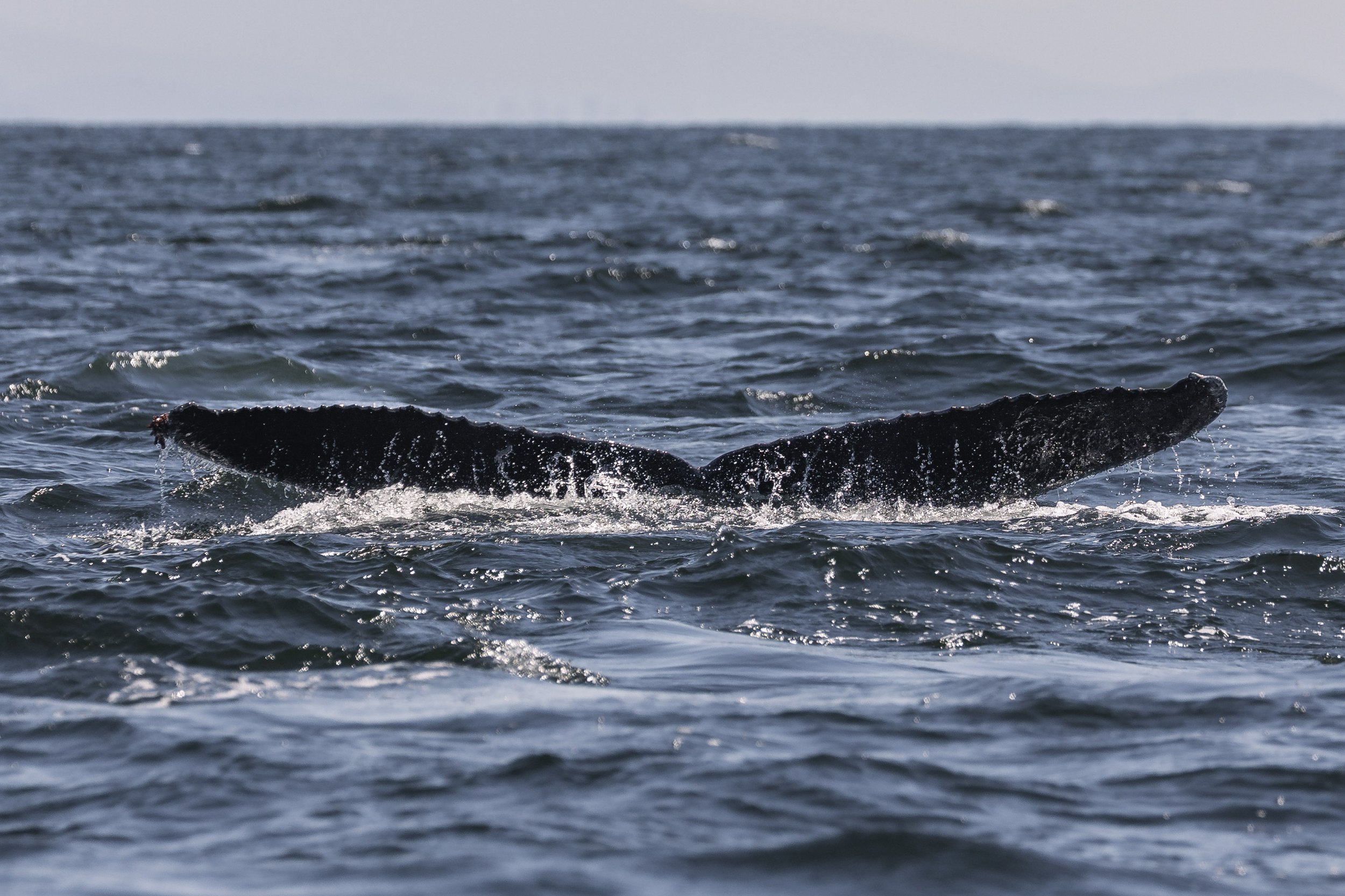
Incognito diving. Photo by Hayleigh Hilbert.
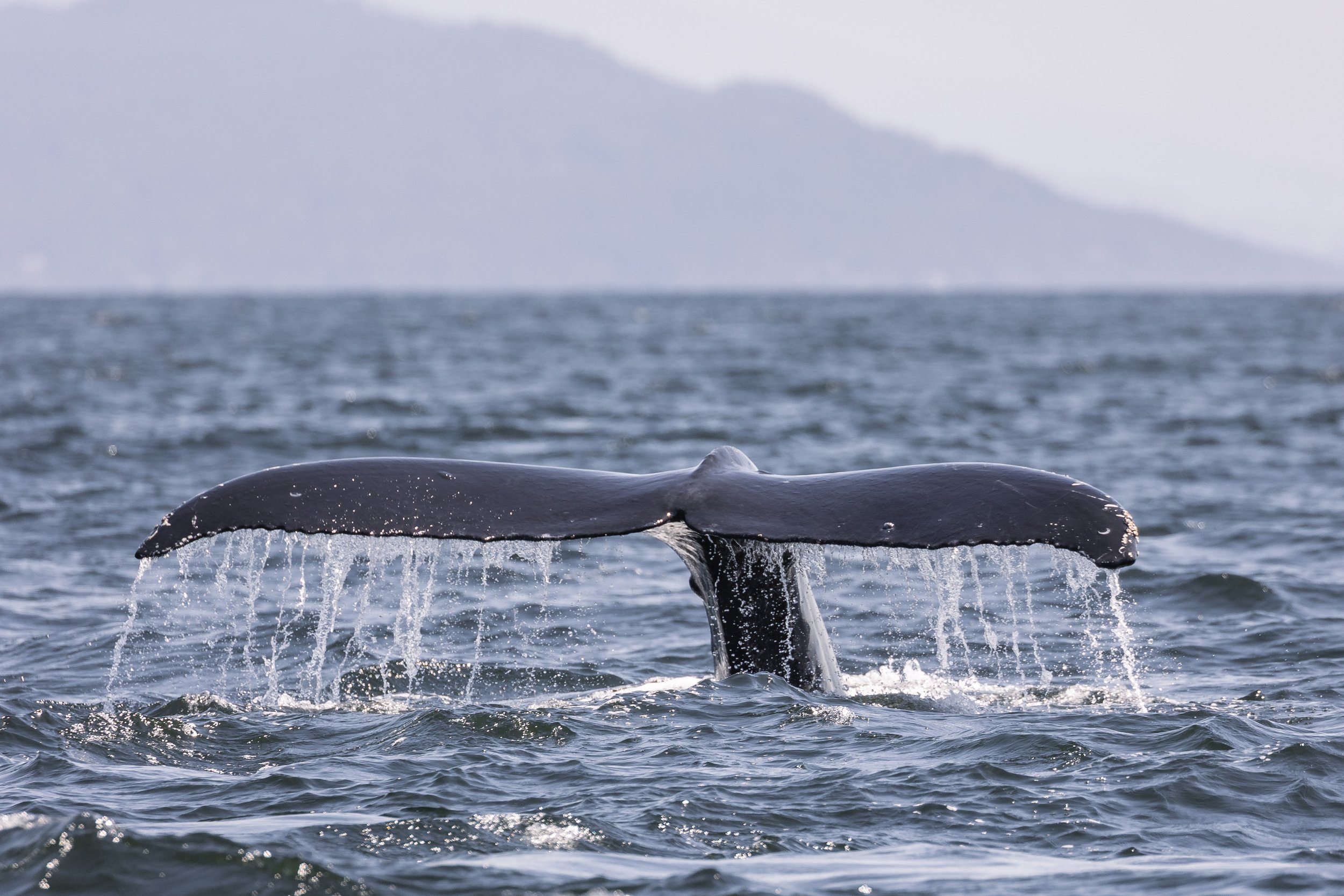
Going for a dive! Photo by Hayleigh Hilbert.
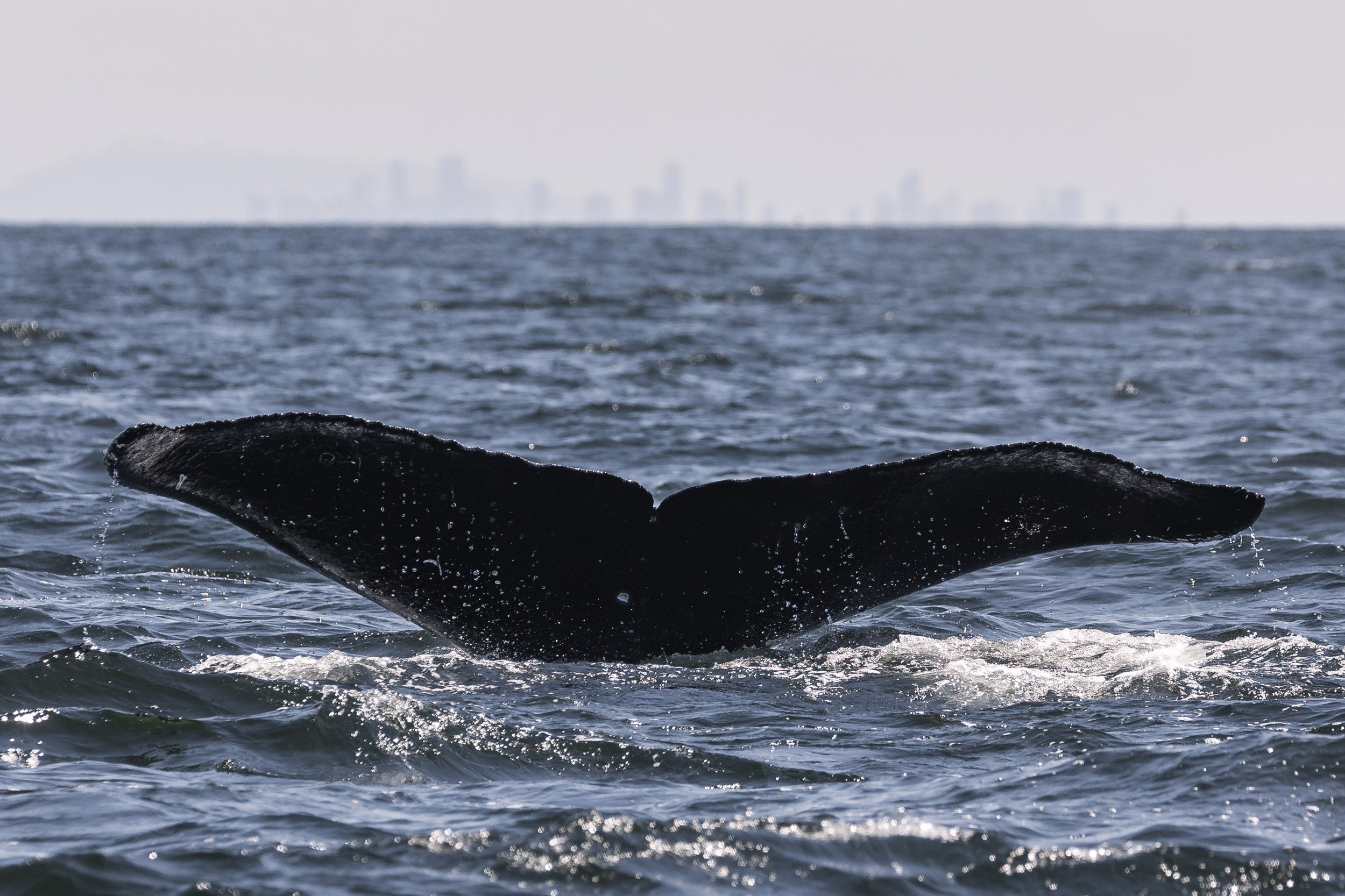
Raptor’s 2024 calf’s fluke. Photo by Hayleigh Hilbert.
Hendrix, Nova, Forge, and Pingu
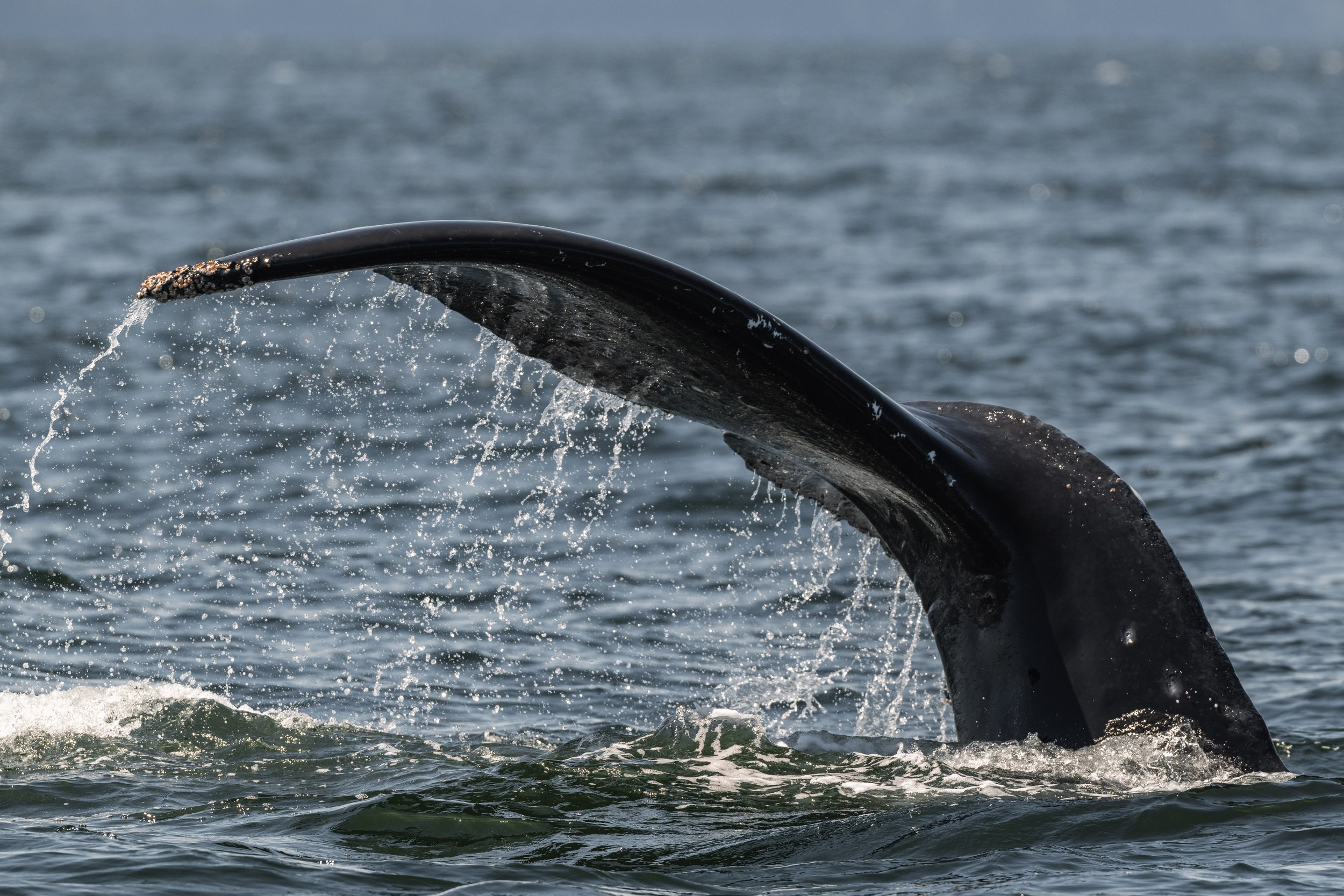
Hendrix diving. Photo by Aly Kohlman.

Hendrix’s fluke. Photo by Aly Kohlman.
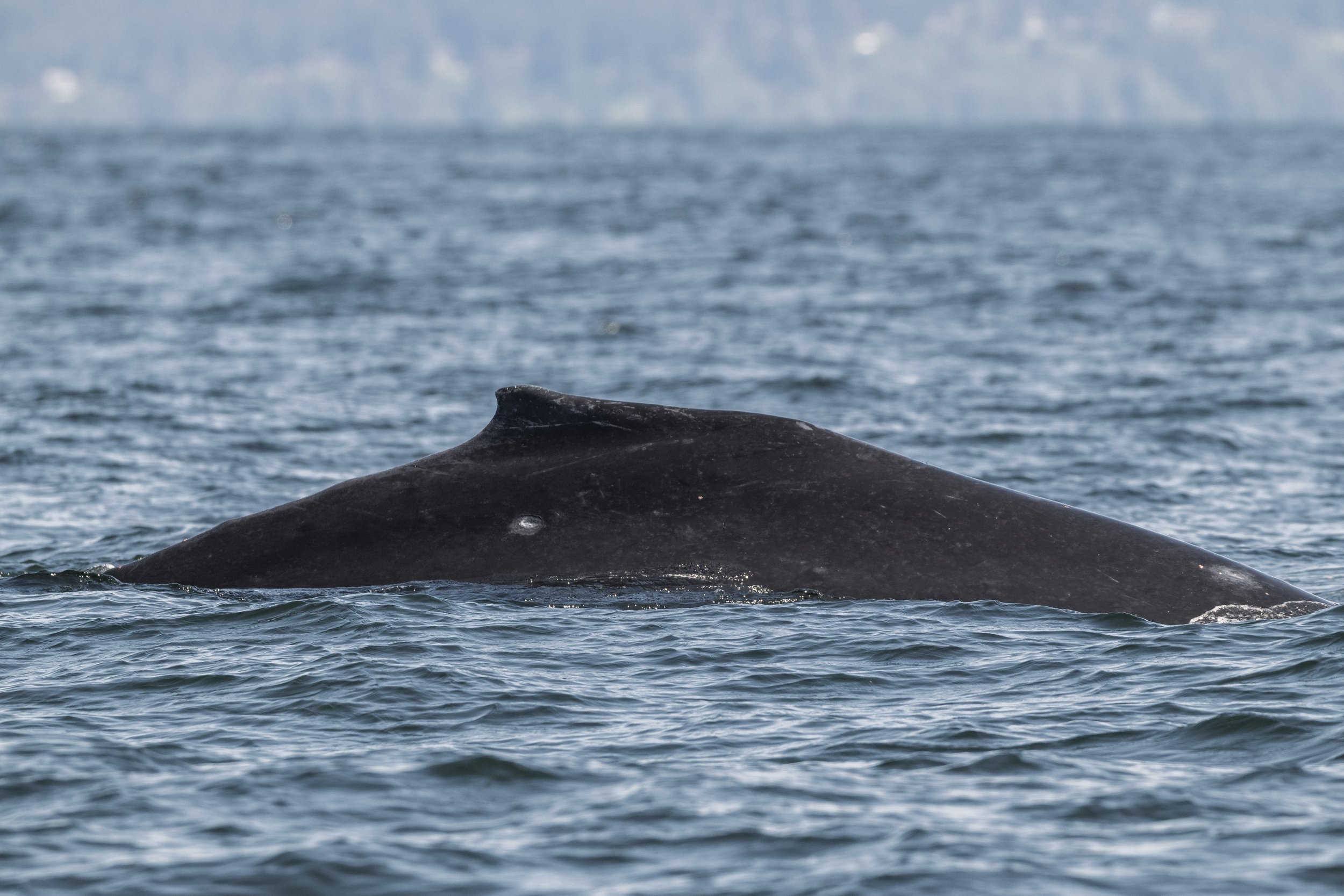
Nova’s dorsal fin. Photo by Aly Kohlman.
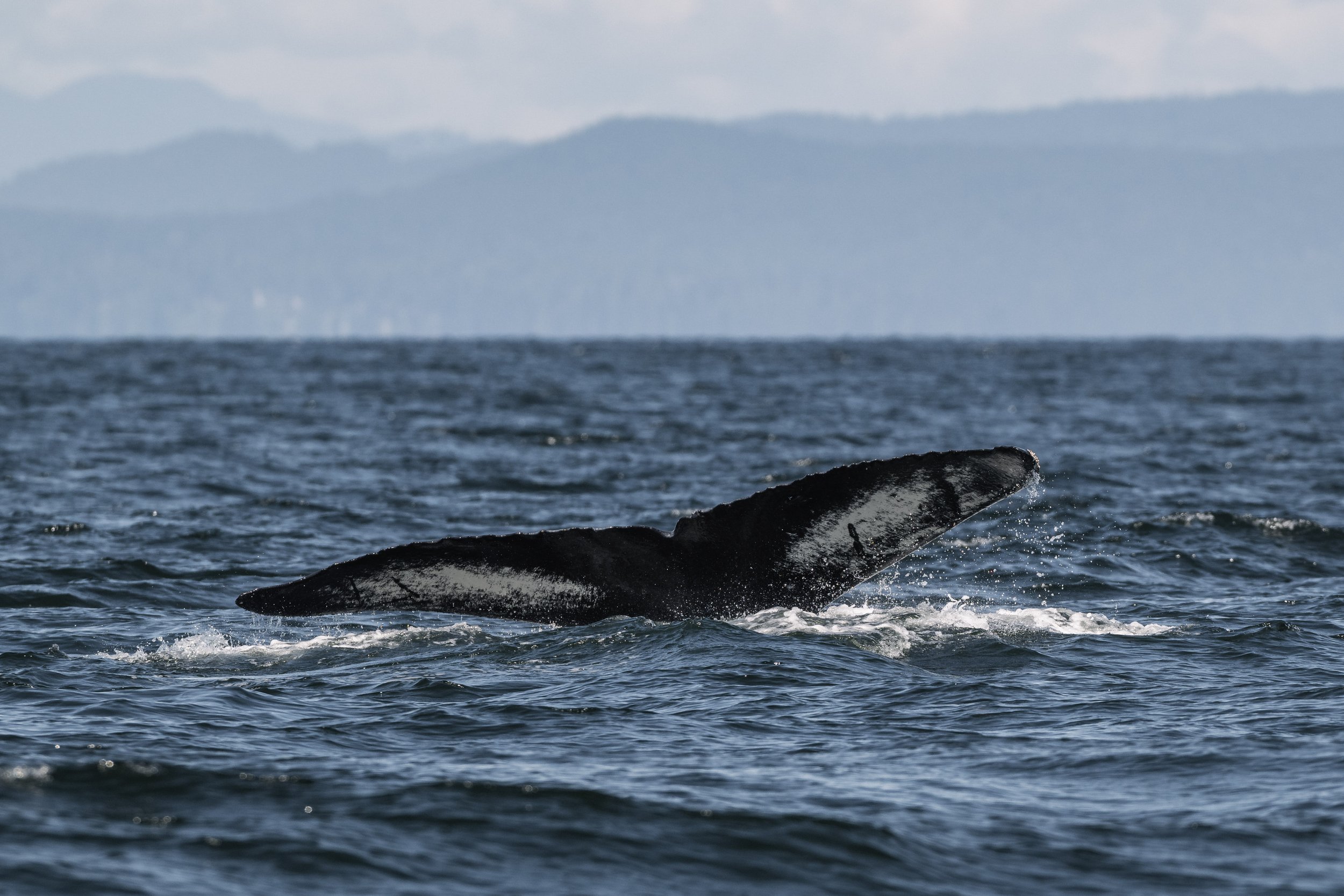
Nova’s fluke as she goes down for a dive. Photo by Aly Kohlman.
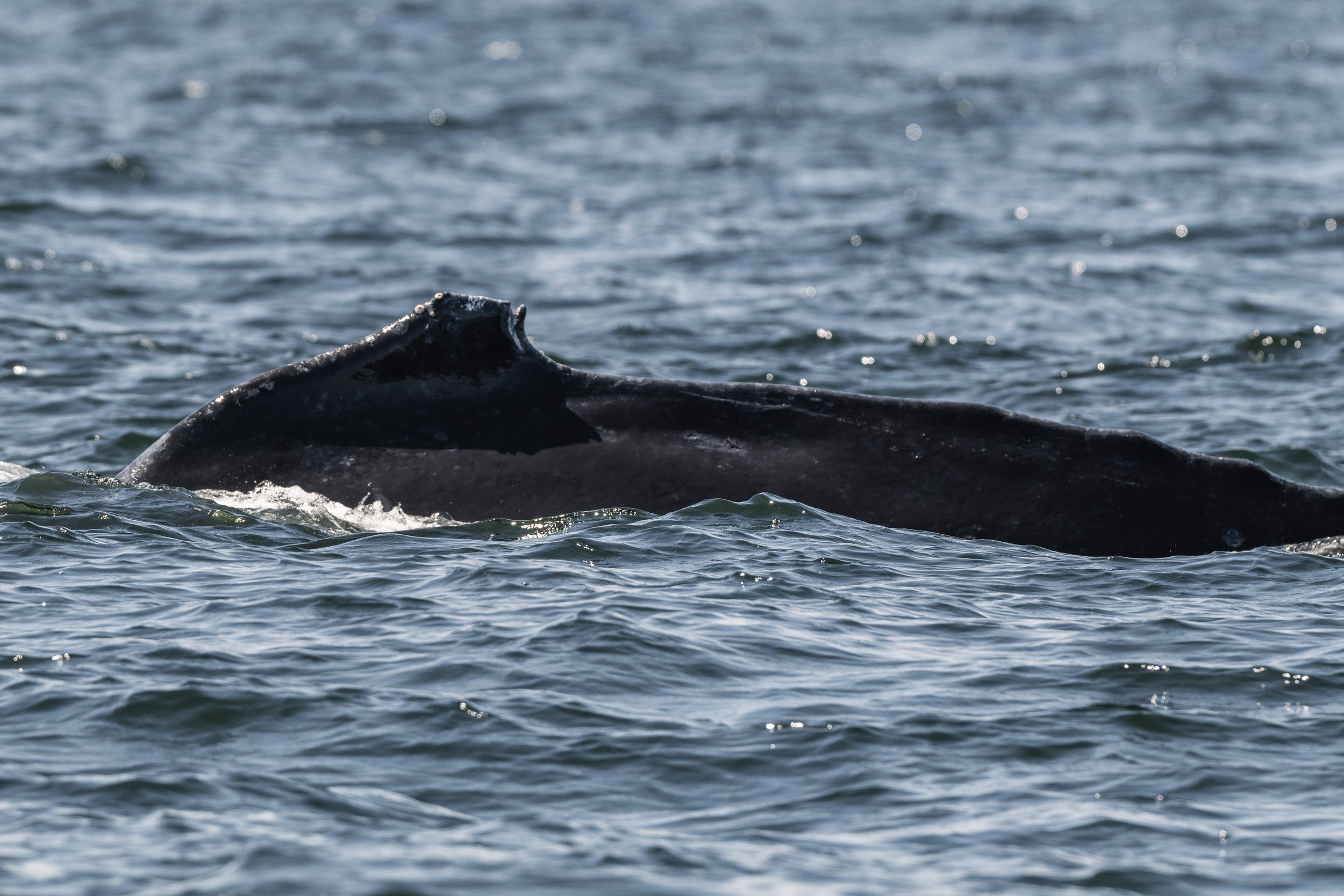
Forge’s dorsal fin - it has a new notch in it now! Photo by Aly Kohlman.
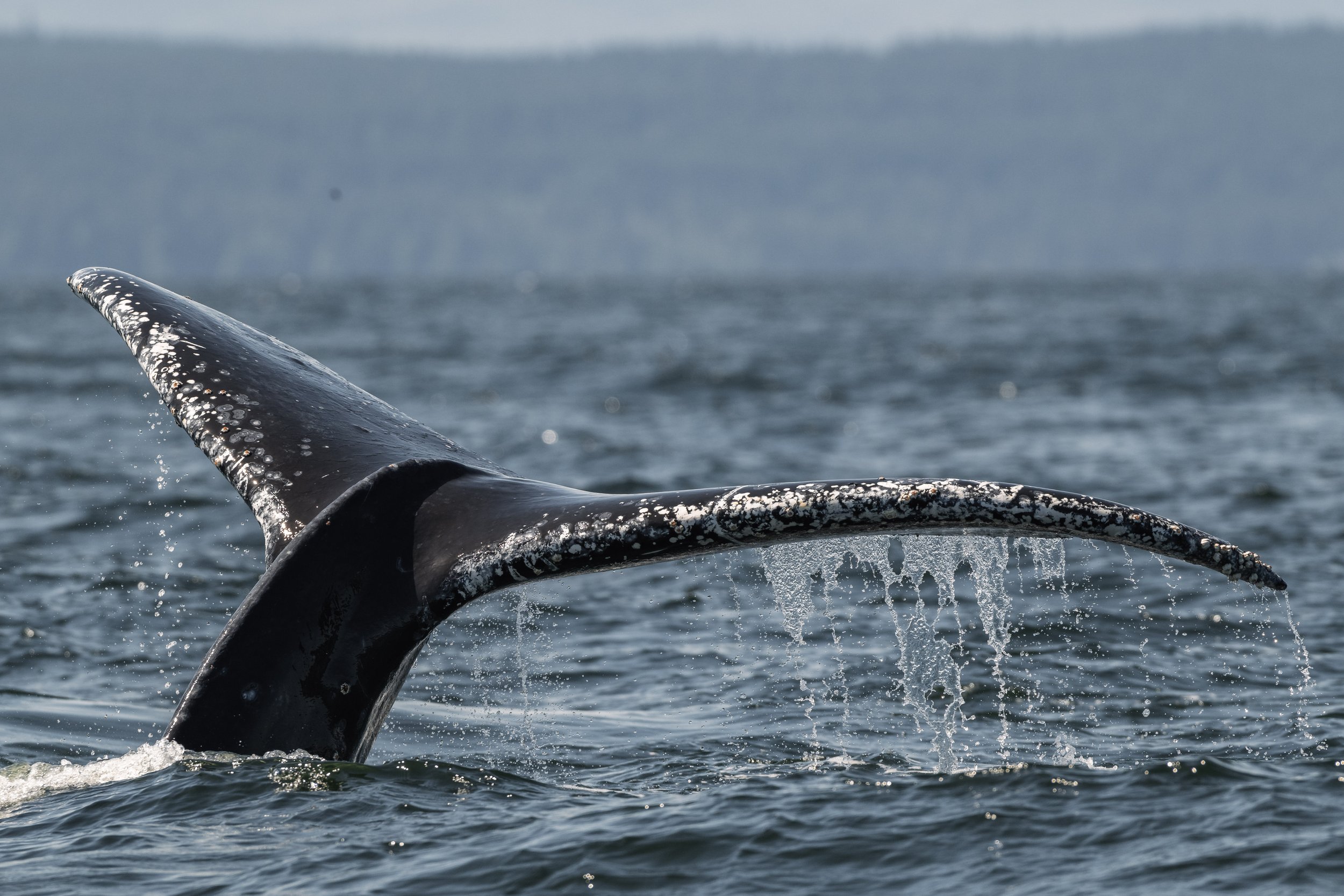
Forge diving. Photo by Aly Kohlman.
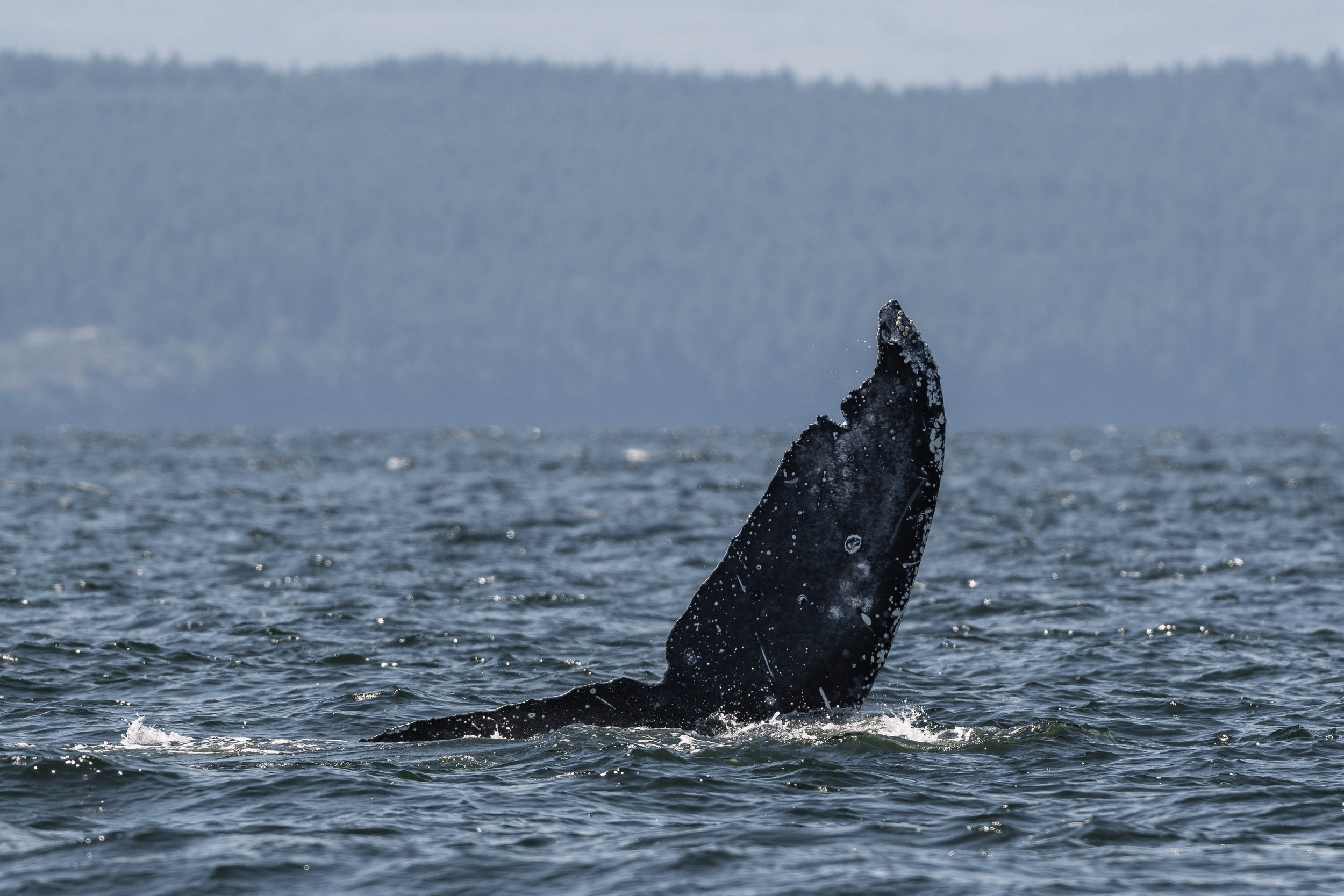
Forge going down for a dive. Photo by Aly Kohlman.
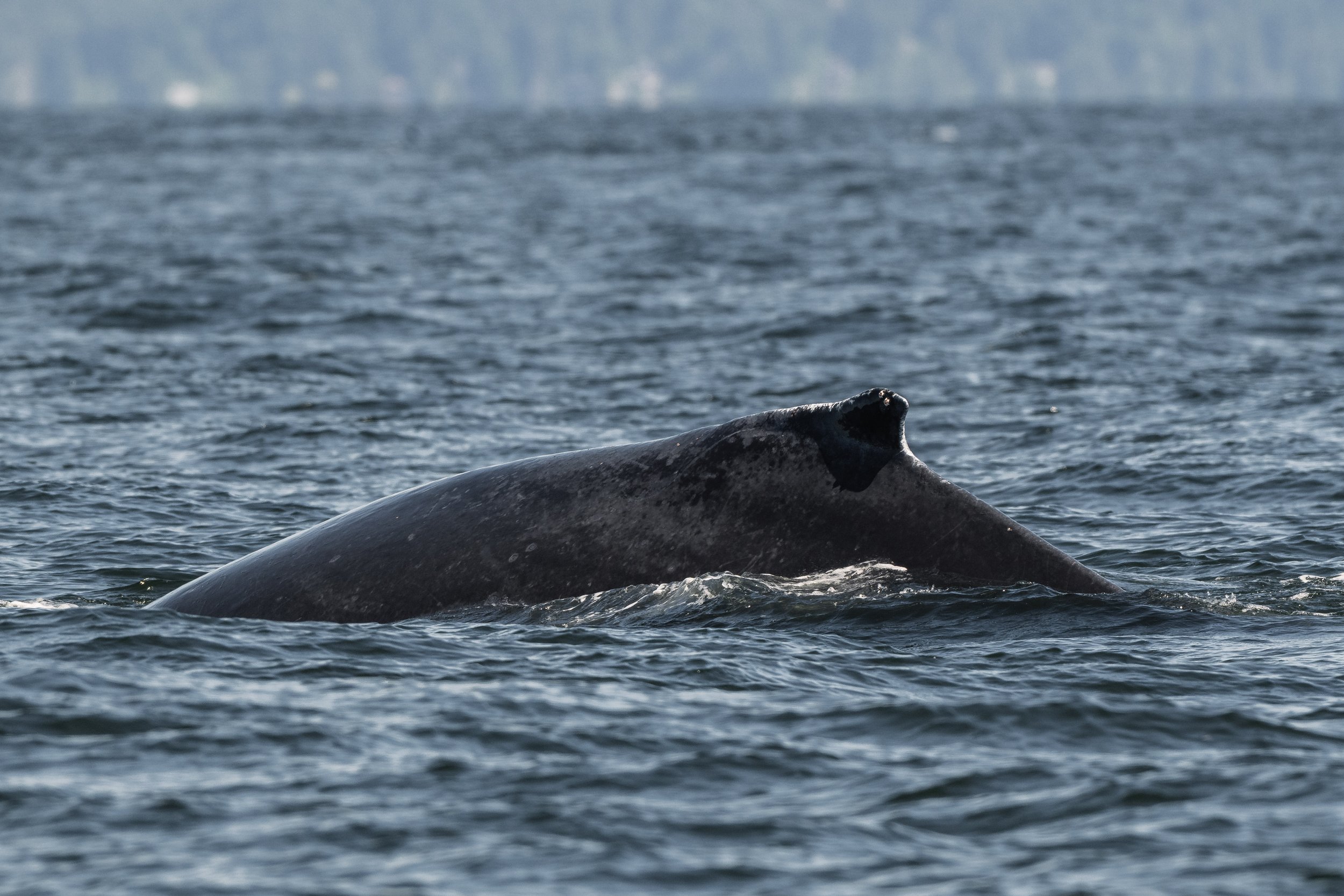
Pingu’s dorsal fin as they travel along. Photo by Aly Kohlman.
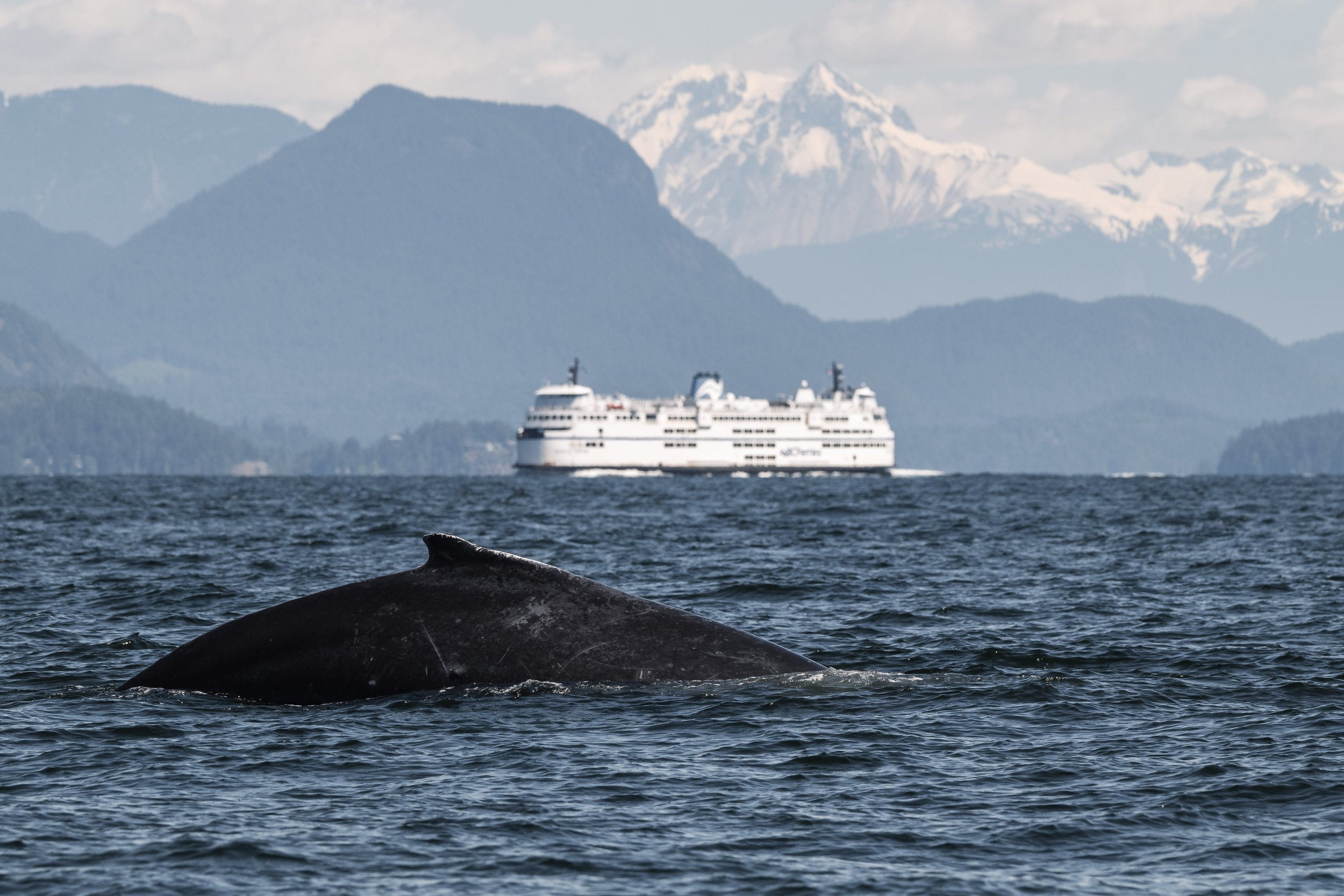
Pingu travelling with a BC Ferry behind them. Photo by Aly Kohlman.
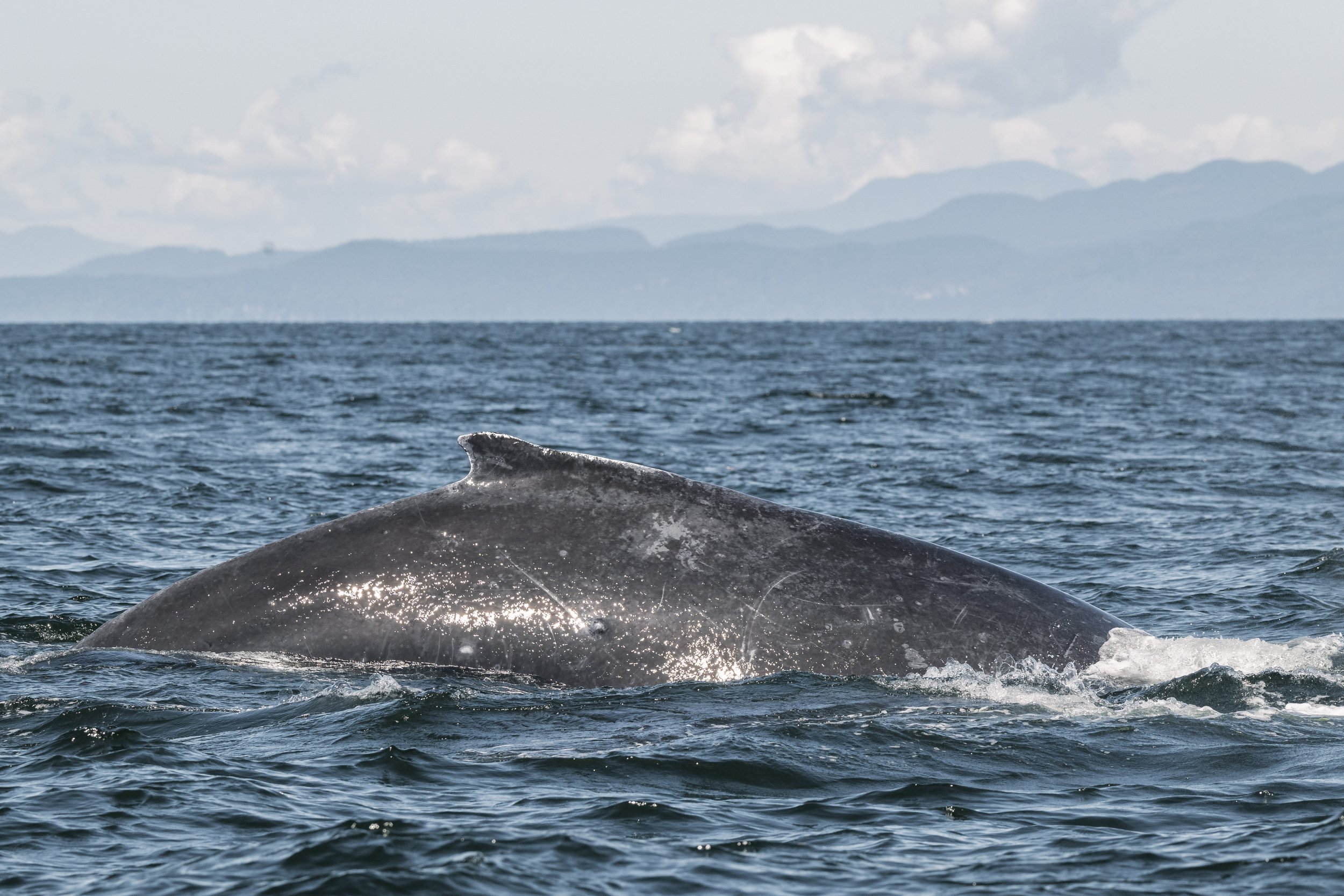
Pingu travelling along. Photo by Aly Kohlman.

Pingu’s dorsal fin. Photo by Aly Kohlman.
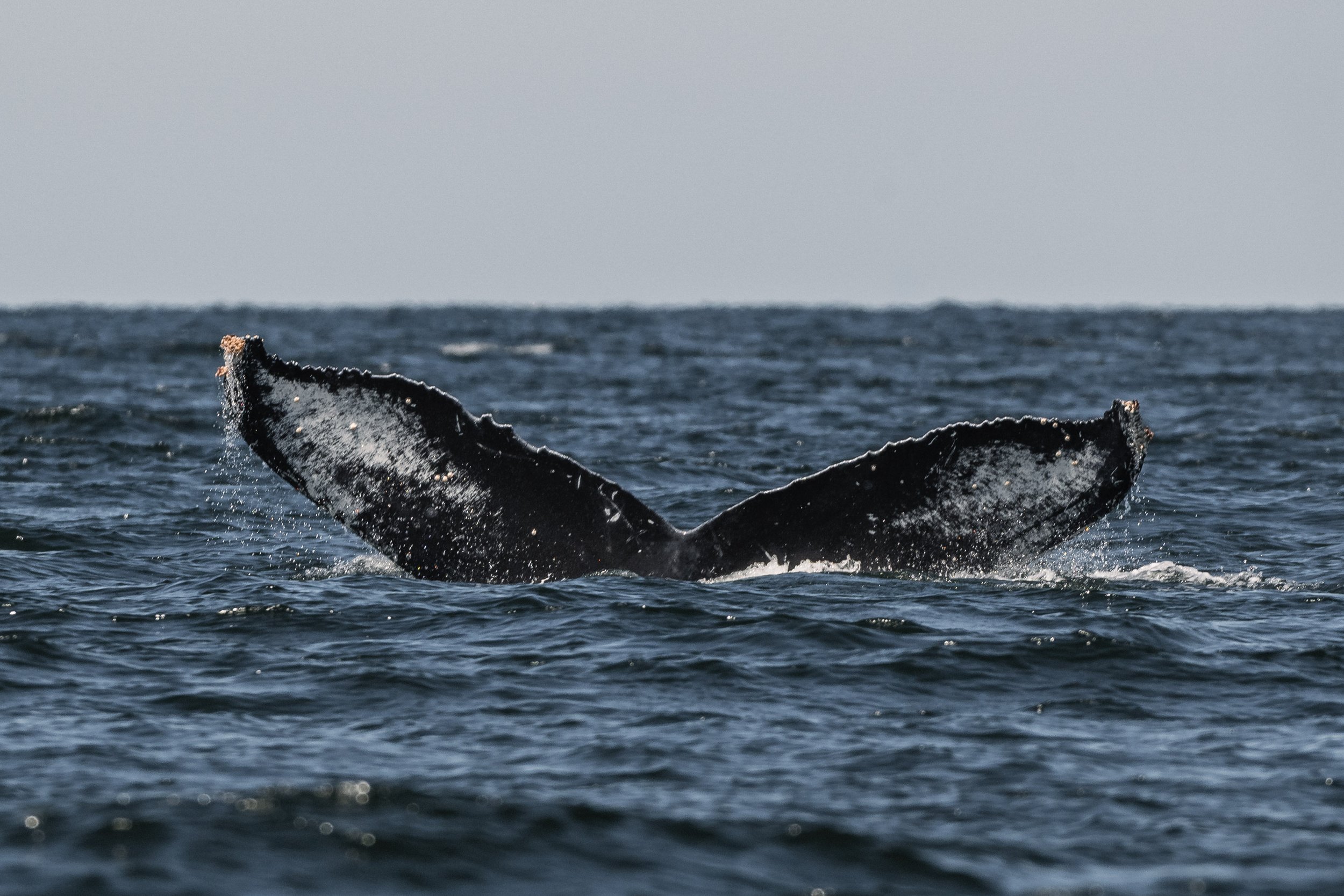
Pingu going for a dive. Photo by Aly Kohlman.
Kelpie
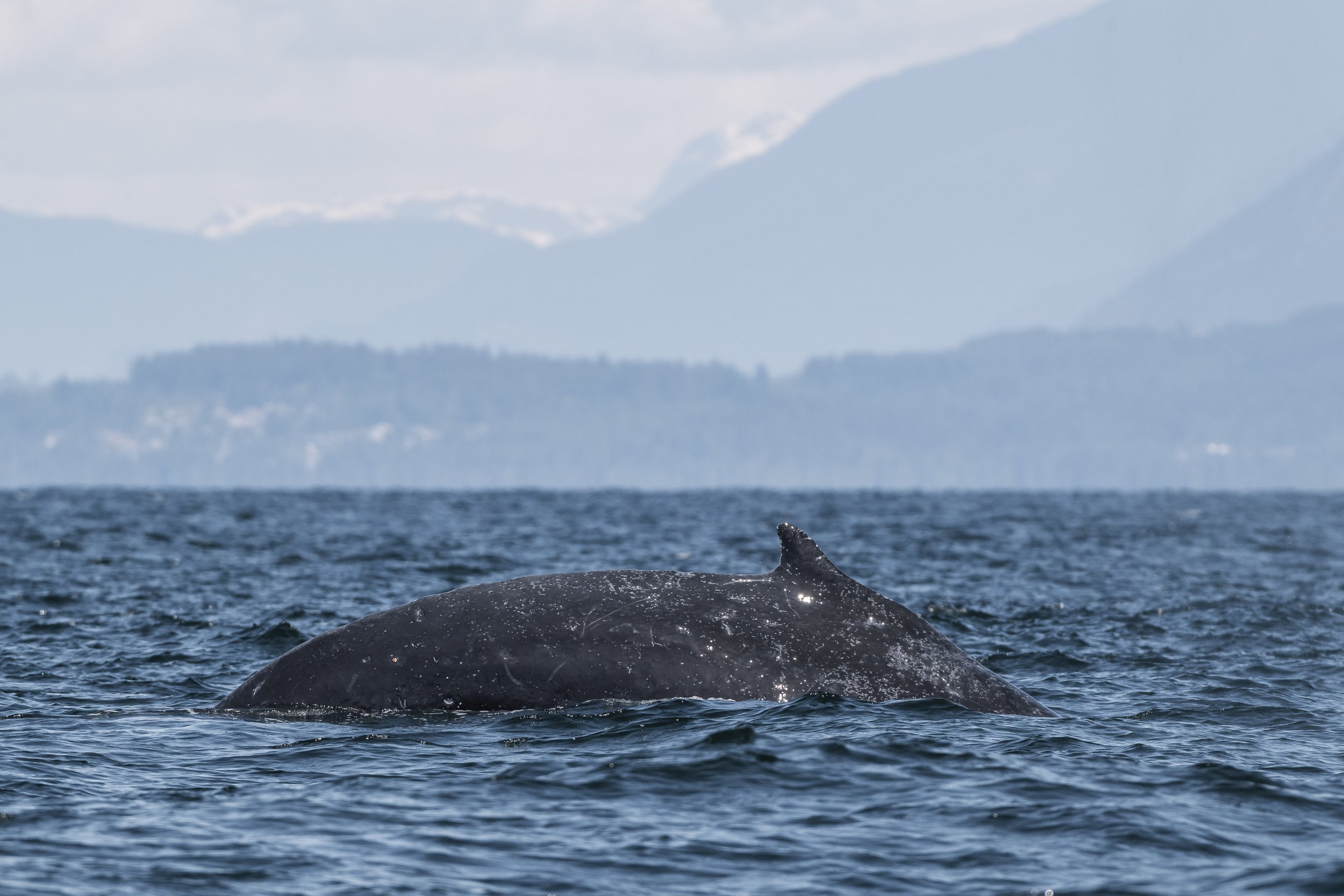
Kelpie arching for a dive. Photo by Aly Kohlman.
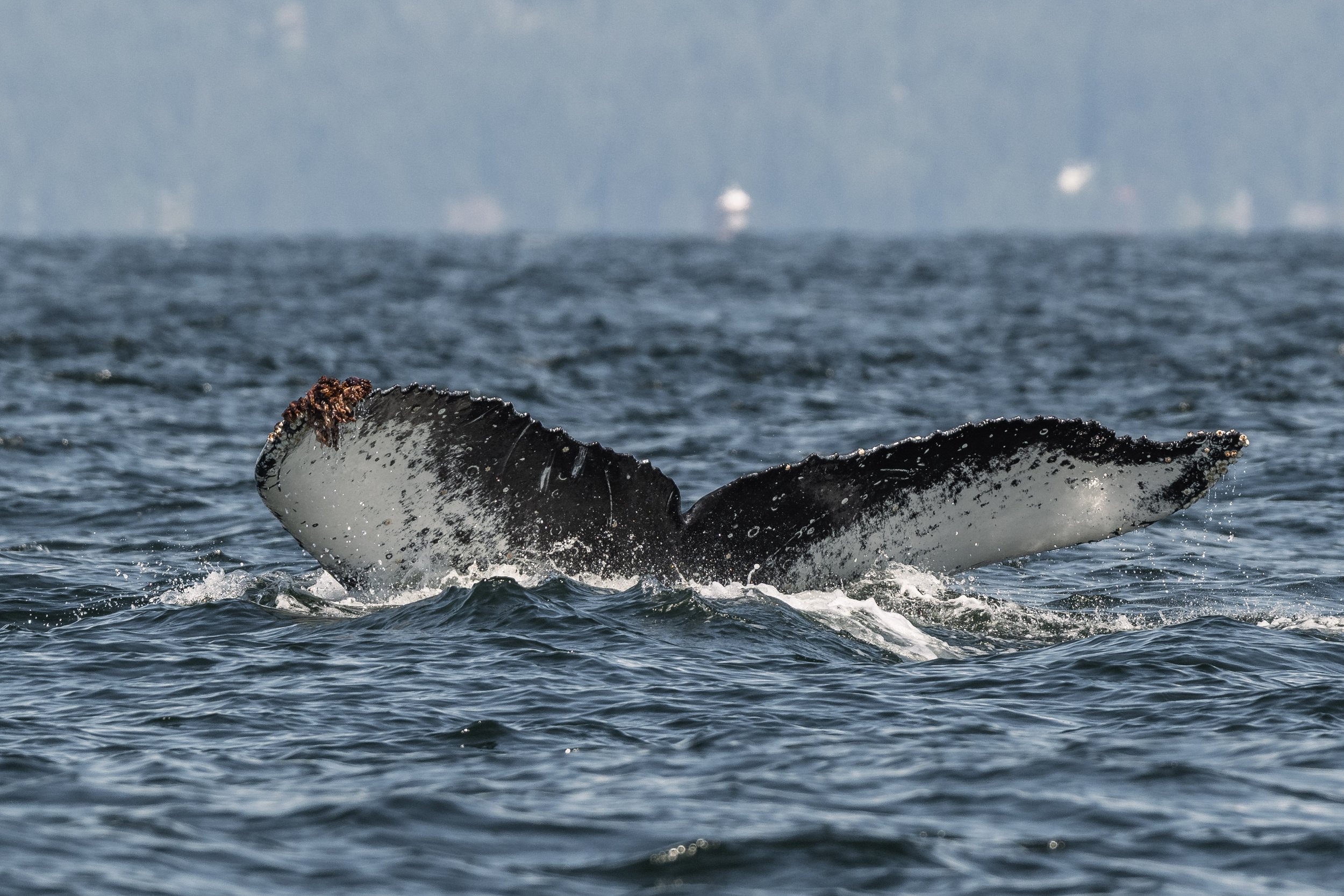
Kelpie’s beautiful fluke as he begins to dive. Photo by Aly Kohlman.
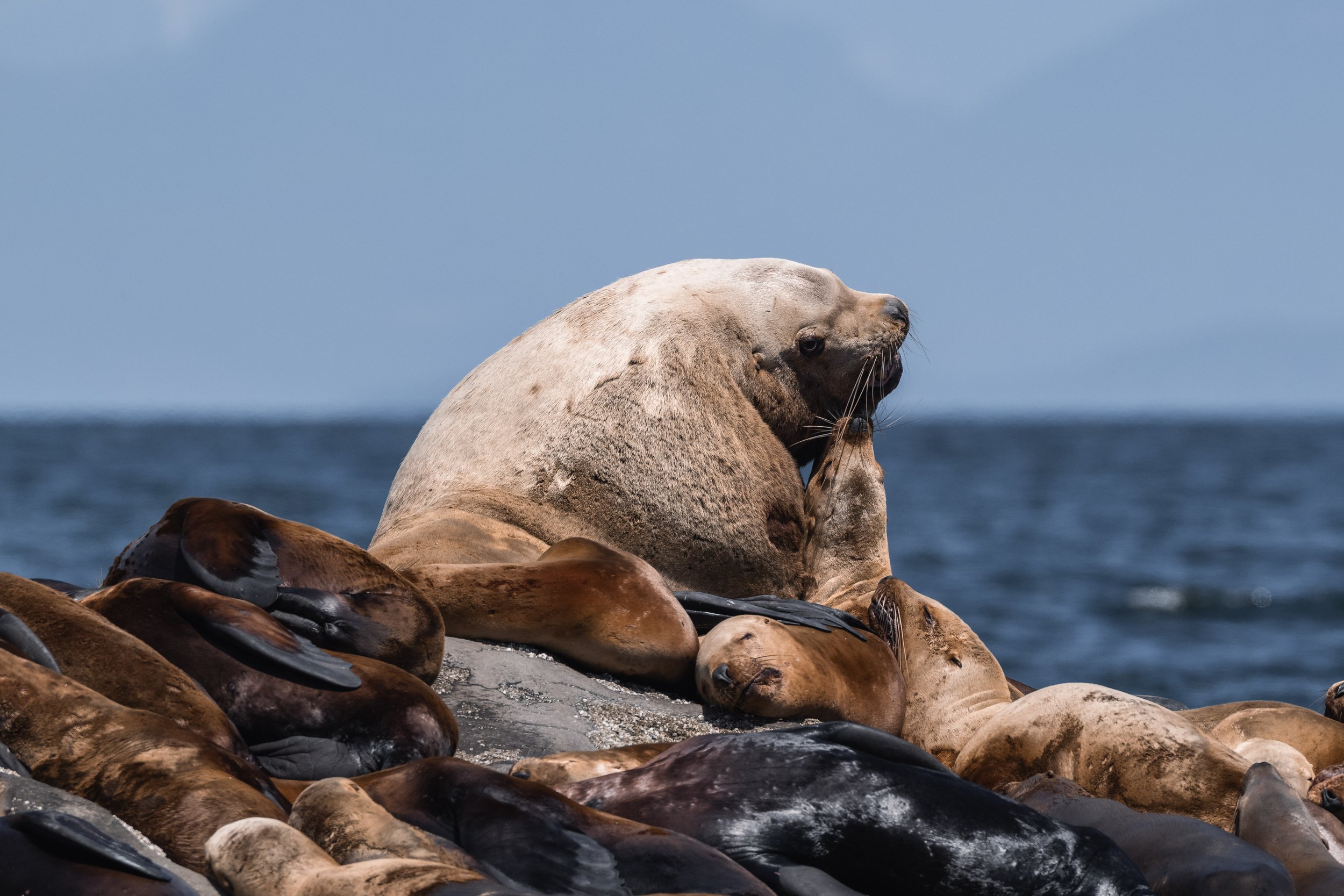
A large lumbering male Steller Sea Lion being nibbled on by another sea lion! Photo by Aly Kohlman.
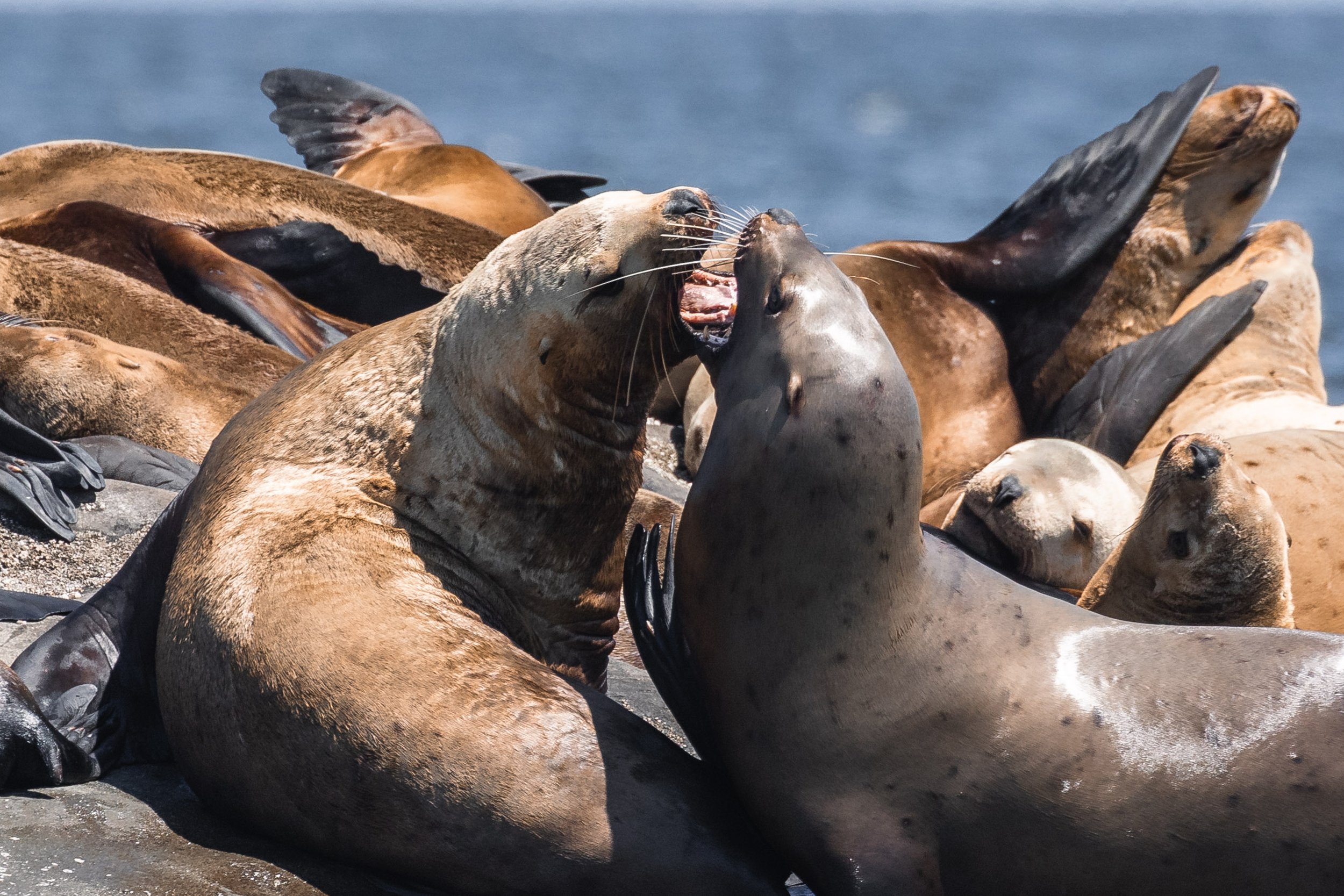
Discourse amongst the sea lions. Photo by Hayleigh Hilbert.
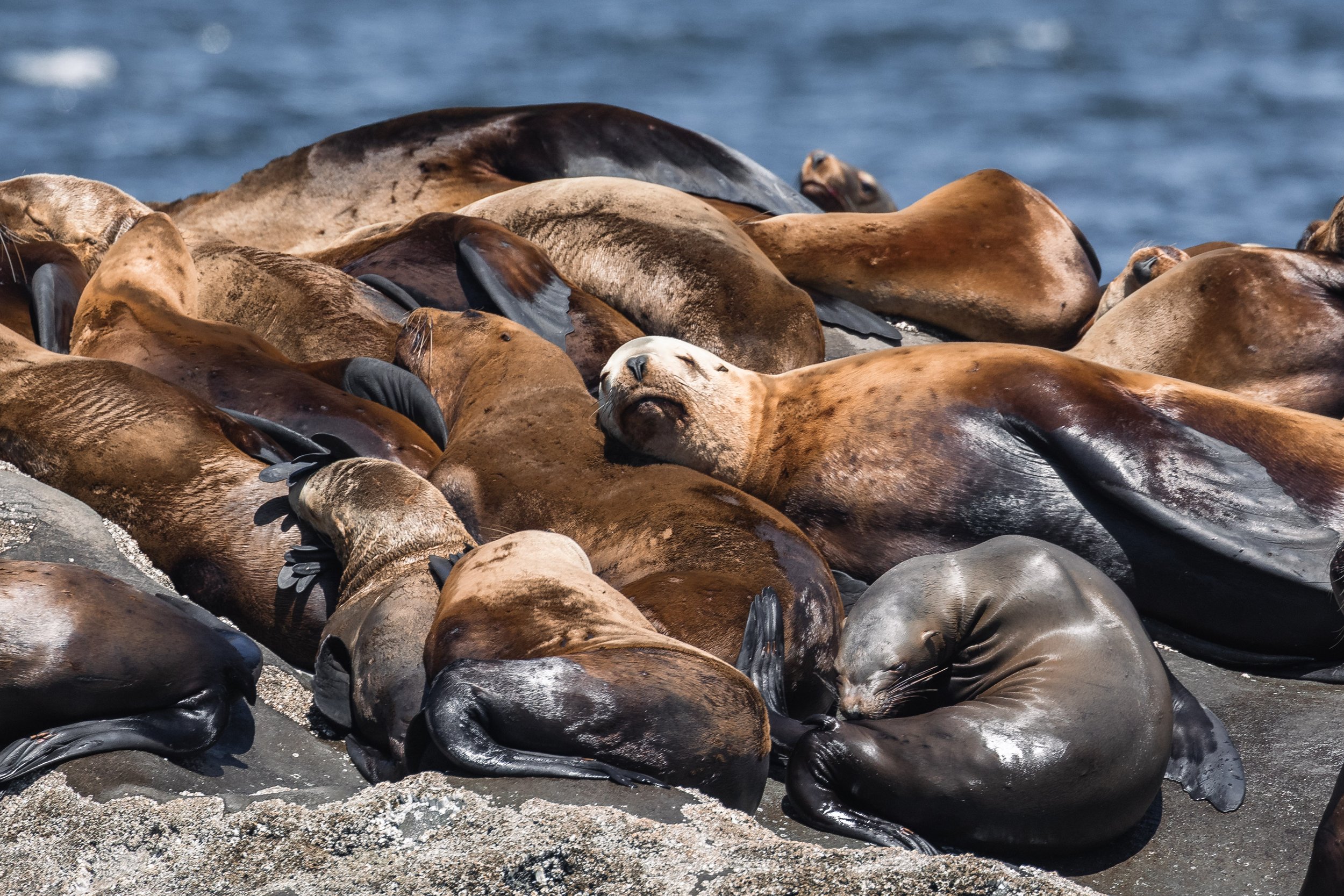
Nap time! The sea lions will often use eachother as pillows as they rest. Photo by Hayleigh Hilbert.
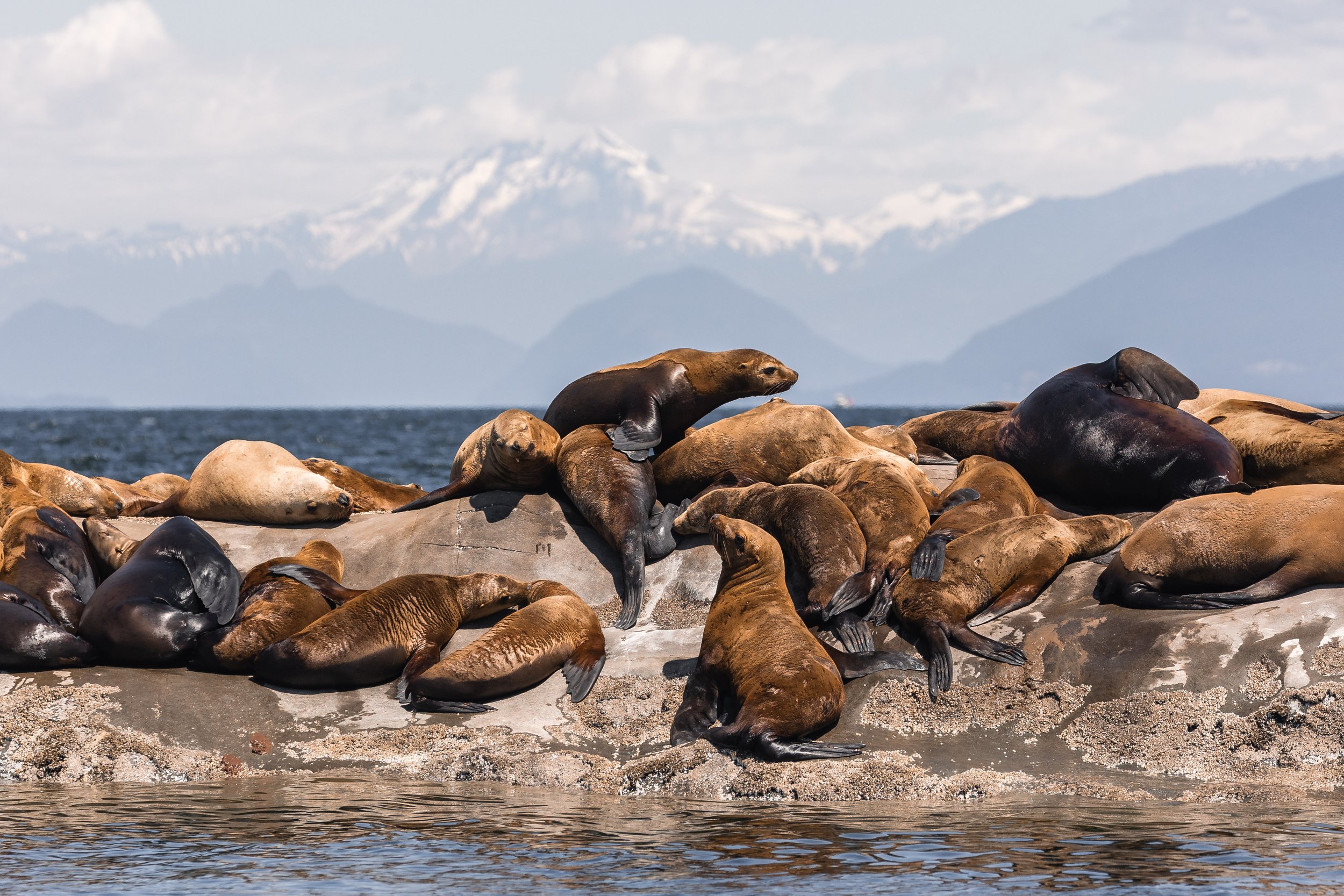
Crawling over eachother to get to the best spots is also a common sight with the sea lions. Photo by Hayleigh Hilbert.
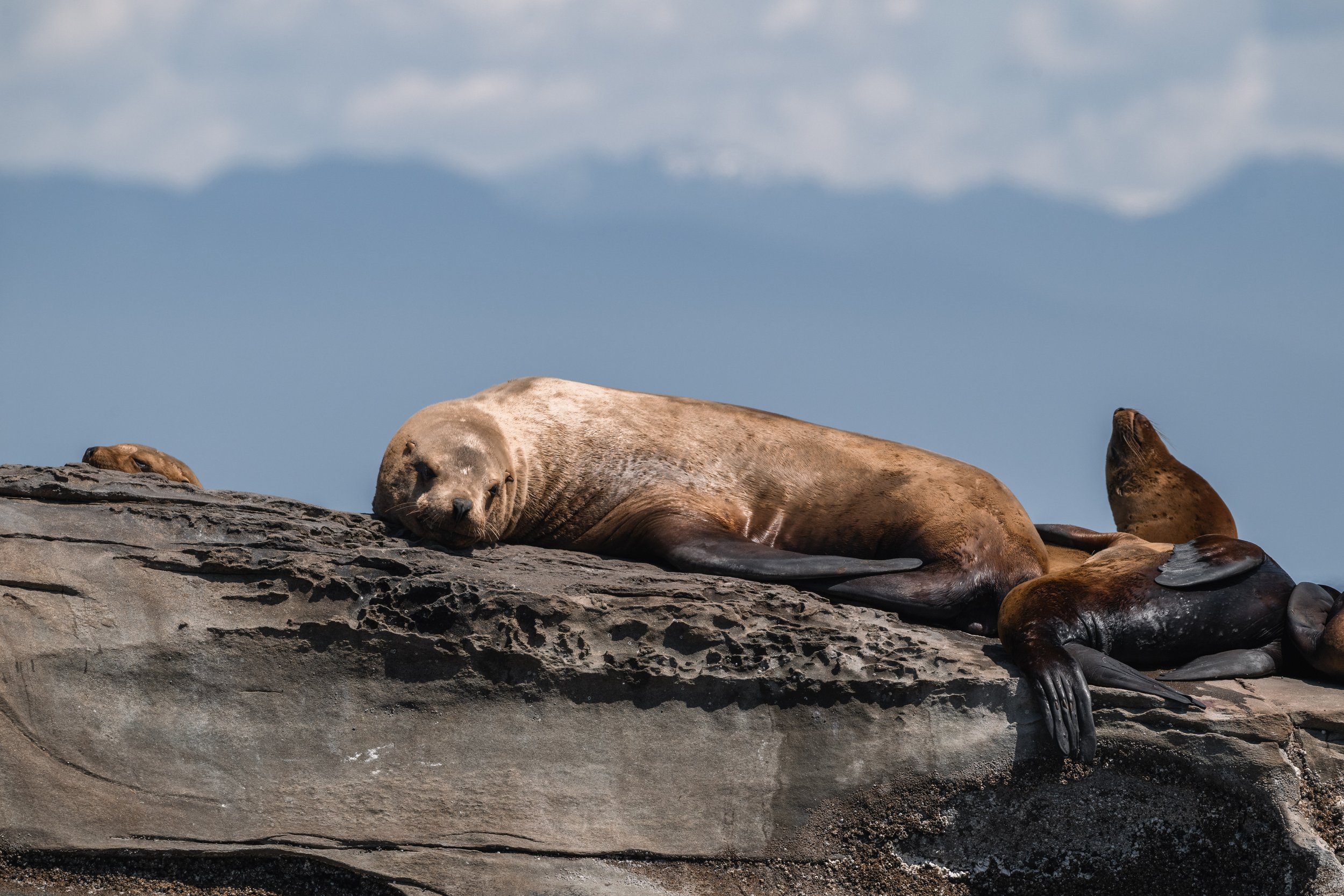
Sleeping in the sunshine. Photo by Aly Kohlman.
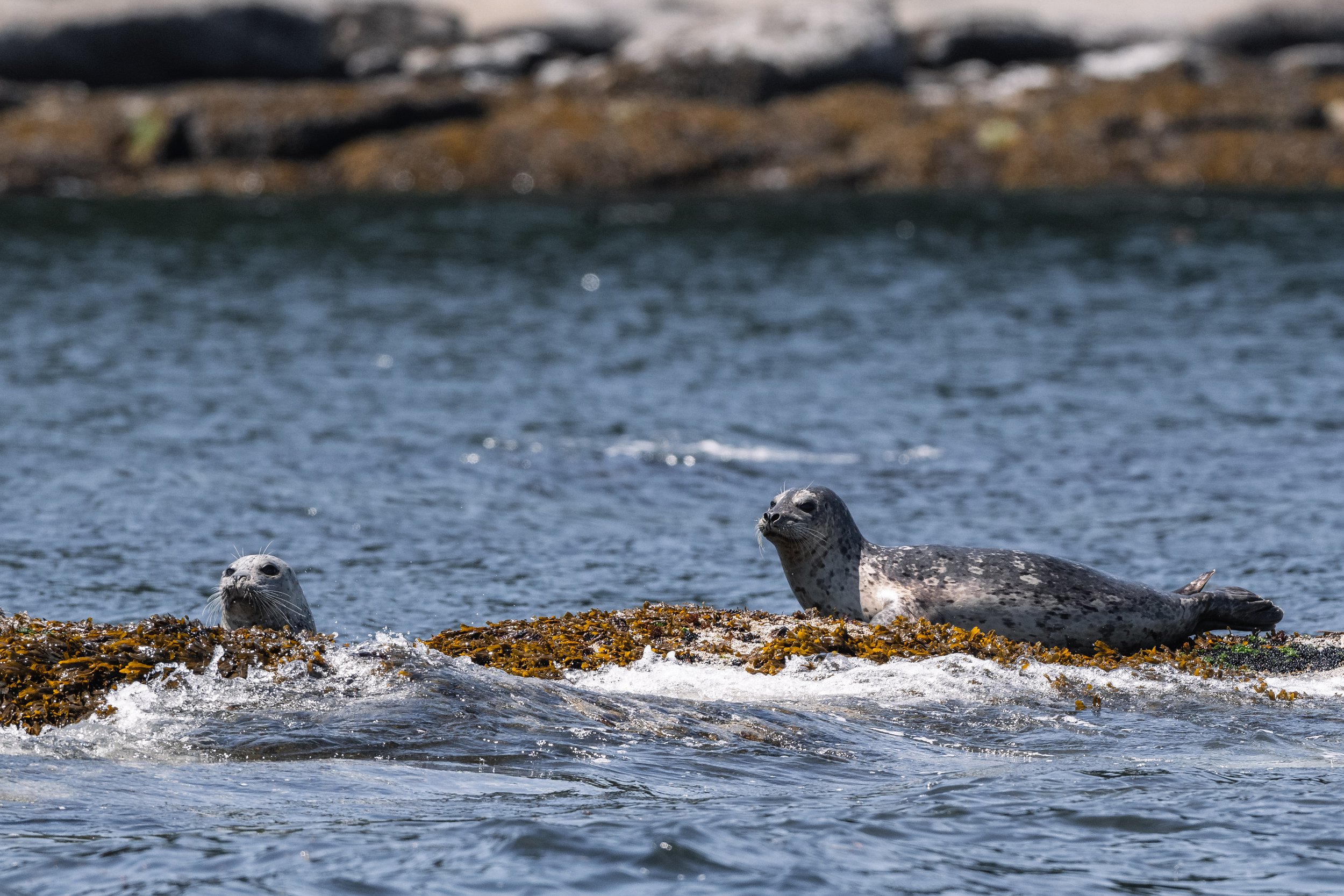
Curious Harbour Seals in the surf. Photo by Aly Kohlman.
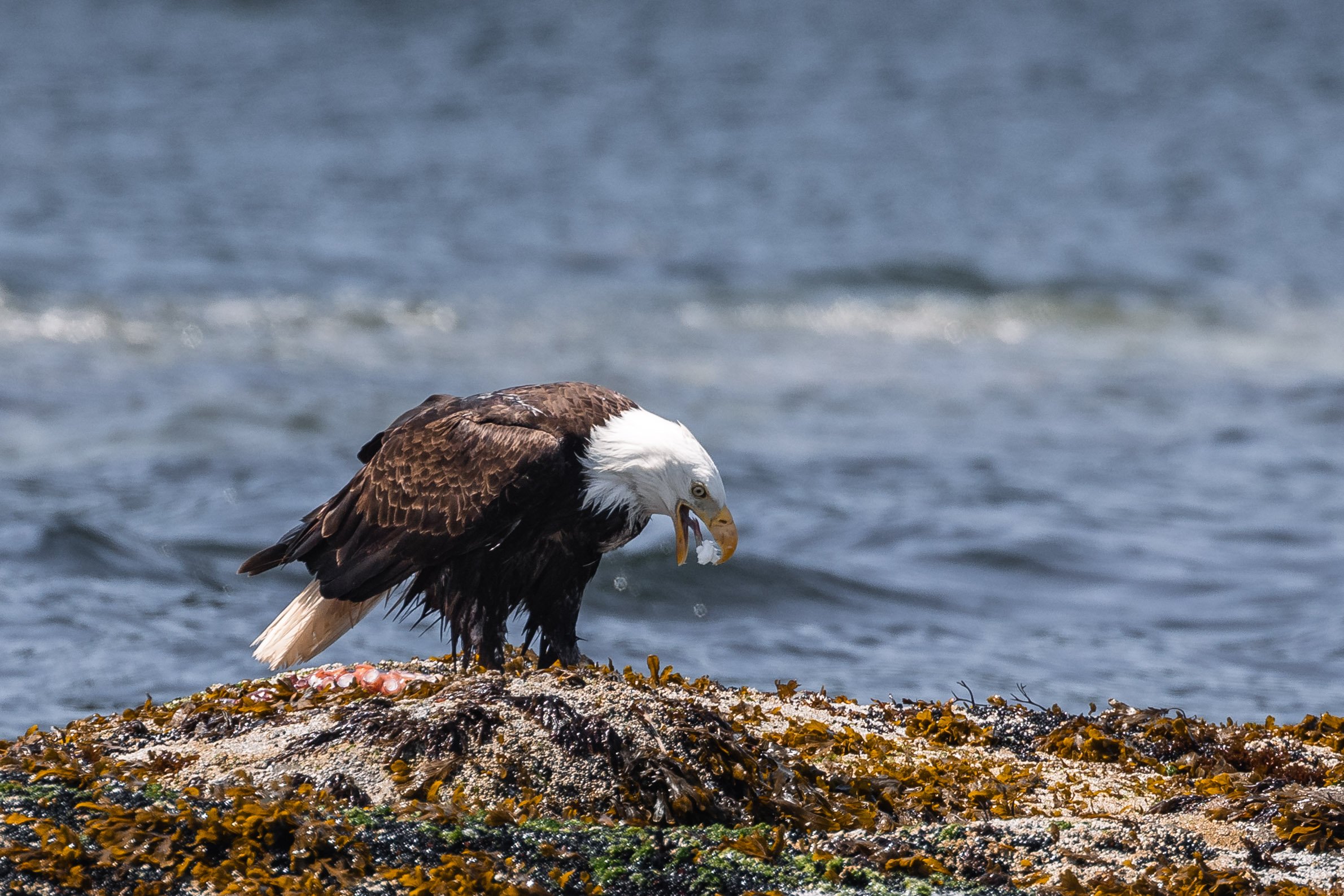
A Bald Eagle with an interesting looking snack - do you know what it is? Photo by Hayleigh Hilbert.
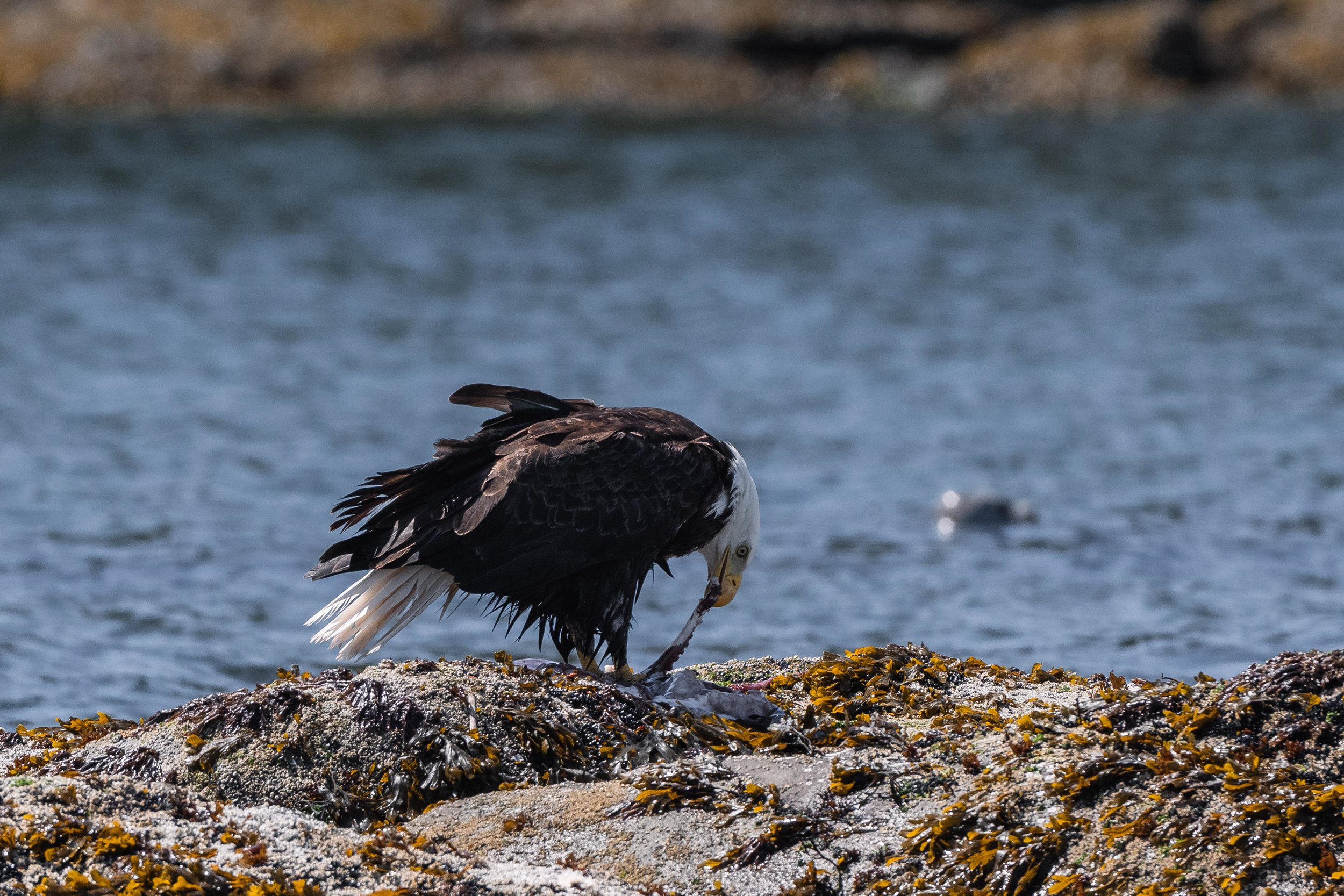
It was a Giant Pacific Octopus! Not a very commonly seen feast for a Bald Eagle! Photo by Aly Kohlman.
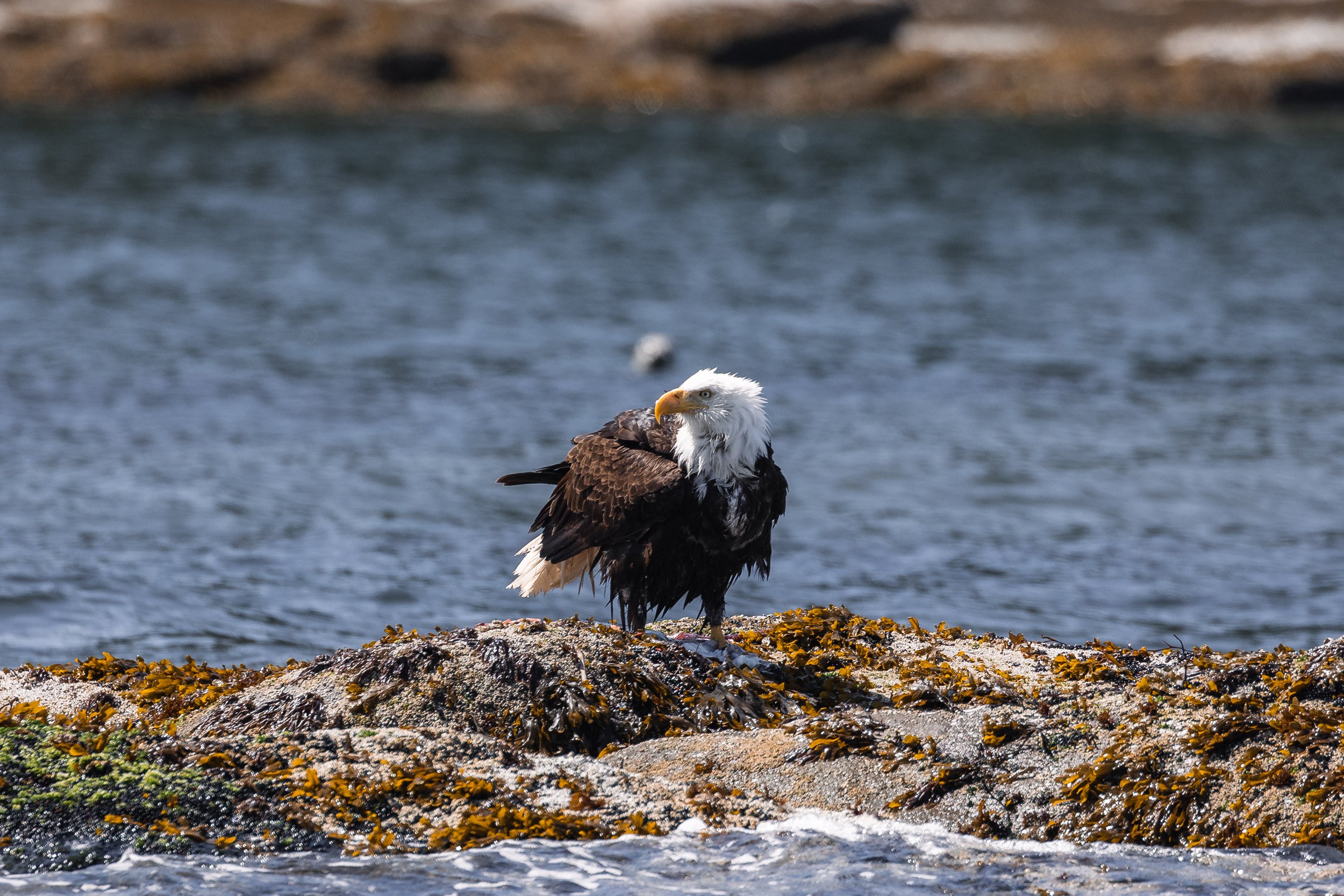
The Bald Eagle looking soaked and ragged as it stands over its prey. Photo by Hayleigh Hilbert.