
June 14, 2026, 3:30 PM - The T-party continues
After an amazing morning, we were eager for an equally amazing evening. Naturalist Vanessa chatted with us about the species we might find today as we settled into our seats aboard Cascadia. With our earlier sighting having taken place off Gabriola Island, Captain Rodrigo pushed off the dock and began our adventure northbound.
Skirting North Nanaimo’s shoreline, we turned out into the deeper waters of the Strait of Georgia. We scanned and scanned, and soon, a tall plume of mist could be seen popping into the sky. It was the blow from a humpback whale, our first sighting of the trip.
We carefully approached, and soon after, our cameras raised and we began collecting our photos. The humpback soon arched its back high above the surface, and soon after, up came their flukes. This pattern, speckled with light and dark areas, helps us ID individuals. This unique tail had three dark markings on the left side, and we soon learned that this was Checkmate (BCY1104), one of our frequently returning whales. With their first sighting being back in 2015, they have now spent every summer for over a decade meandering along our shores, feasting and filling their stomachs with the many prey species that reside here.
Feeding is the most important part of a humpback’s day in the summer months, as they must put on a large amount of weight before they head back out on their winter migration. For roughly half the year, they rely on their fat stores to sustain themselves before they can return to our area once more and repeat the cycle.
Today, Checkmate was doing long dives, staying submerged for more than 10 minutes at a time. It is likely that their prey source was located deeper in the water column, resulting in an increased duration of submergence. We spent some time with them as they went about their evening before we headed out once more to continue our adventure.
We meandered over to Entrance Island, a small rocky island on the outskirts of Nanaimo Harbour. Adorned with a multitude of red-and-white buildings, including a lighthouse, it is always an interesting area to take a peek at. Pinnipeds will often haul out here as well, as we saw today, with a large male Steller Sea Lion lumbering along across the rocks.
After our quick look at Entrance Island, we set off once more, this time in search of orca. It was only a brief trip before we found them, spread across the horizon. There were fins of all shapes and sizes scattered about, and once more, we began documenting the scene. With orca, we typically ID individuals by their dorsal fins. While we confirmed several on scene, after double-checking our photos in the office, we learned that there were even more whales present than initially believed. With members from six different matrilines being spotted, we estimated that there were anywhere from 20 to 21 orca in the area:
T046B1 Tread ♀ (2003)
T046B1A Tsakani ♀ (2015)
T046B1C Tide ♂ (2022)
T046B1D Tashi (2025)
T086A Eider ♀ (1988)
T086A4 Akia ♀ (2016)
T086A5 Siku ♂ (2024)
T123 Sidney ♀ (~1985)
T123A Stanley ♂ (2000)
T123C Lucky ♀ (2012)
T123D Darcy ♀ (2018)
T124A Kittiwake ♀ (1984)
T124A6 Kasuun ♂ (2016)
T124A7 Kite ♀ (2021)
T124A2 Elkugu ♀ (2001)
T124A2A Agafia ♂ (2013)
T124A2B Litton ♀(2016)
T124A4 Sabio ♀ (2010)
T124A4A Strix ♀ (2021)
T124A1A Sabine (2024)
The variety in numbers comes into play, as one individual, who is often spotted travelling with the T046B1s, was not documented on scene, but we believe was swimming farther away. That whale is T046C2 Sam ♀ (2009). She regularly travels with her cousin and her cousin’s calves, but is often seen travelling further away from the pod. Back in 2013, at only 4 years old, Sam was spotted alone in Weeteeam Bay, BC. She appeared afraid to leave the small waterway and began losing weight rapidly. Soon after, researchers stepped in, and a team was formed to help coax the young whale out. The operation worked flawlessly, and 2 weeks after her initial entry, Sam swam free once more and has been adventuring around the Salish Sea and surrounding waters ever since.
The whales were broken up into many smaller groups as we observed them, mingling and socializing amongst themselves. There was much excitement as the orca became incredibly surface-active, often tail-slapping, back-diving, and breaching. T-parties, or gatherings such as this one, are great opportunities for young whales to meet each other and for older whales to breed. It is always awe-inspiring to see these magnificent animals going about their day, exploring and learning together.
While the orca and humpback were definitely highlights of the trip, they weren’t the only stops we made along the way. Over at the Halibut Bank ODAS buoy, we witnessed even more Steller Sea Lions slumbering along. A few individuals watched us cautiously as we bobbed along, before returning to their evening swim. The biggest surprise of the day wasn’t a whale or a pinniped, though - it was actually a bird! As we transited along, a large individual could be spotted floating along. We approached, and that’s when we saw it - it was a Brown Pelican!
Brown Pelicans are very uncommon visitors to our area, with sightings being highly infrequent. Breeding in the Gulf of California, Brown Pelicans disperse and travel long distances before resuming the cycle the following season. There is a possibility we will not see this bird again this year, so we enthusiastically snapped a few photos before continuing on again.
With the sun now sitting low in the sky, we began to travel back towards port. We rounded the corner, and soon Nanaimo was in our sights once more. Returning to the dock, we disembarked, concluding an amazing adventure through the Salish Sea!
Please enjoy these photos taken by Marine Naturalist Vanessa Vereschahen and crew ride-along Jordan Robinson!
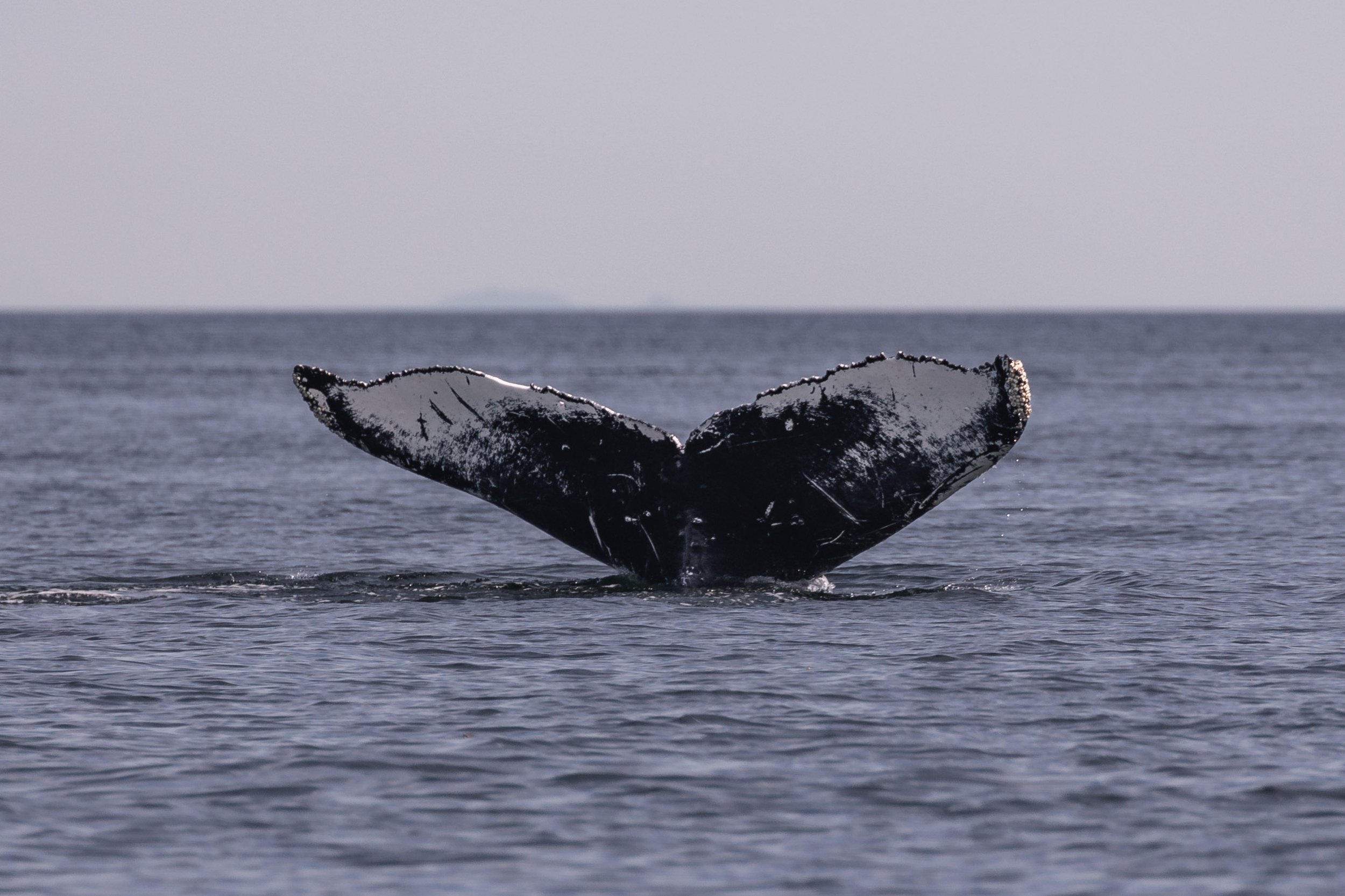
Checkmate’s fluke as they dive. Photo by Vanessa Vereschahen.
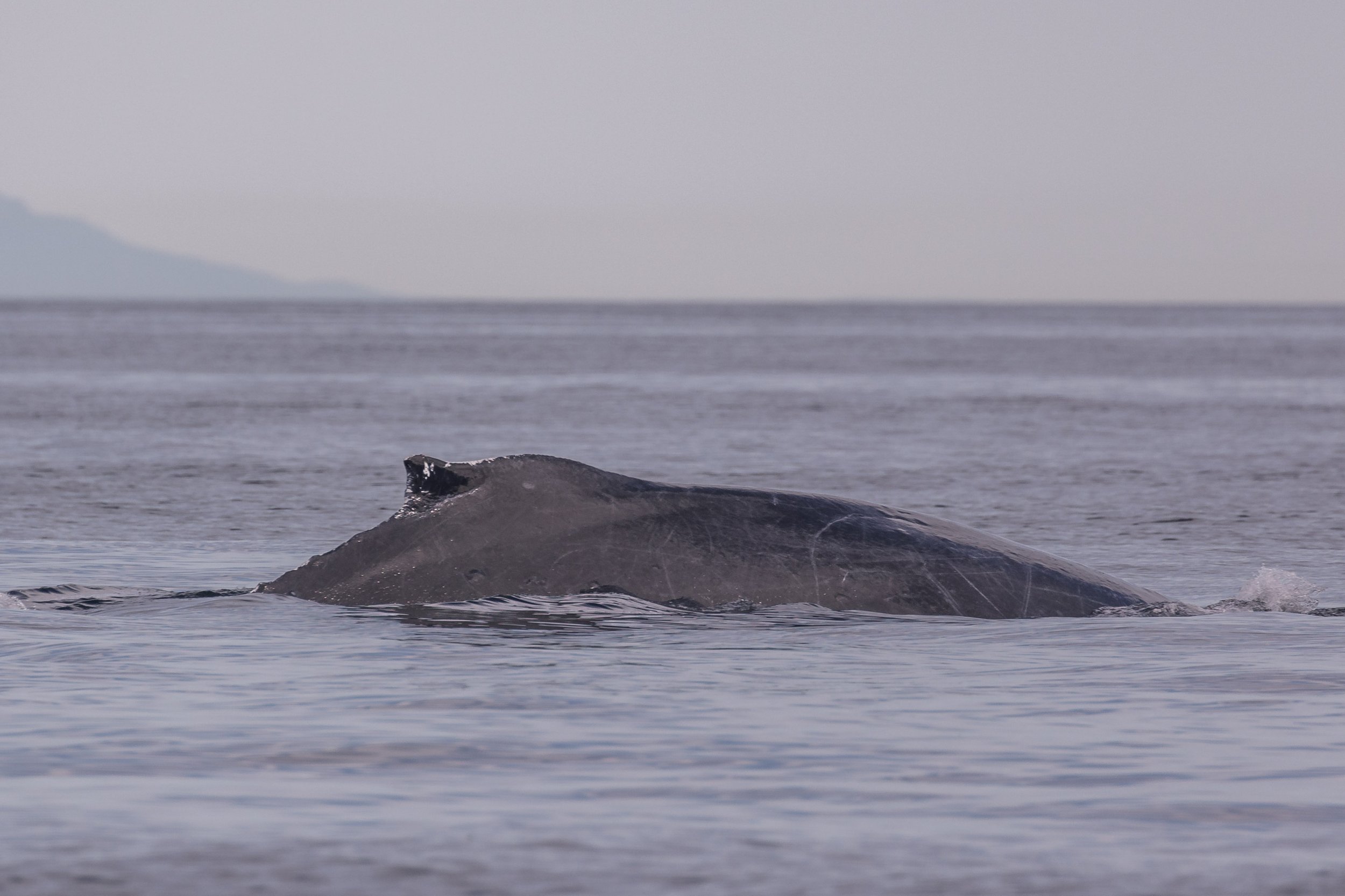
Checkmate travelling along. Photo by Vanessa Vereschahen.
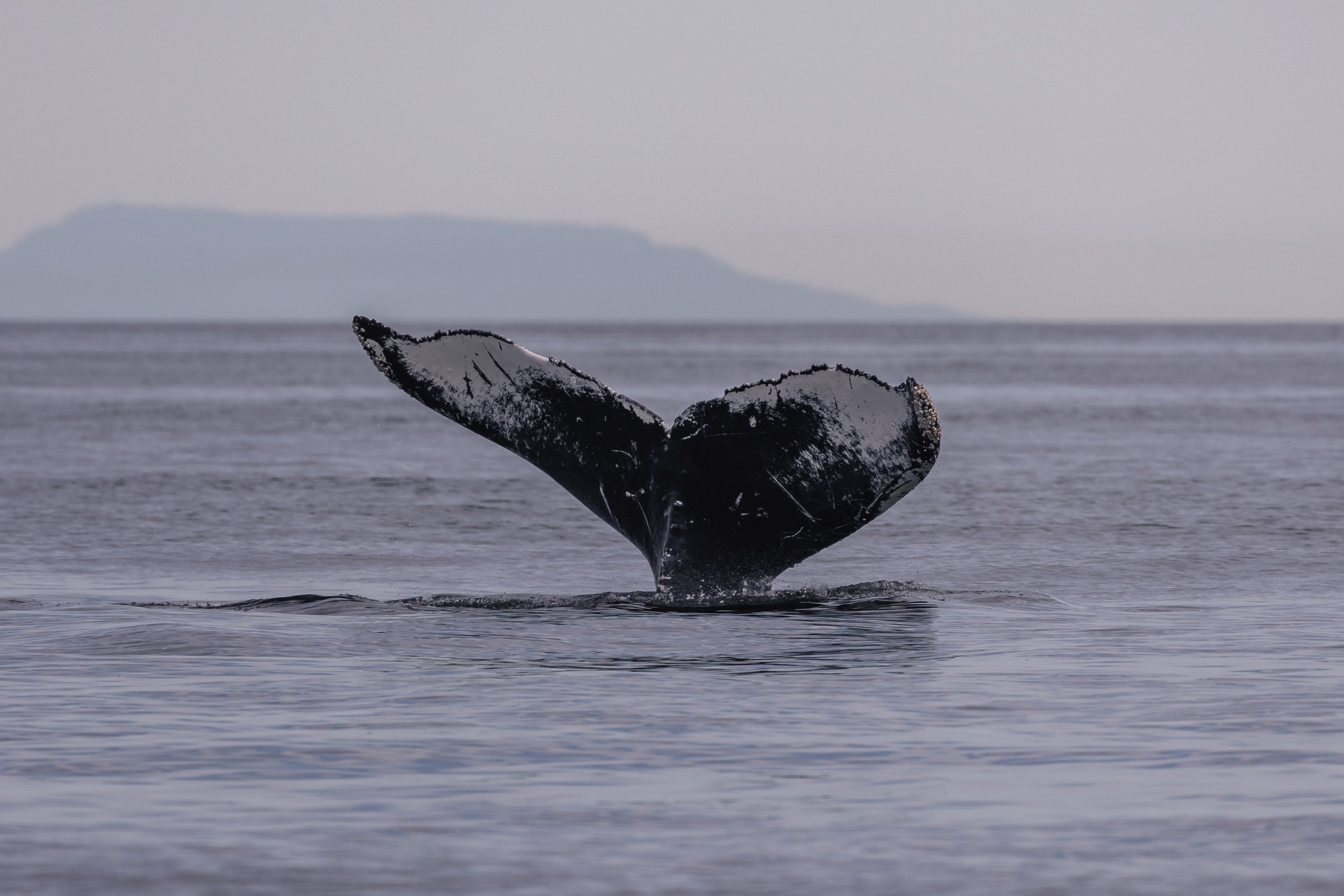
Goodbye, Checkmate! Photo by Vanessa Vereschahen.
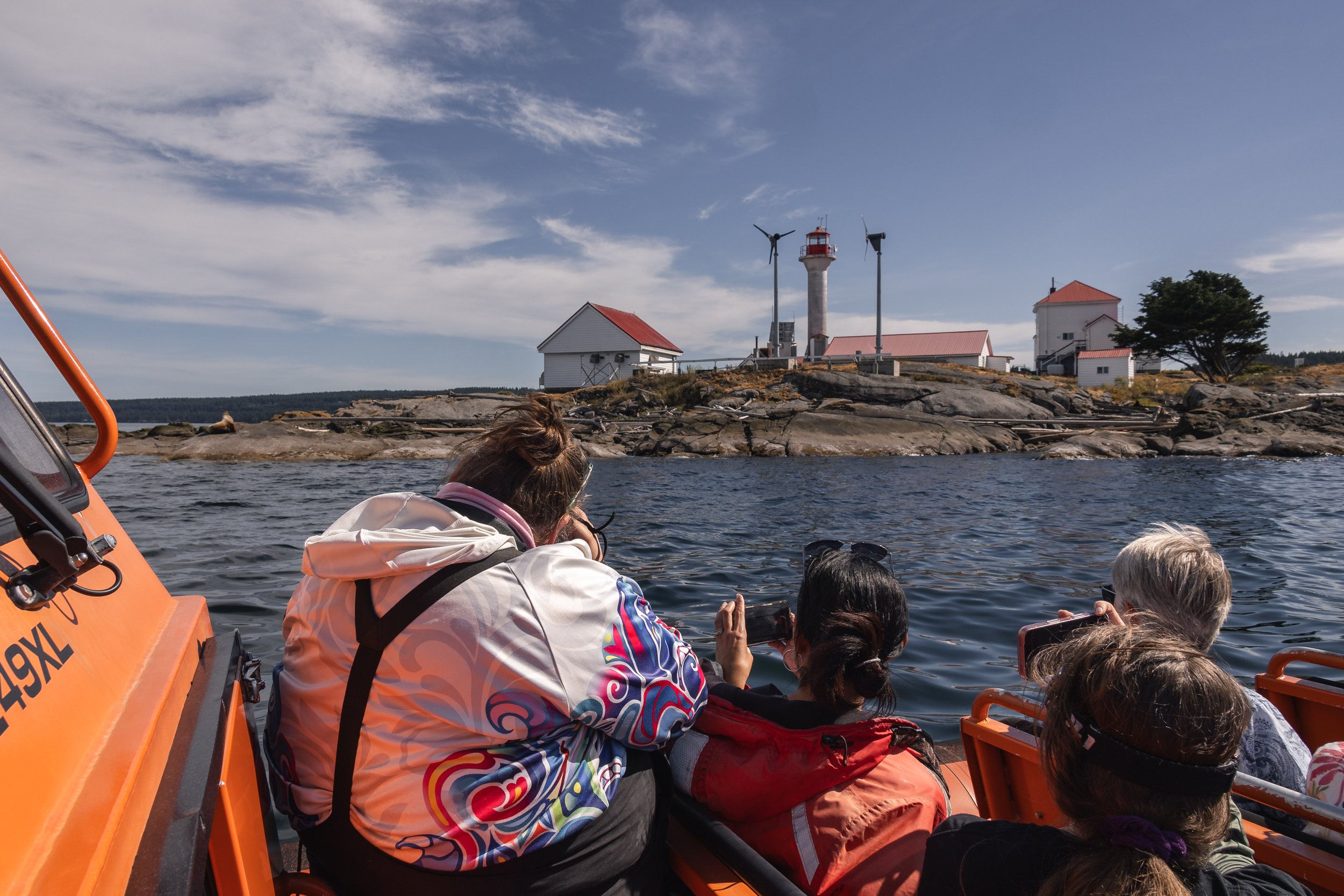
Naturalist Vanessa photographing Entrance Island. Photo by Jordan Robinson.
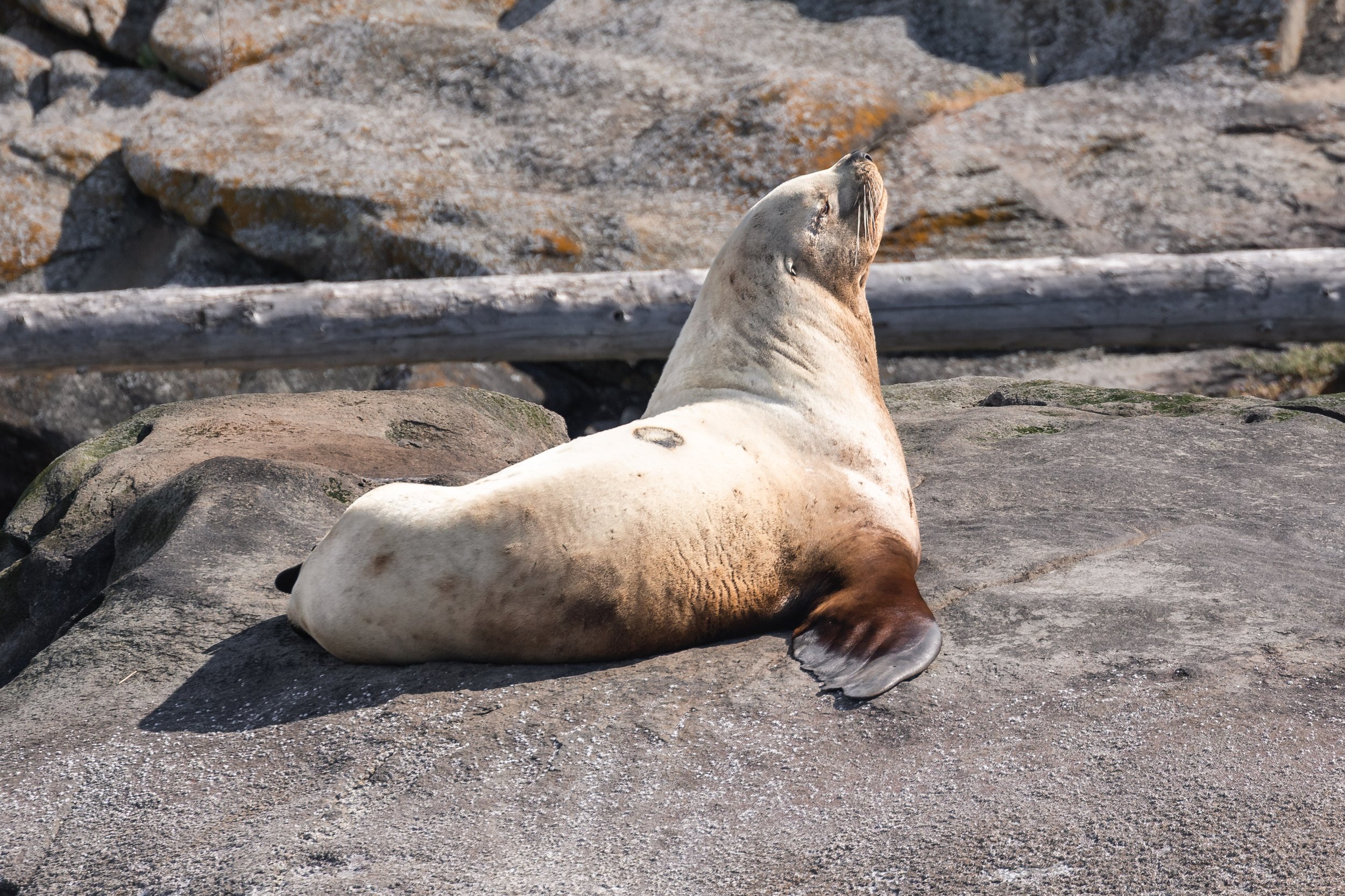
A beautifully plump Steller Sea Lion. Photo by Vanessa Vereschahen.
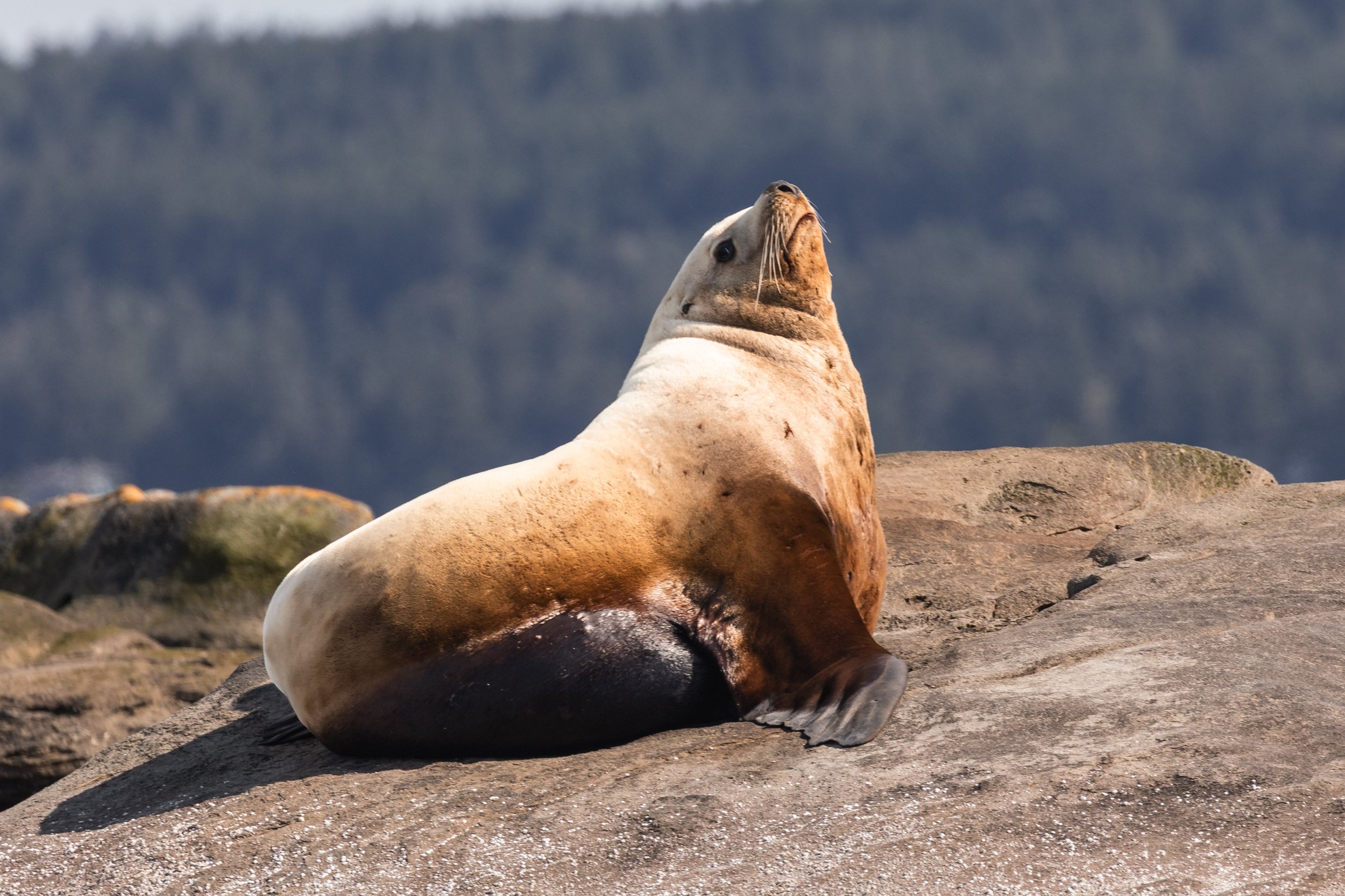
A not as majestic angle of a Steller Sea Lion. Photo by Vanessa Vereschahen.
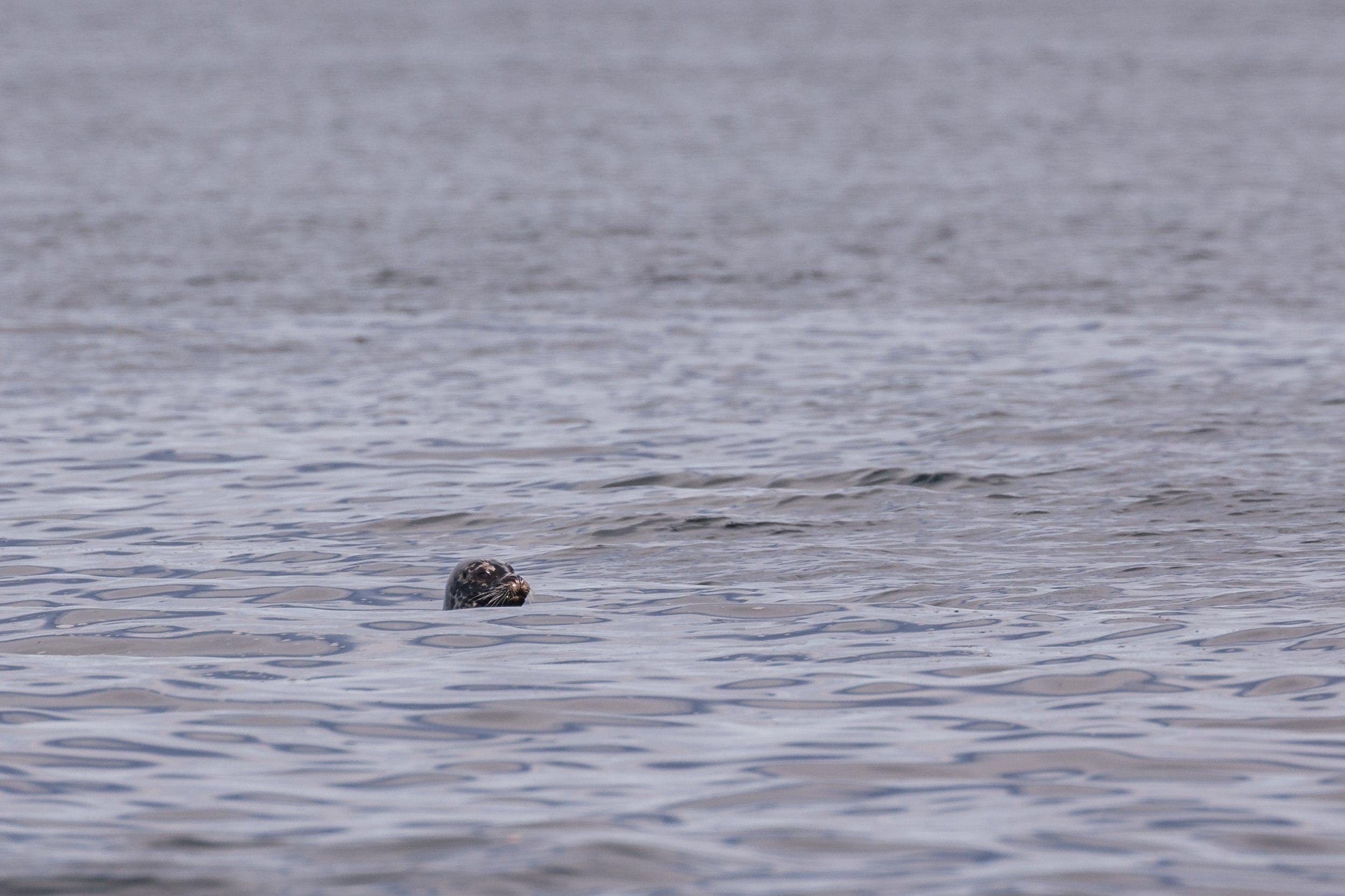
A Harbour Seal bobbing along. Photo by Vanessa Vereschahen.
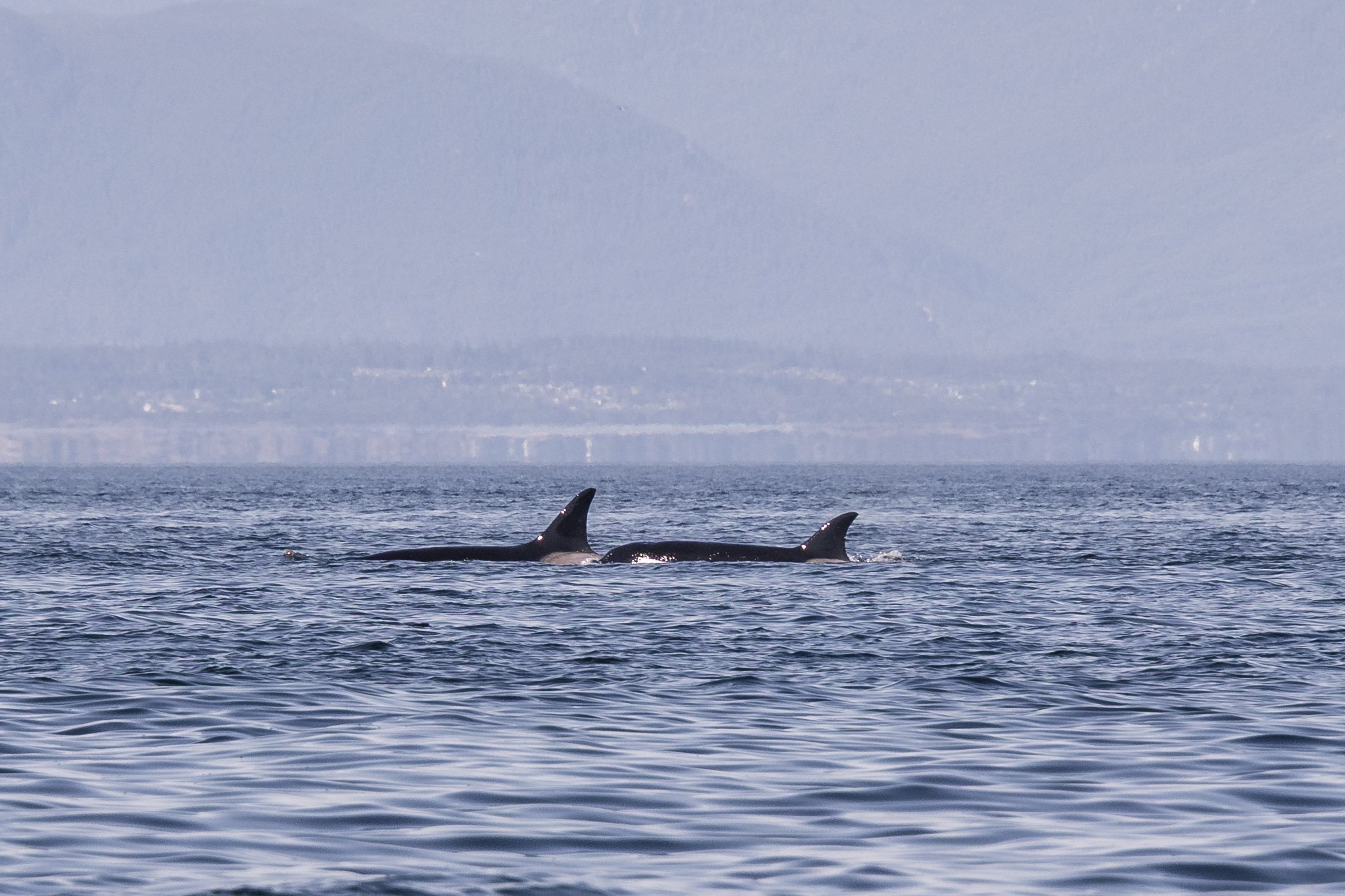
T124A Kittiwake and T124A2B Litton travelling. Photo by Jordan Robinson.
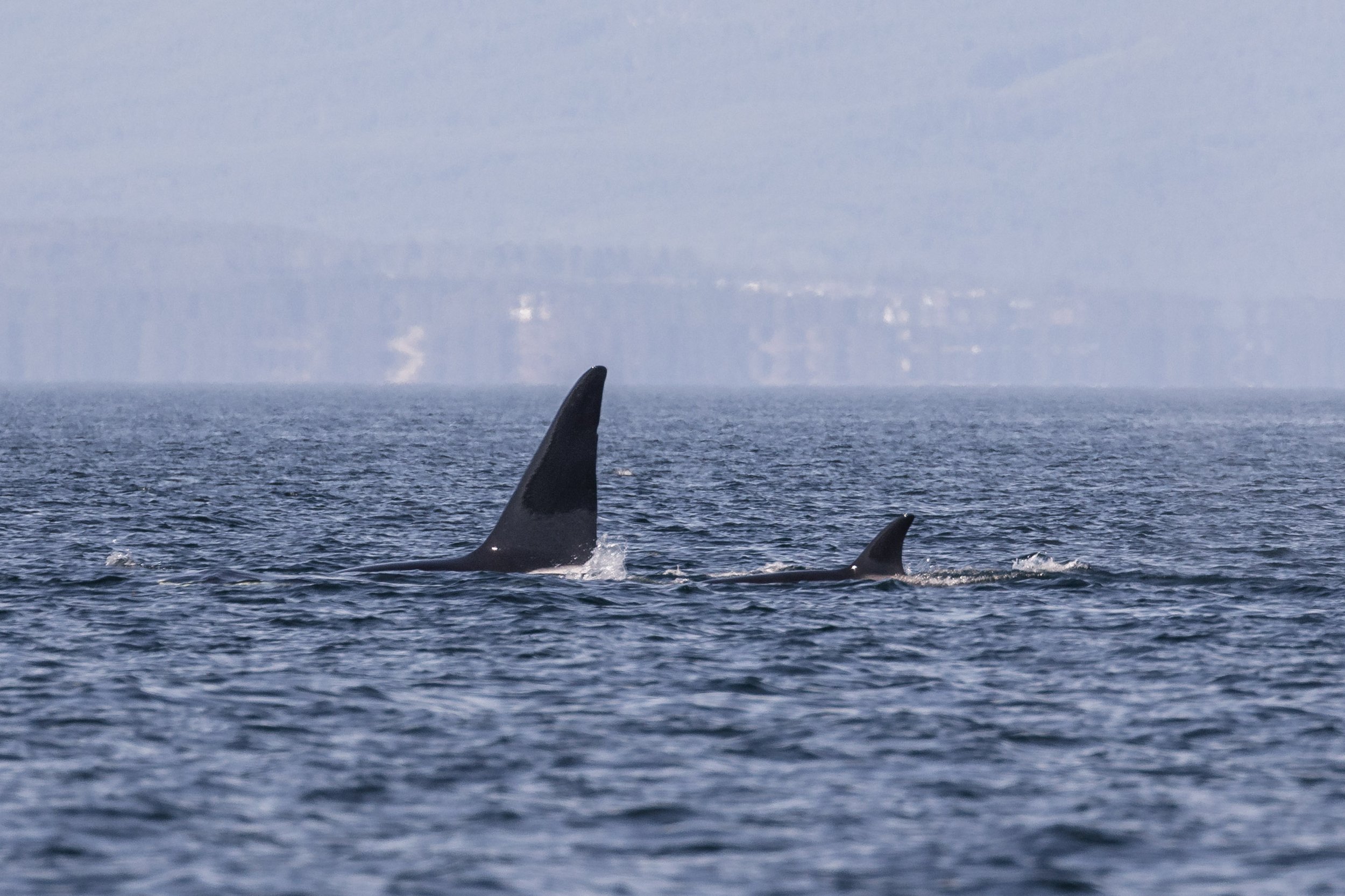
T123A Stanley and T123D Darcy. Photo by Vanessa Vereschahen.
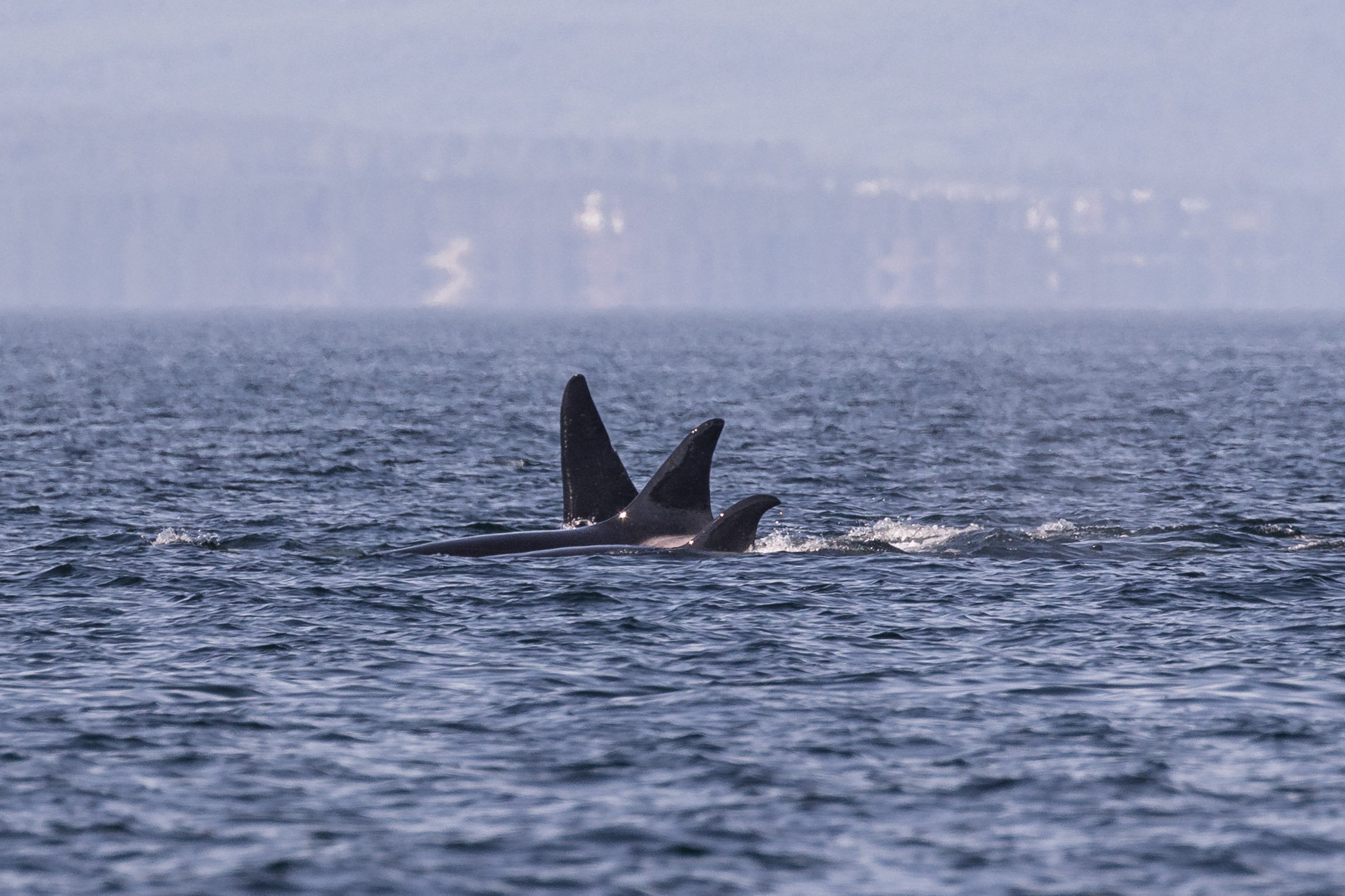
T123A Stanley, T124A Kittiwake, and T124A7 Kite. Photo by Vanessa Vereschahen.
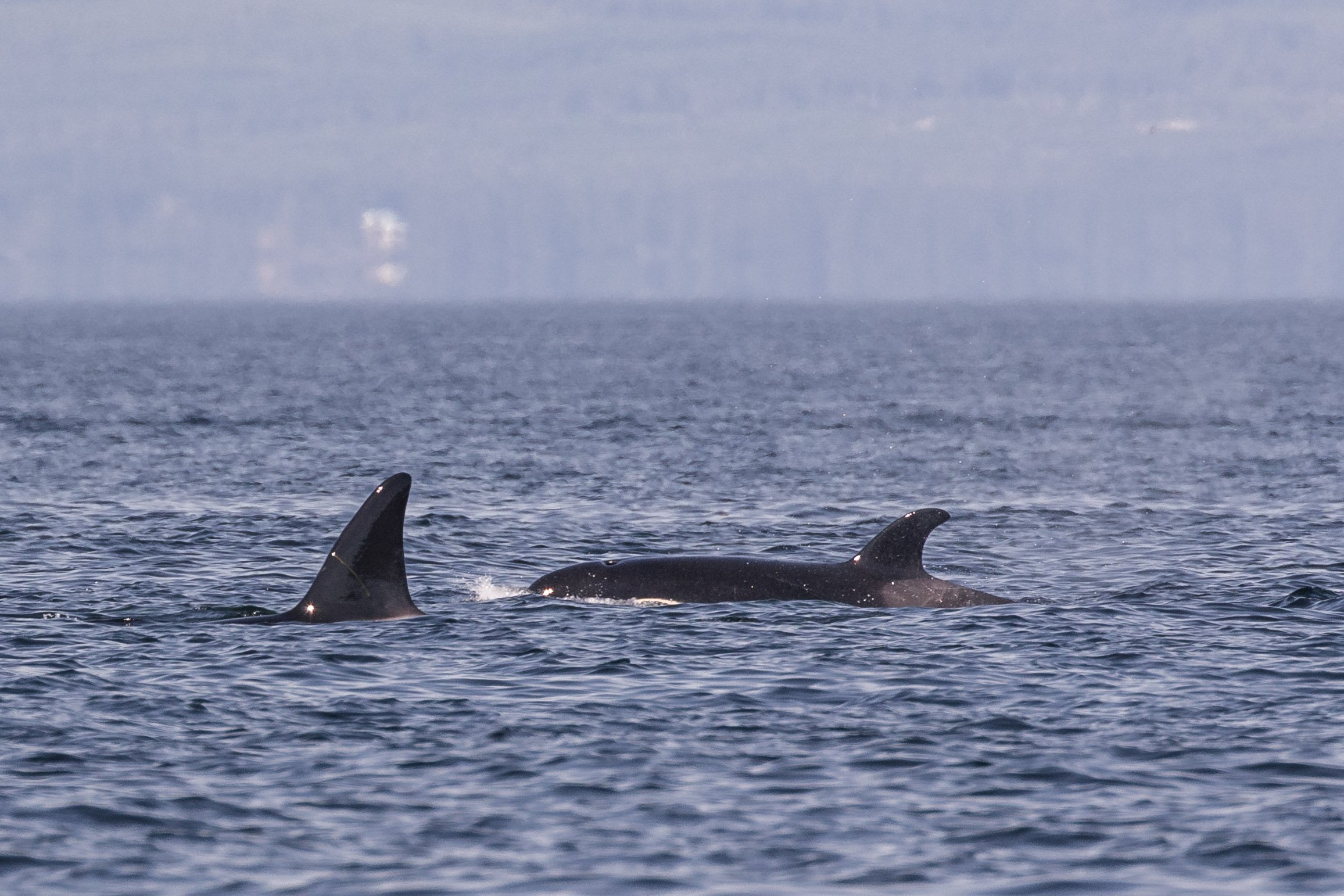
T086A4 Akia and T086A5 Siku. Photo by Vanessa Vereschahen.
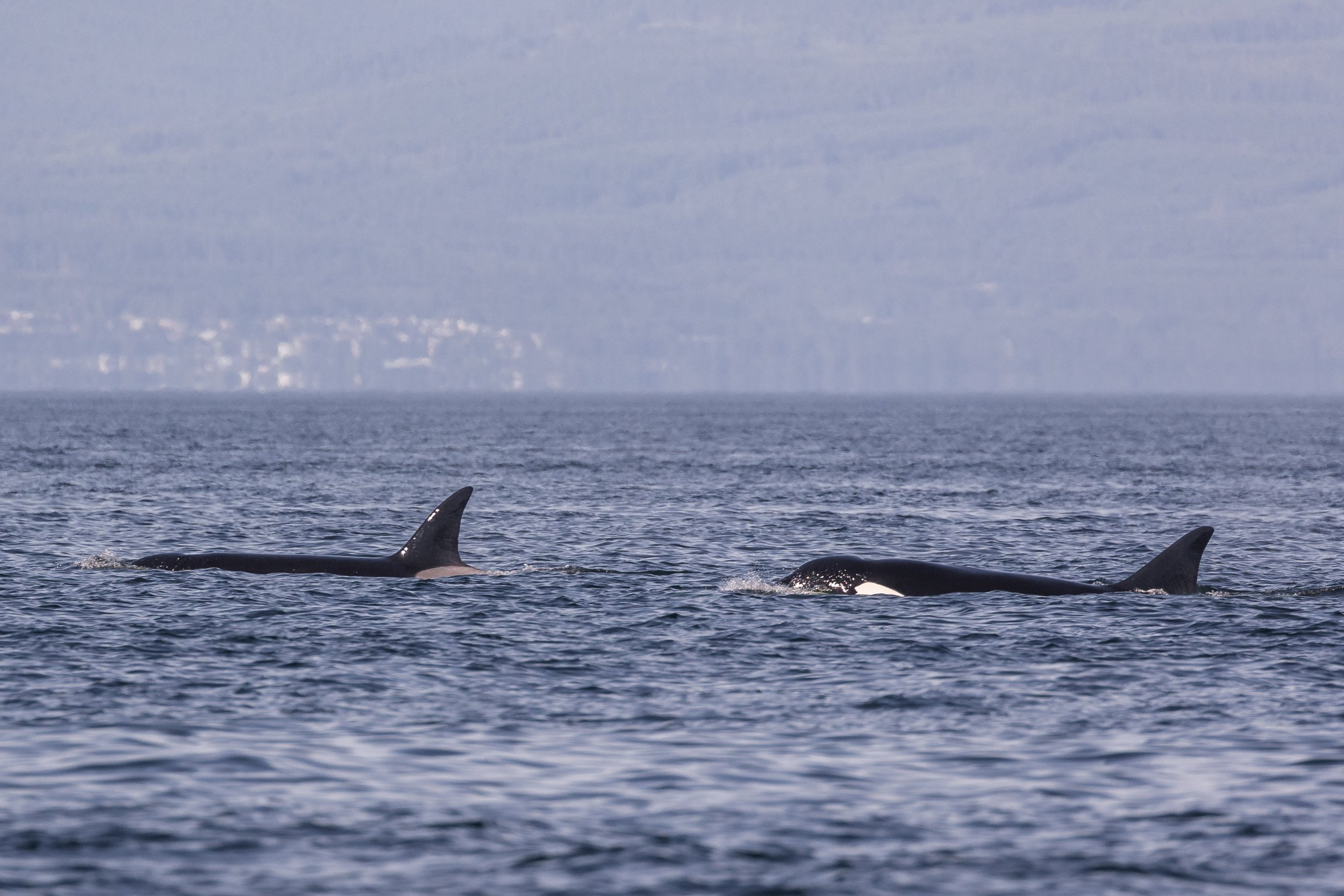
T124A4 Sabio and T124A2 Elkugu. Photo by Vanessa Vereschahen.
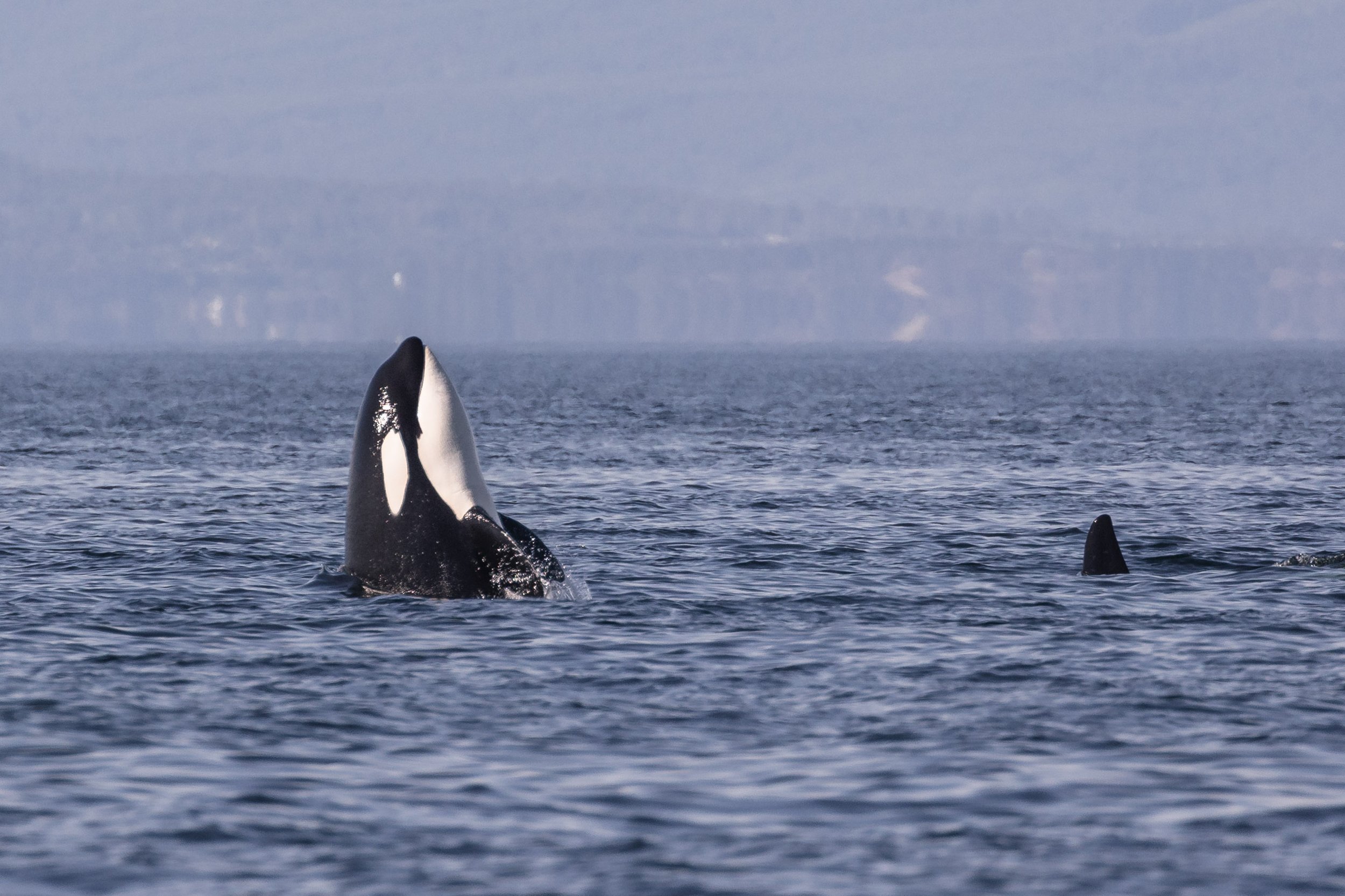
T124A2B Litton spyhopping. Photo by Vanessa Vereschahen.
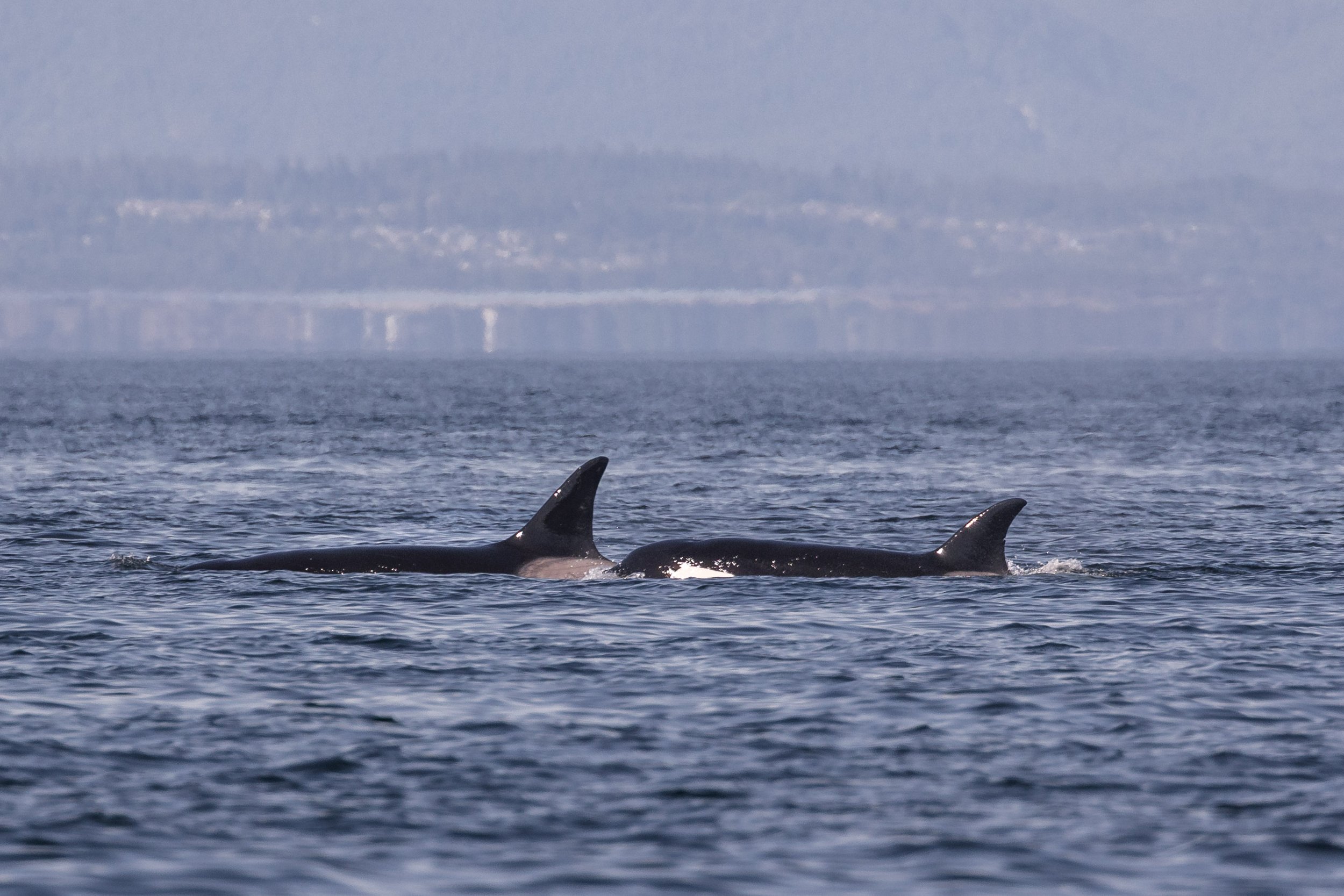
T124A Kittiwake and T124A2B Litton side-by-side. Photo by Vanessa Vereschahen.
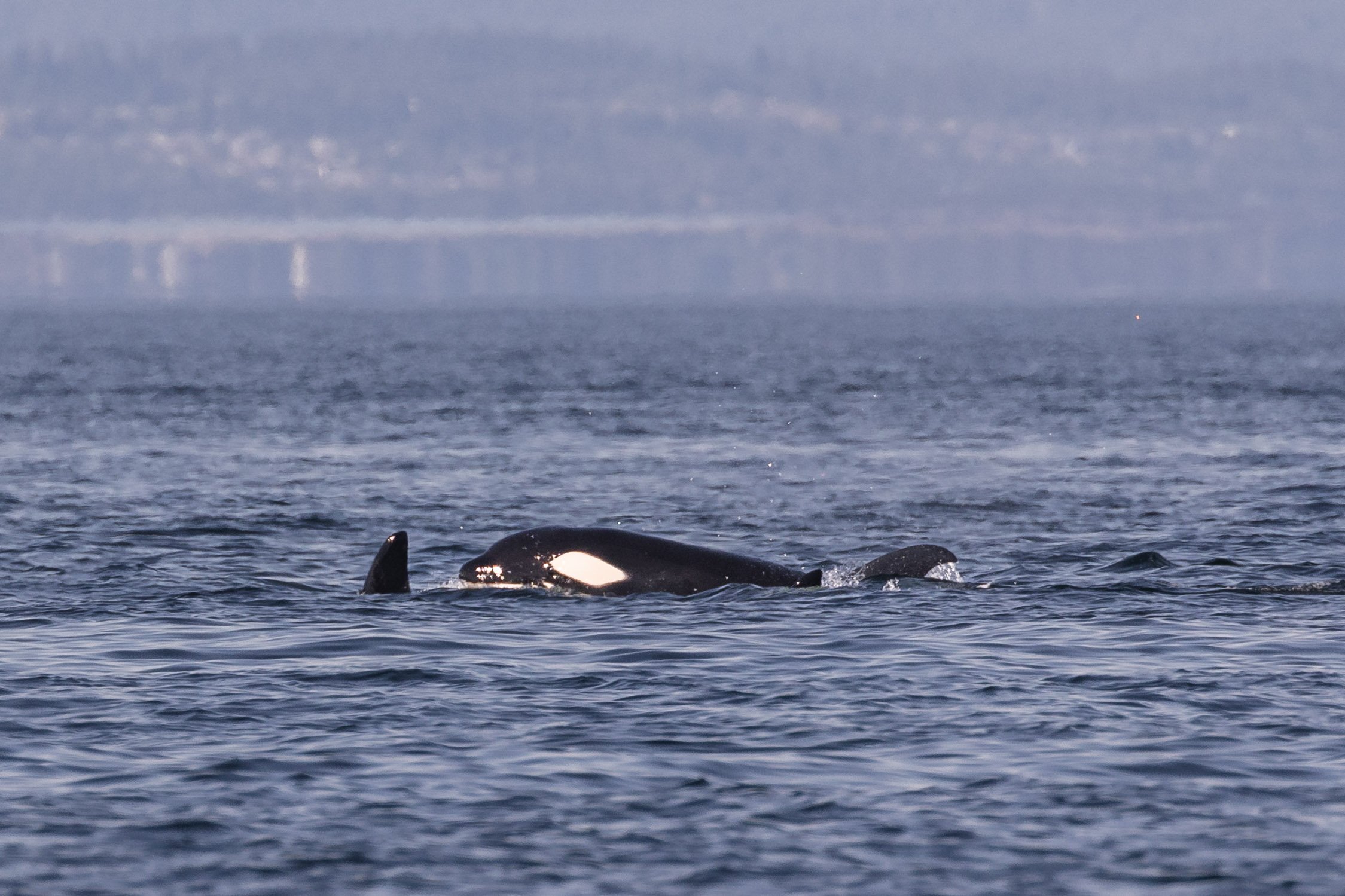
T124A7 Kite with her eyepatch above the surface. Photo by Vanessa Vereschahen.
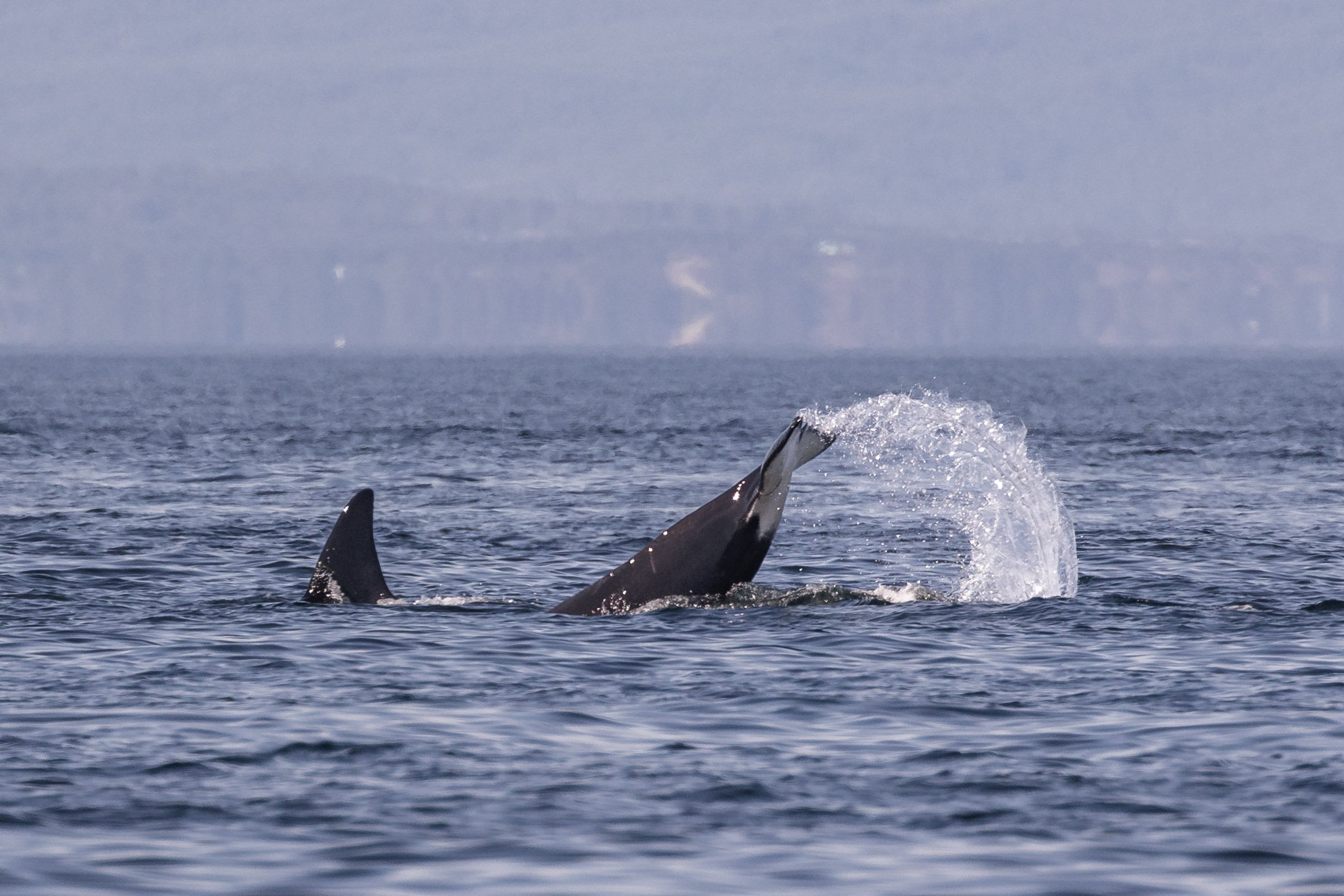
T124A Kittiwake tail slapping away. Photo by Vanessa Vereschahen.
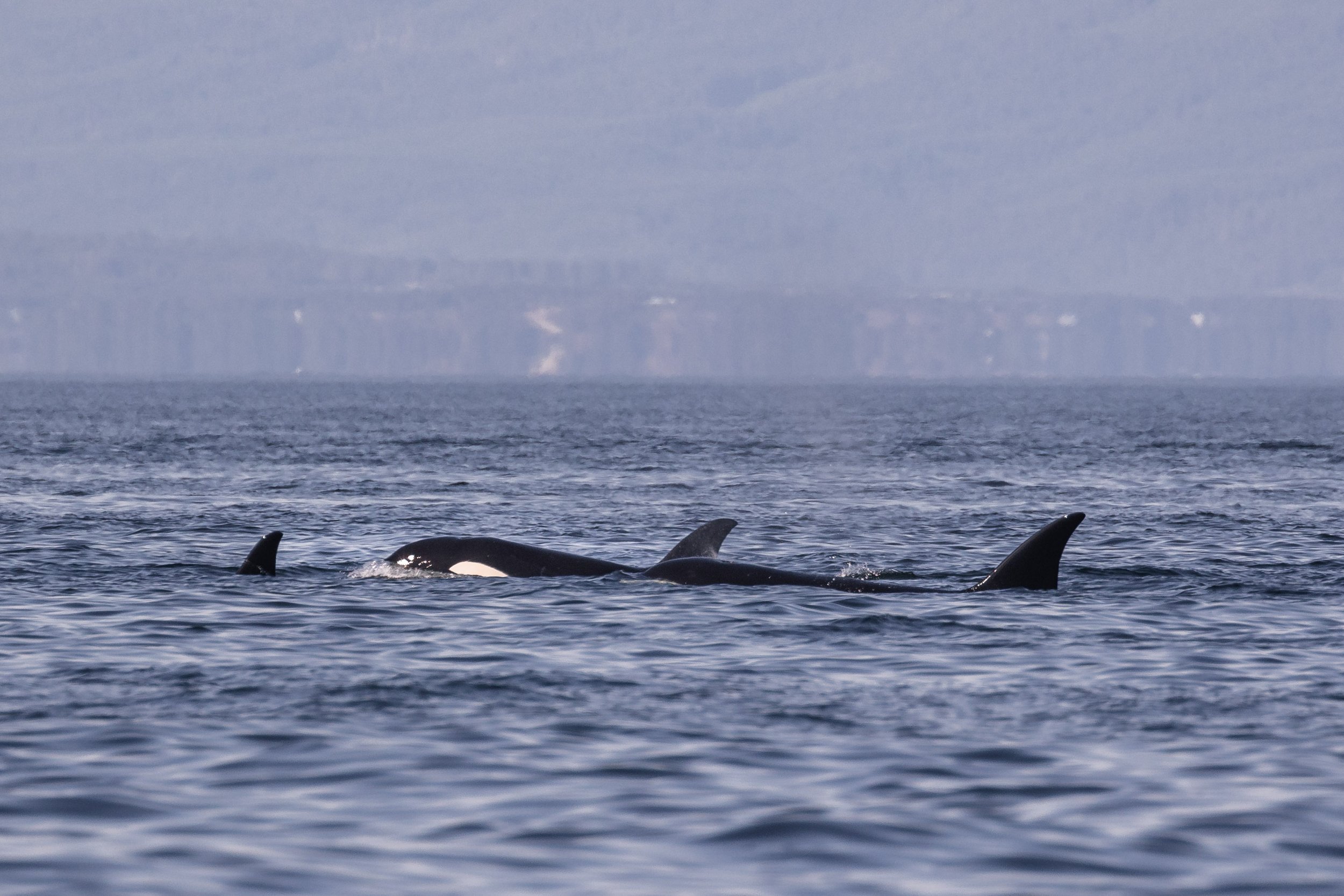
T123 Sidney (dorsal tip), T123D Darcy, and T124A2A Agafia. Photo by Vanessa Vereschahen.
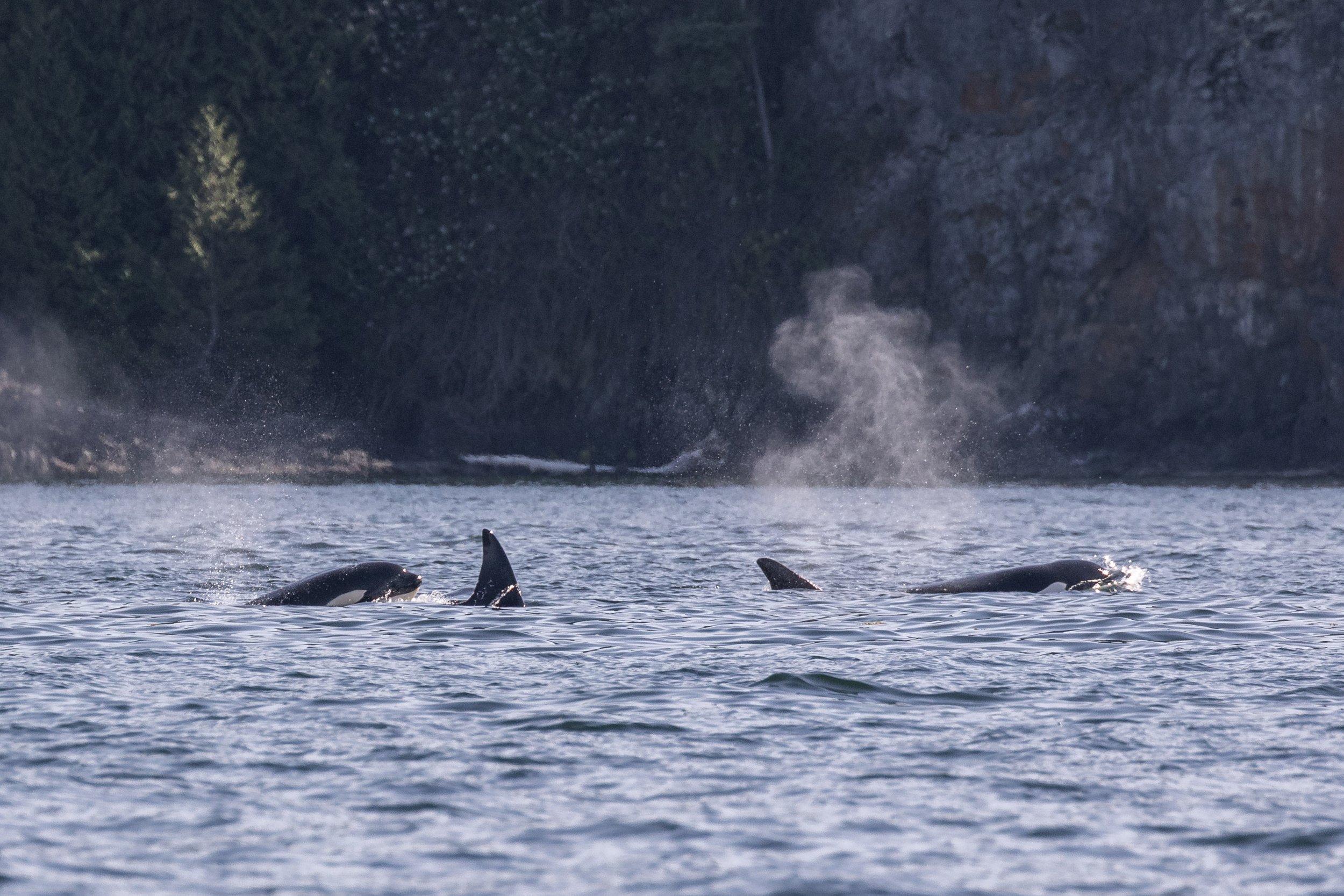
T124A1A Sabine and T124A4 Sabio. Photo by Vanessa Vereschahen.
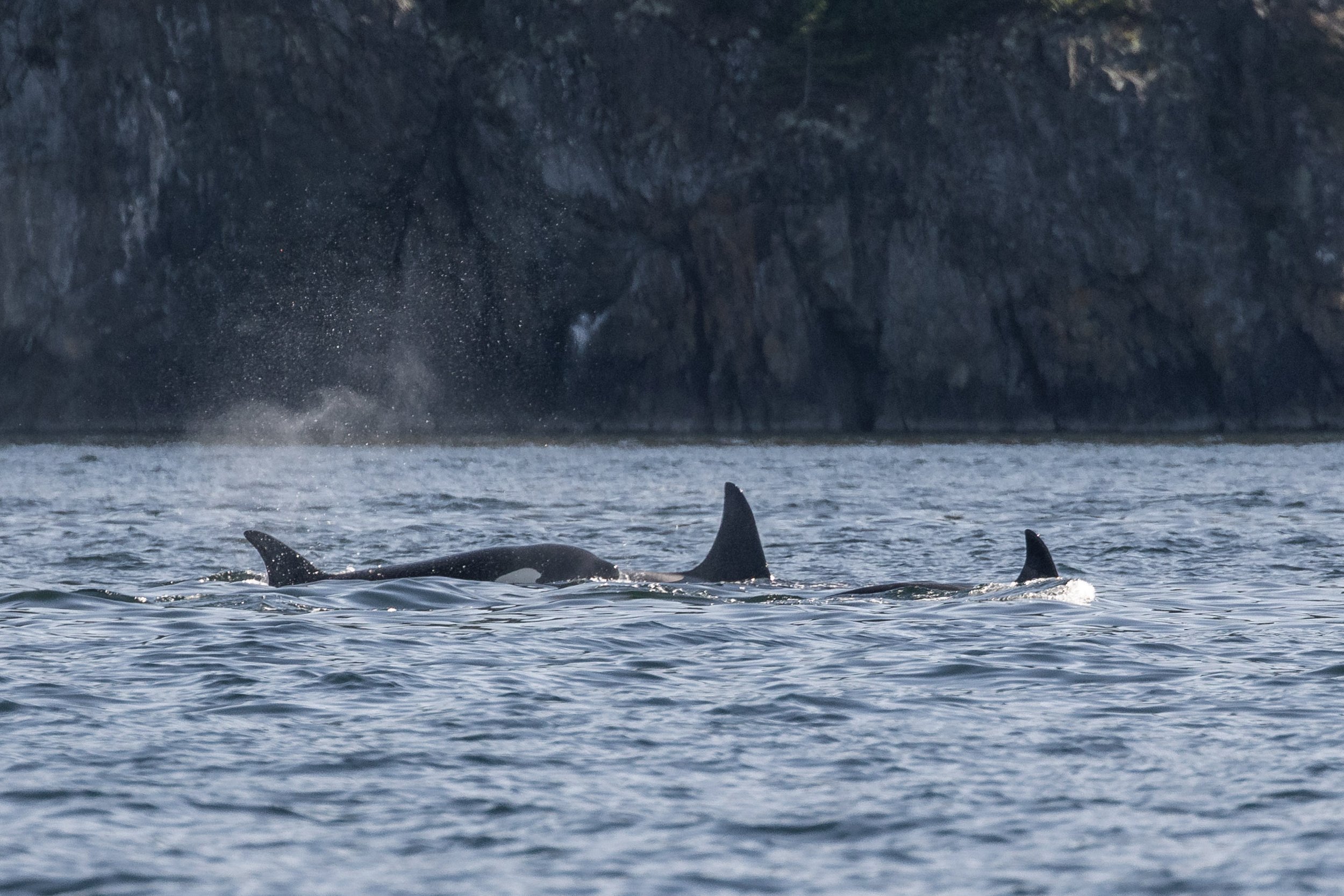
T124A6 Kasuun and T124A Kittiwake. Photo by Vanessa Vereschahen.
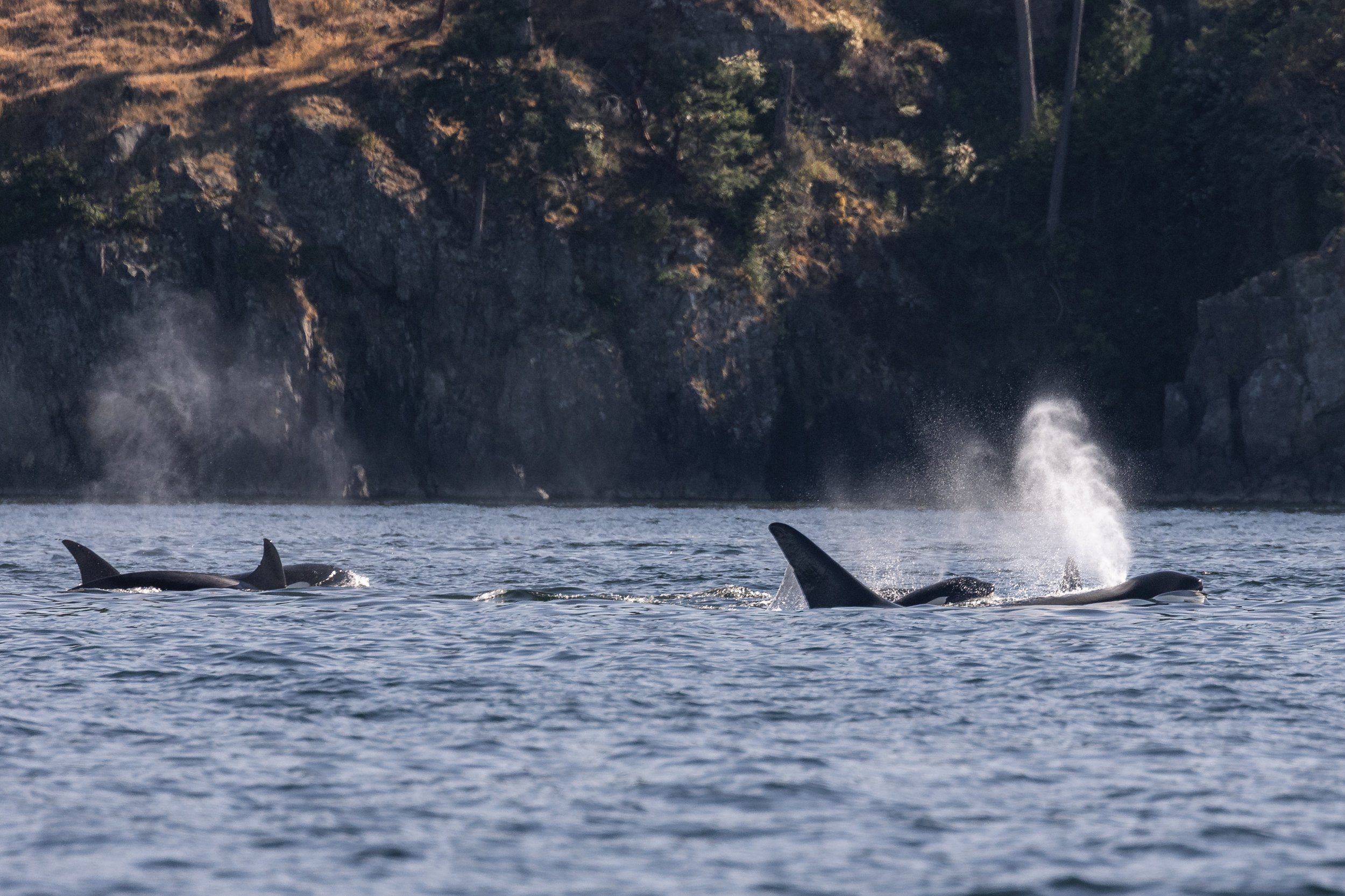
T124A2A Agafia and T124A2B Litton behind T123A Stanley and T123 Sidney. Photo by Vanessa Vereschahen.
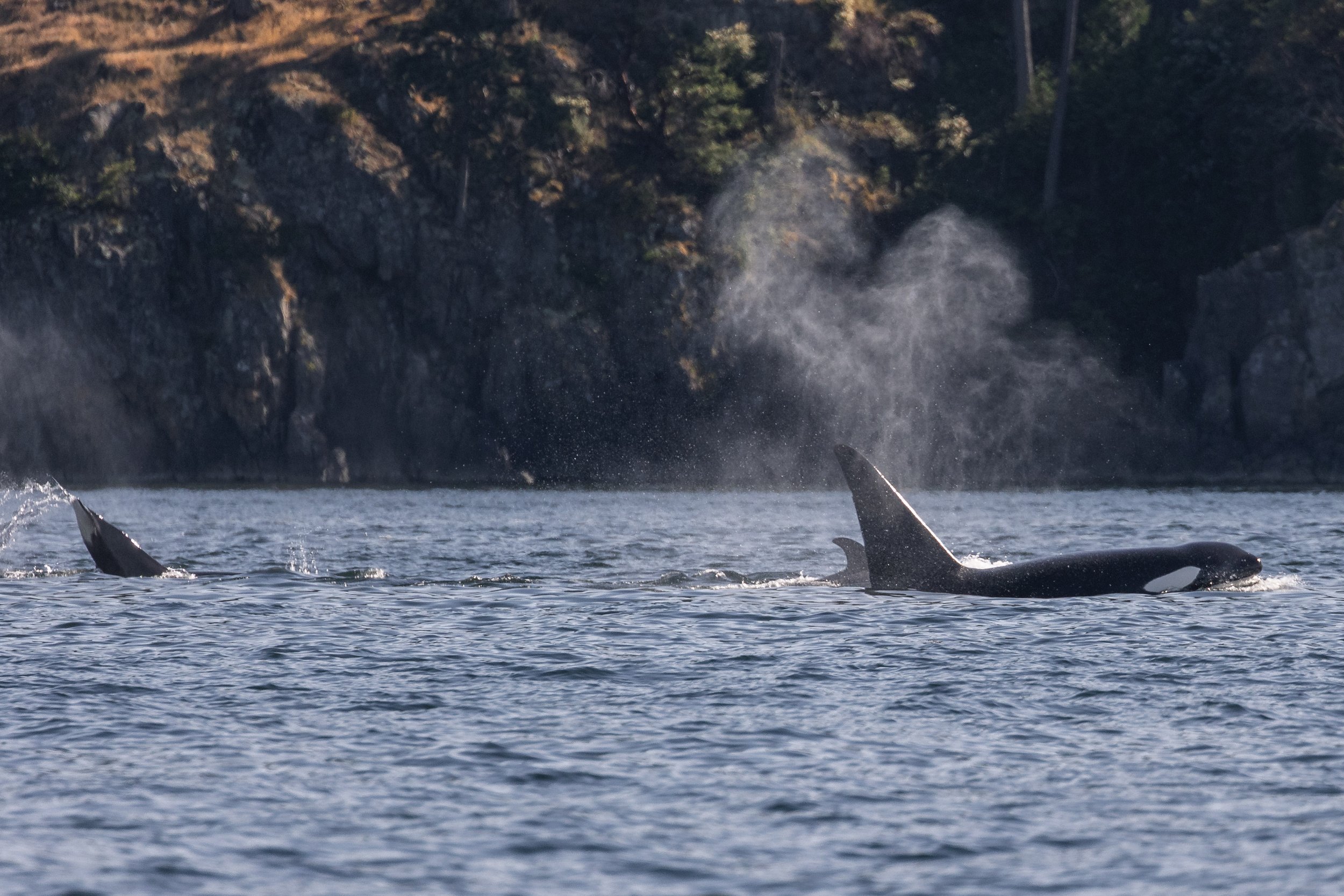
A tail slap with T123 Stanley in the lead. Photo by Vanessa Vereschahen.
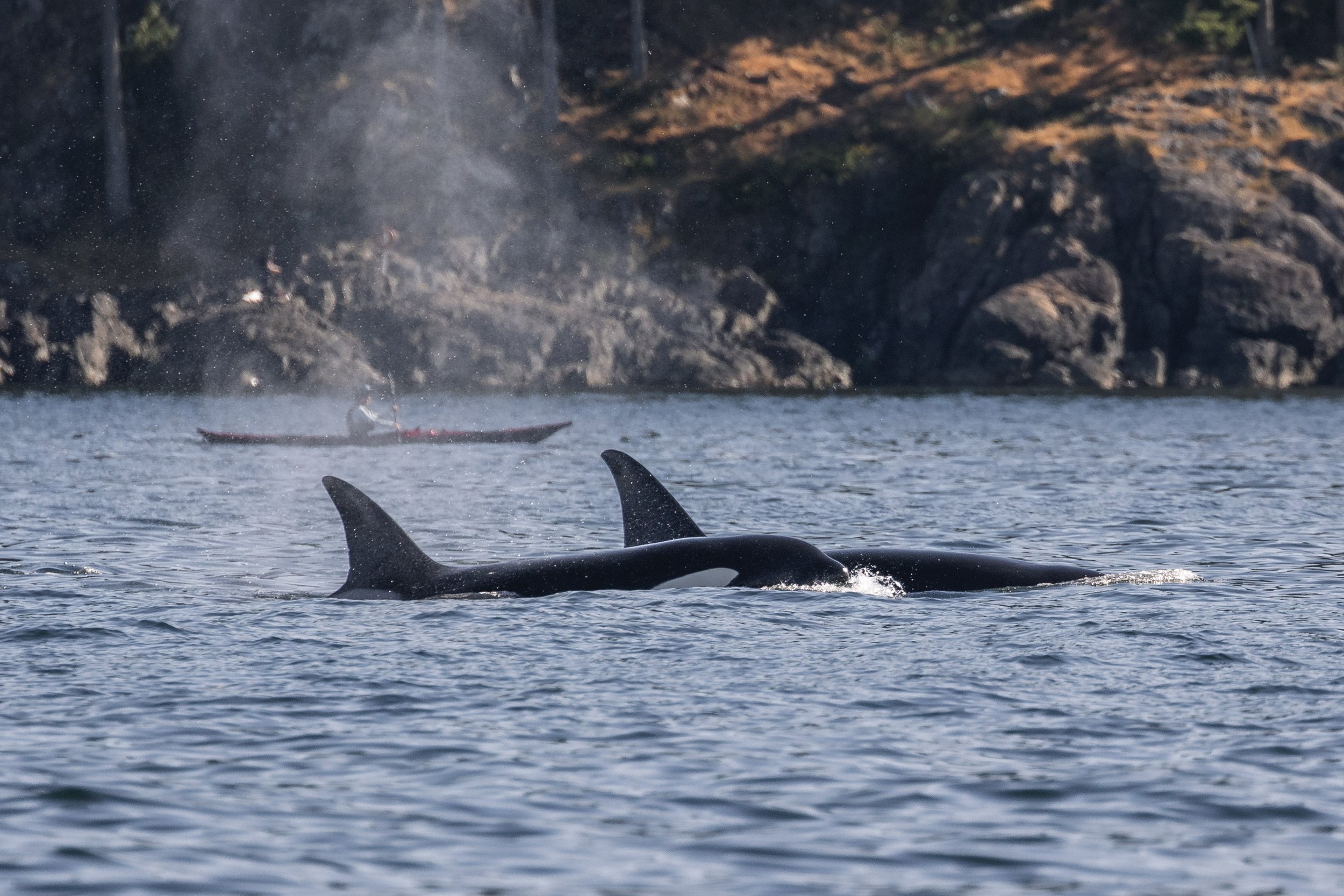
T124A4 Sabio beside T123 Sidney. Photo by Vanessa Vereschahen.
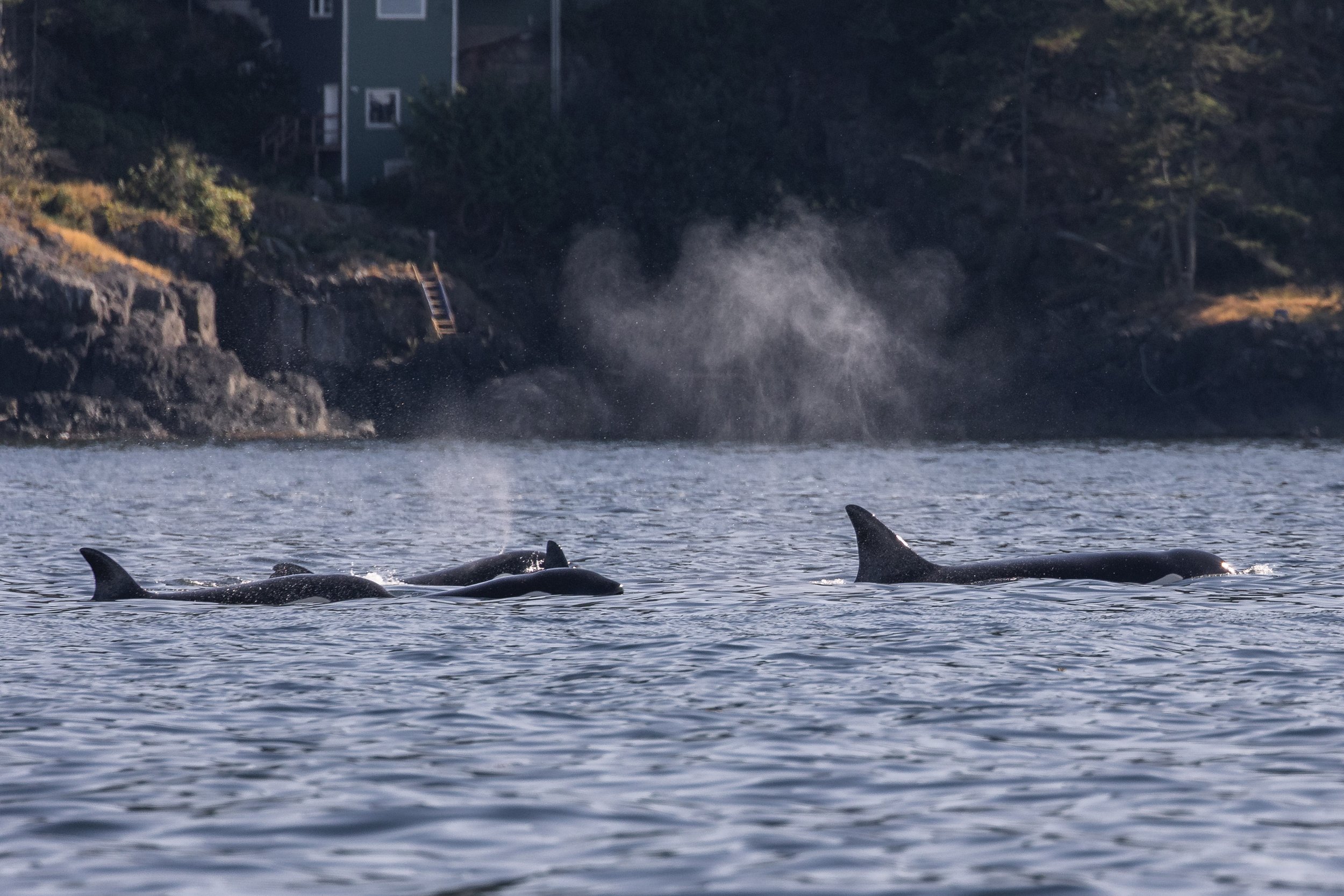
T124A4 Strix in the back, T124A2 Elkugu in the lead, with other pod members tucked between them. Photo by Vanessa Vereschahen.
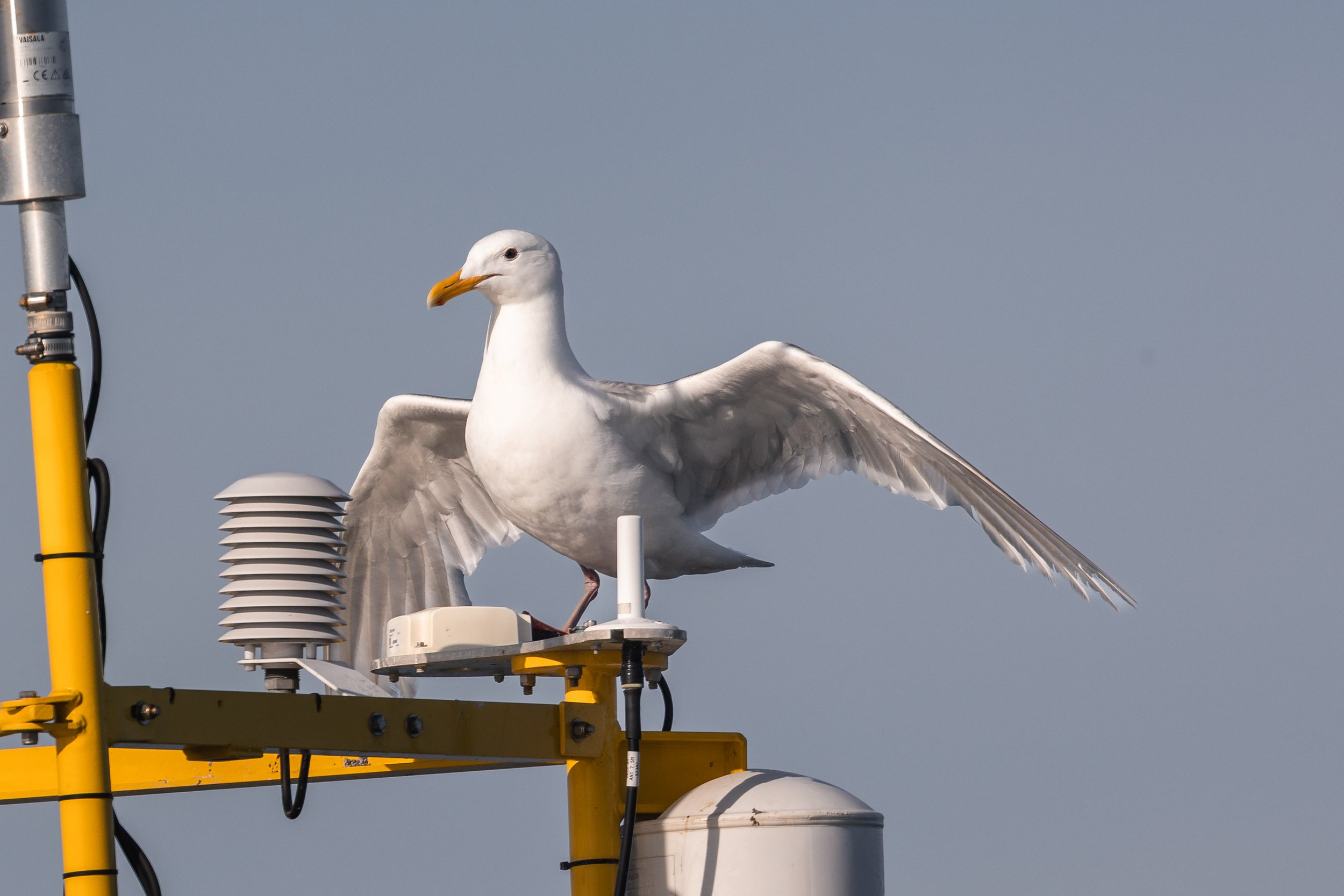
A Gull with its wings splayed on top of the ODAS buoy. Photo by Vanessa Vereschahen.
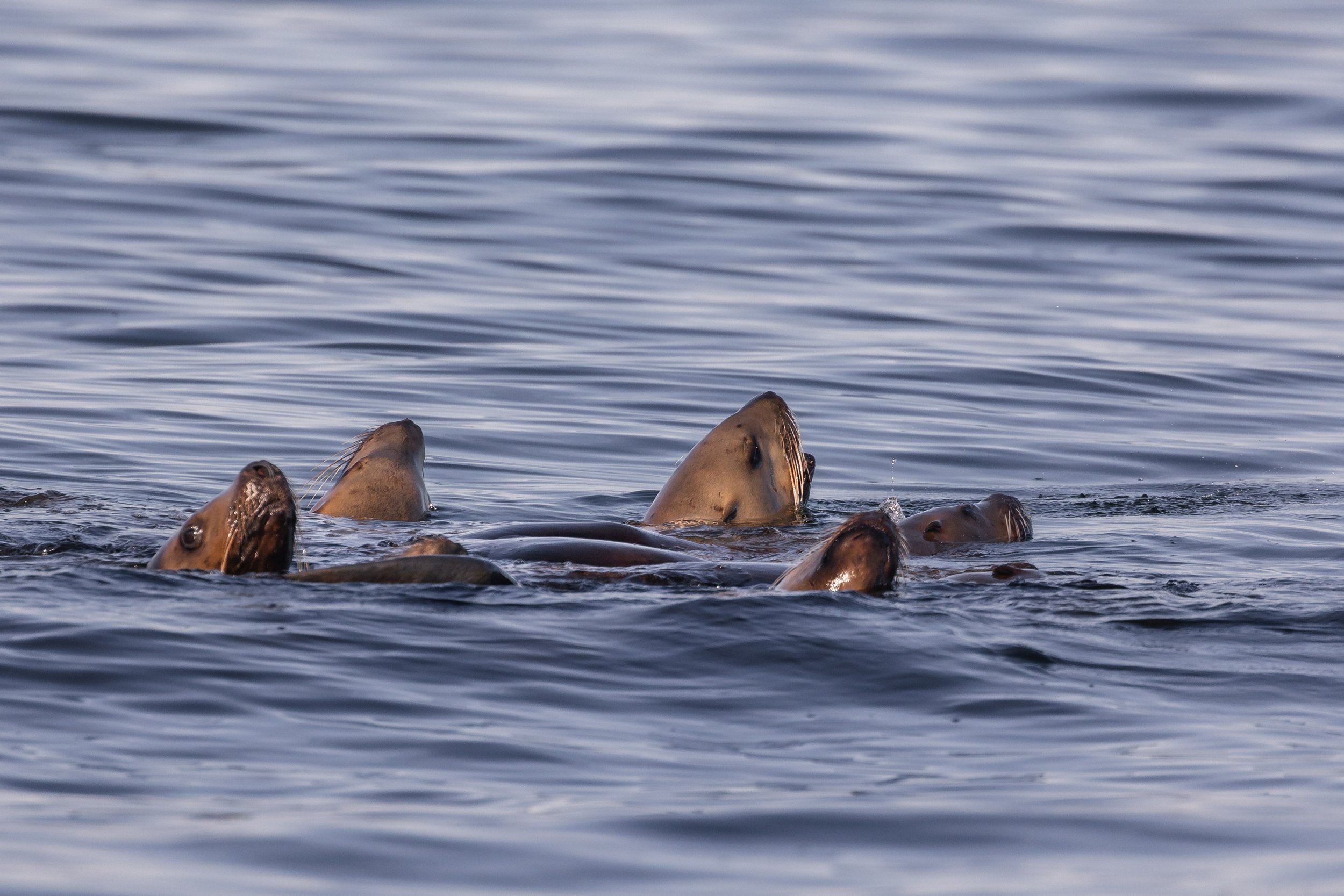
A raft of Steller Sea Lions. Photo by Vanessa Vereschahen.
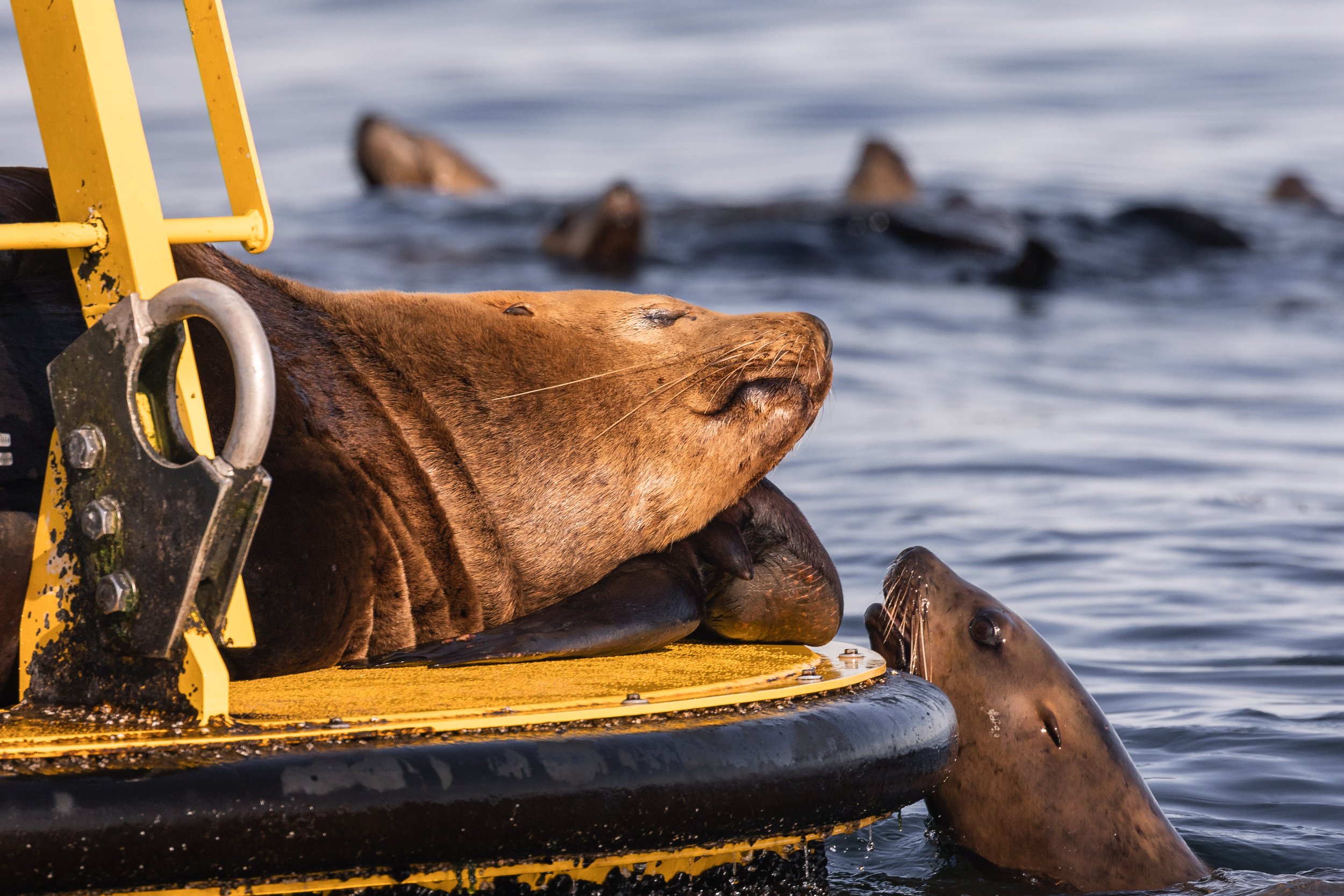
Someone seems to have no intention of sharing their napping spot. Photo by Vanessa Vereschahen.
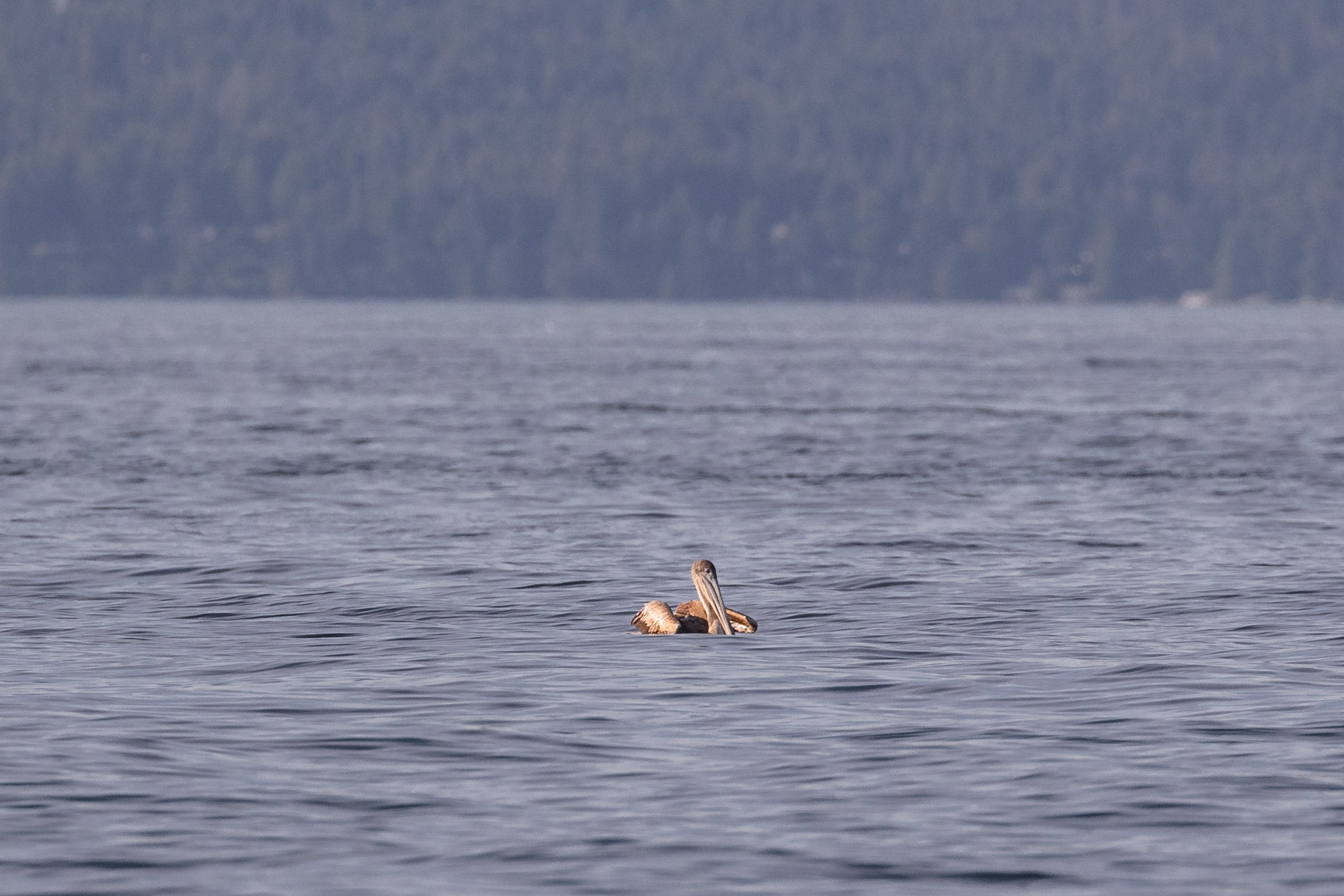
Now what is that? Is it a rare bird (for us)? Photo by Vanessa Vereschahen.
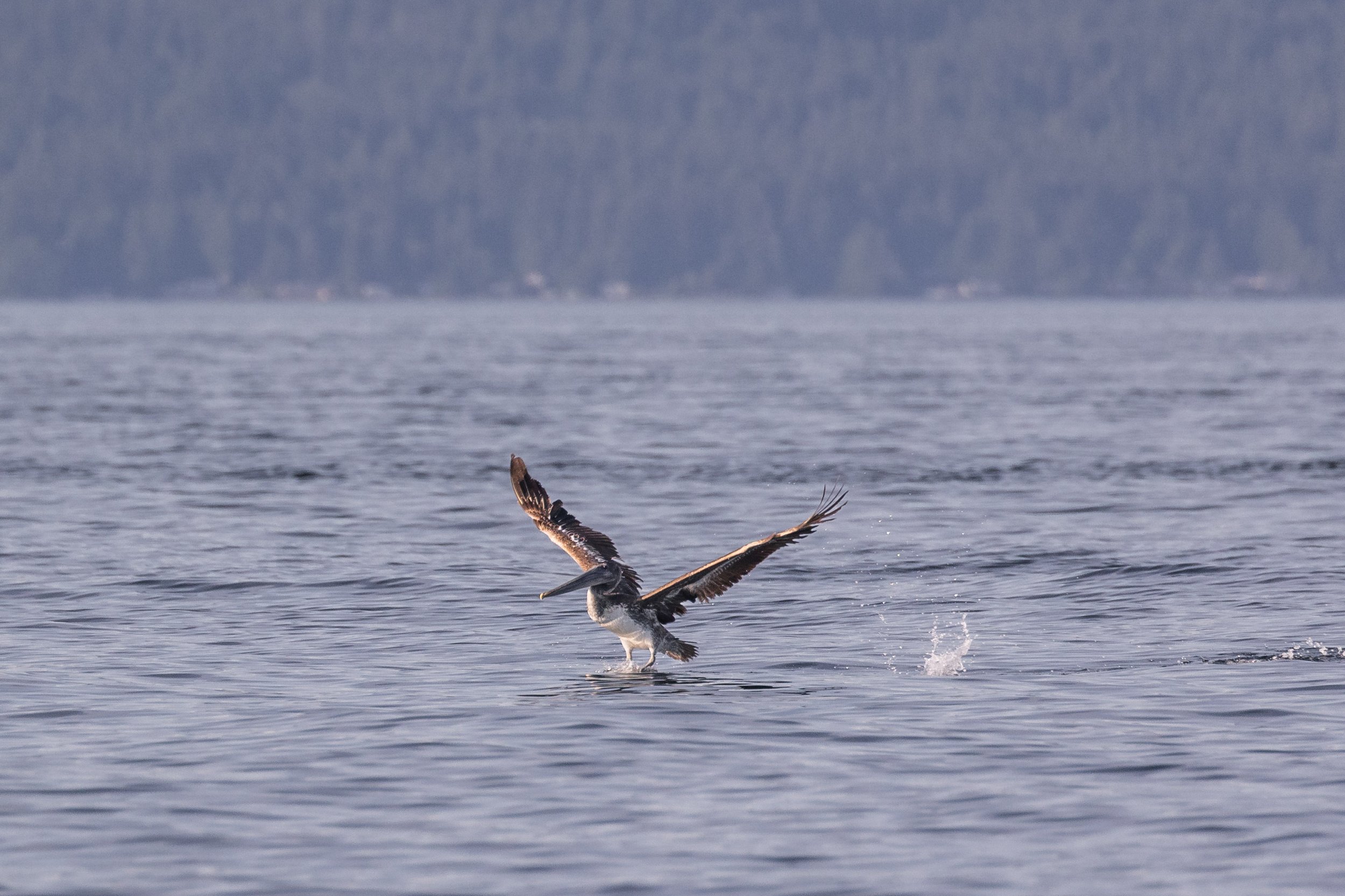
Take off! Photo by Vanessa Vereschahen.
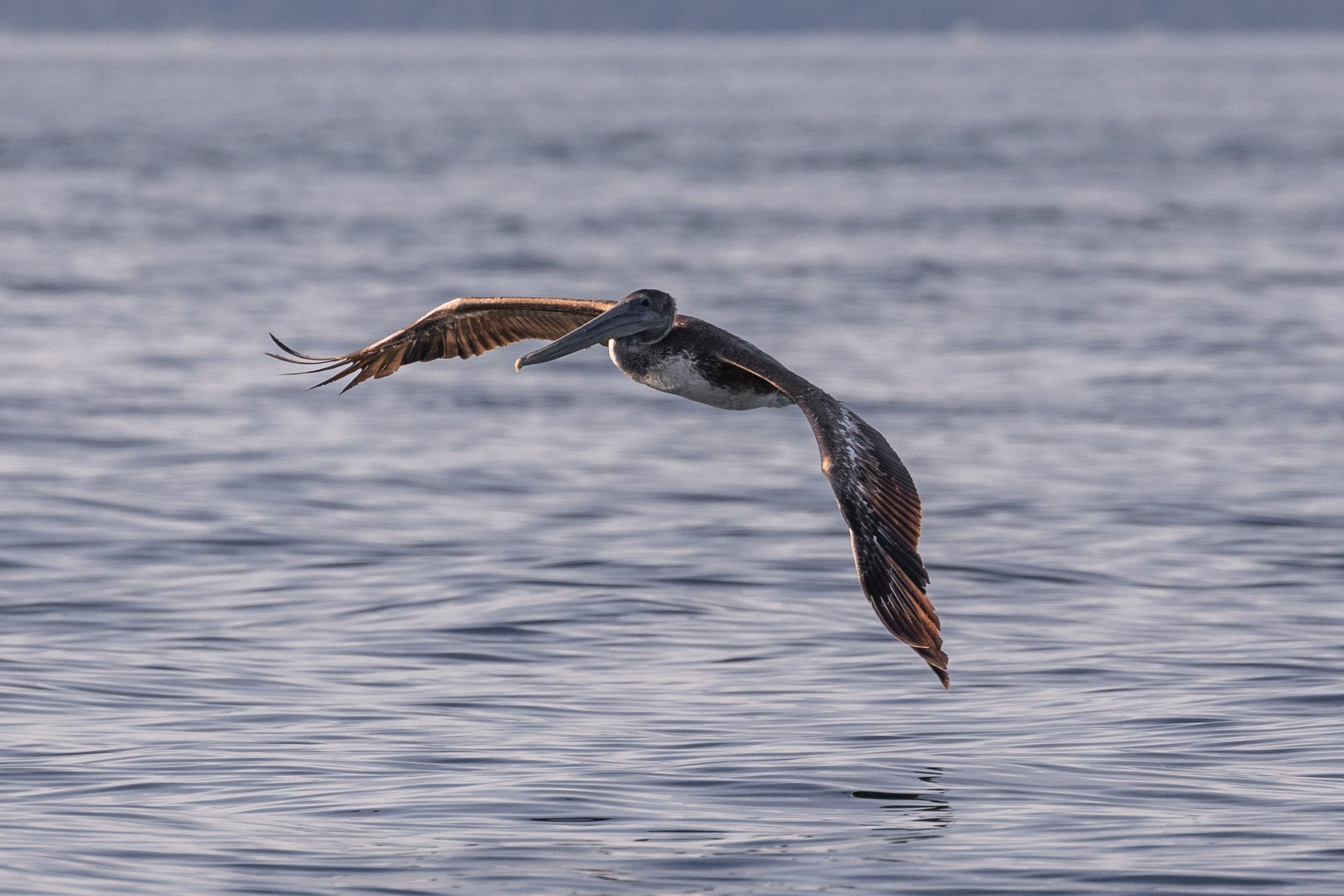
It’s a Brown Pelican! Photo by Vanessa Vereschahen.
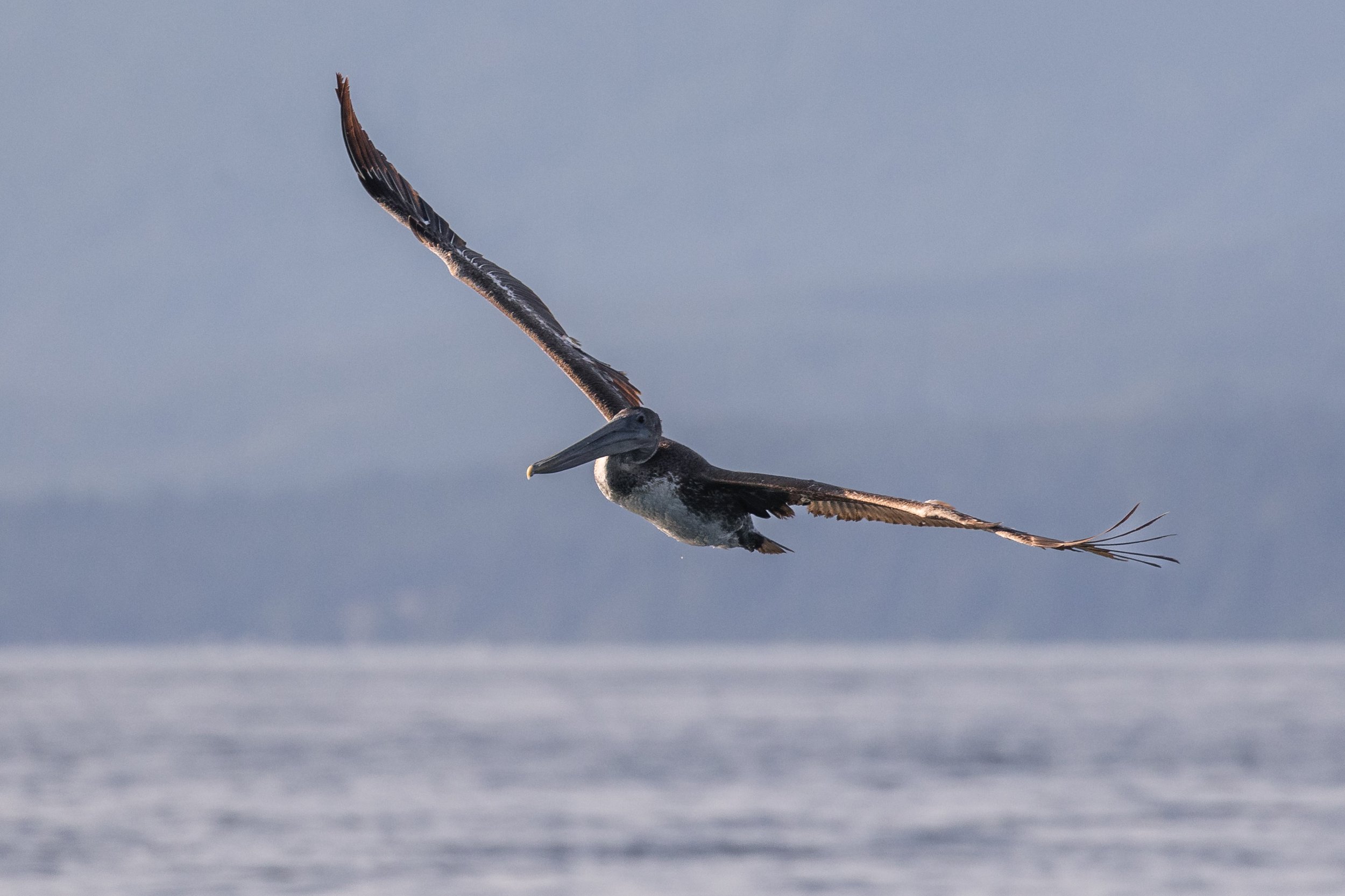
The Brown Pelican flying by. Photo by Vanessa Vereschahen.
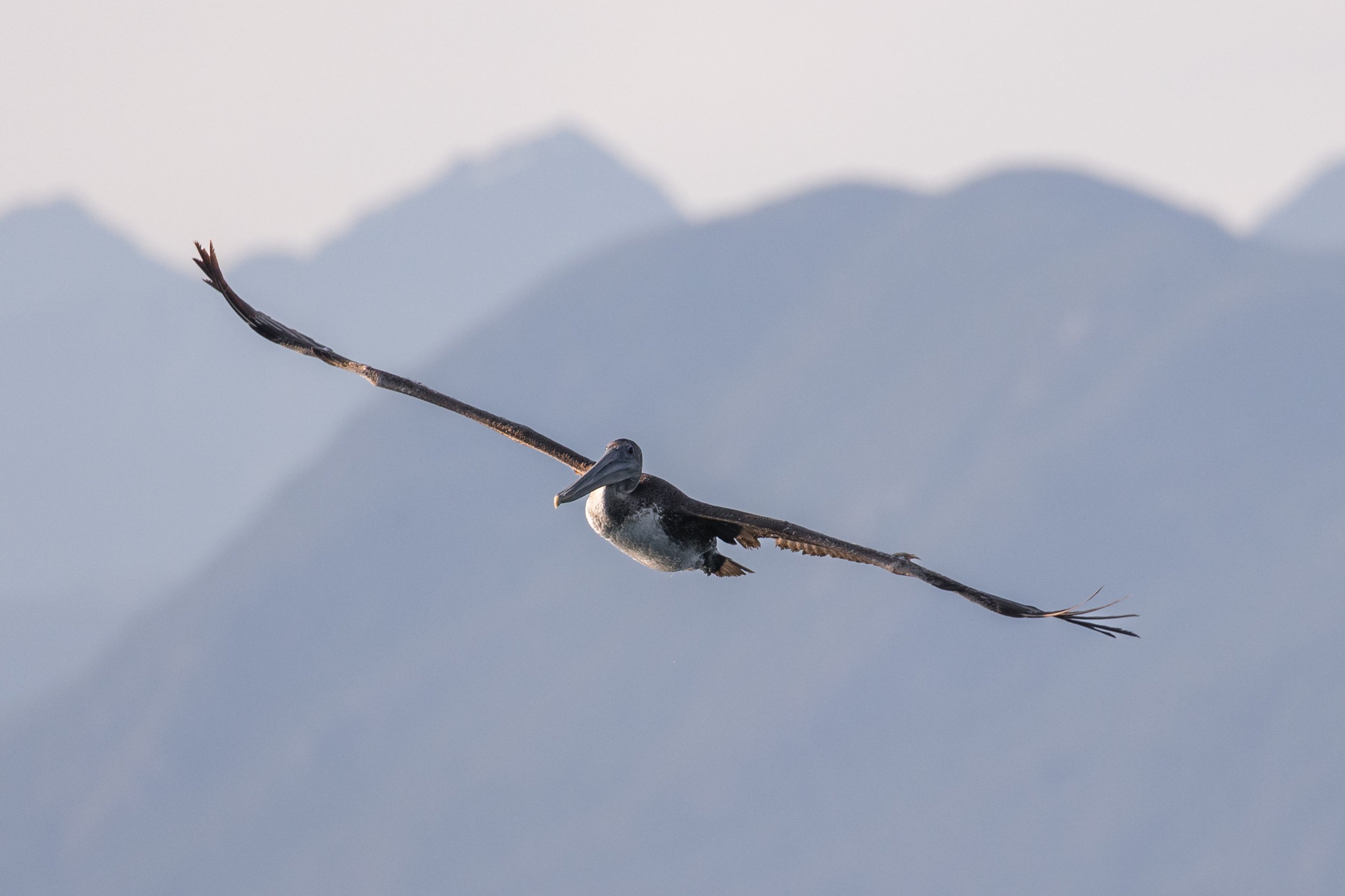
What a beautiful wingspan! Photo by Vanessa Vereschahen.