
June 15, 2026, 10:30 AM - The T046B1s playing in the Strait of Georgia
It was a perfect day to spend on the water, the sun's heat tempered by the cool ocean breeze and the occasional splash, as we had two open boats out in search of whales. This search took us south, through Dodd Narrows, a rich passageway with tidal currents that supports a huge diversity of life. After admiring the intertidal animals as we sailed by, we returned to search mode, our two boats fanning out across Stuart Channel to cover more ground, or water in this case. The waters were calm and glassy, and although there was smoke in the air, spotting conditions were still great as we had our eyes peeled for any signs of whales in the area.
Travelling through the Southern Gulf Islands during our search, we witnessed what makes this area so special and full of life; and that’s the islands themselves. As the tides change, water is squeezed through narrow passageways, producing currents, eddies, and areas of upwelling. These all mix the water column, bringing cool, deep water to the surface and redistributing nutrient-rich surface waters deeper for other animals to use. Having cold water means more oxygen can dissolve in it, which is important for supporting the area's high biodiversity.
We searched south until we reached the southern end of Stuart Channel, but no whales made themselves known, so we turned around. After one boat made a quick stop to see Harbour Seals, we headed back north. Taking Gabriola Pass, both boats headed out into the Strait of Georgia, and very quickly the group on Keta heard an excited cry from Captain Tino: We have found whales!
The iconic black dorsal fin of an orca crossed our bow, and we spotted more further south. We quickly moved into position, travelling parallel with the animals at a safe distance. This not only keeps the whales safe and comfortable but also gives us the best views of them. When we look to ID the whales, it’s the dorsal fins and saddle patches that give us the best area for matching to the catalogue, but you can also use the eye patches! All of these are unique to the individual, with shape, scarring, notches, and colour being things that we will compare. Today, the adult whales weren’t coming as high out of the water, but the youngsters were, so, with a combination of the adult dorsal fins and the youngsters' saddle patches, we identified these whales as the T046B1s!
T046B1 Tread ♀ (2003)
T046B1A Tsakani ♀ (2015)
T046B1C Tide ♂ (2022)
T046B1D Tashi (2025)
The first fin we saw was also travelling with this group, but much further away and making deeper dives, so we never got a photo to confirm their identity. It is likely Treads' most common companion, T046C2 Sam.
These four (or five if you count Sam in the distance) were travelling steadily northwest during our time with them, with the older whales doing typical travel, rising to the surface for a breath a handful of times before dipping below for a few minutes and repeating throughout the day, but the youngest two were acting very playfully! Tashi, in particular, was rolling at the surface, porpoising to keep up with the rest of the family, and we saw the occasional fluke coming out of the water sideways as we went. Having younger whales with a little extra energy is quite common, since they have all their energy needs met by mom’s fat-rich milk. They will rely on this milk as their food source for 1 to 2 years, but mom will teach them to hunt and provide them with solid foods starting when they are only about 6 months old. At an estimated 8-9 months old at this point, Tashi is likely getting food during hunts but is still getting mom’s milk, which gives them a lot of energy. They put the energy to good use, acting playfully at the surface before having to work to catch up to the group. Tide was also part of these shenanigans, playing alongside his sibling.
After enjoying our time with this group, it eventually became time to leave them behind, and we departed, carefully making our way towards Entrance Island. It was here that we were treated to a view of the largest species of sea lion in the world: the Steller Sea Lion! The tide was such that these pinnipeds couldn’t get up onto the rocks, but there was a group of them rafting together off the reef that this lighthouse protects. Floating alongside them, you can see how dexterous they are in the water, turning quickly and raising their heads to get a better look at us. It’s always funny to see the curiosity with these intelligent animals, but also a reminder of why we keep our distance; we don’t want the animals getting too used to humans being around!
After the stop at Entrance Island, we continued on to our final wildlife viewing of the day: the Gabriola Bluffs. These bluffs are home to a wide variety of bird species, the most notable of which are the cormorants that we saw flying in and out. A special treat this time of year is getting to see the cormorants working on their nests, flying in with the perfect sticks and pieces of seaweed to add to their nests. Sticking to the cliffside is tough for a bird's nest, so cormorants add a secret ingredient to help cement their nests in place: their own guano, aka poop! Once hardened, the guano acts as a natural cement that keeps the nest safe over time.
After the bluffs, it was a quick journey home. The conditions, sunshine, and of course, wildlife made this trip unforgettable! Please enjoy the photos captured throughout the tour by the onboard Marine Naturalists, Val Watson and Vanessa Vereschahen!
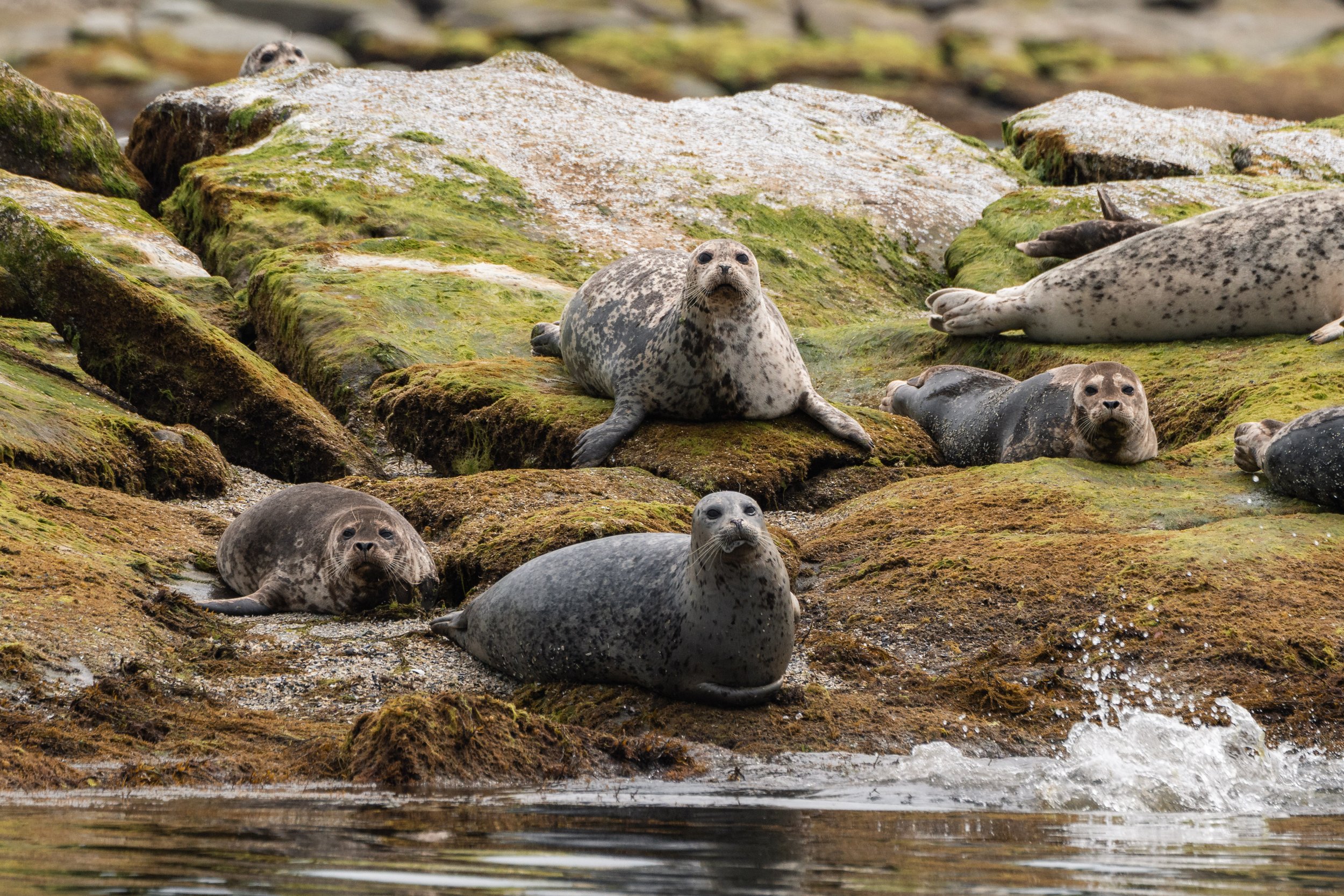
Harbour Seals hauled out close to Thetis Island. Photo by Val Watson.
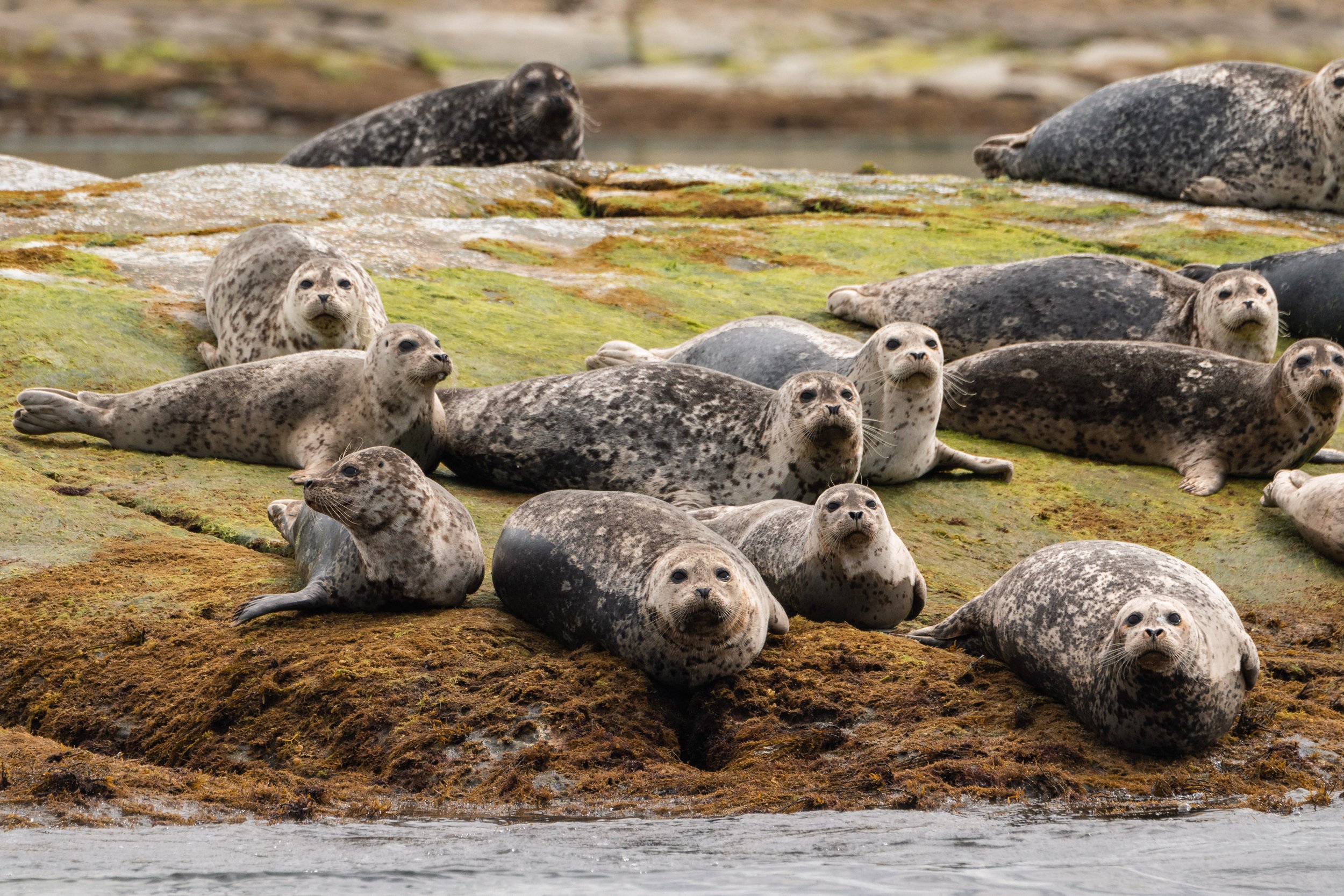
Curious seals watching us from the rocks. Photo by Val Watson.
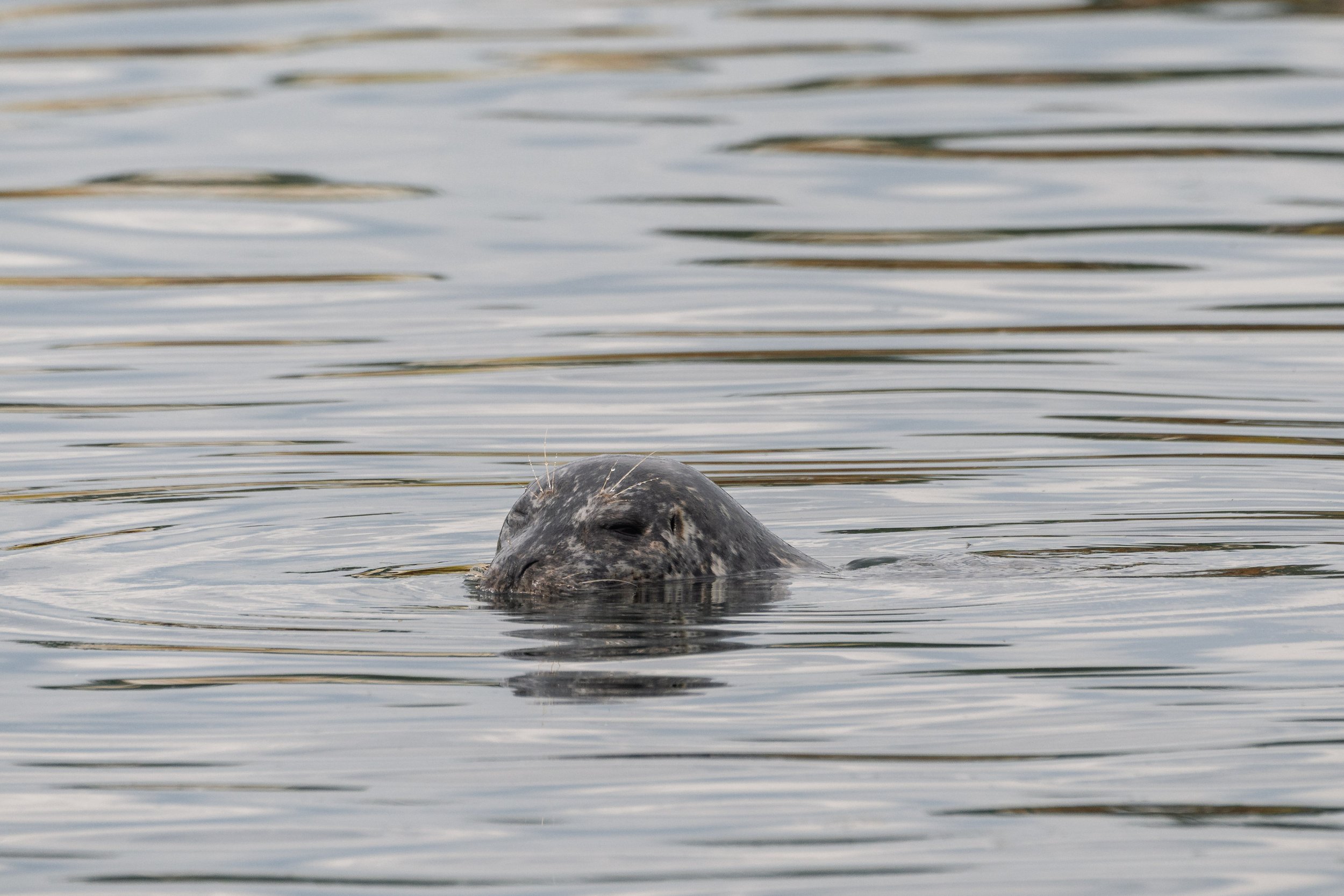
Getting the side-eye from a Harbour Seal in the water. Photo by Val Watson.
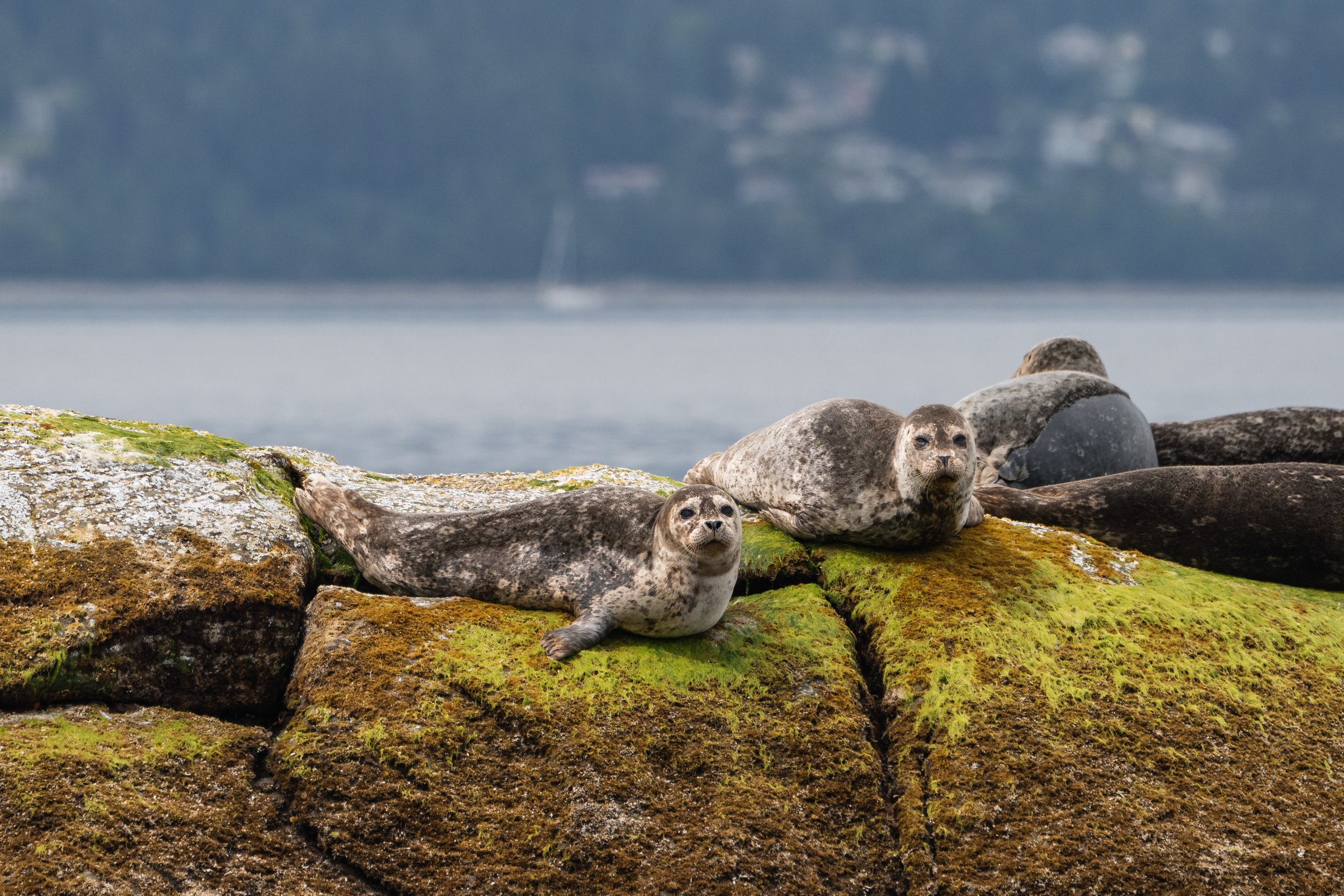
Harbour seals drapped on the rocks. Photo by Val Watson.
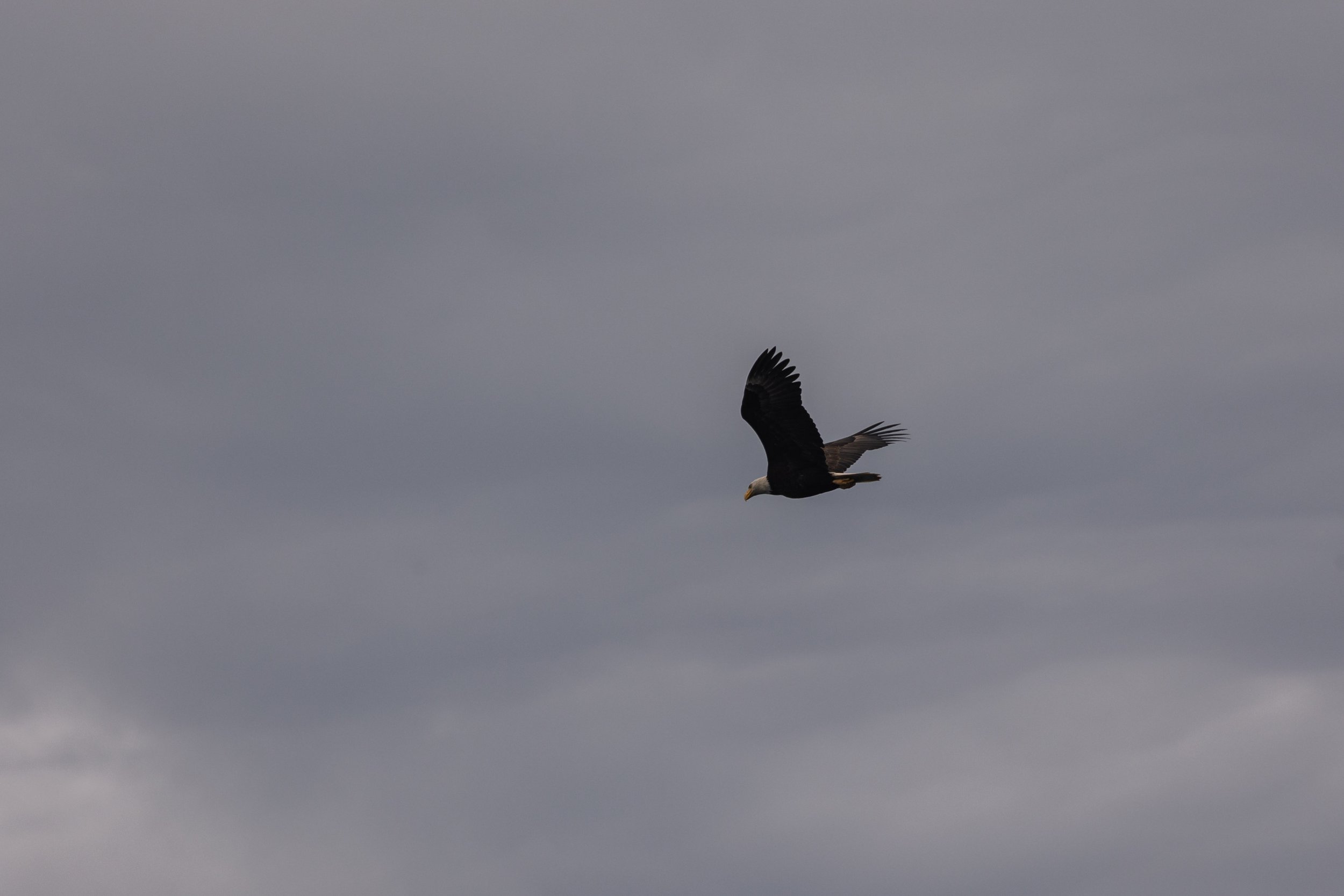
A Bald Eagle flying overhead. Photo by Vanessa Vereschahen.
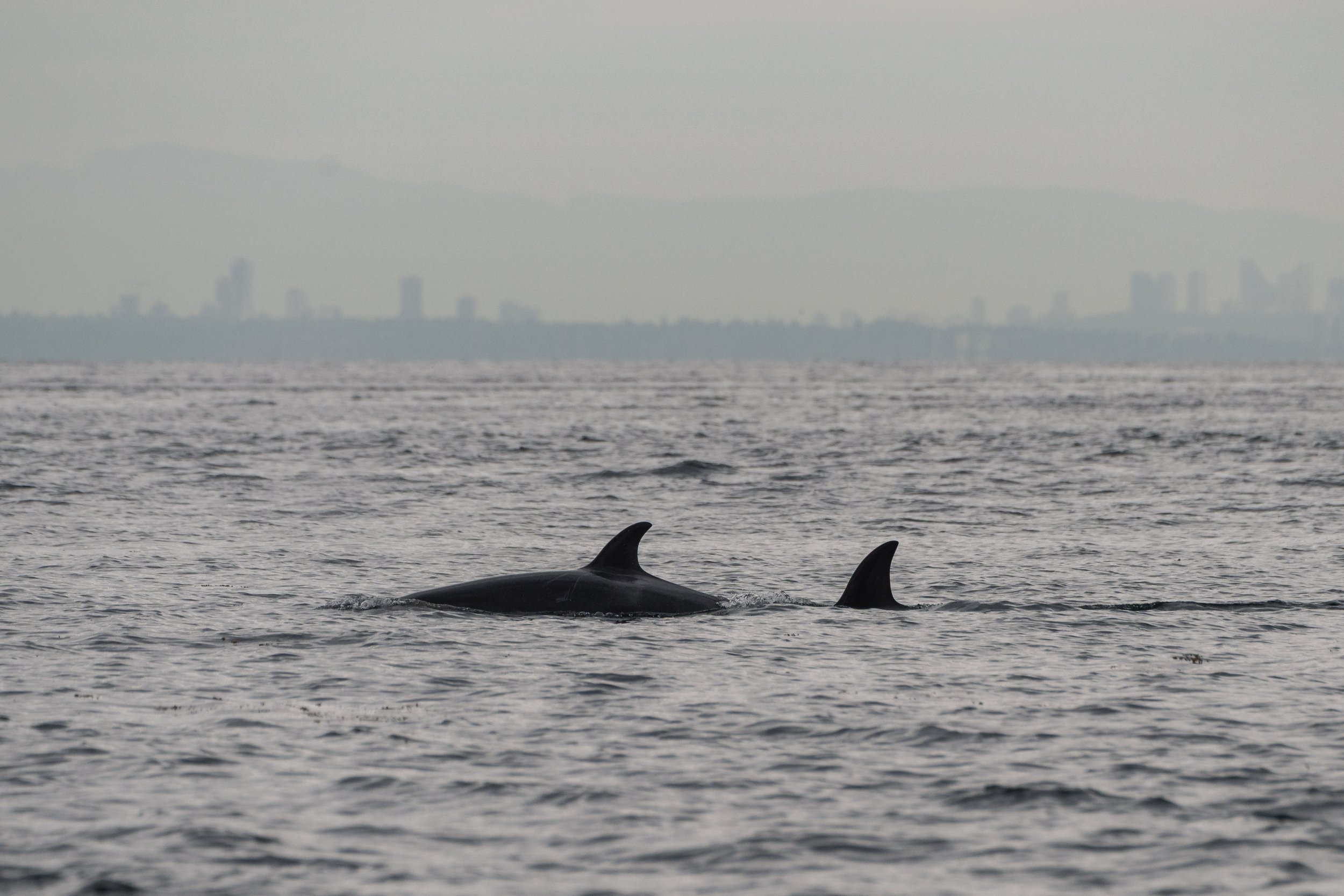
T046B1D Tashi surfacing next to T046B1C Tide. Photo by Val Watson.
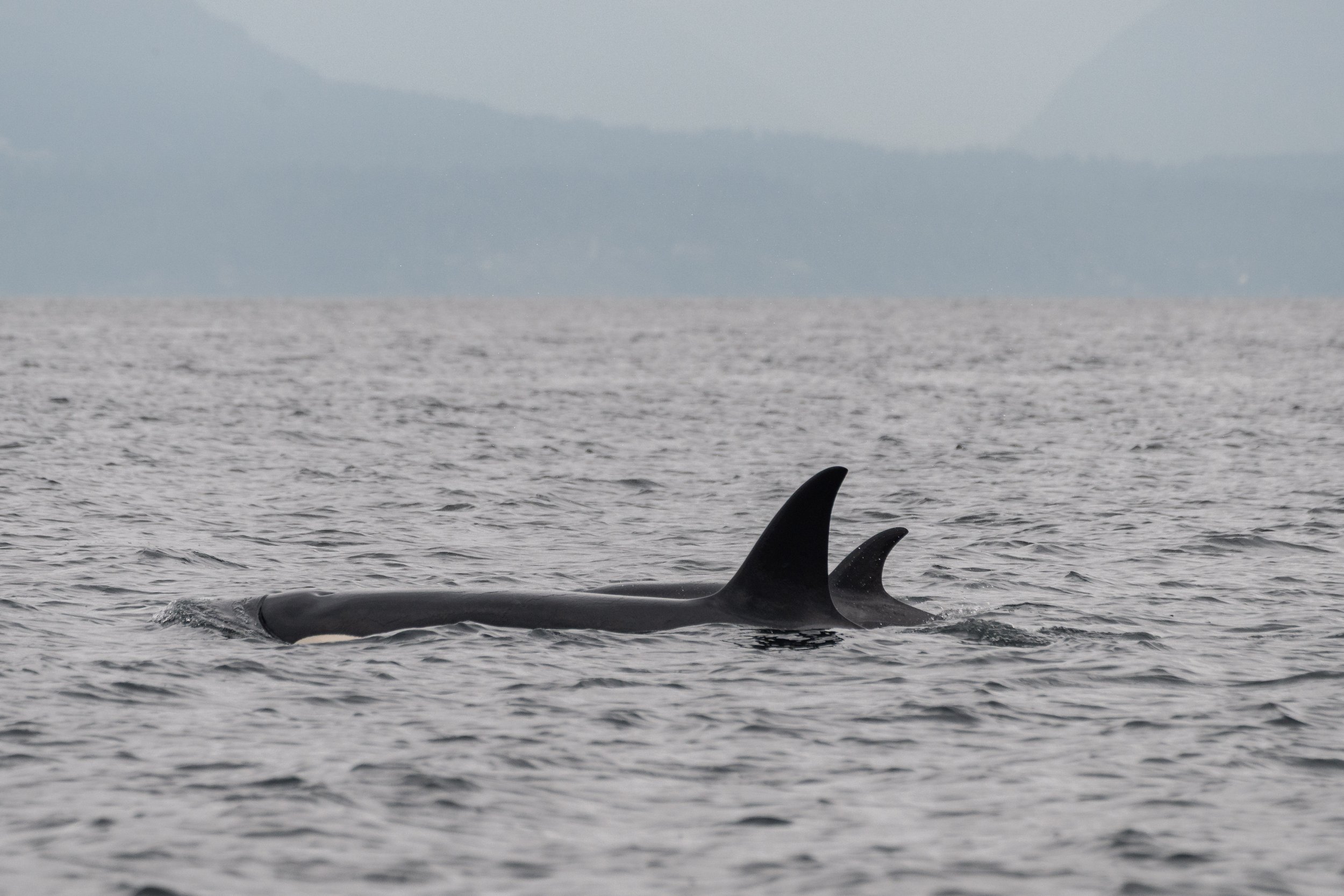
T046B1 Tread surfacing with T046B1D Tashi. Photo by Val Watson.
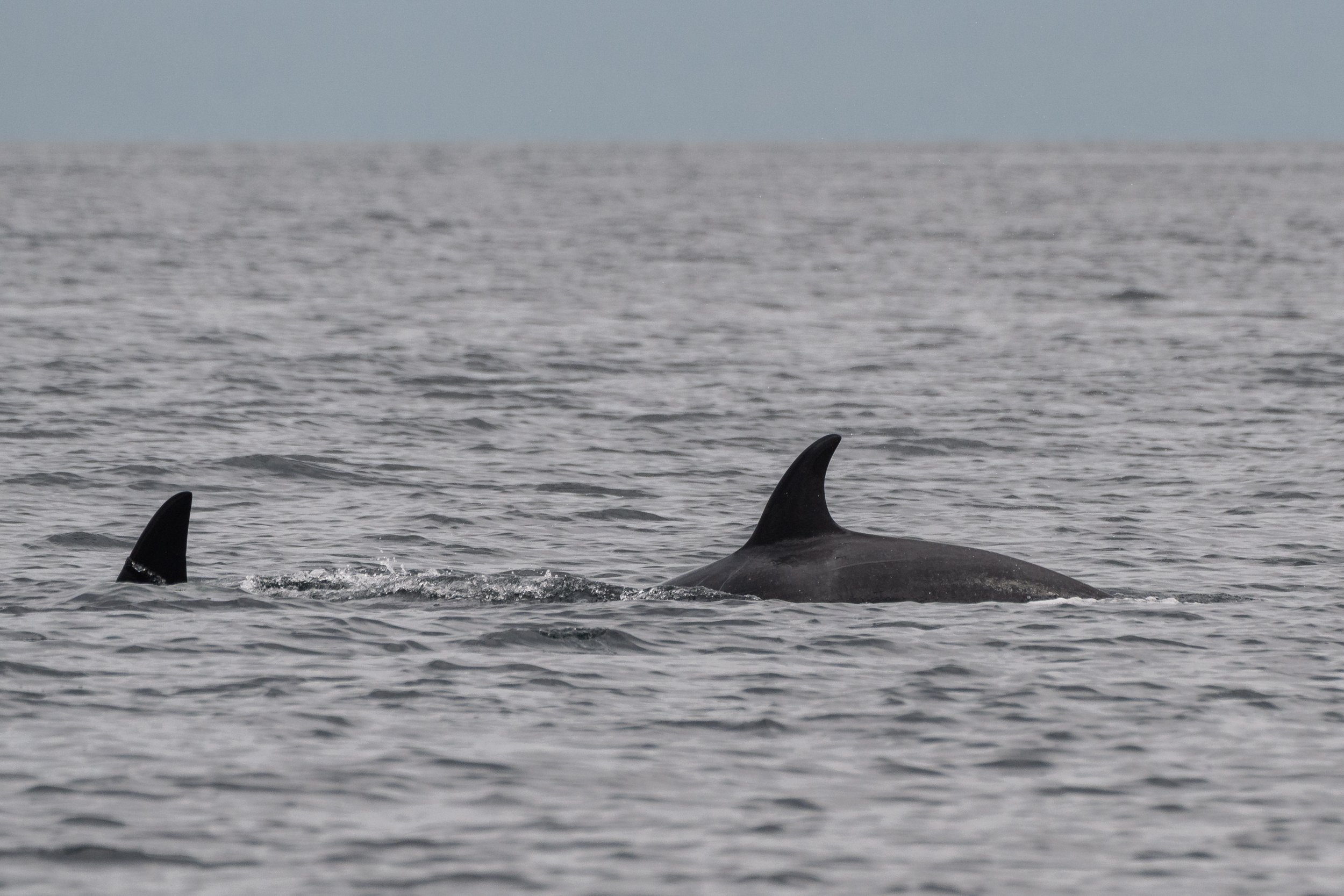
T046B1 Tread going under the water with T046B1D Tashi just behind. Photo by Val Watson.
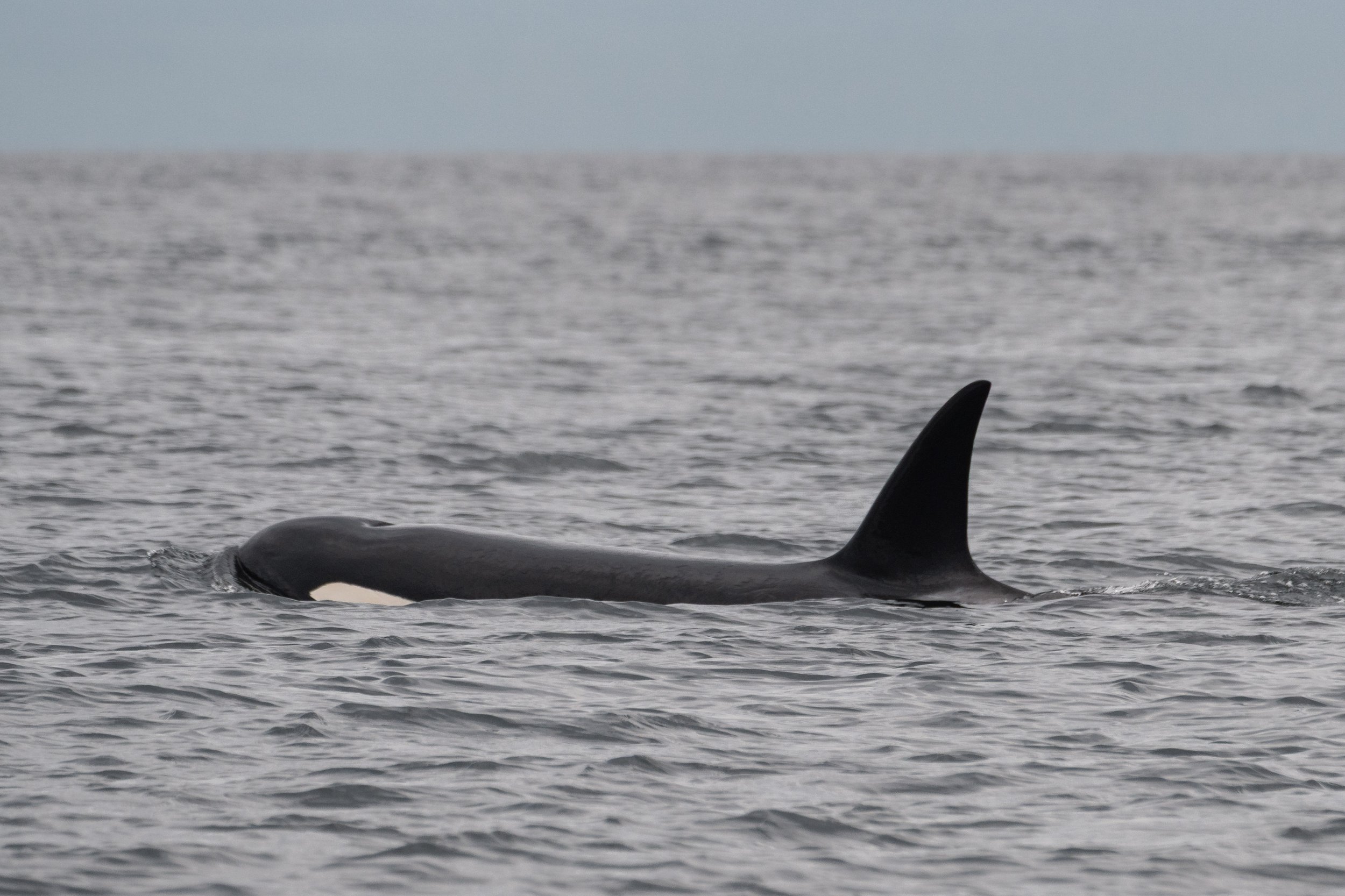
A great look at T046B1 Tread. Photo by Val Watson.
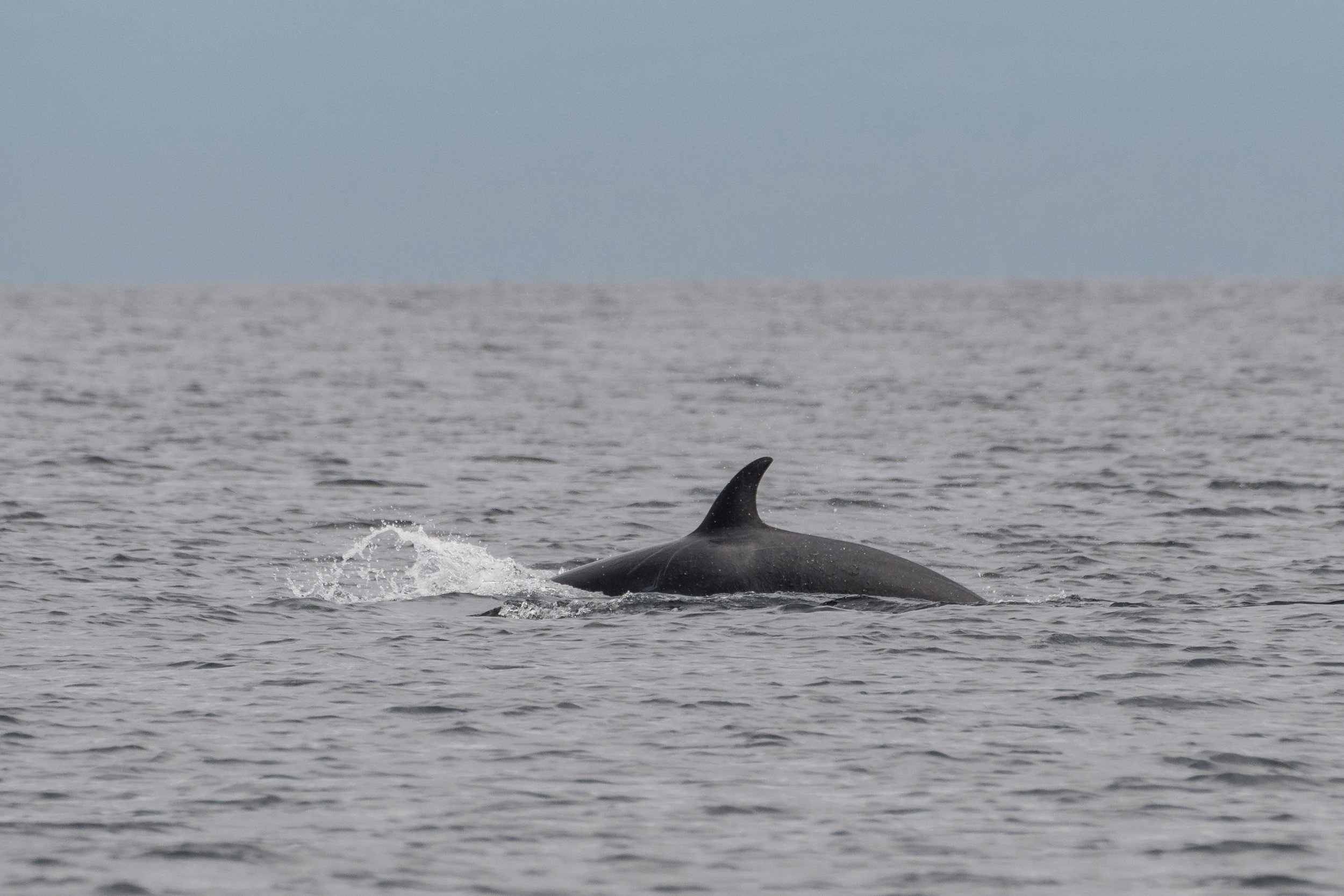
T046B1D Tashi porpoising to catch up with the pod. Photo by Val Watson.
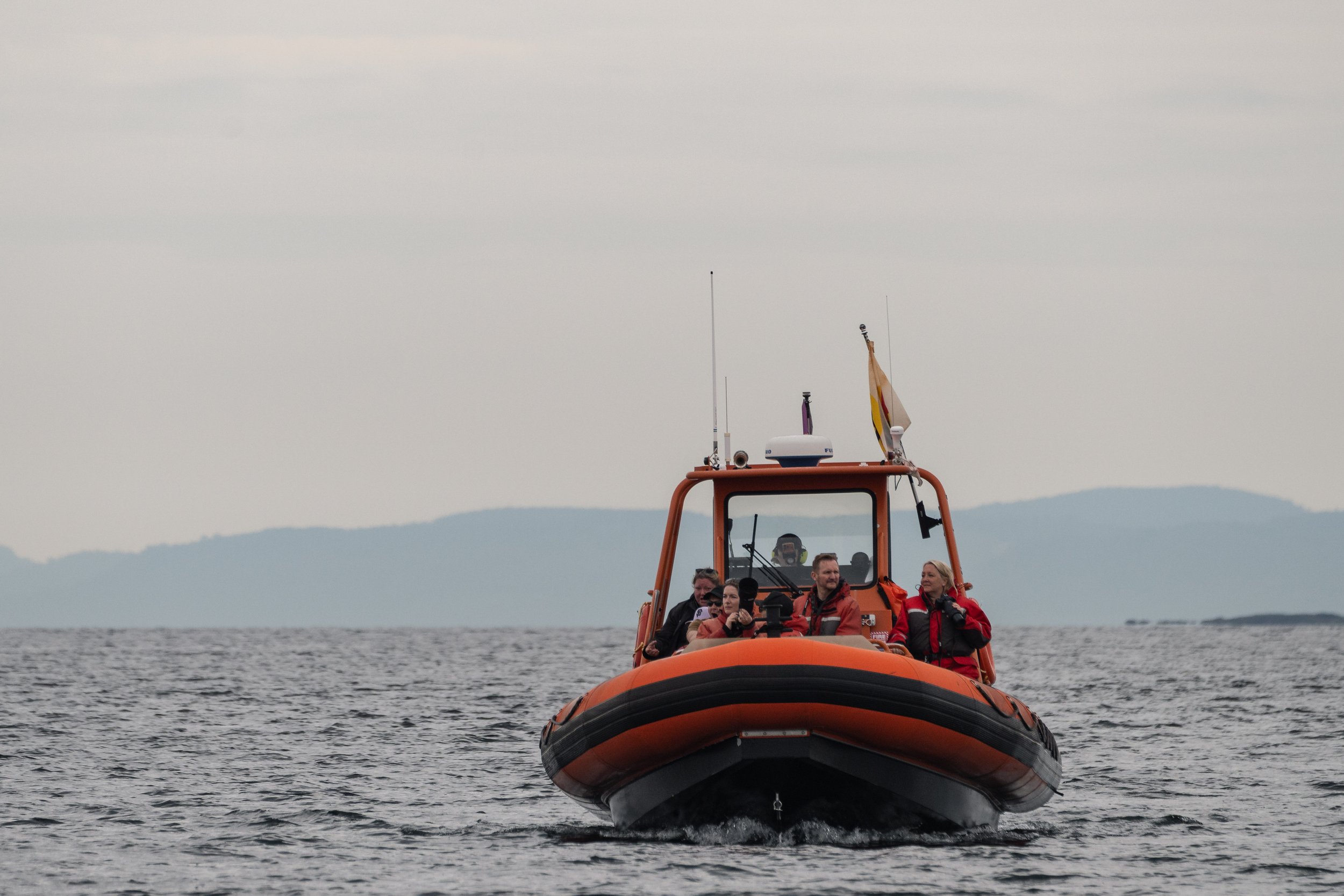
Happy whale watchers on Cascadia. Photo by Val Watson.
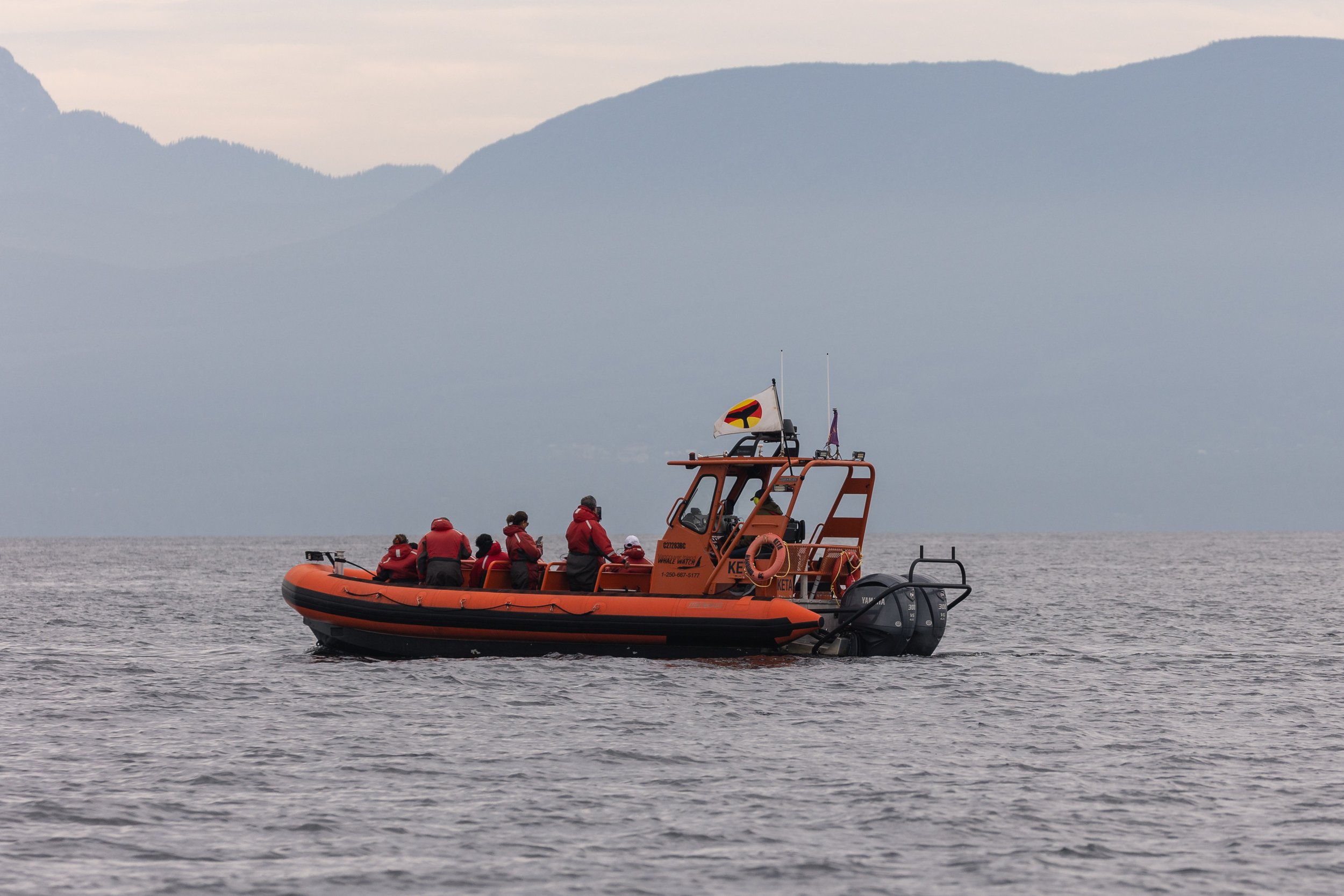
Happy whale watchers on Keta. Photo by Vanessa Vereschahen.
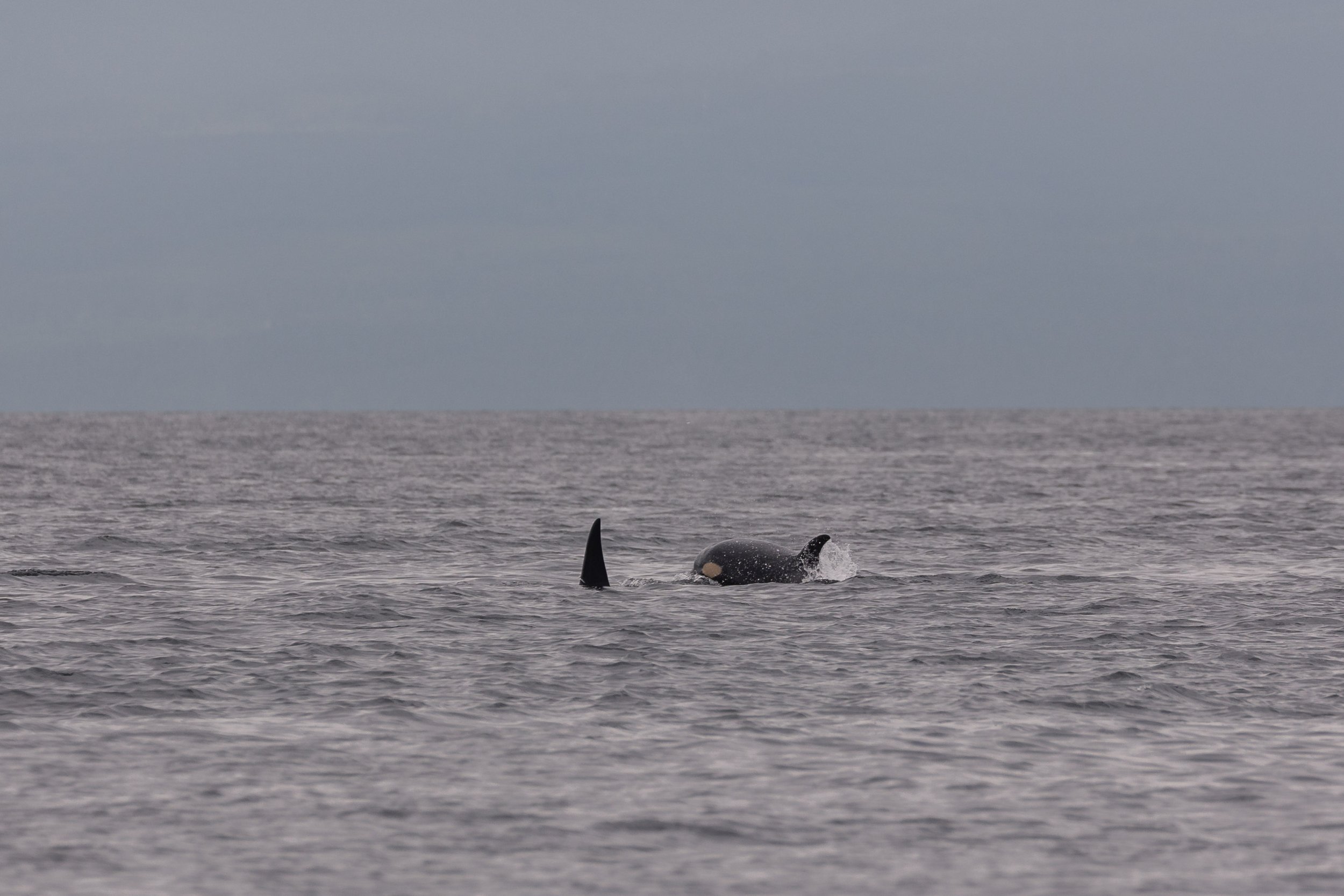
A cute look at the baby T046B1D Tashi. Photo by Vanessa Vereschahen.
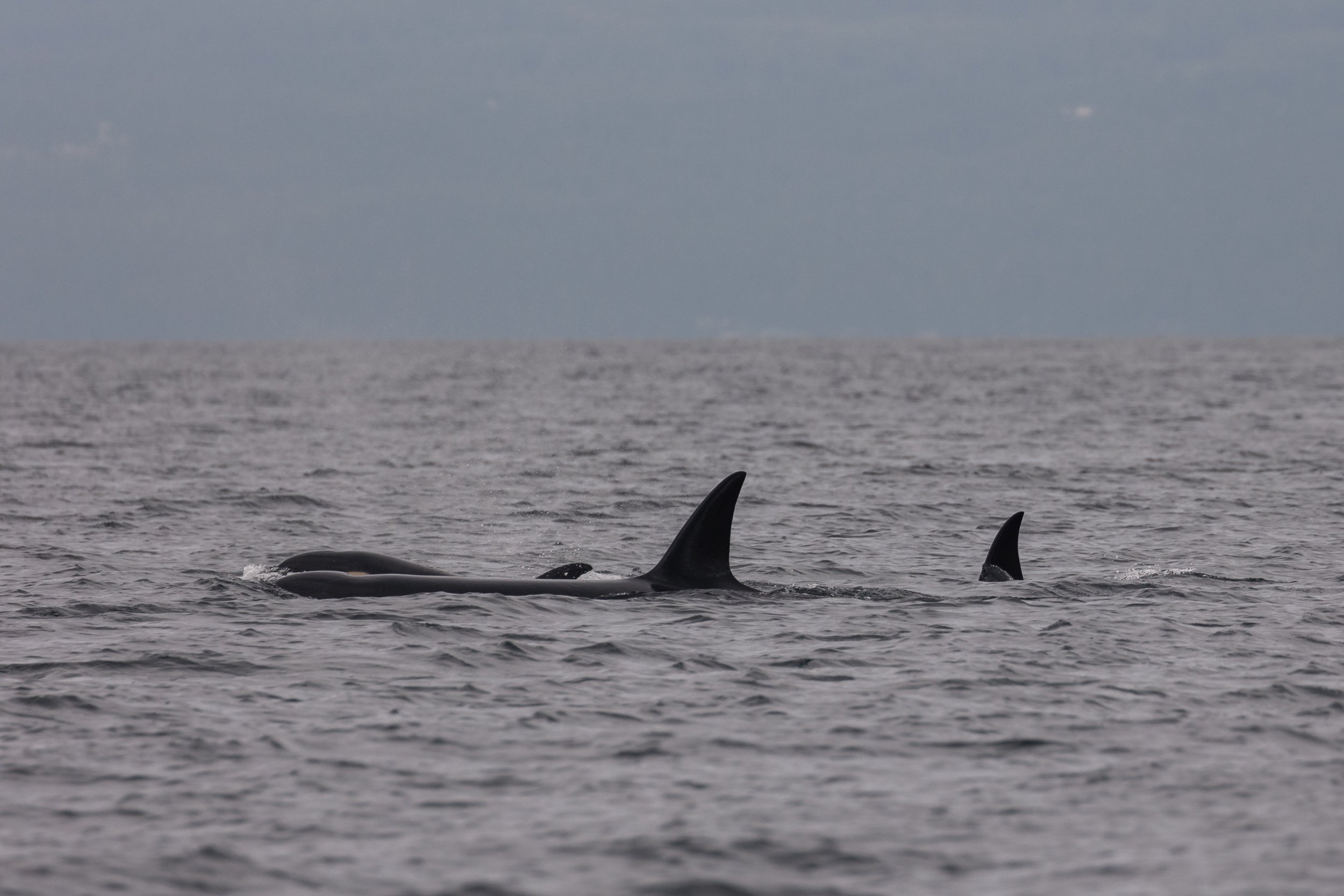
T046B1 Tread surfacing with her two youngest, T046B1C Tide and T046B1D Tashi. Photo by Vanessa Vereschahen.
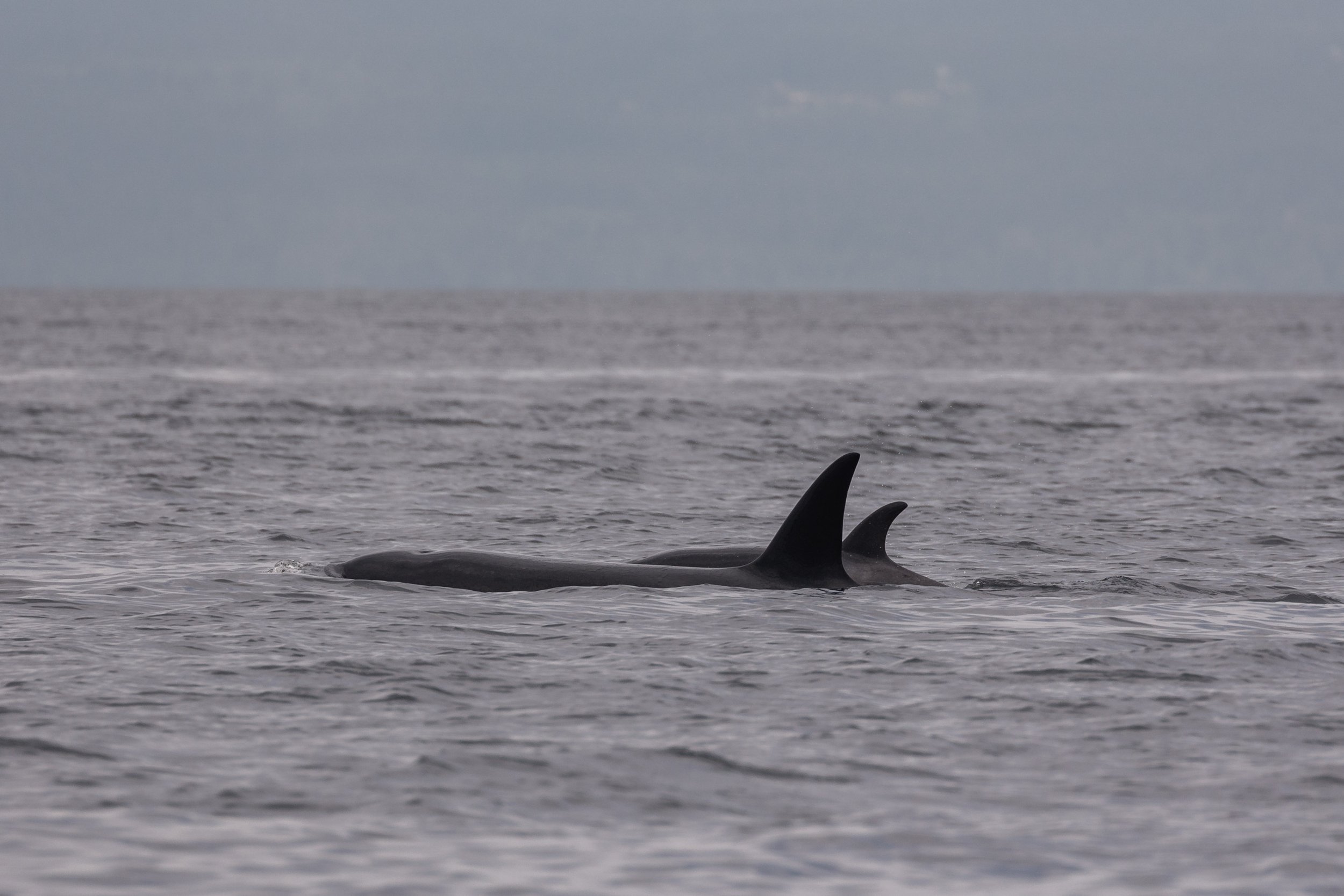
T046B1 Tread and T046B1D Tashi travelling side by side. Photo by Vanessa Vereschahen.
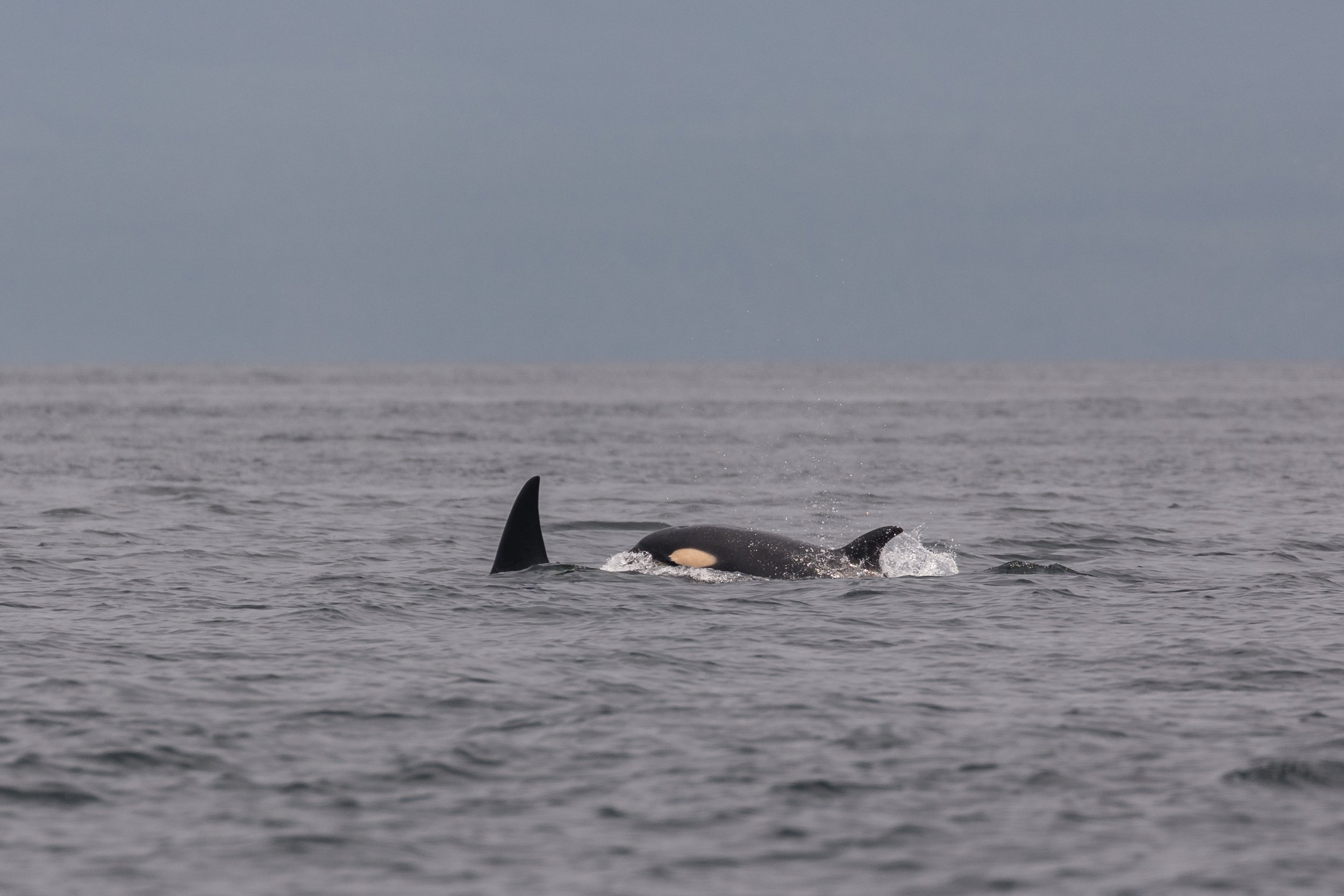
T046B1 Tread and T046B1D Tashi surfacing together. Photo by Vanessa Vereschahen.
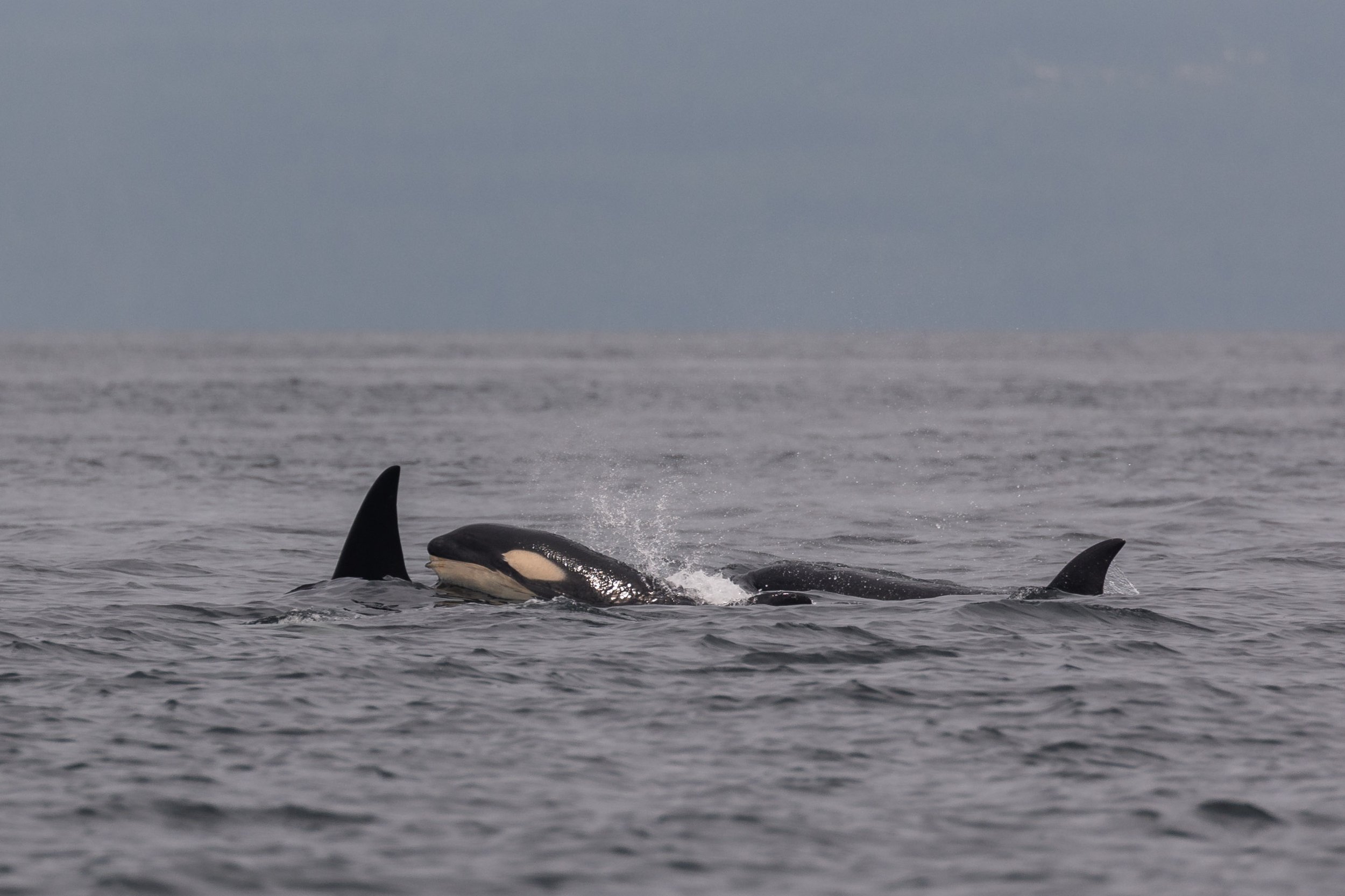
T046B1 Tread, T046B1C Tide, and T046B1D Tashi all surfacing together. Photo by Vanessa Vereschahen.
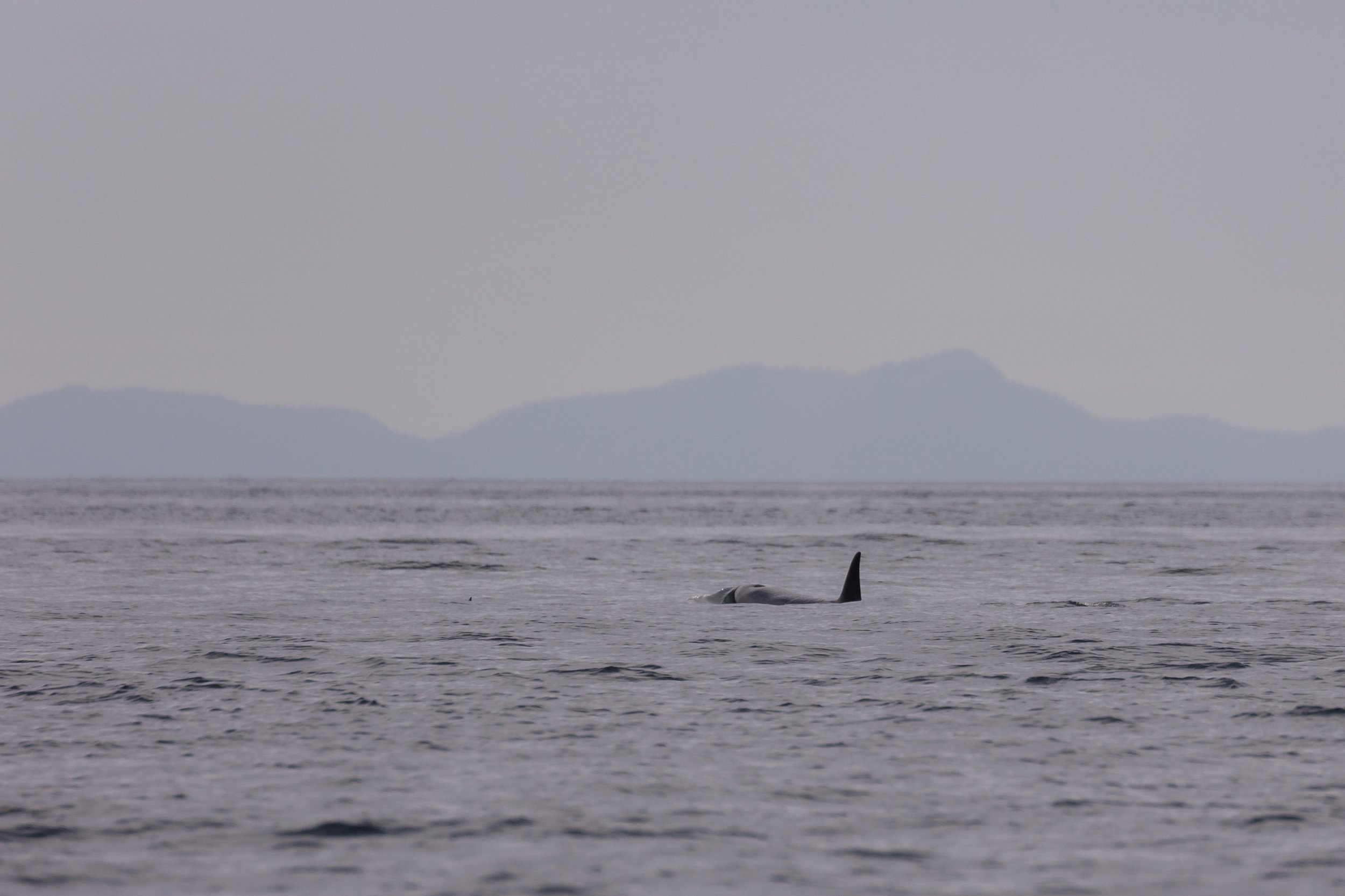
T046B1 Tread heading north as we leave her. Photo by Vanessa Vereschahen.
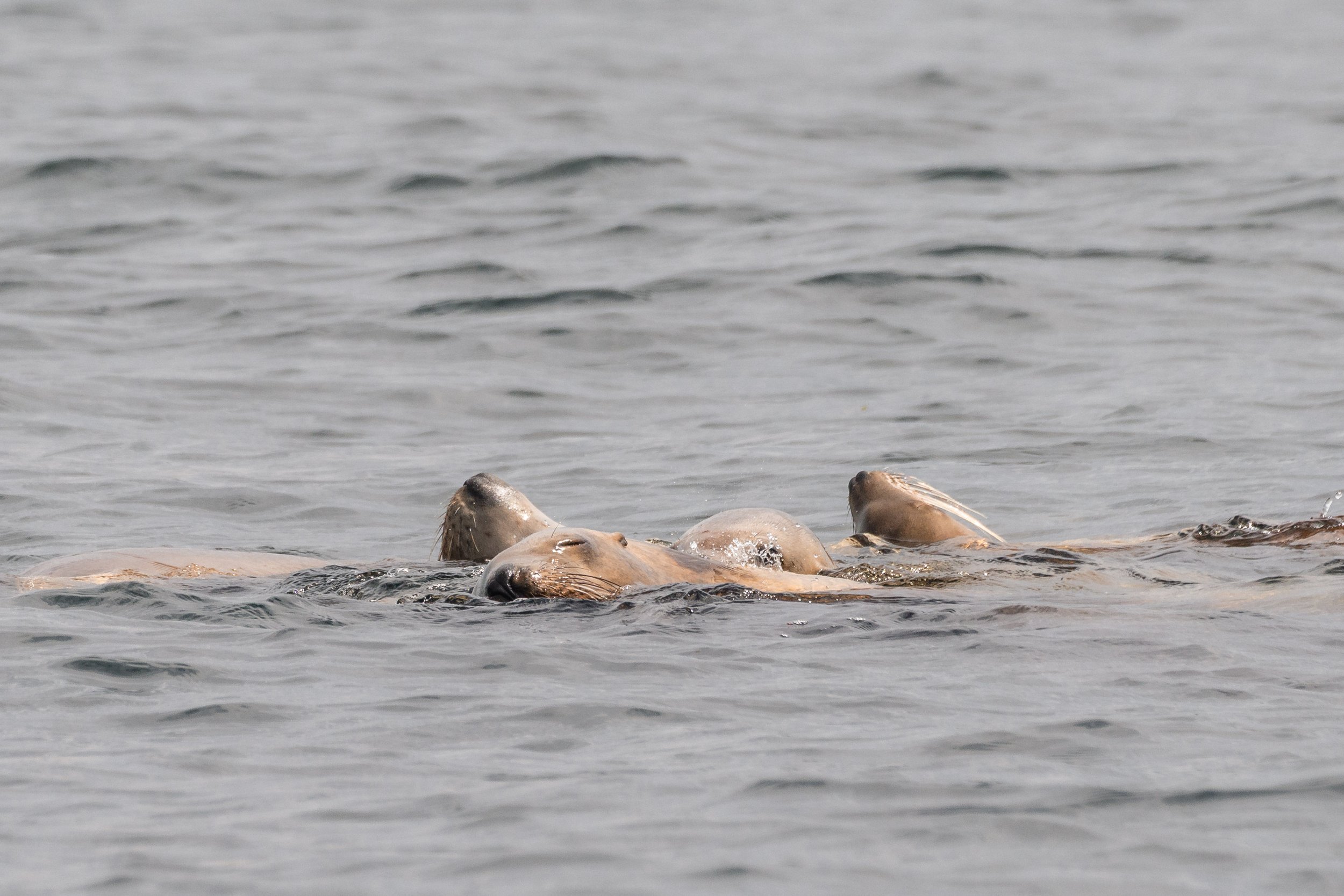
A raft of Sea Lions near Entrance Island. Photo by Val Watson.
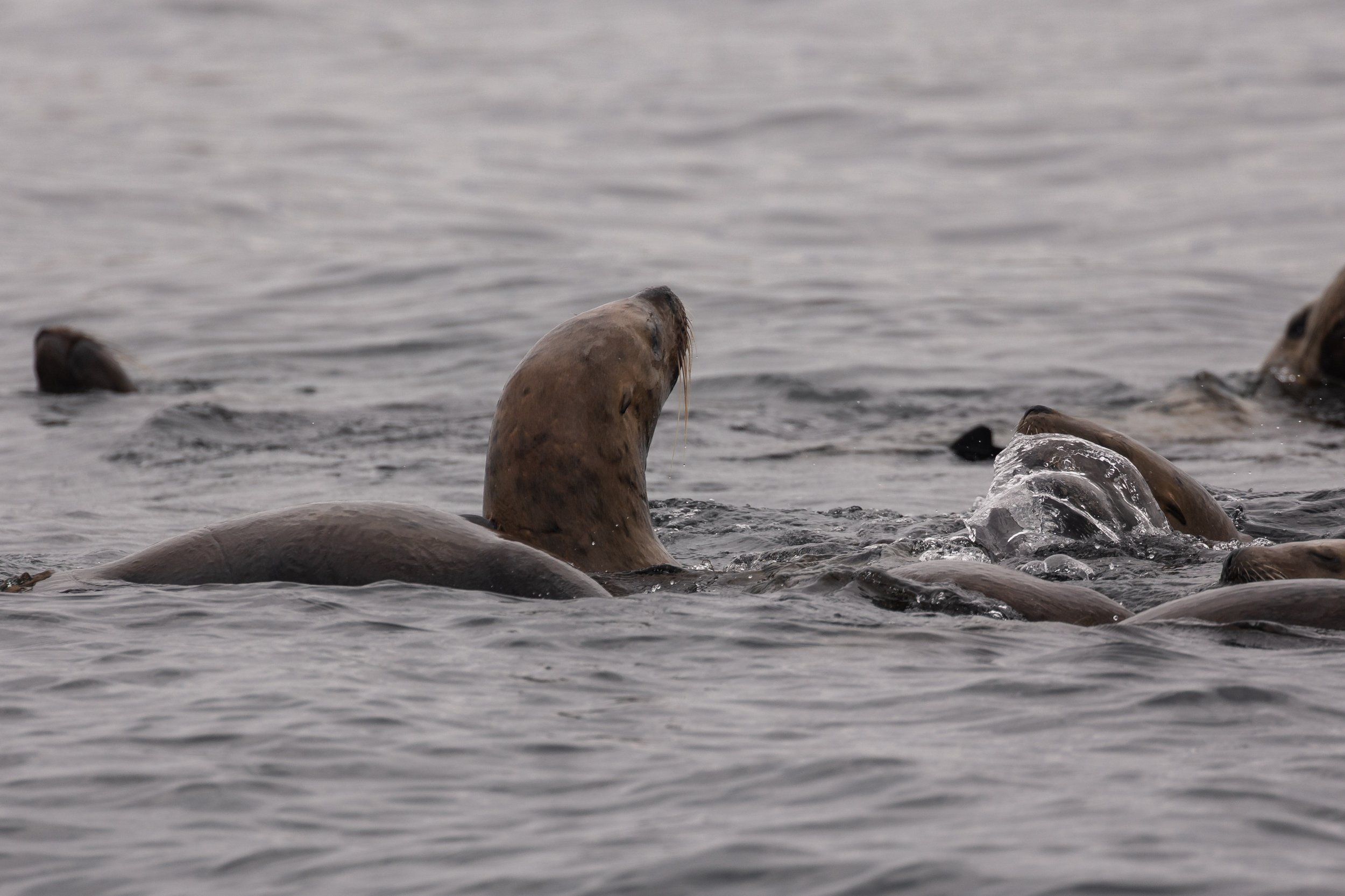
Steller Sea Lions rafting near Entrance Island. Photo by Vanessa Vereschahen.
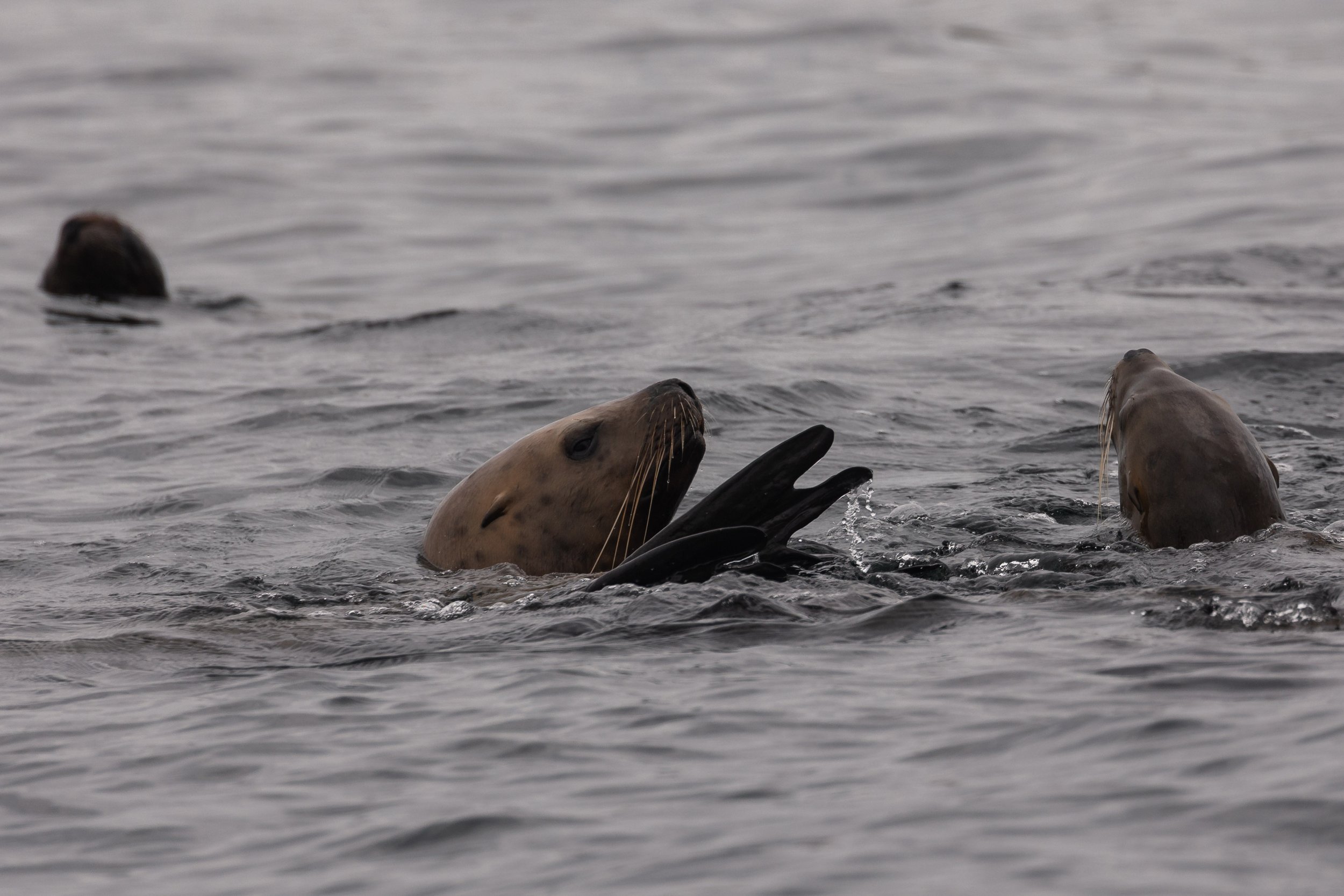
A great look at the Steller Sea Lions. Photo by Vanessa Vereschahen.
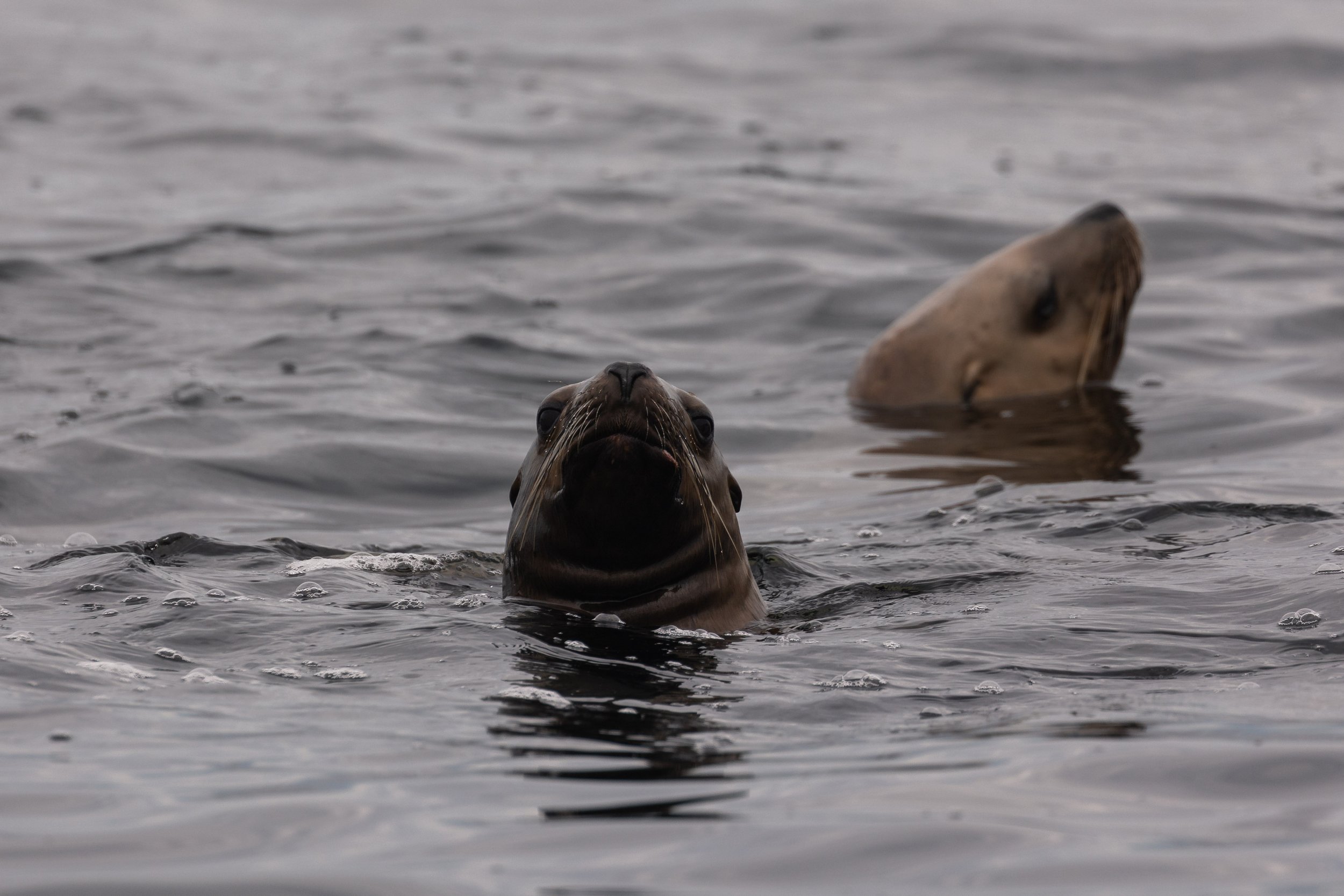
A sassy look from a Steller Sea Lion. Photo by Vanessa Vereschahen.
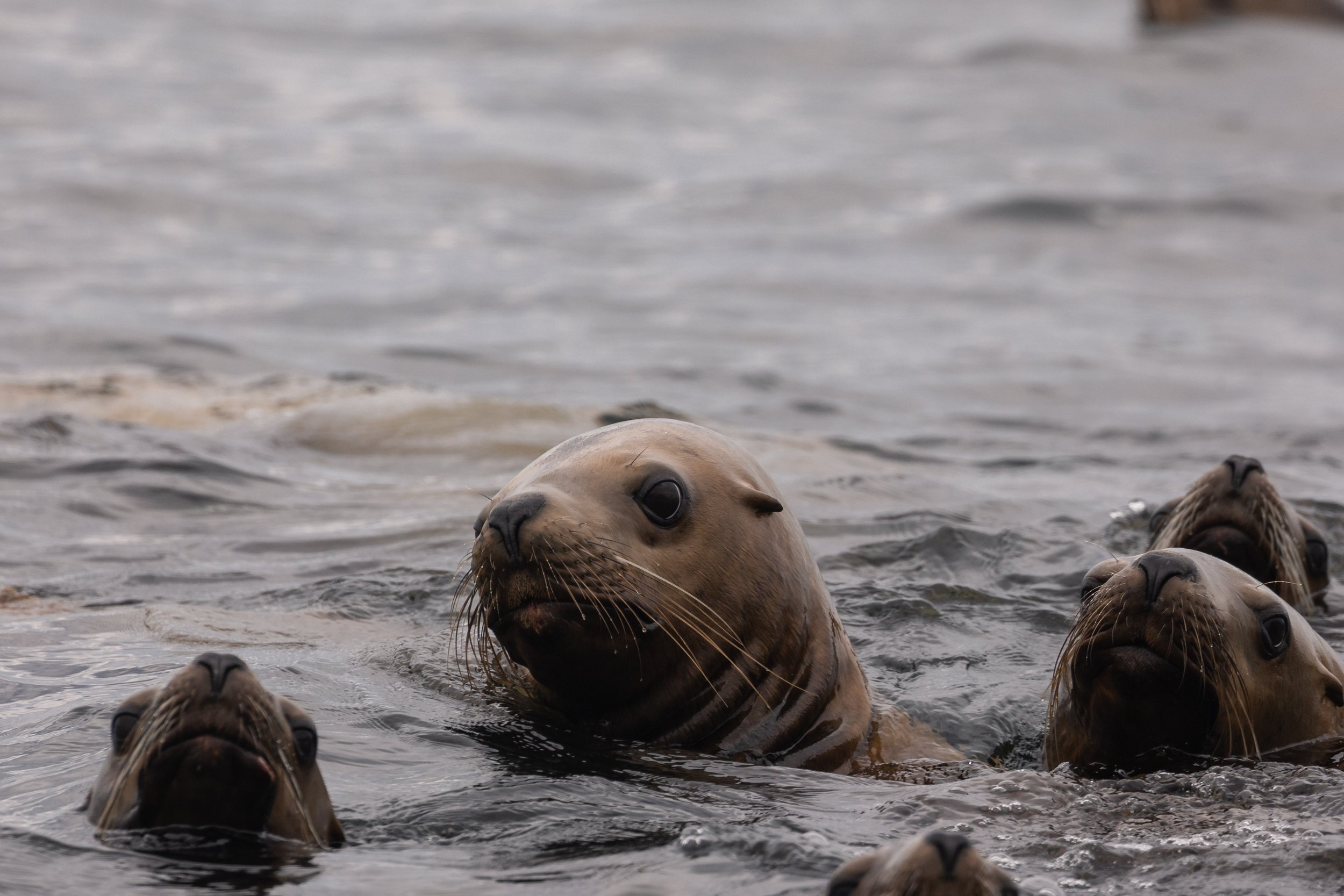
You can see them curious about our boat floating by. Photo by Vanessa Vereschahen.
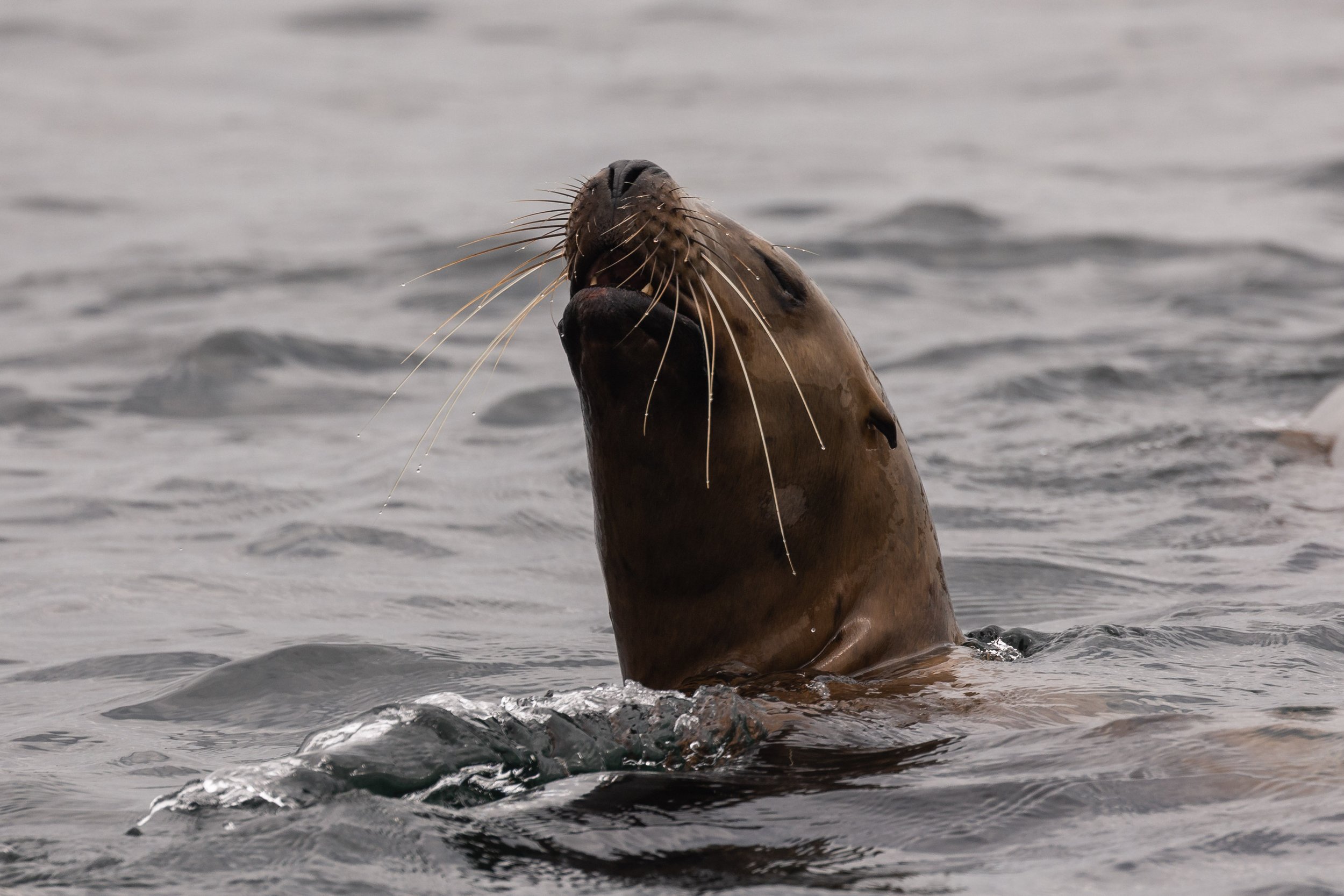
Just look at those long whiskers! Photo by Vanessa Vereschahen.
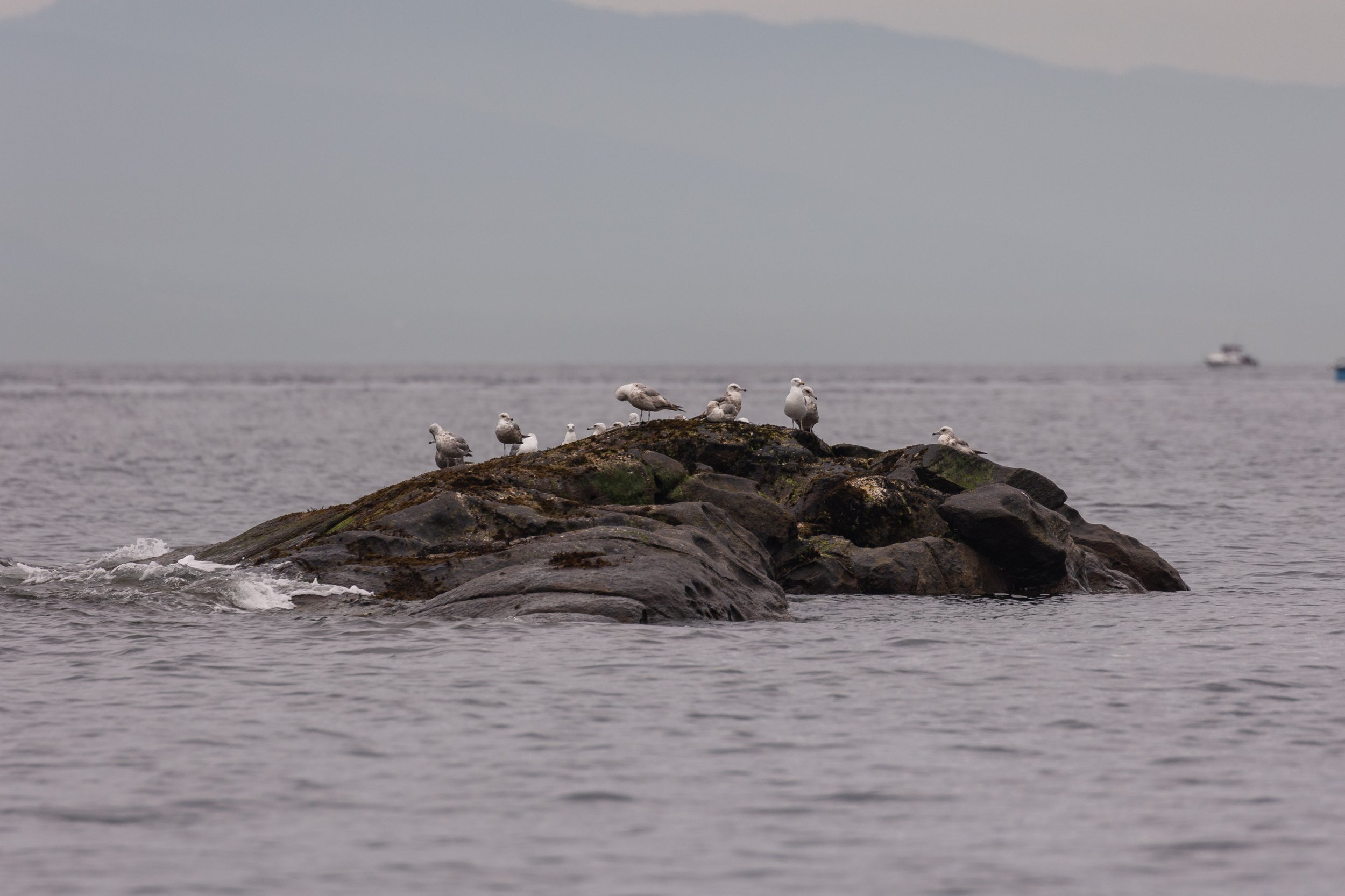
Gull Island. Photo by Vanessa Vereschahen.
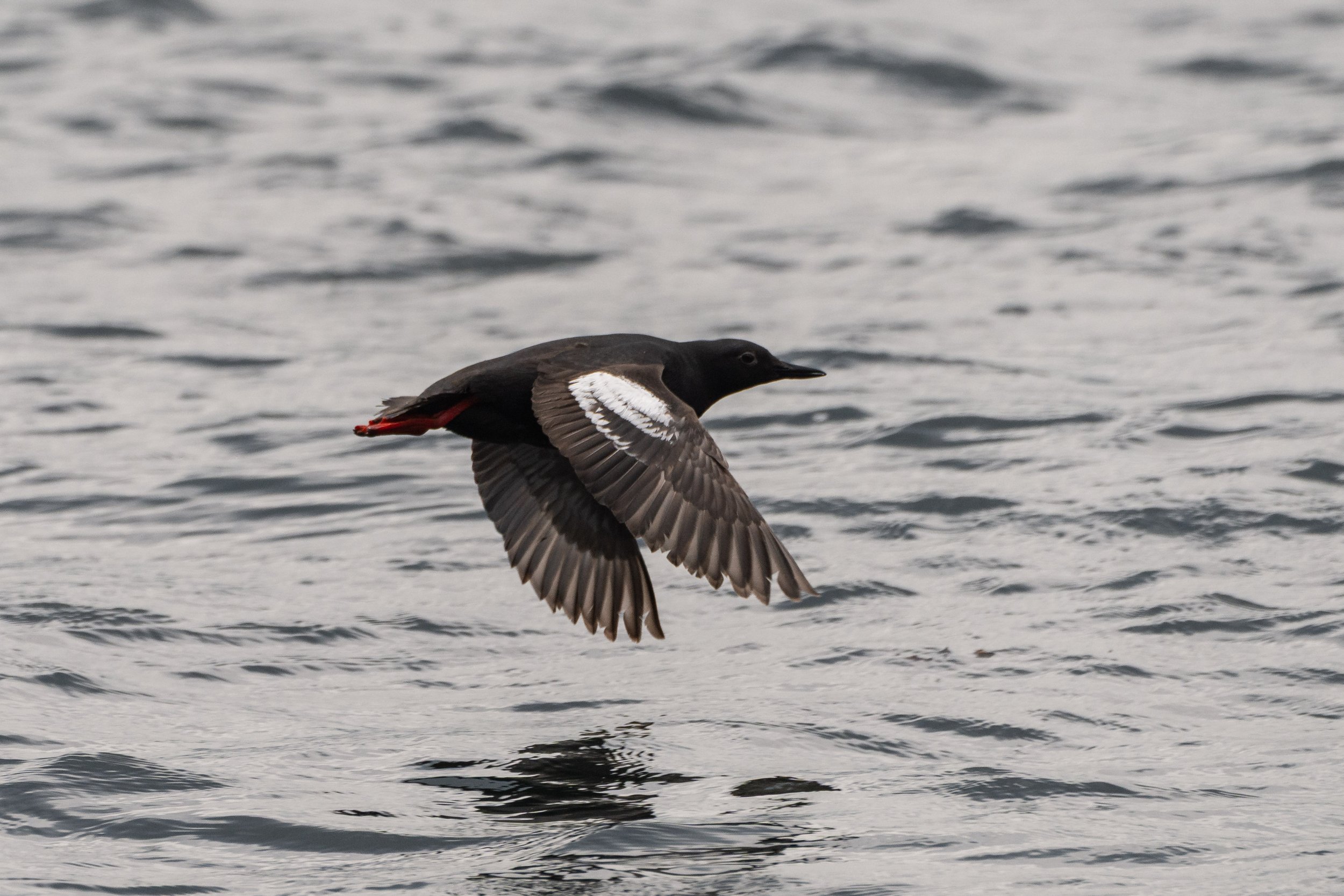
A Pigeon Guillimont flying by at the bluffs. Photo by Val Watson.
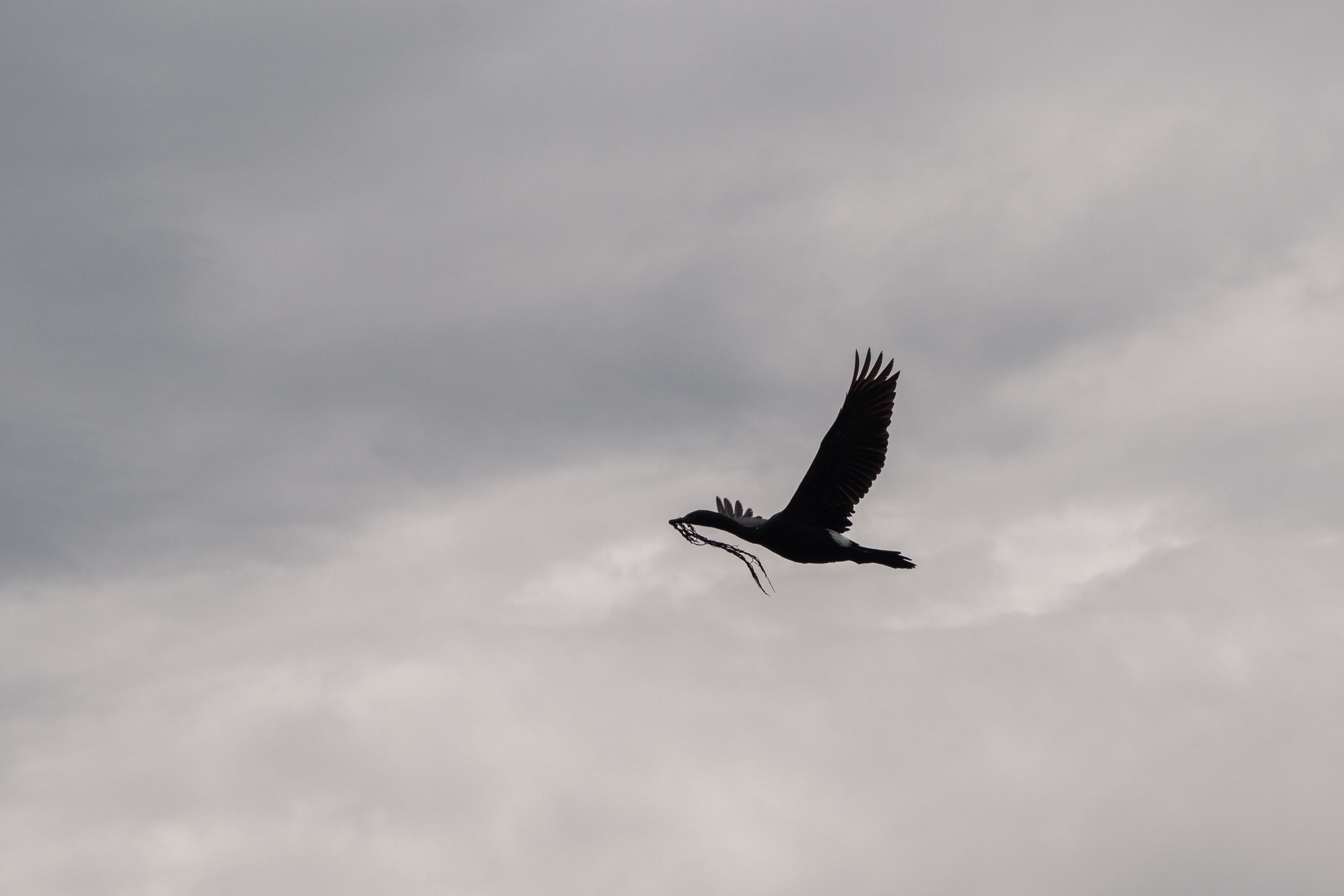
A cormorant flying in with some seaweed. Photo by Val Watson.
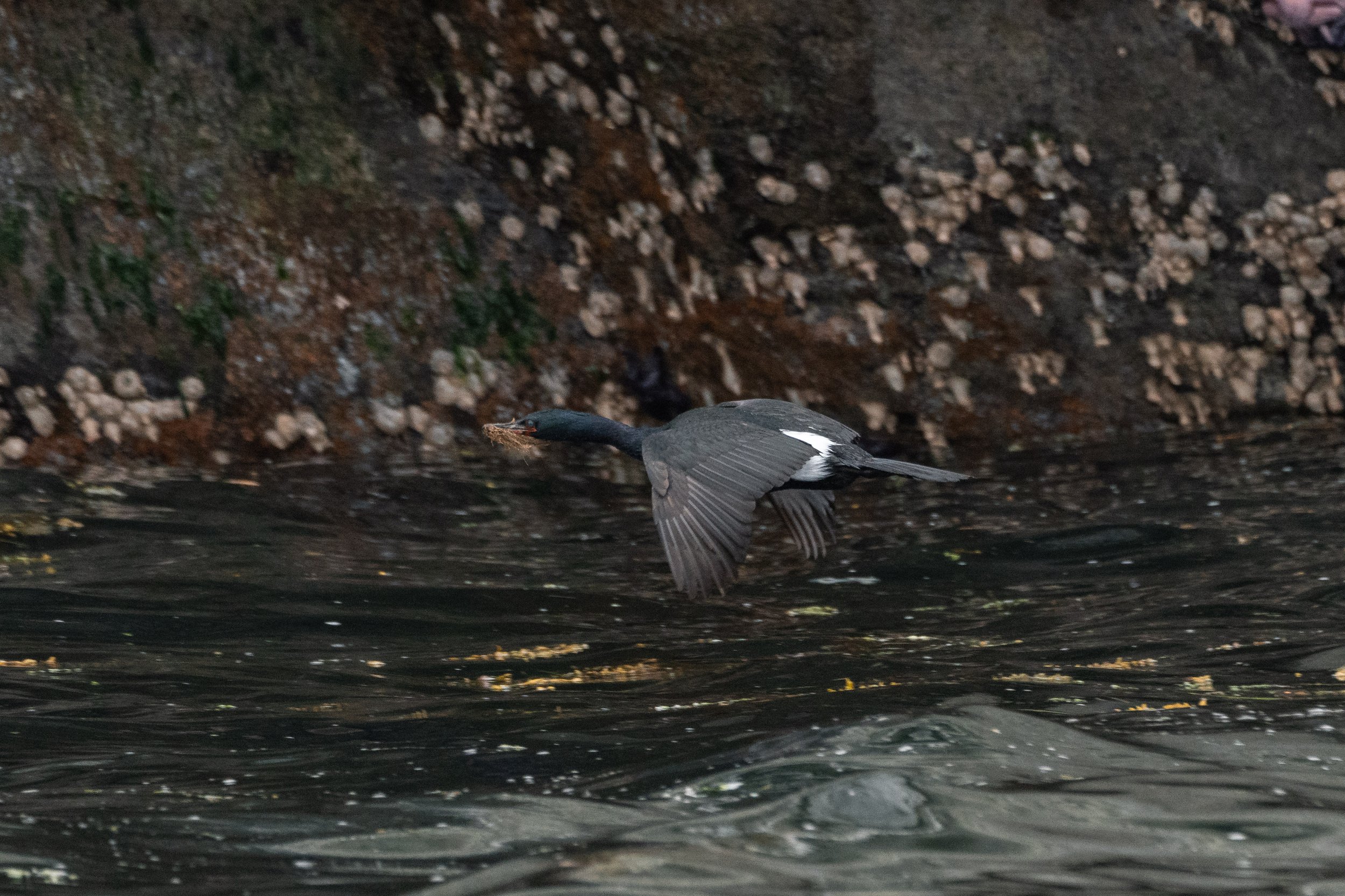
A pelagic cormorant flying by. Photo by Val Watson.
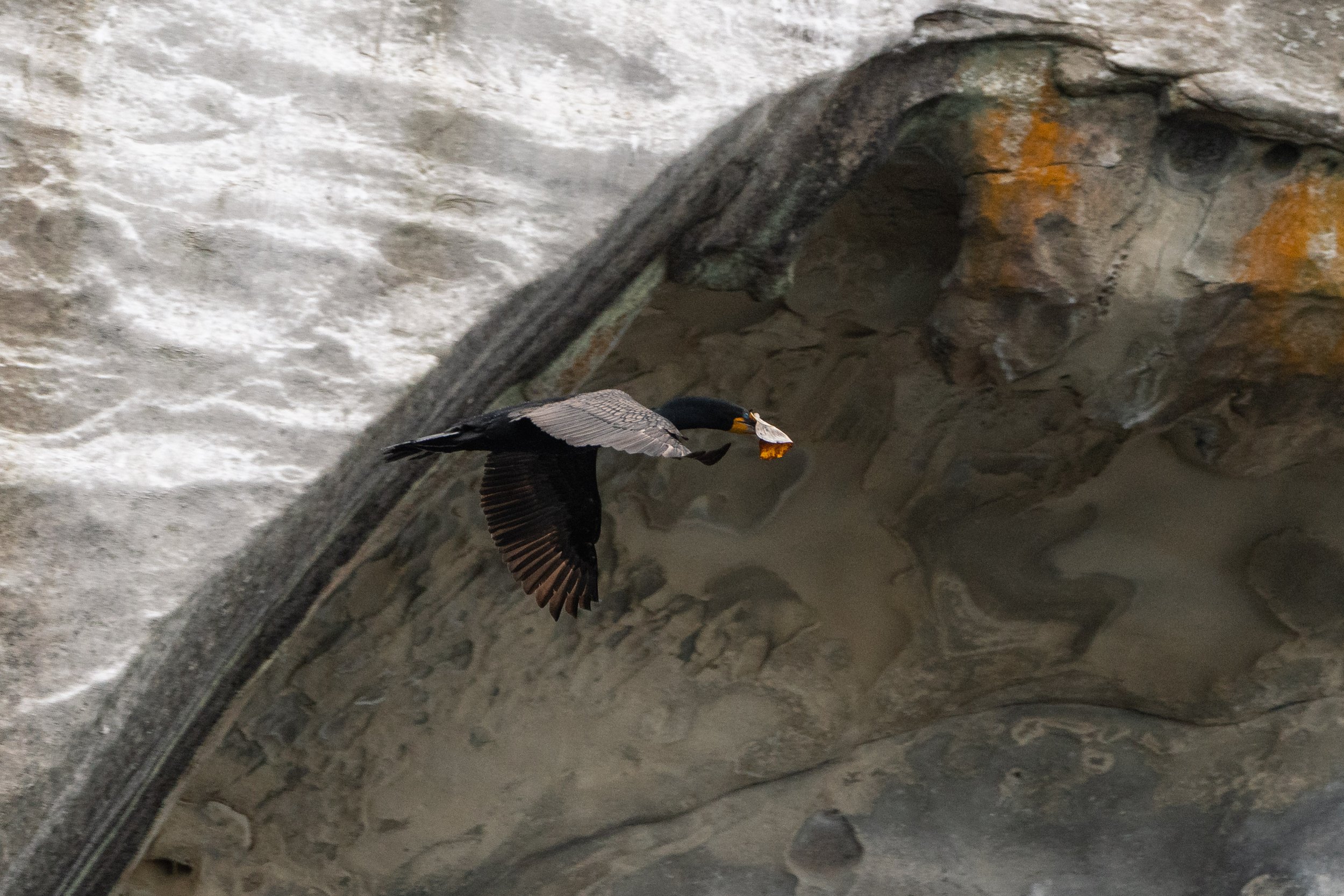
A cormorant with a lovely leaf hat. Photo by Val Watson.
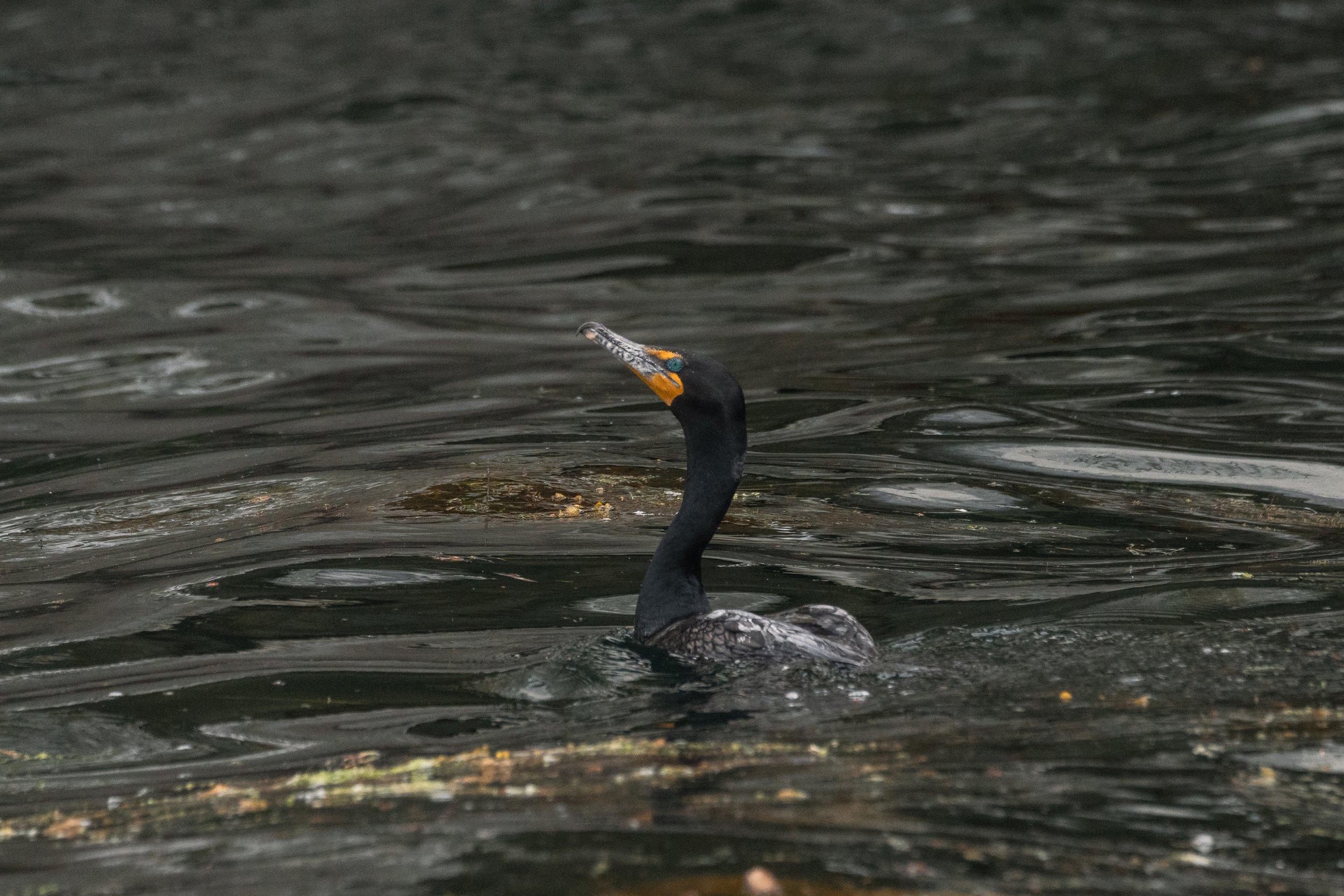
A cormorant swimming by. Photo by Val Watson.
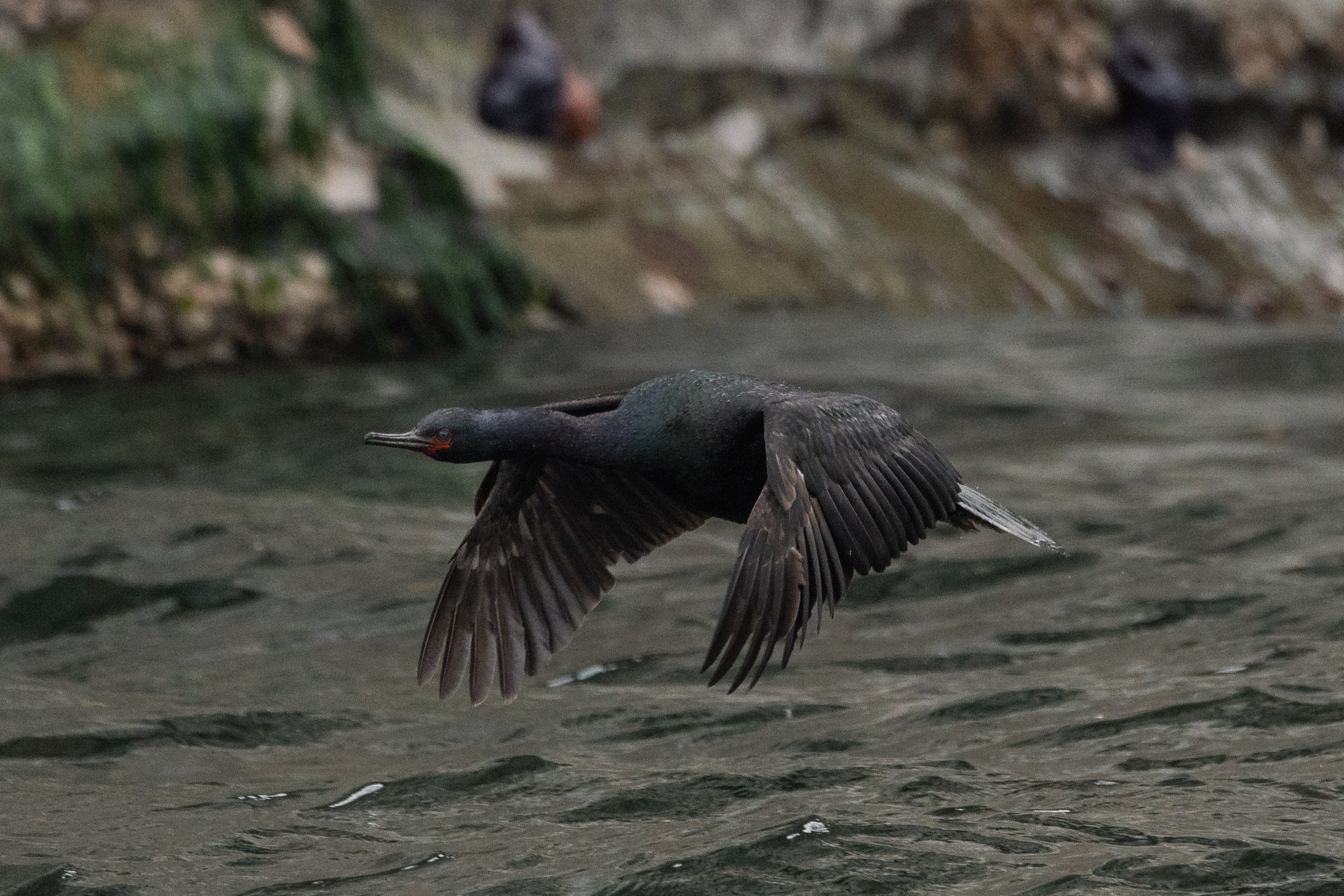
Another cormorant flying by. Photo by Val Watson.
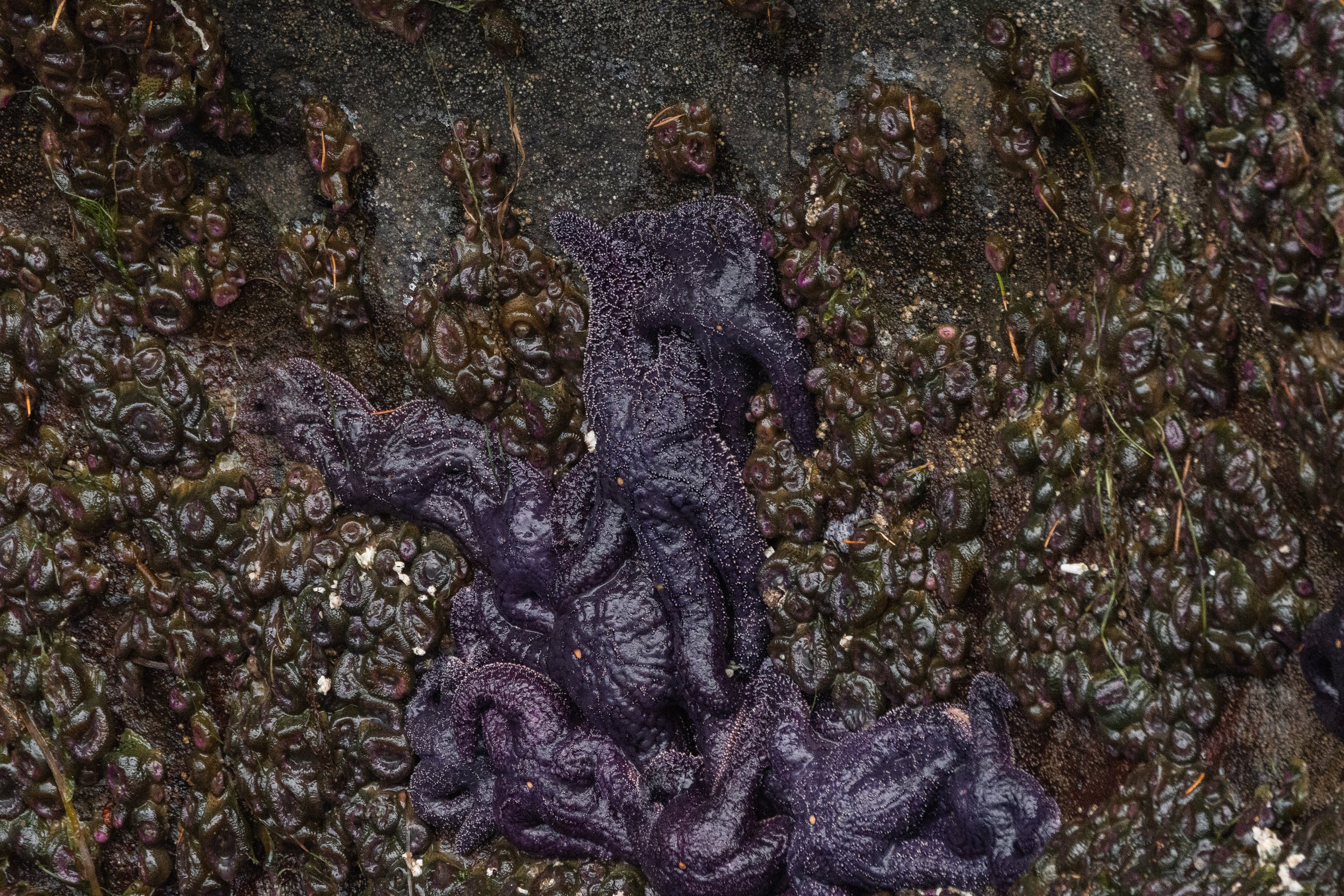
Starfish and sea anemones visible at low tide. Photo by Val Watson.
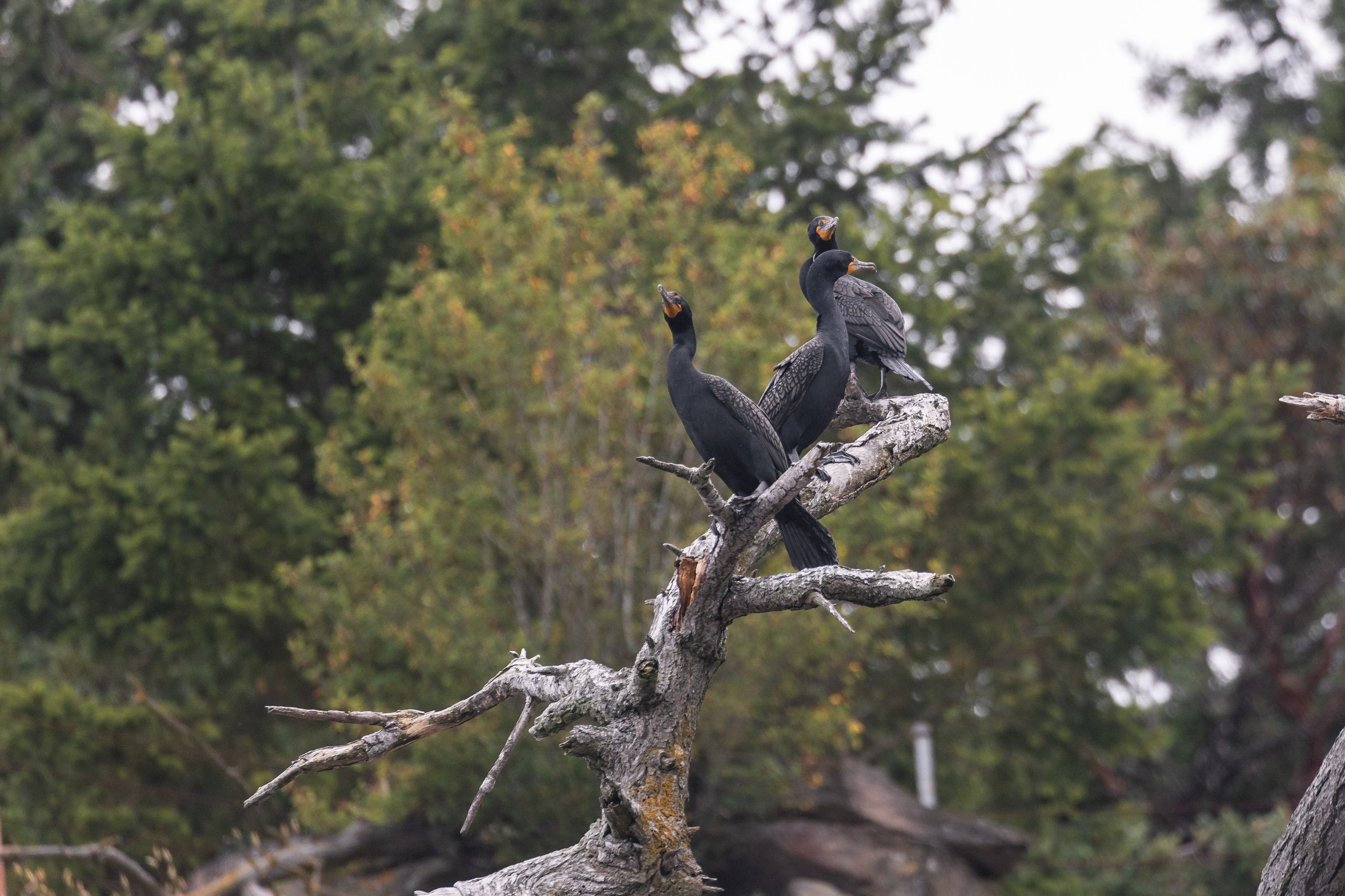
3 cormorant bumps on a log. Photo by Vanessa Vereschahen.
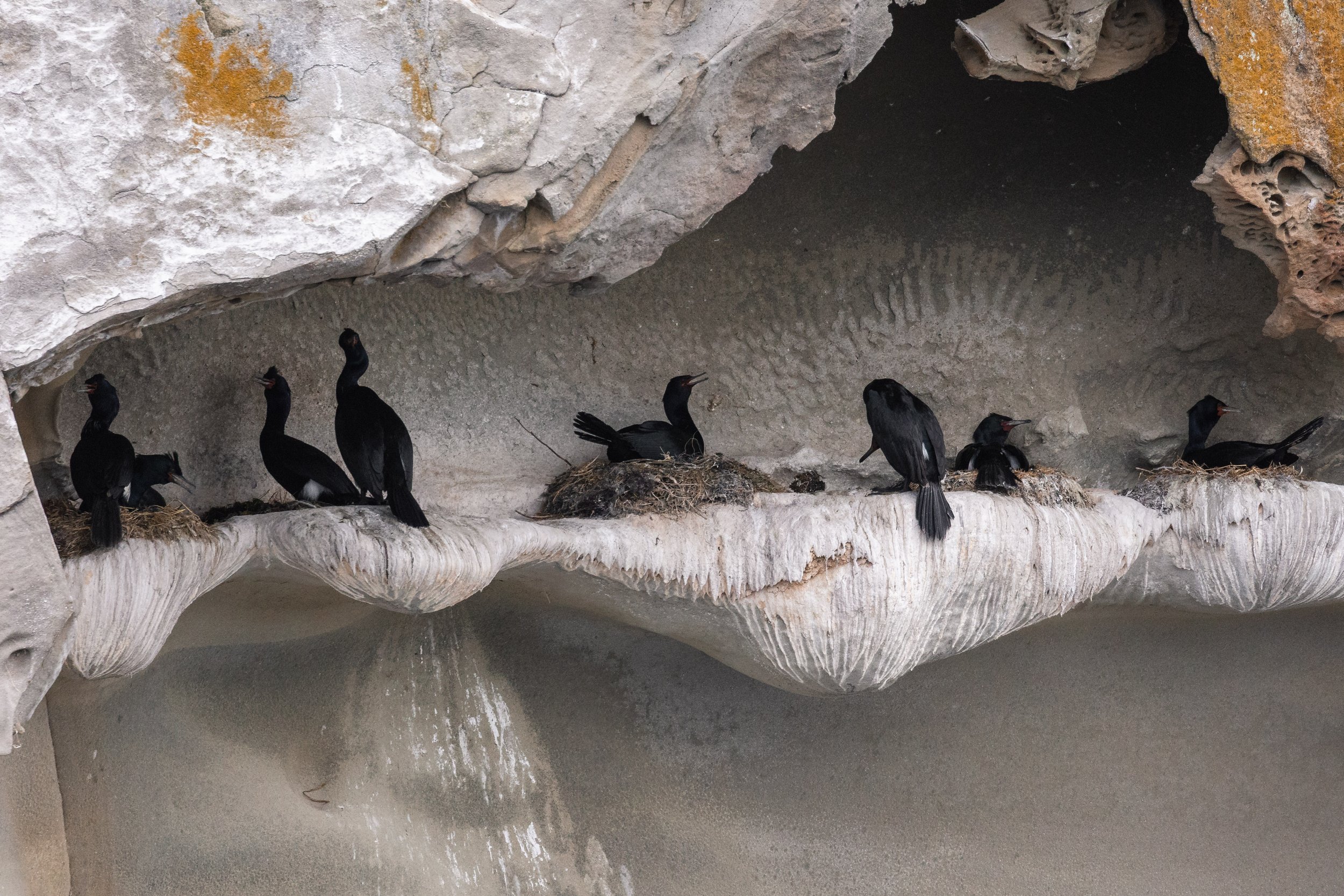
Cormorants at their nests along the Gabriola Bluffs. Photo by Vanessa Vereschahen.
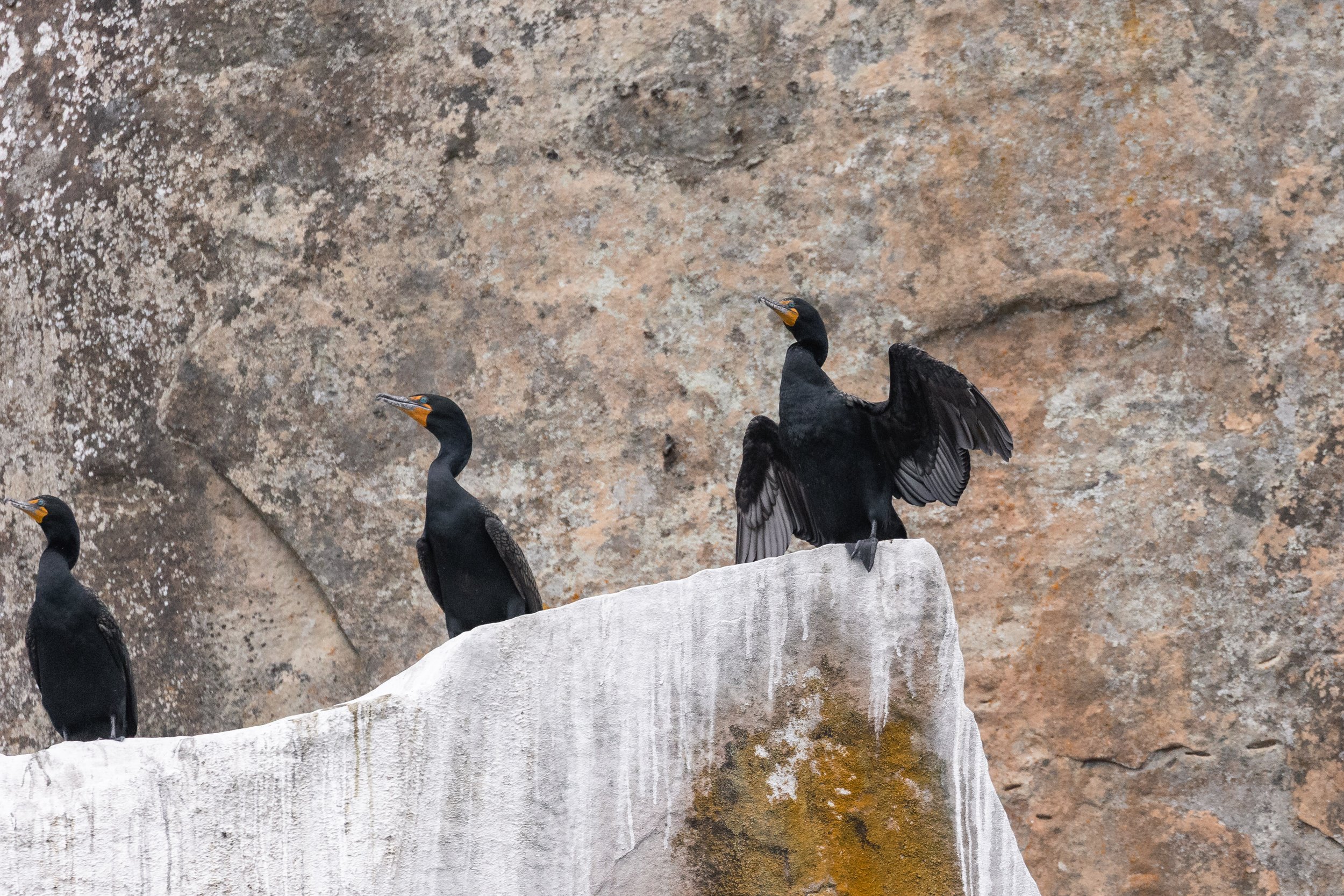
A cormorant drying off after a fishing session. Photo by Vanessa Vereschahen.
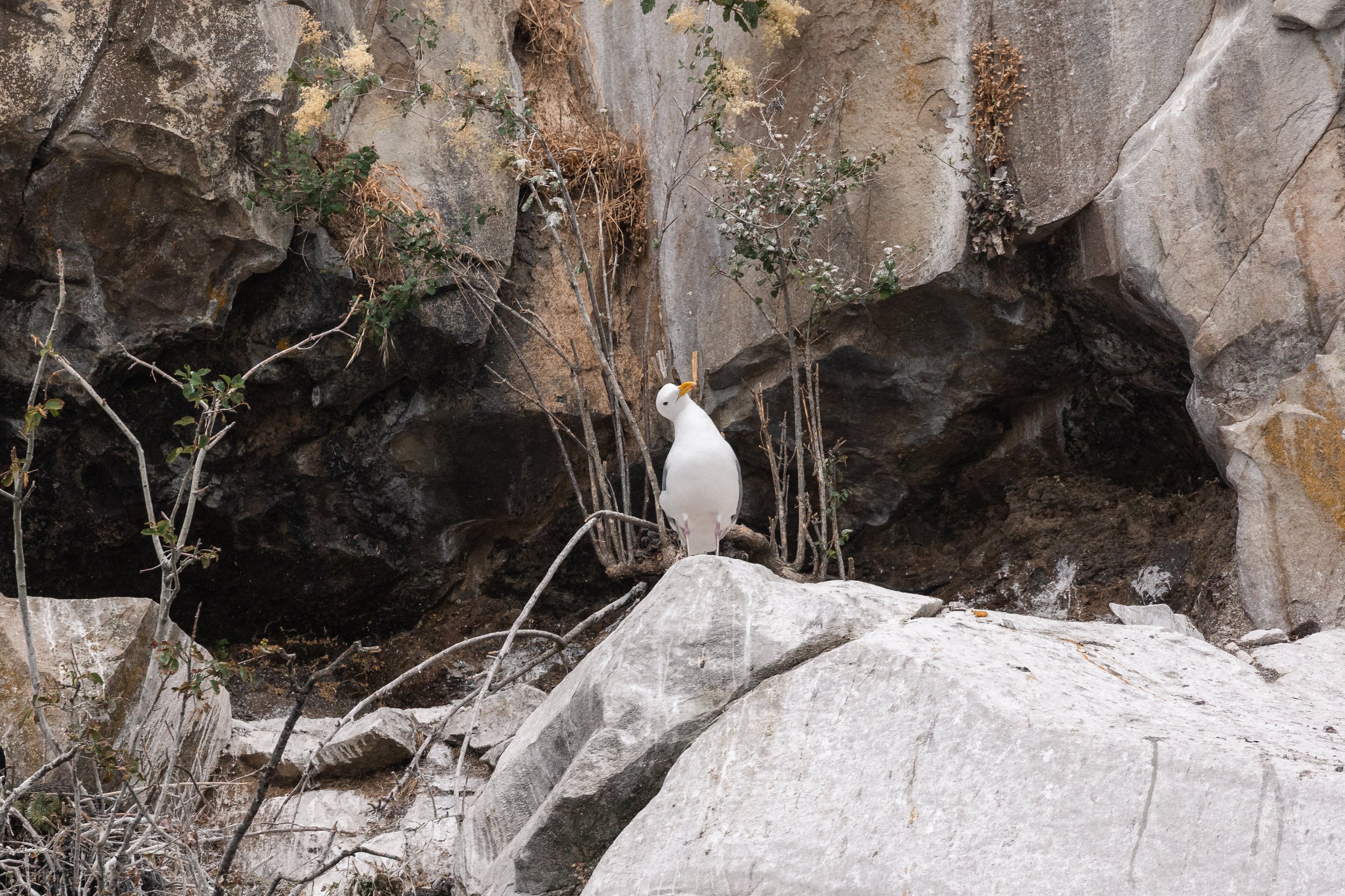
A curious look from a gull. Photo by Vanessa Vereschahen.
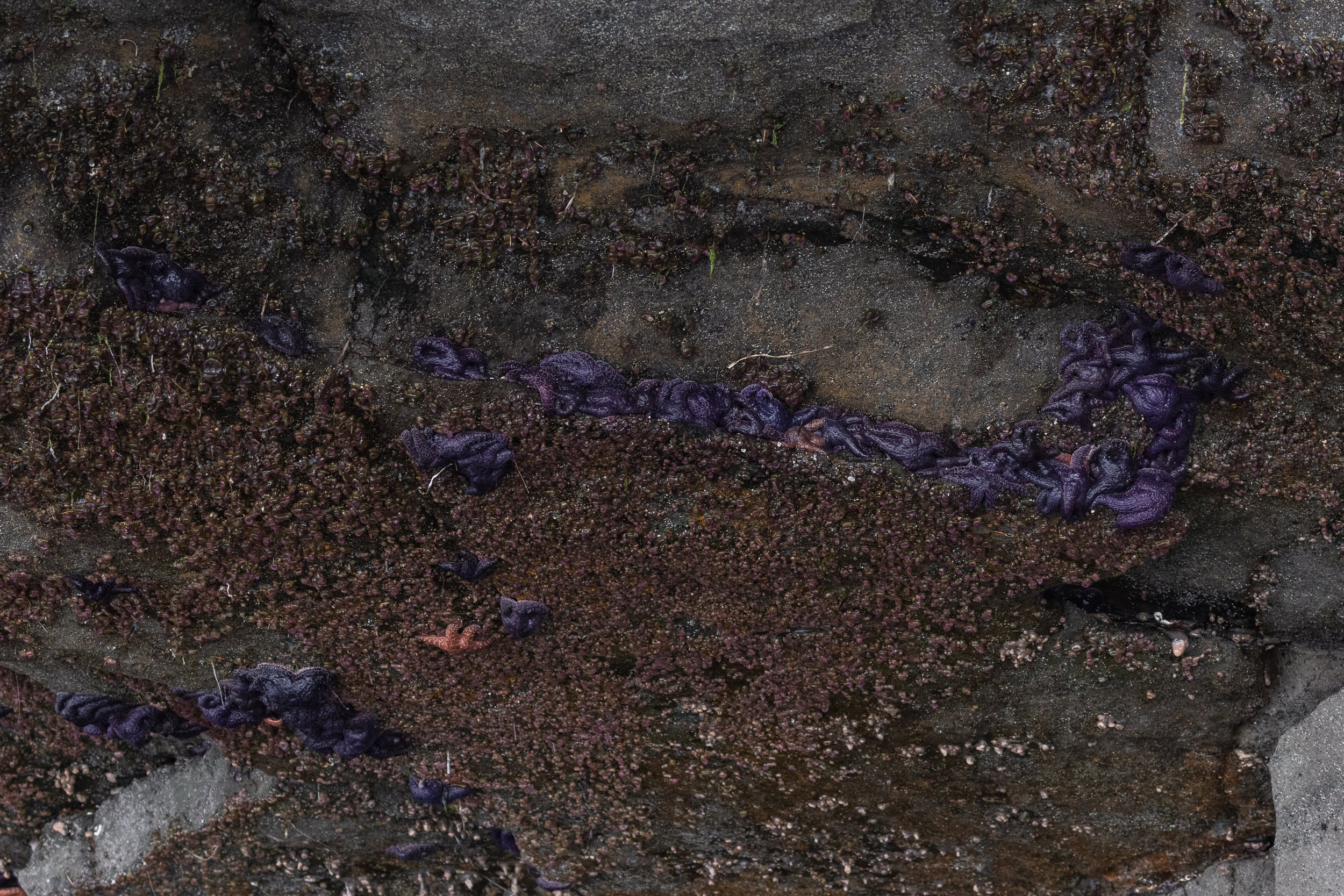
Sea Stars and anemones at low tide.Photo by Vanessa Vereschahen.
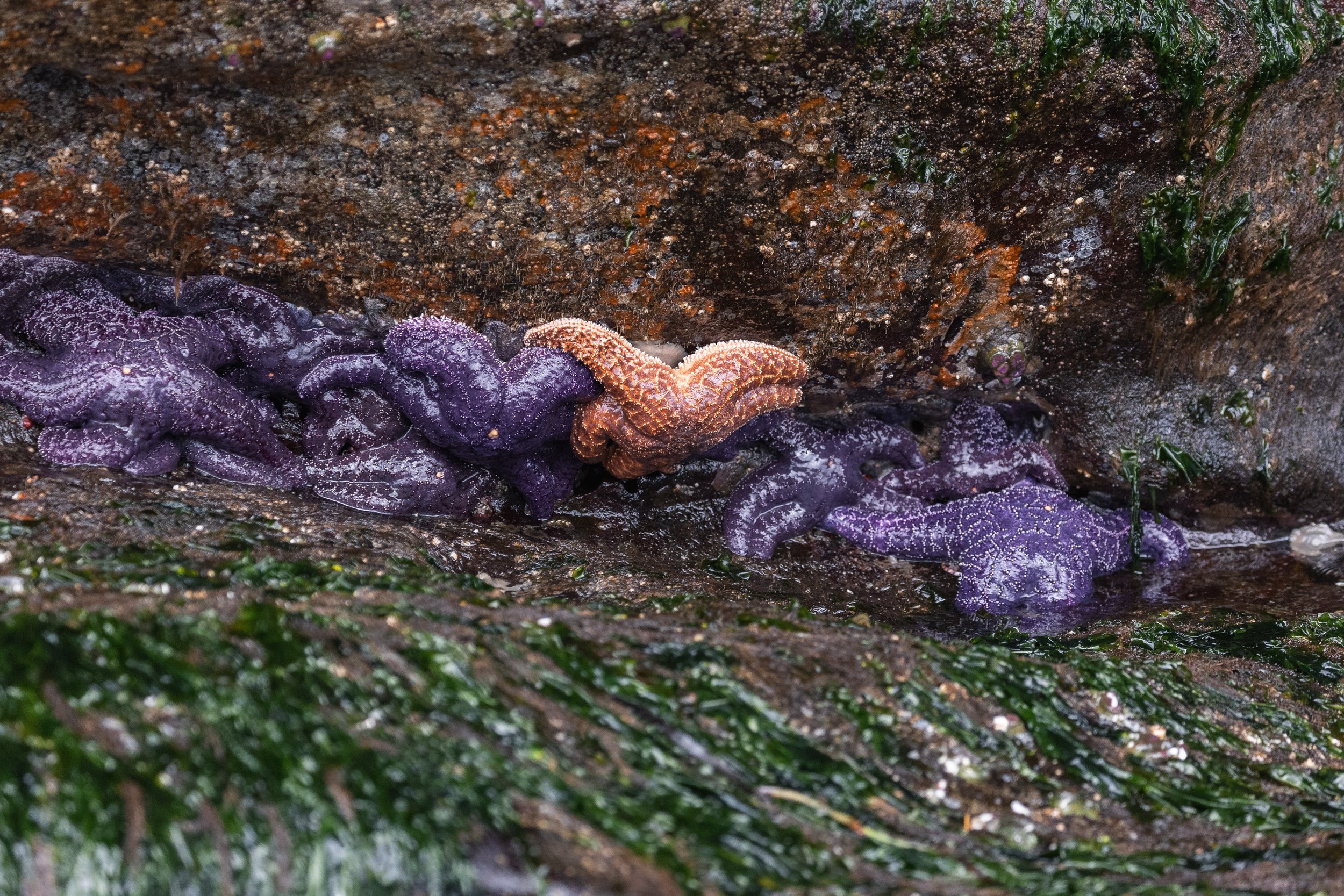
A closer look at the starfish! Photo by Vanessa Vereschahen.