
June 15, 2026, 3:30 PM - T-party in Howe Sound
As we gathered on the docks and got ready for our whale watching adventure, we already felt lucky to be spending the afternoon on the water. Although there were clouds overhead, the day was beautiful, and the seas were calm as we headed out into the Strait of Georgia with two of our boats, Kula and Cascadia.
As always, we spread the boats out on our crossing of the Strait of Georgia, our eager eyes on the lookout for whales, but we already had a target in mind. One of the Vancouver-based companies had found a pod of orca near the mouth of Howe Sound. This is one of the great things about whale watching in the Pacific Northwest: all the companies work together on the water and share sightings. This not only makes things easier since you can cover more ground and increase your chances of finding whales, but it also makes for a better experience for the guests. When we got word of these whales, we headed that direction and were eager to see who they had found.
As we approached the area where we knew they had seen the whales, the tall black dorsal fins of the animals cut through the calm waters, and an excited chorus rang out from our vessels. There were a lot of whales here! Typically, a pod of transient orcas has around 3 to 6 whales, but we were seeing closer to 15 surfacing in the area. This must be a T-Party!
The other boats filled us in on some of the IDs, but our expert Marine Naturalists, armed with high-quality cameras and telephoto lenses, were able to identify a few extras in the mix. It turned out to be 5 pods spending their time together, circling the entrance to the sound: the T100s, T124As, T124A2s, T124A4s, and the T123s! That means the following whales were present:
T124A2 Elkugu ♀ (2001)
T124A2A Agafia ♂ (2013)
T124A2B Litton ♀(2016)
T124A Kittiwake ♀ (1984)
T124A6 Kasuun ♂ (2016)
T124A7 Kite ♀ (2021)
T124A4 Sabio ♀ (2010)
T124A4A Strix ♀ (2021)
T124A1A Sabine (2024)
T100 Hutchins ♀ (~1979)
T100C Laurel ♂ (2002)
T100F Estrella (2004)
T123 Sidney ♀ (~1985)
T123A Stanley ♂ (2000)
T123C Lucky ♀ (2012)
T123D Darcy ♀ (2018)
As we watched, it was clear there was a socialization event underway. This was not just from the number but also from behaviour. These whales were not directional while we watched them; they were just milling in the same area, making large circles and seeming to move in coordination, even though they were separate groups. In the lead were the T124As and T124A4s, accompanied by Stanley (T123A). It might have been that he was trying his luck with these ladies, but they didn’t seem very receptive since he was almost always a good 50 meters behind the main group. Interestingly, we didn’t see much further mixing of the pods, with the main matrilines staying within their normal groups but remaining in close proximity to one another.
The whales love mixing things up within their own ecotype, and socialization events like this are very important for the development and maintenance of social bonds in these very intelligent animals. We were also thrilled to watch as the groups moved swiftly around, changing direction and even porpoising through the water, showing off their eye patches and saddle patches as they went.
Now, you might have noticed that many of the pods had very similar numbers, but I have them separated. This isn’t just to bolster the sightings and make it sound more impressive! No, this is because T124A2 Elkugu and T124A4 Sabio have dispersed from their maternal pod. When females start having calves, they will leave to form their own pods. This is due to a few reasons. Firstly, transient orca rely on stealth for their hunts, and if there are too many whales in a group, they are much easier to detect. We got to witness this today, spotting these whales, but what is good for us to see is also visible to the seals and sea lions, which makes it harder to hunt them. There is also the issue of resource availability within a pod. With young whales present, a mother's caloric needs increase significantly, by nearly 40-50% daily. If you have multiple females needing more food, you might not be able to sustain this as a single pod, so the new mom goes off on her own to give them a larger share of any prey they locate.
This doesn’t mean they still don’t like spending time together, as days like this show. Getting back together for a short time is a celebrated activity, and the whales typically seem to enjoy themselves immensely when they do.
The time with the orca was amazing, especially with the Coastal Mountains surrounding Howe Sound as the backdrop, but all good things must come to an end, and we were at the end of our time with the T-party. We bid them farewell and continued on our way back to Nanaimo, back across the Strait of Georgia. We had a stop to make along the way, though, to see some Steller Sea Lions that were lounging on an ODAS buoy at Halibut Bank! This bank plays an important role in the area's productivity, as changes in seafloor depth move the water when tides change, mixing the column and increasing productivity. The Sea Lions can take advantage of the increase in fish numbers in this area, and the buoy there as a nice resting place is an added bonus. We laughed as the sea lions fought for position on the buoy, rejecting those trying to make it up from the water, and were impressed by the one that had climbed its way to an upper level, freeing up more space for itself and avoiding the tussles below.
As we were watching the Sea Lions here, we noticed something else in the distance: a humpback's blow! We quickly switched to it and watched as it fed in the area, drawn by the same productivity that drew the sea lions. This whale surfaced a few times to catch his breath before lifting his tail high in the air, propelling himself deep in the water to find the krill and small schooling fish that waited there. We got a good look at the underside of the tail when he dove, and were able to identify him as Beak (BCX1606)! Beak was clearly feeding and doing long dives to do so, so after viewing him a few times, we left him to it and continued back to Nanaimo.
Our final stop of the day was at the Gabriola Bluffs, where we got to see all sorts of birds spending their time, from the cormorants flying in and out of their nests and floating by us in the water, the Pigeon Guillemots fishing along the cliffs, and the Cliff Swallows preparing their nests and feeding on the bugs that were flying overhead. It was interesting to see the varying use of the same area! From here, it wasn’t long before we found ourselves back in Nanaimo, feeling grateful to have seen so much during the tour. Please enjoy the photos taken throughout the tour by the onboard Marine Naturalists Val Watson and Vanessa Vereschahen, included below!
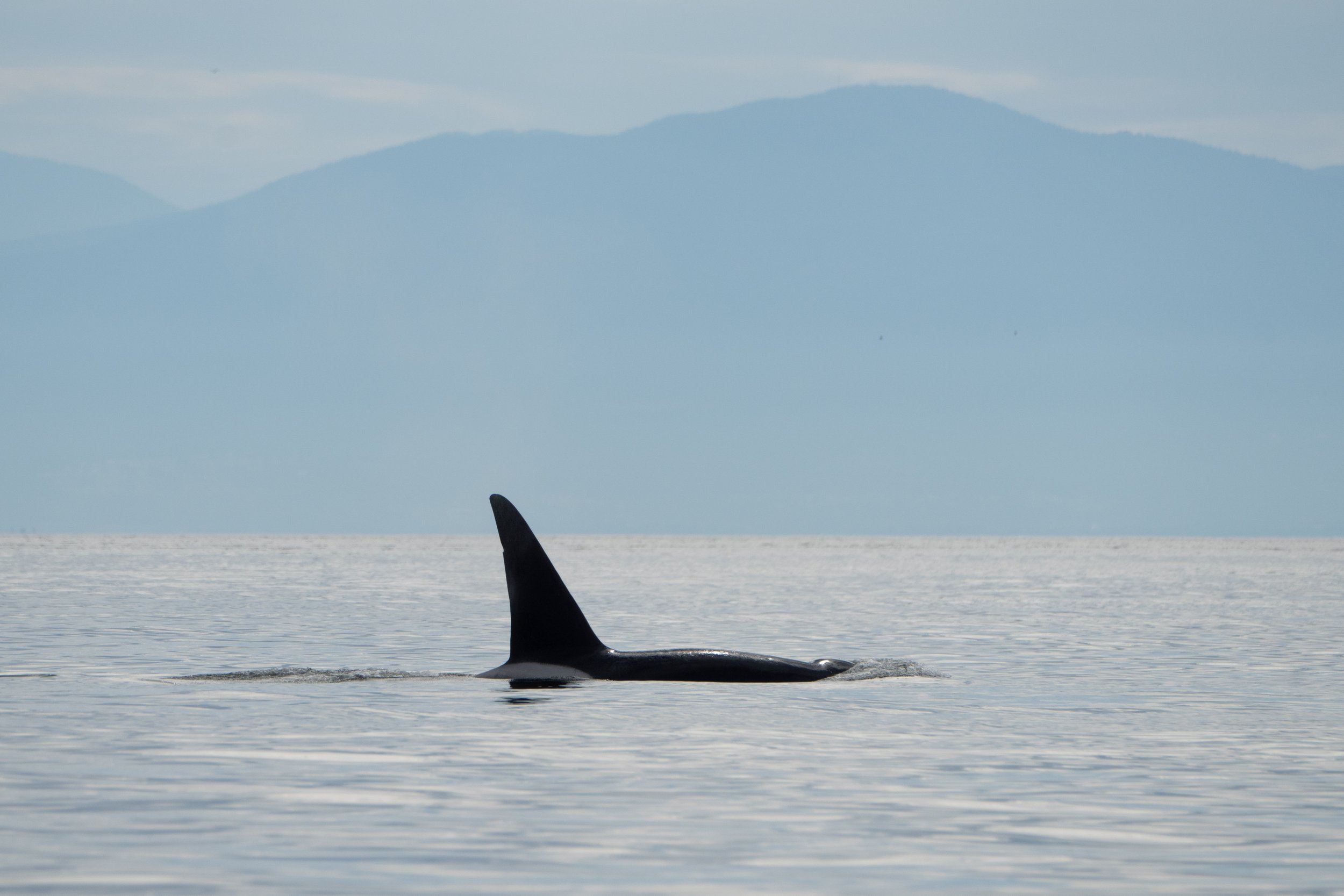
T100C Laurel surfacing in the calm waters. Photo by Val Watson.
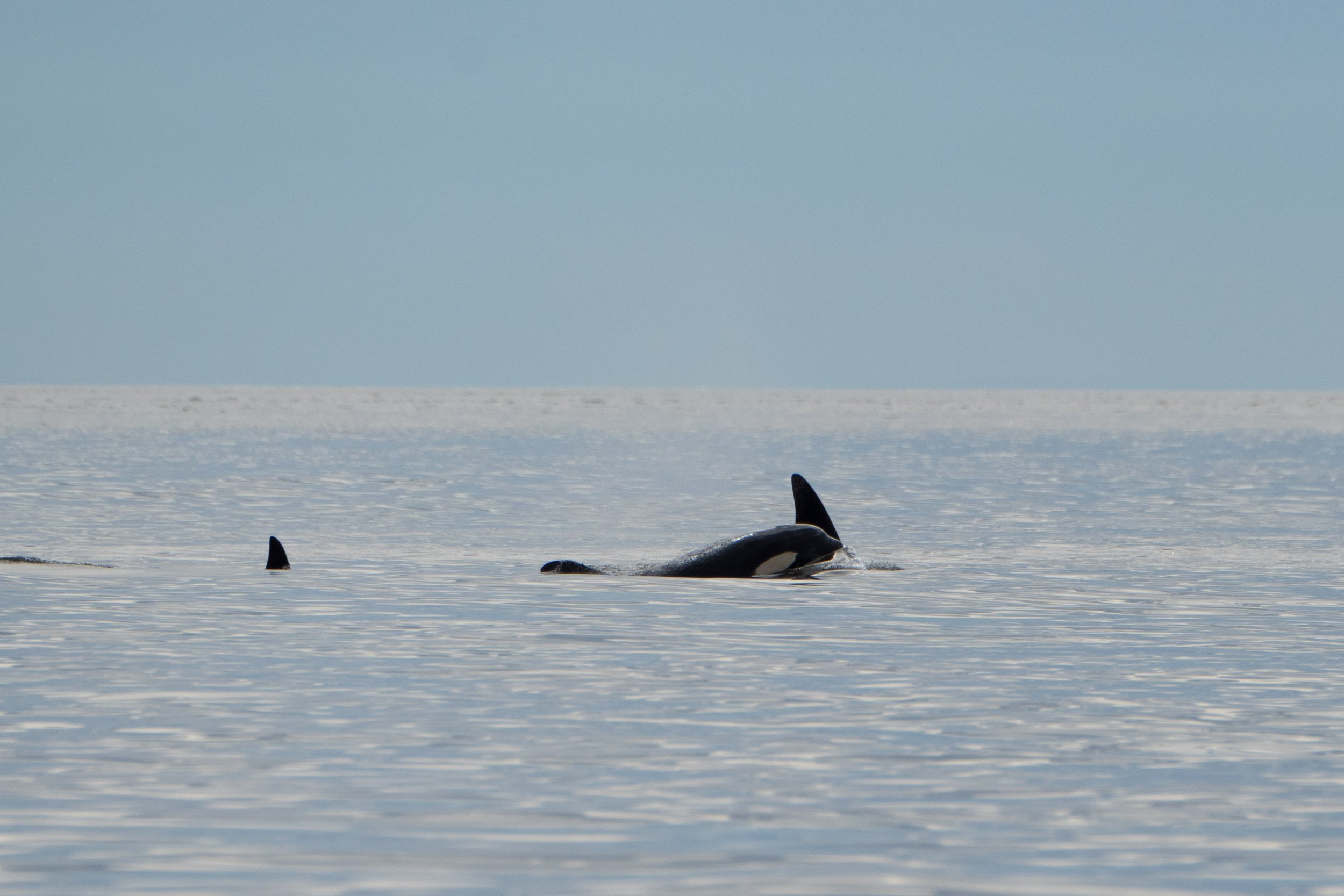
T124A1A Sabine showing off their eye patch while surfacing next to presumed mom, T124A4 Sabio. Photo by Val Watson.
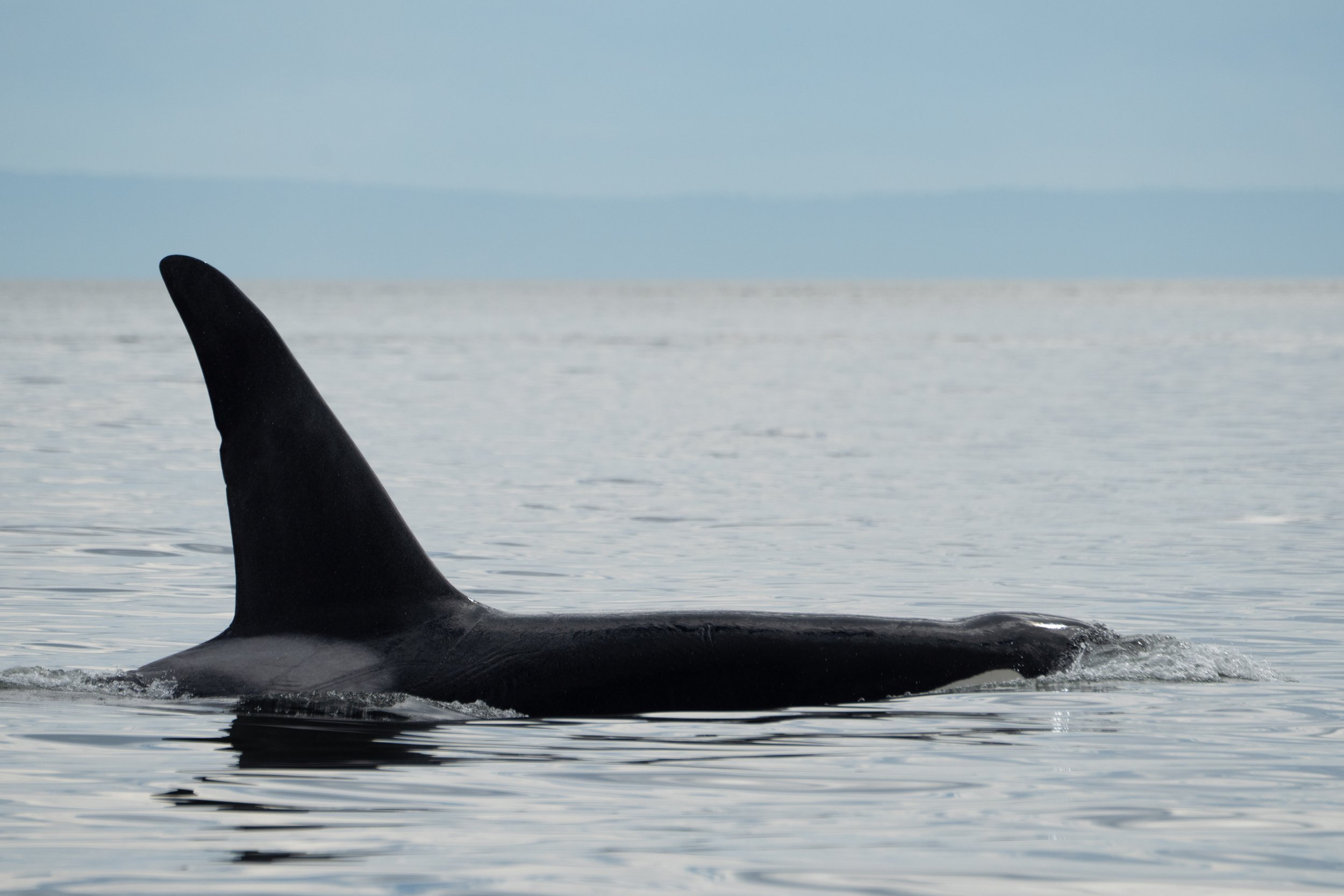
A great look at T100C Laurel. Photo by Val Watson.
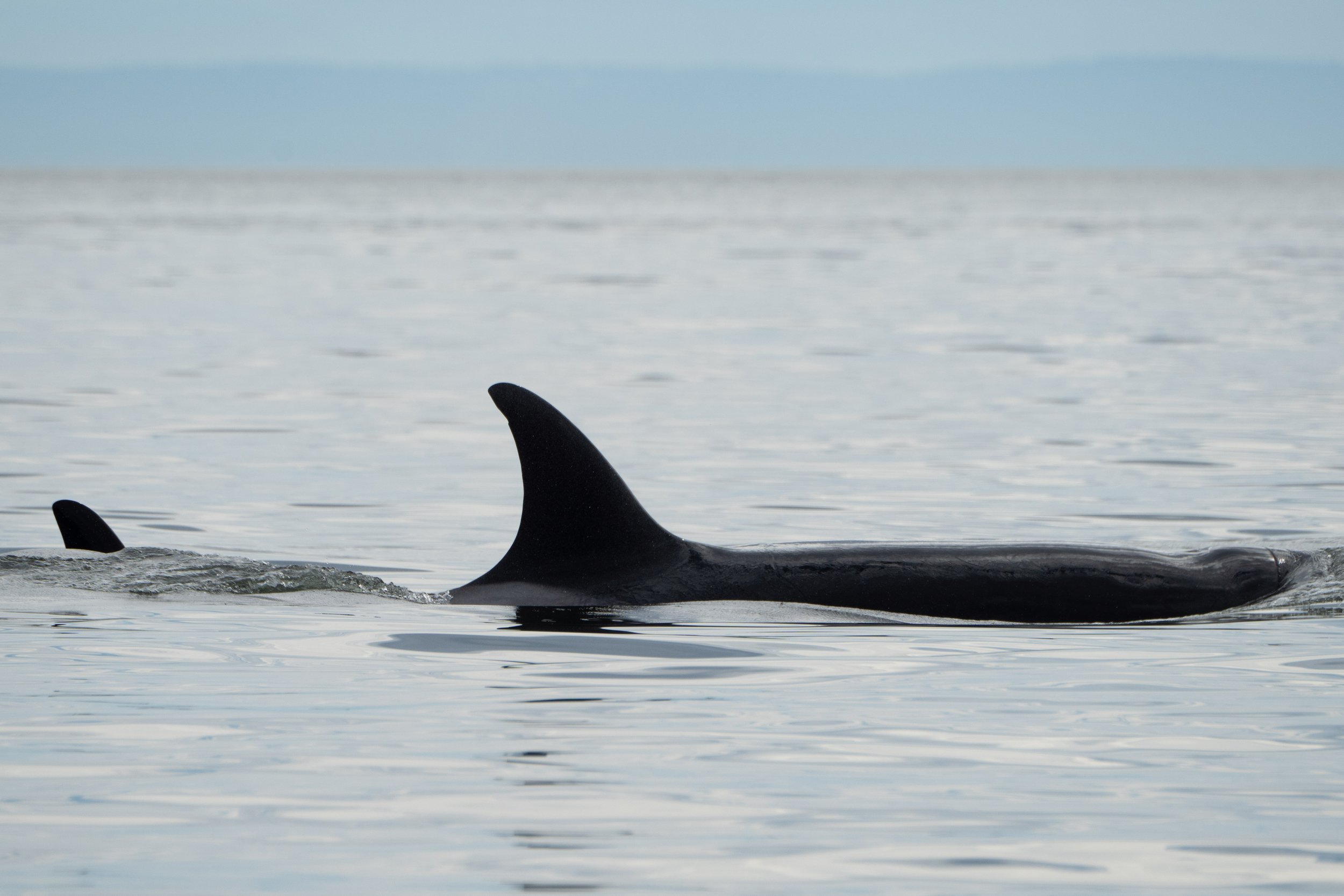
T100 Hutchins has a very distinct notch in her dorsal fin. Photo by Val Watson.
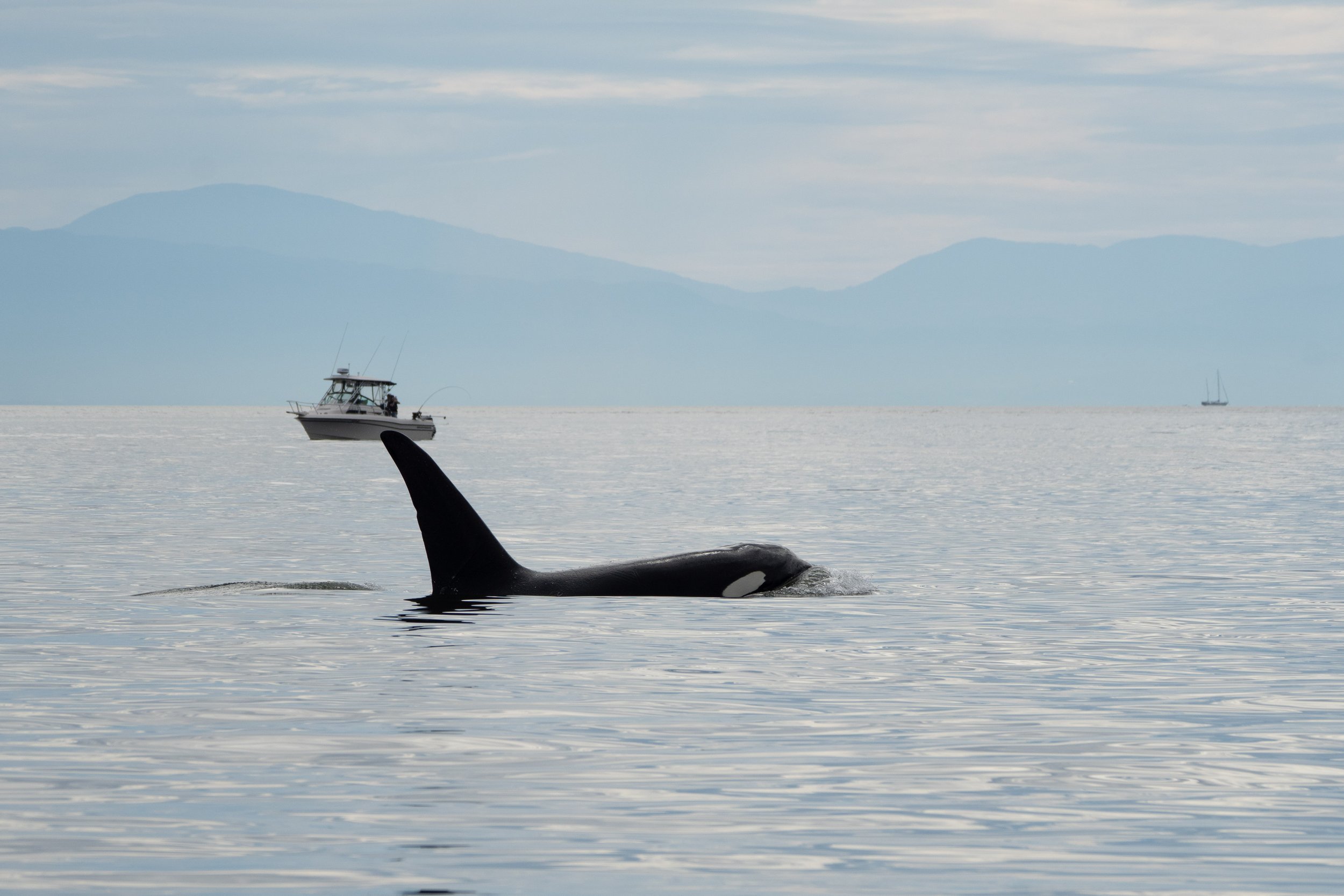
T100E Laurel surfacing and showing off his eye patch. Photo by Val Watson.
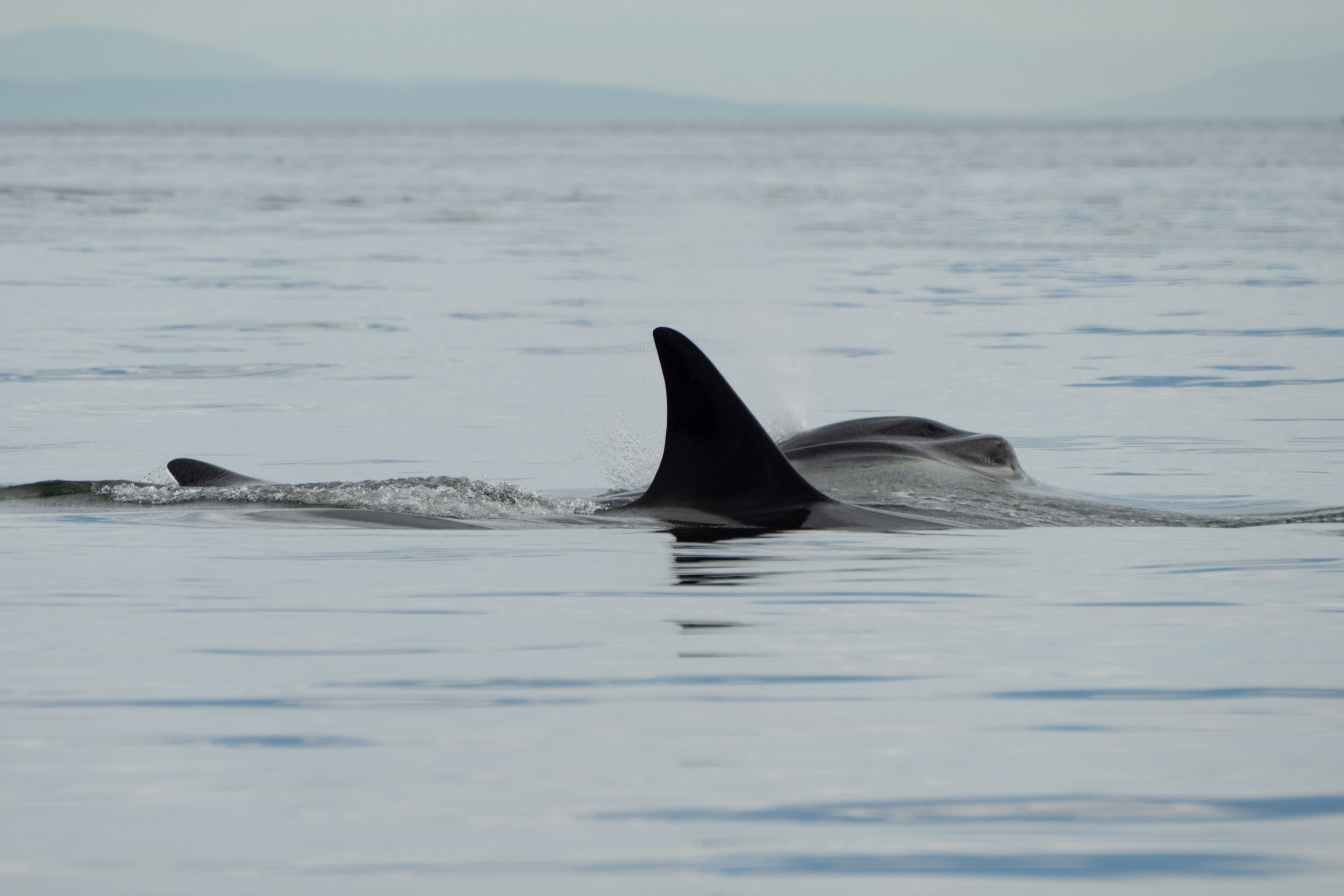
T124A2 Elkugu surfacing with T124A2A Agafia breaking the surface behind her. Photo by Val Watson.
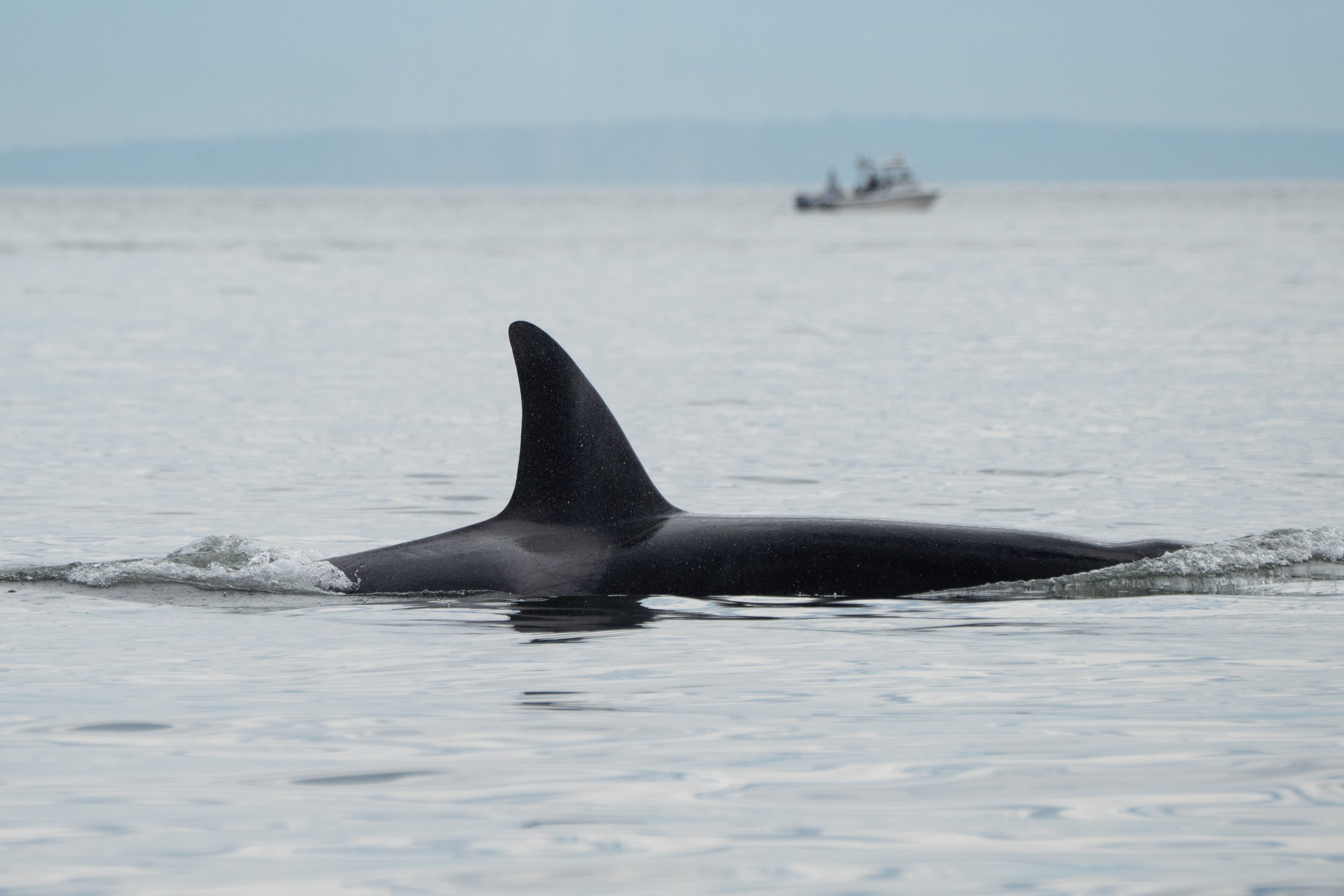
T123C Lucky showing off her saddle patch as she surfaces. Photo by Val Watson.
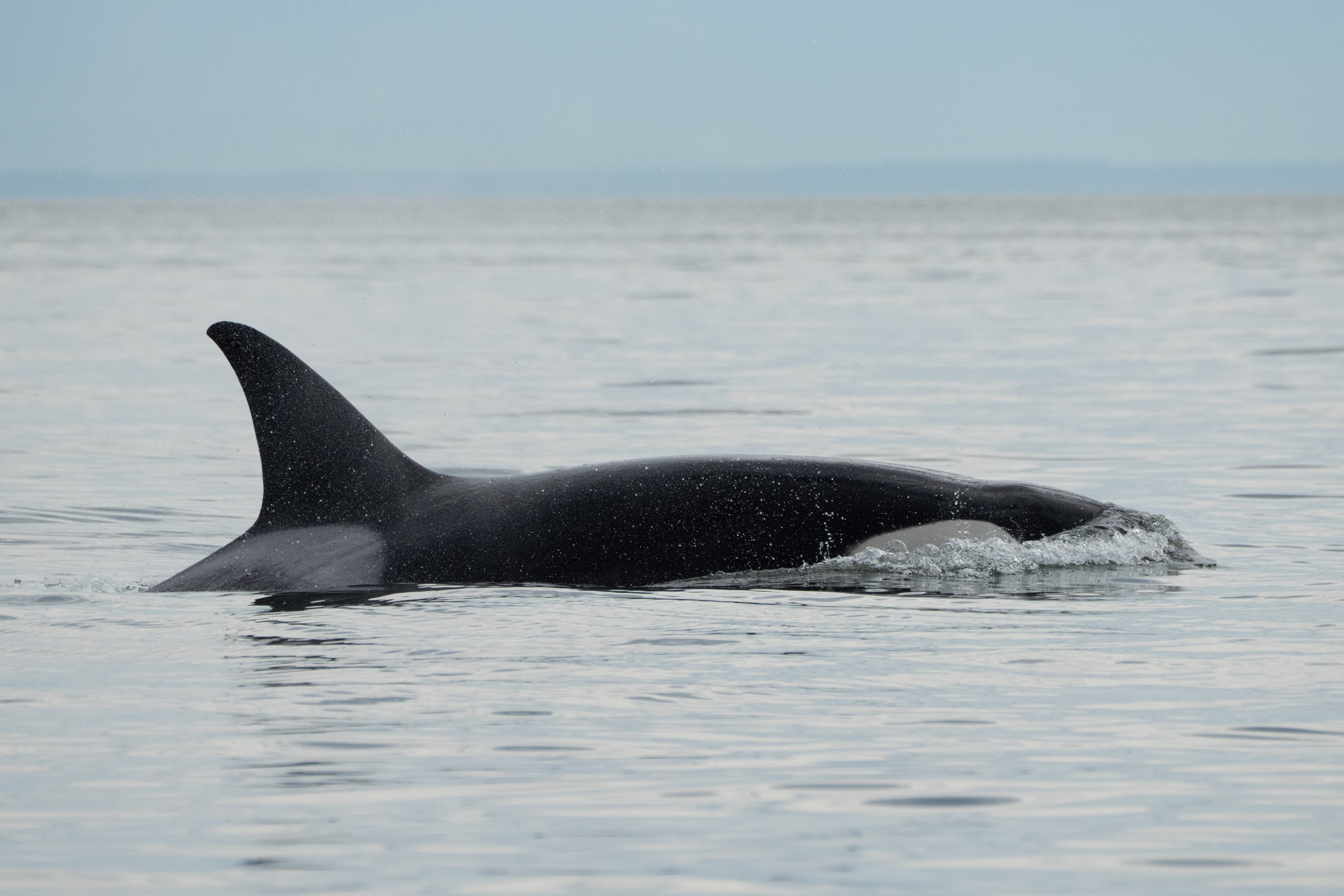
T123 Sidney creating a wave as she surfaces. Photo by Val Watson.
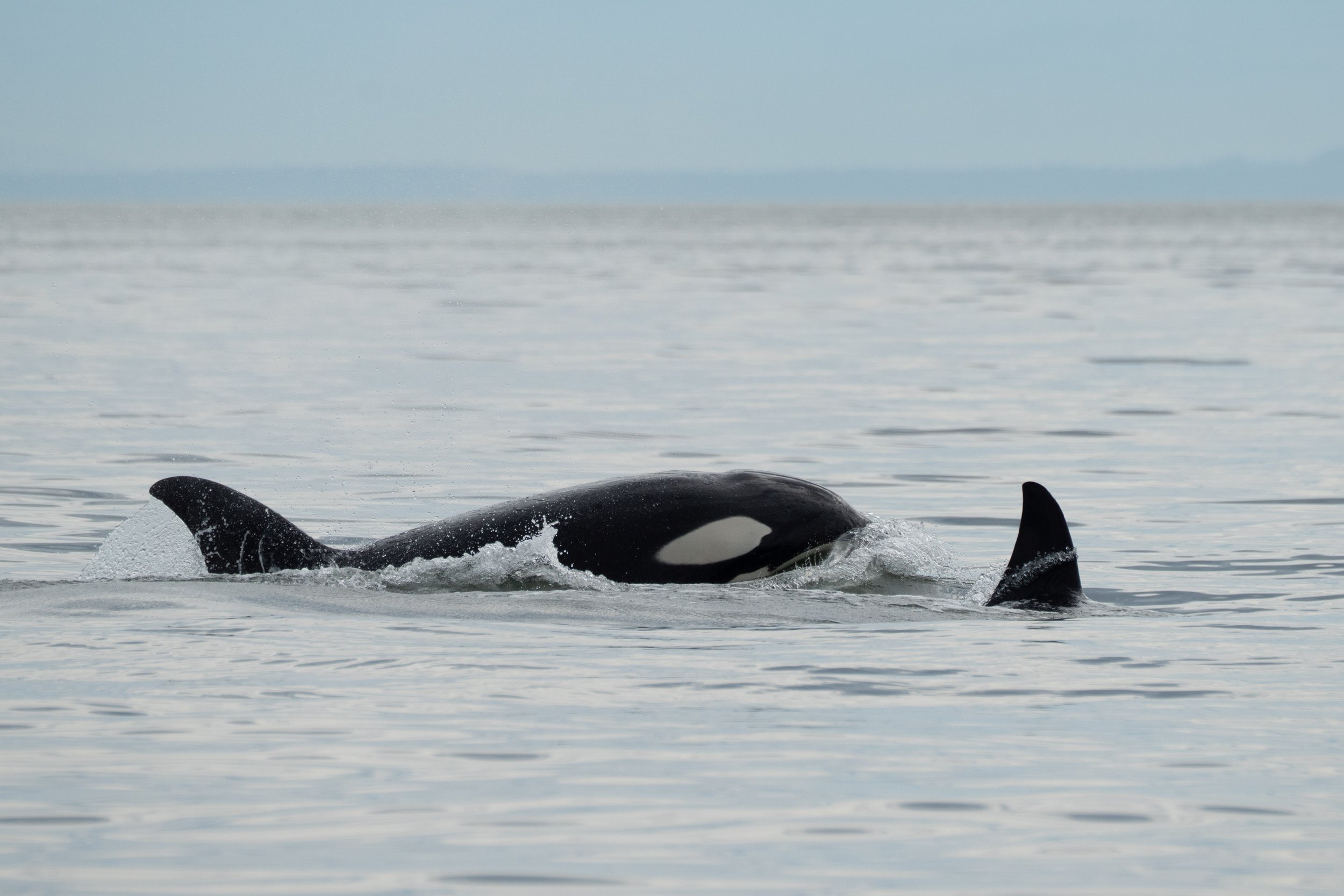
T123D Darcy surfacing behind mom, T123 Sidney. Photo by Val Watson.
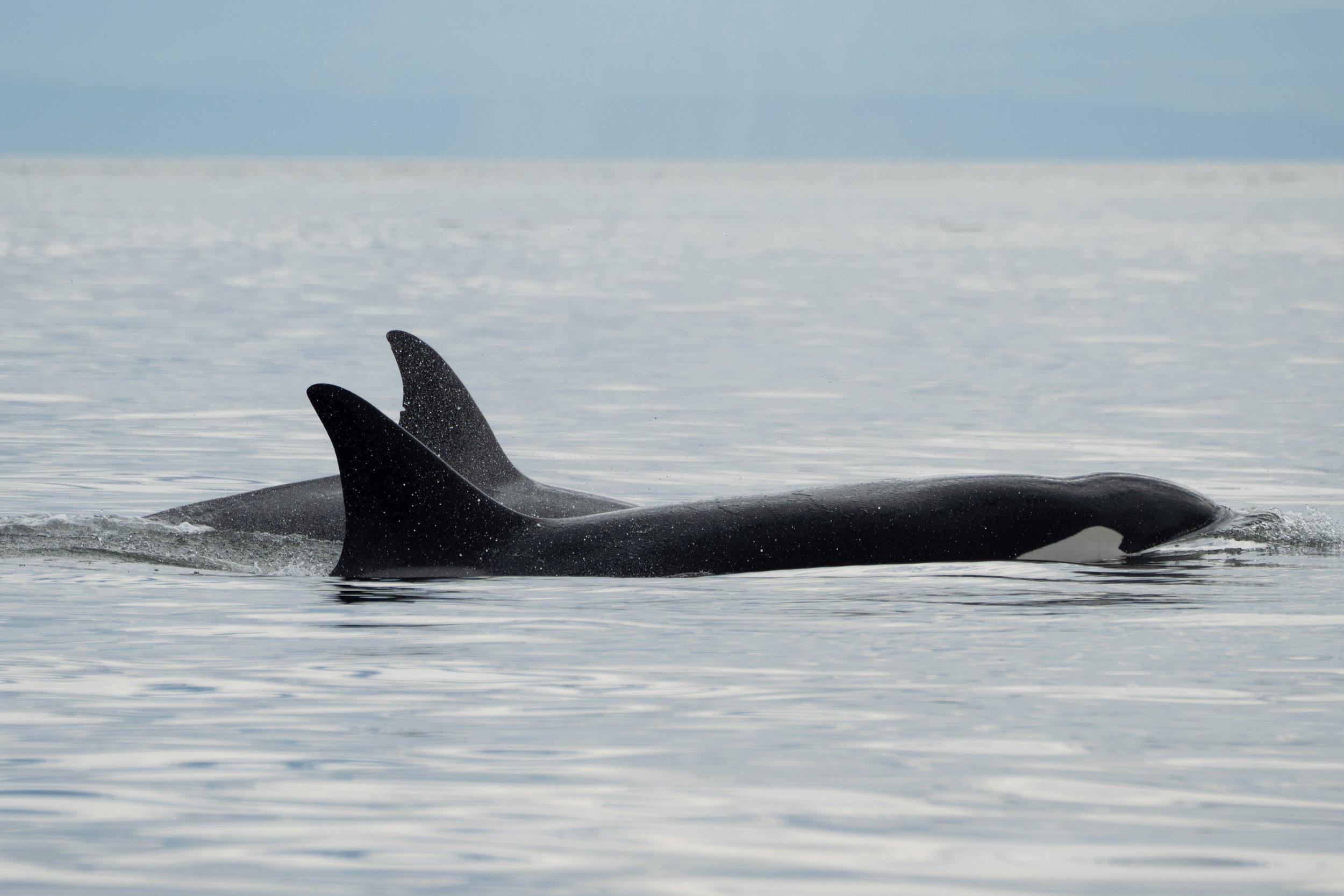
T124A2 Elkugu surfacing with T124A2B Litton in behind. Photo by Val Watson.
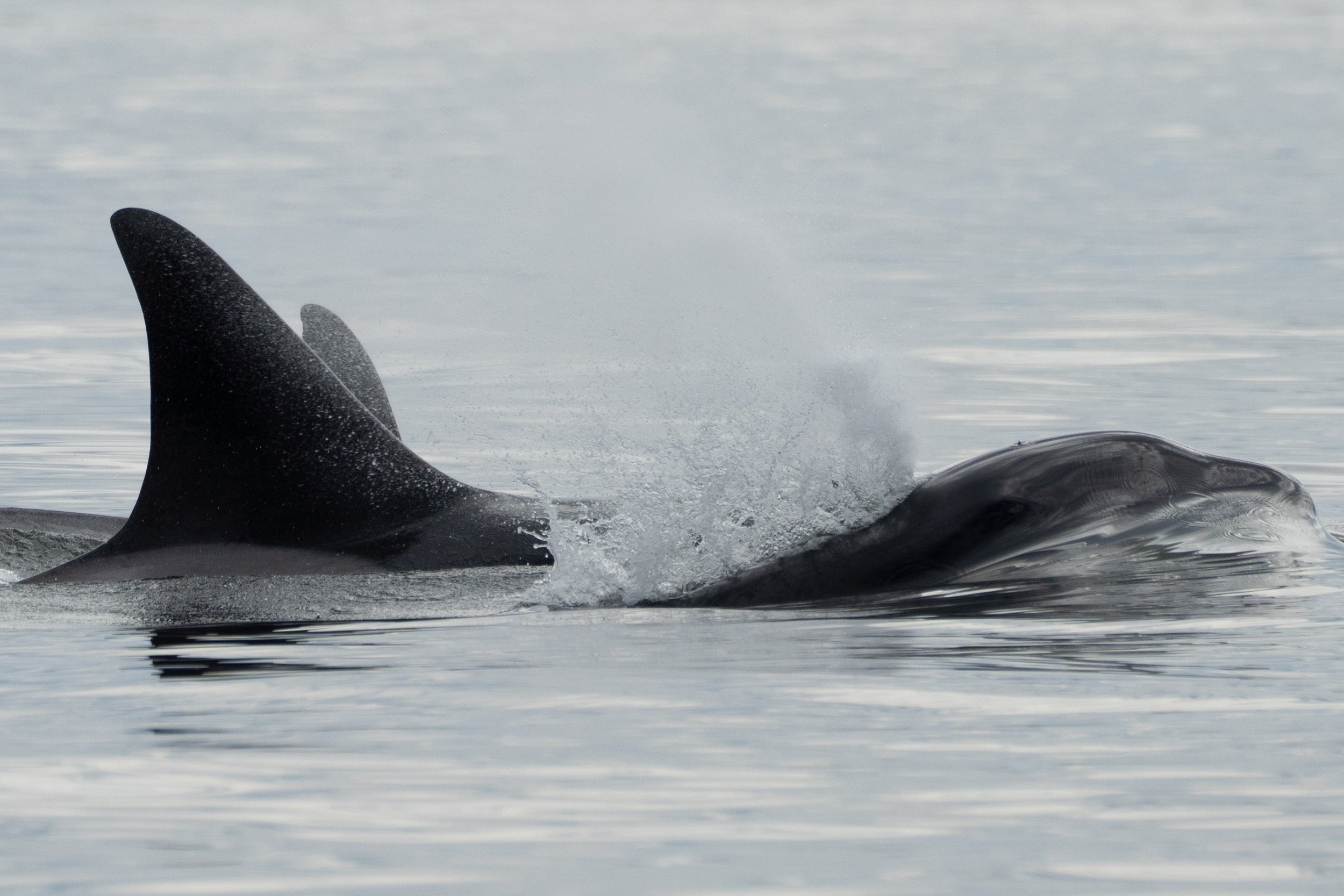
The T124A2 Matriline surfacing together, with T124A2B Litton in the back, T124A2 Elkugu in the middle, and T124A2A Agafia breaking the water in front. Photo by Val Watson.
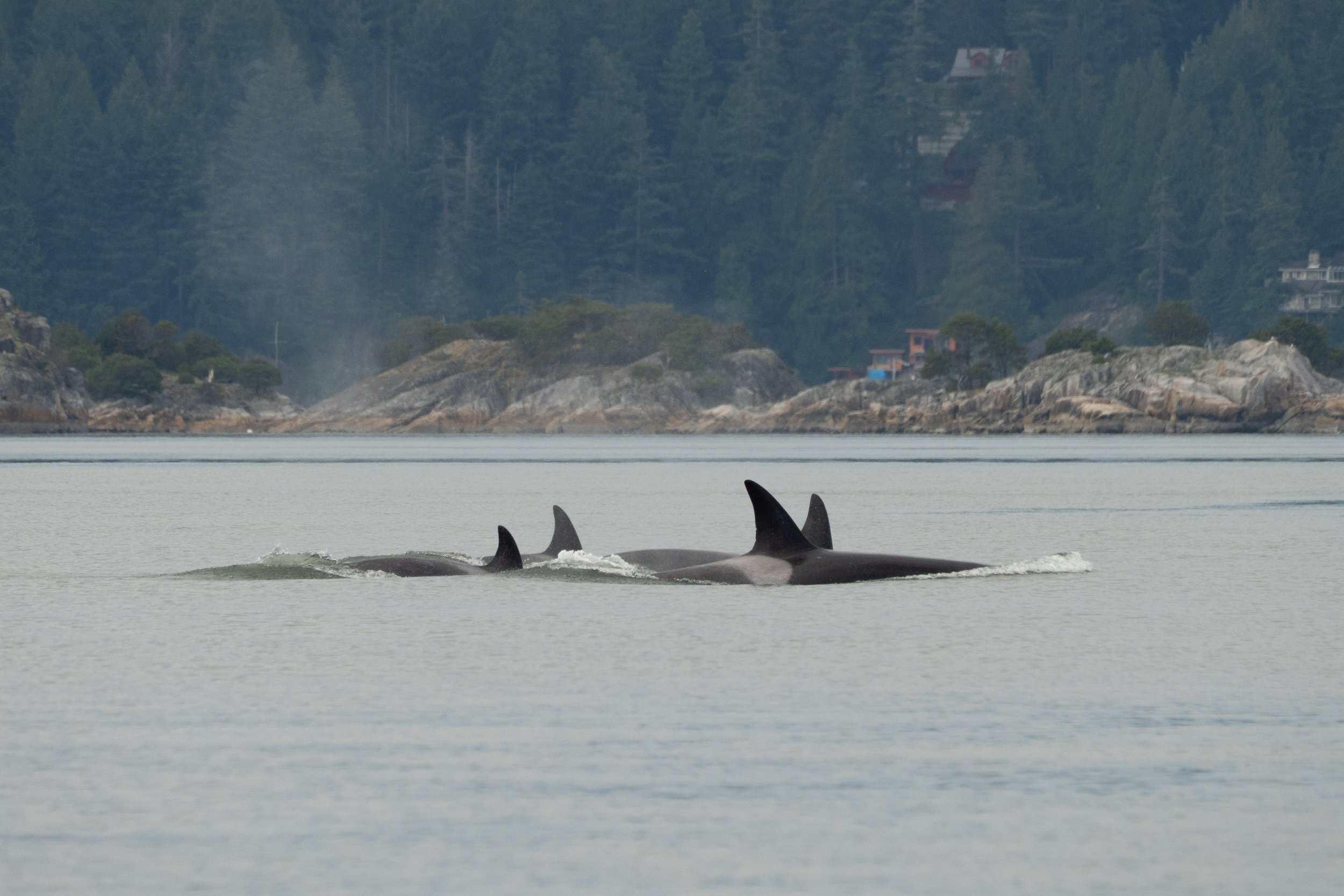
The T124A4s and T124As moving quickly together. Photo by Val Watson.
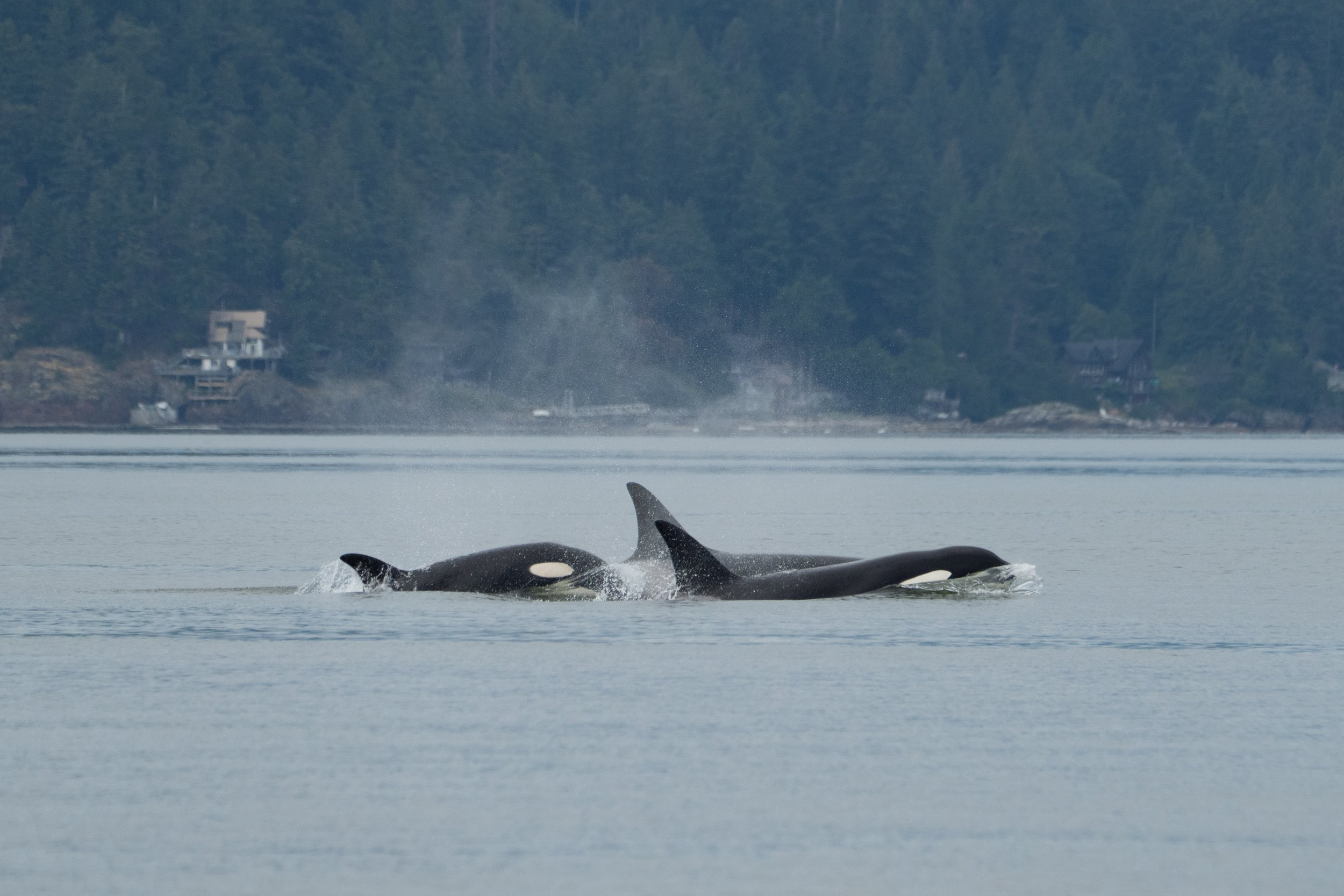
A great look at T124A4 Sabio surfacing with T124A4A Strix and T124A Kittiwake. Photo by Val Watson.
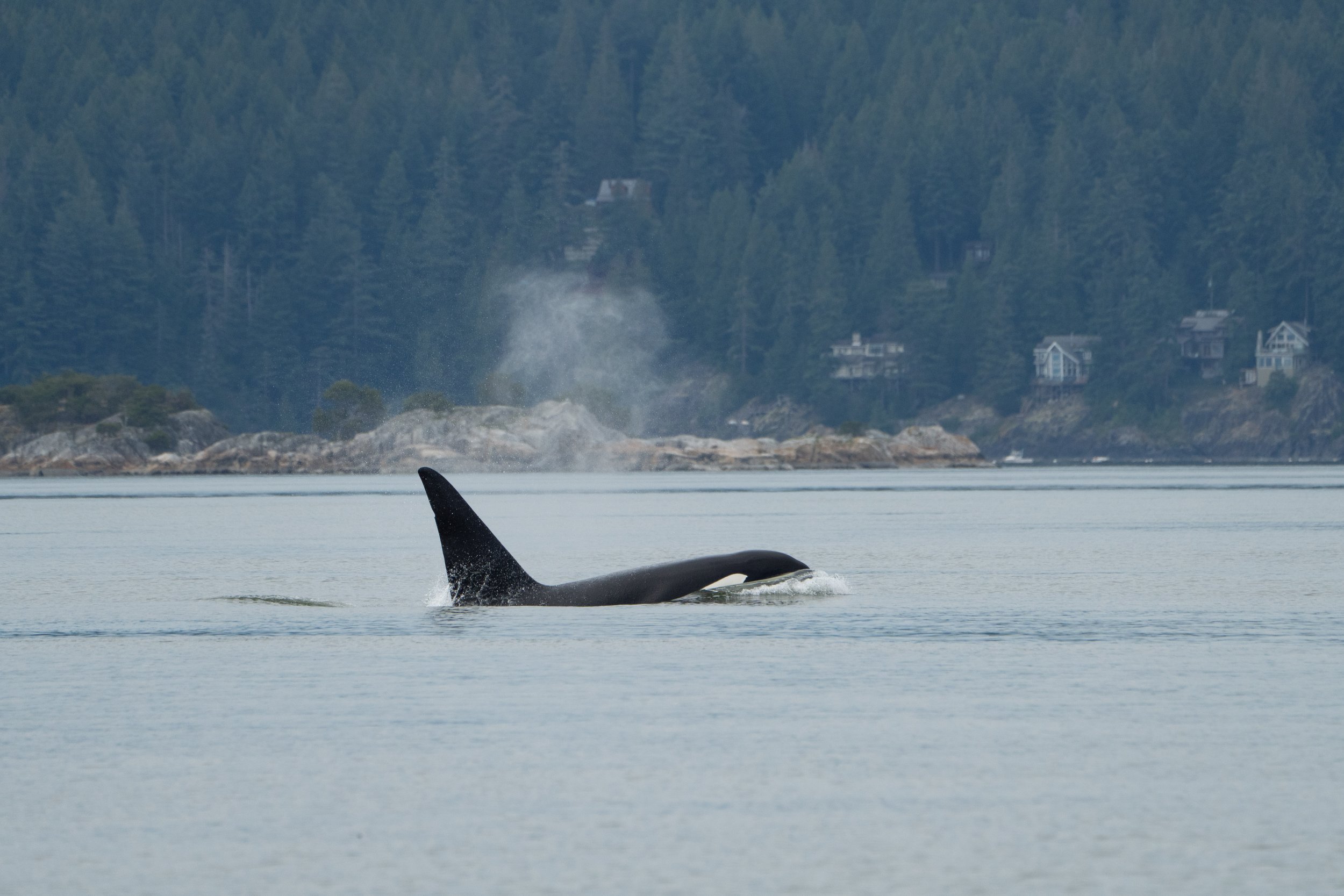
A great look at T123A Stanley. Photo by Val Watson.
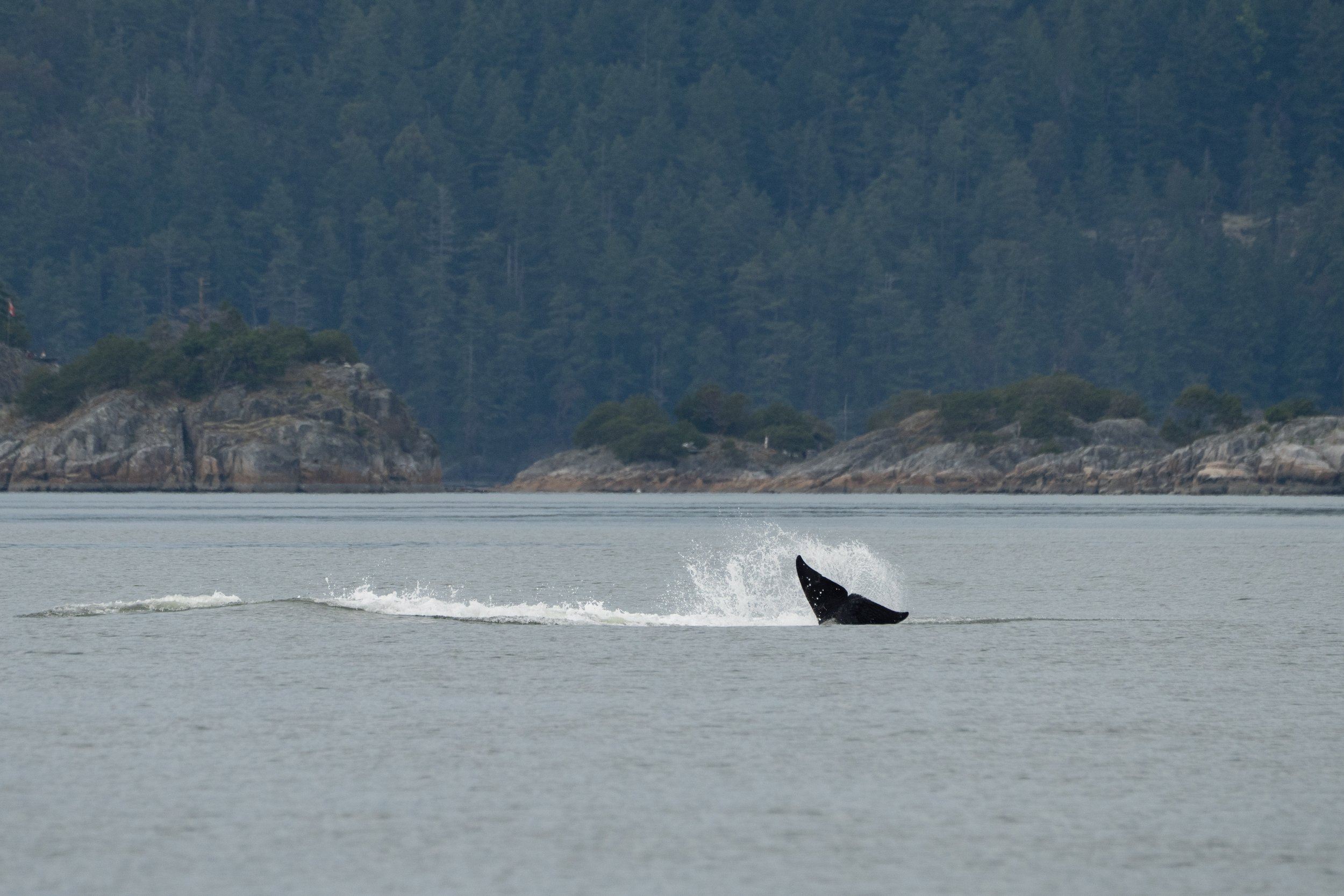
One of the whales flipping their tail at the surface. Photo by Val Watson.
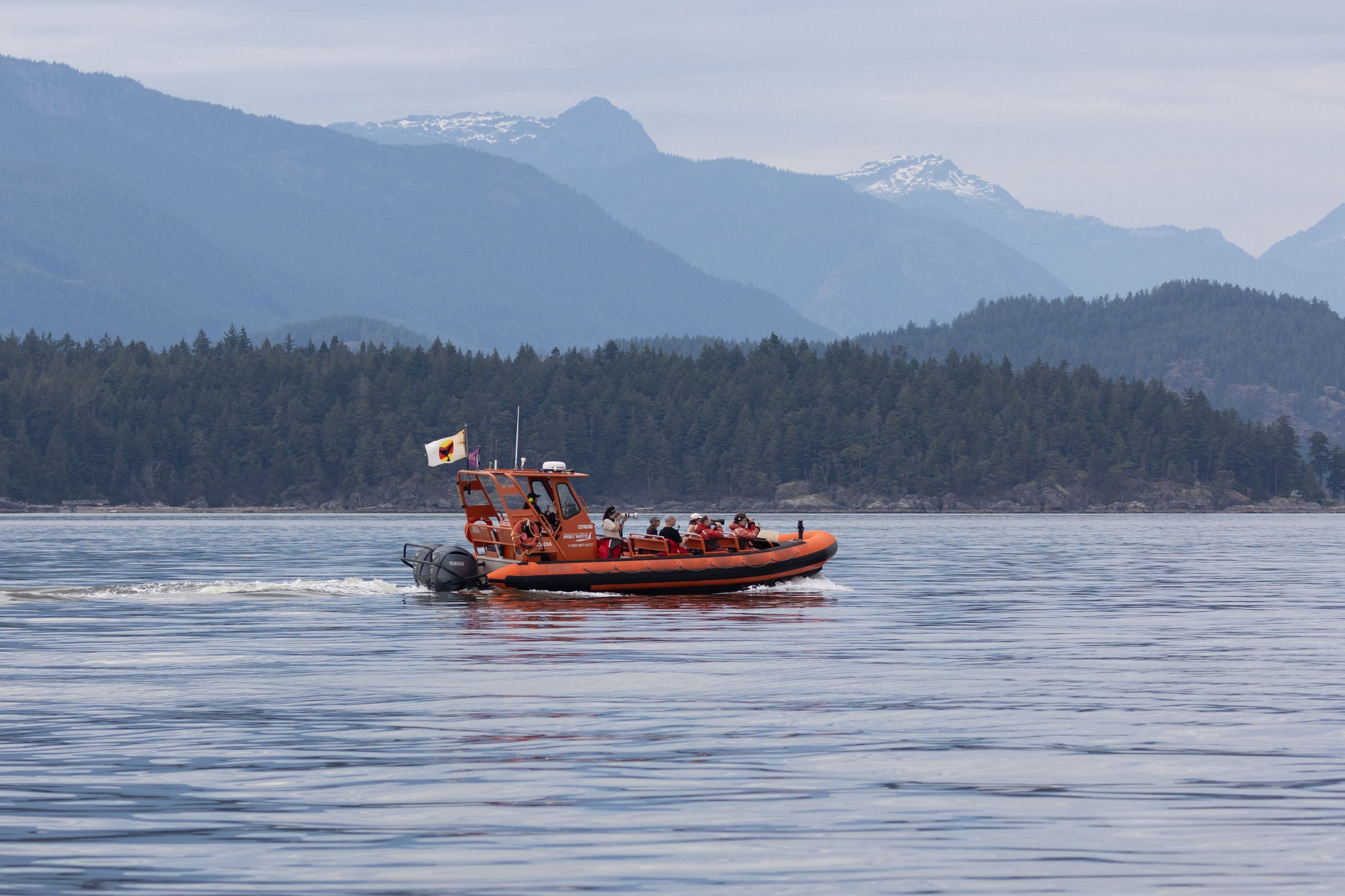
Whale watchers on Cascadia watching the T-party. Photo by Vanessa Vereschahen.
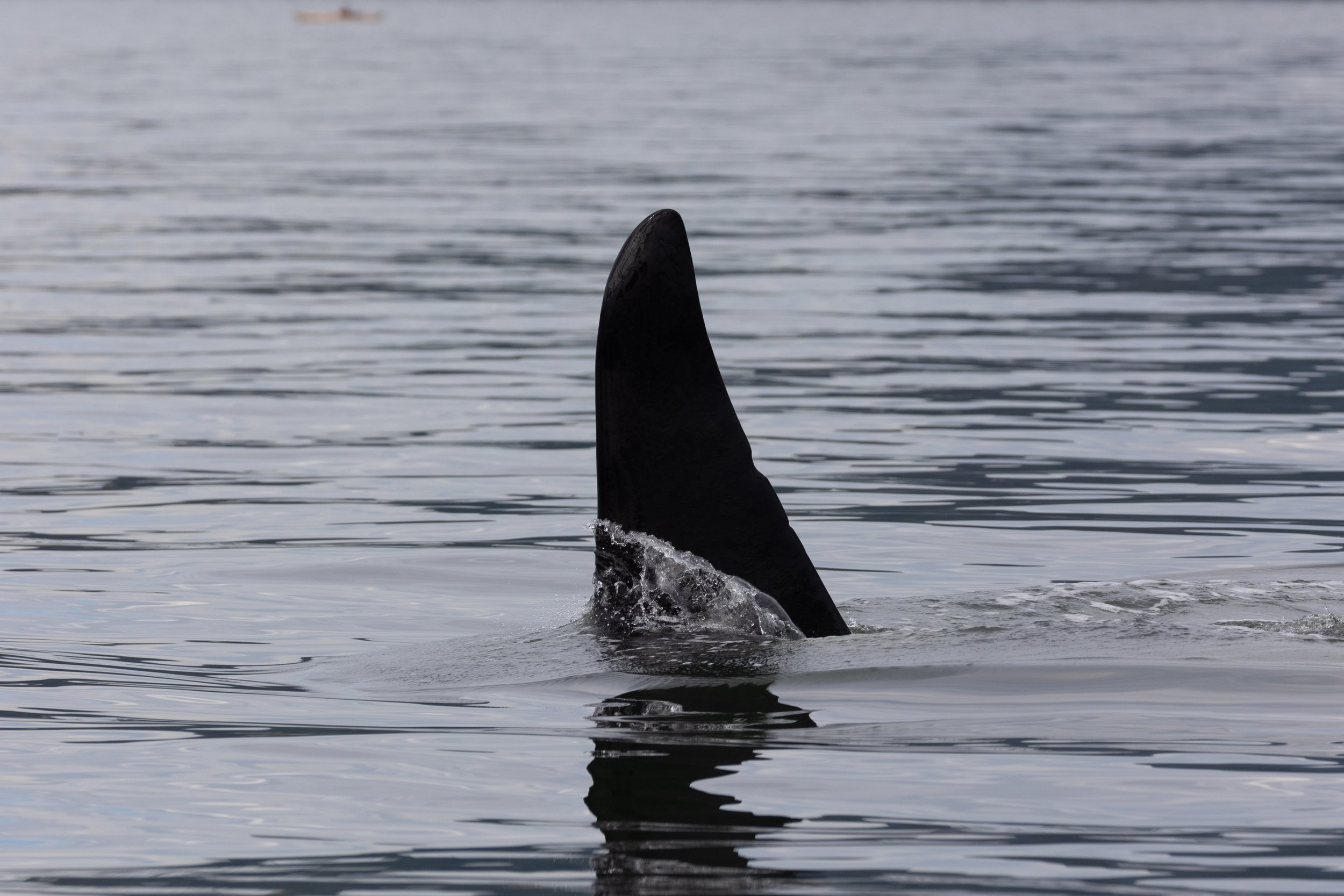
T100C Laurel pushing water with his dorsal fin as he dips below the surface. Photo by Vanessa Vereschahen.
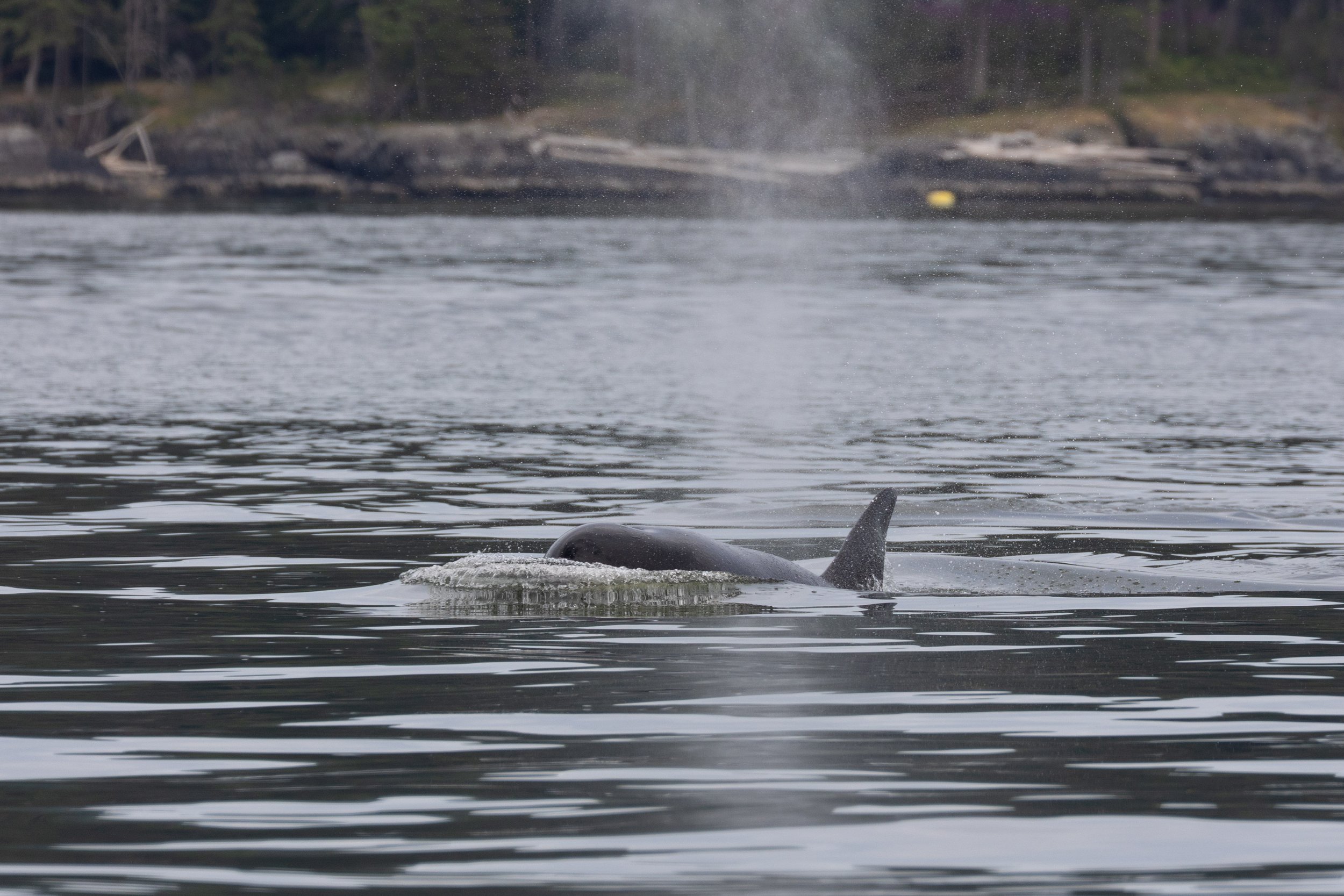
T124A2B Litton surfacing in the calm water. Photo by Vanessa Vereschahen.
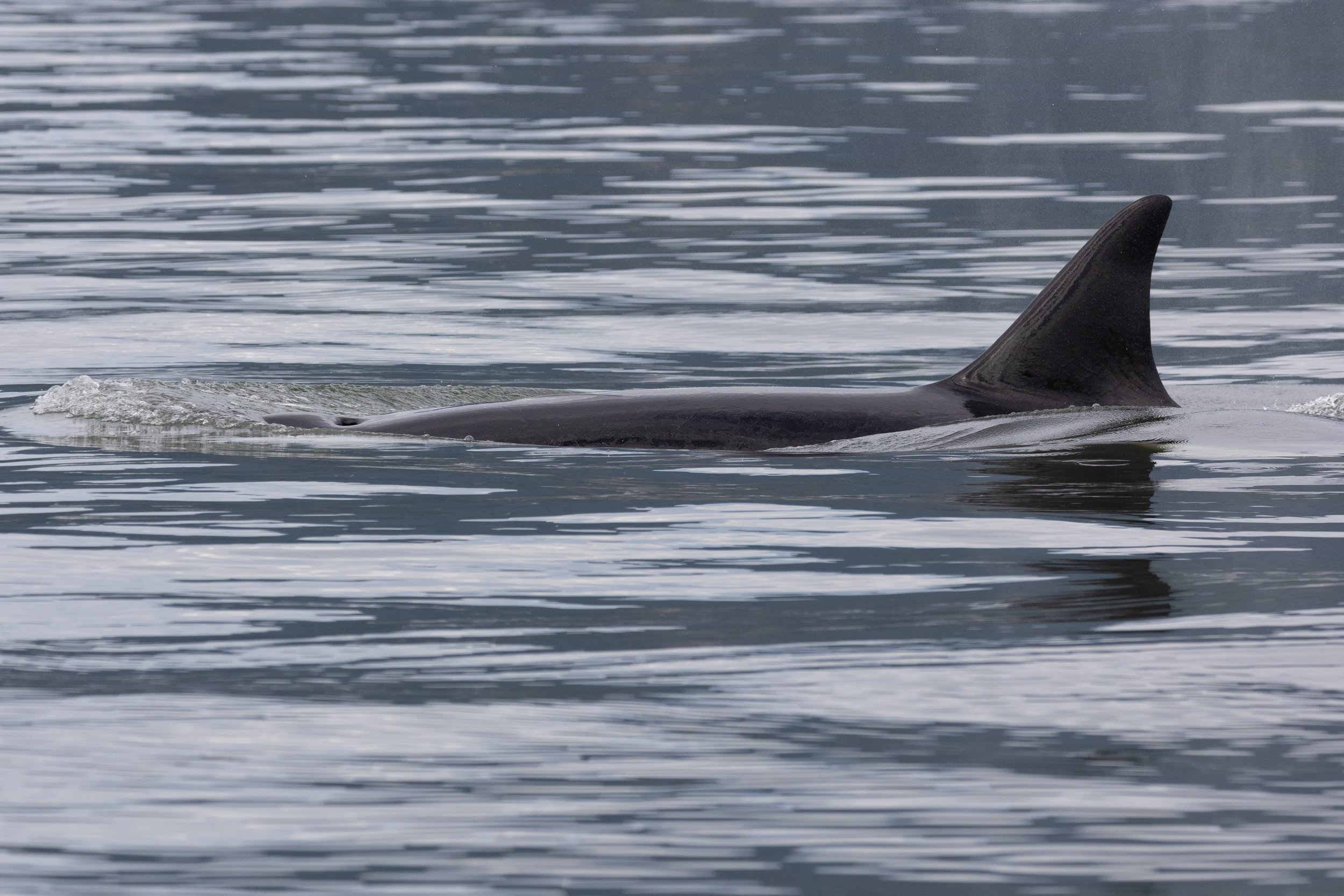
T124A2 Elkugu in the calm water. Photo by Vanessa Vereschahen.
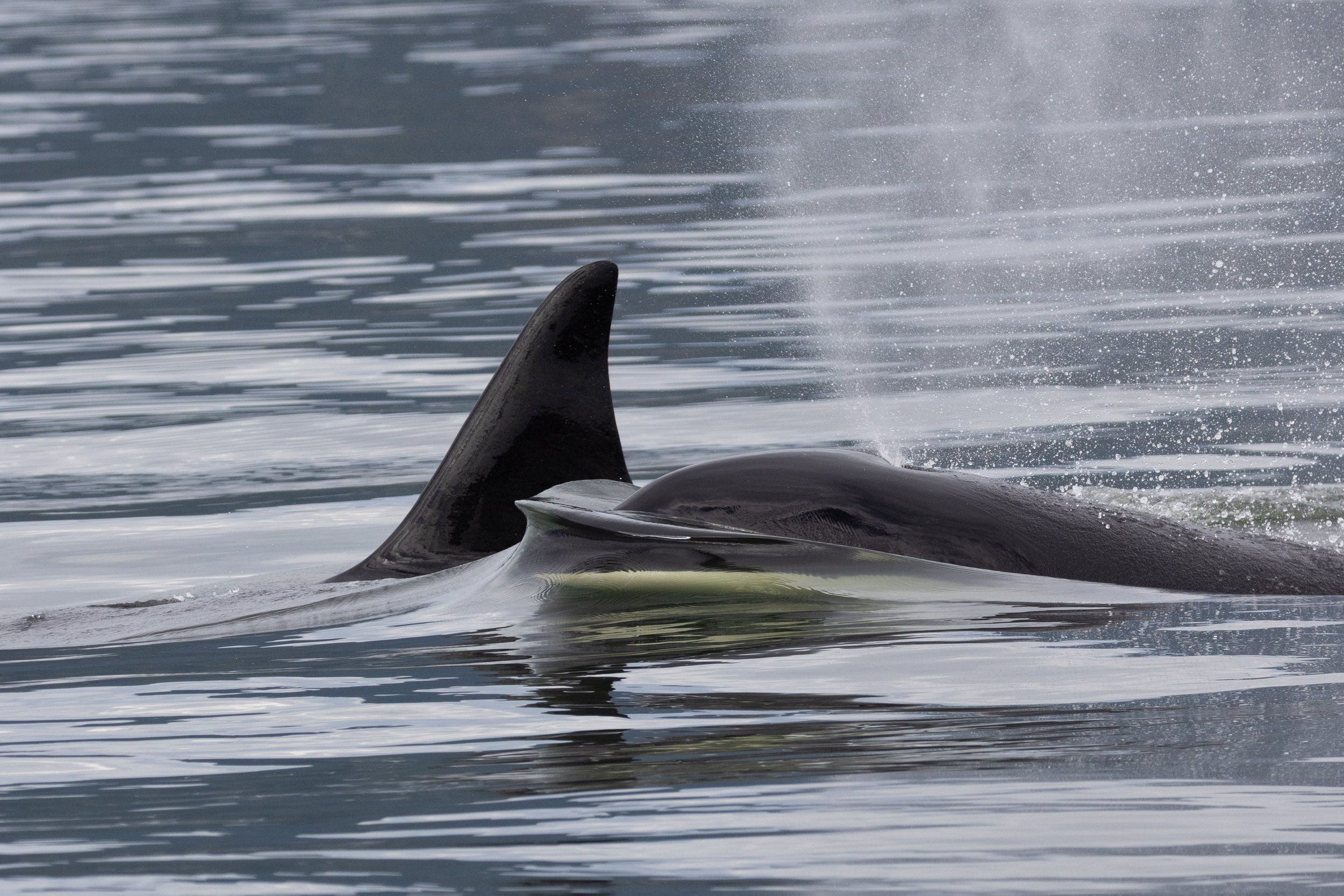
T124A2A Agafia pushing a wave in the calm water. Photo by Vanessa Vereschahen.
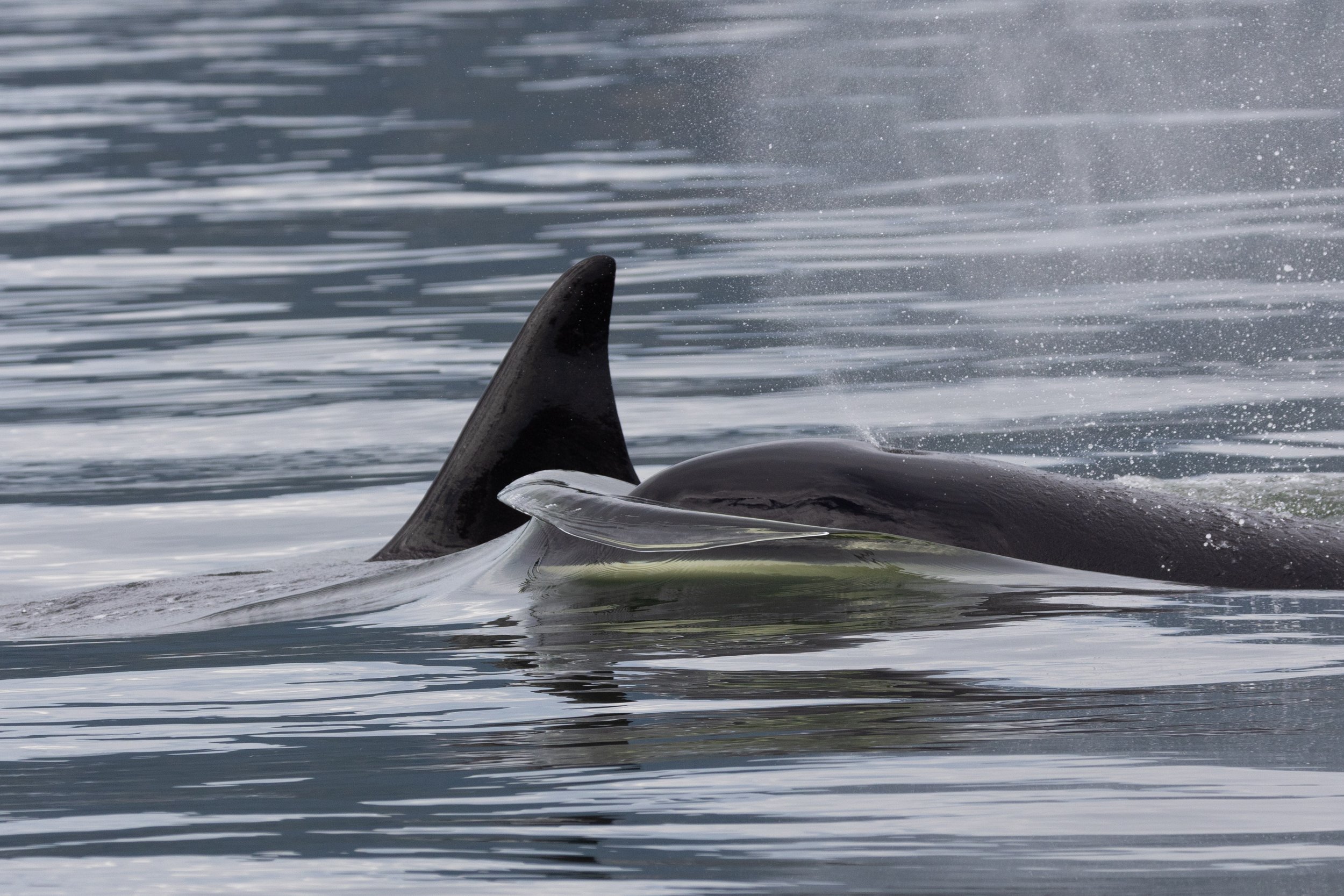
T124A2A Agafia pushing a wave in the calm water. Photo by Vanessa Vereschahen.
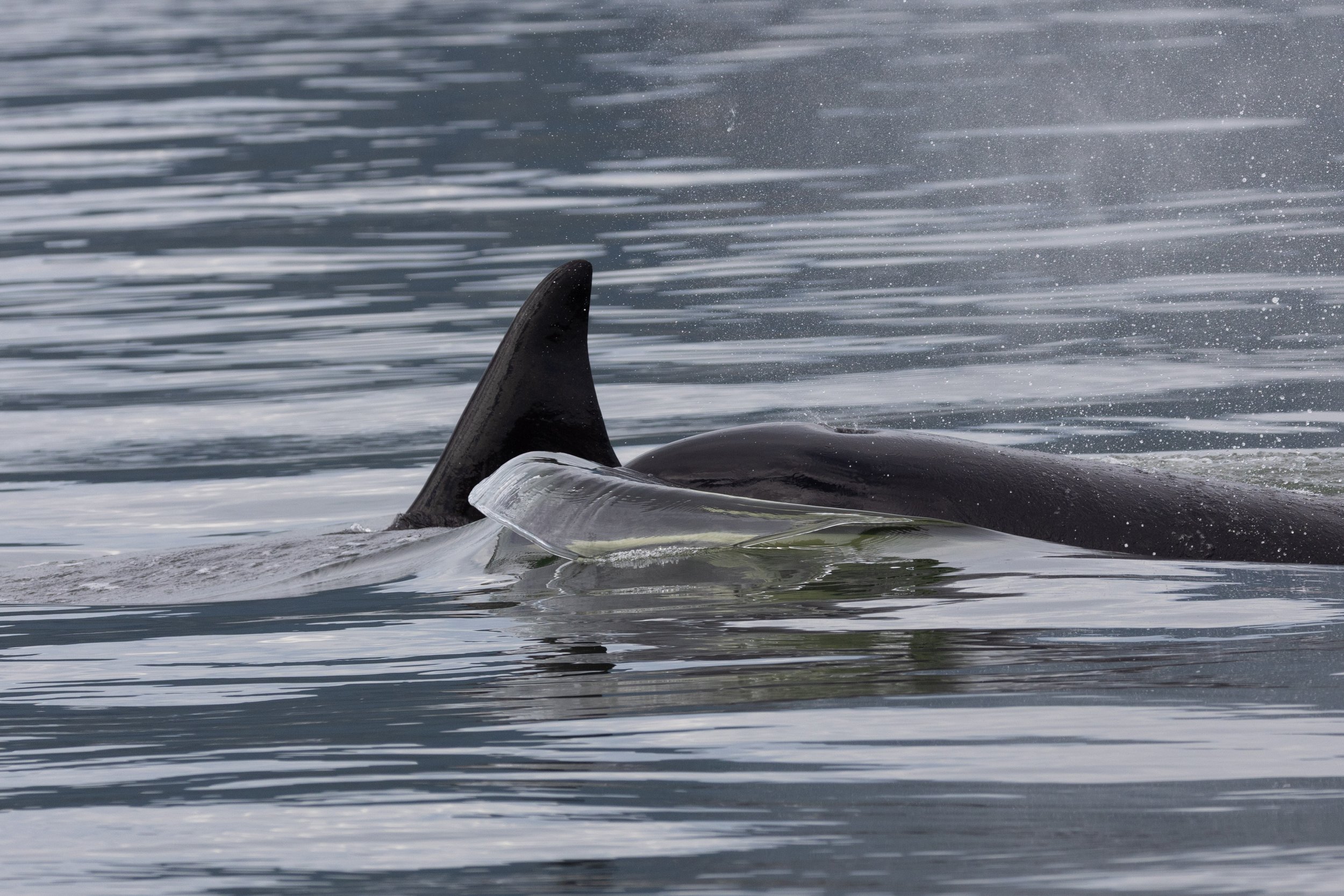
T124A2A Agafia pushing a wave in the calm water. Photo by Vanessa Vereschahen.
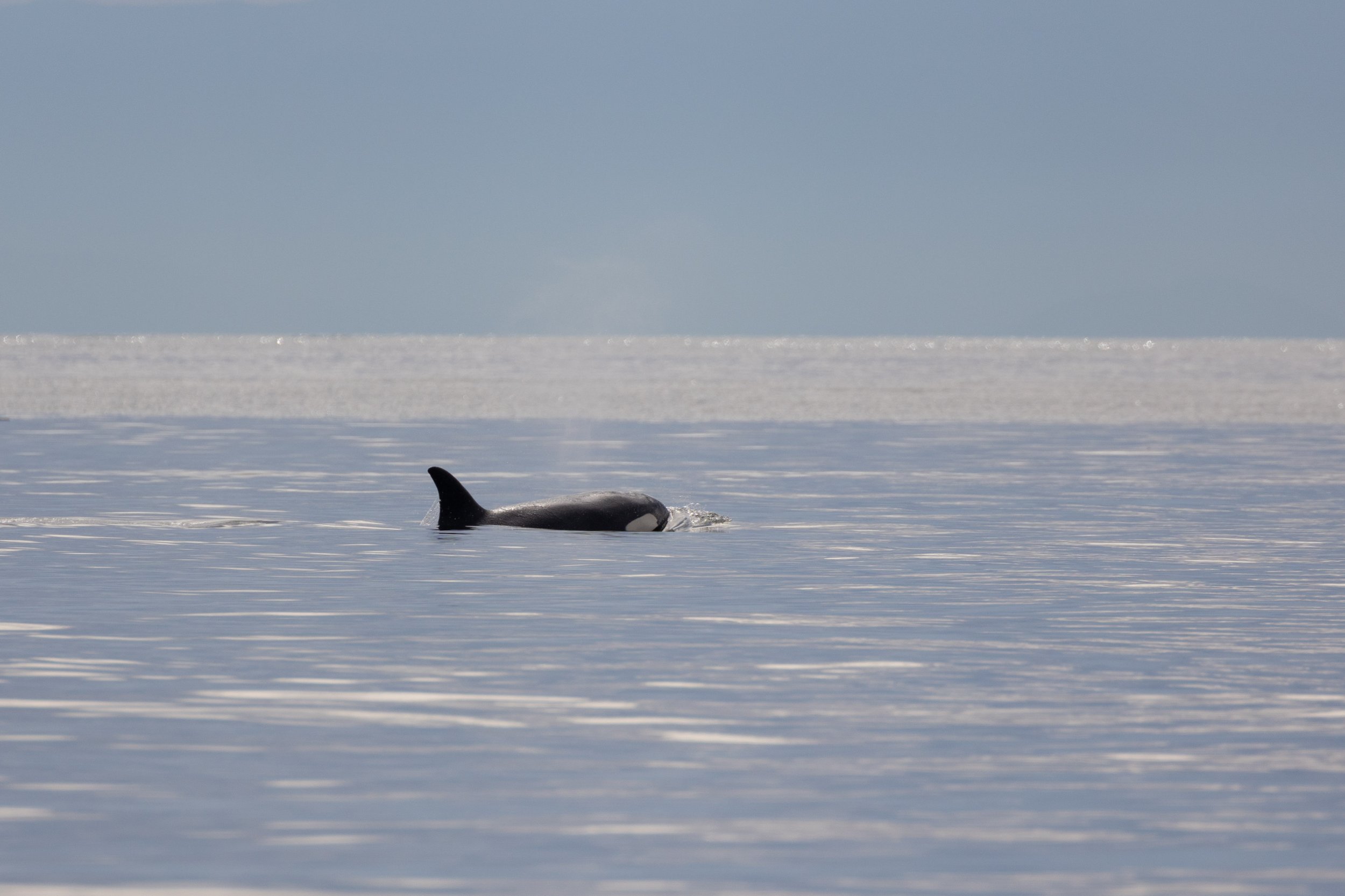
A calm look at T124A2B Litton as they surface. Photo by Vanessa Vereschahen.
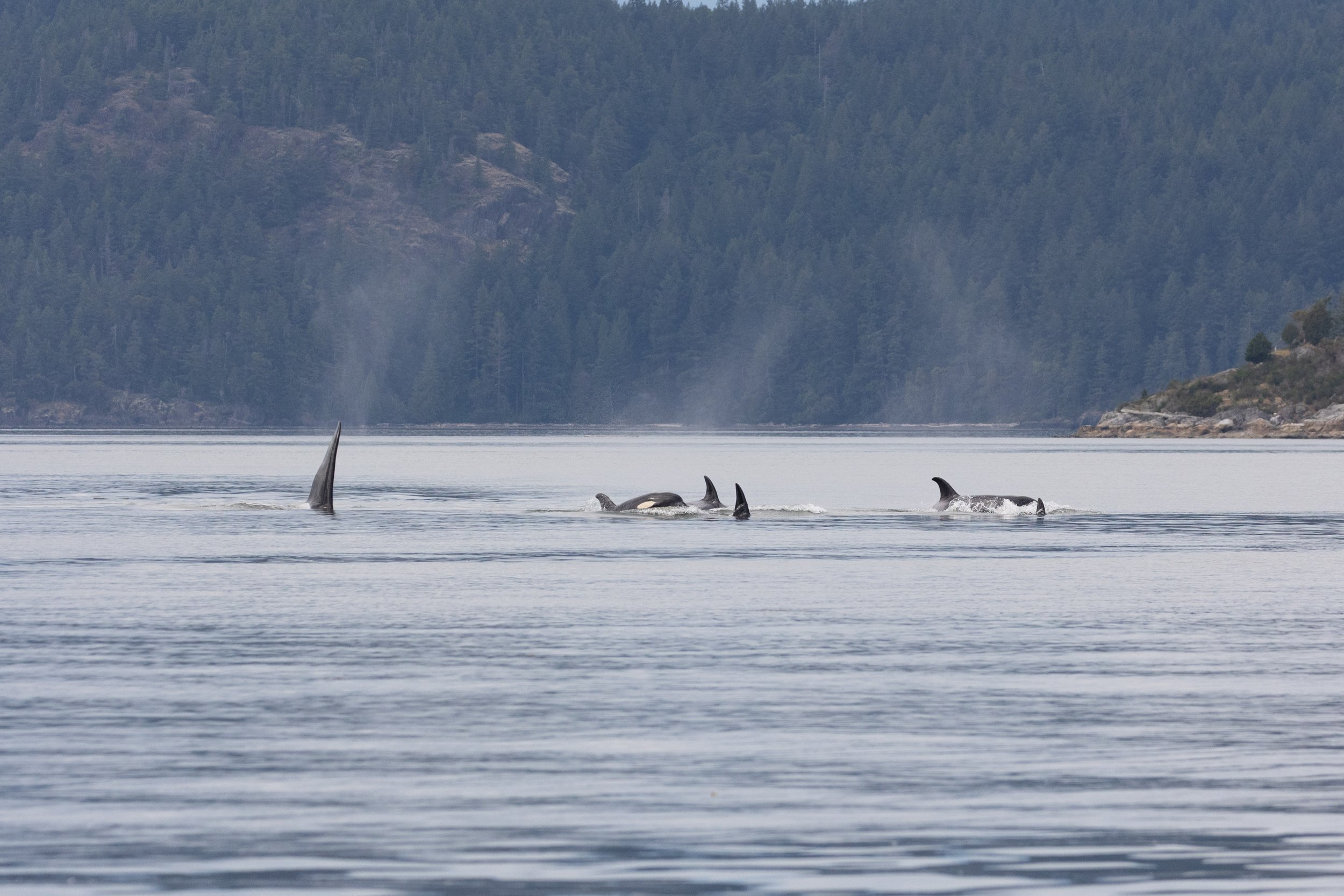
The T124As, T124A4s, and T123A Stanley surfacing together. Photo by Vanessa Vereschahen.
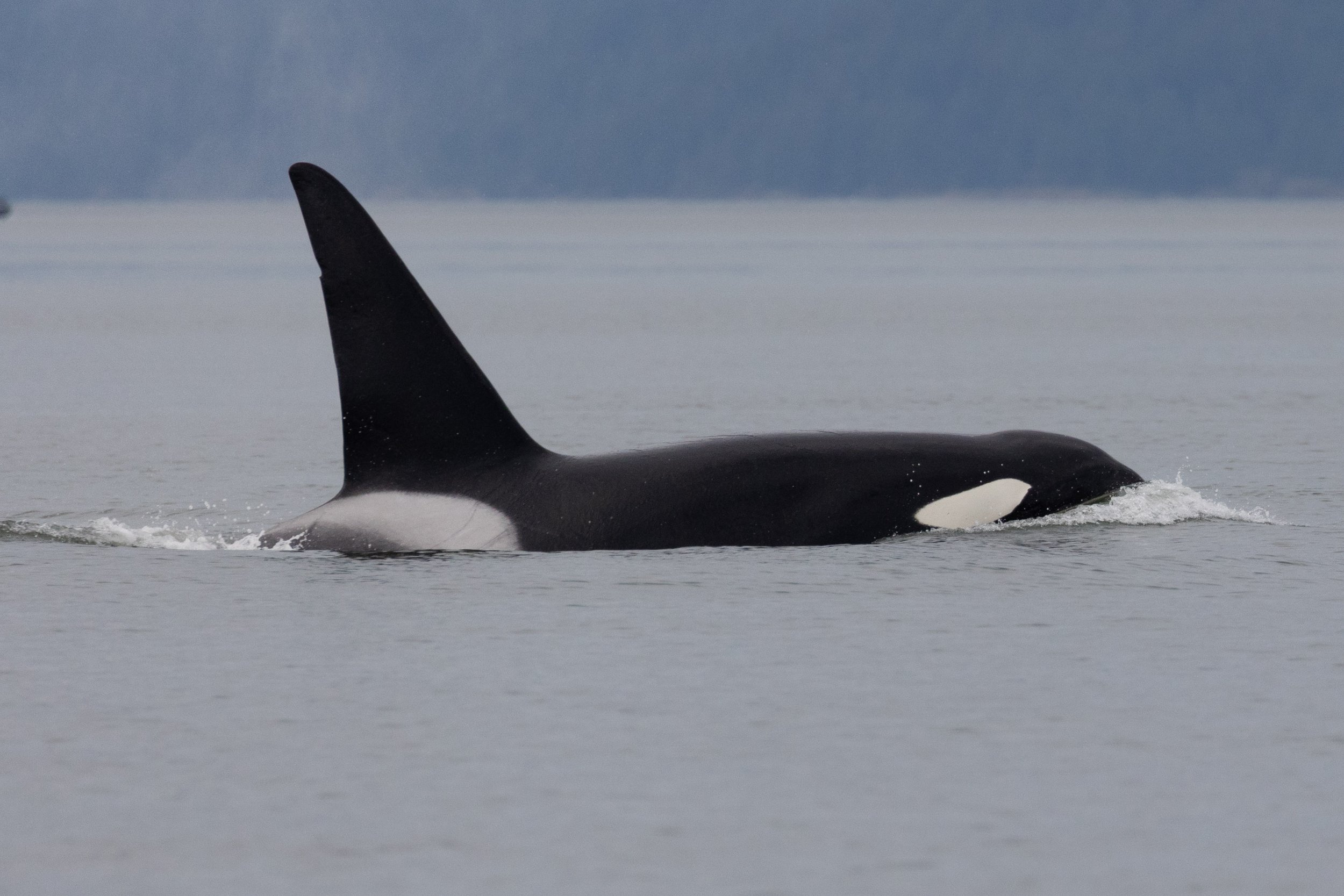
A great look at T123A Stanley. Photo by Vanessa Vereschahen.
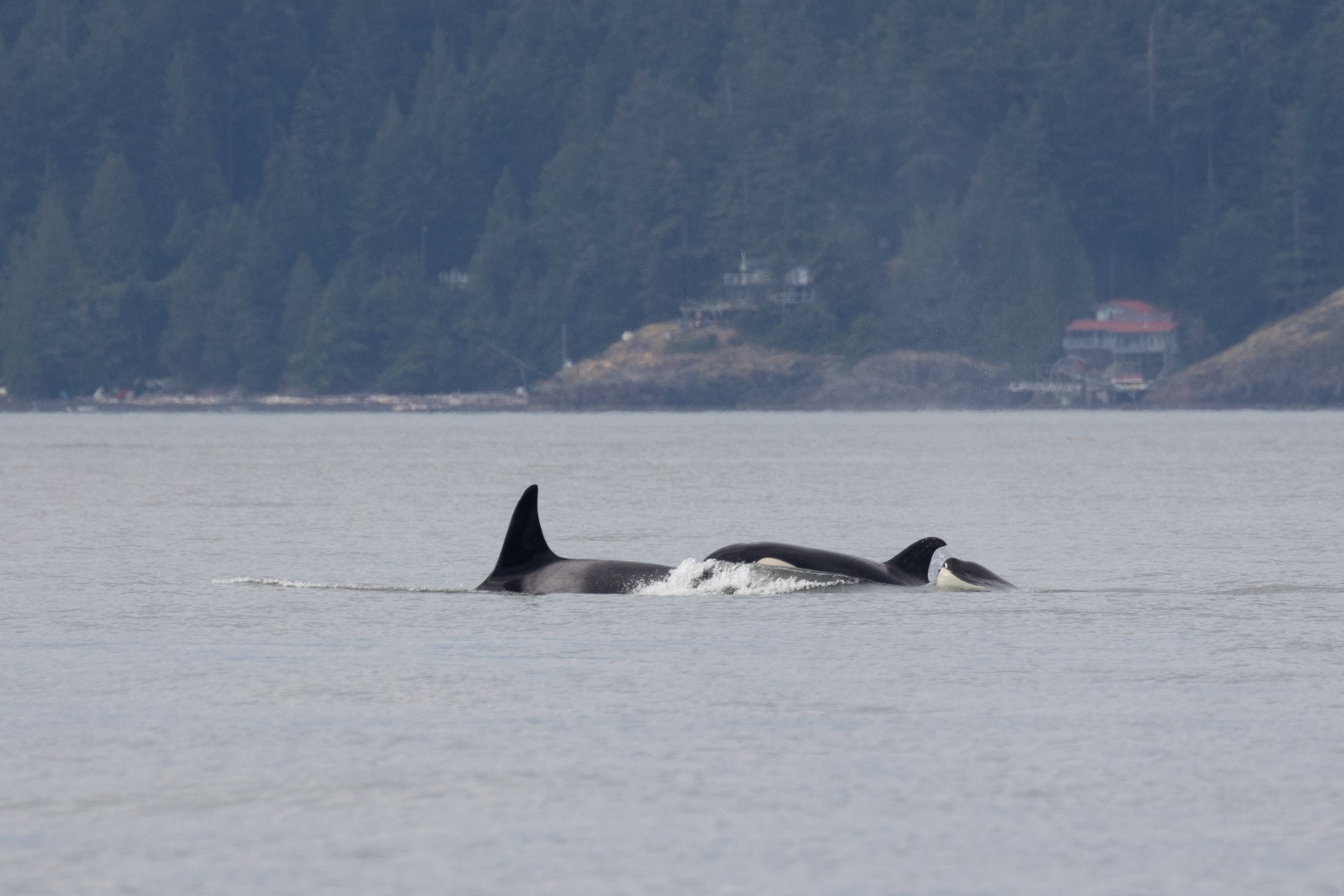
T124A Kittiwake surfacing with T124A7 Kite. Photo by Vanessa Vereschahen.
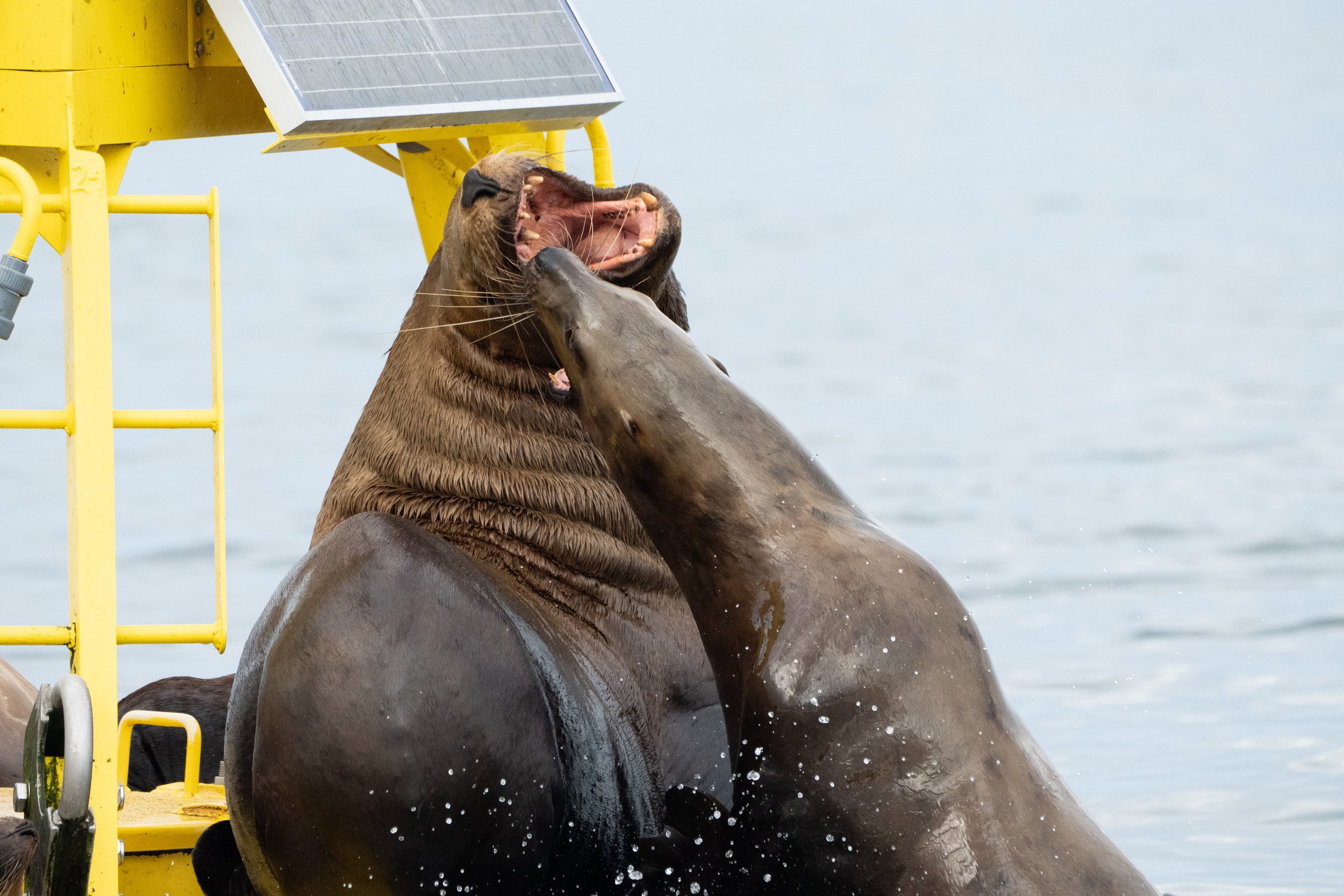
A fight breaking out on the buoy. Photo by Val Watson.
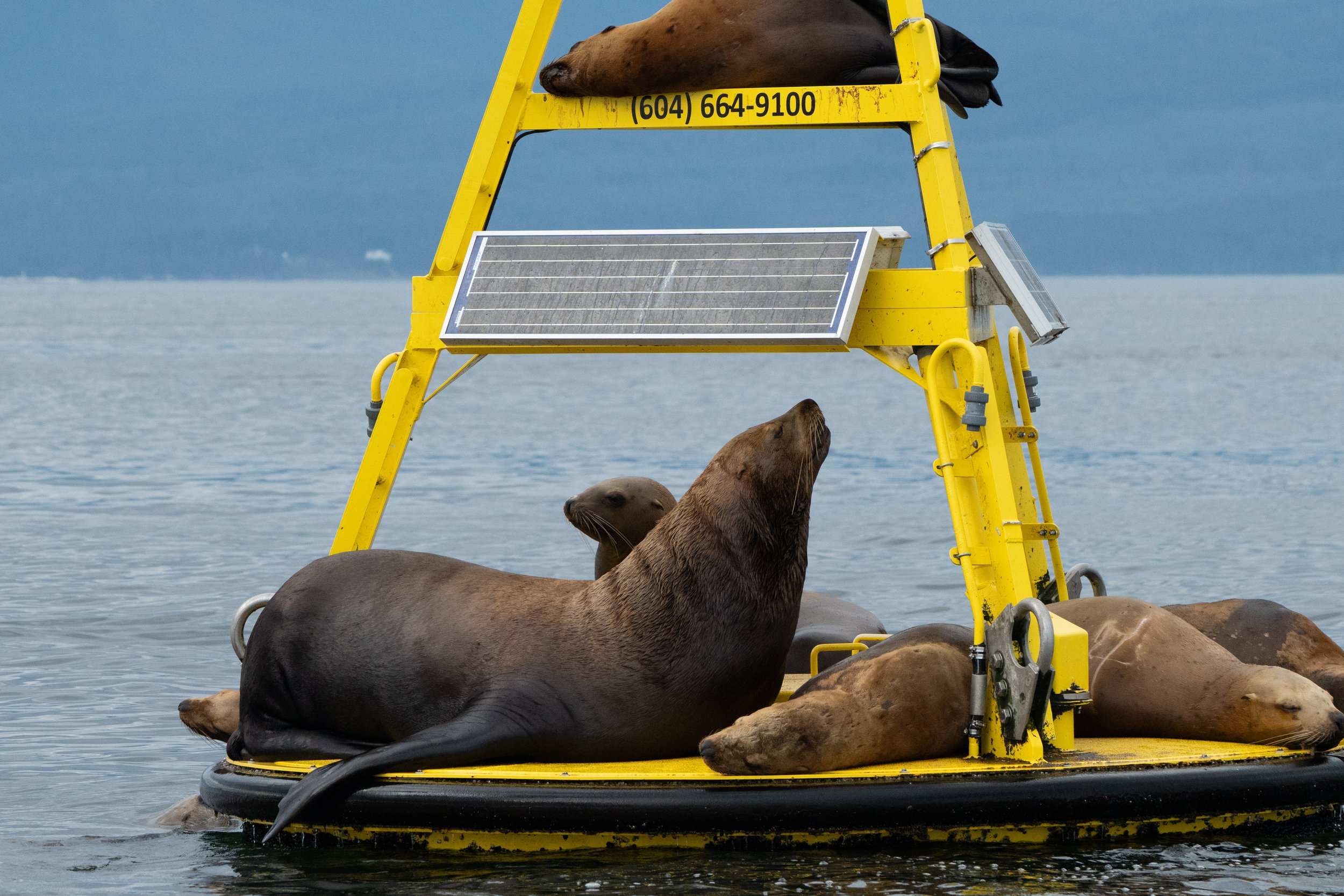
This young male was keeping his spot on the buoy. Photo by Val Watson.
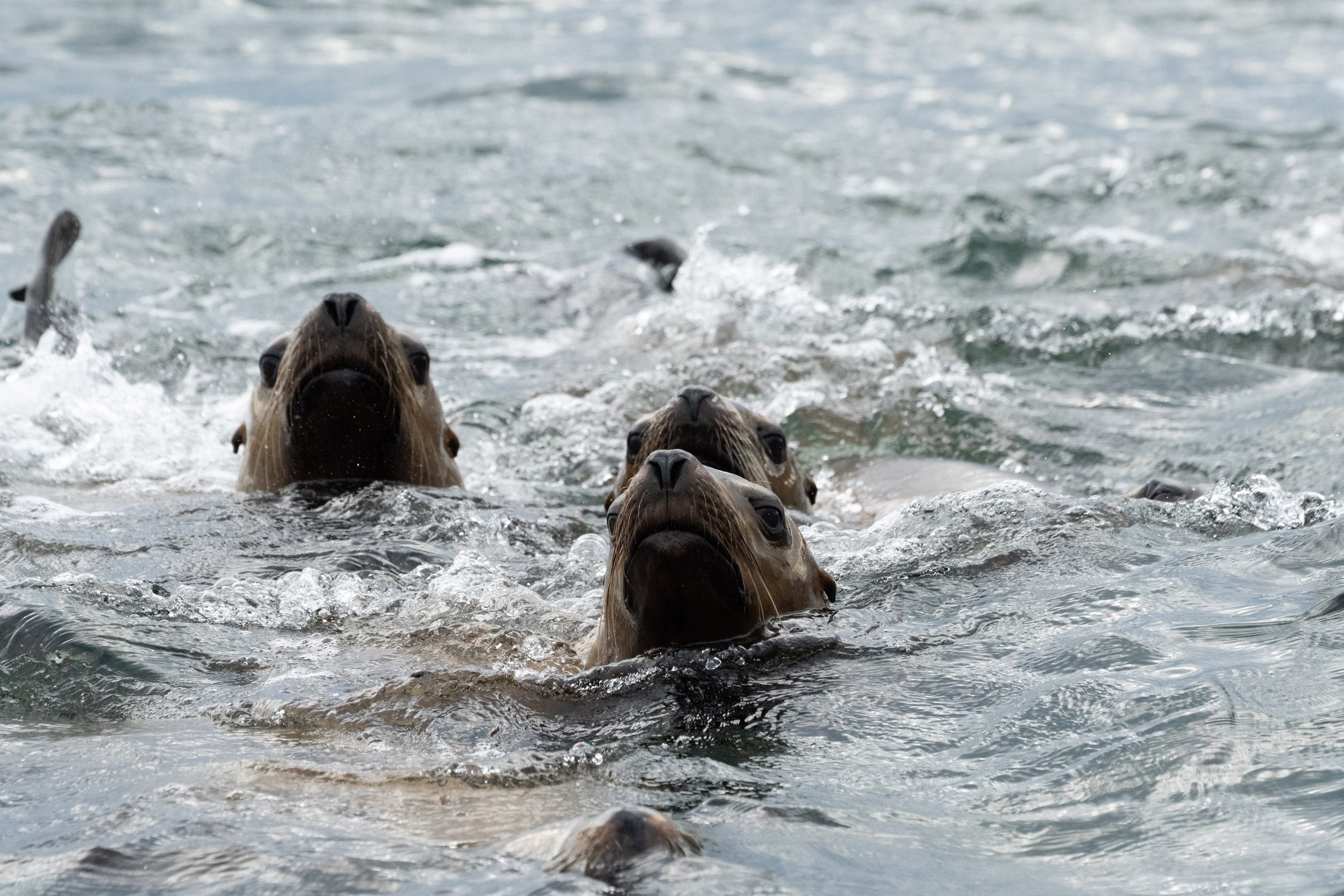
Some curious sea lions watching us from the water. Photo by Val Watson.
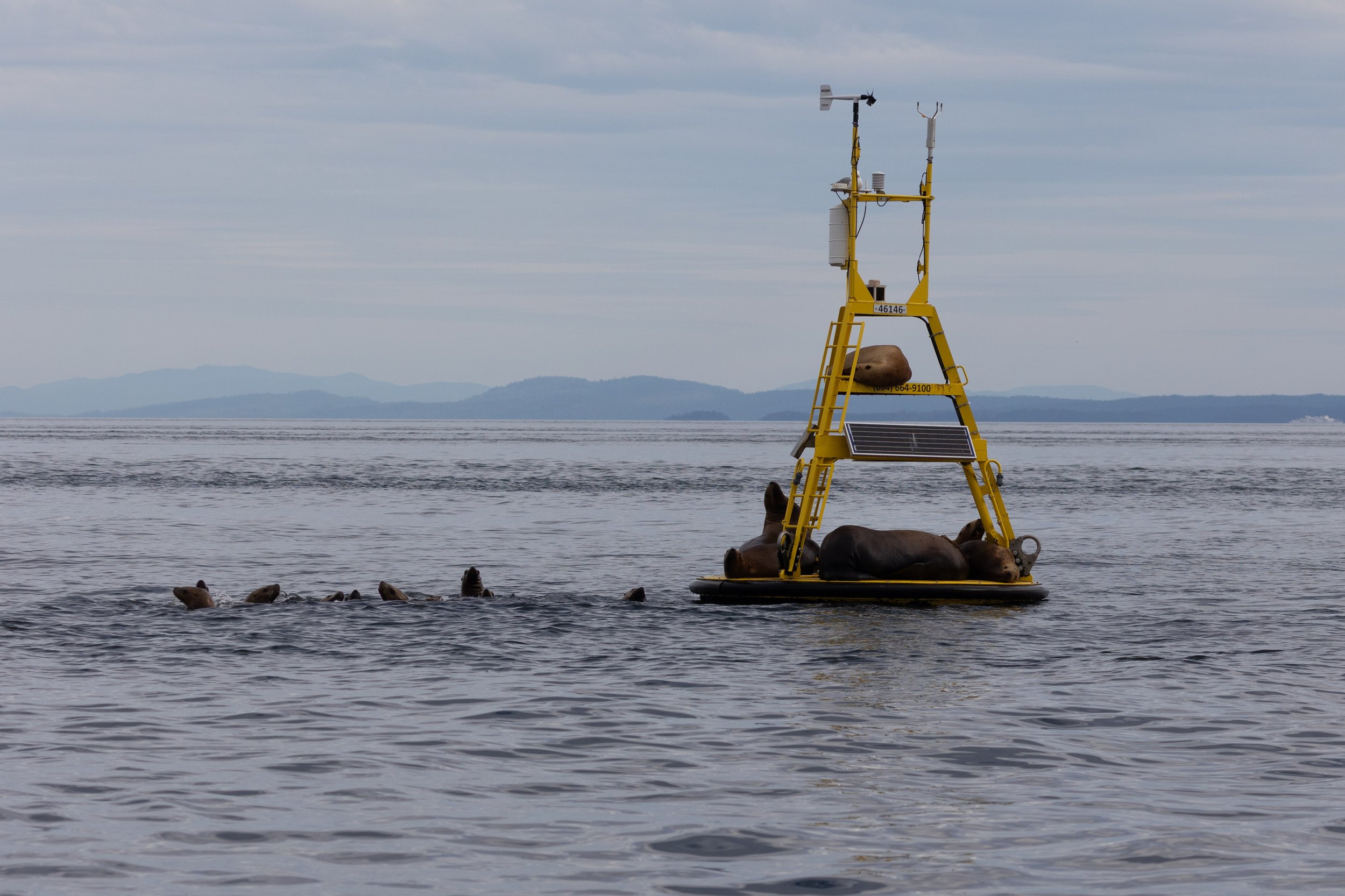
Steller Sea Lions at the Halibut Bank Buoy. Photo by Vanessa Vereschahen.
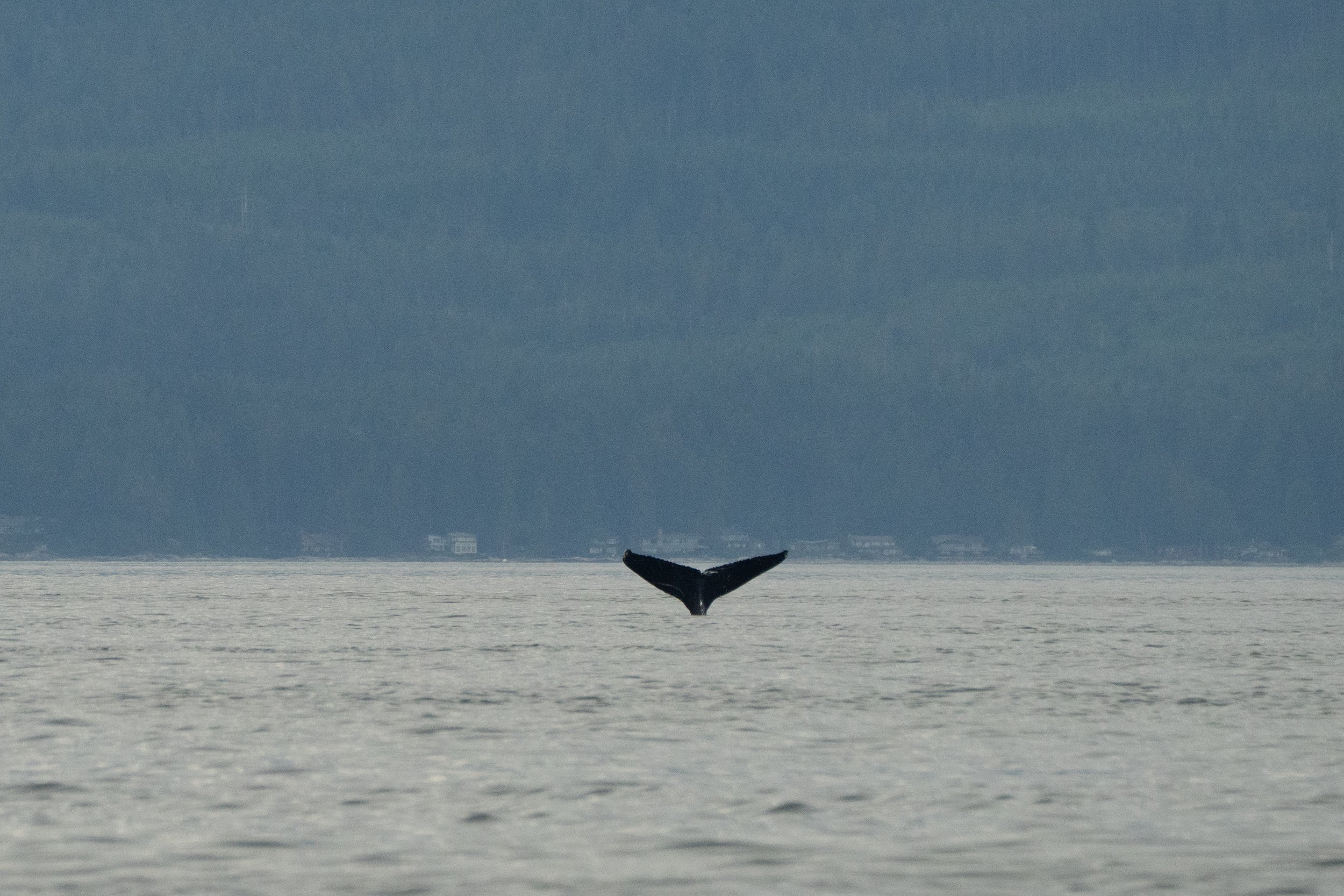
Beak diving in the distance. Photo by Val Watson.
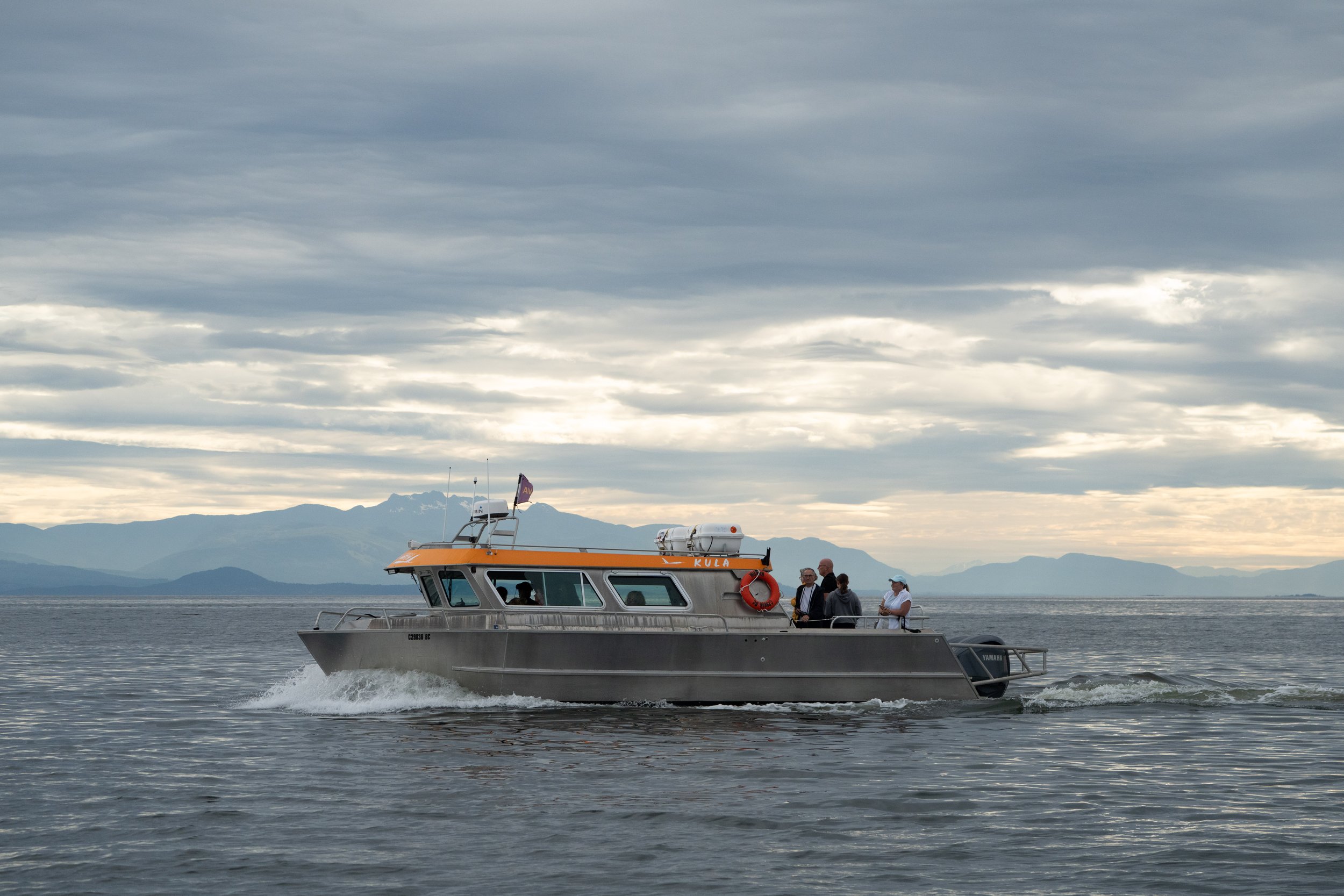
Whale watchers on Kula watching Beak. Photo by Val Watson.
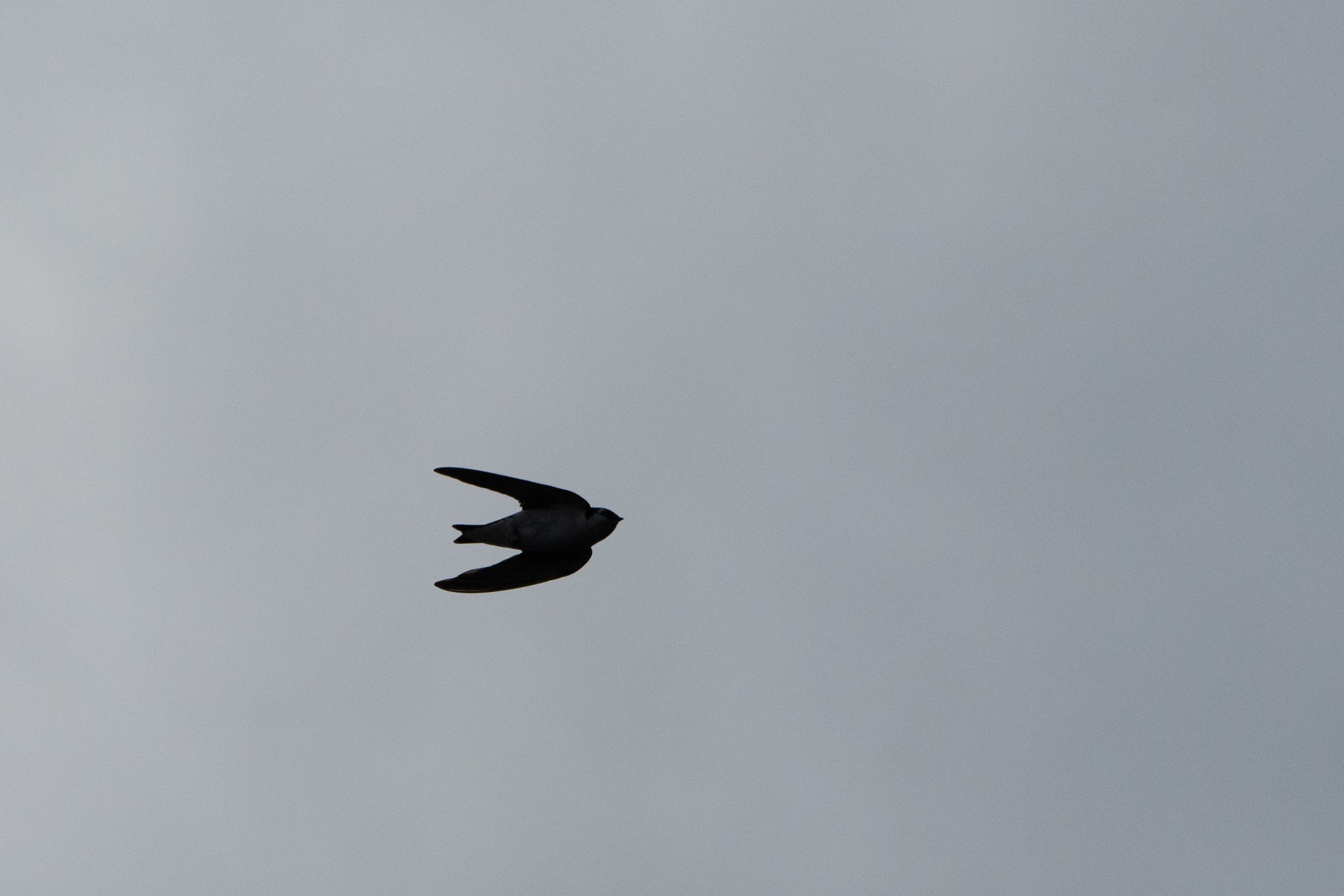
A cliff swallow flying by. Photo by Val Watson.
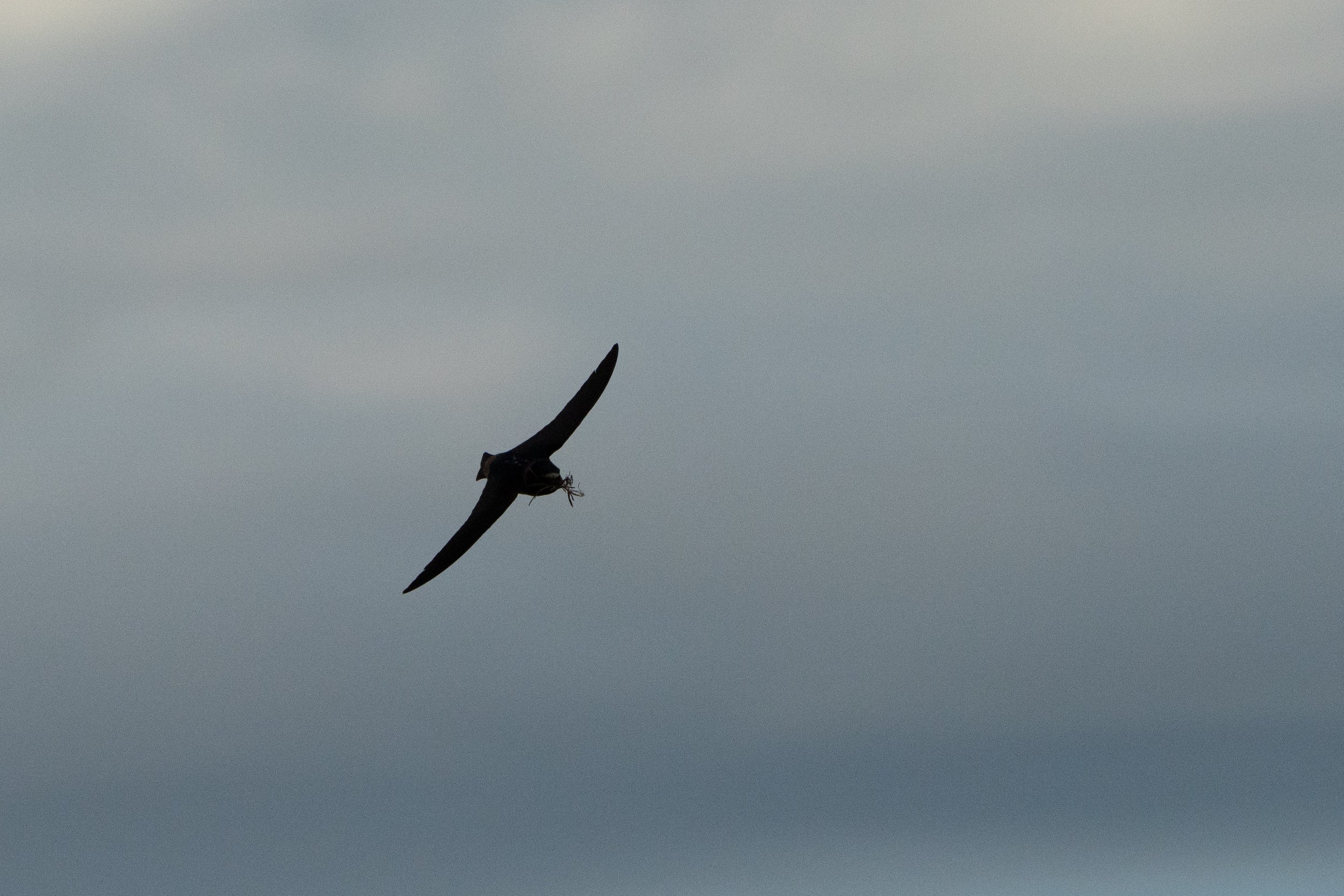
A swallow flying in with some comfy grass for their nest. Photo by Val Watson.
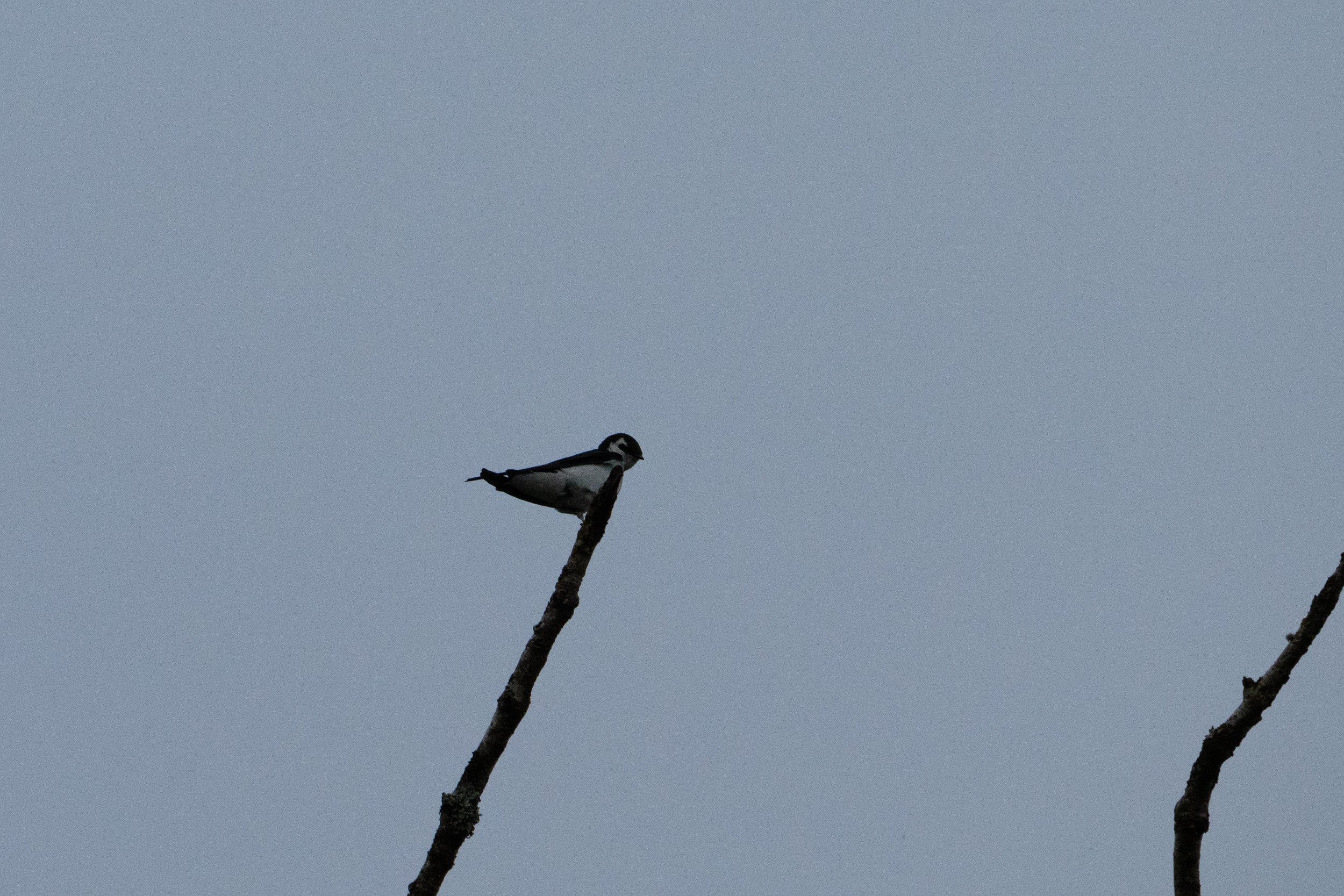
Violet-green swallow watching from a treetop. Photo by Val Watson.
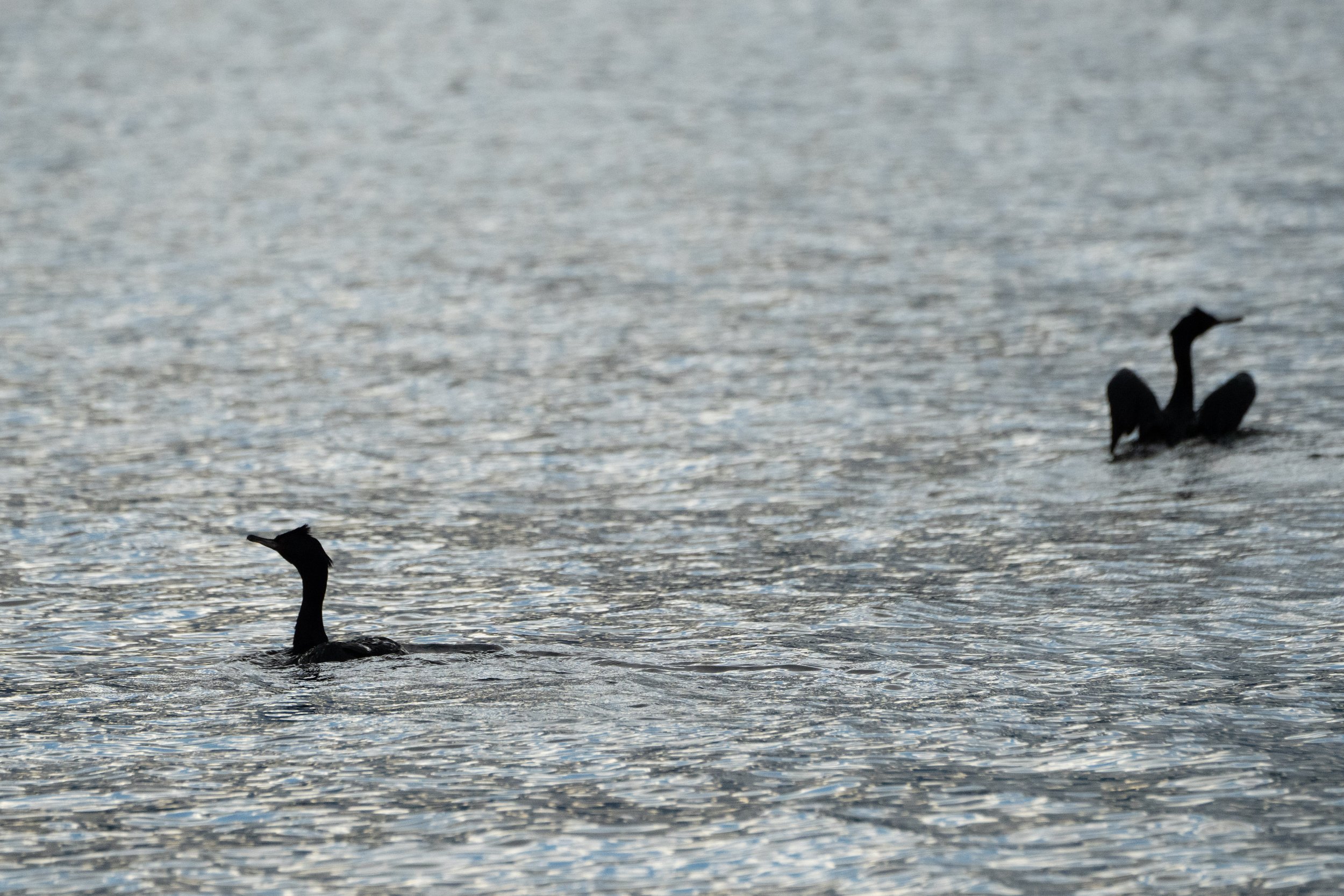
Cormorant floating by near the Gabriola Bluffs. Photo by Val Watson.
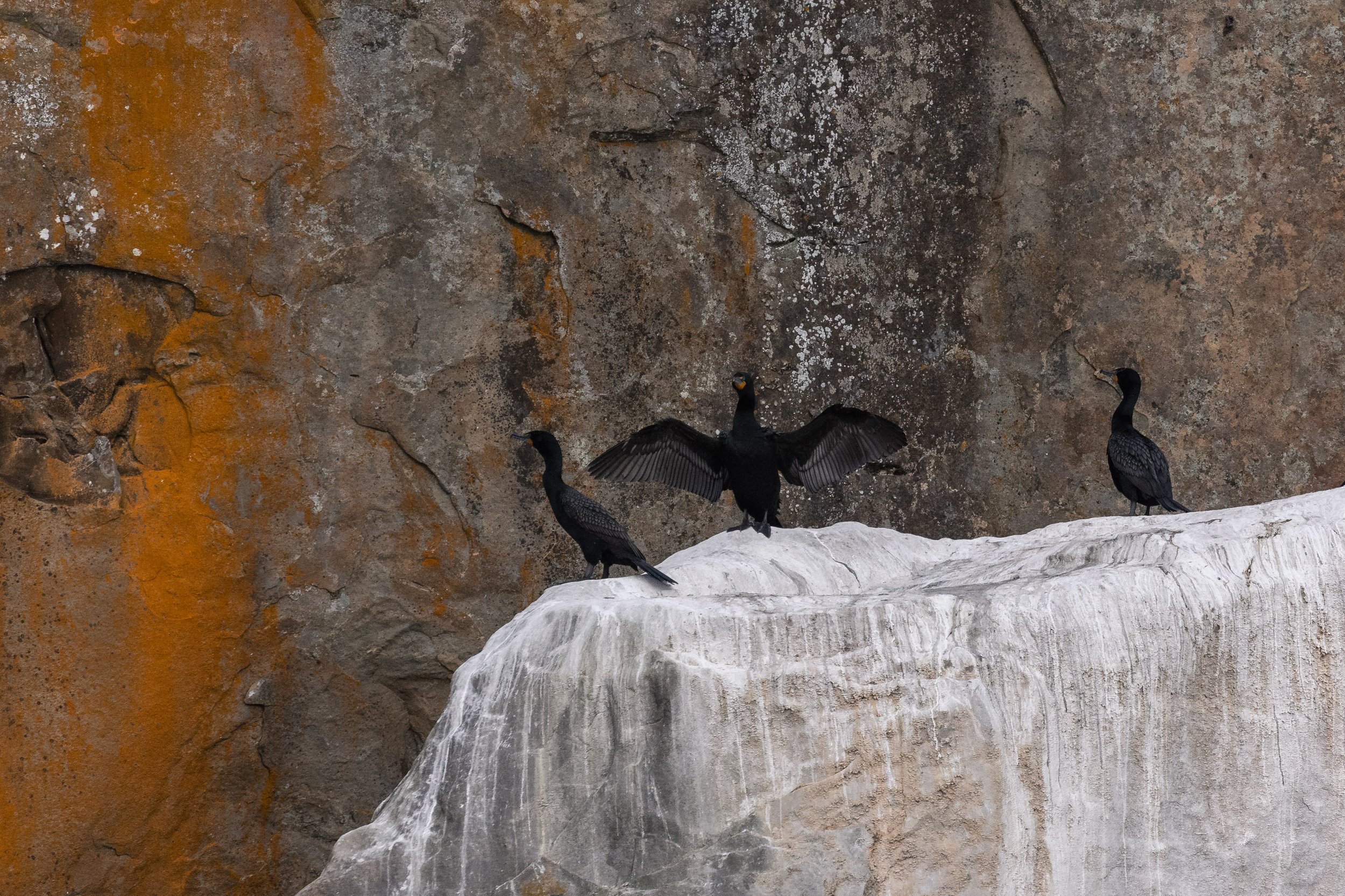
A cormorant drying off at the Bluffs. Photo by Vanessa Vereschahen.
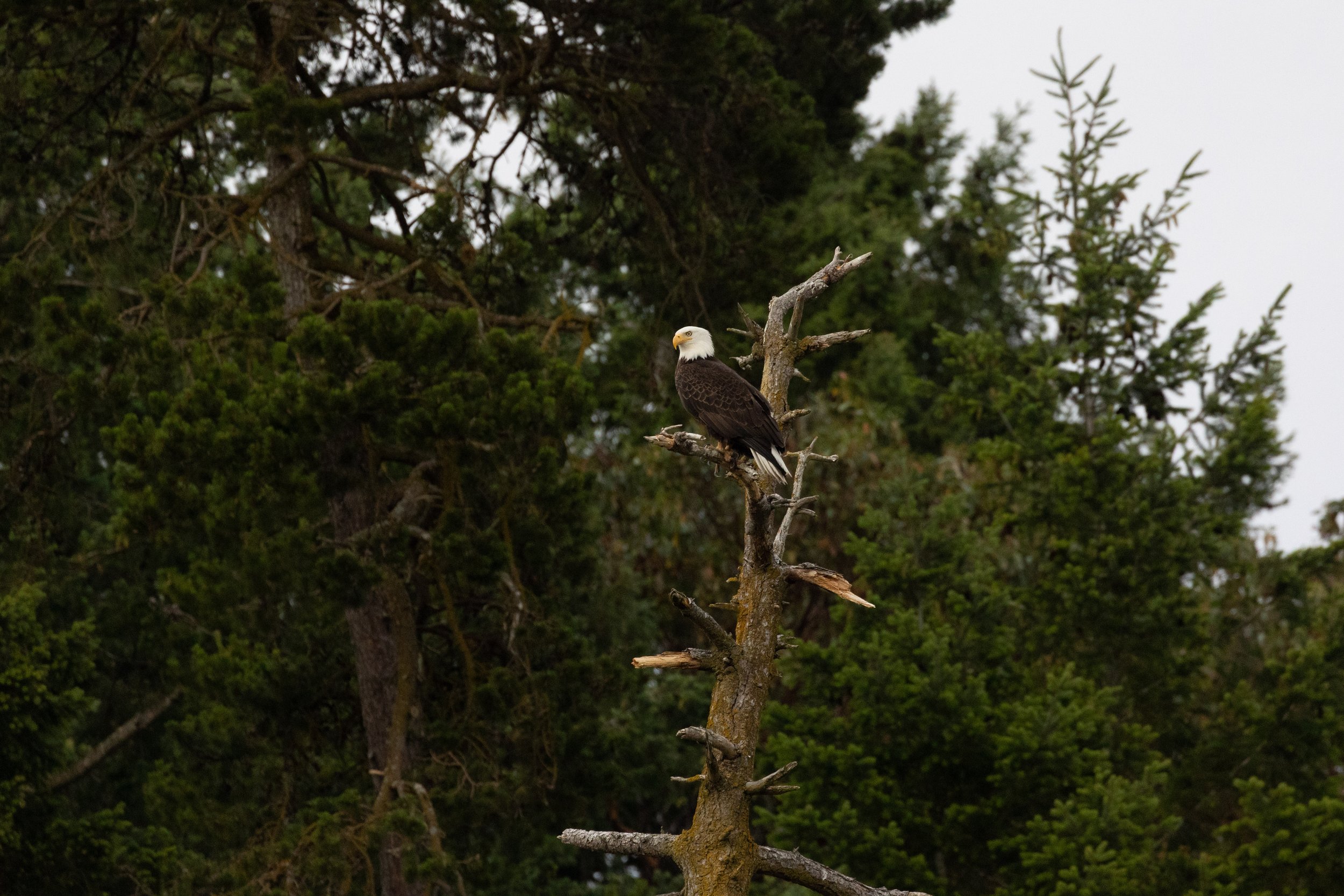
A Bald Eagle watching from the top of the tree. Photo by Vanessa Vereschahen.