
June 16, 2026, 10:30 AM - A morning exploring the wild wonders of the Salish Sea
With clear skies overhead and the summer sun shining brightly across the water, our full fleet departed the docks this morning, eager to discover what the Salish Sea had in store. Every day on the water is different, and that's one of the things we love most about sharing this incredible ecosystem with our guests. From marine mammals and seabirds to breathtaking landscapes shaped by ancient forces, there is always something fascinating waiting just beyond the harbour.
As we ventured into the Salish Sea, we were surrounded by the rugged beauty that makes the Pacific Northwest so special. Towering coastal forests stretched down to the shoreline, while weathered cliffs and rocky islets dotted the horizon. Many of these striking landscapes were carved thousands of years ago during the last Ice Age. Massive glaciers, some over a kilometre thick, slowly advanced and retreated across the region, grinding away at the bedrock beneath them. As the glaciers melted, they left behind the channels and dramatic rocky formations that define our coastline today. Every voyage through these waters is a journey through a landscape shaped by ice, time, and the power of nature.
One of our first wildlife encounters came in the form of a delightful "cuddle puddle" of harbour seals hauled out together on the sun-warmed rocks. Harbour seals are one of the most commonly seen marine mammals in our region and are perfectly adapted to life both in and out of the water. They often gather on rocky haul-outs to rest, regulate their body temperature, and avoid predators. The timing of our encounter was especially exciting, as pupping season is just beginning. In the coming weeks, these rocky shorelines will welcome a new generation of harbour seal pups. Unlike many other seal species, harbour seal pups are born with their adult coat rather than a fluffy white fur, allowing them to enter the water almost immediately after birth. Mothers are incredibly attentive and nurse their pups with rich, high-fat milk that helps them grow rapidly. During the first few weeks of life, mother and pup remain closely bonded, spending much of their time resting together and practicing swimming skills in sheltered waters before the young seals become more independent.
After enjoying the company of the seals, we continued onward to visit another pinniped species, our largest one. Waiting for us were the magnificent Steller Sea Lions, whose impressive size never fails to amaze guests. Adult males can weigh over 2500 pounds and are instantly recognizable by their massive necks, broad chests, and powerful presence. Although Steller Sea Lions are common visitors to our waters, they do not breed here in the Salish Sea. Instead, they travel south to feed after spending the breeding season at rookeries located along the northern coast of British Columbia and throughout Alaska. During the breeding season, dominant males establish territories and compete for access to harems of females. Once pups are born, mothers provide dedicated care, nursing and protecting their young while teaching them the skills needed to thrive in a challenging marine environment. The sea lions we encounter here are often taking advantage of the rich feeding opportunities our coastal waters provide.
As always, the sea lions were memorable. Some lounged comfortably on the rocks while others growled loudly at their neighbours, stretched out in the sunshine, or slipped effortlessly into the surrounding waters. Their playful and charismatic personalities make them a favourite sighting for many of our guests. With the sea lions behind us, we continued scanning the waves and soaking in the scenery. Along our route, we encountered an impressive variety of seabirds and raptors that help make the Salish Sea one of the richest wildlife-viewing destinations in the world.
Majestic bald eagles watched from towering perches along the shoreline, while gulls drifted effortlessly on the breeze. Overhead, turkey vultures circled gracefully on rising thermals. Though often overlooked, these birds play an essential role in maintaining healthy ecosystems. Eagles, gulls, and vultures are all members of nature's clean-up crew. By feeding on carrion and other organic matter, they help recycle nutrients and reduce the spread of disease. Each species fills an important ecological niche, contributing to the overall health of the coastal environment.
Among the many birds we encountered were several pigeon guillemots, one of the Salish Sea's most distinctive seabirds. These striking black birds are easy to identify thanks to their bright red feet and vivid red mouths, which are often visible when they call. Unlike many seabirds that nest in large colonies on cliffs, pigeon guillemots frequently nest in rock crevices and cavities along the shoreline. They are exceptional divers, using their wings to "fly" underwater as they pursue small fish and invertebrates. During the breeding season, adults can make dozens of feeding trips each day as they carry fish back to hungry chicks waiting in hidden nests. Their bright feet and unique underwater hunting abilities make them one of our favourite birds to spot along the coast.
We were also delighted to spot several cliff swallows darting and weaving through the air above the shoreline. These agile aerial insectivores are among the most skilled fliers in the bird world, capable of making sharp turns and rapid maneuvers as they capture insects on the wing. The rugged rock formations throughout the Salish Sea provide excellent nesting habitat for these birds. Cliff swallows construct remarkable nests from hundreds of small mud pellets, carefully cementing them together beneath overhangs and within sheltered crevices. While they are often associated with cliffs and bridges, our natural rocky coastlines offer many suitable nesting locations. Watching them zip back and forth against the backdrop of ancient cliffs was a wonderful reminder of how wildlife continues to use landscapes shaped thousands of years ago.
Although whales remained elusive during today's adventure, the Salish Sea provided countless reminders that these waters are home to an incredible diversity of wildlife. From seals and sea lions to soaring eagles and diving seabirds, every encounter offered a glimpse into the complex web of life that thrives along our coastline.
Of course, finding wildlife in its natural environment is never guaranteed, and that is part of what makes every sighting so special. While we were unable to locate whales on this particular trip, all guests received complimentary return vouchers through our whale guarantee, giving them another opportunity to join us and continue the search for the wild whales that call these waters home.
The beauty of the Salish Sea lies not only in the animals we find but in the anticipation of what might appear around the next point of land or beyond the next wave. We look forward to welcoming our guests back aboard and sharing another unforgettable day exploring the wonders of the Pacific Northwest.
Photos below by Marine Naturalists Hayleigh Hilbert, Jordan Robinson and Aly Kholman.
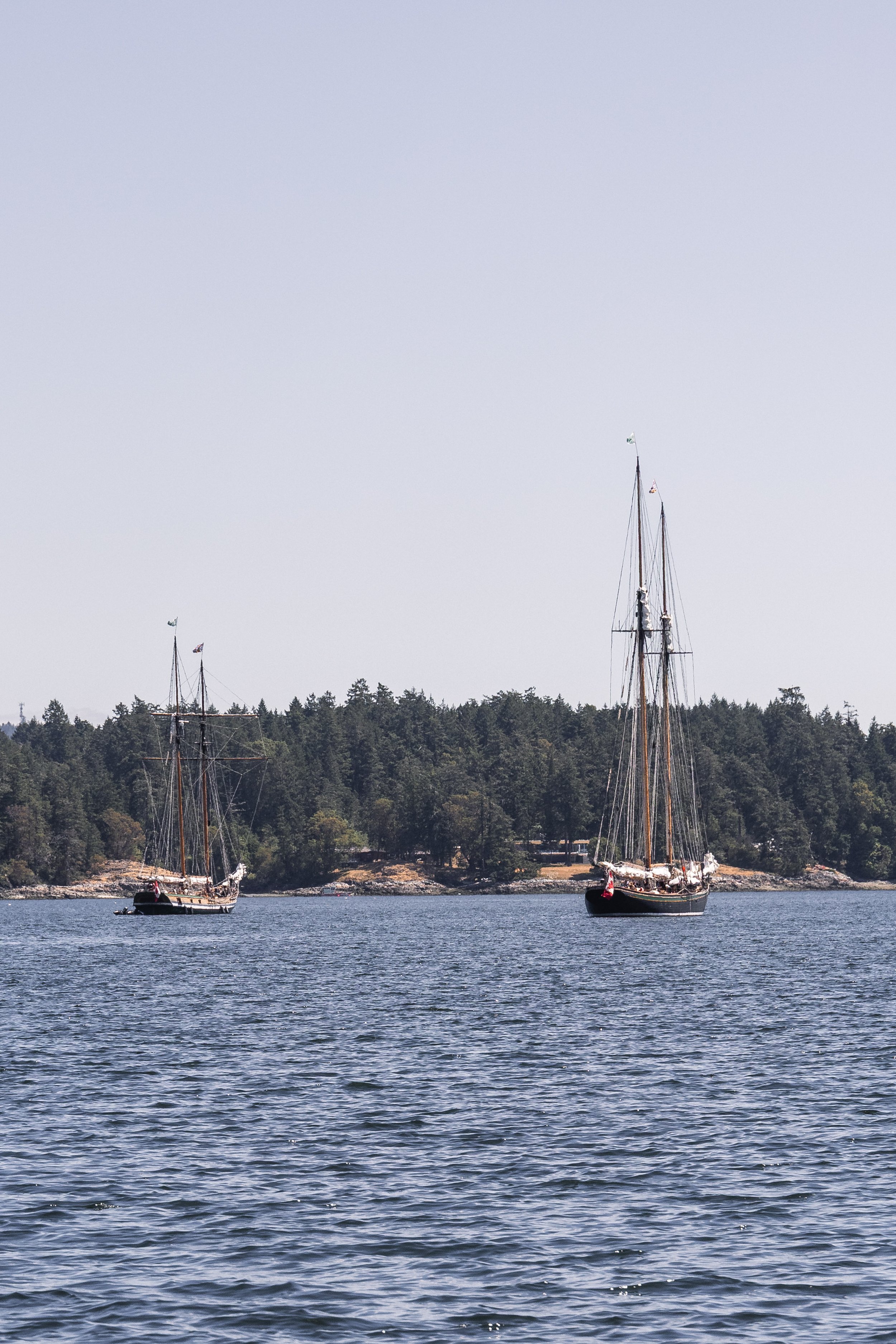
The Pacific Grace and the Pacific Swift sailboats. Photo by Jordan Robinson.
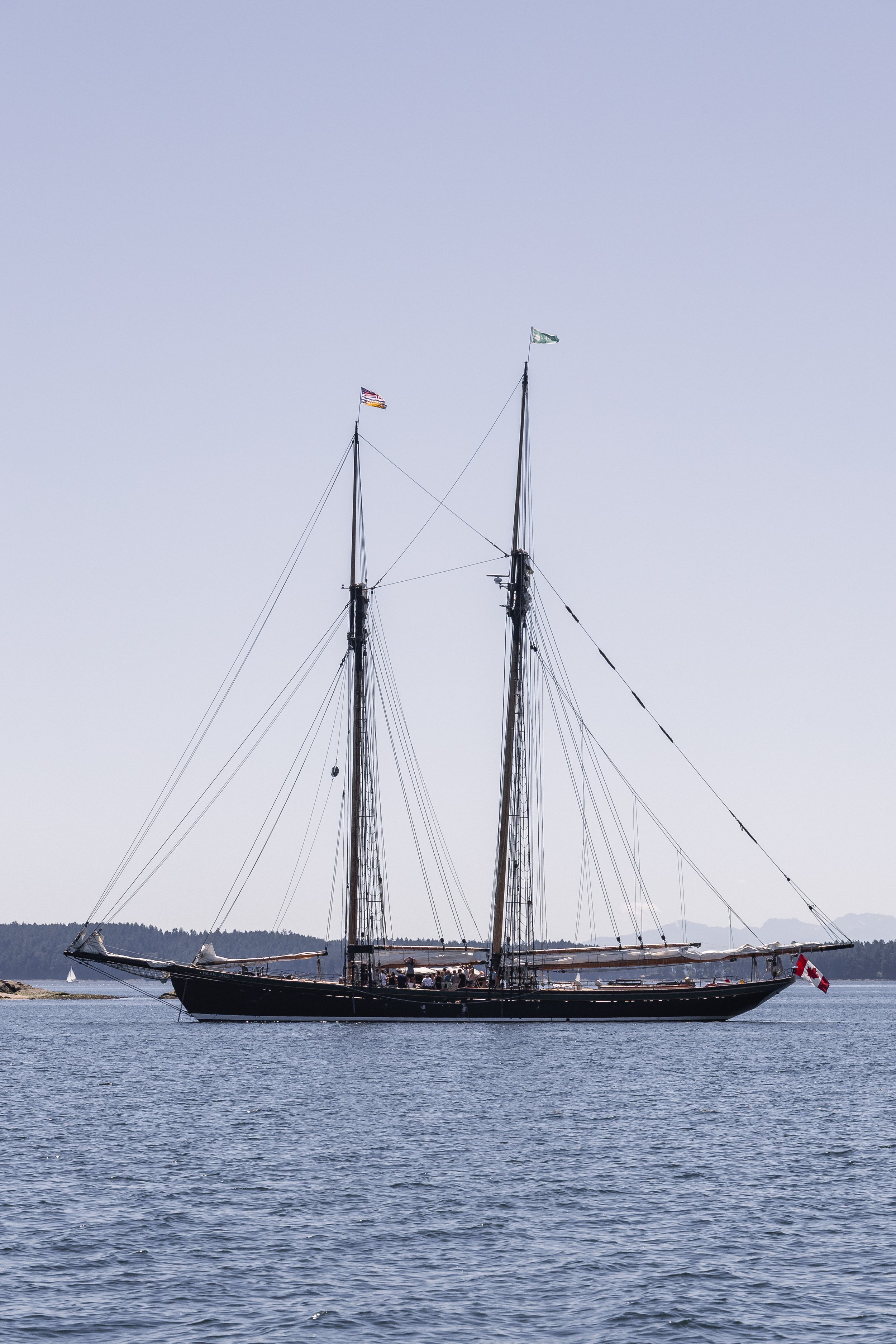
The Pacific Grace. Photo by Jordan Robinson.
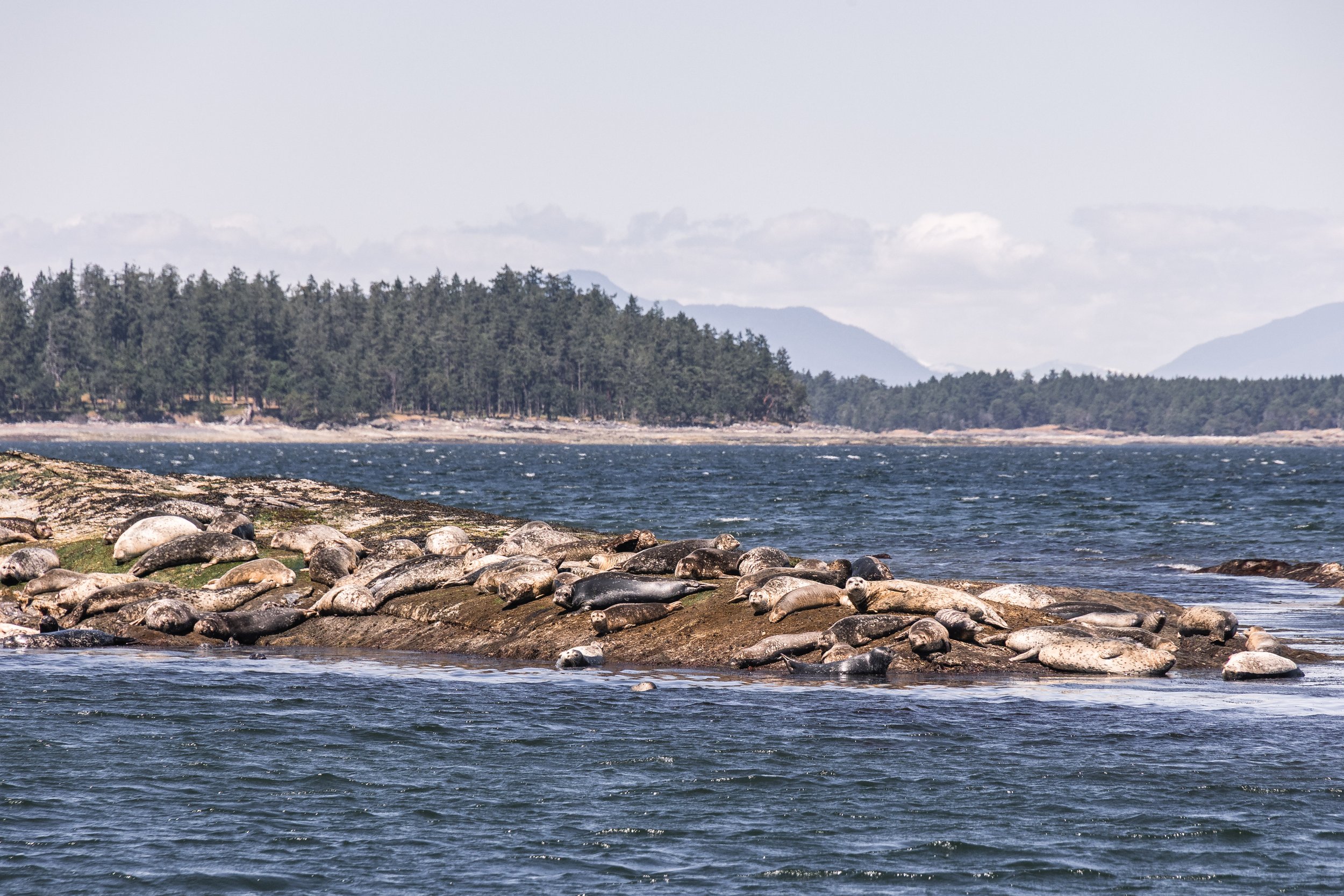
A cuddle puddle of harbour seals. Photo by Jordan Robinson.
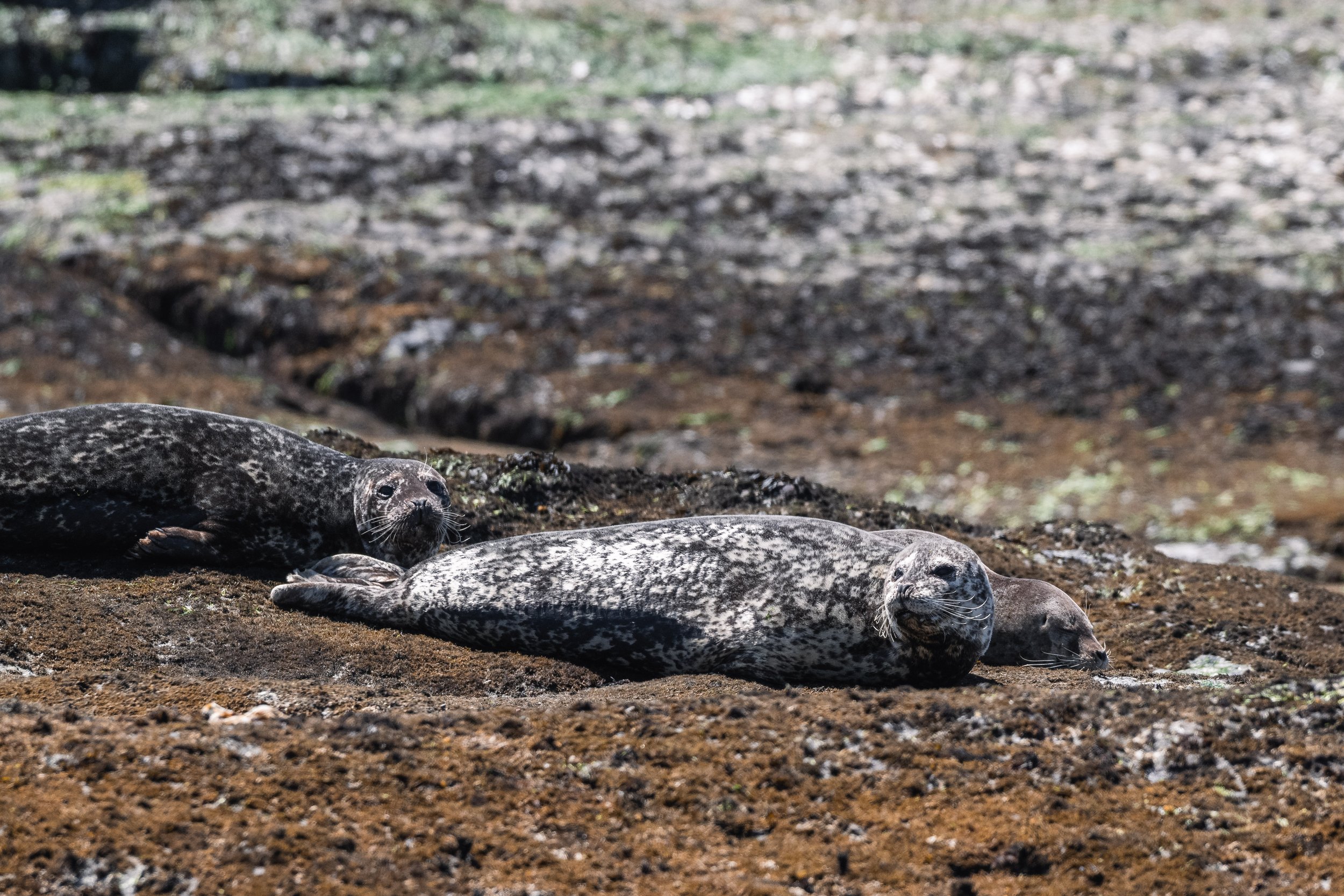
A sunny spot. Photo by Aly Kholman.
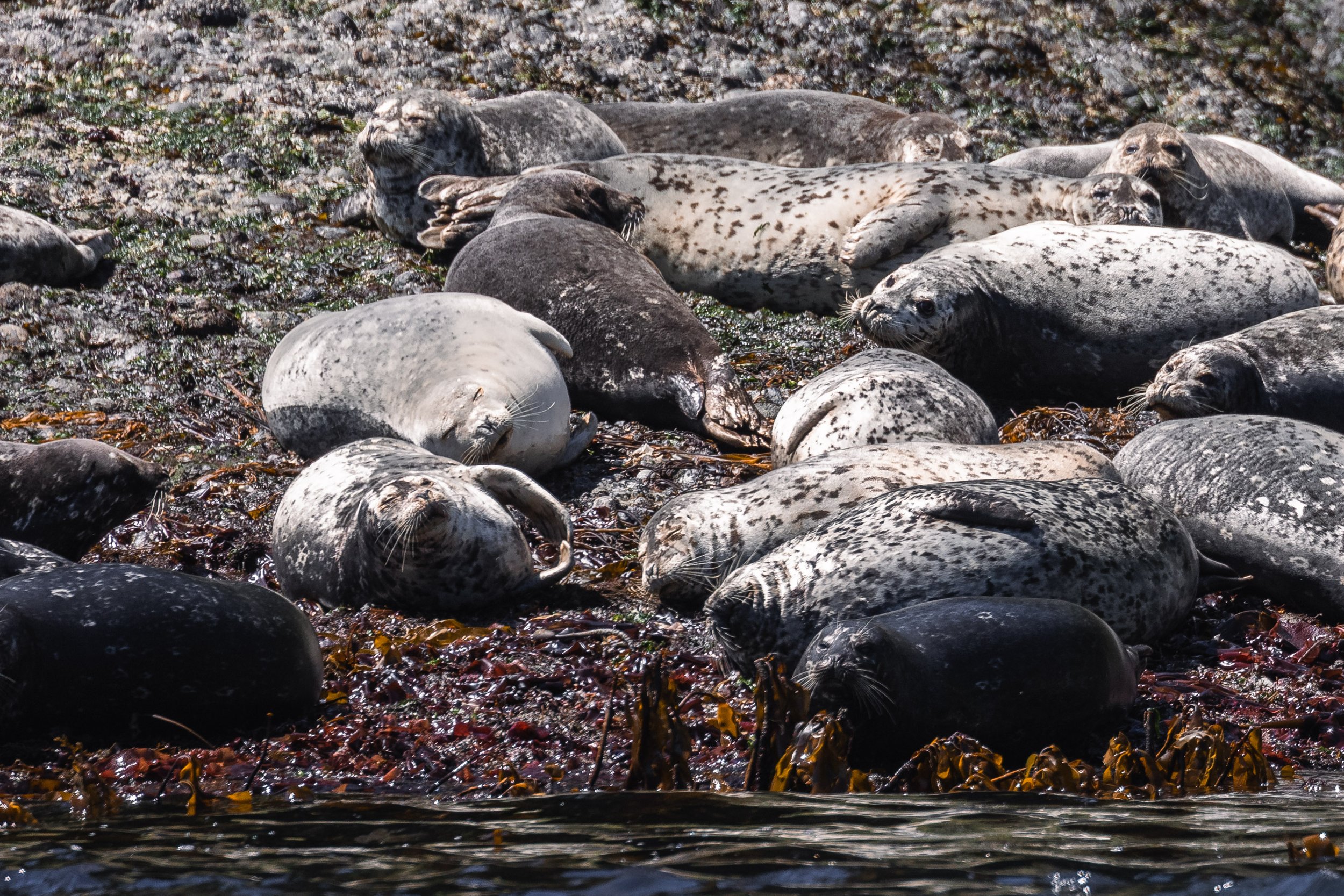
Harbour seals hauled out. Photo by Hayleigh Hilbert.
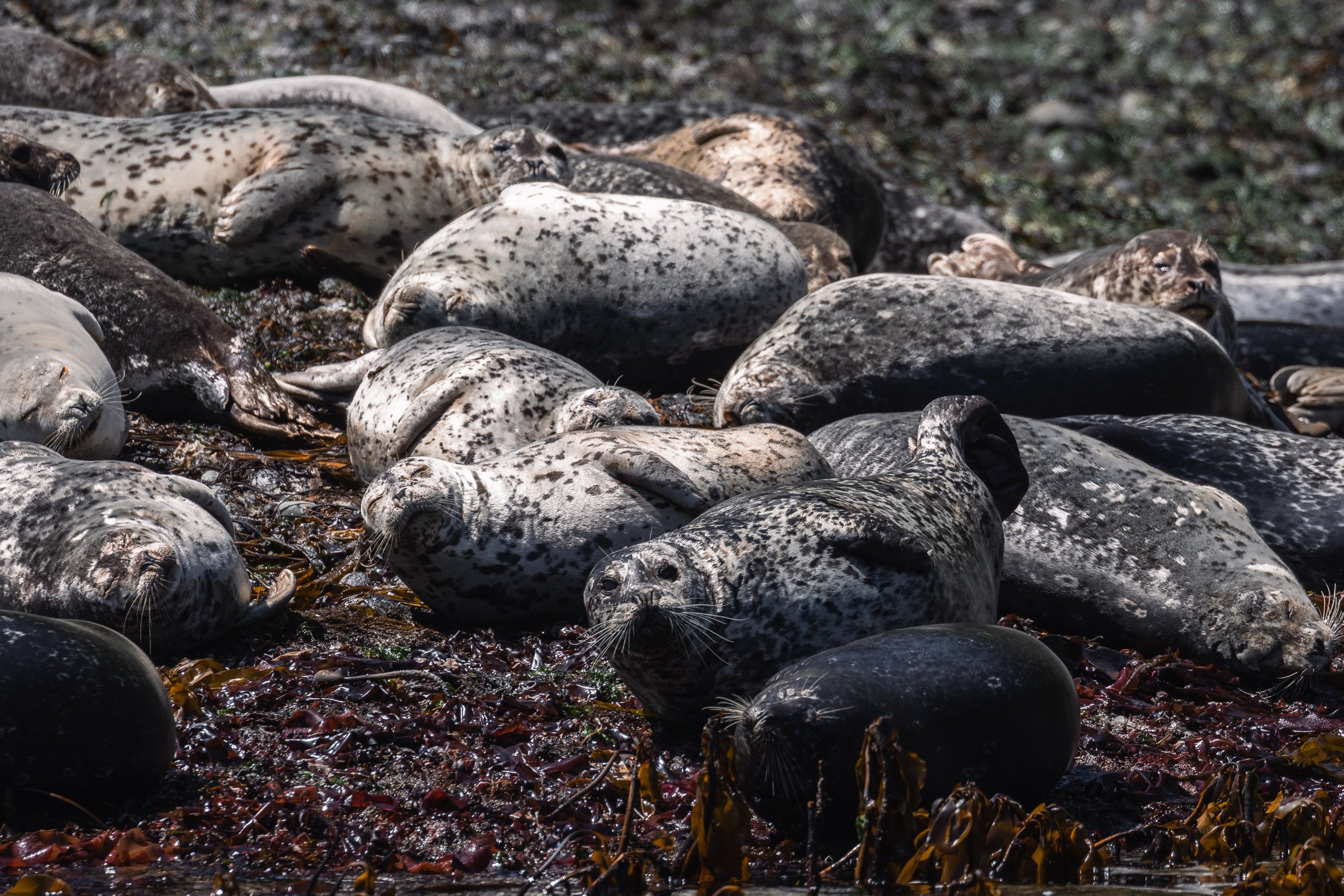
How many seals can you count? Photo by Hayleigh Hilbert.
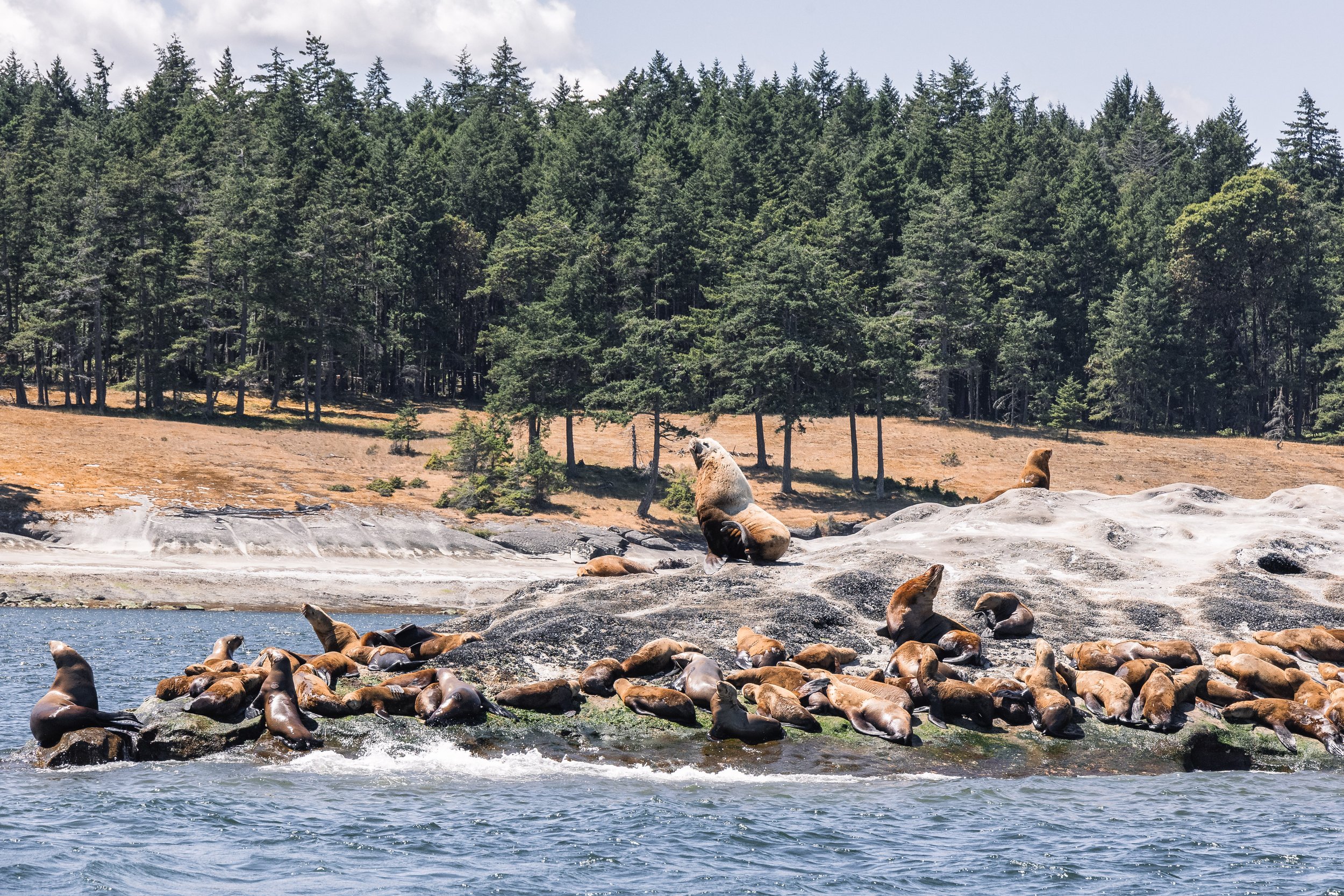
A pile of Steller Sea Lions. Photo by Jordan Robinson.
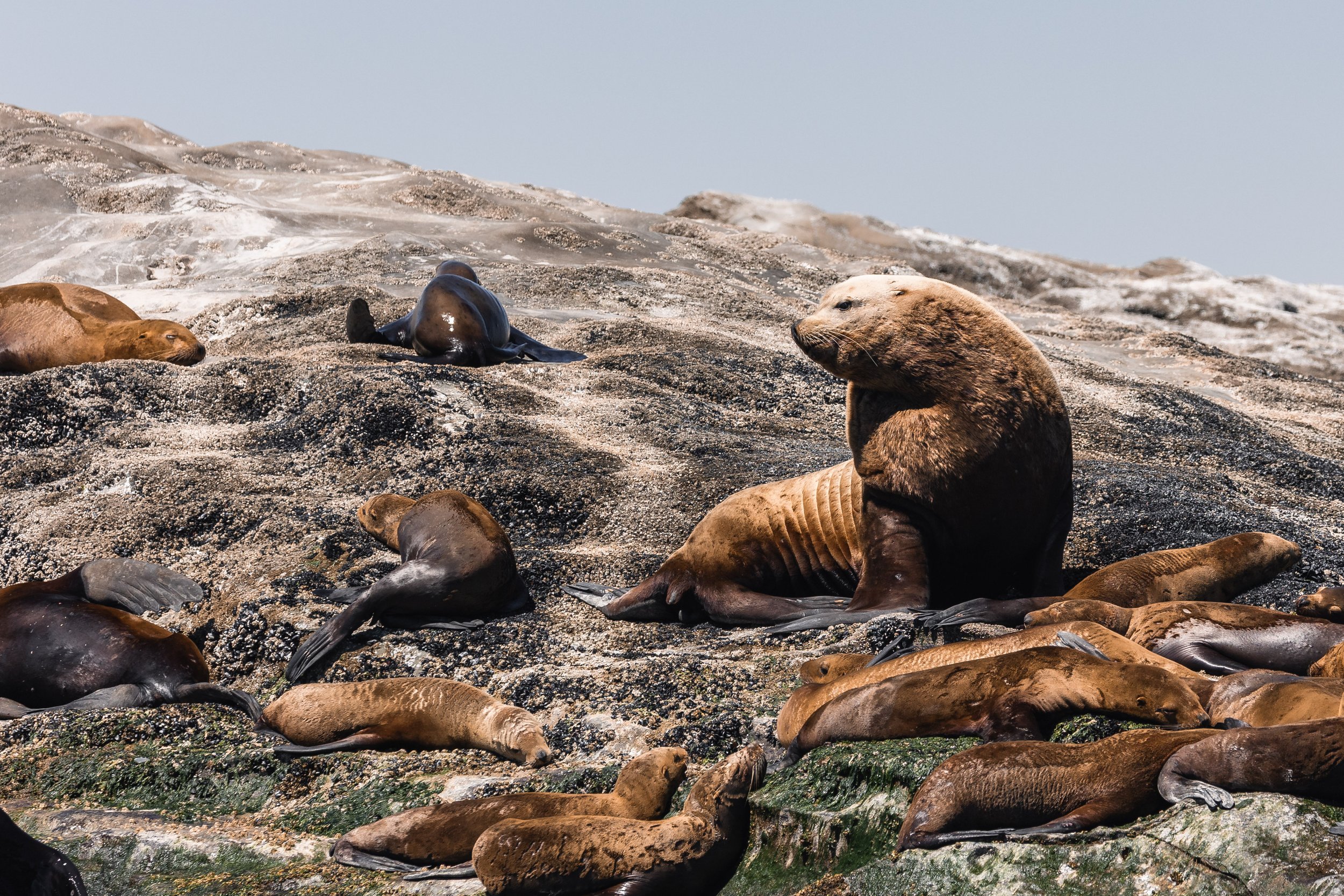
A mature male Steller posing on the rocks. Photo by Hayleigh Hilbert.
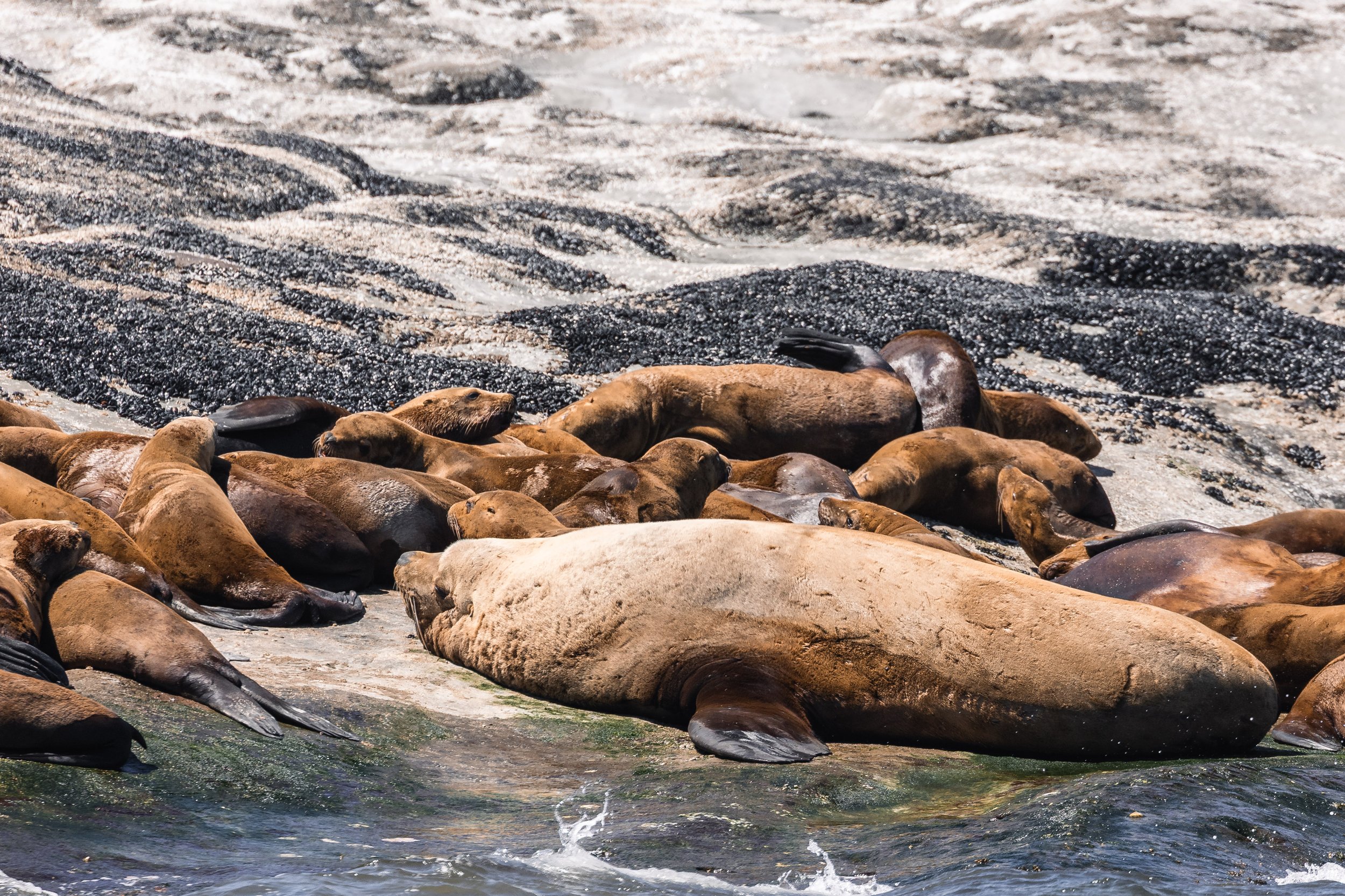
Look at the size difference of a mature male to the rest. Photo by Hayleigh Hilbert.
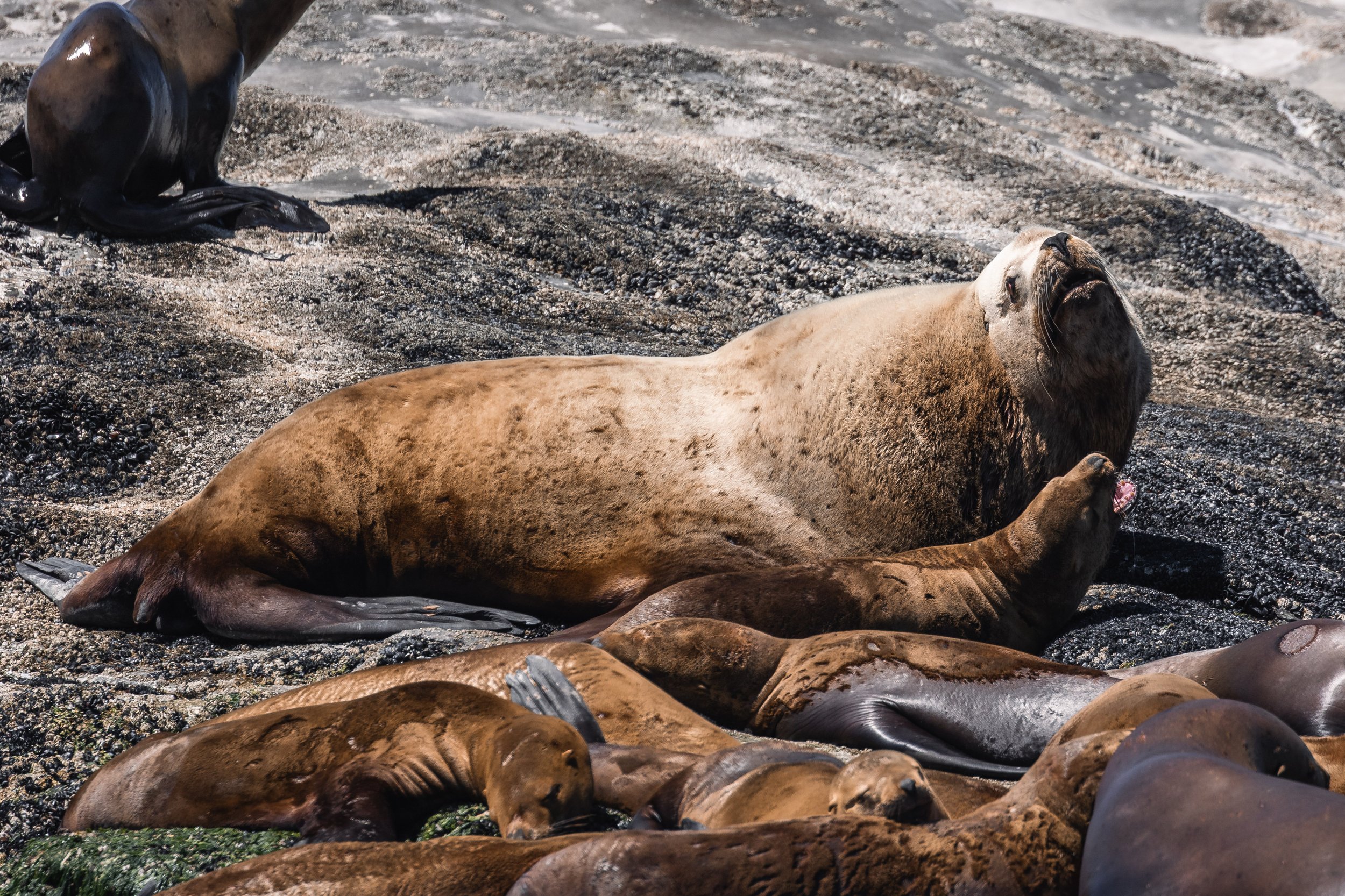
Stellers growling away as per usual. Photo by Hayleigh Hilbert.
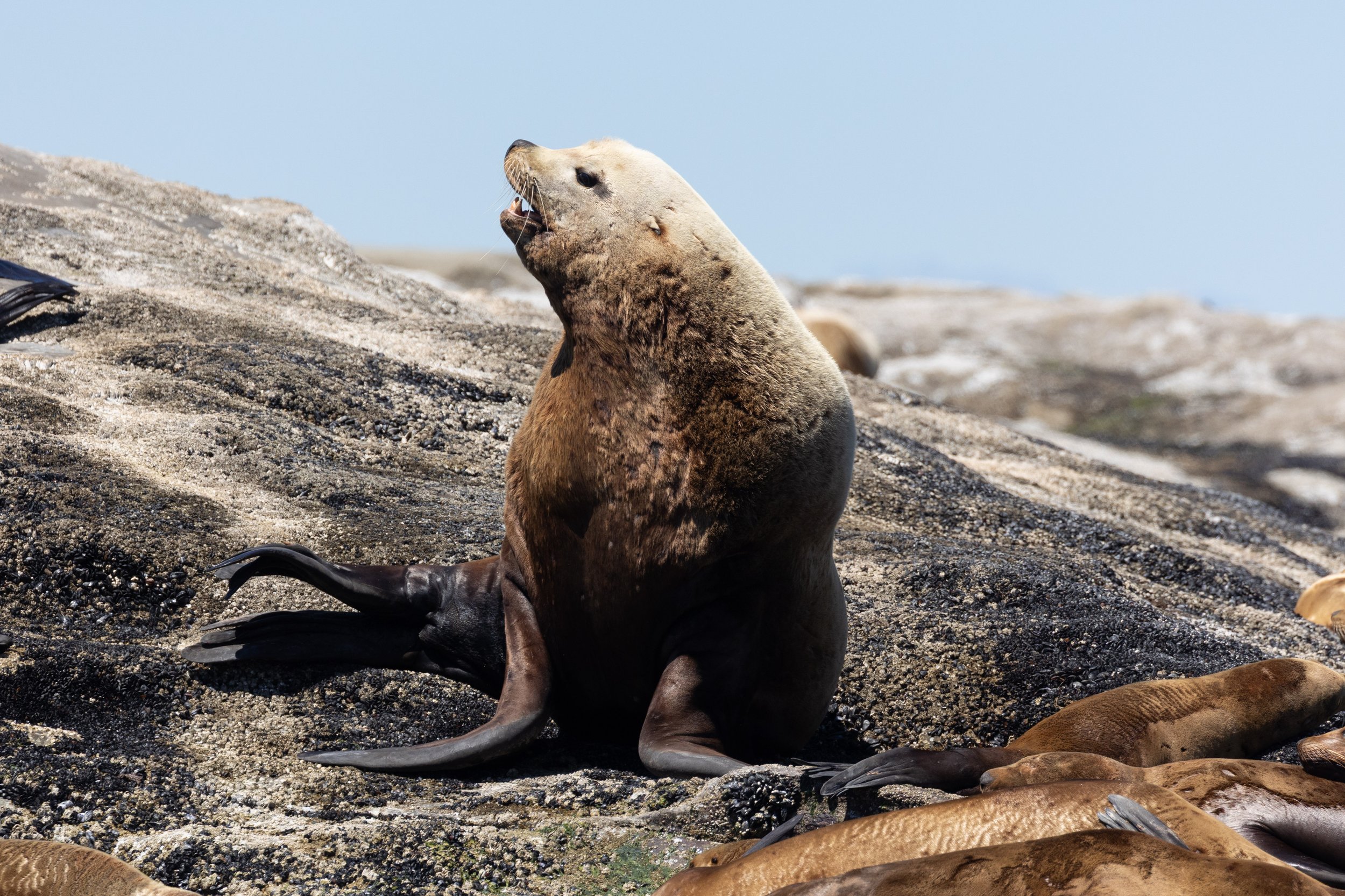
A Steller in the sun. Photo by Hayleigh Hilbert.
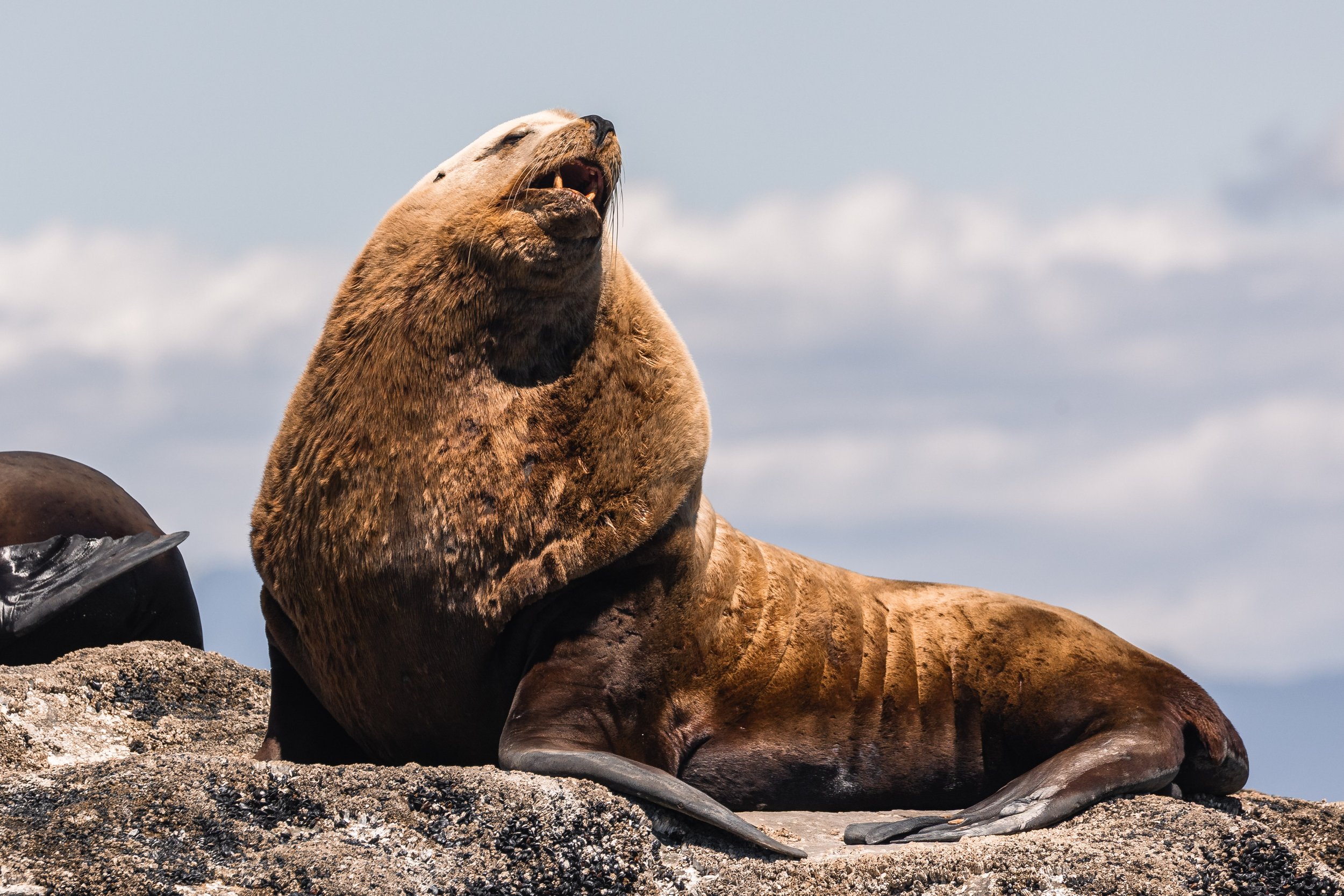
He knows he’s majestic. Photo by Hayleigh Hilbert.
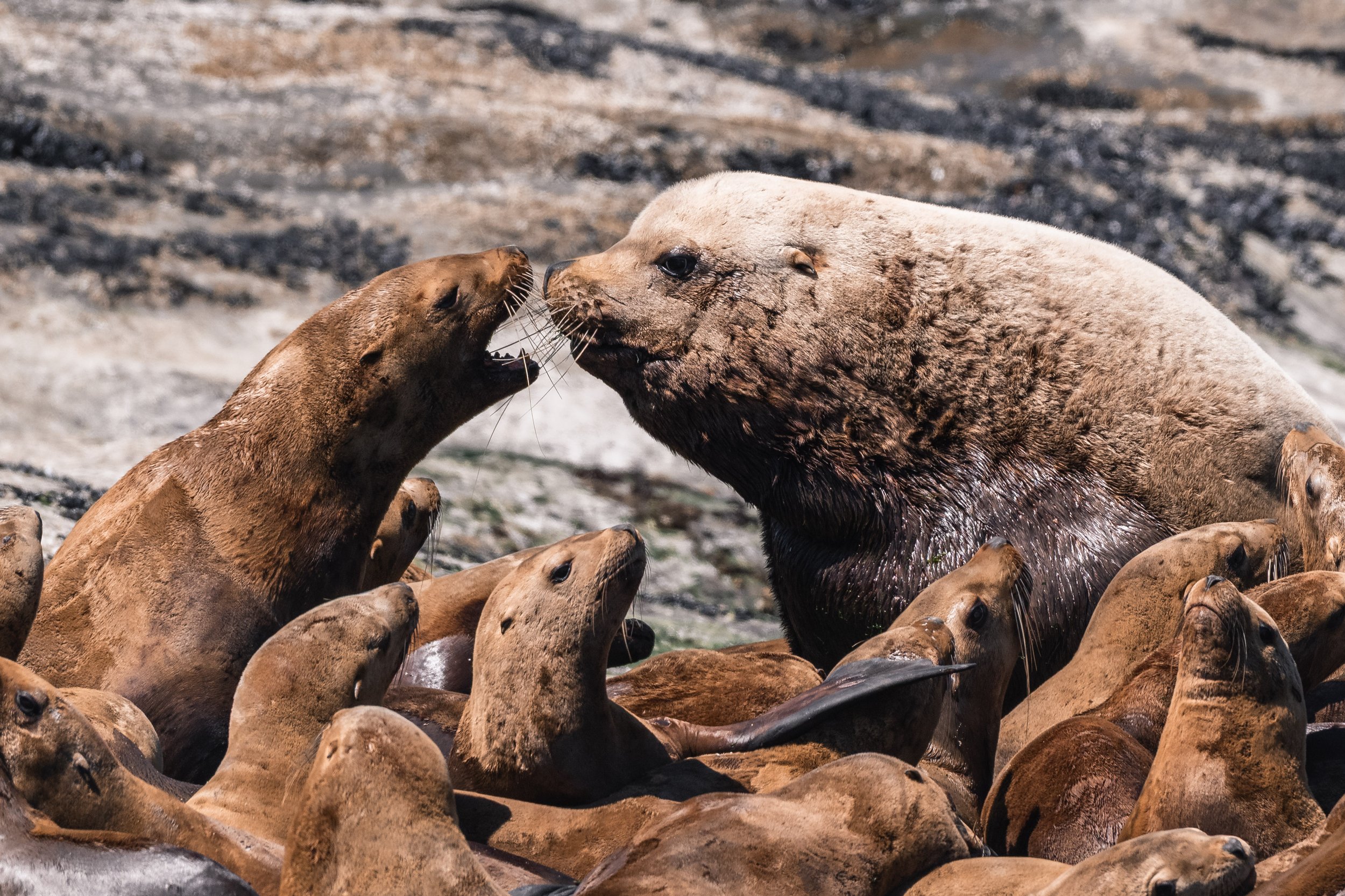
Someone has a lot of confidence. Photo by Aly Kholman.
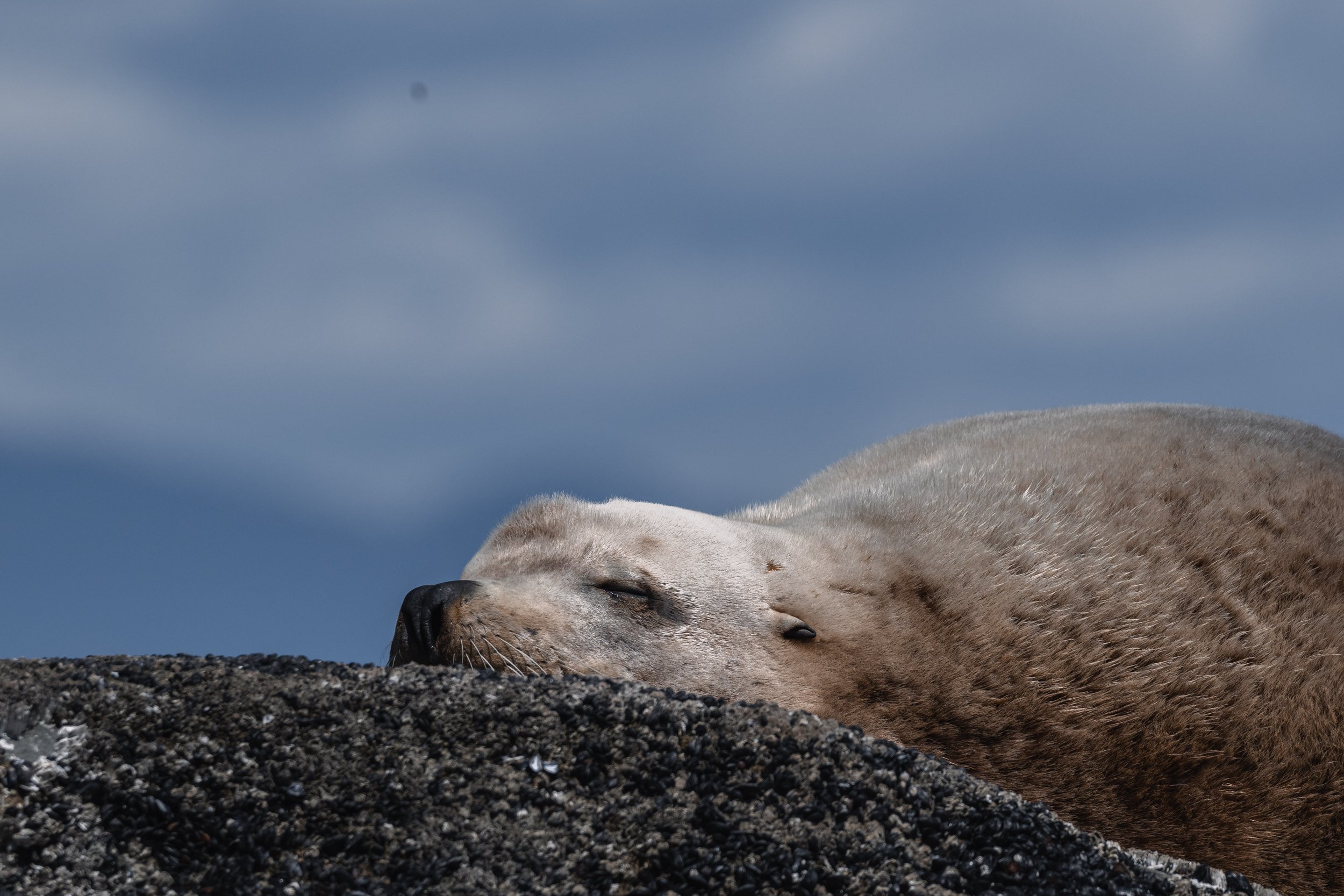
A fuzzy male Steller fast asleep. Photo by Aly Kholman.
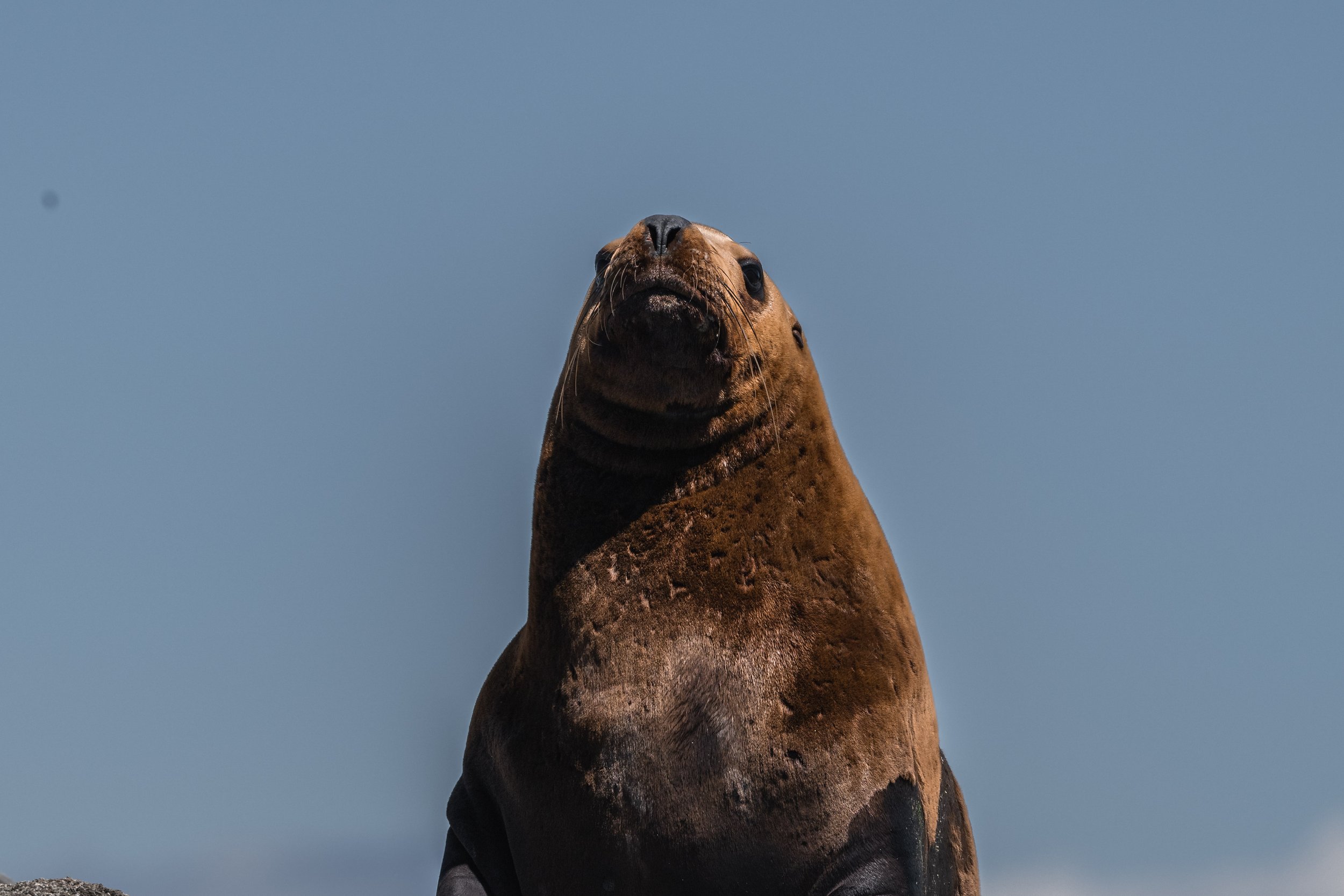
A Steller watching us back. Photo by Aly Kholman.
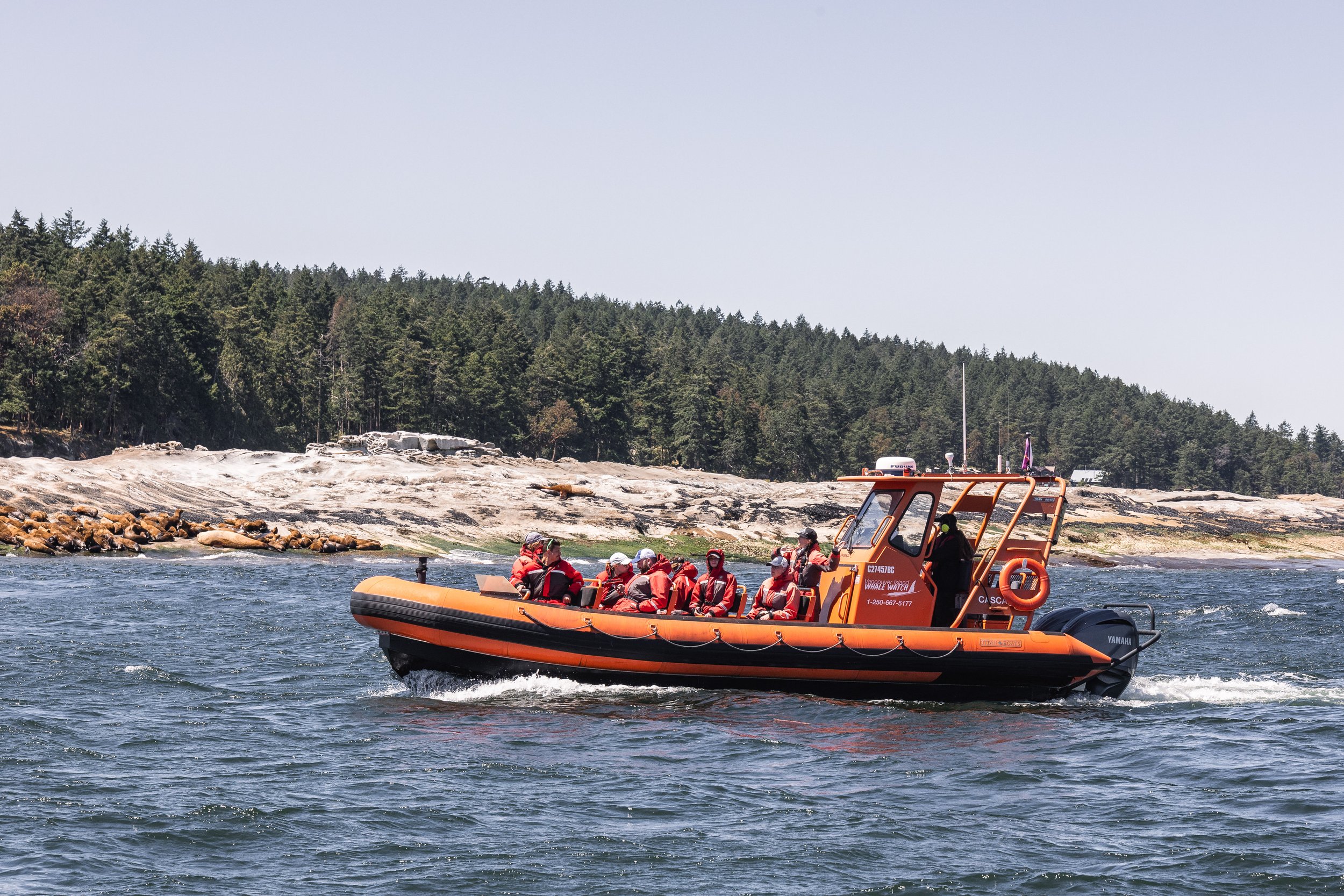
Cascadia with the sea lions. Photo by Jordan Robinson.
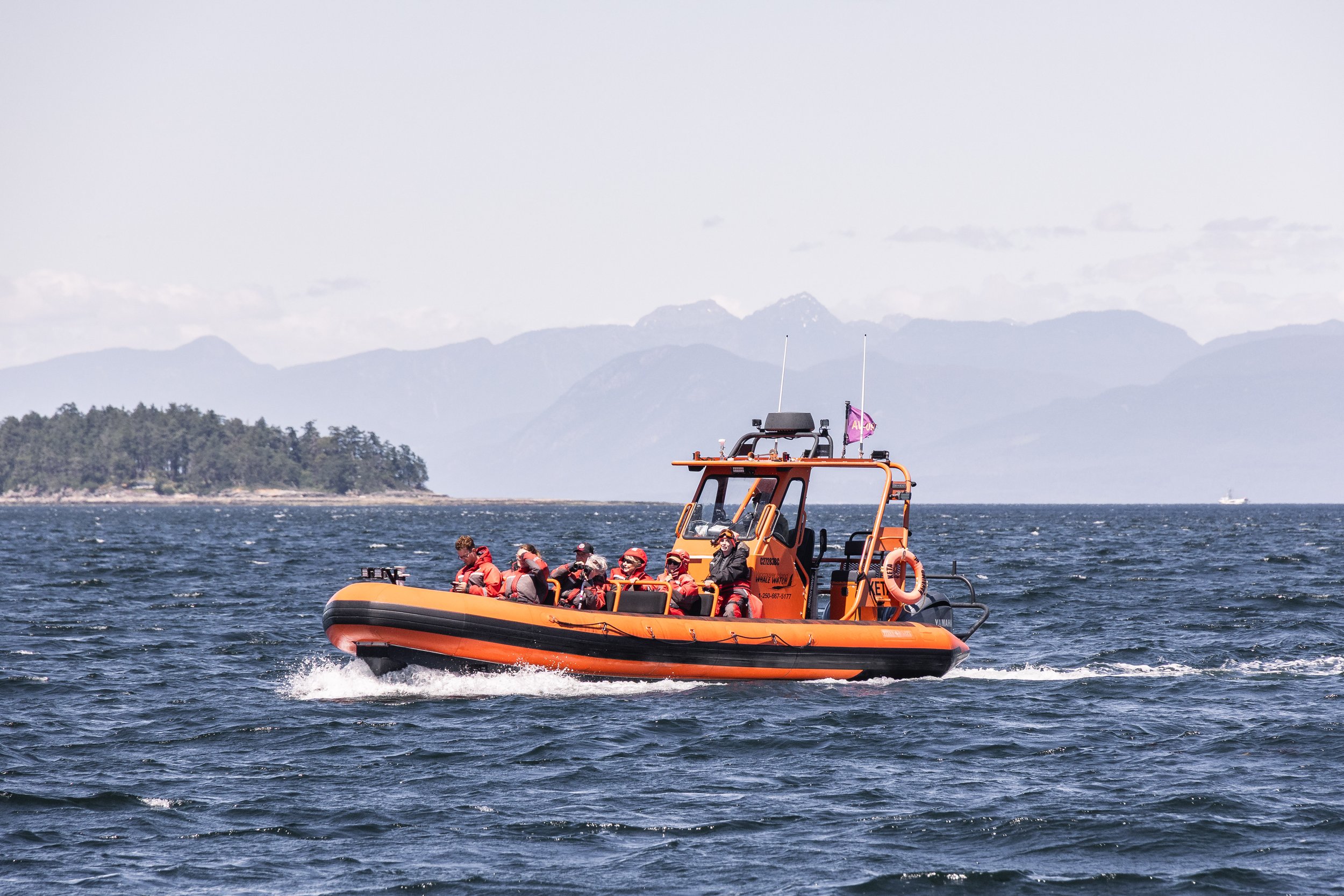
Keta crusing past. Photo by Jordan Robinson.
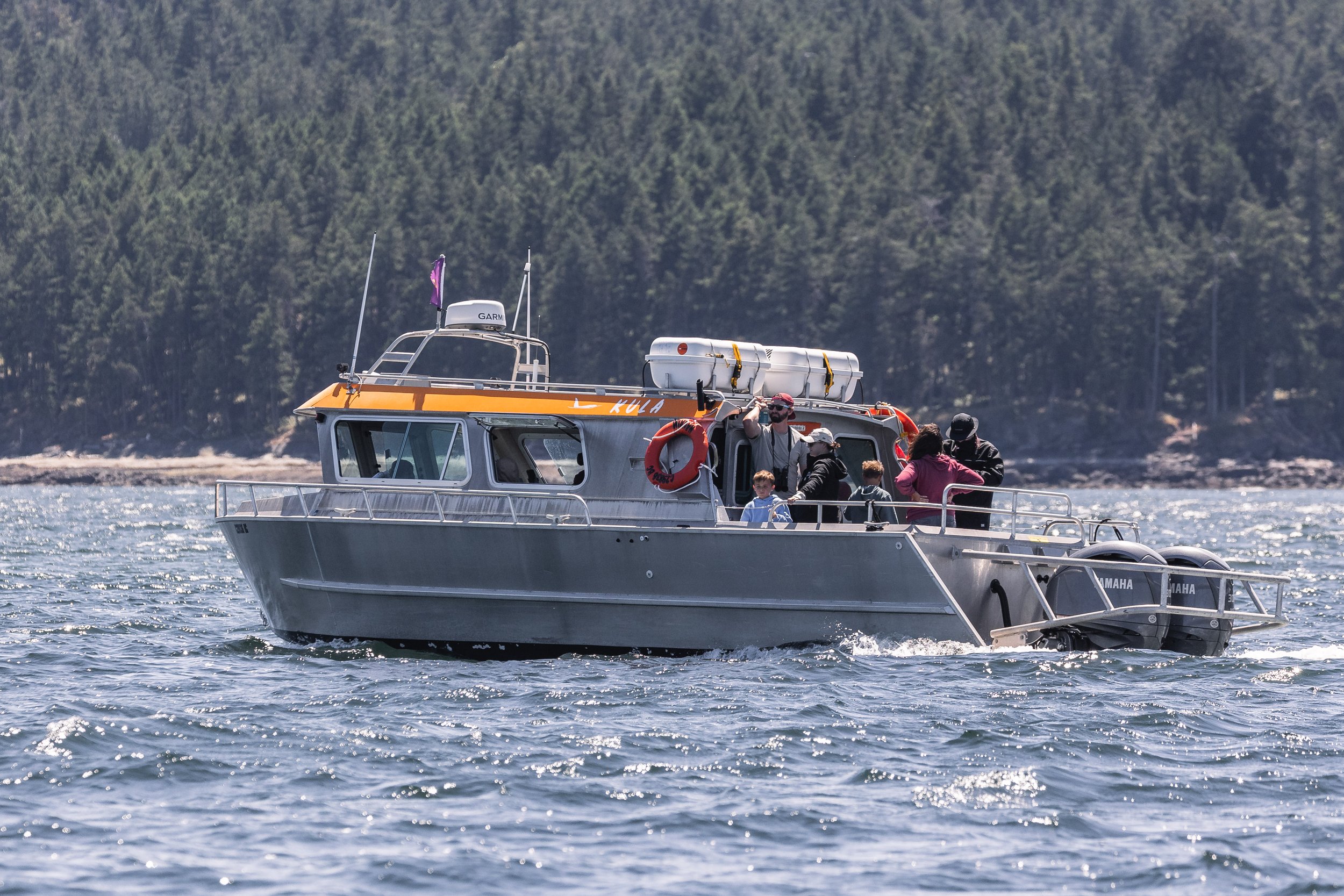
Kula passing by. Photo by Hayleigh Hilbert.
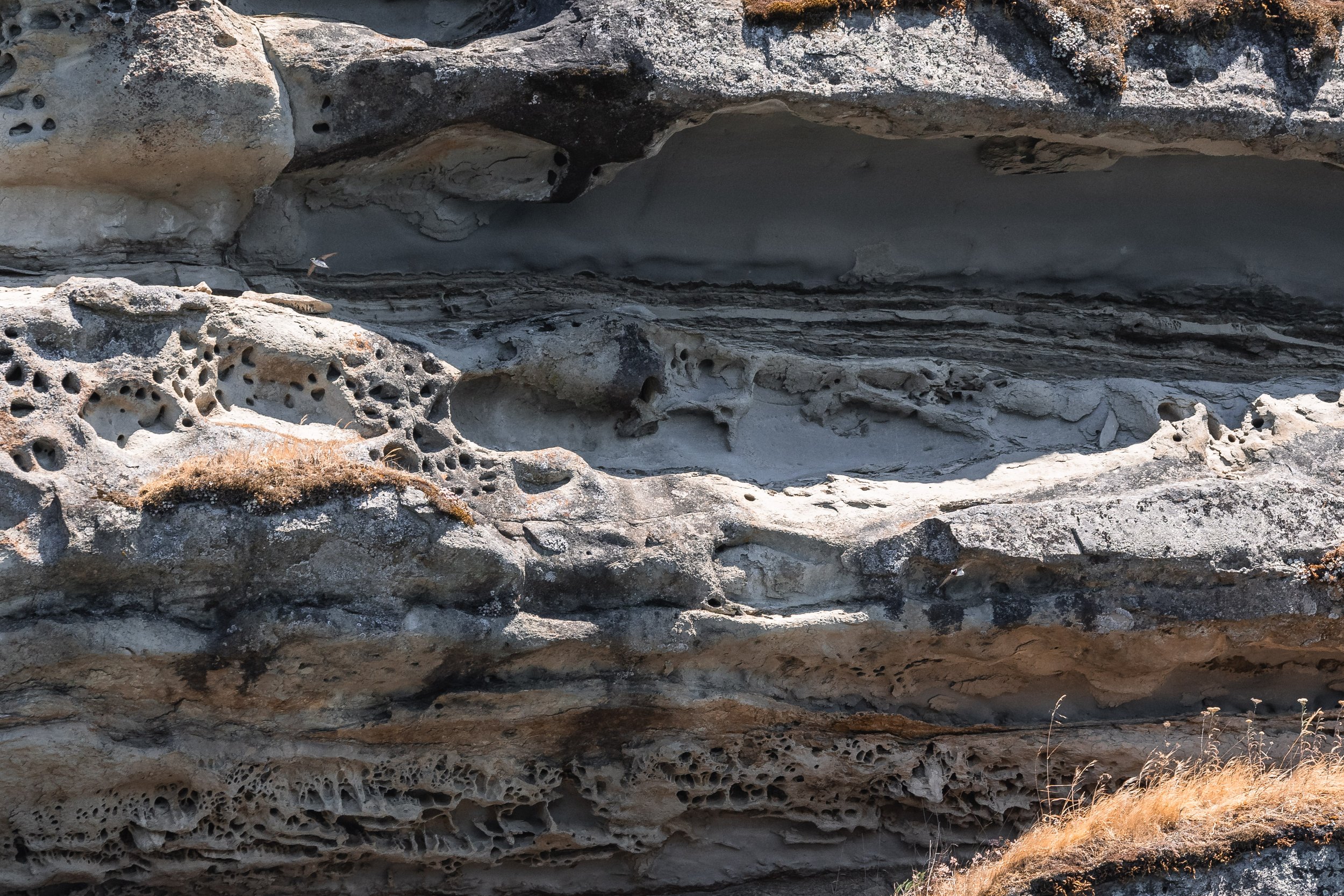
Can you spot both cliff swallows? Photo by Hayleigh Hilbert.
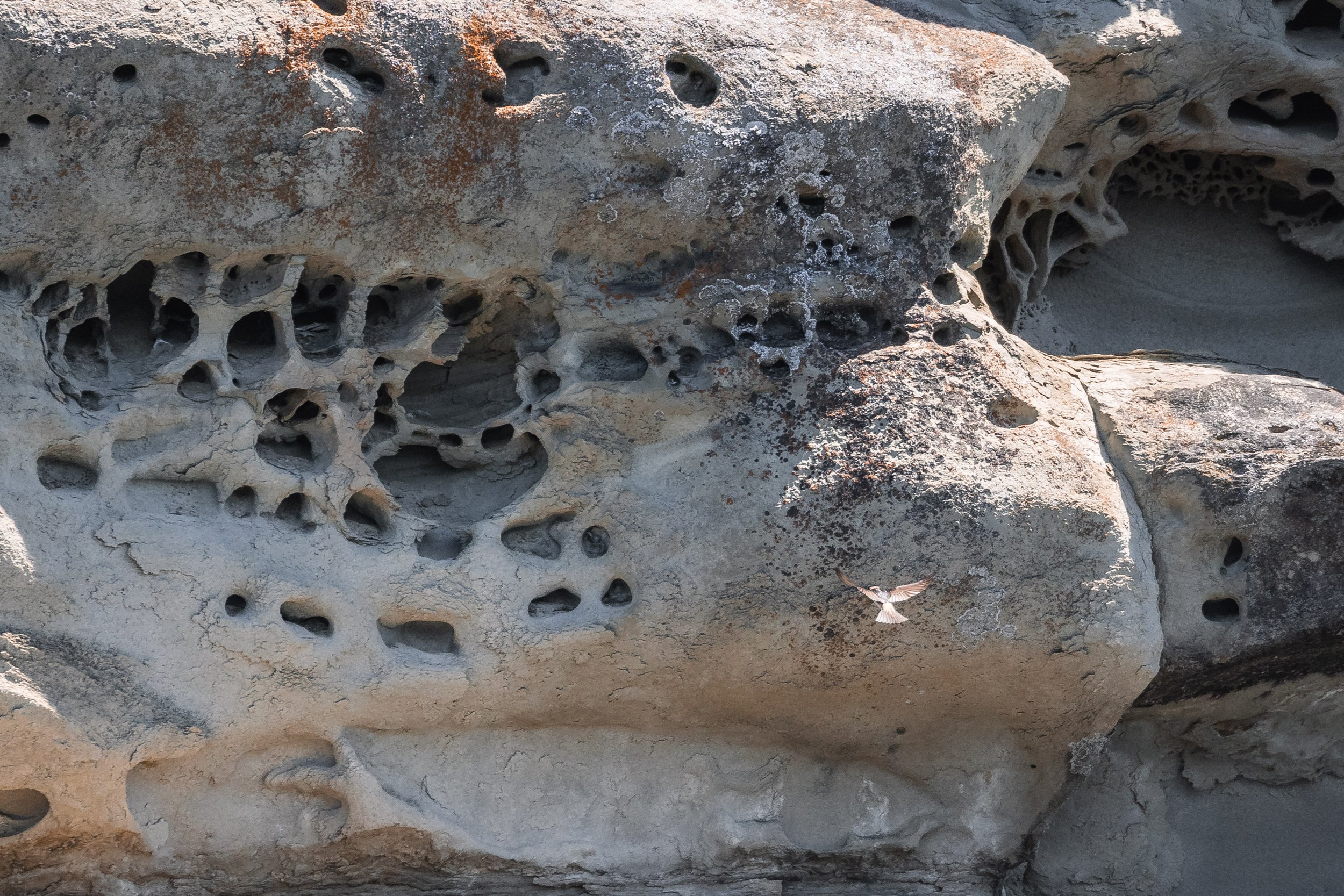
A cliff swallow hovers close to the rocks. Photo by Hayleigh Hilbert.
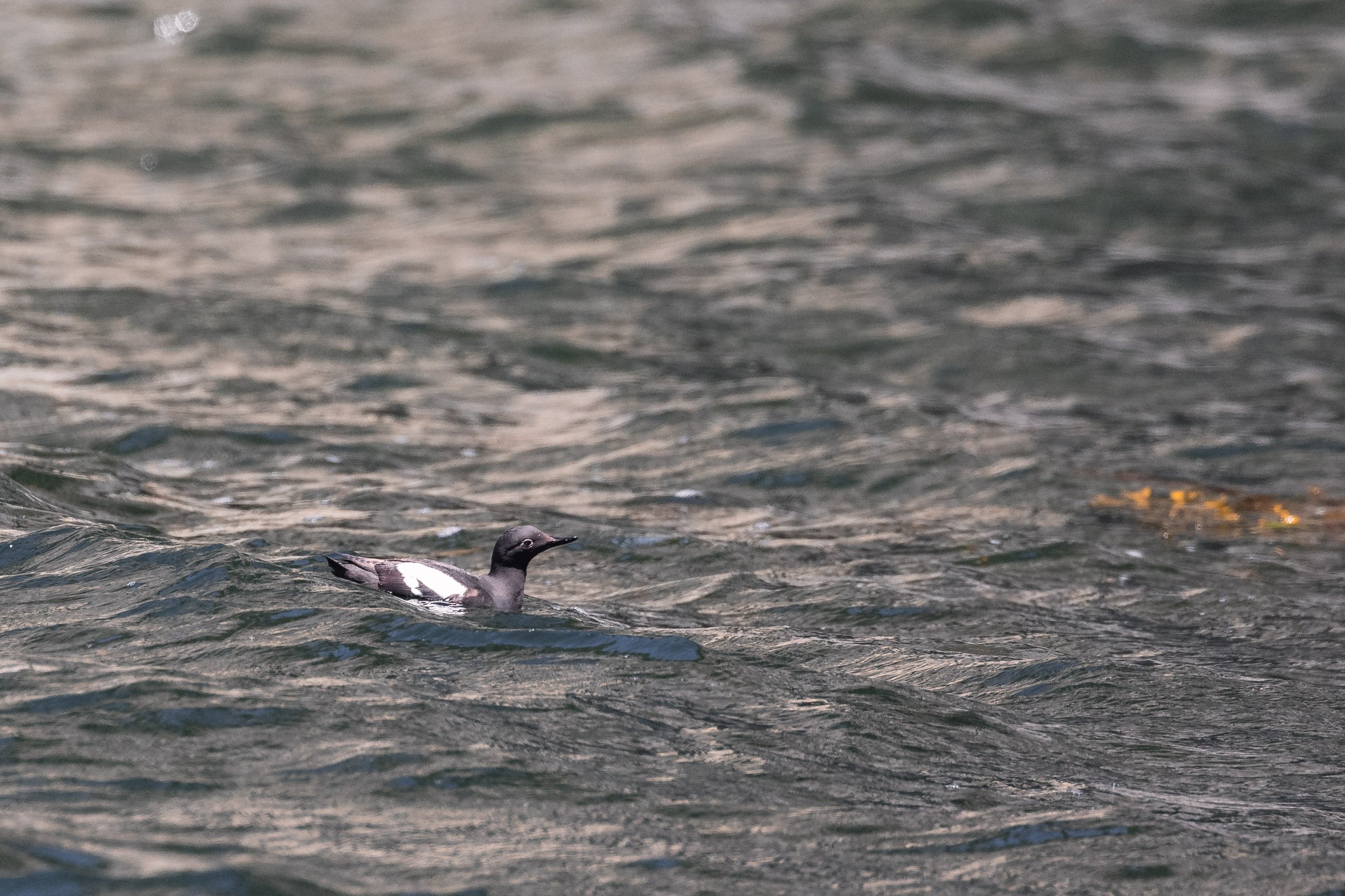
A pigeon guillimot floating by. Photo by Hayleigh Hilbert.
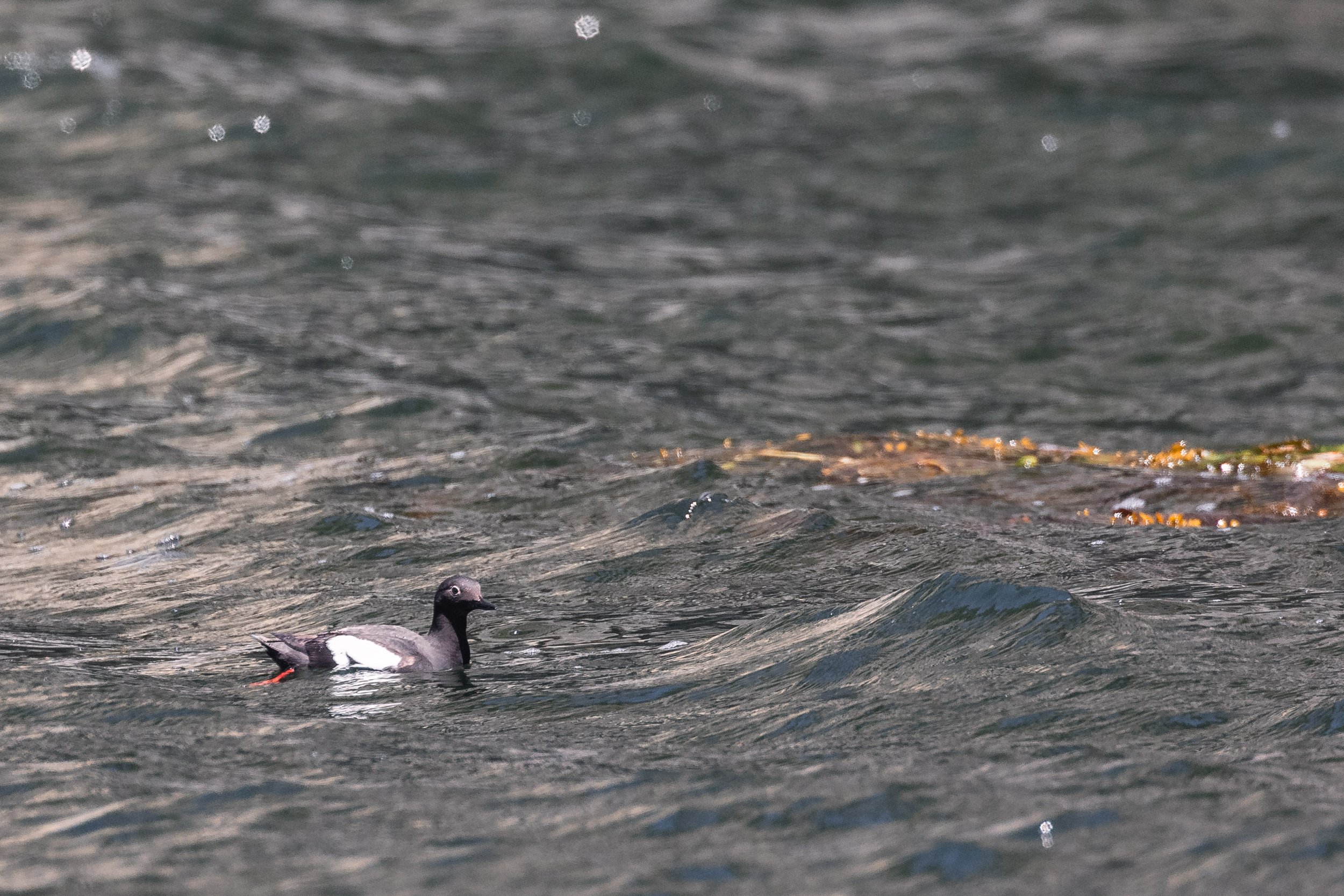
Can you see how red their leg is? Photo by Hayleigh Hilbert.
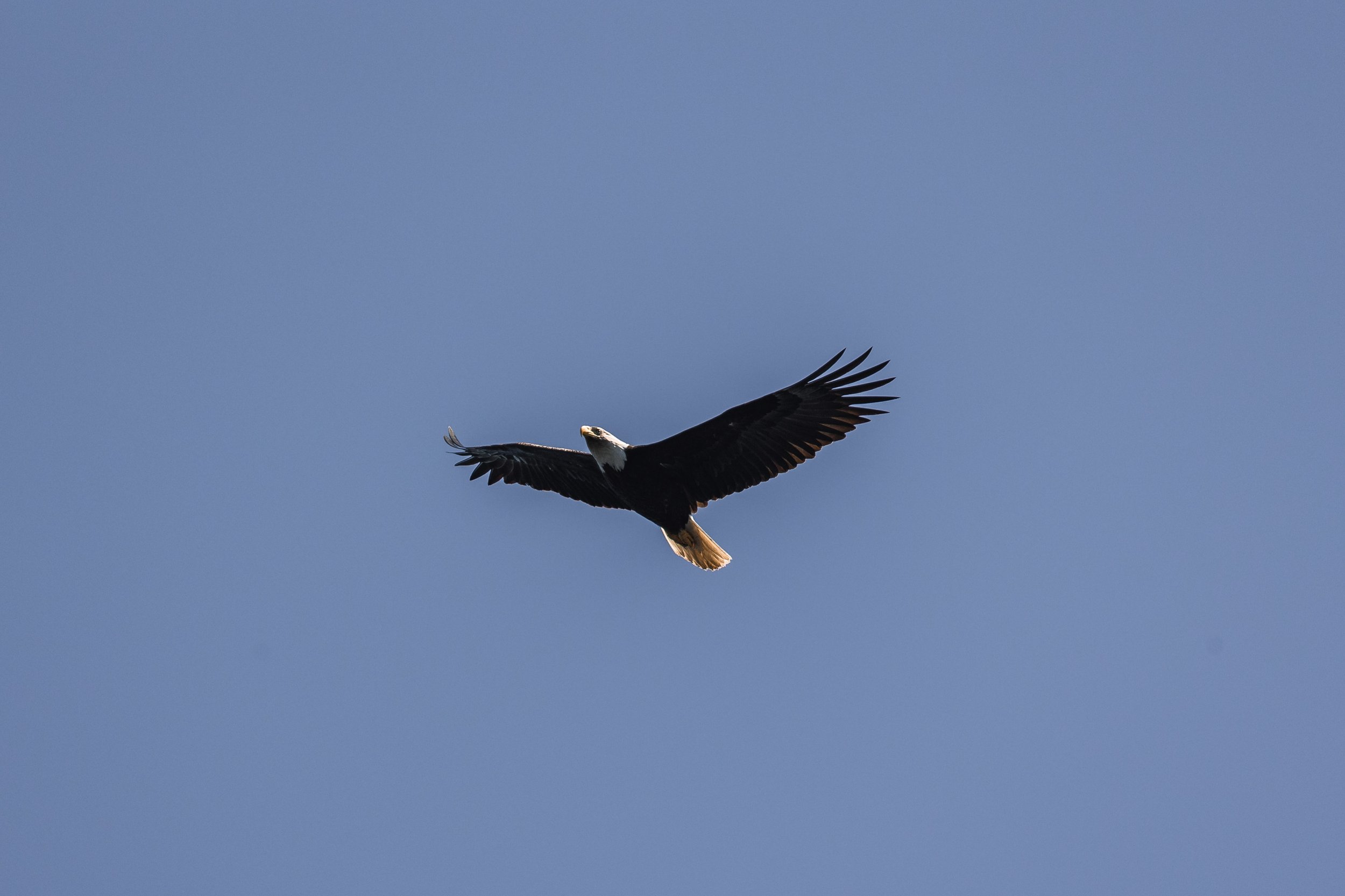
A bald eagle soars overhead. Photo by Hayleigh Hilbert.
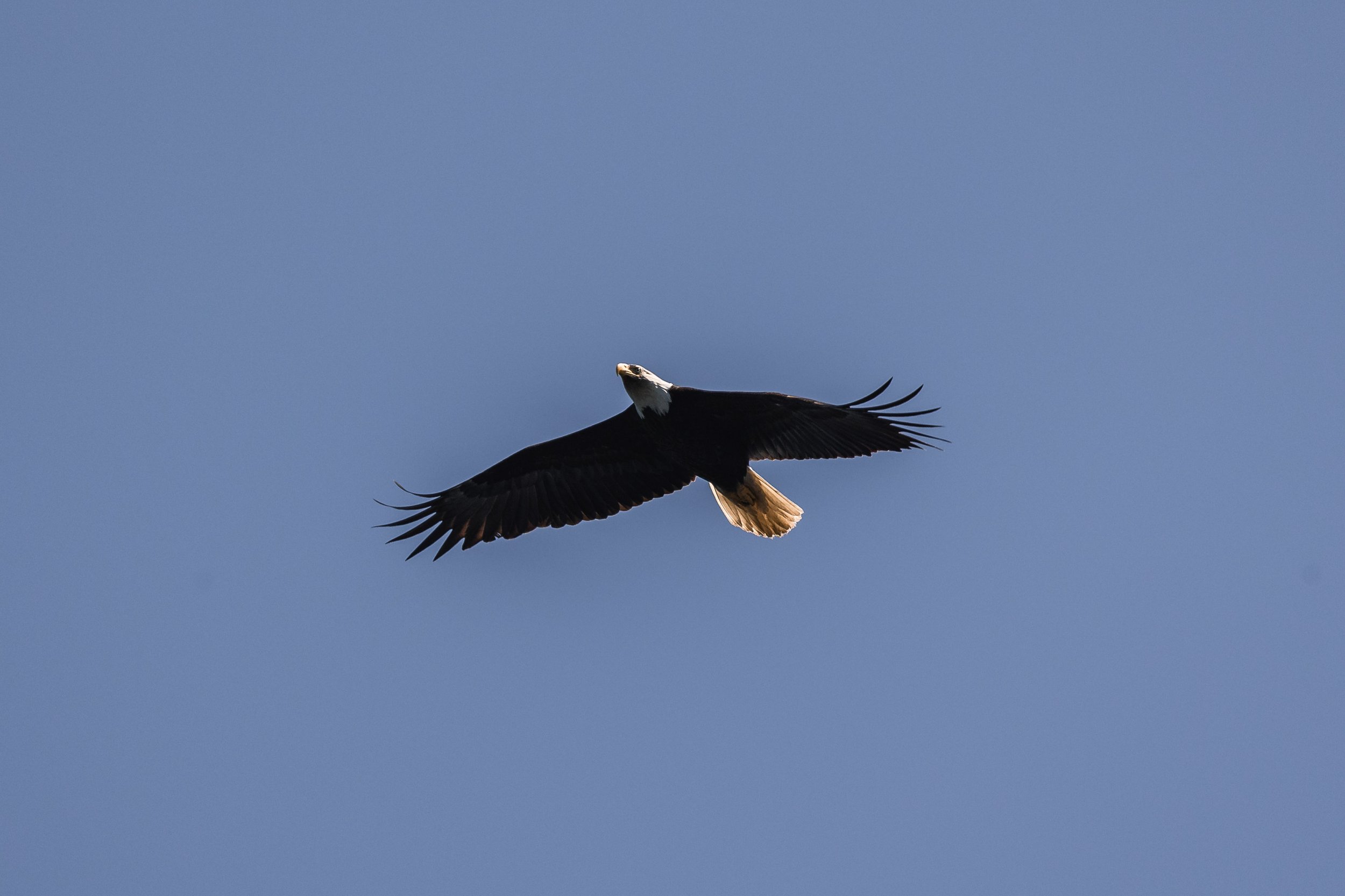
The bald eagle’s wingspan is around 7 feet. Photo by Hayleigh Hilbert.
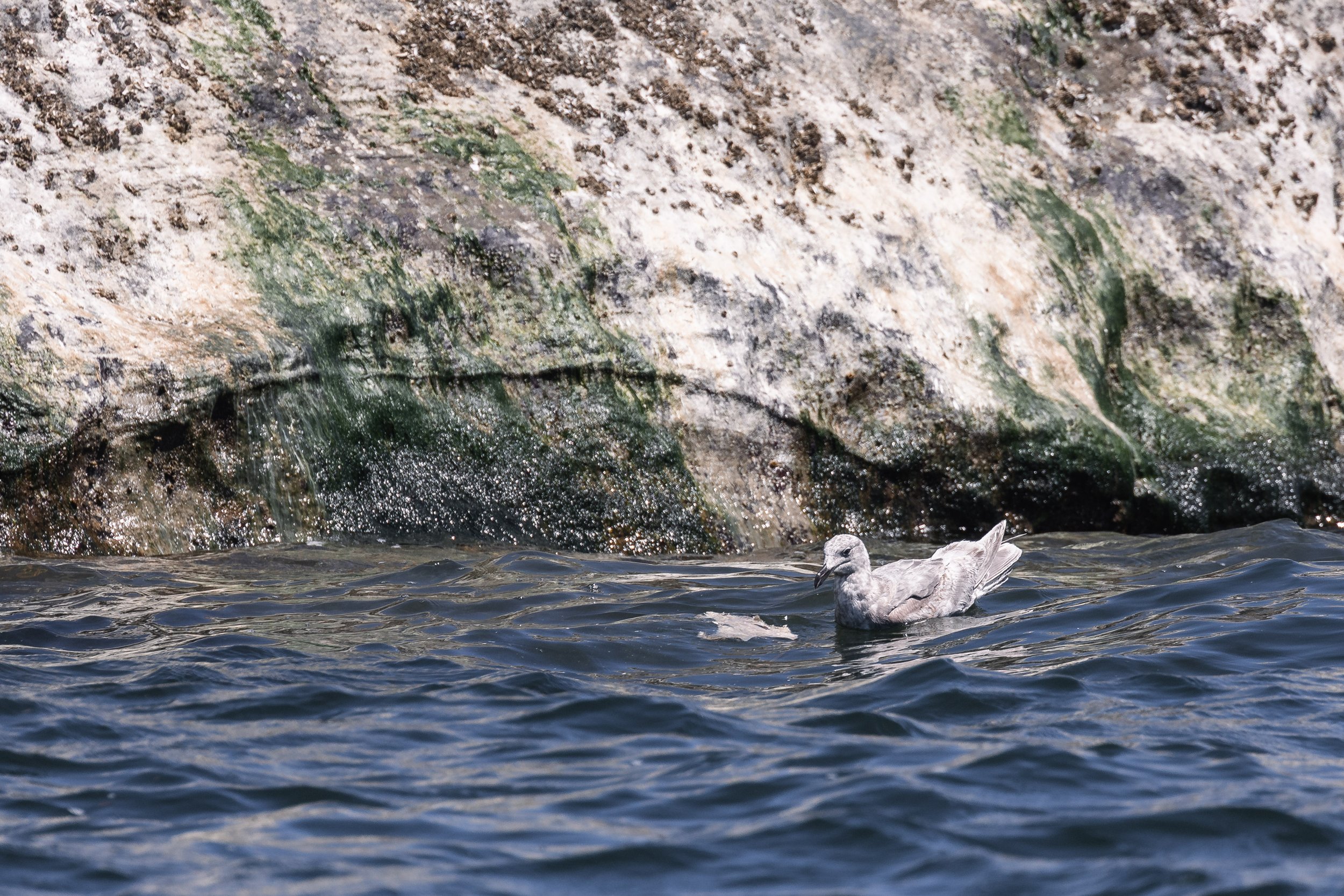
A gull with a snack. Photo by Hayleigh Hilbert.
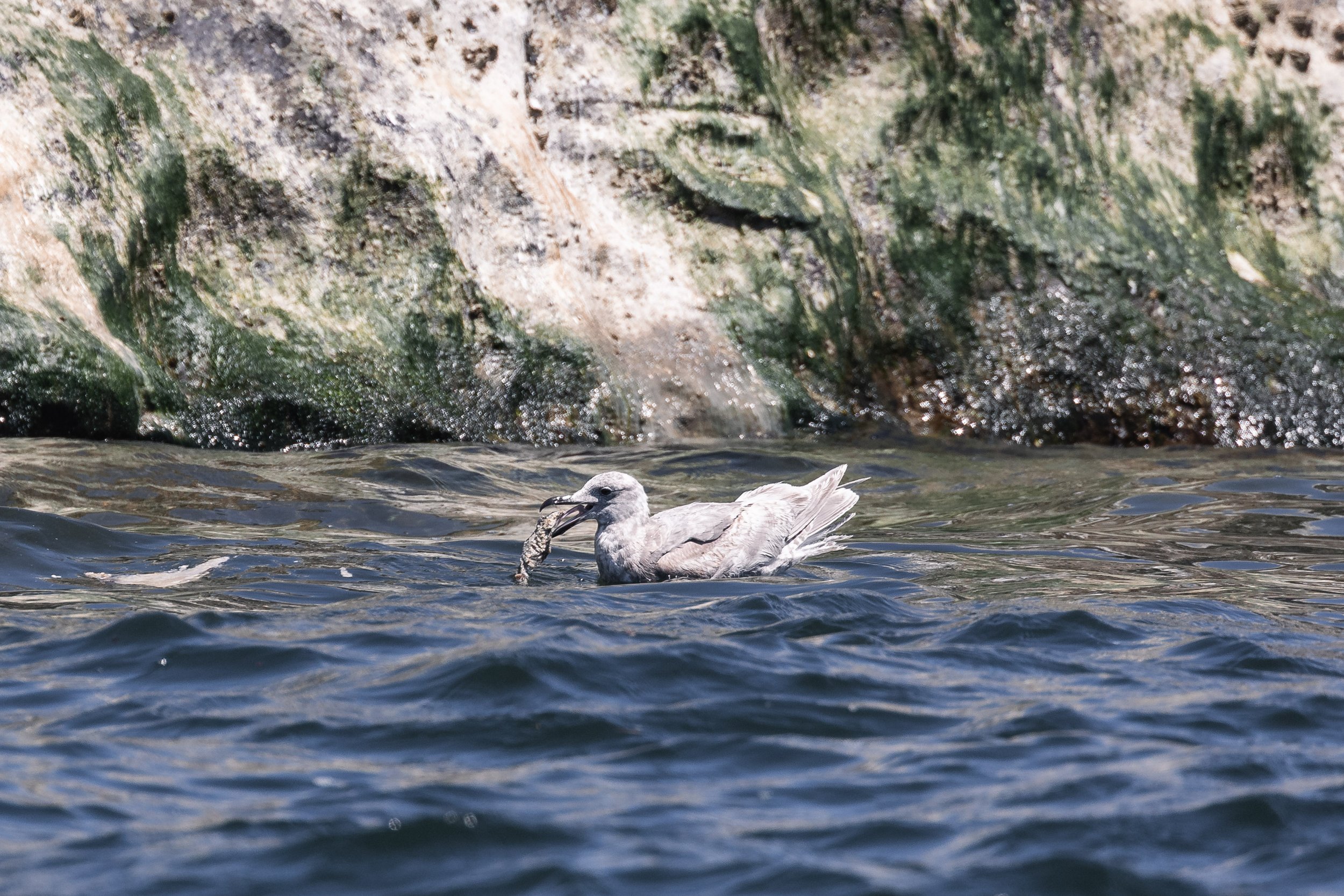
Looks delicious! Photo by Hayleigh Hilbert.
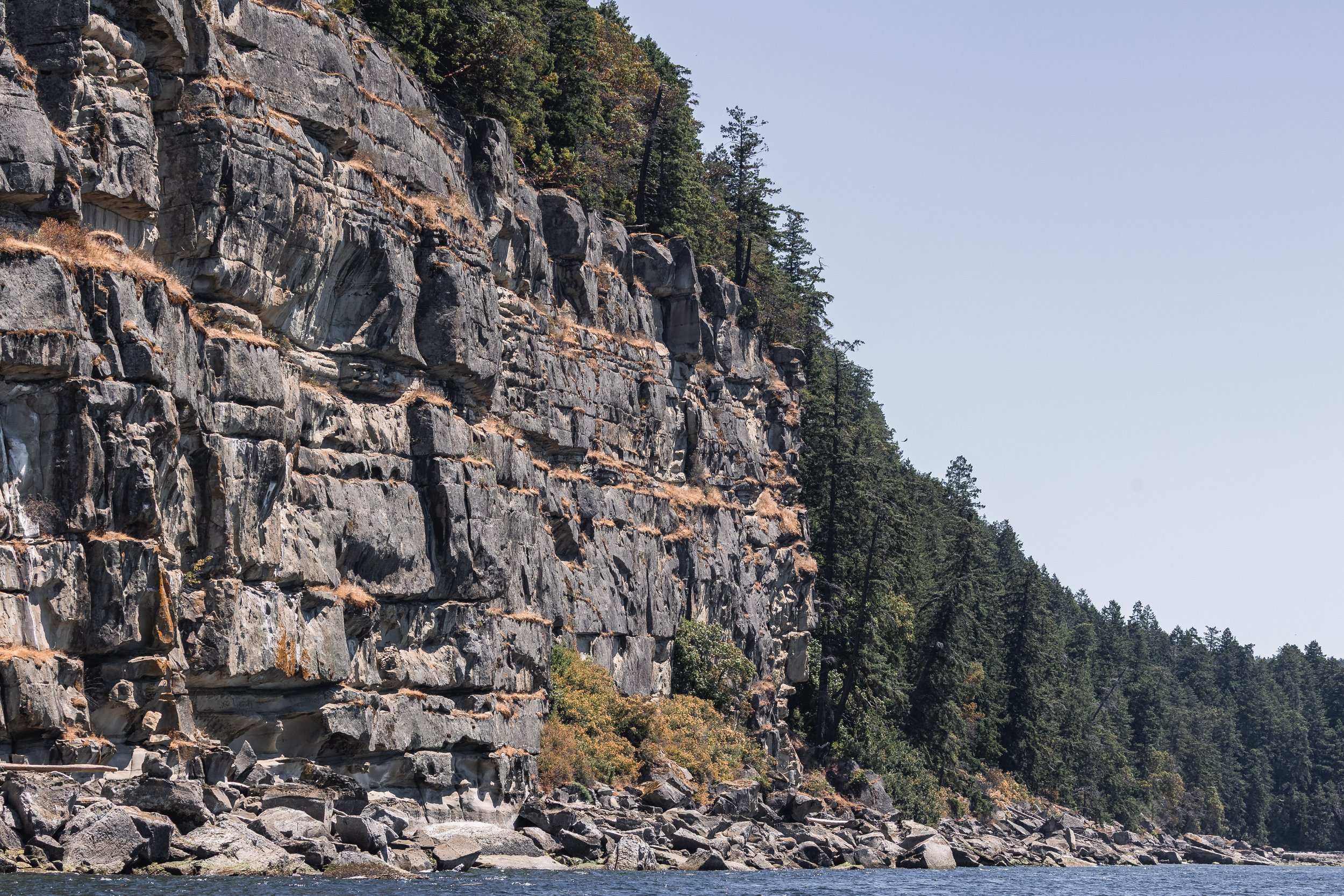
The Valdes Bluffs. Photo by Hayleigh Hilbert.