
June 14, 2026, 10:30 AM - Brawling it up: Humpbacks versus Orca
Clear skies and calm seas awaited guests and crew on this fine morning. Vessels Kula and Cascadia set off from the dock, heading into the Salish Sea in search of adventure! Our tour started off with our boat going in different directions to maximize our search. The zodiac-style vessel Cascadia made its way south through Dodd Narrows and into the calm waters of the southern Gulf Islands. Meanwhile, the semi-covered vessel Kula made its way out into the Strait of Georgia, braving the open water. Passengers and crew scanned the horizon, searching for any tall whale blows, big dorsal fins, or tail flukes.
After some time searching, our captains, Ally and Rodrigo, received reports of something exciting! Near the north end of Gabriola Island, there was heavy whale activity, spanning two cetacean species! The report detailed transient orcas and humpback whales interacting, an uncommon phenomenon that is only spotted a couple of times a year! In the area, over 10 orcas were reported, and at least one humpback whale was involved in the interaction. Passengers and crew aboard Kula were first on the scene. As Captain Rodrigo slowly approached the area, large humpback blows were spotted in the distance, along with several smaller orca blows. Once Kula was in position, adhering to the minimum avoidance distance of 200 meters for transient orcas, marine naturalist Jordan snapped photos of the orcas' dorsal fins and the humpback whale's fluke. The humpback was identified as Incognito (BCX2053), using the underside of the tail and the small dorsal fin. Amongst the orcas, one stood out the most. One large, mature male dorsal fin with one small notch at the top. Marine naturalist Jordan, aboard Kula, identified the orca to be none other than Stanley (T123A)! This mature male rarely leaves his mother's side, which means the entire T123 pod was present.
T123 Sidney ♀ (~1985)
T123A Stanley ♂ (2000)
T123C Lucky ♀ (2012)
T123D Darcy ♀ (2018)
Although the T123s were identified, numerous small fins were still darting around, more than just the three females from the T123s. Upon analyzing the smaller dorsal fins and saddle patches, it appeared as though another smaller matriline was present. It was Sabio (T124A4) travelling with her child and her niece! Sabine (T124A1A), daughter of Bonapartes (T124A1), has been travelling with her aunt Sabio rather than her actual mother (just to make things confusing). Mixed in the bunch, Tread (T046B1), Akia (T086A4), Kittiwake (T124A), and Litton (T124A2B) were all identified. Each of these orcas travels with their respective pods, being the T046B1s, T086As, T124As, and T124A2s; bringing the total confirmed orca tally to 20 individual orcas!
T046B1 Tread ♀ (2003)
T046B1A Tsakani ♀ (2015)
T046B1C Tide ♂ (2022)
T046B1D Tashi (2025)
T086A Eider ♀ (1988)
T086A4 Akia ♀ (2016)
T086A5 Siku ♂ (2024)
T124A Kittiwake ♀ (1984)
T124A6 Kasuun ♂ (2016)
T124A7 Kite ♀ (2021)
T124A2 Elkugu ♀ (2001)
T124A2A Agafia ♂ (2013)
T124A2B Litton ♀(2016)
T124A4 Sabio ♀ (2010)
T124A4A Strix ♀ (2021)
T124A1A Sabine (2024)
Witnessing an interspecies interaction between marine mammal-eating orcas and humpback whales is always an unforgettable sight. Transient orcas are known to attack juvenile humpback whales, a behaviour believed to underlie the long-observed rivalry between the two species. It is theorized that humpbacks remember these encounters into adulthood, often responding by standing their ground or even actively pursuing transient orcas when they encounter them.
Unlike younger humpbacks, a full-grown adult has little difficulty defending itself thanks to its immense size, strength, and agility in the water. Among baleen whales, different species have evolved different body plans, thus different responses to transient orcas. Humpback whales possess a robust, powerful build that prioritizes durability and maneuverability over speed. Smaller species, such as minke whales, are far more streamlined and rely on their speed to escape predators. As a result, humpbacks are well adapted to an "attack" approach when confronted by orcas, whereas minke whales are generally better suited to a strategy of fleeing and outrunning a potential attacker.
Typically, it’s the humpback whales that chase the transient orcas around, and this was the case on this day! Incognito was seen chasing around some of the small social groups of orcas, hot on their tails. During our time with the group of cetacans, more humpback whales had joined! Incognito was joined by two other humpbacks as the brawl continued on as the vessel Cascadia arrived on scene. These new arrivals were identified as BCX2504 and KEX0087 (currently does not have a Happywhale profile). After some time had passed, it was time to slowly depart the scene and leave the whales alone to their bickering. Captains Ally and Rodrigo slowly maneuvered away until it was safe to travel at speed again, and the search continued!
Along the outer coastline of Valdes Island, some large fuzzy silhouettes had been spotted hauling out on some rocks. Upon getting a closer look, it was some Steller sea lions! These sea lions were hauled out on a rocky outcrop dubbed “Stinky Rock” because of the smell they create. Those unfortunate enough to be downwind of the Sea lions that hang out there get to find out why the rock has this nickname. Since so many animals are eating, sleeping, feeding, and defecating together on one small rock, the smell is as bad as you can imagine!
The Steller Sea Lions that haul out on these rocks are the largest sea lion species in the world. With this species, females grow to be one-third the size of mature males, with males reaching 11 feet long and weighing upwards of 2500 pounds, whereas females max out at around 800 pounds and reach 8 feet long. The large stature of males is a crucial advantage during the breeding season, which begins mid-May and runs through mid-July. During this time, dominant males claim and defend harems of females on rocky haul-outs. Incredibly, these males will fast and remain on land, without entering the water to feed, for the entire two-month period. When they get the chance to feed, they’re feeding on schooling fish, squid and octopus.
Additionally, on a smaller nearby rock were some skittish Harbour Seals! These seals only weigh up to 280 pounds and grow to be 6 feet long. These cute little pinnipeds are considered true seals because they belong to a different evolutionary lineage compared to sea lions. One of the key differences lies in their anatomy: true seals lack external ear flaps (pinnae) and have smaller front flippers. Additionally, their pelvic bones are fused, which limits their ability to move on land, but it gives them a decisive advantage in the water. This adaptation enhances thrust and agility, crucial when evading killer whales.
From here, guests and crew continued on their search in opposite directions. Vessel Kula made their way through the Southern Gulf Islands and back through Dodd Narrows while vessel Cascadia searched out in the Strait of Georgia. Before heading back into the Nanaimo Harbour, our vessels stopped at the bluffs of Gabriola Island. The rocky cliffs provide a great spot for nesting birds, such as Pelagic Cormorants, Double-Crested Cormorants, Gulls, Cliff Swallows, and Pigeon Guillemots! Additionally, bald eagles frequent the bluffs to pick off young cormorants for an easy snack.
Shortly after, we found ourselves back in the Nanaimo Harbour after an amazing tour! Please enjoy all of the photos below, captured throughout the tour by Marine Naturalists Vanessa Vereschahen and Jordan Robinson.
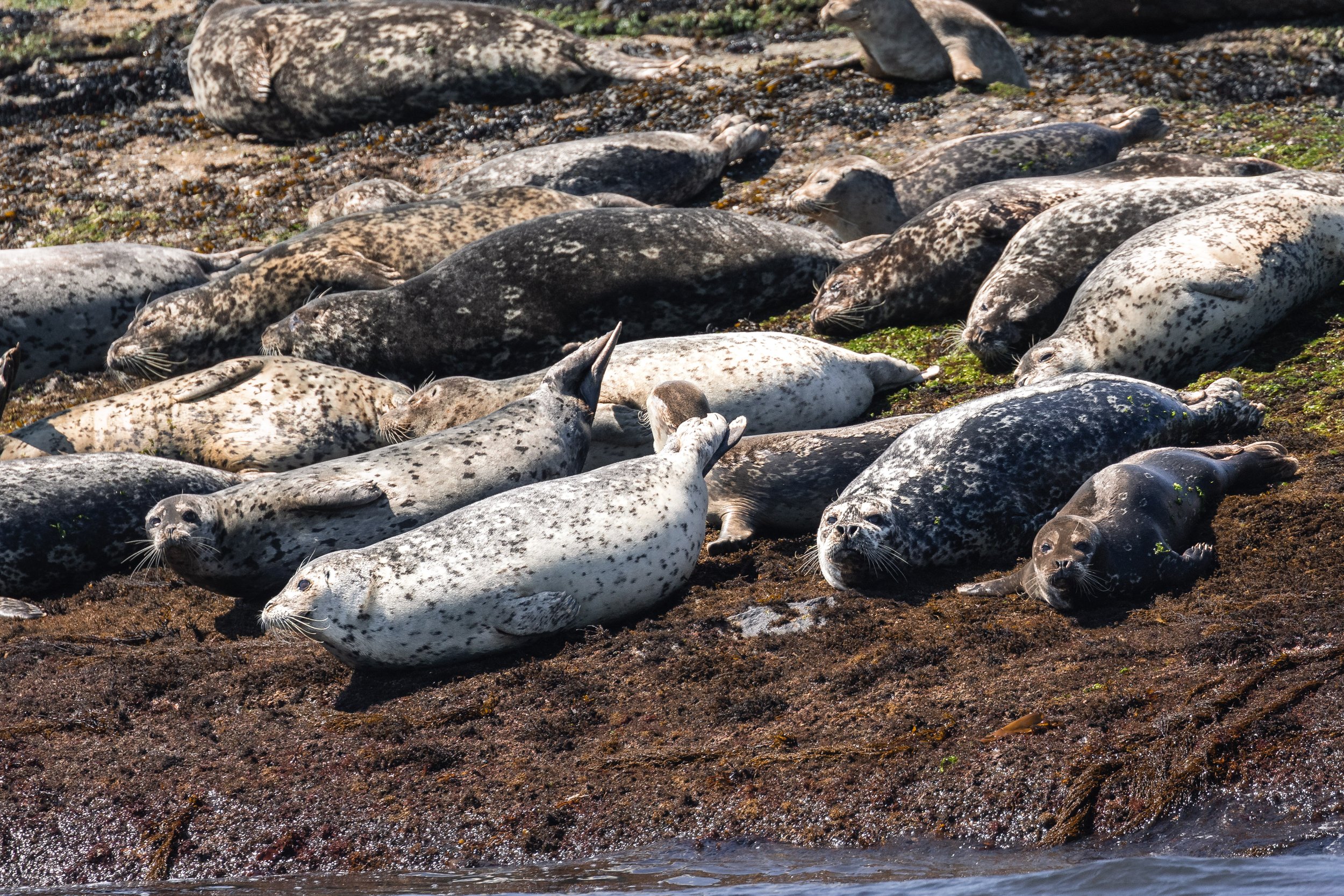
Chunky Harbour Seals hauled out on the rocks. Photo by Vanessa Vereschahen.
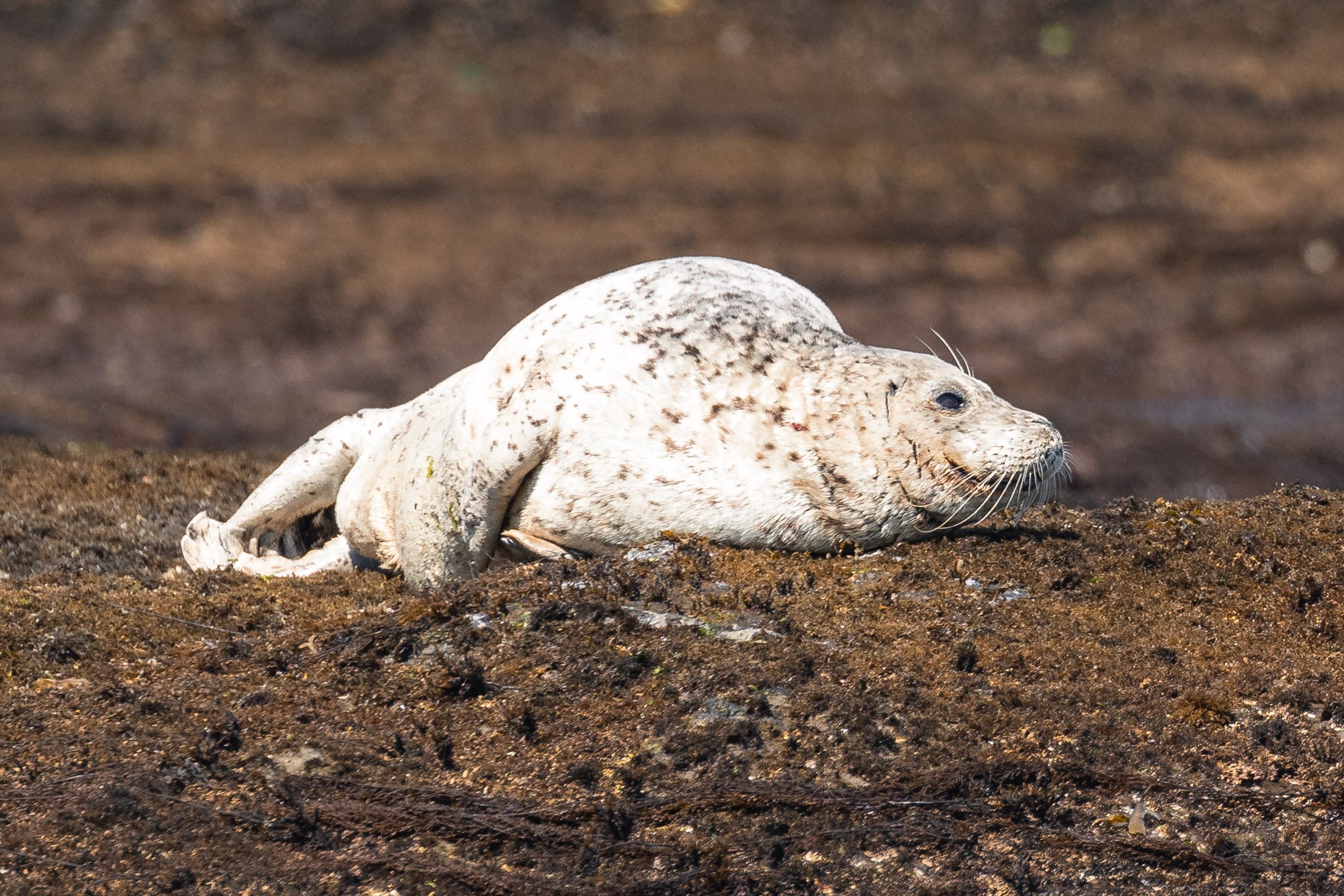
A fluffy Harbour Seal sitting solo. Photo by Vanessa Vereschahen.
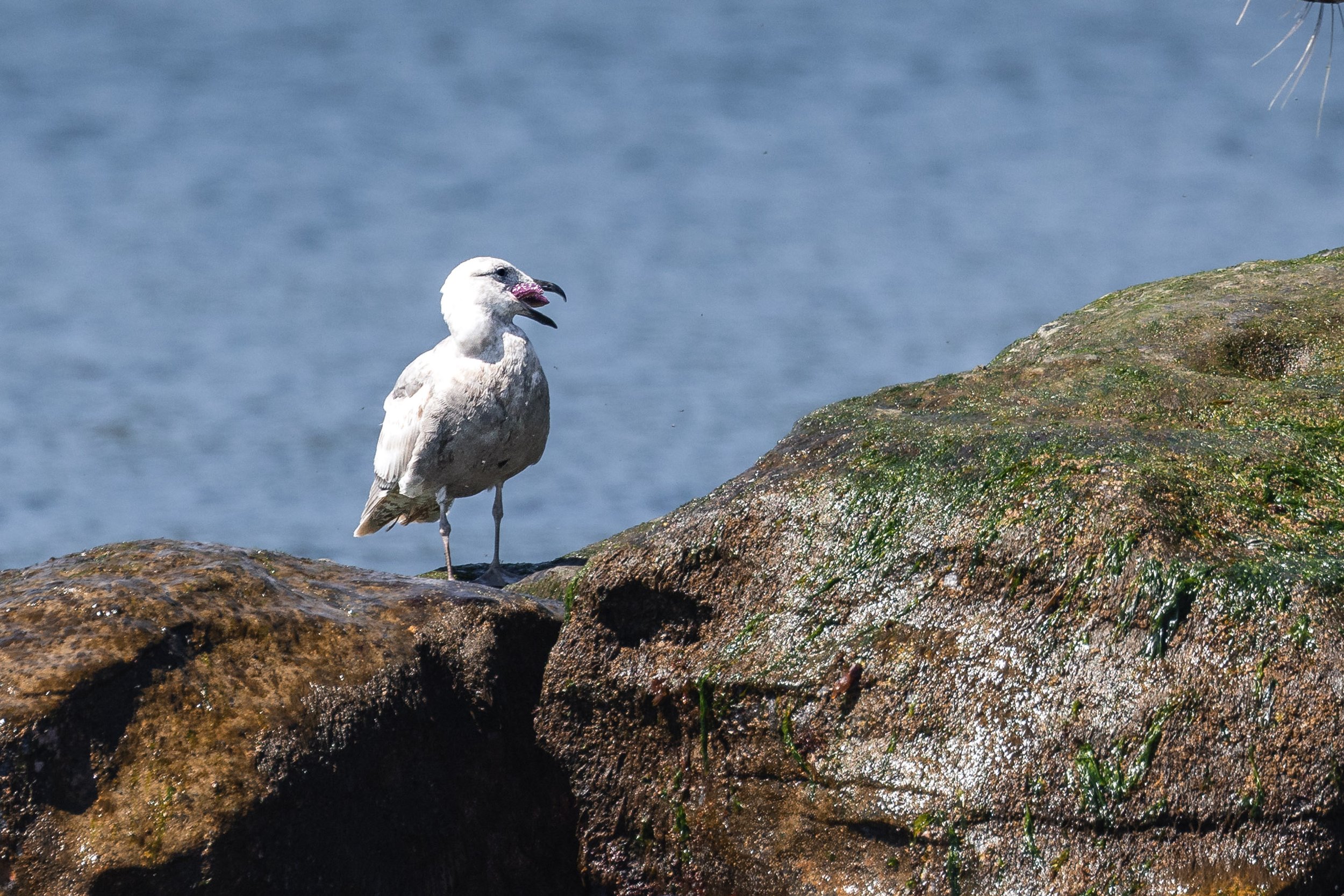
What a big lunch for a little gull! Photo by Vanessa Vereschahen.
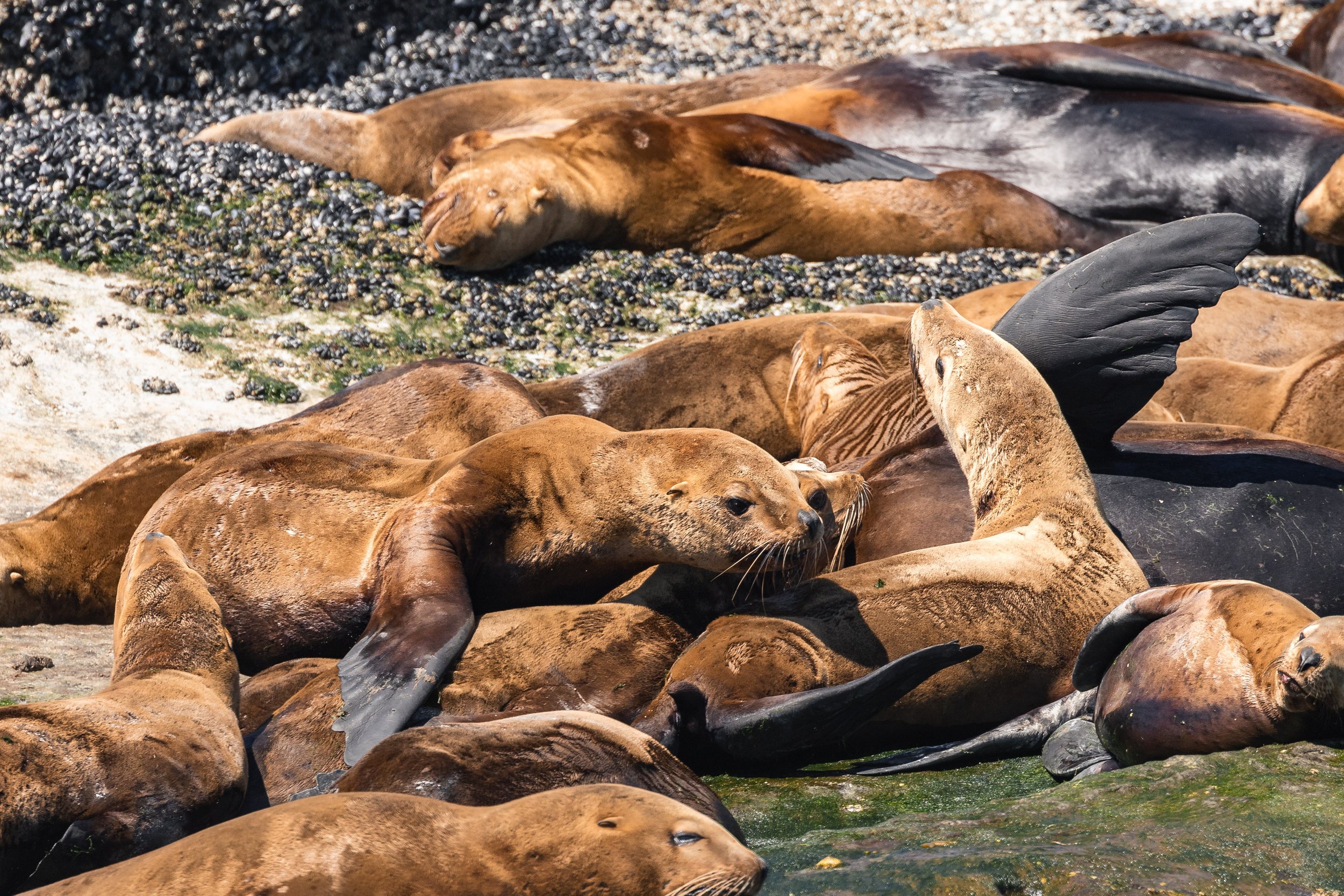
Steller Sea Lions crawling over eachother. Photo by Vanessa Vereschahen.
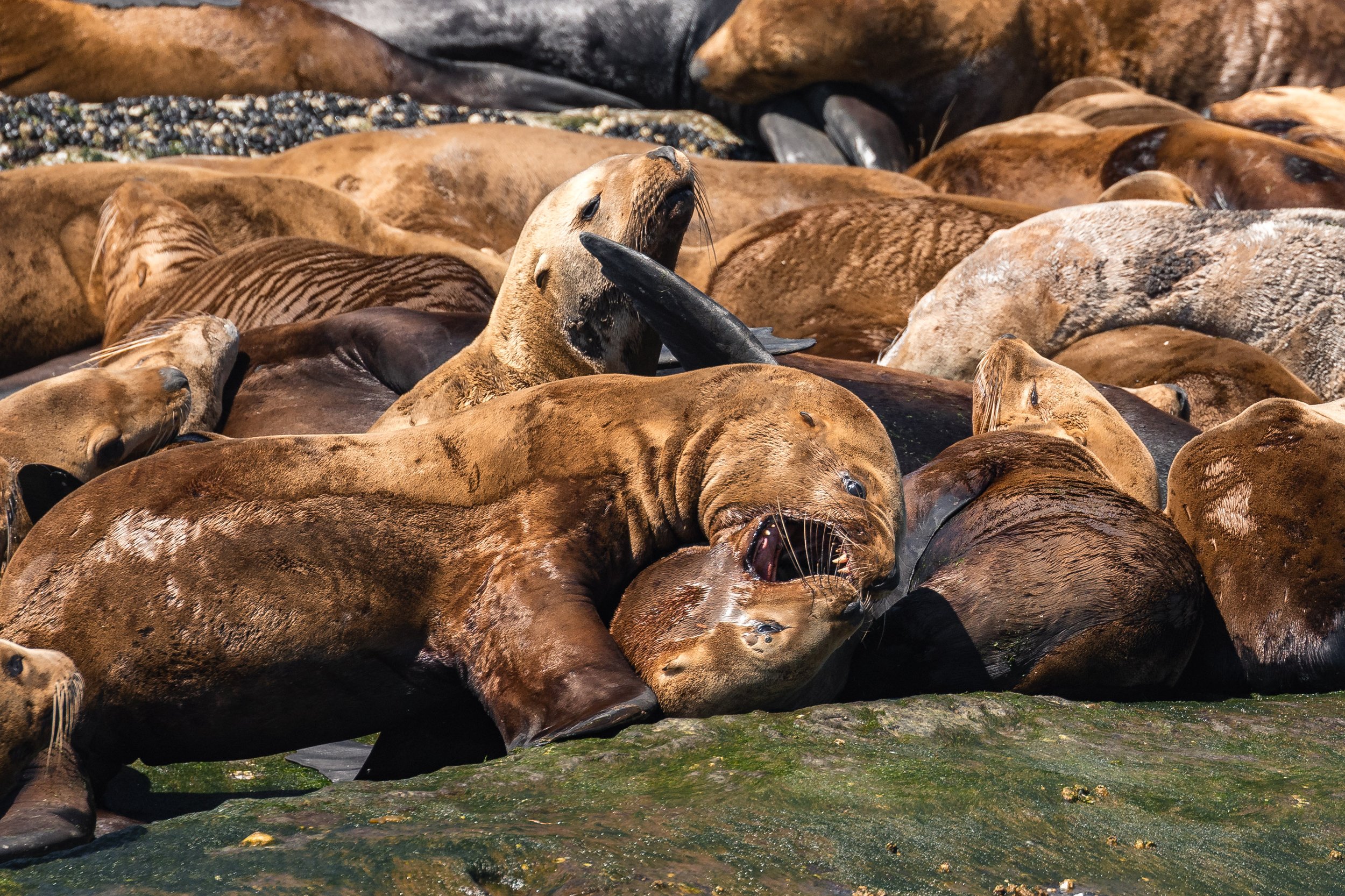
Ever heard of personal space, buddy?! Photo by Vanessa Vereschahen.
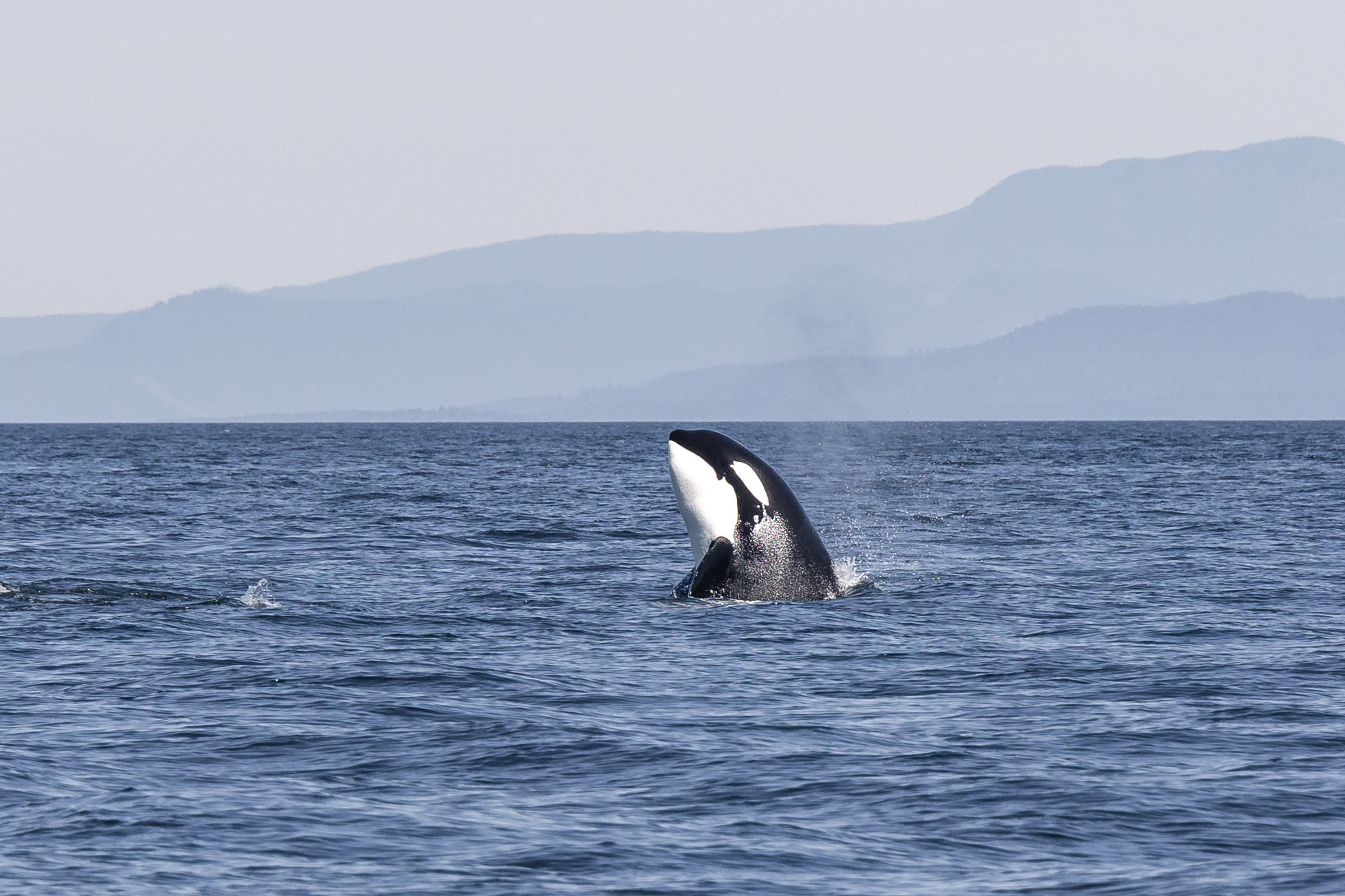
T124A2 Elkugu with her face and pectoral fins above the water. Photo by Jordan Robinson.
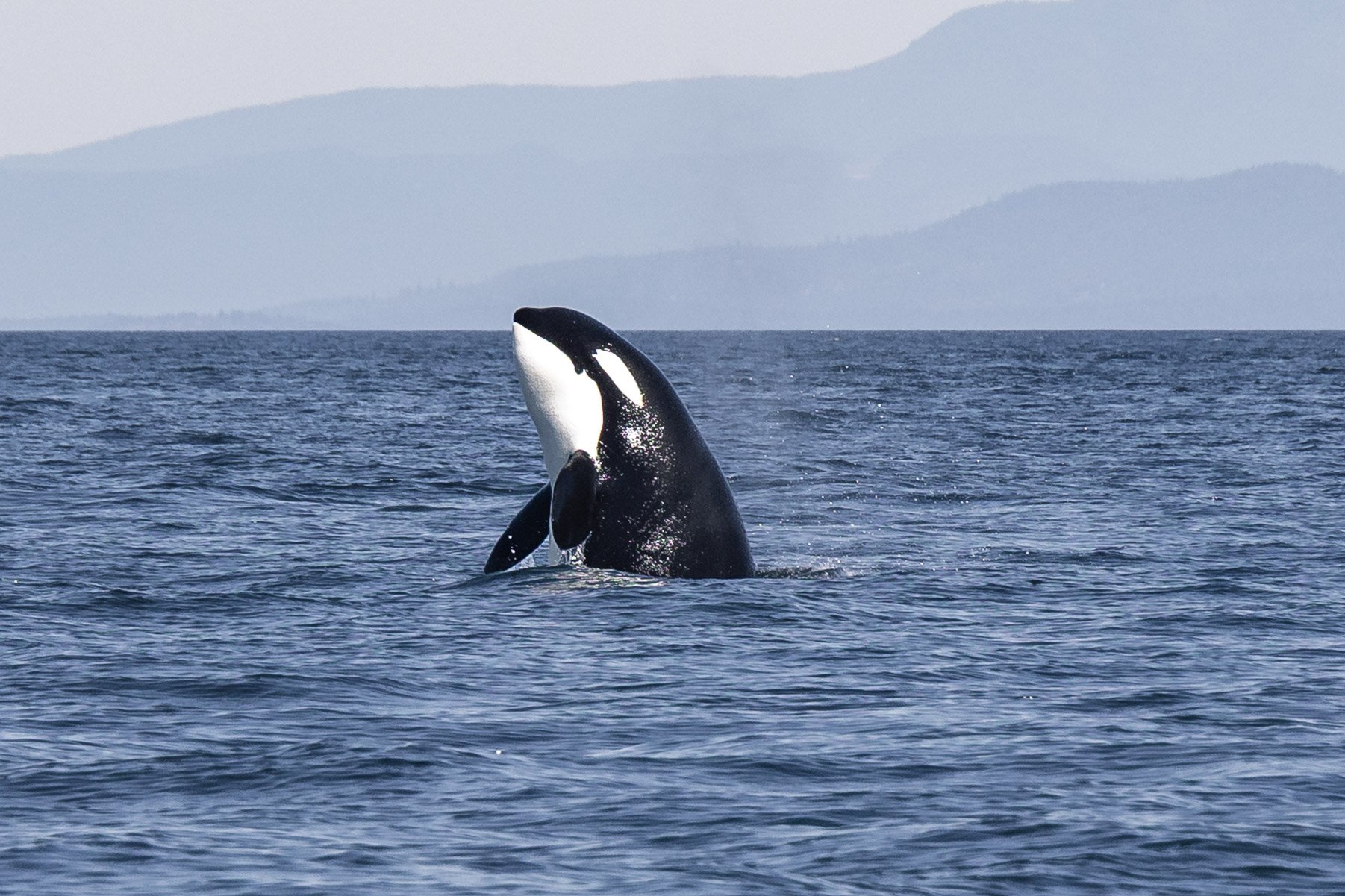
Matriarch T124A2 Elkugu breaching. Photo by Jordan Robinson.
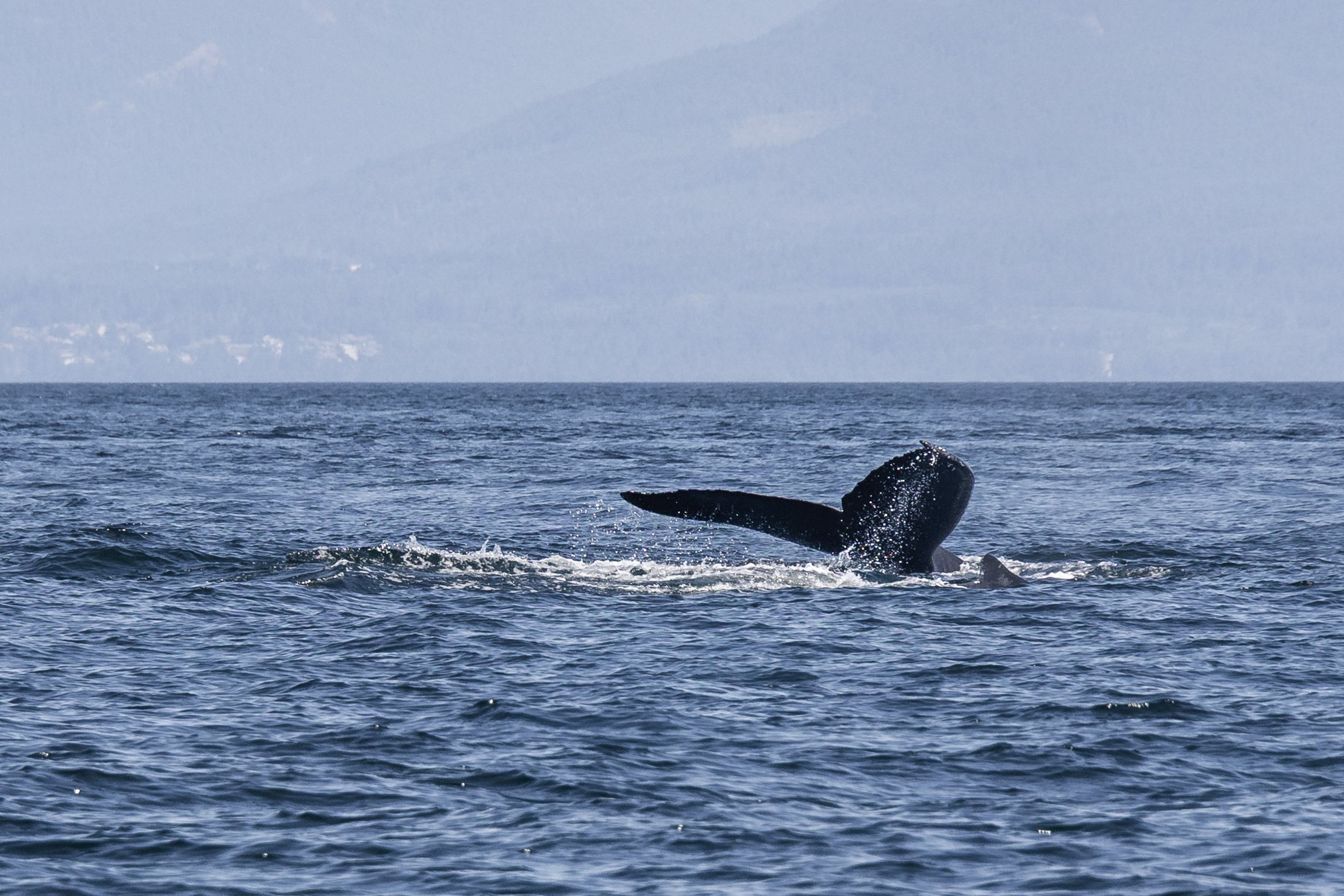
Incognito diving with KEX0087 beside them. Photo by Jordan Robinson.
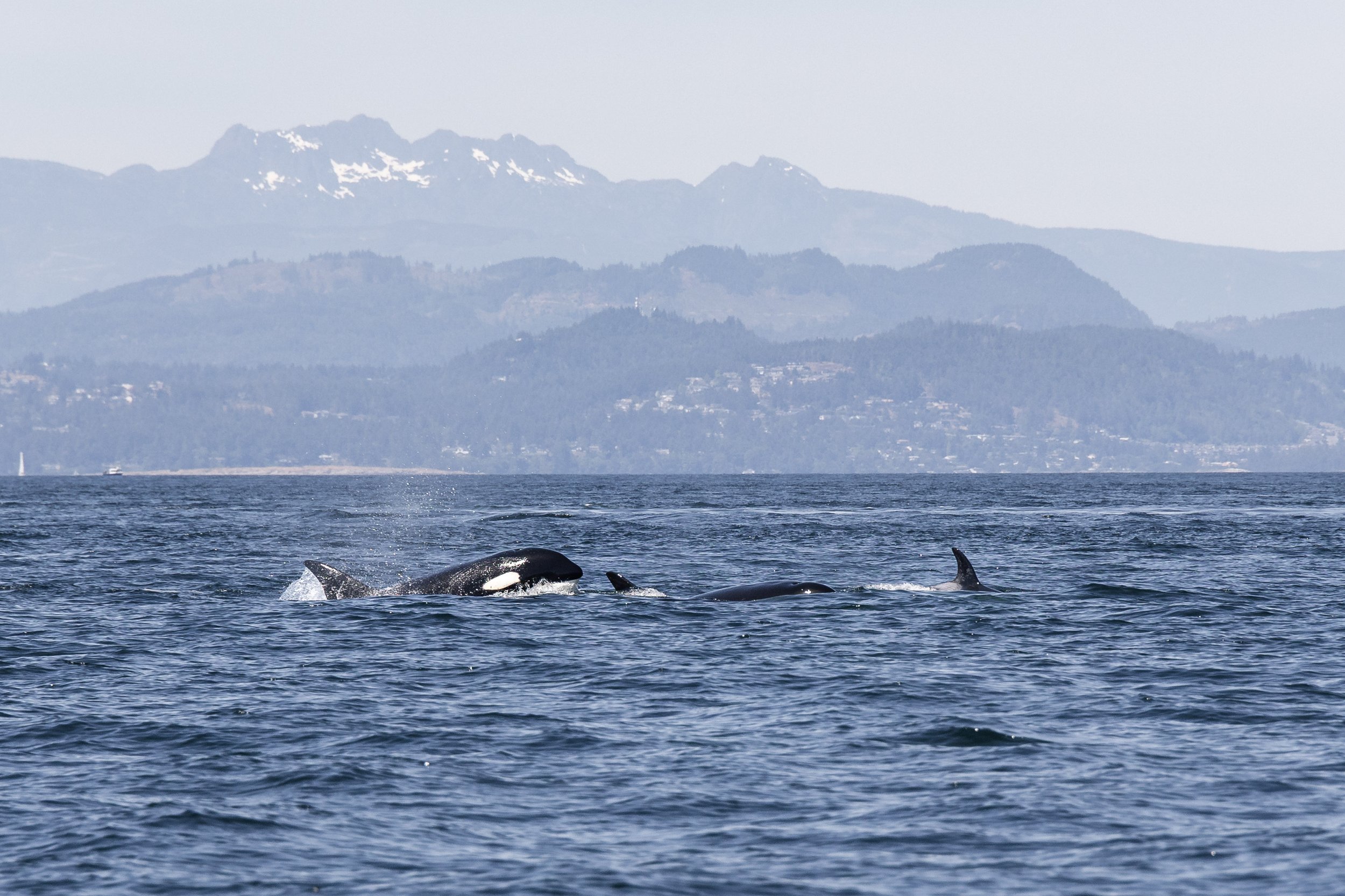
T124A2A Agafia travelling along with his face out of the water, and T124A4A Strix ahead of him. Photo by Jordan Robinson.
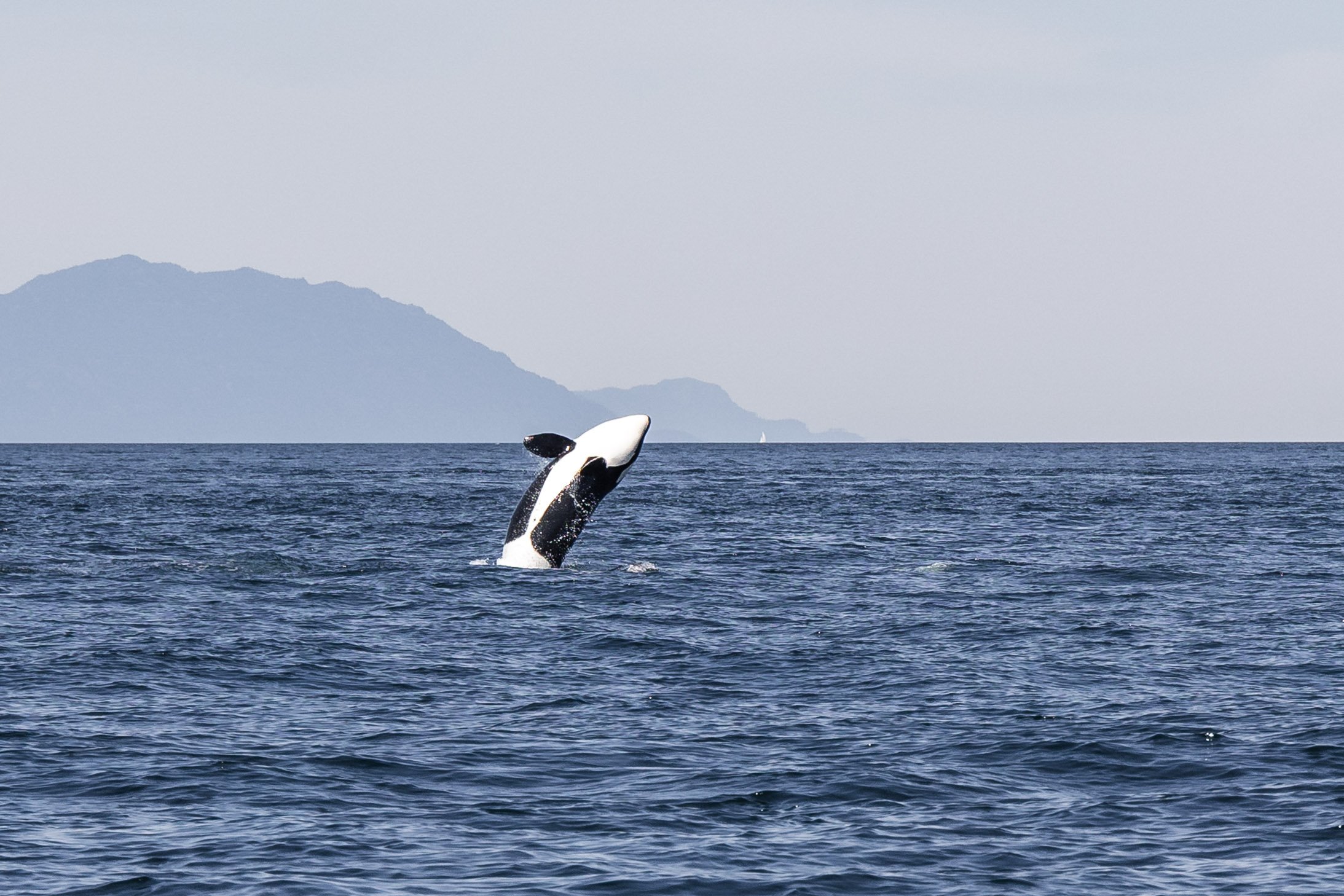
A beautiful backdive. Photo by Jordan Robinson.
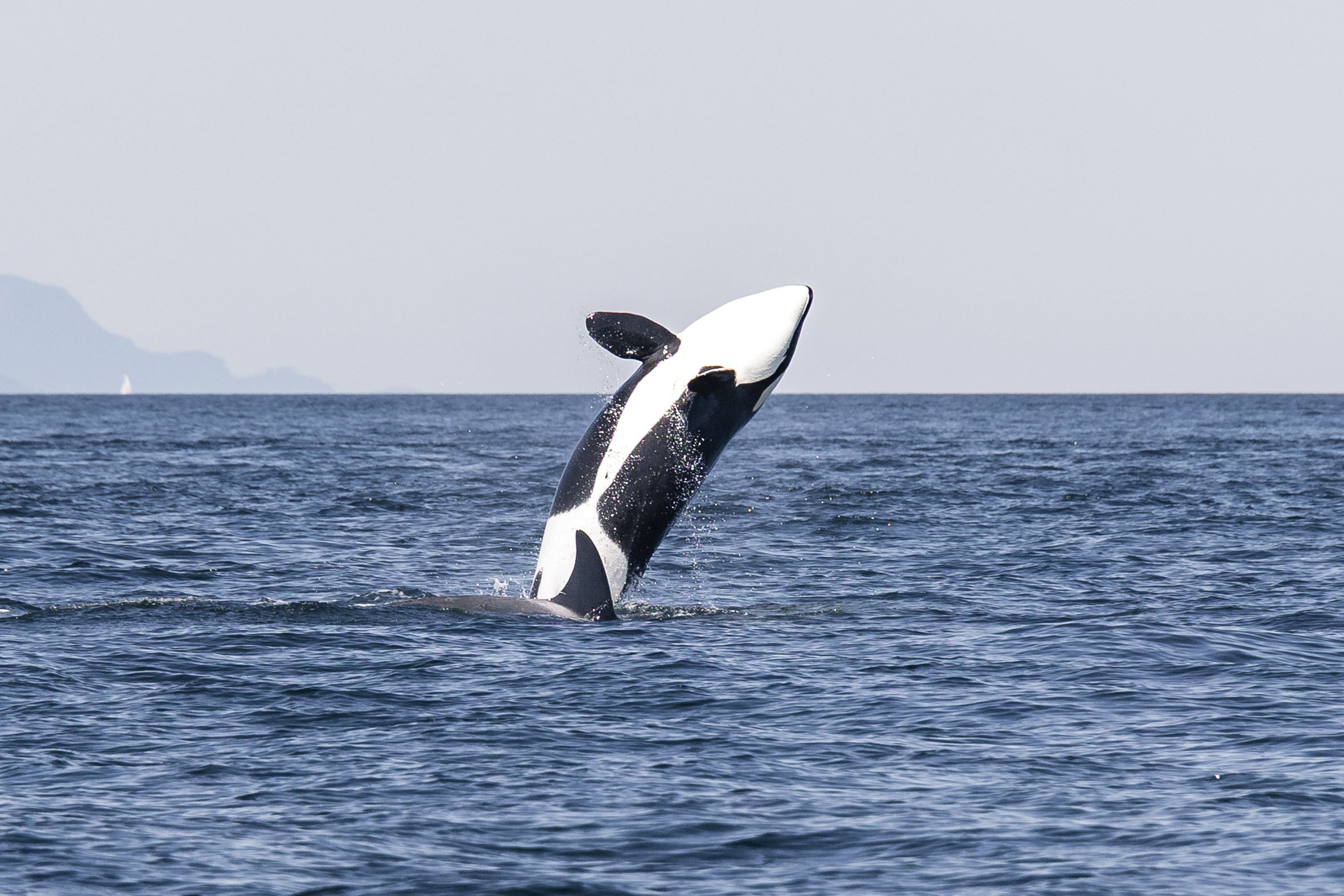
Coming in for a landing! With T124A6 Kasuun in front. Photo by Jordan Robinson.
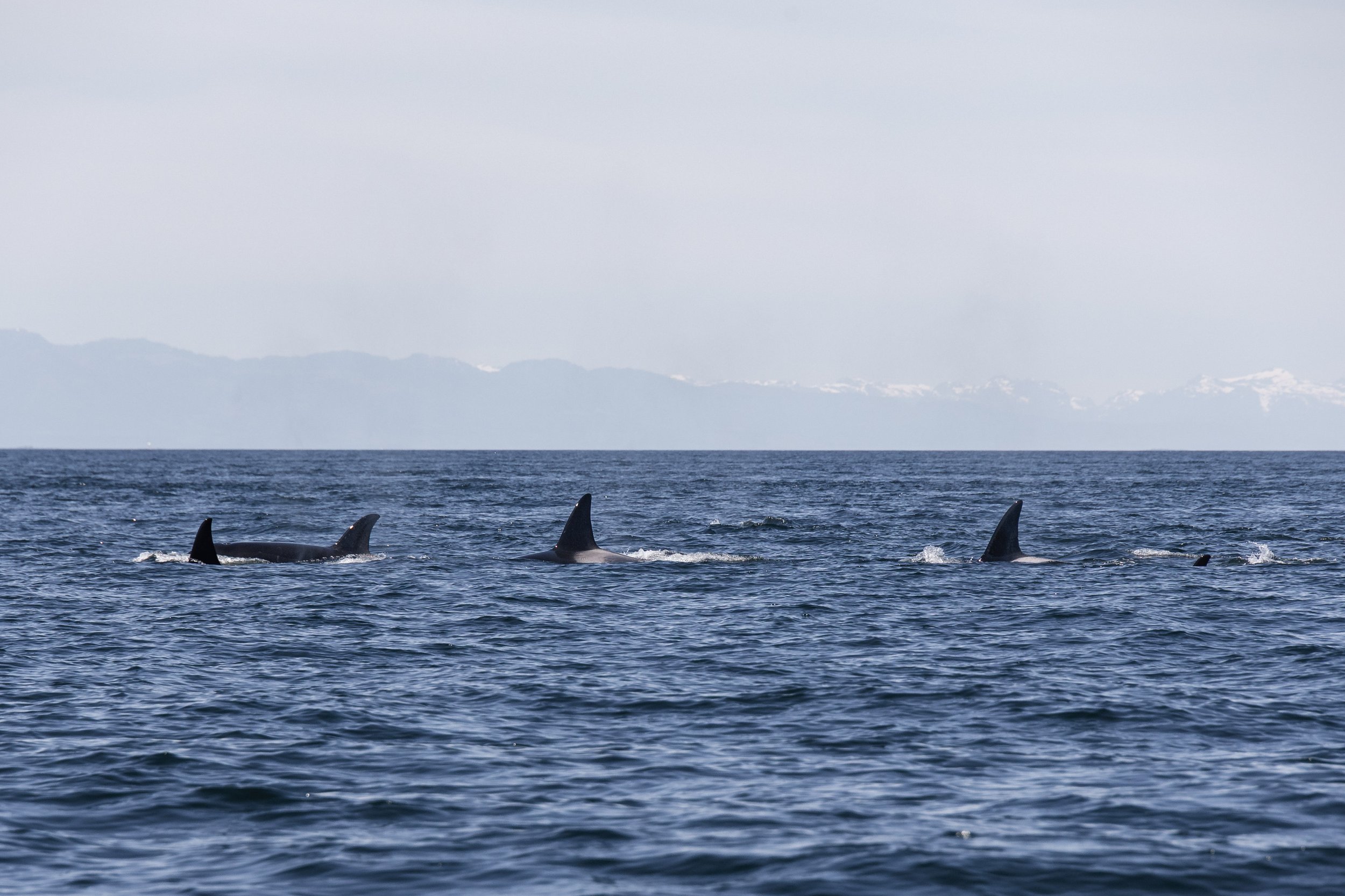
T123 Sidney, T123D Darcy, T086A4 Akia, and T124A2A Agafia. Photo by Jordan Robinson.
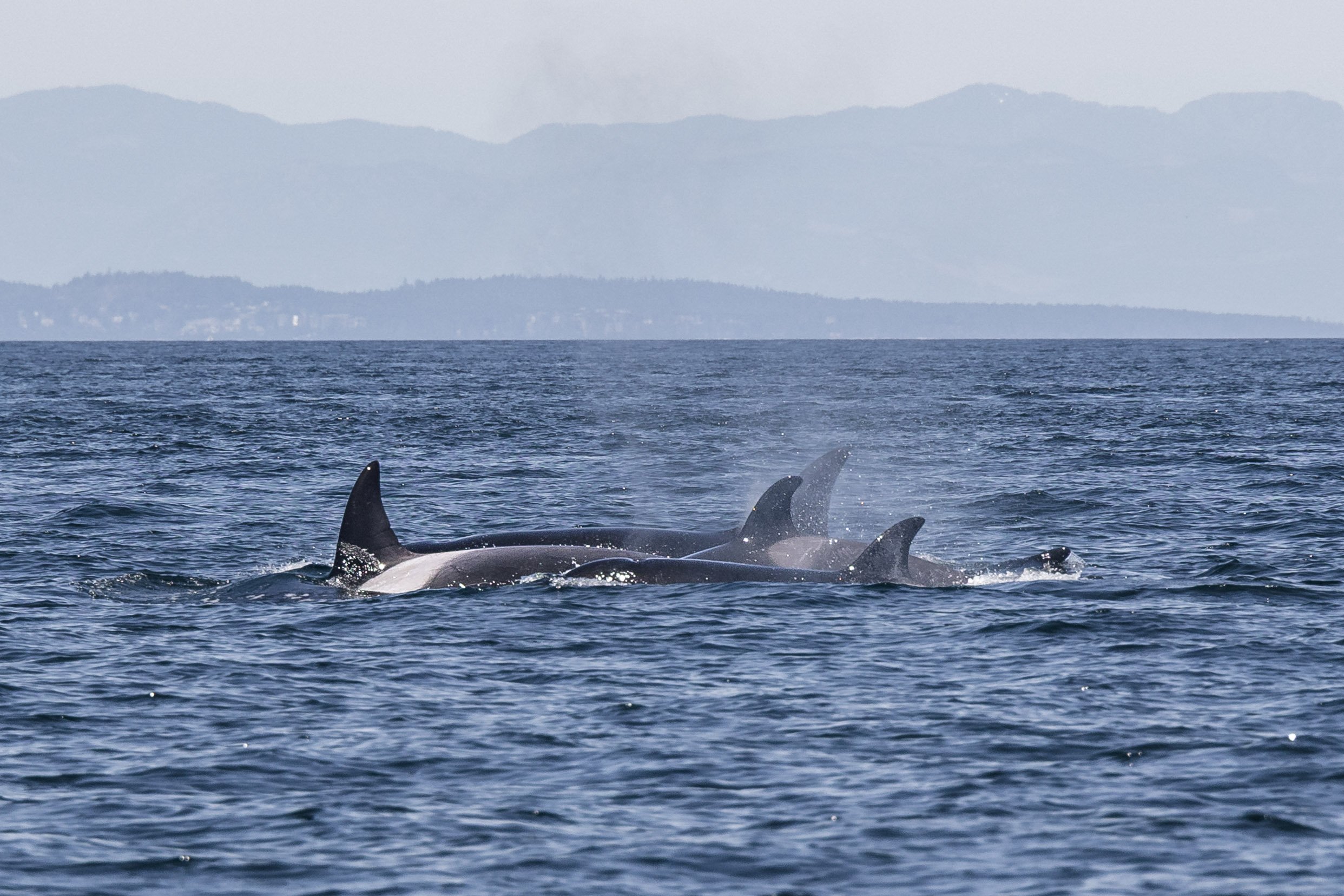
T124A4 Sabio travelling with T124A1A Sabine and T124A4A Strix. Photo by Jordan Robinson.
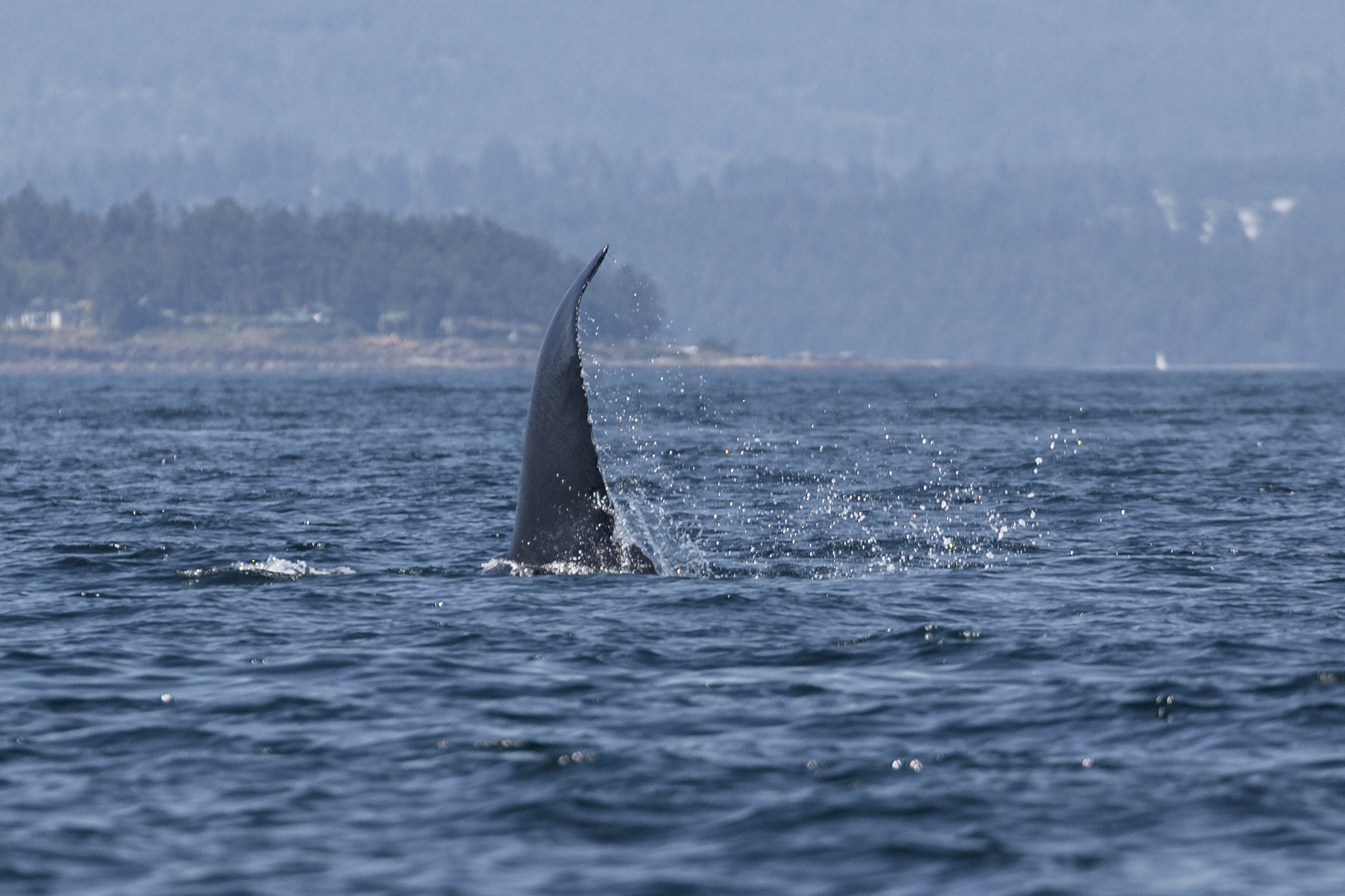
Incognito rolling. Photo by Vanessa Vereschahen.
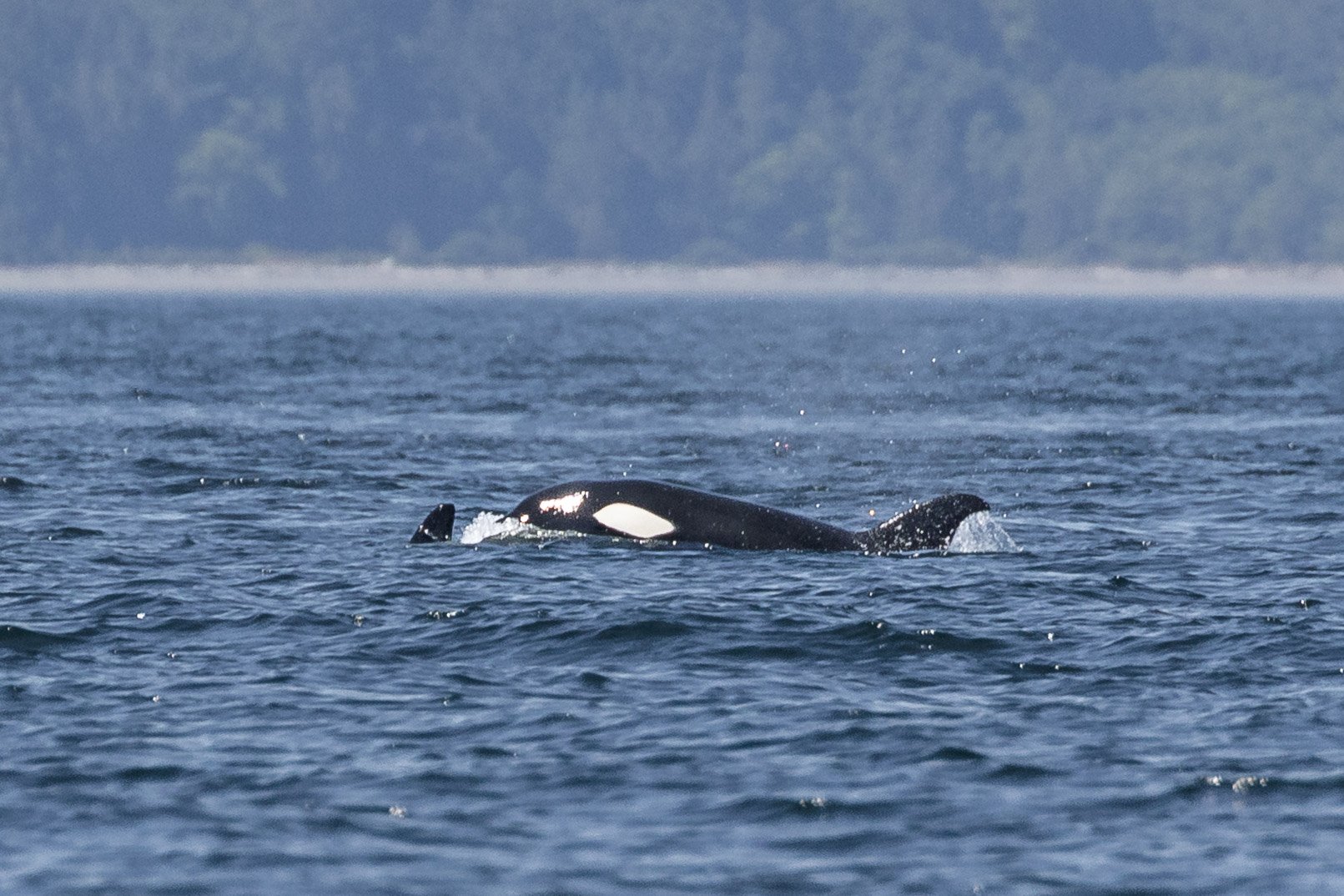
T124A7 Kite surfacing with her eyepatch above the water. Photo by Vanessa Vereschahen.
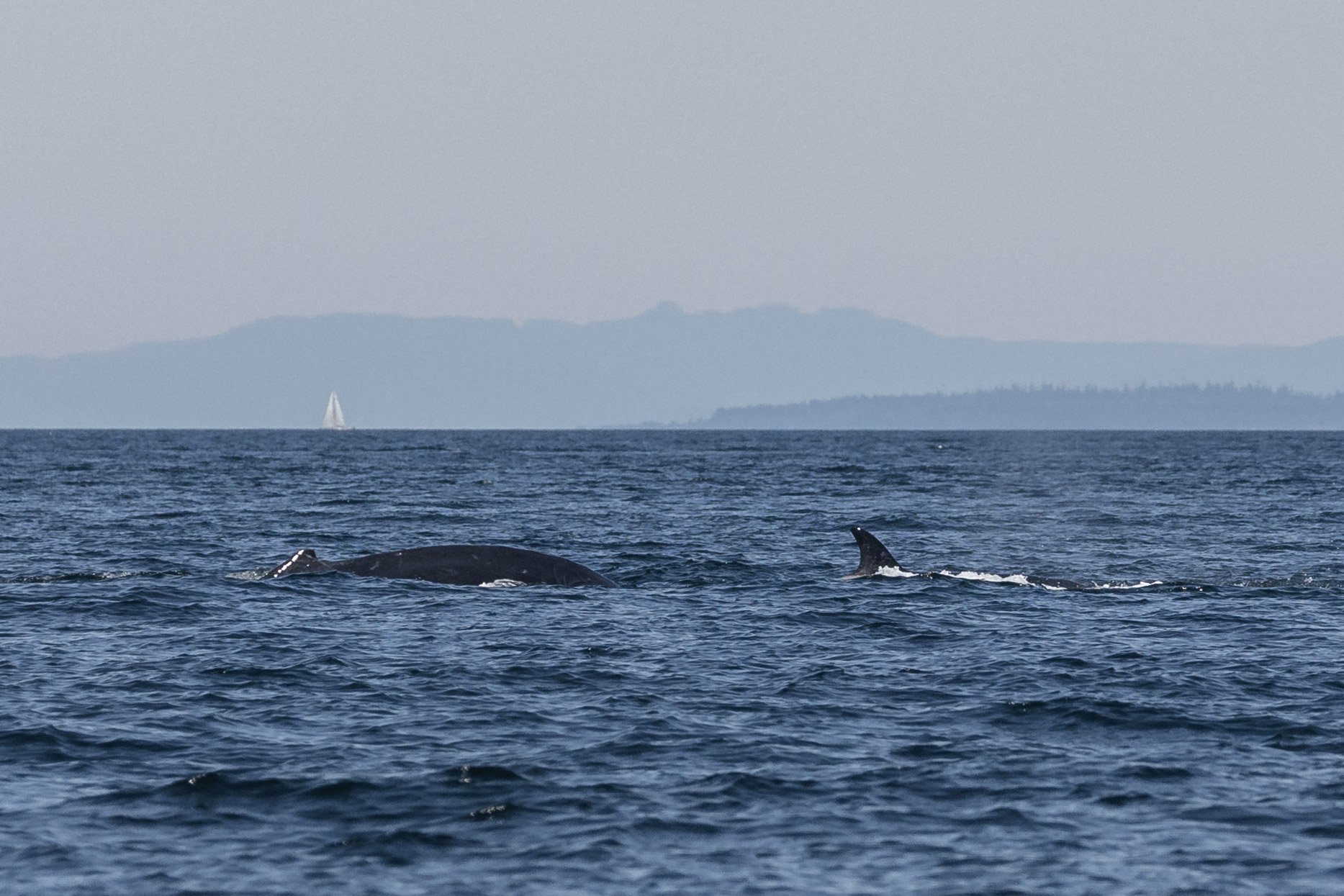
Humpback whale Incognito beside T123D Darcy. Photo by Vanessa Vereschahen.
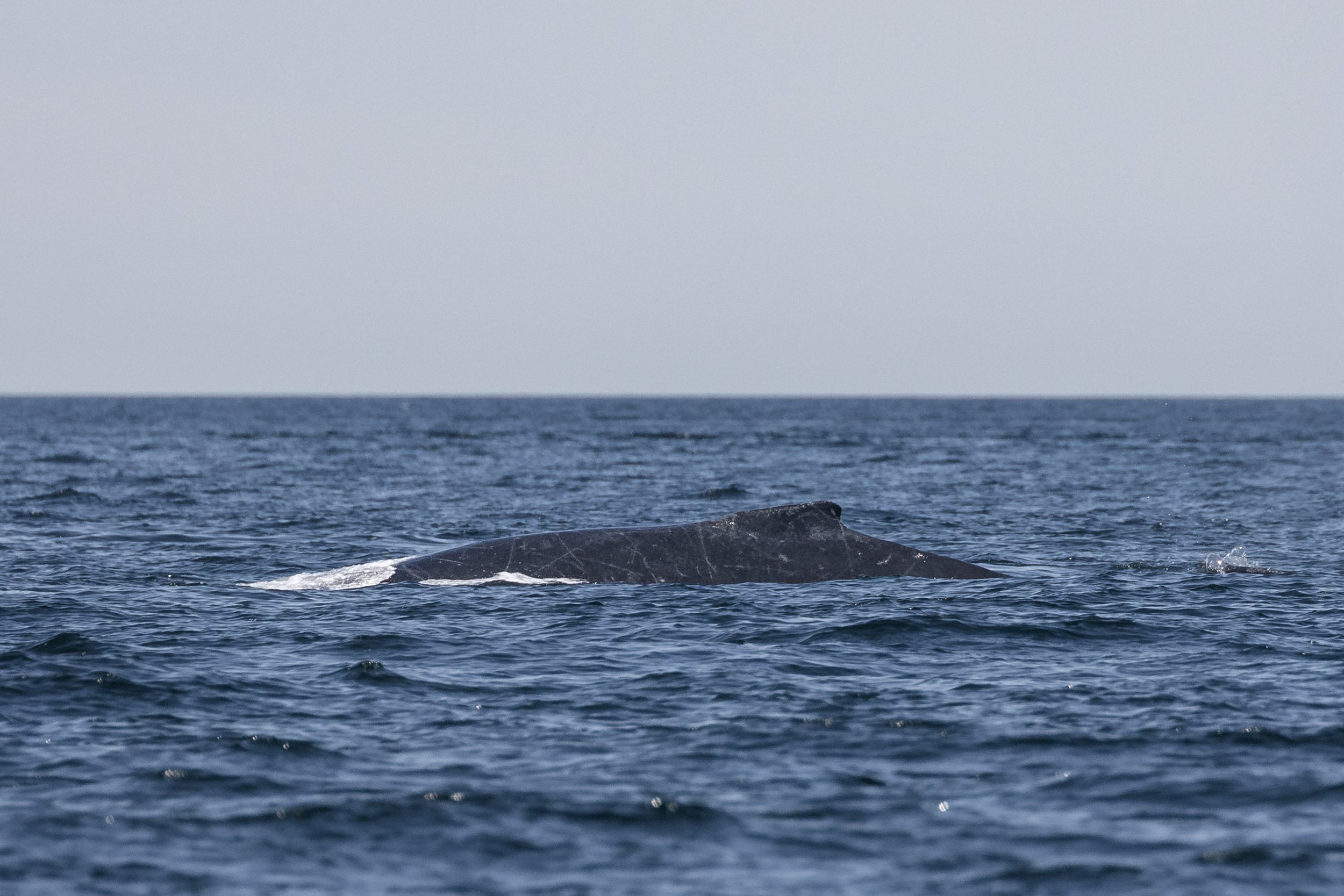
Incognito’s dorsal fin. Photo by Vanessa Vereschahen.
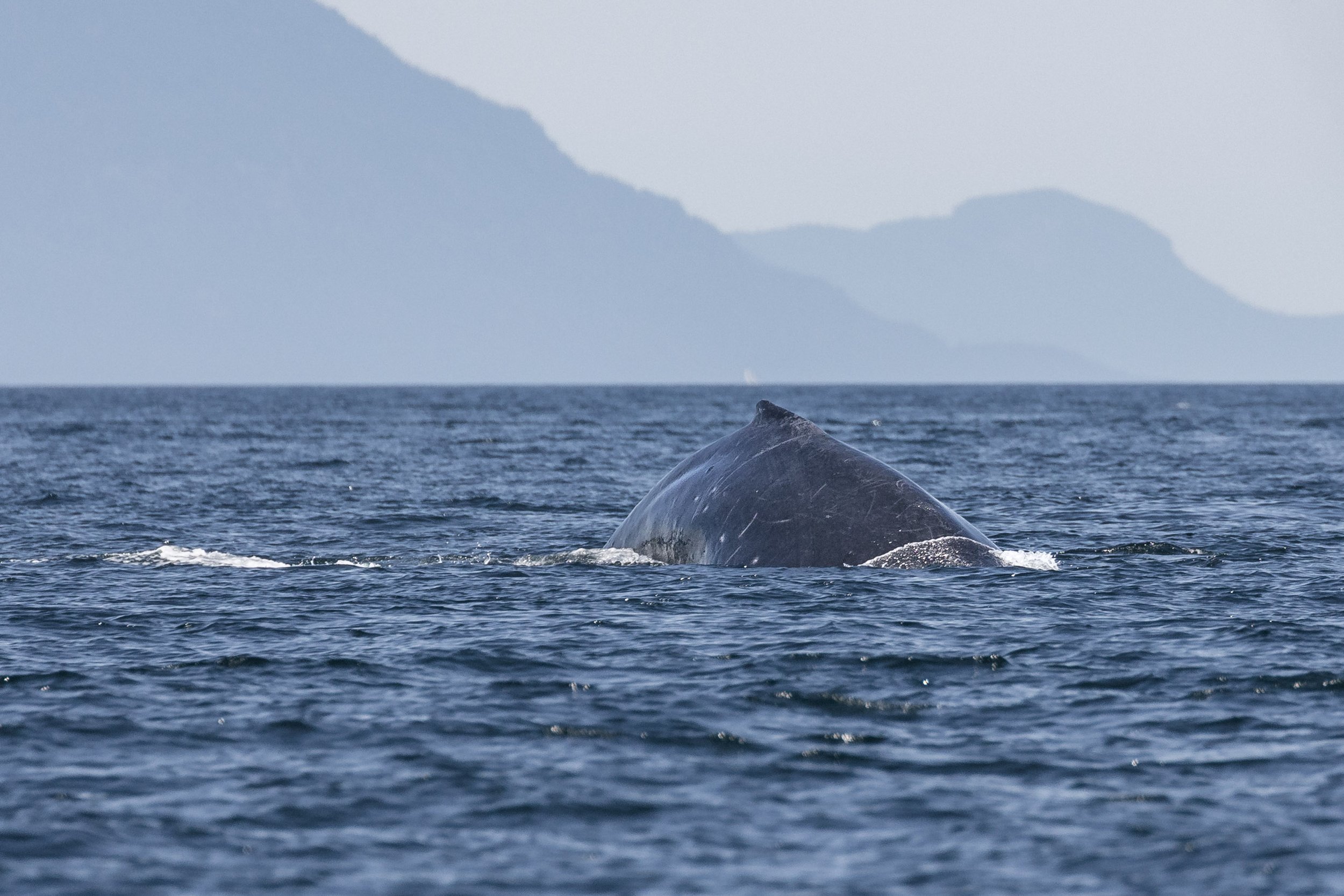
Incognito beginning to dive. Photo by Vanessa Vereschahen.
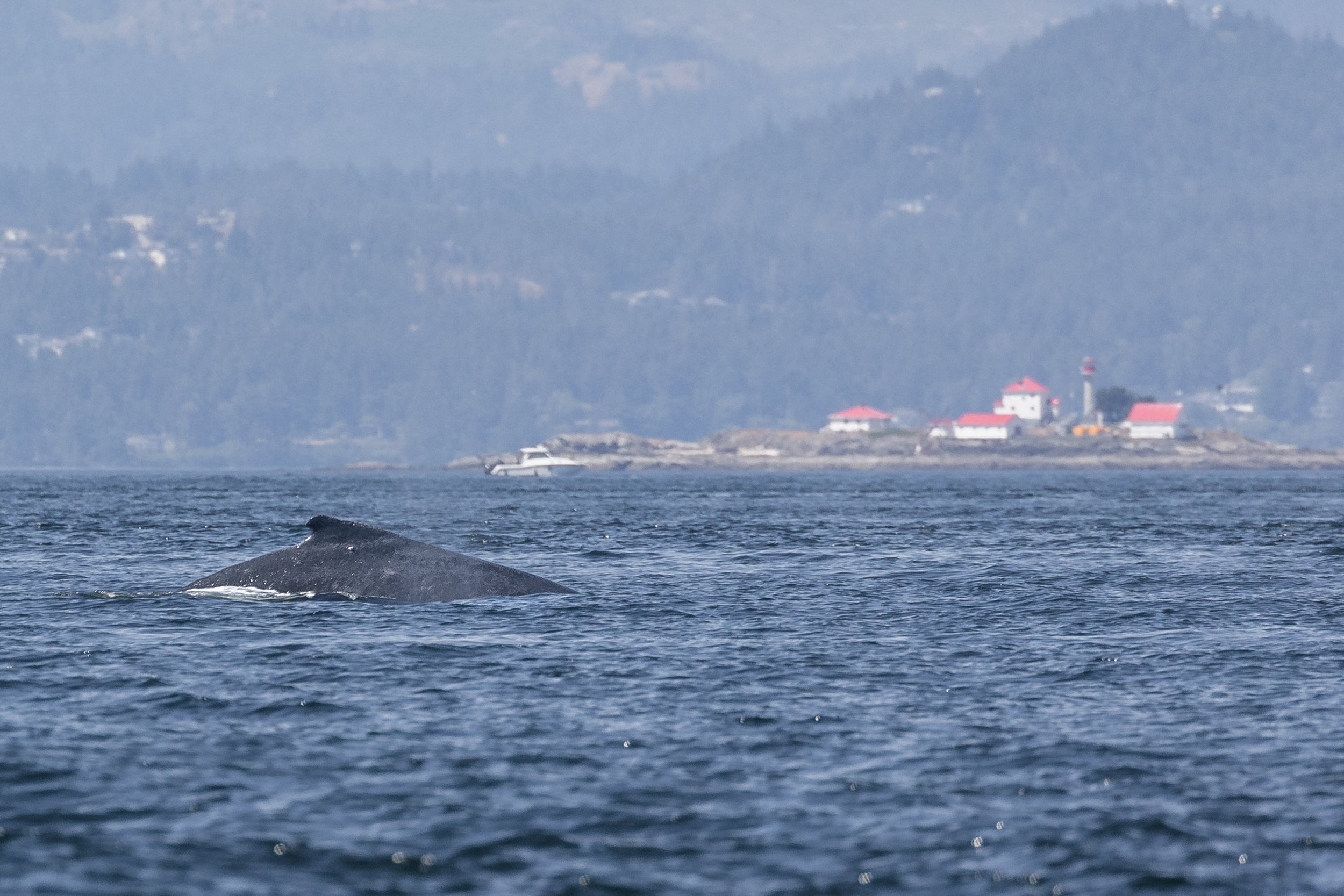
BCX2504 with Entrance Island behind them. Photo by Vanessa Vereschahen.
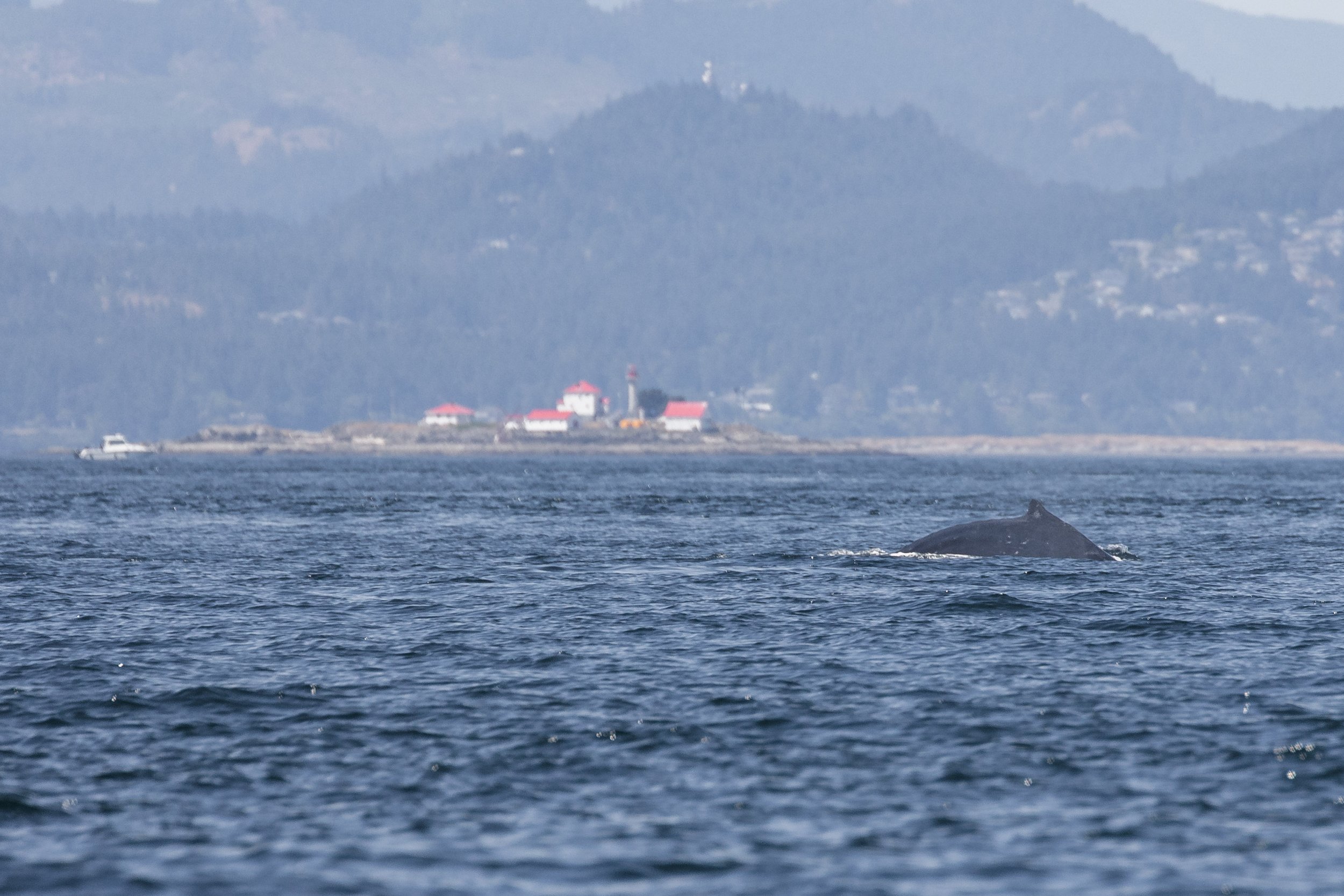
KEX0087 with Entrance Island behind them. Photo by Vanessa Vereschahen.
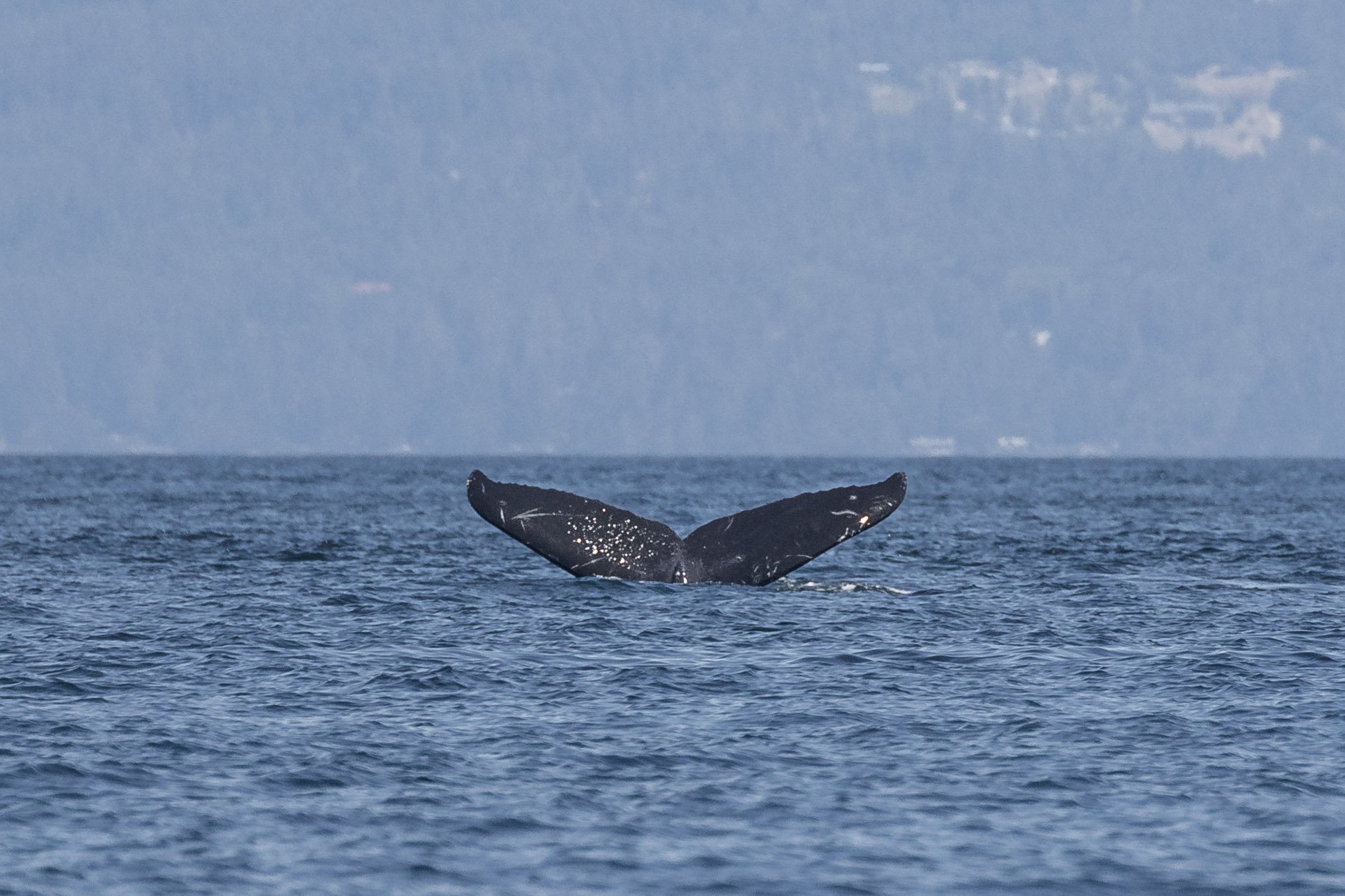
Incognito diving - they have many newer scars on the top side of their flukes. Photo by Vanessa Vereschahen.
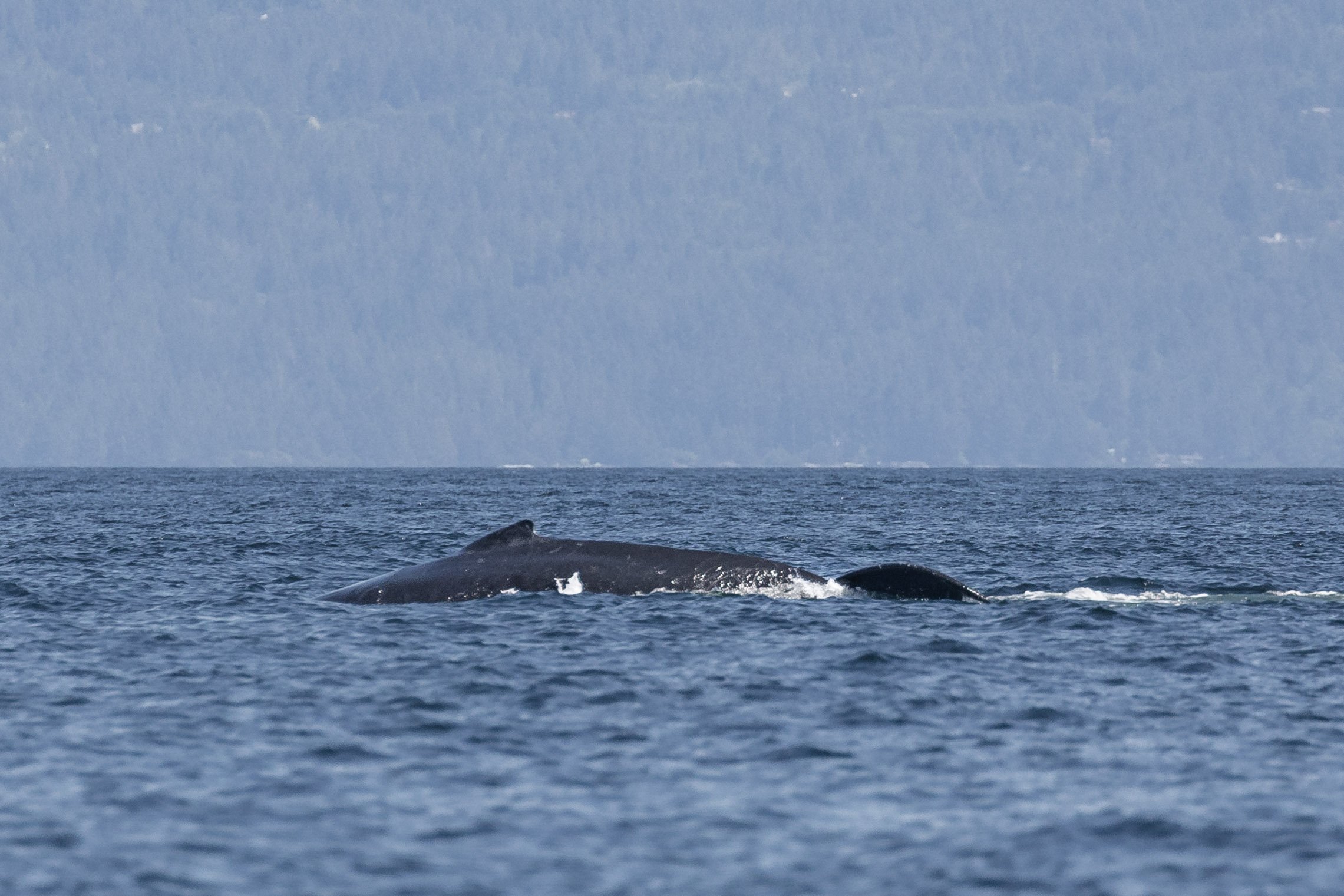
Incognito swishing his tail. Photo by Vanessa Vereschahen.
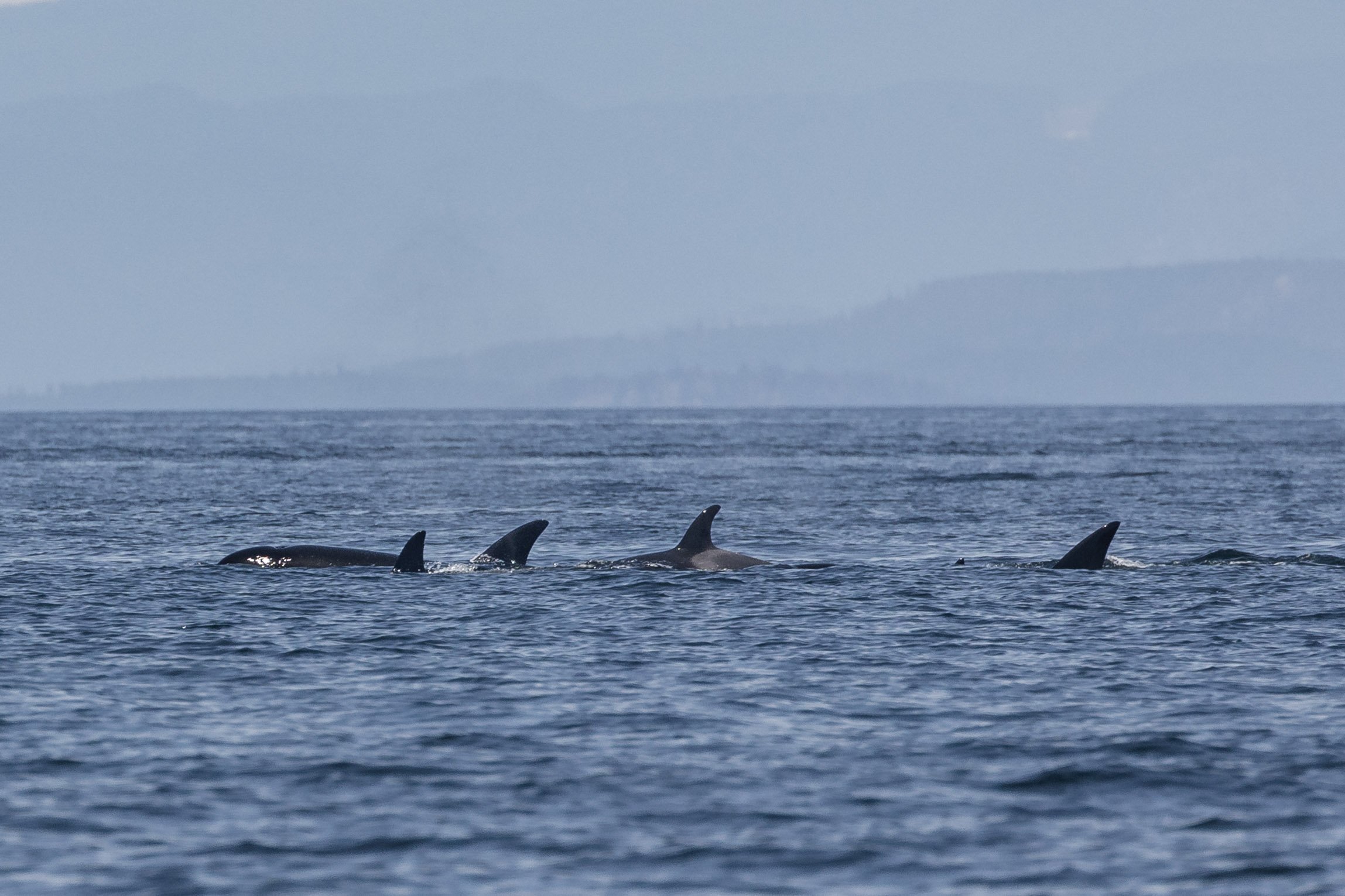
T086A Eider, T046B1A Tsakani, T086A5 Siku, and T124A4 Sabio. Photo by Vanessa Vereschahen.
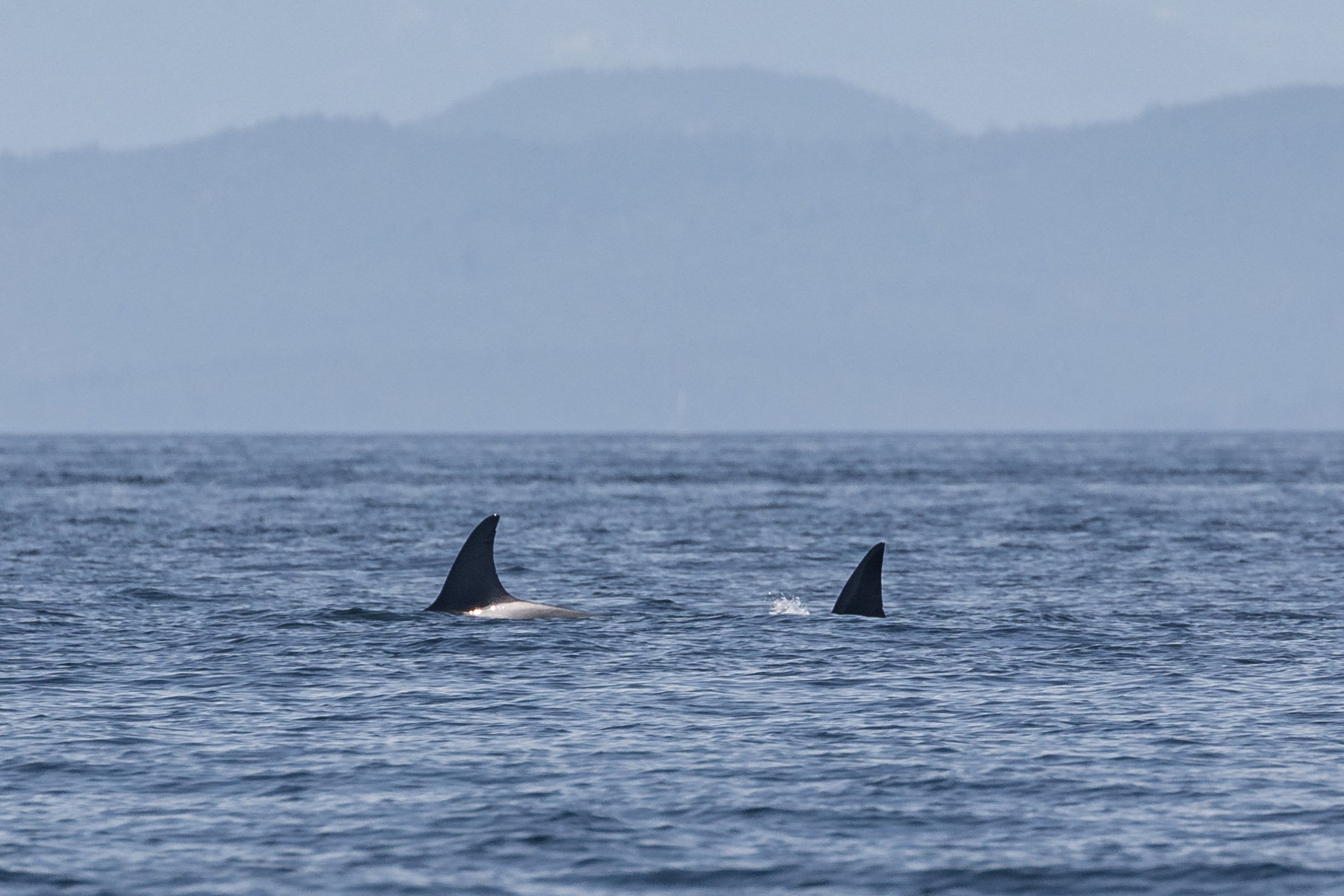
T086A Eider and T124A4 Sabio. Photo by Vanessa Vereschahen.
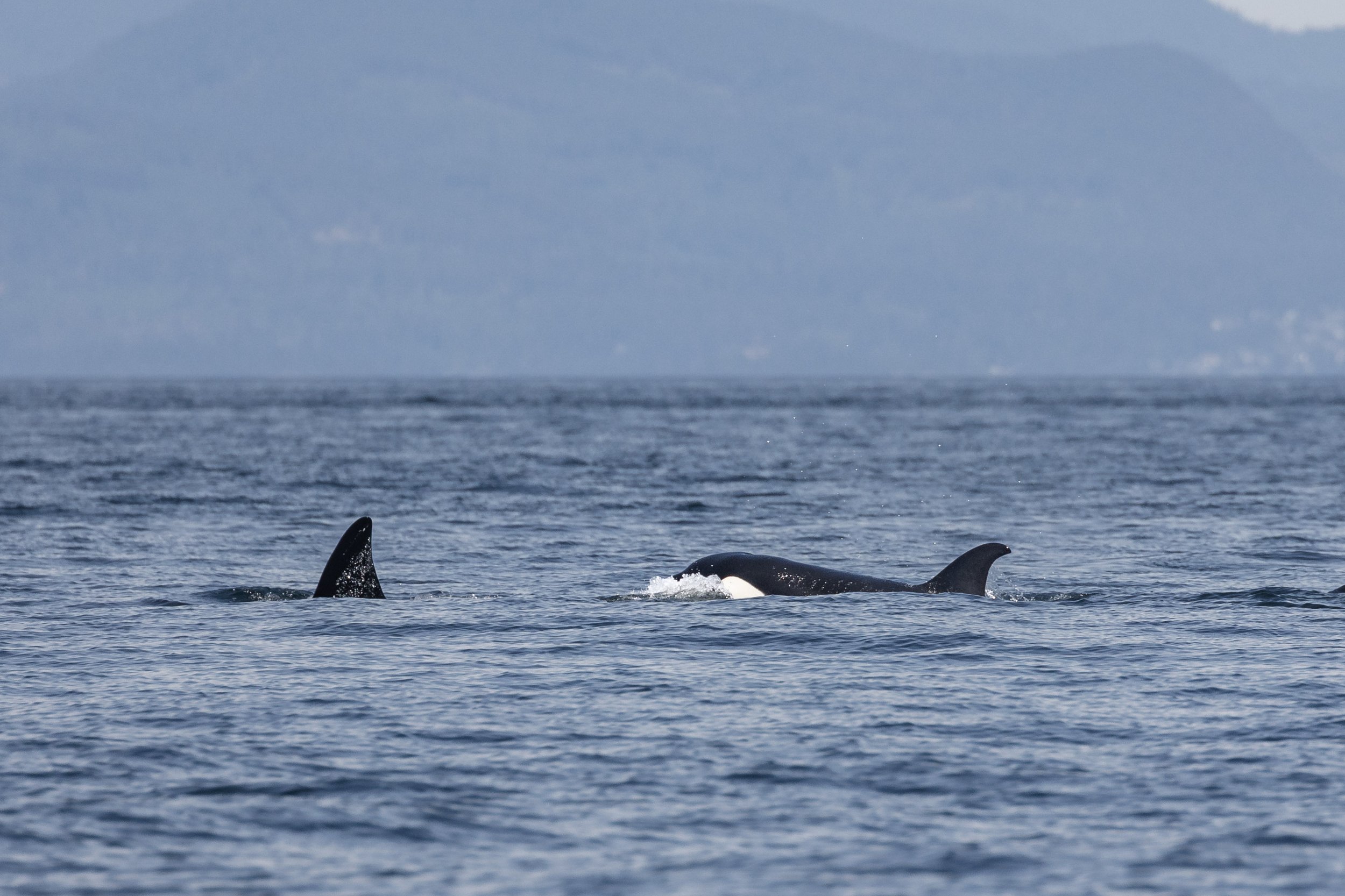
T086A4 Akia and T124A7 Kite. Photo by Vanessa Vereschahen.
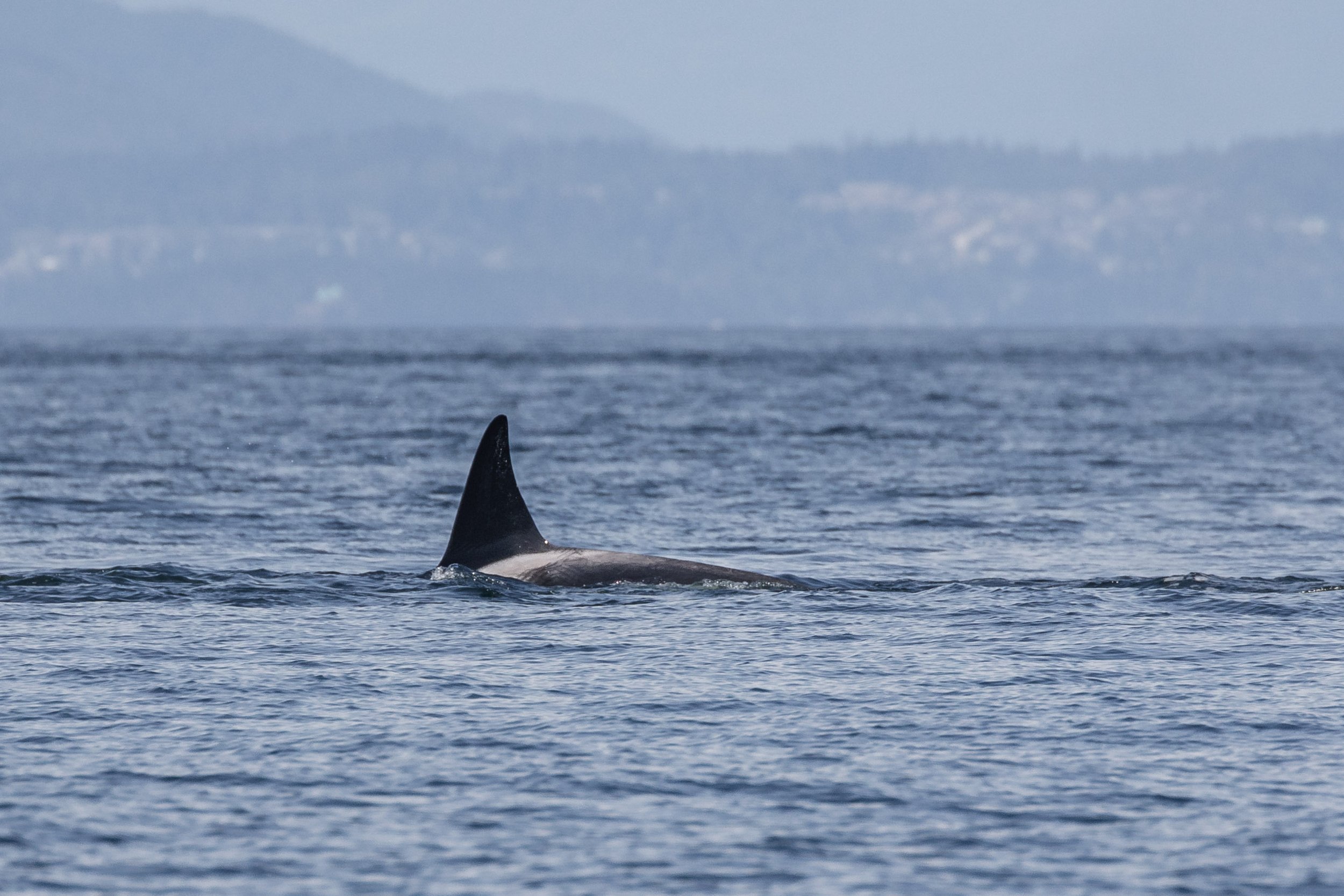
T124A2 Elkugu diving. Photo by Vanessa Vereschahen.
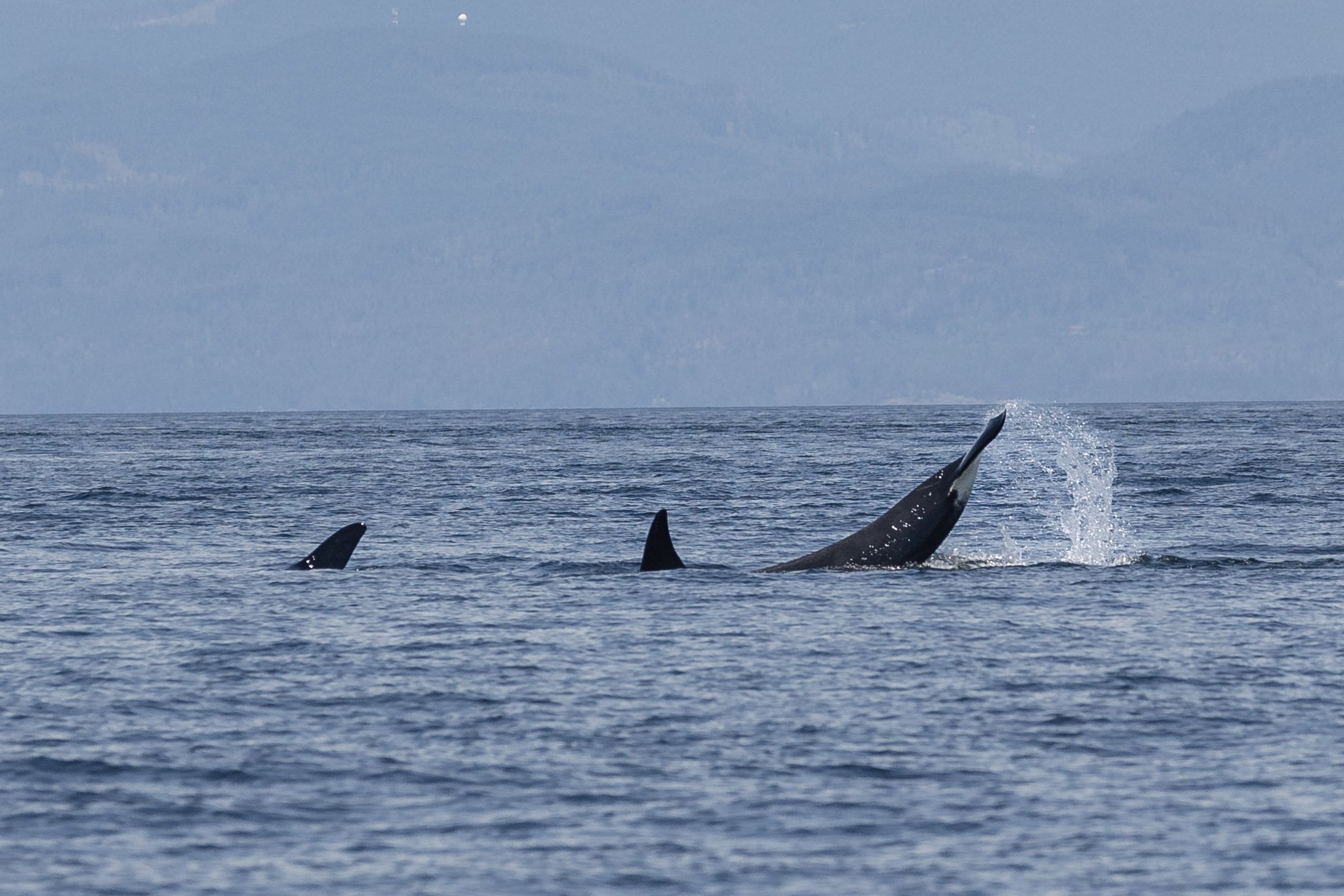
A big tail slap! Photo by Vanessa Vereschahen.
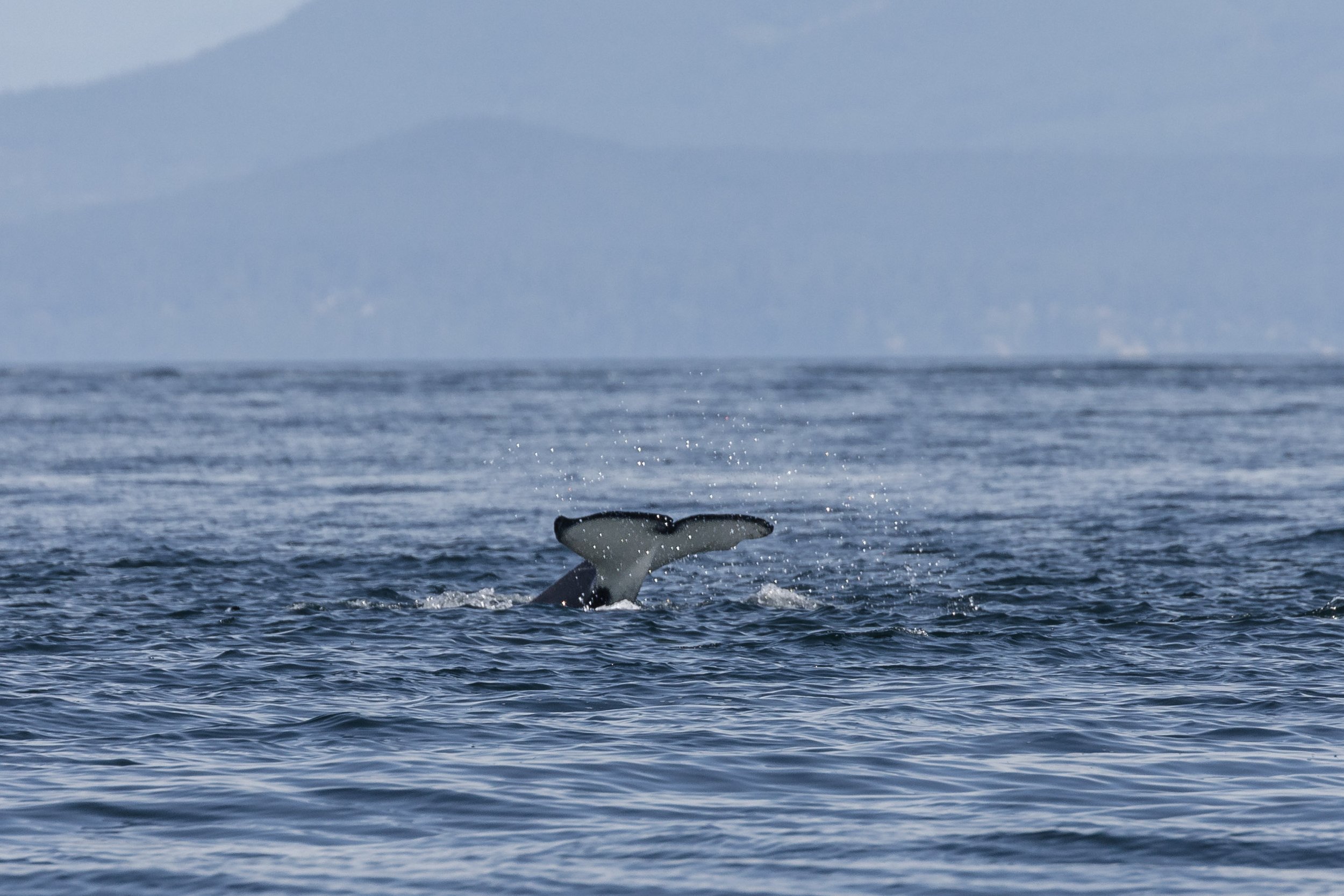
T124A2A Agafia tail slapping - he can be identified from his flukes due to the missing corner on the right one! Photo by Vanessa Vereschahen.
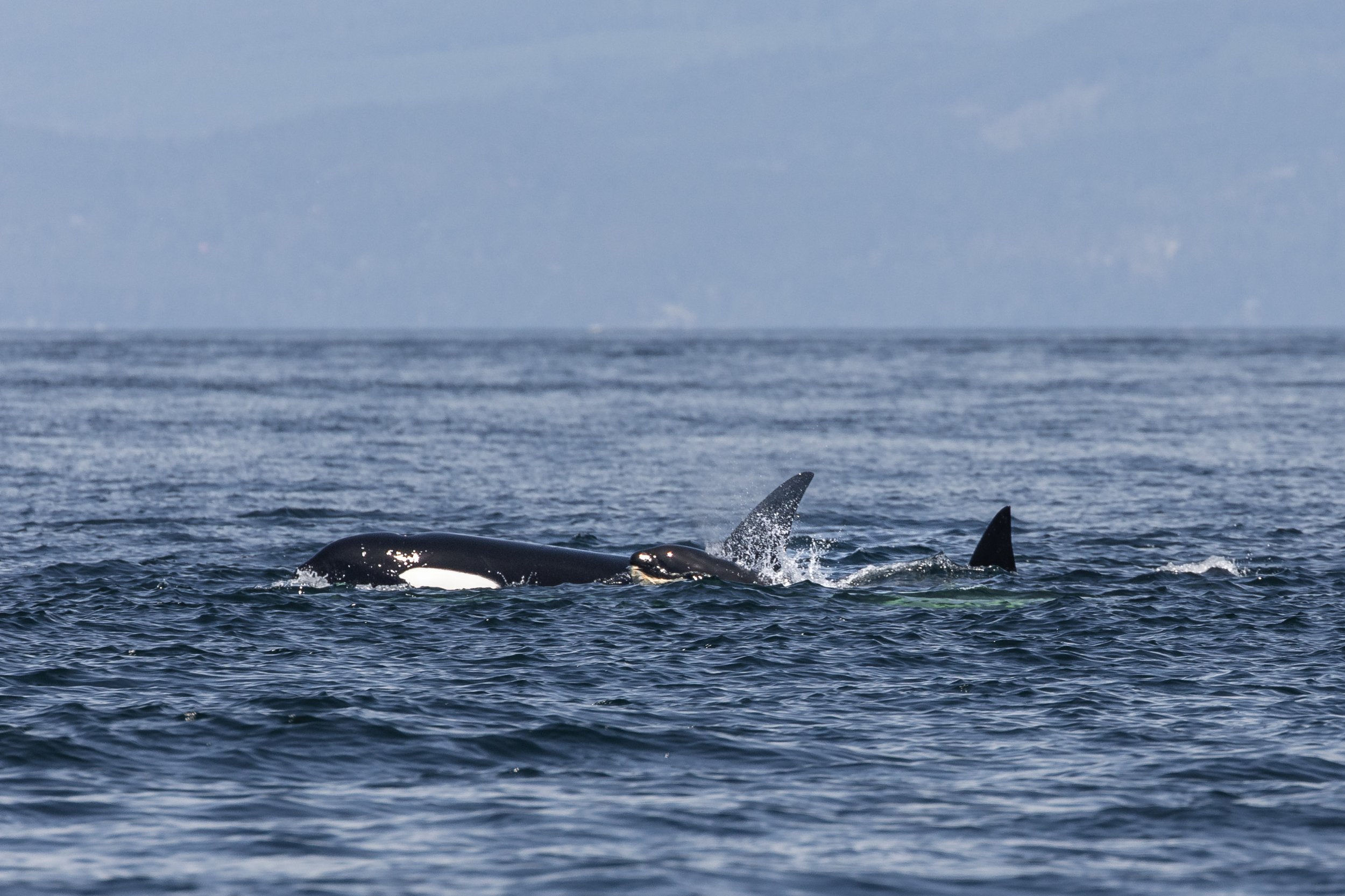
T046B1 Tread with her youngest calf T046B1D Tashi beside her and her eldest calf T046B1A Tsakani behind her. Photo by Vanessa Vereschahen.
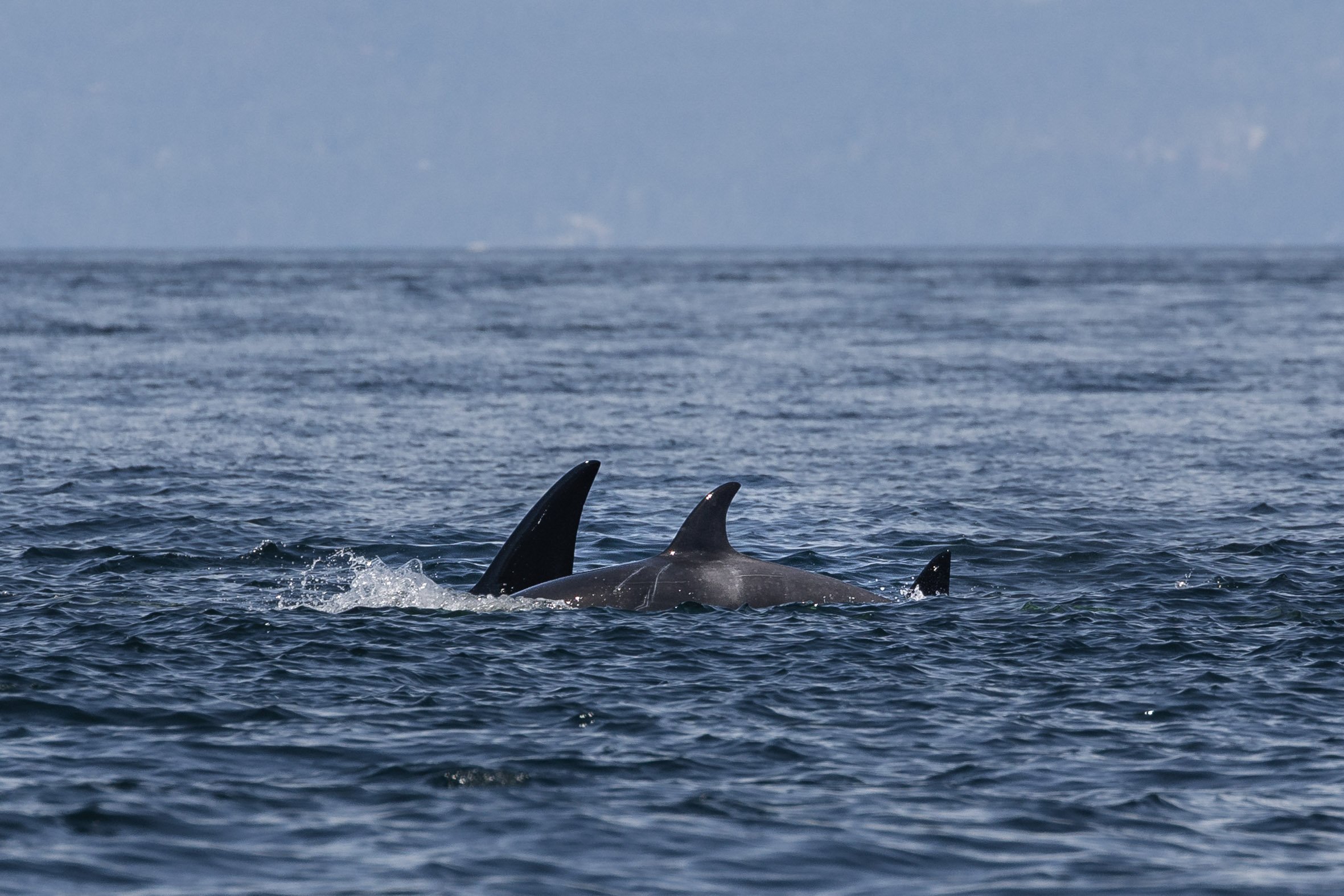
A clear view of T046B1D Tashi’s saddlepatch and scars, as their mother T046B1 Tread surfaces ahead of them, and their sister T046B1A Tsakani surfaces behind them. Photo by Vanessa Vereschahen.
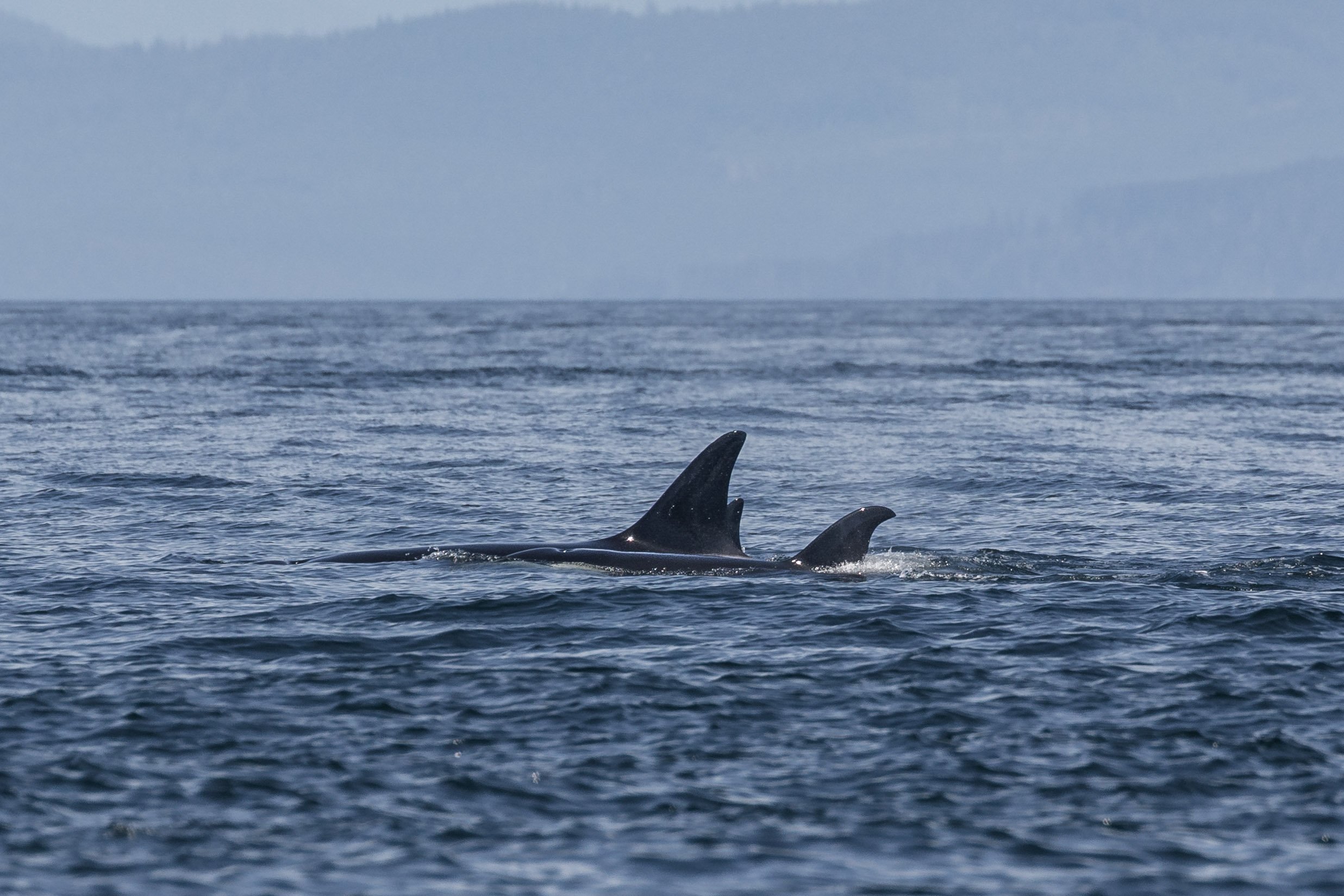
T124A Kittiwake with her youngest T124A7 Kite beside her. Photo by Vanessa Vereschahen.
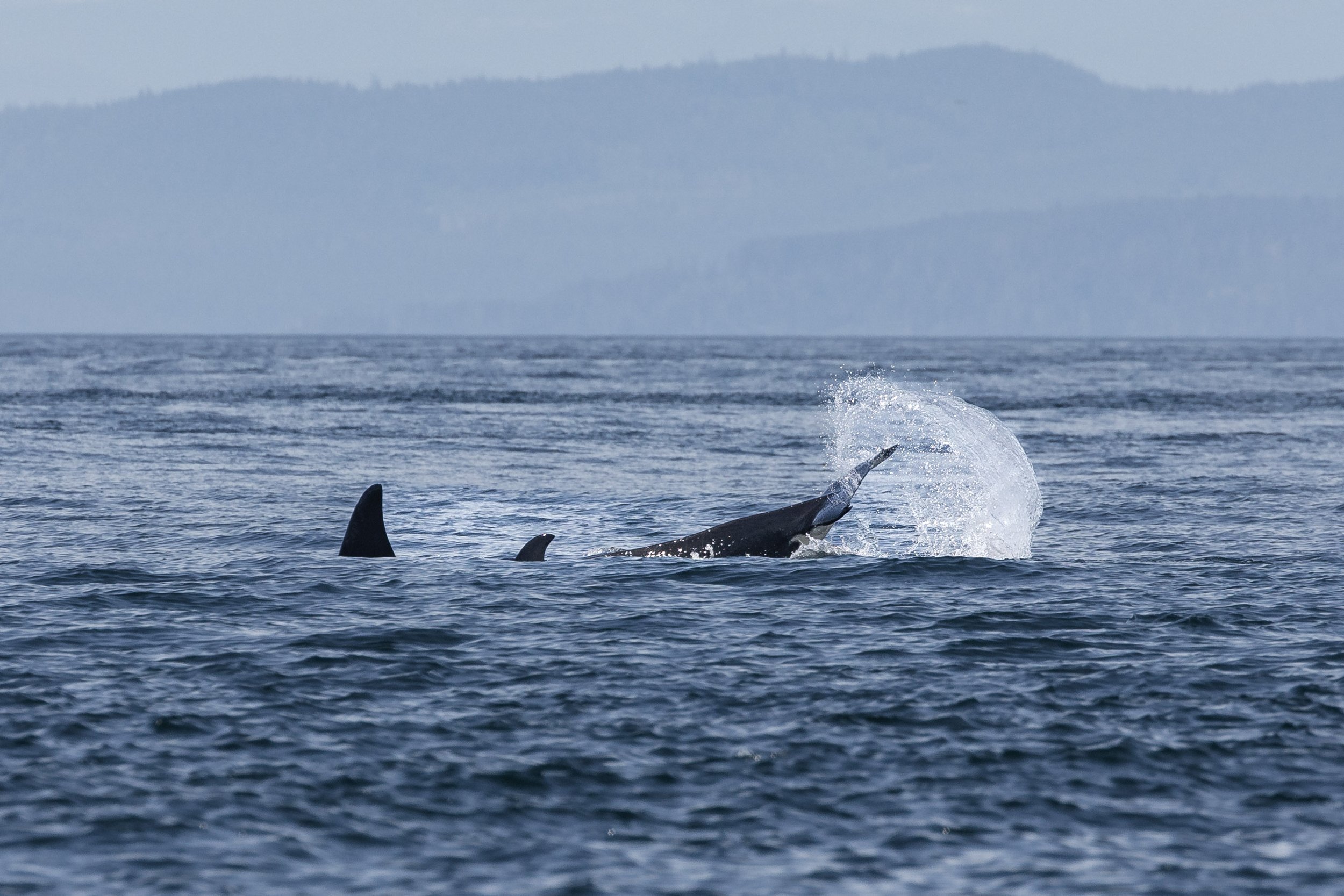
A tailslap from T124A Kittiwake - the tip of T124A7 Kite’s dorsal fin is also visible. Photo by Vanessa Vereschahen.
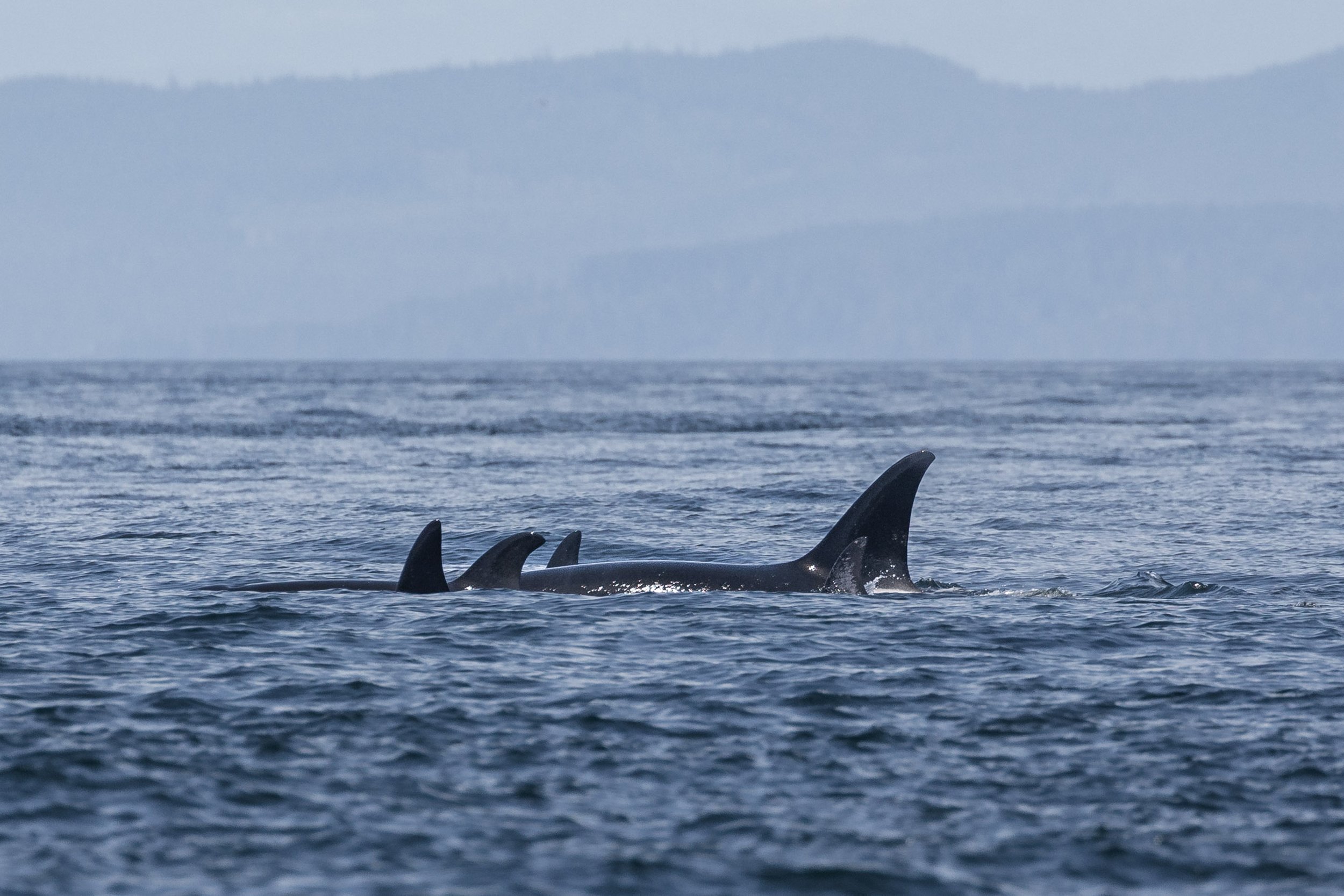
T123 Sidney tucked amongst the younger whales, including T124A4A Strix and T124A1A Sabine! Photo by Vanessa Vereschahen.
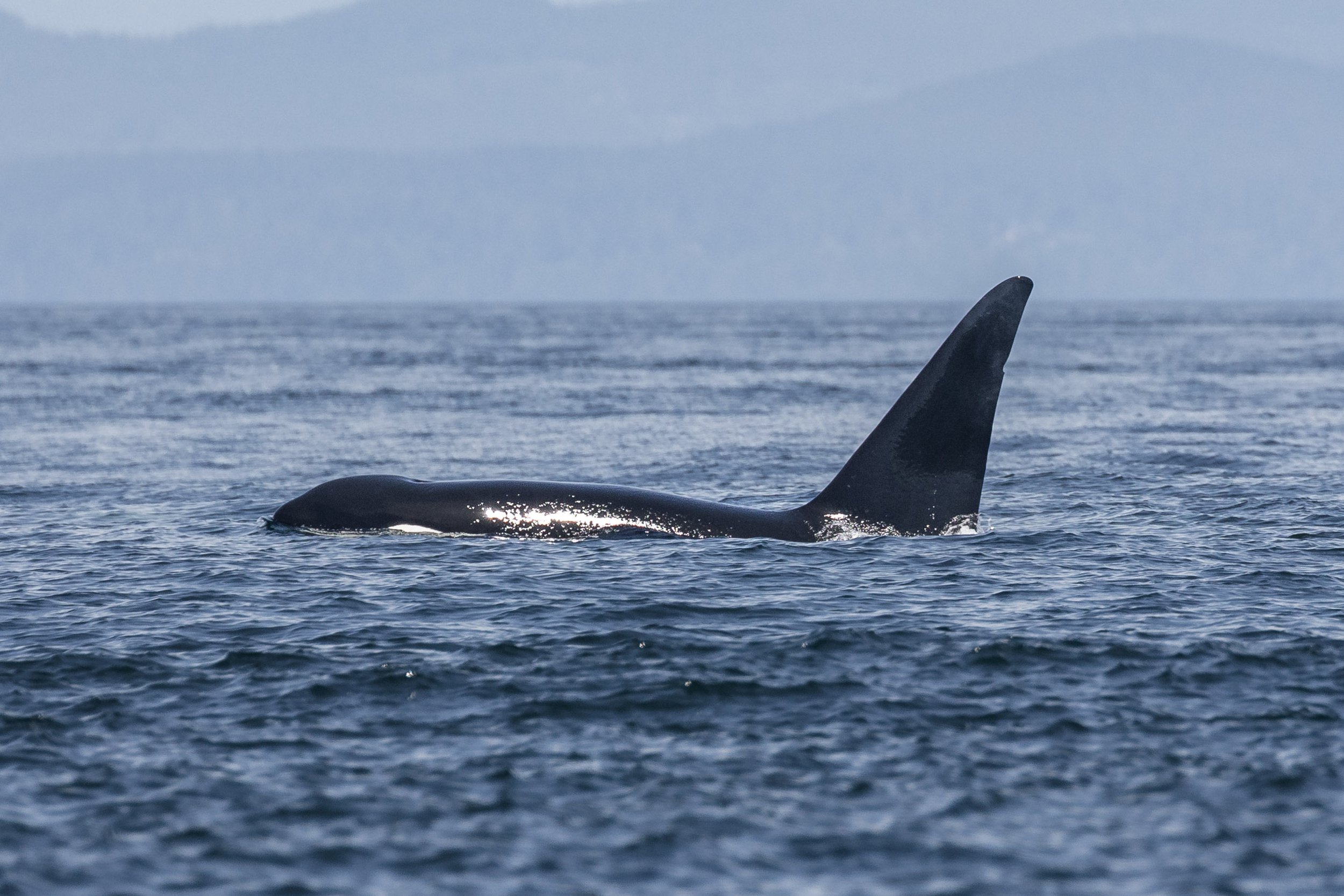
T123A Stanley. Photo by Vanessa Vereschahen.
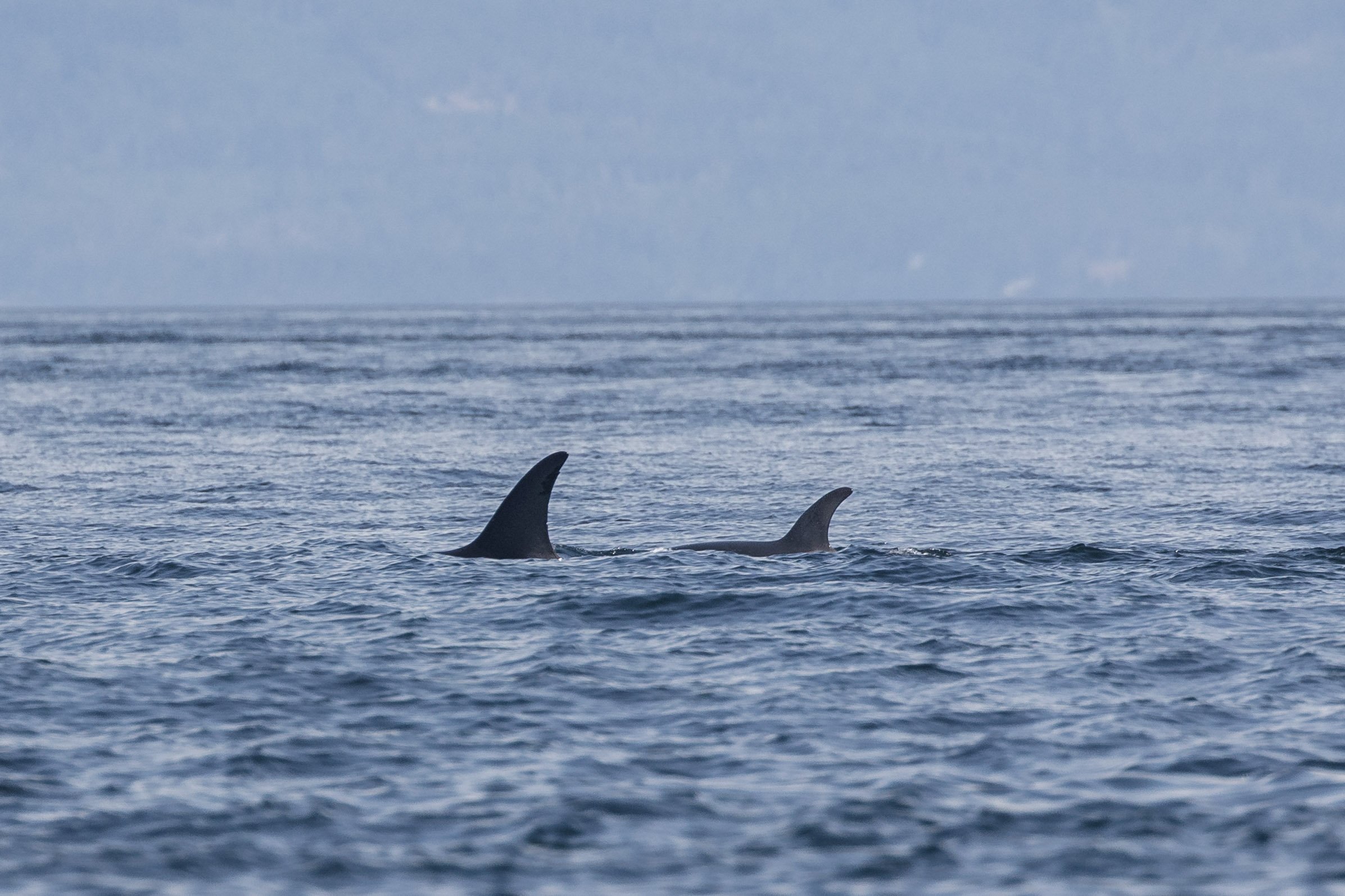
T086A Eider with her youngest calf T086A5 Siku. Photo by Vanessa Vereschahen.
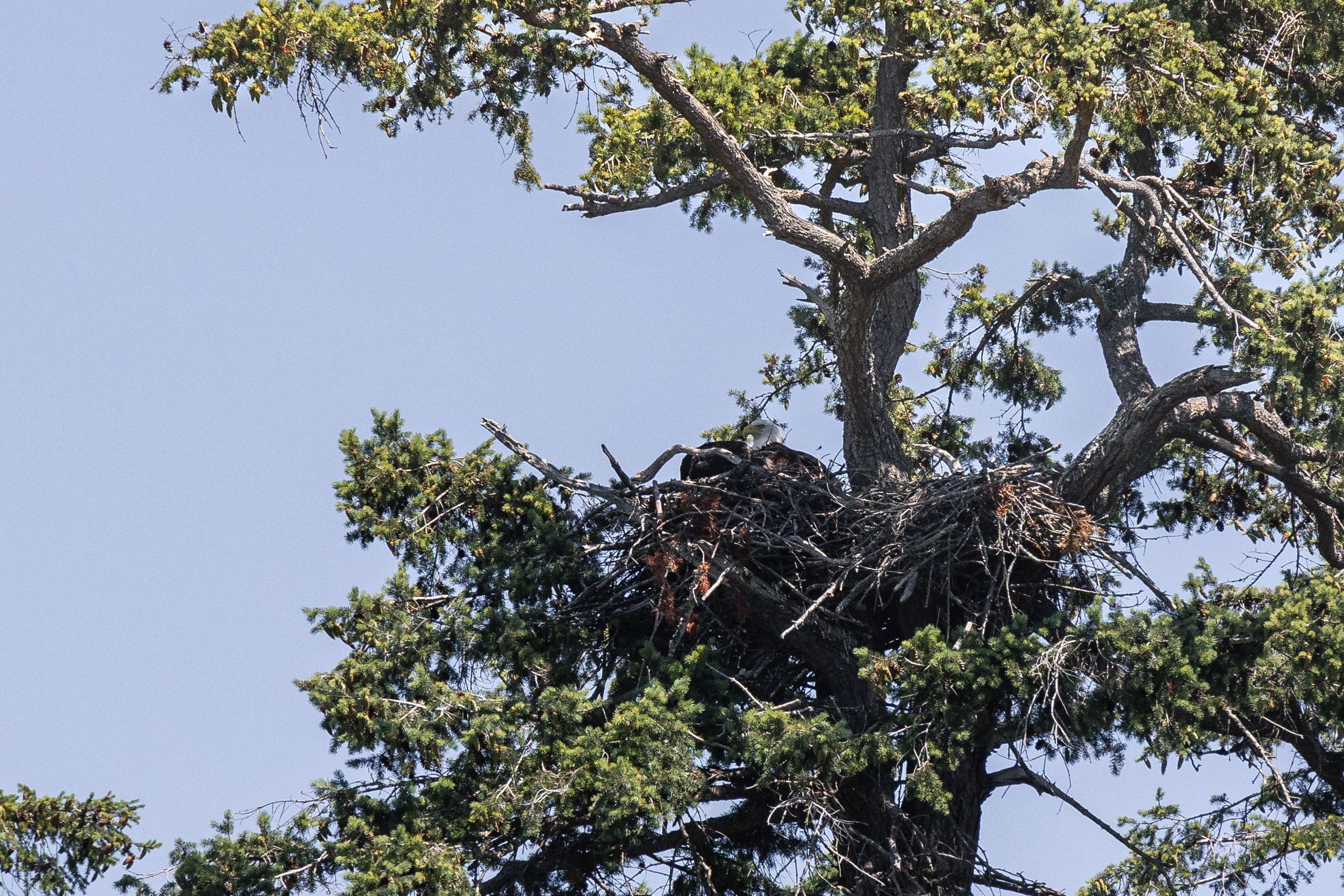
Bald Eagle parents together in their nest. Photo by Jordan Robinson.
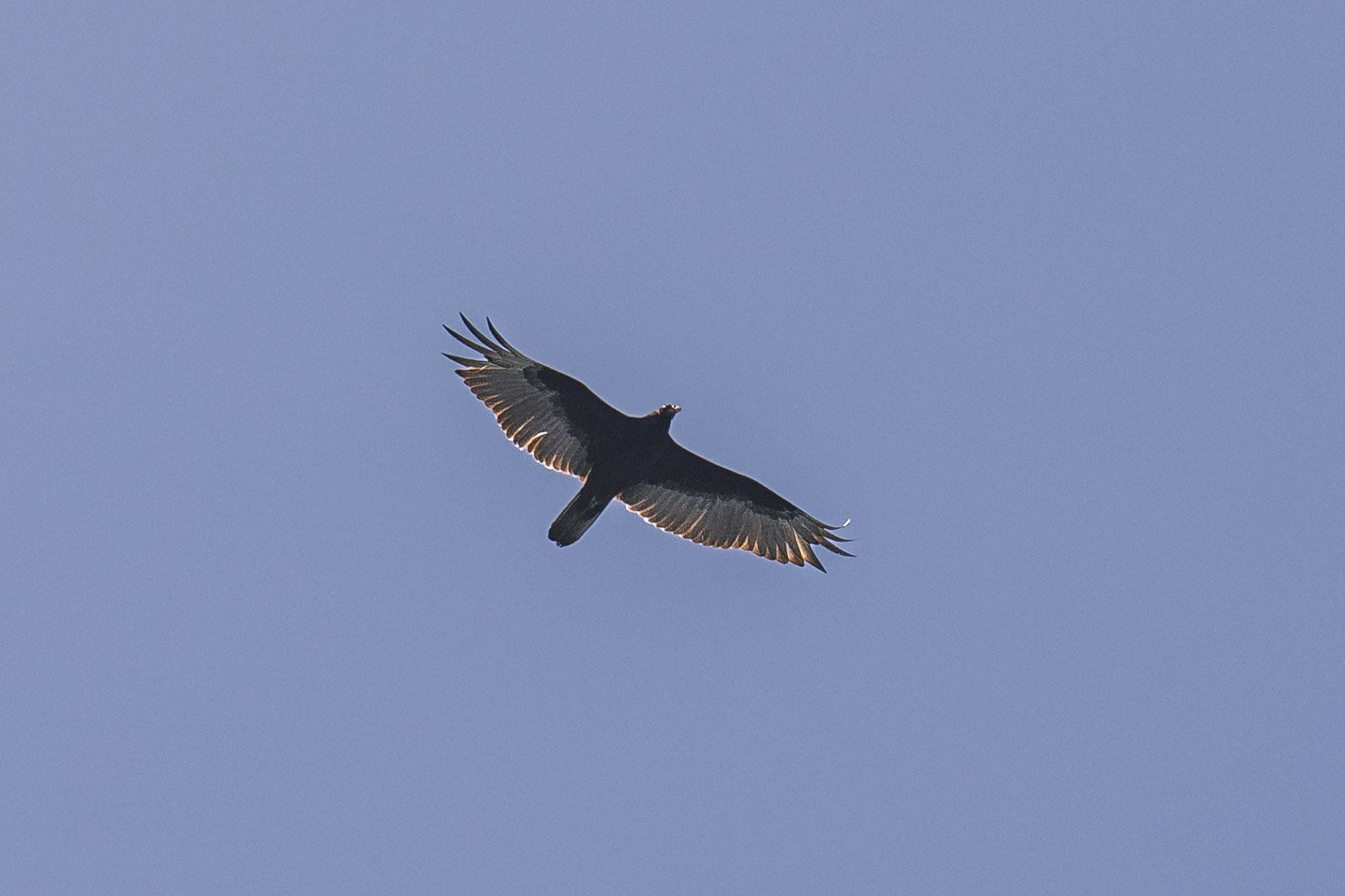
A Turkey Vulture soaring overhead. Photo by Jordan Robinson.
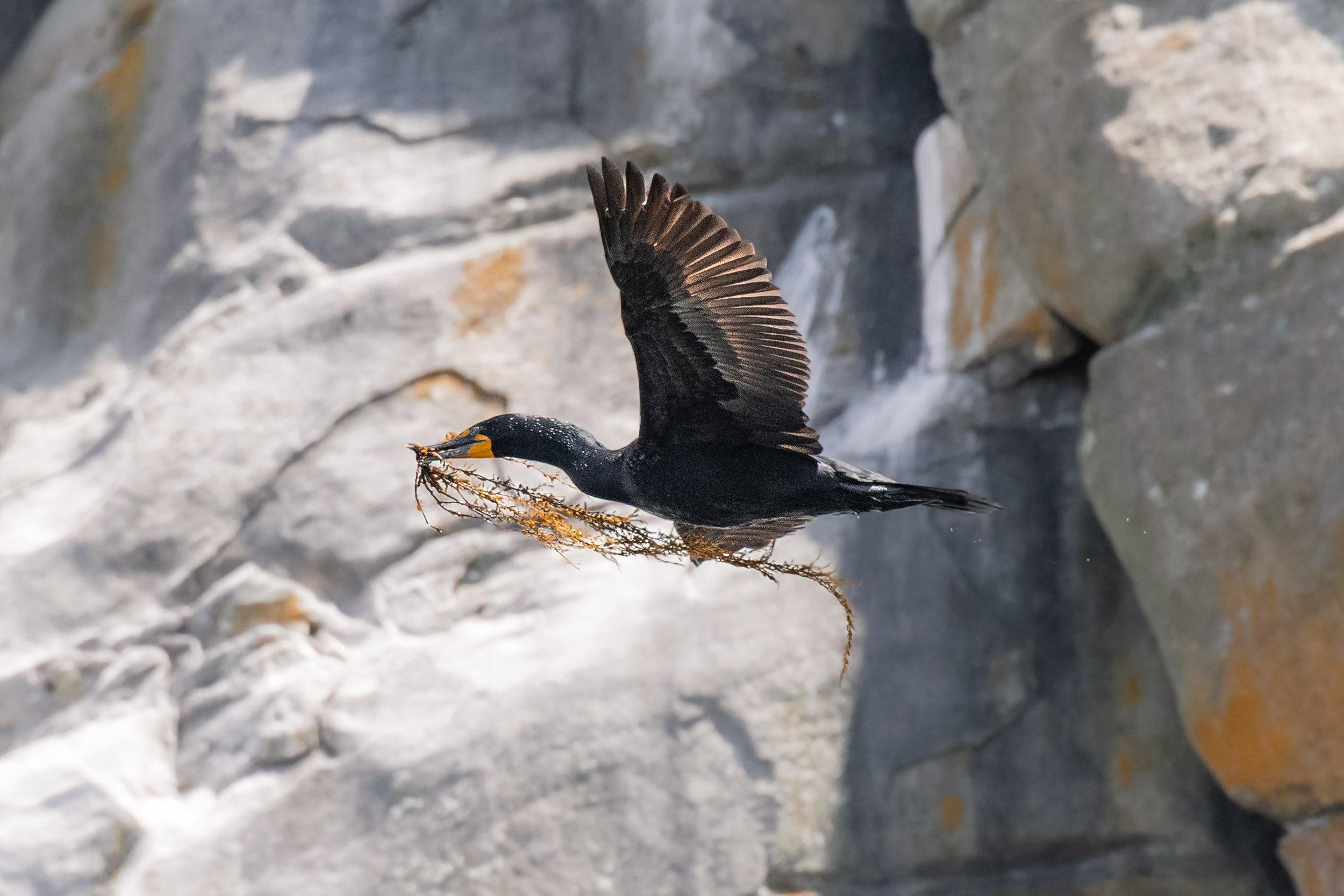
A Double-crested Cormorant flying by with a bill full of seaweed. Photo by Jordan Robinson.
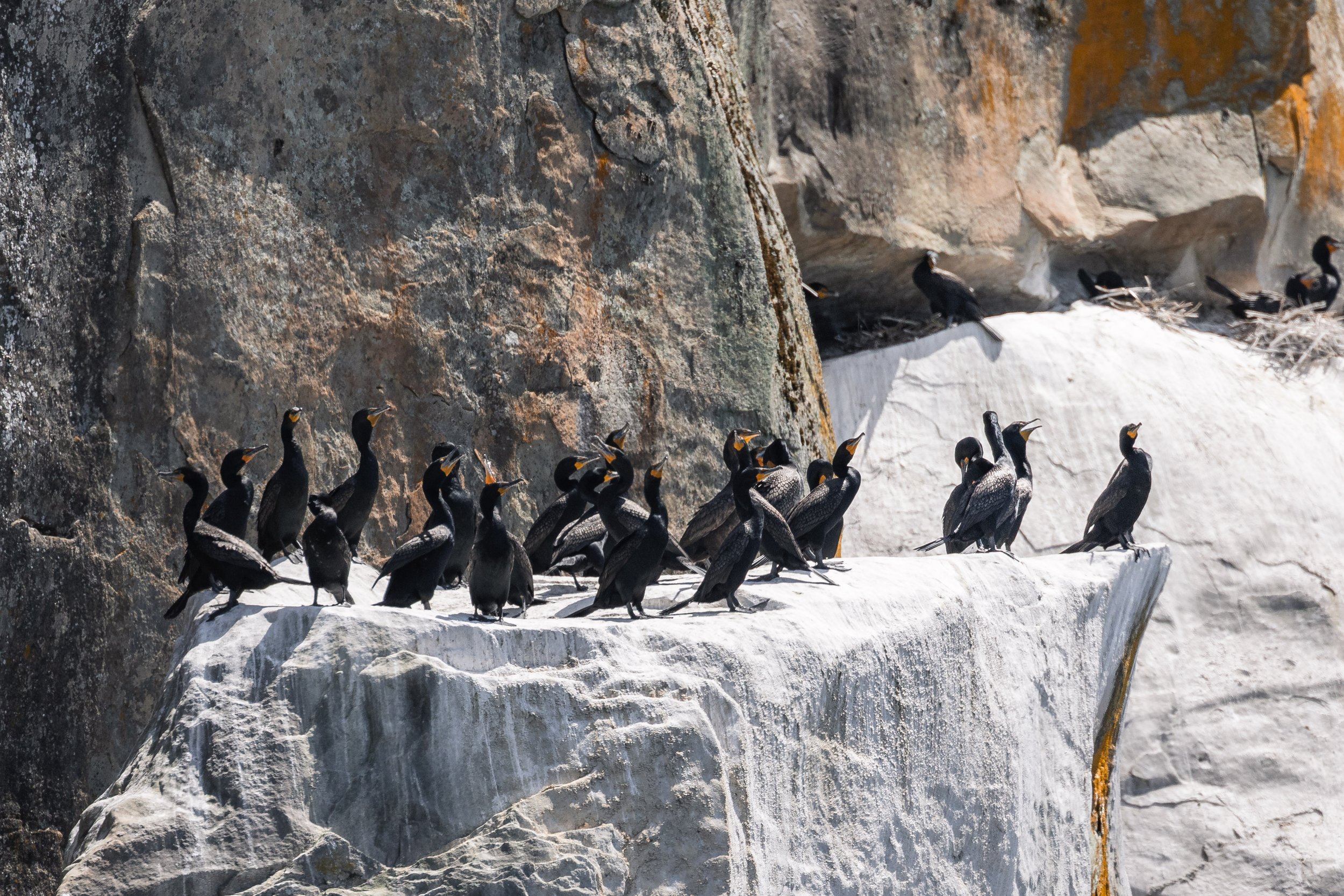
A gulp of Double-crested Cormorants. Photo by Vanessa Vereschahen.
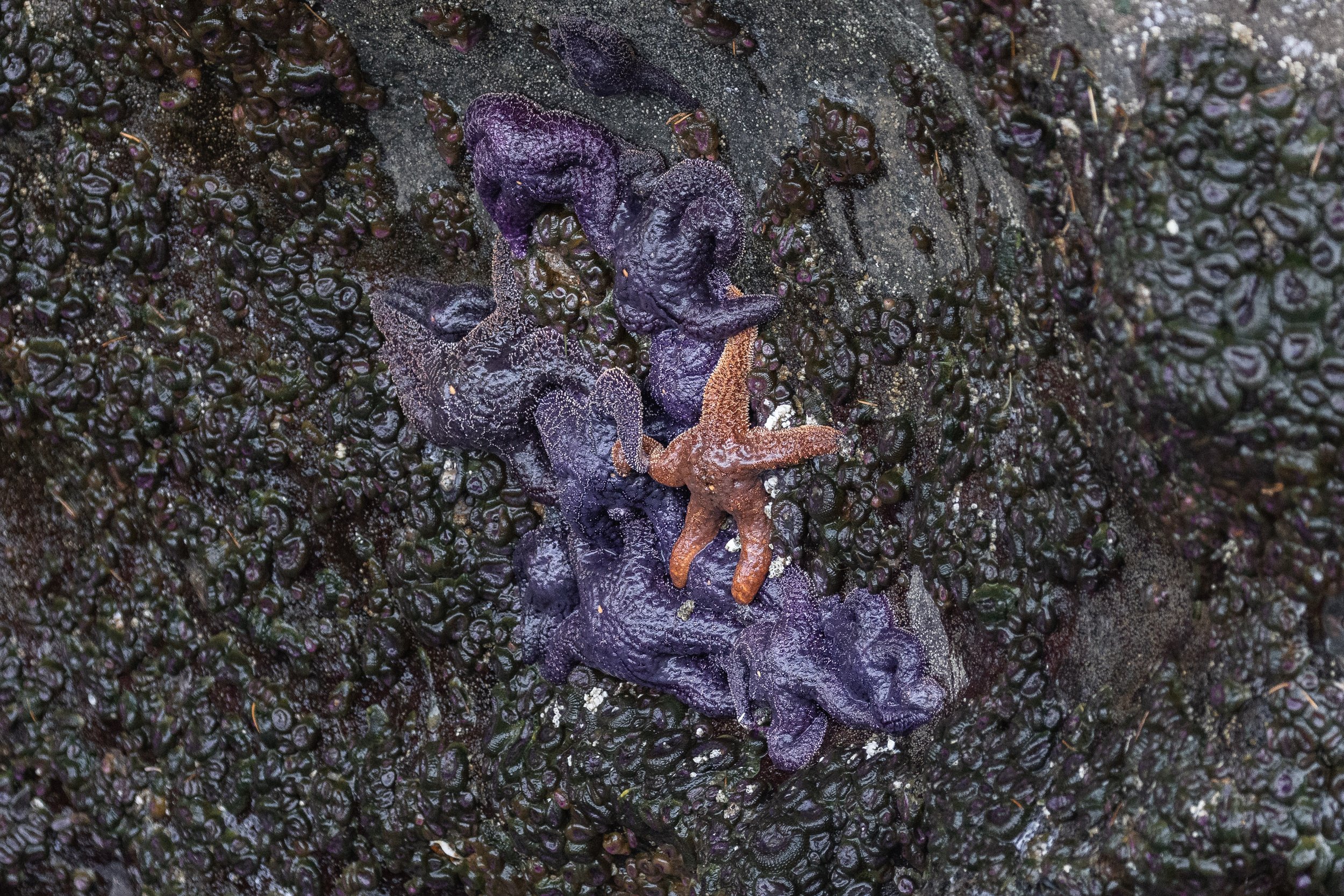
A galaxy of Ochre Sea Stars. Photo by Vanessa Vereschahen.