
June 17, 2026, 10:30 AM - Food for everyone!
All three of our boats pushed off the dock this morning, heading south in Northumberland Channel and slipping through Dodd Narrows to start off today’s trip. After spending some time weaving their way through different routes within the Southern Gulf Islands, covering as much ground as possible while searching for any sign of whales, our three boats decided to brave the bigger waves of the Strait of Georgia. It was here that a blow was spotted in the distance! Our boats headed over and waited in the area with anticipation. After a few minutes, a flurry of excitement washed over everyone as another blow erupted, this time nearby. They had found a Humpback Whale!
Humpback Whales are migratory and visit our area each summer to spend their time here, filling up on food. We keep a catalogue of each individual whale that feeds here in the Salish Sea and use distinctive features to identify them. A quick look at the dorsal fin of this humpback was all it took for the onboard Naturalists to recognize Chi (BCZ0575); he has a very distinctive notch in his fin. Chi is a popular whale amongst the staff as they have seen him grow up over the years. He first visited us as a calf here in 2021 while still by the side of his mom, Zephyr. He is the fourth known generation of his family to visit BC and is a descendant of the most famous humpback in the Salish Sea, Big Mama! She was the first Humpback Whale to return to this area back in 1997, following the end of the whaling era, which had caused humpbacks to become locally extinct here. Big Mama is Chi’s great-grandmother, and it always feels special to spend time with her family. Our boats enjoyed riding the waves alongside Chi as he milled back and forth along the Galiano Island shoreline.
The easterly shoreline of Galiano Island is a particularly productive area. To the north is Porlier Pass and to the south is Active Pass - two of the few channels that allow the tide to flow between the Strait of Georgia and the Southern Gulf Islands. These channels have rushing currents regularly reaching 9 to 11 knots. These extreme currents pull up nutrient-rich deep waters. As well as this, in summer we see the Fraser River’s peak flow period, with water spilling out from the river mouth into the Strait of Georgia and the nutrient-rich plume being propelled towards Galiano Island. These oceanographic processes fuel frequent phytoplankton blooms in the area, which support a complex marine web. This means there is plenty of food in the area for Humpback Whales, as the phytoplankton sustains a supply of zooplankton, krill and small schooling fish; all of the things a humpback eats!
Today, the water looked visibly green, and Chi spent his time circling the area, both good indications that he was indeed enjoying a meal below the surface. Humpback Whales need to eat around 3,000lb of food every single day, making it no surprise that this is the behaviour we most commonly see when we come across them. After some time with Chi, our boats left him to eat in peace and dispersed in different directions to recommence the search for more wildlife.
Each of the boats had different sightings of Stellar Sea Lions. Our open boat Keta stopped at Stinky Rock, where a bunch of stellers were hauled out, enjoying the midday sun. The semi-covered boat, Kula, passed by a singular sea lion hanging out on a buoy. The buoys are a great place to relax as they rise and fall with the tide, whereas at Stinky Rock, the sea lions need to adjust their position throughout the day or they’ll end up underwater. Cascadia’s sea lion was enjoying a swim when they spotted it, passing near the boat and appearing to look at them as much as they were looking at it. All three boats also passed by the smaller of our local pinniped species, the Harbour Seals. They are the most abundant marine mammal in British Columbia, and once you spot one, more and more seem to appear as their silhouettes become distinguishible from the rocks their speckled fur camouflages them so well against. It’s almost pupping season for the Harbour Seals, and many of them were looking extra round today.
This leads to another of our wildlife sightings, a little more gory than the others. Not far from one of the seal haul-outs, a number of Bald Eagles were seen tucking into a deceased seal pup. Due to the time of year, it’s likely this pup was born early or aborted and died of natural causes. Although this could be sombre to witness, this pup will now provide a source of sustenance for many other locals. The circle of life!
Our boats bounced their way home after an exciting day on the water.
Please enjoy the photos below taken by Marine Naturalists Evan Hessels, Jordan Robinson and Hayleigh Hilbert.
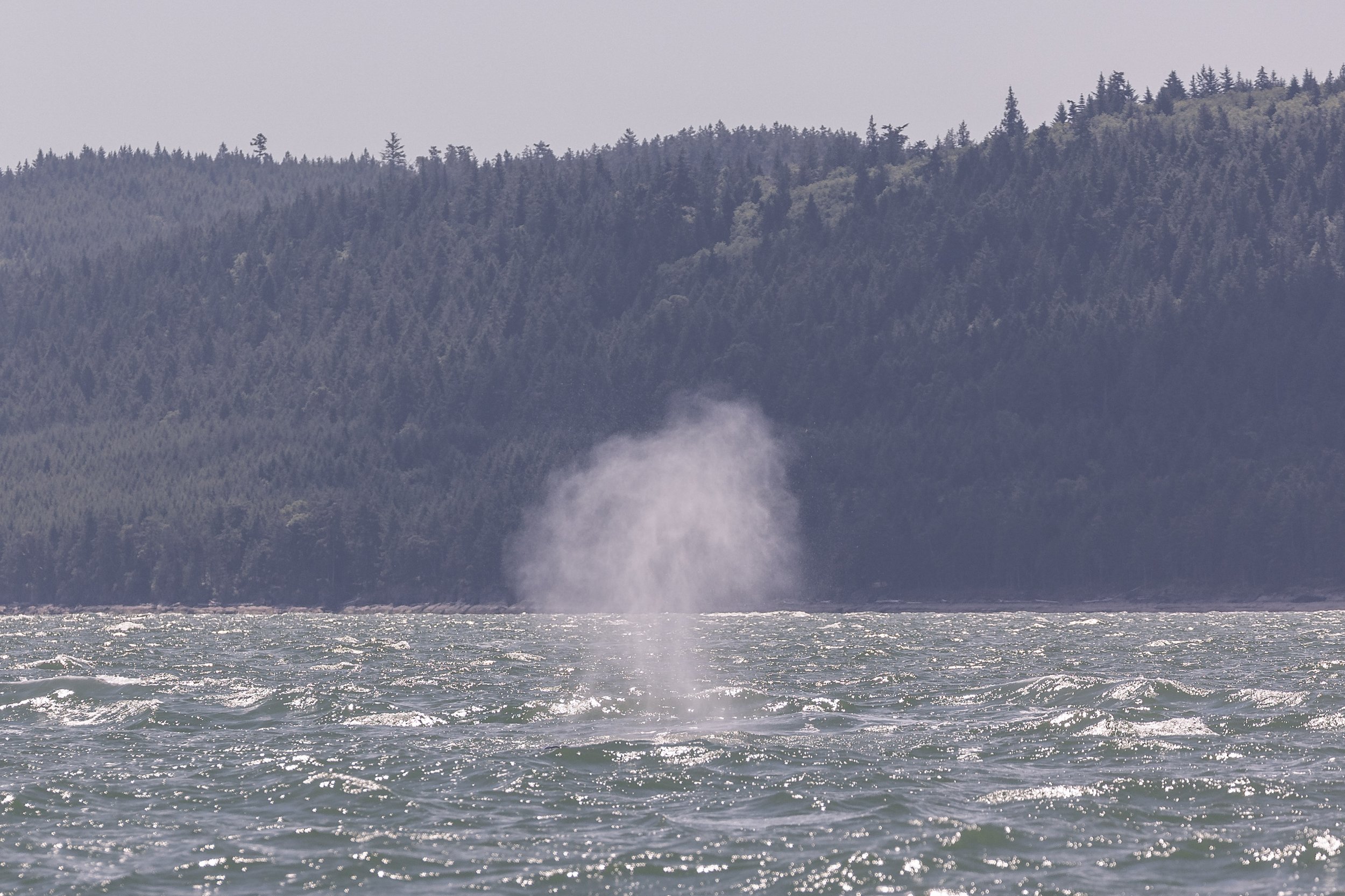
The blow is usually the first thing we spot when we’re looking for Humpback Whales. Photo by Jordan Robinson.
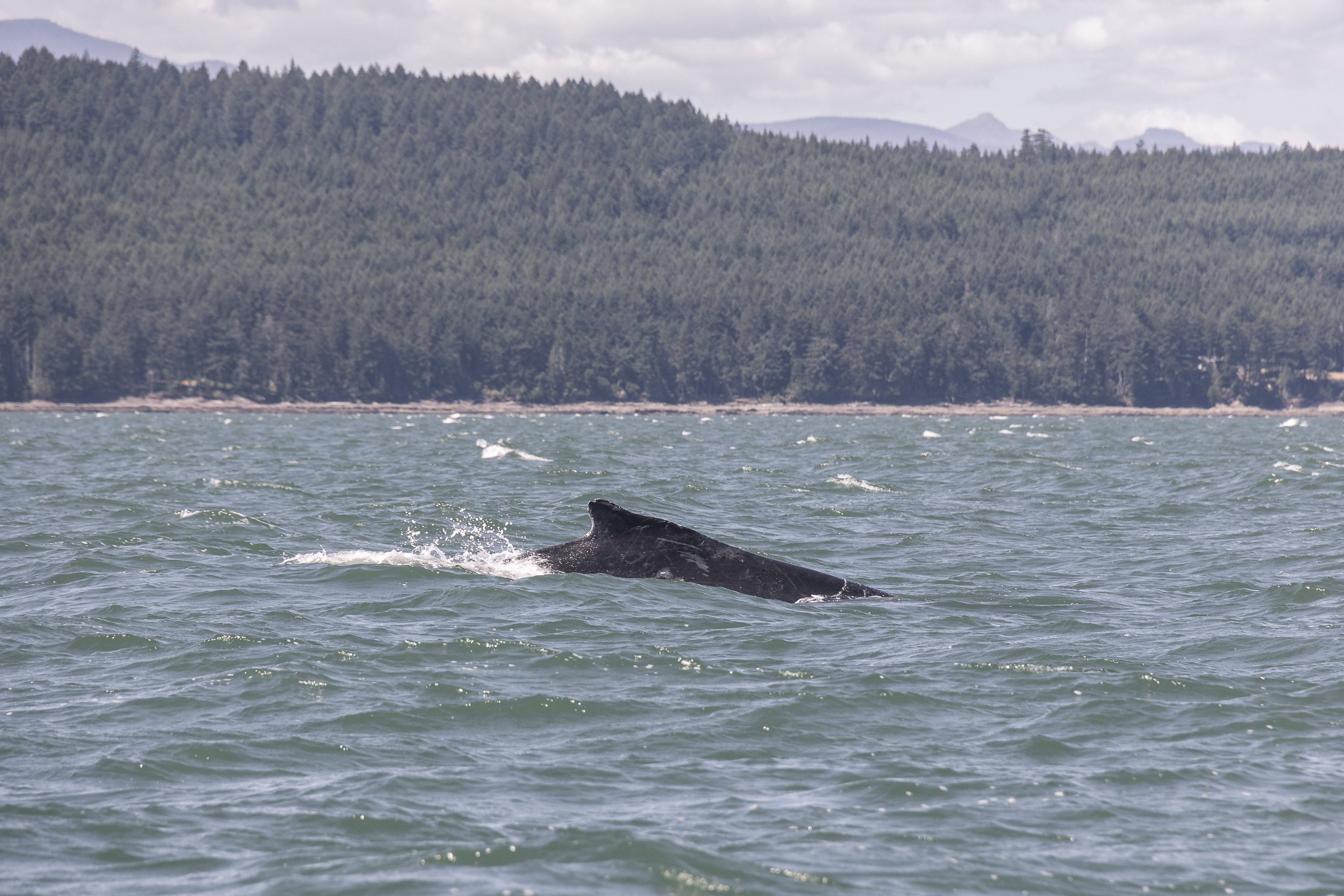
Chi with Galiano Island in the background. Photo by Hayleigh Hilbert.
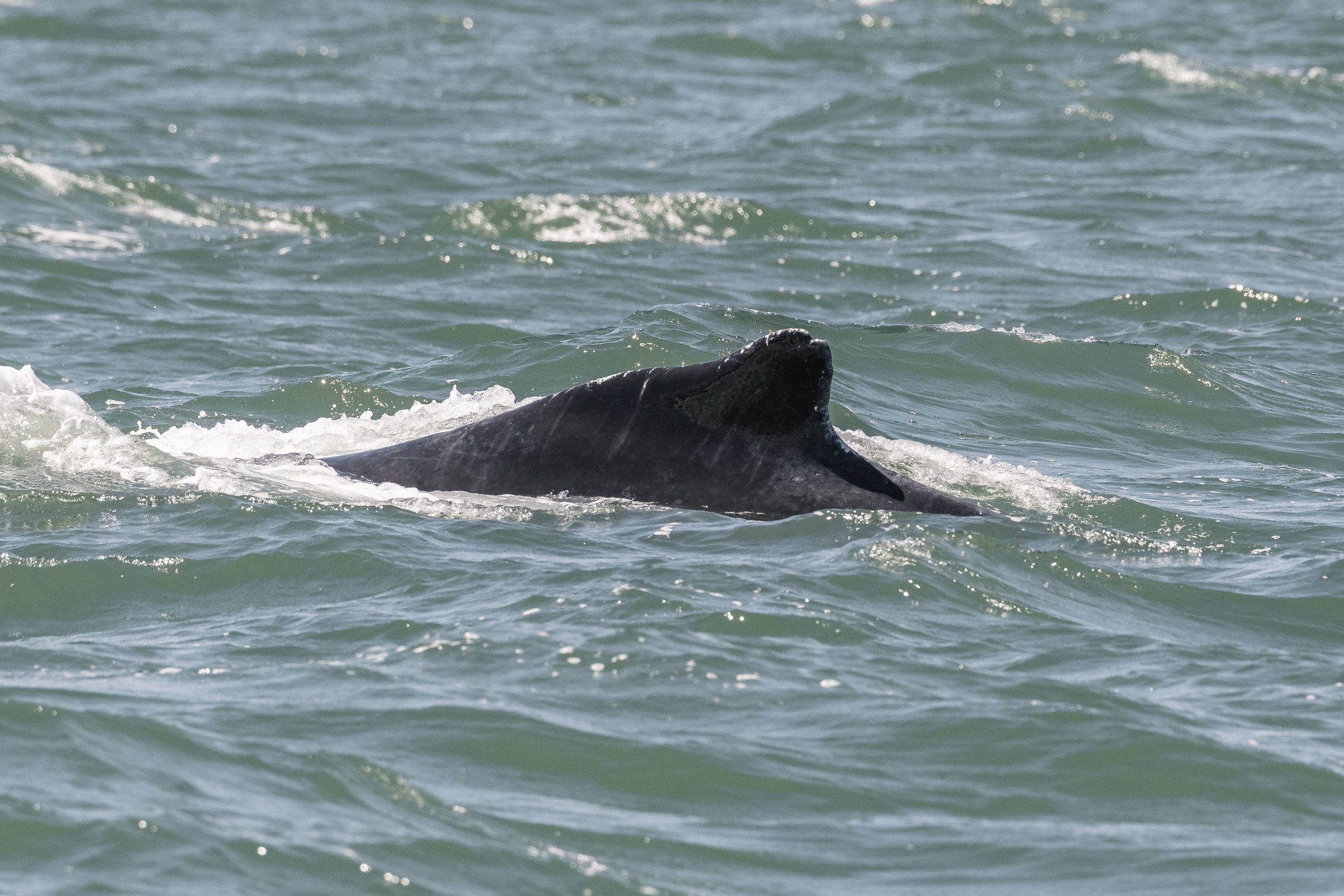
Chi’s dorsal fin has a very distinctive notch making him easy to identify. Photo by Evan Hessels.
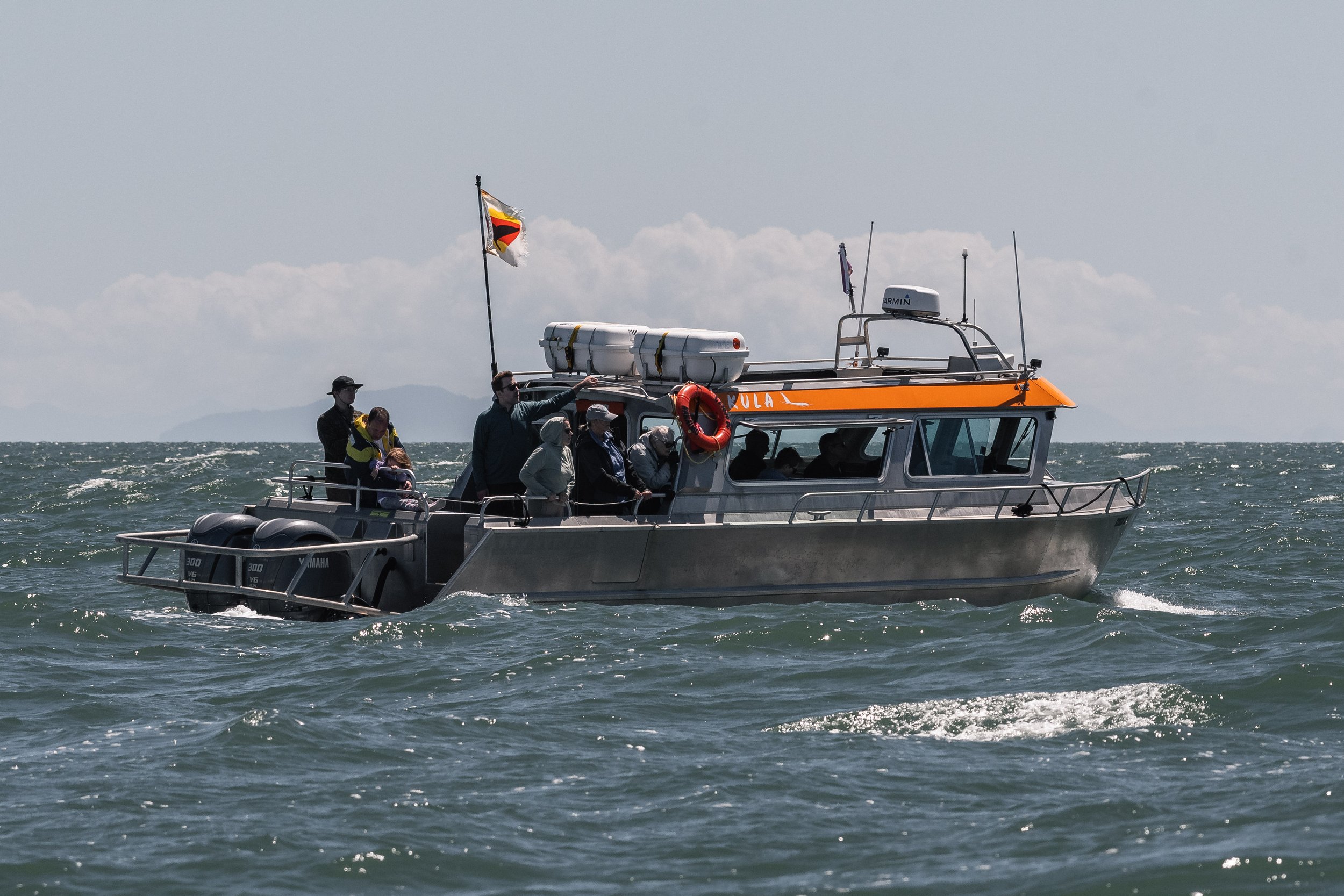
Guests on Kula watching Chi. Photo by Evan Hessels.
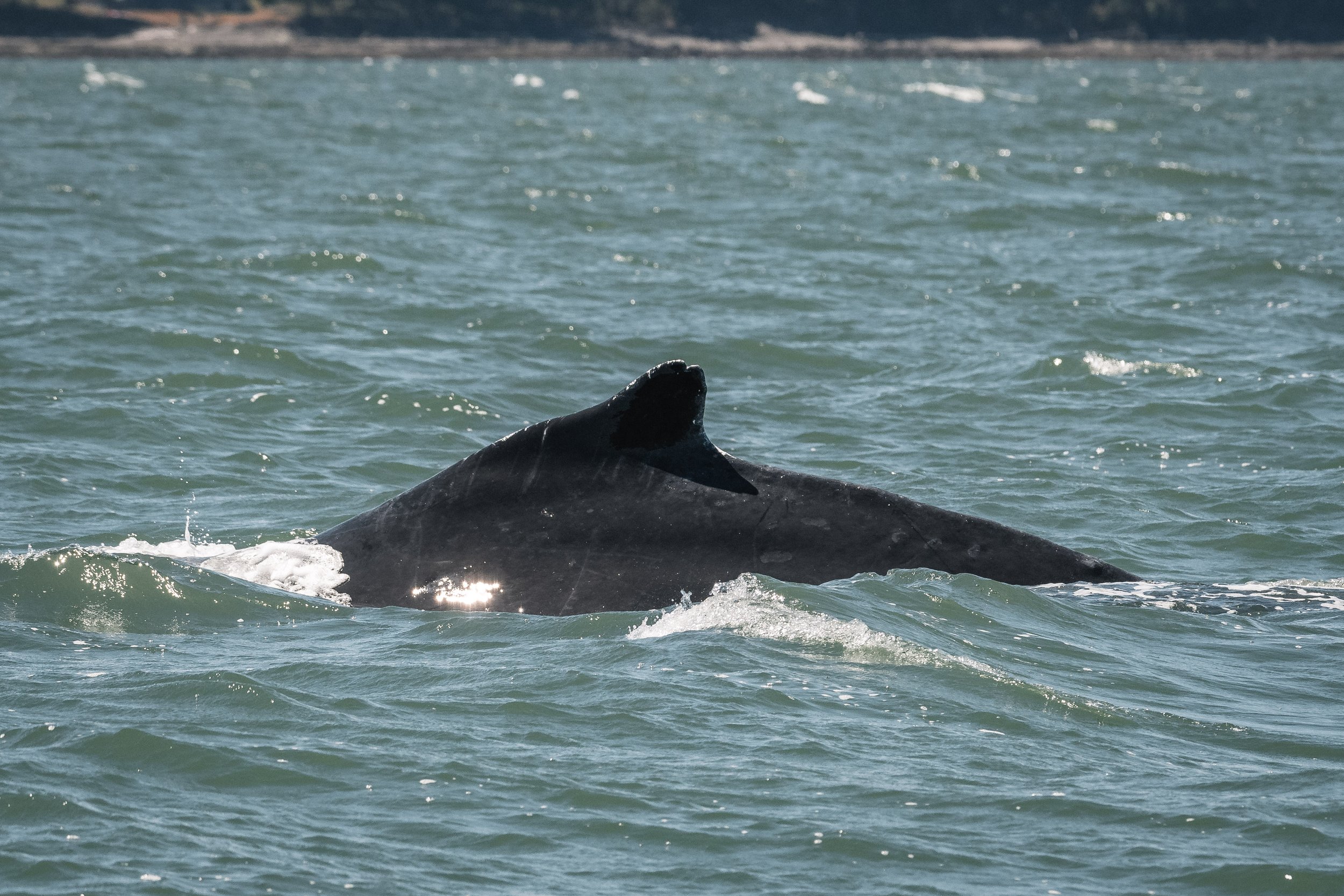
Chi swimming by. Photo by Evan Hessels.
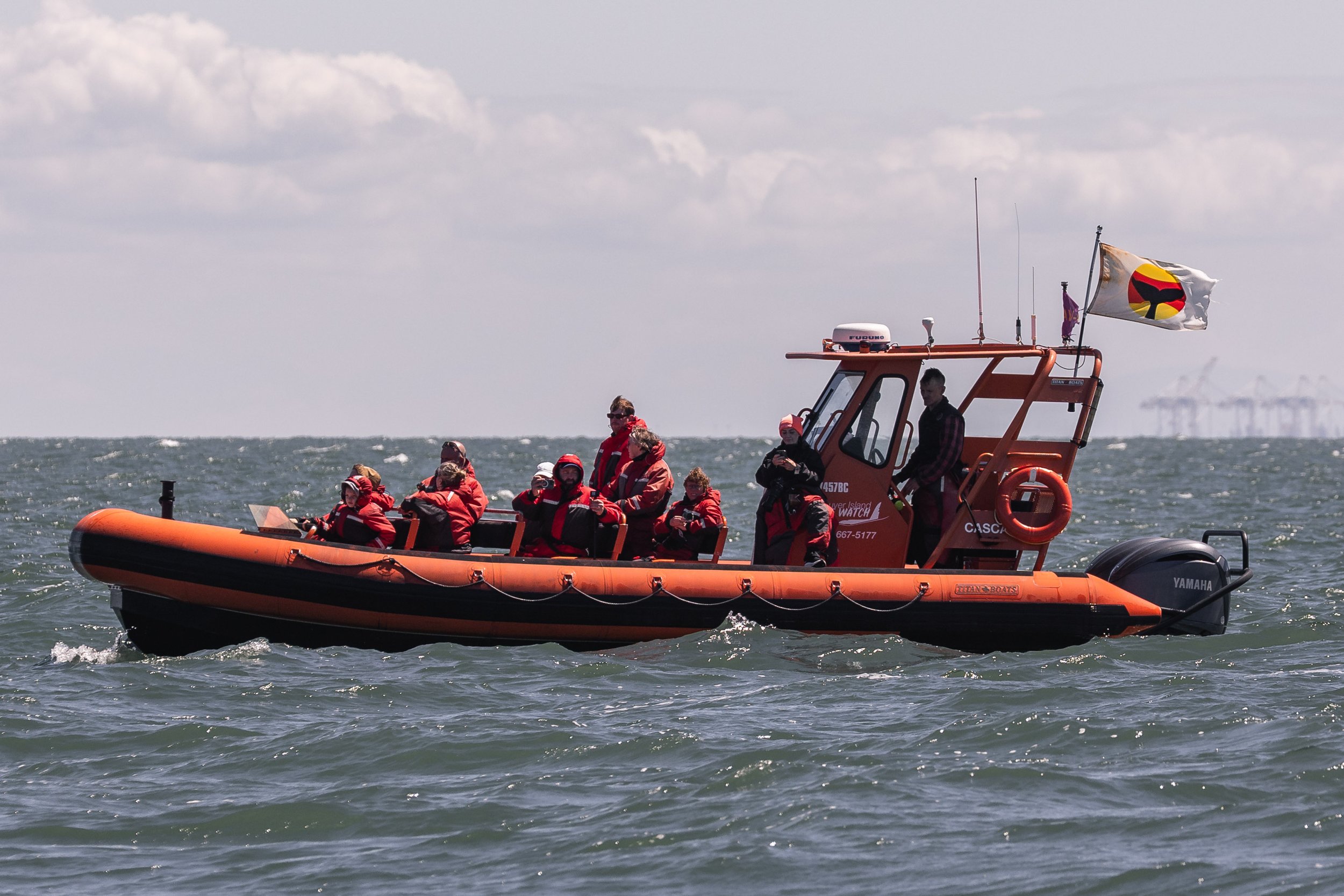
Cascadia cruising along. Photo by Jordan Robinson.
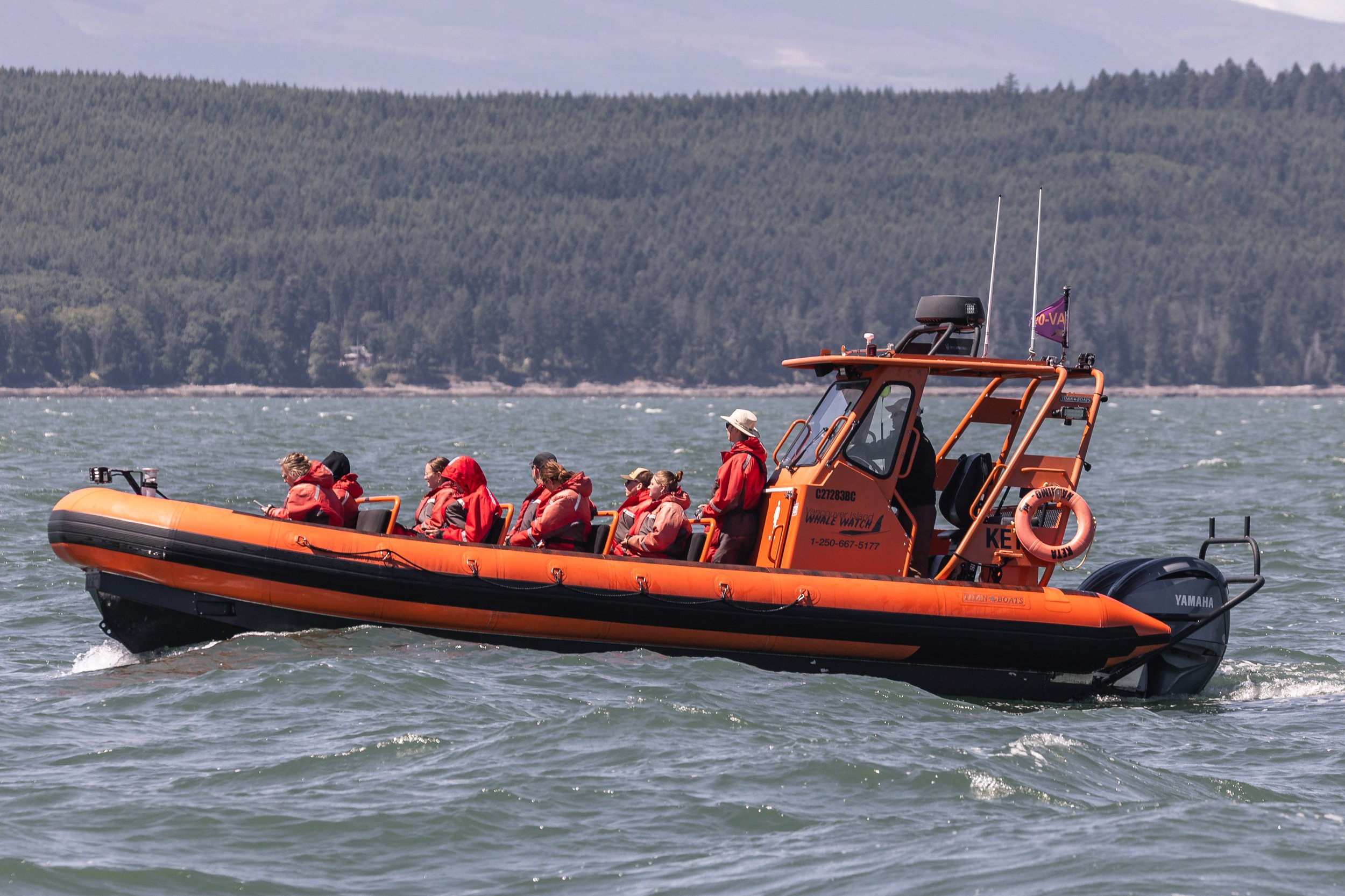
Keta watching our whale. Photo by Jordan Robinson.
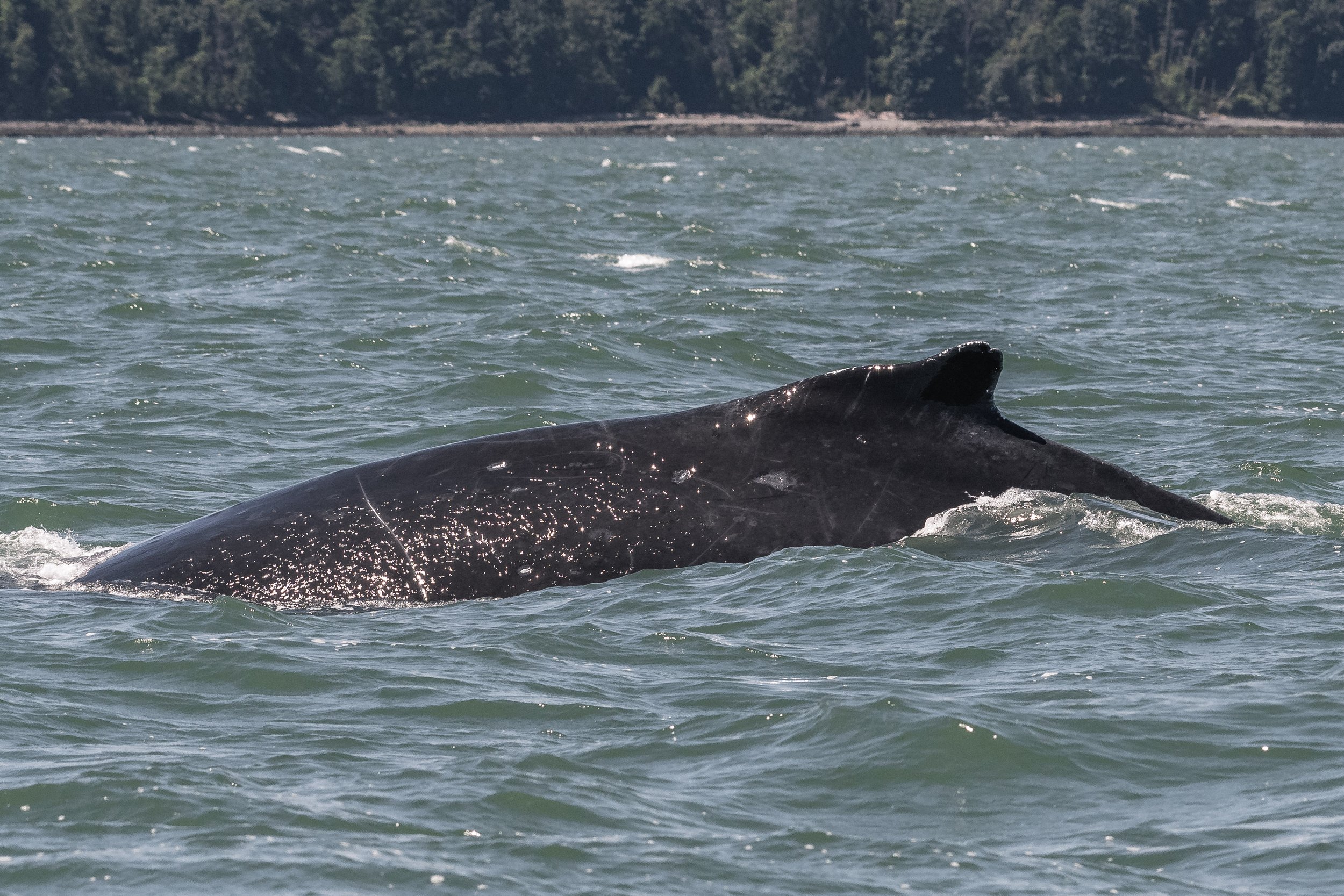
A fully grown Humpback Whale gets between 40 and 60 feet long! Photo by Evan Hessels.
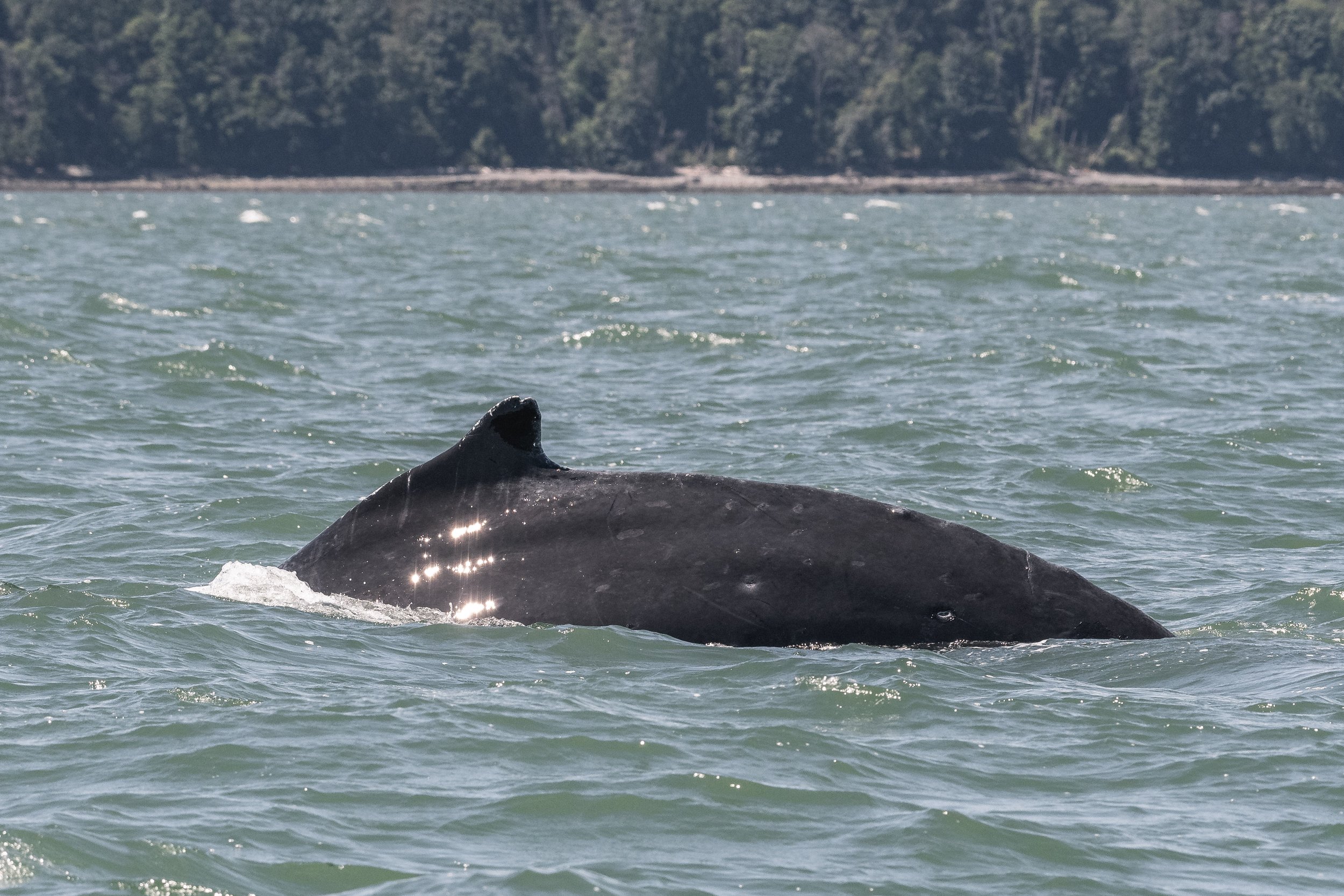
Chi arching his back before heading down for a dive. Photo by Evan Hessels.
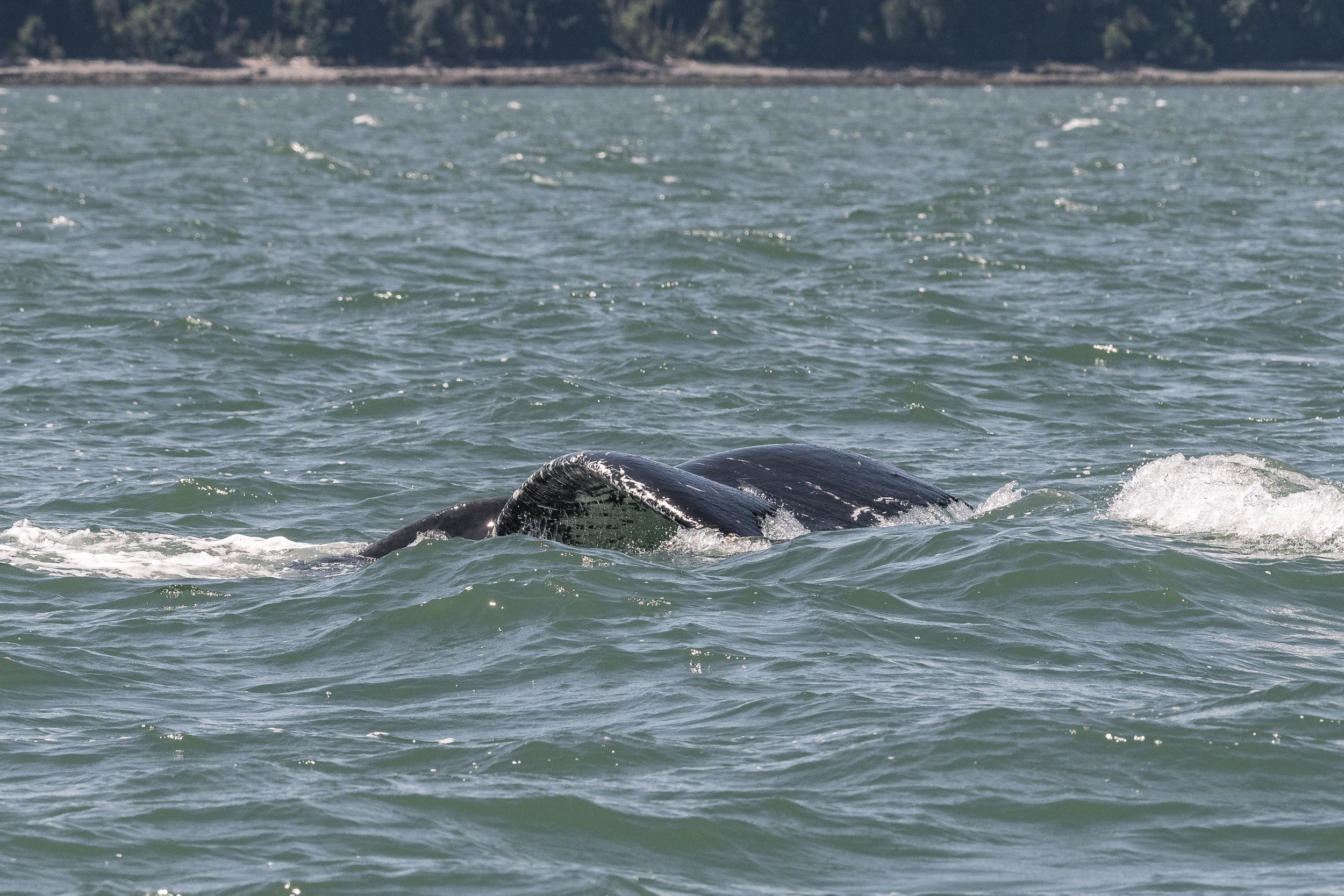
A peek at Chi’s tail. Photo by Evan Hessels.
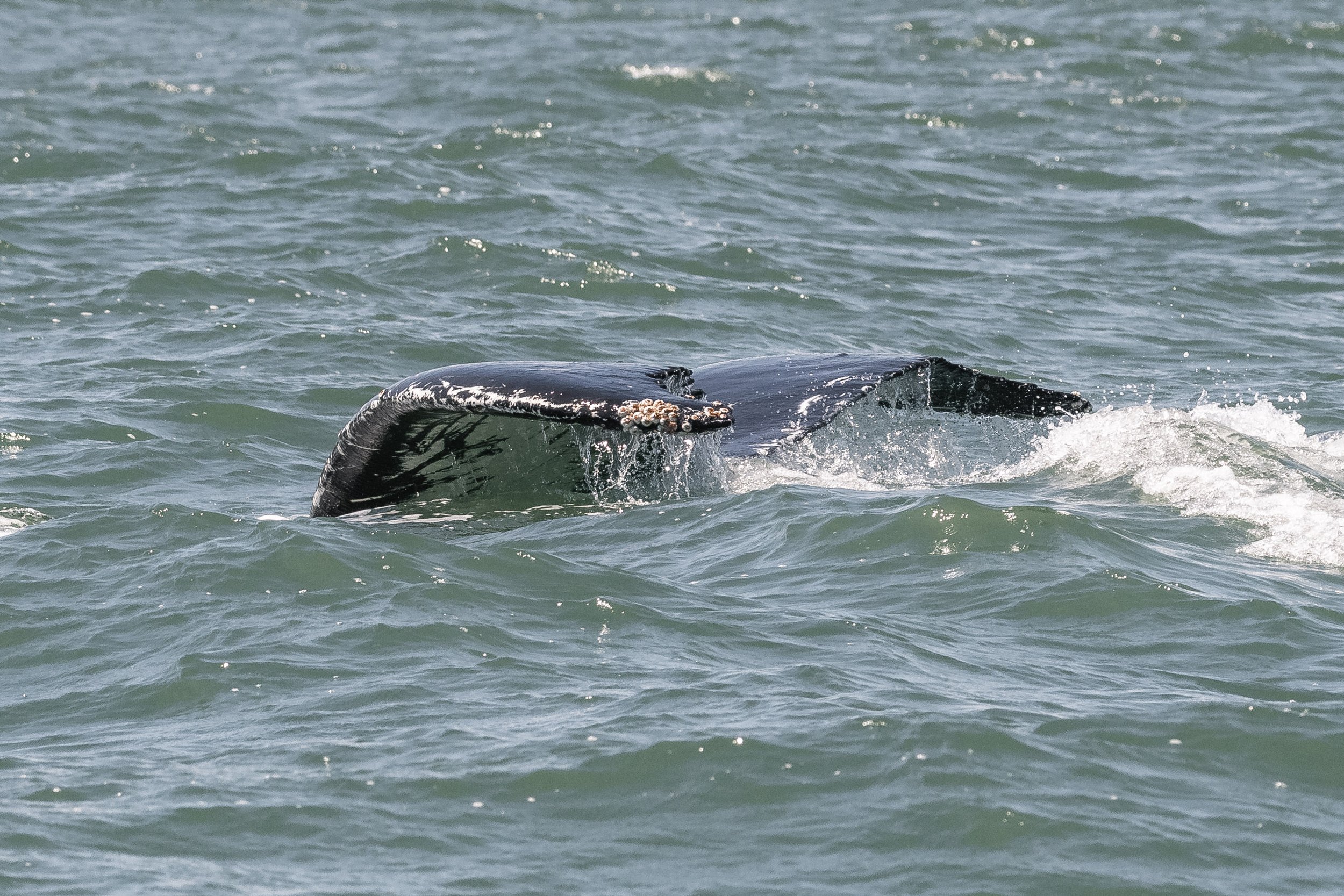
Chi has a lot of white on the underside of his tail. Photo by Evan Hessels.
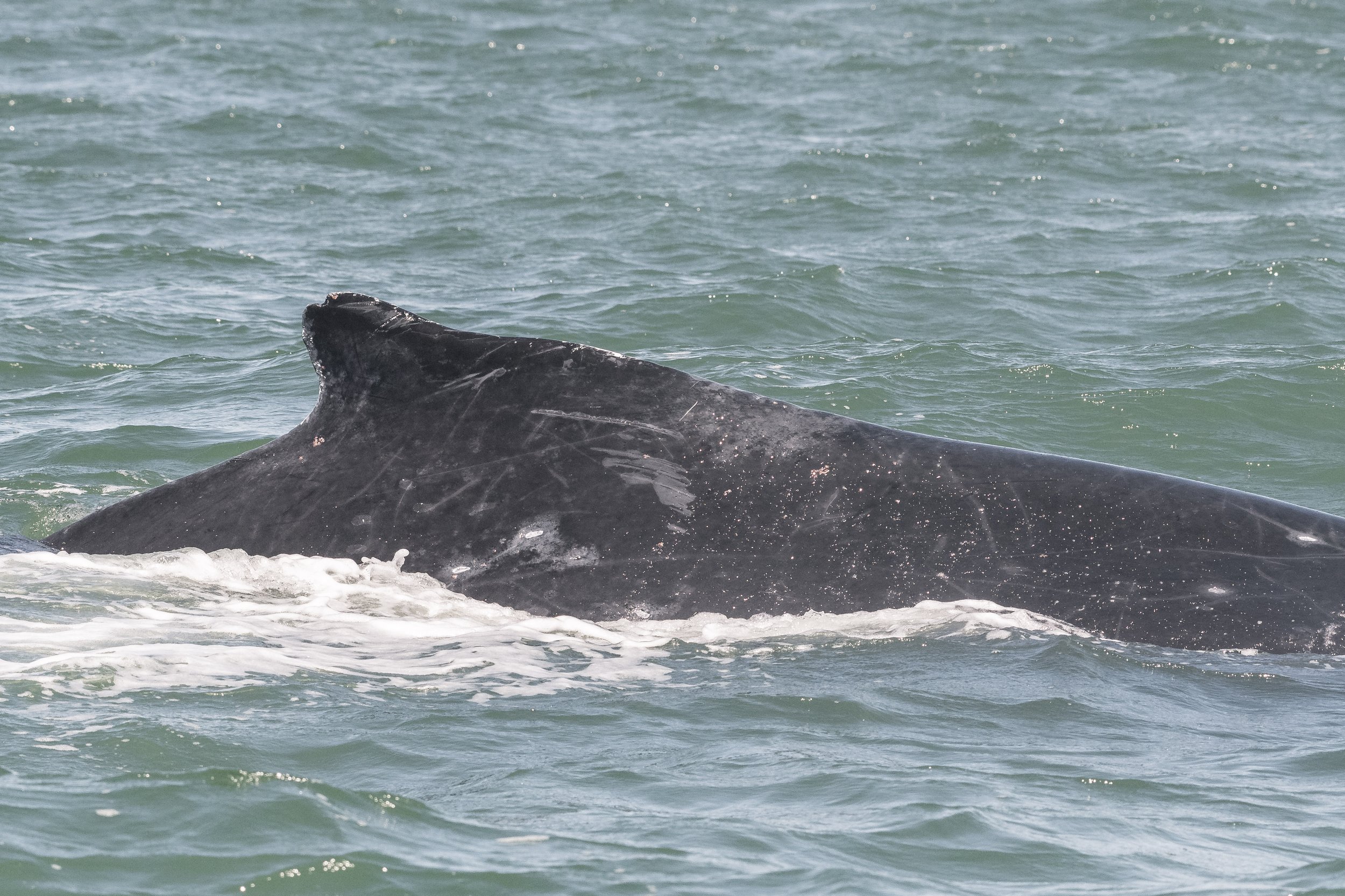
The right side of Chi’s dorsal fin. Photo by Evan Hessels.
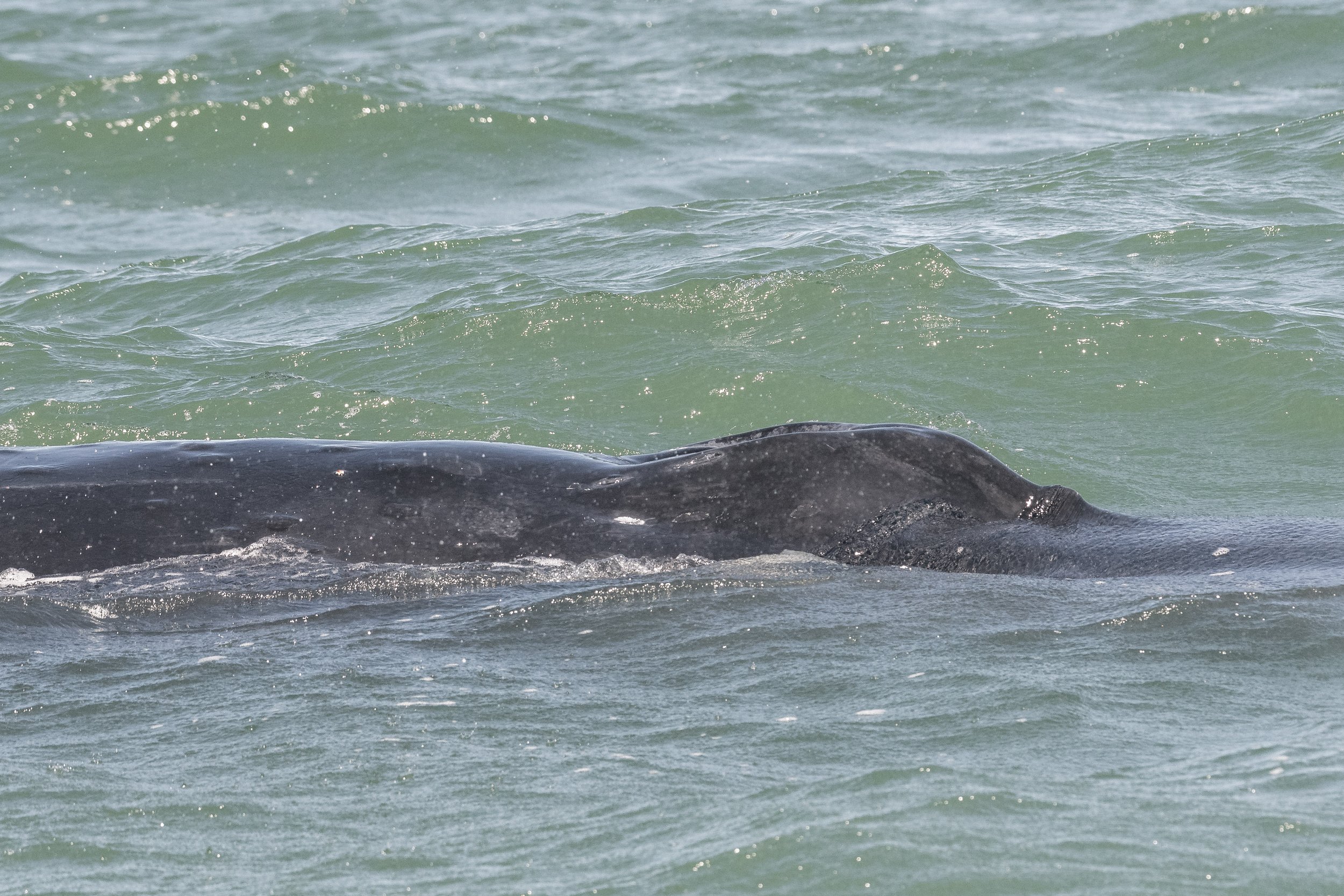
A look at the water rippling in front of Chi’s blowholes. Photo by Evan Hessels.
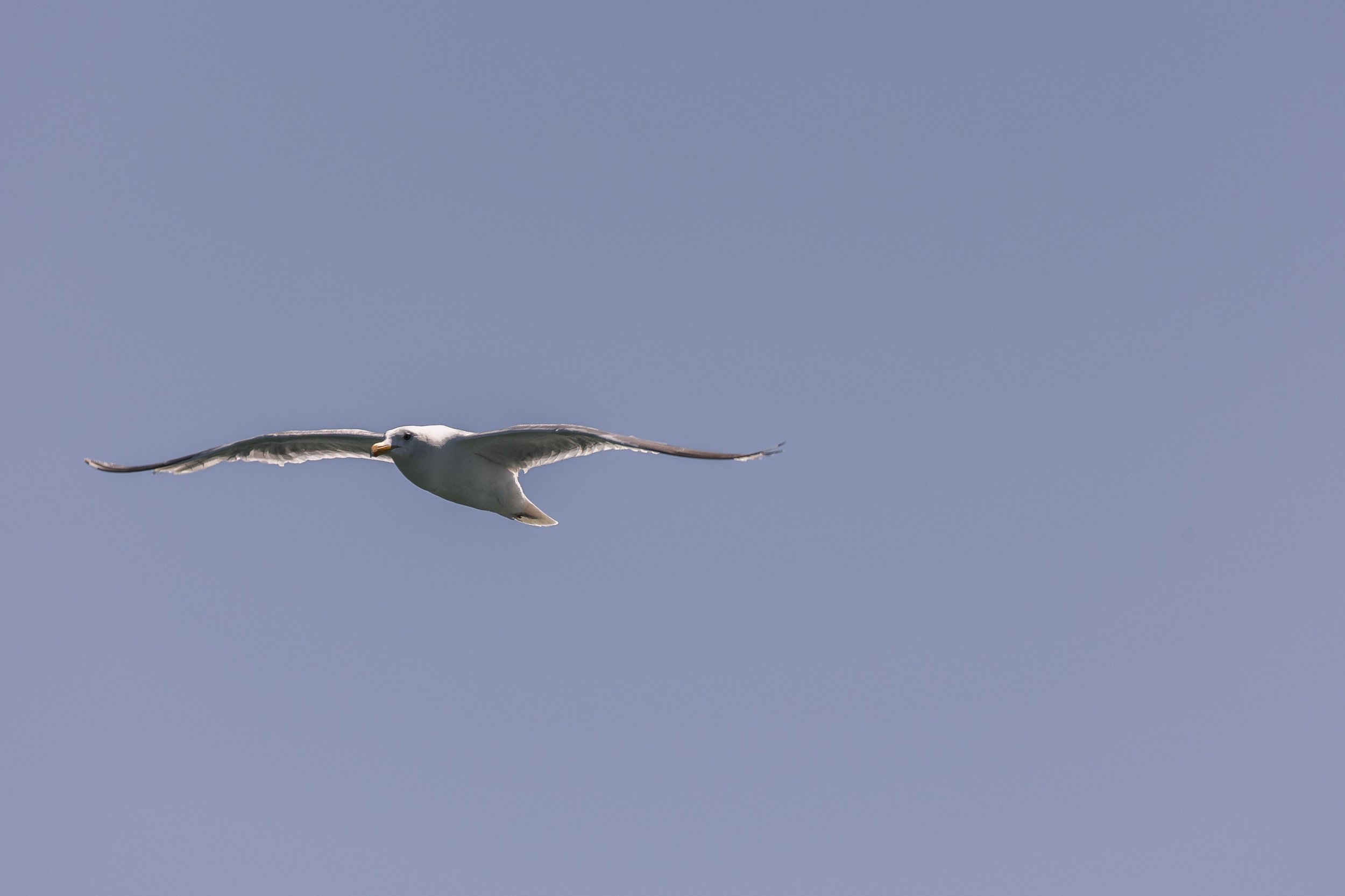
A gull soaring by. Photo by Jordan Robinson.
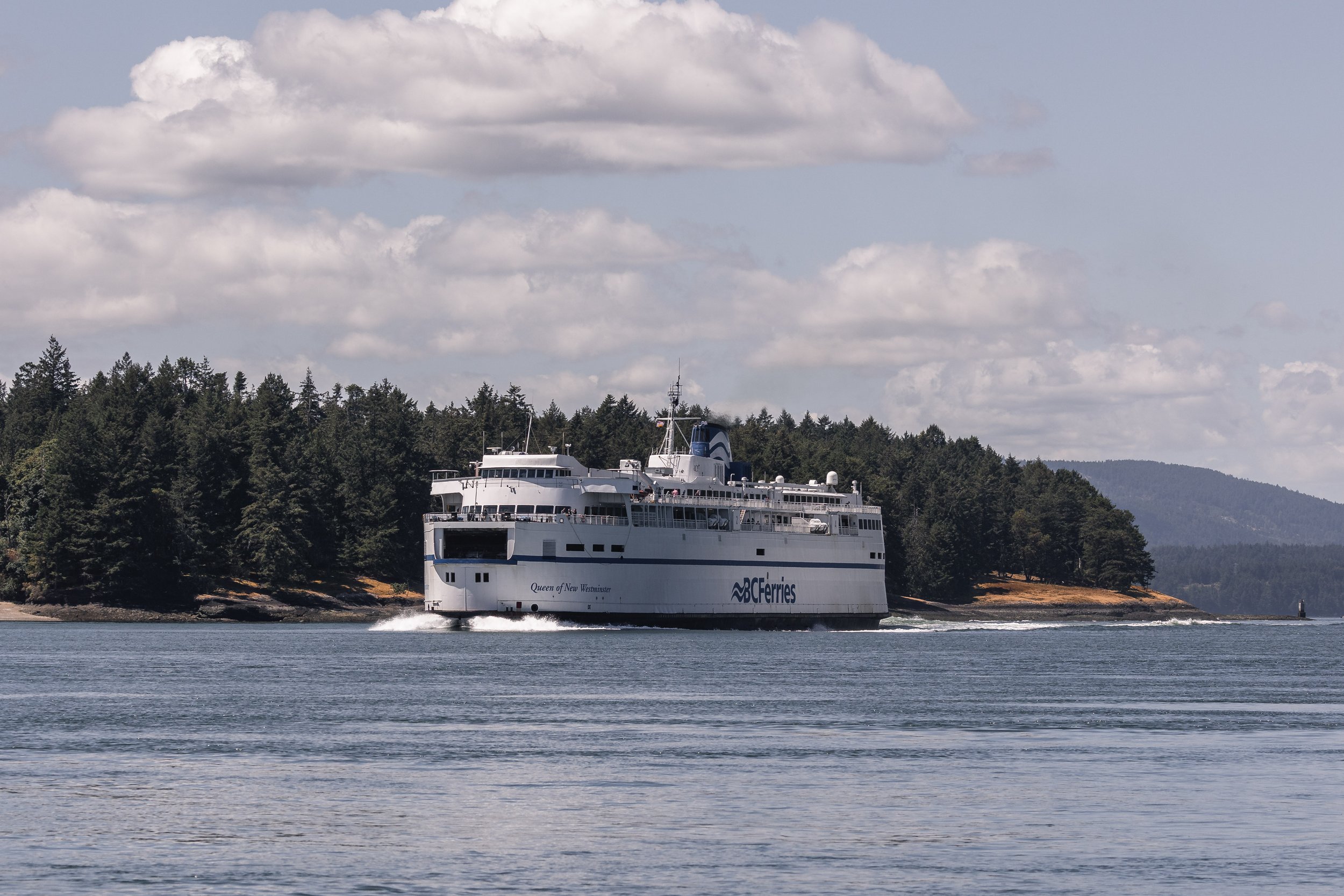
A BC ferry heading through Active Pass. Photo by Jordan Robinson.
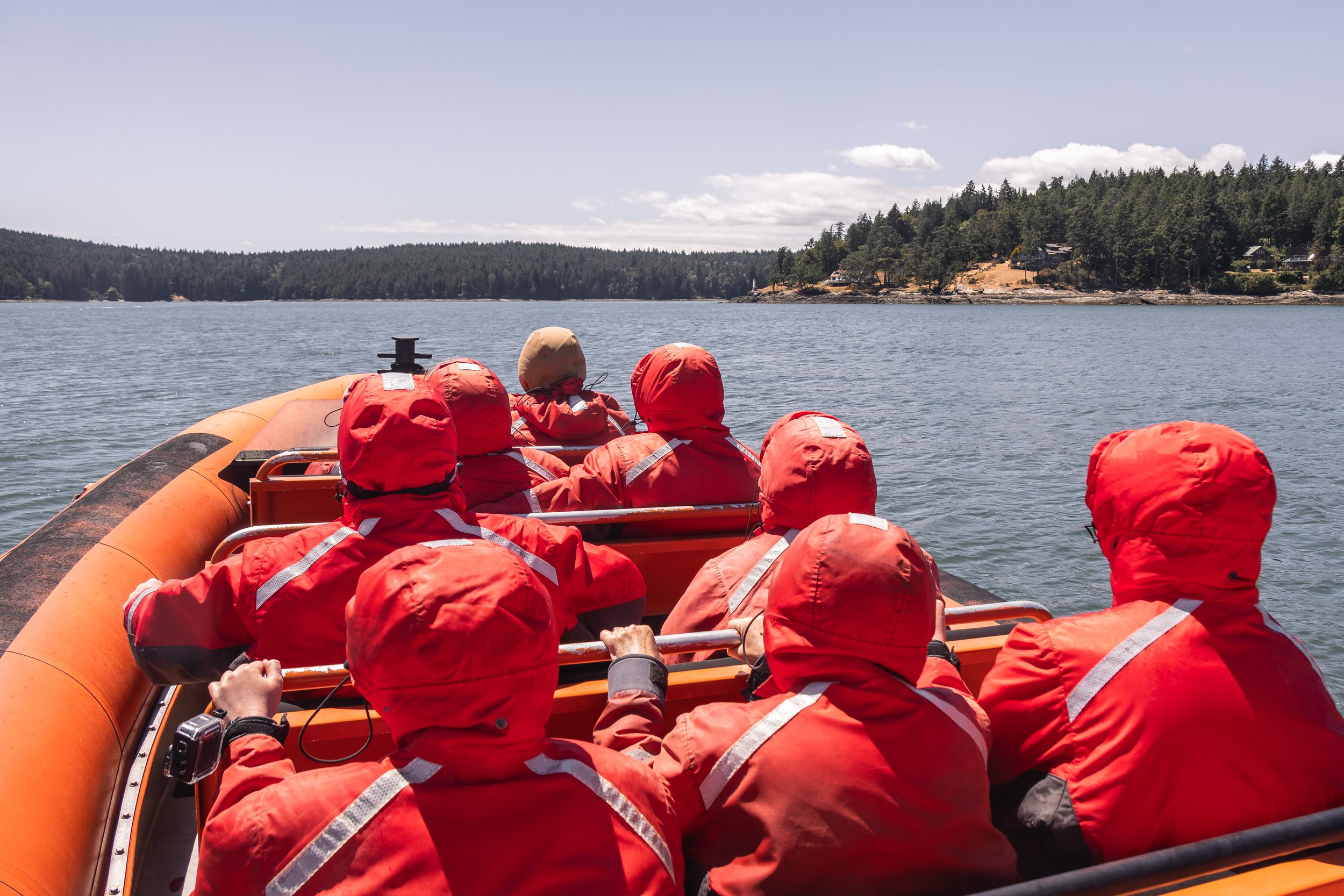
Guests on Cascadia travelling through Active Pass. Photo by Hayleigh Hilbert.
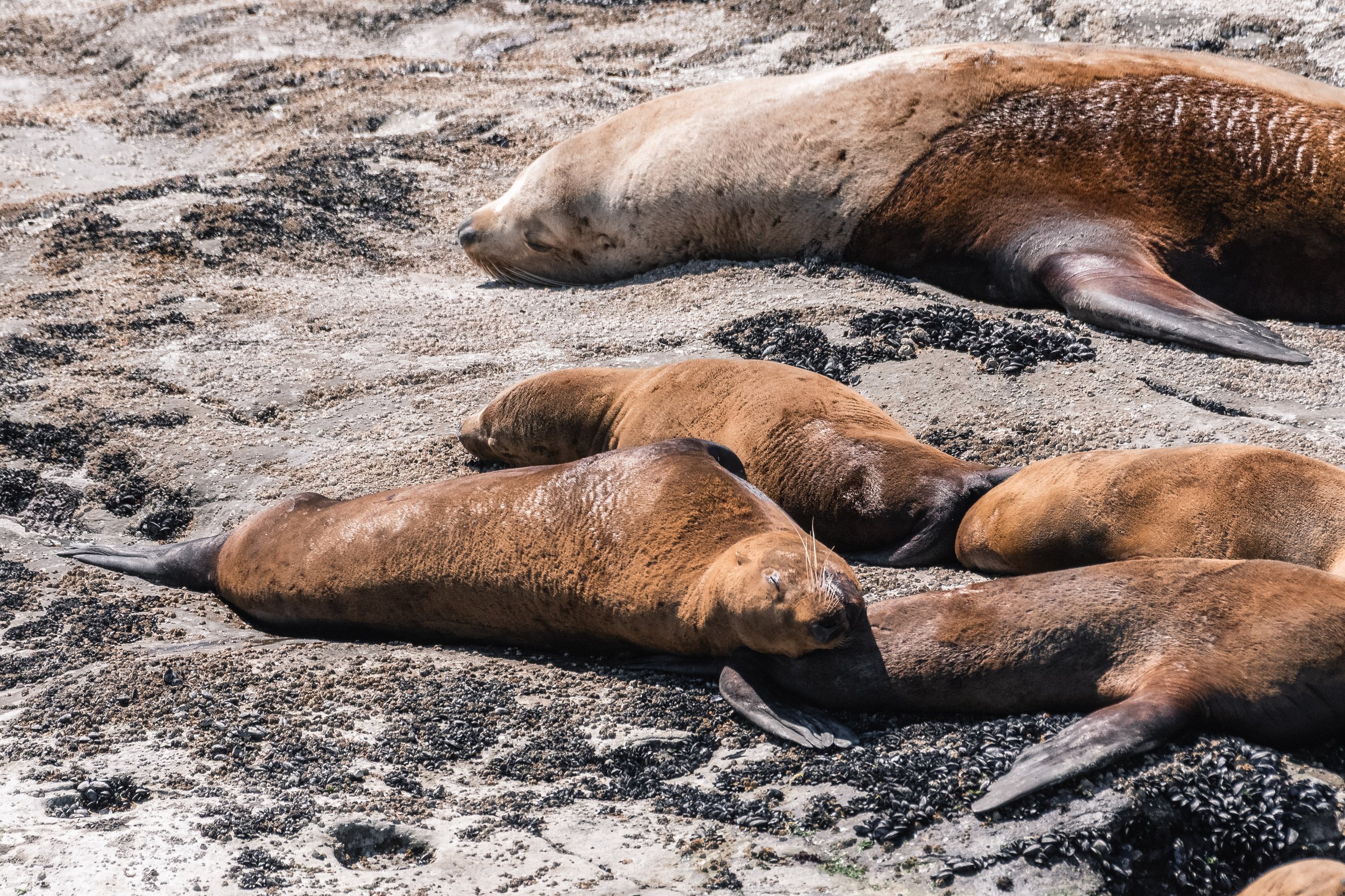
Interesting choice of pillow. Photo by Evan Hessels.
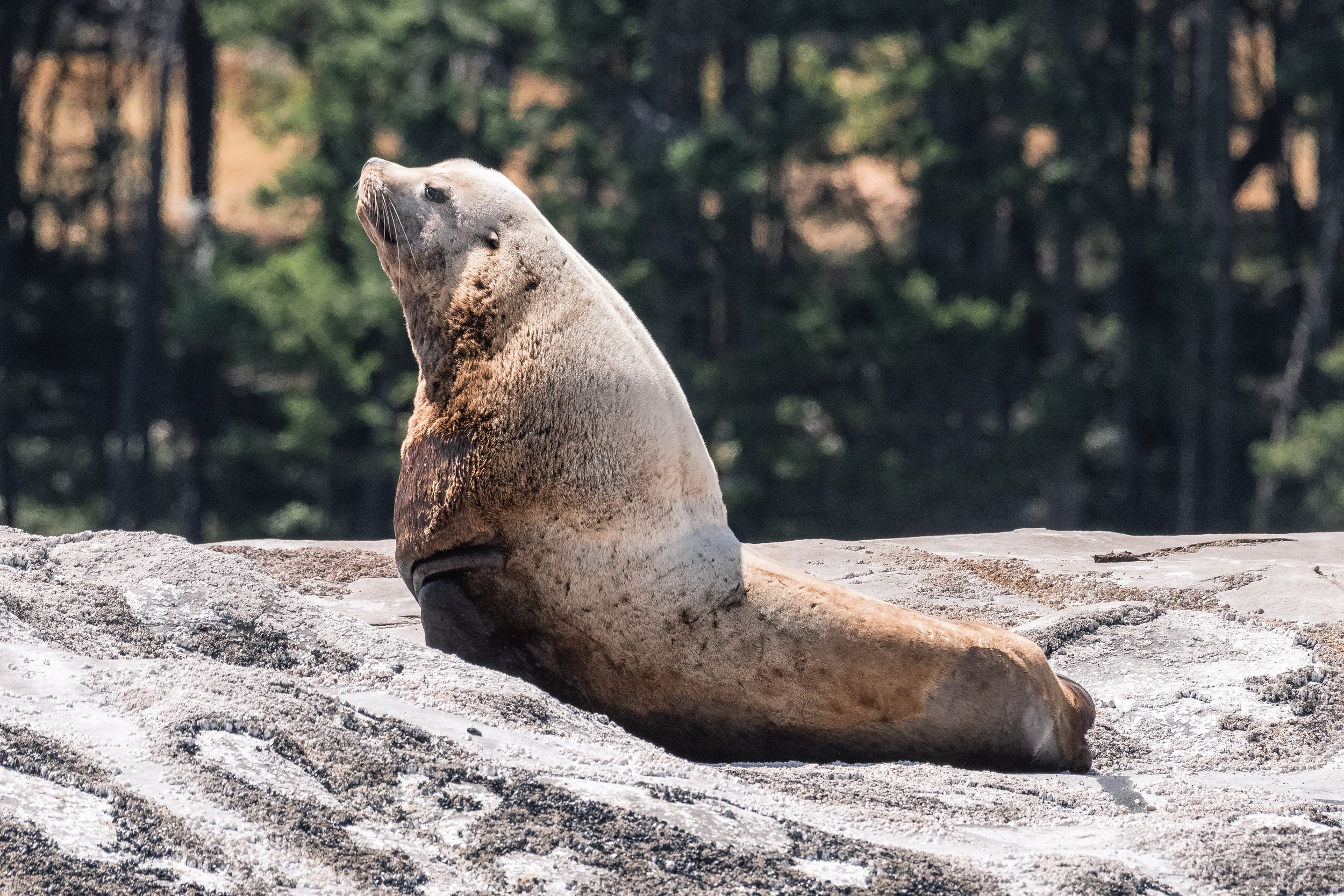
A large male Stellar Sea Lion. Photo by Evan Hessels.
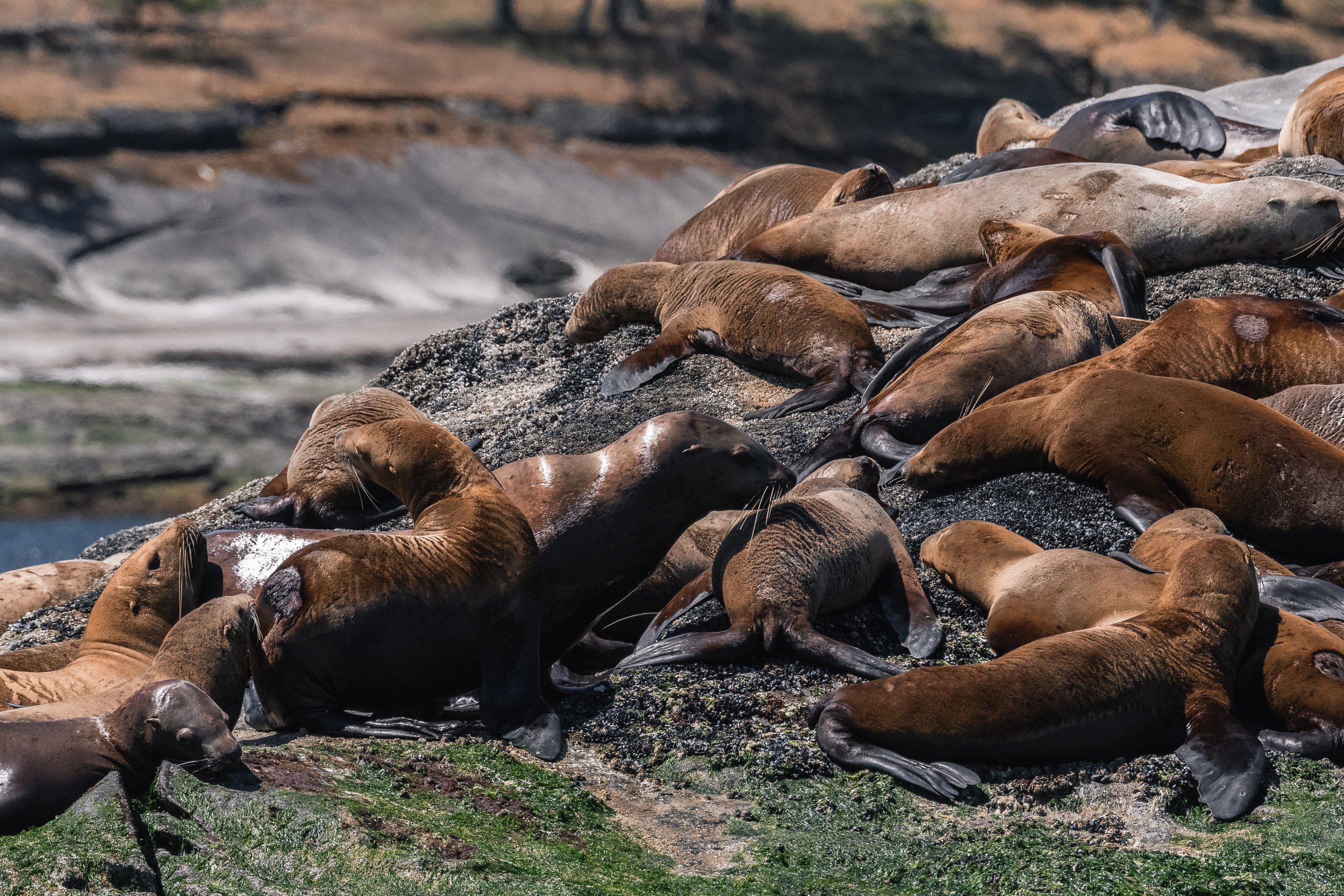
Lots of stellars taking up space on Stinky Rock. Photo by Evan Hessels.
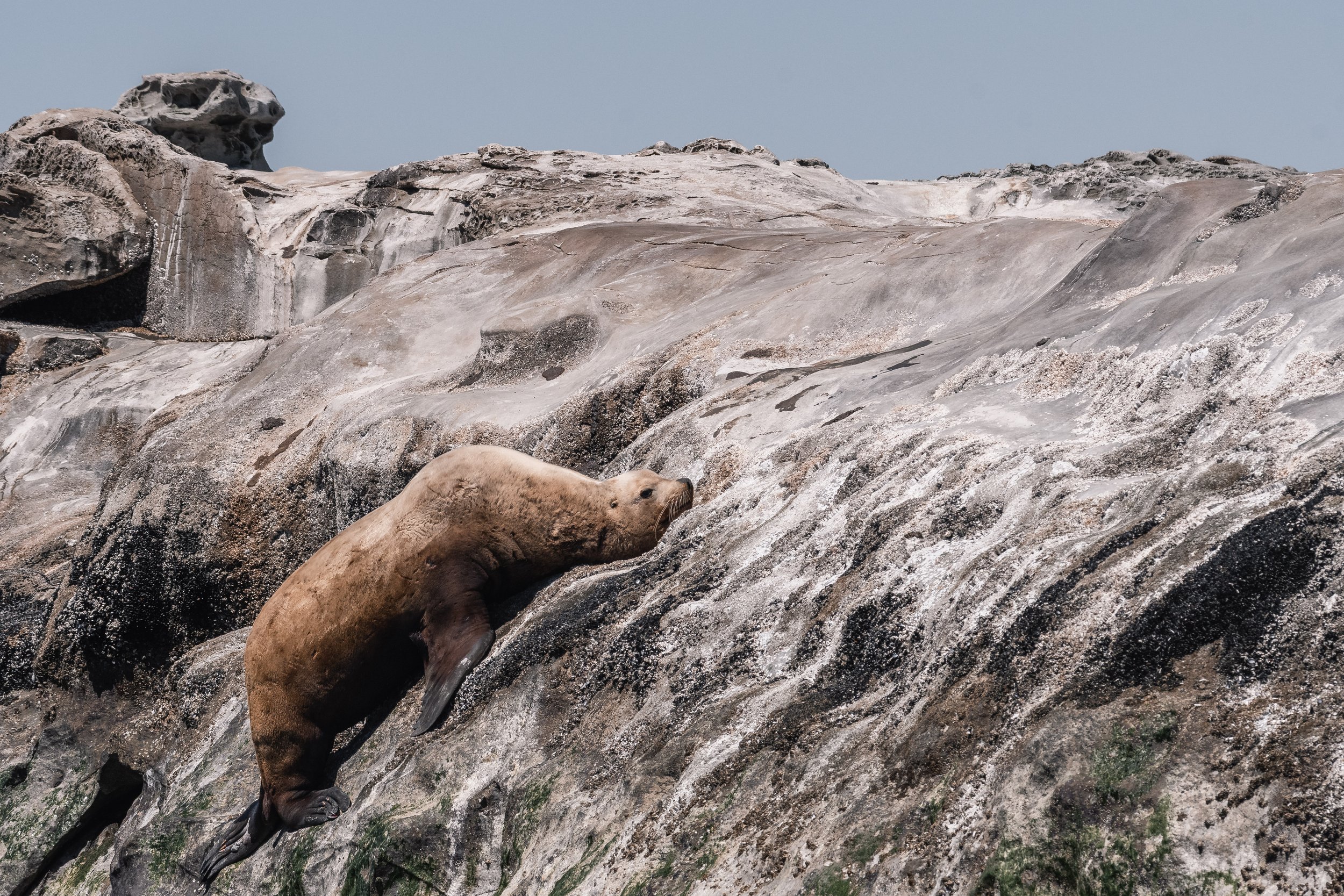
A large male found some space to himself, not sure how comfortable that looks though. Photo by Evan Hessels.
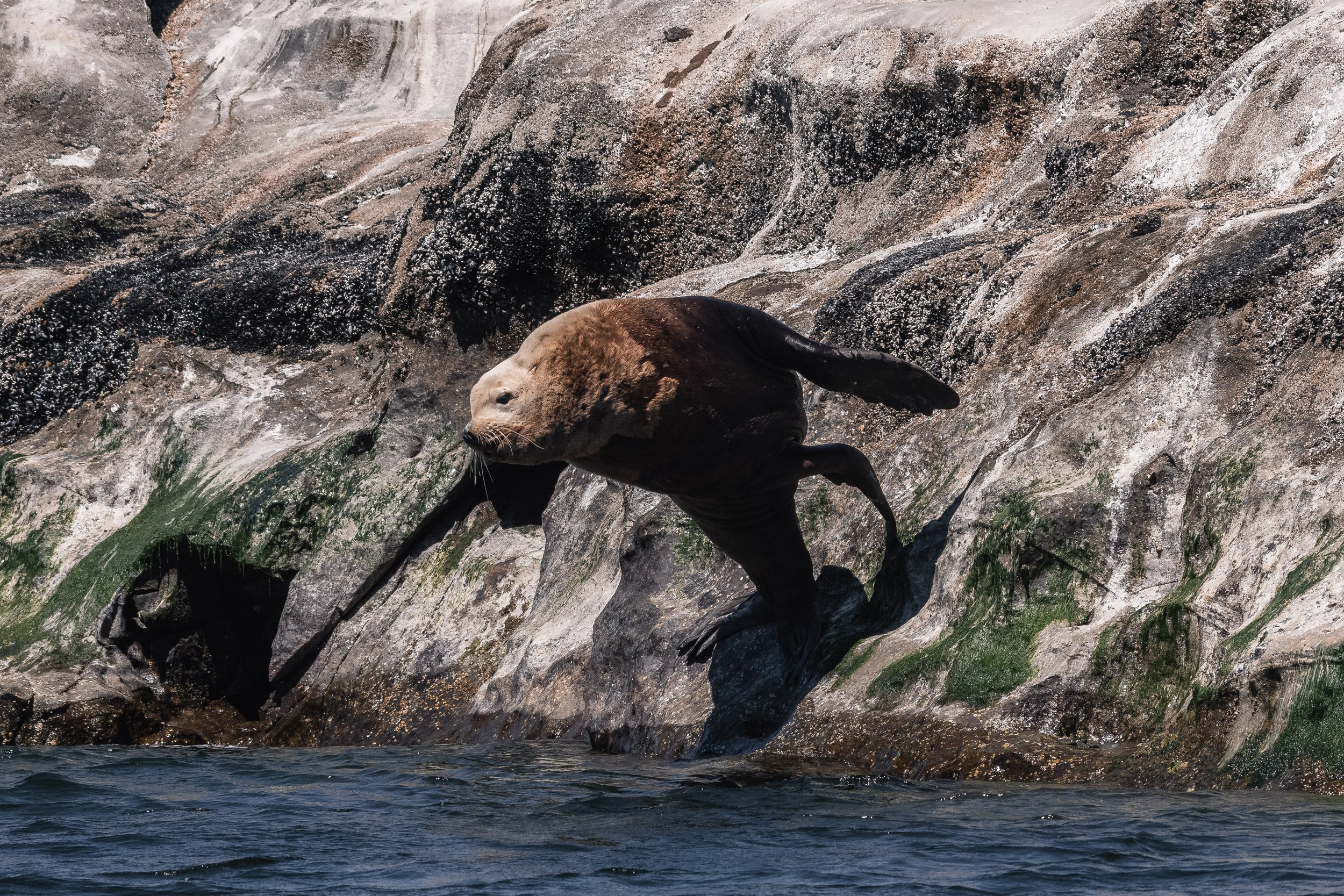
Heading for a dip! Photo by Evan Hessels.
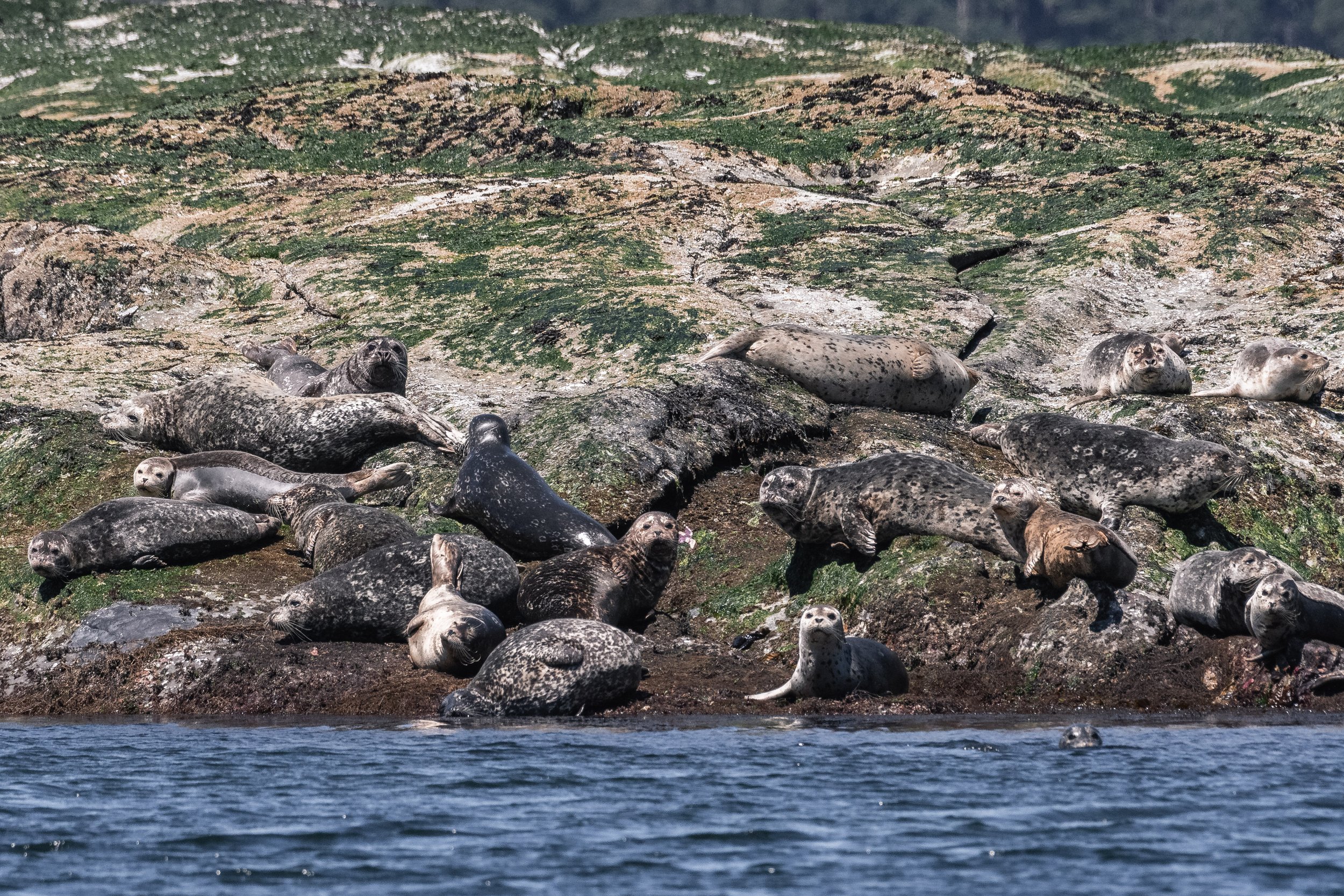
How many seals do you see? Photo by Evan Hessels.
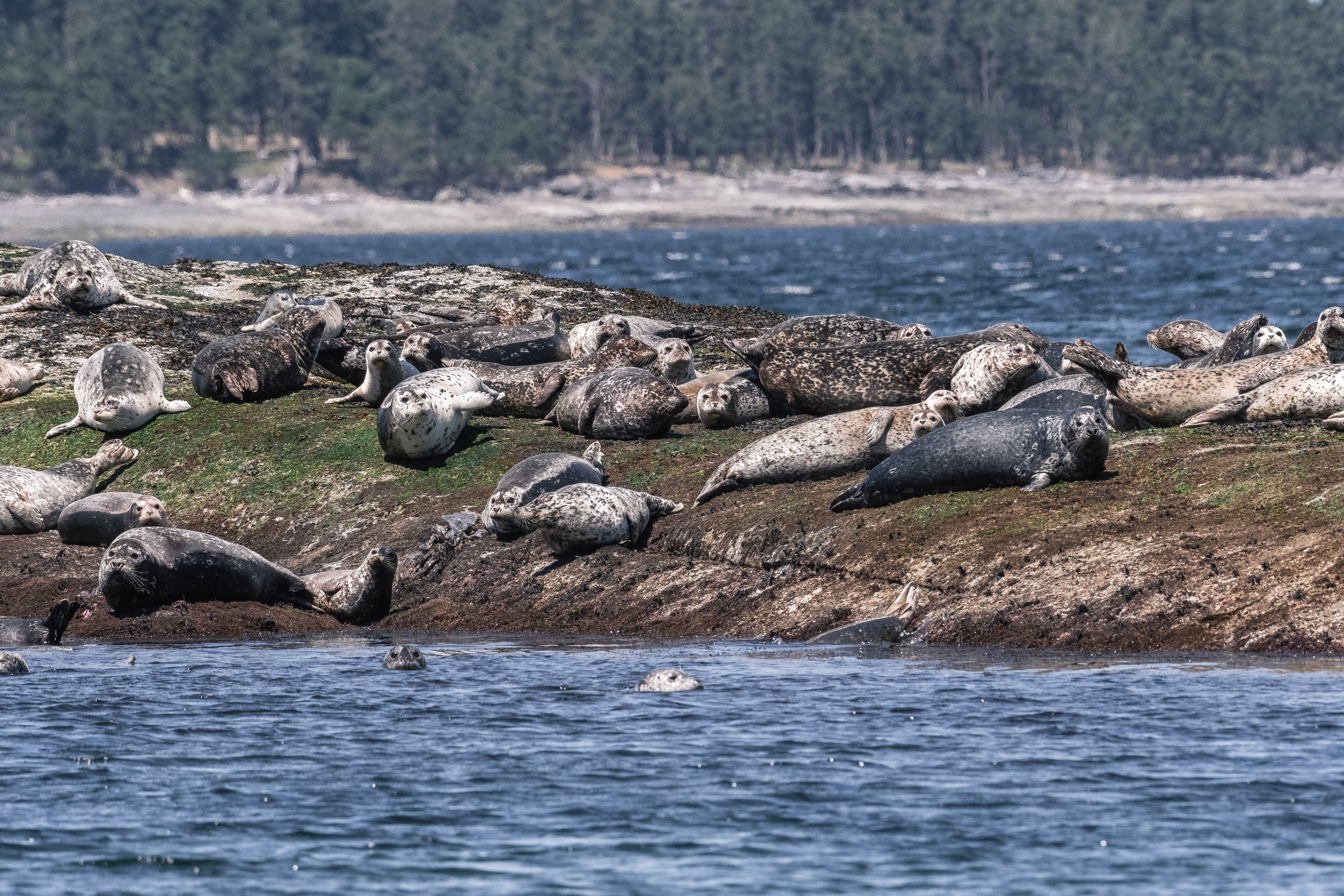
It’s almost pupping season for the Harbour Seals and some of them are looking very round. Photo by Evan Hessels.
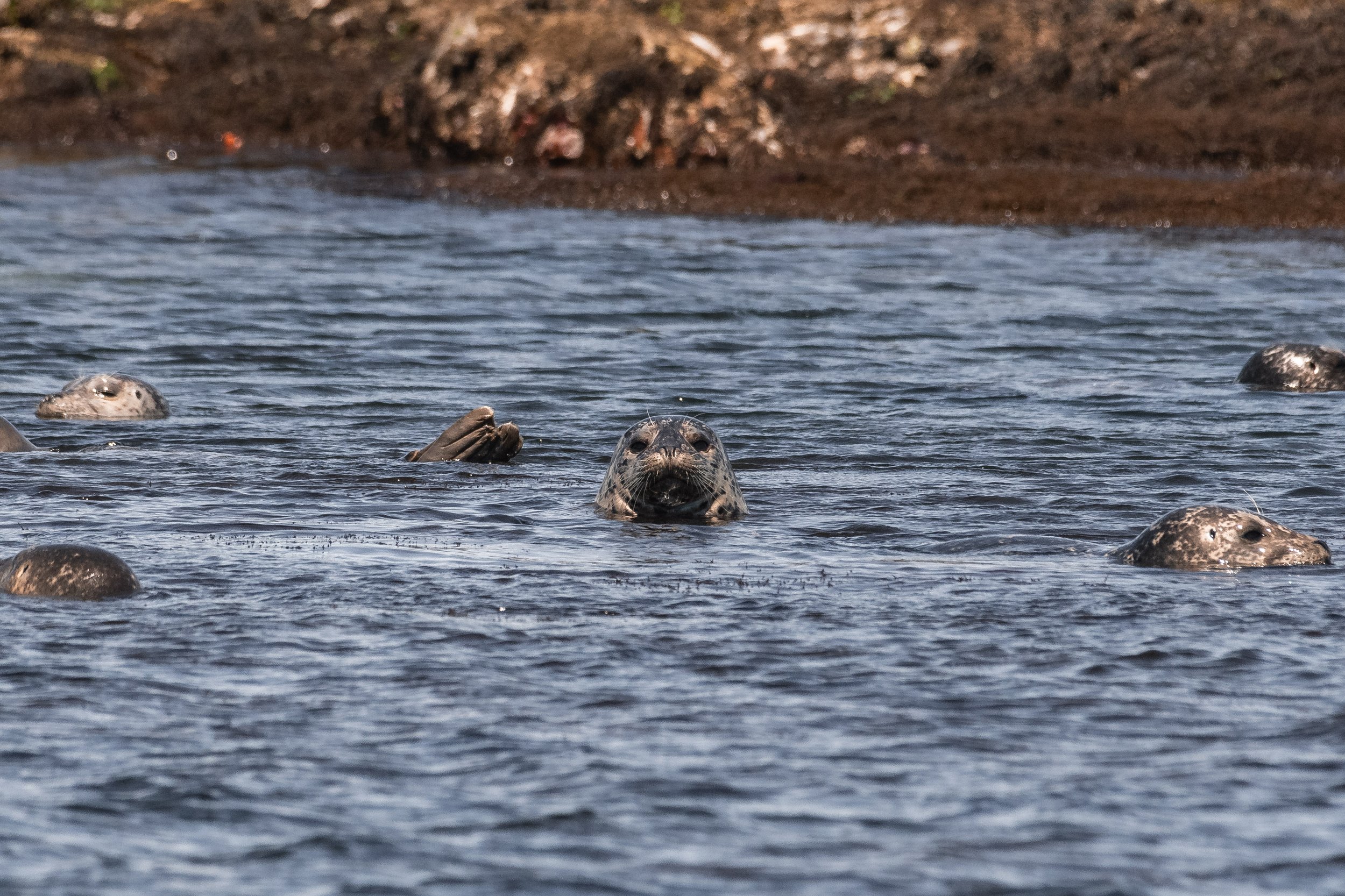
Looking back at us. Photo by Evan Hessels.
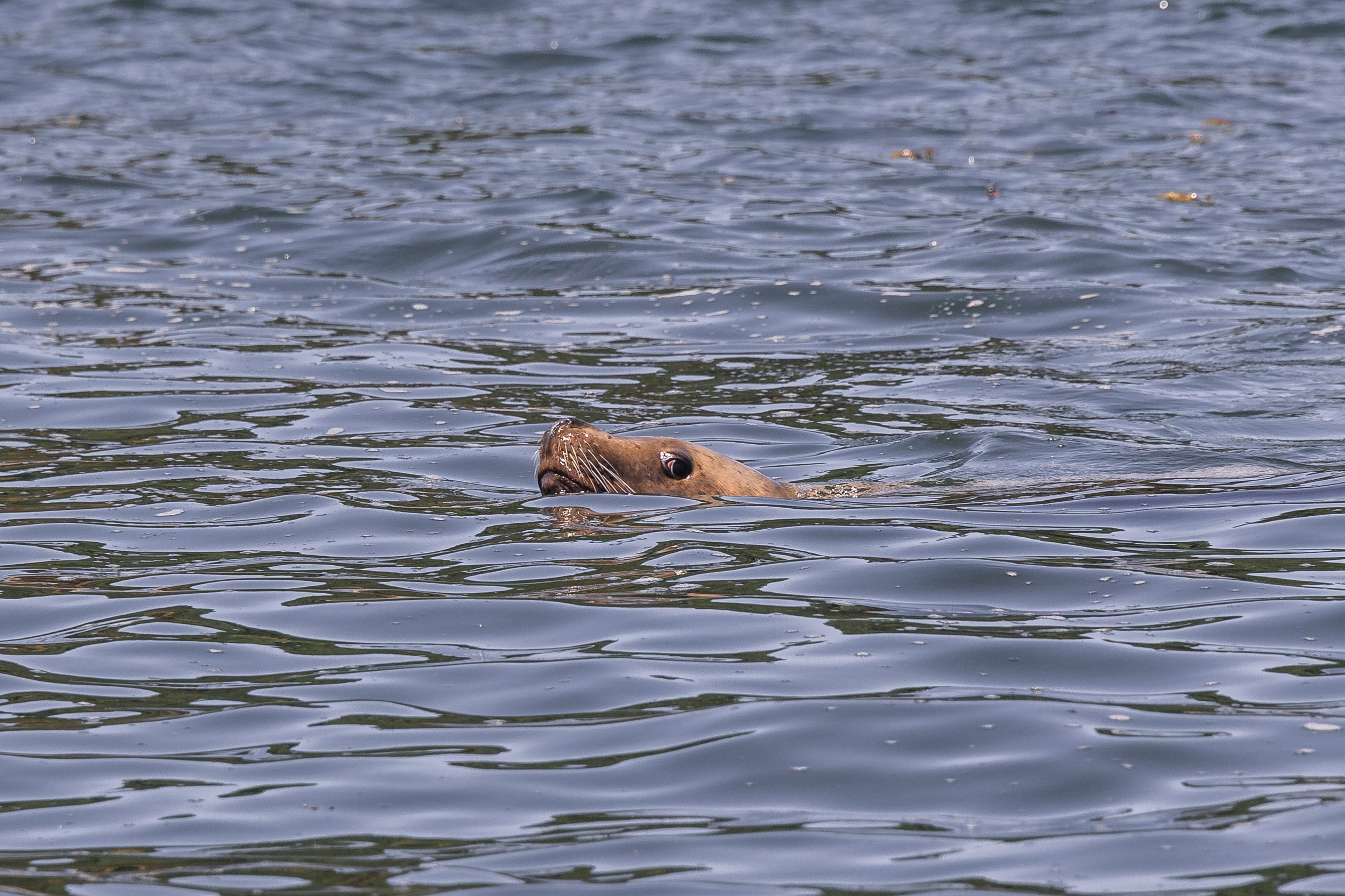
A Stellar Sea Lion giving us the side eye as they swim by. Photo by Hayleigh Hilbert.
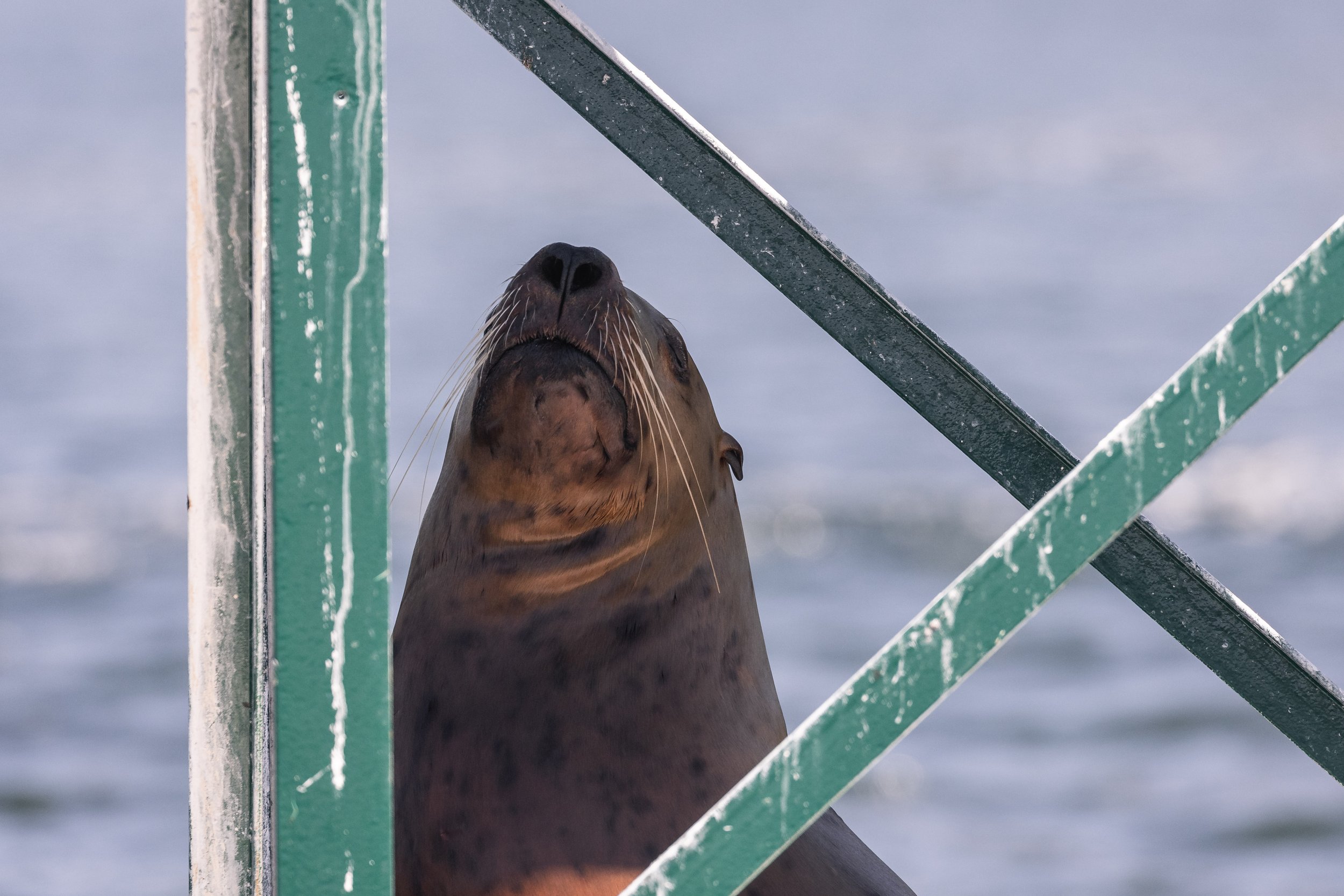
Look at this sea lion’s cute little ear. Photo by Jordan Robinson.
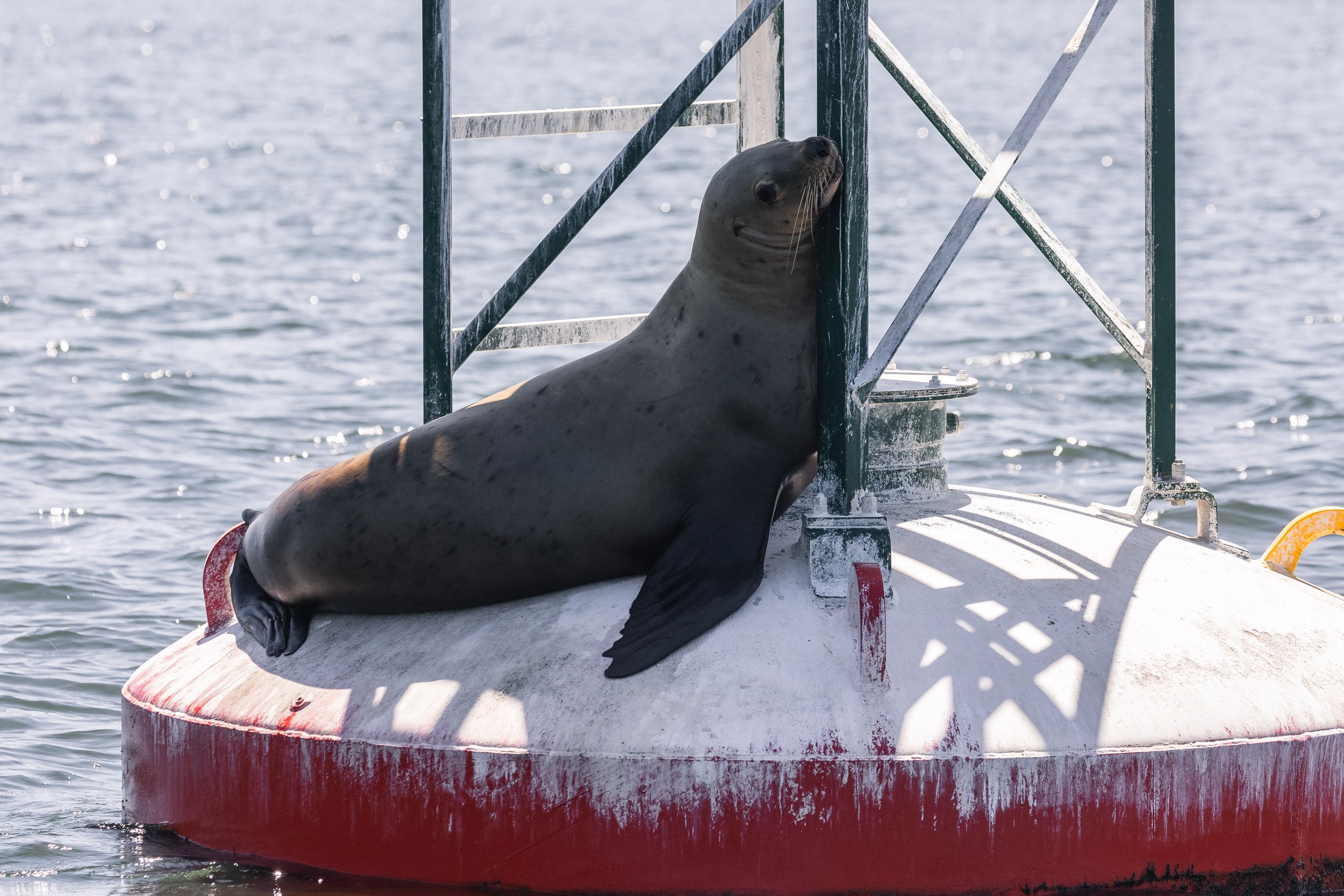
Buoys make a good resting spot. Photo by Jordan Robinson.
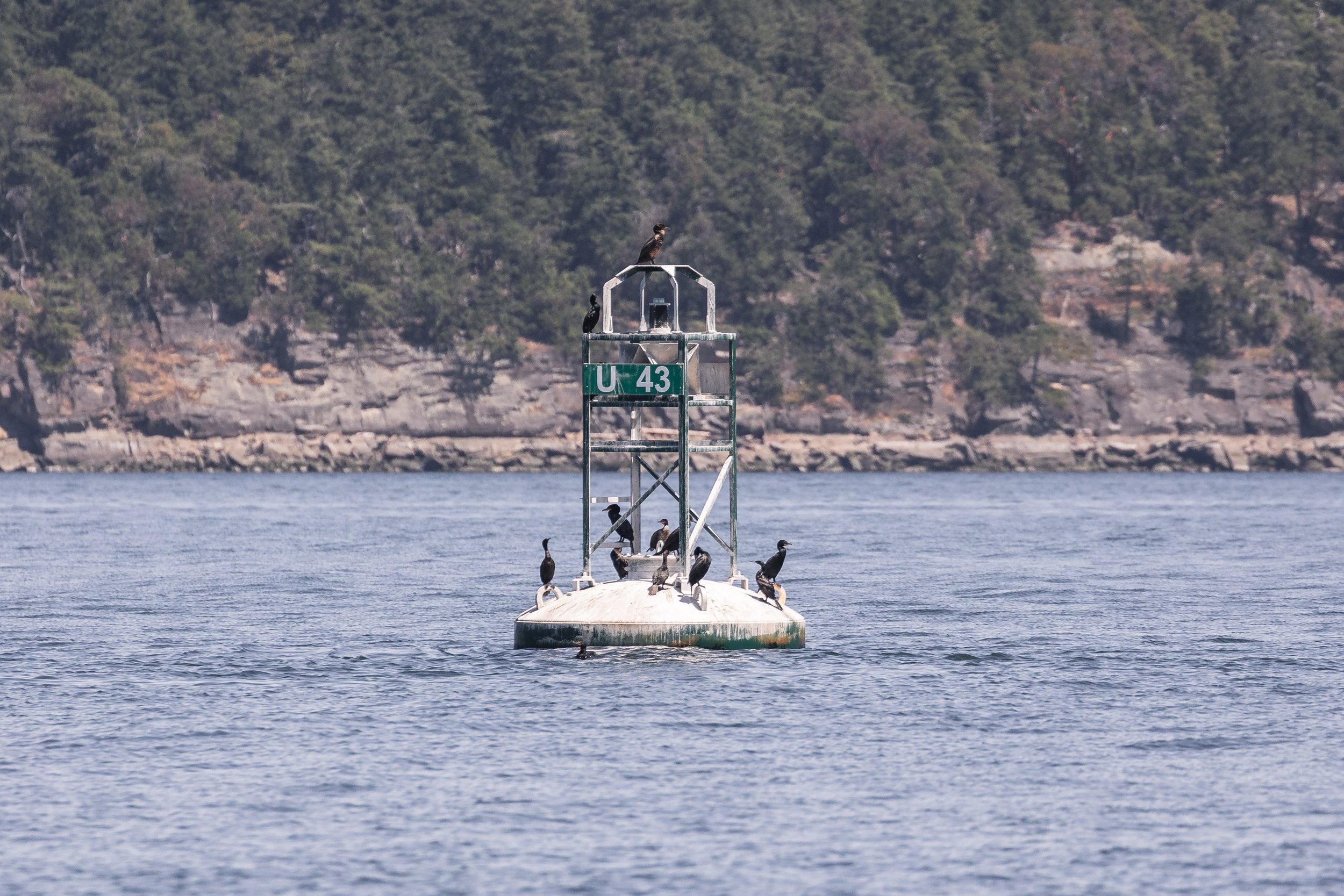
Not just for sea lions - cormorants have claimed this one. Photo by Jordan Robinson.
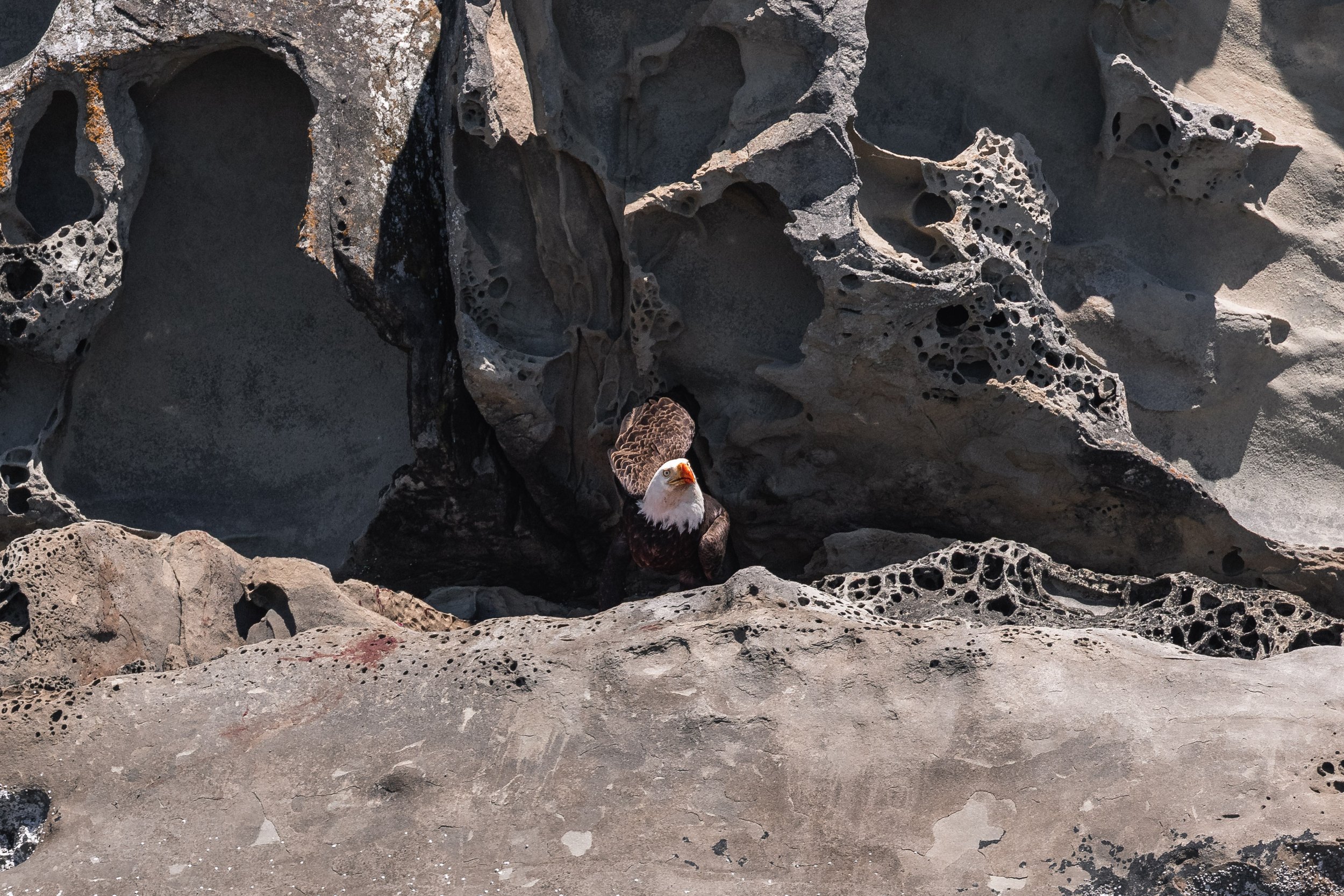
An adult Bald Eagle enjoying a meal. Photo by Jordan Robinson.
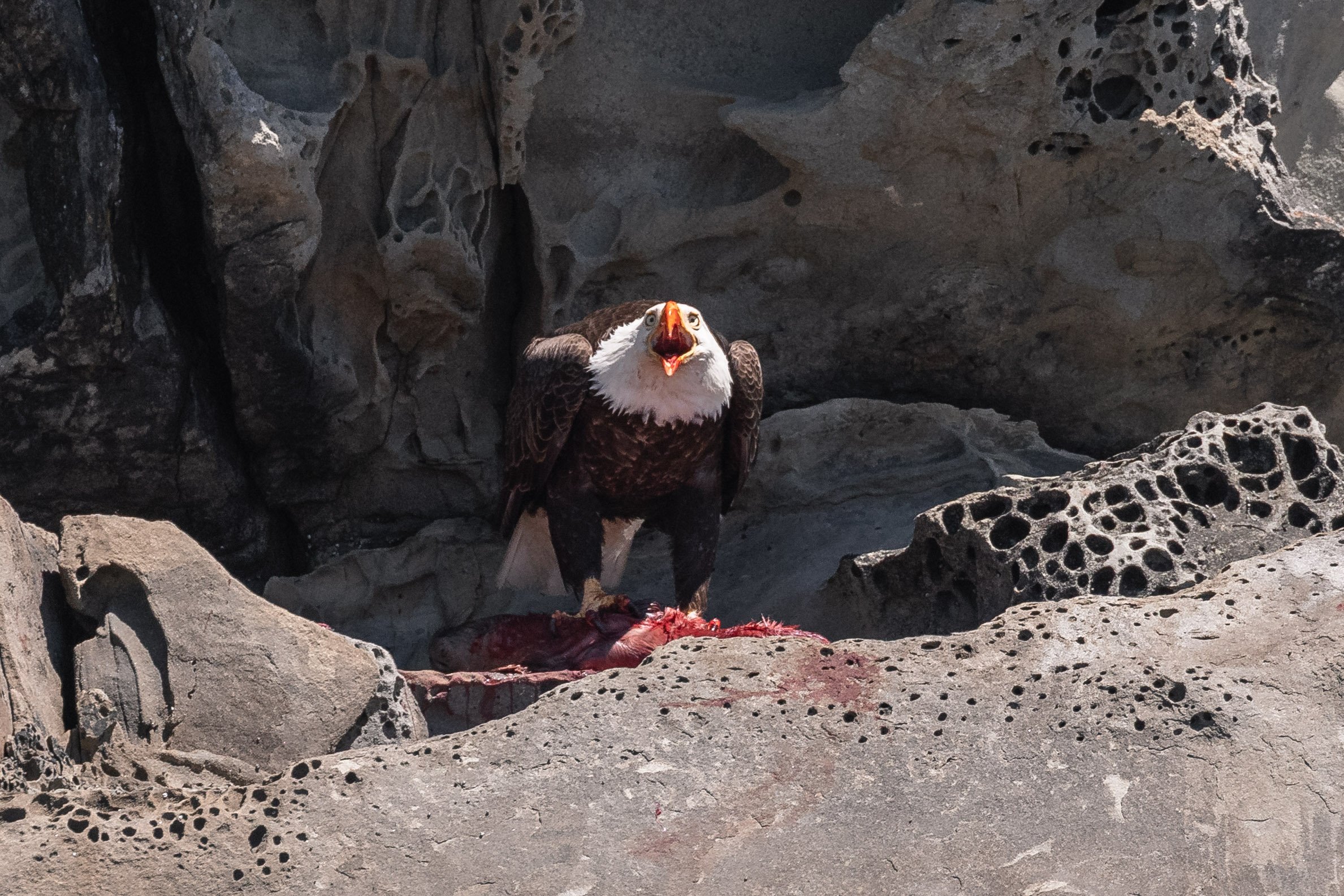
Letting some nearby friends know there’s food here. Photo by Jordan Robinson.
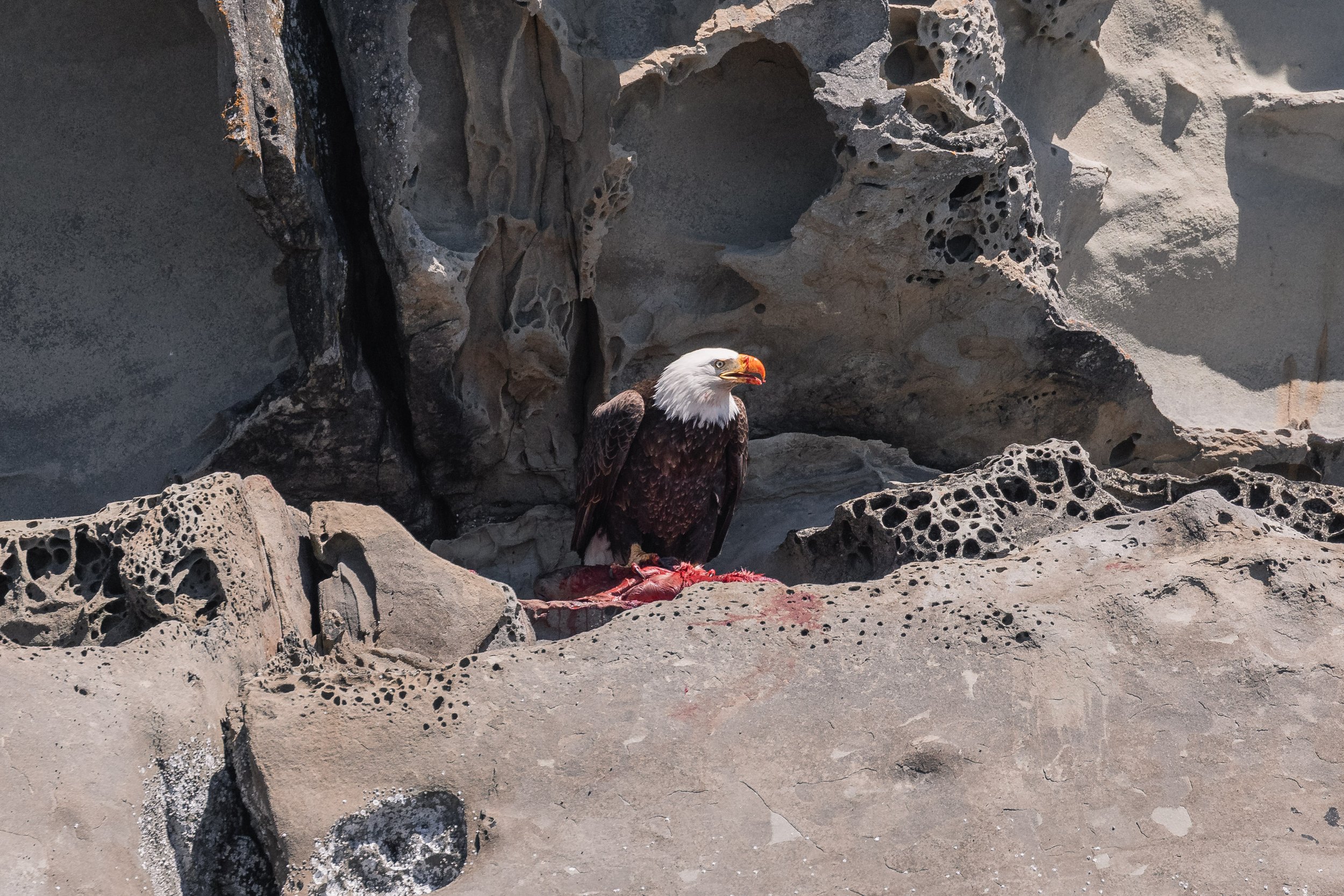
Gore warning. Photo by Jordan Robinson.
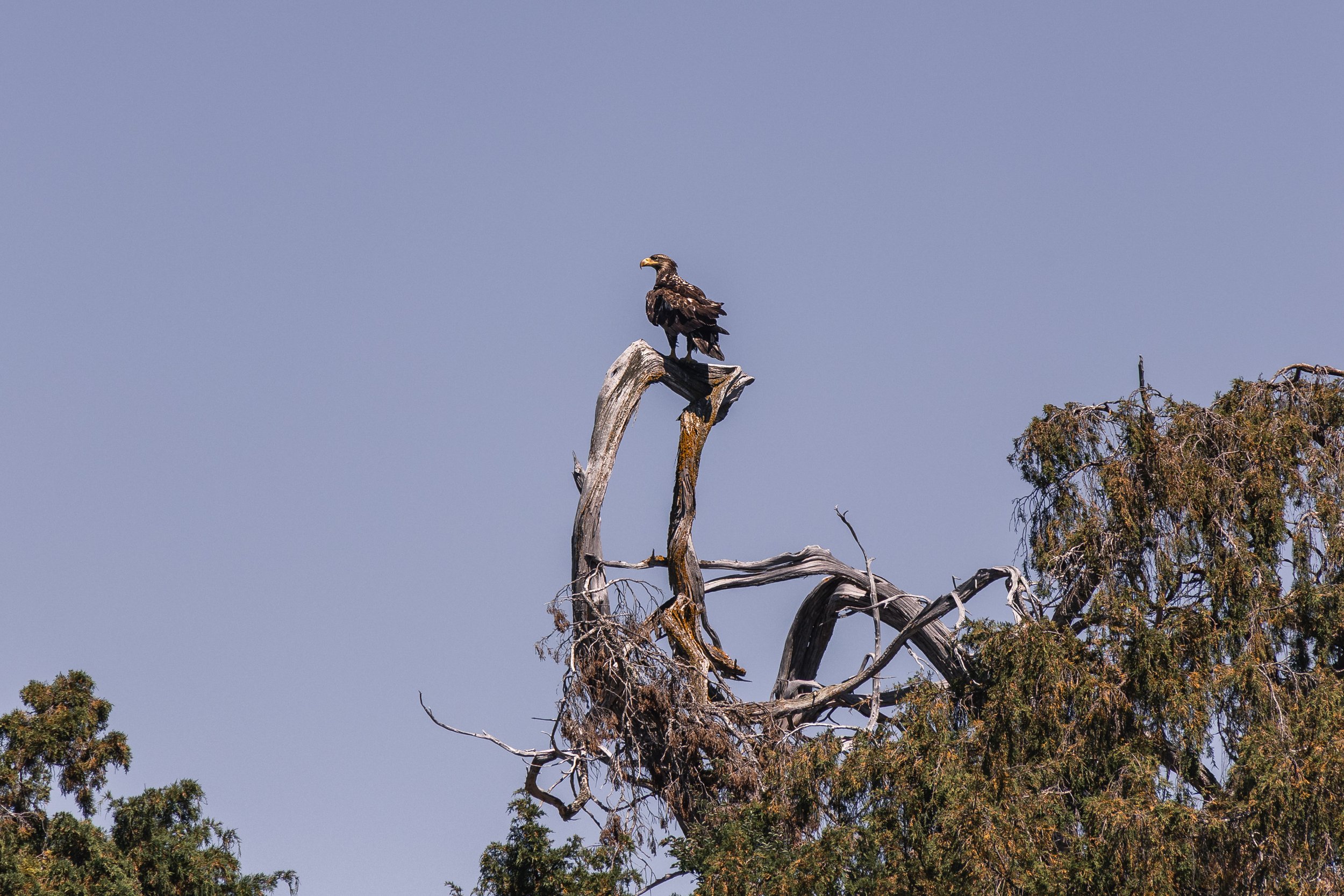
A juvenile Bald Eagle - they don’t get their white head and tail until they’re around 5 years old. Photo by Hayleigh Hilbert.
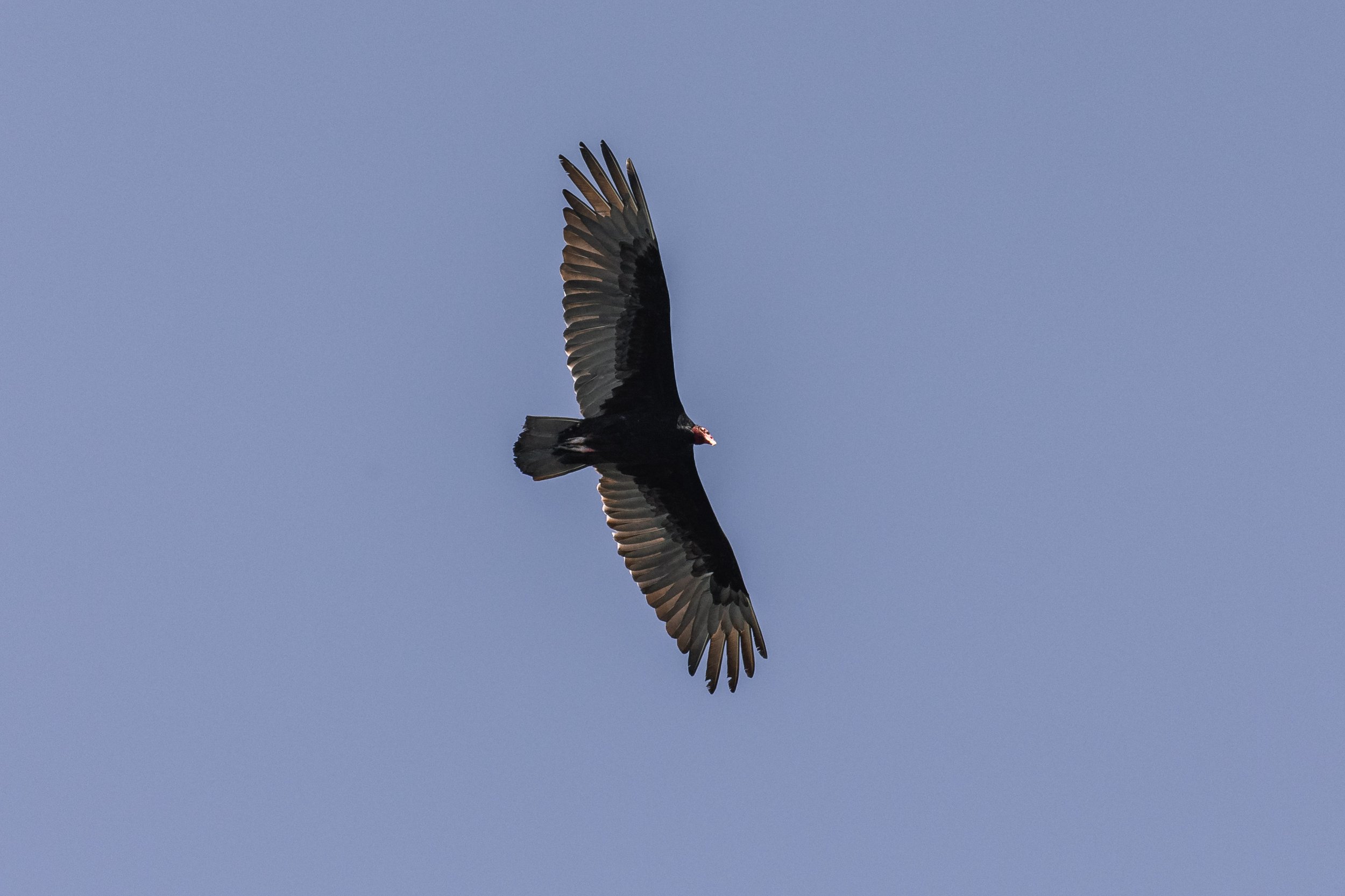
A Turkey Vulture soaring above the boat. Photo by Jordan Robinson.
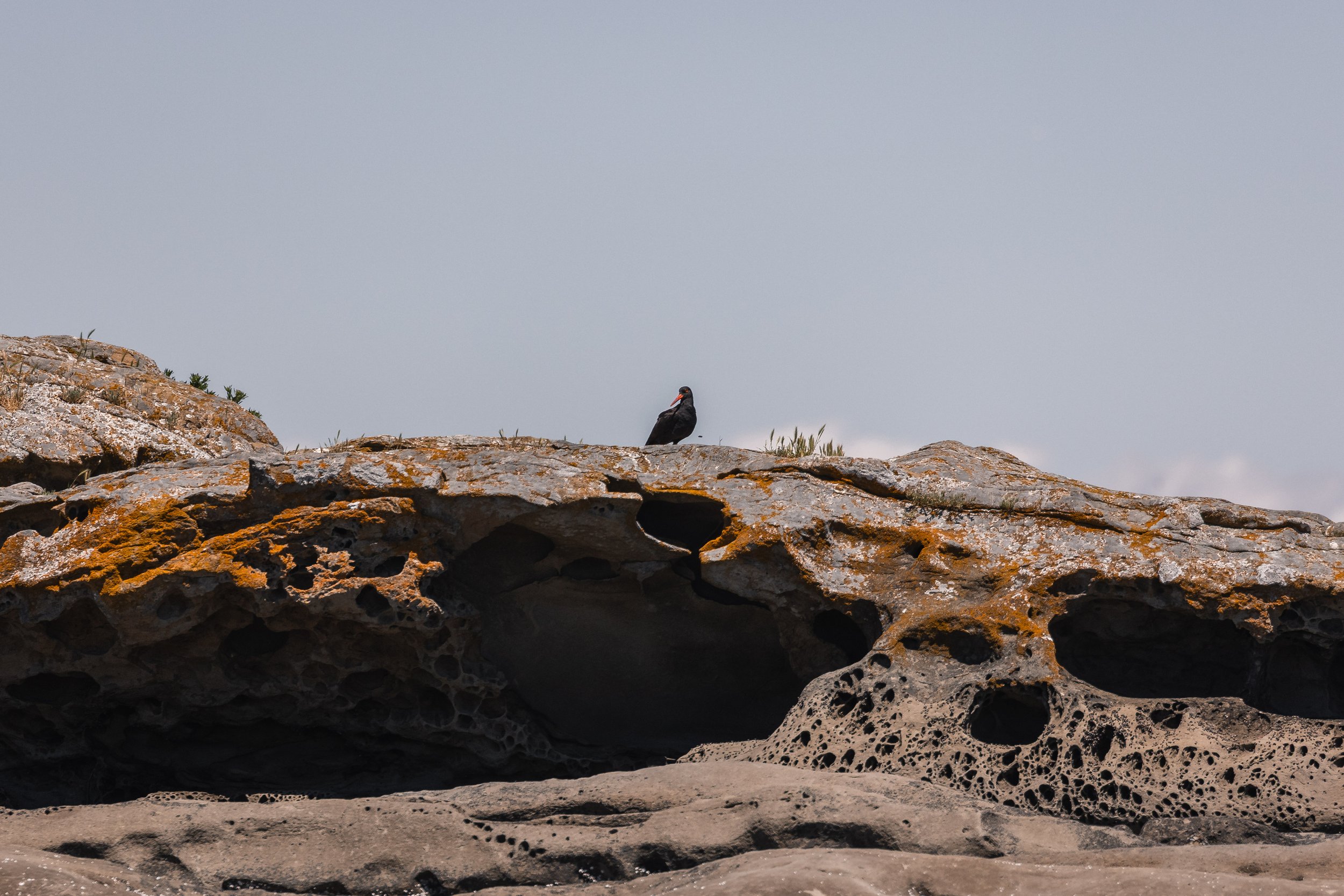
A Black Oystercatcher on the rocks. Photo by Jordan Robinson.