
June 17, 2026, 3:30 PM - The T046Bs travelling with T049C Neilson
The sun was shining, and we were ready to start this afternoon’s adventure, climbing aboard Kula and heading out into the Salish Sea. We decided to head south into the Southern Gulf Islands to search the narrow passageways for any signs of whales.
As we continued on our way, we got word from another vessel towards the south end of the Islands that a group of orca was travelling together! We picked up speed and pointed the bow in that direction, eager to see if we could spot this group of whales.
The journey there was breathtaking as we drank in the sights of the rocky shorelines, the deep blue water, and the wildlife passing by us like gulls and other seabirds on the wing or floating on the surface. Eventually, we saw what we had travelled all this way for: the tall black dorsal fins in the distance. We had arrived at the Orca!
As we slowly approached, we noticed quite a few dorsal fins in this group, along with one very tall one. The tall dorsals are found only in adult males in the group and can reach around 6 feet when fully grown, whereas females and juveniles reach only around 3-4 feet. The male’s dorsal fins can be helpful for identification, since they have a lot of surface area for notches and scars to form. The male present here had two such notches, letting Marine Naturalist Jordan quickly recognize him as a lone male, T049C Janet/Neilson, thanks to the added zoom of his telephoto lens. Next up were the females, who also had some distinct notches present, the T046Bs! This is quite a large pod when all the members are present, which they were today, meaning that with them plus Neilson, we had 10 orca present travelling together!
T046B Raksha ♀ (1988)
T046B2 Akela ♀ (2008)
T046B2B Takaya ♀ (2023)
T046B3 Sedna ♀ (2011)
T046B3A Munro (2025)
T046B4 Quiver ♀ (2013)
T046B6 Sol ♀ (2019)
T046B7 Tala (2023)
T046B8 Pi (2026)
T049C Nielson ♂ (1998)
These whales were travelling along Saturna Island as we approached, which is a protected area for whales, but luckily for us, by the time we were close enough to view them, they were outside the zone! They left with a bang, as they started hunting and celebrating their success afterwards. Having such a large group can sometimes prevent successful hunts, since larger groups are easier to detect. But the T046Bs are very efficient and often spread out to make themselves less conspicuous, so they can surprise their prey, as they did today. When groups of whales hunt, they share the spoils, splitting the food so each member gets a piece. For a group this size, they would have to hunt quite a few times throughout the day. Neilson likely needs to consume an average of 300 pounds of food a day, whereas the others would need closer to 150-200 pounds. Given that their most common food source, the harbour seal, weighs only about 300 pounds, they would eat about 7 seals a day! More likely, the large group would try to work together to take down a larger prey item, such as a sea lion, which might weigh 800 - 2,500 pounds.
Seeing them working together to hunt and then playing together afterwards was a special sight that made this long journey south worth the wait. But eventually, we left them to their day, and we continued with ours, pointing our bow back north towards Nanaimo. We decided to stick to the outside of the Islands on the way home, and we were glad we did once we spotted the big bushy blows of a humpback whale in the distance as we approached the north end of Galiano Island. We once again carefully got into position beside this whale and grabbed the camera to see who we were looking at.
There were actually a few whales in this area, and we identified 3 of the 5. First was Chi (BCX0575), next was Beak (BCX1606), and we finished with Forge (BCX2499). All of the whales that we saw in the area were feeding, diving deep below the surface in search of food. Food for these massive animals is smaller than you might think, given that they are filter feeders. Each day, they will feed on thousands of pounds of tiny animals, primarily krill and small schooling fish. They do this using their baleen plates, of which they have 400 hanging from the tops of their mouths. Using their massive tongue to create suction, they push the water out, leaving only the delicious morsels behind for them to eat. This time of year, since they are working to recover their fat reserves after a long migration when they wouldn’t be eating, they might spend up to 20 hours a day feeding.
Interestingly, one of these whales, Beak, looks like he has faced some hardship over the winter months, as he has much more scarring on his tail and dorsal fin than we are used to seeing. Scars can occur naturally, from scraping against other whales' barnacles, but they can also be caused by humans. Whether it's from ropes, propellers, or other human-made items, humpbacks face many issues caused by human impact. Hopefully, Beak will recover from these new scrapes, and we will continue to see him as time goes on!
After our time with the humpbacks, we travelled through the Southern Gulf Islands and found ourselves back in Nanaimo. We felt lucky to see all the wildlife and interesting behaviour during this trip. Please enjoy the photos taken throughout the trip by Marine naturalist Jordan Robinson, included below!
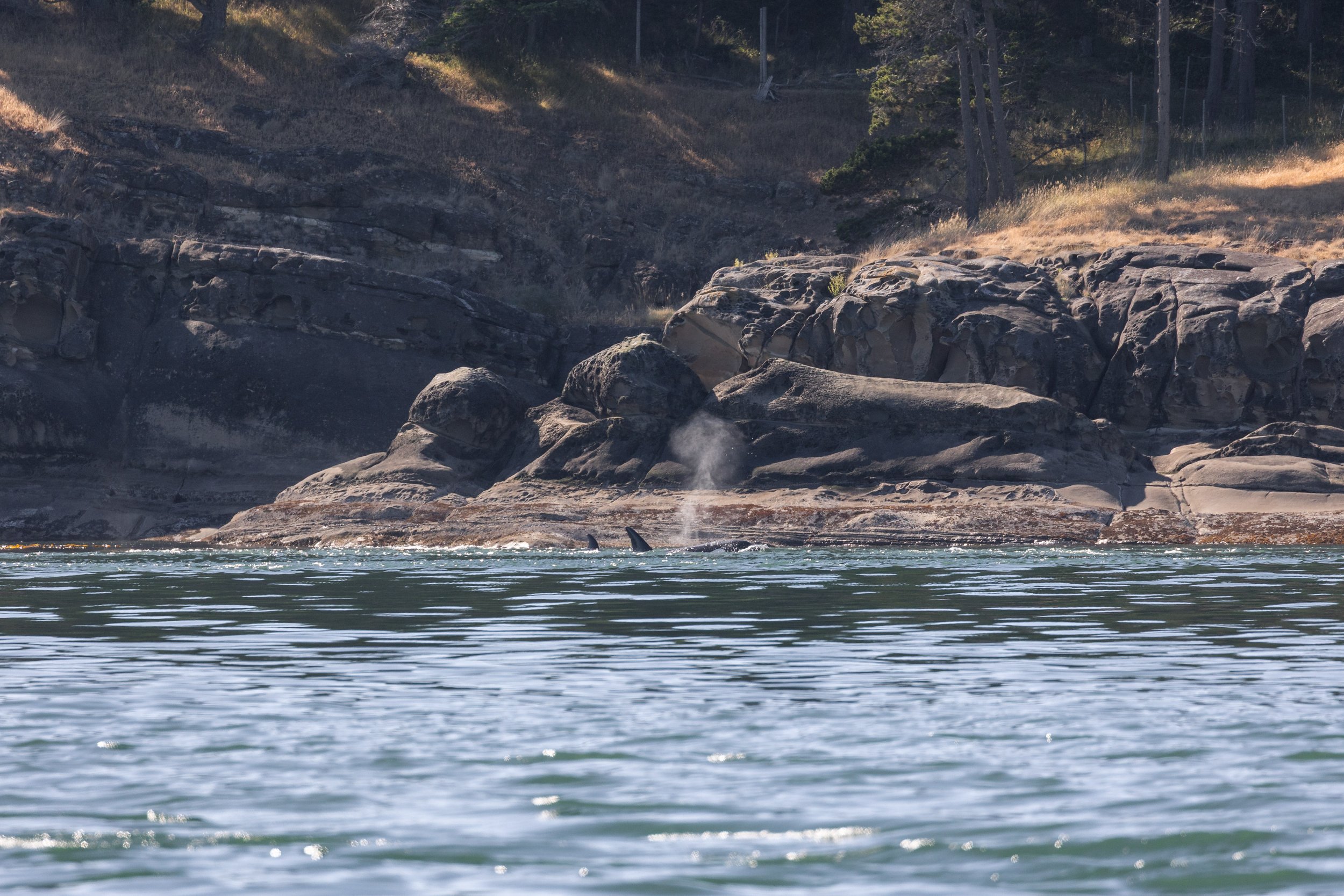
T046B2 Akela surfacing with her daugter, T046B2B Takaya just behind her.
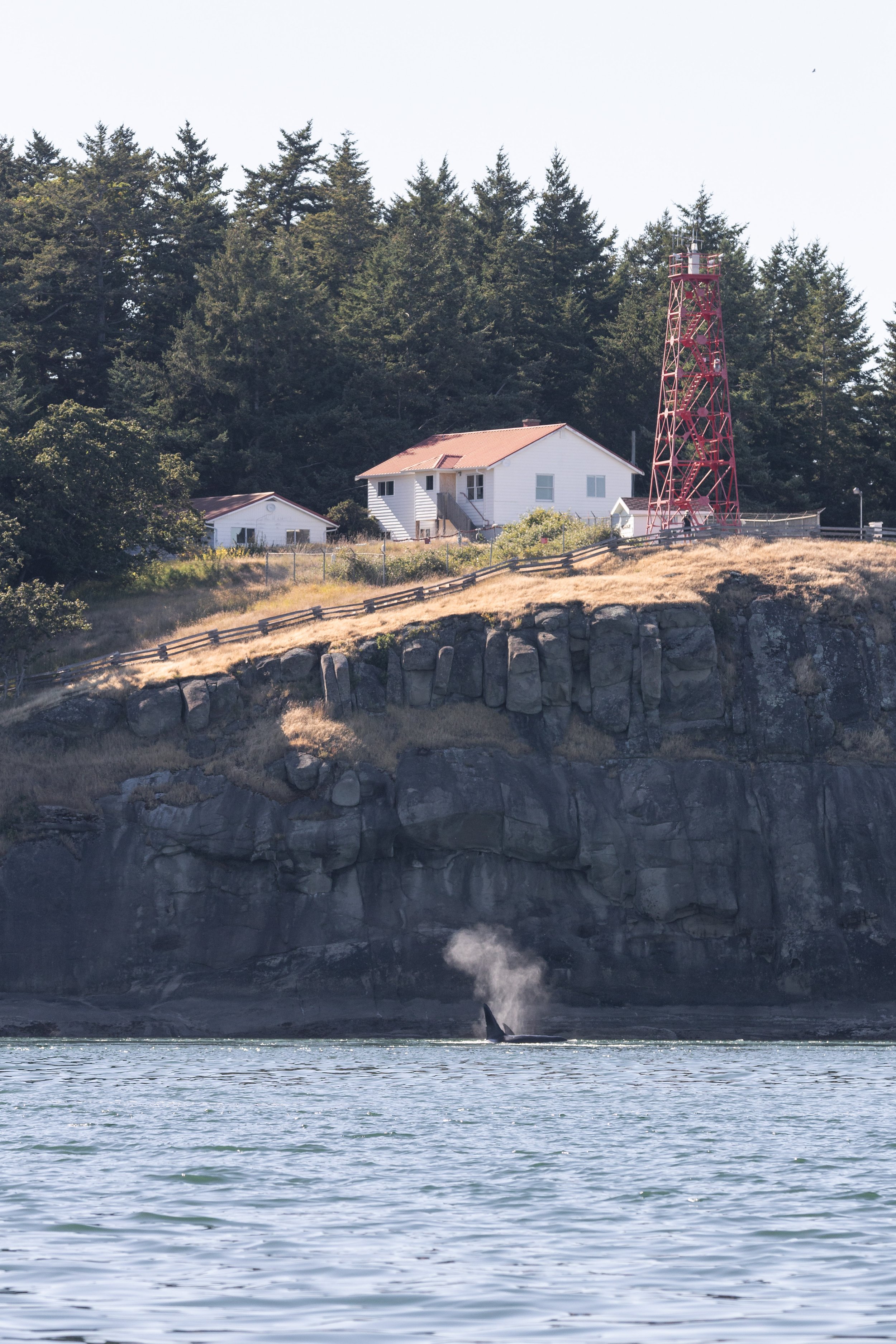
T049C Janet/Nielson surfacing with T046B4 Quiver, their blows blacklit by the sun.
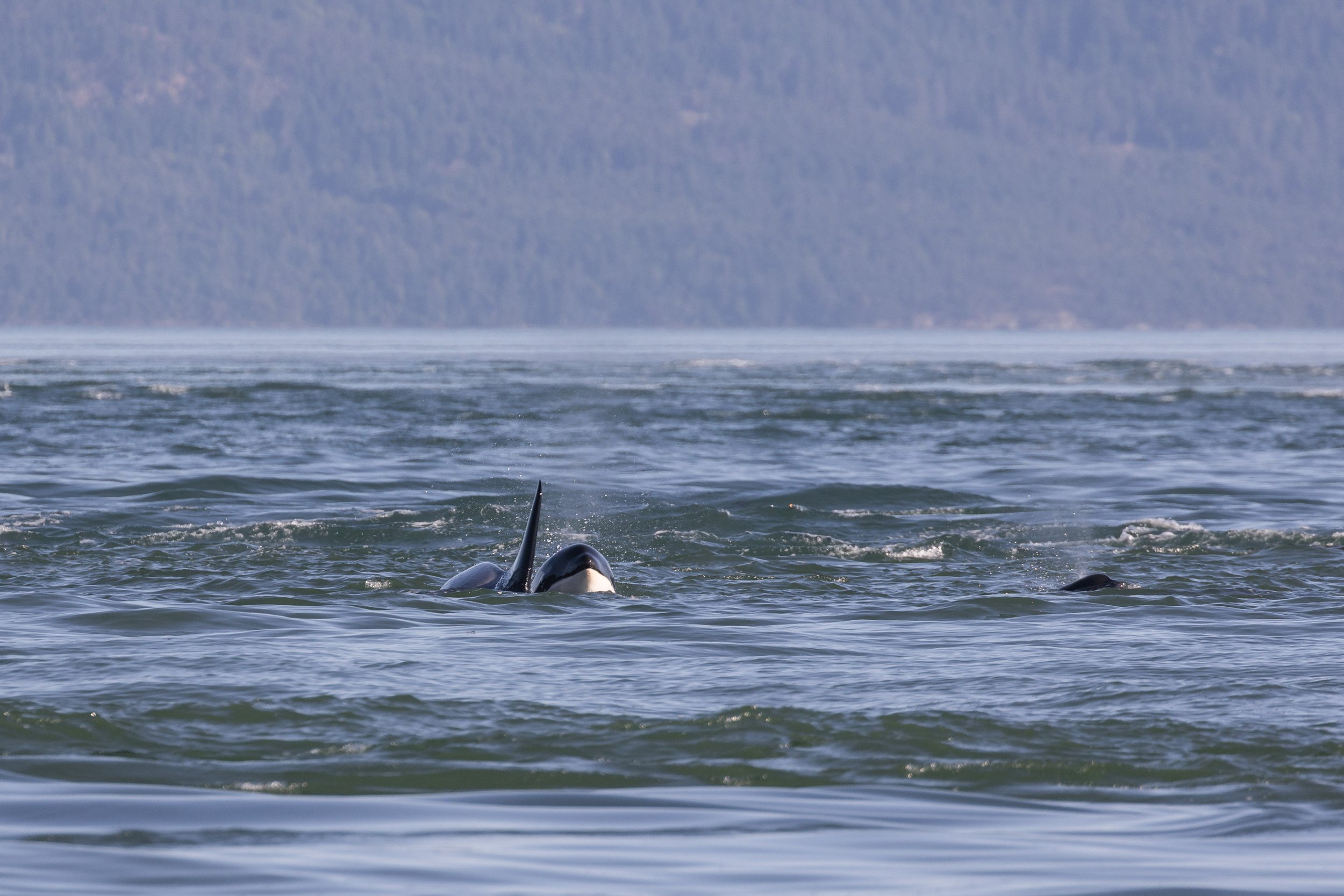
Two of the whales surfacing pointed in the camera’s direction.
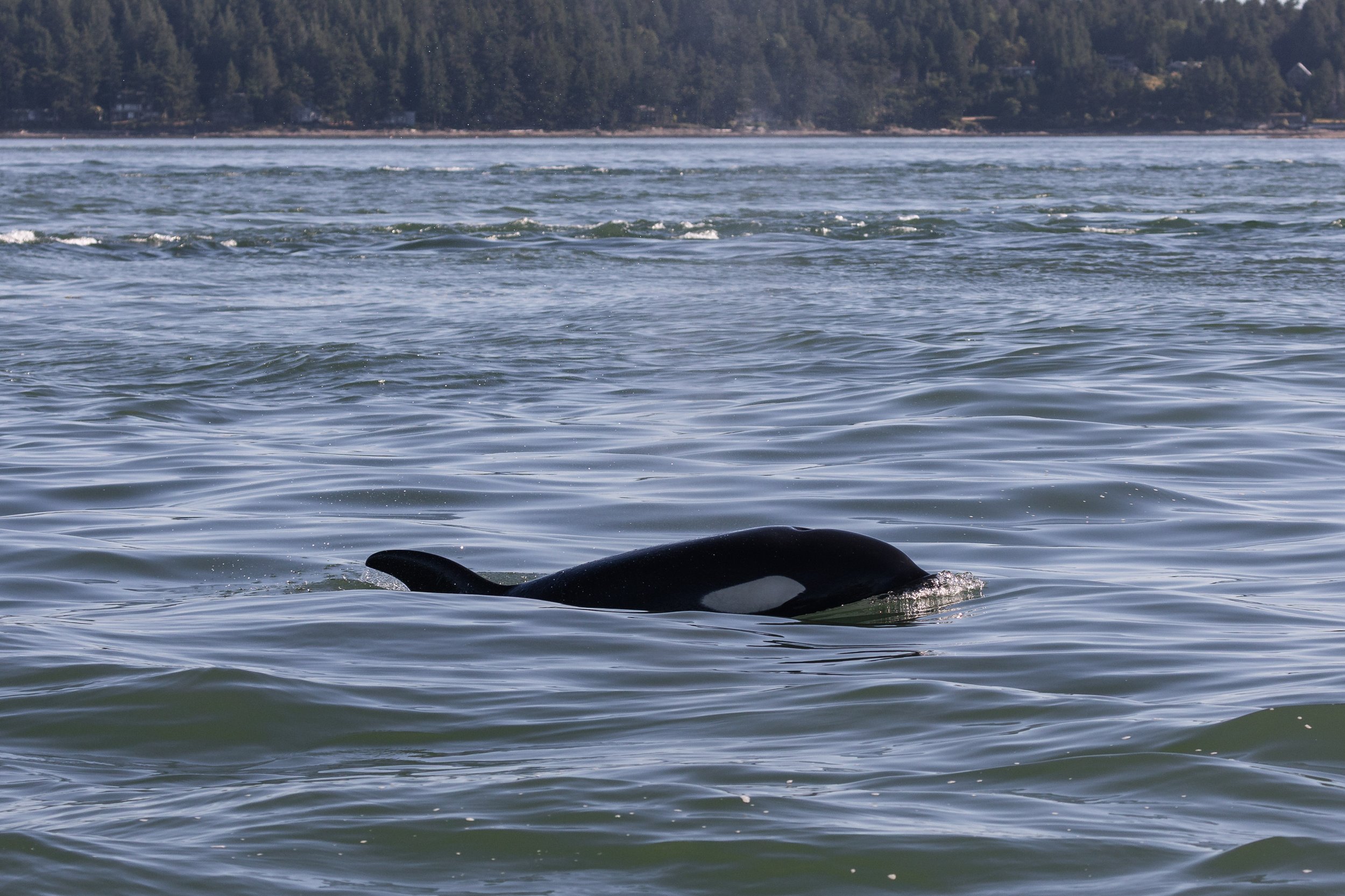
T046B2B Takaya surfacing in the calm water.
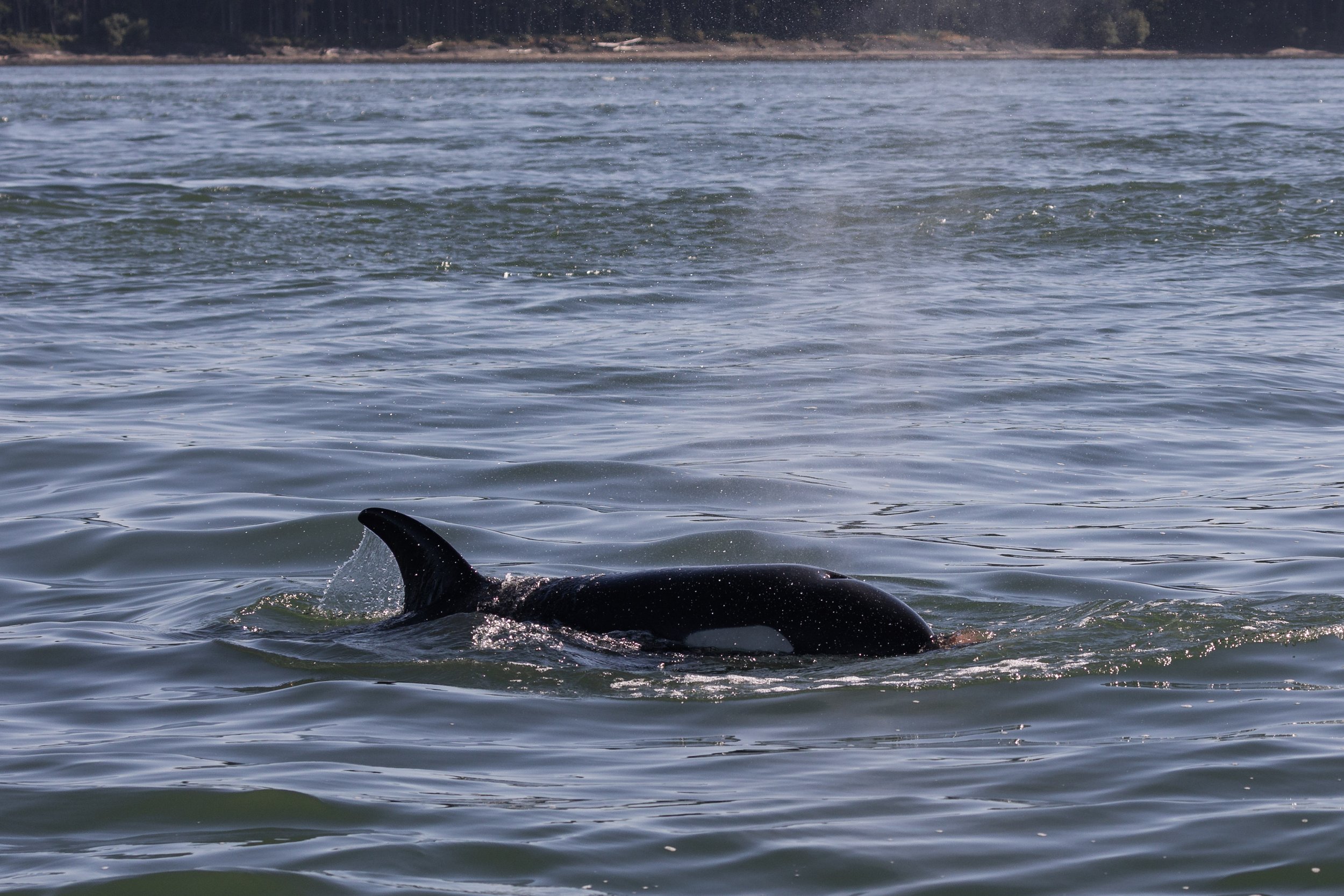
Looks like T046B2B Takaya had some food in their mouth.
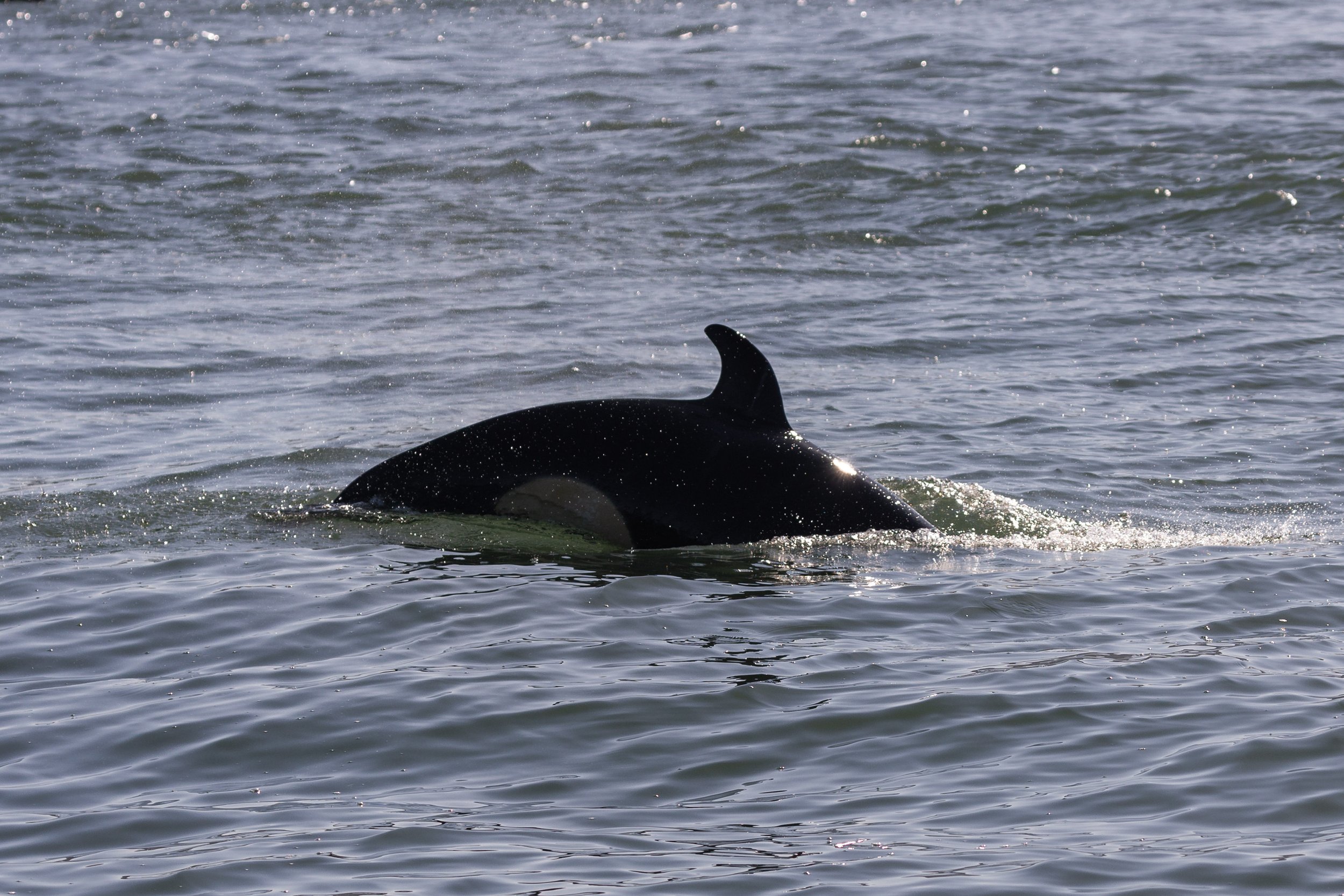
T046B2B going for a dive.
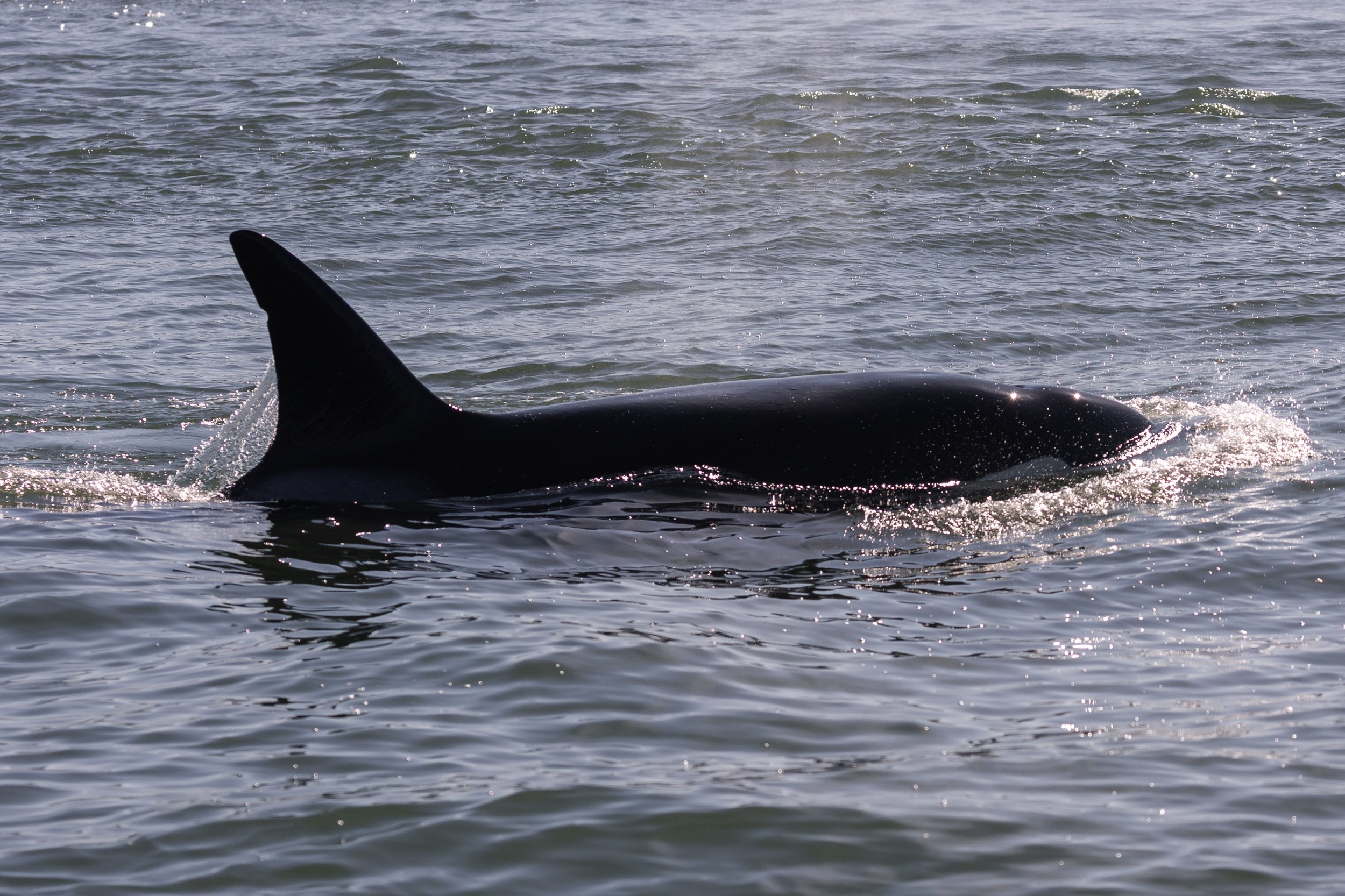
T046B2 Akela surfacing in the sun.
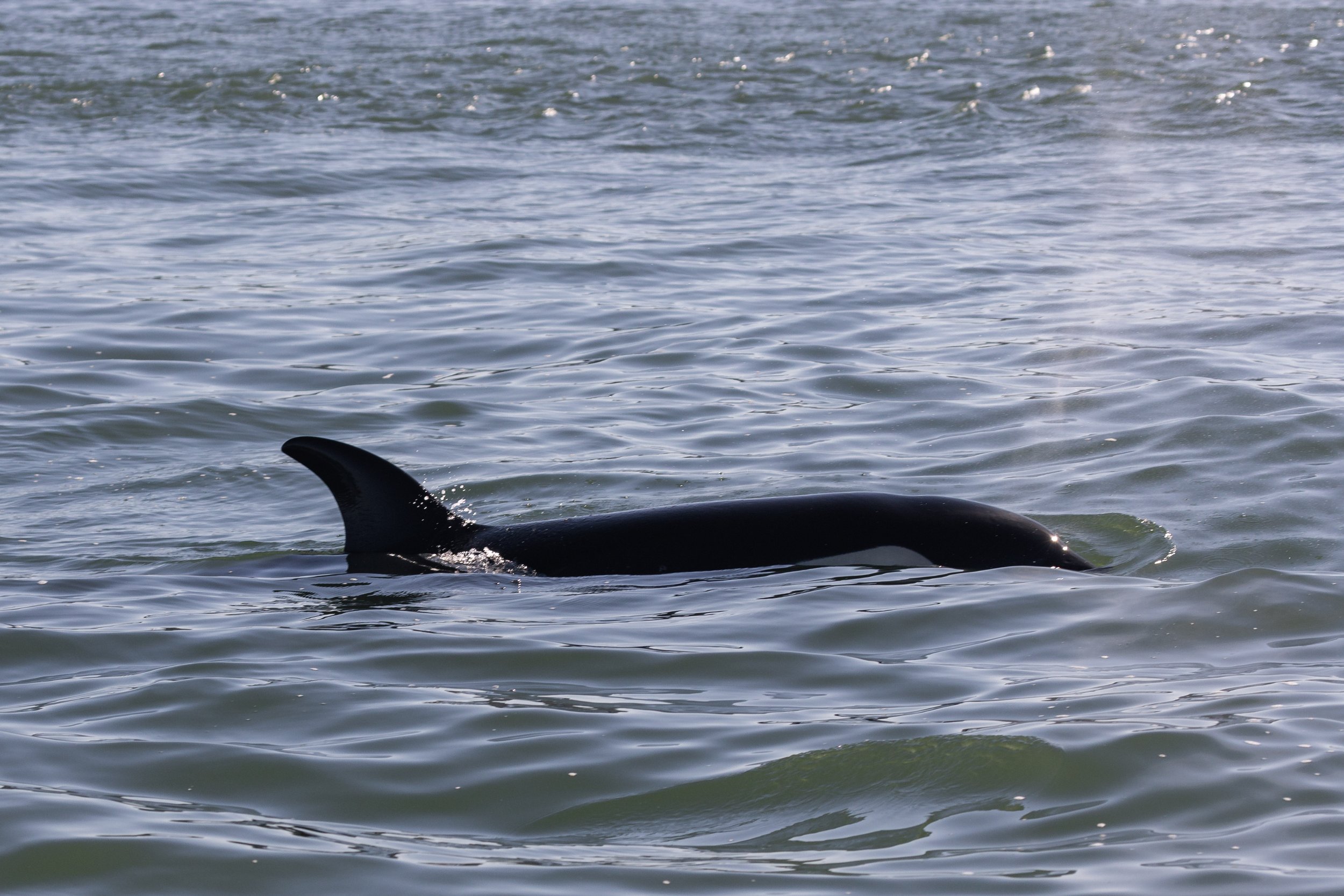
T046B2B Takaya surfacing.
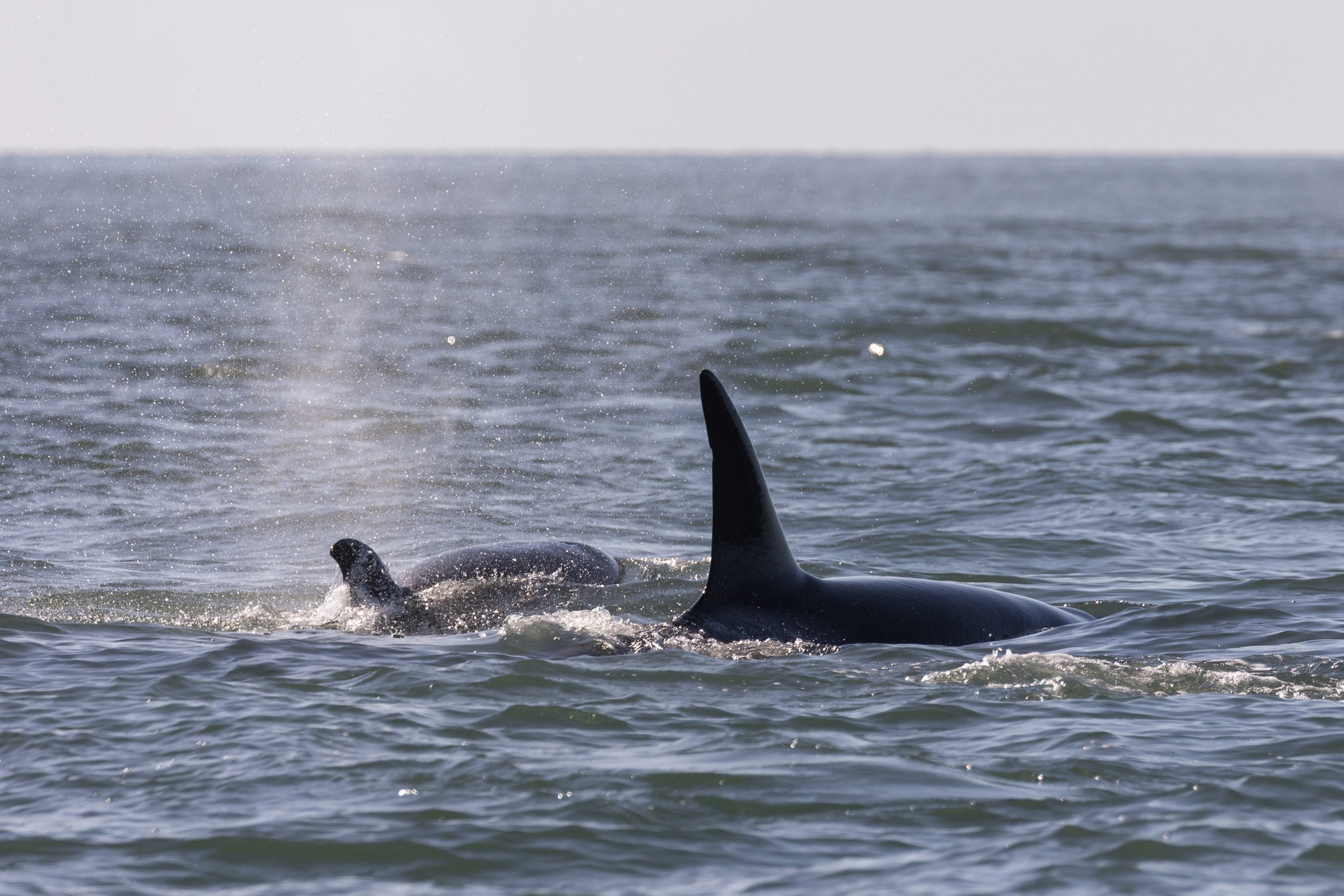
T046B2B Takaya tucked in right beside mom, T046B Akela.
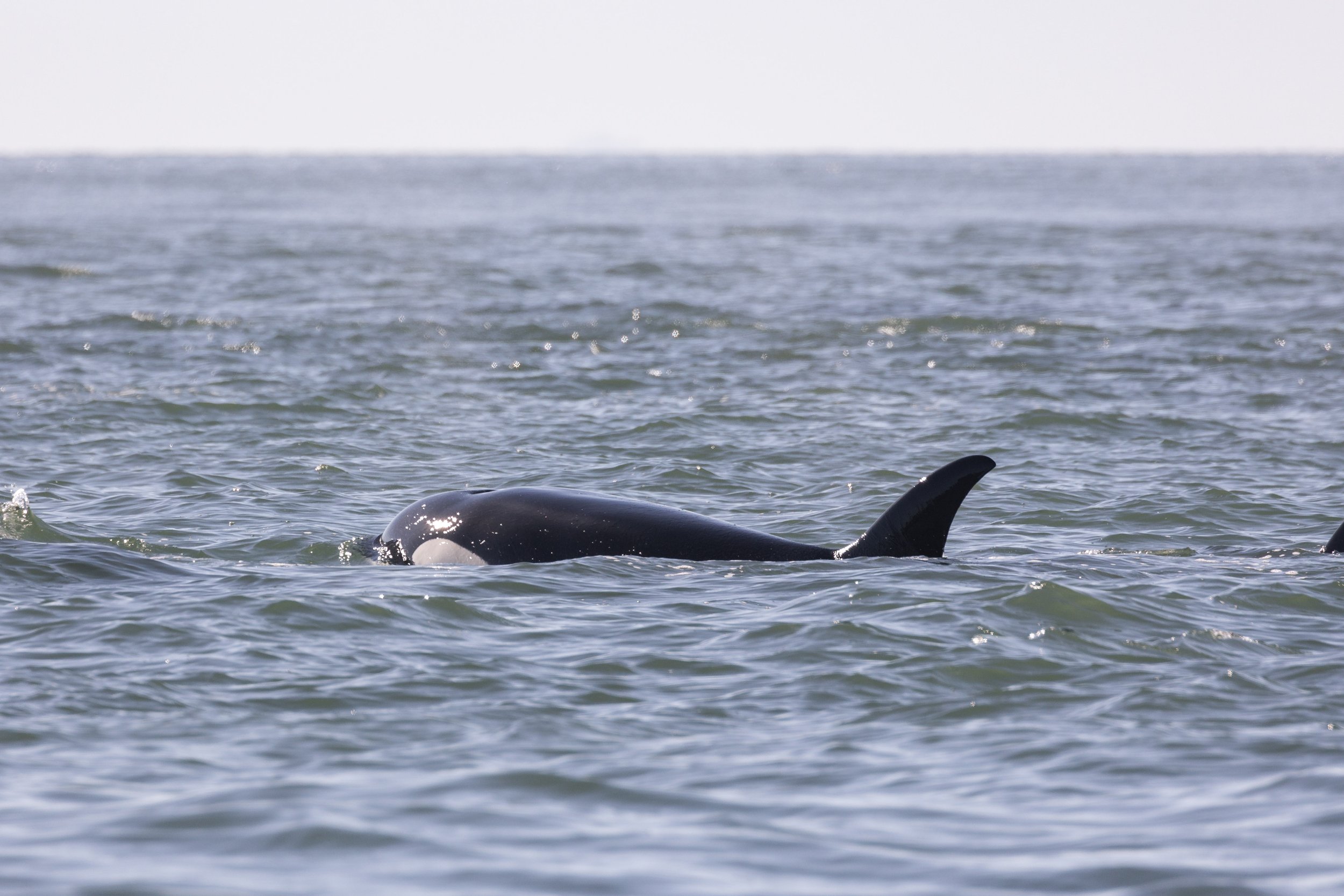
T046B Raksha showing off her eye patch.
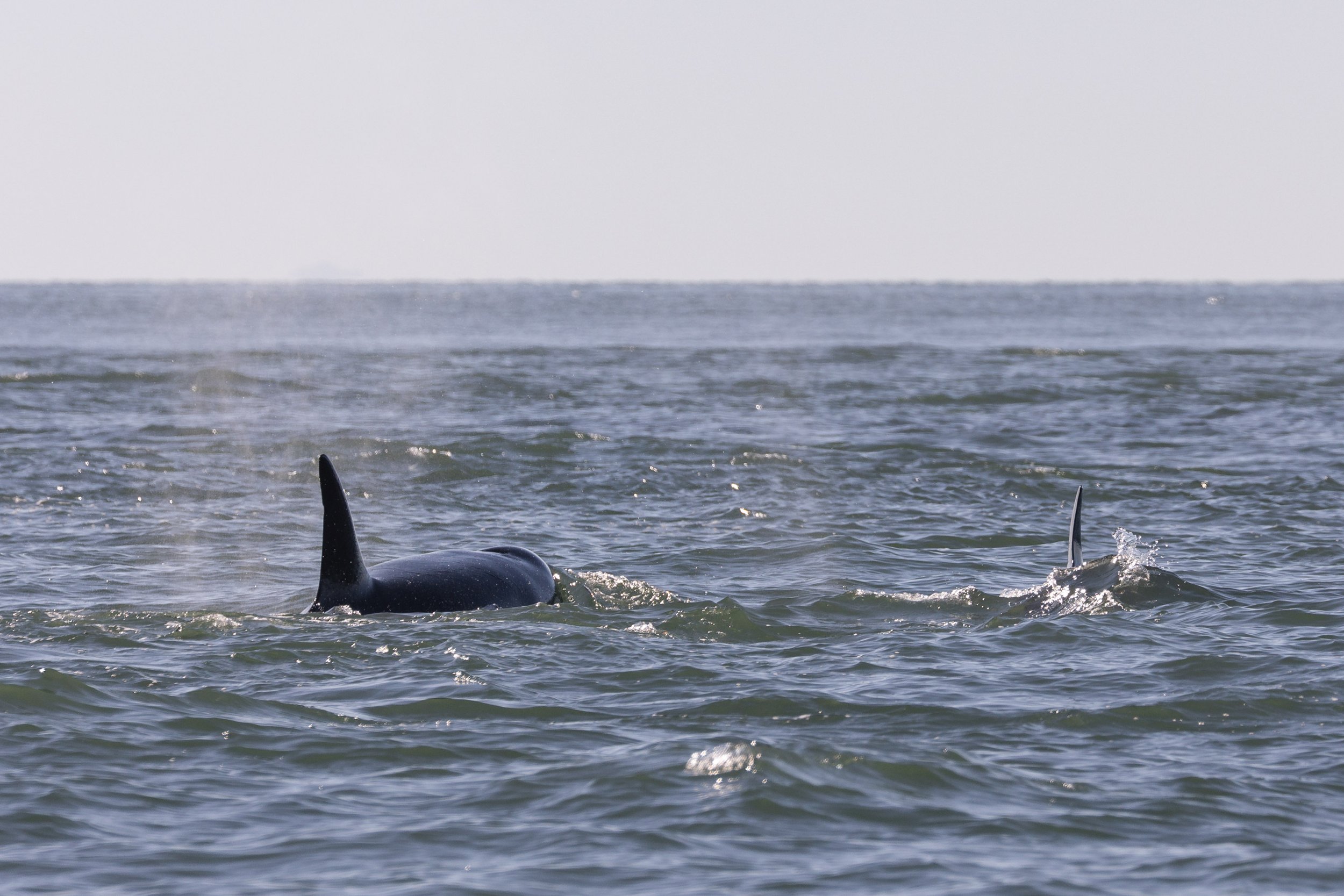
T046B2 Akela surfacing facing away from the camera this time.
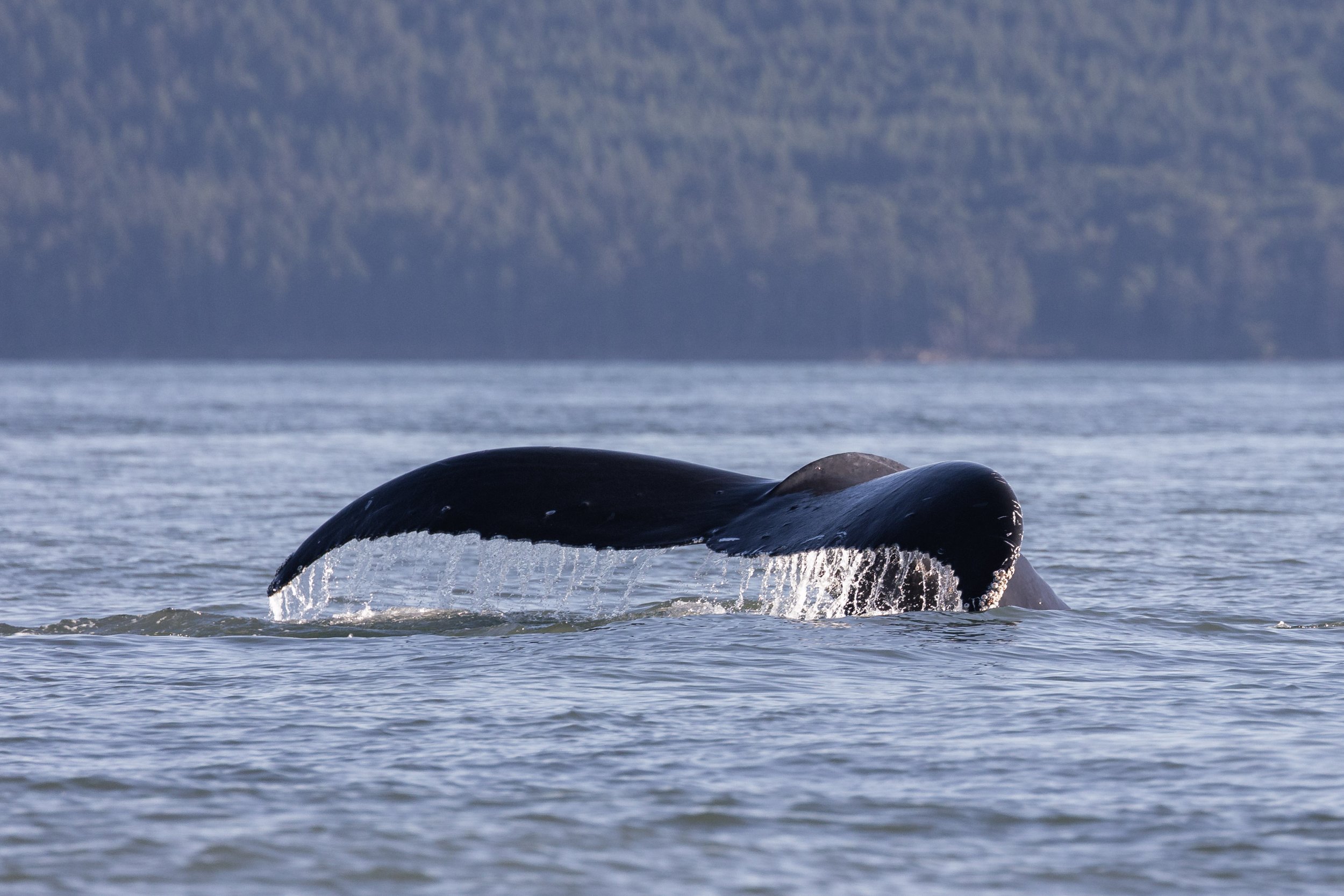
Chi lifting his tail for a dive.
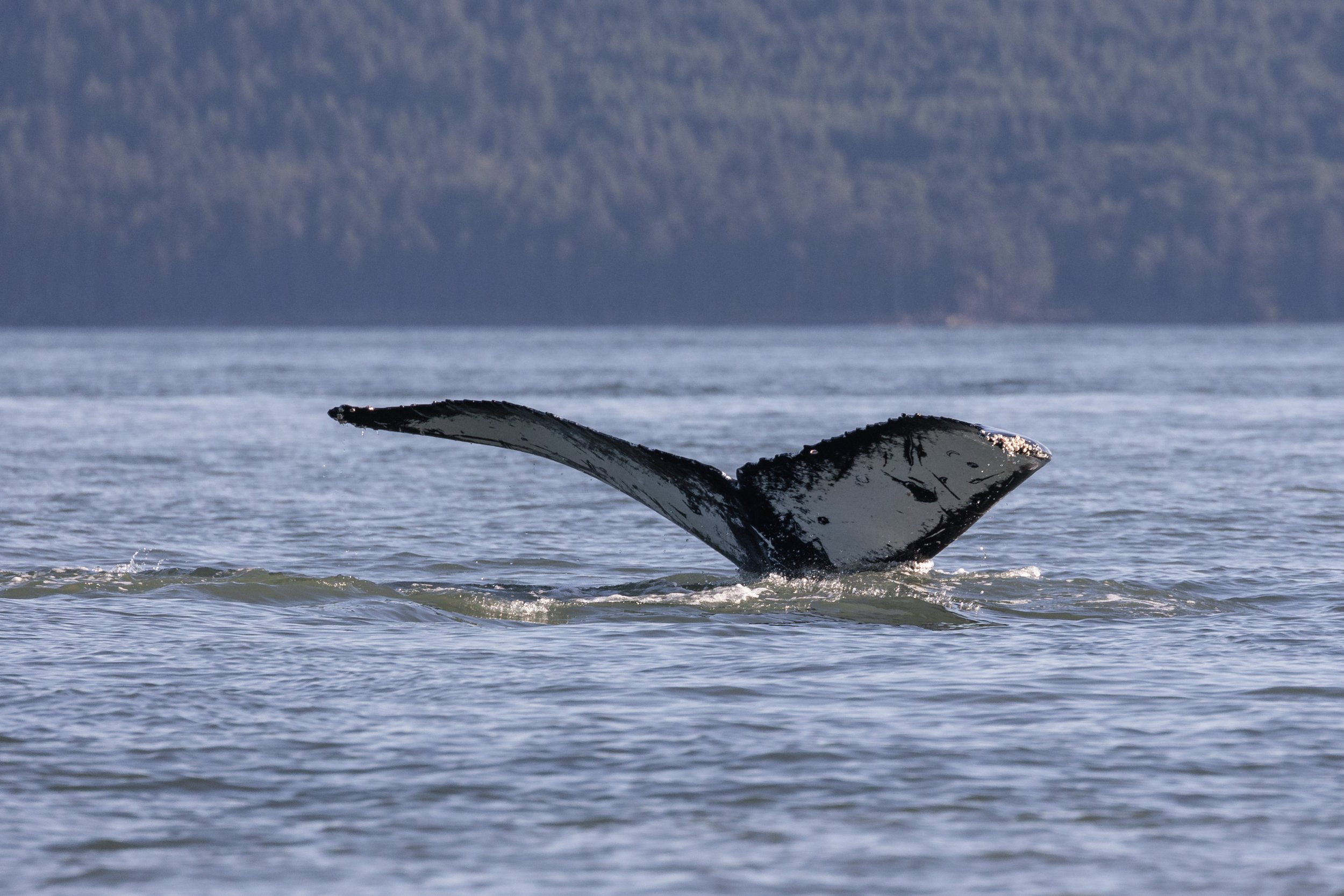
The striking underside of Chi’s tail.
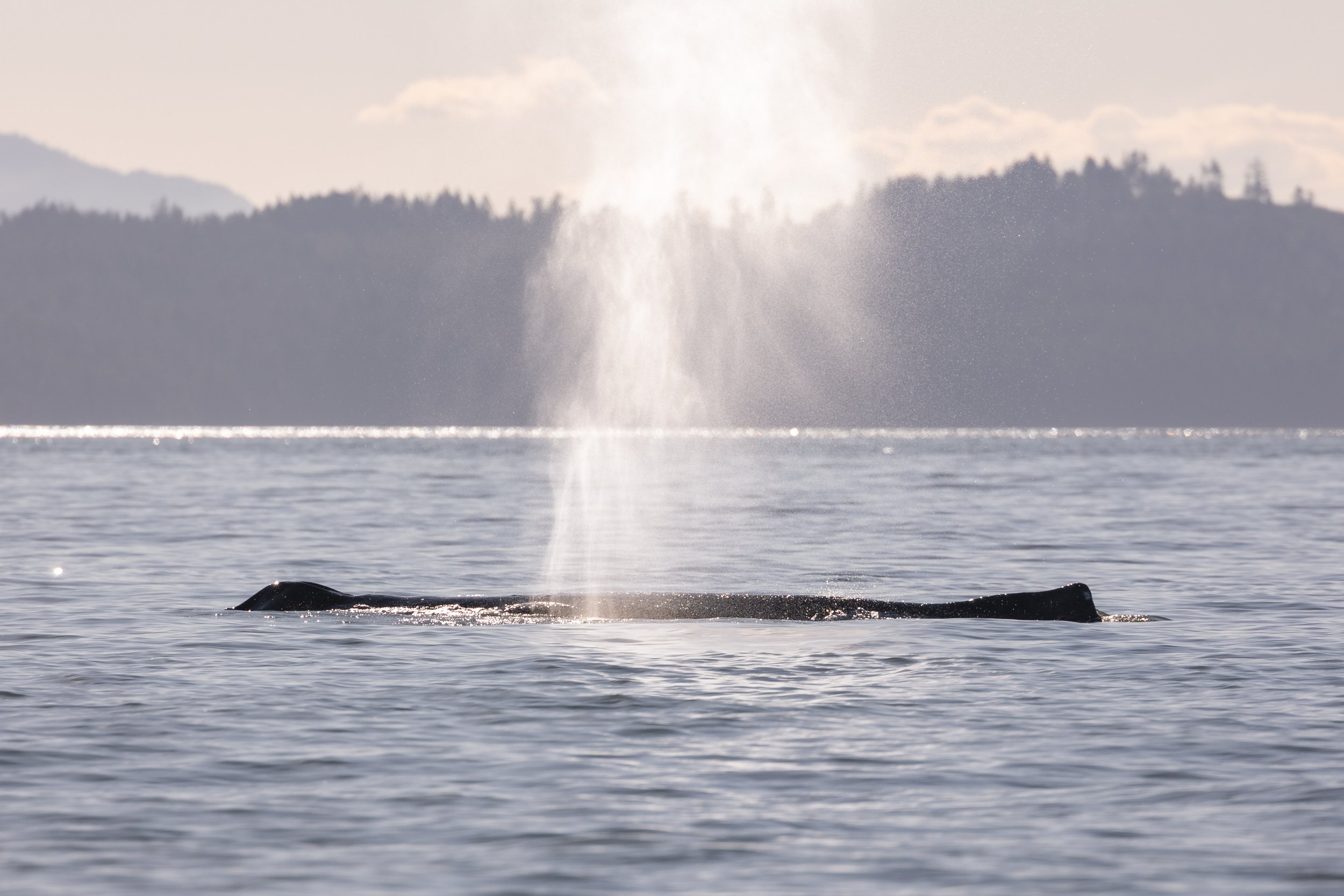
Beak surfacing with his blow backlit by the sun.
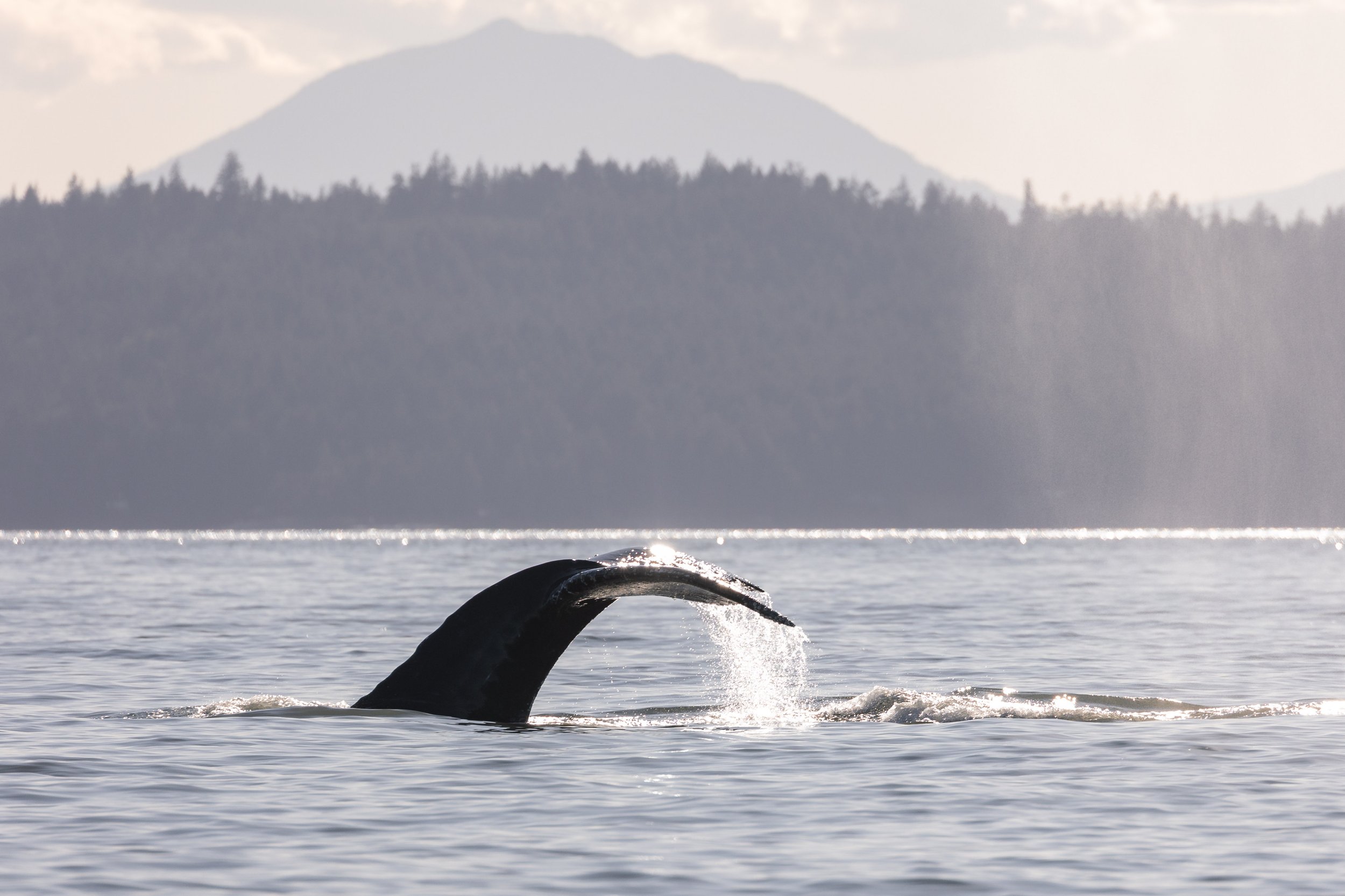
Beak going for a dive.
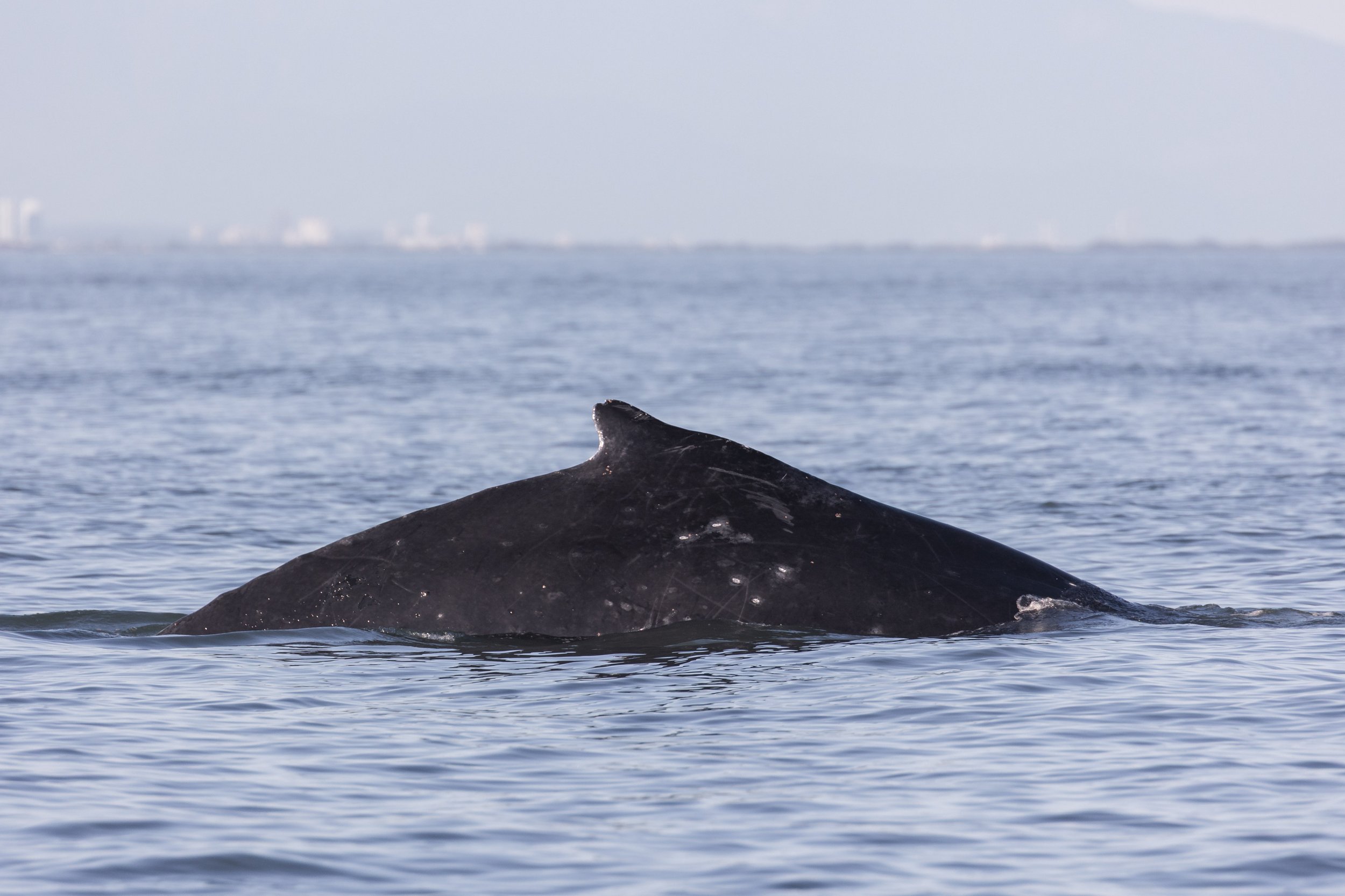
Chi’s very distinct dorsal fin.
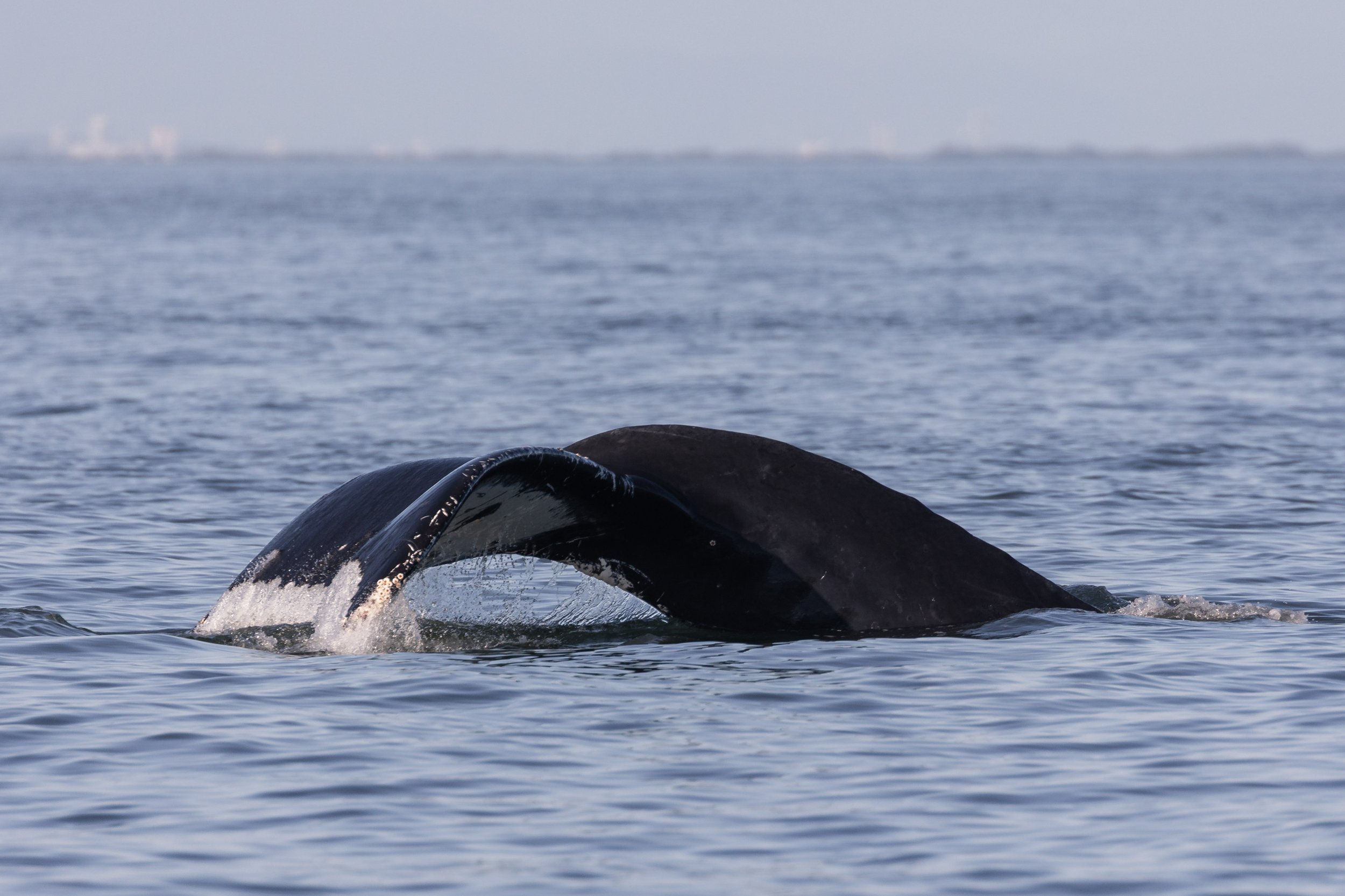
Chi going for a dive, giving a lovely fluke waterfall.
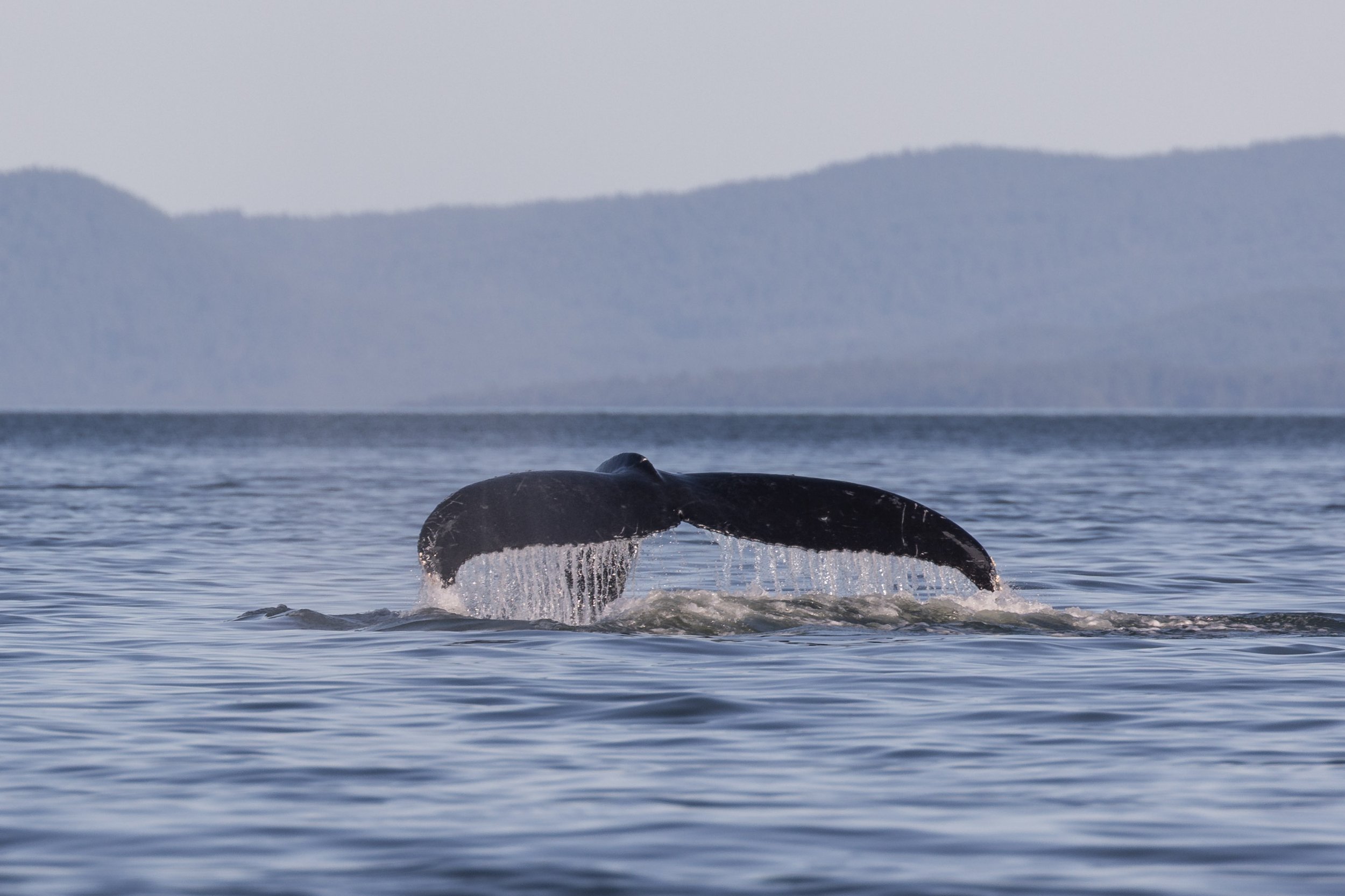
A fluke waterfall from Beak.
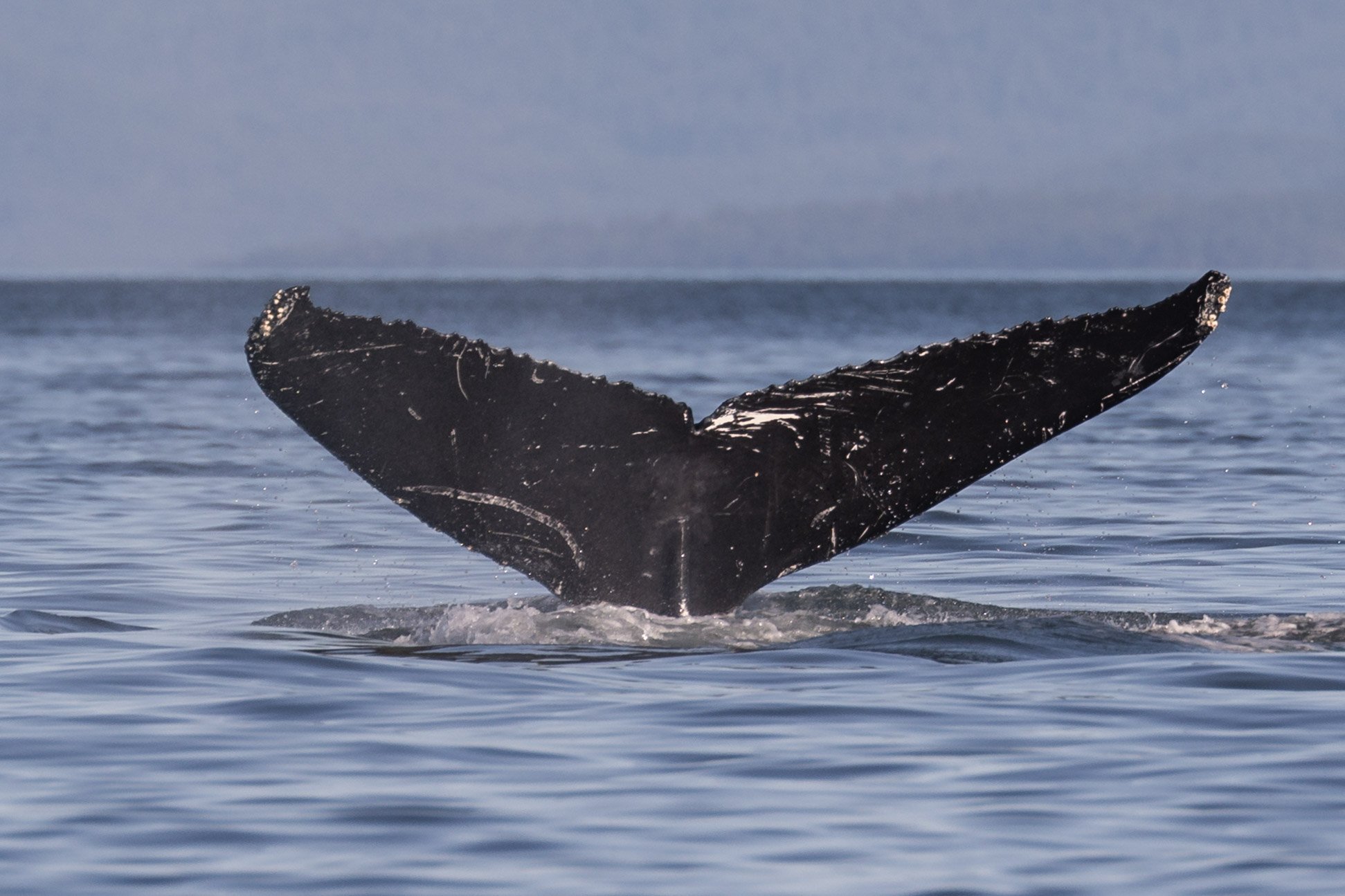
The ventral surface of Beaks flukes, sporting a lot of new scarring.
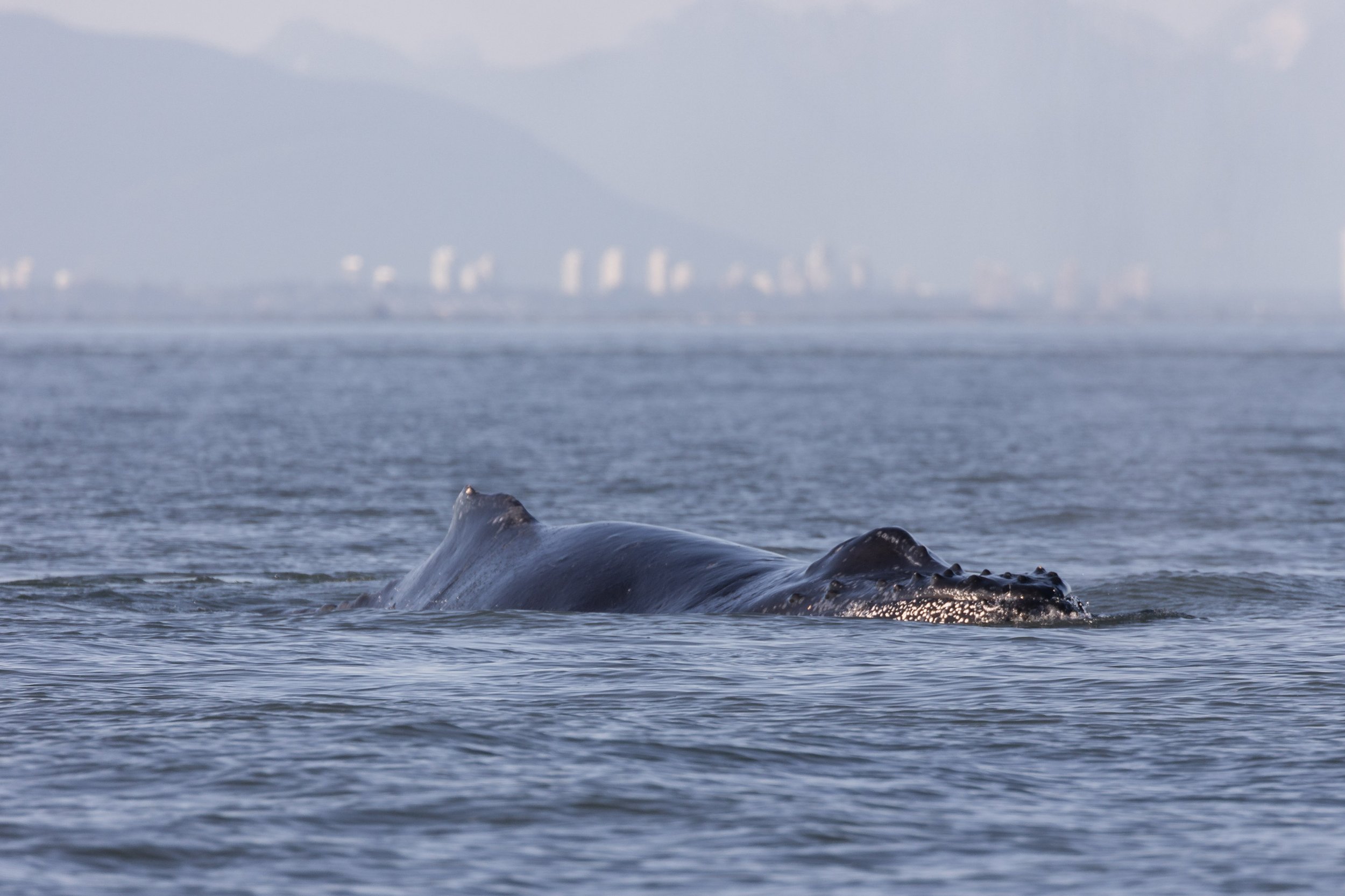
Forge lifting their rostrum as they surface.
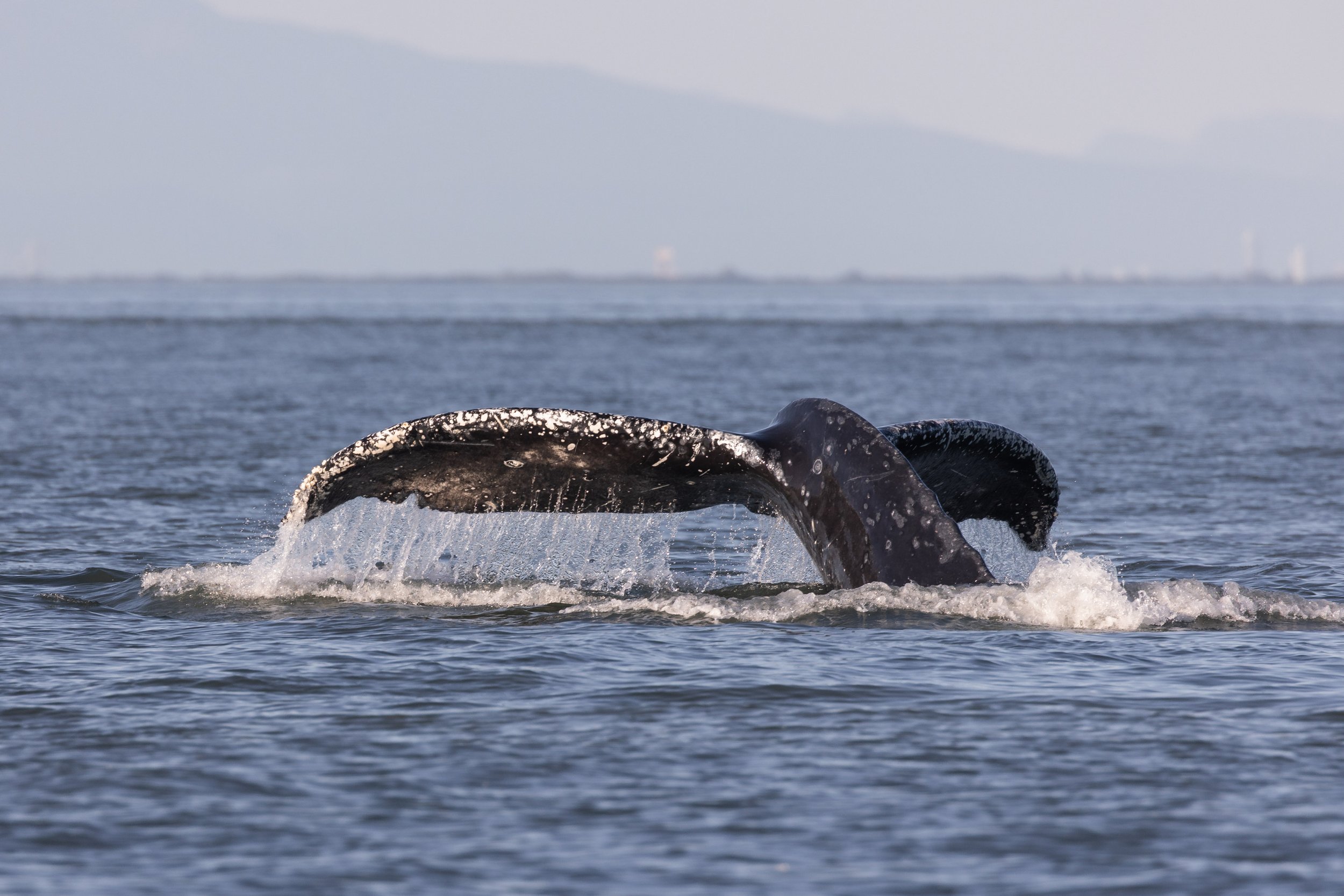
Forge going for a dive, lifting their tail as they go.
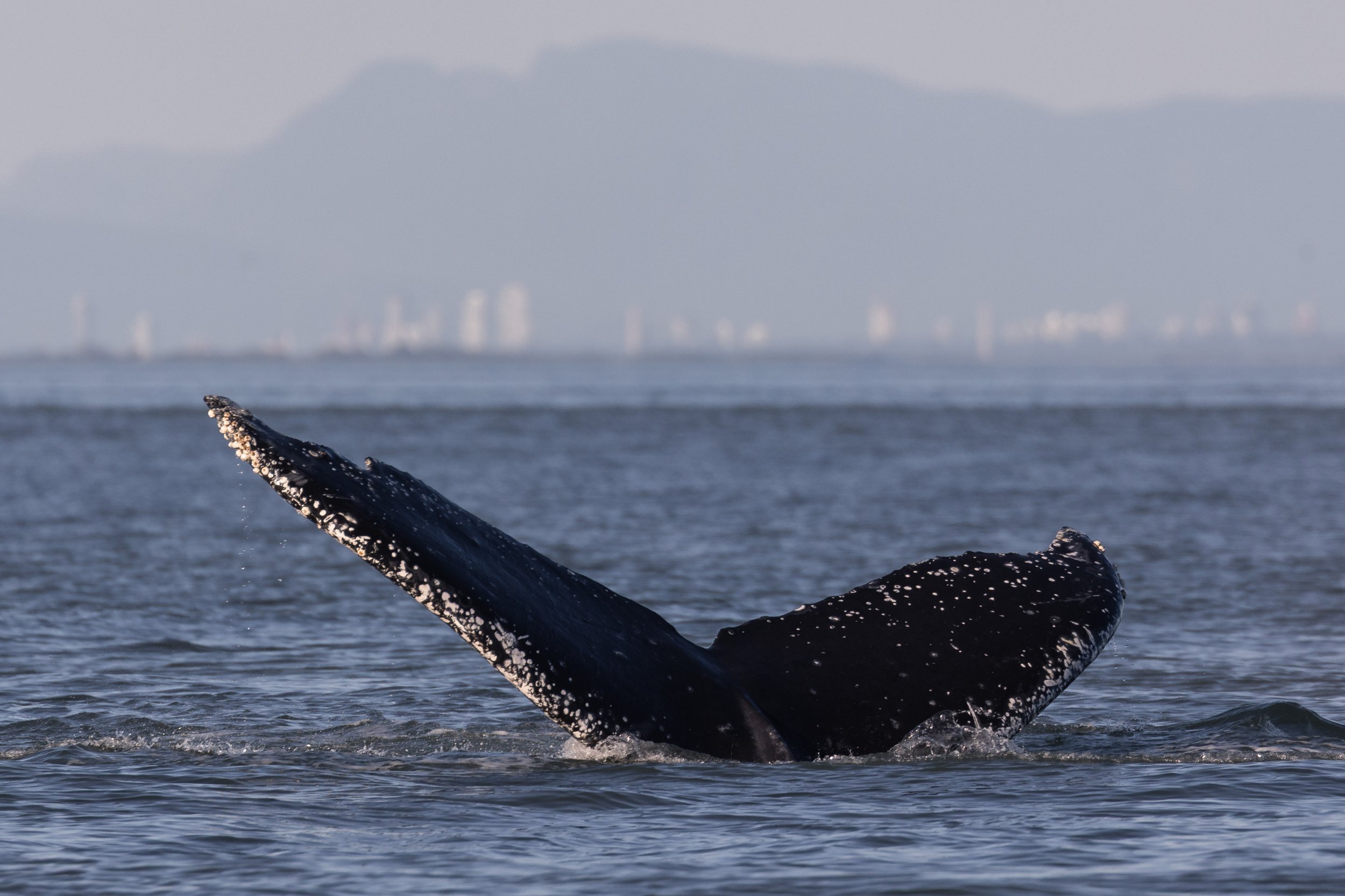
Forge dipping below the surface as they dive.
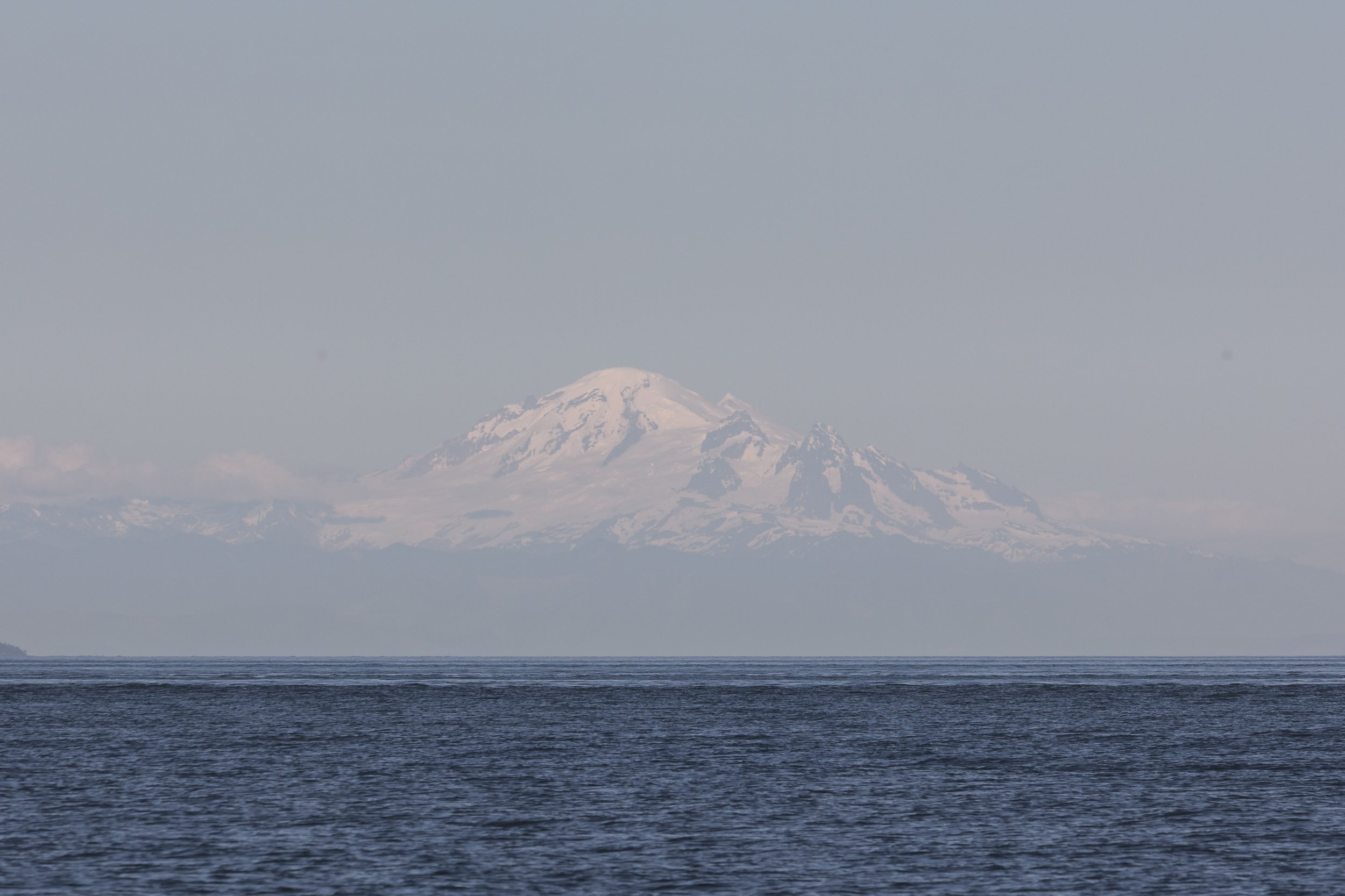
Mt. Baker in the distance.