
June 19, 2026 - T124As and T124A4s spending time down south
Some days on the Salish Sea require a little creativity. With strong winds forecast across the Strait of Georgia, our open vessel headed for the sheltered waters of the Southern Gulf Islands. While the open strait can quickly become challenging in windy conditions, the maze of islands scattered between Vancouver Island and the mainland offers countless protected passages, stunning scenery, and abundant wildlife opportunities.
Our adventure began with a transit through the famous Dodd Narrows. This narrow passage, just south of Nanaimo, is one of the busiest and most dynamic waterways on the coast. Timing is everything here, as powerful tidal currents can race through the channel at speeds exceeding 9 knots. As we passed through safely and entered the islands beyond, excitement was already building aboard.
The Southern Gulf Islands are among the most beautiful regions in British Columbia. Composed of dozens of islands and countless smaller islets and reefs, this archipelago stretches across the southern Salish Sea, creating a patchwork of sheltered channels, rocky shorelines, and forested hills. Islands such as Galiano, Pender, Mayne, Saturna, and many smaller, unnamed islands provide important habitat for marine mammals, seabirds, and fish. As we wove our way through this coastal labyrinth, our eyes continuously scanned the water. Every patch of calm sea, every distant splash, every dark shape on the horizon could be the sighting we were searching for.
We had nearly reached the international border when Naturalist Aly suddenly broke the silence. "Whale!" Instantly, heads turned, and the long lens came out. Just as we focused on the area she was pointing toward, five more fins surfaced in unison. The unmistakable black dorsal fins sliced through the waves as the animals travelled purposefully through the channel. Cameras came alive across the boat as lenses tracked the pod's movements. Even from a distance, it was clear these whales were moving with intent.
As we watched, it quickly became apparent that we weren't looking at just one family group; we were observing two pods travelling and hunting together.
T124A Kittiwake ♀ (1984)
T124A6 Kasuun ♂ (2016)
T124A7 Kite ♀ (2021)
T124A4 Sabio ♀ (2010)
T124A4A Strix ♀ (2021)
T124A1A Sabine (2024)
These were Bigg's Killer Whales, also known as transient orcas, the marine mammal specialists of the Salish Sea. Unlike the fish-eating Southern Resident Killer Whales, Bigg's orcas hunt seals, sea lions, porpoises, and occasionally even larger prey such as juvenile whales. Their hunting strategy relies heavily on stealth. Rather than vocalizing frequently like fish-eating orcas, they often travel silently to avoid alerting their prey. Soon, the whales began exhibiting behaviours that suggested a hunt was underway. The pod spread out across the water, with individuals surfacing at different locations as they coordinated their movements. Transient orca are highly intelligent social predators and often work together to locate, isolate, and capture prey. Family members communicate and cooperate throughout the process, drawing on years of accumulated experience passed down through generations. After a period of searching and positioning, the hunt concluded. The whales gathered tightly together on the surface, a behaviour commonly observed following a successful capture. What followed was one of the most fascinating aspects of transient orca society: prey sharing.
Among transient orcas, food is rarely consumed by a single individual alone. Adults frequently share portions of prey with relatives, particularly calves and younger family members. Researchers believe this behaviour strengthens social bonds, helps teach hunting skills to younger whales, and reinforces the close matrilineal structure that defines killer whale society. Watching these apex predators successfully work together was a powerful reminder of just how complex and cooperative life in the ocean can be. After spending time with the whales and allowing them to enjoy their well-earned meal, it was time for us to begin the long journey north. We had travelled a considerable distance south in pursuit of these remarkable animals, and the ride home would offer plenty of opportunities for more wildlife encounters.
Not long into our return trip, we stopped alongside some of the Salish Sea's most familiar residents: harbour seals. These curious marine mammals are by far the most abundant seal species in our local waters. Often seen hauled out on rocky islets, harbour seals can spend hours resting between feeding excursions. While they may appear relaxed and sleepy on shore, they are highly skilled hunters beneath the surface. Their diet includes herring, salmon, sand lance, squid, and numerous other fish species found throughout the Salish Sea. One of their most impressive adaptations is something many people never notice: their whiskers. A harbour seal's whiskers are extraordinarily sensitive and can detect tiny disturbances in the water left behind by swimming fish. Even in dark or murky conditions, seals can effectively "feel" prey's movement through these hydrodynamic trails, allowing them to locate food with remarkable precision. After spending time watching these adorable pinnipeds, it was time to pick up speed once again.
Our vessel surged northward at roughly 30 knots as we continued scanning the shoreline. Then another wildlife sighting emerged. "What was that?" Captain Rodrigo had spotted a flash of white among the towering coastal forest. A closer look revealed the unmistakable white head and yellow beak of a Bald Eagle. The Bald Eagle is one of the most iconic species of the Pacific Northwest and a true conservation success story. Once facing significant population declines, eagle numbers have rebounded dramatically throughout British Columbia. Although many people think of them strictly as fish hunters, Bald Eagles are incredibly adaptable. Salmon make up a large portion of their diet during spawning seasons, but they also feed on waterfowl, small mammals, carrion, and occasionally steal meals from other birds. Their powerful eyesight allows them to spot prey from remarkable distances, and their sharp talons are perfectly designed to grasp slippery fish at the water's surface. Watching an eagle perched high above the shoreline provided a fitting final wildlife encounter for the day.
As we continued toward home, the forests, islands, and channels of the Southern Gulf Islands slowly slipped behind us. The day had delivered everything that makes whale watching in the Salish Sea so special: breathtaking scenery, incredible wildlife, and unexpected moments that remind us why no two trips are ever the same.
From navigating the sheltered passages of the Gulf Islands to witnessing cooperative hunting behaviour among transient orca to observing harbour seals and Bald Eagles thriving in their coastal habitat, today's journey showcased the remarkable diversity of life that calls these waters home.
Every day on the Salish Sea tells a different story, and this one is certainly a day we won't soon forget.
Photos below taken by Aly Kohlman.
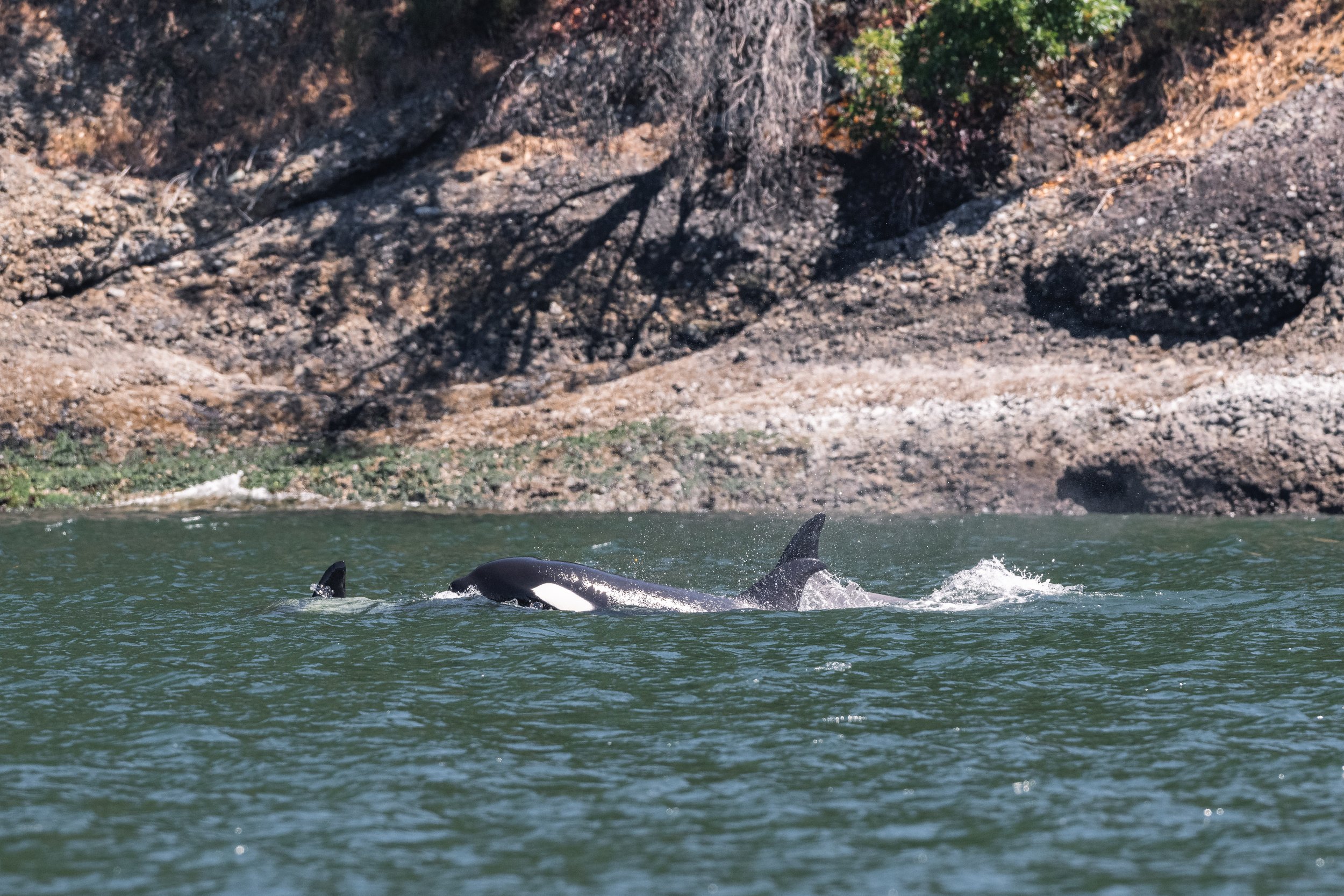
Kite showing off her eye patch.
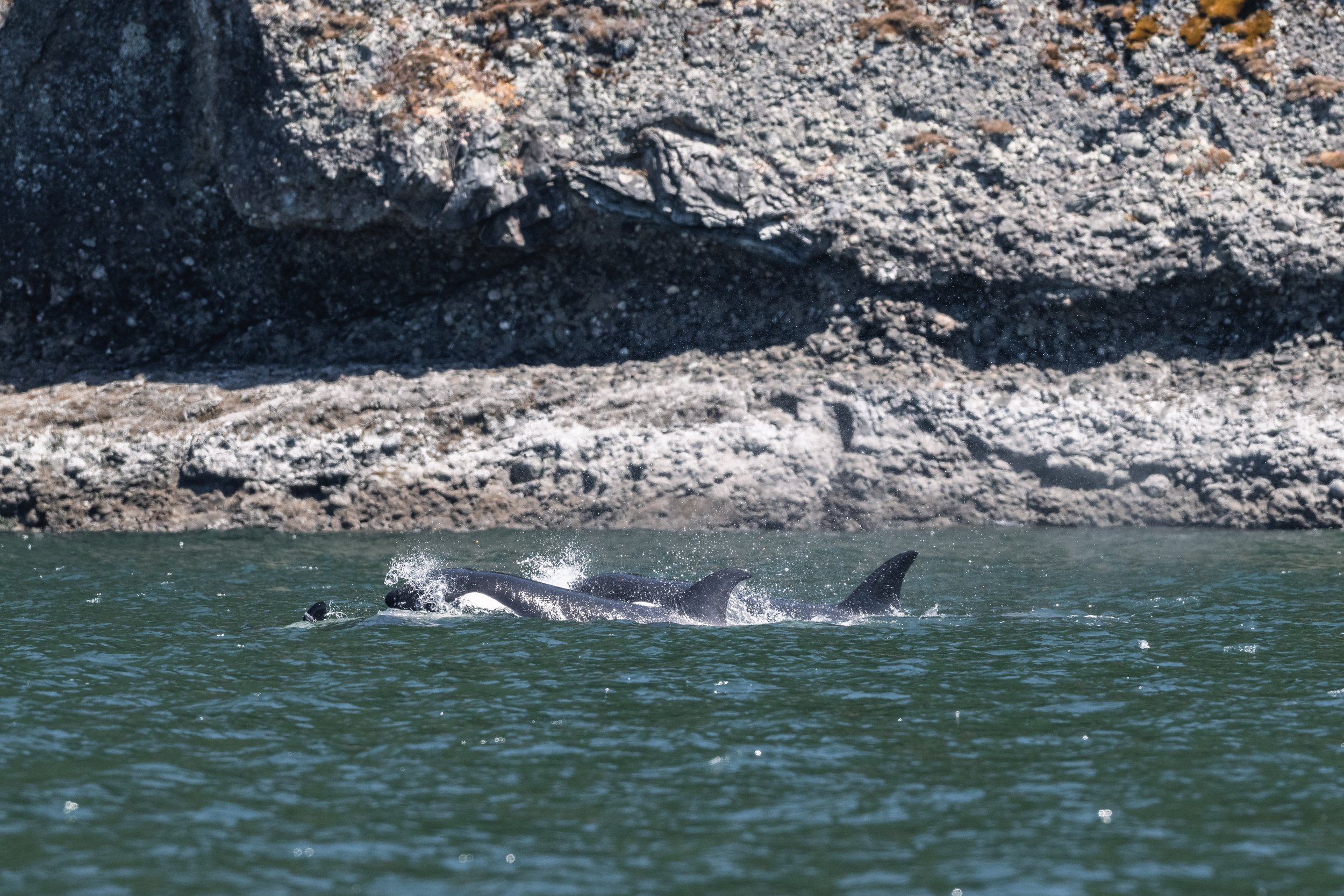
Surfacing quickly.
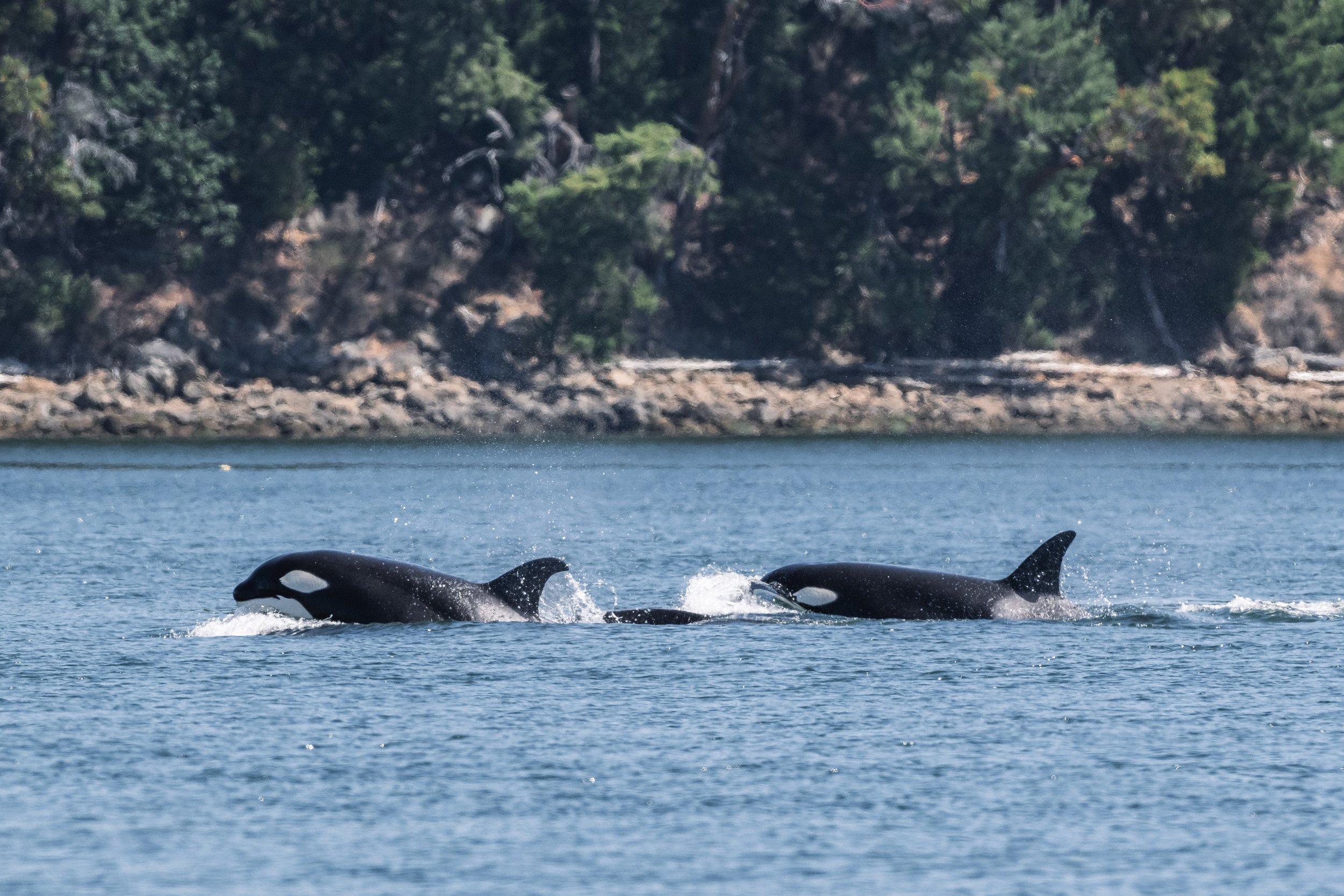
Kite in the lead with Kasun behind her.
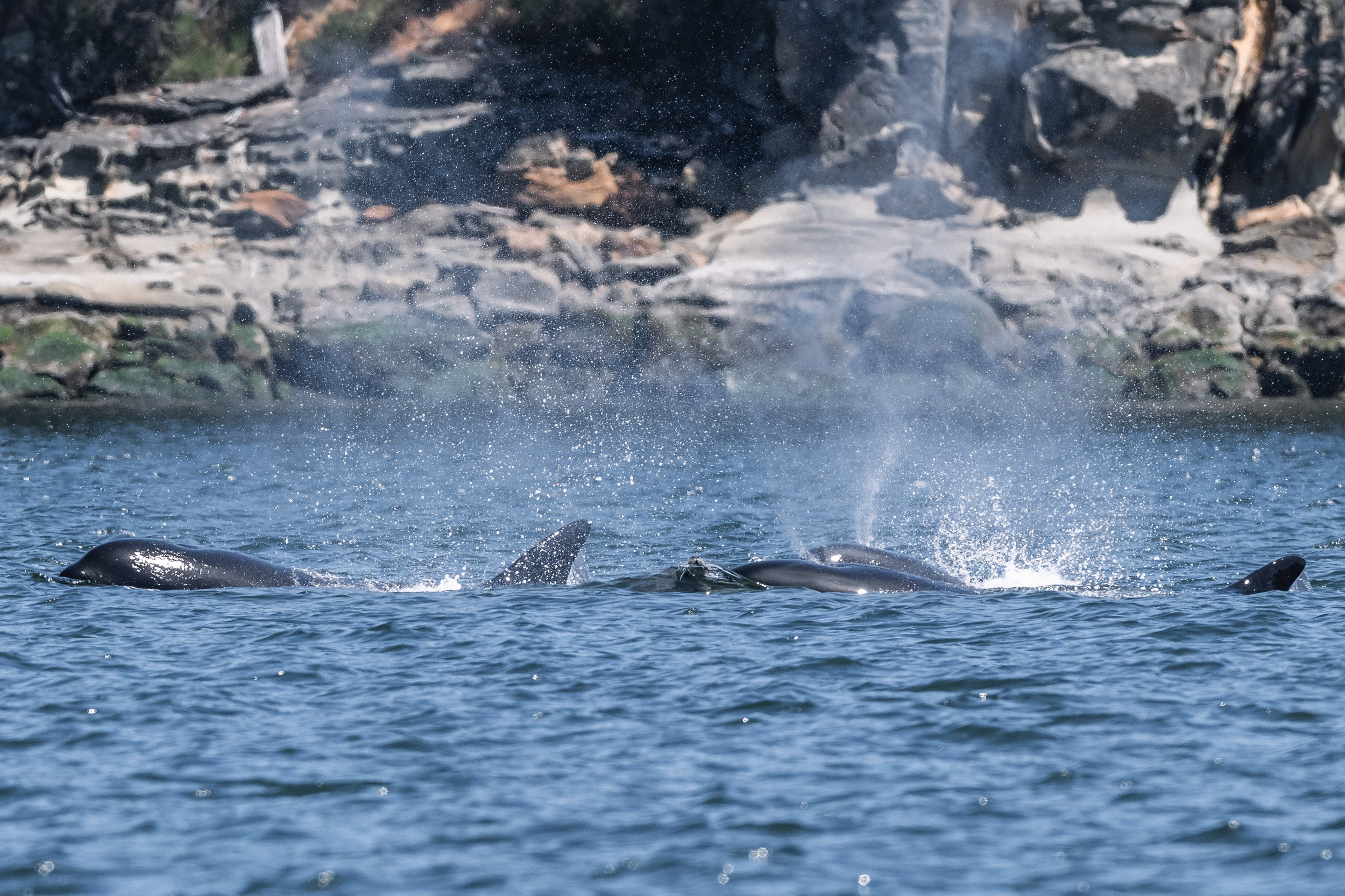
Can you spot the harbour seal in this photo?
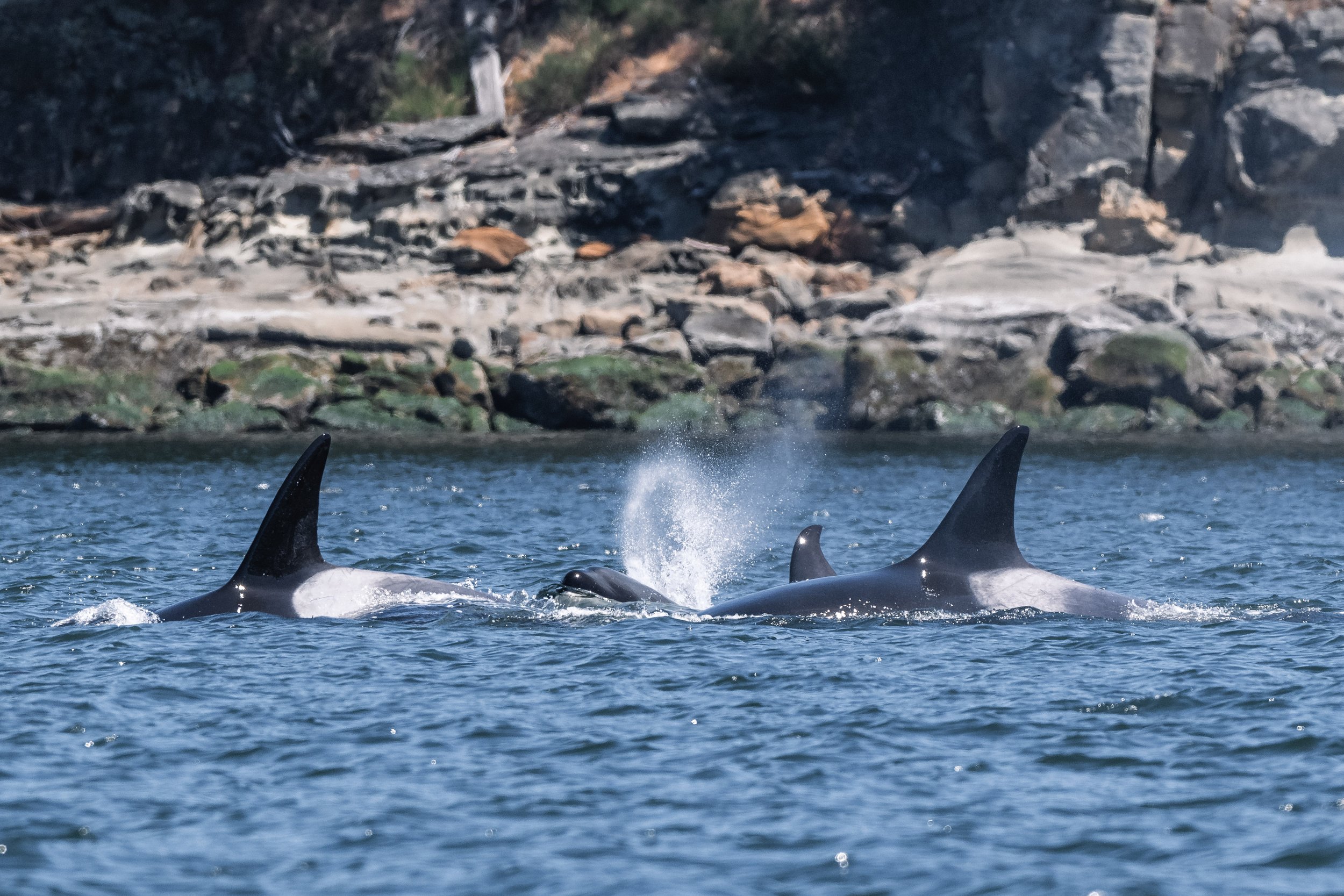
Sabio in the lead Kite surfacing in between and Kittiwake in the rear.
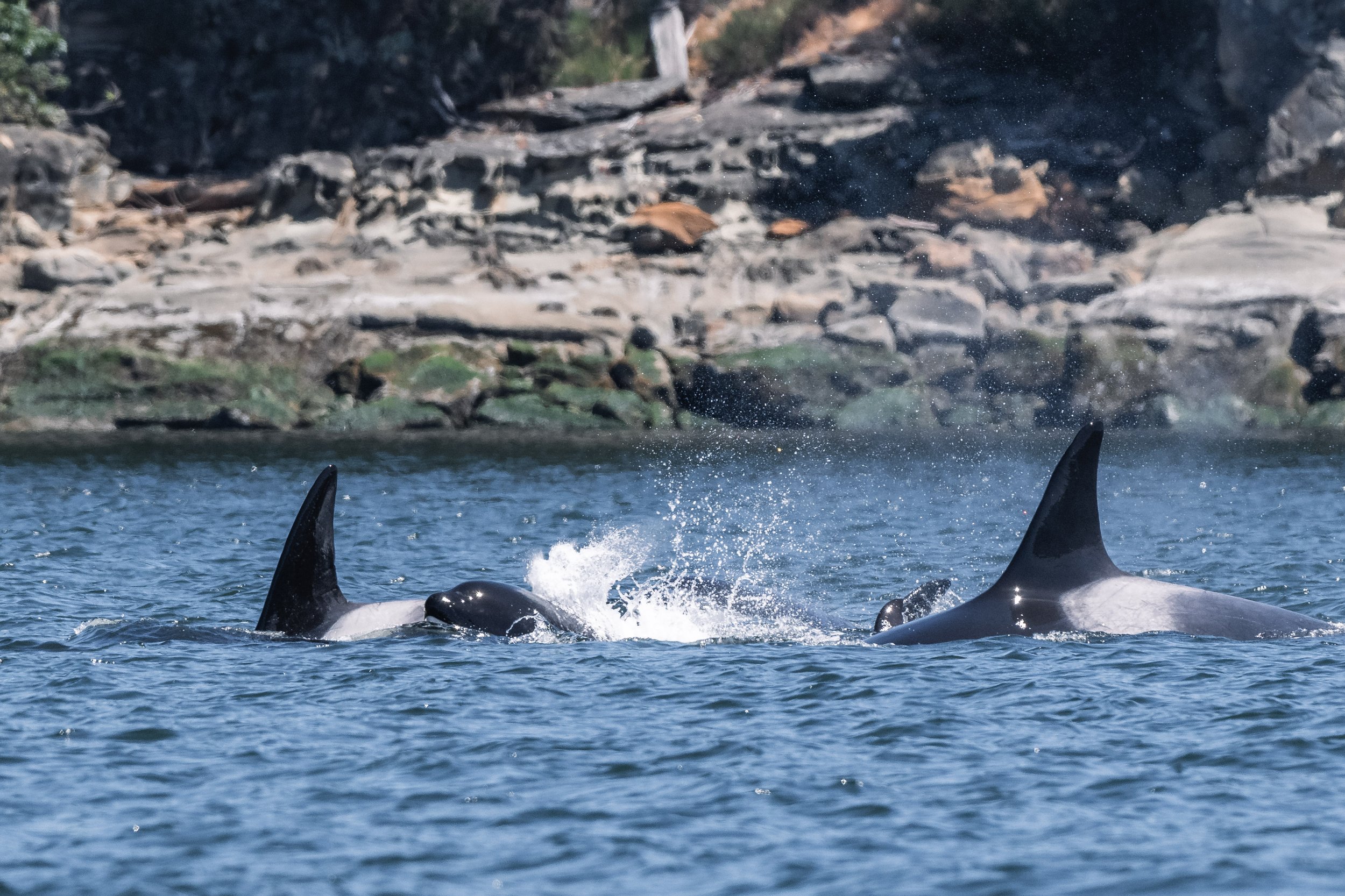
Making waves.
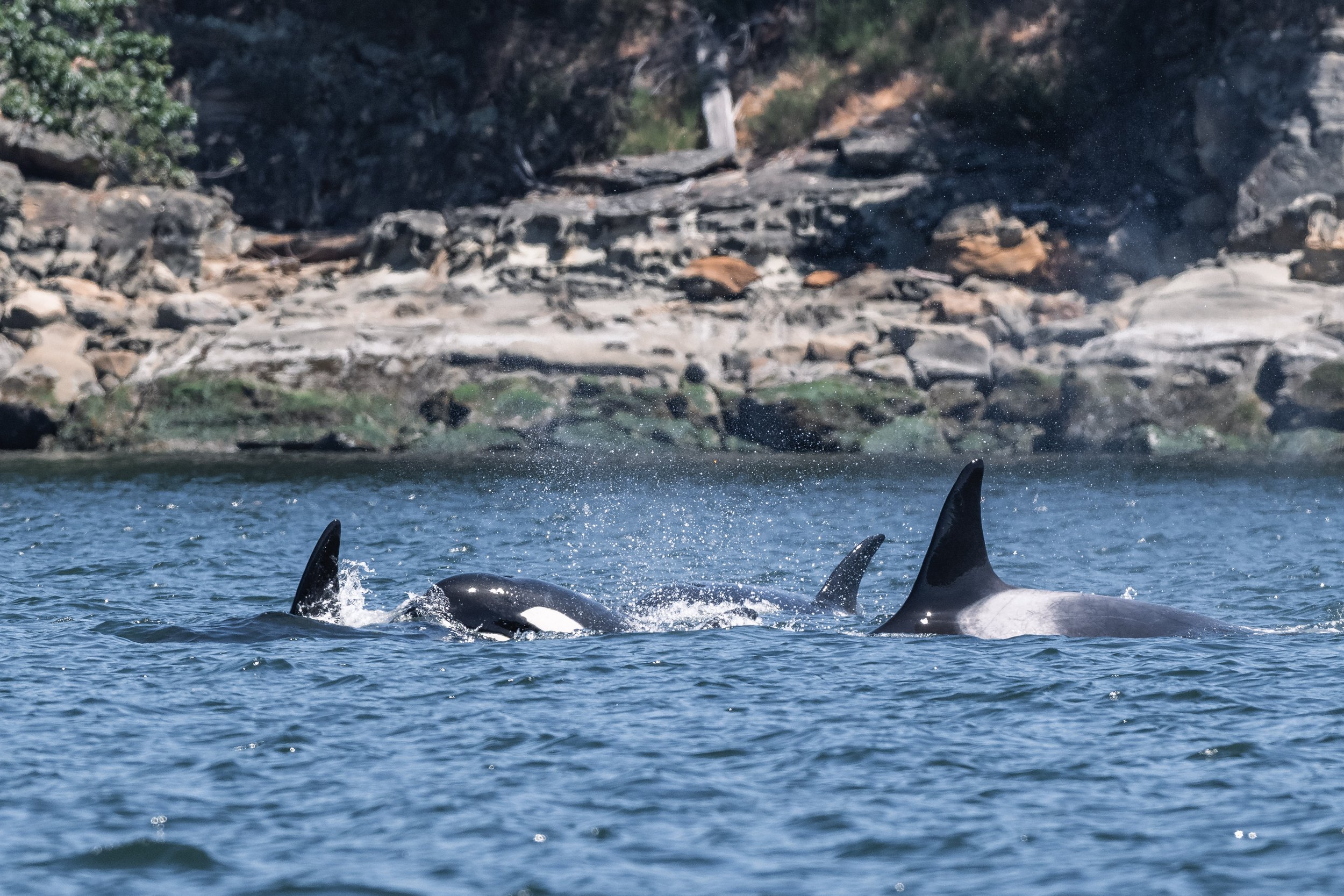
Left to right: Sabio, Strix, Kite and Kittiwake.
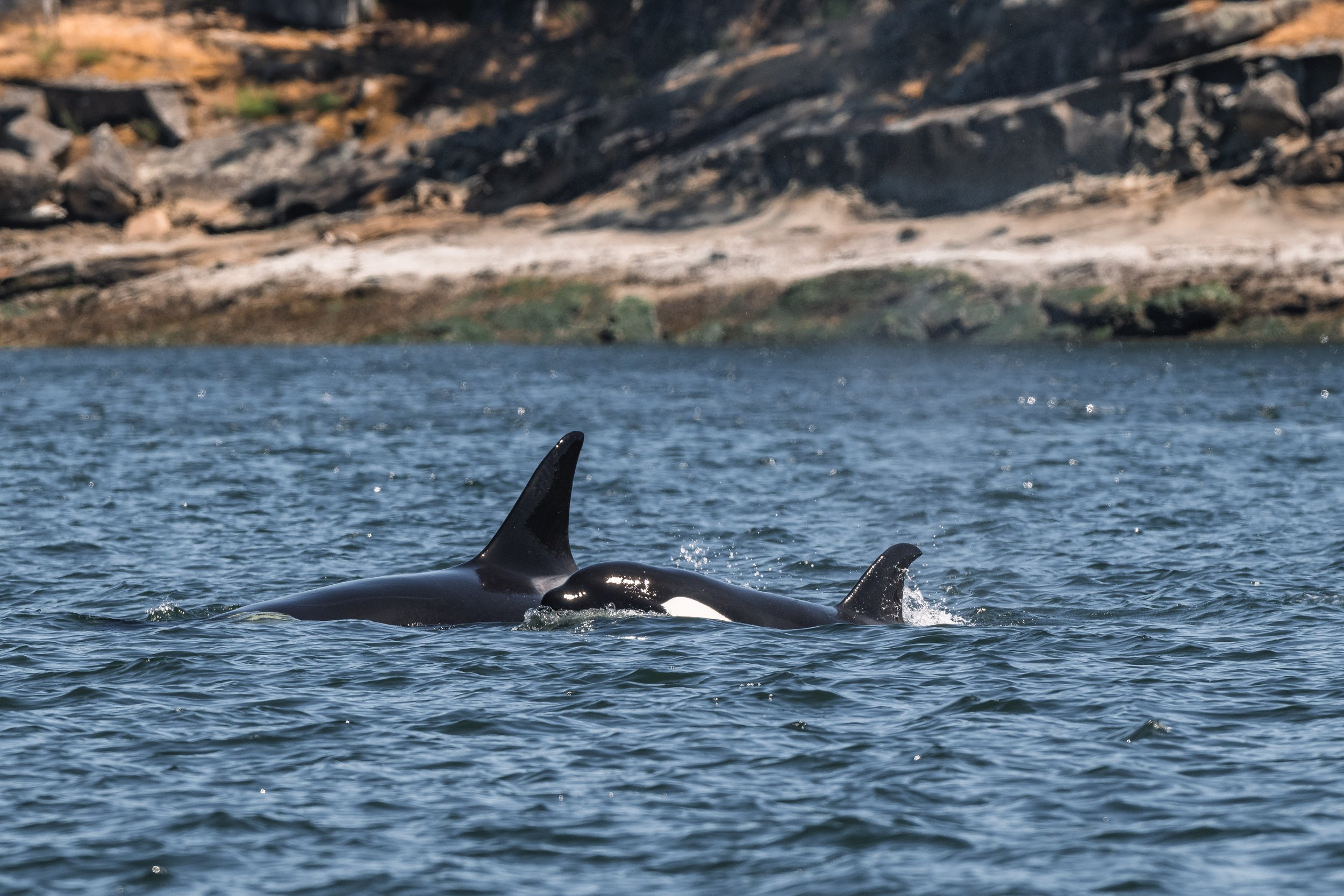
Kittiwake with Kite at her side.
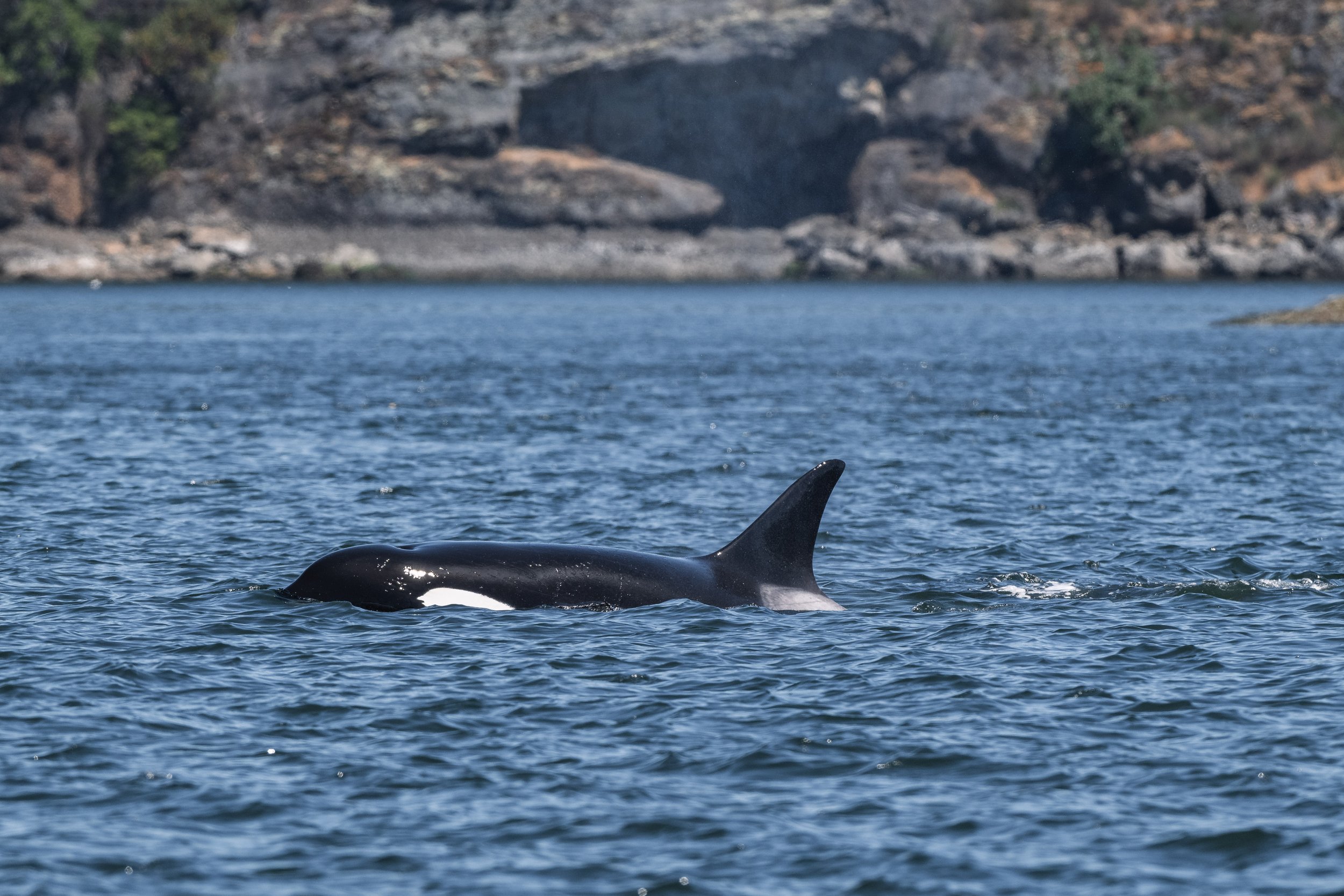
Kittiwake surfacing.
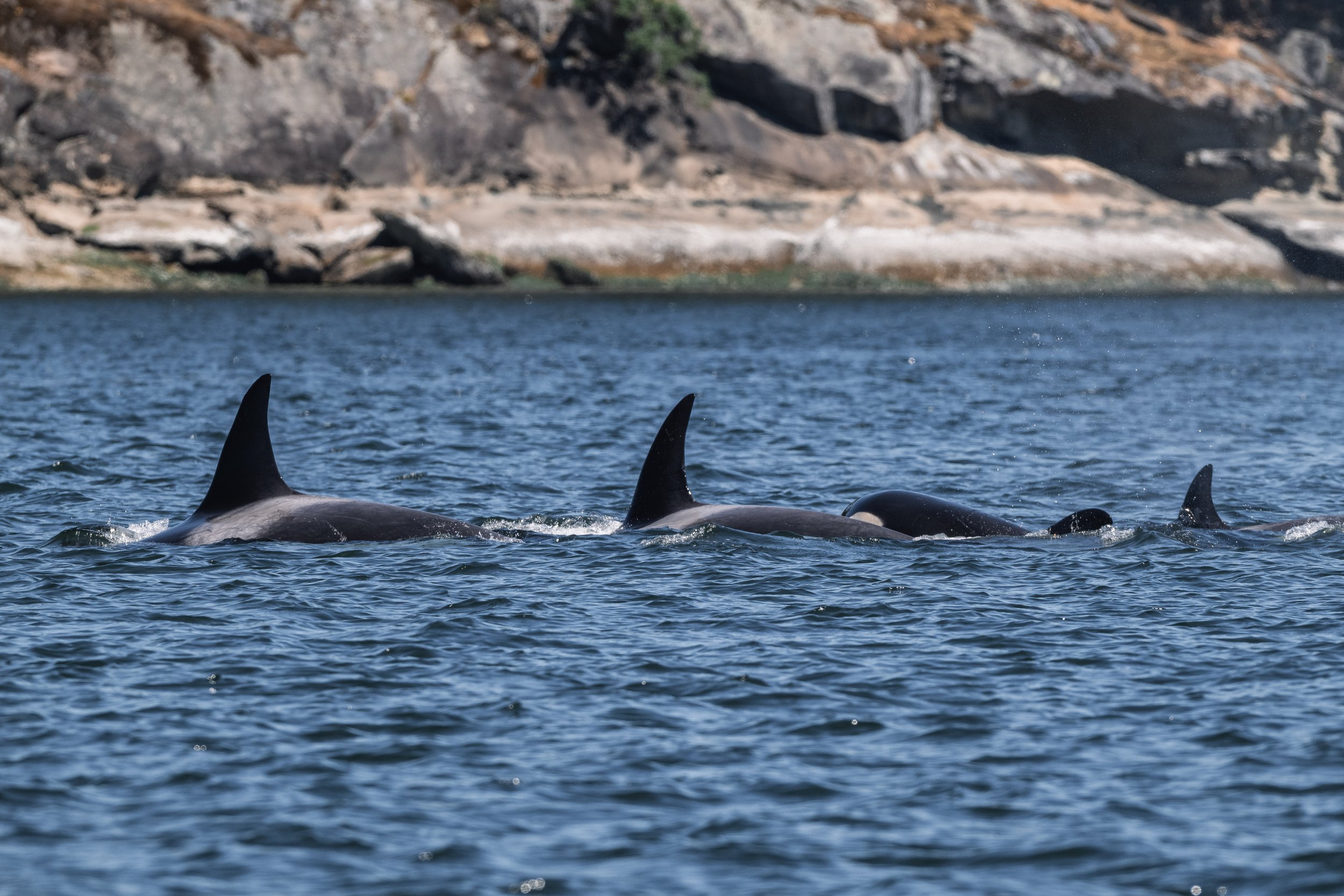
Surfacing together.
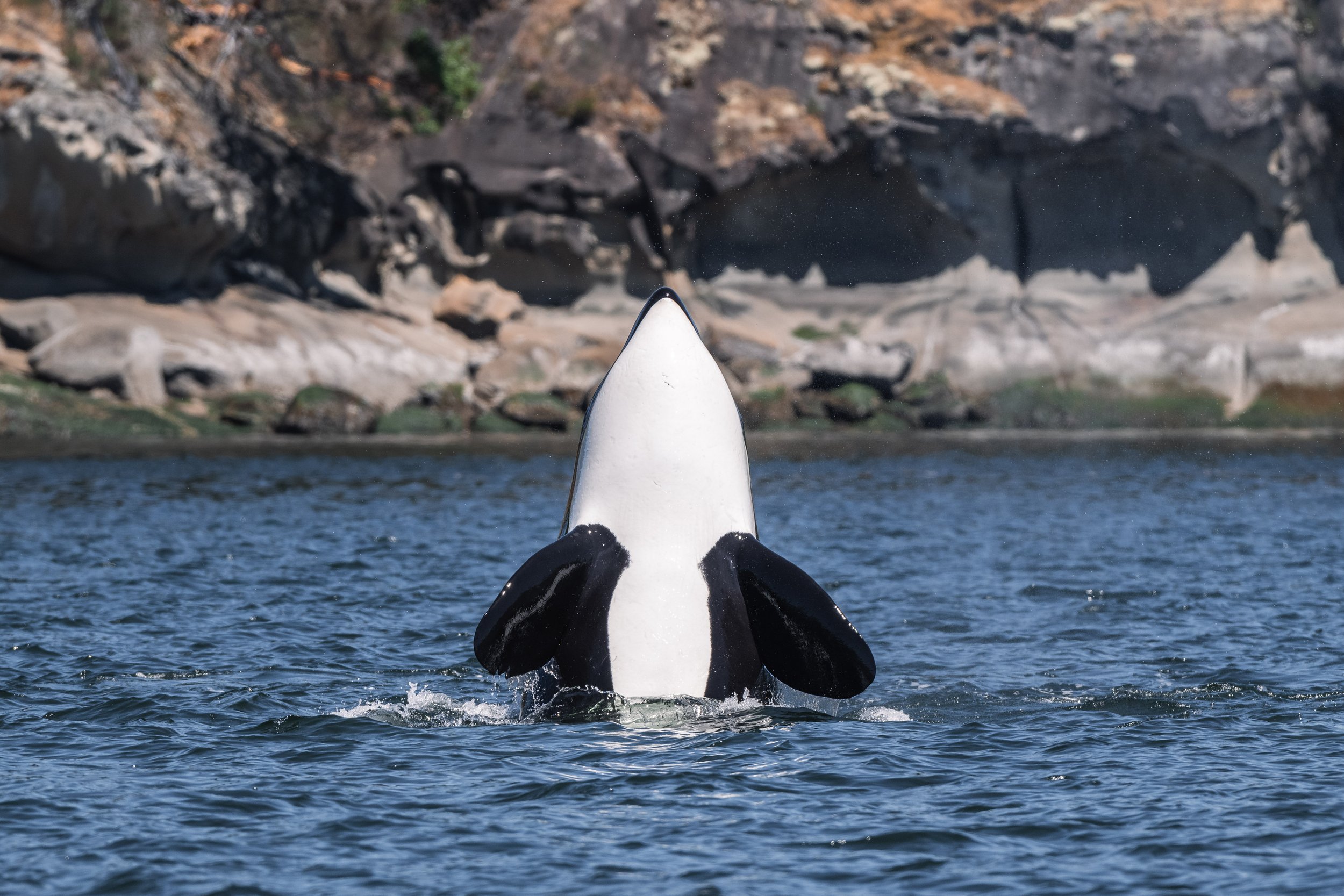
A spy hop!
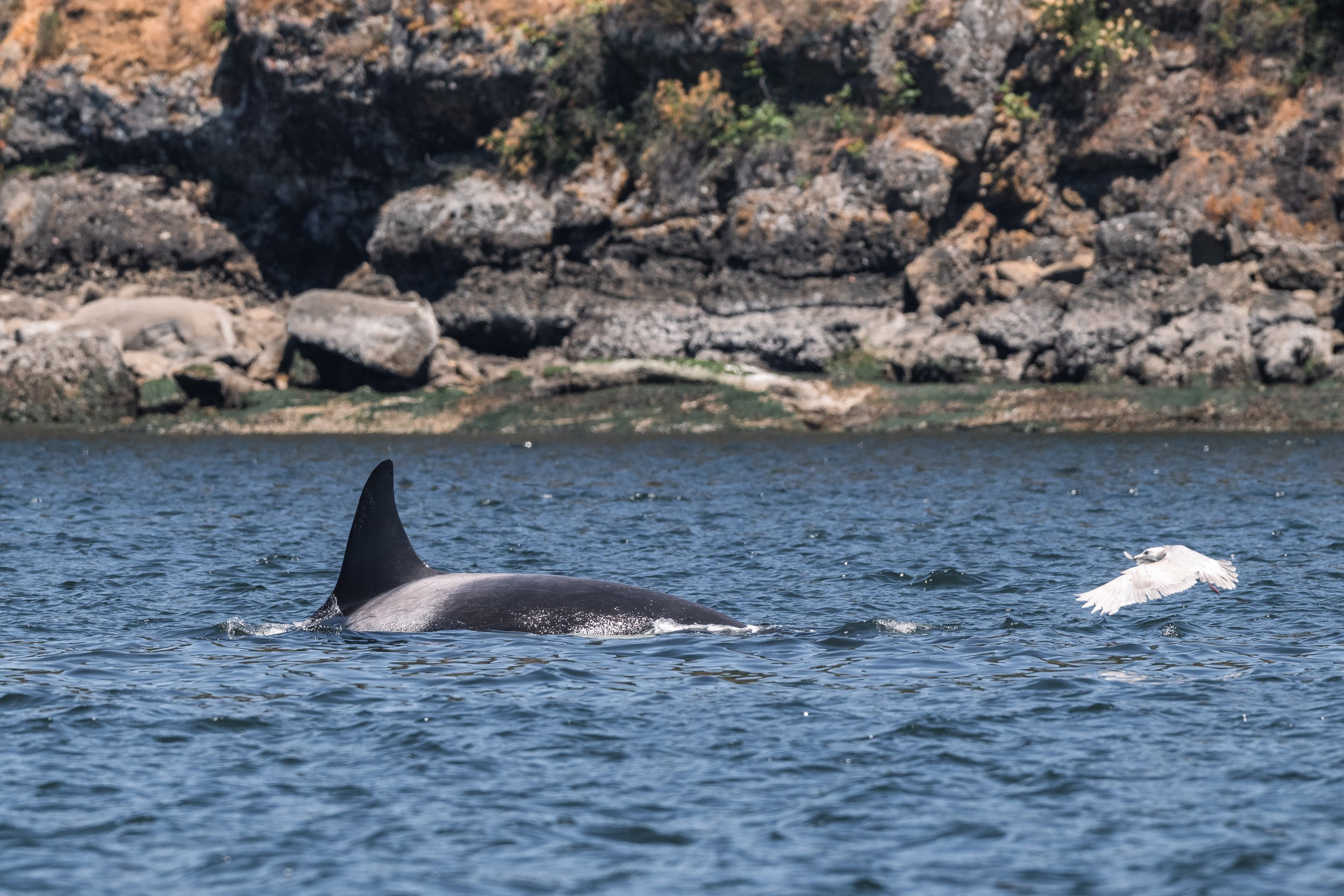
Kittiwake surfacing ahead of the hungry gull moving in on her kill.
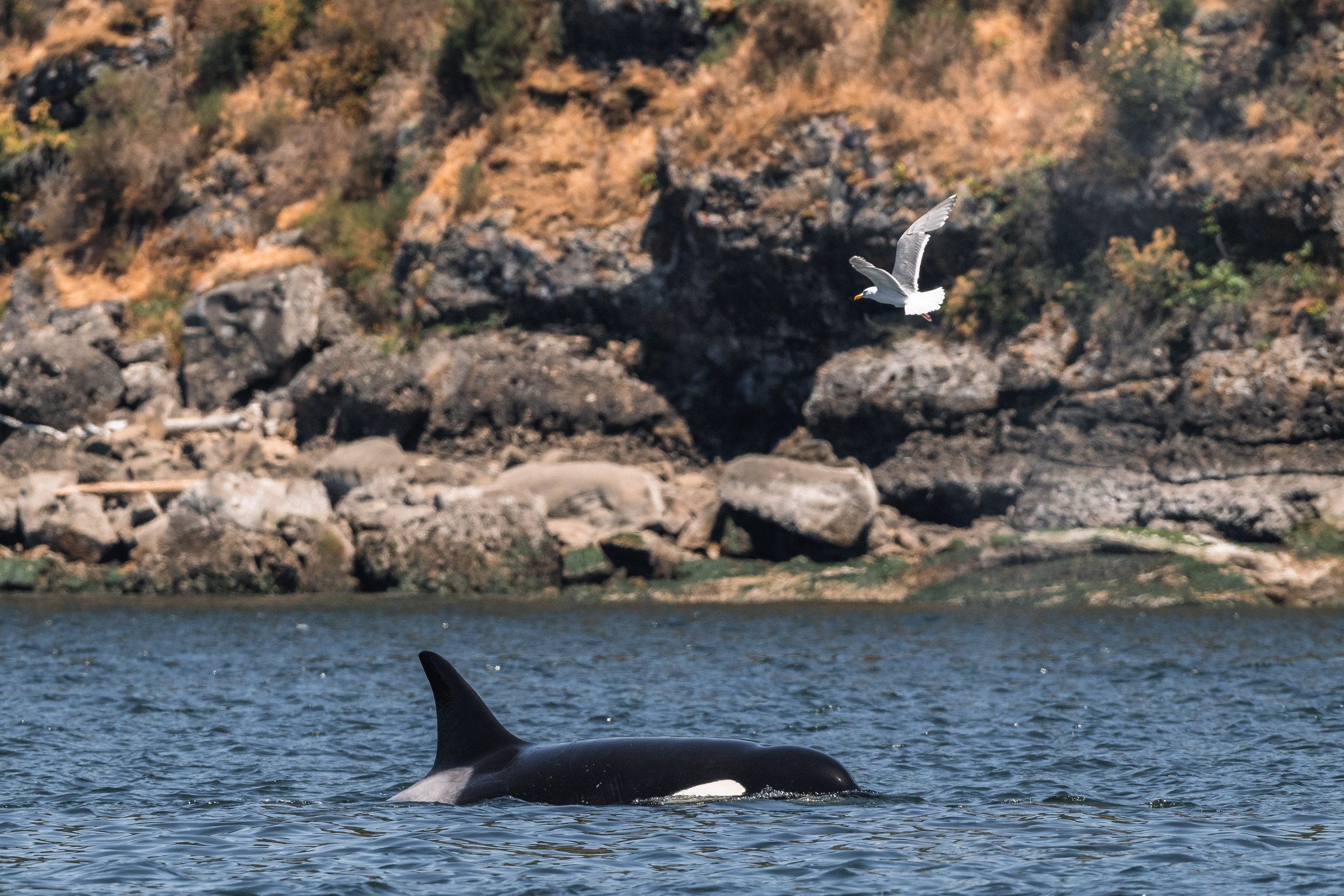
Kittiwake with her scavenger friend.
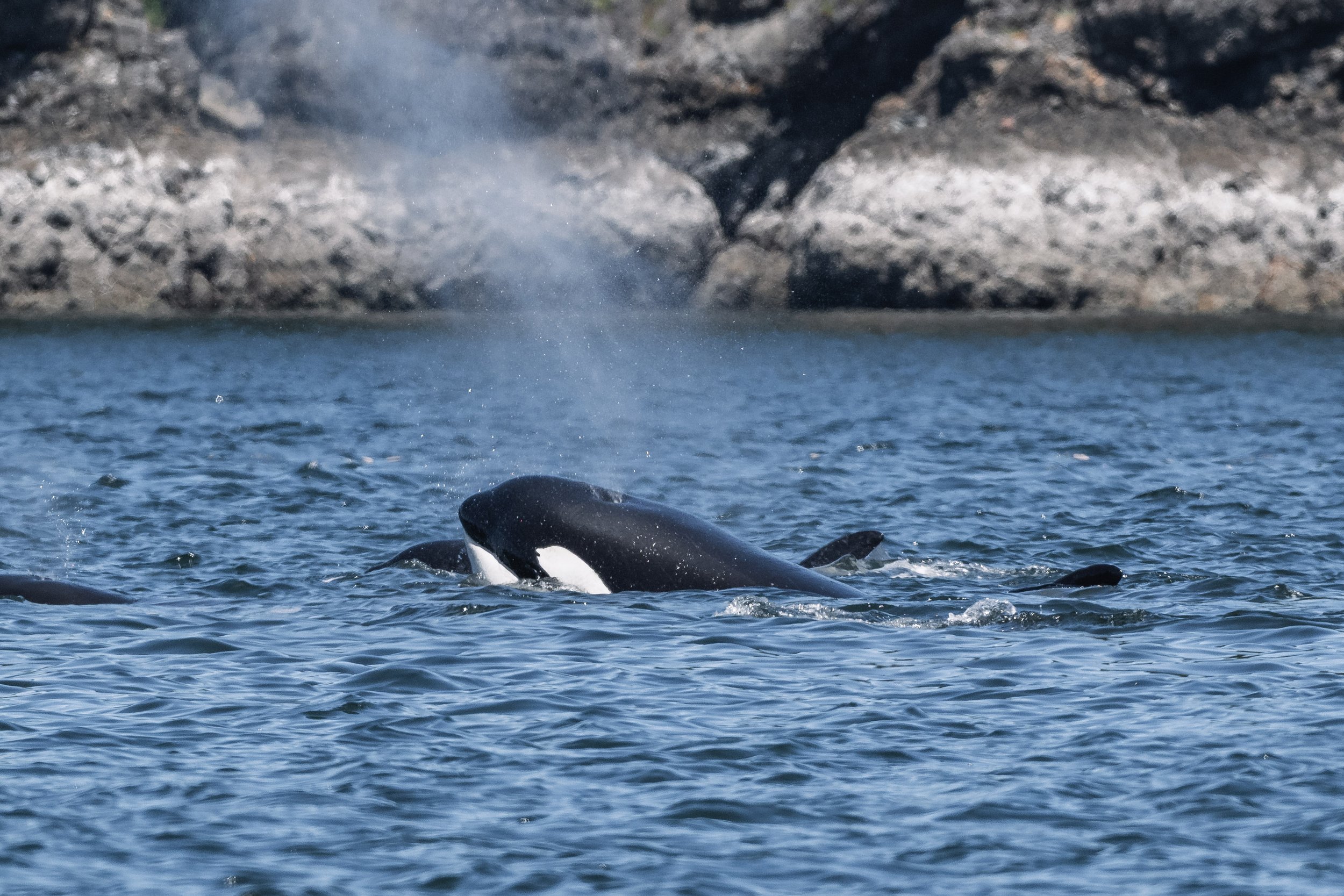
A good look at Kittiwake’s eye patch.
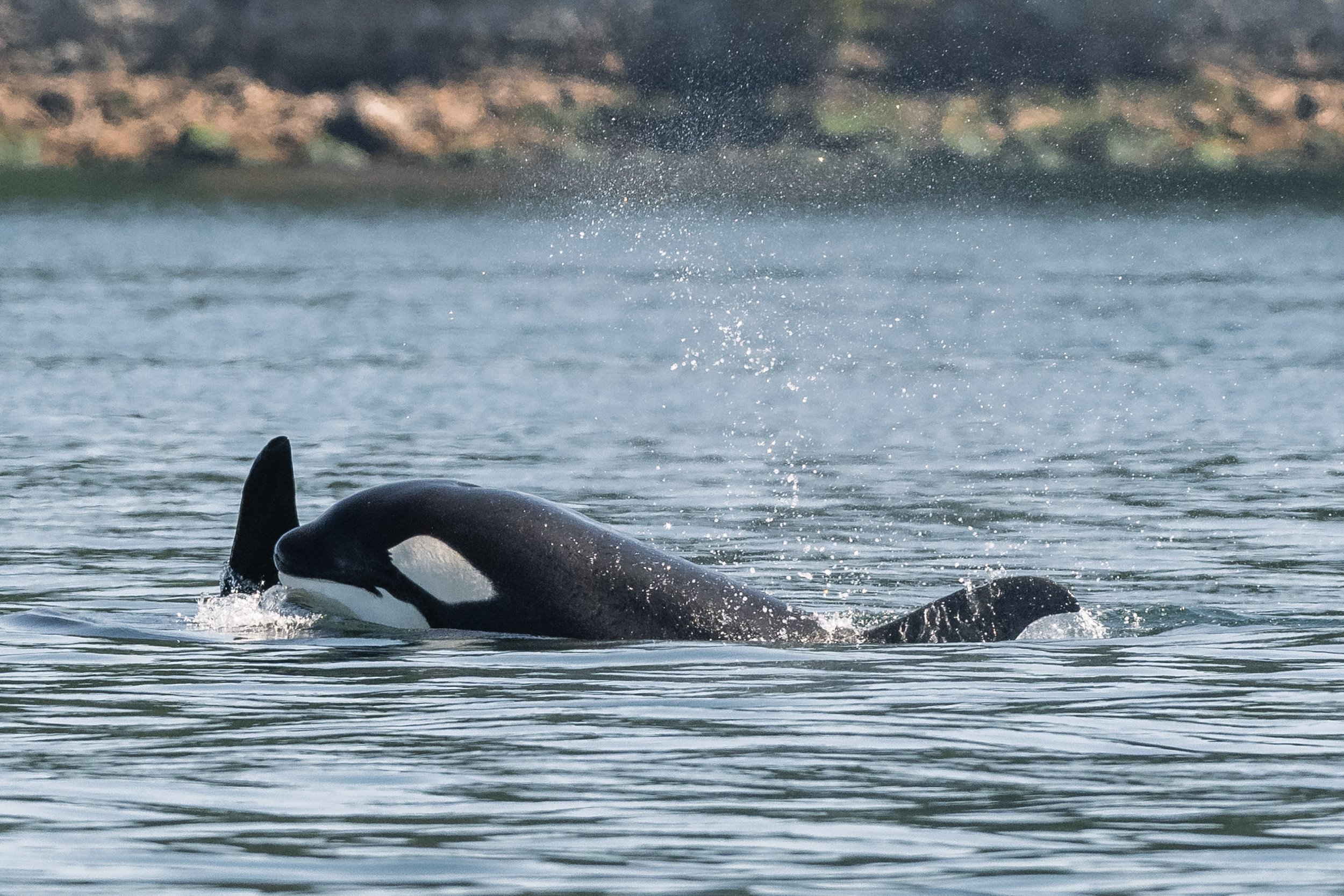
Kite with her eye patch on display.
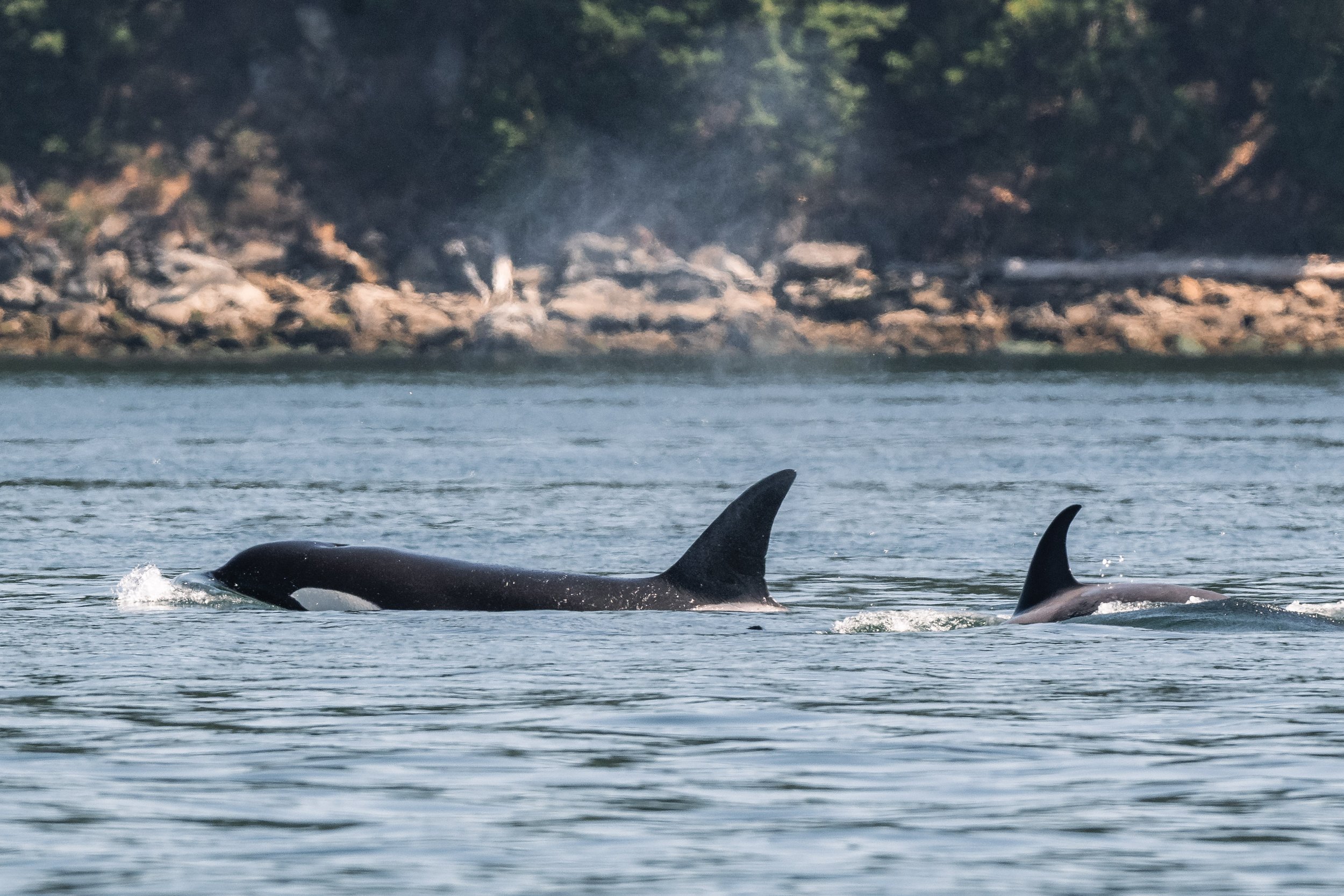
Sabio in the lead with Strix in tow.
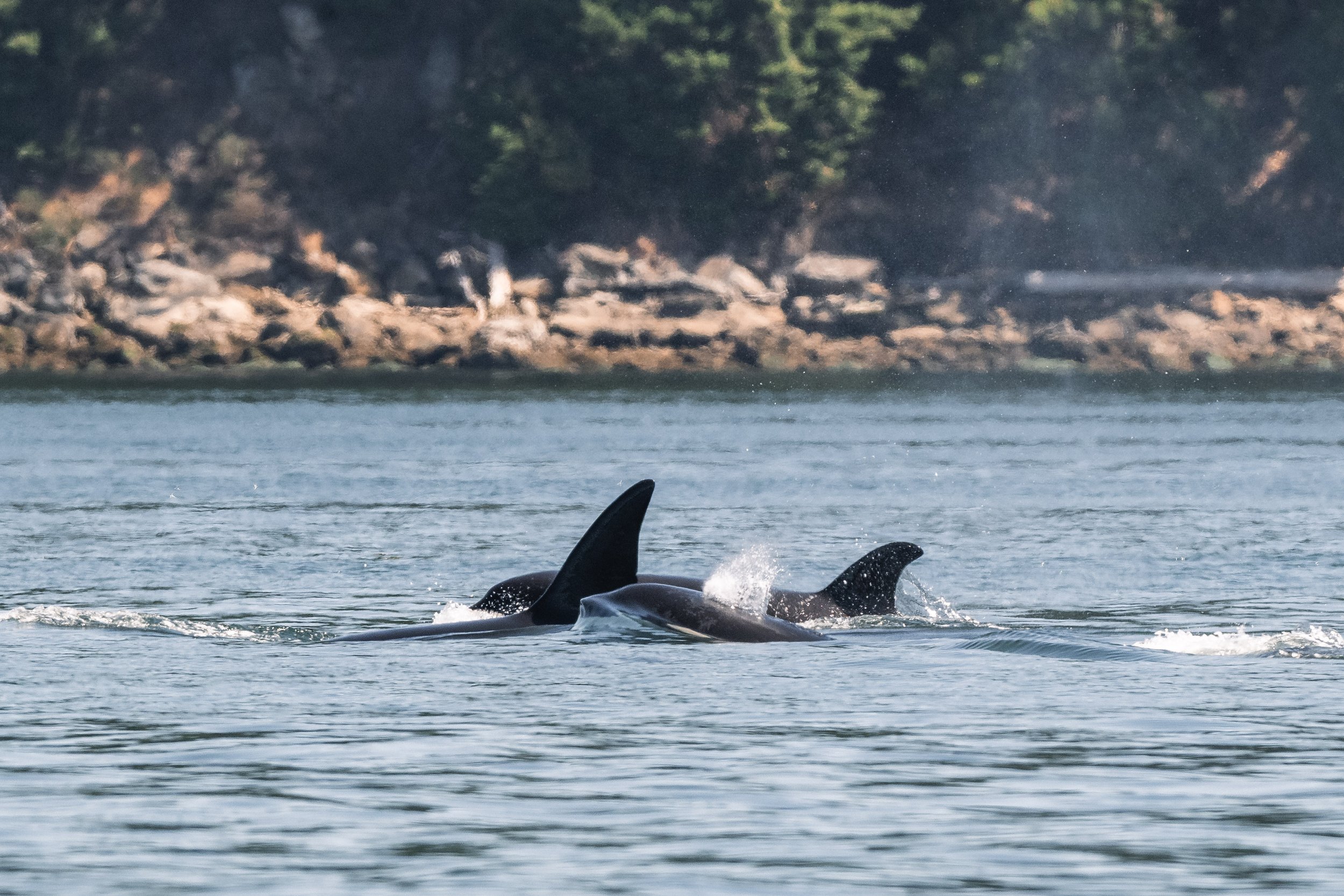
Sabio in front, Strix in the middle and Sabine beside them.
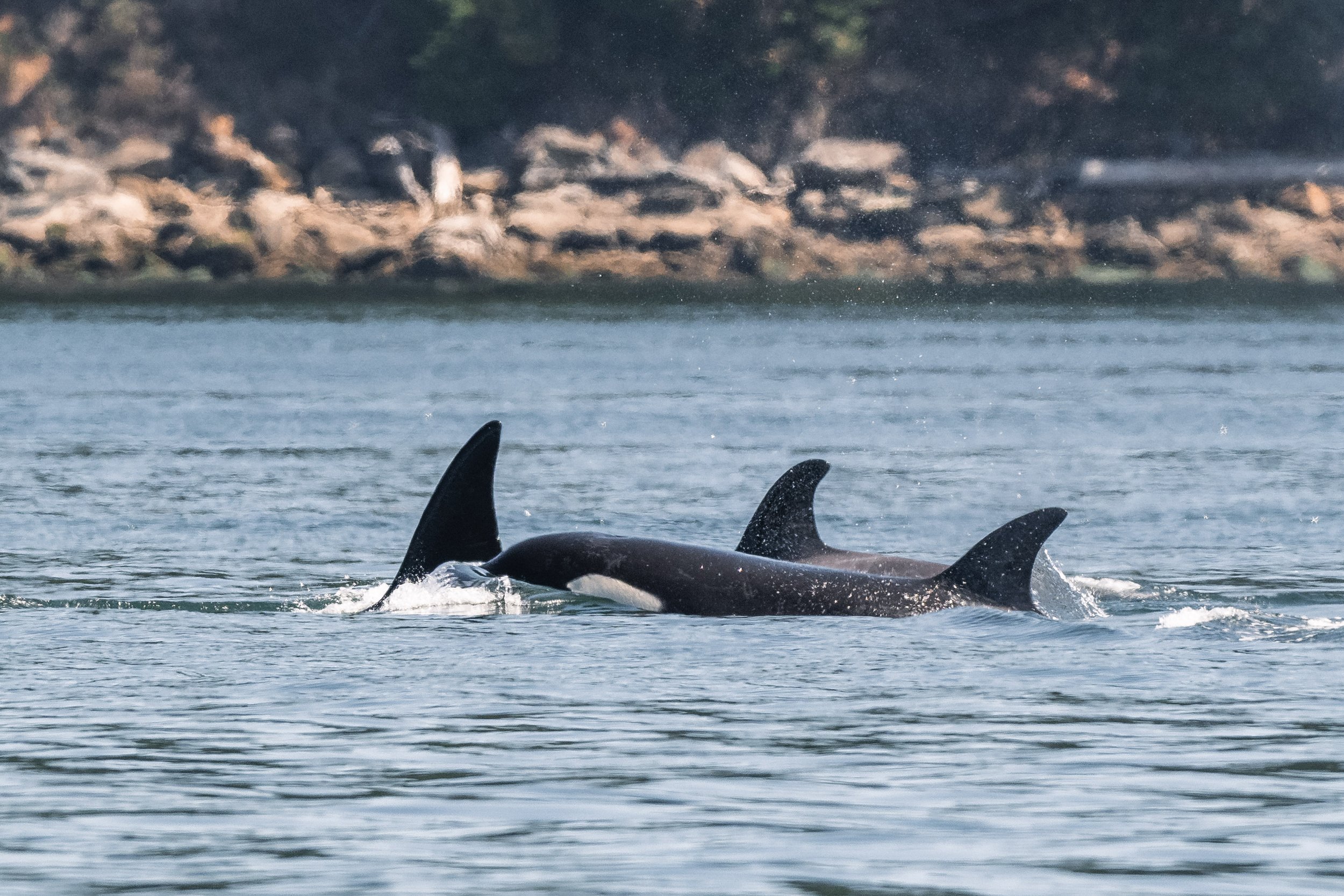
Sabio with her kids Strix and Sabine.
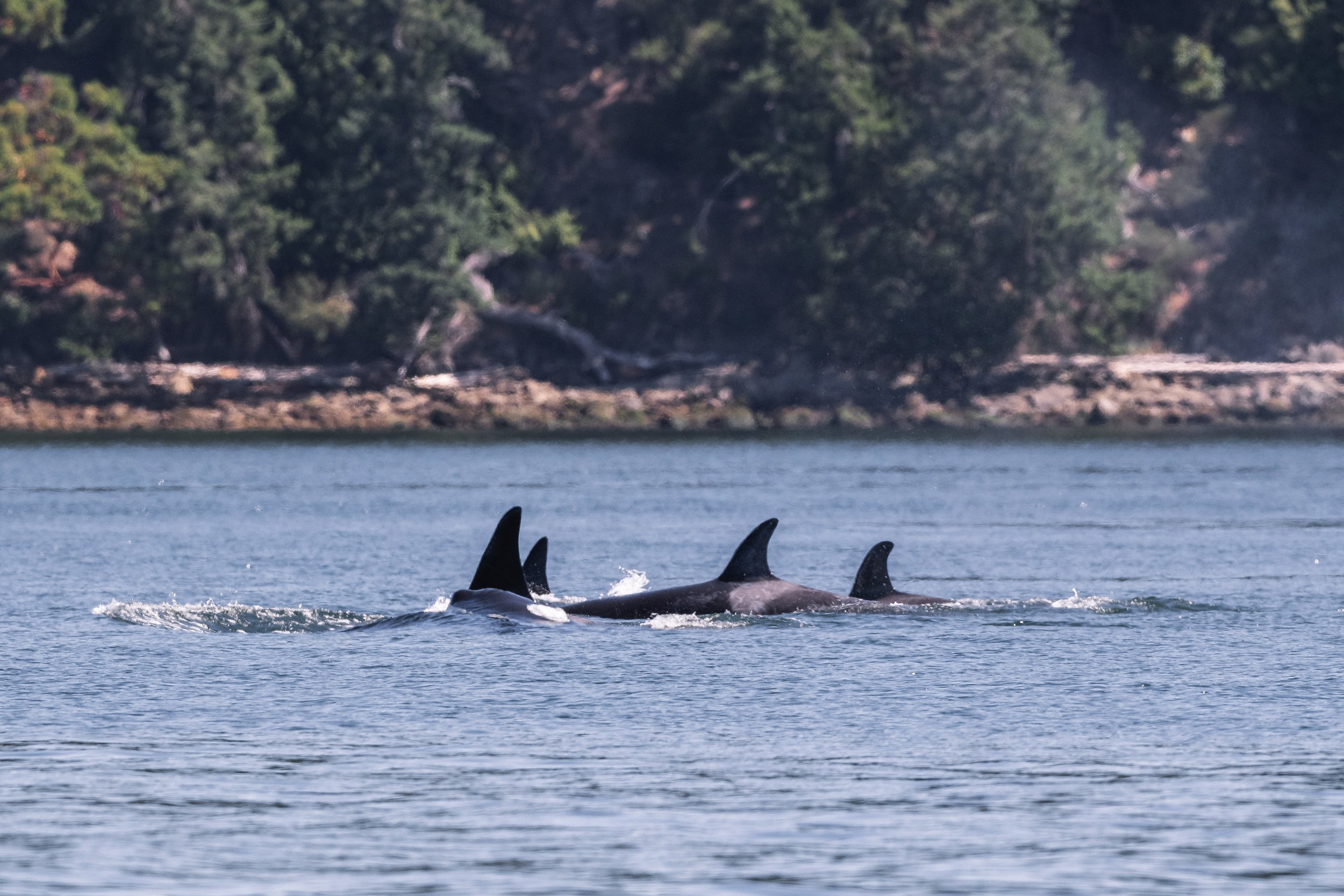
All together now!
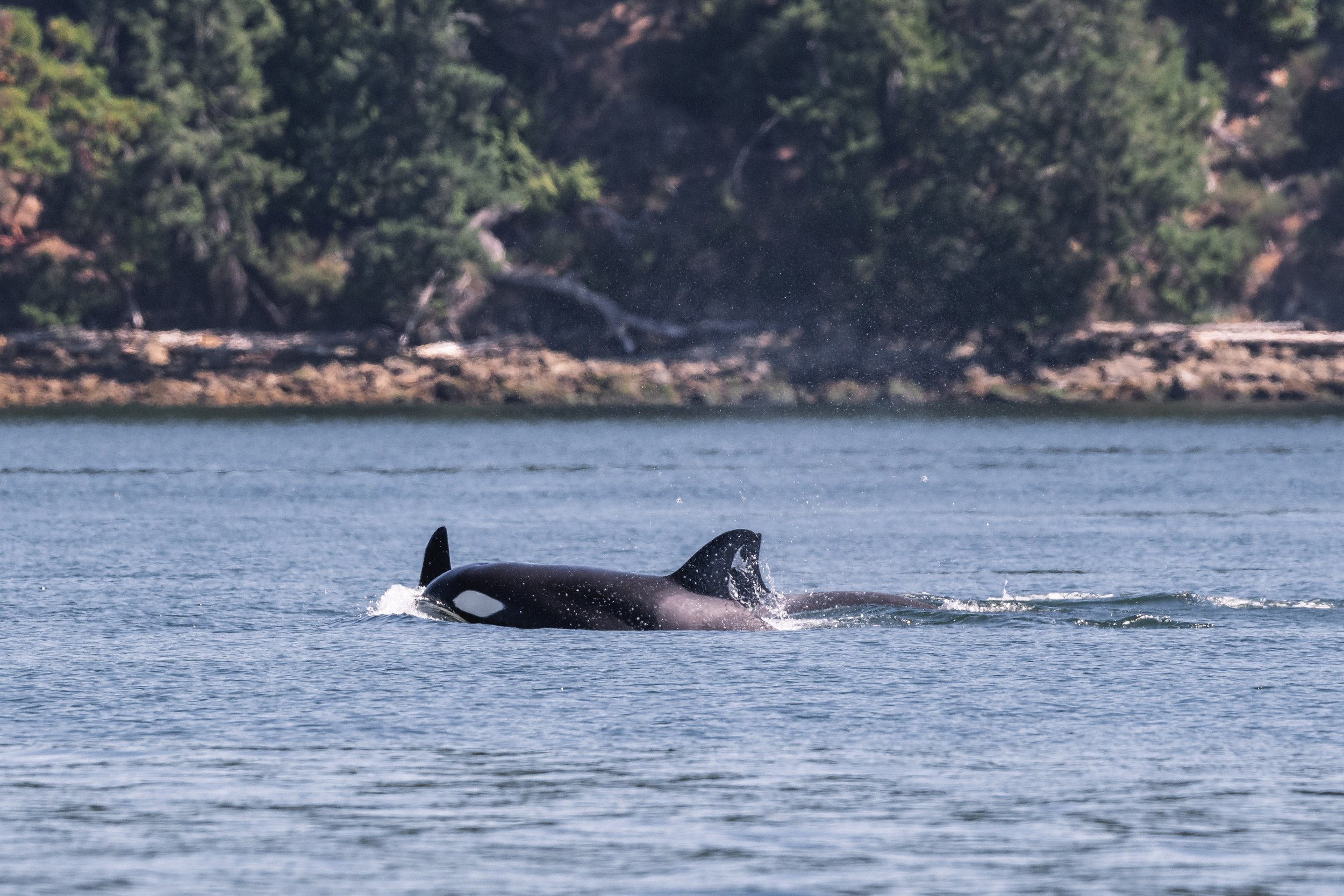
Kite making a wave.
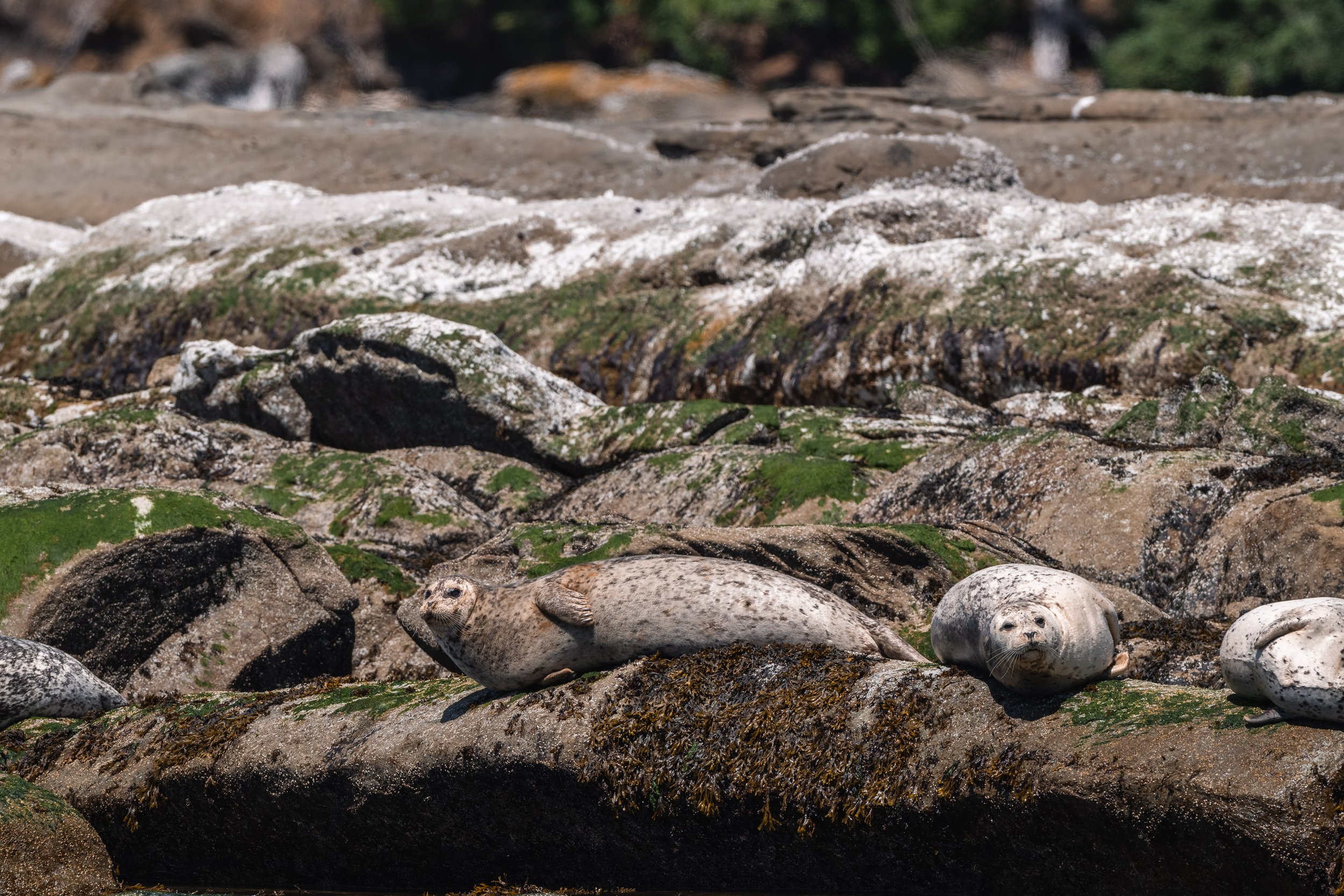
A spotty sunning harbour seal.
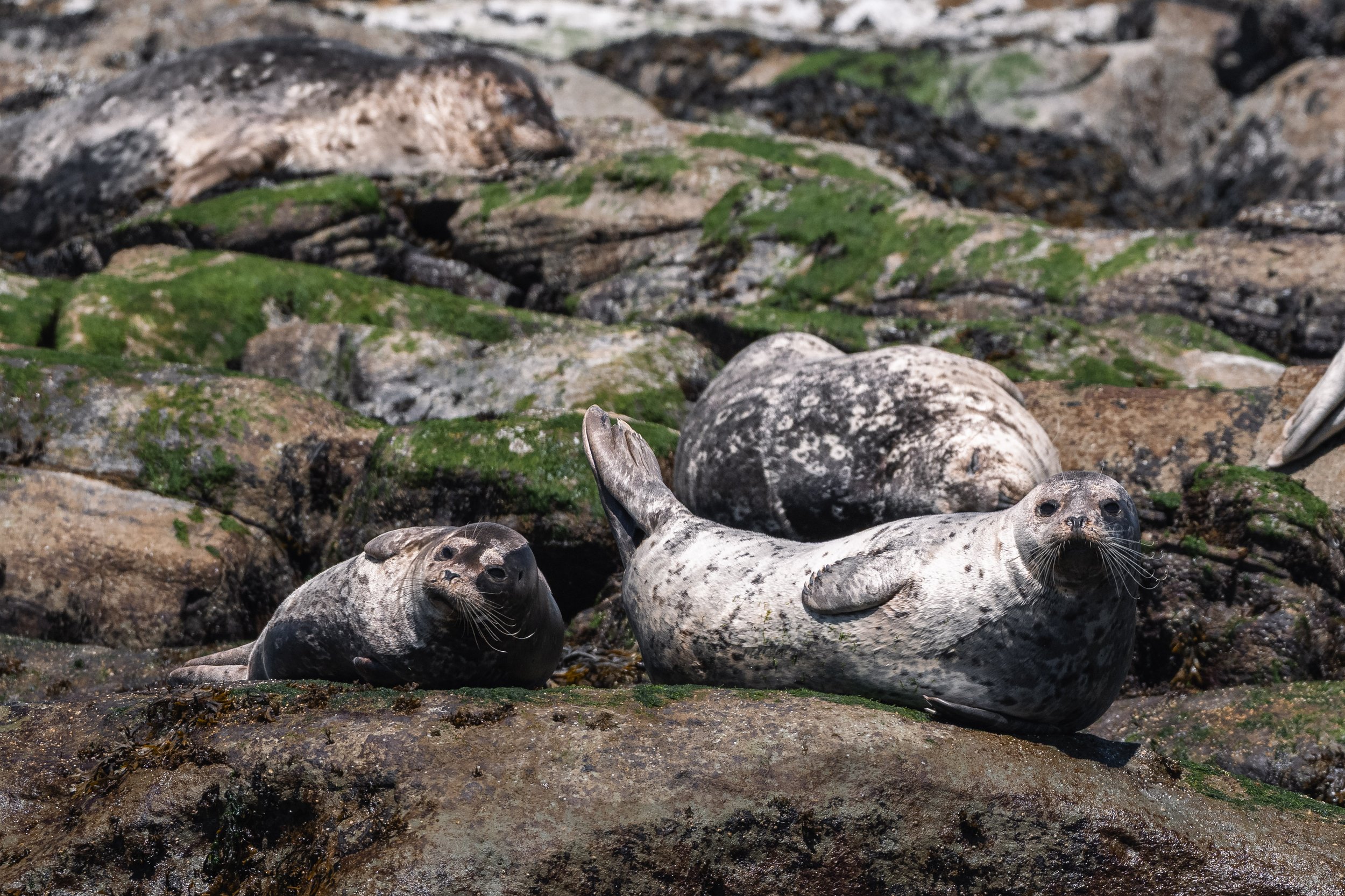
What cute plump little bodies!
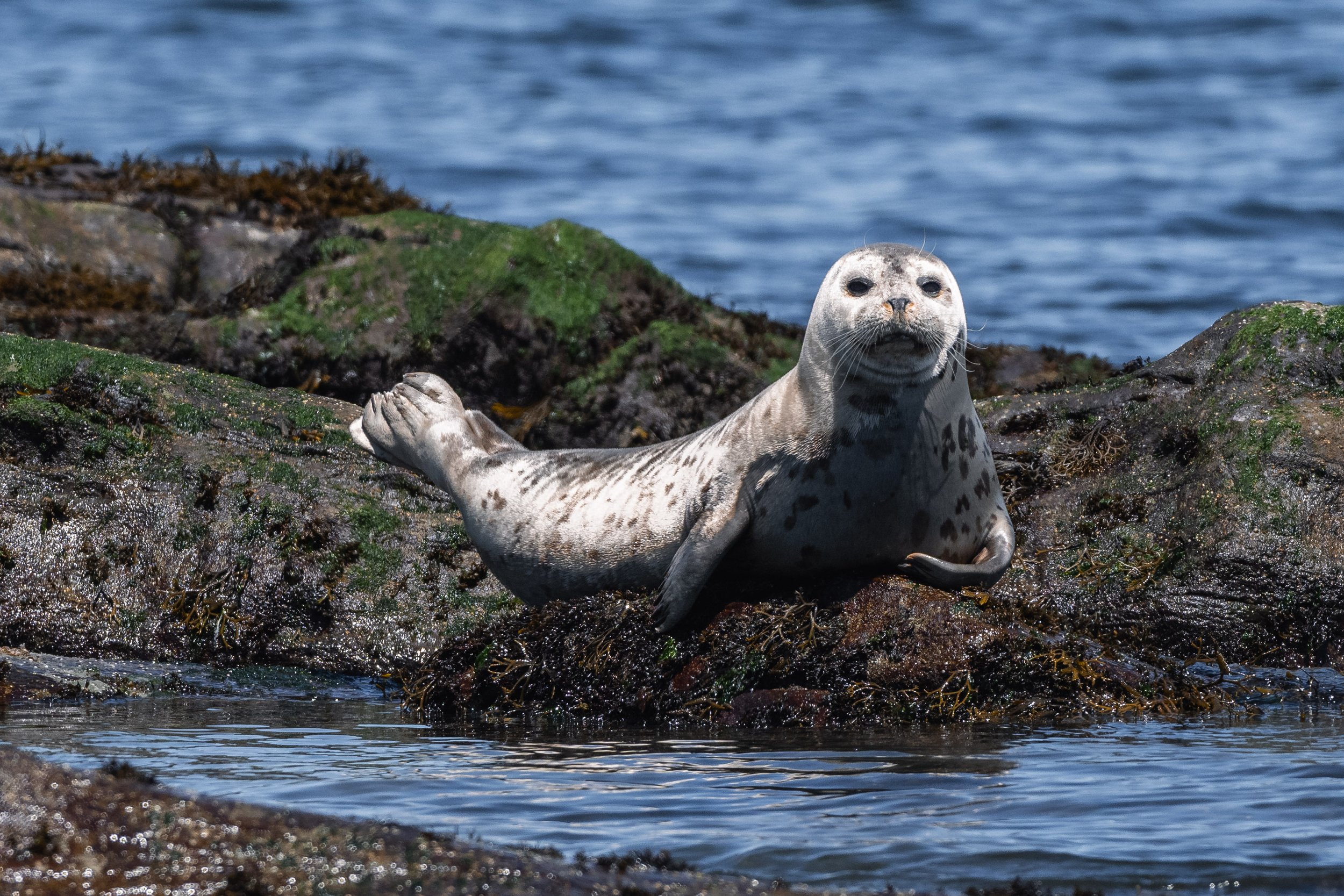
A posing harbour seal.
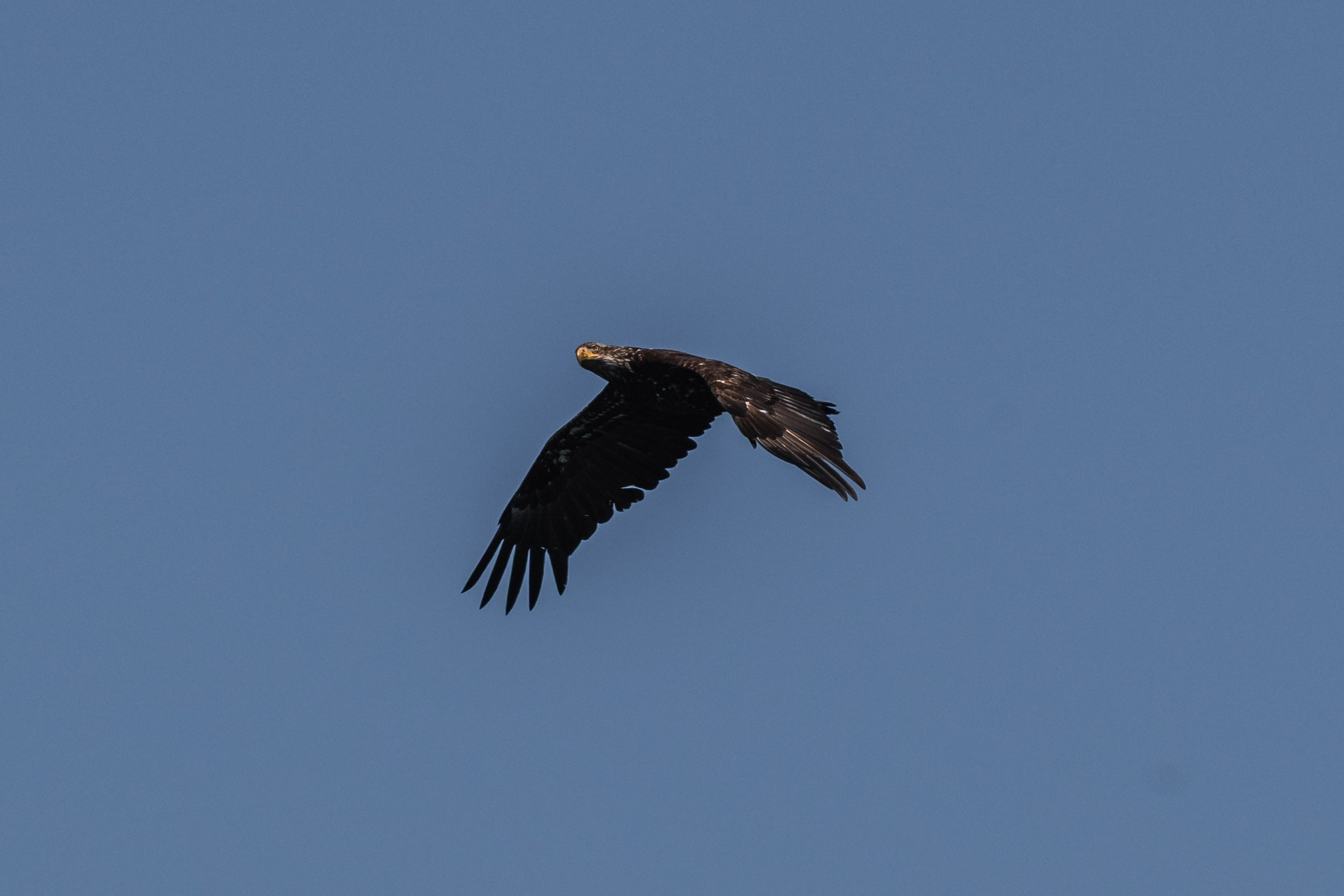
A young bald eagle soaring.
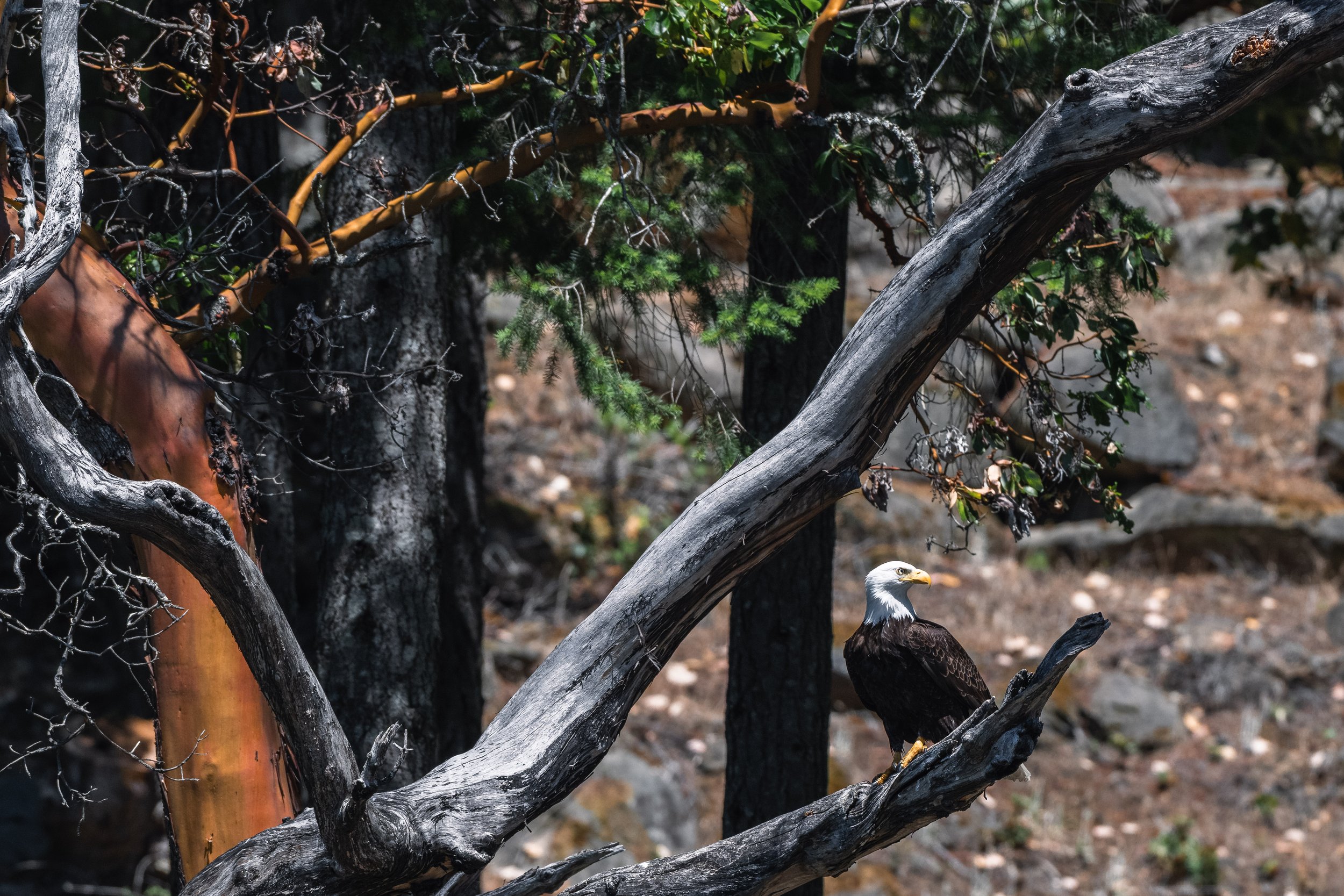
A adult bald among the trees.
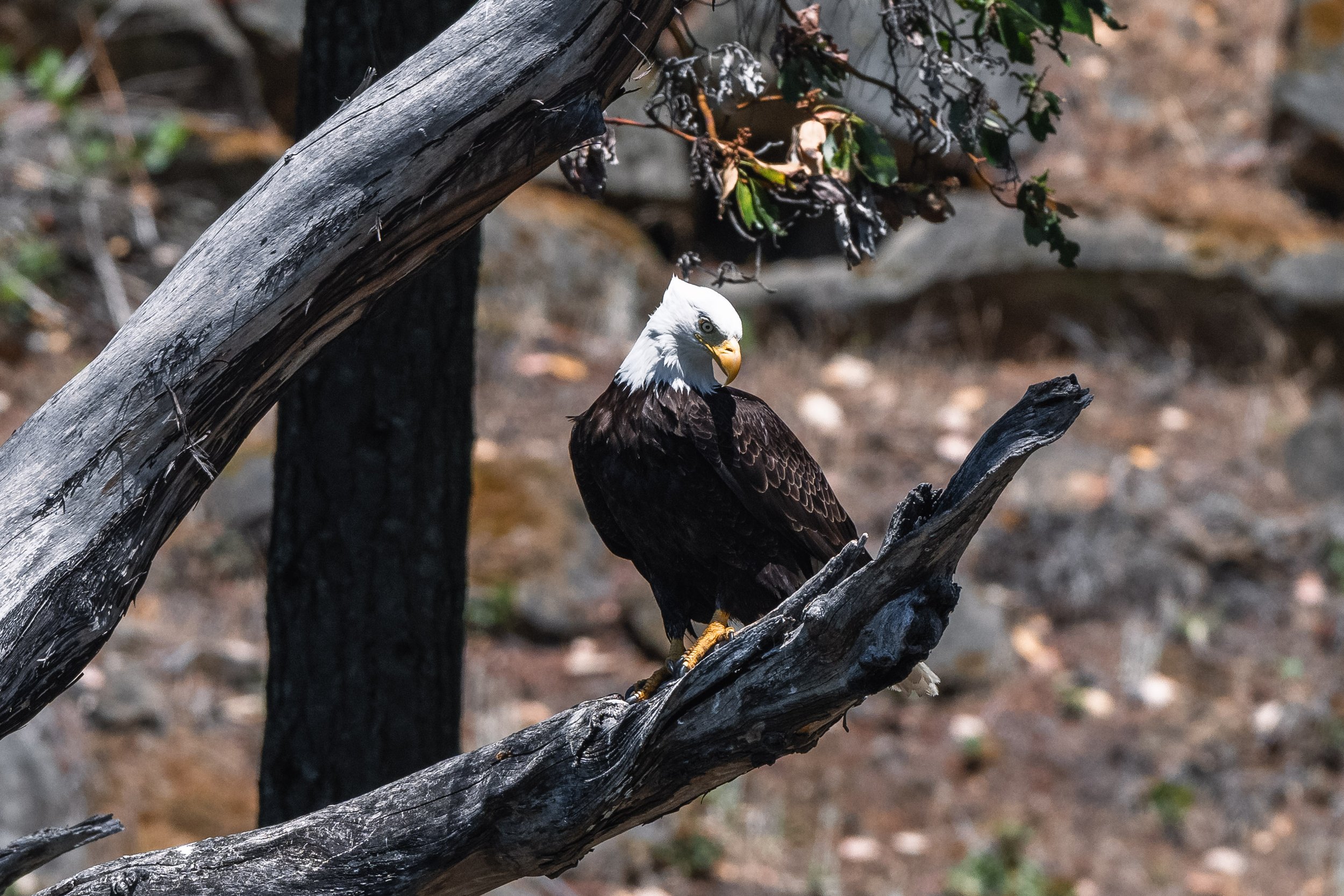
Looking back at us!