
June 21, 2026, 3:30 PM - A double species evening in the Salish Sea
Geared up and ready to go, we boarded Keta and prepared to depart. We had caught word of a potential orca sighting north of Nanaimo, and we were excited to head out and check it out! We shuffled into our seats, and soon we were racing along, skirting across glass-like seas as we headed up the island.
Passing by Nanaimo, we continued our journey northward. After about half an hour of travel, we spotted our first fins of the day - a large black dorsal fin towering over a handful of small fins. Naturalist Vanessa raised her camera, grabbed a quick photo of the male, and soon confirmed that this was the T002C matriline, consisting of 5 members:
T002C Tasu ♀ (1989)
T002C1 Rocky ♂ (2002)
T002C3 Lucy ♀ (2011)
T002C5 Zippy/Guardian (2020)
T002C6 Yukon (2025)
As we slowly approached, it became clear that these orca were in absolutely no hurry. They would lazily surface, bobbing for a few moments before disappearing into the depths once more. Once submerged, they would travel along underwater for a few minutes before reappearing further away, often changing direction as they went. They were likely resting as we were observing them, a behaviour that is a bit different in the whale world than in the human world. For us, it's curling up in bed, nice and comfortable, then drifting off to sleep, dreaming and snoozing for hours at a time, fairly unaware of our surroundings as this occurs. That’s not how it is for orca, though, as they always need to stay a bit awake and alert. The main reason is that they are voluntary breathers, meaning they must consciously decide to surface and breathe, unlike humans, who breathe automatically. To do this, they partake in an interesting behaviour known as Unihemispheric Sleep. Unihemispheric Sleep is a fancy term for resting one hemisphere of the brain at a time while keeping the other hemisphere awake. The half of the brain that remains awake has two important jobs: to bring the body to the surface to inhale/exhale as needed, and to keep an eye out for any potential danger lurking in the seas. Because of this, an orca never gets a true “night’s rest” and often takes shorter naps rather than prolonged sleep. This is even truer when a young calf is present, as calves must keep moving to maintain their core temperature in the frigid ocean waters - meaning mothers lose out on even more sleep for the first bit of a calf’s life!
After a wonderful time observing the T002Cs, Captain Joseph turned us away, and we slowly headed onward. We were eager to start searching once more, as the waters around the area had been teeming with activity lately. We scanned all around us again, and soon after, a trio of much larger whales was spotted - it was a group of humpbacks!
Once again, cameras came up, and we began working on IDs for the whales present. Usually, we use the underside of their flukes (tails) to identify individual humpbacks, but not always. One of the whales here had a very triangular, pointy dorsal fin, instead of the usual hooked shape we see in others of this species. That humpback was identified as Astroboy (BCX2152). Soon after, one of the other whales arched their back, raising their flukes high into the air. After a quick photo and comparison, we learned that this was Kappa’s 2022 calf (BCX2492). The third whale present was proving to be a bit trickier to ID. While we were able to get photos of their dorsal fin and their fluke, we didn’t recognize them. We compared these photos with our catalogues, and at this time, we have not found a match. Judging by the size of this individual (quite tiny), they may be a yearling, and this is their first season travelling solo. Calves will often not fluke when they are still travelling with their mothers, leading to their first catalogue entries often only including dorsal photos. This can lead to an extra layer of difficulty when they do begin to fluke, as we have no point of reference! Either way, we are eager to continue searching, to hopefully confirm this Unknown in the future.
The three humpbacks soon fluked and began to dive, travelling away from us. We took the opportunity to head out and resume our travels. Soon after, another lone humpback was spotted surfacing and diving along. Another stop, another quick snap of the camera, and another ID was confirmed. This whale was Arial (BCY0767), a regular returner to our area. While we would have loved to stay and watch Arial normally, he had been confirmed as entangled yesterday morning, and, to err on the side of caution, we continued on our way, letting him continue his travels and documenting the sighting.
Once Arial was a safe distance away, we puttered on along. Our next stop took us past Valdez Island, where a small group of islets lay. This spot, lovingly dubbed “Stinky Rocks”, is home to many different species. The main animal spotted here was the large lumbering Steller Sea Lion, wandering along the rocks. These massive mammals can weigh up to 2,500 lbs. (1,130 kg), towering over many smaller species inhabiting this area. Growling and belching away, they take control of the vast majority of the space. However, off to the side, a smaller cousin species of pinniped could be seen quietly relaxing in the shallows. These small seals, known as Harbour Seals, are much more demure than the sea lions. Briefly peeking at us as we floated by, they slowly rolled back over and enjoyed the summer sunshine. At the very edge of the rocks was one other interesting creature - a River Otter could be seen snacking on a fish! Stinky Rocks is one of our most common areas to spot River Otters, which can be quite surprising to many folks. While you would think you would see them spending their time exploring freshwater ways, it isn’t uncommon to see them exploring the sea as well! Funnily enough, it is much more common to see River Otters than Sea Otters on our tours, as Sea Otters are still considered extirpated (locally extinct) in our area, with only a few confirmed sightings over the years.
After an action-packed tour, we started to make our way back. With the sun low on the horizon, we made our way back into Nanaimo Harbour, wrapping up an excellent time exploring the Salish Sea!
Please enjoy these photos taken by Marine Naturalist Vanessa Vereschahen and crew ride-along Jordan Robinson!
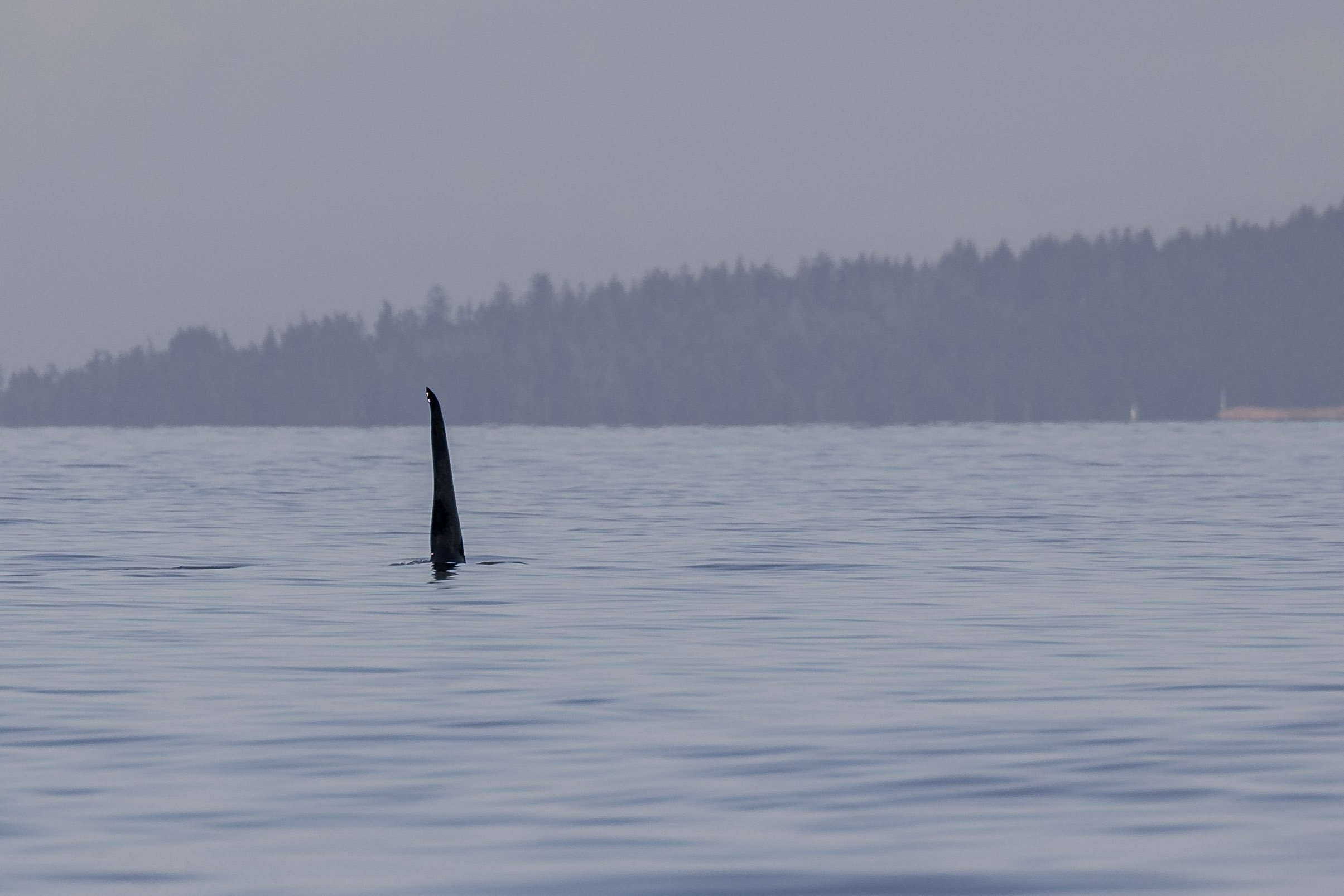
T002C1 Rocky travelling along. Photo by Vanessa Vereschahen.
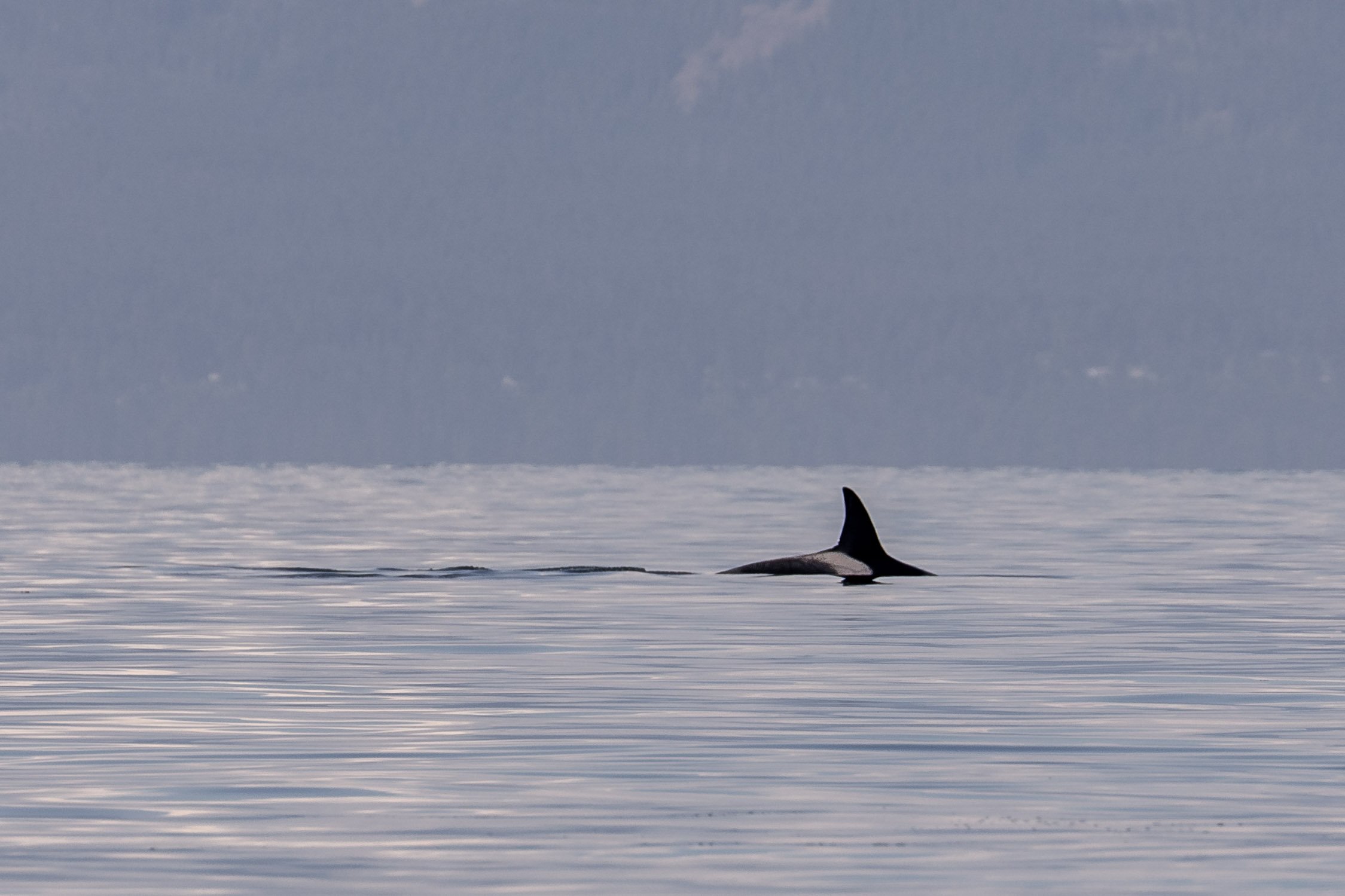
Matriarch T002C Tasu. Photo by Vanessa Vereschahen.
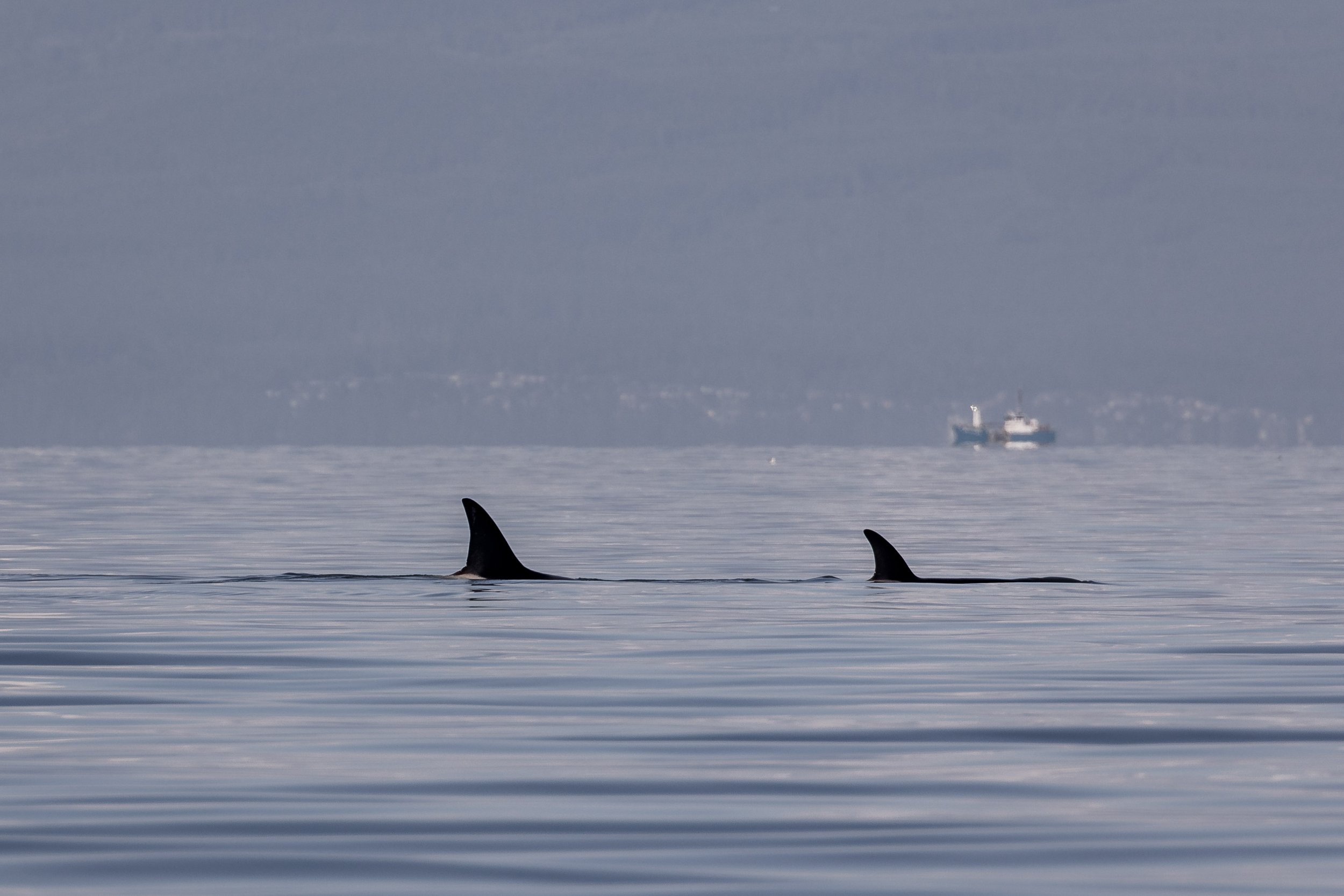
T002C Tasu travelling with T002C5 Zippy/Guardian. Photo by Vanessa Vereschahen.
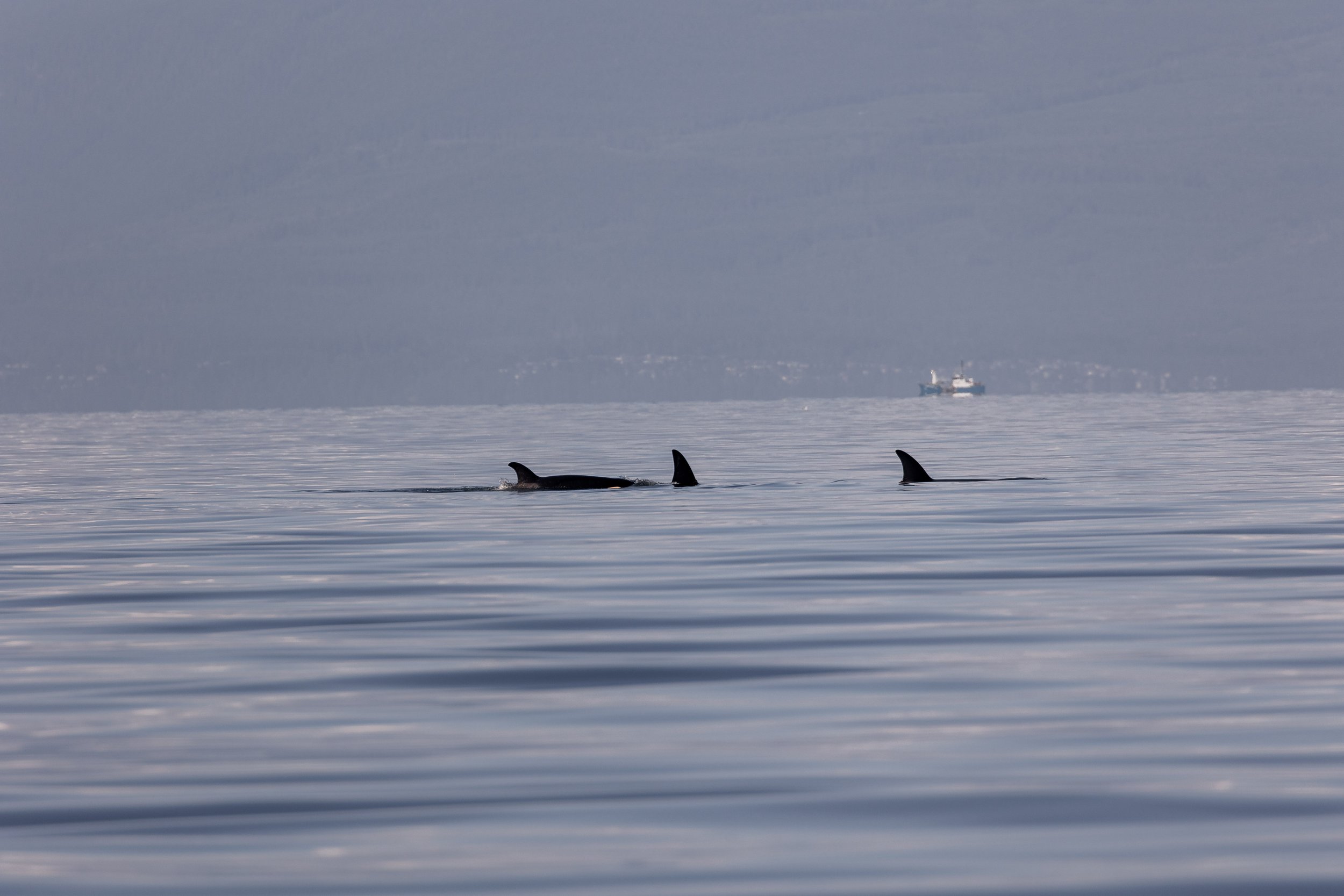
Little T002C6 Yukon tucked alongside their mother T002C Tasu with T002C5 Zippy/Guardian ahead of them. Photo by Vanessa Vereschahen.
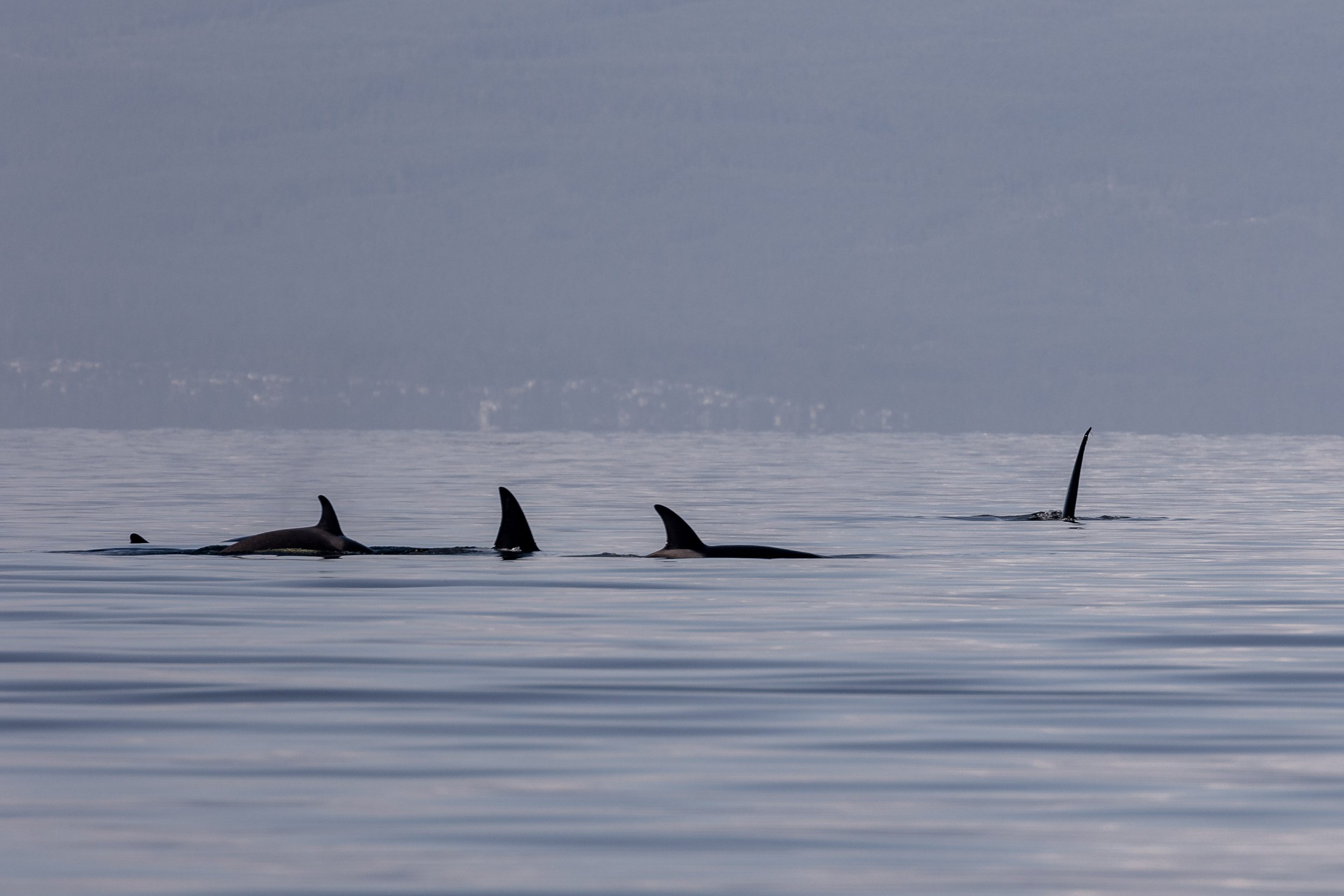
The whole family! Left to right: T002C3 Lucy (dorsal tip), T002C6 Yukon, T002C Tasu, T002C5 Zippy/Guardian, and T002C1 Rocky. Photo by Vanessa Vereschahen.
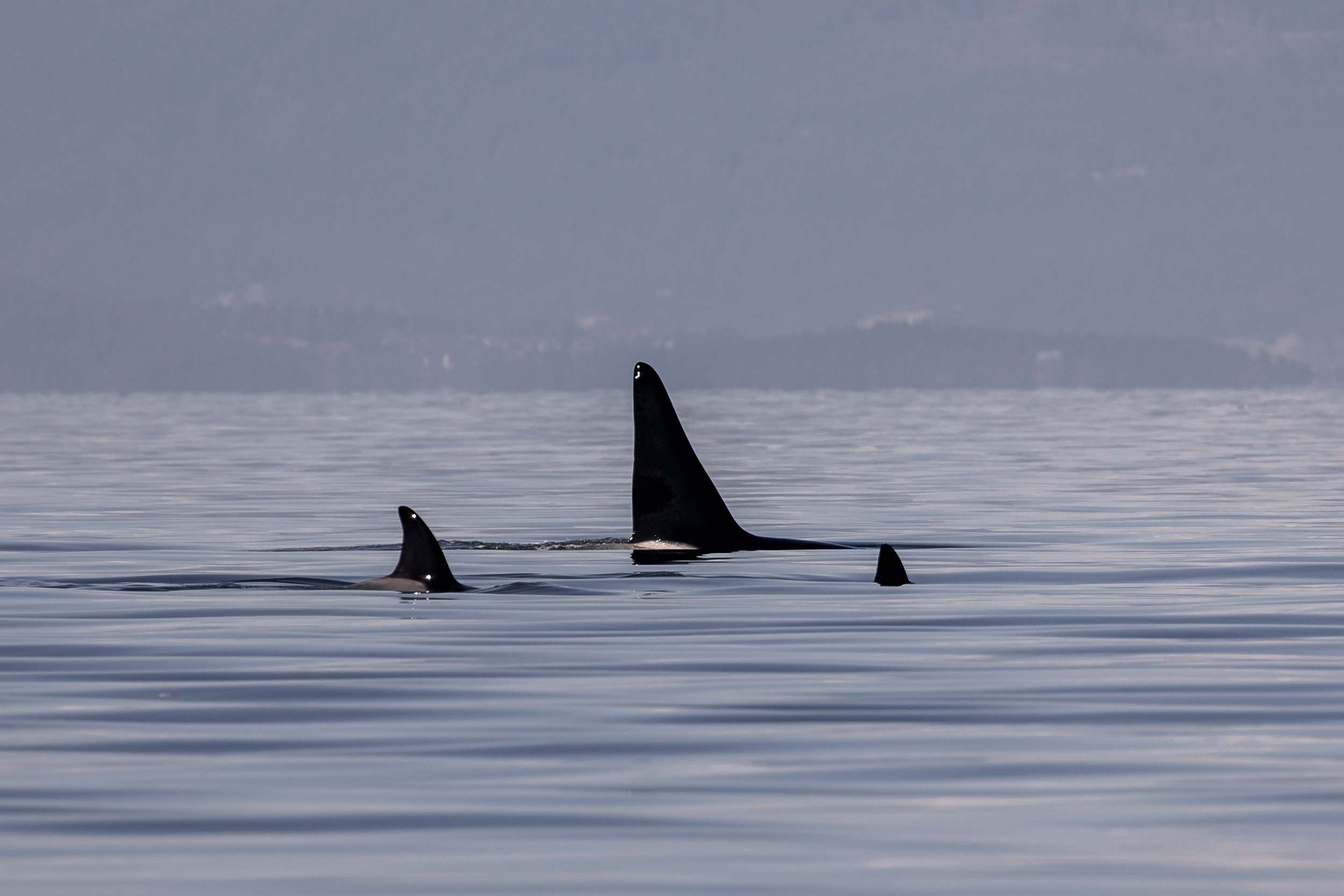
T002C6 Yukon and T002C1 Rocky. Photo by Vanessa Vereschahen.
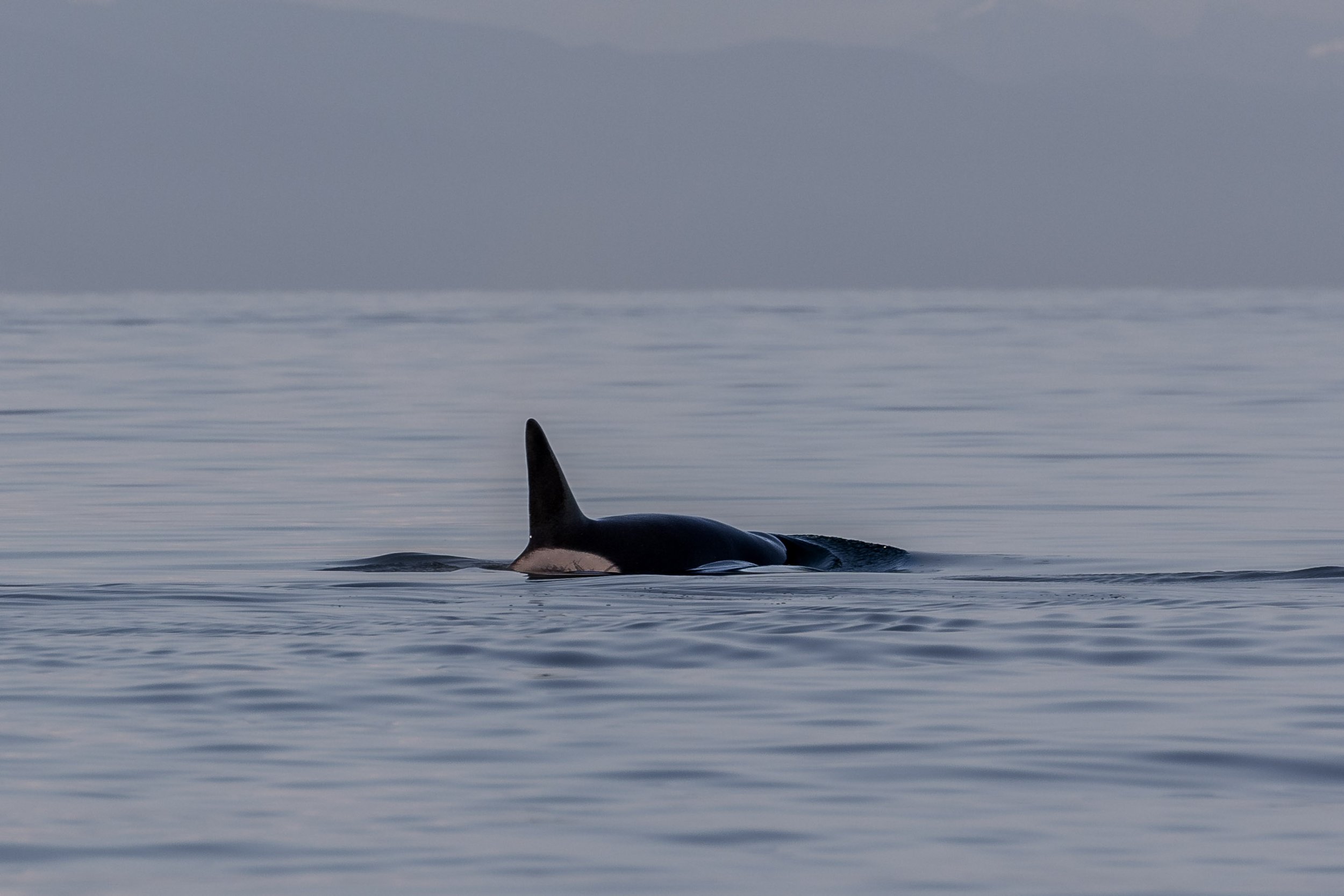
T002C3 Lucy travelling along. Photo by Vanessa Vereschahen.
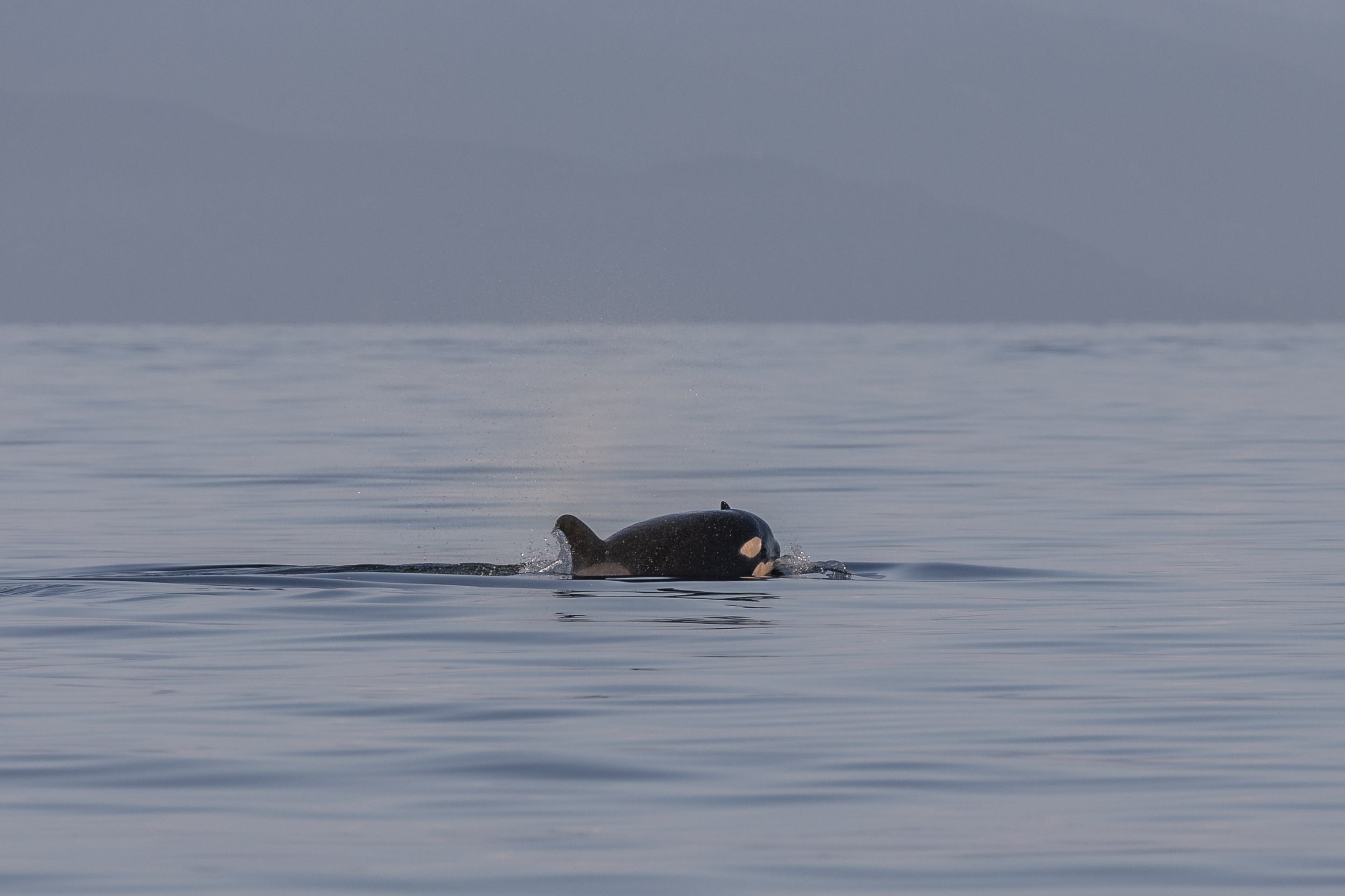
Little T002C6 Yukon with their head out of the water, eyepatch visible. Photo by Vanessa Vereschahen.
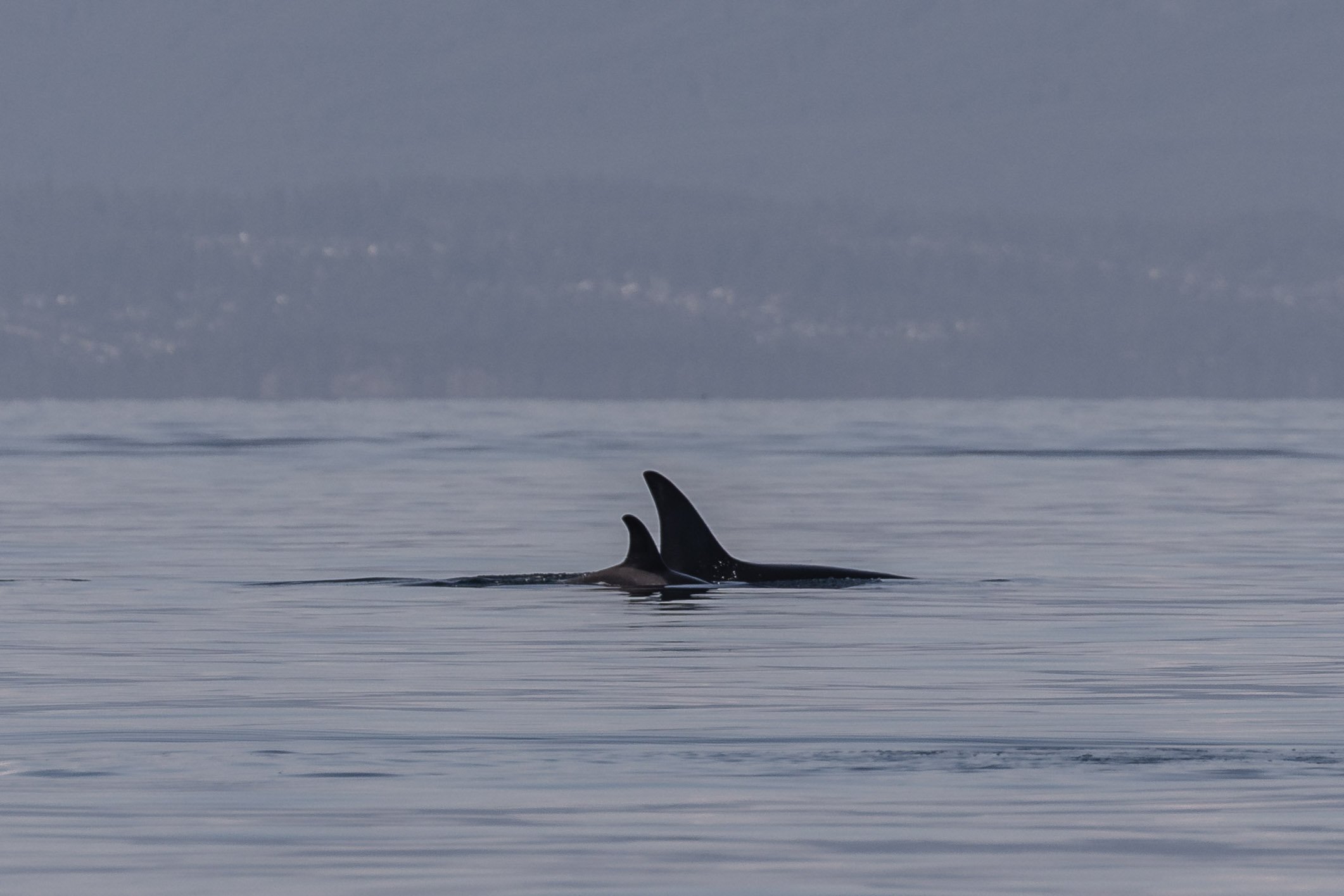
T002C6 Yukon and T002C Tasu. Photo by Vanessa Vereschahen.
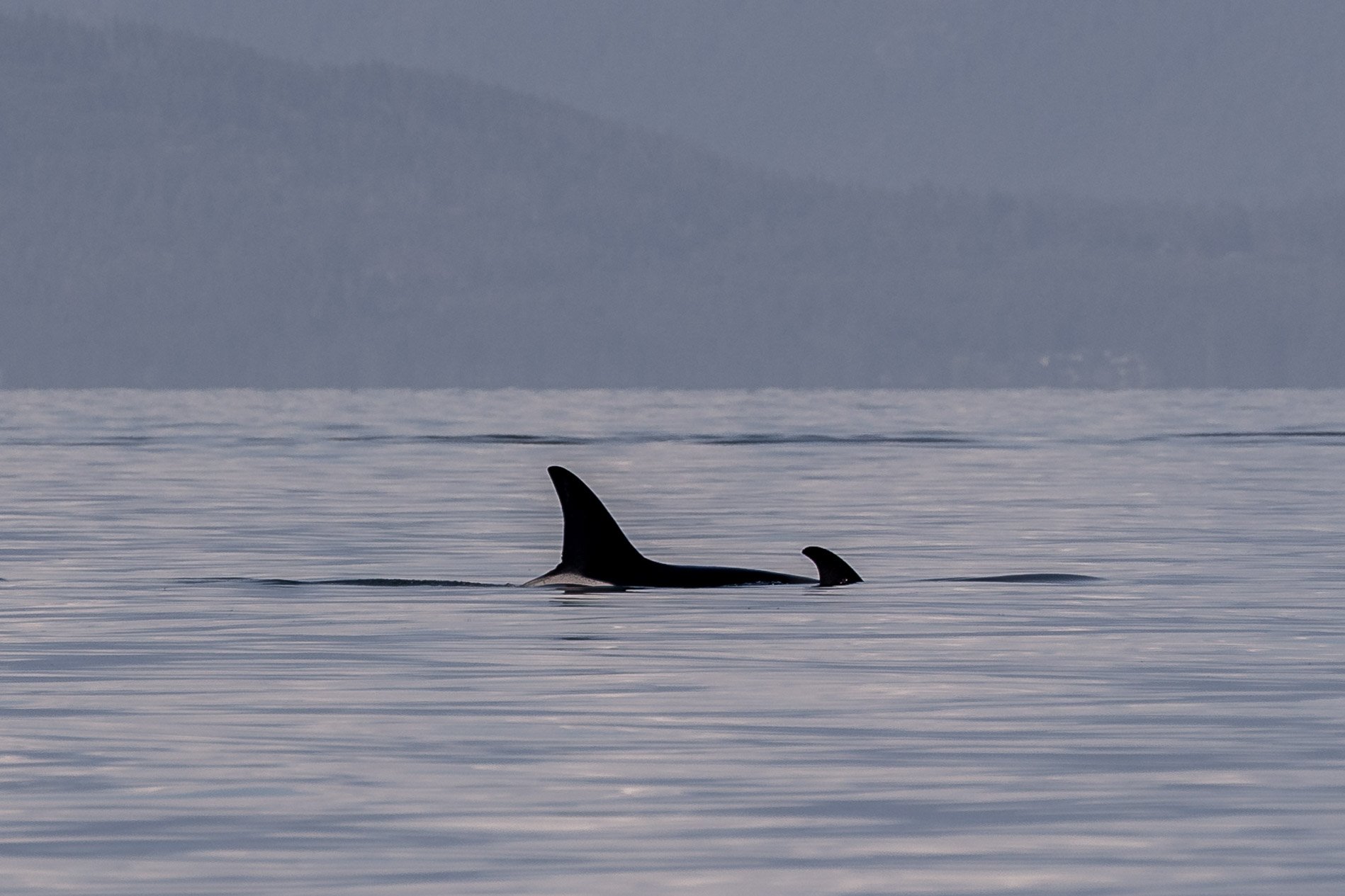
T002C Tasu with T002C6 Yukon ahead of her. Photo by Vanessa Vereschahen.
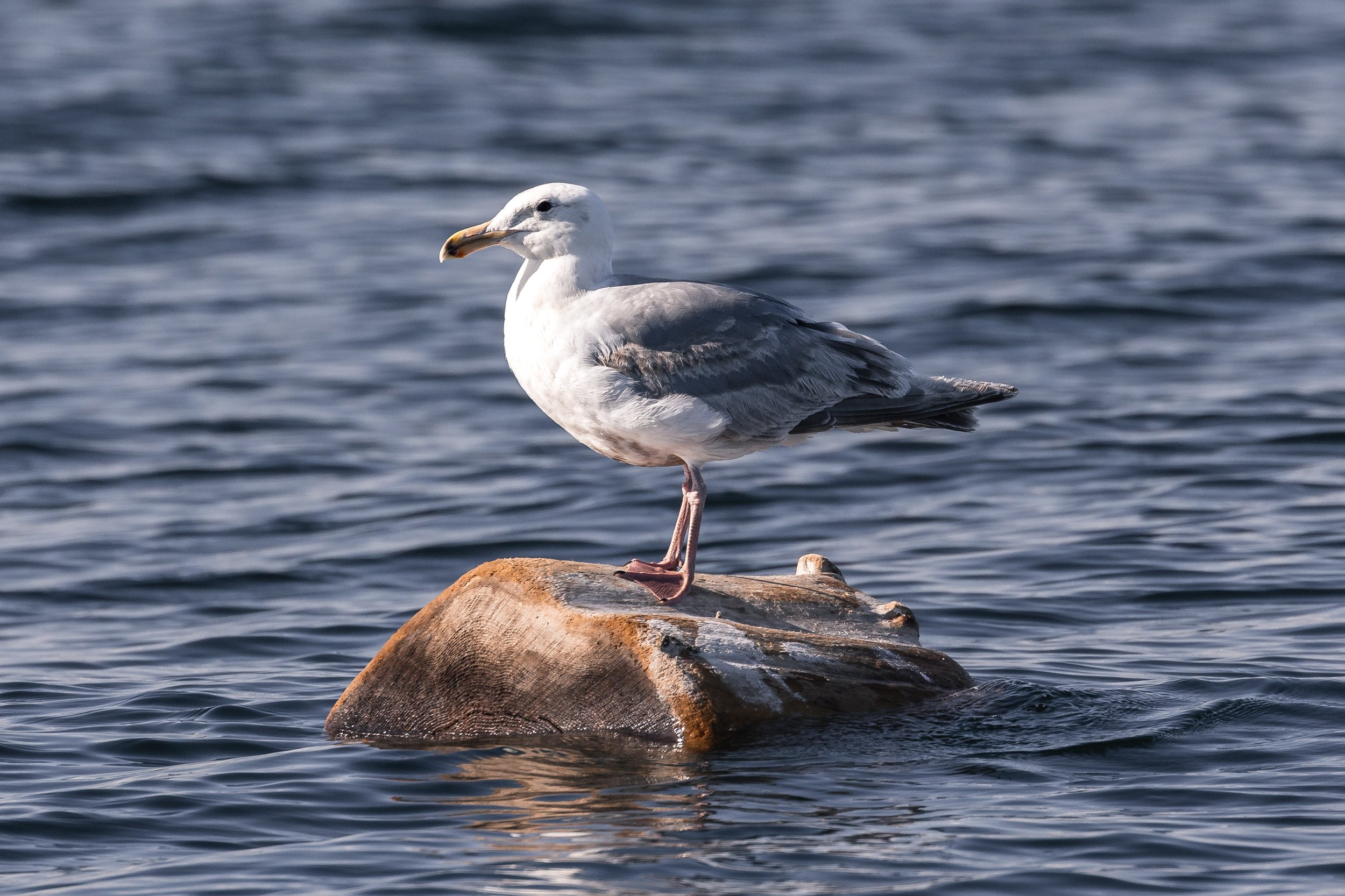
A Gull ‘surfing’ by. Photo by Vanessa Vereschahen.
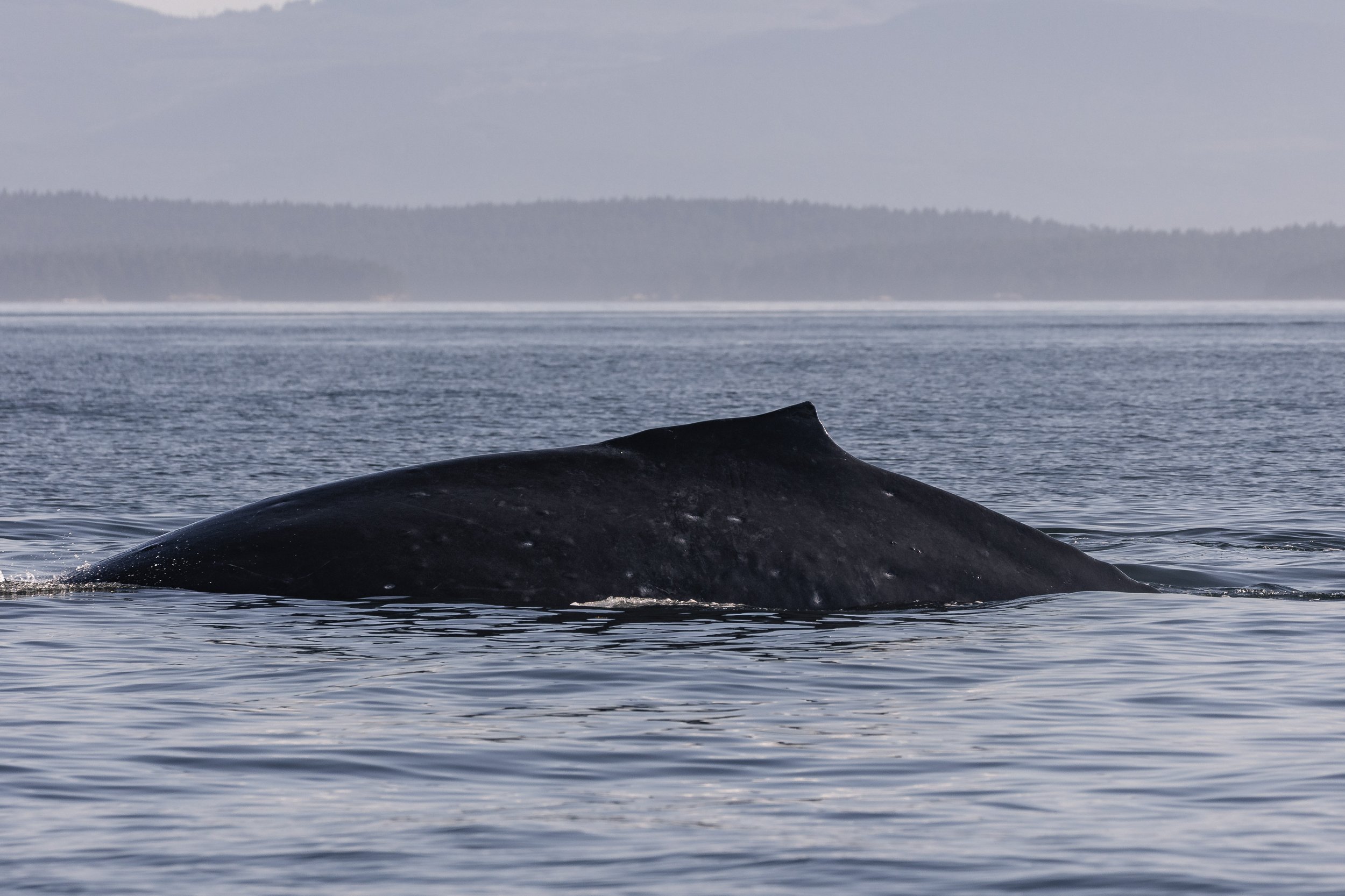
Astroboy’s dorsal fin as they travel. Photo by Vanessa Vereschahen.
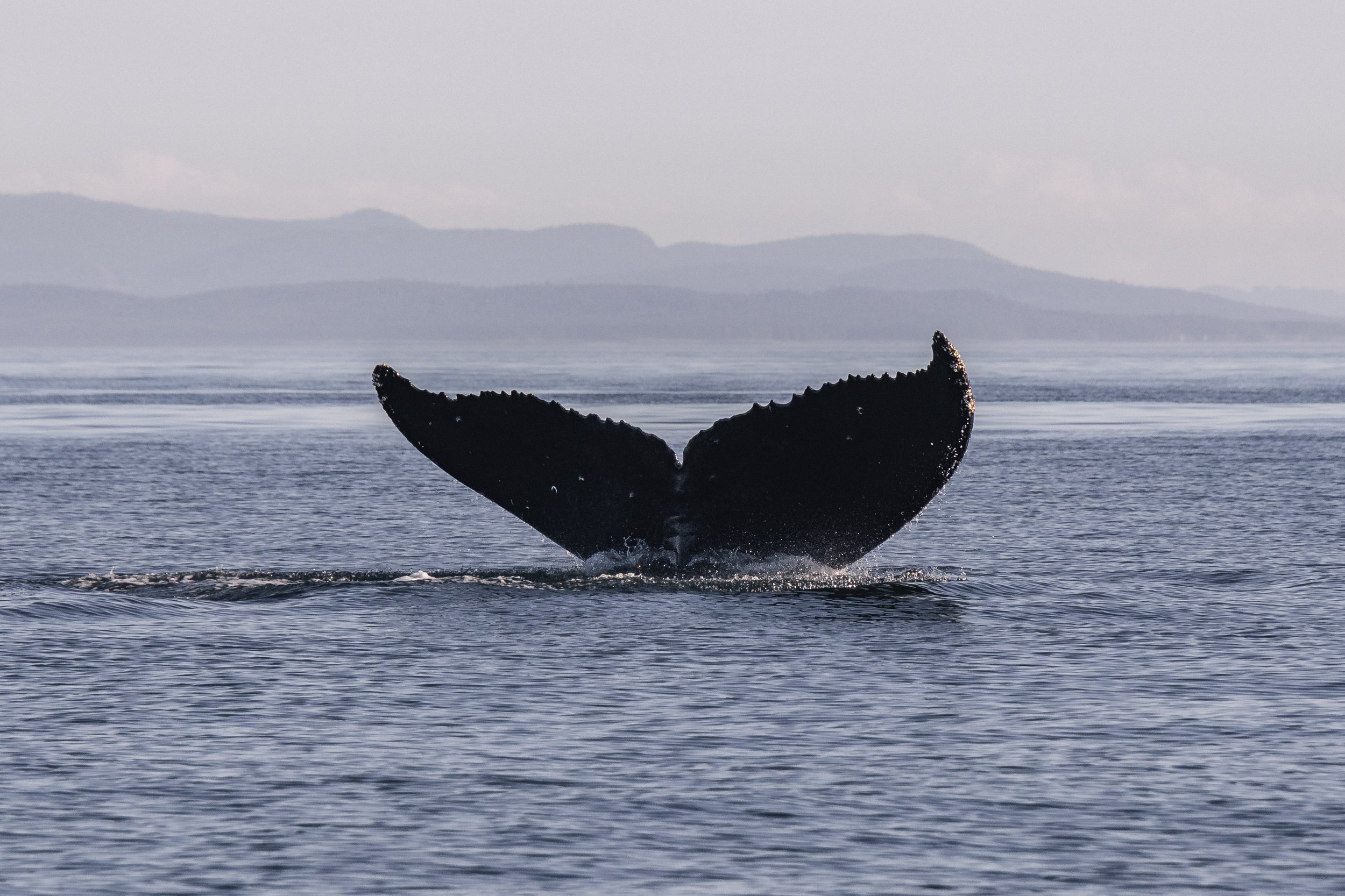
Astroboy diving, flukes up. Photo by Jordan Robinson.
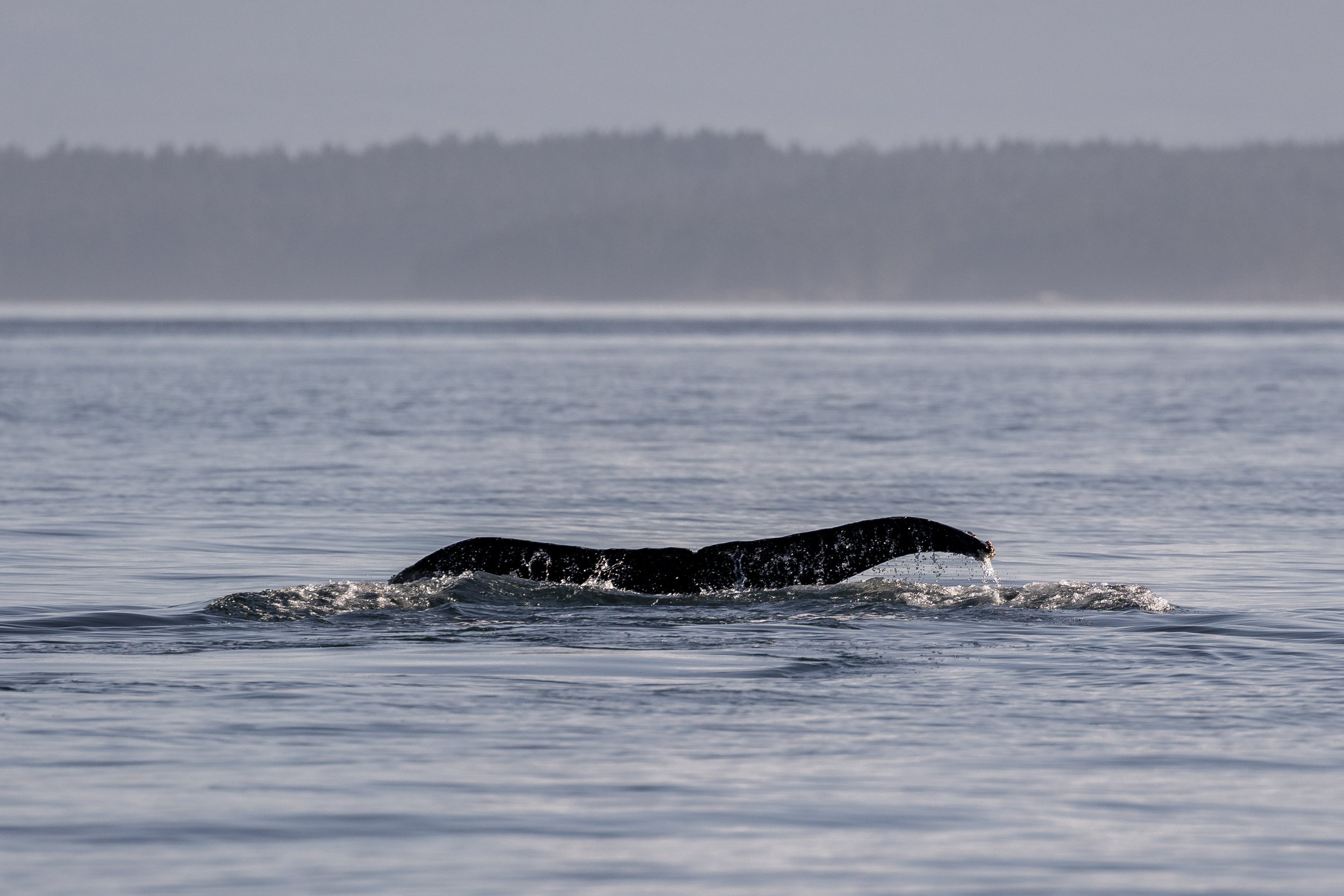
Our little Unknown shallowly fluking. Photo by Vanessa Vereschahen.
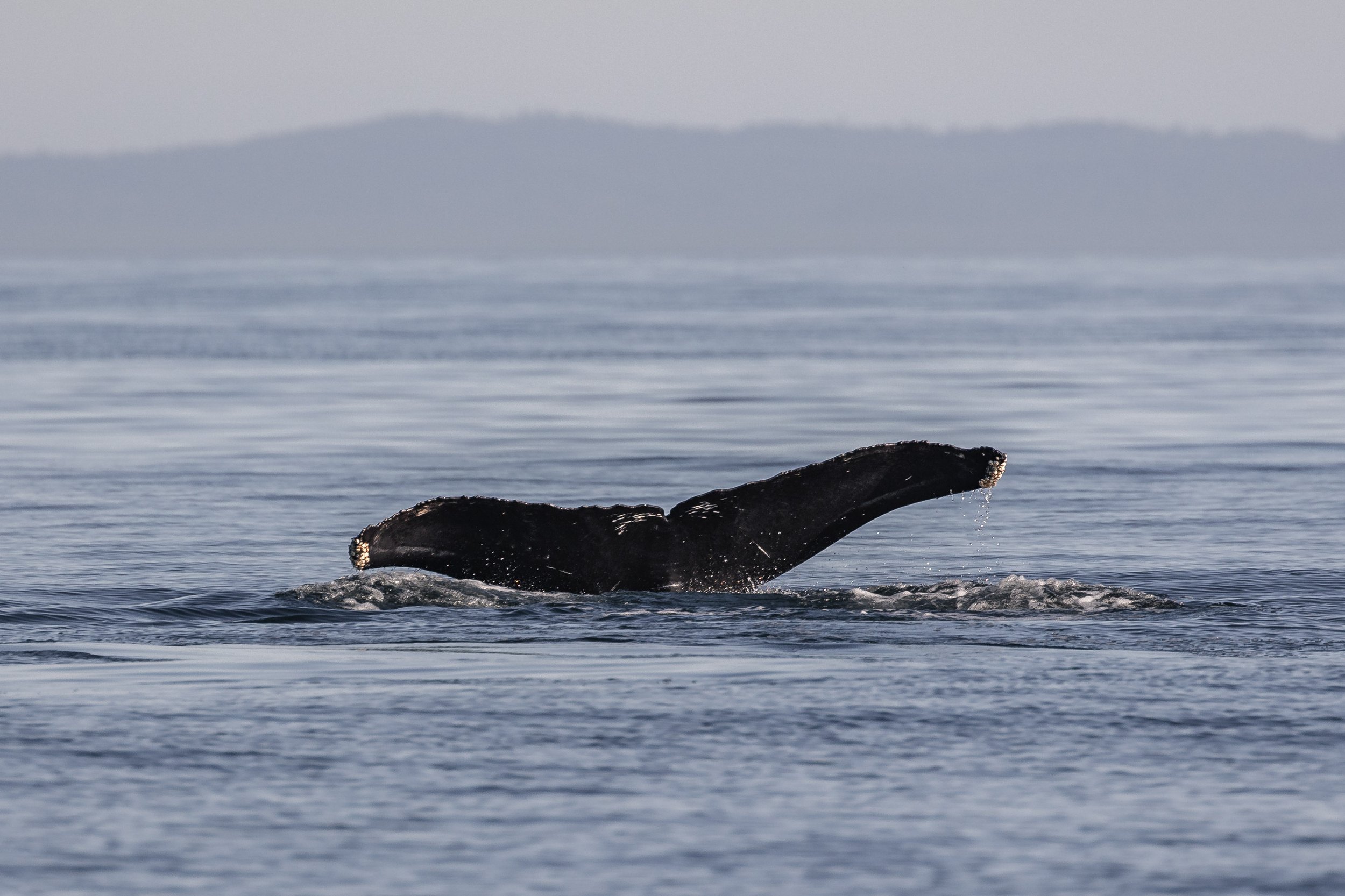
A better view of our Unknown’s fluke - what a gorgeous pattern! Photo by Vanessa Vereschahen.
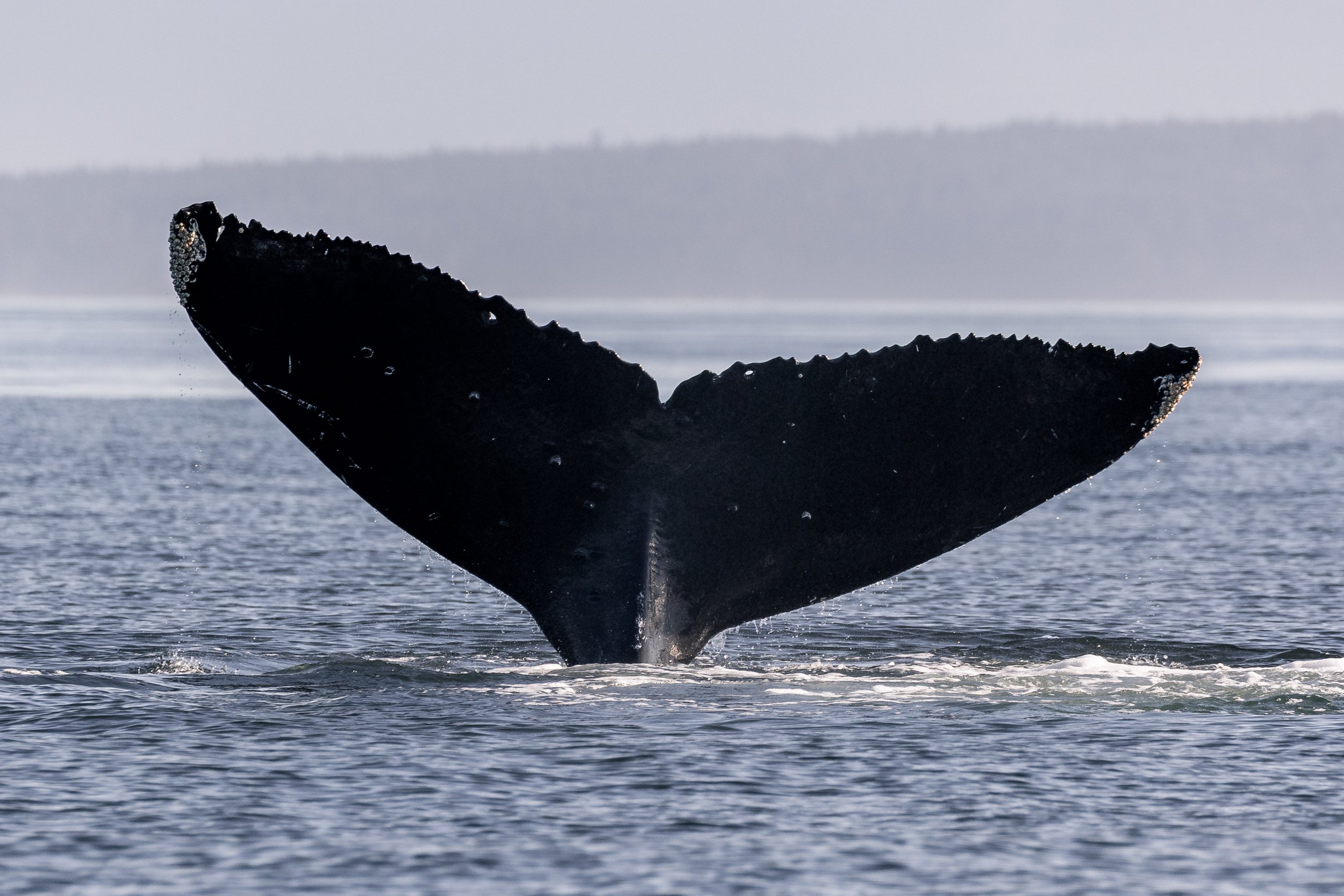
BCX2492’s fluke. Photo by Vanessa Vereschahen.
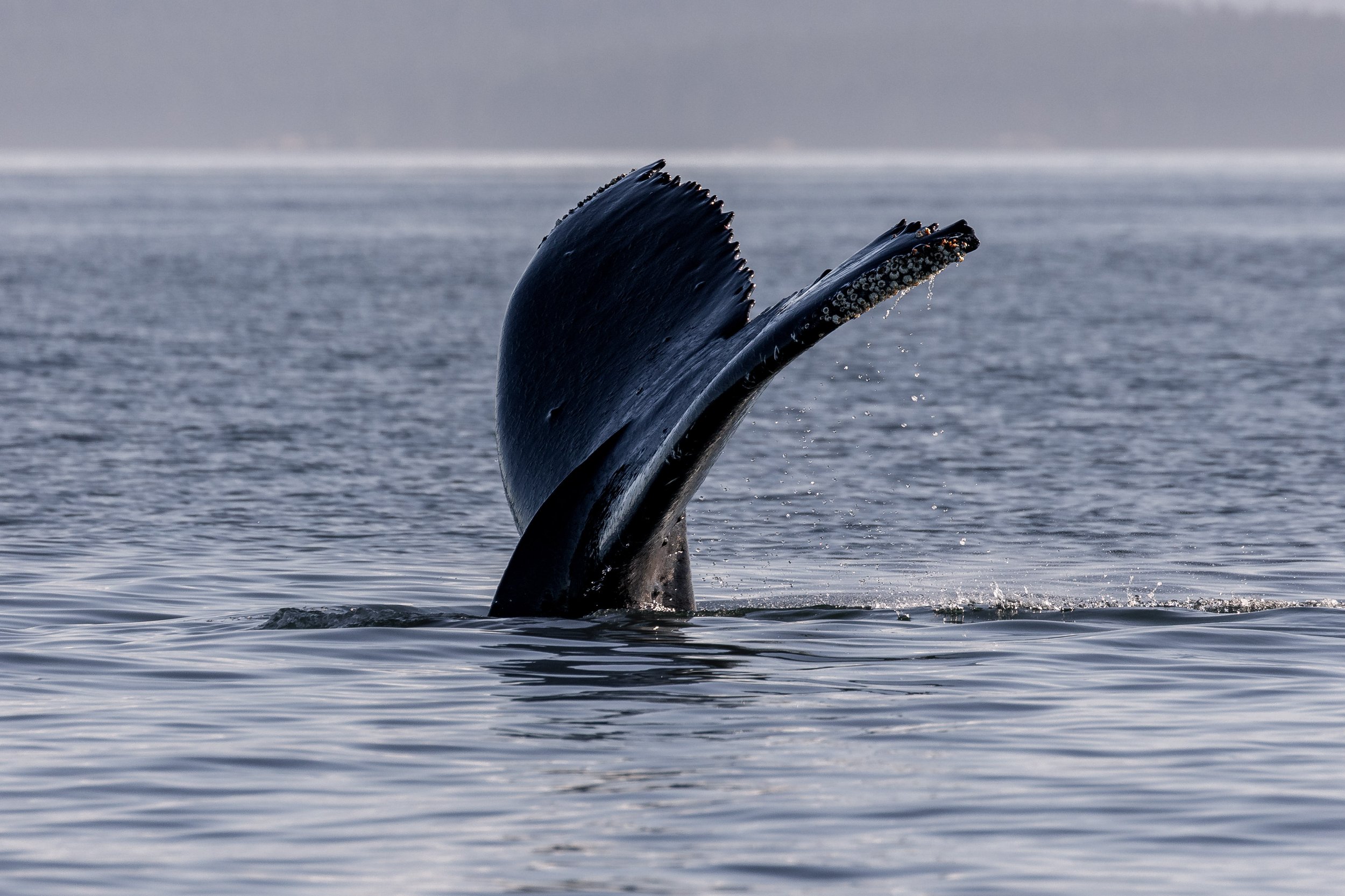
Going for a dive. Photo by Vanessa Vereschahen.
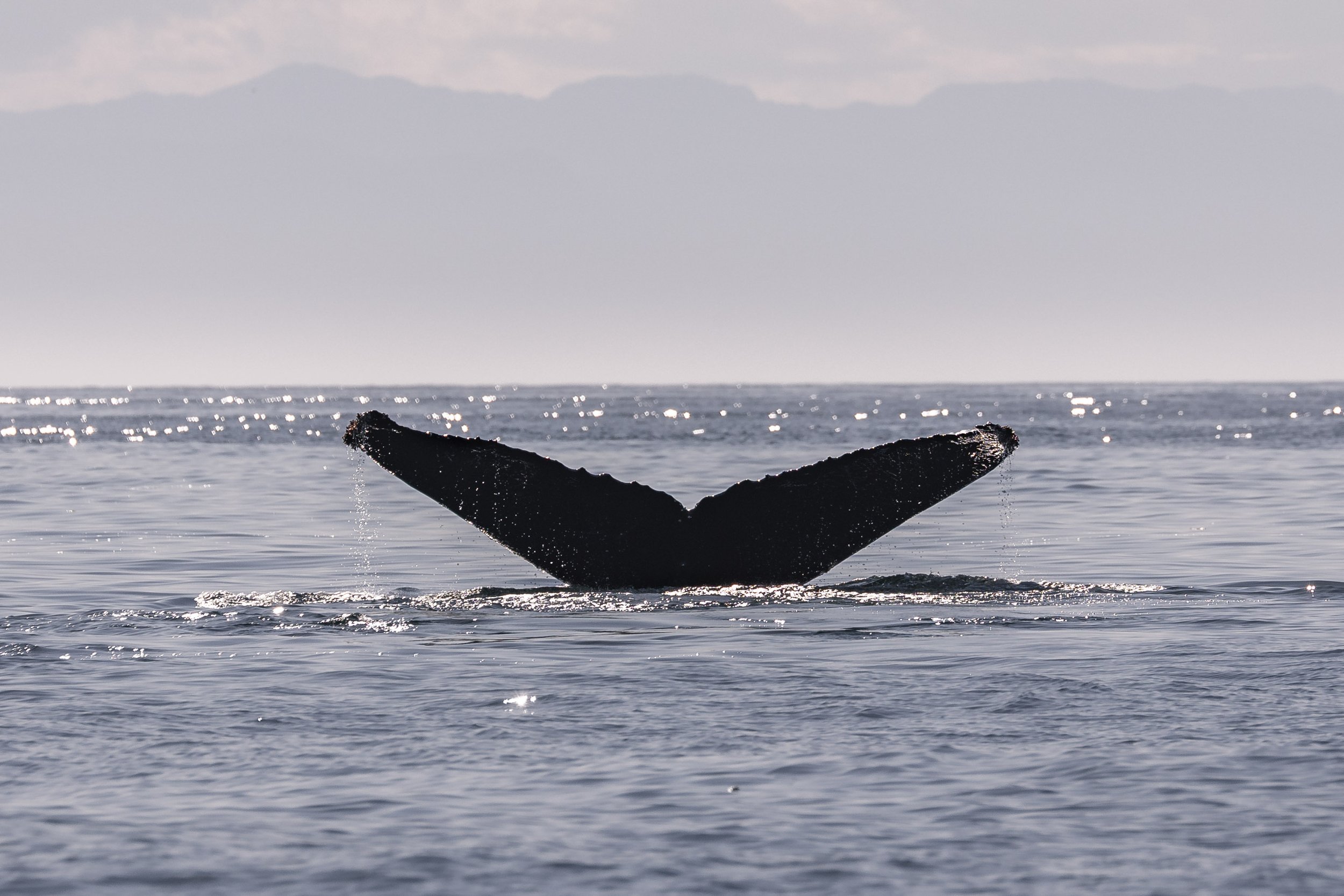
Arial’s fluke. Photo by Vanessa Vereschahen.
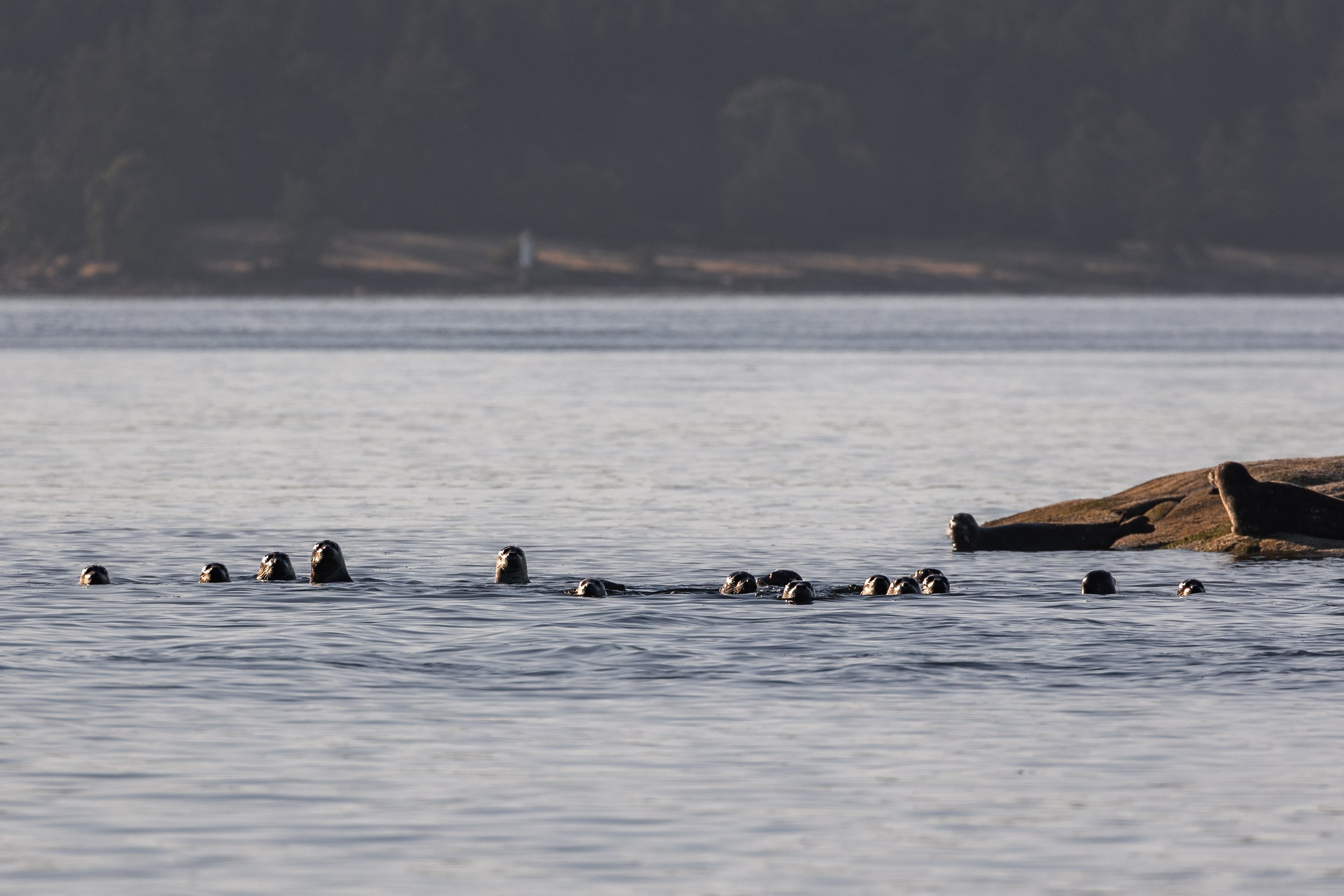
A bob of Harbour Seals bobbing along. Photo by Vanessa Vereschahen.
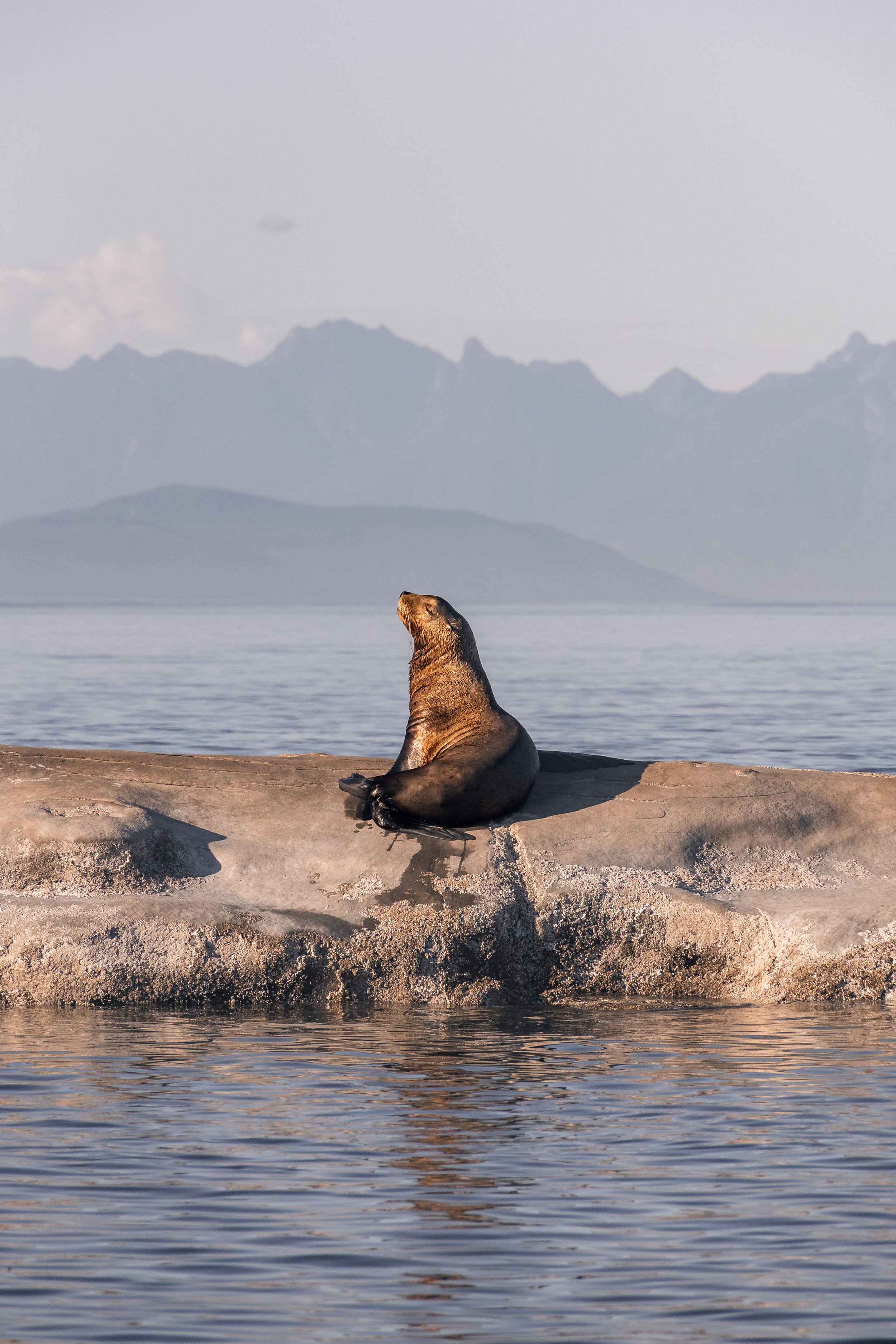
A graceful Steller Sea Lion enjoying the evening sunlight. Photo by Jordan Robinson.
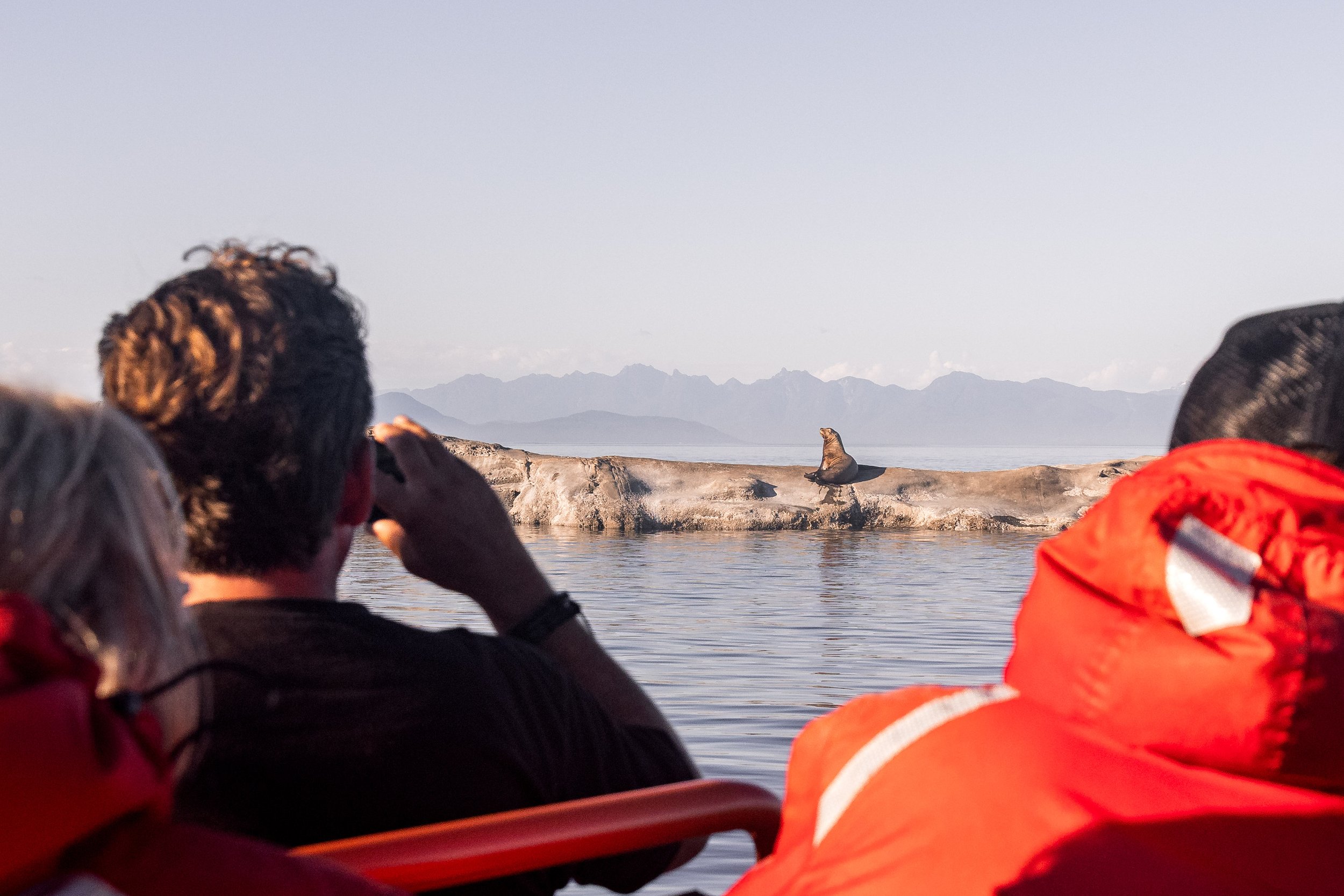
Guests taking a peek at said sea lion from the boat. Photo by Jordan Robinson.
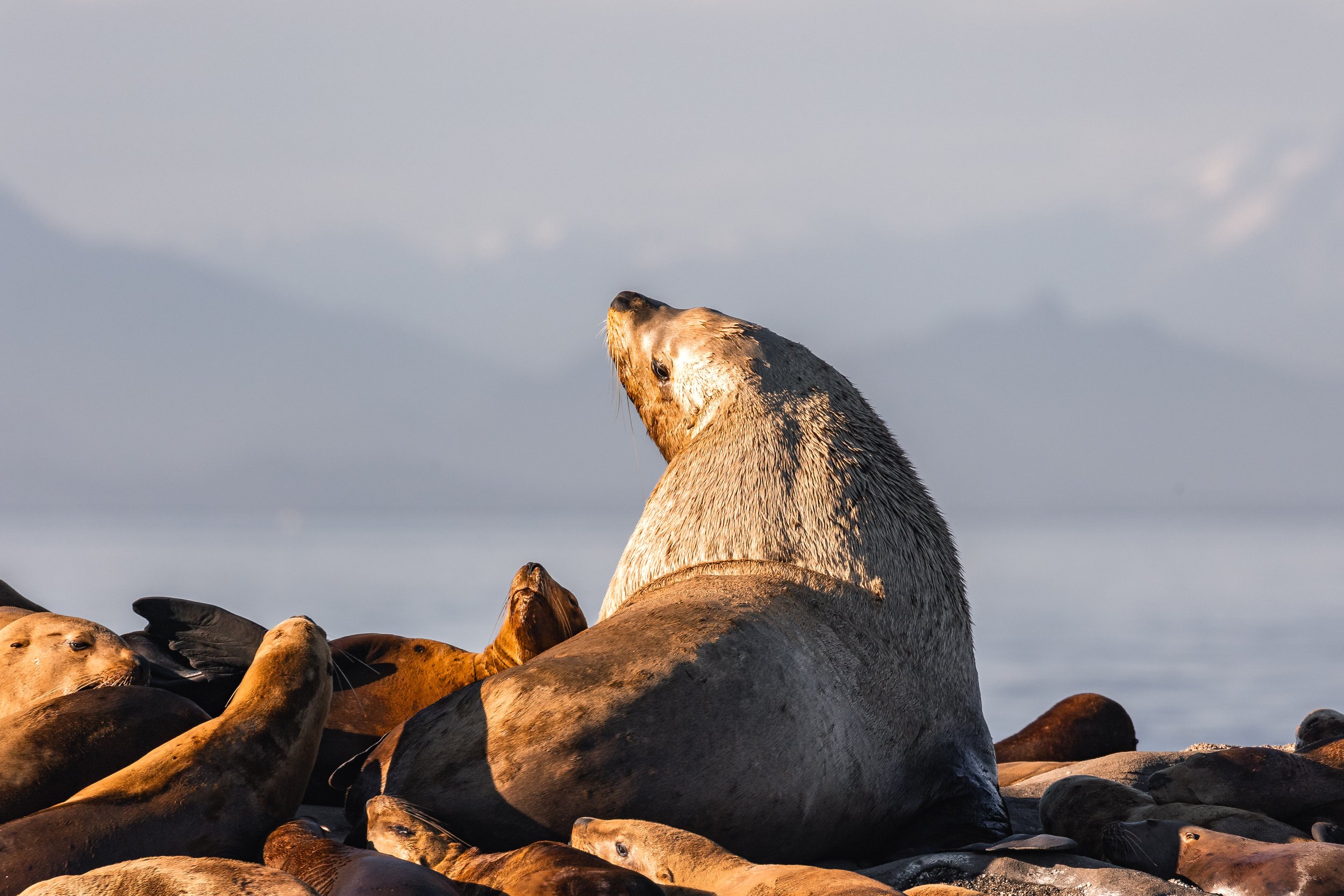
A lumbering male Steller Sea Lion giving us the side eye. Photo by Vanessa Vereschahen.
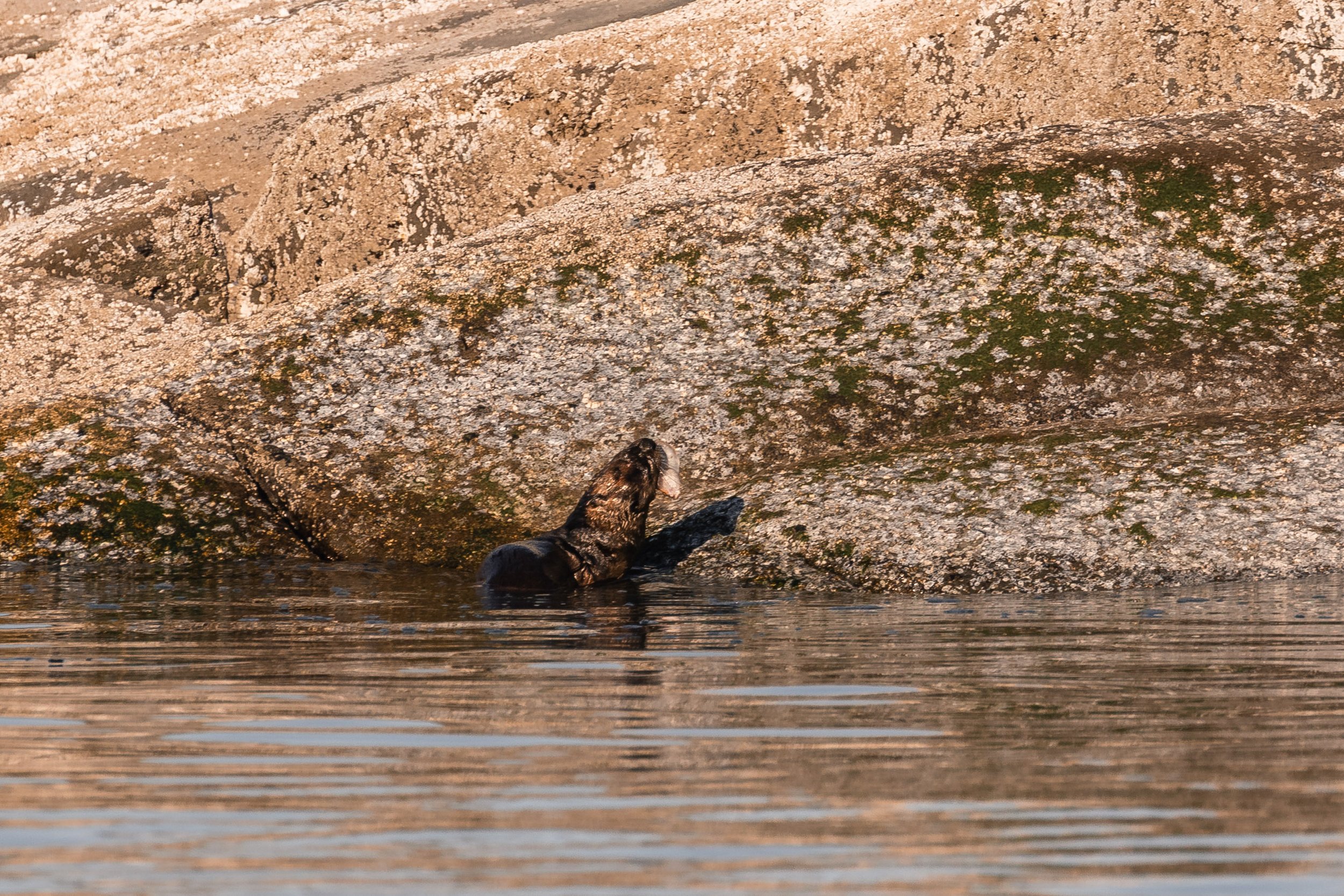
A River Otter with a snack. Photo by Vanessa Vereschahen.
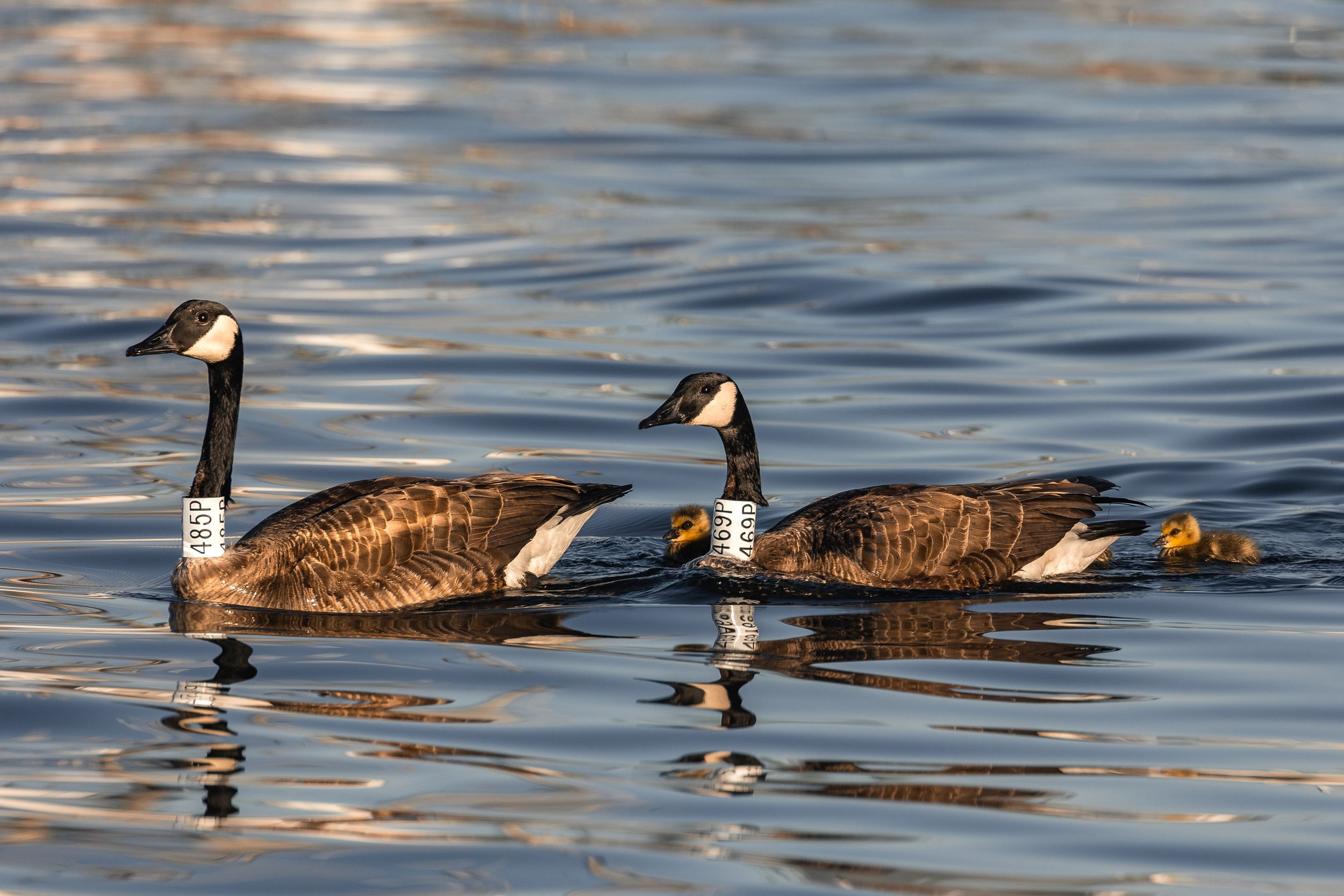
A pair of banded Canada Geese with their trio of goslings. Photo by Jordan Robinson.
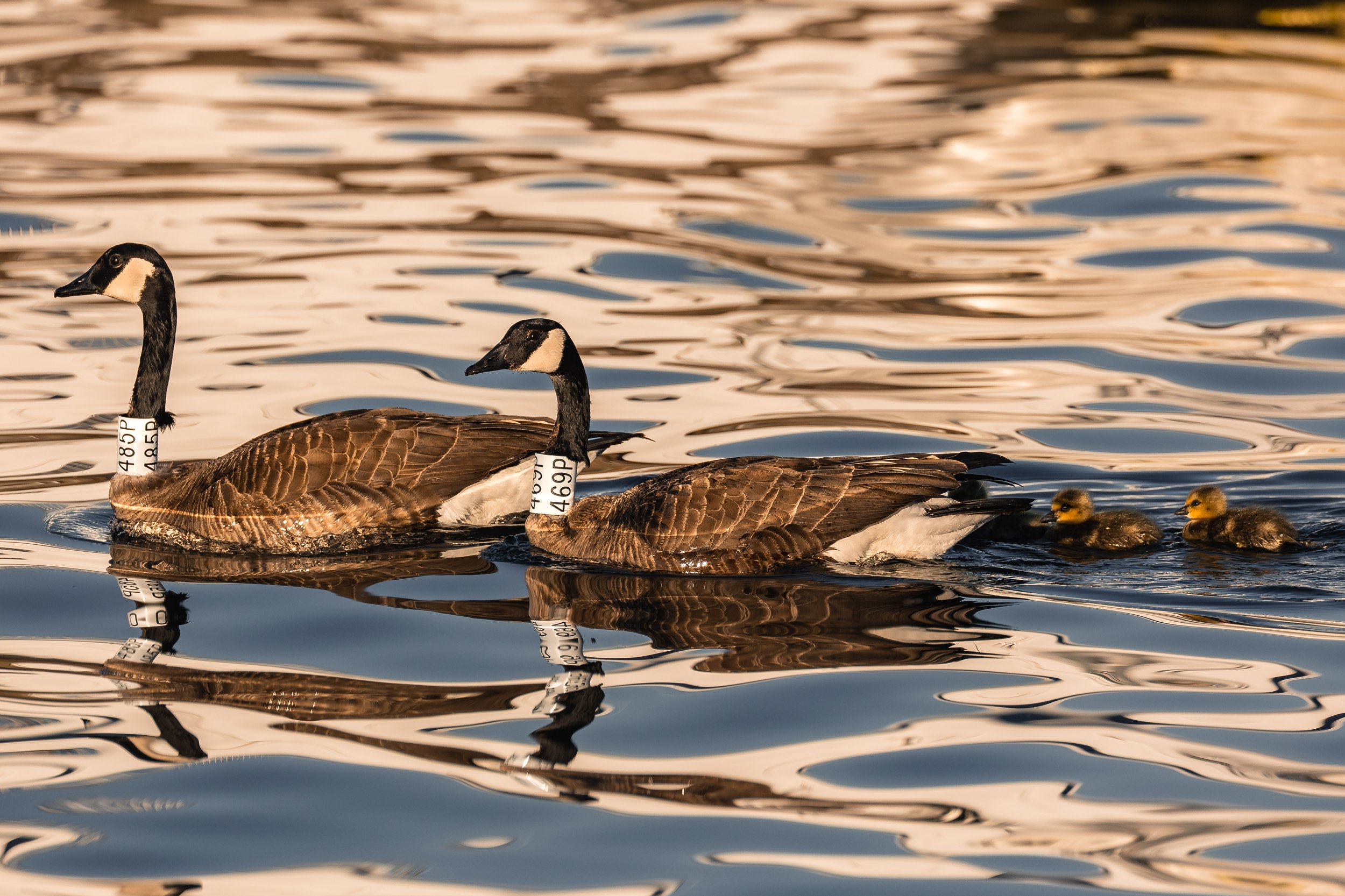
What a cute little family! Photo by Jordan Robinson.