
June 23, 2026, 3:30 PM - The T002Cs in Stuart Channel plus a playful T-party in the Strait
It was a beautiful afternoon as our guests and crew climbed aboard our semi-covered vessel, ready to start their whale watching adventure! We had heard of a pod of orcas that had been spotted by boats earlier, farther south, in Stuart Channel, so our plan was to head that way for the afternoon. All across the Salish Sea, companies will work together to locate the whales and coordinate to share the sighting with as many people as possible. One thing we do as a company that goes above and beyond normal regulations is limiting the number of boats on scene with the whales at any given time. If there are more than 5 commercial whale watching boats there, we won’t be, which was the case as we headed through Dodd Narrows. After talking with the other captains about the whales, we decided the best way to kill some time was with other wildlife.
With this in mind, we aimed for a specific area at the southern end of Gabriola Island where there is an active Bald Eagle Nest. This nest seems newer than some of the others we have observed, since it’s a bit smaller. Bald Eagles will return to the same nest year after year with the same partner, adding to the nest each time. They are so large that they are actually the largest nest of any bird! The record was found in 1963 in Florida, and weighed more than 4,400 pounds! This massive nest was 2.9 meters across and 6 meters deep! This one was not close to that size, but maybe as they keep returning to the nest and building on it, it will get there someday!
We had our eyes peeled for the baby in this nest and soon spotted the dark outline of the chick at the edge. This shows that the development of this chick is going as planned, as this is the time we expect to start seeing them at the edge, and they will soon be flapping their wings to get ready for their first flight. It was great to see the chick in the nest, but it was time to head to those whales! All the other boats had left them behind, so we searched for the tall, black dorsal fins that orcas are known for. It wasn’t long before we spotted them. Marine Naturalist Hayleigh grabbed her camera and started taking photos to figure out who we were looking at. Thanks to some distinct dorsal fins, she was quickly identified as the T002Cs, a group of 5 orca travelling together.
T002C Tasu ♀ (1989)
T002C1 Rocky ♂ (2002)
T002C3 Lucy ♀ (2011)
T002C5 Zippy/Guardian (2020)
T002C6 Yukon (2025)
These whales were very active at the surface, jumping out of the water, slapping their tails, and even vocalizing as they went. Seeing this much activity from a group of transient orca is quite uncommon, given that they are stealth predators. As apex predators, they need to eat quite a lot during the day and maintain a high success rate, or risk failing to meet their high energy requirements for the day. This causes the whales to typically stay quiet, chat to each other only when needed, and move slowly and steadily through the water. Jumping or slapping their tails makes a very loud noise that their prey would notice, making them less likely to be caught unaware. When we see whales this active, it’s because they are focused on being social rather than focusing on hunting or foraging for the time. Lucky for the transient orca, they are such good hunters and have a wide variety of prey to target that they have very healthy fat stores. This gives them more freedom to spend time not focused on food and lets them socialize and have fun.
The excitement was contagious, and everyone on board was thrilled to see these wild animals having so much fun. Eventually, it was time to leave them to their celebrations, and we headed back to a similar area where we had seen the Bald Eagle nest earlier, this time farther south to a sea lion haulout. The Steller Sea Lions found here are usually great to see, given their large size and even bigger personalities. We still have some of the large males present here, easily distinguished from the others by their size and thick, blubbery necks. These are important for them when they travel to their breeding areas, since the males will fight each other for position on the beaches, for the best spot to collect the most females and the most breeding opportunities. When they fight for these spots, they will often aim for their competitors' necks, the blubber and thick fur providing protection for their vital arteries and veins. The blubber plays a secondary role as well. Since males won’t be able to leave and fish as often during these times, they can burn this blubber instead, giving them energy to keep protecting the shoreline.
While spending time here, we once again heard from another boat that there were more orca nearby, so we decided to check out this second group since it wasn’t too far away. We were glad we did, as this group was also being very playful at the surface, breaching, splashing, and even pushing the youngsters clear out of the water! Although they made it tricky, we were able to review the photos and determine that it was 4 groups of whales travelling together here: The T046B1s, T046C2, the T101s, and the T124A4s! That means the following 11 whales were present:
T046B1 Tread ♀ (2003)
T046B1A Tsakani ♀ (2015)
T046B1C Tide ♂ (2022)
T046B1D Tashi (2025)
T046C2 Sam ♀ (2009)
T101 Reef ♀ (≤1969)
T101A Rush ♂ (1993)
T101B Lagoon ♂ (1997)
T124A4 Sabio ♀ (2010)
T124A4A Strix ♀ (2021)
T124A1A Sabine (2024)
It seems this was a newly formed T-party, given that we had spotted the T046B1s and T046C2 on their own during our morning tour, and other boats had seen the T124A4s on their own on the other side of the Strait of Georgia earlier in the day. When groups of orca like this first meet up, it is usually a big celebration! Whales of the same ecotype tend to spend time together, so this group was likely to have time to socialize outside their own family group. Orca are super social animals, and research suggests their connections may be even deeper than those humans form. Watching this group, we would believe it, as the interactions and actions seemed so intense and complicated, it was hard to keep track of everything that was going on!
We didn’t have too long to spend here with the socializing whales, and eventually had to leave them behind as well and continue back towards Nanaimo. As we were on our way, the Salish Sea decided there was one last wildlife encounter in store for us: the blow of a humpback whale appeared ahead of us, and then another! A pair of Humpbacks, identified as Scuba (BCY1225) and Frankenstein (BCX1358) came to the surface a few times before arching their backs, and lifting their tails to head below the surface once more. It was a lovely final encounter to finish off the tour.
We finally made it back to the harbour, feeling thankful for all the wildlife that we had seen. Included below are all the best photos that Marine Naturalist Hayleigh Hilbert captured throughout the tour for you to enjoy!
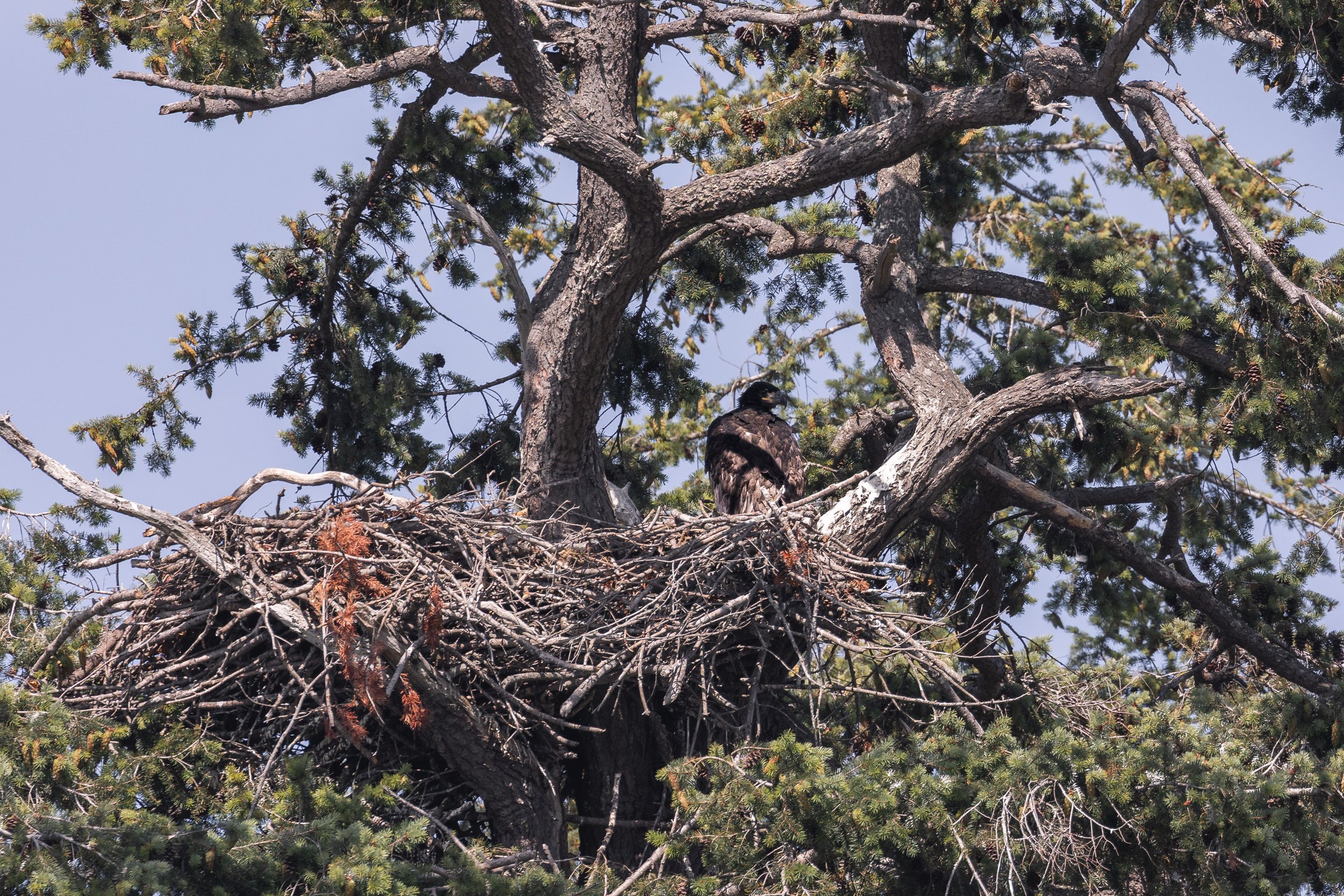
A young Eaglet high in the nest.
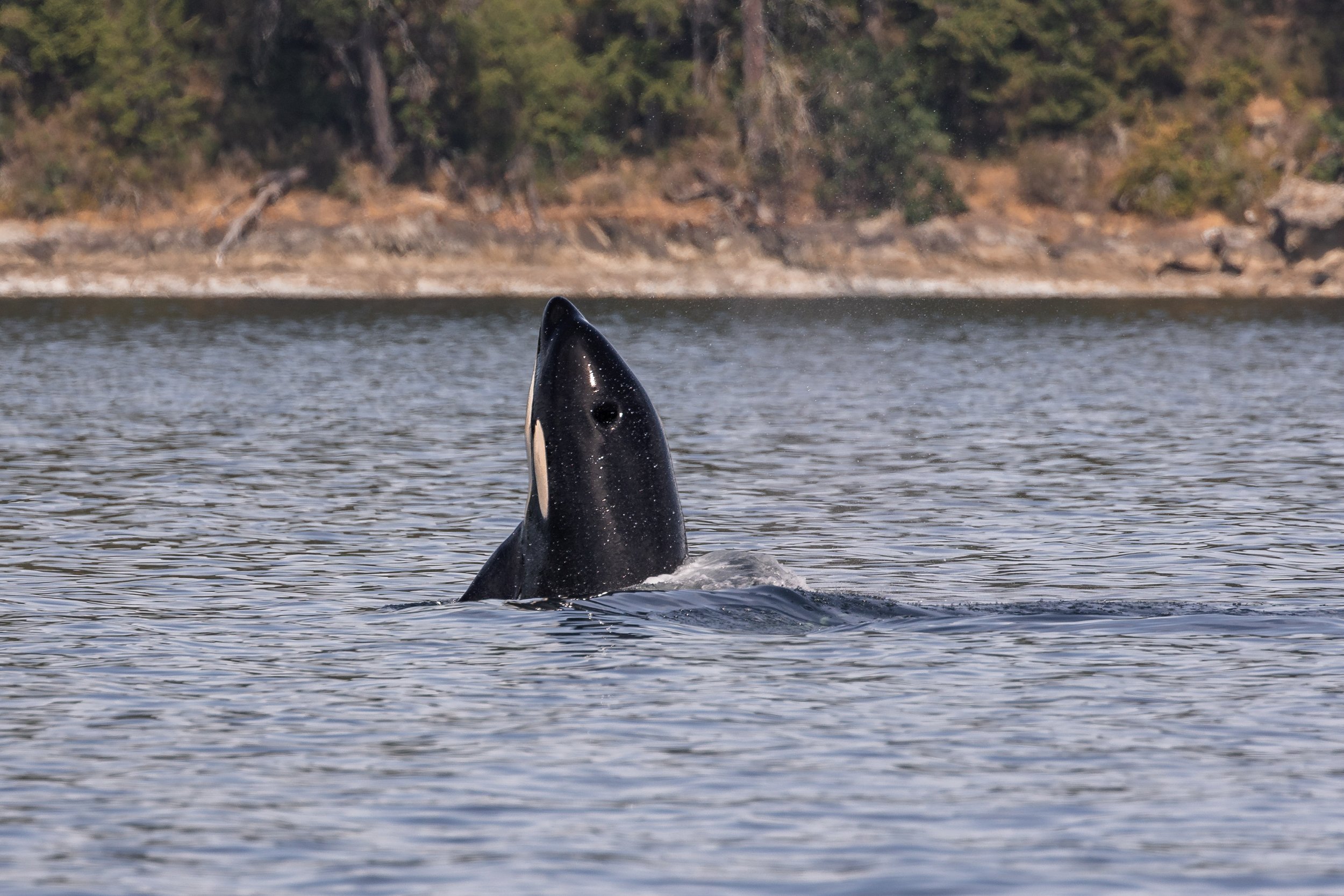
Spyhopping with a wide open blowhole!
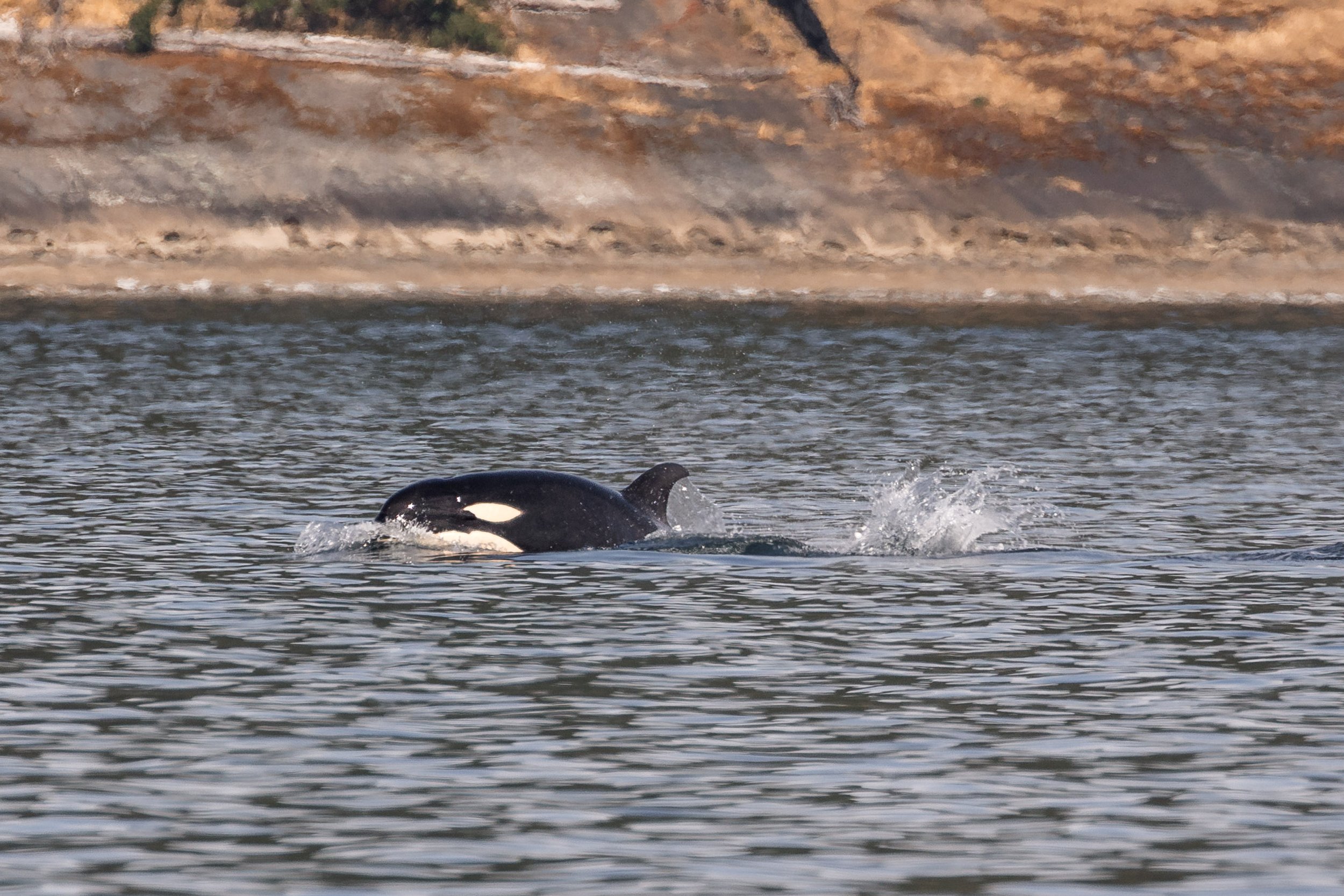
T002C6 Yukon quickly travelling along.
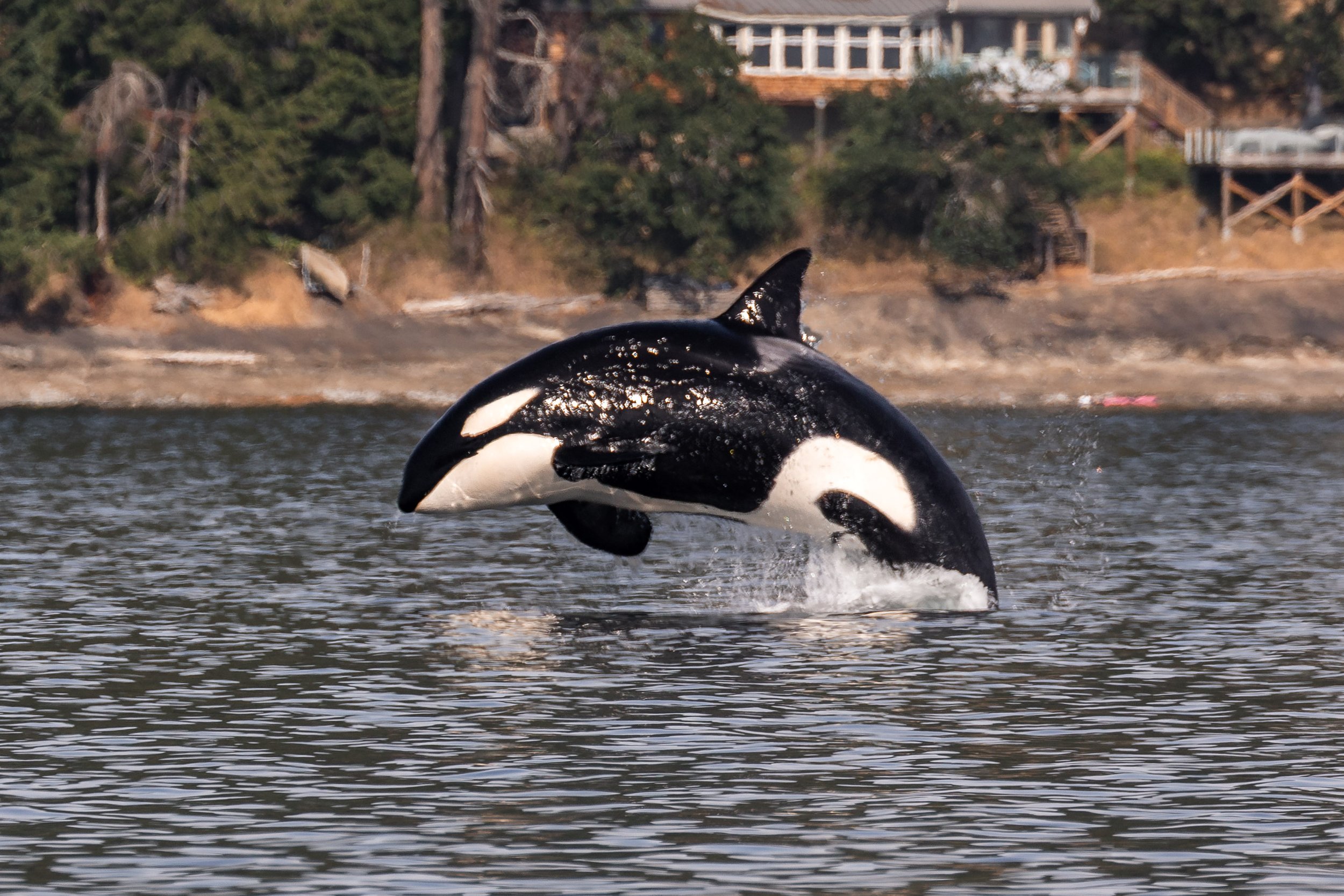
T002C3 Lucy breaching.
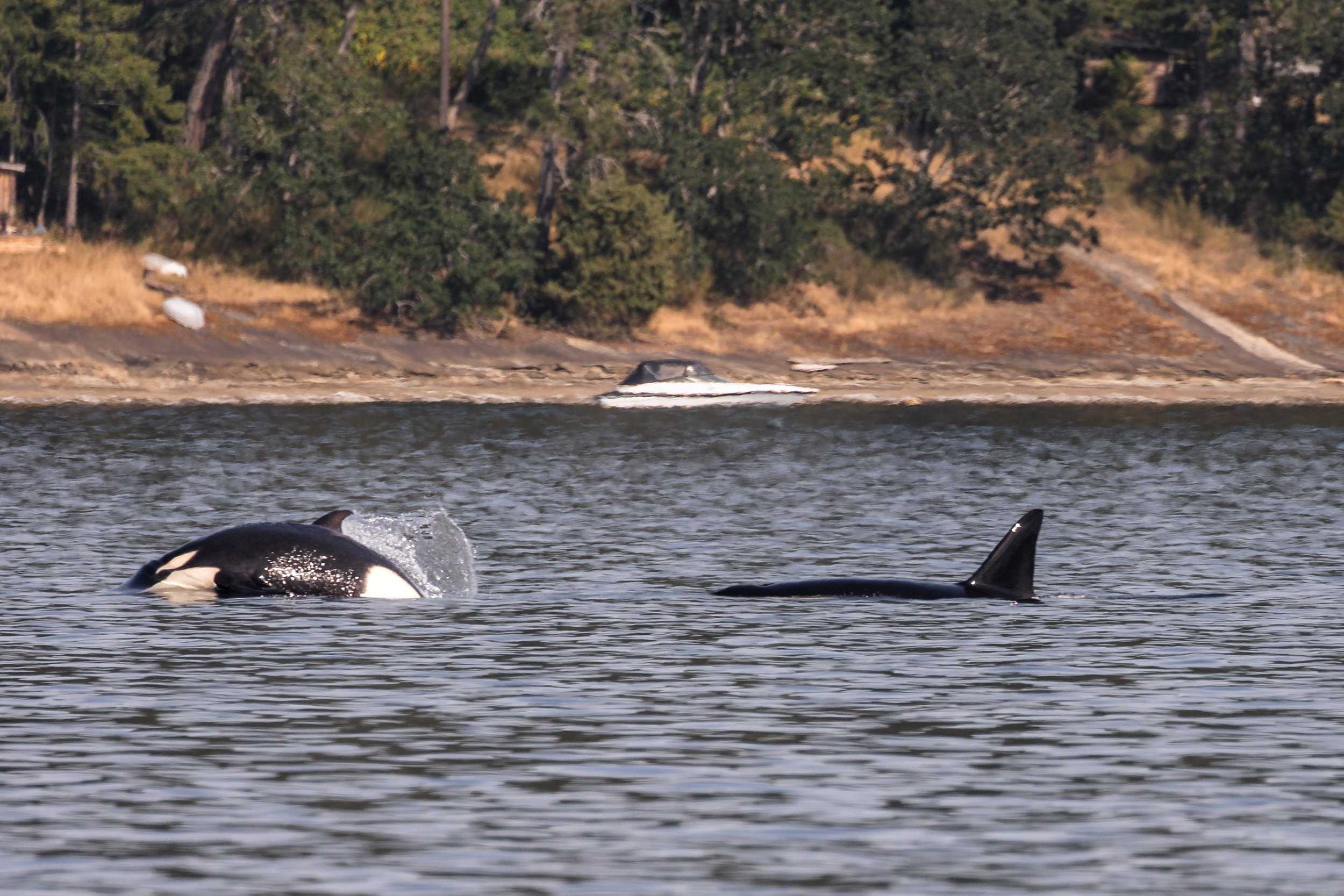
T002C6 Yukon and T002C3 Lucy.
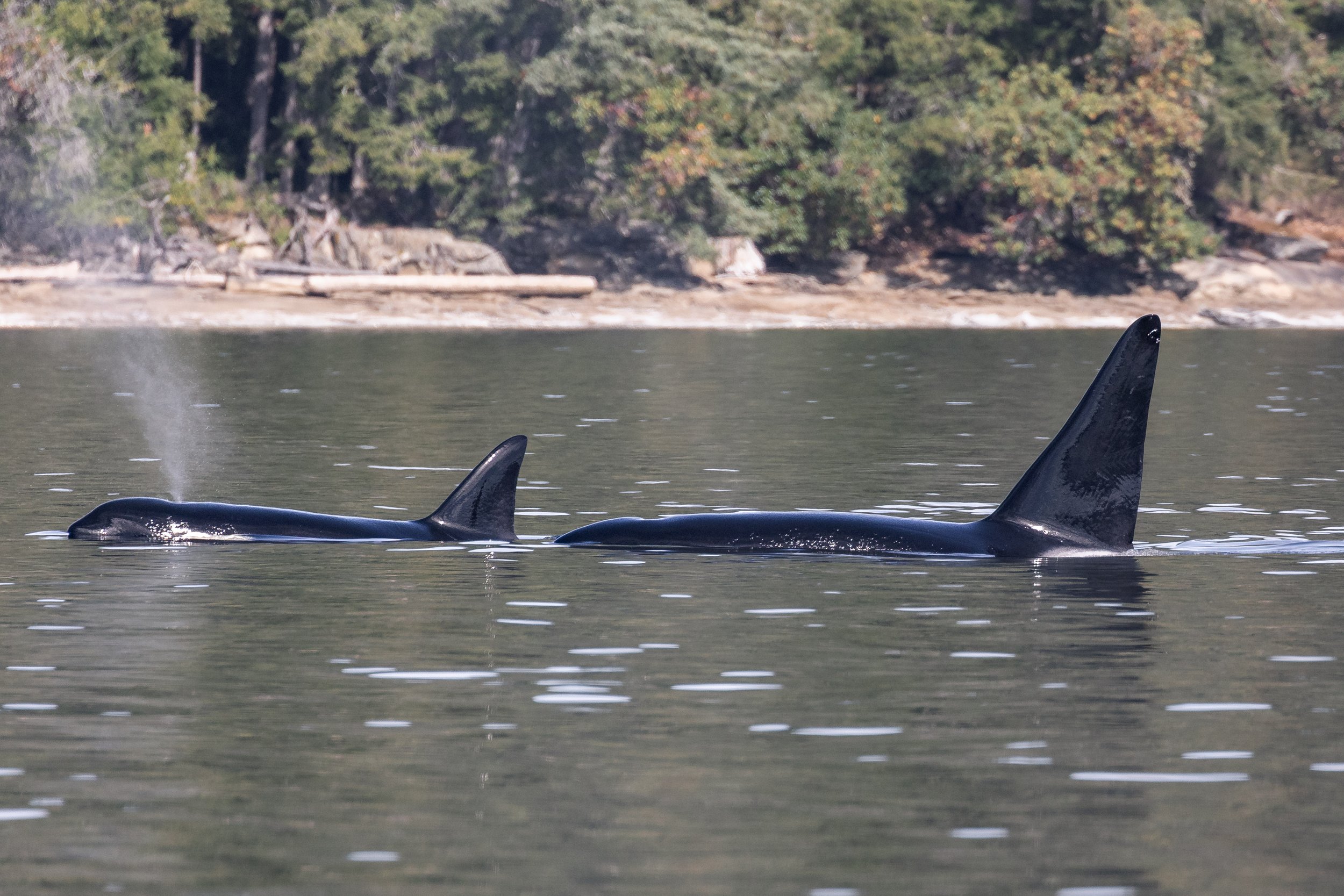
T002C3 Lucy and T002C1 Rocky.
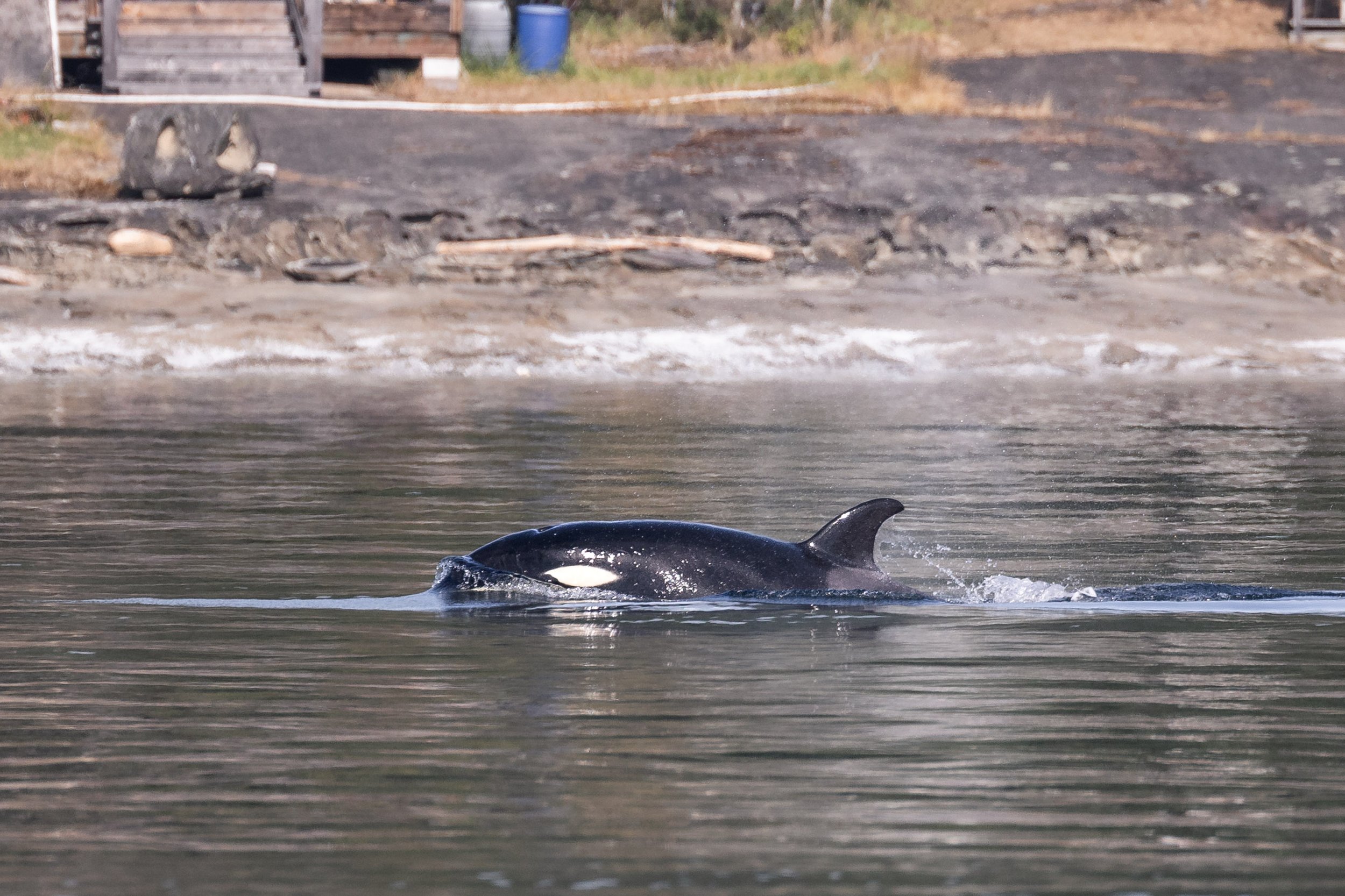
T002C6 Yukon with their eyepatch visible.
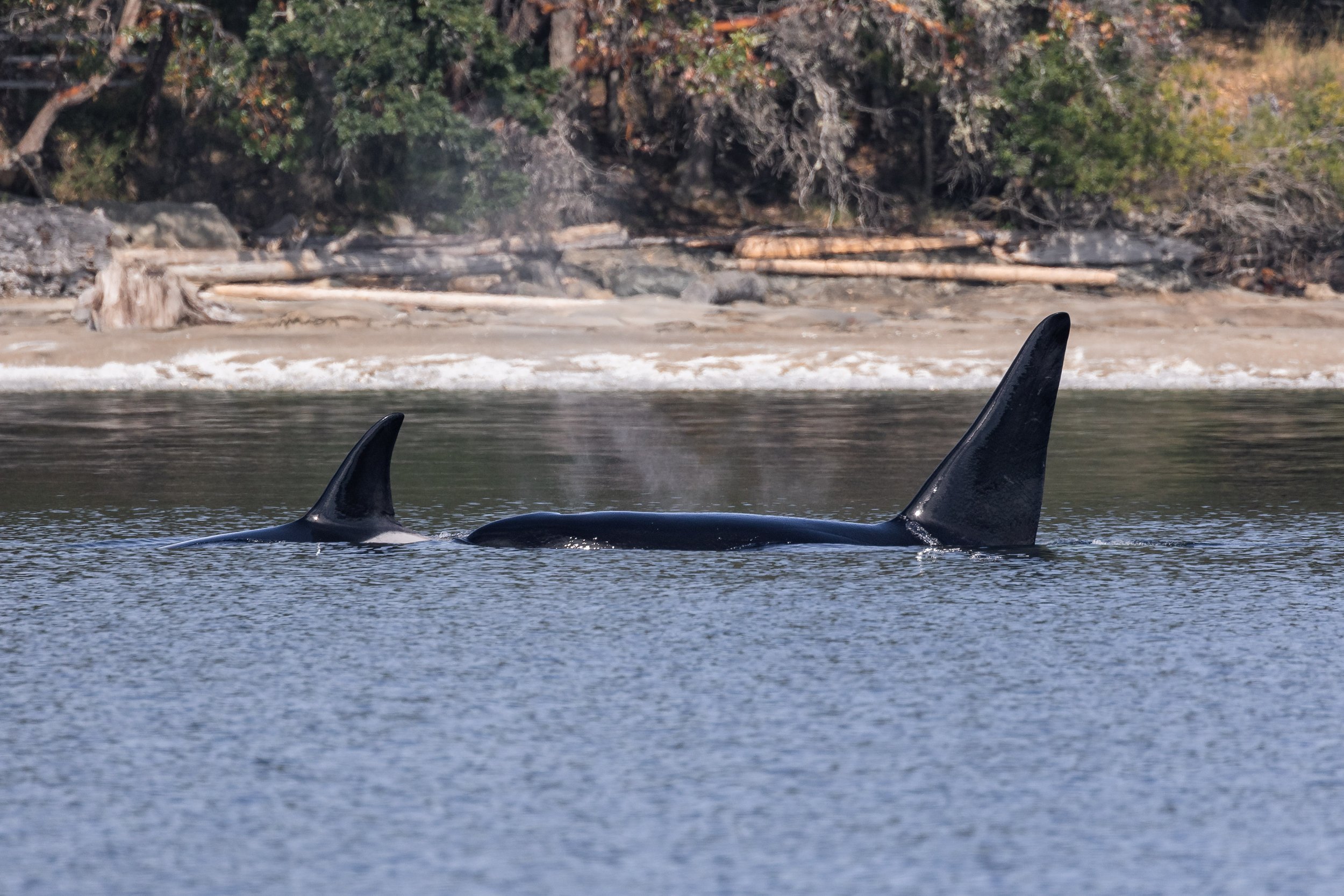
T002C Tasu and T002C1 Rocky.
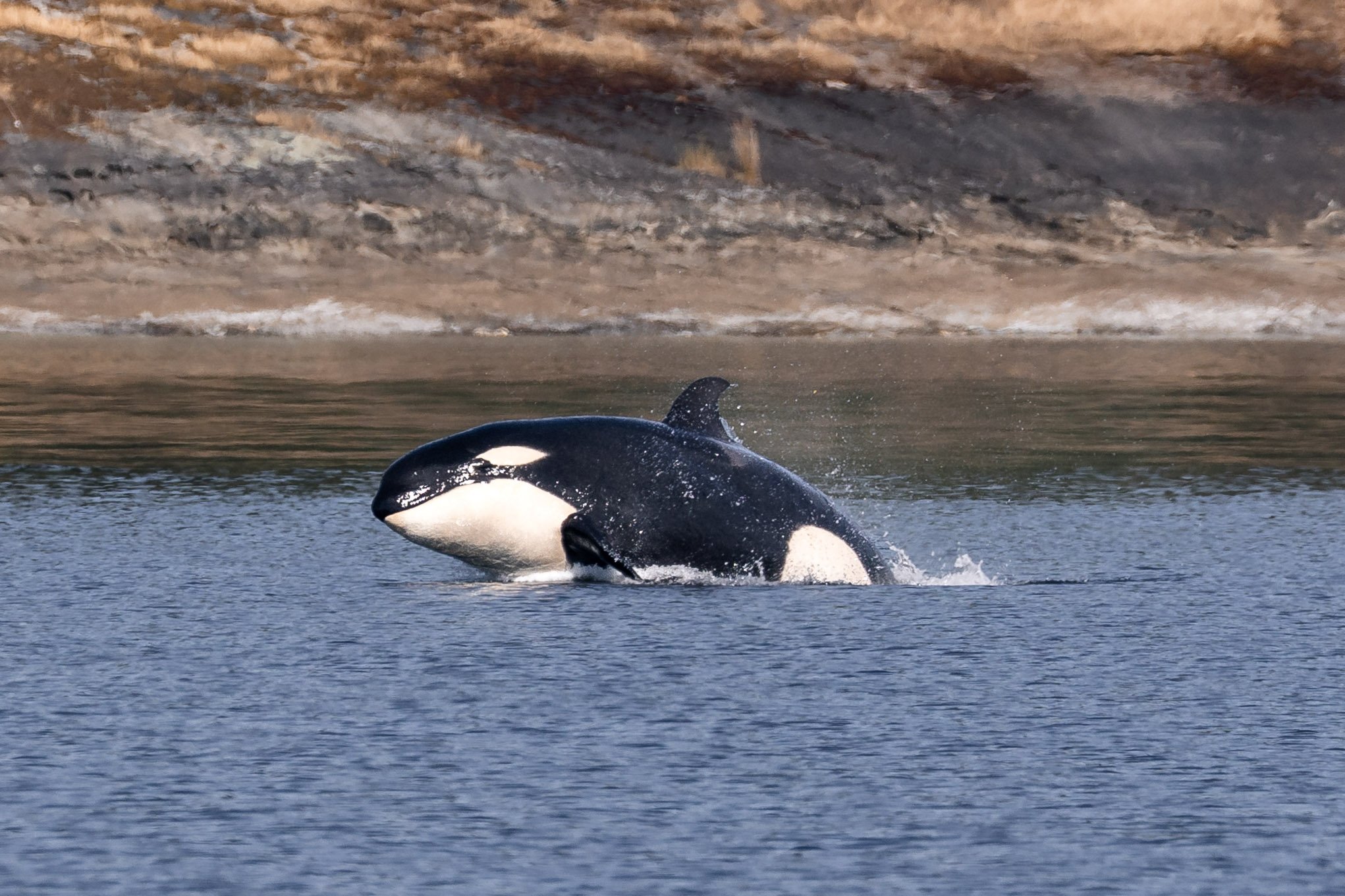
T002C6 Yukon catching air!
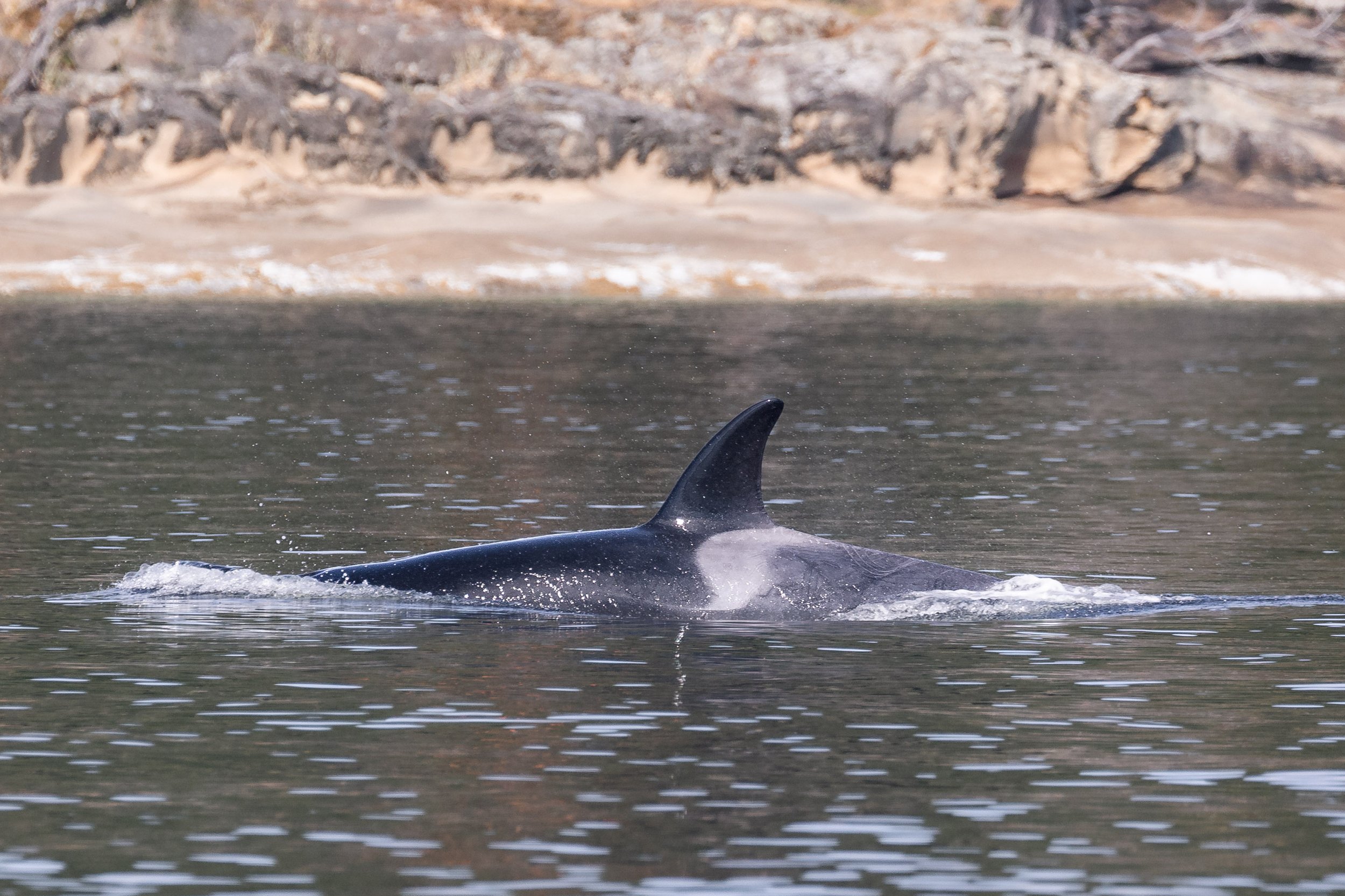
T002C5 Zippy/Guardian is quite scarred up now.
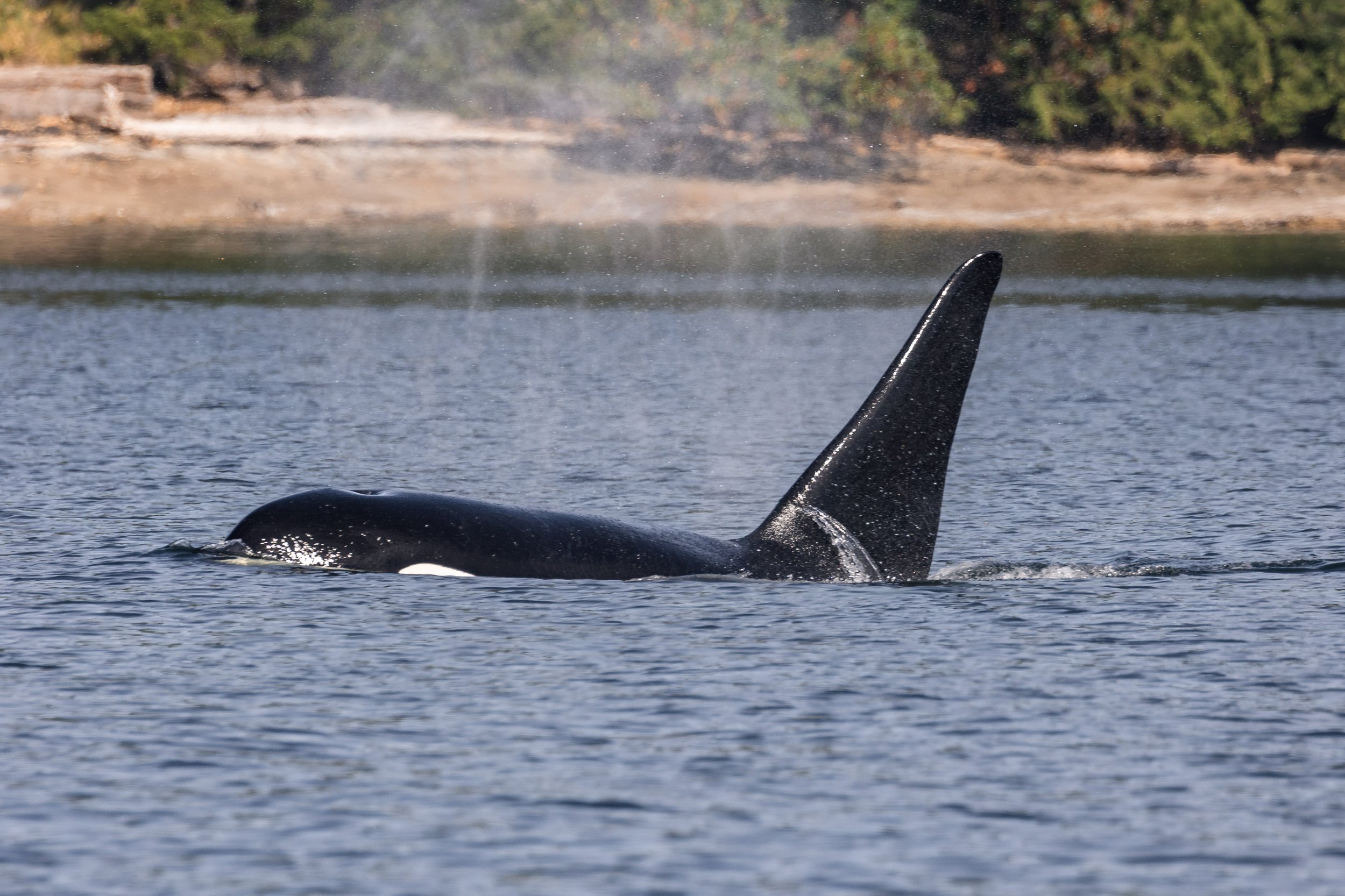
T002C1 Rocky breaking the surface.
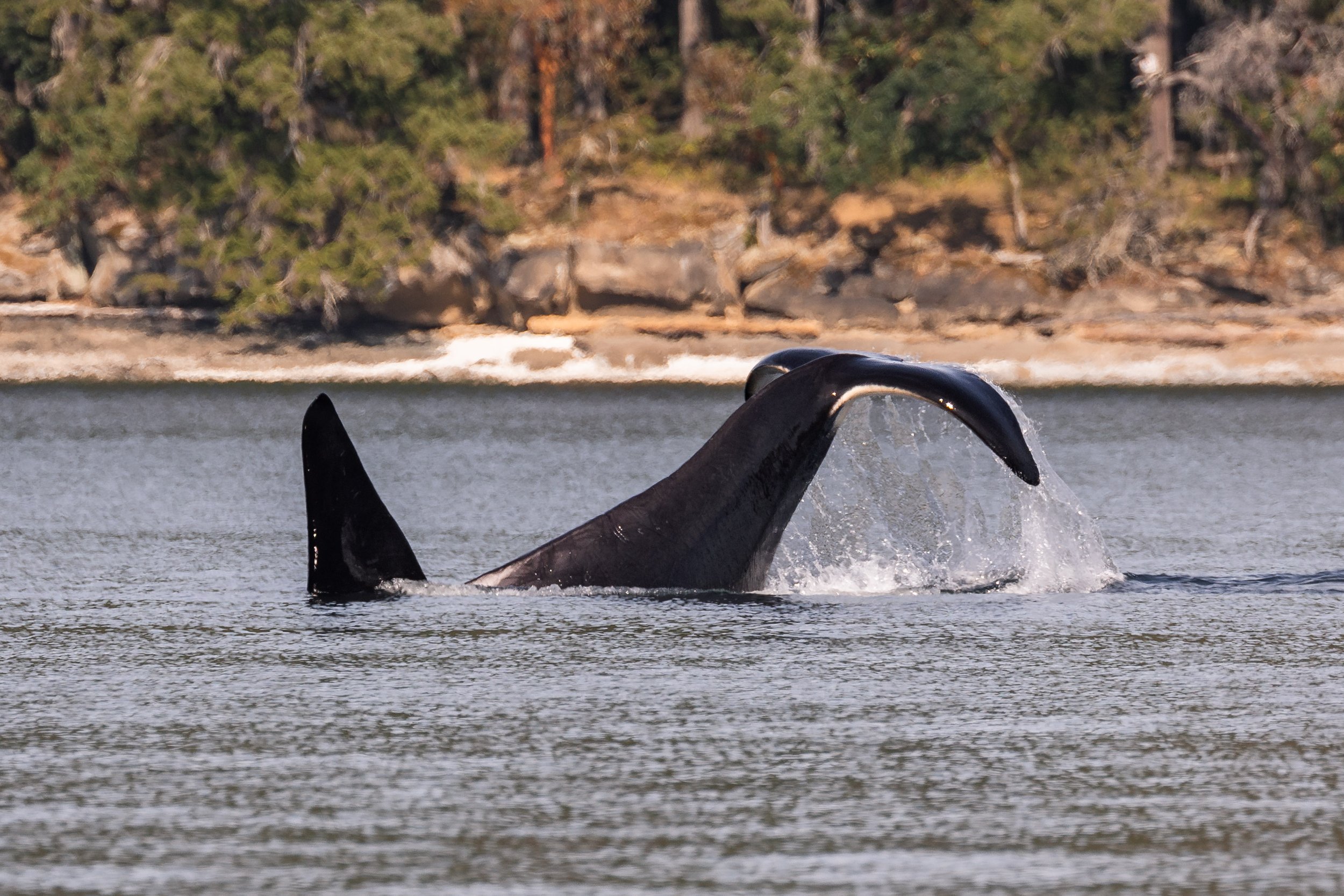
T002C1 Rocky tail slapping.
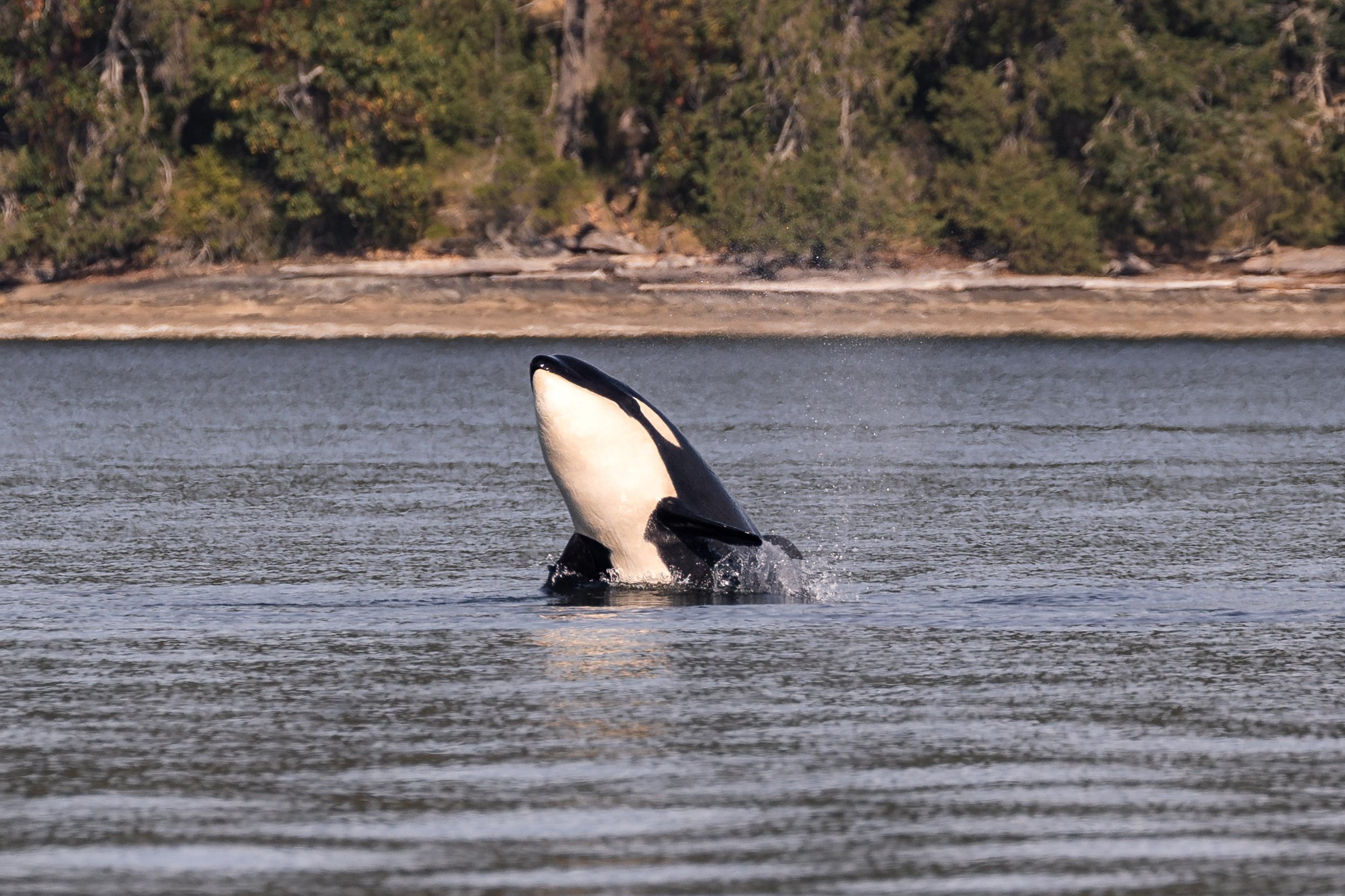
A little pec wave!
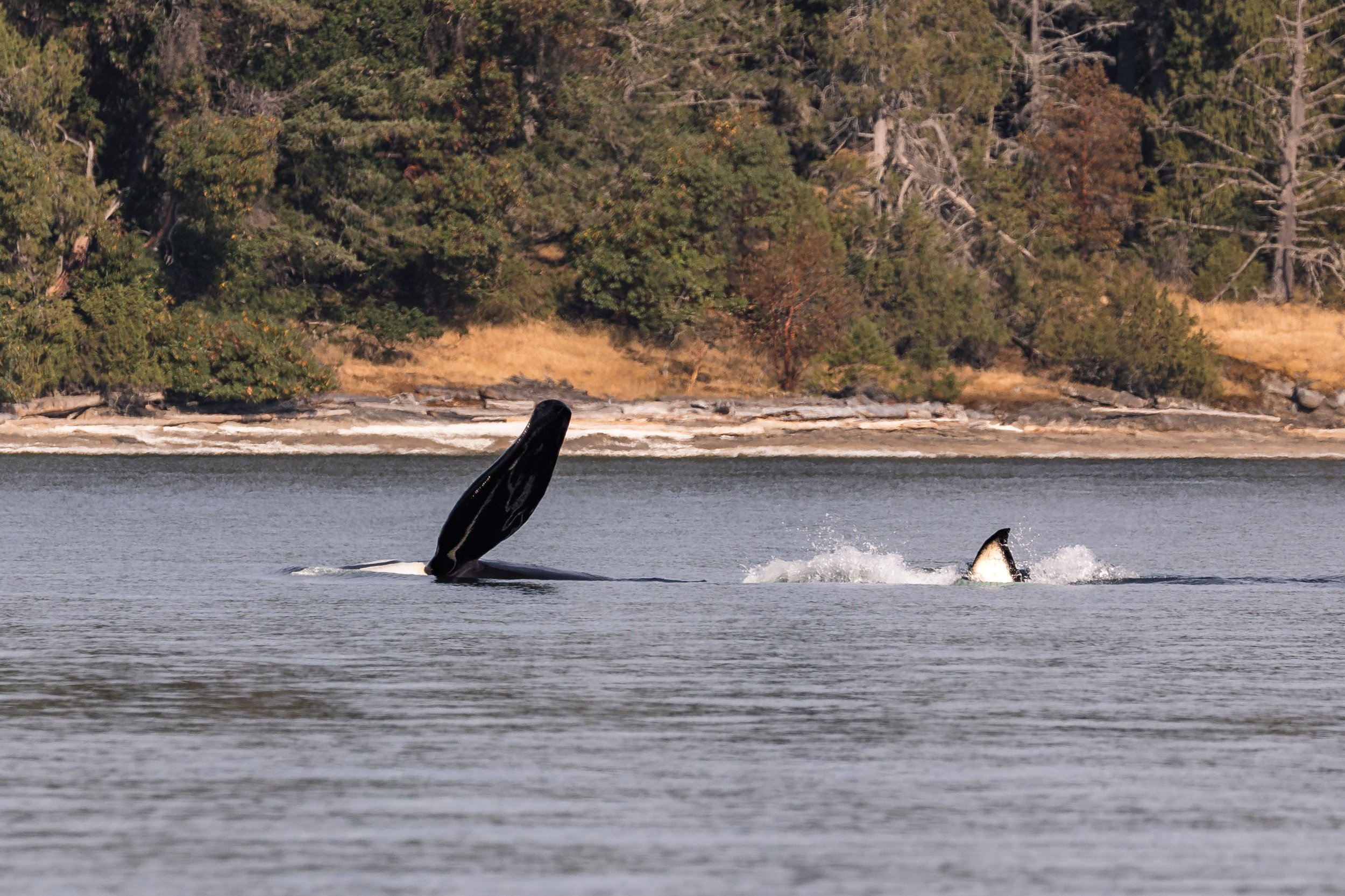
A pectoral wave from T002C1 Rocky as he travels along on his side.
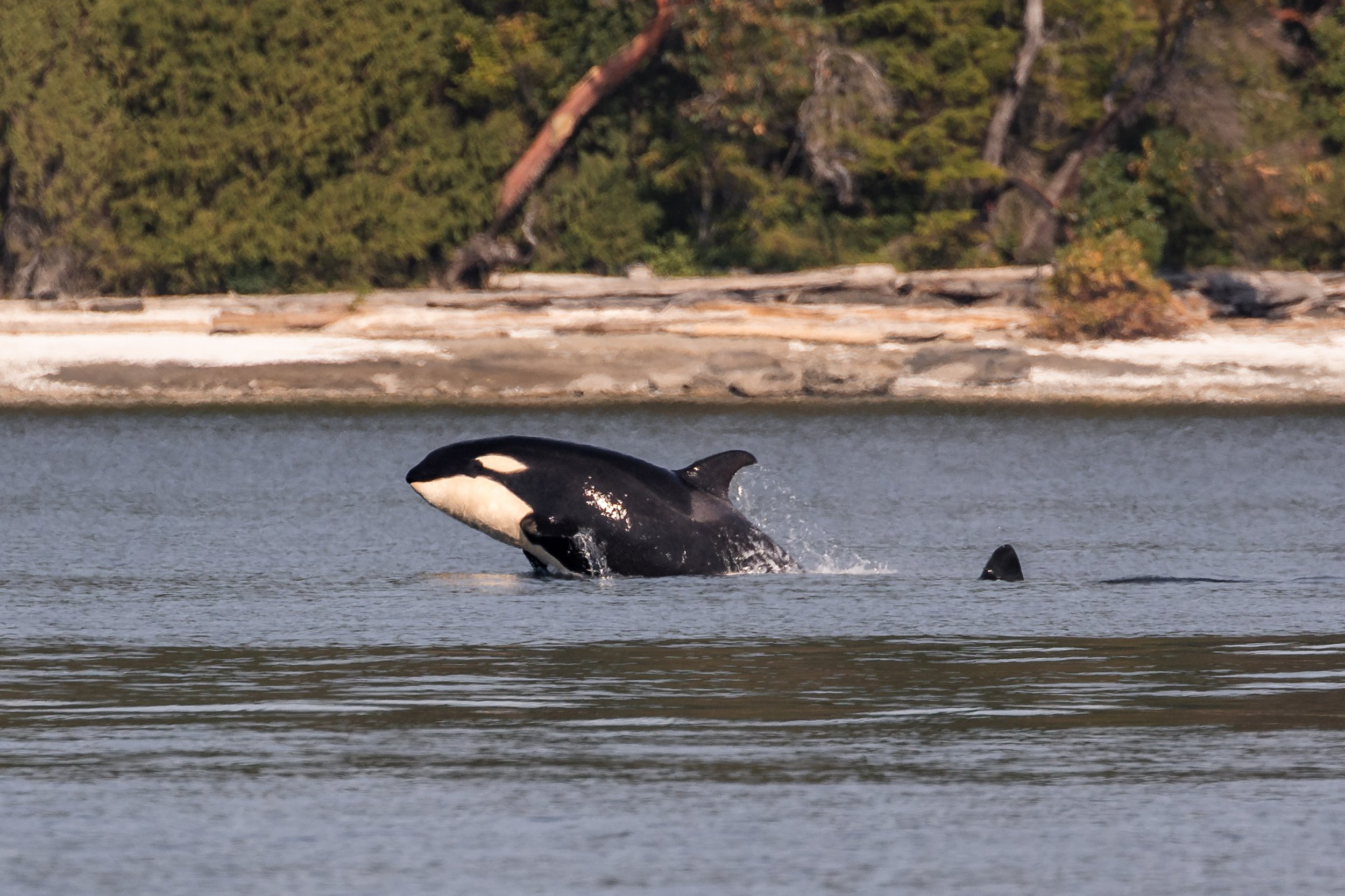
T002C6 Yukon one again breaking the surface.
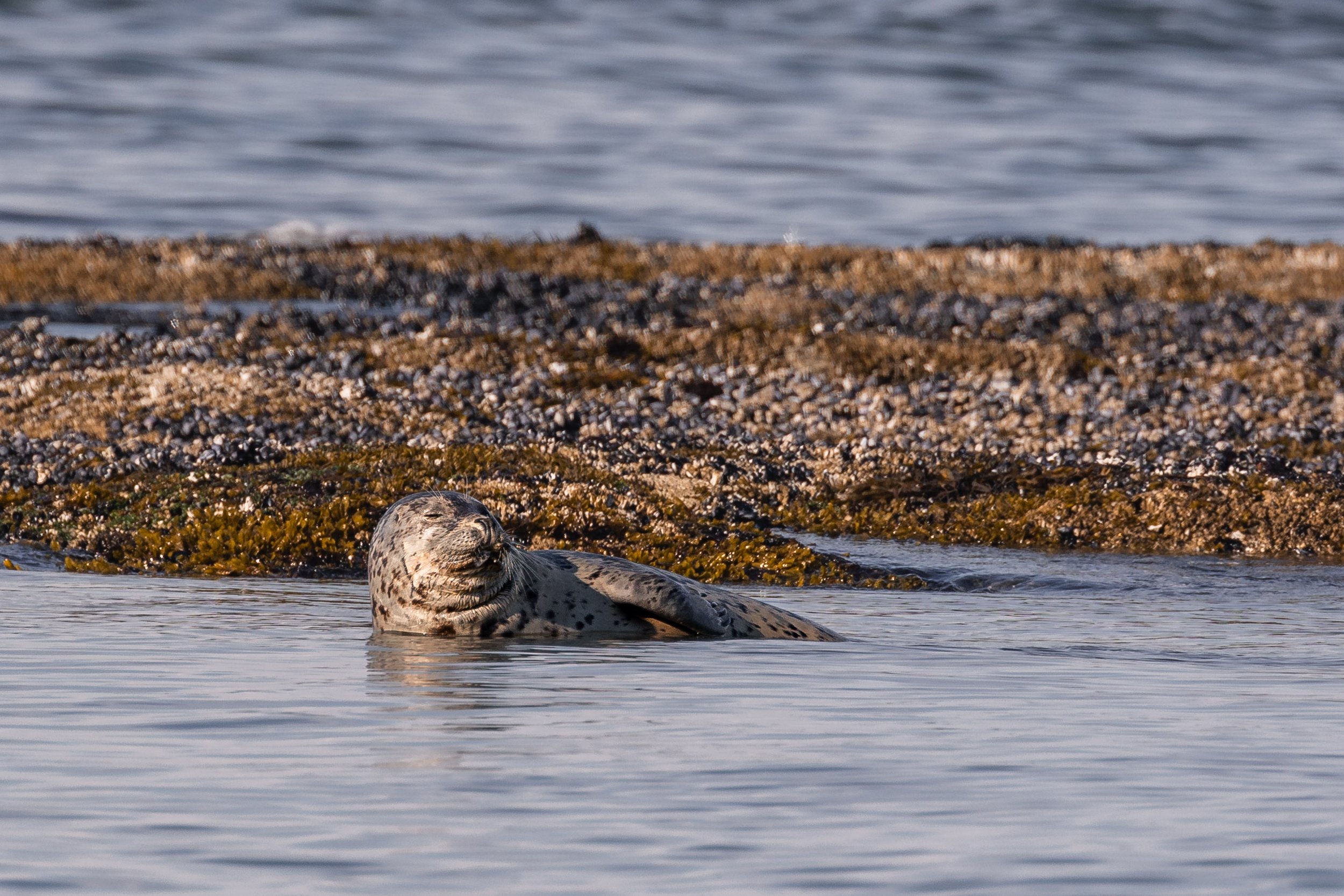
A Harbour Seal resting in the sun.
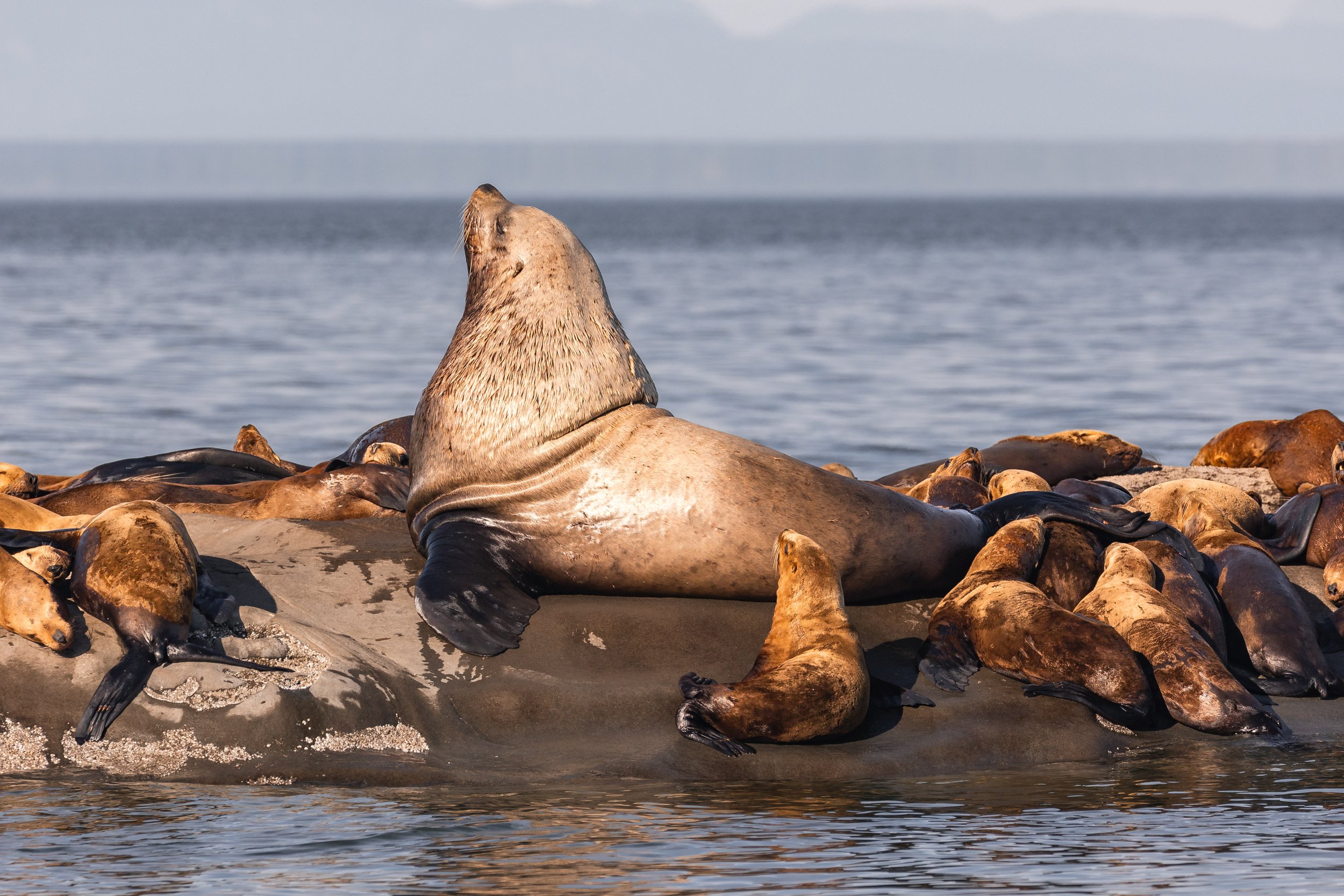
Look at how chonky this male Steller Sea Lion is!
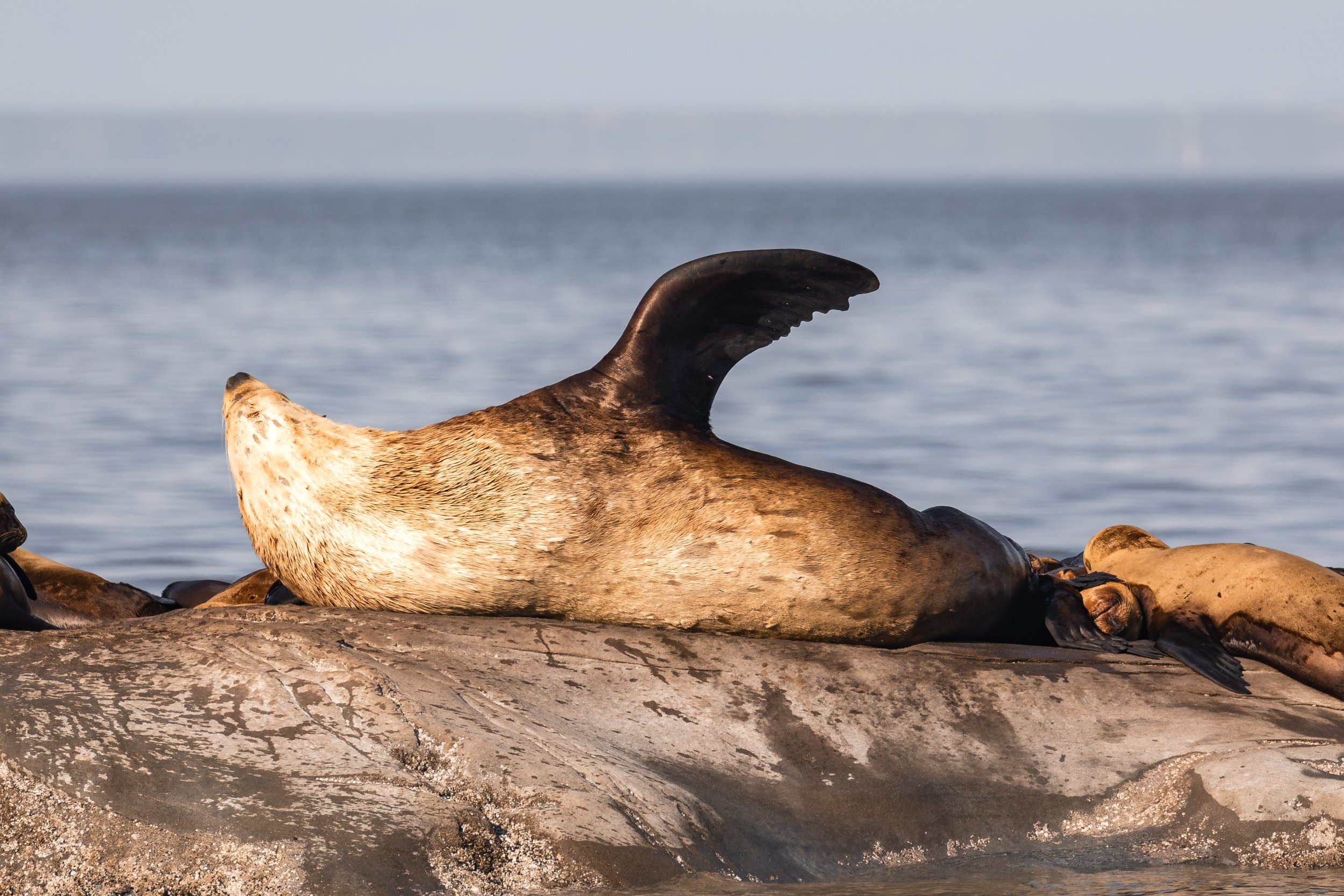
A little wave from a big male Steller Sea Lion.
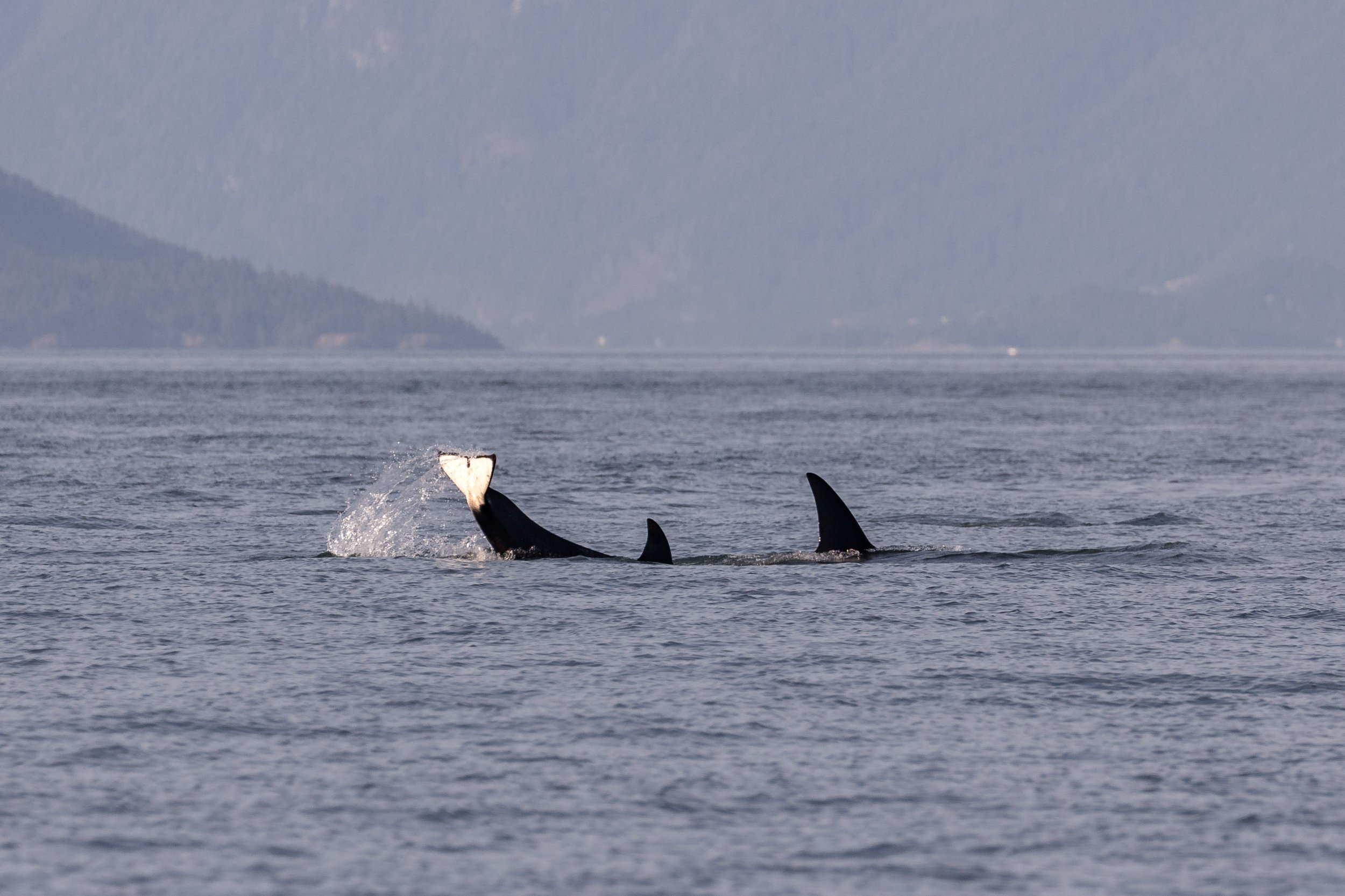
T124A4 Sabio with T124A4A Strix behind her.
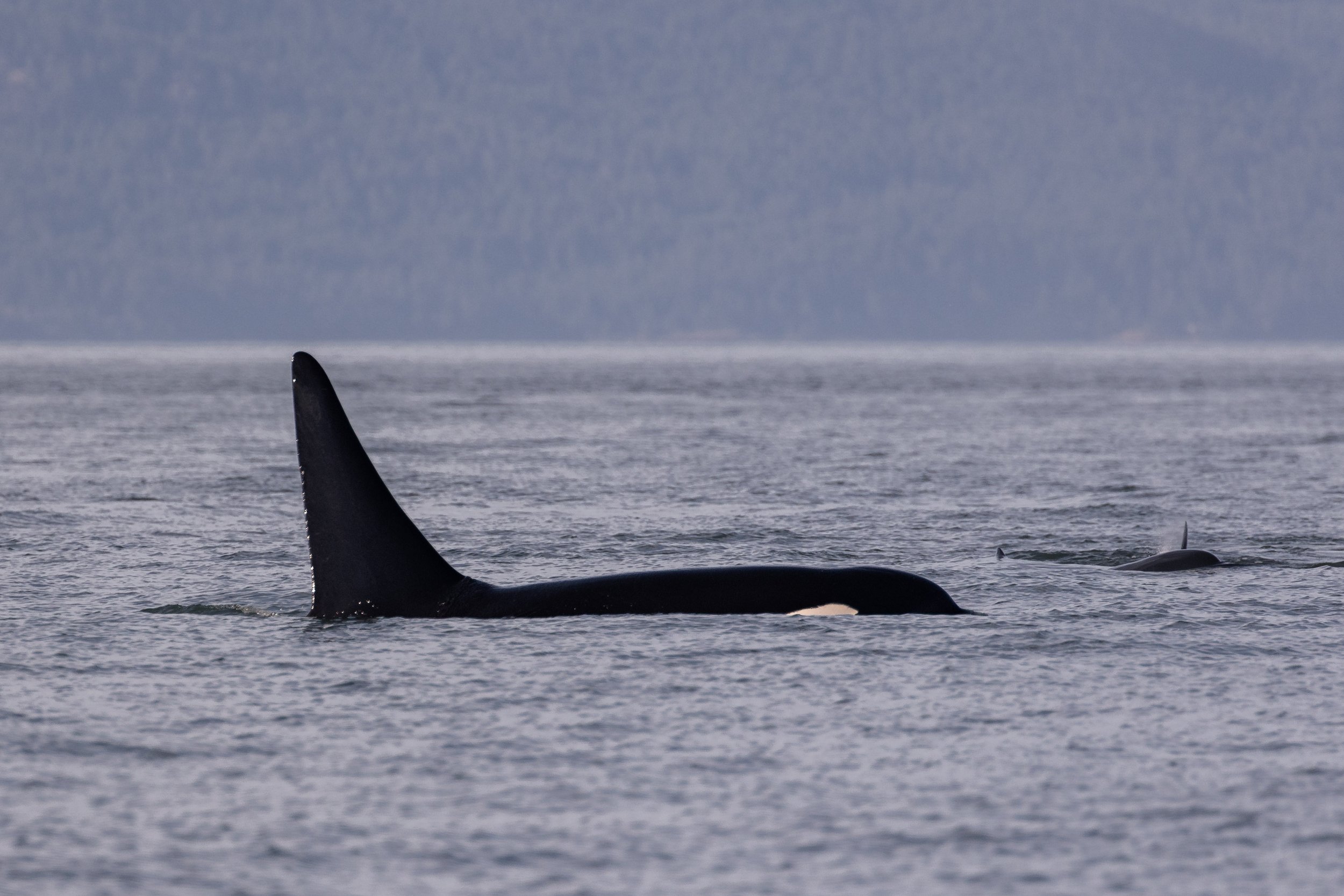
T101B Lagoon travelling along.
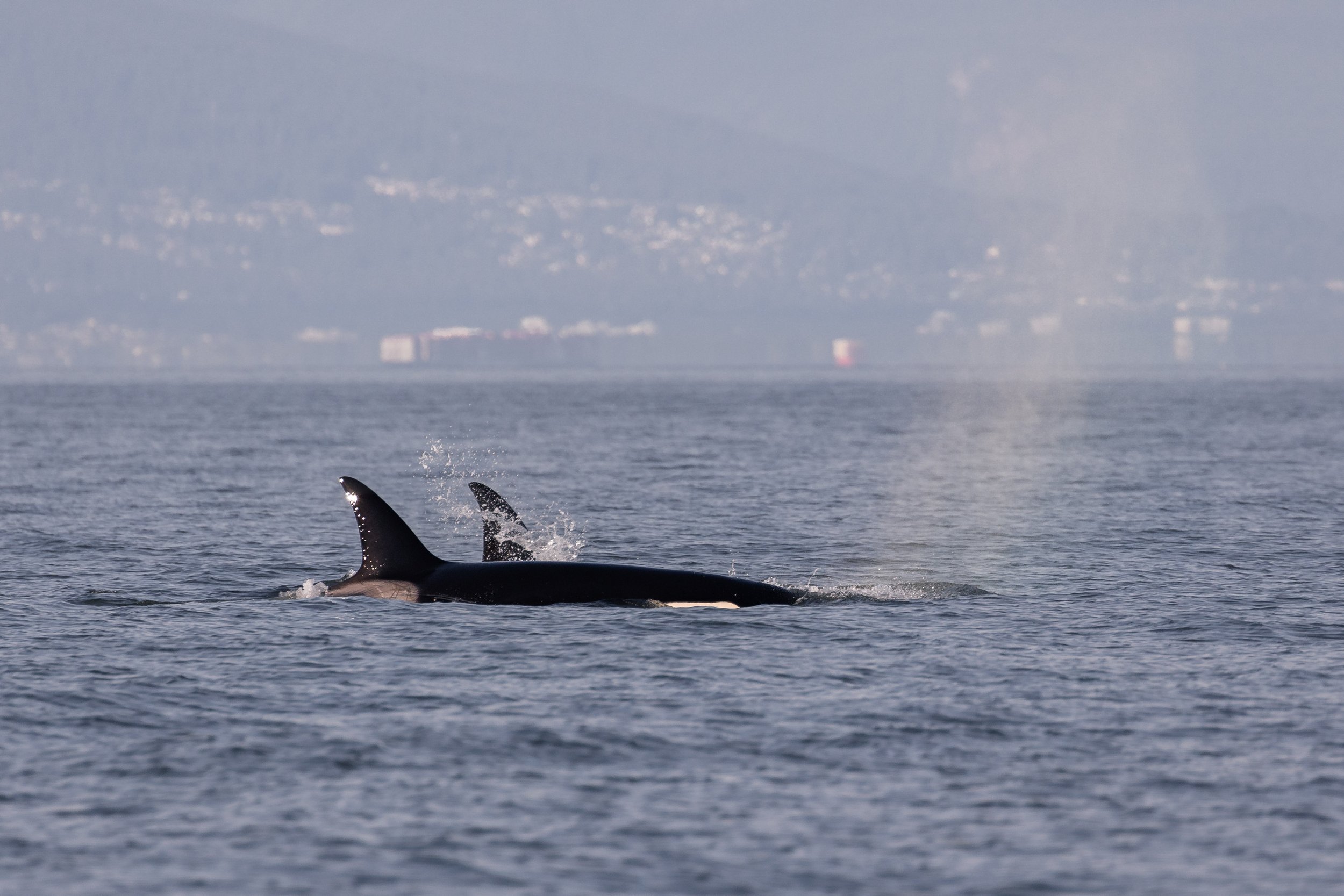
T046B1 Tread with a rain-blow in front of her!
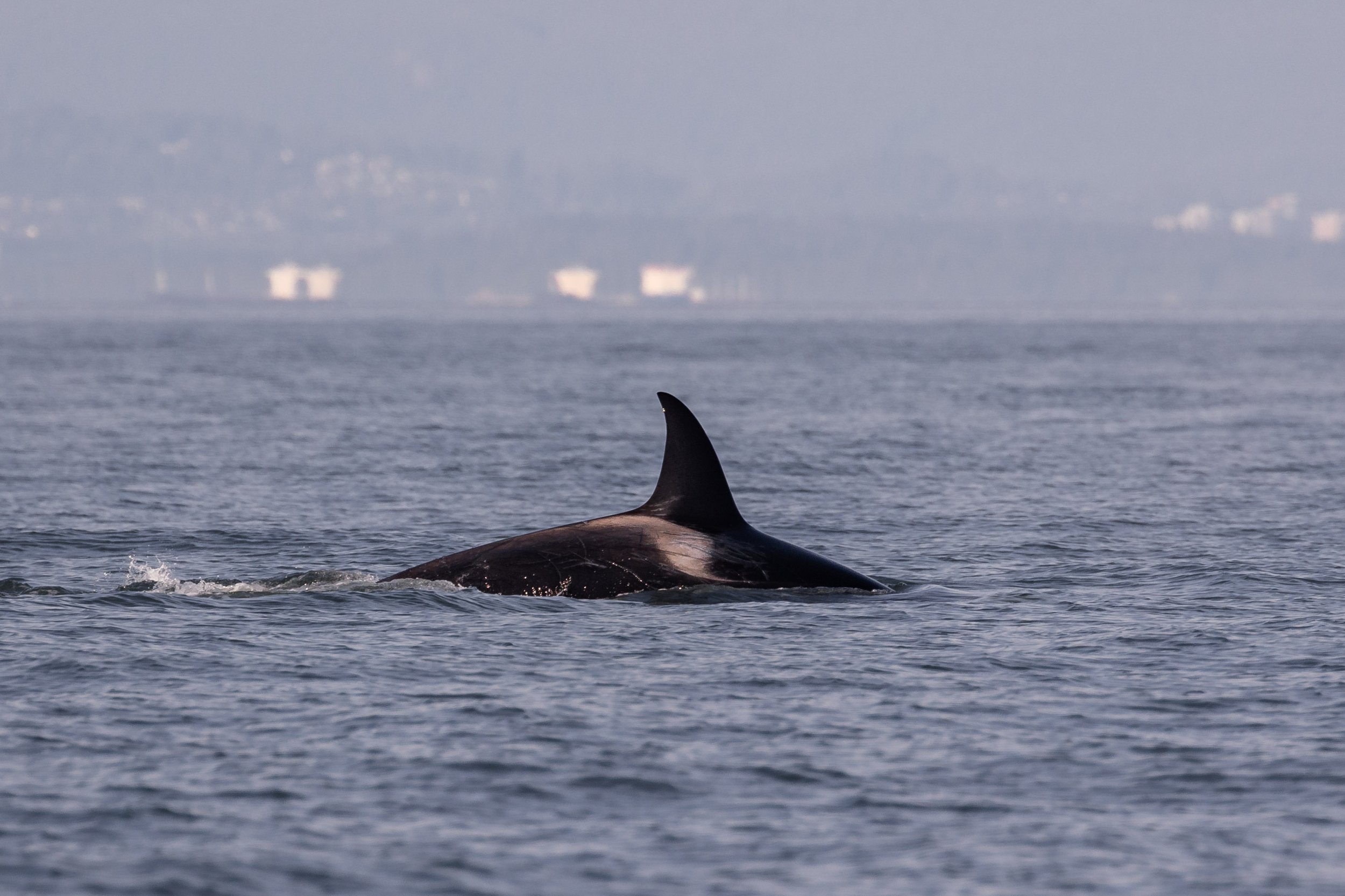
T046B1A Tsakani is quite scratched up now!
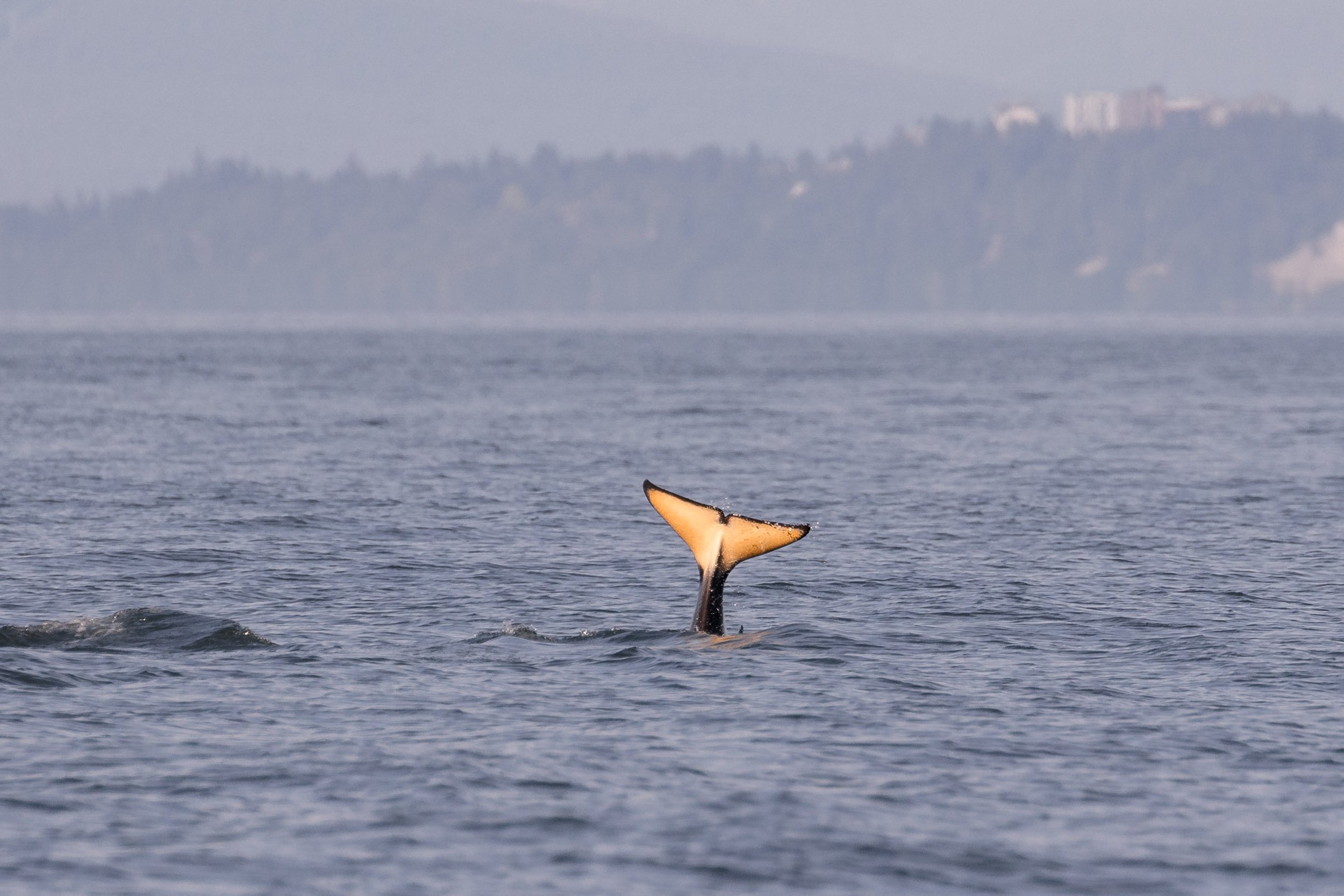
A tiny little tail above the water - likely belonging to T046B1D Tashi.
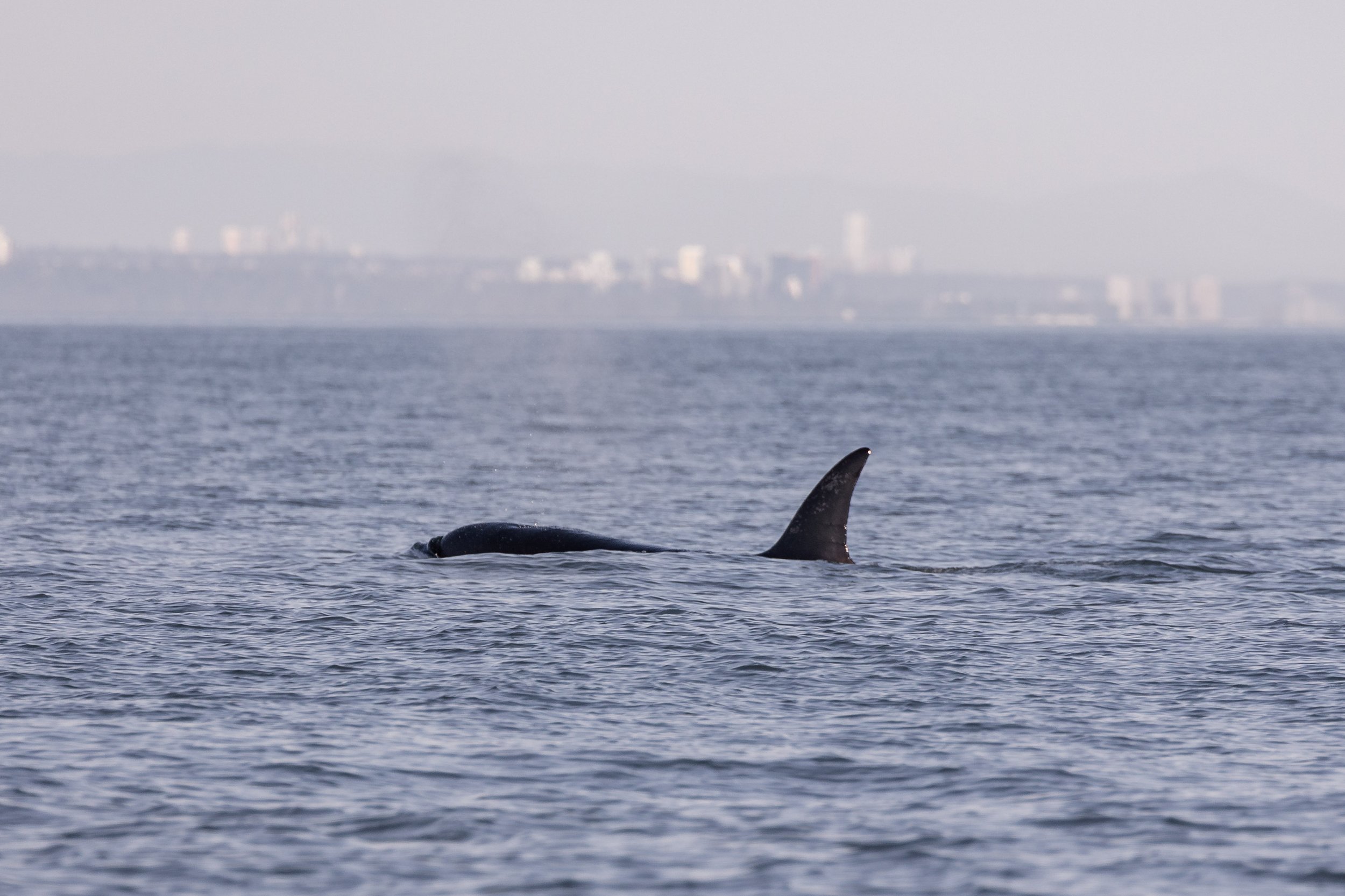
T124A4 Sabio cruising on by.
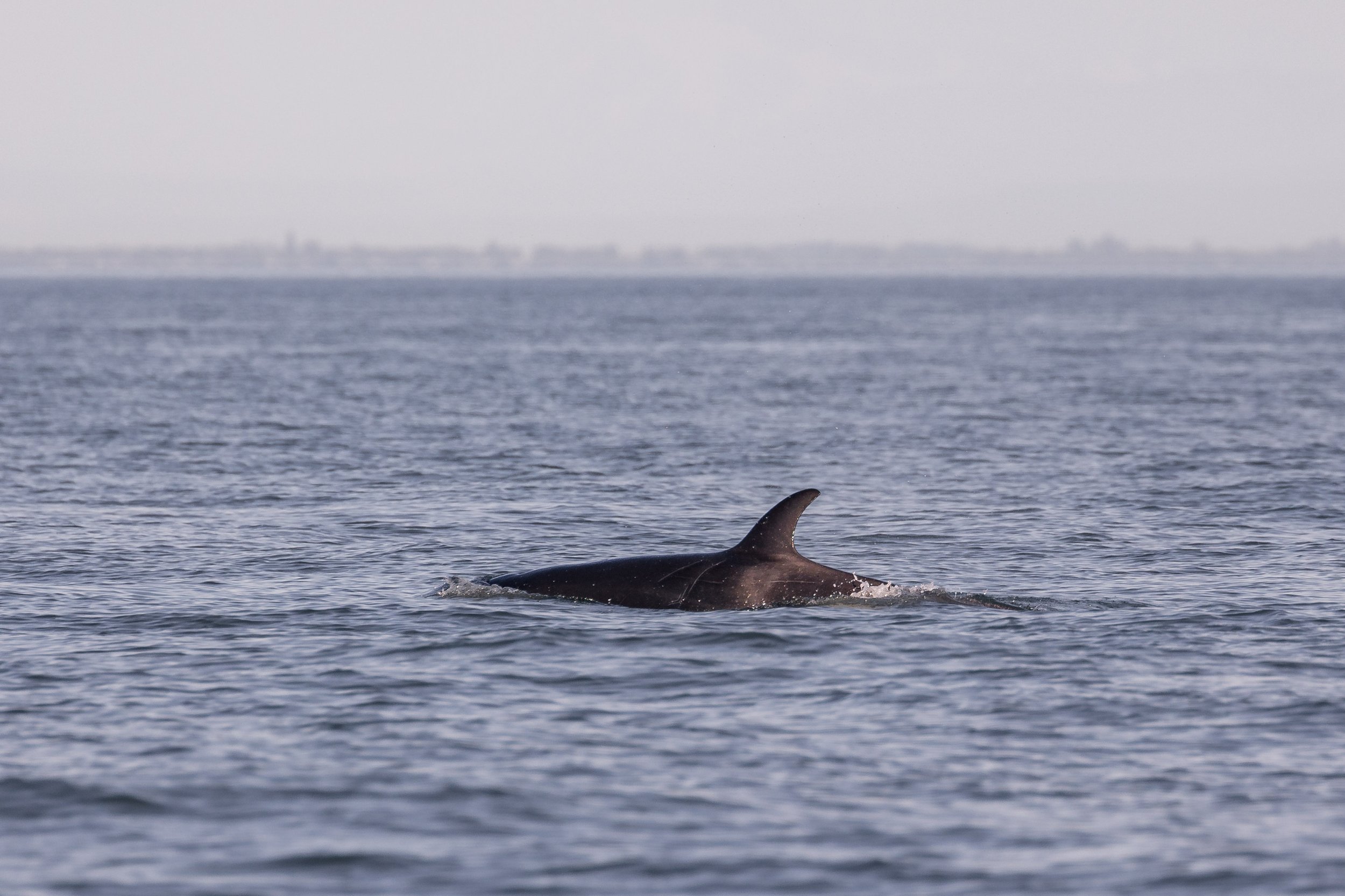
T124A4A Strix travelling along.
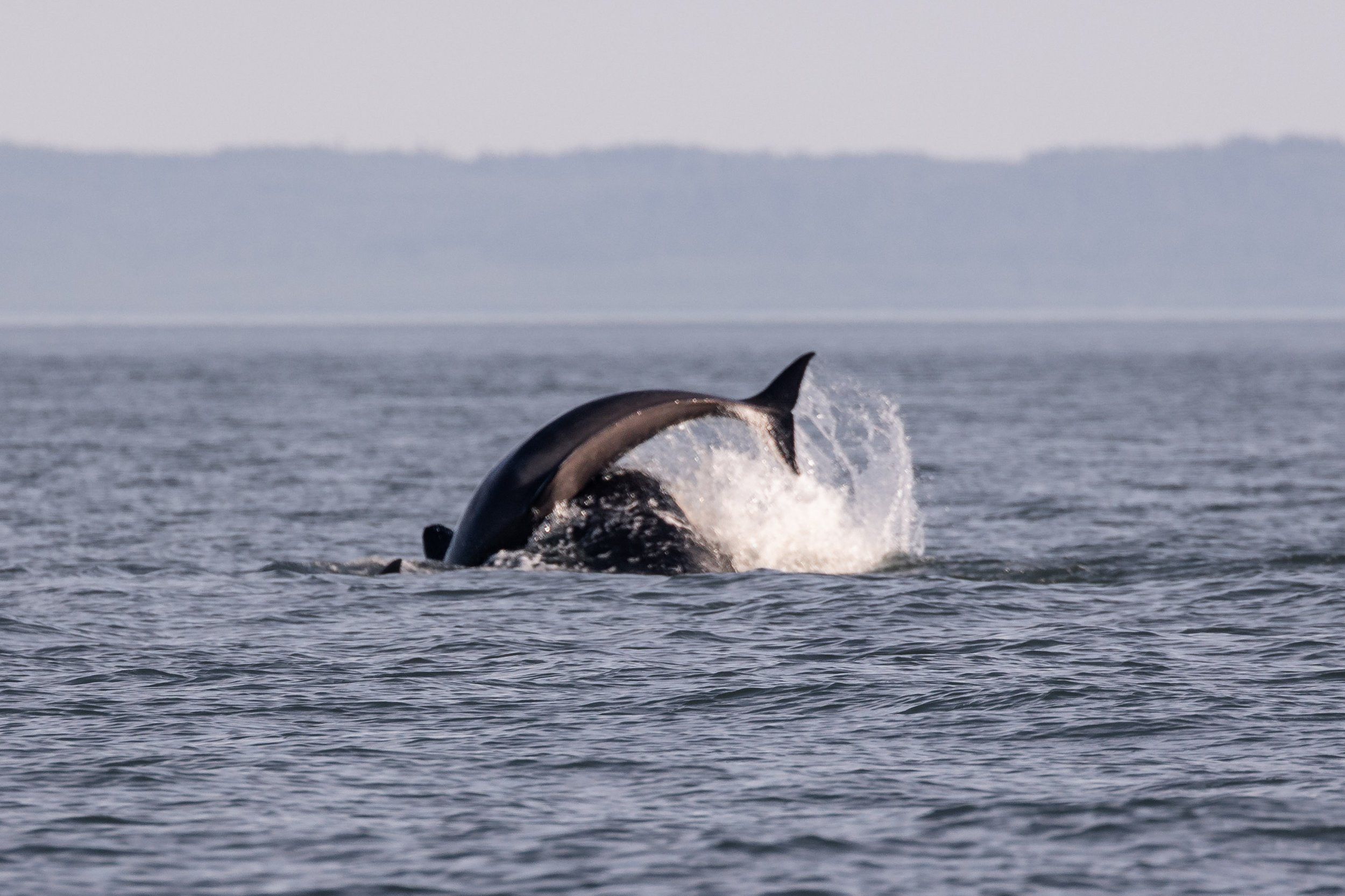
Getting punted out of the water!
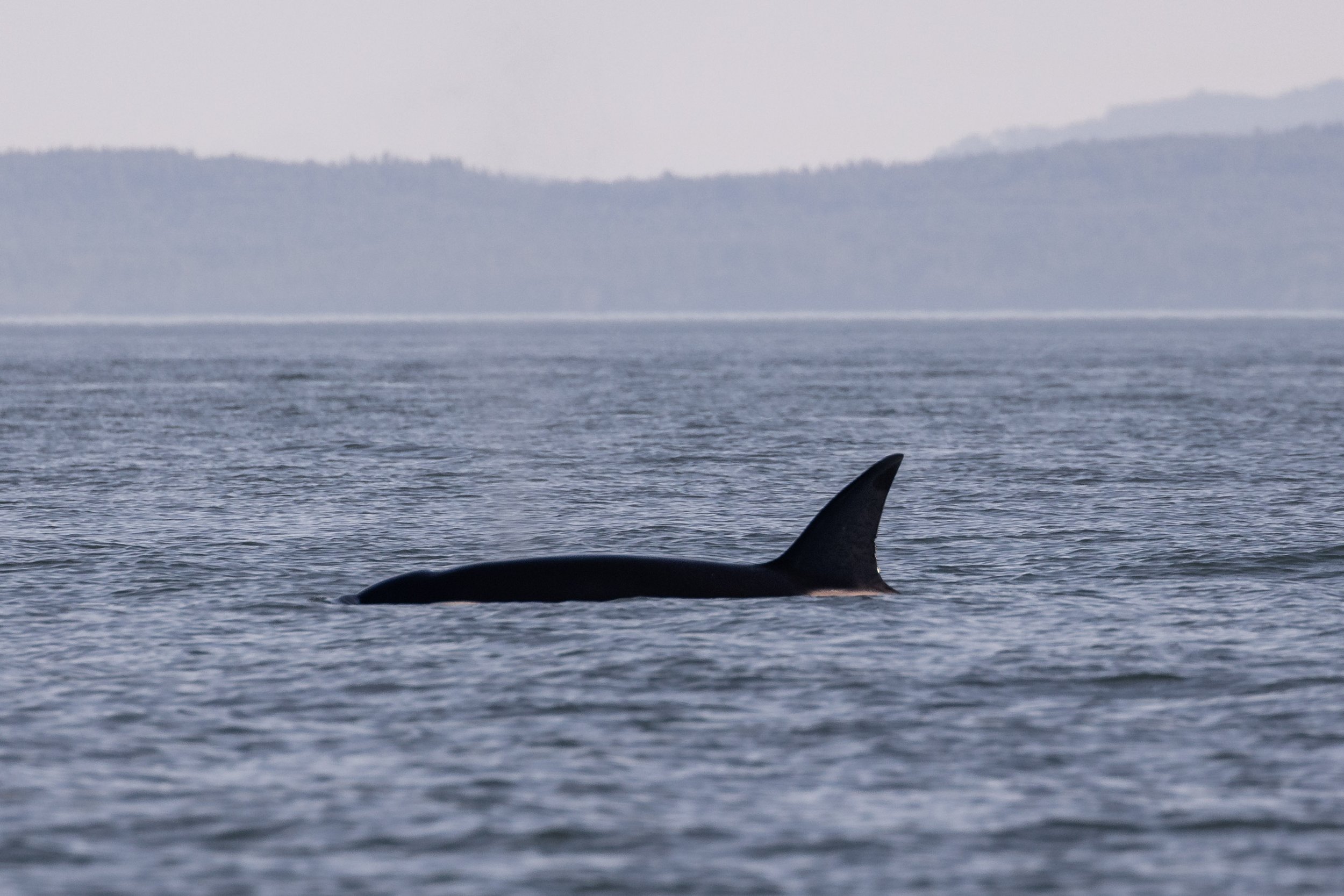
T046C2 Sam.
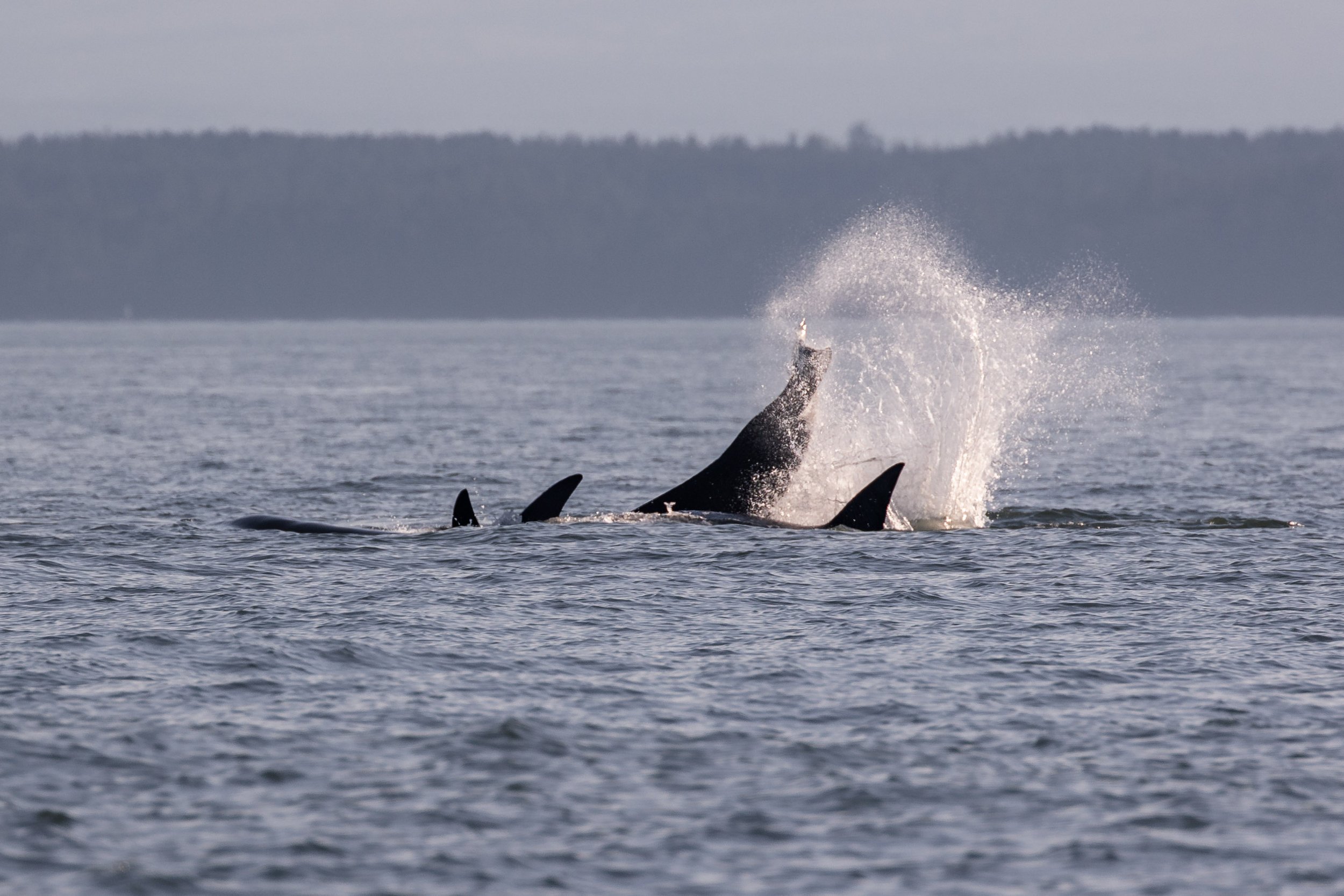
Tail slapping away.
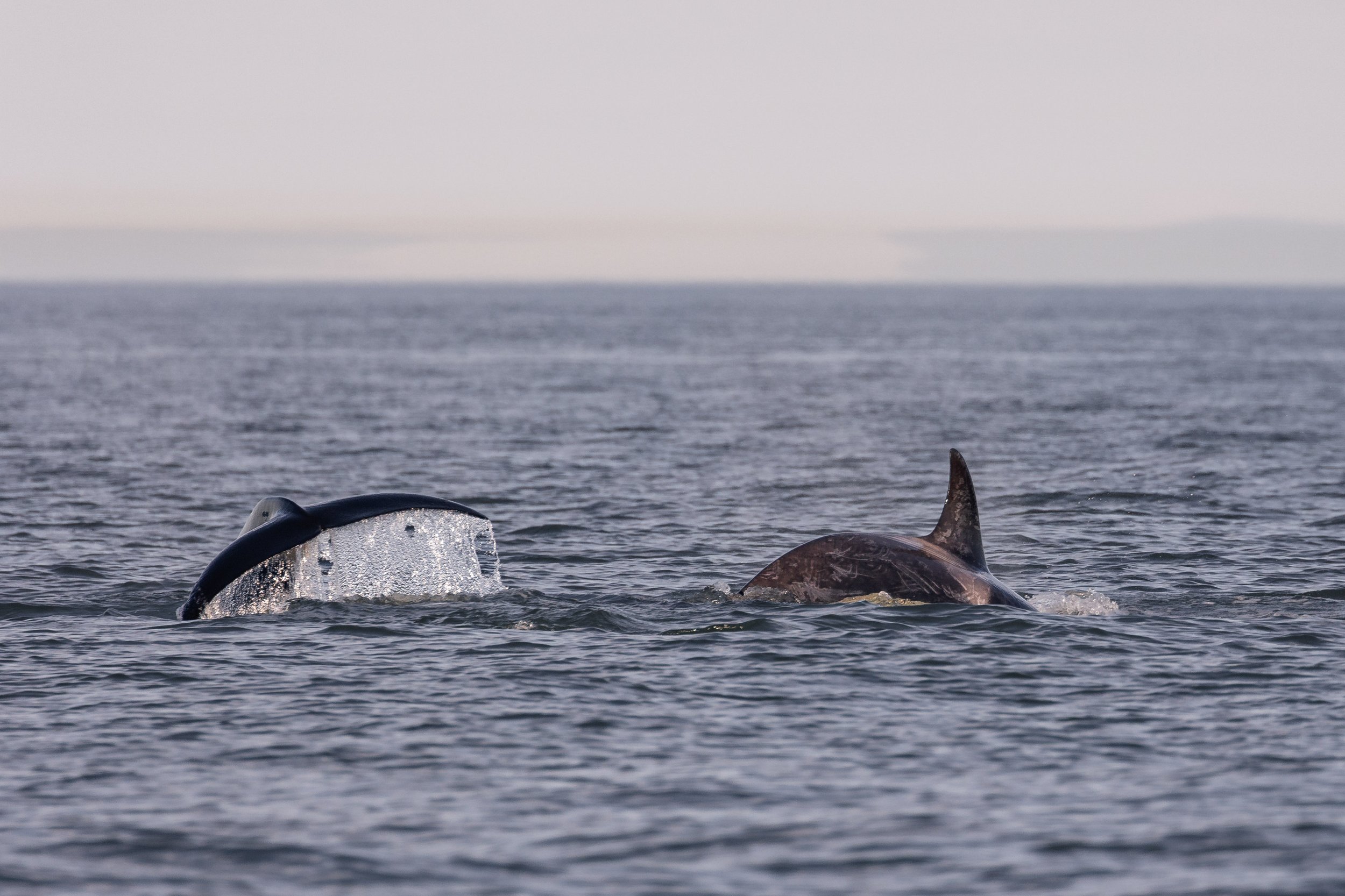
Diving together.
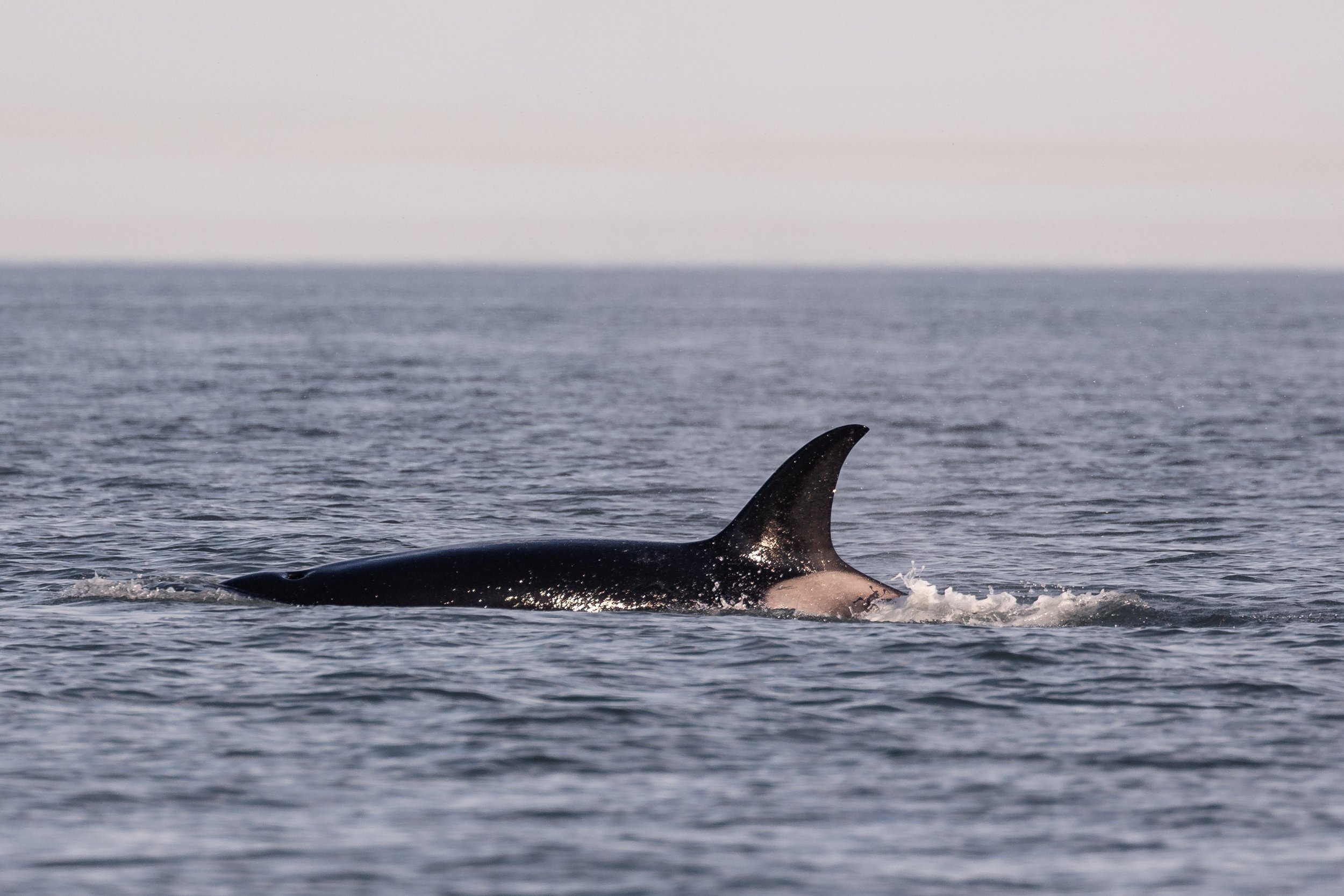
T046B1A Tsakani.
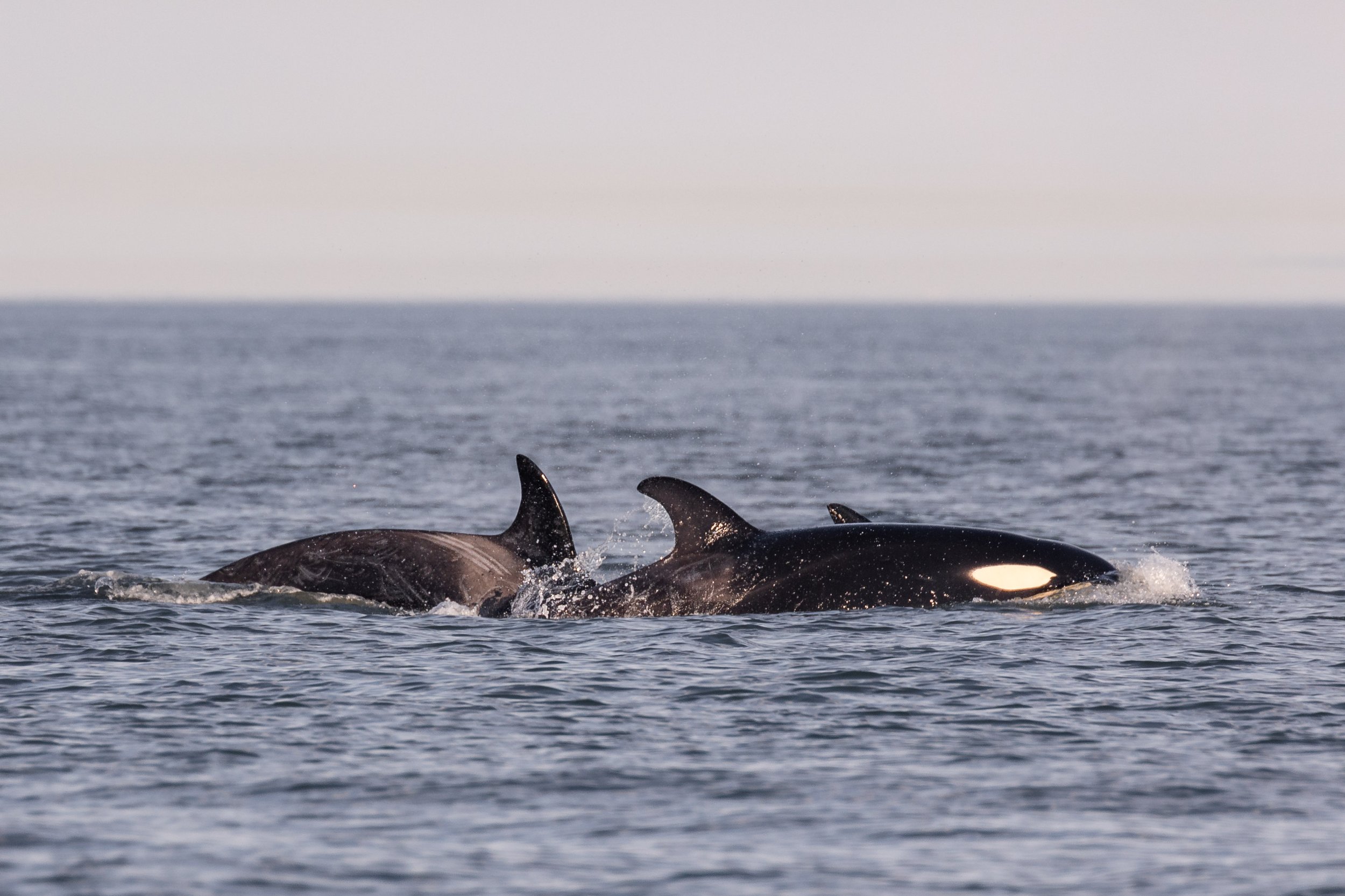
T124A4A Strix and T124A1A Sabine.
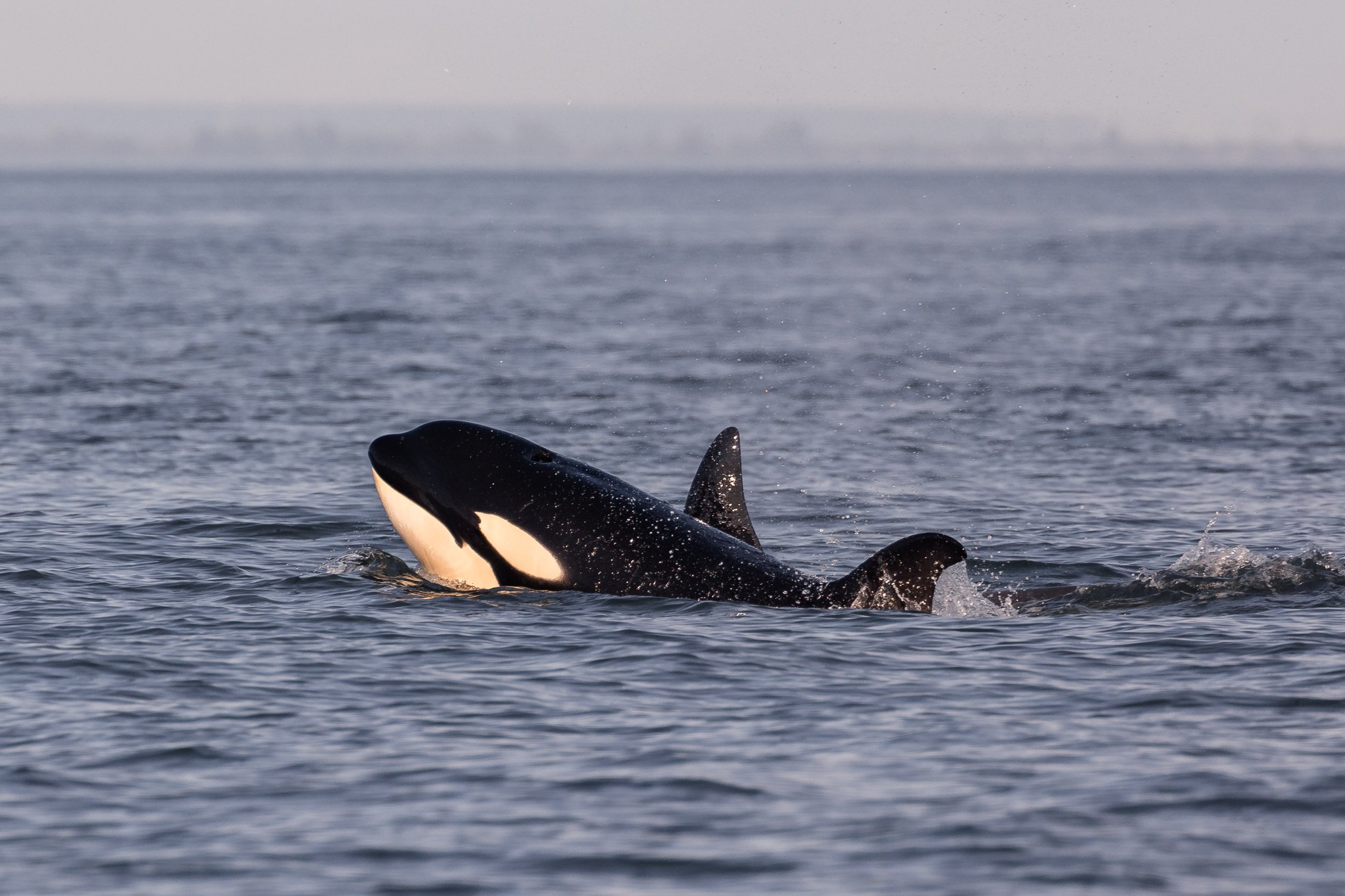
T124A1A Sabine with their face out of the water.
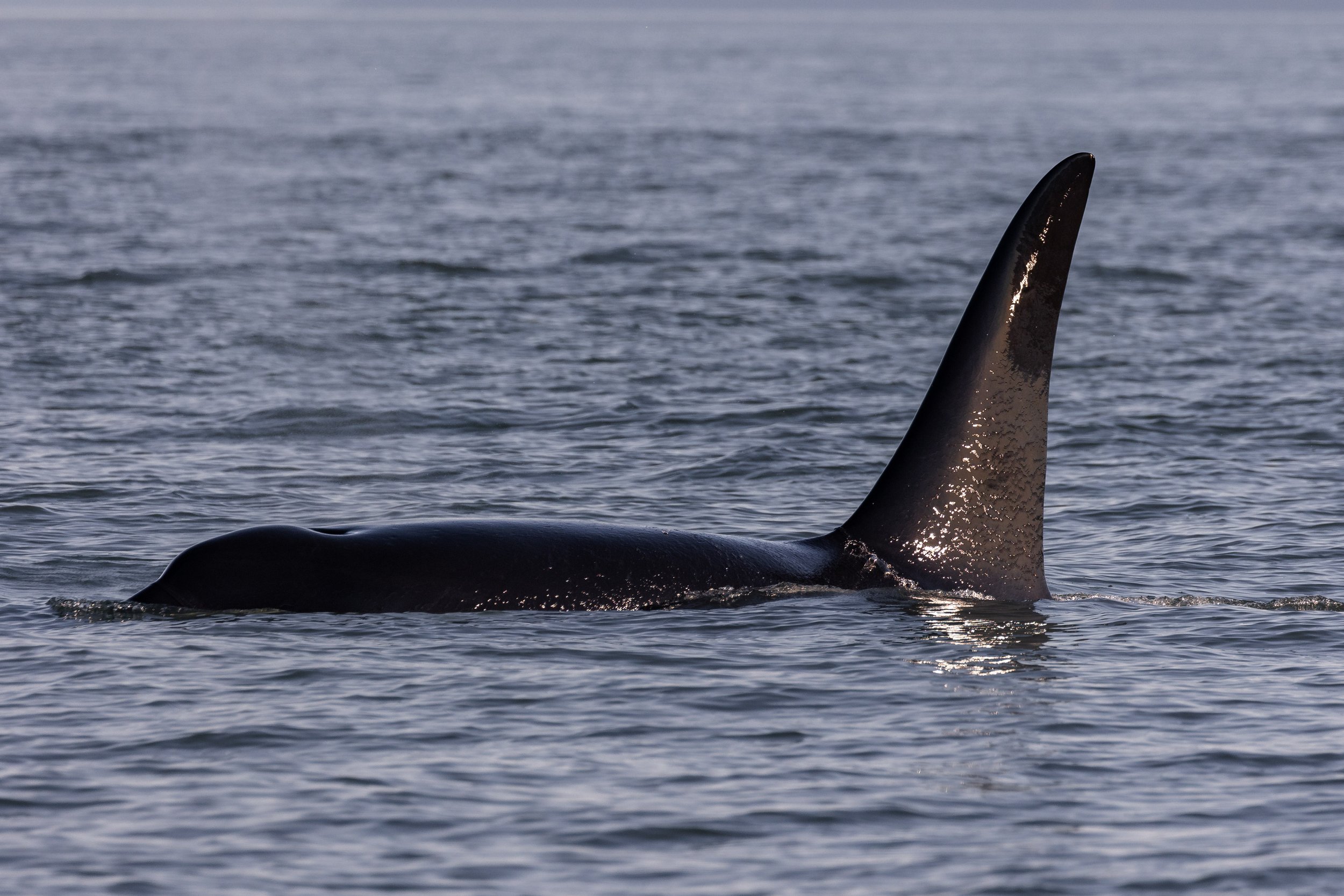
T101A Rush travelling.
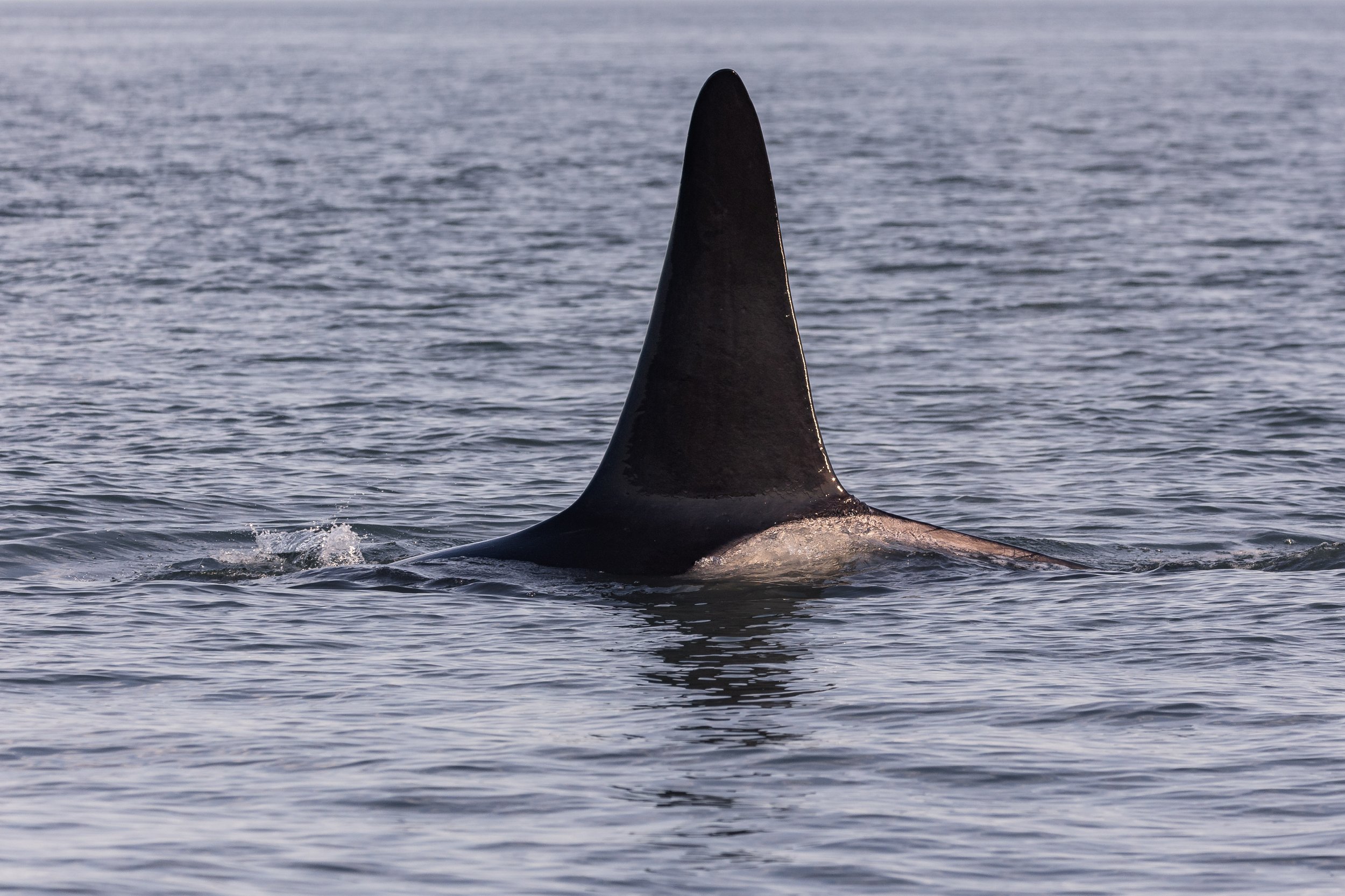
T101A Rush has such a wide fin!
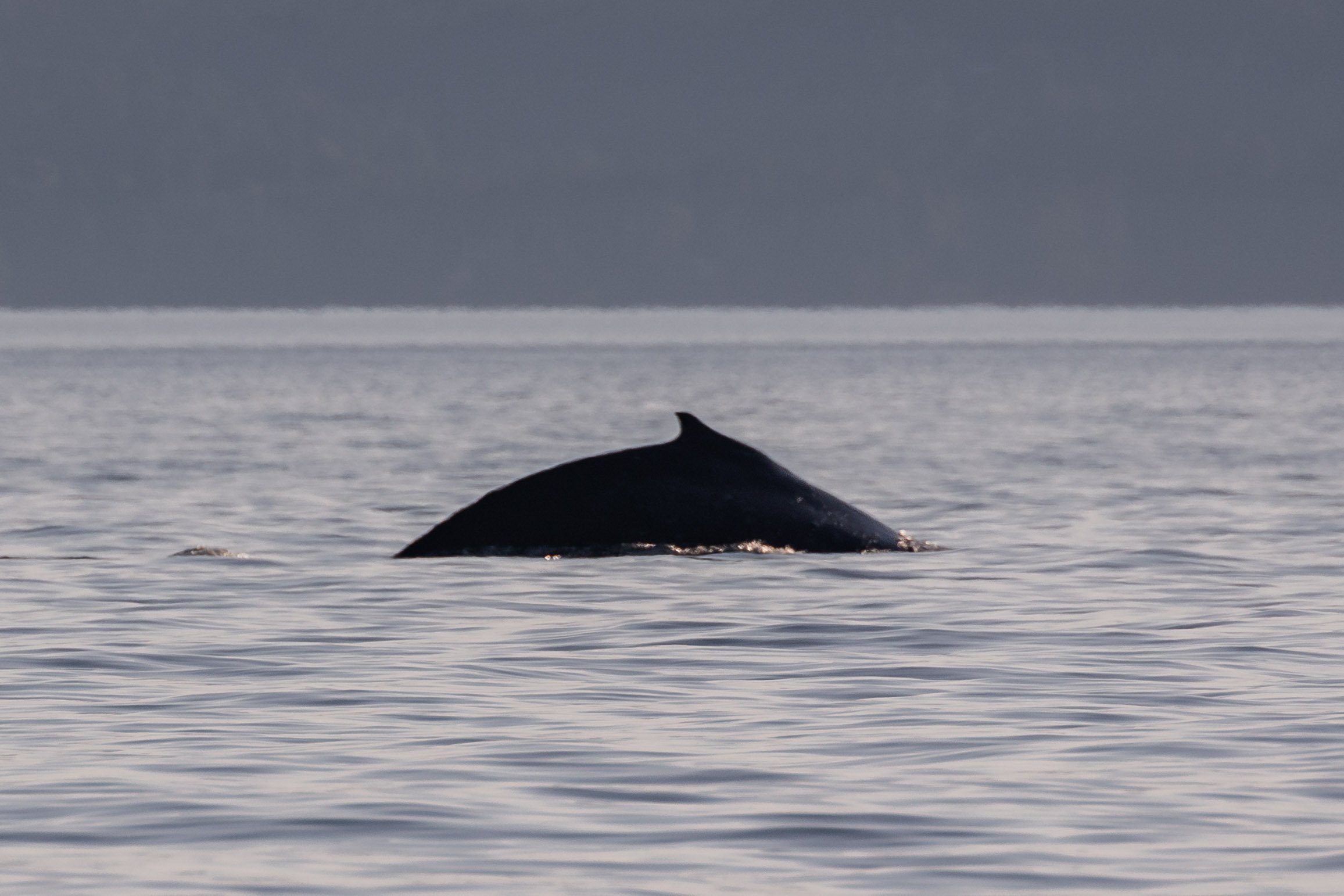
Scuba beginning to dive.
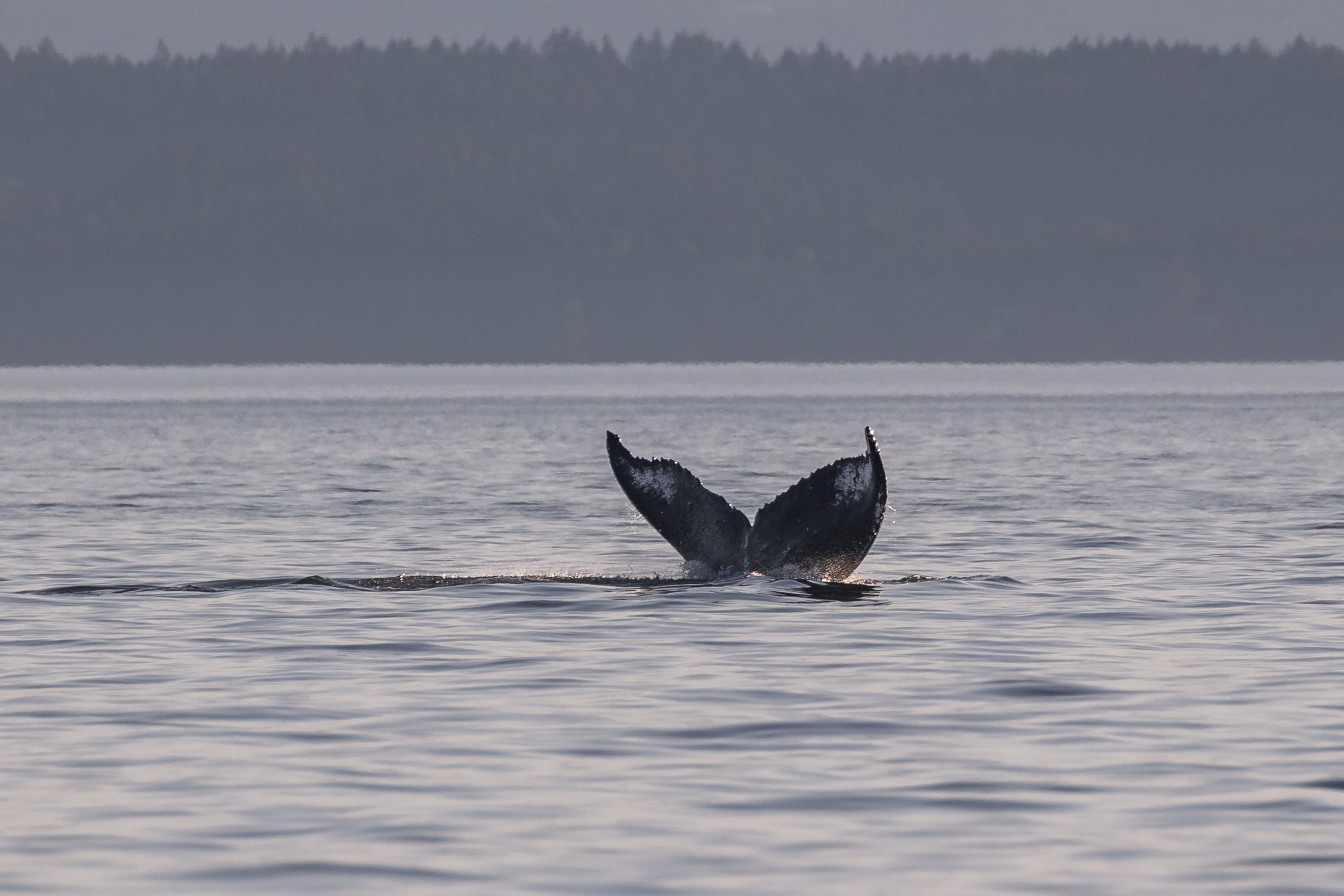
Scuba’s fluke.
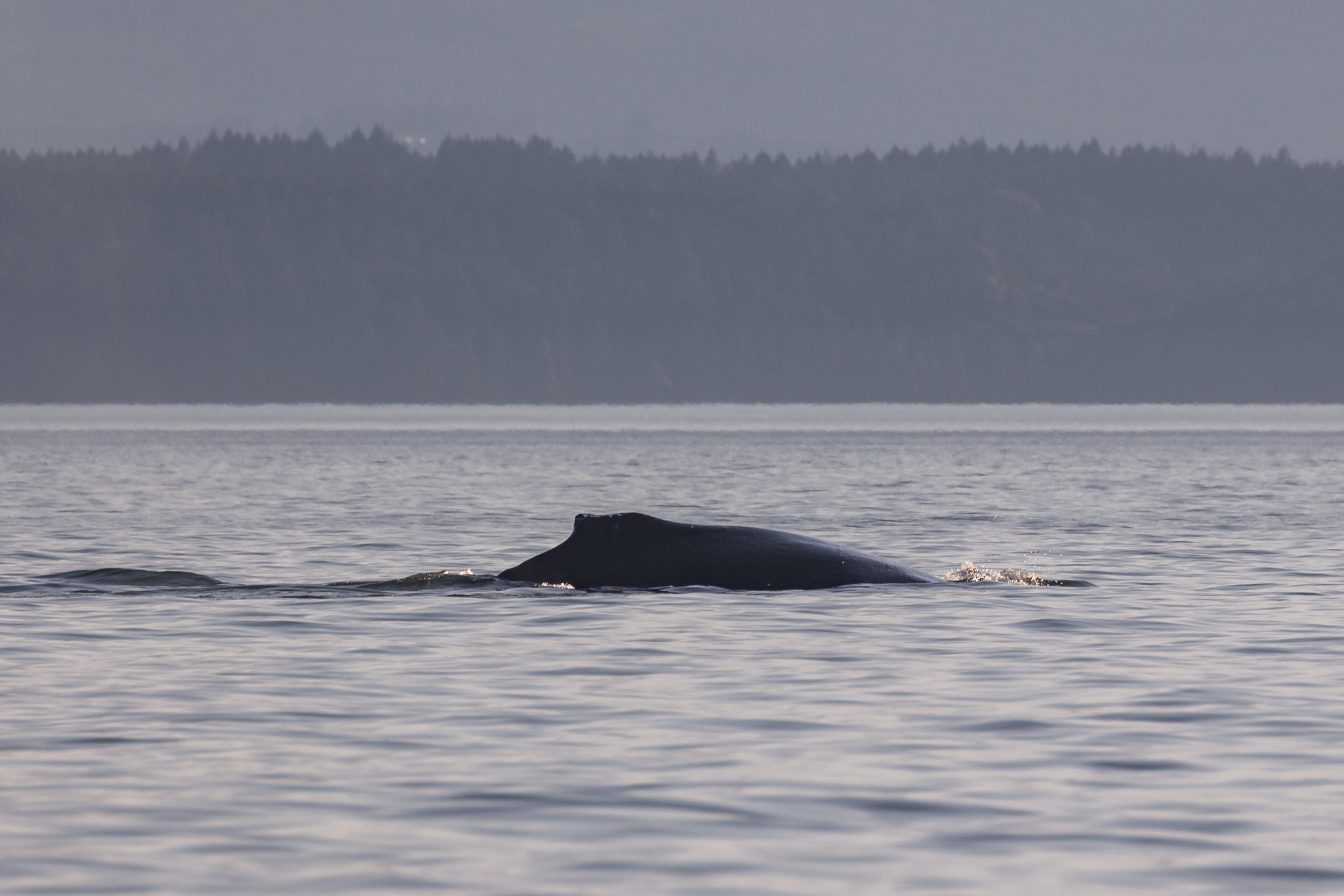
Frankenstein’s dorsal fin.
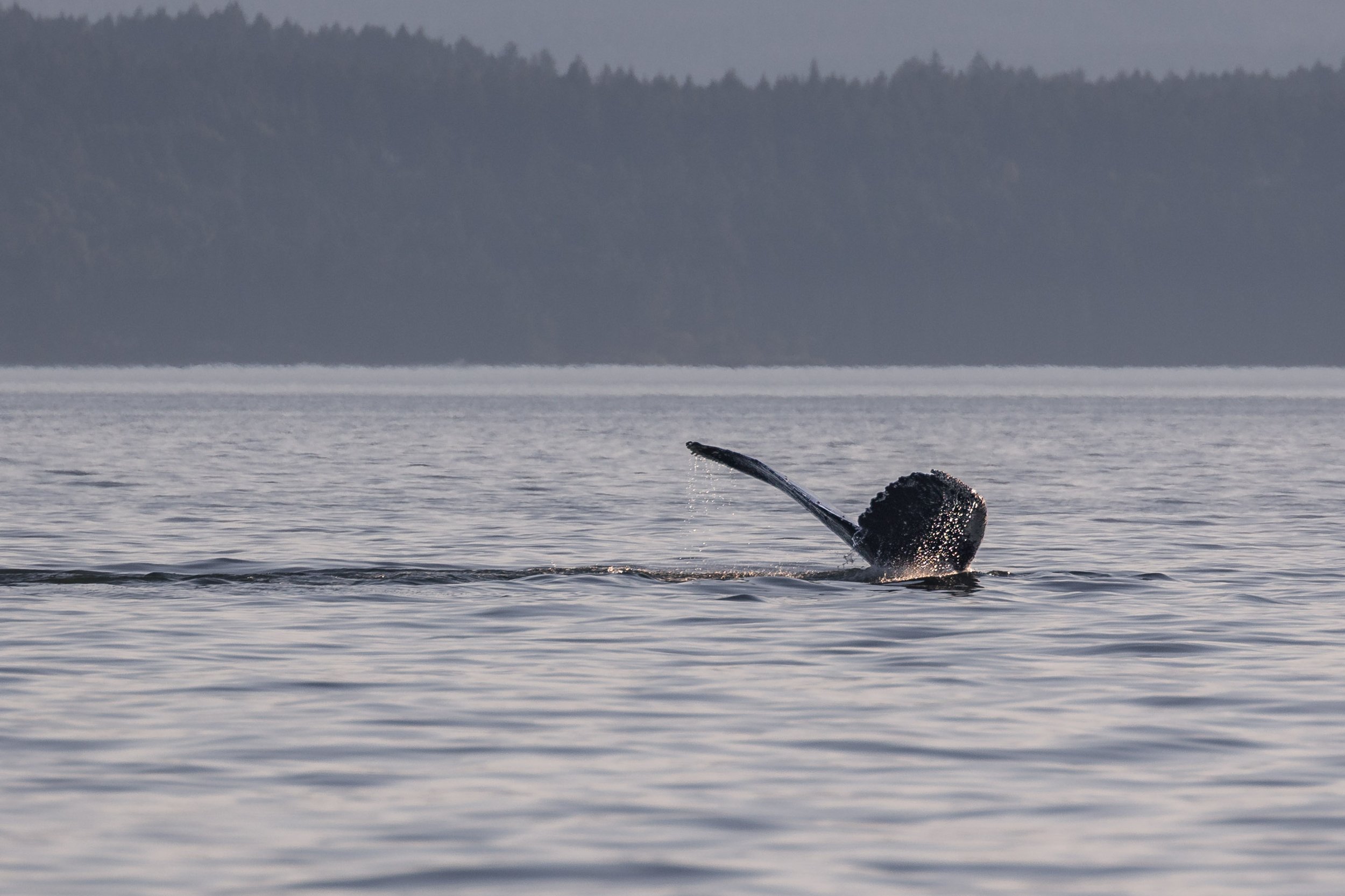
Frankenstein diving.