
June 24, 2026, 10:30 AM - The party was 'slapping' with the T086As and T124As
It was a beautiful, sunny morning as both our open boat, Cascadia, and our semi-covered boat, Kula, headed out onto the water, thankful for the cool ocean breeze as they began their search for whales. After passing through Dodd Narrows and scouring the waters within the Southern Gulf Islands, the boats headed along the eastern shoreline of Valdes Island and paused at a popular pinniped haul-out spot, Stinky Rock. There were a lot of goings-on at the rock today!
The Steller Sea Lions were their usual boisterous selves, but today, there was a little more activity than usual. Whilst observing the guttural rumblings of the juvenile males as they clambered over each other for space, a flush rose to the cheeks of the passengers as they spotted a large male mounting a female. This is not a common sight in our area, as the more dominant males typically leave us to head towards Alaska, where they stake out territories around mid-May and focus on breeding there until mid-July. The Canadian population of Steller Sea Lions is in the region of 50,000, having doubled in numbers since the 1970s. This increase in population size may be leading to the expansion of the breeding grounds, meaning this sight may become more common for us to see over time. Whilst watching the male get to work, it was easy to see where these mammals get the ‘lion’ part of their name. The big, blubbery necks and coarse mane of hair that distinguish the large males from the females develop to benefit them when it’s time to mate. These features act as a physical buffer, protecting the vulnerable throat and neck area during aggressive fights with rival males, and they act as a fat reserve. Males will fast for one to two months, surviving entirely off their stored blubber, so they can focus all of their energy on mating success.
The boats gave the sea lions their privacy, and they continued farther along the rock to check out the Harbour Seals. Compared to the Stellers, which can weigh up to 3,500lb, the seals are much more modest in size, averaging around 150lb. They are also much more meek in their behaviour; quietly watching our boats as the passengers watched them and occasionally gallumphing into the water if they were feeling a little shy. As the boats coasted by the seals, a Bald Eagle swooped from the trees lining the Valdes shoreline, impressing guests with its expansive wingspan as it flew overhead.
From this wildlife hotspot, the boats made their way across the Strait of Georgia, re-commencing the search for whales. It wasn’t too long before they each spotted bursts of water above the surface of the waves, the telltale blows of Humpback Whales!
All of the Humpback Whales that visit our area are catalogued; they are assigned unique ID numbers and nicknames, and individuals can be identified by their dorsal fins or tail flukes. The covered boat, Kula, identified their whale as Astroboy (BCX2152) while the open boat, Cascadia, spent their time watching Helen (BCX2494). Despite what their names may imply, we don’t know if either of these two whales are male or female. Unlike the sea lions, Humpback Whale sexual dimorphism is very subtle. The most distinct physical marker of a female humpback is a grapefruit-sized bump called the hemispherical lobe, which is completely absent in males. Unfortunately, this marker is on the underbelly of the whales, an area we rarely get a look at while we’re observing them. Today was no different as Astroboy and Helen spent their time popping up at the surface for a few breaths before lifting their tail and heading underwater for a deeper dive.
Whilst enjoying the company of the humpbacks, our boats got word of another whale species nearby and decided to head in that direction. Near Bowen Island is where they caught up to this group of six whales - this time, Transient Killer Whales! Orcas typically travel in matrilines. Sons tend to stay with mom for their entire lives, and daughters stay with mom until they have a calf or two of their own, then they will disperse and form their own matriline. Today, there were two families socializing together, identified as:
T086A Eider ♀ (1988)
T086A4 Akia ♀ (2016)
T086A5 Siku ♂ (2024)
T124A Kittiwake ♀ (1984)
T124A6 Kasuun ♂ (2016)
T124A7 Kite ♀ (2021)
Each matriarch was travelling with just the two youngest of their children today - both have elder daughters who we still see around, but they have had their own calves, so now travel separately to mom. At ages 38 and 42, respectively, these may be the last calves for moms Eider and Kittiwake. Orcas are among only five known animals that undergo menopause; typically, when they reach their 40s, they stop reproducing. After this point, moms will still play an important role in the life of their calves, passing on their wealth of knowledge into their later years.
Today, the similarly aged youngsters appeared to be relishing in each other’s company. Guests got to enjoy them porpoising out of the water as they raced each other through the waves, as well as a number of enthusiastic tail slaps and breaches as the whales made their way north. When families come together to socialize, we refer to this as a T-Party! The T refers to Transient (this particular ecotype of orcas), and the party is due to the fact that we see some of the more exciting whale behaviours during these gatherings. Today was a perfect example!
With a journey across the Strait of Georgia between our boats and home, we left the whales to their party and made our way back towards Nanaimo after an adrenaline-fuelled trip. Please enjoy the photos of the tour below, taken by Marine Naturalists Evan Hessels and Hayleigh Hilbert.
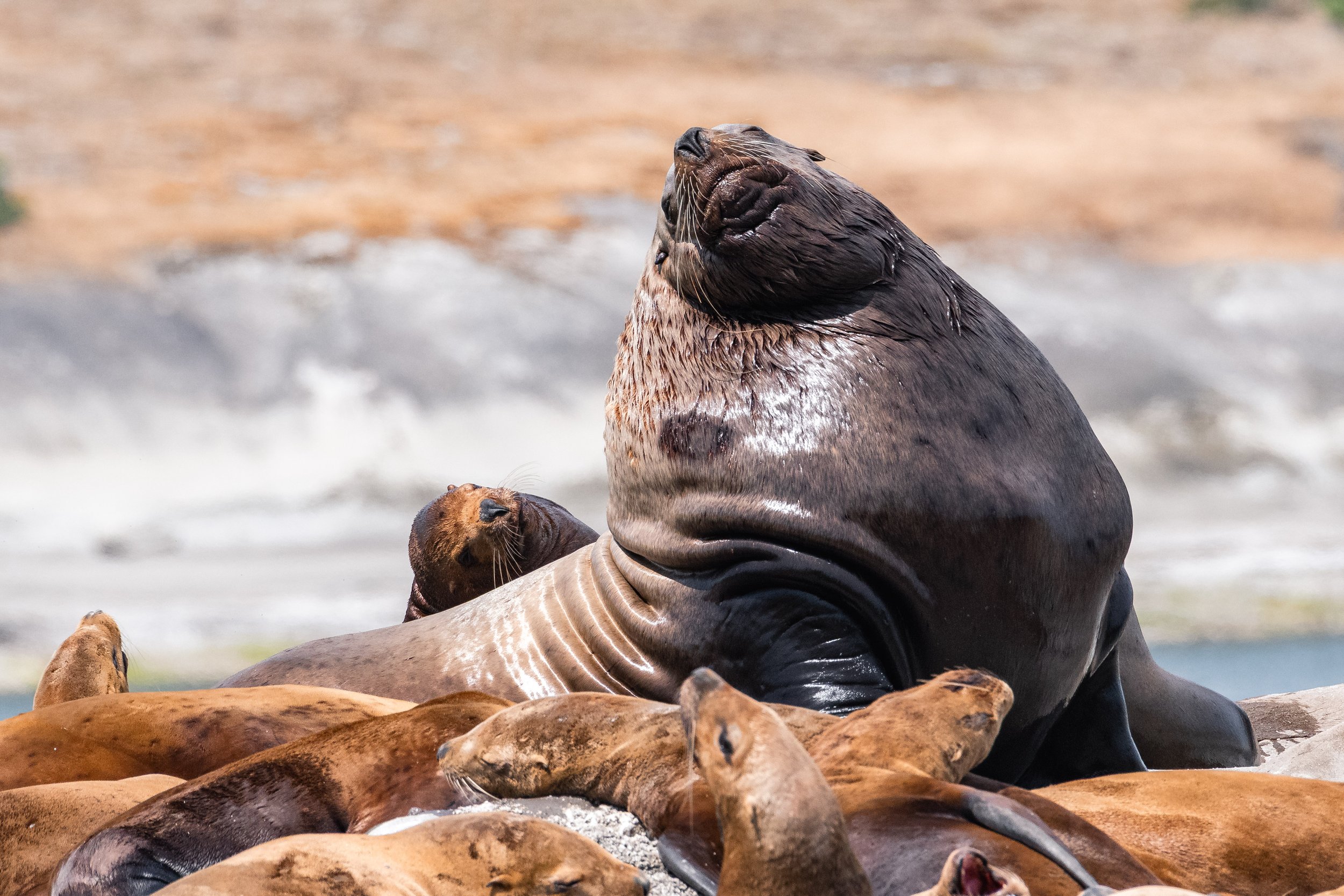
Back rolls?! Photo by Evan Hessels.
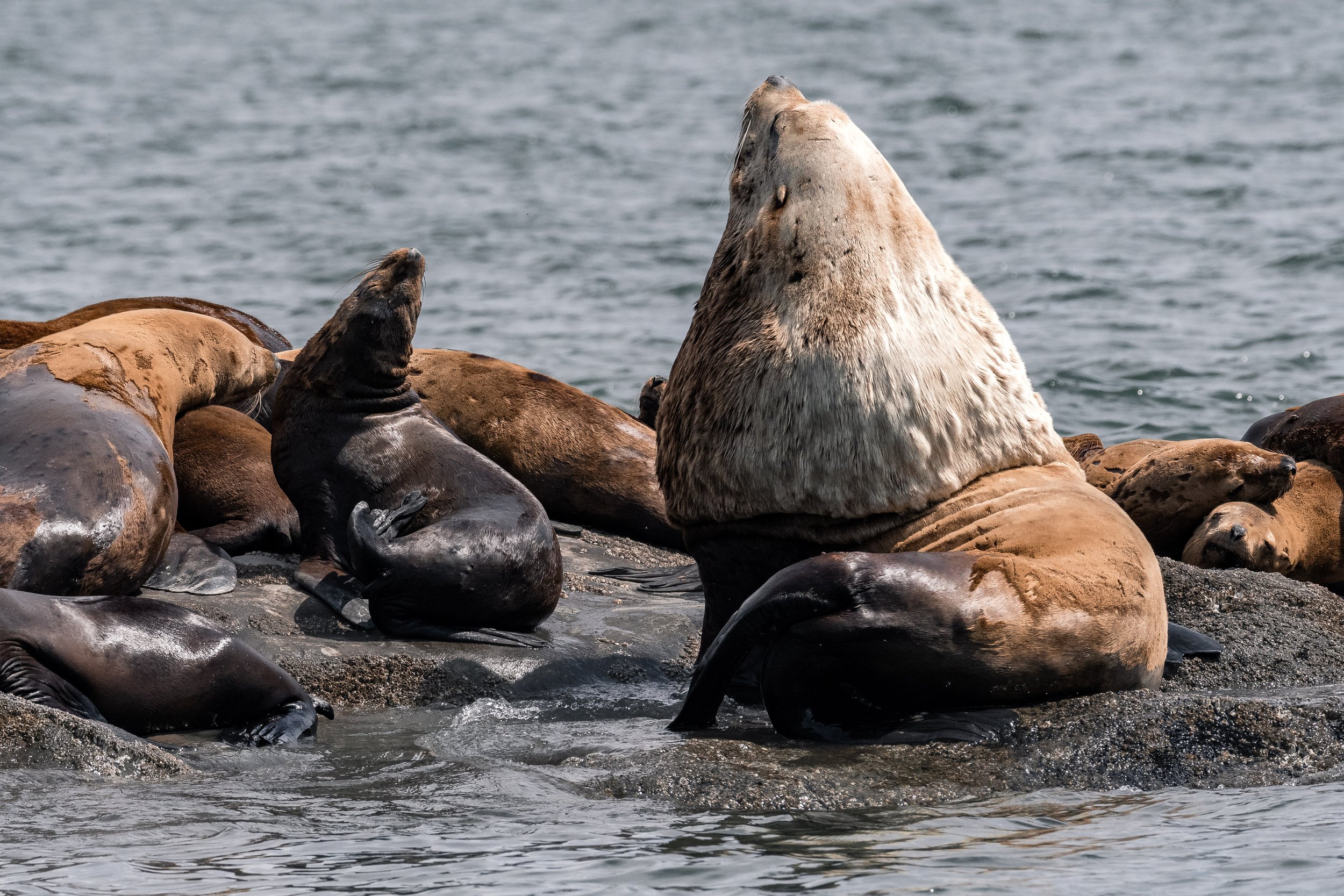
What a glorious mane! Photo by Evan Hessels.
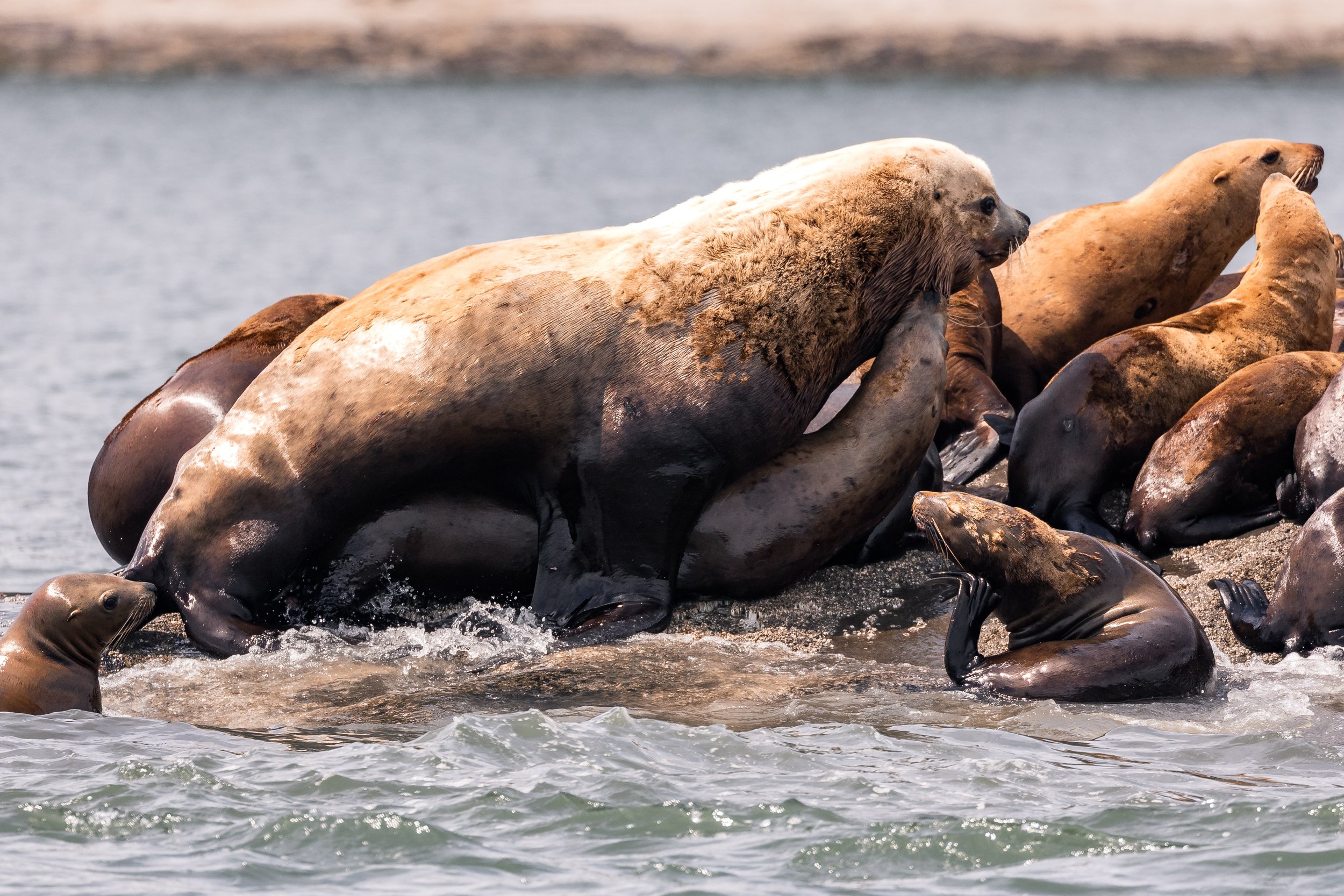
One of the large males making his move. Photo by Hayleigh Hilbert.
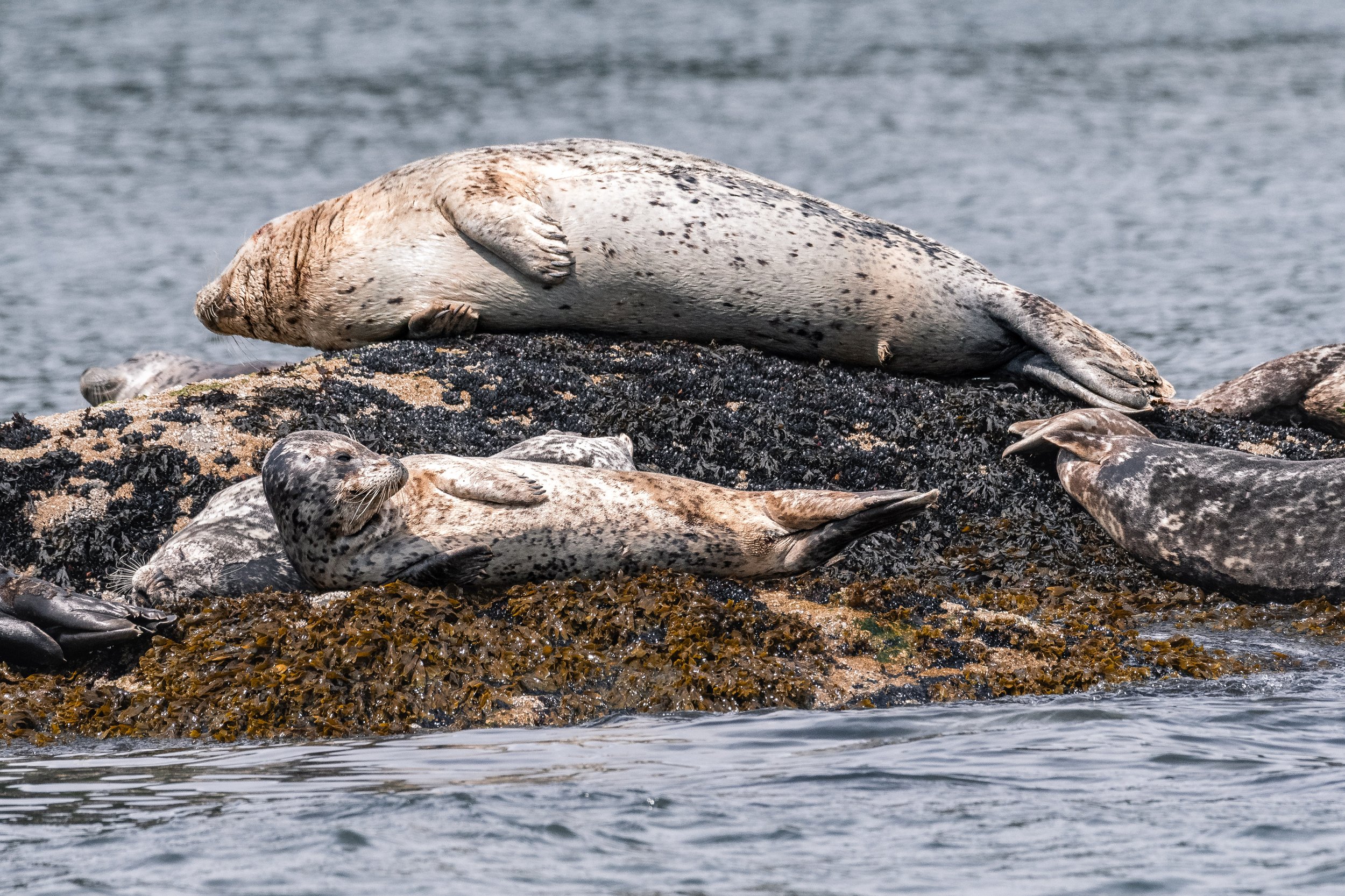
Cute speckled Harbour Seals. Photo by Evan Hessels.
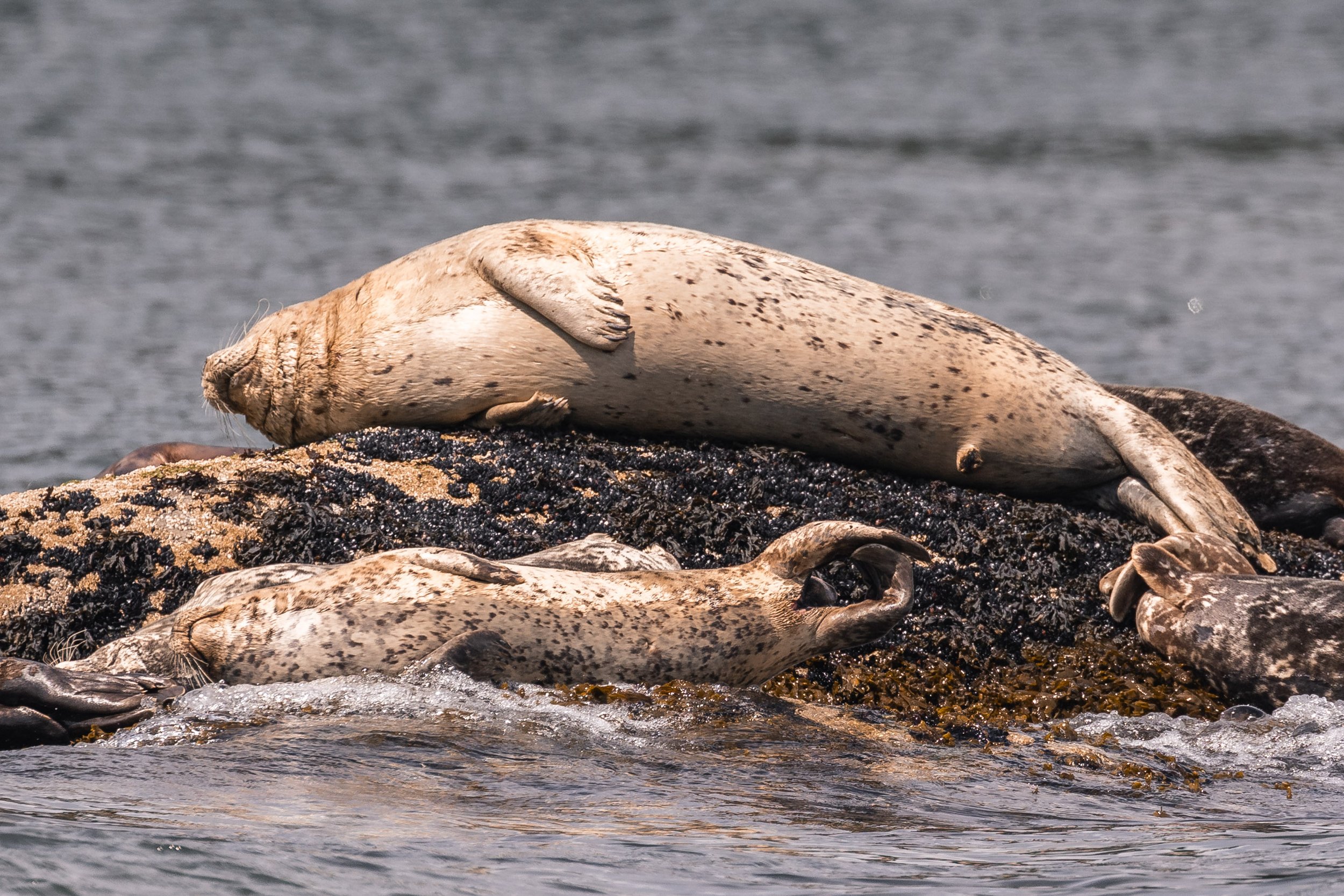
Sleepy seals stretching. Photo by Hayleigh Hilbert.
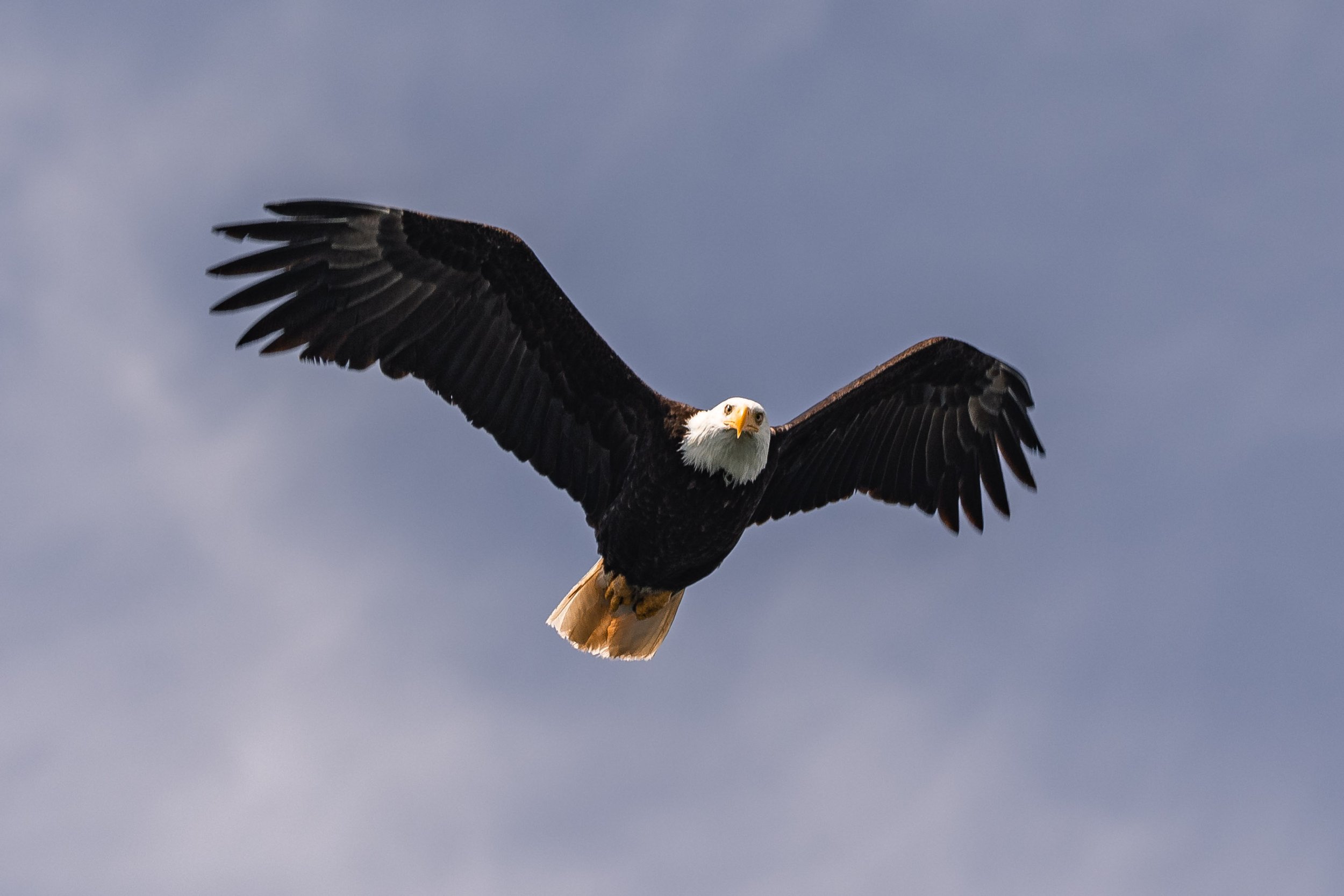
A Bald Eagle watching us watch them. Photo by Hayleigh Hilbert.
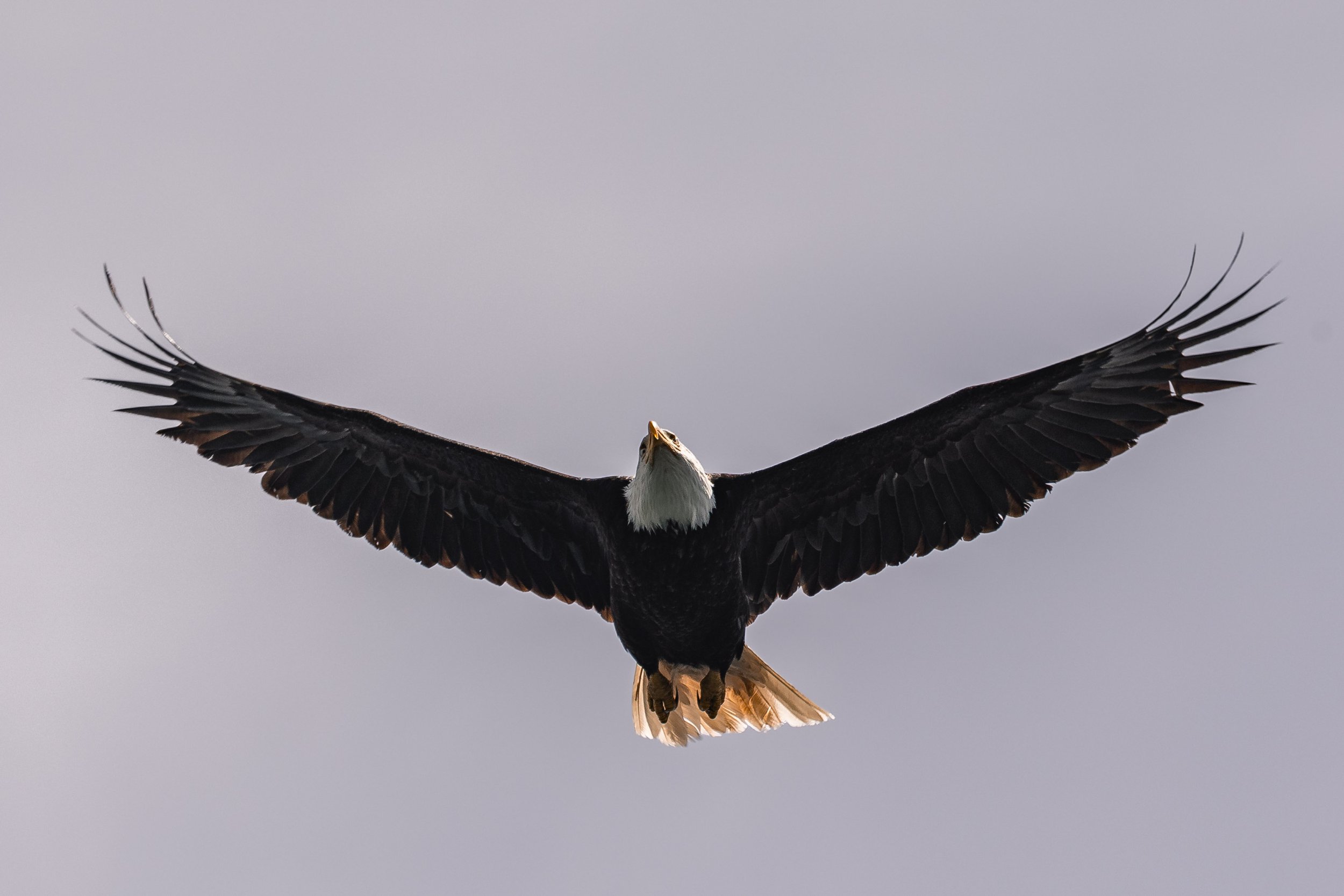
The wingspan of a Bald Eagle can reach 6-8 feet! Photo by Hayleigh Hilbert.
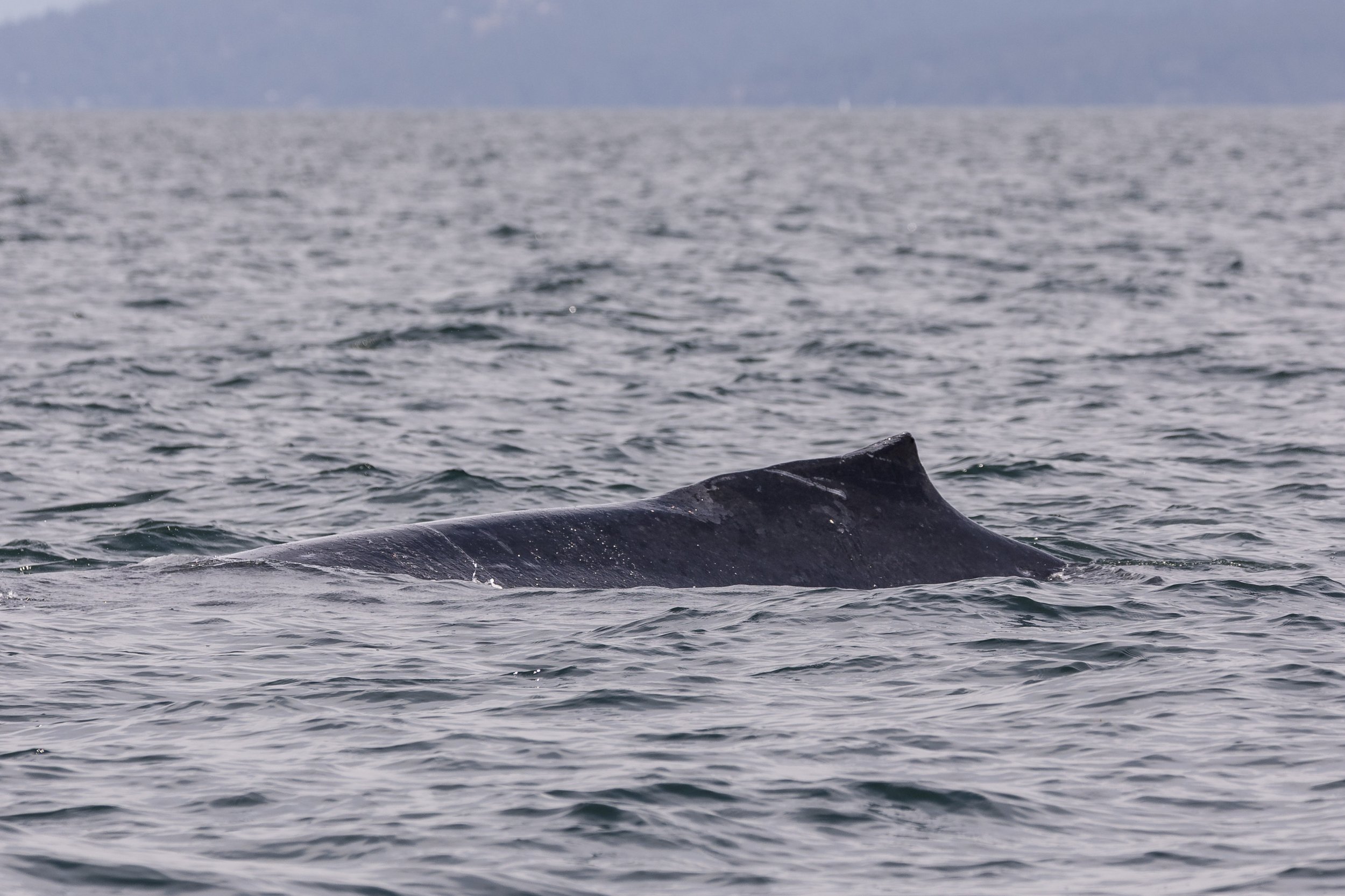
Astroboy’s pointy dorsal fin. Photo by Hayleigh Hilbert.
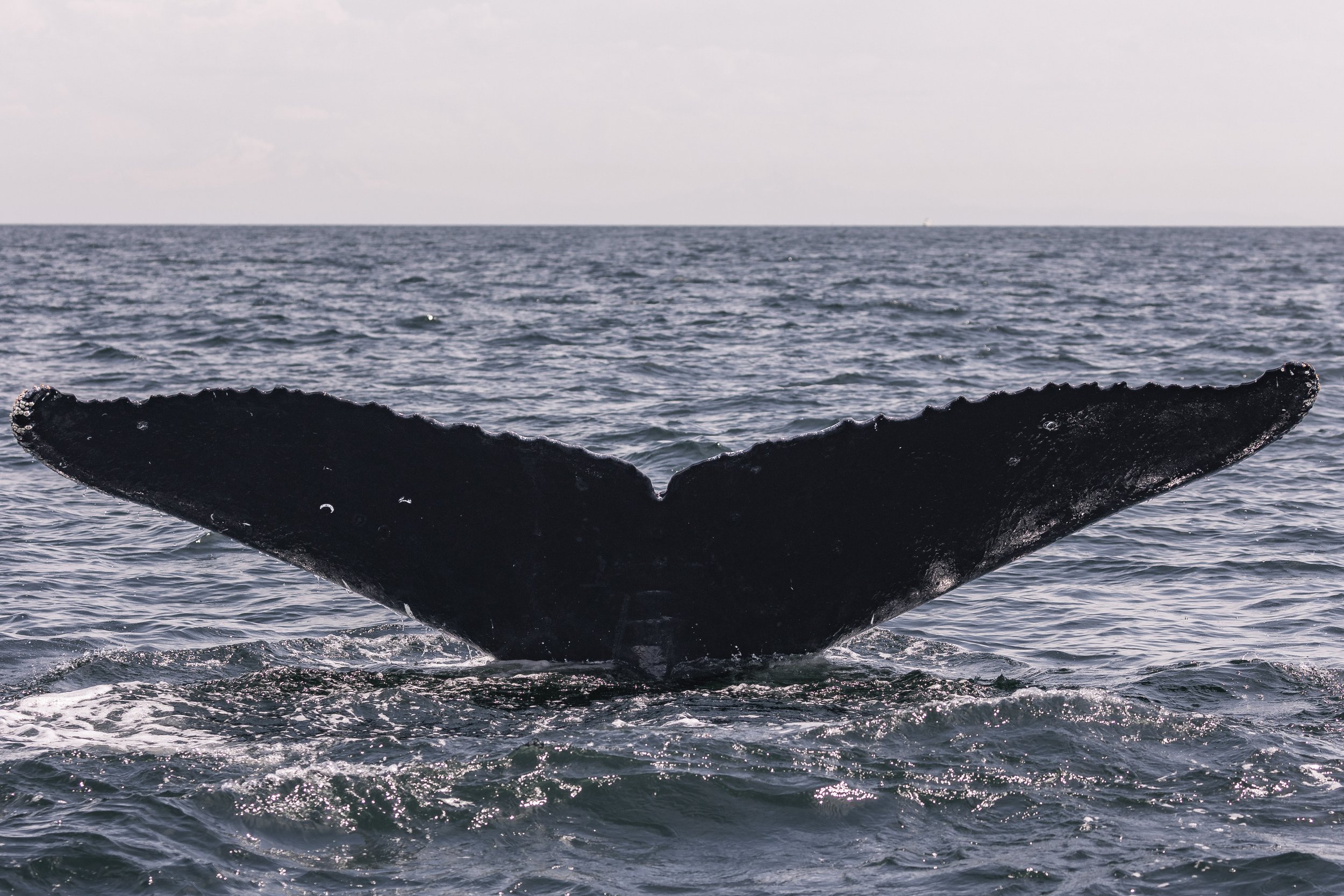
A good look at the unique underside of Astroboy’s tail. Photo by Hayleigh Hilbert.
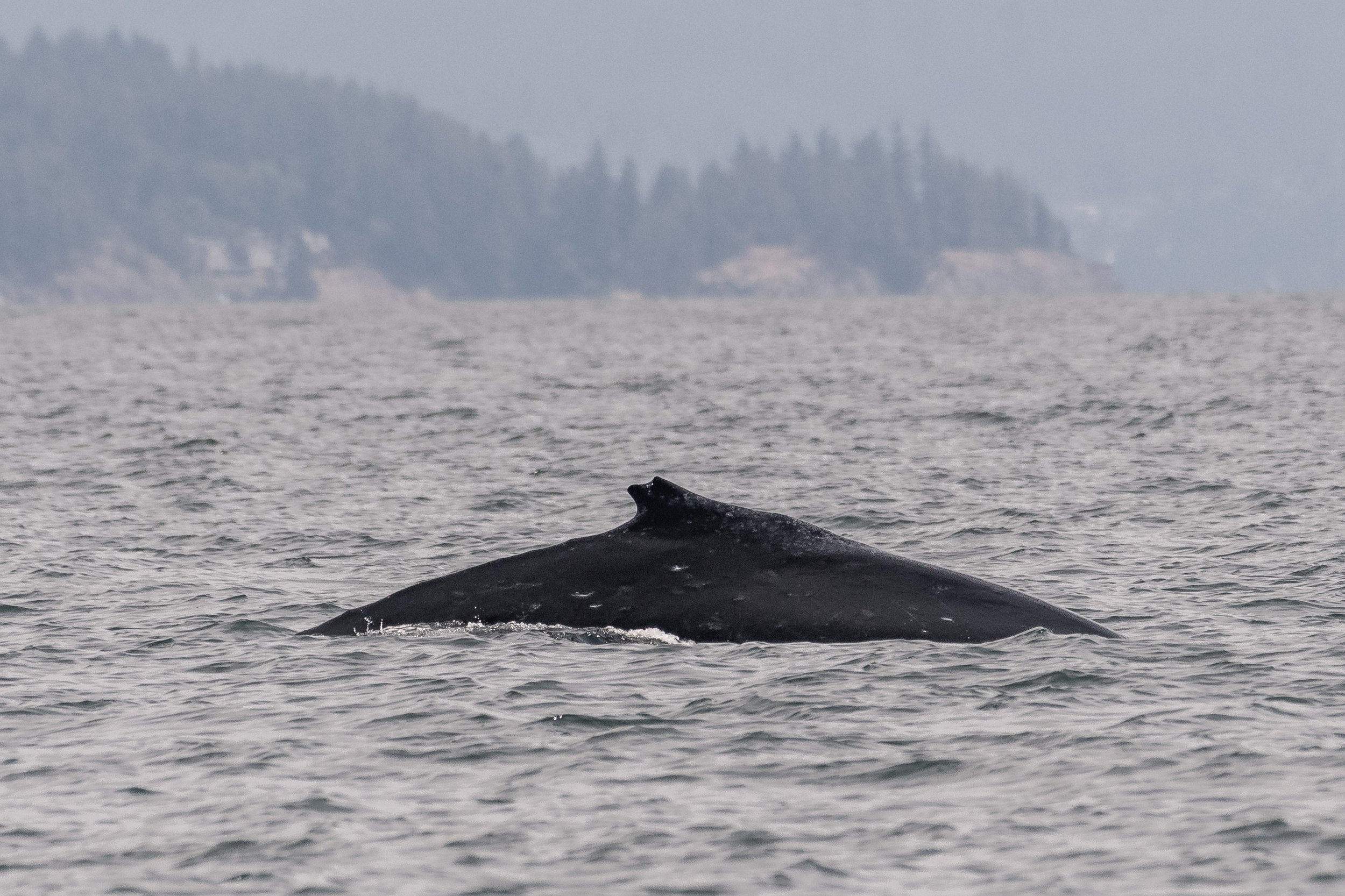
Helen got their name due to their dorsal fin looking like Mount St. Helens. Photo by Evan Hessels.
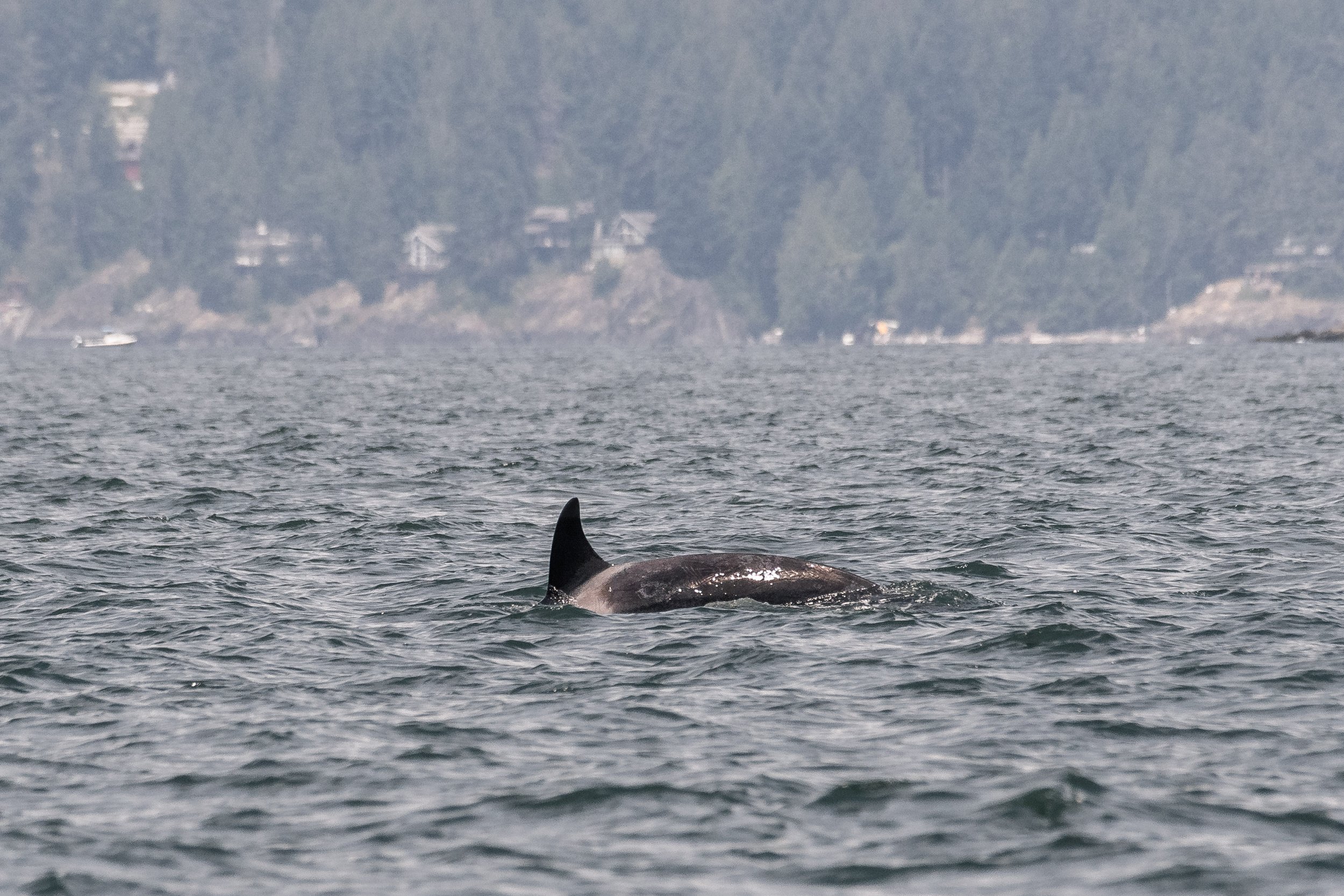
T124A6 Kasuun arching for a dive. Photo by Evan Hessels.
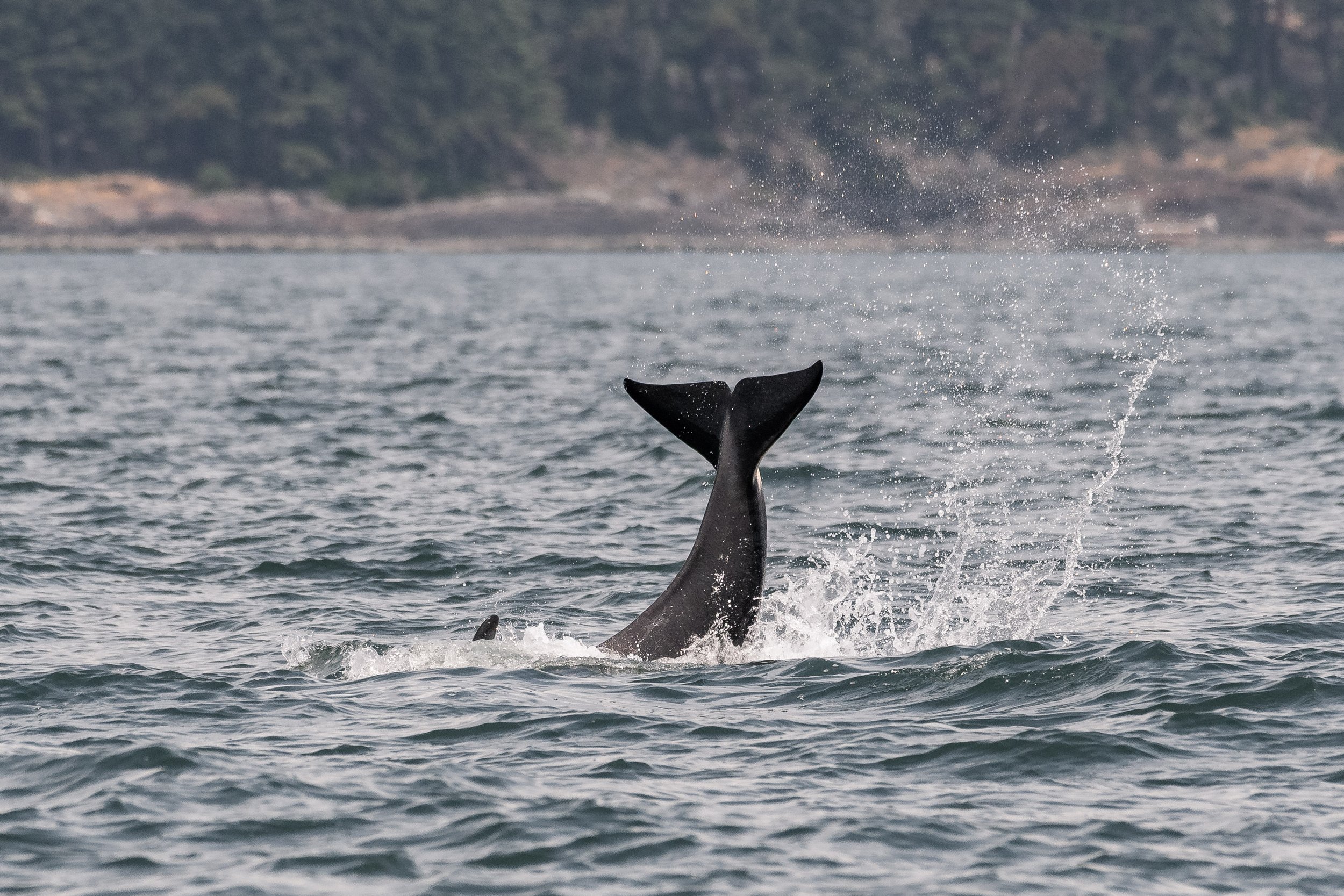
Tail flick! Photo by Evan Hessels.
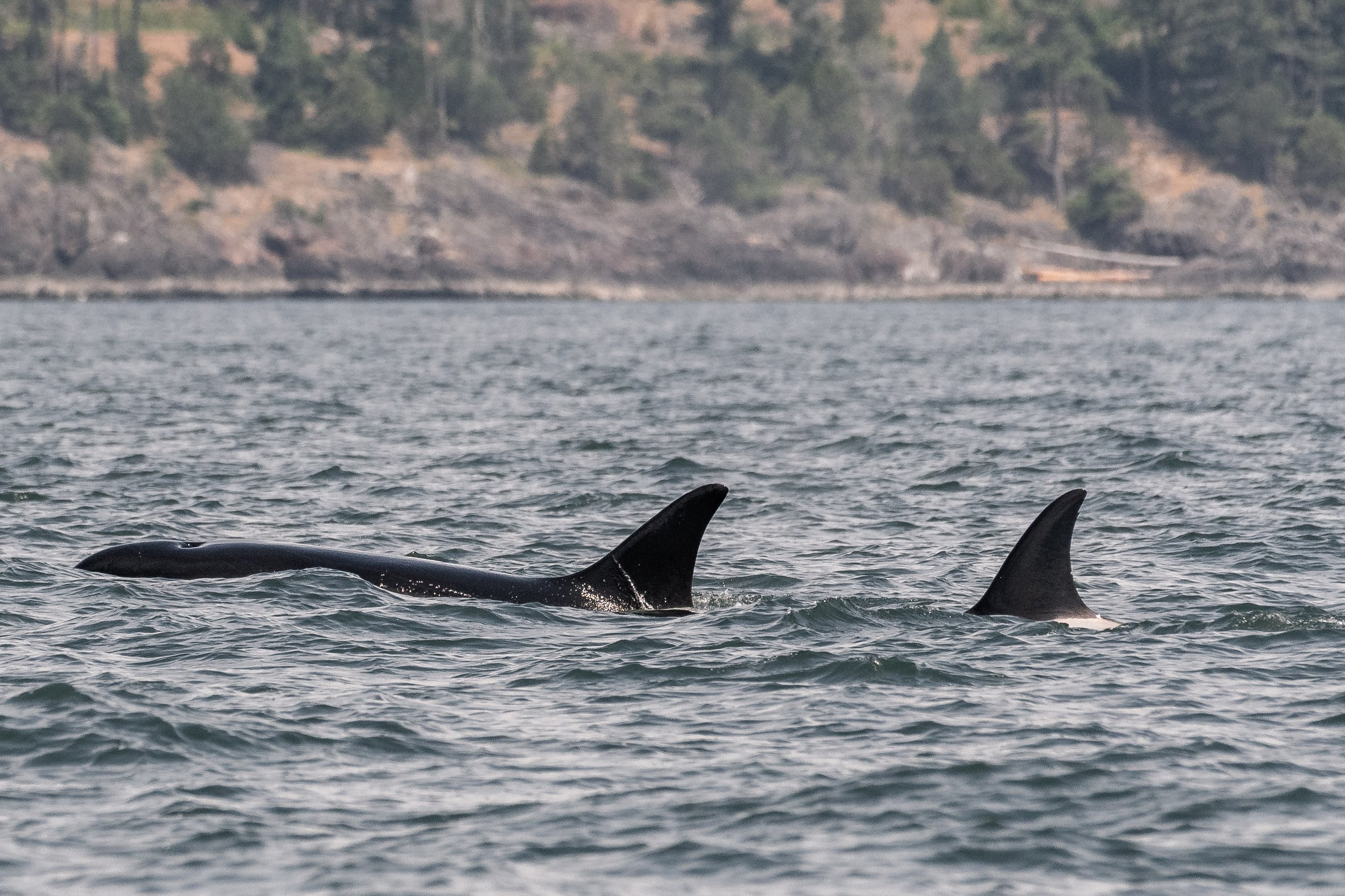
Our two matriarchs together, T124A Kittiwake leading with T086A Eider behind. Photo by Evan Hessels.
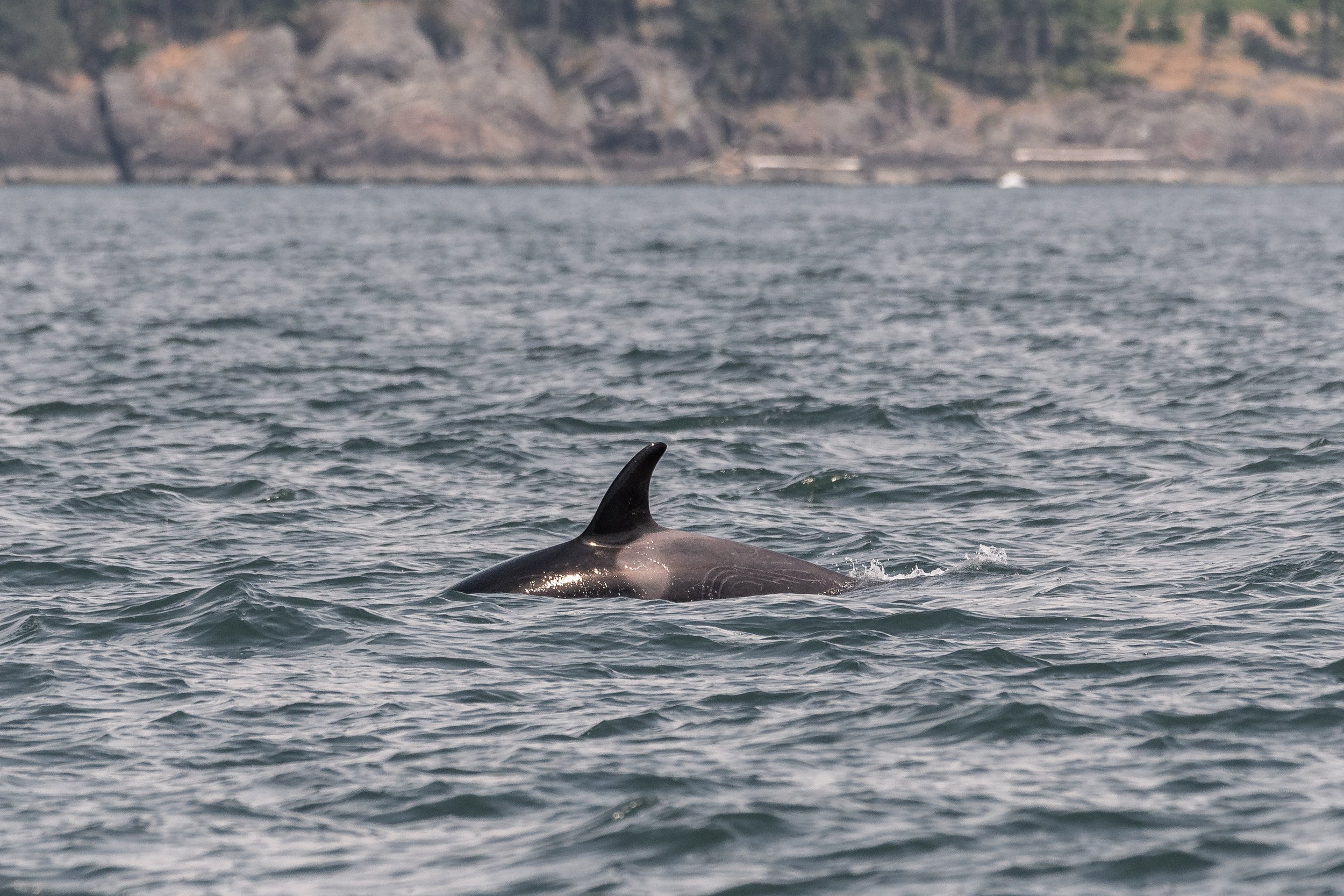
The youngest of the group, T086A5 Siku. Photo by Evan Hessels.
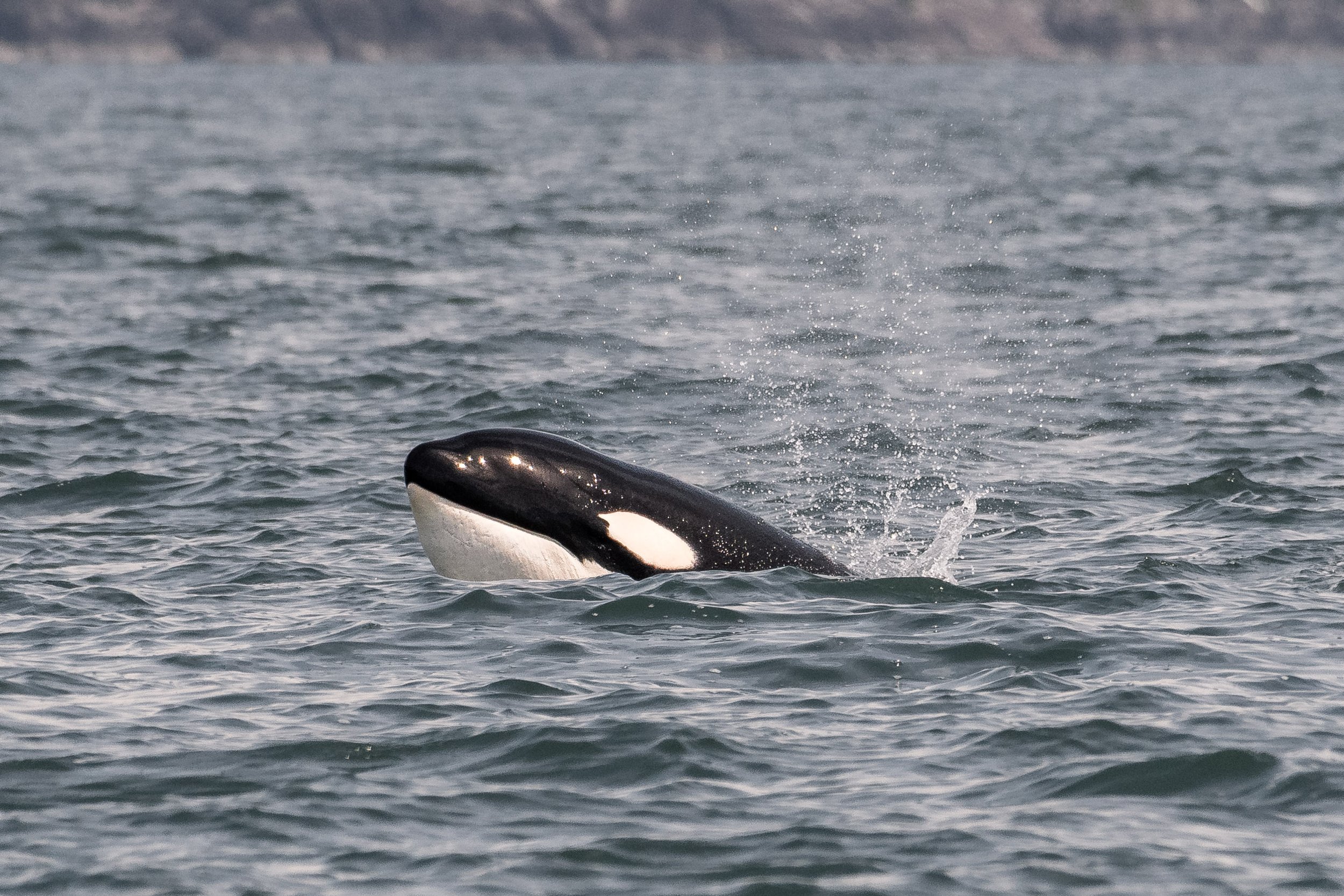
T124A6 Kasuun poking his face out of the water. Photo by Evan Hessels.
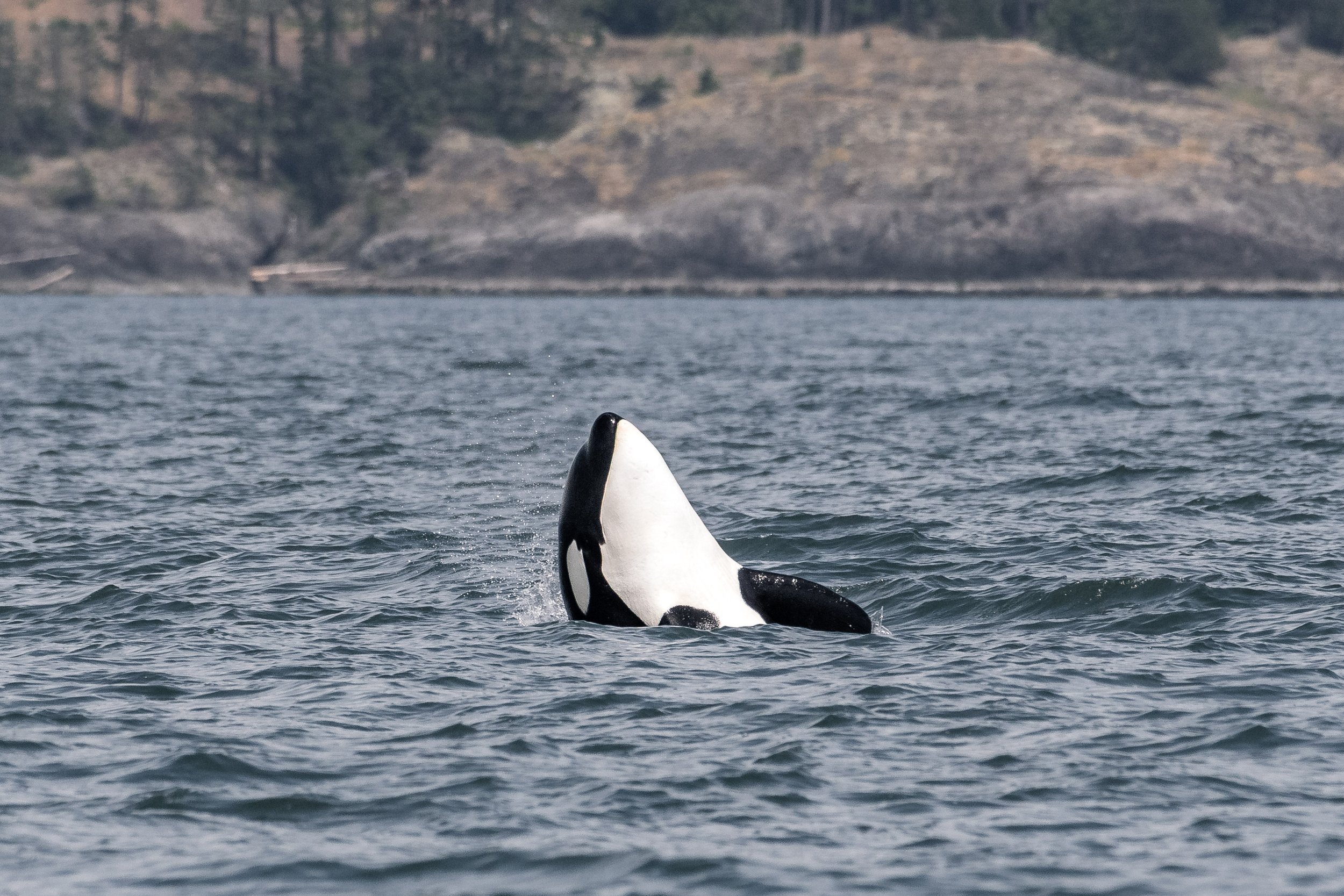
A beautiful backdive. Photo by Evan Hessels.
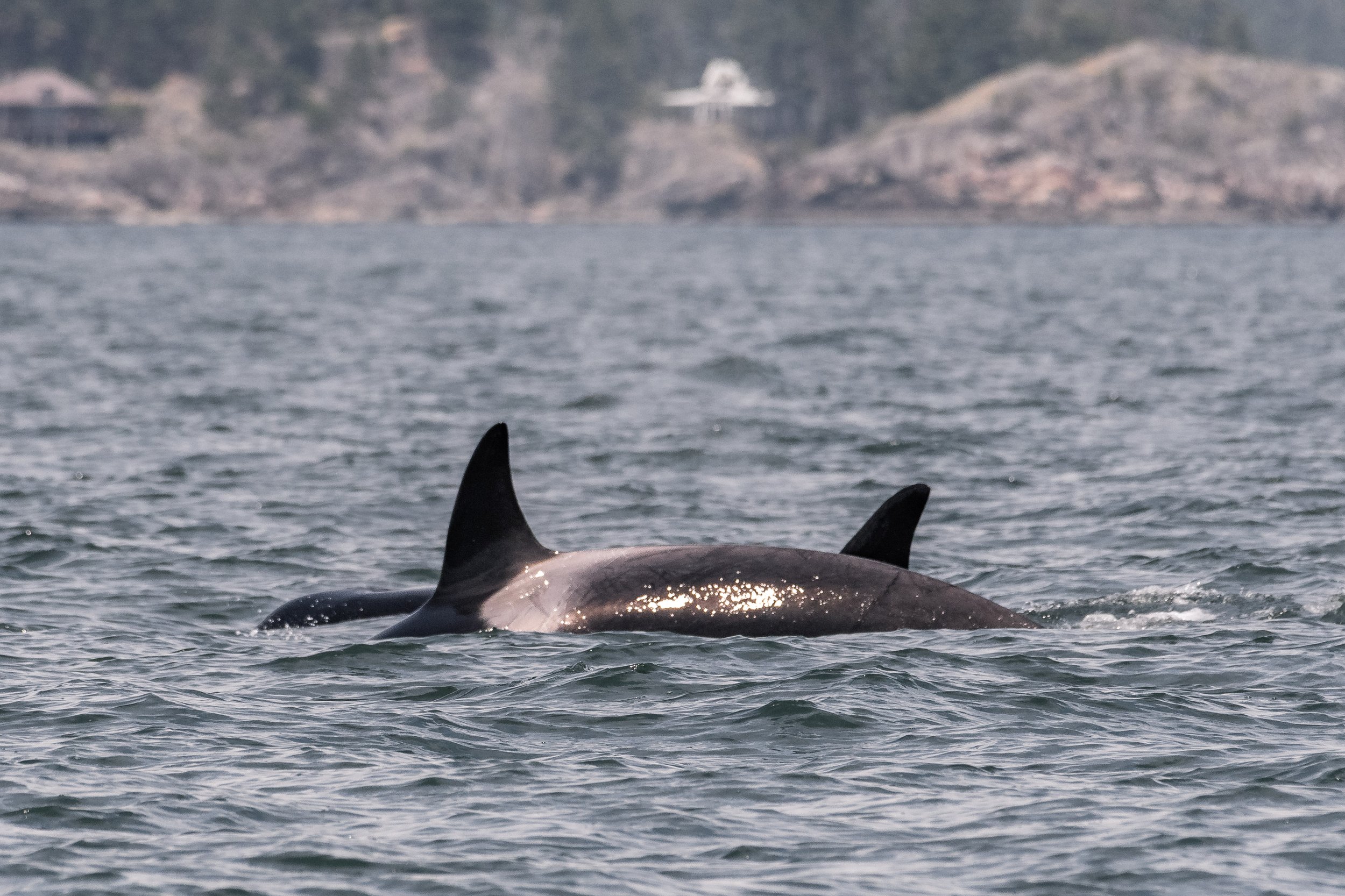
A good look at T086A4 Akia’s saddle patch. Photo by Evan Hessels.
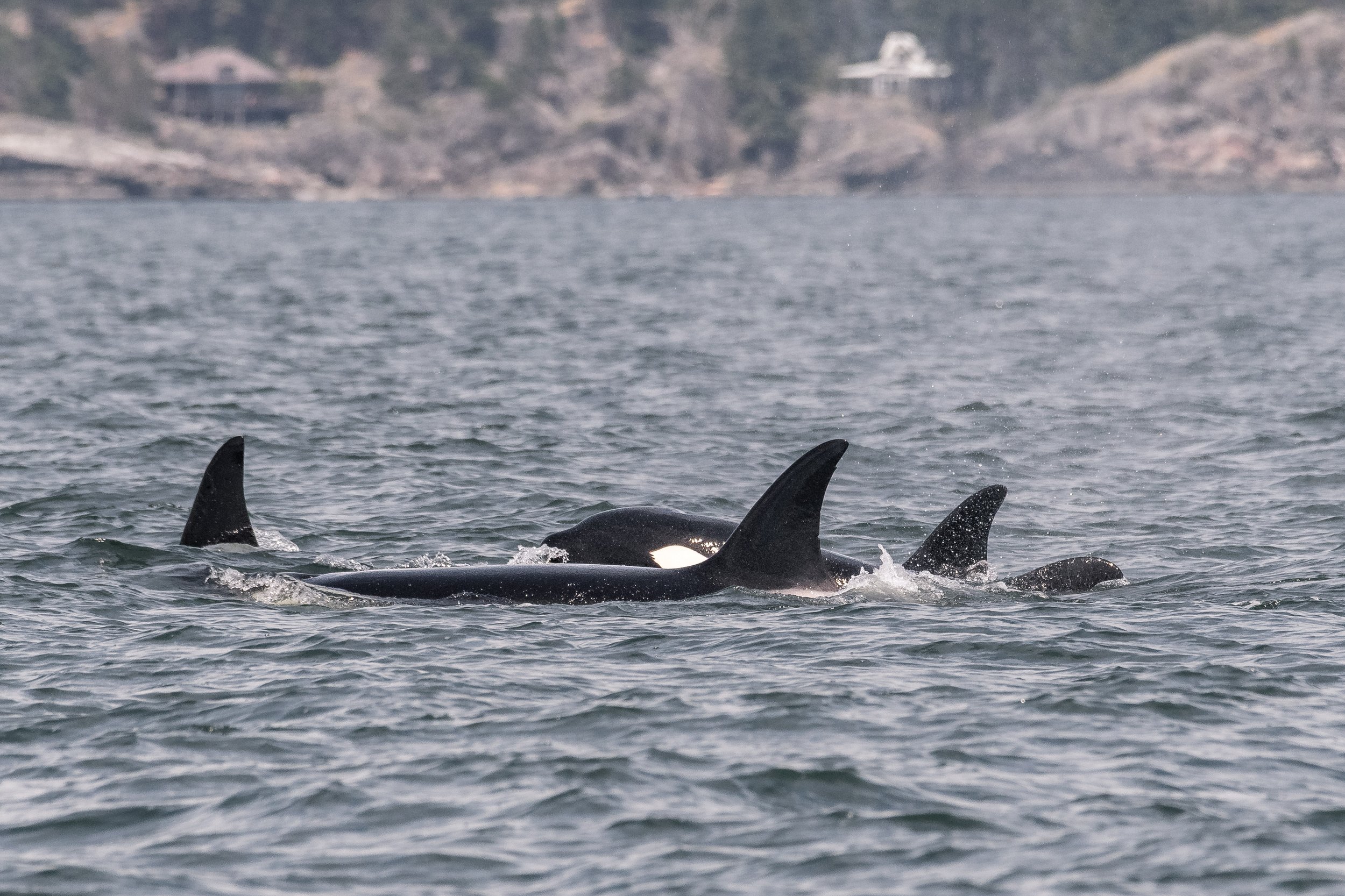
T124A7 Kite’s eyepatch popping up behind T086A Eider’s dorsal fin. Photo by Evan Hessels.
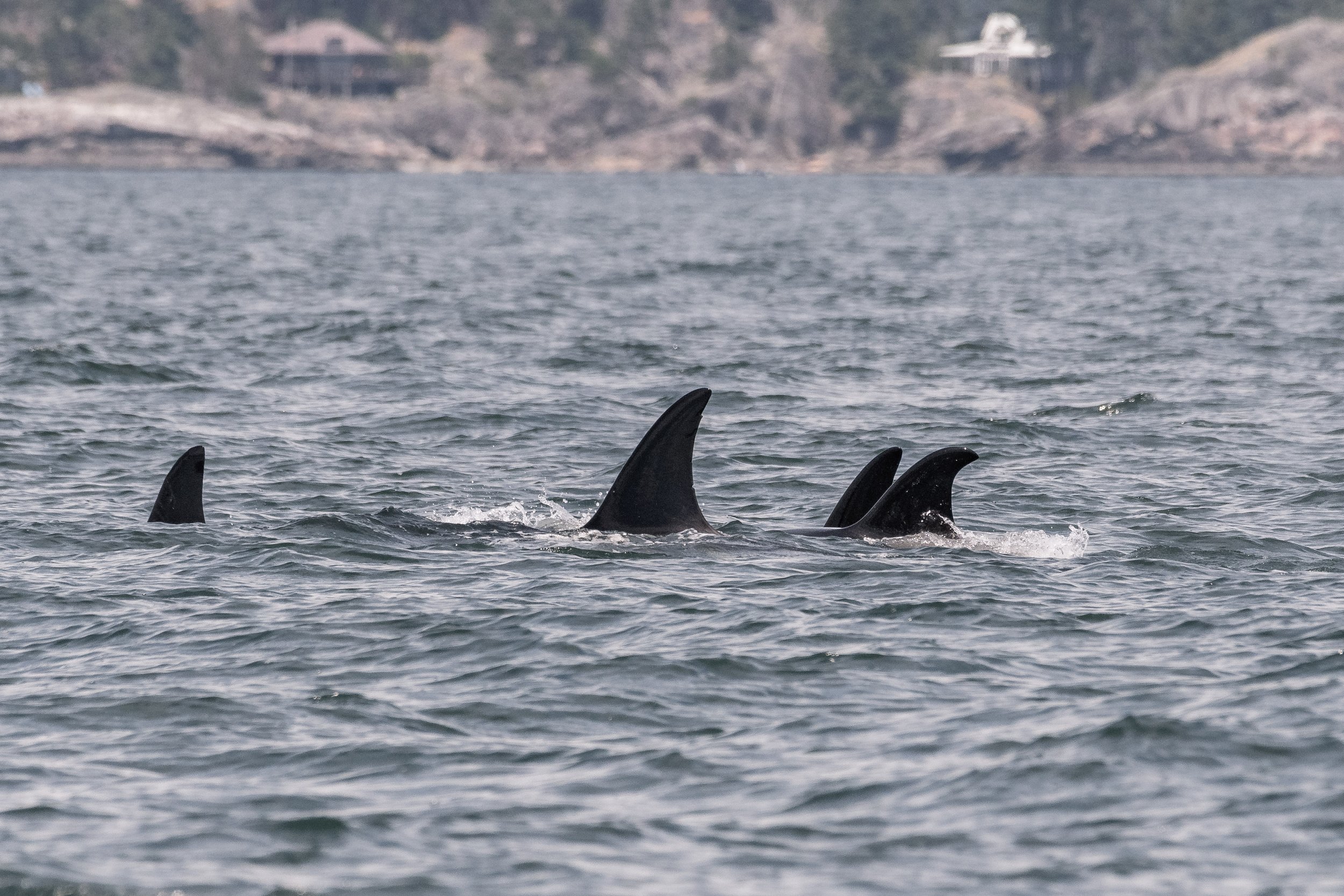
T086A Eider has two small notches in her dorsal fin, can you spot which one is her? Photo by Evan Hessels.
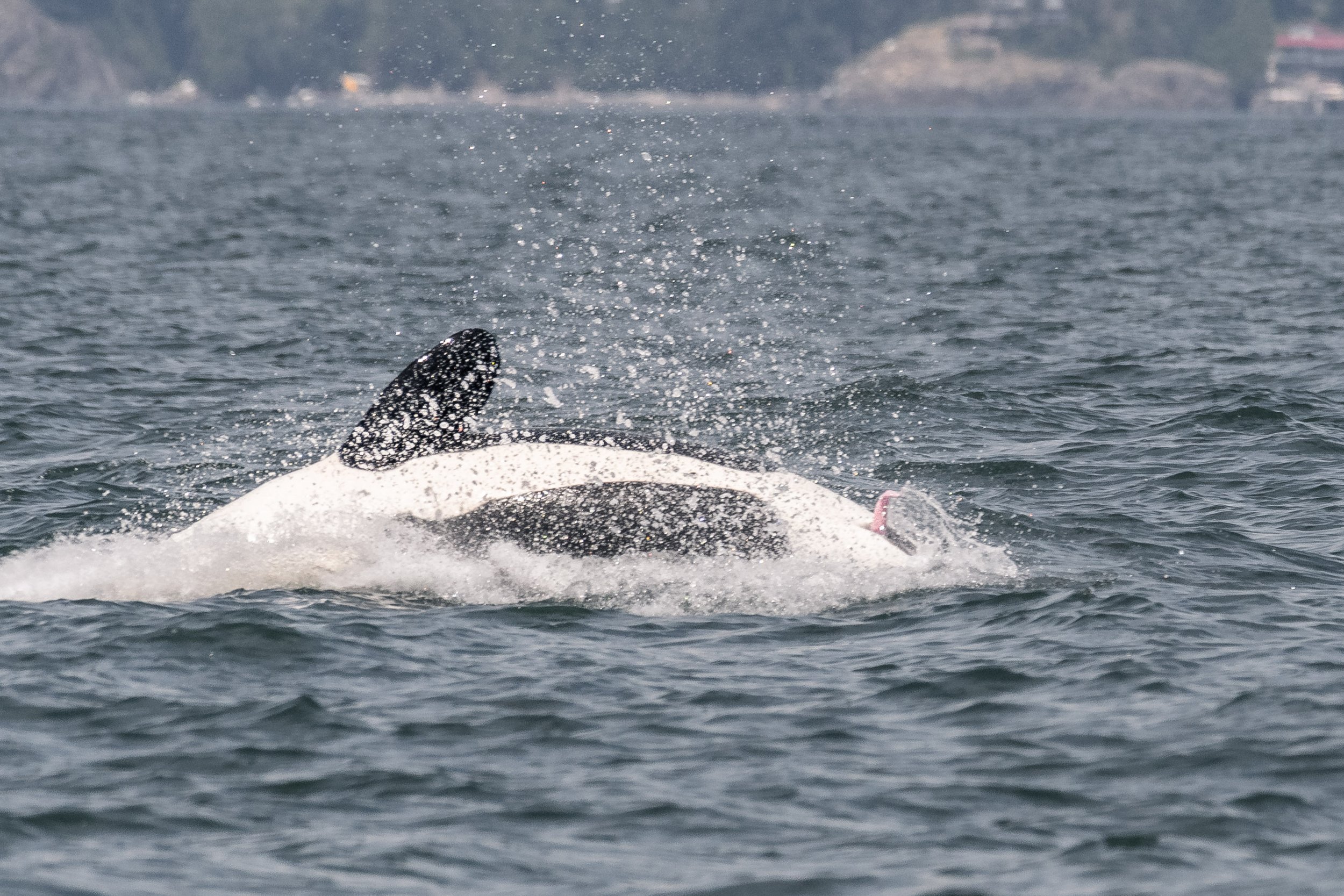
T086A5 Siku letting it all hang out. Photo by Evan Hessels.
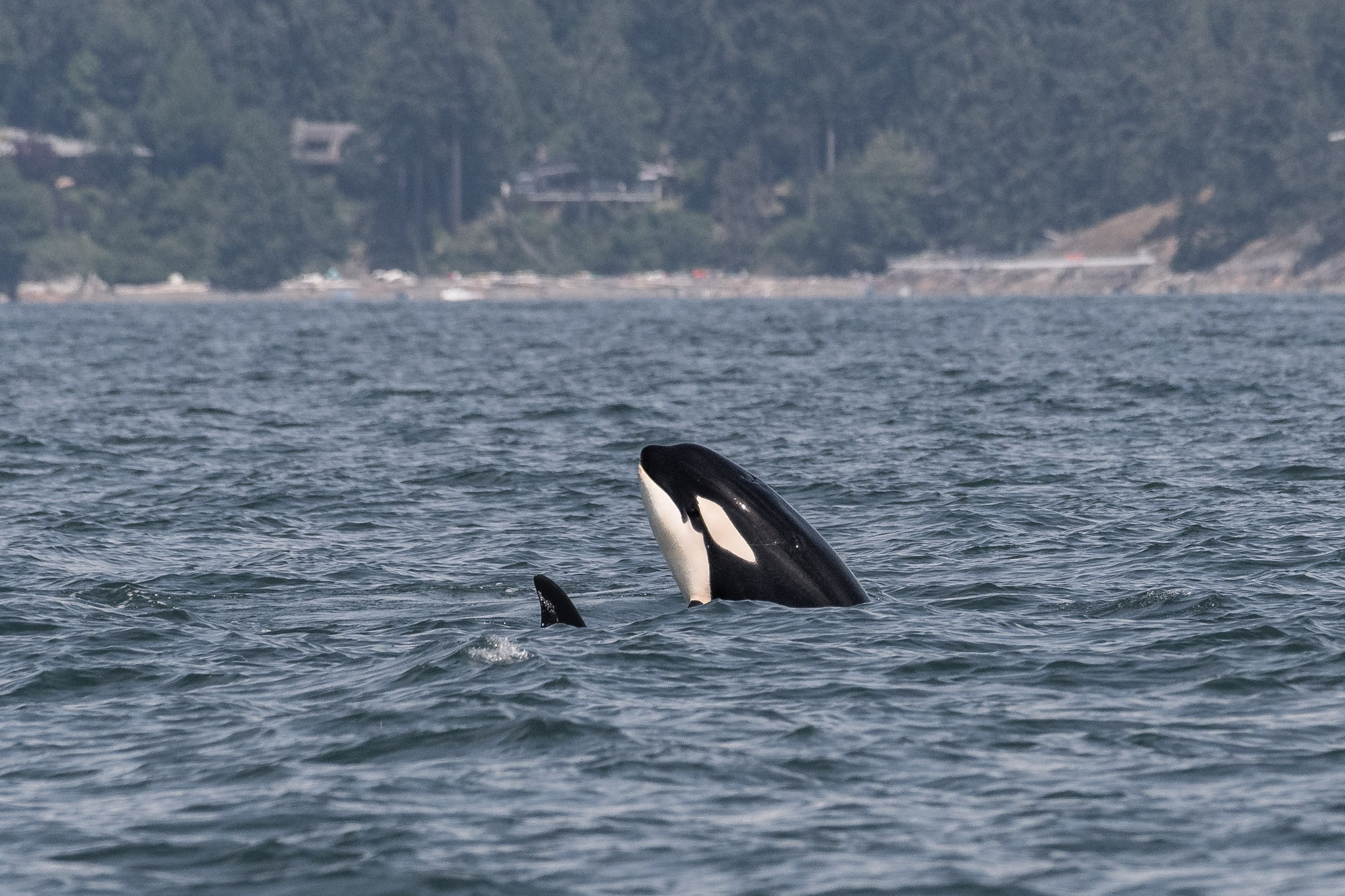
T086A5 Siku spyhopping above the surface. Photo by Evan Hessels.
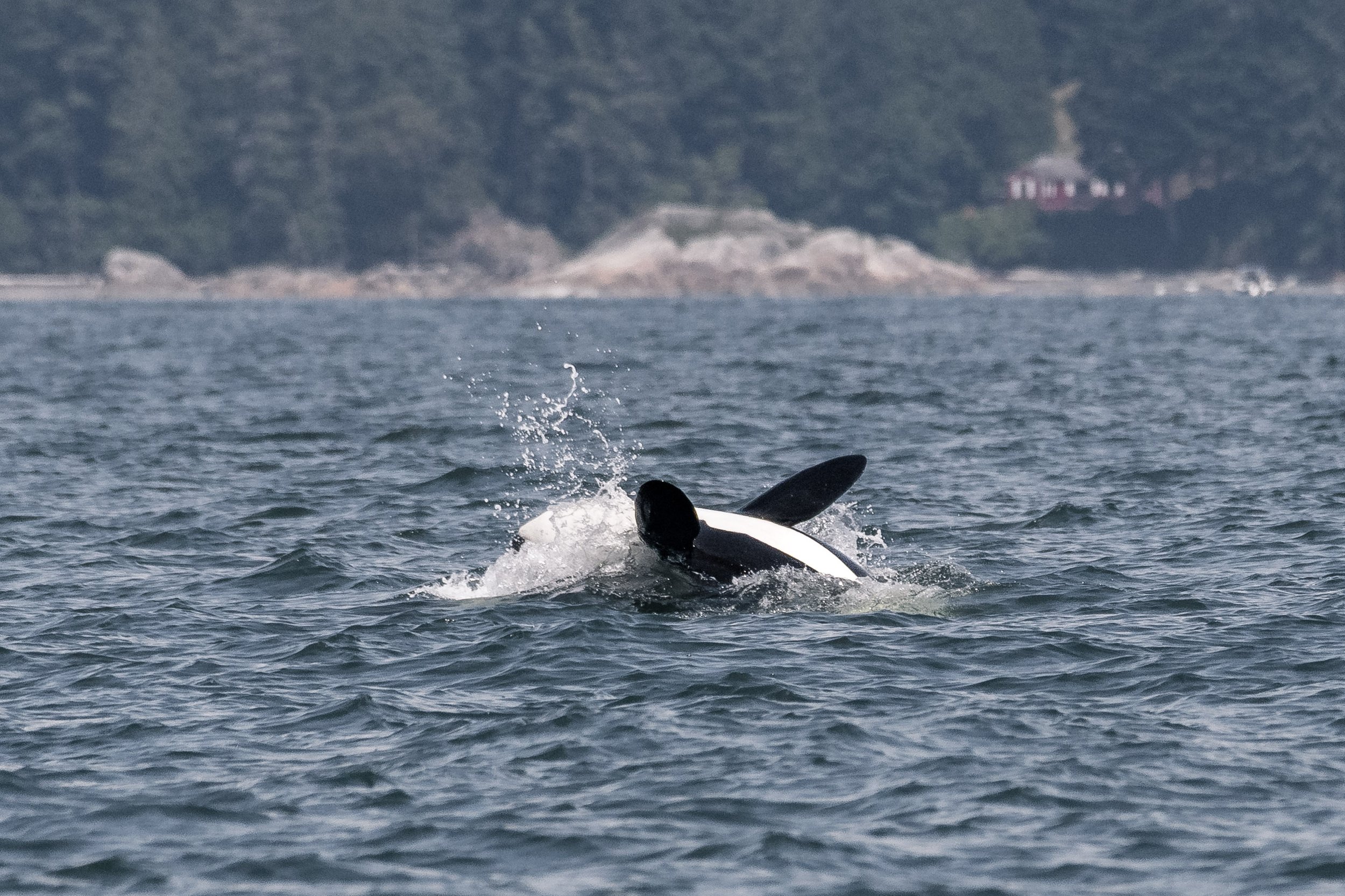
Coming in for a landing. Photo by Evan Hessels.
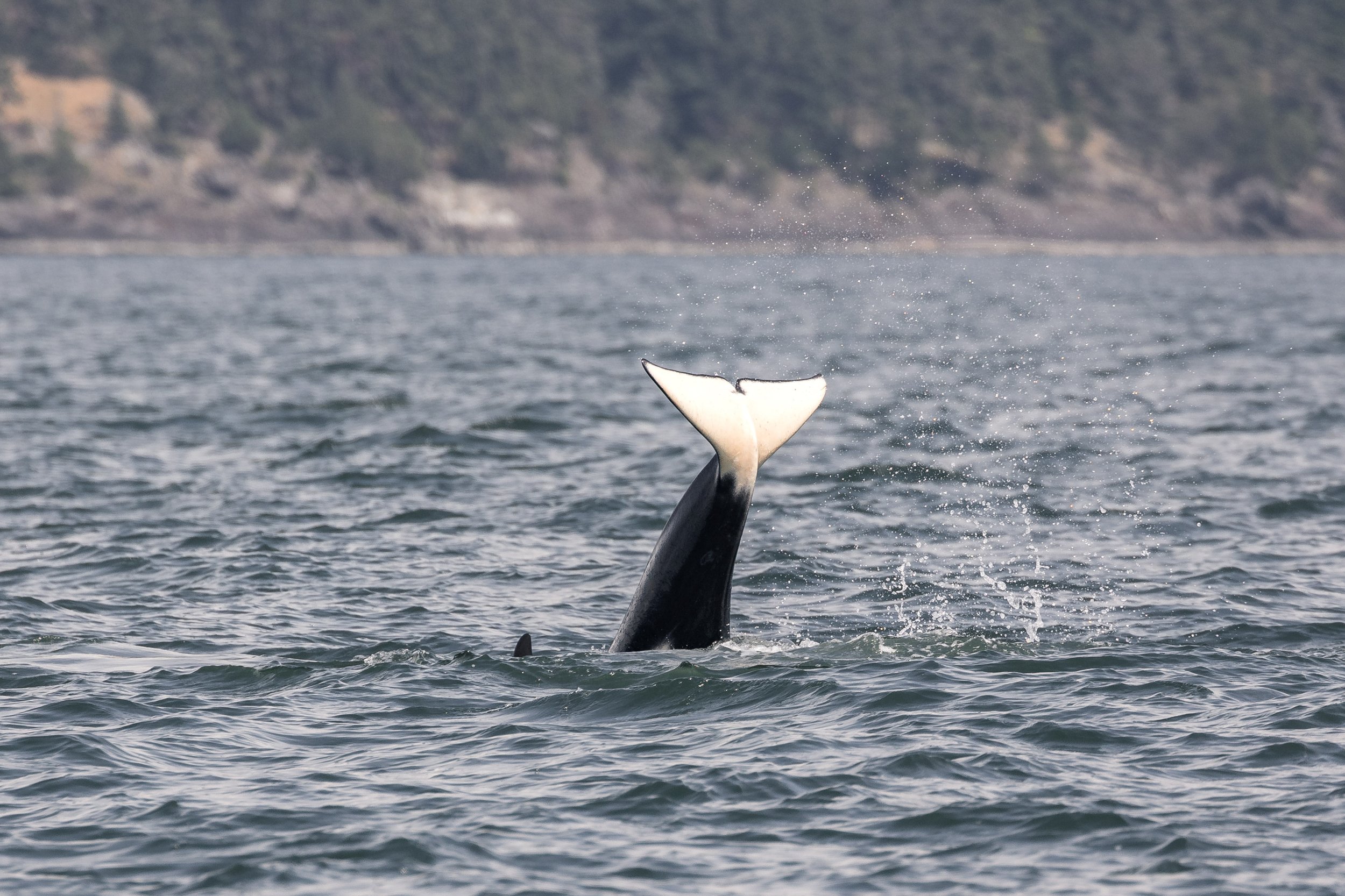
Tail up! Photo by Hayleigh Hilbert.
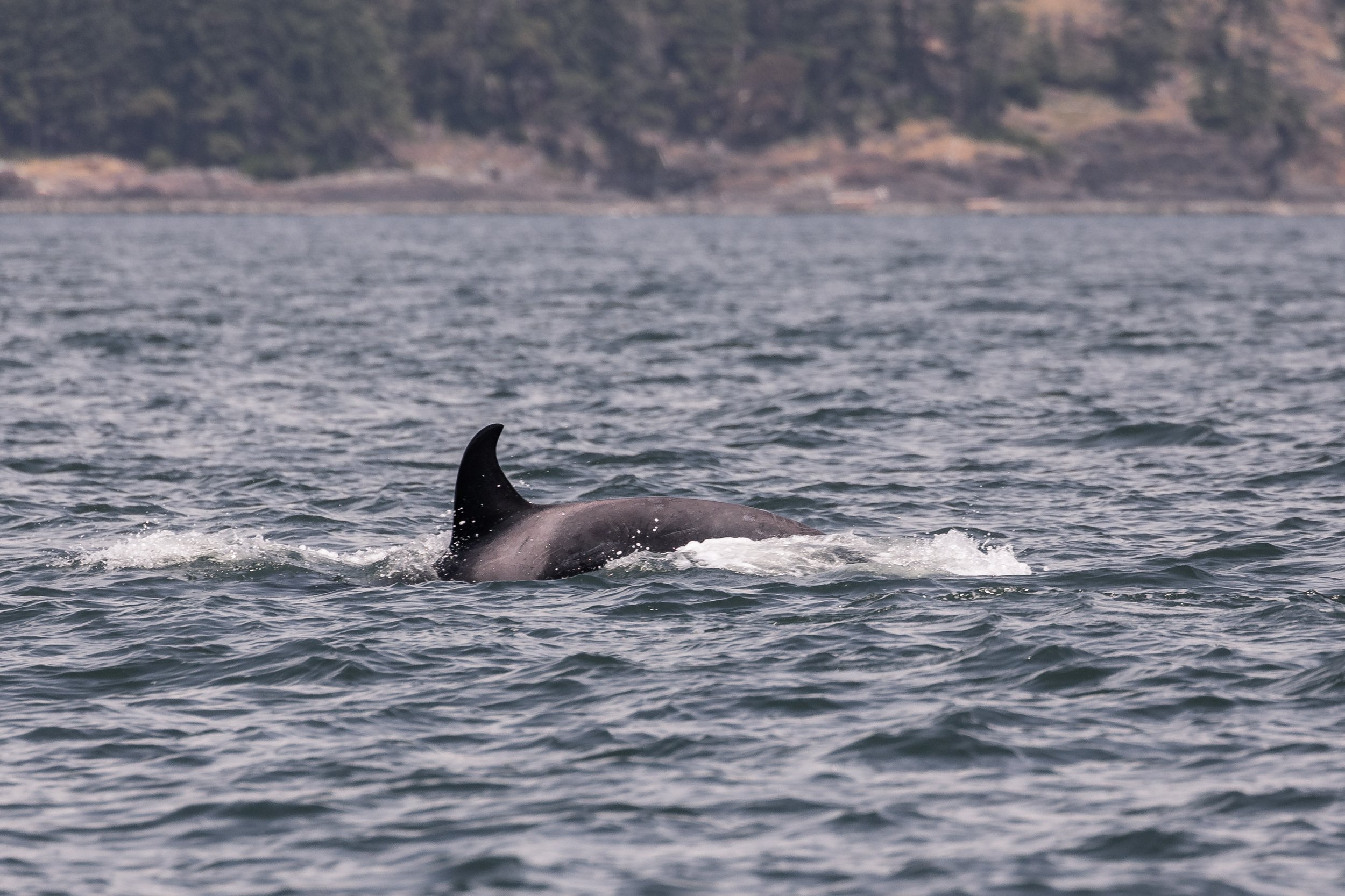
T124A7 Kite. Photo by Hayleigh Hilbert.
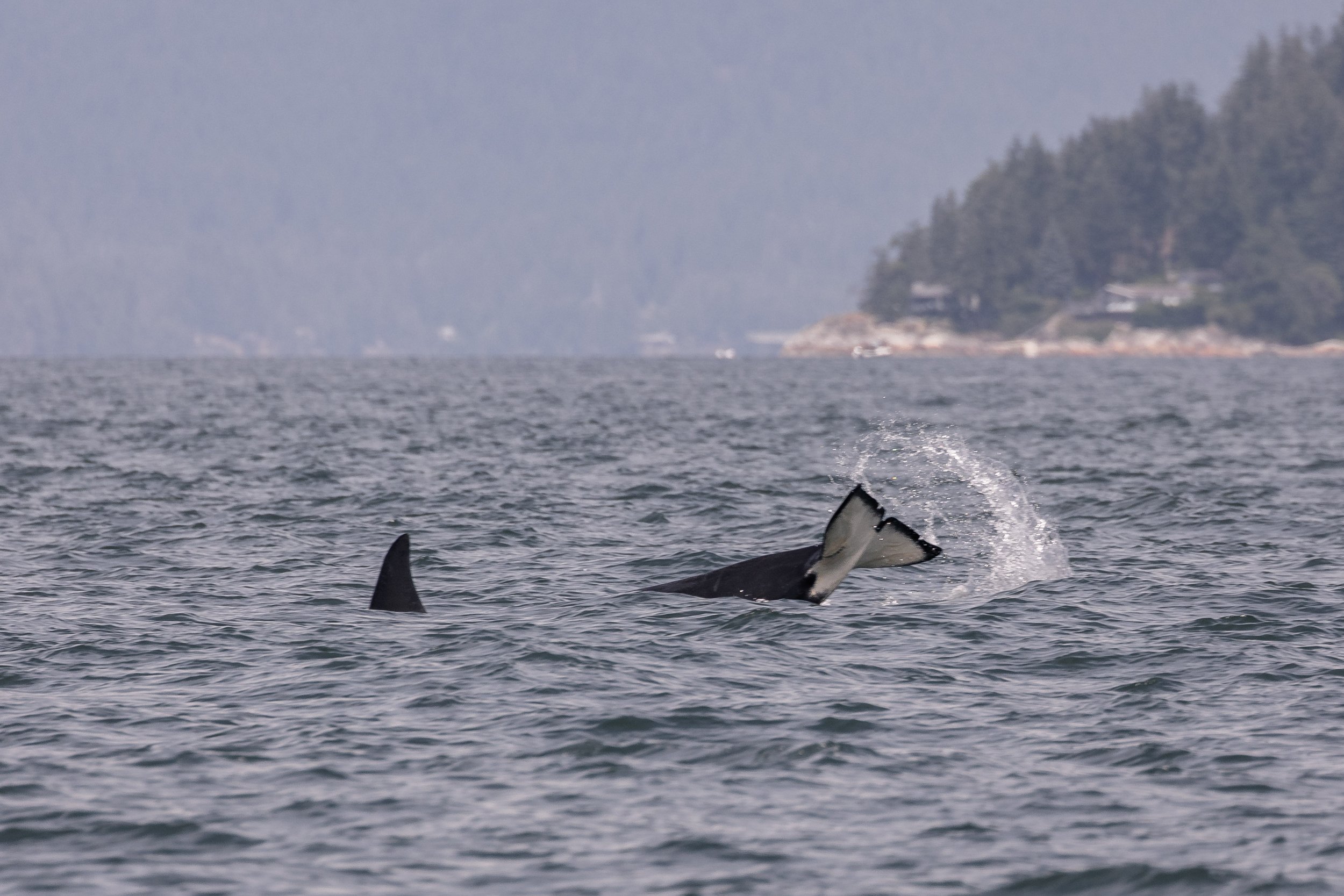
Lots of tail slapping today! Photo by Hayleigh Hilbert.
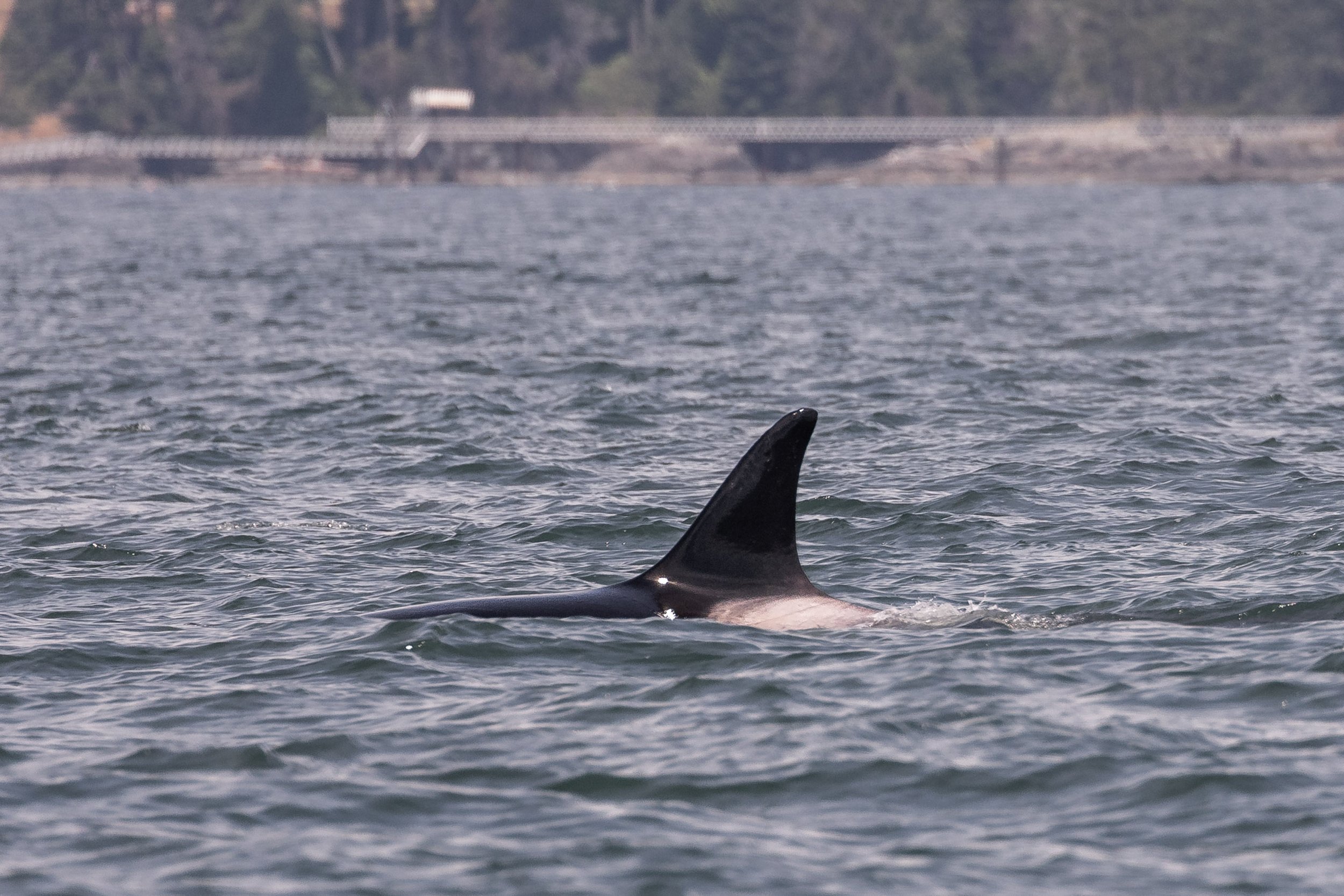
One of our matriarchs, T124A Kittiwake. Photo by Hayleigh Hilbert.
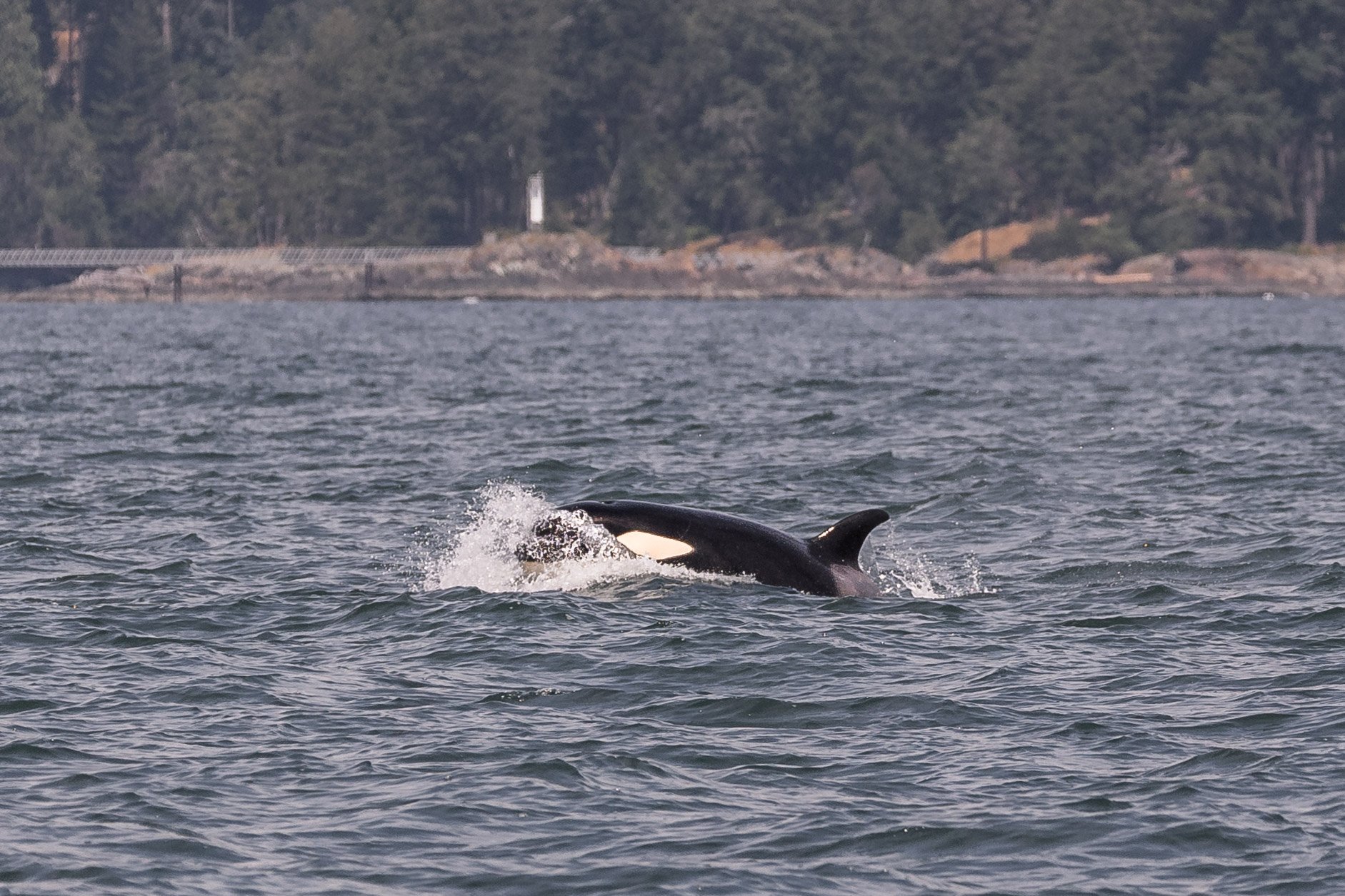
T086A5 Siku porpoising above the surface. Photo by Hayleigh Hilbert.
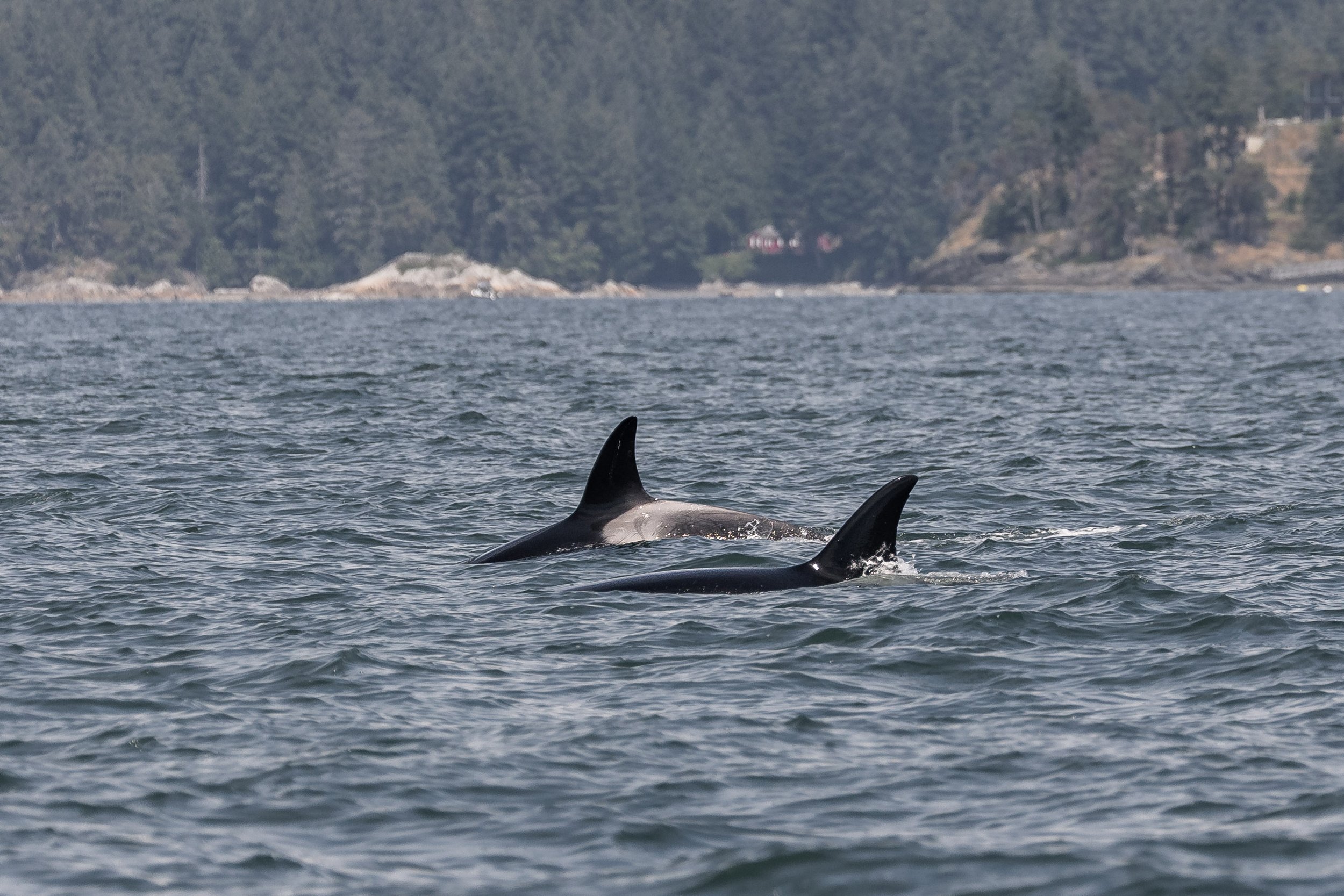
T086A4 Akia beside mom, T086A Eider. Photo by Hayleigh Hilbert.