
June 27, 2026, 3:30 PM - Hunting for dinner with the T046Bs
Boarding onto Keta and Kula, we eagerly headed out and began our search. Crystal-clear conditions led to amazing sight lines as we peered all around, scanning as we went.
We had caught word of a single orca sighting near Dodd Narrows and wanted to see if we could find them. Orca can be tricky to spot at the best of times, and when it is a single individual travelling along, it can be like finding a needle in a haystack! The boats took alternative routes to cover as much ground as possible, peeking all around Northumberland Channel, then heading out toward Snake Island. We tried our best, but the lone orca was nowhere to be seen. Soon after, we departed once more, traversing along the shorelines of the outer Southern Gulf Islands. The beautiful blue waters spanned all around us as we continued southbound. The Strait of Georgia, or the large body of water that separates the mainland of British Columbia from Vancouver Island, has been bustling with activity lately, so we never truly know what we will find while out exploring.
Down and down we went, passing by Gabriola Island, then Valdez Island, before angling further out into the Strait. We had been informed of a pod of orca being spotted out in the middle of the Strait, and soon we zoomed along to join the party. Once nearby, we slowed down and began moving into position. A flurry of fins burst from the depths ahead of us, of various shapes and sizes. Naturalists Evan and Jordan quickly raised their cameras, snapping photos of the individuals. For orca, we generally use their saddle patches and dorsal fins to confirm IDs. However, we can also use their eyepatches as well. Using these three factors, plus our handy ID catalogue for reference, we confirmed that we were with the T046Bs:
T046B Raksha ♀ (1988)
T046B2 Akela ♀ (2008)
T046B2B Takaya ♀ (2023)
T046B3 Sedna ♀ (2011)
T046B3A Munro (2025)
T046B4 Quiver ♂ (2013)
T046B6 Sol ♀ (2019)
T046B7 Tala (2023)
T046B8 Pi (2026)
The T046B matriline is incredibly large, and many of T046B Raksha’s calves have now matured and are having calves of their own. Her eldest, T046B1 Tread, has dispersed and has been travelling through our waters regularly lately alongside her three surviving calves. T046B2 Akela and T046B3 Sedna have also been taking “field trips” away from their mother, briefly separating to adventure with their calves. Akela and Takaya were both present and accounted for during our trip; however, Sedna and Munro were not spotted with the group. A small group was seen further away, though, and we believe they were present in this sighting!
These orca were bustling with activity when we approached. Small splashes kept appearing ahead and around them, almost too fast for us to see. It was a Harbour Porpoise darting around, and soon, the chase was on. Weaving back and forth, it tried to make its escape before the orca moved in and struck the final blow. While hunts are always a sombre sight for us, it is important to remember that all creatures need to eat!
Hunting is a very socially-driven activity in the orca world. Each member, from the older matriarchs to the spry young calves, participates to some degree. And with a pod as large as this one, hunting takes up a considerable amount of their day-to-day lives! With adults needing to eat between 150 and 500 pounds (68 to 227 kg) daily to keep up their weight, a pod of 9 whales will be taking down around a dozen Harbour Porpoises daily to satiate them. T046B2B Takaya was right in the middle of the action today and was spotted surfacing, jaws agape, right behind the porpoise as it ducked away.
Soon, we had to say our goodbyes to the pod and continue on our way. The day was still young, and we were keen to see what else we could spot while out and about. We caught a few glimpses of blows in the distance, which likely belonged to humpback whales, and made our way over to check them out. Unfortunately, these ‘ghost’ whales never reappeared, and we once more continued travelling.
Our next stop was over by Valdez Island, in an area dubbed “Stinky Rocks”. This haulout boasts incredible biodiversity and is often home to a variety of pinnipeds. The tides were very high today, covering most of the rock faces, but that didn’t stop our giant Steller Sea Lions from draping over the remaining rocks. Stellers do not stay in our area year-round, and most of them should be leaving our shores soon to breed. However, there has been some indication that this may change in the future, and we may have rookeries (breeding areas) forming here - we are eagerly keeping an eye out for any signs of breeding and birthing!
Back at it once more, we headed on. Rounding the corner of Gabriola Island, we approached the coastline for our final stop of the day. Towering overhead, squawks bounced off the rocks around us. This area, known as the Gabriola Bluffs, is home to a multitude of bird species. Cormorants, specifically Double-crested and Pelagic Cormorants, build their nests right into the rocky wall. We are right in the middle of fledgling season now, with many of the young birds wobbling along, learning the ropes of life. Closer to the water’s surface, small chirps could be heard. Small brown and blue shapes darted back and forth, tucking into the indents of the cliffs. These Cliff Swallows are a newer addition to the species we see along the Bluffs, and it has been very exciting to watch them nest and raise their chicks.
And just like that, our trip was coming to a close. Our Captains pulled us away from the bluffs, and after a few short minutes, we were meandering our way back into Nanaimo Harbour. We excitedly chattered about the events of the day as we concluded the tour, disembarking and returning to dry land.
Please enjoy these photos by Marine Naturalists Evan Hessels and Jordan Robinson showcasing this incredible trip!
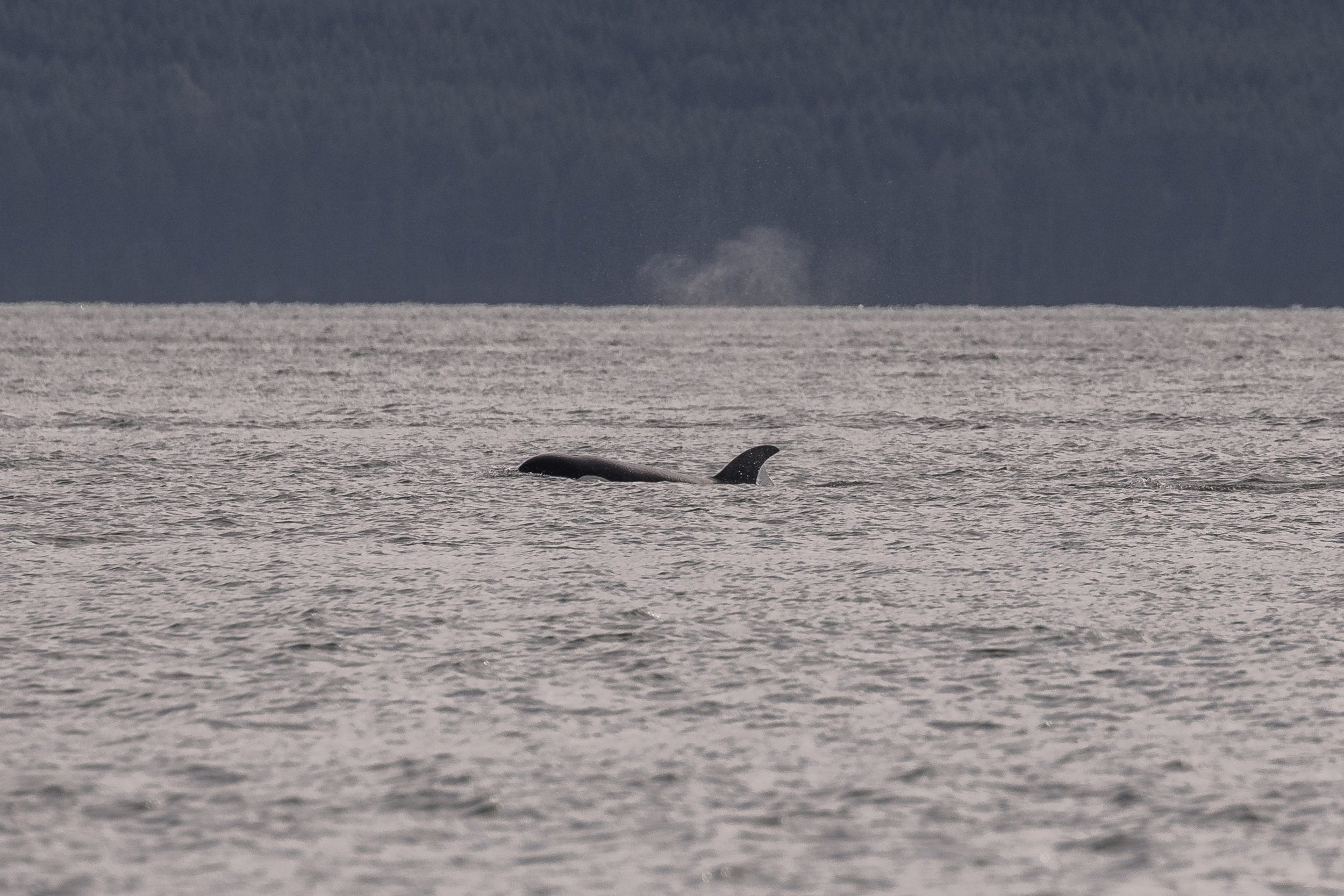
T046B6 Sol surfacing. Photo by Jordan Robinson.
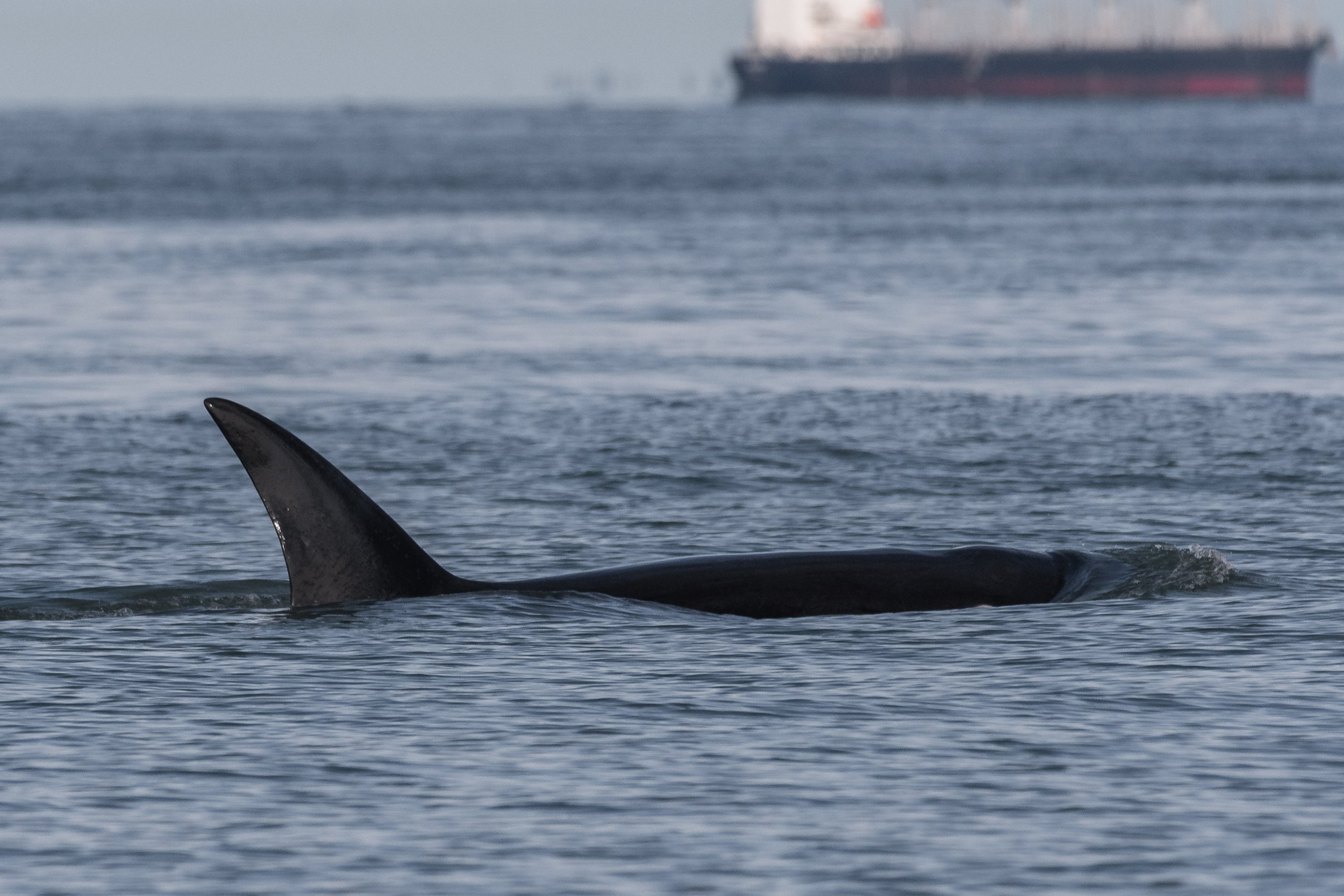
T046B4 Quiver, photo by Evan Hessels.
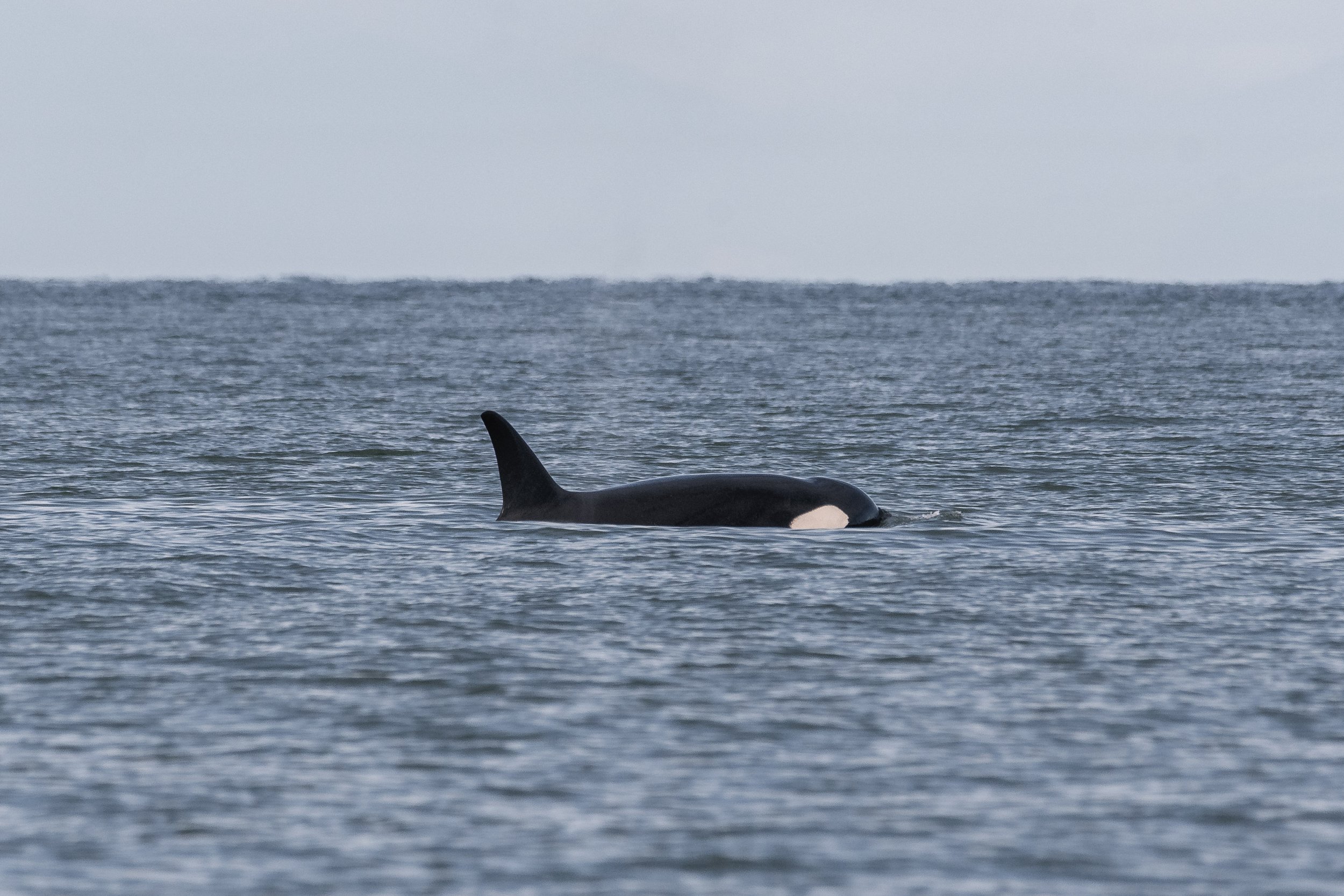
T046B Raksha showing off her eyepatch. Photo by Evan Hessels.
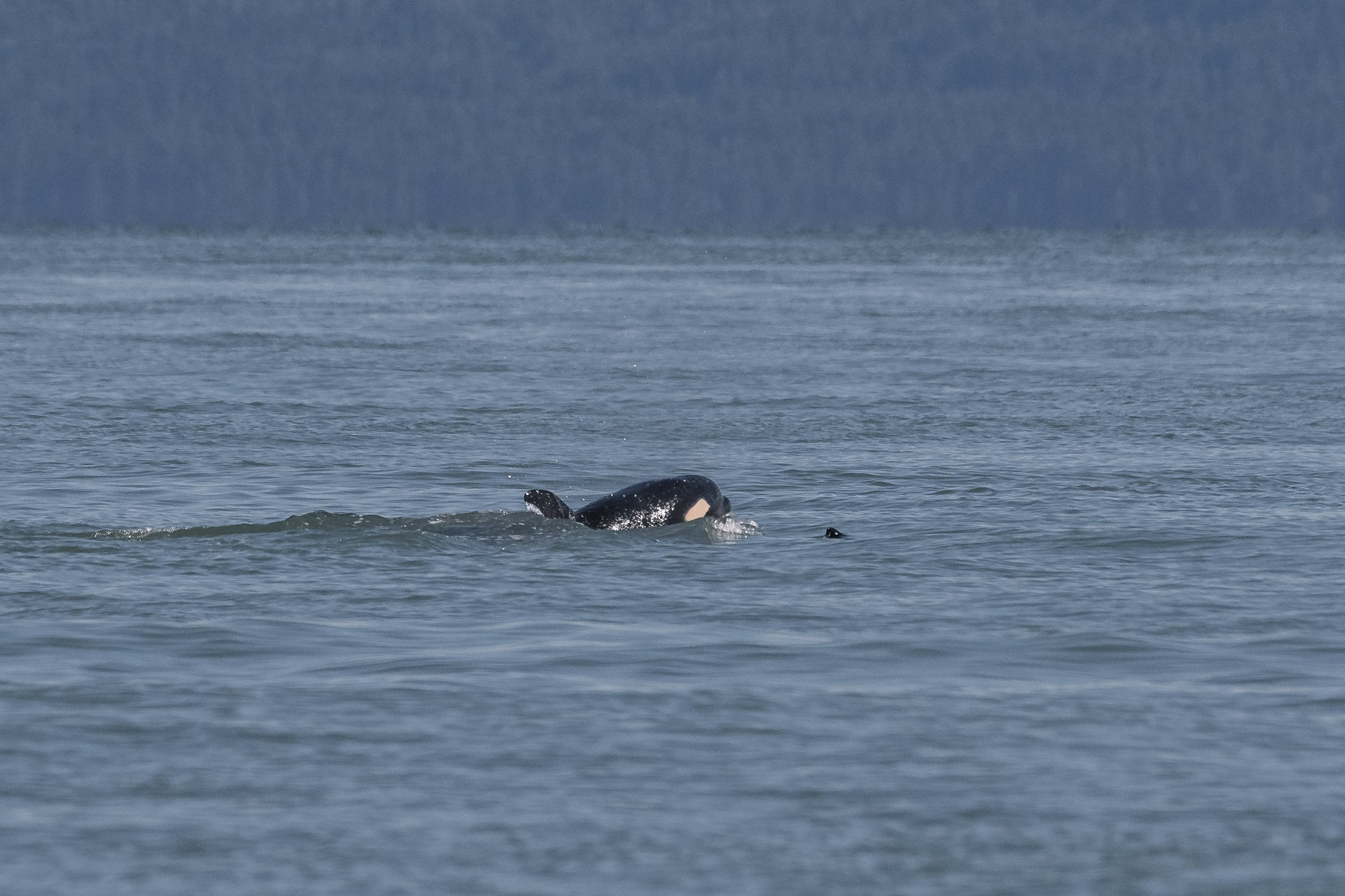
T046B8 Pi swimming alongside another orca.Photo by Evan Hessels.
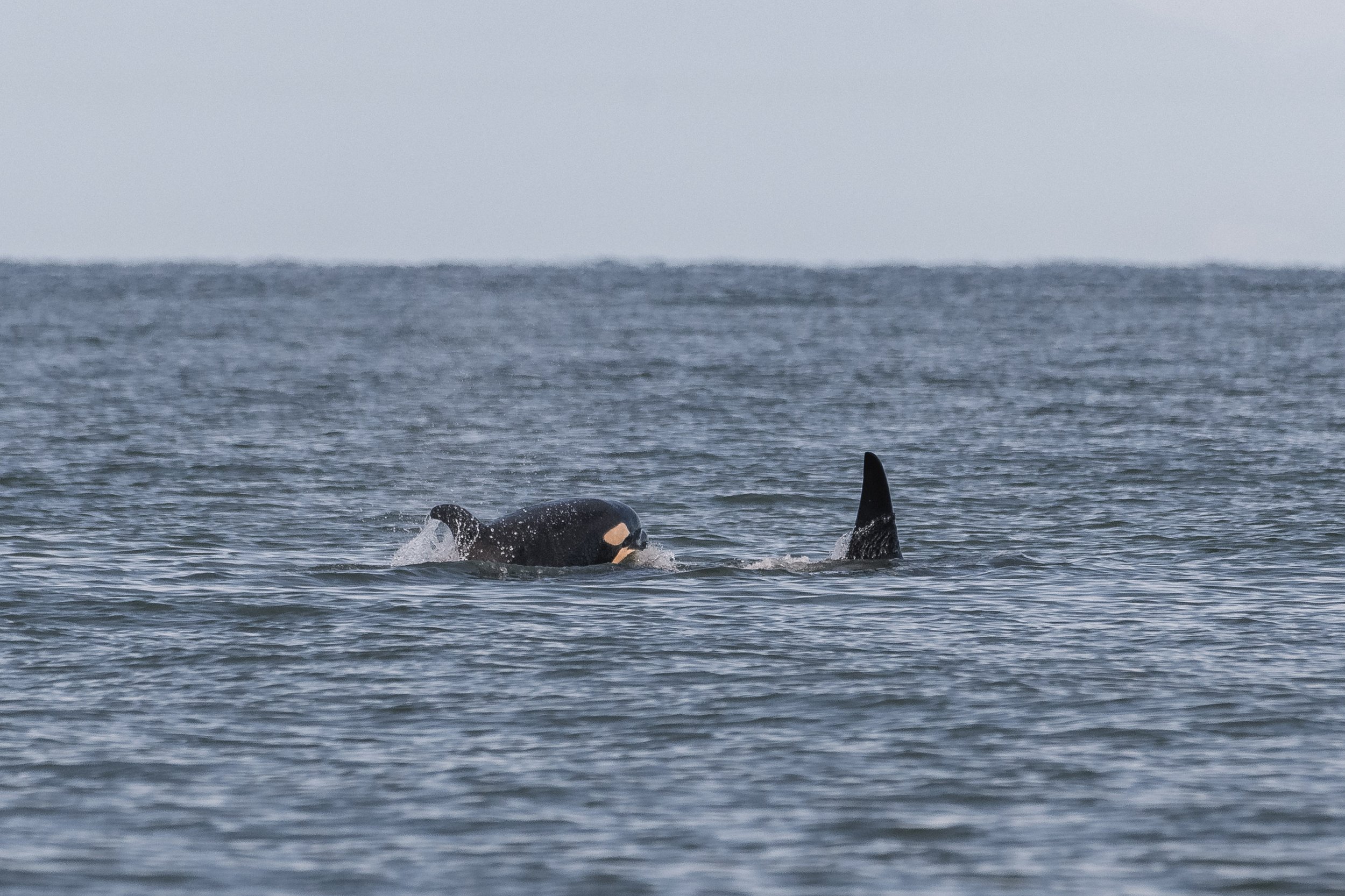
T046B8 Pi, photo by Evan Hessels.
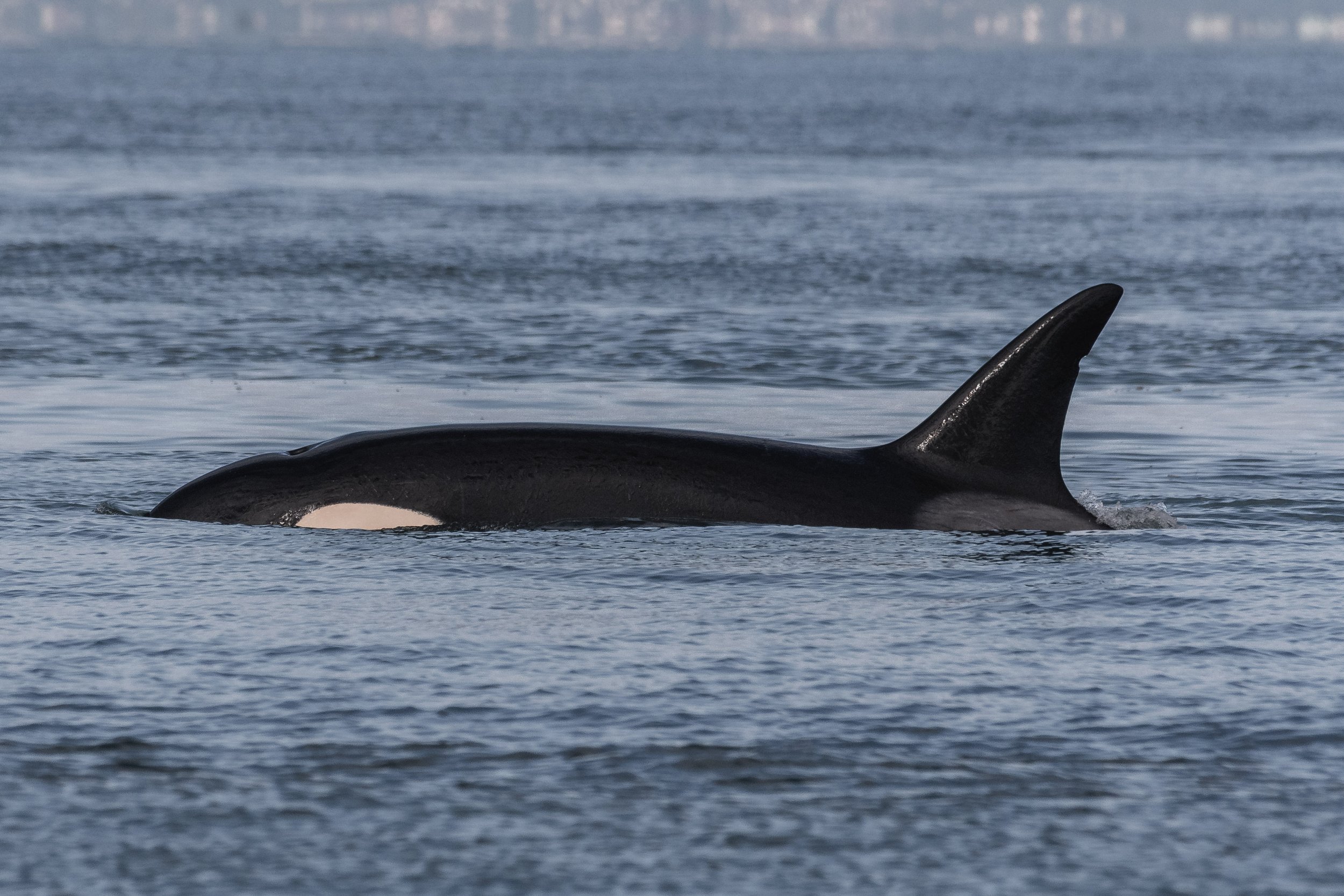
T046B2 Akela wither her recognizable dorsal fin notch on perfect display. Photo by Evan Hessels.
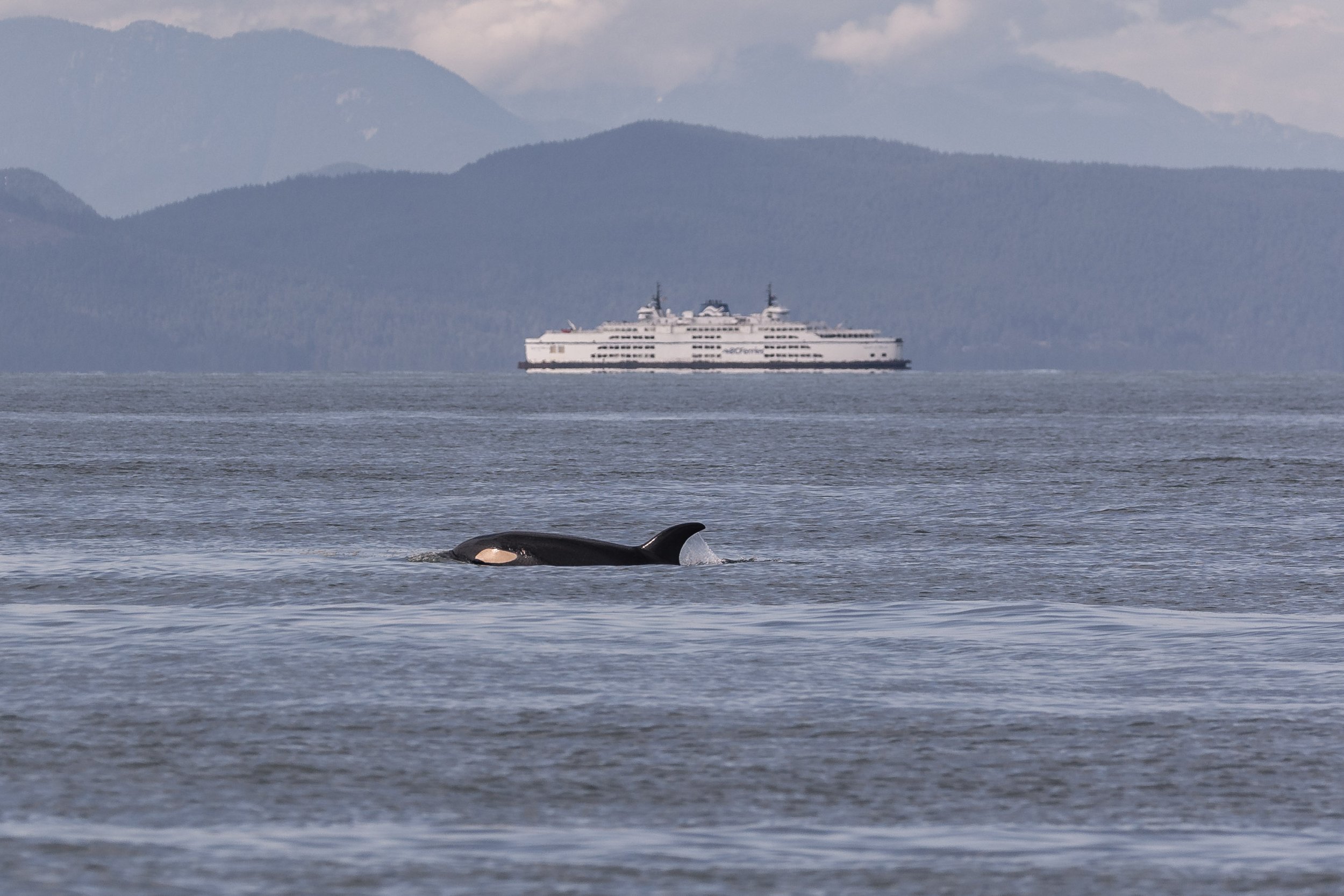
T046B2B Takaya with BC ferries in the background. Photo by Jordan Robinson.
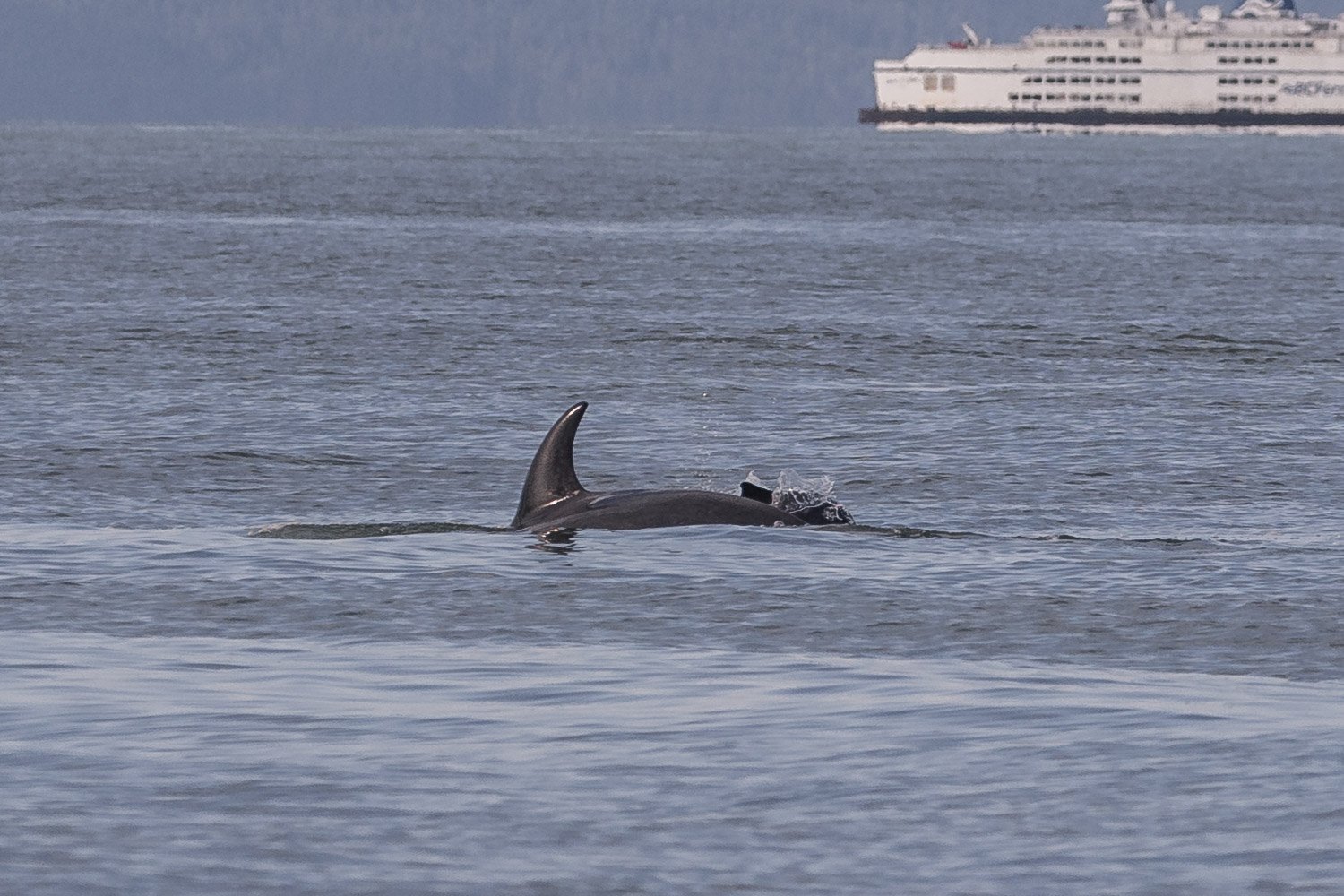
T046B2B Takaya being out-maneuvered by a harbour porpoise. Photo by Jordan Robinson.
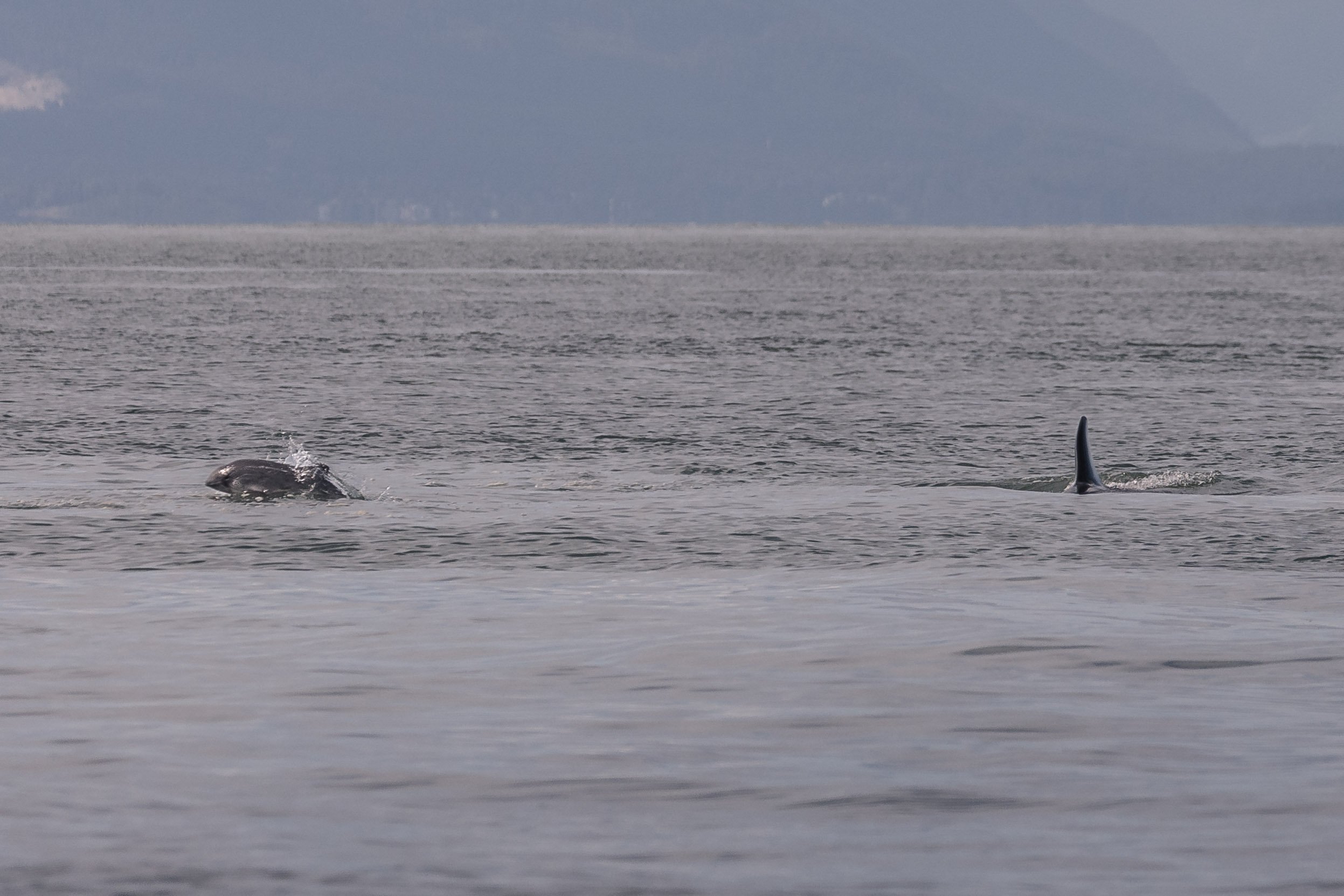
T046B2B Takaya chasing a harbour porpoise. Photo by Jordan Robinson.
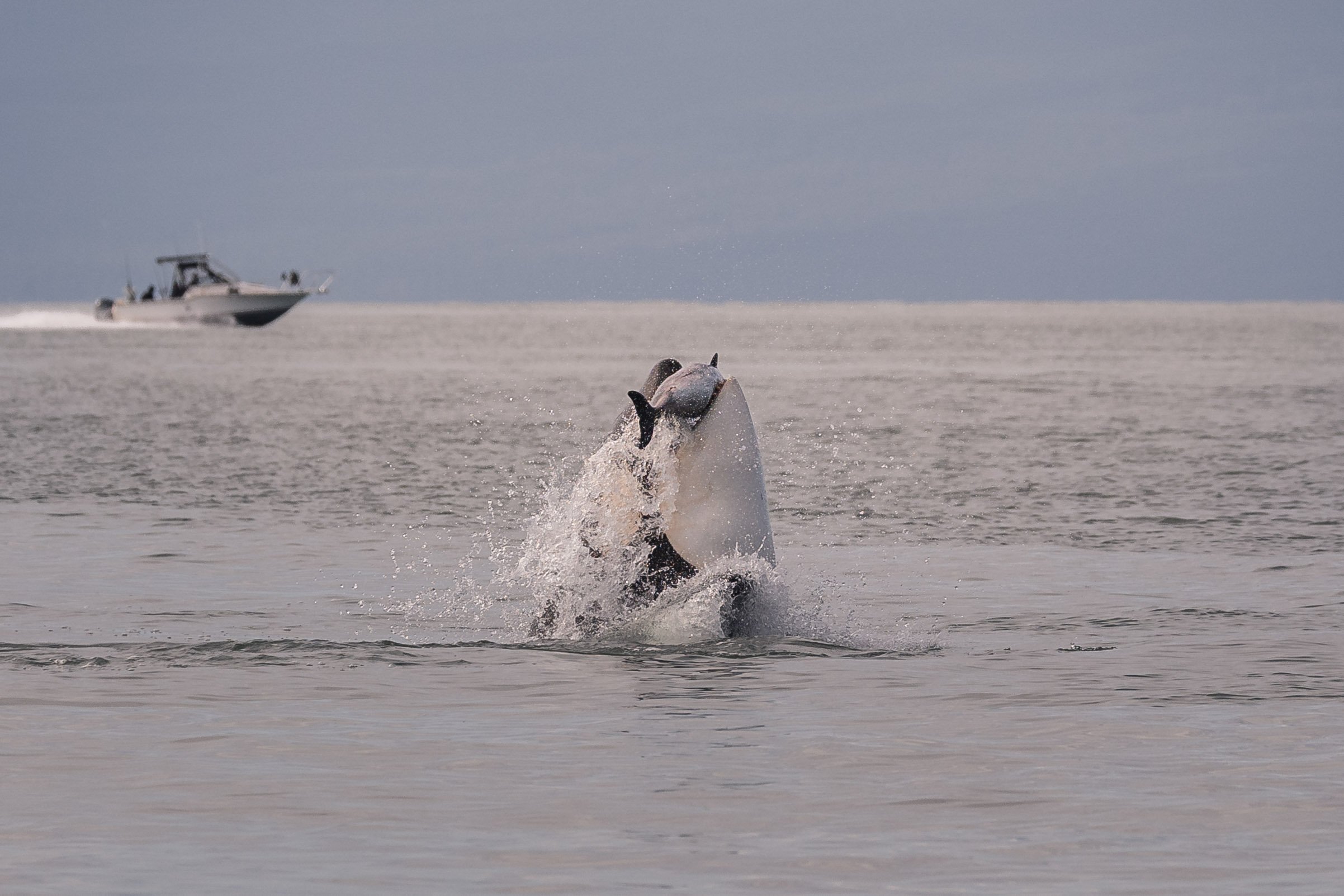
T046B2 Akela showing her daughter how its done! Photo by Jordan Robinson.
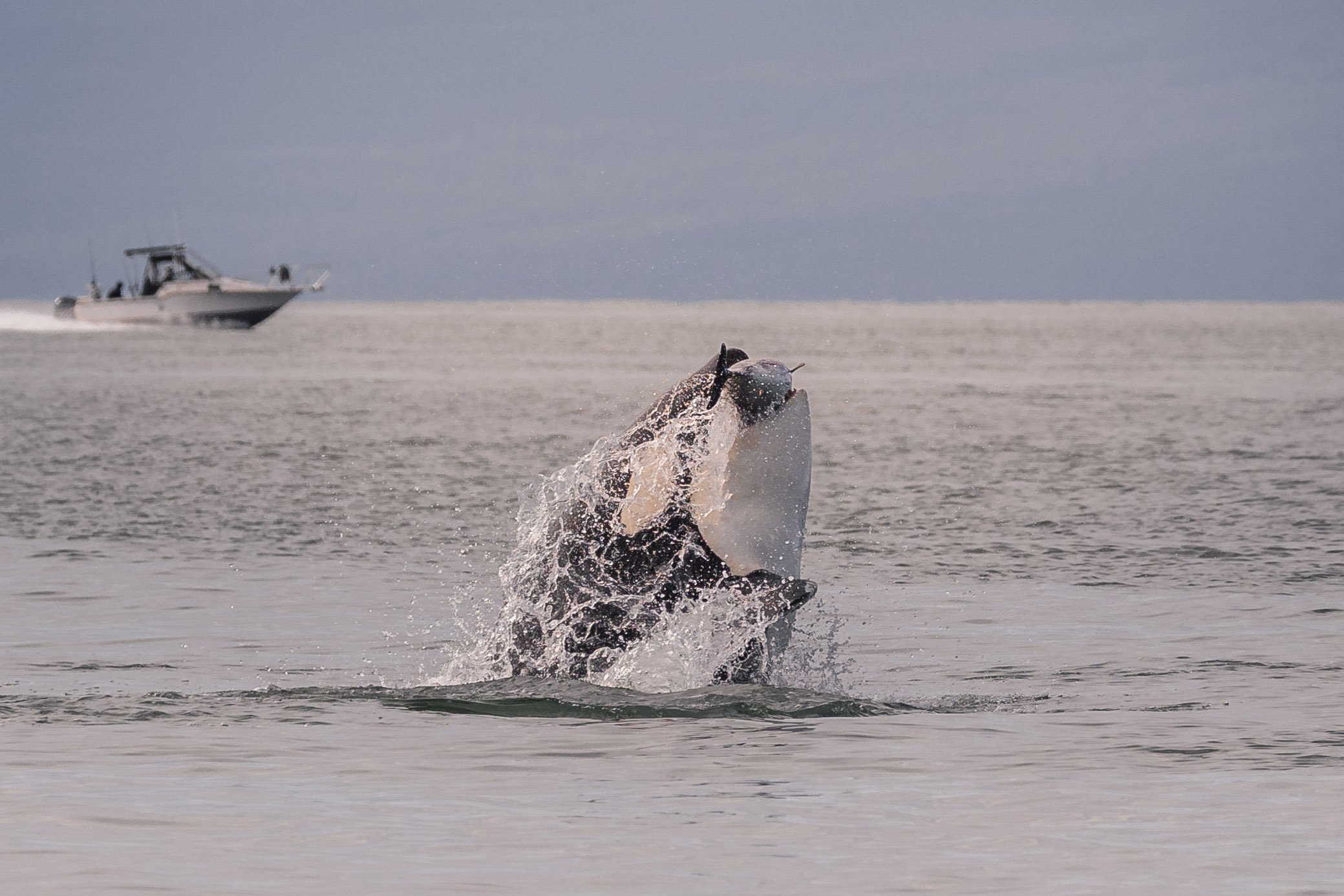
What a catch! Photo by Jordan Robinson.
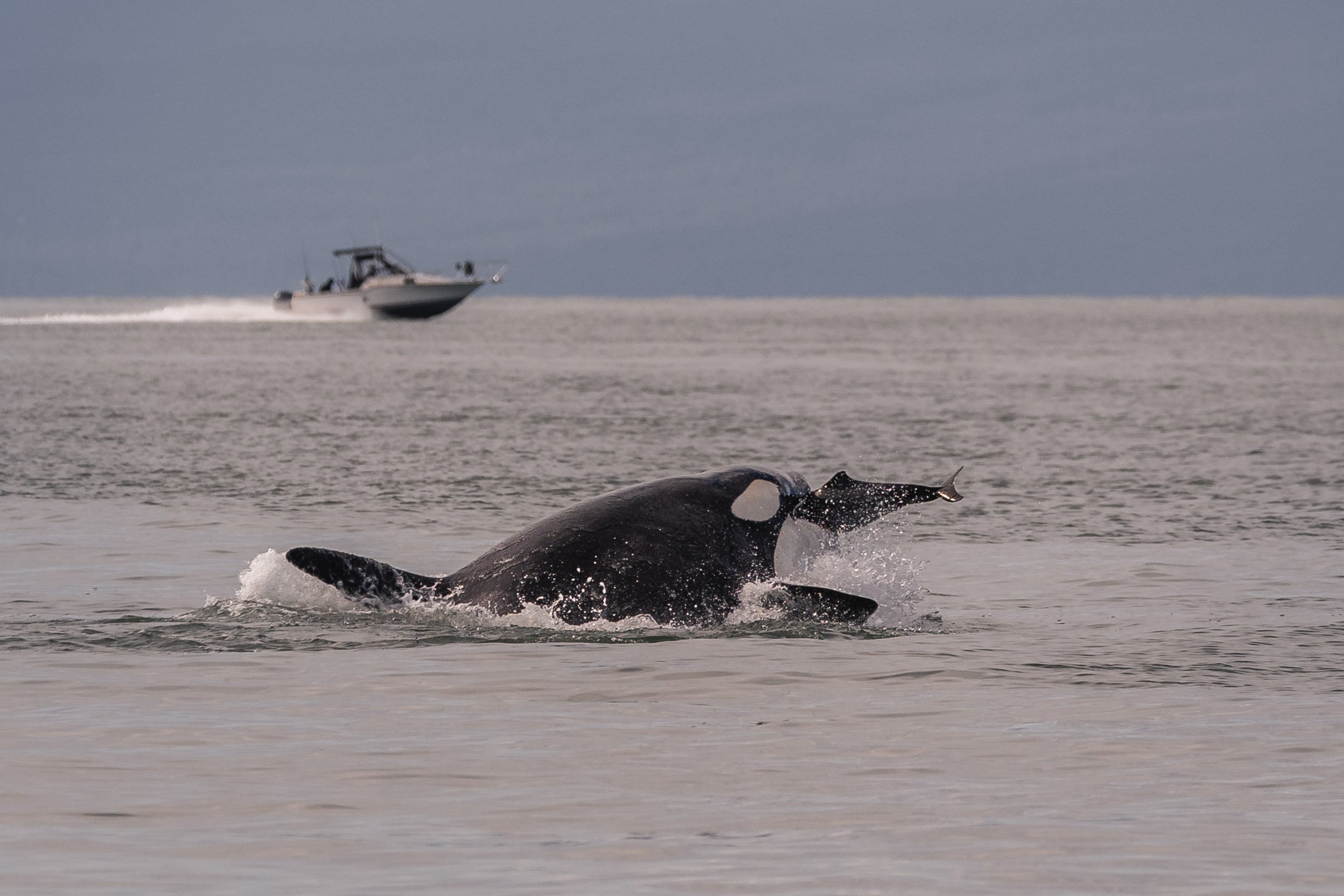
T046B2 Akela with the porpoise in her jaws. Photo by Jordan Robinson.
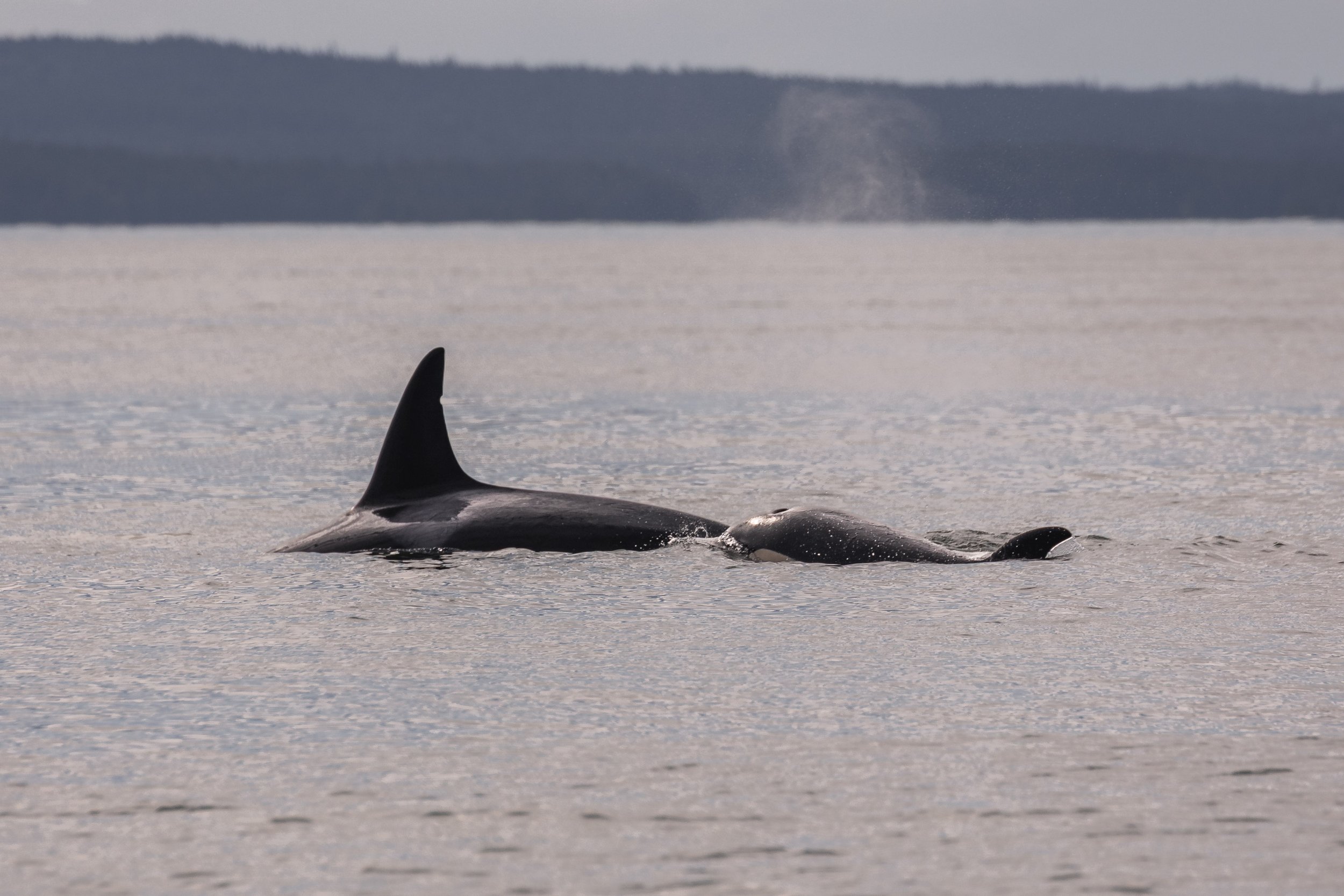
Post-hunt soacializing between T046B2B Takaya and T046B2 Akela. Photo by Jordan Robinson.
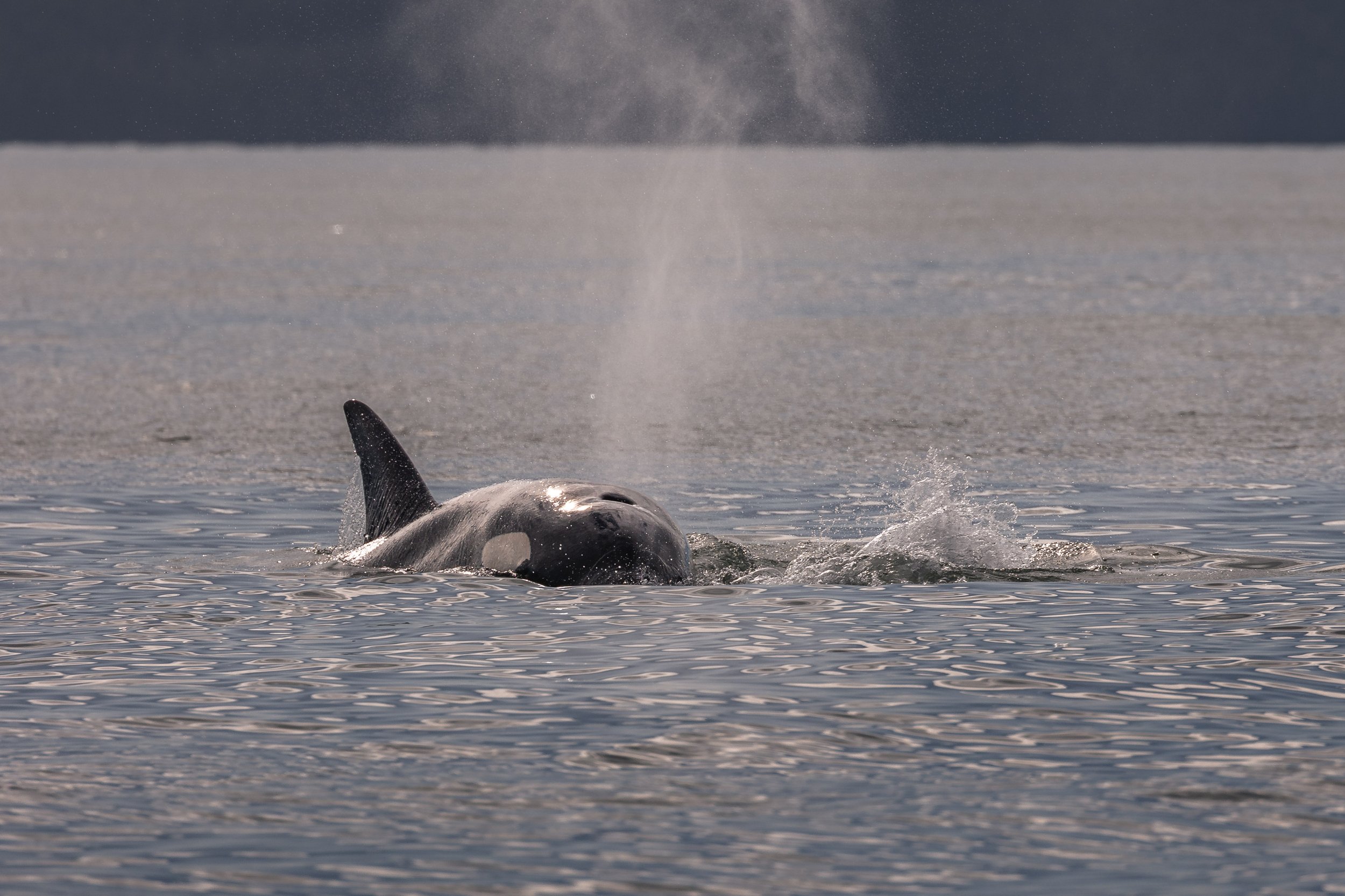
T046B2 Akela. Photo by Jordan Robinson.
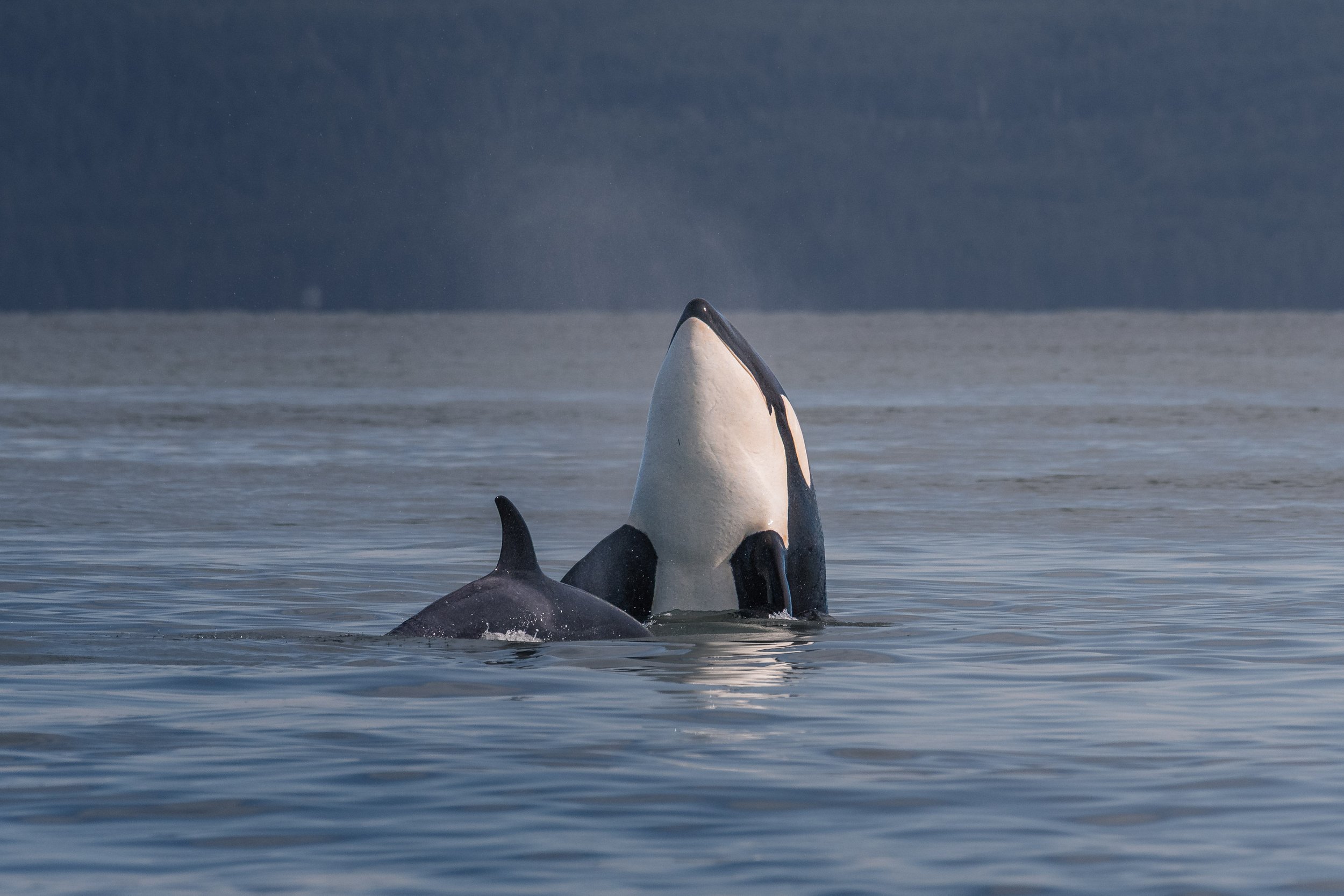
T046B2 Akela spyhopping while T046B2B Takaya swims around her. Photo by Evan Hessels.
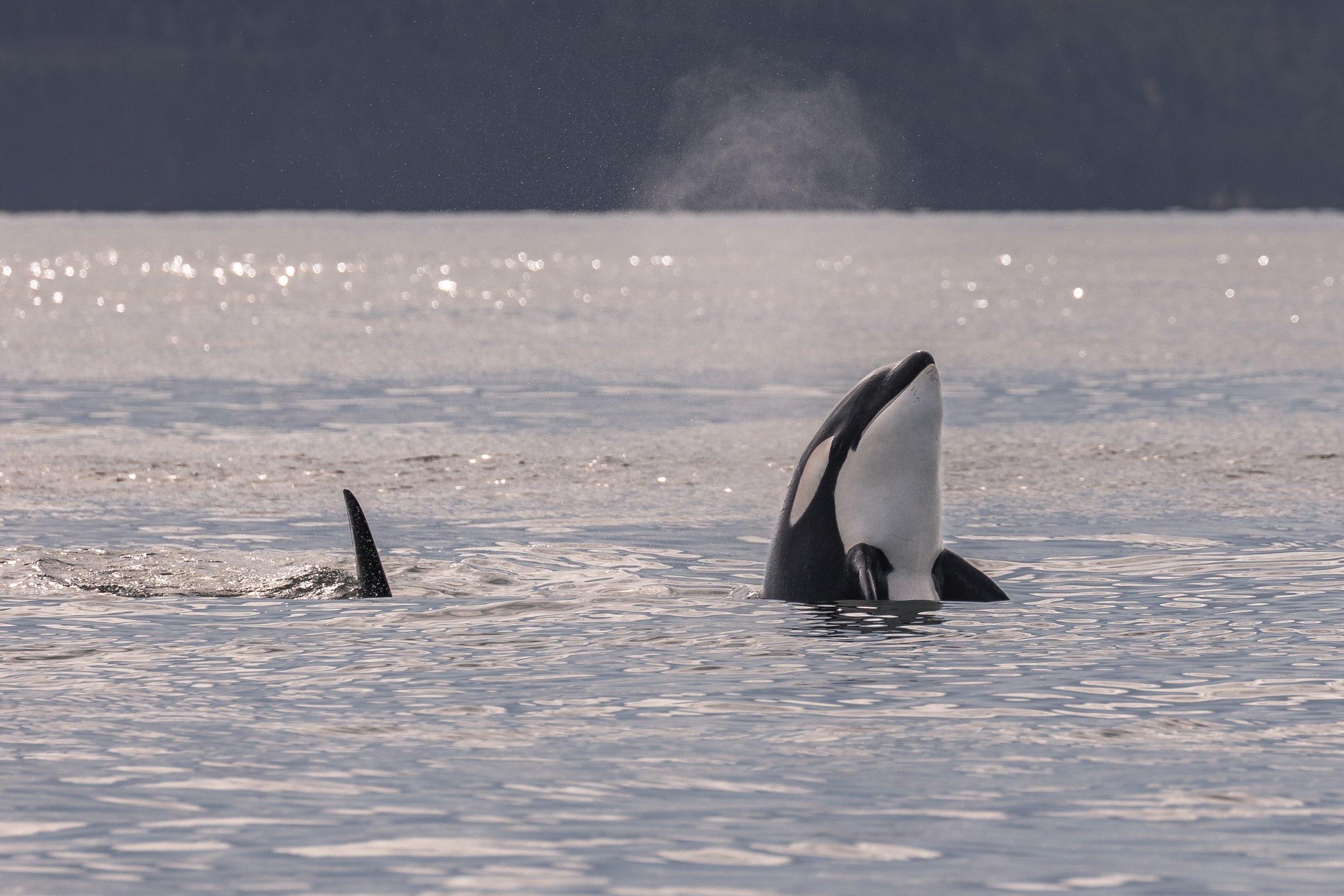
T046B2B Takaya spyhopping. Photo by Jordan Robinson.
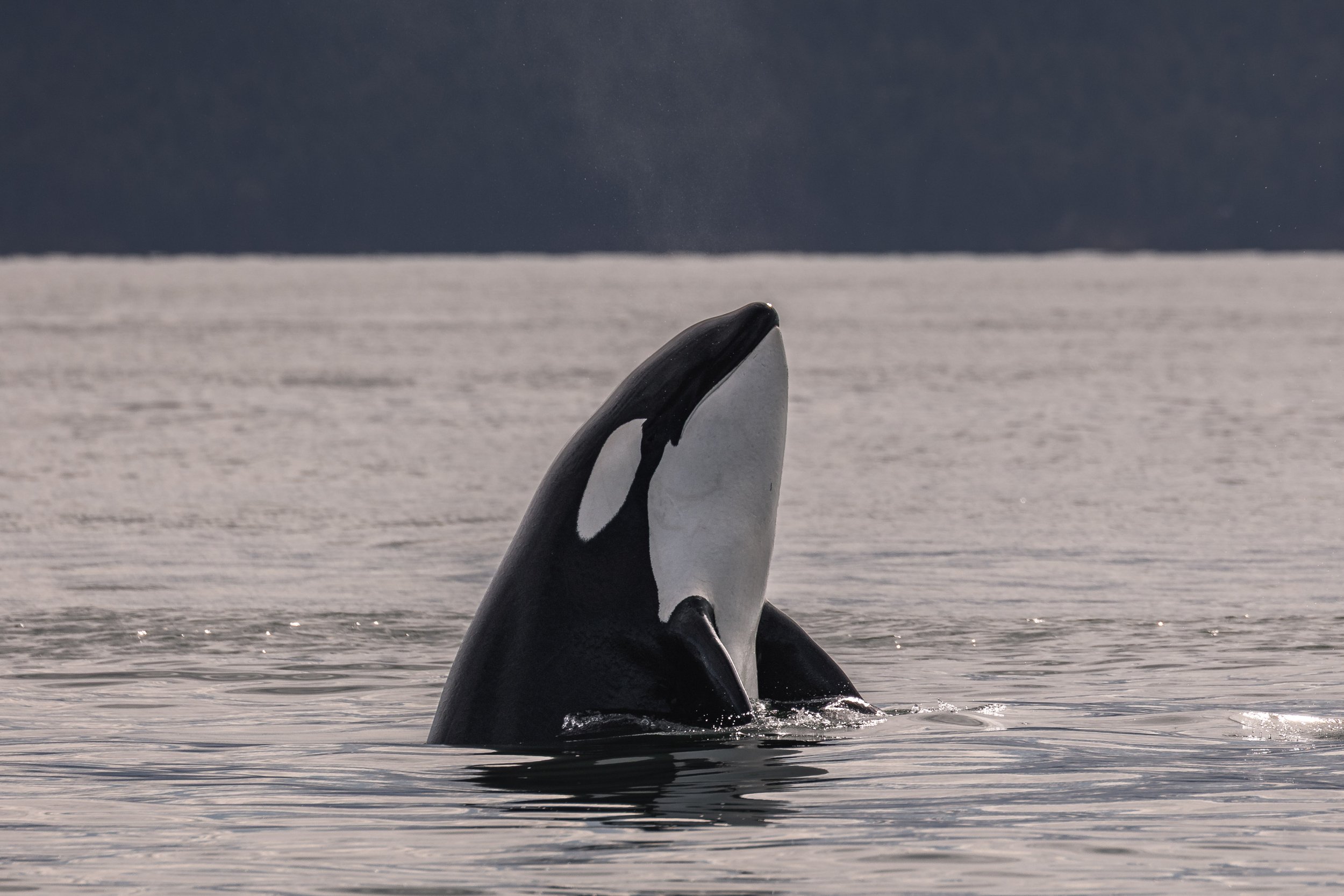
Another spyhop from T046B2 Akela. Photo by Jordan Robinson.
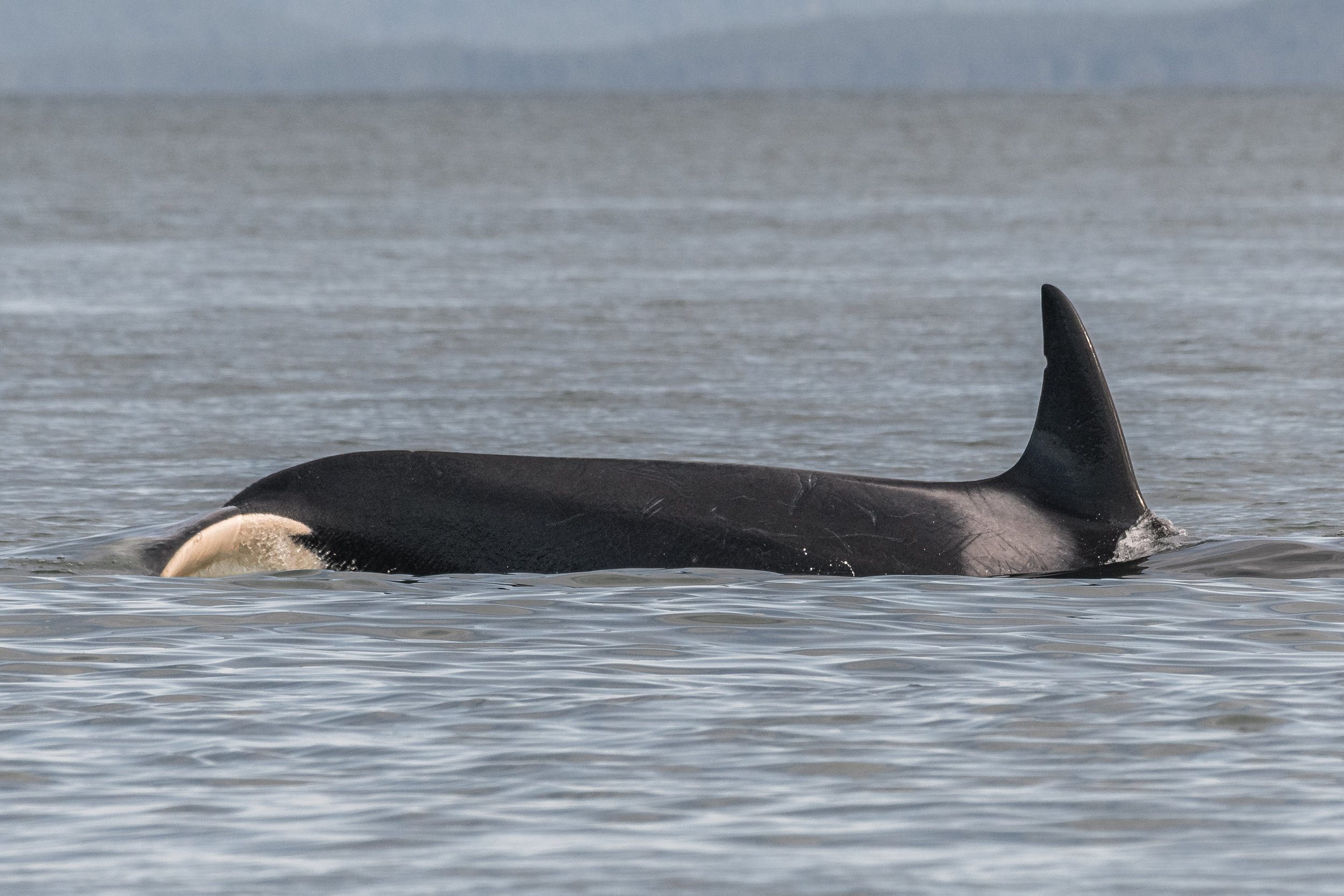
T046B2 Akela slapping her tail. Photo by Evan Hessels.
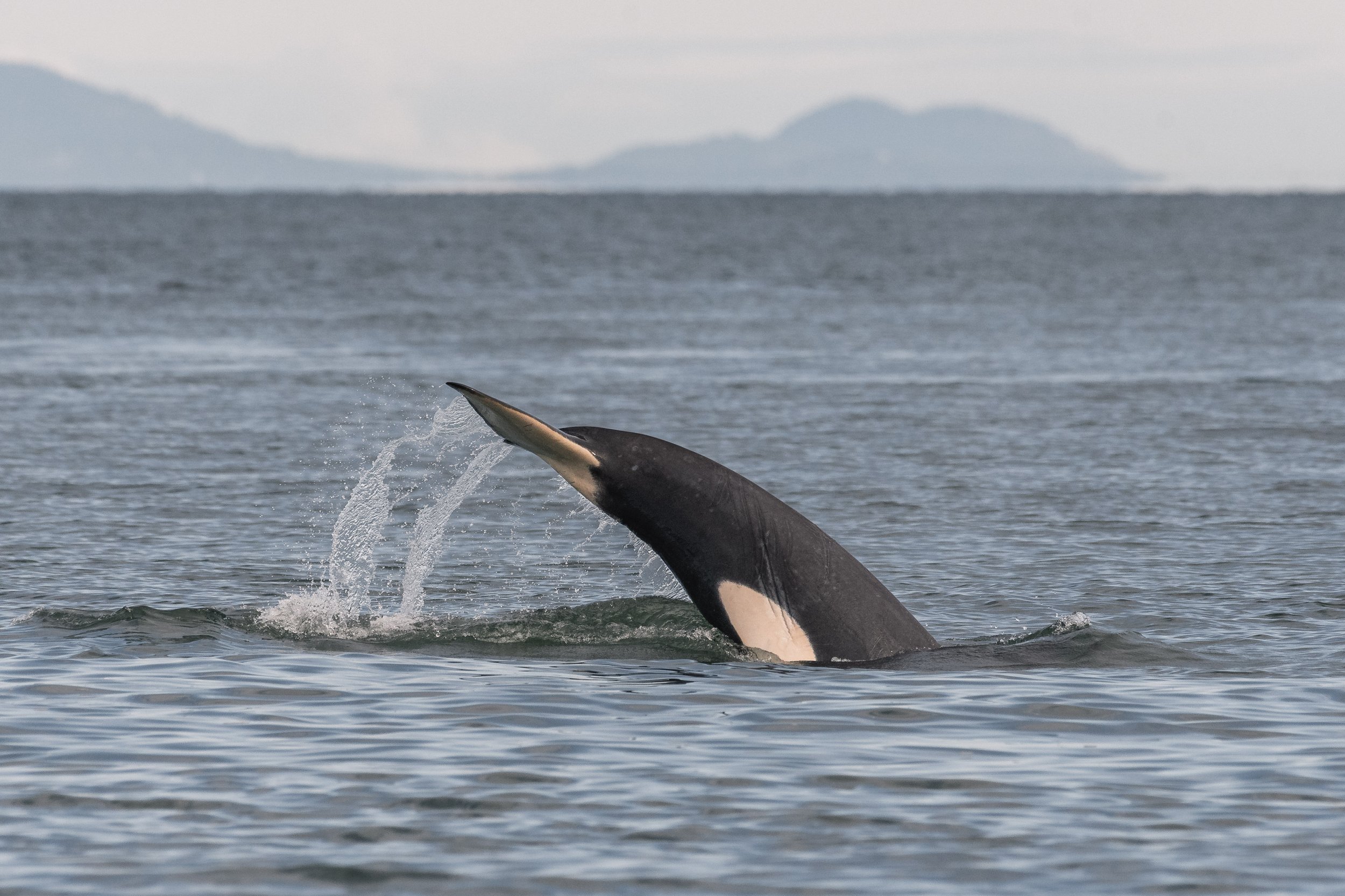
Flukes up! Photo by Evan Hessels.
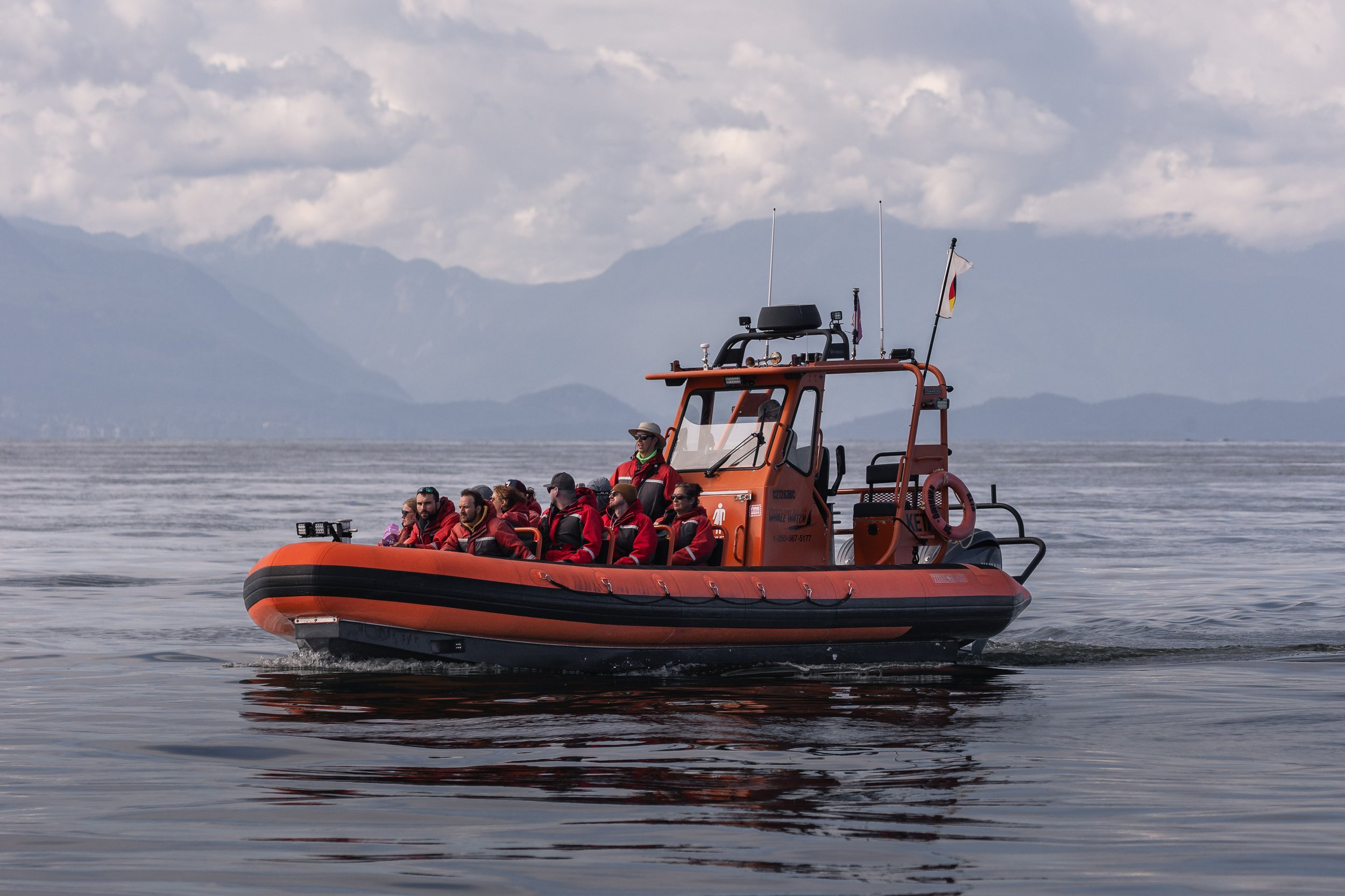
Guests and crew aboard Keta enjoying the transient orcas. Photo by Jordan Robinson.
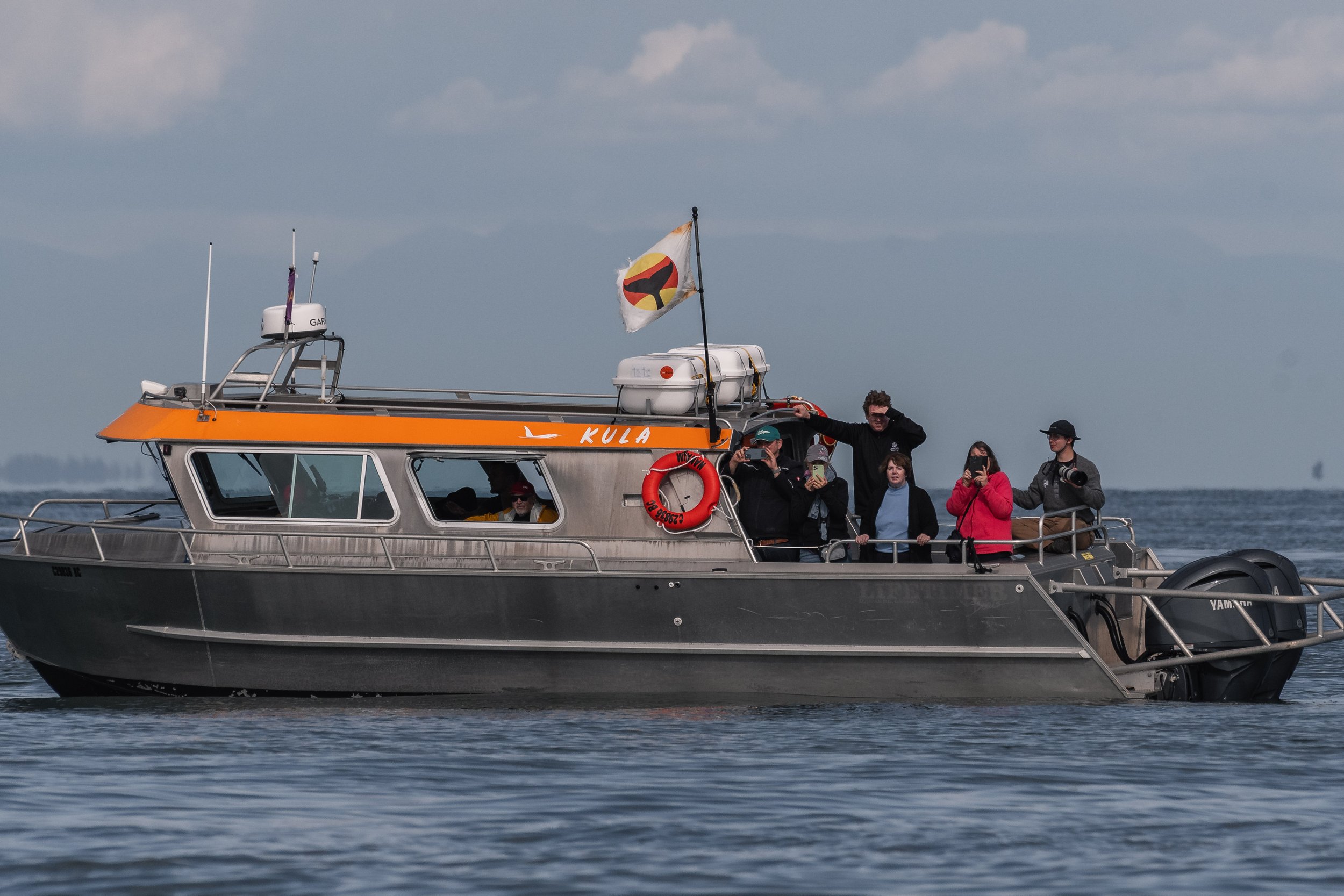
Guests and crew aboard Kula enjoying the trasnient orcas. Photo by Evan Hessels.
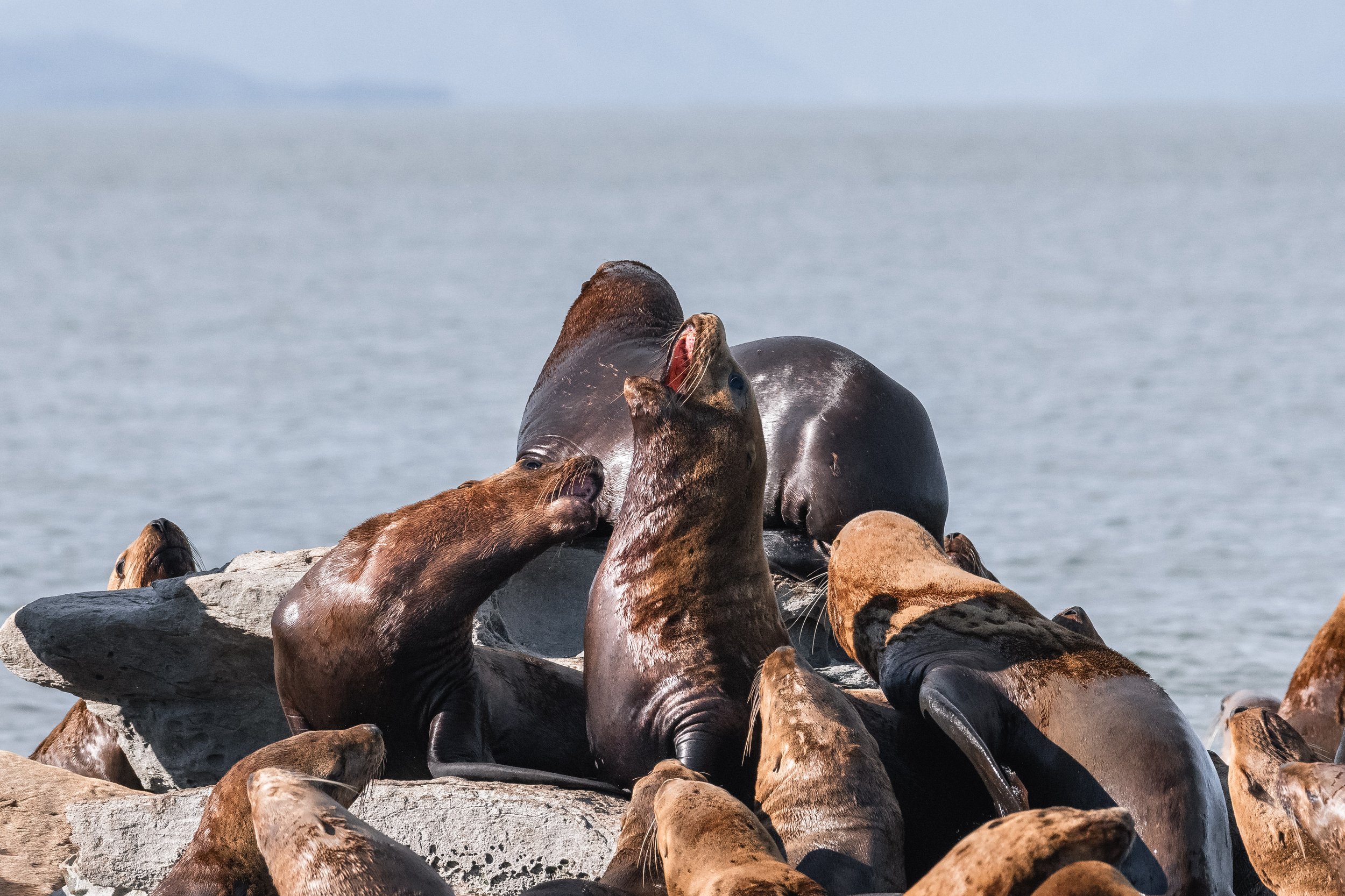
Either a big yawn or loud bark from a Steller sea lion. Photo by Evan Hessels.
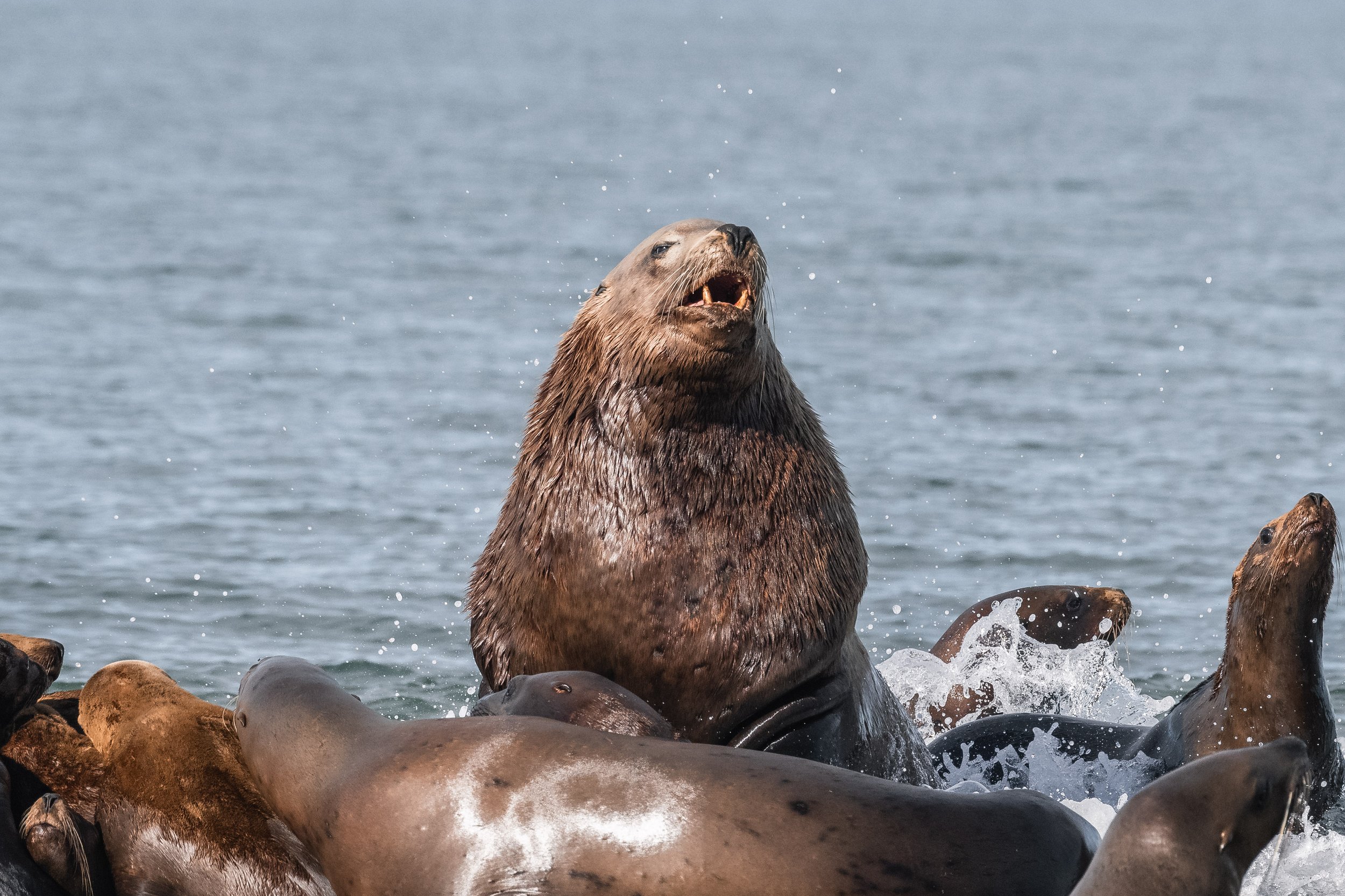
A large male Steller sea lion. Photo by Evan Hessels.
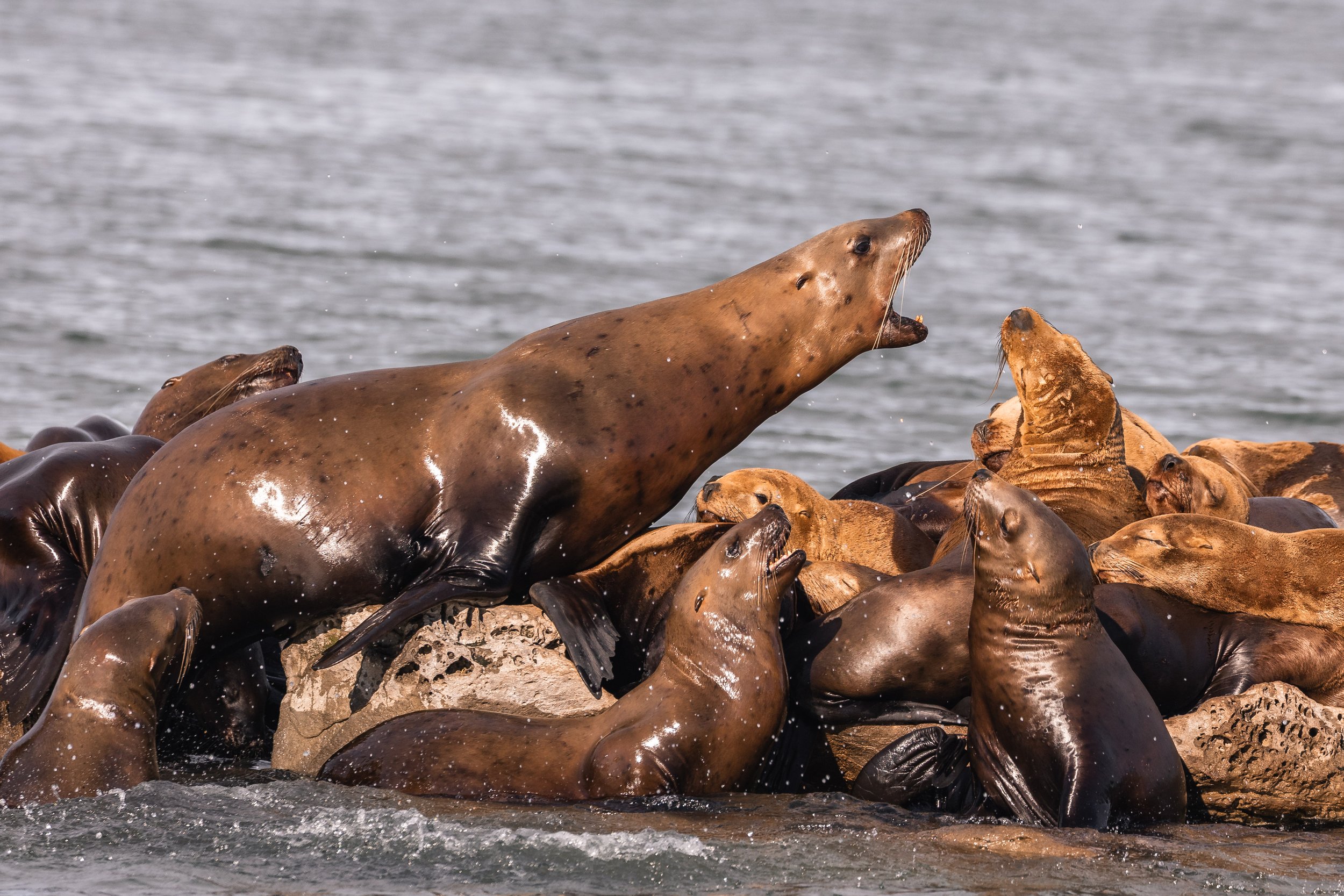
Just talking things out. Photo by Jordan Robinson.
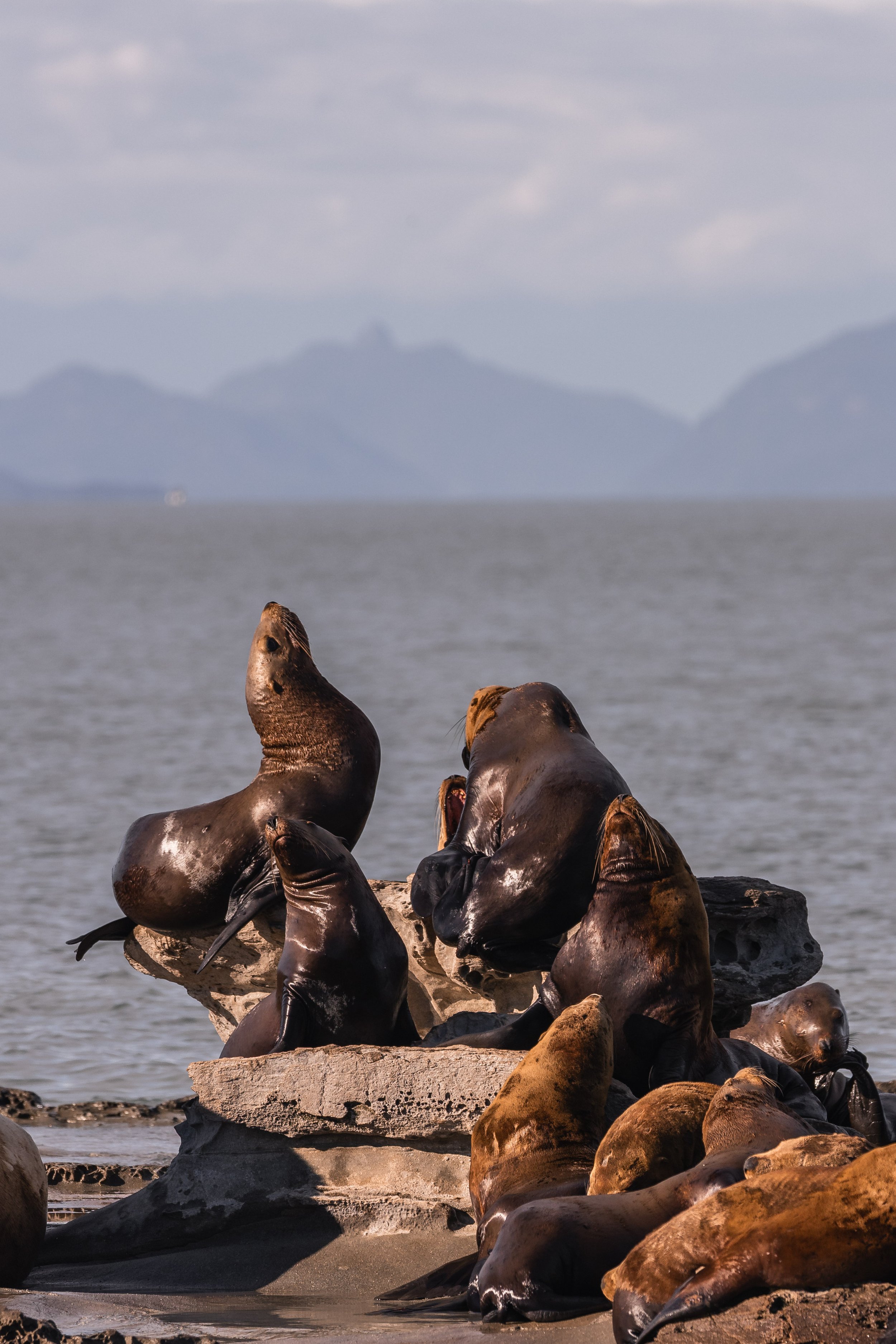
This can’t be comfortable… Photo by Jordan Robinson.
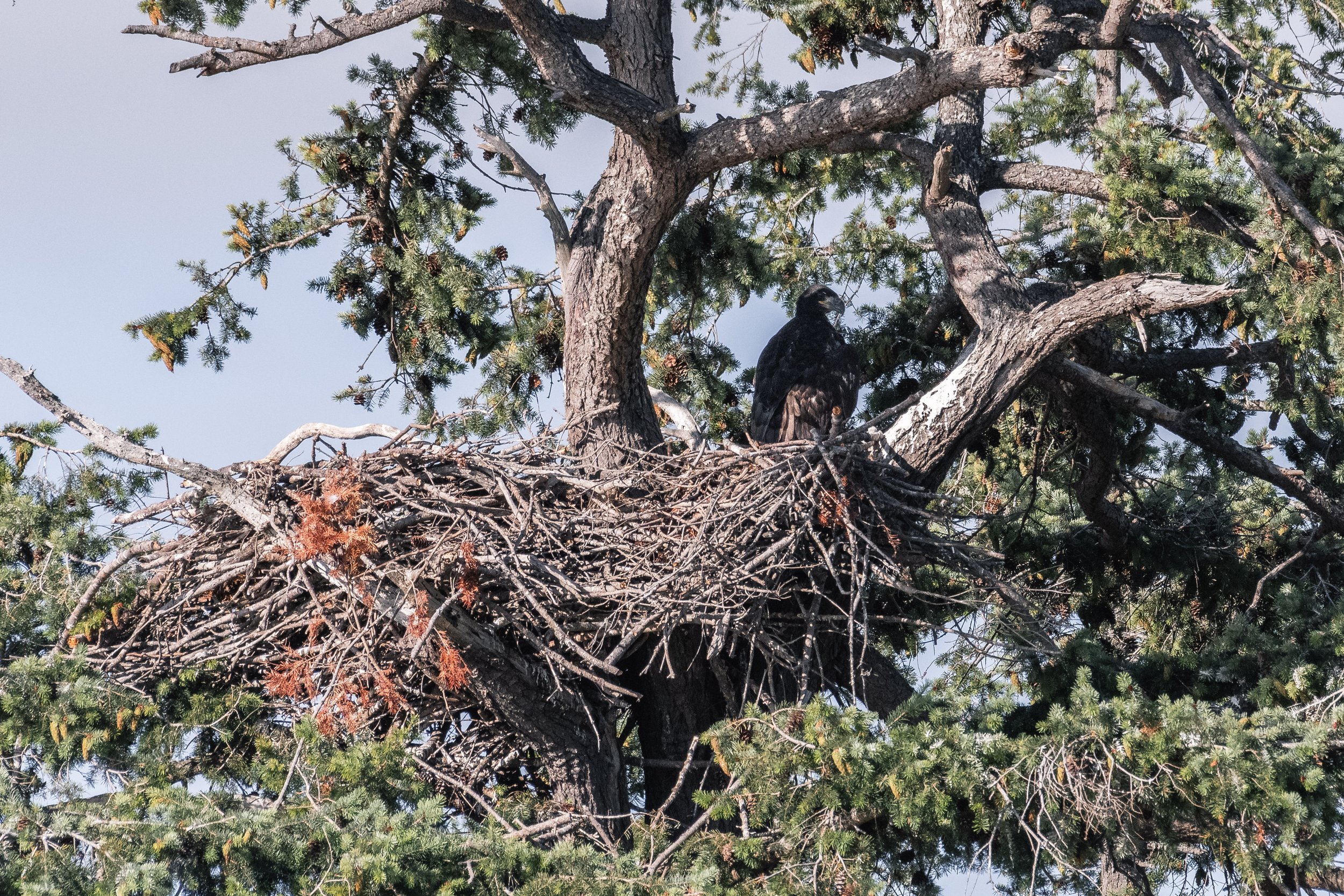
A juvenile Bald Eagle in its nest. Photo by Evan Hessels.
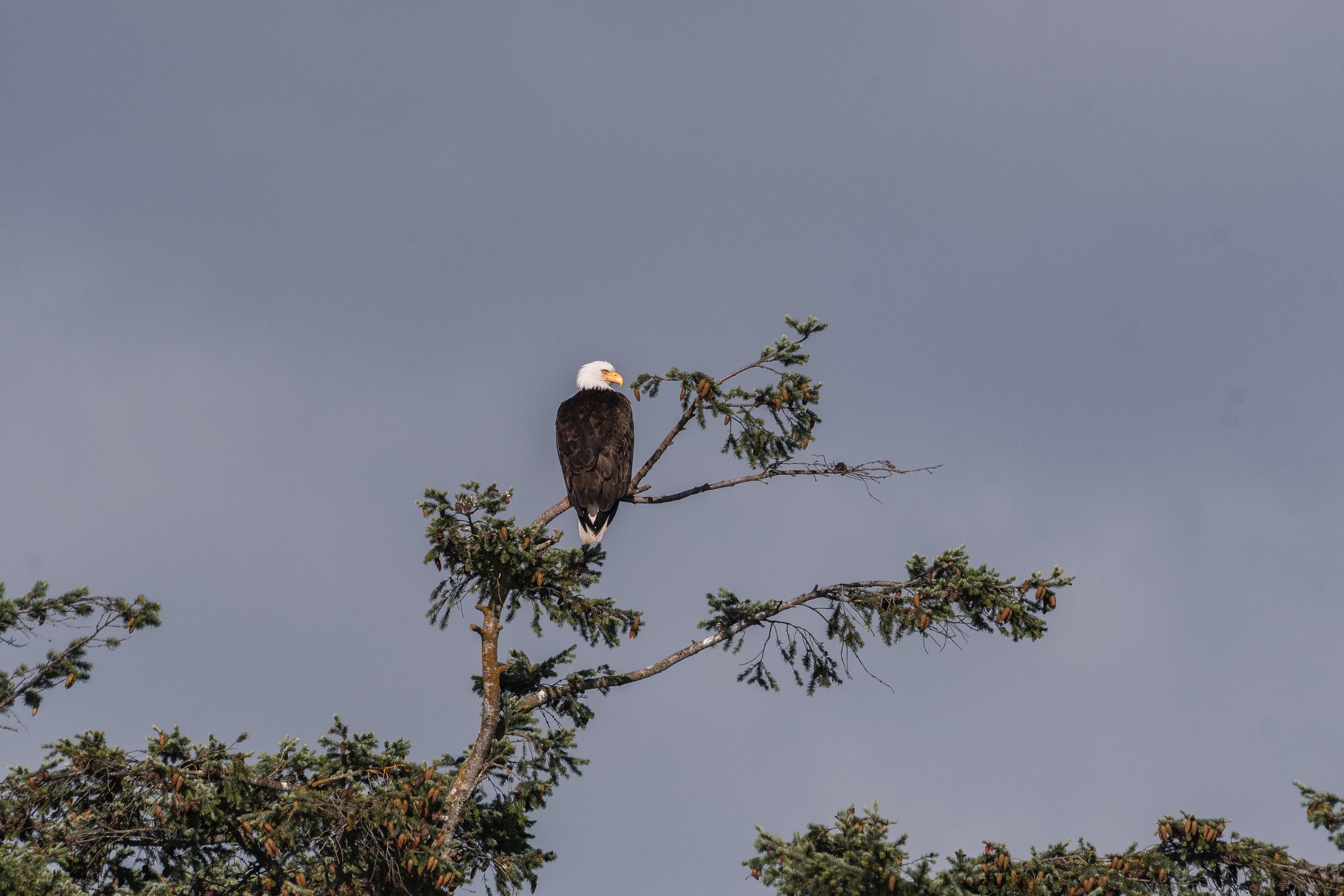
The resumed parent of the nest. Photo by Evan Hessels.
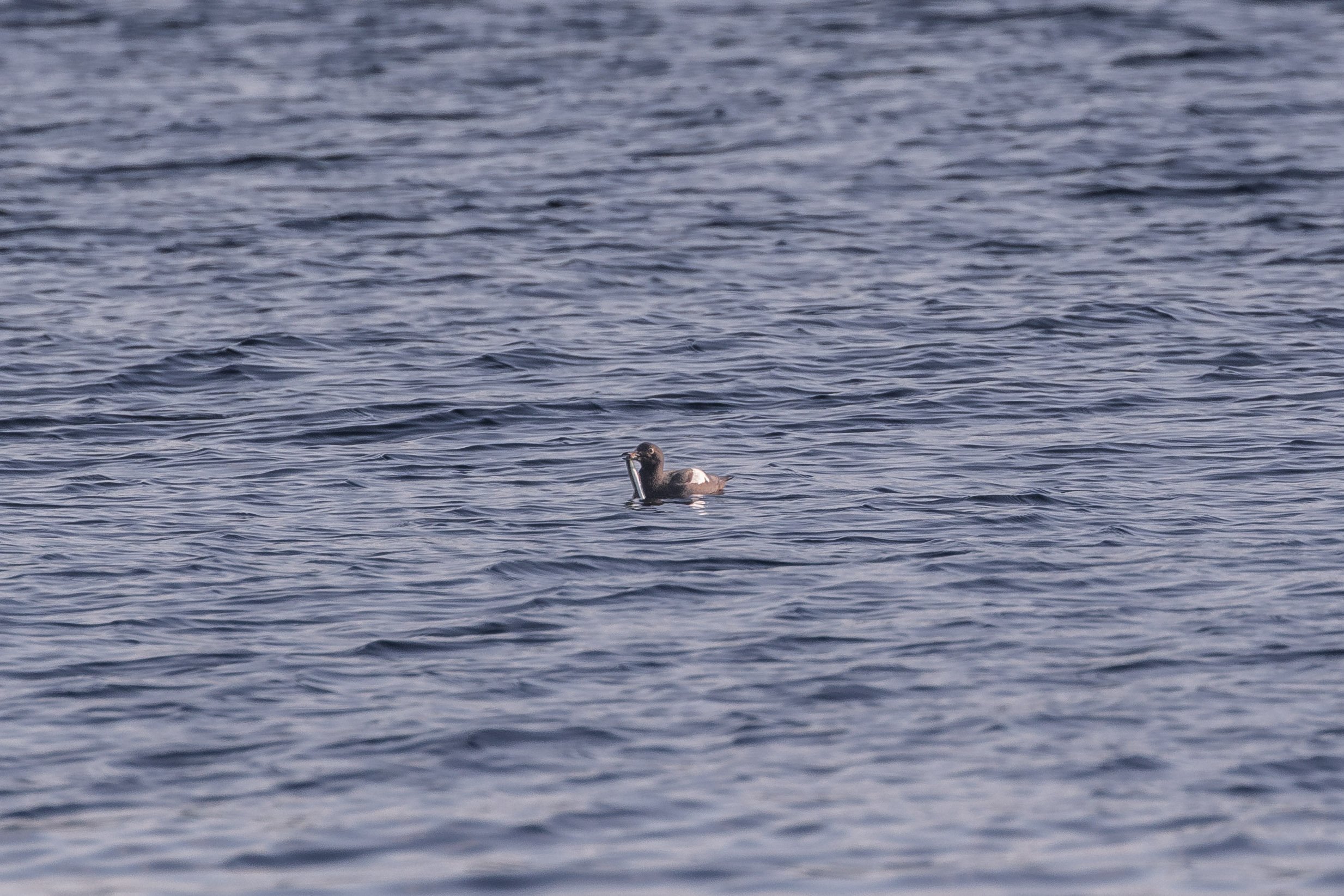
A small Pigeon Guillemot with its fishy catch! Photo by Jordan Robinson.
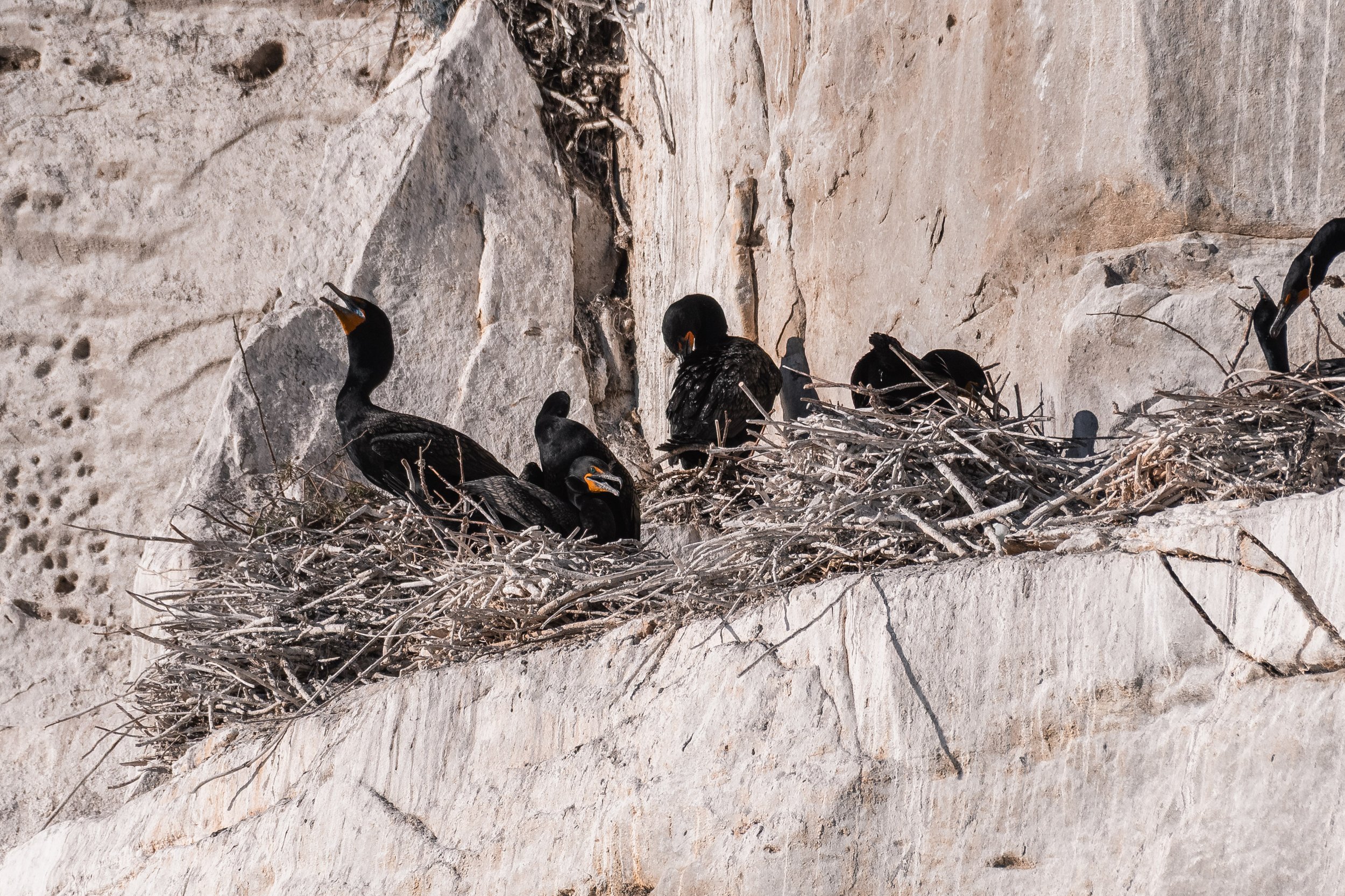
Double-crested cormorants on the Gabriola Island bluffs. Photo by Evan Hessels.
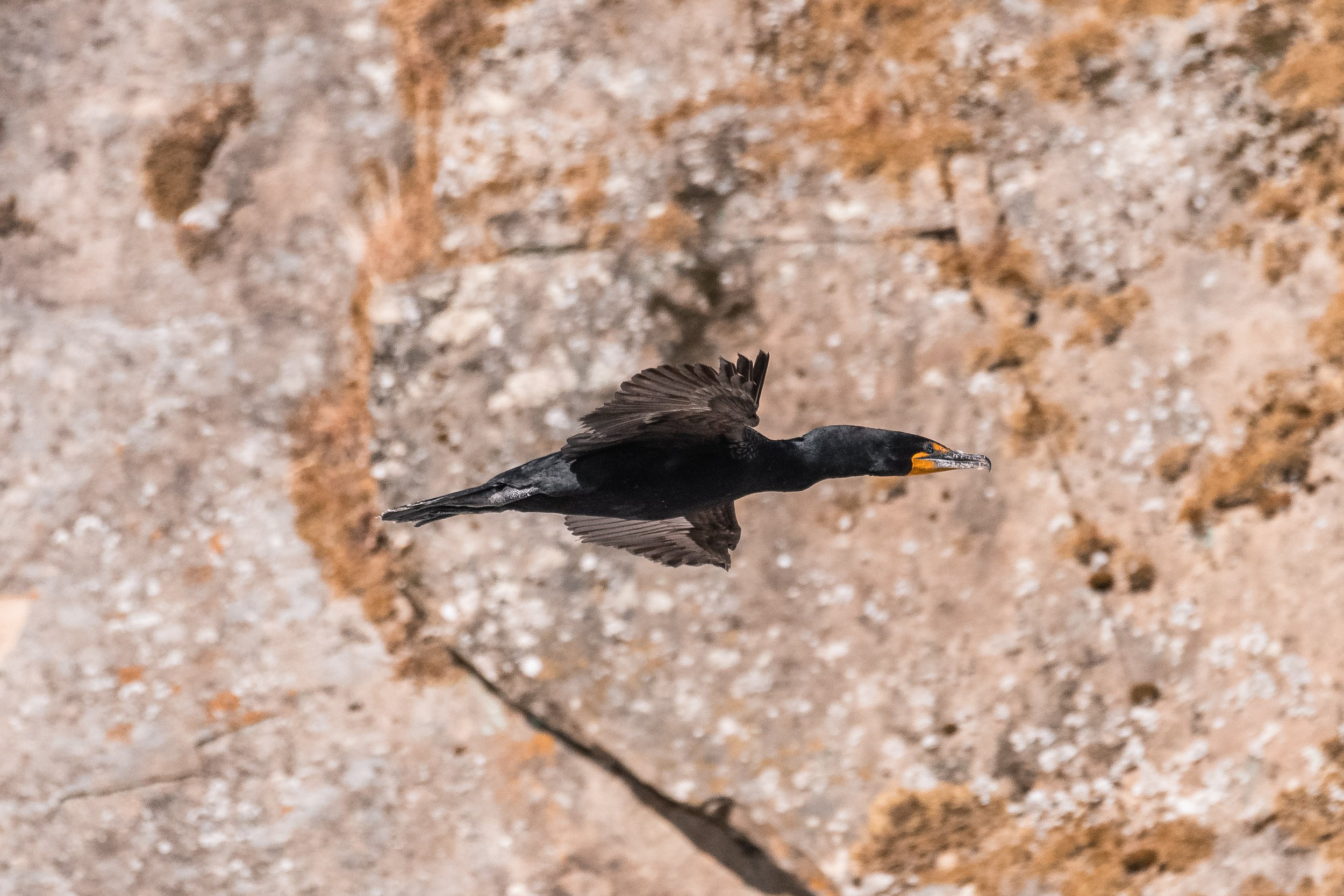
Double-crested cormorant fly-by! Photo by Evan Hessels.
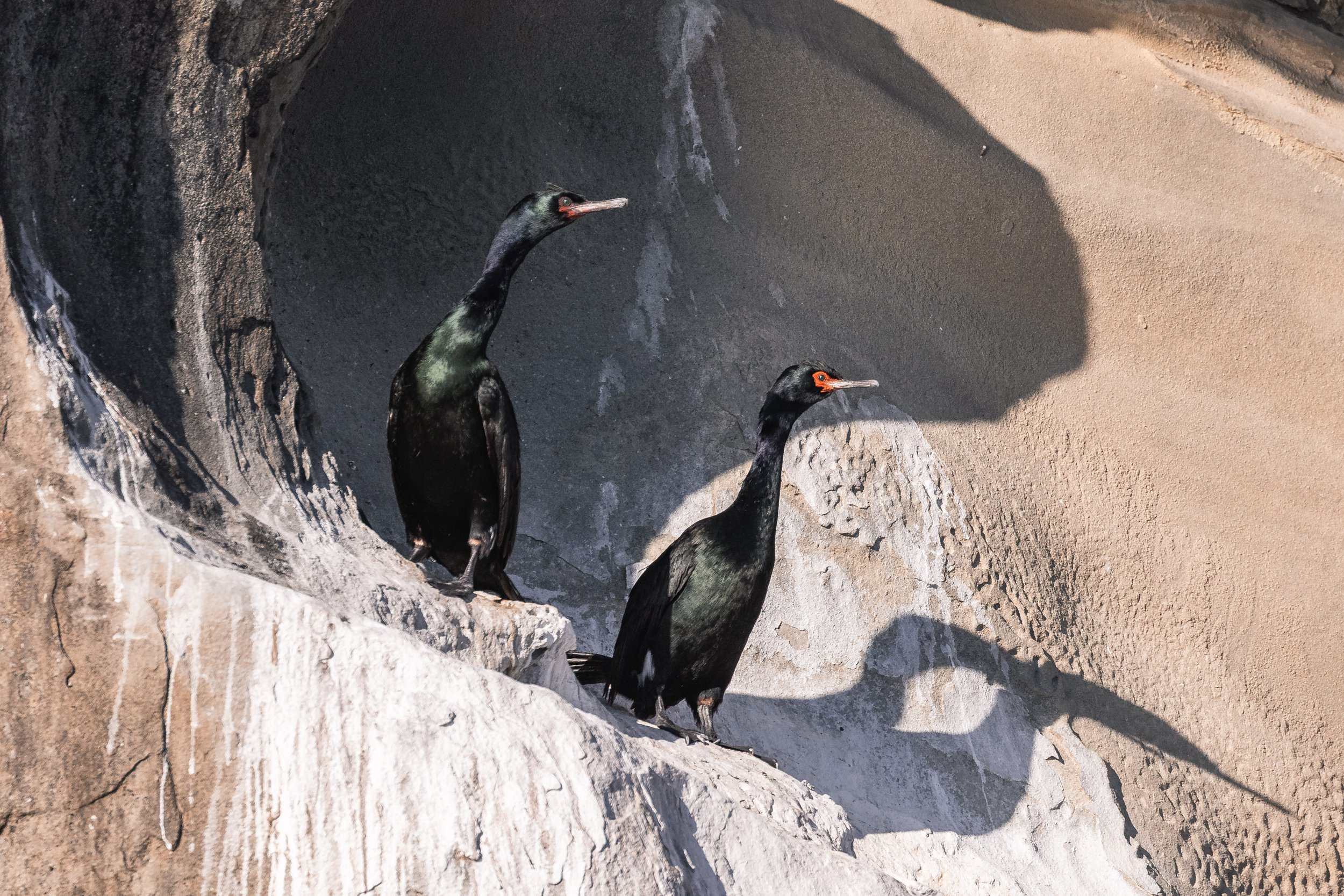
Pelagic cormorants striking a pose. Photo by Jordan Robinson.
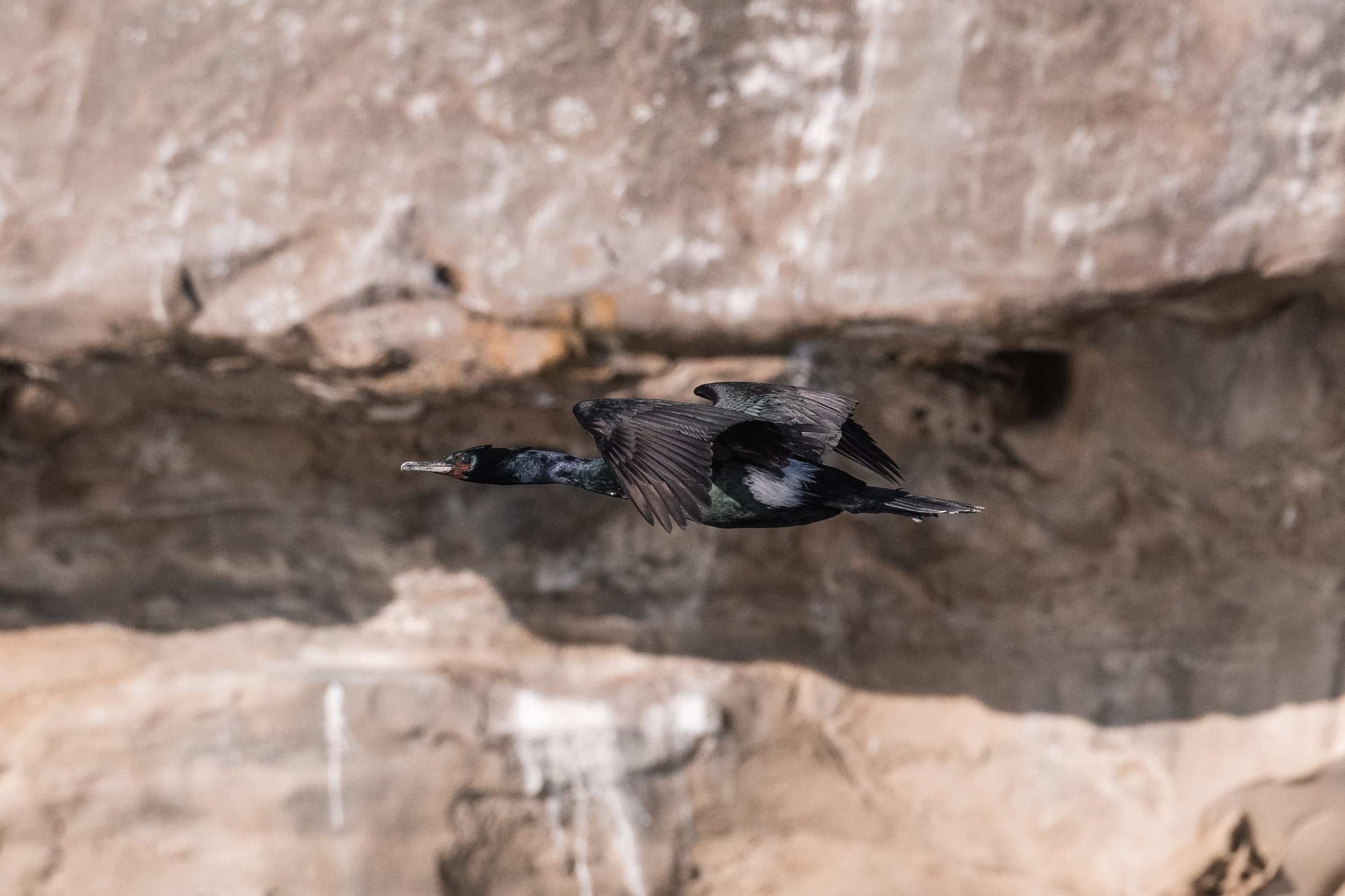
Pelagic cormorant fly-by! Photo by Evan Hessels.Photo by Evan Hessels.
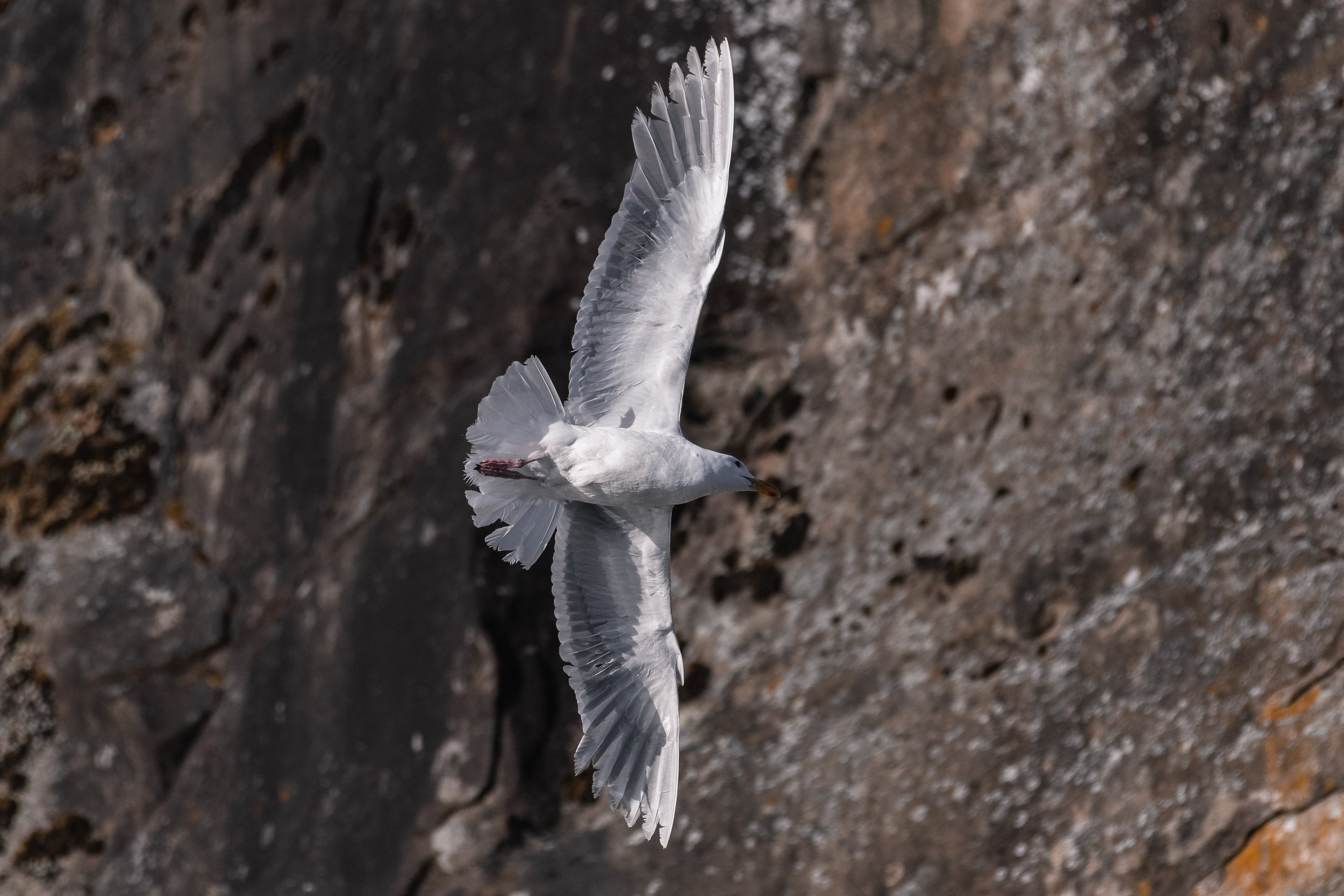
A beautiful gull showing off its plumage. Photo by Evan Hessels.
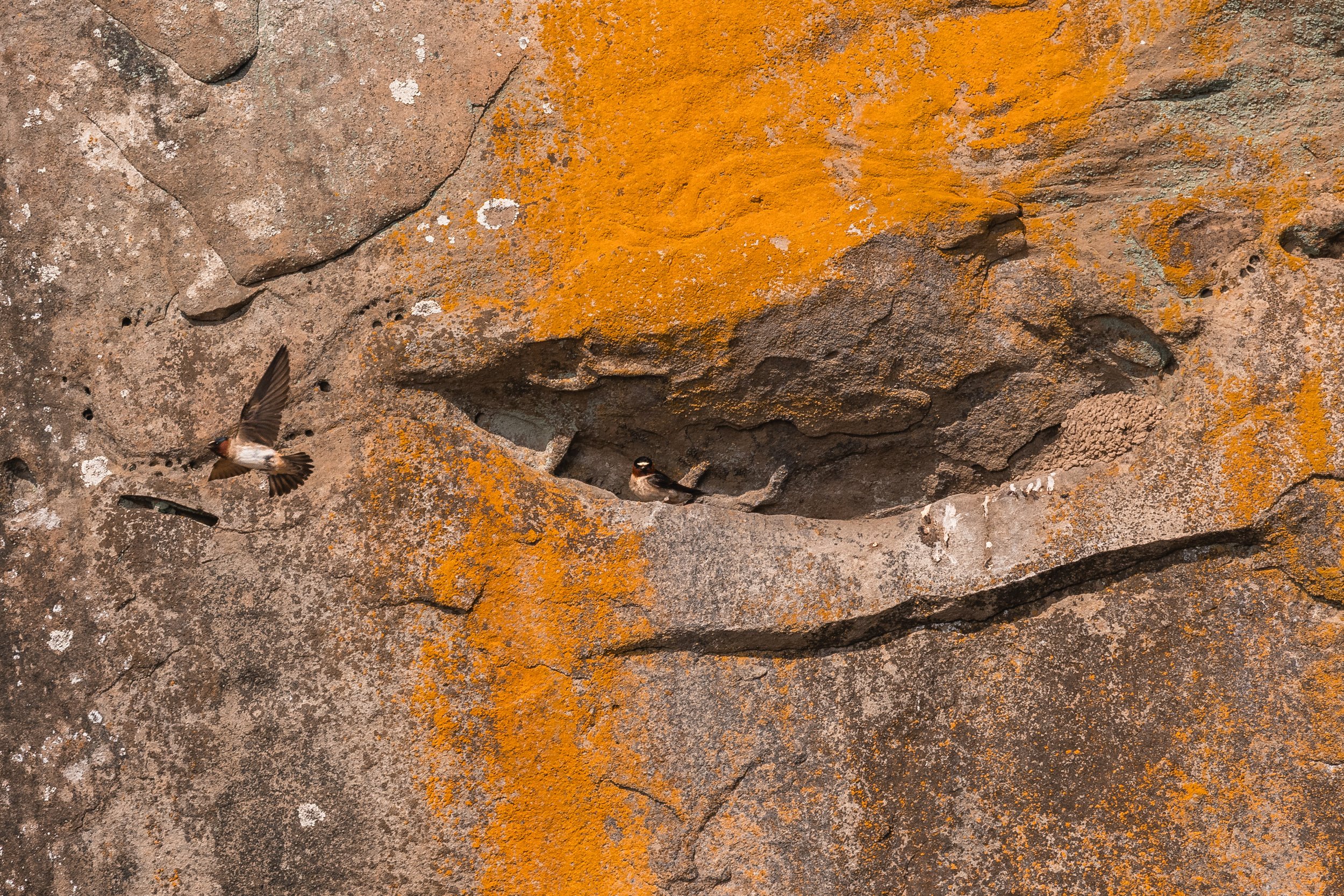
Cliff swallows and thier nest. Can you find thier nest? Photo by Jordan Robinson
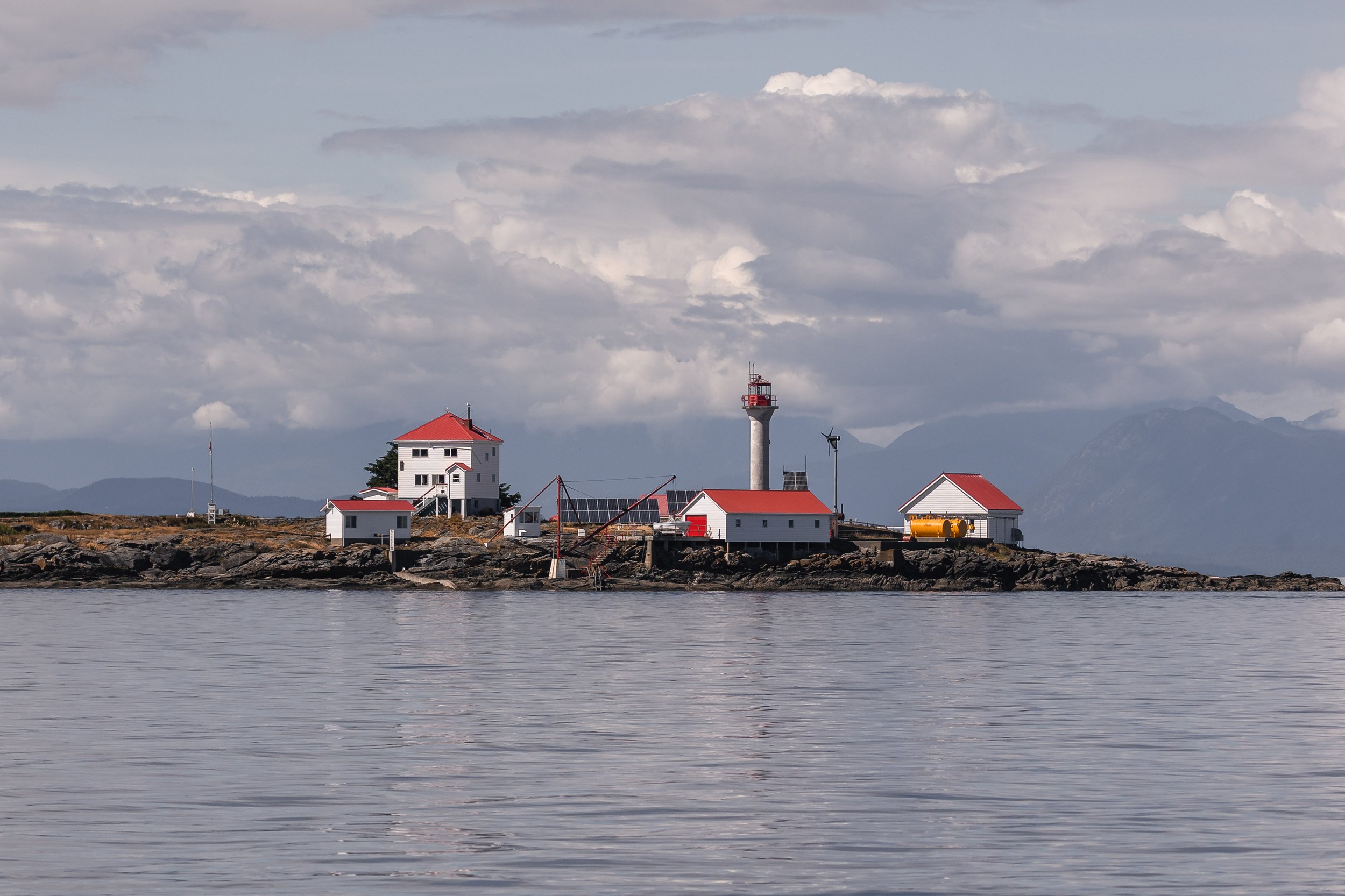
Entrance Island in the evening sun. Photo by Jordan Robinson.