
June 28, 2026, 10:30 AM - Traversing the Southern Gulf Islands and the Salish Sea
A brisk breeze greeted us as we set off for the day, embarking aboard Keta and Kula.
Setting our sights southbound, we began the journey by transiting through Dodd Narrows. This waterway is a vital space, as it is one of the few areas that carry water from the Southern Gulf Islands out into the wider waterways. Because of this, many species of wildlife will swim through, including fish, seals, and sea lions, as they head out to sea. It is also a great ‘buffet’ spot for the pinnipeds, as the narrow passage funnels fish close together, leading to more hunting opportunities.
Once through, Keta and Kula split, with one going down Trincomali Channel while the other travelled down Stuart Channel. Heading in opposite directions maximizes our chances of locating whales, and since none of our individuals are equipped with trackers or tags, it is always a surprise where we will find them.
We scanned and scanned, cruising along through the many small island waterways. After a bit of travelling down the Trincomali Channel, Kula rounded the corner and entered Sansum Narrows. This waterway, with Salt Spring Island on one side and Vancouver Island on the other, is always awe-inspiring as we traverse through it. Huge power lines could be seen overhead, connecting Salt Spring to Vancouver Island’s power grid.
After a bit more looking around, Kula had their first stop of the day in the heart of the Narrows. On a small rocky island, Harbour Seals and a Bald Eagle sat, eyeing up the waters all around. Harbour Seals are fairly ‘laid back’ animals, often spending over half the day snoozing away on haulouts or in the ocean. With their highly impressive respiratory system, they can take underwater naps of up to roughly half an hour before they need to surface again!
It is always heartwarming anytime we are able to spot Bald Eagles on our tours, as not that long ago, they were on the verge of extinction. DDT (dichlorodiphenyltrichloroethane) was a popular pesticide that was used during the 20th century. It was still in use until the 1970s, when Canada began phasing it out and ultimately banning it. Unfortunately, the damage had already been done by the time of the ban - the chemical was known to wash off agricultural lands and would accumulate in fish and other parts of the aquatic food chain. Bald Eagles would then eat the contaminated prey and ingest the pesticide themselves. This pesticide was known to disrupt calcium metabolism in eagles, leading to incredibly thin-shelled eggs. Bald Eagle parents would then sit on their nest, causing the eggs to crack and resulting in mortality. This would lead to only one known Bald Eagle nest being recorded in the Vancouver area, and only a few others documented in surrounding areas. Their numbers have now rebounded, and what was once a rare sighting in our area has become a common view on our trips.
At the same time, Keta had also transited through Sansum Narrows and was making their way north through Trincomali Channel, continuing to scan and scan and scan. Once they had reached the northern tip of Galiano Island, Captain Nick turned east and exited through Porlier Pass into the Strait of Georgia. Kula would soon join up as well, and the pair would surf their way north until they were at the next stop of the adventure.
“Stinky Rocks”, the name given to a tiny pair of rocky islets located off of Valdez Island’s eastern shoreline, soon came into view. This area was bustling with activity, with more Bald Eagles, Turkey Vultures, Harbour Seals, and the largest sea lions in the world - Steller Sea Lions! This semi-sheltered area is a perfect refuge for wildlife of all shapes and sizes, providing a comfortable stopover before they continue soaring through the skies or diving into the surf. Nearby, the seals rested, like little beach balls on the shoreline. The sea lions were resting as well, dramatically draped along the top of the rocks.
We continued onward and headed north. Arching out into the open waters of the Strait, we continued to scan and scan. Soon after, Captain Joseph spotted a blow in the distance, and both vessels made their way over to investigate. We suspect that it was a humpback whale, judging by the size of the blow, and we kept our eyes peeled to see where it would come up next. Humpbacks typically dive for 5 to 7 minutes, but have been known to stay under for up to roughly half an hour. We kept looking around us for about 15 minutes before deciding to continue onward, as the elusive whale still had not been seen again.
With that, we started to make our way back towards Nanaimo. Although the whales eluded us today, everyone on board received vouchers for another tour, and we hope to see everyone again soon!
Photos for this trip were taken by Marine Naturalists Jordan Robinson and Vanessa Vereschahen. Please enjoy!
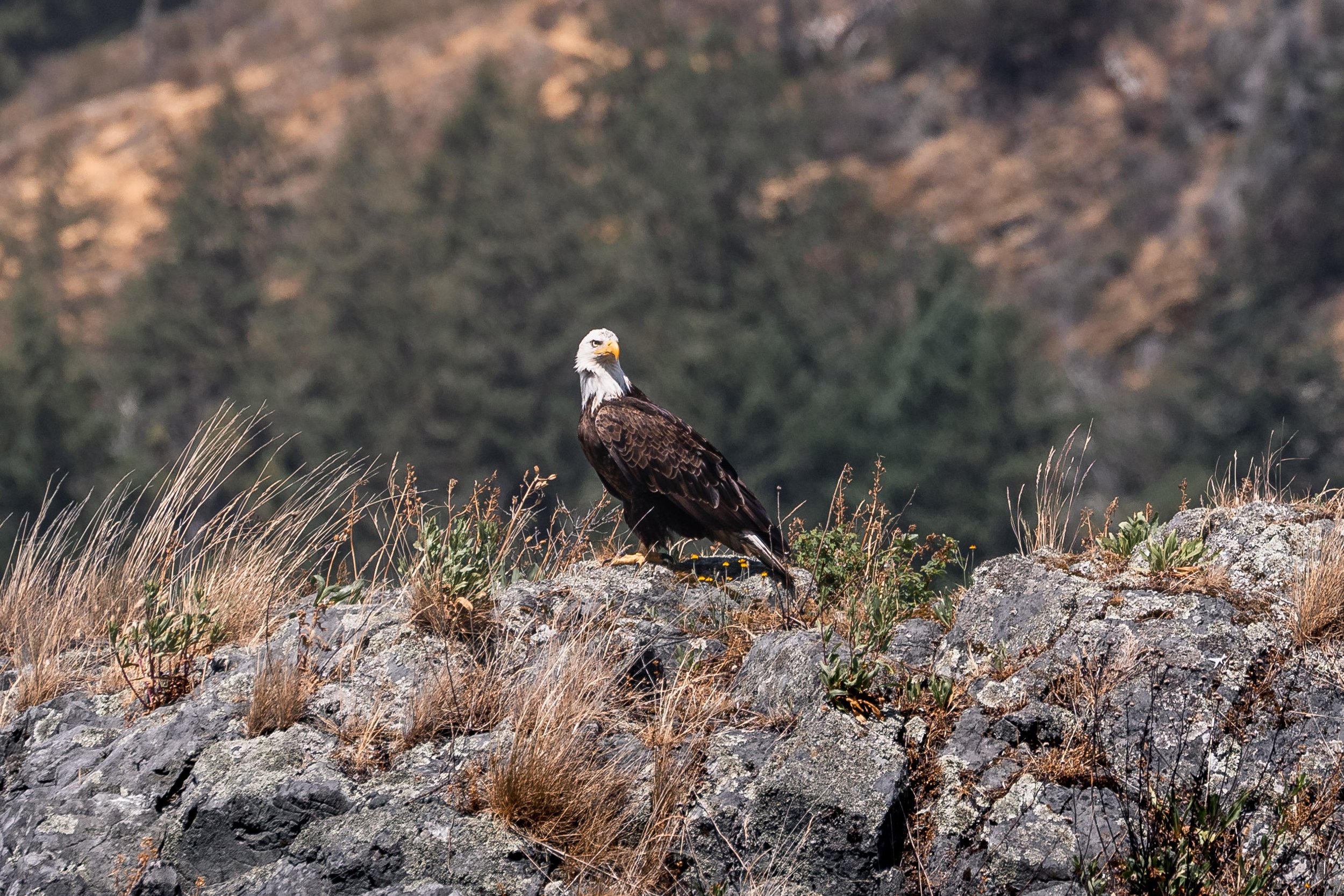
A Bald Eagle perched high on the rocks. Photo by Jordan Robinson.
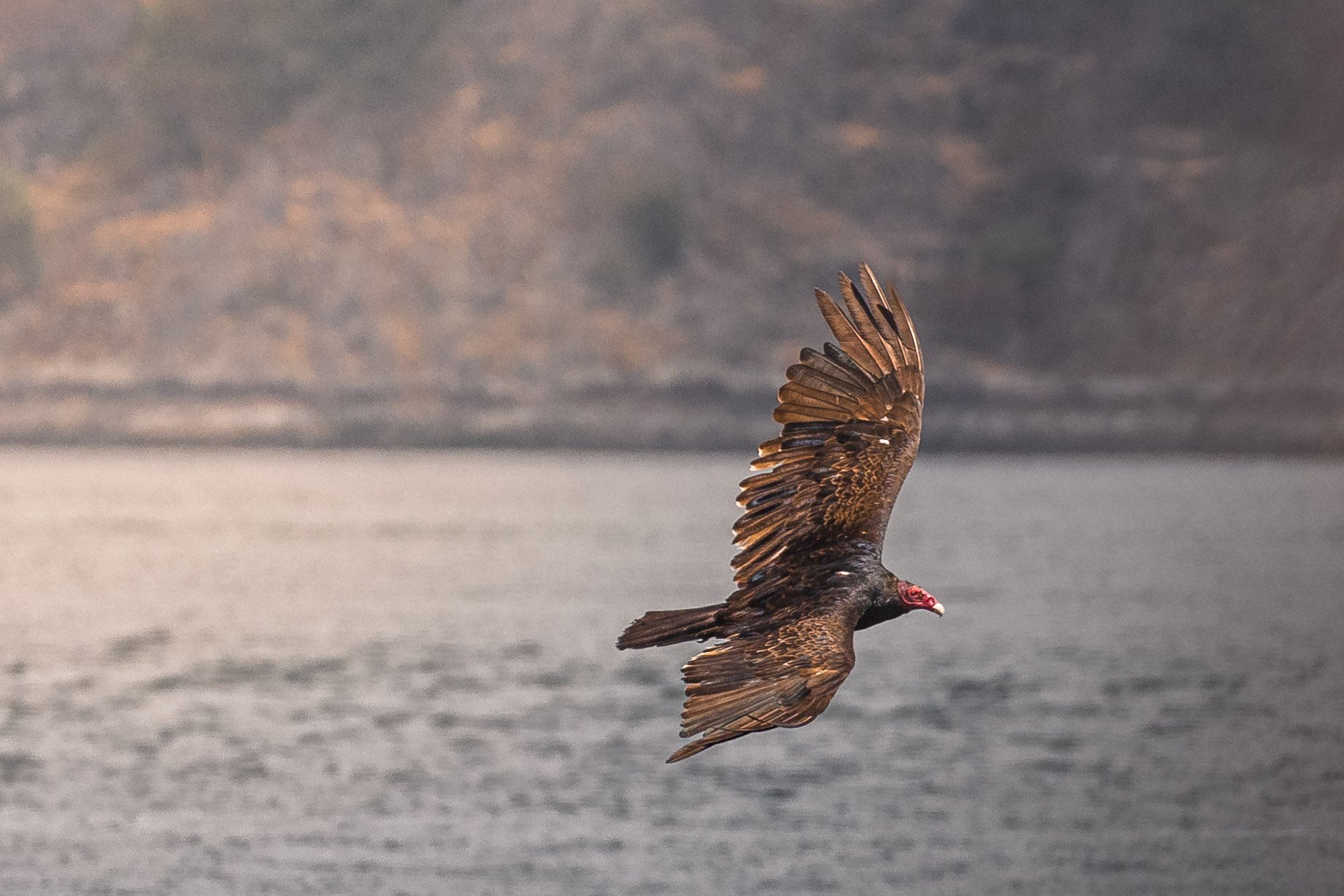
A Turkey Vulture soaring by. Photo by Jordan Robinson.
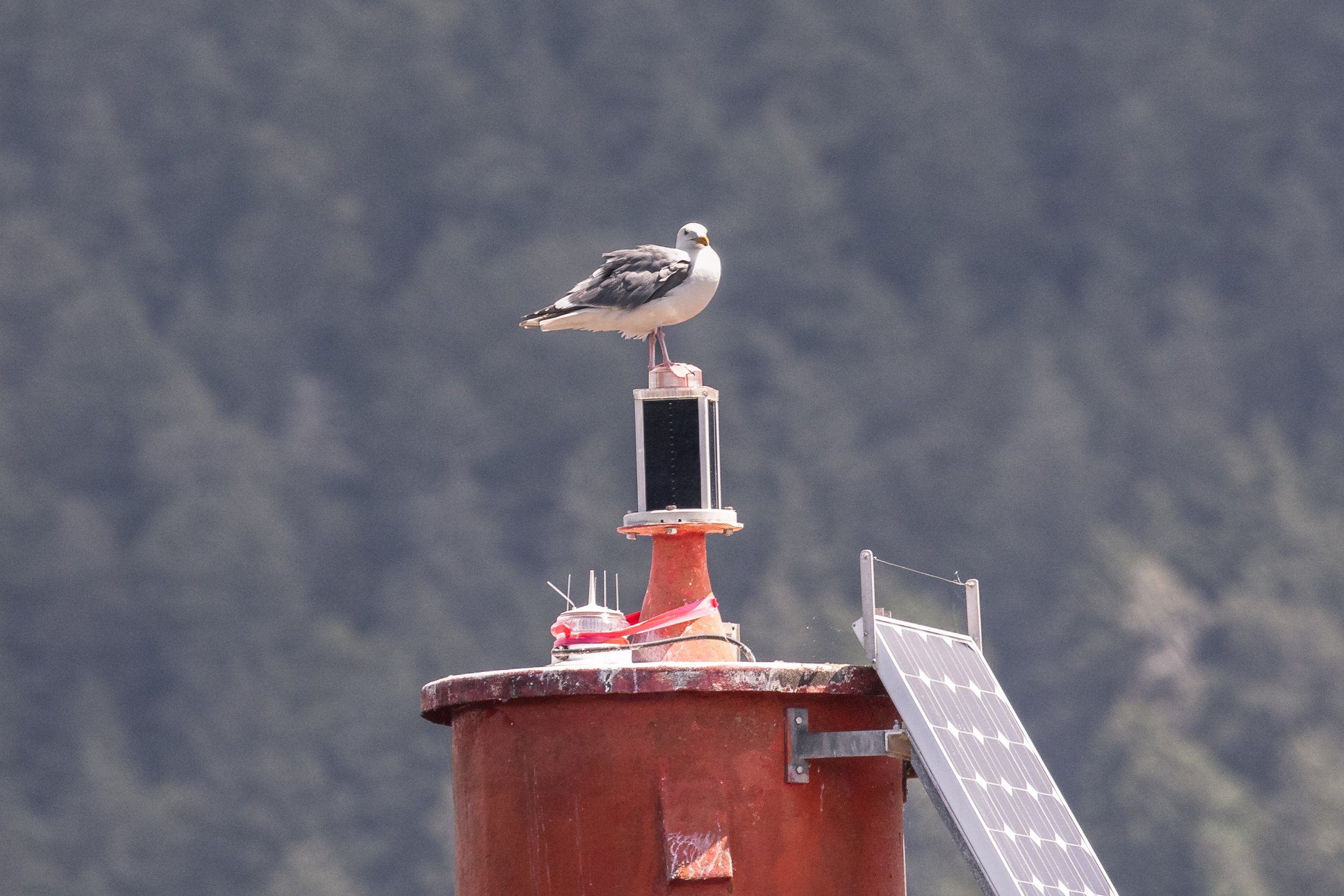
A gull perched high up on a marker. Photo by Jordan Robinson.
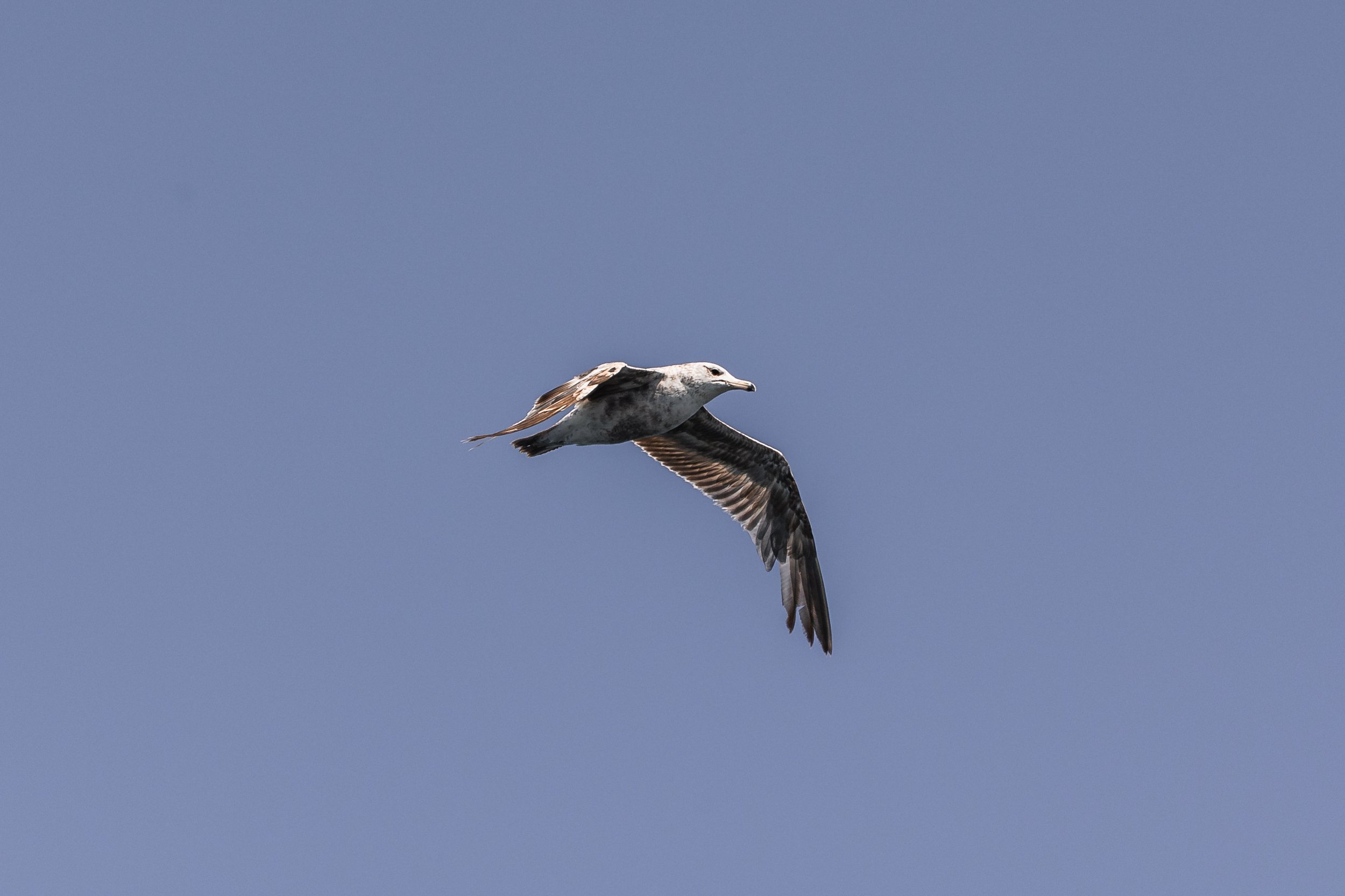
A gull soaring overhead. Photo by Jordan Robinson.
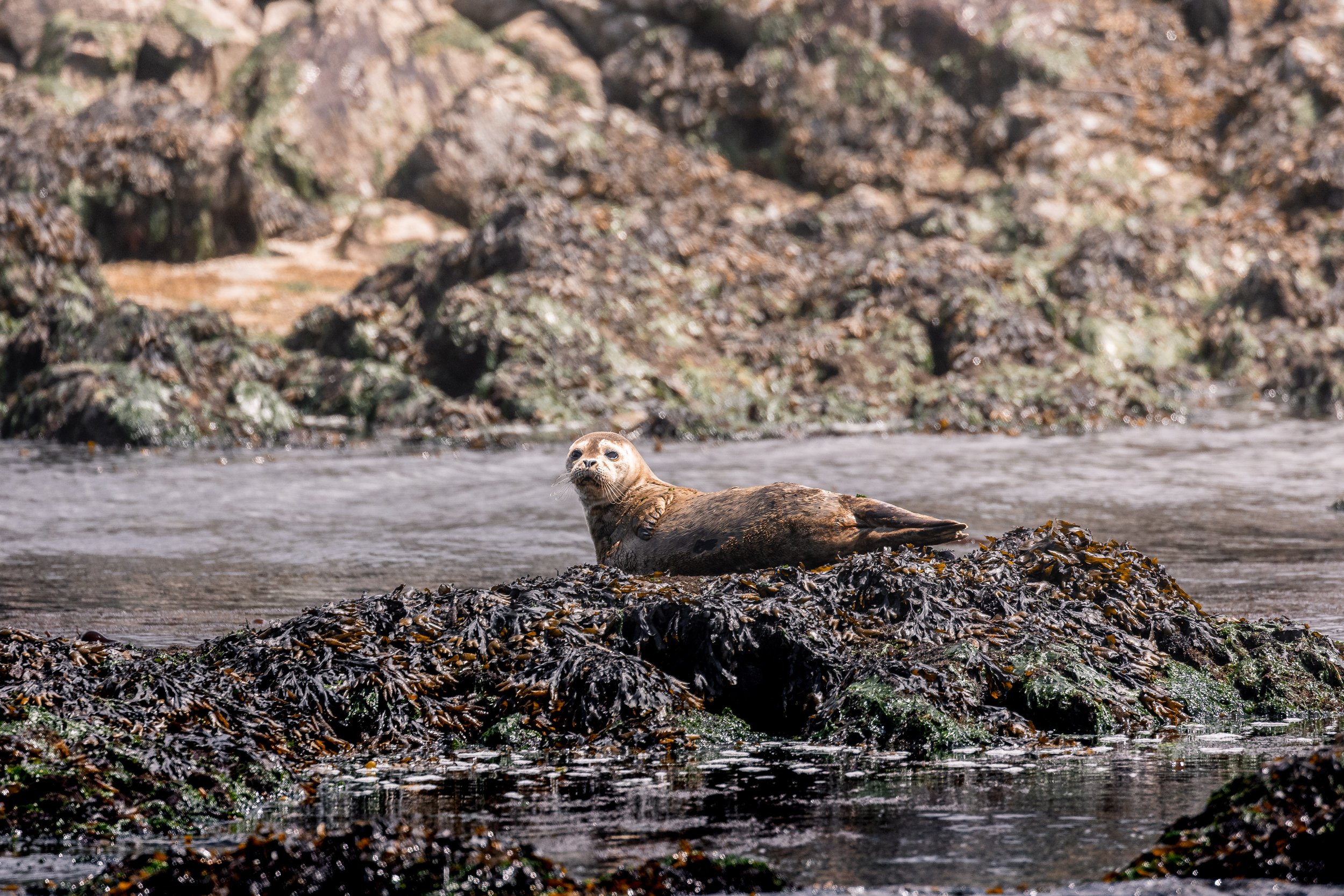
A sleepy Harbour Seal resting. Photo by Jordan Robinson.
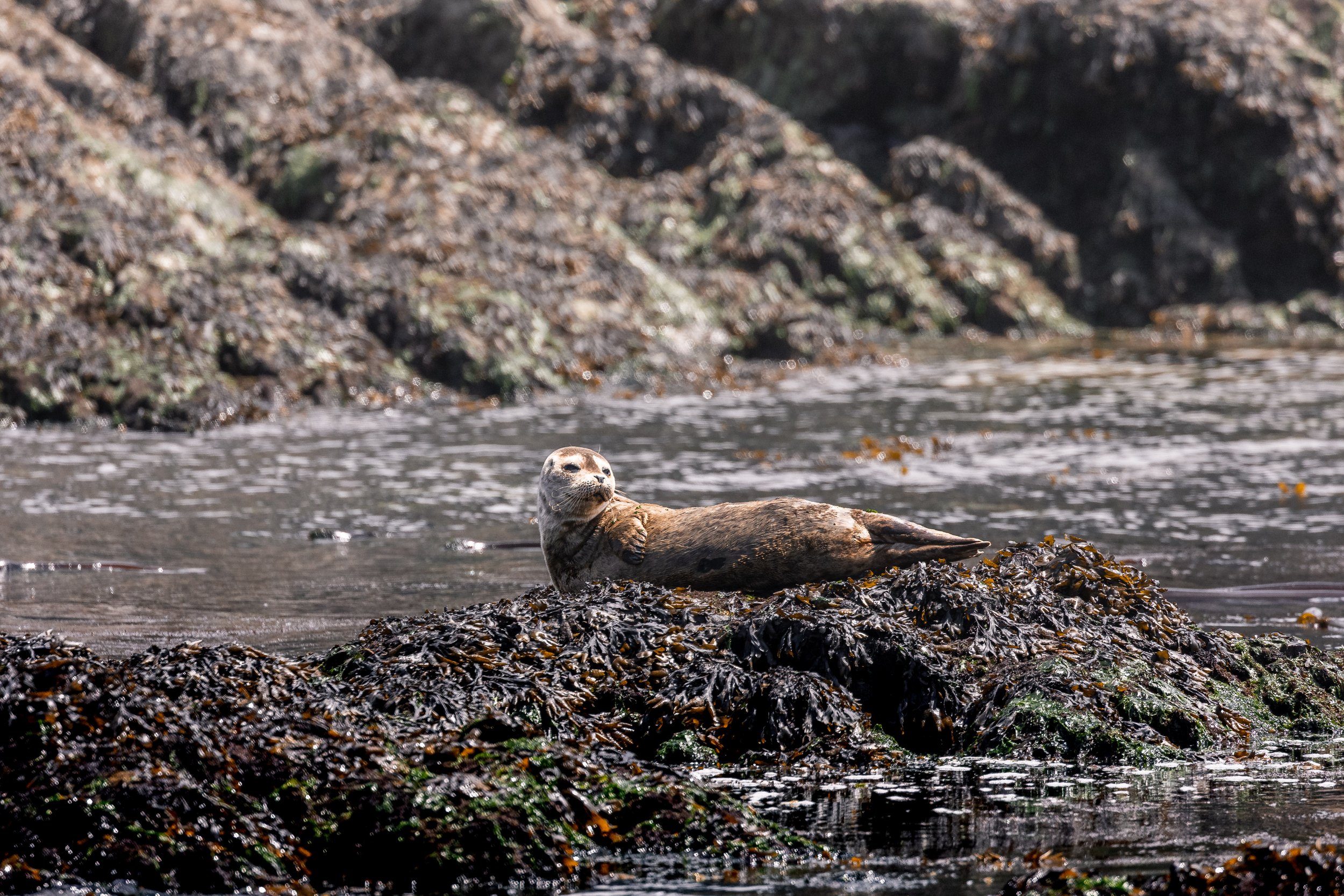
Peeking out over the water. Photo by Jordan Robinson.
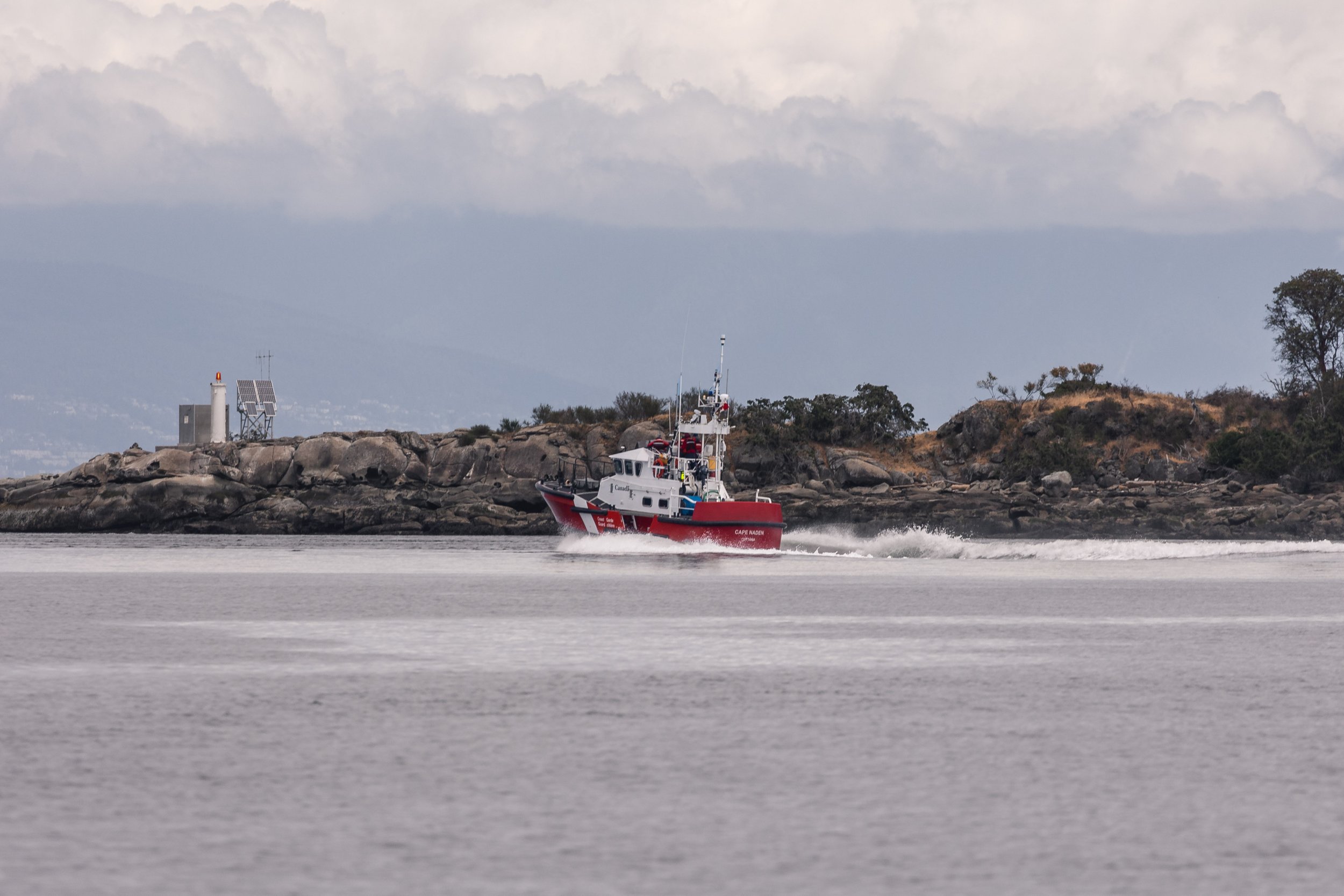
The CCGS Cape Naden. Photo by Jordan Robinson.
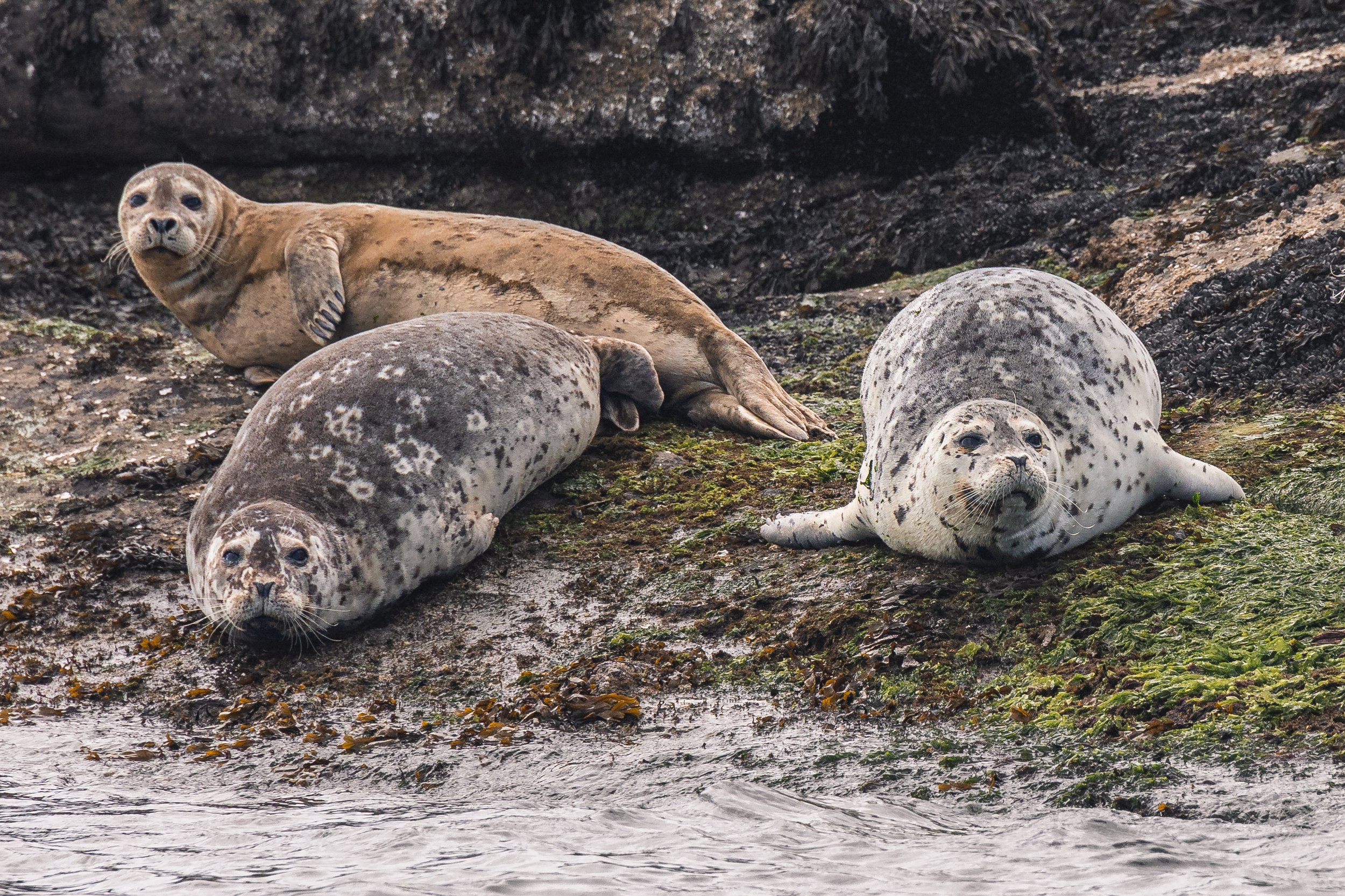
Harbour Seals sitting all prim and proper at the edge of the water. Photo by Vanessa Vereschahen.
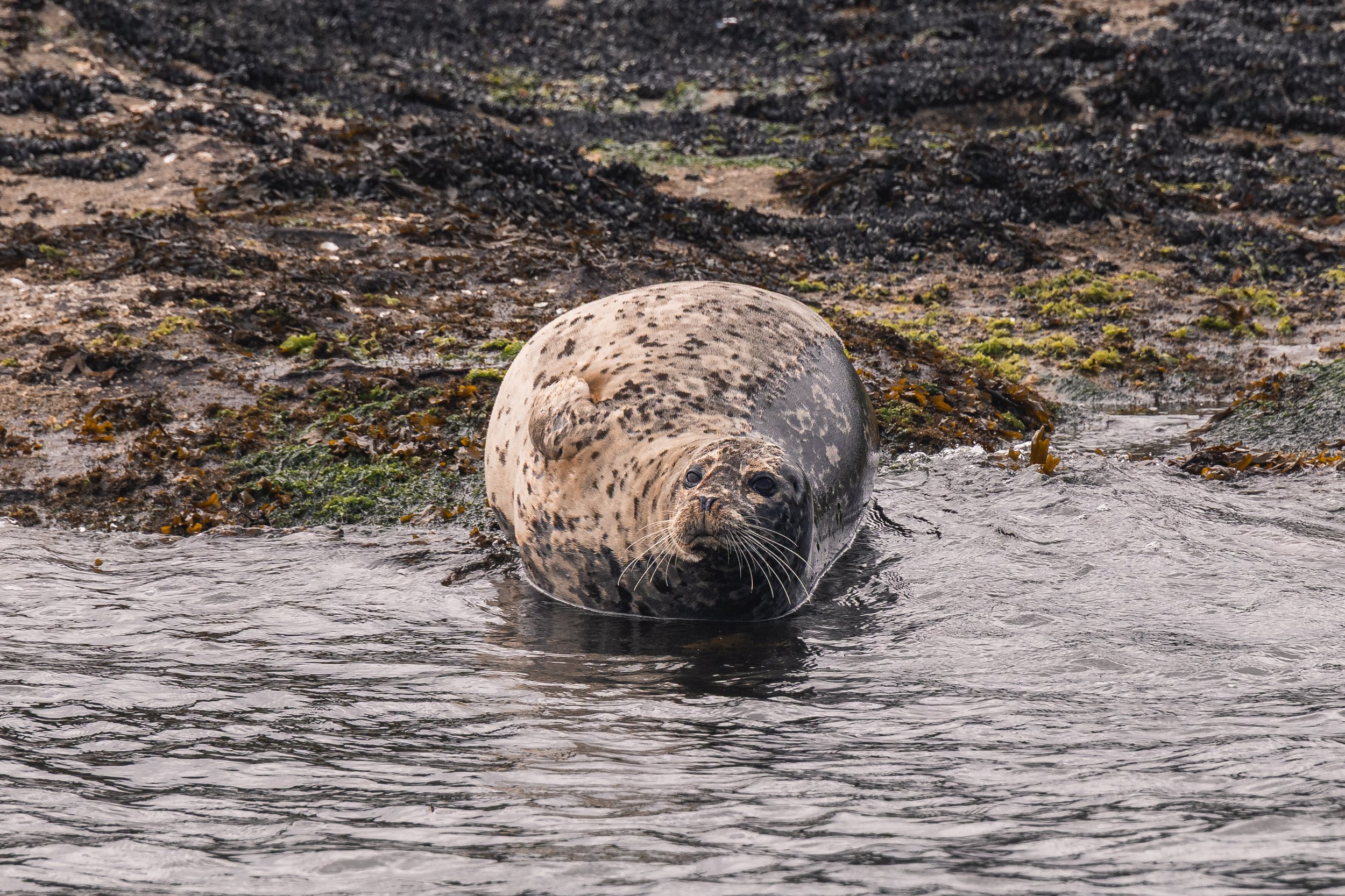
Now that is a VERY rotund seal. Photo by Vanessa Vereschahen.
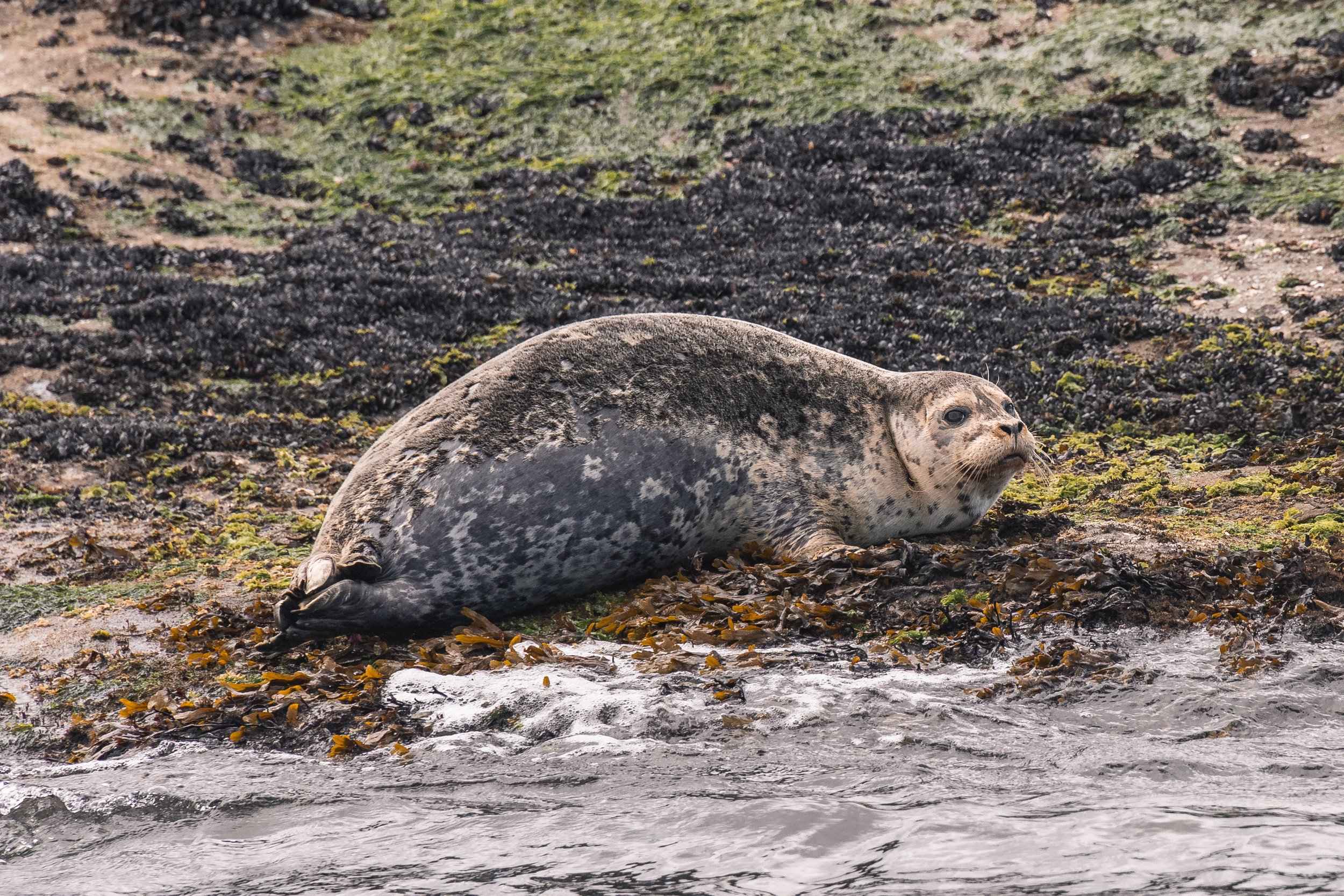
Look at that cute little tail! Photo by Vanessa Vereschahen.
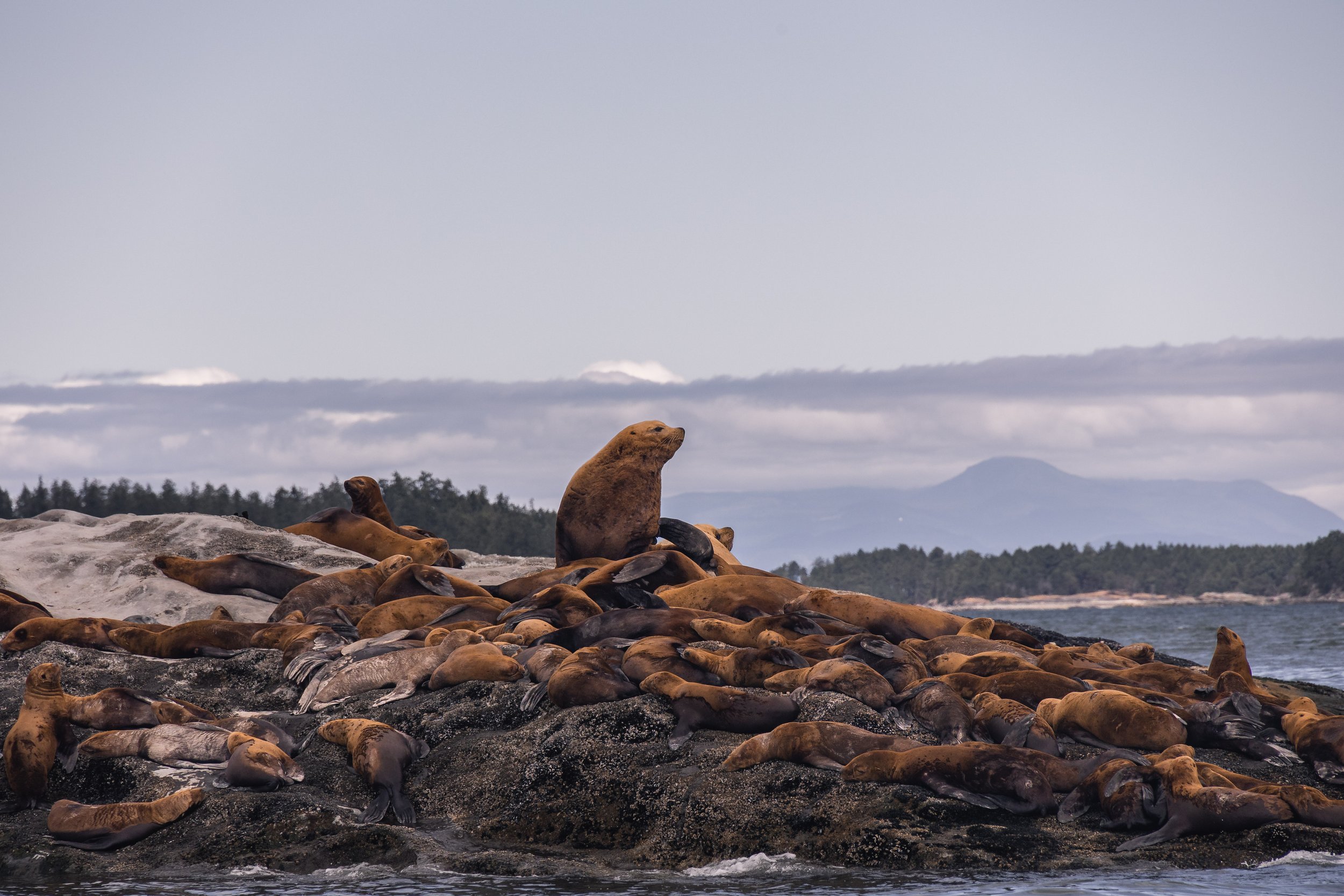
Perched all together with the mountains behind them. Photo by Vanessa Vereschahen.
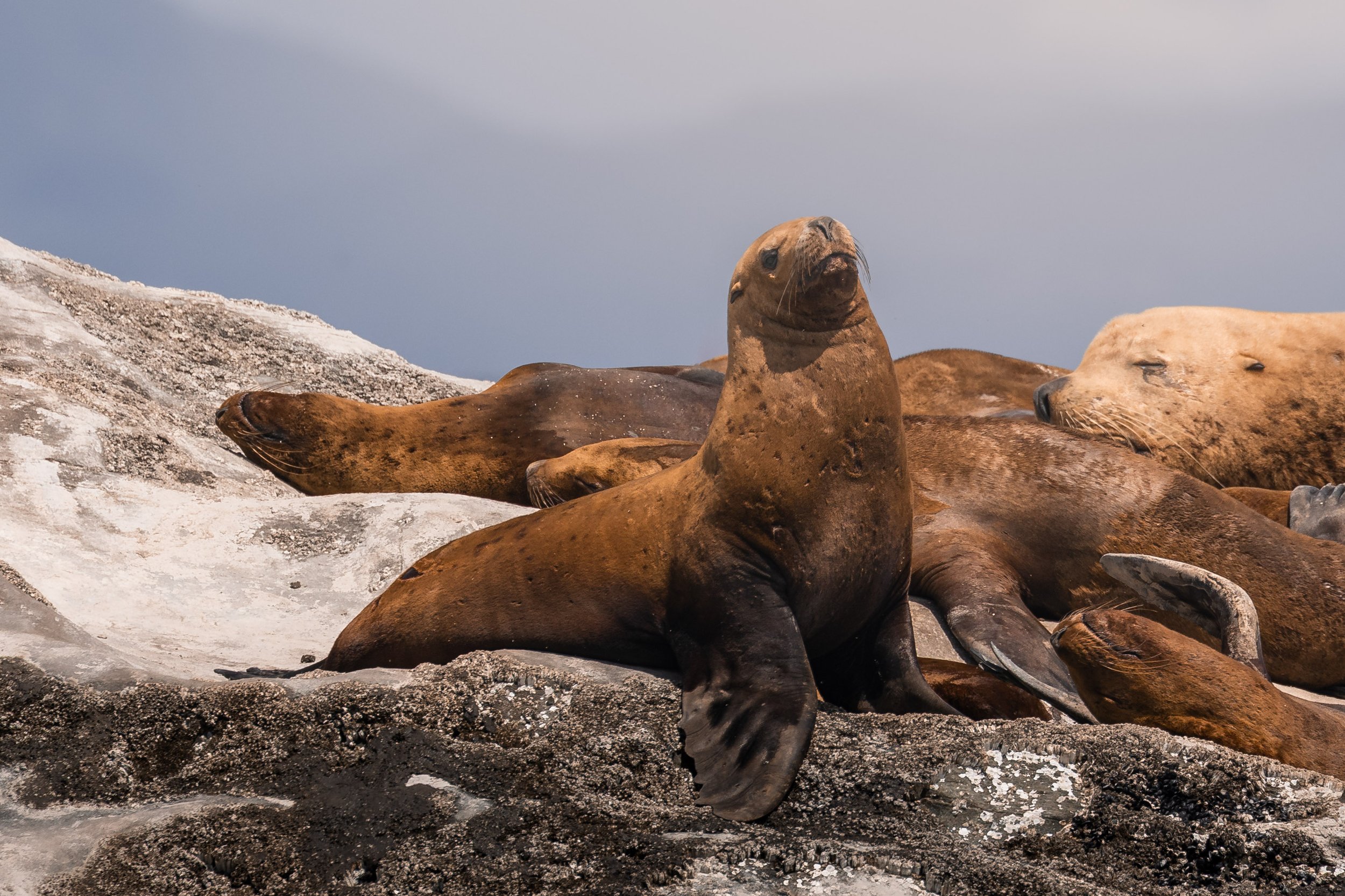
Posing perfectly. Photo by Jordan Robinson.
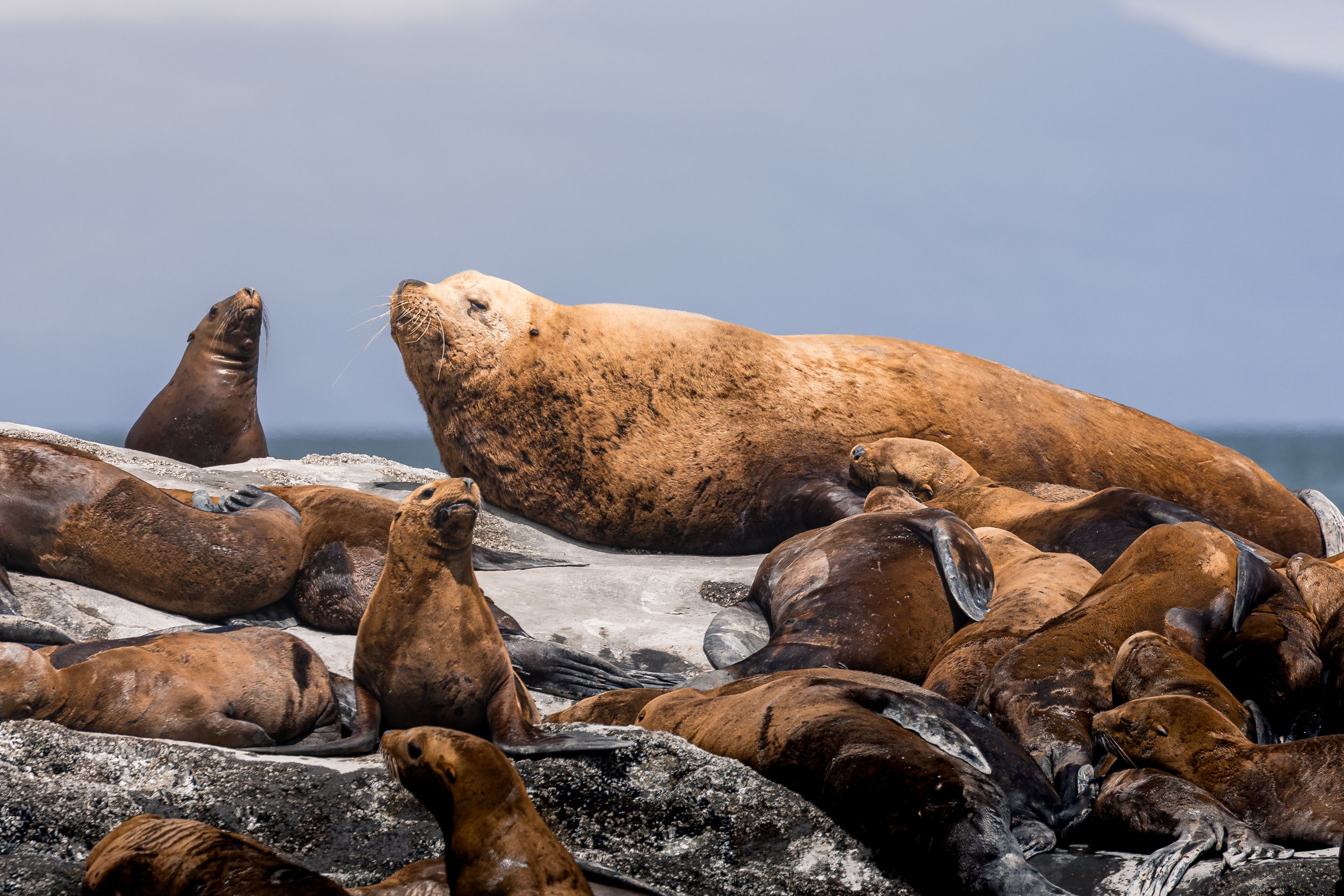
Steller Sea Lions sleeping at Stinky Rocks. Photo by Jordan Robinson.
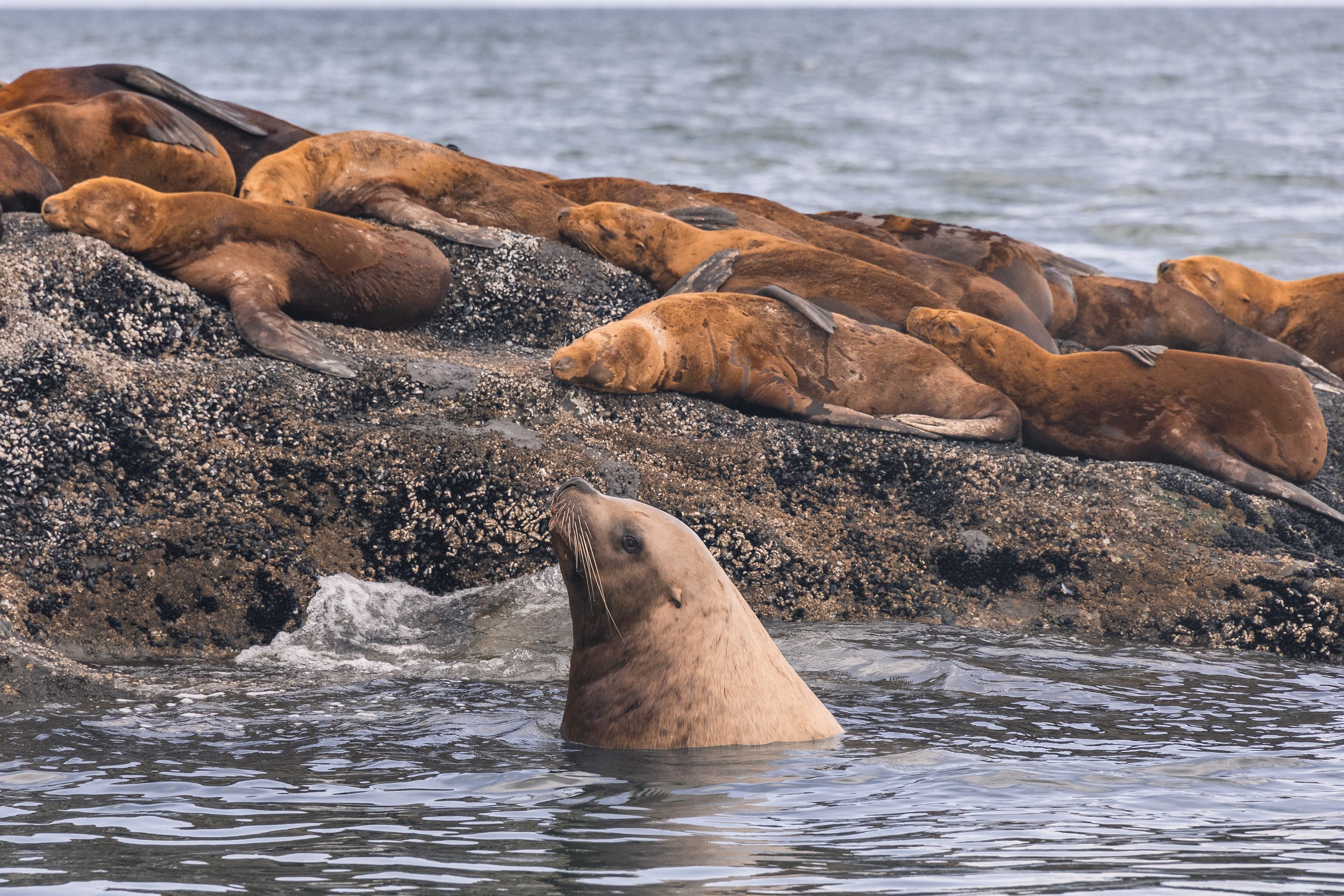
Relaxing along the shores. Photo by Vanessa Vereschahen.
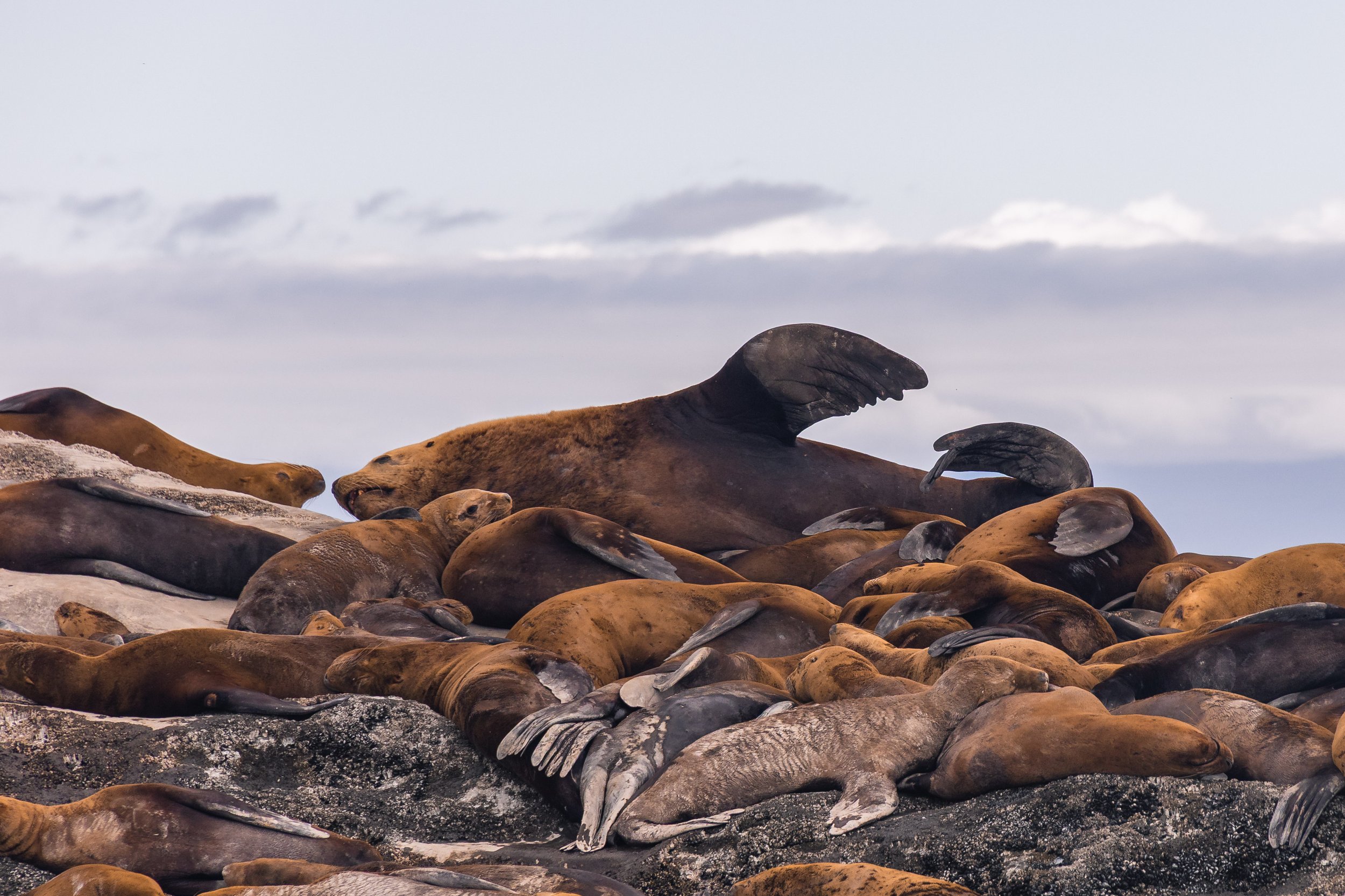
Flipper in the air like you just don’t care! Photo by Vanessa Vereschahen.
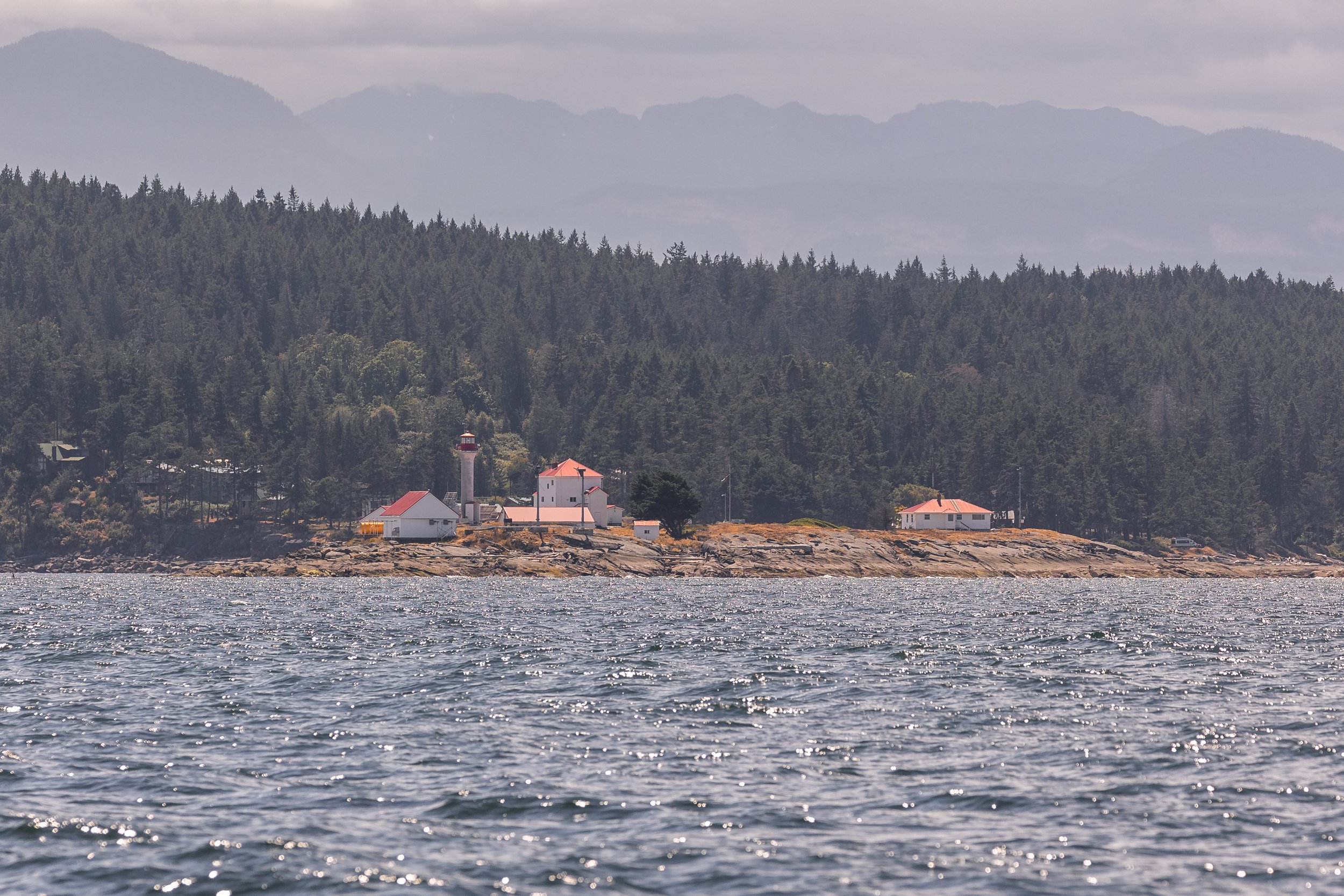
Entrance Island. Photo by Jordan Robinson.
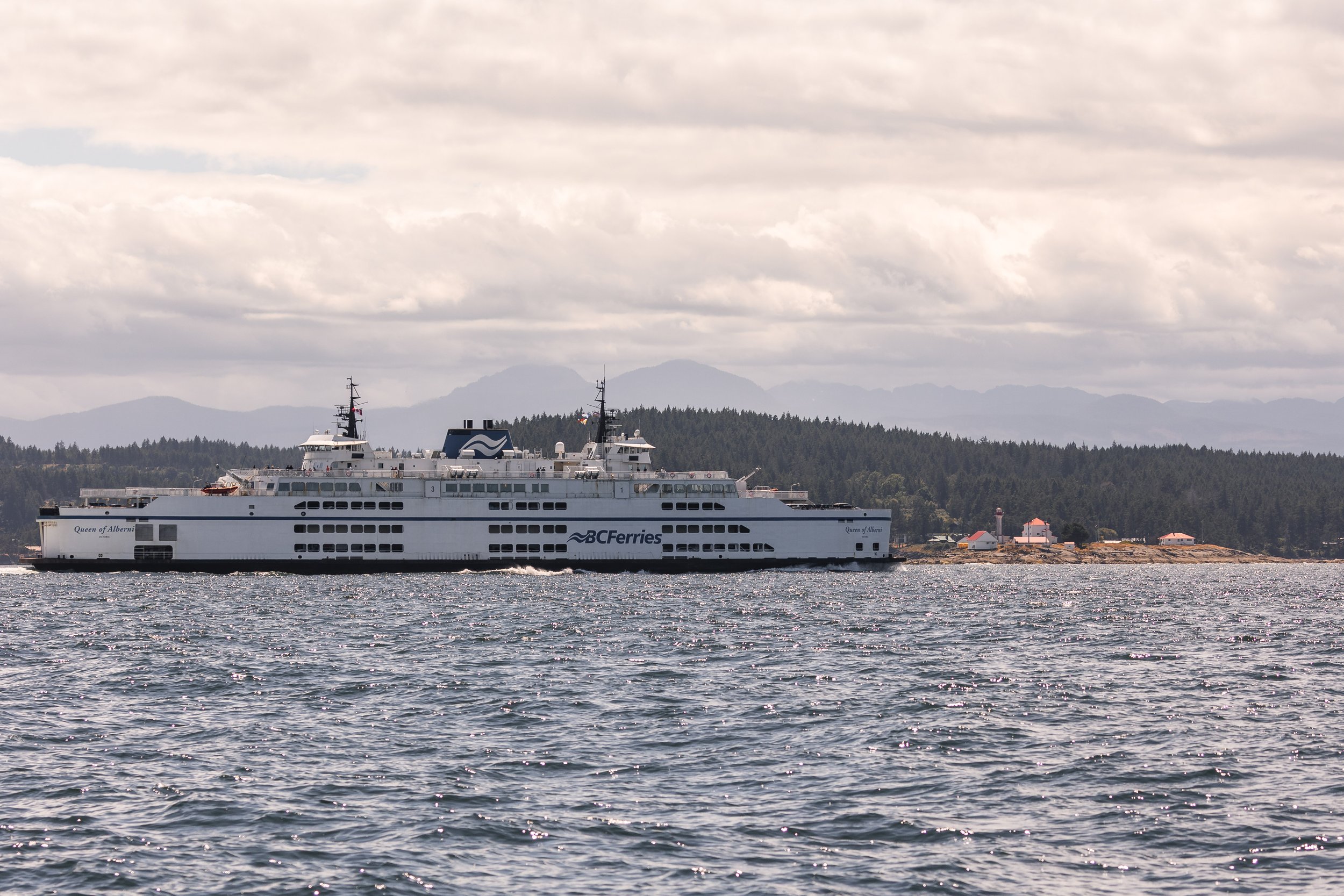
The Queen of Alberni with Entrance Island behind it. Photo by Jordan Robinson.
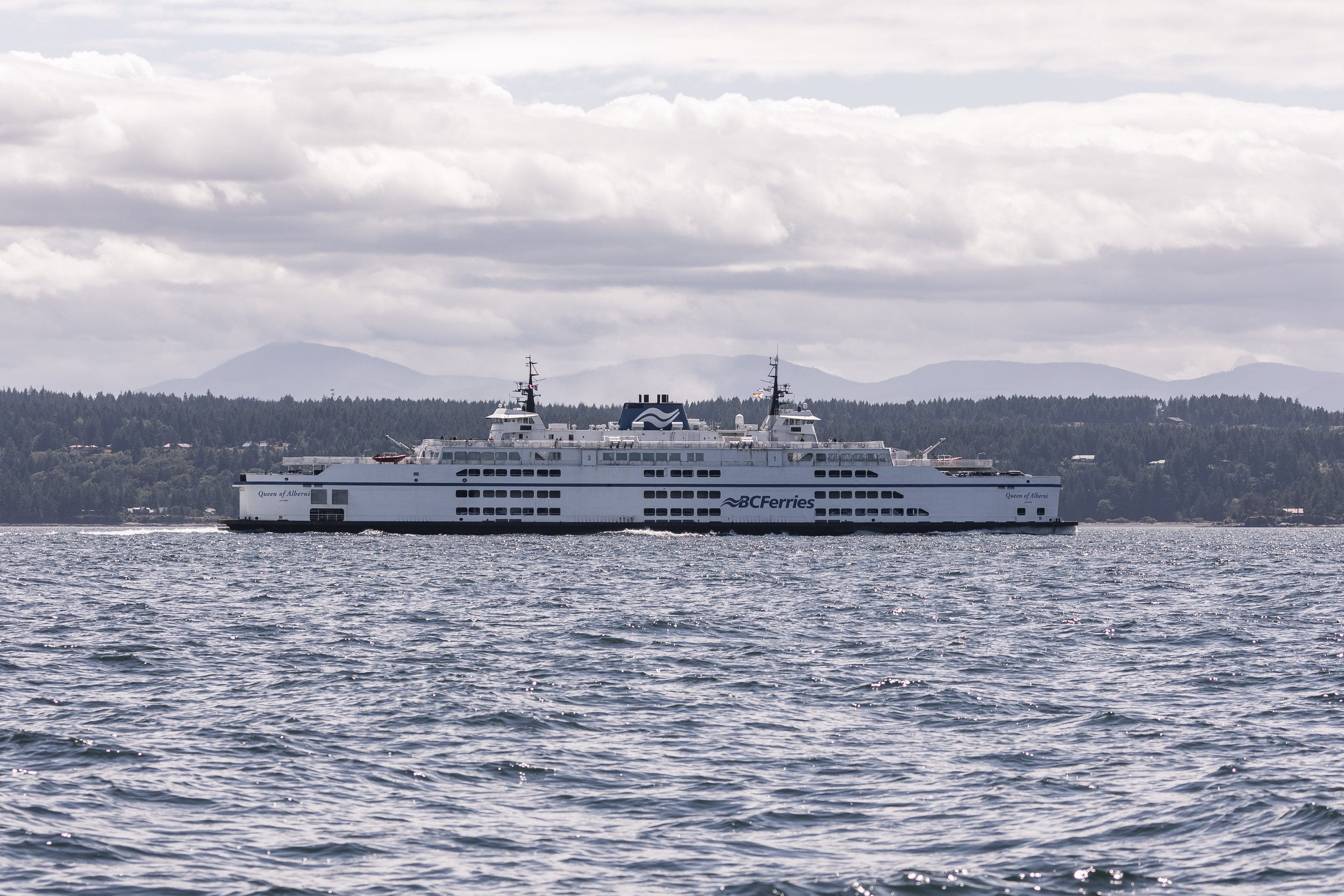
The Queen of Alberni coming in. Photo by Jordan Robinson.
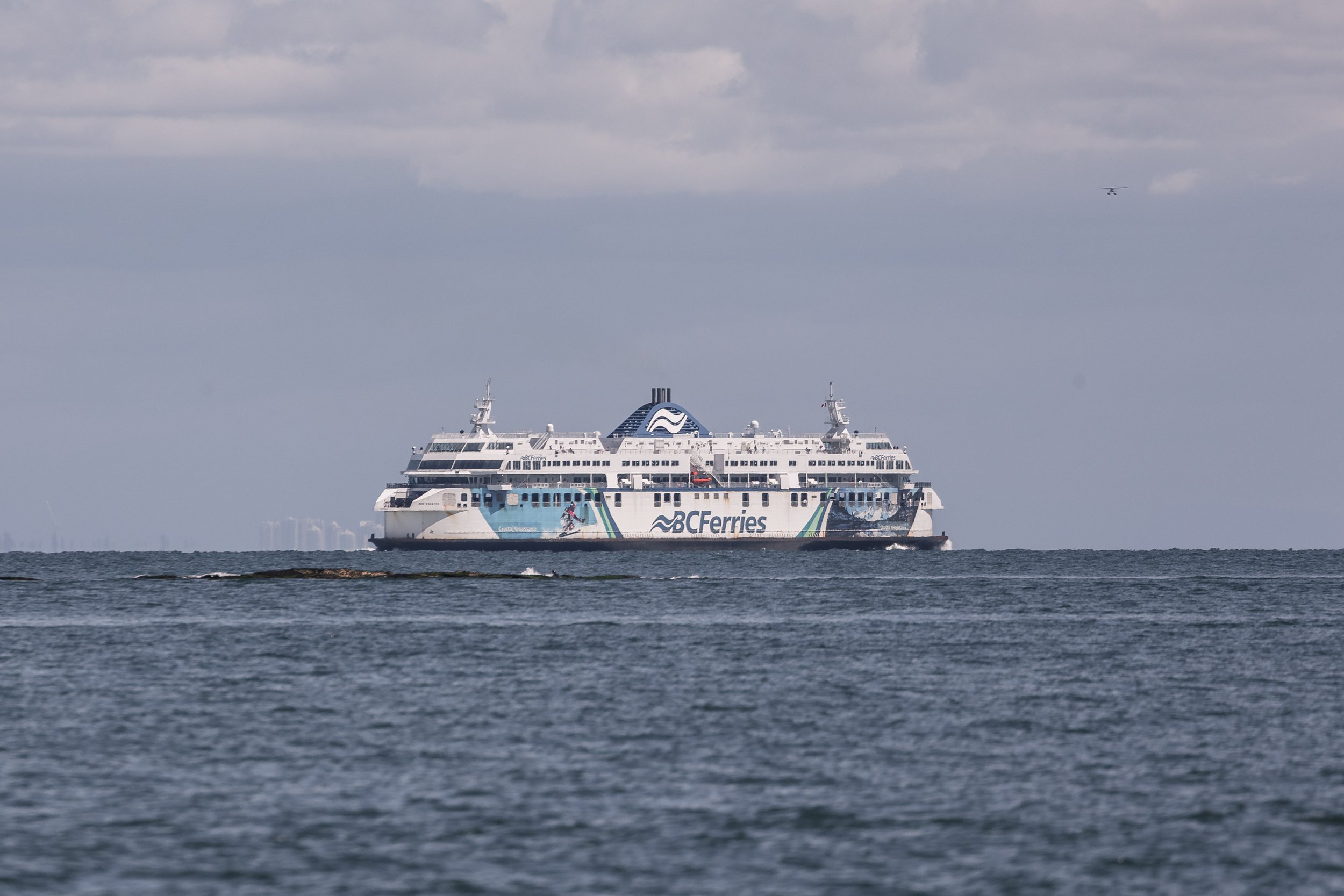
The Coastal Renaissance underway. Photo by Jordan Robinson.
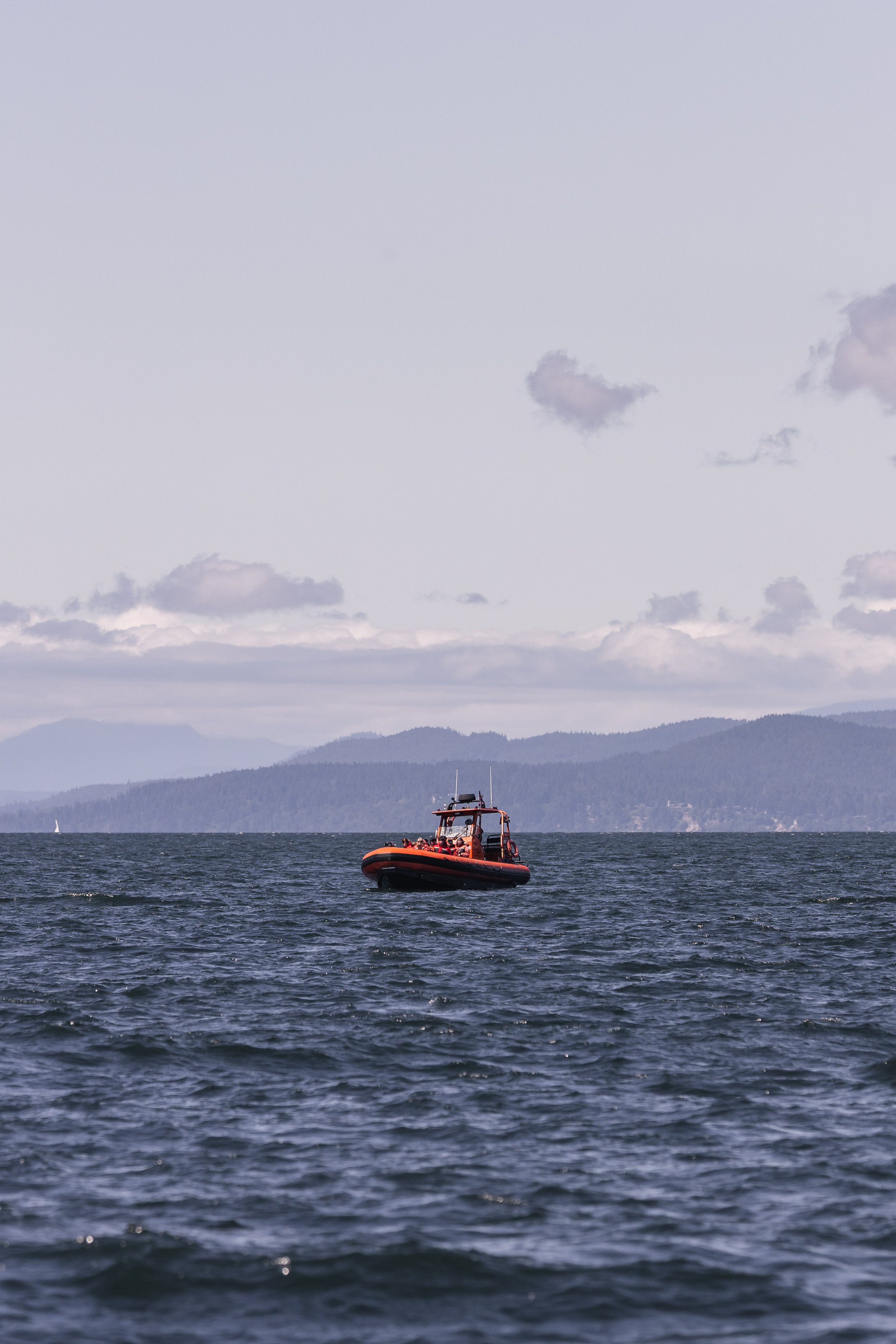
Keta and guests while on tour. Photo by Jordan Robinson.