
June 28, 2026, 3:30 PM - A playful humpback and 2 pods of orca
Boarding Keta and Kula once more, we set off for our afternoon adventure. We headed out into the Strait of Georgia and began searching the waters all around us.
The journey took us across the Strait of Georgia to an area known as Halibut Bank. Slowing down and beginning to drift along, we came alongside a large yellow marker bobbing along. This marker, known as an Ocean Data Acquisition System (ODAS) buoy, provides important information to mariners in the area, such as current wave heights and wind conditions. They also provide a great floating ‘platform’ for sea lions to haul out on. Lounging around, dangling fins into the cool waters below, sea lions will often snooze here for a quick break before returning to the dark depths of the ocean. Nearby, rafts of Steller Sea Lions could also be seen floating along, eyeing us up as we passed. These weren’t the only wildlife we saw here, though, as soon after arriving, a large shape emerged from the waters ahead. The shape then arched its back, and soon dove, lifting its tail into the air. It was a lone humpback whale travelling along, potentially feeding on schools of fish or krill located down in the water column. Naturalists Jordan and Vanessa quickly captured photos of the individual’s dorsal fin and fluke, and we soon learned that we were with Helen (BCX2494), the 2022 calf of Mammoth/Ocean (BCX1710). This young whale has a unique dorsal fin, dented on top rather than the smooth, triangular shape typical of a humpback's dorsal. Because of this, they earned the nickname "Helen," after the famous volcano Mount St. Helens in Washington.
Helen continued to dive as we watched, surfacing every once in a while, and soon after that, we witnessed something very interesting - the rafts of sea lions that had been minding their own business originally approached Helen, and soon the humpback and sea lions were travelling along together. While it is not unheard of for humpbacks to interact with other species, it is a fairly uncommon occurrence. Interestingly, it is believed that the playful pinnipeds will follow close beside the face of humpbacks in an activity known as ‘snout riding’. While travelling in this position, they take advantage of the whale’s slipstream, gliding effortlessly and conserving energy. Sea lions may also take advantage of these gentle giants hunting leftovers, picking off any small fish that may escape their giant maws.
After witnessing the excitement with Helen and their sea lions, Captains Joseph and Nick turned the boats and slowly began our departure. Once a safe distance away, we picked up speed once more and began racing along. We had received a report of orca closer to home port, and were eager to take a peek. Angling back towards Gabriola Island, we cruised along its shore, and soon were approaching a tiny island topped with white-and-red buildings. This island, known as Entrance Island, sits outside of the Nanaimo Harbour, and is a beautiful landmark to peek at as you head into port. However, that wasn’t our current goal, as soon after we approached, a quartet of fins surfaced nearby. It was a pod of orca, with one larger fin towering over the others. The Naturalists began working their magic once more, and soon we found out we were with the T065Bs:
T065B Chunk ♀ (1993)
T065B1 Birdsall ♂ (2011)
T065B2 Nettle ♂ (2019)
T065B3 Rook ♂ (2023)
T065B Chunk seemed to be on a mission as we watched, and soon it became apparent why - she was speedily chasing after a sea lion, likely aiming to make this dinner for her and her calves. After a few quick dashes, she was successful, and soon she spyhopped, showing off her catch. The rest of the pod came together, likely to divide up the meal. There was much celebration among the pod members as they began tail-slapping and breaching away, likely excited about the meal. However, one sea lion was not enough to fully satisfy three growing whales, and not long after they were done, they picked up speed again and began chasing even more sea lions. The sea lions, in an effort to evade the mighty hunters, began porpoising out of the water to maximize their speed. While we did not witness another successful hunt this time,
But you know what’s better than seeing one orca pod? Seeing two orca pods! Another pod had been seen near Nanaimo’s shoreline, so we were eager to go take a peek at them. We once again slowly made our way away and over to where the last sighting of the other pod had been. Once near Snake Island, we spotted them - a slightly larger pod travelling together close to shore. Soon after arriving and capturing photos of the individuals, we learned that this was the T049As, a fan favourite pod for the area:
T049A Nan ♀ (1986)
T049A3 Nat ♂ (2011)
T049A4 Neptune ♂ (2014)
T049A5 Nebula ♀ (2017)
T049A6 Charlie II ♂ (2022)
T049A7 Nimbus (2026)
T049A Nan earned her nickname from the frequency her pod was seen around Nanaimo. However, this season they have been noticeably more absent, so we were very excited to see them around once more. They were much more laid-back than the T065Bs we observed, mostly just travelling and occasionally milling together. The youngest calf, T049A7 Nimbus, was the highlight of the encounter, as they are still young enough to sport the orange-tinted skin seen in newer calves. They were bursting with energy and often zipped between their family members as the pod travelled along. After enjoying a couple of surfaces with them, we said our goodbyes and departed scene one final time.
Being so close to Nanaimo, it took us no time at all to round the corner and once again be back in the Nanaimo Harbour, concluding another fantastic double species trip out exploring the Strait of Georgia!
Please enjoy today’s shots taken by Marine Naturalists Vanessa Vereschahen and Jordan Robinson.
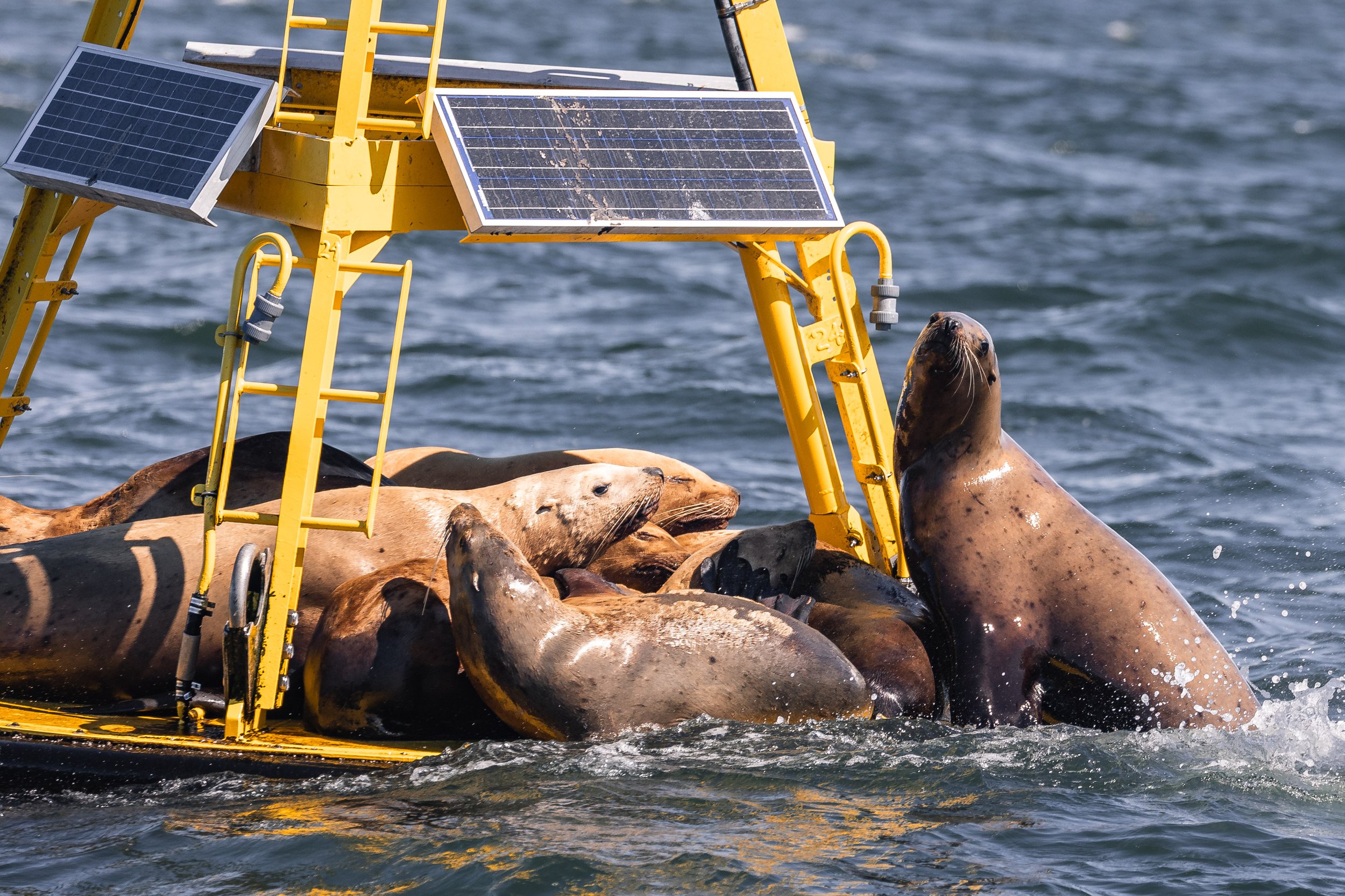
Steller Sea Lions piled high on the ODAS buoy. Photo by Jordan Robinson.
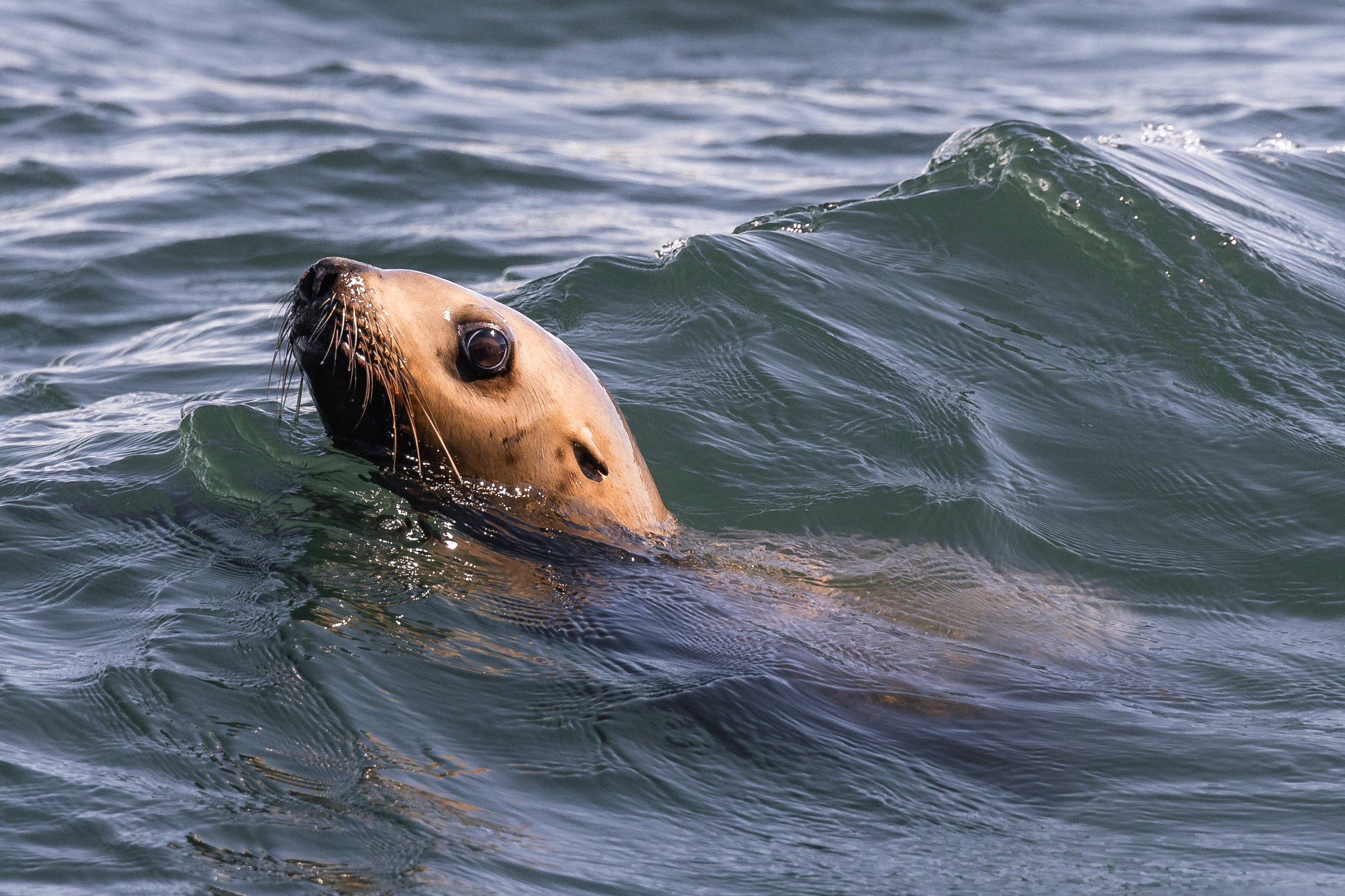
A curious sea lion eyeing us up. Photo by Vanessa Vereschahen.
Helen the Humpback and the Steller Sea Lions
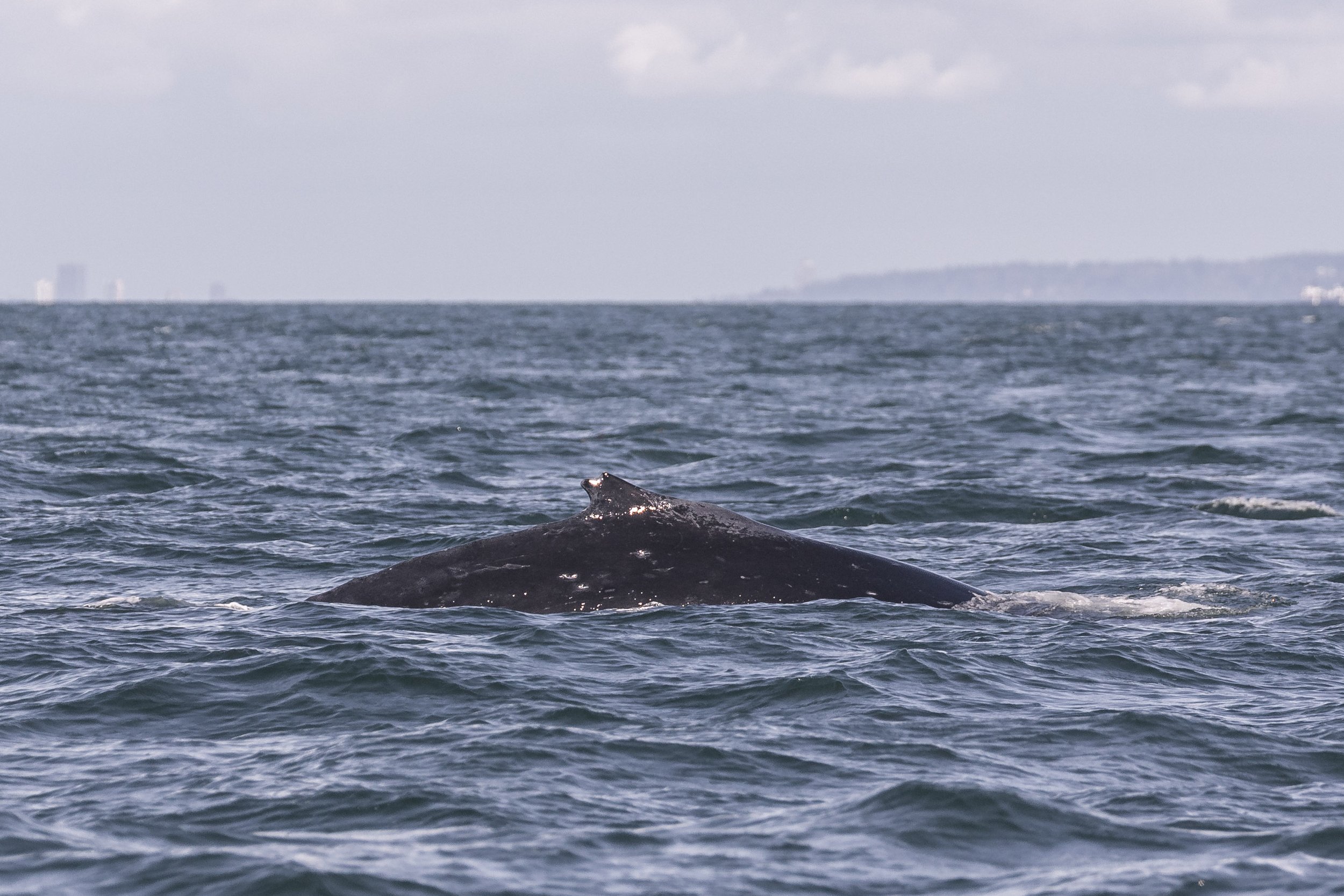
Helen travelling with their unique dorsal fin visible. Photo by Jordan Robinson.
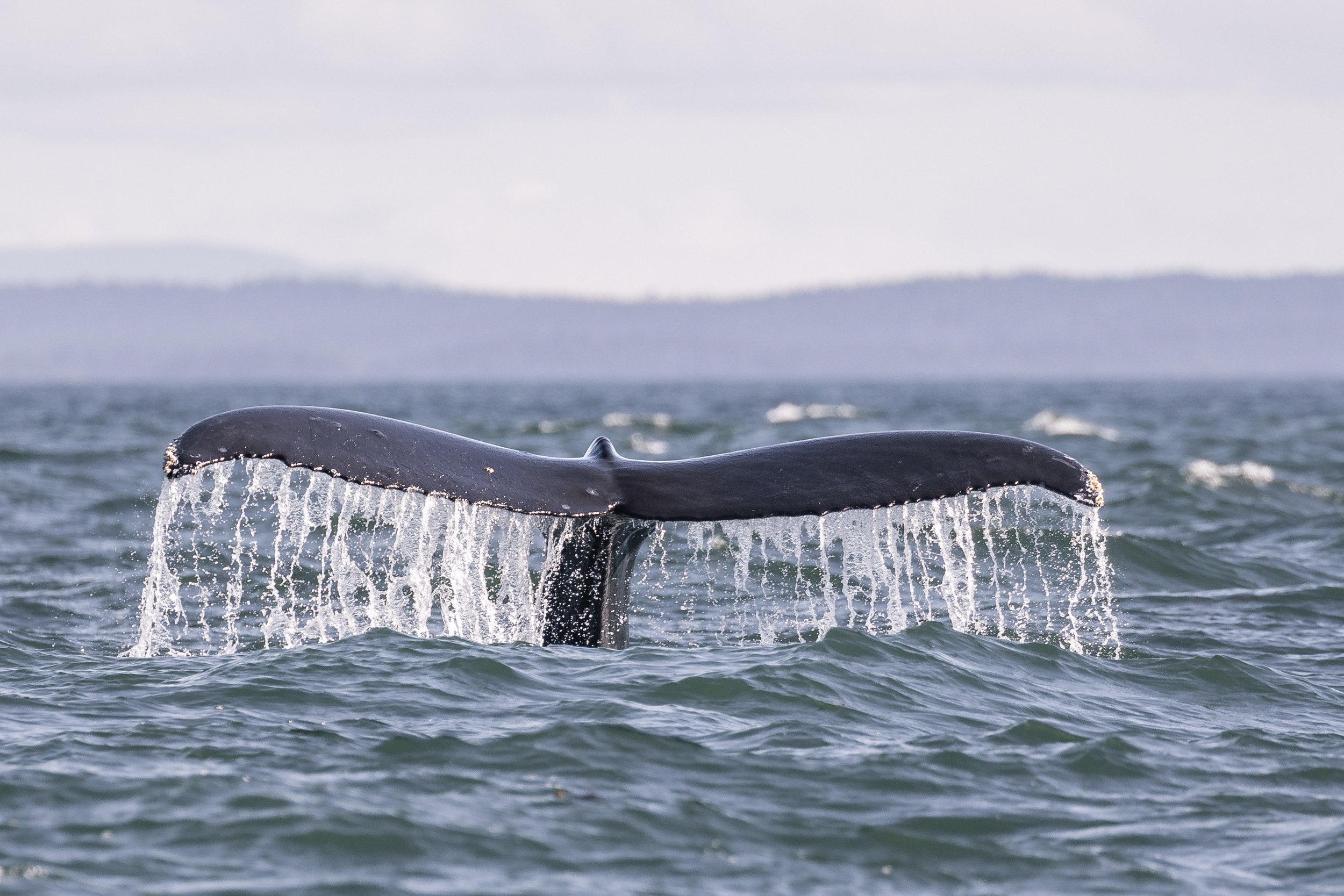
Helen going for a dive. Photo by Jordan Robinson.
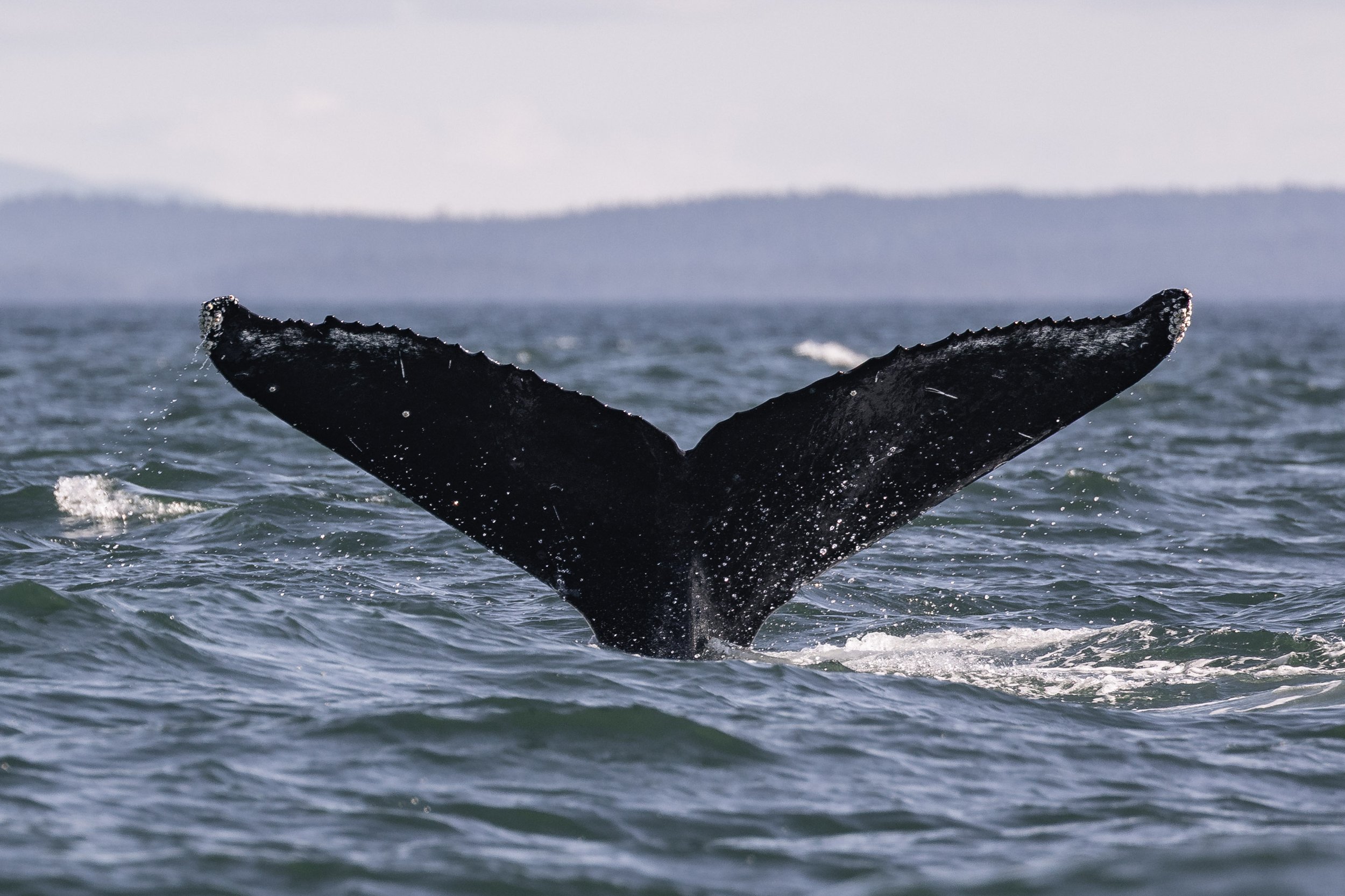
Helen’s fluke. Photo by Jordan Robinson.
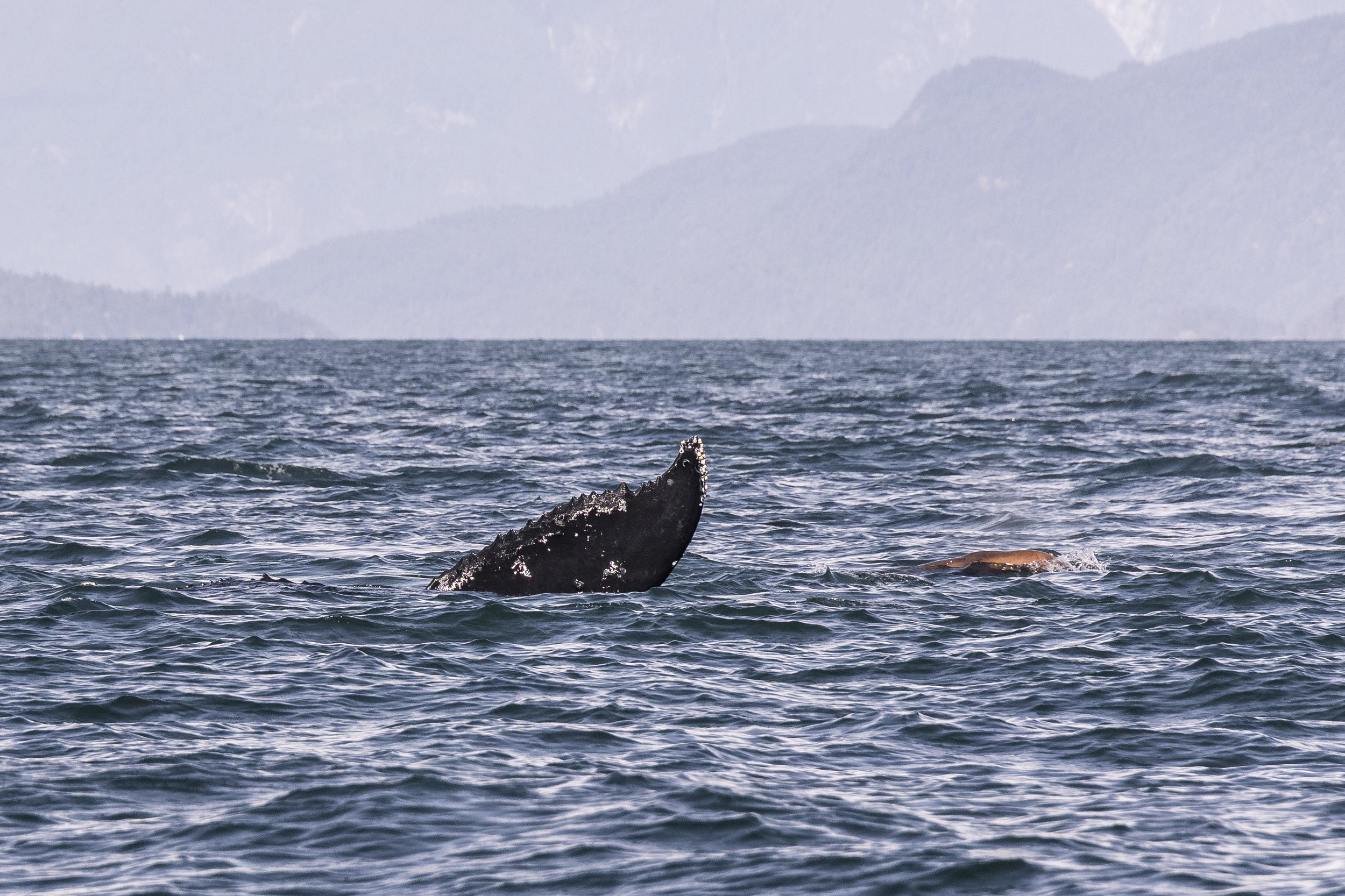
The tip of Helen’s fluke beside a Steller Sea Lion. Photo by Vanessa Vereschahen.
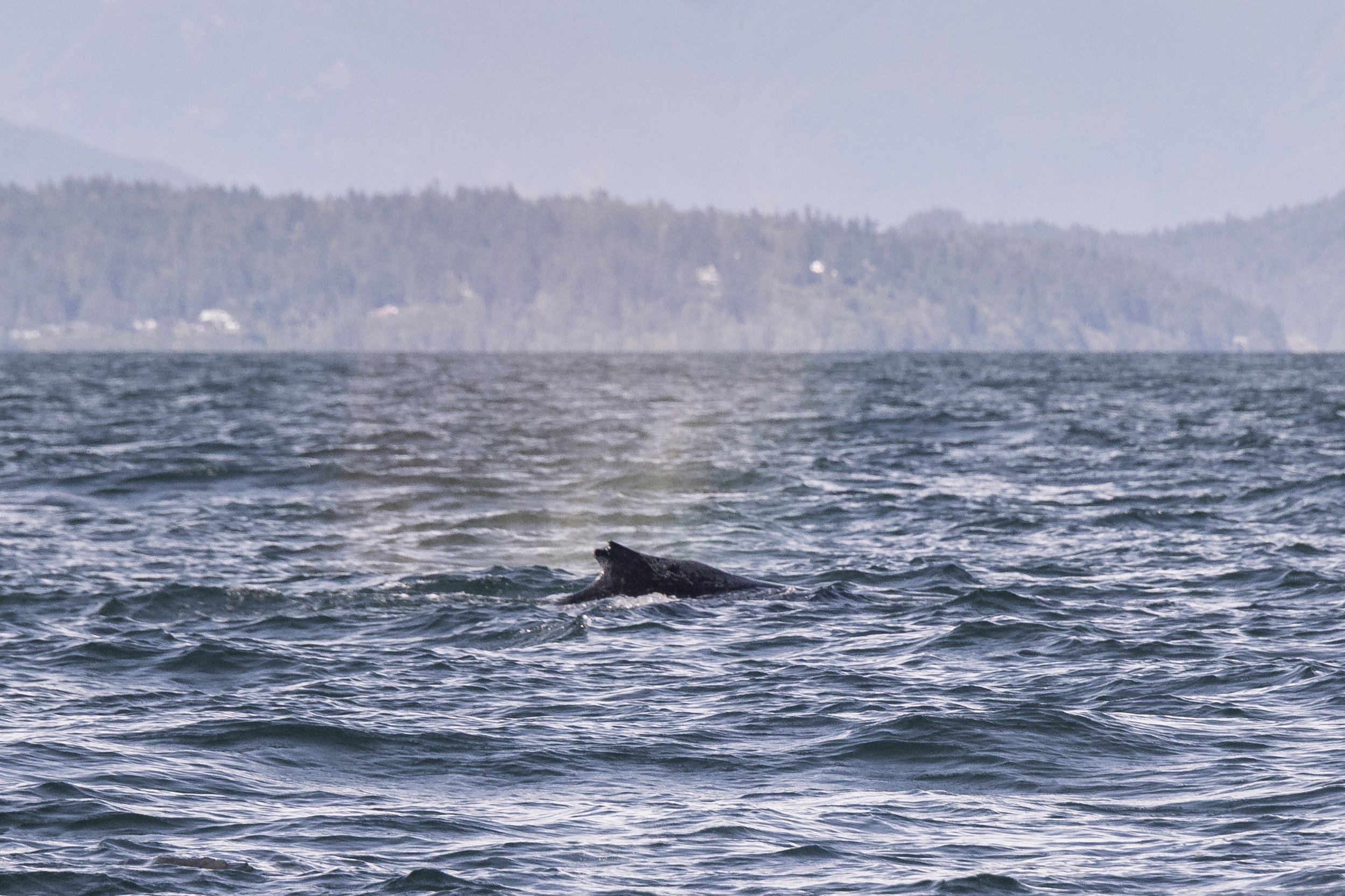
A tiny rain-blow from Helen! Photo by Vanessa Vereschahen.
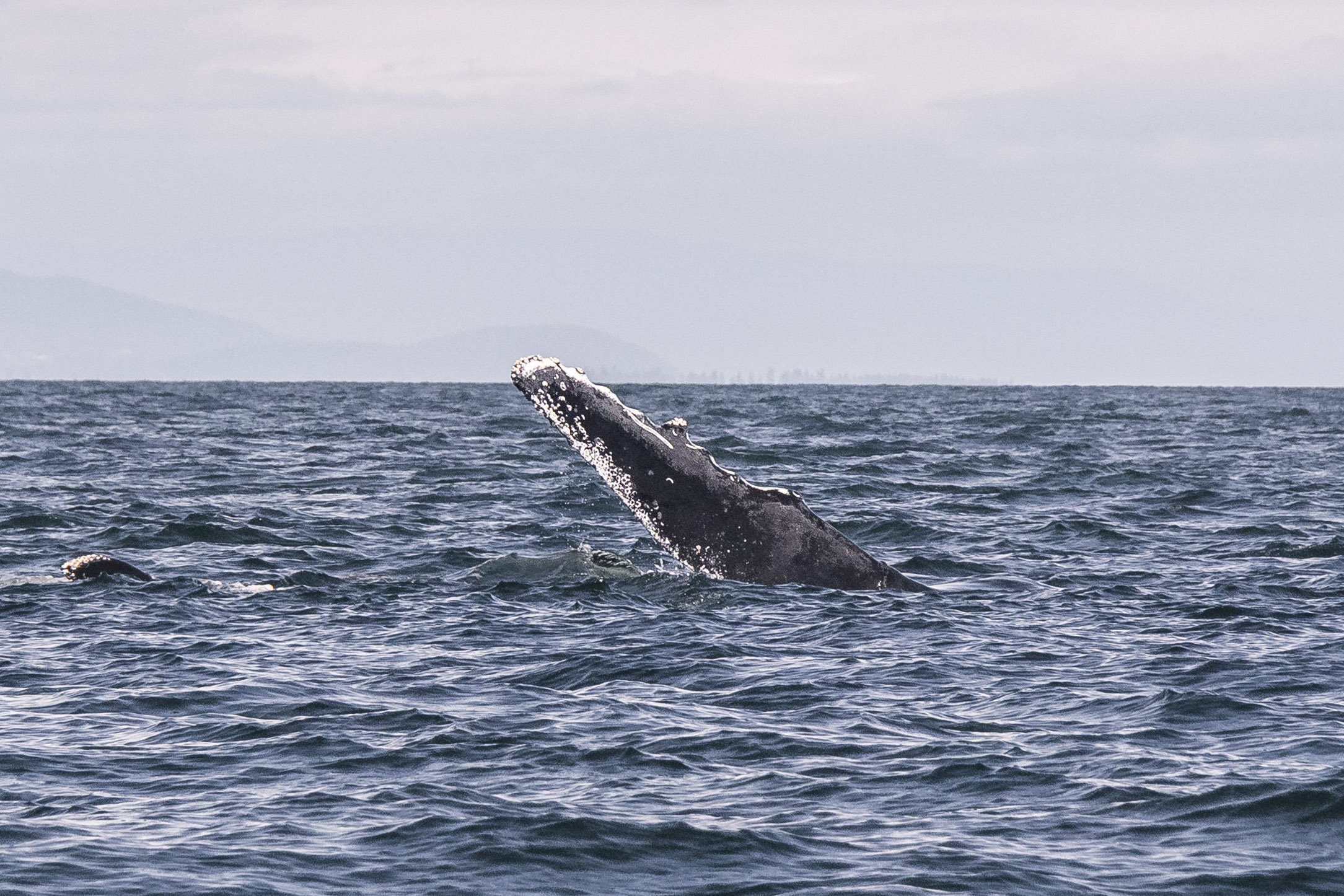
Helen waving their pectoral fin around. Photo by Vanessa Vereschahen.
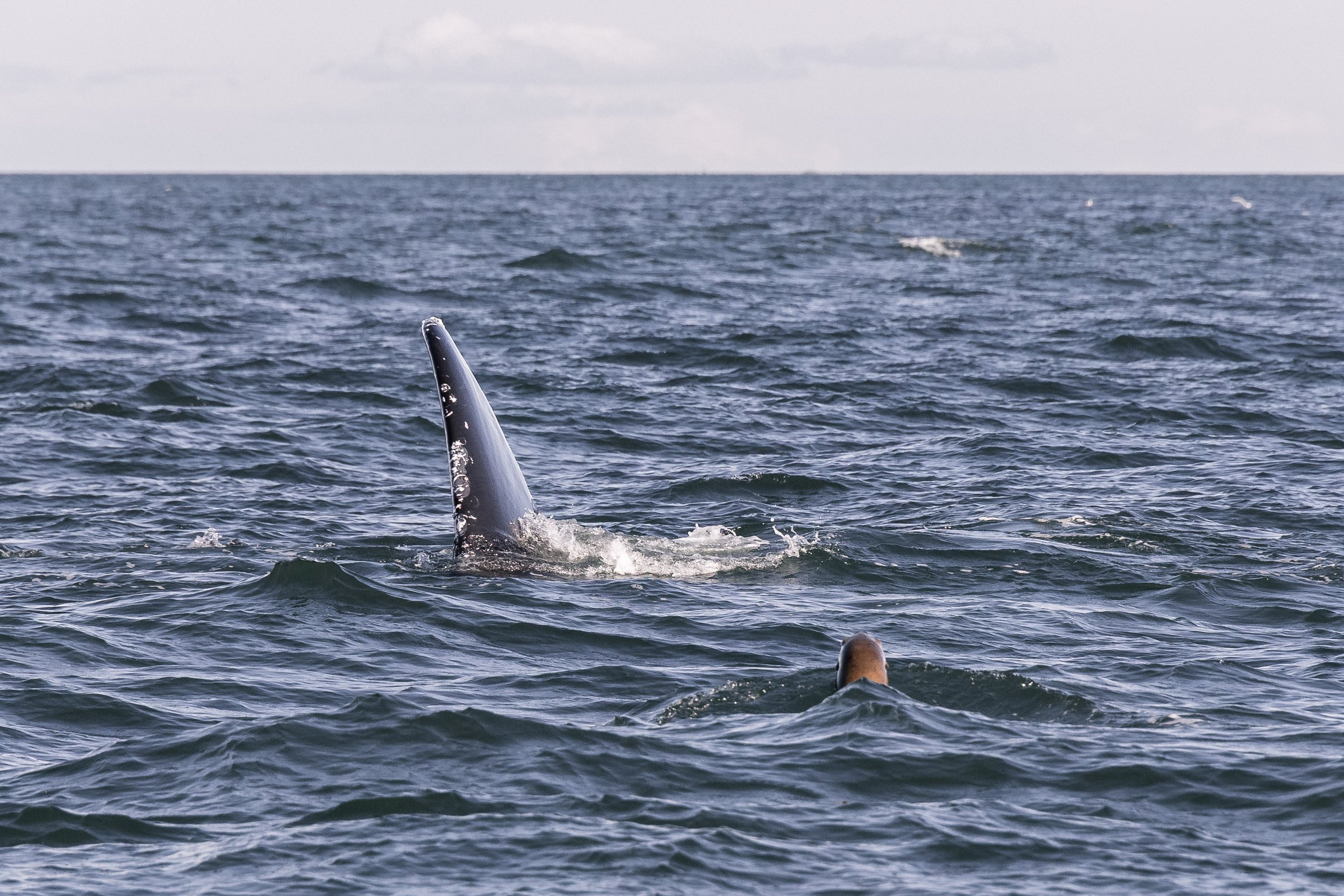
Helen swimming along with the sea lions around them. Photo by Vanessa Vereschahen.
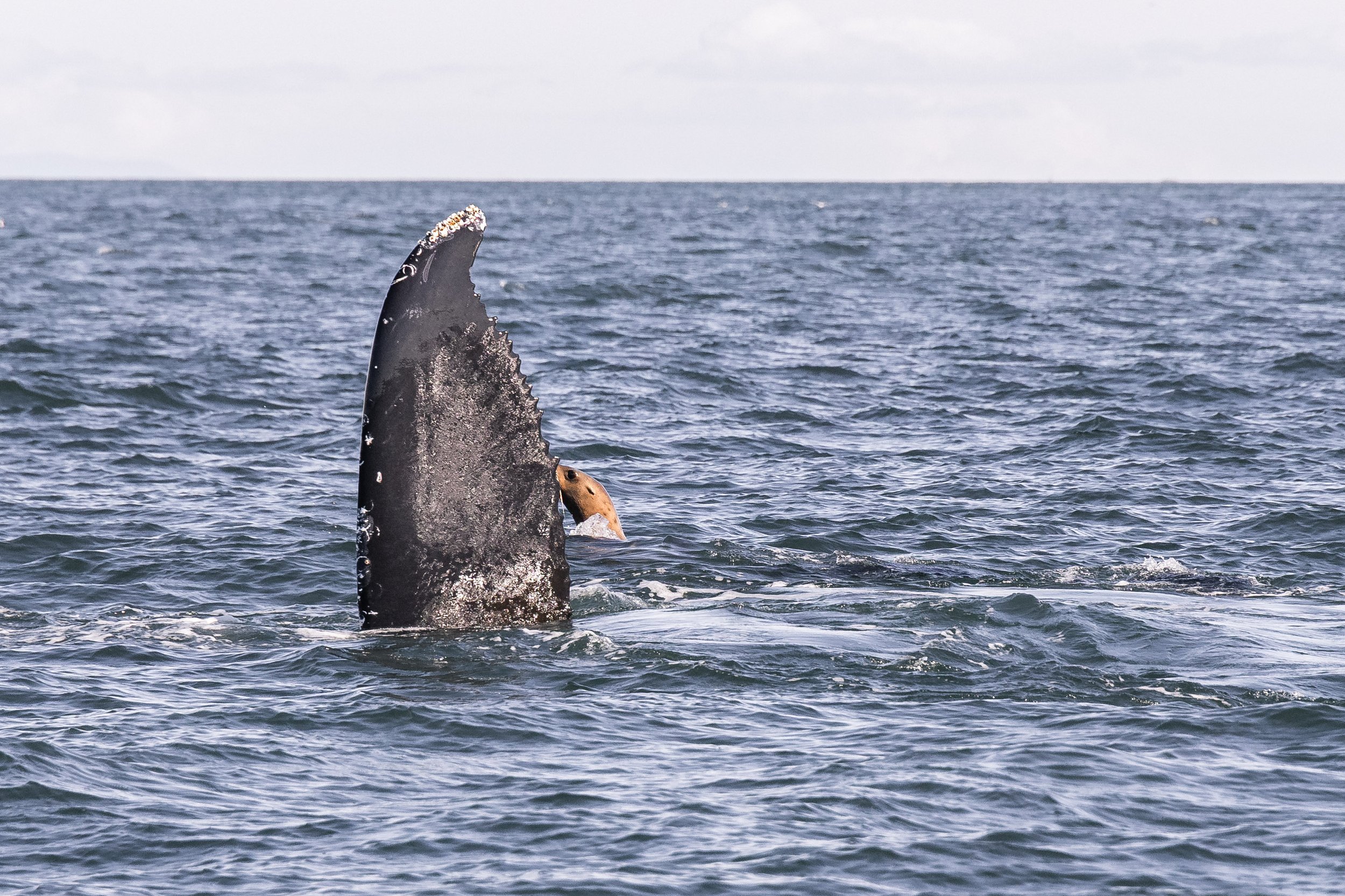
You can really see the difference in size between the humpbacks and the sea lions from this angle! Photo by Vanessa Vereschahen.
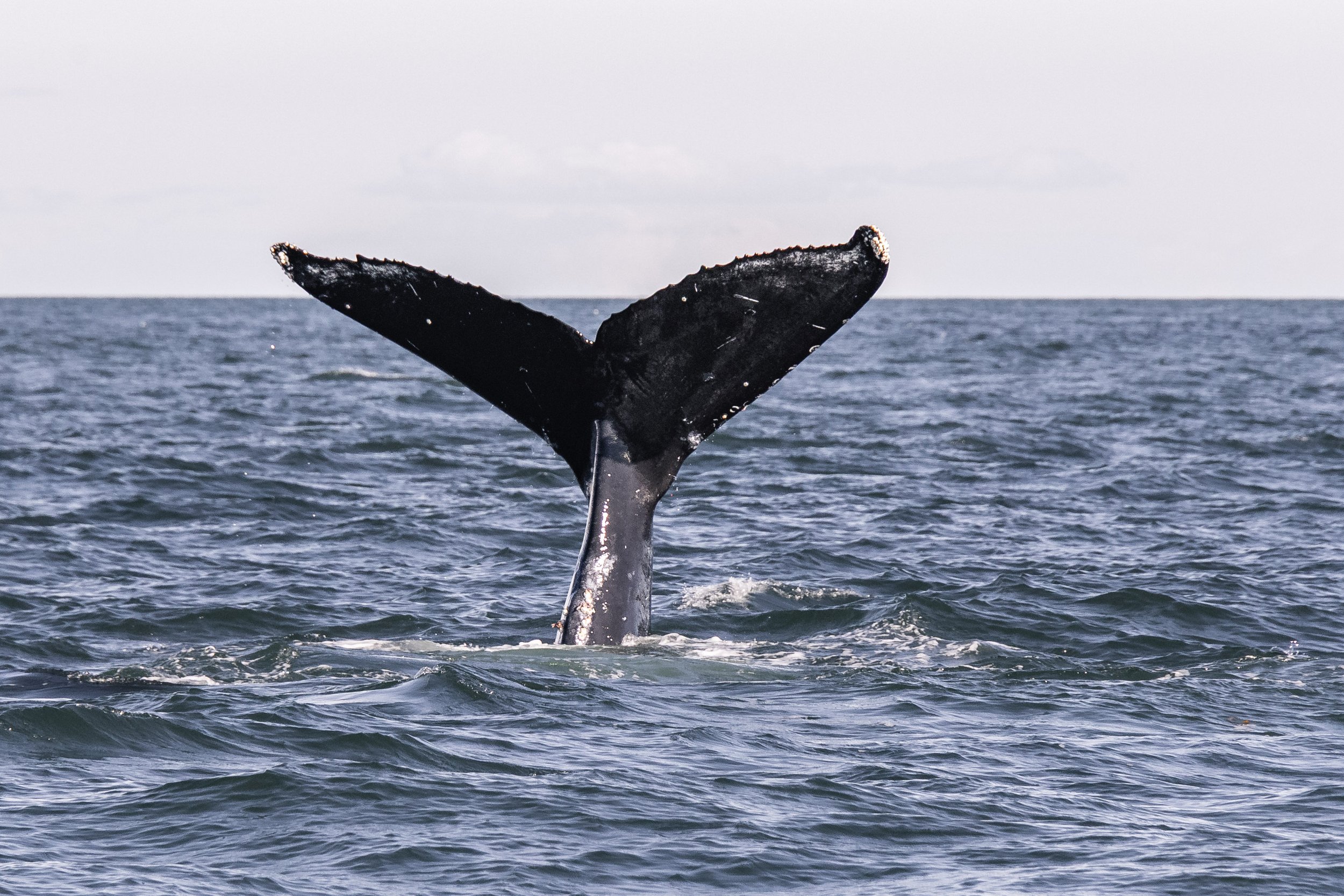
Helen waving their flukes around. Photo by Vanessa Vereschahen.
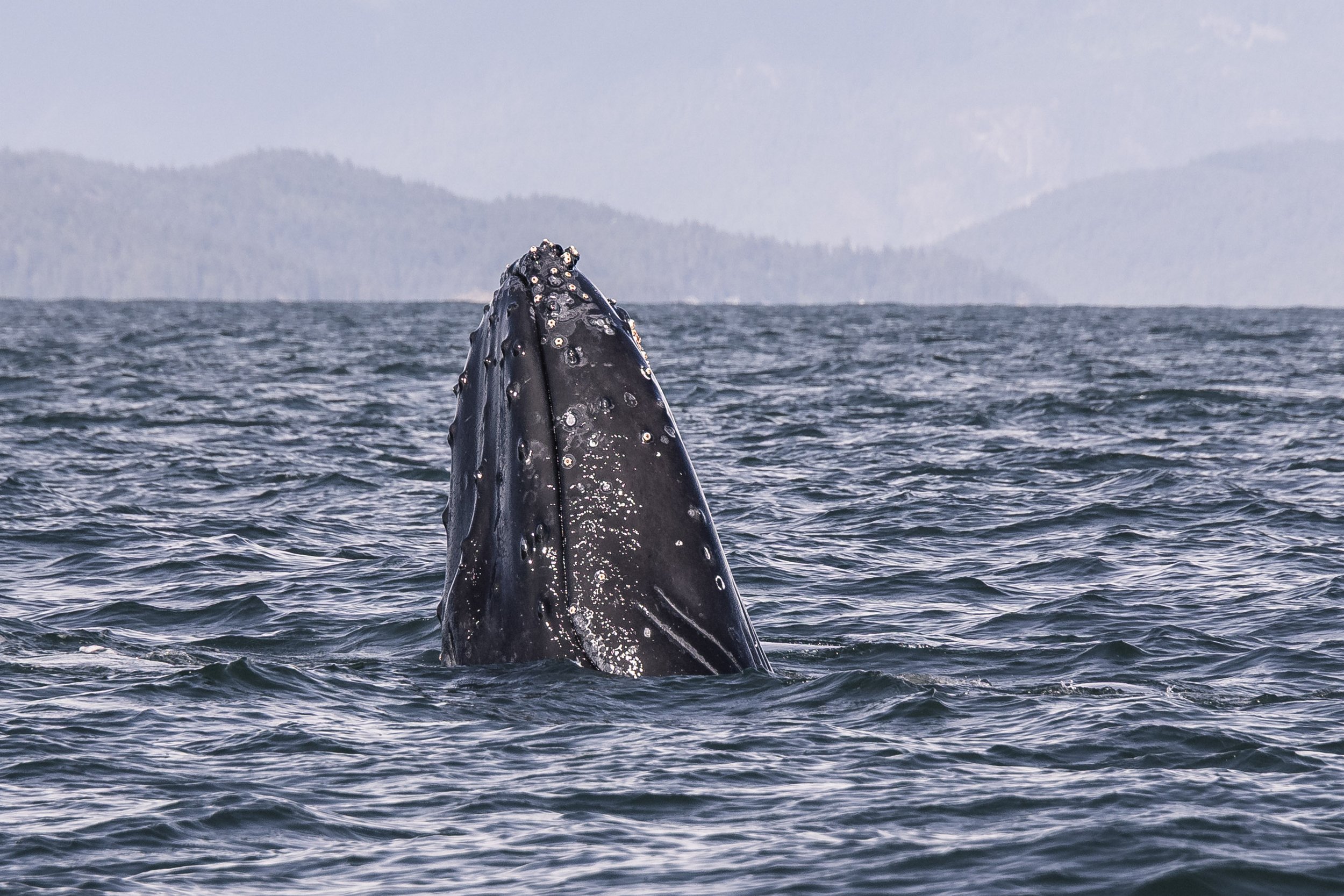
Helen’s rostrum. Photo by Vanessa Vereschahen.
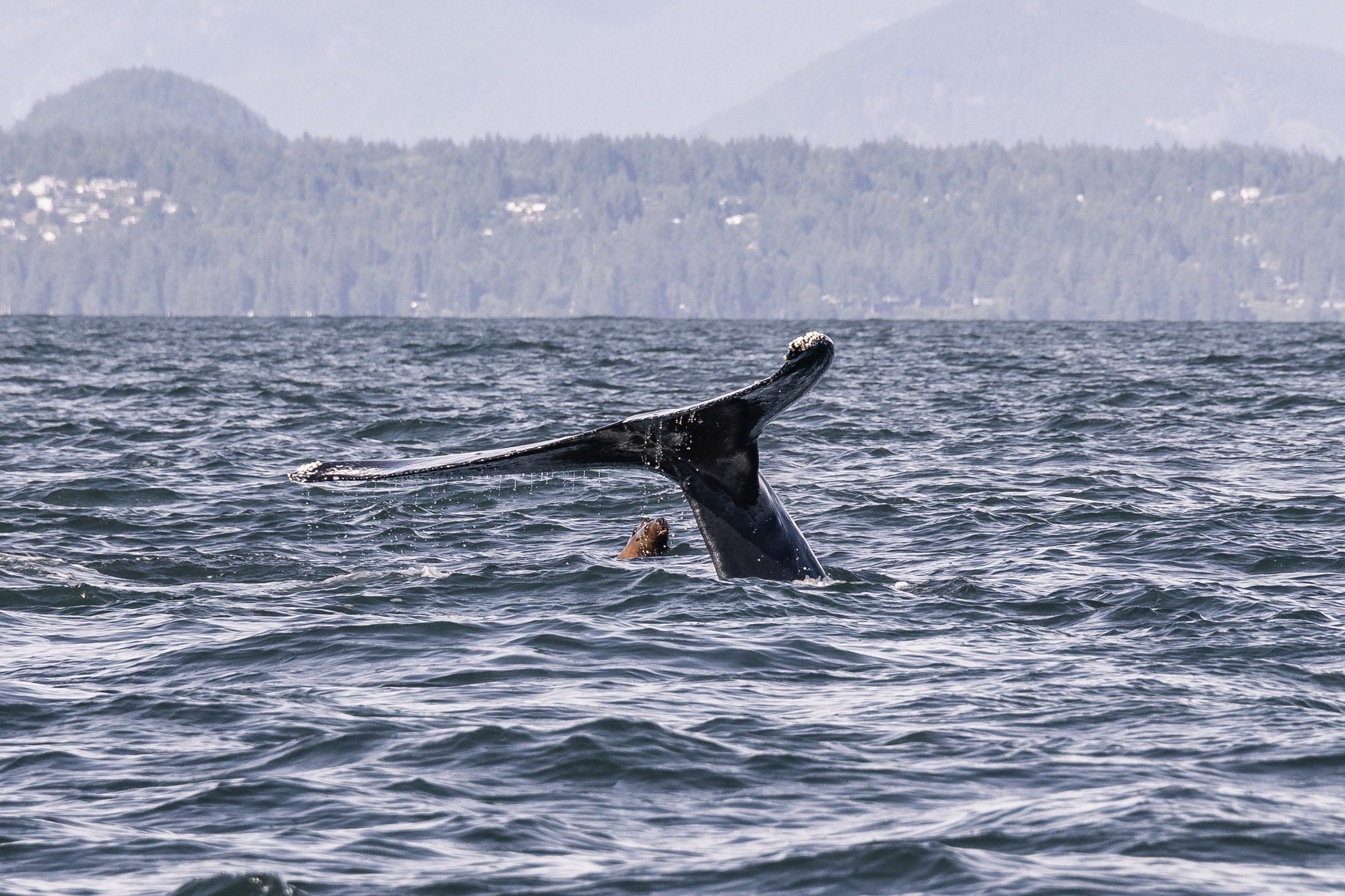
Helen beginning to dive with a sea lion side eyeing them. Photo by Vanessa Vereschahen.
The T065Bs
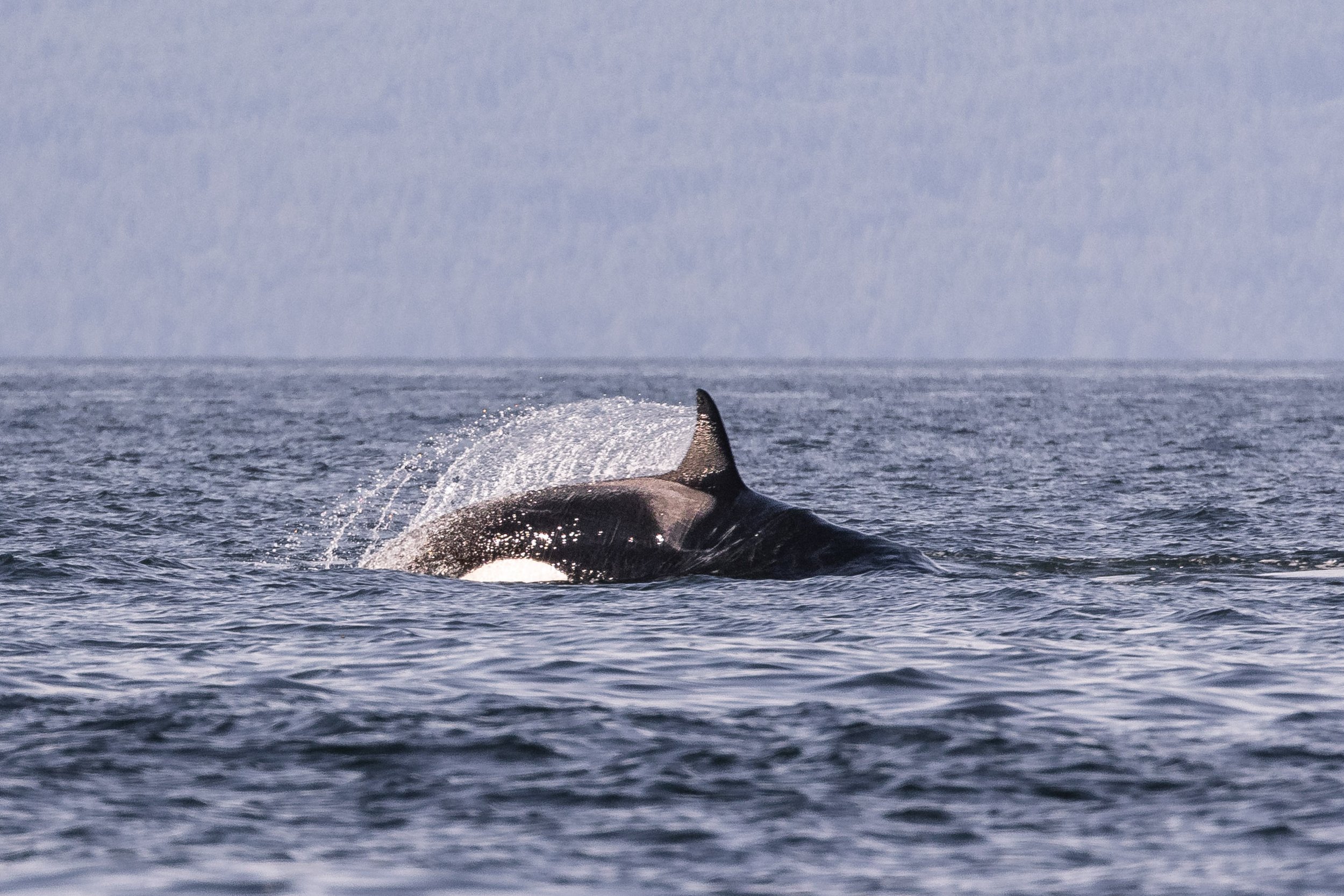
T065B Chunk zooming after the sea lion. Photo by Jordan Robinson.
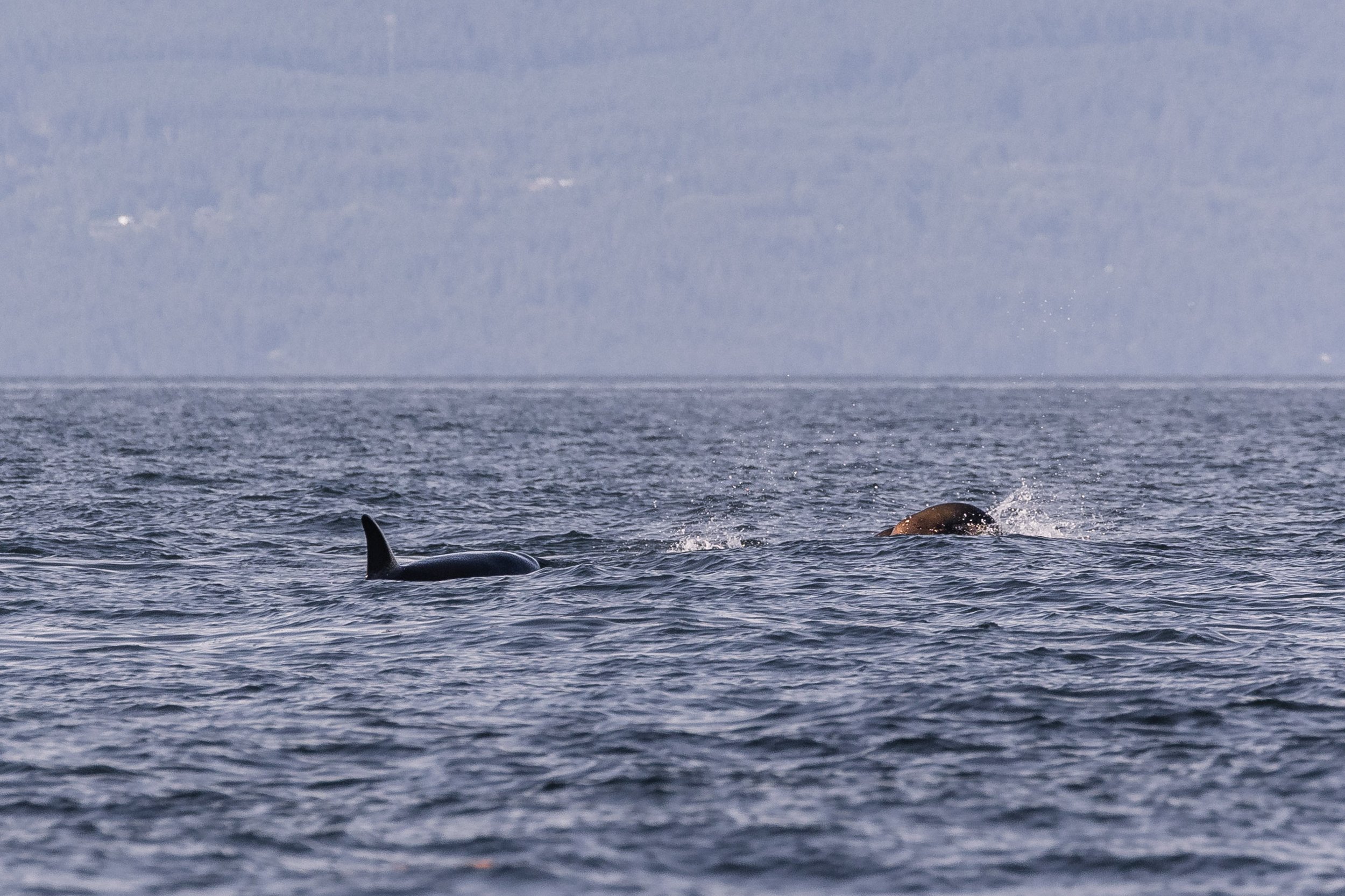
Catching up to their prey, as the sea lion tries to dive away. Photo by Jordan Robinson.
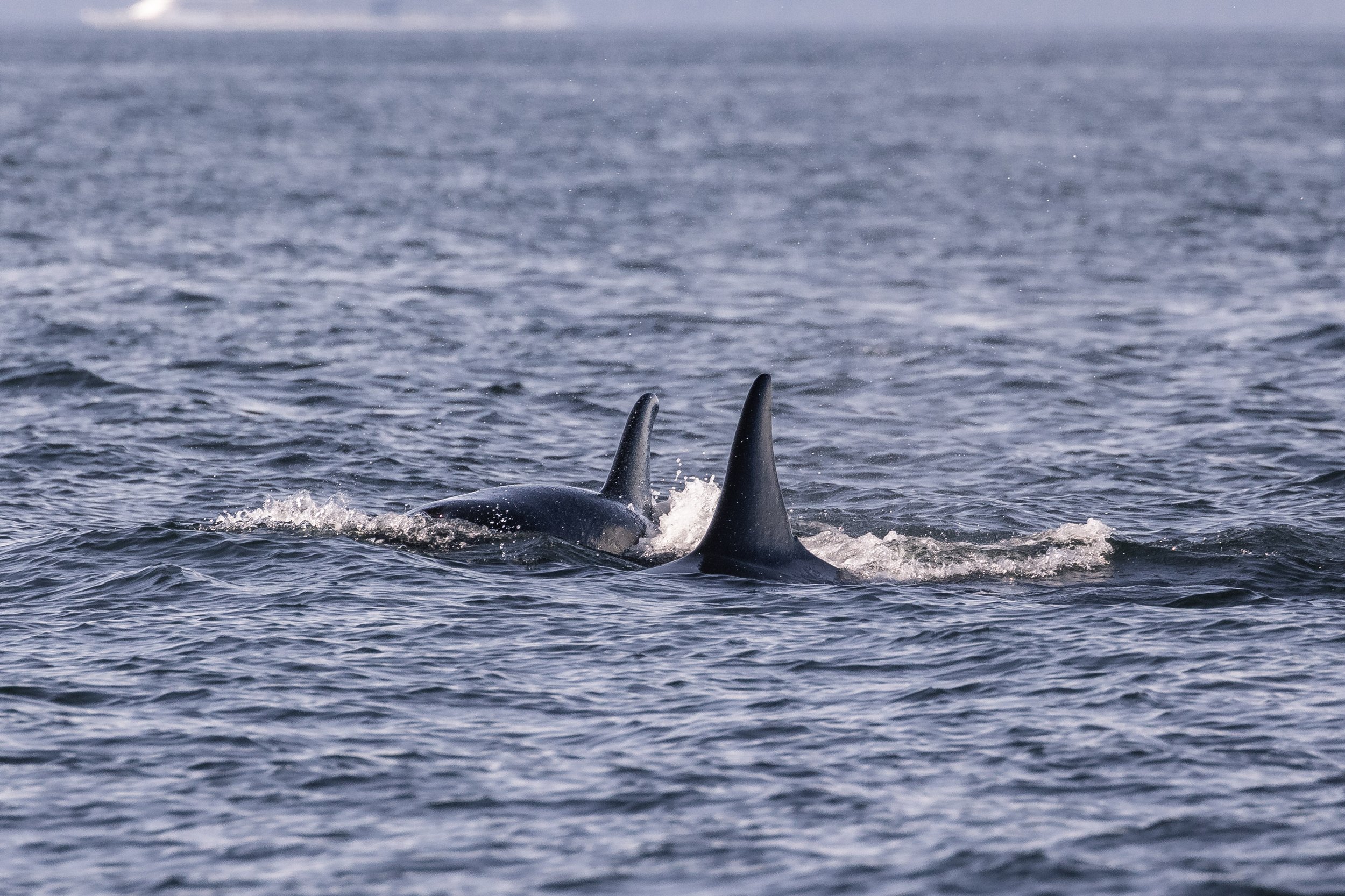
T065B Chunk with T065B3 Rook beside her. Photo by Jordan Robinson.
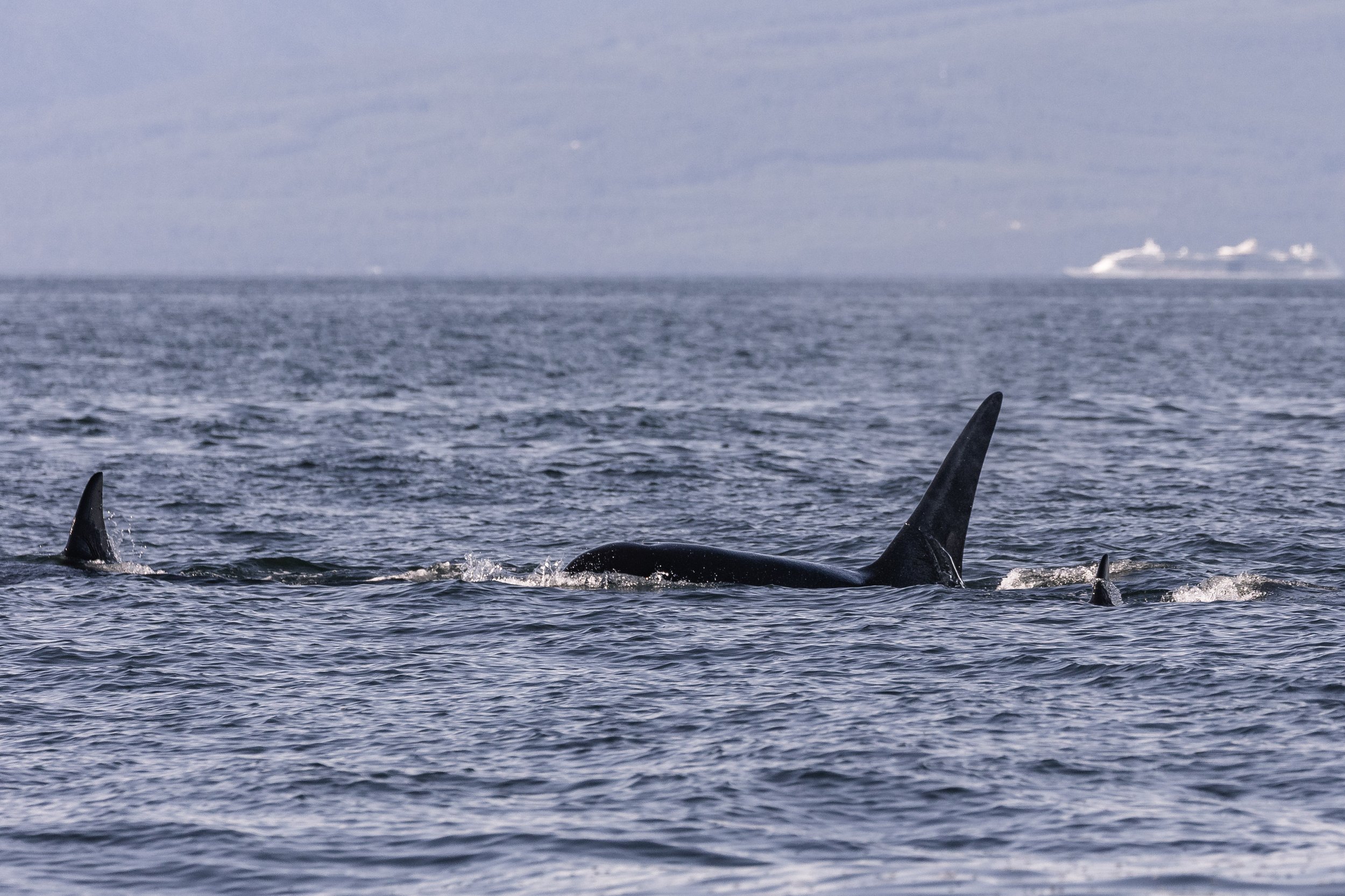
T065B1 Birdsall charging in to help. Photo by Jordan Robinson.
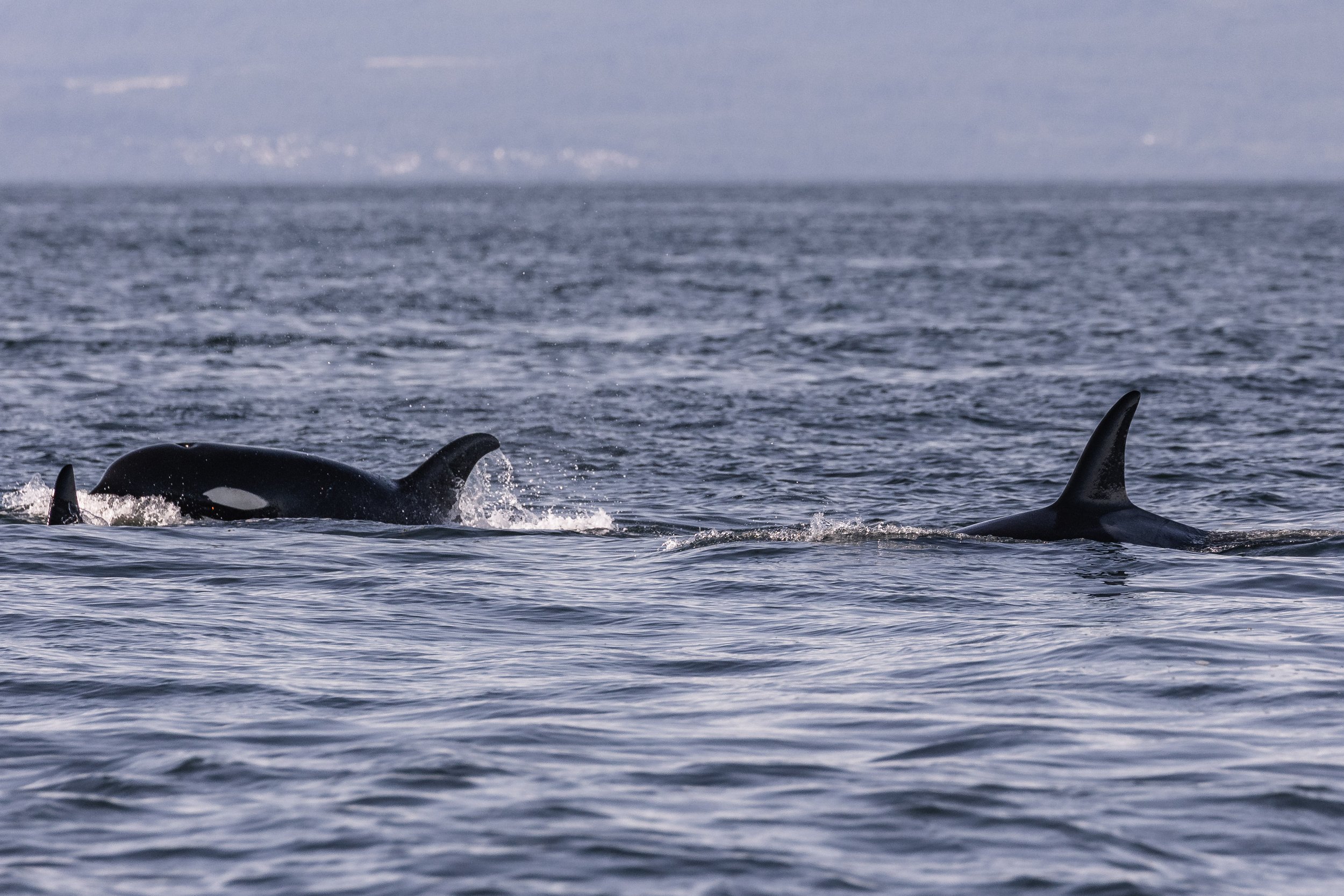
T065B3 Rook and T065B2 Nettle. Photo by Jordan Robinson.
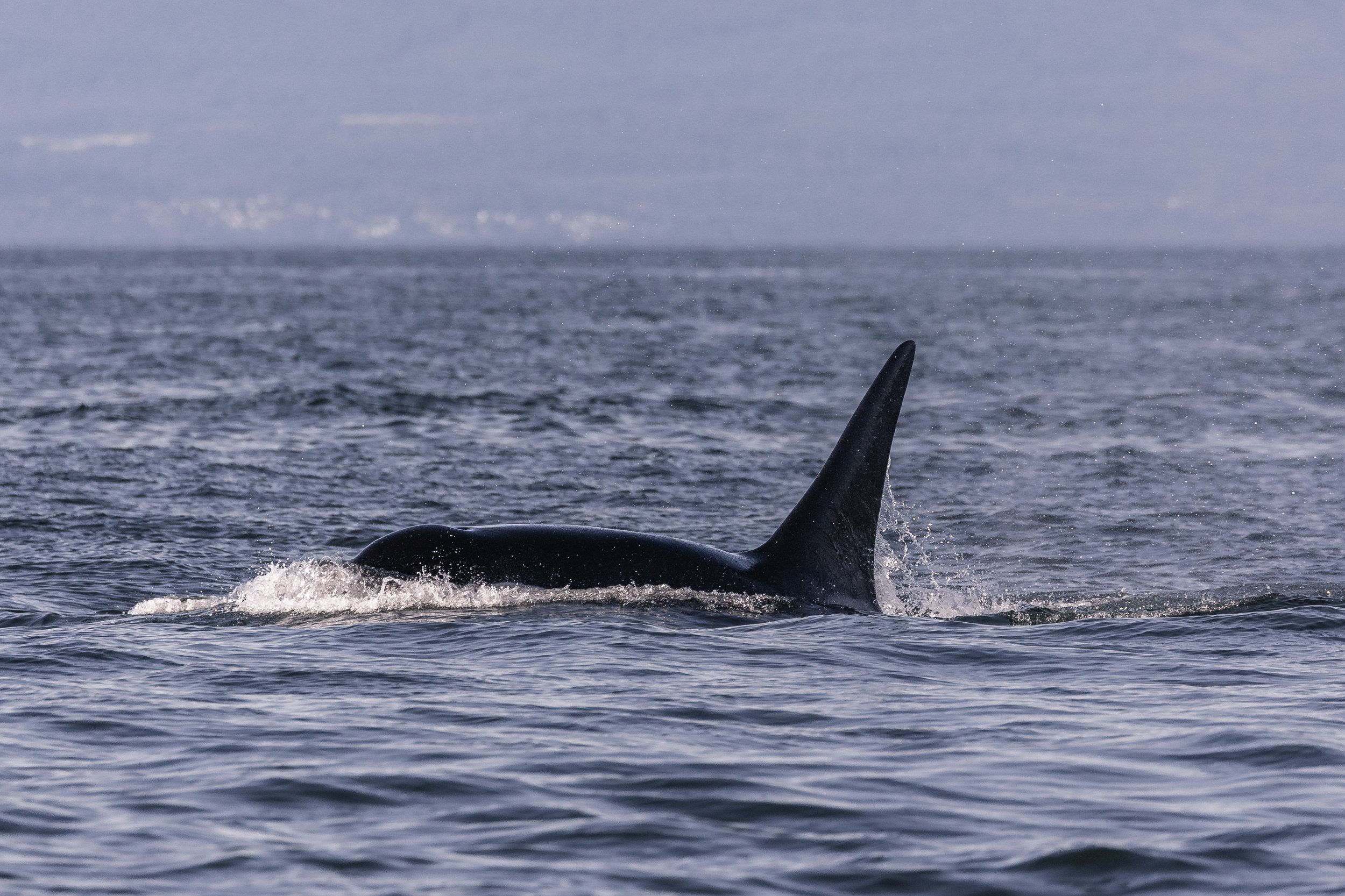
T065B1 Birdsall in all his glory. Photo by Jordan Robinson.
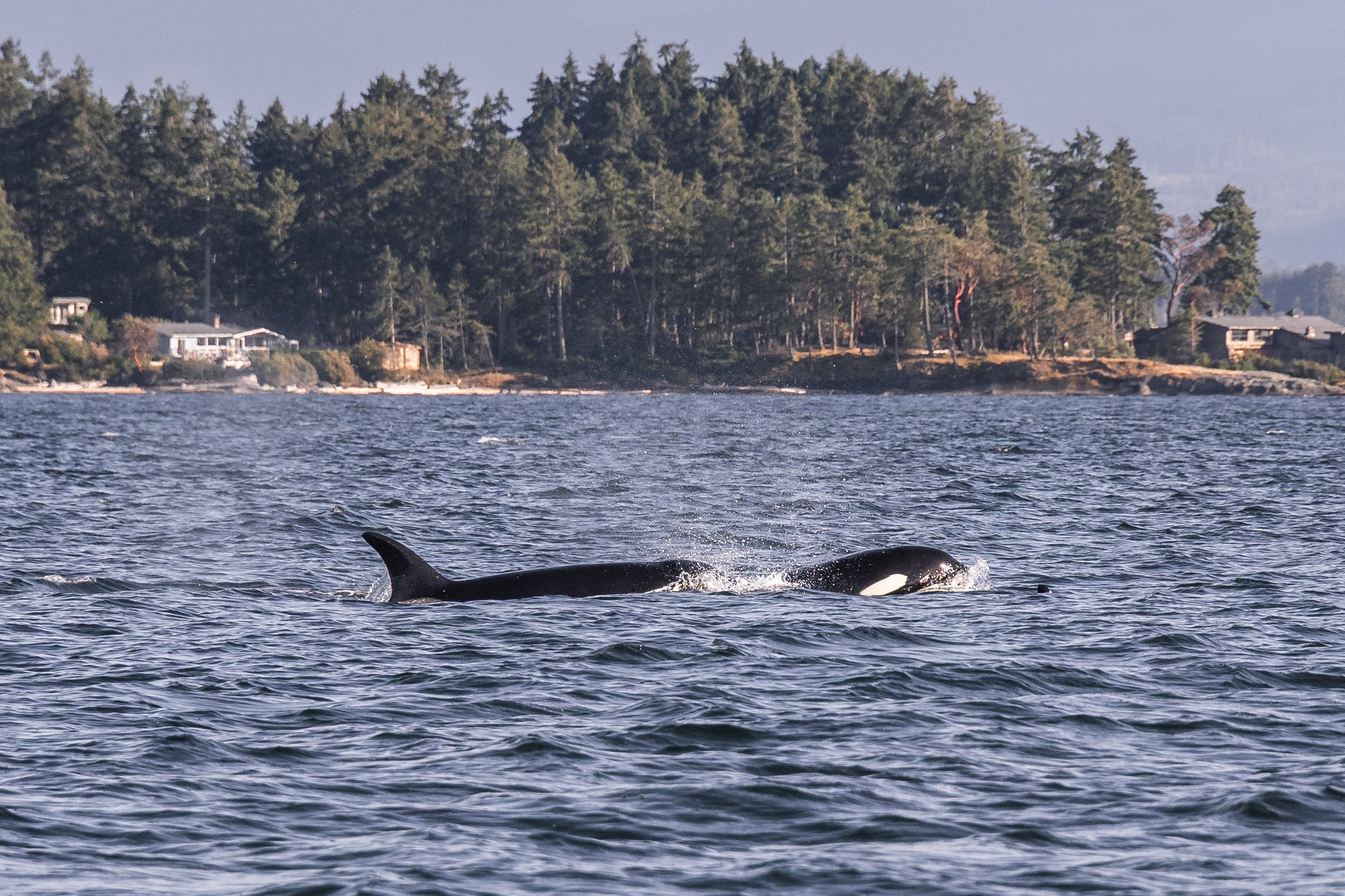
T065B2 Nettle with T065B3 Rook with his face above the water. Photo by Vanessa Vereschahen.
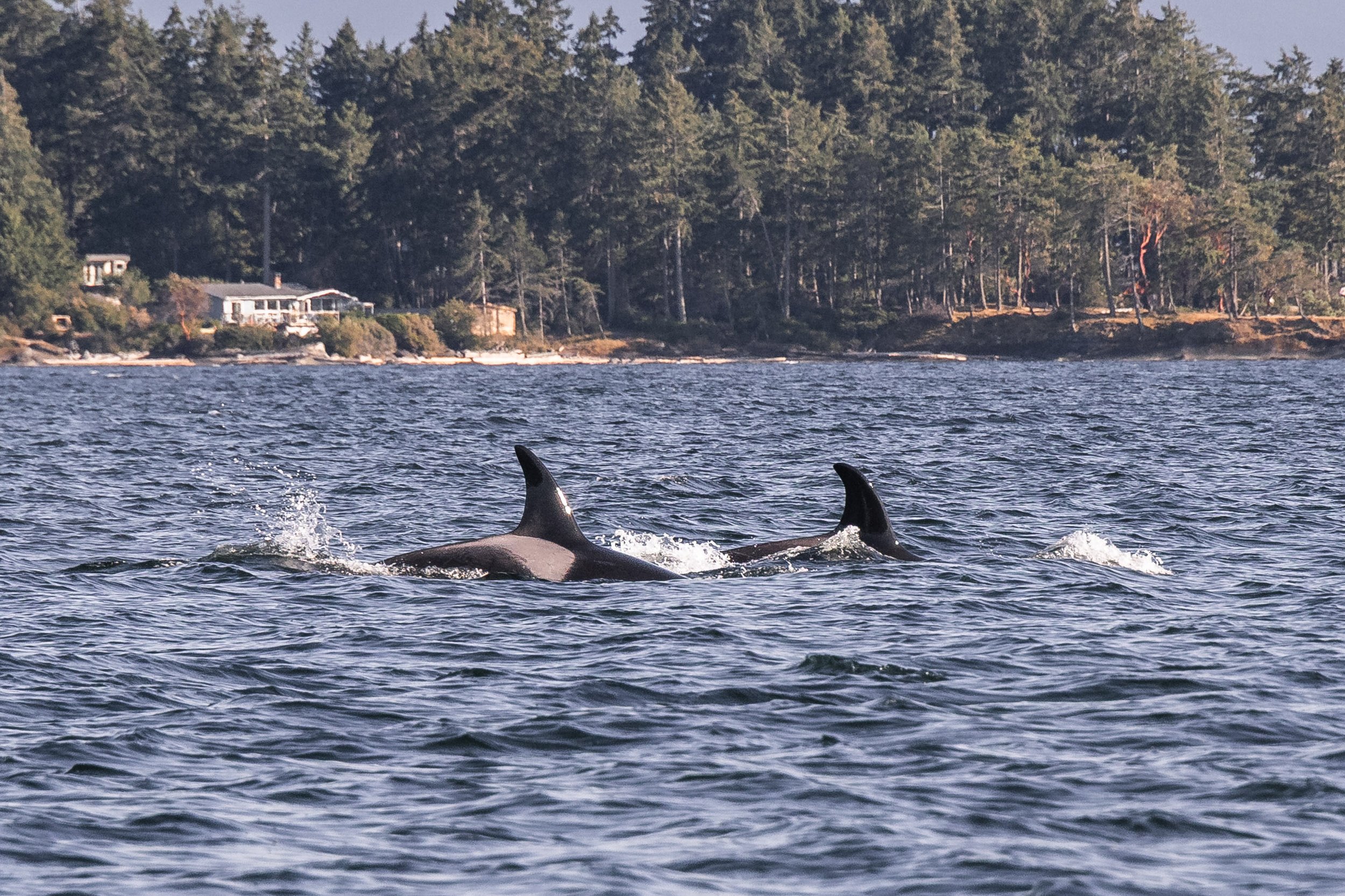
T065B2 Nettle and T065B3 Rook. Photo by Vanessa Vereschahen.
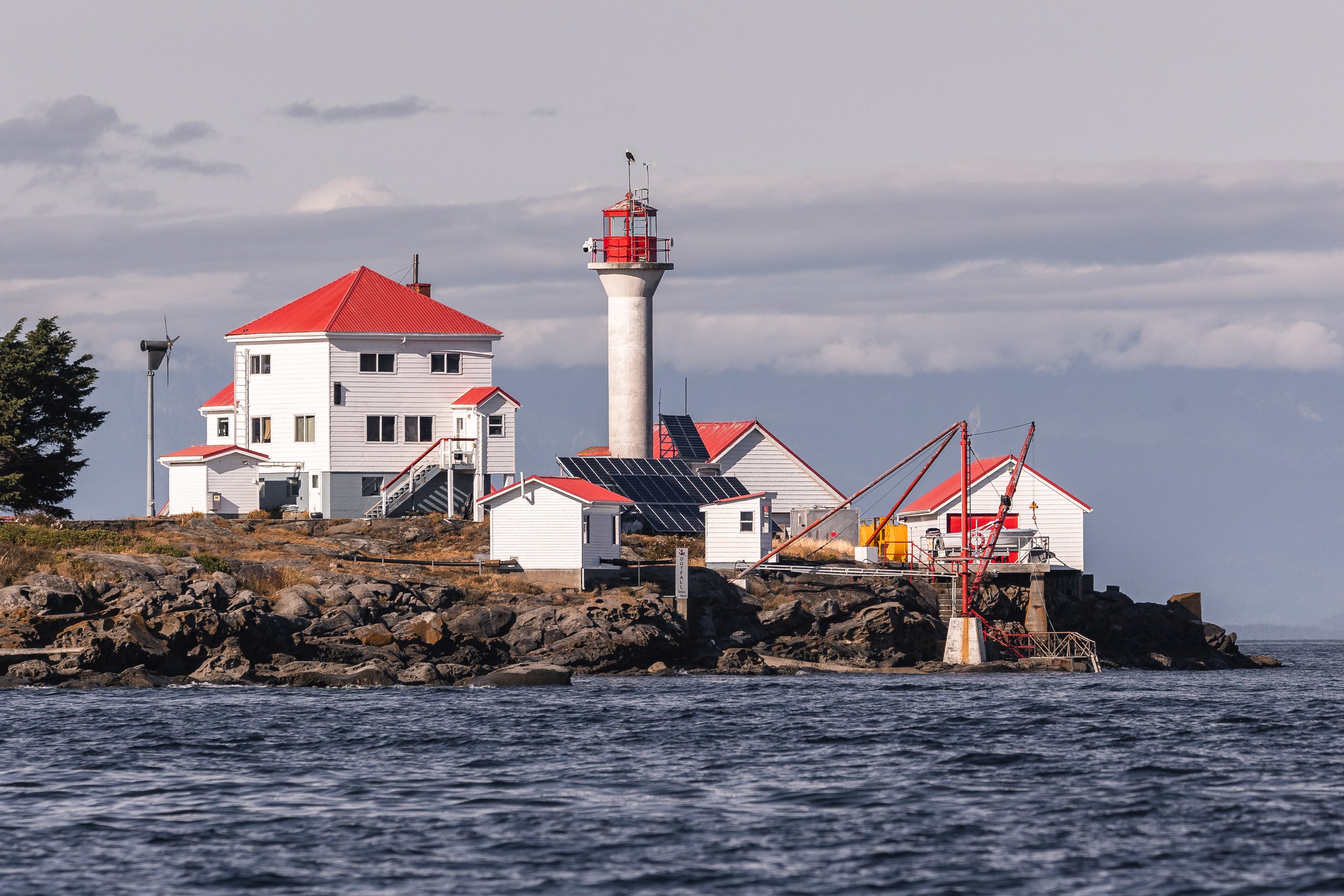
Entrance Island. Photo by Jordan Robinson.
The T049As
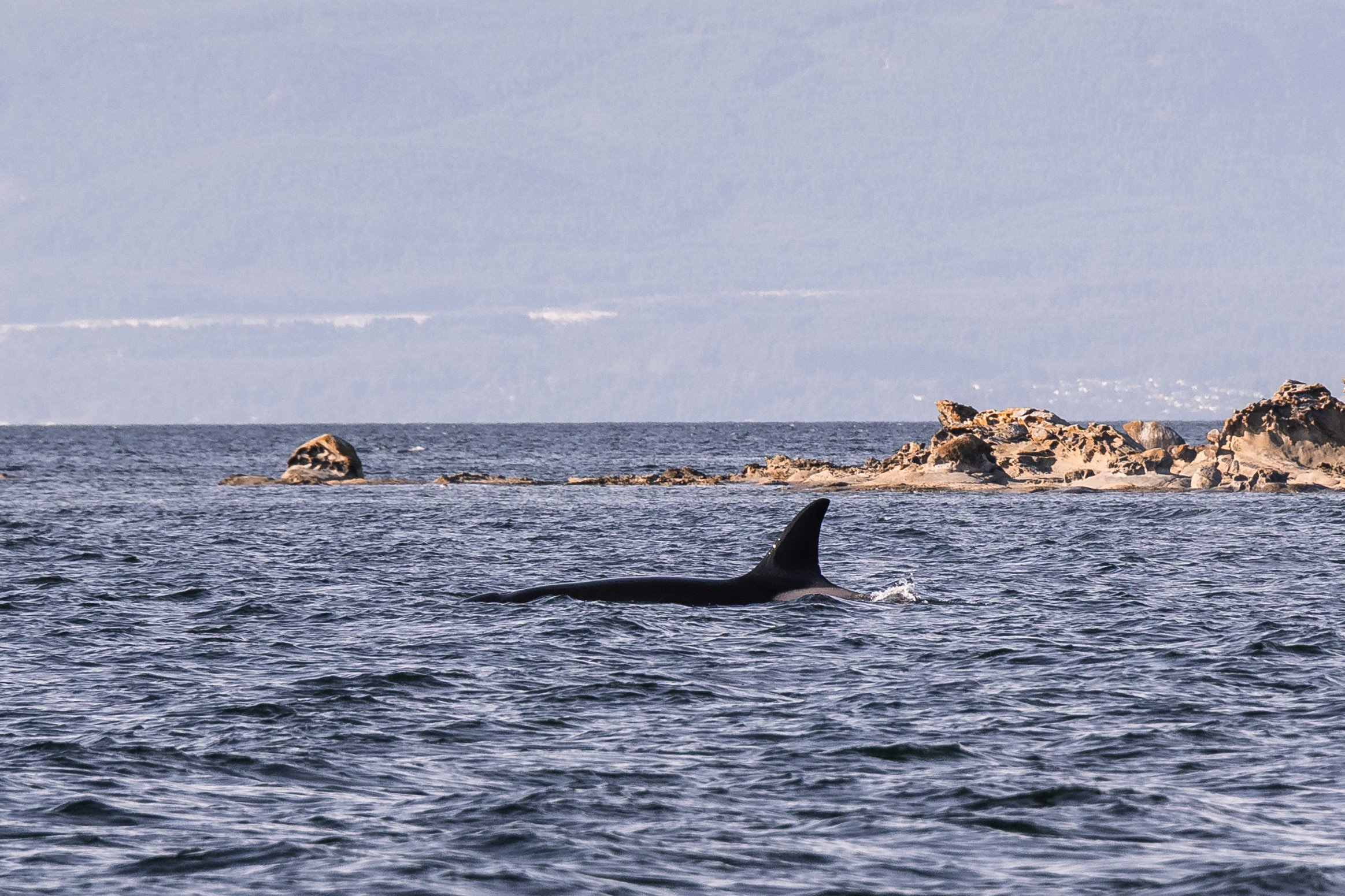
T049A Nan travelling along. Photo by Vanessa Vereschahen.
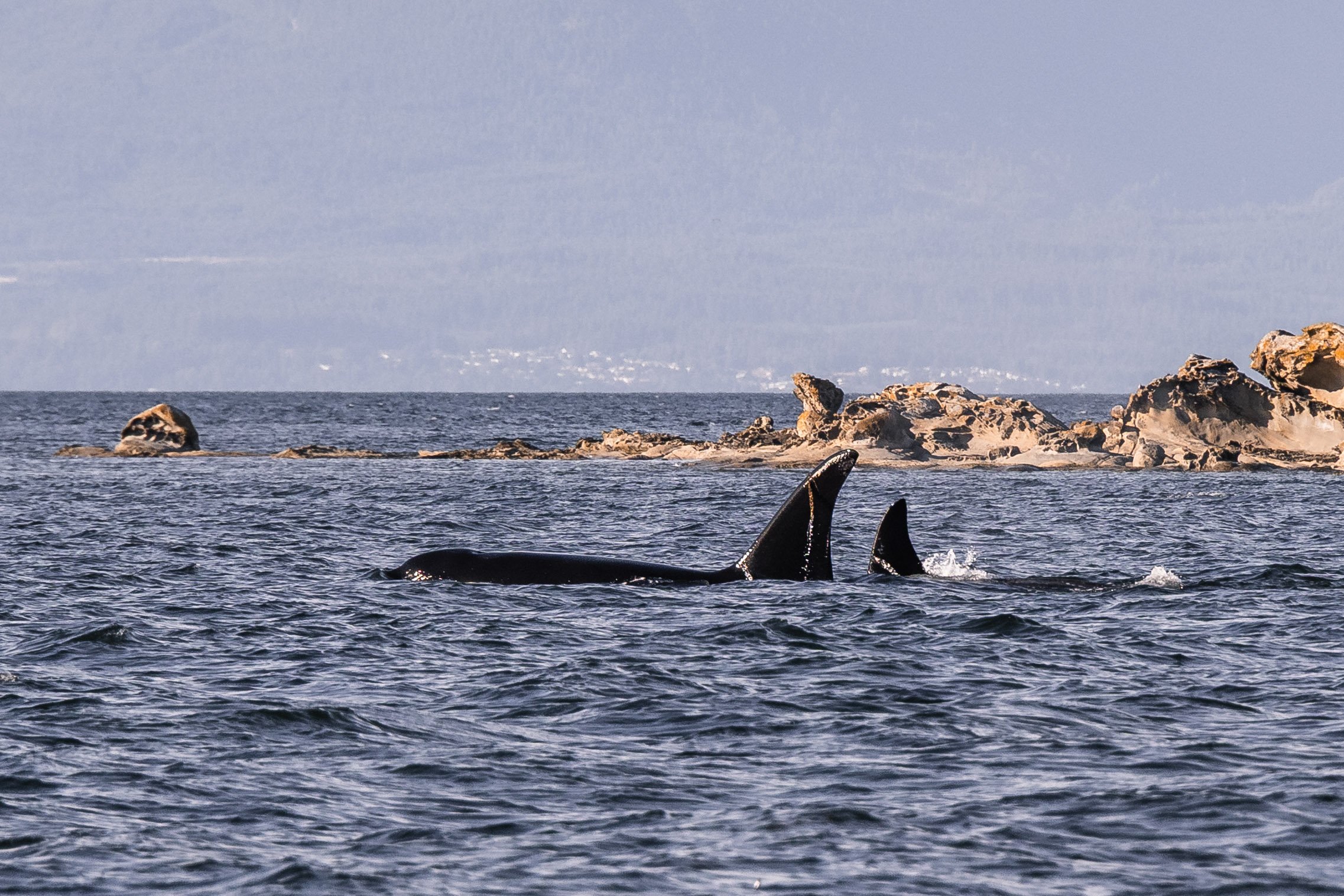
T049A3 Nat with his younger brother T049A4 Neptune. Photo by Vanessa Vereschahen.
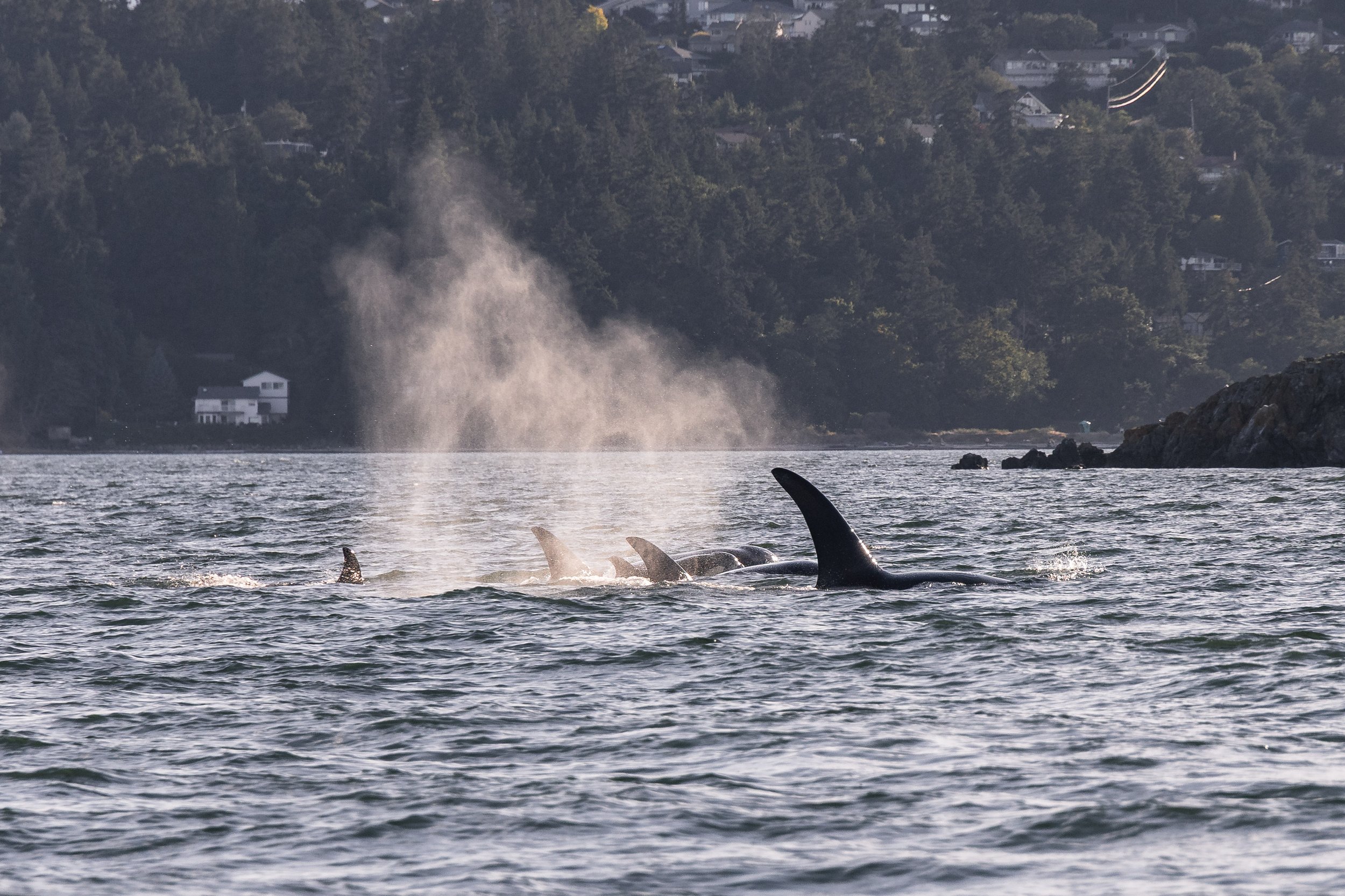
(Almost) all together! Left to right: T049A5 Nebula, T049A Nan, T049A7 Nimbus, T049A4 Neptune, and T049A3 Nat. Photo by Vanessa Vereschahen.
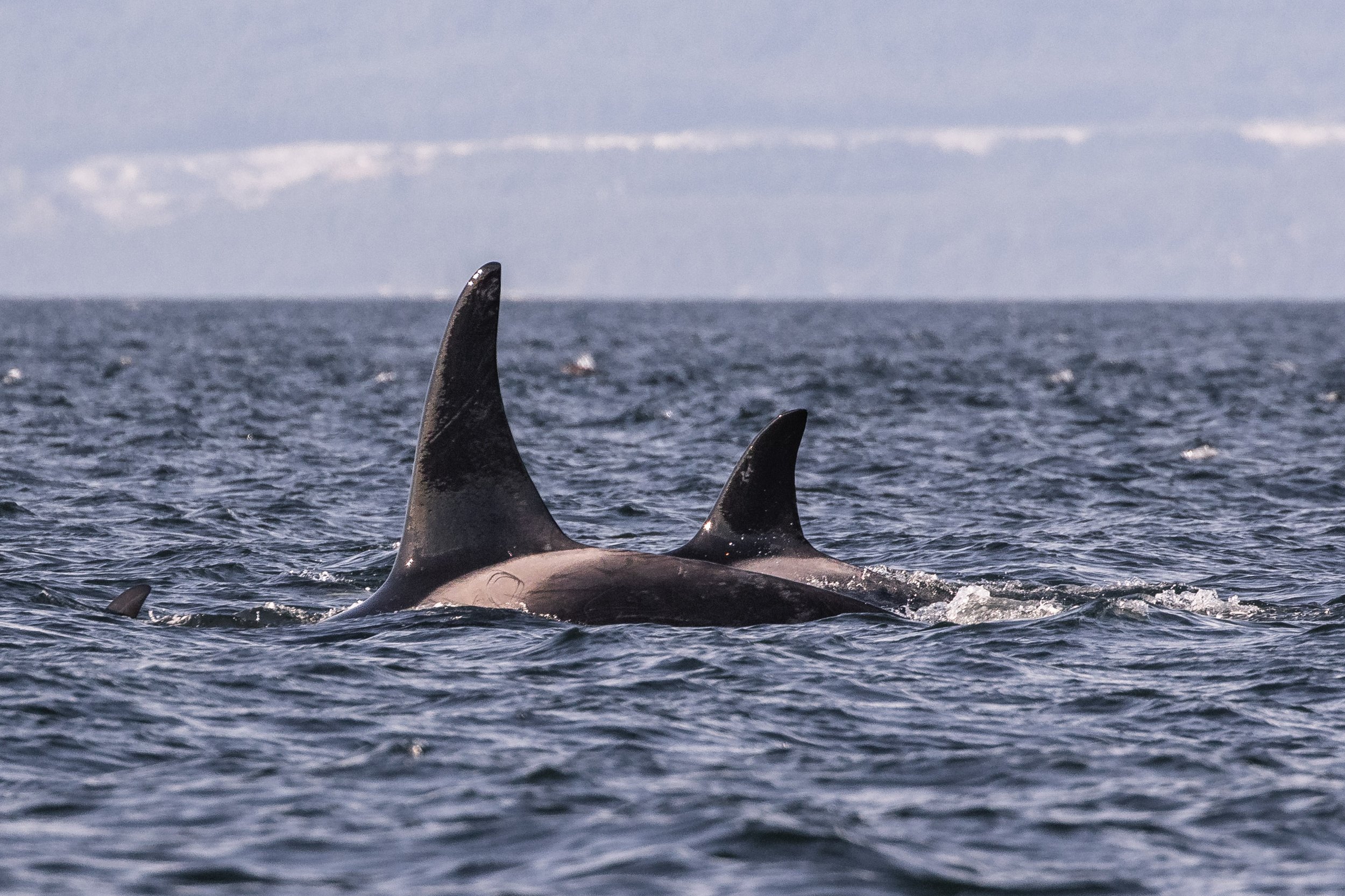
T049A Nat and T049A4 Neptune. Photo by Jordan Robinson.
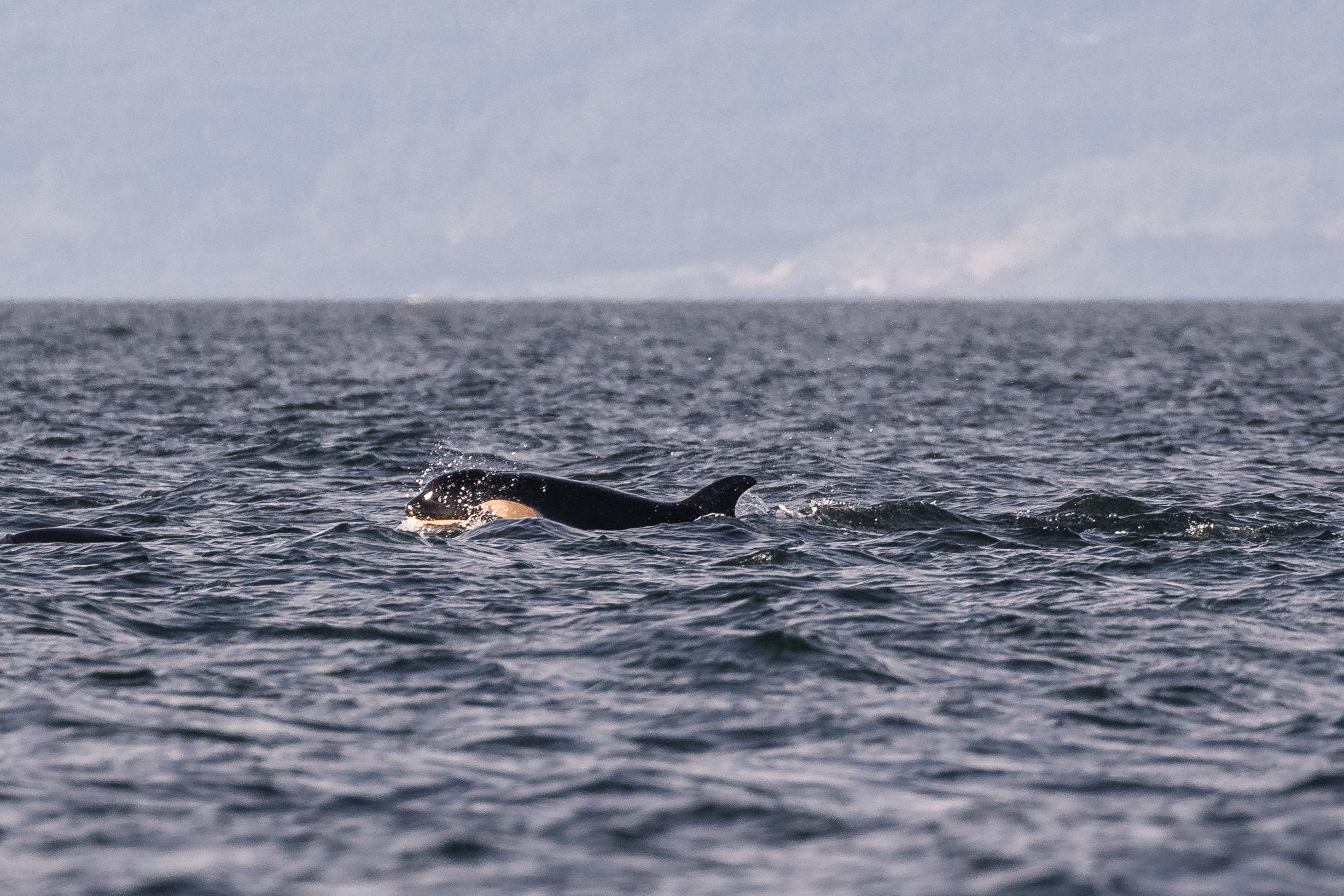
Tiny little T049A7 Nimbus. Photo by Jordan Robinson.
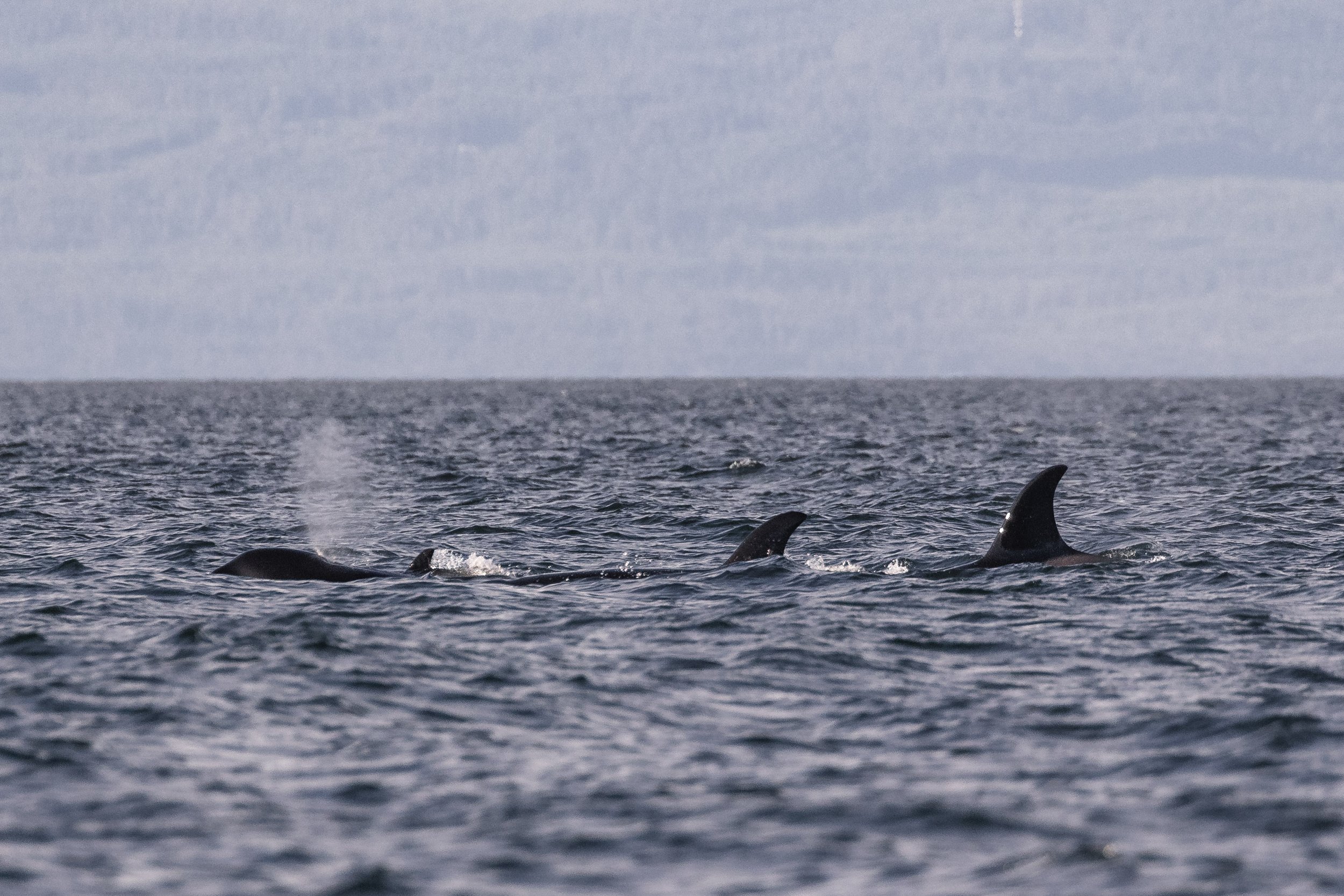
T049A6 Charlie II and T049A5 Nebula. Photo by Jordan Robinson.
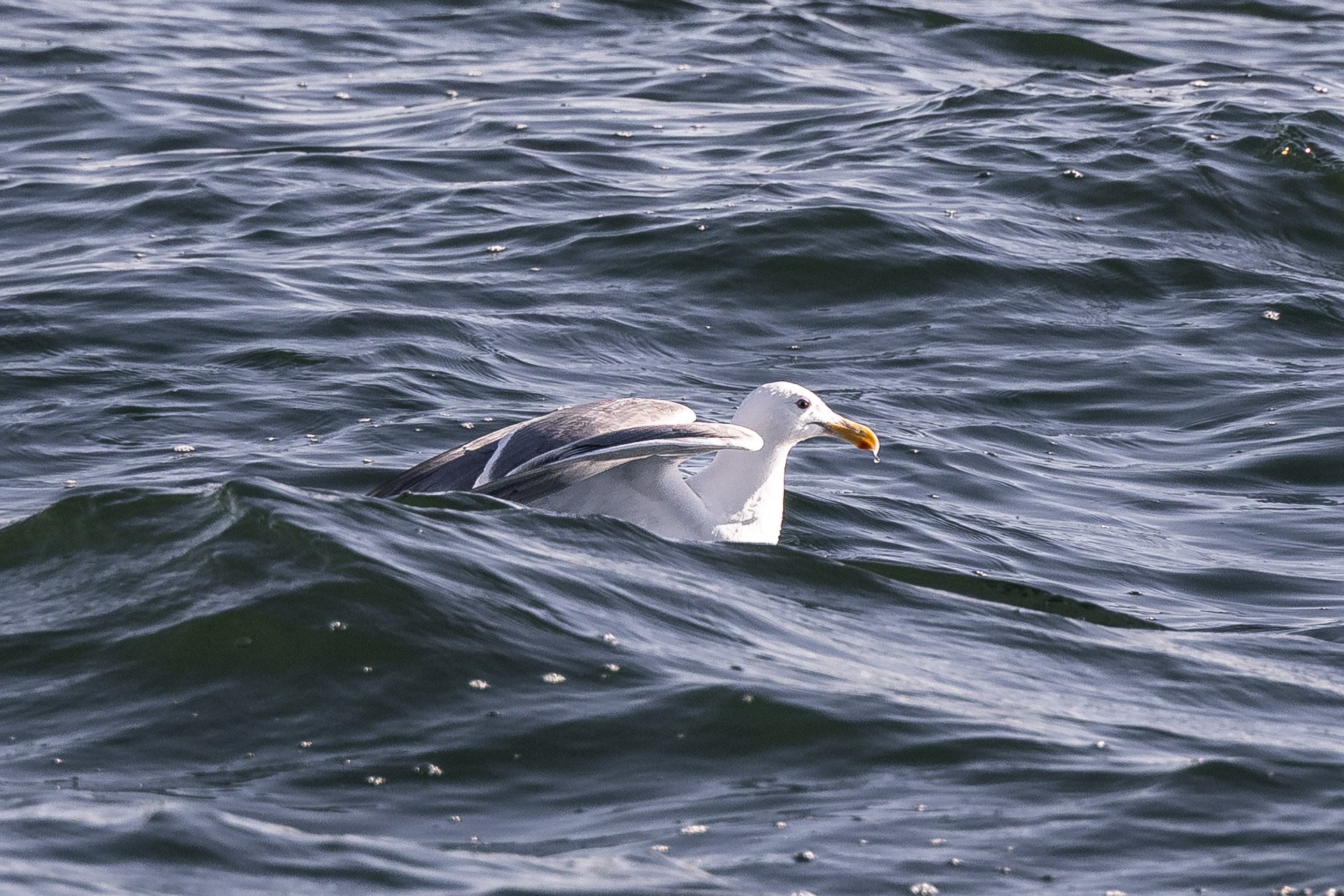
A very soggy Gull. Photo by Vanessa Vereschahen.
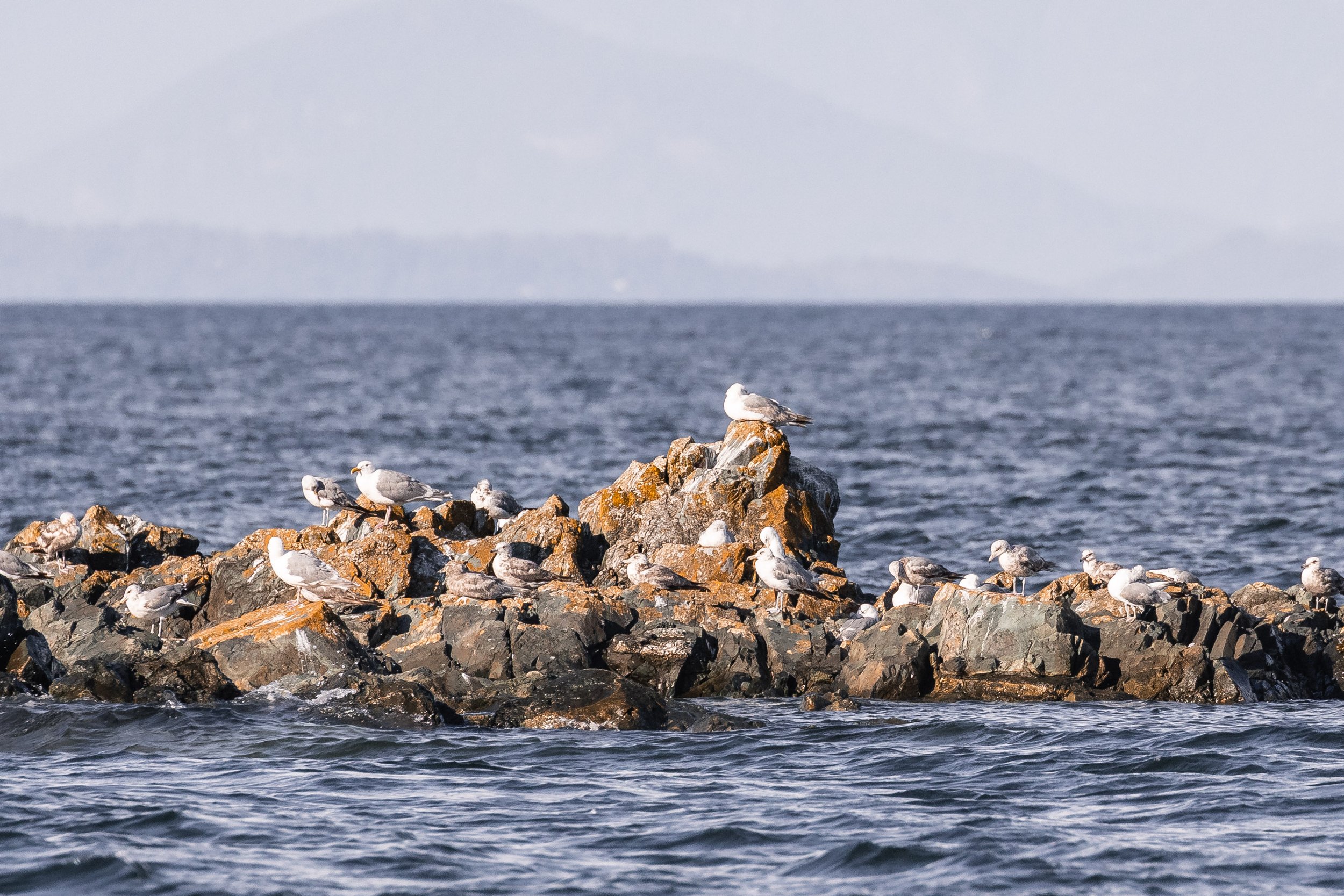
A flock of gulls all enjoying an evening nap. Photo by Jordan Robinson.
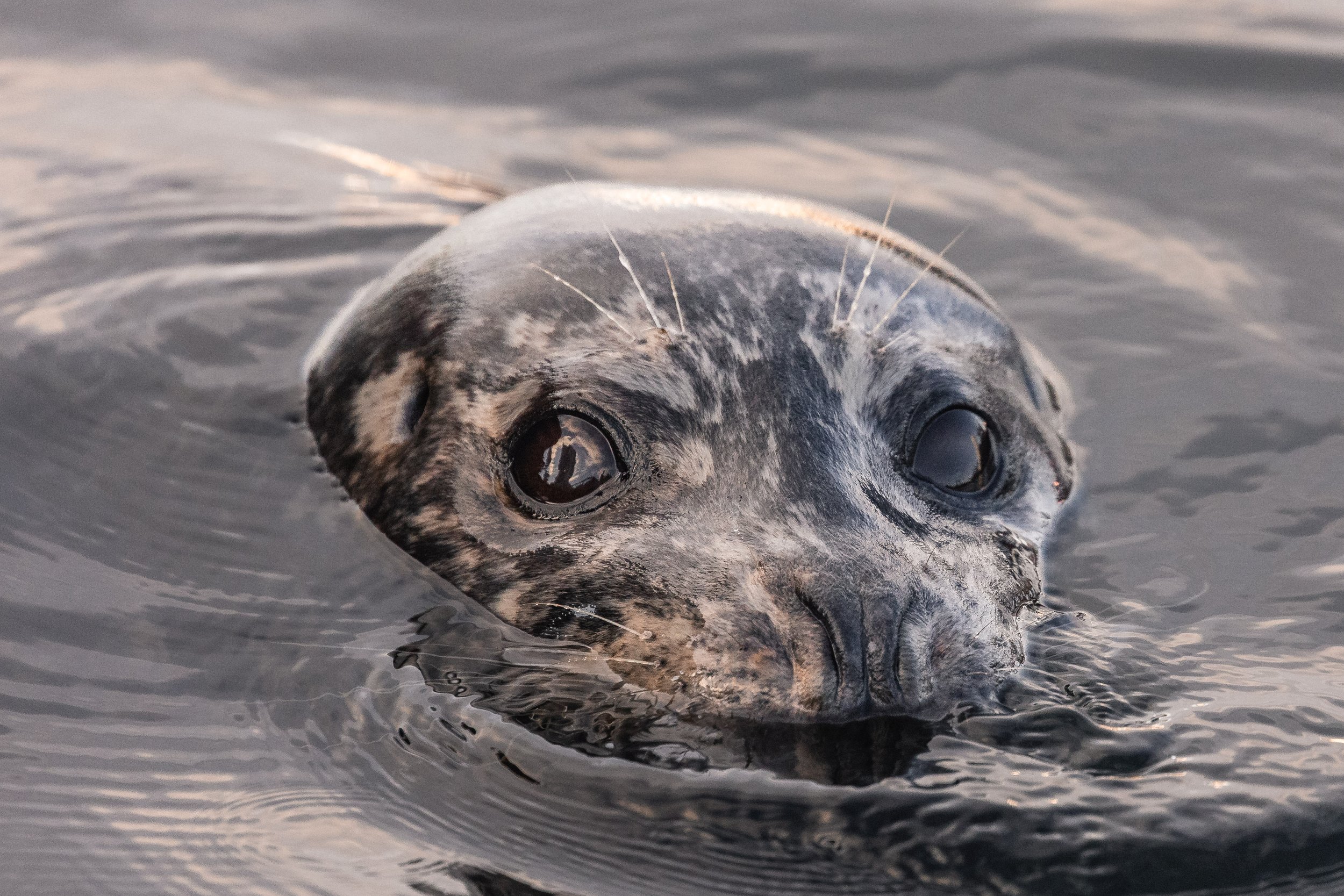
A very curious seal peeking at us as we came back into port. Photo by Jordan Robinson.
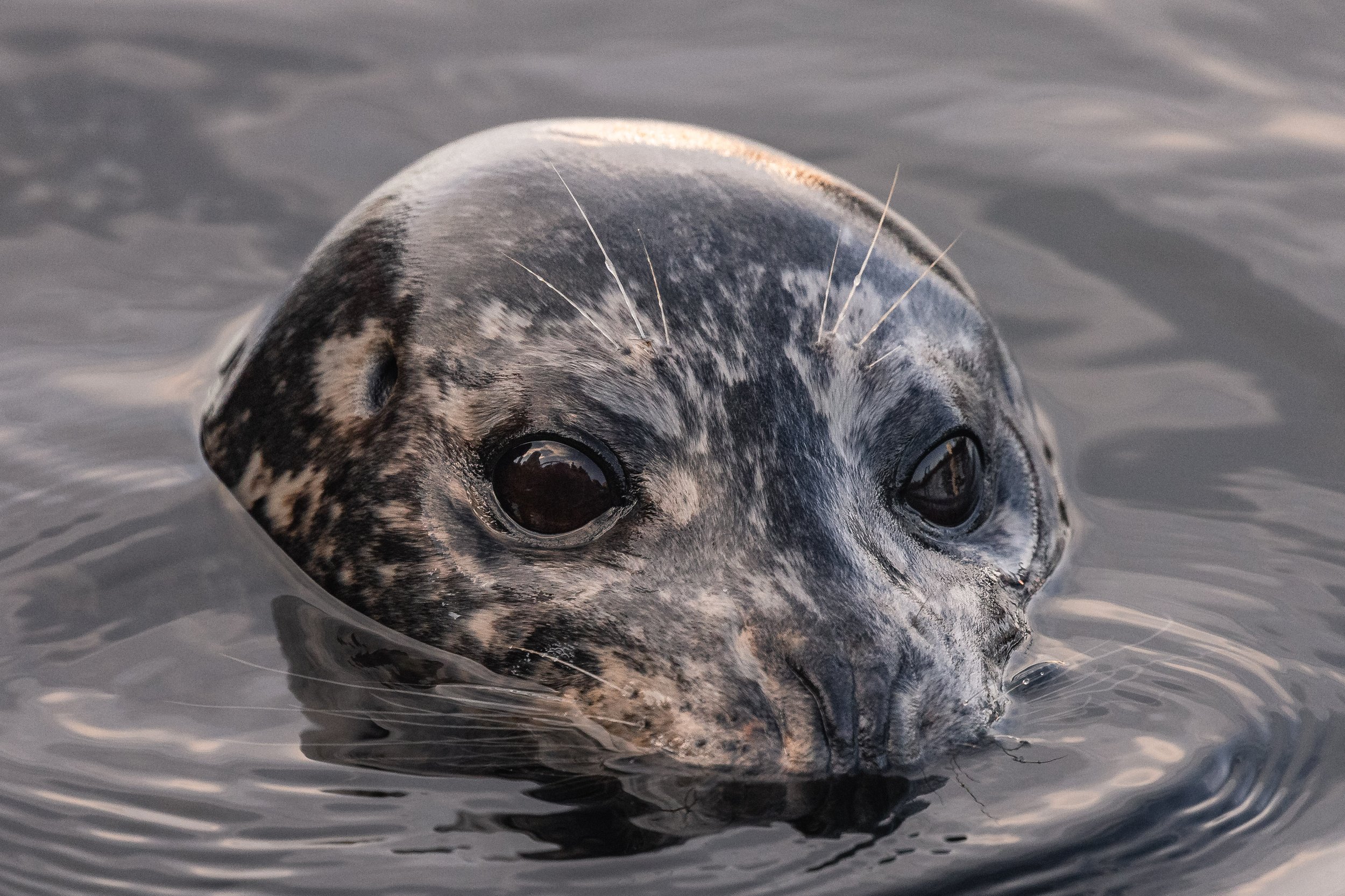
Look at those beautiful eyes! Photo by Jordan Robinson.