
June 29, 2026, 10:30 AM - Humpback Whales near Porlier Pass
The sun was shining overhead as we set out on our adventure, with all three of our vessels heading into the Salish Sea in search of whales and other wildlife. We spread the boats out to cover more area, hoping to increase our chances of encountering something along the way.
Since none of the whales in this region are tagged or tracked, each day begins fresh, relying on sharp eyes, experience, and intuition to locate them in the vast ocean. Fortunately, with both of our main whale populations increasing, these searches are usually successful. After a short briefing on local wildlife and how to spot it, both guests and crew felt ready to begin the search.
The semi-covered vessel worked the east side of Gabriola Island, following the shoreline, while the two open boats headed south into Northumberland Channel and into the Southern Gulf Islands. With no luck spotting anything along the inside routes, all three vessels eventually converged in the Strait of Georgia. From there, they rode the waves south, making a quick stop at Stinky Rock to observe the pinnipeds hauled out there.
Today, both pinniped species we hoped to see were present on the rocks: Harbour Seals and Steller Sea Lions. While they look quite different, they belong to the same group of flipper-footed marine mammals. This clade, which includes seals, sea lions, and walruses, comprises 33 species found worldwide. We are especially fortunate to see Steller sea lions here, as they are the fourth largest of all pinnipeds. Only Walruses and the Northern and Southern Elephant Seals are larger.
Not every individual reaches these massive proportions, however, due to sexual dimorphism: a term describing the physical differences between males and females of the same species, most notably size. Male Steller Sea Lions, a few of which we were lucky enough to observe today, can reach weights of over 2,500 pounds. They only reach full size at around eight years old, before which they can be difficult to distinguish from younger females. Adult females are impressive in their own right, reaching around 800 pounds, making them equally remarkable to see.
In stark contrast, we also observed Harbour Seals, which do not hold any size records but are among the smaller pinnipeds, ranking around the fifth smallest of all species. Unlike sea lions, harbour seals do not show sexual dimorphism, making males and females very difficult to distinguish in the field. Seeing both species in the same area is always a special experience.
From here, the boats spread out once again, heading into the waves in search of other wildlife, and hopefully, whales. Following the shoreline at varying distances, they searched until the semi-covered vessel spotted distant blows. As they approached, it became clear they had found a humpback whale. Then another blow appeared nearby, and then more.
This is a common occurrence with humpback whales, as they often congregate in areas with high concentrations of food. In this case, three individuals were present: Split Fluke (BCX1068), Valiant (BCX1773), and Barge Boy (BCX2514)!
When first located, the whales were travelling independently and performing longer feeding dives. As the encounter developed, Split Fluke and Valiant moved closer together, eventually travelling a few hundred metres from Barge Boy before all three came together to form a loose trio.
One particularly interesting aspect of this encounter is that Split Fluke and Valiant are related: Split Fluke is Valiant’s mother. Born in 2017, they have been separated since Valiant’s first year of life, as humpback whales do not typically maintain long-term associations with family members beyond the initial calf period.
While we do occasionally observe familial relationships, such as siblings or more distant relatives like aunts, uncles, or nieces, mother–calf pairings are less common. However, there is some observational bias involved, as humpback associations are highly fluid and may form and dissolve without being recorded. As a result, such interactions may occur more often than we realize.
Another factor influencing these dynamics is strong site fidelity. Humpbacks often return to the same feeding grounds their mothers introduced them to as calves, with some exceptions, and continue to do so year after year. As more calves are brought back into the same region, the likelihood of encountering related individuals increases over time.
For example, Split Fluke is known to have two other living calves in the area, Valiant had a calf of her own last year, and Split Fluke has four living siblings. In total, that represents at least eight potential relatives within the same population. Since we see approximately 200 individual humpbacks using these waters annually, the chances of encountering a relative are actually quite high.
So while this was an especially interesting encounter and potentially important for understanding humpback social dynamics, it is difficult to determine whether this was a genuine reunion or simply a coincidence driven by shared feeding opportunities.
Regardless of the reason, it was a pleasure to observe these whales moving through the waves. A truly remarkable sight.
After our time with the whales, we began our return to Nanaimo, travelling back through the Southern Gulf Islands. It was a wonderful morning on the water, with not only the humpback whales but also the surrounding scenery and wildlife along the way. Throughout the trip, onboard marine naturalists Val Watson, Vanessa Vereschahen, and Aly Kohlman captured photos, which are available below.
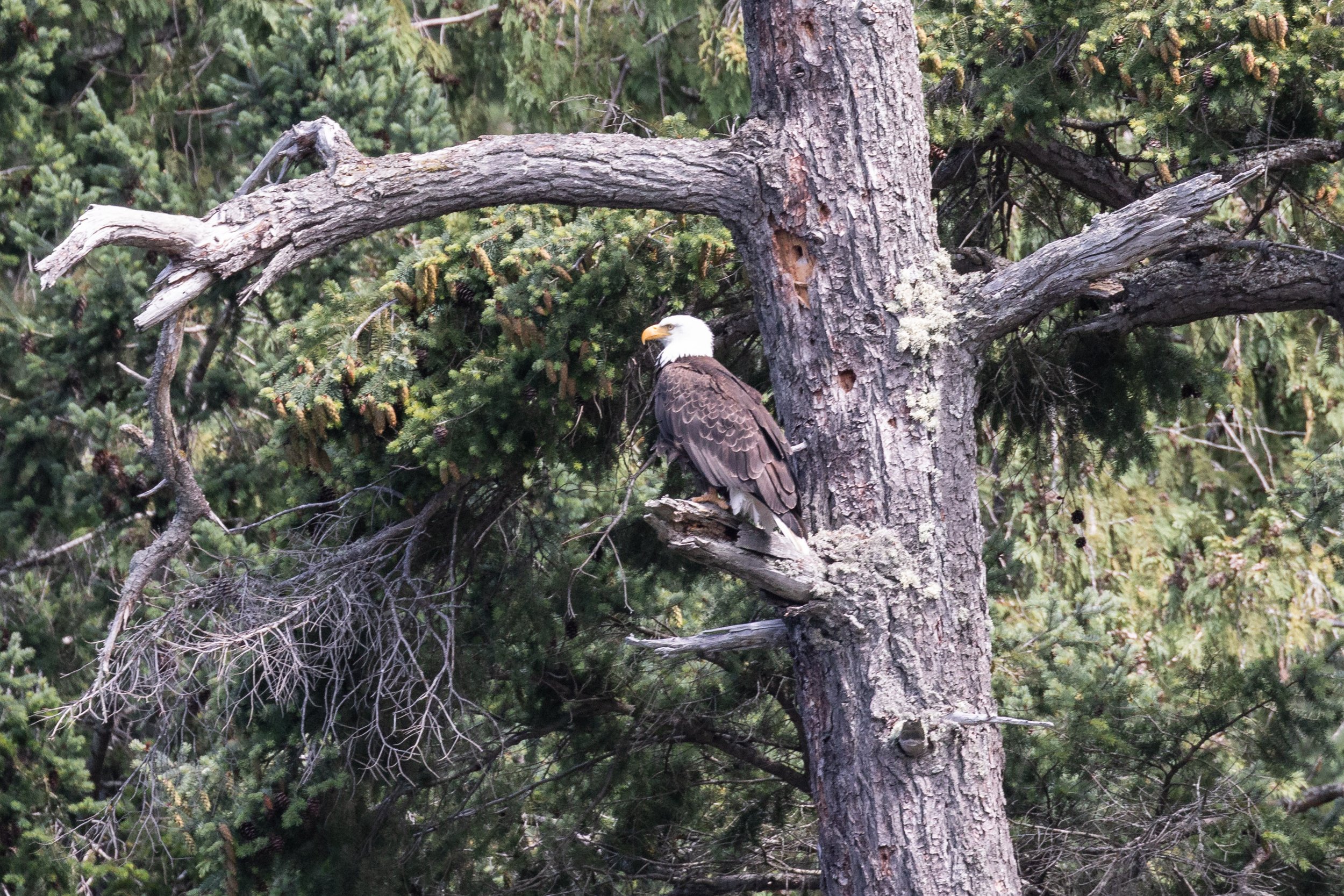
A Bald Eagle watching from the treetop. Photo by Vanessa Vereschahen.
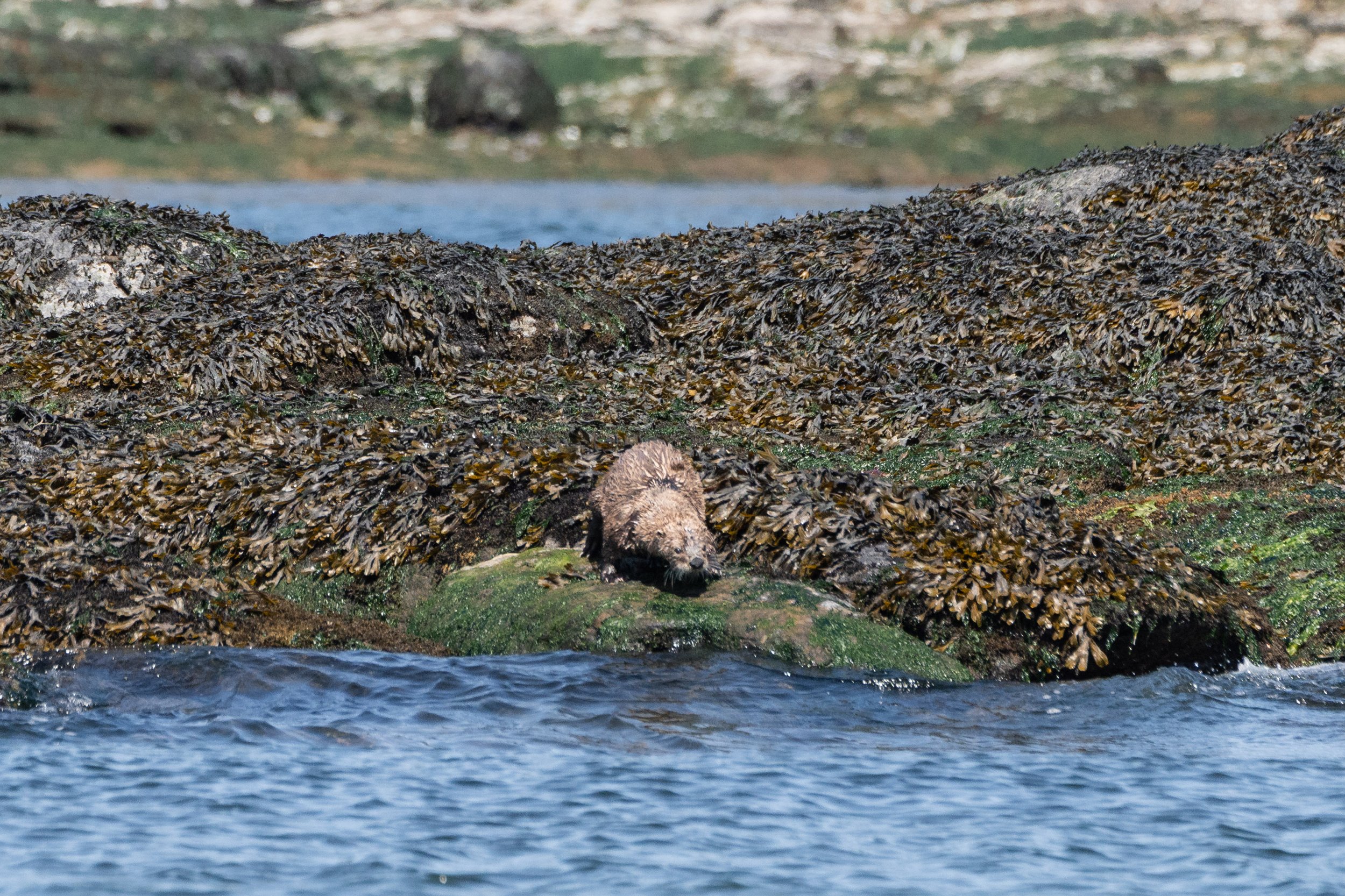
A river otter crawling into the water. Photo by Val Watson.
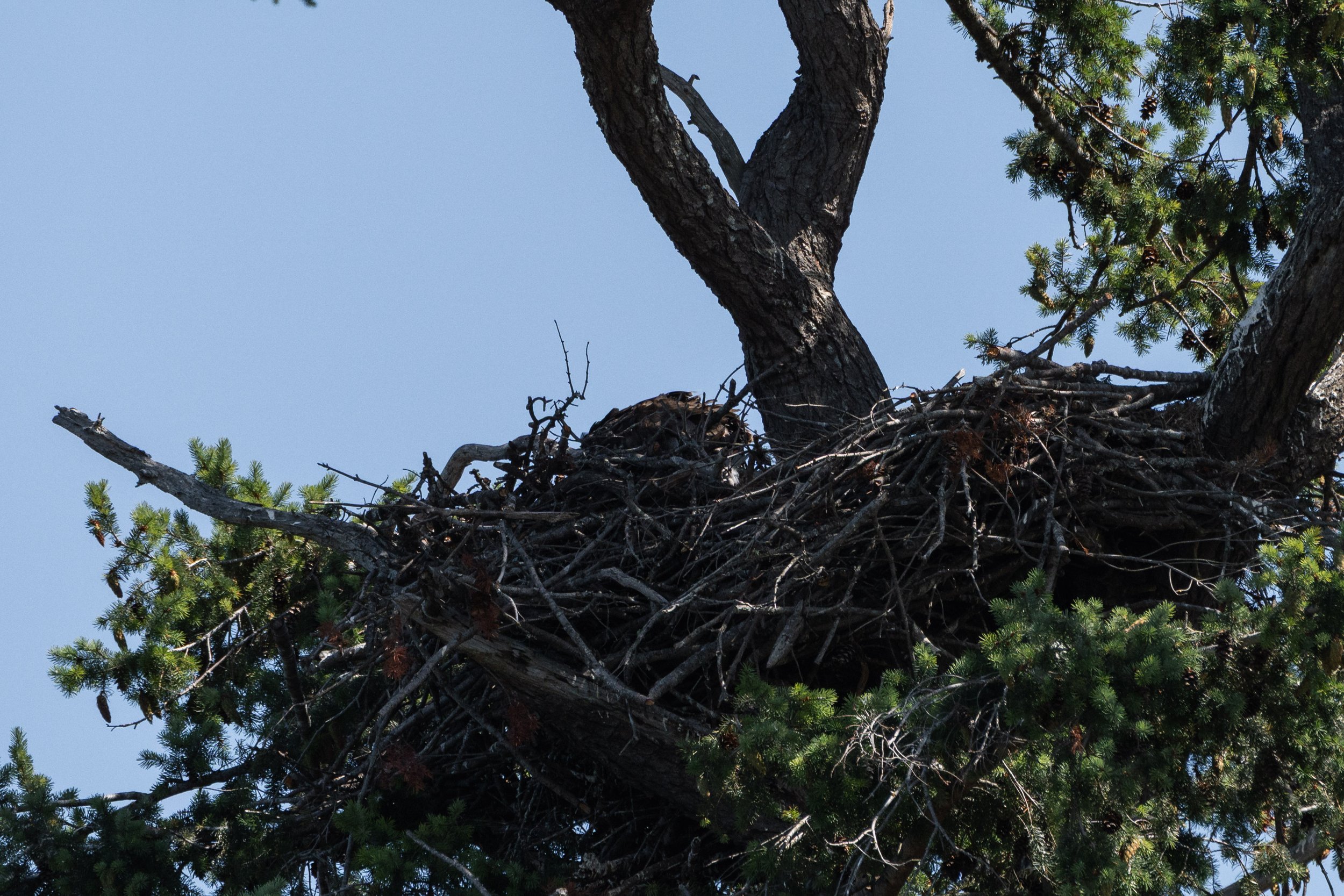
A look at the baby Bald Eagle in the nest. Photo by Val Watson.
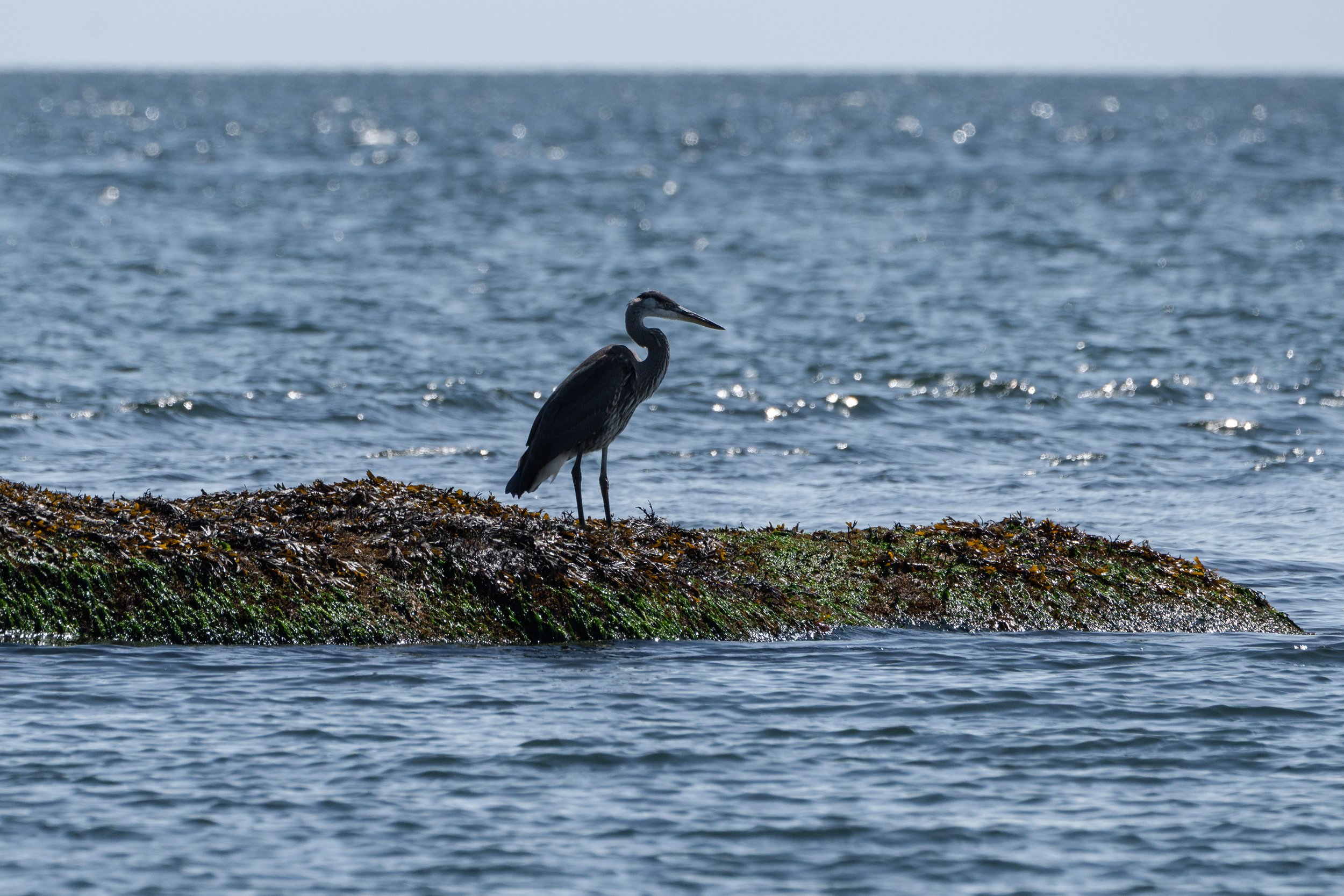
A Great Blue Heron on the shoreline. Photo by Val Watson.
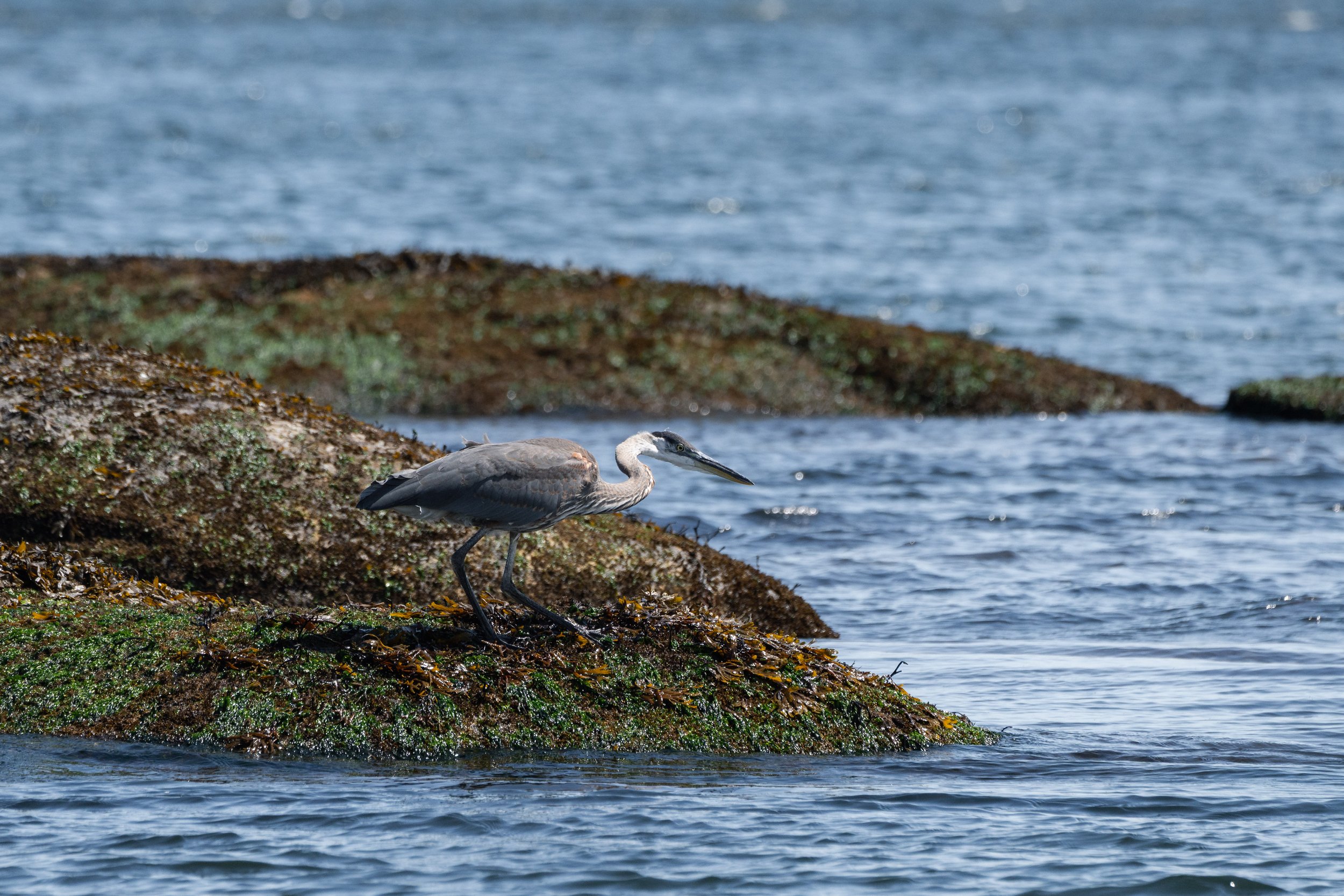
The Great Blue Heron ready to strike! Photo by Val Watson.
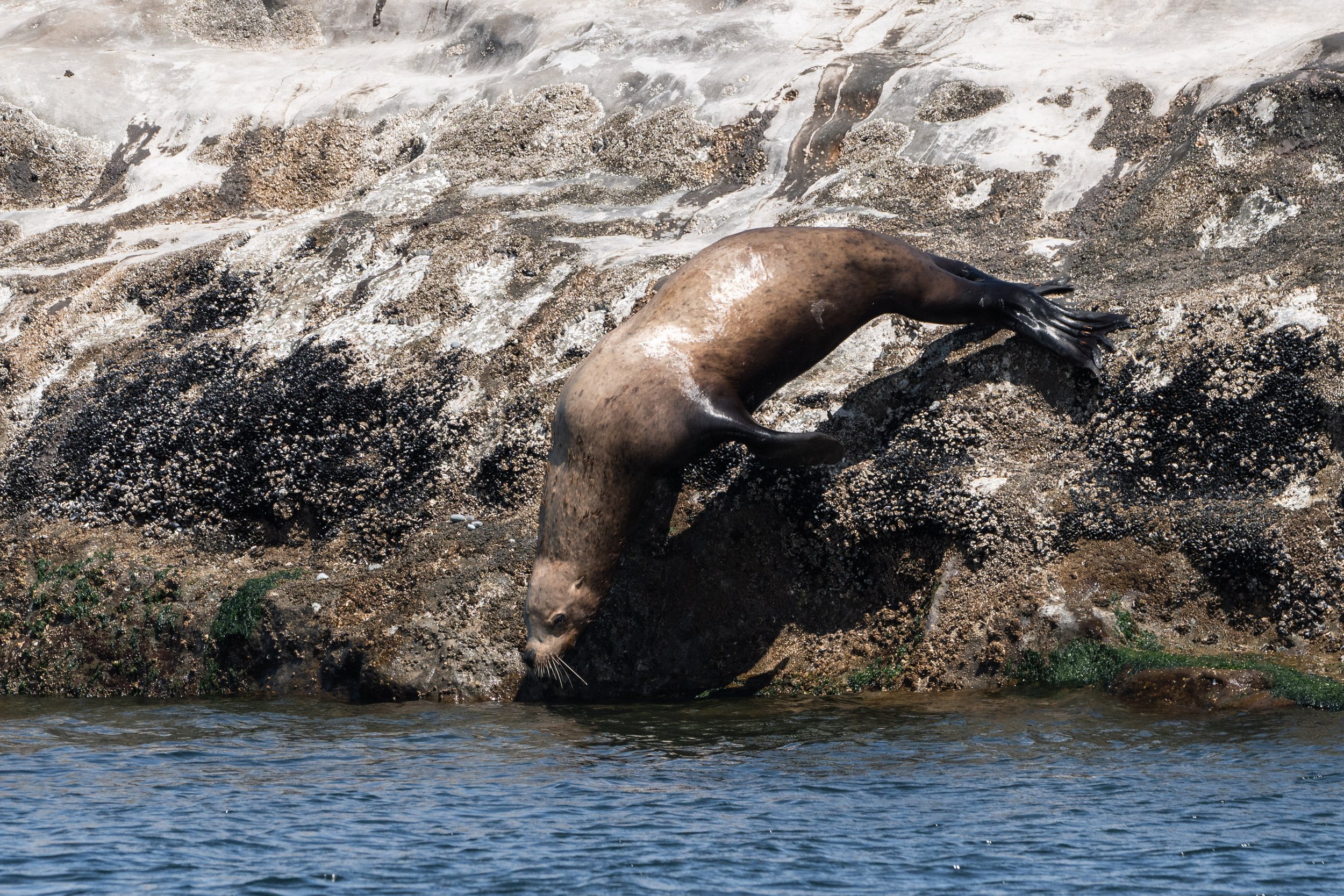
A Steller Sea Lion jumping into the water. Photo by Val Watson.
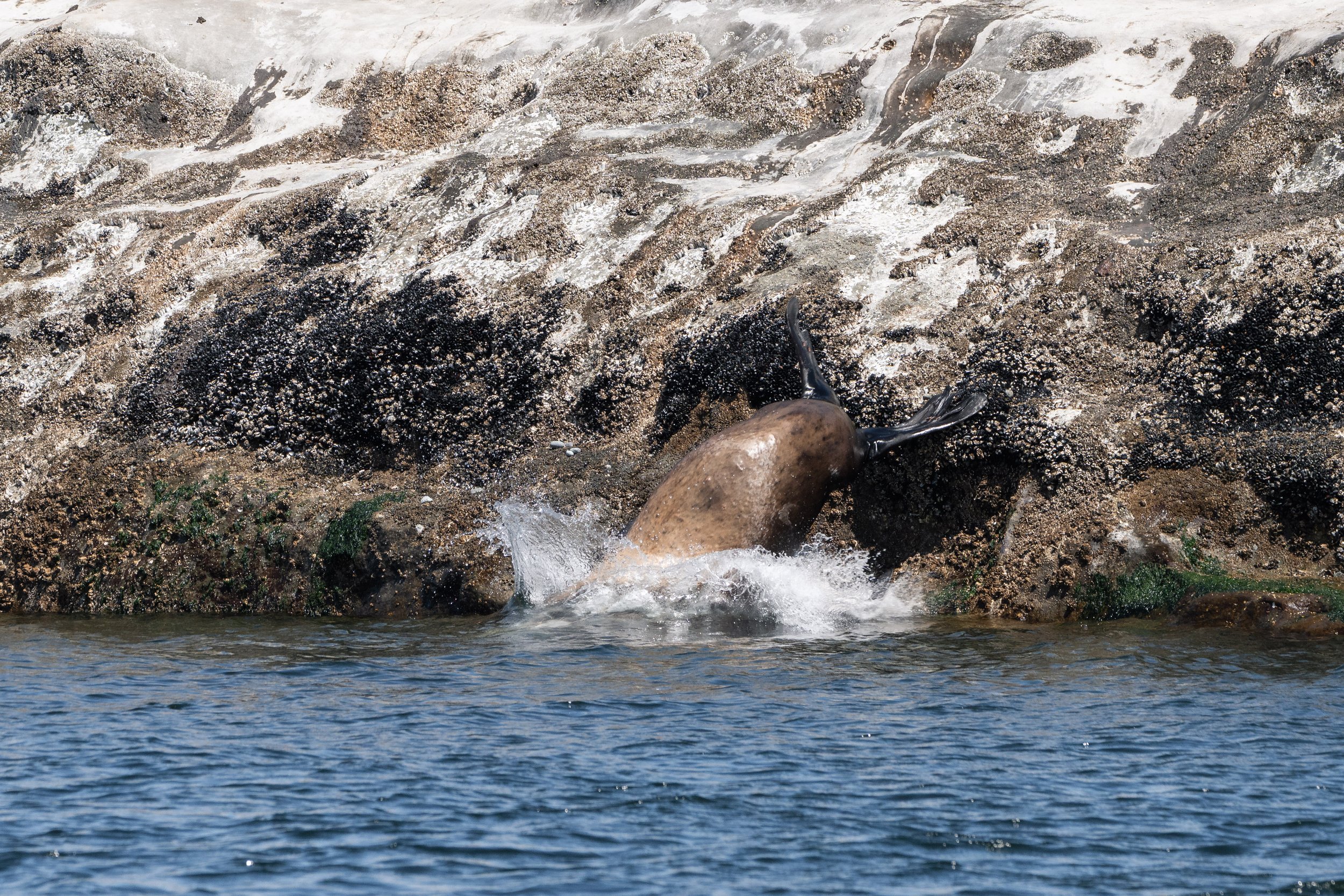
With a big Splash! Photo by Val Watson.
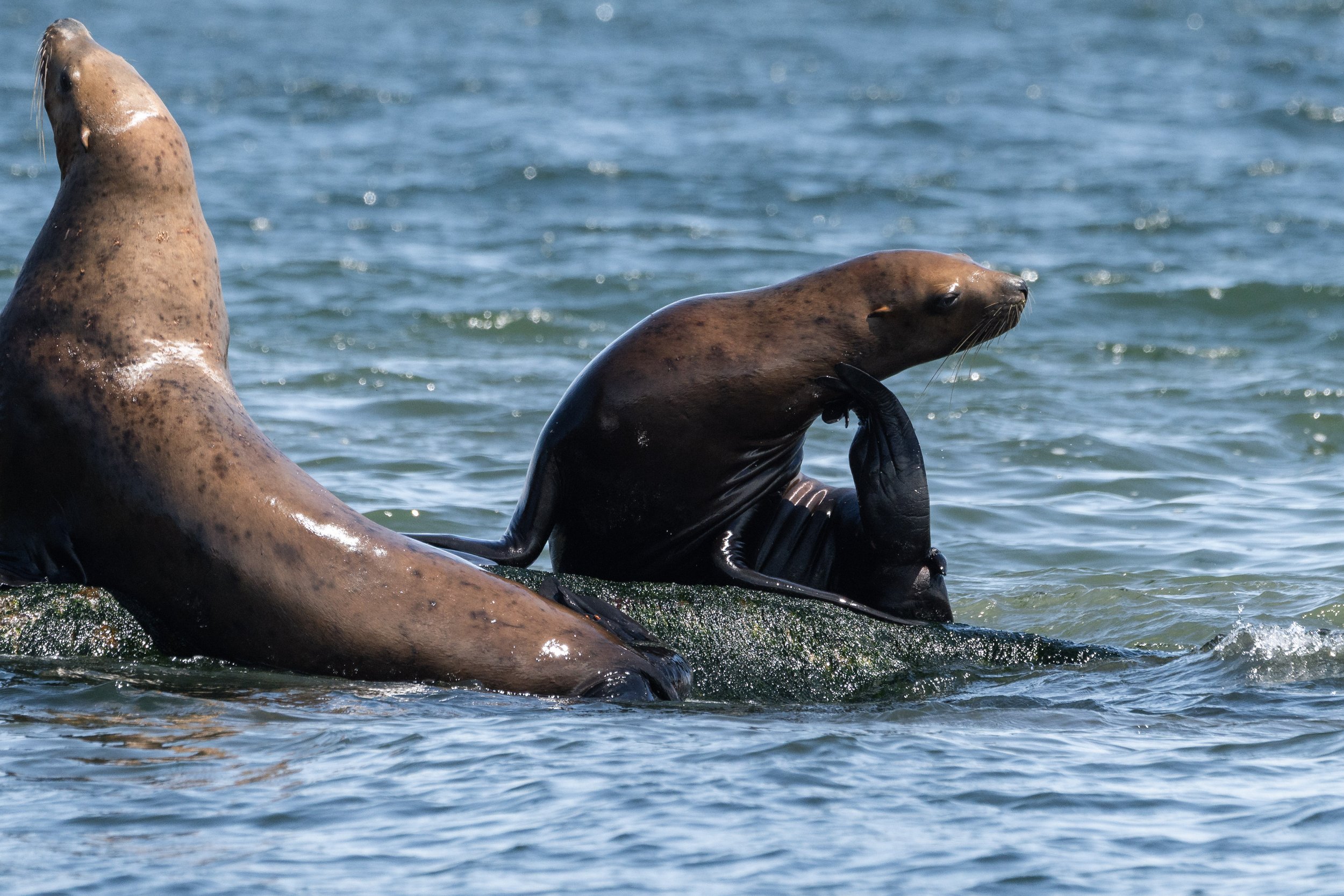
An Itchy Sea lion on Stinky Rock. Photo by Val Watson.
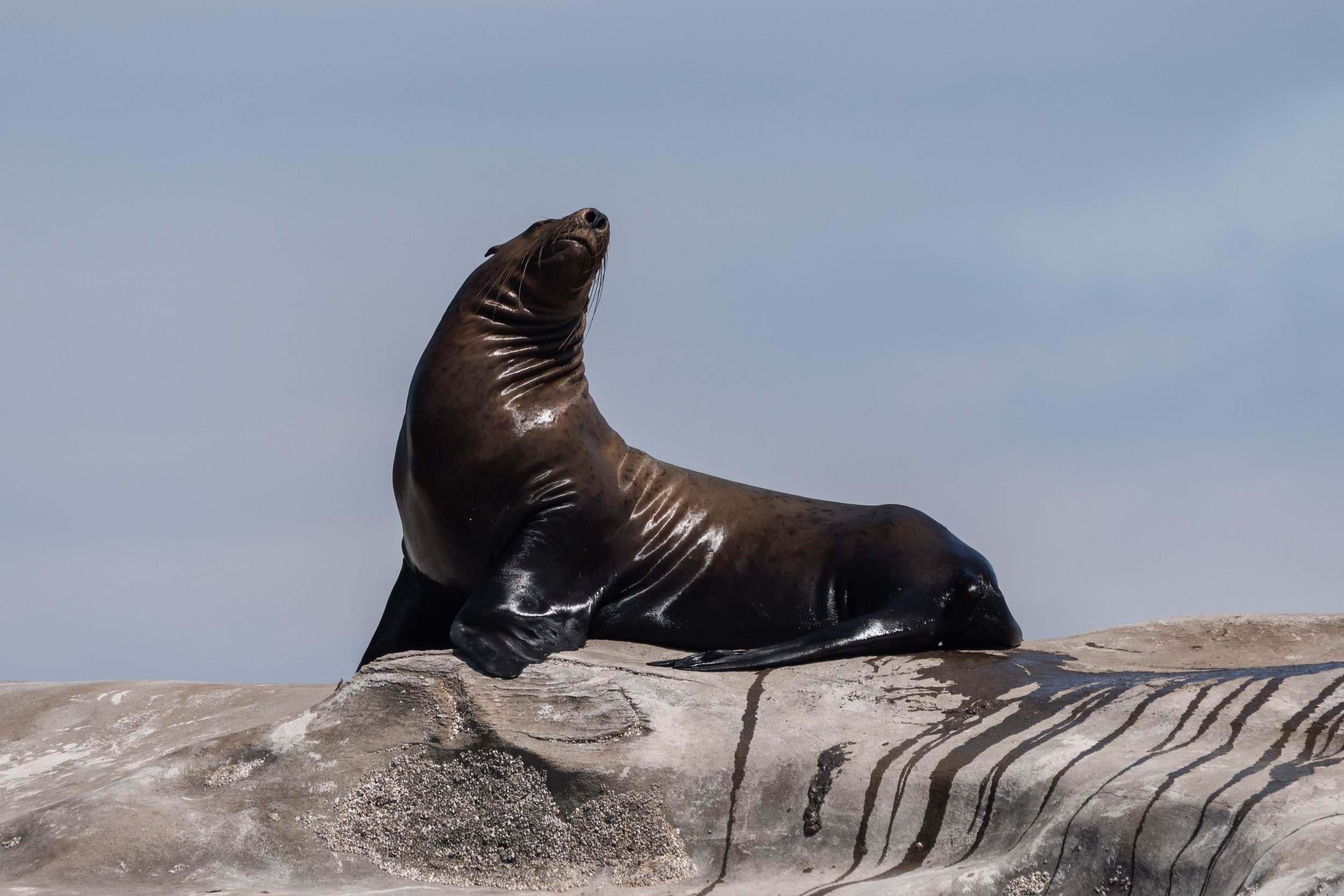
A Steller Sea Lion striking a pose. Photo by Val Watson.
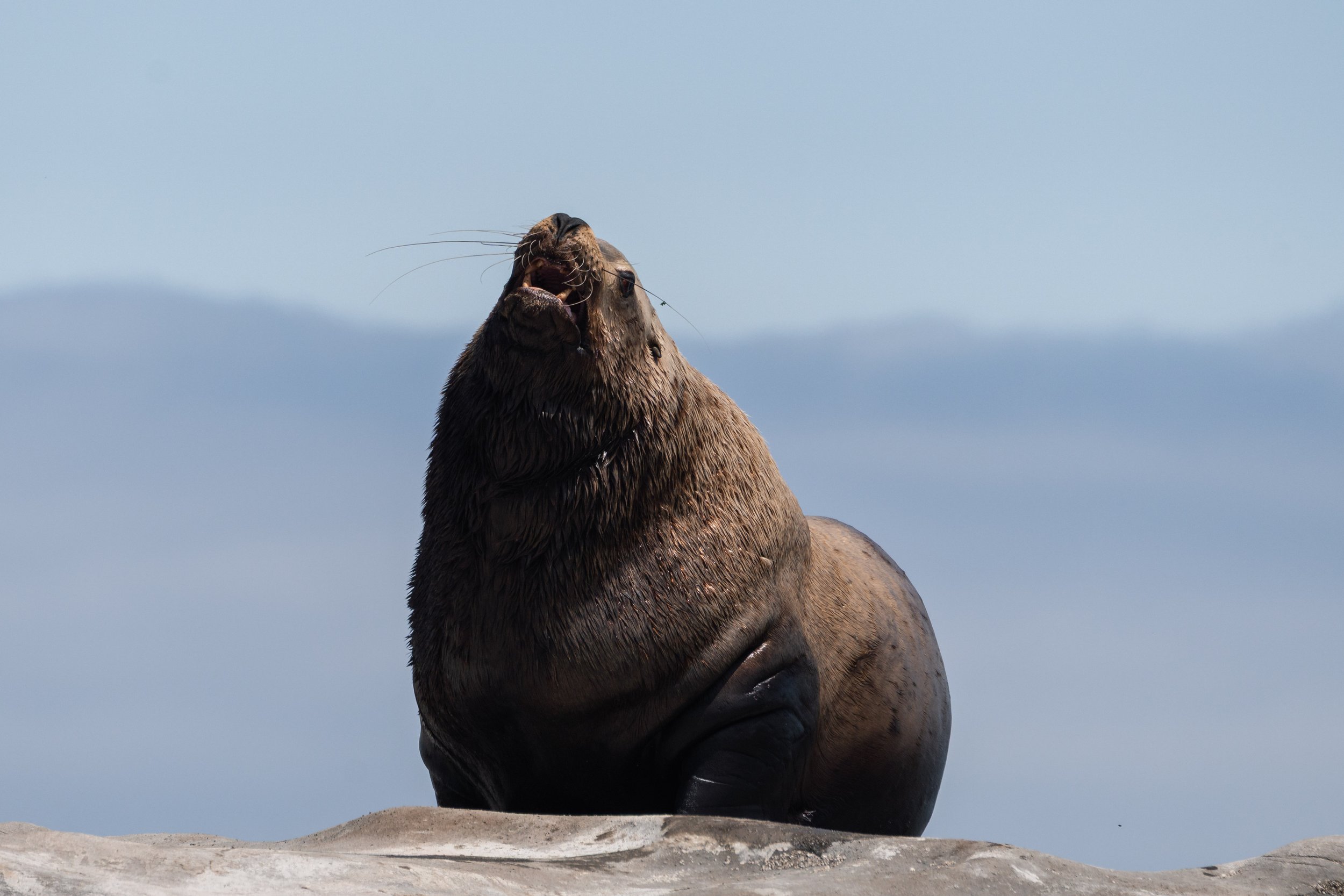
A massive male Steller Sea Lion on Stinky. Photo by Val Watson.
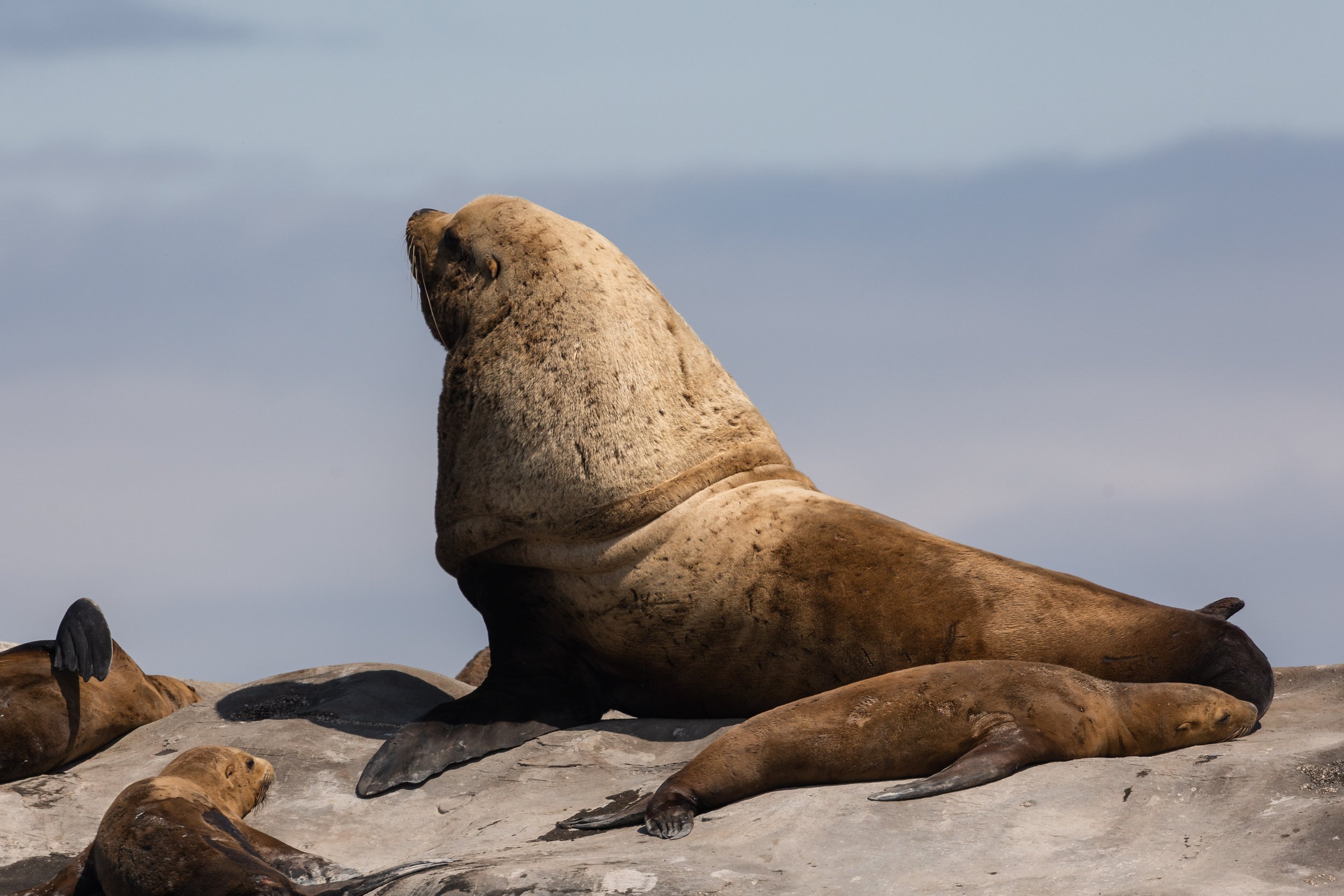
Just look at the size difference! Photo by Vanessa Vereschahen.
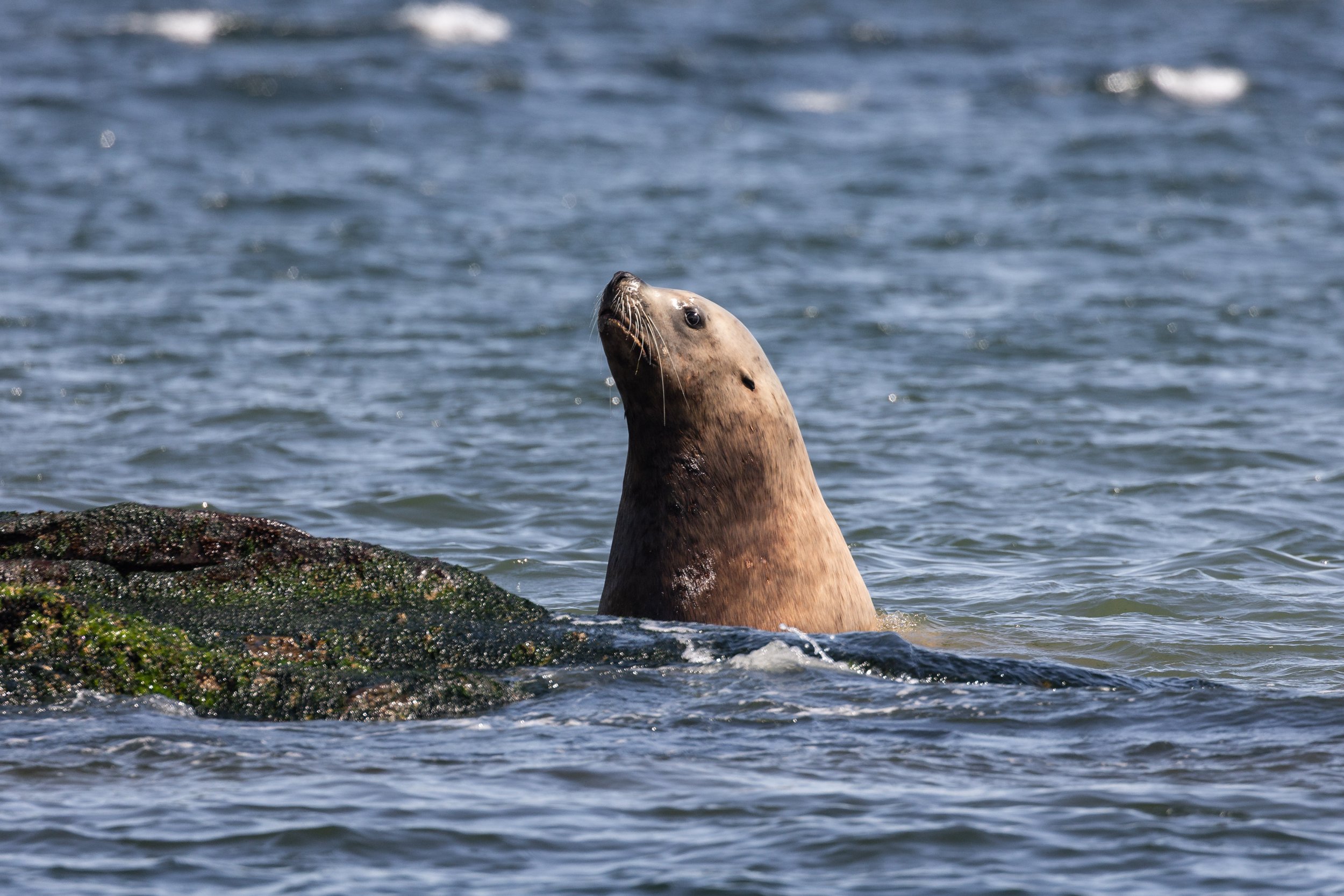
A female peeking out from the water. Photo by Vanessa Vereschahen.
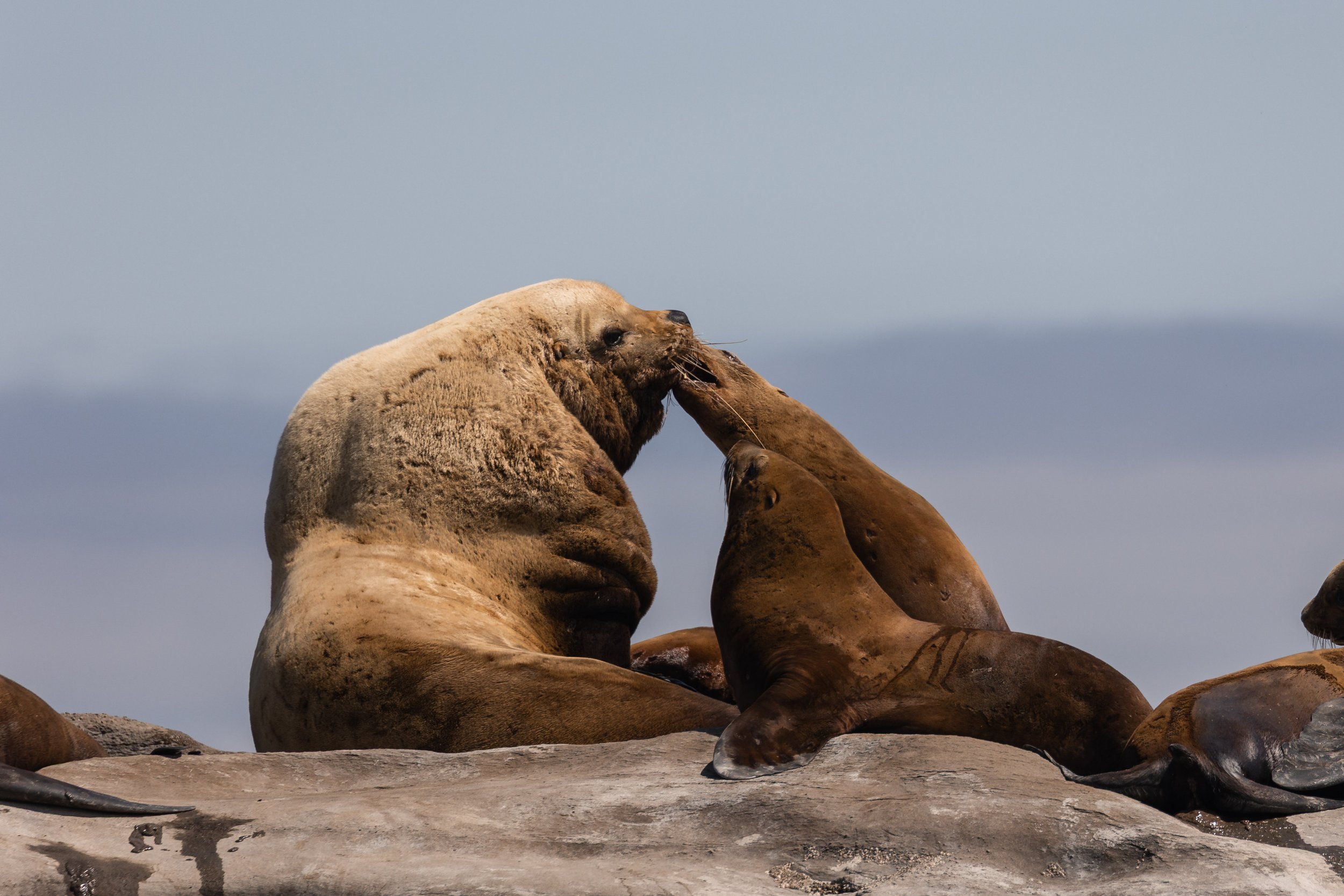
Some fights breaking out on the rocks. Photo by Vanessa Vereschahen.
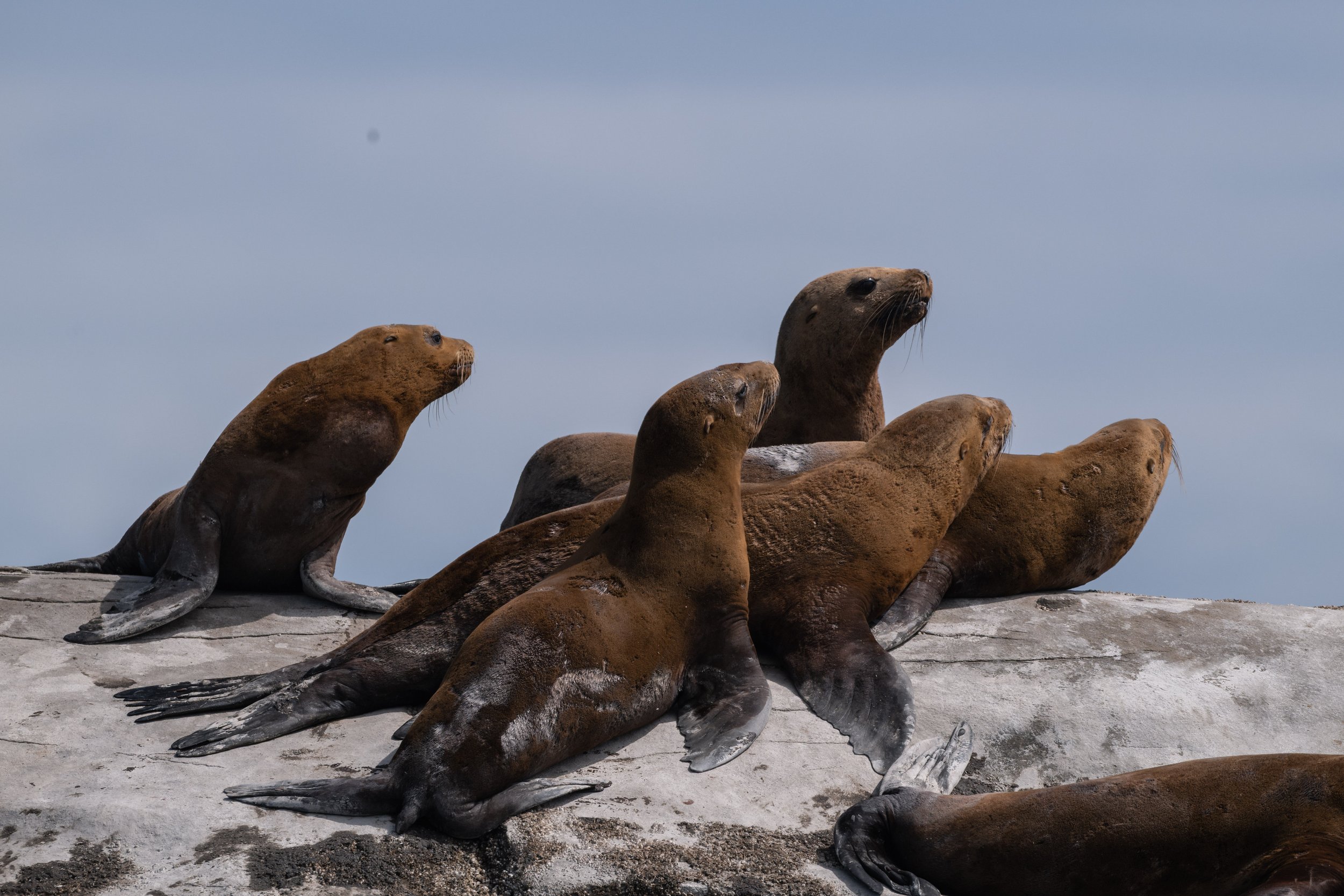
A nice cuddle puddle of juveniles. Photo by Aly Kohlman.
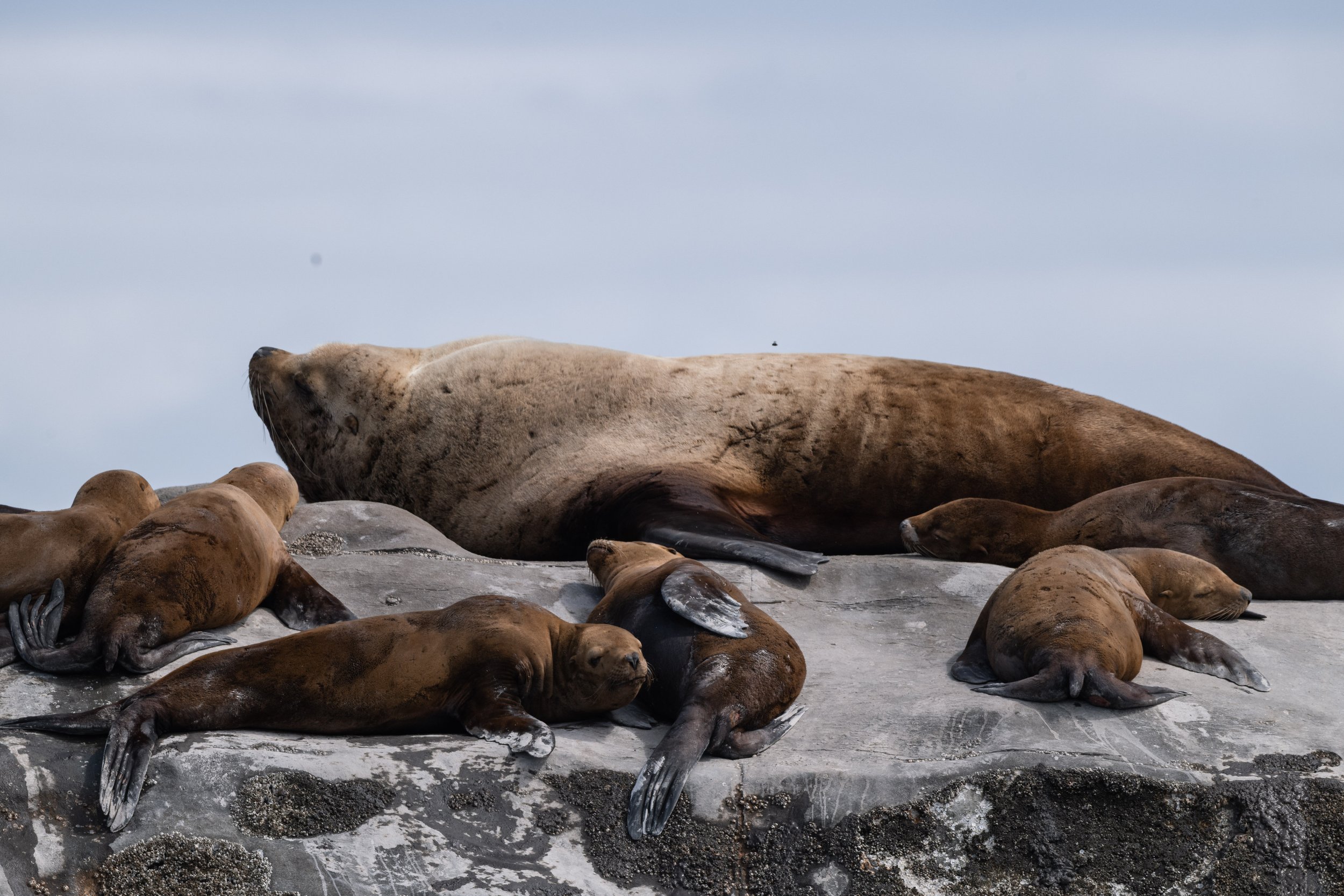
The massive male Steller Sea Lion at the top of the haul-out. Photo by Aly Kohlman.
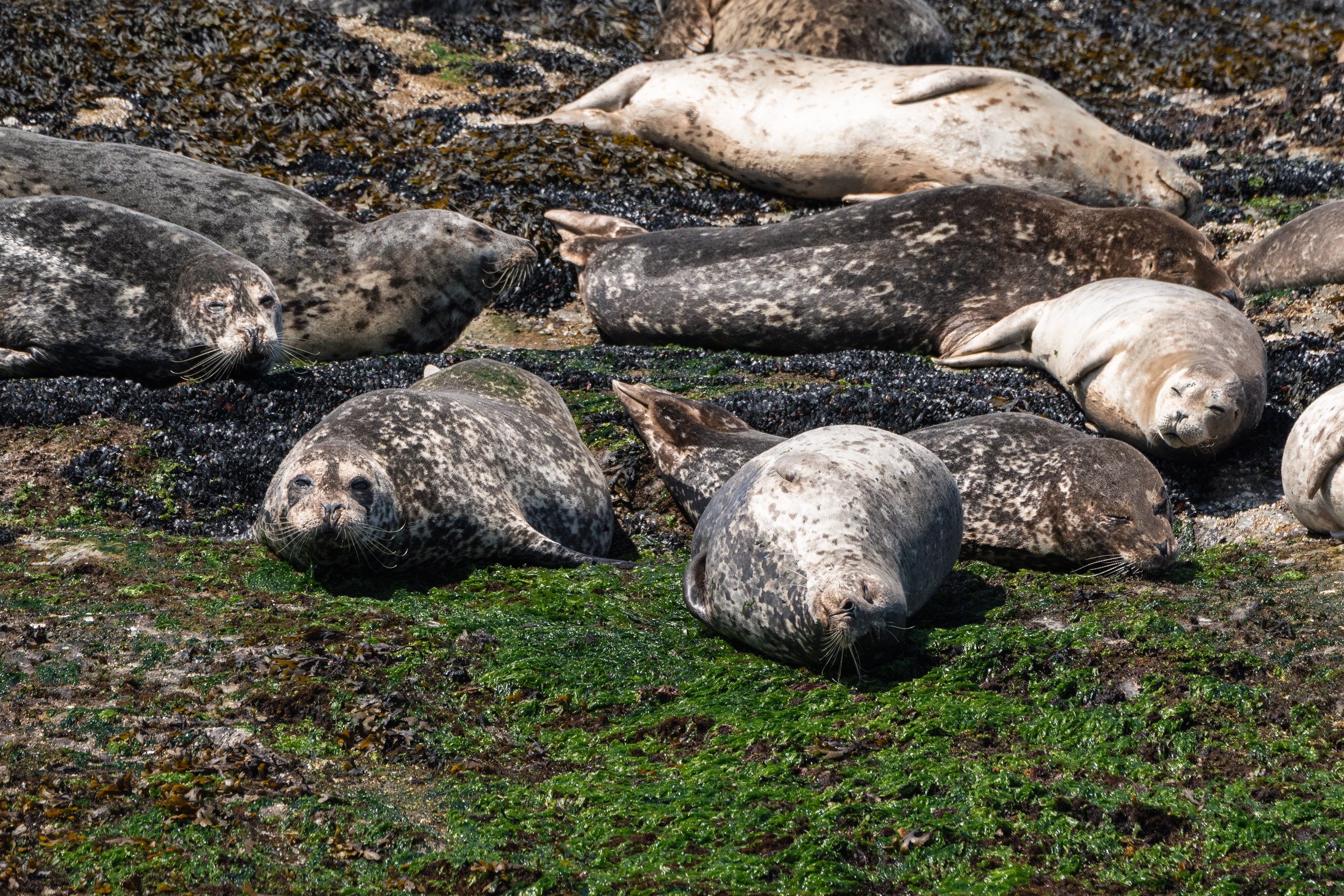
Some cute harbour Seals on the rocks. Photo by Val Watson.
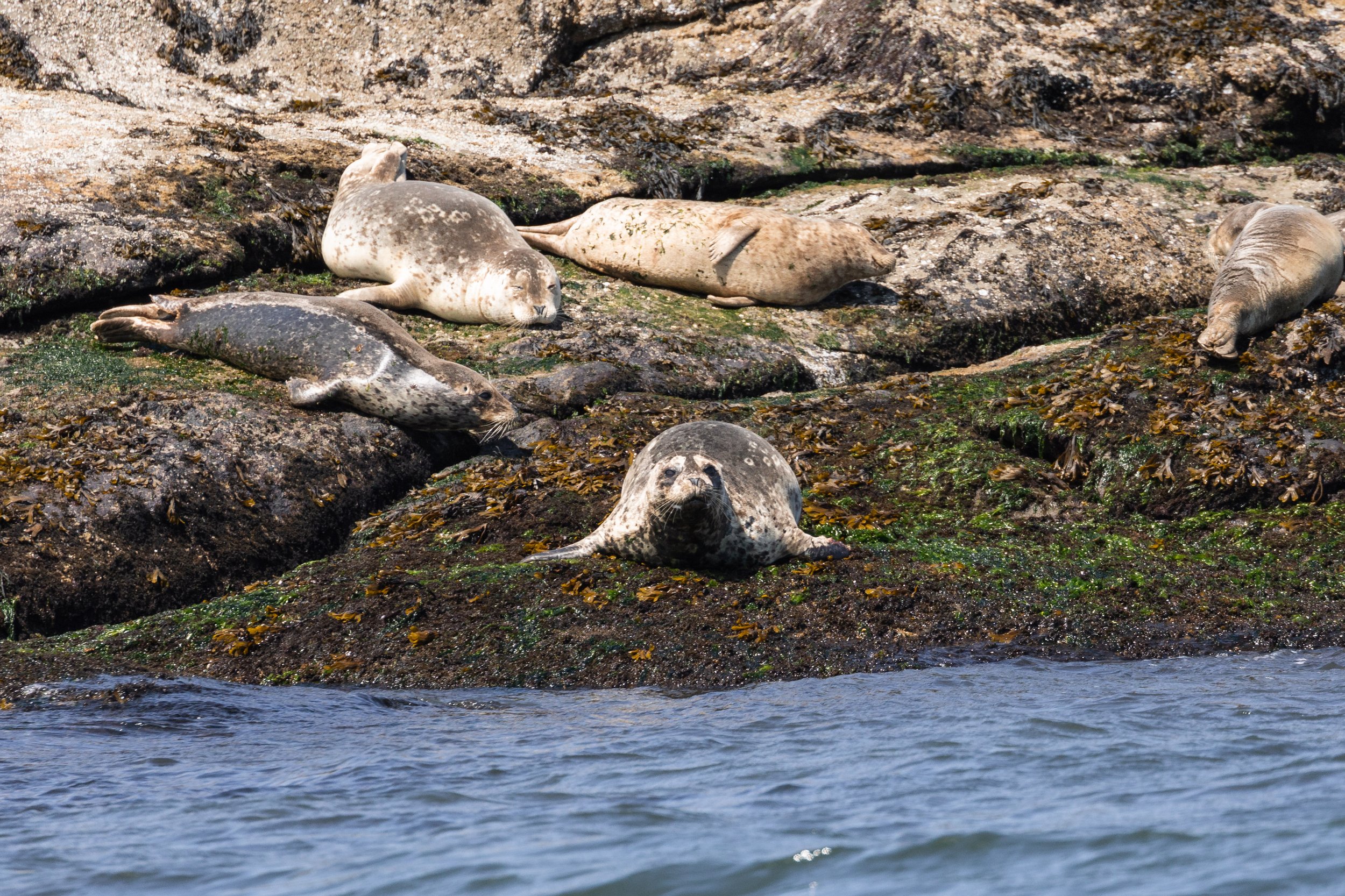
The darkess around this Harbour Seals eyes are from the oil they secrete that helps them see more clearly beneath the water. Photo by Vanessa Vereschahen.
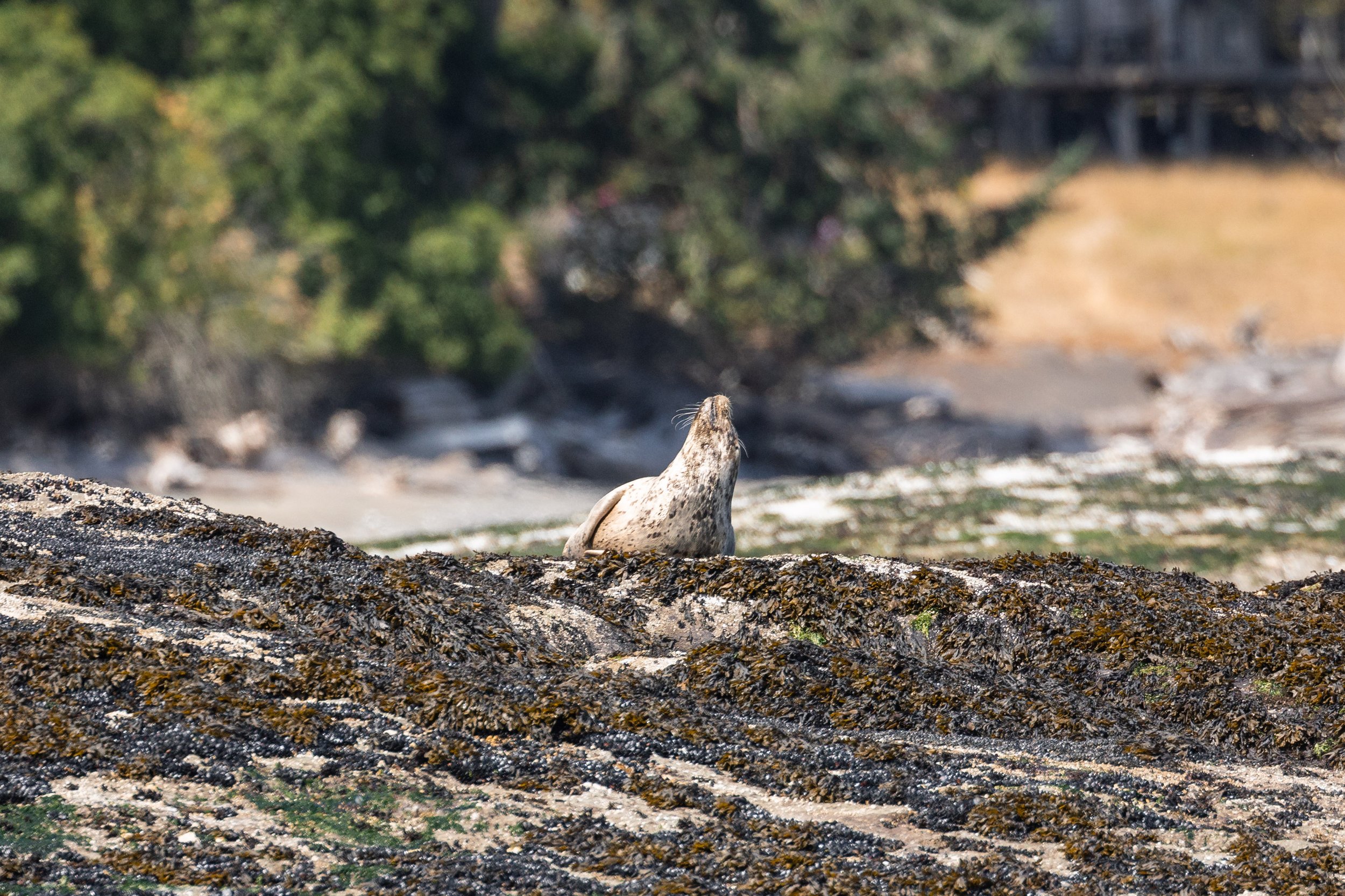
A big stretch from one of the Harbour Seals. Photo by Vanessa Vereschahen.
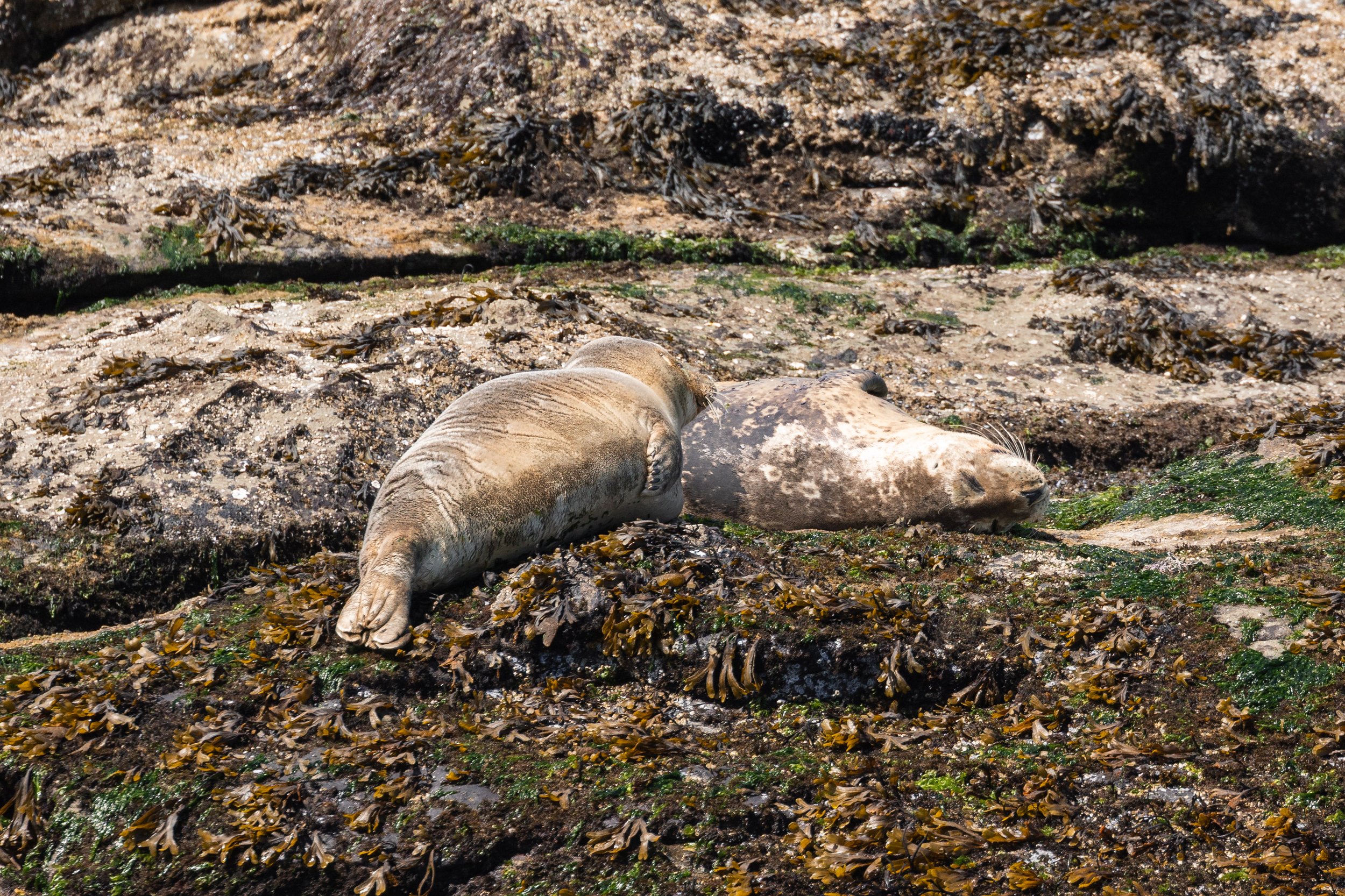
Harbour Seals relaxing on the rocks. Photo by Vanessa Vereschahen.
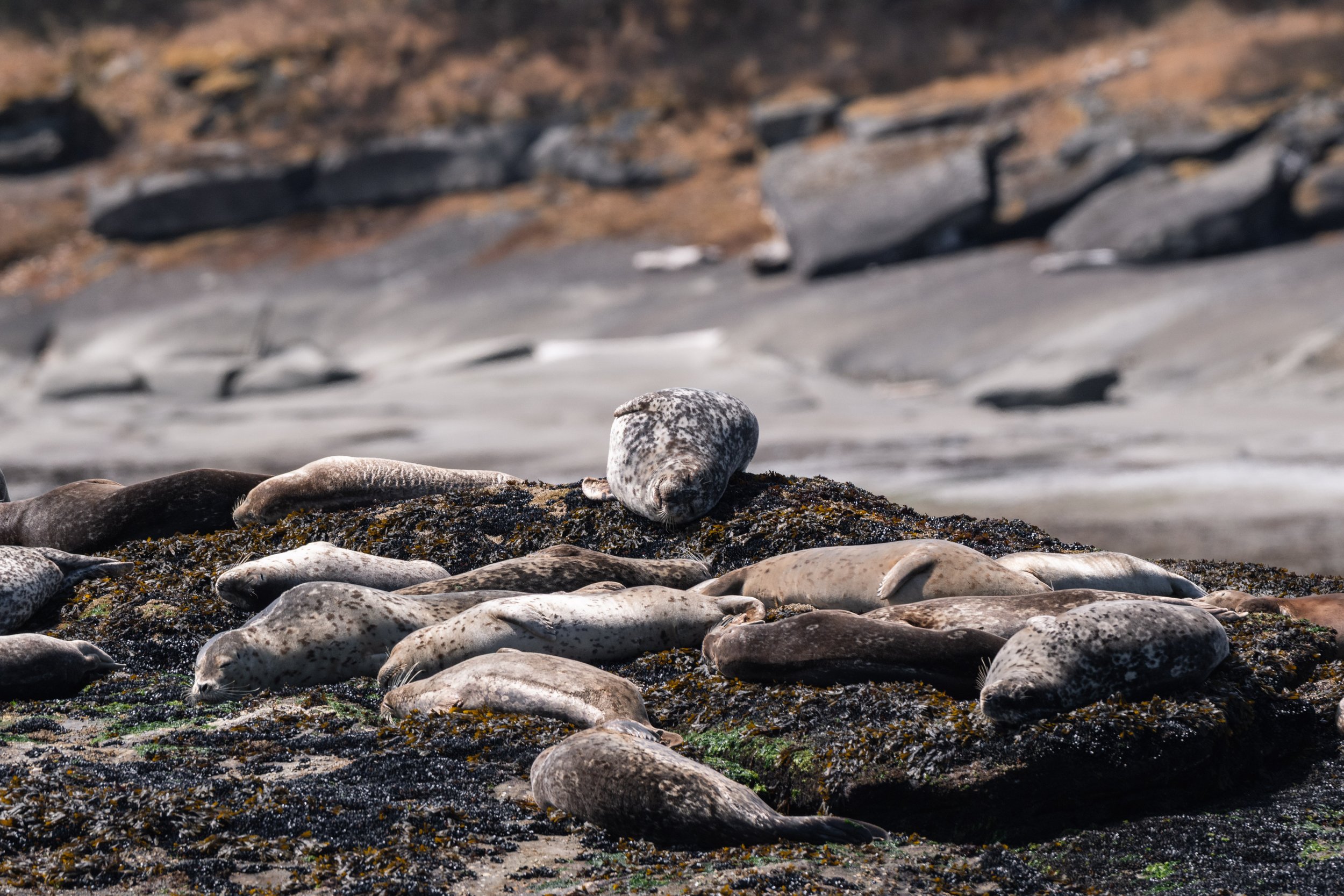
Just look at all the colour variation in the Harbour Seals! Photo by Aly Kohlman.
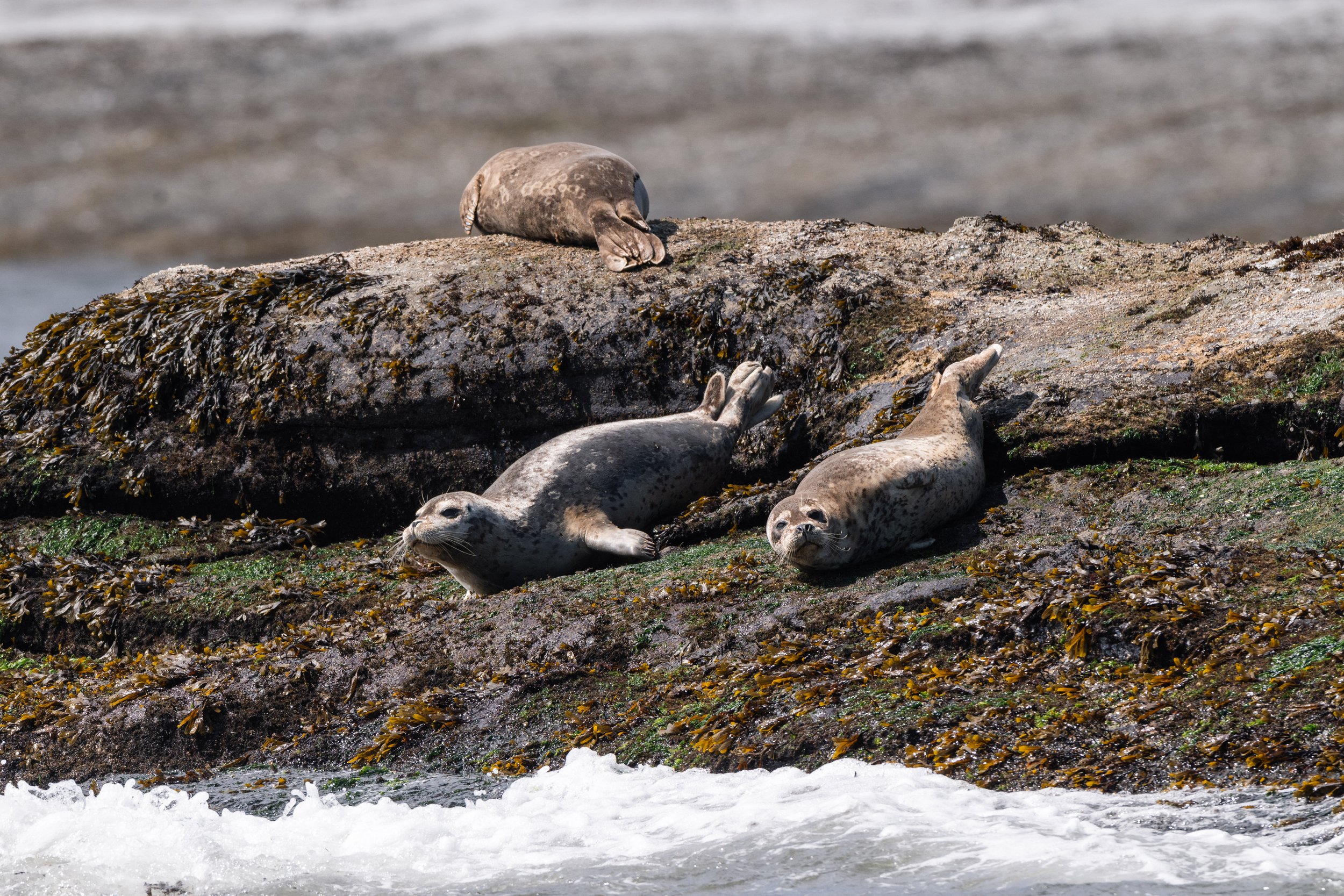
A final look at the seals. Photo by Aly Kohlman.
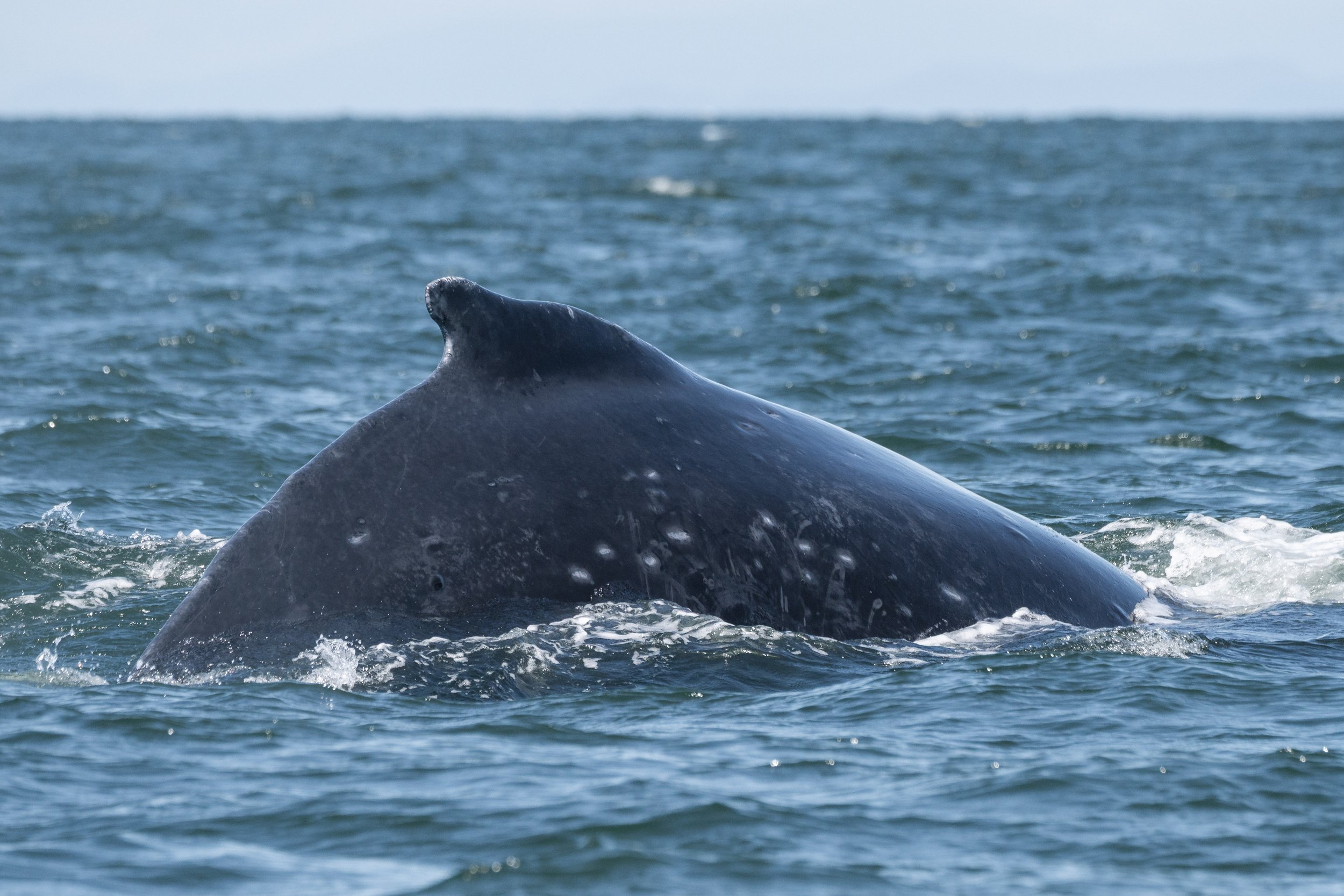
Barge Boy’s dorsal fin as they arch to dive. Photo by Val Watson.
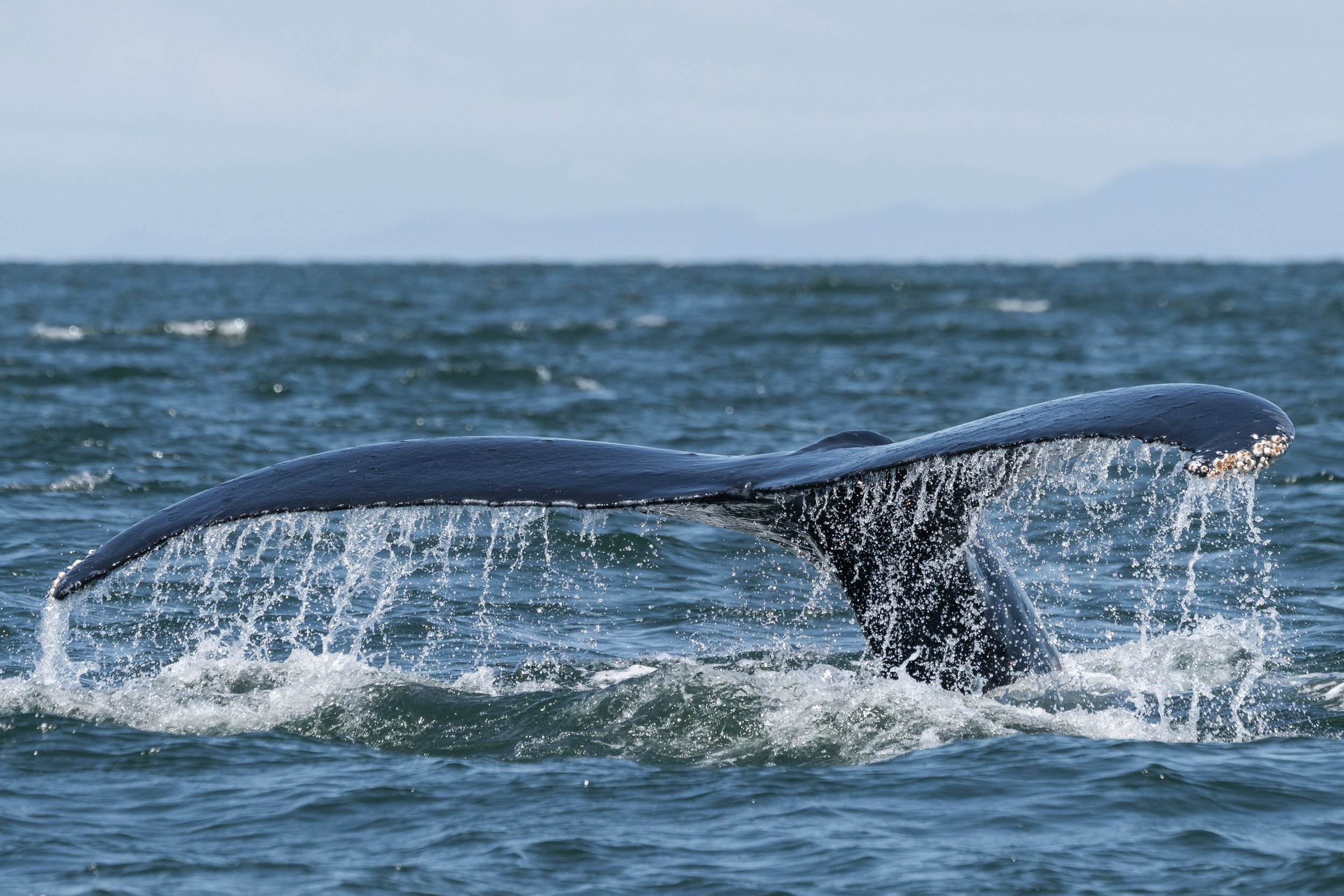
A lovely fluke waterfall from Barge Boy. Photo by Val Watson.
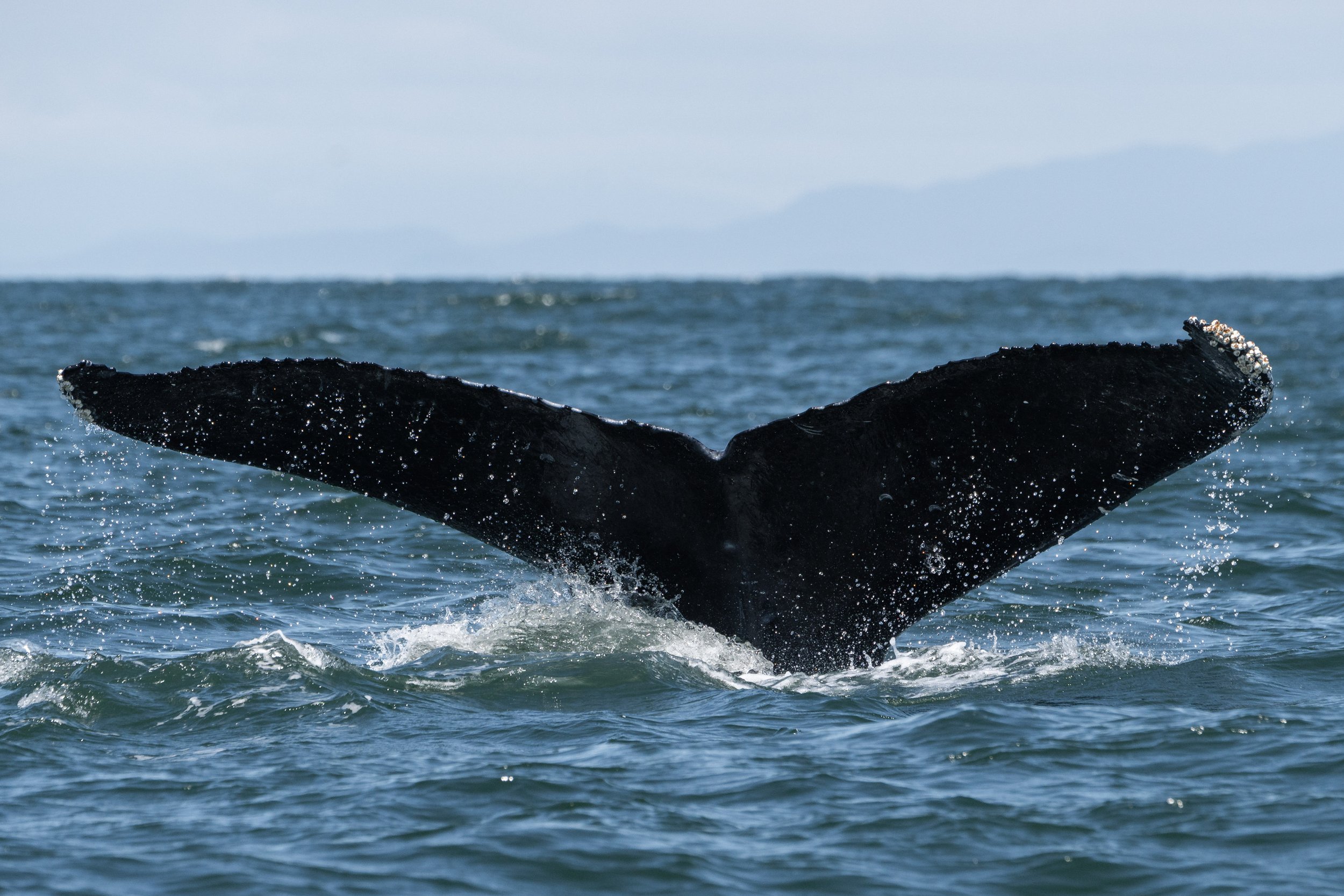
The underside of Barge Boy’s fluke. Photo by Val Watson.
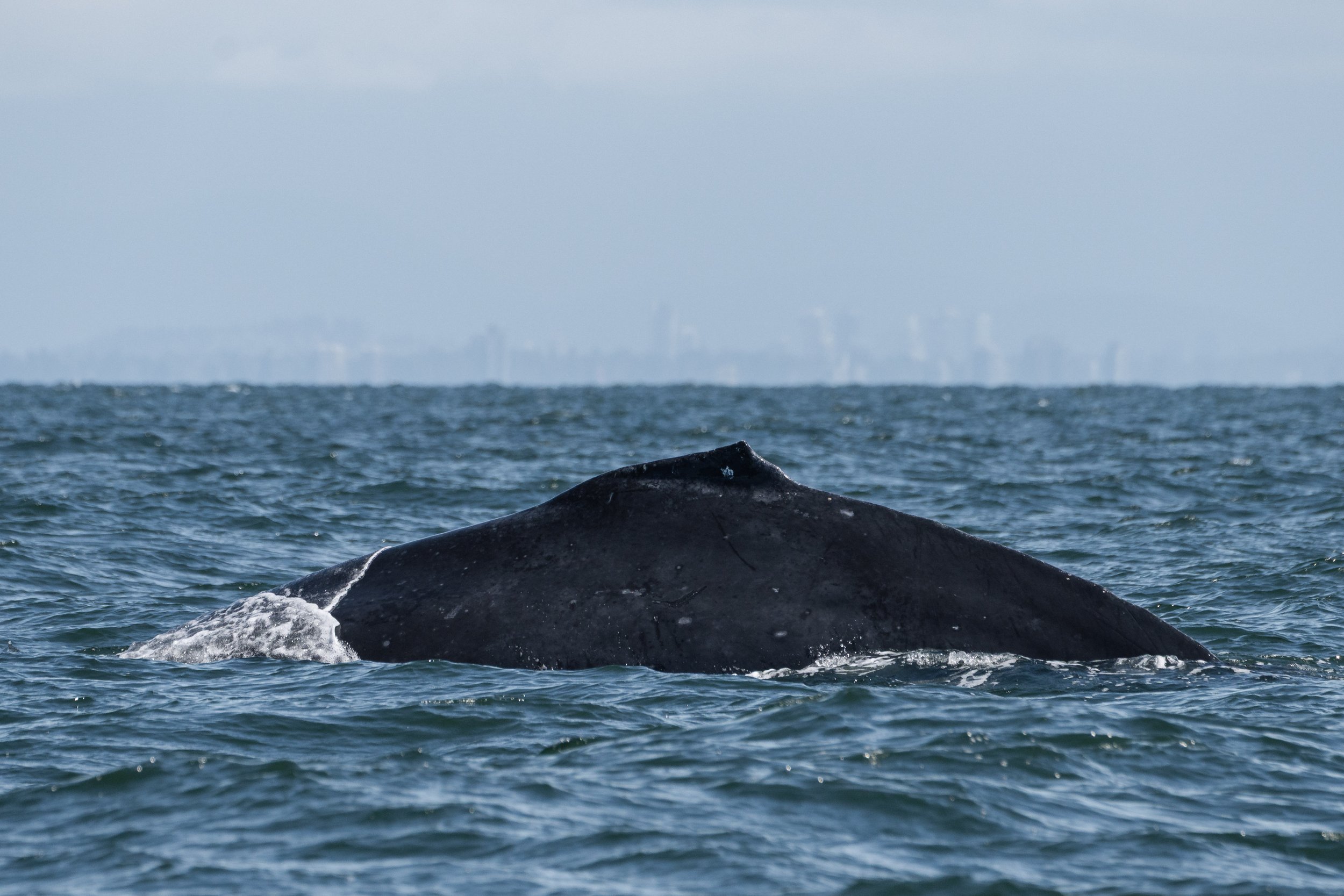
Vailant’s very distinct dorsal fin. Photo by Val Watson.
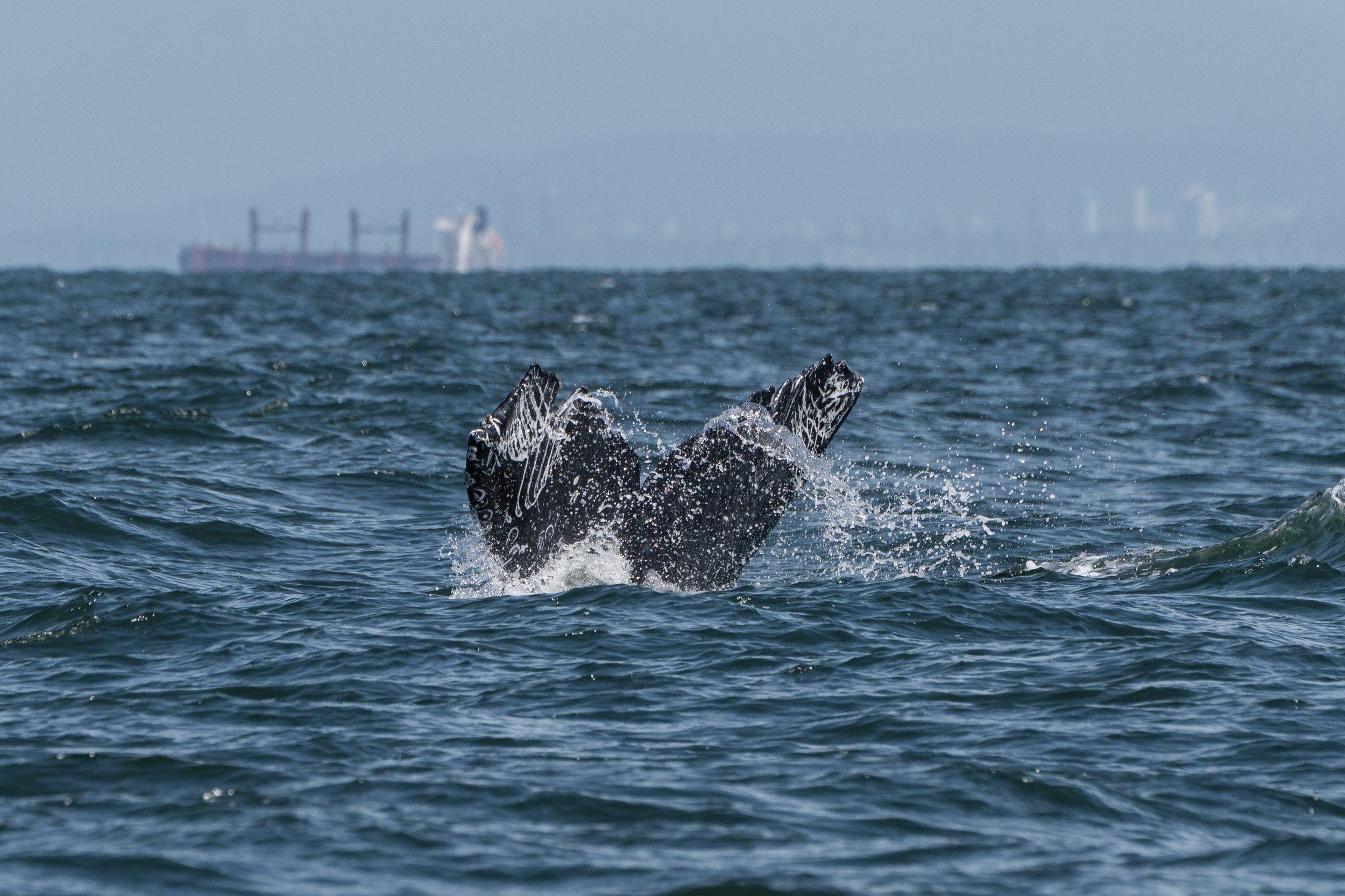
Vailant’s tail as she dives. Photo by Val Watson.
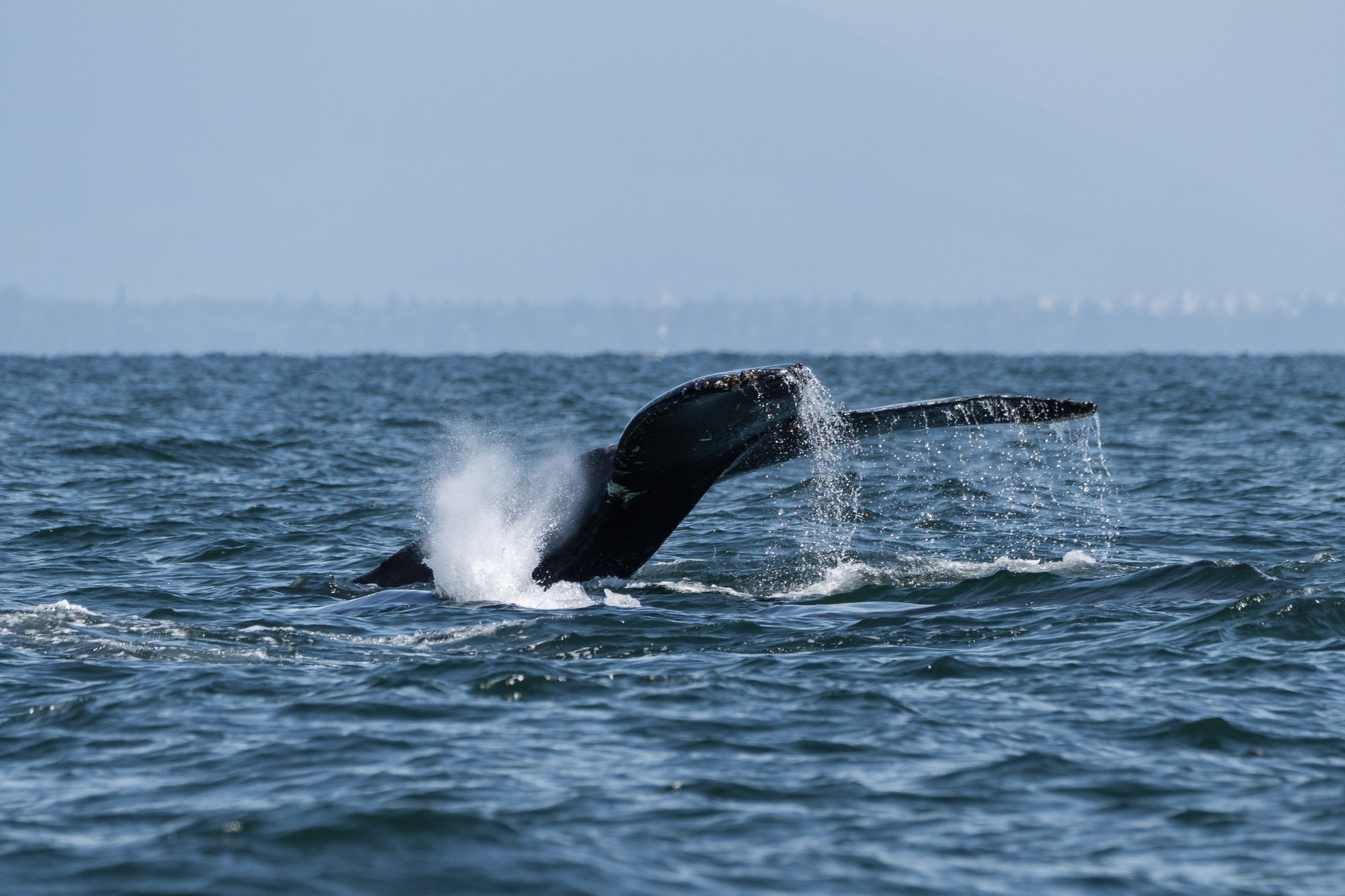
Split fluke diving with Valiant surfacing beside her. Photo by Val Watson.
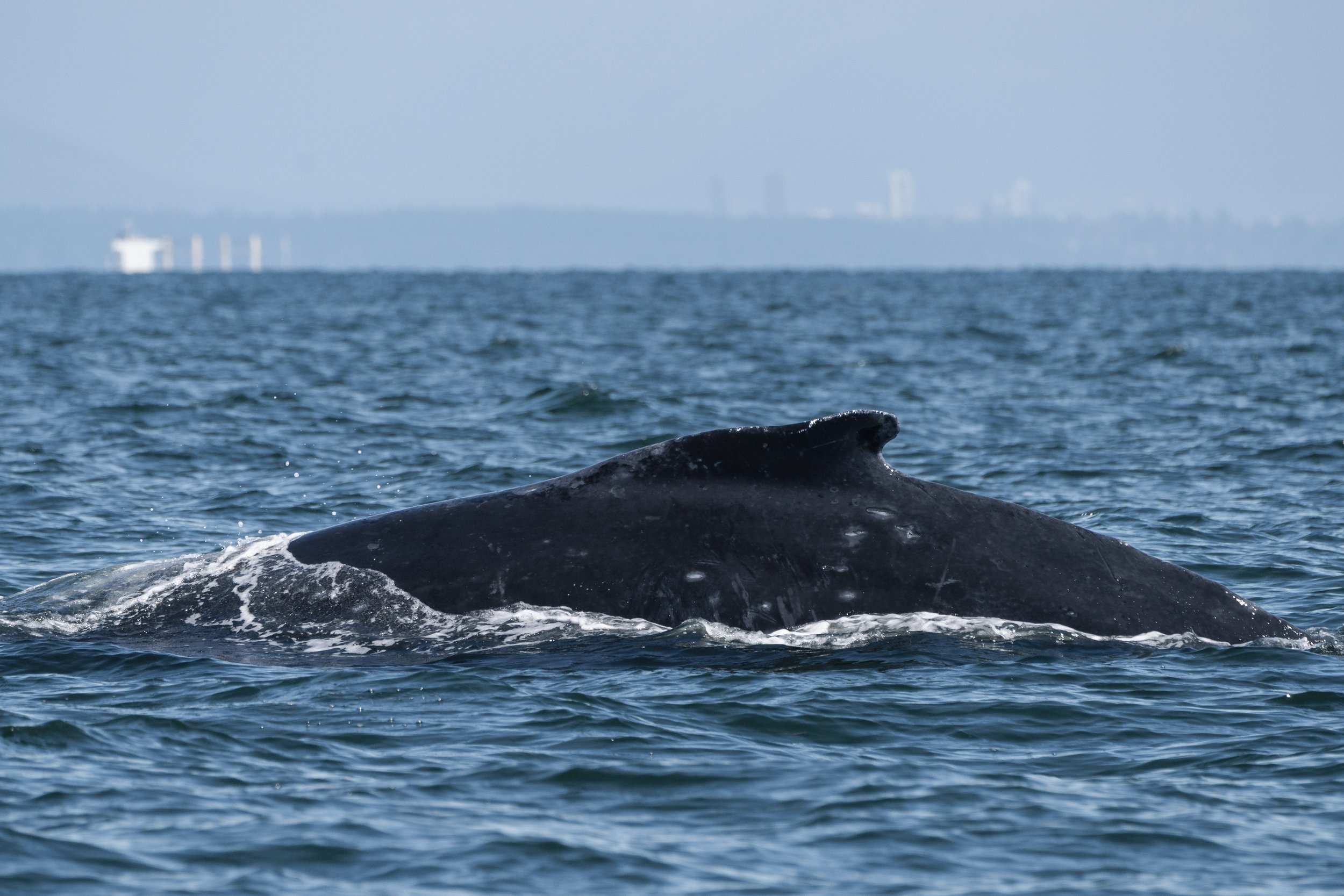
Barge Boy’s dorsal fin. Photo by Val Watson.
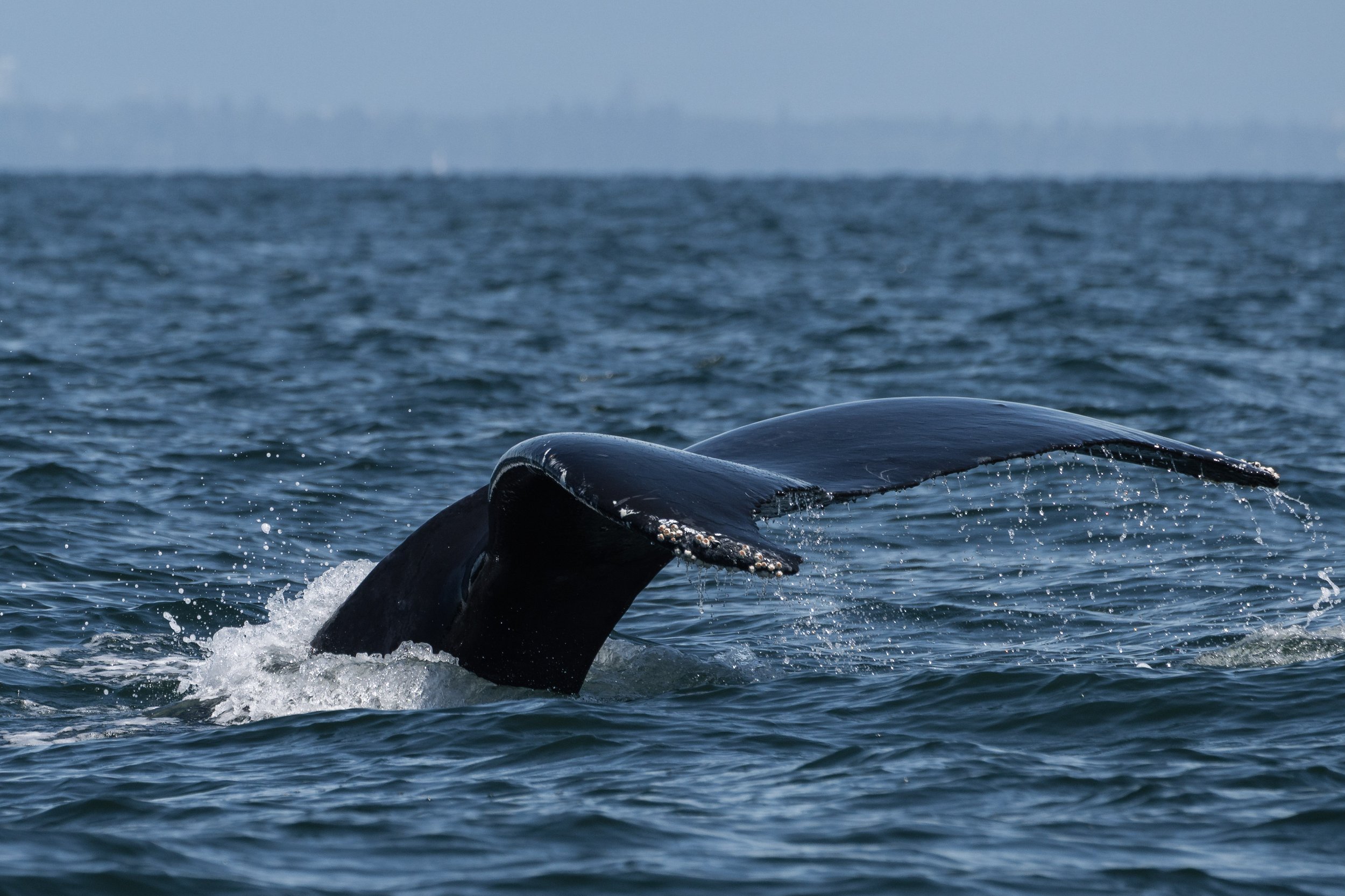
Barge Boy going for a dive. Photo by Val Watson.
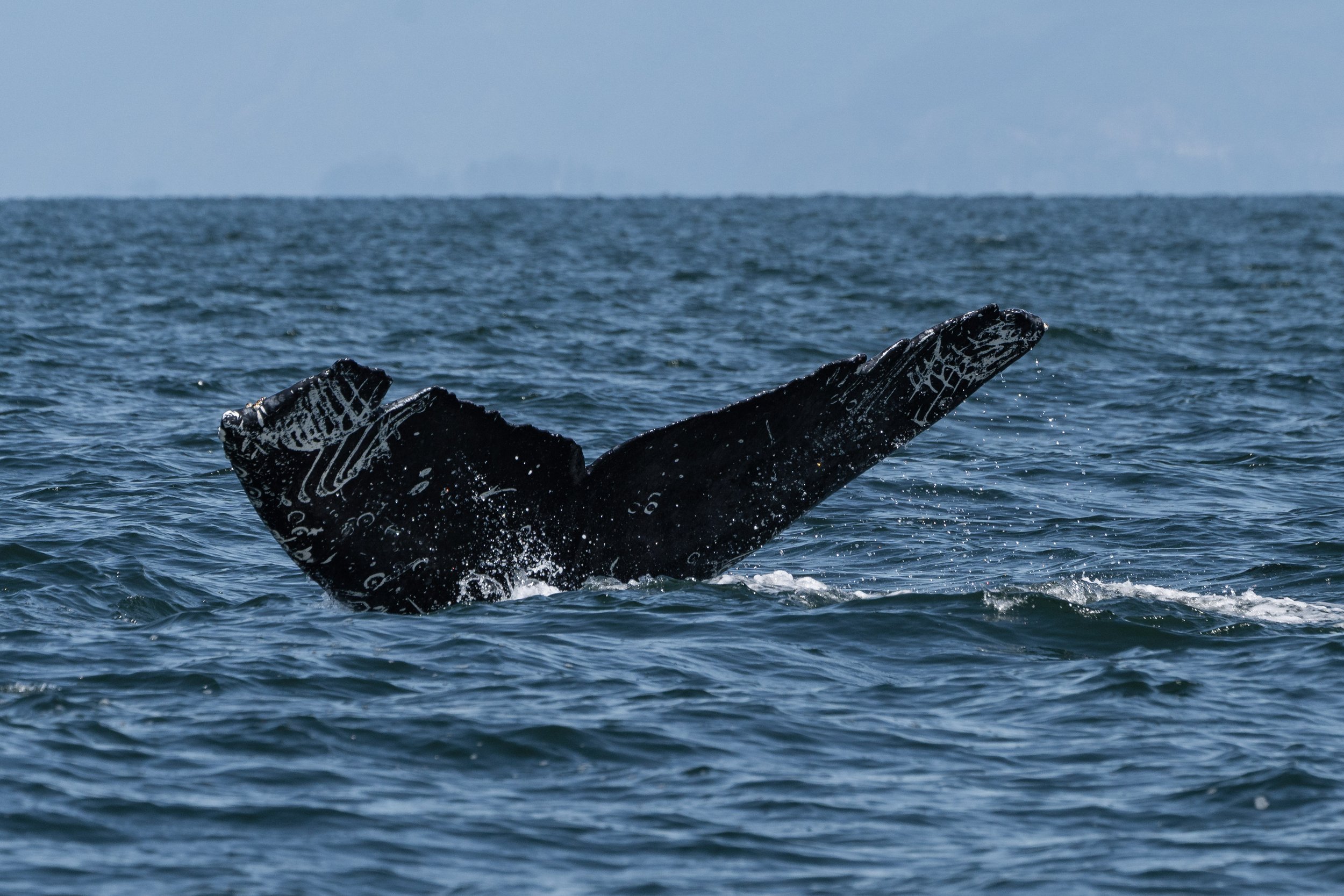
The underside of Vailant’s tail showing scars left behind from an orca attack. Photo by Val Watson.
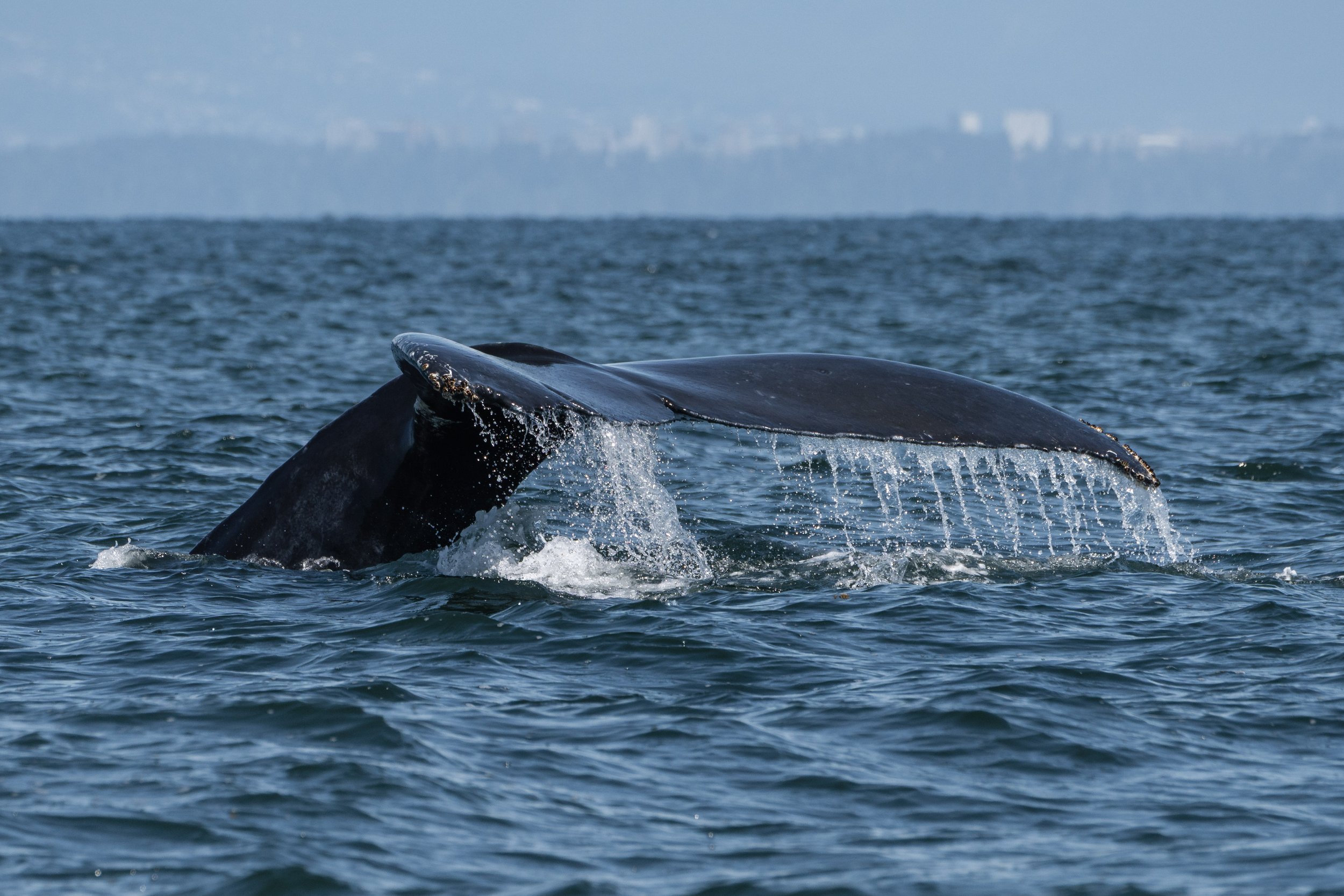
A fluke waterfall from Split Fluke. Photo by Val Watson.
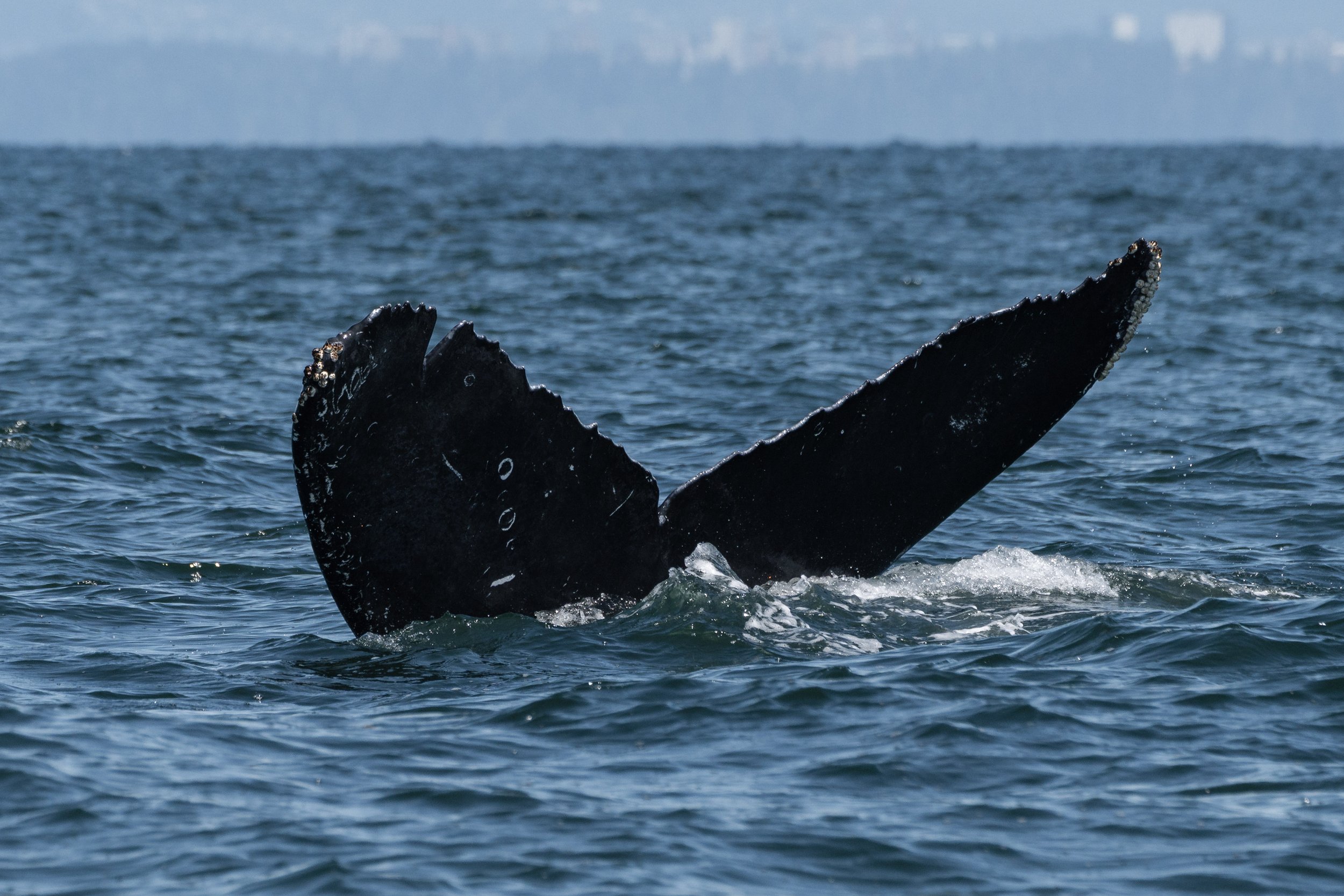
The underside of Split Fluke’s tail, showing the split in her fluke that she’s named for. Photo by Val Watson.
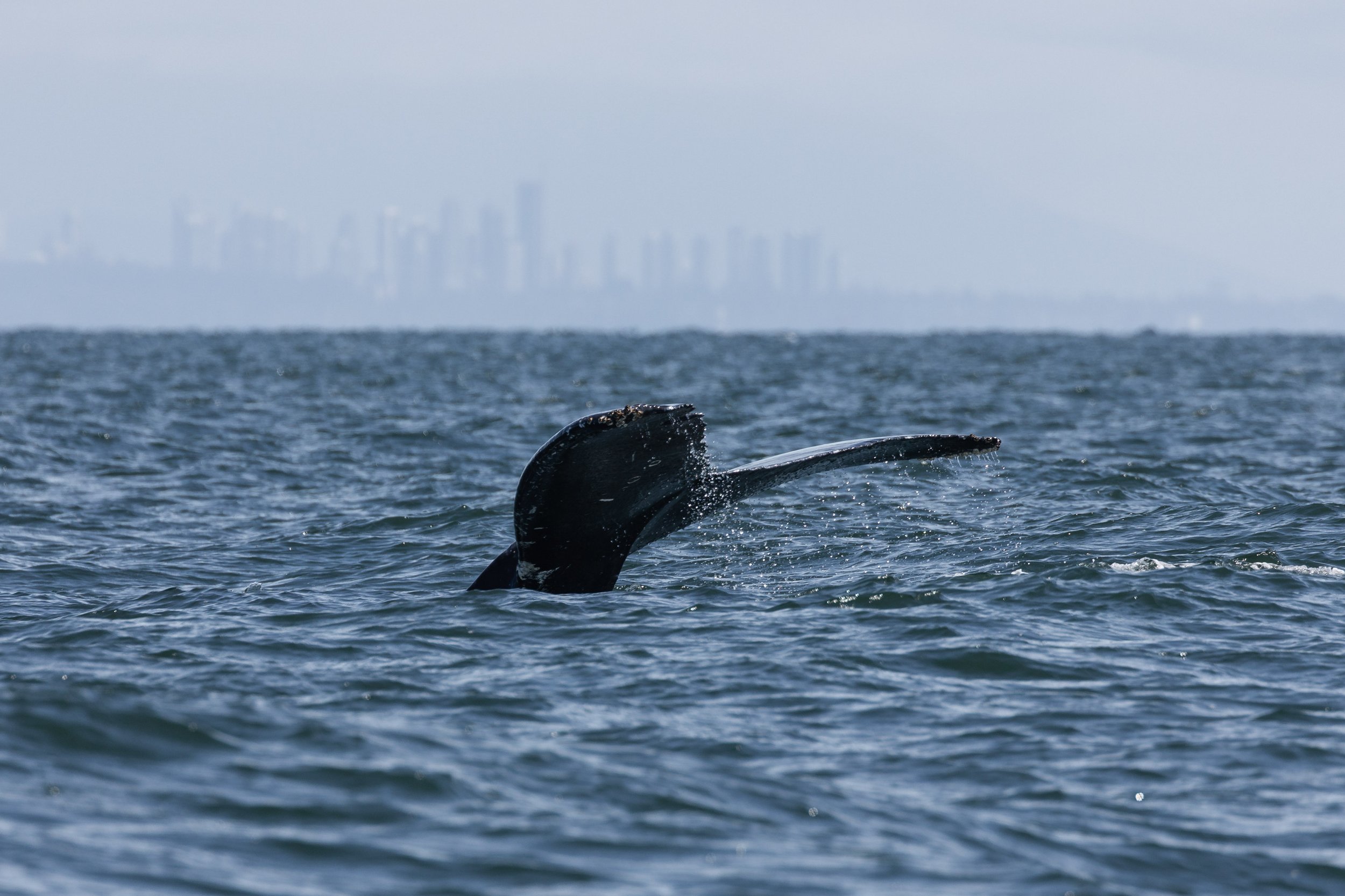
A mini waterfall from Split Fluke as she dives. Photo by Vanessa Vereschahen.
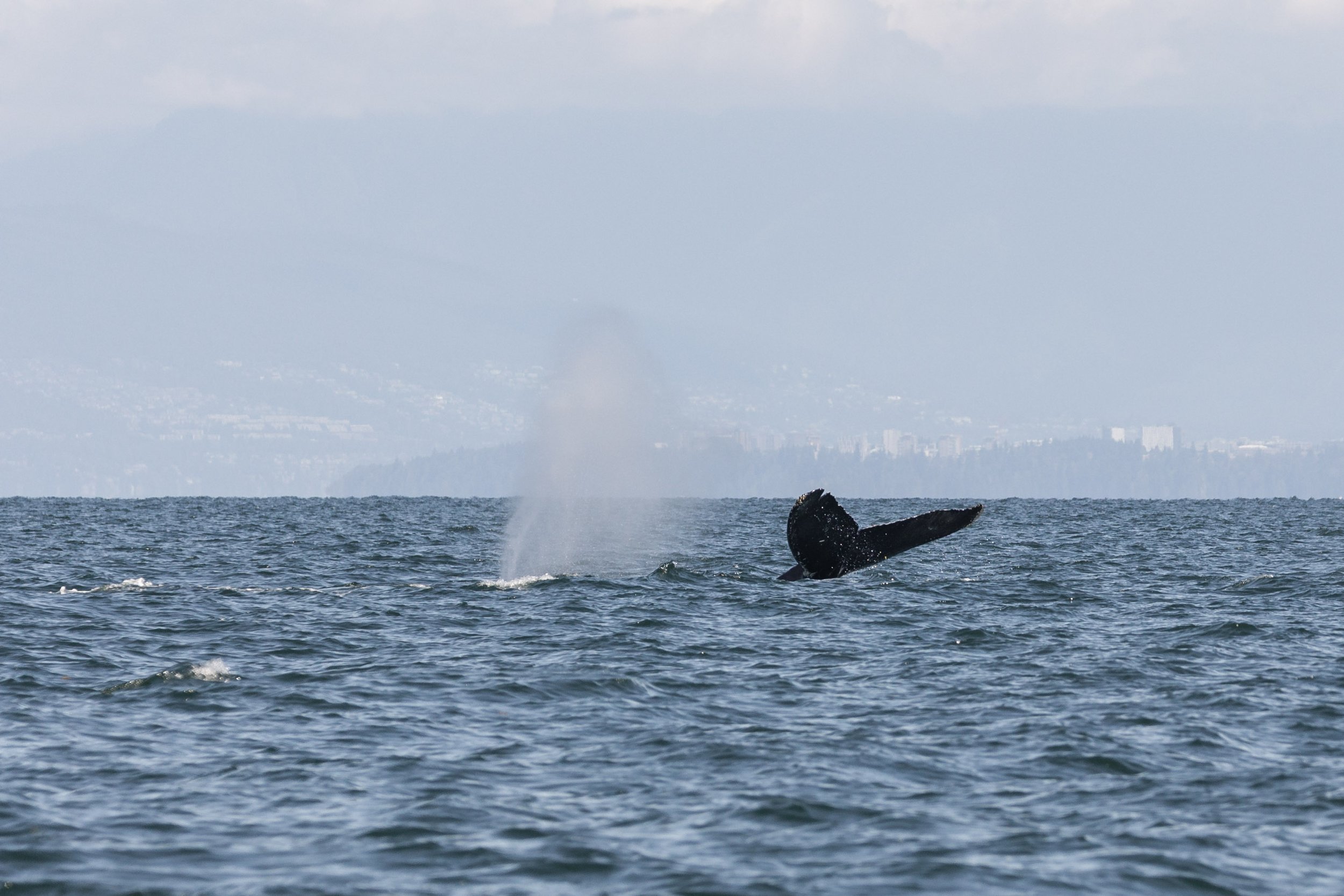
Split Fluke with Valiant surfacing next to her. Photo by Vanessa Vereschahen.
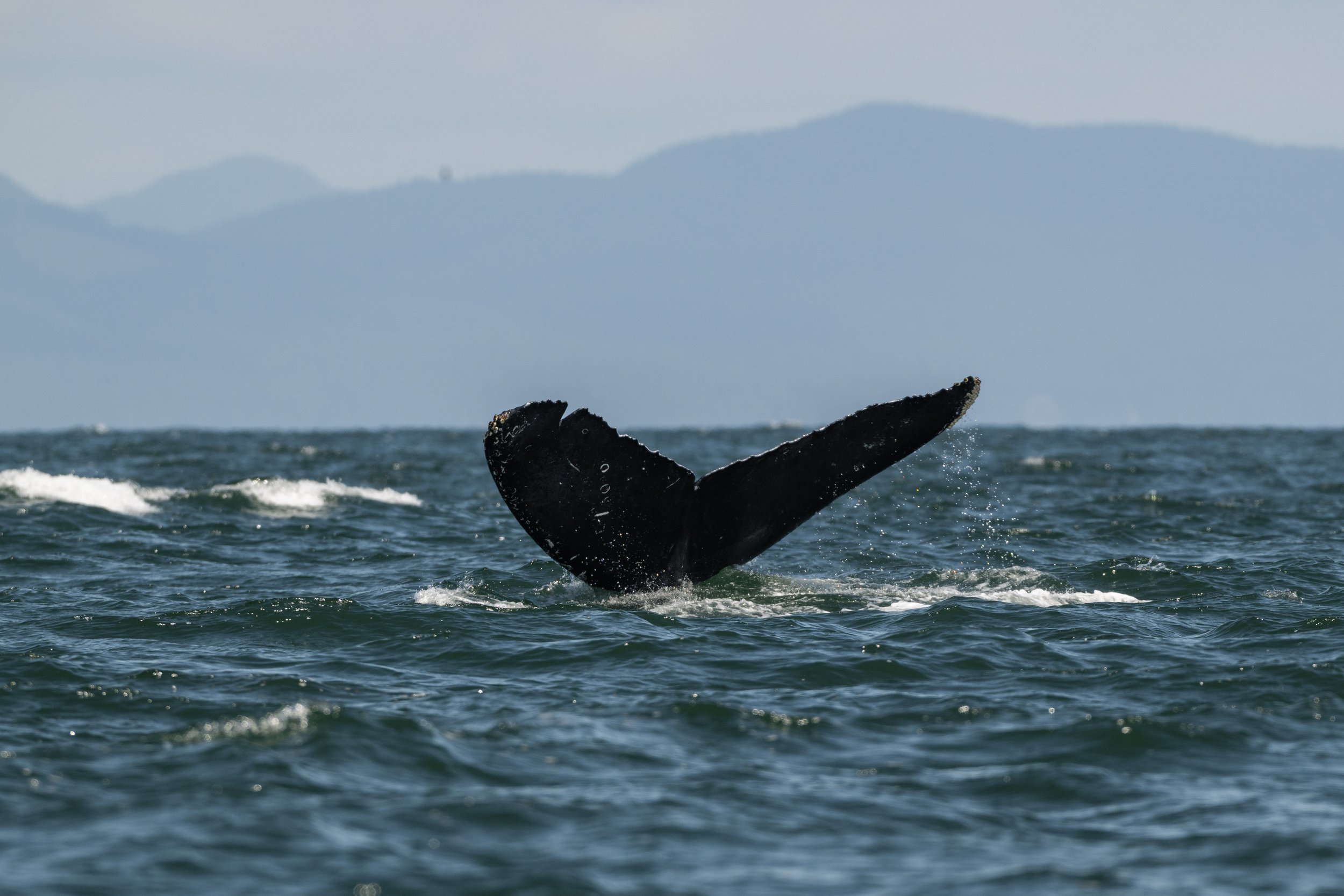
A beautiful look at the underside of Split Fluke’s tail. Photo by Aly Kohlman.
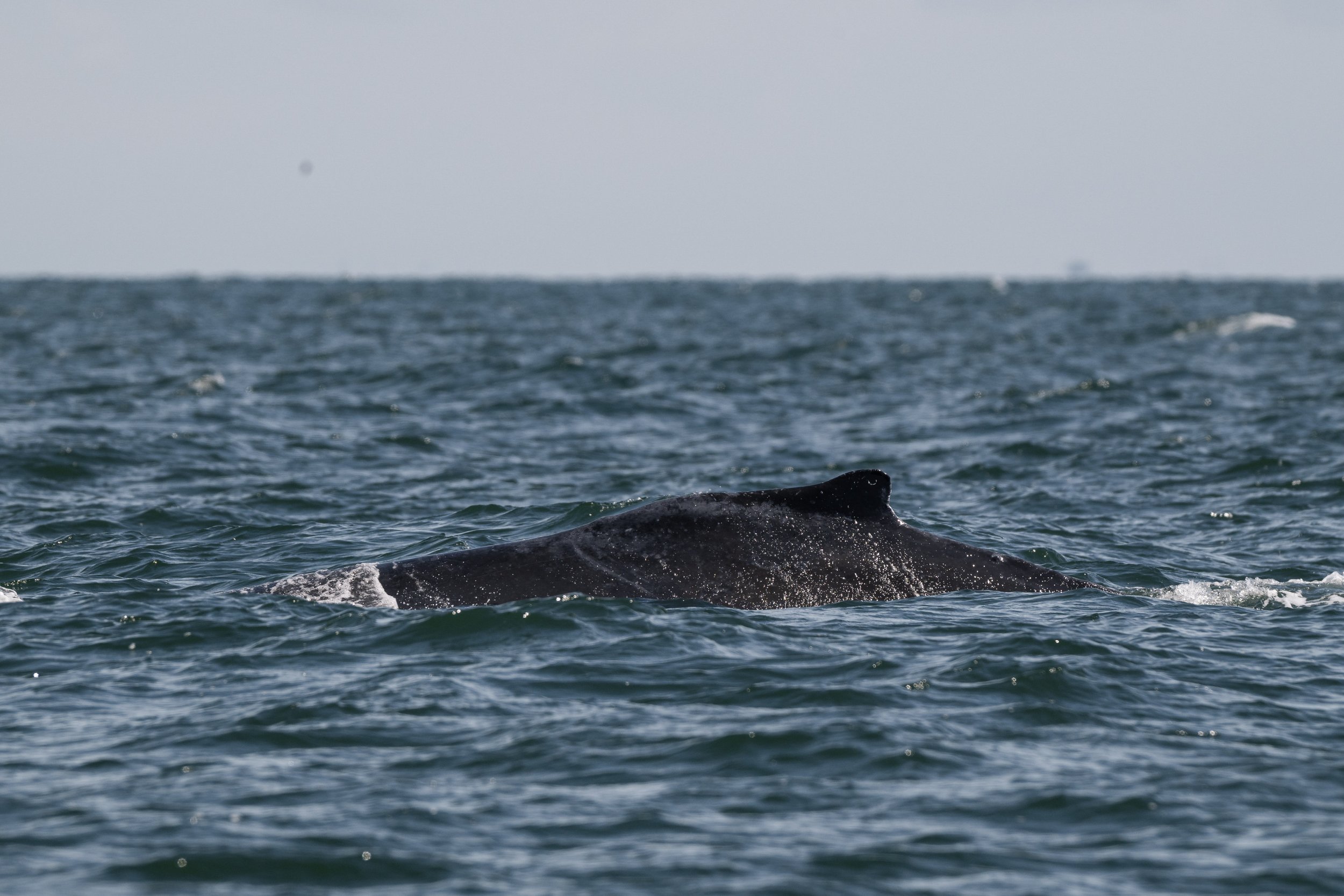
Split Fluke also has a distinct dorsal fin. Photo by Aly Kohlman.
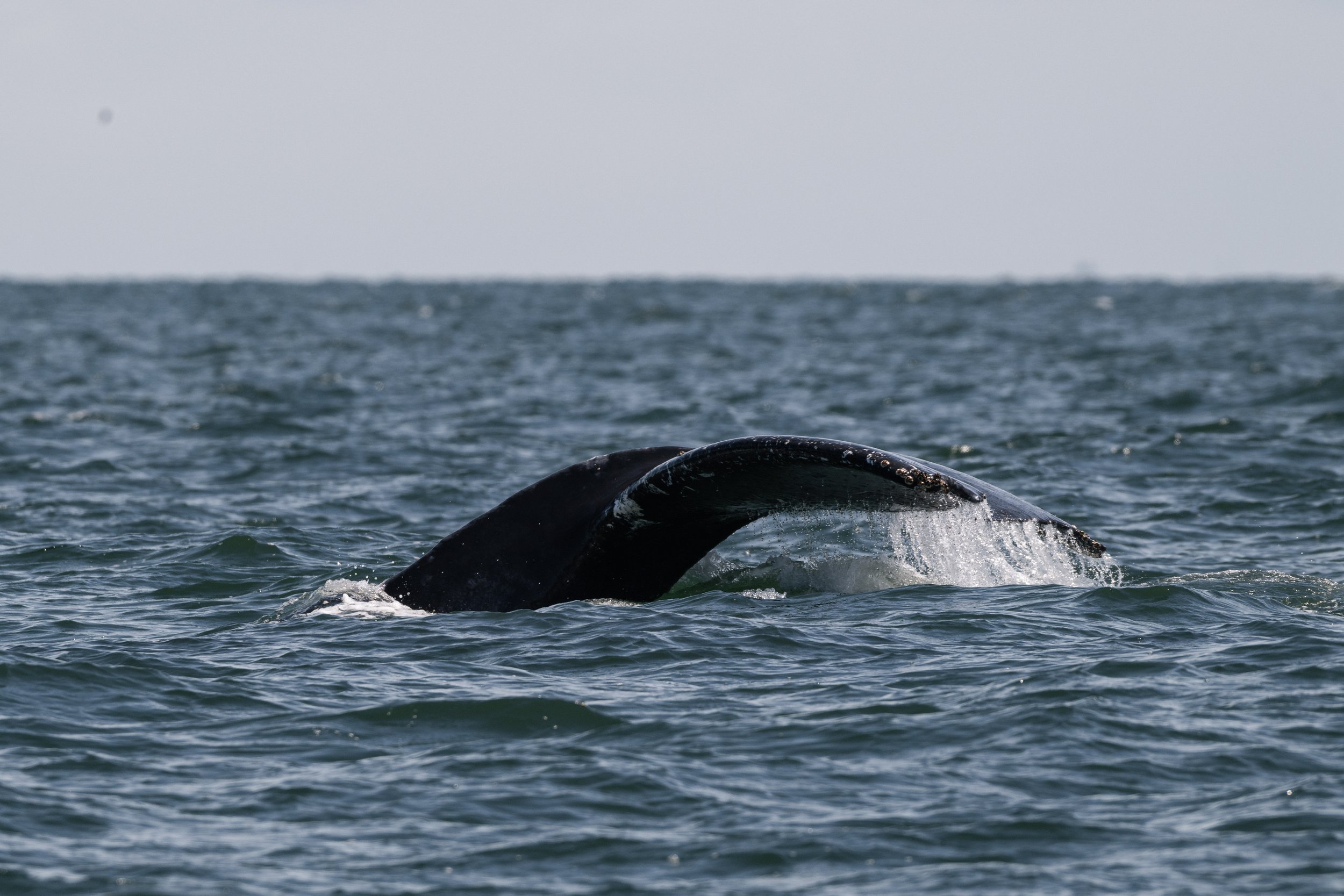
Split Fluke going for a dive. Photo by Aly Kohlman.
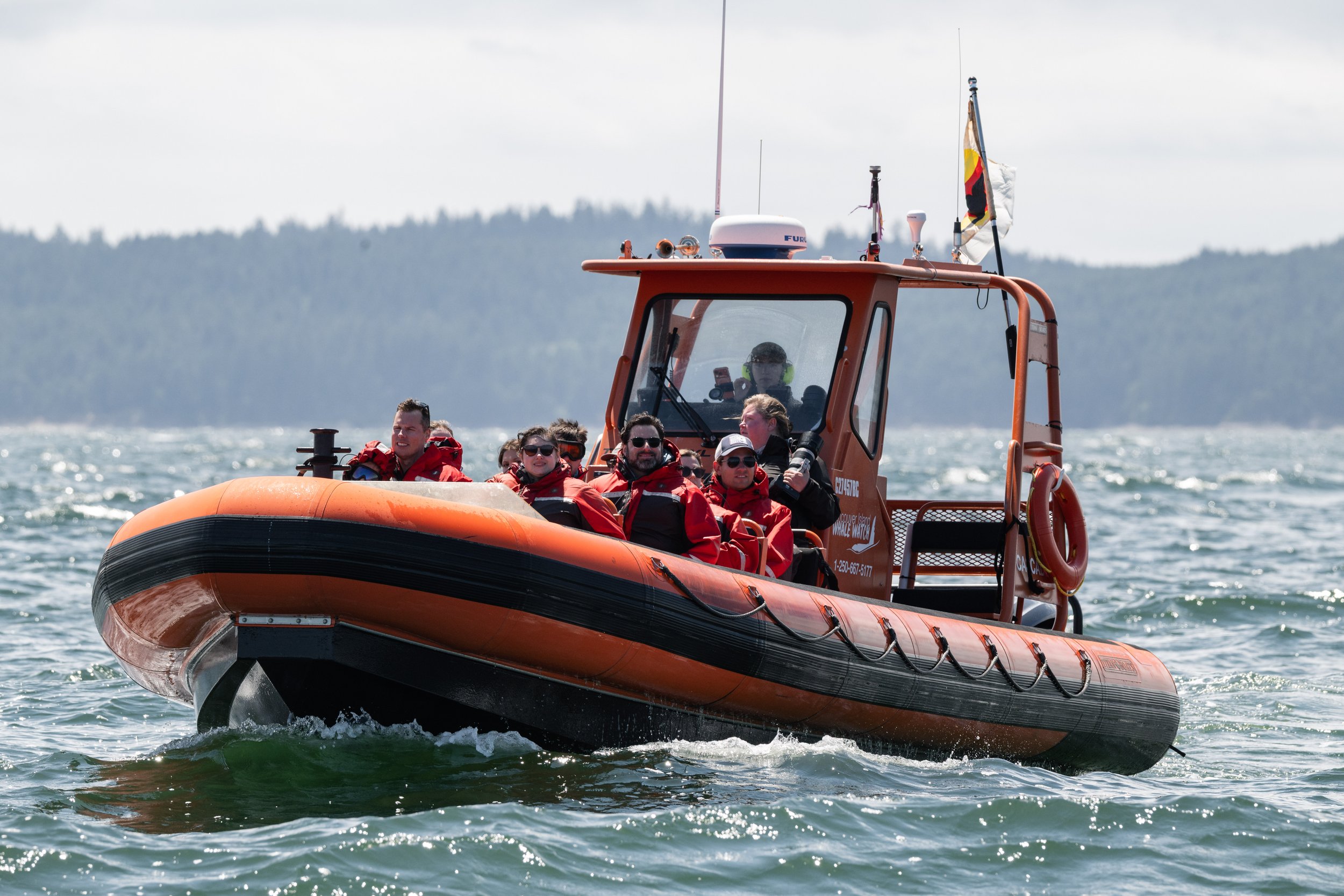
Happy Whale Watchers on Cascadia. Photo by Aly Kohlman.
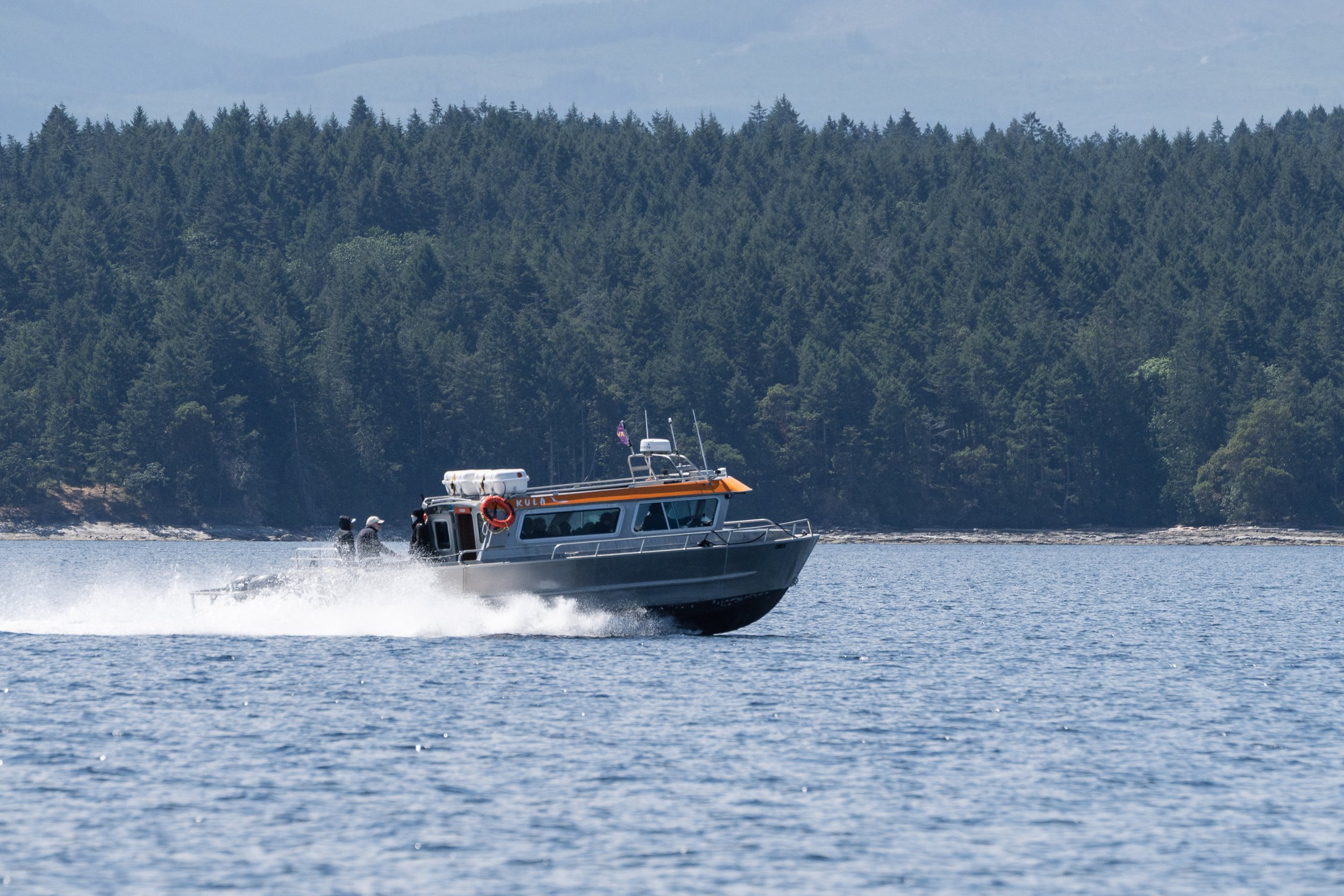
Kula travelling through the Southern Gulf Islands. Photo by Val Watson.
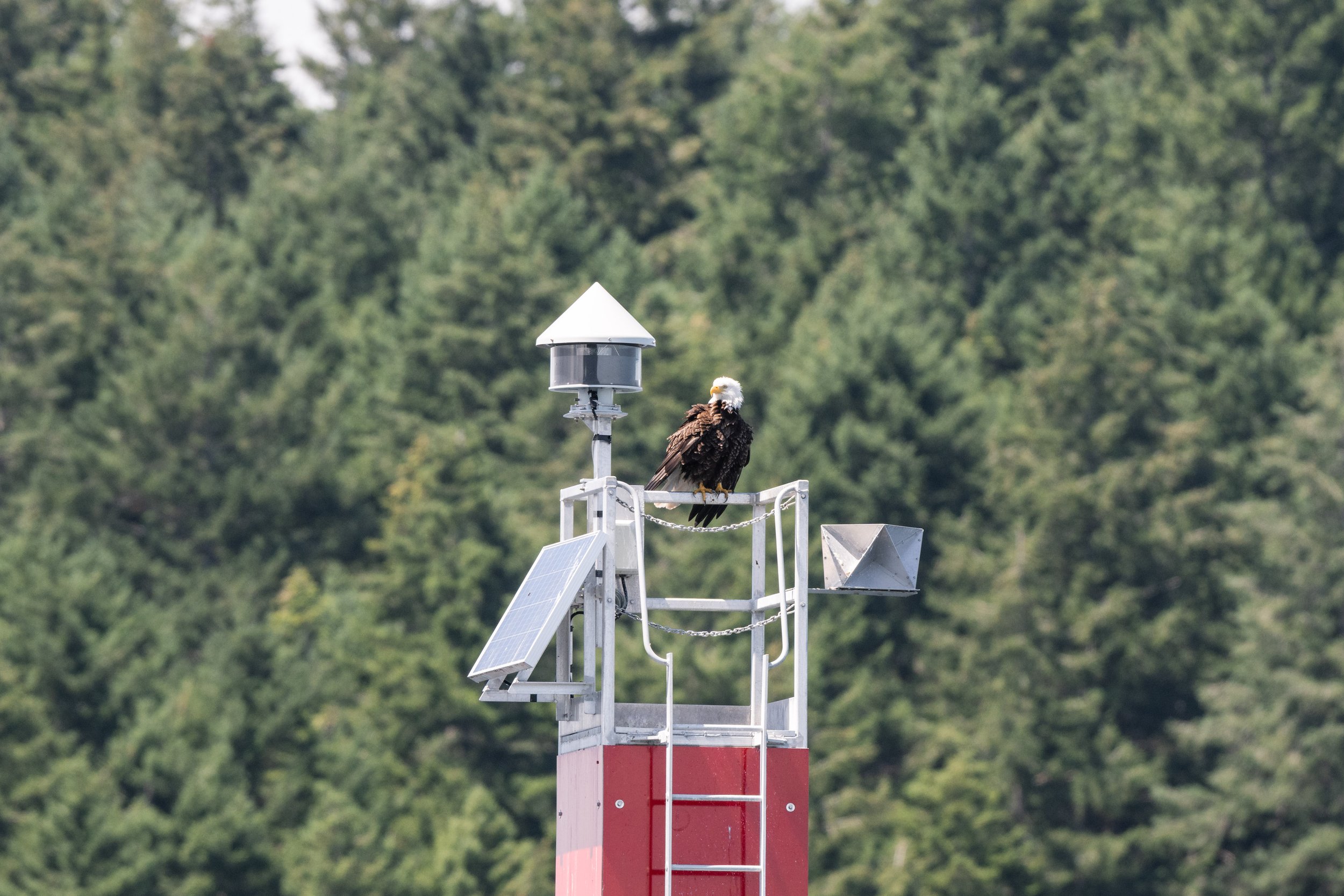
A fluffed up Bald Eagle drying off. Photo by Aly Kohlman.
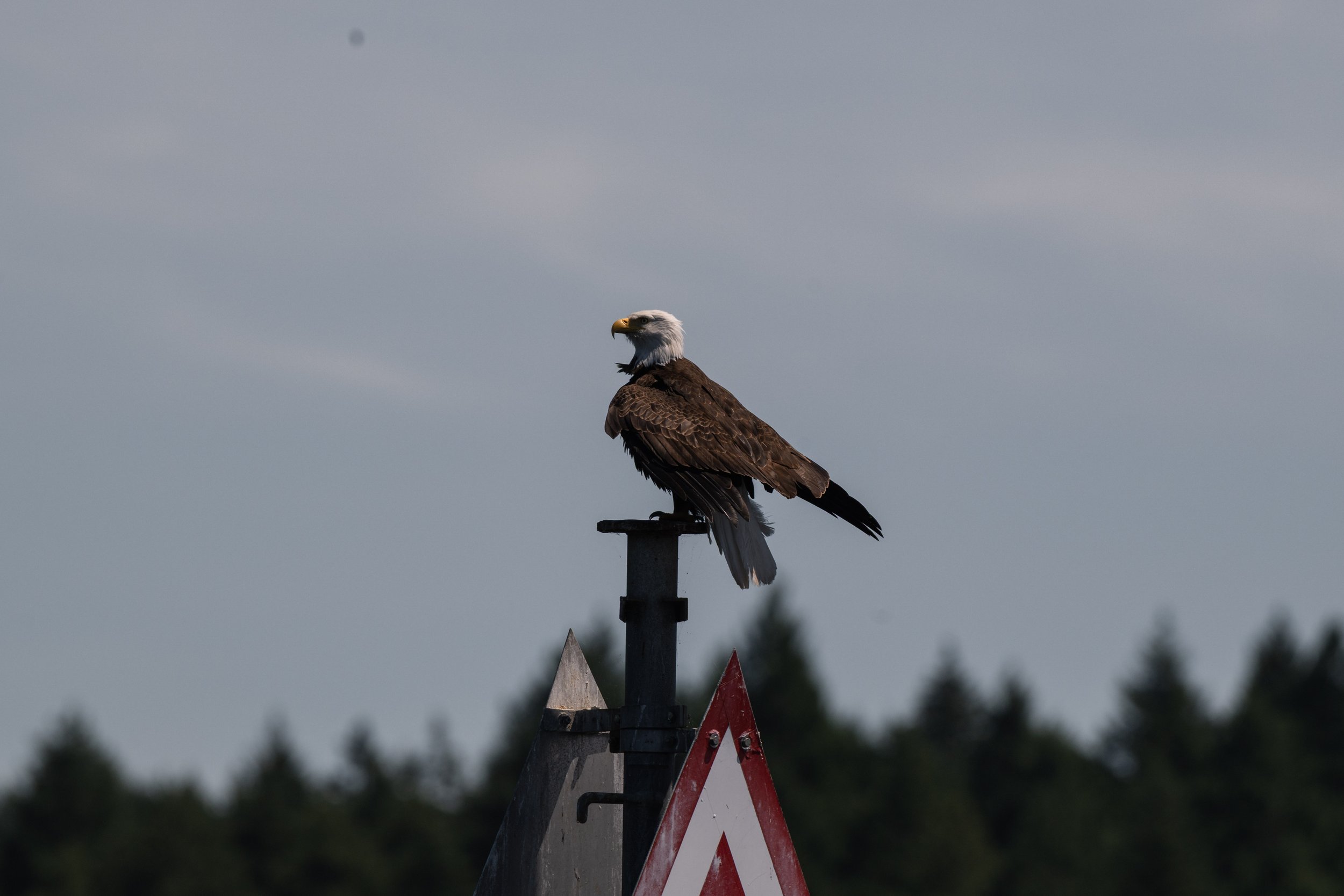
Or maybe this is Bald Eagle yoga? Photo by Aly Kohlman.
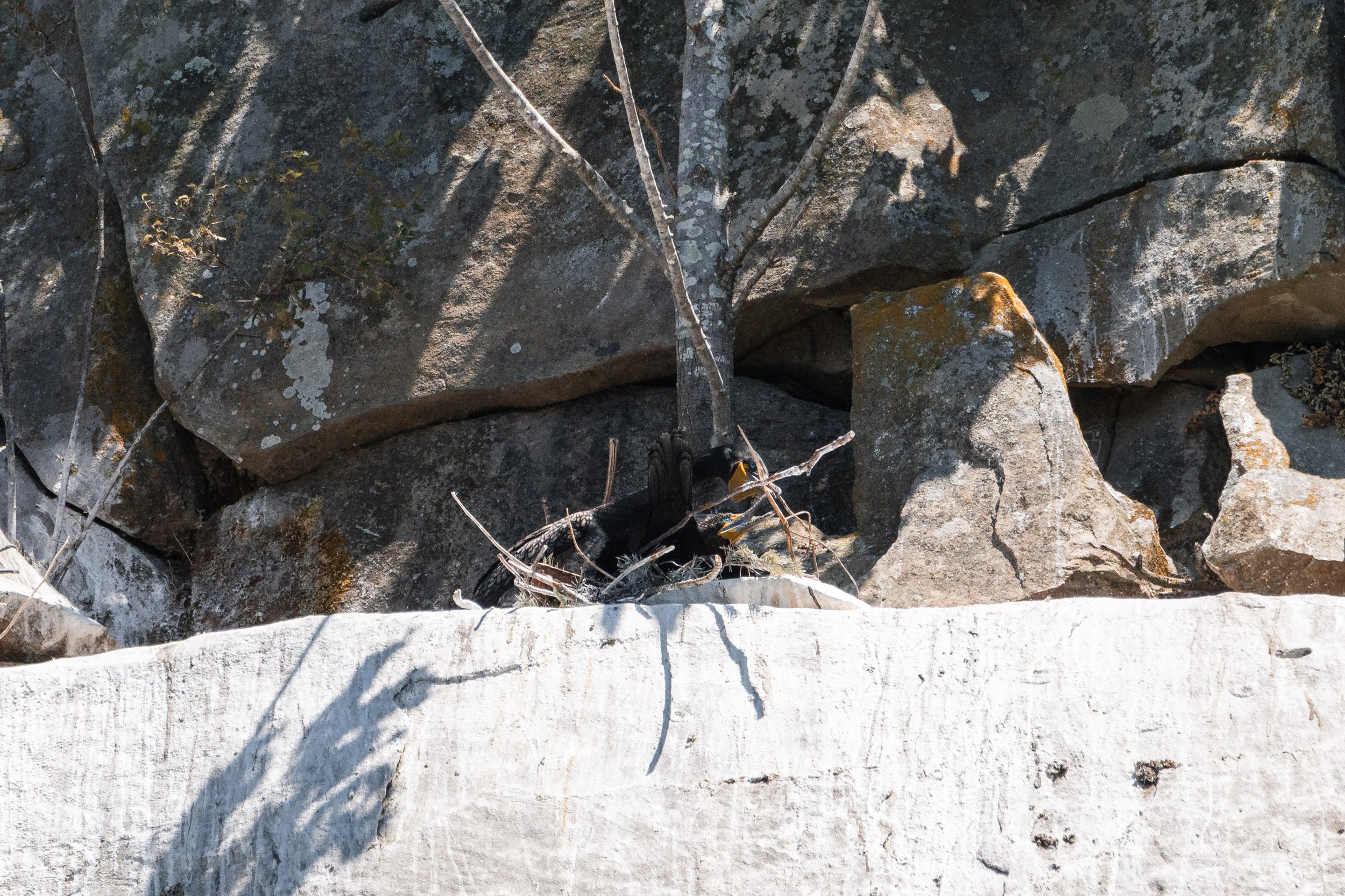
A cormorant tending to its nest. Photo by Val Watson.
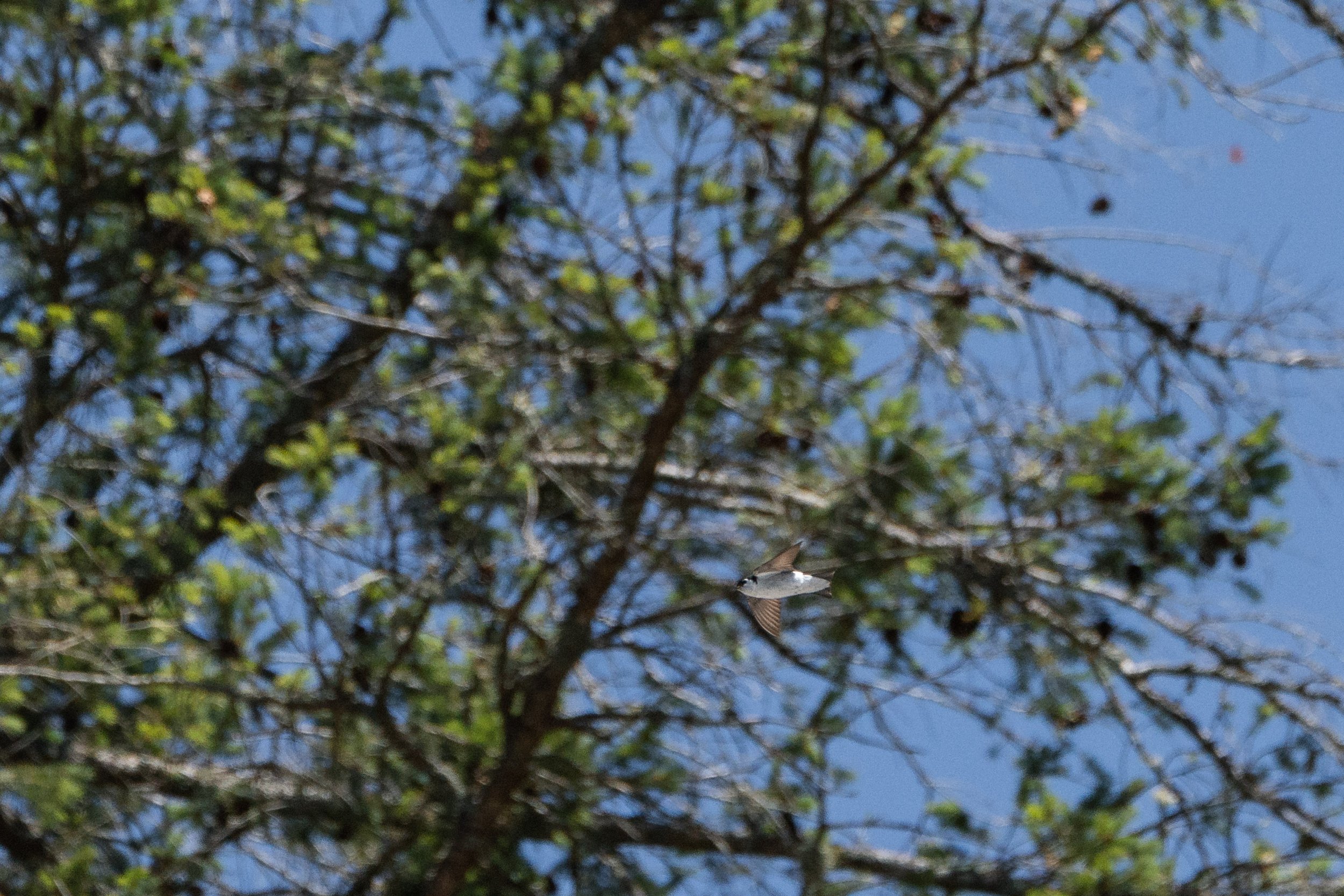
A Violet Green Swallow flying overhead. Photo by Val Watson.