
June 3, 2026, 10:30 AM - The Howe Sound party continues
Our open boat, Keta, headed out of Nanaimo harbour whilst Marine Naturalist, Evan, gave an introduction on the species we look for on each of our tours, creating excitement at the prospect of what the next few hours may entail. We headed across the Strait of Georgia, scanning the Salish Sea as we went. Today, we got word of a sighting on the opposite side of the Strait, so headed all the way across to Howe Sound, a UNESCO Biosphere Region north of Vancouver. It was here, along the shoreline of Bowen Island, that we found our first whales of the day! It didn’t take long to identify six Transient Killer Whales travelling together, from two different families;
T101 Reef ♀ (≤1969)
T101A Rush ♂ (1993)
T101B Lagoon ♂ (1997)
T124A4 Sabio ♀ (2010)
T124A4A Strix ♀ (2021)
T124A1A Sabine (2024)
This group provides a great look at the sexual dimorphism of orcas. A fully grown female reaches 20-24 feet long, weighs around 8,000lb and their dorsal fin stands around 3 feet tall. A male gets much bigger at 24-28 feet long, up to 12,000lb and with a dorsal fin towering at around 6 feet tall. As two fully grown males, both Rush and Lagoon make their mom Reef look tiny in comparison. This physical size difference between sexes doesn’t become apparent until the orcas go through puberty between 12 and 15 years old. This is when the males start to grow much bigger than the females. Prior to this point, whilst the whales are young and look similar in size, a view of the abdomen is needed to identify their sex. Here, the females have visible mammary slits (two small black markings) which the males do not have. We don’t yet know if the youngest of this group, Sabine, is male or female, so will be eagerly watching during our encounters to try and figure it out. Although our whales were full of action today, porpoising, tail slapping and spyhopping during our time with them, we didn’t see Sabine’s abdomen, so the mystery continues for now.
After our time with the orcas, we left Howe Sound and returned to search mode in the Georgia Strait. Soon enough, we spotted another whale, this time it was a Humpback Whale! This humpback was exhibiting behaviour we typically associate with feeding; coming to the surface for a few breaths, then lifting its tail to propel itself down for a deeper dive where it would likely be moving through the water column, taking in mouthfuls of plankton, krill and small fish. The underside of each humpback's tail is unique, allowing us to identify individual whales, so this provided the perfect opportunity to recognise this whale as Astroboy (BCX2152). Despite what their name may suggest, we don’t know if Astroboy is male or female. It can be difficult to determine the sex of humpbacks, as the only physical difference between the two is a grapefruit-sized bump, called a hemispherical lobe, present on the lower abdomen of females but not males. Similar to the orcas, in order to see this, a humpback would need to be rolling around upside down at the surface of the water, or leaping out of the water entirely. As Astroboy was focused on their meal today, their sex also remains a mystery for the time being.
With both of our commonly sighted cetacean species now spotted, we decided to stop by the White Islets to see some more wildlife. A popular spot for both birds and pinnipeds, today didn’t disappoint with an array of species to be seen. Amongst the gulls and cormorants, regulars at the White Islets, we had a less commonly seen Brown Pelican. The scene stealers, however, were the Stellar Sea Lions, loudly growling as they battled for space on the rocks.
Shortly after departing the White Islets, we spotted the big, bushy blow of another Humpback Whale. This time, however, there was also a smaller blow right beside it. Anticipation built as we realized we had found a mom and calf pair, the company’s first of the 2026 season! After examining the unique dorsal fin of the mom, we were able to identify this pair as Smoke (BCX2183) and her 2026 calf. This is the first known calf of six-year-old Smoke, and it generated a lot of excitement for us when we heard she was a mom. Similar to Astroboy, Smoke’s sex had been a mystery to us until she was spotted with this calf. Showing up with a baby is another way we can identify the sex of a humpback whale, as the calves will stay with their mom for their first year of life. It’s always a treat to learn more about the individuals we see season after season. Hopefully, we’ll get to watch this calf grow up, just like we’ve done with Smoke over the years.
It was time to head in the direction of home, but as we continued across the Strait, another humpback surfaced nearby. Our final whale was identified as Coyote (BCX2484), another youngster we’ve enjoyed watching grow since they were born in 2021. After a quick viewing of Coyote, we continued home, returning to the dock and concluding the day’s adventure.
Please enjoy the photos below, taken by Marine Naturalist Evan Hessels throughout the tour.
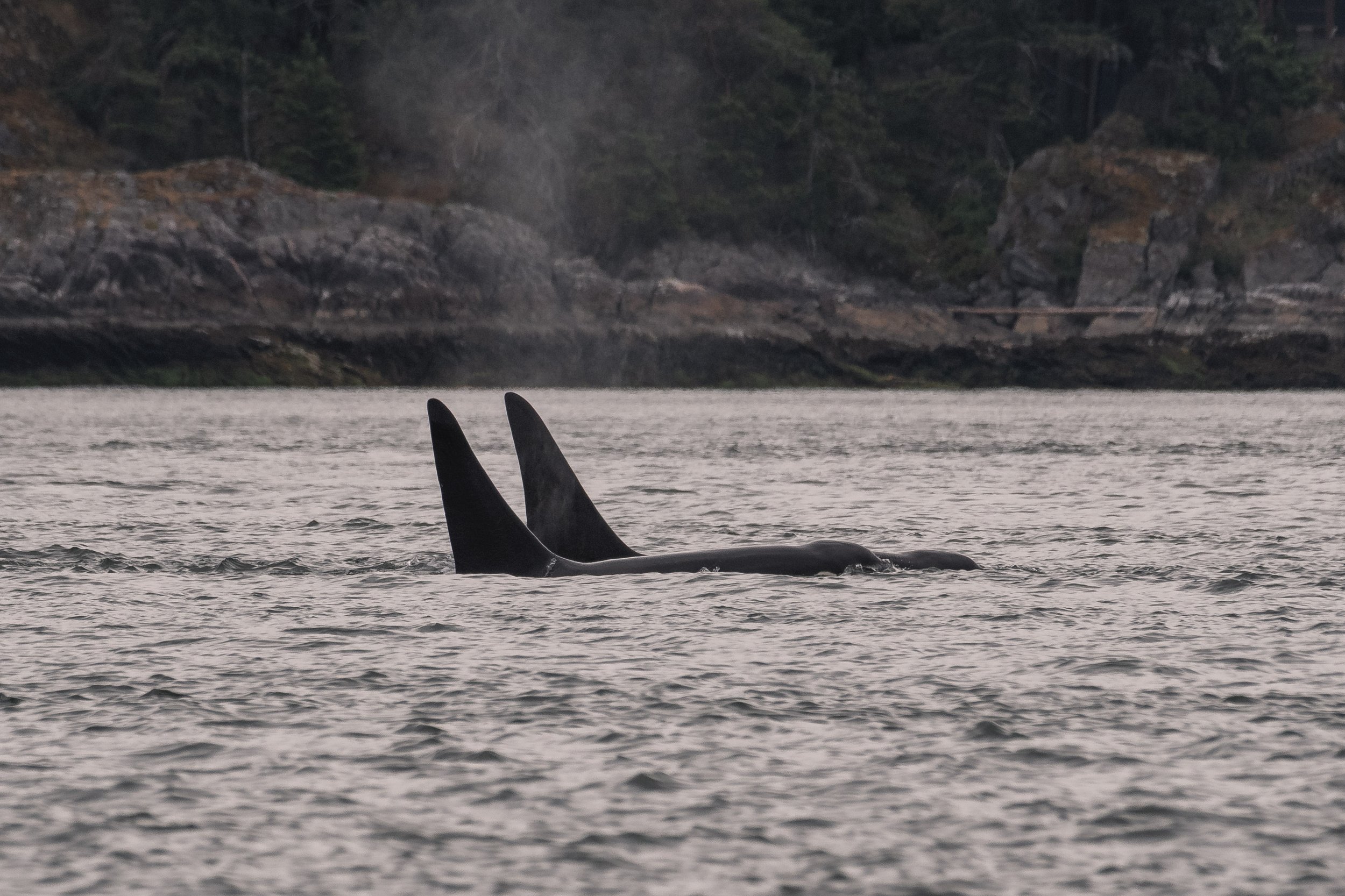
Brothers, T101A Rush and T101B Lagoon side by side.
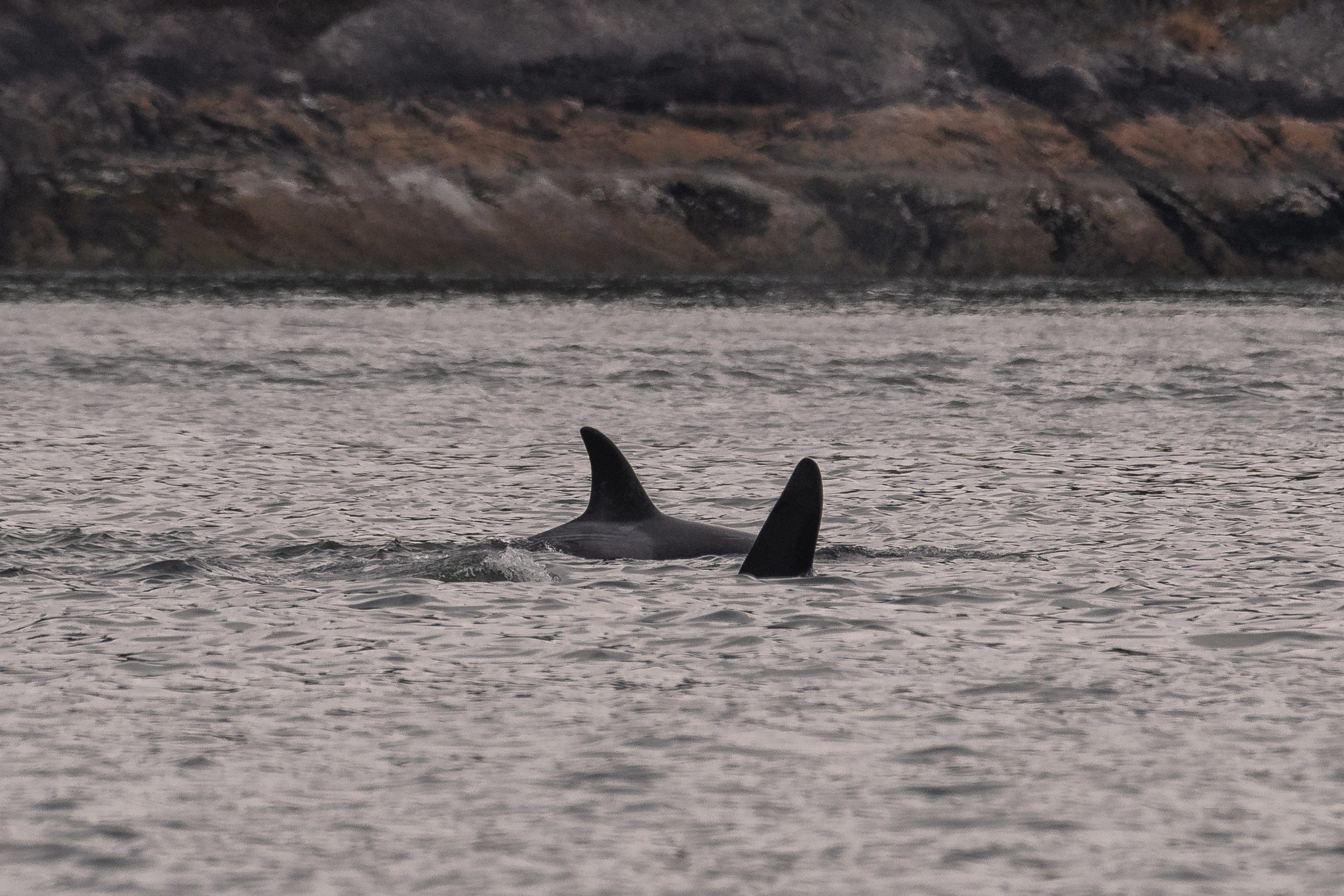
A hint of T101A Rush’s dorsal fin beside T124A4A Strix.
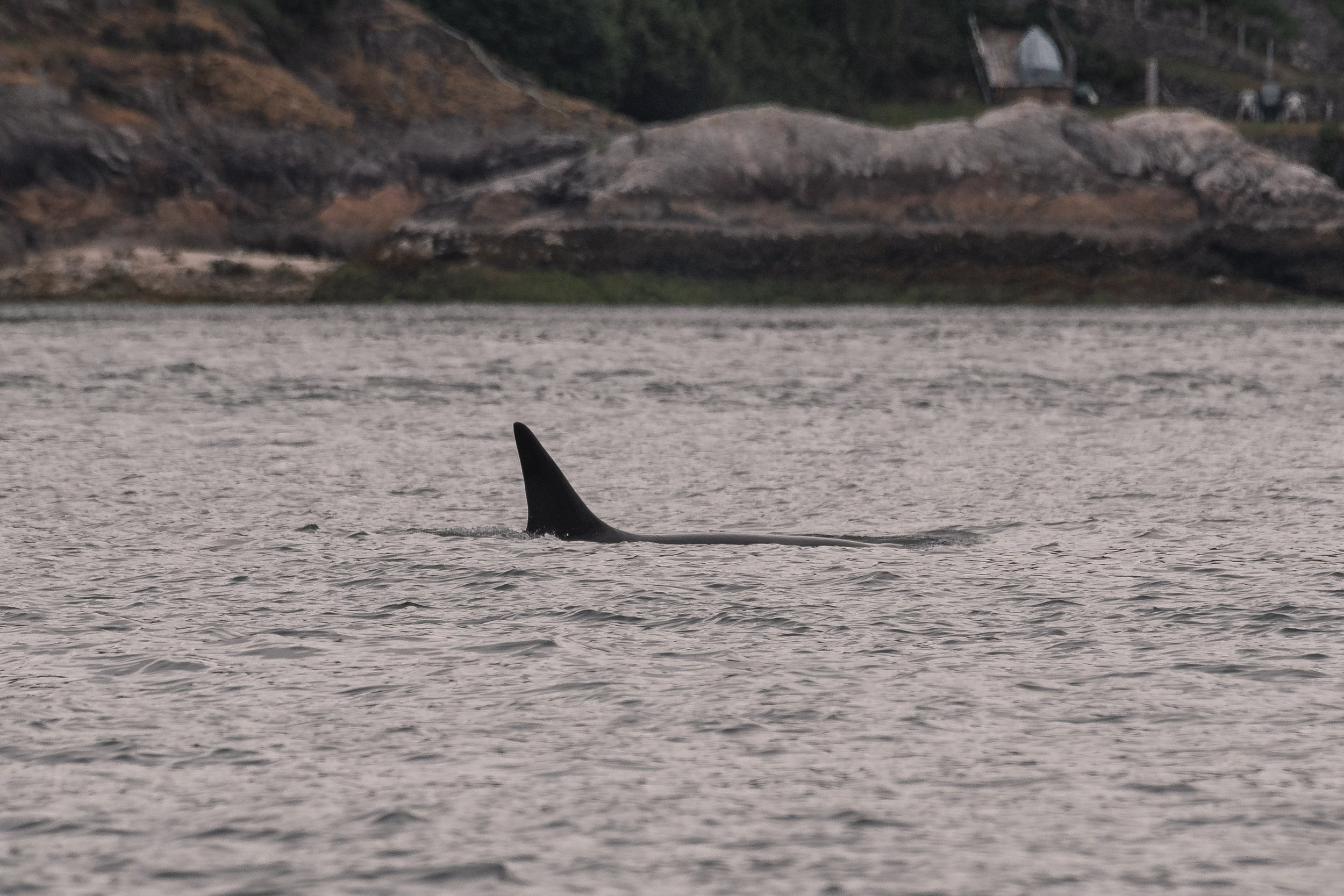
One of our matriarchs, T101 Reef.
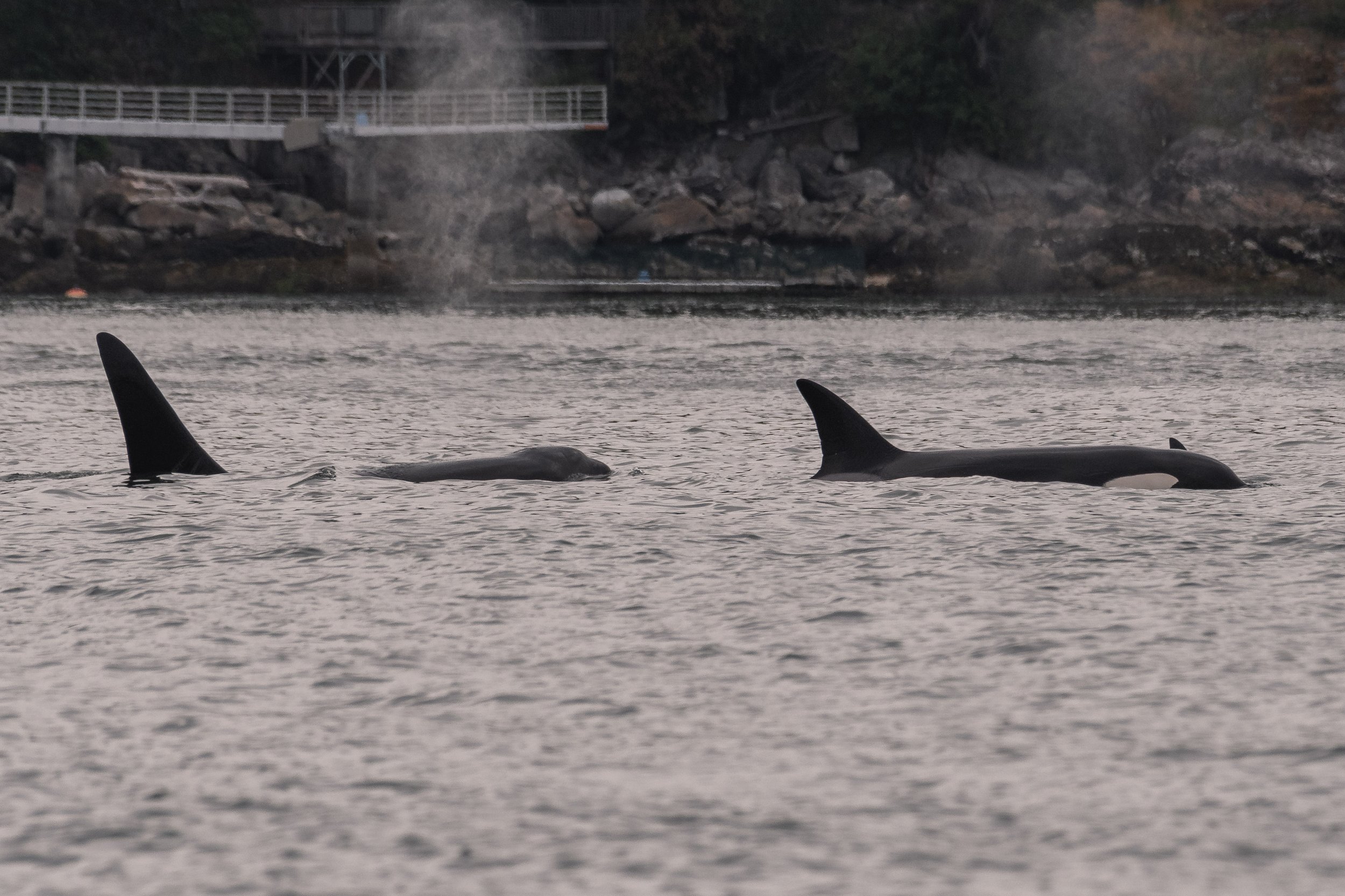
T124A4 Sabio followed by T101A Rush.
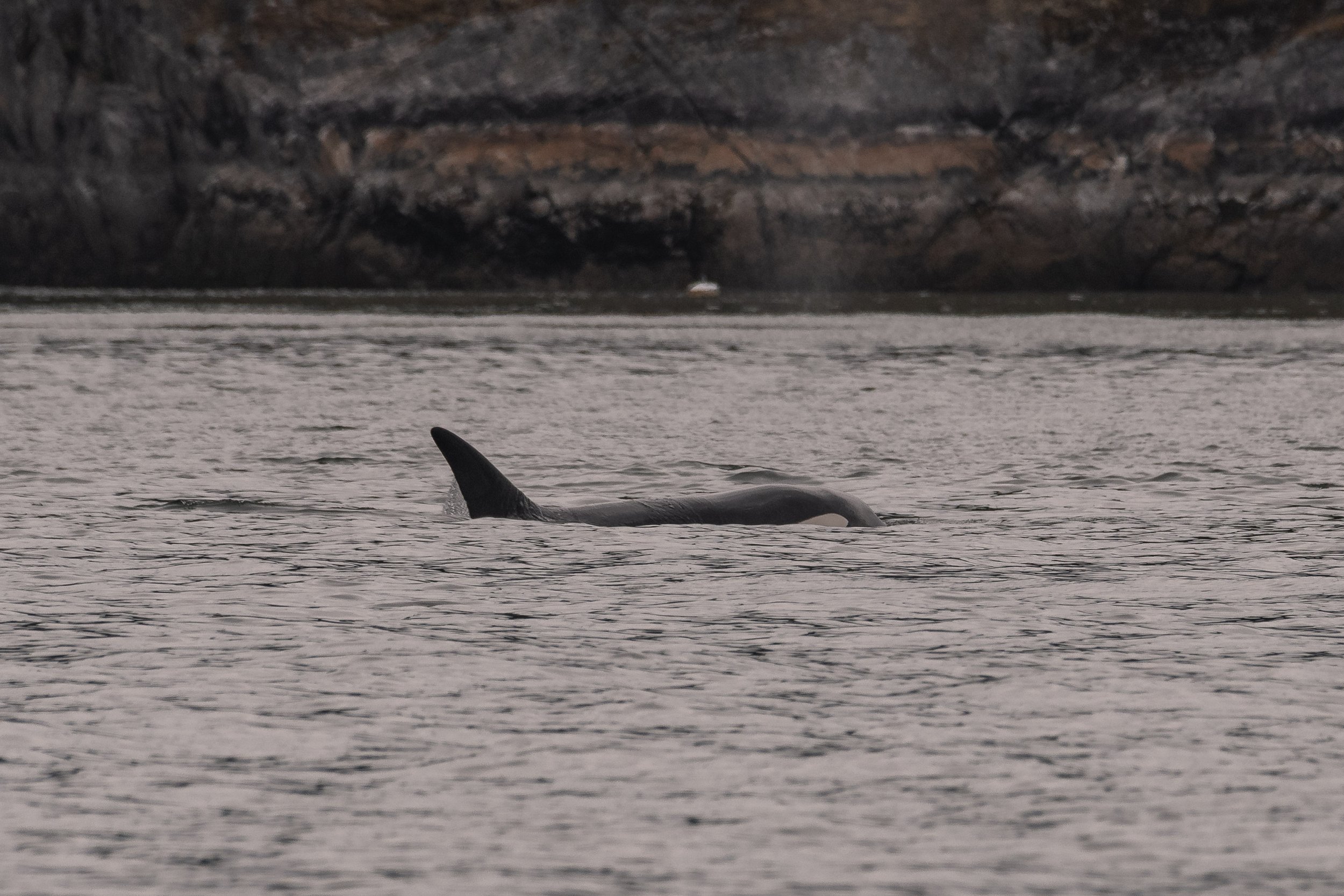
T124A4 Sabio with her eyepatch peeking above the surface.
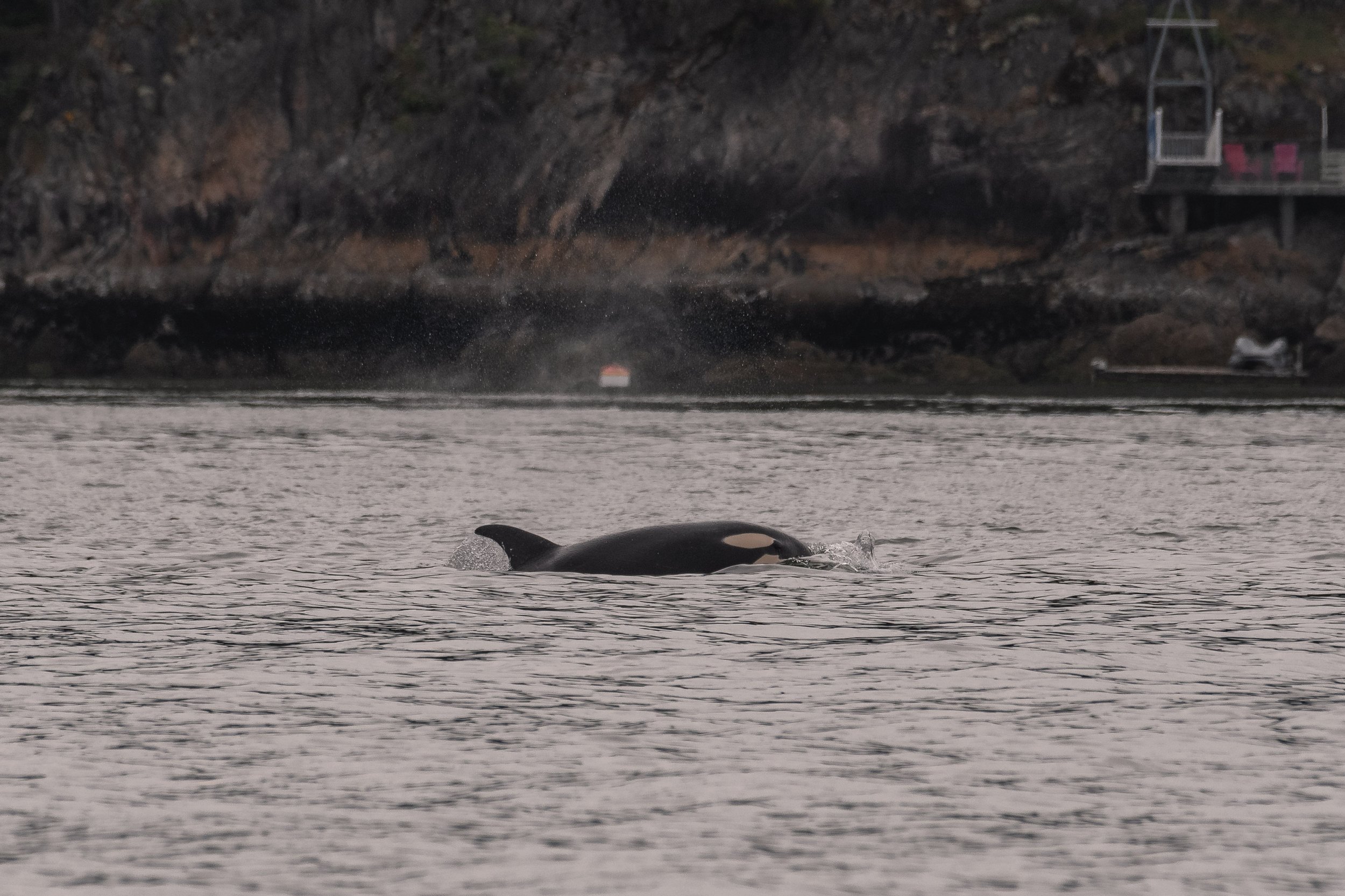
The youngest of our killer whales, T124A1A Sabine.
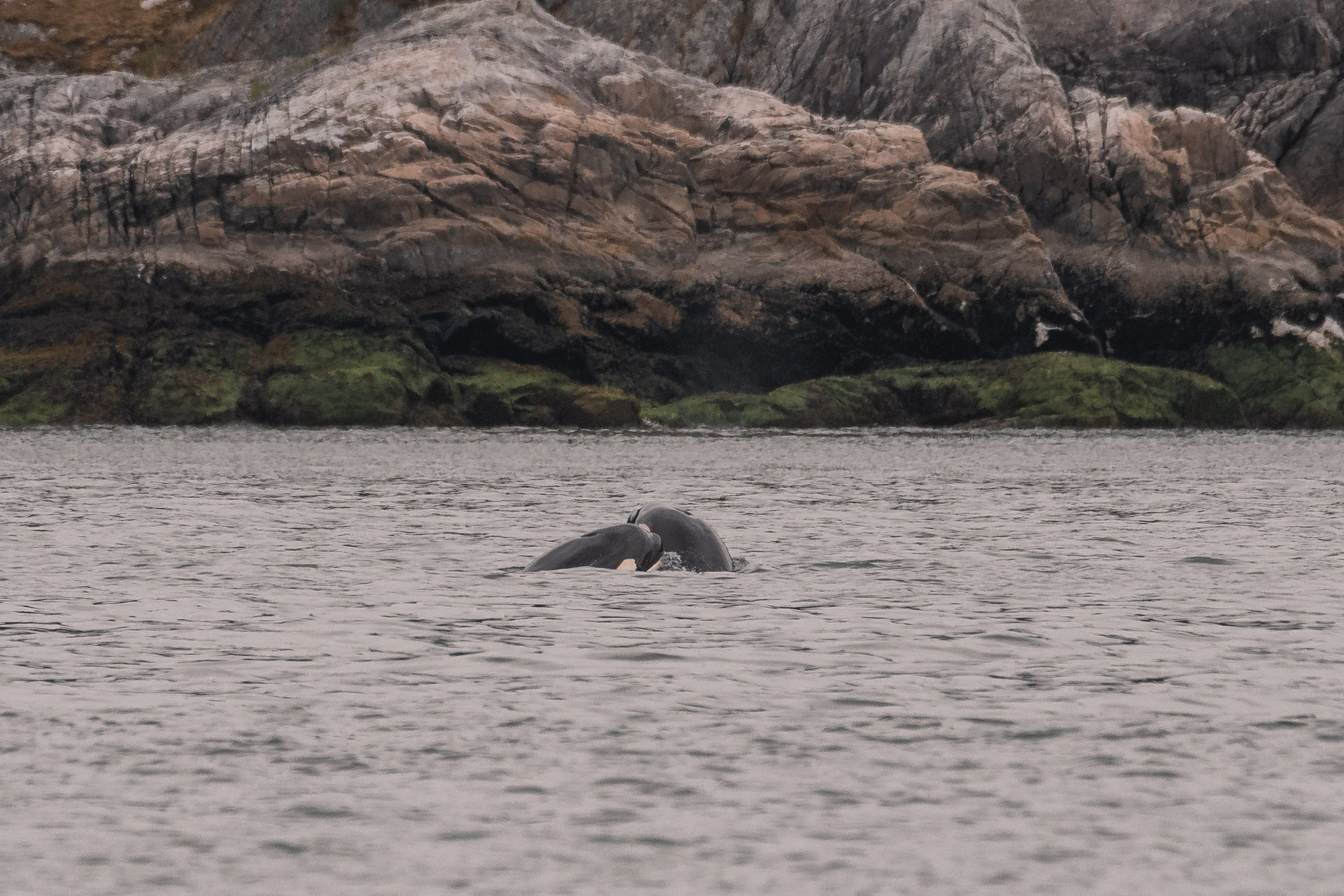
Two melons lifted above the surface.
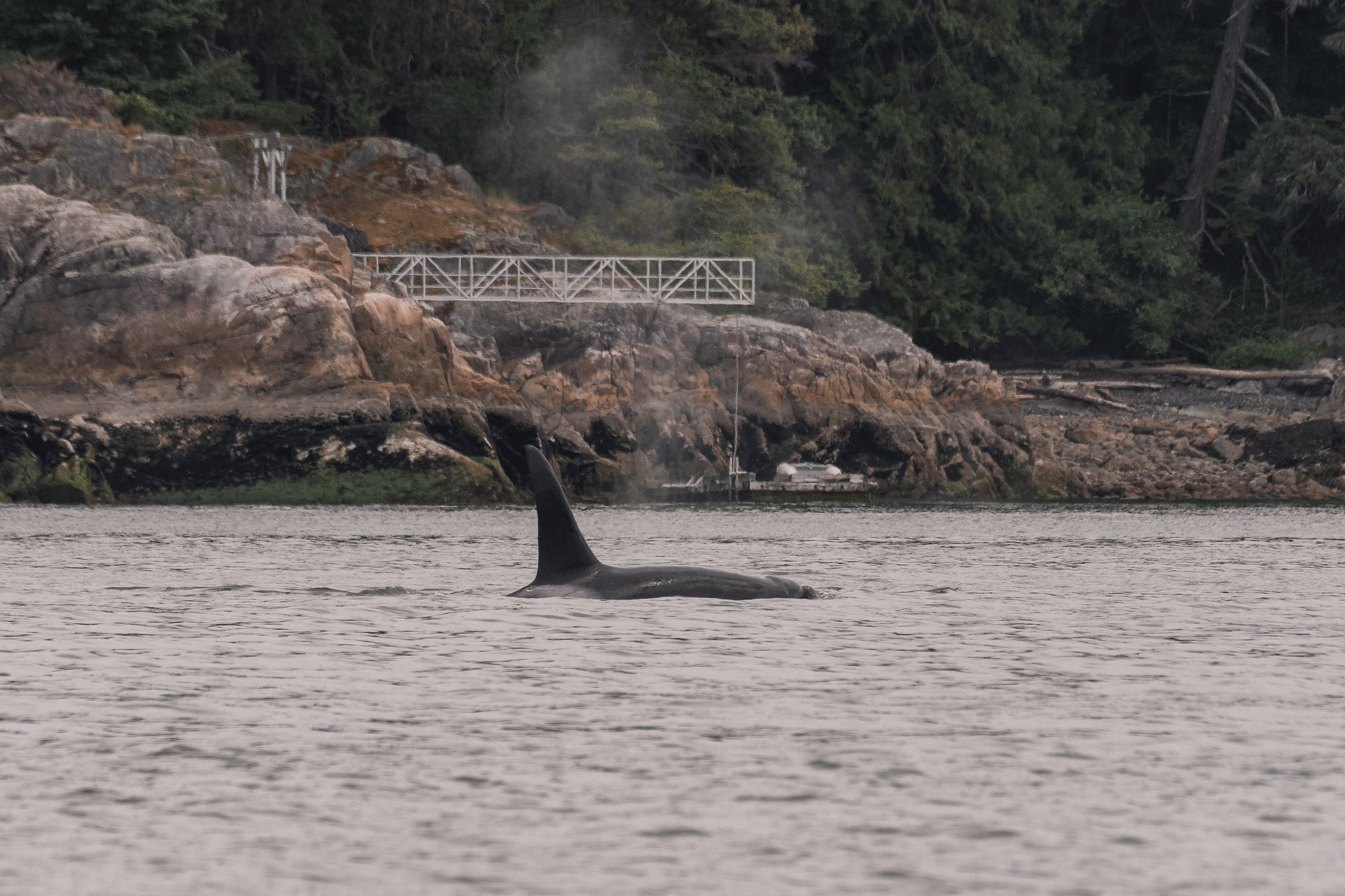
T101A Rush travelling along the shoreline.
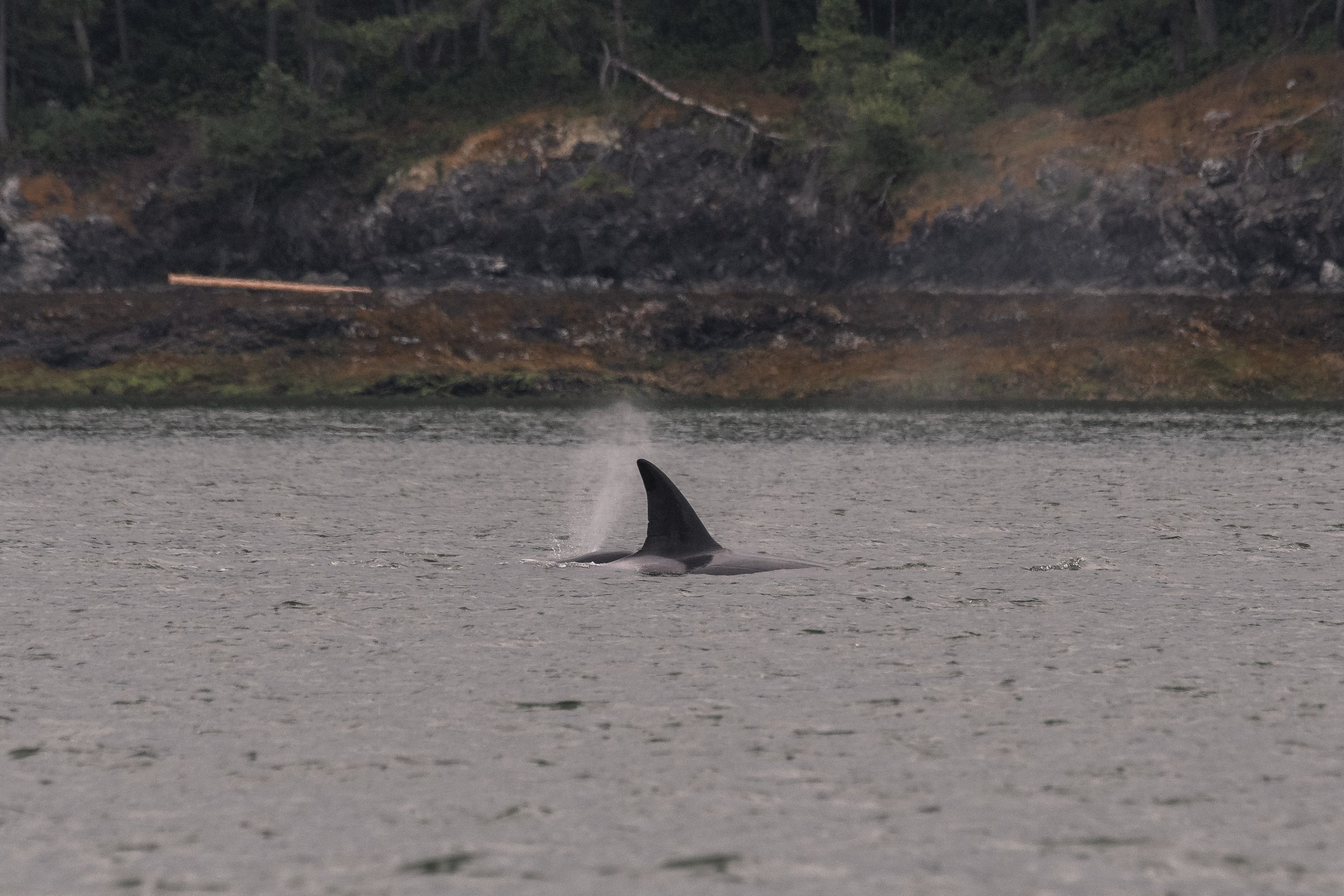
T124A4 Sabio with another whale just breaking the surface behind her.
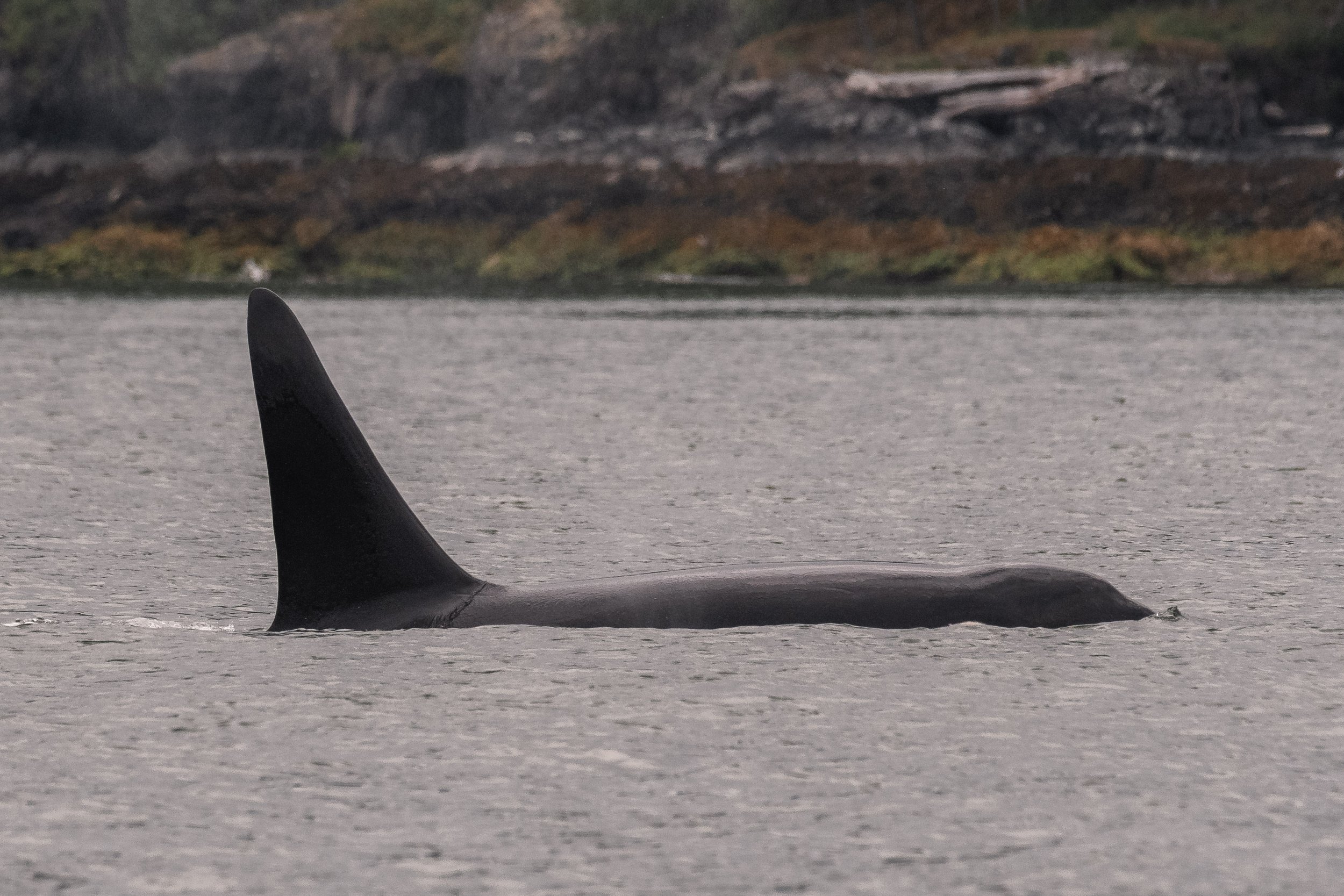
T101A Rush - his dorsal fin will be around 6 feet tall.
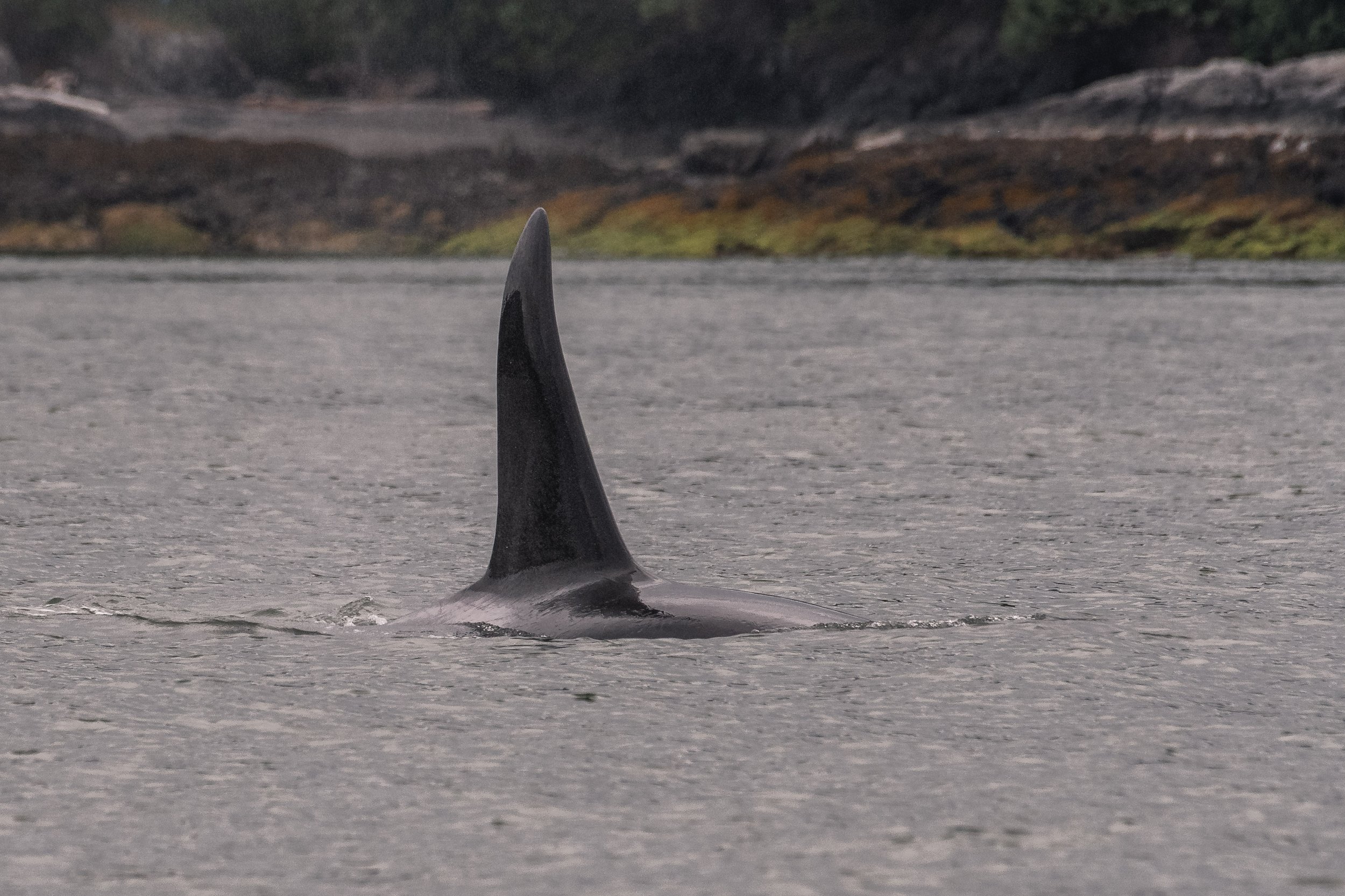
This is a good angle to see the slight lean in T101A Rush’s dorsal fin.
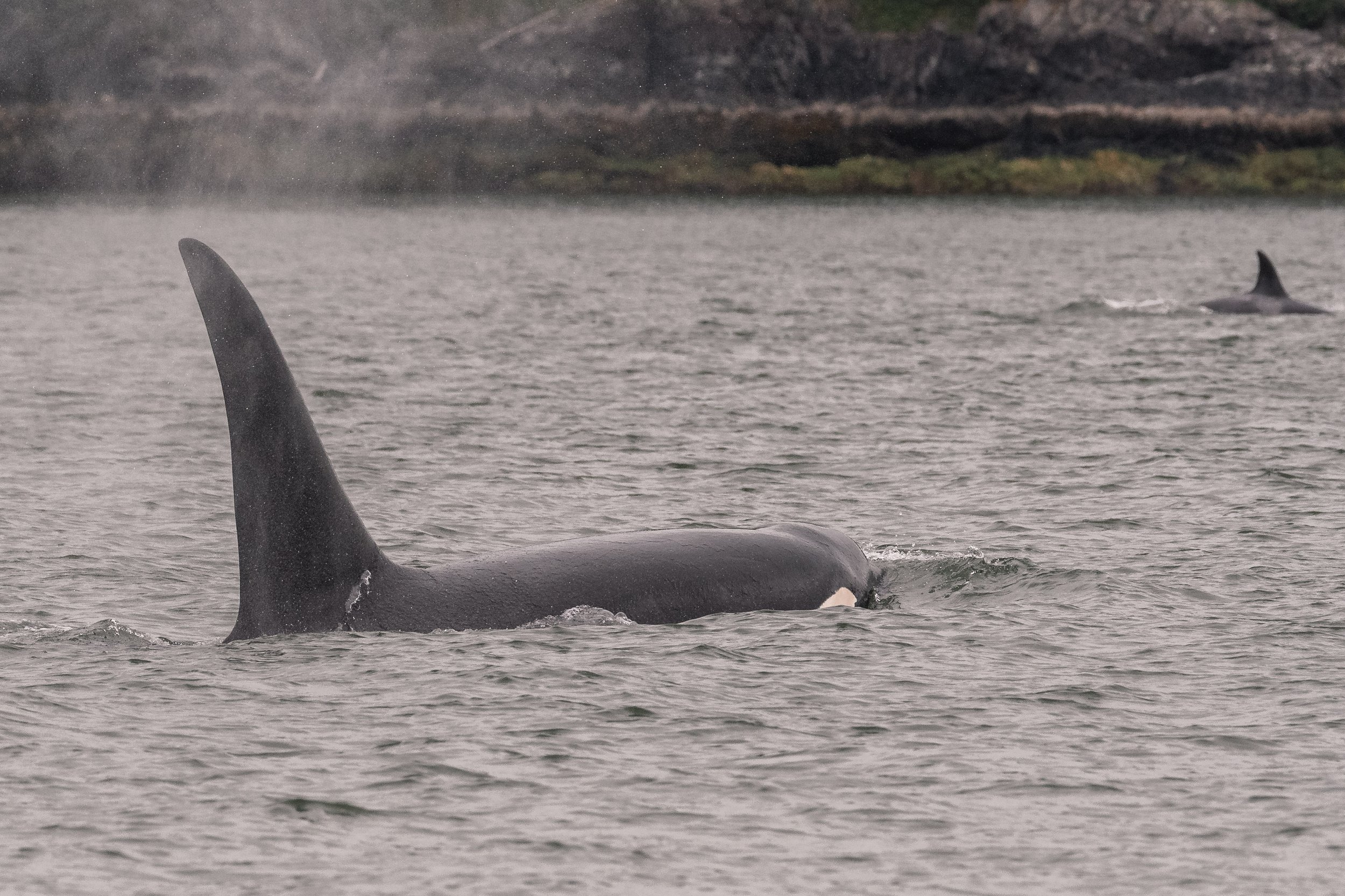
Fully grown T101A Rush makes the younster ahead of him look so tiny.
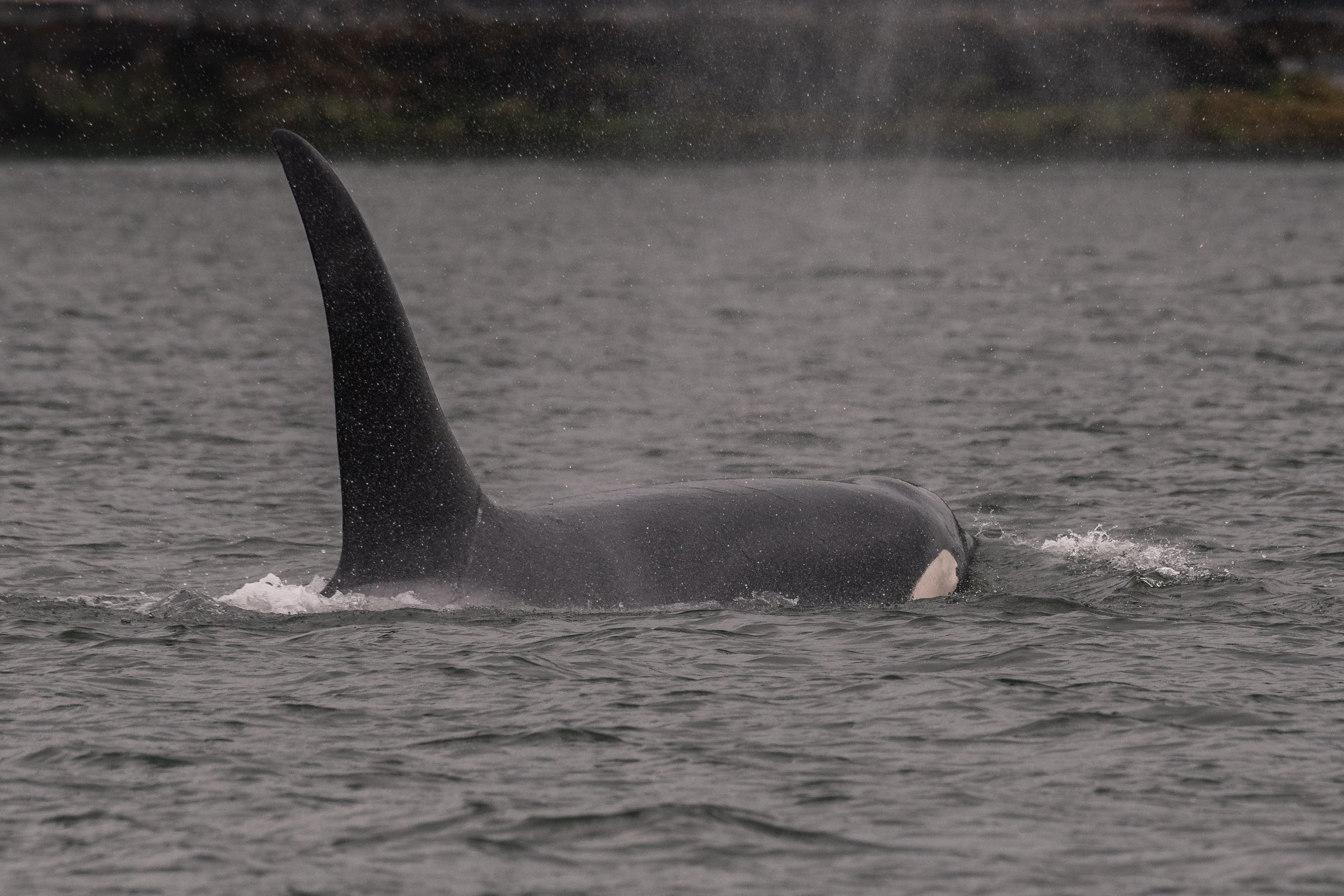
T101A Rush was not camera shy today.
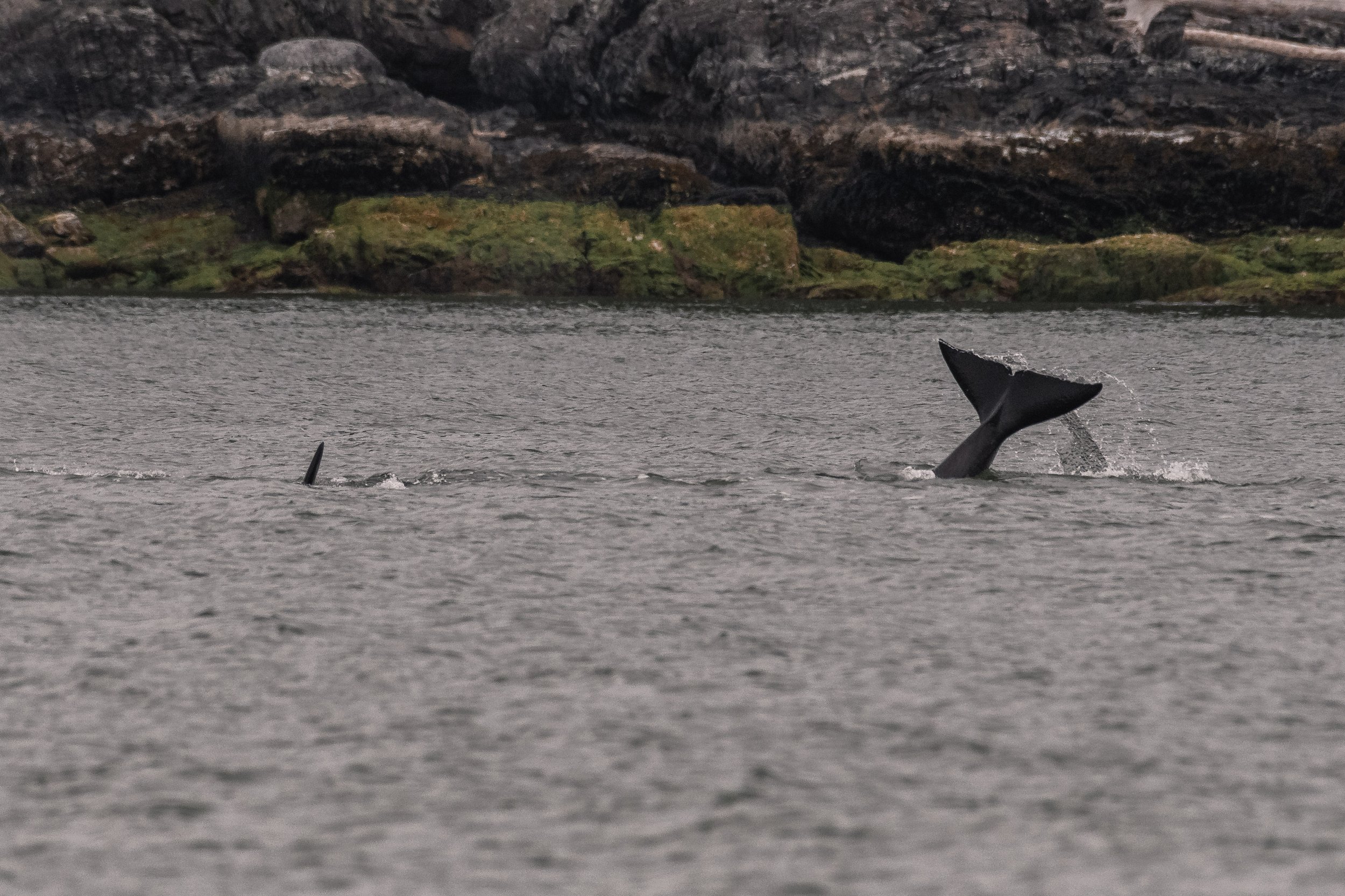
A tail slap from one of our whales!
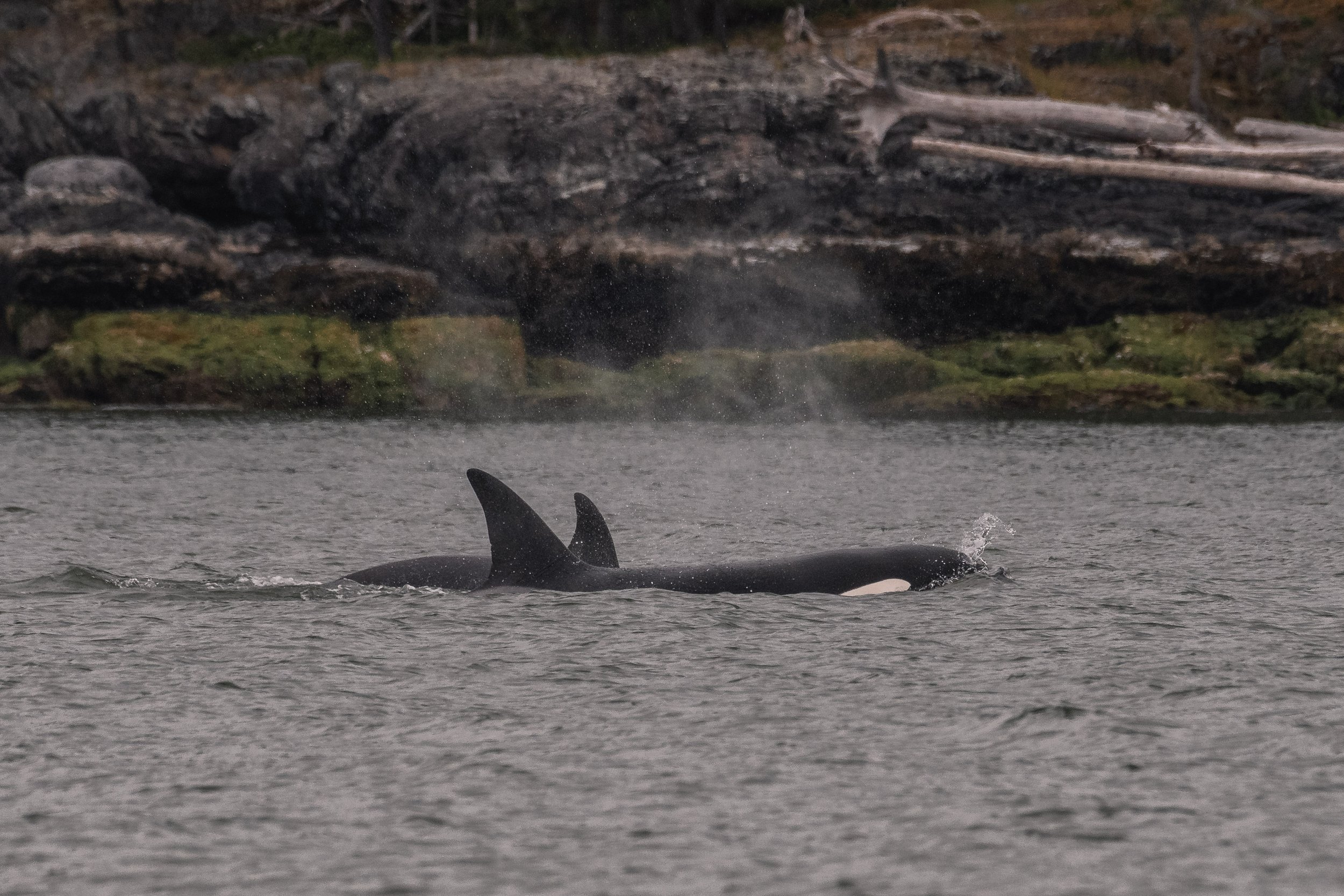
T124A4 Sabio with T124A4A Strix beside her.
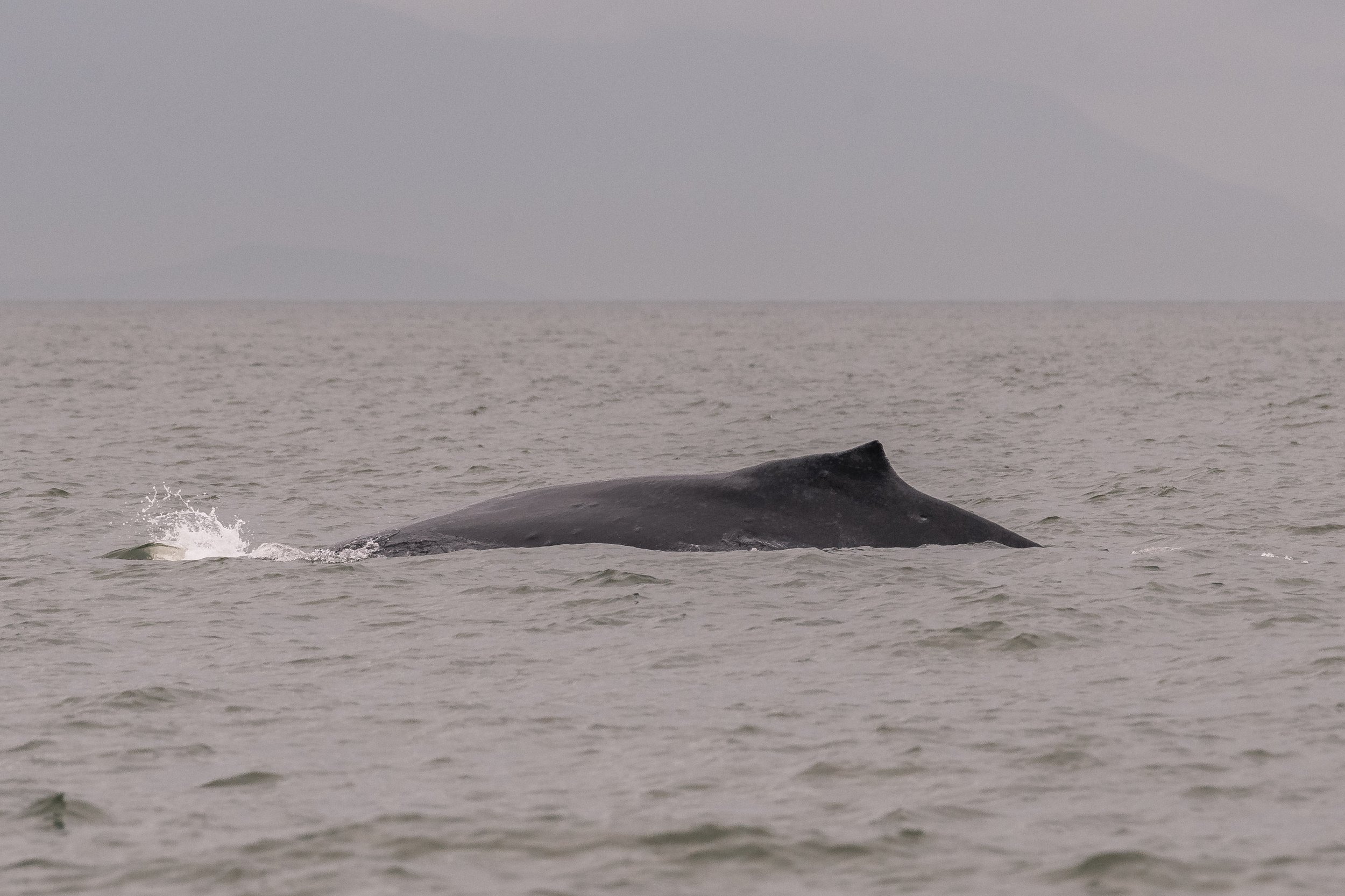
Astroboy has a pointy dorsal fin making them easy to identify.
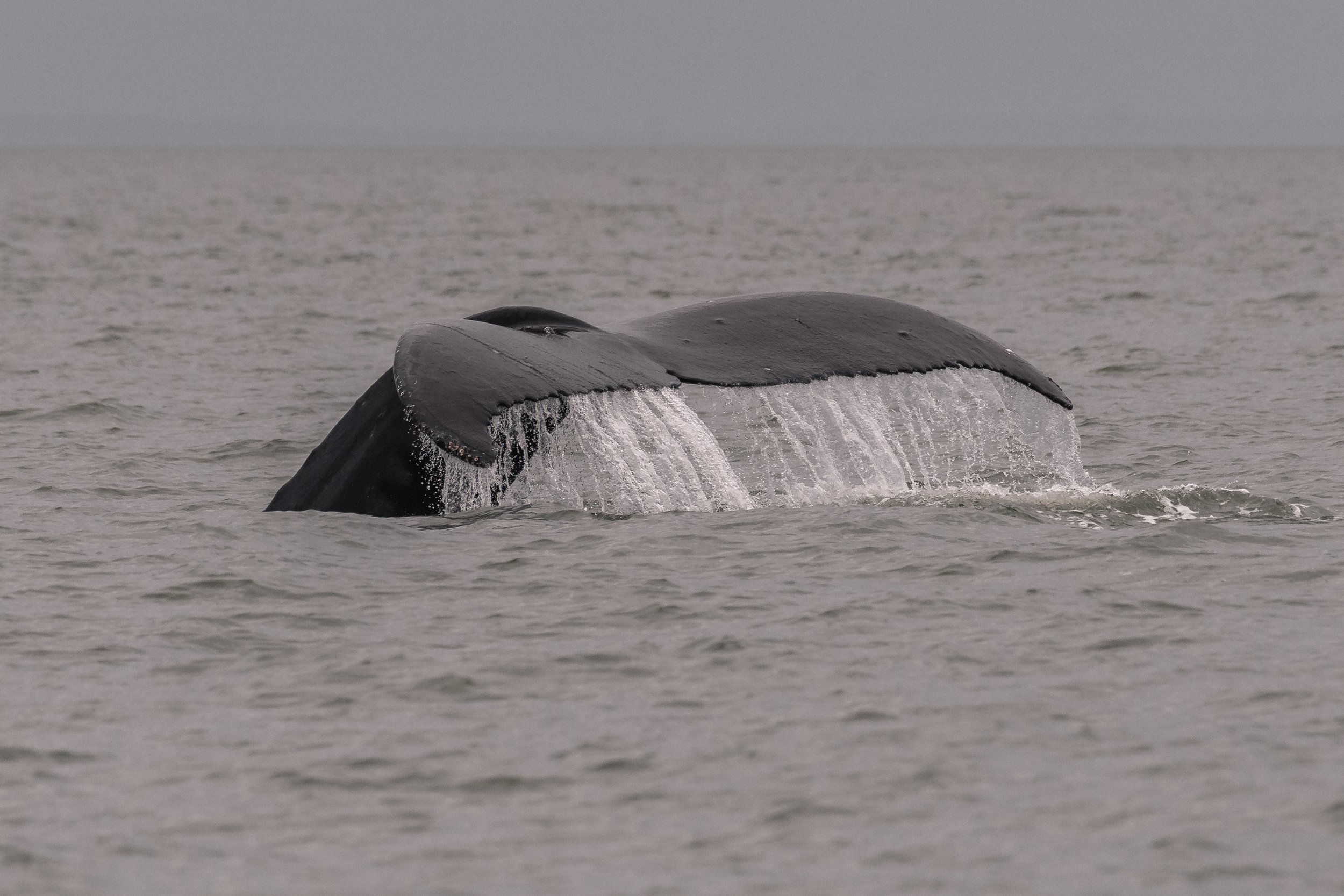
A beautiful fluke waterfall.
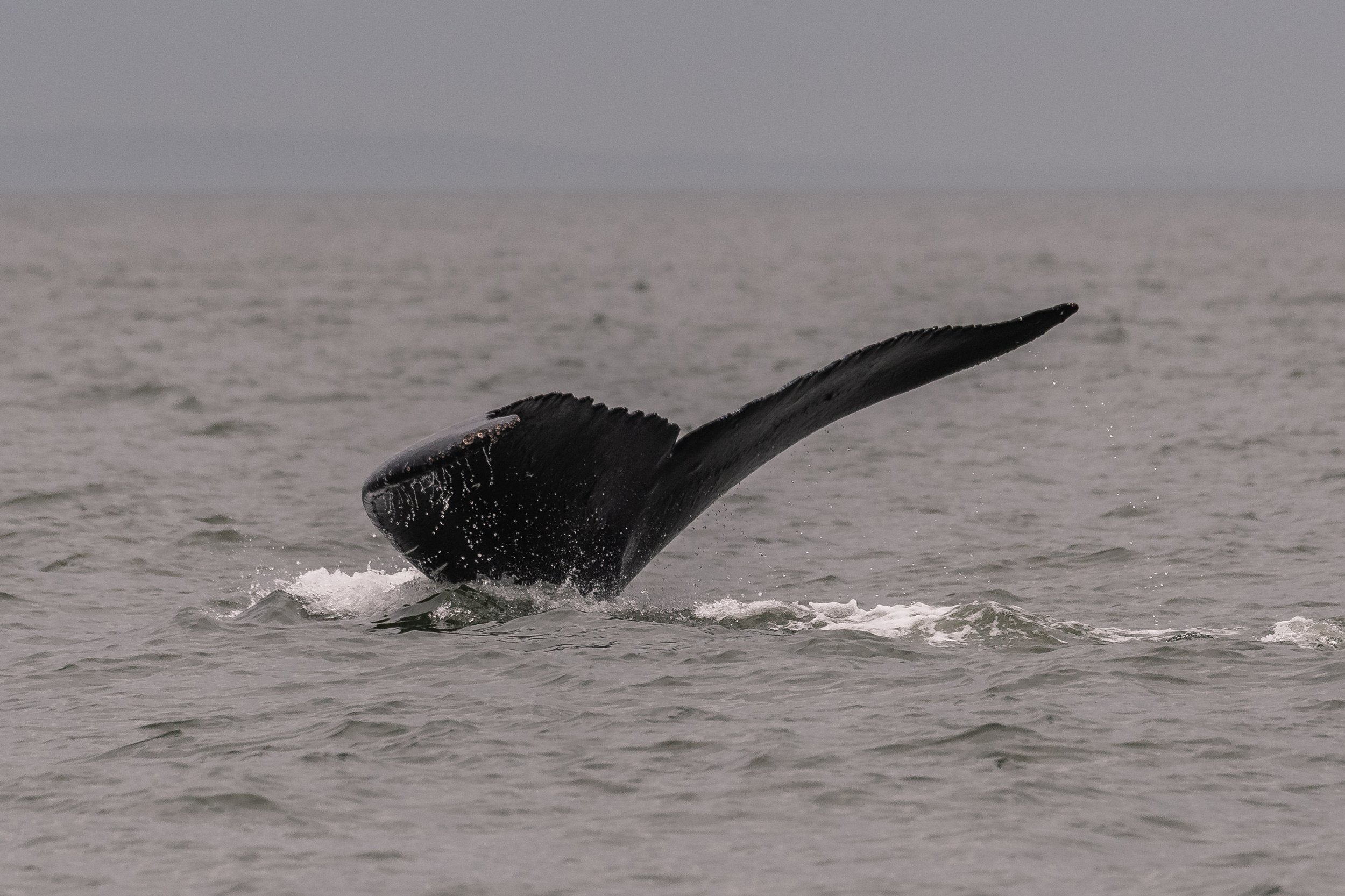
The underside of Astroboy’s tail as they head down for a dive.
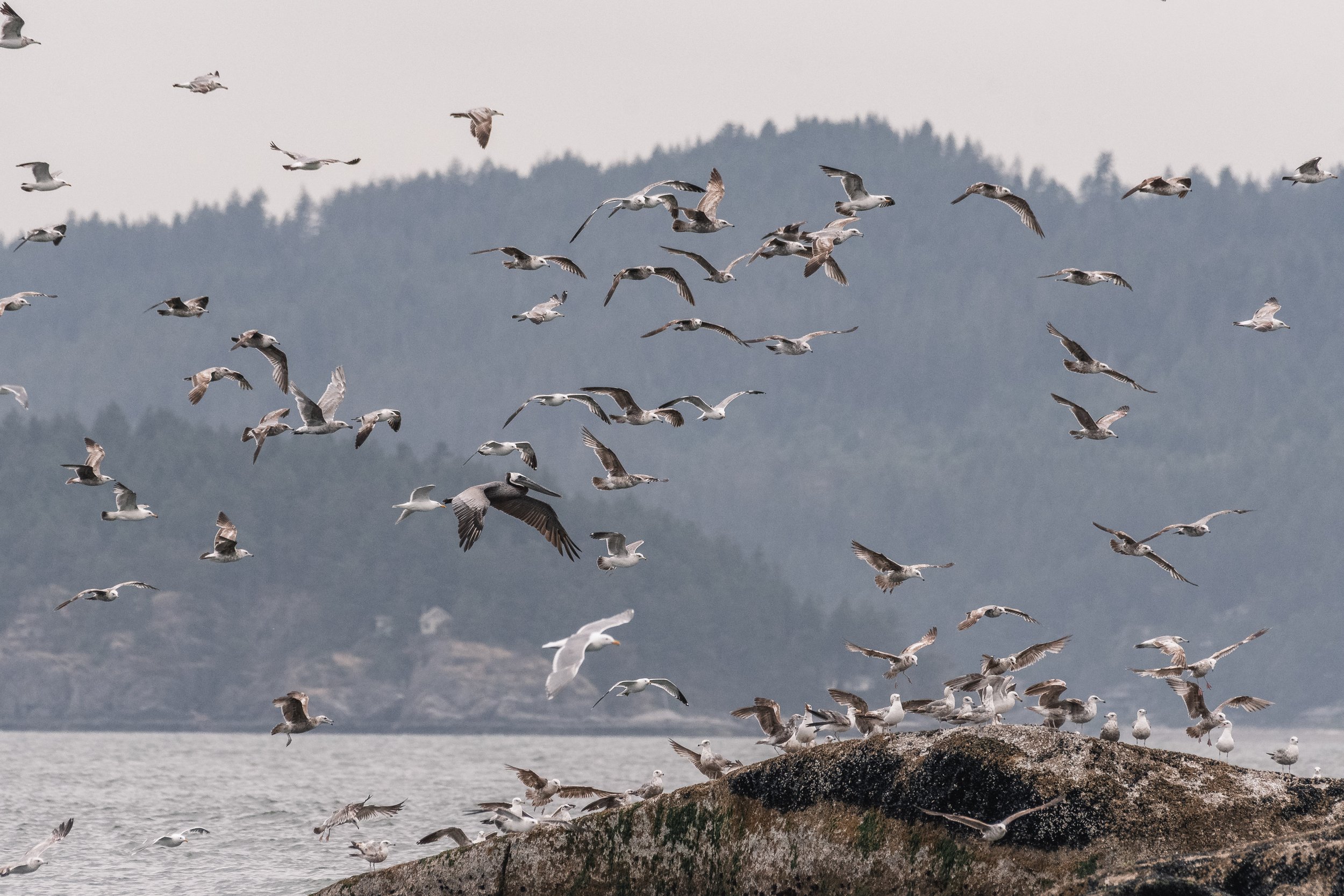
A Brown Pelican flying amongst the gulls at White Islets.
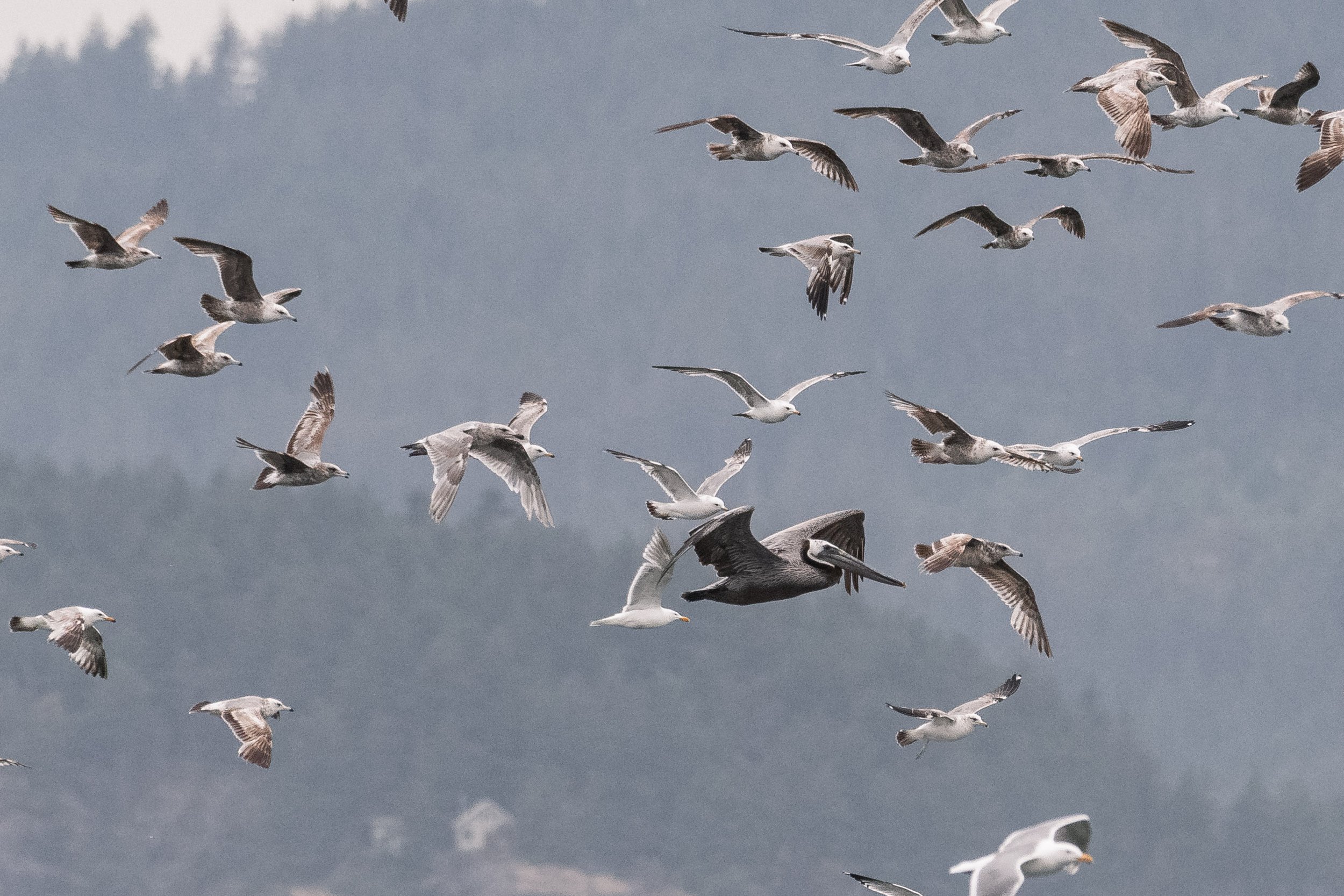
A closer look at the Brown Pelican in flight.
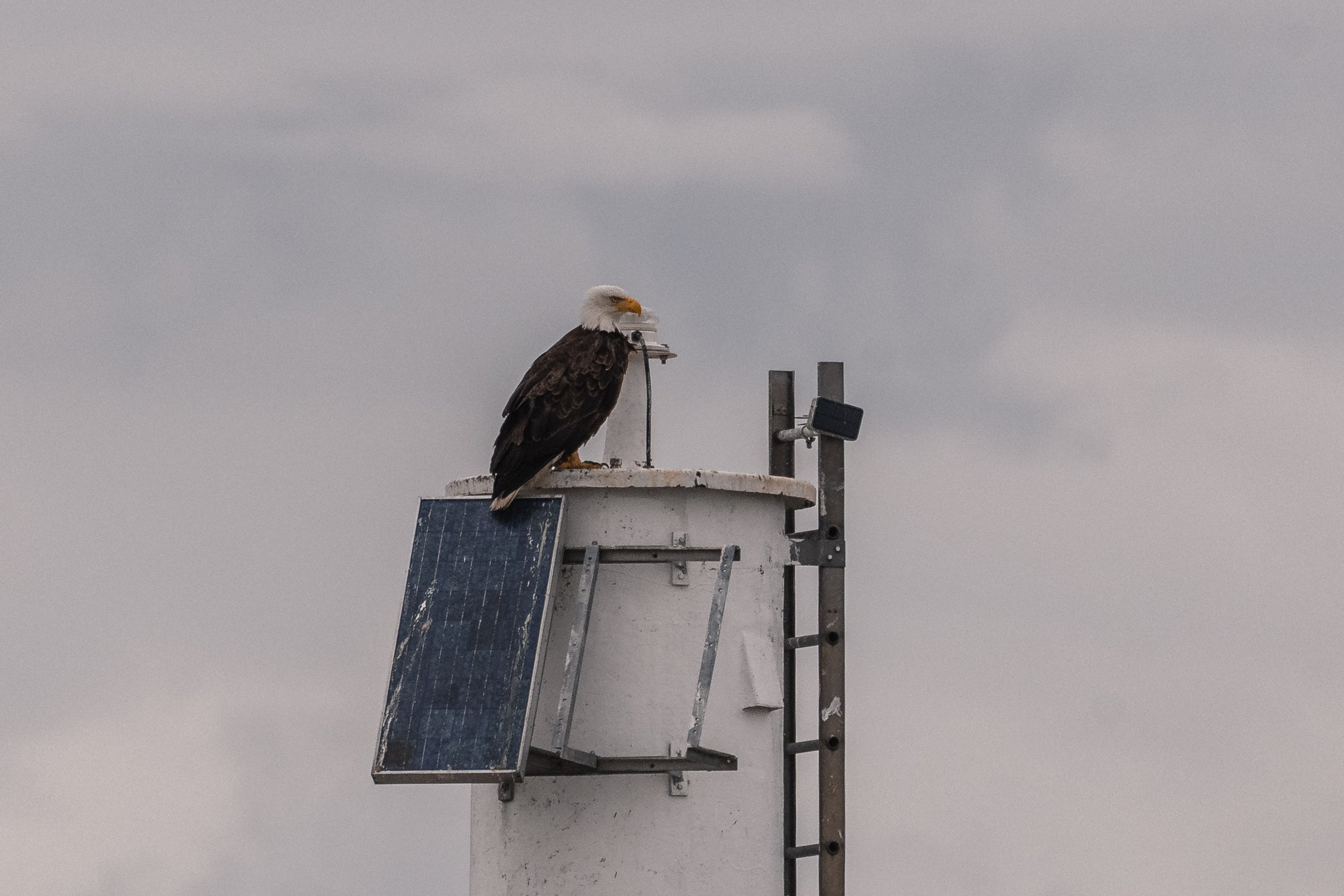
A Bald Eagle with a strong side profile.
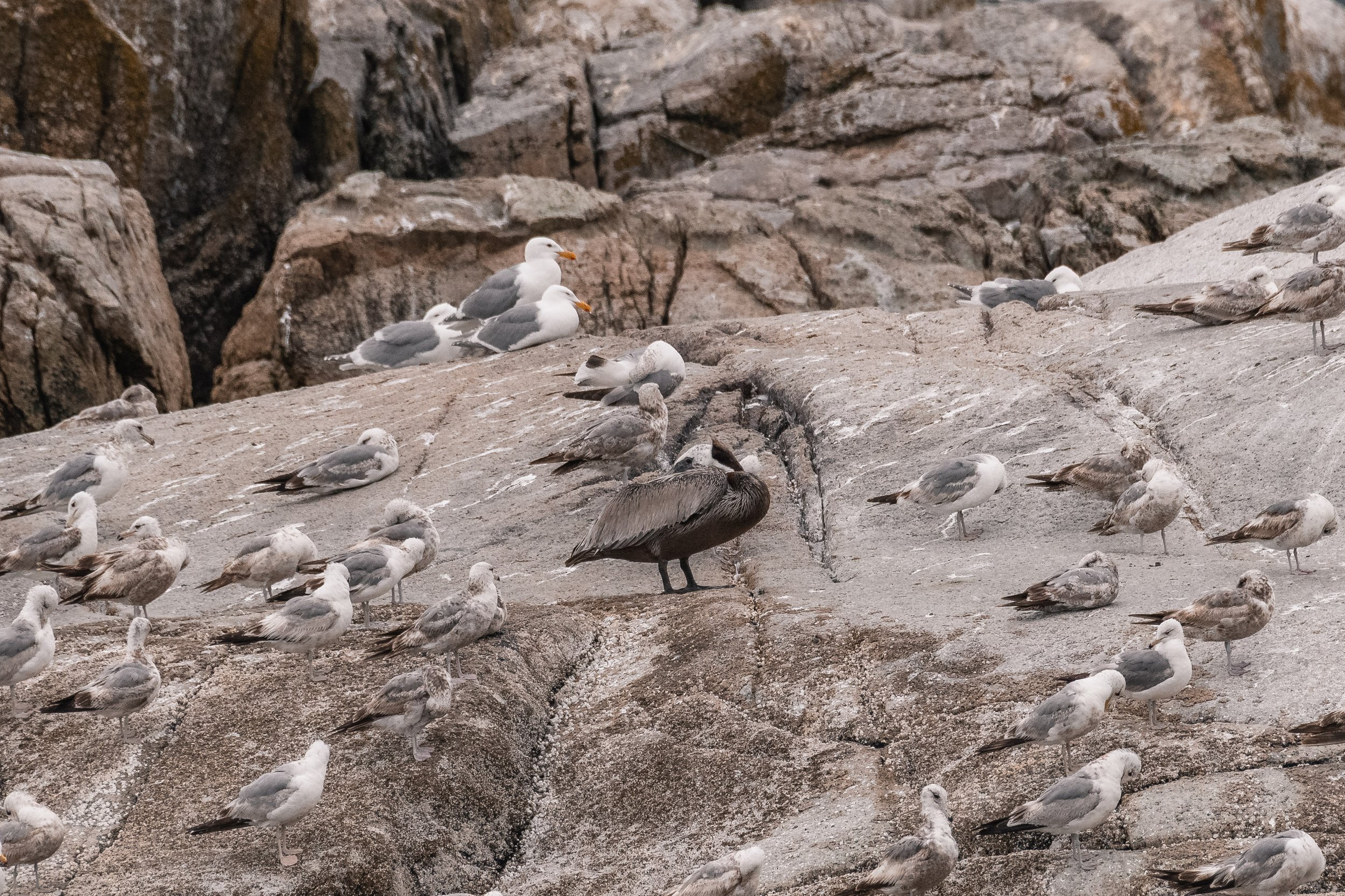
The pelican and gulls resting together.
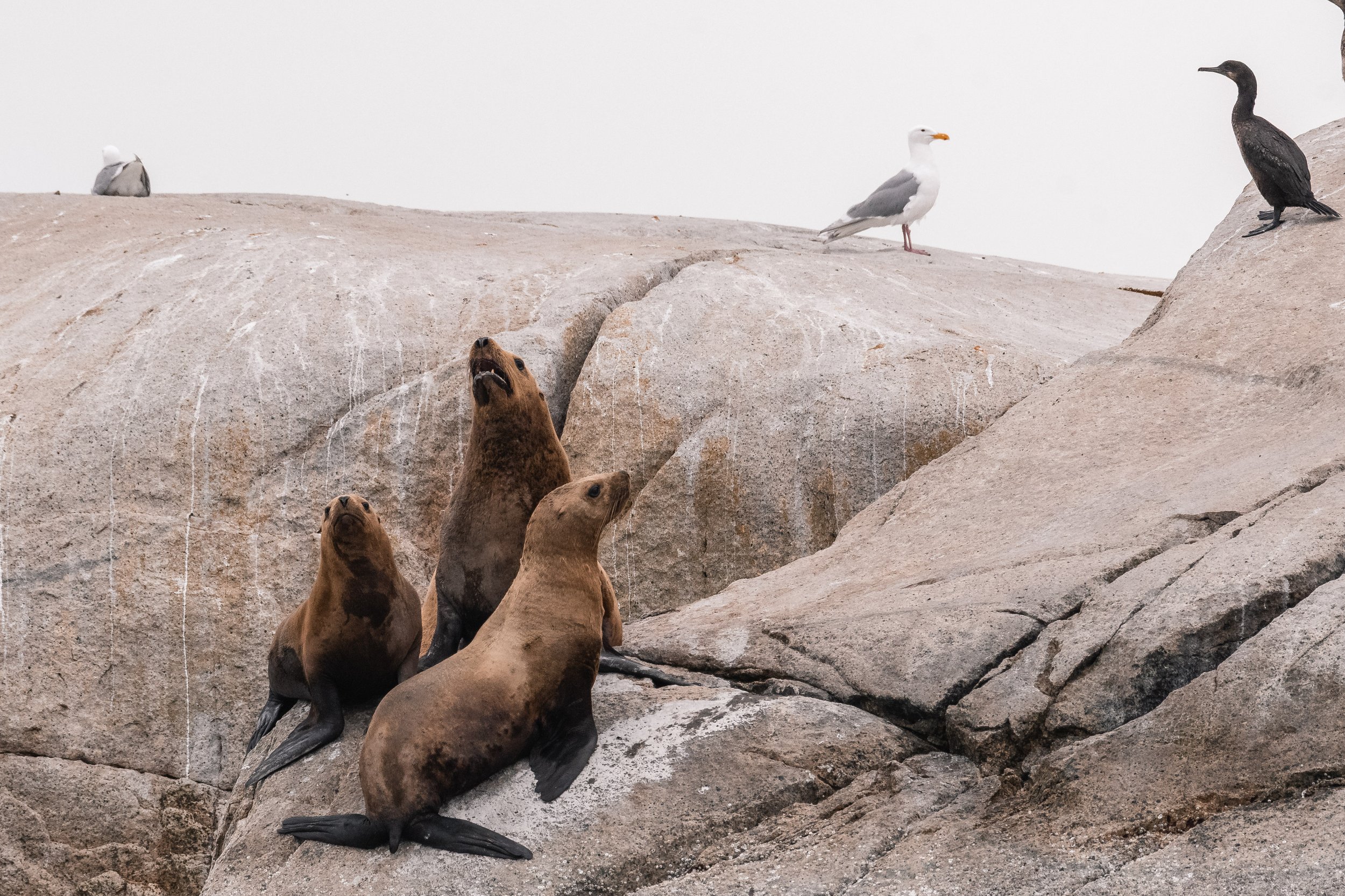
A trio of Stellar Sea Lions hanging out near the sea birds.
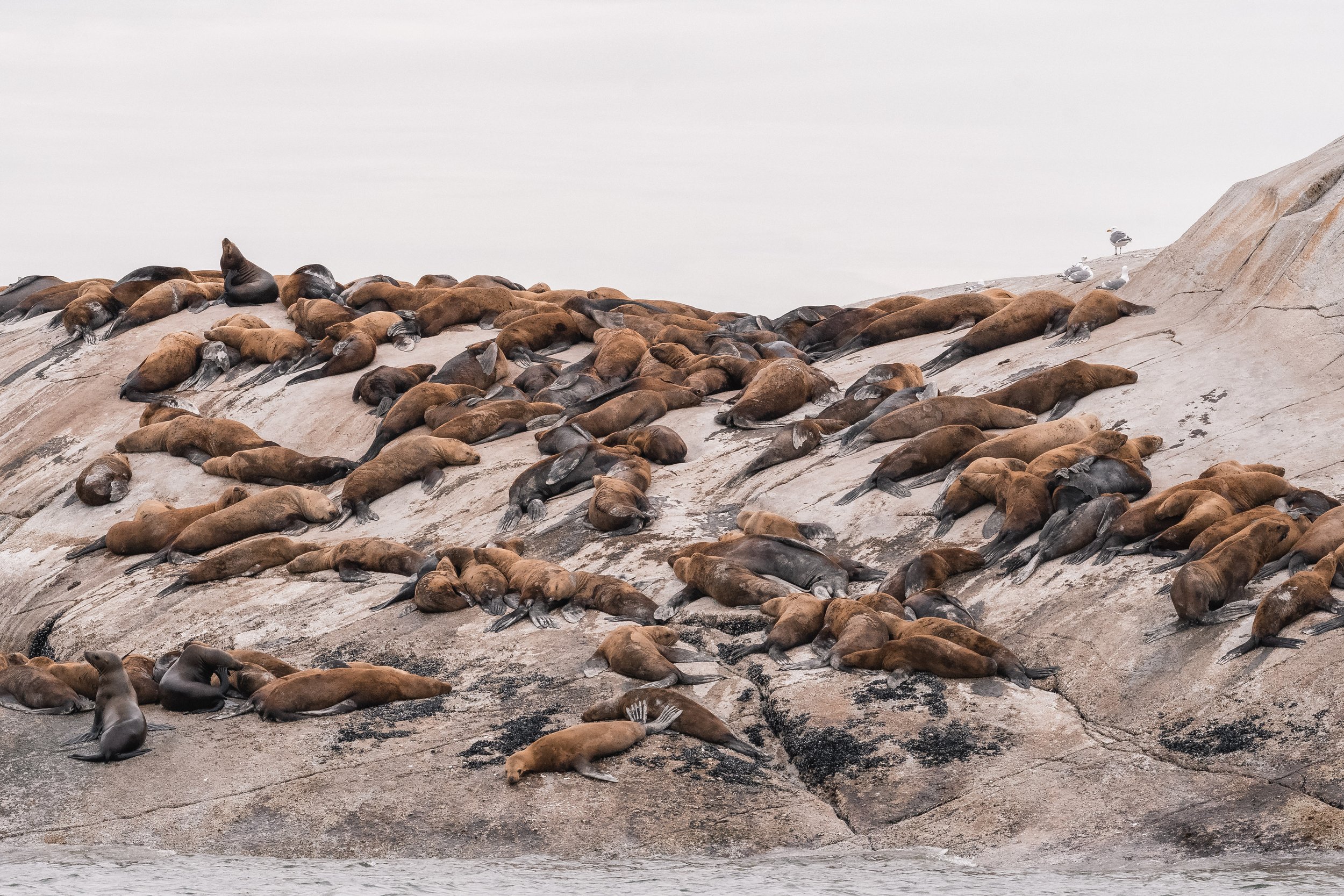
So many snoozing stellars.
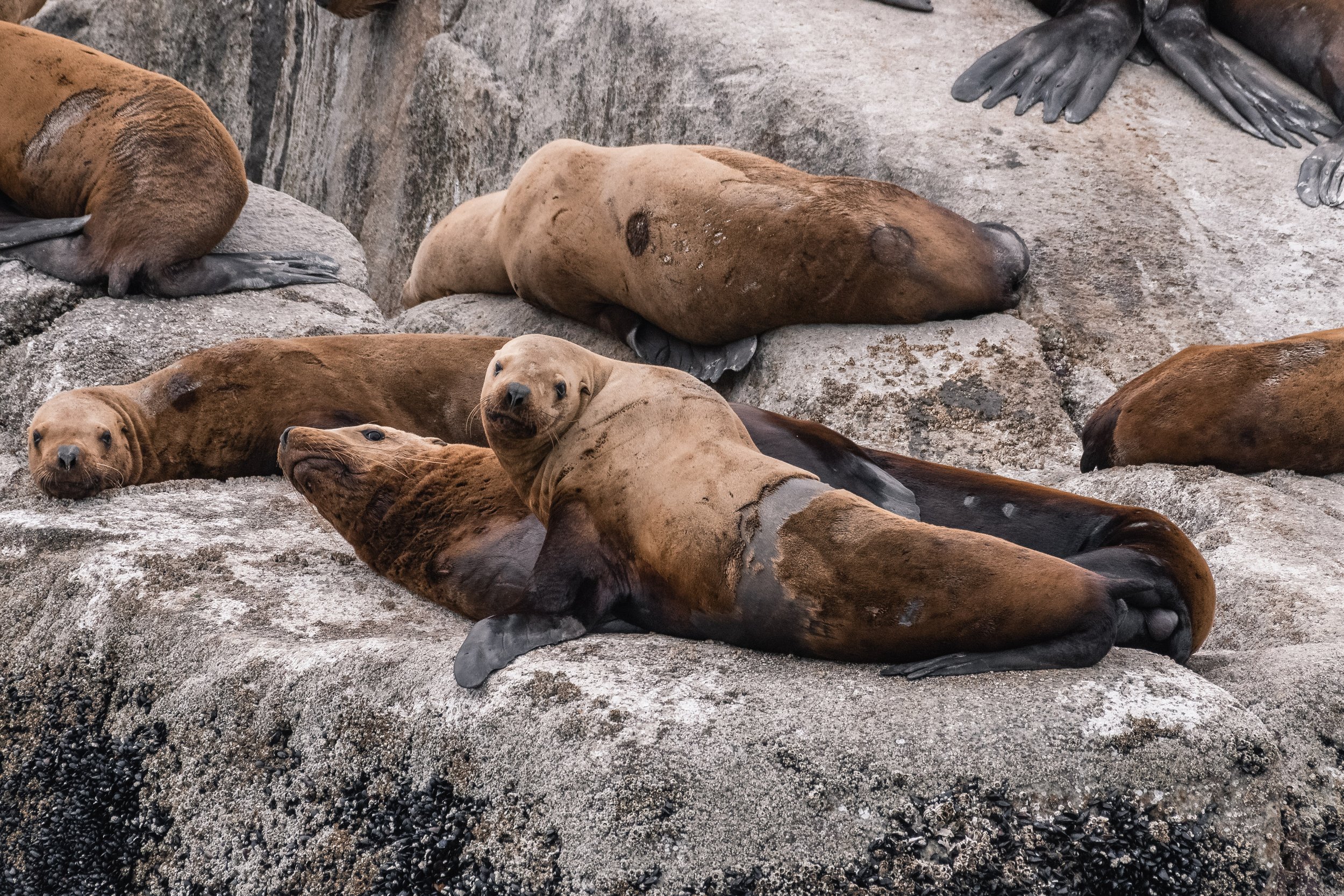
Looking at us, looking at them.
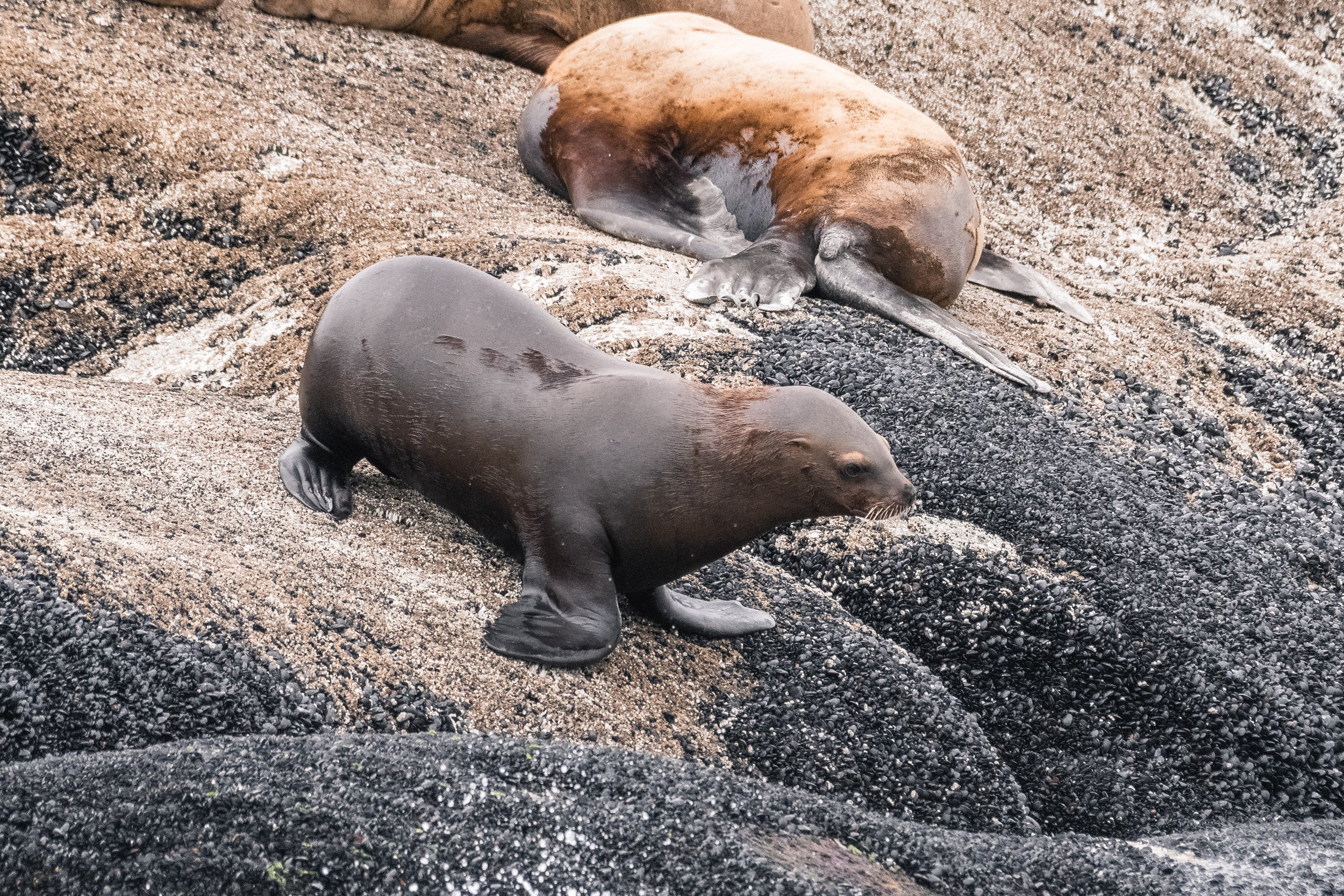
A small sea lion considering a dip.
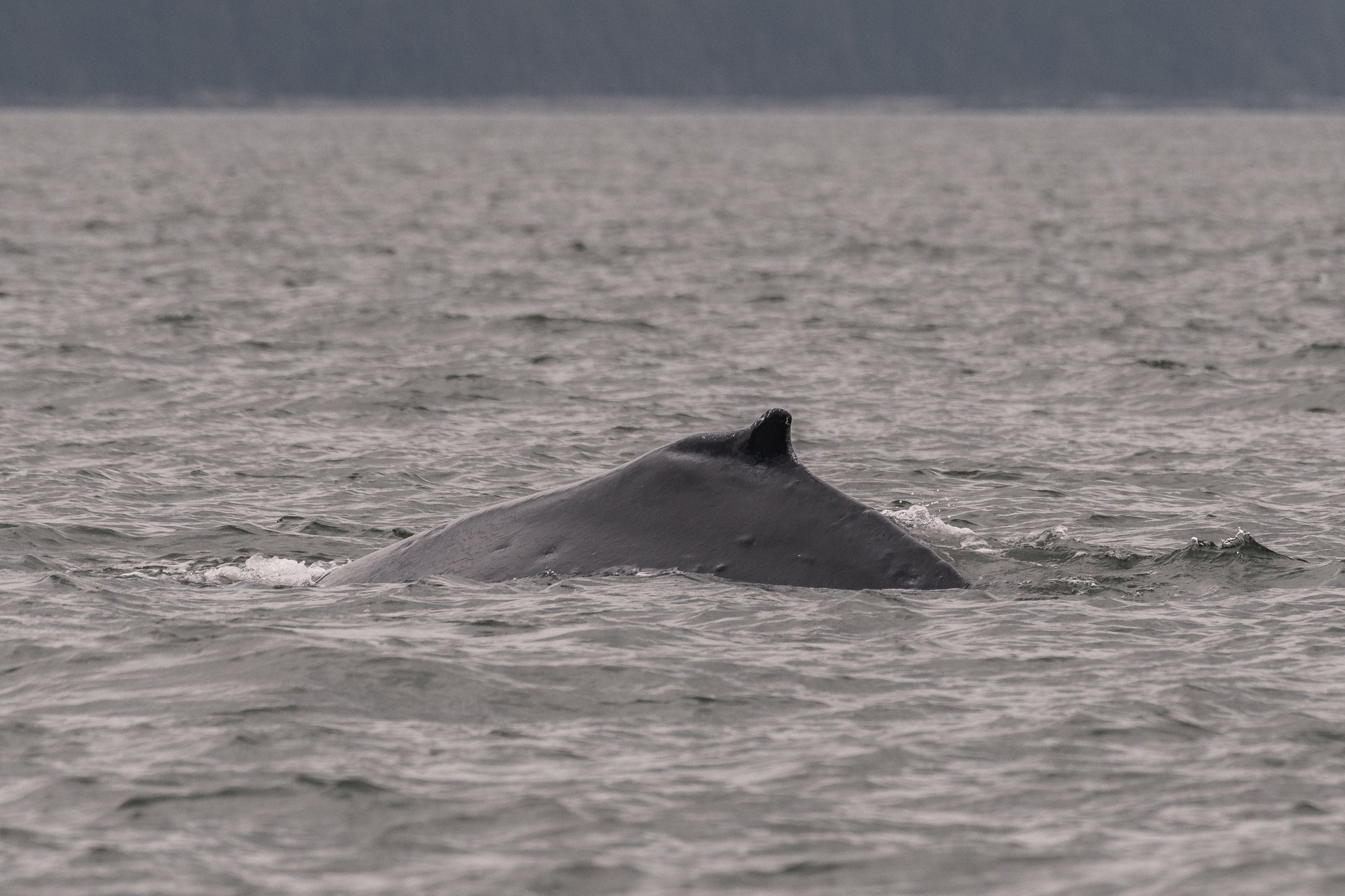
Our new mom, Smoke.
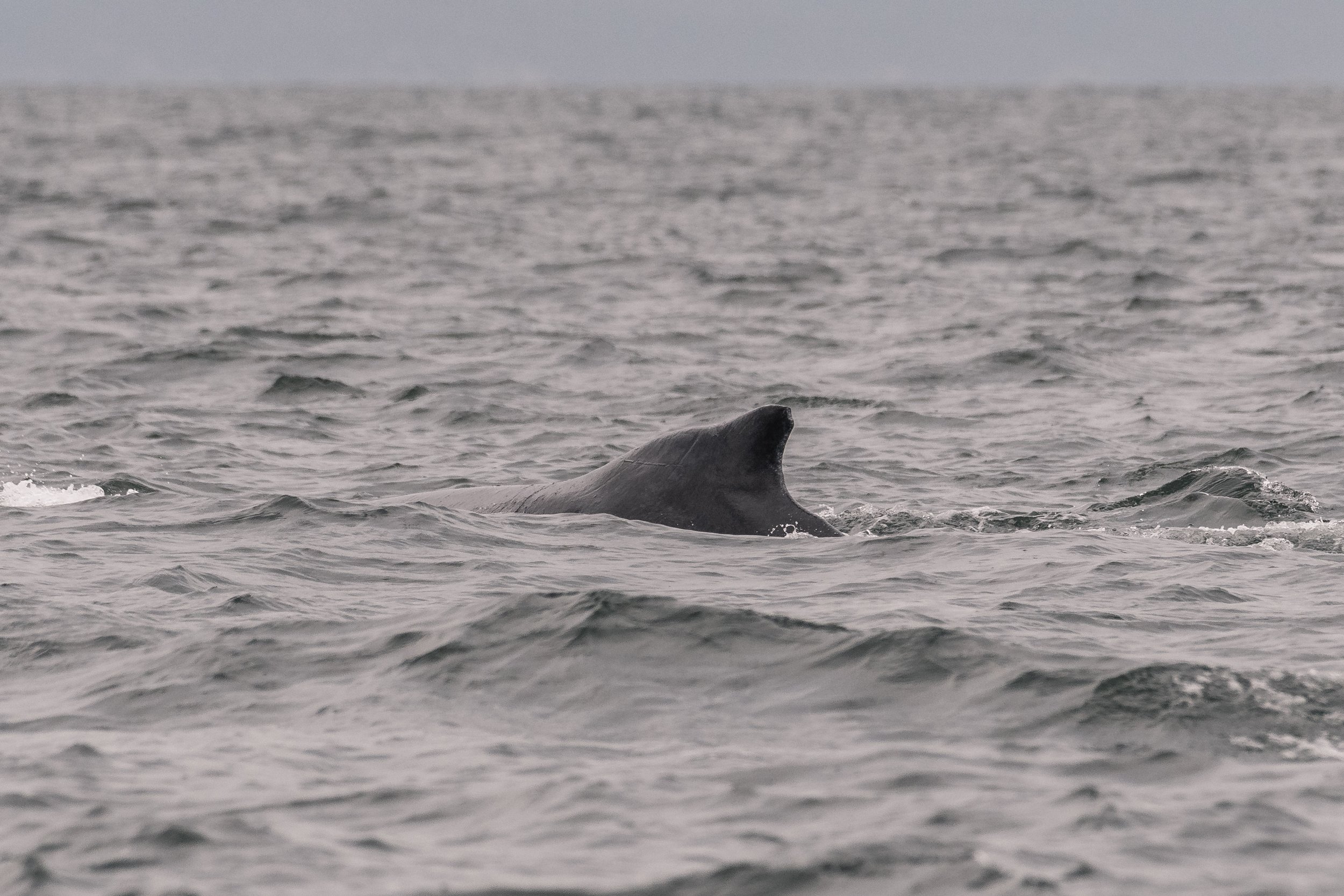
Our final Humpback Whale, Coyote.