
June 3, 2026, 3:30 PM - Frolicking calves amongst the pods
With the afternoon sun shining overhead, we boarded our semi-covered vessel, Kula, and set off once again into the Salish Sea. Before departing, Naturalist Evan gathered everyone together to chat about the incredible wildlife we might encounter during our adventure. From the immense humpback whales now frequenting our local waters to the swift and powerful orcas often patrolling the coasts, anticipation was high as we cast off from the dock and began exploring.
We had been provided with nearly perfect conditions this afternoon. The Strait of Georgia lay calm and glassy before us, allowing visibility for miles in every direction. These conditions are a whale watcher's dream, making even distant blows easier to spot against the horizon.
Only about twenty minutes into our journey, a bushy blow appeared north of Gabriola Island. Everyone's attention quickly shifted toward the sighting. Moments later, a dark shape surfaced, arching its massive back before disappearing beneath the surface once again. We had found our first whale of the afternoon - a humpback.
The whale appeared to be actively feeding, spending several minutes underwater between dives. During one of these deeper dives, its tail fluke emerged just long enough for us to photograph it. To many people, a humpback's tail may simply look beautiful, but to researchers and naturalists, it acts like a fingerprint. The unique black-and-white patterns on the underside allow us to identify individual whales throughout their lives, letting us record their locations and habits for years to come.
A quick look through the catalogue revealed that this whale was Prowler (BCX1660).
Prowler has been a familiar visitor to Vancouver Island waters for the past decade, regularly returning to feed in the productive waters of the Salish Sea. Despite years of sightings, one mystery remains unsolved. Prowler has not yet been cross-matched to a known breeding ground, meaning we still don't know exactly where this whale spends its winters. Every encounter helps contribute valuable information, and perhaps one day the missing piece of Prowler's story will be discovered.
After spending some time travelling alongside this magnificent whale, we continued our search. With so much recent whale activity occurring throughout the Strait, there was still plenty of ocean left to explore!
Crossing toward the Sunshine Coast, we headed toward Sechelt. The northern areas of the Strait of Georgia have been bustling with marine life lately, and we were hopeful that the trend would continue. It wasn't long before dark triangles began slicing through the surface ahead of us - orca dorsal fins glinting in the afternoon sunlight.
We carefully positioned ourselves for a closer look while cameras clicked away. As identification photos were reviewed, we received an exciting confirmation - it was the T101s and T124A4s travelling together once again:
T101 Reef ♀ (≤1969)
T101A Rush ♂ (1993)
T101B Lagoon ♂ (1997)
T124A4 Sabio ♀ (2010)
T124A4A Strix ♀ (2021)
T124A1A Sabine (2024)
For the past several days, these two Transient orca families have been regularly observed in one another's company. While it is common for orca families to spend a few hours together socializing before continuing on separate paths, extended associations like this are less common.
The exact reason for their continued companionship remains a mystery. Orcas are highly social animals with complex family structures and relationships that researchers are still working to fully understand. These ongoing interactions may strengthen social bonds, provide opportunities for younger whales to learn from one another, lead to mating opportunities, or simply reflect friendships that have developed over years of shared experiences.
The calves certainly seemed to be enjoying the get-together while we observed them! Throughout our encounter, bursts of youthful energy erupted across the pod as T124A4A Strix and T124A1A Sabine repeatedly breached and tail-slapped. Their playful antics kept everyone on board watching eagerly, never quite knowing where the next splash would appear.
The youngest member of the group, T124A1A Sabine, proved to be particularly entertaining. At one point, the calf was spotted travelling upside down, belly skimming along the water's surface. Seeing such behaviour offers a wonderful reminder that, despite being apex predators, orcas are also curious animals that spend a great deal of time interacting and playing with one another.
We watched in admiration as the whales frolicked together before eventually leaving them to continue their travels. With so much more to discover, Captain Joseph pointed Kula southward, and we continued exploring.
Our next stop brought us to a large rocky outcrop rising from the waters of the Strait. Known as the White Islets, this small cluster of islands serves as an important refuge for many pinniped and seabird species.
As we approached, life seemed to be everywhere. Gulls lined the rocks, calling away while sleepy Harbour Seals lounged along the shoreline. Nearby, massive Steller Sea Lions grumbled and jostled amongst themselves, their deep vocalizations carrying across the water.
Among the usual residents was one particularly unusual visitor - a lone Brown Pelican.
Brown Pelicans are not commonly seen in our region, making every sighting special. This individual, however, appears to have become quite comfortable in the area. Over the past several weeks, reports have placed it throughout the region, from Nanaimo Harbour to the White Islets. Earlier this week, bird enthusiasts were also treated to the sight of a squadron of White Pelicans soaring along the coast of Vancouver Island, adding yet another unexpected species to the growing list of avian visitors.
The biodiversity of the Salish Sea is one of our favourite things to share with guests. While whales are often the highlight of the day, trips like this remind us that these waters support an incredible variety of wildlife, all interconnected within this rich marine ecosystem.
Leaving the White Islets behind, we began making our way back toward Vancouver Island. The pace slowed as we carefully scanned the horizon, enjoying the calm conditions and keeping watch for any signs of additional wildlife.
Before long, another blow appeared ahead of us - another humpback was lazily travelling ahead.
We carefully moved into position once more. As the whale surfaced and prepared for a dive, its broad fluke rose from the water, allowing us to capture the photographs needed for identification.
This whale turned out to be Kata (BCY1218), one of the newer humpbacks to frequent our local waters.
Unlike Prowler, whose fluke is predominantly black, Kata's tail displayed a stunning splash of white decorated with intricate black markings. Every humpback carries a unique pattern, and Kata's is certainly one that stands out.
Interestingly, in the waters around British Columbia, most humpbacks possess predominantly dark flukes. Only a smaller percentage display the lighter patterns seen on whales like Kata. In the Southern Hemisphere, however, this trend is reversed, with light-coloured flukes appearing far more frequently than dark ones. Scientists are still exploring exactly why these regional differences exist, adding yet another fascinating layer to humpback whale biology.
After spending some quality time with Kata, we wished the whale well and continued on our journey.
Soon we found ourselves skirting the shores of Gabriola Island, where we made a brief stop at a small sandy outcrop affectionately known as Seal Rock. The name could not have been more fitting!
A bob of curious Harbour Seals watched us carefully from the shoreline, their wide eyes following our vessel as we drifted nearby. Most appeared perfectly content to spend the afternoon resting, occasionally lifting their heads before settling back down for another nap. Like many marine mammals, harbour seals spend a significant portion of their day conserving energy between feeding opportunities - we wish we could say the same for our daily lives!
After enjoying this quick visit, we set course for our final destination of the afternoon: the Gabriola Bluffs.
Towering above the water, these dramatic sandstone cliffs provide important nesting habitat for a variety of coastal bird species. As we approached, the sounds of the colony echoed from the rock faces. Pelagic Cormorants and Double-crested Cormorants busied themselves around nesting sites. Occasionally, birds of prey also choose these cliffs as nesting locations, taking advantage of the commanding views and relative safety offered by the rugged terrain.
Chirps, squawks, and calls bounced off the cliffs as countless birds settled in for the evening. It was a fitting final wildlife encounter, showcasing yet another piece of the rich ecological tapestry that makes the Salish Sea so remarkable.
As the sun began its gradual descent, we left the Gabriola Bluffs behind and made our way back toward Nanaimo. Reflecting on the afternoon, we were reminded once again of just how much wildlife can be found within a single day on the water.
Please enjoy the photos from this trip, taken by Marine Naturalist Evan Hessels!
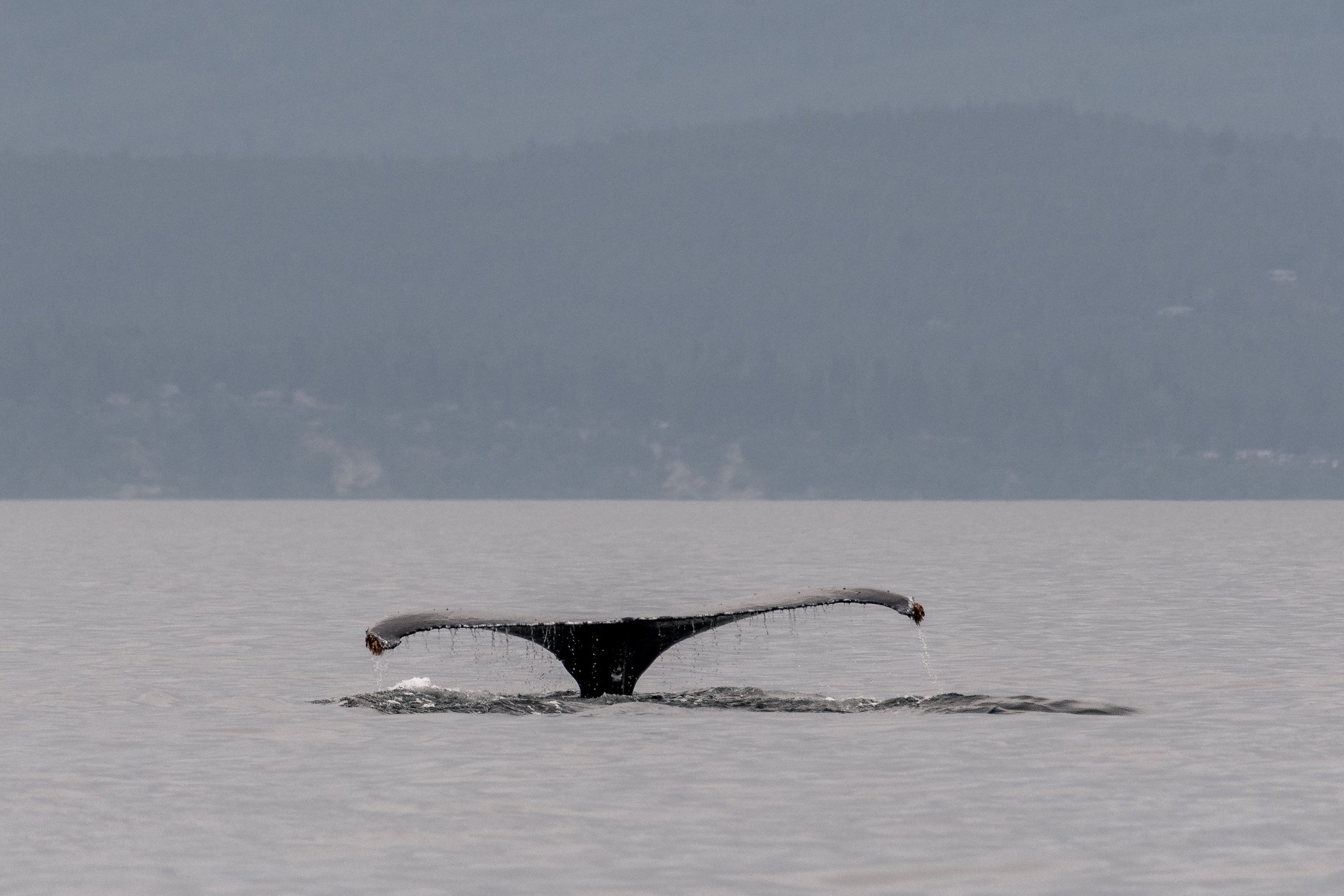
Prowler beginning to dive.
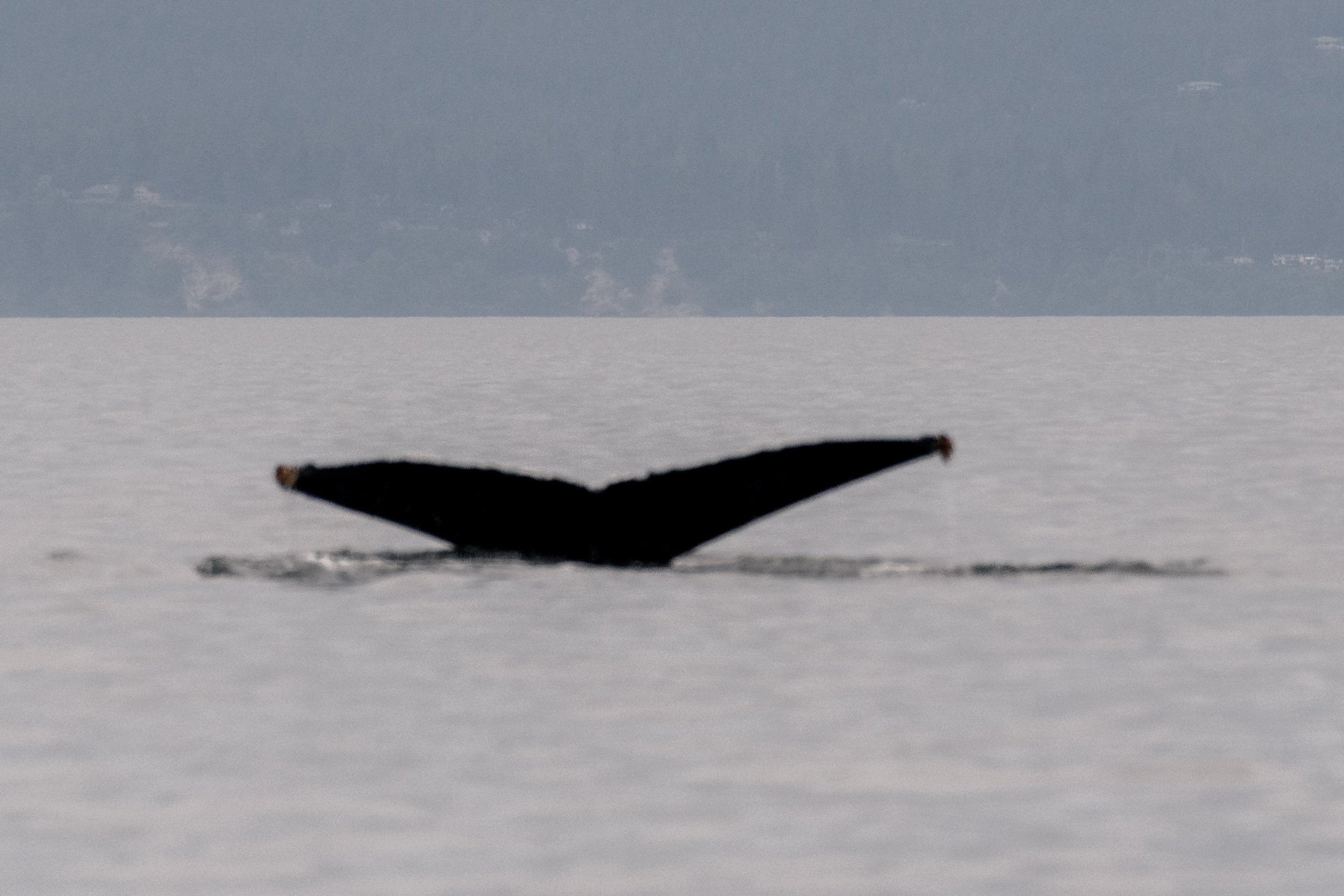
While not in focus, this shot with Prowler’s trailing edge visible is enough to confirm their ID!
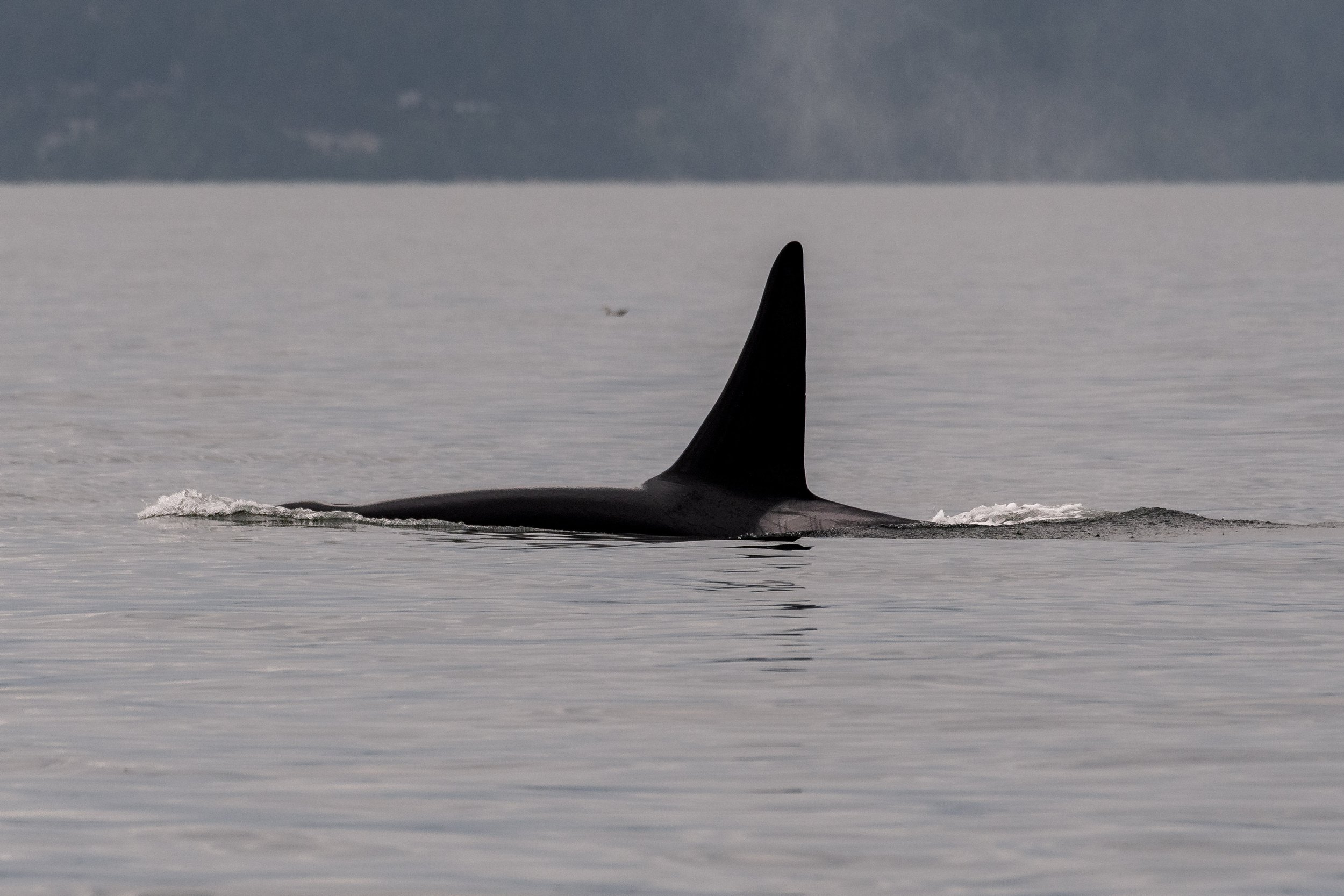
T101B Lagoon, heavily scarred saddlepatch visible.
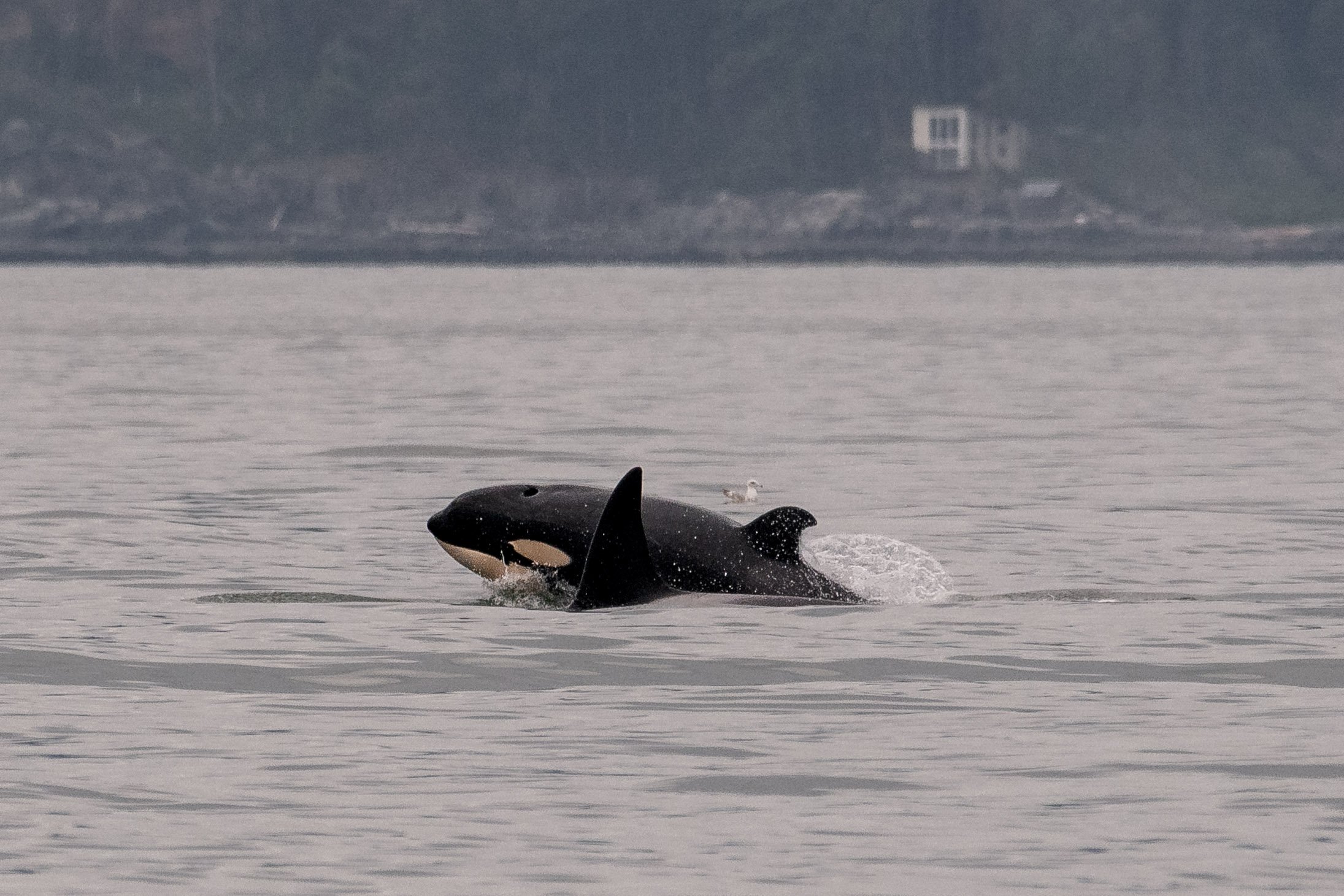
T124A1A Sabine porpoising beside T124A4 Sabio.
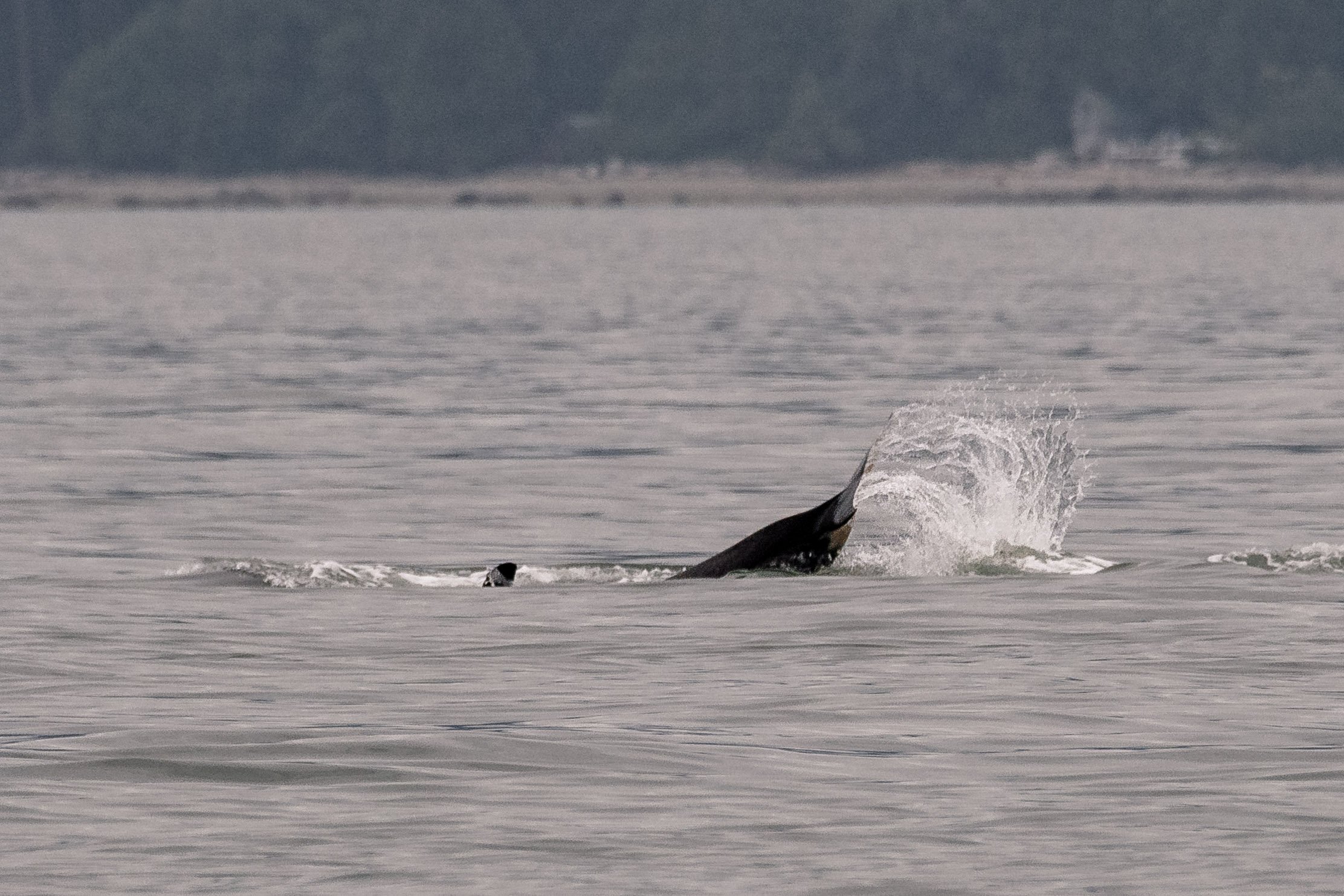
A tiny tail slap from T124A1A Sabine.
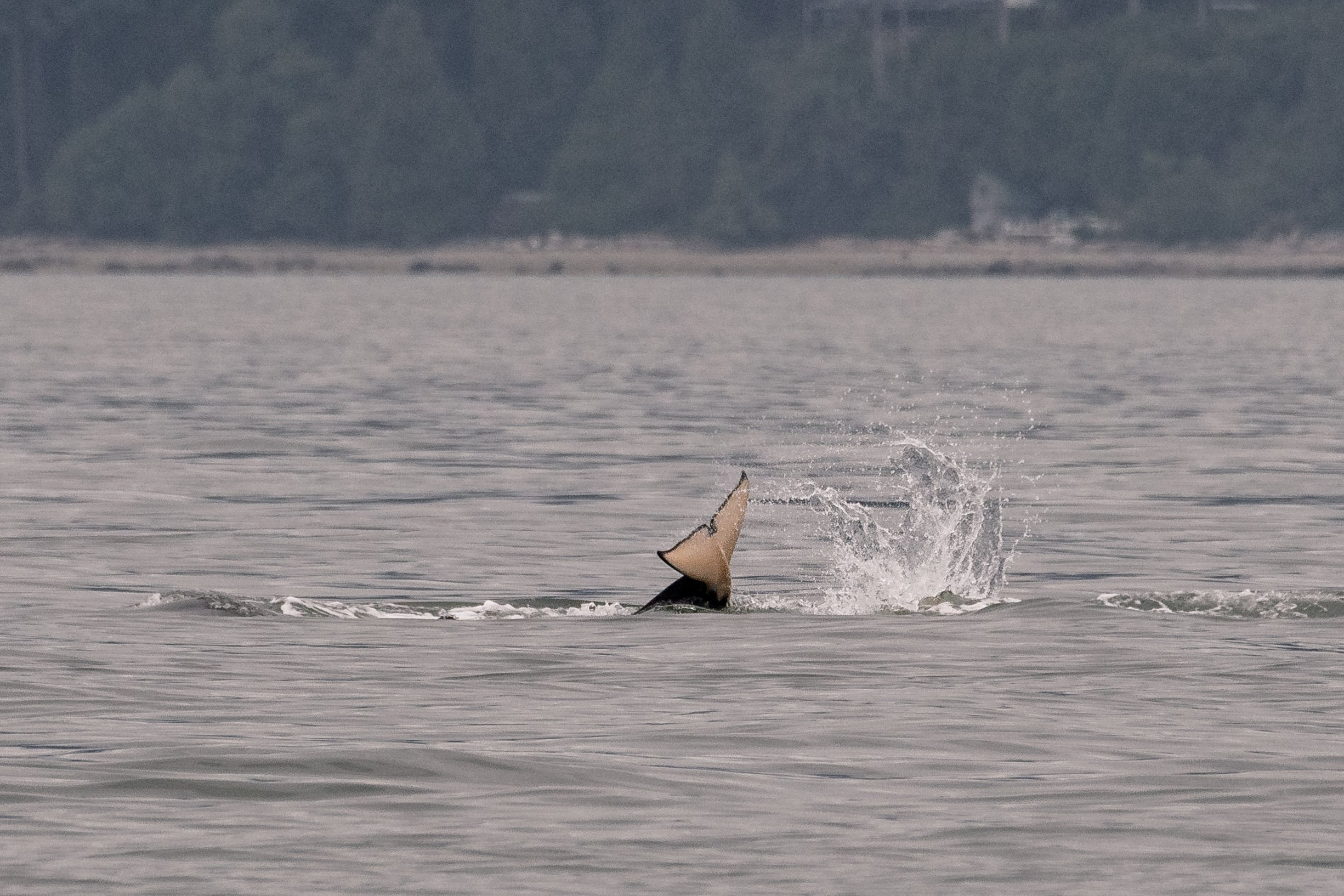
Flukes up!
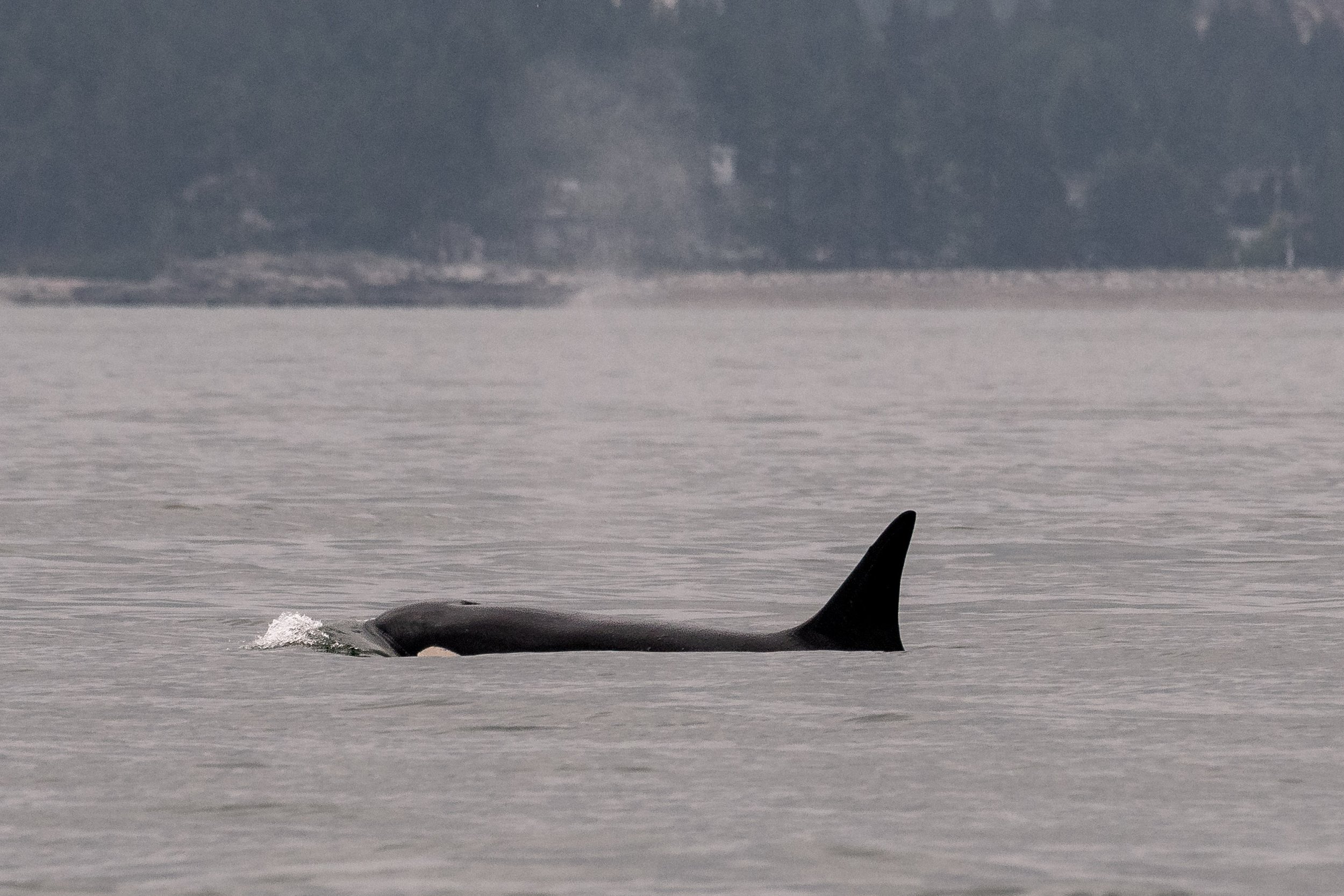
T101 Reef, one of the matriarchs.
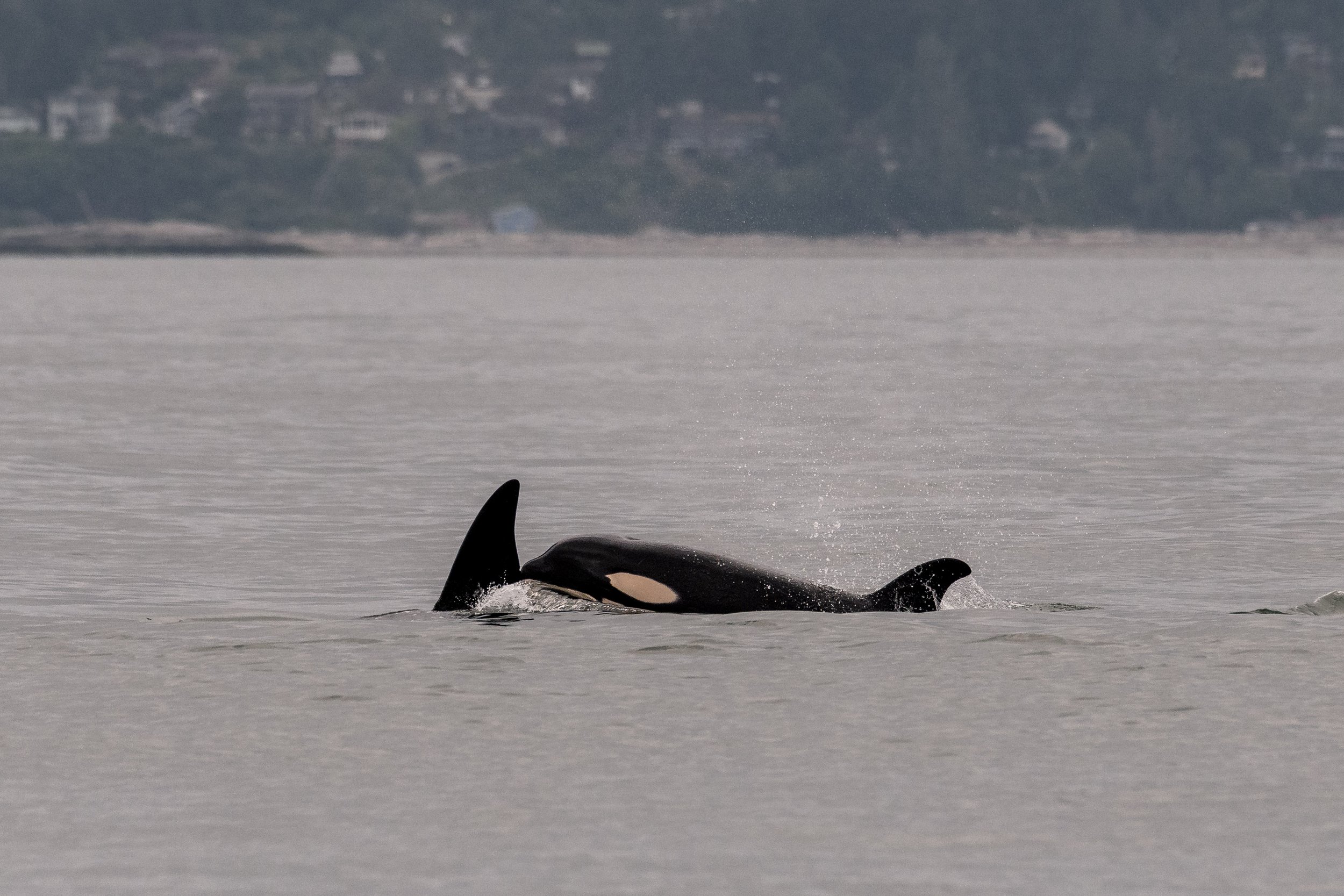
T124A4 Sabio with T124A1A Sabine close in tow.
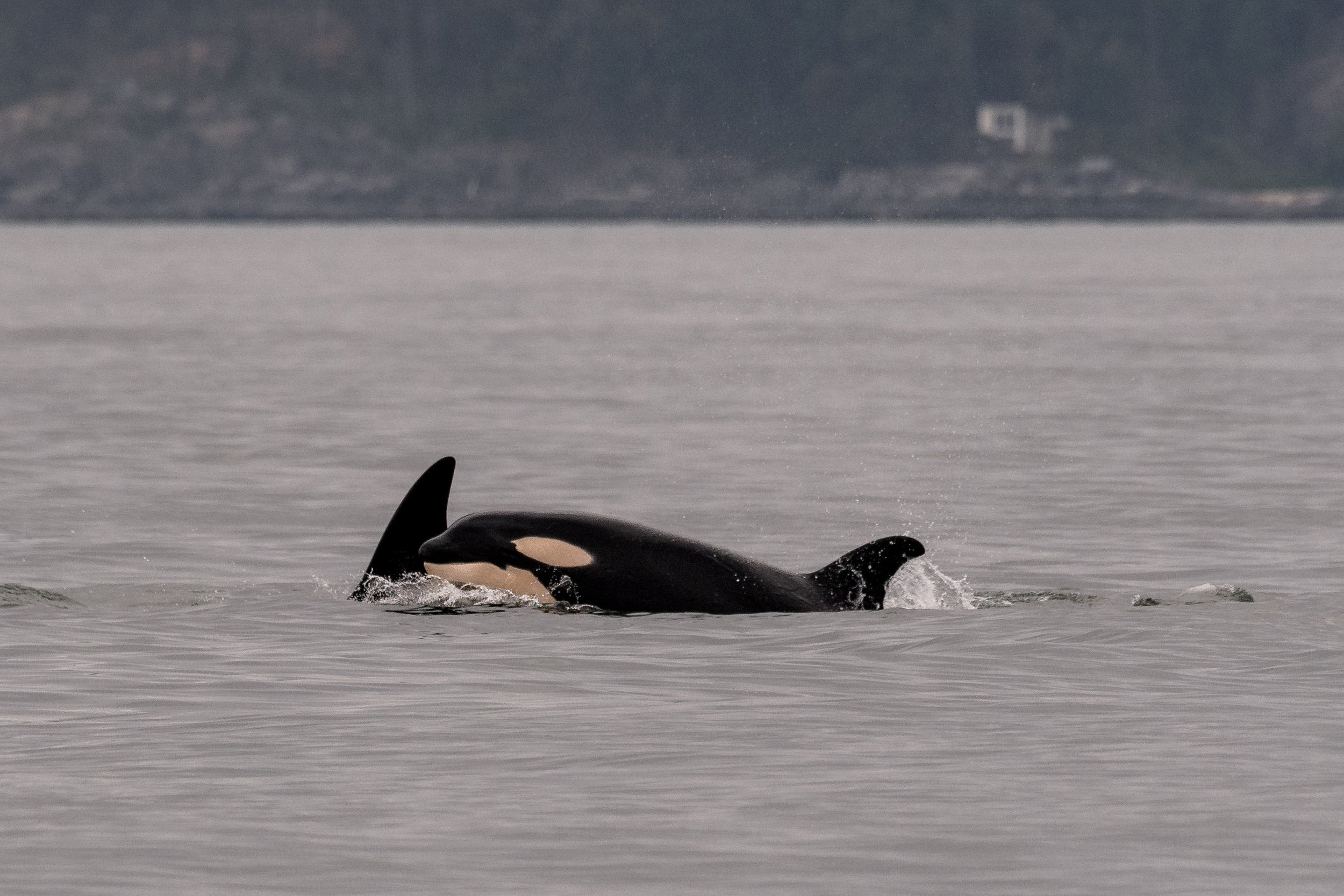
T124A1A Sabine with their face out of the water beside T124A4 Sabio.
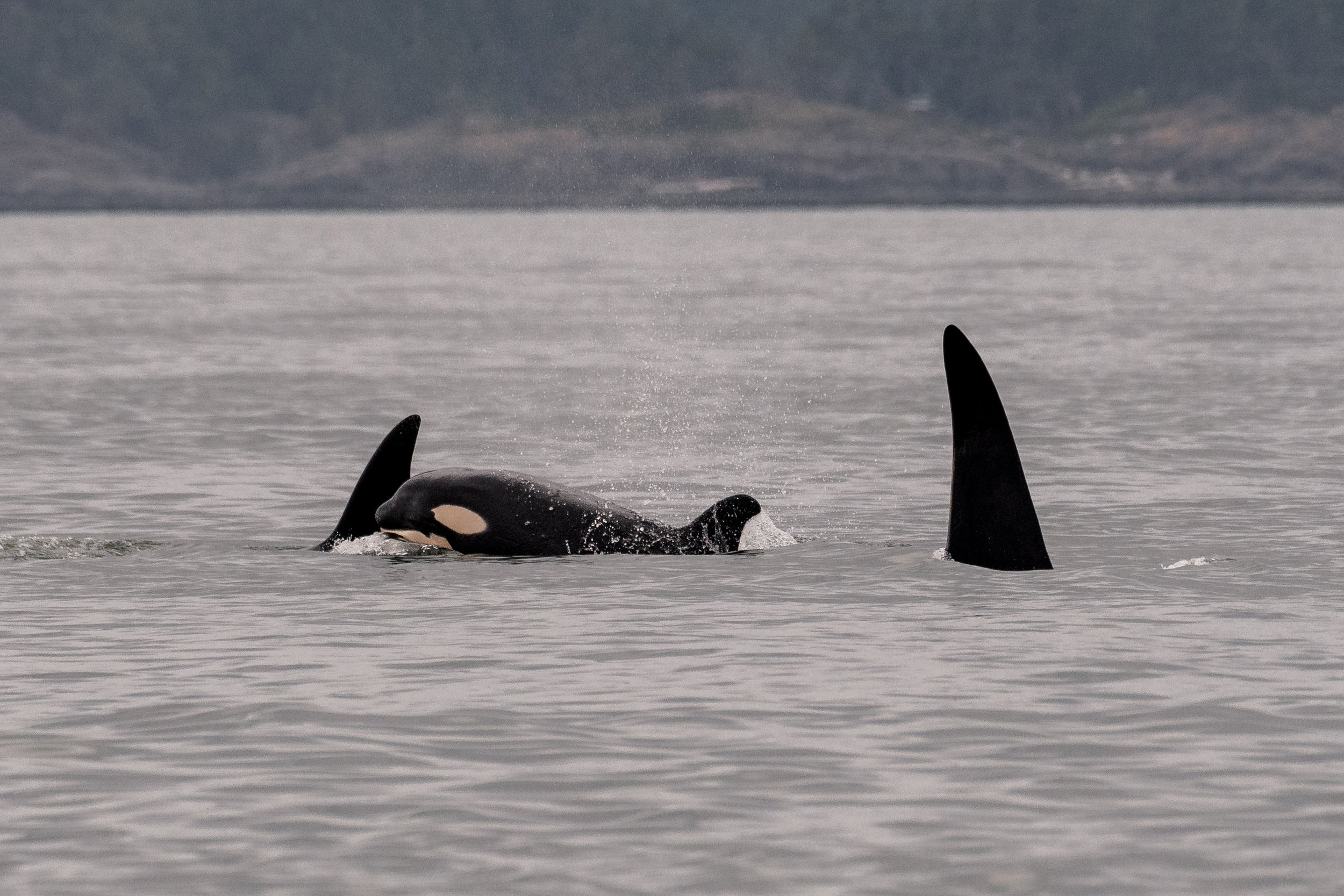
T124A4 Sabio and T124A1A Sabine with T101A Rush behind them.
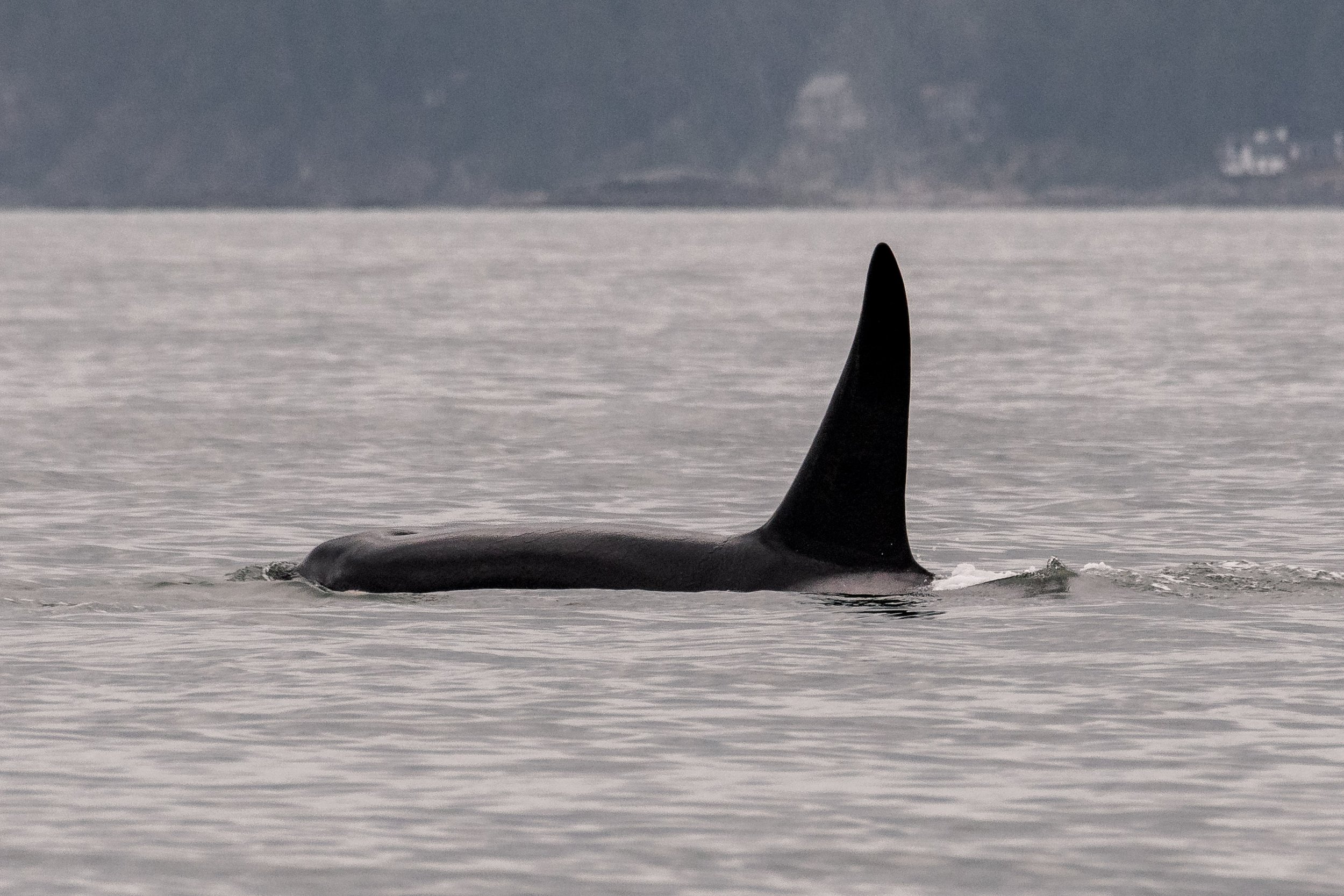
T101A Rush travelling.
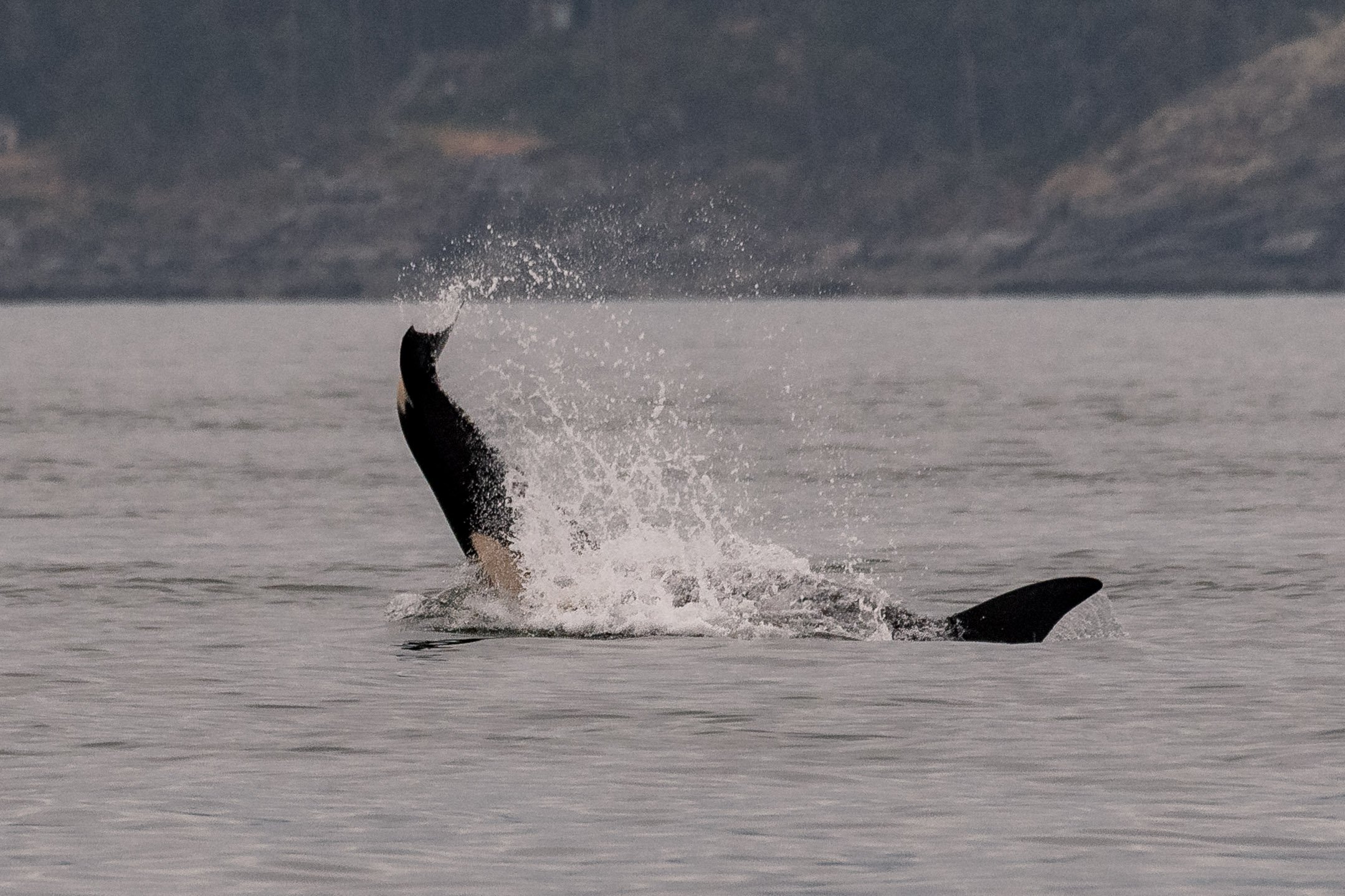
T124A4 Sabio launching T124A1A Sabine into the air.
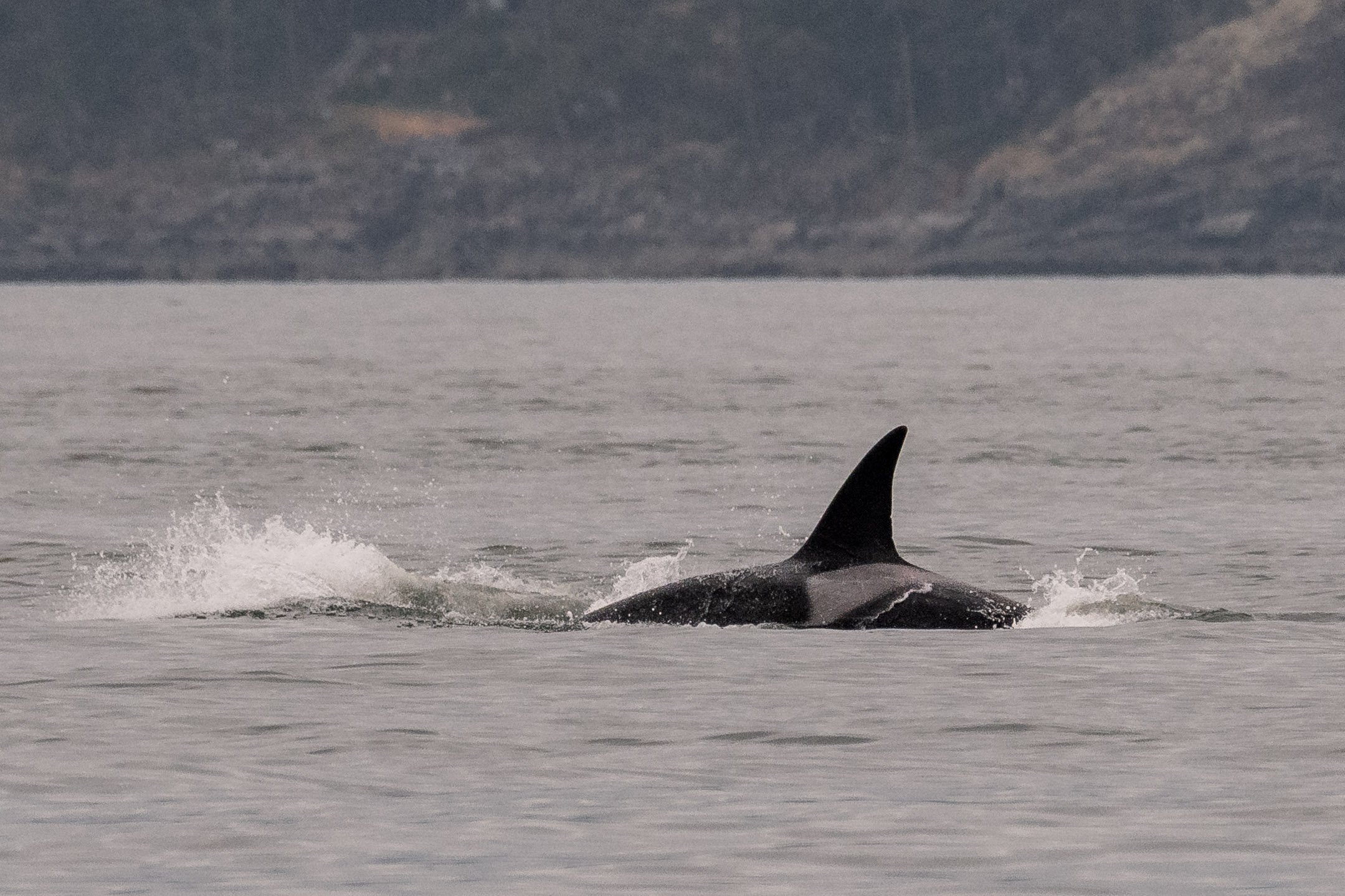
T124A4 Sabio with T124A1A Sabine (splash) landing again.
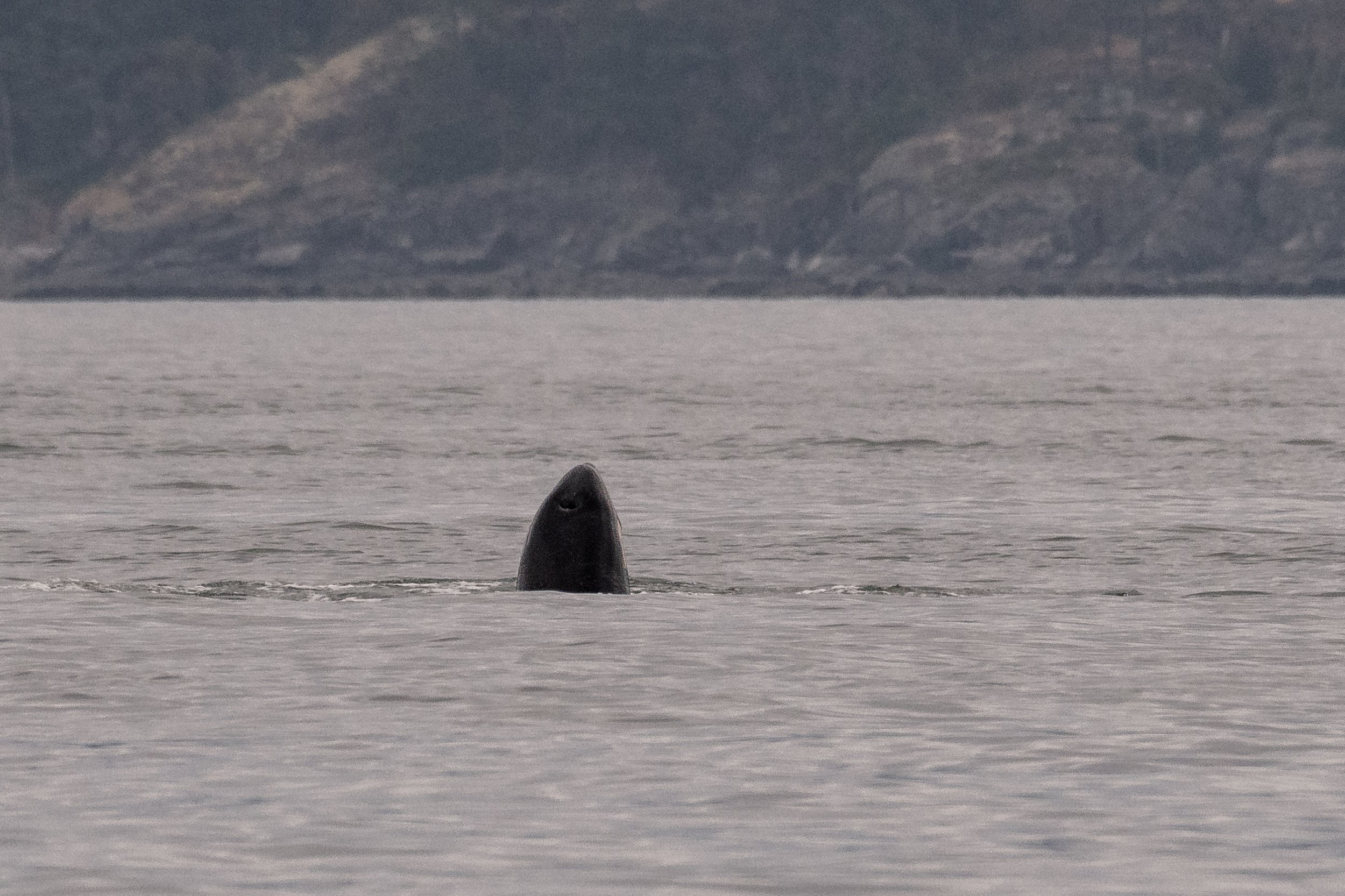
A tiny spyhop from one of the calves.
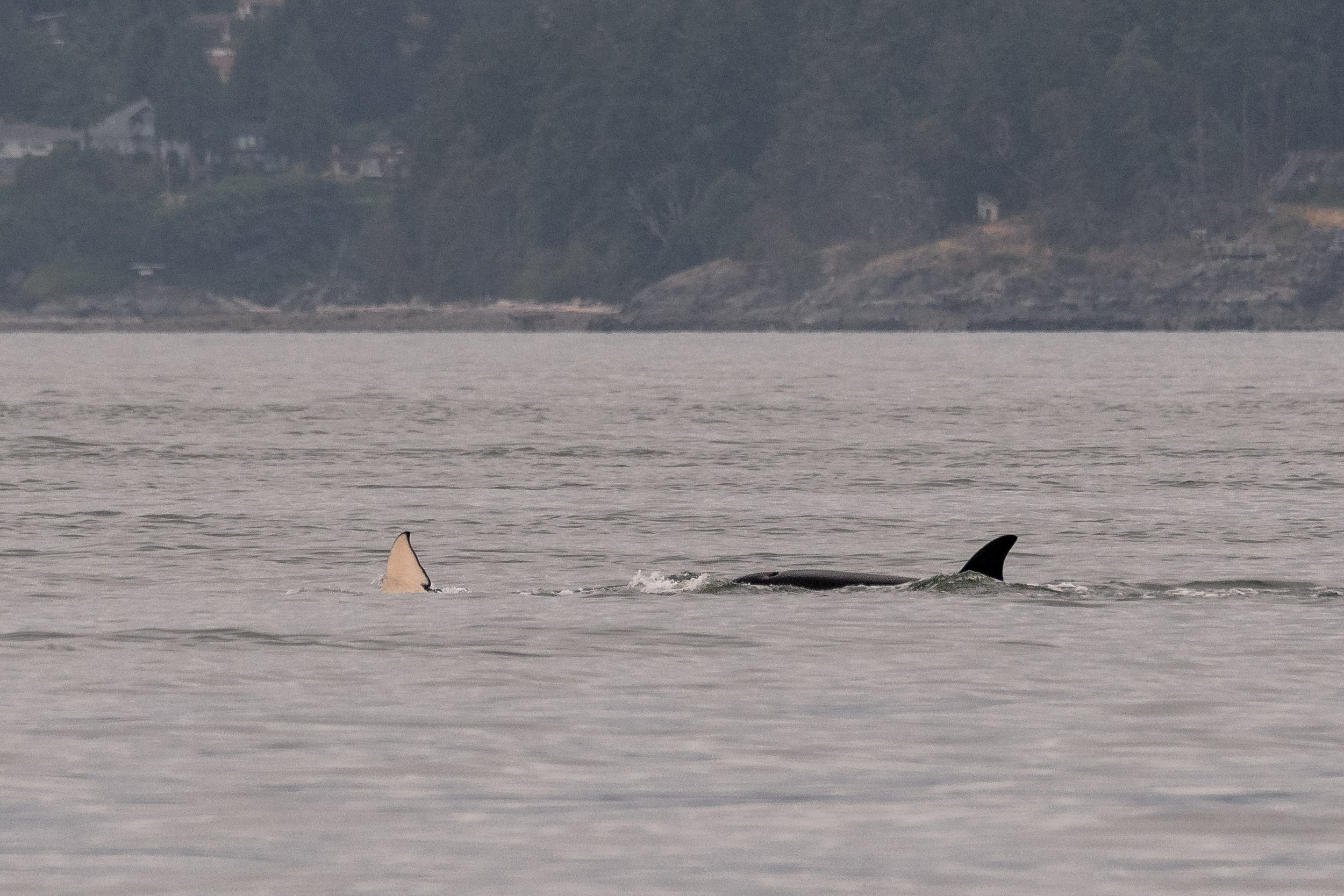
The calves, T124A4A Strix and T124A4A Sabine, playing together.
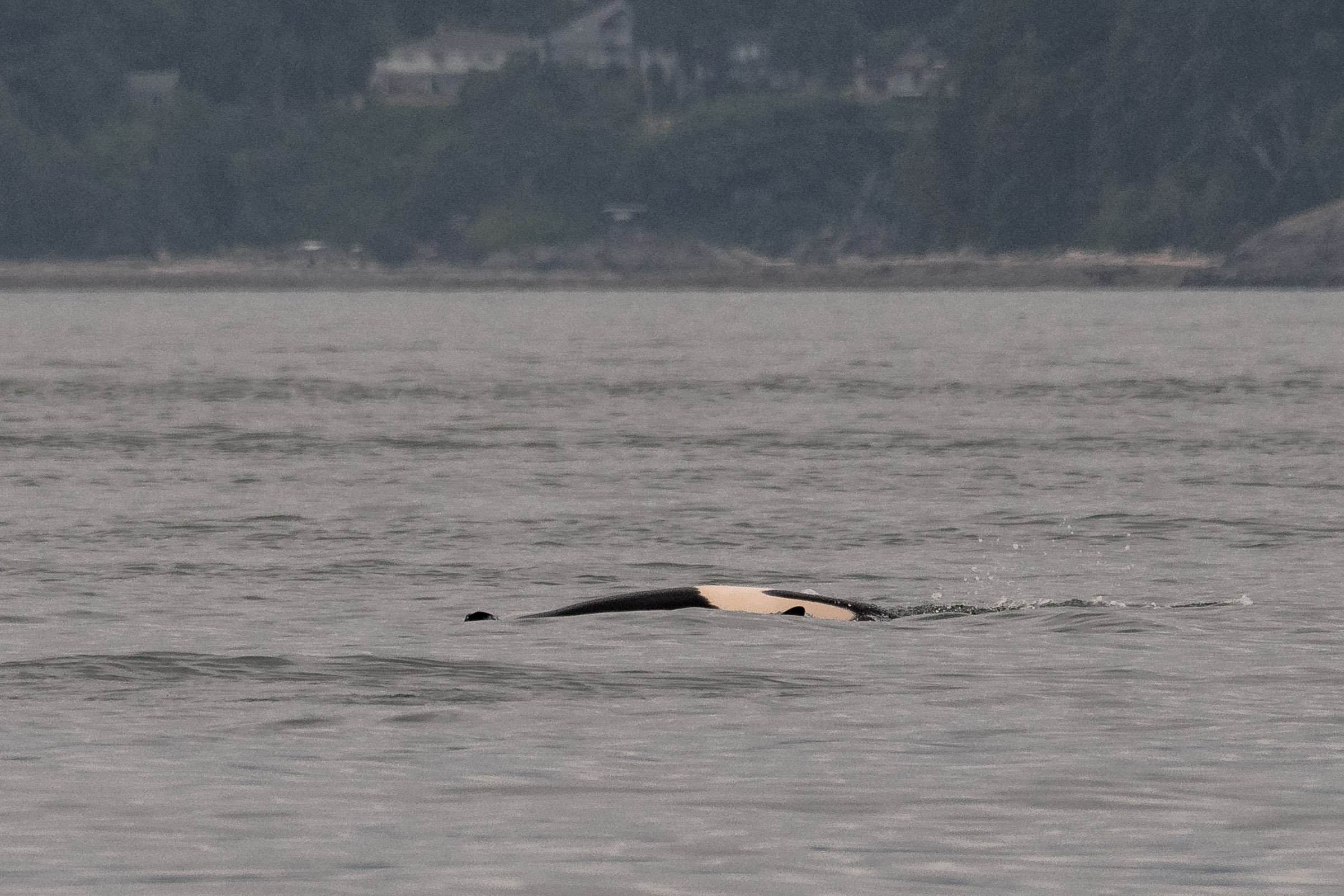
Bellies up with the calves!
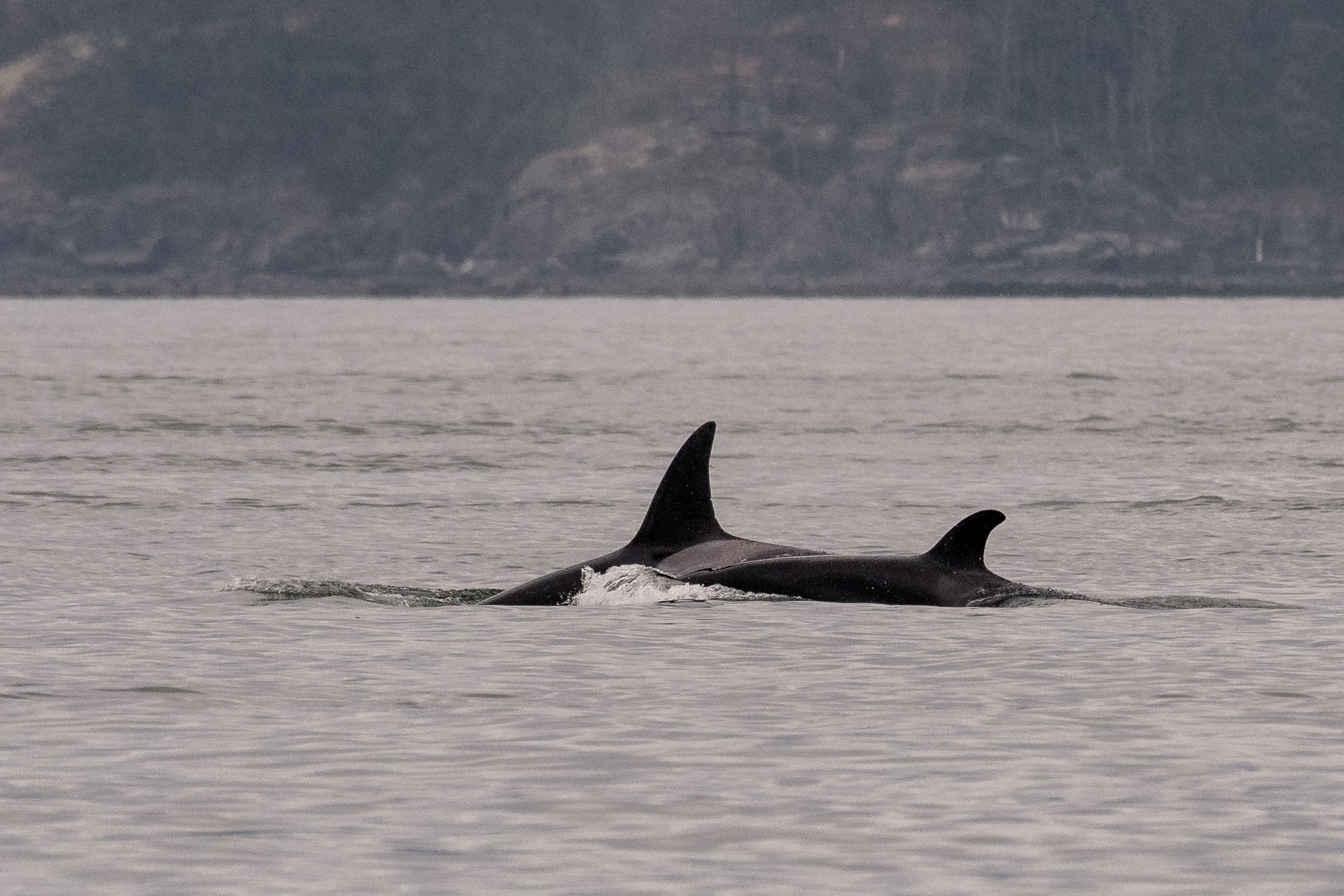
T124A4 Sabio with T124A1A Sabine close beside.
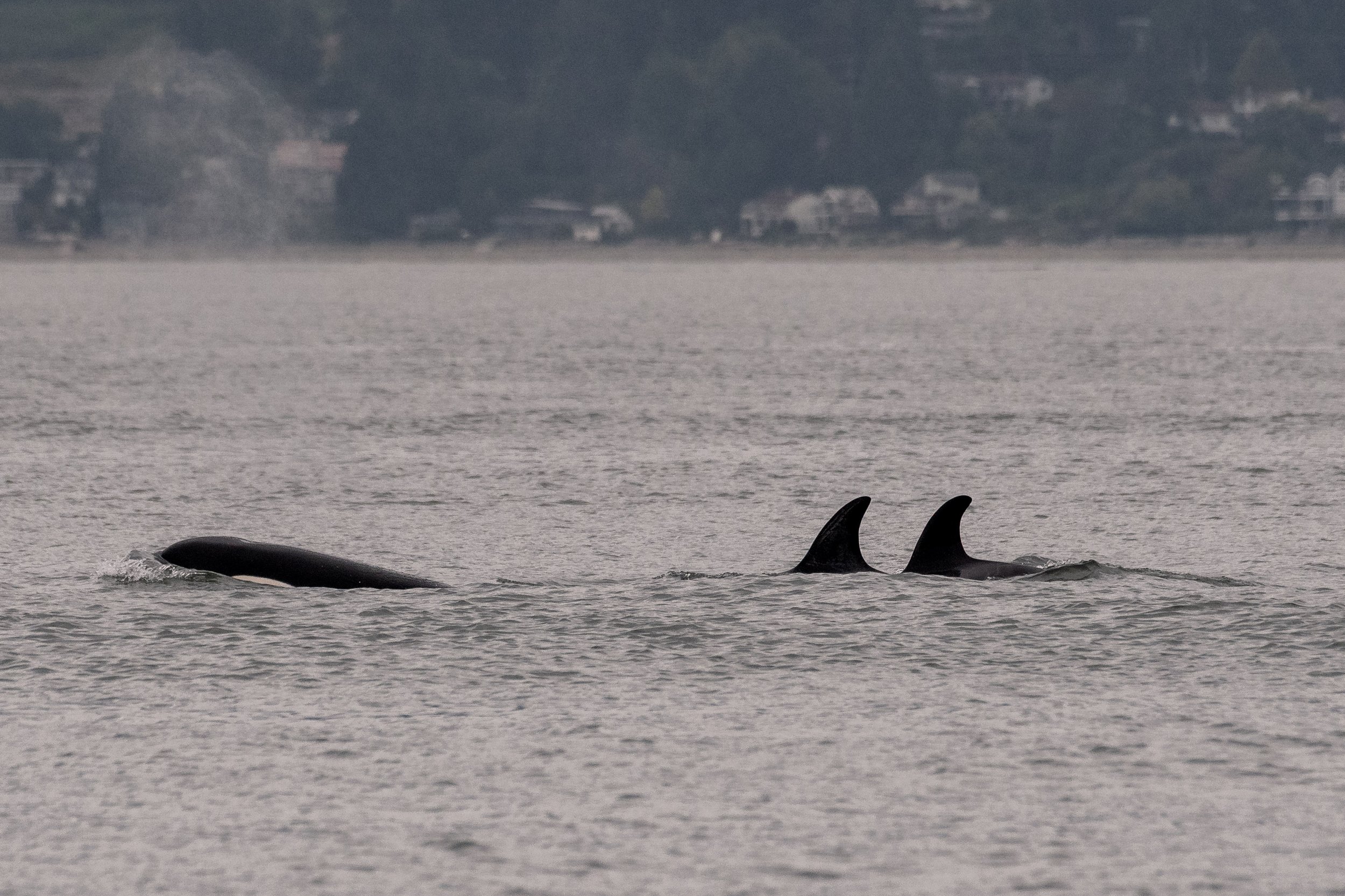
T124A4 Sabio (head) with T124A4A Strix and T124A1A Sabine behind her.
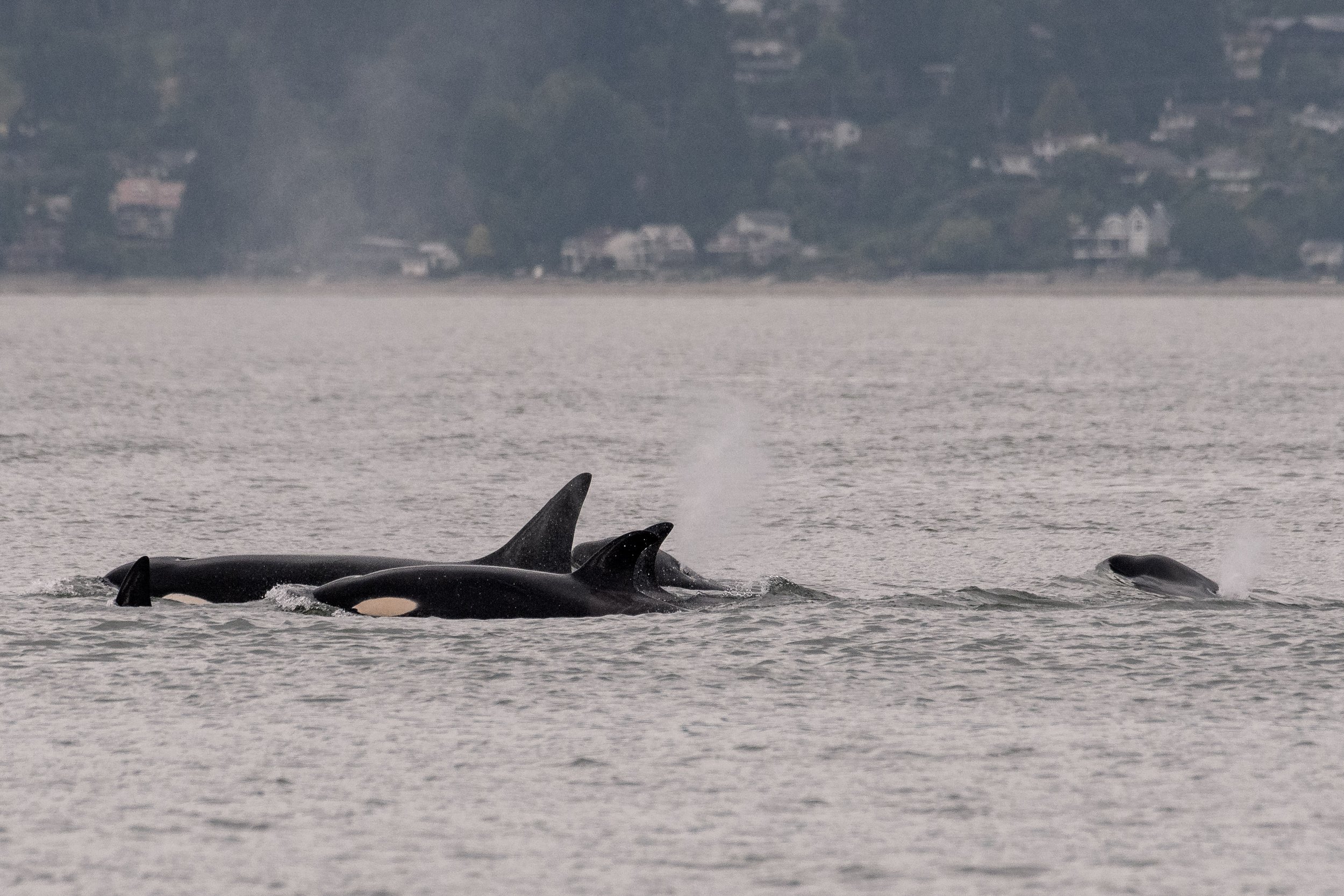
All six orca all together! T124A4 Sabio (dorsal tip), T101 Reef, T124A1A Sabine, T124A4A Strix, T101B Lagoon, and T101A Rush.
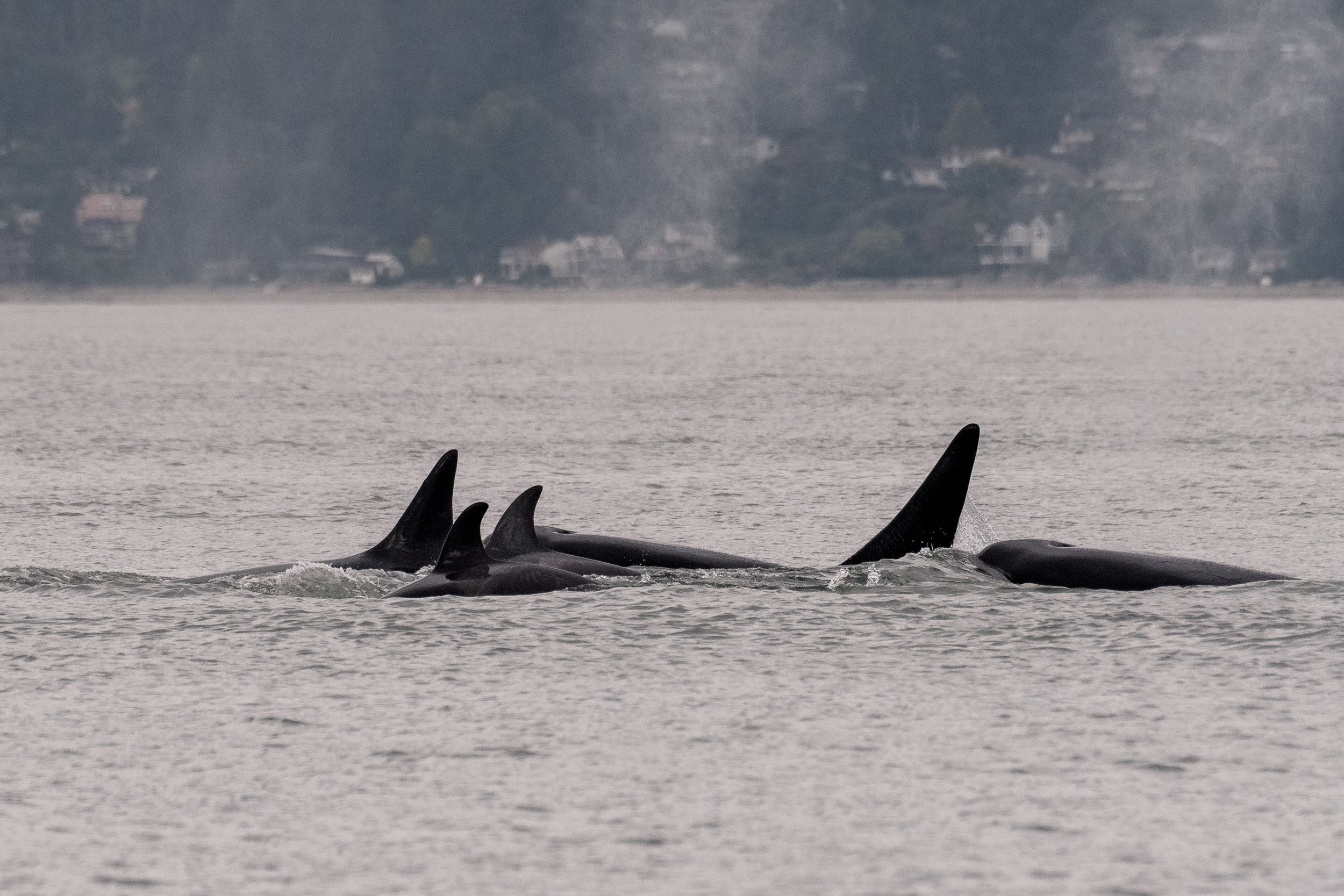
T101 Reef, T124A1A Sabine, T124A4A Strix, T101B Lagoon, and T101A Rush (blowhole).
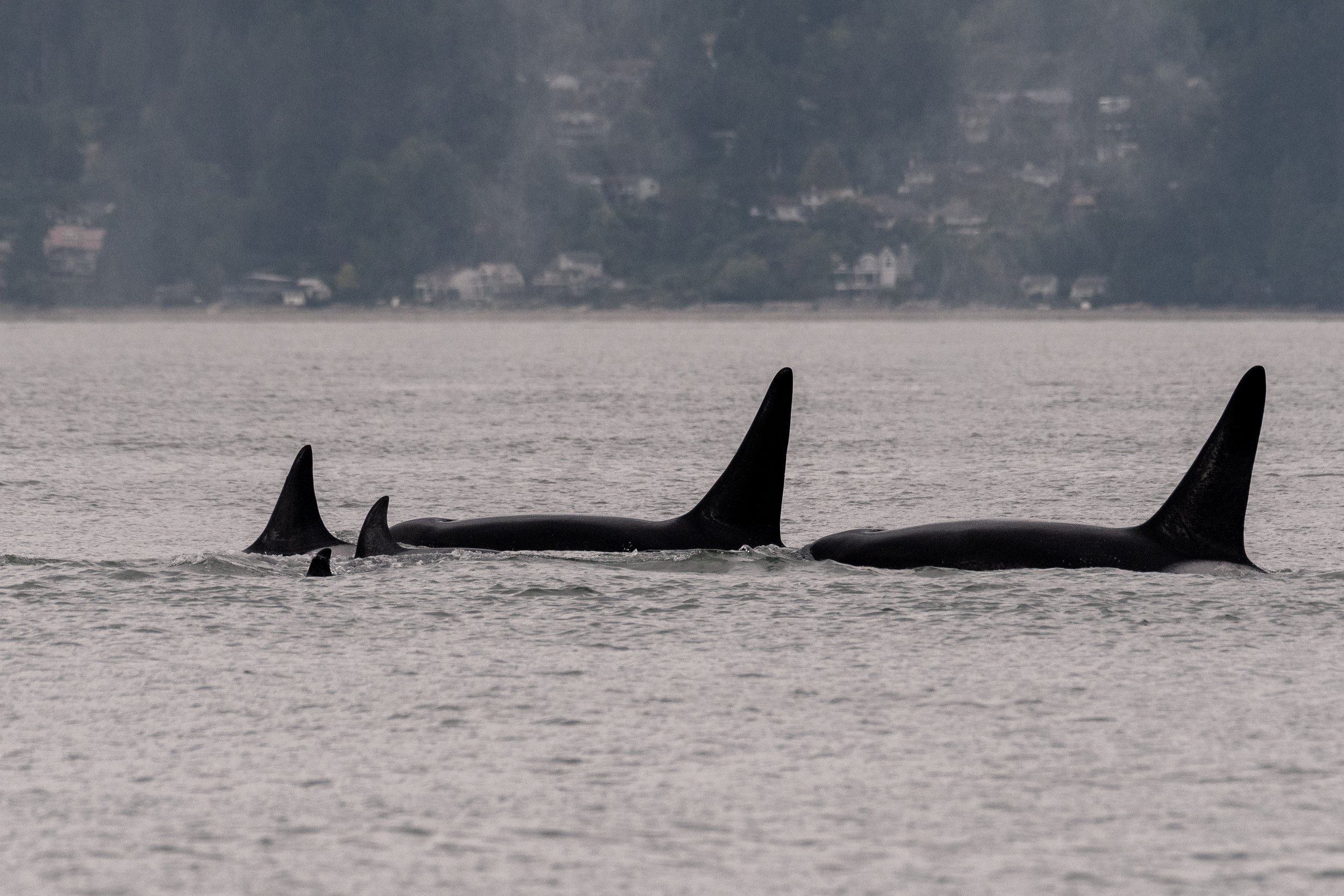
The brothers, T101B Lagoon and T101A Rush, behind T101 Reef and the calves T124A1A Sabine and T124A4A Strix.
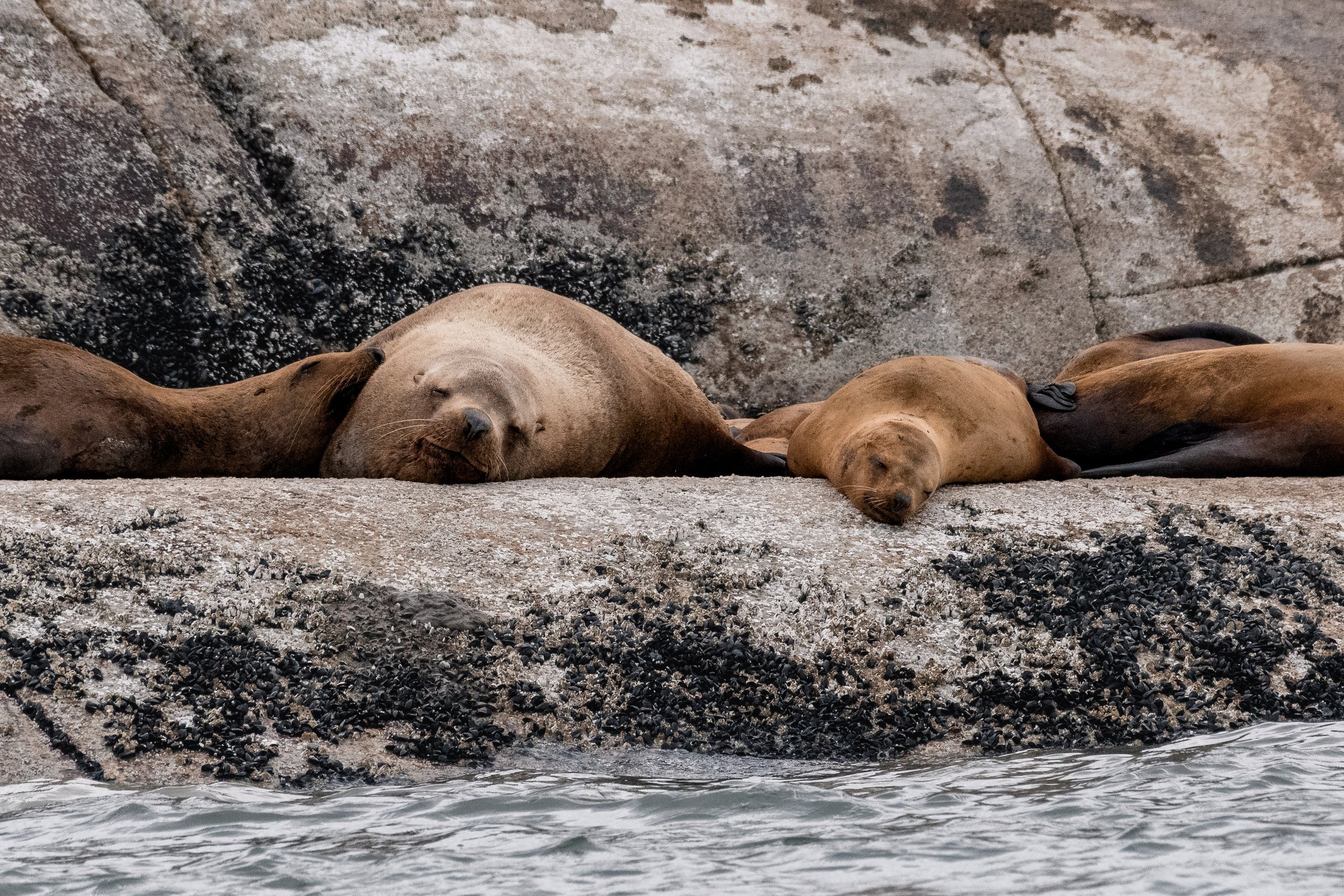
Relaxation time with the Steller Sea Lions.
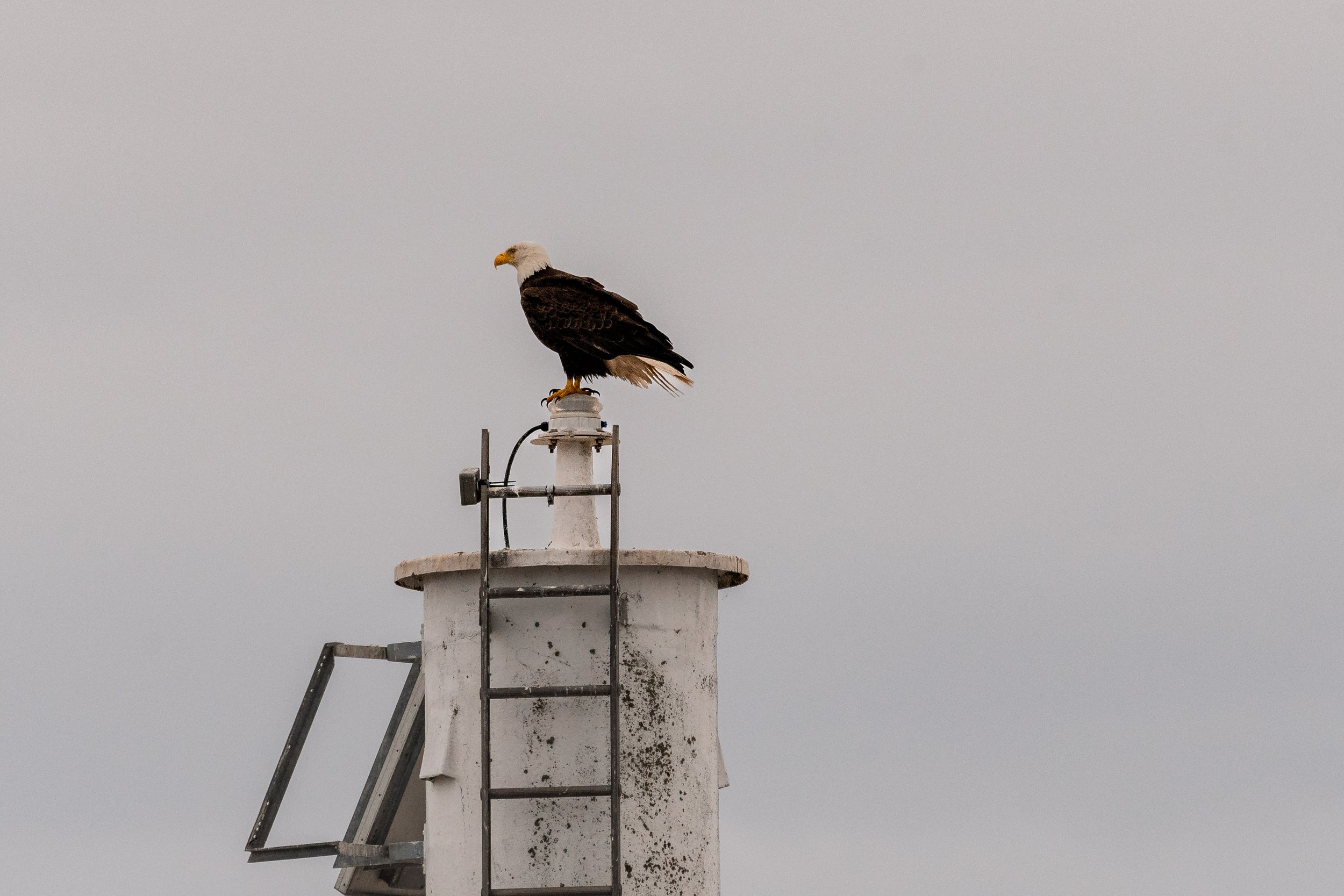
A Bald Eagle perched up on the marker.
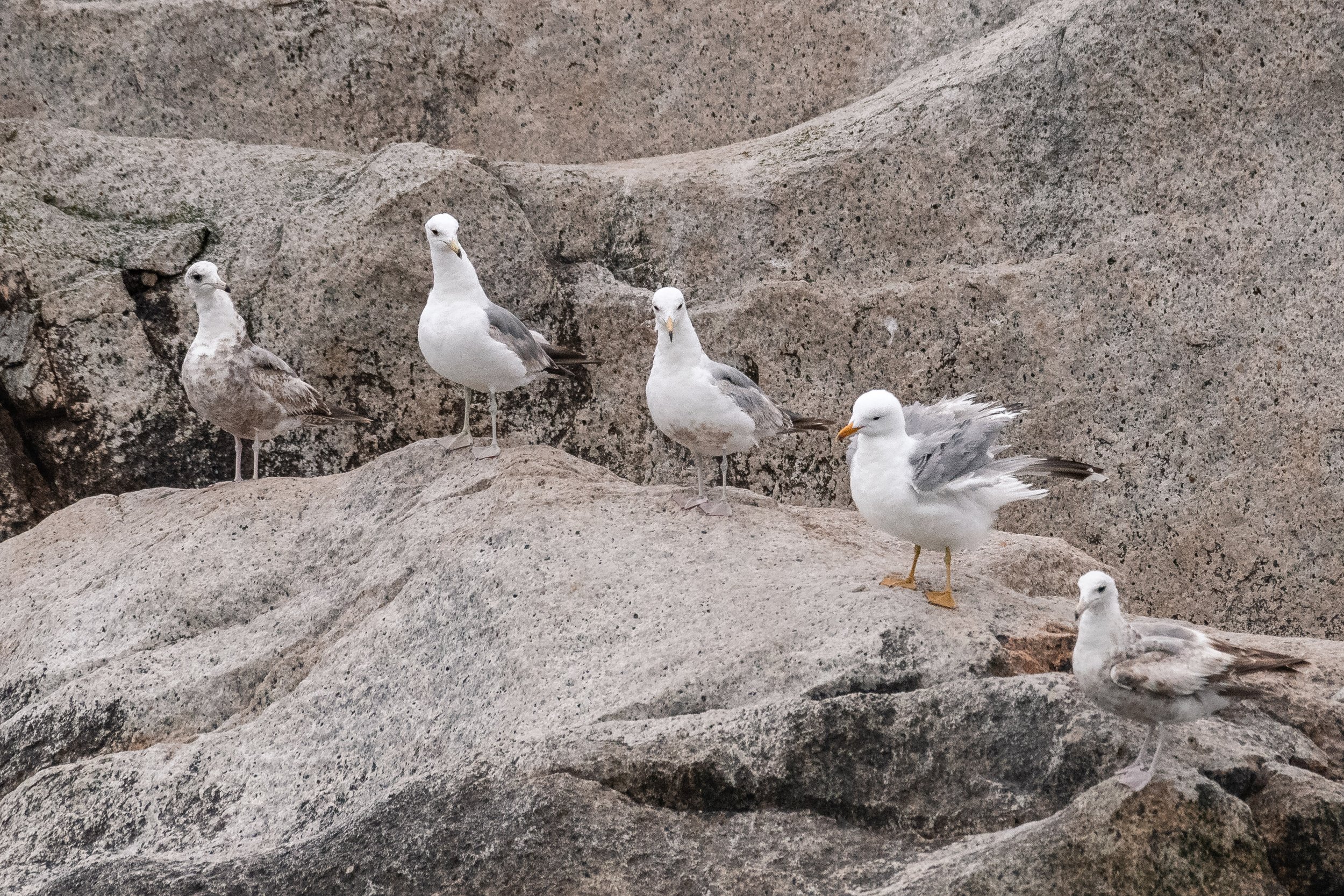
Birds of a feather flock together!
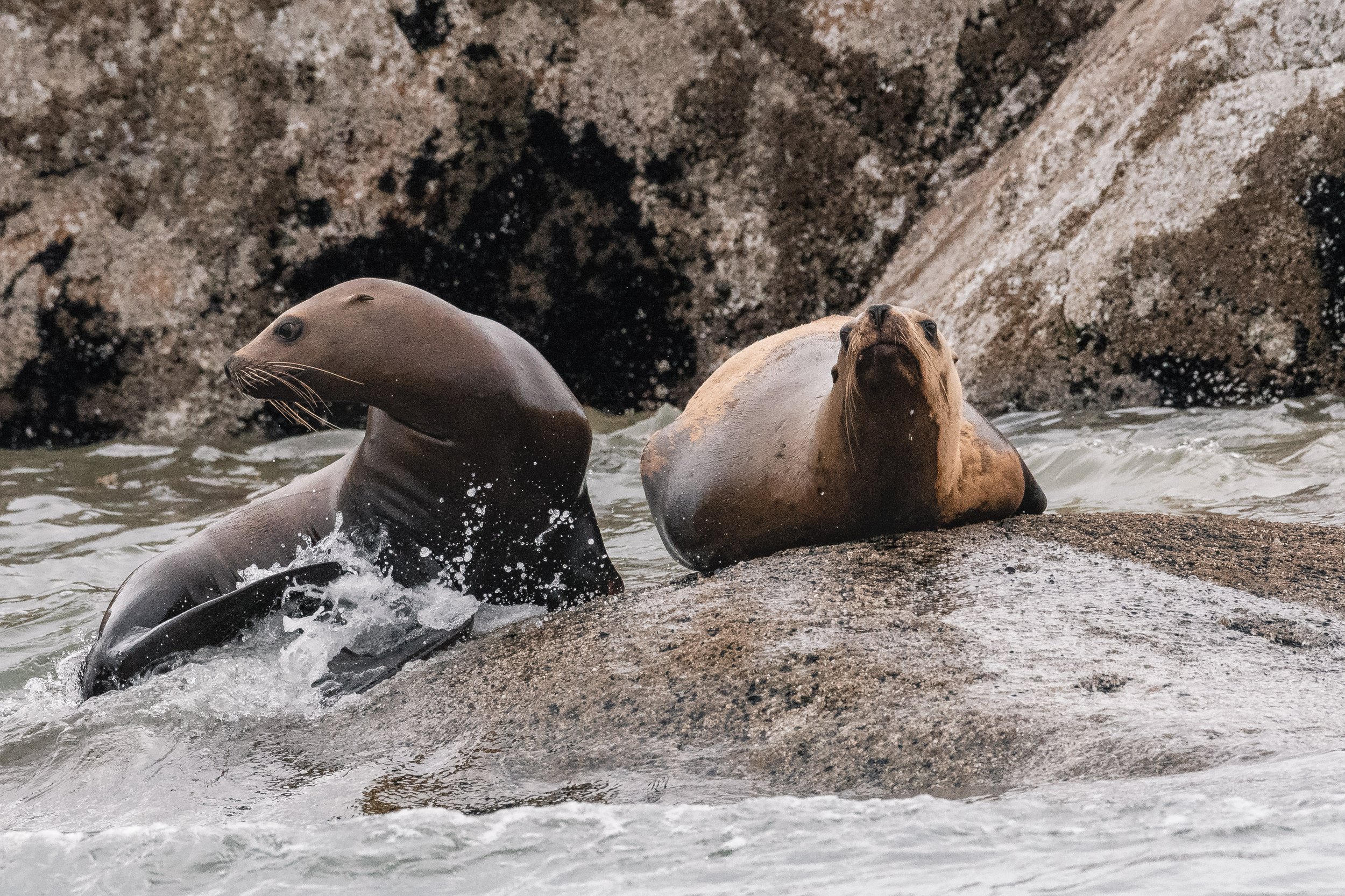
Sea lions in the surf.
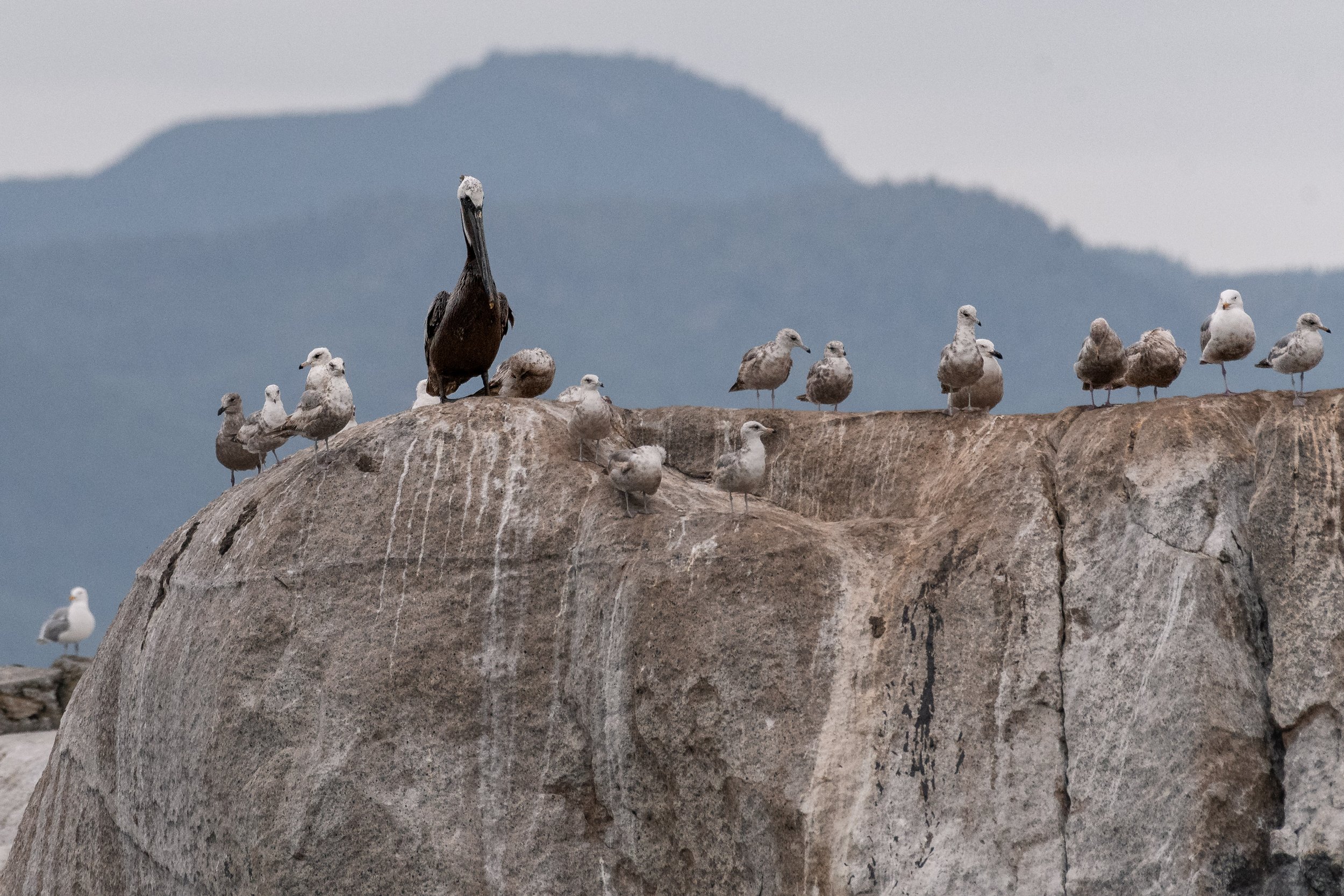
The Brown Pelican rests amongst the Gulls on the White Islets.
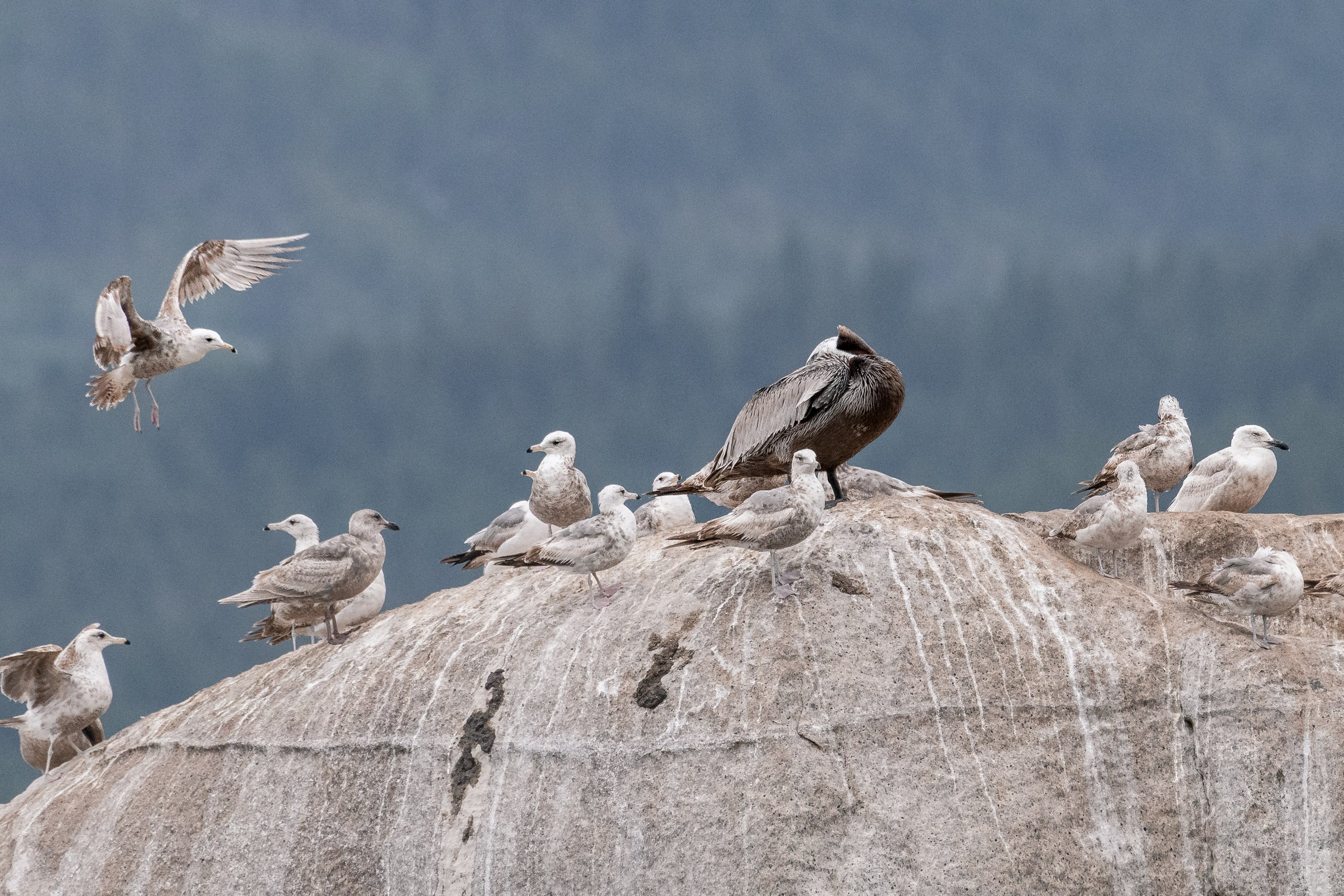
Tucked in and ready for a nap.
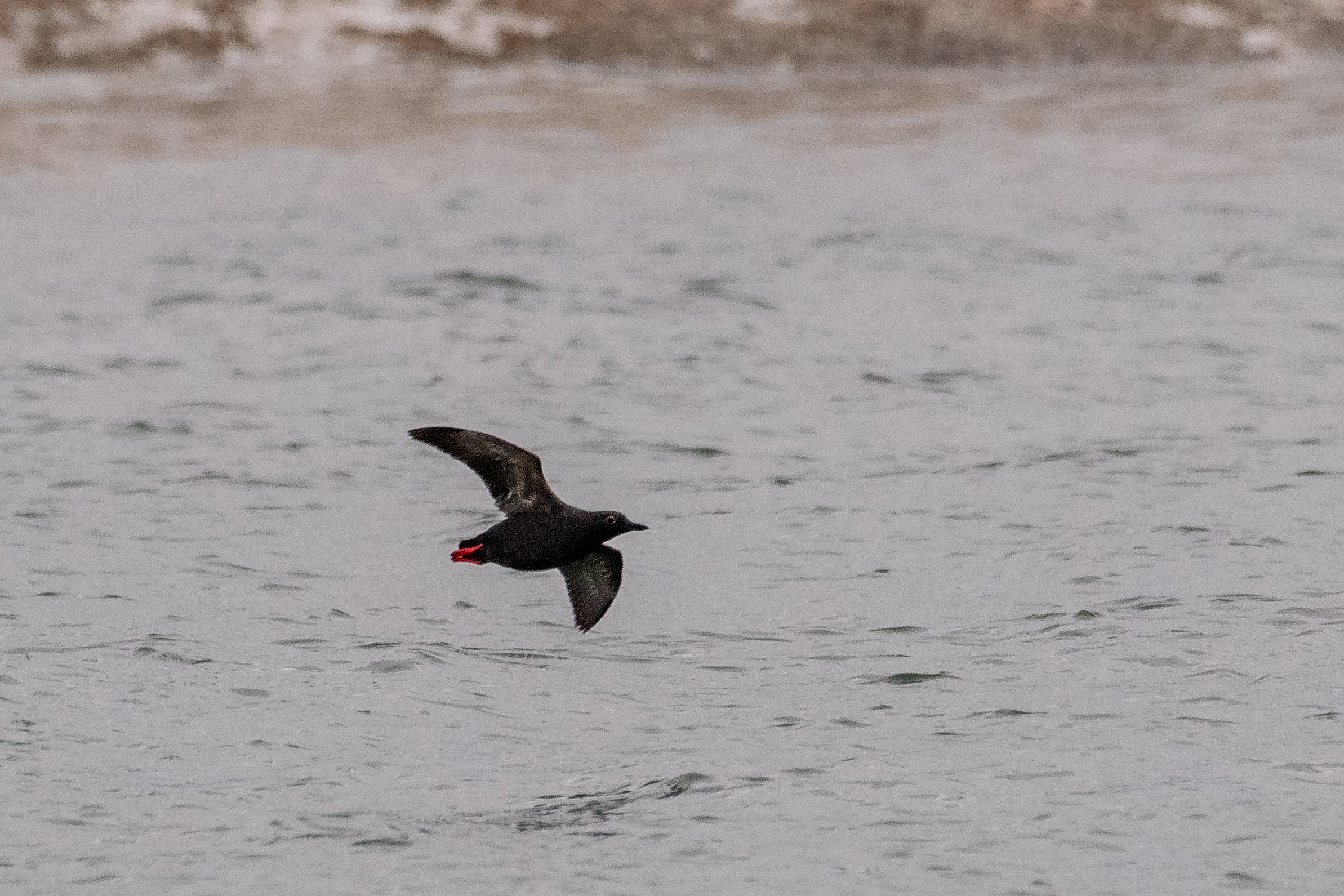
A Pigeon Guillemot swoops by.
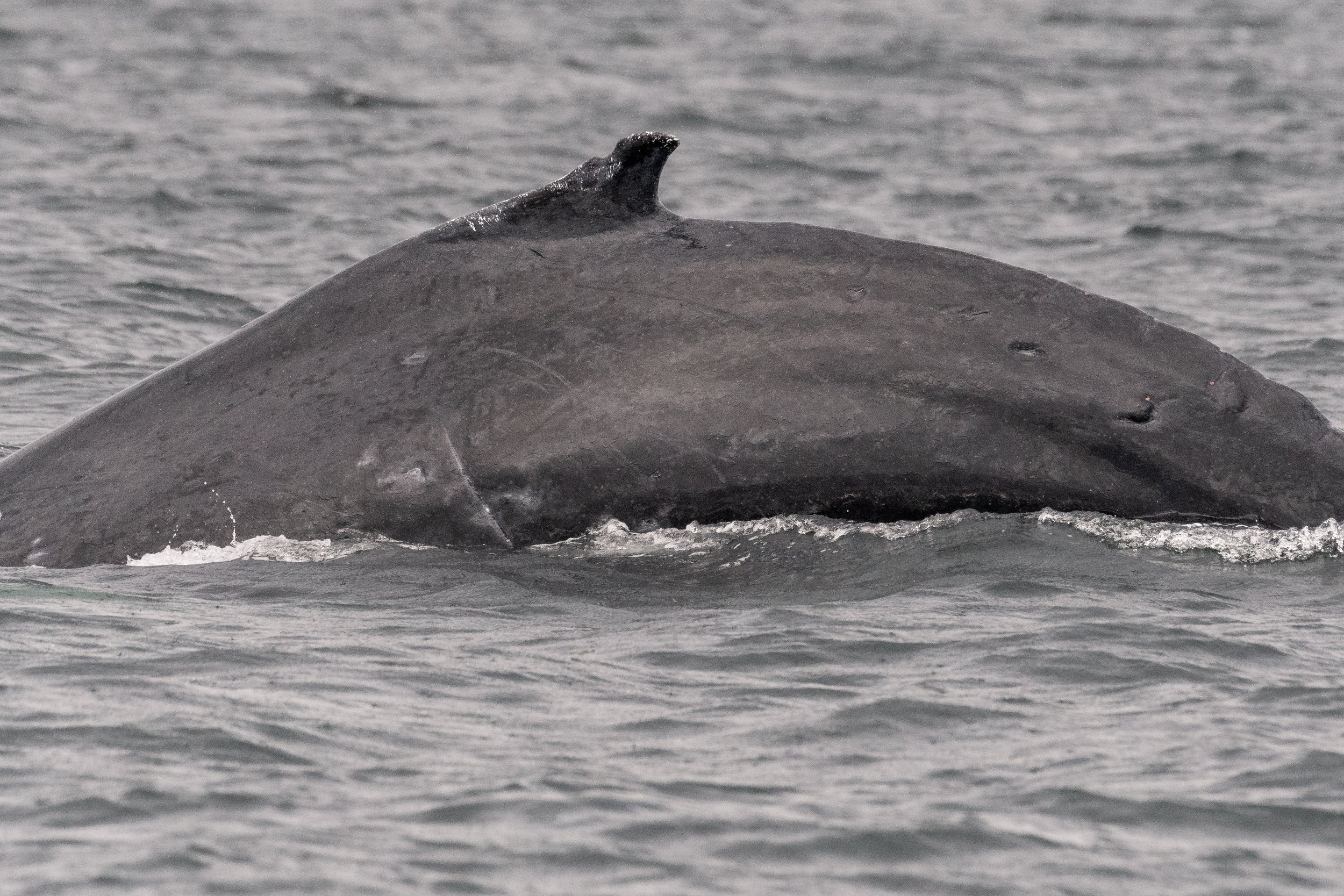
Kata’s uniquely notched dorsal fin.
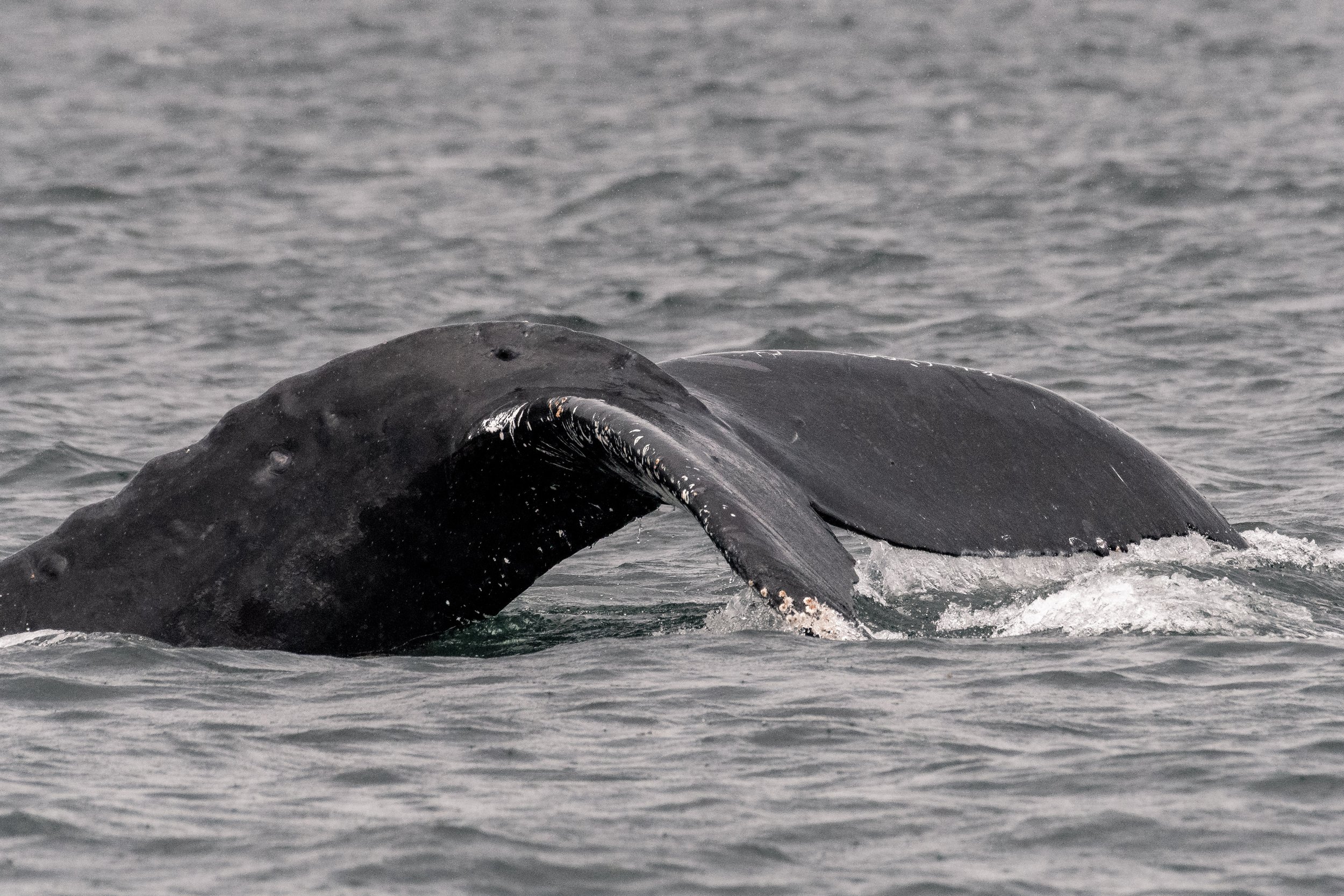
Kata beginning to dive.
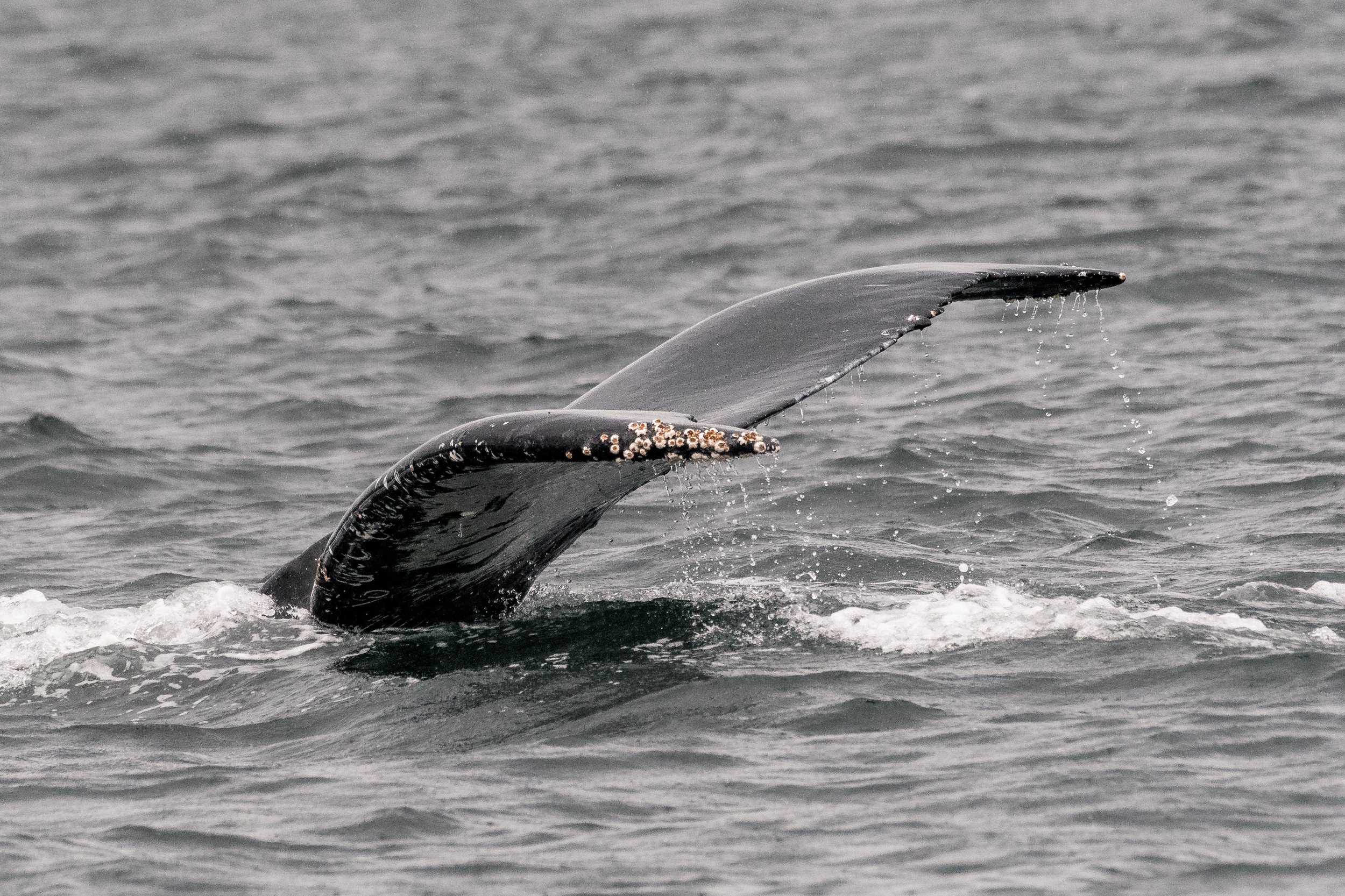
A quick peek at Kata’s fluke pattern.
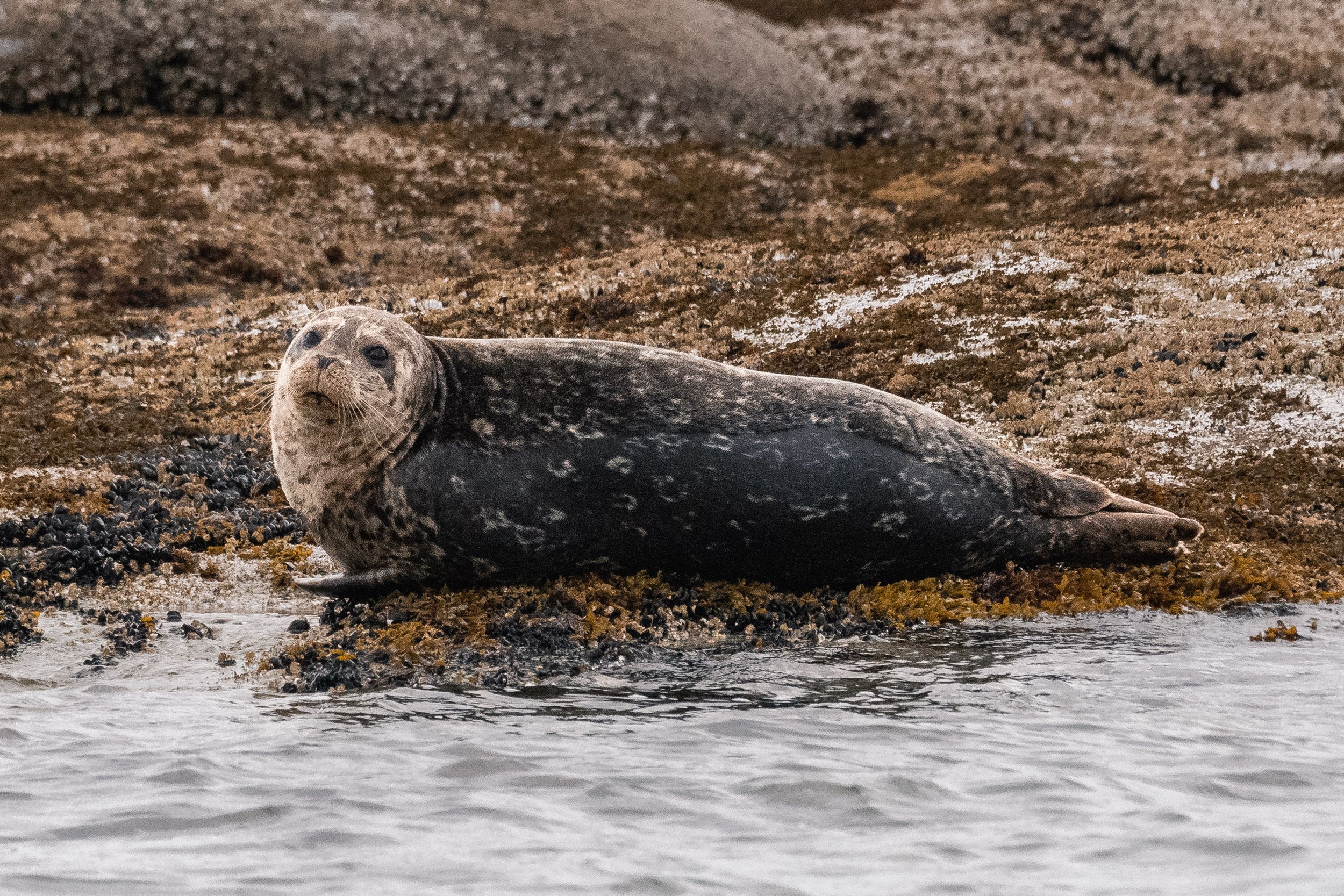
A beautiful Harbour Seal lounging on the rocks.
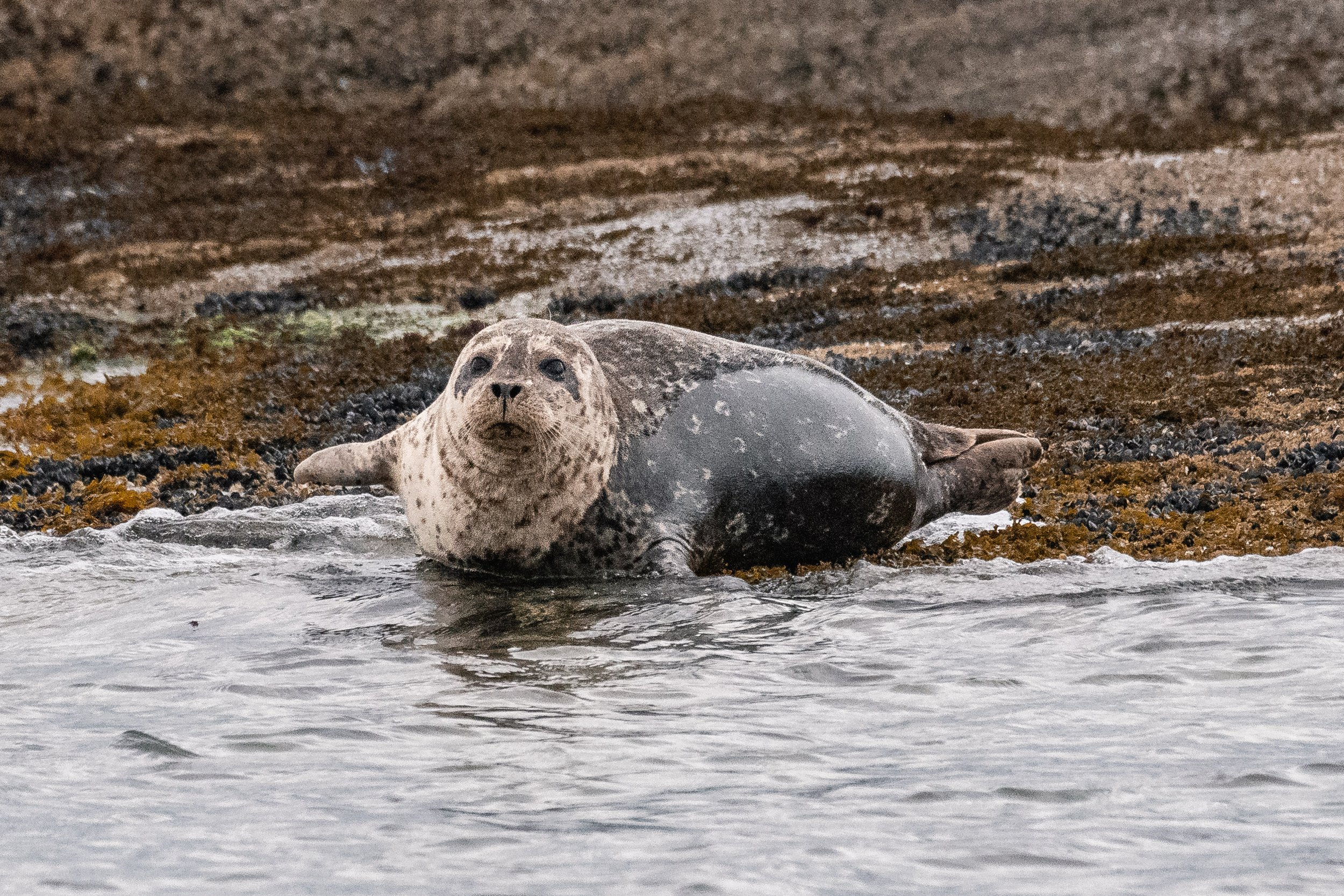
When the seals get half wet and half dry, they can look a bit odd.
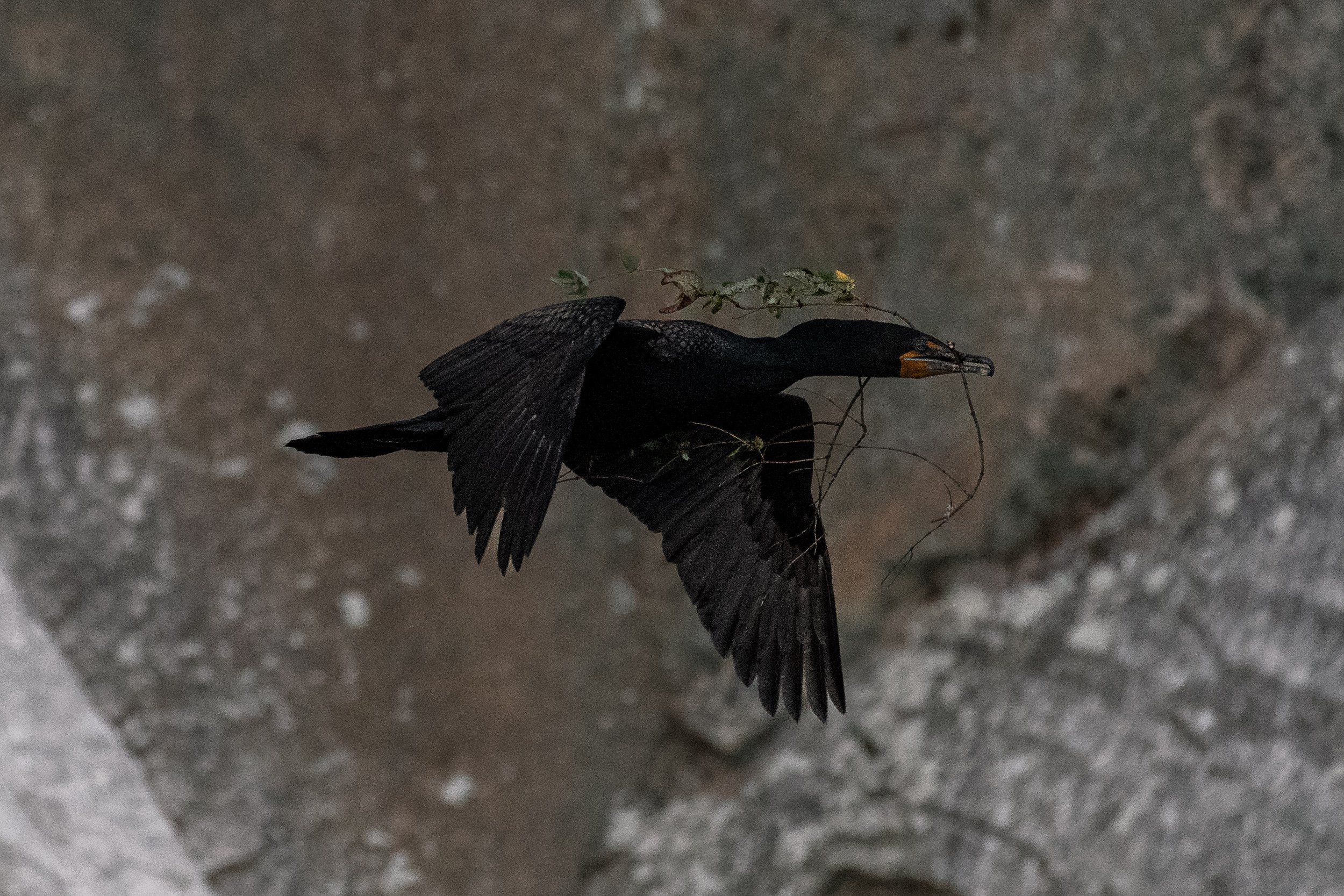
A Double-crested Cormorant bringing some nesting material back to the cliffs.