
June 4, 2026, 10:30 AM - Humpbacks going Strait to the party!
The morning greeted us with calm seas, sunshine, and just enough cloud cover to give us that classic moody vibe. Conditions like these are a dream for whale watchers, and with two vessels departing the dock full of eager guests and crew, excitement was high as we headed out to discover what wildlife the Salish Sea had in store for us.
With the Strait lying unusually calm before us, we decided to take advantage of the conditions and venture offshore. Days like this are a reminder of just how vast and beautiful our coastal waters are. The distant mountain ranges stood proudly on the horizon while the glassy ocean stretched out before us, offering excellent visibility for spotting wildlife.
Our first stop of the day was at one of our favourite local wildlife hotspots, affectionately nicknamed "Stinky Rocks." The name is well deserved. Before you even see the inhabitants, you often smell them. The pungent aroma comes from hundreds of Steller Sea Lions crowding together on the rocks. Between their thick layers of fur, fish-based diet, and the accumulation of waste on their haul-out sites, they create a scent that leaves little doubt you've arrived at the right place.
Despite their smell, sea lions are always entertaining to watch. Massive males lounged across the rocks while others jockeyed for position, growling loudly at one another. Some slipped gracefully into the water while others appeared perfectly content to nap in the sunshine. These charismatic marine mammals spend much of their time at sea feeding on fish and squid, but haul-out sites like this are critical places for them to rest and socialize.
Nearby, we spotted another group of pinnipeds, the sea lions' smaller cousins, harbour seals. While sea lions tend to be loud and boisterous, harbour seals are much more reserved. Their spotted coats blended beautifully with the rocky shoreline as they rested quietly in the sun.
Harbour seals are among the most common marine mammals along the British Columbia coast and can be seen year-round. Unlike sea lions, they lack external ear flaps and move rather awkwardly on land, but they are remarkably agile underwater. They are also an important part of the coastal ecosystem, serving as both predators and prey within the marine food web. After spending time with two pinniped species, it was time to switch back to search mode.
With the calm conditions still holding, we pointed our bows toward the Sunshine Coast and began crossing the Strait. The scenery alone would have made for a memorable day, but the ocean had even more in store for us. As we cruised along, one of our crew members spotted splashing in the distance. Moments later, a blow appeared on the horizon. Then another. And another. What initially looked like a single whale quickly revealed itself to be something much more exciting. We had stumbled upon what appeared to be a gathering of humpback whales.
Watching humpbacks today is something we never take for granted. Not long ago, encounters like this would have been nearly impossible in our area. Commercial whaling severely reduced humpback populations throughout the North Pacific. By the time hunting protections were finally put in place, humpbacks had virtually disappeared from many of their historic feeding grounds, including much of the Salish Sea. For years, whale watchers here rarely encountered humpbacks at all. Today, the story is dramatically different. Thanks to international protections and decades of conservation efforts, humpback whales have made an incredible recovery. Our own Keta catalogue now contains just over 260 individually identified humpback whales documented in our region. Each whale can be identified by the unique pigmentation and markings found on the underside of its tail flukes, allowing researchers and naturalists to track individuals from year to year. Aly and Evan quickly got to comparing their photos to those in our catalogue, identifying six humpbacks! They were. Anvil (BCZ0410), Split Fluke (BCX1068), Chi (BCZ0575), Arial (BCY0767), Coyote (BCX2484) and Phi/Corona (BCX1416).
The return of these whales is one of the greatest conservation success stories unfolding in our waters. What has become increasingly fascinating is not simply the number of whales returning, but also how they interact with one another. For many years, humpback whales were generally considered solitary animals. While they would occasionally gather in feeding areas, researchers largely believed their social bonds were temporary and limited. However, what we are observing today may be telling a more complicated story.
Even four years ago, finding a single humpback whale was common. Finding multiple whales together was noteworthy. Now, it is becoming increasingly uncommon to encounter just one whale. More often than not, we find groups of whales occupying the same feeding areas and repeatedly associating with one another. This has led us to begin documenting and recording these associations whenever possible.
We know humpbacks do not maintain lifelong family groups the way orca do. Young humpbacks eventually separate from their mothers and establish independent lives. Yet repeated observations suggest that many individuals may form temporary social relationships that bring them back together over time. The more we watch, the more questions emerge.
For example, we have noticed that pregnant females often spend time together. We have also observed younger whales frequently associating with one another. During today's encounter, two young whales, Chi and Coyote, appeared particularly interested in each other's company. Although all of the whales remained relatively close together throughout the encounter, Chi and Coyote seemed to share a more playful connection. Their movements often mirrored one another, and they repeatedly surfaced in close proximity. While we cannot know exactly what motivates these associations, observations like these provide valuable clues into a social structure that scientists are only beginning to understand. Every season brings new pieces to the puzzle.
As humpback populations continue to recover, opportunities to study their behaviour grow alongside them. The end of commercial hunting has not only allowed these magnificent animals to return to our coast but has also given us the chance to learn about aspects of their lives that were previously hidden from view.
We are incredibly excited to continue documenting these associations, collecting observations, and contributing to a growing understanding of the social lives of these once-thought solitary giants.
As our vessels eventually turned toward home, the wildlife sightings continued. Bald eagles perched along the shoreline and soared overhead, their white heads gleaming against the blue sky. Like the humpback whale, the bald eagle represents a remarkable conservation success story. Once facing significant population declines due to habitat loss and environmental contaminants, bald eagles have rebounded across much of North America and are now a common sight along our coastline!
The day served as a powerful reminder of what conservation can achieve. From recovering humpback whales gathering offshore to thriving sea lion colonies, harbour seals hauled out on rocky shores, and bald eagles watching from above, the Salish Sea was alive with success stories.
With calm waters, incredible wildlife, and new questions about humpback whale friendships waiting to be explored, it was another unforgettable day on the water.
Photos by Aly Kohlman and Evan Hessels.
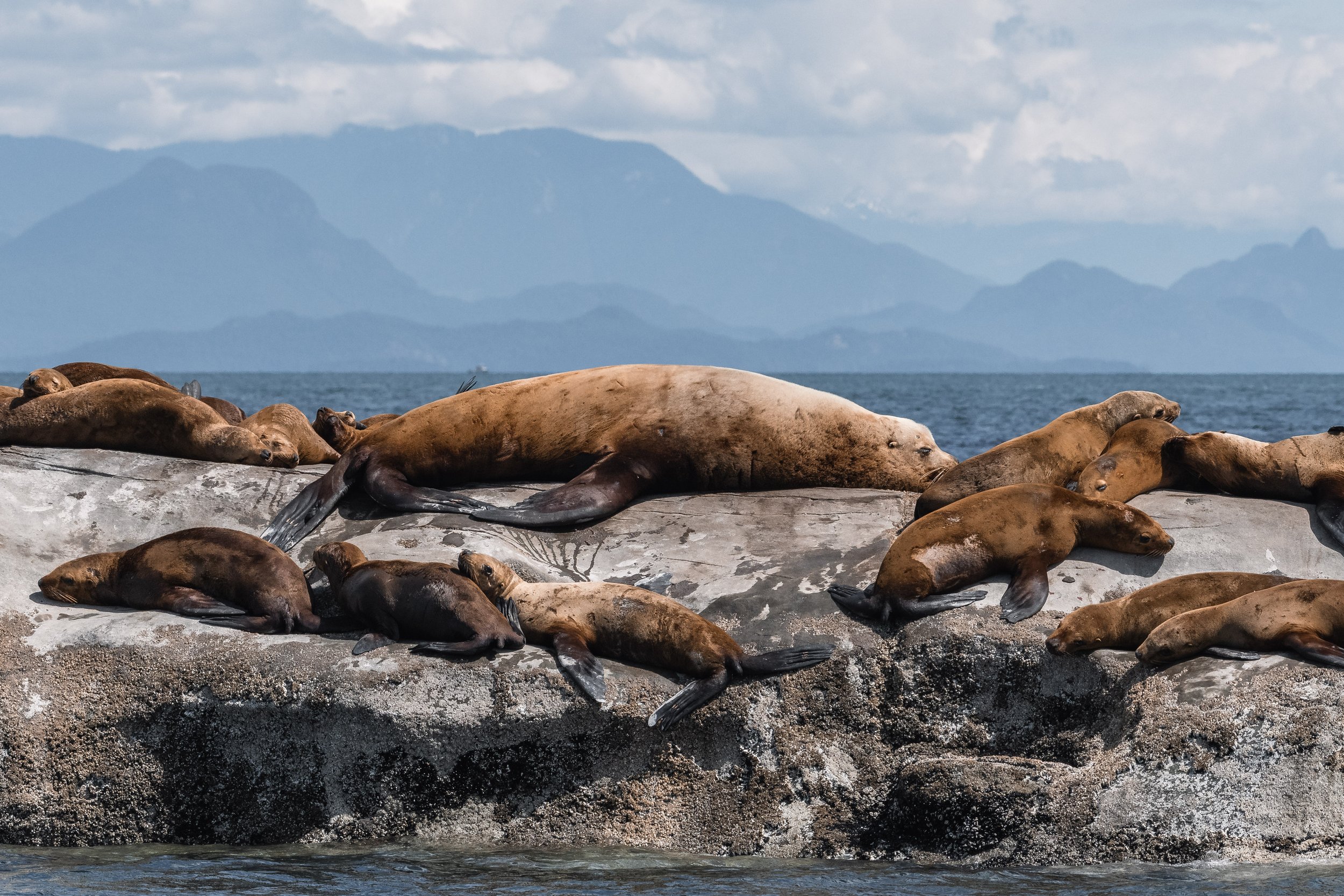
Steller Sea Lions at Stinky Rock. Photo by Evan Hessels.
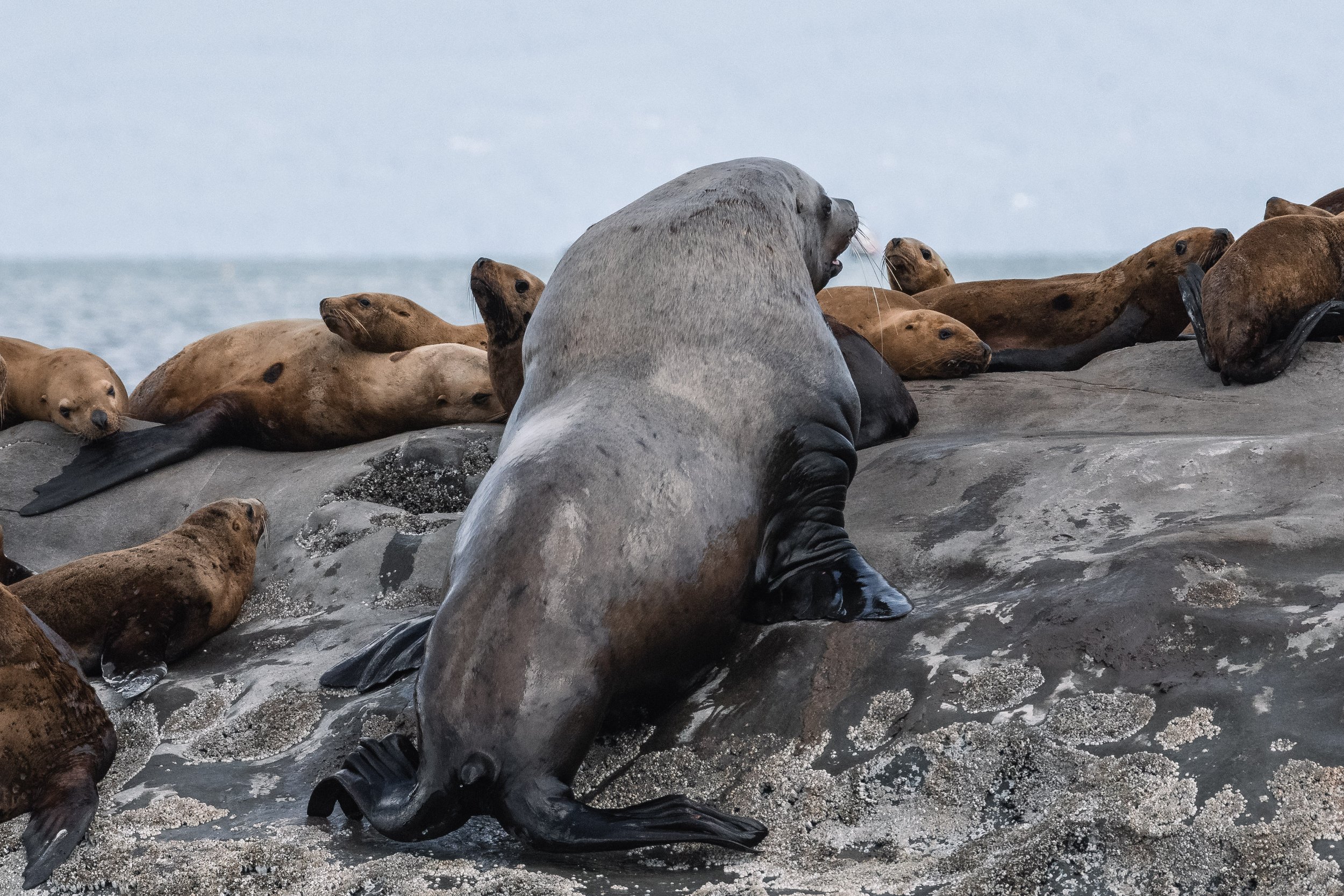
A large male crawling onto the rocks, can you spot all the rolls? Photo by Evan Hessels.
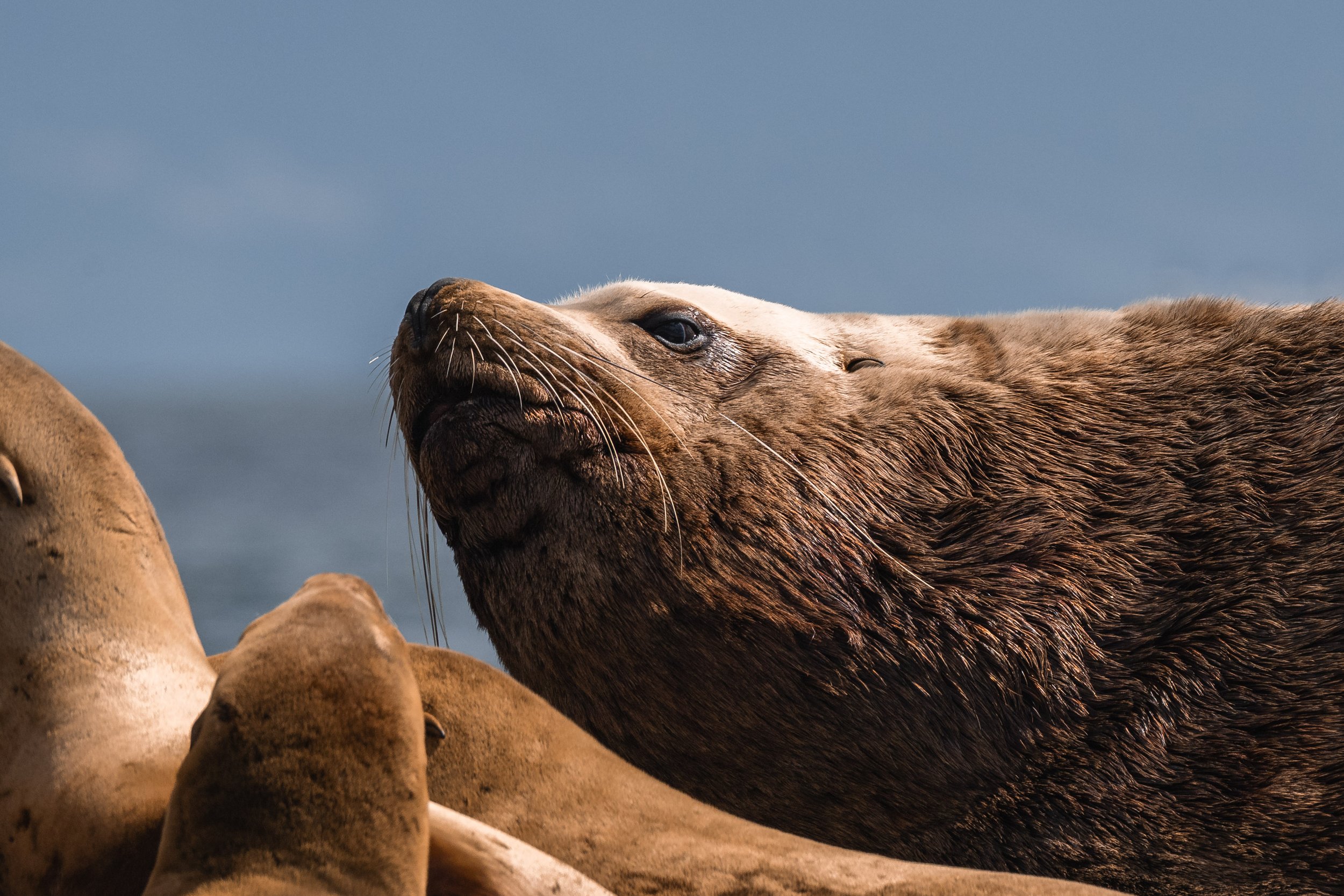
A fuzzy male Steller. Photo by Aly Kohlman.
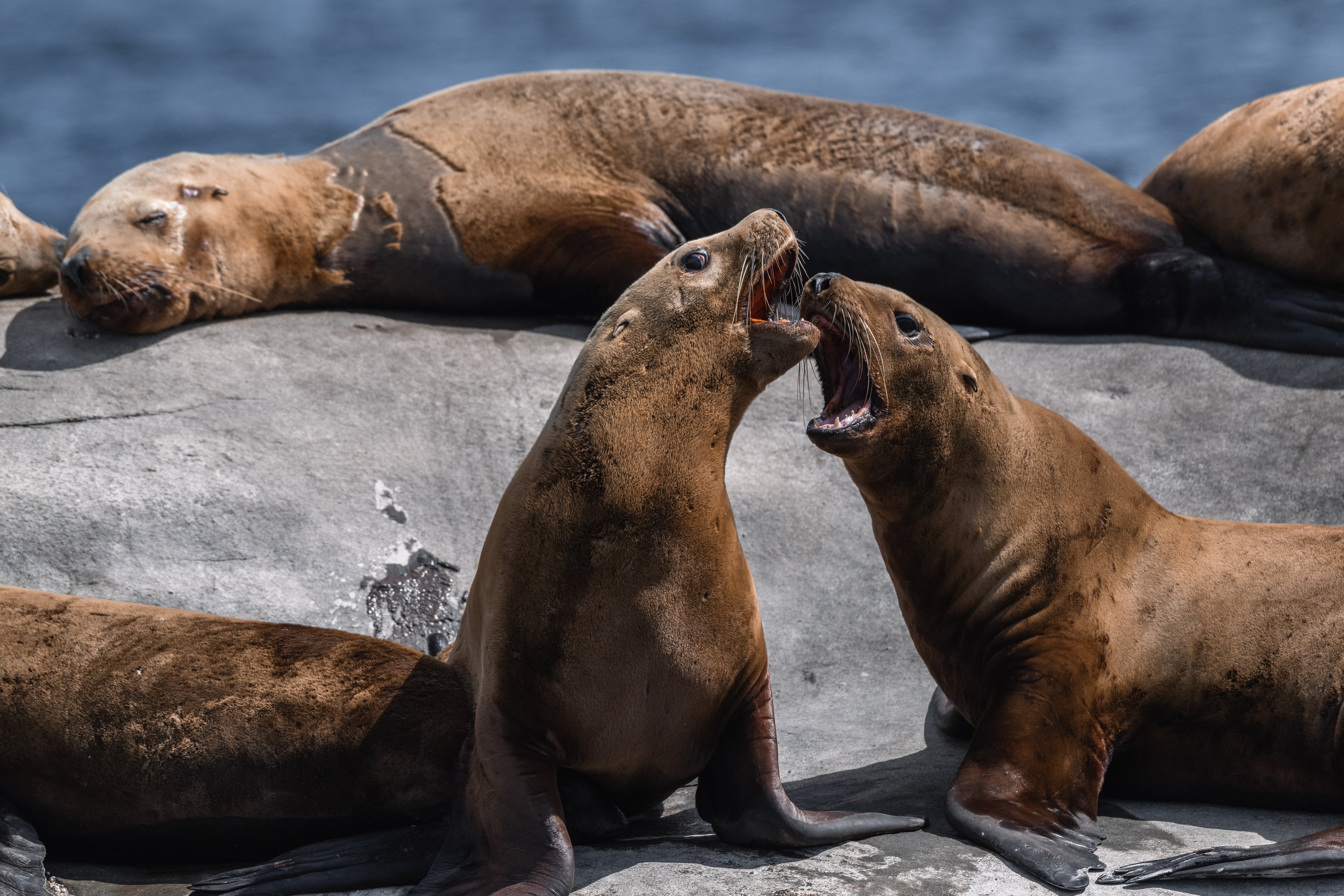
Keep it down, I’m trying to sleep! Photo by Aly Kohlman.
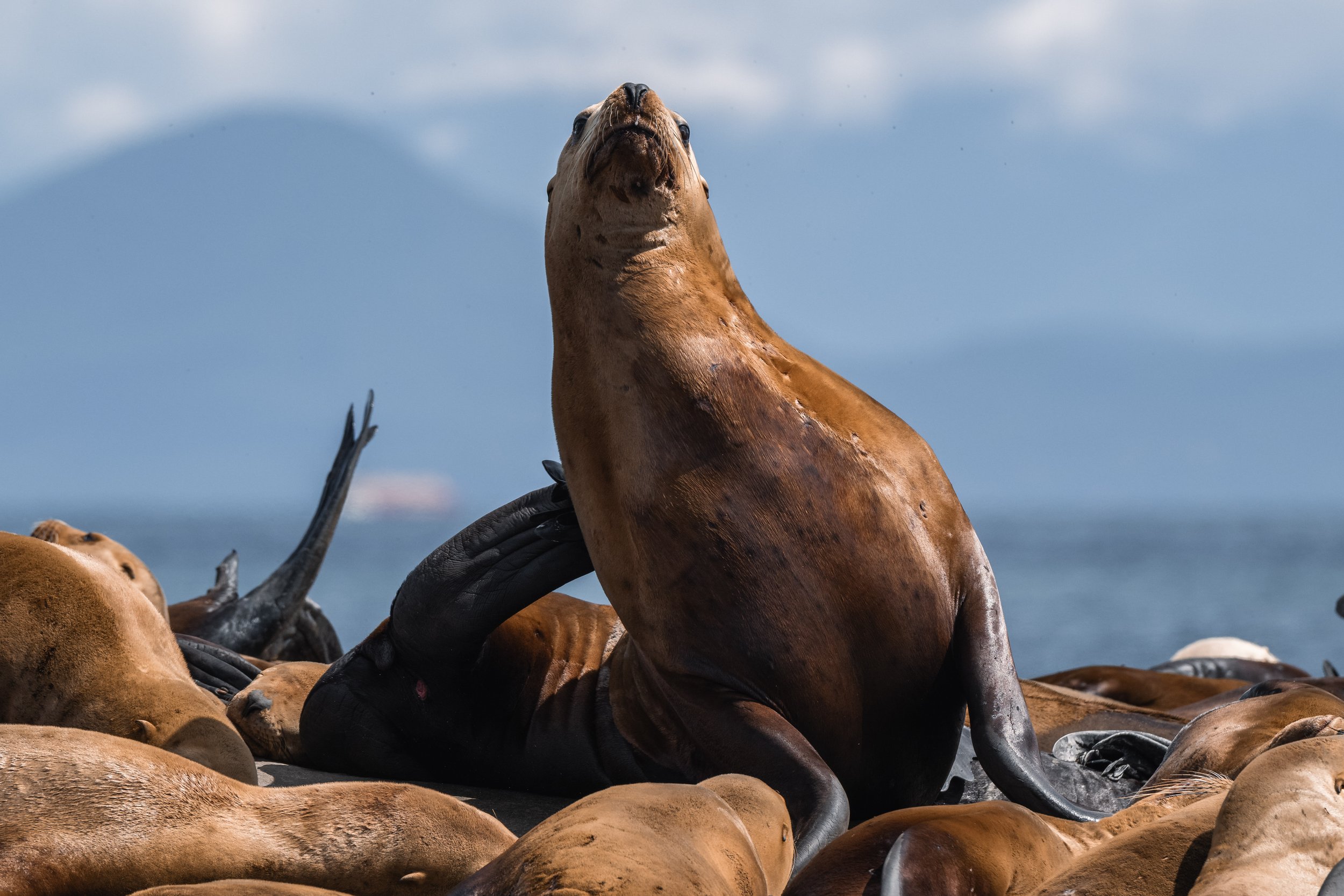
An itchy Steller Sea Lion. Photo by Aly Kohlman.
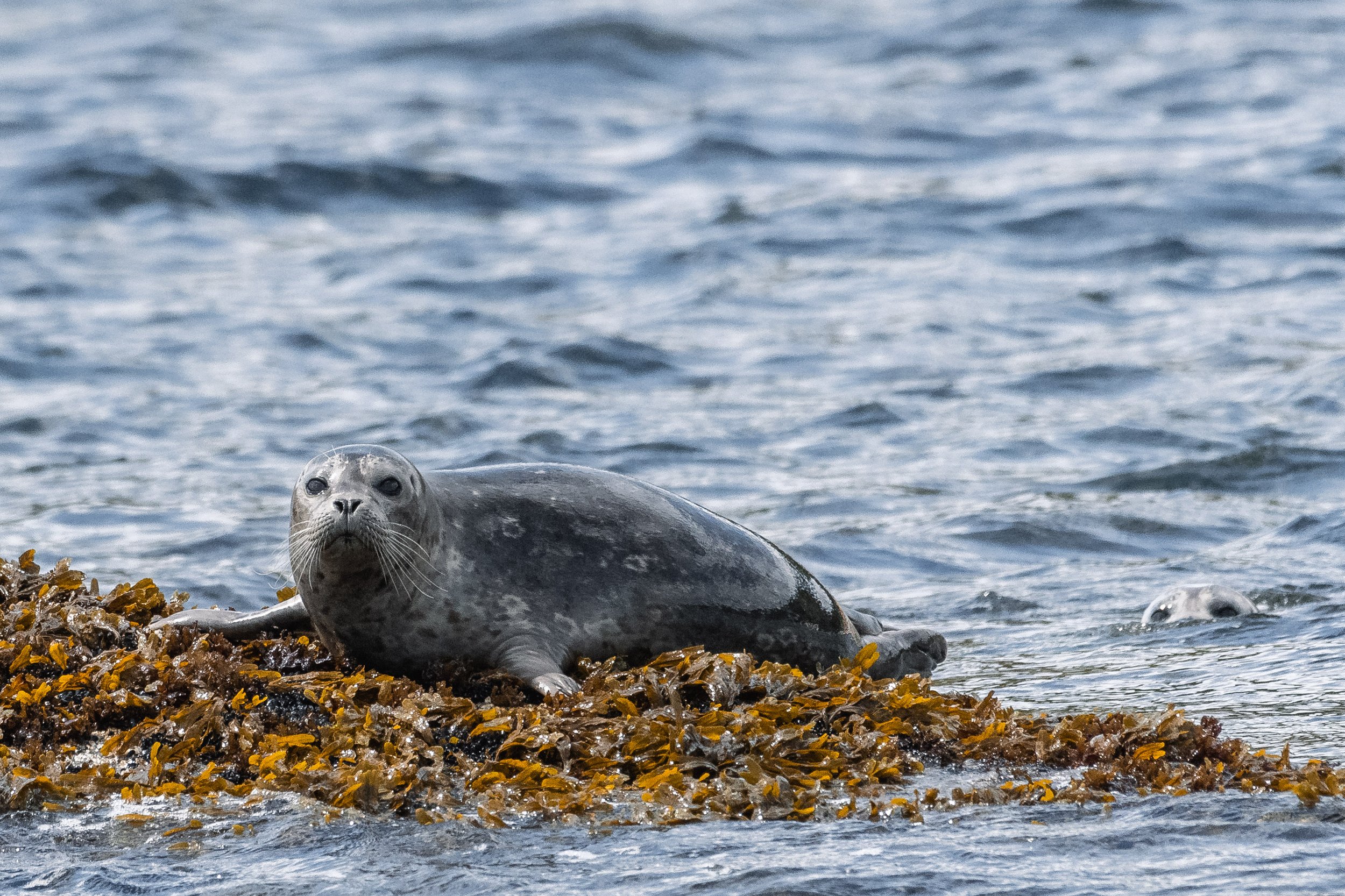
Can you see both harbour seals in this photo? Photo by Evan Hessels.
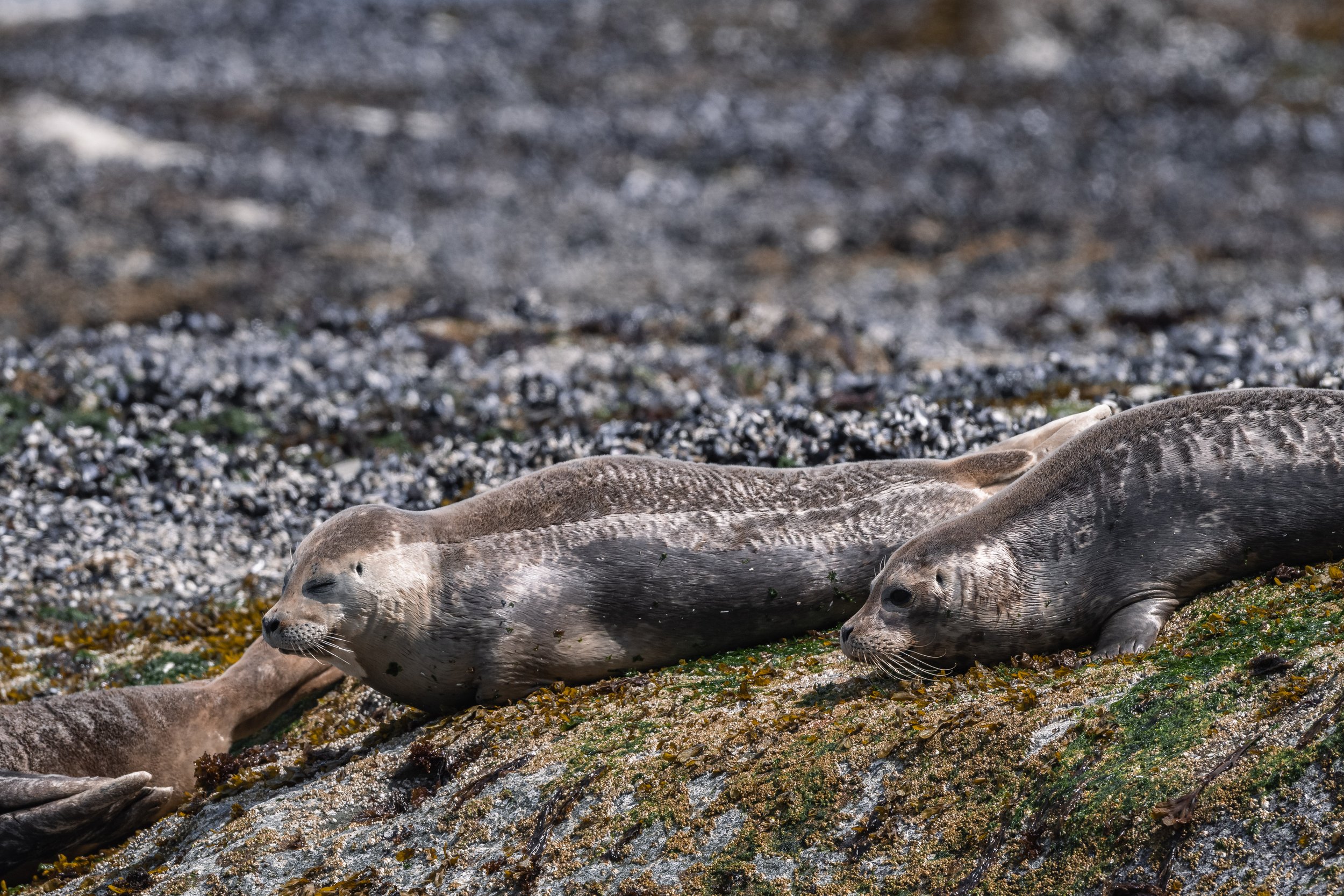
Harbour seals sleeping in the sunshine. Photo by Aly Kohlman.
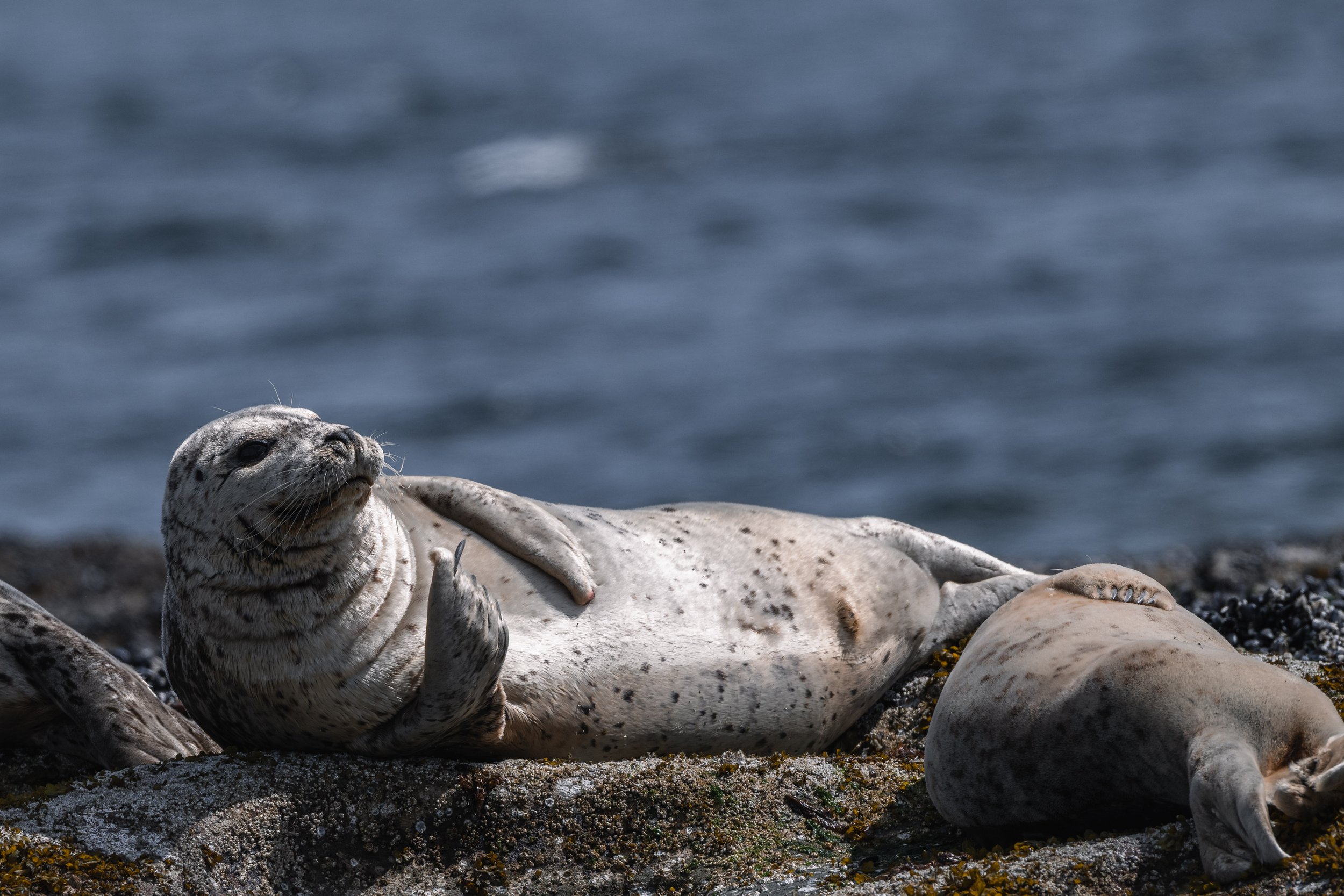
Check out that claw! Photo by Aly Kohlman.
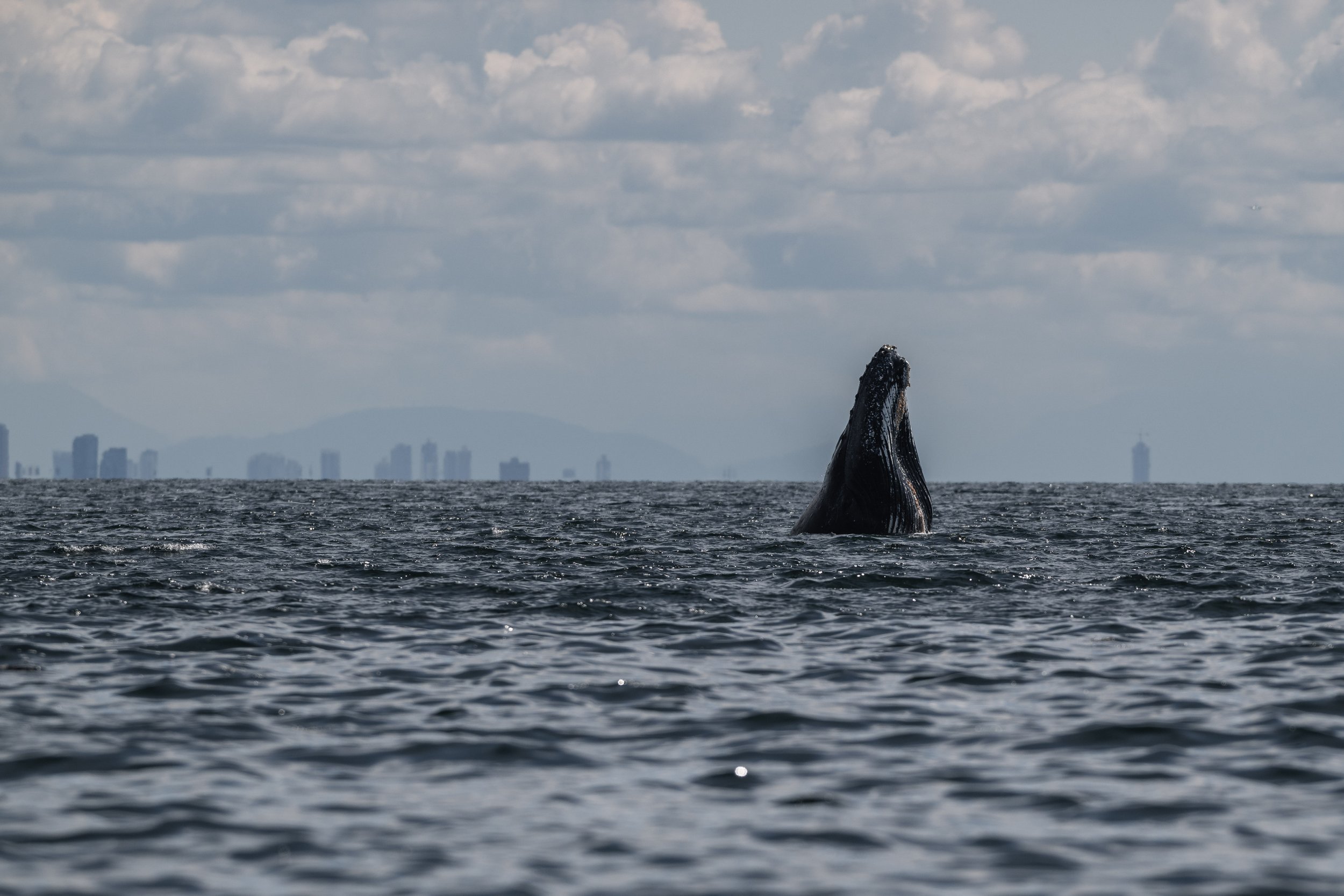
Chin slapping in front of Vancouver. Photo by Aly Kohlman.
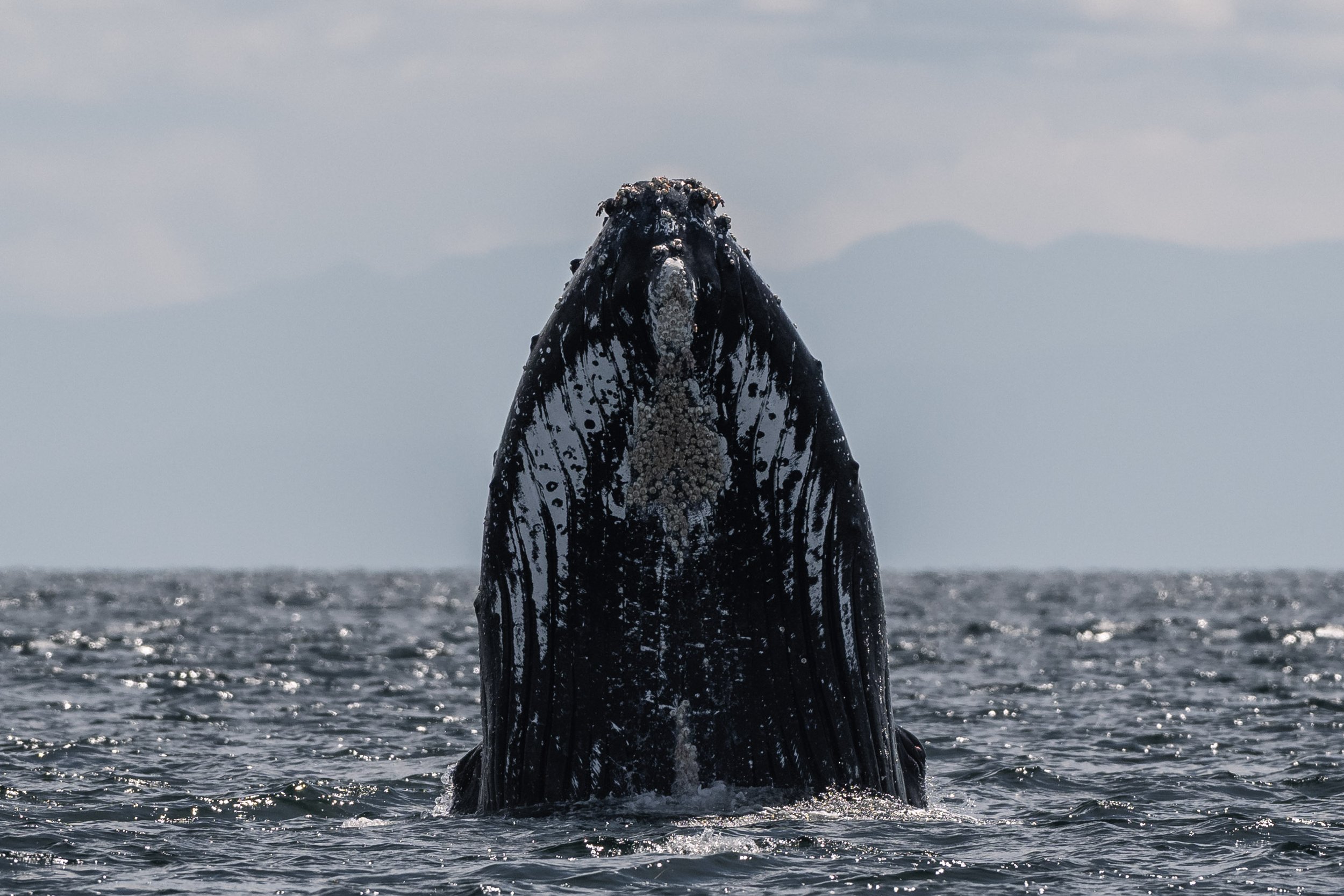
Look at that chin! Photo by Aly Kohlman.
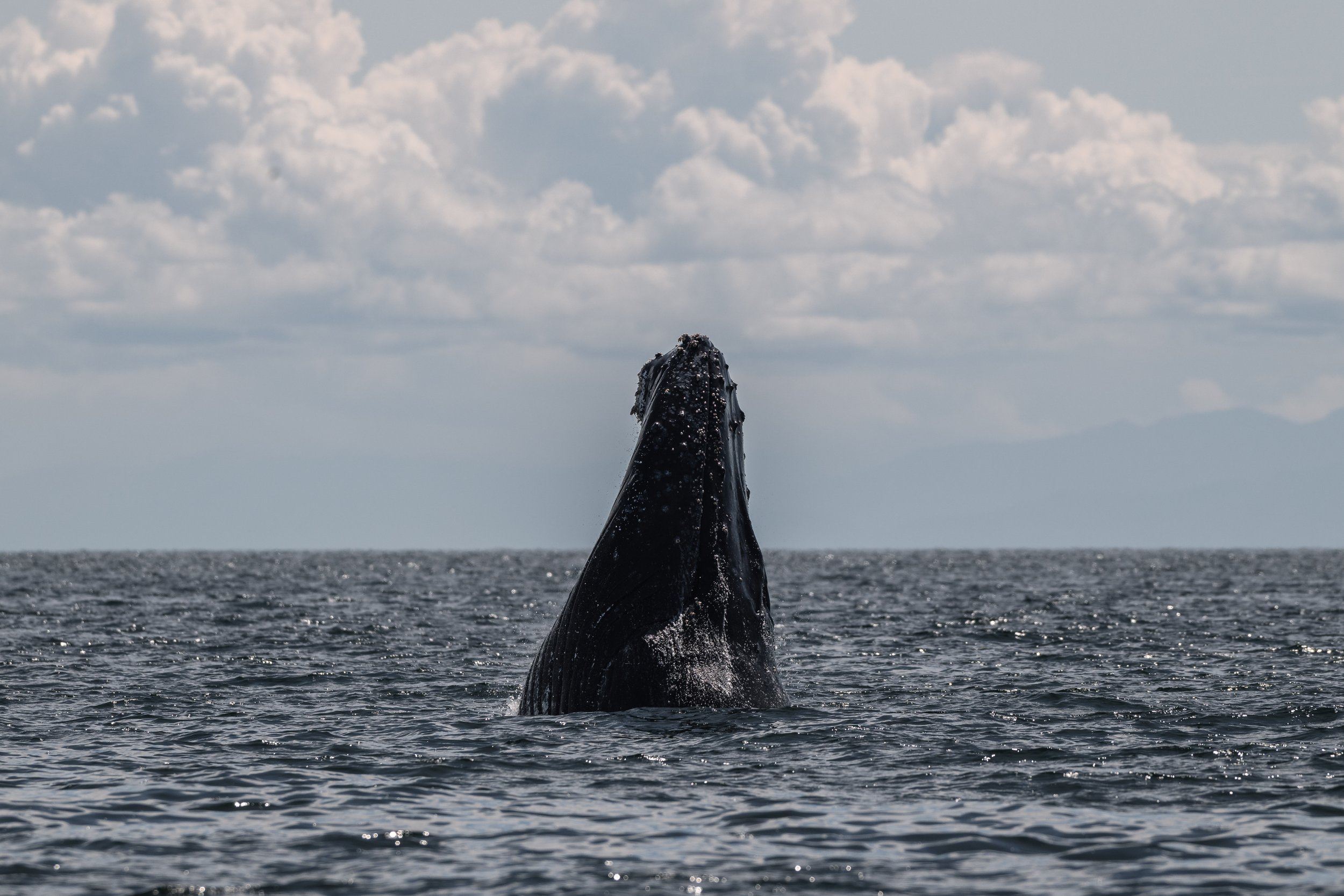
Still chin slapping away! Photo by Aly Kohlman.
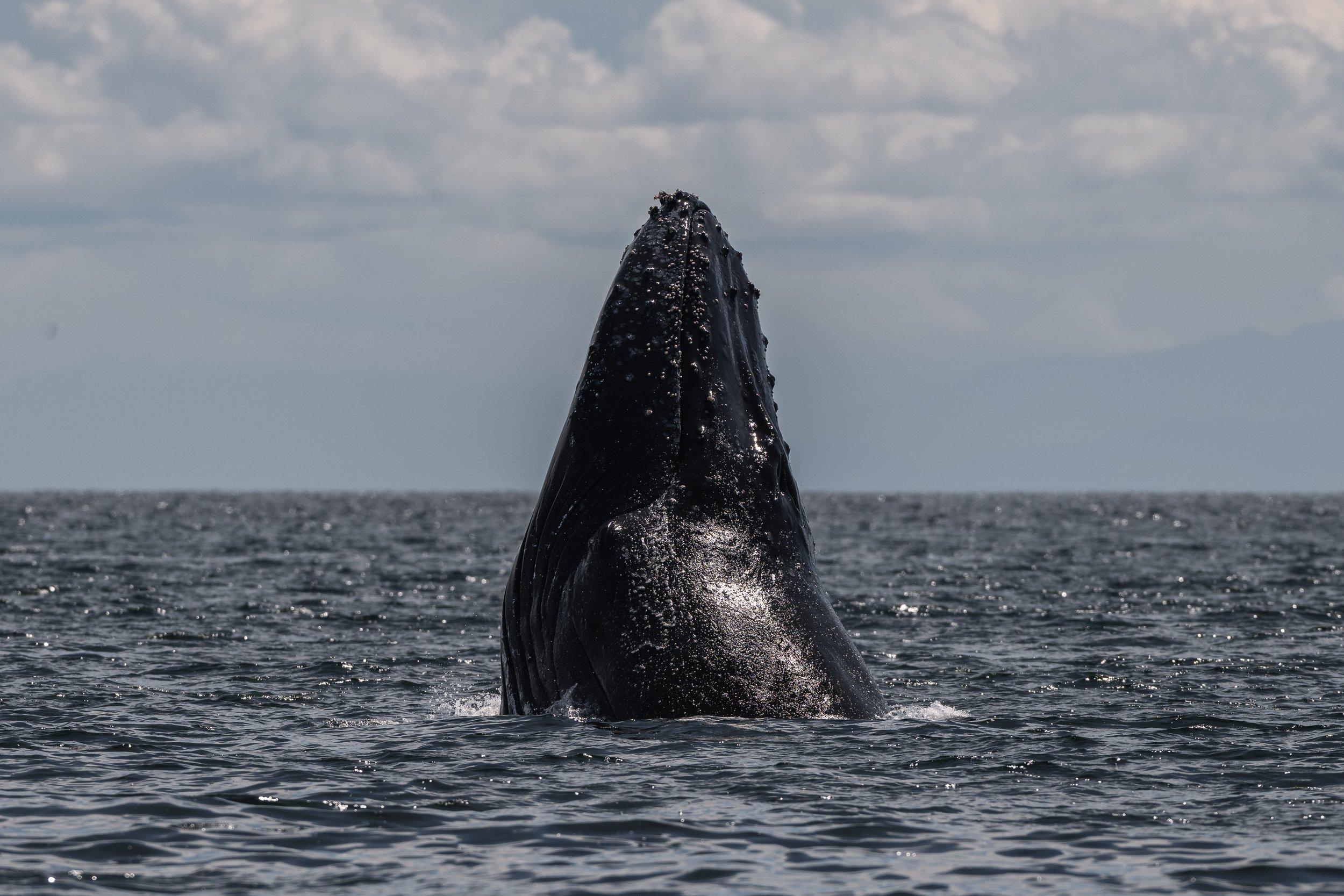
Another one coming up. Photo by Aly Kohlman.
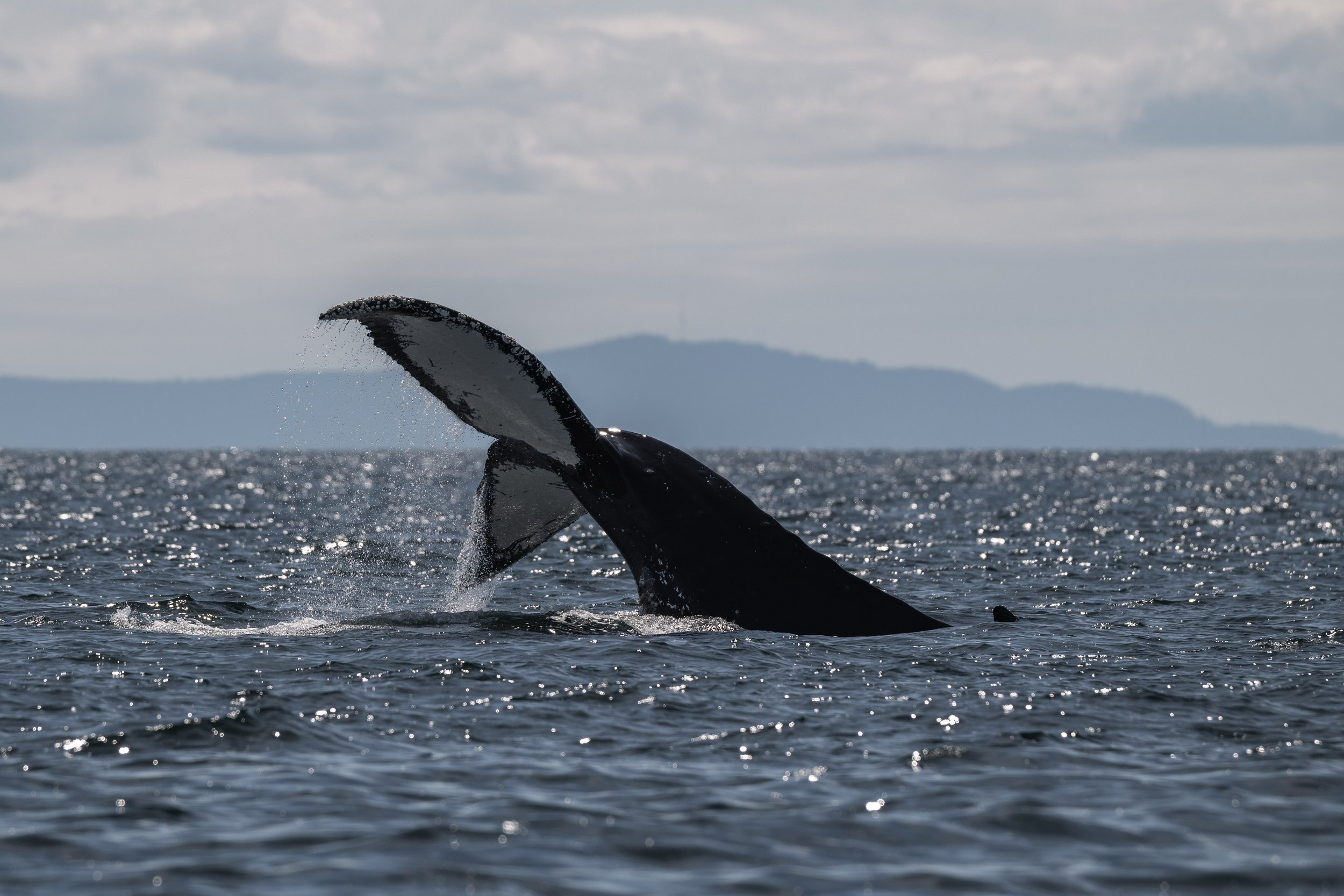
Anvil making a splash. Photo by Aly Kohlman.
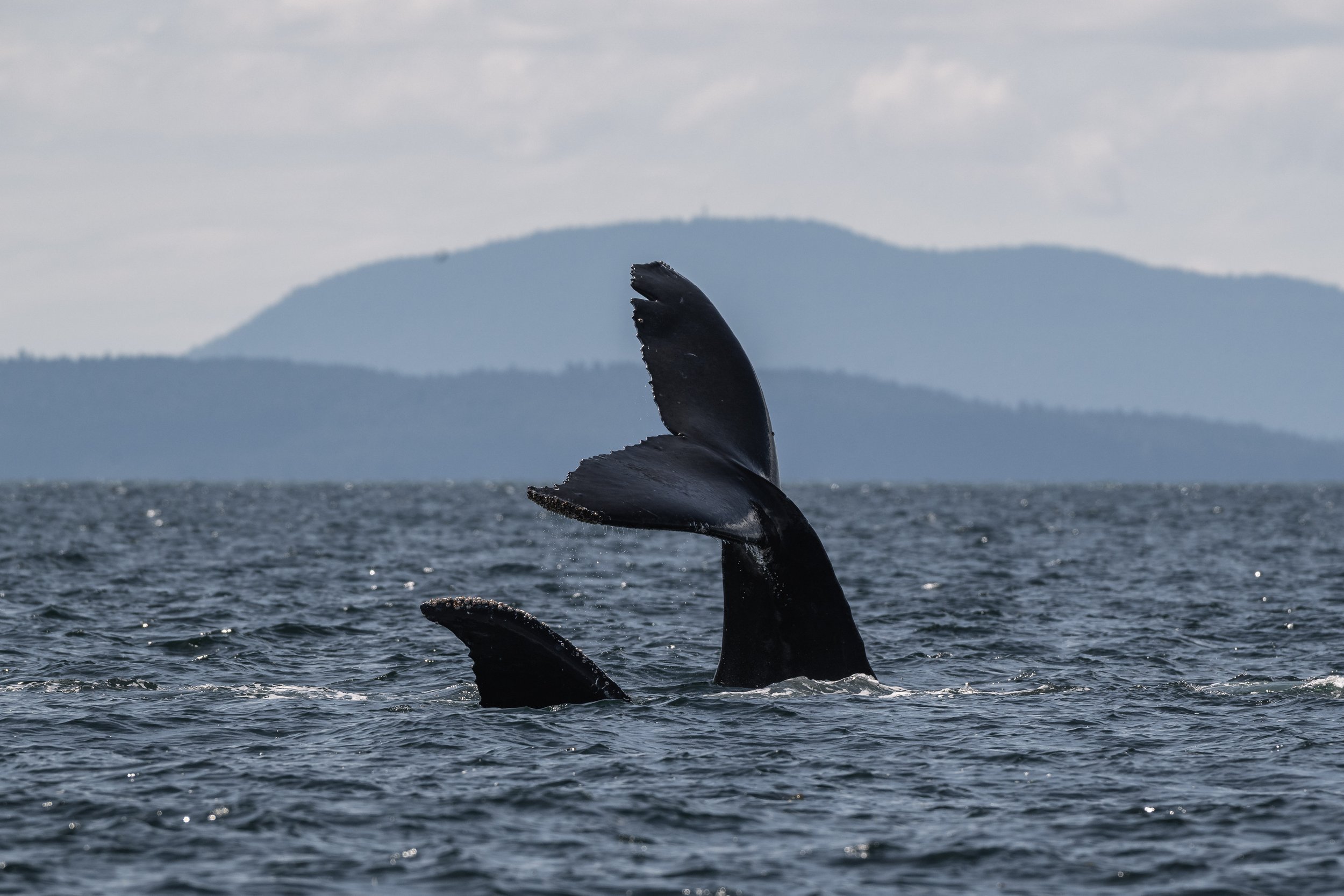
Split Fluke’s tail in the air as Anvil’s tail peaks above the waves. Photo by Aly Kohlman.
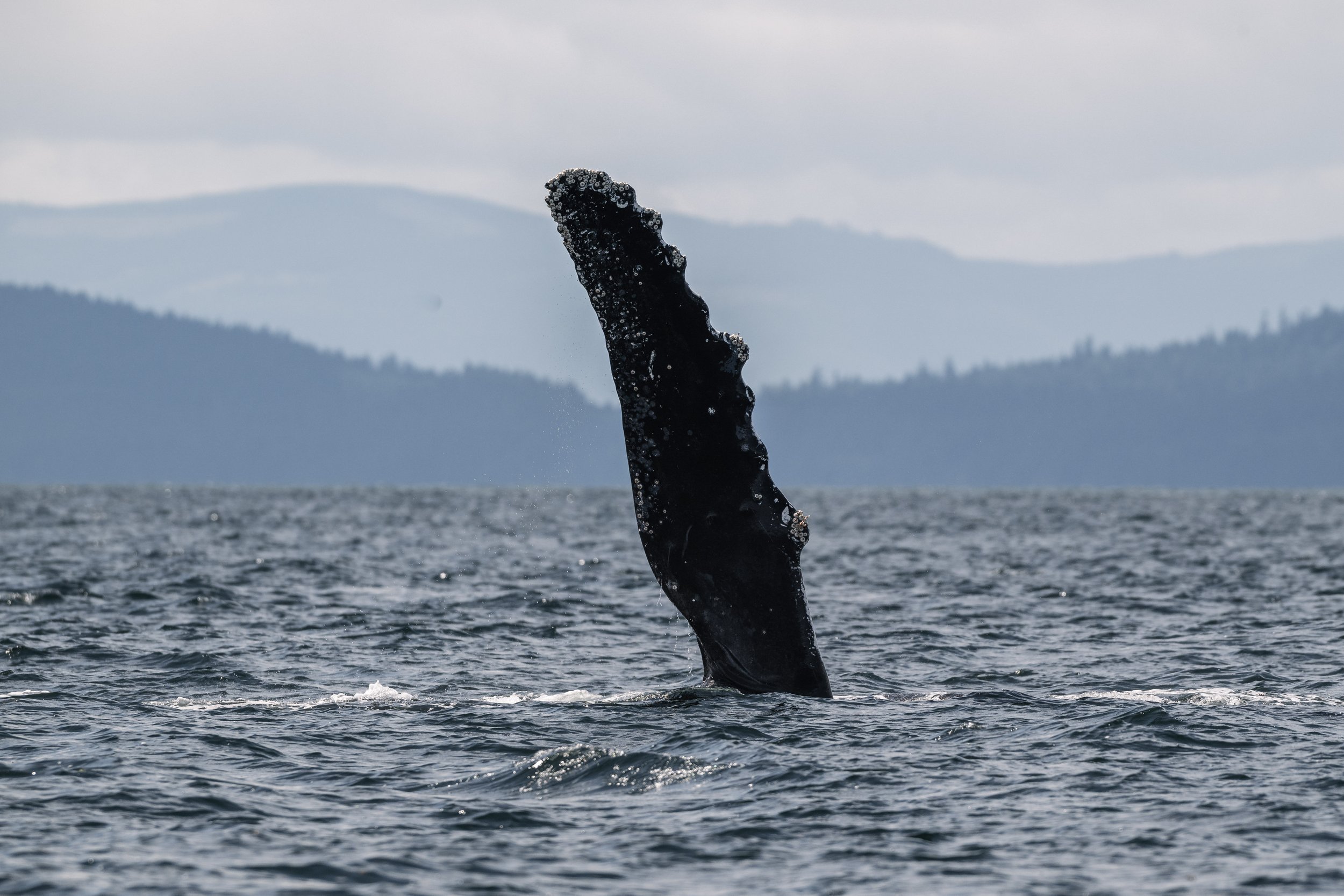
A mighty peck slap. Photo by Aly Kohlman.
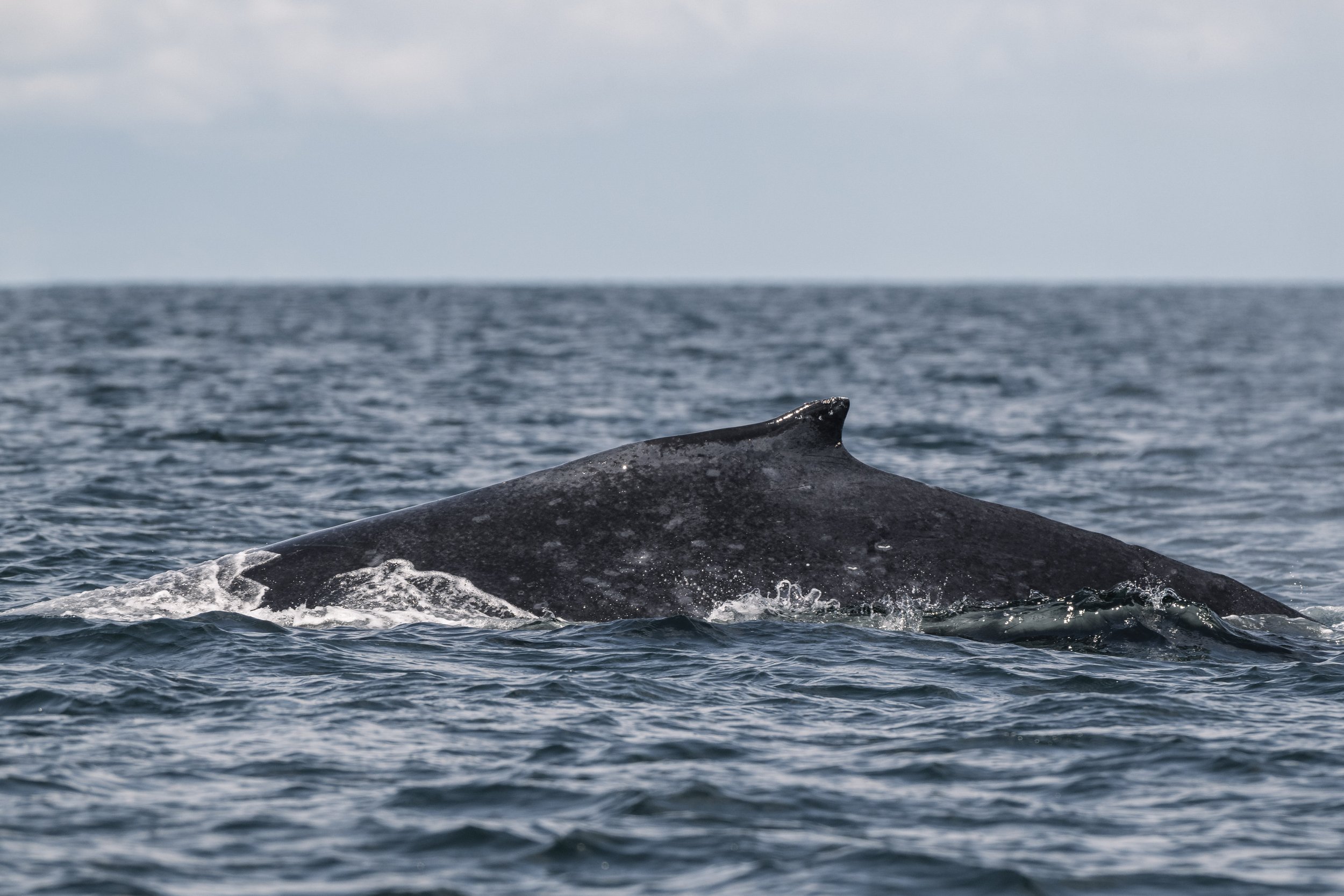
Phi/Corona’s dorsal fin. Photo by Aly Kohlman.
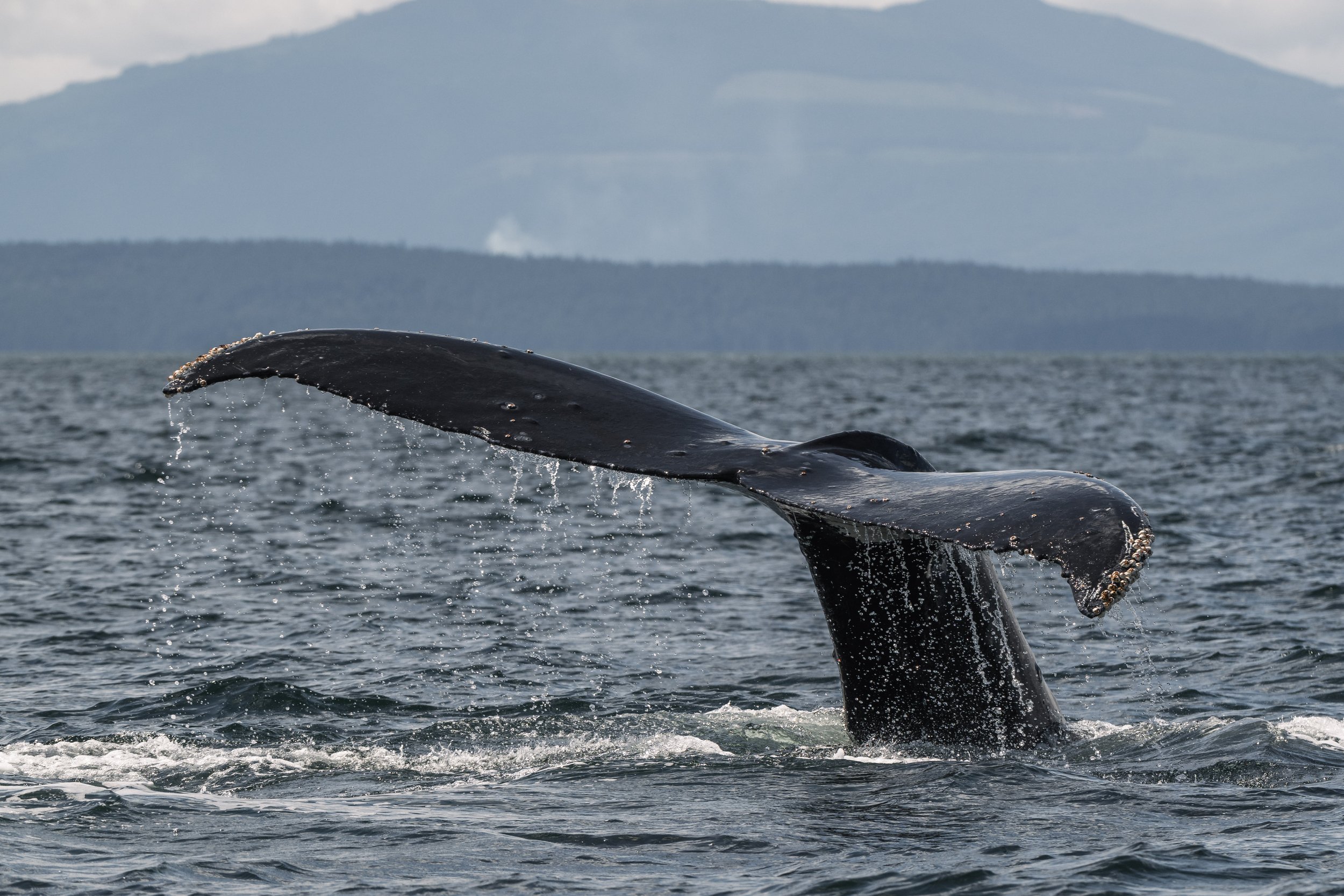
Anvil going down. Photo by Aly Kohlman.
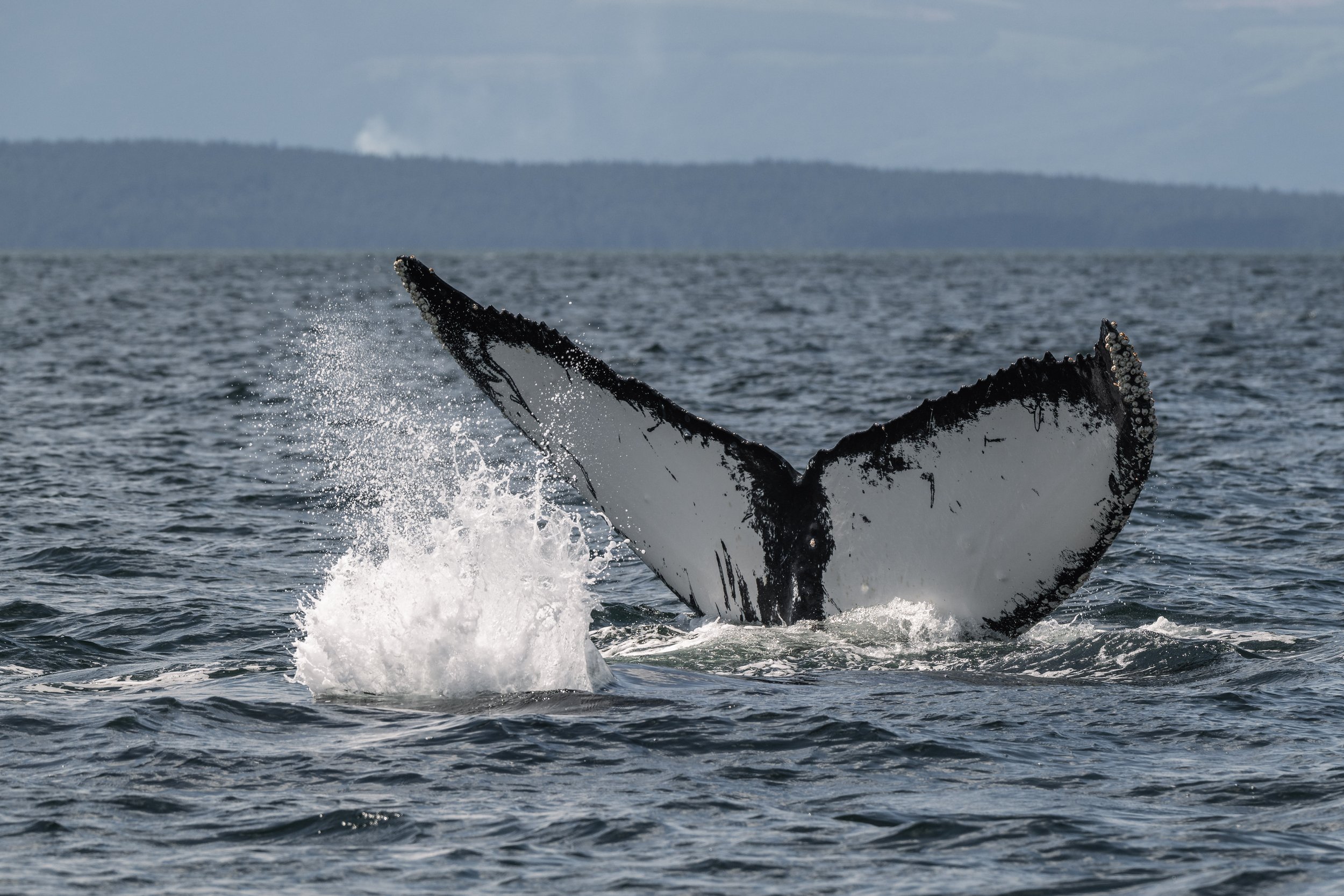
Anvil fluking as someone else makes a splash. Photo by Aly Kohlman.
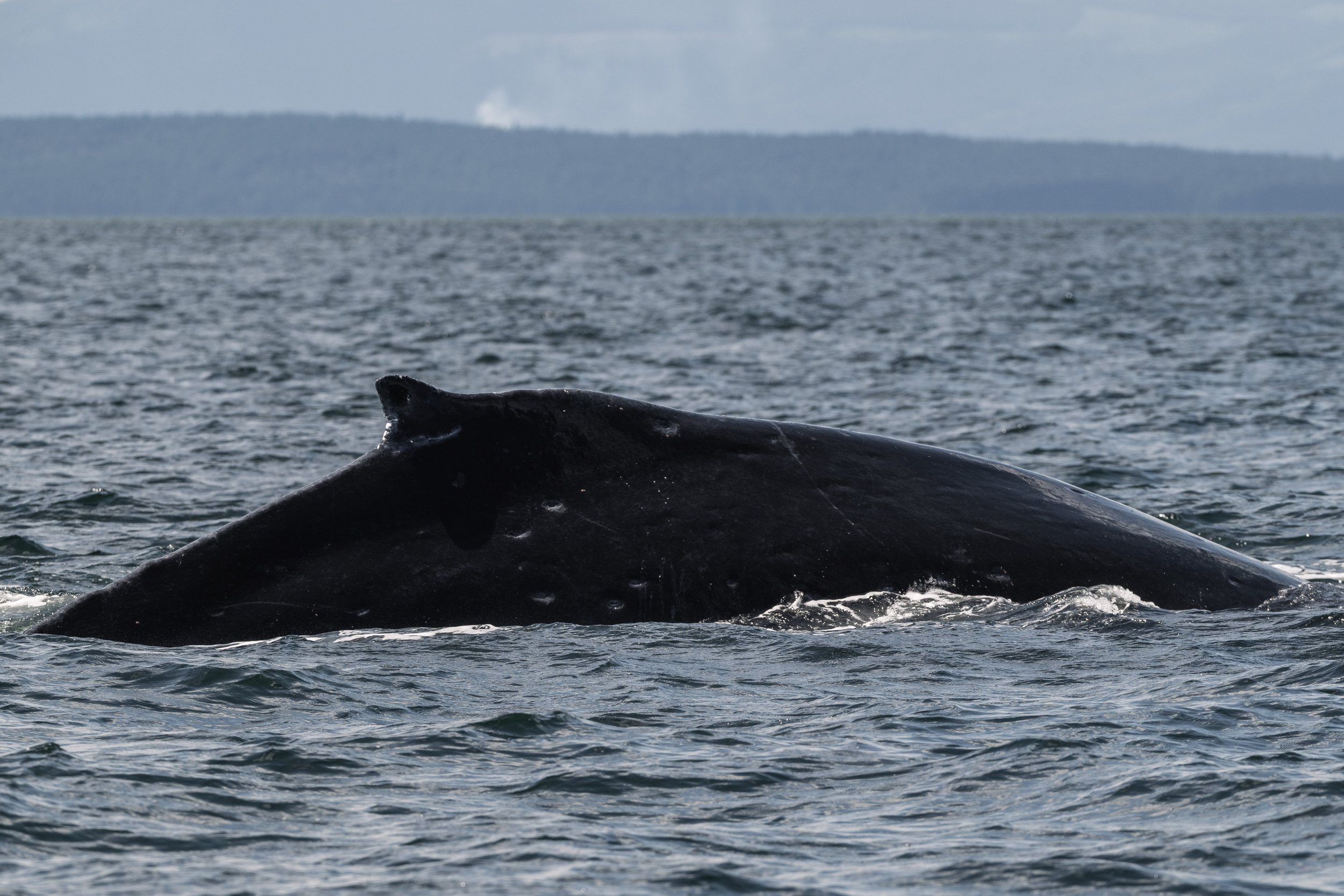
Arial’s dorsal. Photo by Aly Kohlman.
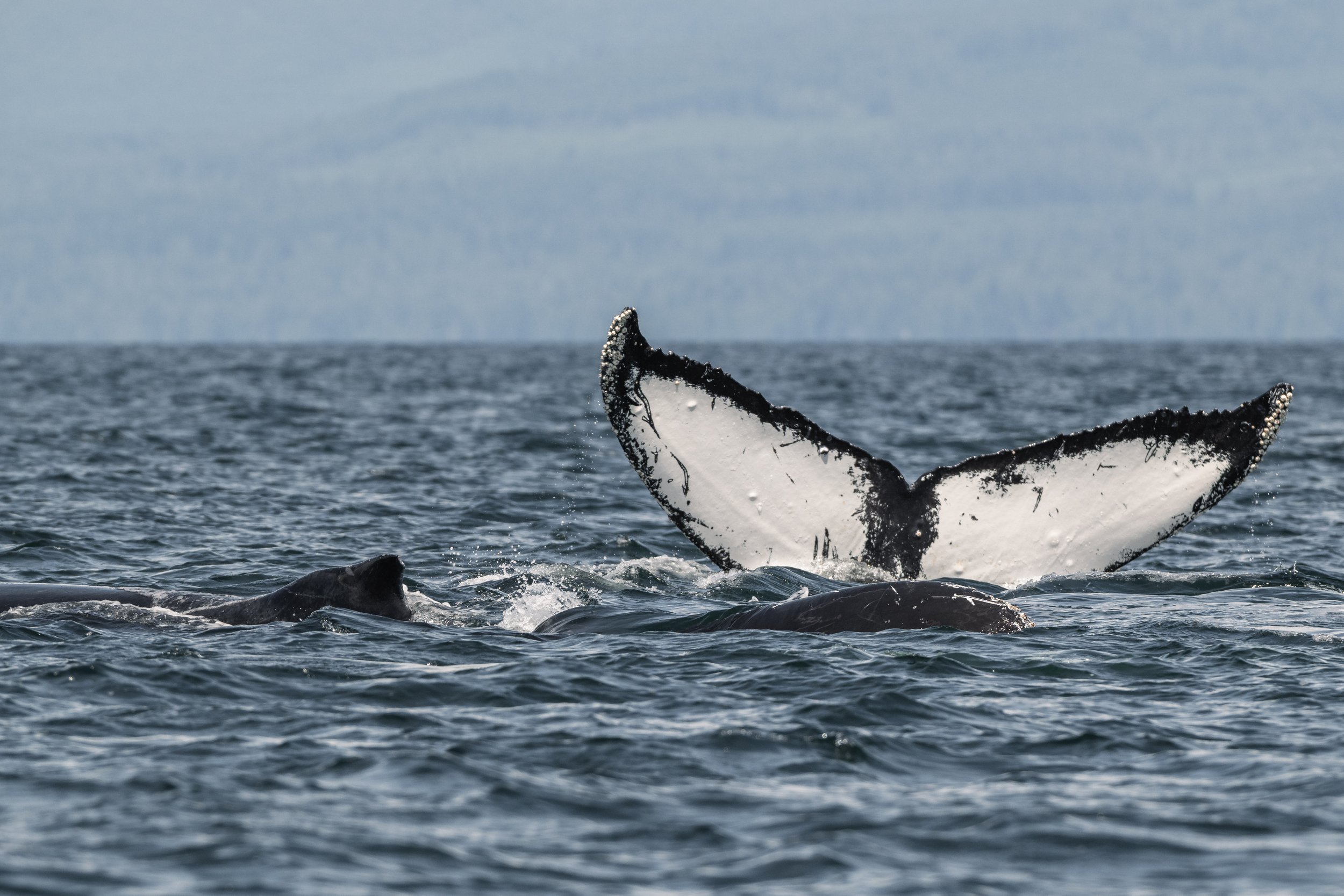
Coyote’s dorsal and Anvil’s flukes. Photo by Aly Kohlman.
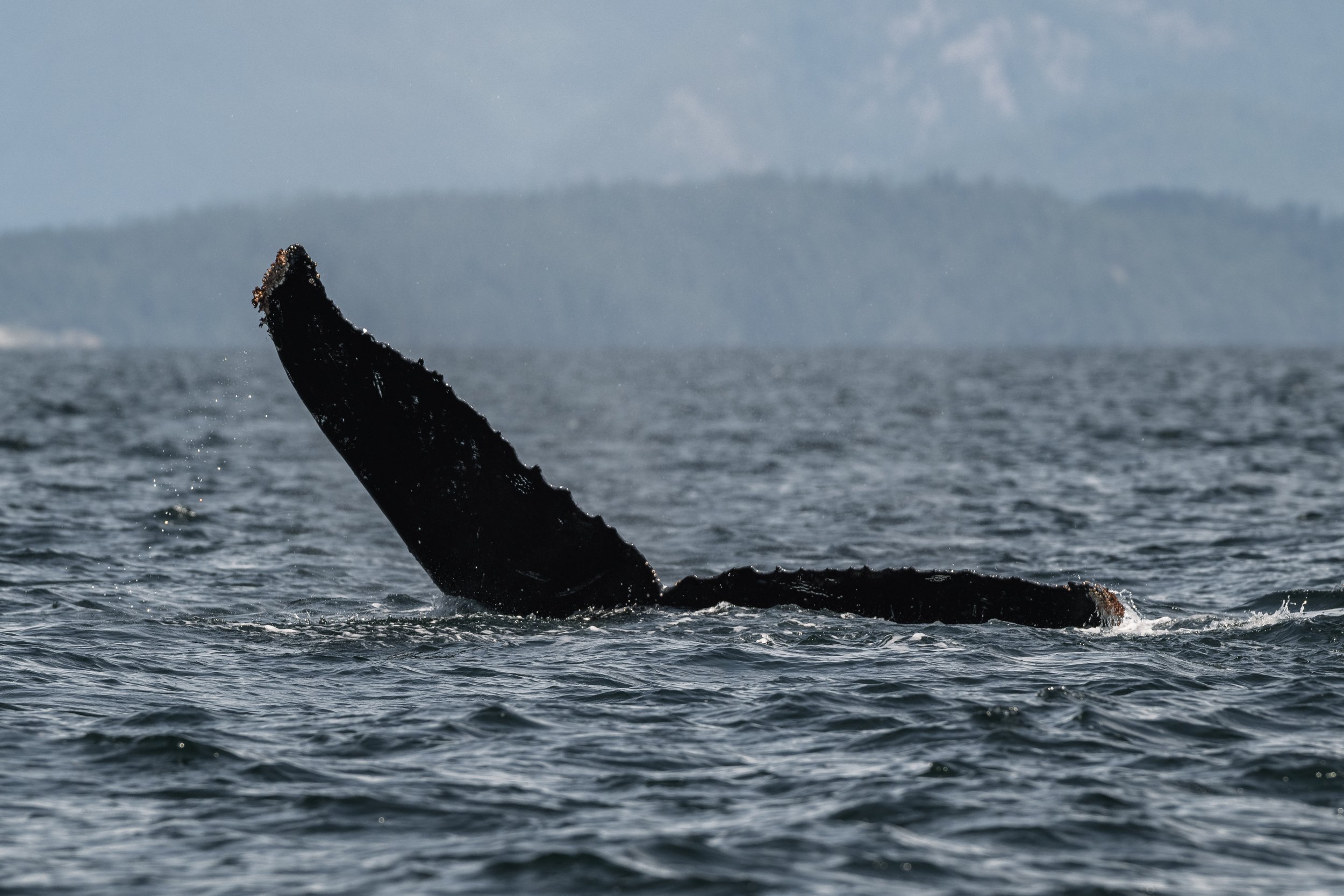
Arial fluking. Photo by Aly Kohlman.
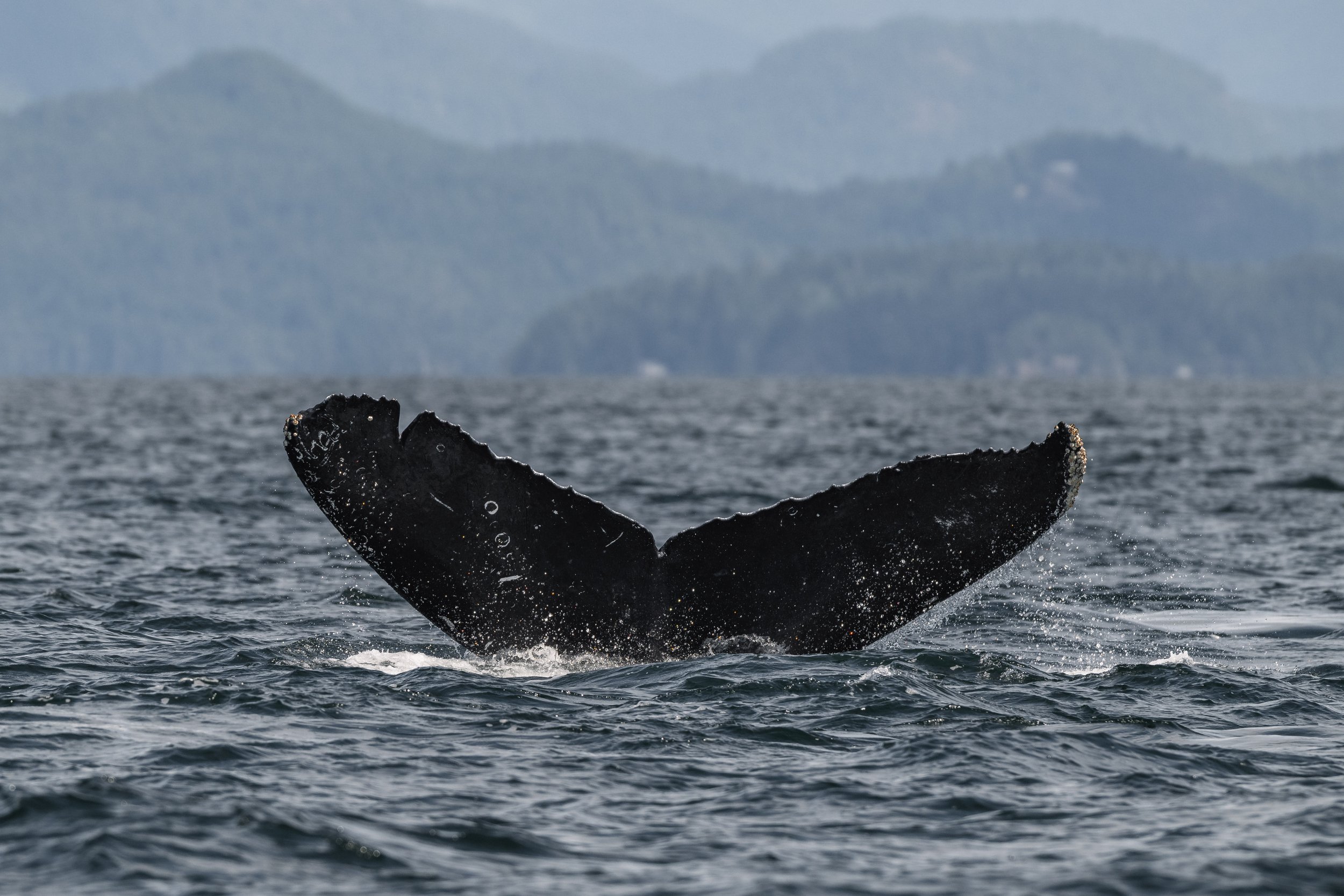
Split Fluke going down. Photo by Aly Kohlman.
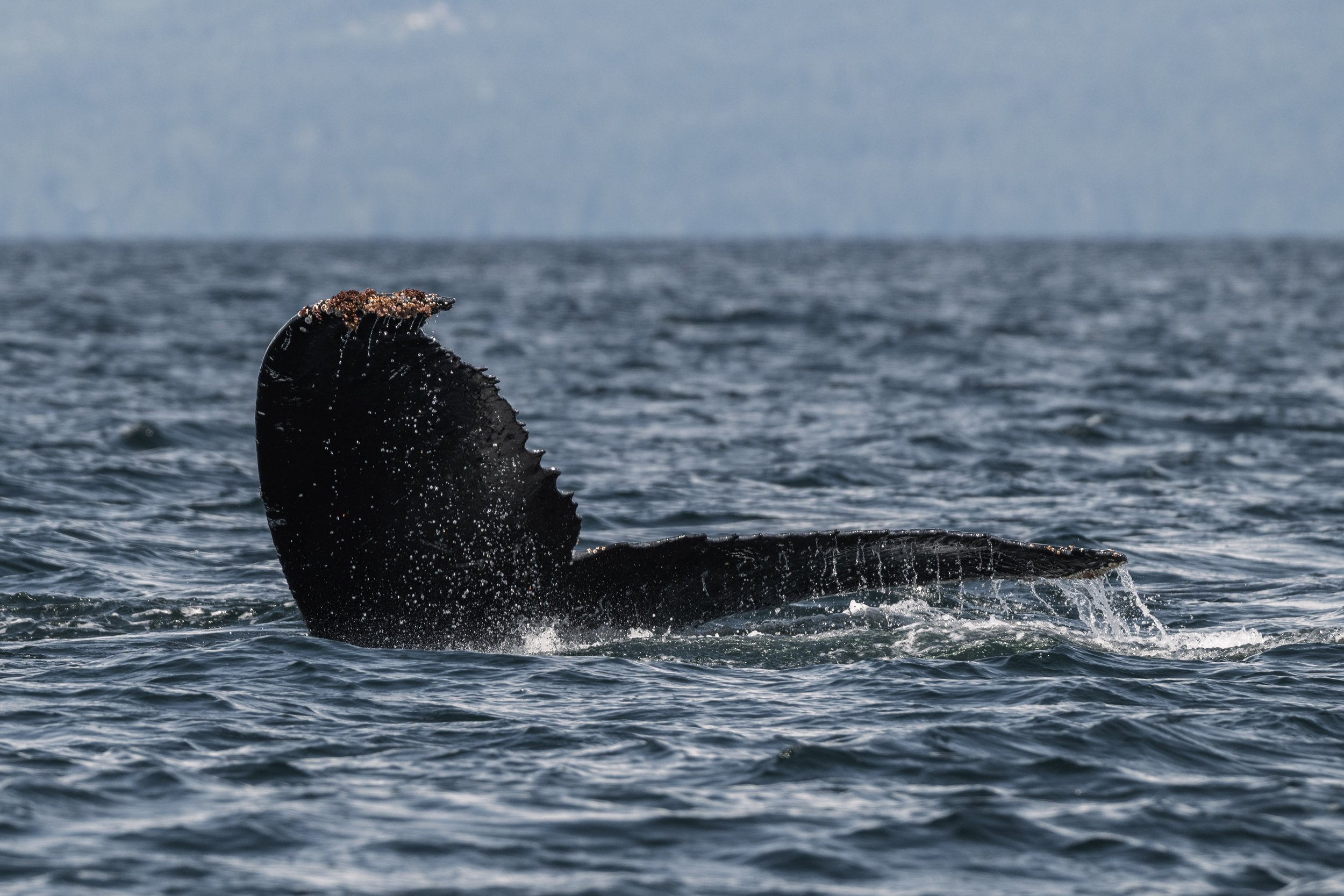
Arial fluking. Photo by Aly Kohlman.
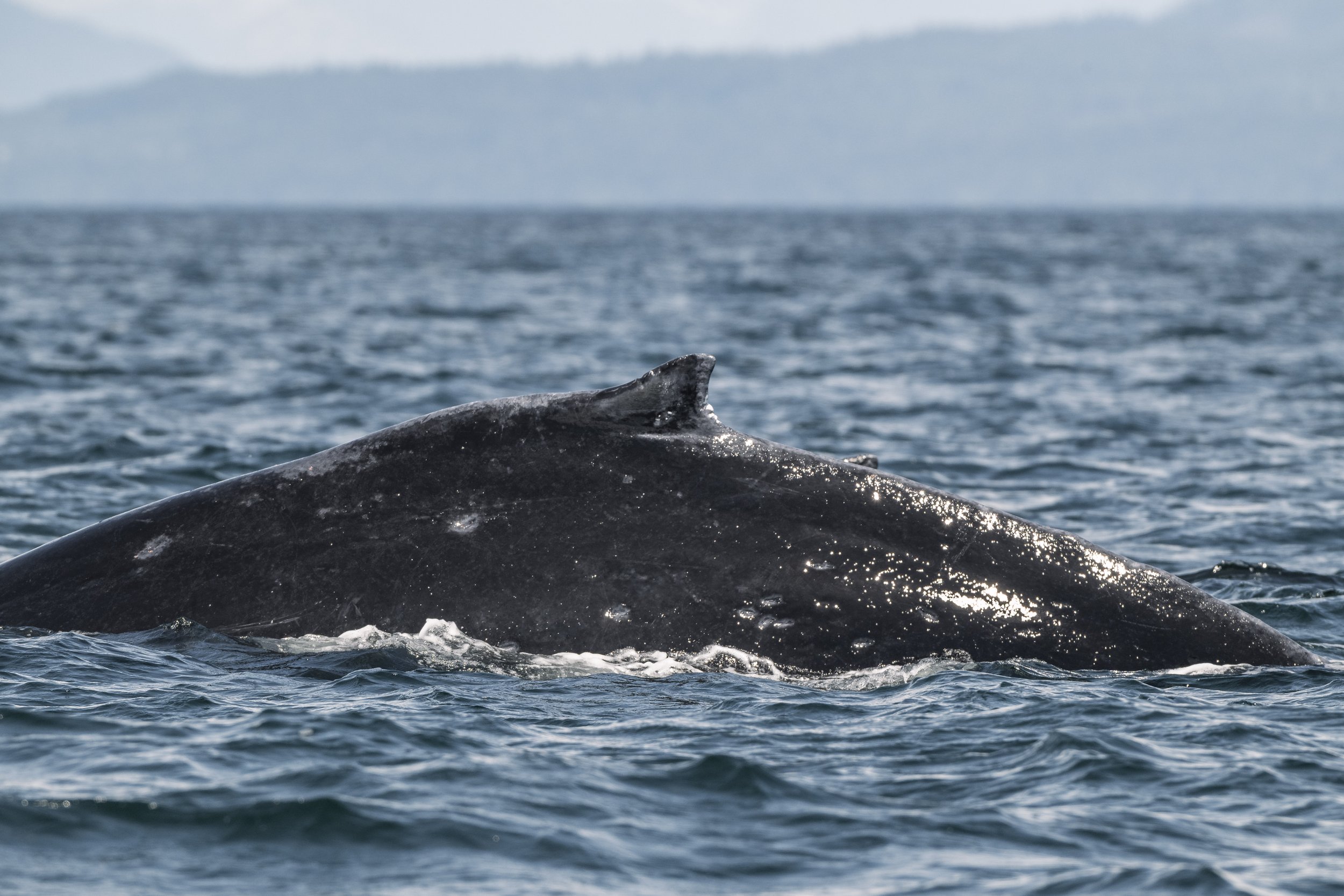
Arial’s dorsal. Photo by Aly Kohlman.
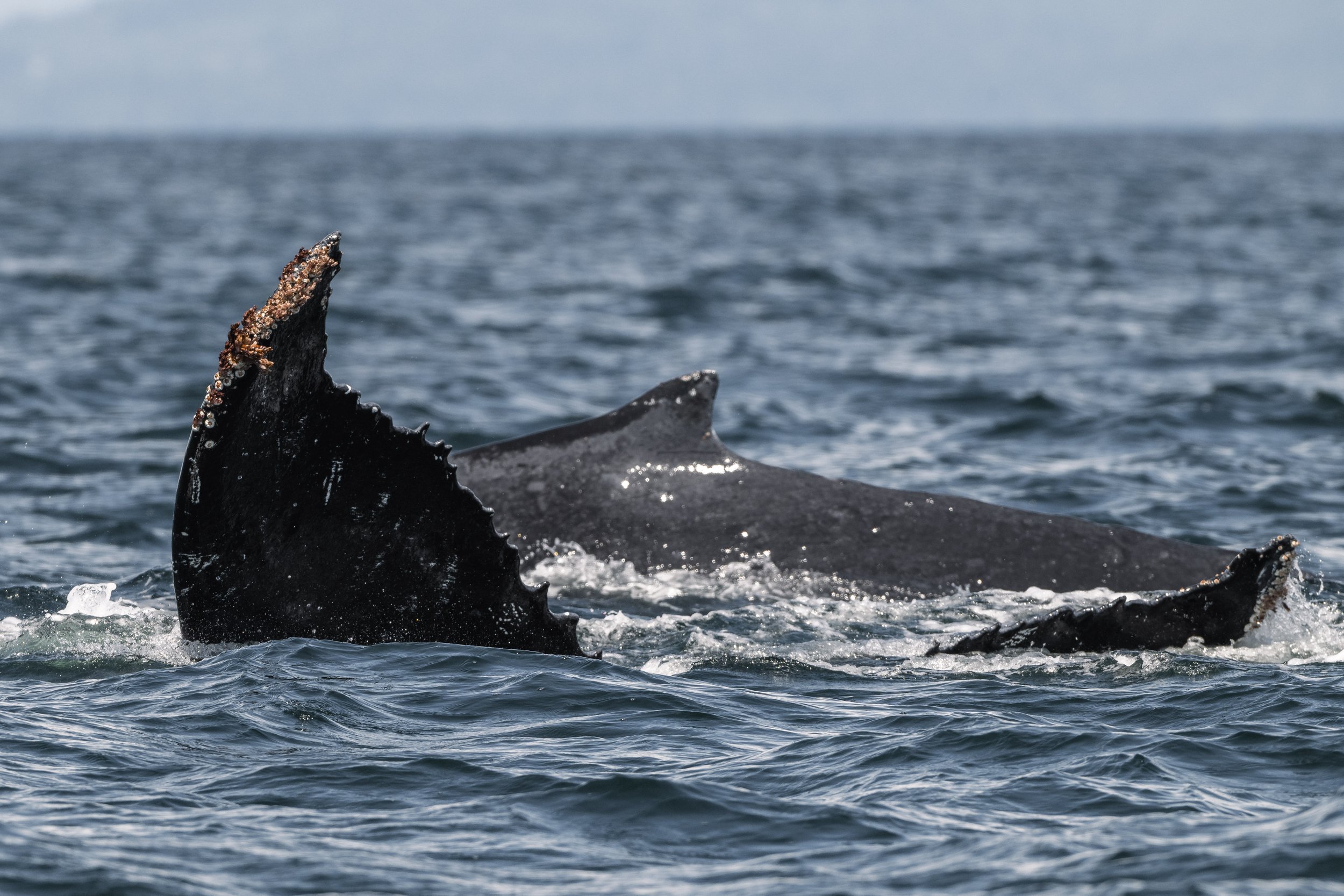
Phi/Corona’s dorsal fin framed by Arial’s tail. Photo by Aly Kohlman.
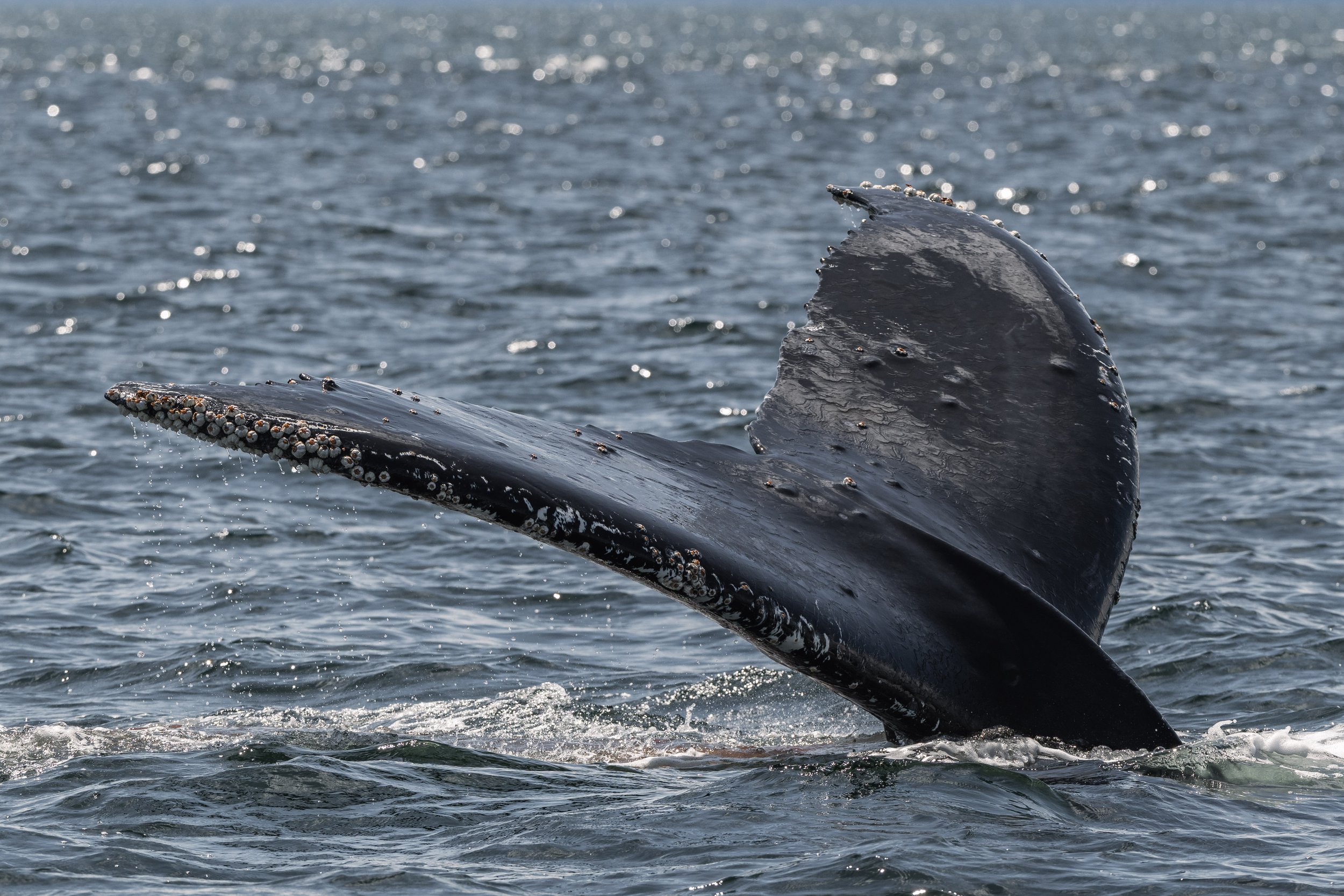
Split Fluke diving. Photo by Aly Kohlman.
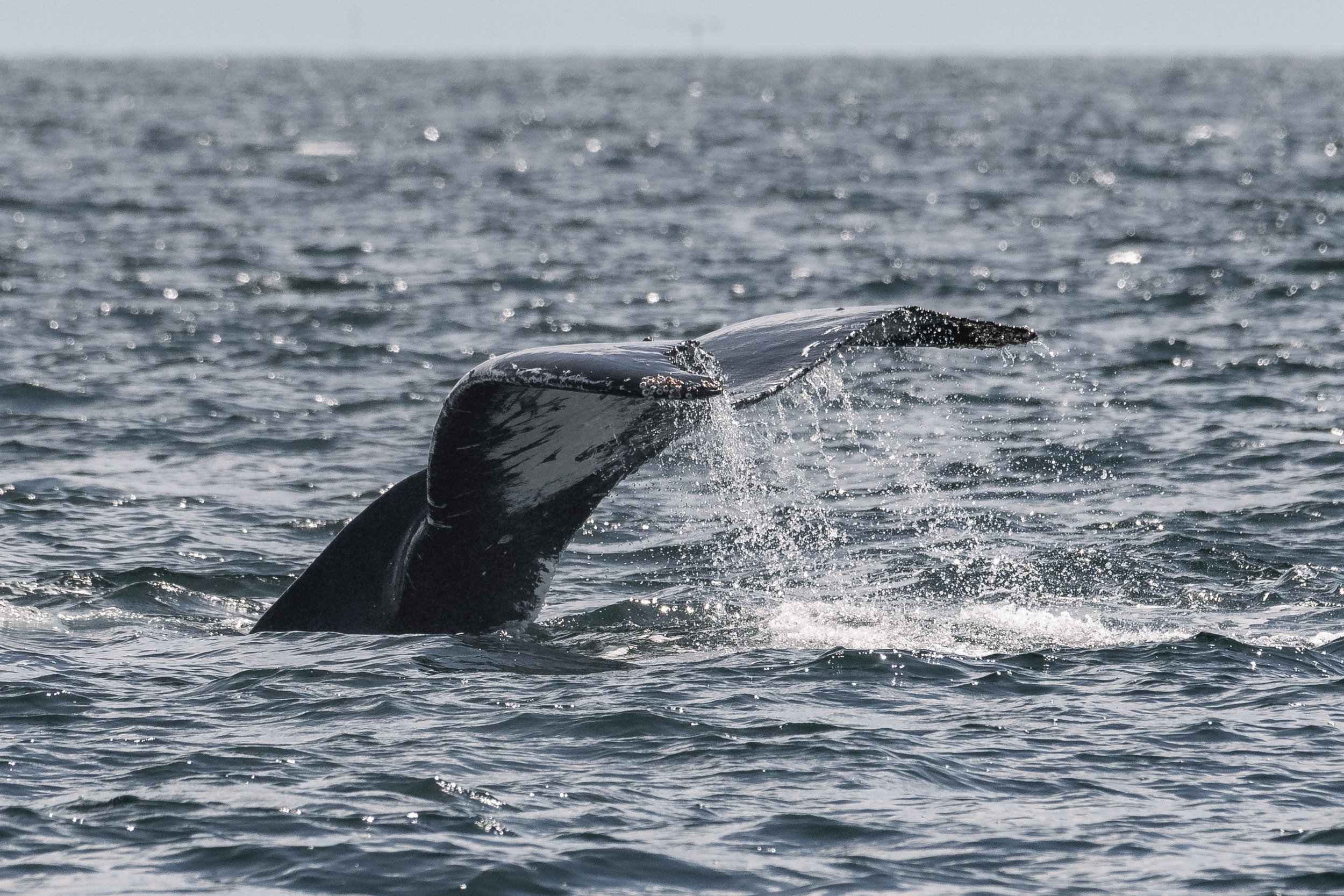
Chi going for a dive! Photo by Evan Hessels.
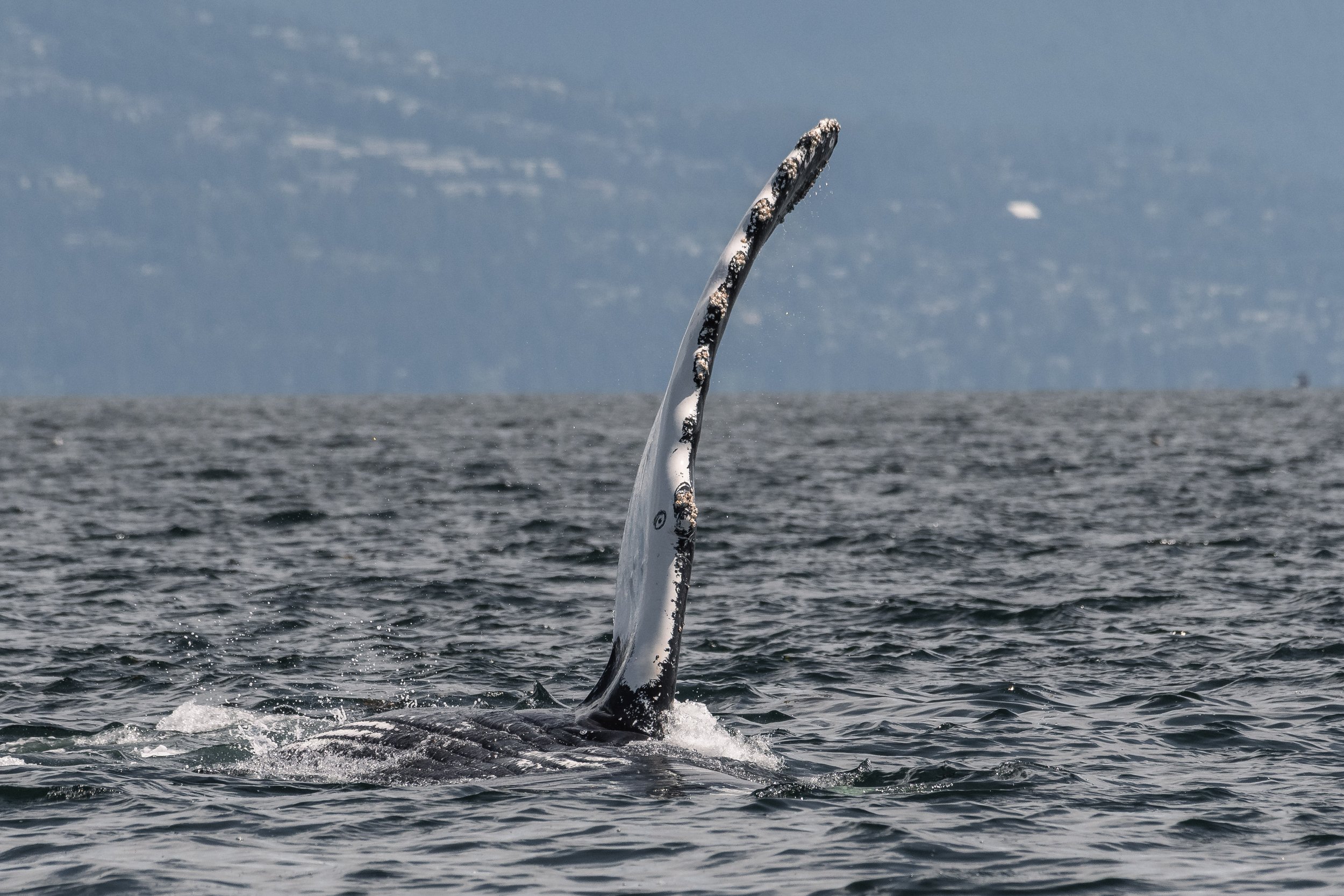
More slapping! Photo by Evan Hessels.
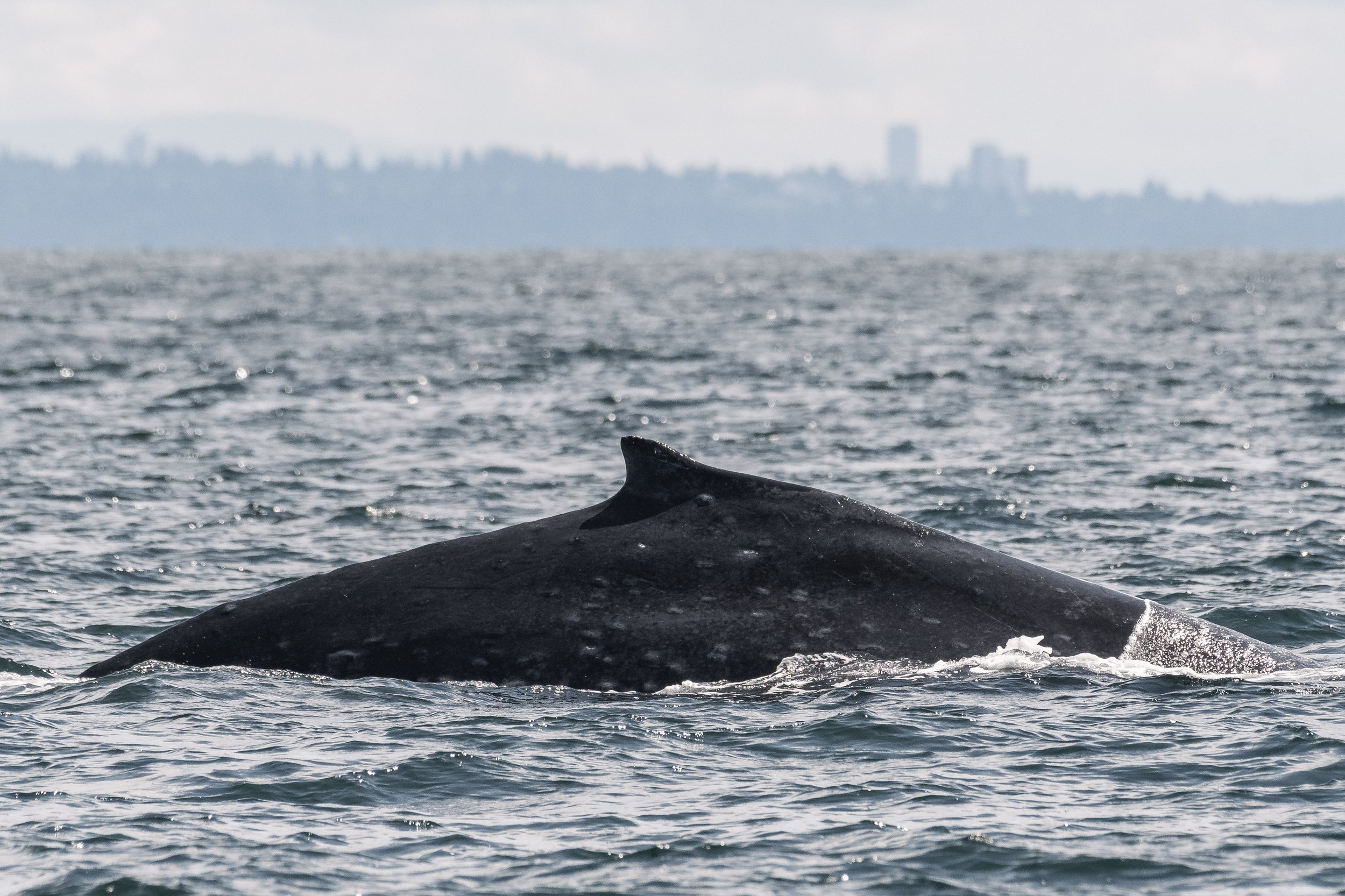
Phi/Corona’s dorsal fin. Photo by Evan Hessels.
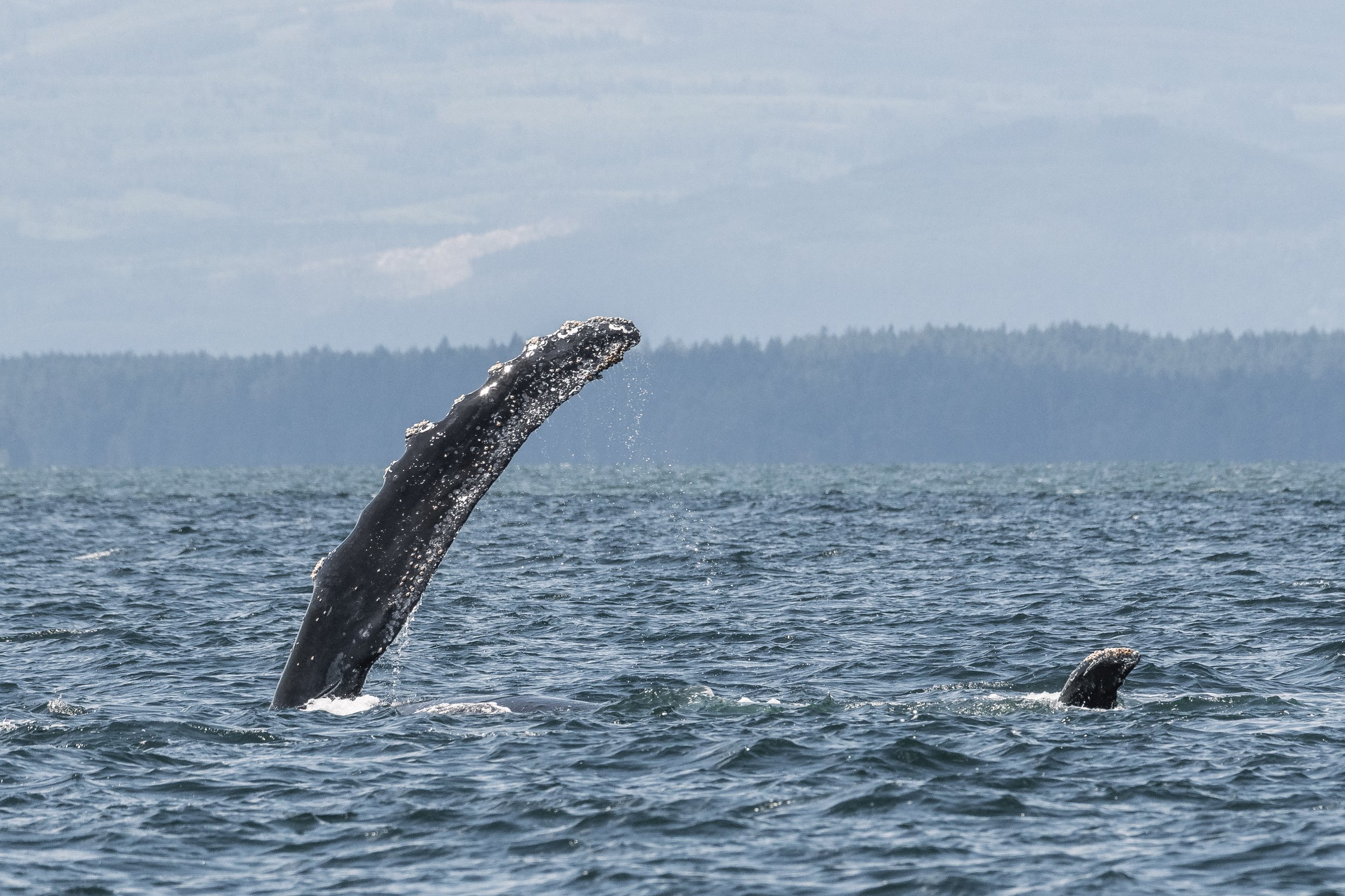
Swimming on their side. Photo by Evan Hessels.
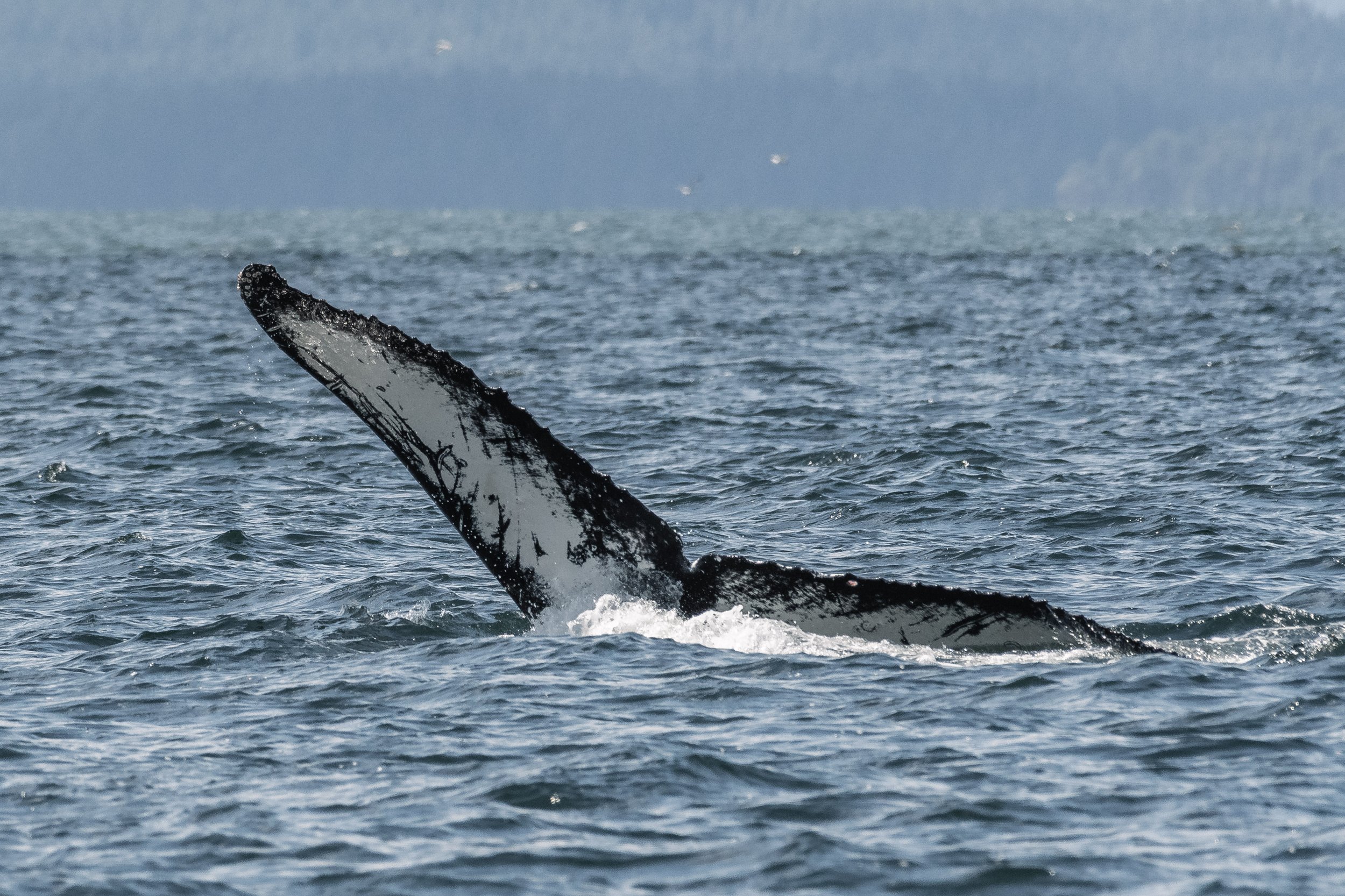
Chi’s flukes. Photo by Evan Hessels.
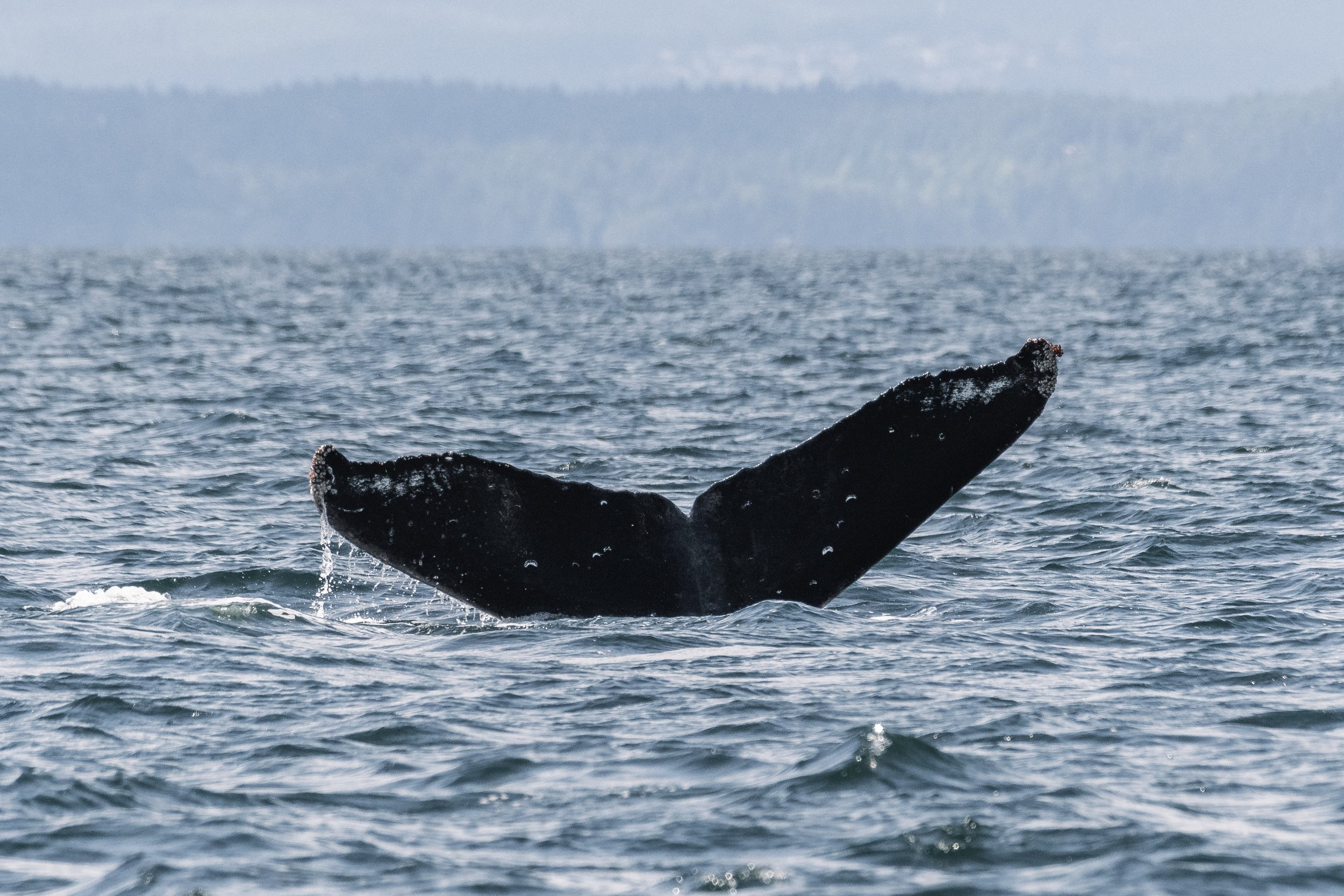
Phi/Corona fluking. Photo by Evan Hessels.
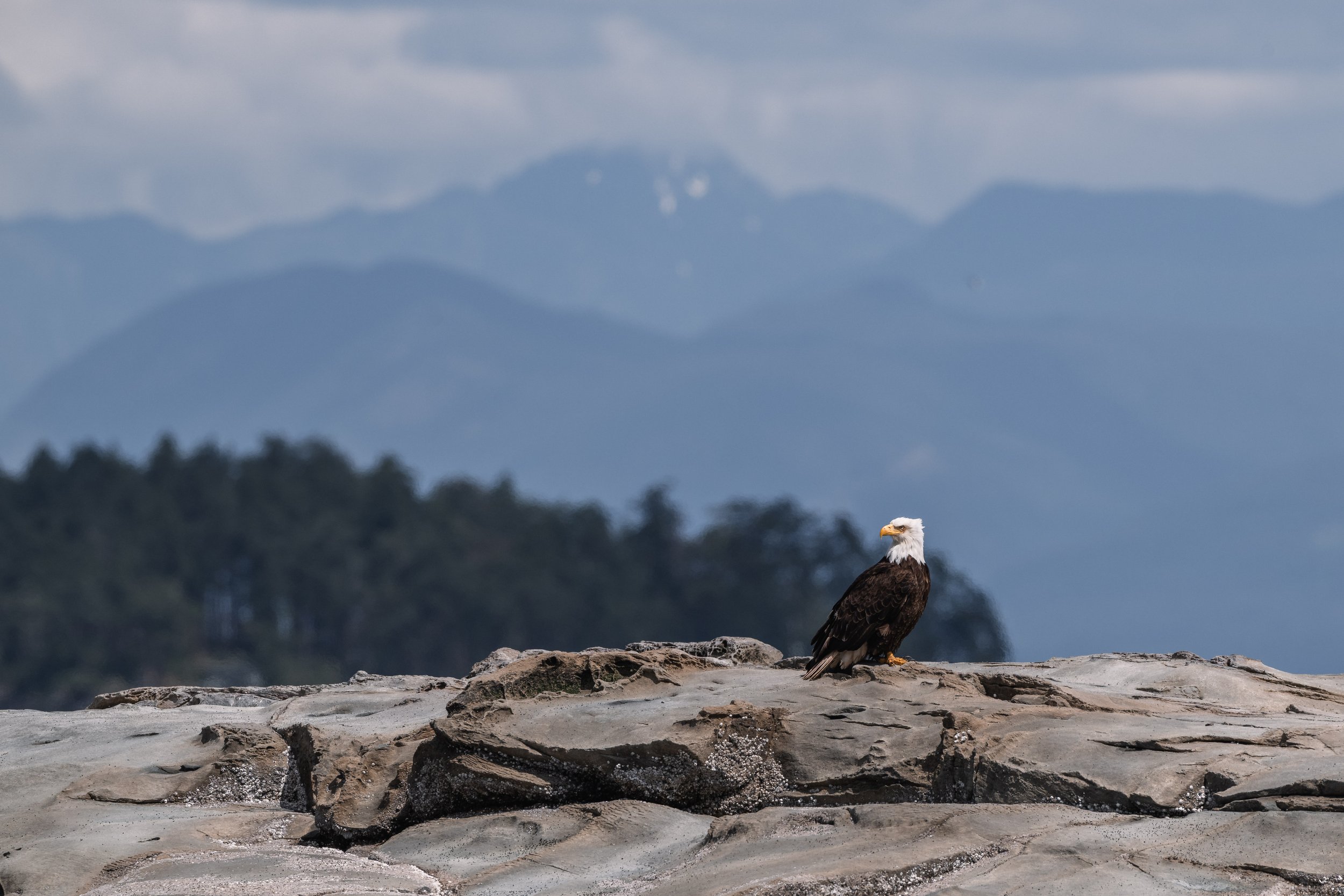
A bald eagle in the breeze. Photo by Aly Kohlman.
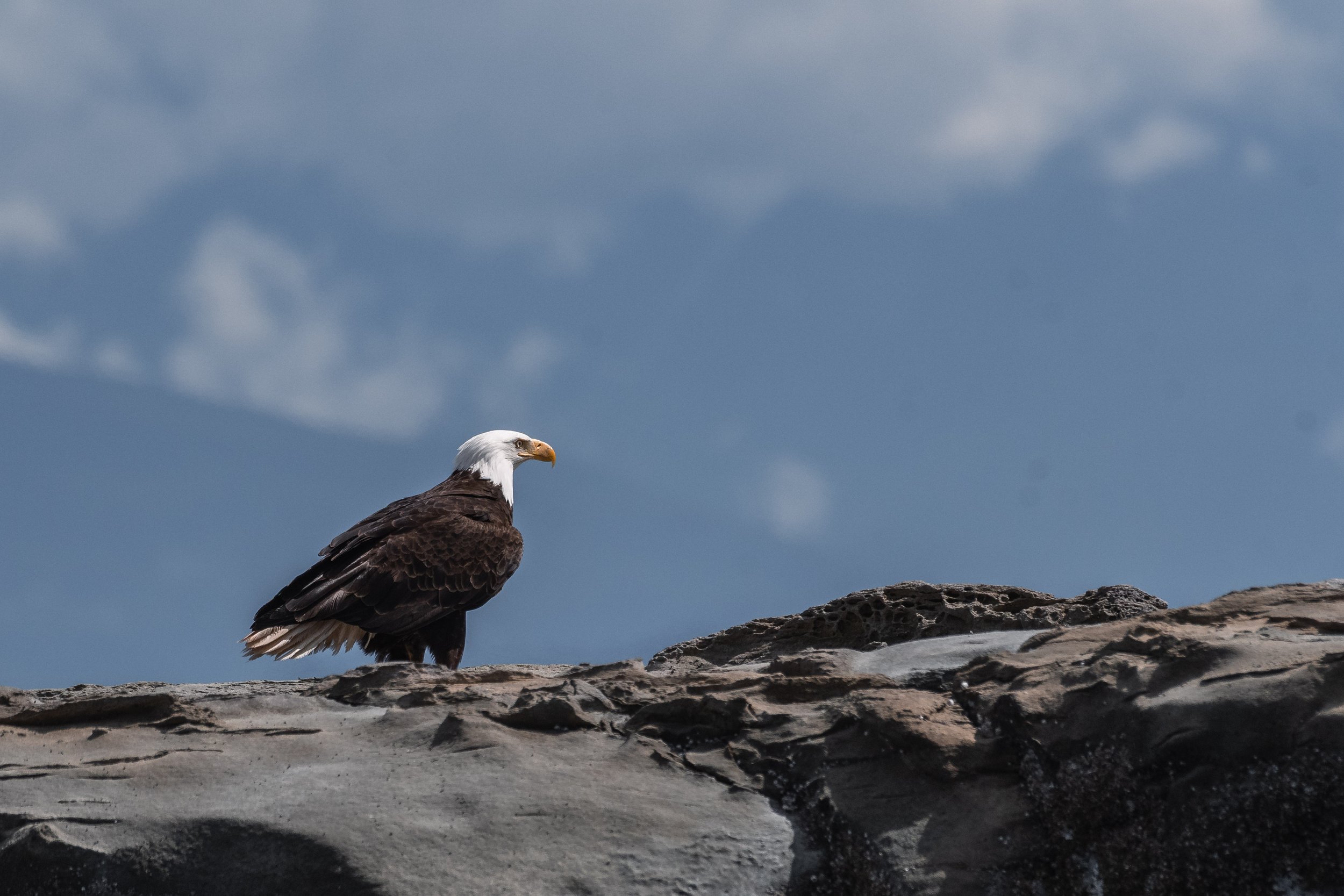
An eagle on the rocks. Photo by Evan Hessels.
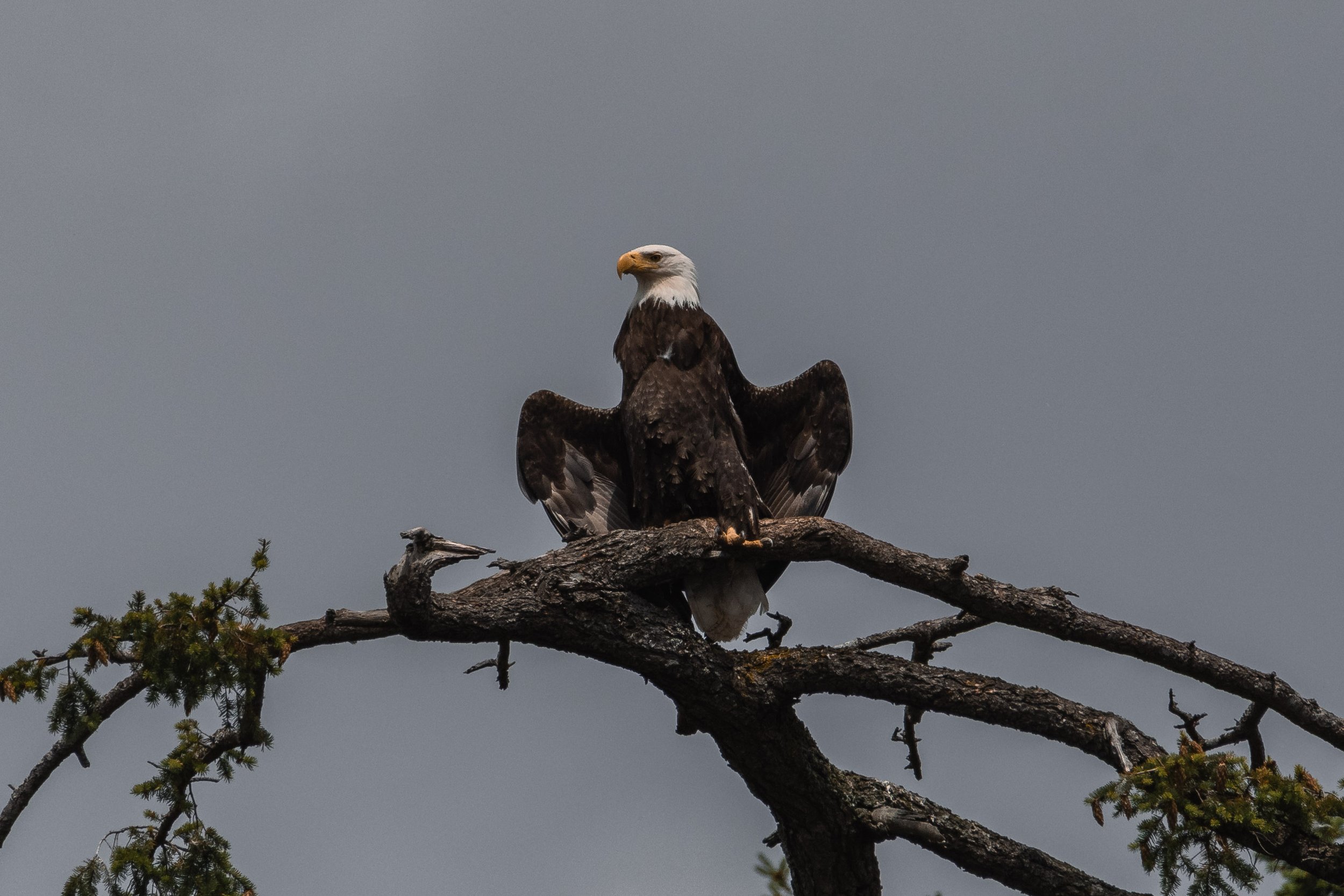
This eagle is cooling off. Photo by Evan Hessels.
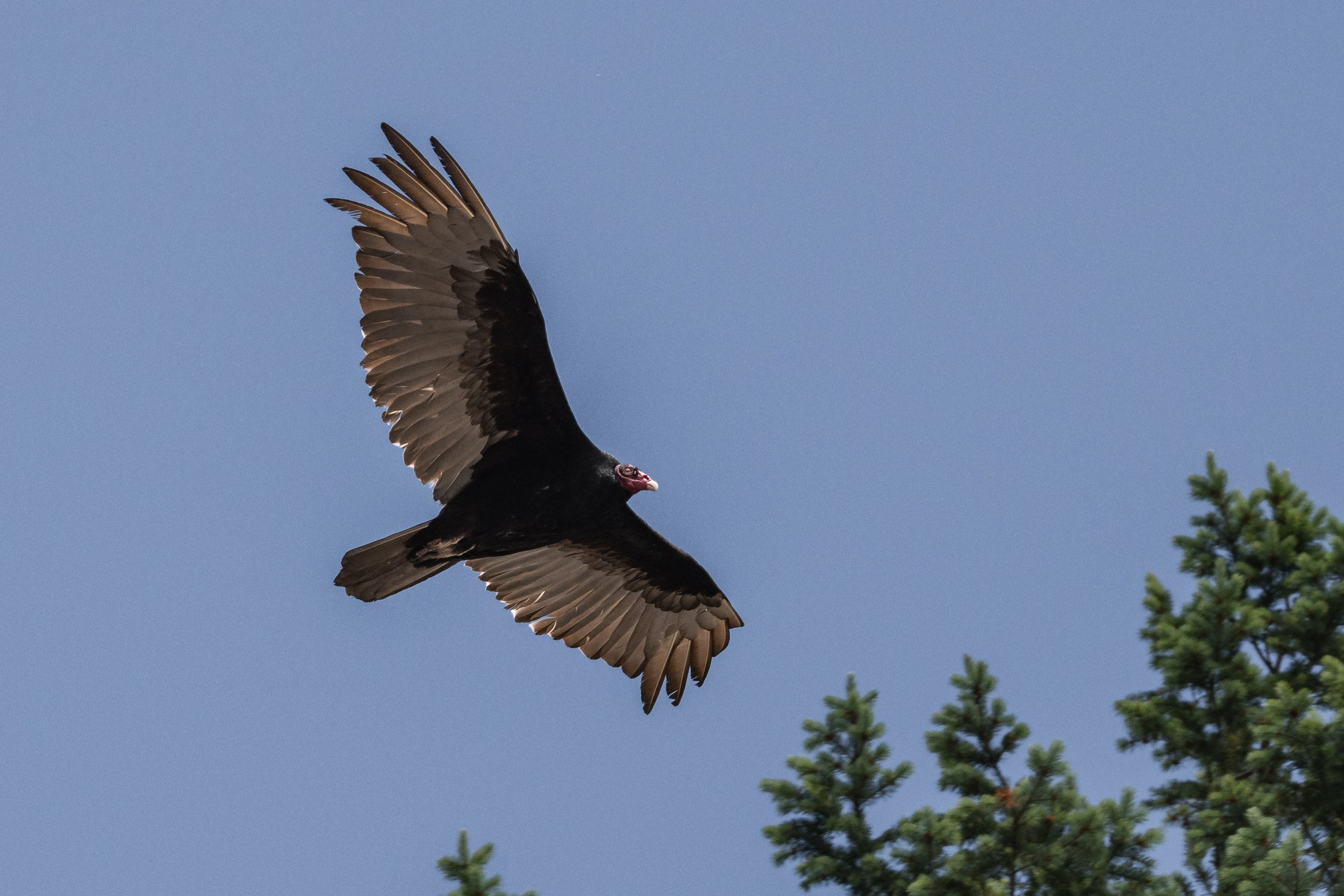
A turkey vulture soaring above. Photo by Aly Kohlman.
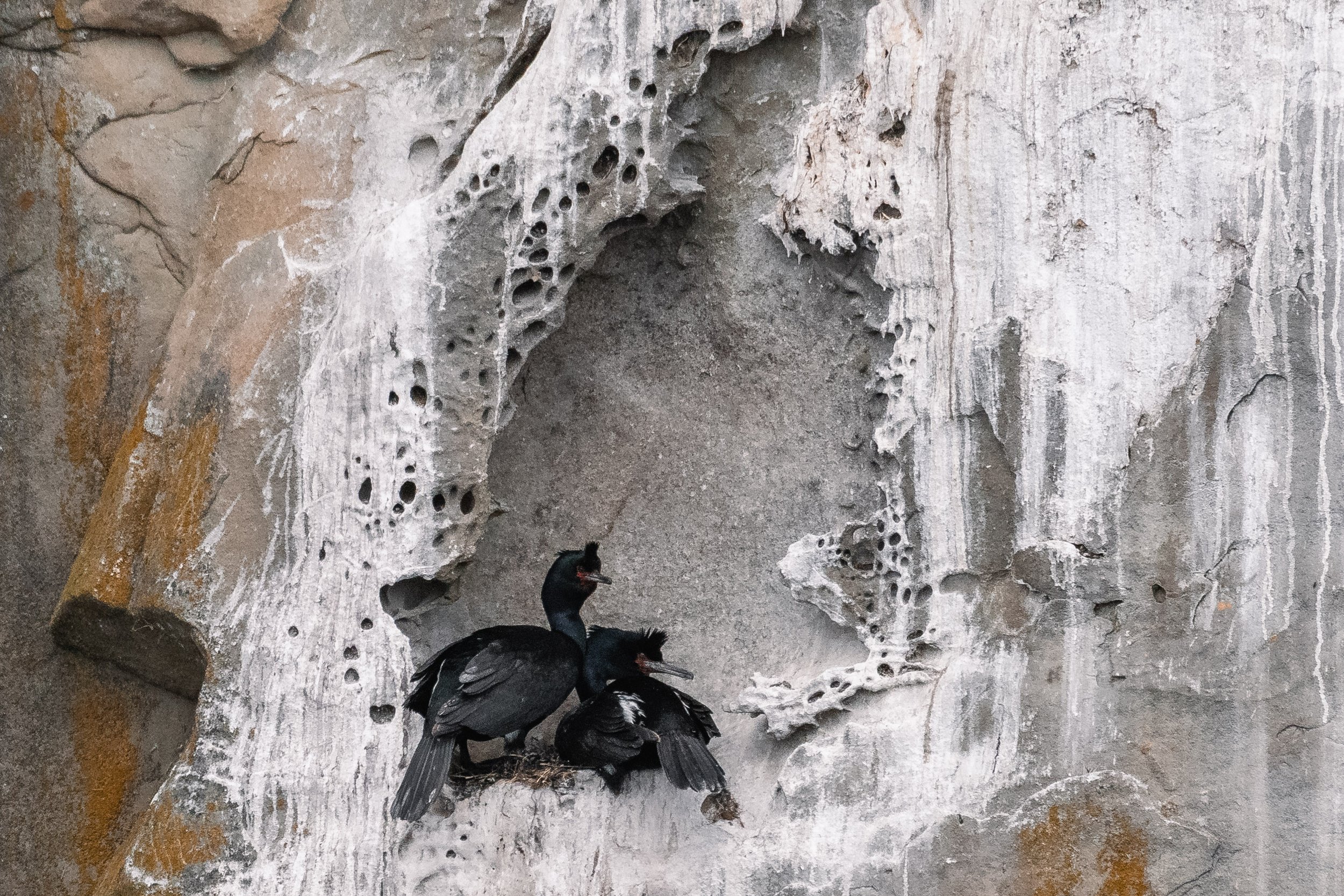
Cormorants in their nests. Photo by Evan Hessels.
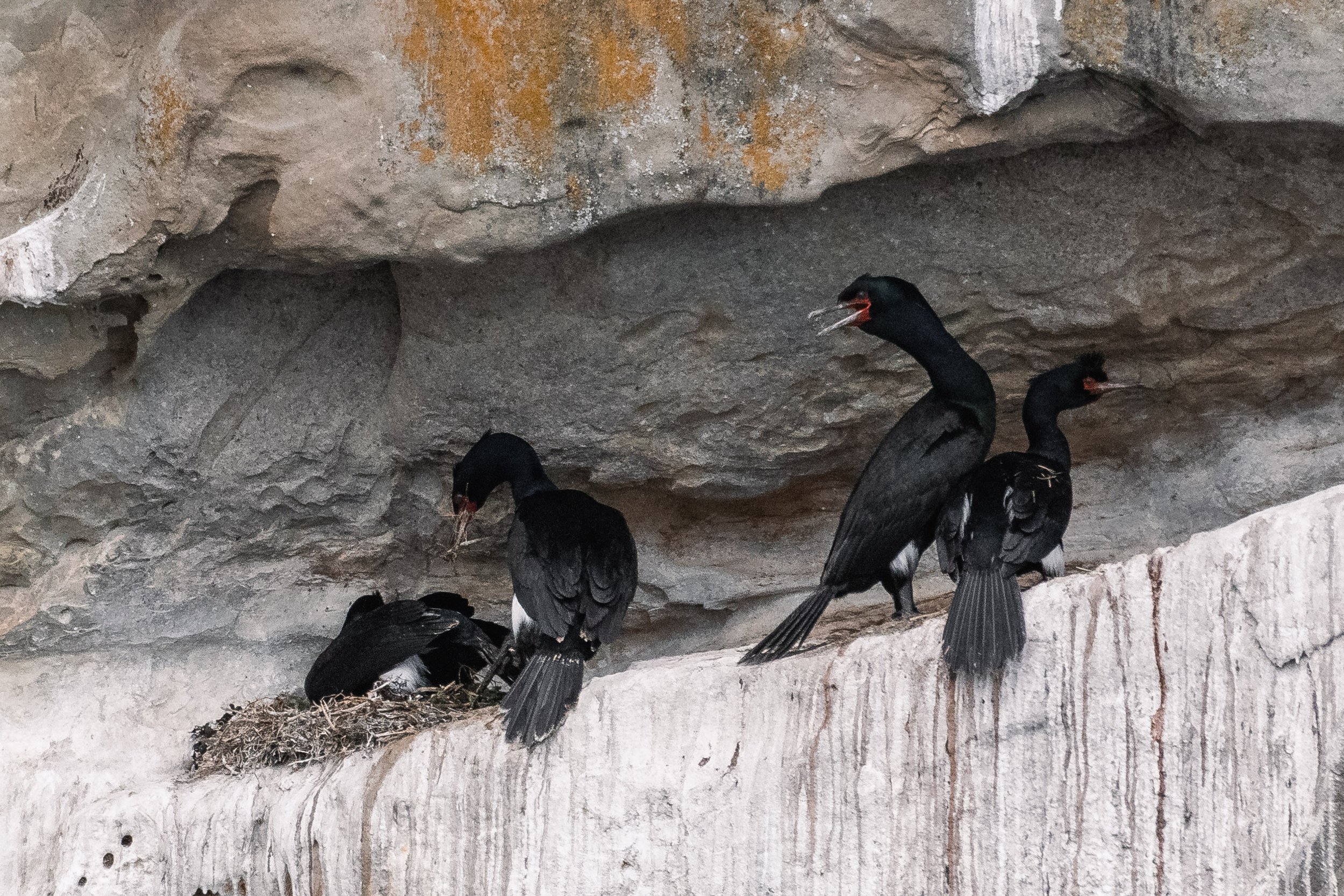
This one is adding to the nest. Photo by Evan Hessels.
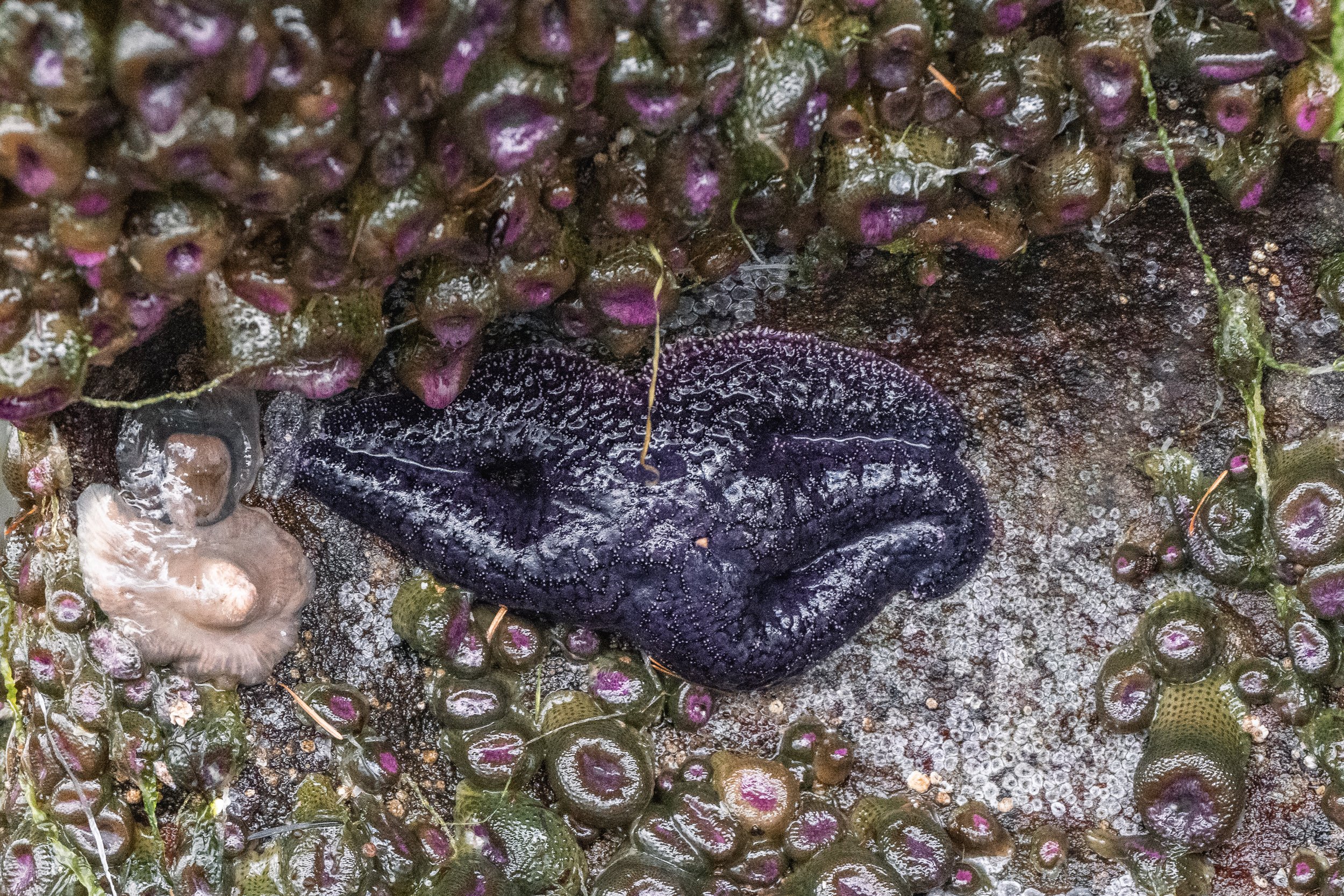
An ochre sea star surrounded by anemones. Photo by Aly Kohlman.
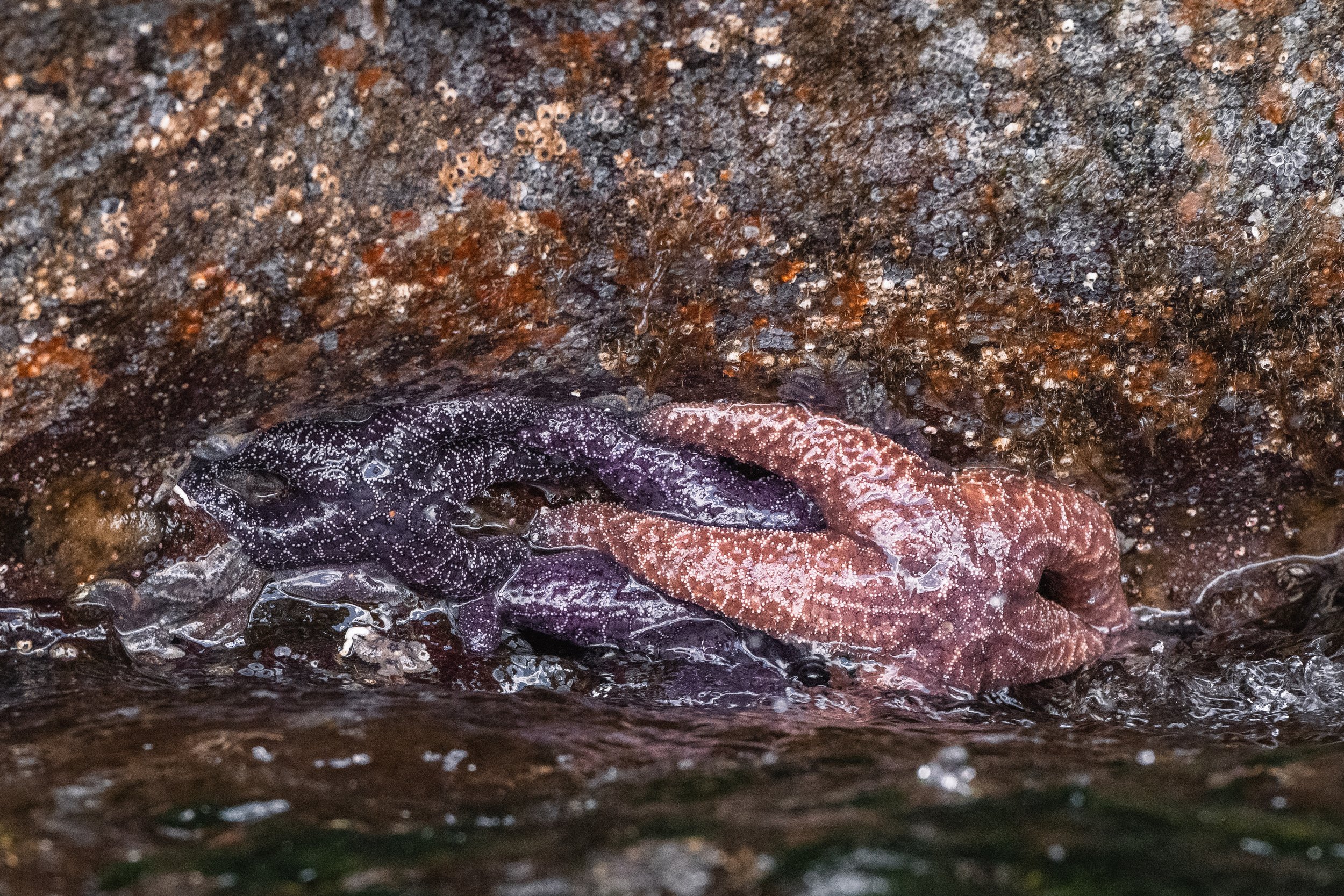
Ochre sea stars cuddling. Photo by Aly Kohlman.